

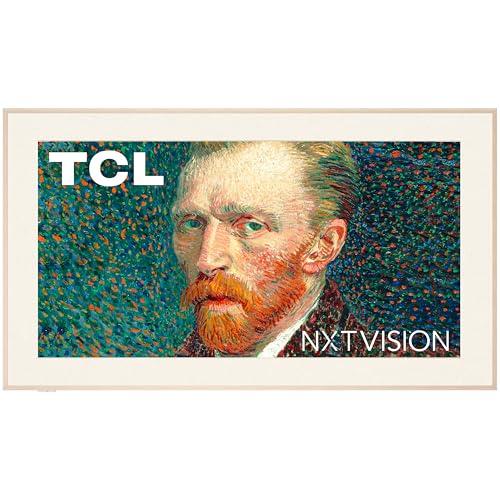

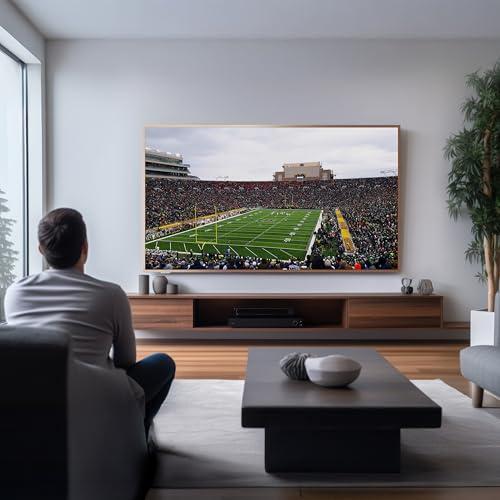

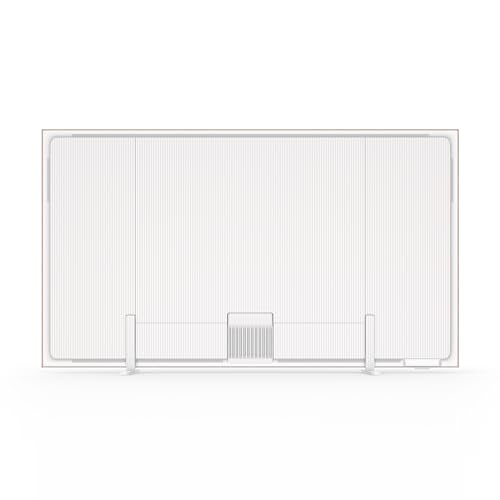
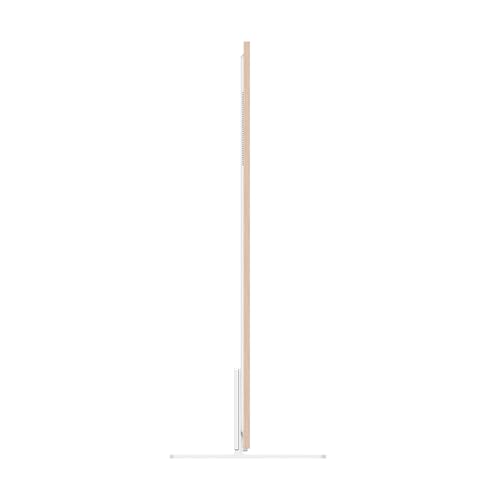
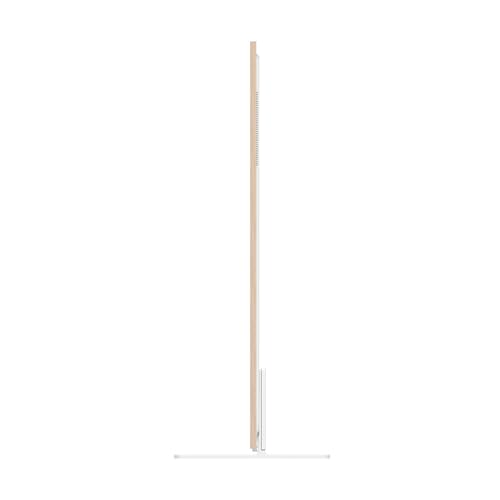
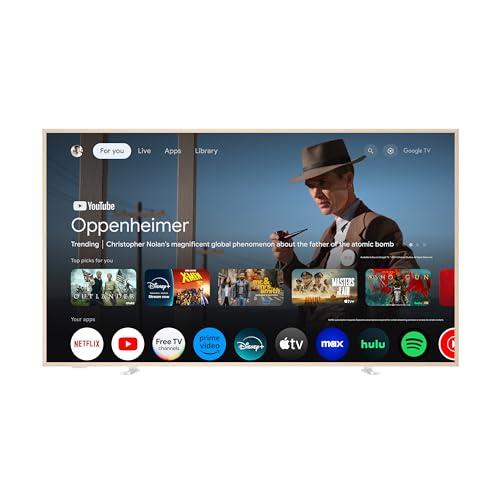

Picture this: you walk into a beautifully designed living room, and instead of a big black rectangle dominating the wall, there's what appears to be a framed piece of art. But surprise – it's actually a television that can transform into your entertainment center at the touch of a button. This is the world that "lifestyle TVs" like the TCL NXTVISION are trying to create, fundamentally challenging how we think about televisions in our homes.
But here's the thing – traditional TVs like the Hisense H9G haven't been sitting still either. They've been getting brighter, more colorful, and packed with features that make your favorite shows and games look incredible. So the question becomes: do you want a TV that disappears into your décor, or one that delivers the absolute best viewing experience when you're actually watching it?
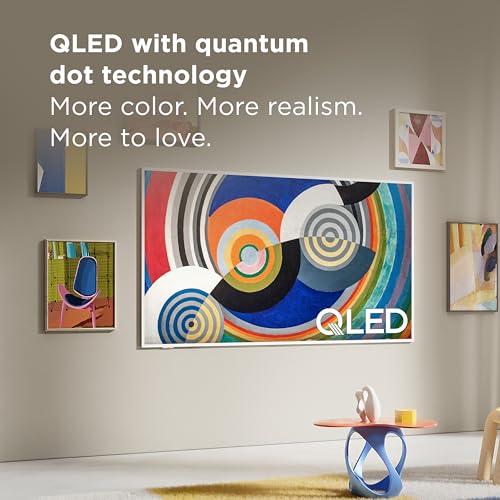
The television market has split into two fascinating directions. On one side, you have lifestyle TVs that prioritize blending into your home's aesthetic. On the other, traditional TVs focus relentlessly on picture quality, gaming features, and raw performance. Both approaches use similar underlying technology – in this case, QLED (Quantum Dot Light Emitting Diode) panels that can display over a billion different colors – but they optimize for completely different goals.
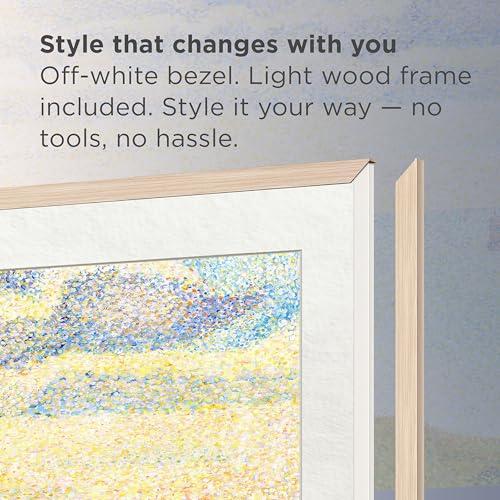
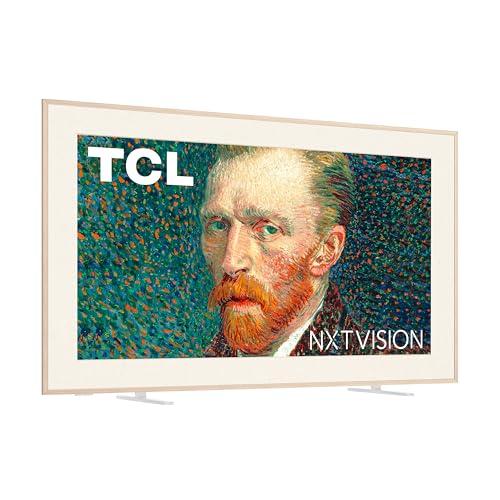
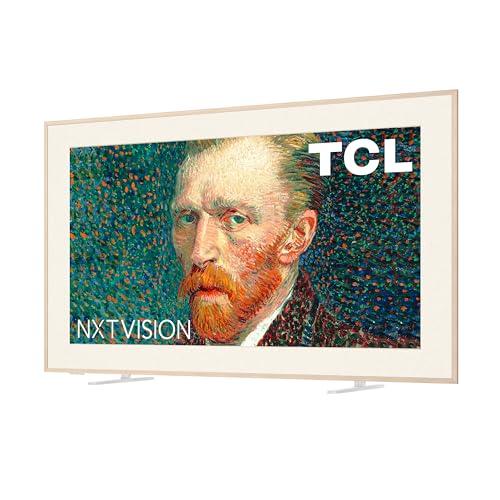
The TCL NXTVISION, launched in 2024, represents the art-focused approach. It's designed to hang flush against your wall like a painting, complete with interchangeable frames and a special matte screen that reduces reflections. Think of it as a digital picture frame that happens to also be a really good TV.
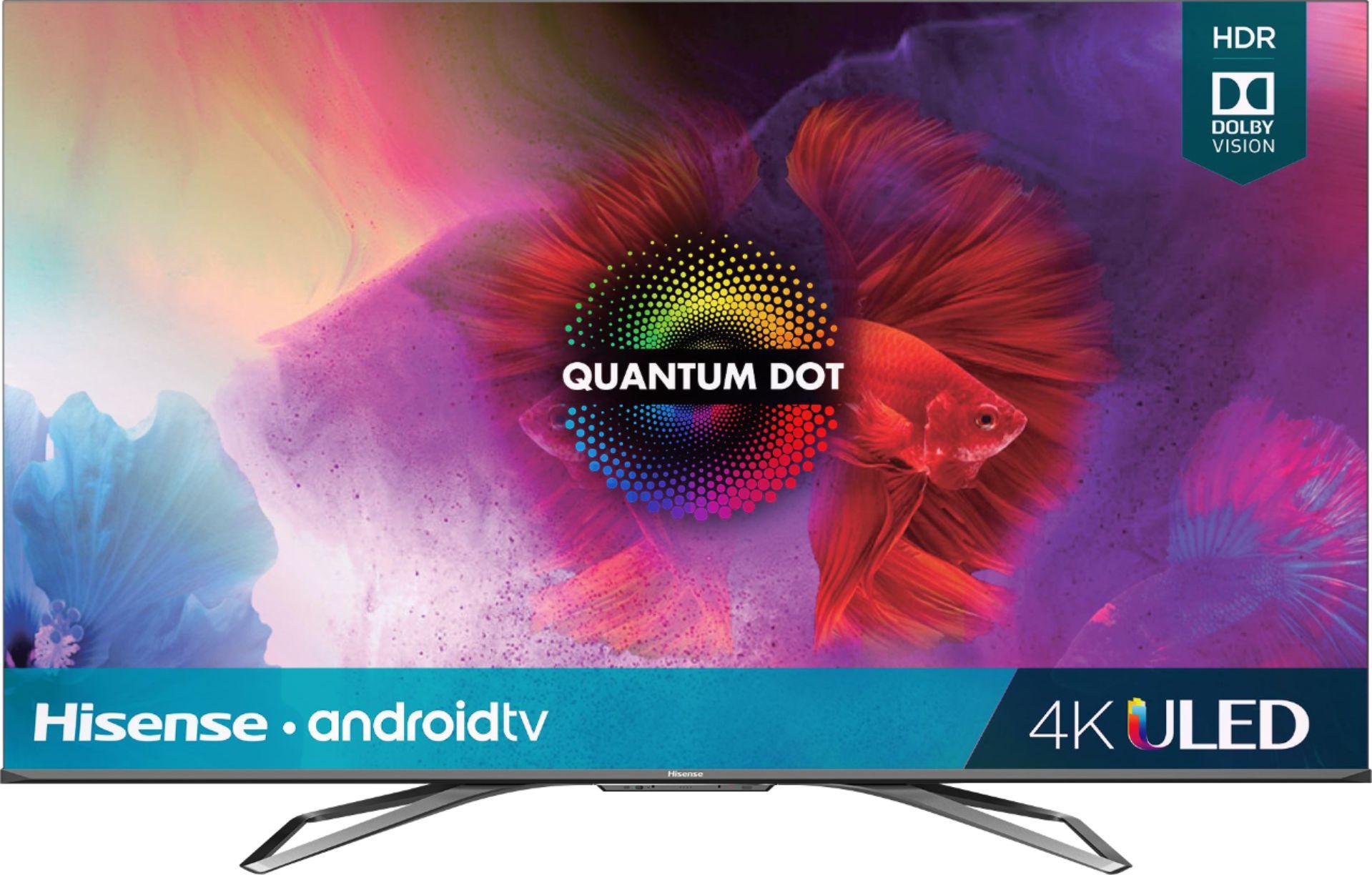
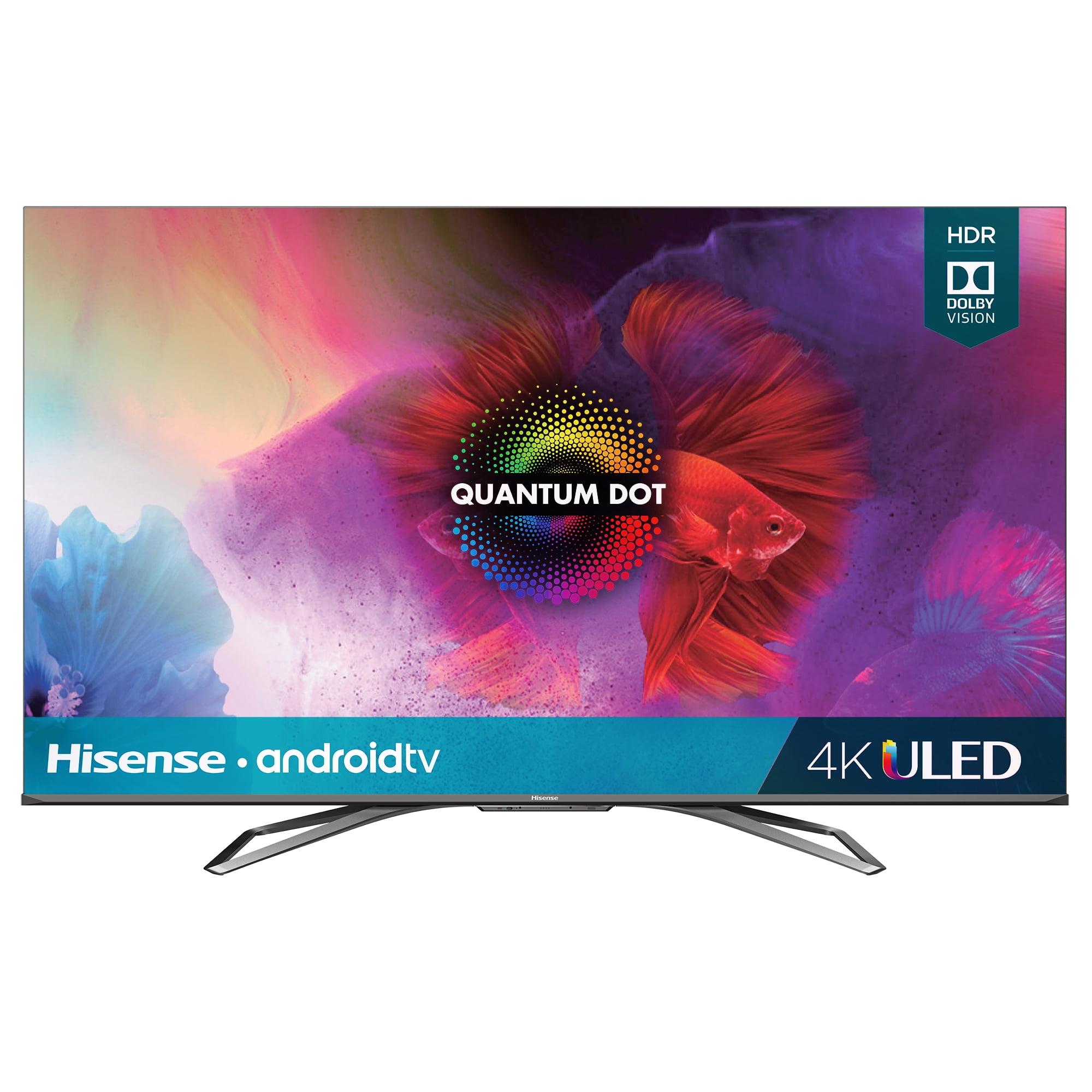
The Hisense H9G, which has been available since around 2020, takes the traditional performance route. It focuses on delivering deep blacks, bright highlights, and vibrant colors that make your content pop. It's the kind of TV that movie enthusiasts and gamers gravitate toward because it prioritizes what happens when you're actually watching something.
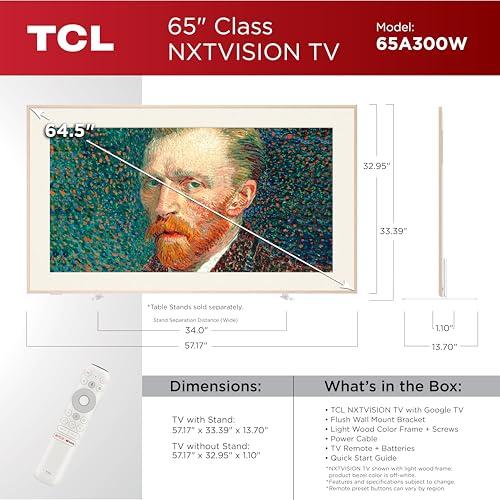
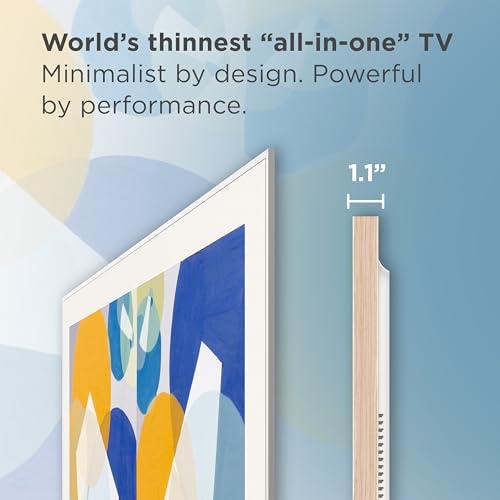
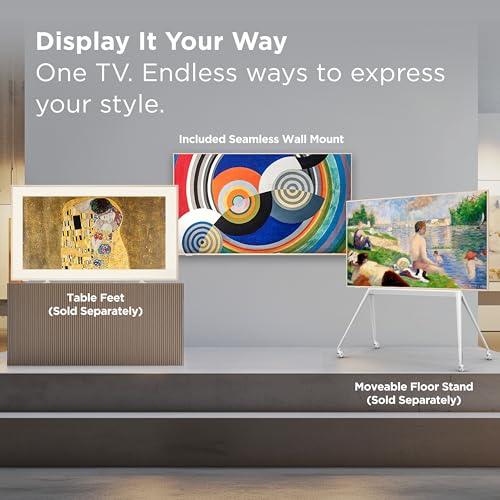
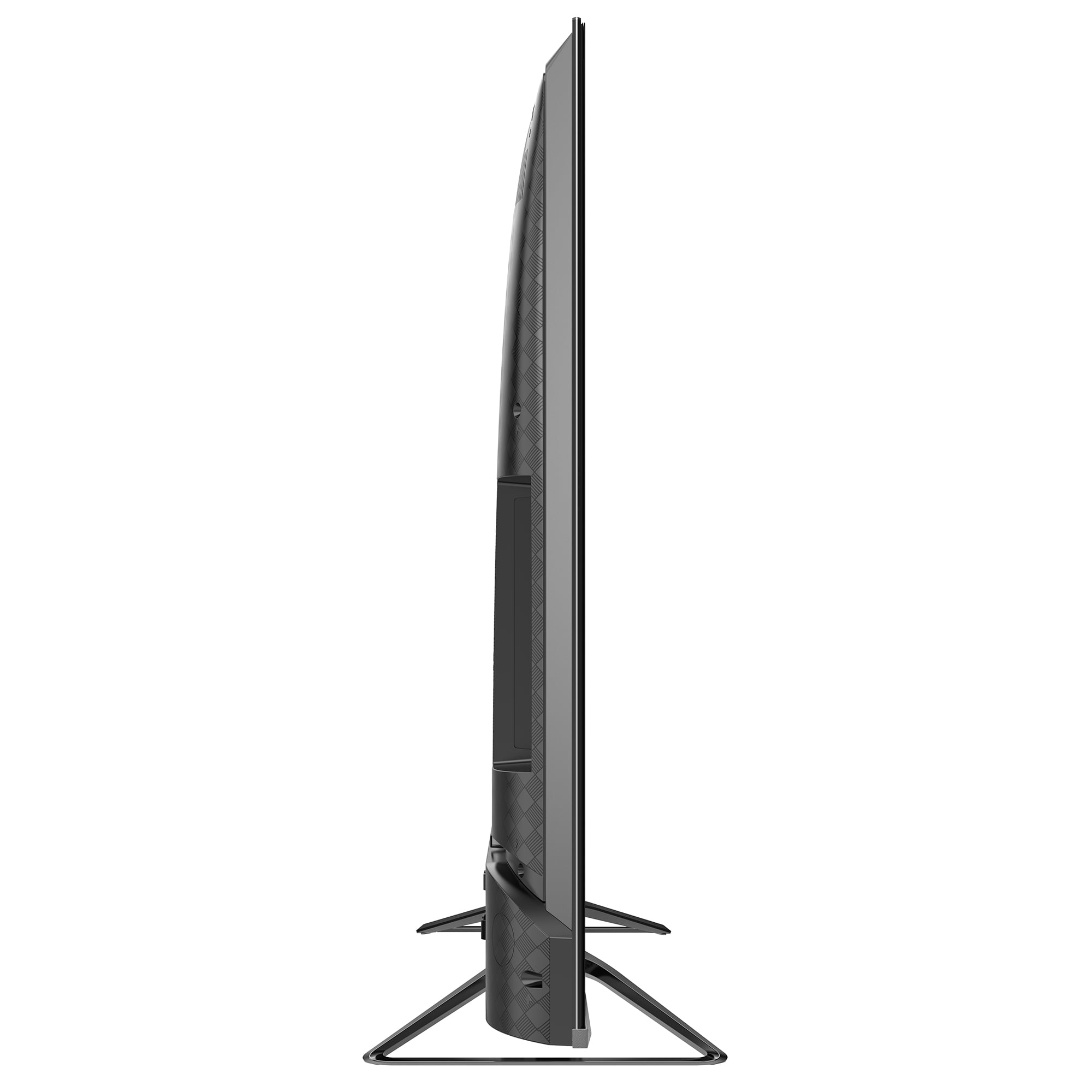
Let's start with the most obvious difference – how these TVs exist in your space. The TCL NXTVISION is almost impossibly thin at just 1.1 inches deep. To put that in perspective, most smartphones are thicker than this TV's profile. It comes with a proprietary flush wall mount that lets it sit completely flat against your wall with zero gap, creating the illusion of a framed artwork.
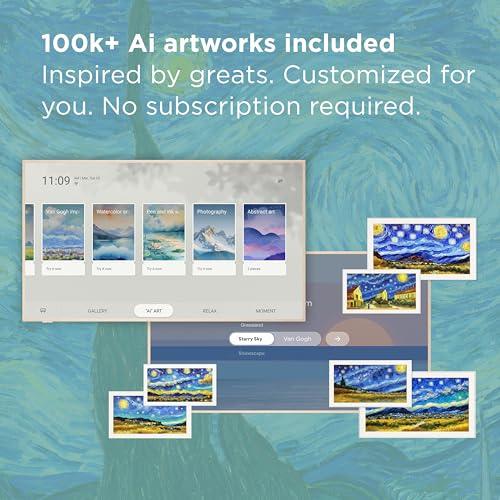
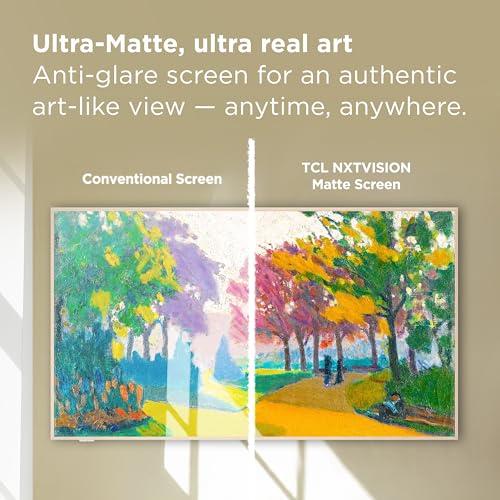
The aesthetic commitment goes beyond just being thin. TCL includes magnetic frames in different finishes – the base model comes with a light wood frame, but you can swap it out to match your décor. The screen itself uses an ultra-matte coating that eliminates reflections and gives displayed images a canvas-like appearance. When you're not watching TV, it can display thousands of artworks from its built-in library or your personal photos.
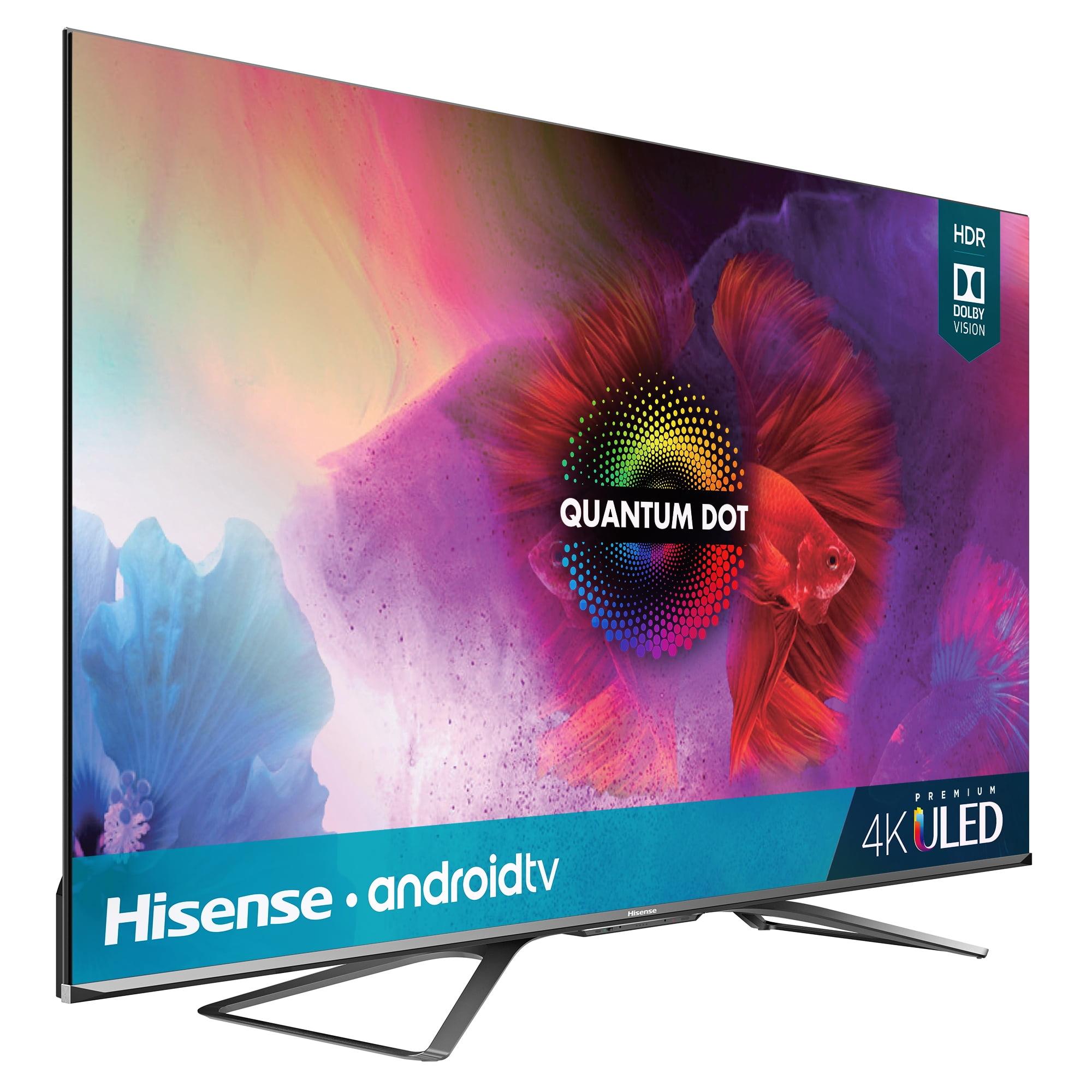
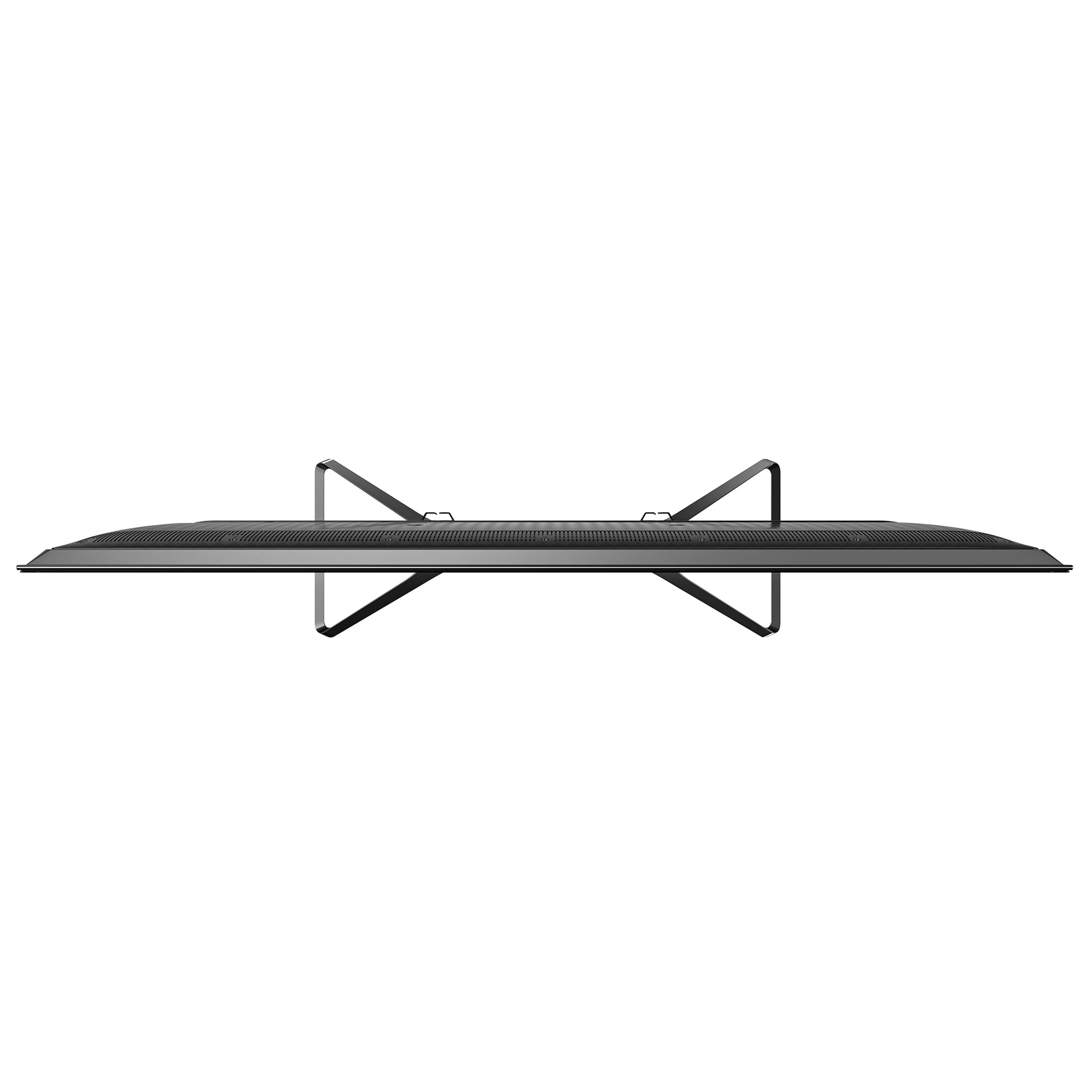
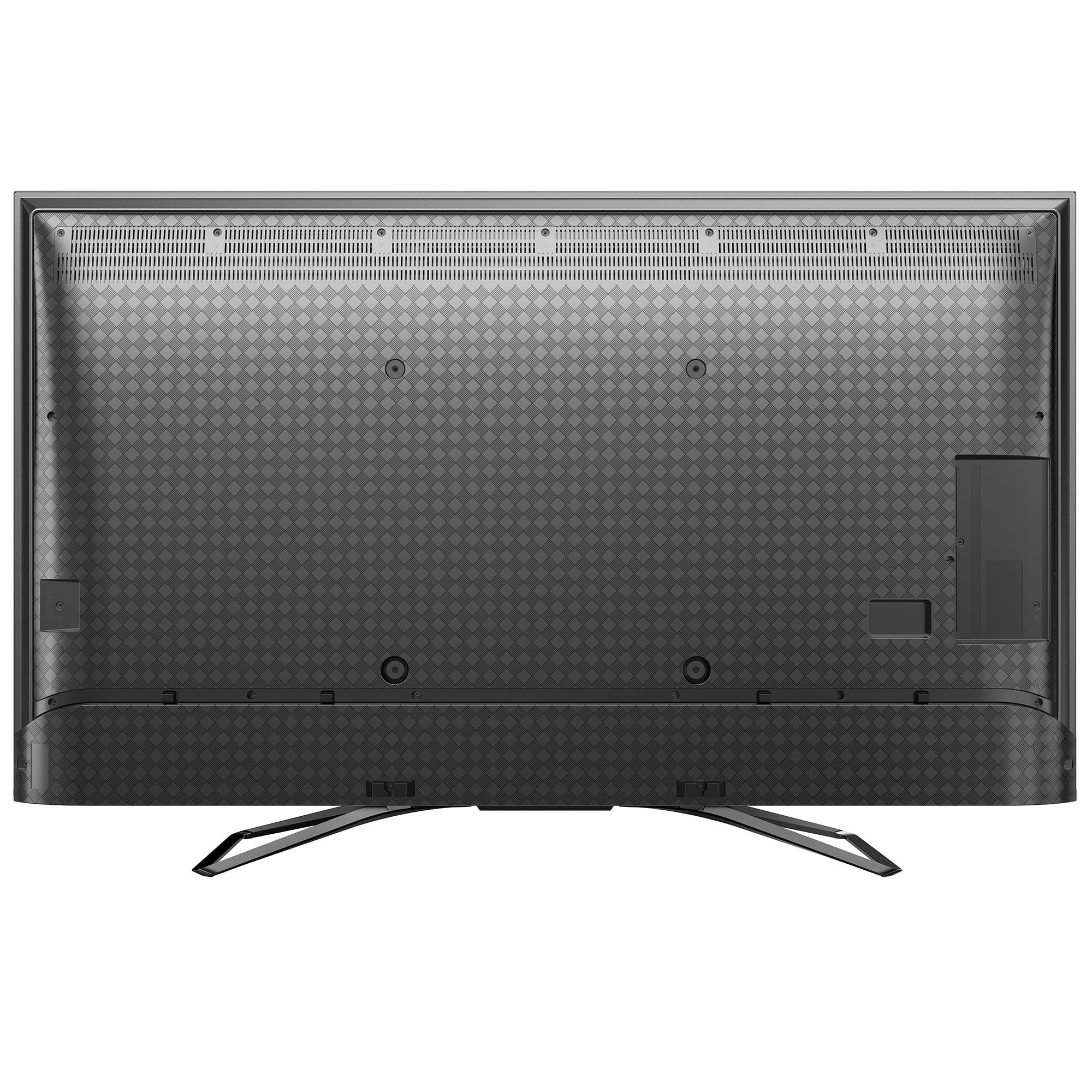
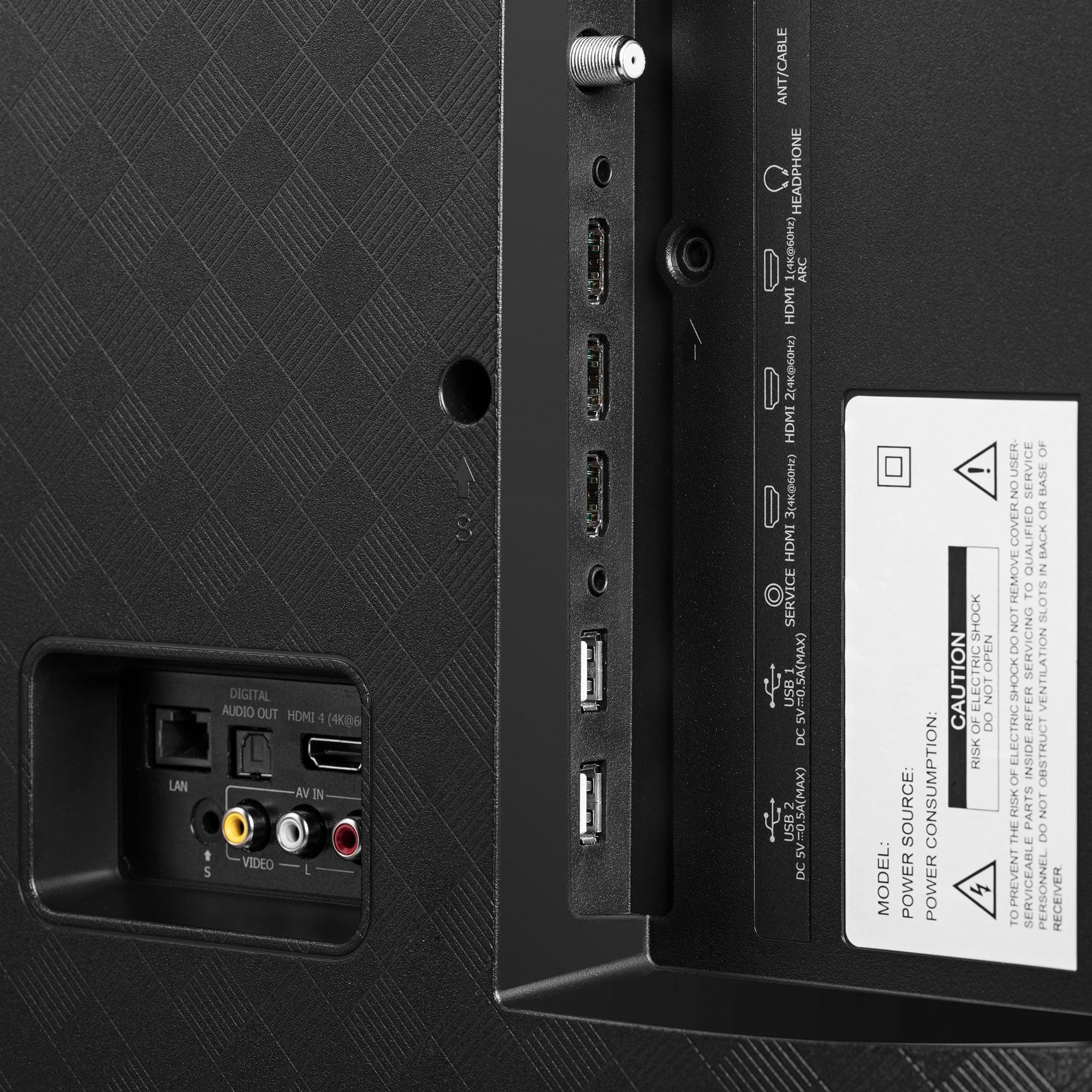
The Hisense H9G, by contrast, is a more traditional 4.1 inches deep – still slim by TV standards, but clearly designed as a television first. It can sit on a stand or mount to the wall using standard VESA mounting patterns, giving you flexibility in placement that the TCL doesn't offer. The screen is glossy, which might create more reflections but also delivers more vibrant, punchy colors when you're actually watching content.
This is where the fundamental trade-offs become clear. The Hisense H9G was designed to deliver the best possible picture quality, and it shows. It can reach up to 1000 nits of peak brightness – that's the measurement for how bright the screen can get – which is crucial for HDR (High Dynamic Range) content to really shine. HDR is the technology that makes bright scenes blindingly bright and dark scenes deeply black, creating more realistic and impactful images.
Even more importantly, the Hisense has 180 local dimming zones. This is a critical feature that most people don't fully understand. Imagine your TV's backlight divided into 180 separate sections that can brighten or dim independently. When there's a bright explosion on a dark background, only the zones behind the explosion light up, while the rest stay dark. This creates much deeper blacks and better contrast – the difference between the brightest and darkest parts of the image.
The TCL NXTVISION, meanwhile, uses edge-lit backlighting without local dimming. This means the LEDs that light up the screen are only around the edges, and they can't independently control different areas. The result is that blacks look more like dark gray, and bright objects in dark scenes tend to create a glow or "blooming" effect around them. It's the price you pay for that ultra-thin design.
For HDR content – think the latest Netflix shows, 4K Blu-rays, or modern video games – this difference is significant. The Hisense will show you the full range from deep space blacks to brilliant sunshine whites that HDR was designed to deliver. The TCL's HDR will be more muted and less impactful, though still better than older standard TVs.
Here's where the TCL NXTVISION fights back. That ultra-matte screen coating that makes it look like a canvas also eliminates virtually all reflections. If your TV is in a bright living room with large windows, or if you watch during the day, this is a game-changer. You won't see yourself, lamps, or windows reflected in the screen – something that can be incredibly annoying on traditional glossy TVs.
The matte coating does come with trade-offs, though. Colors won't pop quite as much as they would on a glossy screen, and the overall image can look slightly softer. But for many people, especially those with bright living spaces, the elimination of reflections more than makes up for the slight reduction in color vibrancy.
The Hisense H9G with its traditional glossy screen will show more reflections in bright rooms, but when you control the lighting – like in a dedicated home theater or when watching at night – those deeper blacks and brighter colors really shine through.
Gaming is where things get interesting and a bit complicated. On paper, the TCL NXTVISION looks like a gaming powerhouse. It supports 4K resolution at up to 144Hz refresh rate and 1080p at an incredible 240Hz on its HDMI 2.1 ports. Higher refresh rates mean smoother motion and less input lag – the delay between when you press a button and when something happens on screen.
The TCL also supports AMD FreeSync Premium and has incredibly low input lag of just 4.6 milliseconds at high refresh rates. For competitive gamers, these numbers look fantastic. It also works with all the latest gaming features from PlayStation 5 and Xbox Series X/S consoles.
But here's the catch – and it's a big one. The TCL has slow pixel response times, meaning that fast-moving objects create noticeable blur trails. More problematically, you can't use variable refresh rate (VRR) – which prevents screen tearing – and proper color reproduction at the same time. You have to choose between Game Mode for VRR or PC Mode for accurate colors, but not both.
The Hisense H9G, while lacking some of the modern gaming features, actually delivers a better overall gaming experience for most people. The faster pixel response means less motion blur, and the superior contrast makes games look more immersive, especially in darker scenes. It's missing VRR and the high refresh rates, but for many gamers, the better fundamental picture quality matters more.
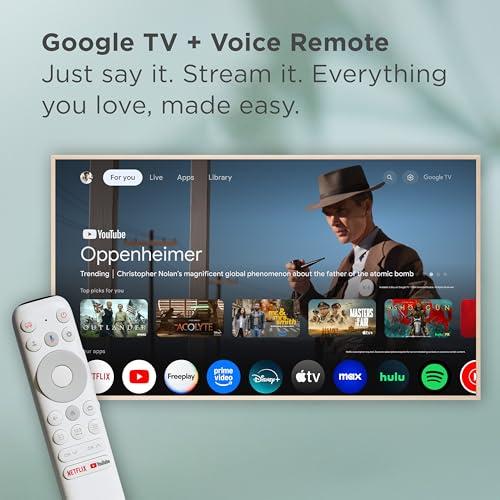
Both TVs offer comprehensive smart TV platforms, but they take different approaches. The TCL NXTVISION runs Google TV, which is Google's latest and most polished smart TV interface. It's fast, intuitive, and great at recommending content across different streaming services. The TV also includes hands-free voice control and works with most smart home systems.
The Hisense H9G uses Android TV, which is Google's earlier smart TV platform. It's still capable and gives you access to all the major streaming apps, but the interface isn't quite as refined as the newer Google TV system. Both platforms will get you to Netflix, Disney+, and your other favorite apps just fine.
Neither TV is going to blow you away with sound quality – that's just the reality of modern thin TVs. The TCL NXTVISION manages to pack decent 20-watt speakers into its incredibly thin frame, with support for Dolby Atmos spatial audio. The Hisense H9G also has 20 watts total power and generally sounds a bit fuller thanks to its larger cabinet, though both will benefit significantly from a soundbar or dedicated speakers.
For the TCL, the ultra-thin design means sound quality takes a back seat to aesthetics. For the Hisense, you get slightly better audio, but you'll still want external speakers for any serious listening.
At the time of writing, lifestyle TVs like the TCL NXTVISION typically command a premium over traditional TVs with similar basic specs. You're paying extra for the ultra-thin design, the flush wall mount system, the art features, and the anti-glare screen. Whether that premium is worth it depends entirely on how much you value having your TV blend into your décor versus stand out as an entertainment centerpiece.
The Hisense H9G, being a more traditional TV from 2020, generally offers better picture quality performance per dollar spent. You're getting that excellent local dimming system, higher brightness, and better contrast for what's typically a lower overall price than lifestyle alternatives.
The question isn't really which TV is "better" – it's which approach aligns with your priorities and living situation.
If you're building a dedicated home theater or media room, the choice becomes clearer. The Hisense H9G is the better choice for this scenario. Its superior contrast ratio, local dimming, and higher brightness will make movies look more cinematic and immersive. The deep blacks are crucial for that true theater experience, especially when watching in a darkened room.
The TCL NXTVISION simply can't compete in a traditional home theater setup. The edge-lit design and matte screen, while great for bright living rooms, don't deliver the dramatic contrast and color pop that make movies feel special in a dark room.
However, if your "home theater" is actually your bright, open-concept living room where you watch during the day, the TCL's anti-glare screen becomes a significant advantage.
The TCL NXTVISION makes the most sense if:
The Hisense H9G is the better choice if:
After researching extensive expert reviews and user feedback, it's clear that both TVs succeed at their intended purposes but with important caveats. The TCL NXTVISION truly does solve the "big black rectangle" problem that many people have with modern TVs, and its anti-glare screen is genuinely impressive in bright rooms. But you are making real sacrifices in picture quality, especially for HDR content and gaming.
The Hisense H9G, despite being older technology, simply delivers a more satisfying viewing experience when you're actually watching content. The local dimming makes a huge difference in perceived picture quality, and the overall balance of features feels more focused on the core TV experience.
The choice between these TVs really comes down to this: Do you want a TV that disappears when you're not using it, or one that excels when you are using it?
If you've ever been frustrated by reflections on your current TV, if you love the idea of displaying art, or if the aesthetic integration with your living space is crucial, the TCL NXTVISION offers something genuinely unique that traditional TVs simply can't match.
But if you're focused on getting the best possible picture quality, especially for movies and games, or if you want the most performance for your money, the Hisense H9G remains a solid choice that prioritizes what TVs have always been supposed to do best: display great-looking content.
Both approaches are valid, but they serve fundamentally different needs. The key is being honest about which matters more to you – how your TV integrates into your life when you're not watching it, or how good it looks when you are.
| TCL 65" NXTVISION QLED 4K Art Frame TV | Hisense 65" H9G Quantum Series 4K UHD Smart Android TV |
|---|---|
| Screen Technology - Core display approach affects all viewing | |
| QLED with Ultra Matte Anti-Glare coating (eliminates reflections but softer colors) | QLED with traditional glossy finish (vibrant colors but shows reflections) |
| Backlight System - Most critical for contrast and HDR performance | |
| Edge-lit LED without local dimming (poor blacks, limited HDR impact) | Full-array with 180 local dimming zones (excellent contrast, deep blacks) |
| Peak Brightness - Essential for HDR content and bright room viewing | |
| High Brightness+ LED (specification not disclosed, likely 400-600 nits) | 1000 nits peak brightness (excellent for HDR and overcoming ambient light) |
| Design Profile - Impacts room integration and mounting options | |
| Ultra-slim 1.1" depth with proprietary flush wall mount (art frame aesthetic) | Traditional 4.1" depth with standard VESA mounting (flexible placement) |
| Gaming Performance - Key specs for modern console and PC gaming | |
| 4K@144Hz, 240Hz@1080p, 4.6ms input lag, AMD FreeSync (but slow pixel response) | Native 120Hz panel, Game Mode, low input lag (better motion clarity, lacks VRR) |
| Smart TV Platform - Affects ease of use and app selection | |
| Google TV with hands-free voice control (latest, most polished interface) | Android TV with Google Assistant (older platform, still capable) |
| Art Display Features - Unique functionality for lifestyle integration | |
| 100,000+ AI artworks, personal photo gallery, magnetic interchangeable frames | None (traditional TV functionality only) |
| HDR Support - Format compatibility for premium content | |
| Dolby Vision IQ, HDR10+, HDR10, HLG (limited by poor contrast) | Dolby Vision, HDR10+, HDR10, HLG (excellent implementation with local dimming) |
| Audio System - Built-in sound quality | |
| 20W total (2x10W) with Dolby Atmos (adequate for ultra-thin design) | 20W total (2x10W) with Dolby formats (slightly better due to larger cabinet) |
| Best Use Cases - Where each TV excels | |
| Bright living rooms, art display, minimalist aesthetics, daytime viewing | Dark room viewing, home theater, gaming, traditional TV entertainment |
The TCL 65" NXTVISION QLED 4K Art Frame TV is significantly better for bright rooms thanks to its Ultra Matte Anti-Glare screen coating. This eliminates virtually all reflections from windows, lamps, and other light sources, making daytime viewing much more comfortable. The Hisense 65" H9G Quantum Series 4K UHD Smart Android TV has a traditional glossy screen that will show reflections in bright environments.
The Hisense 65" H9G Quantum Series 4K UHD Smart Android TV delivers superior picture quality with its 180 local dimming zones and 1000-nit peak brightness. This creates deeper blacks, better contrast, and more impactful HDR performance. The TCL 65" NXTVISION QLED 4K Art Frame TV uses edge-lit backlighting without local dimming, resulting in less impressive contrast and HDR performance.
Only the TCL 65" NXTVISION QLED 4K Art Frame TV offers art display functionality. It includes over 100,000 AI-generated artworks, a personal photo gallery mode, and comes with magnetic interchangeable frames to match your décor. The Hisense 65" H9G Quantum Series 4K UHD Smart Android TV is a traditional TV without any art display features.
This depends on your priorities. The TCL 65" NXTVISION QLED 4K Art Frame TV offers more advanced gaming specs with 4K@144Hz support, 240Hz at 1080p, and AMD FreeSync Premium. However, it has slow pixel response times that create motion blur. The Hisense 65" H9G Quantum Series 4K UHD Smart Android TV has better overall gaming performance with faster response times and superior contrast, though it lacks modern features like variable refresh rate.
The TCL 65" NXTVISION QLED 4K Art Frame TV is extremely thin at just 1.1 inches deep and includes a proprietary flush wall mount that sits completely flat against the wall. The Hisense 65" H9G Quantum Series 4K UHD Smart Android TV is 4.1 inches deep and uses standard VESA mounting patterns, offering more flexibility in placement and mounting options.
The Hisense 65" H9G Quantum Series 4K UHD Smart Android TV is much better suited for home theater use. Its 180 local dimming zones create the deep blacks essential for cinematic viewing in dark rooms, and the 1000-nit brightness delivers excellent HDR performance. The TCL 65" NXTVISION QLED 4K Art Frame TV lacks the contrast performance needed for optimal home theater experiences.
The TCL 65" NXTVISION QLED 4K Art Frame TV runs Google TV, which is Google's latest and most polished smart TV interface with hands-free voice control. The Hisense 65" H9G Quantum Series 4K UHD Smart Android TV uses Android TV, Google's earlier smart platform that's still capable but not as refined as the newer Google TV system.
The Hisense 65" H9G Quantum Series 4K UHD Smart Android TV typically offers better performance value, delivering superior picture quality with local dimming and higher brightness at a generally lower cost. The TCL 65" NXTVISION QLED 4K Art Frame TV commands a premium for its lifestyle features like the art display and ultra-slim design.
Both TVs have 20W total audio power and will benefit from external speakers or soundbars. The TCL 65" NXTVISION QLED 4K Art Frame TV includes Dolby Atmos support but is limited by its ultra-thin design. The Hisense 65" H9G Quantum Series 4K UHD Smart Android TV generally sounds slightly better due to its larger cabinet providing more speaker space.
The TCL 65" NXTVISION QLED 4K Art Frame TV is specifically designed to handle reflections with its Ultra Matte Anti-Glare screen that virtually eliminates all reflections. This makes it ideal for bright living rooms. The Hisense 65" H9G Quantum Series 4K UHD Smart Android TV has a glossy screen that will show reflections but delivers more vibrant colors in controlled lighting.
Both TVs support comprehensive HDR formats. The TCL 65" NXTVISION QLED 4K Art Frame TV supports Dolby Vision IQ, HDR10+, HDR10, and HLG, though performance is limited by its backlighting system. The Hisense 65" H9G Quantum Series 4K UHD Smart Android TV supports Dolby Vision, HDR10+, HDR10, and HLG with much better implementation thanks to local dimming.
Choose the TCL 65" NXTVISION QLED 4K Art Frame TV if your living room is bright, you value aesthetics and want art display functionality, and you prioritize how the TV looks when off. Choose the Hisense 65" H9G Quantum Series 4K UHD Smart Android TV if picture quality is your top priority, you watch in controlled lighting, or you want the best performance for your budget.
We've done our best to create useful and informative comparisons to help you decide what product to buy. Our research uses advanced automated methods to create this comparison and perfection is not possible - please contact us for corrections or questions. These are the sites we've researched in the creation of this article: rtings.com - tcl.com - bestbuy.com - tcl.com - bestbuy.com - tcl.com - youtube.com - rcwilley.com - businessinsider.com - bestbuy.com - target.com - youtube.com - support.tcl.com - nfm.com - woodruffappliance.com - flatpanelshd.com - tcl.com - rtings.com - bestbuy.com - techradar.com - youtube.com - digitaltrends.com - assets.hisense-usa.com - bestbuy.com - youtube.com - bestbuy.com

Privacy Policy
Terms and Conditions - Affiliate Policy
Home Security
© Copyright 2008-2026.
11816 Inwood Rd #1211, Dallas, TX 75244