

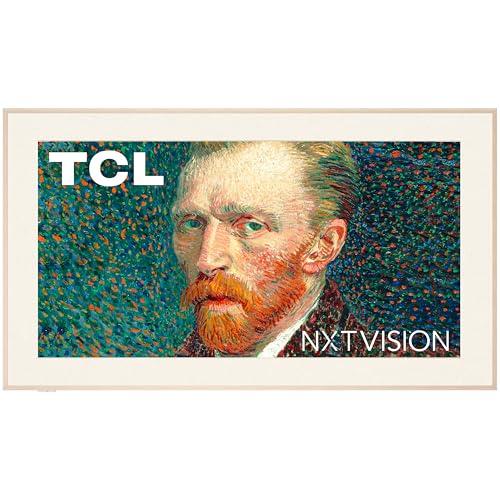


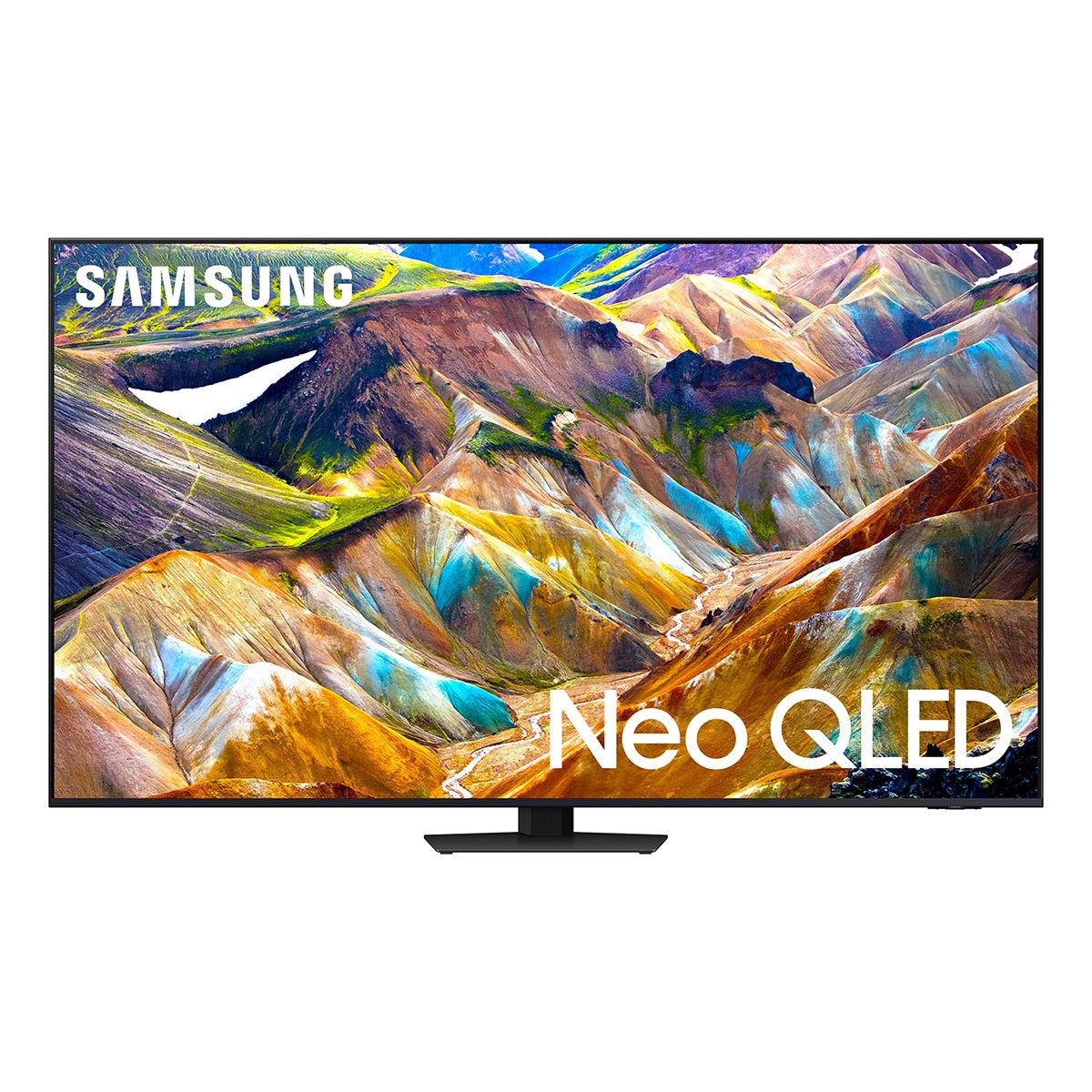
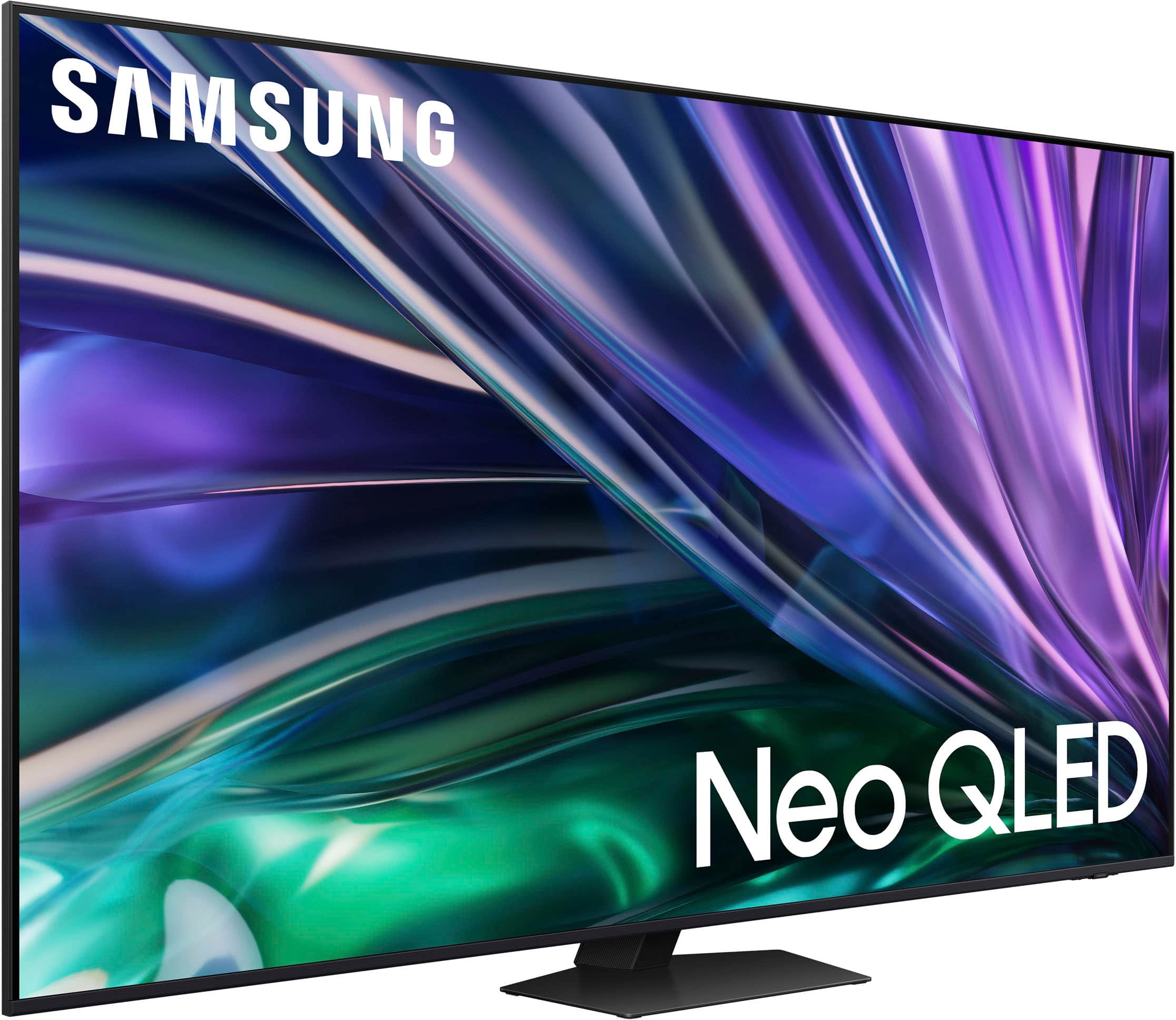
The 65-inch TV market has never been more interesting. You're not just buying a screen anymore—you're choosing between fundamentally different philosophies about what a TV should be in your home. The TCL NXTVISION QLED 4K Art Frame TV wants to disappear into your wall as elegant art, while the Samsung 65" QN85D Neo QLED 4K Smart TV focuses on delivering the best possible viewing experience through cutting-edge display technology.
Both TVs launched in 2024, representing the latest thinking in premium TV design. The TCL NXTVISION emerged from TCL's push into lifestyle products, originally called the NXTFRAME before rebranding. Meanwhile, Samsung's QN85D represents a significant upgrade over previous generations, switching from IPS-style panels to VA technology for dramatically better contrast—a change that fundamentally improved the entire QN85 series.
When shopping for a premium 65" TV, three major factors determine your satisfaction: picture quality, smart features, and how the TV fits into your living space. Picture quality remains king—after all, you're spending serious money to watch content that looks amazing. But modern TVs also serve as gaming displays, art pieces, and smart home hubs.
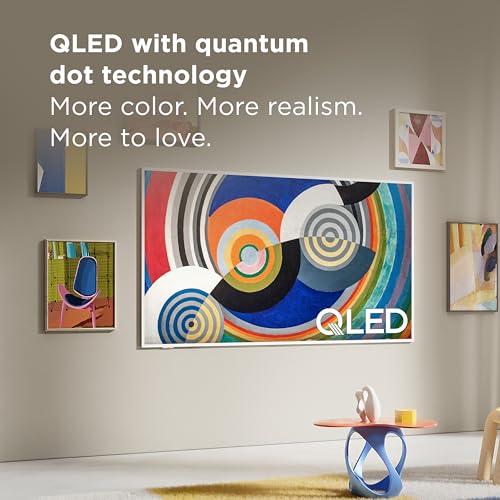
The technology has evolved rapidly. QLED (Quantum Dot Light Emitting Diode) uses microscopic particles to produce more accurate, vibrant colors than traditional LED TVs. Mini LED backlighting—found in the Samsung QN85D—uses thousands of tiny LEDs instead of dozens of large ones, enabling precise control over brightness and darkness in different screen areas. Meanwhile, specialized screen coatings like the ultra-matte finish on the TCL NXTVISION can completely change how a TV interacts with room lighting.
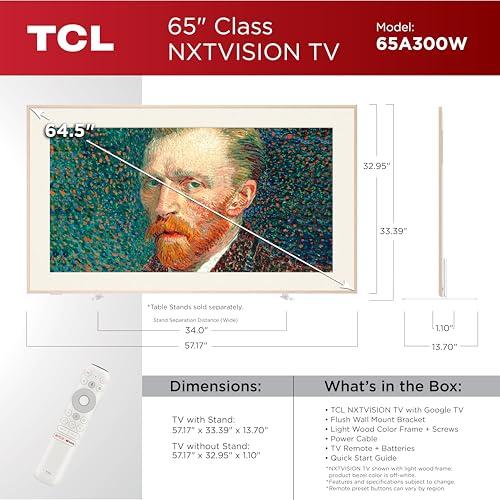
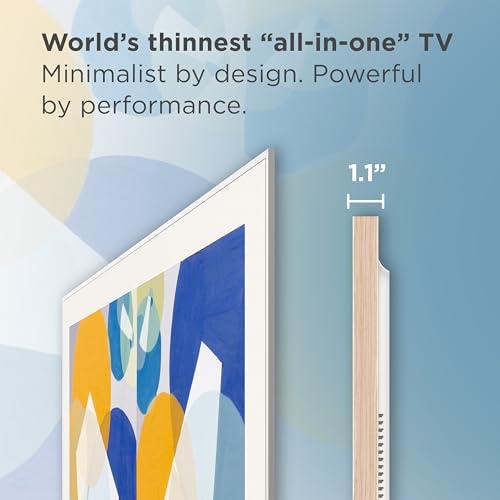
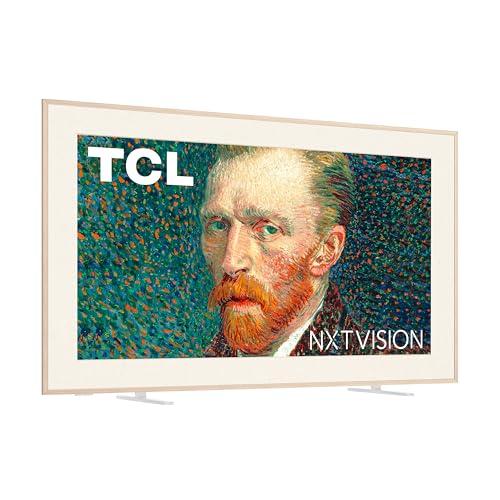
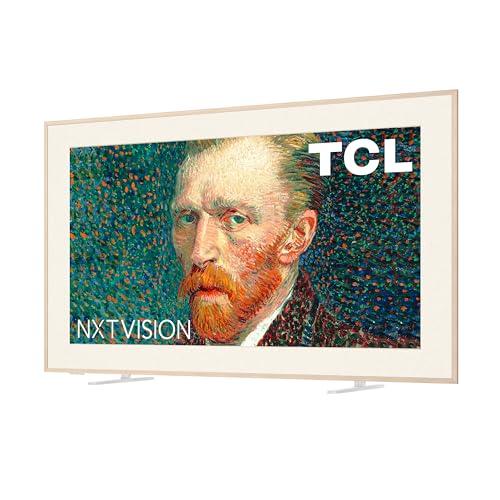
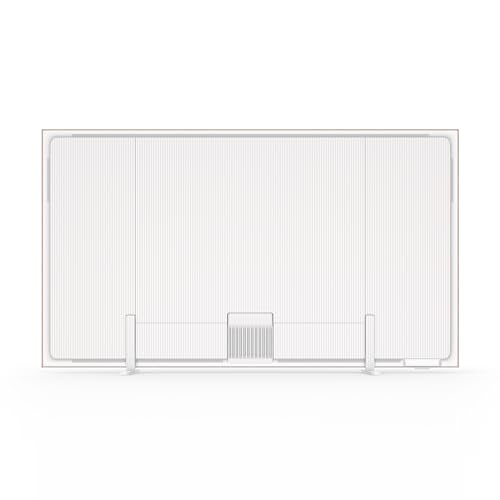
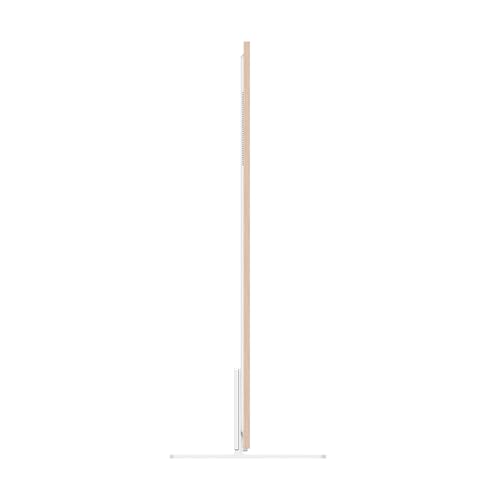
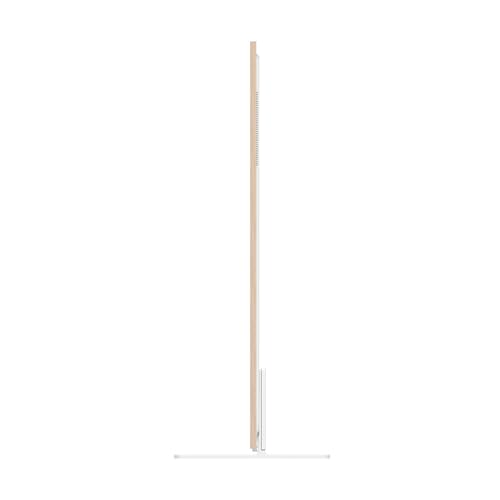
The TCL NXTVISION makes a bold statement: your TV doesn't have to look like a TV. At just 1.1 inches deep, it's genuinely thin enough to mistake for a framed painting when mounted flush against the wall. This isn't marketing hyperbole—the engineering required to pack all TV components into such a slim chassis represents a legitimate technical achievement.
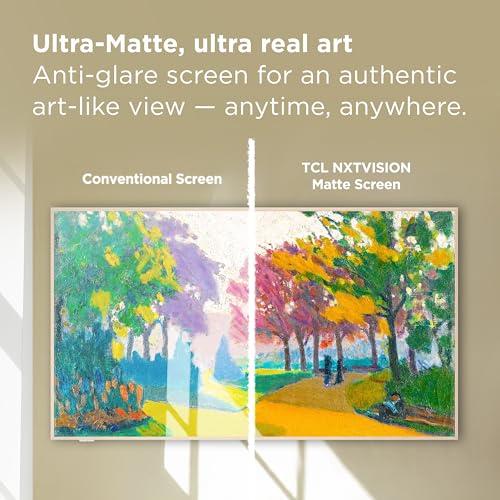
The ultra-matte anti-glare screen coating is the star feature here. Unlike glossy screens that act like mirrors in bright rooms, this matte finish scatters reflected light, making the screen appear almost like canvas. When displaying artwork, the effect is genuinely convincing. But this coating also solves a practical problem: daytime TV watching in rooms with lots of windows becomes much more comfortable because you're not fighting reflections.
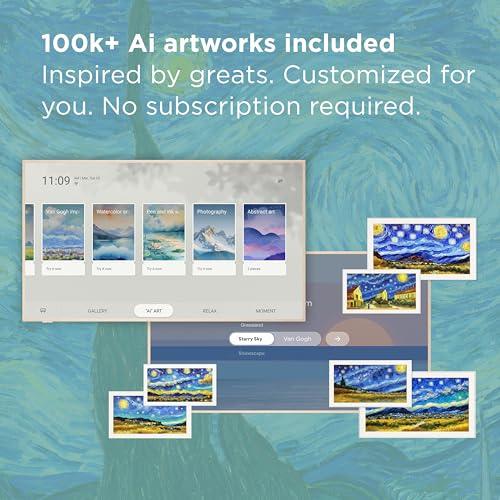
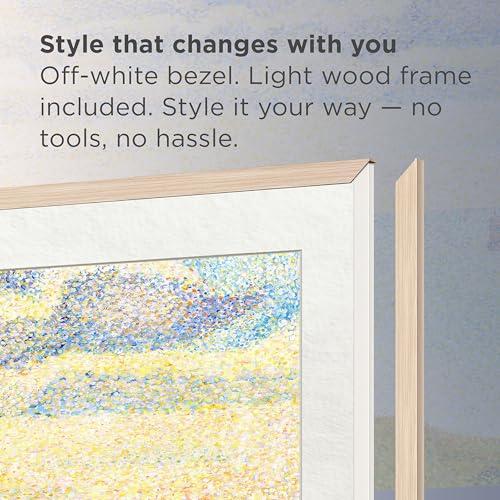
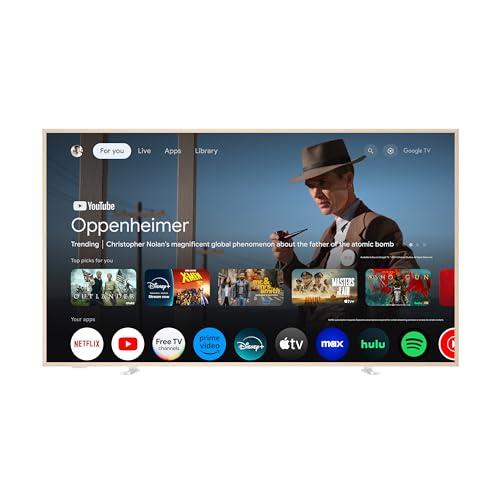
The art functionality goes beyond simple photo slideshows. The TCL NXTVISION includes a curated library of artworks and can generate AI-created images—over 100,000 options according to TCL. The magnetic frame system lets you swap between different finishes (the included light wood frame can be replaced with other styles) to match your décor.
However, the art-first design creates some compromises. The edge-lit LED backlight (LEDs only along the screen edges) can't match the precise lighting control of Mini LED systems. This means less impressive contrast in dark scenes and some light bleed around bright objects—the technical term is "blooming," where bright stars or text seem to glow beyond their actual boundaries.
The QLED technology with KSF phosphor coating does deliver vibrant colors, but color accuracy suffers compared to more traditional TV designs. Our research suggests the TCL NXTVISION prioritizes rich, eye-catching colors over technical precision—great for art display, less ideal for color-critical viewing.
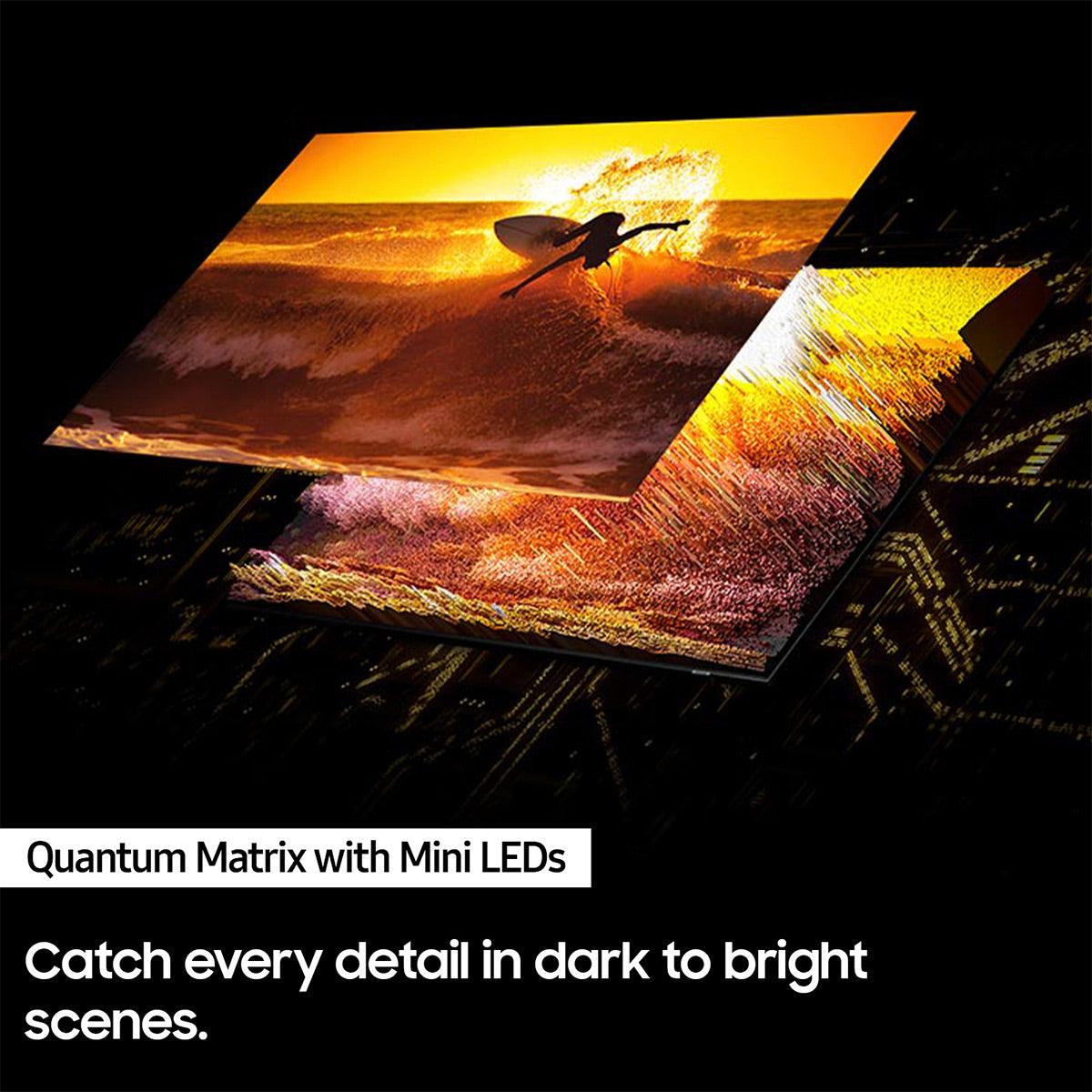
Samsung took a different approach with the QN85D. This TV focuses on delivering exceptional picture quality through advanced display technology, particularly Mini LED backlighting with local dimming zones. Think of local dimming as thousands of tiny flashlights behind the screen that can independently brighten or dim, creating deeper blacks and brighter highlights simultaneously.
The switch to a VA (Vertical Alignment) panel in 2024 was crucial for the QN85 series. VA panels naturally produce much better contrast than the IPS-style panels Samsung used previously—we're talking about a contrast ratio exceeding 160,000:1 compared to maybe 3,000:1 on older models. This means black scenes actually look black instead of gray, while bright scenes can still be dazzlingly bright.
The Mini LED backlighting deserves special attention. While the 65" Samsung QN85D uses 160 dimming zones (fewer than some competing models), Samsung's processing algorithm effectively manages these zones to minimize blooming while maximizing contrast. The result is HDR content that actually looks HDR—bright highlights pop while dark details remain visible.
Color performance is where Samsung's experience shows. The QN85D achieves excellent color accuracy out of the box, with proper gamma tracking (how brightness levels are handled) and white balance. The Quantum Dot technology produces a wide color gamut, but unlike some competitors, Samsung doesn't sacrifice accuracy for vibrancy.
Peak brightness is another strength. The QN85D gets bright enough to make HDR content shine even in moderately bright rooms, though it lacks the anti-glare coating that makes the TCL NXTVISION superior for very bright spaces.
Both TVs target gamers, but their approaches differ significantly. The TCL NXTVISION offers impressive specs on paper: 240Hz refresh rate support and 4.6ms input lag. However, the reality is more complex. Gaming performance depends not just on refresh rates but on pixel response times—how quickly individual pixels can change colors.
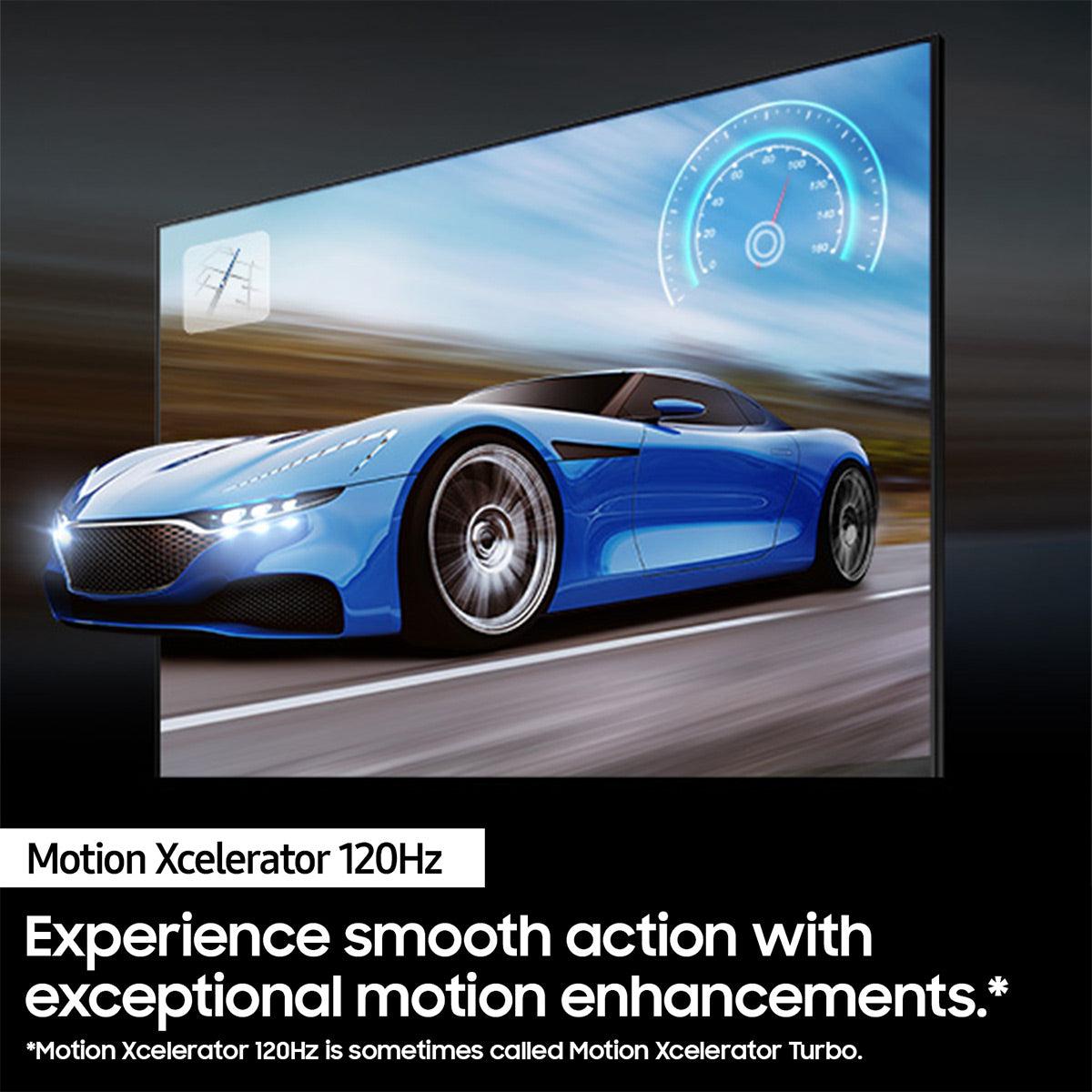
The Samsung QN85D excels here with much faster pixel response, meaning less motion blur during fast gaming sequences. While it "only" supports 120Hz compared to the TCL's 240Hz claims, the Samsung delivers cleaner, more responsive gaming in practice. The motion processing algorithms are also superior, creating smooth gameplay without artifacts.
Both TVs support Variable Refresh Rate (VRR), which synchronizes the TV's refresh with your console or PC's graphics card to eliminate screen tearing. However, the TCL NXTVISION has a significant limitation: you can't use VRR and proper chroma 4:4:4 support (essential for clear text when using a PC) simultaneously. This forces you to choose between smooth gaming and sharp text—an unfortunate compromise.
The Samsung QN85D handles all modern gaming features flawlessly: Auto Low Latency Mode automatically switches to game mode when it detects a console, and all HDMI 2.1 features work without conflicts. For serious gamers, especially those using both consoles and PCs, the Samsung is clearly superior.
The smart TV experience has become crucial since most people spend more time in apps than watching traditional TV. Both TVs use different operating systems, creating distinct experiences.
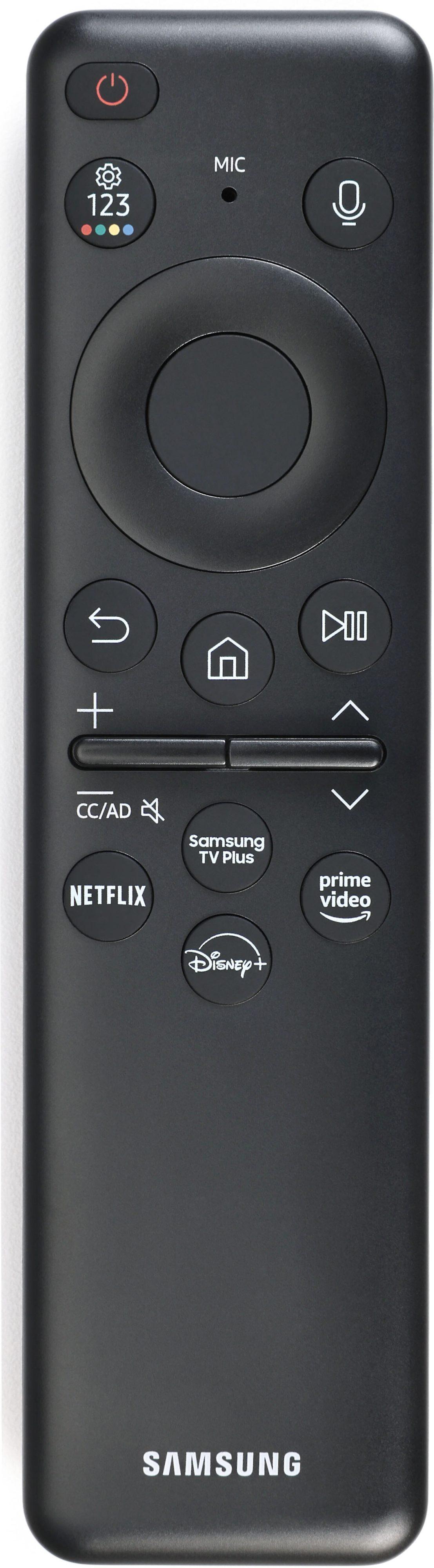
The Samsung QN85D runs Tizen OS, Samsung's proprietary system that's fast, visually appealing, and loaded with apps. The interface responds instantly to remote commands, and Samsung's voice control integration works well. The TV also includes Samsung's Gaming Hub, which provides access to cloud gaming services like Xbox Game Pass and GeForce Now without needing a console.
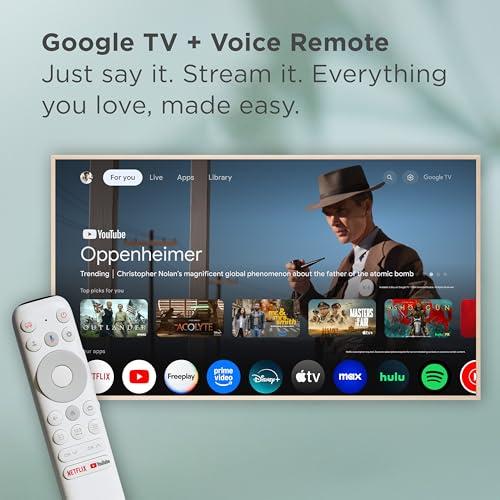
The TCL NXTVISION uses Google TV, which excels at content discovery and integrates seamlessly with Android devices. The interface is clean and intuitive, though not quite as fast as Samsung's Tizen. However, Google TV's strength lies in its recommendation engine and universal search across multiple streaming services.
For smart home integration, both TVs support major voice assistants and connectivity standards, but Samsung's ecosystem integration gives it an edge if you already use Samsung devices.
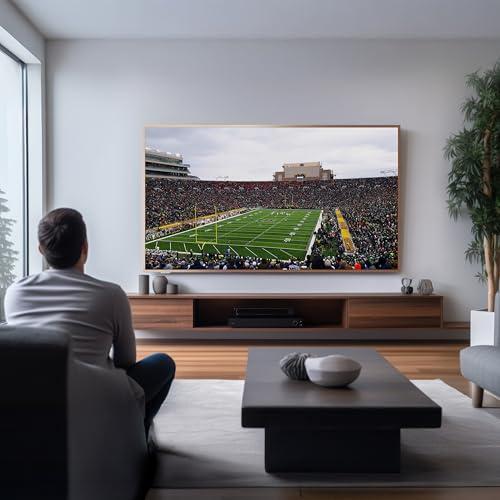
The design differences between these TVs reflect their core philosophies. The TCL NXTVISION wants to disappear. The flush wall mount creates a genuinely frameless look, and the ultra-thin profile means the TV barely extends from the wall. When displaying art, visitors might not immediately realize it's a TV.
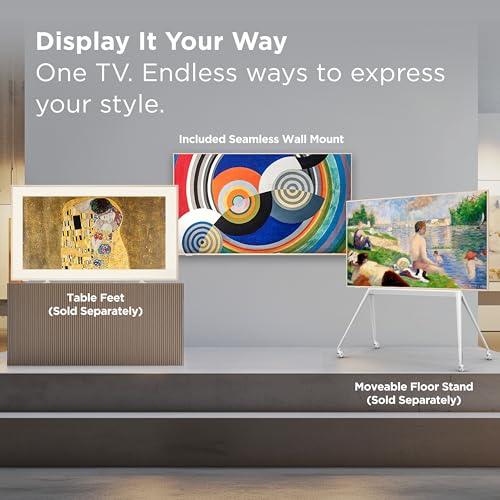
This creates some practical limitations. The TV doesn't come with a traditional stand—you must wall-mount it or purchase optional stands separately. The magnetic frame system, while clever, isn't perfectly secure. Reviews mention frames occasionally popping off from minor bumps.
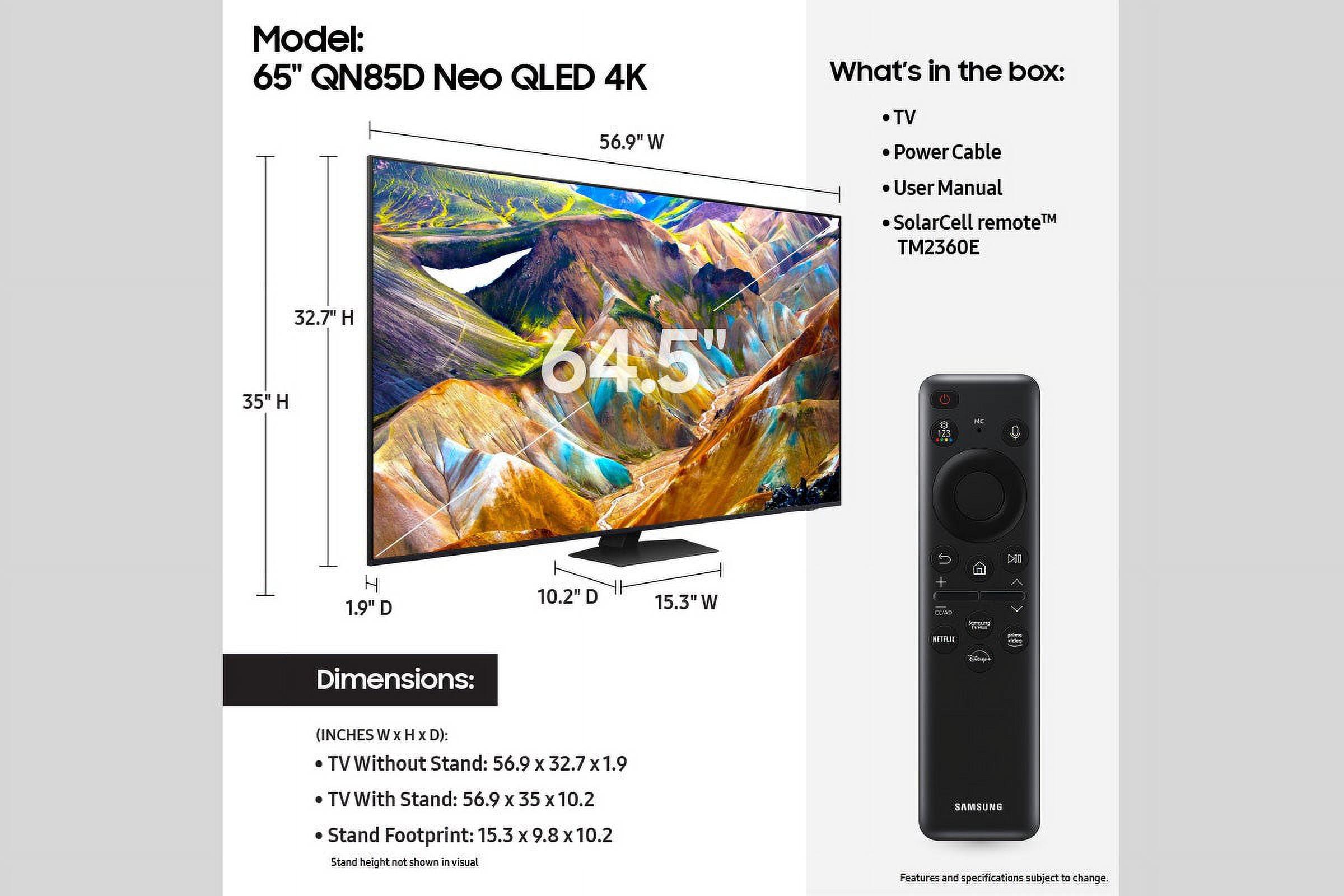
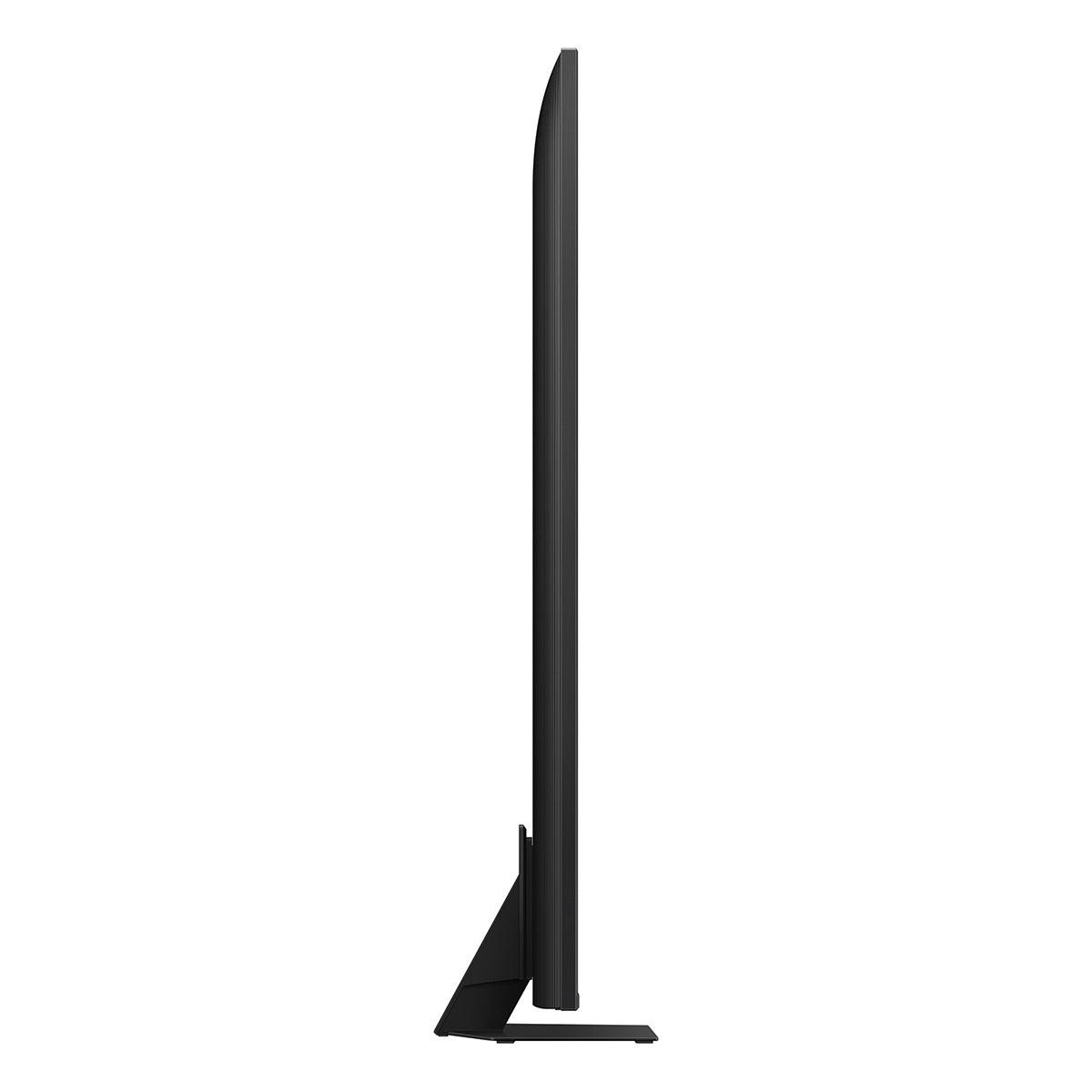
The Samsung QN85D takes a more traditional but refined approach. At 1.8 inches deep, it's still quite thin, and the build quality feels premium throughout. The included stand is sturdy and attractive, and standard VESA mounting means easy wall installation with any compatible mount.
Picture quality remains the most important factor for most buyers, so it's worth understanding exactly how these TVs differ. The Samsung QN85D produces superior contrast thanks to its Mini LED backlighting. In dark movie scenes, you'll see details in shadows that would be lost on the edge-lit TCL NXTVISION. This isn't subtle—it's immediately noticeable when watching content with challenging lighting.
HDR (High Dynamic Range) performance showcases this difference clearly. HDR content includes information about extremely bright and dark areas that standard TV signals can't reproduce. The Samsung QN85D can actually display this extended range, making sunsets blazingly bright while keeping shadow details visible. The TCL NXTVISION supports all the same HDR formats but can't reproduce the full brightness range, so HDR content looks good but not spectacular.
Color accuracy matters for different reasons. The Samsung QN85D reproduces colors as content creators intended—skin tones look natural, and color transitions are smooth. The TCL NXTVISION tends toward more saturated, eye-catching colors that look great for art display but can make some content appear oversaturated.
Viewing angles reveal another key difference. The Samsung's VA panel loses contrast and color accuracy when viewed from the side—fine for centered viewing but problematic for wide seating arrangements. The TCL NXTVISION maintains its image better from angles, though its anti-glare coating can create a slight haziness.
If you're building a dedicated home theater, the Samsung QN85D is clearly superior. The combination of excellent contrast, accurate colors, and proper HDR reproduction creates a genuinely cinematic experience. The audio system, while not replacing a good soundbar, is adequate for casual viewing.
The TCL NXTVISION works in home theaters but with limitations. The reduced contrast means dark movie scenes won't have the same impact, and the color oversaturation can be distracting with carefully color-graded films. However, the anti-glare coating means you can watch with some ambient lighting without destroying the image—something impossible with glossy screens.
For mixed-use living spaces, the calculation changes. The TCL NXTVISION excels during daytime viewing when natural light would wash out traditional TVs. When displaying art, it genuinely enhances room aesthetics. The Samsung QN85D delivers superior performance but looks like what it is: a premium TV.
At the time of writing, both TVs occupy similar price ranges in the premium 65" segment, though the Samsung QN85D typically commands a slight premium for its Mini LED technology. Value depends entirely on your priorities.
The Samsung QN85D offers better value for traditional TV use. You're getting Mini LED technology, superior gaming performance, and excellent picture quality across all content types. It's the safer choice that excels in the most scenarios.
The TCL NXTVISION provides unique value for specific use cases. No other TV at this price point offers the same art display functionality and anti-glare performance. If these features solve real problems in your space, the TCL represents excellent value despite its picture quality compromises.
Choose the Samsung QN85D if you prioritize picture quality above all else. It's ideal for home theater enthusiasts, serious gamers, and anyone who wants the best possible viewing experience. The superior contrast, color accuracy, and motion handling make it the clear winner for traditional TV use.
The Samsung QN85D also makes sense if you have a dedicated TV room with controlled lighting, multiple viewers who sit at various angles, or if you frequently watch color-critical content like movies and documentaries.
Choose the TCL NXTVISION if your TV needs to serve double duty as décor. It's perfect for bright living rooms where glare is problematic, spaces where aesthetics matter as much as performance, and homes where the TV should blend into the environment rather than dominate it.
The TCL NXTVISION also appeals to buyers who value unique features over maximum performance. The art display functionality, ultra-thin design, and anti-glare screen create capabilities no traditional TV can match.
Ultimately, both TVs succeed at their intended purposes. The Samsung QN85D is the better television, while the TCL NXTVISION is the better lifestyle product. Your choice should reflect whether you want the best possible viewing experience or a TV that enhances your living space in ways beyond just displaying content.
The TV market has room for both approaches, and 2024 has proven that innovation doesn't always mean simply adding more pixels or brightness. Sometimes it means reimagining what a TV can be in your home.
| TCL 65" NXTVISION QLED 4K Art Frame TV | Samsung 65" QN85D Neo QLED 4K Smart TV |
|---|---|
| Display Technology - Core foundation for picture quality | |
| QLED with edge-lit LED backlight | Neo QLED with Mini LED backlighting and 160 local dimming zones |
| Contrast Ratio - Critical for dark room viewing and HDR | |
| Standard edge-lit contrast (~3,000:1) | Exceptional Mini LED contrast (160,000:1+) |
| Screen Finish - Determines glare resistance and room compatibility | |
| Ultra-matte anti-glare coating (canvas-like appearance) | Standard glossy finish (reflective in bright rooms) |
| Peak Brightness - Essential for HDR impact and bright room viewing | |
| Good brightness with High Brightness+ LED | Excellent peak brightness for vivid HDR |
| Thickness Profile - Affects wall mounting aesthetics | |
| Ultra-thin 1.1" depth (flush wall mount only) | Standard 1.8" depth (wall mount or stand options) |
| Gaming Performance - Input lag and motion clarity matter most | |
| 240Hz support, 4.6ms lag, but slower pixel response | 120Hz, ultra-low lag, superior motion clarity |
| VRR Gaming Support - Smooth gameplay without tearing | |
| VRR available but conflicts with PC text clarity (chroma 4:4:4) | Full VRR support with no feature conflicts |
| Art Display Features - Unique lifestyle functionality | |
| Curated art library, AI art generation, magnetic frames | Standard screensaver options only |
| Smart TV Platform - Daily usability and app performance | |
| Google TV (excellent content discovery) | Samsung Tizen OS (fast, premium experience) |
| Audio System - Built-in sound quality | |
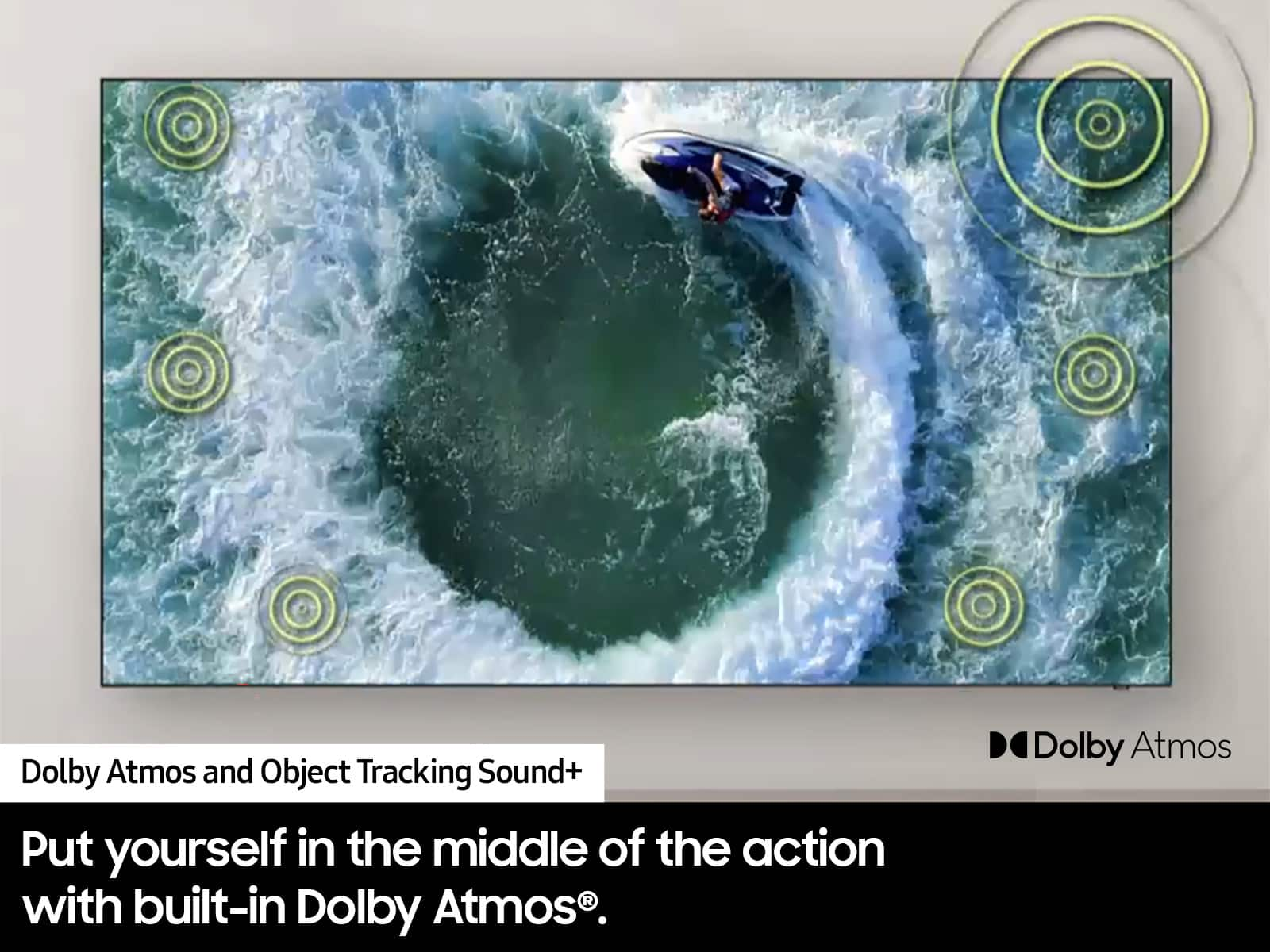
| 20W Dolby Atmos (2 x 10W speakers) | Dolby Atmos with Object Tracking Sound Lite |
| HDMI 2.1 Ports - Future-proofing for gaming and high-bandwidth content | |
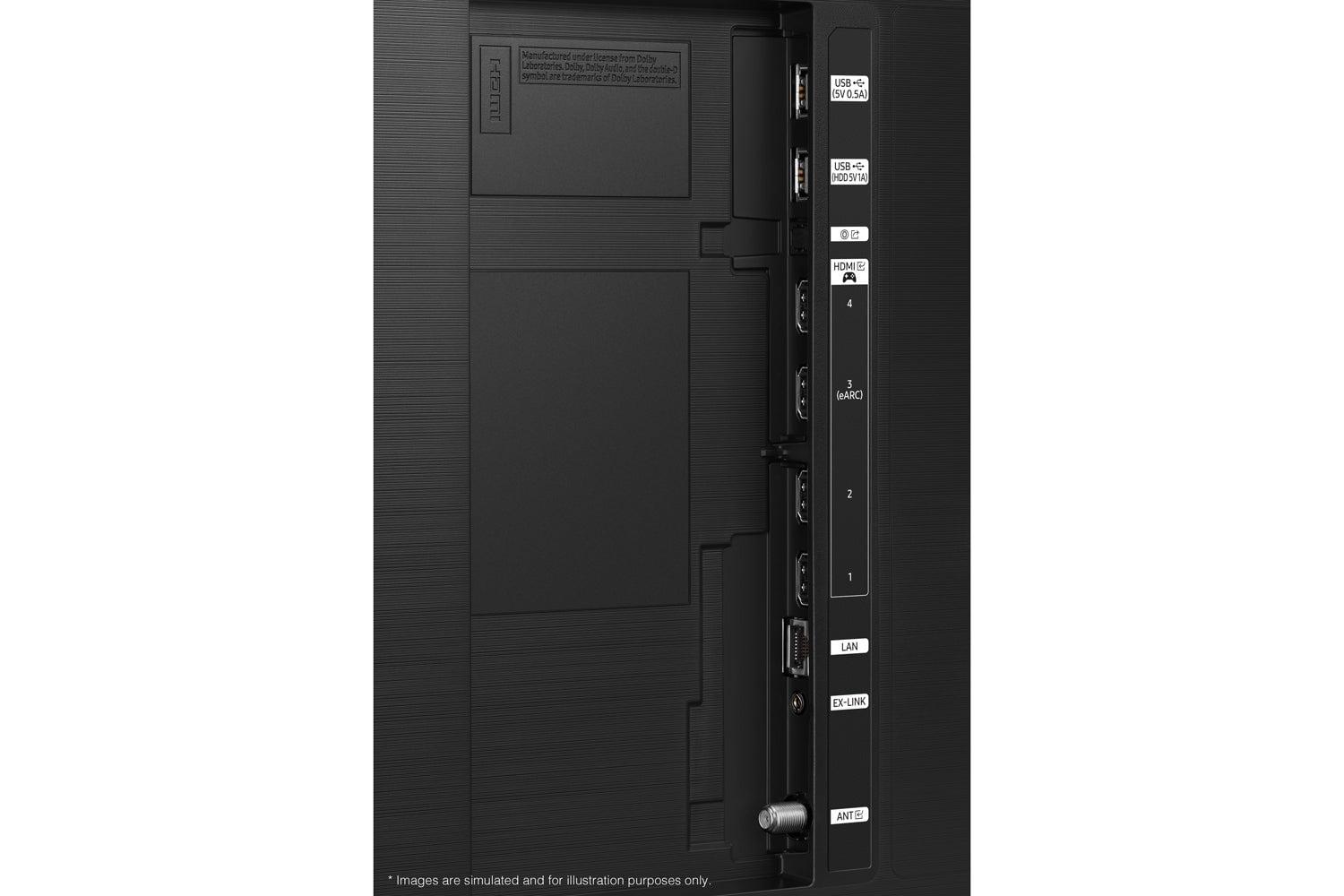
| 2 HDMI 2.1 ports (eARC reduces usable ports to 1) | 4 HDMI 2.1 ports (more flexibility) |
| Color Accuracy - Important for movies and professional content | |
| Vibrant but oversaturated colors (art-optimized) | Excellent out-of-box accuracy (movie-optimized) |
| Installation Options - Mounting flexibility | |
| Proprietary flush mount only (stands sold separately) | Standard VESA mount plus included stand |
| Best Use Case - Who should choose this TV | |
| Design-focused buyers wanting art display + bright room viewing | Performance-focused buyers prioritizing picture quality + gaming |
The Samsung 65" QN85D Neo QLED 4K Smart TV delivers superior picture quality with its Mini LED backlighting and 160,000:1 contrast ratio. It produces deeper blacks, brighter highlights, and more accurate colors than the TCL 65" NXTVISION QLED 4K Art Frame TV, which uses edge-lit LED technology. For home theater viewing, the Samsung QN85D provides a more cinematic experience.
The TCL 65" NXTVISION QLED 4K Art Frame TV excels in bright rooms thanks to its ultra-matte anti-glare screen coating that significantly reduces reflections. While the Samsung 65" QN85D Neo QLED 4K Smart TV gets brighter overall, its glossy screen creates more glare issues in rooms with direct sunlight or bright lighting.
The Samsung 65" QN85D Neo QLED 4K Smart TV provides superior gaming performance with faster pixel response times, better motion clarity, and full VRR support without feature conflicts. The TCL 65" NXTVISION QLED 4K Art Frame TV offers 240Hz support but has slower response times and forces you to choose between VRR and proper PC text display.
Only the TCL 65" NXTVISION QLED 4K Art Frame TV is specifically designed for art display, featuring a curated art library, AI-generated artwork options, and a matte screen that mimics canvas texture. The Samsung 65" QN85D Neo QLED 4K Smart TV offers basic screensaver options but lacks dedicated art display features and the appropriate screen finish.
The TCL 65" NXTVISION QLED 4K Art Frame TV is significantly thinner at just 1.1 inches deep and includes a proprietary flush wall mount for a seamless, gallery-like appearance. The Samsung 65" QN85D Neo QLED 4K Smart TV measures 1.8 inches deep and uses standard VESA mounting, making it easier to install but less flush against the wall.
Both TVs offer excellent smart features, but with different approaches. The Samsung 65" QN85D Neo QLED 4K Smart TV uses Samsung's Tizen OS for faster performance and premium features, while the TCL 65" NXTVISION QLED 4K Art Frame TV runs Google TV with superior content discovery and Android device integration. Both support major streaming apps and voice assistants.
Value depends on your priorities. The Samsung 65" QN85D Neo QLED 4K Smart TV offers better traditional TV performance with Mini LED technology at a competitive price. The TCL 65" NXTVISION QLED 4K Art Frame TV provides unique art display functionality and anti-glare benefits that no other TV at this price point can match.
The Samsung 65" QN85D Neo QLED 4K Smart TV is clearly superior for dedicated home theaters, offering exceptional contrast, accurate colors, and proper HDR reproduction for cinematic viewing. The TCL 65" NXTVISION QLED 4K Art Frame TV works for home theaters but with reduced contrast and oversaturated colors that can detract from the movie experience.
The Samsung 65" QN85D Neo QLED 4K Smart TV provides superior HDR performance with higher peak brightness and better contrast control, making HDR highlights truly pop while maintaining shadow detail. The TCL 65" NXTVISION QLED 4K Art Frame TV supports all HDR formats but cannot reproduce the full brightness range for optimal HDR impact.
The Samsung 65" QN85D Neo QLED 4K Smart TV offers four HDMI 2.1 ports, providing more flexibility for connecting gaming consoles, streaming devices, and sound systems. The TCL 65" NXTVISION QLED 4K Art Frame TV has fewer high-bandwidth ports, and using the eARC port for a soundbar reduces available connections further.
The Samsung 65" QN85D Neo QLED 4K Smart TV offers more installation flexibility with both a stand and standard VESA wall mounting options. The TCL 65" NXTVISION QLED 4K Art Frame TV requires wall mounting with its proprietary flush mount system and doesn't include a stand, though the flush mounting creates a more premium appearance.
Choose the Samsung 65" QN85D Neo QLED 4K Smart TV if you prioritize picture quality, gaming performance, and versatile viewing experiences. Select the TCL 65" NXTVISION QLED 4K Art Frame TV if you want a TV that doubles as wall art, have significant glare issues, or value unique design aesthetics over maximum performance.
We've done our best to create useful and informative comparisons to help you decide what product to buy. Our research uses advanced automated methods to create this comparison and perfection is not possible - please contact us for corrections or questions. These are the sites we've researched in the creation of this article: rtings.com - tcl.com - bestbuy.com - tcl.com - bestbuy.com - tcl.com - youtube.com - rcwilley.com - businessinsider.com - bestbuy.com - target.com - youtube.com - support.tcl.com - nfm.com - woodruffappliance.com - flatpanelshd.com - tcl.com - bestbuy.com - rtings.com - youtube.com - youtube.com - avsforum.com - youtube.com - samsung.com - videoandaudiocenter.com - shopjetson.com - mysoundconcepts.com - samsung.com - merlinstv.com - youtube.com - samsung.com - samsung.com

Privacy Policy
Terms and Conditions - Affiliate Policy
Home Security
© Copyright 2008-2026.
11816 Inwood Rd #1211, Dallas, TX 75244