



When shopping for a 65-inch QLED TV, you'll quickly discover that not all premium televisions are created equal. Two standout options that represent very different philosophies are the TCL 65" NXTVISION QLED 4K Art Frame TV and the Samsung 65" QN8F Series QLED 4K Vision AI Smart TV. While both deliver 4K QLED technology in the same screen size, they take fundamentally different approaches to what a modern television should be.
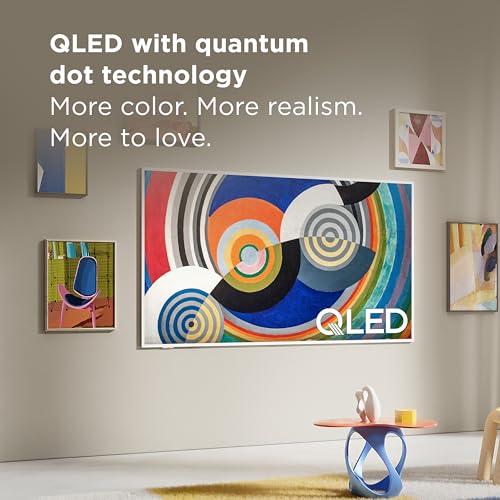
QLED technology uses quantum dots – tiny semiconductor particles that emit pure colors when hit by light – to produce more vibrant and accurate colors than traditional LED TVs. Both the TCL NXTVISION and Samsung QN8F use this technology, but implement it differently based on their design priorities.
The most important factors when evaluating premium QLED TVs include picture quality metrics like color accuracy, peak brightness, and contrast ratio. Smart features, gaming capabilities, and design aesthetics also play crucial roles. However, these two TVs represent a fascinating split in the market: one prioritizes blending into your home as functional art, while the other focuses on delivering the best possible traditional viewing experience.
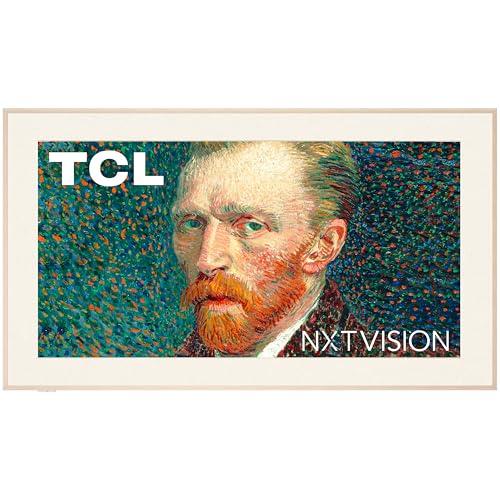
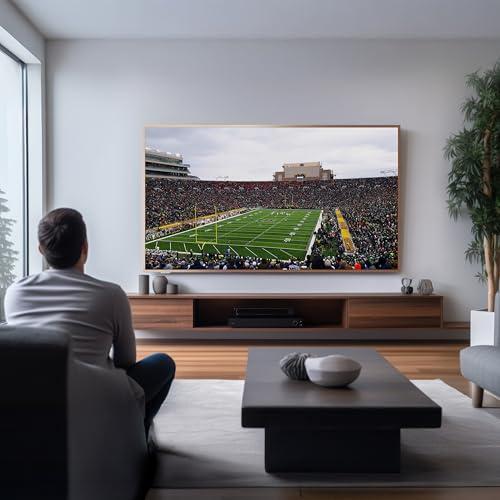
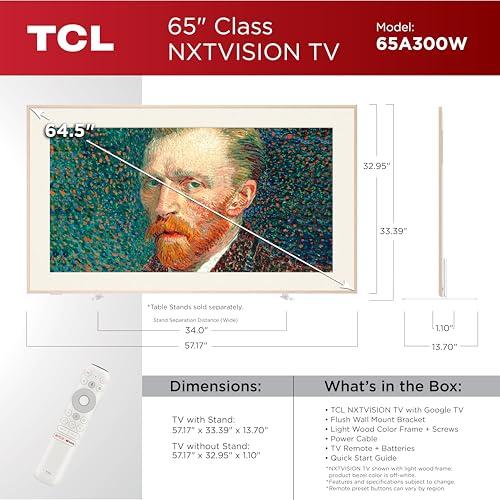
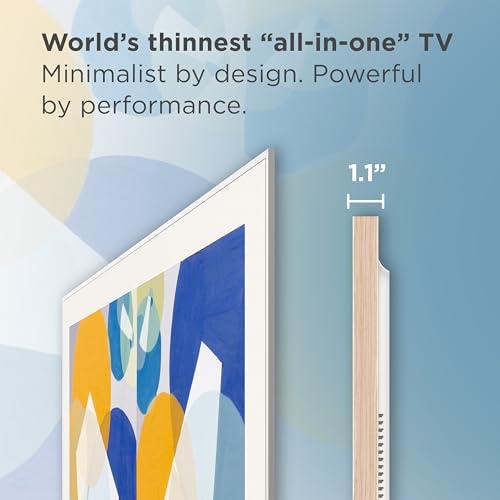
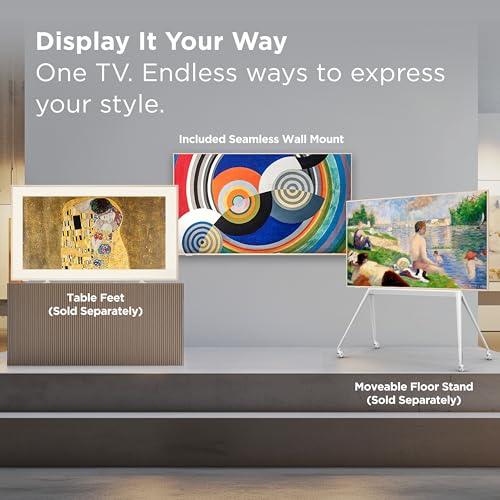
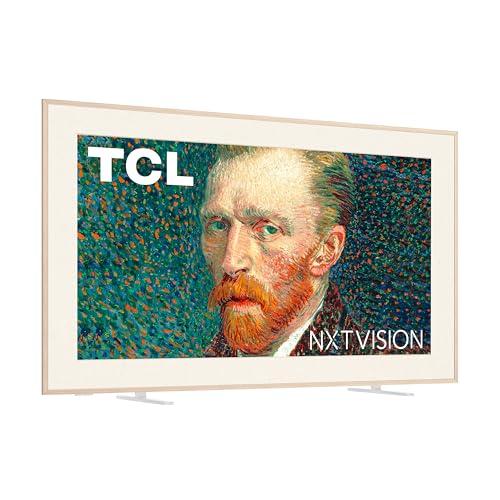
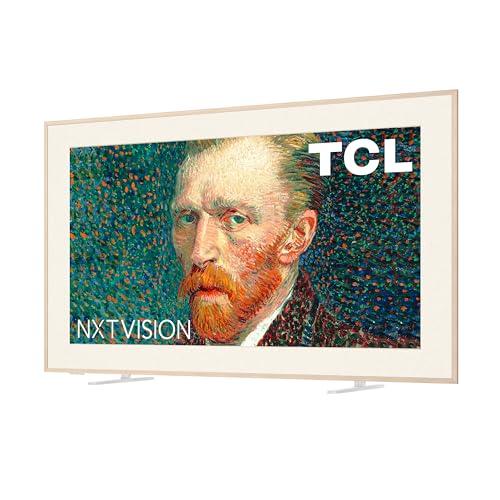
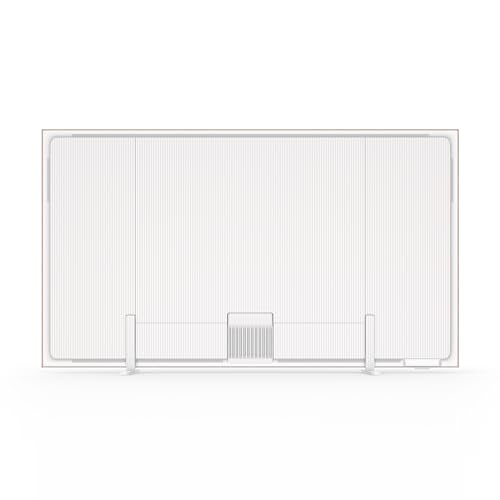
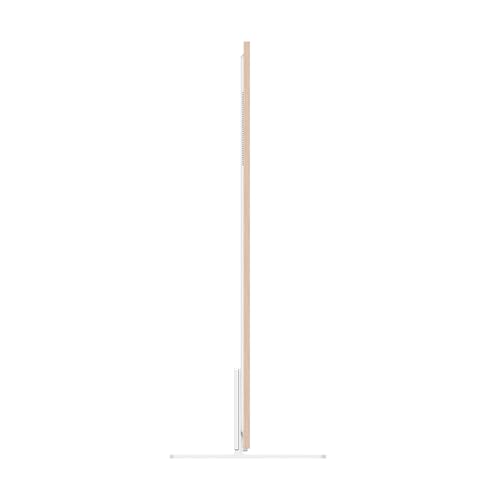
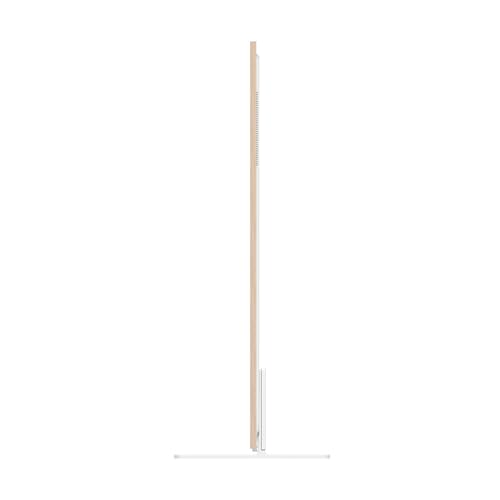
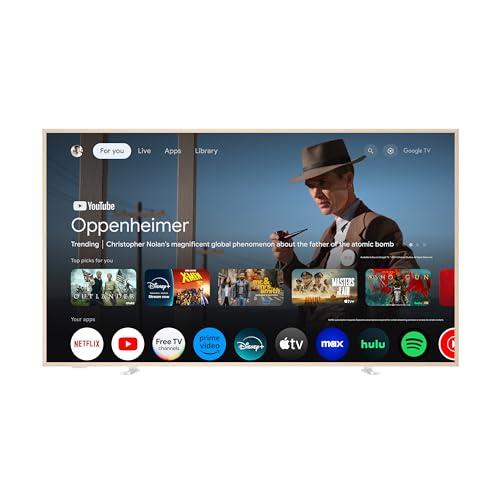
The TCL NXTVISION, released in 2024, represents TCL's bold entry into the lifestyle TV segment previously dominated by Samsung's The Frame series. This isn't just a TV that hangs on your wall – it's designed to disappear into your décor when not in use. At just 1.1 inches deep, it's remarkably thin, and comes with a flush wall mount that makes it sit perfectly flat against the wall like a framed painting.
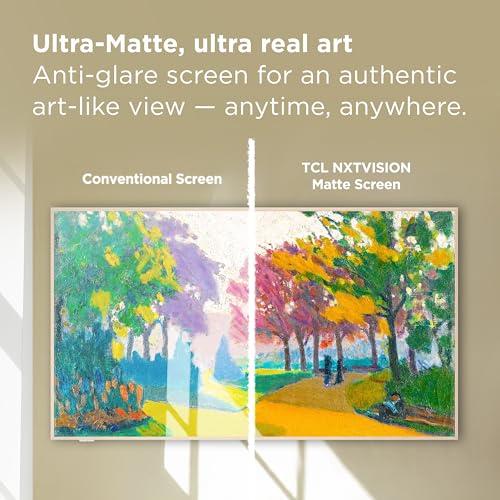
What makes the TCL NXTVISION unique is its ultra-matte anti-glare screen coating. This isn't the typical semi-glossy finish you'll find on most TVs. Instead, it uses a highly matte, anti-reflective surface that genuinely mimics the texture of canvas. When displaying artwork, it looks surprisingly similar to a real painting, especially from a few feet away.
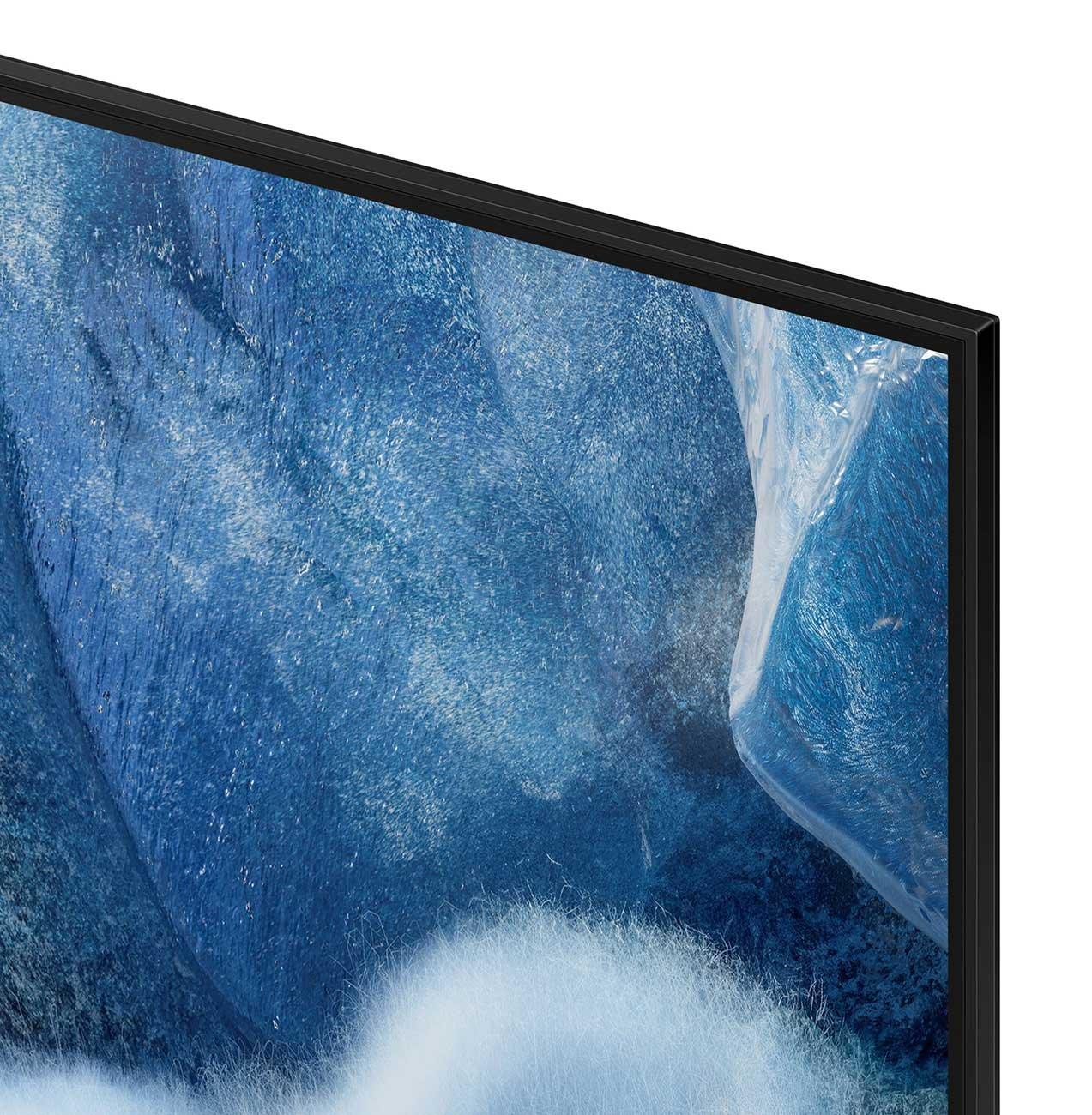
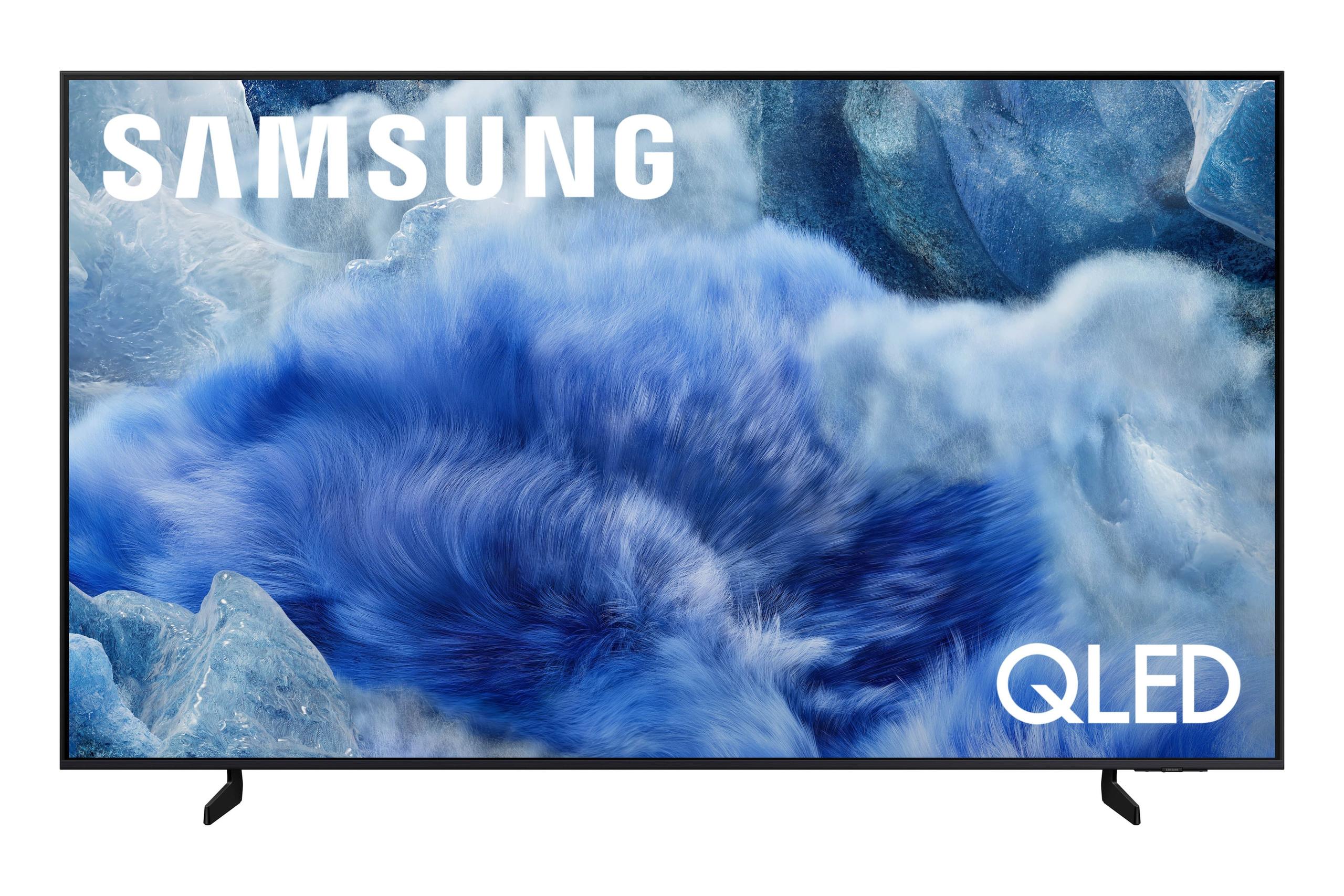
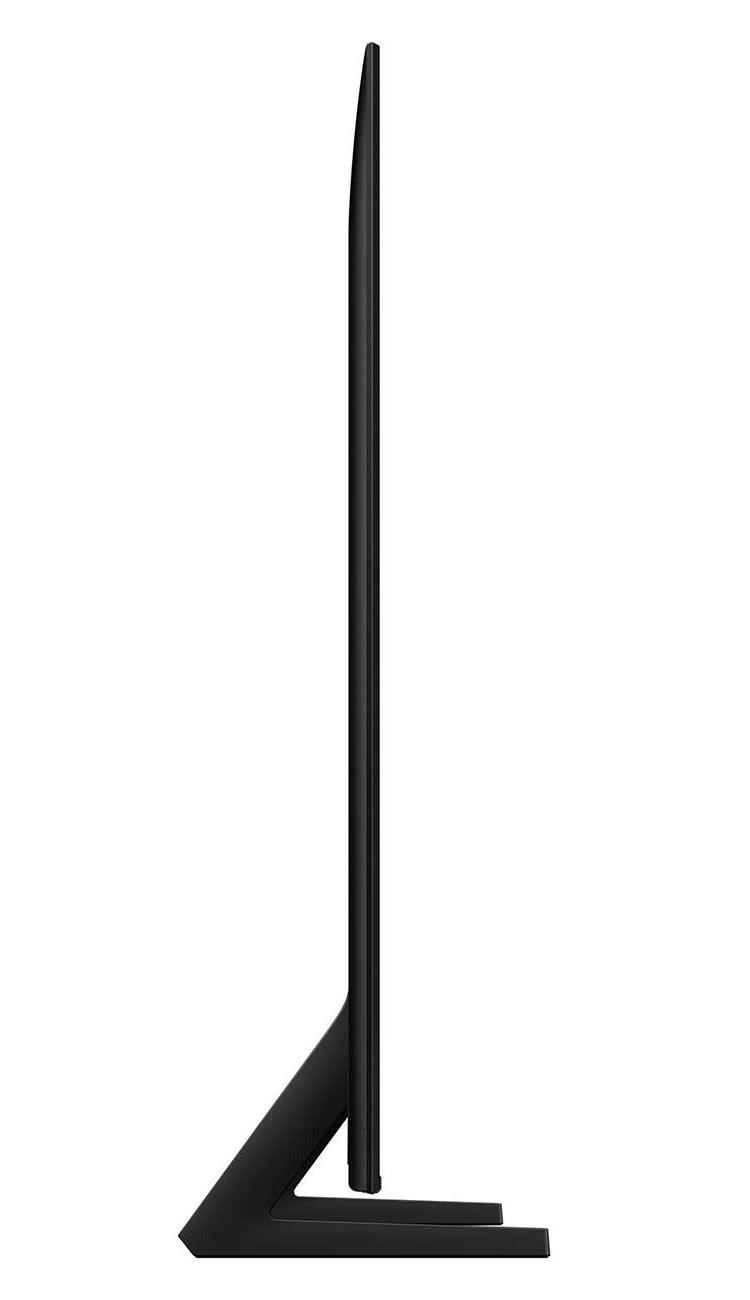
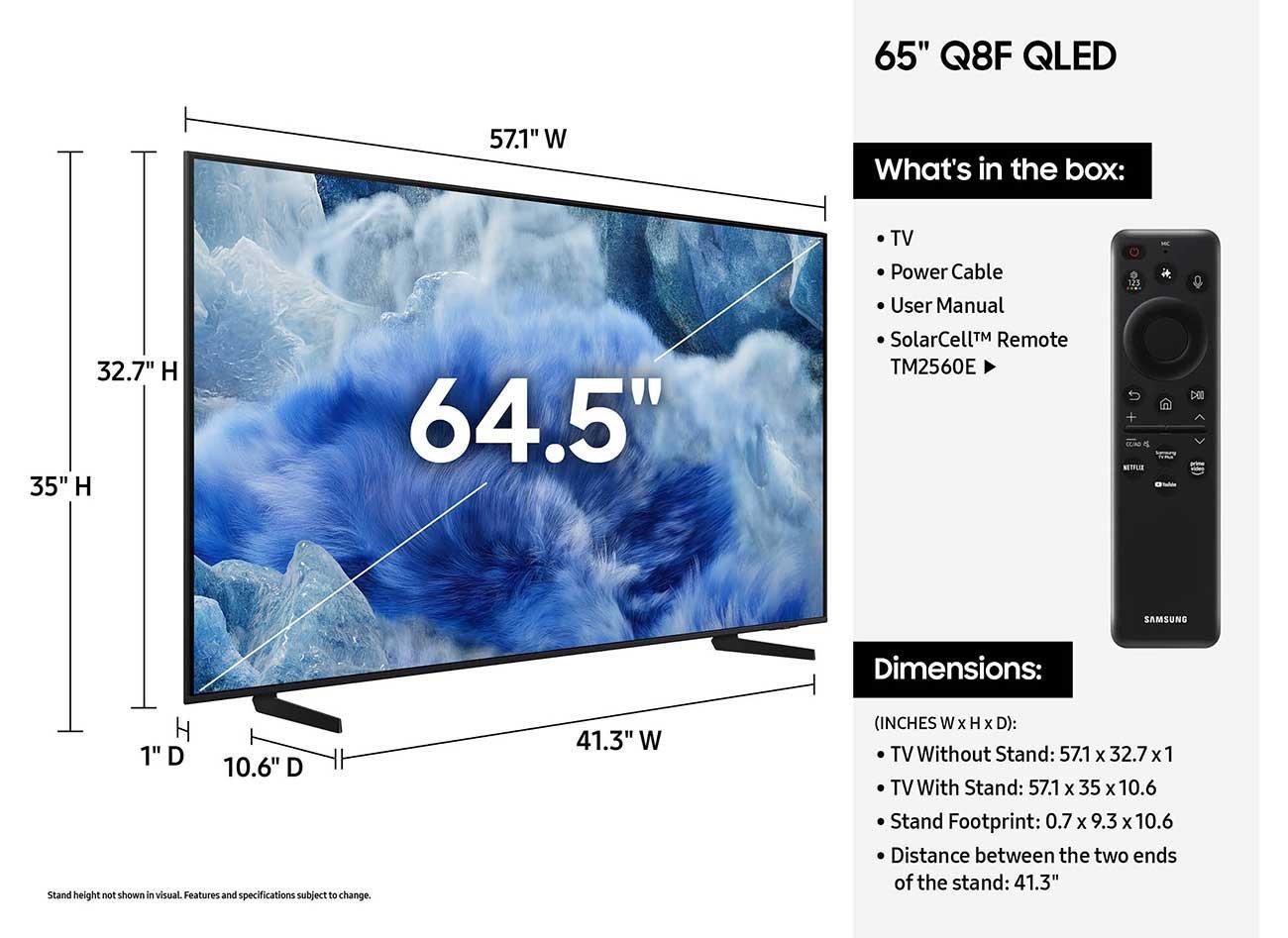
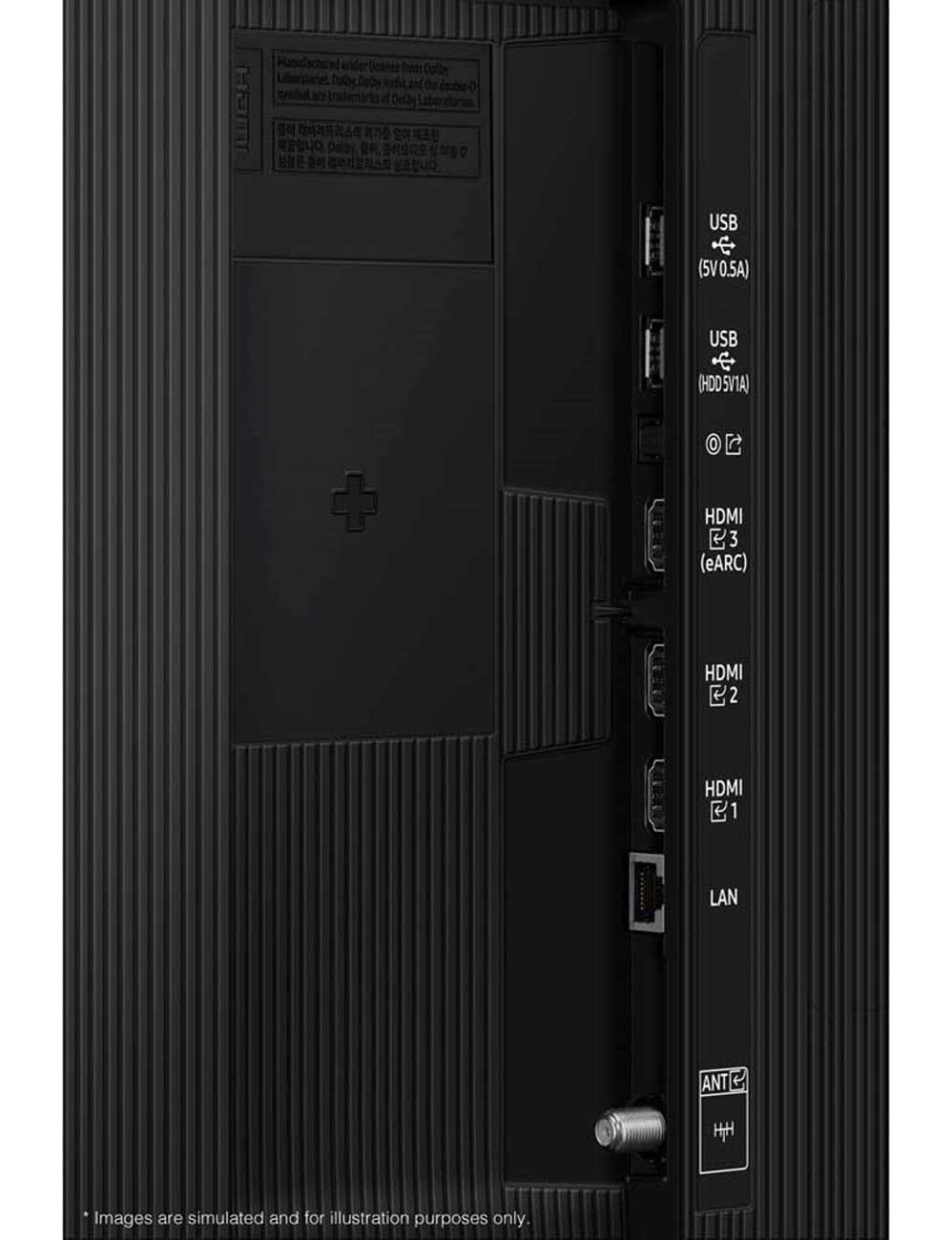
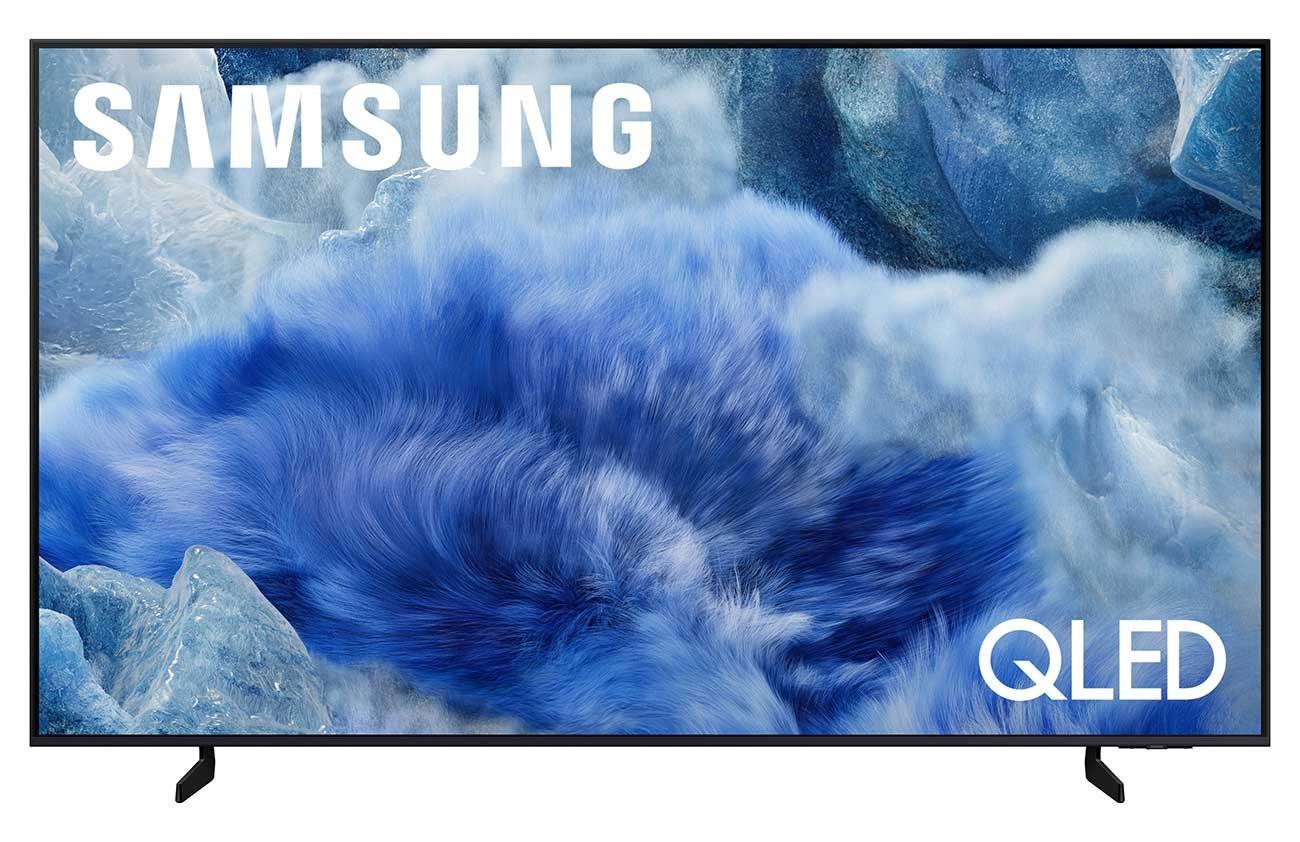
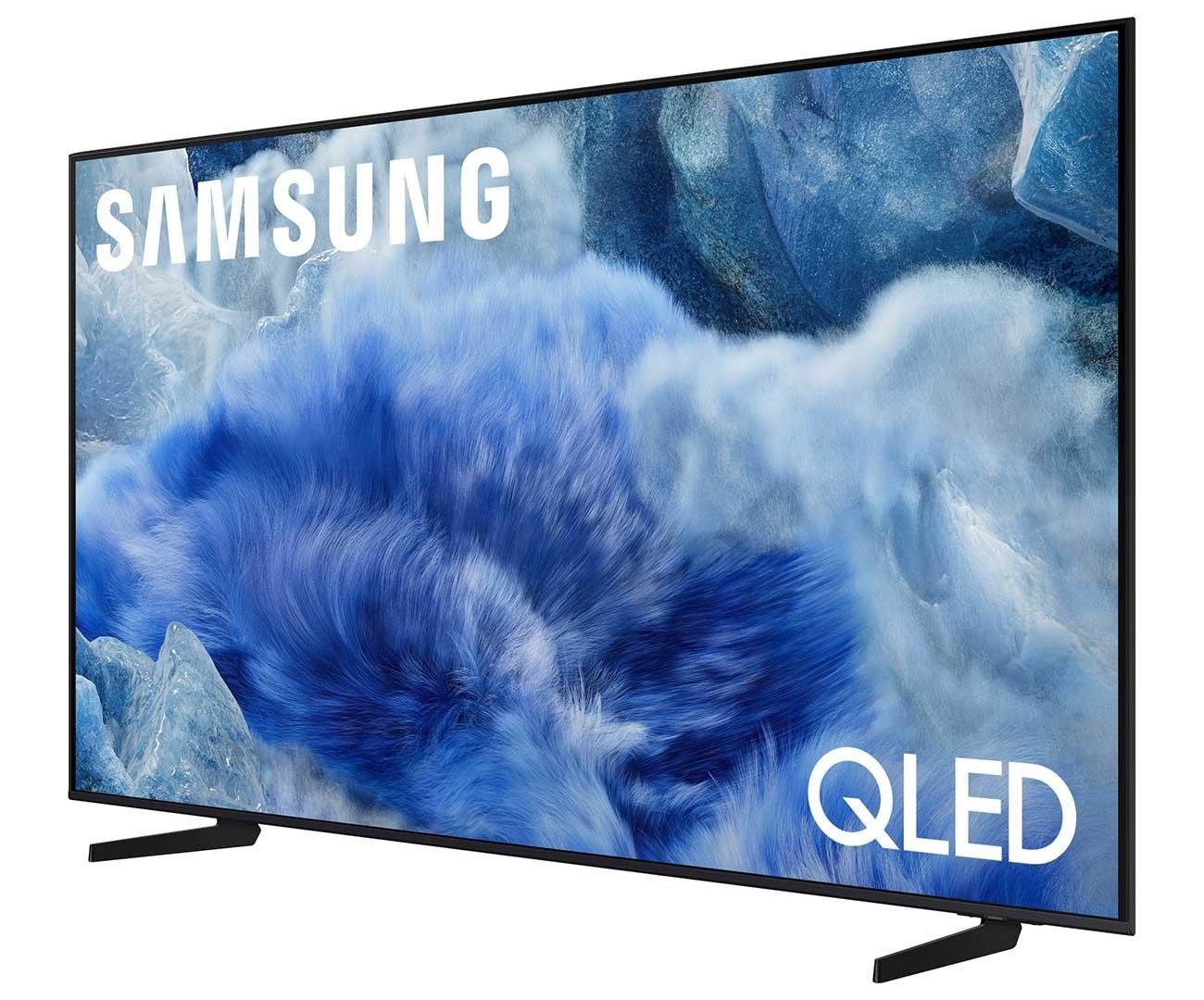
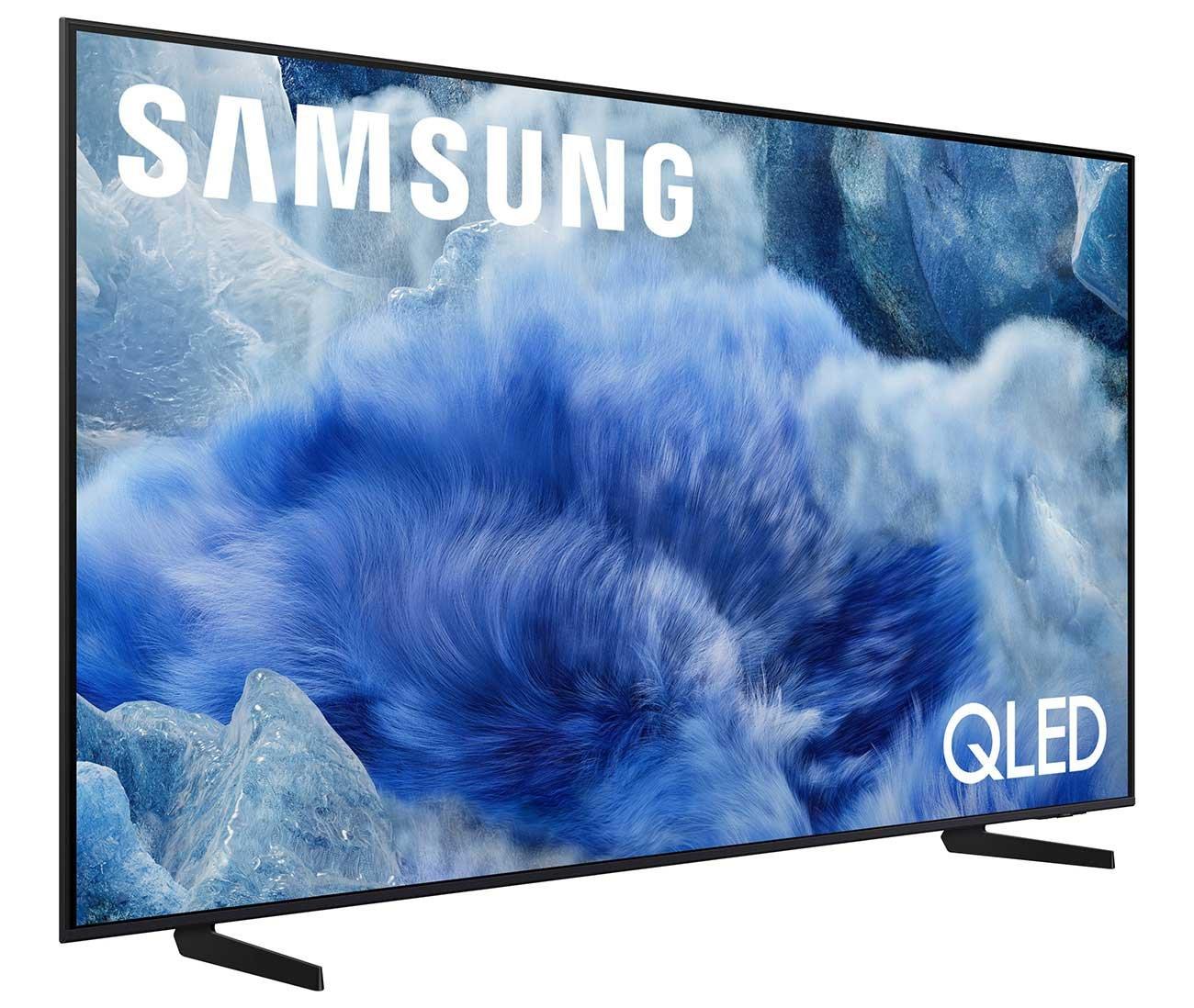
The Samsung QN8F, part of Samsung's 2025 lineup, takes a more traditional approach with their AirSlim design. While still attractively thin, it's built around optimizing the conventional TV viewing experience. Samsung has focused on refining picture quality, AI capabilities, and smart features rather than reimagining what a TV should look like when turned off.
Picture quality differences between these TVs are significant and stem from their different priorities. The TCL NXTVISION uses edge-lit LED backlighting with QLED quantum dot technology capable of displaying 1.07 billion colors. However, our research into expert reviews reveals some concerning limitations. The ultra-matte screen, while excellent for reducing reflections, can make colors appear less vibrant than you'd expect from a QLED TV. More problematic are the poor black levels – blacks tend to look grayish rather than deep and rich because the TV lacks local dimming zones (areas where the backlight can be independently controlled to darken specific parts of the screen).
Peak brightness is another weakness for the TCL NXTVISION. HDR content, which relies on bright highlights to create dramatic contrast, doesn't pop the way it should. This is particularly noticeable with HDR movies where bright explosions or sunny outdoor scenes should be dazzling but instead appear somewhat flat.
The Samsung QN8F takes a different approach with Dual LED backlighting and Supreme UHD Dimming technology. Dual LED uses both cool and warm LED backlights to improve color temperature accuracy across different content types, while Supreme UHD Dimming provides some local dimming capability for better contrast. Based on Samsung's track record with similar models, the QN8F should deliver significantly better black levels and HDR performance than the TCL.
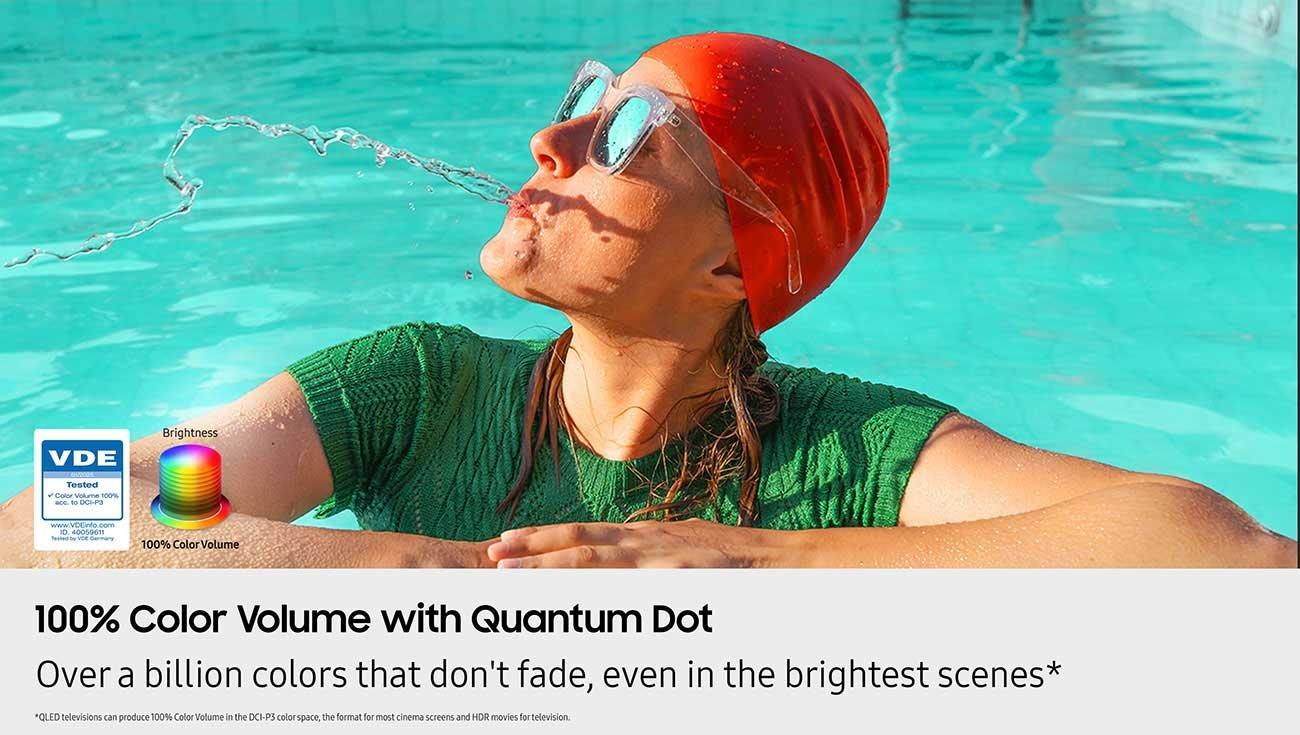
For color accuracy – how closely colors match what content creators intended – Samsung typically outperforms TCL. The Samsung QN8F uses what Samsung calls "100% Color Volume," which means it can reproduce colors accurately at different brightness levels, not just at specific calibrated points.
Gaming specifications on paper tell one story, but real-world performance tells another. The TCL NXTVISION looks impressive with its Game Accelerator 240 technology, supporting up to 240Hz variable refresh rate and 4K gaming at 144Hz through two HDMI 2.1 ports. It includes Auto Game Mode (ALLM), which automatically switches to low-latency gaming mode, and AMD FreeSync Premium certification to reduce screen tearing.
However, expert reviews consistently point to a critical flaw: slow pixel response times. This means that while the TV can accept high refresh rate signals, individual pixels are slow to change colors, creating noticeable motion blur during fast-paced gaming. For competitive gaming or fast action sequences, this blur can be distracting and put you at a disadvantage.
The Samsung QN8F features Motion Xcelerator 144Hz technology with a 120Hz native refresh rate expandable to 144Hz. While the specifications are less aggressive than TCL's, Samsung's implementation tends to be more refined. Based on Samsung's gaming TV heritage, the QN8F likely delivers better actual gaming performance despite lower peak refresh rates, thanks to faster pixel response times and more sophisticated motion processing.
For casual gaming, both TVs will perform adequately. For serious gamers, particularly those playing competitive titles, the Samsung QN8F would be the better choice despite the TCL NXTVISION's more impressive specifications.
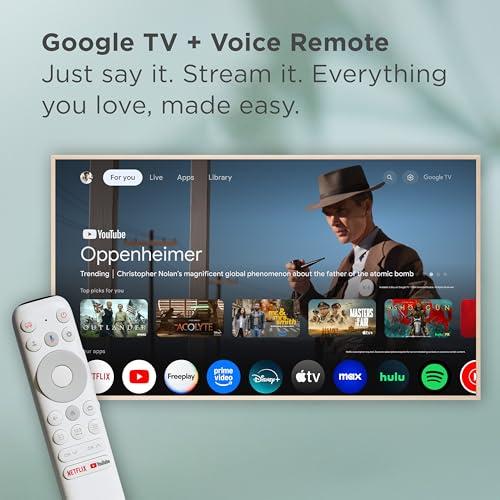
Smart TV platforms have evolved dramatically over the past few years, and both TVs showcase this progress differently. The TCL NXTVISION runs Google TV, which provides excellent streaming app support and integrates well with Google services. The interface is clean and content discovery is generally good, though not groundbreaking.
Where the Samsung QN8F shines is in AI integration. Samsung's Vision AI represents a significant leap forward in how TVs understand and optimize content. This system analyzes what you're watching in real-time and adjusts picture and sound settings automatically. For example, it might boost dialogue clarity during a conversation scene, then switch to enhanced action mode during a chase sequence.
The enhanced Bixby voice assistant in the Samsung QN8F can process multiple commands simultaneously and better understands context. You can say something like "turn up the volume and switch to Game Mode" and it will handle both requests intelligently.
One particularly interesting feature is Generative Wallpaper, which uses AI to create custom artwork based on keywords you provide. While not as comprehensive as the TCL NXTVISION's art features, it shows Samsung's commitment to AI-driven personalization.
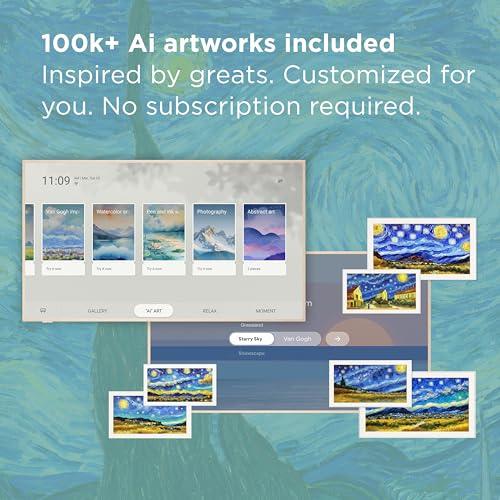
The TCL NXTVISION's art capabilities deserve special attention because they represent a genuine innovation in the TV space. The TV includes over 400 curated artworks and an AI art generator capable of creating over 100,000 unique images. You can also upload personal photos to create a custom digital gallery.
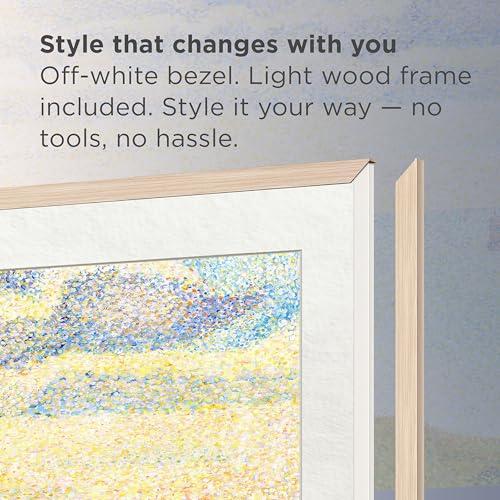
What makes this compelling is the ultra-matte screen coating. When displaying artwork, especially from a few feet away, it genuinely looks like a framed painting rather than a glowing screen. The included magnetic frame system allows you to swap between different frame styles to match your décor – something Samsung's The Frame pioneered but TCL has made more accessible price-wise.
However, there's a notable limitation: brightness settings for art mode are tied to regular TV brightness. If you prefer dimmer artwork (as most people do), you'll need to manually adjust brightness when switching between TV and art modes.
Both TVs include 20W audio systems, but implement them differently. The TCL NXTVISION uses two 10W speakers with Dolby Atmos and DTS Virtual:X support. For a TV this thin, the audio quality is surprisingly decent, though you'll want a soundbar for serious movie watching.
The Samsung QN8F includes Adaptive Sound+ technology, which analyzes audio content and adjusts sound profiles automatically. Object Tracking Sound (OTS Lite) attempts to make audio follow action on screen, while Q-Symphony allows Samsung soundbars to work in concert with the TV's built-in speakers for enhanced audio.
Neither TV will replace a dedicated audio system, but Samsung's more sophisticated audio processing gives it an edge for users relying primarily on built-in speakers.
One area where the TCL NXTVISION absolutely excels is bright room viewing. The ultra-matte anti-glare coating dramatically reduces reflections from windows, lamps, and other light sources. If your TV will be in a living room with large windows or significant ambient lighting, this coating makes a substantial difference in viewing comfort.
Traditional glossy screens, like what you'll likely find on the Samsung QN8F, can become mirror-like in bright conditions. While Samsung TVs typically have good anti-reflective coatings, they can't match the matte finish of the TCL for pure glare reduction.
However, this comes with trade-offs. The matte coating can make colors appear less saturated and reduces the "pop" that many people expect from QLED technology. It's a question of priorities: do you value glare-free viewing or maximum color vibrancy?
For dedicated home theater use, the Samsung QN8F is the clear winner. Better contrast, superior HDR performance, and more accurate colors make it significantly better for movie watching in controlled lighting conditions. The AI-driven picture optimization can enhance the cinematic experience by automatically adjusting settings for different content types.
The TCL NXTVISION's poor black levels and limited peak brightness make it less suitable for home theaters where you want deep blacks and bright highlights. The ultra-matte screen, while great for bright rooms, can make movies appear less dynamic in dark viewing environments.
If you're building a dedicated theater room, prioritize picture quality over design aesthetics. The Samsung QN8F will deliver a more immersive experience for movies and TV shows.
At the time of writing, the TCL NXTVISION typically costs significantly less than comparable Samsung models, making it attractive for budget-conscious buyers seeking lifestyle TV features. You're getting unique art display functionality, excellent bright room performance, and included mounting hardware at a competitive price point.
The Samsung QN8F commands a premium, but delivers superior picture quality, more sophisticated AI features, and better overall performance for traditional TV viewing. If your primary concern is getting the best possible viewing experience, the Samsung justifies its higher cost.
Consider what you're actually buying: the TCL offers a unique dual-purpose device that functions as both TV and art display, while the Samsung provides a superior television viewing experience with advanced smart features.
Choose the TCL NXTVISION if you want a TV that disappears into your décor when not in use, have a bright living room with glare issues, or prioritize unique features over absolute picture quality. It's perfect for design-conscious buyers who want their technology to blend seamlessly into their home's aesthetic.
The Samsung QN8F is the better choice for serious movie and TV enthusiasts, gamers who want responsive performance, or anyone primarily focused on picture quality. If you want the most advanced AI features and are willing to pay for superior performance, Samsung delivers.
Both represent solid choices in their respective categories. The TCL NXTVISION succeeds brilliantly as a lifestyle product that happens to be a good TV, while the Samsung QN8F excels as a superior TV with useful smart features. Your choice should align with which of these priorities matters more to your specific situation and viewing habits.
| TCL 65" NXTVISION QLED 4K Art Frame TV | Samsung 65" QN8F Series QLED 4K Vision AI Smart TV 2025 |
|---|---|
| Display Technology - Determines picture quality and viewing experience | |
| Edge-lit LED with QLED Quantum Dots, ultra-matte anti-glare coating | Dual LED backlighting with QLED Quantum Dots, Supreme UHD Dimming |
| Black Levels & Contrast - Critical for movie watching and HDR content | |
| Poor black levels (greyish blacks), no local dimming zones | Better contrast with Dual LED and dimming zones for deeper blacks |
| Peak Brightness - Essential for HDR performance and bright room viewing | |
| Limited peak brightness, underwhelming HDR highlights | Higher peak brightness with better HDR impact and color volume |
| Anti-Glare Performance - Crucial for bright living rooms with windows | |
| Exceptional ultra-matte coating eliminates reflections completely | Standard anti-reflective coating, may show some glare in bright rooms |
| Gaming Features - Important for console and PC gaming | |
| Game Accelerator 240 (up to 240Hz VRR), 2x HDMI 2.1, AMD FreeSync Premium | Motion Xcelerator 144Hz, likely better response times despite lower specs |
| Smart Platform - Affects daily usability and app performance | |
| Google TV with Chromecast built-in, basic AI processing | Advanced Tizen OS with Vision AI, enhanced Bixby, generative wallpaper |
| Art Display Functionality - Unique lifestyle feature for home décor | |
| Dedicated art mode with 400+ curated works, AI art generation, magnetic frames | Traditional TV design with some wallpaper features |
| Design & Installation - How it fits in your space | |
| Ultra-slim 1.1" depth, flush wall mount included, interchangeable frames | AirSlim design, conventional mounting, blends with traditional décor |
| Audio System - Built-in sound quality without additional speakers | |
| 20W (2x10W) with Dolby Atmos, enhanced dialogue mode | 20W with Adaptive Sound+, Object Tracking Sound Lite, Q-Symphony support |
| Motion Handling - Affects sports viewing and fast-paced content | |
| Slow pixel response creates motion blur despite high refresh rates | Better motion processing with faster response times |
| Color Accuracy - How true-to-life colors appear | |
| Matte coating reduces color vibrancy, poor color accuracy in reviews | Superior color accuracy with 100% Color Volume technology |
| Target Use Case - Best suited for different viewing priorities | |
| Lifestyle TV for design-conscious users, bright rooms, art display | Traditional entertainment viewing, home theater, picture quality focus |
The Samsung 65" QN8F Series delivers superior picture quality with better black levels, higher peak brightness, and more accurate colors. Its Dual LED backlighting and Supreme UHD Dimming provide deeper contrast that's essential for HDR movies. The TCL NXTVISION has limitations with greyish blacks and underwhelming HDR performance due to its edge-lit design and ultra-matte coating.
The TCL NXTVISION is designed as a lifestyle "art TV" that doubles as a digital art display when not watching content, featuring an ultra-slim design and matte anti-glare screen. The Samsung QN8F focuses on delivering the best traditional TV viewing experience with advanced AI features and superior picture quality for entertainment.
The TCL NXTVISION excels in bright rooms thanks to its ultra-matte anti-glare coating that virtually eliminates reflections from windows and lights. This makes it much more comfortable to watch during daytime compared to the Samsung QN8F, which uses a more traditional screen that can show glare in bright conditions.
Both TVs offer gaming features, but with different strengths. The TCL NXTVISION has impressive specs with 240Hz VRR and HDMI 2.1, but suffers from slow pixel response times causing motion blur. The Samsung QN8F has lower maximum refresh rates but likely delivers better real-world gaming performance with faster response times and superior motion handling.
The Samsung QN8F offers more advanced smart features with Vision AI that analyzes content in real-time, enhanced Bixby voice control, and generative wallpaper creation. The TCL NXTVISION uses Google TV with basic AI processing, which is functional but less sophisticated than Samsung's AI-driven optimizations.
Yes, the TCL NXTVISION includes over 400 curated artworks and AI art generation with an ultra-matte screen that mimics canvas texture. When displaying art, it genuinely looks like a framed painting from a few feet away. The Samsung QN8F doesn't offer this dedicated art display functionality, focusing instead on traditional TV viewing.
The Samsung QN8F is significantly better for home theater use due to its superior contrast, deeper black levels, and better HDR performance. The TCL NXTVISION has poor black levels and limited peak brightness that make movies appear less dynamic in dark viewing environments, despite its other unique features.
Both TVs feature 20W audio systems, but the Samsung QN8F has more advanced audio processing with Adaptive Sound+ and Object Tracking Sound technology. The TCL NXTVISION supports Dolby Atmos and has enhanced dialogue mode, but Samsung's implementation is more sophisticated for users relying on built-in speakers.
The TCL NXTVISION typically offers better value for buyers seeking unique lifestyle features like art display functionality and excellent bright-room performance at a lower cost. The Samsung QN8F costs more but justifies the premium with superior picture quality and advanced AI features for traditional TV viewing.
The TCL NXTVISION has poor black levels, limited HDR performance, and colors that appear less vibrant due to the matte coating. The Samsung QN8F may show more glare in bright rooms and lacks the unique art display functionality that makes the TCL NXTVISION special for design-conscious users.
The Samsung QN8F offers more advanced overall features with Vision AI, real-time content optimization, enhanced voice control, and superior picture processing. However, the TCL NXTVISION has unique art display features that the Samsung QN8F cannot match, making "advanced" dependent on your specific priorities.
The Samsung QN8F handles motion better despite lower refresh rate specifications, thanks to faster pixel response times and more refined motion processing. The TCL NXTVISION has impressive 240Hz capabilities on paper but suffers from motion blur during fast action due to slow pixel response, making the Samsung QN8F better for sports viewing.
We've done our best to create useful and informative comparisons to help you decide what product to buy. Our research uses advanced automated methods to create this comparison and perfection is not possible - please contact us for corrections or questions. These are the sites we've researched in the creation of this article: rtings.com - tcl.com - bestbuy.com - tcl.com - bestbuy.com - tcl.com - youtube.com - rcwilley.com - businessinsider.com - bestbuy.com - target.com - youtube.com - support.tcl.com - nfm.com - woodruffappliance.com - flatpanelshd.com - tcl.com - bestbuy.com - samsung.com - rtings.com - youtube.com - samsung.com - pcrichard.com - abt.com - images.samsung.com - cnet.com - news.samsung.com - samsung.com - bestbuy.com

Privacy Policy
Terms and Conditions - Affiliate Policy
Home Security
© Copyright 2008-2026.
11816 Inwood Rd #1211, Dallas, TX 75244