

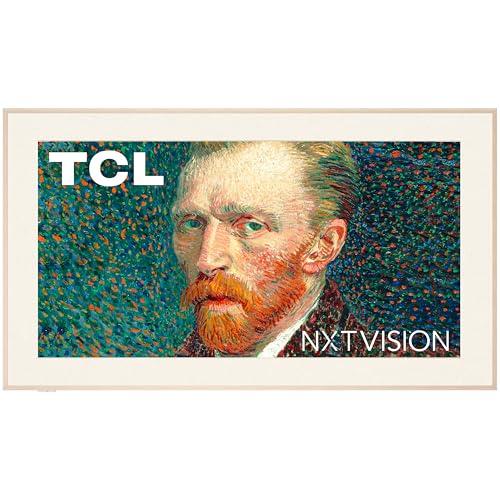

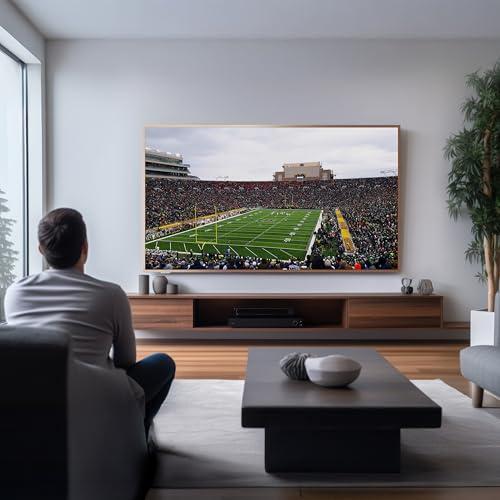


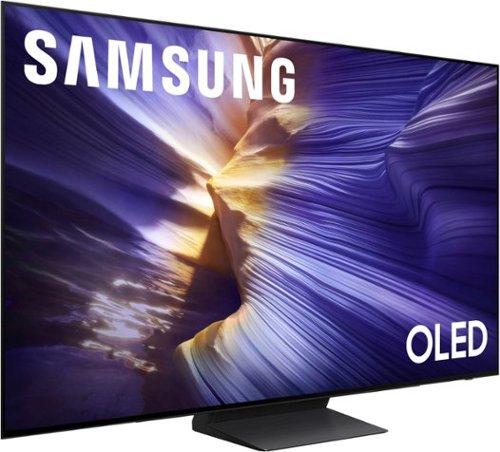
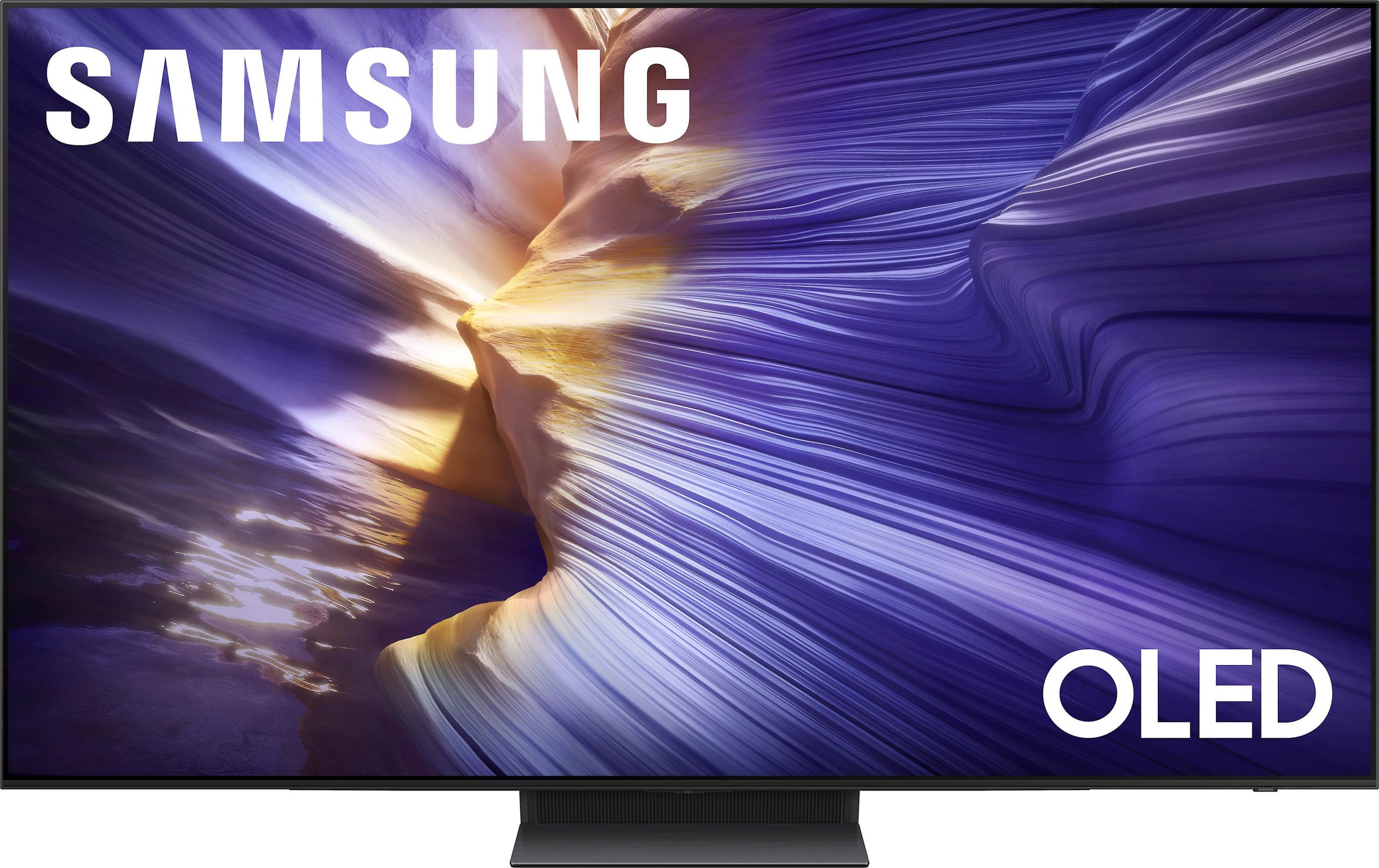
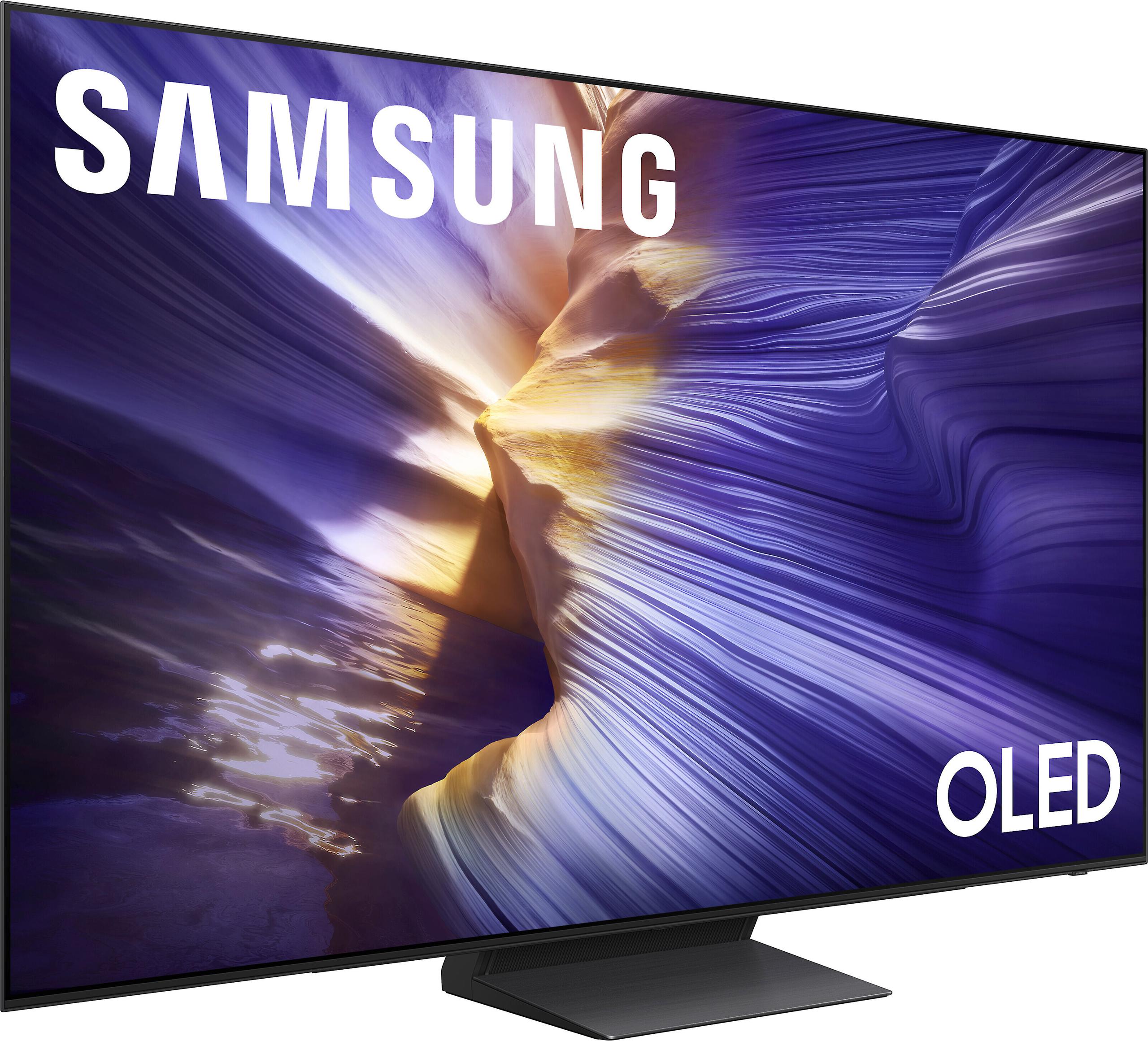


Shopping for a 65-inch premium TV in 2025 means choosing between two dramatically different philosophies. Do you want a television that disappears into your wall as artwork, or one that delivers the absolute best picture quality money can buy? The TCL 65" NXTVISION QLED 4K Art Frame TV and Samsung 65" S90F OLED 4K Vision AI Smart TV represent these opposing approaches perfectly.
At the time of writing, these TVs occupy different price tiers, with the TCL NXTVISION positioned as an accessible entry into lifestyle television, while the Samsung S90F commands premium pricing for its cutting-edge OLED technology. But which approach makes more sense for your specific needs?
The 65-inch TV market has evolved far beyond simple screen size comparisons. Today's premium TVs fall into distinct categories that serve completely different purposes. Traditional performance TVs focus on delivering the best possible picture quality, contrast, and color accuracy. Meanwhile, lifestyle TVs prioritize room integration, aesthetic design, and multi-purpose functionality.
This split matters because the technology choices manufacturers make – like panel type, processing power, and design philosophy – fundamentally shape how you'll experience the television daily. A performance-focused TV might deliver stunning HDR highlights in a dark room but look washed out during bright afternoon viewing. Conversely, a lifestyle TV might excel at daytime viewing and room integration but compromise on the technical aspects that matter for serious movie watching.
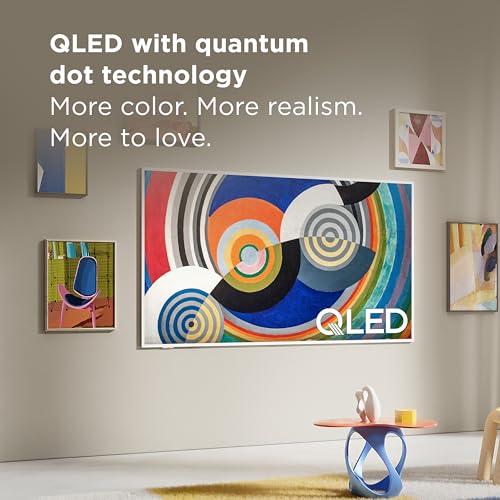
The core difference between these TVs lies in their display technology. The TCL NXTVISION uses QLED (Quantum Dot Light Emitting Diode) technology, which is essentially an enhanced LCD panel with a quantum dot layer that improves color reproduction. Think of it as a traditional LED TV with a special coating that makes colors more vibrant and accurate.
The Samsung S90F, however, uses OLED (Organic Light Emitting Diode) technology, where each individual pixel produces its own light. This means when a pixel needs to display black, it simply turns off completely, creating perfect darkness. QLED panels, by contrast, rely on a backlight that's always on, so they can never achieve true black – there's always some light bleeding through.
This technical difference has massive real-world implications. OLED delivers infinite contrast ratios (the difference between the brightest whites and darkest blacks), while QLED contrast is limited by its backlight system. However, QLED can often get brighter overall, which helps in rooms with lots of ambient light.
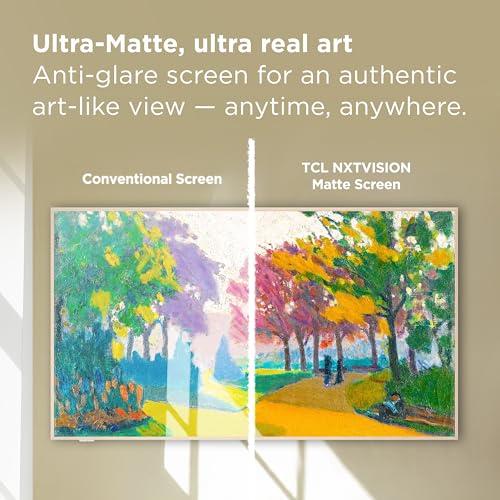
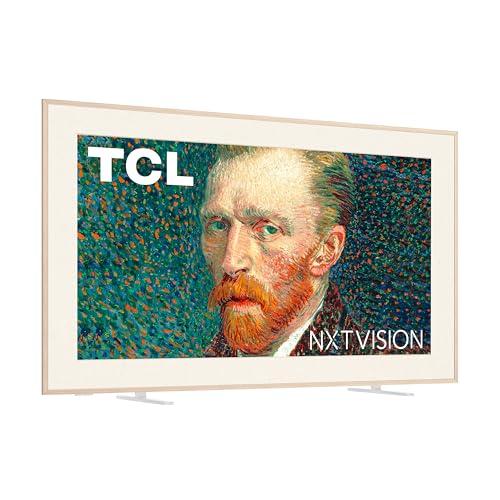
Here's where the TCL NXTVISION gets interesting. Its ultra-matte anti-glare screen uses a special coating that scatters reflected light, dramatically reducing glare and reflections. Most TVs have glossy screens that act like mirrors in bright rooms, but this matte treatment makes the TV look more like actual canvas artwork.
This isn't just a marketing gimmick – the matte finish fundamentally changes how the TV performs in different lighting conditions. While the Samsung S90F might deliver superior contrast in a dark room, the TCL's matte screen could actually provide a better viewing experience in a bright living room with lots of windows.
Contrast ratio – the difference between the brightest and darkest parts of an image – is arguably the most important factor in picture quality. It's what makes explosions feel intense, starry night scenes look realistic, and HDR content truly pop off the screen.
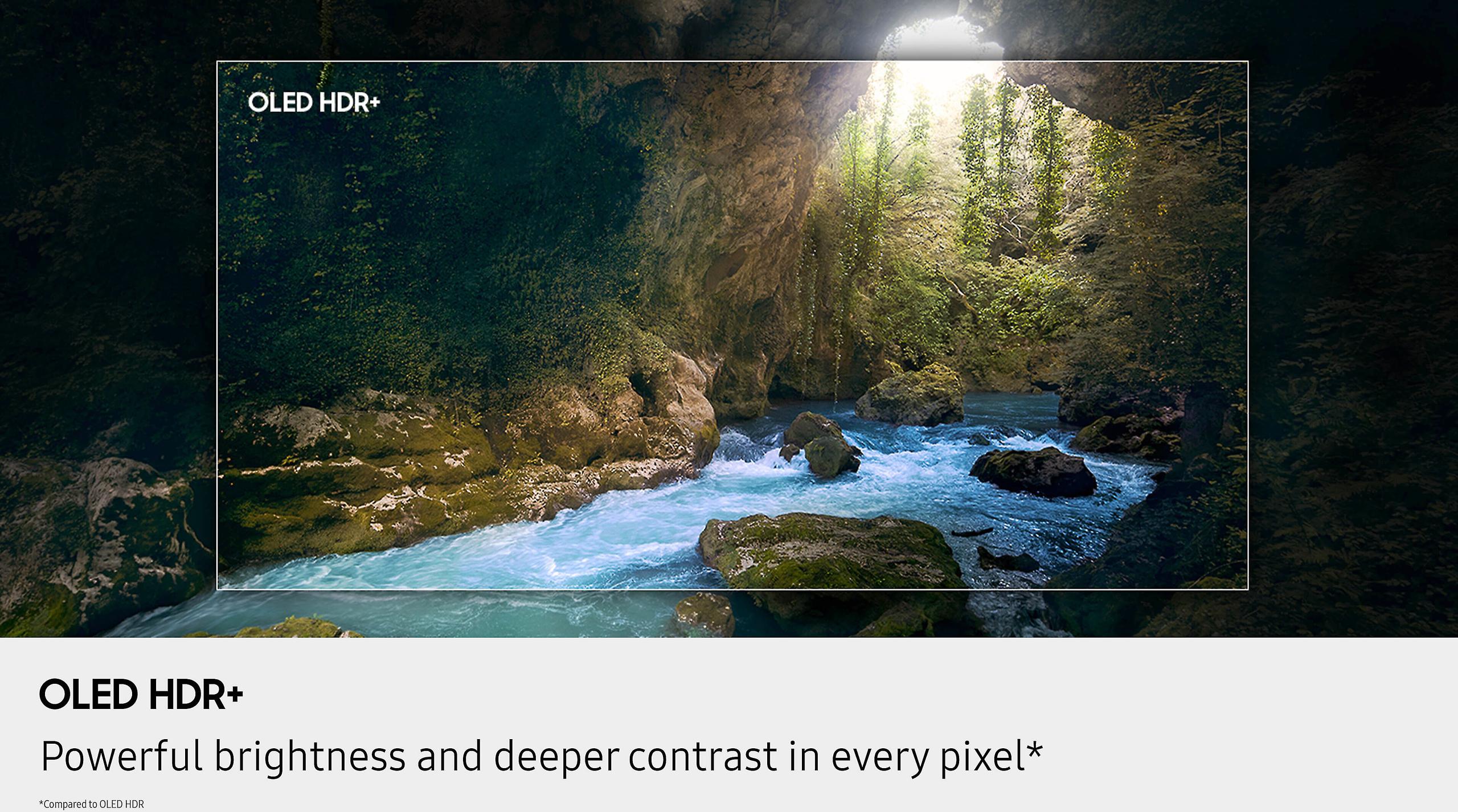
The Samsung S90F dominates here with its OLED technology. When you're watching a movie with a campfire scene against a dark night sky, each flame will glow brilliantly while the surrounding darkness remains perfectly black. There's no "blooming" where bright objects create halos of light in dark areas – something that plagues most LED-based TVs including the TCL NXTVISION.
However, the TCL compensates with superior brightness capabilities. Its High Brightness+ LED backlight can push highlights brighter than most OLED panels, which helps HDR content feel more impactful in bright rooms. If you primarily watch TV during the day with curtains open, this brightness advantage can outweigh the contrast limitations.
Both TVs use quantum dot technology to expand their color gamuts (the range of colors they can display), but they implement it differently. The TCL NXTVISION supports every major HDR format including Dolby Vision IQ, HDR10+, HDR10, and HLG. This comprehensive support means you'll get the best possible experience regardless of your content source.
The Samsung S90F notably lacks Dolby Vision support, which is frustrating since it's become the dominant premium HDR format for streaming services and UHD Blu-rays. However, Samsung's color processing is typically more accurate out of the box, and the OLED panel's ability to display perfect blacks makes HDR content more impactful even without Dolby Vision.
For sports fans and action movie enthusiasts, motion handling separates good TVs from great ones. The Samsung S90F has a significant advantage here thanks to OLED's near-instantaneous pixel response times. When a soccer ball flies across the screen or a car chase scene unfolds, OLED pixels can change from one color to another almost instantly, eliminating motion blur.
The TCL NXTVISION uses Motion Rate 480 processing with MEMC (Motion Estimation, Motion Compensation) to artificially smooth out motion, but this can introduce the "soap opera effect" that makes movies look unnaturally smooth. While this processing helps with sports, it can't match OLED's natural motion clarity.
Gaming has become a crucial TV battleground, especially with PlayStation 5 and Xbox Series X pushing 4K gaming to new heights. Both TVs offer compelling gaming features, but they excel in different areas.
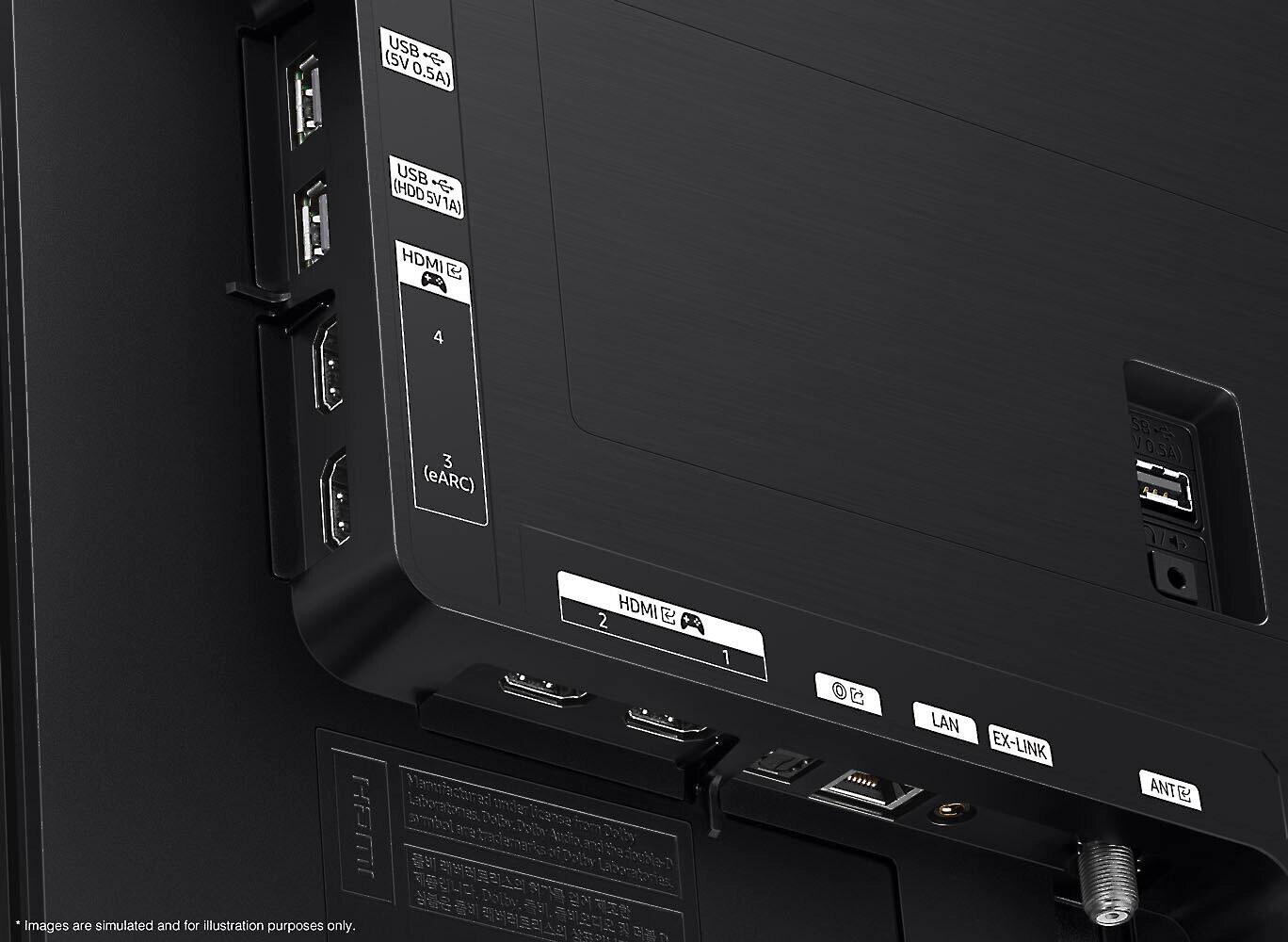
The Samsung S90F provides four full-bandwidth HDMI 2.1 ports, meaning you can connect multiple next-gen consoles, a high-end graphics card, and other devices without worrying about bandwidth limitations. All ports support 4K at 144Hz, variable refresh rate (VRR), and auto low latency mode (ALLM).
The TCL NXTVISION offers similar gaming features but with only two HDMI 2.1 ports out of four total. It supports higher refresh rates on paper – up to 240Hz at 1080p – but this matters less than the overall gaming experience quality.
Here's where OLED technology really shines for gaming. The Samsung S90F's instantaneous pixel response creates incredibly sharp motion during fast-paced games. Combined with perfect blacks, games with dark environments like horror titles or space sims look dramatically more immersive.
The TCL NXTVISION holds its own for gaming, especially in bright room conditions where OLED's raised black levels become more noticeable. Its matte screen also eliminates distracting reflections that can interfere with competitive gaming.
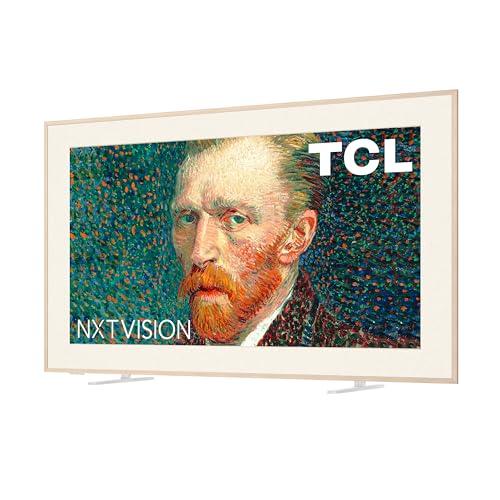
The TCL NXTVISION comes with over 400 curated artworks and AI art generation capabilities that can create over 100,000 unique images. This isn't just a screensaver – it's a legitimate attempt to make your TV function as rotating wall art when you're not actively watching content.
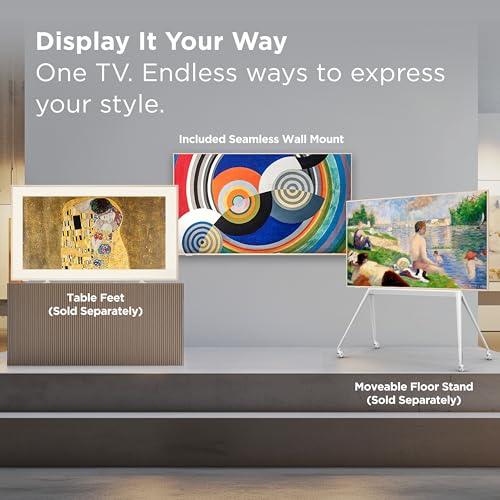
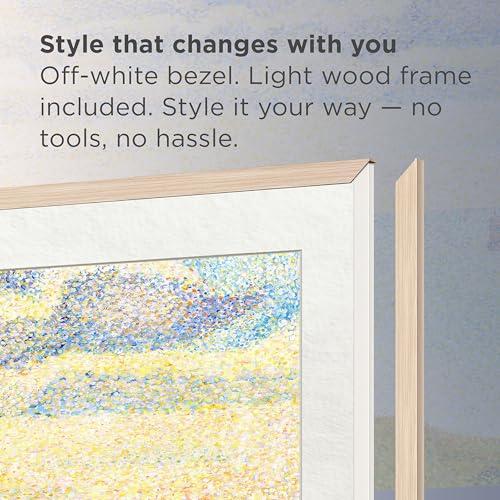
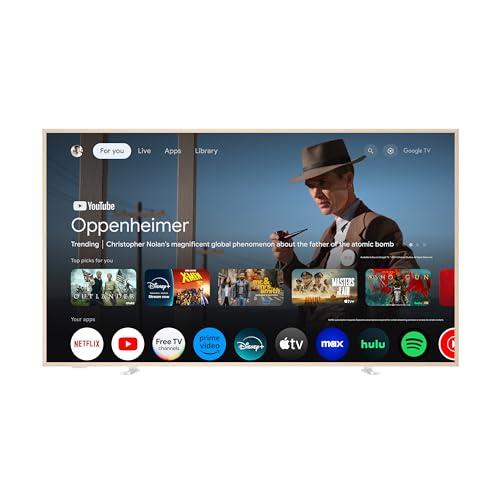
The ultra-matte screen enhances this experience by making displayed artwork look more like actual canvas paintings. Combined with the included light wood magnetic frame and flush wall mount, the TV genuinely disappears into your décor when displaying art.
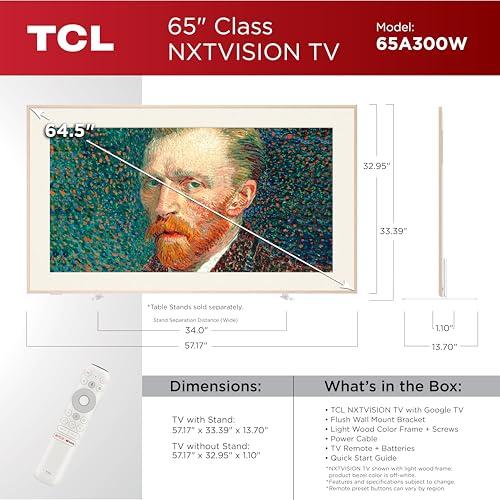
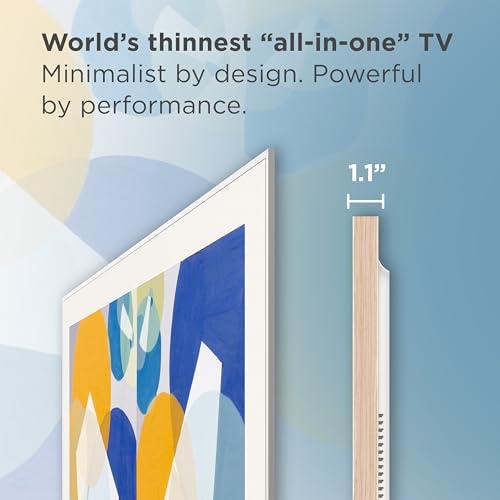
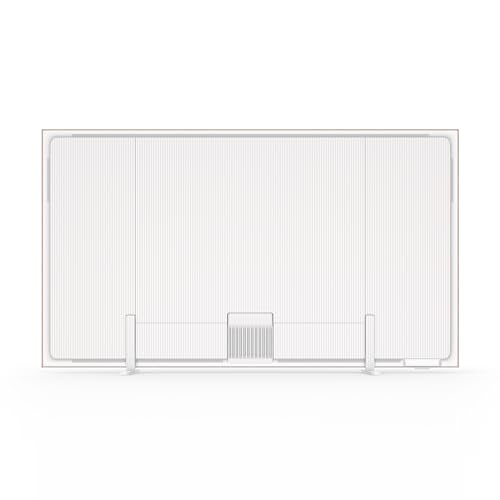
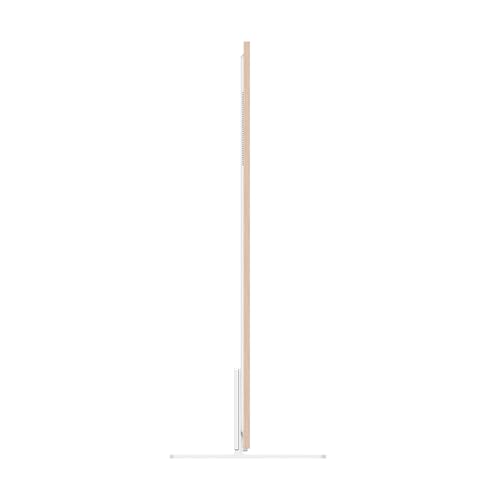
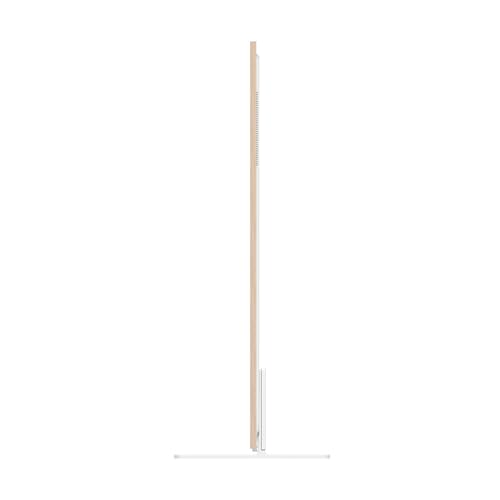
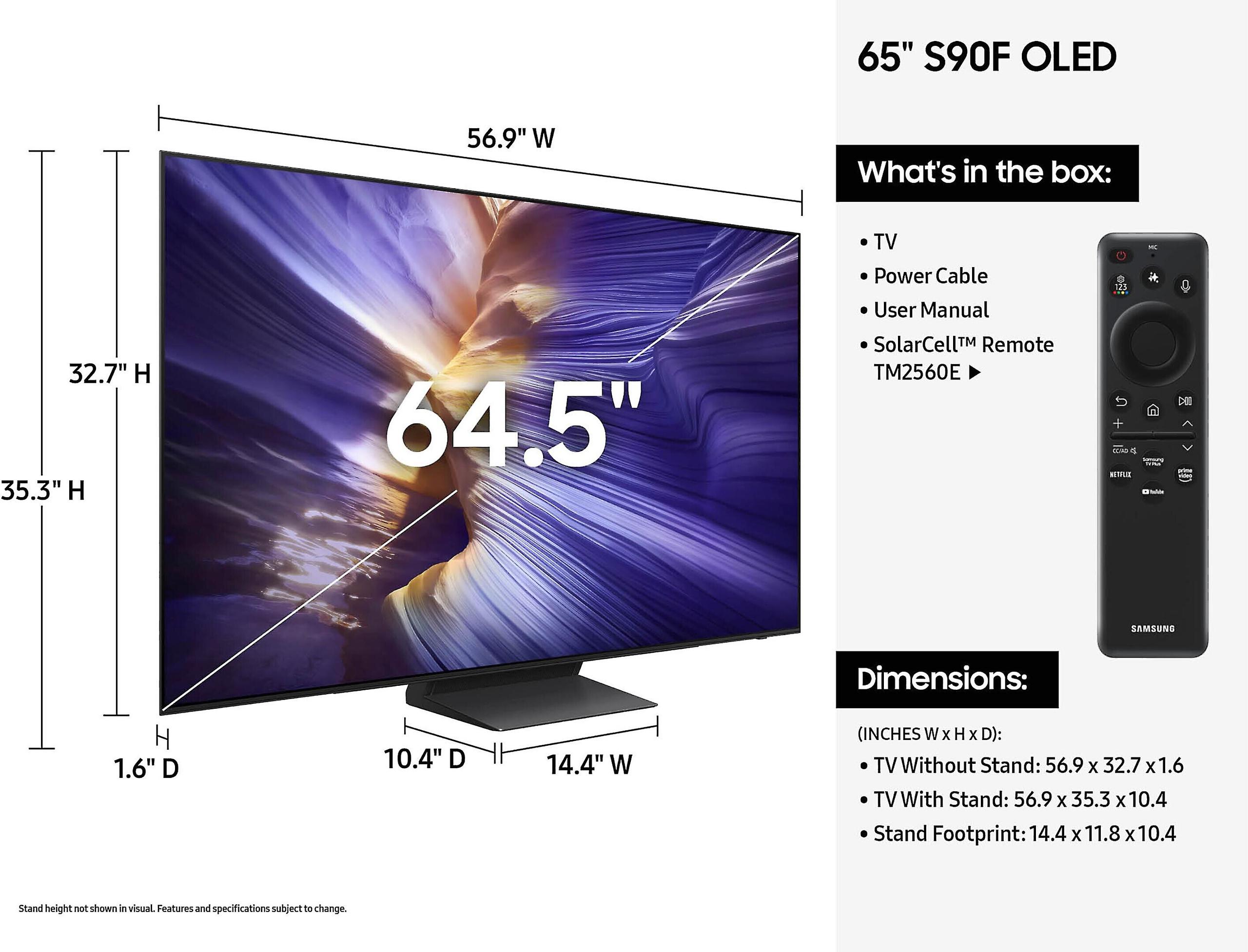
This is where the products diverge most dramatically. The TCL NXTVISION measures just 1.1 inches deep – impossibly thin for a TV with integrated electronics. It's designed to mount completely flush against the wall with no visible cables or external components.
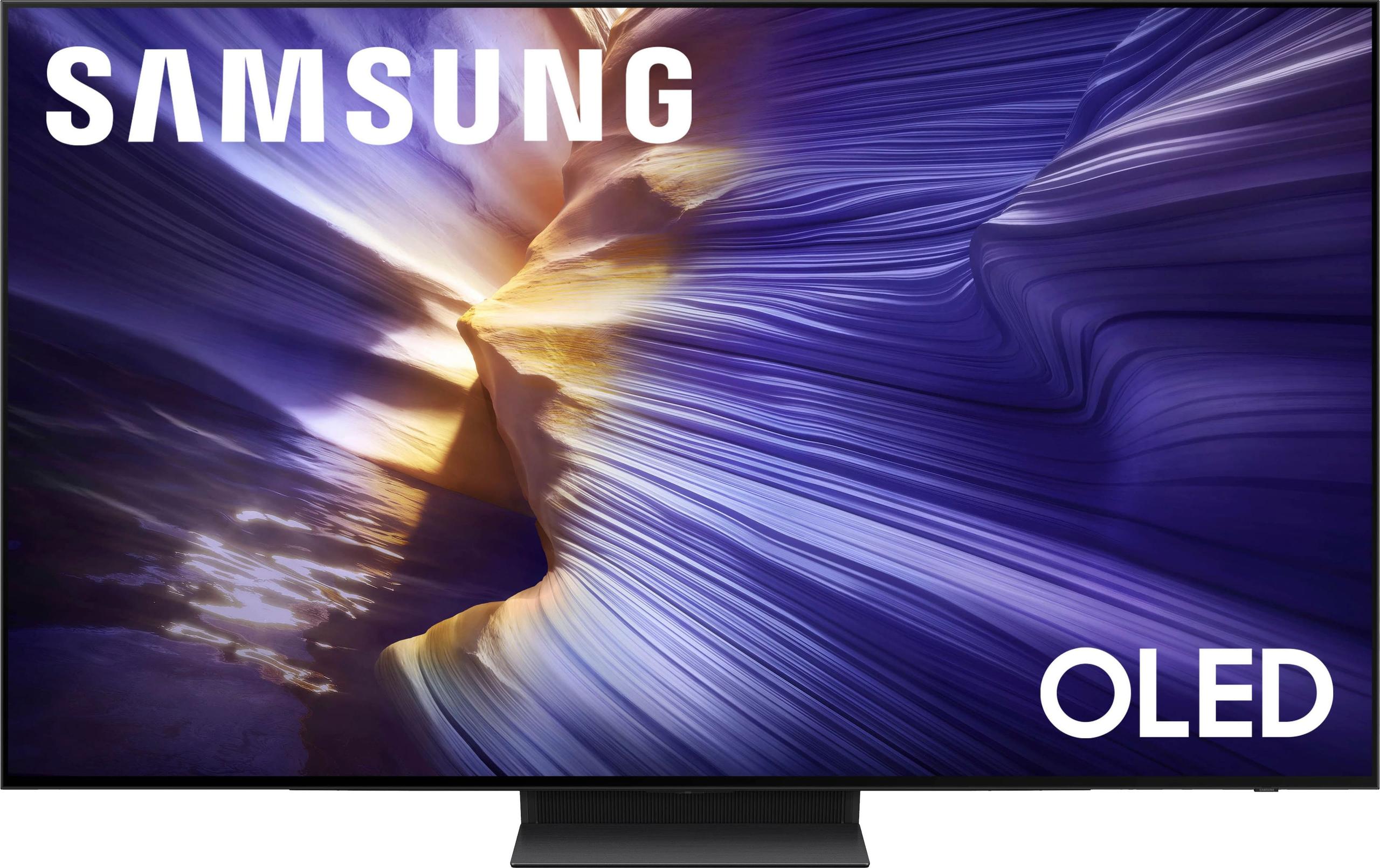
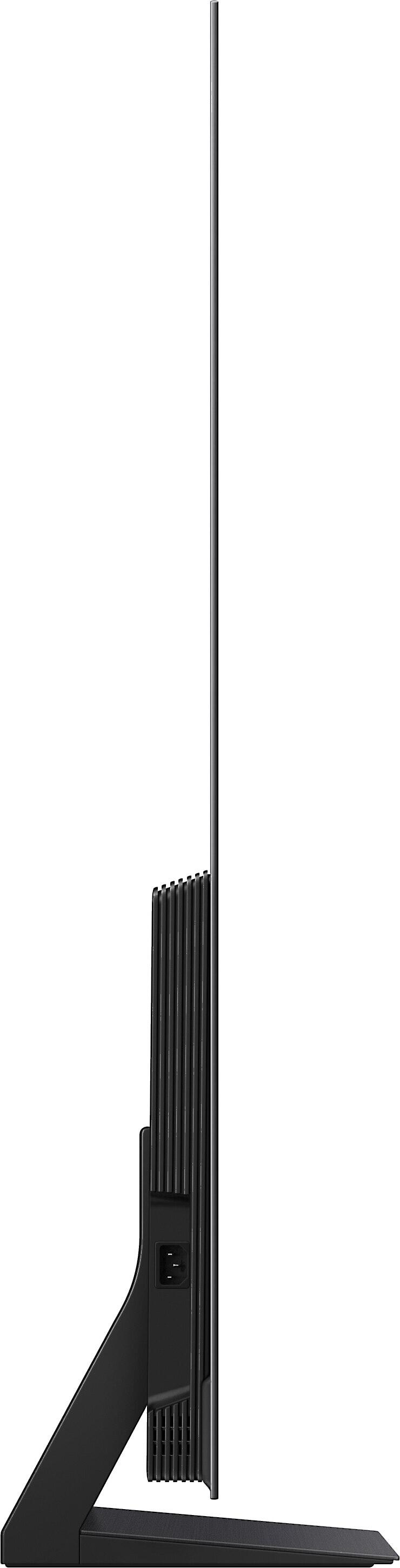
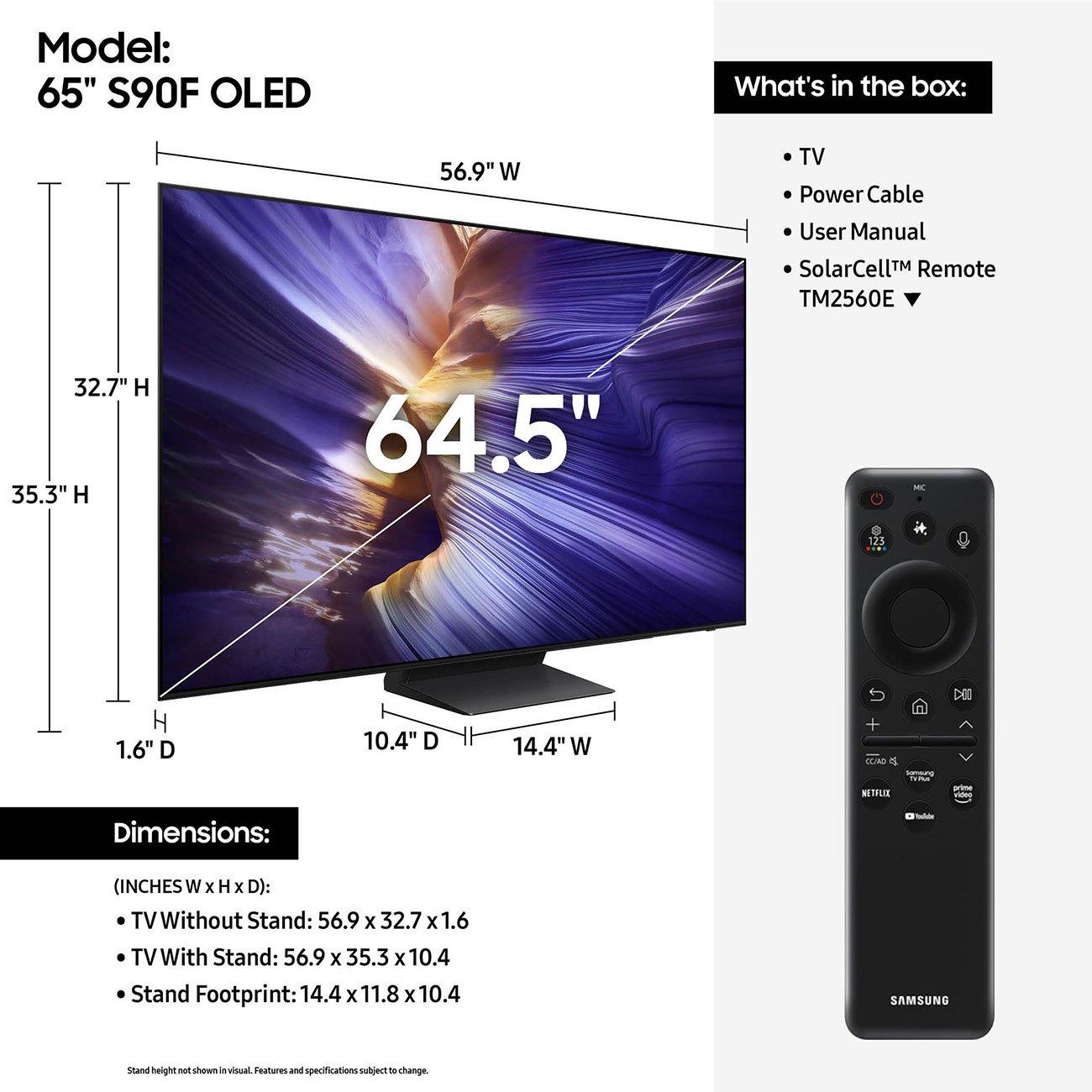
The Samsung S90F takes a more traditional approach, focusing on premium materials and build quality rather than disappearing act aesthetics. While still sleek, it's clearly a television first and foremost.
Audio capabilities reveal another philosophical difference between these TVs. The TCL NXTVISION supports comprehensive audio formats including Dolby Atmos and DTS:X, ensuring compatibility with virtually any content source including UHD Blu-rays that often use DTS for lossless audio.
The Samsung S90F offers more powerful 40W speakers with 2.1 channel configuration, but completely lacks DTS support. This limitation frustrates home theater enthusiasts with extensive disc collections, though most streaming content uses Dolby formats anyway.
Both TVs benefit significantly from external sound systems, but the TCL's comprehensive format support makes it more flexible for complex home theater setups.
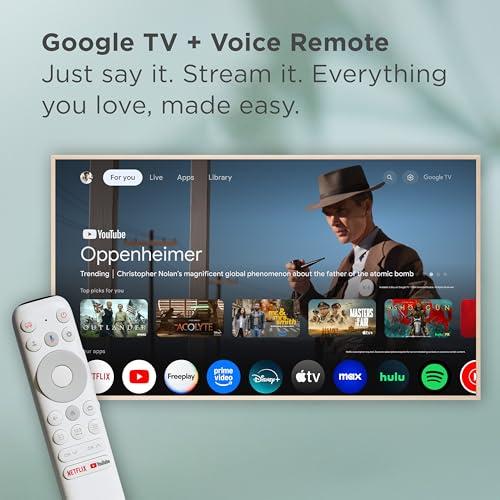
The TCL NXTVISION runs Google TV, which offers excellent integration with Google services, comprehensive app support, and intuitive content recommendations. The interface feels familiar to Android users and provides seamless casting from mobile devices.
Samsung's 2025 Tizen OS on the S90F has evolved significantly, offering faster performance and improved AI-powered recommendations. However, it can feel less intuitive for users already embedded in Google's ecosystem.
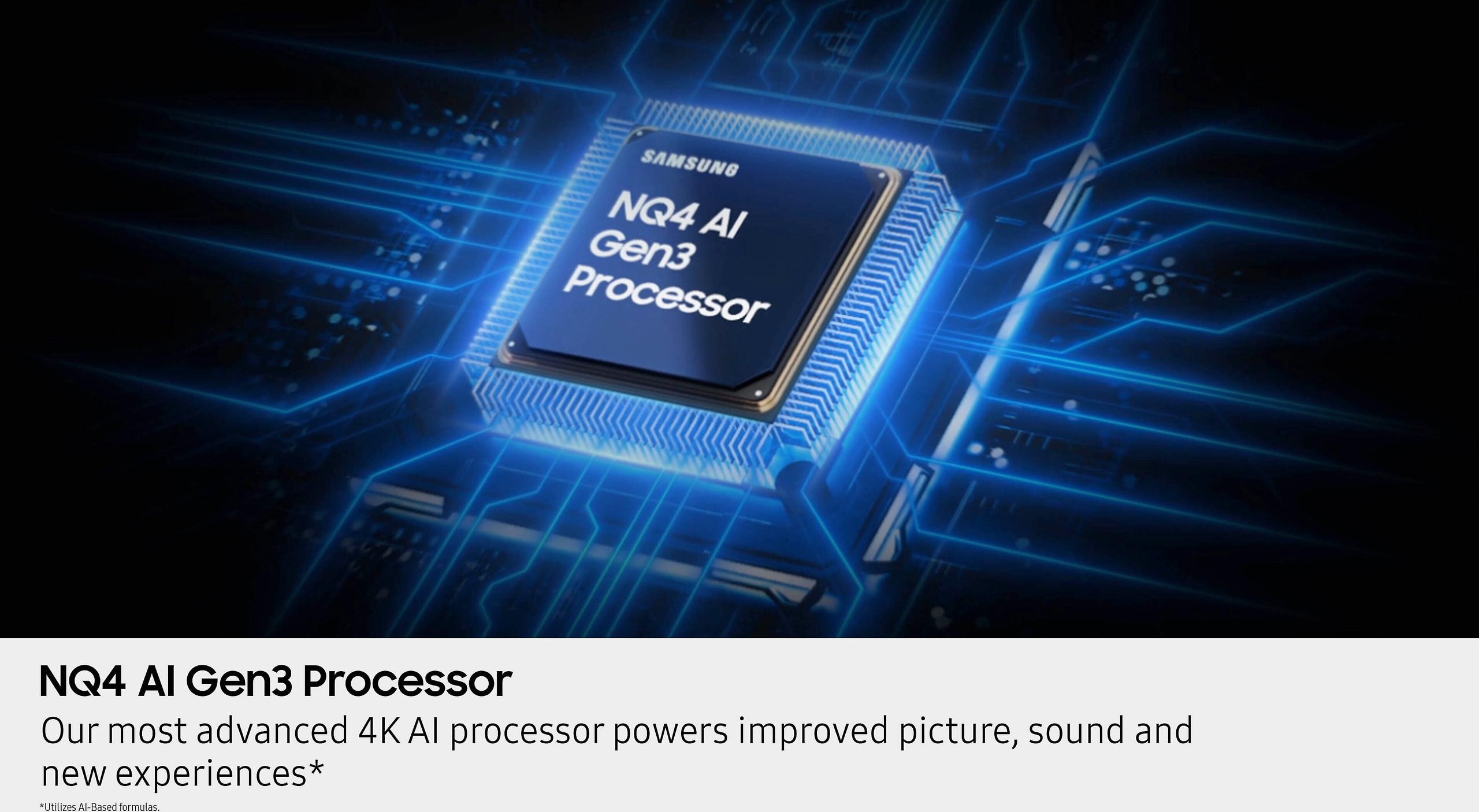
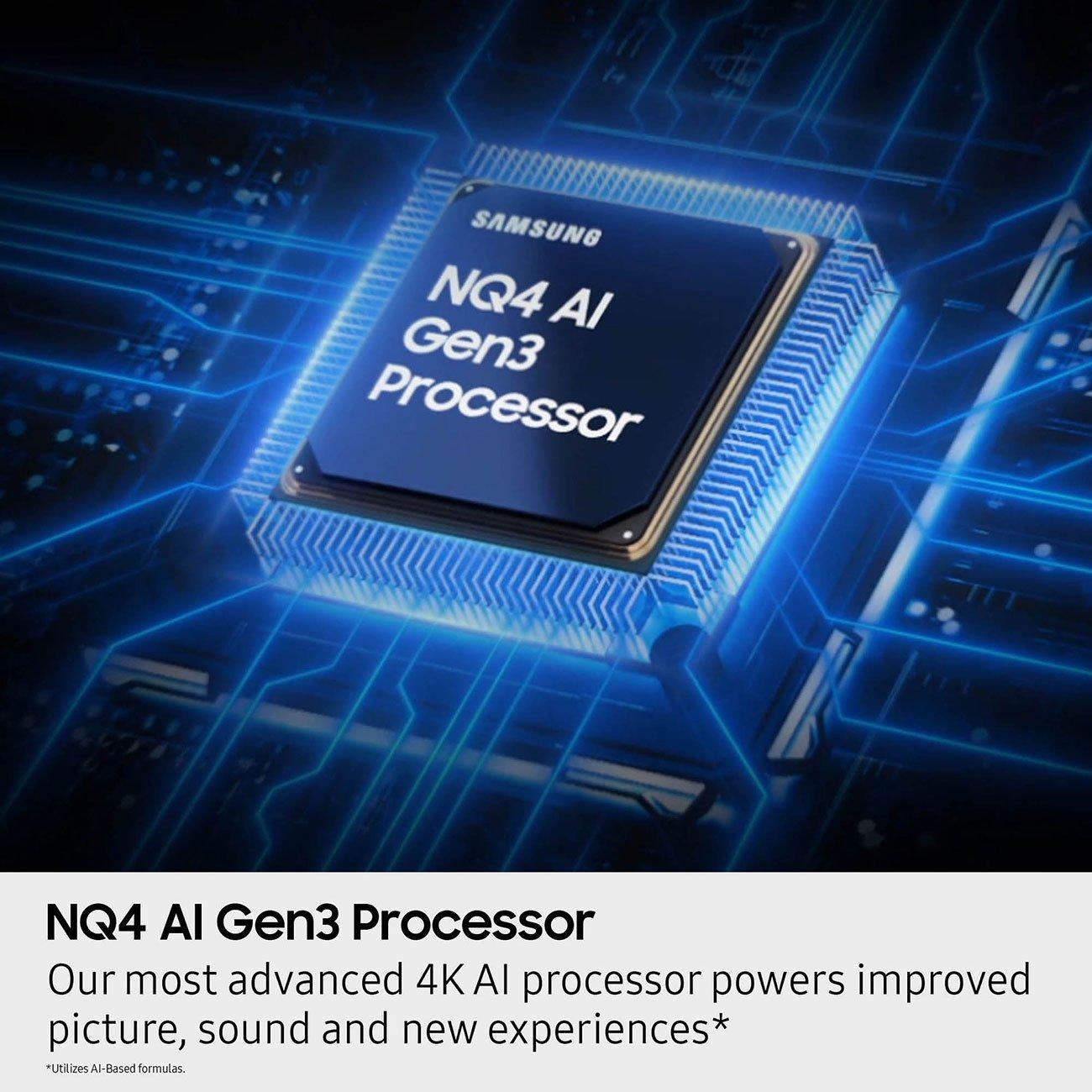
The Samsung S90F benefits from the advanced NQ4 AI Gen3 Processor, which provides impressive upscaling of lower-resolution content and intelligent scene optimization. This processing power shows most dramatically when watching older TV shows or compressed streaming content.
The TCL's AIPQ PRO Processor focuses more on color and motion optimization, with particular emphasis on making the art display mode look realistic and canvas-like.
This is where the TCL NXTVISION truly excels. Its combination of high brightness LED backlighting and ultra-matte anti-glare coating makes it viewable even in challenging lighting conditions. If your main viewing area has large windows or bright overhead lighting, this TV maintains image quality where others struggle.
The Samsung S90F performs admirably in moderate lighting but can appear washed out in very bright conditions. OLED technology inherently raises black levels in bright rooms, reducing the contrast advantage that makes these panels special.
For dedicated home theater viewing, the Samsung S90F is simply superior. Perfect blacks, infinite contrast, and accurate colors create an immersive cinematic experience that edge-lit LED TVs cannot match. Movie night in a darkened room showcases everything OLED technology does best.
You prioritize room aesthetics and want a TV that enhances your décor rather than dominating it. The art functionality isn't just a gimmick – it genuinely transforms how a television integrates into your living space. This TV excels for households that watch primarily during daytime hours, have bright living rooms with lots of ambient light, or want comprehensive HDR and audio format support.
The TCL also appeals to those seeking maximum value in the lifestyle TV category. At the time of writing, it offers art TV functionality at a fraction of competitors' pricing while delivering solid picture quality for most viewing scenarios.
Picture quality is your primary concern and you have reasonable control over your viewing environment. This TV rewards viewers with dark or moderately lit rooms, extensive 4K HDR content libraries, and appreciation for technical excellence.
Gaming enthusiasts should strongly consider the Samsung S90F for its superior motion handling, comprehensive HDMI 2.1 implementation, and virtually lag-free performance. The OLED technology creates gaming experiences that LED-based TVs simply cannot match.
These TVs succeed in completely different ways, making direct comparison somewhat unfair. The TCL NXTVISION pioneered affordable art TV functionality with genuinely impressive bright room performance, while the Samsung S90F represents the cutting edge of display technology with uncompromising picture quality.
Your choice should align with your priorities: room integration and daytime viewing favor the TCL, while picture quality and dark room performance favor the Samsung. Both represent excellent value within their respective categories, but they serve fundamentally different viewing philosophies.
The beauty of today's TV market is that both approaches can coexist – and both deliver experiences that would have seemed impossible just a few years ago.
| TCL 65" NXTVISION QLED 4K Art Frame TV | Samsung 65" S90F OLED 4K Vision AI Smart TV |
|---|---|
| Display Technology - Fundamental difference affecting contrast and viewing experience | |
| QLED with Edge-lit LED backlight (vibrant colors, limited contrast) | QD-OLED with self-illuminating pixels (perfect blacks, infinite contrast) |
| Screen Finish - Critical for bright room viewing and art display | |
| Ultra-matte anti-glare coating (eliminates reflections, canvas-like appearance) | Standard glare-free coating (good but not exceptional anti-glare) |
| HDR Format Support - Determines compatibility with premium content | |
| Dolby Vision IQ, HDR10+, HDR10, HLG (comprehensive support) | HDR10+ only (missing widely-used Dolby Vision) |
| Gaming Refresh Rate - Higher numbers mean smoother motion for gaming | |
| Up to 240Hz at 1080p, 144Hz at 4K (on 2 of 4 HDMI ports) | 144Hz at 4K (on all 4 HDMI ports with full bandwidth) |
| HDMI 2.1 Ports - Essential for next-gen consoles and high-end gaming | |
| 2 out of 4 HDMI ports support full bandwidth | All 4 HDMI ports support full 48Gbps bandwidth |
| Audio Format Support - Important for home theater setups | |
| Dolby Atmos, DTS:X, comprehensive legacy format support | Dolby Atmos only (no DTS support for Blu-rays) |
| Speaker Power - More watts typically mean louder, clearer sound | |
| 20W (2 x 10W speakers) | 40W (2.1 channel system with dedicated subwoofer) |
| Design Philosophy - Determines how TV integrates into your living space | |
| Ultra-slim 1.1" depth, flush wall mount, art display with 400+ artworks | Traditional premium TV design focused on performance over aesthetics |
| Smart TV Platform - Affects daily user experience and app availability | |
| Google TV with Chromecast built-in | Samsung Tizen OS 2025 with NQ4 AI Gen3 Processor |
| Ideal Viewing Environment - Where each TV performs best | |
| Bright rooms with ambient light, daytime viewing | Dark or controlled lighting rooms, dedicated home theater |
| Primary Target User - Who benefits most from each approach | |
| Design-conscious buyers wanting art TV functionality | Picture quality enthusiasts and serious gamers |
The Samsung S90F OLED delivers superior picture quality with perfect blacks, infinite contrast, and more accurate colors. Its OLED technology creates stunning visuals in dark rooms, making it ideal for movie watching. The TCL NXTVISION offers good picture quality with vibrant colors but cannot match OLED's contrast performance.
The core difference is their purpose: the TCL NXTVISION is designed as a lifestyle art TV that doubles as wall décor with an ultra-matte screen and art display features, while the Samsung S90F focuses purely on delivering premium picture quality and gaming performance using advanced OLED technology.
The TCL NXTVISION excels in bright rooms thanks to its ultra-matte anti-glare screen coating that eliminates reflections and higher brightness LED backlight. The Samsung S90F can appear washed out in very bright conditions, as OLED panels perform best in controlled lighting environments.
The Samsung S90F OLED provides superior gaming with all four HDMI ports supporting full bandwidth, near-instantaneous pixel response times, and excellent motion clarity. While the TCL NXTVISION supports high refresh rates, it only has two full-bandwidth HDMI 2.1 ports and cannot match OLED's motion performance.
Only the TCL NXTVISION is specifically designed for art display, featuring over 400 curated artworks, AI art generation, and an ultra-matte screen that mimics canvas texture. The Samsung S90F is a traditional performance TV without dedicated art functionality or the specialized screen coating needed for realistic art display.
The TCL NXTVISION offers comprehensive format support including Dolby Vision IQ, HDR10+, HDR10, and HLG for video, plus full audio format compatibility including DTS. The Samsung S90F notably lacks Dolby Vision and DTS support, limiting compatibility with some premium content sources.
The TCL NXTVISION features an ultra-slim 1.1-inch profile with flush wall mounting, magnetic frames, and a focus on disappearing into your décor. The Samsung S90F uses a more traditional premium TV design that prioritizes performance over minimalist aesthetics.
For dedicated home theater use, the Samsung S90F OLED is superior with perfect blacks, infinite contrast, and excellent dark room performance that creates cinematic experiences. However, the TCL NXTVISION offers better audio format compatibility including DTS support important for Blu-ray collections.
The TCL NXTVISION runs Google TV with excellent integration for Android users and comprehensive streaming app support. The Samsung S90F uses 2025 Tizen OS with advanced AI processing and fast performance, though it may feel less intuitive for Google ecosystem users.
The Samsung S90F OLED provides superior motion handling with instantaneous pixel response times that eliminate motion blur naturally. The TCL NXTVISION uses motion processing to smooth sports content, but this can introduce artificial-looking effects and cannot match OLED's natural clarity.
The Samsung S90F features more powerful 40W speakers with a 2.1 channel system including a dedicated subwoofer for better bass response. The TCL NXTVISION has 20W speakers but supports comprehensive audio formats including DTS, making it more compatible with external sound systems.
The choice depends on priorities: the TCL NXTVISION provides unique art TV functionality at an accessible price point, while the Samsung S90F OLED offers cutting-edge display technology that will remain relevant longer for serious viewing. Both represent good value within their respective categories.
We've done our best to create useful and informative comparisons to help you decide what product to buy. Our research uses advanced automated methods to create this comparison and perfection is not possible - please contact us for corrections or questions. These are the sites we've researched in the creation of this article: rtings.com - tcl.com - bestbuy.com - tcl.com - bestbuy.com - tcl.com - youtube.com - rcwilley.com - businessinsider.com - bestbuy.com - target.com - youtube.com - support.tcl.com - nfm.com - woodruffappliance.com - flatpanelshd.com - tcl.com - youtube.com - t3.com - rtings.com - bestbuy.com - stereonet.com - samsung.com - bestbuy.com - flatpanelshd.com - myallsouth.com - pcrichard.com - samsung.com - bestbuy.com - samsung.com - samsung.com - samsung.com

Privacy Policy
Terms and Conditions - Affiliate Policy
Home Security
© Copyright 2008-2026.
11816 Inwood Rd #1211, Dallas, TX 75244