

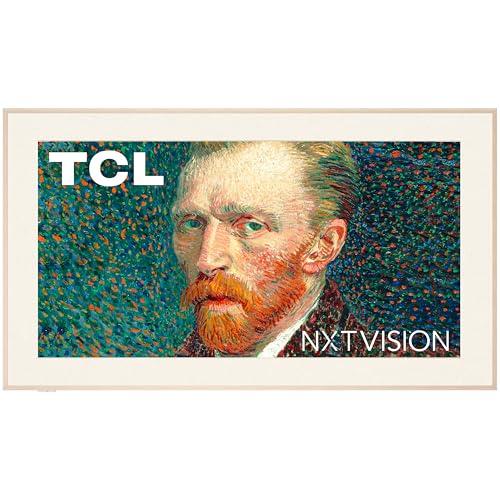

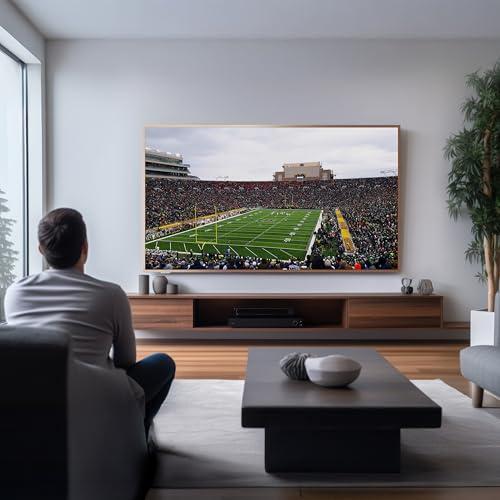


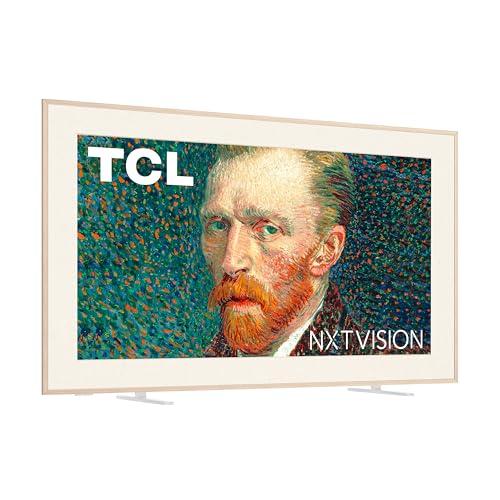
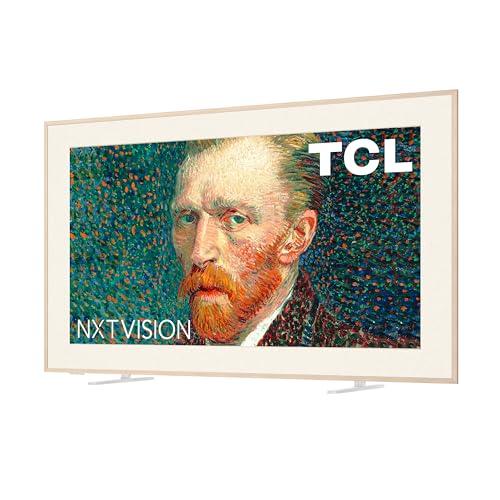

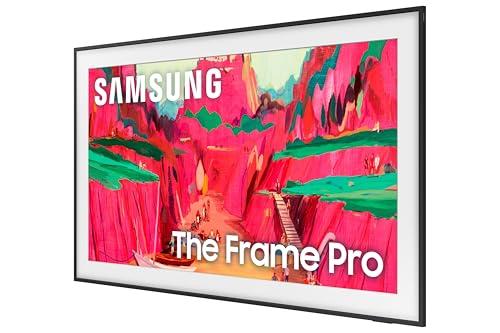
If you've ever wished your TV could disappear into your living room décor when not in use, art frame TVs represent one of the most compelling innovations in home entertainment. These unique displays transform from high-performance televisions into digital art galleries, featuring ultra-thin profiles, matte screens that mimic canvas textures, and customizable frames that blend seamlessly with your home's aesthetic.
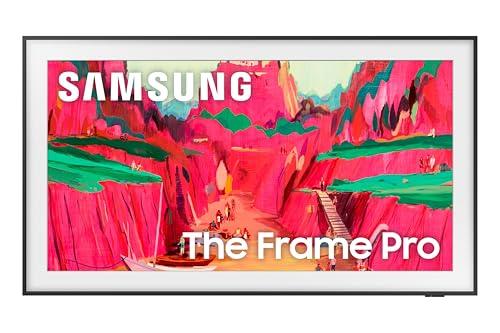
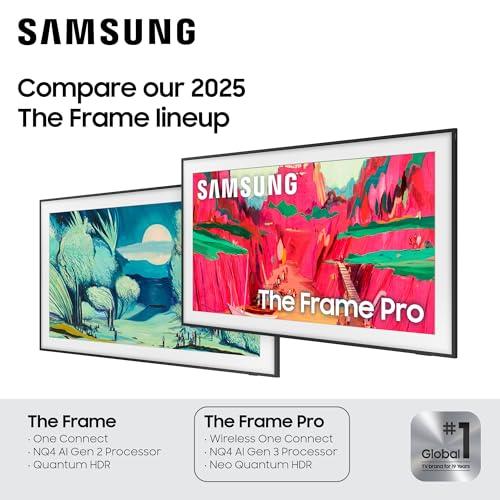
Two standout models have captured attention in this specialized category: the TCL 65" NXTVISION QLED 4K Art Frame TV, released in 2024, and the Samsung 65" Frame Pro 4K Neo QLED Smart TV, launched in 2025. Both promise to revolutionize how we think about television placement and room design, but they take dramatically different approaches to achieve that goal.
Art frame TVs solve a fundamental problem many homeowners face: large black rectangles dominating living spaces when televisions aren't in use. Traditional TVs, no matter how slim, still announce their presence with glossy screens that reflect ambient light and chunky bezels that scream "technology." Art frame TVs flip this concept entirely.
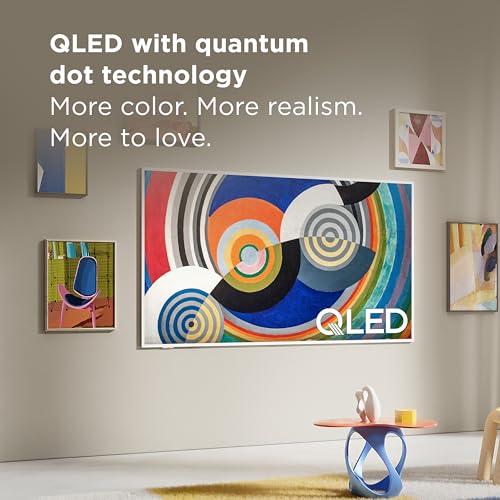
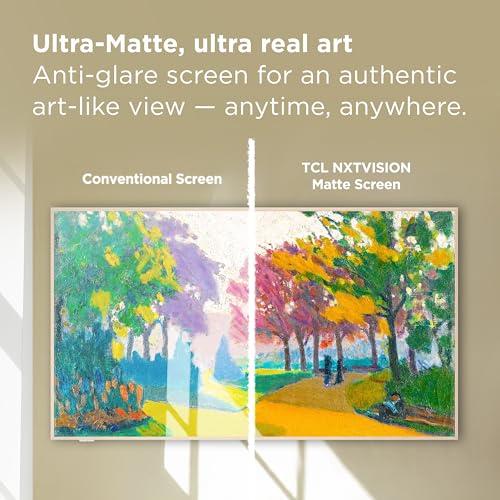
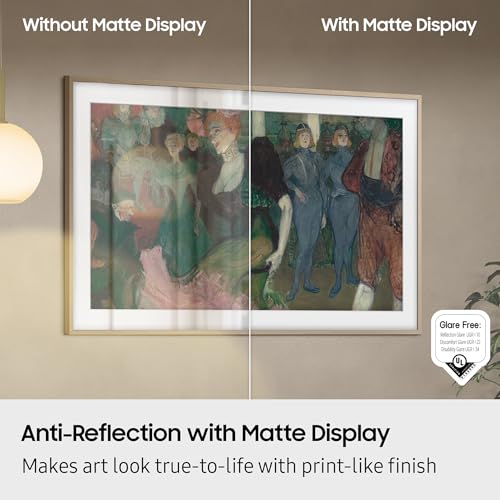
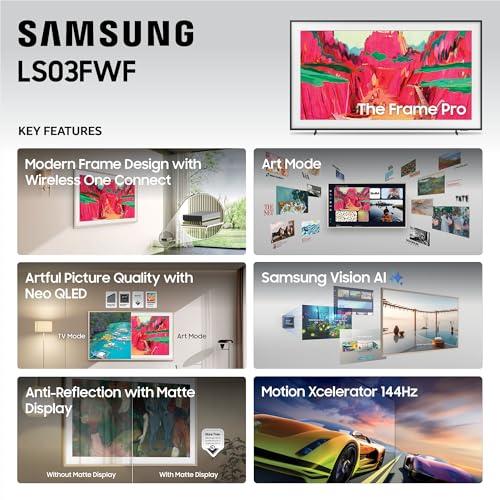
The key innovation lies in their matte anti-glare screens, which use specialized coatings to eliminate reflections and create a canvas-like appearance. When displaying artwork, these screens genuinely look like framed prints hanging on your wall. Combined with ultra-thin profiles and customizable bezels, they achieve something remarkable: a TV that truly disappears.
But here's where it gets interesting – these aren't just digital picture frames with basic TV functionality bolted on. Both the TCL NXTVISION and Samsung Frame Pro deliver serious television performance when you need it, supporting 4K resolution, HDR formats, and modern gaming features. The challenge lies in balancing aesthetic goals with performance demands, and each manufacturer has chosen a very different path.
The most fundamental distinction between these models lies in their backlighting systems, and this single difference cascades into every aspect of their performance.
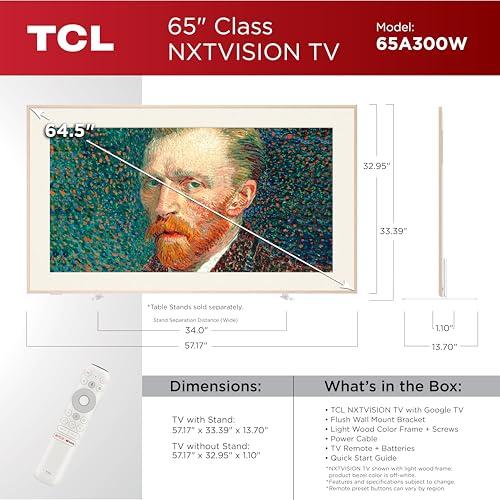
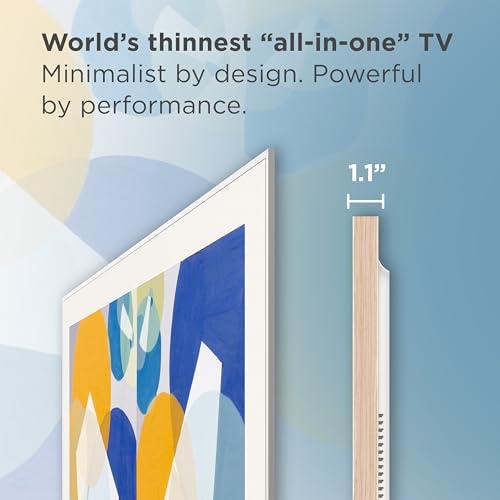
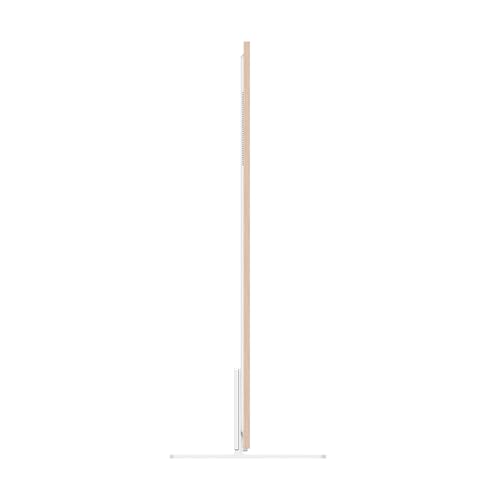
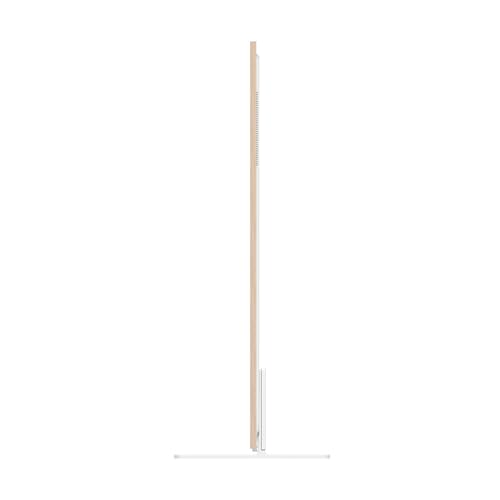
The TCL NXTVISION uses edge-lit LED backlighting with QLED (Quantum Dot Light Emitting Diode) technology. Picture LEDs positioned around the edges of the panel, like Christmas lights around a window frame. These edge-mounted LEDs illuminate the entire screen through light guides and diffusion layers. This approach allows TCL to achieve an incredibly thin profile – just 1.1 inches deep – making it one of the slimmest TVs available.
However, edge-lighting comes with inherent limitations. Since the light source is at the edges, it's nearly impossible to achieve precise brightness control across different areas of the screen. This means darker scenes often appear washed out, with blacks looking more gray than truly black. It's like trying to light a room evenly using only lamps placed around the perimeter – you'll get decent overall illumination, but you can't create dramatic shadows or bright spotlights where needed.
The Samsung Frame Pro takes a completely different approach with Neo QLED Mini LED technology. Instead of edge-mounted LEDs, it uses thousands of tiny LEDs distributed across the entire back of the panel – imagine replacing those perimeter Christmas lights with hundreds of individually controllable LED spotlights behind every section of the screen.
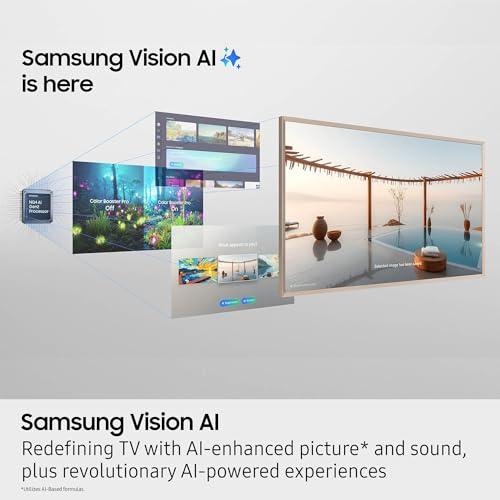
This full-array local dimming system allows Samsung to brighten or dim specific screen areas independently. When watching a movie with a bright explosion against a dark sky, the Frame Pro can make those flames blazingly bright while keeping the surrounding night sky properly black. The result is dramatically better contrast – the difference between the brightest whites and darkest blacks – which makes everything from HDR movies to displayed artwork more vivid and realistic.
Based on professional reviews and testing data, the Samsung Frame Pro achieves over 1,000 nits of peak brightness compared to more modest levels from the TCL NXTVISION. For context, standard TVs typically reach 300-400 nits, so both models are bright enough for well-lit rooms, but Samsung's advantage becomes crucial for HDR content, where those extra-bright highlights create more impressive visuals.
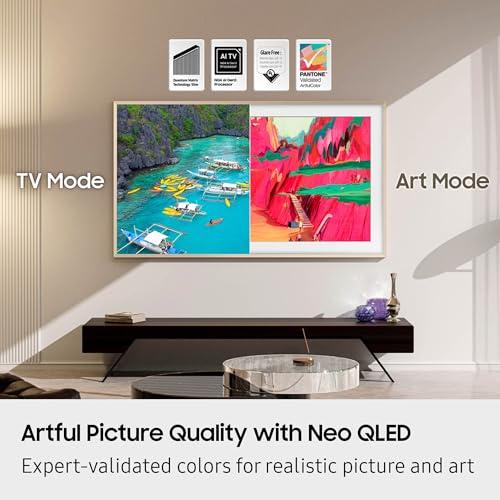
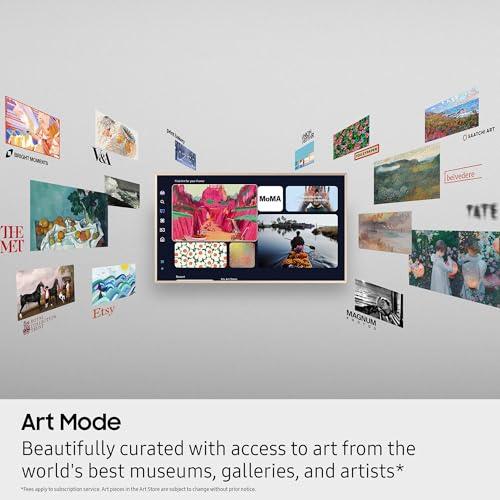
Both TVs excel at their primary aesthetic mission, but they approach art display differently. The TCL NXTVISION includes over 400 curated artworks plus a fascinating AI Art feature that can generate over 100,000 unique images. This AI capability lets you create custom artwork by describing what you want – "sunset over mountains in impressionist style" – and the TV generates original pieces tailored to your preferences.
The Samsung Frame Pro counters with over 3,000 professionally curated artworks accessible through Samsung's Art Store, which requires a subscription after an initial free period. The selection includes pieces from renowned museums and galleries, with Pantone color validation ensuring accurate reproduction of original artworks.
In terms of screen coating effectiveness, both models succeed admirably at eliminating reflections and creating authentic canvas-like appearances. The matte treatments are so effective that in normal room lighting, displayed artwork genuinely resembles framed prints rather than digital screens. This is where both TVs justify their premium over standard models – they actually achieve the gallery aesthetic they promise.
The TCL NXTVISION includes several nice touches for art display, such as multiple matte options and a personal photo gallery mode that can showcase your own artwork or family photos with the same canvas effect. Samsung's implementation feels more polished overall, but TCL's AI art generation offers unique creative possibilities that Samsung lacks.
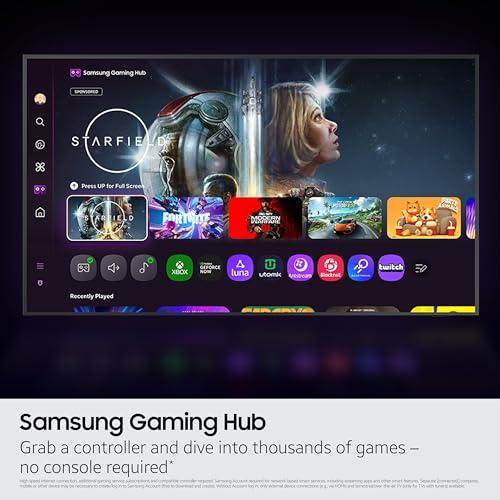
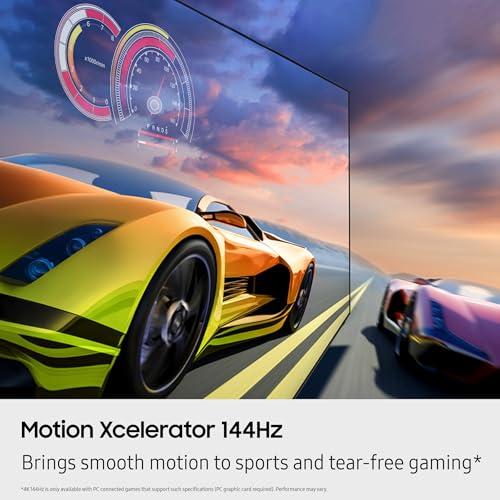
For gamers, these TVs present an interesting trade-off scenario. The TCL NXTVISION clearly prioritizes gaming performance with its Game Accelerator 240 feature, supporting refresh rates up to 240Hz for 1080p gaming and 144Hz for 4K. Higher refresh rates mean smoother motion during fast-paced gaming – imagine the difference between watching a car race through a flipbook versus a smooth video.
TCL also includes AMD FreeSync Premium certification and comprehensive Variable Refresh Rate (VRR) support. VRR synchronizes the TV's refresh rate with your gaming console's output frame rate, eliminating screen tearing – those horizontal lines that appear when the display and graphics card get out of sync. The TCL NXTVISION also features Auto Low Latency Mode (ALLM), which automatically switches to game mode when it detects gaming consoles, minimizing input lag.
Input lag – the delay between pressing a button and seeing the action on screen – is crucial for competitive gaming. Based on available measurements, the TCL NXTVISION achieves respectable gaming performance with relatively low input lag when in game mode.
The Samsung Frame Pro, despite supporting 144Hz refresh rates and VRR, shows higher input lag in testing – over 30ms compared to Samsung's typical 10-15ms on gaming-focused models. For casual gaming, this difference might not matter, but competitive players will notice the delay. Samsung does include a micro HDMI port directly on the TV for bypassing the Wireless One Connect Box, which can reduce lag, but this somewhat defeats the wireless installation purpose.
However, the Frame Pro's superior brightness and contrast can make games look more visually impressive, with better HDR performance delivering more impactful lighting effects and vibrant colors.
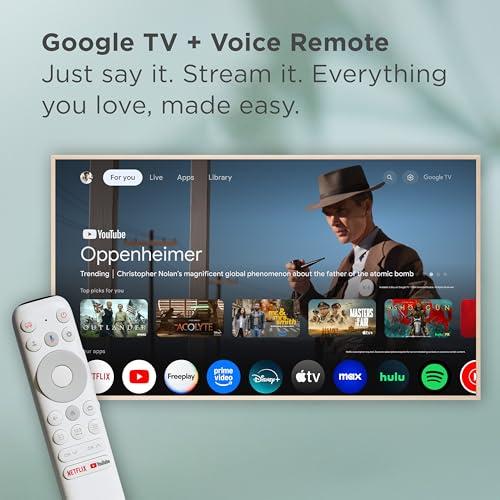
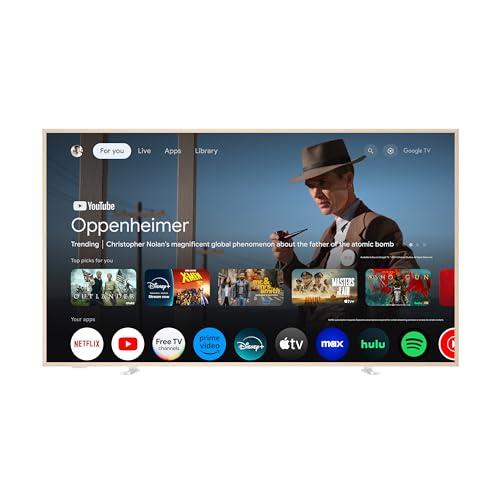
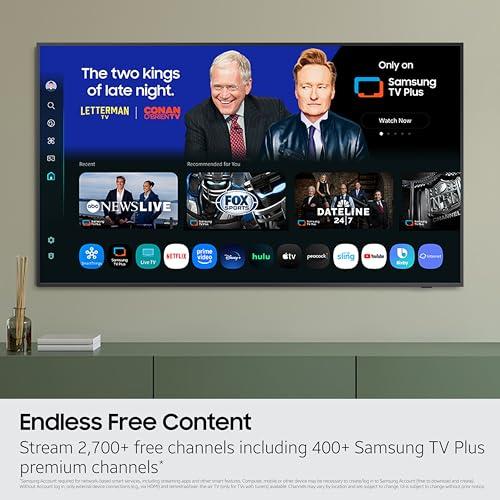
The platform choice here reflects each company's ecosystem approach. The TCL NXTVISION runs Google TV, which offers excellent integration with Android devices, comprehensive voice control through Google Assistant, and support for Chromecast built-in and Apple AirPlay 2. Google TV's interface is clean and recommendation-focused, making it easy to discover new content across streaming services.
The Samsung Frame Pro uses Samsung's Tizen platform, which has matured into one of the most responsive and feature-rich smart TV systems available. Tizen offers built-in Alexa and Bixby voice assistants, plus integration with Samsung's broader ecosystem of devices. The interface is polished and fast, though it can feel more complex than Google TV's streamlined approach.
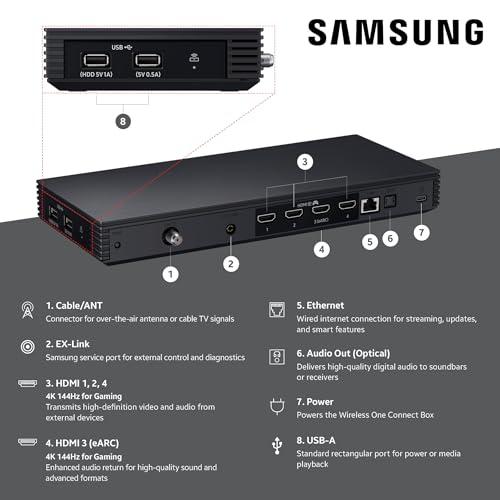
The Frame Pro's standout connectivity feature is its Wireless One Connect Box, which represents a genuine innovation in TV installation. This external box connects to all your devices – gaming consoles, cable boxes, streaming devices – and wirelessly transmits video and audio to the TV using Wi-Fi 7 technology with a range up to 33 feet. The result is a completely cable-free TV installation, which is transformative for achieving that true gallery aesthetic.
However, the wireless system introduces potential reliability concerns that don't exist with traditional wired connections. While Samsung's implementation appears robust in testing, there's no wired fallback option if wireless transmission experiences issues. The TCL NXTVISION uses conventional wired connections, which guarantees reliability but requires visible cable management.
Neither TV will replace a dedicated sound system, but their built-in audio differs significantly. The TCL NXTVISION features a 20W system with Dolby Atmos support – adequate for casual viewing but lacking power for larger rooms or dynamic content. The Enhanced Dialogue Mode helps with voice clarity, which is useful given the TV's likely placement in living rooms where conversation and viewing might occur simultaneously.
The Samsung Frame Pro delivers substantially better audio with its 40W, 2.0.2-channel system. The additional power and Object Tracking Sound technology create more immersive audio that better matches the premium visual experience. Q-Symphony Pro integration allows the TV speakers to work alongside compatible Samsung soundbars, creating a more expansive soundstage without completely muting the TV's built-in audio.
For most users, the Frame Pro's superior built-in audio means you might be able to skip external speakers for everyday viewing, while the TCL NXTVISION more likely requires audio upgrades for optimal performance.
In dedicated home theater environments, both TVs face similar challenges. Their matte anti-glare screens, while perfect for art display in bright rooms, can reduce perceived image punch in darkened viewing environments compared to glossy screens that reflect ambient light back toward viewers.
The Samsung Frame Pro handles dark room viewing better thanks to its superior contrast capabilities and local dimming, delivering deeper blacks that are crucial for cinematic experiences. However, even the Frame Pro can't match the black levels of OLED displays or Samsung's own flagship Neo QLED models with more advanced local dimming zones.
For movie enthusiasts, the Frame Pro's support for HDR formats and higher brightness provides more impactful HDR performance, making it better suited for displaying the wide range of tones that modern films utilize. The TCL NXTVISION supports the same HDR formats but can't display them as effectively due to its brightness and contrast limitations.
Both models support Filmmaker Mode, which displays movies as directors intended by disabling motion smoothing and adjusting color temperature. However, neither TV supports Dolby Vision, which might disappoint users with extensive UHD Blu-ray collections.
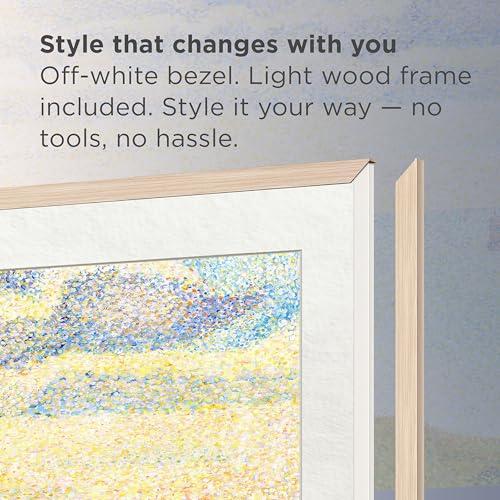
At the time of writing, the TCL NXTVISION represents exceptional value in the art frame TV category, typically priced significantly lower than the Samsung Frame Pro while delivering the core art frame functionality most users want. TCL includes essential accessories like the flush wall mount and magnetic wooden frame, eliminating additional purchase requirements.
The Samsung Frame Pro commands premium pricing but justifies it with Mini LED picture quality that approaches flagship TV performance levels. The wireless connectivity and superior audio system add tangible value, but you're paying considerably more for these refinements.
For most buyers, the decision comes down to priorities and budget flexibility. If you want to experience art frame TV functionality without stretching your budget, the TCL NXTVISION delivers the core experience effectively. The picture quality limitations are real but may not matter for casual viewing and art display.
However, if you're committed to the art frame concept and want the best possible performance, the Samsung Frame Pro represents the current pinnacle of the category. The picture quality improvement over TCL is substantial, and the wireless installation capability truly achieves the seamless gallery aesthetic that these TVs promise.
Choose the TCL NXTVISION if you're budget-conscious but want to experience art frame TV benefits, prioritize gaming performance, or prefer Google TV's ecosystem integration. It's also ideal if you appreciate the included accessories and straightforward wired installation. The TCL makes sense for secondary rooms, younger buyers establishing their first premium TV setup, or anyone who wants art frame functionality without paying premium prices.
Opt for the Samsung Frame Pro if picture quality is your top priority, you have a bright living room that demands maximum brightness, or the wireless installation capability is essential for your setup. It's the better choice for primary living rooms, users upgrading from older TVs who want a substantial performance improvement, or anyone willing to pay premium prices for premium experiences.
The Samsung Frame Pro also makes more sense if audio quality matters since its superior built-in speakers might eliminate the need for additional audio equipment. For dedicated home theater rooms, however, both TVs face limitations compared to performance-focused models designed for dark viewing environments.
Ultimately, both TVs succeed at their primary mission: transforming how televisions integrate into living spaces. The TCL NXTVISION democratizes art frame TV technology, while the Samsung Frame Pro refines it to premium levels. Your choice should align with your budget, performance expectations, and how important those wireless connectivity and picture quality improvements are to your specific situation.
| TCL 65" NXTVISION QLED 4K Art Frame TV | Samsung 65" Frame Pro 4K Neo QLED Smart TV 2025 |
|---|---|
| Display Technology - Core difference that affects all picture quality aspects | |
| Edge-lit QLED (thinner profile, limited contrast) | Neo QLED Mini LED (superior contrast and brightness) |
| Peak Brightness - Critical for HDR performance and bright room viewing | |
| ~600-700 nits (adequate for most rooms) | 1,000+ nits (excellent for bright spaces and impactful HDR) |
| Profile Thickness - Important for gallery-style wall mounting | |
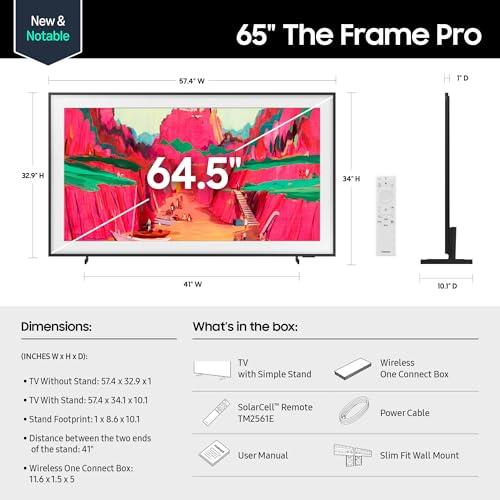
| 1.1 inches (ultra-thin all-in-one design) | Slim profile with wireless connectivity box |
| Gaming Performance - Matters for console and PC gaming | |
| 4K @ 144Hz, 1080p @ 240Hz, low input lag | 4K @ 144Hz but higher input lag (30ms+) |
| Smart Platform - Affects daily usability and app ecosystem | |
| Google TV with Chromecast and AirPlay | Tizen with Alexa/Bixby integration |
| Art Library - Core feature for art display mode | |
| 400+ artworks plus AI art generation | 3,000+ curated artworks (subscription required) |
| Audio System - Built-in sound quality without external speakers | |
| 20W (2.0 channel) adequate for casual viewing | 40W (2.0.2 channel) with Object Tracking Sound |
| Installation Complexity - Cable management and setup requirements | |
| Traditional wired setup with included flush mount | Wireless One Connect Box eliminates visible cables |
| Included Accessories - What comes in the box affects total cost | |
| Flush wall mount and magnetic wooden frame included | Customizable bezels, wireless box included |
| Release Year - Indicates latest features and technology | |
| 2024 model with current-gen features | 2025 model with latest Samsung innovations |
| Value Positioning - Performance per dollar consideration | |
| Budget-friendly entry into art frame TV category | Premium pricing for flagship-level performance |
The Samsung Frame Pro delivers significantly better picture quality thanks to its Neo QLED Mini LED technology, achieving over 1,000 nits brightness compared to the TCL NXTVISION's edge-lit design. The Samsung offers superior contrast, deeper blacks, and more vibrant HDR performance, making it ideal for cinematic viewing experiences.
The core difference lies in display technology: the TCL NXTVISION uses edge-lit QLED for an ultra-thin 1.1-inch profile, while the Samsung Frame Pro employs Mini LED backlighting for superior brightness and contrast. Samsung also features wireless connectivity through its One Connect Box, eliminating cable clutter.
The TCL NXTVISION excels in gaming with lower input lag, support for 4K at 144Hz and 1080p at 240Hz, plus comprehensive VRR and FreeSync Premium features. The Samsung Frame Pro supports 144Hz but has notably higher input lag (30ms+), making TCL the better choice for serious gamers.
The TCL NXTVISION includes 400+ curated artworks plus unique AI art generation capable of creating 100,000+ custom images. The Samsung Frame Pro offers 3,000+ professionally curated artworks through Samsung's Art Store, though this requires a subscription after an initial free period.
The Samsung Frame Pro performs better in bright environments due to its higher peak brightness (1,000+ nits) and effective matte anti-glare screen. While the TCL NXTVISION also features excellent anti-glare technology, Samsung's superior brightness makes it more suitable for rooms with lots of natural light.
The TCL NXTVISION runs Google TV with built-in Chromecast, Google Assistant, and AirPlay support, offering seamless Android ecosystem integration. The Samsung Frame Pro uses Tizen with Alexa and Bixby voice assistants, providing a polished interface with Samsung device integration.
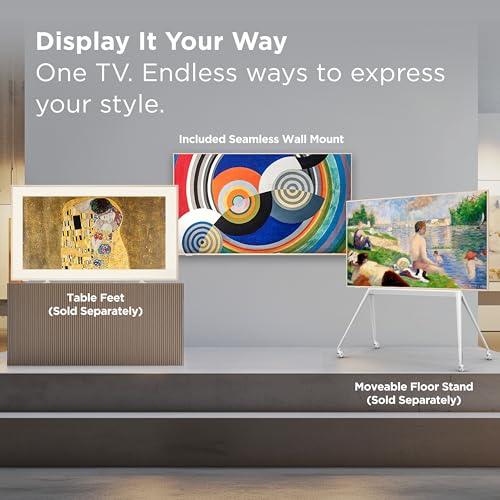
The TCL NXTVISION uses traditional wired connections with an included flush wall mount and magnetic wooden frame for straightforward installation. The Samsung Frame Pro features a Wireless One Connect Box that eliminates visible cables up to 33 feet away, creating a cleaner gallery aesthetic but with more complex setup.
The TCL NXTVISION provides exceptional value, offering core art frame functionality at a significantly lower price point with included accessories like the wall mount and frame. The Samsung Frame Pro justifies its premium pricing with superior Mini LED picture quality and wireless connectivity features.
The Samsung Frame Pro delivers superior audio with its 40W, 2.0.2-channel system featuring Object Tracking Sound and Q-Symphony Pro integration. The TCL NXTVISION offers adequate 20W audio with Dolby Atmos support but may require external speakers for optimal performance in larger rooms.
The Samsung Frame Pro works better for home theater use due to its superior contrast, local dimming capabilities, and higher brightness for impactful HDR performance. Both the TCL NXTVISION and Samsung models have matte screens that can reduce perceived image punch in dark rooms compared to glossy displays.
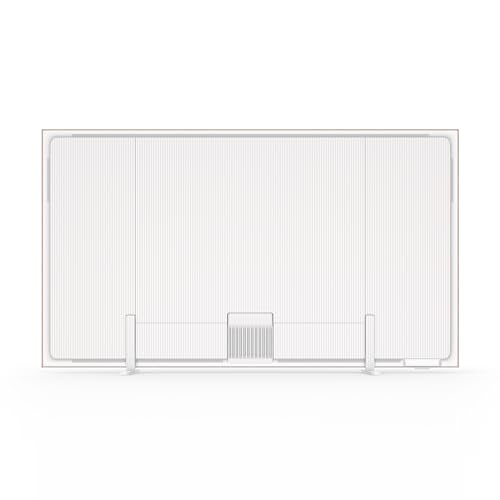
The TCL NXTVISION is exceptionally thin at just 1.1 inches deep with an all-in-one design that eliminates external boxes. The Samsung Frame Pro maintains a slim profile but requires the separate Wireless One Connect Box, though this actually enhances the clean wall-mounted appearance by removing cable clutter.
The TCL NXTVISION includes a flush wall mount and magnetic light wood frame, plus optional accessories like an easel-style floor stand. The Samsung Frame Pro comes with customizable bezels and the Wireless One Connect Box, though older Frame bezels aren't compatible with this Pro model.
We've done our best to create useful and informative comparisons to help you decide what product to buy. Our research uses advanced automated methods to create this comparison and perfection is not possible - please contact us for corrections or questions. These are the sites we've researched in the creation of this article: rtings.com - tcl.com - bestbuy.com - tcl.com - bestbuy.com - tcl.com - youtube.com - rcwilley.com - businessinsider.com - bestbuy.com - target.com - youtube.com - support.tcl.com - nfm.com - woodruffappliance.com - flatpanelshd.com - tcl.com - tomsguide.com - youtube.com - smarthomesounds.co.uk - images.samsung.com - rtings.com - samsung.com - bestbuy.com - bestbuy.com - businessinsider.com - dentonstv.com - samsung.com - flatpanelshd.com - samsung.com - jefflynch.com - youtube.com - costco.com

Privacy Policy
Terms and Conditions - Affiliate Policy
Home Security
© Copyright 2008-2026.
11816 Inwood Rd #1211, Dallas, TX 75244