



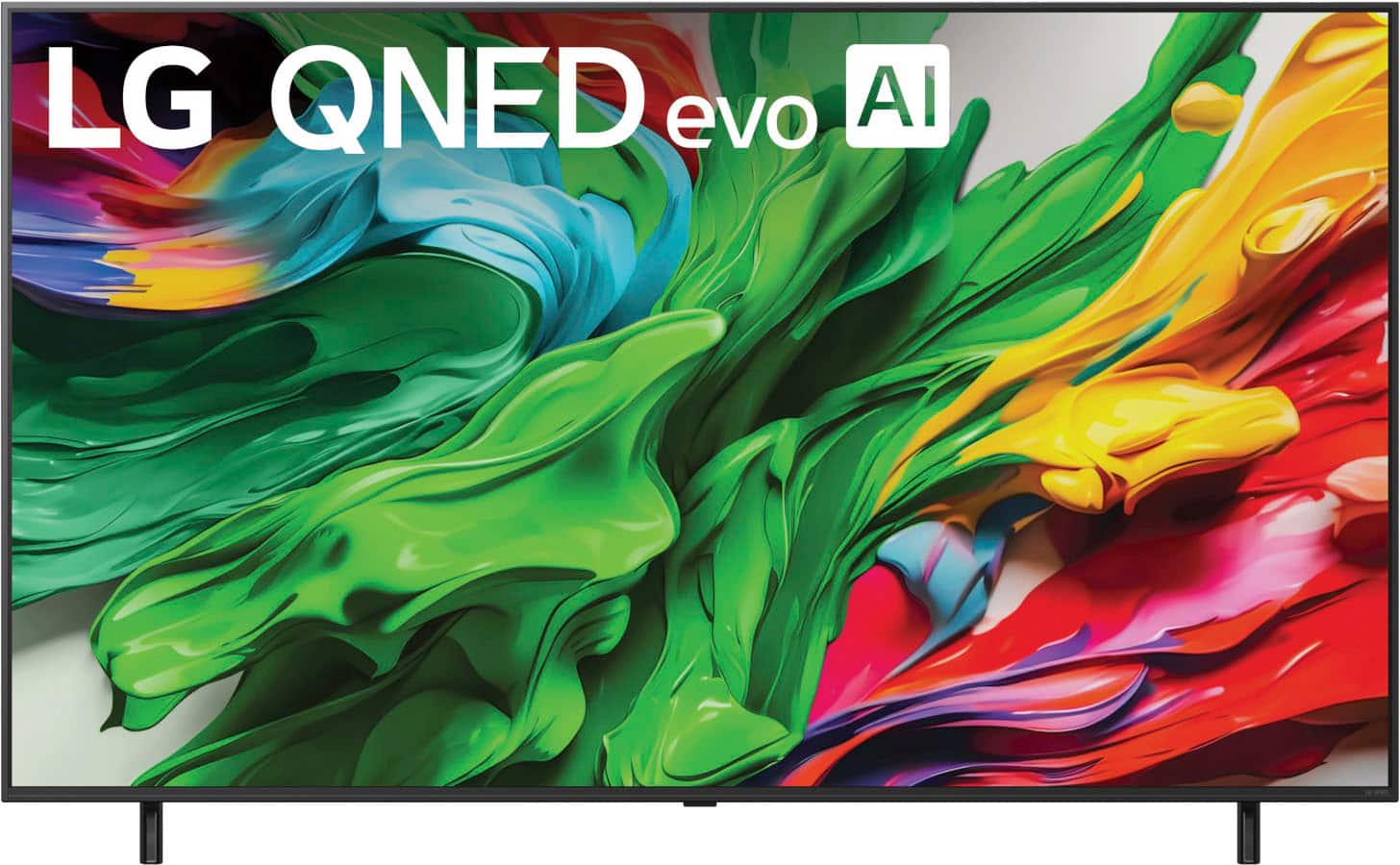
Choosing the right premium 4K TV has become surprisingly complex. It's no longer just about picture quality—today's TVs need to serve as smart home hubs, gaming displays, and in some cases, living room décor. The TCL 65" NXTVISION QLED 4K Art Frame TV and LG 65" QNED evo AI QNED85A 4K MiniLED Smart TV represent two completely different philosophies for tackling these modern demands.
Released in 2024, the TCL NXTVISION pioneered the "art TV" concept with its ultra-matte screen and gallery-like design. Meanwhile, LG's 2025 QNED85A focuses on cutting-edge display technology and AI-powered features. Understanding which approach suits your needs requires diving deep into what makes each tick.
Premium 4K TVs have evolved far beyond simple screen size upgrades. Modern buyers face decisions about display backlighting technology (which dramatically affects picture quality), smart platform capabilities, gaming features, and increasingly, how the TV fits into their home's aesthetic. The challenge is that marketing terms like "QLED," "MiniLED," and "AI processing" often obscure the real-world differences that matter.
What we've learned from extensive research into user and expert reviews is that the most important factors are: contrast performance (how deep blacks look and how bright highlights can get), color accuracy, motion handling for sports and action content, smart features that actually work reliably, and long-term software support. Gaming performance has also become crucial, even for casual gamers who want smooth motion and responsive controls.
The biggest difference between these TVs lies in their backlighting systems, which fundamentally determines picture quality. Think of backlighting as the engine of your TV—everything else depends on how well it works.
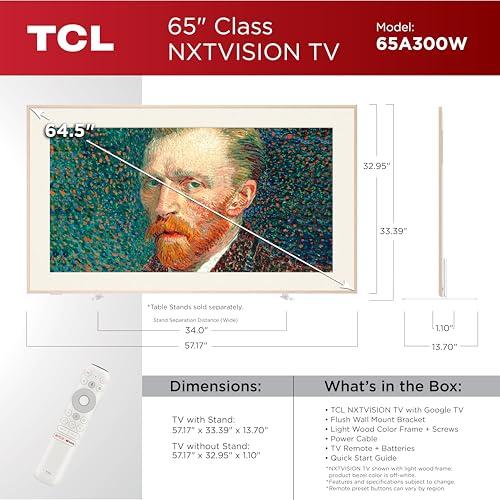
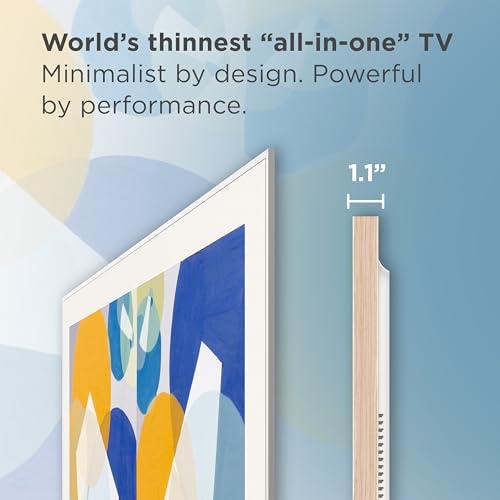
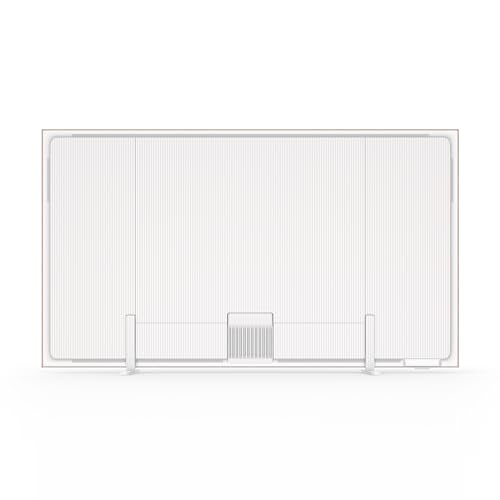
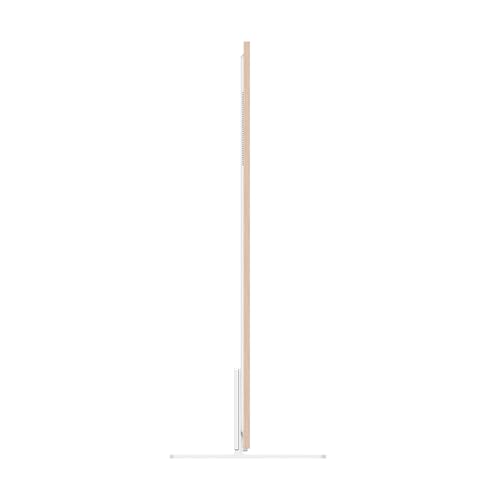
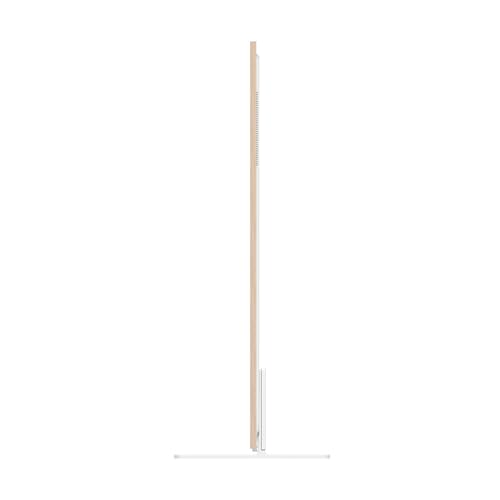
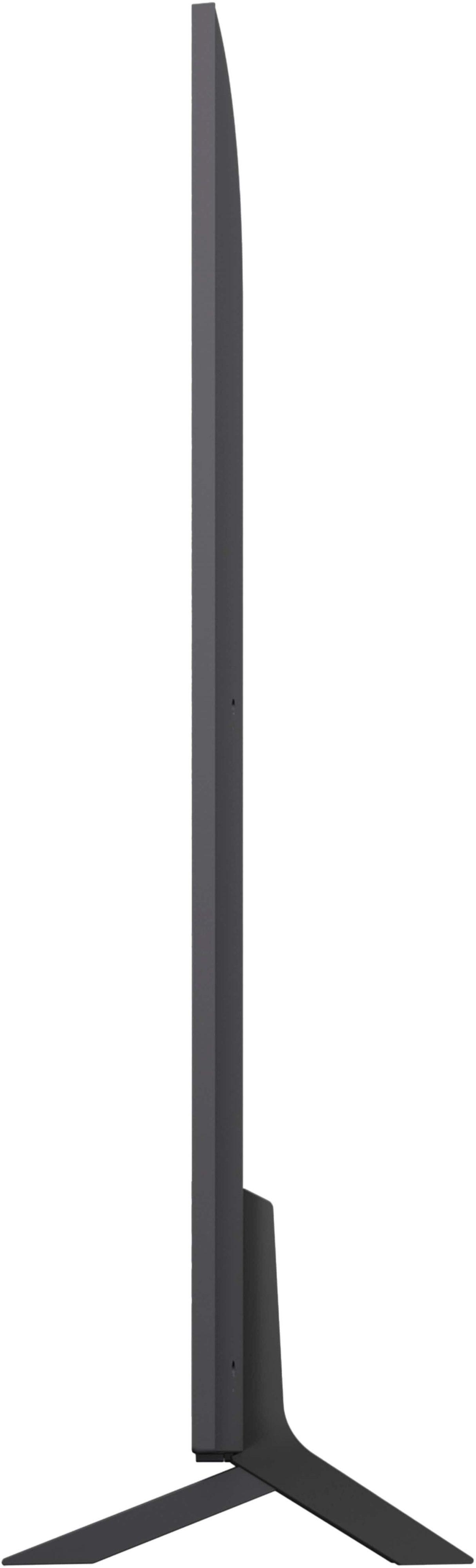
The TCL NXTVISION uses edge-lit backlighting, where LED lights are positioned around the TV's perimeter and shine inward. This design enables the TV's remarkably slim 1.1-inch profile—making it genuinely look like a picture frame on your wall. However, edge-lit systems struggle with uniformity (some areas can look brighter than others) and can't achieve the deep blacks needed for cinematic contrast.
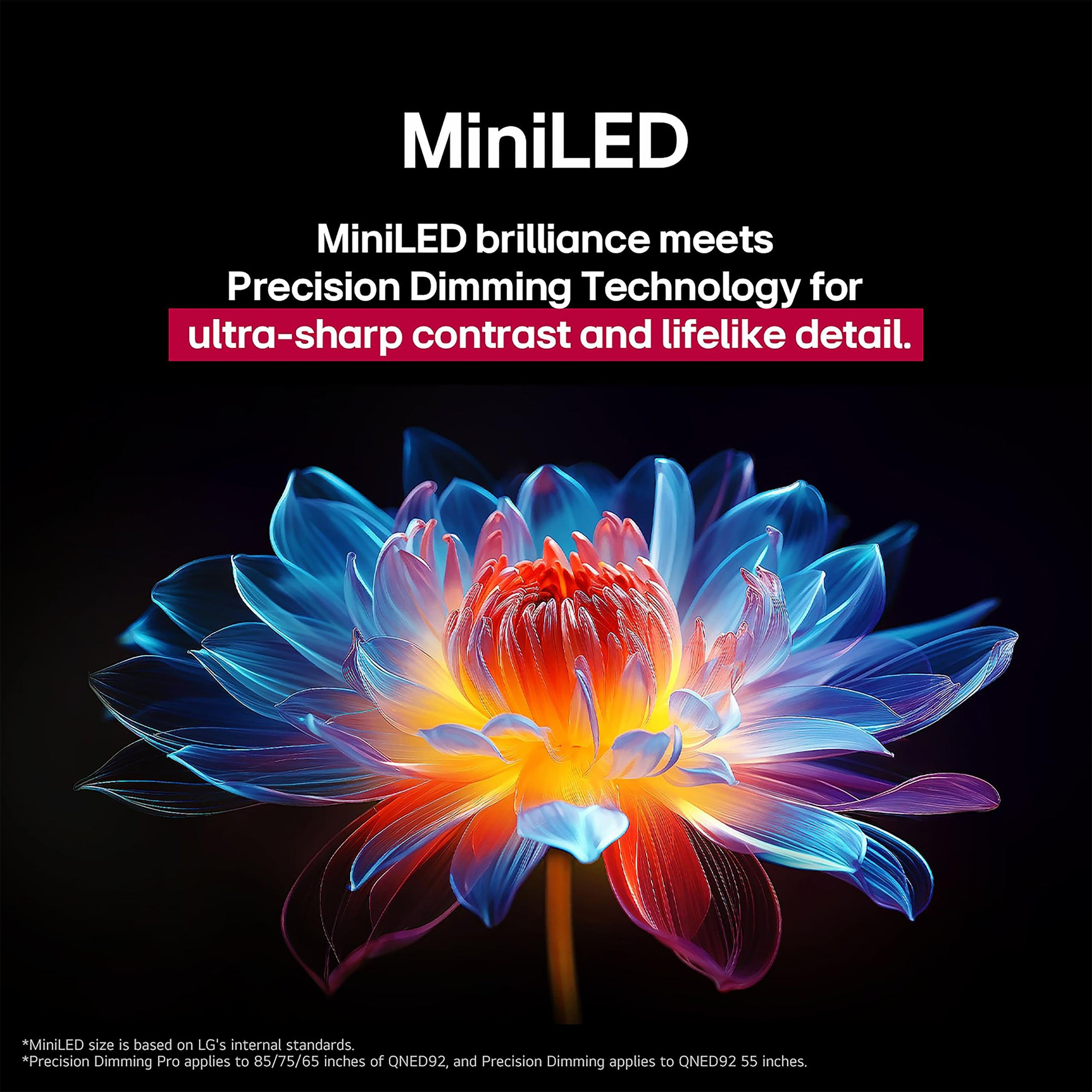
The LG QNED85A, by contrast, employs MiniLED backlighting—a significant technological advancement. Instead of lights around the edges, thousands of tiny LEDs are distributed across the entire back of the panel. This allows for "local dimming," where specific sections can be brightened or dimmed independently. When a movie scene shows bright stars against a black sky, MiniLED can make the stars brilliant while keeping the surrounding areas truly dark.
Based on our research into professional reviews, this difference is dramatic in real-world viewing. The TCL struggles with gray-looking blacks and limited contrast, while the LG delivers the kind of contrast that makes HDR content genuinely impressive.
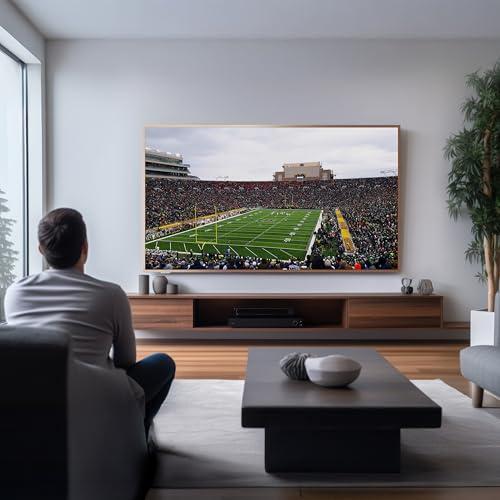
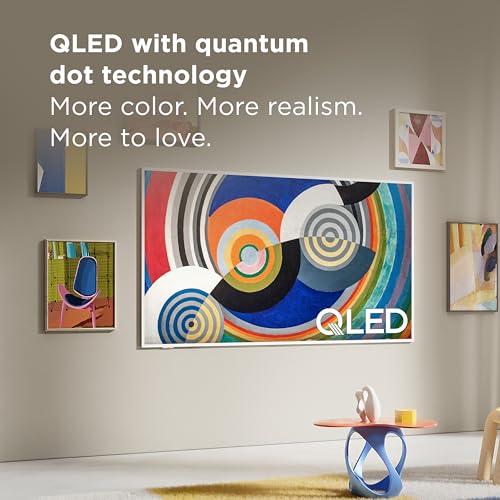
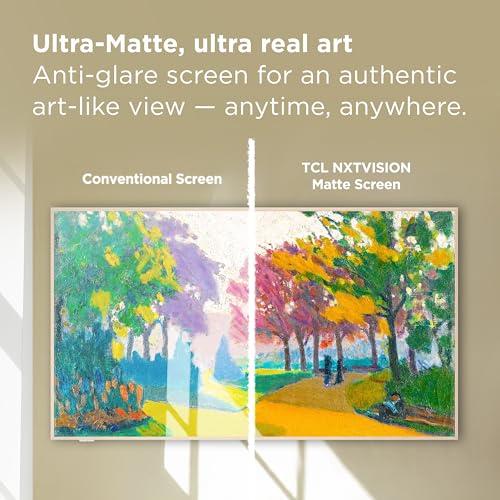
Here's where the TCL NXTVISION truly shines: its Ultra Matte Anti-Glare Screen. Traditional TV screens are glossy, which means they reflect room lighting and can become unwatchable in bright spaces. TCL's matte coating eliminates most reflections, making the screen look more like a canvas than a mirror.
This technology transforms how you can use the TV. Placed in a living room with large windows, the TCL remains perfectly viewable during the day—something that would wash out most other TVs. The trade-off is that the matte coating slightly reduces color vibrancy and sharpness, but for many room setups, this compromise is worthwhile.
The LG QNED85A uses a conventional glossy screen with good brightness to overcome reflections, but it can't match the anti-glare performance of the TCL's matte technology.
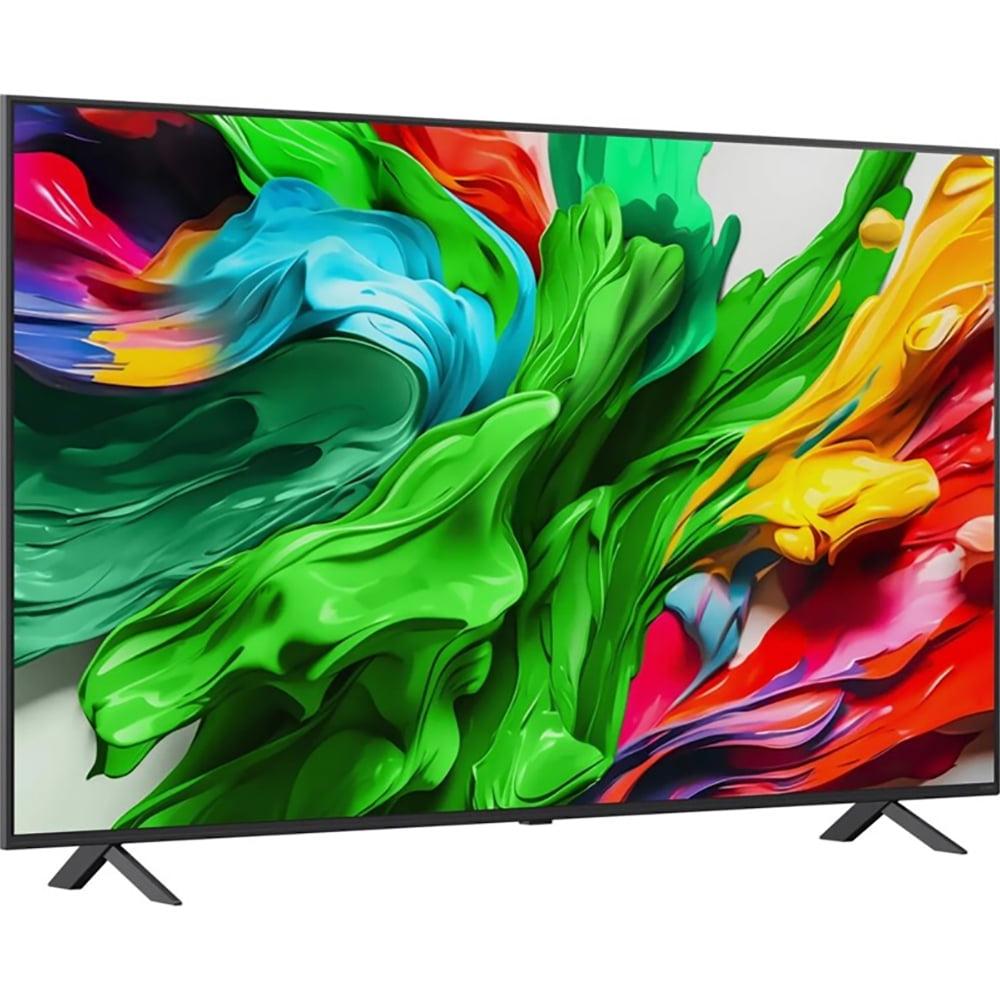
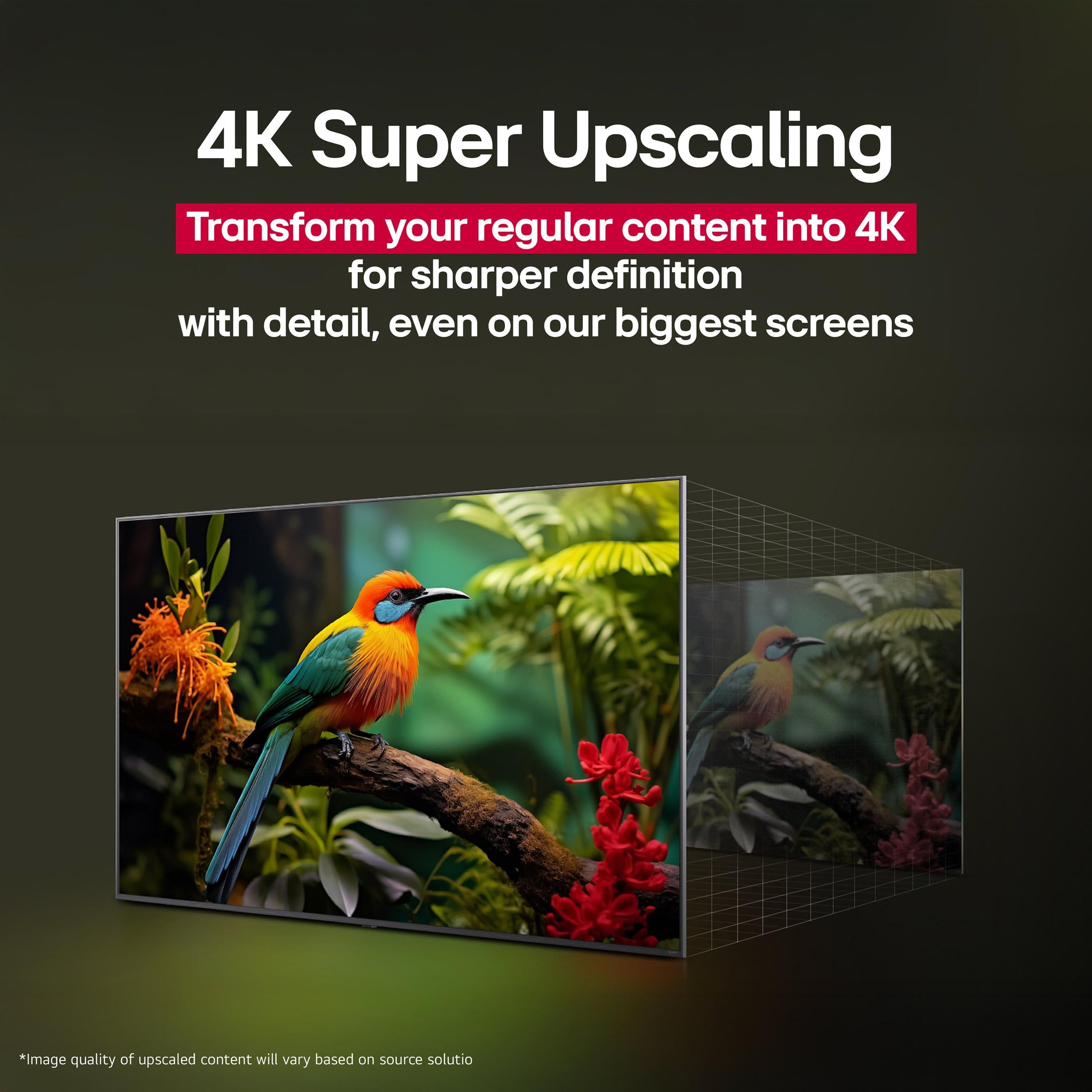
The TCL NXTVISION uses TCL's AIPQ PRO Processor, which handles standard TV functions like upscaling lower-resolution content and smoothing motion. It does these jobs competently, but without the advanced AI capabilities found in higher-end processors.
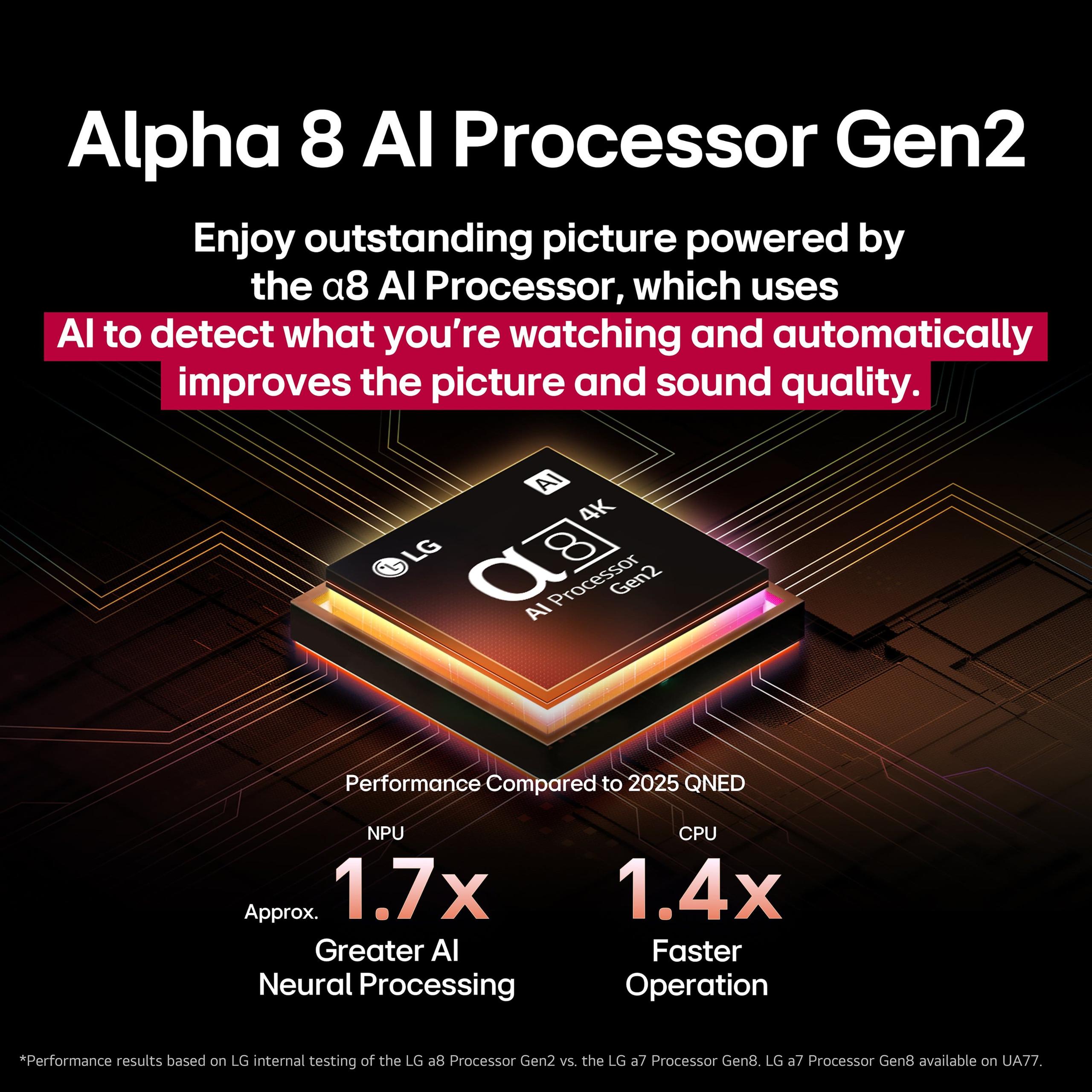
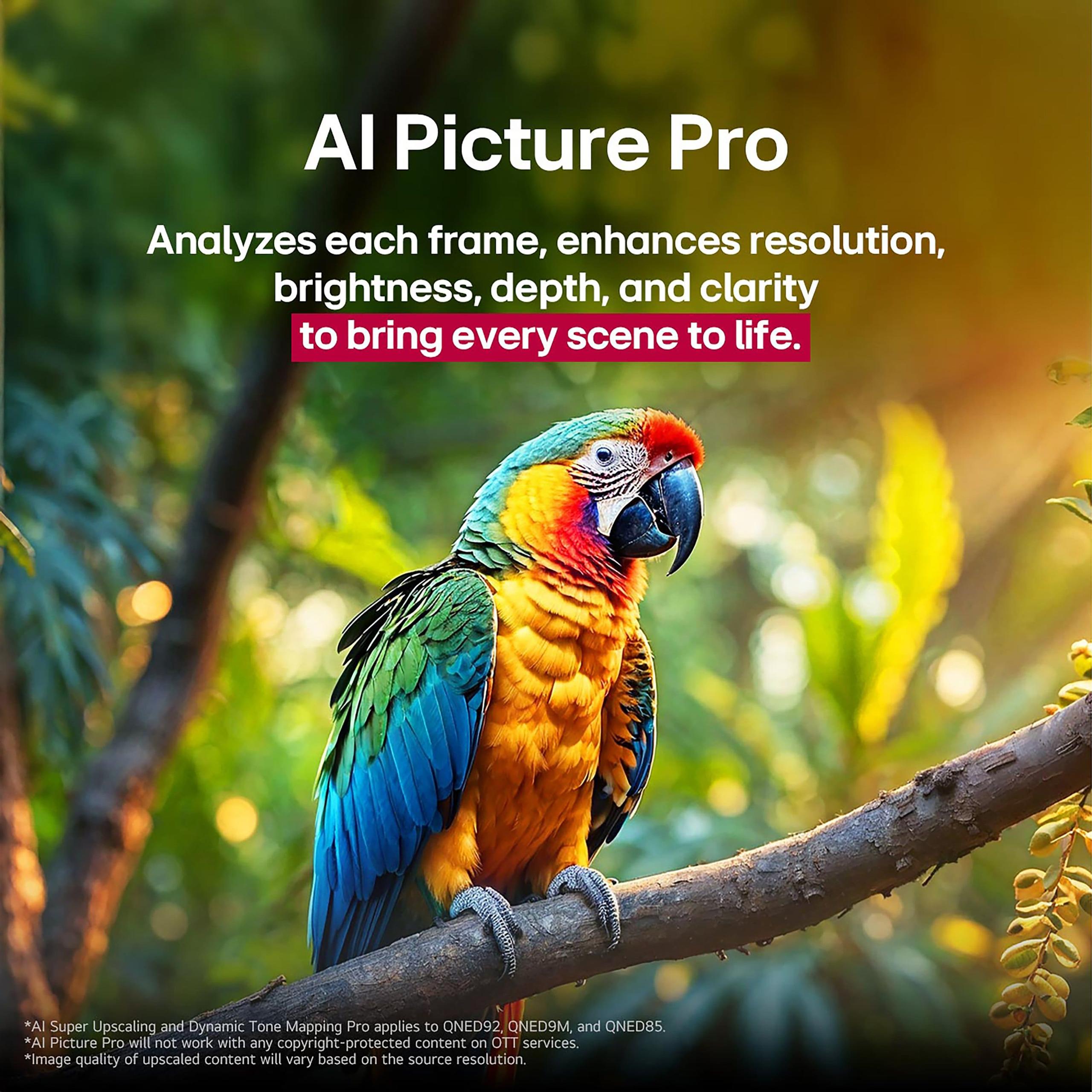
The LG QNED85A features LG's α8 Gen 2 AI Processor, representing a significant leap forward. This processor doesn't just upscale content—it analyzes what you're watching in real-time and adjusts picture settings accordingly. Watching a dark thriller? It enhances shadow details. Switching to a nature documentary? It boosts color saturation and clarity.
More importantly, the LG can distinguish between different types of content and optimize accordingly. Sports get motion smoothing for cleaner action, while movies get film-accurate processing. This kind of intelligent optimization was unheard of just a few years ago.
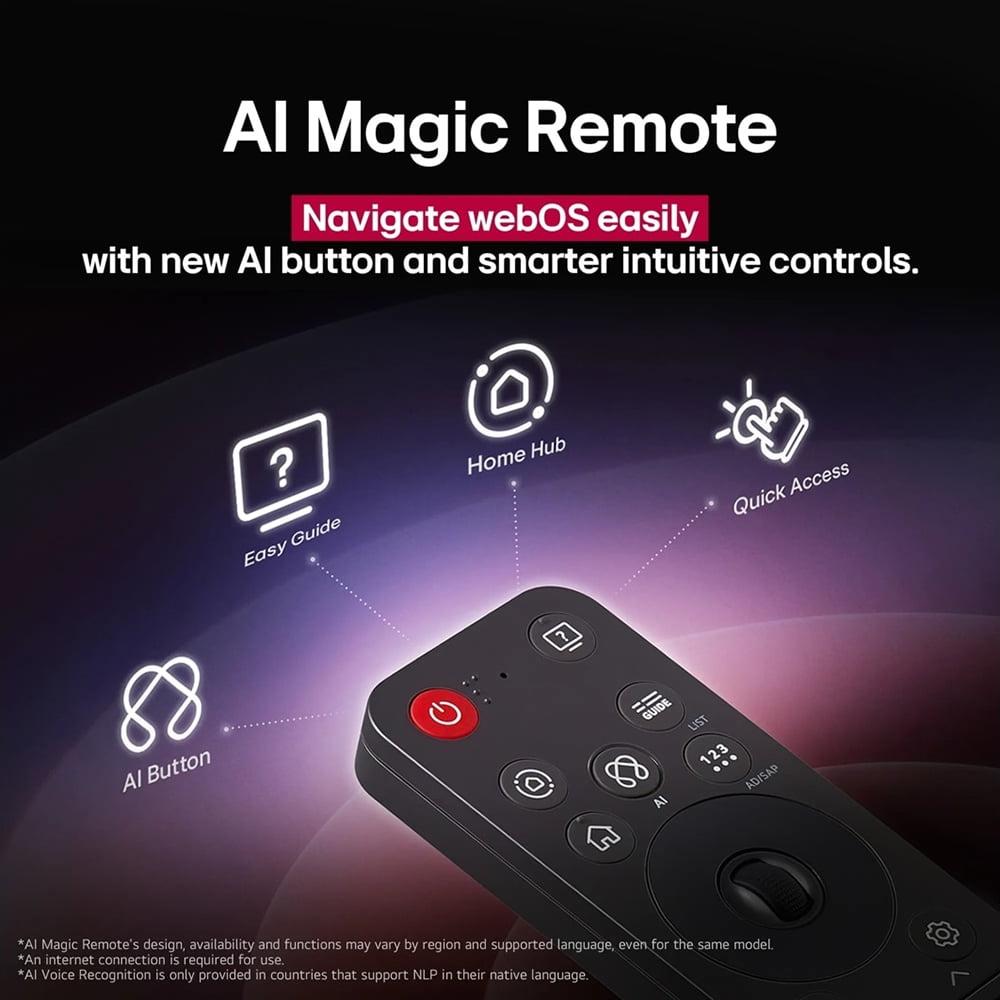
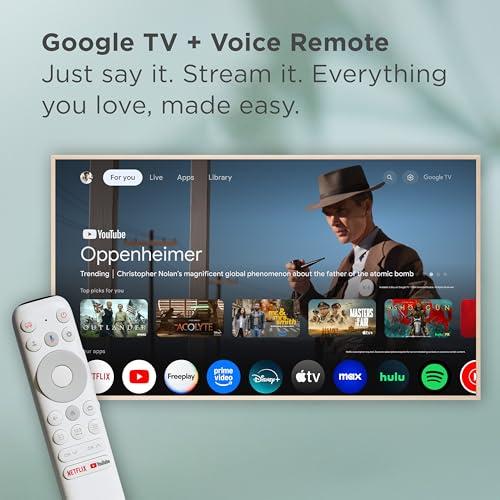
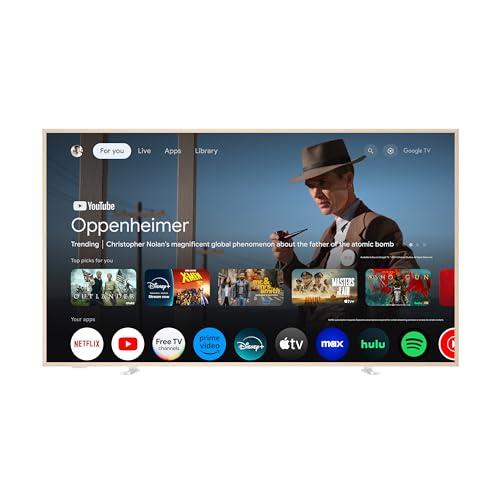
Both TVs run modern smart platforms, but with different philosophies. The TCL uses Google TV, which provides excellent content discovery and integrates well with Google services. It's clean, fast, and familiar to Android users.
The LG QNED85A runs webOS 25, LG's latest platform that introduces genuinely impressive AI features. The TV can recognize individual voices and automatically switch to personal profiles with customized settings. It learns viewing habits to suggest content you'll actually want to watch, and its search function uses advanced language processing to understand conversational requests.
From our research, users consistently praise webOS 25's AI features as genuinely useful rather than gimmicky. The ability to say "show me something funny to watch with kids" and get relevant, personalized suggestions represents a meaningful advance in TV intelligence.
Both TVs market impressive gaming credentials, but performance in actual gaming scenarios tells a different story.
Both support 120Hz refresh rates and Variable Refresh Rate (VRR) technology, which eliminates screen tearing during gaming. The TCL even claims 240Hz support for competitive gaming at 1080p resolution. On paper, both should deliver excellent gaming experiences.
However, our research into gaming reviews reveals a crucial difference: response time. Response time measures how quickly pixels can change color, and slow response times create motion blur that makes fast action look smudgy.
The TCL NXTVISION suffers from notably slow response times. While it supports all the latest gaming features, fast-moving games exhibit noticeable blur that detracts from competitive play. The LG QNED85A delivers much cleaner motion with minimal blur, making it substantially better for gaming despite similar specifications.
For casual gaming—think RPGs, strategy games, or single-player adventures—both TVs work fine. But if you play competitive shooters, racing games, or any genre where reaction time matters, the LG provides a clear advantage. The MiniLED backlighting also helps in games with high contrast scenes, making details visible in both bright and dark areas simultaneously.
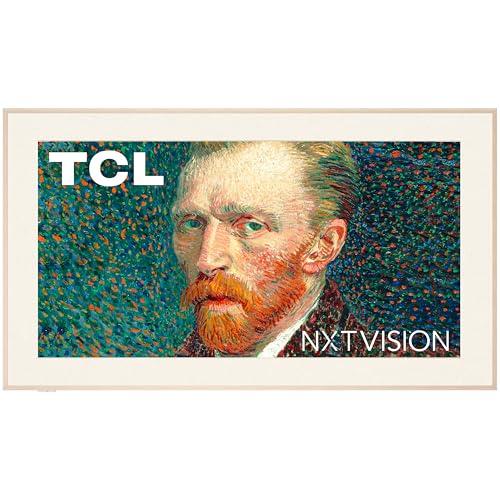
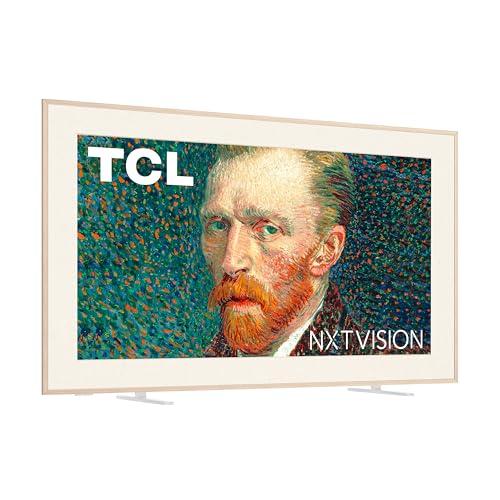
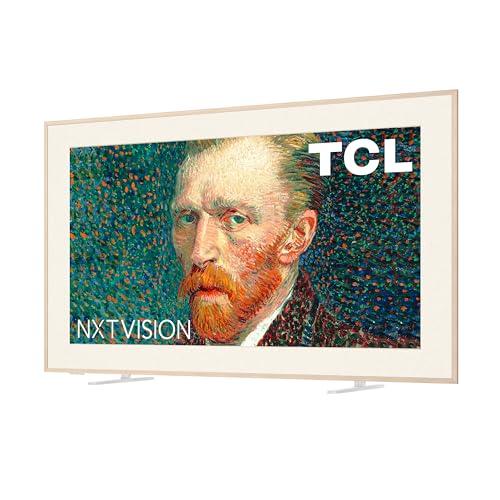
This is where the TCL NXTVISION operates in a category of its own. Traditional TVs are black rectangles that dominate wall space—the TCL aims to disappear entirely when not actively displaying content.
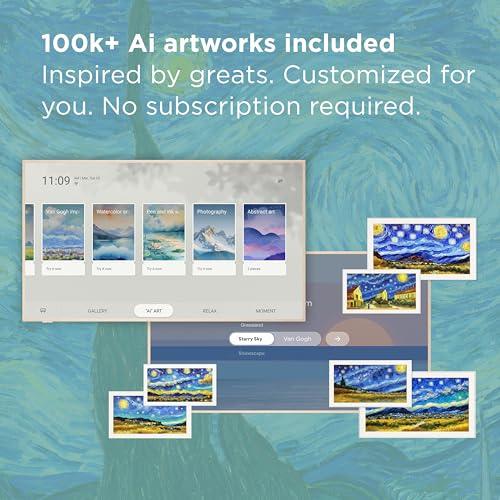
The TCL includes a curated art library with over 400 pieces, plus an AI art generation feature that can create over 100,000 unique images. More importantly, the matte screen makes displayed artwork look genuinely canvas-like rather than obviously digital.
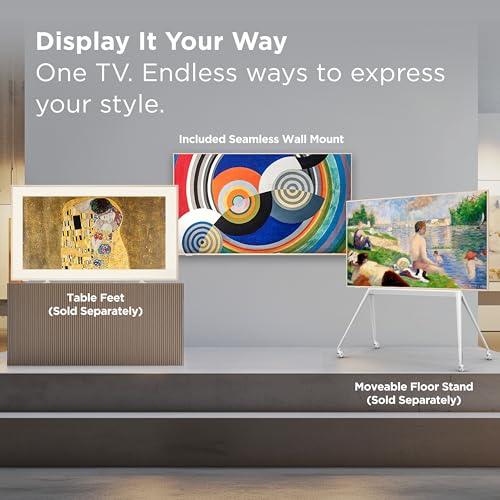
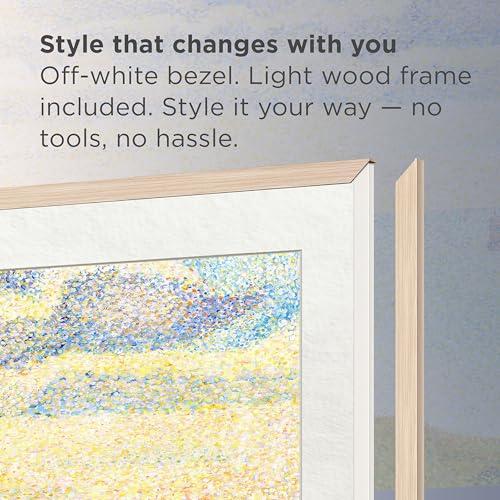
The flush wall mount system eliminates the gap between TV and wall, and interchangeable magnetic bezels let you match your décor. The light wood bezel included feels surprisingly premium and natural-looking. When displaying art, the TCL genuinely resembles a framed painting rather than a powered-off TV.
From user reviews we've studied, people who choose the TCL for its art features are overwhelmingly satisfied with this aspect. The ability to transform the TV into rotating artwork between viewing sessions provides real value for design-conscious households.
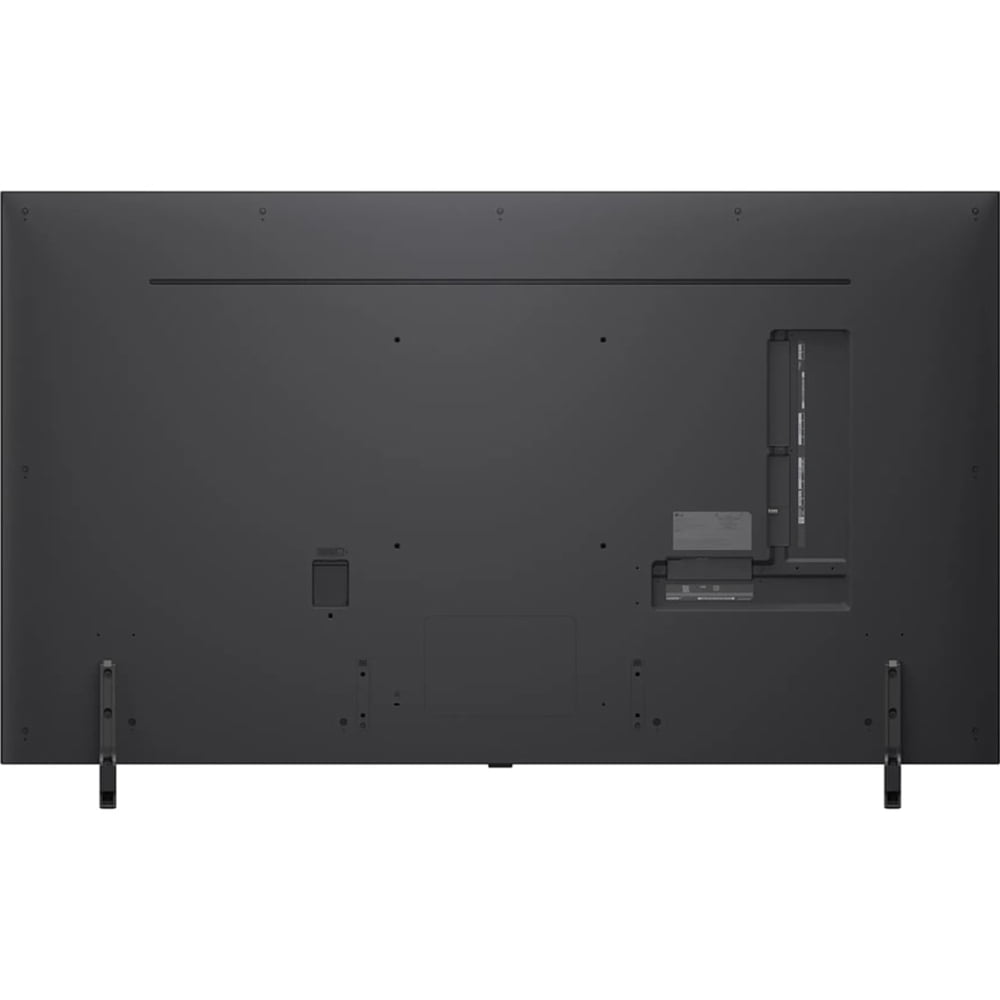
The TCL NXTVISION is designed exclusively for wall mounting—no stand is included. This limitation becomes a feature if you're committed to the flush-mounted aesthetic, but it reduces flexibility. You'll need to purchase separate stands if you want tabletop placement.
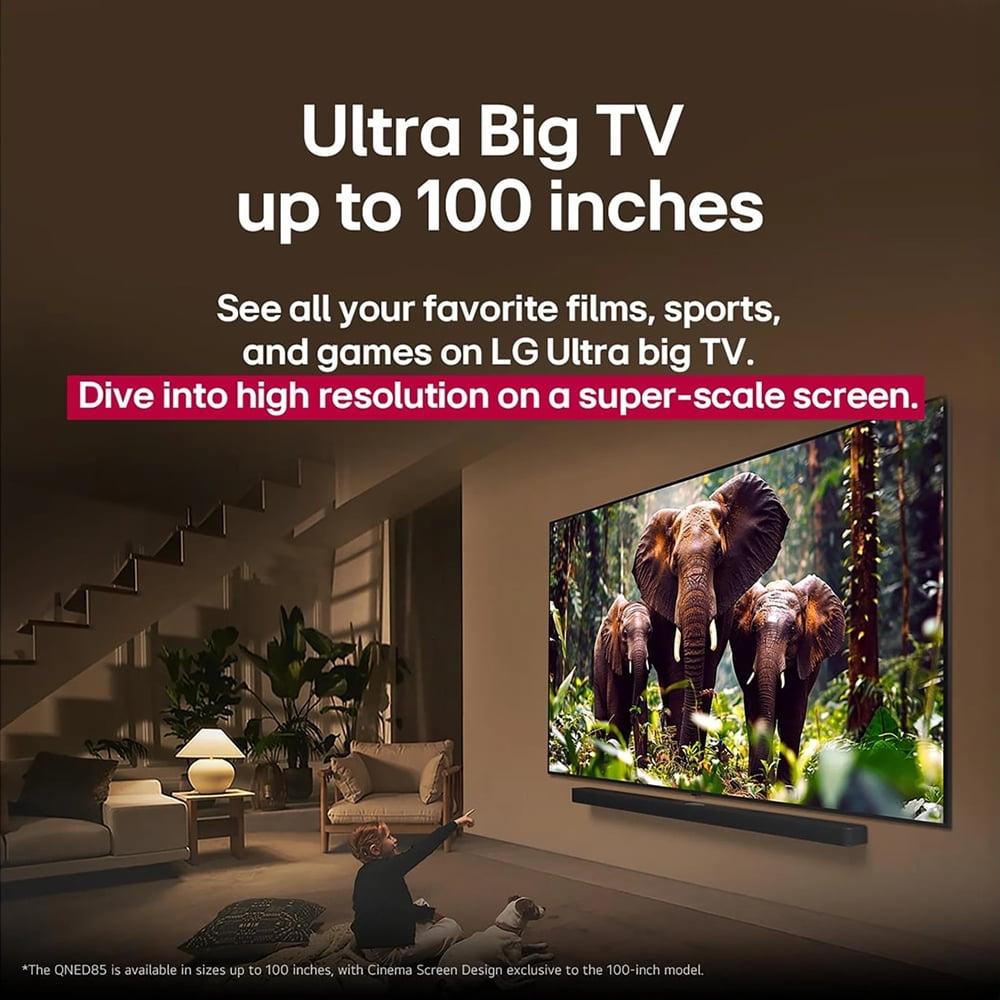
The LG QNED85A includes a standard stand and offers conventional installation options, making it more versatile for different room layouts.
TV audio rarely gets the attention it deserves, but it significantly impacts your viewing experience. Both TVs include modern audio processing, but with different approaches.
The TCL NXTVISION provides 20 watts of power through dual 10-watt speakers, with support for Dolby Atmos and DTS Virtual:X. For a TV this thin, the audio quality is respectable, though you'll likely want a soundbar for serious movie watching.
The LG QNED85A uses AI Sound Pro technology that creates virtual 9.1.2 surround sound from its built-in speakers. This isn't marketing hyperbole—the processing genuinely creates a more spacious, immersive sound field than traditional TV speakers. Dialogue clarity is particularly impressive, using AI to distinguish voices from background noise.
At the time of writing, these TVs occupy different value positions in the premium 4K market. The LG QNED85A represents exceptional value for MiniLED technology, which typically commands premium prices. Getting advanced local dimming, sophisticated AI processing, and comprehensive gaming features at this price point is genuinely impressive.
The TCL NXTVISION commands a premium for its unique art TV features and ultra-slim design. Whether this premium makes sense depends entirely on how much you value the aesthetic integration and anti-glare benefits.
The LG offers better future-proofing through superior connectivity (Wi-Fi 6E, four full HDMI 2.1 ports vs two on the TCL) and guaranteed software updates through LG's webOS Re:New program. This matters for maintaining compatibility with future devices and streaming services.
The TCL NXTVISION has fewer advanced connectivity options and uncertain long-term software support, making it potentially less valuable over extended ownership periods.
For dedicated home theater use, picture quality becomes paramount. Based on professional calibration reviews, the LG QNED85A delivers significantly superior performance in controlled lighting conditions.
The MiniLED backlighting enables the deep blacks essential for cinematic content. When watching movies in a darkened room, the LG can display star fields that actually look black rather than gray, with bright stars that truly pop. HDR content benefits enormously from this contrast capability.
The TCL NXTVISION, while perfectly adequate for casual viewing, lacks the contrast range needed for optimal home theater performance. Its strengths lie in bright room viewing rather than dark room cinema experiences.
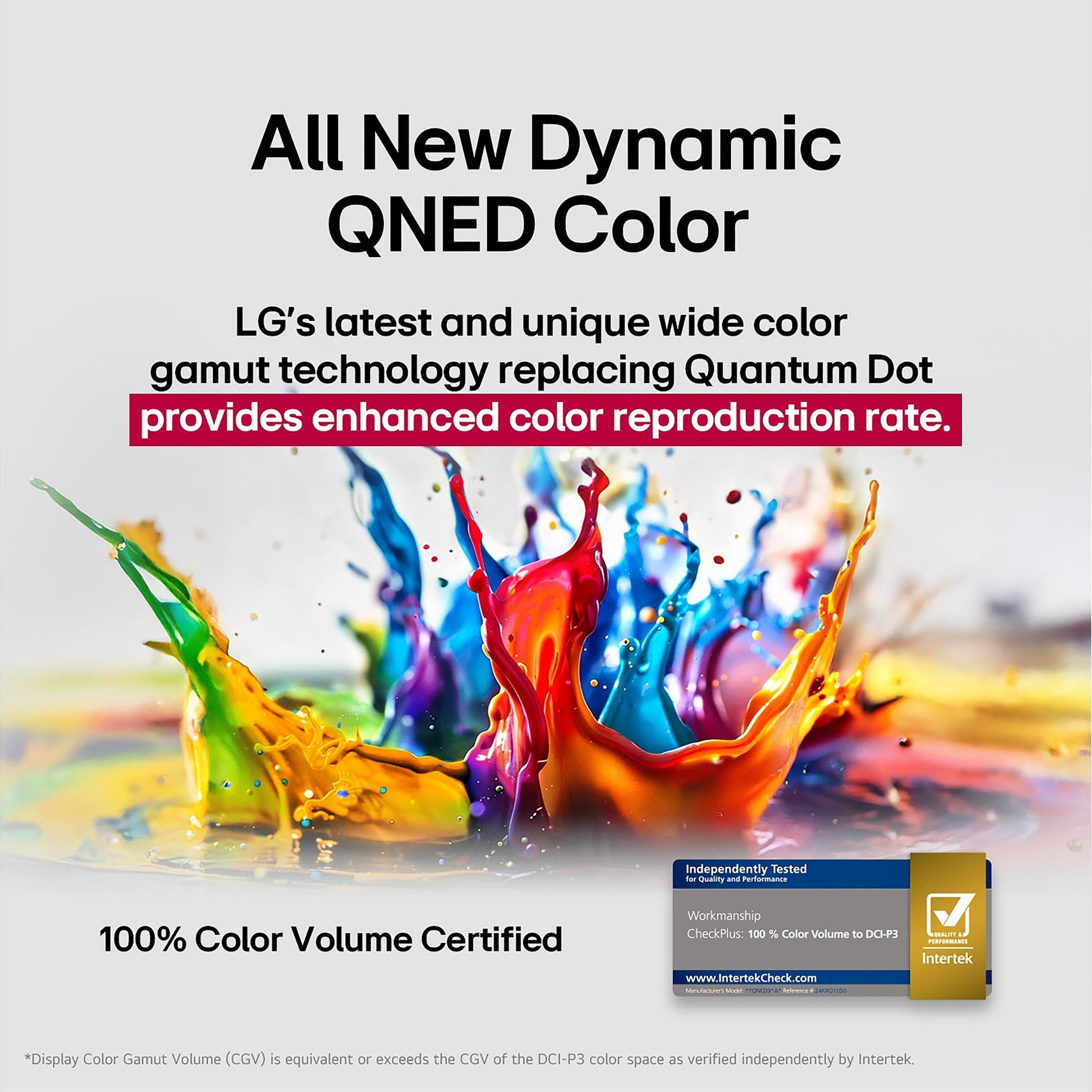
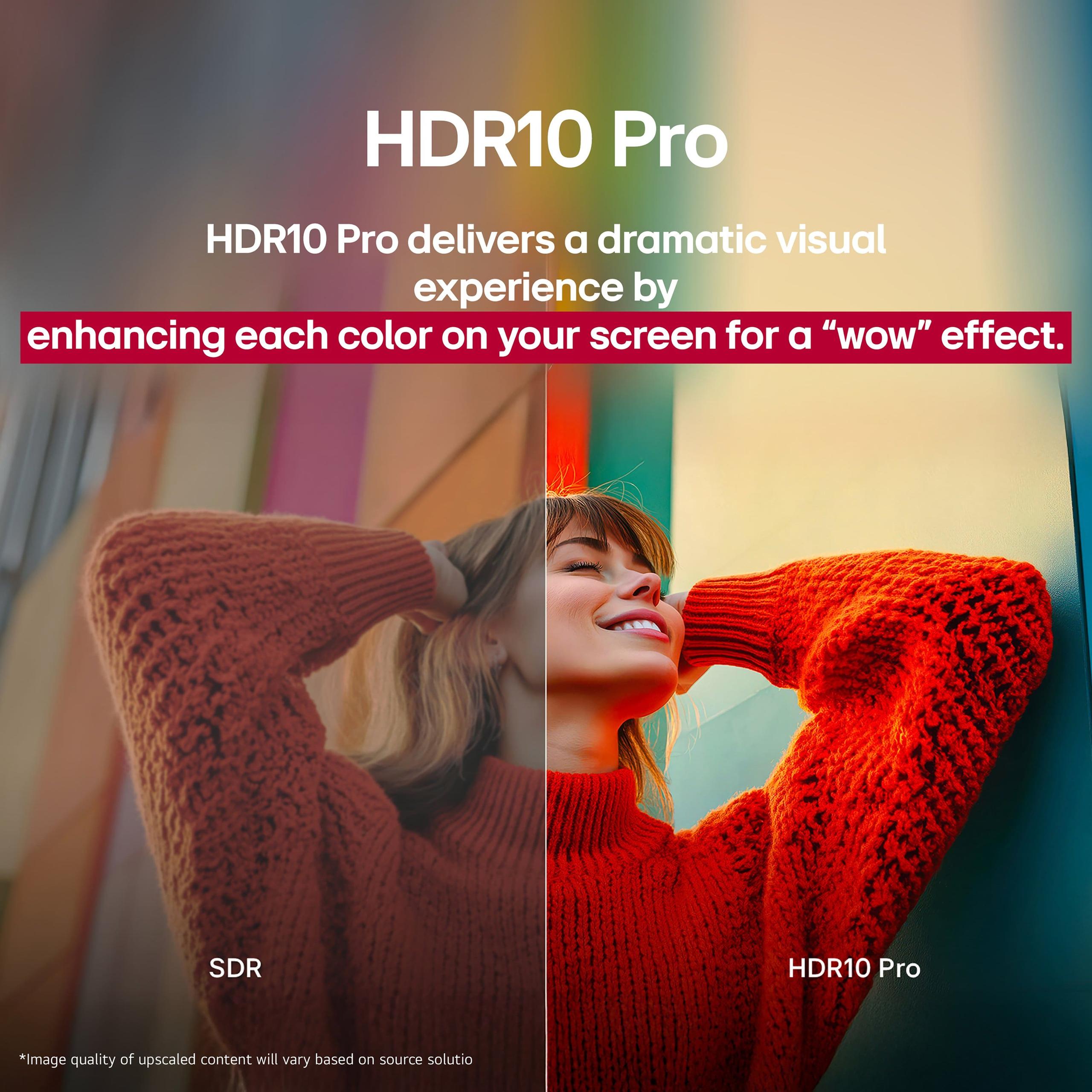
Color accuracy is another crucial factor. Professional reviews consistently note the LG achieves better color accuracy out of the box, with more realistic skin tones and natural-looking scenes. The TCL produces vivid colors but with less accuracy, leading to oversaturated content that can become fatiguing during long viewing sessions.
Choose the TCL NXTVISION if you:
The TCL excels as a lifestyle product that happens to be a TV, rather than a TV that tries to fit your lifestyle. If the art features and anti-glare benefits solve real problems in your space, the performance compromises become acceptable trade-offs.
Choose the LG QNED85A if you:
The LG represents what premium TVs should be: excellent at their core function while adding genuinely useful smart features. The MiniLED technology and AI processing create meaningful improvements over previous generation TVs.
These TVs succeed in completely different ways. The TCL NXTVISION solves specific problems—glare, aesthetics, dual-purpose functionality—that matter enormously to some users and not at all to others. The LG QNED85A delivers across-the-board excellence in traditional TV performance metrics while pioneering useful AI features.
At the time of writing, the LG offers superior value for pure TV performance, while the TCL commands a premium for its unique positioning. Your choice depends on whether you need a TV that disappears into your décor or one that excels at being a TV.
For most buyers prioritizing picture quality, gaming, and smart features, the LG QNED85A provides better long-term value. But for those seeking something genuinely different—a TV that transforms into art—the TCL NXTVISION offers capabilities no conventional TV can match.
The key is honest self-assessment: are you buying a TV that happens to look good, or a design piece that happens to display content? Your answer determines which approach serves you better.
| TCL 65" NXTVISION QLED 4K Art Frame TV | LG 65" QNED evo AI QNED85A 4K MiniLED Smart TV |
|---|---|
| Display Technology - Determines picture quality and contrast performance | |
| QLED with Edge-Lit LED backlighting | QNED with MiniLED backlighting and Precision Dimming |
| Screen Finish - Critical for bright room viewing | |
| Ultra Matte Anti-Glare (canvas-like appearance, eliminates reflections) | Traditional glossy screen with high brightness |
| Processor - Controls AI features and picture optimization | |
| TCL AIPQ PRO Processor (basic upscaling and motion) | α8 Gen 2 AI Processor (70% better AI performance, real-time optimization) |
| Smart Platform - Affects long-term usability and features | |
| Google TV with standard smart features | webOS 25 with advanced AI personalization and voice recognition |
| Gaming Performance - Response time matters more than refresh rate | |
| 120Hz/144Hz VRR with slow response time (motion blur issues) | 120Hz/144Hz VRR with fast response time (clean motion) |
| Design Philosophy - Determines installation and aesthetic integration | |
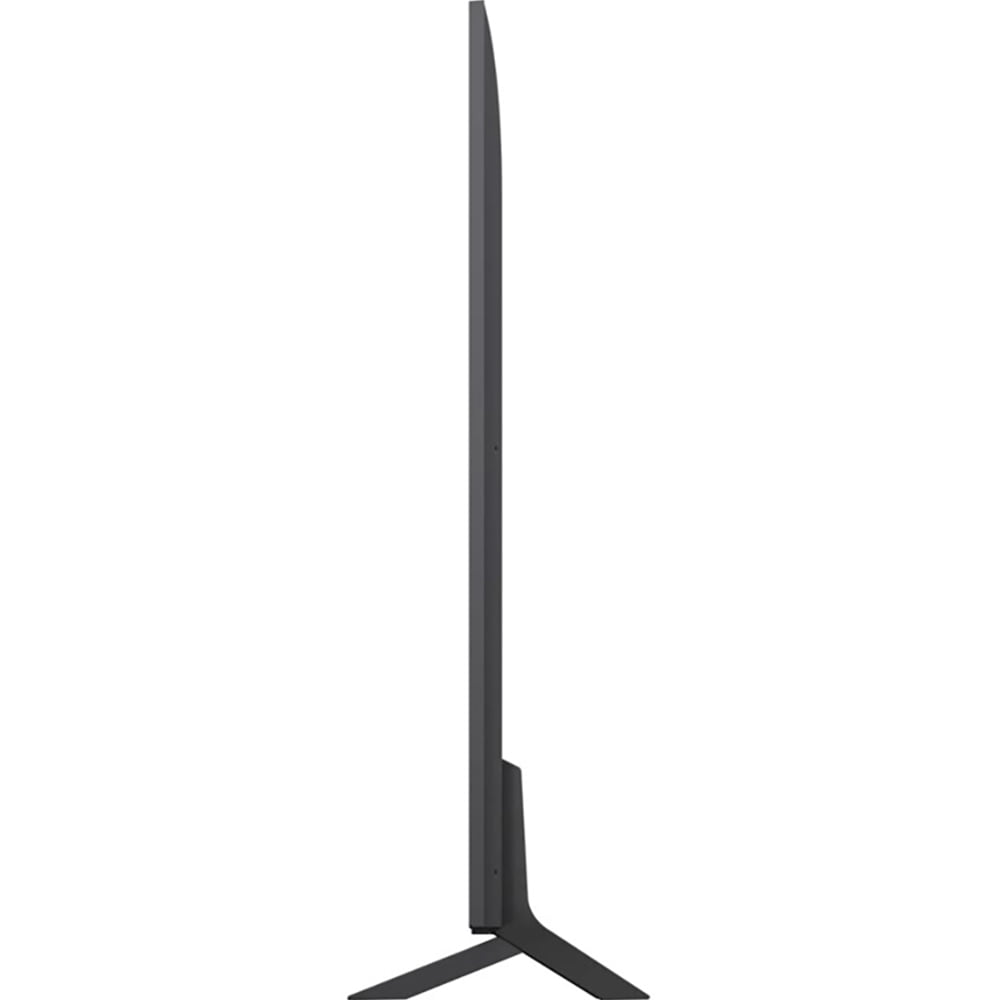
| Art TV with 1.1" ultra-slim profile, flush wall mount, interchangeable bezels | Traditional TV design with included stand, 30mm thickness |
| Art Features - Unique selling point for lifestyle integration | |
| 400+ art library, AI art generation, magnetic frame system | None (traditional TV functionality only) |
| Connectivity - Future-proofing and device compatibility | |
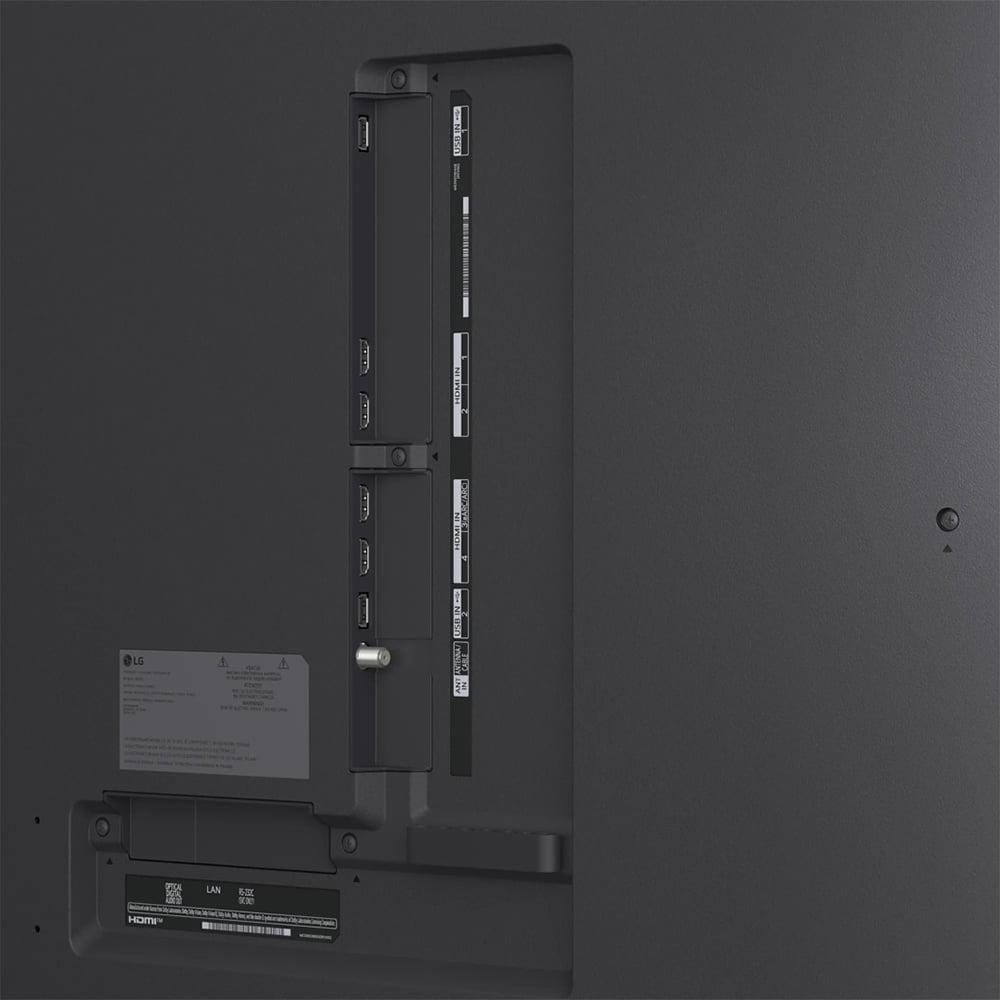
| Wi-Fi 5, 4 HDMI ports (2 with HDMI 2.1), Bluetooth 5.0 | Wi-Fi 6E, 4 HDMI 2.1 ports, Bluetooth 5.3 |
| Local Dimming - Essential for HDR and contrast | |
| None (edge-lit limitation causes gray blacks) | Full-array MiniLED local dimming (deep blacks, bright highlights) |
| Audio Processing - Built-in speaker performance | |
| 20W speakers with Dolby Atmos support | AI Sound Pro with virtual 9.1.2 surround sound |
| Software Updates - Long-term value protection | |
| Standard Android TV updates (timeline uncertain) | webOS Re:New Program (5 years guaranteed updates) |
| Best Use Case - Who should choose this TV | |
| Bright rooms, art display, design-conscious users prioritizing aesthetics | Home theater, gaming, users wanting best picture quality and AI features |
The TCL 65" NXTVISION is significantly better for bright rooms due to its Ultra Matte Anti-Glare Screen, which eliminates reflections and makes the TV viewable even in direct sunlight. The LG QNED85A uses a traditional glossy screen that can reflect room lighting, making it harder to see in bright conditions.
The TCL NXTVISION is designed as an "Art TV" that doubles as wall décor with its ultra-slim profile and art display features, while the LG QNED85A focuses on superior picture quality using advanced MiniLED technology and AI processing for the best viewing experience.
The LG 65" QNED evo AI QNED85A delivers significantly better picture quality with its MiniLED backlighting that provides deeper blacks, brighter highlights, and superior contrast. The TCL NXTVISION uses edge-lit backlighting that produces grayer blacks and less impressive HDR performance.
Only the TCL 65" NXTVISION is designed for art display, featuring a curated library of 400+ artworks, AI art generation, and a matte screen that makes images look like canvas paintings. The LG QNED85A doesn't have dedicated art features and functions as a traditional TV.
The LG QNED85A is better for gaming despite both TVs supporting 120Hz and VRR. The LG has faster response times for cleaner motion, while the TCL NXTVISION suffers from motion blur during fast-action gaming due to slower pixel response.
No, the TCL NXTVISION is designed exclusively for wall mounting with its included flush mount system and doesn't include a table stand. The LG QNED85A includes a traditional TV stand and offers more installation flexibility.
The LG 65" QNED evo AI QNED85A has significantly more advanced smart features, including AI voice recognition, personalized recommendations, and real-time content optimization. The TCL NXTVISION runs standard Google TV without the sophisticated AI capabilities found in the LG.
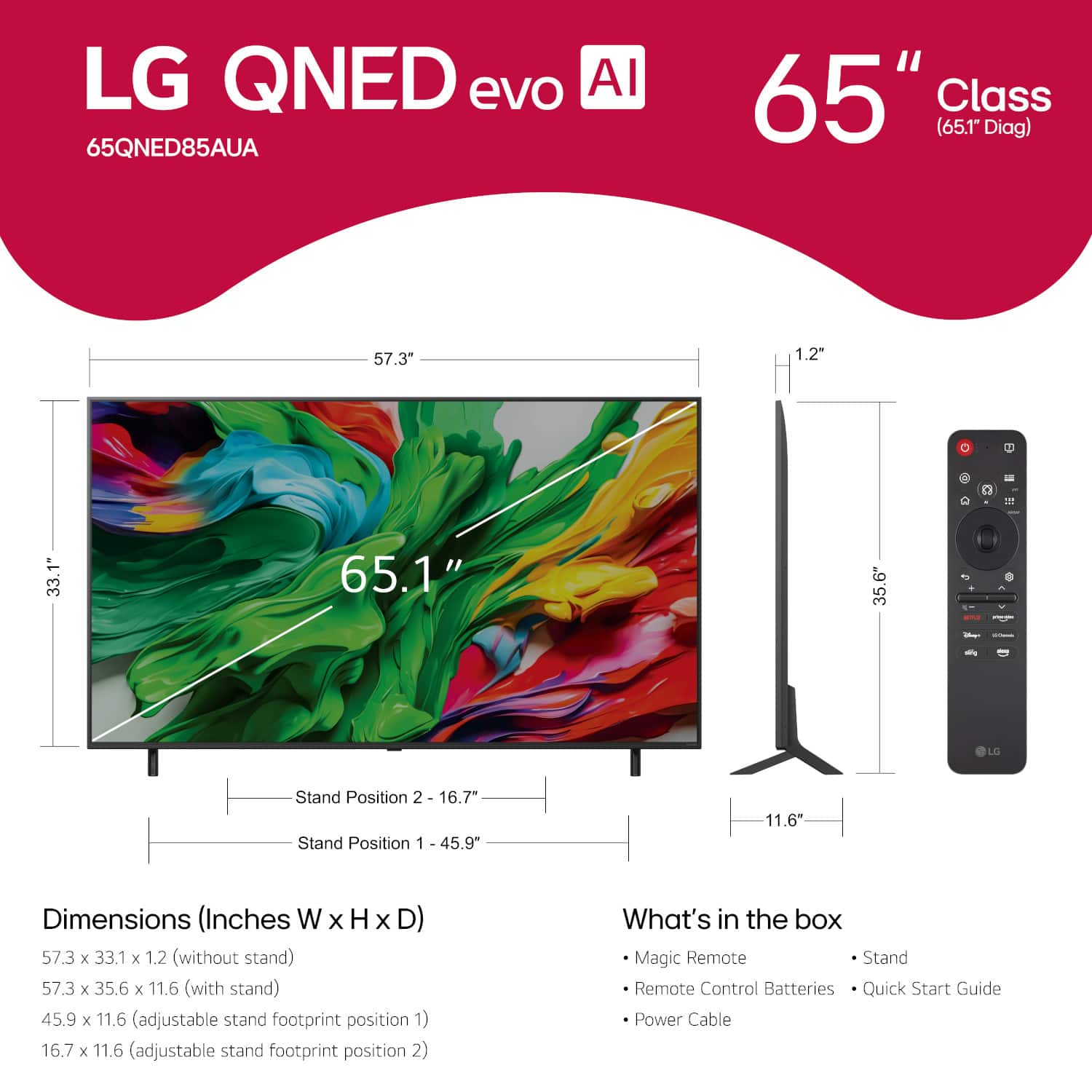
The TCL 65" NXTVISION is much thinner at just 1.1 inches deep and includes a flush wall mounting system that makes it look like a picture frame. The LG QNED85A is about 30mm thick with conventional mounting options.
The LG QNED85A typically offers better value for pure TV performance, providing MiniLED technology and advanced AI features at a competitive price. The TCL NXTVISION commands a premium for its unique art TV features and ultra-slim design.
The LG 65" QNED evo AI QNED85A is much better for home theater use due to its MiniLED backlighting that delivers the deep blacks and high contrast essential for cinematic viewing. The TCL NXTVISION lacks the contrast performance needed for optimal movie watching in dark rooms.
The LG QNED85A has superior connectivity with Wi-Fi 6E, four full HDMI 2.1 ports, and Bluetooth 5.3, providing better future-proofing. The TCL 65" NXTVISION offers Wi-Fi 5, only two HDMI 2.1 ports out of four total, and older Bluetooth 5.0.
Choose the LG 65" QNED evo AI QNED85A for the latest display and AI technology, including MiniLED backlighting and advanced AI processing. The TCL NXTVISION is better if you want the latest in lifestyle TV design with its unique art display capabilities and anti-glare screen technology.
We've done our best to create useful and informative comparisons to help you decide what product to buy. Our research uses advanced automated methods to create this comparison and perfection is not possible - please contact us for corrections or questions. These are the sites we've researched in the creation of this article: rtings.com - tcl.com - bestbuy.com - tcl.com - bestbuy.com - tcl.com - youtube.com - rcwilley.com - businessinsider.com - bestbuy.com - target.com - youtube.com - support.tcl.com - nfm.com - woodruffappliance.com - flatpanelshd.com - tcl.com - rtings.com - rtings.com - youtube.com - lg.com - smarthomesounds.co.uk - abt.com - abt.com - lg.com - displayspecifications.com - walmart.com - bestbuy.com - lg.com - lg.com - lg.com - files.bbystatic.com - flatpanelshd.com - north-side-appliance.com - lgnewsroom.com - lg.com - youtube.com - youtube.com - hindustantimes.com

Privacy Policy
Terms and Conditions - Affiliate Policy
Home Security
© Copyright 2008-2026.
11816 Inwood Rd #1211, Dallas, TX 75244