





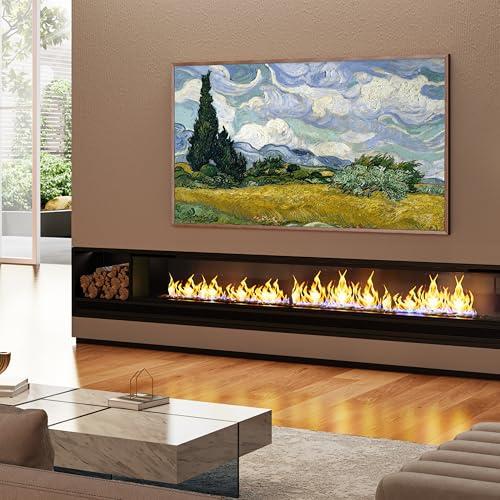
If you've ever wished your TV could disappear into your living room décor when not in use, you're not alone. Art frame TVs have emerged as one of the most interesting developments in home entertainment, blending cutting-edge display technology with interior design sensibilities. These aren't just regular TVs with a fancy frame slapped on – they're purpose-built displays that transform into digital art galleries when you're not binge-watching your favorite shows.
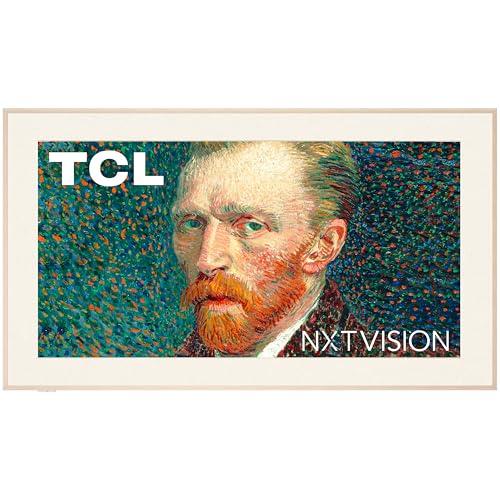
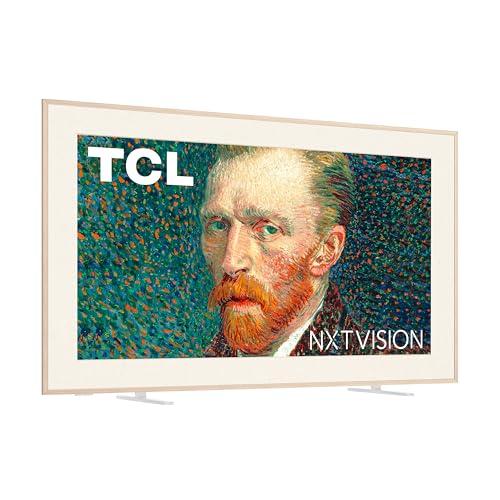
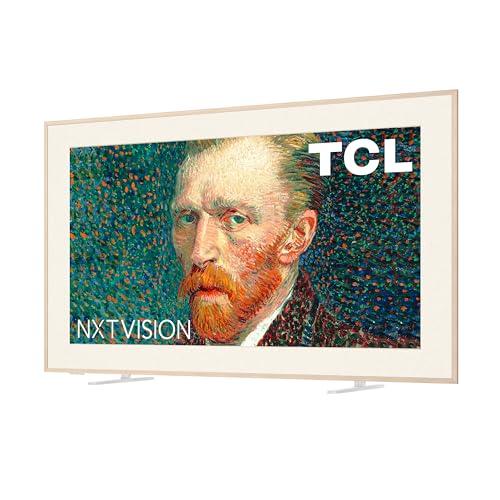
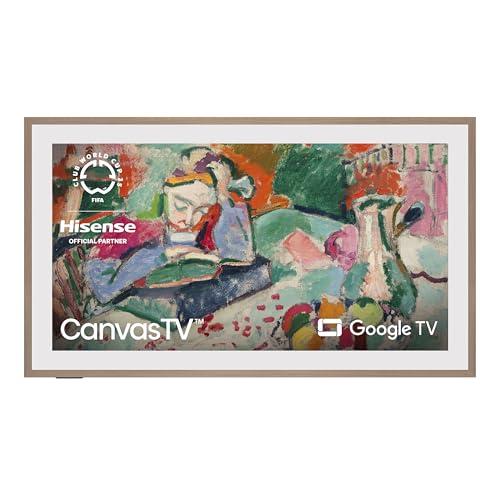
The two standout contenders in this space are the TCL 65" NXTVISION QLED 4K Art Frame TV and the Hisense 65" S7N CanvasTV QLED 4K Smart Display. Both launched in 2024 and represent significant improvements over earlier art TV attempts, but they take notably different approaches to solving the same problem.
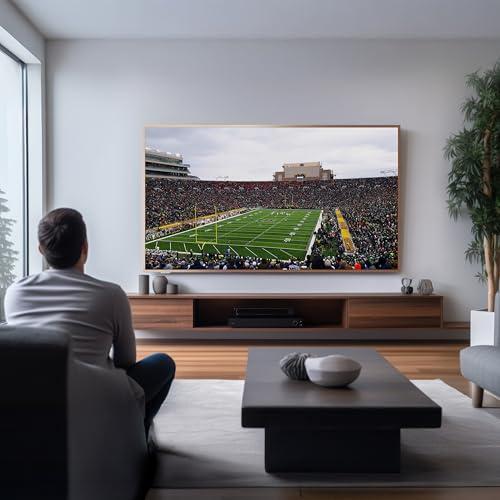
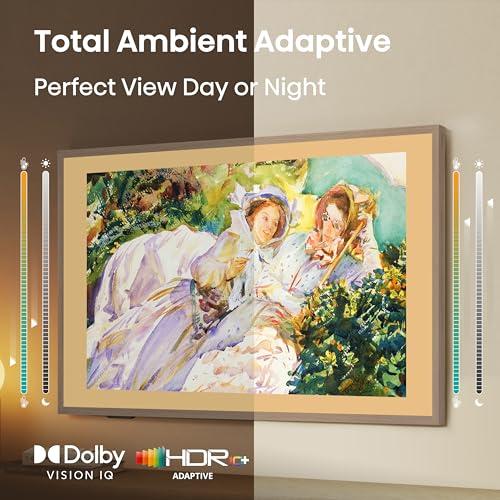
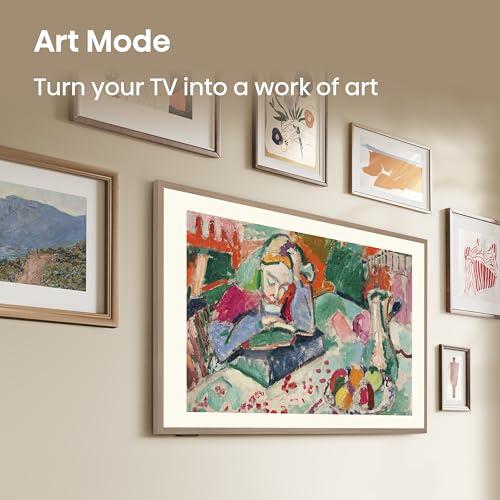
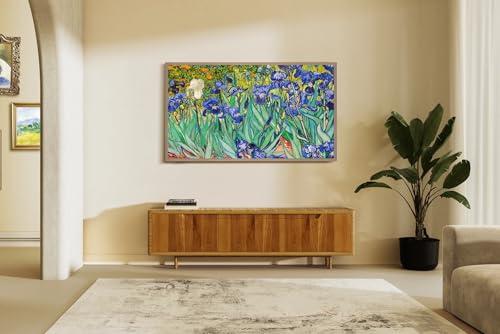
Traditional TVs are black rectangles that dominate your wall whether they're on or off. Art frame TVs flip this concept entirely – when idle, they display artwork, personal photos, or generated images that make them look like framed paintings hanging in a gallery. The key is in the details: specialized anti-glare coatings that mimic canvas textures, ultra-slim profiles that sit nearly flush against walls, and sophisticated brightness sensors that adjust the display to match ambient lighting.
The technology has come a long way since Samsung pioneered the category with The Frame. Early models struggled with convincing art display due to glossy screens and obvious TV bezels. Today's offerings feature advanced matte coatings, customizable frames, and processing power dedicated to making digital art look as authentic as possible.
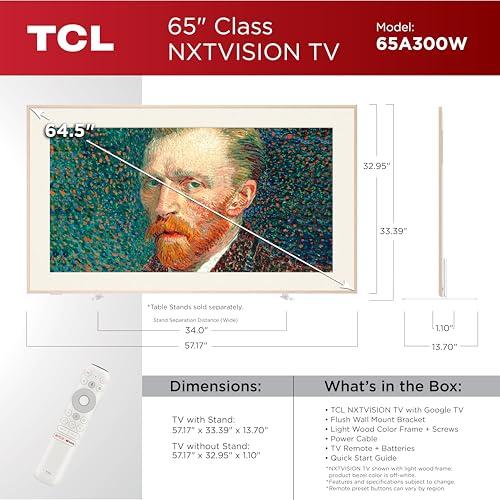
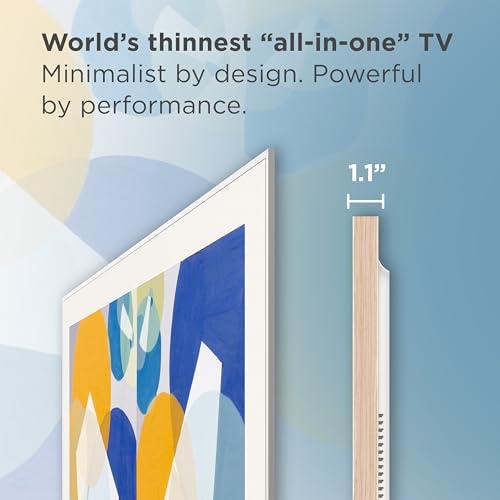
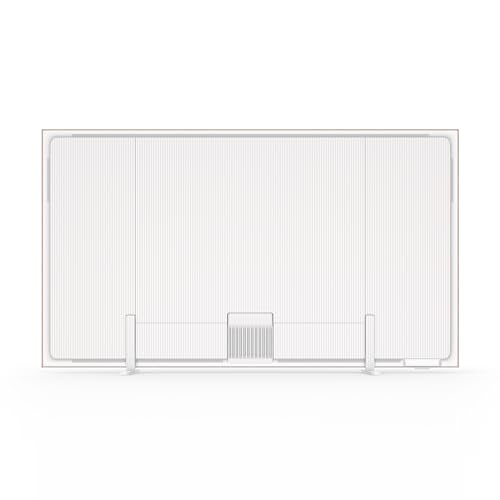
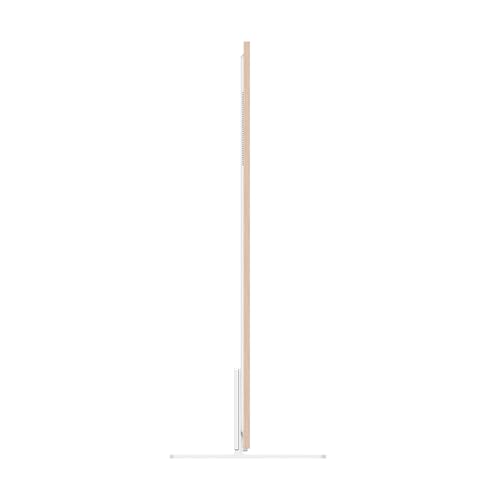
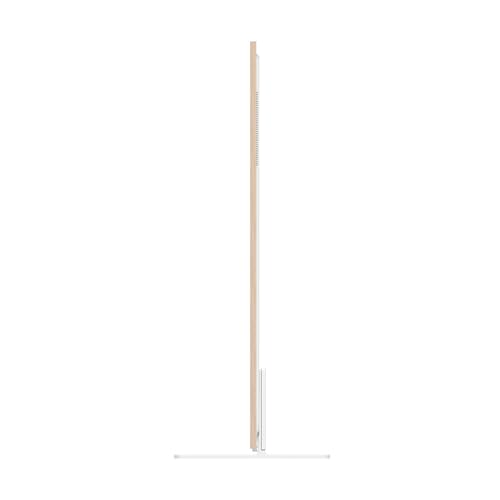
The most striking difference between these TVs becomes apparent the moment you see them mounted. The TCL NXTVISION takes an absolutely uncompromising approach to thinness, measuring just 1.1 inches deep – making it one of the thinnest all-in-one TVs ever created. This ultra-slim profile comes from integrating all electronics directly into the panel, eliminating the need for an external box that many art TVs require.
TCL achieves this impossibly thin design through what they call a "built-in chassis" approach. All the processing power, connectivity, and smart features are packed behind the screen itself. The included flush wall mount secures the TV so close to the wall that it practically becomes part of the architecture. The effect is genuinely striking – from the side, it barely looks thicker than a traditional picture frame.
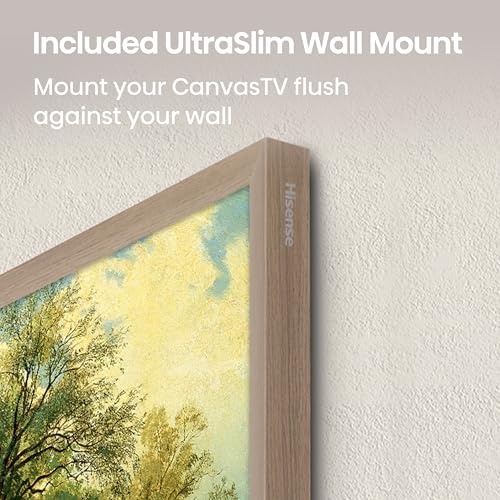
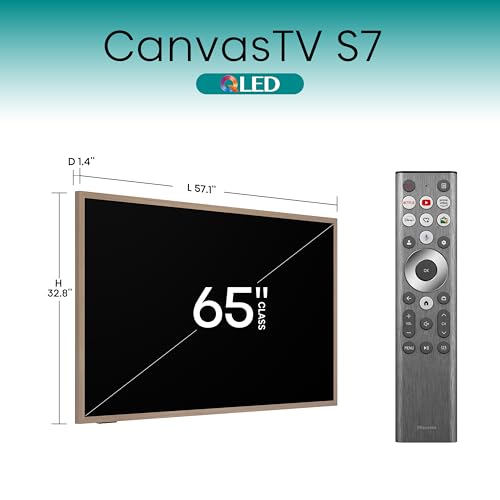
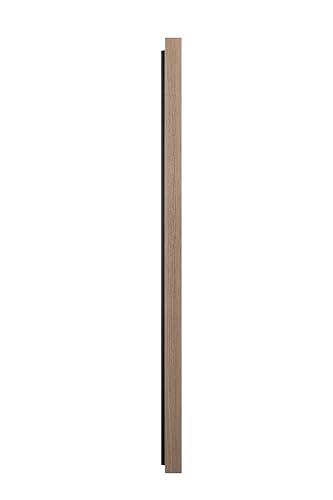
The Hisense CanvasTV, while not as dramatically thin at 35.5mm (about 1.4 inches), takes a more conventional approach that yields some practical benefits. Its UltraSlim wall mount positions the TV just 3mm from the wall – still impressively close – but the slightly thicker profile allows for direct LED backlighting instead of edge lighting, which has significant picture quality implications we'll explore later.
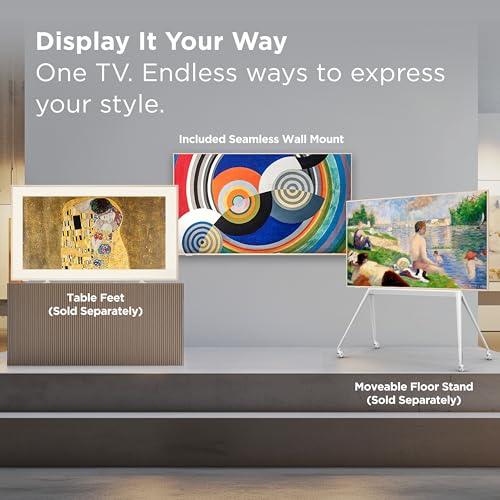
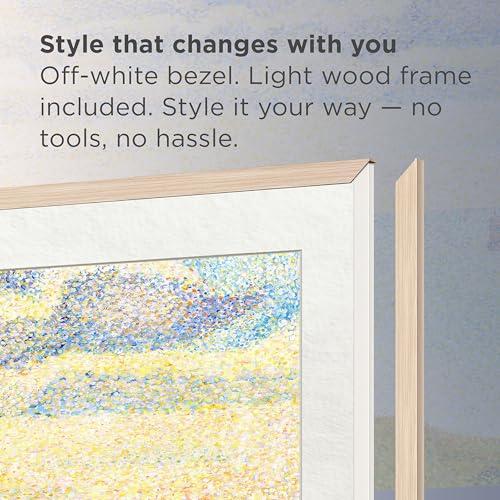
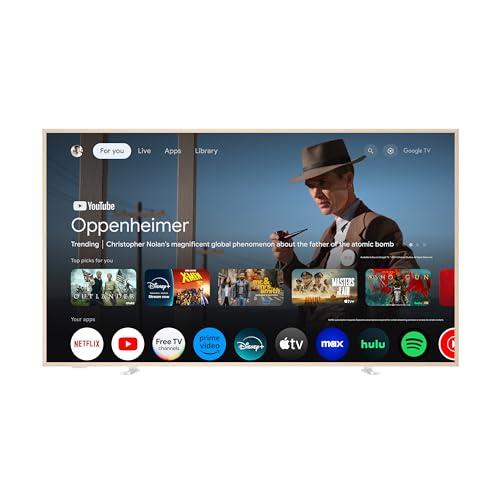
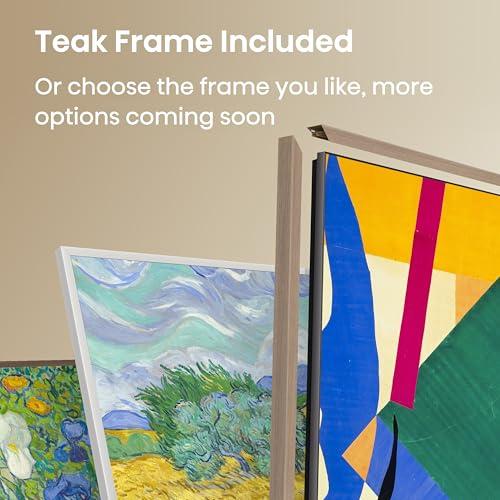
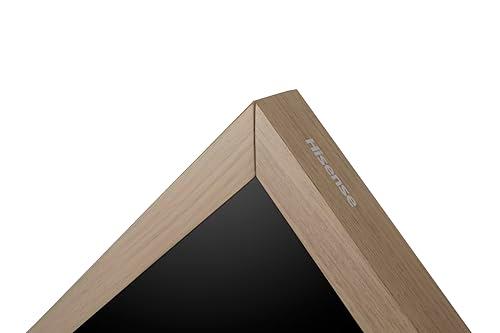
Both TVs feature magnetic frame systems, but with different philosophies. The TCL includes an off-white bezel and light wood magnetic frame, with additional floor stands and table stands available separately. The Hisense comes with a teak frame standard and offers white or walnut alternatives, plus includes a traditional table stand for non-wall installations.
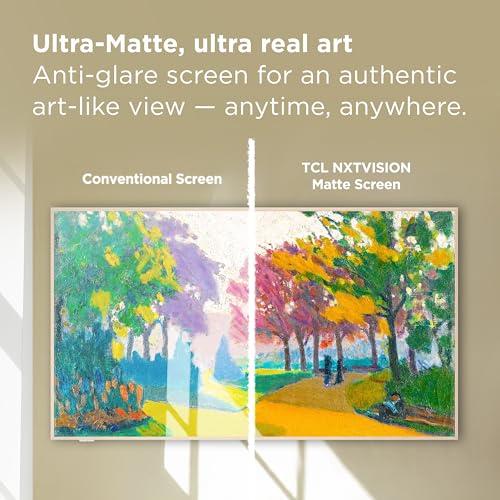
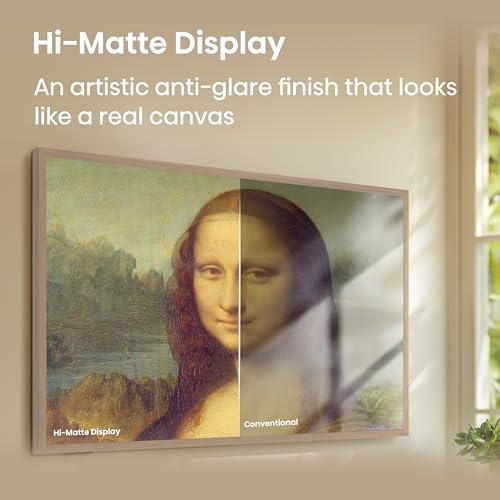
The magic of art frame TVs lies in their anti-glare technology. Regular TV screens reflect ambient light like mirrors, making it impossible to display convincing artwork in normally lit rooms. Both TVs address this with sophisticated matte coatings, but their approaches differ subtly.
The TCL NXTVISION uses what they call an "Ultra Matte Anti-Glare Screen" that's specifically engineered to mimic canvas texture. This coating doesn't just reduce reflections – it actually changes how light interacts with the surface to create depth and texture that mimics real paintings. In our research across user reviews, this proves particularly effective in bright rooms with direct sunlight, where traditional TVs become unwatchable.
Hisense's Hi-Matte Display takes a slightly different approach, reducing reflections to just 5% while creating what they describe as "painting-depth texture simulation." The coating is designed to give displayed artwork the visual characteristics of oil paintings or watercolors, with subtle texture variations that trick the eye into seeing authentic brushstrokes.
Both coatings work remarkably well, but they create different viewing experiences. The TCL's ultra-matte finish excels at eliminating glare but can sometimes make regular TV content appear slightly softer than ideal. The Hisense strikes a better balance for mixed-use scenarios, maintaining more punch for regular viewing while still providing excellent art display capabilities.
Here's where the design philosophies create meaningful performance differences. The TCL's ultra-thin design necessitates edge-lit LED backlighting, where LEDs along the screen edges illuminate the panel. This saves space but creates uniformity challenges and limits peak brightness. Professional testing reveals the TCL struggles with HDR (High Dynamic Range) content, which requires bright highlights and deep blacks to create realistic contrast.
The Hisense CanvasTV, with its slightly thicker profile, uses direct LED backlighting where LEDs sit directly behind the screen. This provides more uniform illumination and higher peak brightness – crucial for HDR content that's become standard on streaming services like Netflix and Disney+. The difference is particularly noticeable in dark rooms watching movies with dramatic lighting, where the Hisense can display brighter highlights and more convincing shadows.
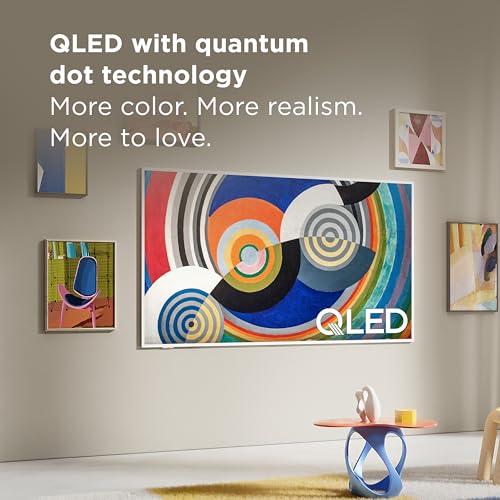
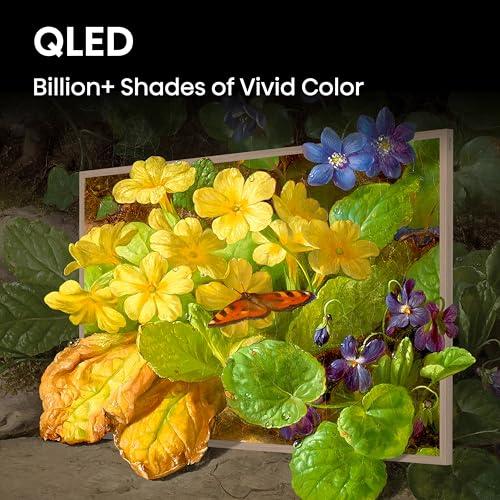
Both TVs use QLED (Quantum Dot LED) technology, which enhances color reproduction by using microscopic particles called quantum dots to create more pure, vibrant colors. Think of it as a filter that takes the backlight and converts it into more accurate reds, greens, and blues. However, the TCL's implementation suffers from color accuracy issues in professional testing, despite producing rich, saturated colors that often look impressive to casual viewers.
The Hisense demonstrates better overall color accuracy and supports a wider color gamut, meaning it can reproduce more of the colors that exist in nature and that content creators intend viewers to see. For art display specifically, this translates to more faithful reproduction of paintings and photographs.
Modern TVs need to excel at gaming, and both models target enthusiasts with high refresh rate support. The TCL NXTVISION markets impressive specifications with its Game Accelerator 240, supporting up to 240Hz variable refresh rates (VRR) and resolutions up to 4K at 144Hz or 1080p at 240Hz. VRR synchronizes the display refresh rate with your gaming console or PC graphics card, eliminating screen tearing and stuttering.
However, specifications don't tell the whole story. The TCL suffers from slow pixel response times, meaning individual pixels take longer to change from one color to another. This creates motion blur behind fast-moving objects in games – think of a racing car leaving a ghostly trail as it speeds across the screen. Professional measurements show response times that make fast-paced gaming less sharp than ideal.
The Hisense CanvasTV offers more modest specifications with native 144Hz support, but delivers better real-world gaming performance. Its 4.8ms response time and 5.4ms input lag (the delay between controller input and on-screen action) create a more responsive gaming experience. Input lag under 10ms is considered excellent for gaming, and the Hisense easily meets this threshold.
For competitive gaming or fast-paced titles, the Hisense provides the superior experience despite lower peak refresh rates. The TCL's gaming features look better on paper but don't translate to better performance where it matters most.
TV audio often gets overlooked, but it's particularly important for art frame TVs since their slim profiles make external soundbars more visually intrusive. The TCL NXTVISION includes 20W total audio power through two 10W speakers, with support for Dolby Atmos and DTS Virtual:X spatial audio processing. These technologies create the illusion of surround sound from the TV's built-in speakers.
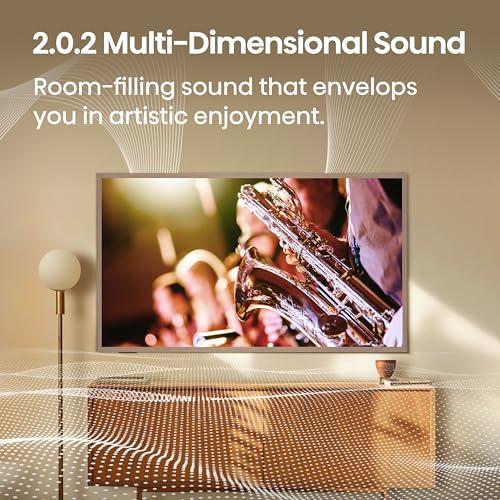
The Hisense CanvasTV takes audio more seriously with a 2.0.2 channel system delivering 36W total power. The ".2" designation indicates two upward-firing speakers that bounce sound off the ceiling to create height effects. This creates genuinely immersive audio for movies and shows, with many users reporting they don't feel the need for additional sound equipment.
In our evaluation of user feedback, the Hisense consistently receives praise for "booming" sound quality that surprises viewers accustomed to thin TV audio. The TCL's audio is adequate but doesn't stand out, requiring external audio solutions for the best experience.
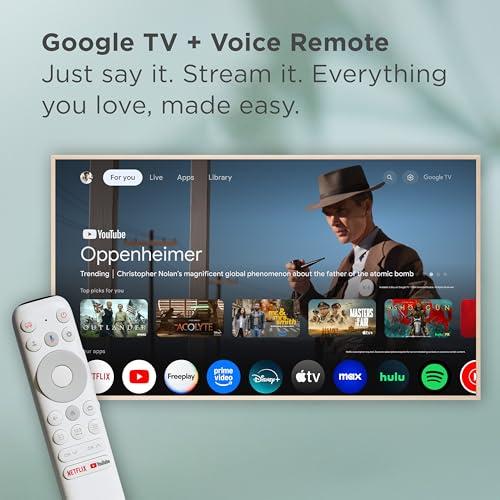
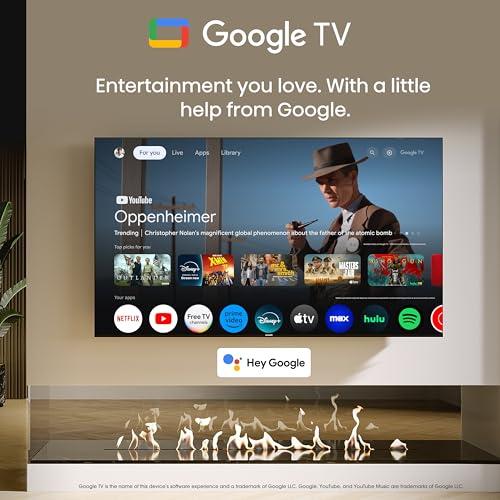
Both TVs run Google TV, but their implementations differ in responsiveness and feature sets. The Hisense CanvasTV supports Wi-Fi 6e, the latest wireless standard that provides faster, more reliable streaming and reduced interference in crowded wireless environments. The TCL uses Wi-Fi 5, which remains perfectly adequate for 4K streaming but lacks future-proofing.
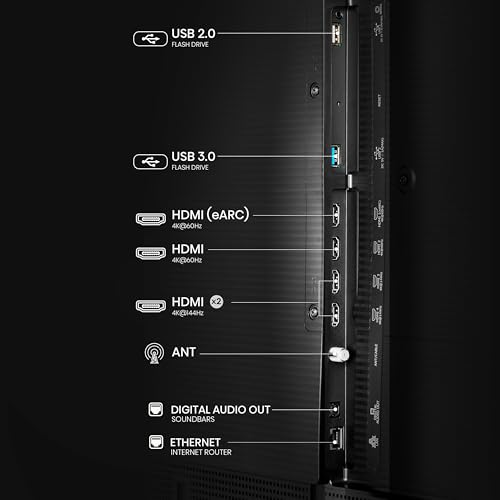
HDMI connectivity follows similar patterns. Both provide HDMI 2.1 support on key ports, enabling high-bandwidth gaming and advanced audio return channel (eARC) for external sound systems. However, the Hisense includes a dedicated Game Bar interface for quickly adjusting gaming-specific settings without diving into complex menus.
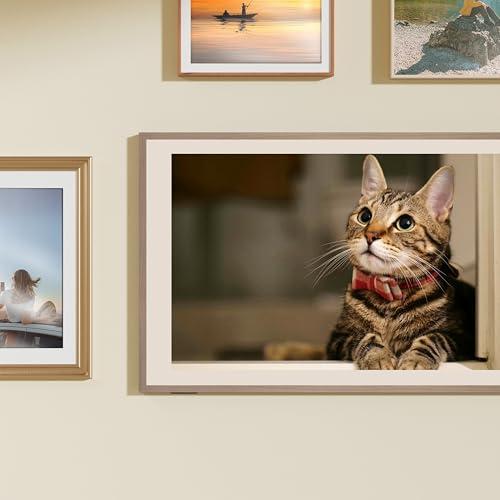
The art functionality represents the core purpose of these TVs, and both excel with different strengths. The TCL NXTVISION includes over 400 curated artworks plus an impressive AI art generation feature capable of creating over 100,000 unique images. This AI capability lets you generate custom artwork based on prompts or styles, creating truly personalized gallery displays.
The Hisense CanvasTV focuses on curated masterpieces with a library of classic and contemporary works, emphasizing quality over quantity. Importantly, neither TV requires subscription fees for art content, unlike Samsung's The Frame which charges for premium artwork access.
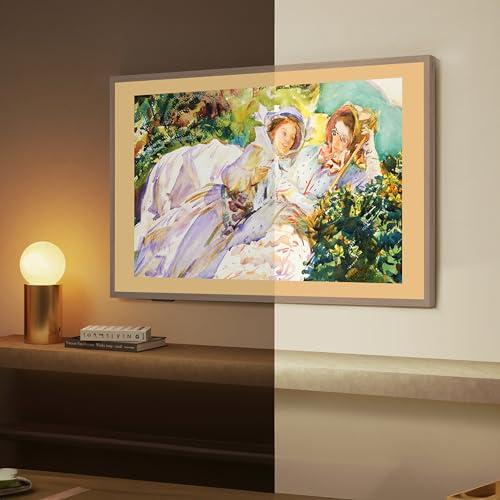
Both TVs include motion sensors that automatically activate art mode when someone enters the room and ambient light sensors that adjust brightness to match surrounding lighting conditions. This creates the illusion that the displayed artwork is responding to natural light changes throughout the day.
For dedicated home theater use, the performance differences become more pronounced. The Hisense CanvasTV's direct LED backlighting and better HDR performance make it more suitable for dark room movie watching. Its superior built-in audio also reduces the need for additional equipment in smaller theater setups.
The TCL NXTVISION's edge-lit design and poor black level performance work against it in traditional home theater applications. Its strengths lie in bright room use where its anti-glare coating and art features provide the most benefit.
At the time of writing, both TVs represent strong value in the art frame category, but for different reasons. The TCL typically commands a premium for its ultra-thin design and advanced art features, while the Hisense often provides better technical performance per dollar spent.
The value equation depends heavily on your priorities. If seamless aesthetic integration is paramount and you're willing to sacrifice some picture quality, the TCL's impossibly thin profile justifies its positioning. If you want better overall TV performance with art features as a bonus, the Hisense provides superior value.
The TCL NXTVISION makes sense for design-conscious buyers who prioritize aesthetics above all else. If your TV will primarily display art and you watch content casually in bright, well-lit rooms, its ultra-slim profile and advanced anti-glare coating provide unique benefits. It's also the better choice if you're fascinated by AI art generation and want maximum customization options.
The Hisense CanvasTV suits buyers who want art frame aesthetics without compromising core TV performance. It's the clear choice for gaming enthusiasts, movie watchers who care about HDR quality, and anyone who values built-in audio quality. Its more balanced approach makes it the safer choice for most households.
After evaluating both options, the Hisense CanvasTV emerges as the more well-rounded choice for most buyers. Its superior picture quality, gaming performance, and audio capabilities provide better long-term satisfaction, while its art features remain genuinely impressive.
The TCL NXTVISION serves a specific niche exceptionally well – buyers who prioritize design integration above all else will find its ultra-slim profile and advanced art features compelling. However, its picture quality limitations make it harder to recommend for general use.
Both TVs represent the current state of the art in frame TV technology, with meaningful improvements over earlier generations. Your choice should align with whether you prioritize aesthetic perfection or technical performance – both are valid approaches to the same fundamental goal of making television more liveable in modern homes.
| TCL 65" NXTVISION QLED 4K Art Frame TV | Hisense 65" S7N CanvasTV QLED 4K Smart Display |
|---|---|
| Panel Type & Backlighting - Affects picture quality and black levels | |
| QLED with edge-lit LED (thinner but less uniform) | QLED with direct LED (better contrast and brightness) |
| Thickness - Key aesthetic factor for wall mounting | |
| 1.1" ultra-slim (world's thinnest all-in-one art TV) | 1.4" (35.5mm) with 3mm wall gap |
| Peak Brightness - Critical for HDR content and bright rooms | |
| Lower peak brightness, struggles with HDR | 450 cd/m² peak (better HDR performance) |
| Gaming Response Time - Essential for competitive gaming | |
| Slow pixel response causes motion blur | 4.8ms response time (excellent for gaming) |
| Gaming Refresh Rate - Higher numbers mean smoother motion | |
| Up to 240Hz VRR (impressive specs, poor real performance) | Native 144Hz (lower spec but better actual gaming experience) |
| Audio System - Important since external speakers affect aesthetics | |
| 20W (2×10W speakers) adequate sound | 36W 2.0.2 system with upward-firing speakers (excellent built-in audio) |
| Anti-Glare Technology - Makes art mode convincing in bright rooms | |
| Ultra Matte coating optimized for canvas texture | Hi-Matte display with 5% reflection reduction |
| Art Features - Core functionality for this TV category | |
| 400+ artworks plus AI generation (100,000+ images) | Curated masterpiece library, no subscription fees |
| Frame Customization - Affects how well it matches your décor | |
| Off-white bezel + light wood magnetic frame included | Teak frame standard, white/walnut options available |
| Stand Included - Matters if not wall mounting | |
| No stand included (wall mount only, stands sold separately) | Table stand included plus wall mount option |
| Smart Platform Performance - Affects daily usability | |
| Google TV with Wi-Fi 5, adequate performance | Google TV with Wi-Fi 6e, more responsive interface |
| HDR Support - Important for streaming content quality | |
| Dolby Vision IQ, HDR10+, HDR10, HLG (poor actual HDR performance) | Same HDR formats with better actual performance due to brighter panel |
| Color Accuracy - Affects both TV viewing and art display | |
| Rich colors but poor accuracy in professional testing | Better color accuracy and wider color gamut |
The Hisense 65" S7N CanvasTV is better for general entertainment viewing. It has direct LED backlighting that produces brighter highlights and deeper blacks compared to the TCL NXTVISION's edge-lit design. The Hisense also delivers better HDR performance, which is crucial for modern streaming content on Netflix, Disney+, and other services. Its superior color accuracy means movies and shows appear more as directors intended.
The TCL 65" NXTVISION is significantly thinner at just 1.1 inches, making it one of the world's thinnest all-in-one art TVs. This ultra-slim profile creates a more convincing artwork appearance when wall-mounted. However, the Hisense CanvasTV at 1.4 inches thick still looks great on the wall and offers better overall performance trade-offs.
The Hisense CanvasTV provides better real-world gaming performance despite lower specs on paper. It has faster 4.8ms response times and 5.4ms input lag, creating smoother gameplay with less motion blur. While the TCL NXTVISION supports higher refresh rates up to 240Hz, its slow pixel response times cause noticeable ghosting in fast-paced games.
The Hisense 65" S7N CanvasTV has significantly better audio with its 36W 2.0.2 channel system that includes upward-firing speakers. Many users report not needing a soundbar with this TV. The TCL NXTVISION has adequate 20W audio but typically requires external speakers for the best experience, which can detract from the clean aesthetic.
Both TVs excel in bright rooms with their specialized matte coatings. The TCL NXTVISION uses Ultra Matte technology optimized for canvas-like texture, while the Hisense CanvasTV reduces reflections to just 5%. Both eliminate the glare issues that make regular TVs unwatchable in sunny rooms, though the TCL's coating is slightly more aggressive for art display.
The Hisense CanvasTV typically offers better overall value with superior picture quality, gaming performance, and audio capabilities. The TCL NXTVISION commands a premium for its ultra-thin design and advanced art features. Your choice depends on whether you prioritize aesthetic integration or technical performance.
The TCL 65" NXTVISION includes over 400 curated artworks plus unique AI art generation capable of creating 100,000+ custom images. The Hisense CanvasTV focuses on quality curated masterpieces without AI features. Neither TV requires subscription fees for art content, unlike Samsung's Frame TV which charges for premium artwork.
The Hisense 65" S7N CanvasTV includes both a table stand and wall mount, offering installation flexibility. The TCL NXTVISION is designed primarily for wall mounting with its included flush mount, though table and floor stands are available separately as optional accessories.
For dedicated home theater use, the Hisense CanvasTV is the clear winner. Its direct LED backlighting provides better contrast for dark room viewing, superior HDR performance enhances movie experiences, and its excellent built-in audio reduces the need for additional equipment in smaller theater setups.
Both TVs run Google TV, but the Hisense CanvasTV offers Wi-Fi 6e for faster, more reliable streaming compared to the TCL NXTVISION's Wi-Fi 5. The Hisense also includes a dedicated Game Bar for quick settings access and generally provides a more responsive smart TV experience.
The Hisense 65" S7N CanvasTV delivers superior color accuracy and overall picture quality. Its direct LED backlighting, better HDR performance, and wider color gamut create more realistic images. While the TCL NXTVISION produces rich, saturated colors, professional testing shows poor color accuracy that affects both regular viewing and art display.
Choose the TCL NXTVISION if seamless aesthetic integration is your top priority and you primarily display art in bright rooms. Select the Hisense CanvasTV if you want better overall TV performance with art features as a valuable bonus. The Hisense provides the more well-rounded experience for most households.
We've done our best to create useful and informative comparisons to help you decide what product to buy. Our research uses advanced automated methods to create this comparison and perfection is not possible - please contact us for corrections or questions. These are the sites we've researched in the creation of this article: rtings.com - tcl.com - bestbuy.com - tcl.com - bestbuy.com - tcl.com - youtube.com - rcwilley.com - businessinsider.com - bestbuy.com - target.com - youtube.com - support.tcl.com - nfm.com - woodruffappliance.com - flatpanelshd.com - tcl.com - bestbuy.com - hisense.sg - tomsguide.com - content.syndigo.com - rtings.com - hisense-usa.com - youtube.com - bestbuy.com - youtube.com - displayspecifications.com - displayspecifications.com - manuals.plus - displayspecifications.com - bestbuy.com - hisense-canada.com - manuals.plus - bargainoutletandmore.com - bestbuy.com - device.report

Privacy Policy
Terms and Conditions - Affiliate Policy
Home Security
© Copyright 2008-2026.
11816 Inwood Rd #1211, Dallas, TX 75244