

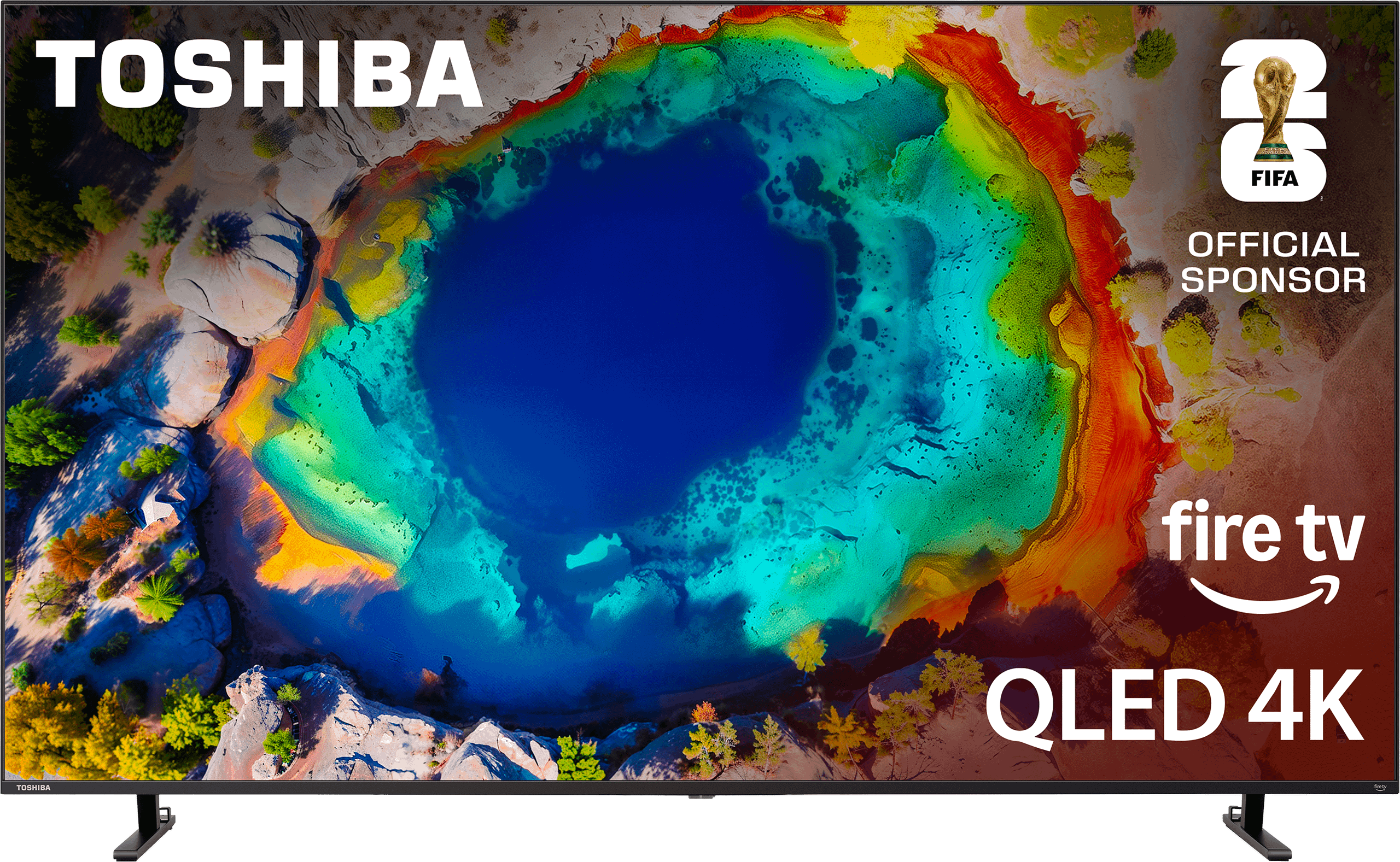
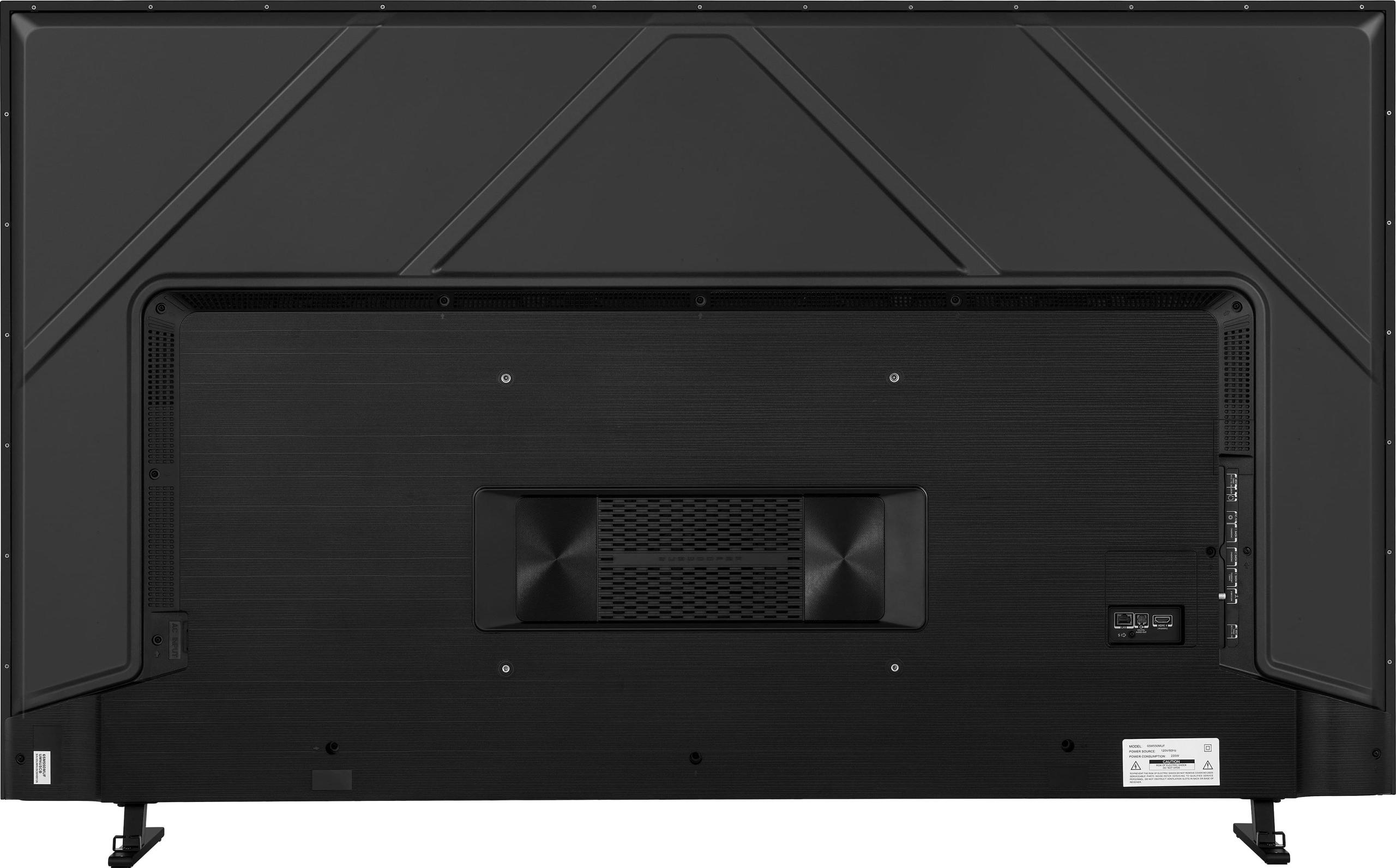
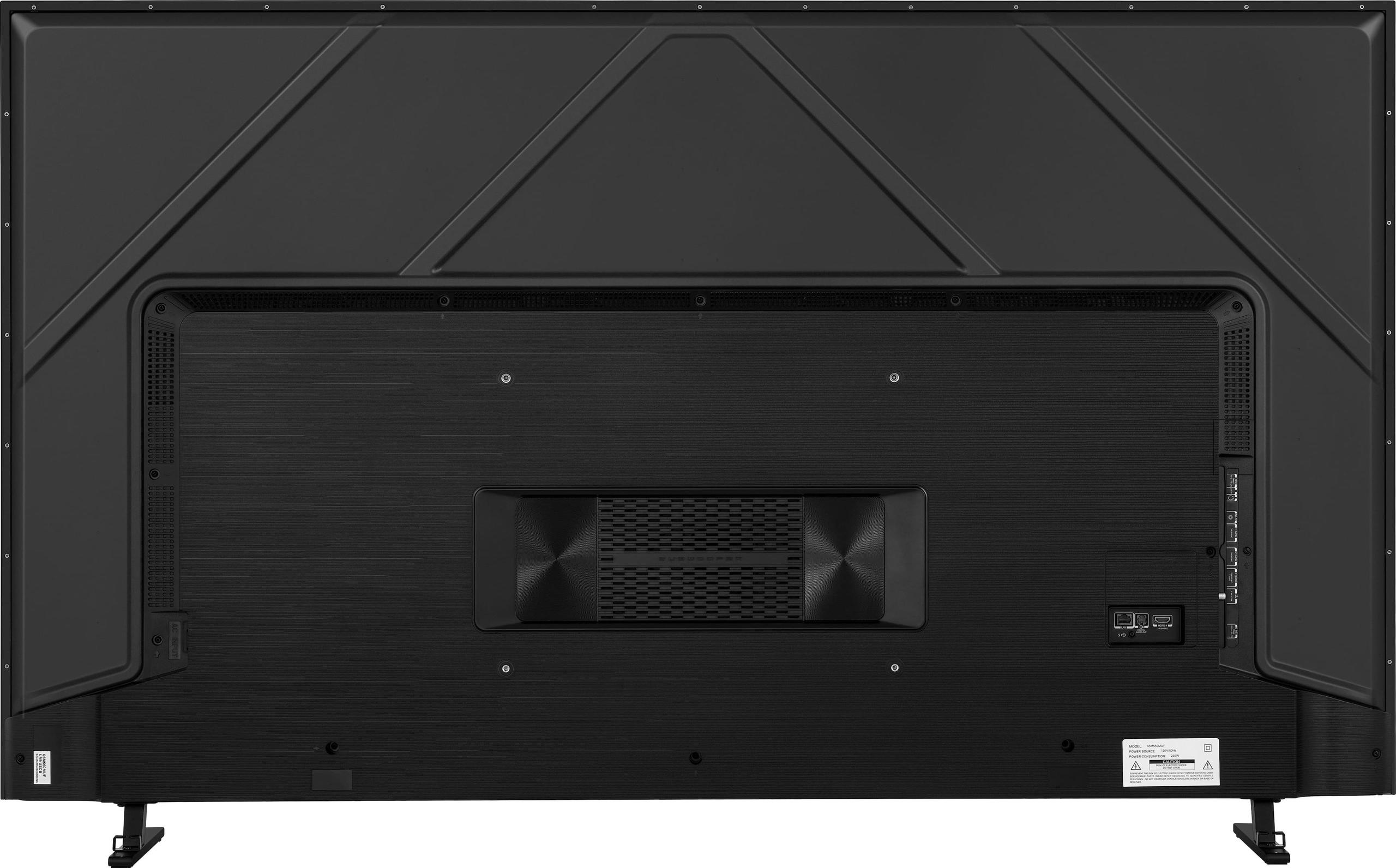
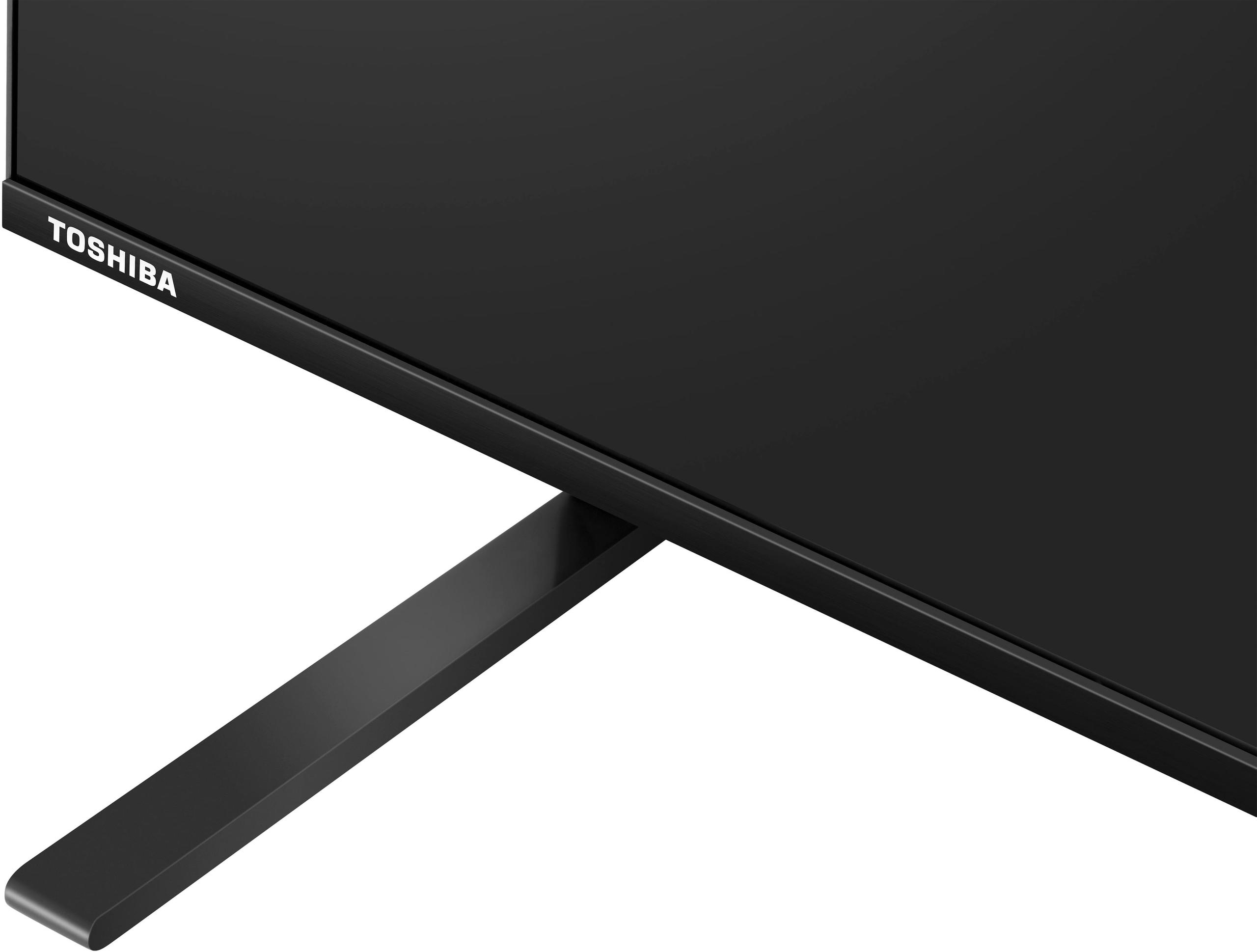


When shopping for a large TV, most people think the biggest decisions are about size and budget. But two very different approaches to 65-inch QLED technology are changing that conversation entirely. The Toshiba 65" M550 Series QLED Fire TV, released in 2024, represents the traditional smart TV approach—maximizing picture quality and features per dollar. Meanwhile, the TCL 65" NXTVISION QLED 4K Art Frame TV, also from 2024, takes a radically different path by prioritizing aesthetics and dual-purpose functionality.
This isn't just about picking between two TVs anymore. You're choosing between two fundamentally different philosophies about what a television should be in your home. Let's break down exactly what that means and help you figure out which approach works better for your situation.
The TV industry has evolved dramatically since the early days of bulky CRT sets. Today's market splits into distinct categories, each serving different needs and preferences. Traditional smart TVs like the Toshiba M550 focus on what we typically expect from televisions: excellent picture quality, robust gaming features, and comprehensive smart capabilities—all while keeping costs reasonable.
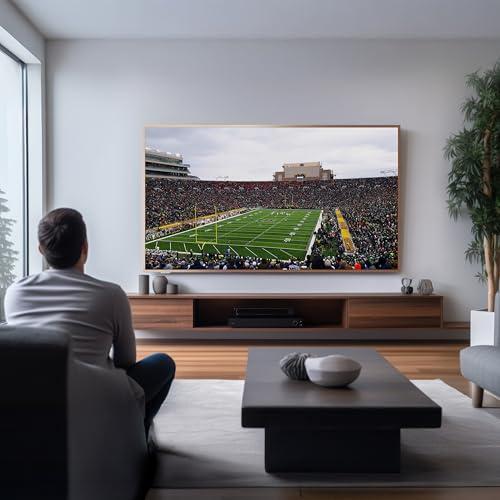
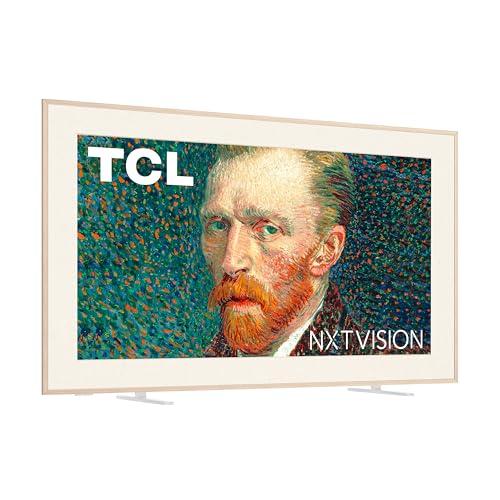
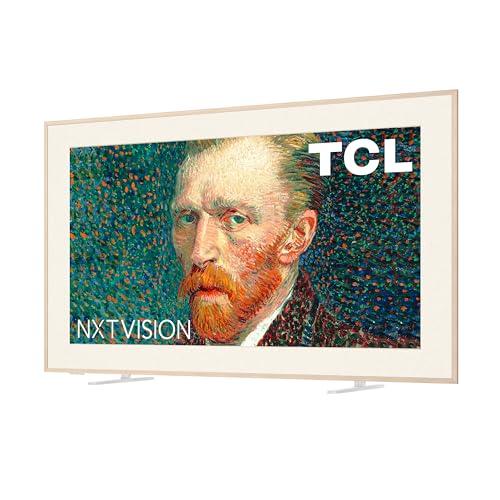
Art frame TVs like the TCL NXTVISION represent a newer category that emerged as living spaces became more design-conscious. These displays attempt to solve a common problem: traditional TVs look like big black rectangles when turned off, which can clash with carefully designed room aesthetics. The art frame approach makes the TV virtually disappear by displaying artwork, photographs, or other visual content when not actively watching shows or movies.
This category difference matters more than you might think. Traditional TVs optimize every component for viewing performance, while art frame TVs must balance viewing quality with design requirements. That balance creates meaningful trade-offs we'll explore throughout this comparison.
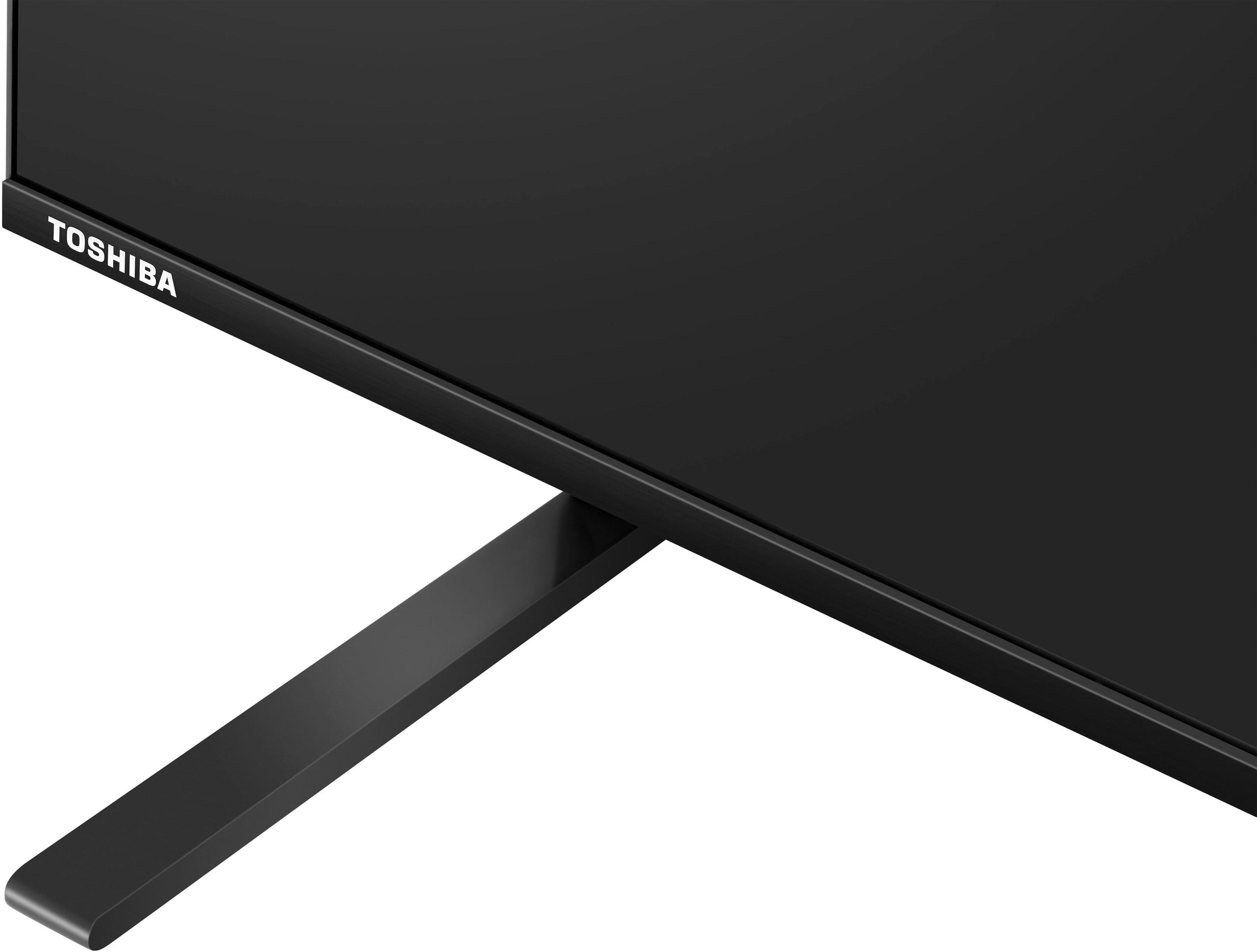
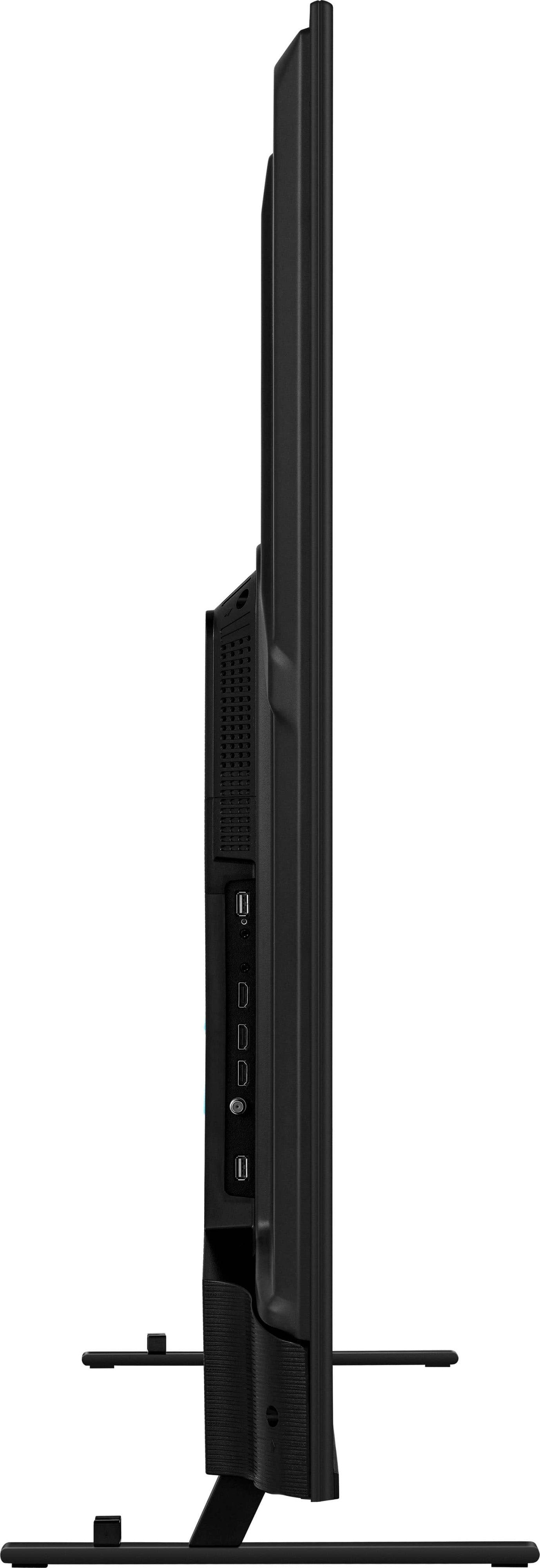
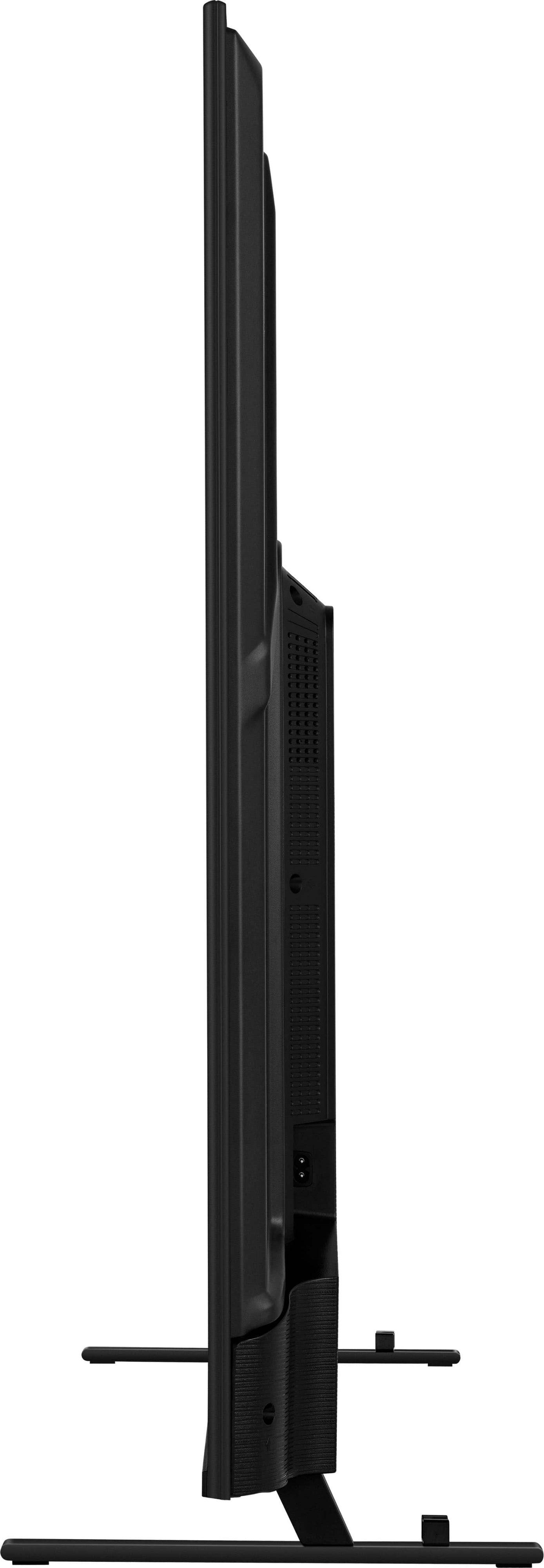
The Toshiba M550 embodies the "function first" philosophy. It looks like what most people expect from a modern TV—sleek black bezels, standard mounting options, and a design that prioritizes the screen above all else. There's nothing wrong with this approach; it's honest about what the device does and focuses resources on performance rather than aesthetics.
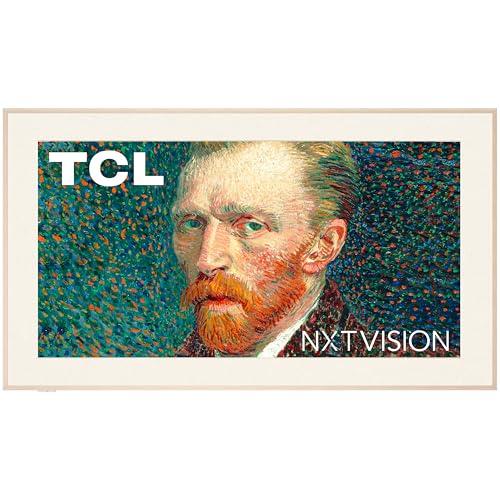
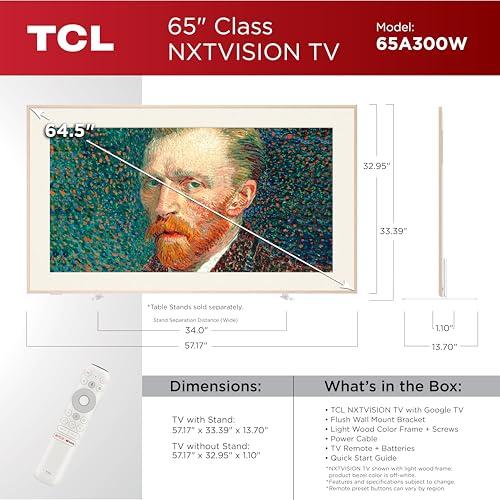
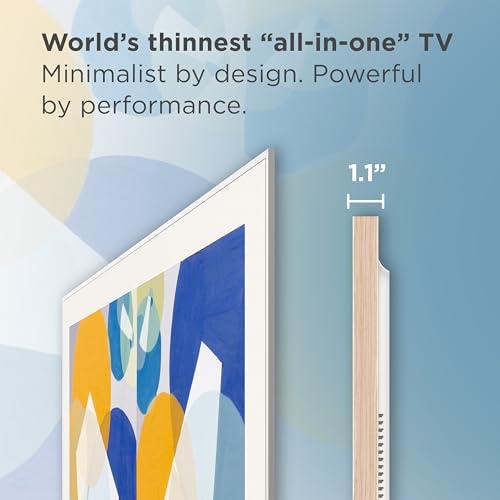
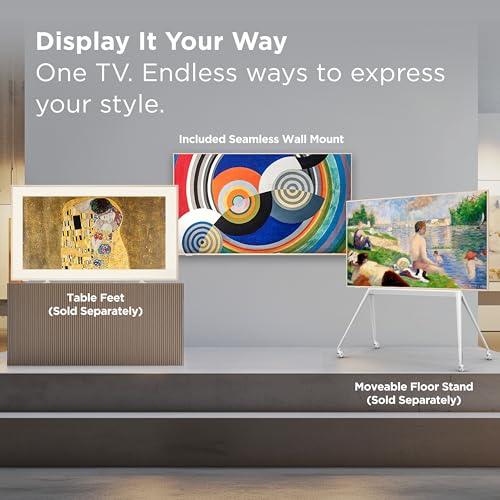
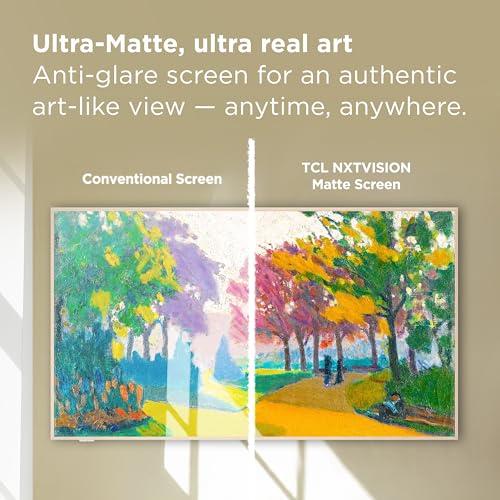
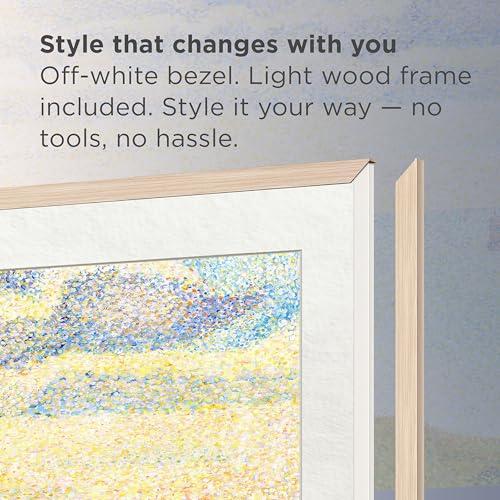
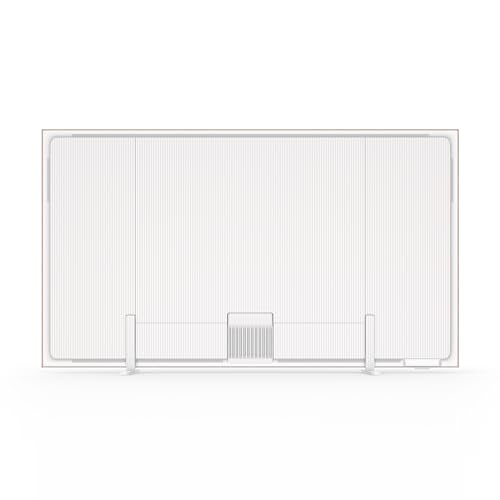
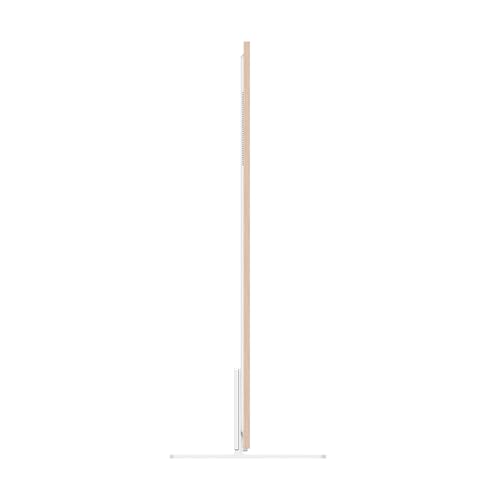
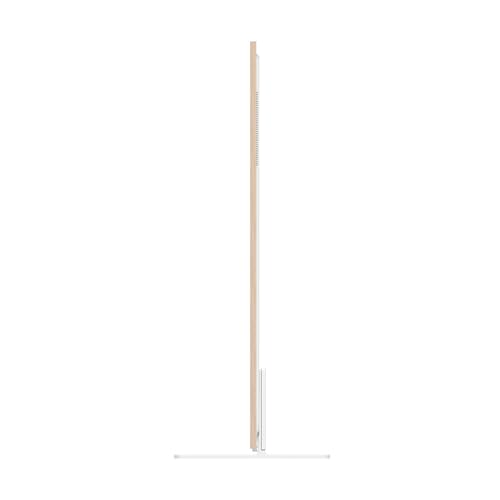
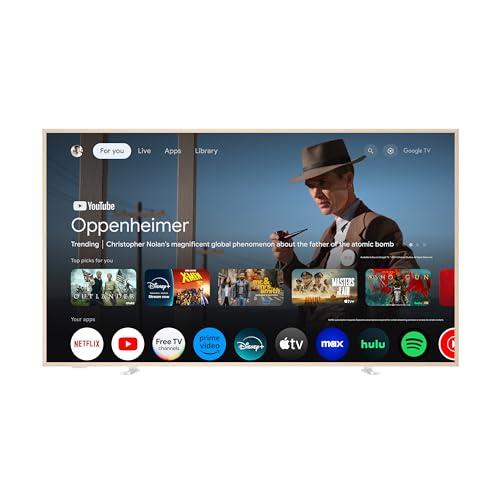
The TCL NXTVISION takes the opposite approach with its ultra-slim 1.1-inch depth (incredibly thin for an all-in-one TV), magnetic wood frame system, and specialized flush wall mount. When properly installed, it genuinely looks like a framed piece of art hanging on your wall. The matte anti-glare screen—a coating that diffuses reflections rather than bouncing them back—enhances this illusion by mimicking the texture of canvas.
This design difference isn't just cosmetic. The TCL's edge-lit LED backlight (where LEDs line the screen edges rather than sitting behind it) enables the ultra-thin profile but compromises contrast compared to the Toshiba's full-array local dimming system. The Toshiba uses LEDs positioned directly behind the screen in zones, allowing specific areas to dim independently for better black levels and contrast.
Picture quality represents the most significant difference between these TVs, and it all comes down to how they handle contrast—the difference between the brightest whites and darkest blacks your screen can display.
The Toshiba M550 uses full-array local dimming with 48 individual zones. Think of this like having 48 separate dimmer switches controlling different areas of your screen. When a scene shows a bright explosion against a dark night sky, the TV can make the explosion area very bright while keeping the surrounding sky areas genuinely dark. This creates that dramatic, three-dimensional look that makes HDR (High Dynamic Range) content really pop.
HDR content contains brightness information beyond what standard TVs can display, like the difference between a car headlight and sunlight. The Toshiba's local dimming zones help it actually display those brightness differences meaningfully, making HDR movies and shows look more realistic and engaging.
The TCL NXTVISION uses edge-lit LED backlighting, which means the entire screen brightness changes together rather than in zones. While this enables the ultra-slim design, it means bright objects in dark scenes tend to create a gray "bloom" around them instead of true black. For regular TV watching, this might not bother you much, but it becomes noticeable in dark movie scenes or when gaming in dimly lit rooms.
However, the TCL absolutely excels in bright rooms thanks to its ultra-matte anti-glare screen. If your TV room gets lots of natural light or has bright overhead lighting, traditional TVs often become unwatchable due to reflections. The TCL's matte coating virtually eliminates this problem, making it the clear winner for daytime viewing or rooms with challenging lighting.
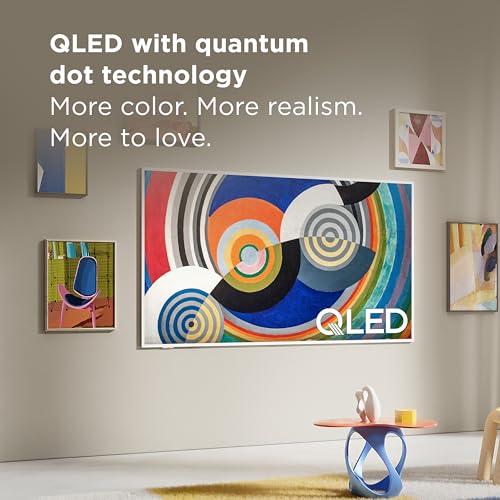
Color performance differs notably between these TVs. Both use QLED (Quantum Dot LED) technology, which adds a layer of quantum dots—microscopic particles that emit very pure colors when hit by light. This typically produces more vibrant, accurate colors than standard LED TVs. The Toshiba M550 demonstrates better overall color accuracy with more natural flesh tones, while the TCL NXTVISION tends toward oversaturated colors that look impressive at first glance but can become fatiguing over time.
Modern gaming has pushed TV manufacturers to add features previously found only in computer monitors. Both TVs support technologies like VRR (Variable Refresh Rate), which synchronizes the TV's refresh rate with your gaming console's frame rate to eliminate screen tearing—that jarring visual artifact where the top and bottom of your screen show different moments in time.
The Toshiba M550 offers a native 120Hz panel, meaning it can display 120 unique images per second. This matters for smooth motion in sports, action movies, and gaming. More importantly, it supports VRR up to 60Hz at 4K resolution with input lag around 9.4 milliseconds. Input lag measures the delay between pressing a controller button and seeing the result on screen—crucial for competitive gaming where split-second reactions matter.
The TCL NXTVISION appears more impressive on paper with its "Game Accelerator 240" supporting up to 240Hz refresh rates at 1080p resolution and 144Hz at 4K. It includes two HDMI 2.1 ports (the latest standard supporting higher bandwidth) and AMD FreeSync Premium certification. However, real-world gaming performance suffers from slow pixel response times, creating motion blur during fast action sequences that many gamers find distracting.
For serious gaming, especially in darker genres like horror or adventure games, the Toshiba's superior contrast makes a meaningful difference. Dark game environments look appropriately moody rather than washed-out gray, while bright effects like explosions or magical spells have more visual impact against properly dark backgrounds.
Both TVs run different smart TV platforms, and the choice between them often comes down to ecosystem preferences and performance expectations.
The Toshiba M550 runs Amazon's Fire TV, which provides deep integration with Alexa voice commands and Amazon's content ecosystem. You can control smart home devices, ask for weather updates, or search for content using natural voice commands. However, user reports consistently mention performance issues—the TV's processor seems underpowered for the Fire TV interface, leading to slow app loading, delayed responses to remote control inputs, and occasional system freezes.
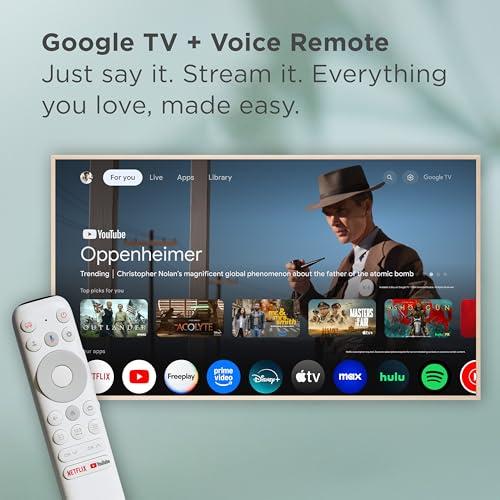
The TCL NXTVISION uses Google TV, which offers excellent integration with Chromecast, Google Assistant, and Android devices. The interface generally performs more responsively, though long-term reliability data is still emerging since the platform is relatively new to this TV model.
From a practical standpoint, both platforms offer access to all major streaming services (Netflix, Disney+, HBO Max, etc.), but Fire TV tends to promote Amazon content more prominently while Google TV provides more neutral content recommendations across services.
TV speakers often get dismissed as afterthoughts, but good built-in audio can eliminate the need for additional sound equipment in many rooms.
The Toshiba M550 includes REGZA Power Audio Pro with a 25-watt bass woofer and dual 12-watt speakers, totaling 49 watts of audio power. Users consistently report surprisingly good sound quality that handles dialogue clearly while providing enough bass for casual viewing. The inclusion of Dolby Atmos support means the TV can process spatial audio content, though the built-in speakers obviously can't replicate true surround sound.
The TCL NXTVISION includes more modest 20-watt speakers (two 10-watt drivers) with Dolby Atmos and DTS Virtual:X processing. While adequate for its slim design, the reduced power means less dynamic range and bass response compared to the Toshiba. Enhanced Dialogue Mode helps with speech clarity, but overall audio performance takes a backseat to the design priorities.
For most users, the Toshiba's audio eliminates the immediate need for a soundbar, while TCL NXTVISION buyers might find external audio more necessary, especially in larger rooms.
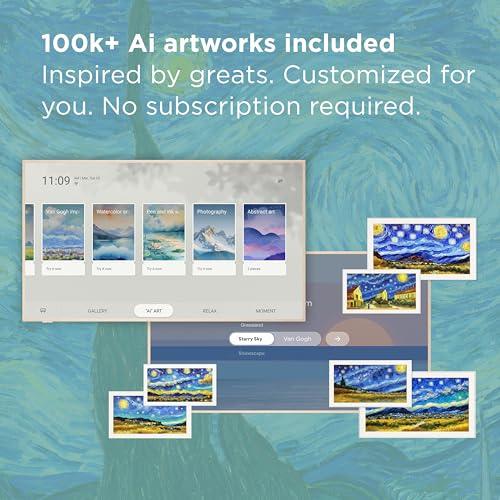
The TCL NXTVISION's most unique feature is its art mode functionality. When not actively watching TV, it transforms into a digital art display showing curated artwork, AI-generated images, or your personal photos. The included magnetic wood frame (with other frame styles available) and ultra-matte screen create a convincing illusion of hanging artwork.
This feature addresses a real problem in modern homes. Large TVs dominate wall space, and when turned off, they're just big black rectangles that can clash with carefully designed interiors. The art mode makes the TV visually disappear, allowing it to complement rather than compete with your room's aesthetics.
The art library includes over 400 curated pieces spanning various styles and periods, plus AI art generation capable of creating thousands of unique images based on your preferences. You can also display personal photos with various matting options to match different décor styles.
This functionality comes with trade-offs. The matte screen coating that makes artwork look realistic also slightly softens regular TV content compared to glossy screens. For some viewers, this creates a more film-like, natural appearance, while others prefer the sharp, punchy look of traditional TV screens.
At the time of writing, the Toshiba M550 typically costs significantly less than the TCL NXTVISION, making the value equation quite different for each TV.
The Toshiba represents exceptional value for traditional TV performance. You're getting premium features like QLED color, 120Hz refresh rates, full-array local dimming, and robust gaming capabilities at a price point where most TVs offer much more basic specifications. For pure performance per dollar, it's difficult to find better options in the 65-inch category.
The TCL NXTVISION commands a lifestyle premium for its unique design and art functionality. You're paying more for engineering that prioritizes form factor and aesthetic integration over maximum performance. Whether this represents good value depends entirely on how much you value the TV's ability to blend into your décor and serve dual purposes.
For dedicated home theater setups, the choice becomes clearer. Home theaters prioritize picture quality, audio performance, and viewing experience optimization above all else—exactly where the Toshiba M550 excels.
The Toshiba's full-array local dimming creates the dramatic contrast that makes movies feel cinematic, especially in darker viewing environments typical of home theaters. Its superior HDR performance means you'll see more detail in both bright and dark scenes, while the robust gaming features future-proof your setup for next-generation consoles.
The TCL NXTVISION makes less sense in dedicated theater rooms where aesthetics matter less than performance, and its bright-room optimizations provide no benefit in controlled lighting environments.
Choose the Toshiba M550 if you want the best traditional TV experience for your money. It's ideal for families who prioritize picture quality, gamers who need responsive performance, and anyone setting up a dedicated entertainment space. The superior contrast, better gaming features, and excellent built-in audio make it a solid choice for most TV buyers focused on performance and value.
Choose the TCL NXTVISION if you value aesthetics as much as functionality and want your TV to integrate seamlessly into your living space. It's perfect for formal living rooms, open-concept spaces where the TV needs to complement rather than dominate the décor, and rooms with challenging lighting where the anti-glare screen provides clear benefits.
The decision ultimately comes down to priorities. If you want maximum TV performance for your money, the Toshiba M550 delivers exceptional value with few compromises. If you need your TV to serve double duty as both entertainment device and design element, the TCL NXTVISION offers unique capabilities no traditional TV can match.
Both represent solid choices within their respective categories, but understanding these fundamental differences ensures you'll choose the TV that best fits how you actually live and watch content in your home.
| Toshiba 65" M550 Series QLED Fire TV | TCL 65" NXTVISION QLED 4K Art Frame TV |
|---|---|
| Display Technology - Determines contrast quality and black levels | |
| QLED with Full Array Local Dimming (48 zones) | QLED with Edge-Lit LED backlight |
| Screen Finish - Affects viewing in bright rooms and reflection handling | |
| Standard glossy screen (more reflections but sharper image) | Ultra Matte Anti-Glare coating (eliminates reflections, softer image) |
| Design Profile - Important for wall mounting and room aesthetics | |
| Traditional TV design with standard mounting | Ultra-slim 1.1" depth with flush wall mount and magnetic wood frame |
| Art Mode Functionality - Displays artwork when TV is off | |
| Not available | 400+ curated artworks, AI art generation, personal photo gallery |
| HDR Support - Enhanced contrast and color in compatible content | |
| Dolby Vision, HDR10+, HDR10, HLG | Dolby Vision IQ, HDR10+, HDR10, HLG |
| Refresh Rate - Smoothness for sports, gaming, and motion | |
| Native 120Hz panel | Native 120Hz (supports up to 144Hz VRR) |
| Gaming Features - Performance for console gaming | |
| VRR up to 60Hz at 4K, ALLM, ~9.4ms input lag | Game Accelerator 240, VRR up to 144Hz at 4K, AMD FreeSync Premium |
| Audio System - Built-in sound quality and power | |
| REGZA Power Audio Pro: 49W total (25W woofer + dual 12W speakers) | 20W total (dual 10W speakers) with Enhanced Dialogue Mode |
| Smart TV Platform - Interface speed and app ecosystem | |
| Amazon Fire TV with Alexa (reports of slow performance) | Google TV with hands-free voice control |
| HDMI Connectivity - Number of high-bandwidth ports for devices | |
| 4 HDMI ports (1 with eARC) | 4 HDMI ports (2 x HDMI 2.1, 1 with eARC) |
| Ideal Room Type - Best viewing environment for each TV | |
| Dark to moderately lit rooms, dedicated entertainment spaces | Bright rooms with lots of natural light, formal living areas |
| Primary Strength - What each TV does best | |
| Maximum picture quality and gaming performance per dollar | Seamless aesthetic integration with dual-purpose art display |
The Toshiba 65" M550 Series QLED Fire TV delivers superior picture quality for traditional viewing thanks to its Full Array Local Dimming with 48 zones. This technology creates deeper blacks and better contrast, making HDR movies look more dramatic and realistic. The TCL 65" NXTVISION QLED 4K Art Frame TV offers good picture quality but sacrifices some contrast due to its edge-lit design prioritizing the ultra-slim profile.
The Toshiba M550 is the better choice for serious gaming. While the TCL NXTVISION has impressive specs on paper with 144Hz support, the Toshiba offers faster pixel response times, better contrast for dark game scenes, and more reliable performance with lower input lag around 9.4ms. Both support modern gaming features like VRR and ALLM.
The fundamental difference is purpose: the Toshiba 65" M550 is a traditional TV focused on maximizing performance per dollar, while the TCL 65" NXTVISION is designed as a lifestyle product that doubles as a digital art display when not watching TV. The TCL features an ultra-slim design, magnetic frames, and art mode functionality.
The TCL 65" NXTVISION QLED 4K Art Frame TV excels in bright rooms thanks to its Ultra Matte Anti-Glare screen coating that virtually eliminates reflections. The Toshiba M550 uses a traditional glossy screen that can show reflections in bright lighting conditions, making daytime viewing more challenging.
The Toshiba 65" M550 Series QLED Fire TV has significantly better built-in audio with 49 watts total power including a 25-watt subwoofer, providing clear dialogue and decent bass. The TCL NXTVISION has more modest 20-watt speakers that are adequate but may require a soundbar for larger rooms or better audio quality.
The Toshiba M550 is the clear choice for home theaters. Its Full Array Local Dimming creates the dramatic contrast essential for cinematic viewing in dark rooms, superior HDR performance shows more detail in movies, and better built-in audio reduces the immediate need for additional equipment. The TCL NXTVISION is optimized for bright rooms rather than dedicated theater environments.
Yes, the TCL 65" NXTVISION genuinely transforms into a convincing art display when not in use. It includes over 400 curated artworks, AI-generated images, and can display personal photos. The magnetic wood frame, ultra-slim 1.1" profile, and matte screen coating create a canvas-like appearance that blends seamlessly into home décor.
The Toshiba 65" M550 Series QLED Fire TV offers exceptional value for traditional TV performance, delivering premium features like QLED color, 120Hz refresh rates, and local dimming at a competitive price point. The TCL NXTVISION commands a lifestyle premium for its unique design and art functionality, making it better value only if you specifically need the aesthetic integration.
The Toshiba M550 runs Amazon Fire TV with deep Alexa integration, though users report some performance slowdowns due to an underpowered processor. The TCL 65" NXTVISION uses Google TV with hands-free voice control and generally more responsive performance, plus excellent Chromecast integration.
The TCL 65" NXTVISION QLED 4K Art Frame TV is specifically designed for wall mounting with an included flush wall mount that creates a seamless, gallery-like installation. The Toshiba M550 uses standard VESA mounting patterns and appears more like a traditional TV when wall-mounted.
Both TVs support comprehensive HDR formats including Dolby Vision, HDR10+, HDR10, and HLG. However, the Toshiba 65" M550 delivers better HDR performance in practice due to its local dimming capability creating higher contrast ratios. The TCL NXTVISION supports the formats but with more limited brightness and contrast.
Choose the Toshiba M550 if you prioritize picture quality, gaming performance, and value in a dedicated entertainment space. Choose the TCL 65" NXTVISION if your living room has lots of natural light, you want the TV to blend into your décor when not in use, and you value the dual-purpose art display functionality over maximum viewing performance.
We've done our best to create useful and informative comparisons to help you decide what product to buy. Our research uses advanced automated methods to create this comparison and perfection is not possible - please contact us for corrections or questions. These are the sites we've researched in the creation of this article: bestbuy.com - bestbuy.com - consumerreports.org - youtube.com - pcvarge.com - tomsguide.com - youtube.com - bestbuy.com - toshibatv-usa.com - marketplace-staging.paytomorrow.com - toshibatv-usa.com - productabout.com - leaseville.com - youtube.com - toshibatv-usa.com - rtings.com - tcl.com - bestbuy.com - tcl.com - bestbuy.com - tcl.com - youtube.com - rcwilley.com - businessinsider.com - bestbuy.com - target.com - youtube.com - support.tcl.com - nfm.com - woodruffappliance.com - flatpanelshd.com - tcl.com

Privacy Policy
Terms and Conditions - Affiliate Policy
Home Security
© Copyright 2008-2026.
11816 Inwood Rd #1211, Dallas, TX 75244