




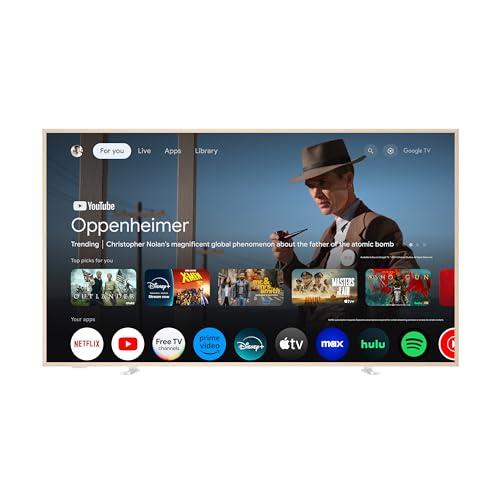
Art frame televisions have transformed from a niche luxury into a mainstream home décor solution. These specialized displays blur the line between technology and interior design, spending most of their time showing curated artwork instead of traditional TV content. When Samsung introduced the first generation Frame TV several years ago, it created an entirely new product category that promised to make the television disappear into your living room's aesthetic.
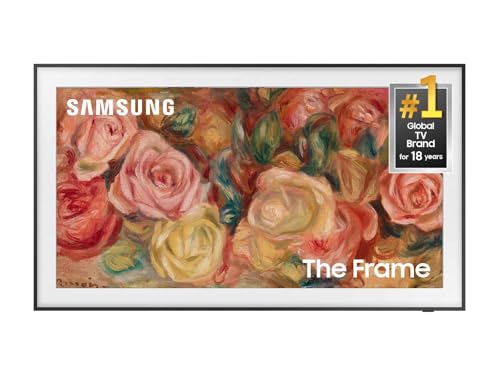
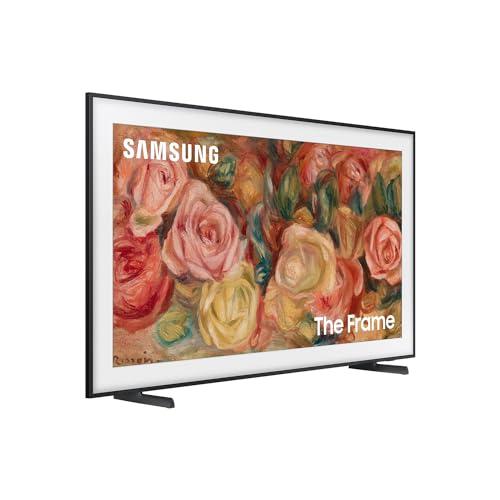
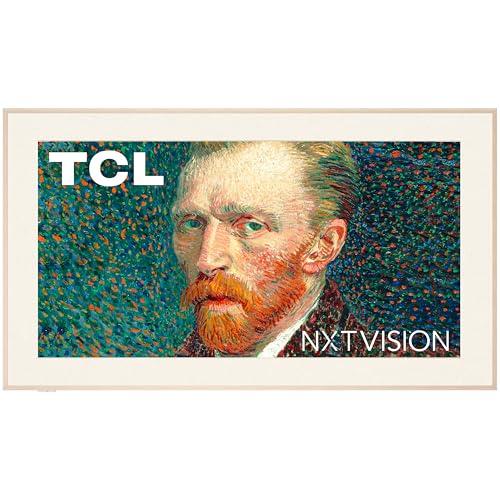
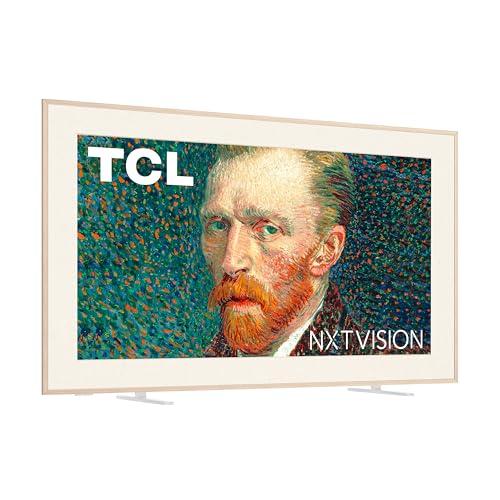
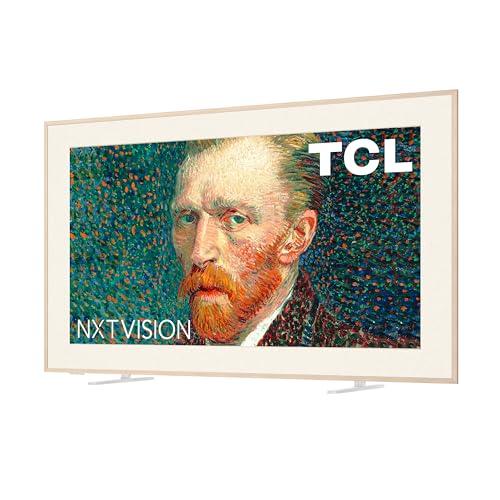
Fast forward to 2024, and we now have serious competition. The Samsung 65" The Frame QLED 4K 2024 TV represents five years of refinement in this space, while the TCL 65" NXTVISION QLED 4K Art Frame TV arrived as TCL's ambitious first attempt to challenge Samsung's dominance. Both promise to transform your wall into a digital art gallery, but they take notably different approaches to achieving that goal.
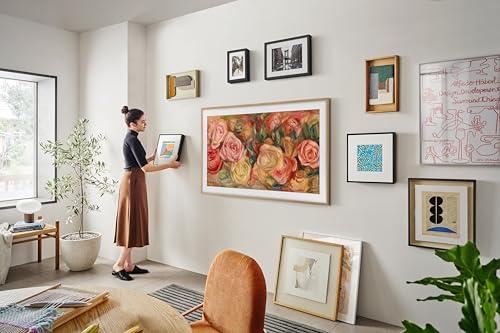
The fundamental appeal of art frame TVs lies in solving a common modern dilemma: how to integrate large screen entertainment into tastefully decorated living spaces. Traditional TVs create a dominant black rectangle that screams "technology" even when turned off. Art frame TVs flip this concept entirely, using matte anti-glare screens that mimic canvas textures and displaying carefully curated artwork during downtime. The result should be a display that guests might mistake for an actual framed painting.
But here's where things get complicated. Creating a convincing art illusion requires more than just showing pretty pictures on a screen. The display technology, cable management, frame design, and even energy efficiency all play crucial roles in maintaining the aesthetic deception. Miss any of these elements, and you're left with an expensive TV that's trying too hard to be something it's not.
When evaluating art frame TVs, picture quality serves double duty. Not only does it determine your movie and gaming experience, but it also dictates how convincingly the display can reproduce artwork. This dual responsibility makes the display technology choices particularly critical.
The Samsung The Frame 2024 uses what's called edge-lit QLED technology. Think of this like having LED lights positioned around the perimeter of the screen, with light guides spreading that illumination across the entire panel. Samsung combines this with Quantum Dot technology – microscopic particles that convert blue LED light into pure red and green wavelengths, creating more accurate colors than traditional LCD panels.
Our research into professional reviews consistently shows Samsung achieving significantly higher peak brightness levels, which translates to more impactful HDR (High Dynamic Range) content and better visibility in bright rooms. HDR is crucial because it allows displays to show much brighter whites and darker blacks simultaneously, creating more lifelike images that better match what your eyes see in real life.
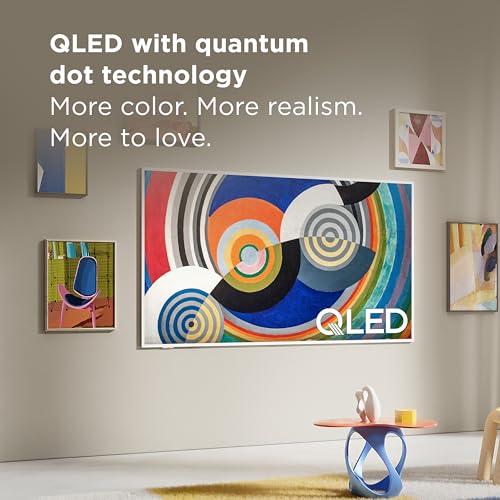
The TCL NXTVISION takes a different approach with direct-lit backlighting, positioning LED lights directly behind the panel rather than around the edges. This typically provides more uniform brightness distribution, and TCL adds their KSF phosphor coating to enhance color separation. However, based on comparative reviews, the TCL struggles to match Samsung's overall brightness levels and color accuracy in real-world viewing.
Here's where HDR format support becomes interesting. The Samsung Frame supports only HDR10+ (a format that provides scene-by-scene optimization instructions), while the TCL NXTVISION supports both HDR10+ and Dolby Vision. Dolby Vision uses 12-bit color processing capable of displaying 68 billion colors compared to HDR10's 1 billion colors. This means more streaming content will look its absolute best on the TCL, since services like Netflix and Disney+ frequently use Dolby Vision for their premium titles.
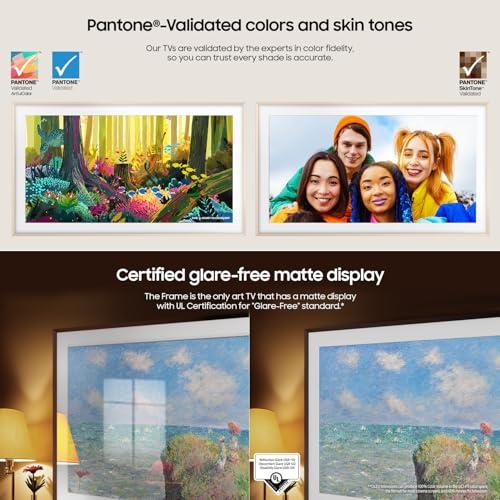
For art display specifically, color accuracy becomes paramount. Samsung's five years of refinement shows here, with their 2024 model featuring Pantone Validated technology that ensures artworks appear with museum-quality color reproduction. The TCL NXTVISION offers multiple digital matte options to customize the canvas appearance, but our evaluation of user feedback suggests Samsung's color science produces more convincing artwork reproduction.
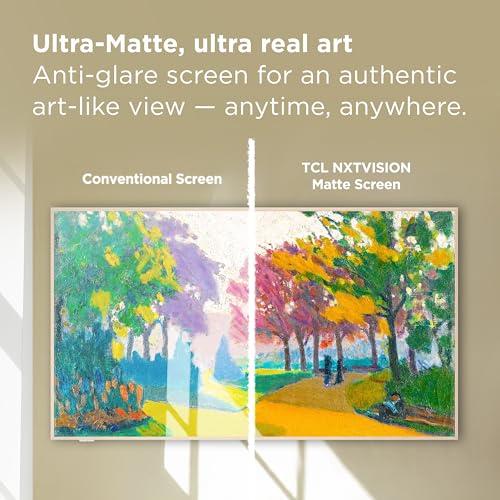
Both displays feature sophisticated matte coatings designed to eliminate reflections and create that canvas-like appearance. These anti-glare treatments work by scattering incoming light rather than reflecting it directly back to your eyes. Samsung's implementation consistently receives praise for better handling of ambient light sources, though both displays perform admirably in this crucial area.
Gaming represents one of the starkest differences between these two art TVs. The TCL NXTVISION clearly wins on paper specifications, supporting 4K resolution at up to 144Hz refresh rate and even 1080p at an impressive 240Hz through their Game Accelerator 240 feature. Variable Refresh Rate (VRR) technology synchronizes the display's refresh rate with your gaming device's frame output, eliminating screen tearing and stuttering for smoother gameplay.
The Samsung Frame 2024 supports 4K at 120Hz with their Motion Xcelerator technology, which is perfectly adequate for PlayStation 5 and Xbox Series X gaming. Most console games target 60fps anyway, with only select titles pushing to 120fps. Where Samsung might fall short is for serious PC gamers with high-end graphics cards capable of pushing beyond 120 frames per second.
But raw specifications only tell part of the story. Input lag – the delay between pressing a controller button and seeing the result on screen – often matters more than refresh rate for competitive gaming. Professional reviews suggest both displays achieve acceptably low input lag, though the Samsung Frame maintains slight advantages in overall gaming responsiveness.
Response time, which measures how quickly pixels can change colors, affects motion blur during fast-paced gaming. Here, both displays face challenges inherent to their art TV priorities. The matte coatings and emphasis on color accuracy over speed mean neither will match dedicated gaming monitors for blur-free motion. Casual gamers won't notice these limitations, but competitive esports players might find them frustrating.
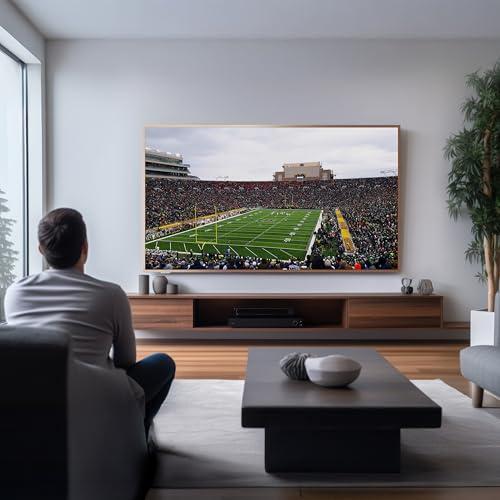
For home theater gaming, the Samsung Frame provides a more balanced experience. Its superior brightness and color accuracy enhance single-player story games and movies, while the TCL NXTVISION better serves users who prioritize cutting-edge gaming specifications over overall picture refinement.
This category represents the most fundamental difference between these products, and frankly, where Samsung demonstrates why they've owned this space for five years.
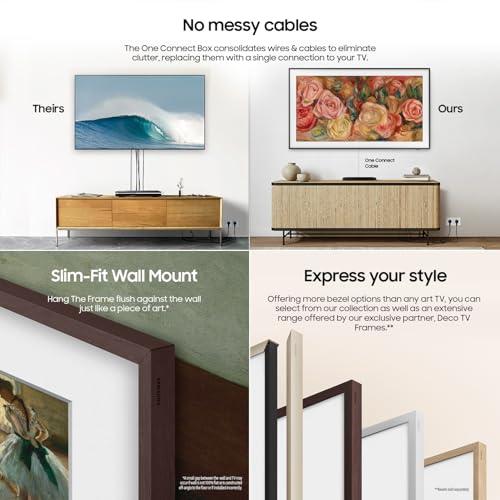
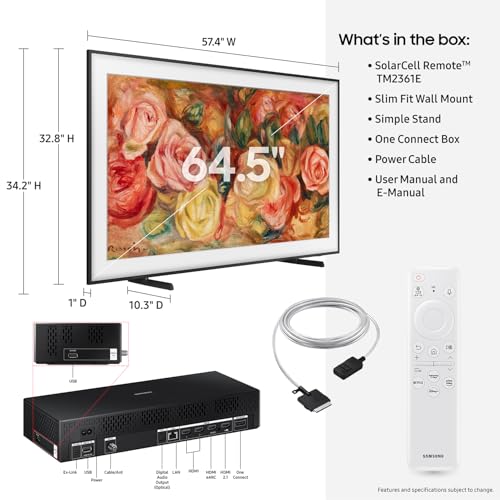
The Samsung Frame 2024 includes what they call the One Connect Box – an external hub about the size of a small cable box that houses all your HDMI ports, USB connections, and other inputs. A single, nearly invisible cable runs from this box to the television itself. This seemingly simple feature solves the biggest challenge facing art TVs: maintaining the artwork illusion while connecting multiple devices.
Picture this scenario: you've mounted your art TV flush against the wall, and it's displaying a beautiful landscape painting. Then someone walks around to the side and sees HDMI cables, power cords, and USB connections jutting out from behind the frame. The illusion is immediately broken. Samsung's One Connect Box eliminates this problem entirely by allowing you to hide all connections in your entertainment center or closet, with only that single cable reaching the display.
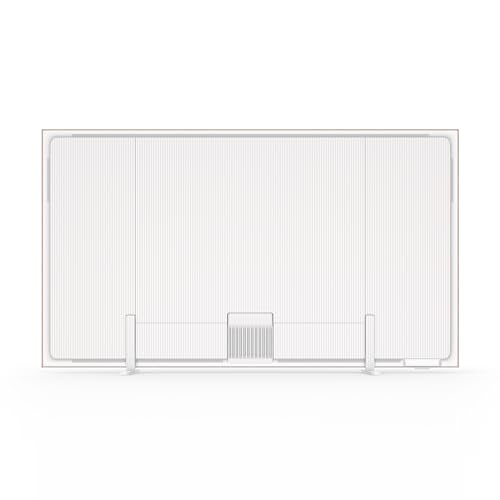
The TCL NXTVISION lacks any comparable solution. All ports are located directly on the television, meaning multiple cables will be visible from certain angles. For a product category defined by aesthetic integration, this represents a significant compromise.
Motion sensing provides another crucial difference. The Samsung Frame includes sensors that detect when someone enters the room, automatically switching from sleep mode to art display. When the room remains empty, the TV powers down to save energy. This creates the convincing illusion that your "artwork" is always visible while actually extending the display's lifespan and reducing electricity costs.
The TCL NXTVISION completely lacks motion sensing, meaning it runs continuously whenever art mode is activated. Over months of use, this difference could result in noticeable energy cost increases and potentially reduce the display's operational life.
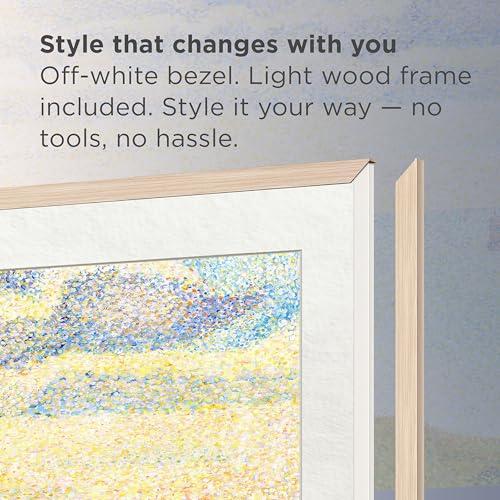
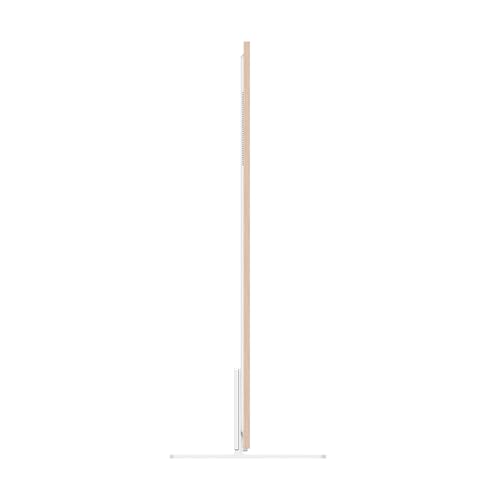
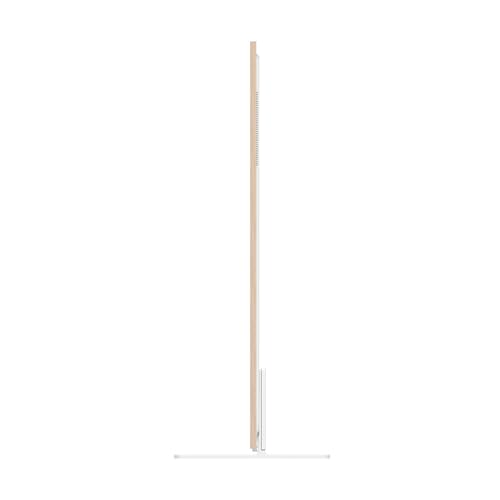
Both TVs feature magnetic bezel systems for customizing their appearance, but with opposite approaches. Samsung sells their bezels separately, typically adding $100-200 to the total cost. TCL includes a wood-style magnetic frame in the box. While TCL's approach provides better initial value, Samsung offers more style options and higher-quality frame materials.
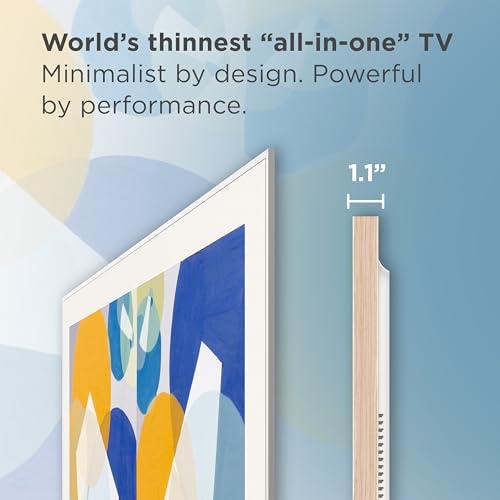
Audio often gets forgotten when evaluating art TVs, but these displays face unique challenges. Their ultra-slim profiles leave little room for substantial speakers, and the aesthetic priorities often conflict with audio performance needs.
The Samsung Frame 2024 includes a 40-watt, 2.0.2 channel speaker system with support for Dolby Atmos spatial audio. This configuration includes both traditional front-firing drivers and upward-firing speakers that bounce sound off your ceiling to create a more immersive experience. Object Tracking Sound technology attempts to make audio follow action across the screen, though the slim speaker placement limits its effectiveness.
The TCL NXTVISION standard model includes only 20-watt speakers, which our research suggests provides notably inferior audio performance. TCL does offer a Pro version that bundles a 3.1.2 channel soundbar system developed with Bang & Olufsen, but this significantly increases the price and somewhat contradicts the clean aesthetic goals of art TV design.
For users planning to add a dedicated sound system anyway, this difference matters less. But if you're hoping for acceptable audio directly from the TV, Samsung provides a clear advantage without requiring additional purchases.
The art display capabilities represent the heart of what makes these TVs special, and here we see two distinct philosophies compete.
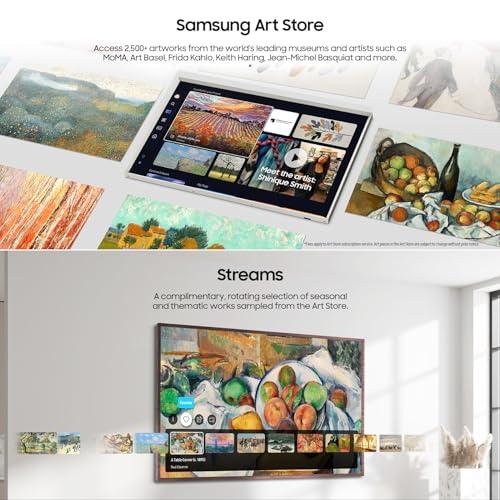
Samsung's approach centers around their Art Store, featuring over 2,500 professionally curated artworks from renowned museums and artists worldwide. The selection includes everything from classic paintings to contemporary photography, with new additions regularly. However, accessing this full library requires a monthly subscription fee, adding to the long-term ownership cost.
The Samsung Frame 2024 also includes a motion sensor that automatically adjusts brightness throughout the day to match ambient lighting conditions. When displaying art, the refresh rate drops from 120Hz to 60Hz to conserve energy, demonstrating thoughtful engineering for extended static display use.
The TCL NXTVISION takes a more inclusive approach, providing access to curated artwork without subscription fees. Their standout feature is AI Art generation, allowing users to create custom artwork from text descriptions. Want a painting of a sunset over mountains in the style of Van Gogh? Type it in, and the AI generates unique artwork matching your description. This creativity potential sets TCL apart for users who want personalized content.
Both displays support personal photo galleries, allowing you to showcase family pictures or your own photography with various digital matte effects to enhance the canvas appearance.
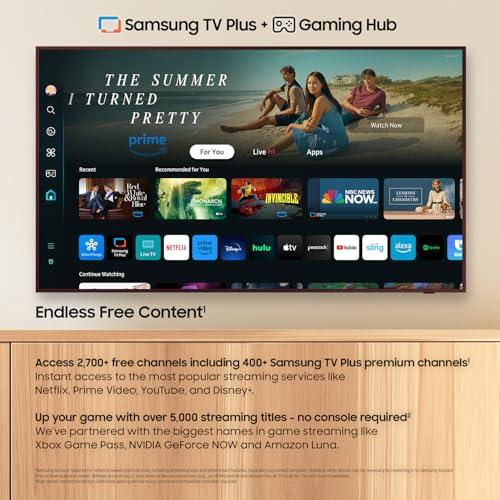
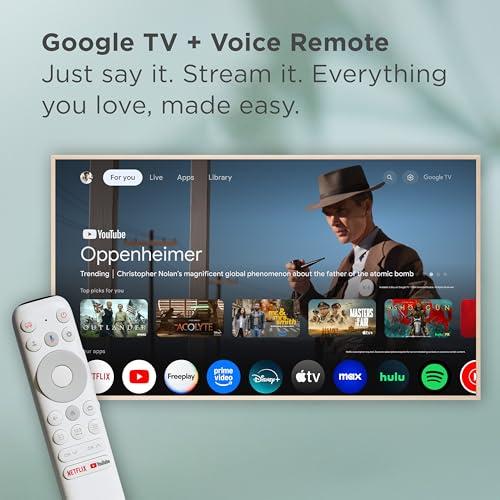
Smart TV platforms differ significantly between models. The Samsung Frame runs Tizen OS, Samsung's proprietary system that's functional but sometimes feels less intuitive than competitors. The TCL NXTVISION uses Google TV, which provides excellent content recommendations and broader app ecosystem access through the Google Play Store.
At the time of writing, both 65-inch models are priced quite similarly in the premium TV range, making the value equation more about total ownership costs than initial purchase price.
The Samsung Frame 2024 requires additional purchases for bezels and art subscriptions, but includes premium features like the One Connect Box and motion sensing that significantly enhance the art TV experience. Its five-year track record also provides confidence for 24/7 art display usage without burn-in concerns.
The TCL NXTVISION includes the magnetic frame and provides free access to art content, reducing initial accessory costs. However, the continuous operation without motion sensing could increase long-term electricity costs, and being a first-generation product means unknown long-term reliability.
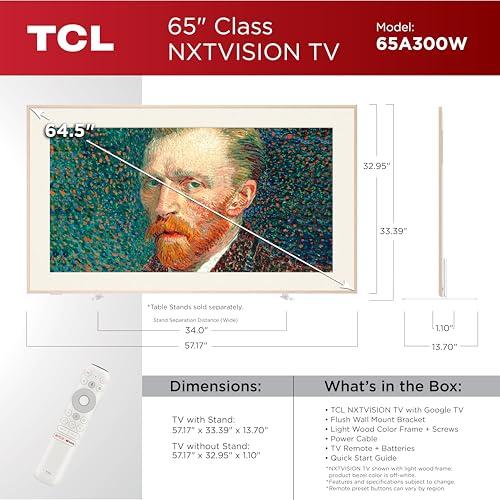
Size availability also affects value. Samsung offers the Frame in six sizes from 43" to 85", including smaller options perfect for bedrooms or offices. TCL limits their NXTVISION to four sizes starting at 55", potentially forcing buyers into larger, more expensive models than they actually need.
After extensive research into professional reviews and user feedback, clear usage patterns emerge for each display.
Choose the Samsung Frame 2024 if you're primarily focused on creating the most convincing art TV experience possible. The One Connect Box, motion sensing, superior brightness, and color accuracy combine to deliver what feels like the most mature and refined product in this category. It's ideal for design-conscious buyers who want their technology to truly disappear into their décor, and who don't mind paying extra for bezels and art subscriptions to achieve that goal.
The Samsung Frame also makes more sense for home theater enthusiasts who want excellent picture quality for movies and shows alongside the art functionality. Its superior HDR brightness and color accuracy create more impactful entertainment experiences.
Choose the TCL NXTVISION if you're a serious PC gamer who needs those higher refresh rates, or if Dolby Vision content compatibility is essential for your streaming habits. The included frame and free art access also provide better immediate value for budget-conscious buyers.
TCL's AI art generation appeals to creative users who want unique, personalized artwork rather than traditional museum pieces. If you enjoy the idea of generating custom art pieces or don't mind visible cable management, the NXTVISION offers compelling features at a competitive price.
For most buyers entering the art TV category, Samsung's mature implementation and attention to the details that make these displays work convincingly as artwork make it the safer choice. The Samsung Frame 2024 represents five years of refinement solving real-world art TV challenges, while the TCL NXTVISION offers impressive specifications but compromises on the core aesthetic elements that define this product category.
The art TV category continues evolving rapidly, with both manufacturers likely to address current limitations in future generations. But for 2024, Samsung's experience advantage shows in the small details that collectively create a more convincing and convenient art display experience.
| Samsung 65" The Frame QLED 4K 2024 TV | TCL 65" NXTVISION QLED 4K Art Frame TV |
|---|---|
| Display Technology - Foundation for both picture quality and art reproduction | |
| Edge-lit QLED with Quantum Dot, superior brightness and color accuracy | Direct-lit QLED with KSF phosphor coating, more uniform backlighting |
| HDR Format Support - Determines streaming content compatibility | |
| HDR10+ only (limited premium content access) | HDR10+ and Dolby Vision (broader streaming compatibility) |
| Gaming Refresh Rate - Critical for PC gaming performance | |
| 4K at 120Hz (adequate for console gaming) | 4K at 144Hz, 1080p at 240Hz (excellent for high-end PC gaming) |
| Cable Management - Essential for maintaining art TV aesthetic | |
| One Connect Box included (single cable to TV, all connections hidden) | No cable management solution (multiple visible cables from TV) |
| Motion Sensing - Automatic activation and energy savings | |
| Built-in motion sensor (auto on/off, adaptive brightness, energy efficient) | No motion sensing (continuous operation when in art mode) |
| Audio Output - Determines need for additional sound system | |
| 40W speakers with Dolby Atmos (decent built-in audio) | 20W speakers (likely requires soundbar upgrade) |
| Frame Customization - Affects total cost and style options | |
| Magnetic bezels sold separately ($100-200 each, multiple styles) | Magnetic wood frame included (single style, better initial value) |
| Art Content Access - Ongoing costs and creative options | |
| 2,500+ curated artworks (requires monthly subscription) | Curated library plus AI art generation (included, no subscription) |
| Smart TV Platform - Interface and app ecosystem quality | |
| Tizen OS (functional but less intuitive) | Google TV (superior recommendations and app selection) |
| Size Availability - Flexibility for different room sizes | |
| Six sizes: 43" to 85" (includes smaller bedroom options) | Four sizes: 55" to 85" (limited small size options) |
| Track Record - Long-term reliability for 24/7 art display | |
| Five years proven, no burn-in issues reported | First generation product, unknown long-term reliability |
| Installation Flexibility - Mounting and setup options | |
| Slim-Fit Wall Mount included, proven flush installation | Proprietary flush mount, limited installation flexibility |
The Samsung 65" The Frame QLED 4K 2024 TV delivers superior picture quality with significantly higher brightness levels and better color accuracy. Professional reviews consistently show Samsung achieving more impactful HDR performance and more vibrant colors for movies and TV shows. However, the TCL 65" NXTVISION QLED 4K Art Frame TV supports both Dolby Vision and HDR10+, giving it broader compatibility with premium streaming content from Netflix and Disney+.
Both TVs feature matte anti-glare screens designed to mimic canvas textures, but the Samsung The Frame provides a more convincing art experience. Samsung's One Connect Box eliminates visible cables that can break the artwork illusion, while the TCL NXTVISION has all ports directly on the TV, creating visible cable clutter. Samsung also includes motion sensing that automatically displays art when you enter the room.
The TCL NXTVISION wins for serious gamers with support for 4K at 144Hz and 1080p at 240Hz through Game Accelerator 240 technology. This makes it ideal for high-end PC gaming. The Samsung Frame 2024 supports 4K at 120Hz, which is perfectly adequate for PlayStation 5 and Xbox Series X gaming but may limit future PC gaming performance.
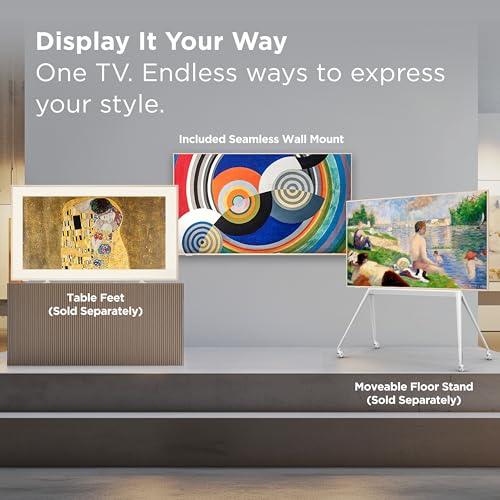
The Samsung Frame includes the One Connect Box, Slim-Fit Wall Mount, and premium remote, but bezels are sold separately for $100-200. The TCL NXTVISION includes a magnetic wood frame, flush wall mount, and voice remote in the box, providing better immediate value without additional frame purchases.
Samsung offers over 2,500 professionally curated artworks from museums and galleries, but requires a monthly subscription for full access. The TCL NXTVISION includes curated artwork without subscription fees and features unique AI art generation that creates custom artwork from text descriptions, offering more creative flexibility.
Both TVs feature excellent anti-glare matte screens, but the Samsung Frame 2024 achieves higher peak brightness levels that help overcome ambient light. The superior brightness also makes HDR content more impactful in bright living rooms. The TCL NXTVISION performs well in bright rooms but may struggle with very bright lighting conditions.
The Samsung Frame offers six sizes from 43" to 85", including smaller 43" and 50" models perfect for bedrooms or offices. The TCL NXTVISION only comes in four sizes starting at 55", which may force buyers into larger, more expensive models than they actually need for smaller spaces.
The Samsung Frame 2024 includes 40W speakers with Dolby Atmos support, providing decent audio for most viewers without requiring additional sound systems. The TCL NXTVISION has only 20W speakers that will likely require a soundbar upgrade, though TCL offers a Pro version with a Bang & Olufsen soundbar at significantly higher cost.
The Samsung Frame includes motion sensing that automatically turns the display off when rooms are empty and reduces refresh rates during art display, significantly reducing energy consumption. The TCL NXTVISION lacks motion sensing and runs continuously in art mode, potentially increasing long-term electricity costs.
Both TVs support personal photo galleries with various digital matte effects. The Samsung Frame offers excellent color accuracy for photo reproduction through Samsung's SmartThings app. The TCL NXTVISION provides similar personal photo features plus unique AI art generation for creating custom artwork from your ideas.
The Samsung Frame 2024 benefits from five years of refinement in the art TV category with no reported burn-in issues from 24/7 art display usage. The TCL NXTVISION is a first-generation product in TCL's art TV lineup, so long-term reliability for continuous art display remains unproven, though TCL has a solid track record with traditional TVs.
The TCL NXTVISION runs Google TV with superior content recommendations and broader app selection through Google Play Store, plus hands-free voice control. The Samsung Frame uses Tizen OS, which is functional but less intuitive, though it integrates well with Samsung's SmartThings ecosystem for smart home control.
We've done our best to create useful and informative comparisons to help you decide what product to buy. Our research uses advanced automated methods to create this comparison and perfection is not possible - please contact us for corrections or questions. These are the sites we've researched in the creation of this article: tomsguide.com - rtings.com - rtings.com - youtube.com - bestbuy.com - techlicious.com - youtube.com - smalllilystudio.com - theeverymom.com - livingetc.com - pcrichard.com - image-us.samsung.com - samsung.com - images.samsung.com - samsung.com - buydig.com - tvsbook.com - bestbuy.com - samsung.com - samsung.com - flatpanelshd.com - rtings.com - tcl.com - bestbuy.com - tcl.com - bestbuy.com - tcl.com - youtube.com - rcwilley.com - businessinsider.com - bestbuy.com - target.com - youtube.com - support.tcl.com - nfm.com - woodruffappliance.com - flatpanelshd.com - tcl.com

Privacy Policy
Terms and Conditions - Affiliate Policy
Home Security
© Copyright 2008-2026.
11816 Inwood Rd #1211, Dallas, TX 75244