

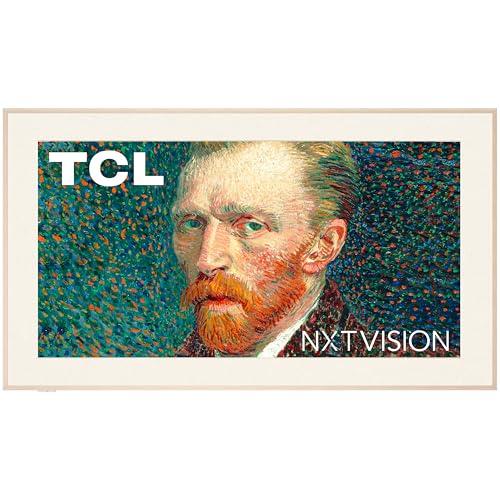



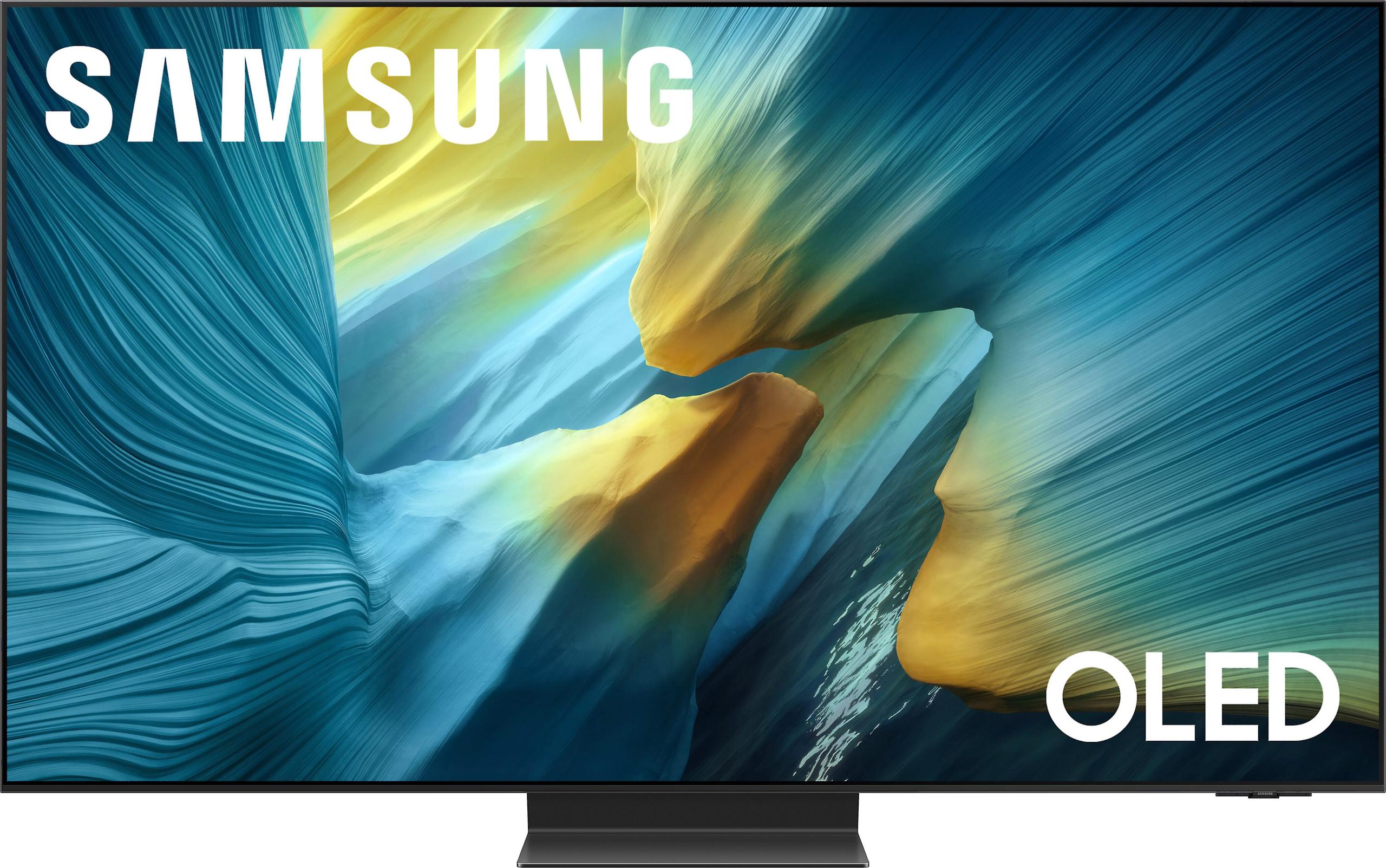
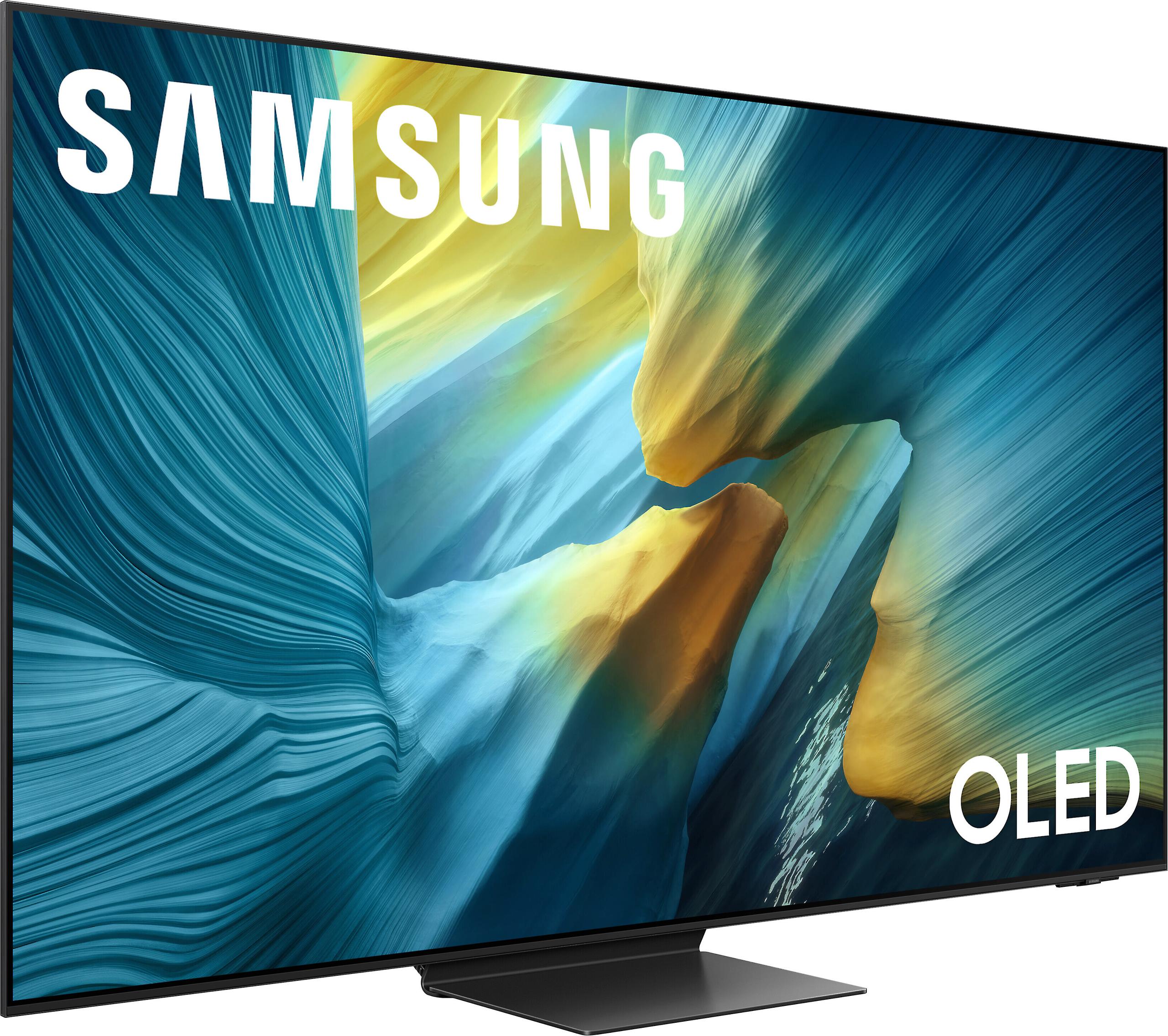
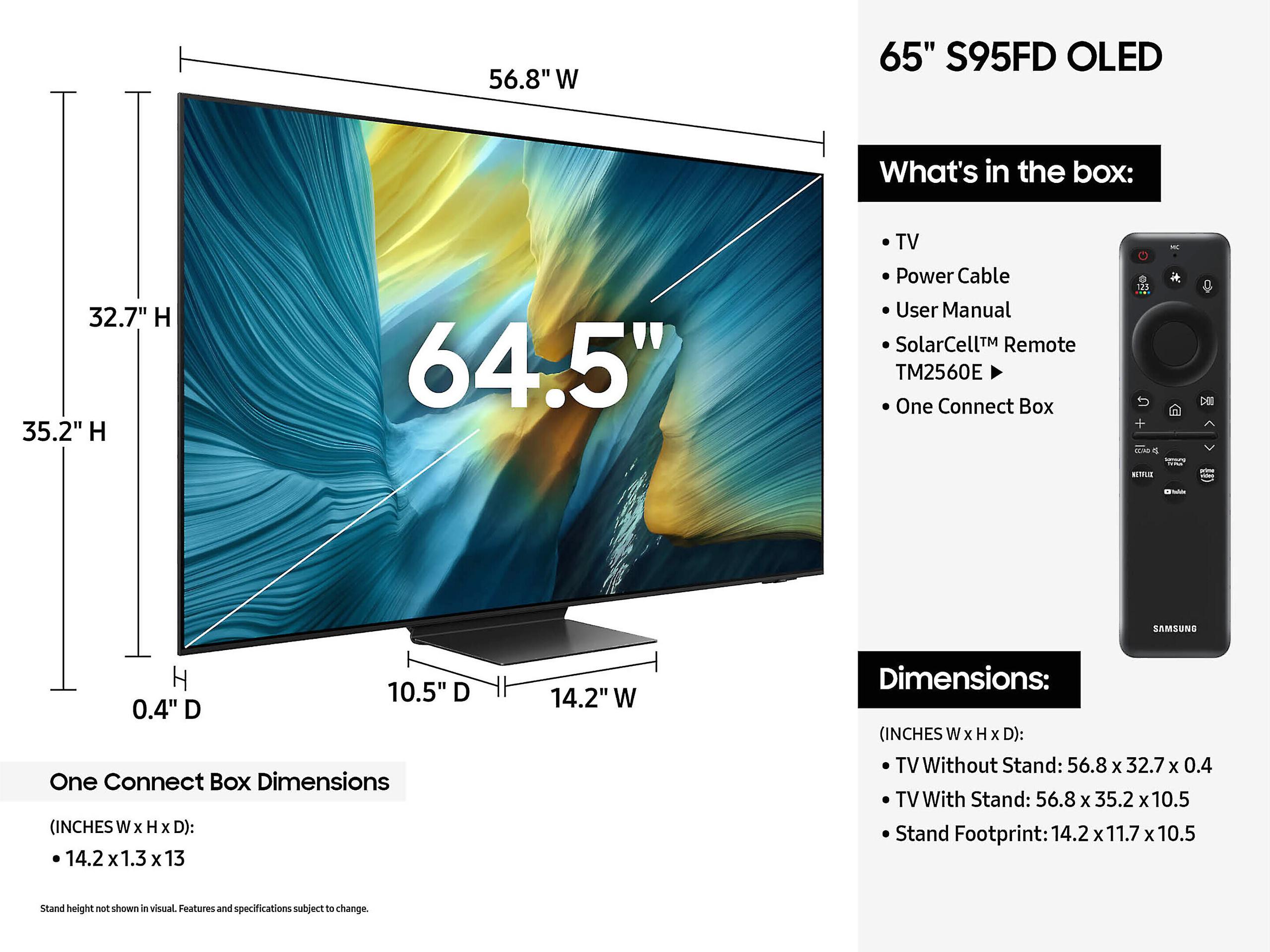
Choosing between the TCL 65" NXTVISION QLED 4K Art Frame TV and Samsung 65" OLED S95F 4K Smart TV 2025 isn't just about picking a television—it's about deciding whether you want a piece of technology that blends seamlessly into your living space or one that delivers the absolute best viewing experience money can buy. These two 65-inch TVs represent fundamentally different philosophies in the premium TV market.
The premium TV landscape has evolved dramatically over the past few years. We've moved beyond simple questions of "big screen or small screen" to more nuanced decisions about lifestyle integration, display technology, and specific use cases. The TCL NXTVISION and Samsung S95F perfectly illustrate this evolution—one prioritizes disappearing into your décor, while the other focuses on delivering cinema-quality visuals.
When evaluating premium TVs, the most critical factors are display technology (which determines how the TV creates images), brightness capabilities (how vivid the picture looks), color accuracy (how true-to-life colors appear), smart features, gaming performance, and design philosophy. The choice often boils down to whether you want a TV that becomes invisible when not in use or one that transforms your room into a personal theater.
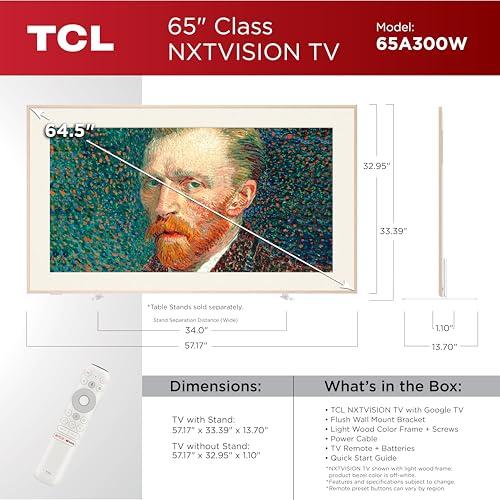
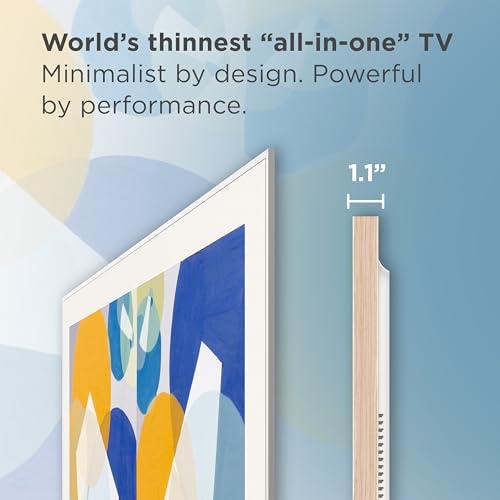
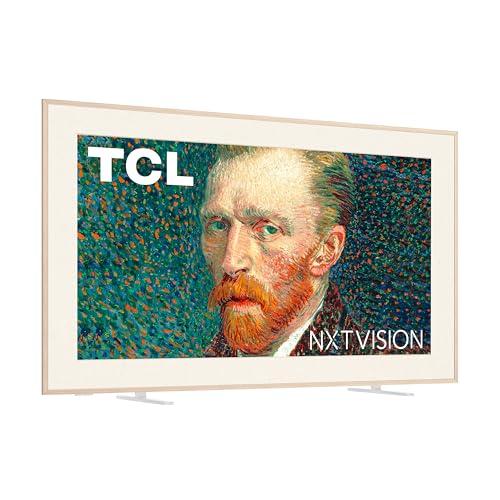
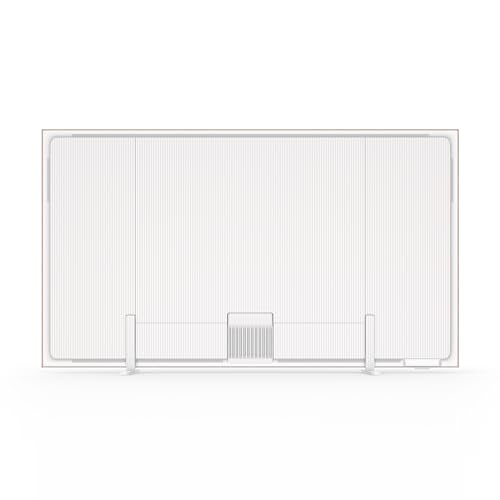
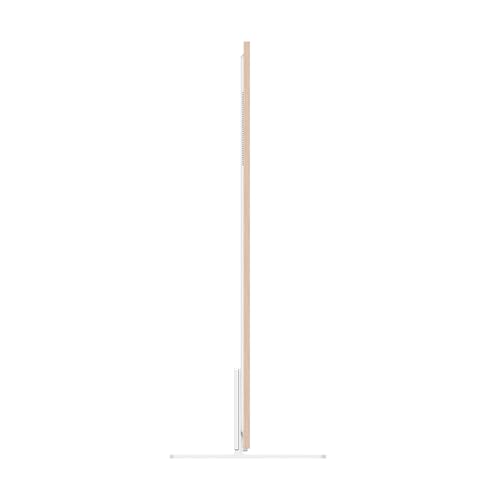
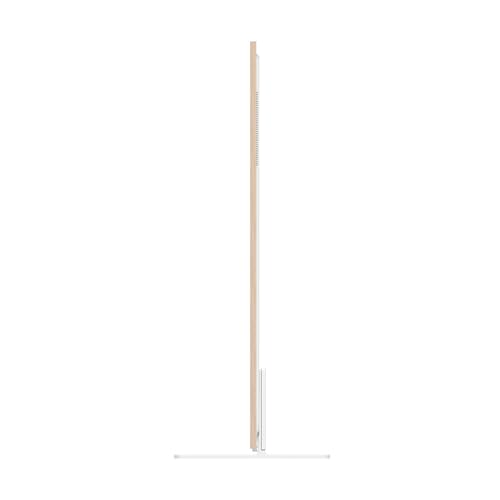
Released in 2024, the TCL NXTVISION represents a fascinating approach to television design. At just 1.1 inches deep, TCL markets this as the world's thinnest "all-in-one" art TV. The term "all-in-one" is important here—unlike some art TVs that require external boxes and complex setups, everything is built into this ultra-slim chassis.
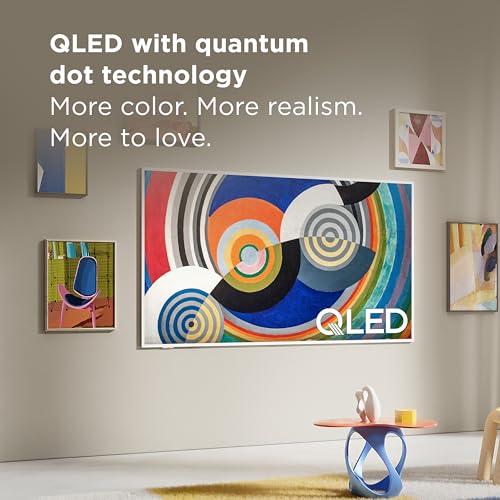
The magic happens through several key technologies. First, there's the QLED PRO Quantum Dot Technology—quantum dots are microscopic crystals that, when hit by light, emit very pure colors. Think of them as tiny color filters that make reds redder and blues bluer. The TCL combines this with a KSF phosphor coating, which further separates colors, particularly in the red, green, and blue spectrum where our eyes are most sensitive to differences.
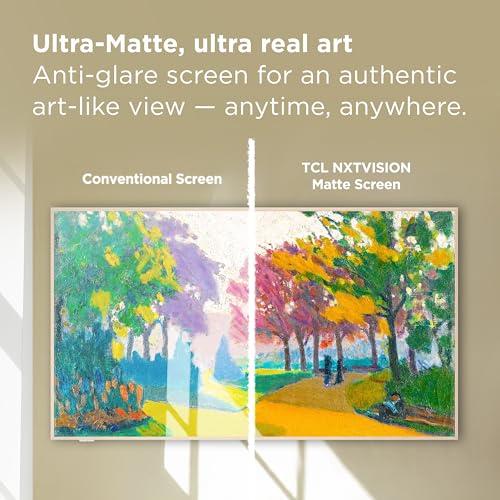
But the real star is the Ultra Matte Anti-Glare Screen. This isn't just marketing speak—the matte coating actually changes how light interacts with the display surface. Instead of reflecting light like a mirror (which creates glare), the matte surface scatters light in multiple directions, dramatically reducing reflections. This makes the TV look more like a canvas hanging on your wall, especially when displaying artwork.
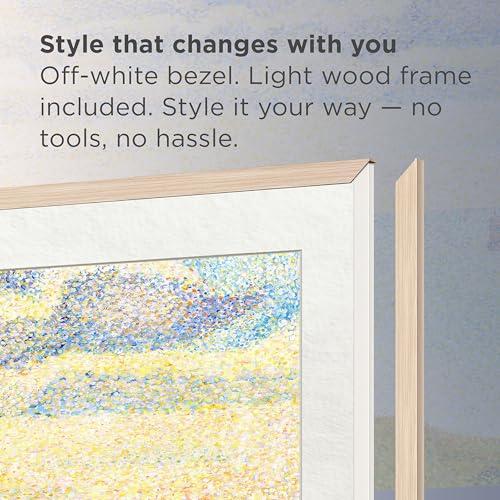
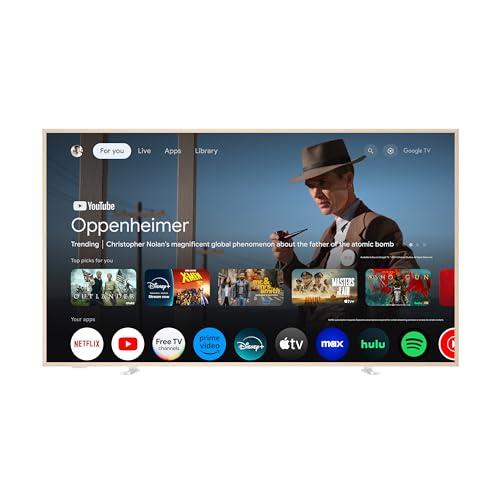
The art functionality goes deep. The TCL NXTVISION includes over 400 curated artworks and an AI art generator capable of creating over 100,000 unique images. You can also display your own photos in gallery mode. Multiple matte options let you customize the look further, and the included light wood magnetic frame can be swapped to match your décor.
From a technical standpoint, the TV uses an edge-lit LED backlight system called High Brightness+. Edge-lighting means the LEDs are positioned around the edges of the screen rather than behind it, allowing for that ultra-thin profile. The trade-off? You can't achieve the deep blacks of more expensive local dimming systems, but for art display and general viewing, it works well.
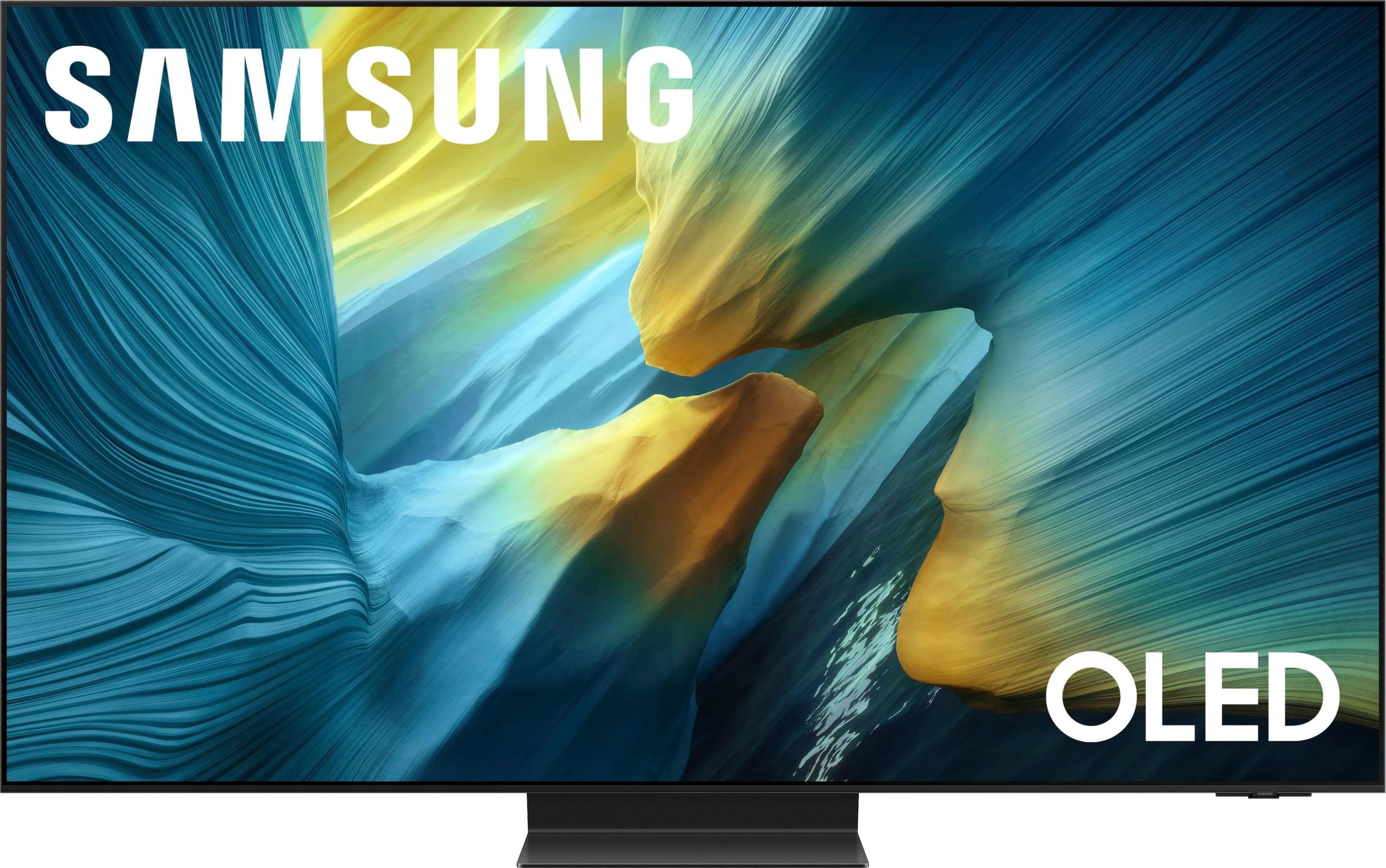
The Samsung S95F, released in 2025, takes a completely different approach. This TV uses QD-OLED technology—essentially combining the perfect blacks of OLED with the color benefits of quantum dots. OLED stands for Organic Light Emitting Diode, and each pixel can turn completely on or off independently. This means when you're watching a movie with a black night sky, those pixels actually turn off, creating true black rather than the dark gray you get from LED TVs.
The "QD" part adds quantum dots on top of the OLED foundation, resulting in colors that are both incredibly accurate and vibrantly saturated. It's like having the contrast benefits of OLED with the color pop of the best QLED TVs.
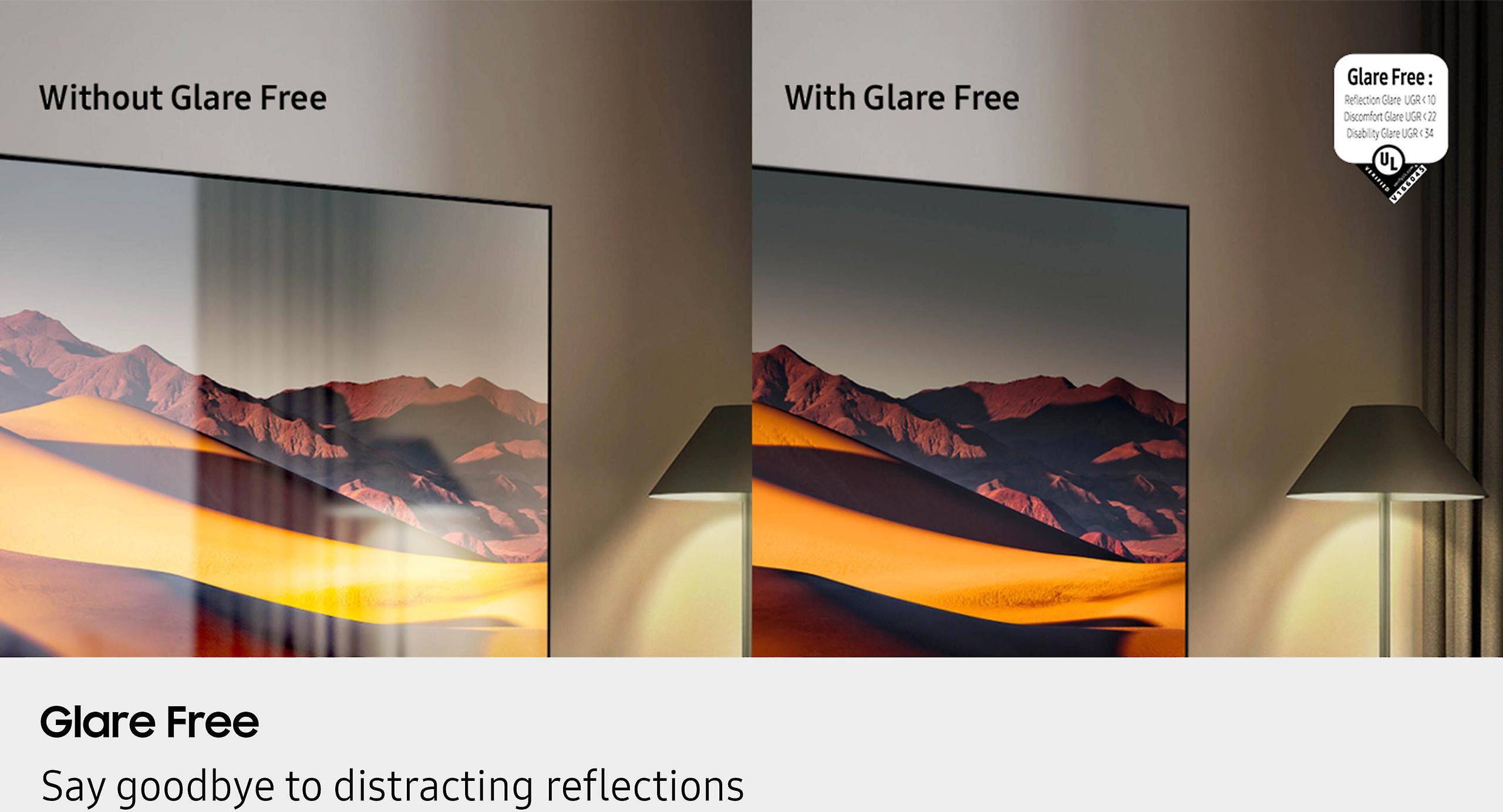
The Samsung S95F also features what Samsung calls OLED Glare Free Certified technology. Like the TCL's matte screen, this reduces reflections, but Samsung's approach maintains more of the deep black levels that make OLED special. This is a delicate balancing act—too much matte coating can make blacks look gray, but Samsung seems to have found the sweet spot.
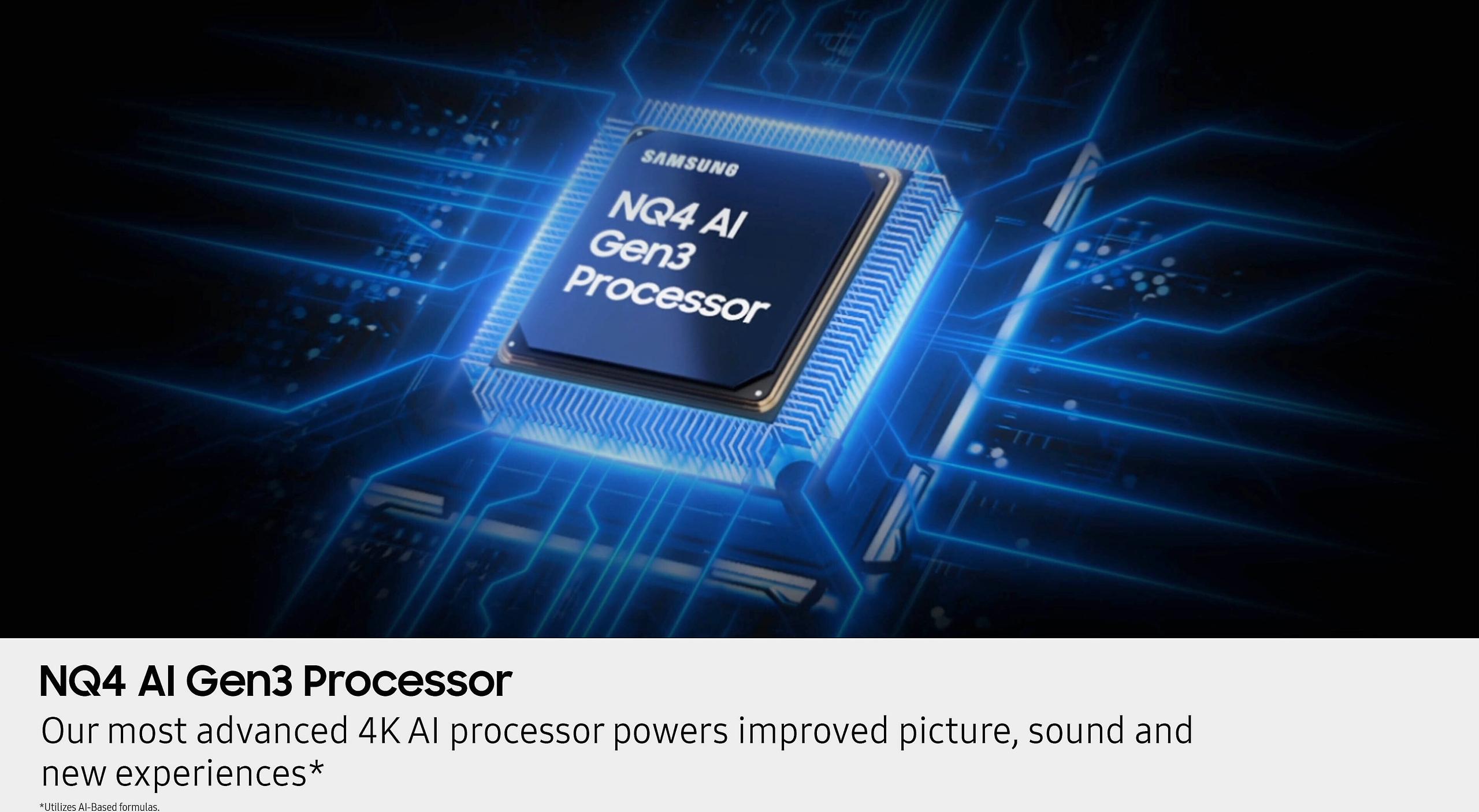
Processing power comes from the NQ4 AI Gen3 Processor, which uses artificial intelligence to analyze each frame and optimize picture quality in real-time. This includes upscaling lower-resolution content (making 1080p content look better on the 4K screen) and enhancing HDR performance even in content that wasn't originally mastered in HDR.
This is where these TVs diverge most dramatically. The fundamental difference in display technology creates completely different viewing experiences.
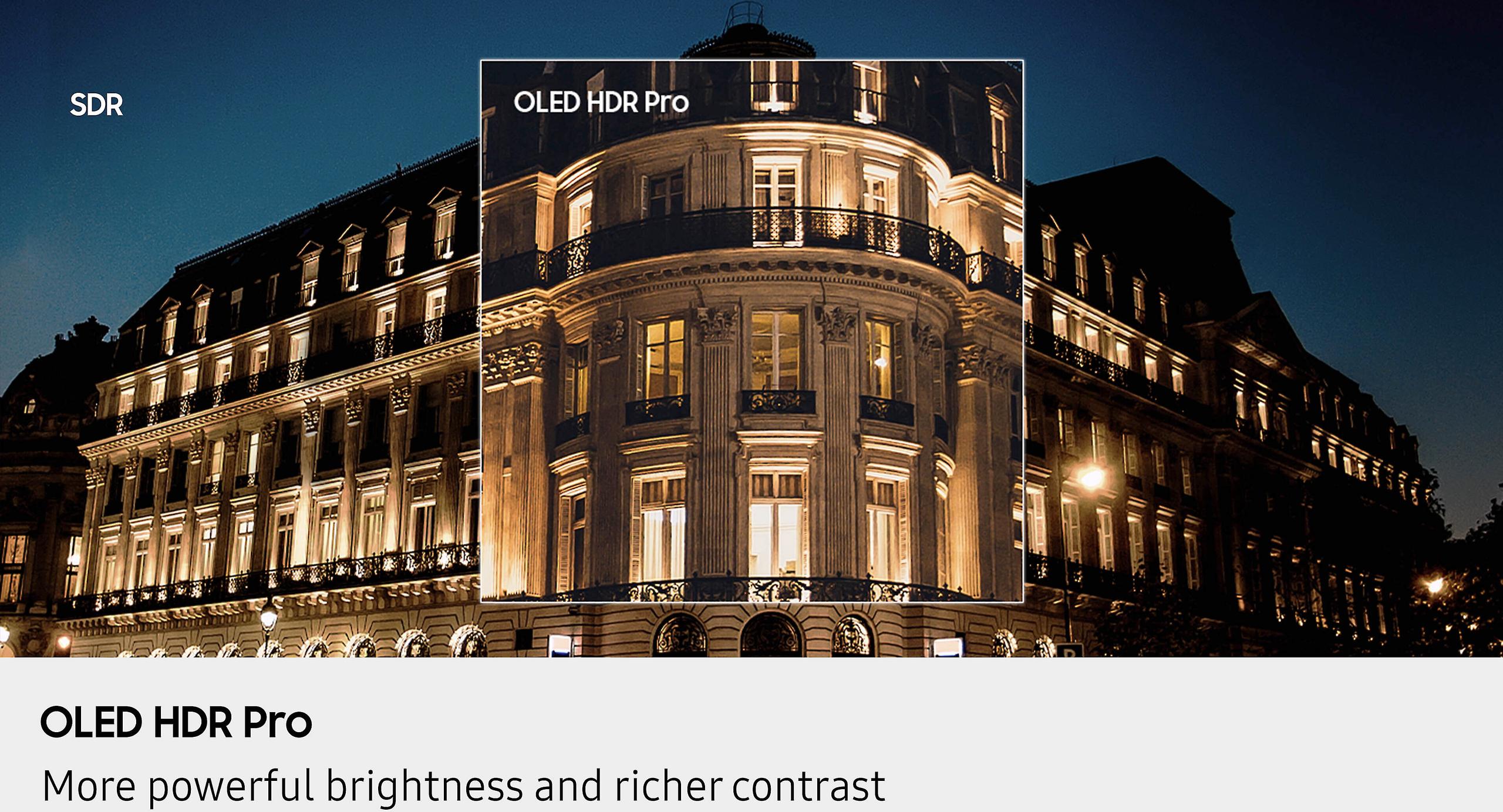
The Samsung S95F achieves perfect black levels—when a pixel should be black, it's actually off, producing no light whatsoever. This creates what's called infinite contrast ratio. In practical terms, this means when you're watching a movie like "Blade Runner 2049" with its dramatic dark scenes, the blacks are truly black, making bright elements pop with incredible intensity.
The TCL NXTVISION, using edge-lit LED technology, cannot turn off individual pixels. Black areas are actually dark gray, and you might notice some light bleeding from bright objects into dark areas (called blooming). However, for daytime viewing and art display, this limitation is far less noticeable.
HDR (High Dynamic Range) is about displaying a wider range of brightness levels, from deeper blacks to brighter whites, more like what our eyes see in real life. The Samsung S95F excels here, reaching over 2,000 nits of peak brightness in testing. To put this in perspective, a typical sunny day outdoors measures about 100,000 nits, while indoor lighting is usually 100-400 nits. The Samsung can display highlights that are genuinely bright and impactful.
The TCL reaches good brightness levels for general viewing but can't match the Samsung's HDR impact. In our research of expert reviews, the TCL's HDR performance was consistently described as underwhelming compared to premium competitors, with dim highlights and limited contrast range.
Both TVs use quantum dot technology for vibrant colors, but the Samsung S95F delivers significantly better color accuracy. Color accuracy matters because it determines how close colors on screen match what the director intended. Professional reviews consistently noted the Samsung's superior color performance in both standard (SDR) and HDR content.
The TCL produces rich, saturated colors that look impressive, especially when upgrading from an older TV, but color accuracy is poor according to professional calibration measurements. For most viewers, this won't be immediately obvious, but side-by-side with the Samsung, the difference becomes apparent.
Viewing angles reveal another crucial difference. The Samsung's OLED technology maintains perfect picture quality even when viewed from extreme angles—colors don't shift, brightness doesn't drop, and contrast remains intact. The TCL uses a VA panel (Vertical Alignment), which offers decent viewing angles for moderate off-center seating but experiences color washout and contrast loss at wider angles.
Both TVs target gamers, but with different strengths and weaknesses.
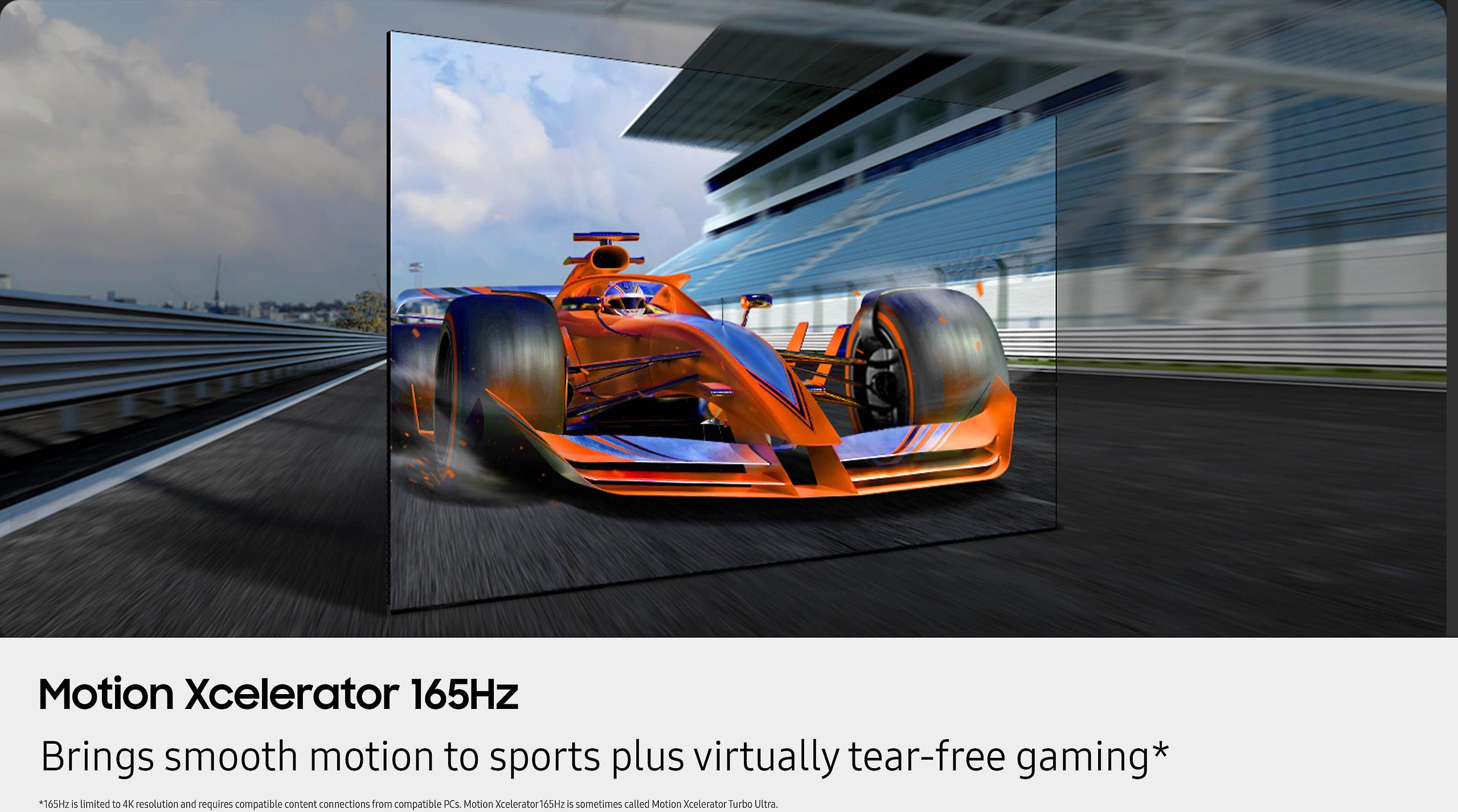
The Samsung S95F supports up to 165Hz at 4K resolution, meaning it can display 165 unique frames per second. Higher refresh rates make fast motion appear smoother, crucial for competitive gaming and sports. The TV also features excellent motion handling with minimal blur or judder.
The TCL NXTVISION offers 144Hz at 4K and can reach 240Hz at 1080p through its "Game Accelerator 240" feature. On paper, 240Hz sounds impressive, but the TV's slower response time (how quickly pixels change color) creates noticeable motion blur during fast action. This makes it less suitable for competitive gaming despite the high refresh rate numbers.
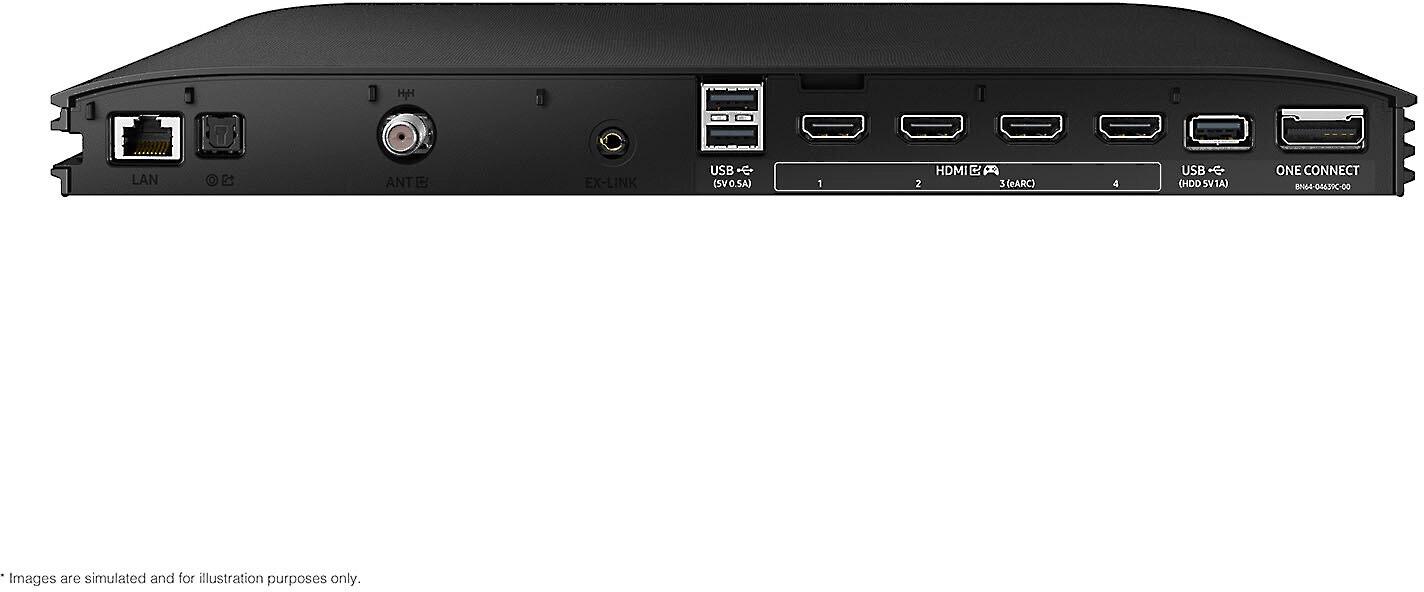
Both TVs include modern gaming essentials: HDMI 2.1 (higher bandwidth for 4K gaming), VRR (Variable Refresh Rate, which synchronizes the TV's refresh rate with your console or PC to eliminate screen tearing), and ALLM (Auto Low Latency Mode, which automatically switches to game mode when it detects a gaming signal).
The Samsung includes AMD FreeSync Premium Pro certification, while the TCL supports AMD FreeSync Premium. Both reduce screen tearing, but Pro certification indicates support for higher refresh rates and HDR gaming.
Based on expert reviews, the Samsung S95F offers superior gaming performance overall, with faster response times and better motion clarity making it the better choice for serious gamers.
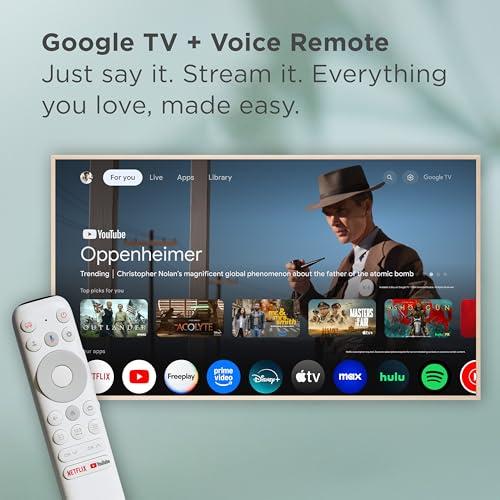
The TCL NXTVISION runs Google TV, which provides excellent streaming service integration and hands-free voice control. Google TV's interface is intuitive, with good content recommendations and broad app support. The TV works with Amazon Alexa, Google Assistant, and Apple HomeKit for smart home integration.
The Samsung S95F uses Samsung's Tizen OS with their Vision AI platform, powered by 128 neural networks. This AI system automatically optimizes picture and sound settings based on content type. Samsung promises 7 years of software updates, ensuring the TV remains current with new streaming services and features.
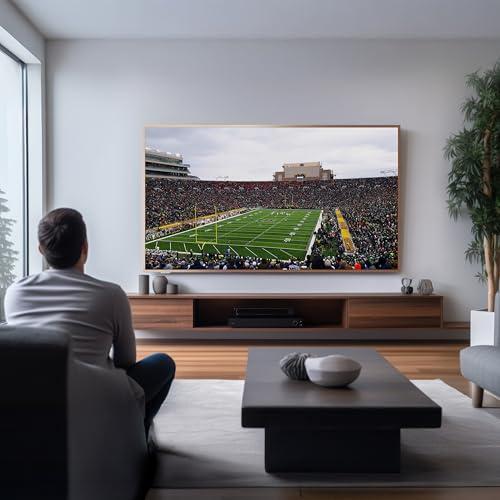
For art functionality, the TCL is in a league of its own. The extensive art library, AI art generation, and personal photo gallery mode transform the TV into a digital art frame when not actively viewing content. This is perfect for design-conscious buyers who want their TV to contribute to room aesthetics rather than dominate it.
The Samsung S95F features a 4.2.2CH speaker system with 70W total output, Dolby Atmos support, and Object Tracking Sound Plus. Object Tracking Sound moves audio around the screen to match on-screen action—when a car drives from left to right, the sound follows. This creates a more immersive experience without a separate sound system.
The TCL NXTVISION provides 20W output through two 10W speakers with Dolby Atmos and Enhanced Dialogue Mode. While adequate for general viewing, it's clearly less powerful than the Samsung's audio system. However, both TVs benefit from external soundbars for serious movie watching.
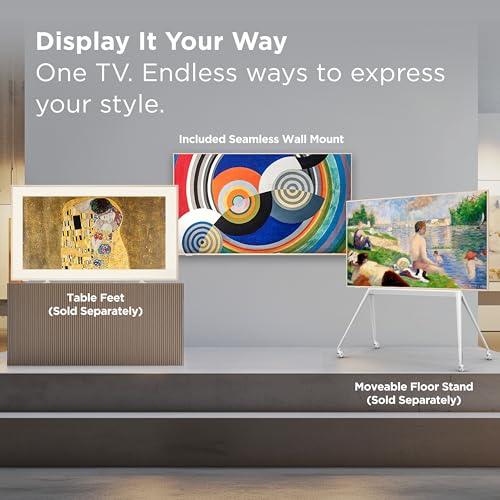
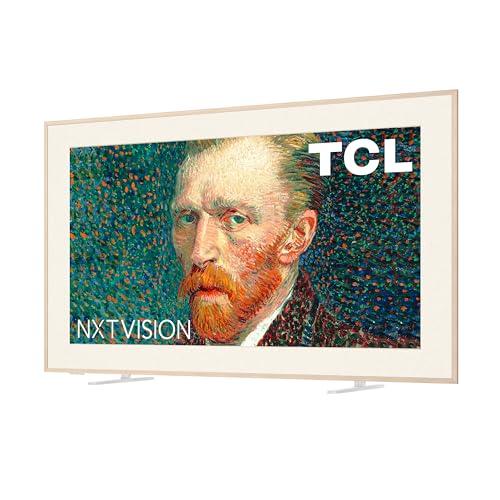
The TCL NXTVISION is designed to disappear. At 1.1 inches deep with its flush wall mount and magnetic wood frame, it genuinely looks like framed artwork when displaying static images. This approach works brilliantly in living rooms where you want technology to be subtle and unobtrusive.
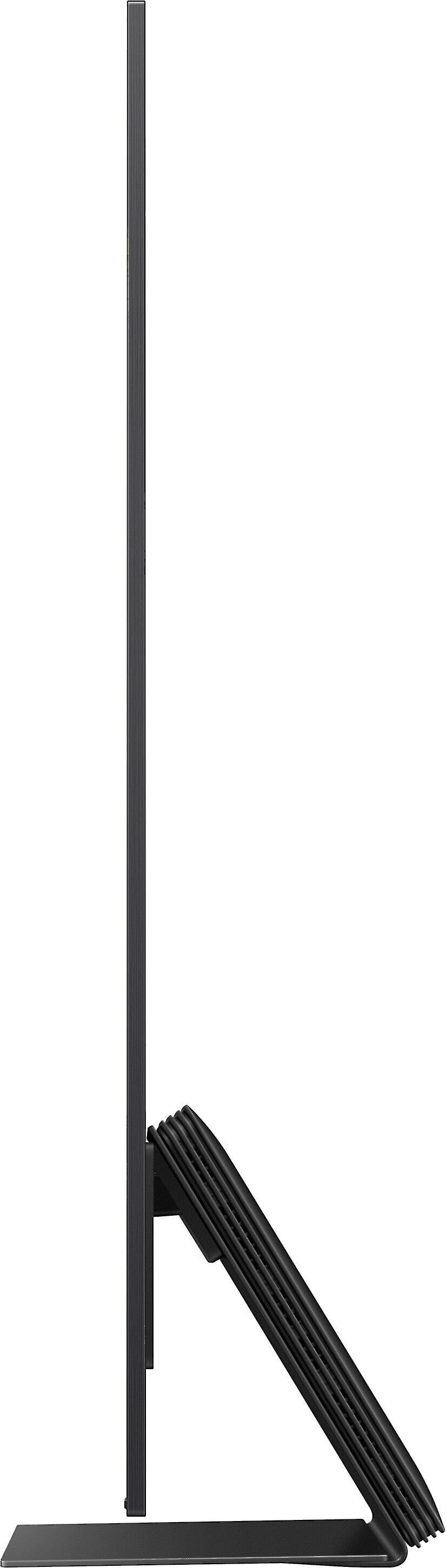
The Samsung S95F makes a different statement. While slim and attractive, it's clearly a high-end television that becomes the room's focal point. The design says "this is where we watch movies" rather than "this blends into the décor."
At the time of writing, these TVs occupy different price tiers, reflecting their different target markets and technology costs. OLED technology, particularly QD-OLED, commands premium pricing due to manufacturing complexity and superior performance characteristics.
The TCL NXTVISION typically costs significantly less than premium OLED TVs, offering compelling value for buyers who want lifestyle features and adequate performance. The included flush mount, magnetic frame, and art functionality add value beyond the display technology itself.
The Samsung S95F commands premium pricing but delivers reference-quality performance that justifies the cost for serious enthusiasts. The superior black levels, color accuracy, HDR performance, and gaming capabilities represent meaningful advantages for dedicated viewing.
For dedicated home theater setups, the Samsung S95F is the clear winner. Perfect black levels are crucial in dark rooms, where even slight light bleed becomes obvious. The superior HDR performance makes movie watching more impactful, especially with well-mastered 4K content.
However, many people don't have dedicated theater rooms. In bright living rooms with lots of ambient light, the TCL's ultra-matte screen actually provides advantages. Reflections are more problematic than perfect black levels in these environments, making the TCL's anti-glare performance valuable.
Choose the TCL NXTVISION if you want a TV that functions as home décor when not in use, have a bright living room with significant ambient light, prioritize ultra-slim design and aesthetic integration, or are upgrading from an older TV and don't need reference-quality performance. The art display features and customization options make it perfect for design-conscious buyers.
Choose the Samsung S95F if you prioritize the absolute best picture quality and HDR performance, are a serious gamer wanting the highest refresh rates and response times, watch lots of movies and premium content, have a dedicated viewing room or can control ambient lighting, or value perfect black levels and professional-grade color accuracy.
The fundamental decision comes down to primary use case and priorities. The TCL excels as a lifestyle product that happens to be a capable TV, while the Samsung excels as a premium TV that happens to look elegant. Consider how often you'll use art mode versus active viewing, whether perfect picture quality or seamless home integration matters more to your daily experience, and whether the performance advantages justify the price difference in your specific situation.
Both TVs represent excellent examples of their respective approaches, and your choice should align with how television fits into your lifestyle and entertainment priorities.
| TCL 65" NXTVISION QLED 4K Art Frame TV | Samsung 65" OLED S95F 4K Smart TV 2025 |
|---|---|
| Display Technology - Determines picture quality fundamentals | |
| QLED with edge-lit LED backlight | QD-OLED with self-illuminating pixels |
| Black Levels - Critical for dark room viewing and contrast | |
| Dark gray blacks with some light bleed | Perfect blacks (pixels turn completely off) |
| Peak Brightness - Important for HDR impact and bright room performance | |
| Good brightness for general viewing | Over 2,000 nits (exceptional HDR highlights) |
| Screen Coating - Affects glare reduction and viewing comfort | |
| Ultra-matte anti-glare (canvas-like appearance) | Glare-free matte coating (preserves OLED blacks) |
| Gaming Refresh Rate - Higher rates mean smoother motion for gamers | |
| 144Hz at 4K, 240Hz at 1080p | Up to 165Hz at 4K |
| Response Time - How quickly pixels change color during fast motion | |
| Slower response creates motion blur | Excellent motion handling with minimal blur |
| Design Philosophy - Determines how the TV fits in your space | |
| Ultra-slim art TV (1.1" deep) with flush mount and wood frame | Premium entertainment display with slim OLED design |
| Art Features - For those wanting TV to double as décor | |
| 400+ curated artworks, AI art generation, personal gallery | Standard smart TV interface (no dedicated art mode) |
| Audio System - Built-in sound quality | |
| 20W (2x10W) with Dolby Atmos | 70W (4.2.2CH) with Object Tracking Sound Plus |
| Smart Platform - Affects app selection and interface quality | |
| Google TV with hands-free voice control | Samsung Tizen with Vision AI and 7-year update promise |
| Viewing Angles - How picture quality holds up when viewed from the side | |
| Good center viewing, degrades at wider angles (VA panel) | Perfect viewing angles at any position (OLED advantage) |
| Color Accuracy - How true-to-life colors appear | |
| Rich colors but poor accuracy in professional testing | Excellent color accuracy in both SDR and HDR |
| Best Use Case - Who should choose this TV | |
| Design-conscious buyers wanting TV as functional art | Movie enthusiasts and gamers prioritizing ultimate performance |
The TCL 65" NXTVISION QLED 4K Art Frame TV is designed as an art TV that doubles as home décor when not in use, featuring an ultra-slim 1.1-inch profile and extensive art display features. The Samsung 65" OLED S95F 4K Smart TV 2025 focuses on delivering premium picture quality with perfect black levels and superior color accuracy using QD-OLED technology.
The Samsung 65" OLED S95F delivers significantly better picture quality with perfect black levels, superior color accuracy, and brighter HDR highlights reaching over 2,000 nits. The TCL NXTVISION offers good picture quality for general viewing but cannot match the Samsung's contrast performance and color precision.
The Samsung S95F is better for gaming with support for up to 165Hz at 4K, faster response times, and minimal motion blur. While the TCL NXTVISION supports 144Hz at 4K and 240Hz at 1080p, it suffers from slower response times that create noticeable motion blur during fast-paced gaming.
Both TVs handle bright rooms well thanks to their matte anti-glare screens. The TCL NXTVISION has an ultra-matte coating that's particularly effective at reducing reflections and creating a canvas-like appearance. The Samsung S95F also features excellent glare reduction while maintaining better overall picture quality.
The Samsung S95F doesn't have dedicated art features or an art library. The TCL NXTVISION is specifically designed for art display with over 400 curated artworks, AI art generation, personal photo gallery mode, and a flush wall mount with magnetic wood frame for a true gallery appearance.
Both TVs offer excellent smart features. The TCL NXTVISION runs Google TV with hands-free voice control and broad app support. The Samsung S95F uses Tizen OS with Vision AI processing and promises 7 years of software updates, making both platforms reliable for streaming.
The Samsung S95F has perfect viewing angles thanks to OLED technology, maintaining color accuracy and brightness even when viewed from extreme angles. The TCL NXTVISION uses a VA panel that offers good center viewing but experiences color washout and contrast loss at wider viewing angles.
For dedicated home theater use, the Samsung S95F is superior due to its perfect black levels, exceptional HDR performance, and superior color accuracy that are crucial in dark viewing environments. The TCL NXTVISION works well for casual viewing but lacks the contrast performance needed for serious home theater applications.
The Samsung S95F has significantly better built-in audio with a 70W 4.2.2CH system featuring Object Tracking Sound Plus and Dolby Atmos. The TCL NXTVISION provides adequate 20W audio with Dolby Atmos but is clearly less powerful than the Samsung's audio system.
The TCL NXTVISION includes a flush wall mount and magnetic wood frame, designed specifically for seamless wall mounting without traditional TV stands. The Samsung S95F uses standard mounting options and focuses more on traditional TV installation rather than the gallery-style mounting of the TCL.
Value depends on your priorities. The TCL NXTVISION typically offers better value for buyers wanting lifestyle features, art display capabilities, and adequate performance at a lower price point. The Samsung S95F provides premium performance that justifies higher costs for serious movie watchers and gamers who prioritize picture quality.
Choose the TCL NXTVISION if you want a TV that doubles as wall art, have a bright living room, prioritize design integration, or want unique art display features. Choose the Samsung S95F if you prioritize the best possible picture quality, are a serious gamer, watch lots of movies in dark rooms, or want reference-level color accuracy and contrast performance.
We've done our best to create useful and informative comparisons to help you decide what product to buy. Our research uses advanced automated methods to create this comparison and perfection is not possible - please contact us for corrections or questions. These are the sites we've researched in the creation of this article: rtings.com - tcl.com - bestbuy.com - tcl.com - bestbuy.com - tcl.com - youtube.com - rcwilley.com - businessinsider.com - bestbuy.com - target.com - youtube.com - support.tcl.com - nfm.com - woodruffappliance.com - flatpanelshd.com - tcl.com - businessinsider.com - tomsguide.com - youtube.com - avsforum.com - zdnet.com - samsung.com - pioneertvandappliance.com - samsung.com - displayspecifications.com - samsung.com

Privacy Policy
Terms and Conditions - Affiliate Policy
Home Security
© Copyright 2008-2026.
11816 Inwood Rd #1211, Dallas, TX 75244