

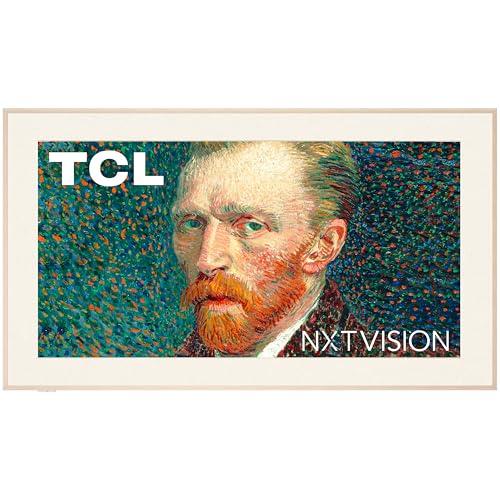

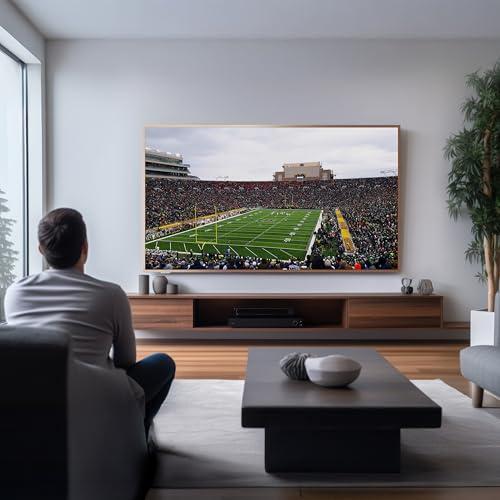


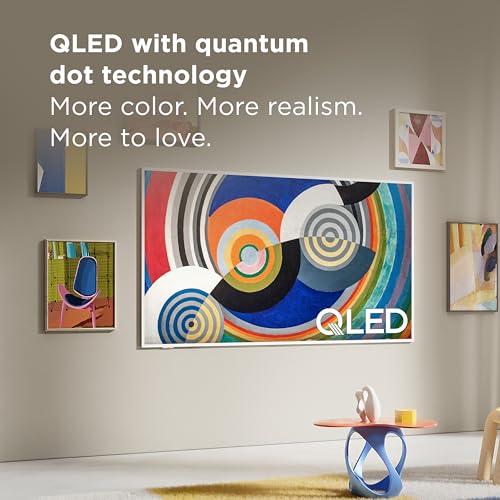
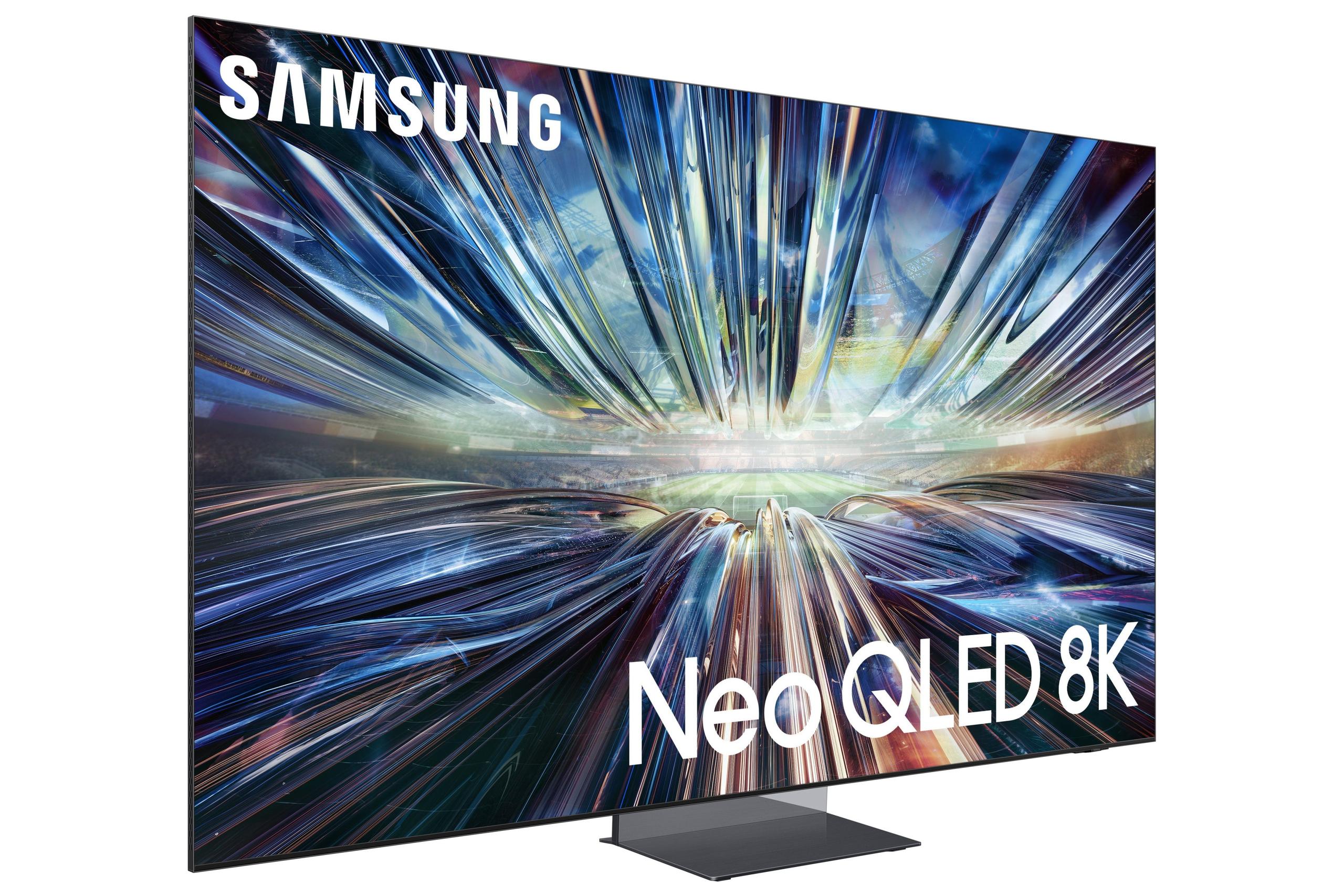
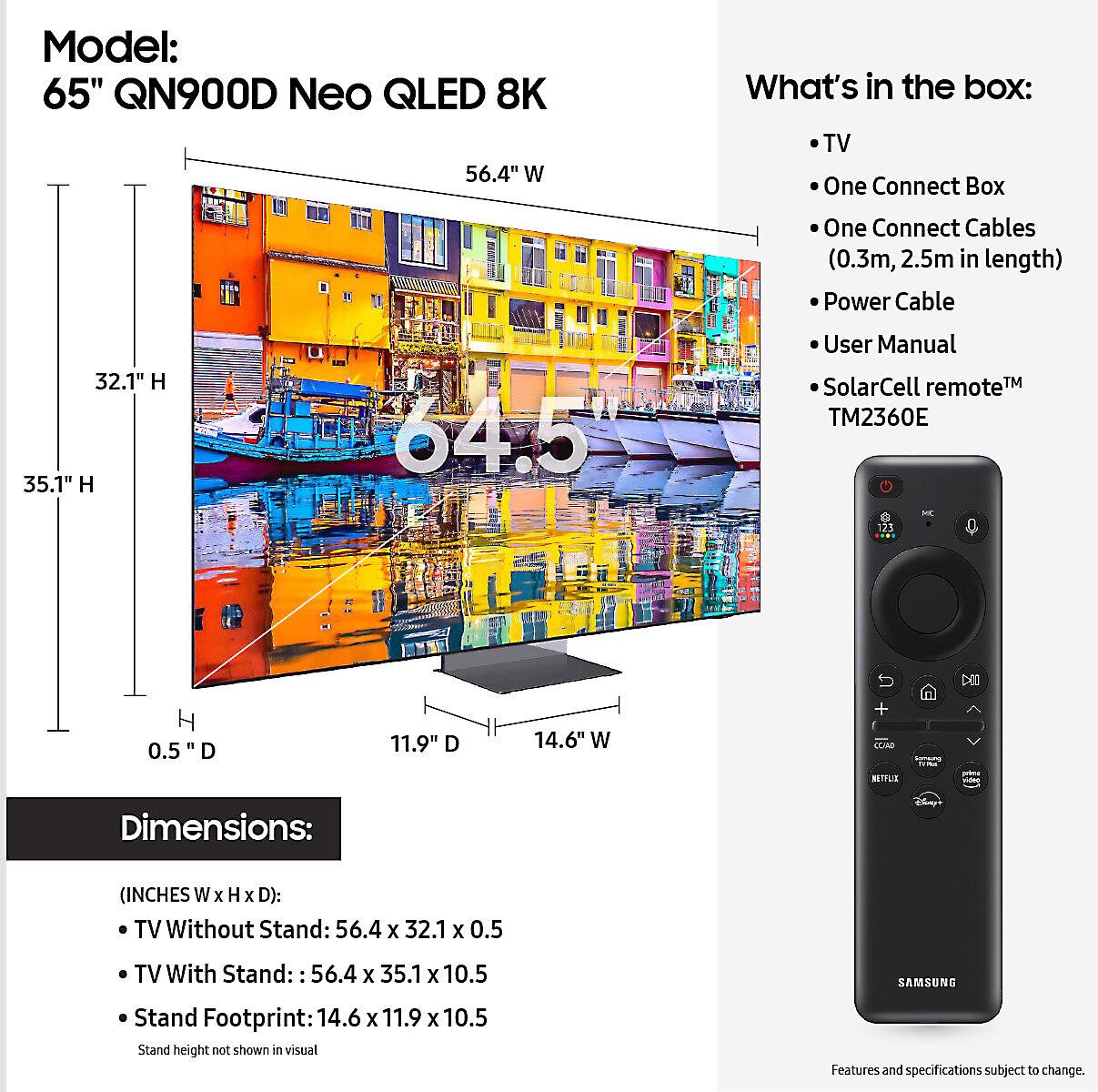
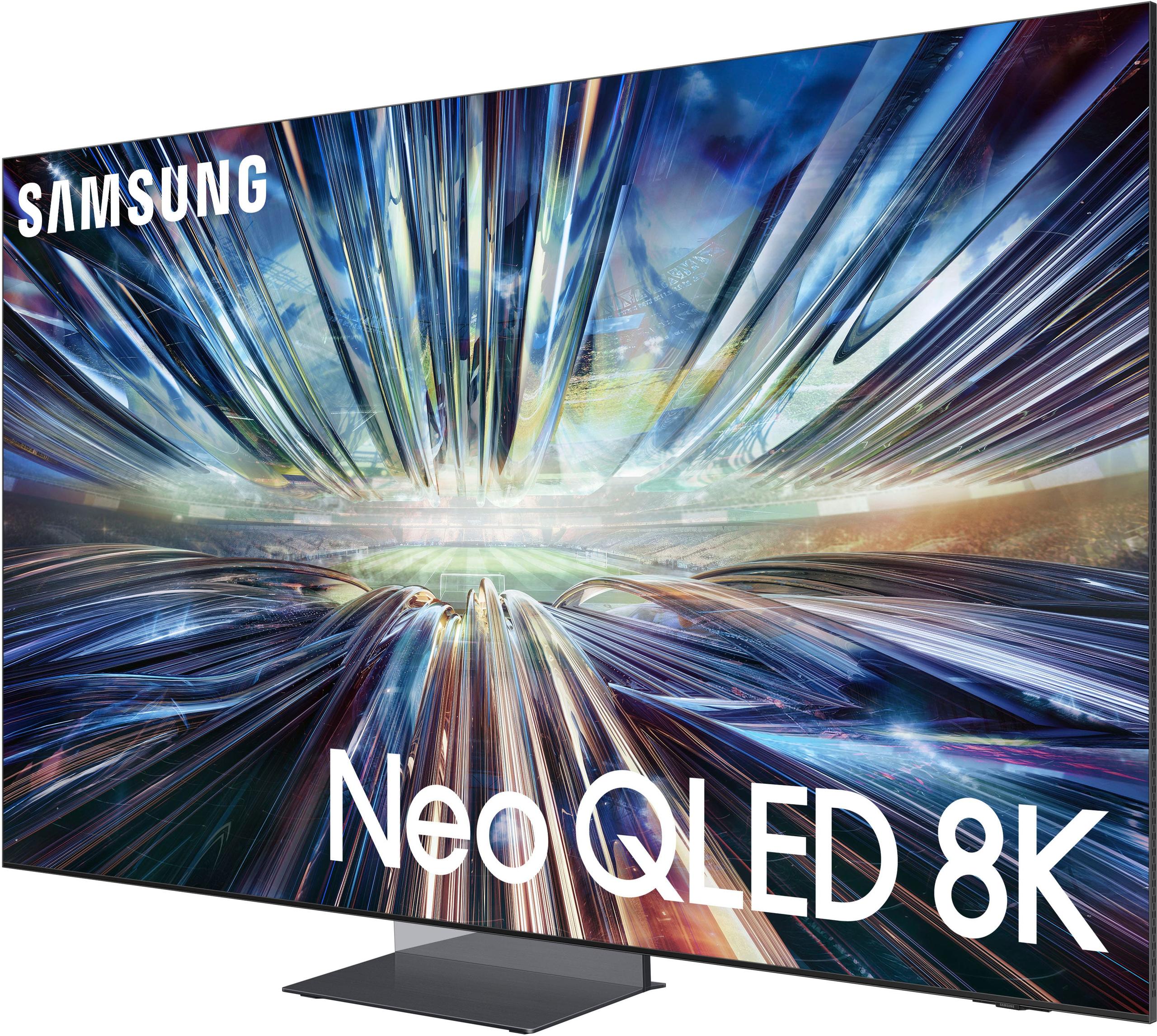
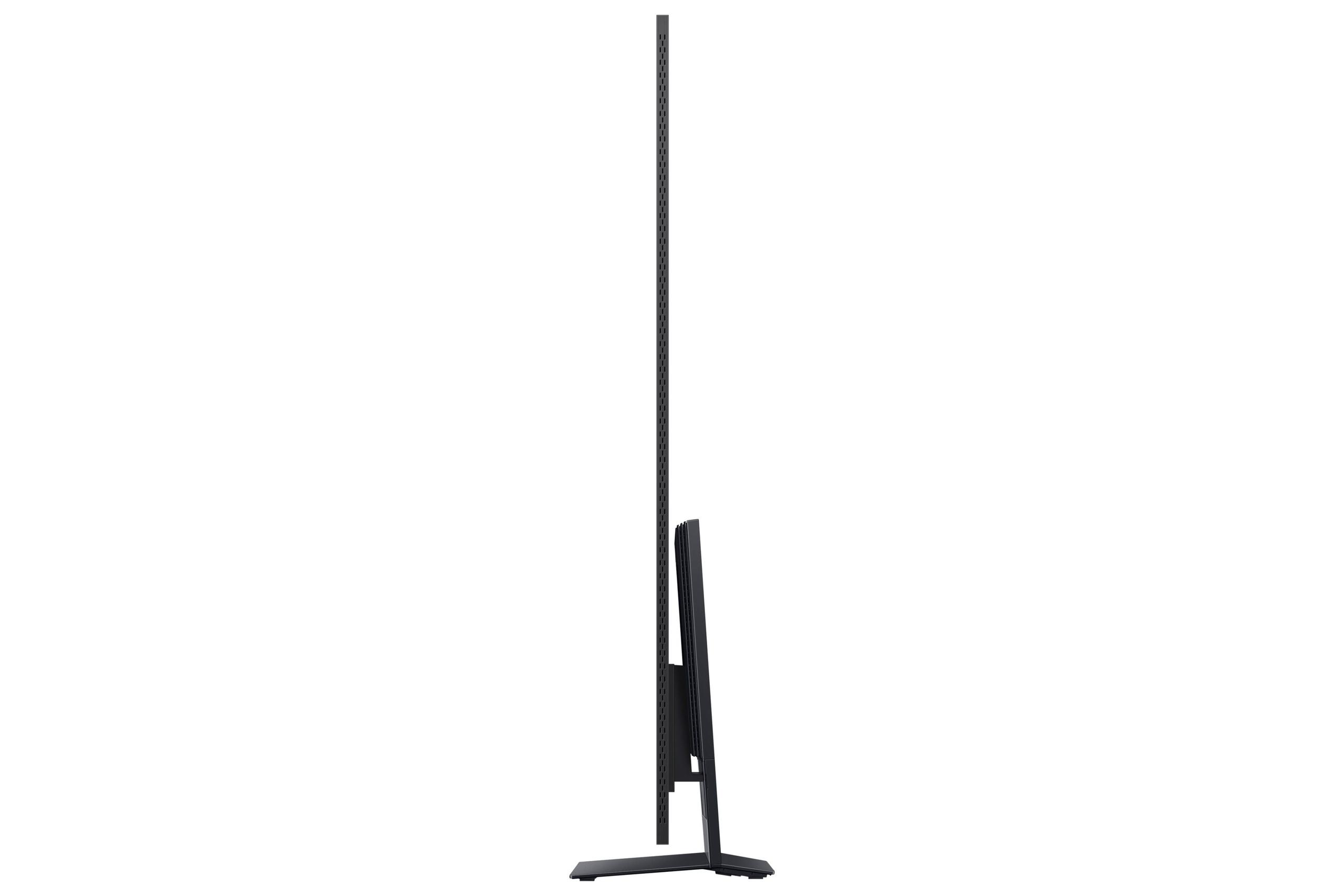
When shopping for a premium 65-inch TV, you're entering territory where the decisions get more nuanced. Both the TCL 65" NXTVISION QLED 4K Art Frame TV and Samsung QN900D Series 65" Neo QLED 8K Smart TV occupy the premium space, but they take completely different approaches to earning their place in your living room. One prioritizes blending seamlessly into your home's aesthetic, while the other focuses on delivering the most advanced picture technology available today.
The premium TV market has evolved significantly since both these models launched in 2024. We're now seeing a clear split between what I call "lifestyle TVs" and "performance flagships." Lifestyle TVs like the TCL NXTVISION focus on how the TV looks when it's off, while performance flagships like the Samsung QN900D obsess over what happens when you turn them on.
This distinction matters more than you might think. Traditional TV reviews focus heavily on brightness measurements, color accuracy, and gaming specs – and those metrics definitely matter. But if you're spending several thousand dollars on a TV, you should also consider how it impacts your daily life when it's not entertaining you.
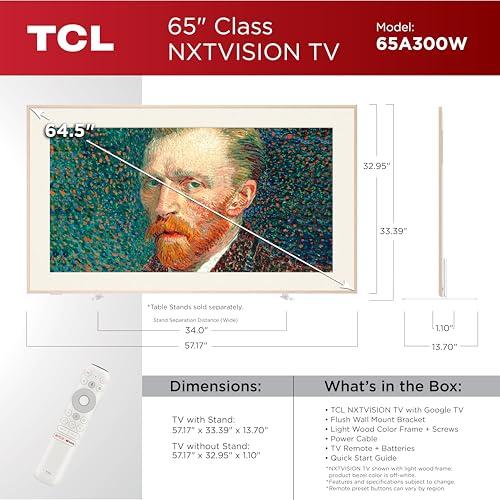
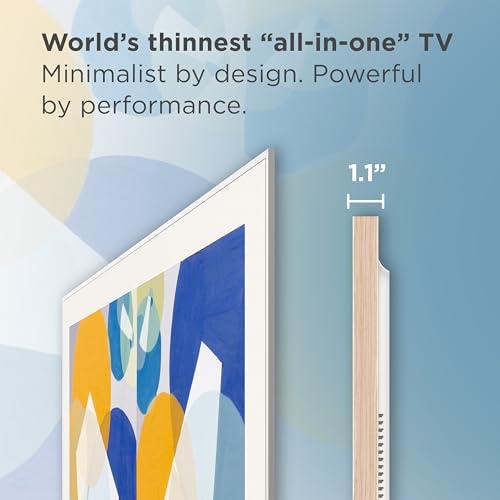
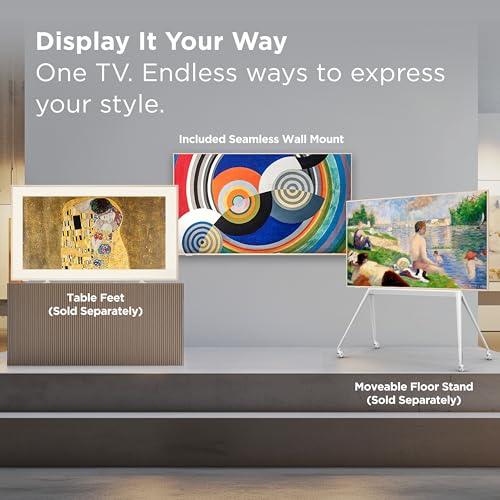
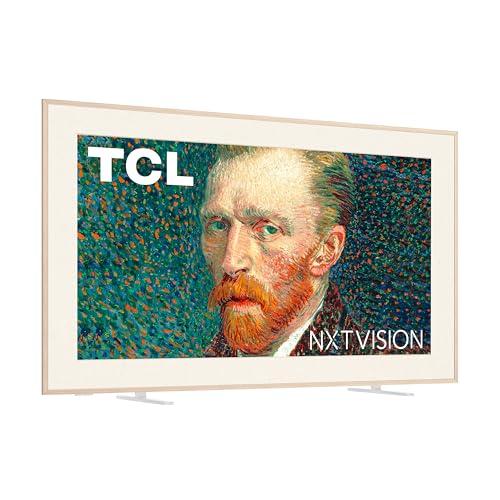
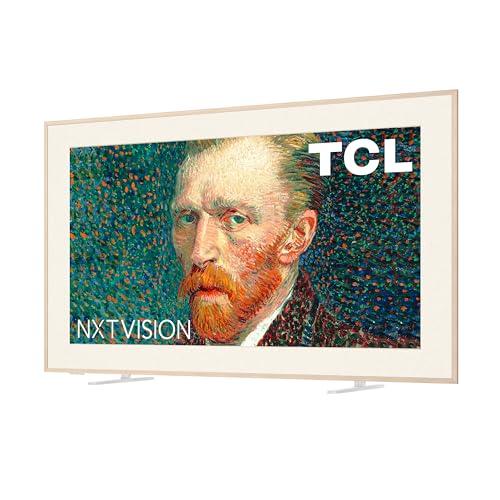
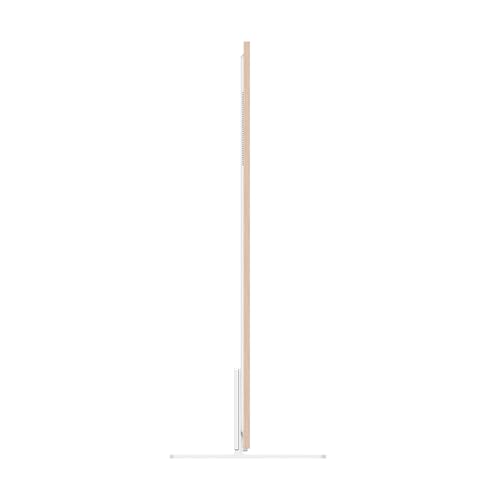
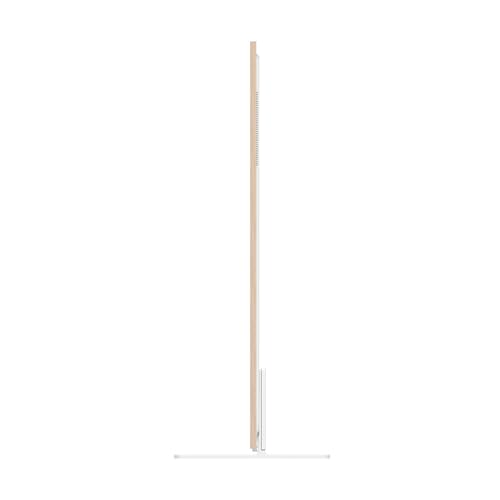
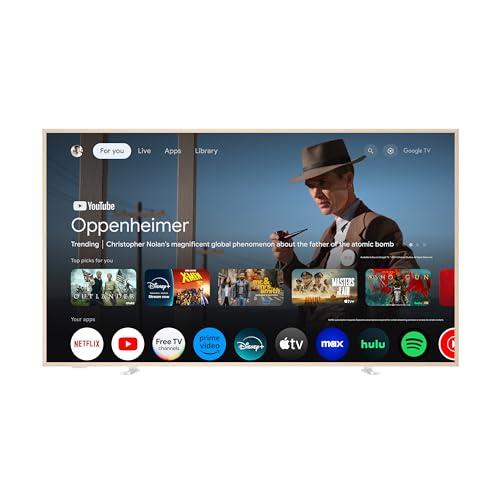
The TCL NXTVISION represents something genuinely new in the TV world. At just 1.1 inches deep, it's remarkably thin – thin enough that when mounted flush against your wall, it genuinely looks like a framed piece of art rather than a black rectangle dominating your living room.
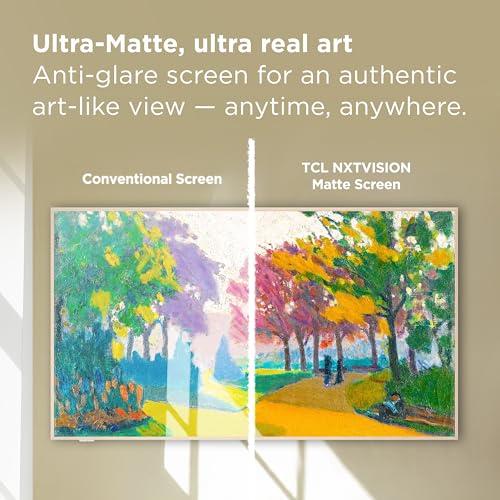
The key innovation here is the Ultra Matte Anti-Glare Screen. Most TVs reflect light like mirrors, which means you're constantly fighting glare from windows, lamps, and overhead lighting. TCL solved this with a special matte coating that scatters reflections instead of bouncing them directly back at you. The result is remarkable: you can mount this TV opposite a window and still see the picture clearly during bright afternoon hours.
This matte technology serves double duty for the TV's art mode features. When displaying artwork from its built-in library of over 400 pieces, the screen looks convincingly like a canvas rather than a digital display. The TV can also generate AI art or display your personal photos, complete with customizable matting options that make your family pictures look gallery-ready.
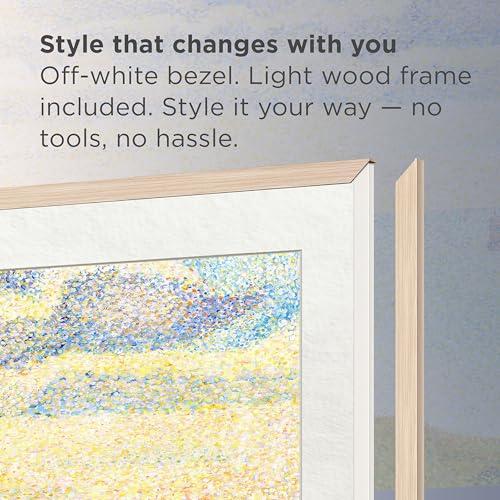
The included magnetic wood frame adds to the aesthetic appeal, though based on user feedback, the magnetic attachment system isn't as secure as you'd hope. Some owners report frames popping off from minor bumps or even strong air conditioning, which somewhat undermines the premium feel.
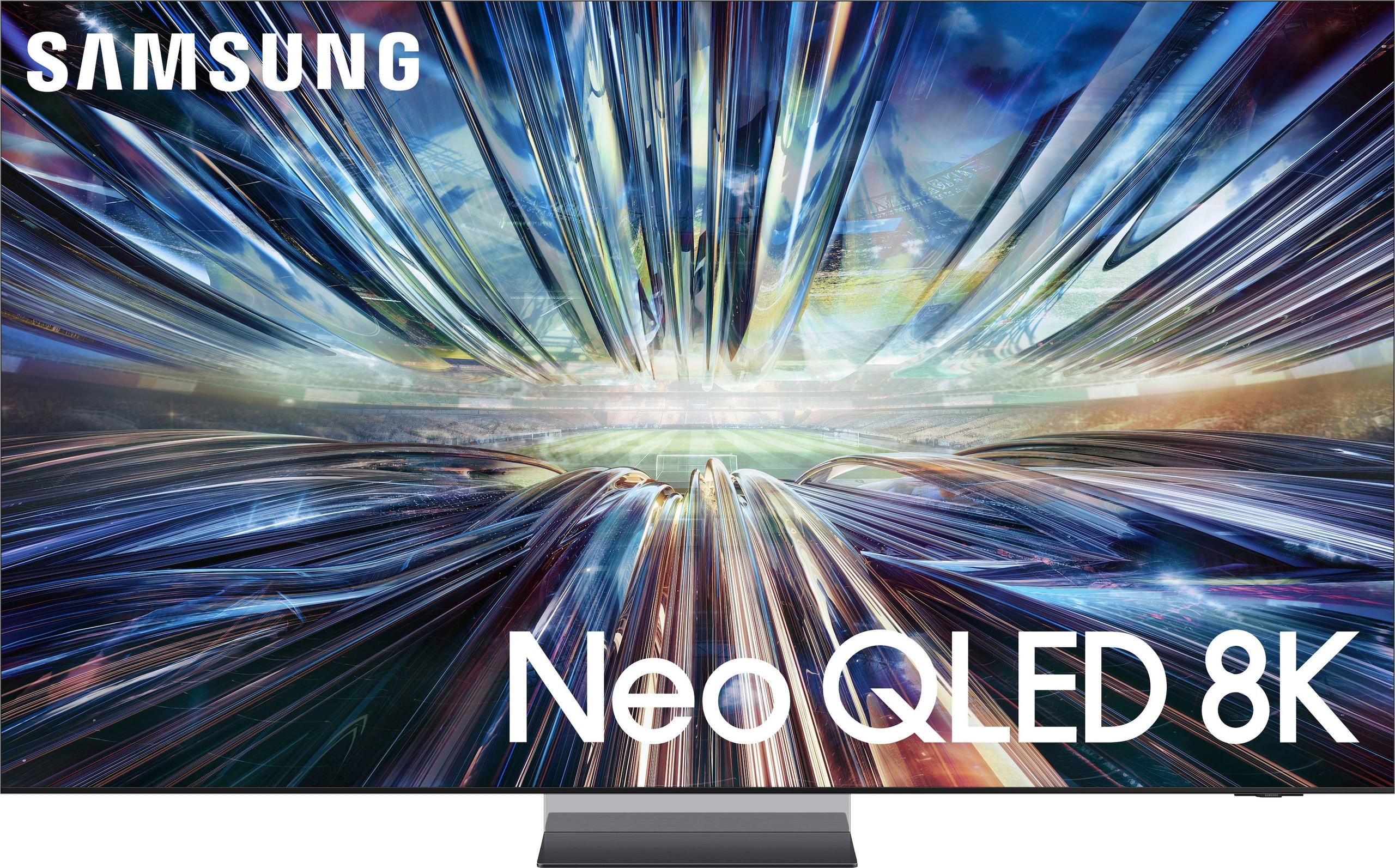
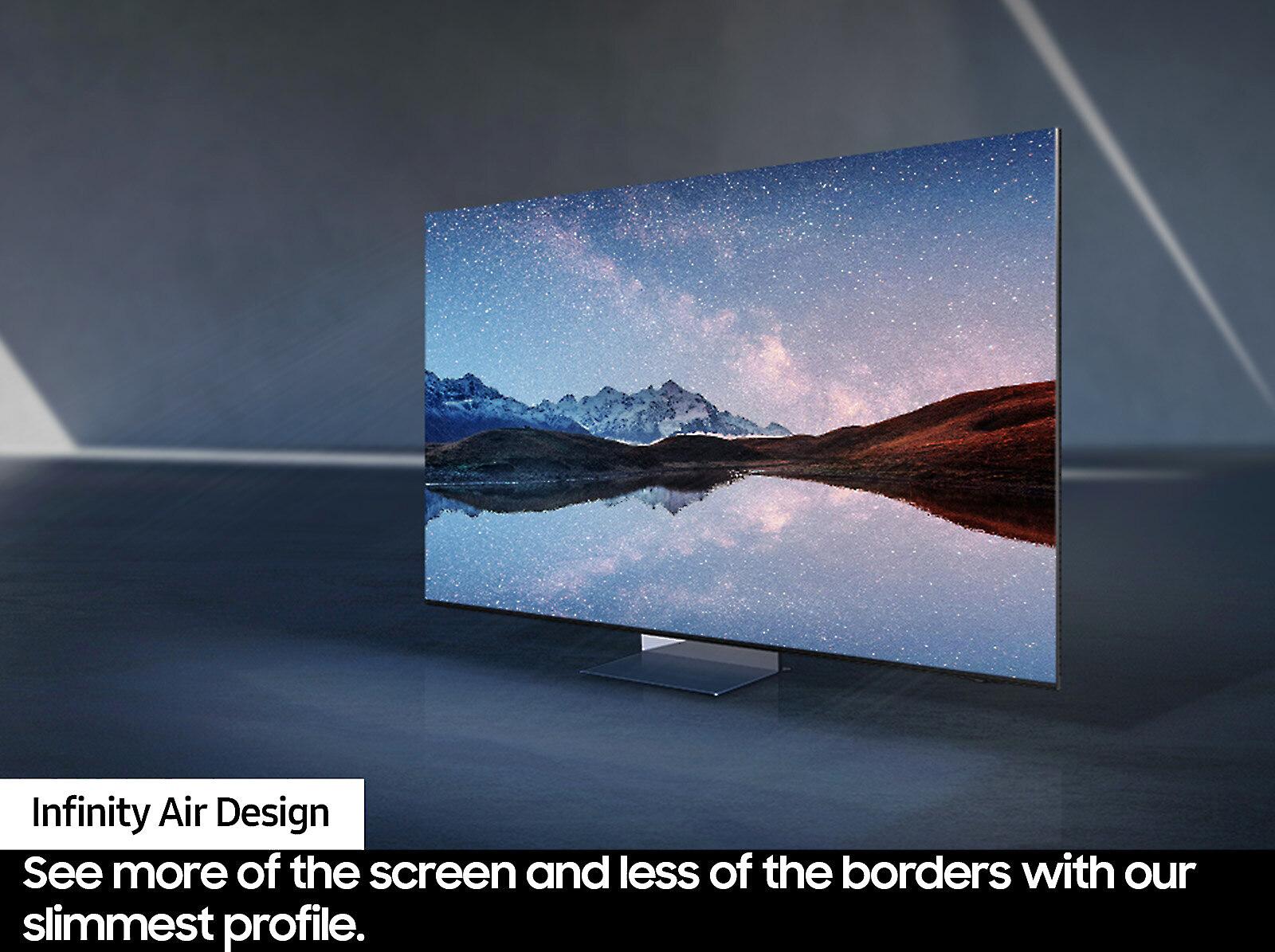
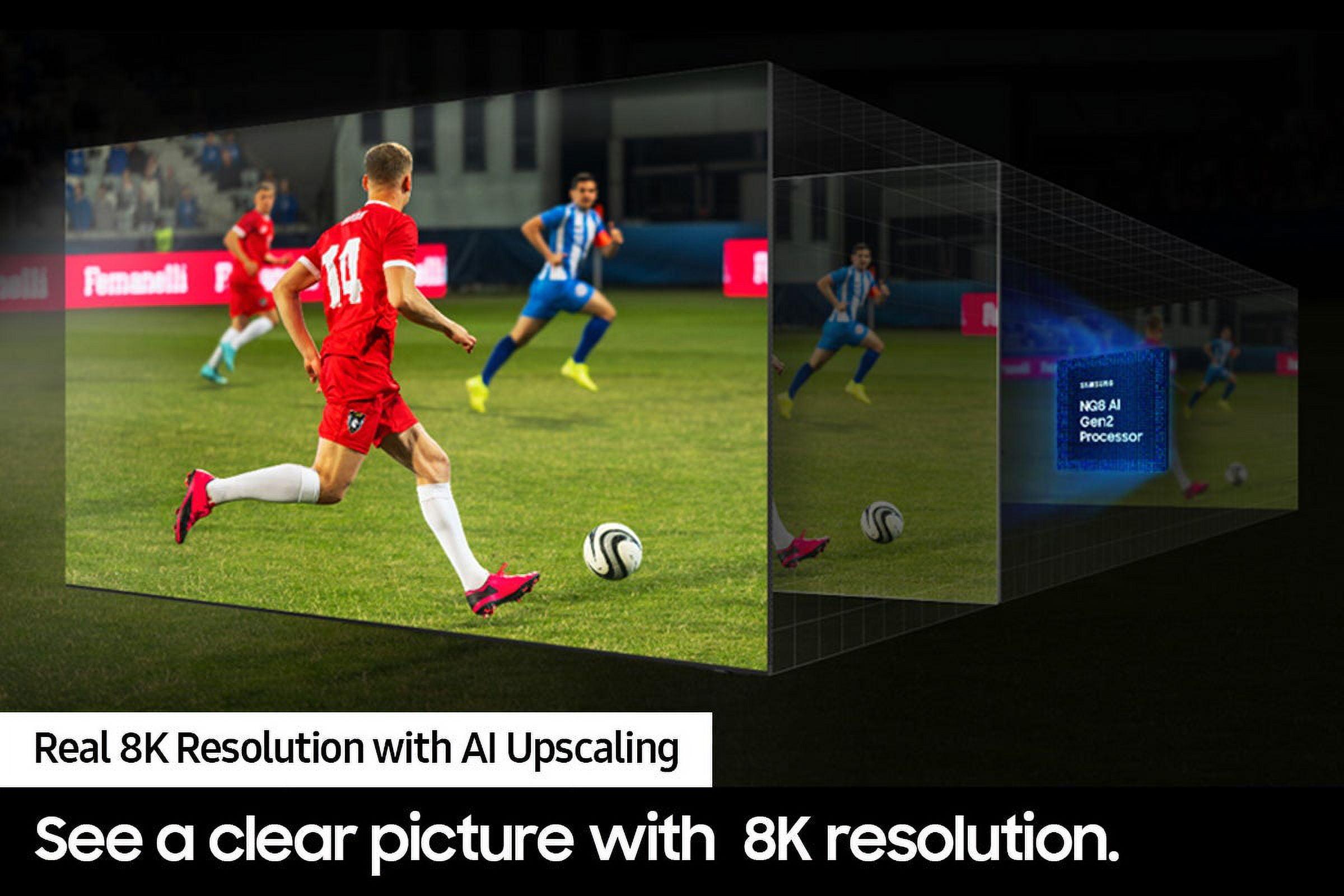
The Samsung QN900D takes the opposite approach, packing every premium technology Samsung makes into one flagship package. The 8K resolution (7,680 x 4,320 pixels) provides four times the detail of 4K, though finding native 8K content remains challenging in 2024. The real benefit comes from Samsung's NQ8 AI Gen3 Processor, which uses advanced upscaling algorithms to make your existing 4K content look noticeably sharper and more detailed.
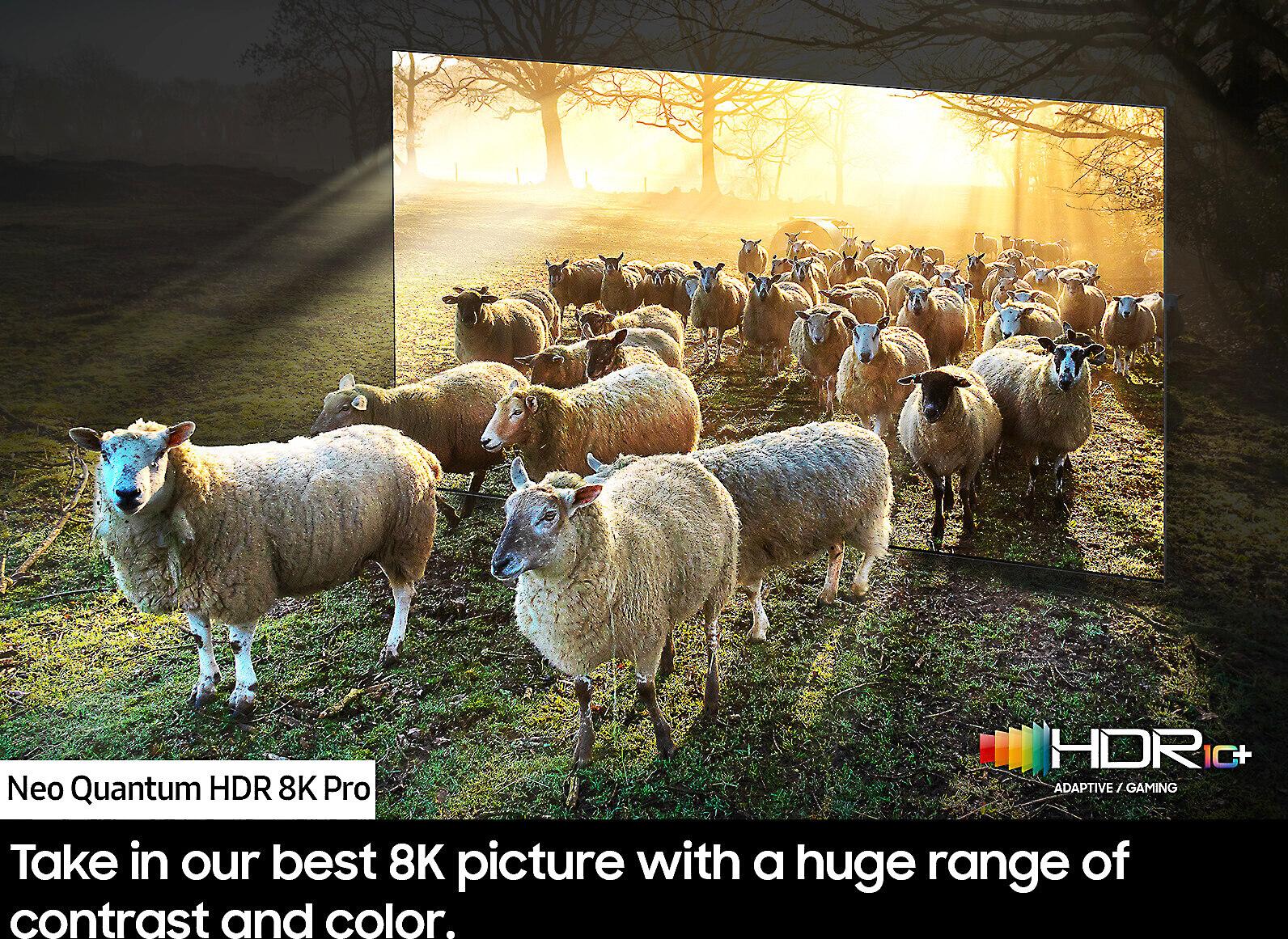
The display technology represents a significant step up from the TCL's edge-lit LED system. Samsung uses Neo QLED, which combines quantum dot color technology with Mini-LED backlighting. Mini-LEDs are much smaller than traditional LED lights, allowing for thousands of individually controlled dimming zones. This means the TV can make specific areas of the screen very bright while keeping adjacent areas completely dark – crucial for HDR content where you want bright explosions against a dark night sky.
The Quantum Matrix Technology Pro takes this control even further, using AI to predict what each dimming zone should do based on the content. In practice, this translates to much better contrast than what you'll see from the TCL's simpler edge-lit system, where the entire screen shares the same backlight brightness.
This is where the fundamental differences between these TVs become most apparent. The Samsung QN900D delivers objectively superior picture quality in almost every measurable way. Peak brightness reaches levels that make HDR content truly pop, while the local dimming zones ensure deep blacks that the TCL simply cannot match due to its edge-lit design.
However, the TCL NXTVISION has one massive advantage: that matte anti-glare screen. In bright rooms – which describes most living rooms during daytime hours – glare can completely wash out even the most expensive TV. I've seen $5,000 TVs become unwatchable during sunny afternoons, while the TCL maintains a clear, comfortable picture.
The color performance tells an interesting story. The Samsung delivers more accurate colors and wider color gamuts, which means movies and shows appear as their creators intended. But the TCL uses a different approach with its KSF phosphor coating, which enhances reds, greens, and blues to create images that often look more vibrant and eye-catching, even if they're not technically more accurate.
For HDR content – the high dynamic range video that makes modern movies look more lifelike – the Samsung has a clear advantage. Its higher peak brightness and better local dimming create the dramatic contrast differences that make HDR worthwhile. The TCL supports all the same HDR formats but lacks the brightness and contrast to fully deliver on HDR's promise.
Both TVs launched in 2024 with gaming clearly in mind, but they take different approaches to attracting gamers. The TCL NXTVISION offers impressive specs on paper: 4K gaming at 144Hz and 1080p gaming at an incredible 240Hz. The input lag is excellent at just 4.6ms, making it very responsive for competitive gaming.
However, there's a significant caveat. The TV forces you to choose between displaying proper colors (4:4:4 chroma subsampling) or having smooth variable refresh rate (VRR) performance. You can't have both simultaneously, which is frustrating for PC gamers who want crystal-clear text and smooth gameplay. The pixel response times are also slower than ideal, creating noticeable blur during fast action sequences.
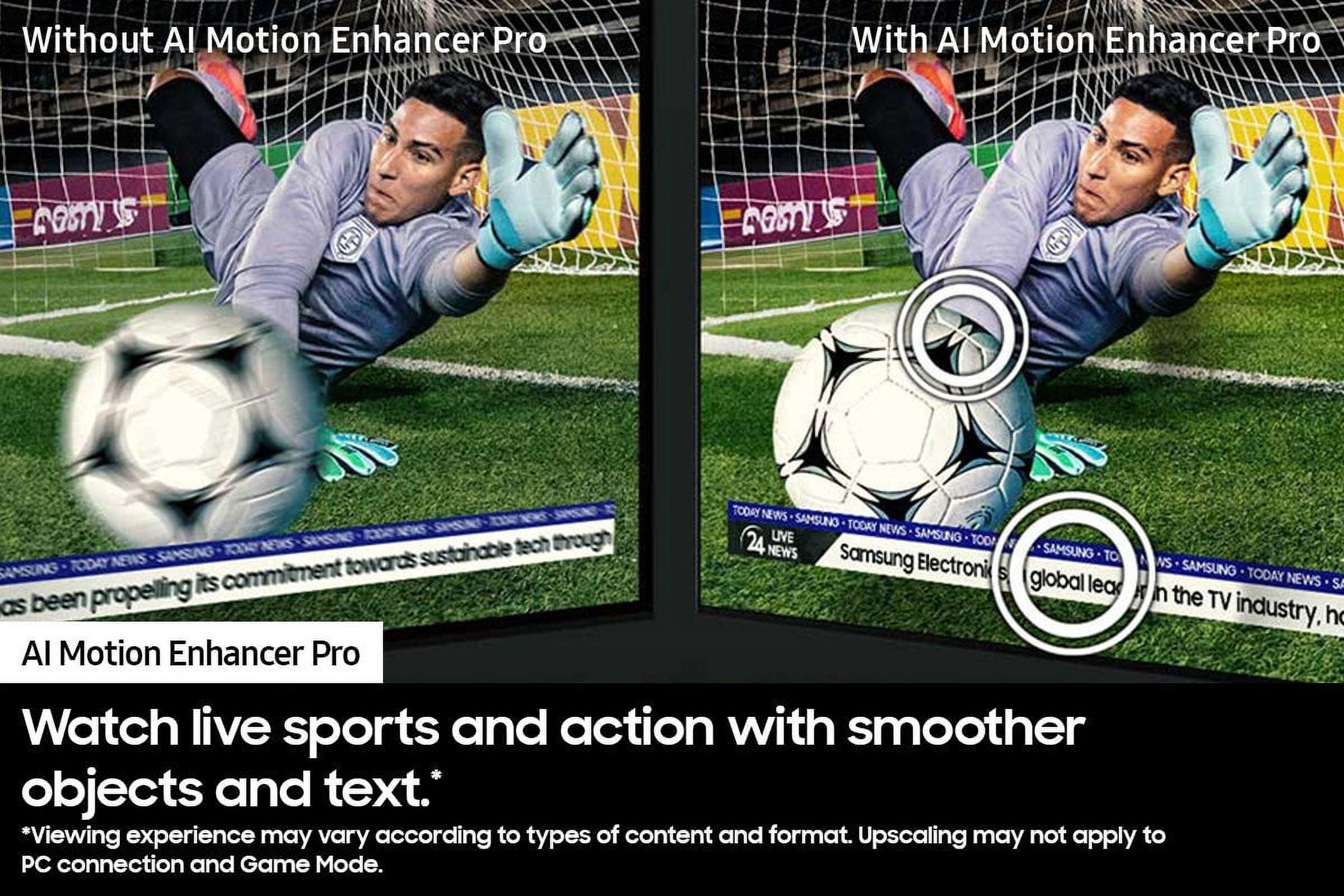
The Samsung QN900D offers a more comprehensive gaming experience. It supports 8K gaming at 60Hz or 4K gaming at 240Hz across all its HDMI ports, with full VRR support that doesn't require compromising on color accuracy. The faster pixel response times mean less motion blur, and the superior HDR performance makes games look more vibrant and lifelike.
For serious gamers, especially those with high-end PCs or who prioritize the best possible image quality, the Samsung is the clear winner. But for casual console gaming, the TCL's performance is perfectly adequate and comes with the bonus of that glare-free screen for daytime gaming sessions.
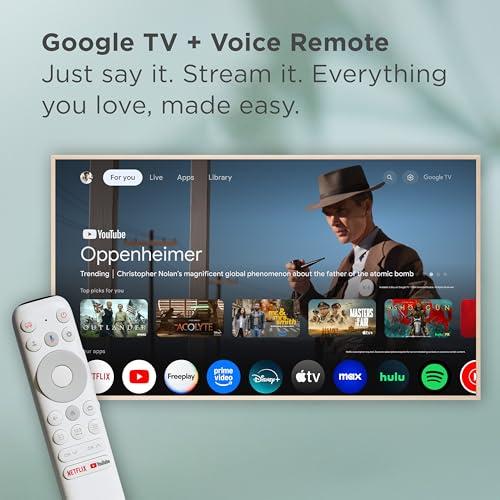
The TCL NXTVISION runs Google TV, which offers a clean, intuitive interface with excellent content recommendations. The hands-free voice control works well for basic commands, and the platform includes all the major streaming apps you'd expect. However, the overall smart TV experience feels more basic compared to Samsung's offering.
The Samsung QN900D uses Samsung's Tizen platform, which has evolved into one of the more sophisticated smart TV systems. The integration with Samsung's SmartThings ecosystem is particularly impressive if you have other Samsung devices or smart home products. The TV can act as a hub for controlling lights, thermostats, and other connected devices.
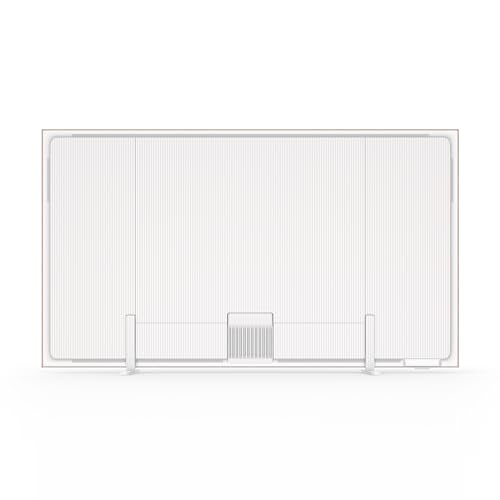
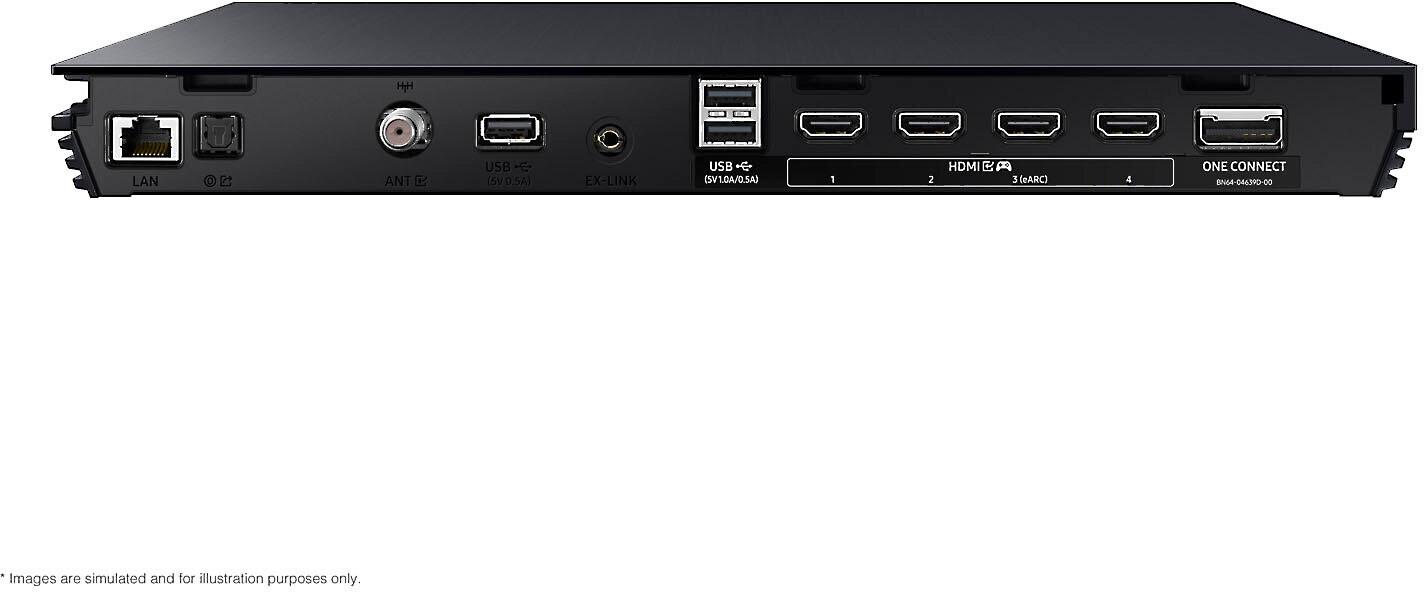
Both TVs handle connectivity well, though the Samsung uses an external One Connect Box that houses all the ports. This keeps the TV itself clean and minimalist but requires planning for where to place and hide the box. The TCL integrates all ports directly into its ultra-thin profile, which is more convenient but limits your cable management options.
TV audio deserves more attention than it typically gets, and these two models illustrate why. The TCL NXTVISION includes basic 20W speakers with Dolby Atmos support, which sounds decent for a thin TV but won't fill larger rooms or provide immersive surround sound.
The Samsung QN900D takes audio much more seriously with a 90W, 6.2.4 channel speaker system. The Object Tracking Sound technology moves audio around the screen to match what's happening visually – when a car drives across the screen, you hear it move from left to right. The 360 Audio feature creates a more immersive soundscape that can genuinely enhance your viewing experience.
For home theater setups, both TVs support eARC (enhanced Audio Return Channel), which means they can pass high-quality audio to external sound systems. But if you're planning to rely primarily on the TV's built-in speakers, the Samsung's superior audio system provides noticeably better performance.
At the time of writing, these TVs occupy very different price tiers. The TCL NXTVISION positions itself in the mid-premium range, offering unique aesthetic features at a more accessible price point. You're primarily paying for the innovative design, the matte anti-glare screen, and the art display functionality – features that no other TV manufacturer offers in quite the same way.
The Samsung QN900D commands flagship pricing, reflecting its position as Samsung's premier 8K offering. The higher cost buys you cutting-edge display technology, superior processing power, comprehensive gaming features, and premium build quality throughout.
The value equation depends heavily on what you prioritize. If you want the absolute best picture quality and don't mind paying for it, the Samsung justifies its premium with measurably superior performance. But if you value the unique lifestyle benefits and can accept some picture quality compromises, the TCL offers features you literally cannot get anywhere else.
For dedicated home theater rooms, the choice becomes clearer. The Samsung QN900D excels in controlled lighting environments where you can appreciate its superior contrast and brightness capabilities. The 8K resolution provides a slight but noticeable improvement in detail for large screen viewing, and the advanced HDR performance makes movies look more cinematic.
The TCL NXTVISION's matte screen, while revolutionary for bright living rooms, can actually work against you in dark home theaters. The coating that eliminates glare also slightly reduces the maximum brightness and can make dark scenes appear somewhat washed out compared to traditional glossy screens.
However, if your "home theater" is actually a multi-purpose living room where you watch TV during the day and entertain guests, the TCL's aesthetic appeal and glare resistance might outweigh the picture quality advantages of the Samsung.
Choose the TCL 65" NXTVISION if you prioritize room aesthetics and want a TV that enhances rather than dominates your living space. It's perfect for bright rooms, design-conscious buyers, and anyone who appreciates the novelty of a TV that genuinely looks like artwork when not in use. The performance is solid for everyday viewing, and the unique features provide value that goes beyond traditional TV metrics.
Choose the Samsung QN900D if you want the absolute best TV technology available today and are willing to pay for it. It's ideal for serious movie watchers, dedicated gamers, and anyone building a premium entertainment setup. The 8K resolution provides future-proofing, and the superior picture quality is immediately noticeable across all content types.
The fundamental question is whether you view your TV primarily as a piece of technology or as a piece of furniture. The TCL succeeds brilliantly as the latter while providing acceptable performance as the former. The Samsung represents the pinnacle of TV technology but looks like, well, a TV.
Both represent significant innovations in their respective approaches to premium television, and both will likely influence TV design for years to come. Your choice should align with how you actually live with and use your TV, not just how it performs in ideal testing conditions.
| TCL 65" NXTVISION QLED 4K Art Frame TV | Samsung QN900D Series 65" Neo QLED 8K Smart TV |
|---|---|
| Resolution - Higher resolution shows more detail but requires upscaling for most content | |
| 4K (3840 x 2160) - Perfect for current streaming and gaming | 8K (7680 x 4320) - Future-proof with superior upscaling |
| Display Technology - Determines contrast, brightness, and overall picture quality | |
| QLED with Edge-Lit LED - Vibrant colors but limited contrast | Neo QLED with Mini-LED - Superior contrast with thousands of dimming zones |
| Screen Finish - Critical for room lighting compatibility | |
| Ultra Matte Anti-Glare - Eliminates reflections, perfect for bright rooms | Traditional Glossy - Better contrast in dark rooms, shows reflections |
| TV Thickness - Affects wall mounting and aesthetic appeal | |
| 1.1 inches (ultra-slim all-in-one design) | Standard thickness with external One Connect Box |
| Peak Brightness - Higher brightness improves HDR and daytime viewing | |
| Moderate brightness (edge-lit limitation) | Exceptional peak brightness (Mini-LED advantage) |
| Gaming Performance - Important for console and PC gaming | |
| 4K @ 144Hz, 1080p @ 240Hz, 4.6ms input lag, VRR limitations | 8K @ 60Hz, 4K @ 240Hz, comprehensive VRR support, faster response |
| Audio System - Built-in sound quality varies dramatically between models | |
| 20W (2 x 10W) with Dolby Atmos | 90W (6.2.4CH) with Object Tracking Sound and 360 Audio |
| Smart Platform - Determines app availability and user experience | |
| Google TV with hands-free voice control | Tizen with SmartThings Hub and advanced IoT integration |
| Unique Features - Distinctive capabilities that set each model apart | |
| Art display mode, AI art generation, flush wall mounting | 8K AI upscaling, Quantum Matrix Pro, premium build quality |
| Best Use Case - Ideal scenarios where each TV excels | |
| Bright living rooms, design-focused homes, art enthusiasts | Dark home theaters, serious gamers, technology enthusiasts |
| Value Positioning - Price tier and what you're paying for | |
| Mid-premium pricing for unique lifestyle features | Ultra-premium pricing for flagship performance technology |
The Samsung QN900D Series 65" Neo QLED 8K Smart TV delivers superior picture quality with its Mini-LED backlighting, higher peak brightness, and better contrast. The 8K resolution with advanced AI upscaling makes even 4K content look sharper. However, the TCL 65" NXTVISION QLED 4K Art Frame TV excels in bright rooms due to its anti-glare matte screen, making it better for daytime viewing.
The Samsung QN900D offers 8K resolution (7680 x 4320), which has four times more pixels than the TCL NXTVISION's 4K resolution (3840 x 2160). While native 8K content is still limited, the Samsung's advanced processor upscales 4K content to near-8K quality, providing noticeably sharper detail on the large 65-inch screen.
The Samsung QN900D provides a more comprehensive gaming experience with 4K gaming at 240Hz, full VRR support across all ports, and faster response times. The TCL NXTVISION offers competitive specs like 4K at 144Hz and excellent input lag, but you must choose between proper color display and VRR functionality.
Yes, but only the TCL 65" NXTVISION QLED 4K Art Frame TV is specifically designed for this purpose. It features a curated art library, AI art generation, and a matte screen that makes displayed artwork look like a real canvas. The Samsung QN900D can display photos but lacks the specialized art features and matte finish.
The TCL NXTVISION is specifically engineered for bright rooms with its Ultra Matte Anti-Glare Screen that eliminates reflections from windows and lights. The Samsung QN900D has higher brightness but uses a traditional glossy screen that can show significant glare in bright environments.
The Samsung QN900D Series 65" Neo QLED 8K Smart TV offers dramatically better audio with 90W of power, 6.2.4 channel speakers, Object Tracking Sound, and 360 Audio technology. The TCL NXTVISION provides basic 20W audio that's adequate for casual viewing but limited for immersive experiences.
The TCL 65" NXTVISION is remarkably thin at just 1.1 inches and includes a proprietary flush wall mount that makes it sit completely flat against the wall like a picture frame. The Samsung QN900D uses a more traditional design with an external One Connect Box for connections.
Yes, both the TCL NXTVISION (Google TV) and Samsung QN900D (Tizen) support all major streaming platforms including Netflix, Amazon Prime Video, Disney+, HBO Max, and YouTube. The Samsung offers additional smart home integration through SmartThings Hub functionality.
The TCL 65" NXTVISION QLED 4K Art Frame TV provides better value for buyers prioritizing unique design features and bright room performance at a more accessible price point. The Samsung QN900D justifies its premium pricing with superior technology, but costs significantly more for the advanced features.
The Samsung QN900D Series 65" Neo QLED 8K Smart TV excels in dedicated home theaters with its superior contrast, brightness, and audio system. The TCL NXTVISION is better suited for multi-purpose living rooms where aesthetics and daytime viewing matter more than ultimate picture quality in dark environments.
Both TVs offer comprehensive smart features. The TCL NXTVISION includes Google TV with hands-free Google Assistant and Chromecast built-in. The Samsung QN900D features Tizen OS with Bixby and Alexa support, plus advanced SmartThings integration for controlling smart home devices.
The Samsung QN900D offers better future-proofing with 8K resolution, more advanced processing power, and premium build quality that should maintain performance longer. The TCL NXTVISION provides solid longevity for current 4K content but may feel less advanced as 8K content becomes more available.
We've done our best to create useful and informative comparisons to help you decide what product to buy. Our research uses advanced automated methods to create this comparison and perfection is not possible - please contact us for corrections or questions. These are the sites we've researched in the creation of this article: rtings.com - tcl.com - bestbuy.com - tcl.com - bestbuy.com - tcl.com - youtube.com - rcwilley.com - businessinsider.com - bestbuy.com - target.com - youtube.com - support.tcl.com - nfm.com - woodruffappliance.com - flatpanelshd.com - tcl.com - rtings.com - videoandaudiocenter.com - bestbuy.com - avsforum.com - bestbuy.com - walts.com - images.samsung.com - samsung.com - merlinstv.com - samsung.com - avsforum.com - samsung.com

Privacy Policy
Terms and Conditions - Affiliate Policy
Home Security
© Copyright 2008-2026.
11816 Inwood Rd #1211, Dallas, TX 75244