



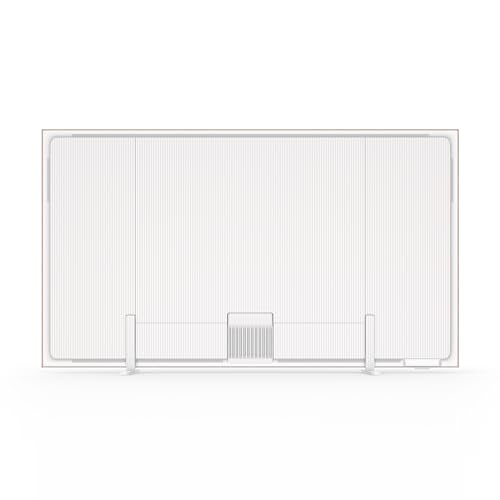
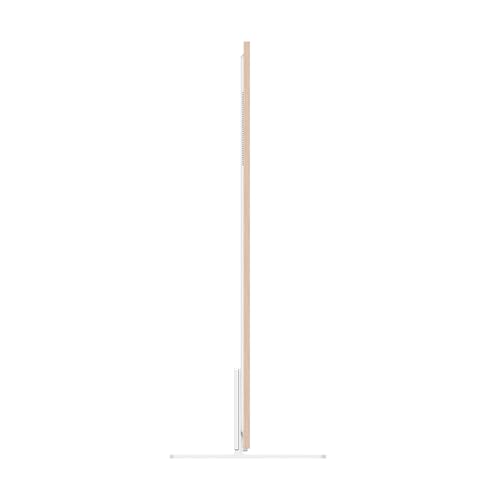
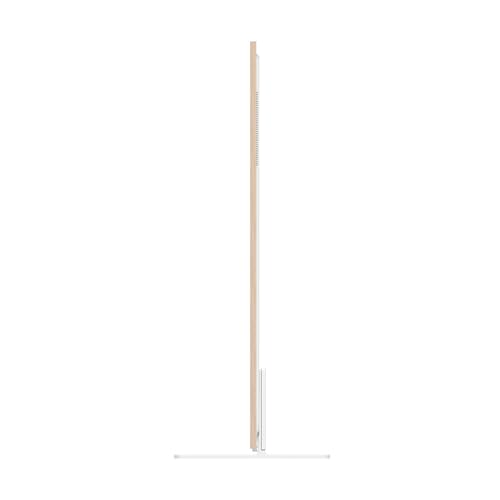
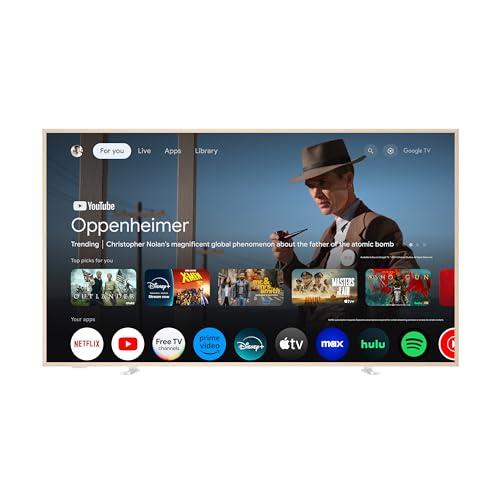
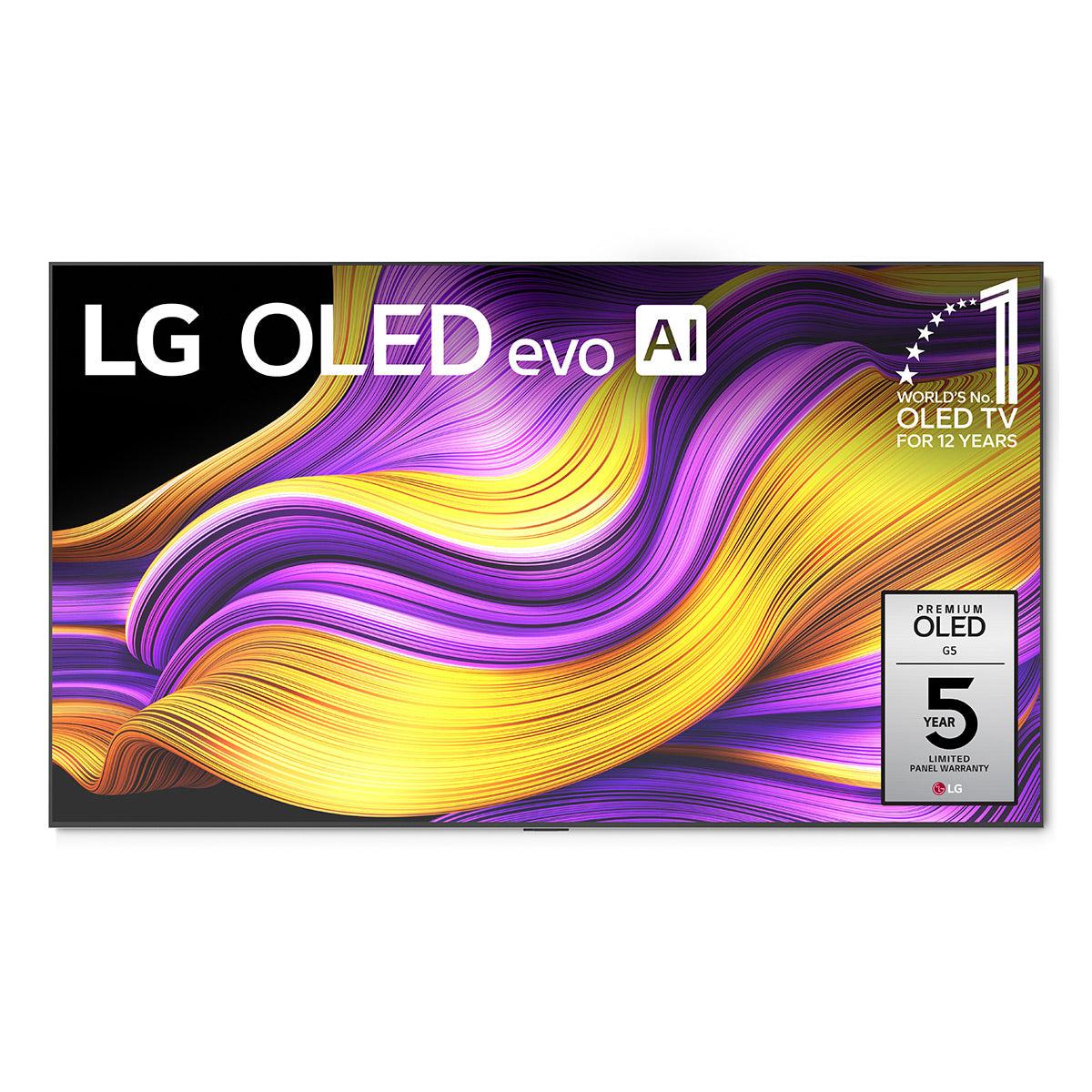
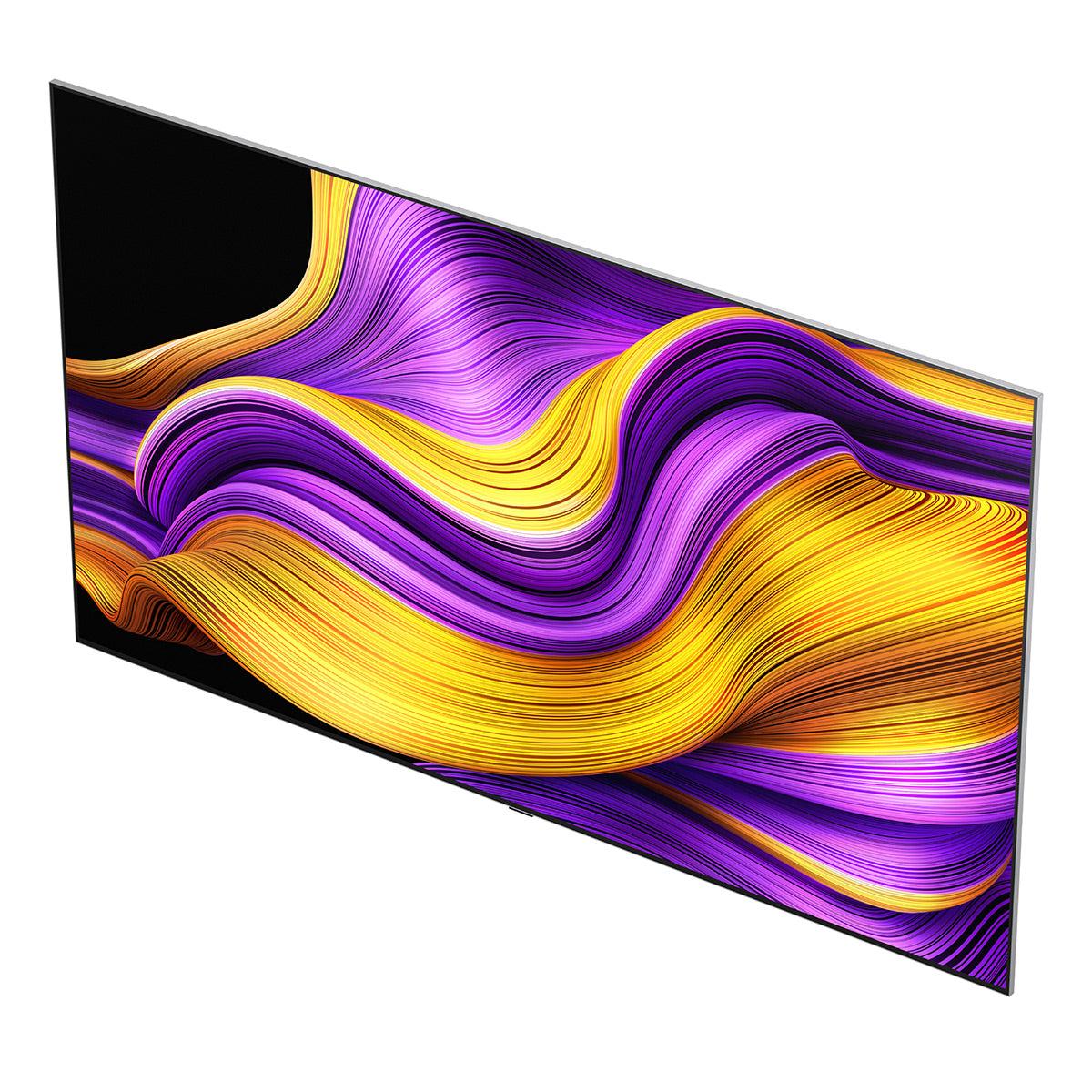
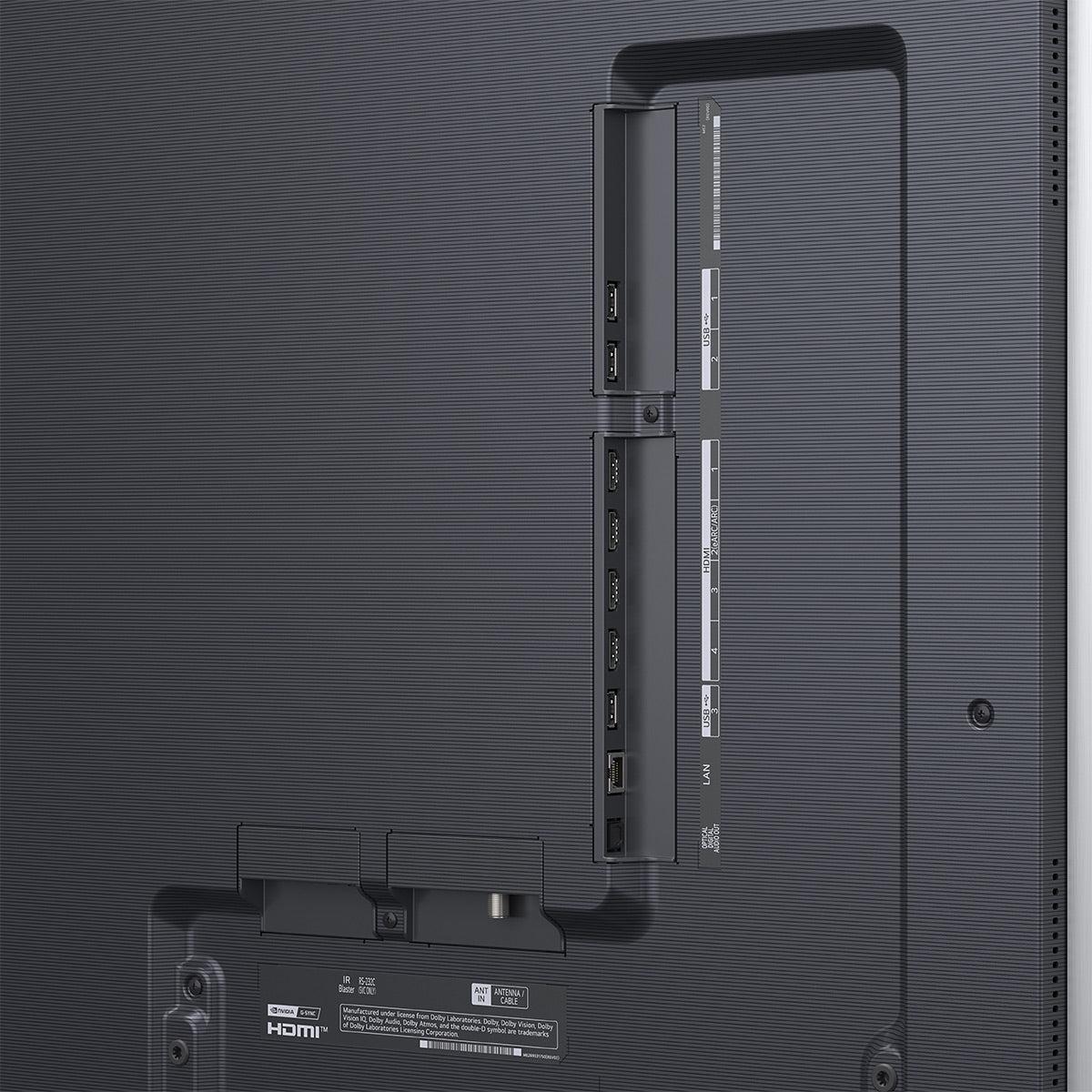
When you're shopping for a premium 65-inch TV, you'll quickly discover that not all large screens are created equal. The TV market has evolved far beyond basic picture quality, branching into specialized categories that serve different needs and lifestyles. Two standout models that represent completely different approaches to premium television are the TCL 65" NXTVISION QLED 4K Art Frame TV and the LG OLED evo G5 65" 4K Smart TV.
These TVs couldn't be more different in their core philosophy. The TCL NXTVISION launched in 2024 as a lifestyle-focused TV that doubles as a digital art display, targeting users who want their television to blend seamlessly into their home décor. Meanwhile, the LG G5 arrived in 2025 as a technological showcase, featuring cutting-edge display innovations that push the boundaries of what's possible in home entertainment.
At the time of writing, these products sit in dramatically different price categories—the TCL represents exceptional value in the mid-range market, while the LG commands premium flagship pricing that's roughly three to four times higher. This price gap reflects fundamentally different target markets and design priorities.
Before diving into specific performance differences, it's crucial to understand the core display technologies these TVs use, as this determines most of their characteristics.
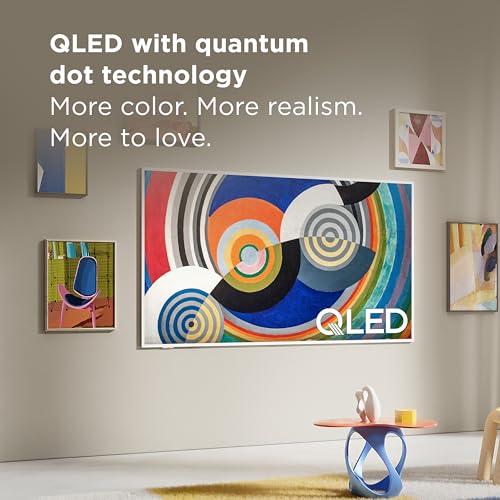
The TCL NXTVISION uses QLED (Quantum Dot LED) technology, which is essentially an enhanced LCD display. It starts with a traditional LCD panel but adds a layer of quantum dots—microscopic particles that emit very pure colors when hit by light. The backlighting comes from LEDs positioned around the edges of the screen (called edge-lit), which then illuminates the entire panel. Think of it like having a flashlight behind a stained glass window—the light source is separate from the image-creating elements.
The LG G5, on the other hand, uses OLED (Organic Light Emitting Diode) technology with a revolutionary new 4-stack tandem RGB panel. In OLED displays, each individual pixel generates its own light—imagine having 8.3 million tiny light bulbs that can turn completely on, completely off, or anywhere in between. This fundamental difference allows OLED pixels to achieve perfect black by simply turning off, something impossible with backlit LCD technology.
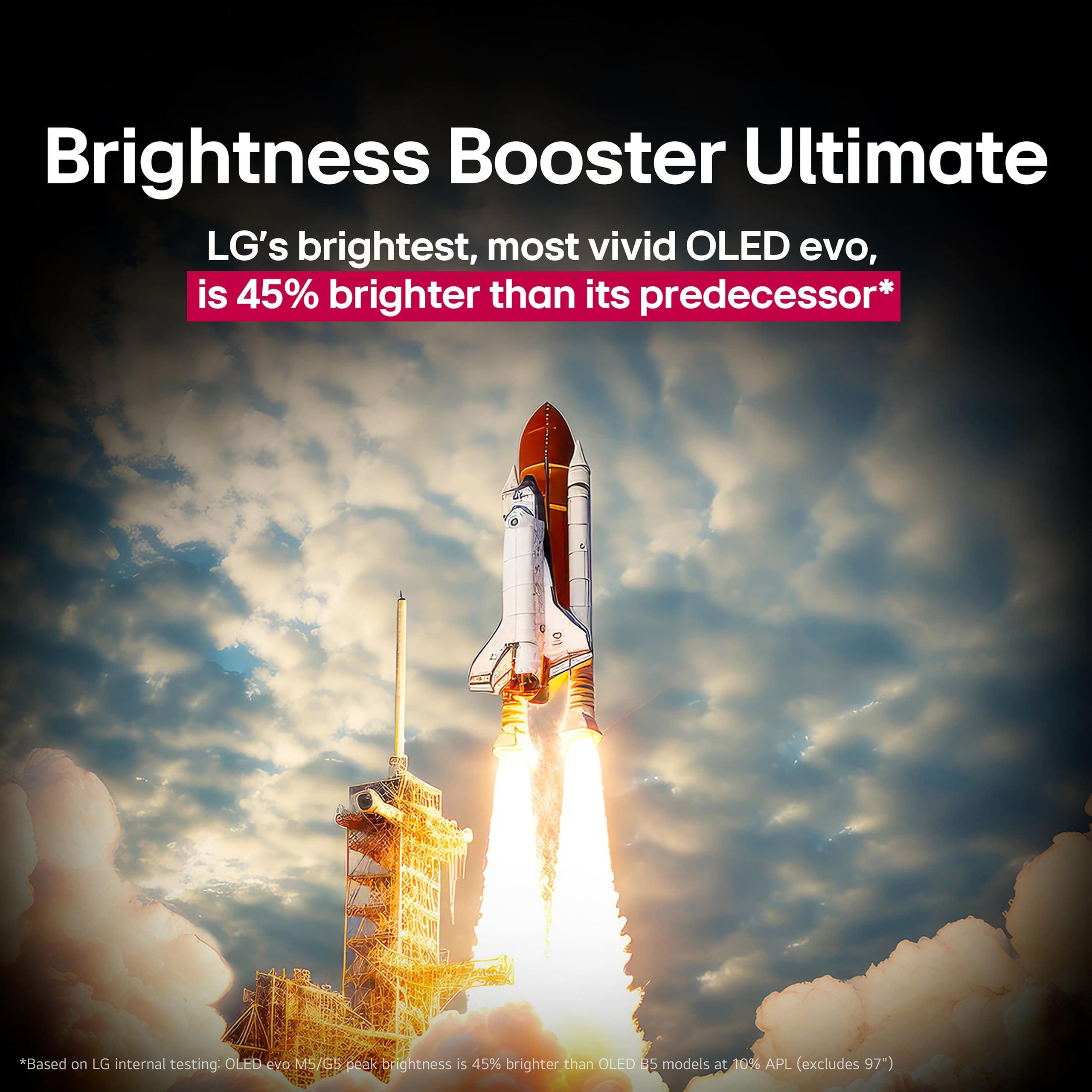
LG's 2025 innovation is the 4-stack tandem structure, which essentially layers four OLED emission layers on top of each other. This breakthrough design allows the panel to produce significantly brighter images (up to 45% brighter than previous OLED models) while maintaining the perfect black levels that make OLED special. It's like having four candles stacked together—much brighter than one, but each can still be extinguished completely.

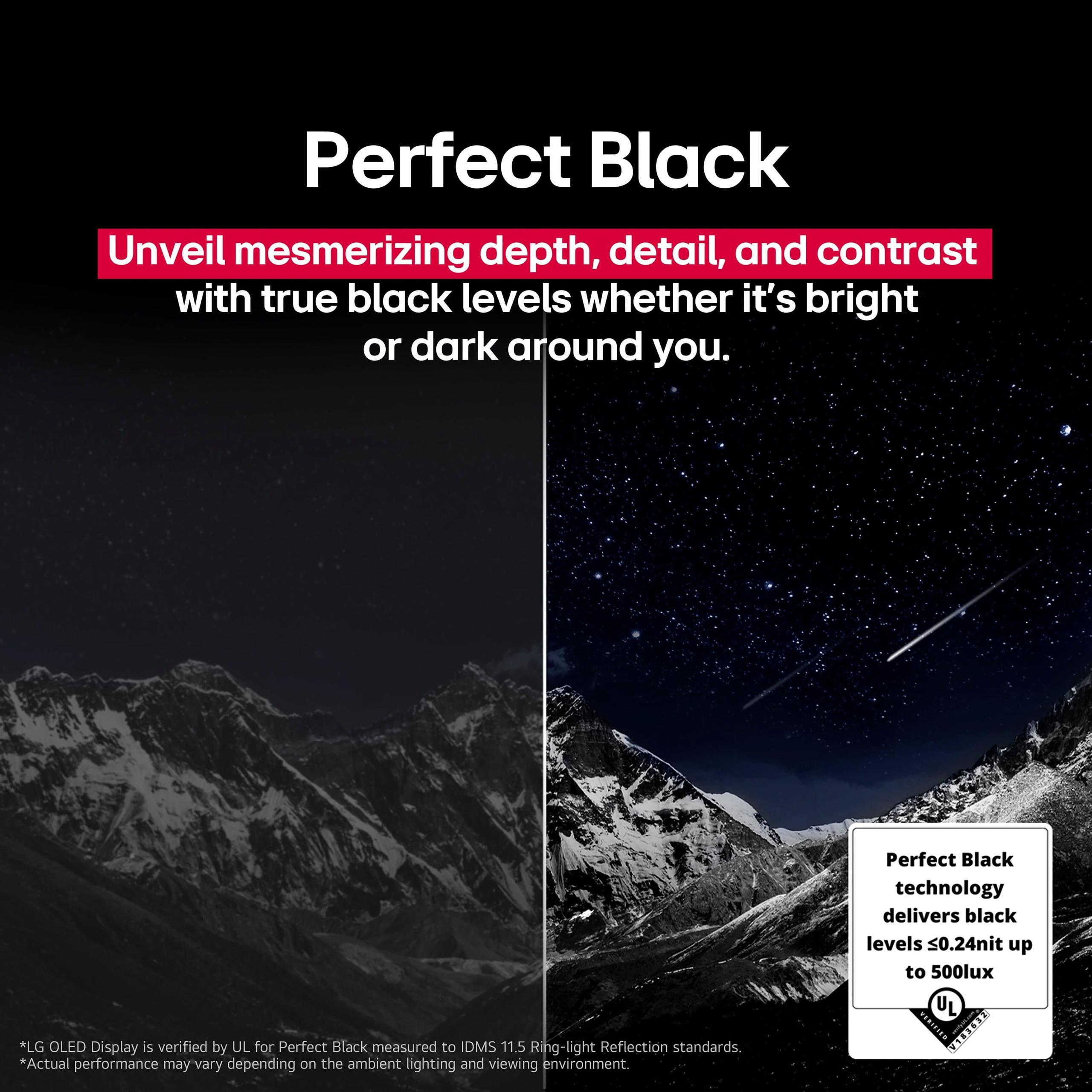
This is where the technological differences create the most dramatic viewing experience gap. The LG G5 achieves what's called infinite contrast ratio—when displaying a starry night sky, the black space between stars emits absolutely zero light, creating the same deep black you'd see with the TV turned off. This creates an incredibly three-dimensional image quality that makes content appear to jump off the screen.
The TCL NXTVISION, despite having good black levels for an LCD TV, simply cannot compete here. Because its LED backlighting system illuminates the entire panel, black areas appear as dark gray rather than true black. You'll notice this most in dark movie scenes or when watching space-themed content—the TCL produces what looks more like a dim gray rectangle around dark scenes, while the LG makes those areas disappear entirely.
However, the TCL has one significant advantage: it's immune to the burn-in concerns that can affect OLED displays. If you frequently watch news channels with persistent logos, play games with static interface elements, or use your TV for computer work, the LCD technology won't suffer permanent image retention.
This is where the 2025 LG G5 made its biggest leap forward. Previous OLED TVs struggled with peak brightness, making them less suitable for bright rooms or impactful HDR (High Dynamic Range) content. HDR is a technology that allows displays to show a wider range of brightness levels, creating more realistic images with bright highlights and deep shadows simultaneously.
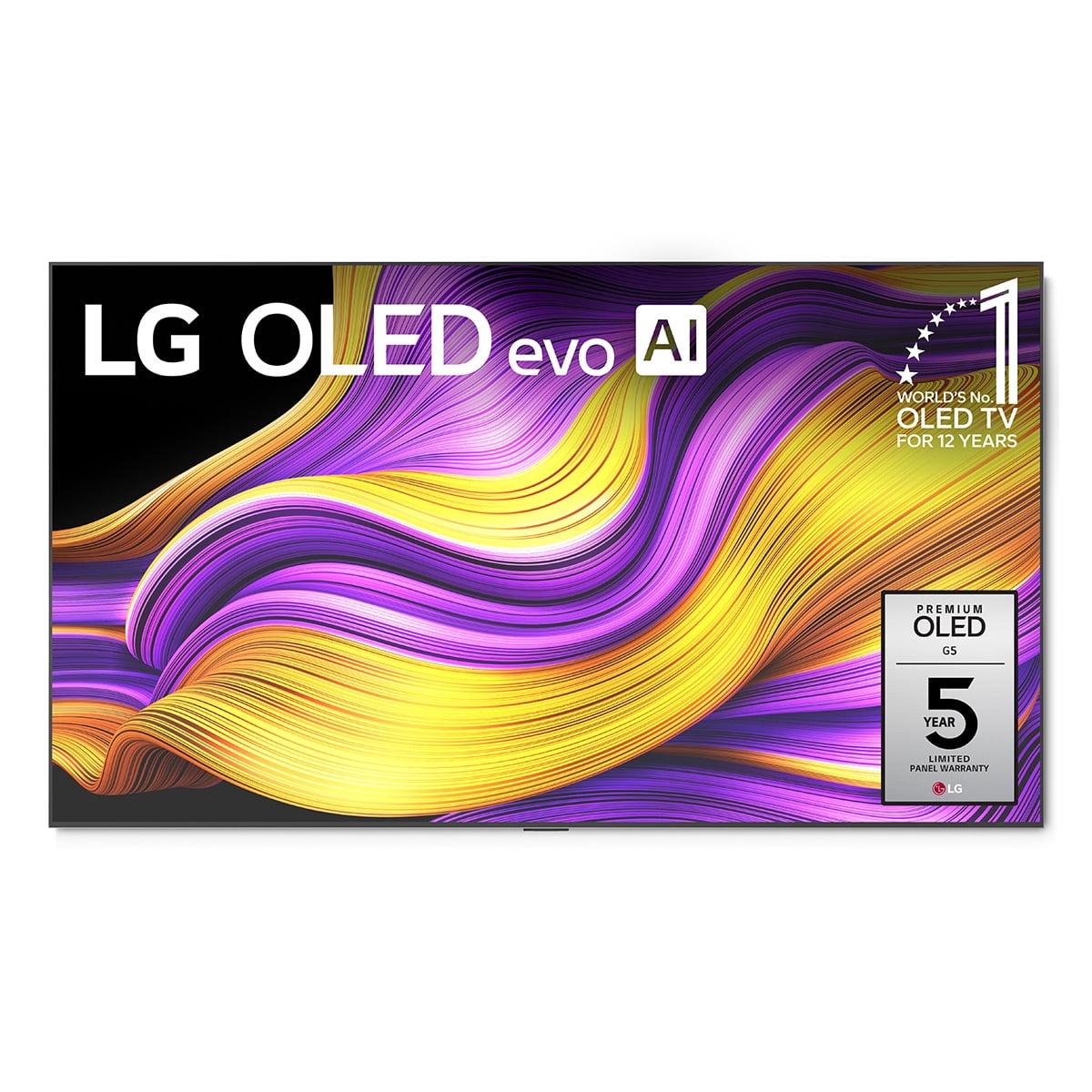
The LG G5's new Brightness Booster Ultimate technology can reach up to 3,300 nits in small HDR highlights—that's bright enough to simulate the sun reflecting off water or a car windshield in a movie. Combined with perfect blacks, this creates dramatic contrast that makes HDR content truly spectacular.
The TCL NXTVISION, while adequate for most viewing, delivers more modest HDR performance. It can display HDR content, but without the peak brightness needed to create those "wow" moments where highlights seem to glow off the screen. For most everyday content, this difference isn't dramatic, but when watching premium movies or playing HDR-enabled games, the LG provides a noticeably more immersive experience.
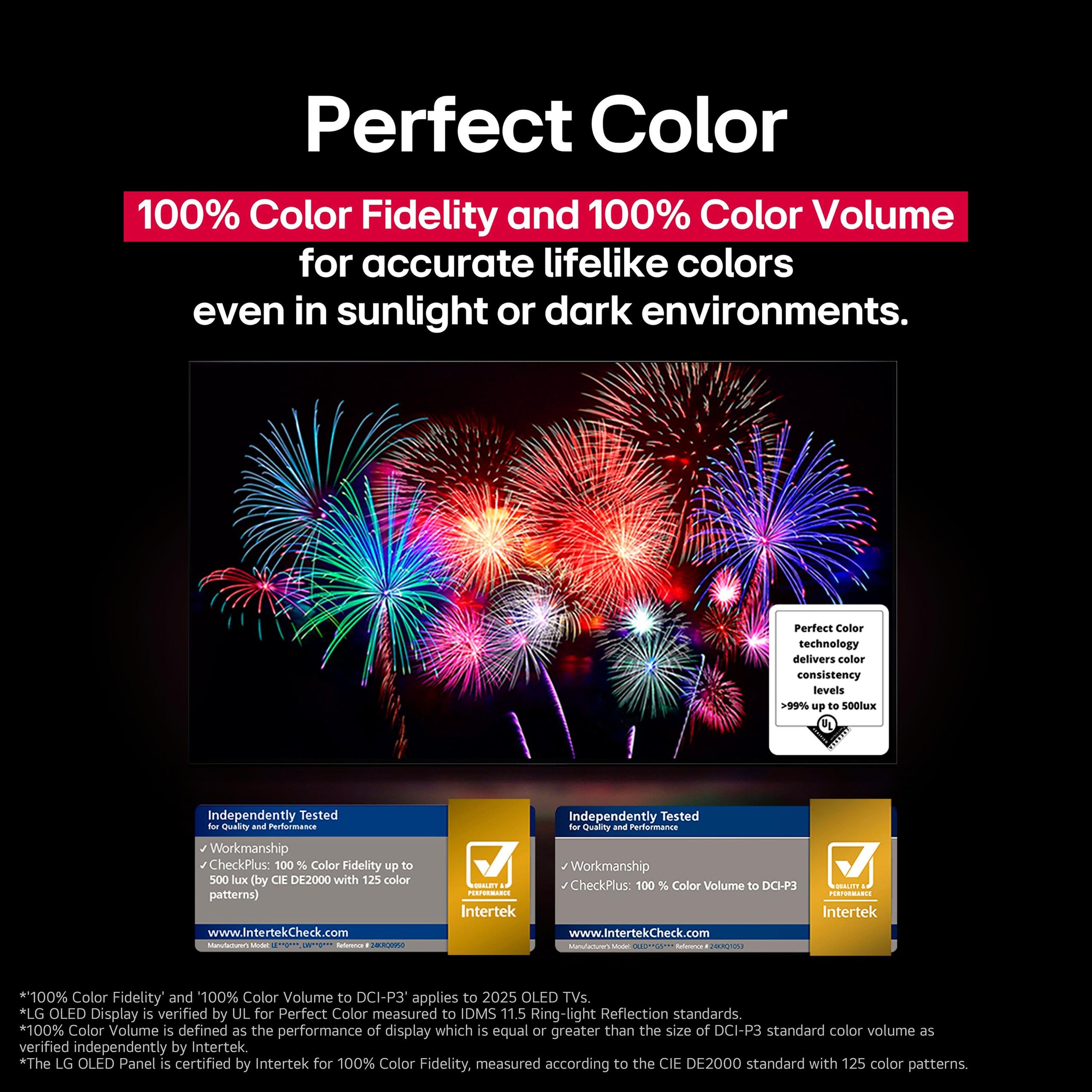
Both TVs handle color well, but through different approaches. The TCL's quantum dot technology enhances color saturation and accuracy beyond standard LCD TVs, producing vibrant and lifelike colors that represent good performance for its price category.
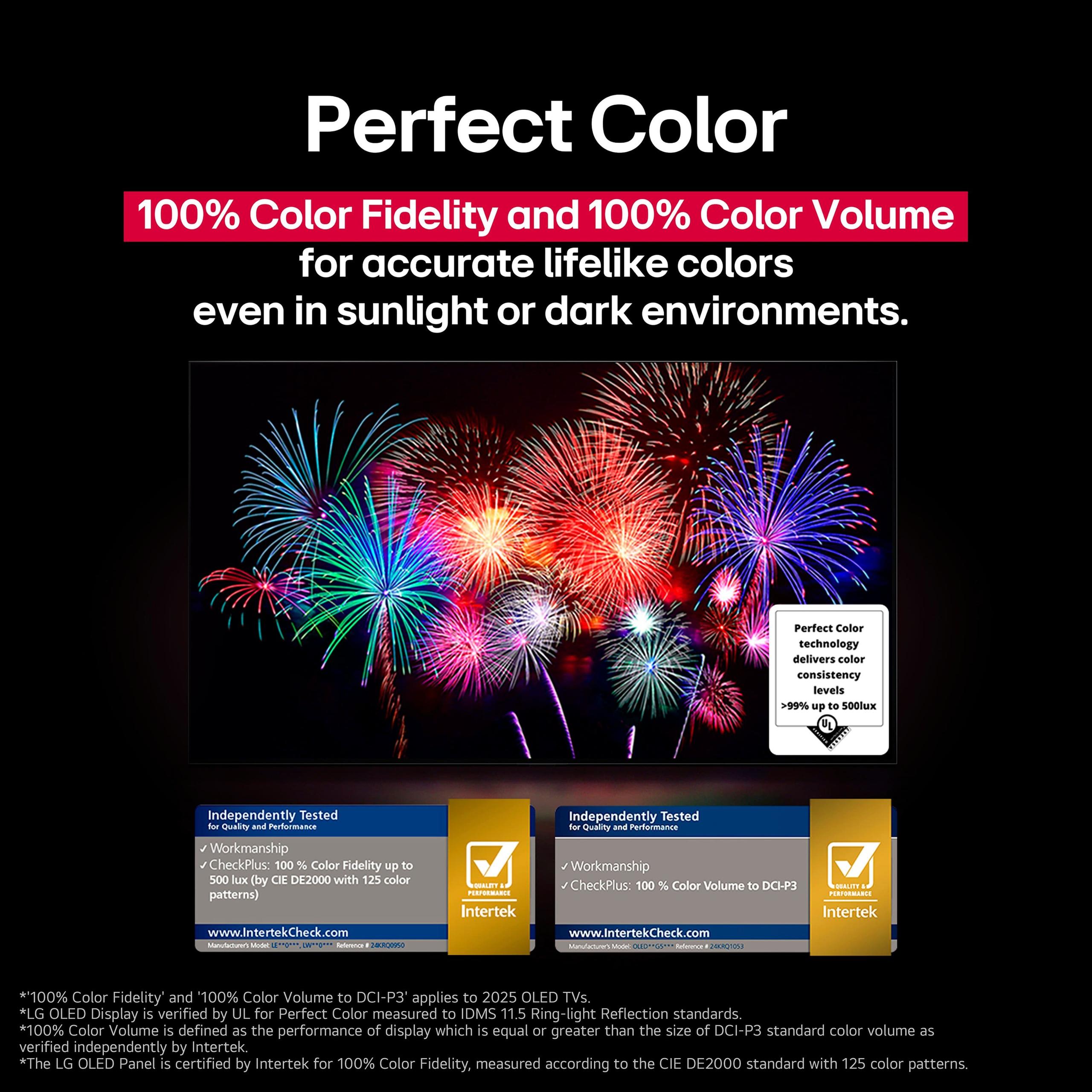
The LG G5's 4-stack RGB panel achieves superior color purity and volume. OLED's ability to control each pixel independently means it can display deep, saturated colors right next to perfect blacks without any bleeding or interference. This creates more accurate skin tones, more vibrant nature scenes, and better overall color reproduction across all types of content.
For most viewers, both TVs will look significantly better than older or budget models, but the LG provides the more accurate and cinema-quality color reproduction that serious movie watchers will appreciate.

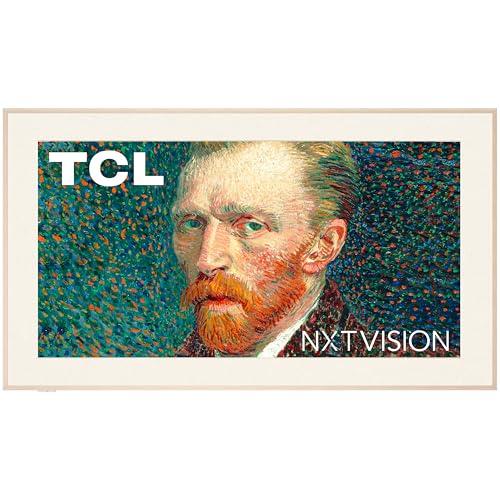
The TCL NXTVISION's standout feature is its transformation into a digital art display when not in use. This isn't just a screensaver—it's a carefully engineered system designed to mimic real artwork.
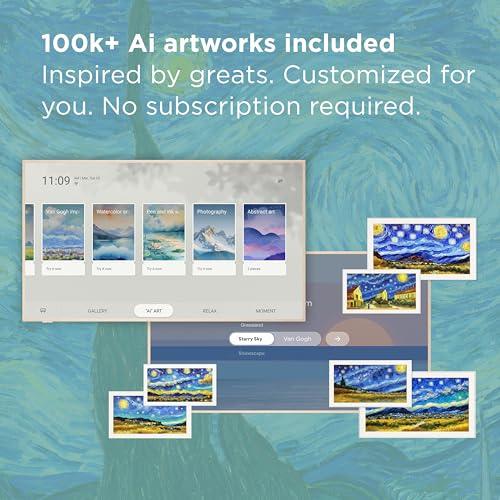
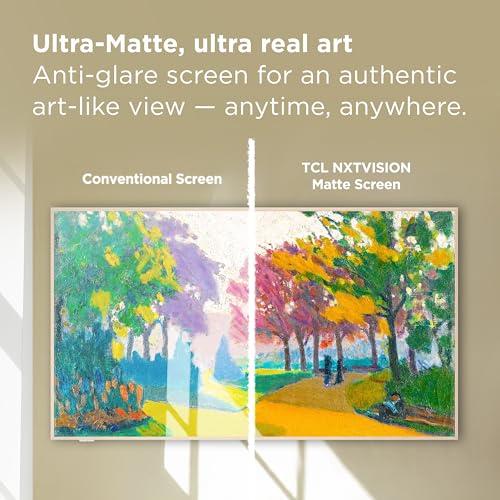
The ultra-matte anti-glare screen coating is the key innovation here. Unlike typical TV screens that are glossy and reflective, the TCL uses a highly matte finish that diffuses light like canvas or paper. When displaying artwork, it genuinely looks like a framed painting or photograph rather than an electronic screen. The TV comes with a curated library of over 400 artworks plus AI art generation capabilities that can create thousands of unique images.
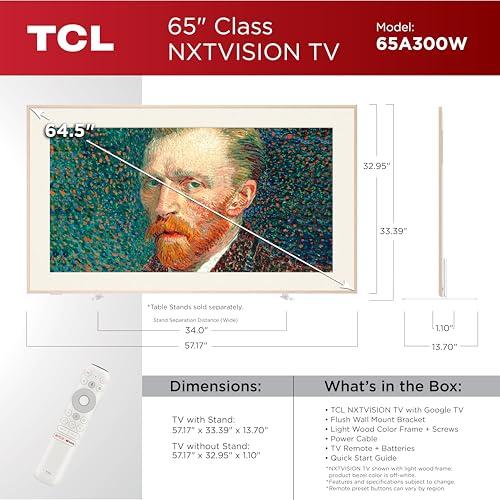
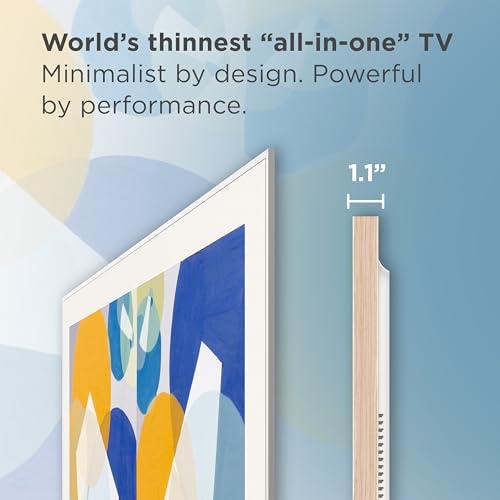
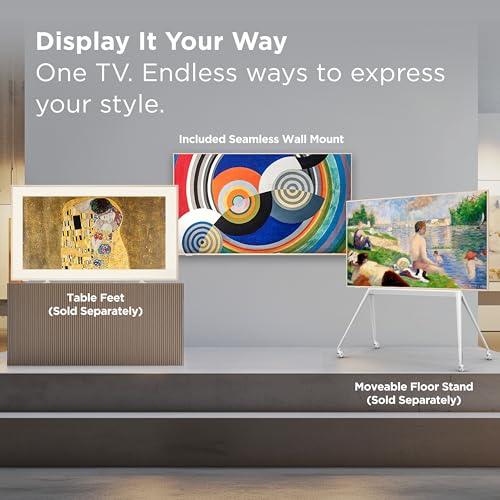
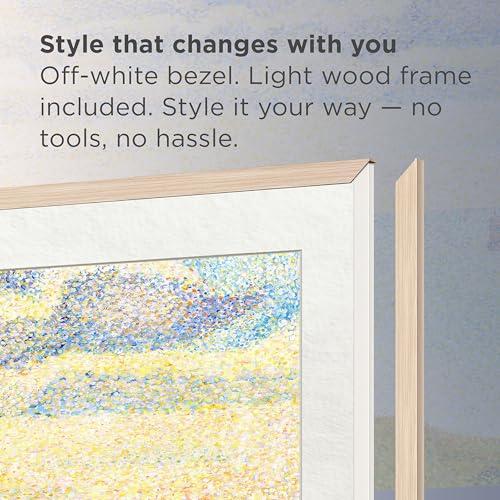
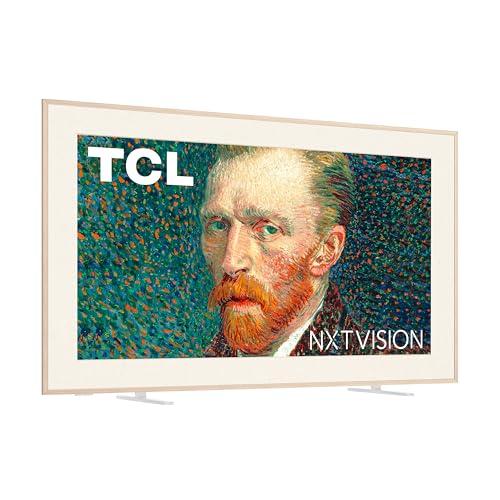
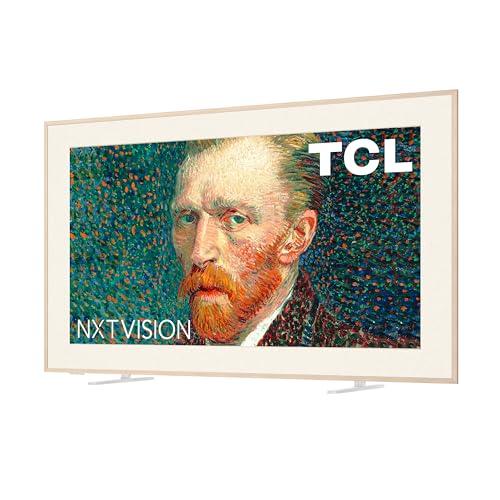
This feature addresses a real design challenge many people face: large black rectangles dominating their living spaces when the TV is off. The TCL includes a magnetic wood-like frame and sits just 1.1 inches deep when wall-mounted, making it genuinely resemble framed artwork.
The matte coating also provides practical benefits for regular TV viewing. It significantly reduces glare and reflections, making the TCL excellent for bright rooms with windows or overhead lighting. This is actually one area where it can outperform the LG G5 in certain environments.
Modern gaming demands have pushed TV manufacturers to prioritize features like high refresh rates (how many times per second the screen updates), low input lag (delay between controller input and screen response), and variable refresh rate support (matching the TV's refresh to the game's frame rate for smoother motion).
The LG G5 leads significantly in gaming specifications. It supports 4K resolution at up to 165Hz refresh rate on all four HDMI ports—that means incredibly smooth motion for compatible games and PCs. It also features ultra-low input lag and advanced VRR technologies that eliminate screen tearing and judder.
The TCL NXTVISION offers solid gaming performance with 4K at 144Hz on two ports and supports high refresh rate 1080p gaming up to 240Hz. While not matching the LG's specifications, this is still excellent performance for console gaming and competitive play.
The real-world difference comes down to OLED's inherent advantages: instant pixel response times create cleaner motion with less blur during fast action. For serious gamers, especially those with high-end PCs or who play competitive games, the LG G5 provides a noticeably superior experience.
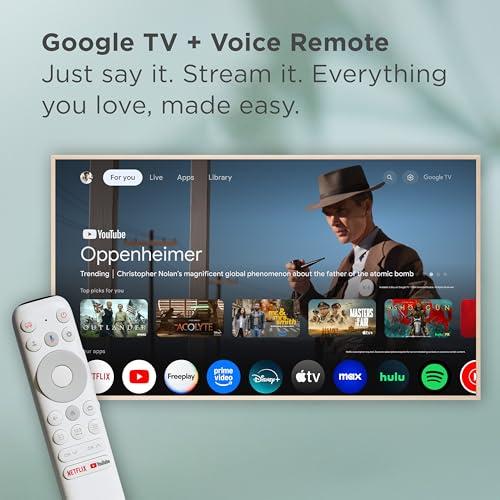
Both TVs run different smart platforms with their own strengths. The TCL NXTVISION uses Google TV, providing excellent integration with Google services, broad app compatibility, and familiar interface design for Android users.
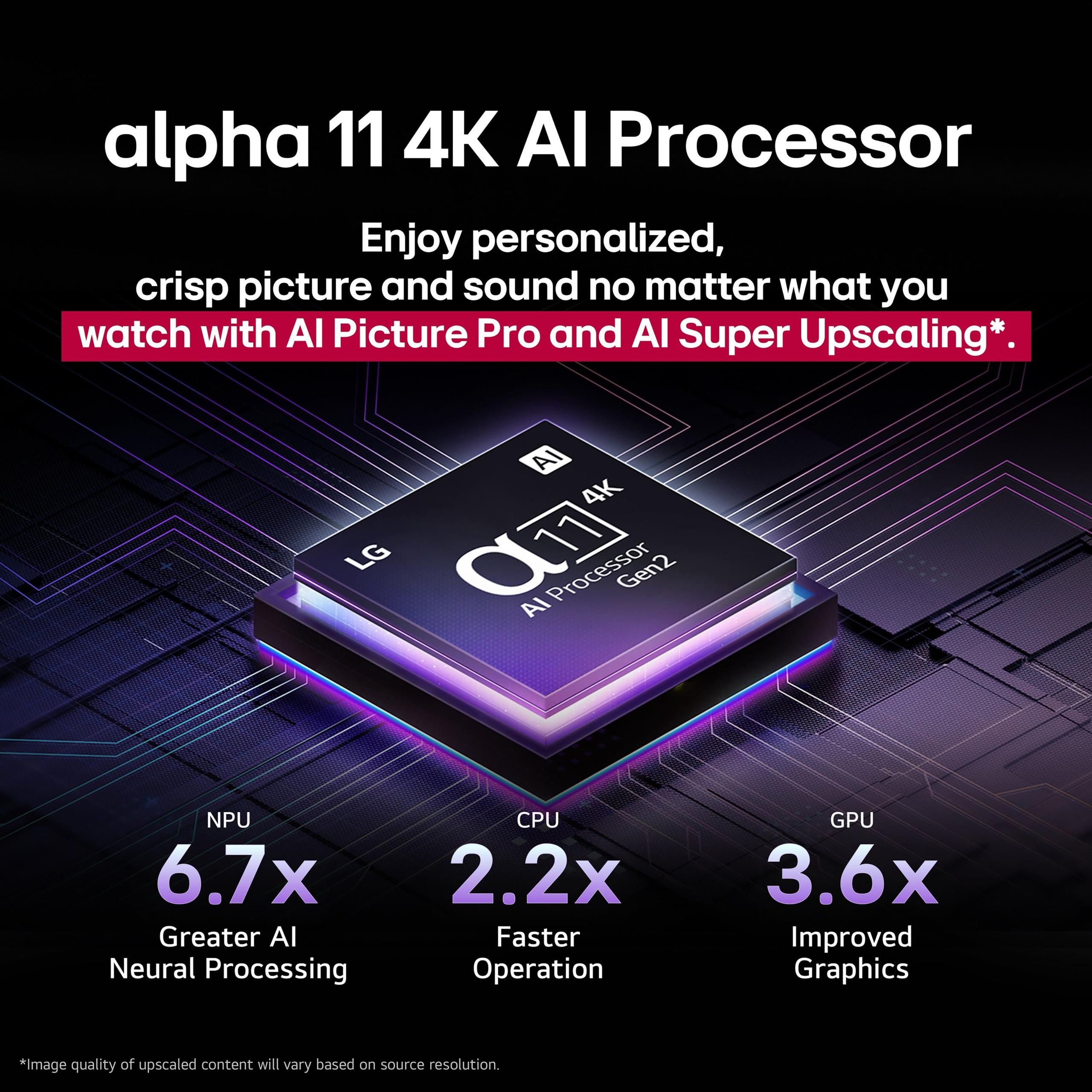
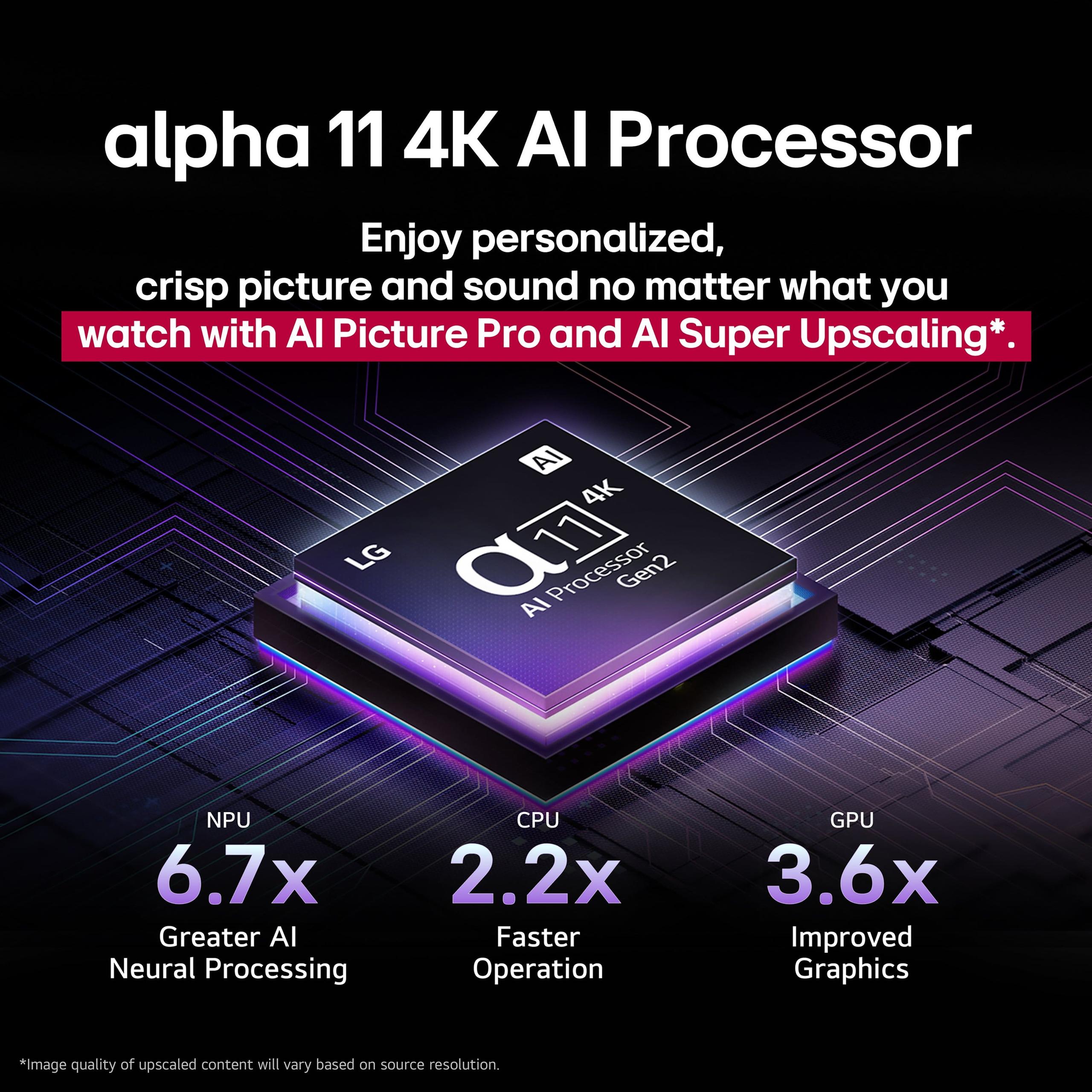
The LG G5 runs webOS 25 with LG's commitment to five years of software updates—a significant advantage for long-term ownership. It also features more advanced AI processing through the Alpha 11 processor, enabling better upscaling of lower-quality content and more intelligent picture optimization.
For most users, both platforms will provide access to all major streaming services and smart home integration. The LG's longer update commitment provides better assurance that the TV will remain current and secure over many years of use.
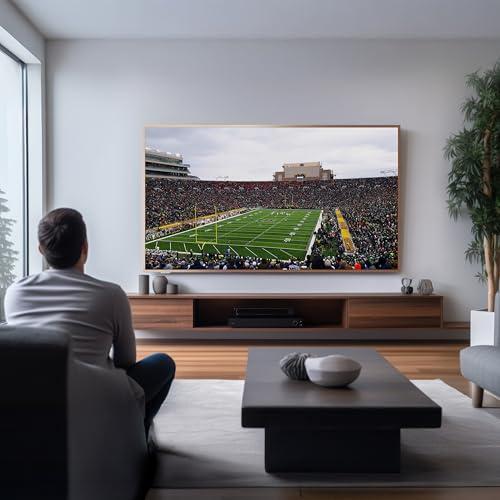
Your room's lighting conditions significantly impact which TV will perform better. The TCL NXTVISION's ultra-matte screen excels in bright environments—living rooms with large windows, spaces with overhead lighting, or areas where you watch TV during daytime hours. The anti-glare coating maintains good picture quality even when dealing with reflections.
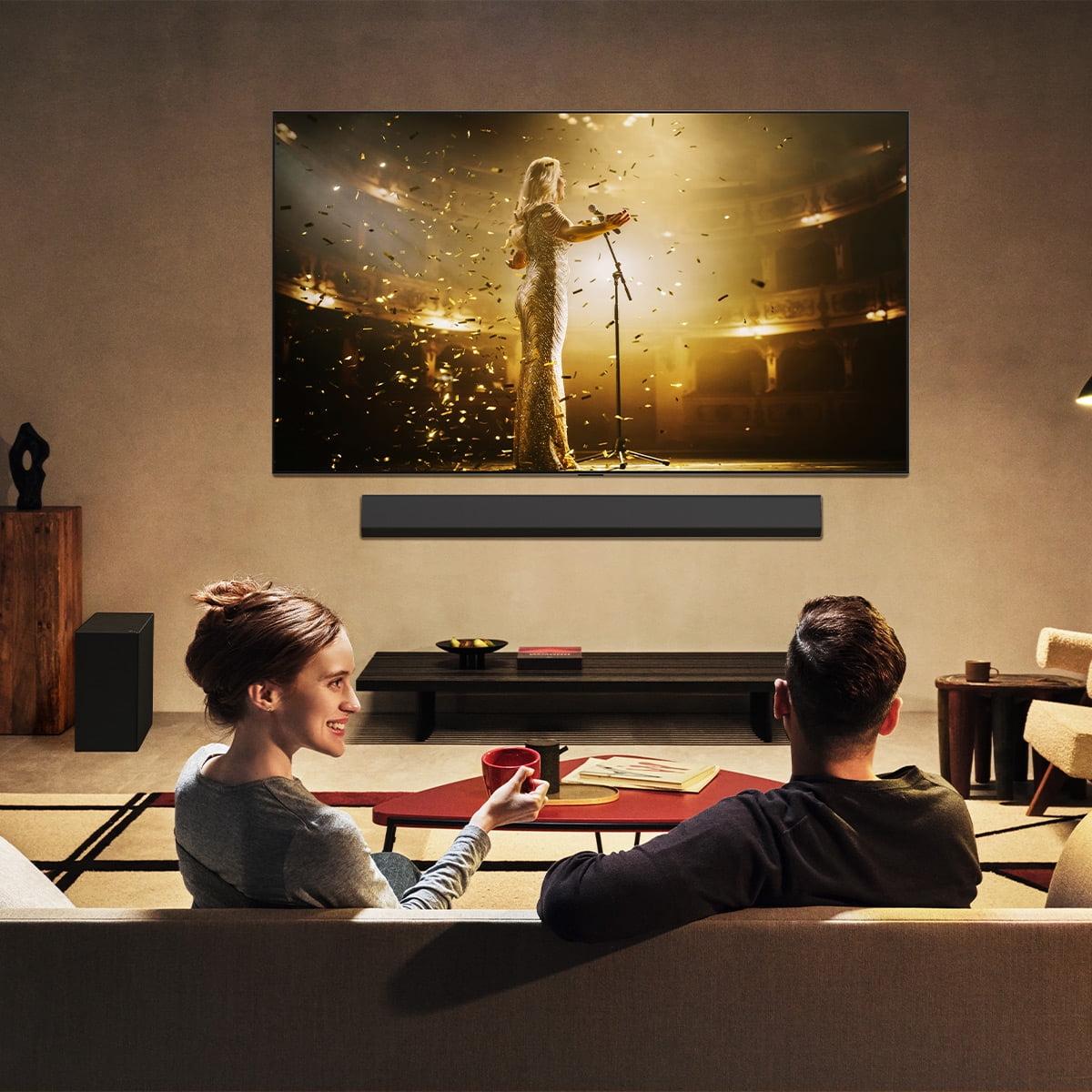
The LG G5, despite improvements in brightness over previous OLED generations, still performs best in controlled lighting environments. For dedicated home theater rooms or evening viewing with controlled lighting, its superior contrast and color accuracy create a more immersive experience.
If your primary viewing happens in a bright family room during daytime hours, the TCL might actually provide a more satisfying everyday experience despite its lower overall picture quality specifications.
At the time of writing, the price difference between these TVs is substantial—the TCL NXTVISION costs roughly one-quarter the price of the LG G5. This isn't just a price difference; it represents different value philosophies.
The TCL delivers about 80% of premium TV features at 25% of flagship cost, plus unique art display functionality not available elsewhere. For many families, this represents exceptional value—getting modern smart TV features, good picture quality, and unique design benefits without premium pricing.
The LG G5 represents an investment in cutting-edge technology and best-in-class performance. Its 5-year panel warranty demonstrates LG's confidence in the technology, and the display quality truly is in a different league for serious viewing.
From a longevity perspective, both approaches have merit. The TCL's LCD technology is mature and reliable, while the LG's advanced OLED panel should provide years of exceptional viewing with proper care.
Choose the TCL NXTVISION if:
Choose the LG OLED evo G5 if:
The choice between the TCL NXTVISION and LG OLED evo G5 ultimately comes down to matching the TV's strengths to your specific needs and viewing environment.
If you're looking for a conversation starter that serves dual purposes as both entertainment and art display, while providing good performance in bright rooms at an accessible price point, the TCL offers unique value that's hard to match anywhere else in the market.
If you prioritize the absolute best picture quality available and have the budget for a premium flagship model, the LG G5 delivers technology that's genuinely impressive and future-ready, especially for home theater enthusiasts and serious gamers.
Both TVs serve their intended markets well, with the dramatic price difference clearly reflecting their different approaches to premium television. The TCL proves that innovative features and good performance don't require flagship pricing, while the LG G5 demonstrates what's possible when cutting-edge technology meets premium engineering.
Consider your room environment, viewing habits, and budget priorities carefully—both options represent smart choices for their respective target audiences, just with very different strengths and value propositions.
| TCL 65" NXTVISION QLED 4K Art Frame TV | LG OLED evo G5 65" 4K Smart TV 2025 |
|---|---|
| Display Technology - Determines contrast, blacks, and viewing experience | |
| QLED (Quantum Dot LCD) with edge-lit LED backlighting | 4-Stack Tandem RGB OLED with self-lit pixels |
| Contrast Ratio - Critical for dark room viewing and HDR impact | |
| Good blacks for LCD but some light bleeding | Infinite contrast with perfect blacks |
| Peak Brightness - Essential for HDR performance and bright room viewing | |
| Adequate brightness with High Brightness+ LED | Up to 3,300 nits with Brightness Booster Ultimate |
| Anti-Glare Performance - Key for daytime and bright room viewing | |
| Ultra-matte anti-glare coating (excellent) | Standard OLED coating (good but not exceptional) |
| Gaming Refresh Rate - Important for PC gaming and next-gen consoles | |
| 4K @ 144Hz (2 HDMI 2.1 ports), 1080p @ 240Hz | 4K @ 165Hz (all 4 HDMI 2.1 ports) |
| Art Display Features - Unique functionality for lifestyle integration | |
| 400+ curated artworks, AI art generation, canvas-like matte finish | Standard gallery design, no dedicated art features |
| Smart Platform - Affects long-term usability and updates | |
| Google TV with standard support timeline | webOS 25 with 5-year update guarantee |
| Design Profile - Wall mounting aesthetics | |
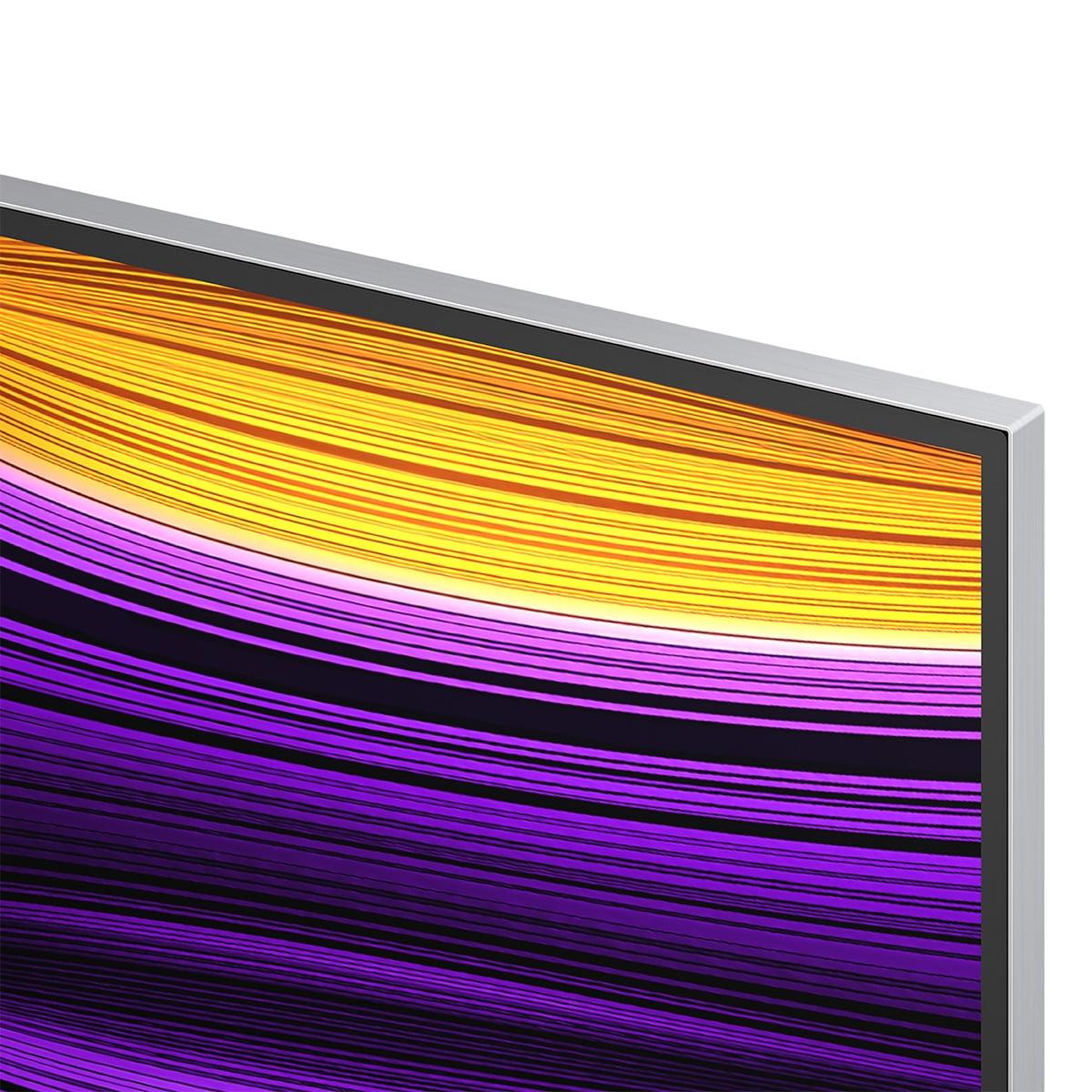
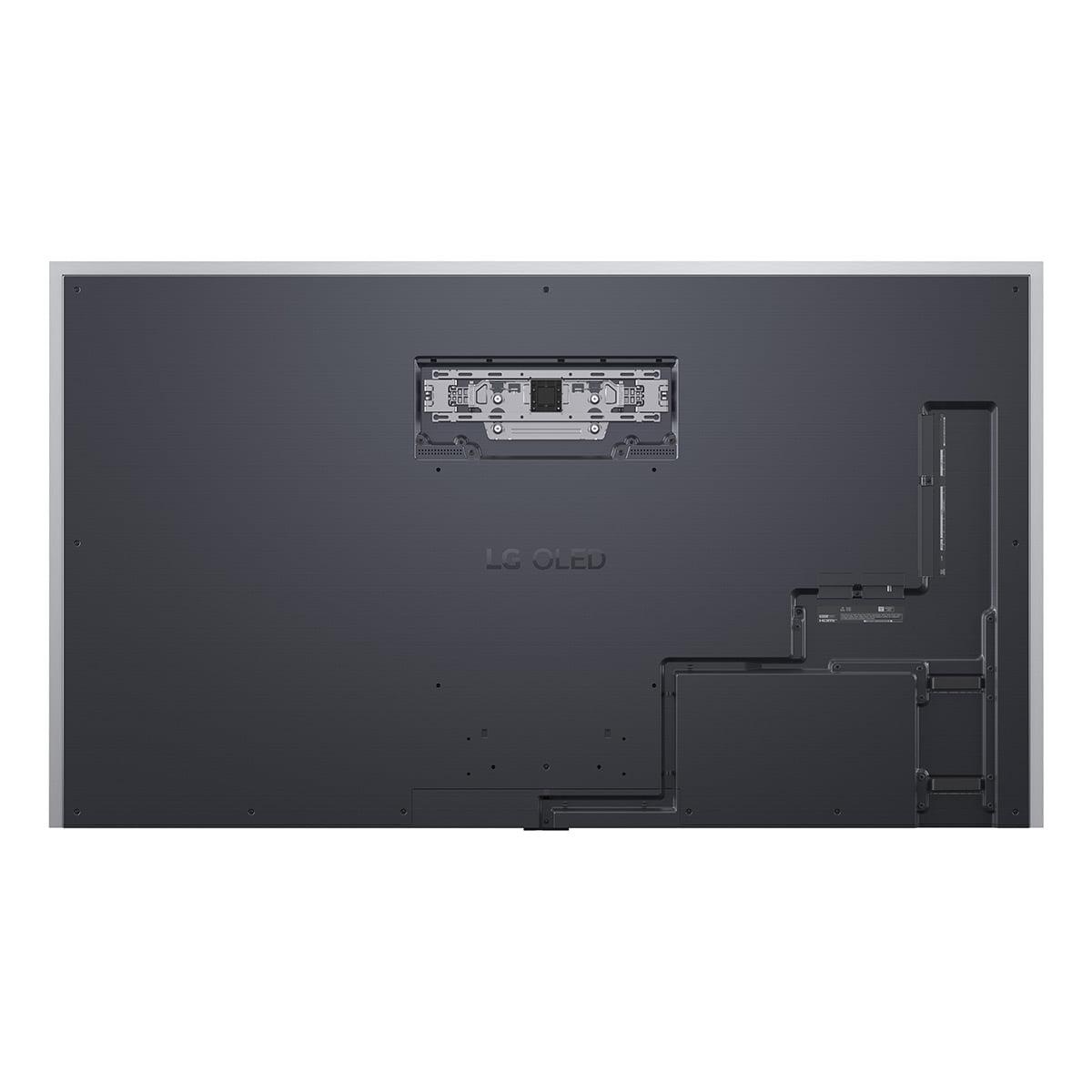
| 1.1" ultra-thin with magnetic wood frame, flush wall mount included | Premium gallery design with One Wall mounting system |
| Burn-In Risk - Important for varied content usage | |
| No burn-in risk (LCD technology) | Potential OLED burn-in with static content |
| Warranty Coverage - Protection for premium investment | |
| Standard 1-year limited warranty | 5-year panel warranty plus 1-year full coverage |
| Target Room Environment - Where each TV performs best | |
| Bright living rooms, daytime viewing, high ambient light | Dark rooms, controlled lighting, home theater setups |
| Price Category - Value positioning in market | |
| Mid-range value with premium features | Premium flagship pricing |
The LG OLED evo G5 delivers superior picture quality with perfect black levels and infinite contrast ratio thanks to its OLED technology. Each pixel can turn completely off, creating true blacks that make dark scenes in movies look incredibly realistic. The TCL NXTVISION offers good picture quality for its category but cannot match OLED's contrast performance, especially in dark room viewing scenarios.
The biggest difference is display technology and purpose. The TCL NXTVISION is designed as a dual-purpose TV and art display with QLED technology, while the LG OLED evo G5 is a premium performance TV focused on delivering the best possible picture quality using advanced OLED technology.
The TCL NXTVISION excels in bright environments thanks to its ultra-matte anti-glare screen coating that significantly reduces reflections. While the LG G5 is brighter than previous OLED models, it can still struggle with reflections in very bright rooms, making the TCL the better choice for daytime viewing in sunny spaces.
Both TVs support gaming, but the LG OLED evo G5 is superior for PC gaming with 4K at 165Hz on all HDMI ports and ultra-low input lag. The TCL NXTVISION offers solid gaming performance with 4K at 144Hz and 1080p at 240Hz, making it good for console gaming but the LG G5 provides the premium gaming experience.
The TCL NXTVISION runs Google TV with broad app compatibility and familiar interface, while the LG OLED evo G5 uses webOS 25 with more advanced AI features and a 5-year software update guarantee. Both provide access to major streaming services, but the LG G5 offers better long-term software support.
The TCL NXTVISION transforms into a digital art display when not in use, featuring over 400 curated artworks and AI art generation. Its ultra-matte screen coating makes displayed art look like real canvas paintings, and it comes with a magnetic wood frame for a gallery-style appearance that blends into home decor.
The LG OLED evo G5 is ideal for home theater setups with its perfect black levels, superior HDR performance, and accurate colors that create a cinema-like experience. In controlled lighting environments, the LG G5 delivers dramatically better contrast and color accuracy than the TCL NXTVISION.
The TCL NXTVISION uses LCD technology and has no burn-in risk, making it safe for displaying static content like news channels or gaming interfaces. The LG OLED evo G5 can potentially experience burn-in with prolonged static images, though LG includes a 5-year panel warranty to address these concerns.
The TCL NXTVISION offers exceptional value in the mid-range category, providing premium features and unique art functionality at a fraction of flagship pricing. The LG OLED evo G5 commands premium pricing that reflects its cutting-edge display technology and best-in-class performance, making it an investment for serious viewing enthusiasts.
Both the TCL NXTVISION and LG OLED evo G5 have adequate built-in speakers for casual viewing, with the LG G5 typically offering more advanced audio processing as a flagship model. However, both TVs benefit significantly from external sound systems for optimal audio performance in home theater setups.
The TCL NXTVISION is extremely thin at just 1.1 inches deep and includes a proprietary flush wall mount for seamless installation. The LG OLED evo G5 features a premium "One Wall Design" that also mounts flush to the wall. Both achieve gallery-style aesthetics, but the TCL specifically emphasizes the art frame appearance.
Choose the TCL NXTVISION if you want a TV that doubles as home decor, performs well in bright rooms, and offers great value with modern features. Select the LG OLED evo G5 if picture quality is your top priority, you have controlled lighting, and you're willing to invest in premium display technology for the best possible viewing experience.
We've done our best to create useful and informative comparisons to help you decide what product to buy. Our research uses advanced automated methods to create this comparison and perfection is not possible - please contact us for corrections or questions. These are the sites we've researched in the creation of this article: rtings.com - tcl.com - bestbuy.com - tcl.com - bestbuy.com - tcl.com - youtube.com - rcwilley.com - businessinsider.com - bestbuy.com - target.com - youtube.com - support.tcl.com - nfm.com - woodruffappliance.com - flatpanelshd.com - tcl.com - bestbuy.com - techradar.com - rtings.com - youtube.com - youtube.com - rtings.com - bestbuy.com - youtube.com - valueelectronics.com - lg.com - audio-videoplus.com - lg.com - lg.com - lg.com

Privacy Policy
Terms and Conditions - Affiliate Policy
Home Security
© Copyright 2008-2026.
11816 Inwood Rd #1211, Dallas, TX 75244