





When shopping for a premium 65-inch TV, you might assume all models in the same size category serve the same purpose. But TCL's NXTVISION Art Frame TV and QM8K Series prove that assumption wrong. These two TVs represent completely different philosophies about what a television should be in your home.
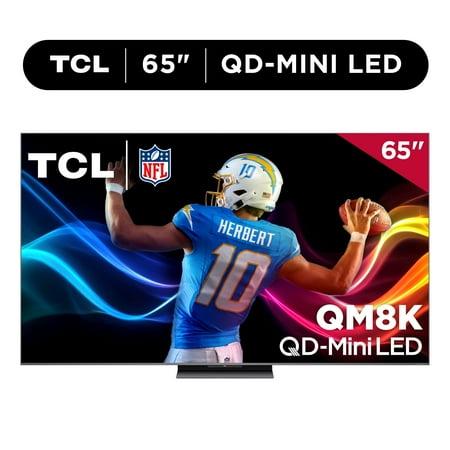
The NXTVISION, released in 2024, is TCL's answer to Samsung's popular Frame TV – it's designed to disappear into your décor when not in use, literally masquerading as a piece of framed artwork. The QM8K, launched in 2025, takes the opposite approach: it's all about delivering the most impressive picture quality possible, packed with cutting-edge Mini LED technology that competes with TVs costing significantly more.
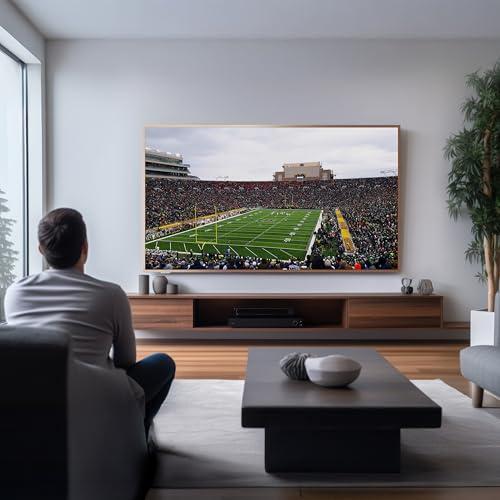
Most people think of TVs as performance devices first – bigger, brighter, and more colorful is better. But the lifestyle TV category, which includes the NXTVISION, prioritizes aesthetics and room integration over raw performance specs. These TVs solve a real problem: the big black rectangle dominating your living room when it's turned off.
Performance TVs like the QM8K go the traditional route, cramming in the latest display technology to deliver stunning visuals for movies, sports, and gaming. The question becomes: do you want a TV that blends in or one that stands out?
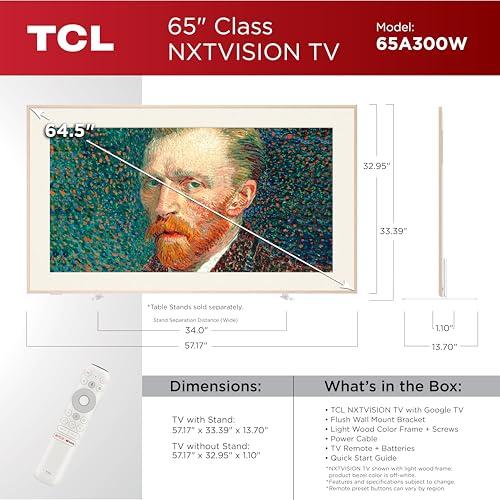
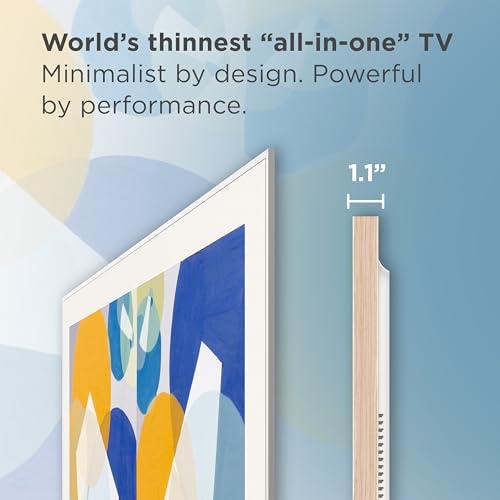
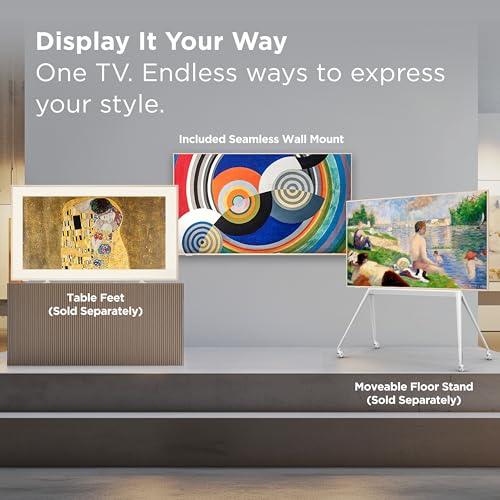
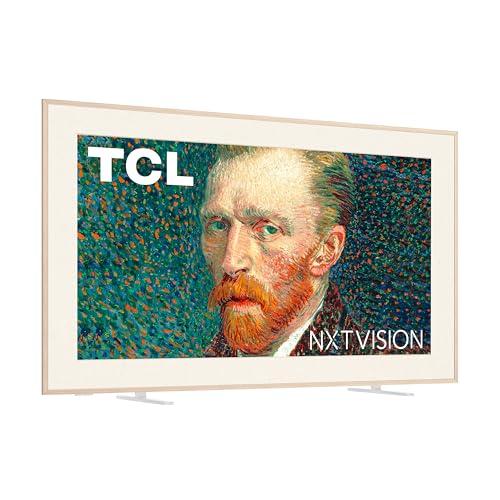
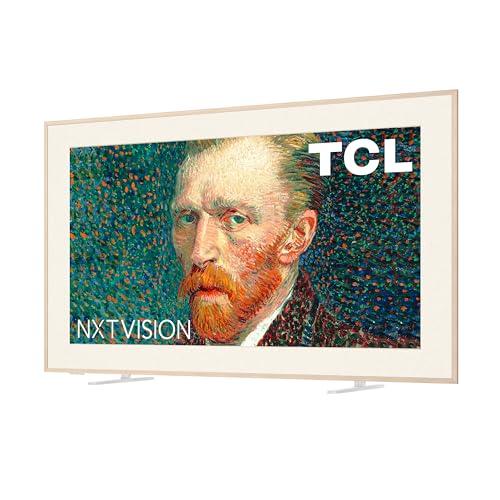
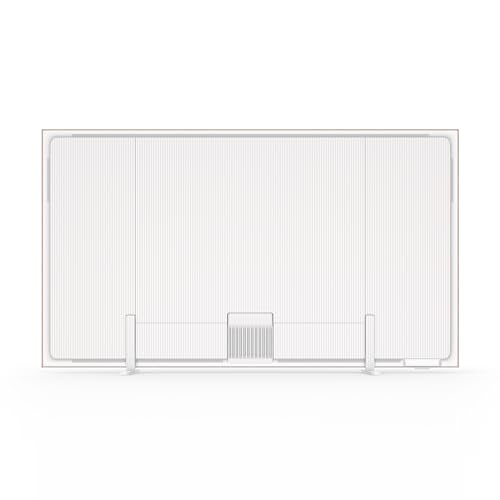
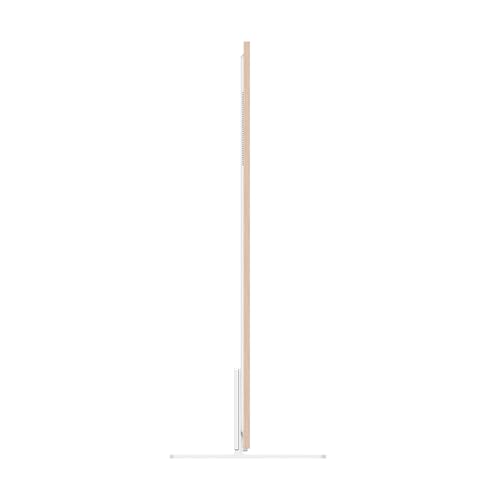
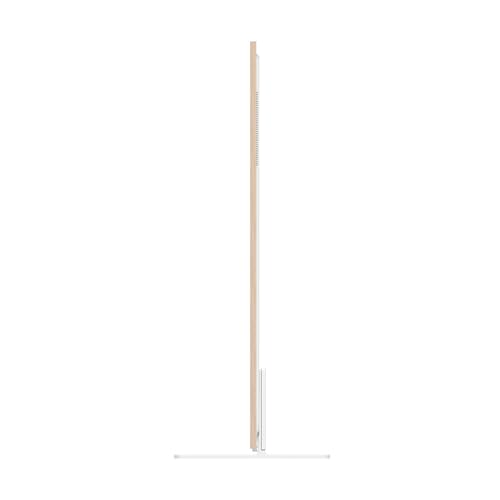
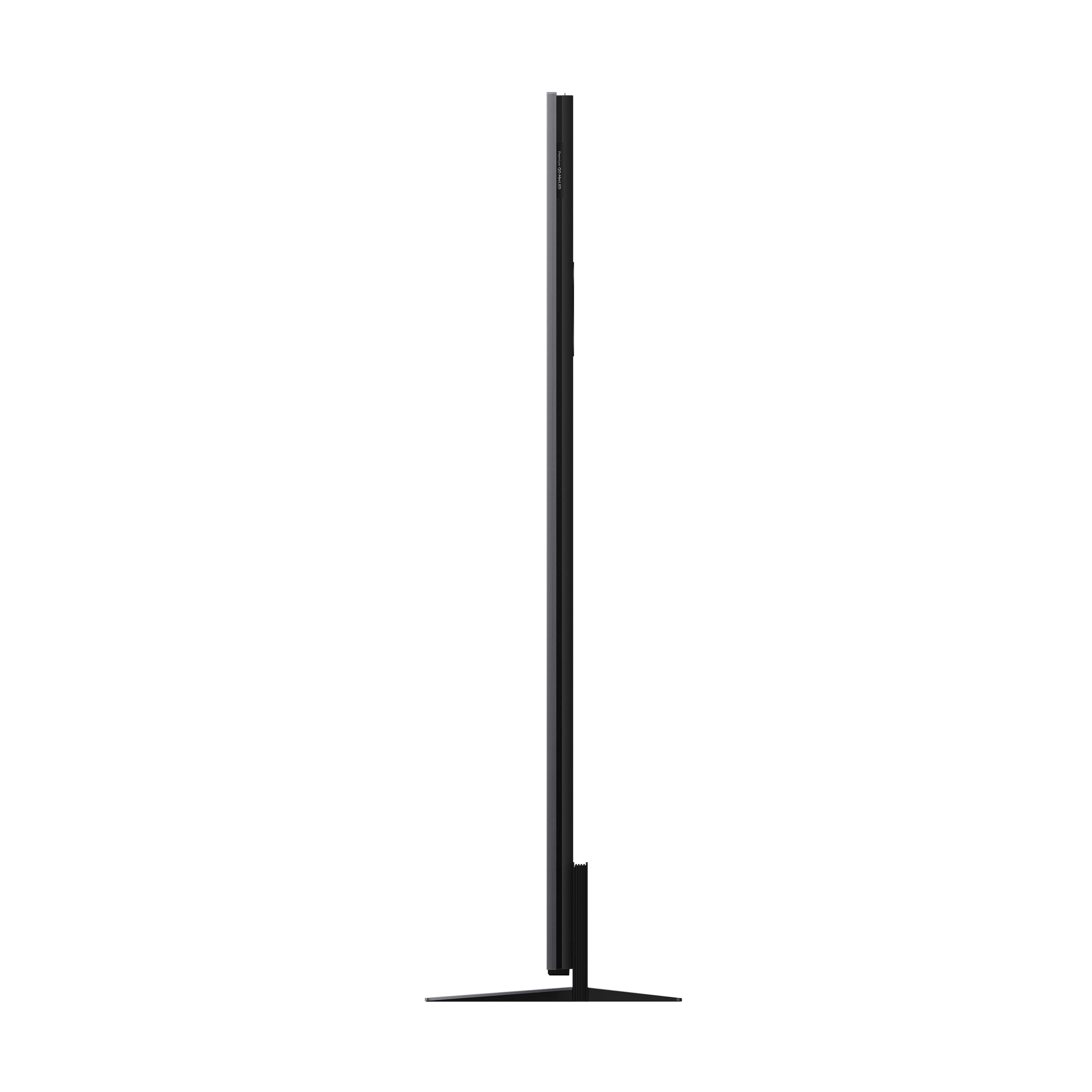
The NXTVISION's most striking feature is its impossibly slim profile. At just 1.1 inches deep, it's one of the thinnest TVs you can buy. The entire electronics package is built directly into the display panel – there's no separate box to hide or cables to run to a different location. When mounted flush against the wall using TCL's included proprietary mounting system, it looks remarkably like a framed piece of art.
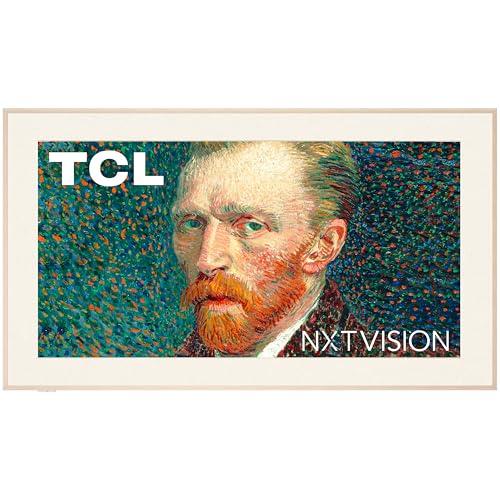
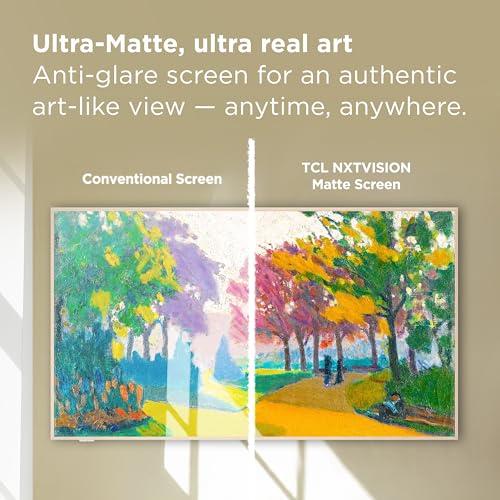
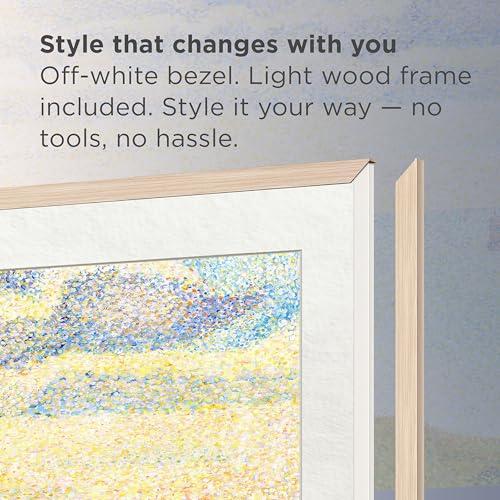
The magic happens with the interchangeable magnetic bezels. The TV comes with both an off-white bezel and a light wood frame that snaps on magnetically. When displaying artwork on its ultra-matte screen, the effect is convincing enough that guests might not realize it's a TV until you turn it on. The matte coating is key here – it eliminates the glossy reflection that immediately screams "television screen."
However, this ultra-slim design comes with trade-offs. The NXTVISION doesn't use standard VESA mounting holes, so you're locked into TCL's mounting system. There's no included stand either – this TV assumes you're wall-mounting it. Optional table stands and floor easel stands are available separately, but they defeat the sleek aesthetic that's the whole point.
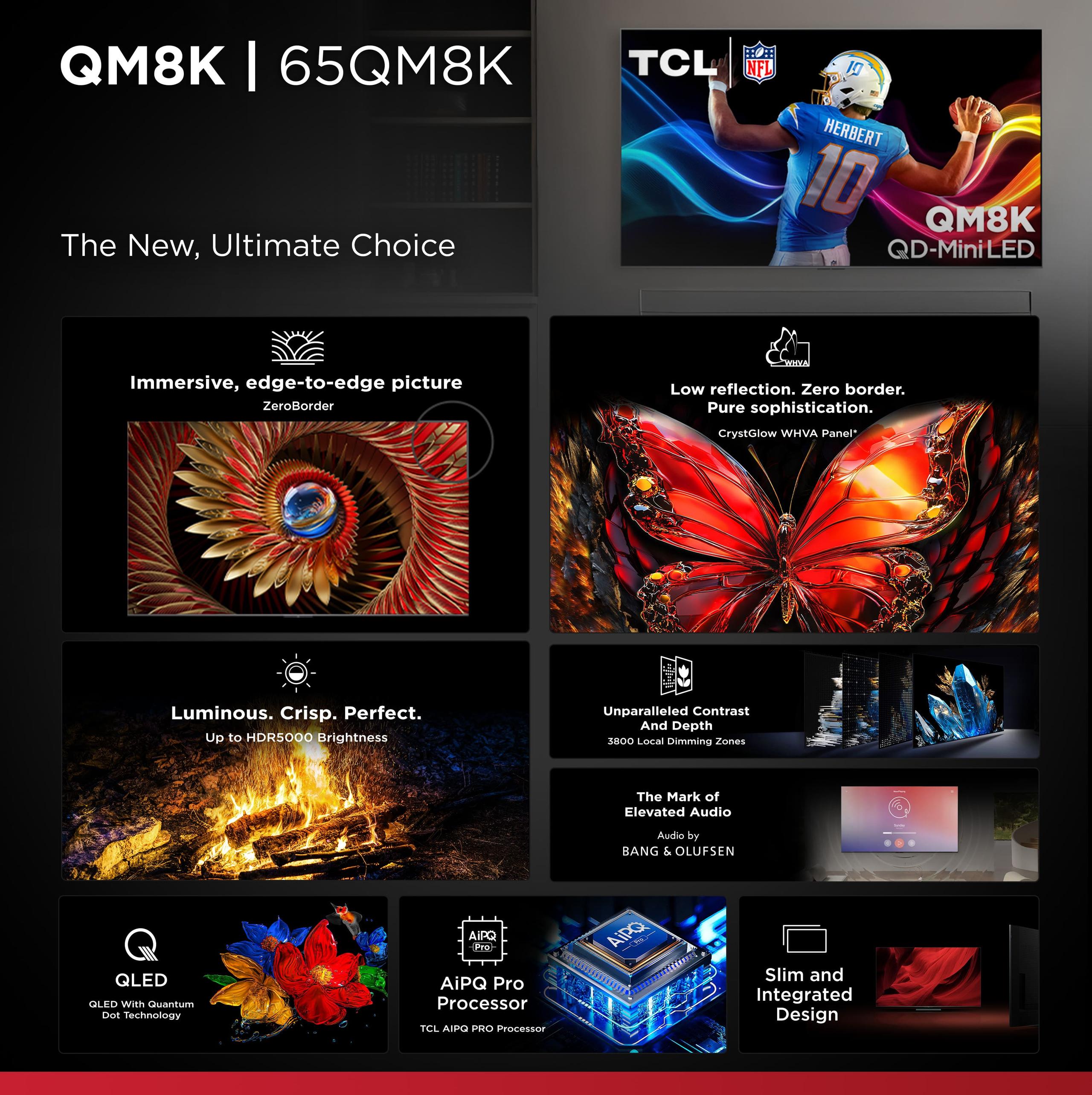
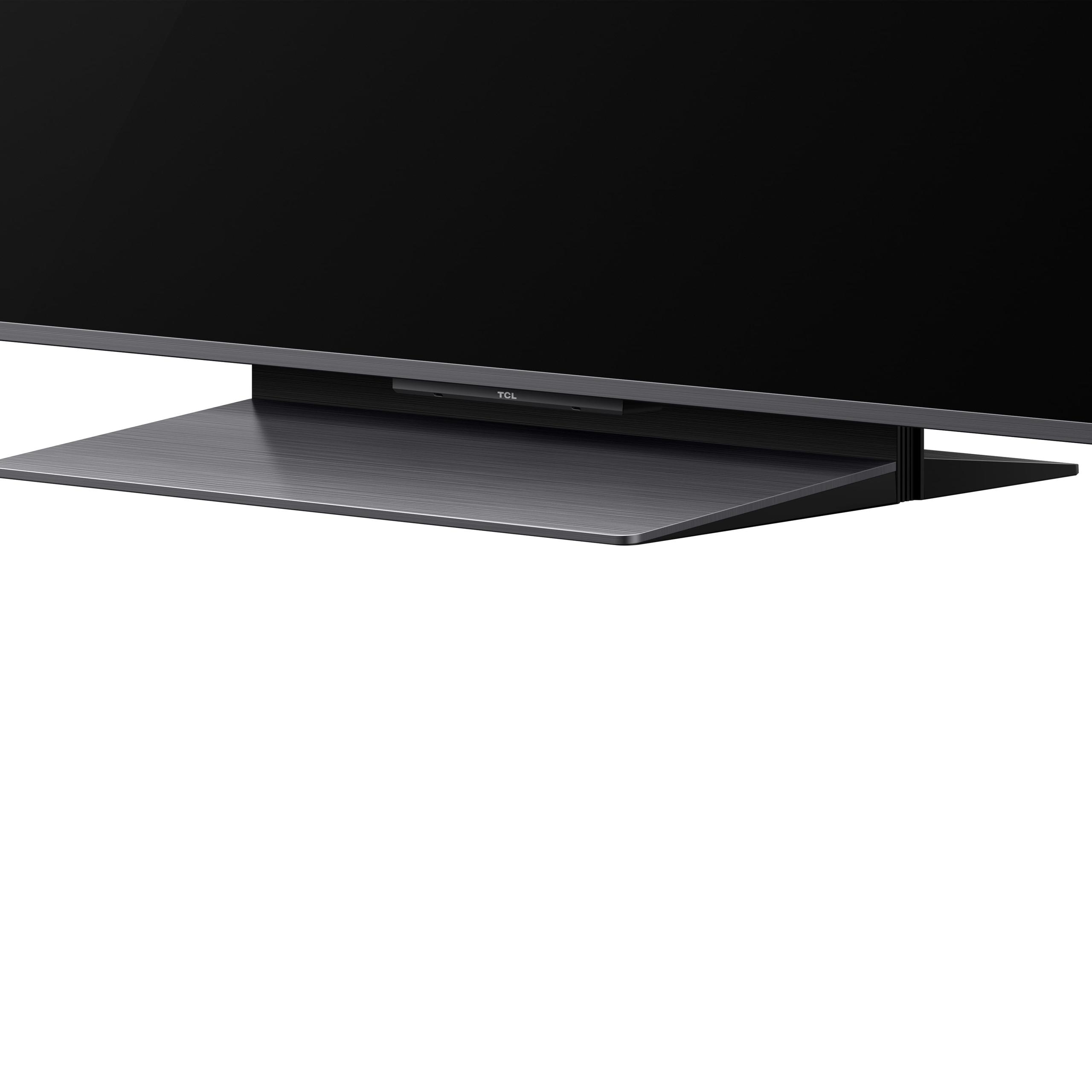
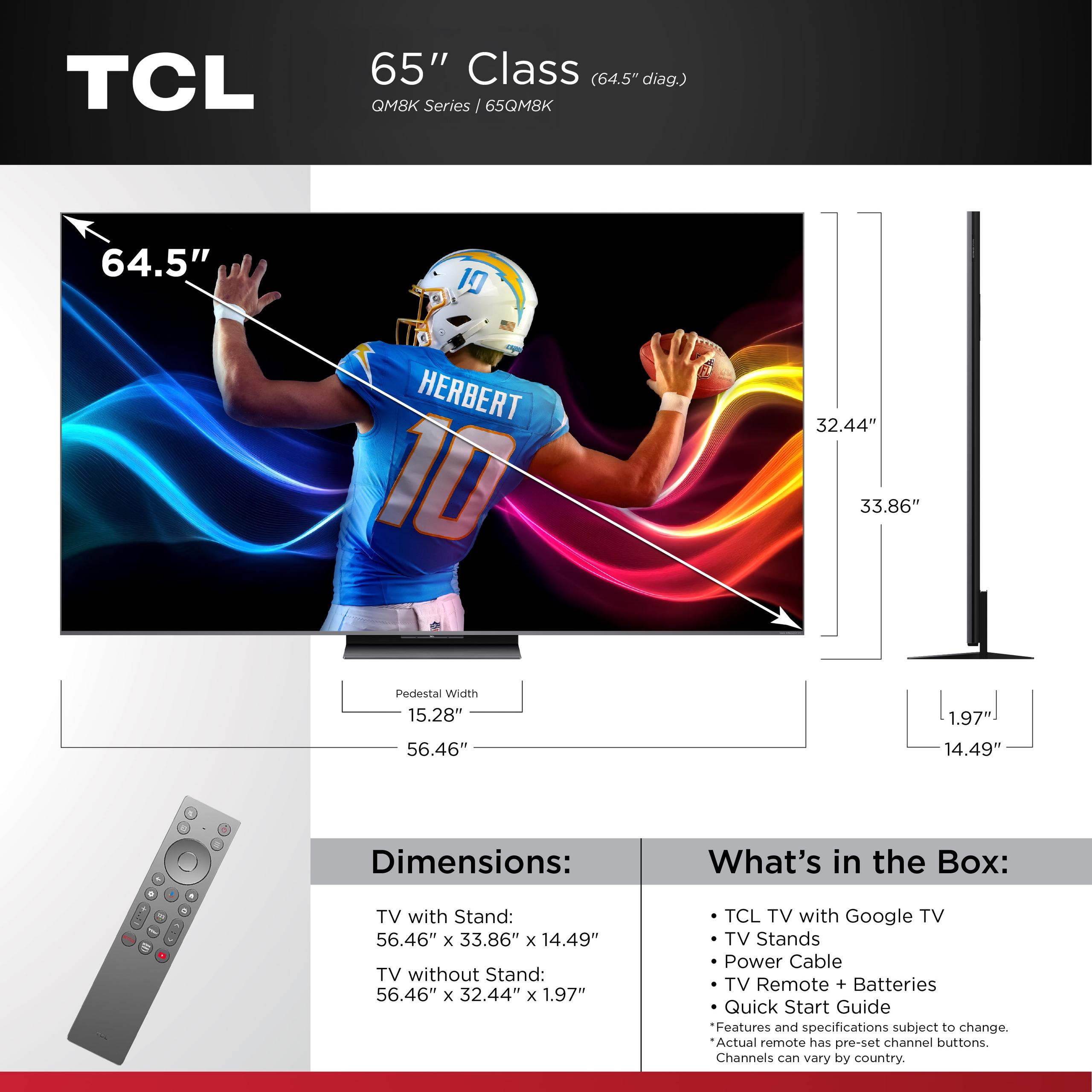
The QM8K takes a more conventional approach at 1.97 inches deep. That might sound thick compared to the NXTVISION, but it's still quite slim for a TV packed with advanced Mini LED backlighting technology. The extra depth allows for better heat management and more robust internal components. It includes a height-adjustable pedestal stand and uses standard VESA 300x300 mounting, giving you far more flexibility in how you set it up.
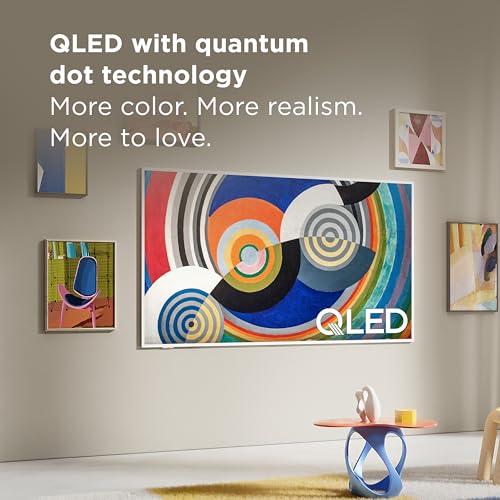
Here's where the fundamental differences become most apparent. The NXTVISION uses quantum dot technology (QLED) with edge-lit LED backlighting. In edge-lit designs, LEDs are placed around the perimeter of the screen, with light distributed across the panel through a light guide. This allows for extremely thin designs but limits how precisely the TV can control brightness in different areas of the screen.
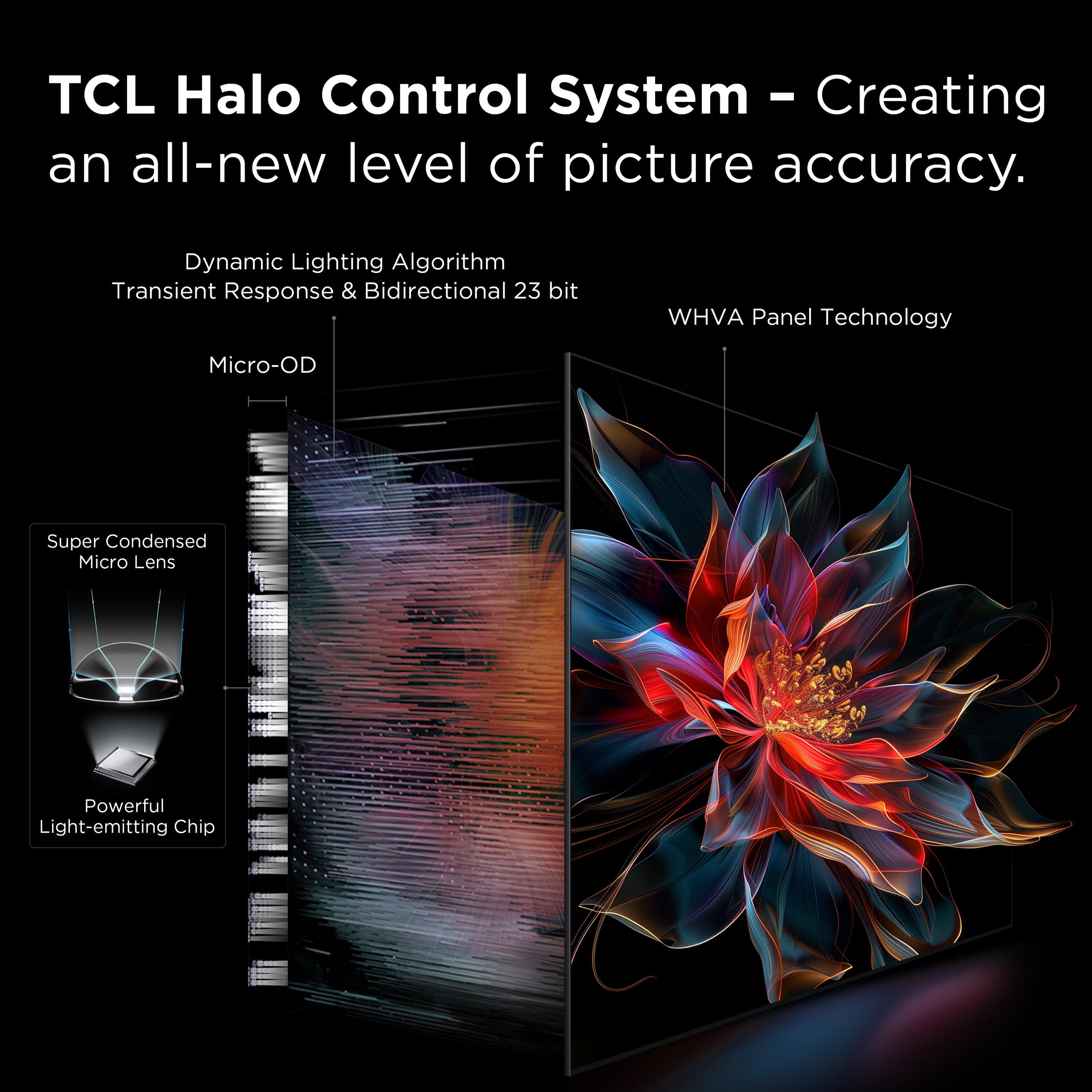
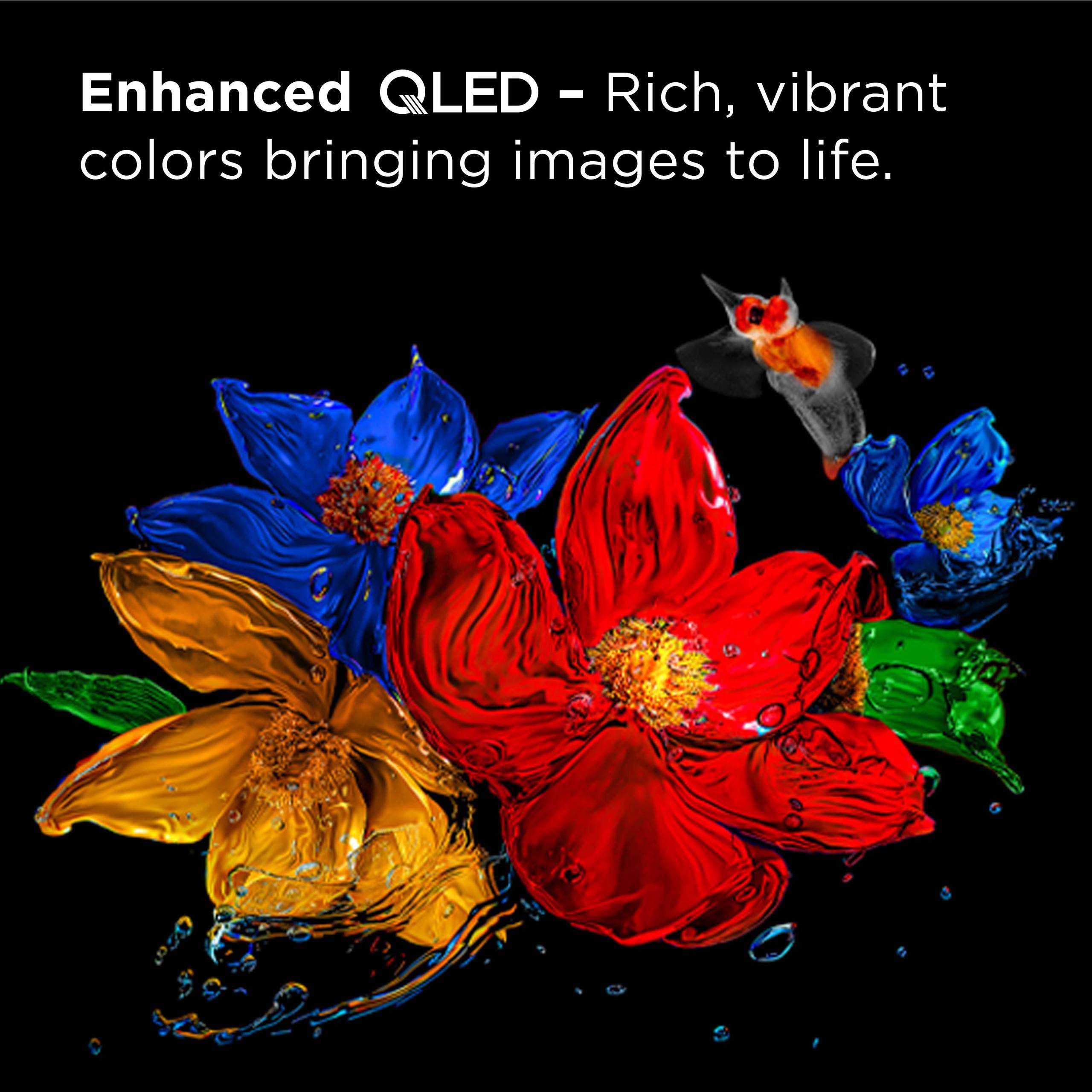
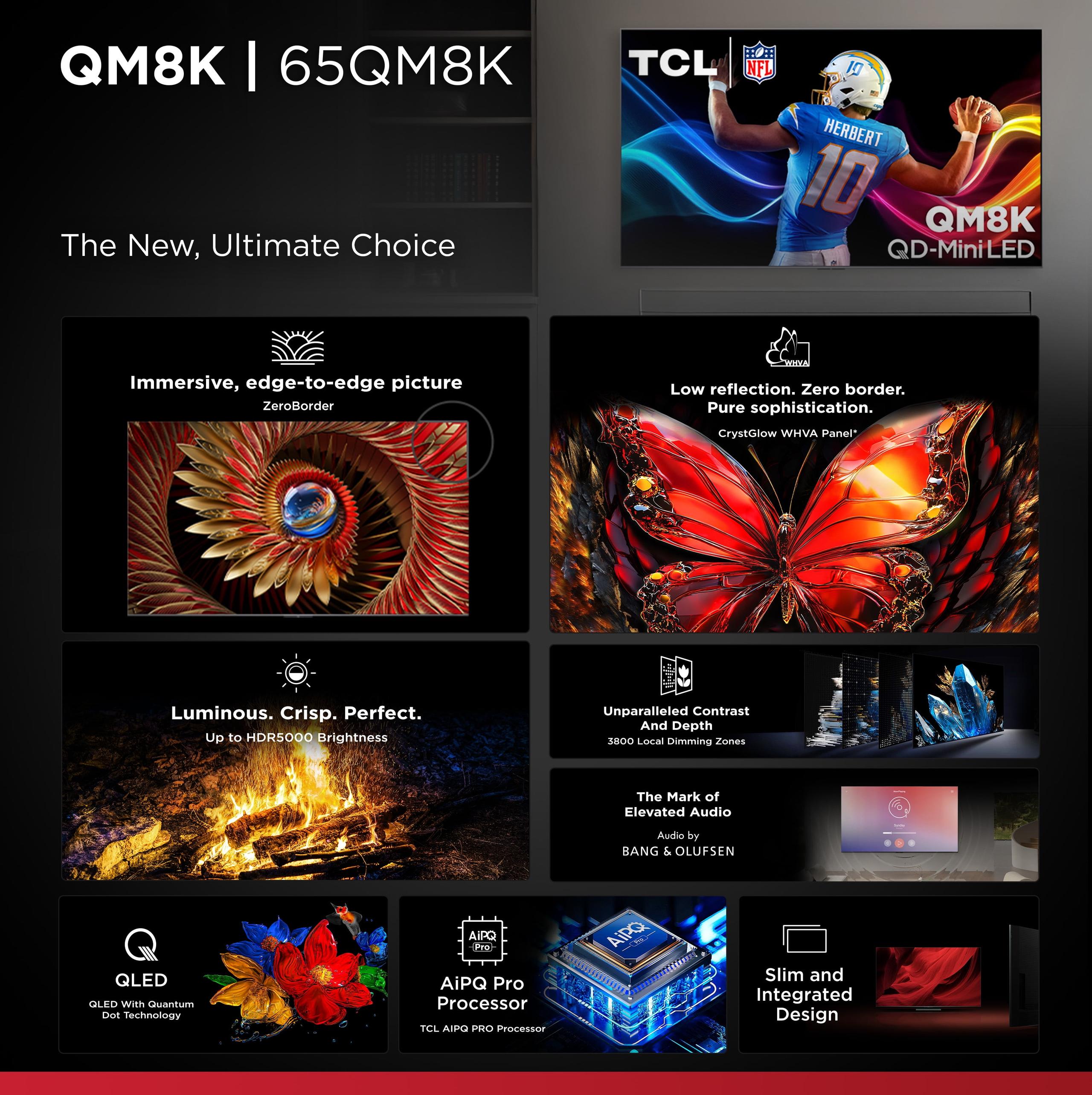
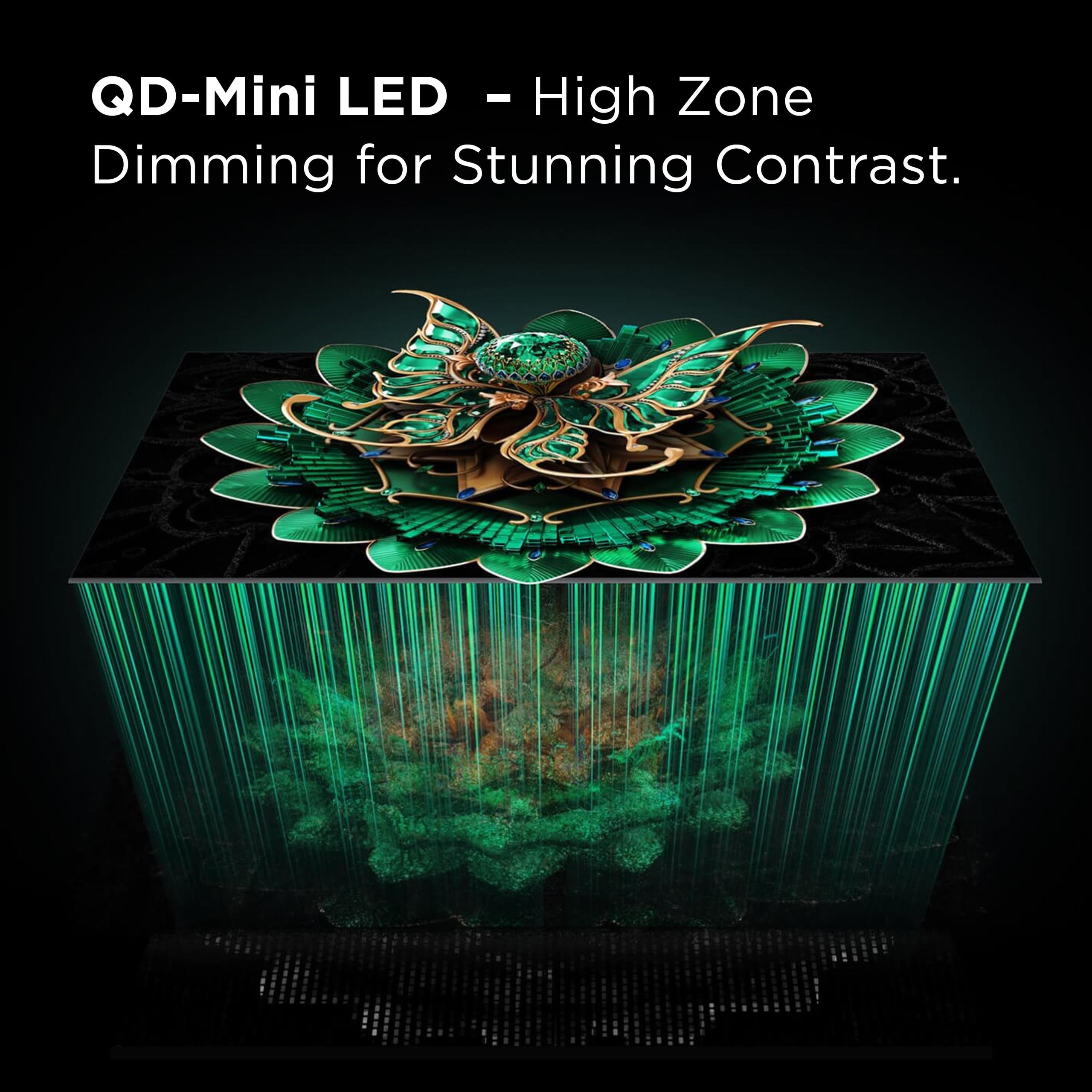
The QM8K employs QD-Mini LED technology, which is significantly more advanced. Mini LEDs are much smaller than traditional LEDs – about the size of a grain of rice – allowing manufacturers to pack thousands of them directly behind the screen. The QM8K features up to 3,800 local dimming zones, meaning it can brighten or dim specific areas of the screen independently.
This difference is crucial for contrast performance. The NXTVISION can't achieve true blacks because its edge-lit system always has some light bleeding across the entire panel. The QM8K can turn off Mini LEDs in specific zones to create much deeper blacks while simultaneously making bright areas incredibly luminous.
Peak brightness tells the story clearly. The QM8K can hit up to 5,000 nits in HDR content – that's bright enough to make you squint at specular highlights like the sun reflecting off water or explosions in action movies. The NXTVISION lists "High Brightness+" without specifying numbers, which typically indicates around 1,000 nits maximum. That's decent but nowhere near the QM8K's capability.
The NXTVISION's ultra-matte anti-glare coating deserves special attention because it fundamentally changes how the TV looks and performs. This coating scatters reflected light, eliminating the mirror-like reflections you get with glossy TV screens. In bright rooms with lots of windows, this is genuinely helpful – you can watch TV comfortably without constantly adjusting blinds or your seating position.
The matte finish also makes displayed artwork look remarkably convincing. Without the telltale glossy reflection, a high-quality art photo genuinely resembles a canvas print. However, this coating comes with image quality compromises. It slightly softens fine details and can make colors appear less vibrant compared to glossy screens. It's not a dealbreaker, but purists seeking the absolute sharpest picture will notice the difference.
The QM8K uses a traditional glossy screen optimized for image clarity. In dark rooms, this delivers better contrast and sharper details, but you'll deal with more reflections in bright environments.
Both TVs support modern gaming features, but the QM8K is clearly designed with serious gamers in mind. Its native 144Hz refresh rate means it can display 144 unique frames per second, crucial for competitive PC gaming where every millisecond matters. The Game Accelerator 288 feature pushes variable refresh rate (VRR) support up to 288Hz at lower resolutions.
VRR synchronizes the TV's refresh rate with your gaming device's frame rate, eliminating screen tearing – those horizontal lines that appear when frame rates don't match perfectly. The higher the VRR ceiling, the smoother gameplay feels, especially in fast-paced games.
The NXTVISION offers respectable gaming performance with 120Hz native refresh rate and up to 144Hz VRR support. This handles console gaming well and works fine for casual PC gaming, but competitive esports players will appreciate the QM8K's higher refresh rate capabilities.
Both TVs support Auto Low Latency Mode (ALLM), which automatically switches to a low-lag gaming mode when it detects a gaming signal. They also include AMD FreeSync Premium, ensuring compatibility with both gaming consoles and PCs.
The QM8K's superior brightness and contrast also benefit gaming, making HDR games more impactful with brighter highlights and deeper shadows. Dark scenes in horror games or space simulators look more convincing with true blacks rather than the grayish blacks of edge-lit displays.
High Dynamic Range (HDR) content contains a wider range of brightness levels than standard video, from deep blacks to brilliant highlights. To display HDR properly, TVs need high peak brightness and good contrast control – areas where these TVs differ dramatically.
The QM8K's 5,000-nit peak brightness puts it in rarified air, competing with professional monitors and flagship OLED TVs. When watching HDR movies, specular highlights like car headlights, explosions, or sunlight truly pop off the screen. The local dimming zones ensure that bright objects don't create a halo effect around darker areas.
The NXTVISION supports all the same HDR formats – Dolby Vision IQ, HDR10+, HDR10, and HLG – but can't display them with the same impact due to its brightness limitations. HDR content will look better than standard video, but without the dramatic contrast that makes HDR truly impressive.
Interestingly, the NXTVISION's matte screen provides an advantage in bright rooms. While the QM8K might be brighter, ambient light reflections can wash out its glossy screen. The NXTVISION's matte coating maintains better visibility in challenging lighting conditions.
Audio often gets overlooked in TV comparisons, but there's a clear winner here. The QM8K features audio tuning by Bang & Olufsen, a premium Danish audio company known for high-end speakers and headphones. This collaboration results in better-balanced sound with clearer dialogue and more impactful bass than typical TV speakers.
The NXTVISION includes a basic 20-watt speaker system (two 10-watt drivers) with standard Dolby Atmos processing. It's adequate for casual viewing, but the thin design limits speaker size and bass response. Both TVs benefit significantly from external soundbars or audio systems, but the QM8K provides a better baseline experience.
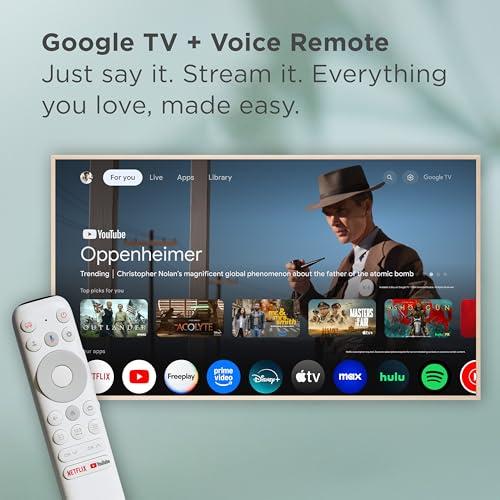
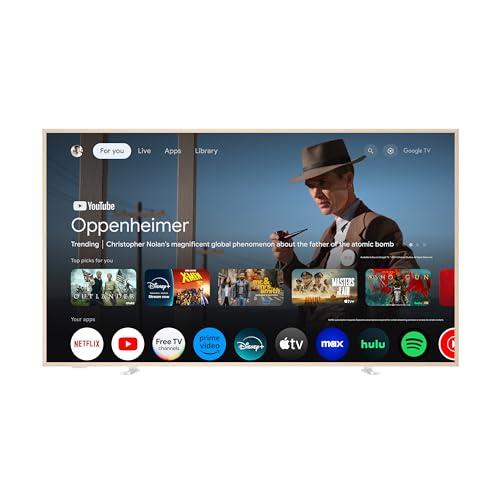
Both TVs run Google TV, which has become our preferred smart TV platform. It's fast, regularly updated, and integrates well with Google services while still supporting competing streaming platforms. The interface is intuitive, and voice control works reliably for finding content and controlling basic functions.
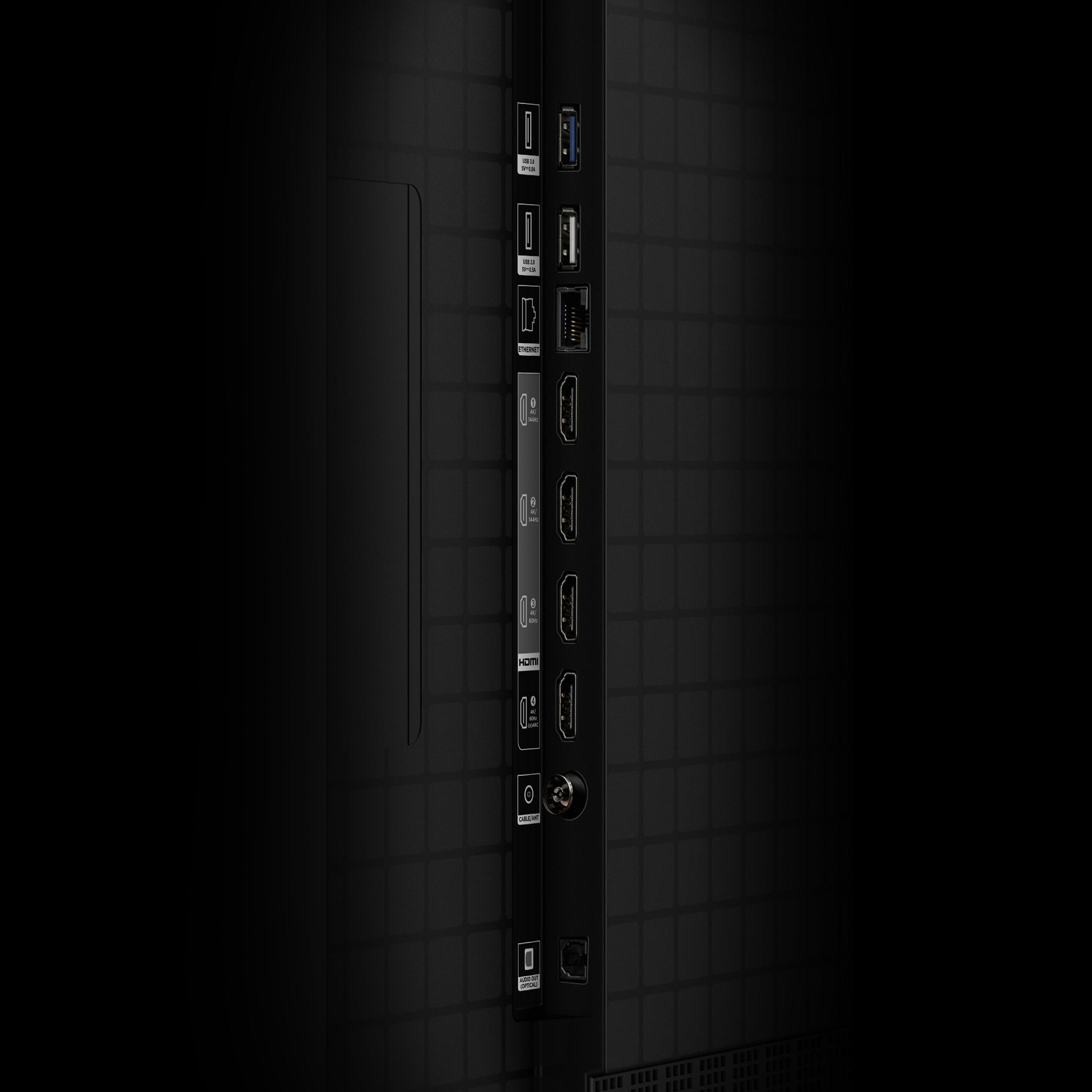
The connectivity advantage goes to the QM8K with Wi-Fi 6E support. While both TVs have the same number of HDMI ports (four, with two supporting HDMI 2.1), Wi-Fi 6E provides faster streaming speeds and lower latency – particularly beneficial for cloud gaming and high-bitrate 4K content.
Both include comprehensive smart home integration, supporting Google Assistant, Amazon Alexa, and Apple HomeKit. Screen mirroring works well with both Chromecast (built-in) and Apple AirPlay 2.
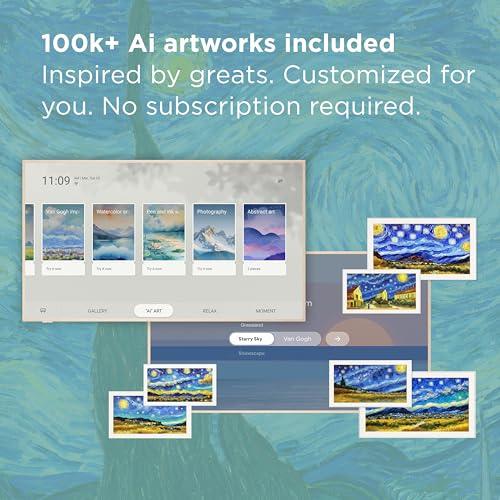
The NXTVISION's art features are genuinely impressive. The curated library includes over 400 artworks ranging from classical paintings to contemporary photography. The AI art generation feature creates unique images based on prompts, and you can display personal photos in gallery mode.
What makes this work is the combination of the matte screen and magnetic frames. Displayed artwork genuinely looks like something hanging in a gallery rather than a digital screen. The TV automatically adjusts brightness based on ambient light, maintaining the illusion throughout the day.
The QM8K added art gallery features for 2025 with over 350 free artworks, but it wasn't designed with this use case as the priority. While functional, the glossy screen and conventional design don't sell the art illusion as effectively.
At the time of writing, these TVs occupy different price tiers that reflect their design priorities. The NXTVISION commands a premium for its unique aesthetic features and ultra-slim design, similar to other lifestyle TVs in this category. You're paying extra for the industrial design, flush mounting system, and art gallery functionality.
The QM8K delivers exceptional value in the performance TV category. Its Mini LED technology and peak brightness specifications typically cost significantly more from other manufacturers. TCL's aggressive pricing makes high-end display technology accessible to more buyers.
For dedicated home theater setups, the QM8K is the clear choice. Its superior contrast, peak brightness, and color accuracy create a more cinematic experience. The ability to reproduce true blacks makes dark movie scenes more immersive, while the high brightness ensures HDR content displays as intended.
The NXTVISION can work in a home theater setting, but its edge-lit backlighting and matte screen compromise the experience compared to what's possible with Mini LED technology. However, if your "theater" is actually a multi-purpose living room with lots of ambient light, the matte screen's anti-glare properties might make it more practical for daytime viewing.
Choose the NXTVISION if you want your TV to serve double duty as room décor. It's perfect for living rooms, bedrooms, or kitchens where the TV's appearance when off matters as much as its performance when on. The matte screen makes it genuinely useful in bright rooms where traditional TVs struggle with reflections. Art enthusiasts who want a rotating gallery of high-quality images will appreciate the extensive art library and AI generation features.
The QM8K suits buyers who prioritize picture quality above all else. Gamers will love the high refresh rates and low latency, while movie enthusiasts will appreciate the superior HDR performance and contrast. If you want future-proof gaming capabilities or plan to use the TV in a darker environment where its performance advantages really shine, this is the better choice.
These TVs succeed in their respective categories, but they're solving different problems. The NXTVISION makes the TV disappear into your décor while providing good enough performance for most content. The QM8K delivers flagship-level picture quality at a more accessible price point.
Your choice depends on whether you value aesthetic integration or display performance more highly. Both represent TCL's growing expertise in different aspects of TV design, and either could serve as an excellent centerpiece for your entertainment setup – just in very different ways.
| TCL 65" NXTVISION QLED 4K Art Frame TV | TCL 65" QM8K Series QD-Mini LED 4K Smart TV |
|---|---|
| Display Technology - Determines contrast performance and picture quality | |
| QLED with edge-lit LED backlighting | QD-Mini LED with local dimming zones |
| Peak Brightness - Critical for HDR content and bright room viewing | |
| High Brightness+ (estimated ~1,000 nits) | Up to 5,000 nits HDR peak brightness |
| Local Dimming - Controls contrast and prevents light bleeding | |
| None (edge-lit design limitation) | LD3800 Precise Dimming zones |
| Screen Finish - Affects reflections and image sharpness | |
| Ultra-matte anti-glare coating | Standard glossy finish |
| Thickness - Important for wall mounting and aesthetics | |
| 1.1 inches (ultra-slim art frame design) | 1.97 inches (standard TV profile) |
| Gaming Refresh Rate - Higher rates mean smoother gameplay | |
| 120Hz native, up to 144Hz VRR | 144Hz native, up to 288Hz VRR |
| Mounting Compatibility - Determines installation flexibility | |
| Proprietary flush mount only (not VESA) | VESA 300x300 + included pedestal stand |
| Art Gallery Features - For displaying artwork when TV is off | |
| 400+ curated artworks, AI art generation, matte screen optimized for art display | 350+ artworks available but not design focus |
| Audio System - Affects sound quality without external speakers | |
| 20W (2x10W) with Dolby Atmos | Bang & Olufsen tuned with Dolby Atmos |
| Wi-Fi Standard - Impacts streaming speed and smart features | |
| Wi-Fi 5 (802.11ac) | Wi-Fi 6E (faster speeds, lower latency) |
| Primary Use Case - What each TV is optimized for | |
| Lifestyle/art display that doubles as TV | High-performance viewing and gaming |
| Best Room Environment - Where each TV performs optimally | |
| Bright rooms with ambient light (matte screen advantage) | Dark/controlled lighting rooms (glossy screen, high contrast) |
The TCL QM8K Series delivers significantly better picture quality with its Mini LED technology, 5,000 nits peak brightness, and local dimming zones. The TCL NXTVISION uses edge-lit backlighting which can't match the contrast and HDR performance of the QM8K's advanced display technology.
Yes, the TCL NXTVISION genuinely resembles framed artwork when displaying its art gallery content. The ultra-matte screen eliminates reflections, and the magnetic wooden frame creates a convincing canvas-like appearance that can fool guests into thinking it's actual wall art.
The TCL QM8K Series is superior for gaming with its 144Hz native refresh rate, 288Hz variable refresh rate support, and superior contrast for dark game scenes. While the NXTVISION handles casual gaming well at 120Hz, serious gamers will prefer the QM8K's higher performance specs.
The TCL NXTVISION is extremely thin at just 1.1 inches deep, making it one of the world's thinnest TVs. This compares to the QM8K's 1.97-inch depth and most traditional TVs that are 2-4 inches thick, allowing the NXTVISION to mount nearly flush against the wall.
The TCL NXTVISION excels in bright rooms thanks to its ultra-matte anti-glare screen that eliminates reflections. The TCL QM8K can get brighter to overcome ambient light, but its glossy screen will show more reflections in bright environments.
The TCL QM8K Series has superior audio with Bang & Olufsen tuning and better speaker configuration. The NXTVISION's ultra-thin design limits speaker size, resulting in more basic 20W audio output compared to the QM8K's enhanced sound system.
The TCL NXTVISION comes with a proprietary flush wall mount and no stand, designed specifically for wall mounting. The TCL QM8K includes both a height-adjustable stand and VESA mounting compatibility, offering more installation flexibility than the NXTVISION.
The TCL QM8K Series is far better for home theater use with its superior contrast, true black levels, and 5,000 nits peak brightness for impactful HDR movies. The NXTVISION's edge-lit backlighting can't achieve the deep blacks needed for optimal dark room movie viewing.
Both the TCL NXTVISION and QM8K run Google TV with identical streaming apps and voice control. However, the QM8K includes Wi-Fi 6E for faster streaming speeds compared to the NXTVISION's Wi-Fi 5 connectivity.
Value depends on your priorities. The TCL NXTVISION offers good value if you want a lifestyle TV that doubles as wall art. The TCL QM8K provides exceptional value for picture quality performance, delivering Mini LED technology typically found in much more expensive TVs.
The TCL QM8K includes art gallery features with 350+ artworks, but it's not optimized for this use case. The conventional design and glossy screen don't create the same convincing art display effect as the NXTVISION's purpose-built matte screen and frame design.
Choose the TCL NXTVISION if you want the TV to blend into your décor and frequently have bright ambient lighting. Pick the QM8K if you prioritize the best possible picture quality for movies and gaming, and don't mind a more traditional TV appearance in your living space.
We've done our best to create useful and informative comparisons to help you decide what product to buy. Our research uses advanced automated methods to create this comparison and perfection is not possible - please contact us for corrections or questions. These are the sites we've researched in the creation of this article: rtings.com - tcl.com - bestbuy.com - tcl.com - bestbuy.com - tcl.com - youtube.com - rcwilley.com - businessinsider.com - bestbuy.com - target.com - youtube.com - support.tcl.com - nfm.com - woodruffappliance.com - flatpanelshd.com - tcl.com - tomsguide.com - youtube.com - businessinsider.com - rtings.com - youtube.com - avsforum.com - avsforum.com - bestbuy.com - tcl.com - tcl.com - tcl.com - flatpanelshd.com - romomattressfurniture.com - brandsmartusa.com - pcrichard.com - tvsbook.com - tcl.com - youtube.com - prnewswire.com - tcl.com - tcl.com

Privacy Policy
Terms and Conditions - Affiliate Policy
Home Security
© Copyright 2008-2026.
11816 Inwood Rd #1211, Dallas, TX 75244