




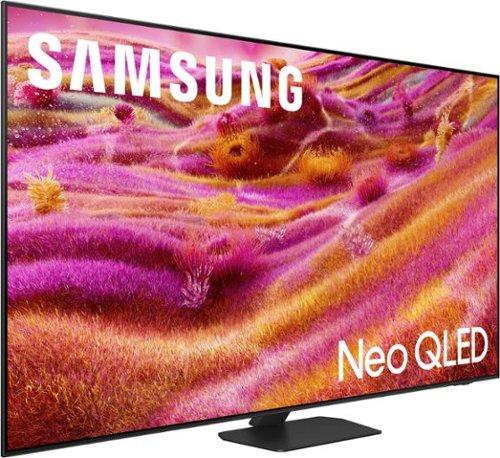
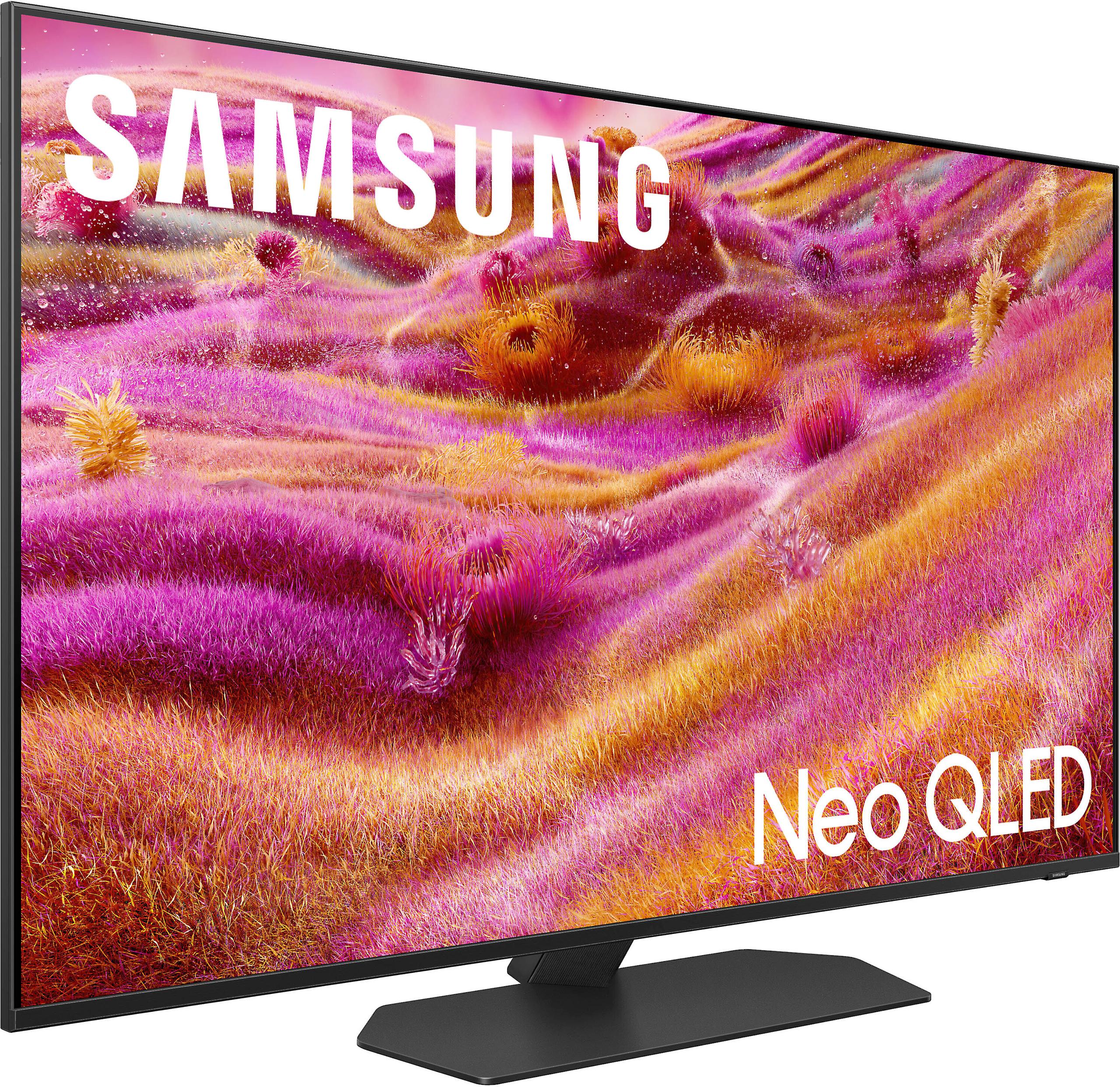
When shopping for a premium 65-inch TV, you're no longer just choosing between good and better picture quality. The market has split into distinct philosophies: TVs designed to blend seamlessly into your living space as art pieces versus displays engineered for maximum performance during active viewing. The TCL 65" NXTVISION QLED 4K Art Frame TV and Samsung 65" QN90F Neo QLED 4K Vision AI Smart TV represent these two approaches perfectly.
At the time of writing, these TVs sit in different price categories—the TCL NXTVISION targets the upper-mid range while the Samsung QN90F commands premium pricing. But the cost difference reflects more than just brand positioning; it stems from fundamentally different engineering priorities and target audiences.
The TCL NXTVISION launched in 2024 as TCL's answer to Samsung's popular Frame series. It's built around a simple concept: when you're not watching TV, why should it look like a black rectangle on your wall? The Samsung QN90F, released in 2025, takes the opposite approach—it assumes that when you turn on your TV, you want the absolute best picture quality possible, regardless of how it looks when powered off.
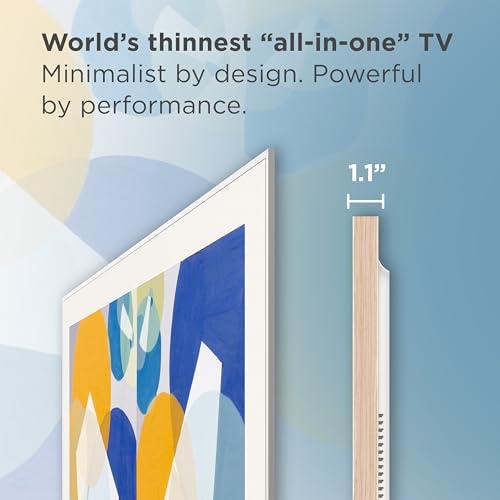
This philosophical difference drives every design decision, from the physical construction to the internal components. The TCL sacrifices some picture quality to achieve an ultra-slim 1.1-inch depth and art-focused features. The Samsung prioritizes advanced Mini-LED backlighting and high-end processing, accepting a slightly thicker profile in exchange for superior performance.
The most significant technical difference between these TVs lies in their backlighting systems—the technology that illuminates the LCD panel to create the images you see. This distinction affects almost every aspect of picture quality, from how dark scenes look to how bright highlights appear in HDR content.
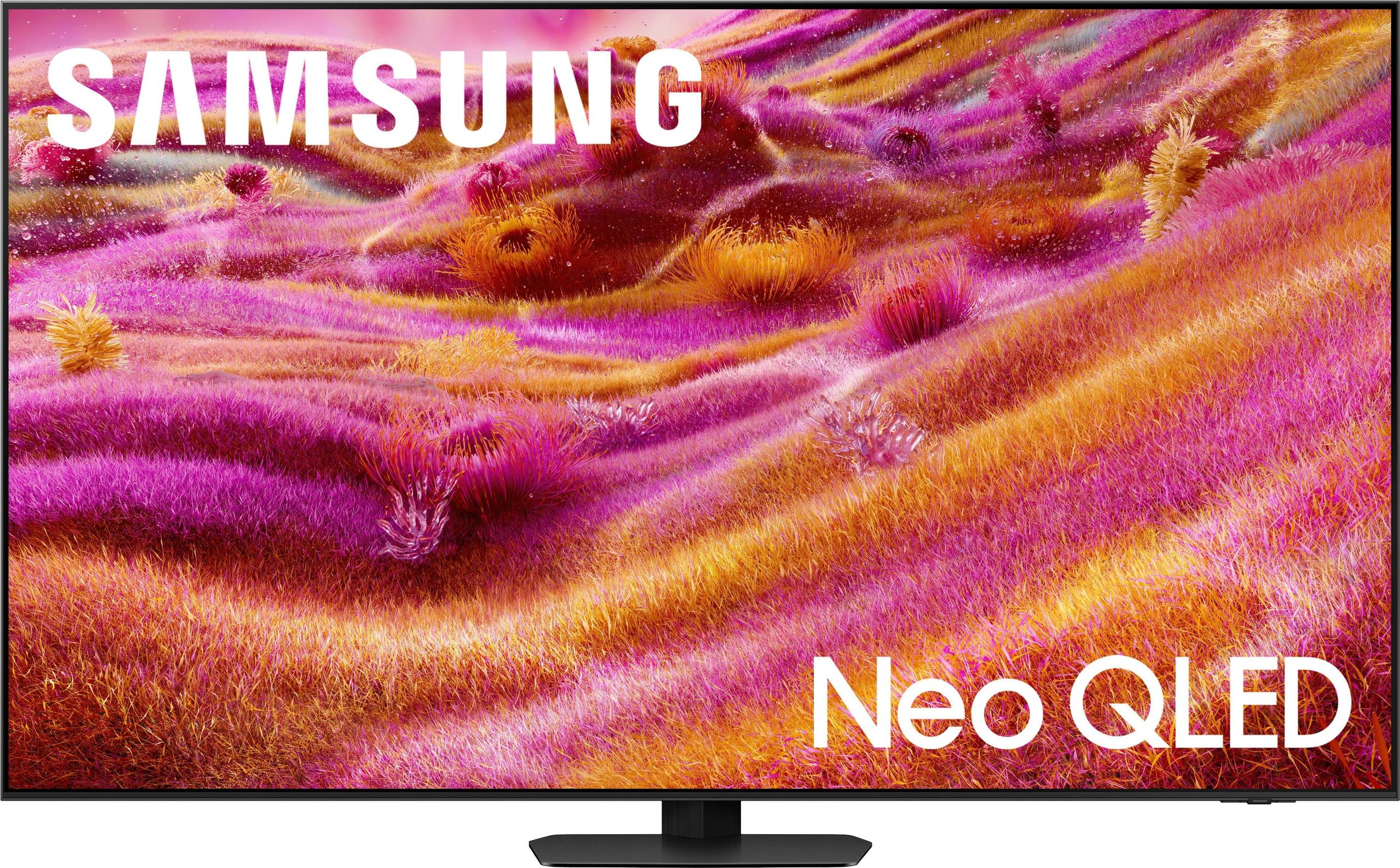
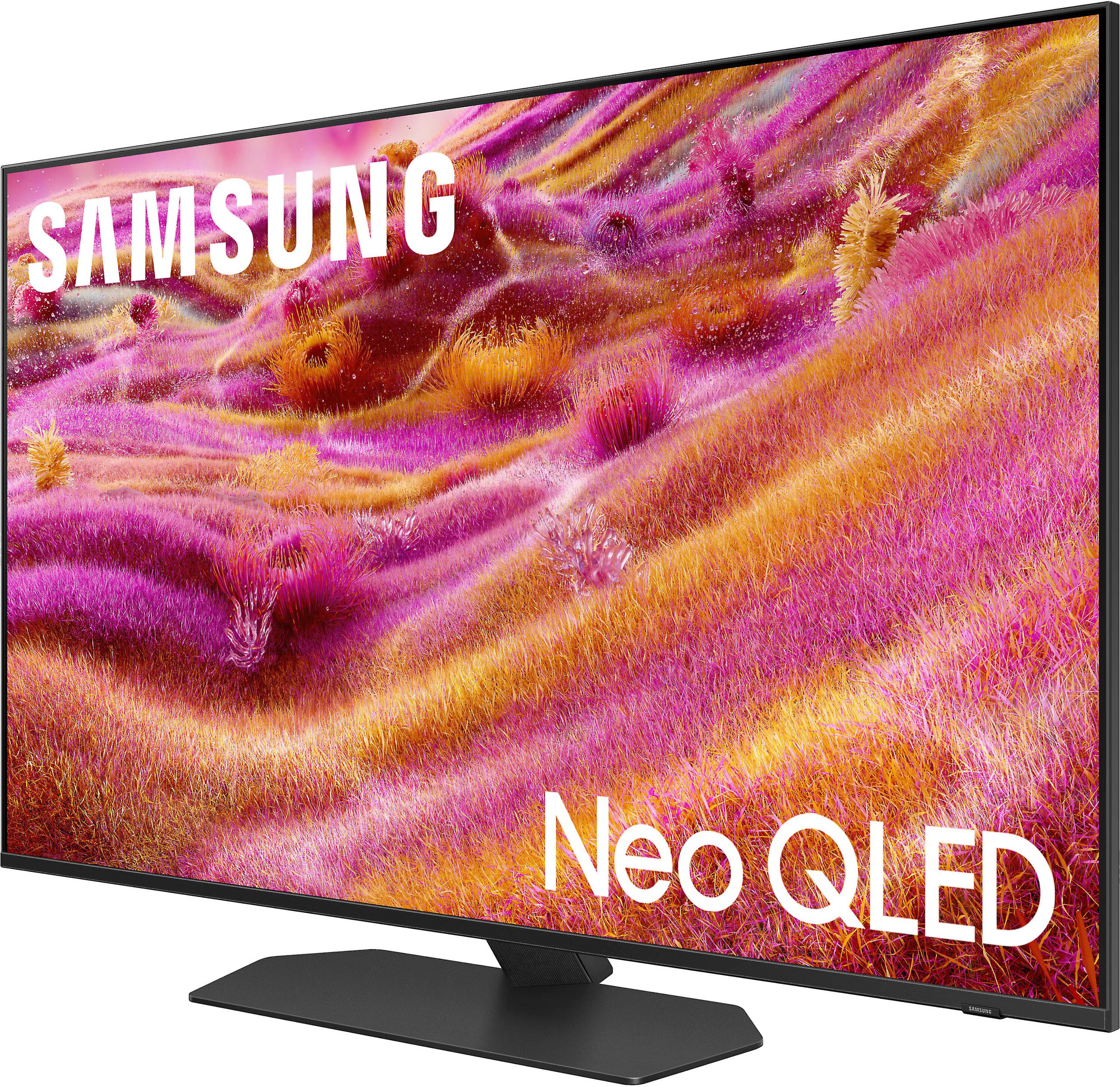
The Samsung QN90F uses Neo QLED Mini-LED technology, which places thousands of tiny LEDs across the entire back of the screen. Think of it like having hundreds of individual flashlights behind different parts of the screen, each controllable independently. This creates what's called "local dimming zones"—areas that can be made brighter or darker without affecting neighboring sections.
In practical terms, this means when you're watching a movie with a bright explosion against a dark night sky, the Samsung can make just the explosion area blazingly bright while keeping the surrounding sky deep black. This dramatically improves contrast ratio (the difference between the brightest whites and darkest blacks) and makes HDR content look more realistic.
The TCL NXTVISION, by contrast, uses edge-lit LED backlighting. Instead of LEDs spread across the back, it has LED strips along the edges that spread light across the panel through a light guide. This approach enables the TV's incredibly slim profile—essential for its art display function—but comes with performance trade-offs.
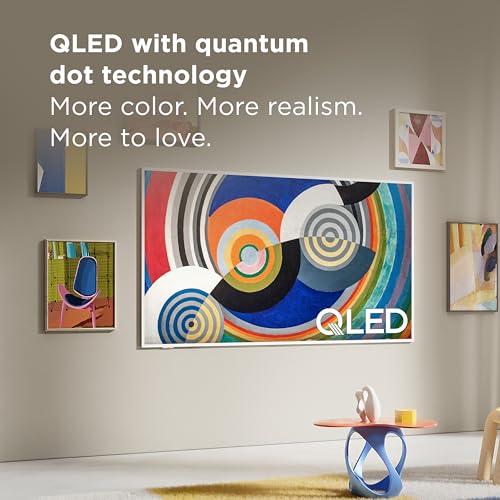
With edge-lit backlighting, the entire screen tends to brighten or dim together. Dark scenes may appear grayish rather than truly black, and bright objects can cause "blooming" or light leakage into surrounding dark areas. However, the TCL partially compensates with intelligent processing and a high-quality quantum dot layer that enhances color reproduction.
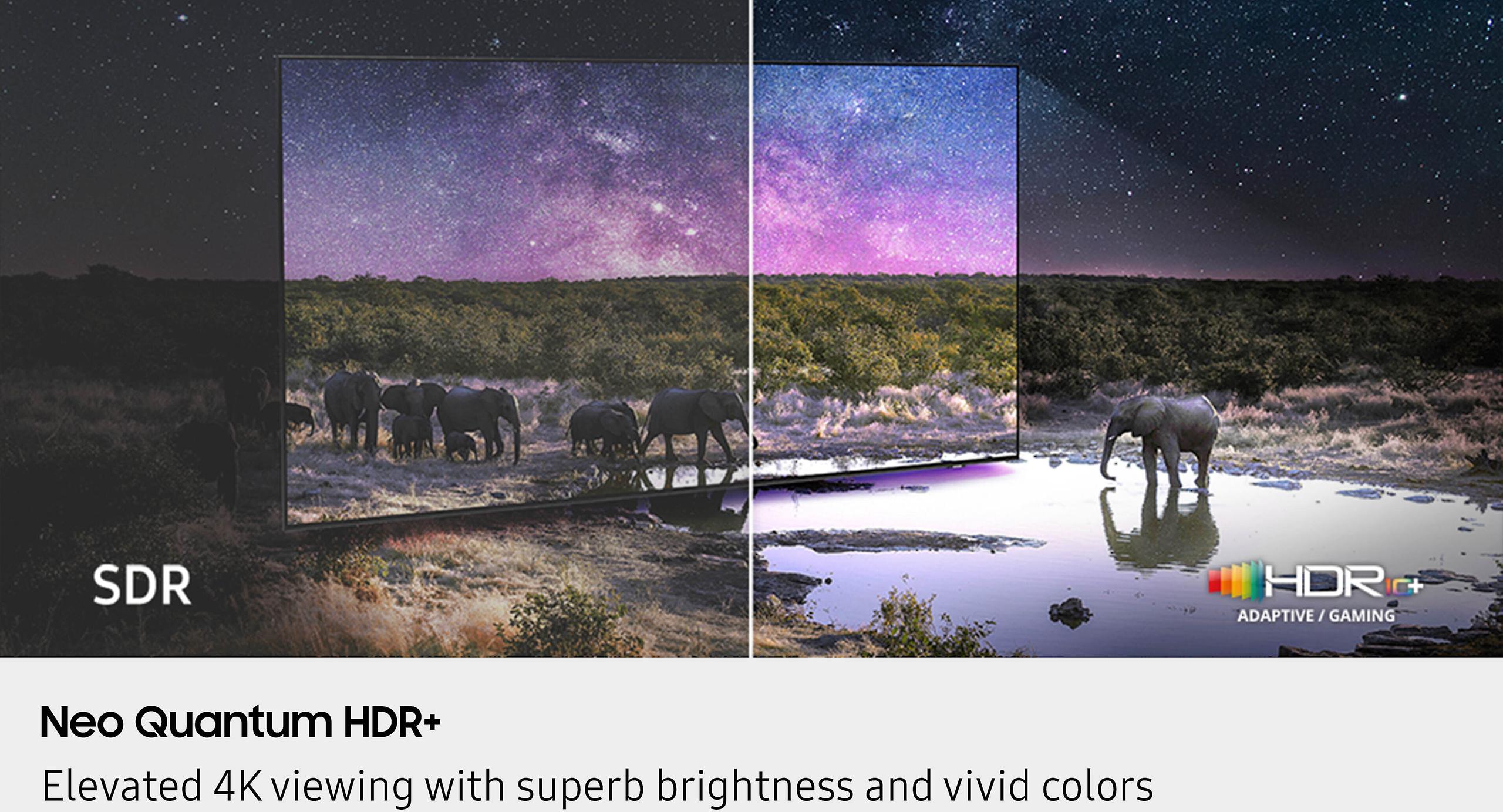
High Dynamic Range (HDR) represents one of the biggest improvements in TV technology over the past decade. Instead of the limited brightness range of standard content, HDR allows TVs to display a much wider range of light levels, from deep shadows to brilliant highlights that more closely match what your eyes see in real life.
Here's where these TVs diverge significantly. The TCL NXTVISION supports every major HDR format: Dolby Vision IQ, HDR10+, HDR10, and HLG. Dolby Vision, in particular, uses dynamic metadata—essentially instructions that tell the TV exactly how to display each scene for optimal impact.
The Samsung QN90F, despite its advanced Mini-LED backlighting, doesn't support Dolby Vision at all. Samsung has chosen to support only HDR10+ and standard HDR10. This decision affects content compatibility since many streaming services, including Netflix, Disney+, and Apple TV+, use Dolby Vision for their premium content.
In our research across expert reviews, this creates an interesting performance paradox. The Samsung can display brighter highlights and deeper blacks due to its Mini-LED technology, but it can't take full advantage of the optimized instructions that come with Dolby Vision content. The TCL, while limited by its edge-lit backlighting, can properly decode and display all HDR formats as intended by content creators.
Both TVs target gamers but with different strengths. Modern gaming has evolved beyond simple 60fps gameplay, with consoles and PCs now supporting much higher frame rates and variable refresh rate technologies that eliminate screen tearing.
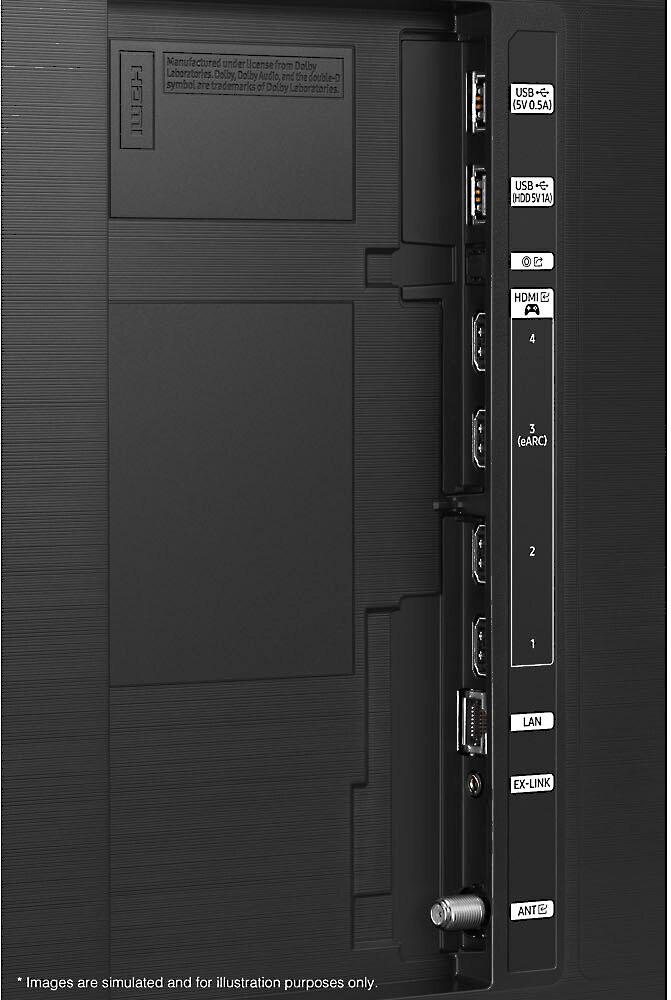
The Samsung QN90F supports 4K gaming at up to 165Hz across all four of its HDMI 2.1 ports. HDMI 2.1 is crucial here because it provides the bandwidth necessary for high-resolution, high-refresh-rate gaming. Having four such ports means you could theoretically connect multiple high-end gaming devices without needing to swap cables.
The TCL NXTVISION offers 4K at 144Hz and 1080p at an impressive 240Hz, but only through two of its HDMI 2.1 ports. For most gamers, this difference is minimal—both refresh rates are well beyond what most games can actually deliver. The more practical consideration is port availability if you have multiple gaming devices.
Both TVs support Auto Low Latency Mode (ALLM), which automatically switches to game mode when a gaming signal is detected, reducing input lag—the delay between pressing a button and seeing the action on screen. They also support Variable Refresh Rate (VRR) technology, which synchronizes the TV's refresh rate with the gaming device's output to prevent screen tearing and stuttering.
However, based on expert testing, the Samsung maintains better overall image quality in game mode. Many TVs sacrifice some picture processing to achieve low input lag, but the Samsung's advanced processor can maintain more of its image enhancements while gaming. The TCL shows more noticeable compromises in game mode, particularly in black level performance and motion handling.
TV speakers have historically been an afterthought, but both manufacturers have invested significantly in audio performance. The Samsung QN90F features a 60-watt, 4.2.2-channel speaker system. The "4.2.2" designation indicates four main speakers, two subwoofers, and two height channels for Dolby Atmos spatial audio effects.
This substantial speaker array includes Object Tracking Sound+, which moves audio effects across the screen to match on-screen action. When a car drives from left to right, the sound follows that movement. The higher wattage and additional speakers create more room-filling sound and better dialogue clarity compared to typical TV speakers.
The TCL NXTVISION uses a more modest 20-watt, 2.0-channel system—essentially two 10-watt speakers. While it supports Dolby Atmos processing, the limited speaker configuration means you won't get the full spatial audio effect without external speakers or a soundbar. The audio is adequate for casual viewing but becomes a limiting factor for movie enthusiasts or anyone who values immersive sound.
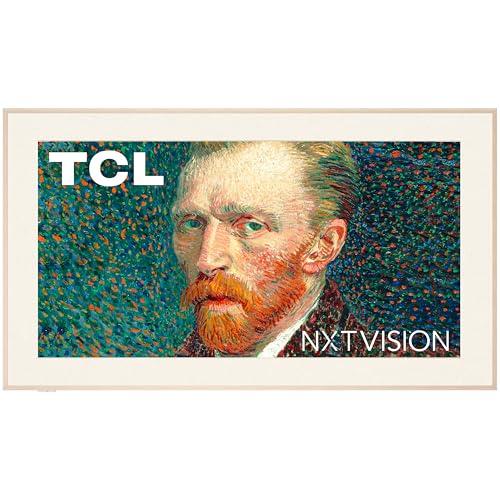
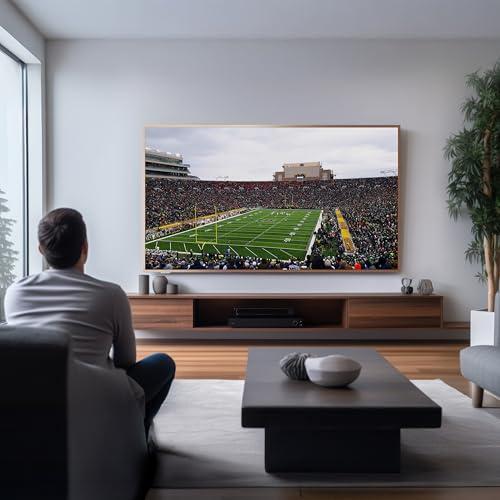
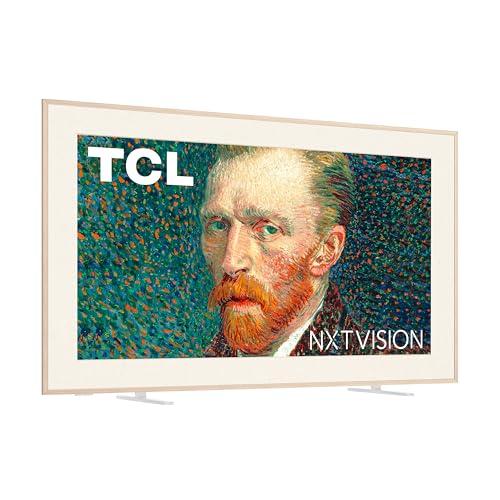
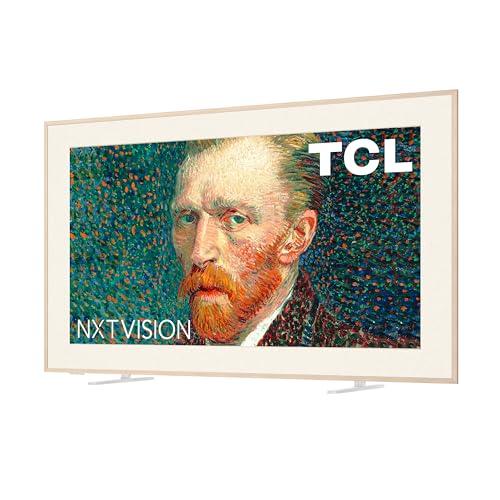
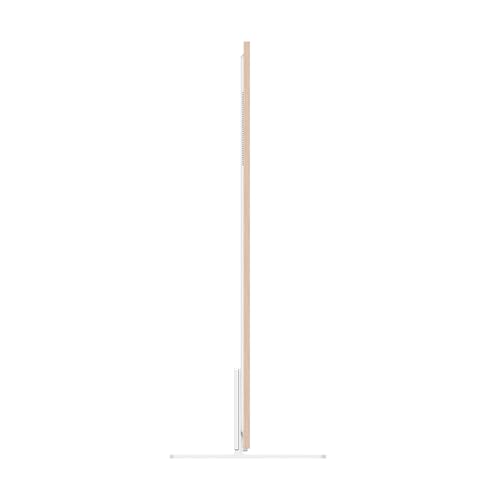
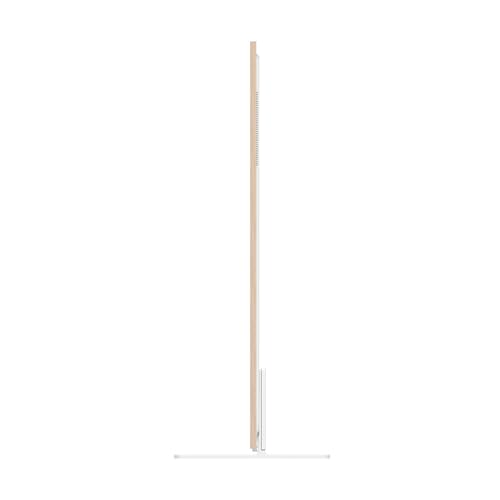
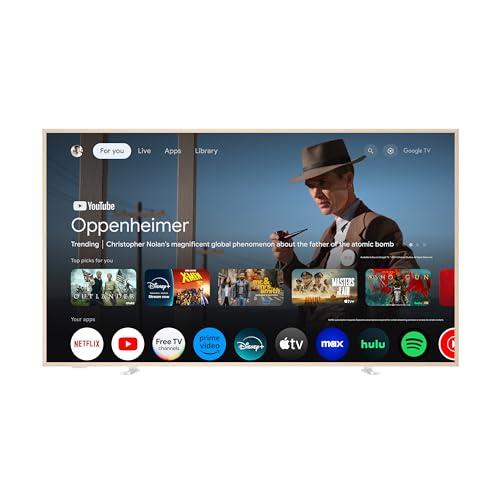
This is where the TCL NXTVISION truly differentiates itself. When powered off or in art mode, it transforms into a digital art display with an ultra-matte screen coating that mimics the texture of canvas. The included art library contains over 400 curated pieces, and AI art generation can create thousands of additional images based on your preferences.
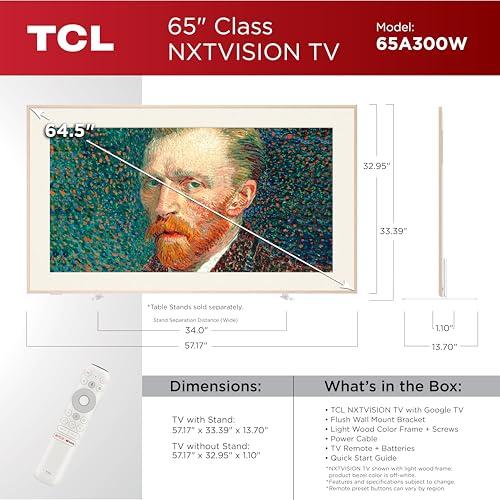
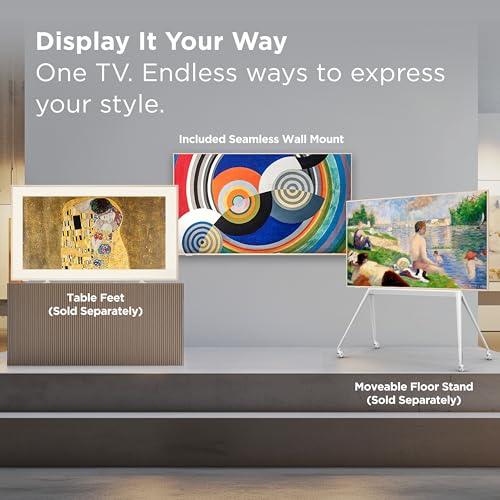
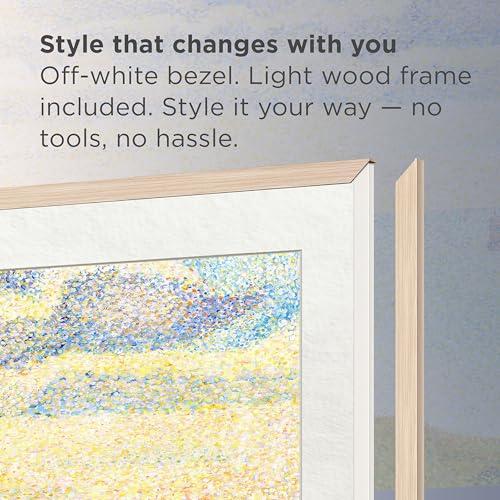
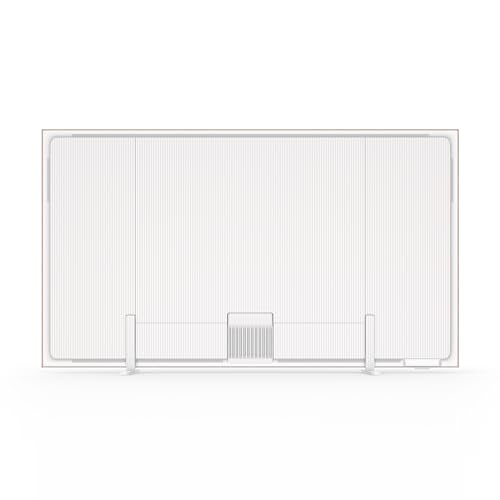
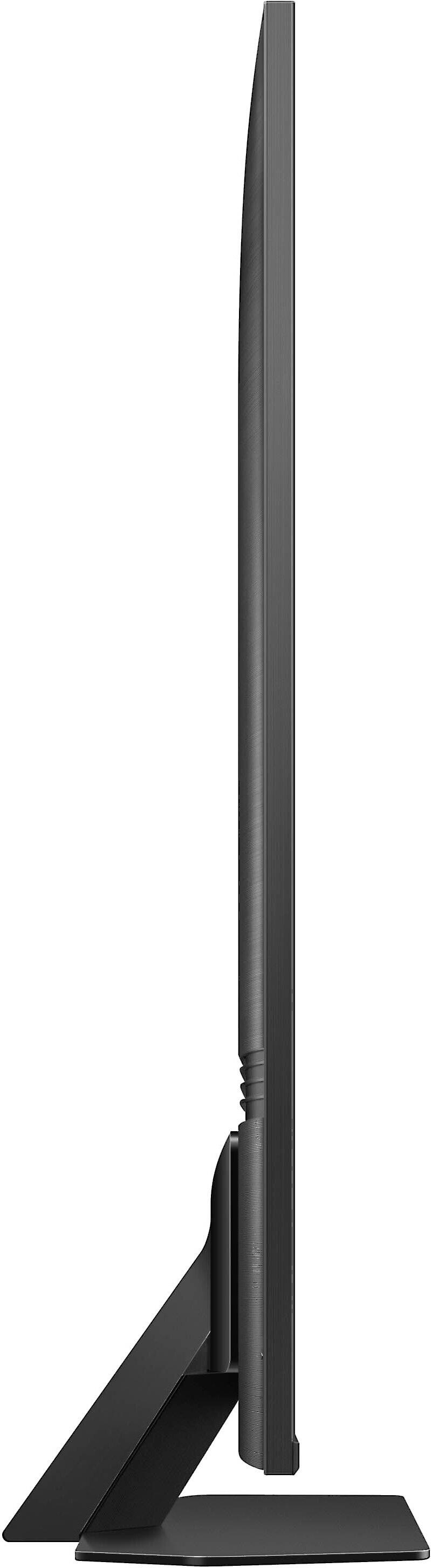
The magnetic frame system is genuinely innovative. The TV ships with a light wood frame that attaches magnetically, and you can purchase additional frames in different colors and finishes to match seasonal décor changes or room updates. The proprietary flush wall mount positions the TV just 1.1 inches from the wall, creating the illusion of a framed painting rather than a mounted TV.
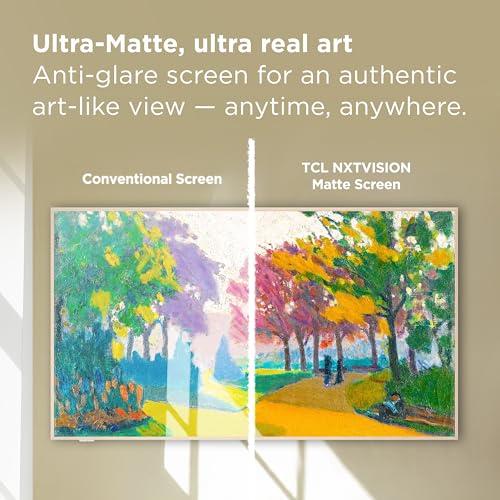
Personal photos can also be displayed in gallery mode with various matting options. The ultra-matte screen coating, while slightly reducing perceived sharpness during regular TV viewing, eliminates reflections and creates the authentic look of artwork under gallery lighting.
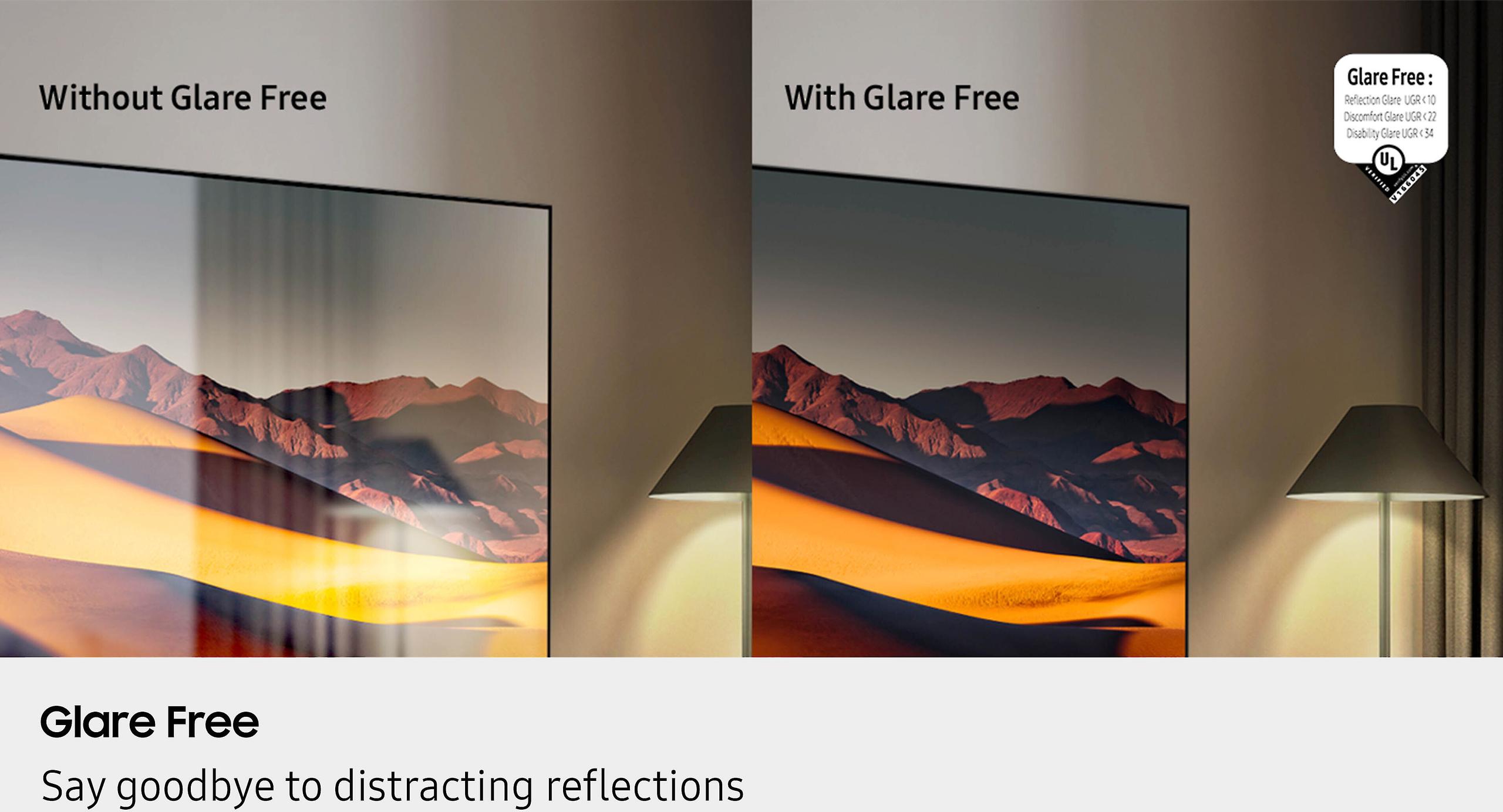
The Samsung QN90F includes no art display features. It's designed as a traditional TV that happens to have an anti-glare coating for better visibility in bright rooms, but it doesn't attempt to masquerade as artwork when not in use.
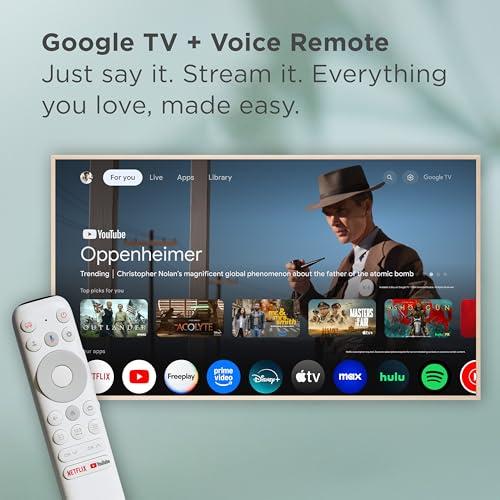
Both TVs run sophisticated smart TV platforms, but they represent different ecosystems. The TCL NXTVISION uses Google TV, which integrates seamlessly with Google services, Chromecast functionality, and offers broad compatibility with smart home devices from various manufacturers.
The Samsung QN90F runs Samsung's Tizen operating system with the 2025 addition of Vision AI capabilities. This includes features like universal gesture control, generative art wallpapers, and real-time home insights that can alert you to family or pet activity detected by the TV's sensors. The SmartThings integration is particularly robust if you're already invested in Samsung's smart home ecosystem.
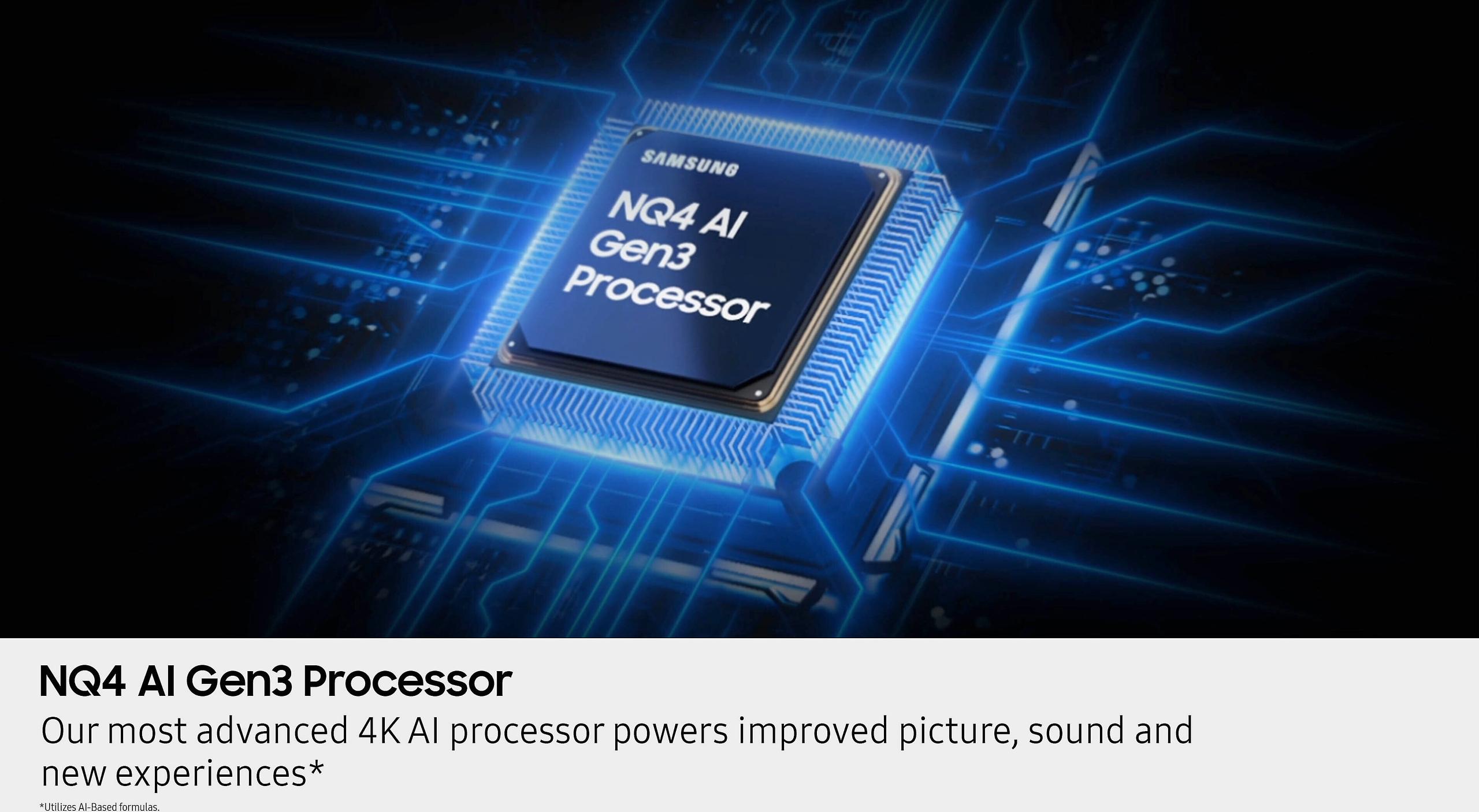
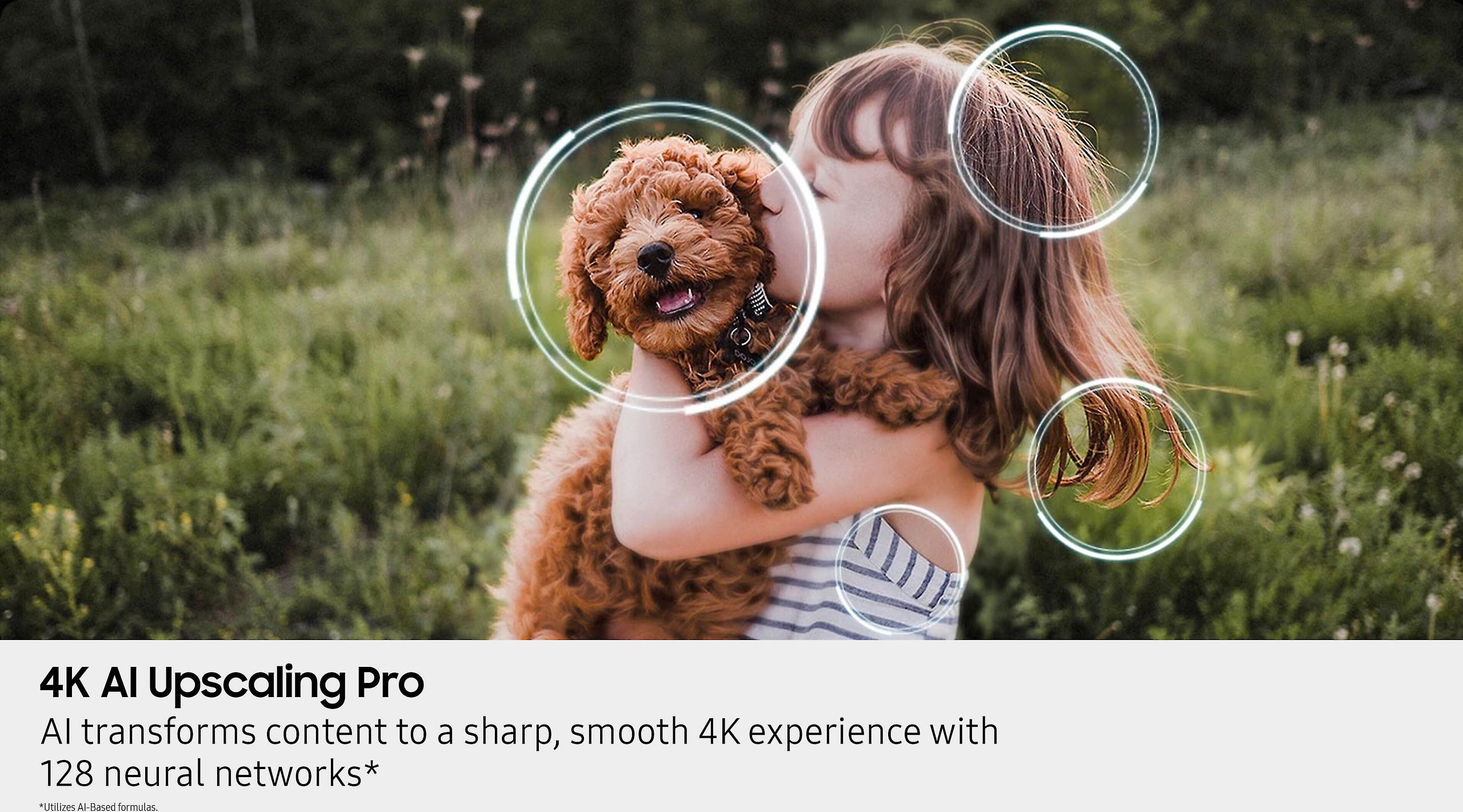
The processing power difference is notable. The Samsung's NQ4 AI Gen3 processor uses 128 neural networks for real-time optimization of picture and sound. This enables more sophisticated upscaling of lower-resolution content and automatic adjustments based on room lighting and content type. The TCL's AIPQ PRO processor is capable but not as advanced, focusing more on color accuracy and motion smoothing than comprehensive AI optimization.
For dedicated home theater use, the choice becomes more complex. The Samsung QN90F delivers superior contrast performance crucial for dark-room movie watching. The Mini-LED backlighting creates the deep blacks and bright highlights that make HDR movies truly impactful. Peak brightness measurements from professional reviews show the Samsung can achieve nearly 2000 nits in small highlights while maintaining around 600 nits in full-screen scenes.
However, the lack of Dolby Vision support is problematic for home theater enthusiasts. Many consider Dolby Vision the premium HDR format, and its absence means you're not seeing these movies as the directors intended. The TCL NXTVISION, despite its edge-lit limitations, properly processes Dolby Vision content with scene-by-scene optimization.
For audio, neither TV eliminates the need for a proper sound system in a dedicated theater room, but the Samsung's more powerful speakers provide better interim performance while you're deciding on external audio solutions.
The decision between these TVs ultimately depends on your primary use case and viewing environment. Based on our research and analysis of expert reviews and user feedback, here's our assessment:
Choose the TCL 65" NXTVISION if you prioritize décor integration and want a TV that enhances your living space even when turned off. At the time of writing, it offers exceptional value for buyers who want dual functionality without the premium pricing of Samsung's Frame series. The comprehensive HDR format support, including Dolby Vision, ensures compatibility with all streaming content. The ultra-matte screen performs exceptionally well in bright rooms, and the Google TV platform provides excellent smart features and ecosystem integration.
However, be aware of the picture quality compromises. The edge-lit backlighting cannot match the contrast performance of Mini-LED technology, particularly in dark room viewing. Gaming performance, while good, doesn't reach the levels of premium displays. The modest audio system will likely require supplementation for serious movie watching.
Choose the Samsung 65" QN90F if picture quality is your primary concern and you're willing to pay premium pricing for advanced display technology. The Mini-LED backlighting delivers exceptional contrast and HDR performance that makes movies, sports, and games more impactful. The robust gaming feature set and powerful audio system create a more comprehensive entertainment experience.
The main drawbacks are the higher cost and lack of Dolby Vision support. If you're heavily invested in streaming services that use Dolby Vision, this format limitation may outweigh the display technology advantages. The traditional TV design won't enhance your room's aesthetics when powered off.
For most buyers seeking a balance of performance and value, the TCL NXTVISION represents a compelling choice, especially if the art display functionality appeals to your lifestyle. The Samsung QN90F justifies its premium pricing for enthusiasts who prioritize maximum picture quality and don't need art display features.
Both TVs represent significant advances in their respective categories, reflecting how the TV market has evolved to serve different viewing philosophies and room environments. The choice ultimately comes down to whether you want a TV that disappears into your décor or one that delivers maximum performance when you're actively watching.
| TCL 65" NXTVISION QLED 4K Art Frame TV | Samsung 65" QN90F Neo QLED 4K Vision AI Smart TV 2025 |
|---|---|
| Display Technology - Determines contrast, black levels, and overall picture quality | |
| Edge-lit LED with Quantum Dot (thinner design, limited local dimming) | Mini-LED with full array local dimming (superior contrast and HDR) |
| HDR Format Support - Critical for streaming service compatibility | |
| Dolby Vision IQ, HDR10+, HDR10, HLG (complete format coverage) | HDR10+, HDR10 only (missing Dolby Vision used by Netflix, Disney+) |
| Screen Coating - Affects glare and viewing in bright rooms | |
| Ultra-matte anti-glare for canvas-like art display appearance | Matte anti-glare coating for reduced reflections during TV viewing |
| Gaming Specifications - Important for console and PC gaming | |
| 4K @ 144Hz, 1080p @ 240Hz via 2x HDMI 2.1 ports, AMD FreeSync Premium | 4K @ 165Hz via 4x HDMI 2.1 ports, VRR, ALLM, better game mode performance |
| Audio System - Determines if external speakers are needed | |
| 20W 2.0-channel with Dolby Atmos (adequate for casual viewing) | 60W 4.2.2-channel with Dolby Atmos and Object Tracking Sound+ (room-filling) |
| Art Display Features - Unique functionality for décor integration | |
| 400+ curated artworks, AI art generation, magnetic frames included, flush wall mount | None (traditional TV design) |
| Physical Design - Affects installation and room aesthetics | |
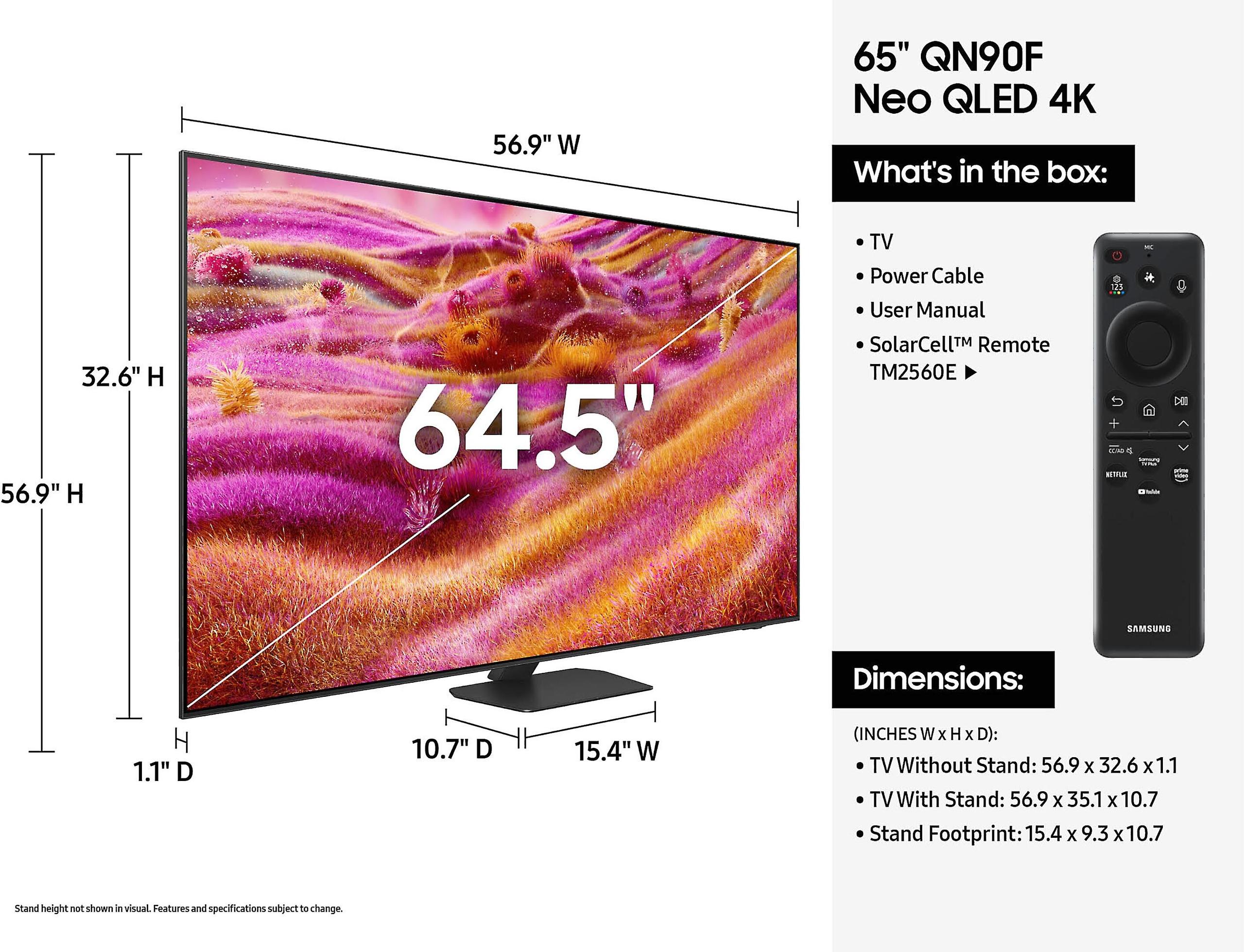
| Ultra-slim 1.1" depth when wall-mounted, interchangeable magnetic frames | Standard TV profile, VESA 400x300 mount compatibility |
| Smart TV Platform - Determines app selection and ecosystem integration | |
| Google TV with Chromecast, broad smart home compatibility | Tizen with Samsung Vision AI, SmartThings integration |
| Processor - Affects upscaling quality and AI features | |
| AIPQ PRO Processor (good upscaling and color processing) | NQ4 AI Gen3 with 128 neural networks (advanced real-time optimization) |
| Peak Brightness - Critical for HDR impact and bright room viewing | |
| High Brightness+ LED system (good for art display, limited HDR peaks) | Up to 1,900 nits in highlights (excellent HDR performance) |
| Target Use Case - Who each TV serves best | |
| Dual-purpose art display and TV for style-conscious buyers | High-performance entertainment display for picture quality enthusiasts |
| Value Proposition - Cost vs features at time of writing | |
| Exceptional value for art display functionality and comprehensive HDR support | Premium pricing justified by Mini-LED technology and advanced features |
The Samsung 65" QN90F Neo QLED delivers superior picture quality for active viewing thanks to its Mini-LED backlighting technology. This provides deeper blacks, brighter highlights, and better contrast compared to the TCL 65" NXTVISION's edge-lit design. However, the TCL NXTVISION supports all HDR formats including Dolby Vision, while the Samsung QN90F lacks Dolby Vision support, which is used by many streaming services.
Yes, the TCL 65" NXTVISION QLED 4K Art Frame TV is specifically designed for this purpose. It features an ultra-matte screen that mimics canvas texture, comes with magnetic frames, includes a flush wall mount, and offers over 400 curated artworks plus AI-generated art. When wall-mounted, it's only 1.1 inches deep and genuinely looks like framed artwork rather than a TV.
Both TVs support 4K gaming at high refresh rates, but the Samsung QN90F Neo QLED has a slight edge with 4K at 165Hz across all four HDMI 2.1 ports compared to the TCL NXTVISION's 4K at 144Hz on two ports. The Samsung also maintains better picture quality in game mode, while the TCL shows more compromises when gaming features are enabled.
Both TVs excel in bright rooms thanks to their anti-glare matte coatings. The TCL NXTVISION uses an ultra-matte coating that virtually eliminates reflections, making it excellent for rooms with lots of windows. The Samsung QN90F also features effective glare reduction while maintaining higher peak brightness for HDR content in bright environments.
The Samsung 65" QN90F Neo QLED has significantly better audio with its 60W 4.2.2-channel system featuring Dolby Atmos and Object Tracking Sound+. The TCL NXTVISION has a more basic 20W 2.0-channel system that's adequate for casual viewing but will likely require external speakers for serious movie watching or music listening.
The TCL 65" NXTVISION runs Google TV with built-in Chromecast and broad smart home compatibility, while the Samsung QN90F uses Tizen OS with Samsung Vision AI features like gesture control and SmartThings integration. Both platforms offer major streaming apps, but your preference may depend on your existing smart home ecosystem.
The Samsung 65" QN90F Neo QLED justifies its premium pricing if picture quality is your top priority. Its Mini-LED technology delivers superior contrast and HDR performance compared to the TCL NXTVISION. However, the TCL offers exceptional value for buyers who want art display functionality and comprehensive HDR format support at a lower price point.
For dark-room home theater use, the Samsung QN90F Neo QLED performs better due to its Mini-LED backlighting providing deeper blacks and brighter highlights crucial for cinematic HDR content. However, the TCL NXTVISION supports Dolby Vision, which many consider the premium HDR format for movies, while the Samsung does not support Dolby Vision at all.
The TCL 65" NXTVISION QLED 4K Art Frame TV includes a proprietary flush wall mount designed for its art display function, making it extremely easy to install flat against the wall. The Samsung QN90F Neo QLED uses standard VESA 400x300 mounting, requiring a separate wall mount purchase but offering more mounting options and flexibility.
The TCL NXTVISION supports all major HDR formats including Dolby Vision IQ, HDR10+, HDR10, and HLG, ensuring compatibility with content from all streaming services and 4K Blu-rays. The Samsung QN90F only supports HDR10+ and HDR10, missing Dolby Vision which is used by Netflix, Disney+, Apple TV+, and many other premium sources.
The TCL 65" NXTVISION is designed as a dual-purpose art display with an ultra-slim 1.1-inch profile, magnetic interchangeable frames, and canvas-like matte screen. The Samsung 65" QN90F Neo QLED follows traditional TV design principles, focusing on performance rather than aesthetics, with a standard profile and no art display capabilities.
The TCL NXTVISION offers better value for buyers who appreciate its unique art display functionality and want comprehensive HDR format support at a lower price. The Samsung QN90F provides better long-term value for picture quality enthusiasts willing to pay premium pricing for Mini-LED technology, superior gaming features, and more powerful audio capabilities.
We've done our best to create useful and informative comparisons to help you decide what product to buy. Our research uses advanced automated methods to create this comparison and perfection is not possible - please contact us for corrections or questions. These are the sites we've researched in the creation of this article: rtings.com - tcl.com - bestbuy.com - tcl.com - bestbuy.com - tcl.com - youtube.com - rcwilley.com - businessinsider.com - bestbuy.com - target.com - youtube.com - support.tcl.com - nfm.com - woodruffappliance.com - flatpanelshd.com - tcl.com - rtings.com - images.samsung.com - youtube.com - listenup.com - youtube.com - cullenshomecenter.com - rtings.com - shopjetson.com - youtube.com - samsung.com - samsung.com - videoandaudiocenter.com - rtings.com - bestbuy.com - youtube.com - news.samsung.com - news.samsung.com - news.samsung.com - bestbuy.com - news.samsung.com - youtube.com - news.samsung.com - youtube.com - smarthomesounds.co.uk

Privacy Policy
Terms and Conditions - Affiliate Policy
Home Security
© Copyright 2008-2026.
11816 Inwood Rd #1211, Dallas, TX 75244