

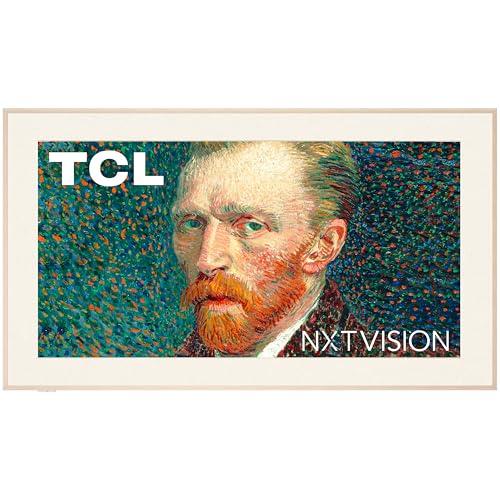




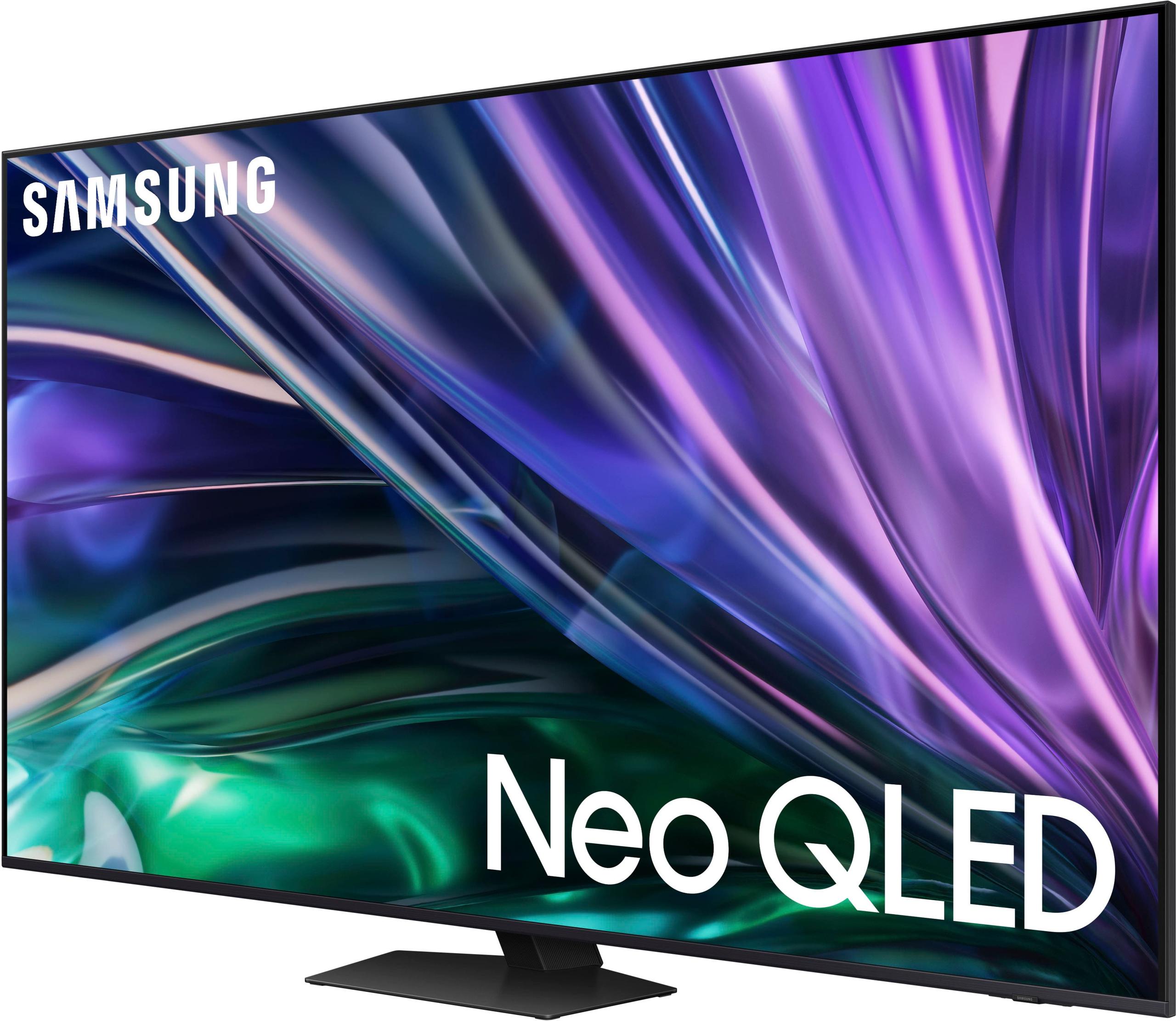
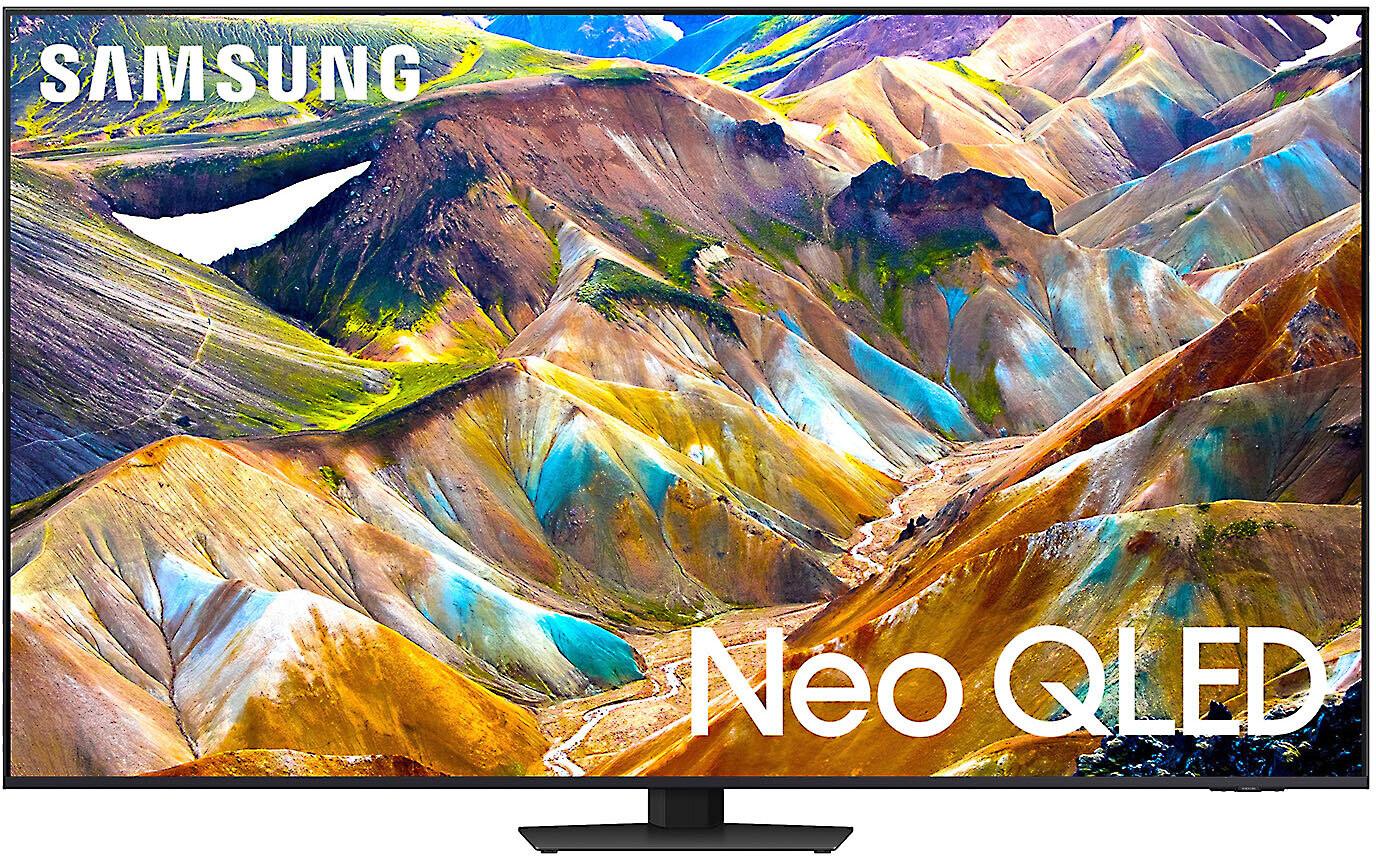
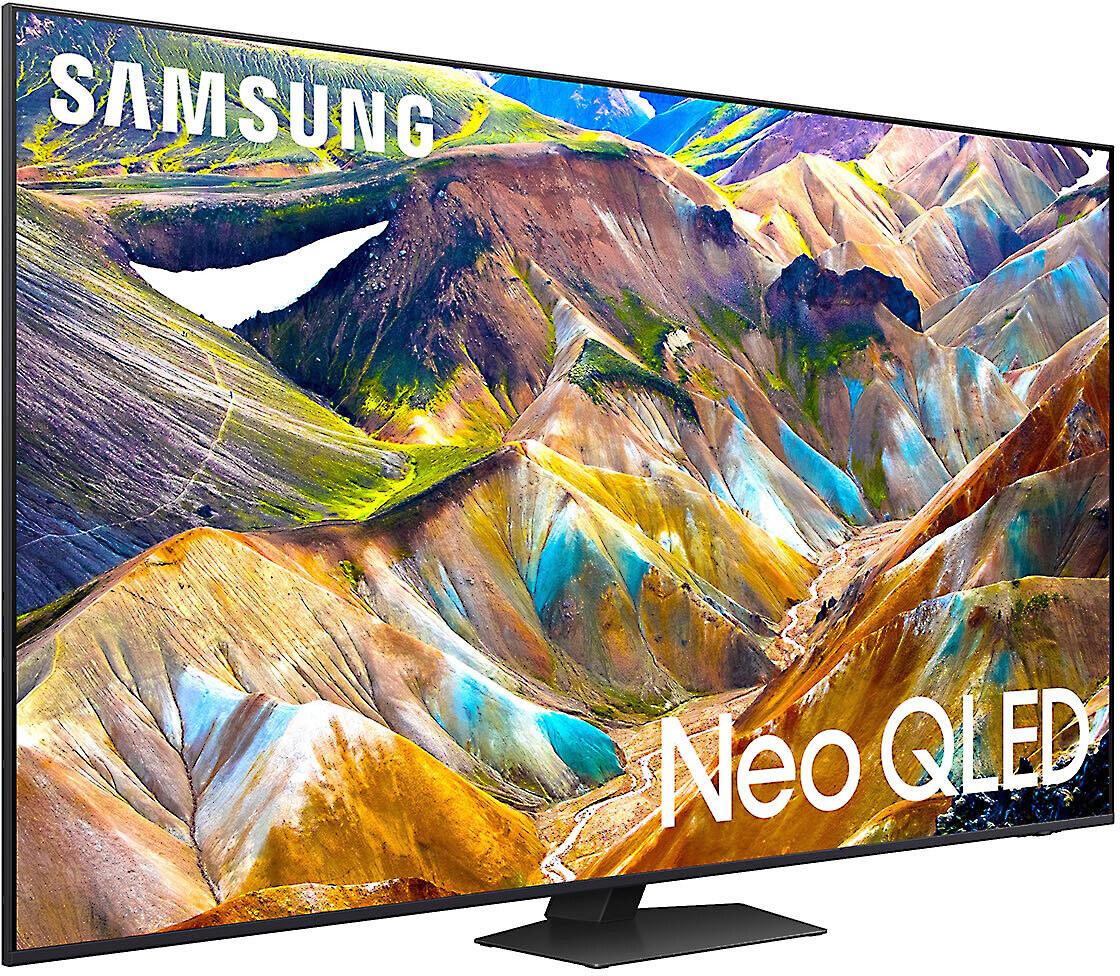
When you're shopping for a premium 65-inch TV, you'll encounter two dramatically different philosophies in modern television design. The TCL 65" NXTVISION QLED 4K Art Frame TV wants to disappear into your wall as a piece of art, while the Samsung 65" OLED S90D focuses purely on delivering the best possible picture quality for your movies, shows, and games.
Both TVs launched in 2024, representing the latest thinking in their respective categories. The TCL NXTVISION emerged from the growing lifestyle TV trend that Samsung's Frame series popularized, while the Samsung S90D continues the company's push to make OLED technology more accessible without sacrificing the dramatic contrast that makes OLED special.
Understanding which approach suits your home requires diving deep into how these fundamentally different technologies work and what they mean for your daily viewing experience.
The biggest difference between these TVs lies in their display technology, which affects everything from picture quality to how they look when turned off.
The Samsung S90D uses QD-OLED technology, where each pixel produces its own light through organic compounds that glow when electricity passes through them. QD stands for "Quantum Dot," which is a layer that helps create more vibrant colors. Think of it like having millions of tiny light bulbs that can turn completely on, completely off, or anywhere in between. When a pixel needs to show black, it simply turns off entirely, creating true darkness.
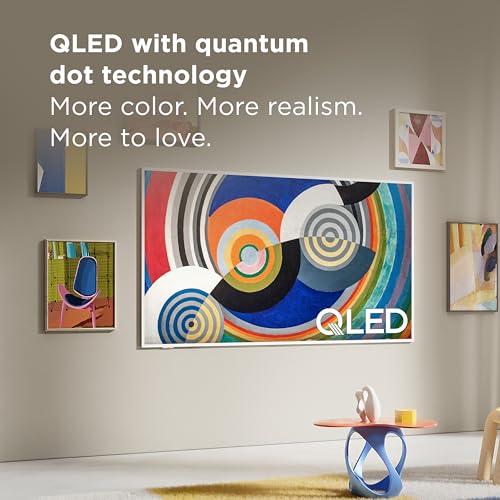
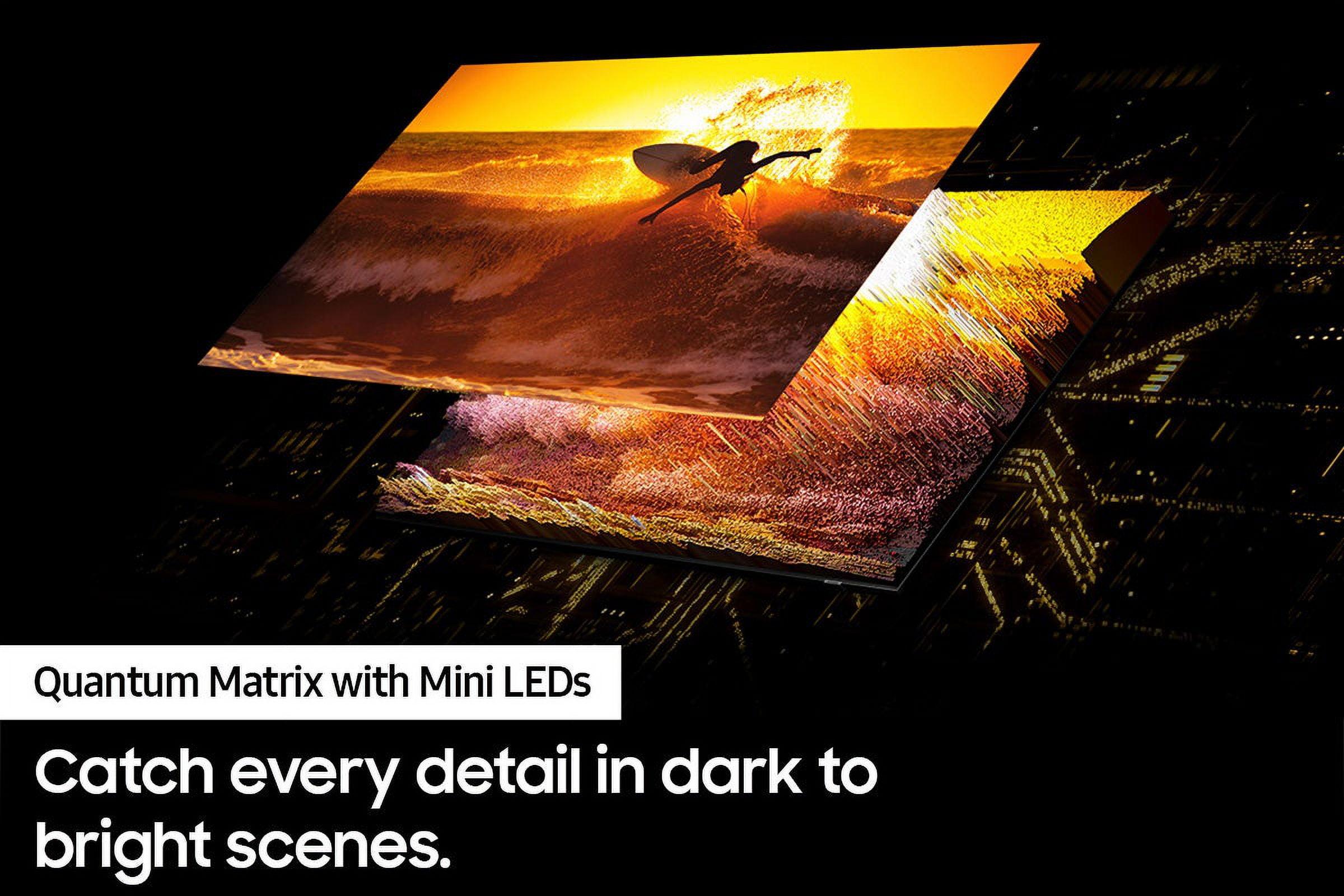
The TCL NXTVISION, on the other hand, uses edge-lit QLED technology. This means LED lights around the edges of the screen shine through layers that include quantum dots to enhance colors. However, since the backlight stays on across the entire screen, it can't create true blacks like OLED can – instead, you get very dark grays.
This fundamental difference shapes everything else about these TVs. The Samsung excels at traditional TV performance, while the TCL prioritizes a unique aesthetic that doubles as home décor.
The most dramatic difference between these TVs shows up in dark scenes. The Samsung S90D can display perfect blacks because its OLED pixels turn completely off. When you're watching a movie like "Dune" or "Blade Runner 2049," those deep space scenes or shadowy interiors look genuinely dark, not the grayish black you see on most TVs.
The TCL NXTVISION can't match this performance due to its edge-lit design. The LED backlight around the screen's edges means dark areas appear as dark gray rather than true black. This affects the overall contrast ratio – the difference between the brightest whites and darkest blacks – which is crucial for making images look realistic and three-dimensional.
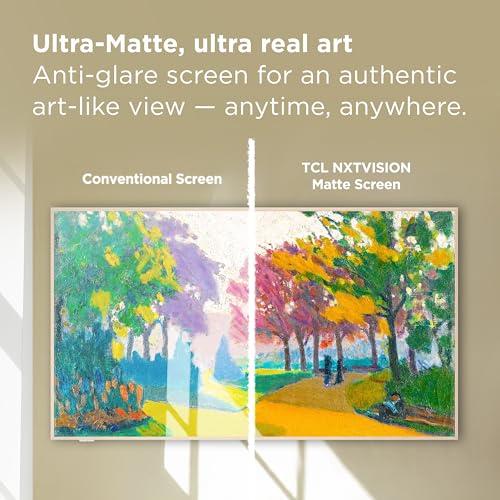
However, the TCL has an ace up its sleeve for certain viewing conditions. Its Ultra Matte Anti-Glare Screen uses a specialized coating that dramatically reduces reflections. If you've ever struggled to watch TV during the day because of window glare, you'll appreciate how this technology makes the screen visible even in bright sunlight. The matte finish also makes displayed artwork look more like actual canvas, which is central to its art-frame identity.
Both TVs use quantum dot technology to enhance colors, but they implement it differently. The Samsung S90D focuses on color accuracy, meaning colors appear as the movie director or content creator intended. Our research into professional reviews shows it achieves excellent color volume – the ability to maintain vibrant colors even at high brightness levels.
The TCL NXTVISION takes a different approach, optimizing colors to look pleasing when displaying artwork and photos. While it can display over a billion colors thanks to its quantum dot layer, professional reviewers note that color accuracy isn't its strong suit compared to the Samsung. For art display, this trade-off makes sense, as you want photos and paintings to look vibrant and engaging rather than technically accurate.
Brightness capabilities favor the Samsung, which can reach around 1,500 nits in HDR content. Nits measure brightness – for context, a sunny day outdoors is about 100,000 nits, while most TVs manage 400-1,000 nits. The higher brightness helps HDR (High Dynamic Range) content look more realistic, with bright highlights that pop off the screen.
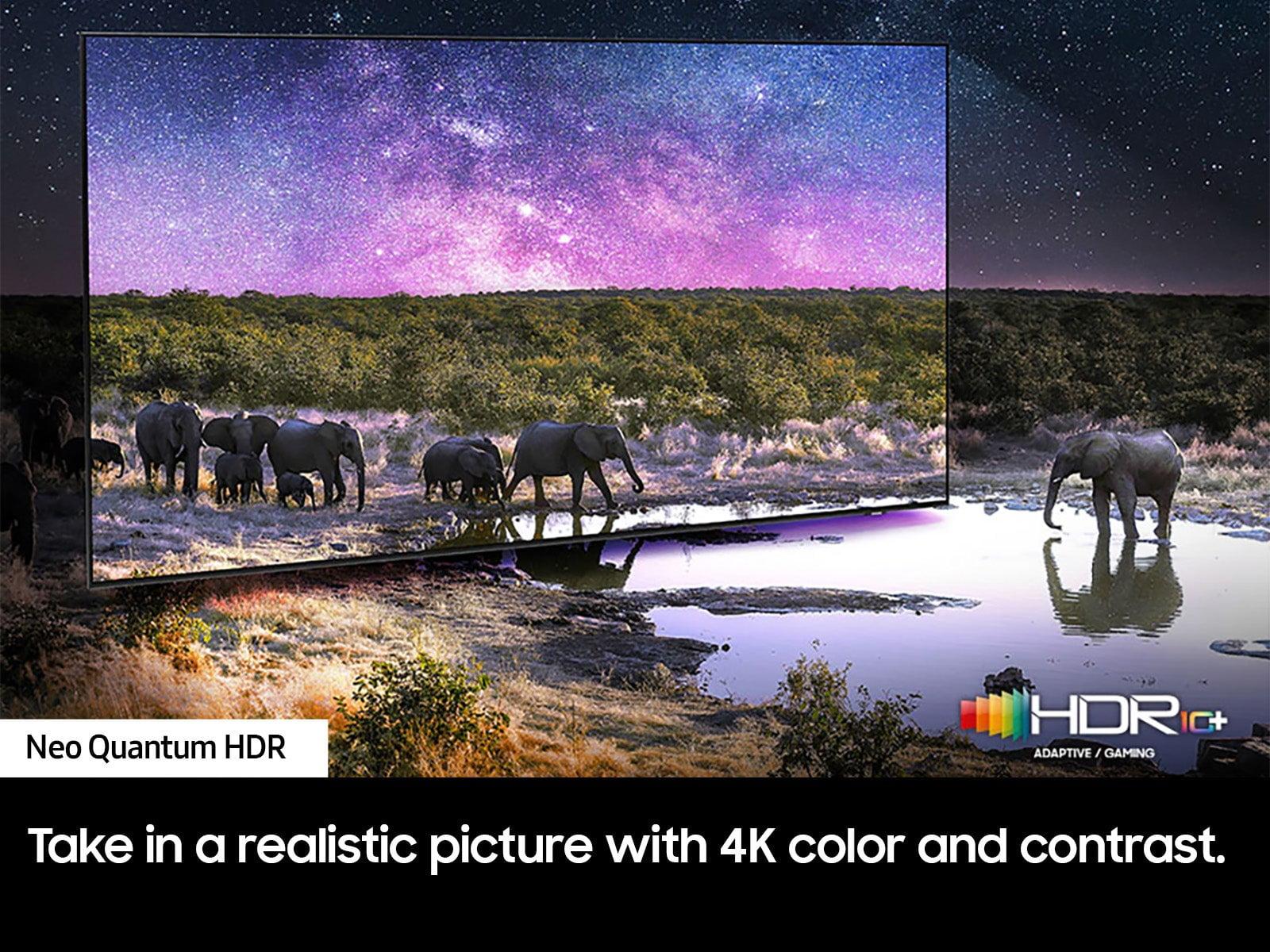
Here's where the TCL NXTVISION gains a significant advantage. It supports every major HDR format: Dolby Vision IQ, HDR10+, HDR10, and HLG. HDR formats enhance the contrast and color range of content, making images look more lifelike.
The Samsung S90D notably lacks Dolby Vision support, which is increasingly common on Netflix, Disney+, Apple TV+, and other streaming services. This means you'll miss out on the enhanced version of many movies and shows. Samsung uses HDR10+ instead, which provides similar benefits but isn't as widely adopted.
For many viewers, this HDR format limitation could be a dealbreaker, especially considering the Samsung's premium positioning. It's particularly frustrating because Samsung's OLED technology could handle Dolby Vision beautifully – the company simply chooses not to license it.
Gaming reveals another clear winner between these TVs. The Samsung S90D delivers sub-1-millisecond response time, which means pixels change color almost instantly when the image updates. This creates incredibly sharp motion, crucial for competitive gaming where every frame matters.
The TV supports 4K resolution at 120Hz refresh rate with Variable Refresh Rate (VRR), which synchronizes the TV's refresh rate with your gaming console or PC to eliminate screen tearing. Input lag – the delay between pressing a button and seeing the action on screen – stays around 10 milliseconds, which is excellent for responsive gaming.
The TCL NXTVISION looks impressive on paper with support for 4K at 144Hz and even 1080p at 240Hz through its HDMI 2.1 ports. However, our research into user experiences reveals significant issues. The pixel response time is much slower than the Samsung, causing noticeable motion blur during fast action. There are also reports of screen flashing when switching between different refresh rates.
Perhaps most limiting, you can't use 4:4:4 chroma (important for sharp text and UI elements) simultaneously with VRR on the TCL. This means you have to choose between the best text clarity or smooth gaming, but not both.
For serious gamers, the Samsung is the clear choice. The TCL might work for casual gaming, but its motion handling limitations become apparent quickly in fast-paced games.
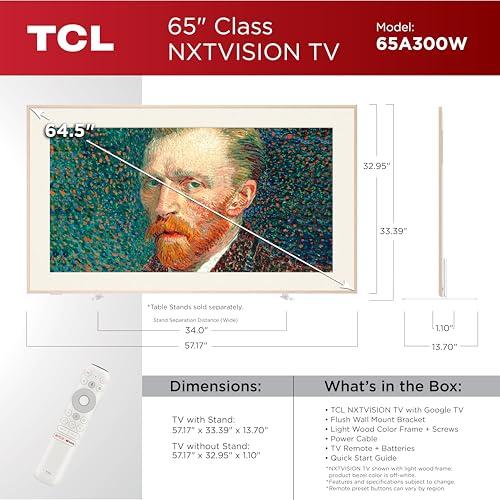
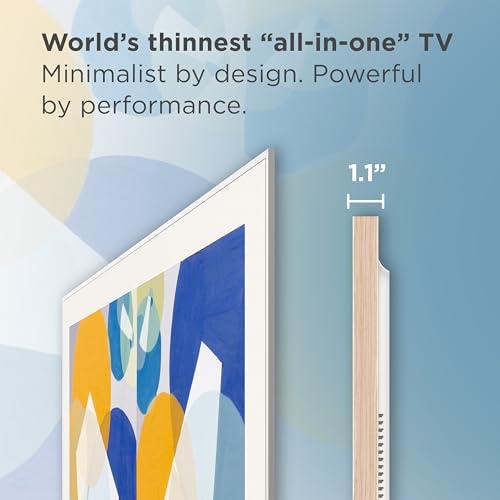
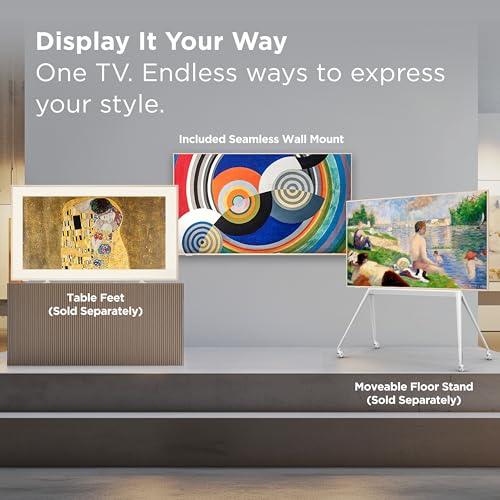
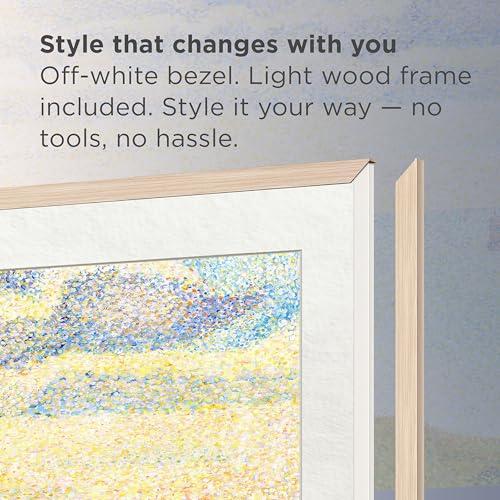
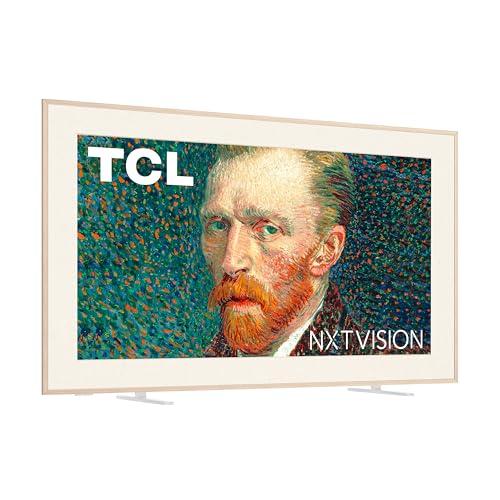
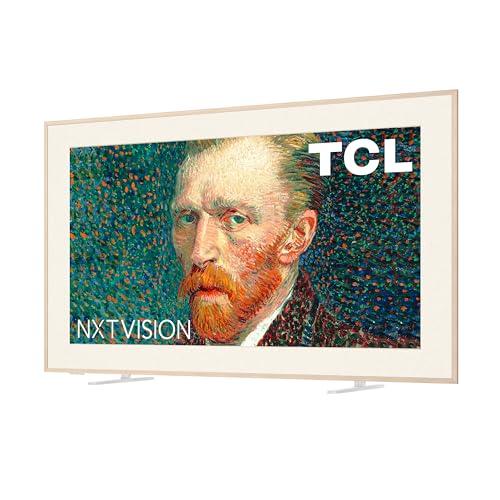
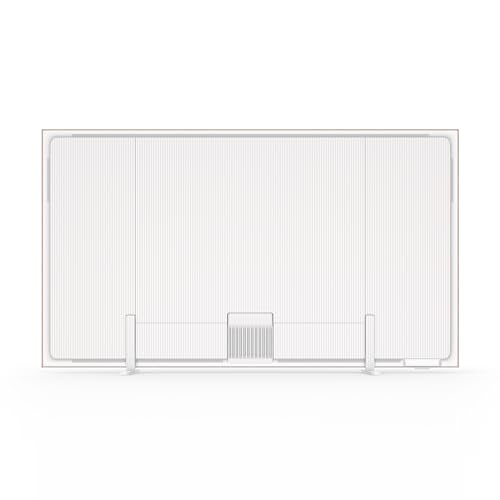
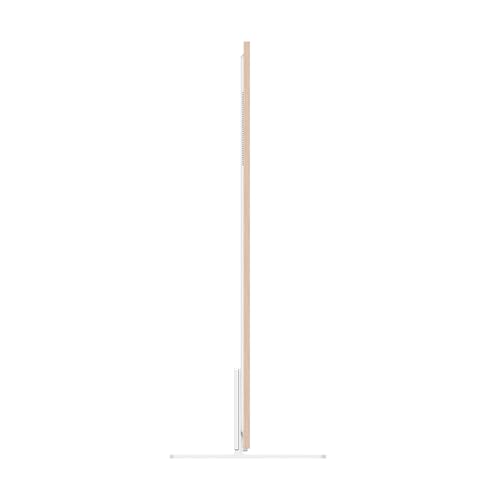
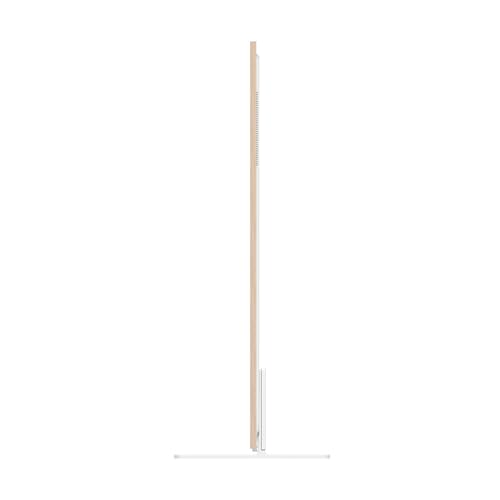
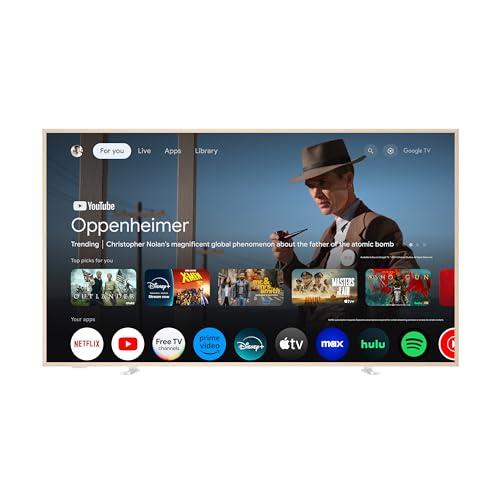
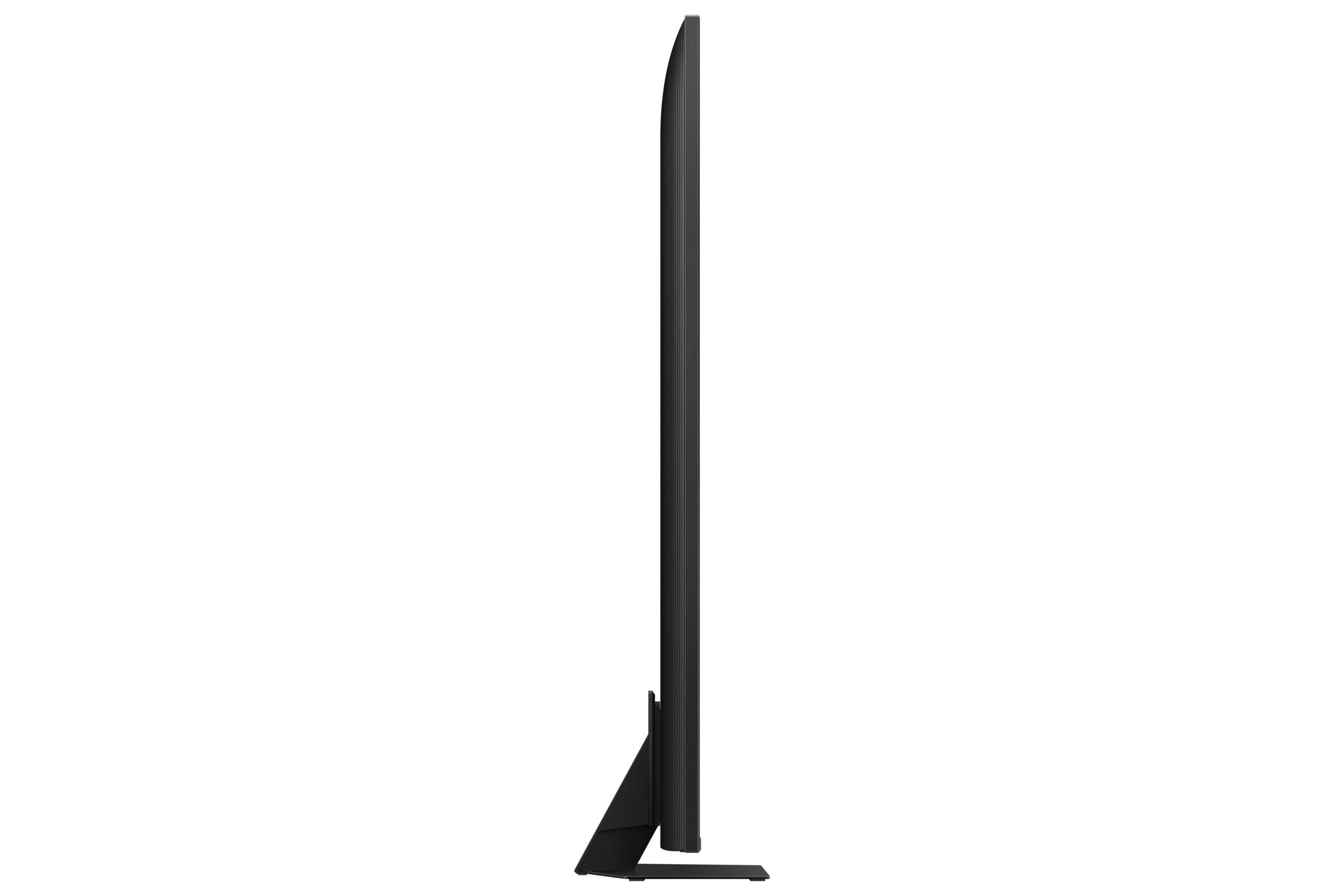
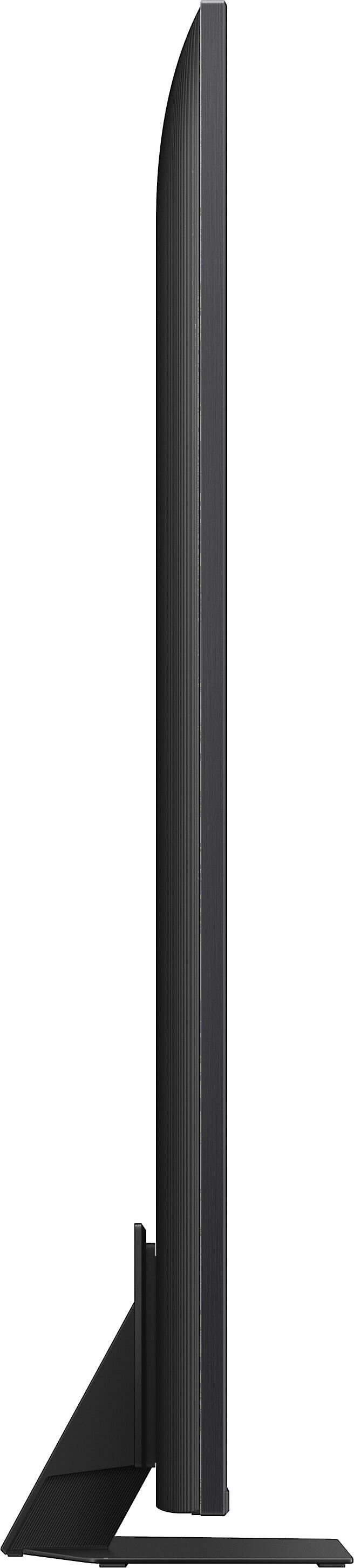
The design differences between these TVs reflect their core purposes. The TCL NXTVISION measures just 1.1 inches deep with a built-in chassis, making it genuinely thin enough to mimic a picture frame when wall-mounted. It includes a proprietary flush wall mount and magnetic frames (a wood-like frame comes included) that you can swap to match your décor.
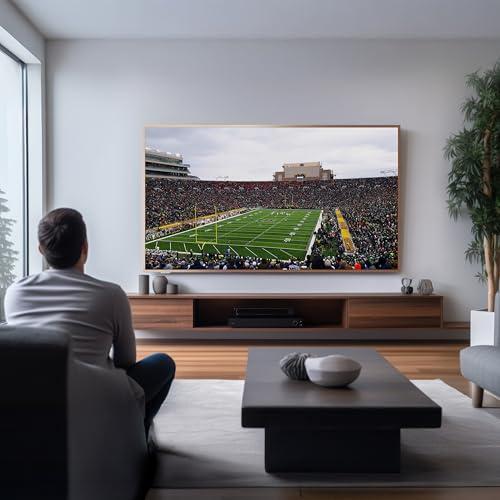
The art functionality extends beyond just the slim profile. TCL provides over 400 curated artworks, AI-generated art options, and personal photo gallery modes. Multiple matte finish options help customize how artwork appears. When the TV is off or in art mode, it genuinely looks like a framed painting or photograph hanging on your wall.
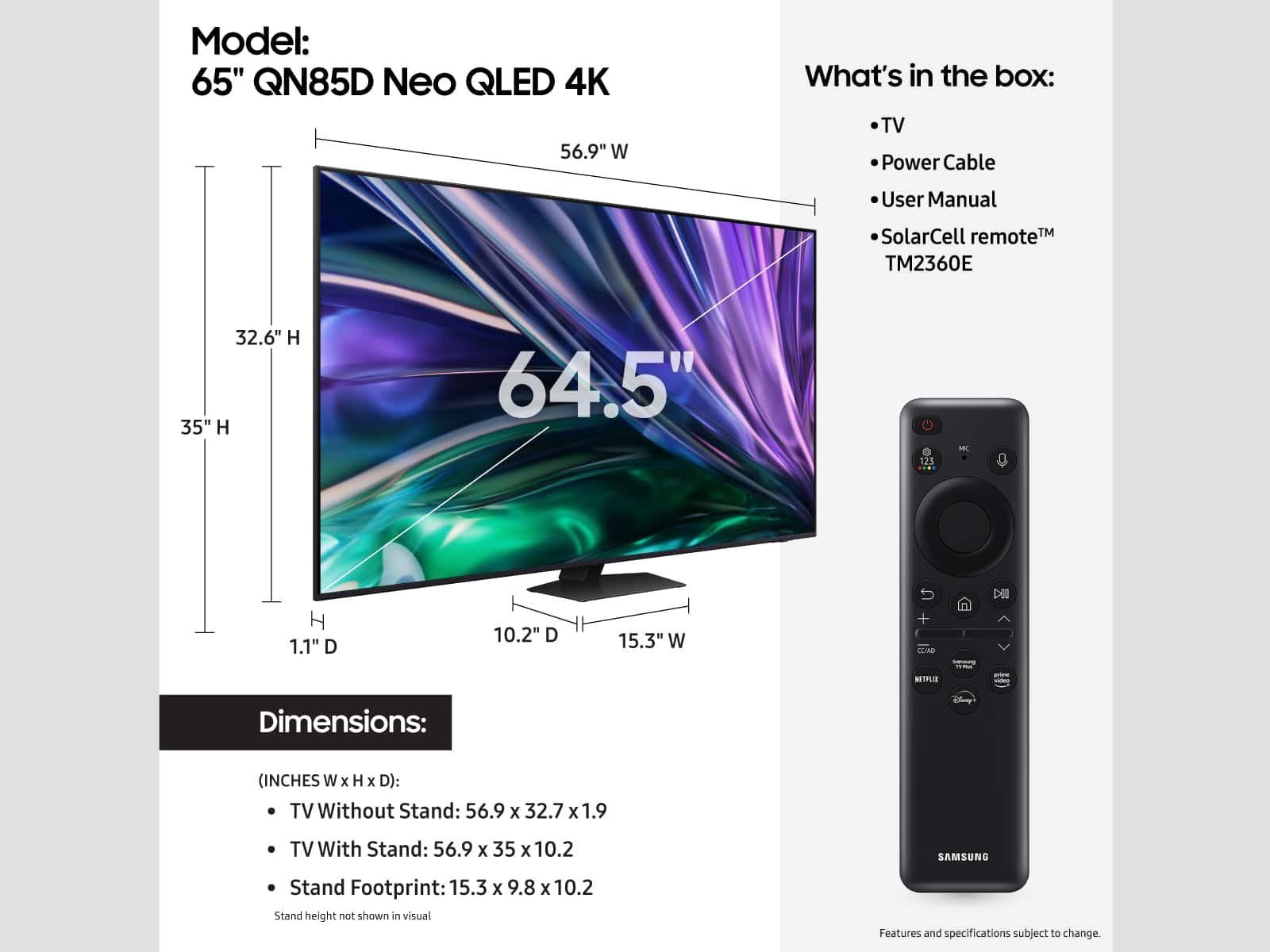
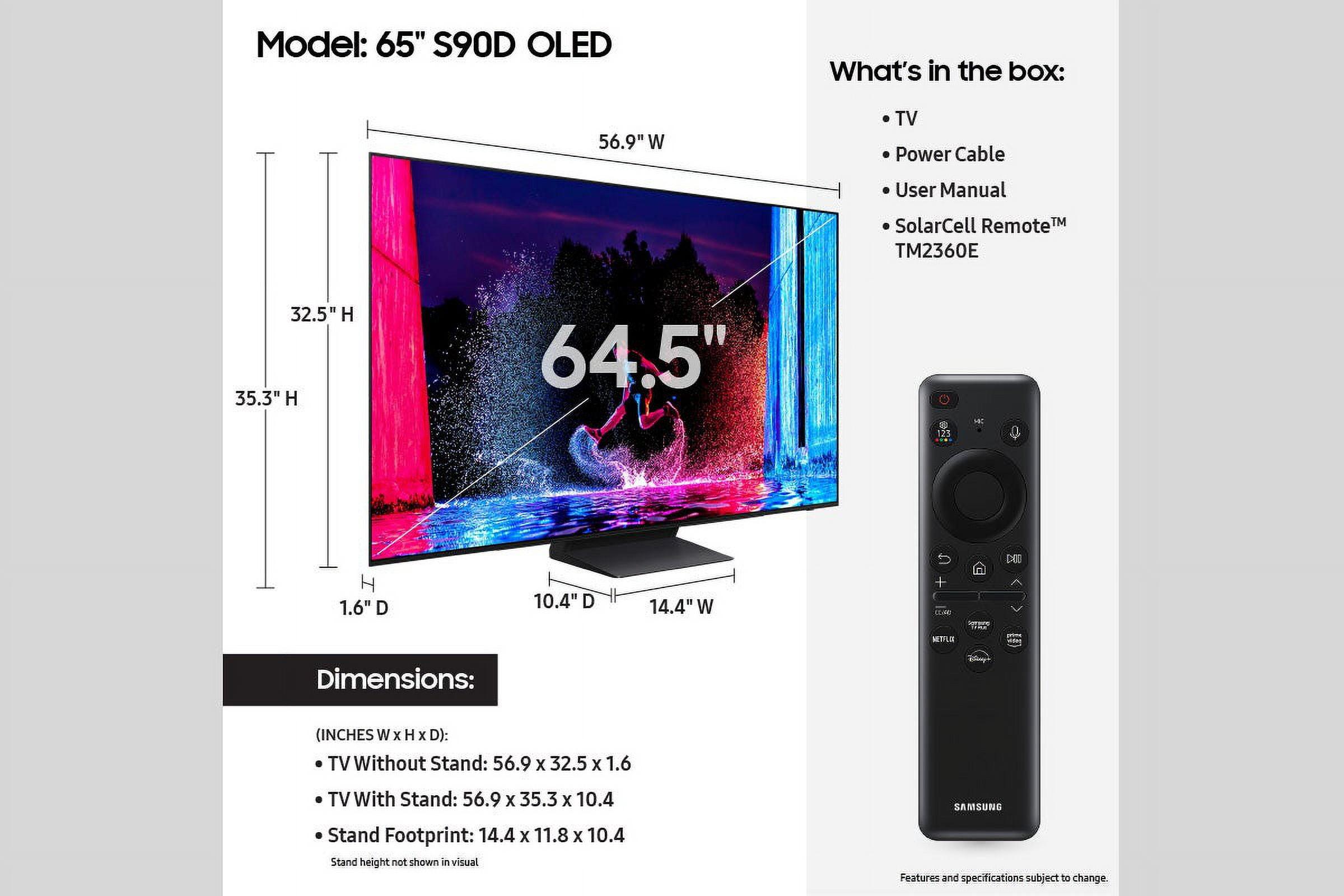
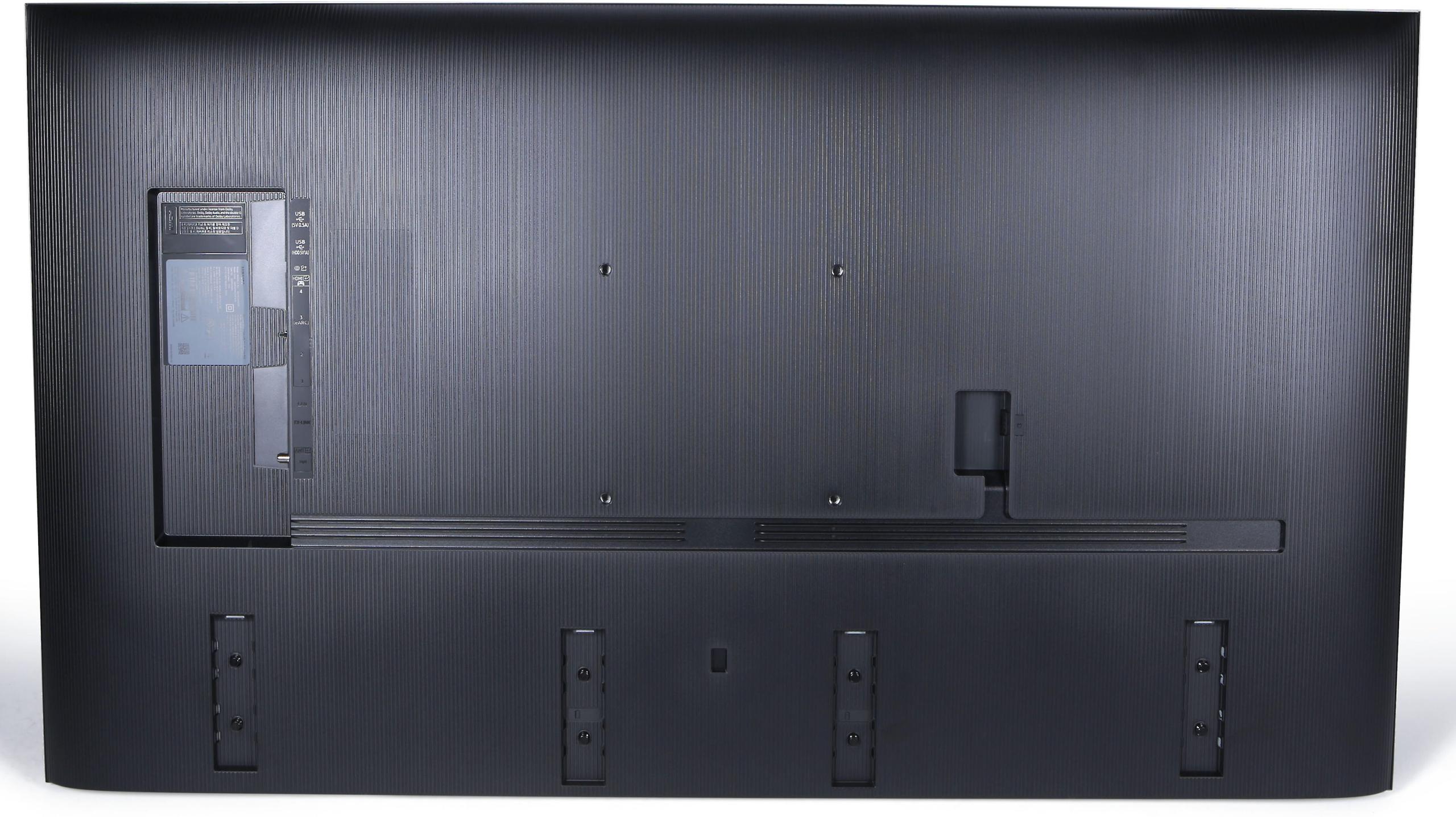
The Samsung S90D uses a more traditional TV design at 1.6 inches deep. While still slim by TV standards, it's clearly identifiable as a television whether on or off. Samsung includes conventional mounting options and a center stand, focusing on flexibility rather than the ultra-minimalist aesthetic of the TCL.
For rooms where the TV's appearance when off matters as much as its performance when on, the TCL offers something genuinely unique. However, this comes with limitations – you can't use a traditional TV stand, and the flush mounting system, while elegant, offers less positioning flexibility than standard VESA mounts.
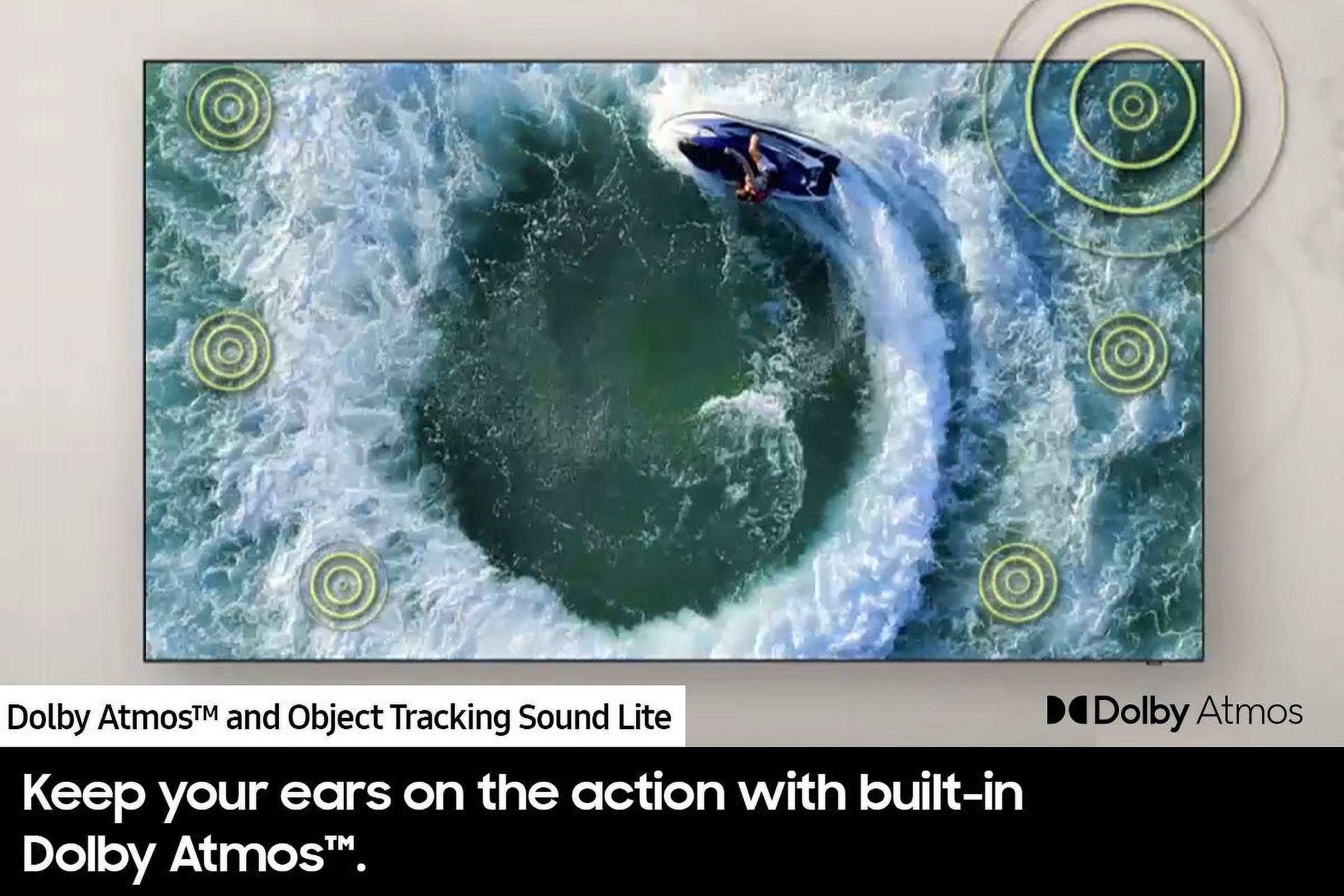
Audio quality strongly favors the Samsung S90D with its 40-watt system featuring Dolby Atmos processing. The extra power and larger cabinet space allow for more substantial drivers that produce fuller, more dynamic sound. While no TV's built-in audio can match a dedicated sound system, the Samsung provides respectable performance for most rooms.
The TCL NXTVISION includes a 20-watt system with Dolby Atmos support, but the ultra-slim design limits speaker size and power. It does include Enhanced Dialogue Mode to improve voice clarity, which helps when watching shows with complex audio mixes. However, you'll likely want to pair this TV with a soundbar sooner than you would with the Samsung.
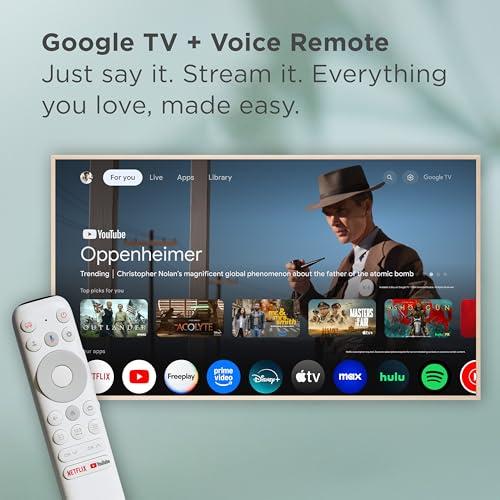
Both TVs offer comprehensive smart features, but with different approaches. The TCL NXTVISION runs Google TV with built-in Chromecast, hands-free voice control, and support for Amazon Alexa, Google Assistant, and Apple HomeKit. The interface is clean and responsive, with easy access to all major streaming services.
The Samsung S90D uses Samsung's Tizen operating system, which provides extensive app support but can feel slower in navigation compared to Google TV. Both systems receive regular updates and support all the streaming services you'd expect.
The TCL's art features require their own consideration. The curated art library includes classical paintings, contemporary works, and photography from various genres. The AI art generation feature can create unique pieces based on prompts or styles, though the quality varies. Personal photo gallery mode works well for displaying your own photography, with the matte screen helping photos look more like printed images.
For dedicated home theater use, the Samsung S90D is the superior choice. Its perfect black levels create the dark environment that makes movies feel cinematic. The infinite contrast ratio means details in both bright and dark areas of the image remain visible simultaneously – crucial for films with dramatic lighting.
The Samsung's color accuracy ensures movies appear as directors intended, while its HDR performance (despite lacking Dolby Vision) still provides impressive dynamic range for most content. The better built-in audio also reduces the immediate need for additional speakers in smaller rooms.
The TCL NXTVISION can work in a home theater, but its compromises become more apparent in this use case. The grayish blacks reduce the cinematic feel, particularly in dark scenes. The matte screen coating, while excellent for reducing glare, also softens the image slightly compared to glossy screens, reducing the sharp, crisp look that enthusiasts prefer.
However, if your home theater doubles as a living space during the day, the TCL's bright room performance and aesthetic appeal when displaying art might outweigh its technical limitations for some users.
OLED technology in the Samsung S90D has improved significantly since early generations, but burn-in remains a potential concern with static content. Modern OLEDs include pixel-shifting technologies and automatic brightness adjustments to minimize this risk, but it's still worth considering if you plan to display static images frequently.
The TCL NXTVISION uses LED technology that doesn't suffer from burn-in, making it inherently better suited for static content display – perfect for its art mode functionality. This reliability advantage aligns well with its intended use case.
Both TVs should provide years of reliable service under normal use, but the OLED requires slightly more care with static content like gaming HUDs or news tickers.
At the time of writing, both TVs command premium prices, but they offer value in different ways. The Samsung S90D provides OLED picture quality at a more accessible price point than Samsung's flagship models, making premium display technology available to more buyers. For pure performance per dollar in traditional TV use, it's competitive with other OLED options.
The TCL NXTVISION includes substantial value-adds with its flush wall mount, magnetic frames, and extensive art library. If you were to buy these accessories separately for a traditional TV, the cost would add up quickly. For someone wanting both a TV and a digital art display, the TCL provides unique functionality that's difficult to replicate otherwise.
Choose the TCL NXTVISION if you want a TV that serves double duty as wall art. It's ideal for minimalist homes, bright living spaces, and anyone who values aesthetic integration over pure performance. The comprehensive HDR format support also makes it future-proof for streaming content, despite other limitations.
The Samsung S90D suits anyone prioritizing picture quality, gaming performance, or home theater use. Its OLED technology provides the dramatic contrast and color accuracy that make movies and shows look their best. The superior audio system and faster gaming response add to its traditional TV strengths.
Your choice ultimately depends on how you'll use the TV most often. If it's primarily for entertainment – movies, shows, sports, gaming – the Samsung's superior picture quality and performance make it the better choice. The OLED technology provides a viewing experience that's hard to match, particularly in darker rooms.
However, if you want a TV that disappears into your home's aesthetic when not in use, the TCL offers something genuinely unique. The art display functionality, combined with excellent bright room performance, creates a product that serves a different purpose than traditional TVs.
Consider your viewing environment, primary use cases, and whether the TV's appearance when off matters to you. Both TVs excel in their intended roles, but they succeed in very different ways. The decision comes down to whether you prioritize innovative lifestyle integration or proven performance excellence.
| TCL 65" NXTVISION QLED 4K Art Frame TV | Samsung 65" OLED S90D TV |
|---|---|
| Display Technology - Determines black levels, contrast, and overall picture quality | |
| Edge-lit QLED with quantum dots (good colors, gray blacks) | QD-OLED with per-pixel lighting (perfect blacks, infinite contrast) |
| Peak Brightness - Critical for HDR impact and daytime viewing | |
| High Brightness+ LED (adequate for most content) | ~1,500 nits (excellent HDR performance) |
| Screen Finish - Affects glare and viewing in bright rooms | |
| Ultra Matte Anti-Glare coating (eliminates reflections, softer image) | Standard glossy finish (some reflections, sharper image) |
| Gaming Response Time - Essential for competitive gaming and motion clarity | |
| Slow pixel response (noticeable blur in fast motion) | Sub-1ms response time (virtually no motion blur) |
| Gaming Refresh Rates - Higher numbers allow smoother gameplay | |
| 4K @ 144Hz, 1080p @ 240Hz (impressive specs, poor implementation) | 4K @ 120Hz (lower specs, excellent performance) |
| HDR Format Support - Determines compatibility with streaming content | |
| Dolby Vision IQ, HDR10+, HDR10, HLG (complete format coverage) | HDR10+, HDR10, HLG (missing Dolby Vision from Netflix, Disney+) |
| Design Depth - Affects wall-mounting aesthetics | |
| 1.1 inches ultra-slim with built-in chassis (art frame appearance) | 1.6 inches standard depth (traditional TV look) |
| Art Display Features - For using TV as wall decoration when off | |
| 400+ curated artworks, AI art generation, personal photo gallery | No dedicated art features (basic ambient mode only) |
| Built-in Audio Power - Higher wattage generally means better sound | |
| 20W total (2 x 10W speakers, limited by slim design) | 40W total (fuller sound, better dynamics) |
| Burn-in Risk - Important for static content like art display | |
| No burn-in risk with LED technology (safe for static images) | Potential OLED burn-in (improved but still a consideration) |
| Smart TV Platform - Affects interface speed and app availability | |
| Google TV with Chromecast built-in (fast, intuitive) | Samsung Tizen OS (comprehensive but can be sluggish) |
| Mounting Options - Flexibility in installation | |
| Proprietary flush mount only (elegant but limited positioning) | Standard VESA mount compatible (flexible placement options) |
| Primary Use Case - What each TV is optimized for | |
| Dual-purpose TV and wall art display for bright rooms | High-performance entertainment viewing and gaming |
The Samsung 65" OLED S90D TV delivers superior picture quality for traditional entertainment viewing. Its OLED technology produces perfect blacks and infinite contrast, making dark movie scenes look truly cinematic. The TCL 65" NXTVISION QLED 4K Art Frame TV uses edge-lit QLED technology that can't match the Samsung's contrast performance, showing gray blacks instead of true darkness. For home theater enthusiasts, the Samsung S90D provides the dramatic visual impact that makes movies feel immersive.
Yes, the TCL 65" NXTVISION QLED 4K Art Frame TV is specifically designed to mimic framed artwork when not in use. Its ultra-matte anti-glare screen makes displayed images look like canvas, while the included magnetic wood frame and ultra-slim 1.1-inch depth create an authentic art piece appearance. The TV includes over 400 curated artworks and AI-generated art options. The Samsung 65" OLED S90D TV lacks these art display features entirely.
The Samsung 65" OLED S90D TV is significantly better for gaming, offering sub-1ms response time that eliminates motion blur during fast action. While the TCL 65" NXTVISION QLED 4K Art Frame TV supports higher refresh rates on paper (4K @ 144Hz vs 4K @ 120Hz), its slow pixel response creates noticeable blur. The Samsung S90D also maintains lower input lag and smoother VRR implementation for competitive gaming.
The TCL 65" NXTVISION QLED 4K Art Frame TV excels in bright rooms thanks to its Ultra Matte Anti-Glare screen that virtually eliminates reflections. This makes it ideal for rooms with lots of windows or ambient lighting. The Samsung 65" OLED S90D TV handles reflections adequately but isn't optimized for consistently bright environments. For daytime viewing with significant ambient light, the TCL NXTVISION provides better visibility.
The TCL 65" NXTVISION QLED 4K Art Frame TV offers superior format support, including Dolby Vision IQ, HDR10+, HDR10, and HLG. The Samsung 65" OLED S90D TV notably lacks Dolby Vision support, which is used by Netflix, Disney+, and Apple TV+ for enhanced picture quality. This gives the TCL NXTVISION an advantage for streaming content compatibility despite its other limitations.
The Samsung 65" OLED S90D TV provides superior audio with its 40W speaker system compared to the TCL 65" NXTVISION QLED 4K Art Frame TV's 20W system. The Samsung's larger cabinet allows for better speaker placement and more powerful drivers. The ultra-slim design of the TCL NXTVISION limits audio performance, making it more likely you'll need a soundbar sooner.
Yes, but they use different mounting systems. The TCL 65" NXTVISION QLED 4K Art Frame TV includes a proprietary flush wall mount designed for its art frame aesthetic, creating a seamless gallery appearance. The Samsung 65" OLED S90D TV uses standard VESA mounting, offering more flexibility in positioning and compatible with various wall mounts. The TCL NXTVISION is designed exclusively for wall mounting with no traditional stand option.
The Samsung 65" OLED S90D TV is superior for dedicated home theater use. Its perfect black levels create the dark environment essential for cinematic viewing, while the infinite contrast ratio preserves detail in both bright and dark image areas simultaneously. The TCL 65" NXTVISION QLED 4K Art Frame TV's gray blacks and matte screen coating reduce the sharp, dramatic look that home theater enthusiasts prefer.
Both TVs offer comprehensive smart features but with different platforms. The TCL 65" NXTVISION QLED 4K Art Frame TV runs Google TV with built-in Chromecast and hands-free voice control, plus support for Alexa and Google Assistant. The Samsung 65" OLED S90D TV uses Samsung's Tizen OS with Bixby and Alexa support. Both provide access to all major streaming services, though the TCL NXTVISION's Google TV interface is generally more responsive.
The TCL 65" NXTVISION QLED 4K Art Frame TV has an advantage for long-term static content display since LED technology doesn't suffer from burn-in. This makes it ideal for its art display function. The Samsung 65" OLED S90D TV uses OLED technology that has improved significantly but still carries potential burn-in risk with static images like gaming HUDs or news tickers, though modern pixel-shifting technologies minimize this concern.
Both TVs command premium pricing but offer value in different ways. The Samsung 65" OLED S90D TV provides OLED picture quality at a more accessible price point than flagship models, offering excellent performance per dollar for traditional TV use. The TCL 65" NXTVISION QLED 4K Art Frame TV includes substantial value-adds like the flush mount, magnetic frames, and art library that would cost extra with other TVs.
Choose the TCL 65" NXTVISION QLED 4K Art Frame TV if you want a TV that doubles as wall art, have a bright living space, or value aesthetic integration over pure performance. Select the Samsung 65" OLED S90D TV if you prioritize picture quality for movies and shows, serious gaming performance, or home theater use. The Samsung S90D excels at traditional TV functions, while the TCL NXTVISION offers unique lifestyle integration.
We've done our best to create useful and informative comparisons to help you decide what product to buy. Our research uses advanced automated methods to create this comparison and perfection is not possible - please contact us for corrections or questions. These are the sites we've researched in the creation of this article: rtings.com - tcl.com - bestbuy.com - tcl.com - bestbuy.com - tcl.com - youtube.com - rcwilley.com - businessinsider.com - bestbuy.com - target.com - youtube.com - support.tcl.com - nfm.com - woodruffappliance.com - flatpanelshd.com - tcl.com - bestbuy.com - valueelectronics.com - youtube.com - cnet.com - bestbuy.com - videoandaudiocenter.com - youtube.com - samsung.com - samsung.com - pcrichard.com - samsung.com

Privacy Policy
Terms and Conditions - Affiliate Policy
Home Security
© Copyright 2008-2026.
11816 Inwood Rd #1211, Dallas, TX 75244