



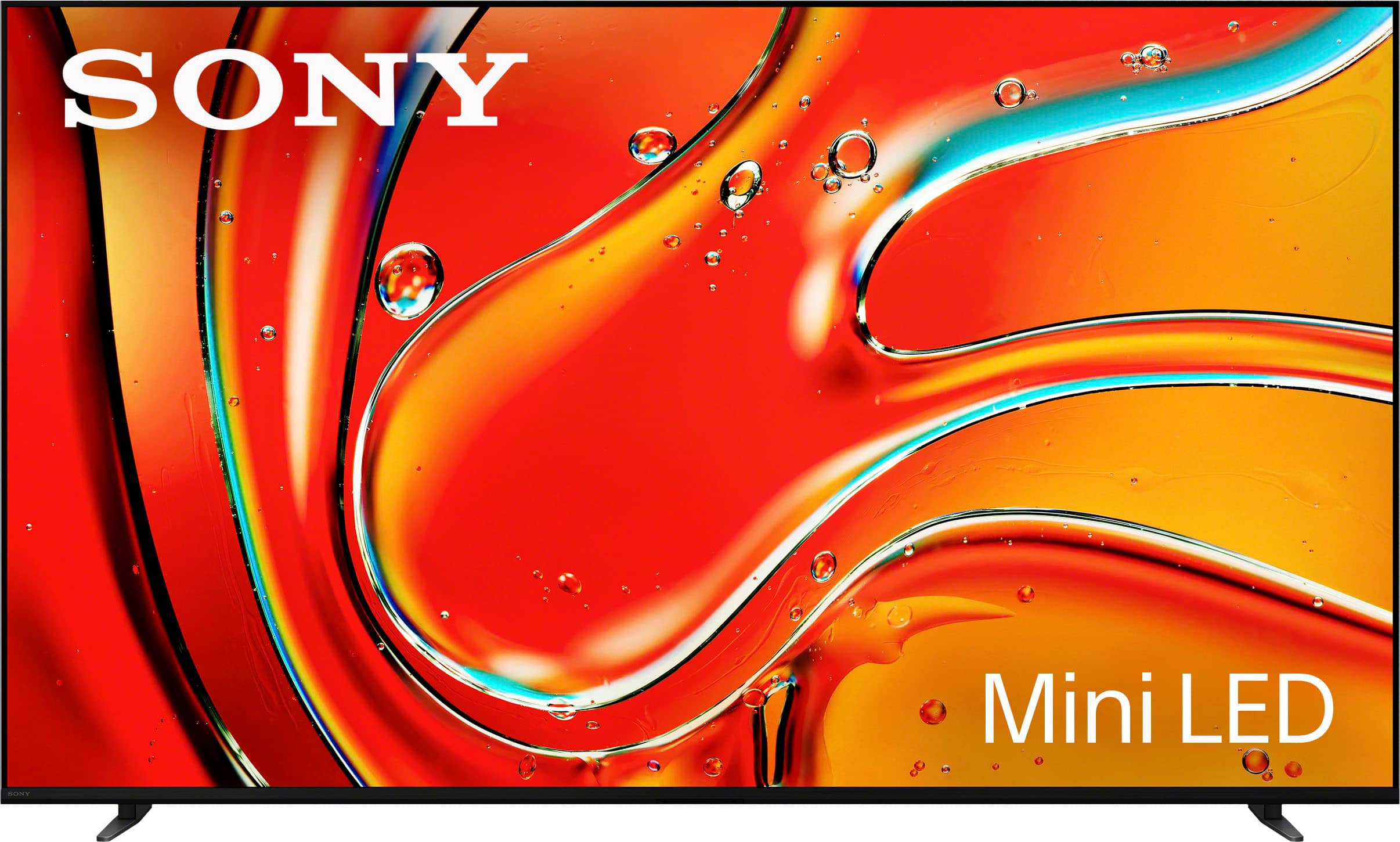
When shopping for a premium 65-inch 4K TV in 2024, you'll quickly discover that the market has split into two fascinating directions. On one side, you have traditional performance-focused displays that prioritize picture quality above all else. On the other, lifestyle TVs that blend seamlessly into your home décor while still delivering solid viewing experiences.
The TCL 65" NXTVISION QLED 4K Art Frame TV and Sony BRAVIA 7 65" 4K UHD Smart Google TV represent these two philosophies perfectly. Both launched in 2024, but they couldn't be more different in their approach to what a premium TV should be. Understanding these differences will help you make the right choice for your specific needs and viewing habits.
The premium TV market has evolved dramatically over the past few years. Where once picture quality was the only consideration, today's buyers also care about how their TV looks when it's turned off, how it integrates with smart home systems, and whether it can handle the latest gaming consoles at maximum performance.
The most important factors to consider include picture quality (how good movies and shows actually look), design integration (how well the TV fits into your living space), gaming performance (refresh rates and input lag), and value proposition (what you get for your money).
Modern TVs use several key technologies that significantly impact performance. HDR (High Dynamic Range) makes bright scenes brighter and dark scenes darker, creating more realistic contrast. Local dimming allows different parts of the screen to get brighter or darker independently, improving contrast. QLED (Quantum Dot Light Emitting Diode) technology uses tiny particles to create more vibrant colors. Mini LED backlighting uses thousands of tiny LEDs instead of larger ones for more precise brightness control.
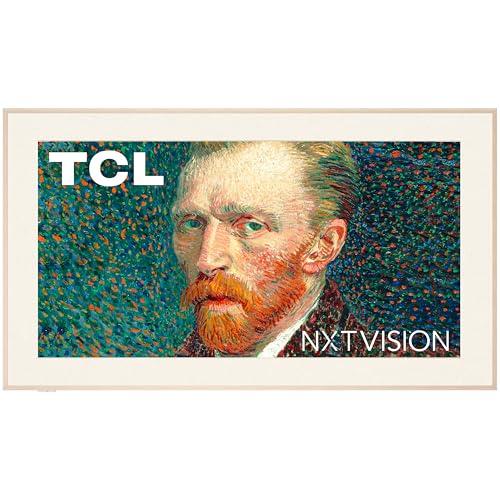
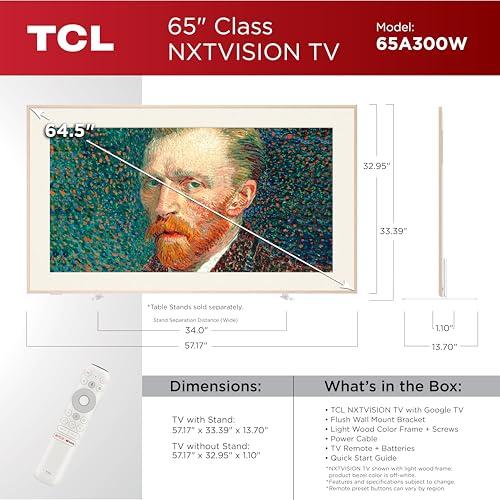
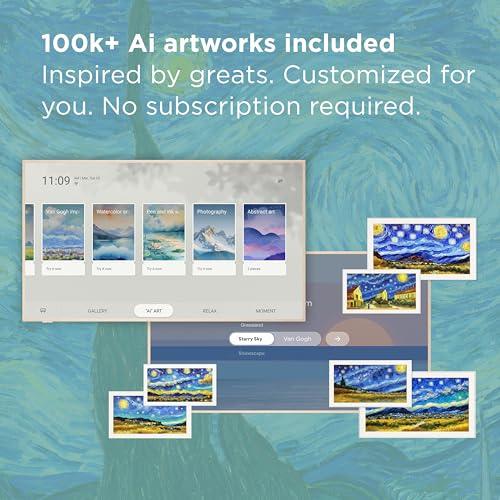
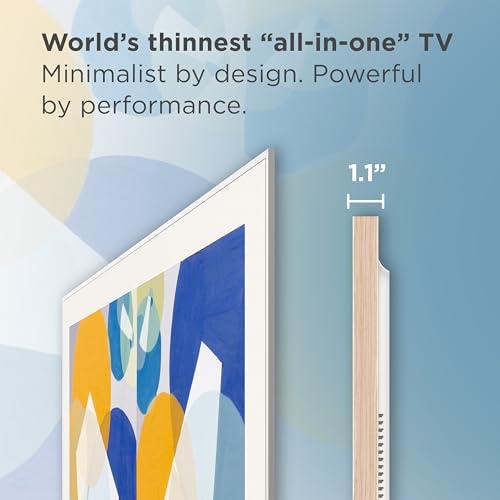
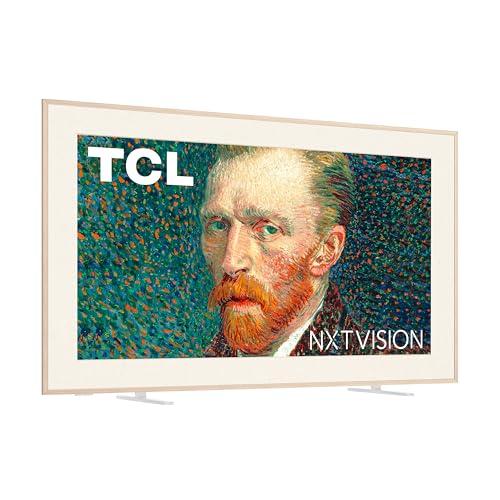
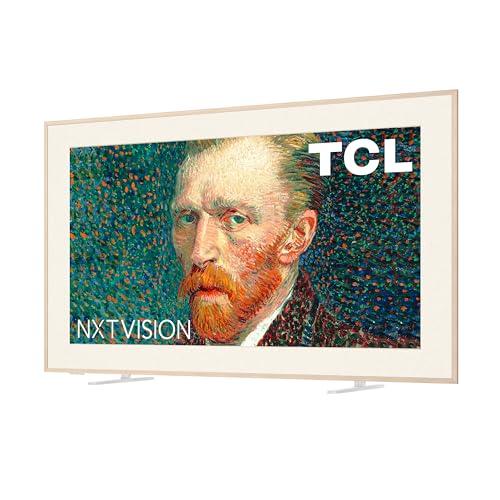
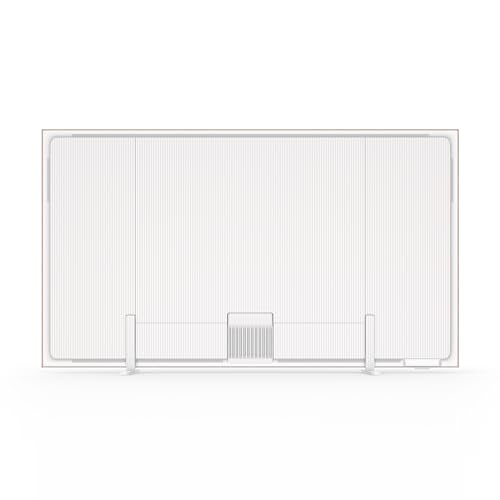
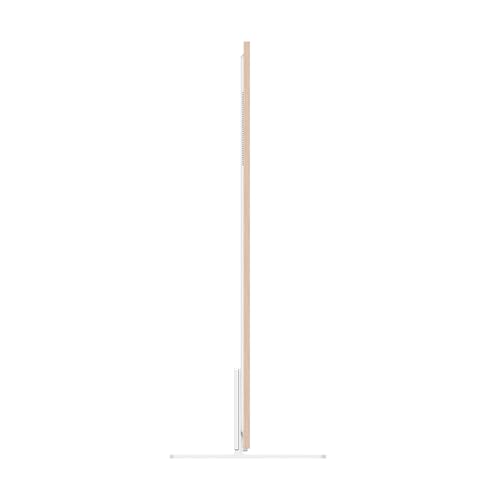
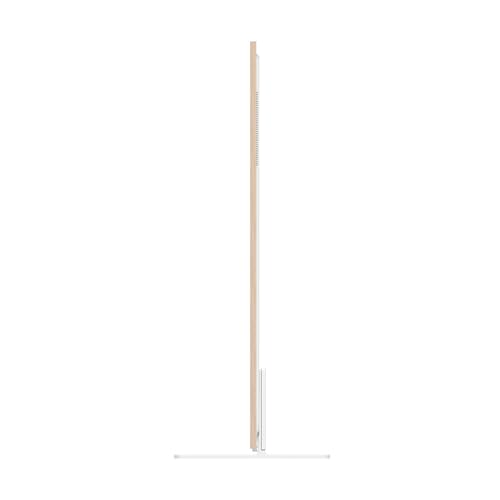
The TCL NXTVISION takes the art-focused approach to its logical extreme. At just 1.1 inches deep, it's designed to look like a framed painting when mounted on your wall. It includes a curated library of over 400 artworks, AI-generated art capabilities, and an ultra-matte screen that reduces reflections to create that authentic canvas appearance.
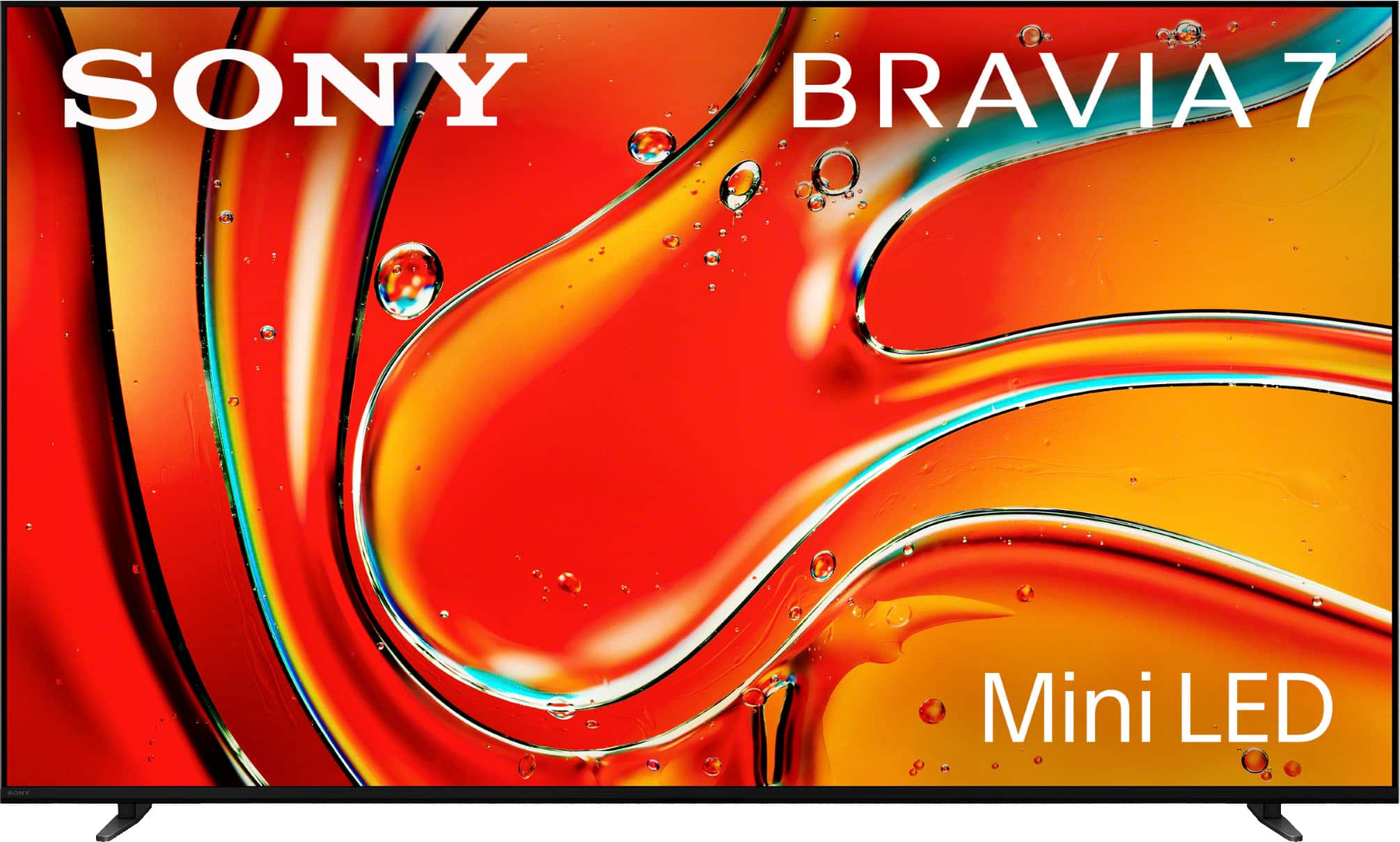
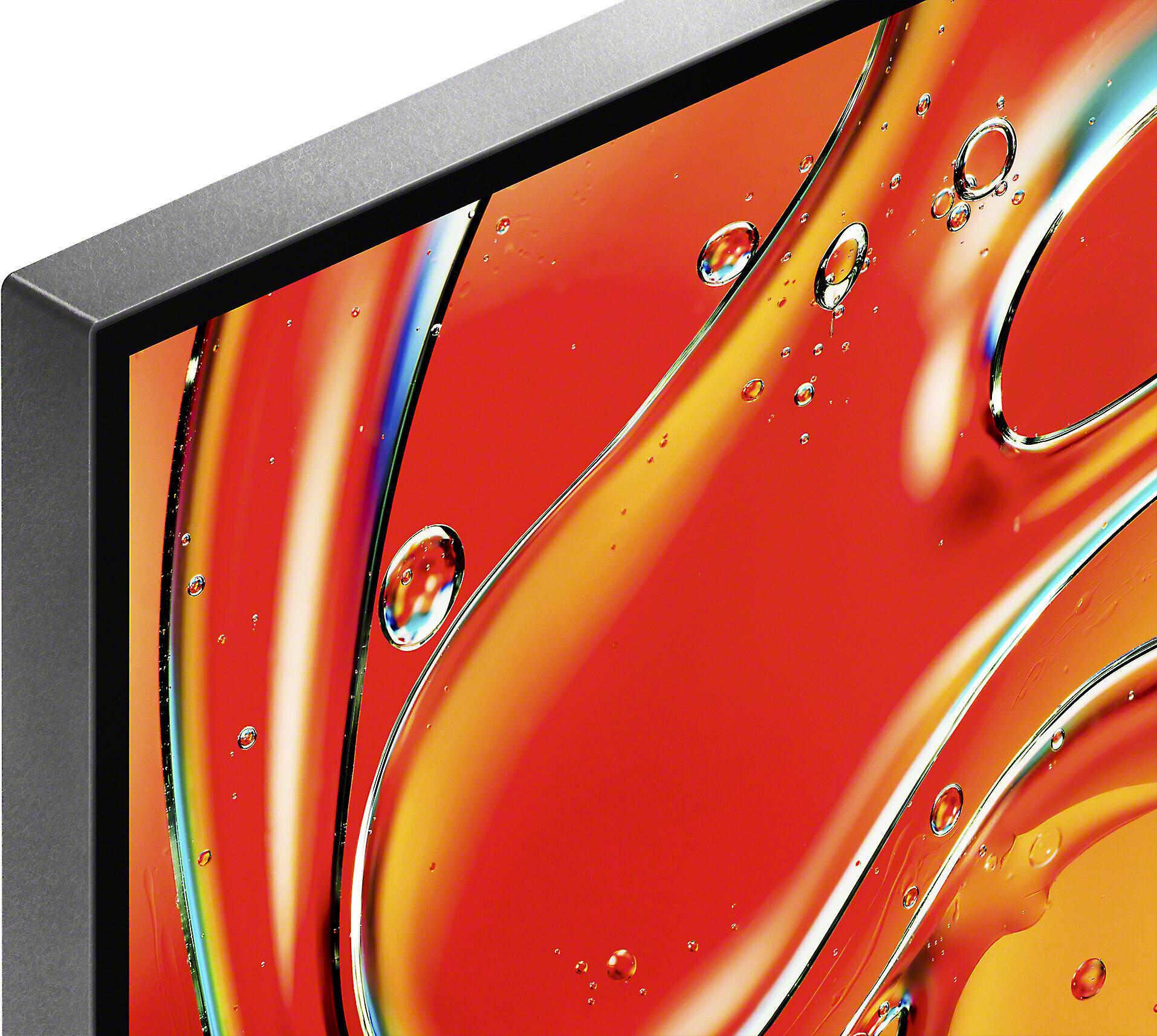
The Sony BRAVIA 7, meanwhile, represents Sony's commitment to pure picture performance. It uses Mini LED backlighting with thousands of individually controlled zones, advanced processing, and Sony's decades of experience in color science to deliver what many consider reference-quality images.
Both TVs launched in 2024, incorporating the latest smart TV platforms and gaming features. The timing is significant because 2024 marked a major shift toward lifestyle integration in the TV market, partly driven by the success of Samsung's Frame TV series.
When it comes to actual viewing performance, the differences between these TVs become immediately apparent. Picture quality remains the most critical factor for most buyers, especially those planning to use their TV as the centerpiece of a home theater setup.
The Sony BRAVIA 7 absolutely dominates in this category thanks to its Mini LED backlighting system. Mini LEDs are significantly smaller than traditional LEDs, allowing manufacturers to pack thousands of them behind the screen. Each group of Mini LEDs forms a "dimming zone" that can be controlled independently.
What this means in practical terms is stunning. When you're watching a movie with a night scene, the Sony can make the dark parts of the screen truly black while keeping bright elements (like streetlights or car headlights) brilliantly illuminated. This creates the kind of contrast that makes images pop off the screen.
The TCL NXTVISION uses edge-lit LED backlighting, which spreads light from LEDs positioned around the edges of the screen. While this design allows for the ultra-thin profile that makes the art frame concept possible, it can't match the Sony's contrast performance. Dark scenes will appear more gray than black, and bright highlights won't have the same impact.
For home theater enthusiasts who watch movies in dimmed rooms, this difference is significant. The Sony delivers that cinematic experience where dark scenes maintain their detail while bright explosions or daylight scenes have genuine impact.
Both TVs support all major HDR formats, including HDR10, HDR10+, and Dolby Vision IQ. However, supporting HDR and displaying it well are two different things.
HDR content requires high peak brightness to show off those brilliant highlights and deep blacks for contrast. The Sony BRAVIA 7 excels here, with its Mini LED system capable of hitting the brightness levels that make HDR content truly shine. When watching HDR movies on Netflix or streaming services, you'll see the difference in everything from sunset scenes to metallic reflections.
The TCL NXTVISION struggles more with HDR due to its edge-lit backlighting limitations. While it can display HDR content, the impact is diminished because it can't achieve the same peak brightness levels or deep blacks that make HDR impressive.
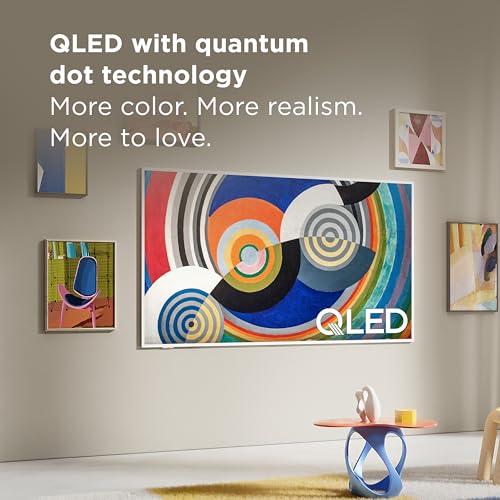
This is where things get interesting. Both TVs use QLED technology, which employs quantum dots—tiny particles that emit very pure colors when hit with light. However, they approach color differently.
The Sony BRAVIA 7 prioritizes color accuracy. Sony has spent decades calibrating displays for movie studios, and that expertise shows. Colors look natural and true to what the content creators intended. The TV includes studio-calibrated picture modes for Netflix and Prime Video, ensuring you see content exactly as it was meant to be seen.
The TCL NXTVISION goes for a more vibrant approach. Its colors are punchy and eye-catching, which works well for bright, colorful content. However, professional reviews suggest the color accuracy isn't quite as precise as Sony's implementation.
For most viewers, both approaches have merit. The Sony's accuracy is perfect for serious movie watching, while the TCL's vibrant colors might be more appealing for everyday TV viewing and colorful content.
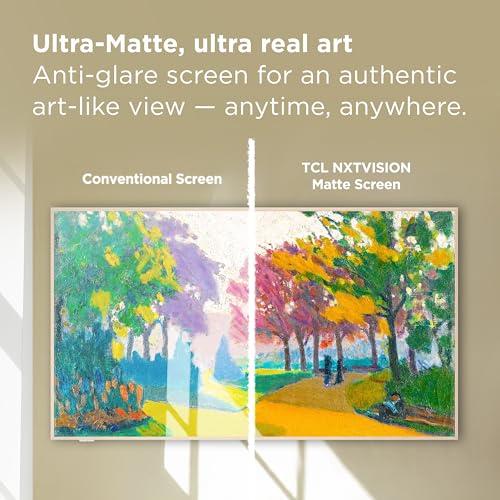
Here's where the TCL NXTVISION claims a unique victory. Its Ultra Matte Anti-Glare Screen is genuinely impressive for daytime viewing. If your TV is in a bright room with windows or overhead lighting, this screen practically eliminates reflections that would otherwise make viewing difficult.
This matte coating also serves the art display function beautifully. When showing artwork, it creates that authentic canvas texture that makes the displayed art look surprisingly realistic. It's a feature that the Sony BRAVIA 7 simply can't match, as it uses a traditional glossy screen that reflects ambient light.
Both TVs arrived in 2024 with gaming as a major consideration, reflecting the popularity of PlayStation 5, Xbox Series X, and PC gaming. However, their approaches to gaming differ significantly.
The TCL NXTVISION wins on paper with impressive specifications. It supports 4K gaming at up to 144Hz and 1080p gaming at an incredible 240Hz through its "Game Accelerator 240" feature. These are genuinely high-end gaming specifications that exceed what most competing TVs offer.
The Sony BRAVIA 7 caps out at 4K gaming at 120Hz, which is still excellent but not quite as impressive as the TCL's specifications. However, specifications don't tell the whole story.
In practice, both TVs have limitations that affect gaming. Response time—how quickly pixels can change from one color to another—is slow on both models. This creates motion blur behind fast-moving objects, which can be distracting during fast-paced games.
The TCL NXTVISION has some quirky implementation issues. Its high refresh rate modes come with compromises, and there are some technical limitations when trying to use maximum refresh rates with proper color accuracy simultaneously.
The Sony BRAVIA 7 has higher input lag than some gaming-focused competitors, though it's still low enough for responsive gameplay. Sony's advantage lies in its overall picture quality, which makes games look fantastic even if the technical gaming performance isn't class-leading.
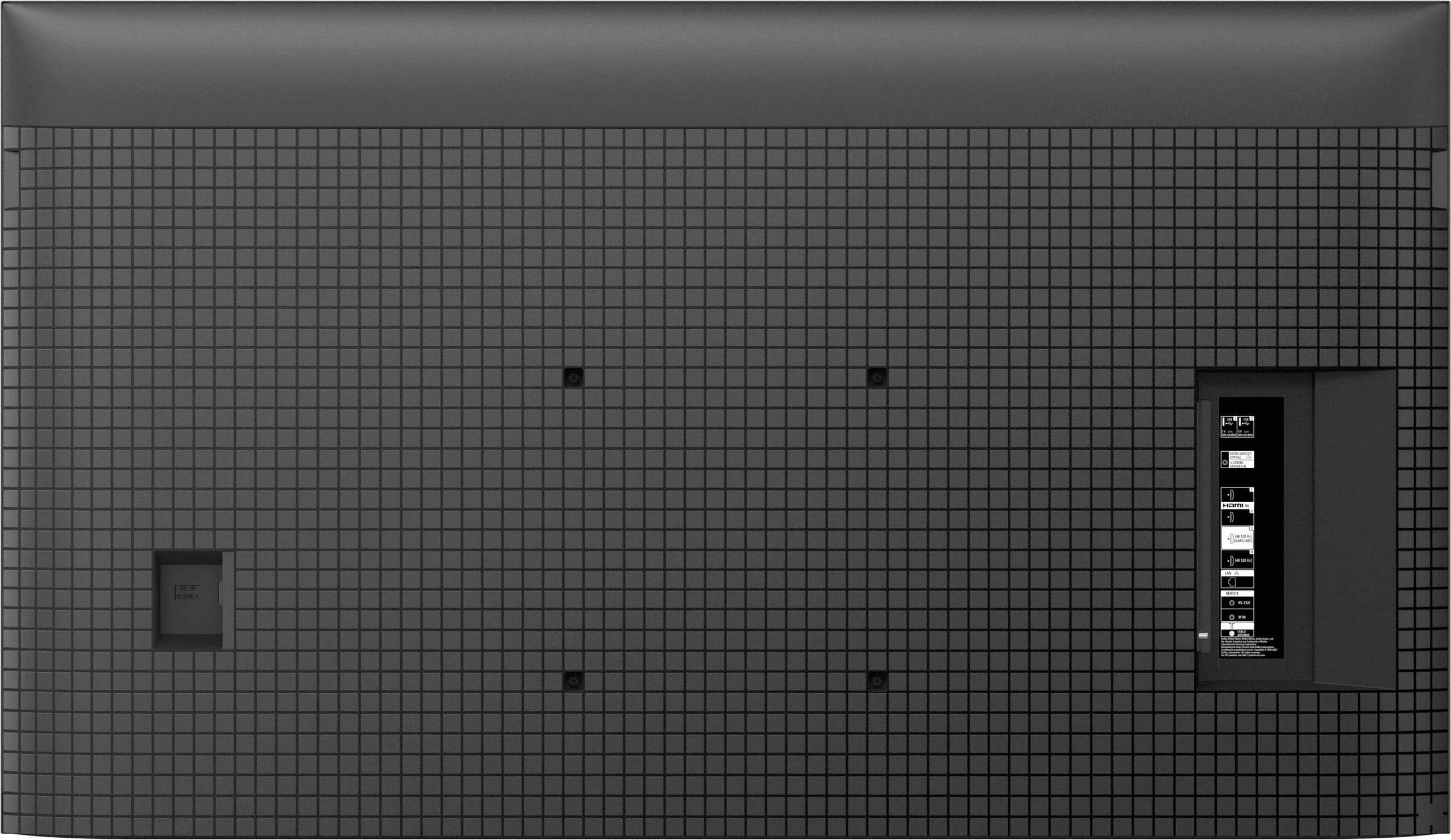
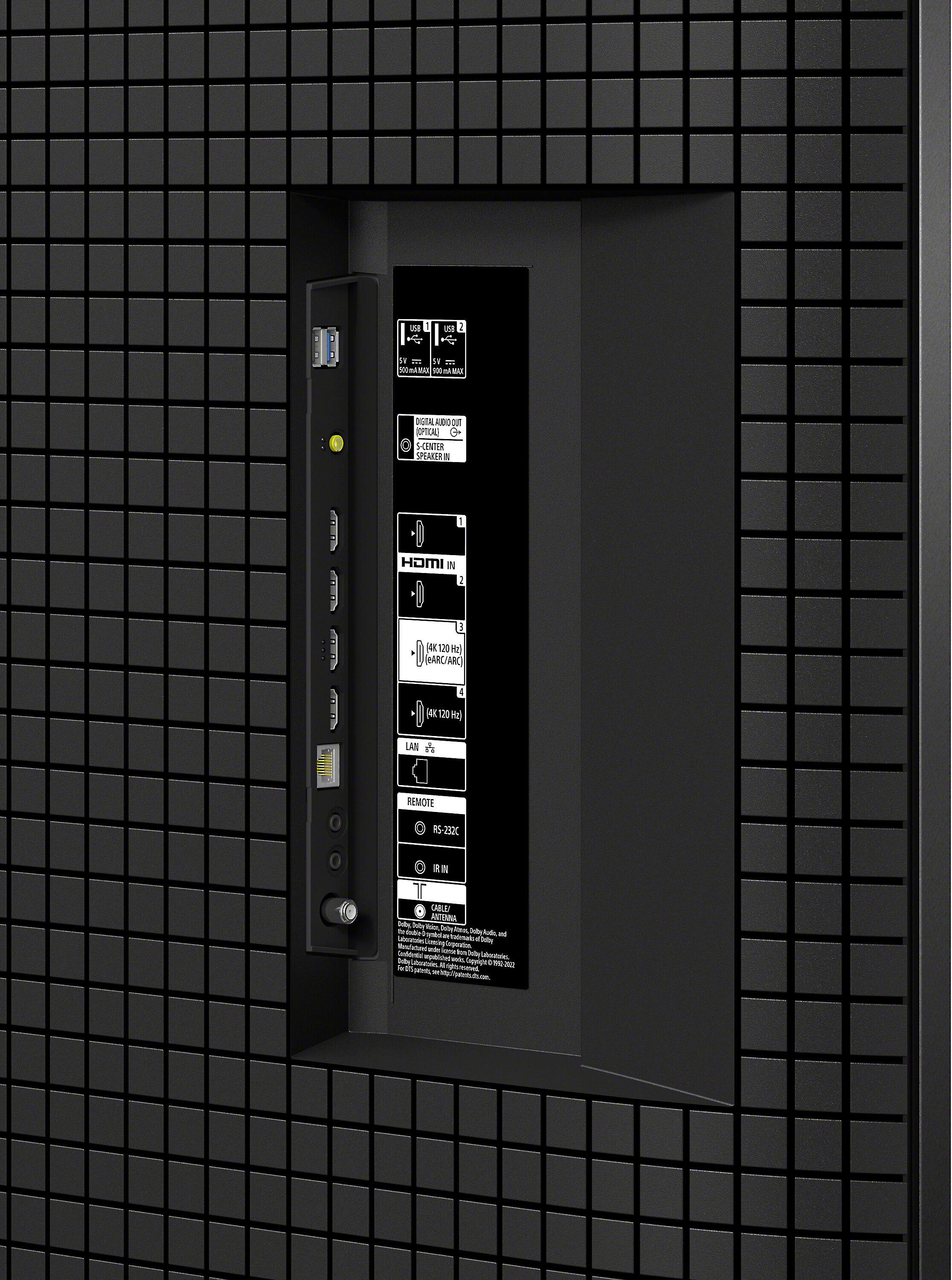
Both TVs include only two HDMI 2.1 ports instead of four, which can be limiting if you have multiple gaming consoles and other high-bandwidth devices.
For competitive gamers focused on every millisecond of advantage, neither TV is the absolute best choice. However, for console gamers who want their games to look incredible while maintaining good performance, both work well, with the Sony having a slight edge due to its superior picture quality.
This is perhaps the biggest differentiator between these two TVs, and it's where personal preference and room setup become crucial factors.
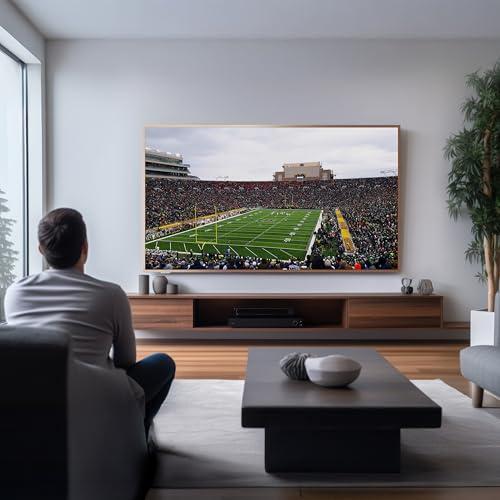
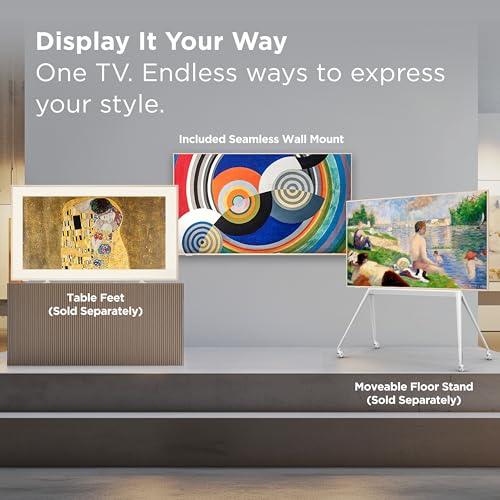
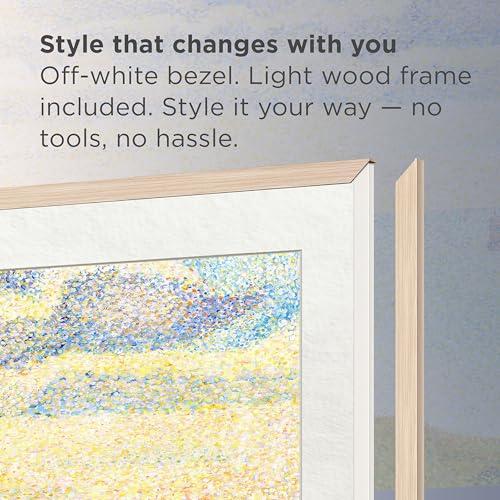
The TCL NXTVISION is genuinely revolutionary in its approach to TV design. When mounted flush against the wall with its included magnetic frame, it looks like artwork rather than a television. The ultra-thin 1.1-inch profile is remarkable—it's genuinely difficult to believe there's a complete TV in that slim package.
The art functionality is surprisingly sophisticated. The curated library includes hundreds of paintings and photographs, and the AI art generation feature can create unique images based on prompts. When displaying art, the matte screen and thin profile create an authentic gallery experience.
This isn't just a gimmick. If your TV is in a living room where aesthetics matter, having it disappear into the décor when not in use is genuinely valuable. Family members and guests often don't immediately realize it's a TV when displaying artwork.
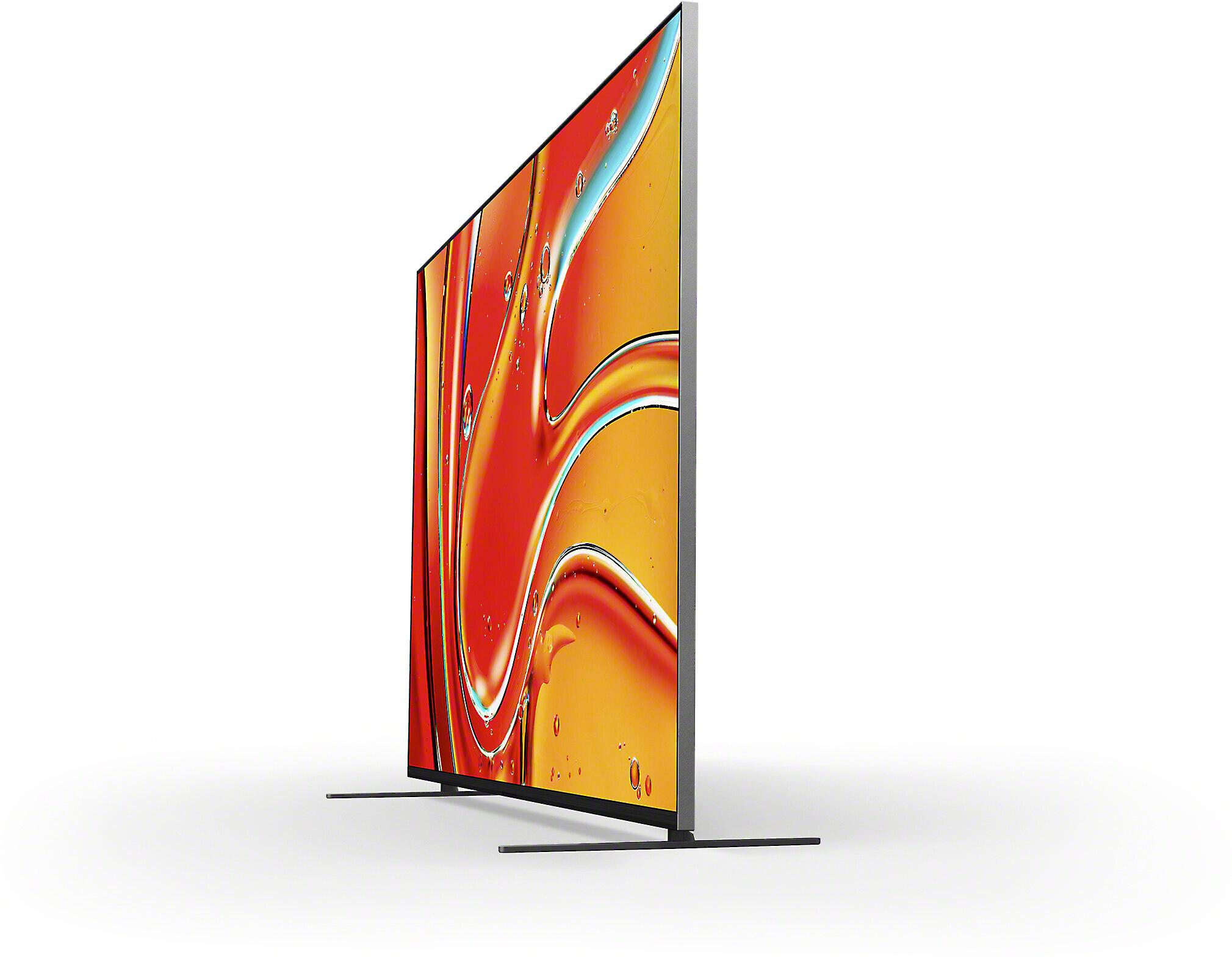
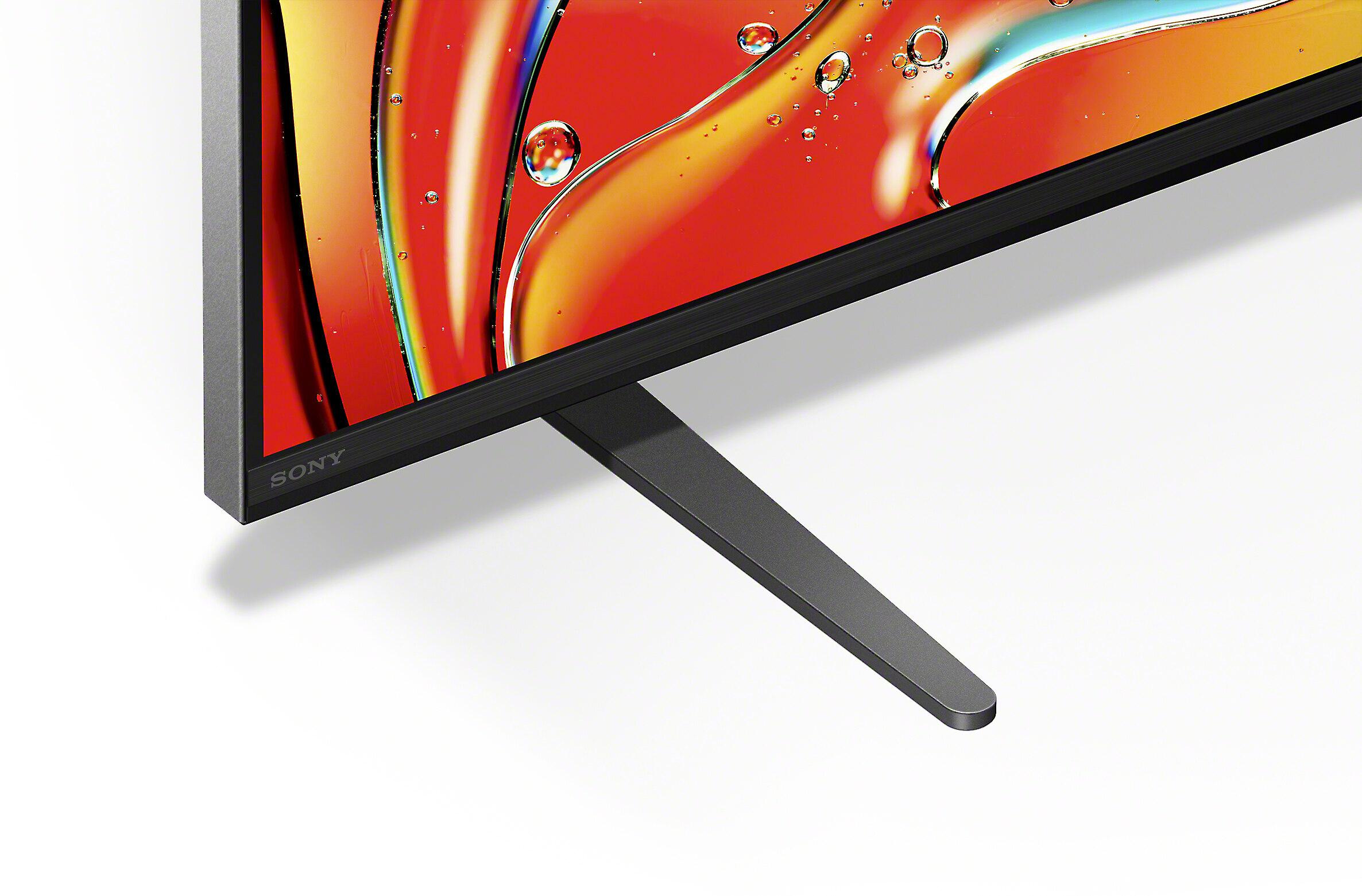
The Sony BRAVIA 7 follows conventional TV design principles, and that's perfectly fine. It's well-built with a premium feel, but it clearly looks like a television whether it's on or off. For many buyers, this is exactly what they want—a TV that looks like a TV and focuses entirely on delivering excellent performance.
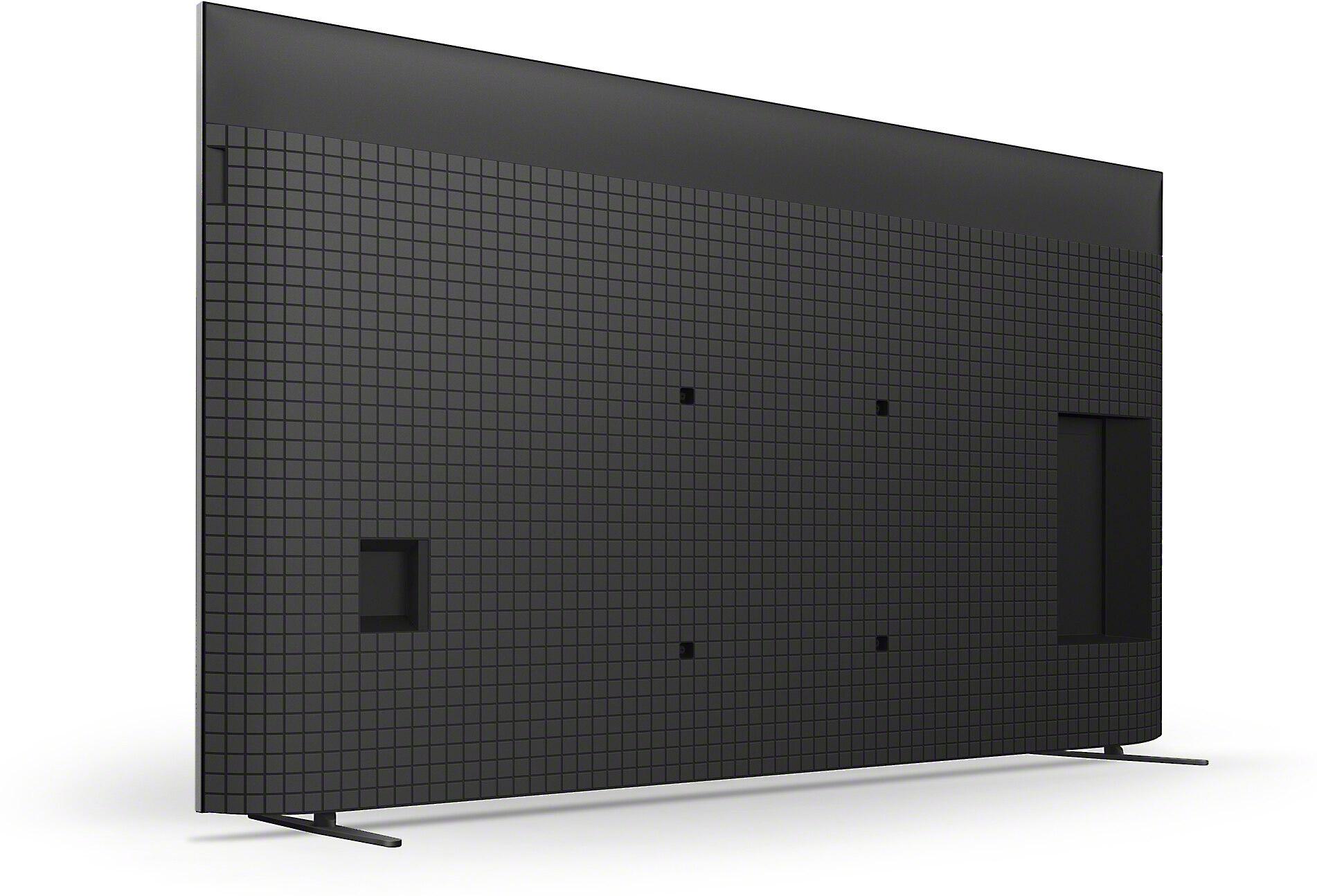
The Sony's build quality is exceptional, with solid construction and a premium remote control. It includes standard VESA mounting options, giving you flexibility in how you mount or position it.
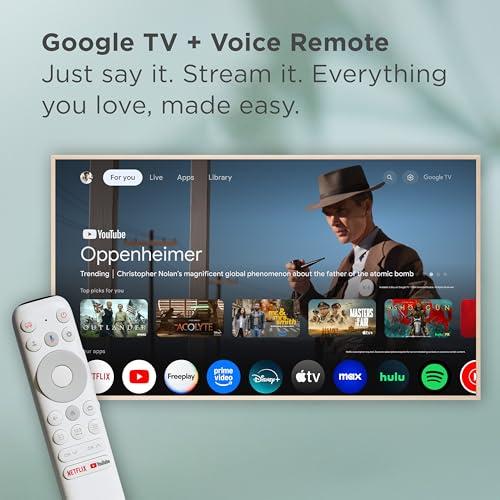
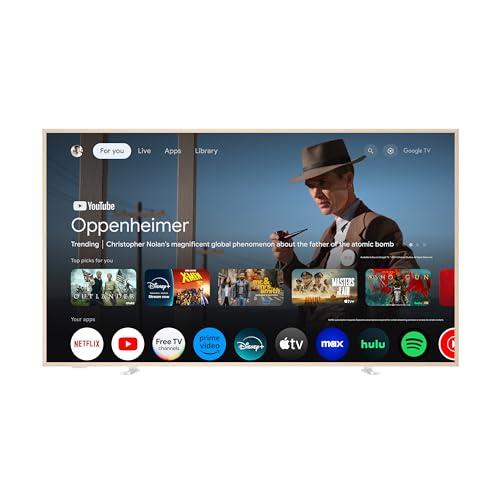
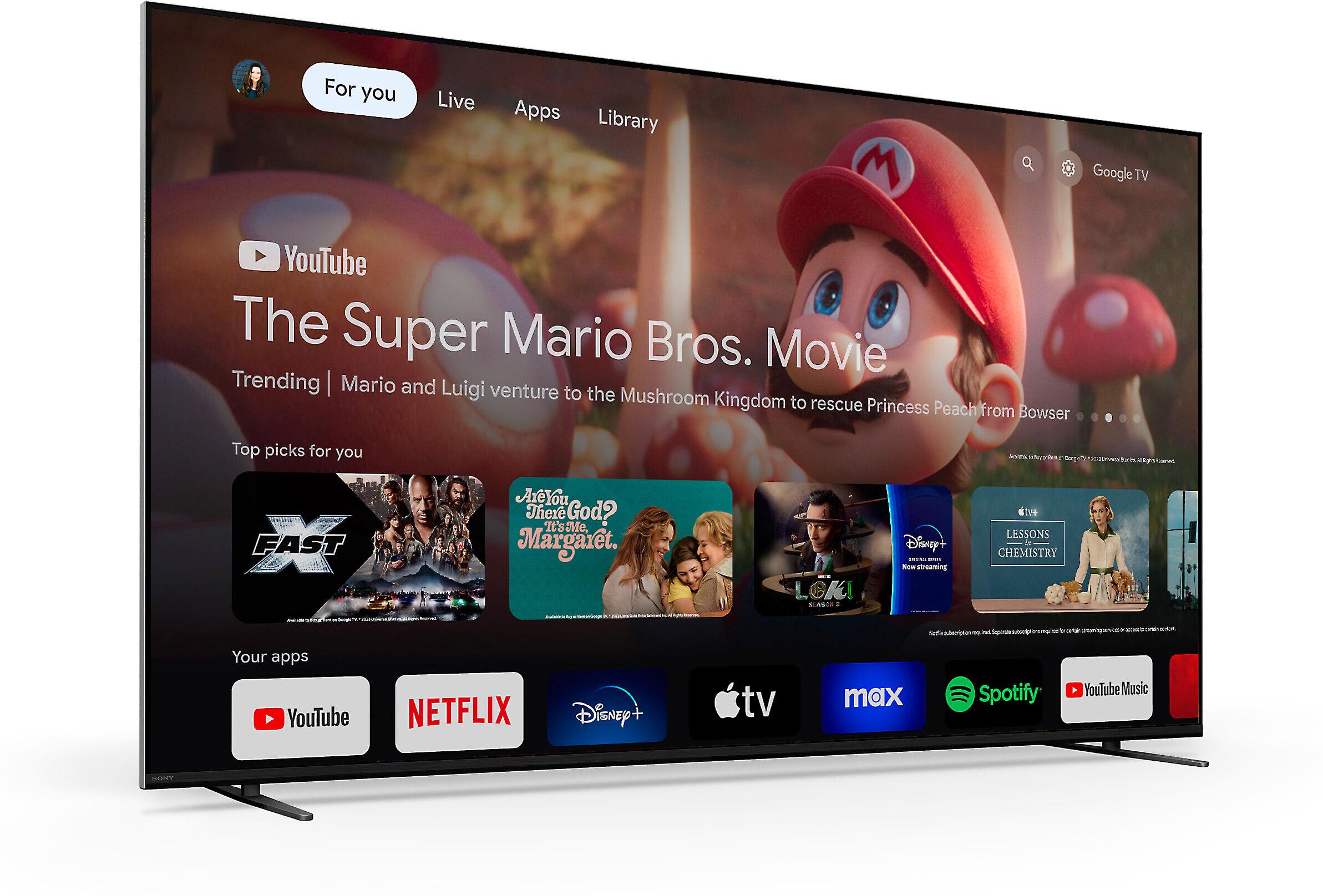
Both TVs run Google TV, which has become one of the better smart TV platforms. The interface is clean, content discovery is good, and app selection is comprehensive. However, there are some differences worth noting.
The Sony BRAVIA 7 includes the newest Google TV version with some additional features, including an ATSC 3.0 tuner for future broadcast standards. Sony also includes a premium backlit remote with a finder function, which is genuinely useful.
The TCL NXTVISION runs a standard Google TV implementation with basic voice control functionality. The art features are integrated into the interface, making it easy to switch between TV and art modes.
Both TVs work with major streaming services and support voice control through Google Assistant. Performance is smooth on both, though some users report that Google TV operates more responsively on Sony hardware.
Neither TV delivers exceptional audio performance, which is increasingly common with ultra-thin designs. The Sony BRAVIA 7 has a slight advantage with better processing and Dolby Atmos support, but both TVs benefit significantly from external soundbars or audio systems.
For home theater setups, plan on adding a soundbar or surround sound system regardless of which TV you choose. Both TVs support eARC (enhanced Audio Return Channel) for passing high-quality audio to external systems.
At the time of writing, both TVs occupy different price segments, which affects their value propositions significantly.
The TCL NXTVISION typically retails for considerably less than the Sony, making it an attractive option for buyers who want unique features without premium pricing. When you consider that competing art TVs often cost significantly more, the TCL offers compelling value for its specific use case.
The Sony BRAVIA 7 commands a premium but has seen price reductions since launch, bringing it closer to reasonable territory for its Mini LED technology and premium processing. Sony's reputation for long-term software support and build quality also adds value.
If you're building a dedicated home theater, the Sony BRAVIA 7 is the clear choice. Its superior contrast, color accuracy, and HDR performance make movies and premium content look exceptional in dimmed viewing environments. The Mini LED backlighting creates that cinematic experience that makes the investment worthwhile.
The TCL NXTVISION works adequately for home theater use, but its edge-lit backlighting limitations become more apparent when watching movies in dark rooms. It's better suited for living room environments where you watch TV with ambient lighting.
Choose the TCL NXTVISION if aesthetics and room integration are high priorities. It's perfect for buyers who want their TV to disappear when not in use, have bright rooms where the matte screen excels, or simply love the idea of a TV that doubles as art. It's also the better value option for buyers who want modern features without premium pricing.
Choose the Sony BRAVIA 7 if picture quality is your primary concern. It delivers superior performance for movie watching, HDR content, and any situation where you want the best possible image quality. It's the better choice for home theater enthusiasts and anyone who prioritizes traditional TV excellence over lifestyle integration.
The decision ultimately comes down to your priorities: unique design and room integration versus pure picture performance. Both TVs serve their intended purposes well, but they're aimed at genuinely different types of users and usage scenarios.
| TCL 65" NXTVISION QLED 4K Art Frame TV | Sony BRAVIA 7 65" 4K UHD Smart Google TV |
|---|---|
| Backlight Technology - Determines contrast quality and HDR performance | |
| Edge-lit LED (thinner design, limited contrast) | Mini LED with local dimming (superior contrast, deeper blacks) |
| Design Philosophy - How the TV integrates into your living space | |
| Ultra-slim 1.1" art frame with matte anti-glare screen | Traditional premium TV design with glossy screen |
| Gaming Refresh Rates - Higher numbers mean smoother fast-action gaming | |
| 4K @ 144Hz, 1080p @ 240Hz (Game Accelerator 240) | 4K @ 120Hz (still excellent for console gaming) |
| HDR Formats - All major formats supported, but performance varies | |
| HDR10, HDR10+, Dolby Vision IQ (limited by edge-lit backlight) | HDR10, HDR10+, Dolby Vision IQ (excellent Mini LED performance) |
| Art Display Features - Unique lifestyle integration capabilities | |
| 400+ curated artworks, AI art generation, magnetic frame system | Not available (traditional TV functionality only) |
| Screen Finish - Affects viewing in bright rooms and reflection control | |
| Ultra Matte Anti-Glare (excellent for bright rooms, canvas-like appearance) | Standard glossy finish (more susceptible to reflections) |
| Color Technology - Both use quantum dots for enhanced color | |
| QLED with KSF phosphor coating (vibrant but less accurate colors) | QLED with XR Triluminos Pro (studio-calibrated color accuracy) |
| Smart Platform - Google TV on both, but with different implementations | |
| Google TV with basic voice remote | Google TV 12 with premium backlit remote and ATSC 3.0 tuner |
| HDMI 2.1 Ports - Important for 4K gaming and high-bandwidth devices | |
| 2 ports (adequate but limiting for multiple devices) | 2 ports (same limitation as TCL NXTVISION) |
| Build Quality and Mounting - Installation and long-term durability | |
| Proprietary flush wall mount included, ultra-thin profile | Standard VESA mounting, traditional stand included |
| Target Audience - Who each TV is designed for | |
| Buyers prioritizing aesthetics and room integration | Home theater enthusiasts focused on picture quality |
The Sony BRAVIA 7 is significantly better for home theater use due to its Mini LED backlighting with local dimming zones. This technology delivers deeper blacks and brighter highlights, creating the contrast needed for cinematic viewing in dark rooms. The TCL NXTVISION uses edge-lit backlighting which produces grayer blacks and less impactful HDR performance in dimmed environments.
The primary difference is design philosophy: the TCL NXTVISION is designed as an art display TV that doubles as entertainment, featuring an ultra-slim 1.1" profile and matte anti-glare screen. The Sony BRAVIA 7 focuses on pure picture performance with Mini LED technology and premium processing, following traditional TV design principles.
The TCL NXTVISION excels in bright rooms thanks to its Ultra Matte Anti-Glare Screen, which virtually eliminates reflections from windows and overhead lighting. The Sony BRAVIA 7 uses a standard glossy screen that reflects ambient light, making it less suitable for very bright viewing environments.
Yes, but with different capabilities. The TCL NXTVISION supports 4K gaming up to 144Hz and 1080p at 240Hz through its Game Accelerator 240 feature. The Sony BRAVIA 7 caps at 4K gaming at 120Hz, which is still excellent for console gaming but lower than the TCL's specifications.
The Sony BRAVIA 7 delivers superior picture quality for movies due to its Mini LED backlighting, better contrast ratios, and Sony's color accuracy expertise. It includes studio-calibrated modes for Netflix and Prime Video. The TCL NXTVISION offers good picture quality but can't match the Sony's contrast performance due to its edge-lit design.
Yes, the TCL NXTVISION genuinely functions as digital art with over 400 curated artworks, AI art generation, and a magnetic frame system. Its ultra-matte screen creates a canvas-like appearance that makes displayed art look surprisingly authentic. The Sony BRAVIA 7 doesn't offer art display features.
This depends on your priorities. The TCL NXTVISION typically costs significantly less while offering unique art display features and high gaming refresh rates. The Sony BRAVIA 7 costs more but delivers premium Mini LED technology and superior picture quality that justifies the higher price for performance-focused buyers.
Both the TCL NXTVISION and Sony BRAVIA 7 run Google TV, but the Sony includes the newer Google TV 12 version with additional features like an ATSC 3.0 tuner. The Sony also comes with a premium backlit remote, while the TCL includes a standard voice remote.
The TCL NXTVISION is much thinner at just 1.1 inches deep and includes a proprietary flush wall mount for seamless installation. The Sony BRAVIA 7 follows traditional TV dimensions and uses standard VESA mounting, offering more mounting flexibility but without the ultra-slim aesthetic.
The TCL NXTVISION offers higher refresh rates (144Hz/240Hz) and AMD FreeSync Premium, while the Sony BRAVIA 7 provides 120Hz gaming with reliable VRR support. Both have slow response times that create some motion blur, and both include only two HDMI 2.1 ports rather than four.
The TCL NXTVISION is superior for daytime viewing due to its matte anti-glare screen that eliminates reflections from windows and lights. It also serves as decorative art when not in use, making it ideal for living rooms where the TV is always visible. The Sony BRAVIA 7 works better in controlled lighting environments.
Choose the TCL NXTVISION if you want a TV that blends into your décor, have a bright room, or value the unique art display functionality. Select the Sony BRAVIA 7 if picture quality is your top priority, you watch movies in dimmed environments, or you want the best possible HDR and contrast performance for your entertainment.
We've done our best to create useful and informative comparisons to help you decide what product to buy. Our research uses advanced automated methods to create this comparison and perfection is not possible - please contact us for corrections or questions. These are the sites we've researched in the creation of this article: rtings.com - tcl.com - bestbuy.com - tcl.com - bestbuy.com - tcl.com - youtube.com - rcwilley.com - businessinsider.com - bestbuy.com - target.com - youtube.com - support.tcl.com - nfm.com - woodruffappliance.com - flatpanelshd.com - tcl.com - bestbuy.com - bestbuy.com - avsforum.com - avsforum.com - crutchfield.com - sony.com - rtings.com - schaeferstv.com - youtube.com - displayspecifications.com

Privacy Policy
Terms and Conditions - Affiliate Policy
Home Security
© Copyright 2008-2026.
11816 Inwood Rd #1211, Dallas, TX 75244