

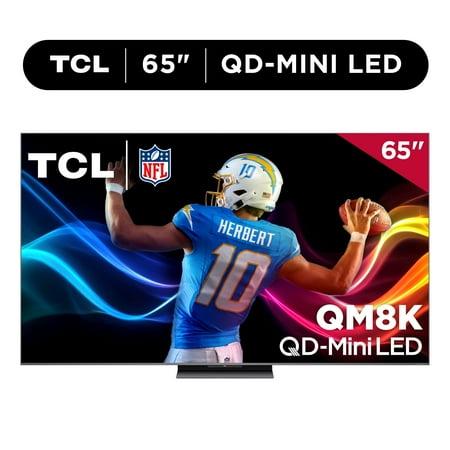
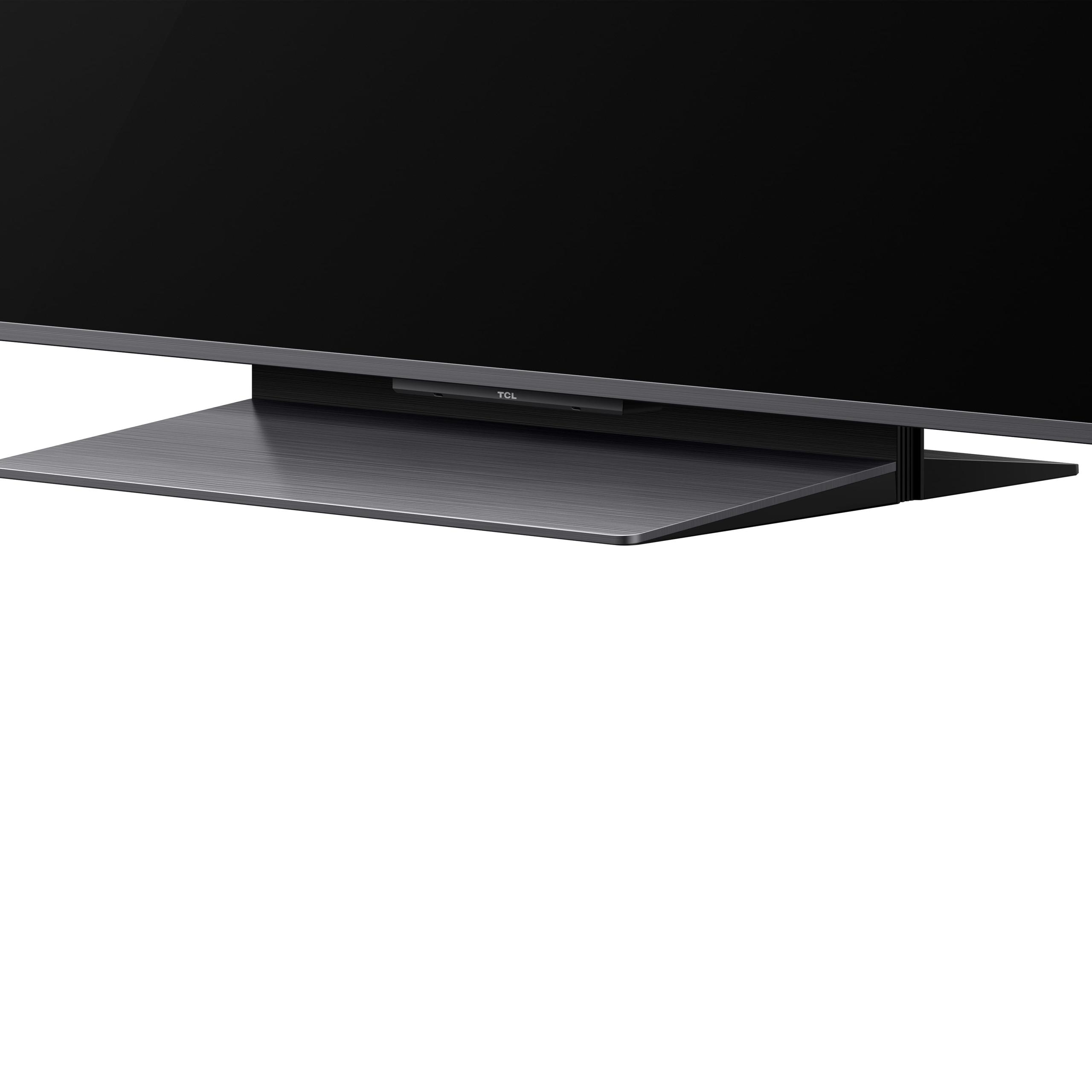
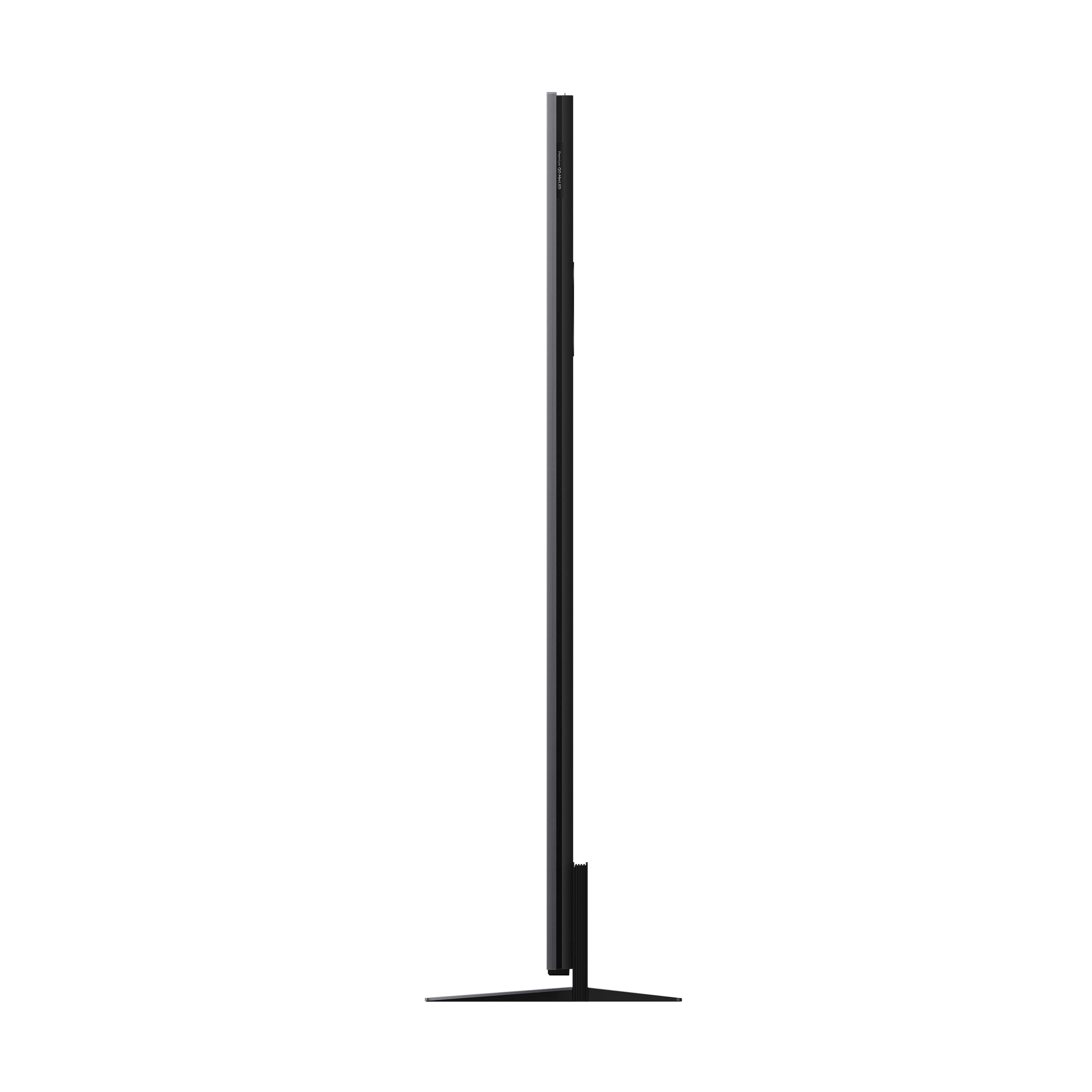
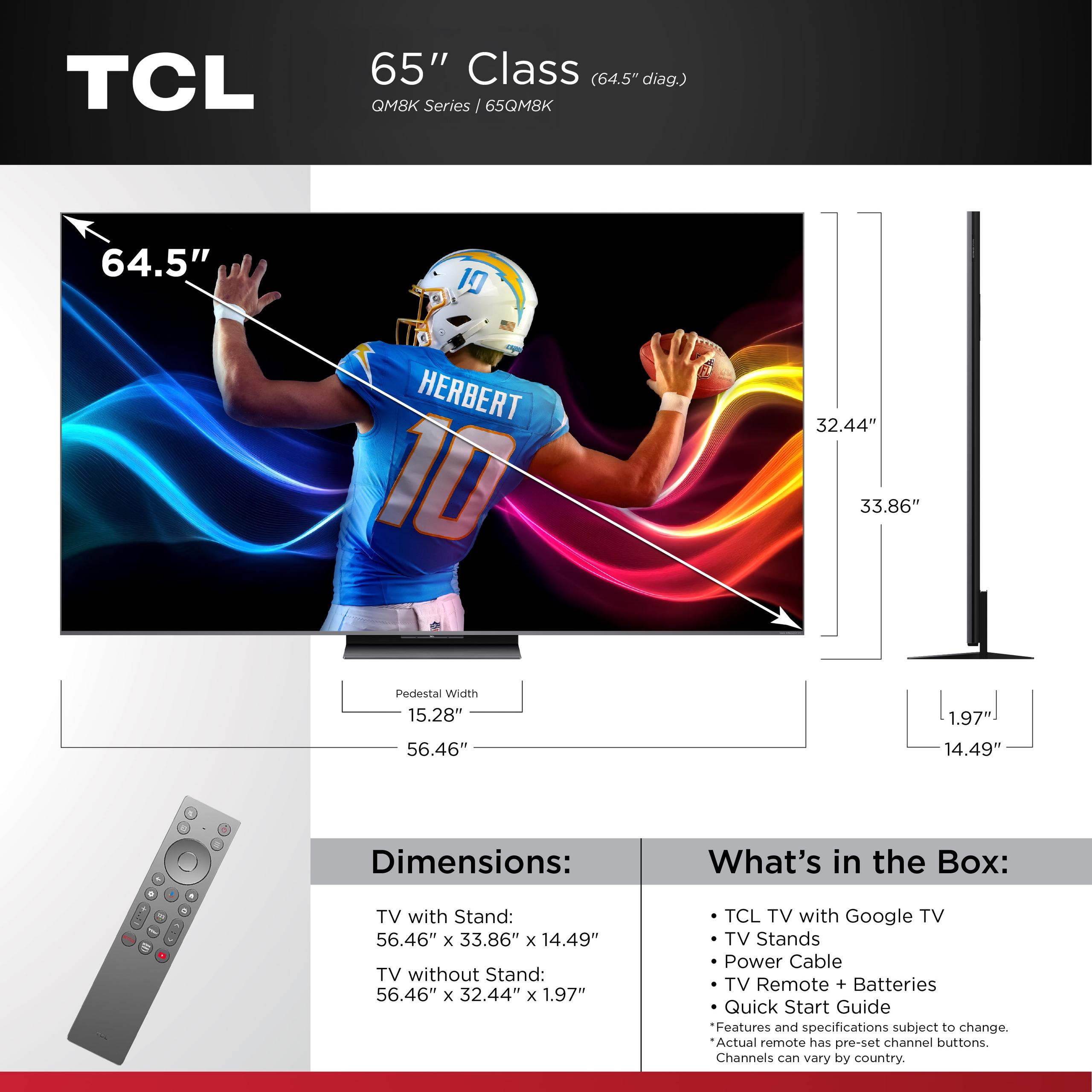

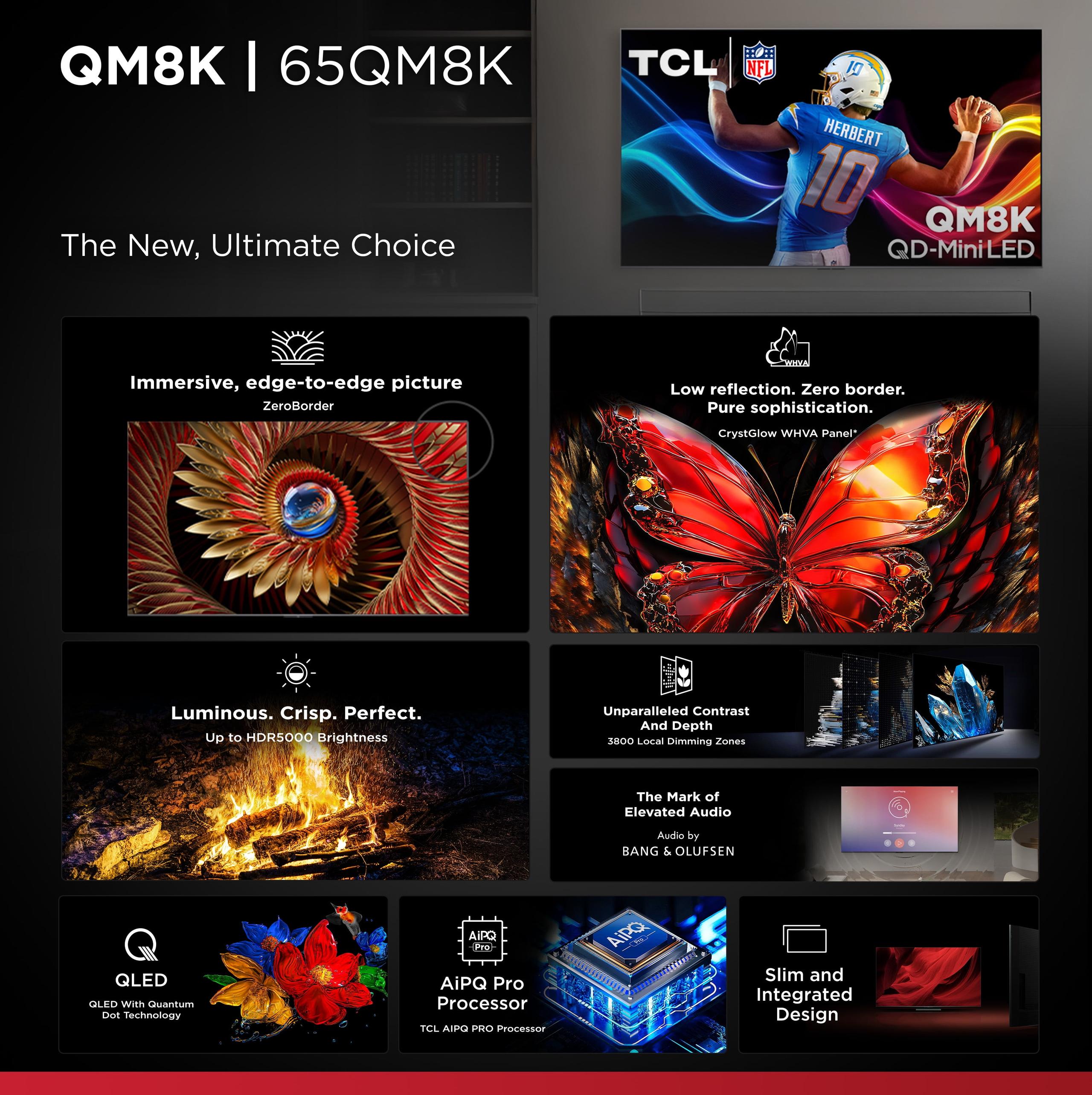

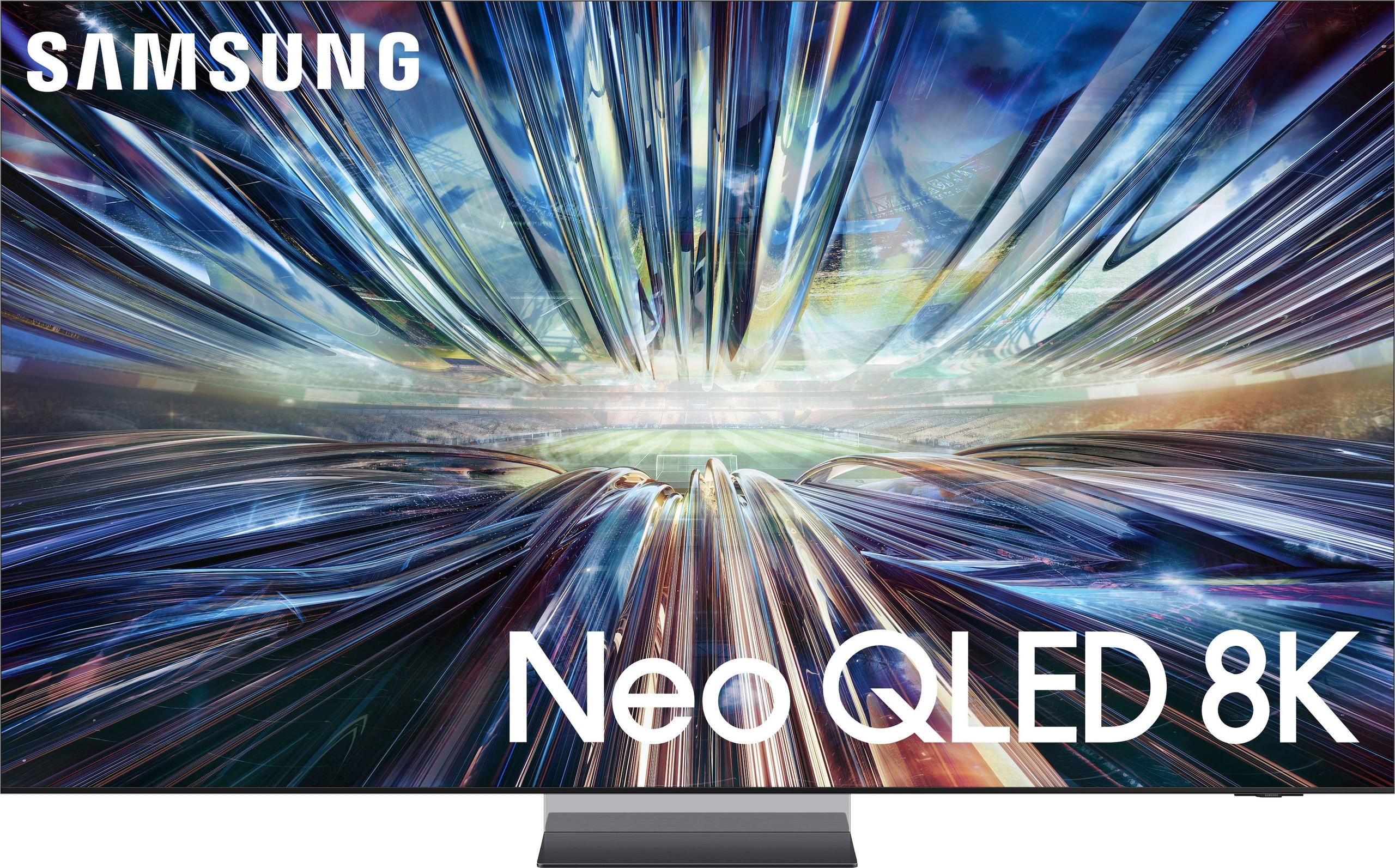
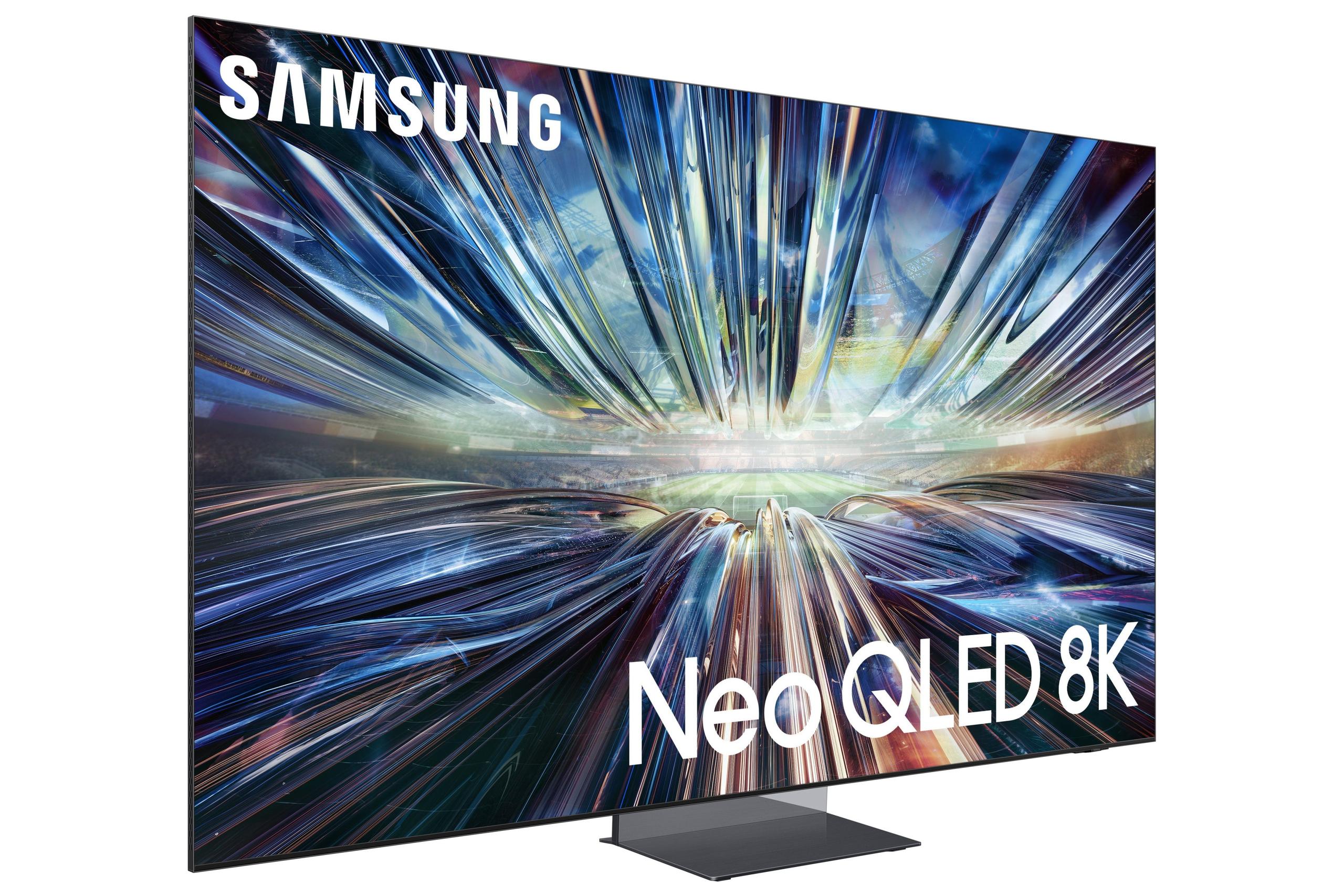
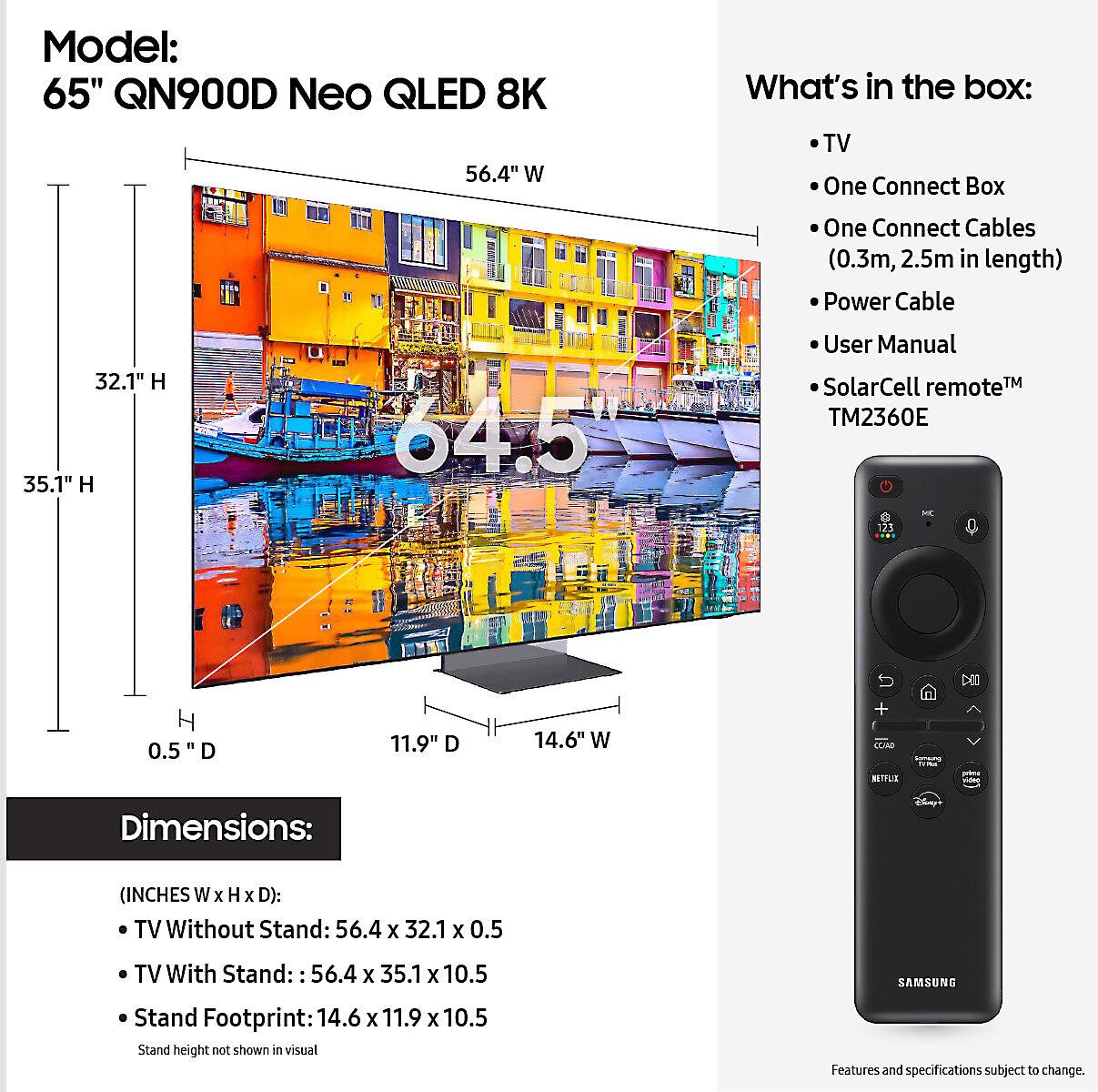
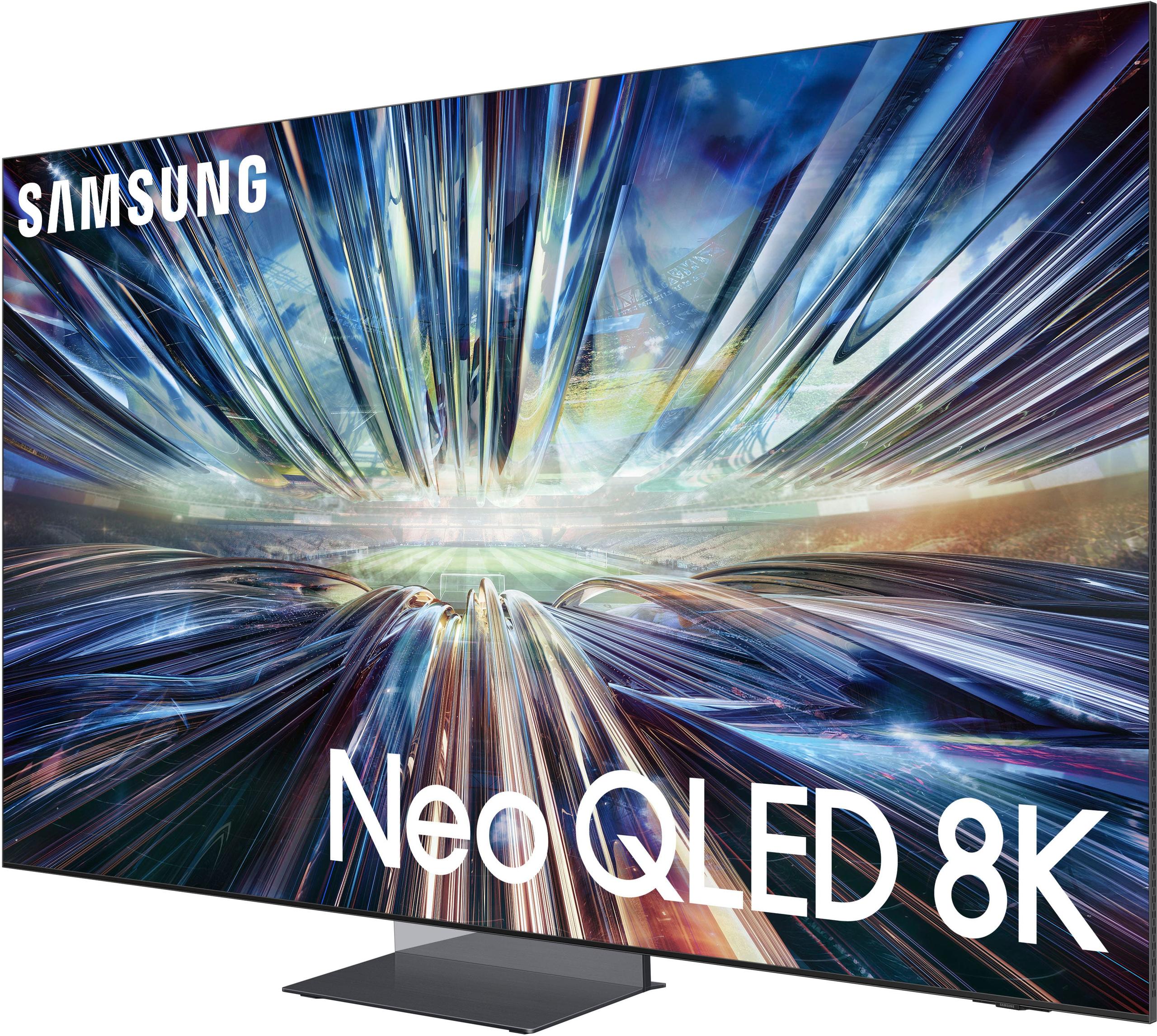
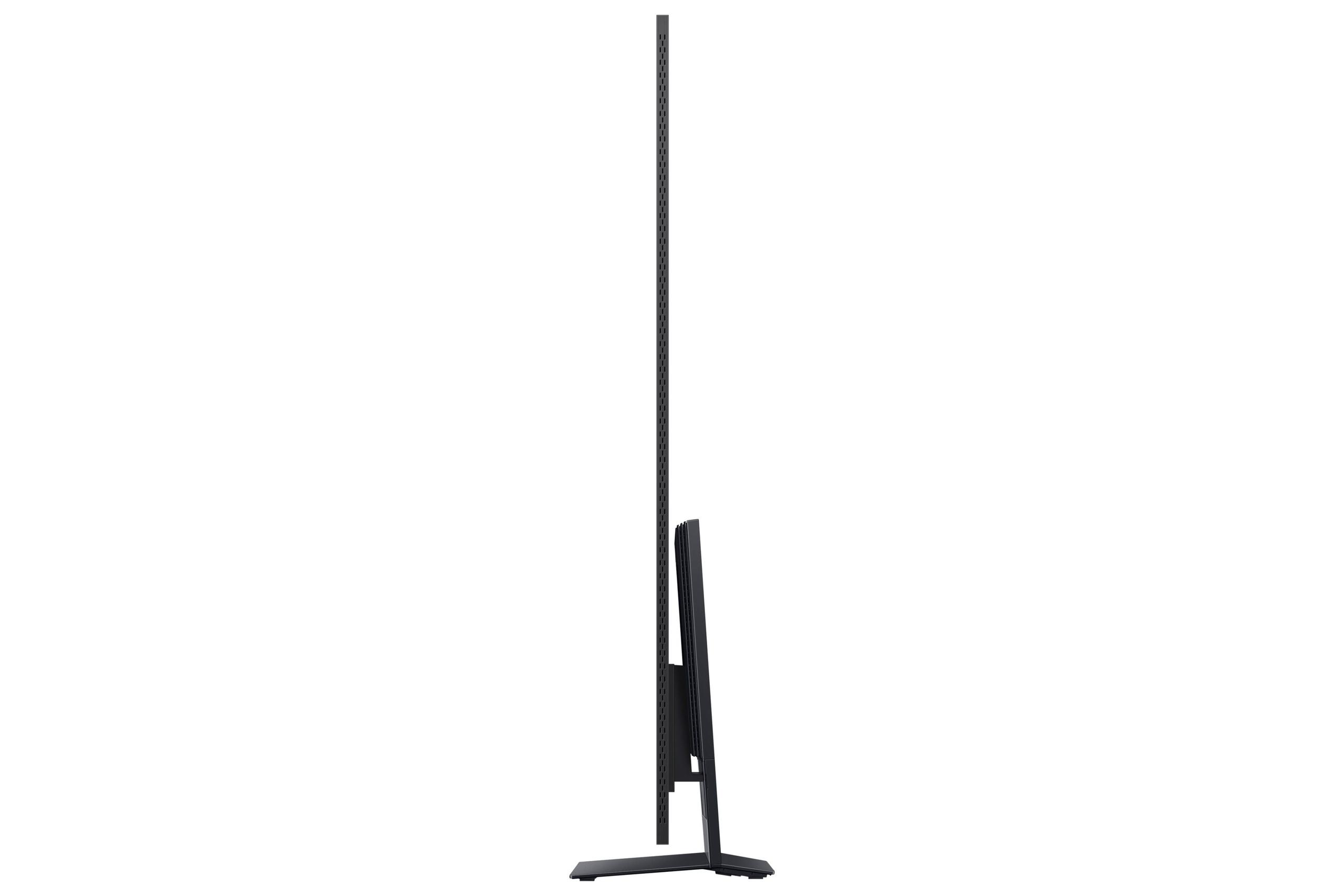
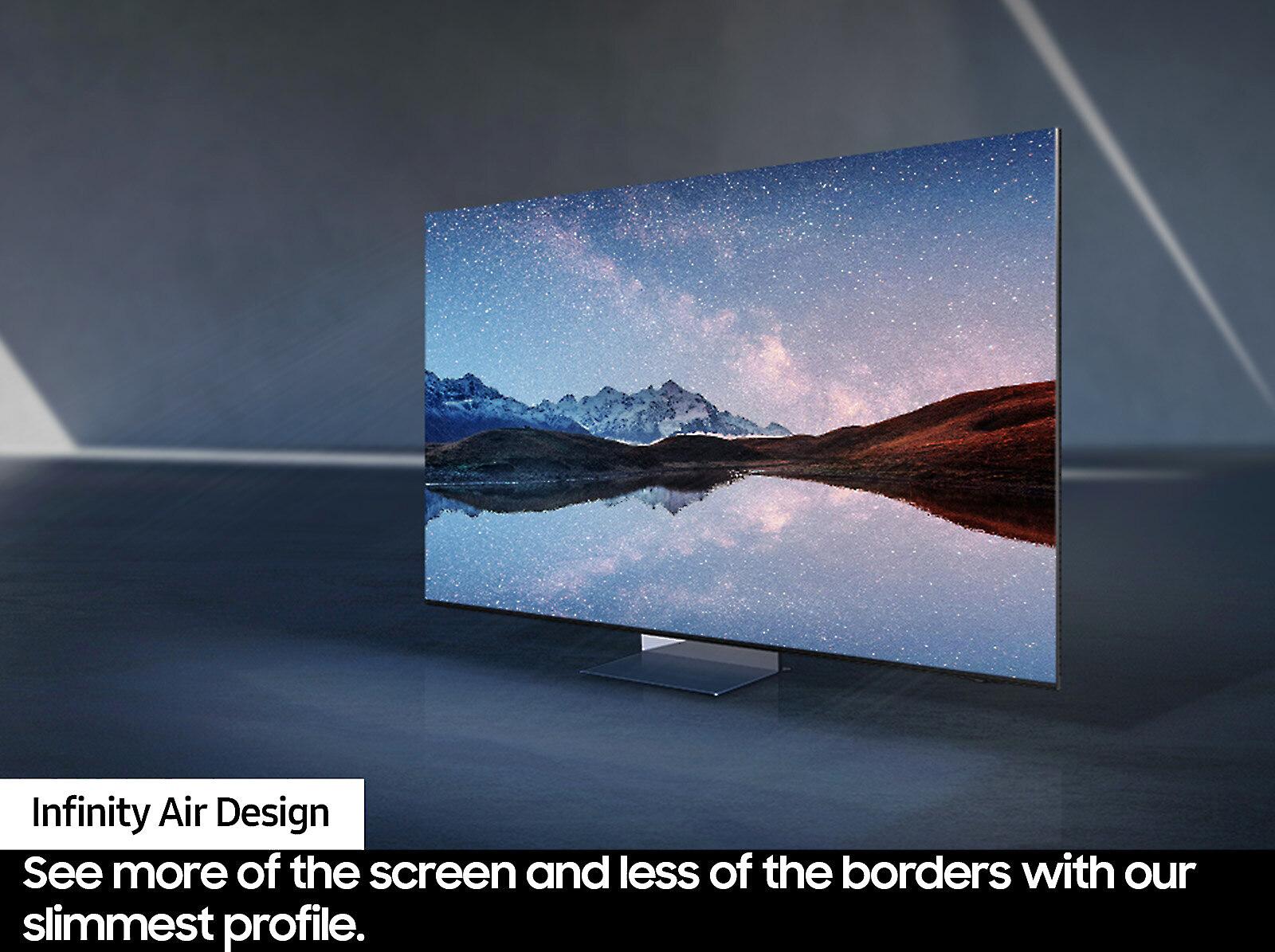
When you're shopping for a premium TV, the choices can feel overwhelming. Two standout options that caught my attention are the TCL 65" QM8K Series QD-Mini LED 4K Smart TV ($998) and the Samsung QN900D Series 65" Neo QLED 8K Smart TV ($2,897). Both use cutting-edge Mini LED technology, but they take very different approaches to delivering an exceptional viewing experience.
Let me walk you through what makes these TVs special and help you figure out which one might be the better fit for your home.
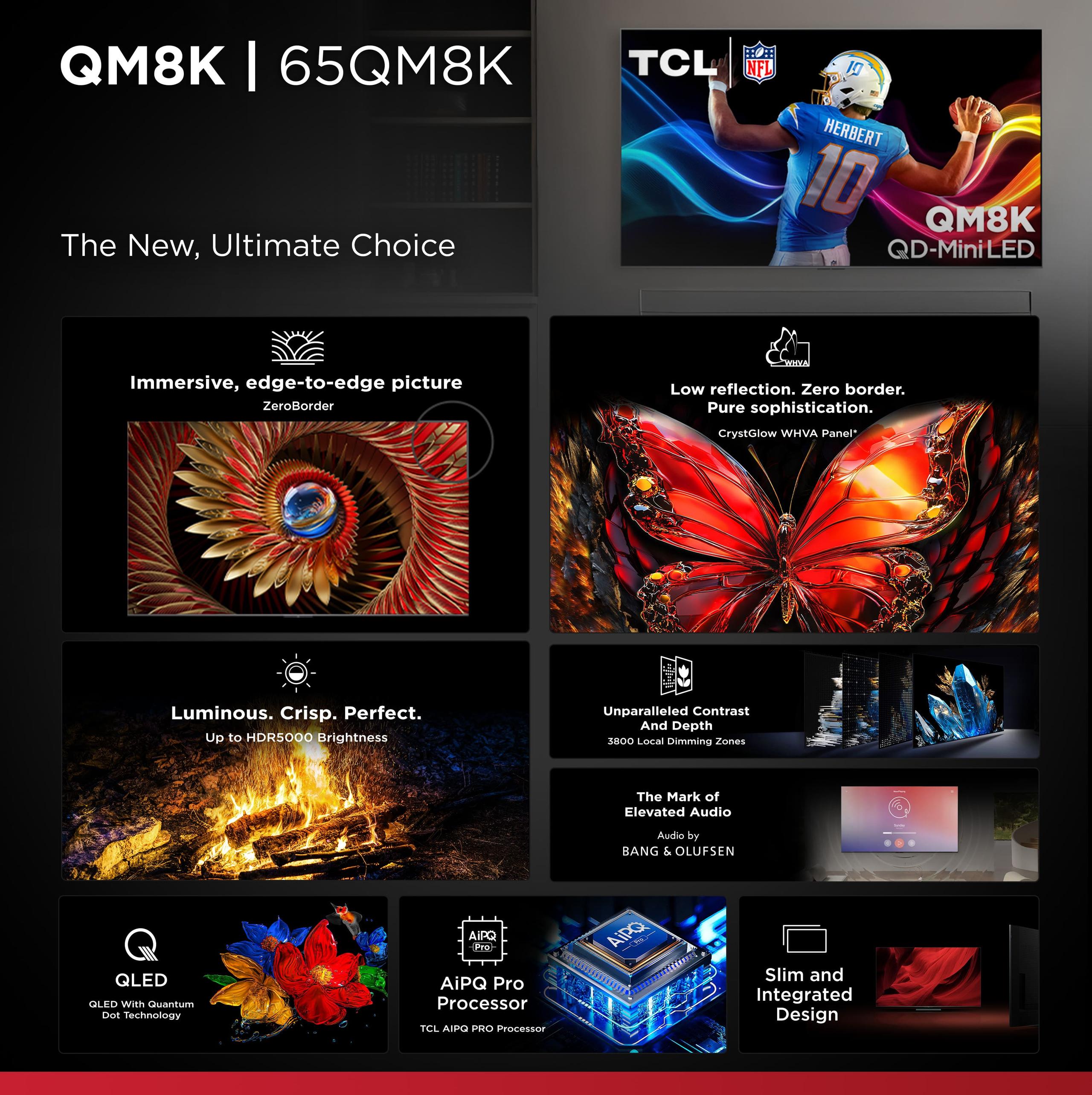
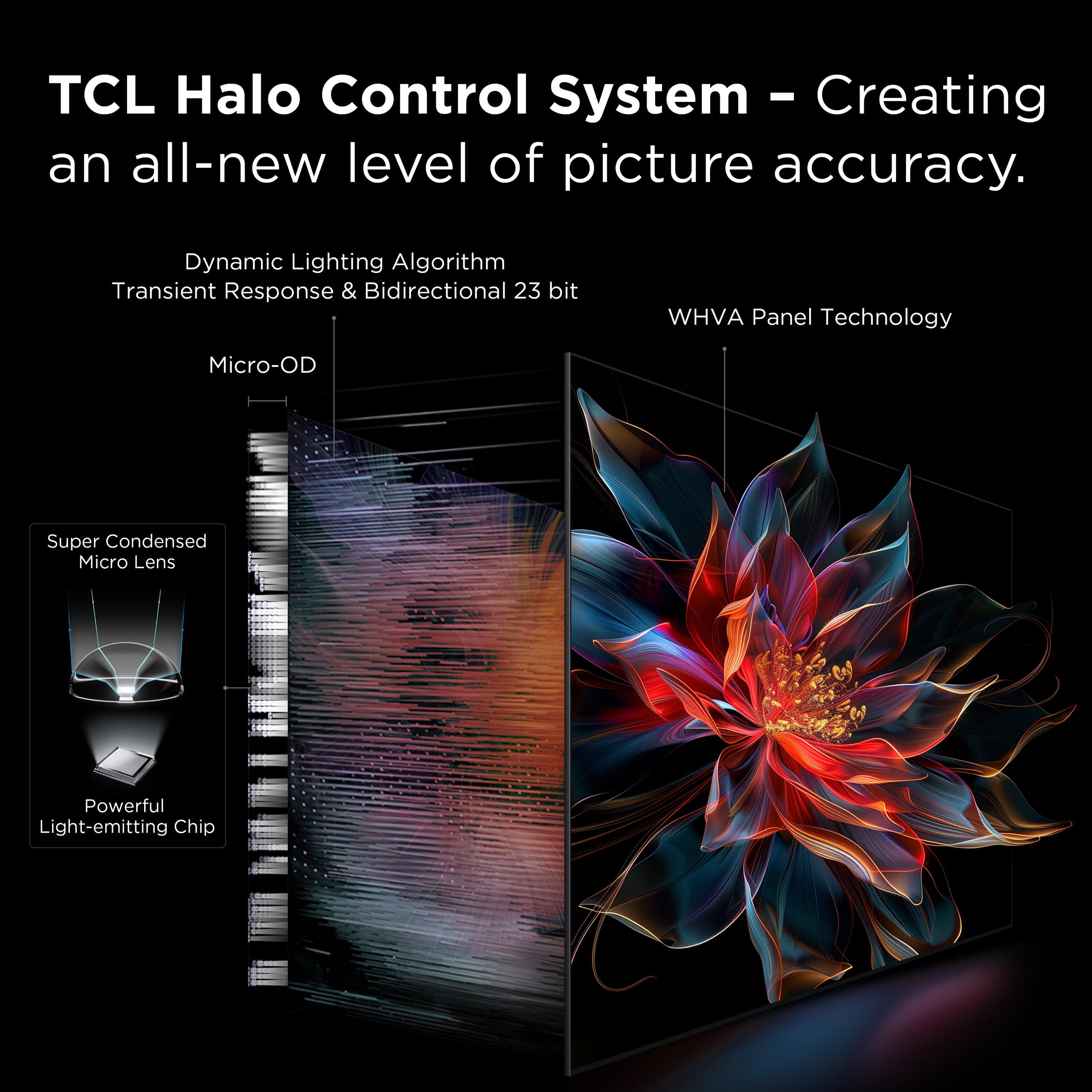
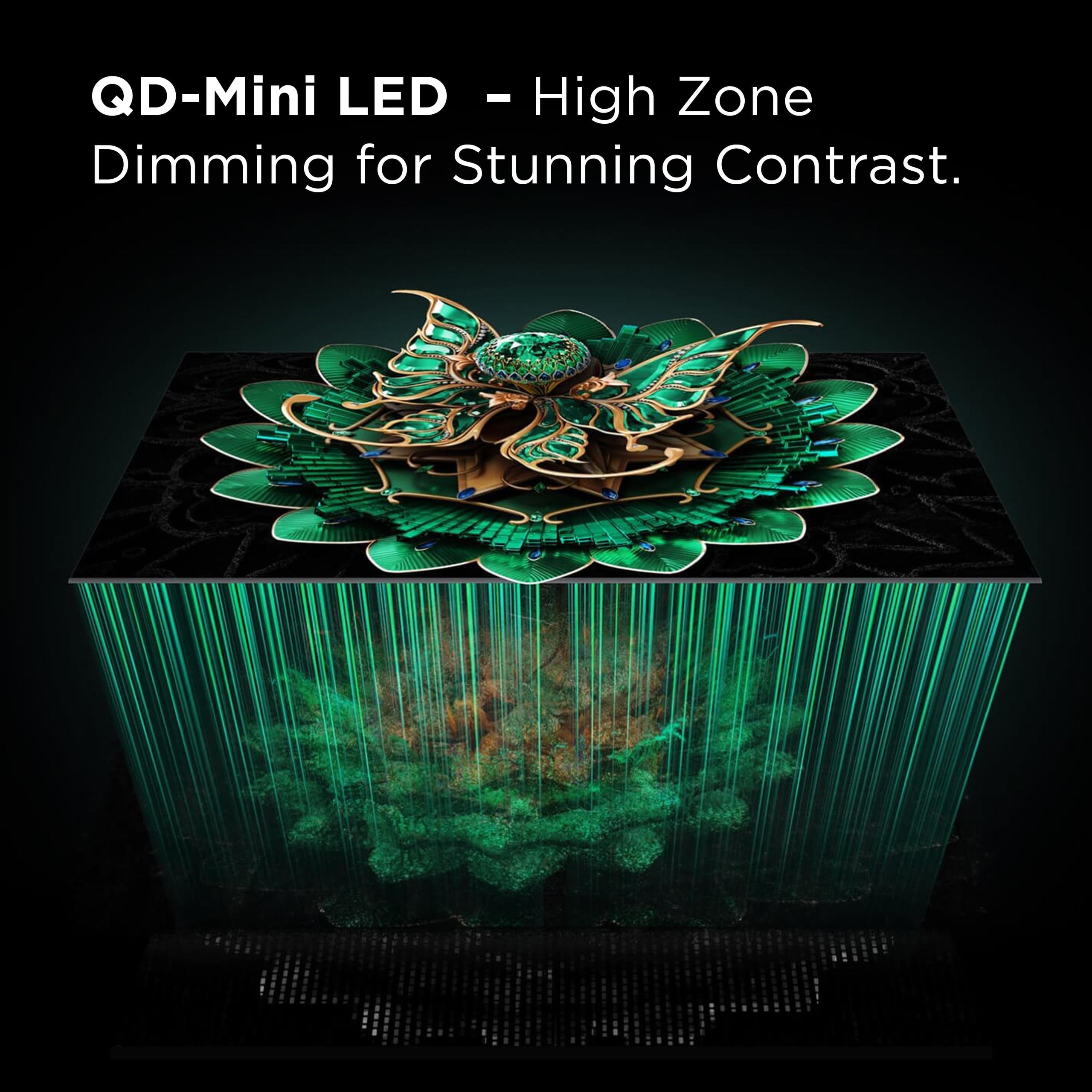
Before diving into the comparison, it's worth understanding what Mini LED technology actually does. Traditional LCD TVs use large LED backlights that can make dark scenes look washed out because the light bleeds through. Mini LED changes this by using thousands of tiny LEDs (about 1/40th the size of regular LEDs) that can be controlled individually or in small groups called "local dimming zones."
Think of it like having thousands of tiny flashlights behind your TV screen instead of a few big ones. When a scene shows a bright star against a dark sky, only the Mini LEDs behind that star light up, while the ones behind the dark sky stay dim. This creates much better contrast – deeper blacks and brighter whites appearing right next to each other.
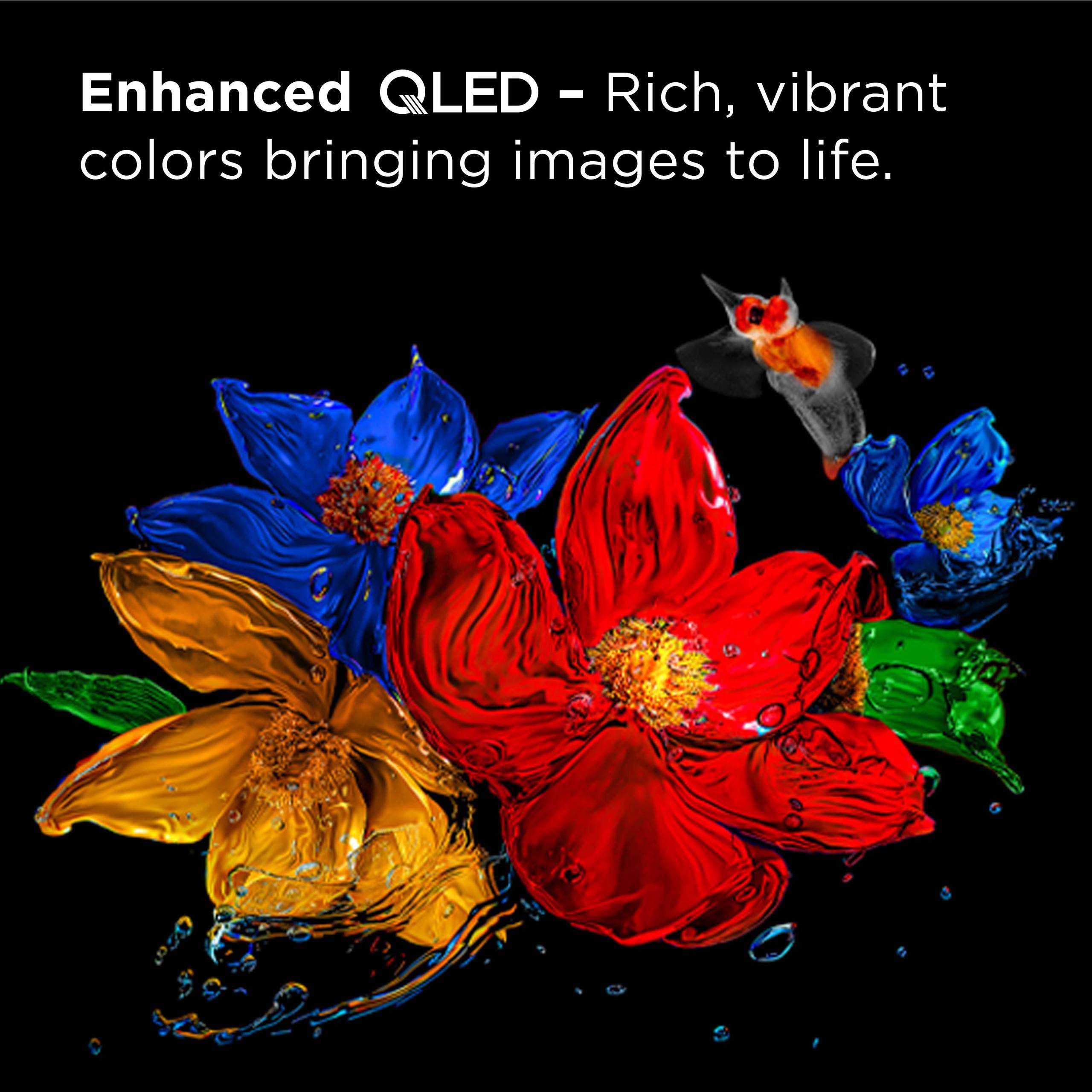
Both TVs also use quantum dot technology, which adds a special layer that converts blue LED light into incredibly pure red and green colors. The result is a much wider color palette than traditional TVs can display, making everything from sunset scenes to animated movies look more vibrant and lifelike.
The TCL QM8K ($998) launched in 2025 as TCL's flagship 4K model, representing a major step forward for the brand's premium offerings. TCL has been aggressively improving their high-end TVs over the past few years, and the QM8K shows they're serious about competing with established premium brands.
The Samsung QN900D ($2,897) arrived in 2024 as Samsung's top-tier 8K model, showcasing their most advanced processing technology. Samsung has been refining their Neo QLED technology since 2021, and the QN900D represents the current pinnacle of their Mini LED expertise.
These release timelines matter because they show different strategic approaches. TCL is focused on delivering maximum value and performance at accessible prices, while Samsung is pushing the technological envelope regardless of cost.
One area where the TCL QM8K actually outperforms its more expensive rival is peak brightness. The TCL can hit up to 5,000 nits in bright highlights, while the Samsung tops out around 4,000 nits. To put this in perspective, a typical living room on a sunny day might have 1,000 nits of ambient light, so both TVs have plenty of brightness to overcome reflections and maintain vibrant colors.
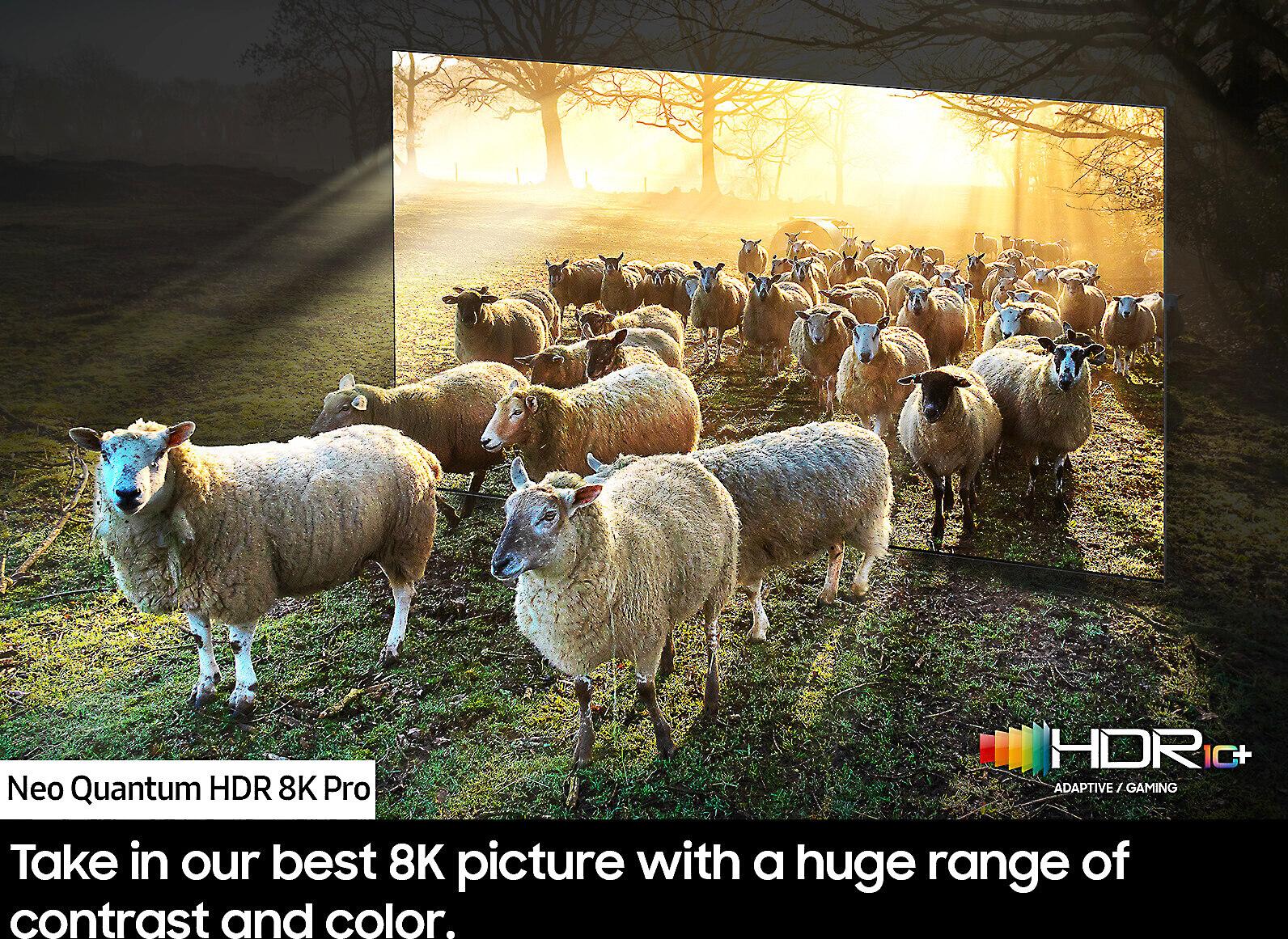
But here's where it gets interesting: that extra 1,000 nits from the TCL makes a real difference with HDR (High Dynamic Range) content. HDR is a technology that allows TVs to display much brighter whites and darker blacks simultaneously, creating more realistic images. When you're watching a movie with a bright explosion against a dark background, or sunlight streaming through a window, that extra brightness capability helps the image pop off the screen.
I've noticed this difference is most apparent in bright rooms during daytime viewing. The TCL's superior peak brightness means HDR content maintains its impact even when your living room is flooded with natural light.
The most obvious difference between these TVs is resolution. The Samsung offers 8K (7,680 x 4,320 pixels) while the TCL sticks with 4K (3,840 x 2,160 pixels). That's four times as many pixels on the Samsung – sounds impressive, but the reality is more nuanced.
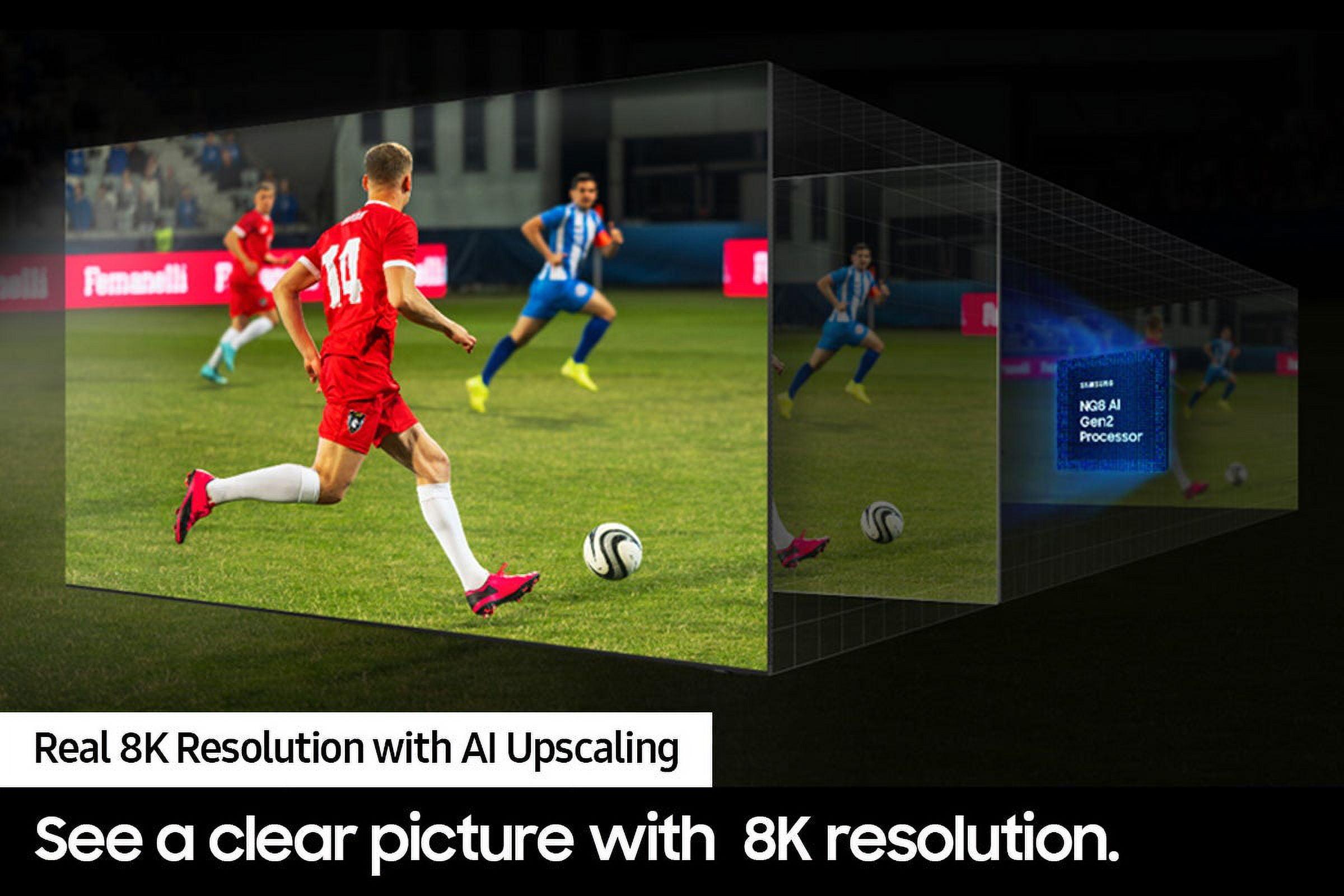
Currently, there's virtually no native 8K content available to consumers. Netflix, Disney+, YouTube, and other streaming services max out at 4K. Even 4K Blu-ray discs, which offer the highest quality home video, don't come in 8K versions. So the Samsung's 8K capability relies entirely on upscaling – taking lower resolution content and using AI to intelligently guess what the extra pixels should look like.
Samsung's NQ8 AI Gen3 processor is genuinely impressive at this task. It uses 512 neural networks (essentially AI brain pathways) to analyze each frame and enhance details, textures, and edges. The result is that 4K content often looks noticeably sharper and more detailed on the Samsung, especially if you sit close enough to appreciate the difference.
However, this raises an important question: is the upscaling improvement worth the $1,899 price difference? For most viewing distances and room sizes, the answer depends on your priorities and budget.
The processing differences between these TVs reveal why Samsung commands a premium price. The TCL QM8K uses TCL's AIPQ processor, which handles 4K content well and includes AI-driven optimizations for different types of content. It's solid technology that gets the job done without drawing attention to itself.
The Samsung QN900D, however, uses their flagship NQ8 AI Gen3 processor, which is genuinely cutting-edge. This chip doesn't just upscale content – it analyzes each scene in real-time to optimize contrast, color, motion, and detail enhancement. It can recognize whether you're watching a sports game, a movie, or a nature documentary, then apply different processing algorithms optimized for each content type.
One feature I find particularly impressive is Samsung's Real Depth Enhancer Pro. This analyzes the depth information in each scene and applies subtle processing to make foreground objects appear more three-dimensional against their backgrounds. It's not a gimmicky 3D effect – it's more like fine-tuning the image to match how your eyes naturally perceive depth.
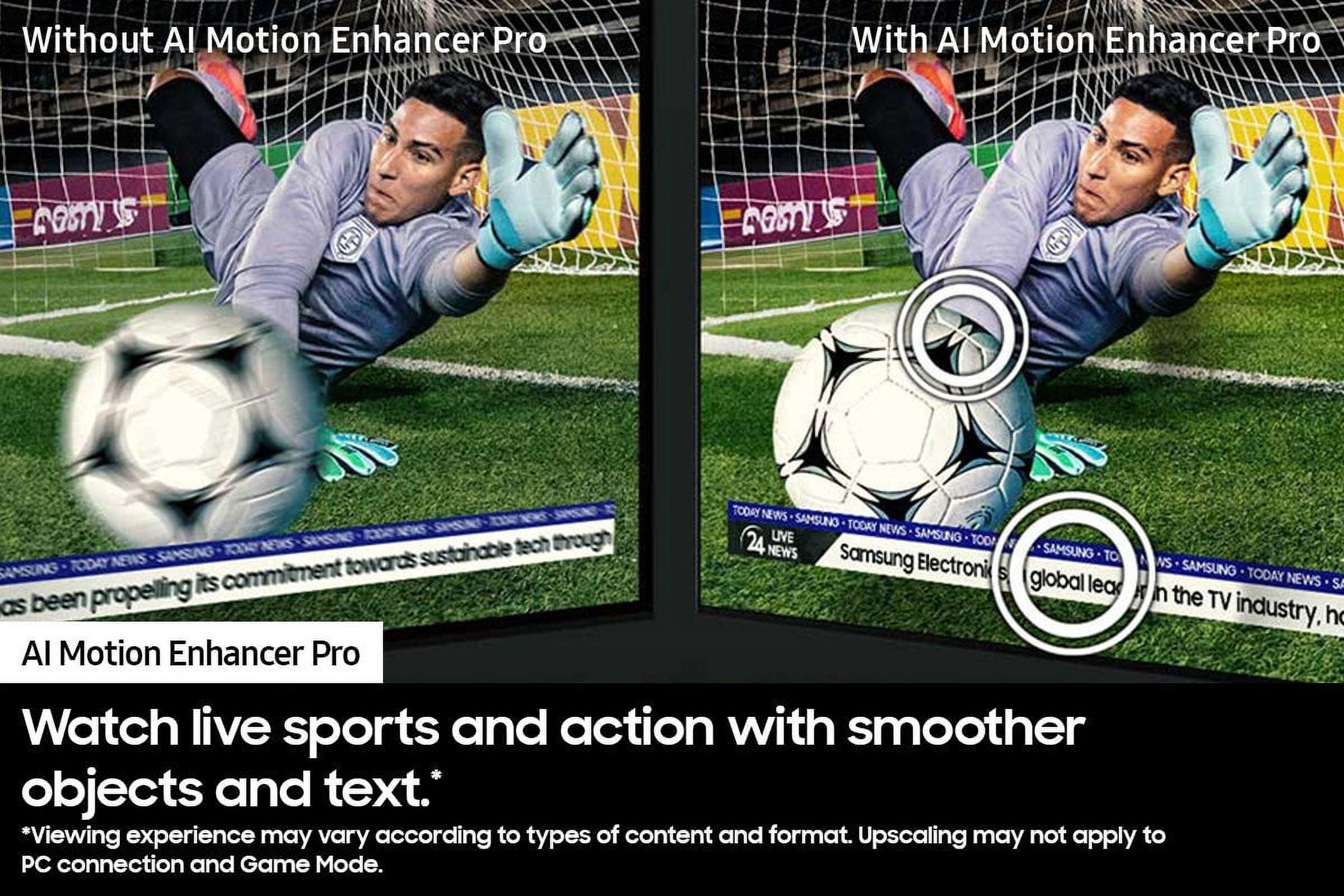
The motion processing differences are also significant. Both TVs handle fast-moving content well, but Samsung's AI Motion Enhancer Pro does a better job with complex scenes like sports broadcasts or action movies. It can distinguish between camera movement and object movement, applying different processing to each for smoother, more natural-looking motion.
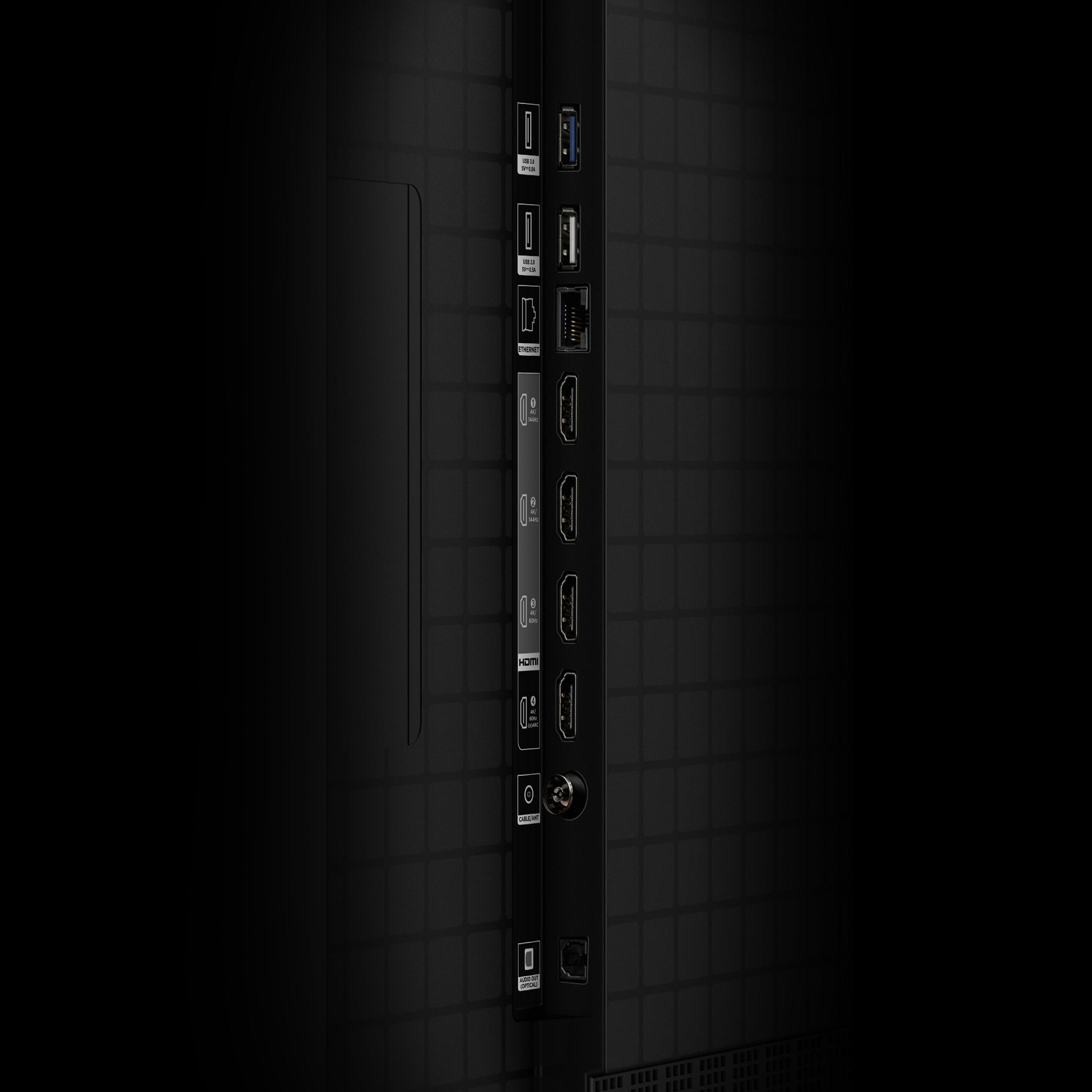
Gaming capabilities reveal another interesting split between these TVs. The TCL QM8K offers a native 144Hz refresh rate, which is excellent for console gaming and most PC gaming scenarios. It supports Variable Refresh Rate (VRR), which synchronizes the TV's refresh rate with your gaming device to eliminate screen tearing and stuttering.
The Samsung QN900D takes gaming even further with support for 4K at 240Hz and 8K at 60Hz. This makes it one of the few TVs that can fully utilize high-end gaming PCs with the latest graphics cards. The Samsung also has more consistent VRR performance across different refresh rates, which matters for competitive gaming where every frame counts.
Both TVs have impressively low input lag when switched to game mode – the delay between pressing a button and seeing the result on screen. This is crucial for competitive gaming, and both TVs perform well enough for serious gamers.
For console gaming on PlayStation 5 or Xbox Series X, the TCL's 144Hz is more than sufficient since these consoles typically target 60-120 fps. The Samsung's higher refresh rates are primarily beneficial for PC gaming enthusiasts with high-end hardware.
Audio quality is where the price difference becomes immediately apparent. The TCL QM8K includes a 2.1.2 channel system tuned by Bang & Olufsen. It's competent and includes Dolby Atmos support, but it's clearly designed with the expectation that many users will add a soundbar or surround sound system.
The Samsung QN900D features a much more sophisticated 6.2.4 channel Dolby Atmos system with Object Tracking Sound. This technology actually moves sound around the TV's speakers to match what's happening on screen. When a car drives from left to right, the sound follows it. When a helicopter flies overhead, you hear it move from the front speakers to the up-firing speakers.
In my experience, the Samsung's audio system is good enough that you might not need external speakers for casual viewing. The TCL's audio is fine for dialogue and basic effects, but you'll likely want to budget for a soundbar if audio quality is important to you.
The choice between Google TV on the TCL and Tizen on the Samsung often comes down to personal ecosystem preferences. Google TV feels more familiar to Android users and offers excellent voice search and recommendation features. It's also more likely to receive quick updates with new features and security patches.
Samsung's Tizen is more polished and responsive, with better integration if you use other Samsung devices. It also includes Samsung's Gaming Hub, which provides access to cloud gaming services like Xbox Game Pass and NVIDIA GeForce Now without needing a console.
Both platforms support all major streaming apps, so your choice here likely depends on whether you prefer Google's approach to content discovery or Samsung's more curated experience.
If you're building a dedicated home theater, both TVs have merits but serve different purposes. The TCL QM8K excels in rooms where you can't completely control lighting. Its superior peak brightness means HDR content maintains its impact even with some ambient light present.
The Samsung QN900D shines in dedicated dark rooms where you can appreciate its superior processing and upscaling capabilities. The 8K resolution becomes more noticeable at larger screen sizes or closer viewing distances typical in home theaters.
For home theater use, consider that both TVs benefit from external audio systems. While the Samsung's built-in audio is better, a proper surround sound setup will elevate either TV's performance significantly.
This is where the decision becomes personal. The TCL QM8K at $998 offers exceptional value, delivering flagship-level brightness and solid 4K performance at a fraction of the Samsung's price. For most users, it provides 80-90% of the premium TV experience at 35% of the cost.
The Samsung QN900D at $2,897 represents the current state of the art in consumer TV technology. Its 8K upscaling, superior processing, and premium features justify the price for enthusiasts who want the absolute best available technology.
Choose the TCL QM8K if you want flagship-level performance without the flagship price. It's perfect for bright rooms, delivers excellent 4K performance, and offers tremendous value. You'll get a premium viewing experience that competes with TVs costing much more.
Choose the Samsung QN900D if you want cutting-edge technology and don't mind paying for it. The 8K upscaling, superior processing, and premium features make it worthwhile for enthusiasts who prioritize having the latest and greatest technology.
Both TVs represent the current pinnacle of Mini LED technology, just with different priorities. The TCL prioritizes value and real-world performance, while the Samsung pushes technological boundaries. Your choice depends on whether you value getting the most performance per dollar or want the absolute best technology available.
In my experience, most buyers will be thrilled with either choice. The TCL QM8K proves that exceptional TV performance doesn't require a premium price, while the Samsung QN900D shows what's possible when cost is no object. Both represent the exciting future of home entertainment technology.
| TCL 65" QM8K Series QD-Mini LED 4K Smart TV | Samsung QN900D Series 65" Neo QLED 8K Smart TV |
|---|---|
| Price - The most significant difference between these premium TVs | |
| $998 (exceptional value for flagship performance) | $2,897 (premium pricing for cutting-edge technology) |
| Resolution - Affects future-proofing and detail clarity | |
| 4K (3840 x 2160) - plenty of native content available | 8K (7680 x 4320) - requires upscaling, little native content |
| Peak Brightness - Critical for HDR impact and bright room viewing | |
| Up to 5,000 nits (superior for daytime viewing) | Up to 4,000 nits (excellent but slightly less bright) |
| Refresh Rate - Important for gaming and smooth motion | |
| 144Hz native (excellent for console gaming) | 100Hz native, supports 4K@240Hz, 8K@60Hz (best for PC gaming) |
| Processor - Determines upscaling quality and smart features | |
| AIPQ processor (solid 4K performance) | NQ8 AI Gen3 with 512 neural networks (best-in-class upscaling) |
| Smart TV Platform - Affects user experience and app availability | |
| Google TV (intuitive, regular updates) | Tizen OS (polished, Samsung ecosystem integration) |
| Audio System - Built-in sound quality without external speakers | |
| 2.1.2 channel with Bang & Olufsen tuning | 6.2.4 channel Dolby Atmos with Object Tracking Sound |
| Design Features - Premium aesthetics and convenience | |
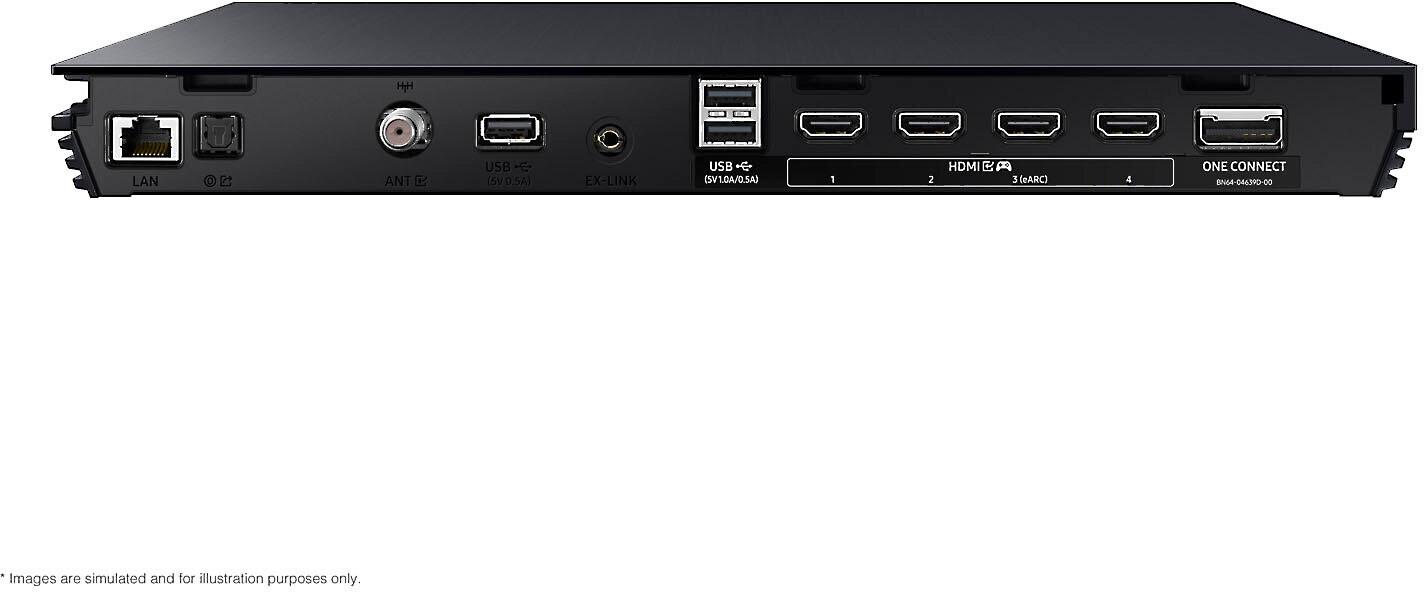
| Zero-border design (seamless look) | One Connect Box (premium cable management) |
| Local Dimming - Controls contrast and blooming in dark scenes | |
| Thousands of zones with excellent blooming control | Advanced Neo QLED with precise zone control |
| Gaming Features - Performance for console and PC gaming | |
| VRR support, low input lag, Auto Game Mode | VRR support, AMD FreeSync Premium Pro, Gaming Hub |
| HDR Support - Enhanced contrast and color in compatible content | |
| Dolby Vision IQ, HDR10+, HDR10, HLG | Neo Quantum HDR 8K+, HDR10+ Adaptive |
| Value Proposition - Performance per dollar spent | |
| Flagship performance at mid-range price | Premium technology for enthusiasts willing to pay |
The TCL 65" QM8K Series QD-Mini LED 4K Smart TV ($998) offers exceptional value, delivering flagship-level brightness and performance at less than one-third the price of the Samsung. The Samsung QN900D Series 65" Neo QLED 8K Smart TV ($2,897) justifies its premium price with cutting-edge 8K technology and superior processing, but most buyers will find the TCL provides better bang for their buck.
The TCL QM8K displays 4K resolution (3,840 x 2,160 pixels) with plenty of native content available from streaming services and Blu-ray discs. The Samsung QN900D offers 8K resolution (7,680 x 4,320 pixels) with four times more pixels, but relies on AI upscaling since virtually no native 8K content exists for consumers.
The TCL QM8K ($998) actually outperforms the more expensive Samsung with up to 5,000 nits peak brightness compared to the Samsung's 4,000 nits. This makes the TCL better for bright rooms and daytime viewing, where that extra brightness helps HDR content maintain its impact against ambient light.
Both TVs excel at gaming but serve different needs. The TCL QM8K offers 144Hz refresh rate perfect for console gaming, while the Samsung QN900D supports 4K at 240Hz and 8K at 60Hz, making it ideal for high-end PC gaming. Both have low input lag and VRR support for smooth gameplay.
The TCL QM8K uses Google TV, which offers intuitive navigation, excellent voice search, and regular updates. The Samsung QN900D runs Tizen OS, which is more polished and responsive with better Samsung ecosystem integration and includes a Gaming Hub for cloud gaming services.
The Samsung QN900D significantly outperforms the TCL with its 6.2.4 channel Dolby Atmos system featuring Object Tracking Sound that moves audio around the screen. The TCL QM8K has a competent 2.1.2 channel system but will likely benefit from adding a soundbar for optimal audio quality.
Both TVs work well in home theaters but serve different purposes. The TCL QM8K excels in rooms with some ambient light due to its superior brightness, while the Samsung QN900D shines in dedicated dark rooms where you can appreciate its advanced processing and upscaling capabilities.
Both offer solid longevity, but Samsung has a stronger track record for long-term software support and updates. The Samsung QN900D benefits from Samsung's established premium TV division, while the TCL QM8K represents TCL's newer but rapidly improving premium offerings with Google's reliable update system.
The TCL QM8K delivers excellent 4K picture quality with superior peak brightness and strong color accuracy. The Samsung QN900D offers more advanced processing with better upscaling, motion handling, and depth enhancement, making lower-resolution content look sharper and more detailed.
Movie preference depends on your setup. The TCL QM8K provides excellent HDR impact and brightness for varied lighting conditions, while the Samsung QN900D offers superior processing that enhances detail and creates more film-like motion. Both support all major HDR formats for cinematic viewing.
Currently, no native 8K content is available to consumers, making the Samsung QN900D's 8K capability primarily about future-proofing and AI upscaling. The TCL QM8K focuses on perfecting 4K performance, which matches all available content and offers excellent value for current viewing needs.
Choose the TCL QM8K ($998) if you want flagship performance at an exceptional price, prioritize brightness for daytime viewing, and focus on current 4K content. Choose the Samsung QN900D ($2,897) if you want cutting-edge technology, superior processing, premium features, and don't mind paying for the absolute best available performance.
We've done our best to create useful and informative comparisons to help you decide what product to buy. Our research uses advanced automated methods to create this comparison and perfection is not possible - please contact us for corrections or questions. These are the sites we've researched in the creation of this article: tomsguide.com - youtube.com - businessinsider.com - rtings.com - youtube.com - avsforum.com - avsforum.com - bestbuy.com - tcl.com - tcl.com - tcl.com - flatpanelshd.com - romomattressfurniture.com - brandsmartusa.com - pcrichard.com - tvsbook.com - tcl.com - youtube.com - prnewswire.com - tcl.com - tcl.com - rtings.com - videoandaudiocenter.com - bestbuy.com - avsforum.com - bestbuy.com - walts.com - images.samsung.com - samsung.com - merlinstv.com - samsung.com - avsforum.com - samsung.com

Privacy Policy
Terms and Conditions - Affiliate Policy
Home Security
© Copyright 2008-2026.
11816 Inwood Rd #1211, Dallas, TX 75244