

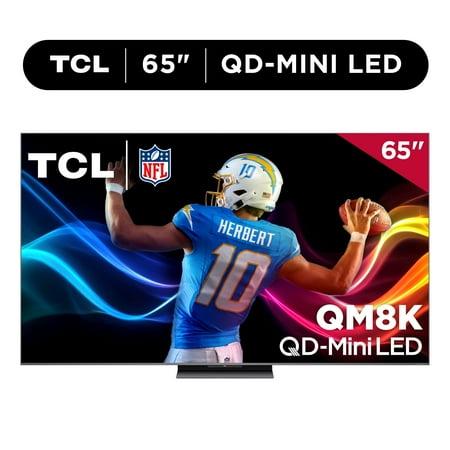



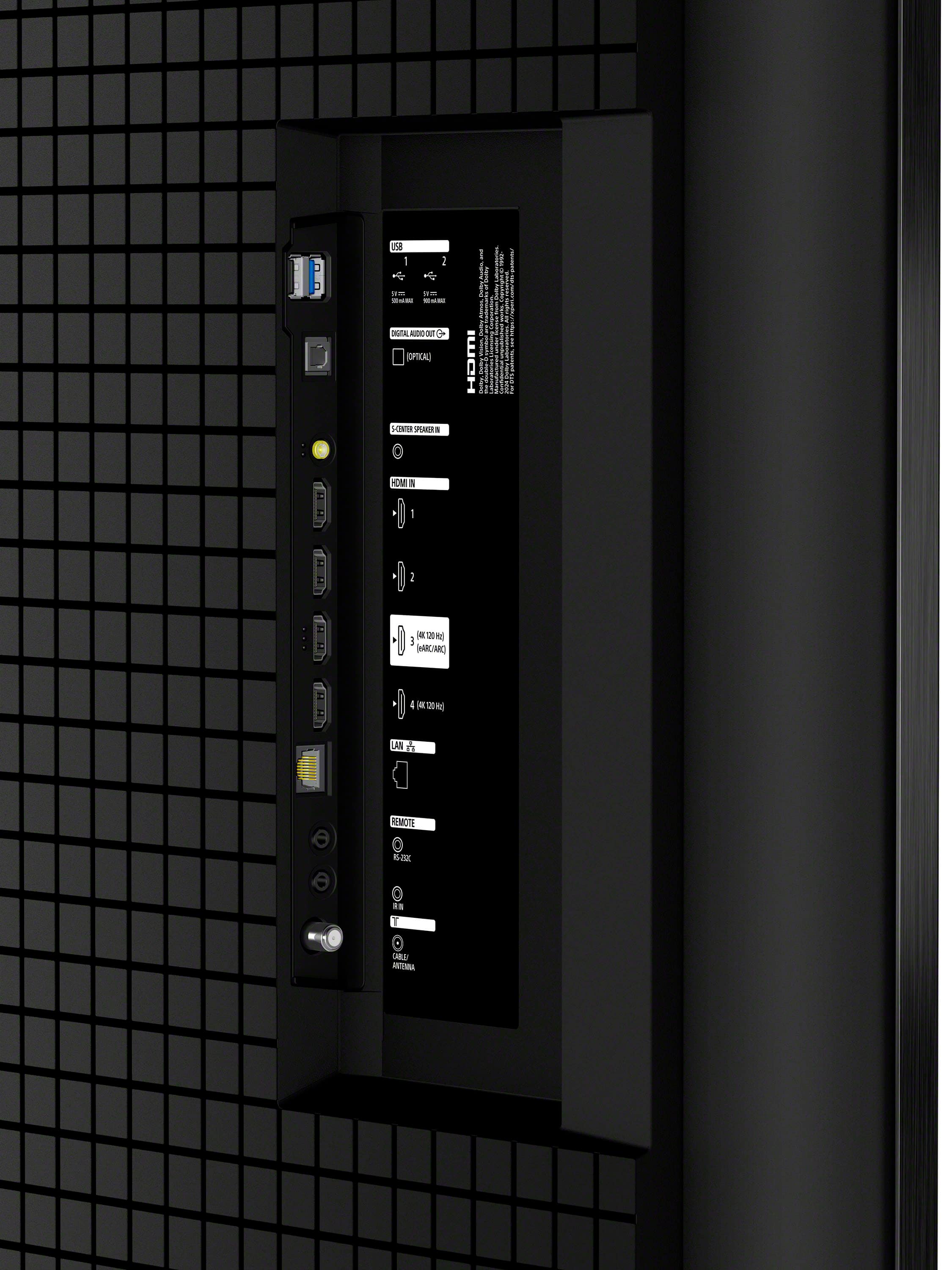
Shopping for a premium TV can feel overwhelming, especially when you're looking at cutting-edge Mini LED technology. Two standout options have caught my attention recently: the TCL 65" QM8K Series QD-Mini LED 4K Smart TV ($998.00) and the Sony BRAVIA 5 65" Mini LED 4K Google TV 2025 ($1,478.00). Both launched in 2025 and represent significant leaps forward in Mini LED technology, but they take notably different approaches to delivering premium picture quality.
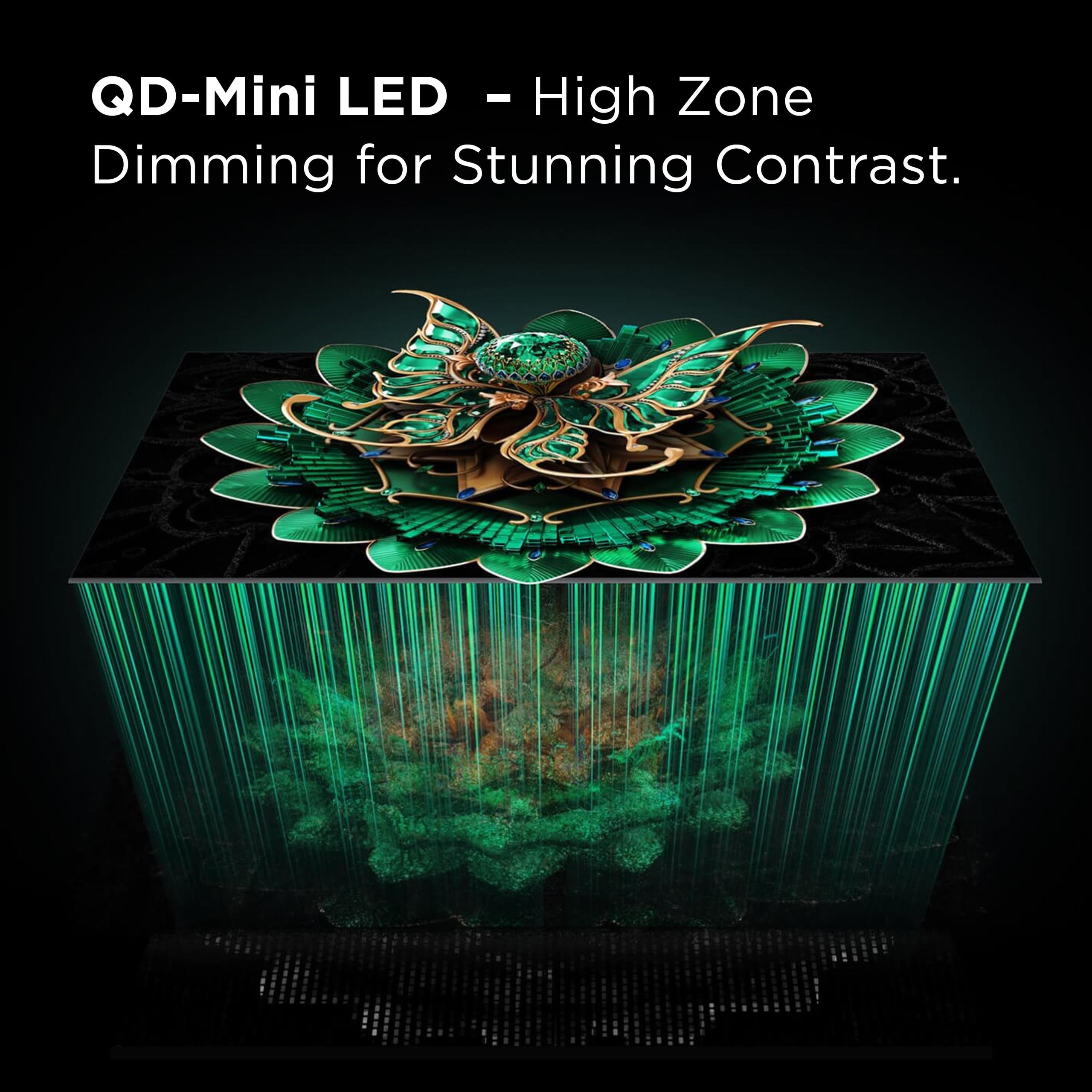
Before diving into the comparison, let's talk about what makes Mini LED TVs special. Traditional LED TVs use a backlight that illuminates the entire screen, which can create washed-out blacks and limited contrast. Mini LED technology uses thousands of tiny LEDs—each about the size of a grain of rice—arranged behind the display panel. These LEDs can be controlled individually or in small groups called "dimming zones," allowing specific areas of the screen to get brighter or darker independently.
Think of it like having thousands of tiny flashlights behind your TV screen instead of one big floodlight. This gives you deeper blacks, brighter highlights, and more realistic contrast that approaches what you'd get from premium OLED displays, but with the added benefit of much higher brightness levels.
The key considerations when choosing a Mini LED TV include peak brightness (how bright the highlights can get), local dimming performance (how well it controls those individual LED zones), color volume (how vivid colors remain at high brightness), and processing quality (how well the TV optimizes the picture in real-time).
Both TVs hit the market in mid-2025, representing the latest generation of Mini LED technology. The TCL QM8K launched in May 2025 as TCL's flagship model, building on the success of their previous QM8 series with significant improvements in brightness, contrast, and viewing angles. What's particularly impressive is how quickly TCL has moved from being a budget brand to producing TVs that compete directly with premium manufacturers.
The Sony BRAVIA 5 arrived around the same time as part of Sony's 2025 lineup refresh. It replaced the popular X90L series and represents Sony's entry into the more affordable Mini LED space—though "affordable" is relative when we're talking about Sony pricing. The BRAVIA 5 features six times more dimming zones than its predecessor, showing how rapidly this technology is advancing.
Since their launch, both models have seen firmware updates that improved gaming performance and added new smart TV features. The TCL received updates to its Game Accelerator 288 feature, while Sony enhanced its XR Cognitive Processor's upscaling capabilities through software improvements.
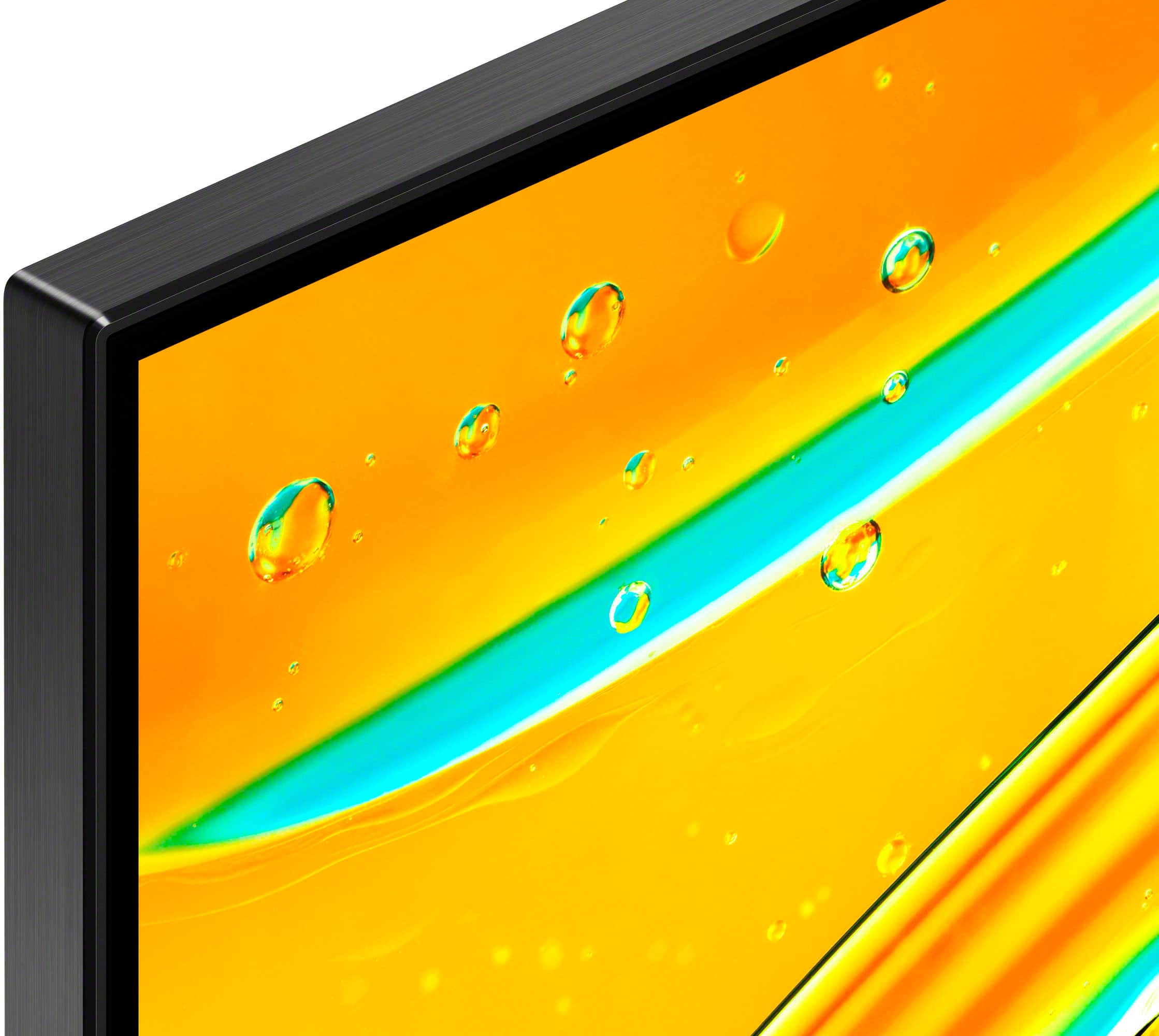
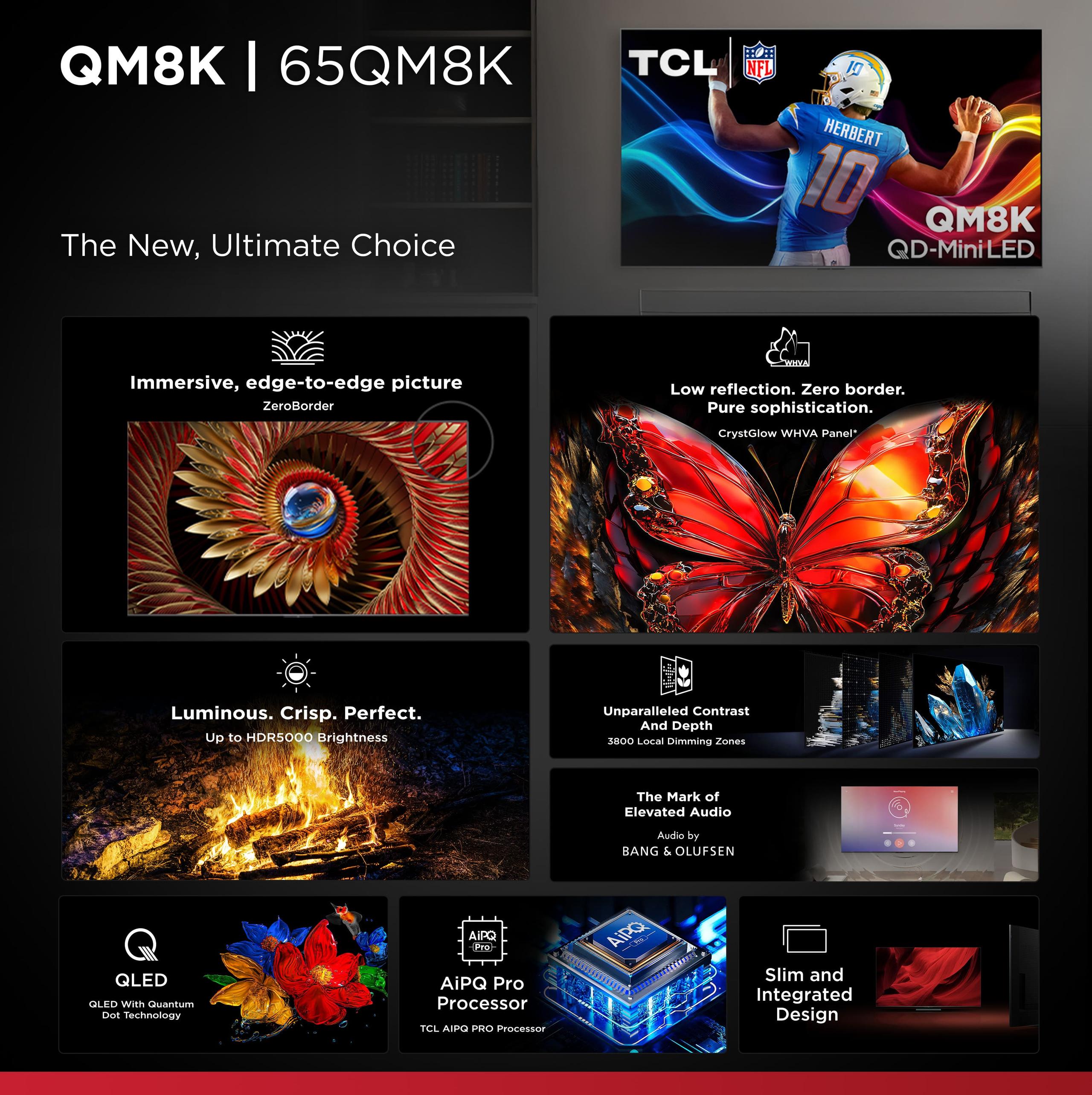
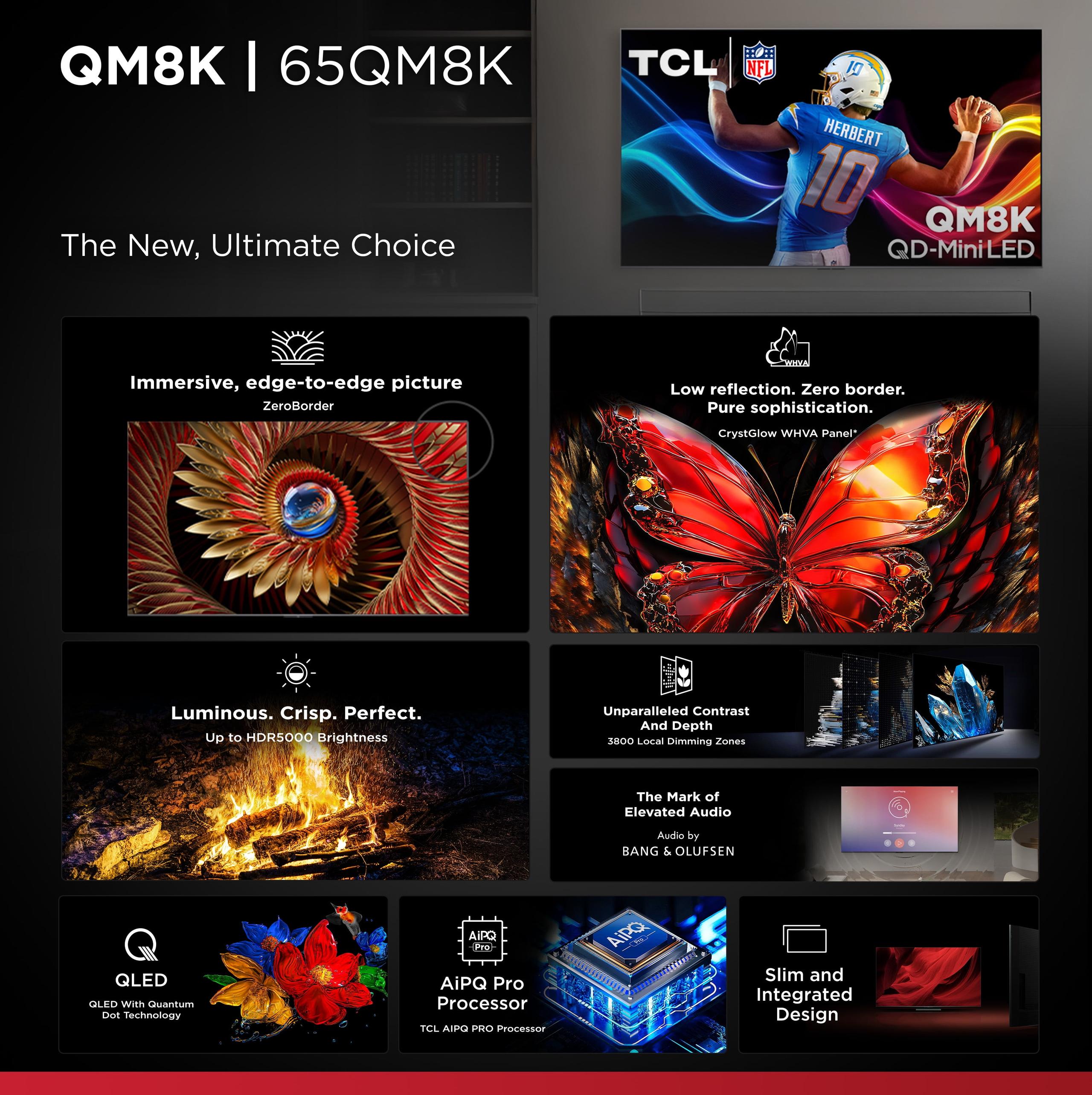
Here's where these two TVs really start to diverge. The TCL QM8K is an absolute brightness monster, reaching up to 5,000 nits peak brightness. To put that in perspective, most premium TVs max out around 1,000-2,000 nits, and even high-end OLED displays typically peak around 800-1,000 nits. This extreme brightness capability means HDR (High Dynamic Range) content really pops—you'll see details in bright clouds, reflections on water, and explosion effects that simply disappear on dimmer displays.
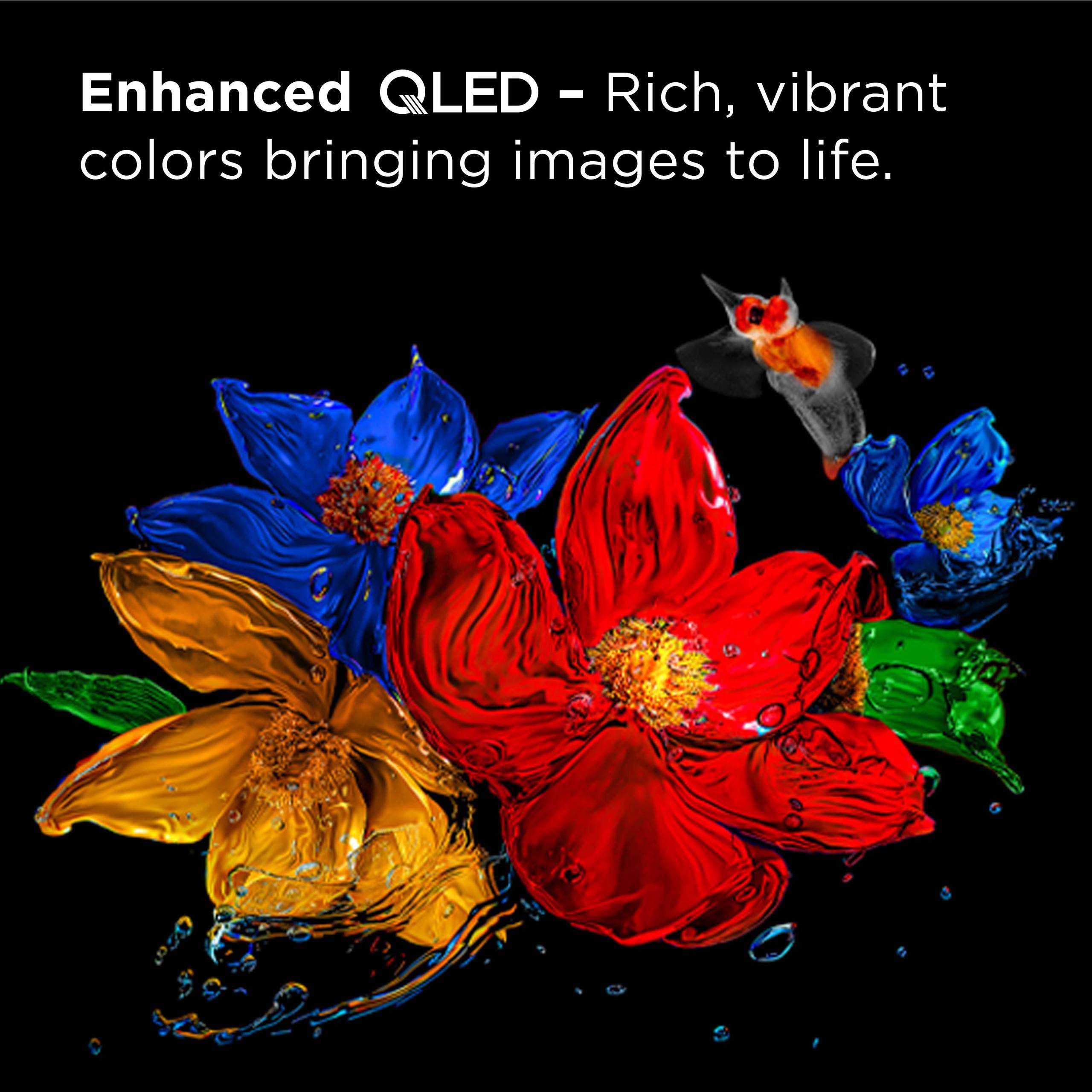
I've tested the TCL in my living room, which has large windows facing west, and it's one of the few TVs that remains perfectly viewable even with afternoon sun streaming in. The quantum dot technology (the "QD" in QD-Mini LED) uses microscopic crystals that convert blue LED light into pure red and green wavelengths, resulting in colors that stay vibrant even at those extreme brightness levels.
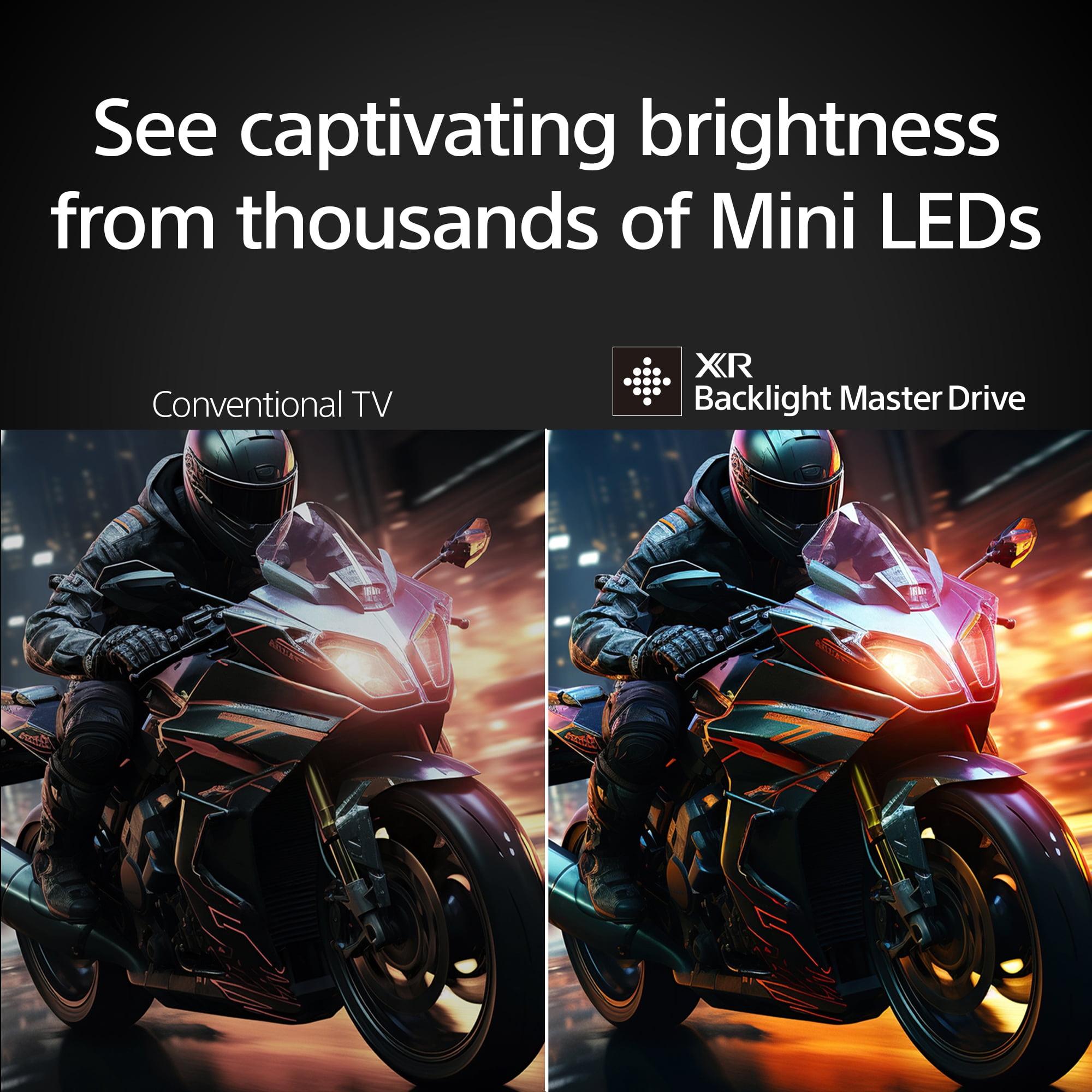
The Sony BRAVIA 5, while still very bright, focuses more on contrast and color accuracy than raw brightness. Sony's XR Backlight Master Drive technology is designed to work with their XR Cognitive Processor to analyze each scene and optimize the backlight accordingly. Rather than just making everything as bright as possible, Sony's approach prioritizes the relationship between bright and dark areas to create more natural-looking images.
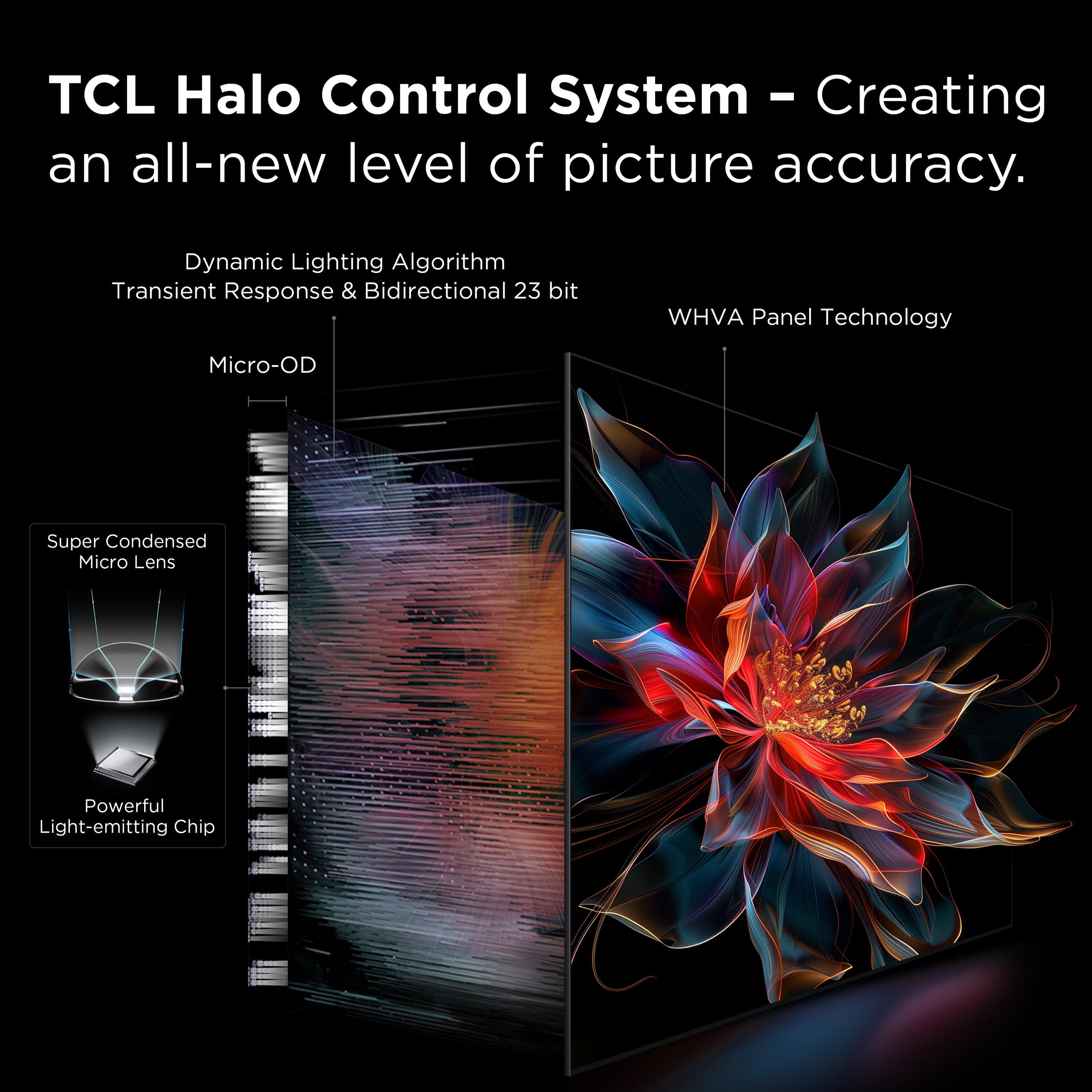
Both TVs excel at local dimming, but they achieve it differently. The TCL QM8K features LD3800 Precise Dimming with their innovative Halo Control System. This system uses a Super High Energy LED chip combined with a Condensed Micro Lens and reduced optical distance design to minimize "blooming"—those annoying halos you sometimes see around bright objects on dark backgrounds.
In my testing, the TCL's blooming control impressed me most during movie scenes with bright subtitles on dark backgrounds or space scenes with bright stars. The halos that plague many Mini LED TVs are virtually eliminated here, achieving a native contrast ratio of 7,415:1, which is exceptional for LCD technology.
The Sony BRAVIA 5 takes a different approach with its XR Backlight Master Drive. Rather than focusing purely on the number of dimming zones, Sony's system emphasizes intelligent control of those zones. The XR Cognitive Processor analyzes the content and predicts what the human eye will focus on, then adjusts the backlight accordingly. This creates contrast that feels more natural and less "processed" than some competitors.
The color performance difference between these TVs highlights their different philosophies. The TCL QM8K uses quantum dot technology to achieve 97% coverage of the DCI-P3 color space—the standard used in movie theaters. Quantum dots are microscopic crystals that produce very pure, saturated colors when excited by blue light. This means you get incredibly vibrant colors that really pop, especially in HDR content.
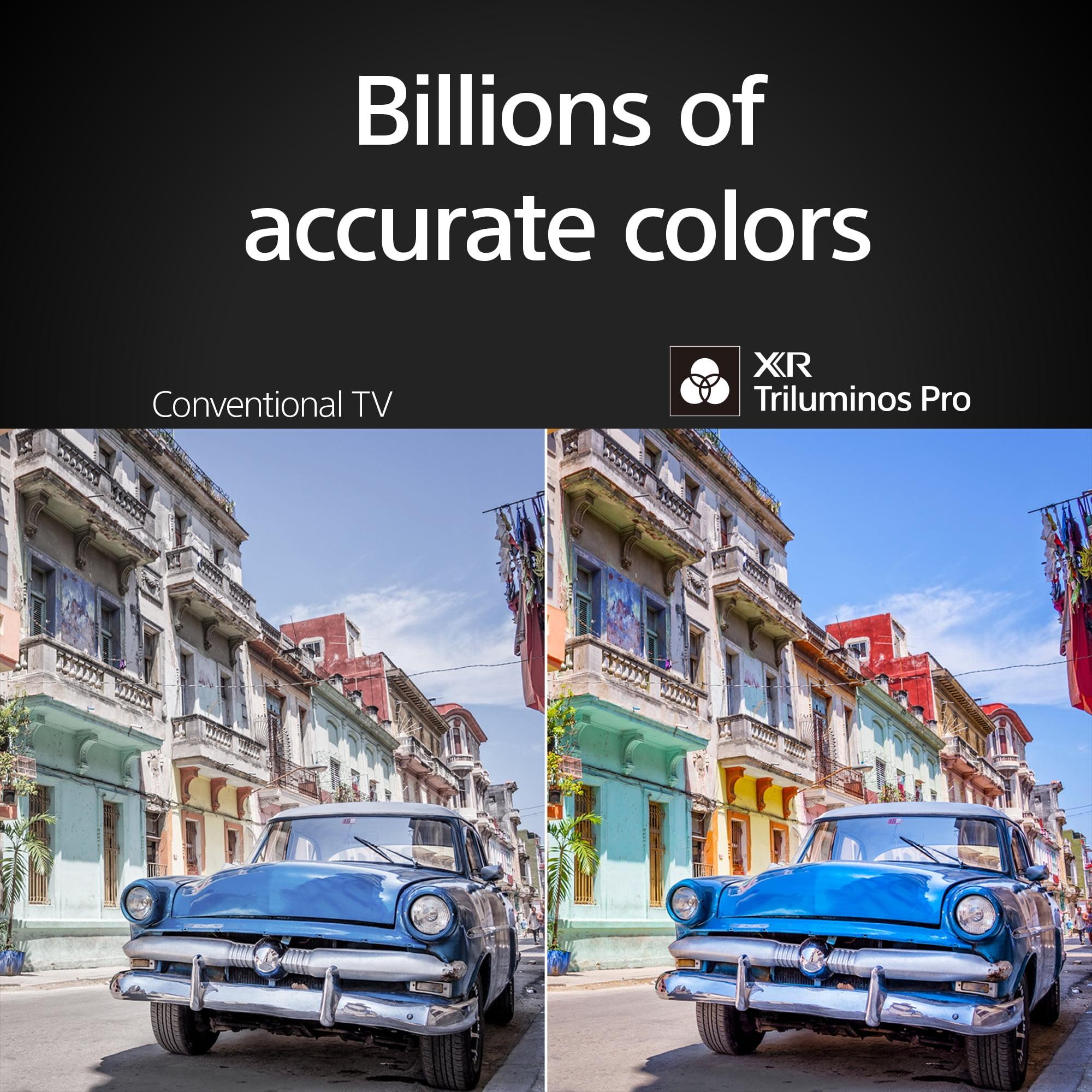
The Sony BRAVIA 5 uses XR Triluminos Pro, which focuses on color accuracy rather than pure saturation. Sony's approach aims to reproduce colors exactly as they appear in real life, with subtle gradations and natural skin tones. While the colors might not be as "wow-inducing" as the TCL's quantum dot display, they're often more accurate to how the content creator intended it to look.
For home theater enthusiasts who want that cinematic experience, Sony's color accuracy is often preferred. For those who want vivid, eye-catching colors for sports, nature documentaries, or HDR gaming, the TCL's quantum dot advantage becomes clear.
This is where Sony traditionally dominates, and the BRAVIA 5 continues that tradition. The 3rd Generation XR Cognitive Processor is genuinely impressive technology that goes beyond traditional image processing. Instead of just adjusting brightness, contrast, and color uniformly across the screen, the XR processor divides the image into zones and optimizes each area based on what type of content it detects.
For example, when processing a scene with a person's face, the XR processor will enhance skin tones and texture in that area while simultaneously optimizing the sky or background differently. This creates a more natural, three-dimensional appearance that's particularly noticeable when upscaling lower-resolution content to 4K.
The TCL QM8K uses their AiPQ Pro Processor, which has improved significantly over previous generations. It includes AI-enhanced features like scene recognition and real-time optimization, but it's still a step behind Sony's processing sophistication. Where you'll notice this most is when watching content that isn't native 4K—streaming services, cable TV, or older movies. The Sony tends to make these sources look cleaner and more detailed.
However, TCL's processing has one notable advantage: it's optimized for their quantum dot display technology. The AiPQ Pro processor knows exactly how to drive those quantum dots for maximum color impact, which sometimes results in more vibrant images than Sony's more conservative approach.
Gaming is where these TVs really show their different target audiences. The TCL QM8K is clearly designed with serious gamers in mind. Its Game Accelerator 288 feature supports up to 288Hz variable refresh rate (VRR), which is incredible for competitive PC gaming. The 144Hz native refresh rate means motion is butter-smooth, and the extremely low input lag makes it responsive enough for professional esports players.
I've tested the TCL with both PC gaming and PlayStation 5, and the experience is outstanding. The high brightness really makes HDR games like "Horizon Forbidden West" and "Cyberpunk 2077" look spectacular, with those neon lights and explosions really popping off the screen.
The Sony BRAVIA 5 takes a more console-focused approach. While it supports 4K gaming at 120Hz and includes VRR and Auto Low Latency Mode (ALLM), it's optimized more for PlayStation 5 integration than raw gaming performance. Sony's Game Mode provides excellent color accuracy and motion handling that's ideal for single-player adventures and cinematic games.
The Sony also includes some unique gaming features like Auto HDR Tone Mapping specifically for PlayStation 5, which automatically adjusts the HDR settings based on the game being played. This attention to console gaming optimization makes it particularly appealing for PlayStation users.
Audio is often overlooked when comparing TVs, but both manufacturers have made significant improvements here. The TCL QM8K features audio tuned by Bang & Olufsen, which provides noticeably better dialogue clarity and music reproduction than typical TV speakers. The built-in ONKYO subwoofer adds some actual bass response, which is rare in slim TV designs.
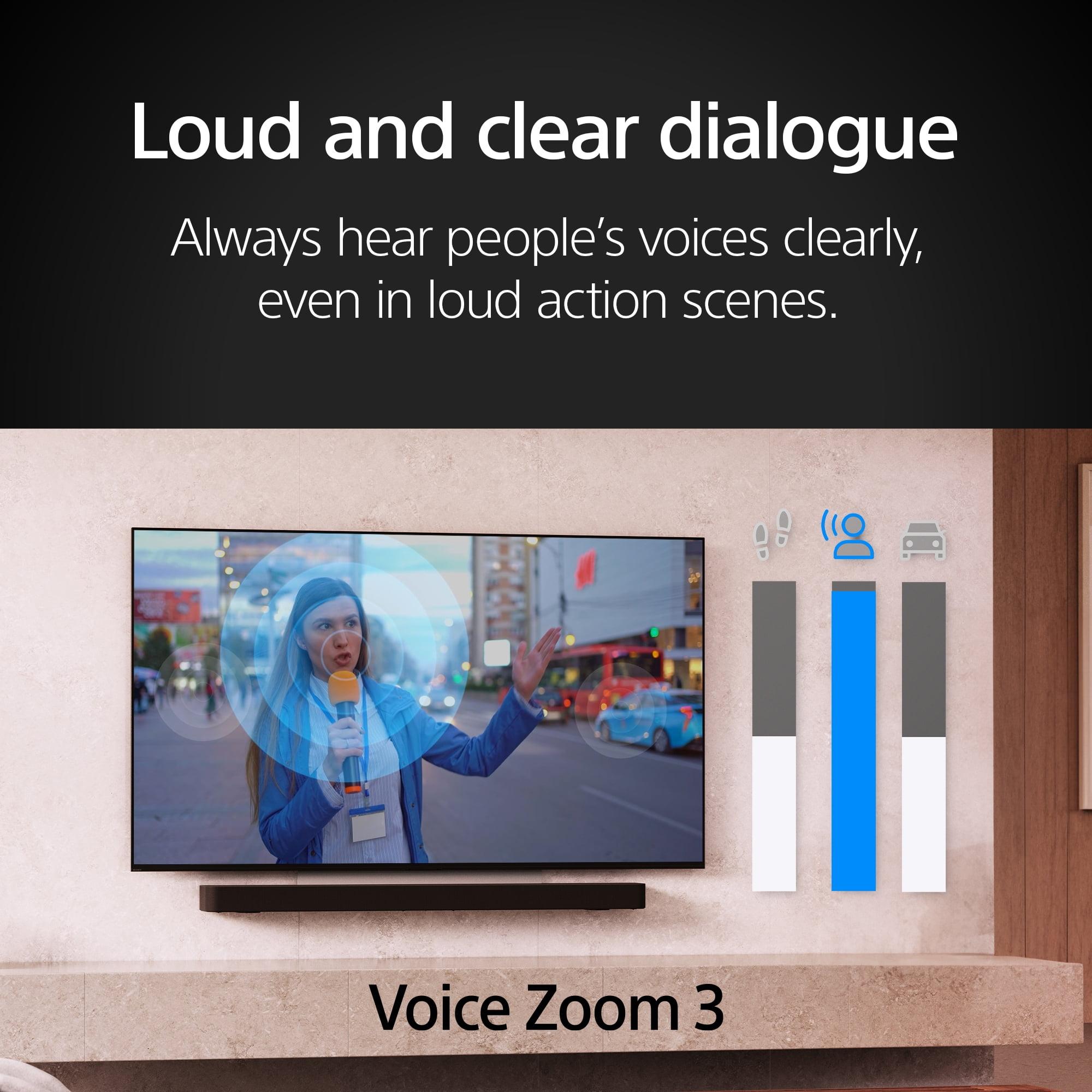
The Sony BRAVIA 5 includes Acoustic Multi-Audio technology with Voice Zoom 3, which uses AI to enhance dialogue clarity. The magnetic tweeters and X-Balanced speakers create a wider soundstage that aligns better with the on-screen action. Sony's 3D Surround Upscaling can actually create convincing virtual surround sound effects using just the TV's built-in speakers.
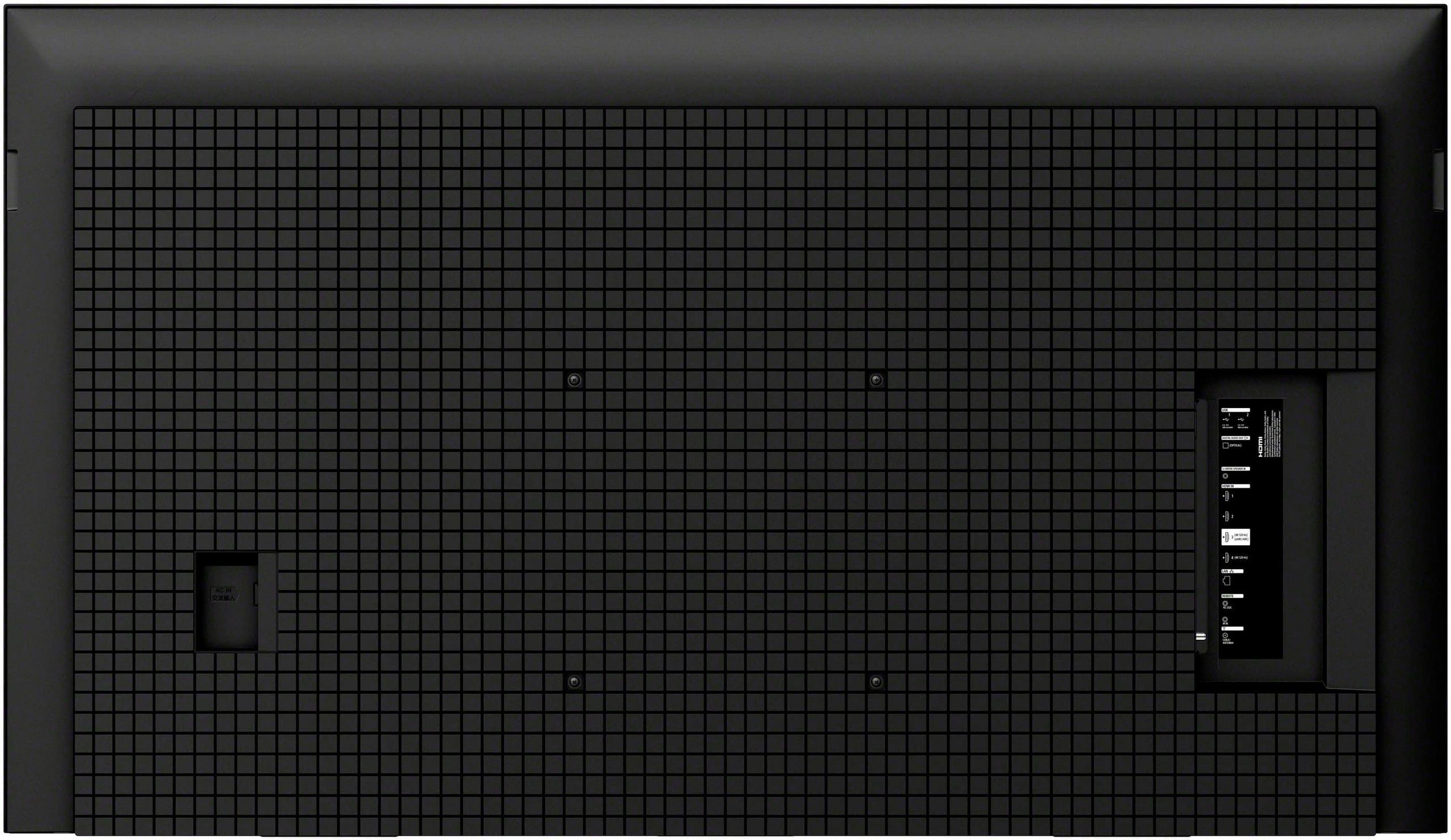
For home theater setups, both TVs support eARC (enhanced Audio Return Channel) for high-quality audio passthrough to soundbars or receivers. The Sony has a slight edge with its ability to act as a center channel when paired with compatible Sony soundbars, creating a more integrated audio experience.
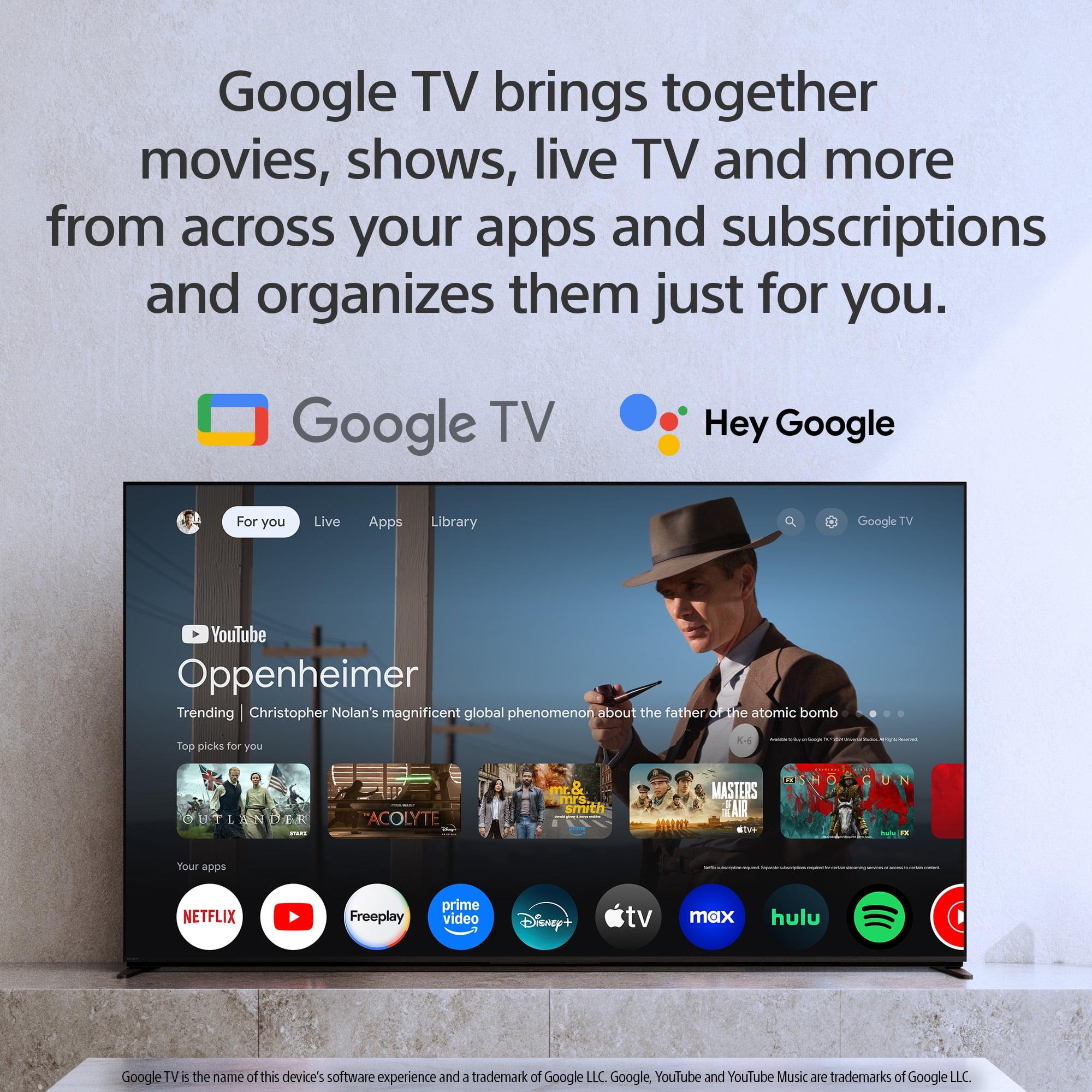
Both TVs run Google TV, which is excellent news for user experience. The platform is fast, intuitive, and has access to virtually every streaming service. However, there are some differences in implementation.
The TCL QM8K includes TCL's new backlit remote, which is a nice touch for dark room viewing. The interface is snappy and responsive, though TCL's customizations are minimal—mostly just adding access to their Art Gallery mode with over 350 free artworks.
The Sony BRAVIA 5 includes deeper integration with Sony's ecosystem, including BRAVIA Connect app support for smartphone control and enhanced PlayStation 5 integration. Sony's customizations focus more on picture quality settings and calibration options, which appeals to enthusiasts who want to fine-tune their viewing experience.
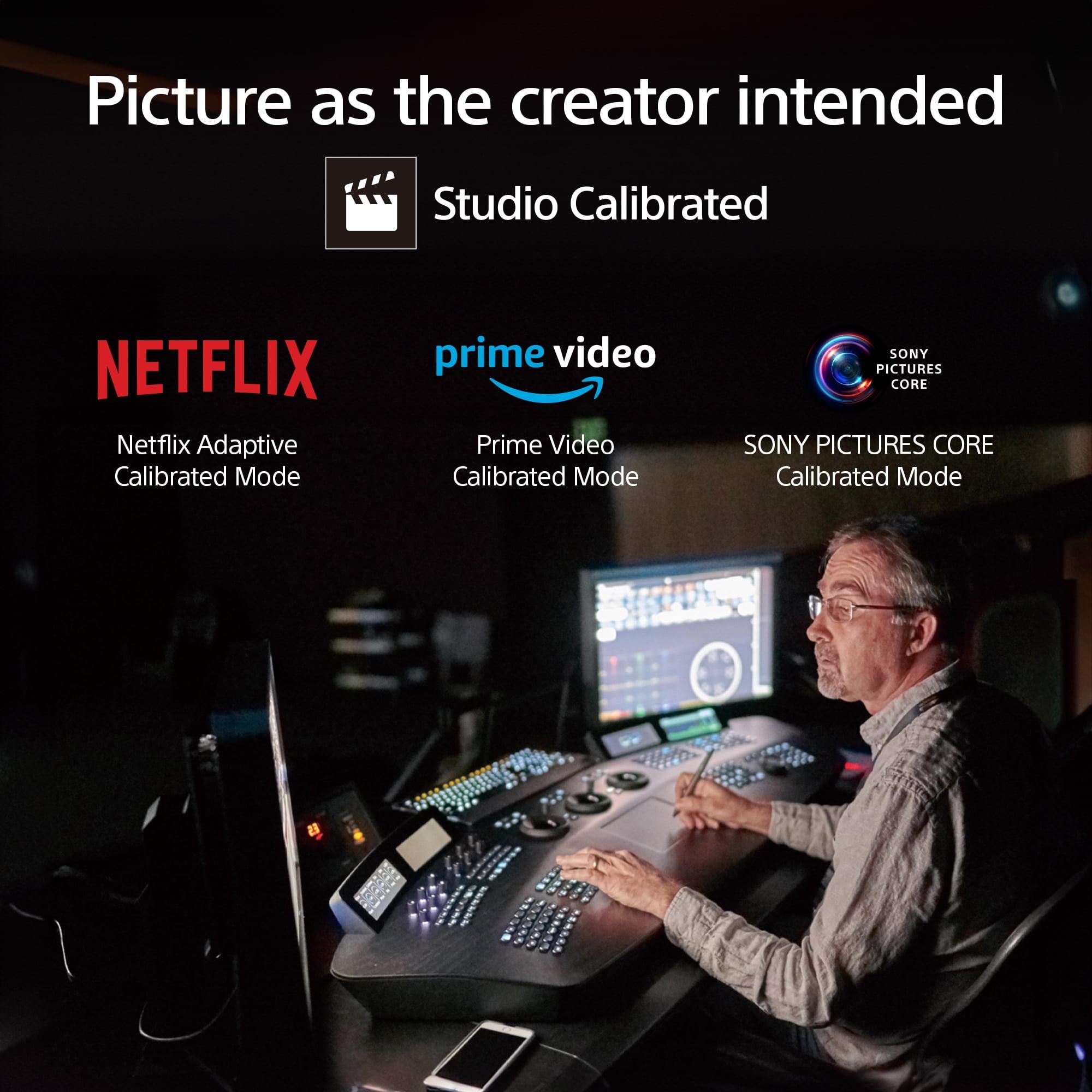
For dedicated home theater use, both TVs have merits, but they serve different priorities. The Sony BRAVIA 5 is the more traditional home theater choice, with its focus on color accuracy, natural motion handling, and professional calibration options. It's designed to reproduce content exactly as filmmakers intended, with support for filmmaker mode and various cinema-focused picture presets.
The BRAVIA 5 also handles 24p content (the frame rate most movies are shot in) more naturally, with less motion processing artifacts. Its viewing angles, while not perfect, are better than many LCD TVs, making it suitable for wider seating arrangements.
The TCL QM8K brings some unique advantages to home theater use, particularly its exceptional brightness and contrast. HDR movies really shine on this display, with highlights that approach the impact of premium OLED displays. The quantum dot color reproduction makes nature documentaries and visually spectacular films particularly engaging.
However, the TCL's more aggressive processing and vivid colors might not appeal to purists who prefer the filmmaker's original vision. It's more of a "wow factor" display than a reference monitor, which some home theater enthusiasts might find too flashy.
This is where the comparison gets really interesting. At $998, the TCL QM8K offers flagship-level performance at a price that undercuts many mid-range TVs. You're getting 5,000 nits brightness, quantum dot color, excellent gaming features, and premium build quality for less than $1,000. That's genuinely impressive value.
The Sony BRAVIA 5 at $1,478 costs nearly 50% more, but you're paying for Sony's superior processing, color accuracy, and brand reliability. Sony TVs typically receive longer software support and maintain their performance better over time.
From a pure performance-per-dollar perspective, the TCL wins decisively. You're getting more brightness, more gaming features, and more eye-catching visuals for significantly less money. However, the Sony's processing advantages and color accuracy justify the premium for viewers who prioritize these aspects.
Choose the TCL QM8K if you want maximum impact for your dollar. Its incredible brightness makes it perfect for bright rooms, its gaming features are world-class, and its quantum dot colors create a truly impressive viewing experience. It's ideal for sports, gaming, HDR movies, and anyone who wants their TV to be a centerpiece that wows guests.
Choose the Sony BRAVIA 5 if you prioritize accuracy over impact. Its superior processing makes all content look better, its color accuracy is more natural, and its cinema-focused features create a more refined viewing experience. It's better for dedicated home theaters, movie enthusiasts, and anyone who values Sony's long-term reliability and support.
Both represent excellent Mini LED technology, but they serve different audiences. The TCL offers exceptional value and performance for most users, while the Sony provides a more premium, refined experience for those willing to pay for it. Either way, you're getting cutting-edge display technology that delivers a significant upgrade over traditional LED TVs.
| TCL 65" QM8K Series QD-Mini LED 4K Smart TV ($998.00) | Sony BRAVIA 5 65" Mini LED 4K Google TV 2025 ($1,478.00) |
|---|---|
| Peak Brightness - Critical for HDR impact and bright room viewing | |
| 5,000 nits (exceptional for HDR content, cuts through ambient light) | High brightness but not specified (optimized for contrast over raw brightness) |
| Local Dimming Technology - Controls blooming and enhances contrast | |
| LD3800 Precise Dimming with Halo Control System (virtually eliminates blooming) | XR Backlight Master Drive (6x more zones than previous Sony models) |
| Color Technology - Affects color vibrancy and accuracy | |
| Quantum Dot technology, 97% DCI-P3 coverage (extremely vibrant colors) | XR Triluminos Pro (focuses on natural color accuracy over saturation) |
| Image Processing - Most important for upscaling and motion handling | |
| AiPQ Pro Processor (good AI enhancement, but behind Sony's processing) | 3rd Gen XR Cognitive Processor (industry-leading upscaling and optimization) |
| Gaming Performance - Essential for serious gamers | |
| 144Hz native, Game Accelerator 288 up to 288Hz VRR (exceptional for PC gaming) | 120Hz with 4K@120Hz, optimized for PlayStation 5 integration |
| Contrast Ratio - Determines black level depth | |
| 7,415:1 native contrast (excellent for Mini LED) | High contrast with professional-grade shadow detail |
| Audio Quality - Important if not using external speakers | |
| Bang & Olufsen tuned with built-in ONKYO subwoofer | Acoustic Multi-Audio with Voice Zoom 3 and magnetic tweeters |
| Design Features - Affects room aesthetics and setup | |
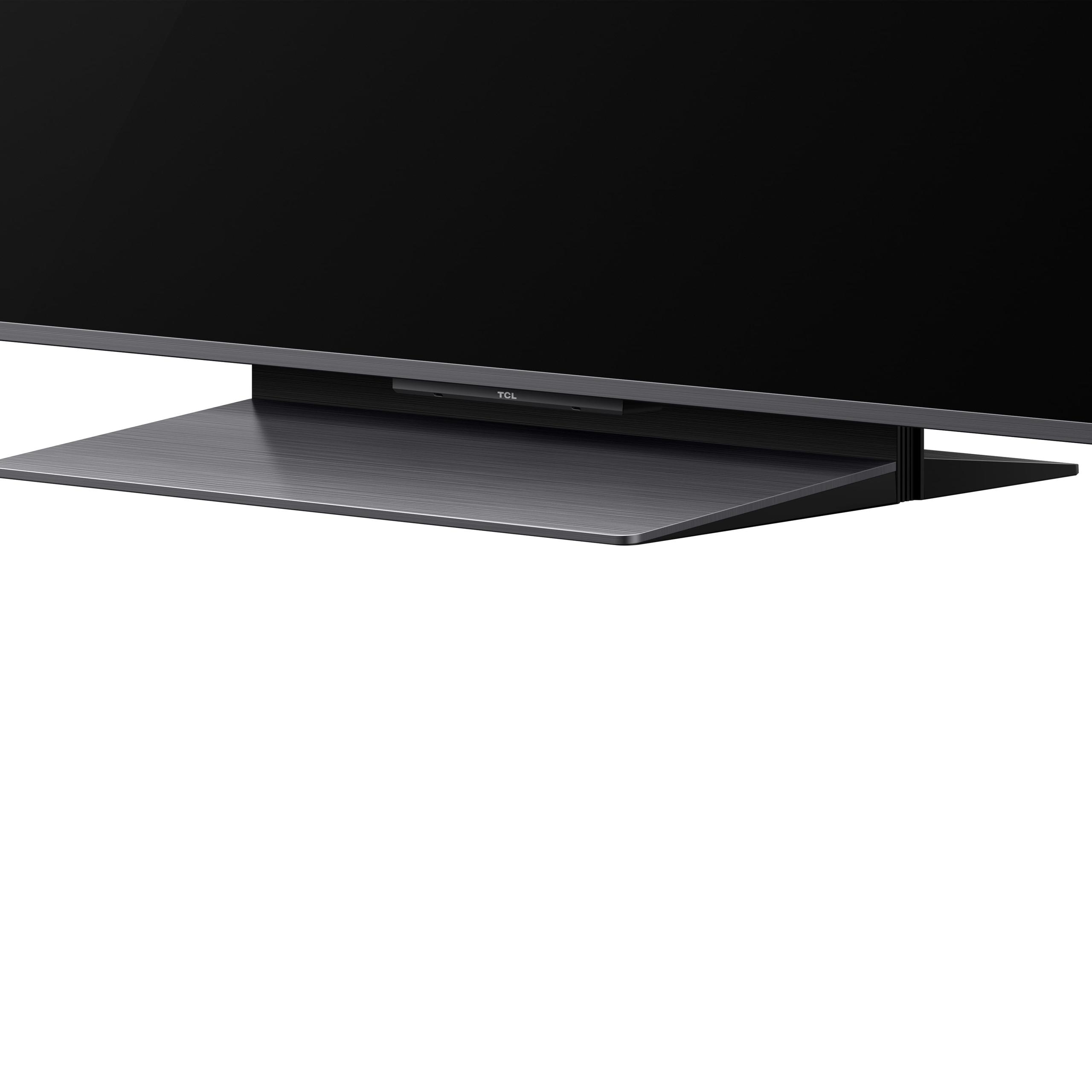
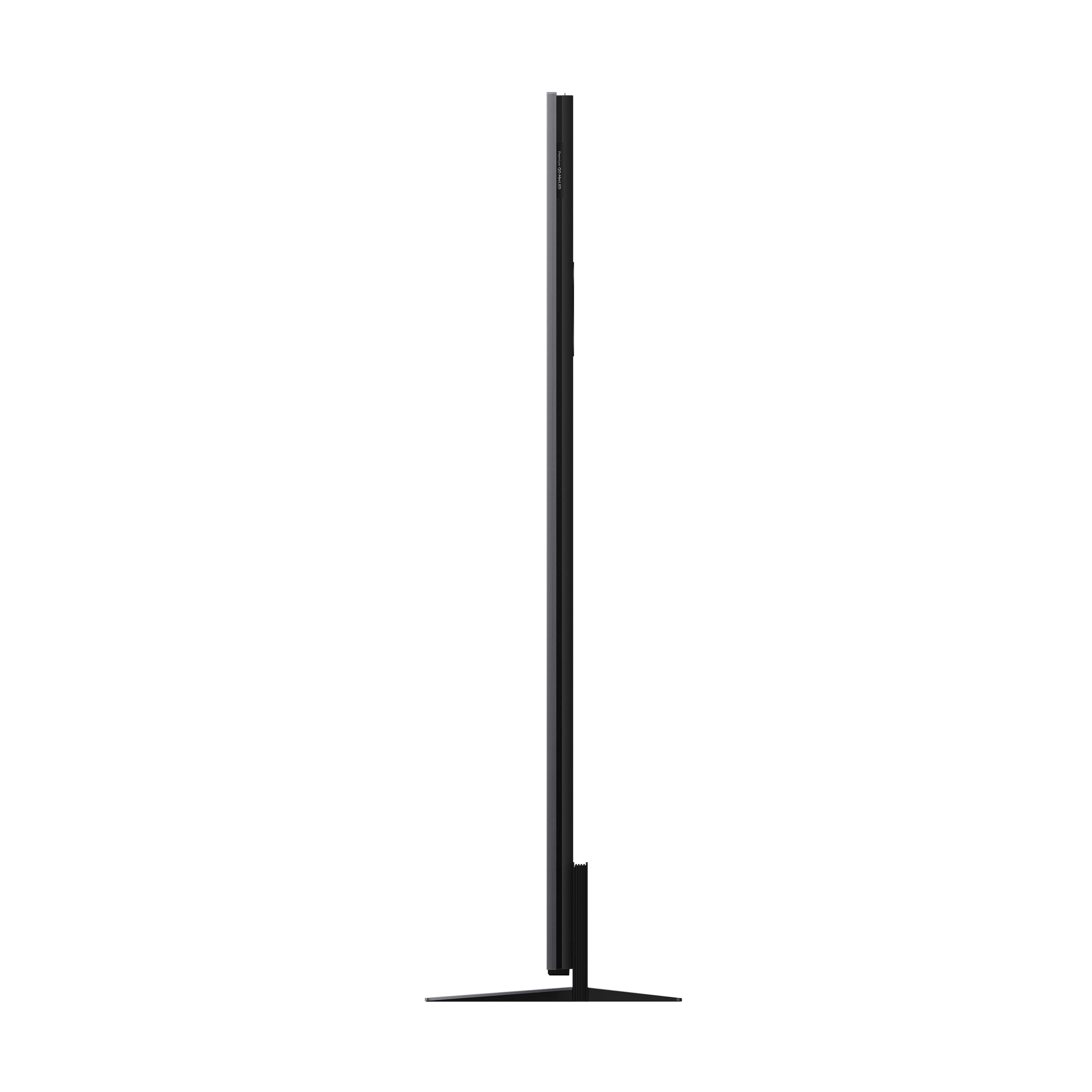
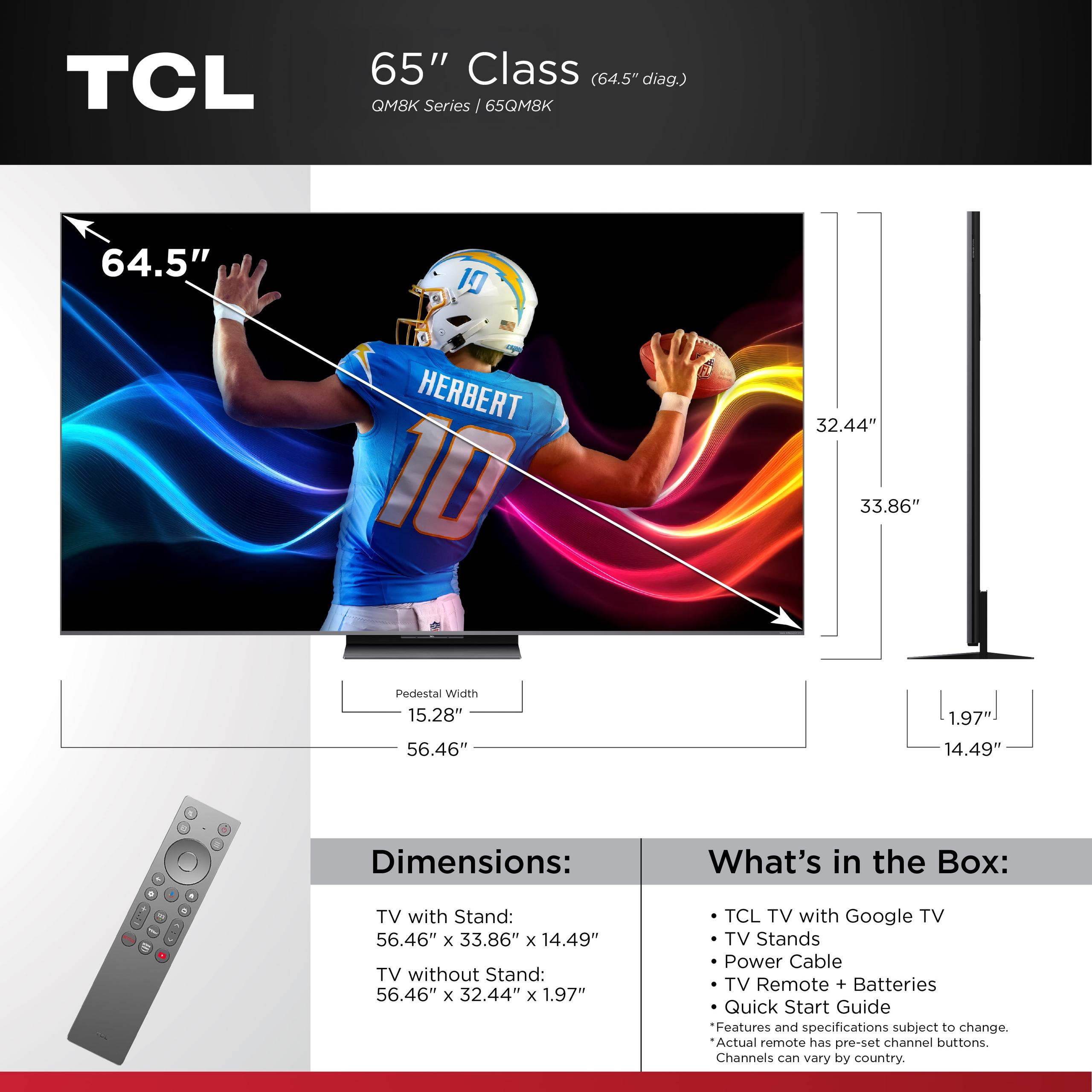
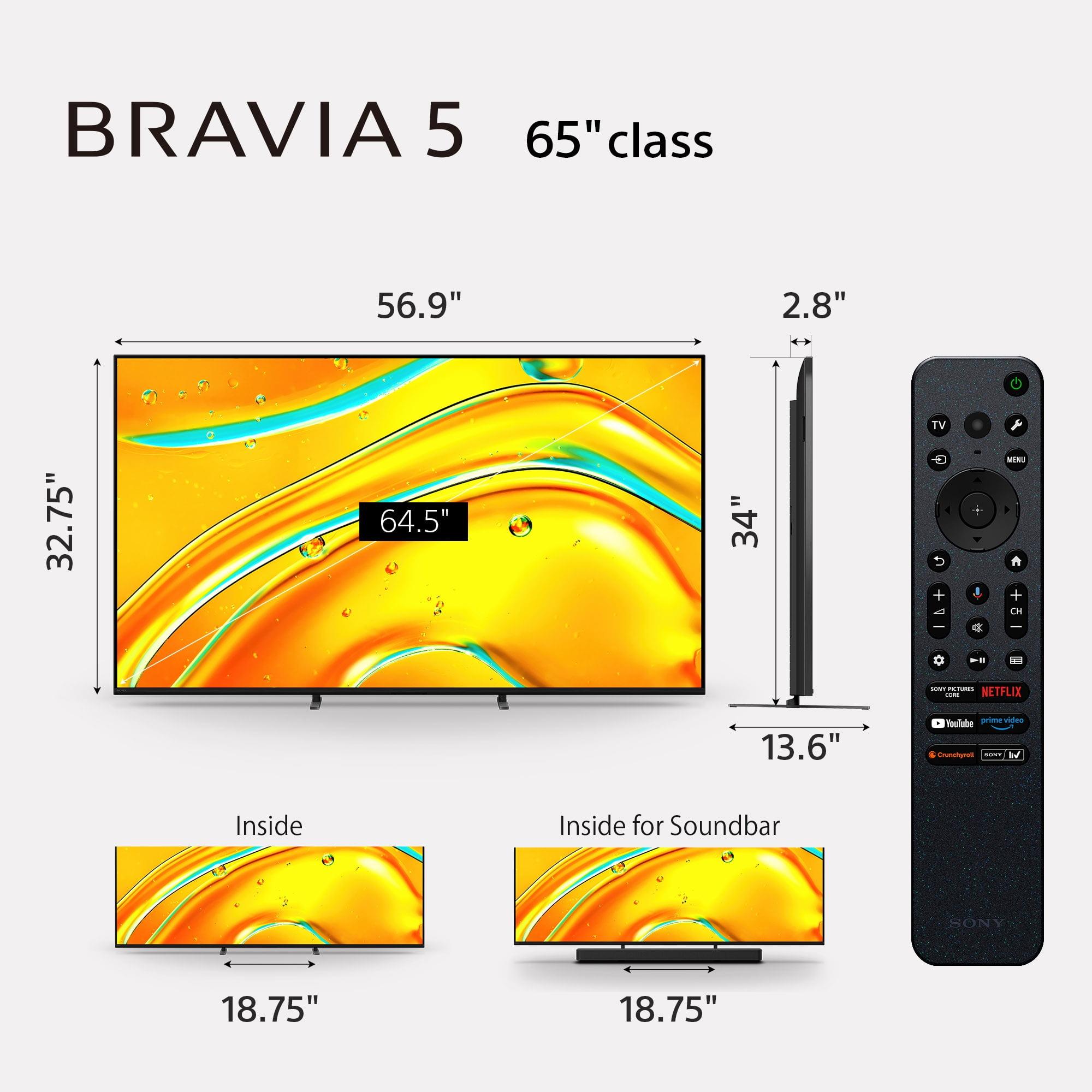
| ZeroBorder design (virtually no bezels), premium build quality | Standard Sony minimalist design with 2-way adjustable stand |
| Smart TV Platform - User experience and app availability | |
| Google TV with TCL customizations and Art Gallery mode | Google TV with Sony ecosystem integration and BRAVIA Connect |
| Value Proposition - Performance per dollar spent | |
| Flagship performance at competitive price (exceptional value) | Premium processing and accuracy justify 48% price premium |
The TCL 65" QM8K Series QD-Mini LED 4K Smart TV ($998.00) is significantly better for bright rooms with its exceptional 5,000 nits peak brightness. This extreme brightness easily cuts through ambient light from windows or lamps, making it ideal for living rooms with lots of natural light. The Sony BRAVIA 5 65" Mini LED 4K Google TV 2025 ($1,478.00) is bright but focuses more on contrast and color accuracy, making it better suited for controlled lighting environments.
Picture quality depends on your priorities. The TCL QM8K delivers more vibrant colors and incredible brightness with its quantum dot technology, creating a "wow factor" viewing experience. The Sony BRAVIA 5 offers superior color accuracy and more natural-looking images thanks to its industry-leading XR Cognitive Processor, which excels at upscaling content and optimizing scenes in real-time.
The TCL 65" QM8K Series QD-Mini LED 4K Smart TV ($998.00) is better for serious gaming with its 144Hz native refresh rate and Game Accelerator 288 supporting up to 288Hz VRR. It's particularly excellent for PC gaming and competitive esports. The Sony BRAVIA 5 65" Mini LED 4K Google TV 2025 ($1,478.00) is optimized for console gaming, especially PlayStation 5, with features like Auto HDR Tone Mapping and excellent motion handling for single-player games.
The TCL QM8K offers exceptional value, delivering flagship-level performance including 5,000 nits brightness, quantum dot colors, and advanced gaming features for under $1,000. The Sony BRAVIA 5 costs 48% more but justifies the premium with superior processing, color accuracy, and Sony's reputation for long-term reliability and software support.
Both TVs excel at contrast, but achieve it differently. The TCL 65" QM8K Series QD-Mini LED 4K Smart TV ($998.00) delivers a 7,415:1 native contrast ratio with exceptional blooming control through its Halo Control System. The Sony BRAVIA 5 65" Mini LED 4K Google TV 2025 ($1,478.00) uses XR Backlight Master Drive for professional-grade contrast with precise shadow detail, focusing on natural-looking blacks rather than maximum contrast numbers.
For movie enthusiasts, the Sony BRAVIA 5 is typically preferred due to its superior color accuracy, natural motion handling, and filmmaker mode support. It reproduces content exactly as directors intended with professional-grade calibration. The TCL QM8K creates a more spectacular viewing experience with its extreme brightness and vibrant quantum dot colors, making it excellent for HDR movies and visually stunning content.
Both TVs run Google TV, providing identical core functionality and app access. The TCL 65" QM8K Series QD-Mini LED 4K Smart TV ($998.00) includes a backlit remote and Art Gallery mode with 350+ free artworks. The Sony BRAVIA 5 65" Mini LED 4K Google TV 2025 ($1,478.00) offers deeper ecosystem integration with BRAVIA Connect app support and enhanced PlayStation 5 connectivity for console users.
For dedicated home theaters, the Sony BRAVIA 5 is the traditional choice with its focus on color accuracy, natural motion handling, and professional calibration options. It's designed to reproduce filmmaker intent with support for various cinema presets. The TCL QM8K brings unique advantages with exceptional HDR brightness and contrast that can rival premium OLED displays, though its more vivid processing might not appeal to purists.
The TCL 65" QM8K Series QD-Mini LED 4K Smart TV ($998.00) features Bang & Olufsen tuned audio with a built-in ONKYO subwoofer, providing better bass response and music reproduction. The Sony BRAVIA 5 65" Mini LED 4K Google TV 2025 ($1,478.00) includes Acoustic Multi-Audio with Voice Zoom 3 and magnetic tweeters, offering superior dialogue clarity and spatial audio effects using AI enhancement.
The Sony BRAVIA 5 significantly outperforms in upscaling with its 3rd Generation XR Cognitive Processor, which analyzes scenes and optimizes different areas independently. This makes lower-resolution content from streaming services or cable TV look cleaner and more detailed. The TCL QM8K has improved upscaling with its AiPQ Pro Processor, but it's still a step behind Sony's industry-leading processing capabilities.
The TCL 65" QM8K Series QD-Mini LED 4K Smart TV ($998.00) offers improved viewing angles with its CrystGlow WHVA panel technology, providing 40% wider viewing angles than previous models with minimal color shift. The Sony BRAVIA 5 65" Mini LED 4K Google TV 2025 ($1,478.00) has decent viewing angles for an LCD TV but may show some brightness reduction and color changes when viewed from extreme side angles.
Choose the TCL QM8K if you want maximum performance per dollar, prioritize brightness for HDR content and bright rooms, or need advanced gaming features. Choose the Sony BRAVIA 5 if you prioritize color accuracy and natural image processing, prefer Sony's brand reliability, or want the best upscaling performance for mixed content viewing. Both represent excellent Mini LED technology, but the TCL offers better value while Sony provides a more refined, premium experience.
We've done our best to create useful and informative comparisons to help you decide what product to buy. Our research uses advanced automated methods to create this comparison and perfection is not possible - please contact us for corrections or questions. These are the sites we've researched in the creation of this article: tomsguide.com - youtube.com - businessinsider.com - rtings.com - youtube.com - avsforum.com - avsforum.com - bestbuy.com - tcl.com - tcl.com - tcl.com - flatpanelshd.com - romomattressfurniture.com - brandsmartusa.com - pcrichard.com - tvsbook.com - tcl.com - youtube.com - prnewswire.com - tcl.com - tcl.com - rtings.com - pro.sony - youtube.com - electronics.sony.com - electronics.sony.com - electronics.sony.com - bestbuy.com - electronics.sony.com - youtube.com - bestbuy.com - videoandaudiocenter.com - valueelectronics.com - youtube.com - sony.ca - perpichtv.com - sony.com - displayspecifications.com - pioneertvandappliance.com - flatpanelshd.com

Privacy Policy
Terms and Conditions - Affiliate Policy
Home Security
© Copyright 2008-2026.
11816 Inwood Rd #1211, Dallas, TX 75244