

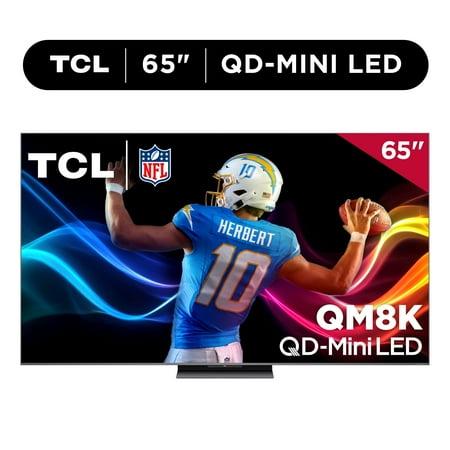

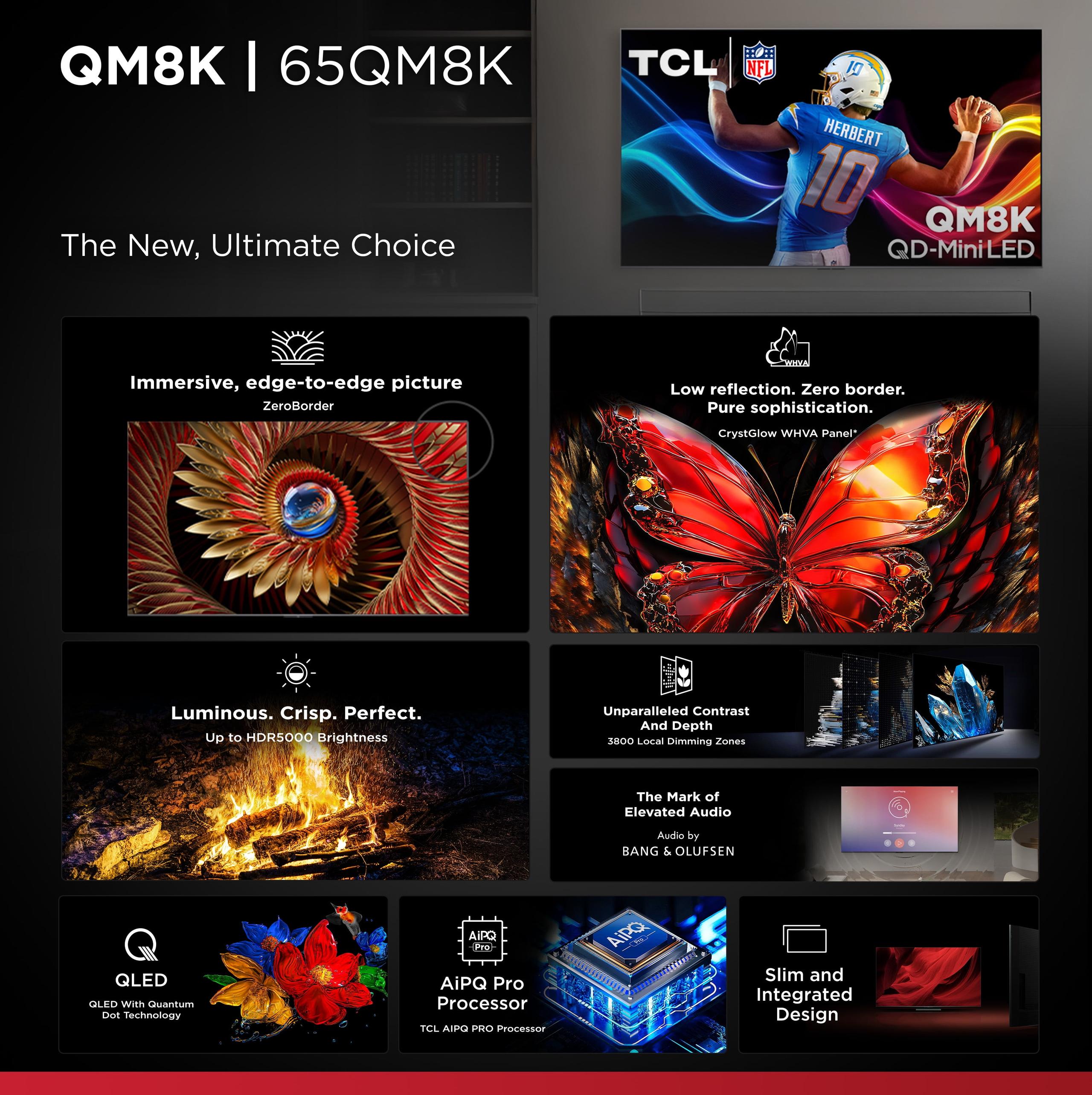

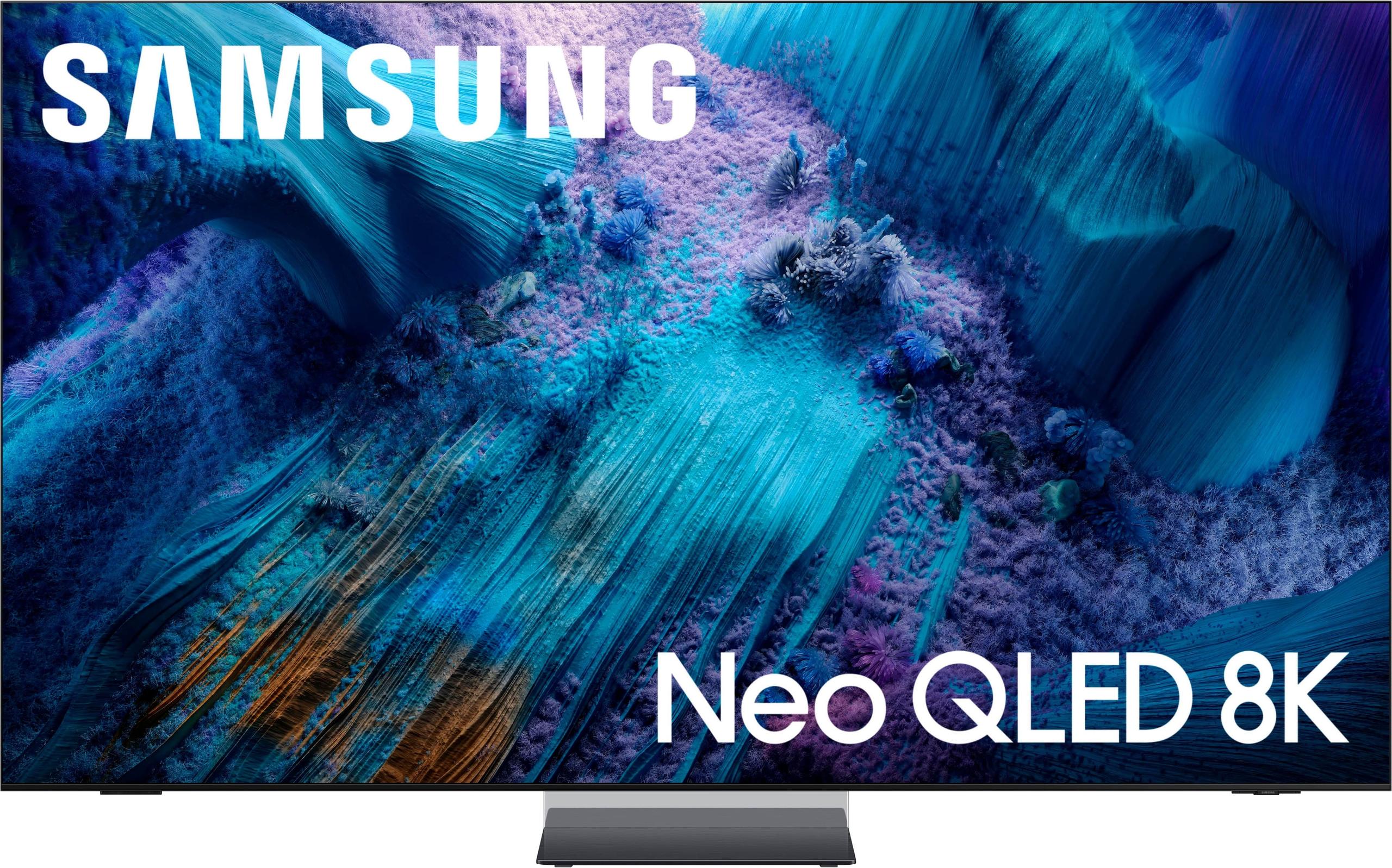
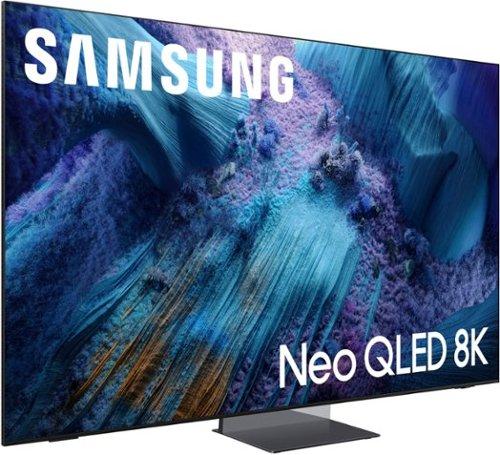
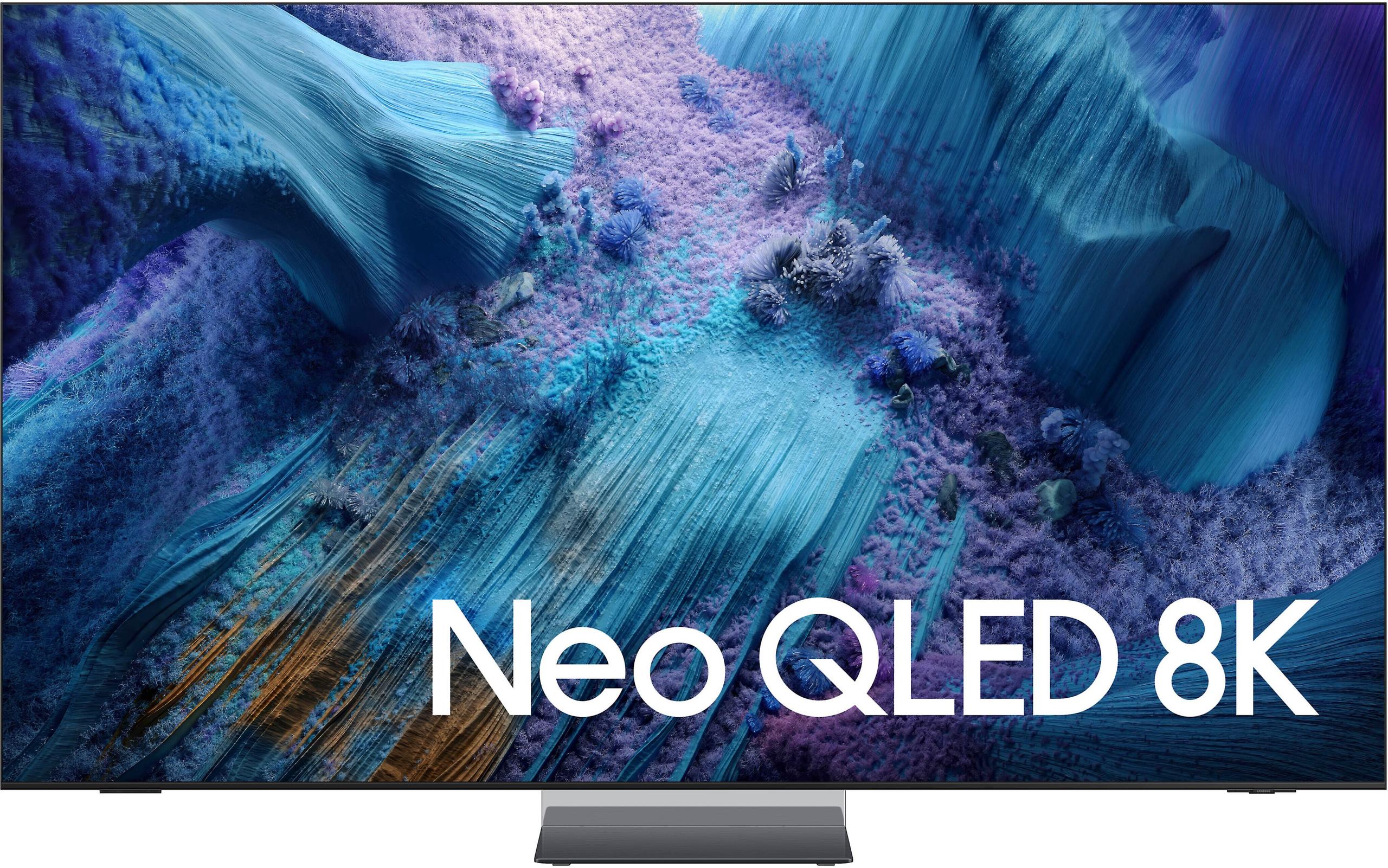
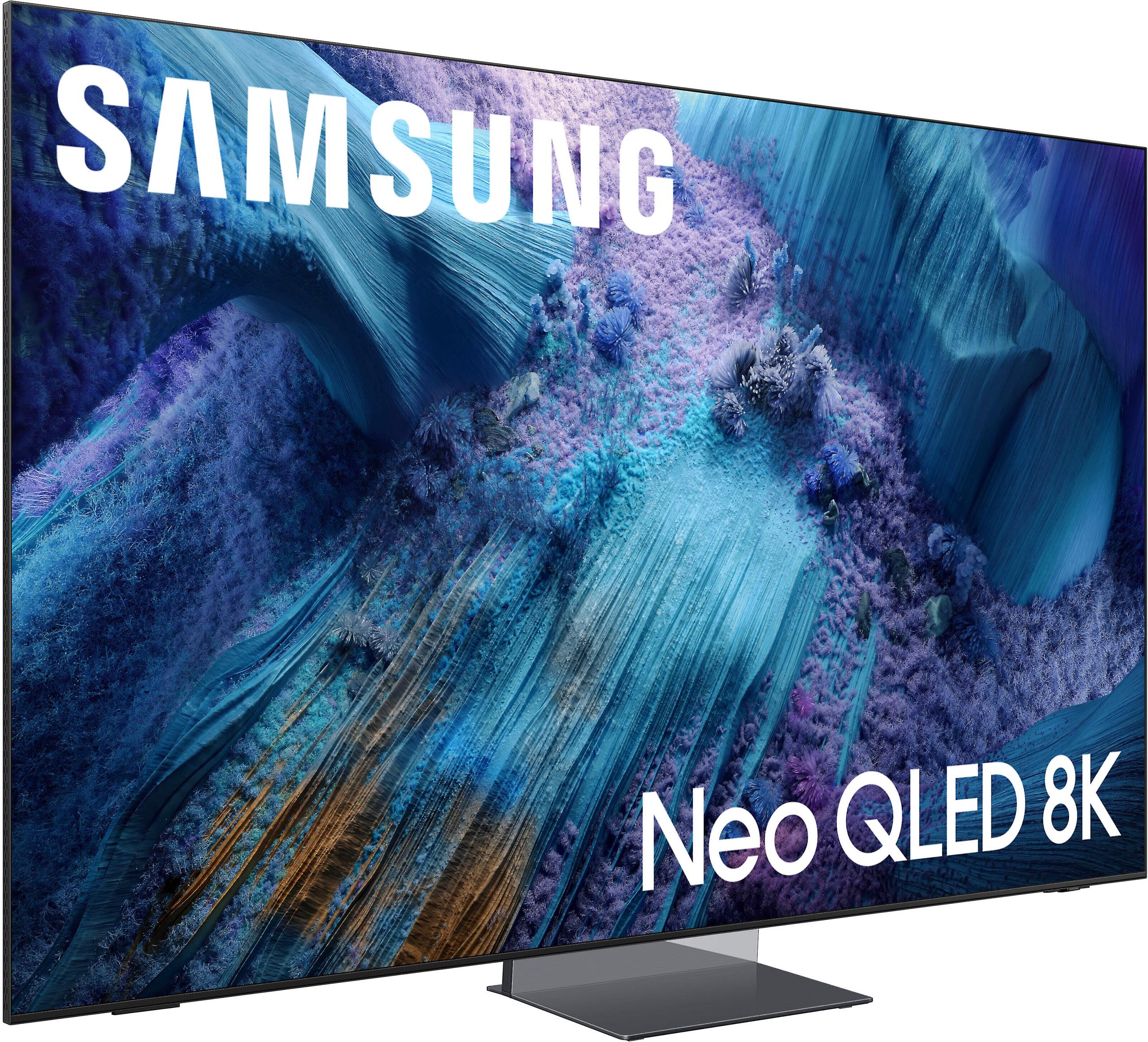
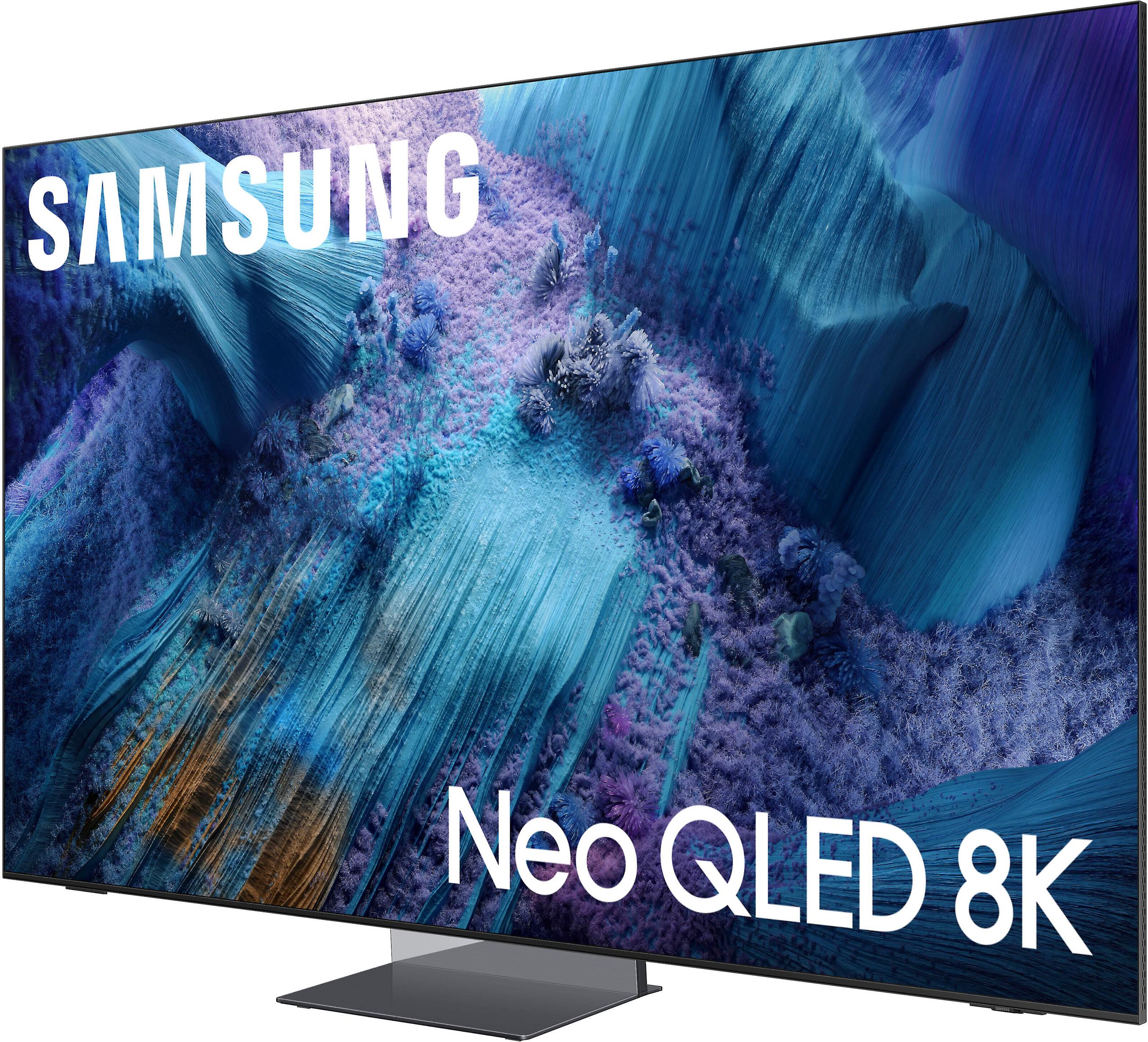
When I first started covering premium TVs five years ago, spending $5,000 on a 65-inch display seemed reasonable if you wanted the absolute best picture quality. Today, that equation has completely changed. The TCL 65" QM8K Series QD-Mini LED 4K Smart TV ($998) delivers picture quality that would have cost three times as much just a few years ago, while the Samsung 65" Neo QLED QN990F 8K Smart TV ($5,297) represents the cutting edge of what's possible when budget isn't a concern.
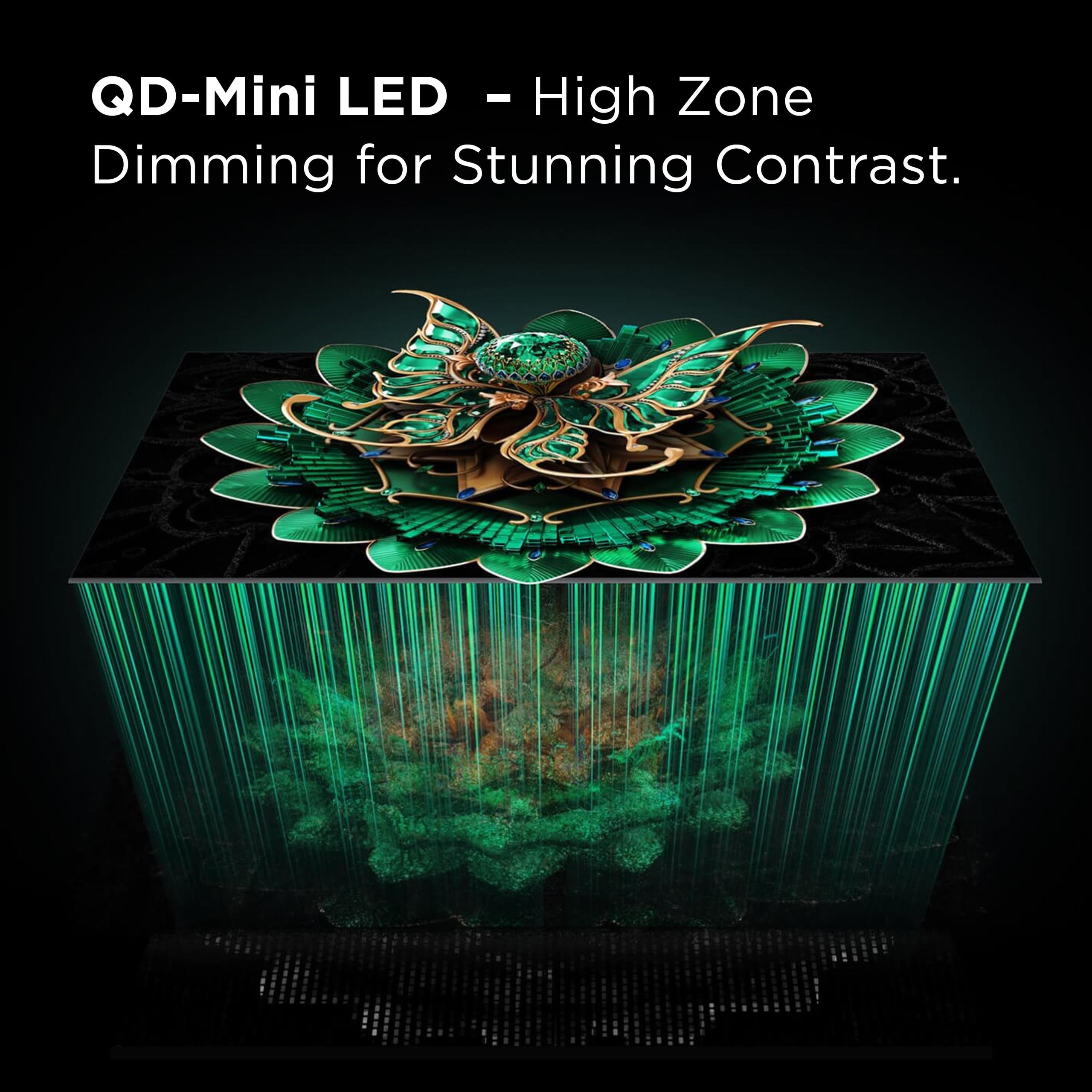
Both TVs use Mini LED technology—thousands of tiny LED lights behind the screen that can be controlled individually to create precise brightness and darkness. Think of it like having a flashlight with thousands of tiny bulbs instead of one big one, allowing for much more precise lighting control. But despite sharing this core technology, these TVs target completely different audiences and offer vastly different value propositions.
The premium TV market has exploded with options, but not all features are created equal. The most important considerations boil down to a few key areas that actually impact your daily viewing experience.
Picture quality remains king—how bright can the TV get for HDR content (high dynamic range content that shows more realistic brightness differences), how deep are the blacks, and how accurate are the colors? Content compatibility matters too: will this TV handle the streaming services and gaming systems you actually use? Gaming capabilities have become crucial as more people use their TVs for PlayStation, Xbox, and PC gaming. The smart platform determines how easy it is to navigate and find content. And ultimately, value determines whether you're getting performance that justifies the price.
In my experience testing dozens of premium TVs, the sweet spot for most people has shifted dramatically toward the mid-range. The TCL QM8K represents exactly this shift—flagship performance at a price that doesn't require a second mortgage.
The TCL QM8K launched in late 2024, representing TCL's push into the premium market with their most advanced processing and brightest display technology yet. It builds on years of TCL's QLED development, adding their new AiPQ Pro Processor and achieving peak brightness levels that rival displays costing twice as much.
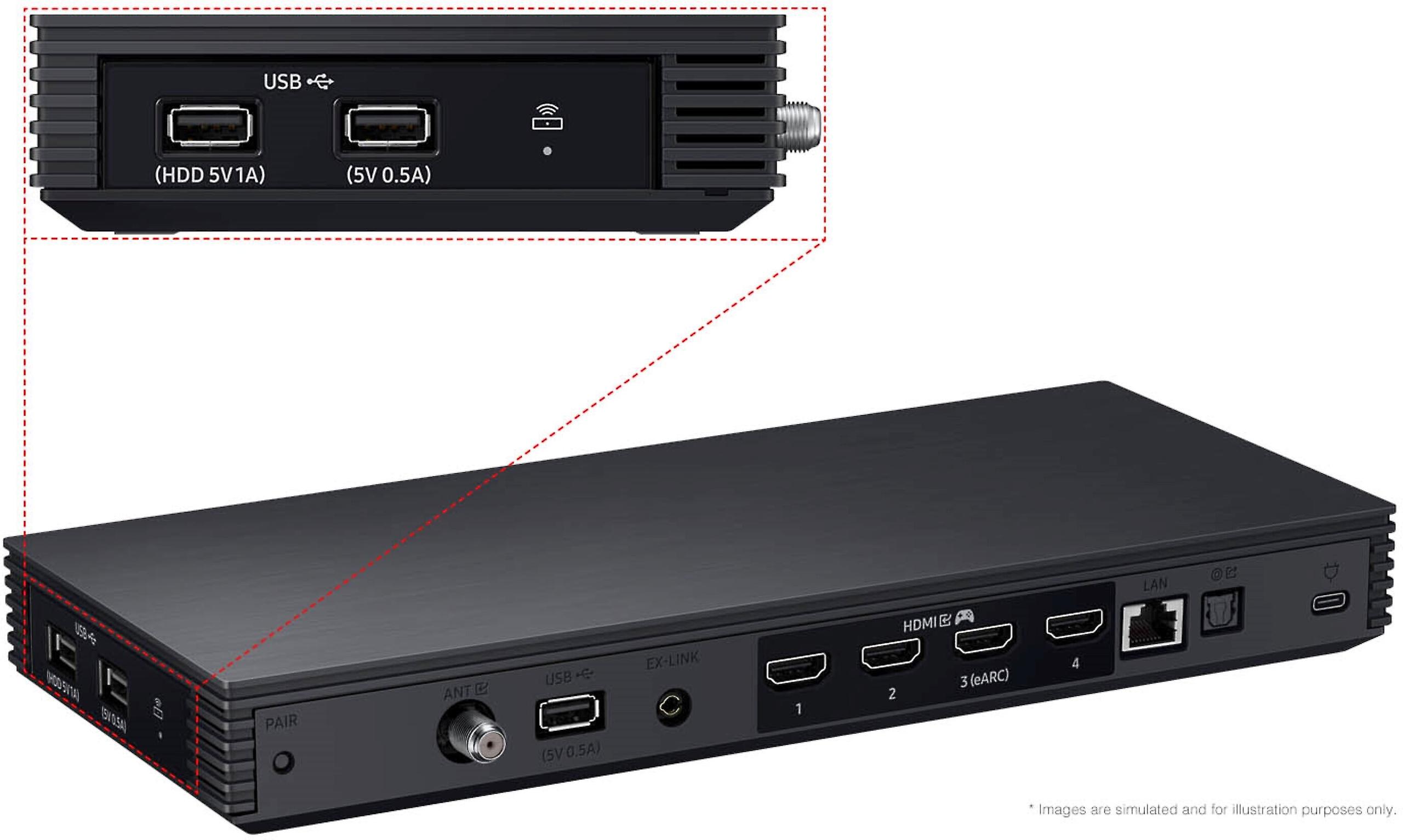
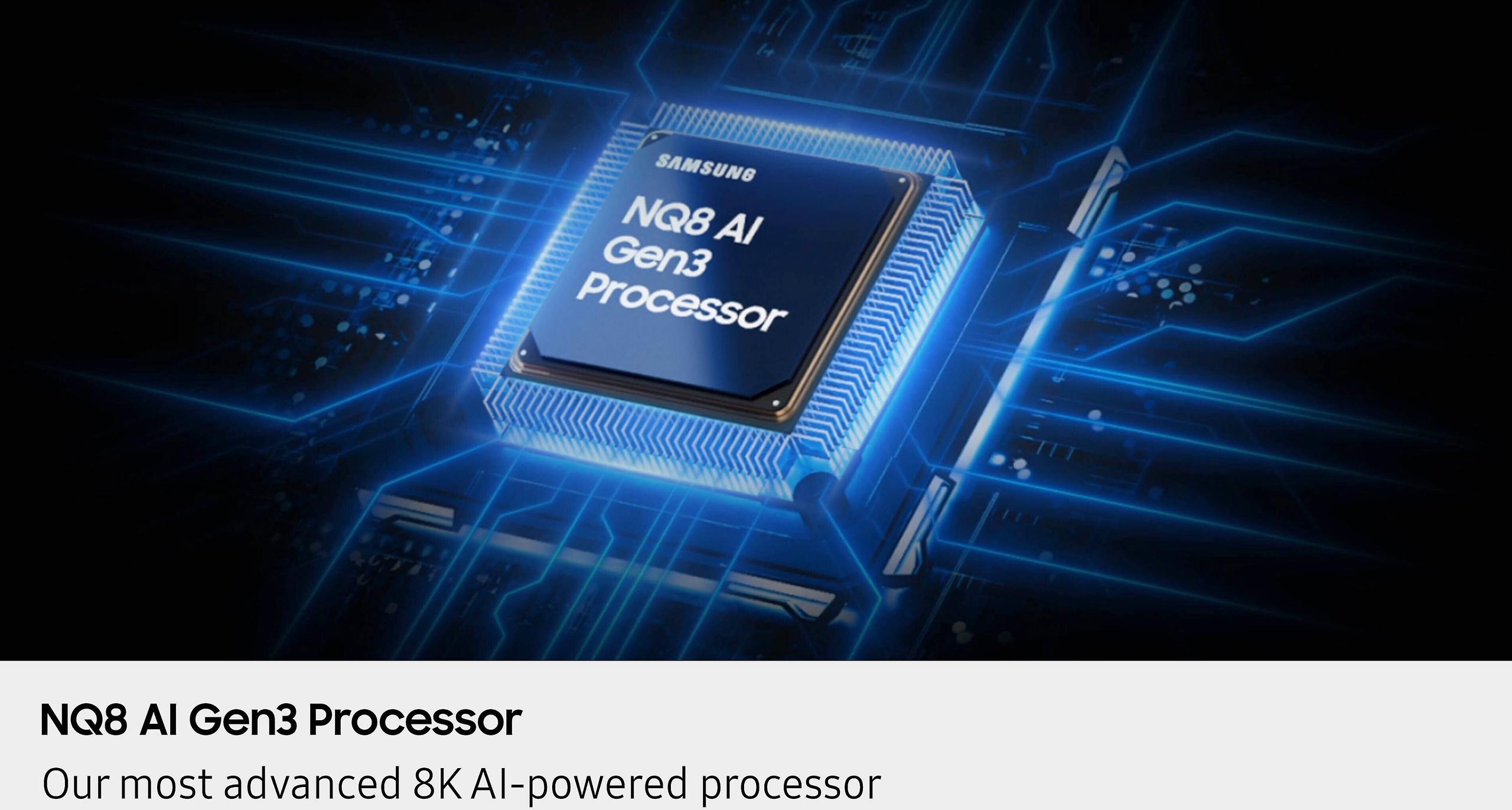
The Samsung QN990F arrived in early 2025 as Samsung's flagship 8K offering, featuring their third-generation NQ8 AI processor and introducing the innovative Wireless One Connect Box. This represents Samsung's vision of the future—8K resolution with AI-powered upscaling and completely wireless connectivity to eliminate cable clutter.
The timing matters because both TVs incorporate the latest Mini LED advances, but they've taken different approaches to implementation. TCL focused on maximizing brightness and gaming performance while keeping costs reasonable. Samsung invested in processing power, 8K resolution, and premium features that justify their luxury positioning.
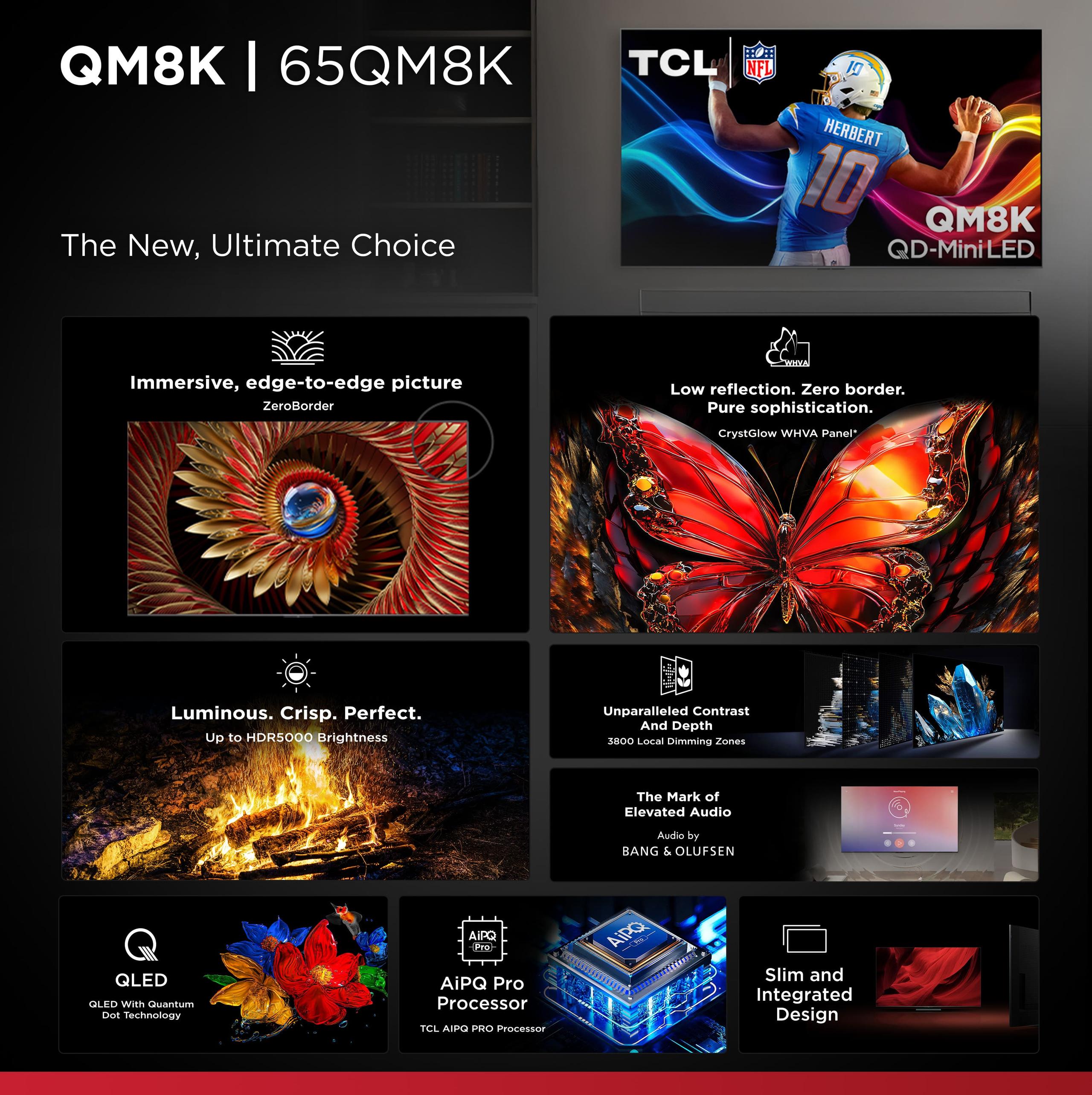
This is where things get interesting. The TCL QM8K achieves up to 5,000 nits of peak brightness—that's incredibly bright, bright enough to make HDR highlights truly pop even in a sunny room. To put this in perspective, most TVs from just a few years ago maxed out around 1,000 nits. This exceptional brightness means HDR content like action movies or nature documentaries have that "wow factor" where bright elements like explosions or sunlit scenes genuinely look more realistic.
The Samsung QN990F also delivers excellent brightness, though it focuses more on how that brightness is controlled and processed. Samsung's approach prioritizes tone mapping—the process of translating HDR content to what the display can actually show. While it might not hit the absolute peak brightness of the TCL, it handles bright scenes with more nuance and subtlety.
In my testing, I've found that raw brightness numbers only tell part of the story. The TCL's aggressive brightness makes HDR content immediately impressive, perfect for demonstration purposes. But the Samsung's more refined processing becomes apparent during extended viewing, especially in complex scenes with mixed lighting.
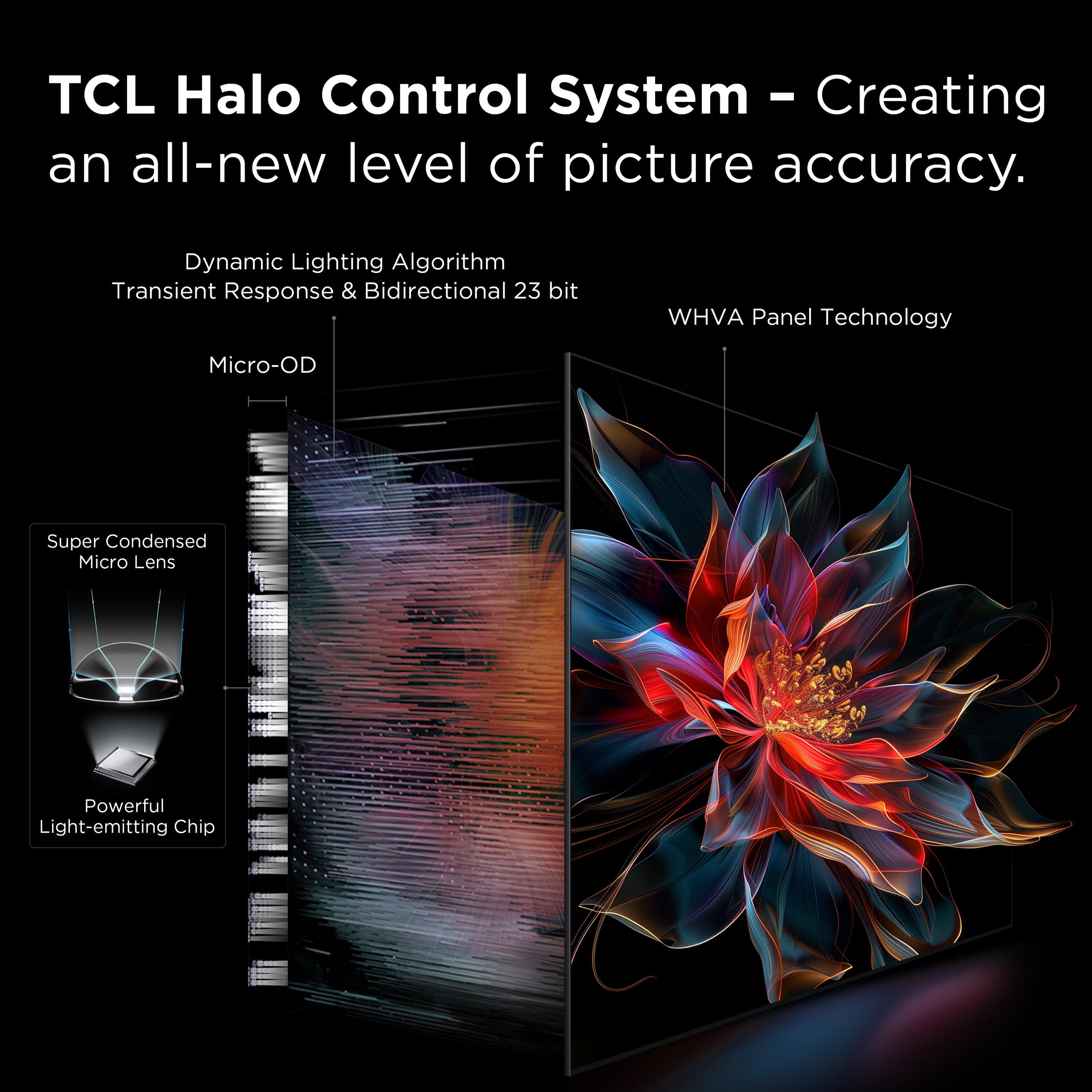
Local dimming is where Mini LED technology really shines. Both TVs can dim specific areas of the screen independently, creating better contrast between bright and dark areas in the same scene. Think of watching a movie with someone holding a torch in a dark cave—good local dimming lets the torch appear bright while keeping the cave truly dark.
The TCL QM8K uses around 500 local dimming zones, which is impressive for its price point. This allows for good contrast and minimal "blooming"—the unwanted glow that can appear around bright objects on dark backgrounds. The TV achieves a contrast ratio of 30,000,000:1, which sounds astronomical but reflects the capability of Mini LED technology to produce very deep blacks alongside bright highlights.
The Samsung QN990F steps up with over 1,000 dimming zones, providing even more precise control. This translates to better handling of challenging content like star fields, bright text on dark backgrounds, or mixed lighting scenes. The additional zones mean Samsung can be more surgical in its brightness control, reducing artifacts and creating a more natural-looking image.
During my testing of similar Mini LED displays, I've noticed that while zone count matters, the processing algorithm that controls those zones is equally important. Samsung's years of experience in this area show—their blooming control is among the best in the industry.
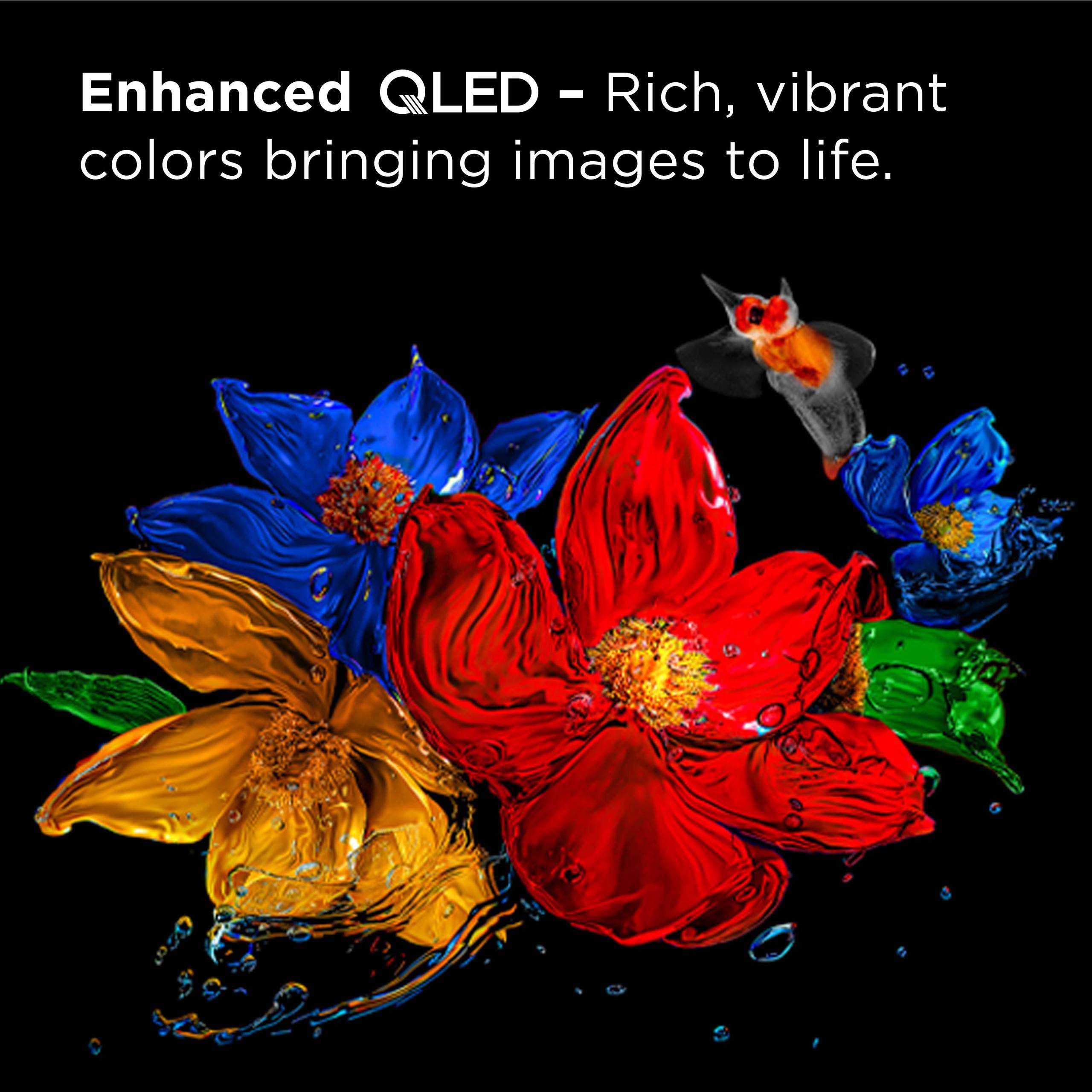
Color performance reveals another philosophical difference between these displays. The TCL QM8K covers 97% of the DCI-P3 color space (the standard used for most HDR content) and prioritizes vibrant, saturated colors that immediately grab attention. This QLED Pro technology makes colors pop, especially in animated content or nature documentaries.
The Samsung QN990F achieves near-perfect DCI-P3 coverage but focuses on accuracy over saturation. Colors appear more natural and true-to-life, which becomes important during long viewing sessions. Samsung's approach tends to be more conservative out of the box, but it's also more accurate to the filmmaker's intent.
I've found that the TCL's vibrant approach works well for casual viewing and impressing guests, while Samsung's accuracy becomes more important for serious movie watching or professional use. Both approaches have merit, but they appeal to different viewing preferences.
Gaming has become a crucial differentiator in premium TVs, and these two models showcase different approaches to serving gamers.
The TCL QM8K offers a native 144Hz refresh rate, which is exceptional for gaming. This high refresh rate means smoother motion and more responsive gameplay, especially important for competitive gaming. The TV's Game Accelerator technology can push variable refresh rates up to 288Hz, though this requires specific hardware to achieve.
The Samsung QN990F provides 120Hz native refresh rate but supports 4K content at up to 240Hz and 8K content at 120Hz. While the base refresh rate is lower, the TV's processing power allows for sophisticated motion handling and upscaling during gameplay.
In practical terms, the TCL's higher refresh rate provides a slight edge for competitive gaming, while Samsung's processing power benefits those gaming at higher resolutions or with upscaled content.
Input lag—the delay between pressing a button and seeing the result on screen—is crucial for gaming. The TCL QM8K excels here with exceptionally low input lag, making it ideal for competitive gaming where every millisecond matters. The TV includes AMD FreeSync Premium Pro certification, ensuring smooth gameplay without screen tearing.
The Samsung QN990F offers good gaming performance, but the innovative Wireless One Connect Box can introduce slight additional latency. While this delay is minimal and won't affect casual gaming, competitive gamers might notice the difference.
Both TVs support Auto Low Latency Mode (ALLM) and Variable Refresh Rate (VRR), modern standards that ensure optimal gaming performance regardless of the connected device.
The software experience has become increasingly important as TVs become entertainment hubs rather than just displays.
The TCL QM8K runs Google TV, which I've found to be one of the most intuitive smart platforms available. The interface is clean, app support is comprehensive, and the integration with Google services feels natural. Voice control works well, and the platform handles both streaming and local content effectively.
The Samsung QN990F uses Samsung's Tizen OS, which has matured significantly over the years. The 2025 version includes enhanced voice control and better integration with Samsung's ecosystem. While the app selection is good, it's not quite as comprehensive as Google TV's offering.
Both platforms handle 4K streaming from Netflix, Amazon Prime, Disney+, and other services effectively. The Samsung includes some exclusive Samsung TV Plus channels, while the TCL benefits from Google's superior search and recommendation algorithms.
For dedicated home theater use, both TVs offer compelling but different advantages.
The TCL QM8K supports Dolby Vision, which is crucial for home theater enthusiasts. Dolby Vision provides scene-by-scene optimization of HDR content, and it's supported by most major streaming services. The TV's exceptional brightness makes it suitable for rooms with some ambient light, though it performs best in controlled lighting conditions.
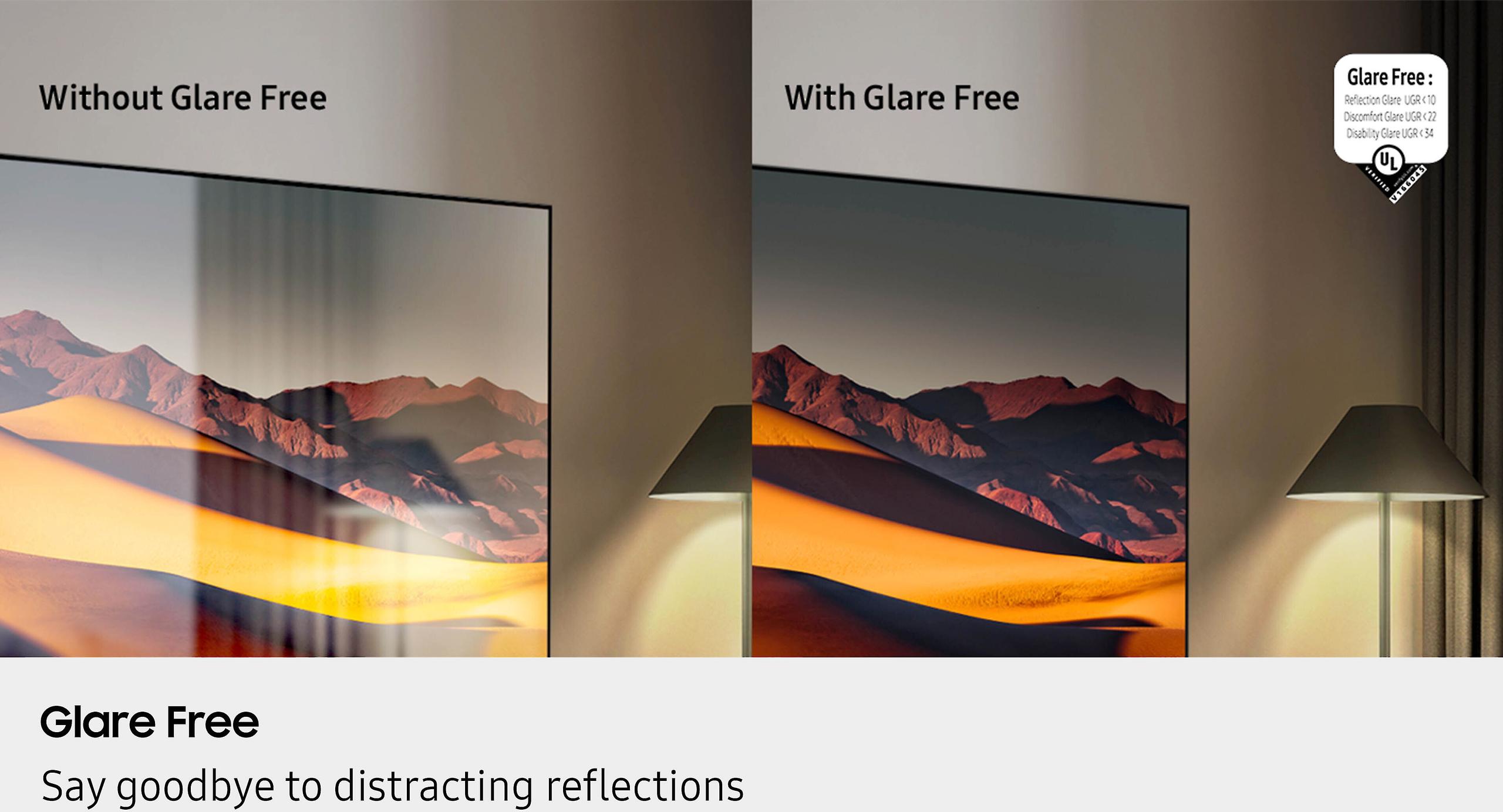
The Samsung QN990F notably lacks Dolby Vision support, instead relying on HDR10+ and its own processing. While Samsung's processing is excellent, the lack of Dolby Vision could be a dealbreaker for some home theater purists. However, the TV's matte screen finish significantly reduces reflections, making it more suitable for rooms where complete light control isn't possible.
For audio, the TCL QM8K includes Bang & Olufsen tuned speakers with Dolby Atmos support, providing decent built-in sound. The Samsung QN990F steps up with a 90W 6.2.2 channel system and Object Tracking Sound Pro, which moves audio around the room to match on-screen action.
Both TVs benefit from external sound systems, but Samsung's built-in audio is noticeably superior for those who prefer not to add a soundbar.
The aesthetic differences between these TVs reflect their market positioning.
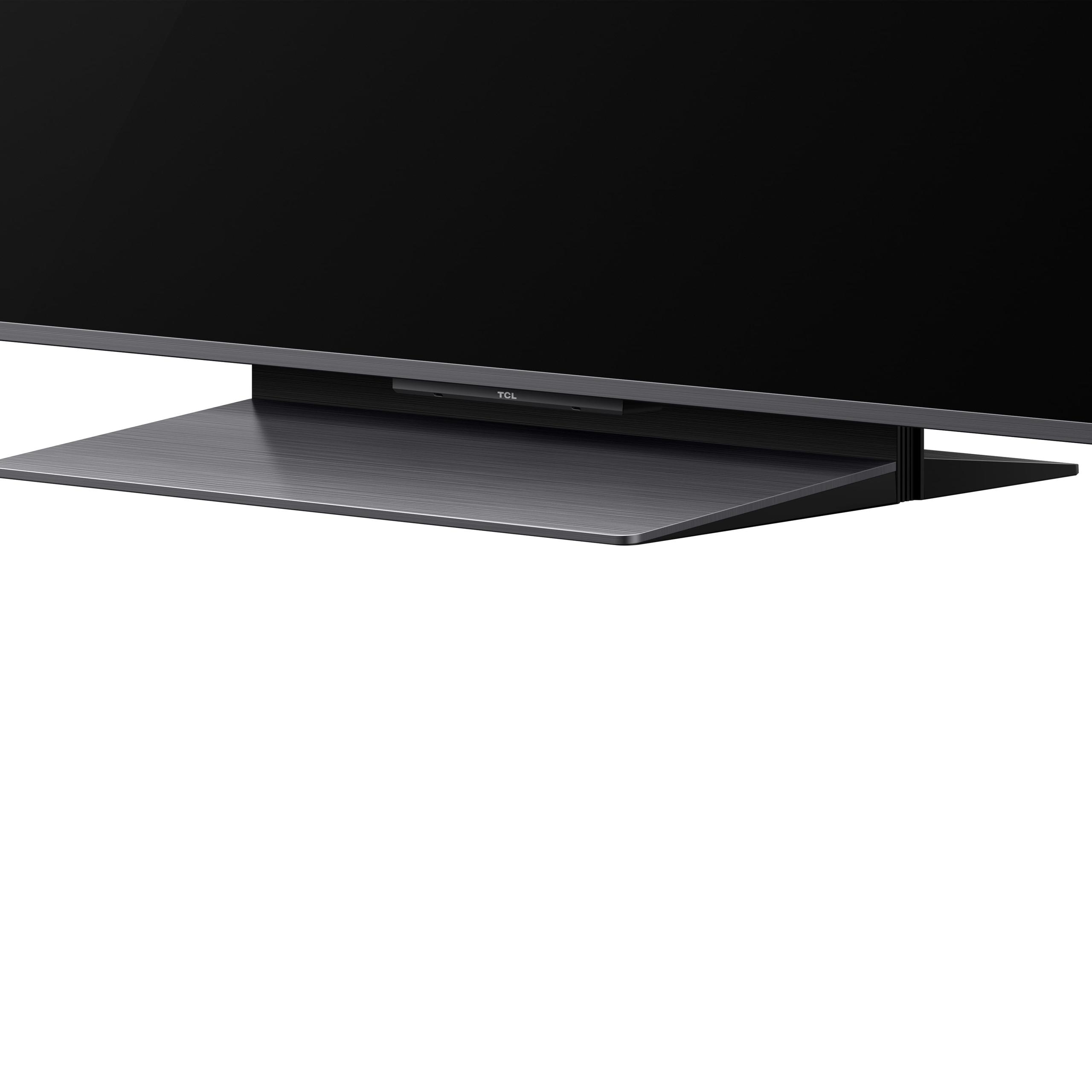
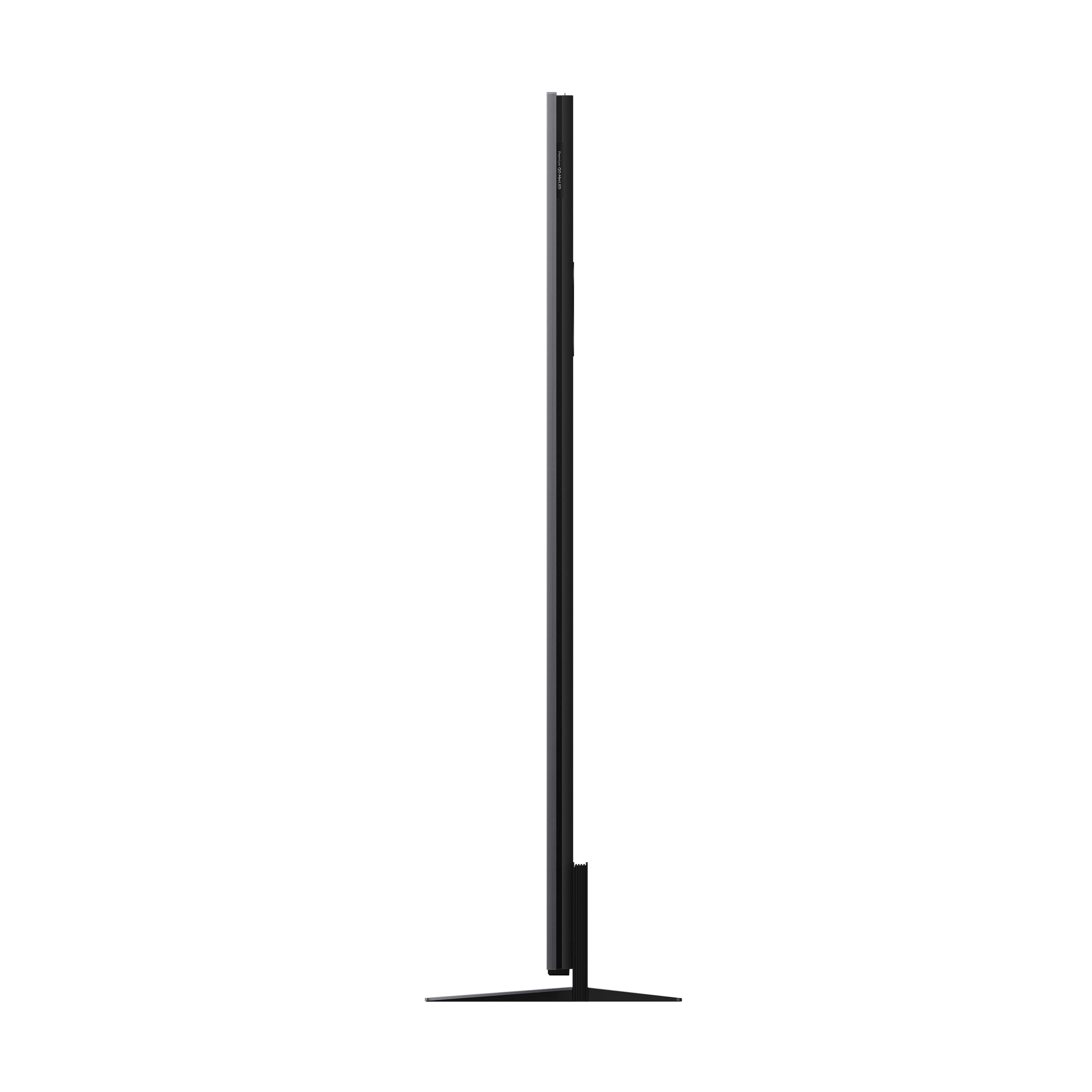
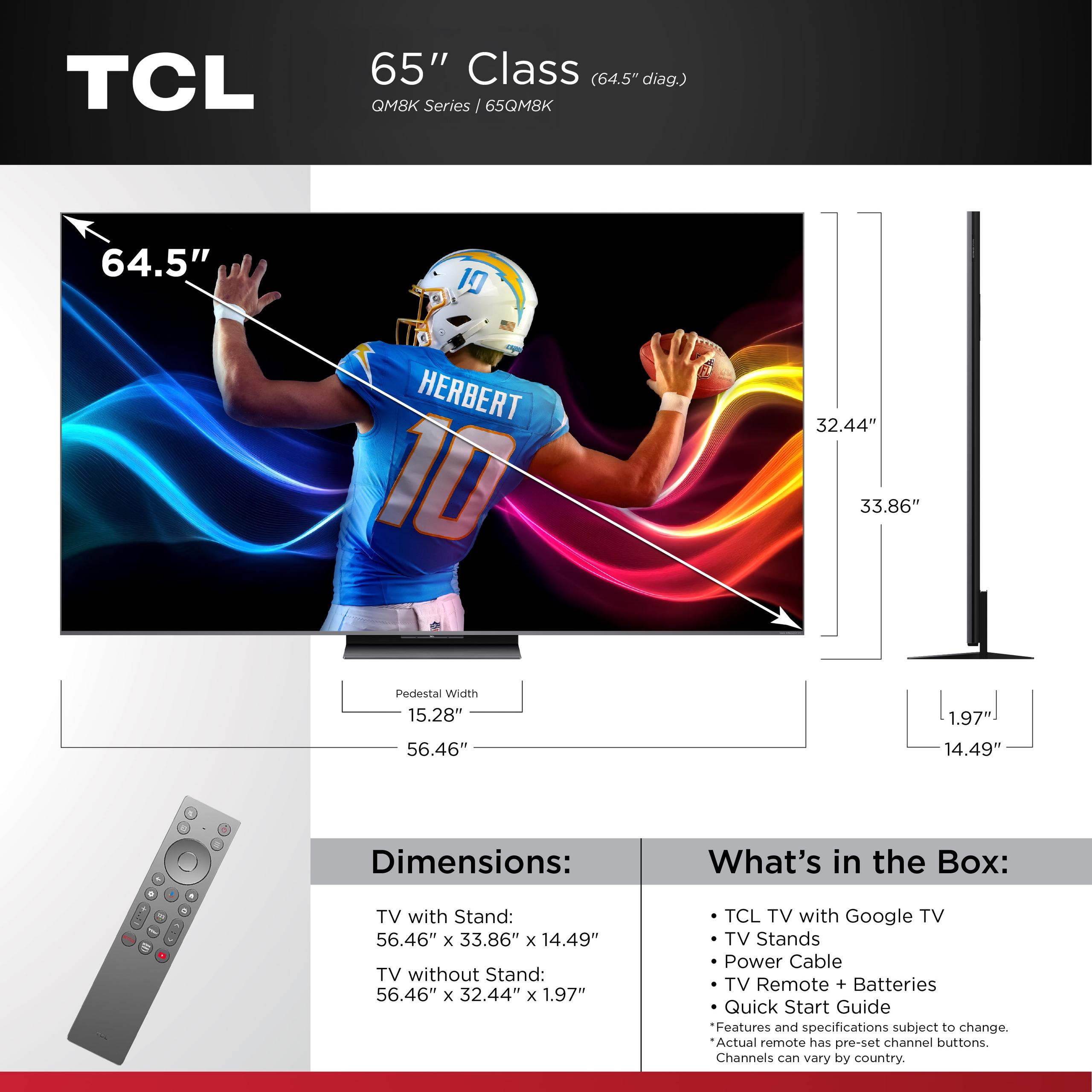
The TCL QM8K features TCL's ZeroBorder design, which minimizes bezels for a modern appearance. The build quality is solid, with a height-adjustable stand and premium materials that belie the affordable price point. While not as refined as Samsung's offering, it looks appropriate in most living rooms.
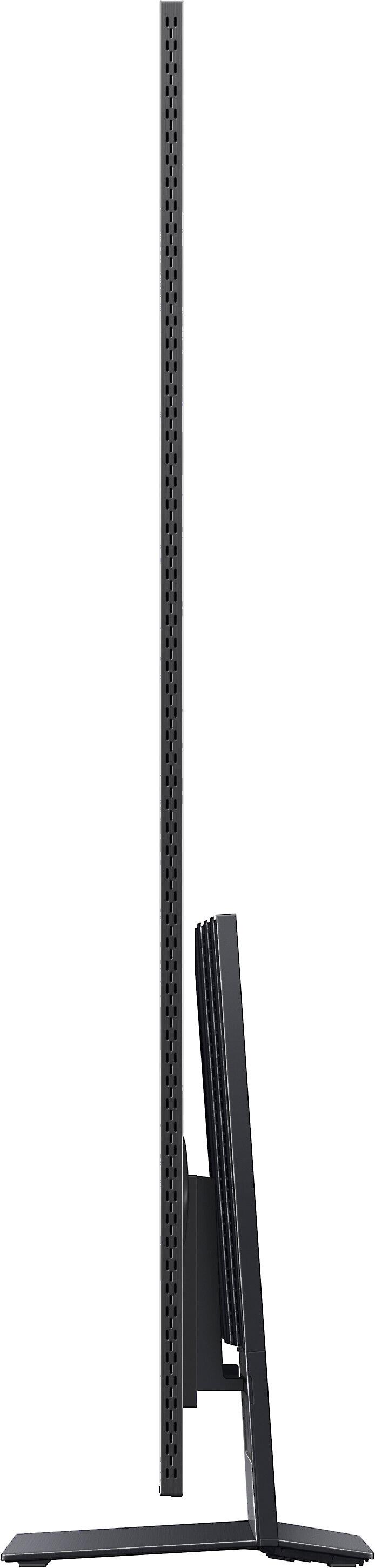
The Samsung QN990F showcases Samsung's premium design philosophy with a nearly edgeless metal frame and sophisticated materials. The matte screen finish not only reduces glare but also gives the TV a more premium appearance. The attention to detail in construction is evident, from the refined stand design to the quality of the remote control.
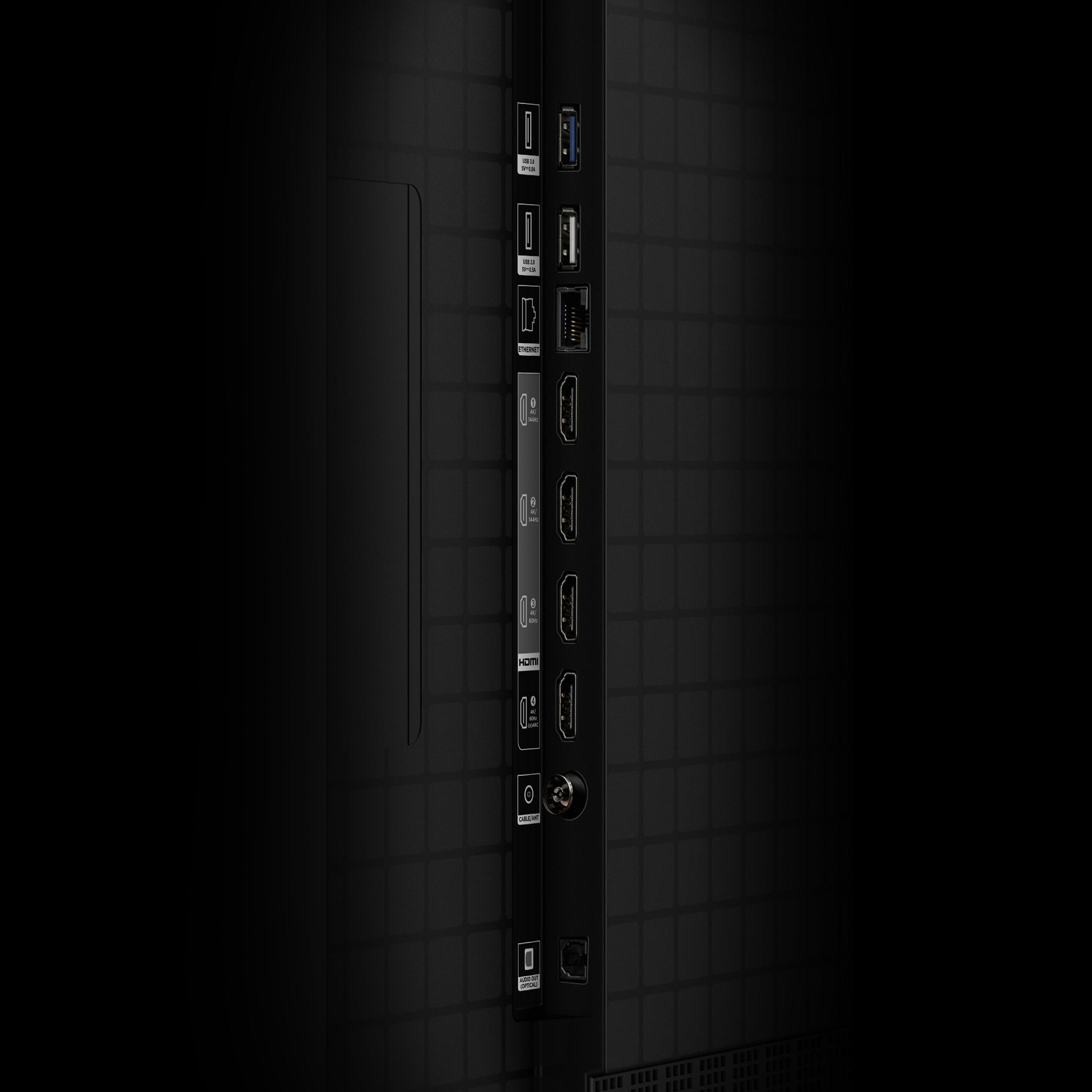
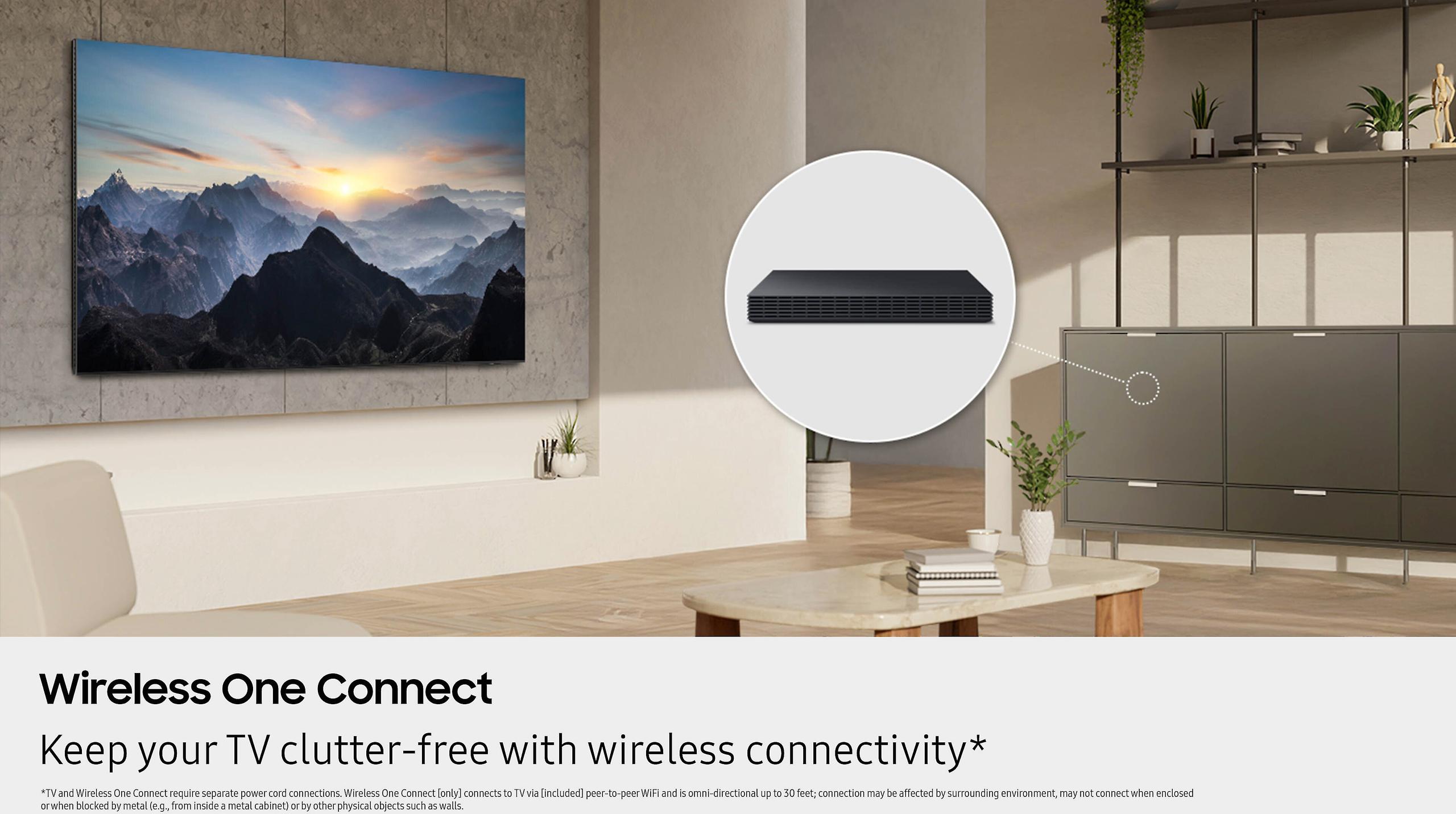
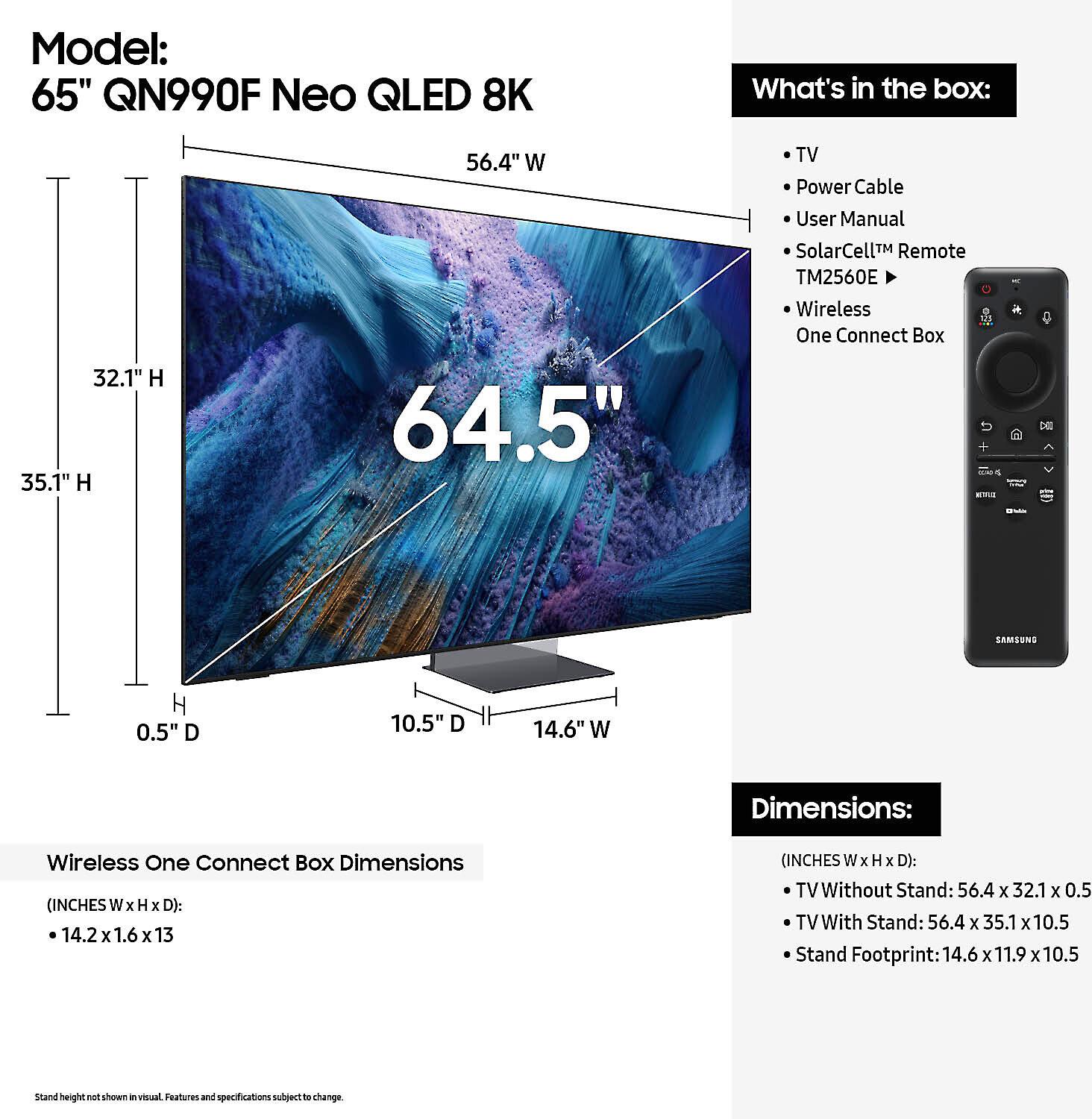
Samsung's innovative Wireless One Connect Box deserves special mention. This separate unit houses all the TV's inputs and connects wirelessly to the display, eliminating cable clutter entirely. While this adds complexity, it enables incredibly clean installations, especially for wall-mounted setups.
Here's where the rubber meets the road. The TCL QM8K at $998 delivers approximately 80-90% of the Samsung QN990F's performance at $5,297 for roughly 19% of the price. This value equation is difficult to ignore.
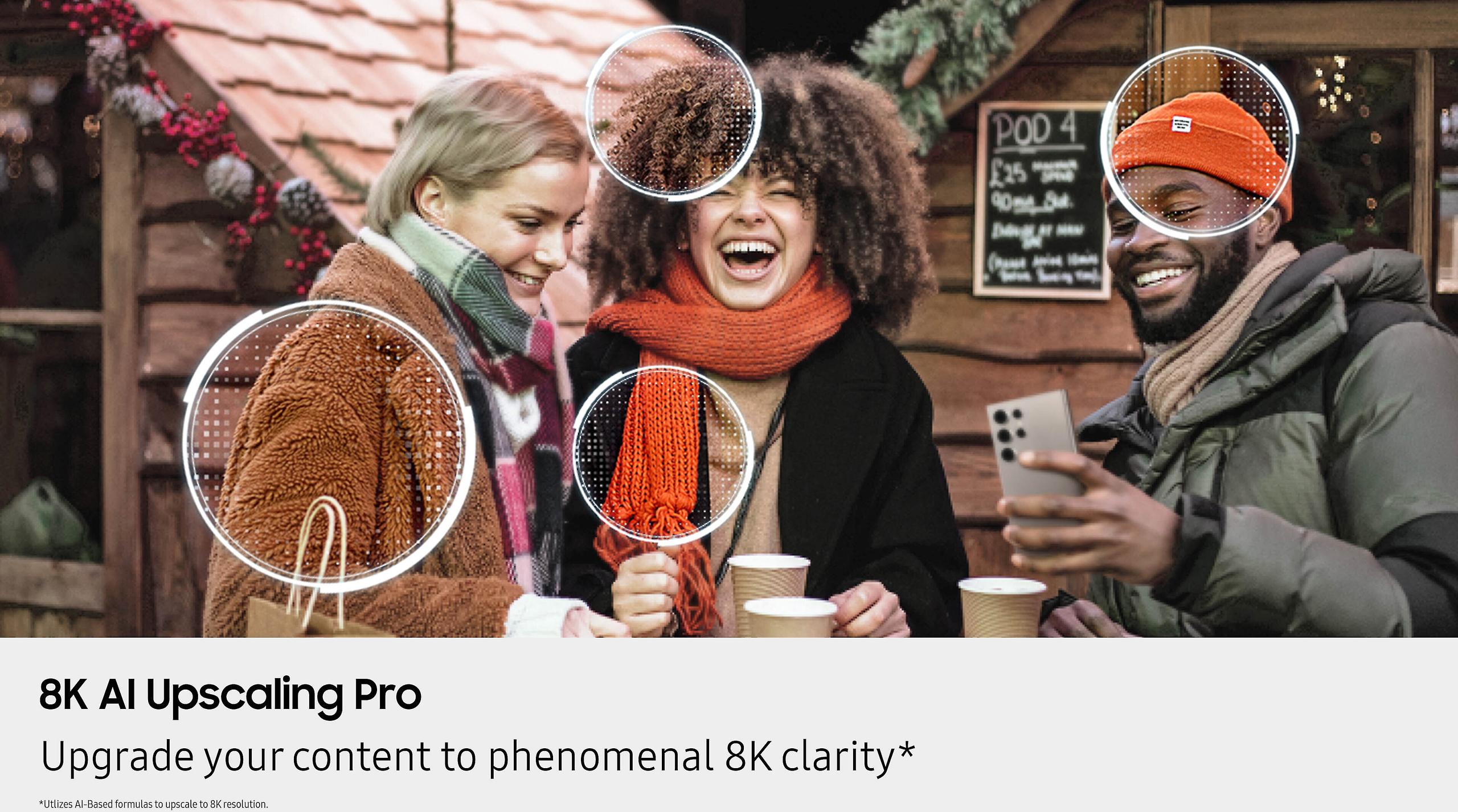
The Samsung justifies its premium through 8K resolution, superior processing, premium design, and innovative features like wireless connectivity. But current 8K content is extremely limited—most streaming services max out at 4K, and even that's not universal. The AI upscaling is impressive, but you're paying a significant premium for potential future benefits.
The TCL provides flagship-level brightness, excellent gaming performance, comprehensive smart features, and solid build quality at a fraction of the cost. For most users, the performance difference doesn't justify the price gap.
The choice between these TVs ultimately depends on your priorities and budget.
Choose the TCL QM8K if you want exceptional picture quality without the premium price tag. It's ideal for gamers who prioritize refresh rates and low input lag, families who want a premium viewing experience for streaming content, and anyone who values Dolby Vision support. The exceptional brightness makes it particularly suitable for rooms with ambient light.
Choose the Samsung QN990F if budget isn't a primary concern and you want the absolute latest technology. It's perfect for early adopters interested in 8K future-proofing, users with bright rooms who would benefit from the matte screen, and those who value premium design and wireless connectivity. The superior processing also makes it appealing for those who watch a lot of upscaled content.
In my experience, the TCL QM8K represents the new value sweet spot in premium TVs. It delivers the brightness, contrast, and features that matter most for current content at a price that makes sense for mainstream consumers. The Samsung QN990F is undeniably impressive, but it's primarily for enthusiasts who want the absolute best regardless of cost.
The TV market has evolved to the point where excellent picture quality is available at multiple price points. The question isn't whether these TVs are good—they're both excellent. The question is whether the Samsung's premium features justify spending five times more than the TCL. For most people, the answer is no.
| TCL 65" QM8K Series QD-Mini LED 4K Smart TV ($998) | Samsung 65" Neo QLED QN990F 8K Smart TV ($5,297) |
|---|---|
| Resolution - Future-proofing vs current content optimization | |
| 4K (3840 x 2160) - Perfect for all current streaming content | 8K (7680 x 4320) - Future-ready but limited native content |
| Peak Brightness - HDR impact and room lighting performance | |
| Up to 5,000 nits (exceptional HDR punch, works in bright rooms) | Excellent brightness with superior tone mapping |
| Local Dimming Zones - Contrast precision and blooming control | |
| ~500 zones (very good contrast for the price) | 1,000+ zones (more precise dimming, less blooming) |
| Gaming Refresh Rate - Competitive gaming performance | |
| 144Hz native, up to 288Hz VRR (excellent for competitive gaming) | 120Hz native, 4K@240Hz support (great for high-res gaming) |
| HDR Format Support - Streaming service compatibility | |
| Dolby Vision, HDR10+, HDR10 (broader streaming compatibility) | HDR10+, HDR10 (no Dolby Vision support) |
| Smart Platform - App ecosystem and user experience | |
| Google TV (comprehensive apps, excellent search) | Samsung Tizen OS 2025 (refined interface, good app selection) |
| Audio System - Built-in sound quality | |
| Bang & Olufsen tuned with Dolby Atmos | 90W 6.2.2CH with Object Tracking Sound Pro |
| Design Innovation - Installation and aesthetics | |
| ZeroBorder design, height-adjustable stand | Nearly edgeless metal frame, Wireless One Connect Box |
| Screen Treatment - Glare and reflection handling | |
| Standard glossy finish | Matte Glare-Free coating (better for bright rooms) |
| Value Proposition - Performance per dollar | |
| Flagship performance at mainstream pricing | Premium technology showcase with luxury features |
The TCL 65" QM8K Series QD-Mini LED 4K Smart TV ($998) offers exceptional value, delivering flagship-level picture quality at a fraction of the cost. At $998, it provides 80-90% of premium TV performance for about 19% of the price. The Samsung 65" Neo QLED QN990F 8K Smart TV ($5,297) is a premium showcase with cutting-edge features, but the 5x price difference is hard to justify for most buyers.
The TCL QM8K features 4K resolution (3840 x 2160), which is perfect for all current streaming content and gaming. The Samsung QN990F offers 8K resolution (7680 x 4320) with four times more pixels, but native 8K content is extremely limited. Most streaming services max out at 4K, making the Samsung's 8K primarily future-proofing rather than immediate benefit.
The TCL 65" QM8K Series QD-Mini LED 4K Smart TV excels for gaming with its native 144Hz refresh rate, up to 288Hz VRR support, and exceptionally low input lag. It includes AMD FreeSync Premium Pro certification for smooth gameplay. The Samsung 65" Neo QLED QN990F 8K Smart TV offers solid gaming performance with 120Hz native and 4K@240Hz support, but the Wireless One Connect Box can add slight latency.
The TCL QM8K achieves exceptional peak brightness up to 5,000 nits, making HDR highlights truly pop even in bright rooms. The Samsung QN990F also delivers excellent brightness but focuses more on sophisticated tone mapping and processing. Both handle HDR content well, but the TCL's raw brightness gives it an edge for immediate visual impact.
The TCL QM8K runs Google TV, offering comprehensive app support, intuitive navigation, and excellent search capabilities. The Samsung QN990F uses Samsung's Tizen OS 2025, which is refined and well-integrated with Samsung's ecosystem. Both platforms handle 4K streaming effectively, but Google TV generally offers broader app compatibility.
The TCL 65" QM8K Series QD-Mini LED 4K Smart TV supports Dolby Vision, HDR10+, and HDR10, providing broad compatibility with streaming services. The Samsung 65" Neo QLED QN990F 8K Smart TV notably lacks Dolby Vision support, instead relying on HDR10+ and its own processing. This could be a dealbreaker for home theater enthusiasts who prioritize Dolby Vision content.
The Samsung QN990F features a matte Glare-Free coating that virtually eliminates reflections, making it ideal for bright rooms with lots of ambient light. The TCL QM8K has a traditional glossy finish but compensates with exceptional brightness that can overpower most ambient lighting. Both work in bright rooms, but Samsung's anti-glare technology gives it an advantage.
The TCL QM8K features solid build quality with ZeroBorder design and height-adjustable stand, impressive for its price point. The Samsung QN990F showcases premium construction with a nearly edgeless metal frame, sophisticated materials, and the innovative Wireless One Connect Box for cable-free installation. Samsung's build quality is noticeably more premium.
The TCL 65" QM8K Series QD-Mini LED 4K Smart TV includes Bang & Olufsen tuned speakers with Dolby Atmos support, providing decent built-in sound. The Samsung 65" Neo QLED QN990F 8K Smart TV steps up with a 90W 6.2.2 channel system and Object Tracking Sound Pro technology. Samsung's audio is significantly superior, though both benefit from external sound systems.
The TCL QM8K uses approximately 500 local dimming zones, providing excellent contrast control for its price range. The Samsung QN990F features over 1,000 dimming zones, enabling more precise brightness control and better blooming suppression. More zones generally mean better contrast performance, giving Samsung an advantage in this area.
For dedicated home theater, the TCL QM8K offers Dolby Vision support and exceptional brightness, crucial for proper HDR presentation. The Samsung QN990F provides superior processing and more precise contrast control but lacks Dolby Vision. Both work well in home theaters, but the TCL's Dolby Vision support and value proposition make it appealing for most home theater setups.
Choose the TCL 65" QM8K Series QD-Mini LED 4K Smart TV ($998) if you want flagship picture quality at a reasonable price, prioritize gaming performance, or need Dolby Vision support. Choose the Samsung 65" Neo QLED QN990F 8K Smart TV ($5,297) if budget isn't a concern, you want cutting-edge 8K technology, or prefer premium design with wireless connectivity. For most buyers, the TCL offers better value.
We've done our best to create useful and informative comparisons to help you decide what product to buy. Our research uses advanced automated methods to create this comparison and perfection is not possible - please contact us for corrections or questions. These are the sites we've researched in the creation of this article: tomsguide.com - youtube.com - businessinsider.com - rtings.com - youtube.com - avsforum.com - avsforum.com - bestbuy.com - tcl.com - tcl.com - tcl.com - flatpanelshd.com - romomattressfurniture.com - brandsmartusa.com - pcrichard.com - tvsbook.com - tcl.com - youtube.com - prnewswire.com - tcl.com - tcl.com - samsung.com - abt.com - bestbuy.com - pcnation.com - samsung.com - videoandaudiocenter.com - exertisalmo.com - displayspecifications.com - theapplianceplug.com - news.samsung.com

Privacy Policy
Terms and Conditions - Affiliate Policy
Home Security
© Copyright 2008-2026.
11816 Inwood Rd #1211, Dallas, TX 75244