

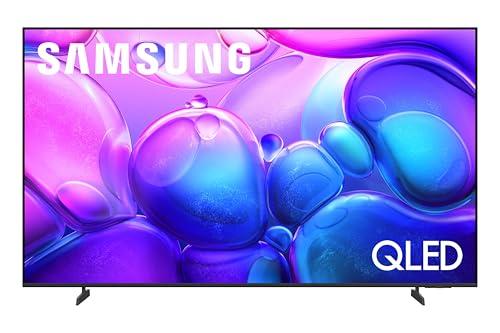
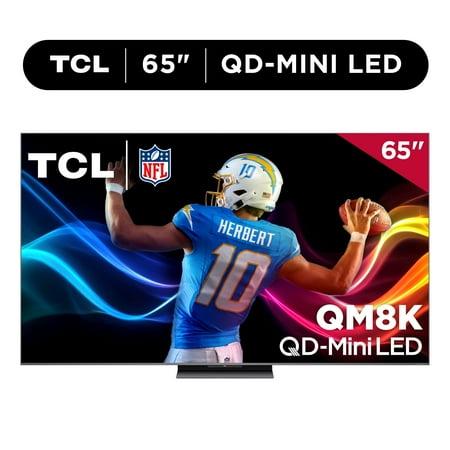


Choosing between the Samsung 75-Inch QLED Q6F Series 2025 and TCL 65" QM8K Series QD-Mini LED 4K Smart TV perfectly illustrates one of TV shopping's biggest dilemmas: do you prioritize screen size or picture quality when your budget forces you to choose between them?
Released in 2025, these two QLED TVs represent completely different philosophies. Samsung designed the Q6F as an entry point into quantum dot technology, offering a massive 75-inch screen at a budget-friendly price. Meanwhile, TCL built the QM8K as a flagship performer, packing premium Mini LED technology into a smaller 65-inch package that costs roughly twice as much.
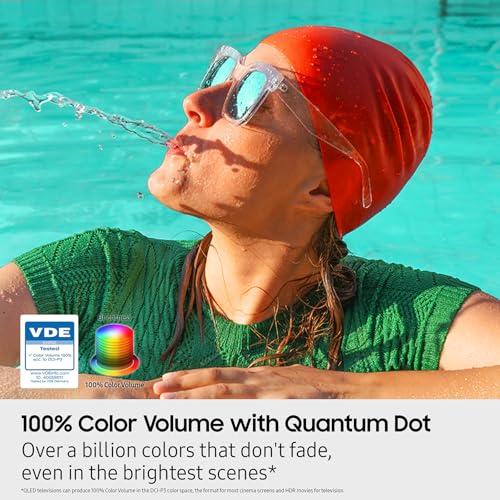
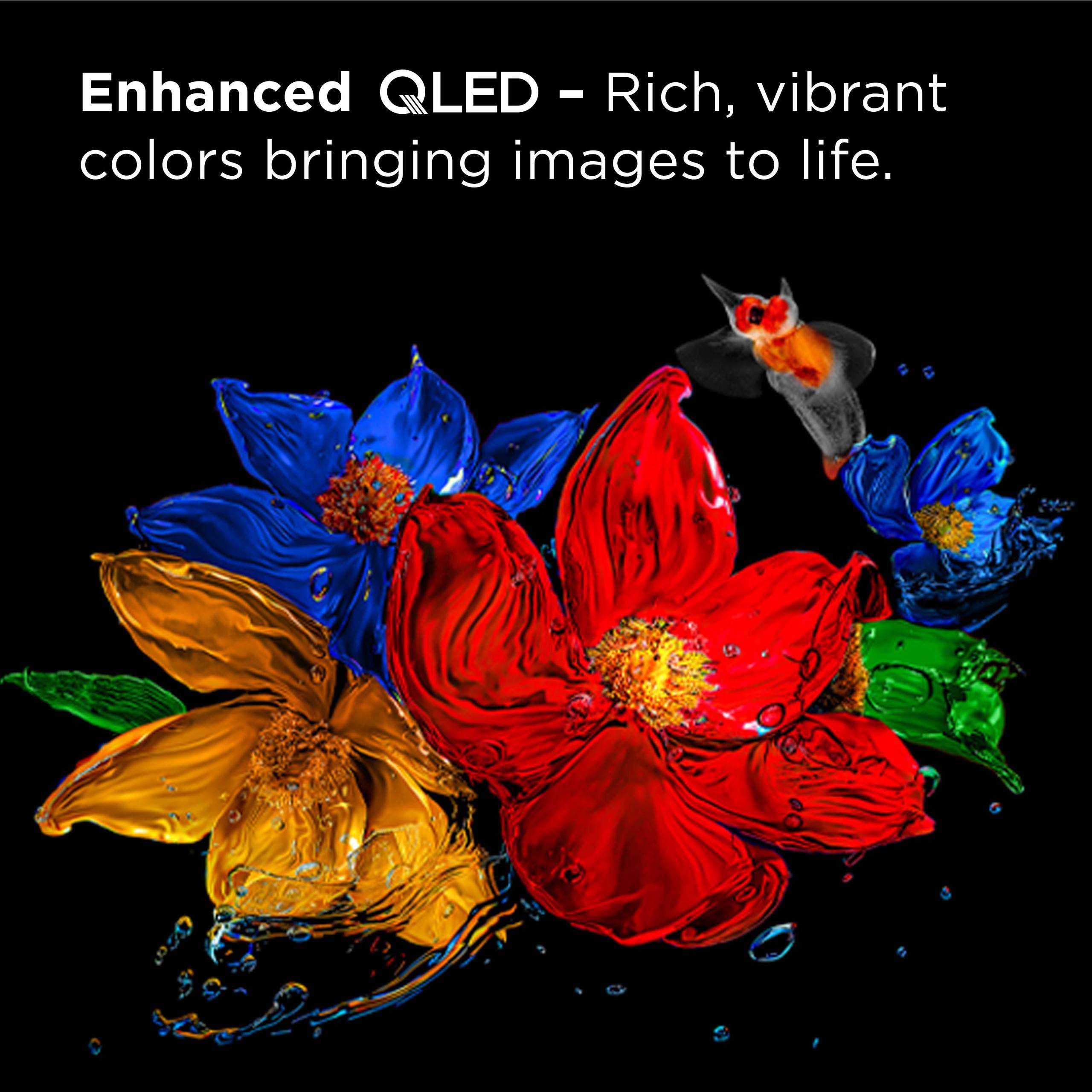
Before diving into specifics, it's worth understanding what QLED actually means and why it matters. QLED stands for Quantum Dot Light Emitting Diode, though that's a bit of marketing speak since these TVs still use traditional LED backlights. The "quantum dot" part refers to microscopic crystals that convert light into incredibly pure colors—think of them as tiny color filters that make reds redder and blues bluer without losing brightness.
The most important performance characteristics in any TV, especially QLEDs, are peak brightness (how bright highlights can get), contrast ratio (the difference between darkest blacks and brightest whites), color gamut (how many different colors the TV can display), and motion handling (how well it displays fast-moving content without blur). For gaming enthusiasts, refresh rate and input lag become critical factors too.
What makes these two TVs particularly interesting to compare is how differently they achieve QLED performance, and at the time of writing, they represent the extreme ends of the QLED value spectrum.
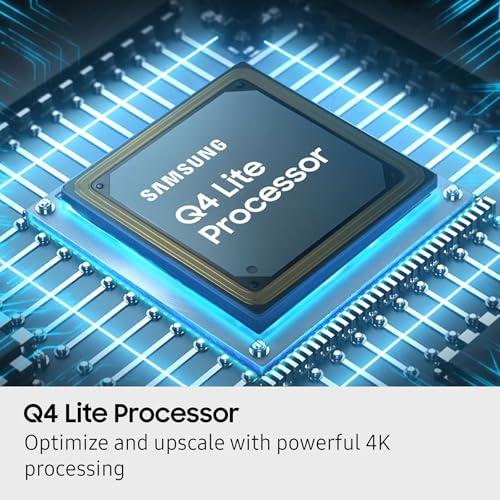
The Samsung Q6F takes the straightforward approach to QLED technology. Samsung equipped it with their Q4 Lite processor—essentially a basic version of their more powerful chips found in higher-end models—and standard LED backlighting enhanced with quantum dots. The result is a TV that delivers noticeably more vivid colors than non-QLED displays while keeping costs reasonable.
Samsung's approach here prioritizes practicality. The Q4 Lite processor handles 4K upscaling (converting lower resolution content to look better on the 4K screen), but don't expect miracles with heavily compressed streaming content or old DVDs. The quantum dot layer ensures colors stay saturated even when the TV gets bright, which is genuinely helpful for daytime viewing when sunlight might wash out lesser displays.
The Q6F's peak brightness sits in typical entry-level QLED territory—likely around 400-600 nits in real-world conditions. That's bright enough for most viewing situations but won't deliver the jaw-dropping HDR highlights that make you feel like you're looking through a window. HDR content will look better than on standard TVs, but it won't have that premium "pop" that makes expensive TVs worth their cost.
Motion handling uses Samsung's Motion Xcelerator technology, which essentially estimates where moving objects should be between frames and fills in the gaps. It works well enough for general viewing, though fast sports or action movies might still show some blur during rapid camera movements.
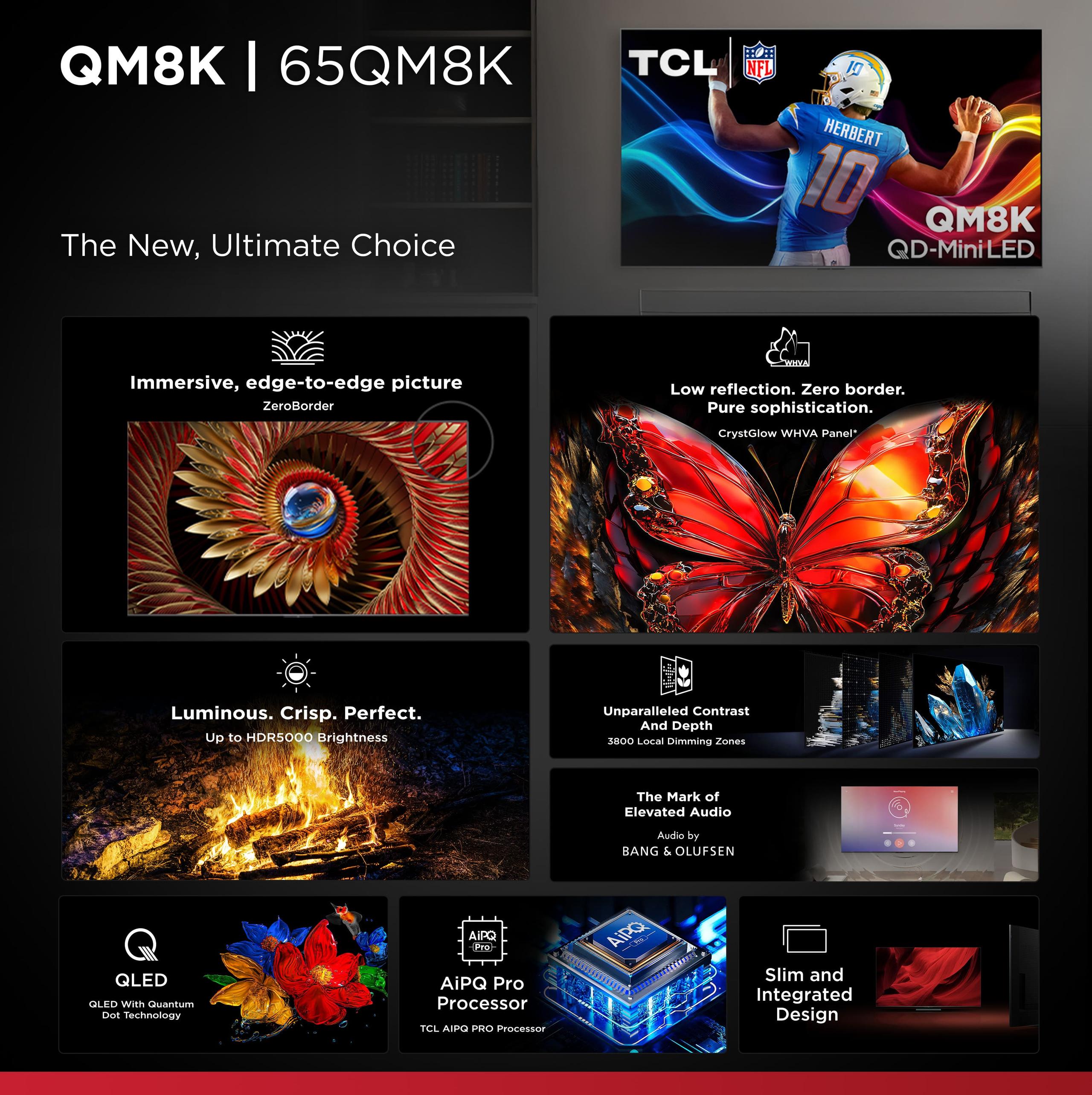
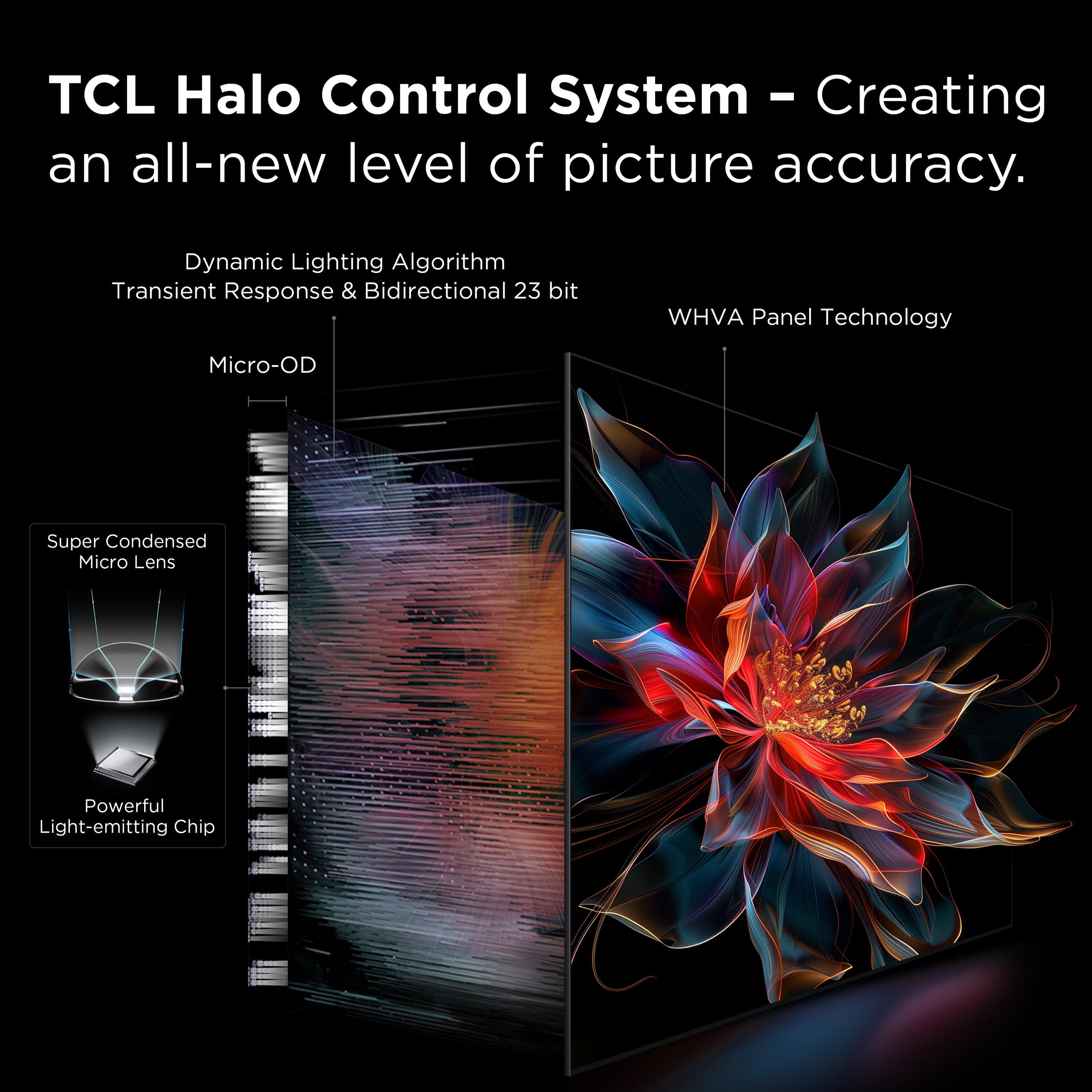
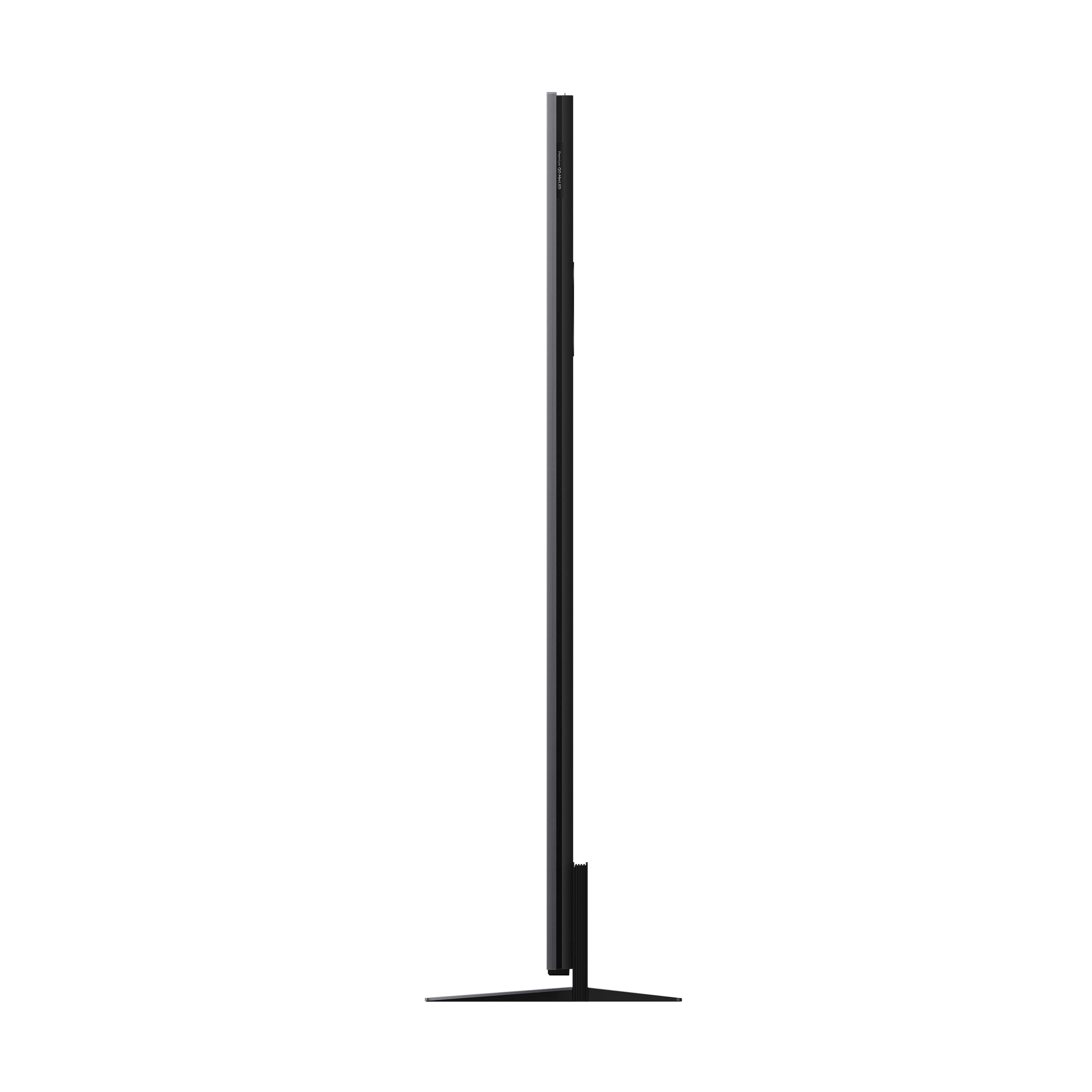
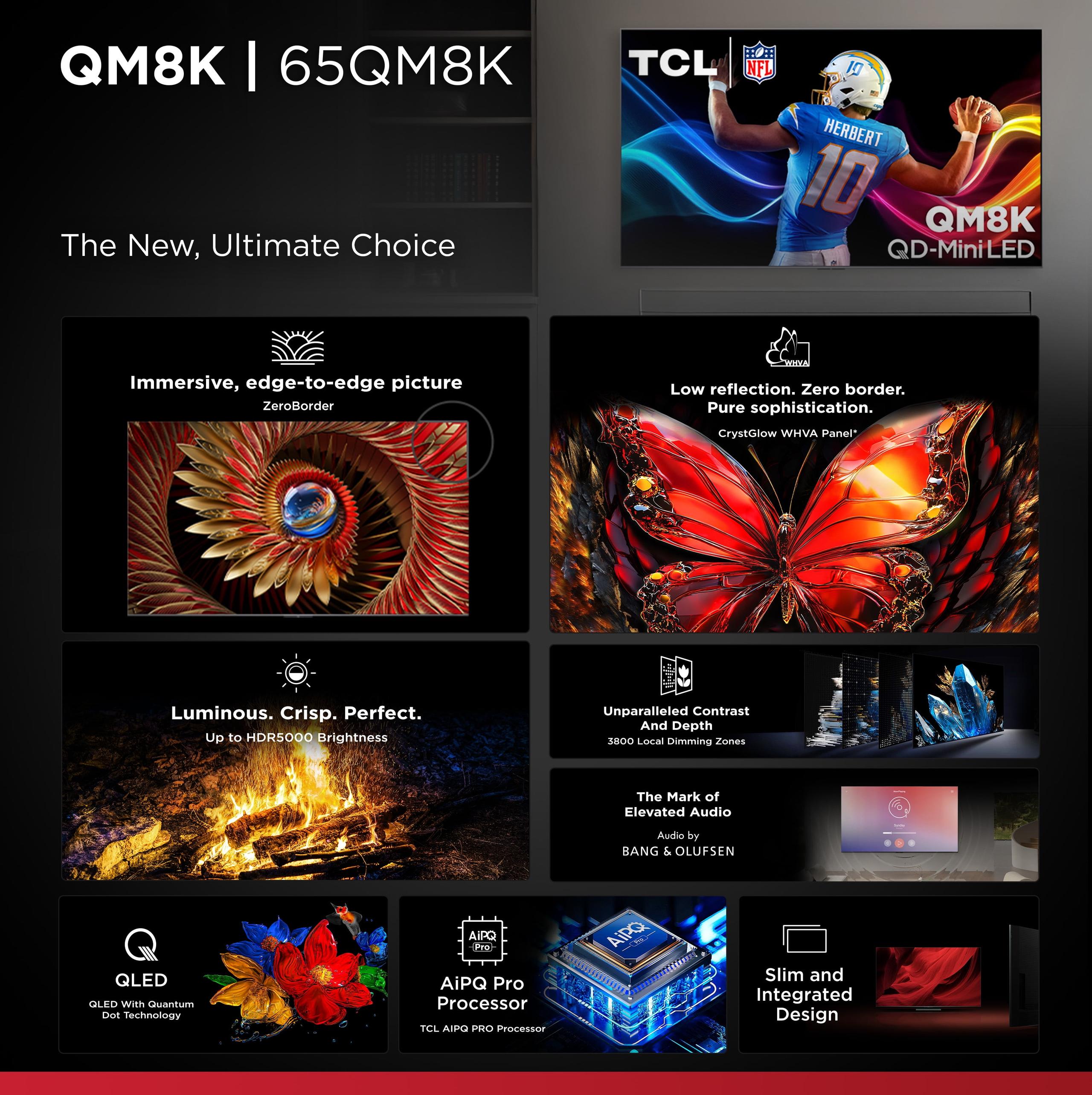
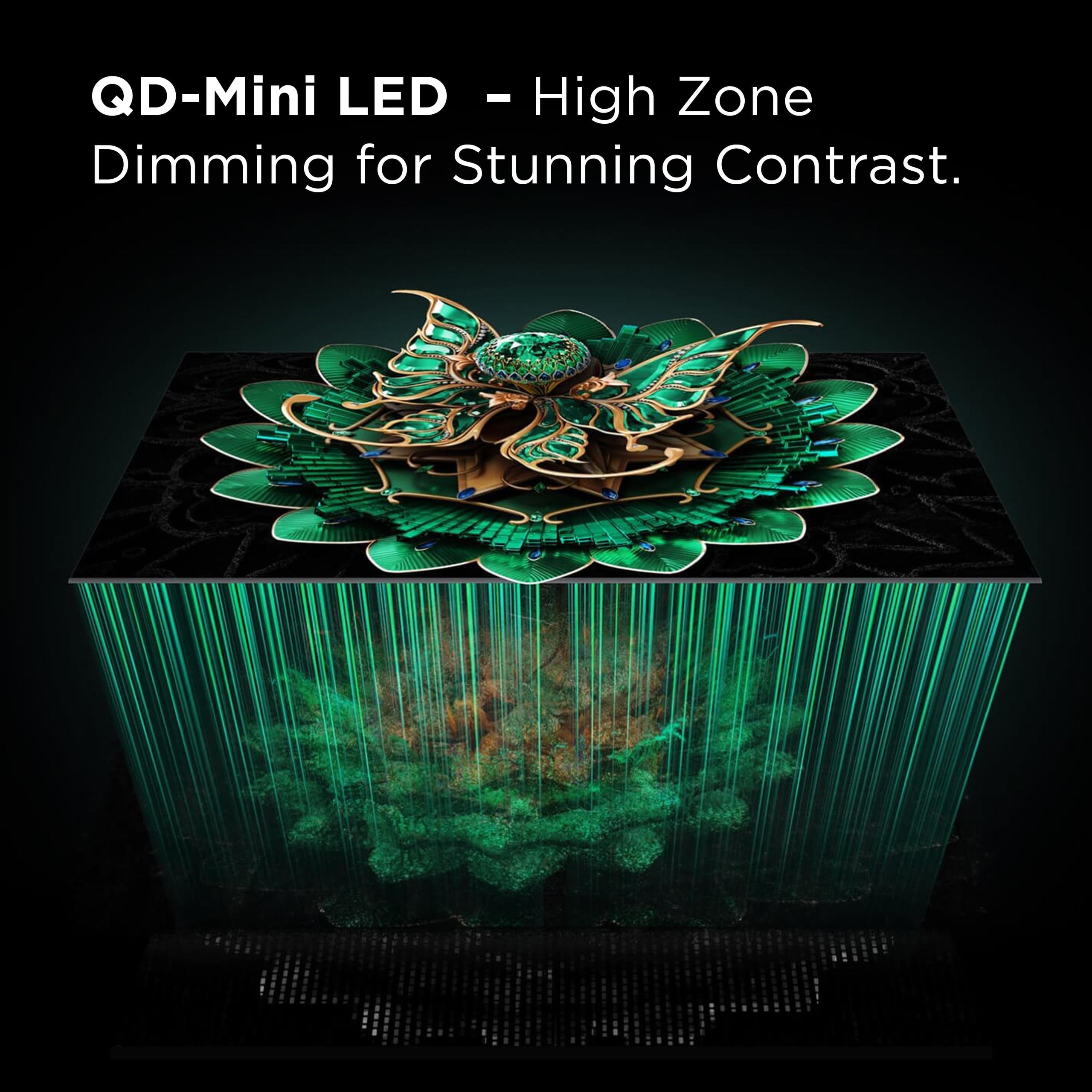
The TCL QM8K represents a completely different philosophy. TCL built this TV around Mini LED backlighting—a technology that uses thousands of tiny LEDs behind the screen instead of the few dozen found in standard TVs. These Mini LEDs can be controlled in precise zones, allowing the TV to make specific areas incredibly bright while keeping adjacent areas perfectly dark.
The technical specifications tell the story: the QM8K can hit up to 5,000 nits peak brightness on paper, with real-world HDR scenes typically reaching 3,000+ nits. To put that in perspective, that's bright enough to make HDR highlights genuinely uncomfortable to look at directly—exactly what you want for realistic sunlight or explosions in movies.
TCL's AIPQ Pro processor handles much more sophisticated image processing than Samsung's Q4 Lite. It analyzes each scene in real-time, adjusting contrast, color, and sharpness based on the content type. Watching a nature documentary, it might boost greens and blues to make landscapes more vivid. During a dark thriller, it might enhance shadow details so you can actually see what's happening in dimly lit scenes.
The Mini LED backlighting deserves special attention because it's genuinely transformative technology. Where the Samsung Q6F uses software to darken parts of the image, the TCL QM8K actually turns off individual LED zones. This creates true blacks sitting right next to brilliant highlights—something that was only possible with expensive OLED TVs until recently.
Gaming performance reveals perhaps the starkest difference between these TVs. The Samsung Q6F offers basic 4K gaming at 60Hz refresh rate with no advanced features. It'll display games from your PlayStation 5 or Xbox Series X just fine, but you won't get any competitive advantages or enhanced smoothness.
The TCL QM8K transforms into a gaming powerhouse with its native 144Hz refresh rate and Game Accelerator 288 technology. That "288" refers to the TV's ability to display up to 288 frames per second at 1080p resolution—incredibly smooth performance that PC gamers will appreciate. Even at 4K, the 144Hz refresh rate provides noticeably smoother motion than standard 60Hz displays.
Variable Refresh Rate (VRR) support means the QM8K can sync its display refresh to your gaming system's output, eliminating screen tearing and stuttering that can occur when frame rates fluctuate. This feature has become essential for modern gaming, especially with titles that struggle to maintain consistent frame rates.
From experience with high refresh rate displays, the difference is immediately noticeable in fast-paced games. Camera movements feel more fluid, tracking moving targets becomes easier, and the overall experience feels more responsive. The Samsung Q6F simply can't deliver this level of gaming performance.
Audio represents another significant philosophical difference. The Samsung Q6F includes Object Tracking Sound Lite and Q-Symphony compatibility, which allows it to work in harmony with Samsung soundbars. The built-in speakers are adequate for casual viewing but won't fill larger rooms or provide the dynamic range that makes movies truly immersive.
The TCL QM8K takes audio seriously with its Bang & Olufsen sound system. This isn't just marketing—the TV includes upfiring speakers for Dolby Atmos height effects and dual built-in subwoofers for genuine bass response. While it can't match a dedicated home theater system, it eliminates the immediate need for a soundbar, which could save several hundred dollars.
Having evaluated many TV audio systems, the difference between basic and premium built-in audio is substantial. The QM8K's system provides the kind of full-range sound that makes dialogue clear, music engaging, and action sequences genuinely impactful without additional equipment.
Both TVs run competent smart platforms, though with different approaches. The Samsung Q6F uses Tizen OS, Samsung's proprietary platform that integrates well with Samsung phones and smart home devices. Samsung TV Plus provides free streaming channels, and the interface is generally responsive for basic functions.
The TCL QM8K runs Google TV, which offers more sophisticated content recommendations and generally broader app compatibility. The more powerful AIPQ Pro processor makes the interface noticeably snappier, especially when switching between apps or browsing content libraries.
Smart TV platforms have become increasingly important as streaming dominates how we watch content. Both systems handle the basics well, but Google TV's superior recommendation engine and content discovery features give the QM8K an edge for users who appreciate curated suggestions.
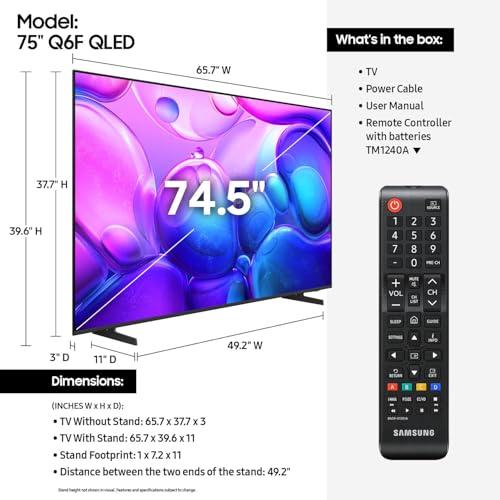
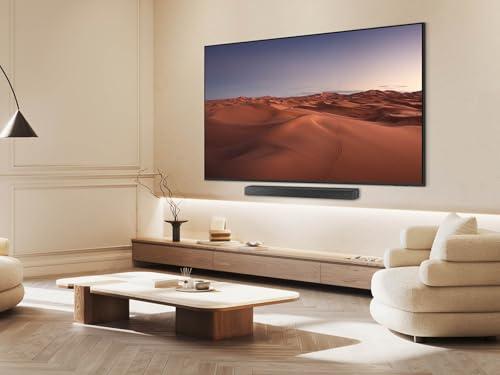
Here's where personal preferences and viewing habits become crucial. The Samsung Q6F offers 10 inches more screen real estate—a 75-inch diagonal versus 65 inches. In terms of viewing area, that translates to roughly 40% more screen space, which is immediately noticeable when watching movies or sports.
However, the TCL QM8K's picture quality advantages are equally dramatic. The superior contrast, brightness, and color performance create a more engaging viewing experience that can make a smaller screen feel more immersive than a larger display with basic performance.
Room size plays a major role here. In spaces where you'd sit more than 10 feet from the TV, the Samsung's larger size helps maintain detail visibility and creates proper scale for cinematic content. In smaller rooms or closer seating arrangements, the TCL's superior picture quality becomes more apparent and valuable.
For dedicated home theater setups, the TCL QM8K clearly takes the lead despite its smaller size. The Mini LED backlighting creates the kind of contrast that makes dark movie scenes actually watchable without washing out bright highlights. HDR content displays with the kind of dynamic range that justifies premium streaming service subscriptions and 4K Blu-ray collections.
The premium audio system means you can build an impressive home theater experience without immediately investing in external speakers. Combined with the gaming features, it becomes a versatile entertainment hub rather than just a TV.
The Samsung Q6F works perfectly well for casual home theater use, but it won't deliver the reference-quality experience that movie enthusiasts crave. For families who primarily watch streaming content and broadcast TV, though, its combination of large size and adequate performance hits the sweet spot.
At the time of writing, these TVs occupy distinctly different value positions. The Samsung Q6F maximizes screen size per dollar, making it attractive for budget-conscious buyers who prioritize presence over performance. You're essentially paying for quantum dot color enhancement and a premium brand name at an accessible price point.
The TCL QM8K targets enthusiasts willing to pay significantly more for flagship-level technology. When you factor in the built-in premium audio system, the price premium becomes more reasonable since you'd likely spend several hundred dollars on a quality soundbar for the Samsung.
Market trends have pushed Mini LED technology into the mainstream faster than many expected. What was exotic technology just a few years ago is now available at relatively accessible prices, making the QM8K's performance accessible to more buyers than ever before.
Choose the Samsung Q6F if you're decorating a large family room where screen size matters more than picture quality perfection. It's ideal for households that primarily watch streaming content, broadcast TV, and occasional movies without demanding reference-quality performance. The larger screen creates better immersion for sports viewing and family movie nights.
The TCL QM8K makes sense for buyers who prioritize picture quality, gaming performance, or home theater experiences. If you're upgrading from an older TV and want to experience what modern display technology can achieve, the performance difference justifies the price premium. It's also the better long-term investment since its advanced features will remain relevant longer.
Consider your viewing habits honestly. If you primarily watch content during the day with ambient lighting, the Samsung's larger size might provide more value. If you prefer dimmed room viewing where contrast and brightness differences are clearly visible, the TCL delivers a genuinely superior experience.
The decision ultimately comes down to whether you want the largest possible screen within your budget or the best possible picture quality regardless of size constraints. Both approaches have merit, but understanding which philosophy matches your priorities will lead to years of viewing satisfaction rather than buyer's remorse.
For most buyers, either TV will represent a significant upgrade from older displays. The key is choosing the one that aligns with your specific needs, room constraints, and entertainment preferences rather than simply comparing specifications on paper.
| Samsung 75-Inch QLED Q6F Series 2025 Smart TV | TCL 65" QM8K Series QD-Mini LED 4K Smart TV |
|---|---|
| Screen Size - Impacts viewing distance and room suitability | |
| 75 inches (ideal for 10+ feet viewing distance) | 65 inches (perfect for 8-10 feet viewing distance) |
| Display Technology - Determines picture quality and contrast | |
| Standard LED backlight with Quantum Dots | Mini LED backlight with Quantum Dots (superior blacks and highlights) |
| Peak Brightness - Critical for HDR content and bright rooms | |
| ~400-600 nits (adequate for most lighting conditions) | Up to 3,000+ nits real-world (exceptional for any lighting) |
| Refresh Rate - Essential for gaming and motion clarity | |
| 60Hz standard (basic gaming and movie viewing) | 144Hz native, up to 288Hz at 1080p (premium gaming performance) |
| Gaming Features - Important for console and PC gaming | |
| Basic 4K support only | Game Accelerator 288, VRR, Auto Game Mode, dedicated gaming UI |
| Audio System - Affects need for external speakers | |
| Object Tracking Sound Lite (likely requires soundbar) | Bang & Olufsen with Dolby Atmos and dual subwoofers (soundbar optional) |
| Smart Platform - Influences user experience and app availability | |
| Samsung Tizen OS with SmartThings integration | Google TV with advanced AI recommendations |
| Processor - Controls upscaling quality and interface speed | |
| Q4 Lite (basic AI and upscaling) | AIPQ Pro (sophisticated scene optimization and faster performance) |
| HDR Support - Enhances contrast and color in premium content | |
| HDR10, HDR10+, Quantum HDR | HDR10, HDR10+, Dolby Vision IQ, IMAX Enhanced |
| Local Dimming - Creates better contrast by controlling backlight zones | |
| Software dimming only | Up to LD3800 hardware dimming zones (dramatically better blacks) |
| Target Market - Who should consider each option | |
| Budget buyers prioritizing screen size over features | Enthusiasts wanting flagship performance in smaller package |
| Best Use Cases - Where each TV excels | |
| Large family rooms, casual viewing, secondary TVs | Home theaters, serious gaming, premium movie watching |
The Samsung Q6F offers better value if you prioritize screen size, providing 75 inches of quantum dot color at an entry-level price. The TCL QM8K delivers superior value for picture quality enthusiasts, with Mini LED technology and premium features that justify its higher cost. Choose based on whether size or performance matters more to your viewing experience.
The TCL QM8K uses advanced Mini LED backlighting with thousands of dimming zones, creating dramatically better contrast and brightness up to 3,000+ nits. The Samsung Q6F relies on basic LED backlighting with software dimming, offering good quantum dot colors but limited contrast performance. The difference is immediately noticeable in dark scenes and HDR content.
The TCL QM8K is significantly better for gaming with its 144Hz refresh rate, Game Accelerator 288 technology, VRR support, and dedicated gaming features. The Samsung Q6F only offers basic 60Hz gaming with no advanced features, making it suitable only for casual gaming. Serious gamers should choose the TCL QM8K.
The TCL QM8K includes a premium Bang & Olufsen audio system with Dolby Atmos and dual subwoofers, eliminating the immediate need for a soundbar. The Samsung Q6F has basic speakers that will likely require a soundbar investment for satisfying audio quality, especially in larger rooms.
The TCL QM8K performs much better in bright rooms due to its exceptional peak brightness of 3,000+ nits, which can overpower ambient light and maintain vivid colors. The Samsung Q6F has moderate brightness suitable for average lighting but may appear washed out in very bright environments.
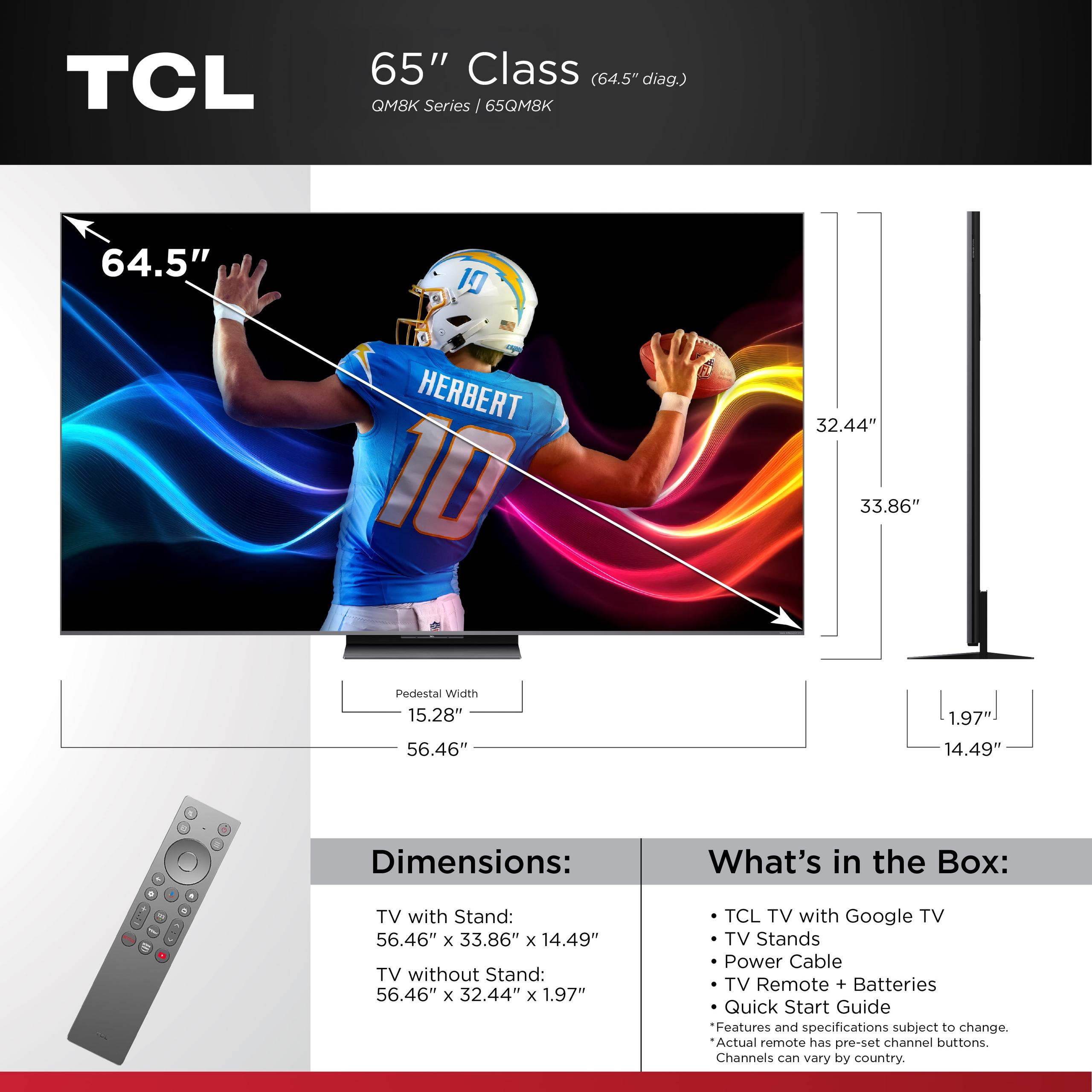
The Samsung Q6F offers a 75-inch screen, while the TCL QM8K comes in 65 inches. The Samsung provides about 40% more viewing area, making it better for large rooms or distant seating. The TCL compensates with superior picture quality that can make the smaller screen feel more immersive.
Both TVs offer solid smart platforms, with the Samsung Q6F running Tizen OS and SmartThings integration, while the TCL QM8K uses Google TV with superior content recommendations. The TCL QM8K has a more powerful processor making the interface faster and more responsive overall.
The TCL QM8K is significantly better for movies due to its Mini LED technology creating true blacks, exceptional brightness for HDR highlights, and premium built-in audio. The Samsung Q6F handles movies adequately but lacks the contrast and audio performance that creates a cinematic experience.
Both TVs should provide similar longevity, but the TCL QM8K offers better future-proofing with its advanced Mini LED technology, higher refresh rates, and comprehensive gaming features. The Samsung Q6F may feel outdated sooner as content standards evolve, though both should function well for many years.
The Samsung Q6F works best in large rooms where you sit 10+ feet away, maximizing the benefit of its 75-inch screen. The TCL QM8K is ideal for medium-sized rooms with 8-10 feet viewing distance, where its superior picture quality is more noticeable than the size difference.
The TCL QM8K is much better for home theater use with its Mini LED contrast, exceptional HDR performance, and premium Bang & Olufsen audio system. It delivers reference-quality picture performance that makes movie watching truly cinematic. The Samsung Q6F works for casual home theater but lacks the performance depth serious movie enthusiasts want.
Choose the Samsung Q6F if you're upgrading from a much smaller TV and want maximum screen size impact at a budget-friendly price. Select the TCL QM8K if you want to experience what modern TV technology can truly achieve, with dramatically better picture quality that showcases the full potential of 4K and HDR content.
We've done our best to create useful and informative comparisons to help you decide what product to buy. Our research uses advanced automated methods to create this comparison and perfection is not possible - please contact us for corrections or questions. These are the sites we've researched in the creation of this article: youtube.com - rtings.com - cnet.com - youtube.com - rtings.com - samsung.com - bestbuy.com - samsung.com - samsung.com - bestbuy.com - manuals.plus - arrowassociatedstores.com - samsung.com - samsung.com - samsung.com - flatpanelshd.com - device.report - tomsguide.com - youtube.com - businessinsider.com - rtings.com - youtube.com - avsforum.com - avsforum.com - bestbuy.com - tcl.com - tcl.com - tcl.com - flatpanelshd.com - romomattressfurniture.com - brandsmartusa.com - pcrichard.com - tvsbook.com - tcl.com - youtube.com - prnewswire.com - tcl.com - tcl.com

Privacy Policy
Terms and Conditions - Affiliate Policy
Home Security
© Copyright 2008-2026.
11816 Inwood Rd #1211, Dallas, TX 75244