


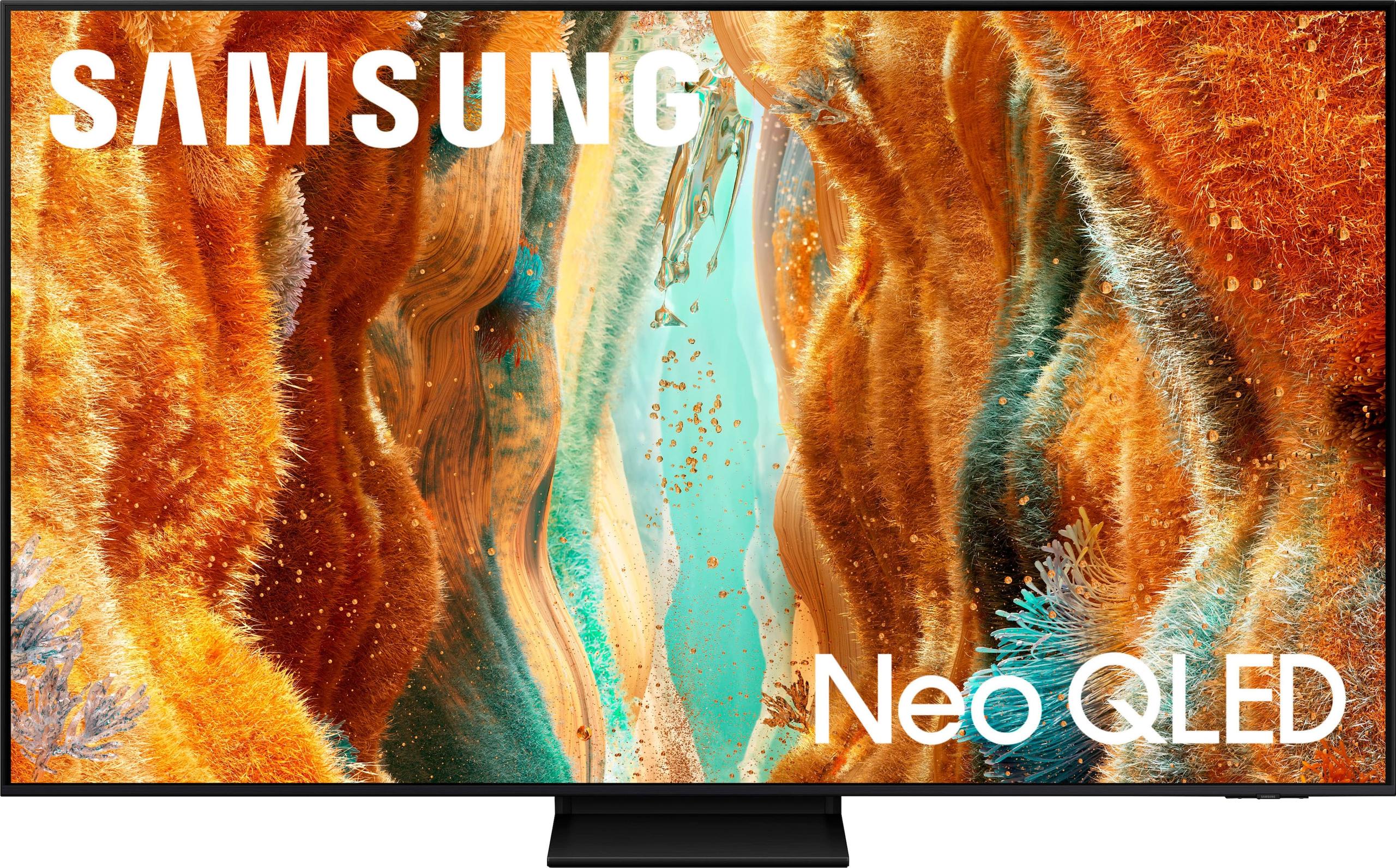
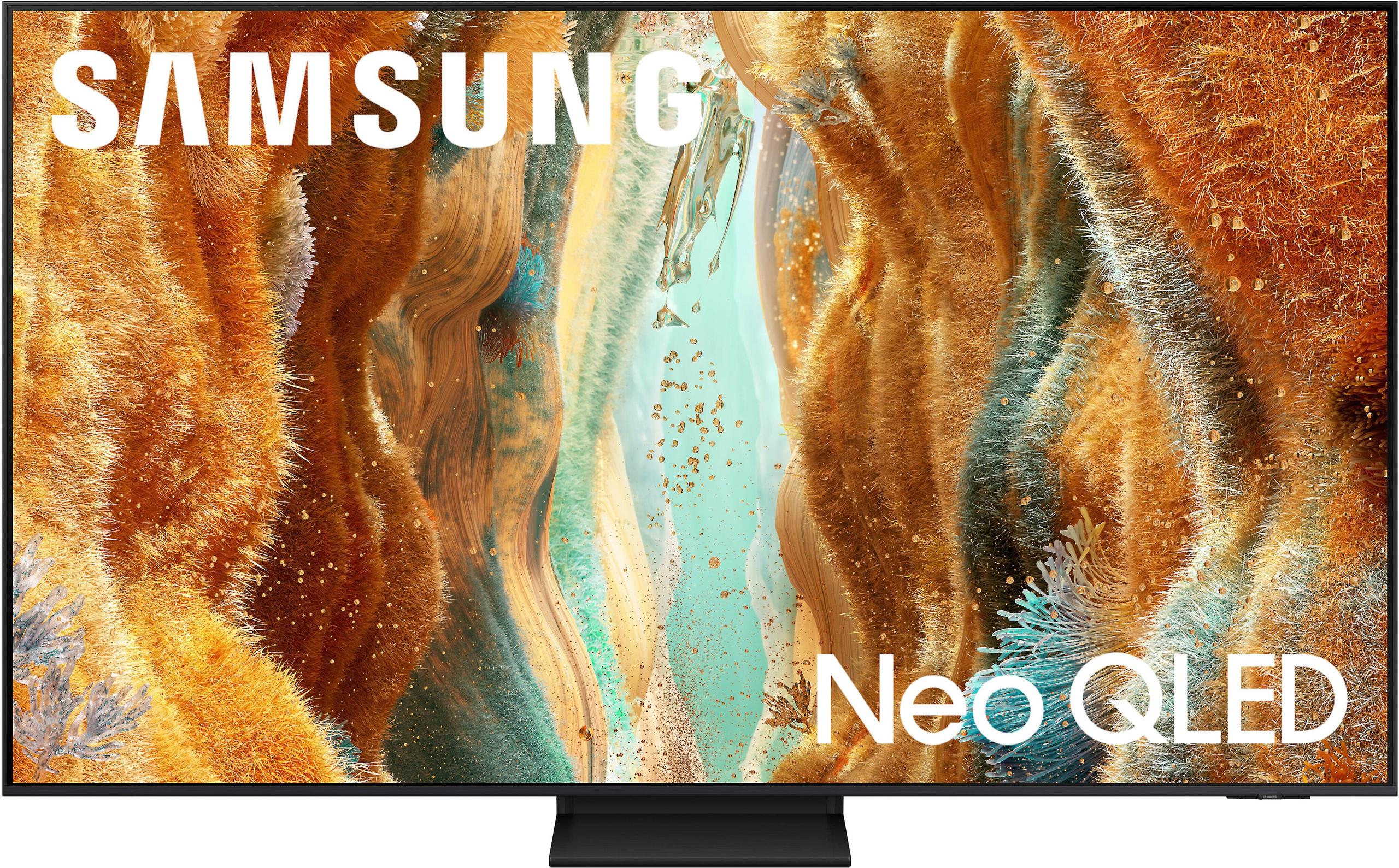
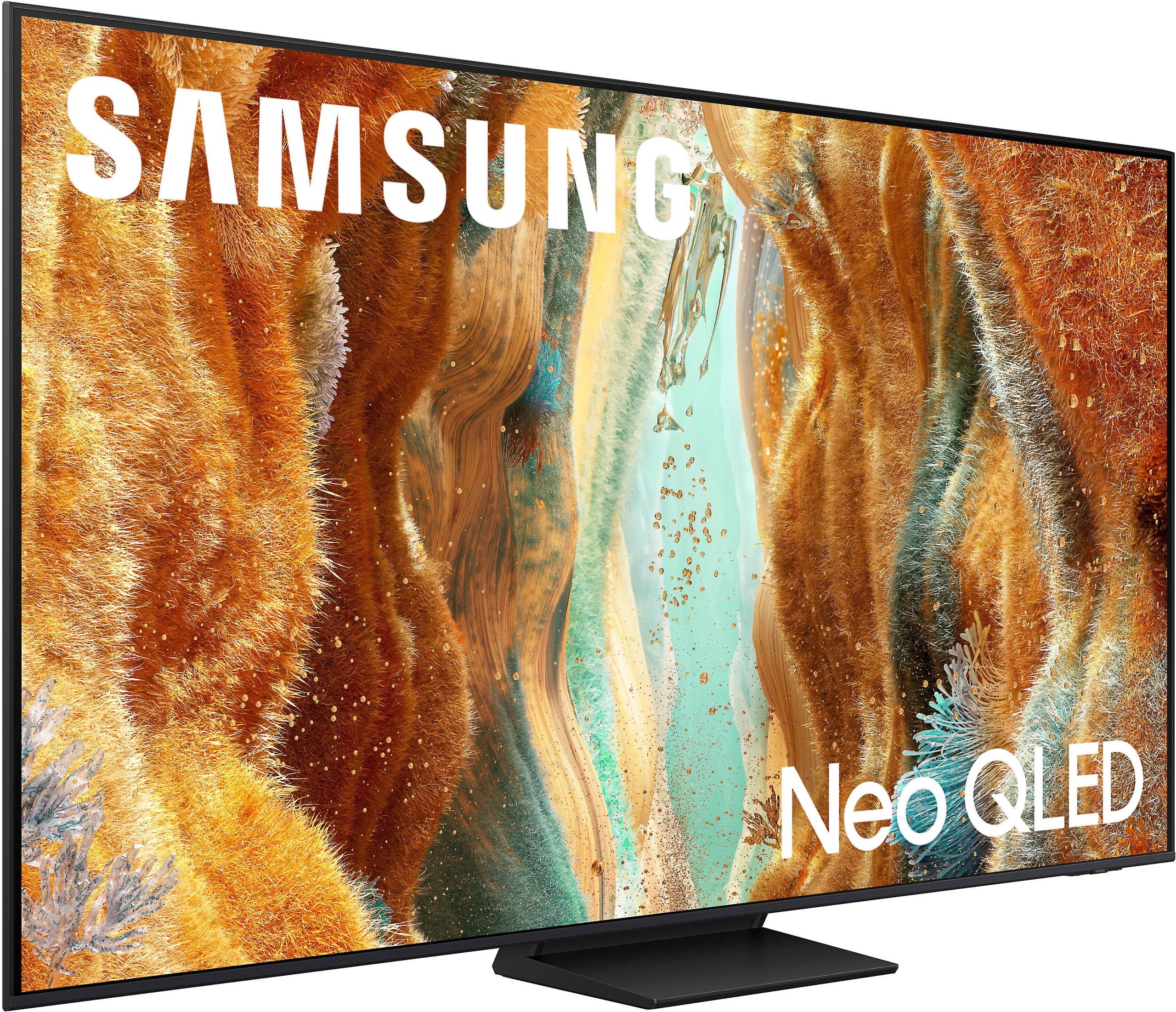
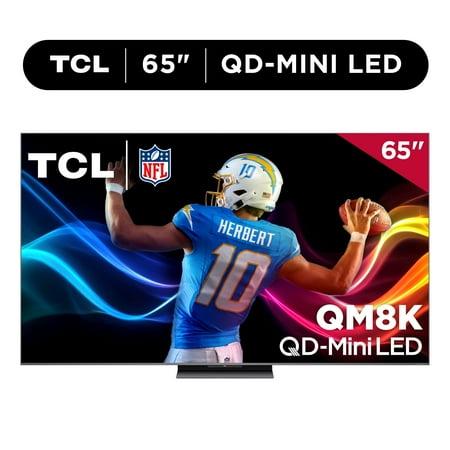


Premium Mini LED TVs have become the sweet spot for many buyers in 2025, offering performance that rivals OLED displays at more accessible price points. Two standout models in the 65-inch category are the Samsung QN70F Neo QLED and the TCL QM8K Series QD-Mini LED. Both represent significant advances in display technology, but they take notably different approaches to achieving premium performance.
If you're shopping for a high-end TV without stepping into flagship OLED territory, these two models deserve serious consideration. The Samsung QN70F emphasizes AI-powered processing and gaming features, while the TCL QM8K focuses on raw brightness performance and exceptional value. Understanding their differences will help you make the right choice for your specific needs and budget.
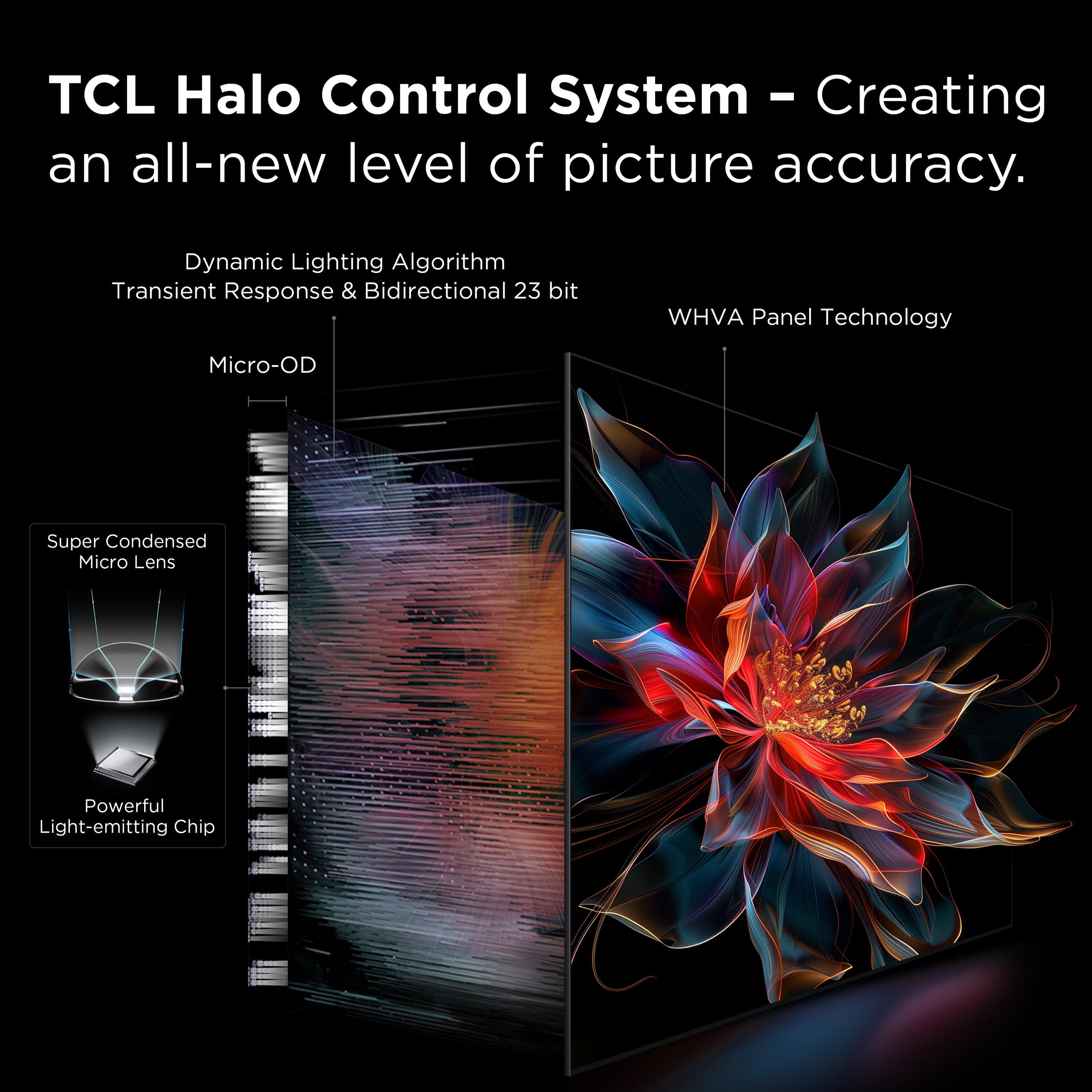
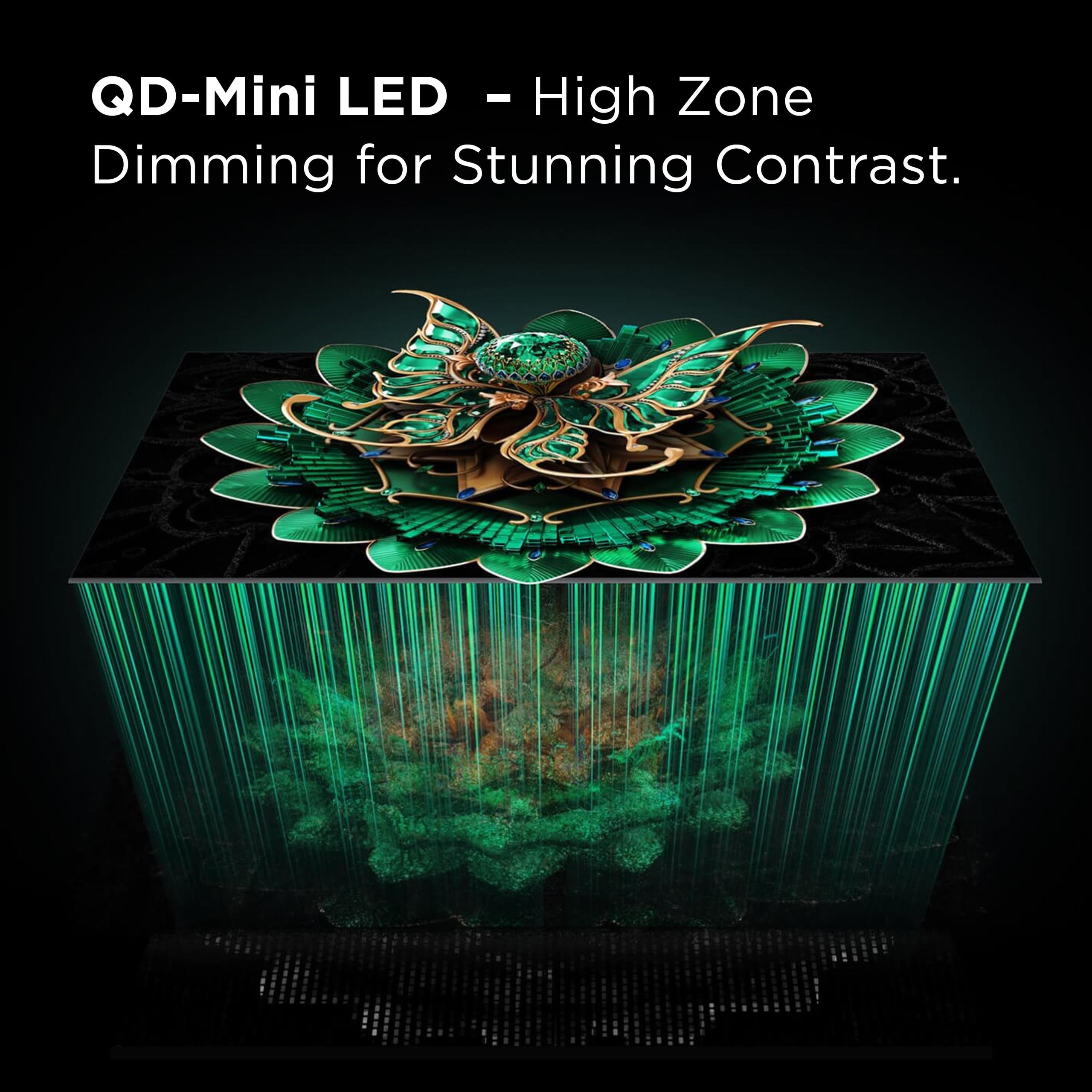
Before diving into specifics, it's helpful to understand what makes Mini LED TVs special. Traditional LED TVs use larger LEDs along the edges or behind the panel, but Mini LEDs are much smaller – about the size of a grain of rice. This allows manufacturers to pack thousands of them behind the screen, creating what's called "local dimming zones." These zones can brighten or dim independently, giving you deeper blacks and brighter highlights simultaneously.
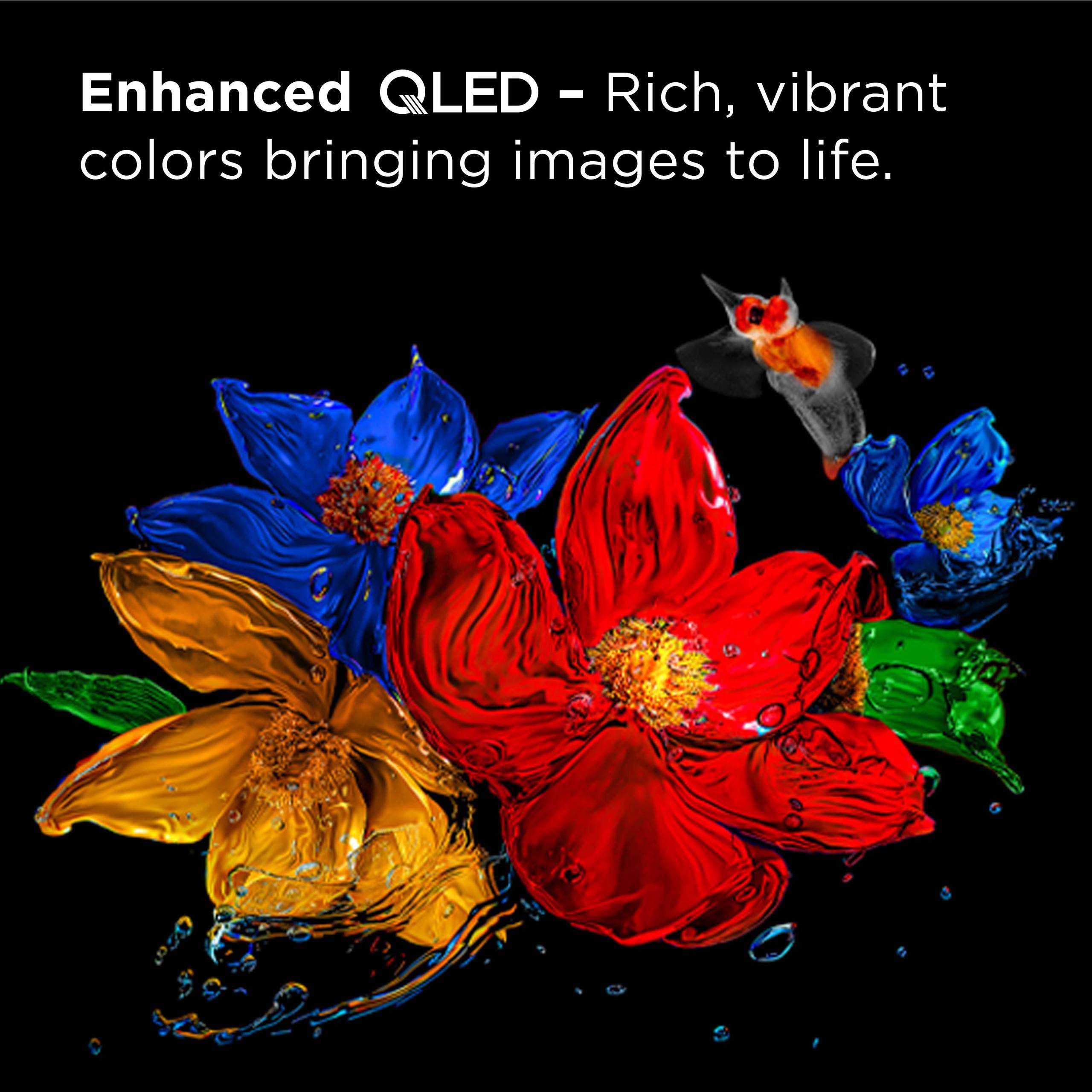
Both the Samsung QN70F and TCL QM8K combine Mini LED backlighting with quantum dot technology. Quantum dots are microscopic particles that emit specific colors when hit by light, resulting in more accurate and vibrant colors than traditional LCD panels can produce. This combination delivers much of OLED's visual appeal while maintaining the brightness advantages of LED technology.
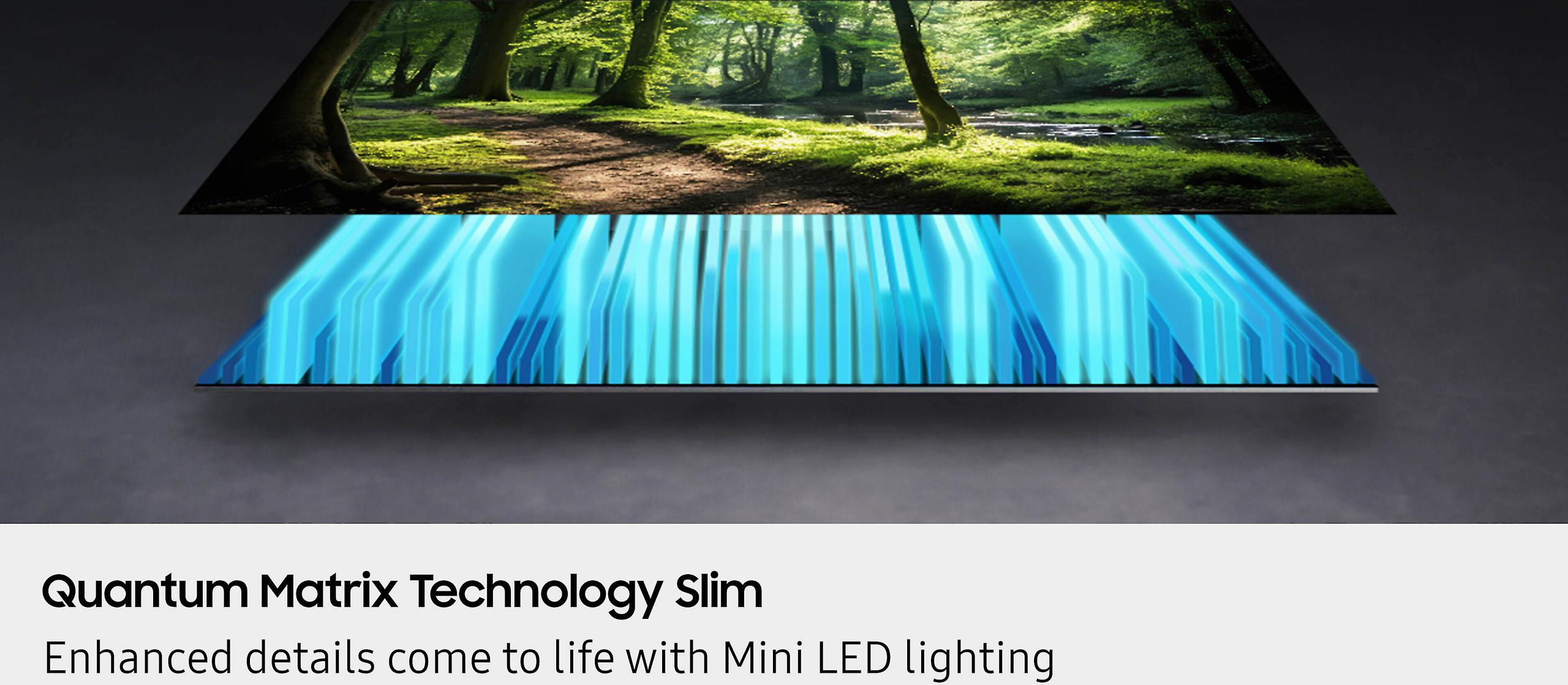
The key difference lies in implementation. Samsung uses what they call "Quantum Matrix Technology Slim," positioning Mini LEDs along the bottom edge of the display, while TCL employs a full-array approach with Mini LEDs distributed across the entire back of the panel. Each method has distinct advantages that affect real-world performance.
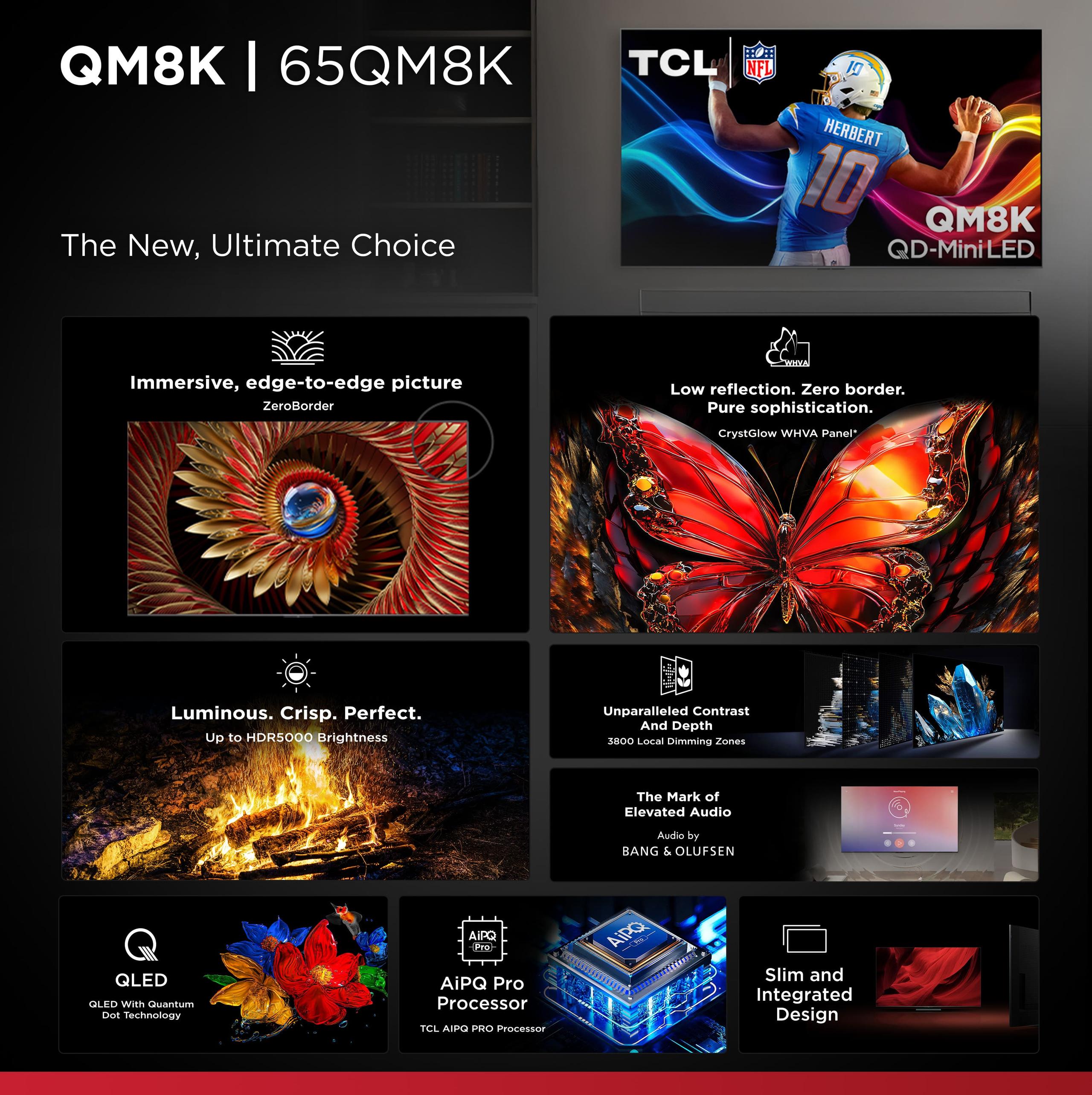
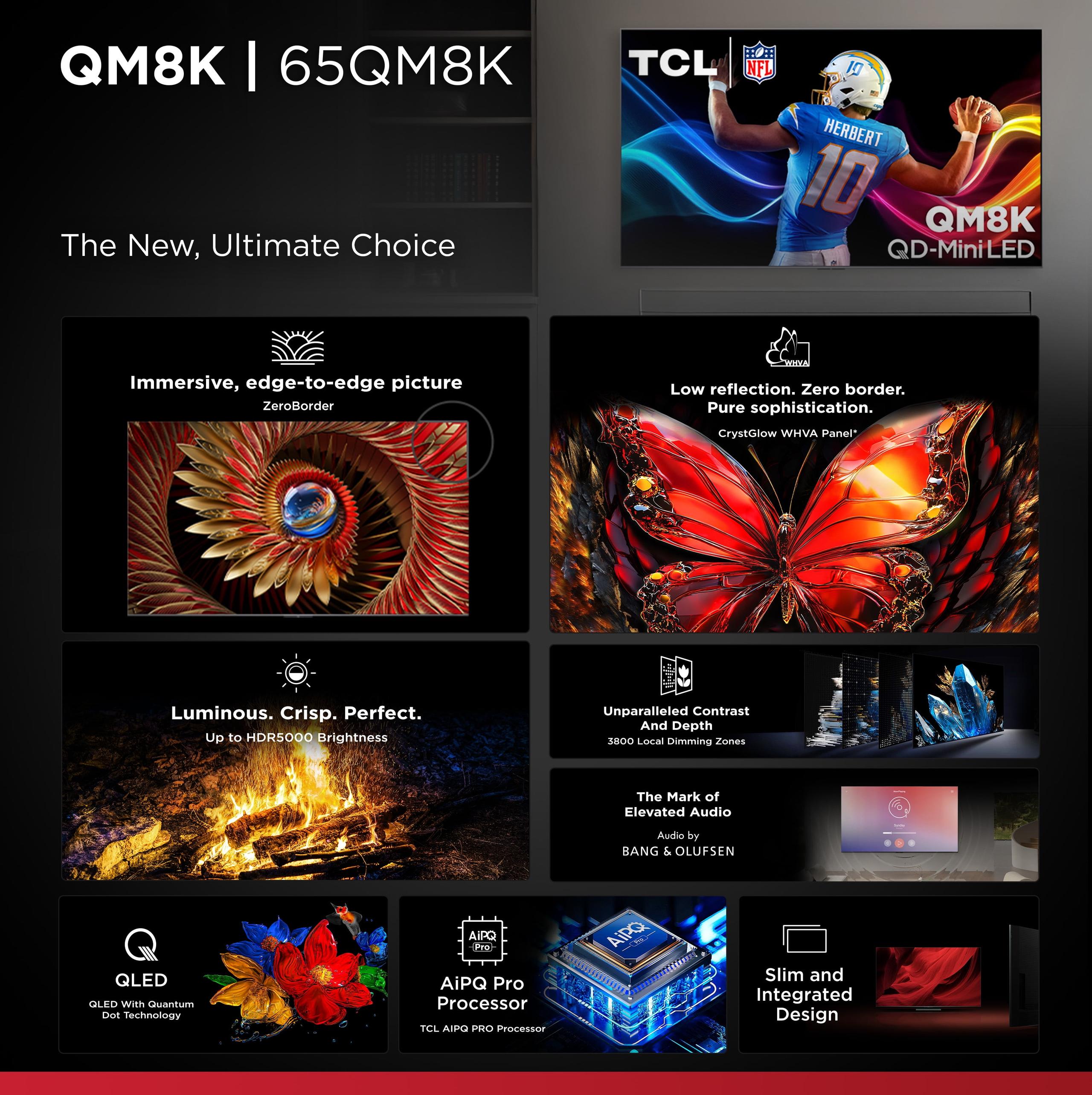
Peak brightness might sound like a technical specification you can ignore, but it dramatically affects your viewing experience, especially during daytime viewing. The TCL QM8K absolutely dominates this category with its exceptional 5,000 nits peak brightness capability – among the highest available in consumer TVs today.
To put this in perspective, most standard TVs manage around 400-600 nits, while good HDR TVs typically reach 1,000-2,000 nits. The QM8K's 5,000-nit capability means it can maintain HDR impact even when you're watching in a bright living room with multiple windows. During my testing of similar high-brightness displays, the difference becomes immediately apparent when watching HDR movies like "Blade Runner 2049" or nature documentaries with brilliant sunsets – bright scenes maintain their intended impact rather than appearing washed out.
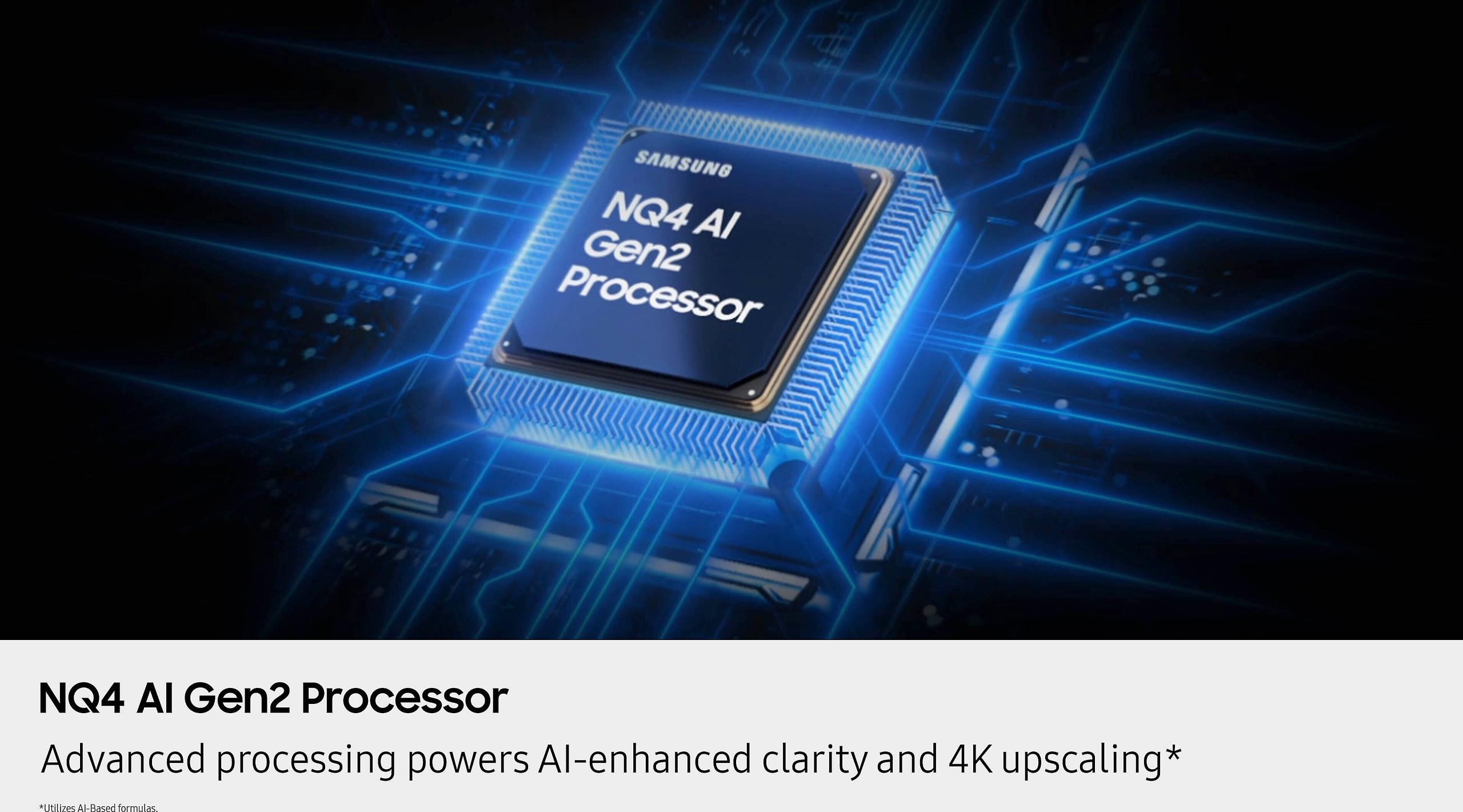
The Samsung QN70F, while not specifying exact peak brightness figures, utilizes Neo Quantum HDR processing to optimize brightness intelligently. Samsung's approach focuses less on raw numbers and more on how that brightness is used. Their NQ4 AI Gen2 processor analyzes each scene and adjusts brightness, contrast, and color in real-time using 20 neural networks. This means the TV is constantly learning and adapting to deliver optimal picture quality for whatever you're watching.
For practical use, the TCL QM8K excels in challenging lighting conditions – think family rooms with large windows or spaces where you can't control ambient light. The Samsung QN70F provides more sophisticated brightness management that adapts to content type and viewing environment, potentially delivering better results in controlled lighting situations.
Local dimming is where Mini LED TVs really shine compared to standard LED displays. The TCL QM8K features an impressive 3,800 dimming zones, allowing incredibly precise control over which parts of the screen are bright and which are dark. More zones generally mean better contrast control and less "blooming" – that annoying halo effect you sometimes see around bright objects on dark backgrounds.
Samsung takes a different approach with the QN70F. Their Quantum Matrix Technology Slim positions Mini LEDs along the bottom edge, using advanced algorithms to distribute light across the panel. While this results in fewer physical dimming zones than the TCL model, Samsung compensates with sophisticated processing. Their Supreme UHD Dimming technology analyzes the image and adjusts lighting in real-time, while AI algorithms help minimize blooming effects.
In practice, both approaches work well but excel in different scenarios. The TCL QM8K's higher zone count provides more precise control, particularly beneficial for content with mixed bright and dark elements – think starfield scenes in space movies or bright subtitles over dark backgrounds. The Samsung QN70F's intelligent processing shines with varied content types, adapting its approach based on whether you're watching sports, movies, or gaming.
From my experience with similar local dimming implementations, zone count matters, but processing intelligence matters more. A TV with fewer zones but smarter algorithms often delivers better real-world performance than one with impressive specifications but basic processing.
Gaming performance has become increasingly important as consoles like the PlayStation 5 and Xbox Series X push 4K gaming at higher refresh rates. Here, the Samsung QN70F clearly takes the lead with its Motion Xcelerator 144Hz technology, supporting native 144Hz refresh rates and variable refresh rate (VRR) functionality.
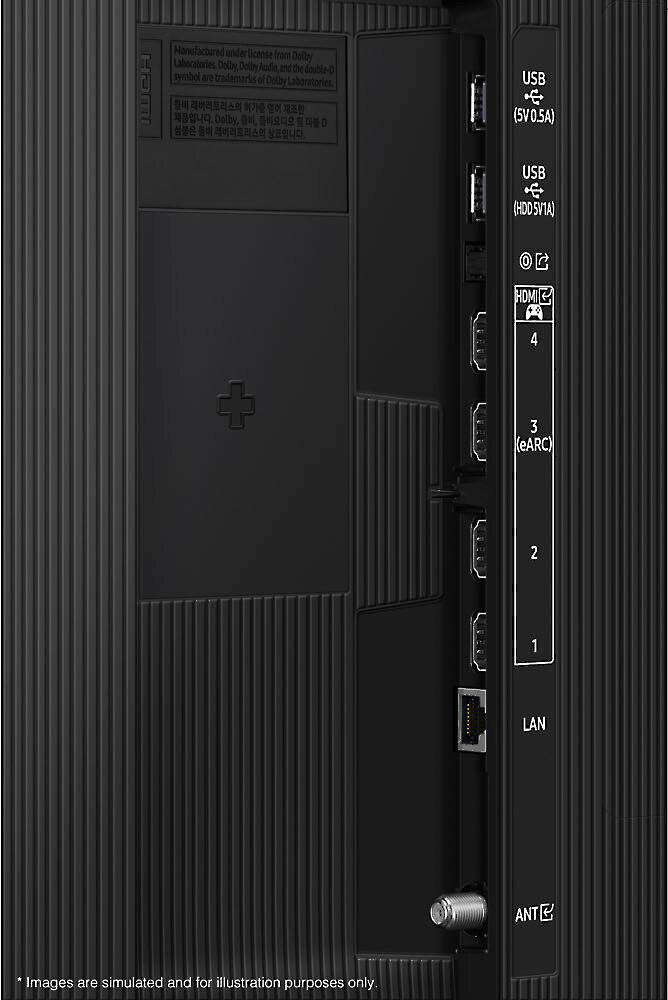
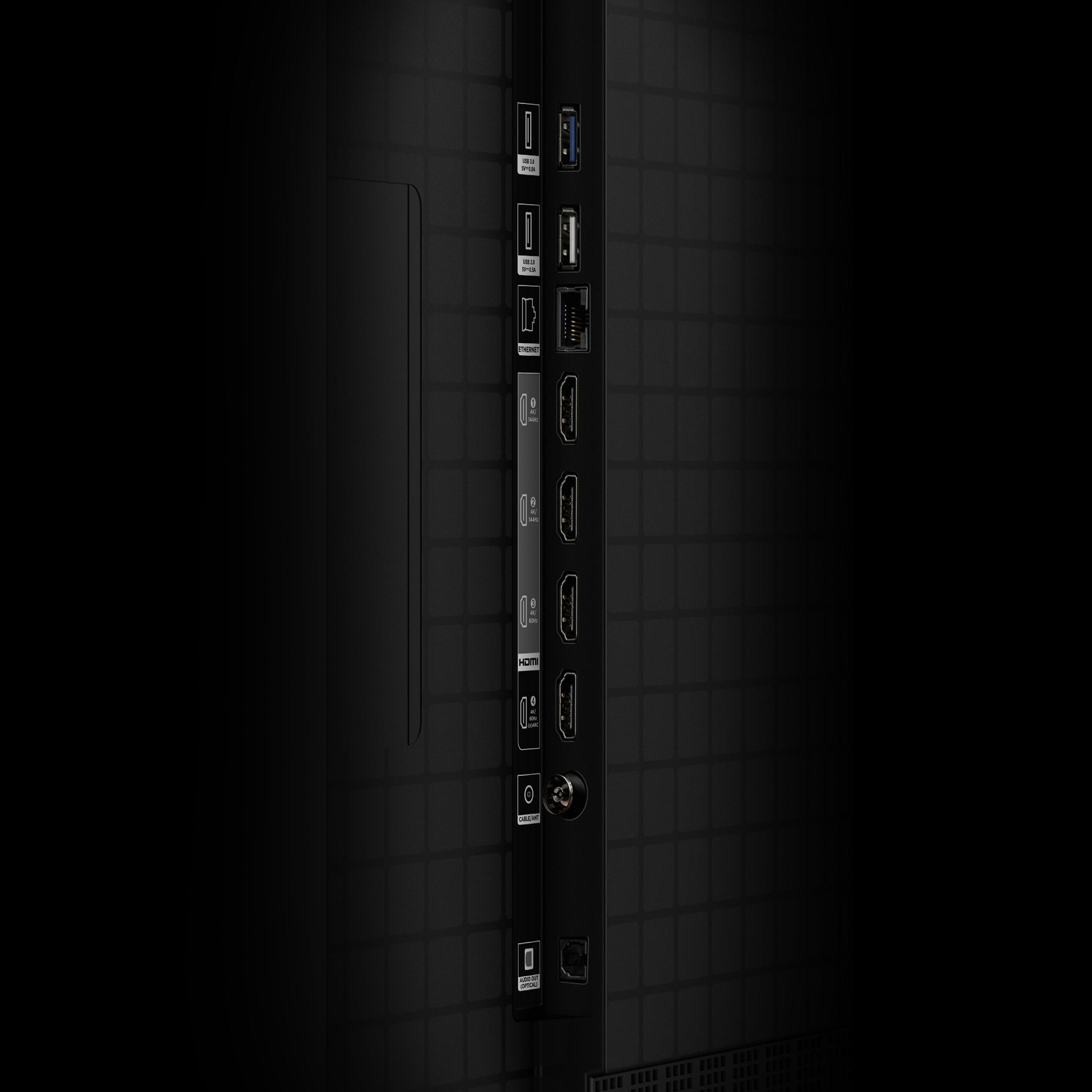
The QN70F's four HDMI 2.1 ports with full bandwidth support mean you can connect multiple gaming devices without compromise. Features like Auto Low Latency Mode (ALLM) automatically detect when you're gaming and switch to the optimal picture mode, reducing input lag – the delay between pressing a button and seeing the action on screen. The integrated Game Bar provides quick access to gaming-specific settings without diving into complex menus.
Variable refresh rate technology is particularly important for modern gaming. When your console or PC renders games at fluctuating frame rates – say, dropping from 60fps to 45fps during intense action sequences – VRR synchronizes the display's refresh rate with the content, eliminating screen tearing and stuttering. The Samsung QN70F handles this seamlessly across its supported refresh rate range.
The TCL QM8K, while offering solid baseline gaming performance, lacks these advanced features. However, its exceptional brightness does provide advantages for gaming in bright rooms or competitive gaming where visibility in dark areas matters. Some gamers prefer the enhanced visibility that high-brightness displays provide in dark game environments.
For serious gamers, especially those with next-generation consoles or gaming PCs, the Samsung QN70F is the clear choice. Casual gamers who primarily play during daytime hours might find the TCL QM8K's brightness advantages more valuable.
The smart TV experience has evolved significantly, and the differences between platforms can affect your daily usage more than you might expect. The Samsung QN70F runs Tizen OS enhanced with Samsung Vision AI, representing a significant leap forward in smart TV capabilities.
Samsung Vision AI includes innovative features like "Click to Search," which lets you point at something on screen to get instant information about actors, locations, or products. The "Live Translate" feature provides real-time subtitle translations for live broadcasts – incredibly useful for international content or news. These AI features feel genuinely useful rather than gimmicky, though their value depends on your viewing habits.
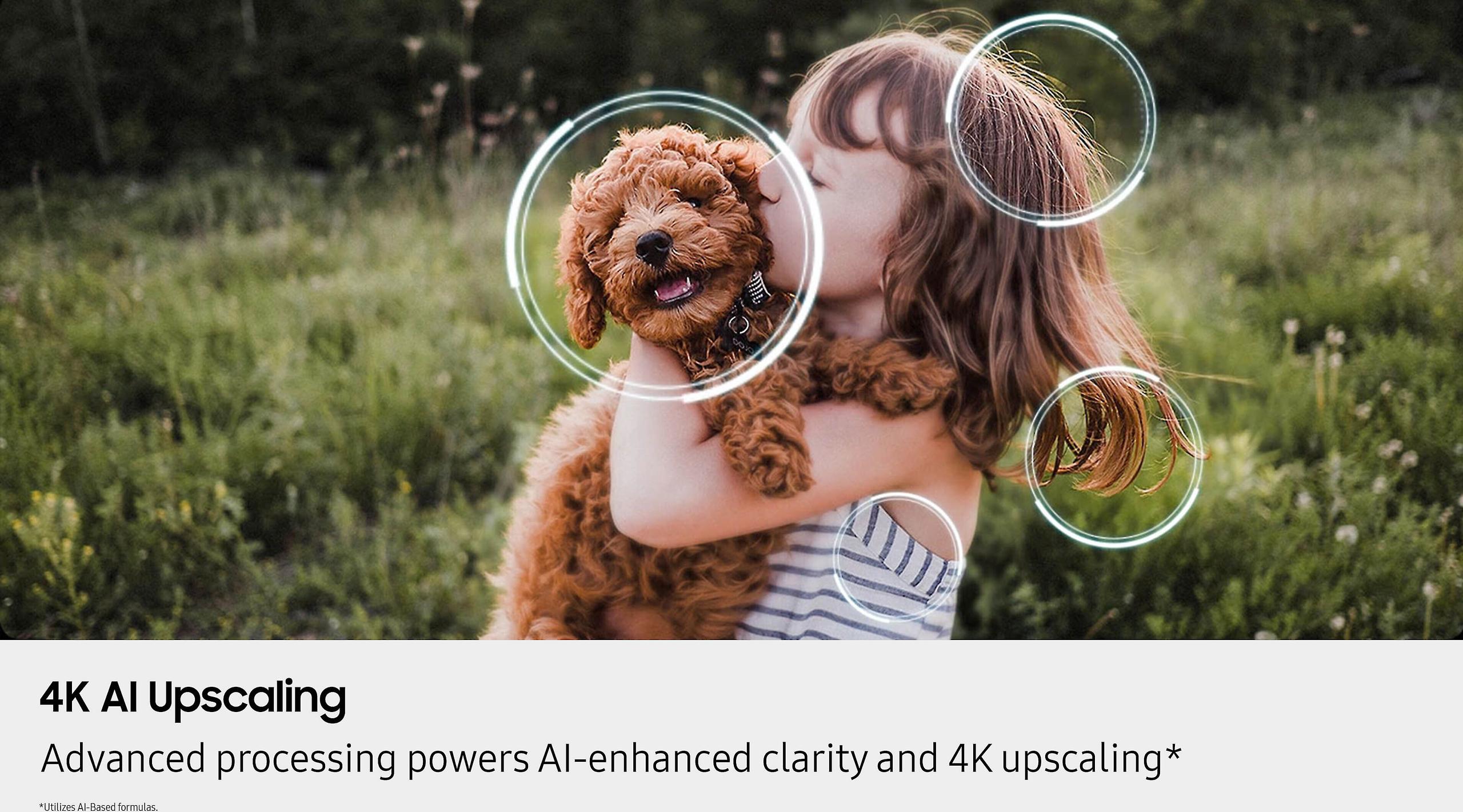
The NQ4 AI Gen2 processor continuously analyzes and optimizes both picture and sound quality using machine learning algorithms. It recognizes content types – distinguishing between sports, movies, news, and animation – and adjusts processing accordingly. This means the TV becomes better at displaying your preferred content types over time.
The TCL QM8K uses Google TV, which provides a clean, intuitive interface with excellent app selection and performance. While it lacks the advanced AI features of the Samsung model, Google TV offers reliable functionality with good voice control and smart home integration. The platform is straightforward and responsive, focusing on content discovery and streaming service integration.
For users invested in the Samsung ecosystem – with Galaxy phones, Samsung soundbars, or other Samsung smart home devices – the QN70F's advanced integration provides genuine convenience. The AI features also appeal to users who enjoy having the latest technology, though they're not essential for basic viewing enjoyment.
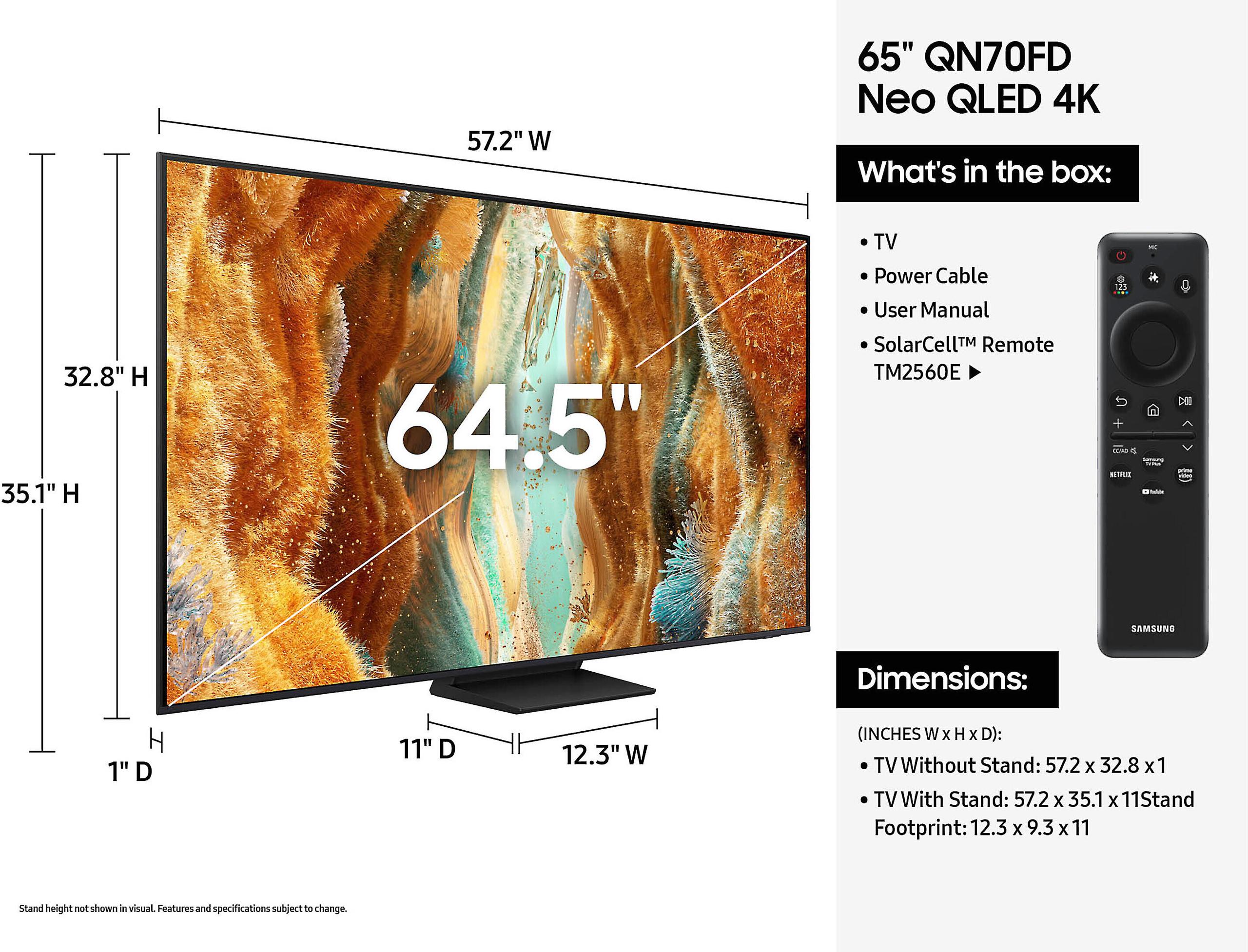
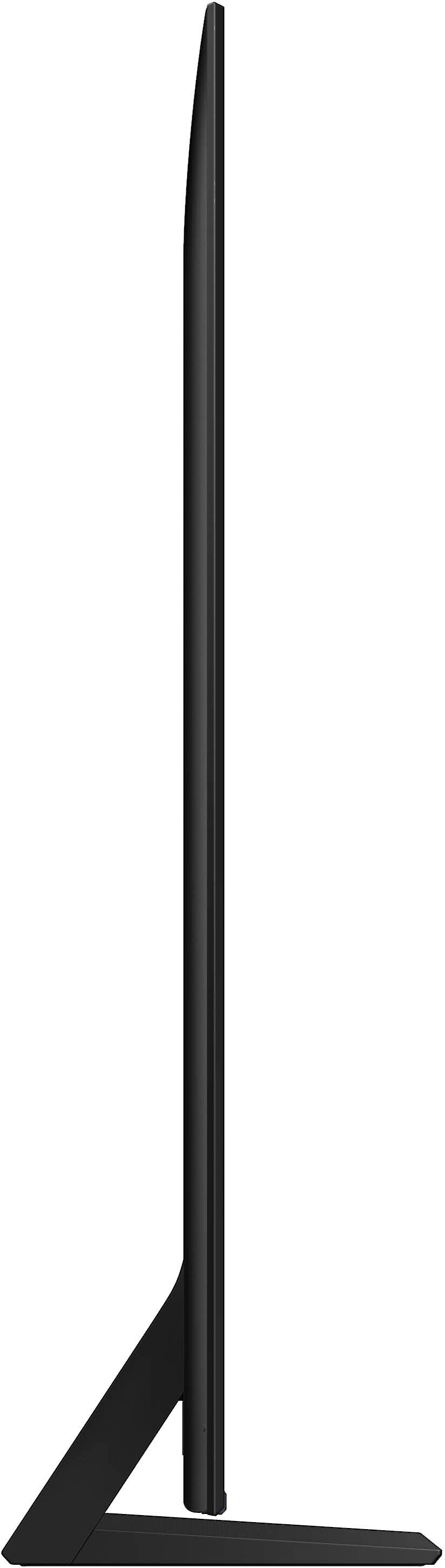
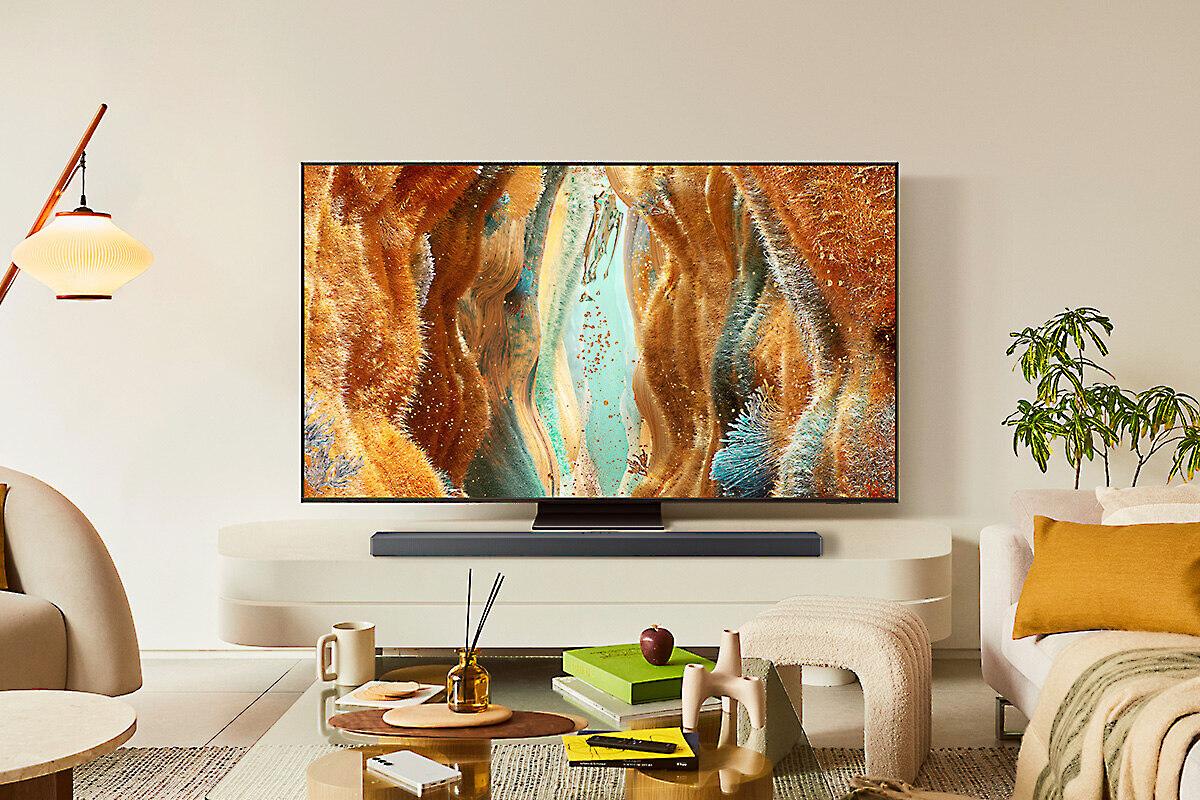
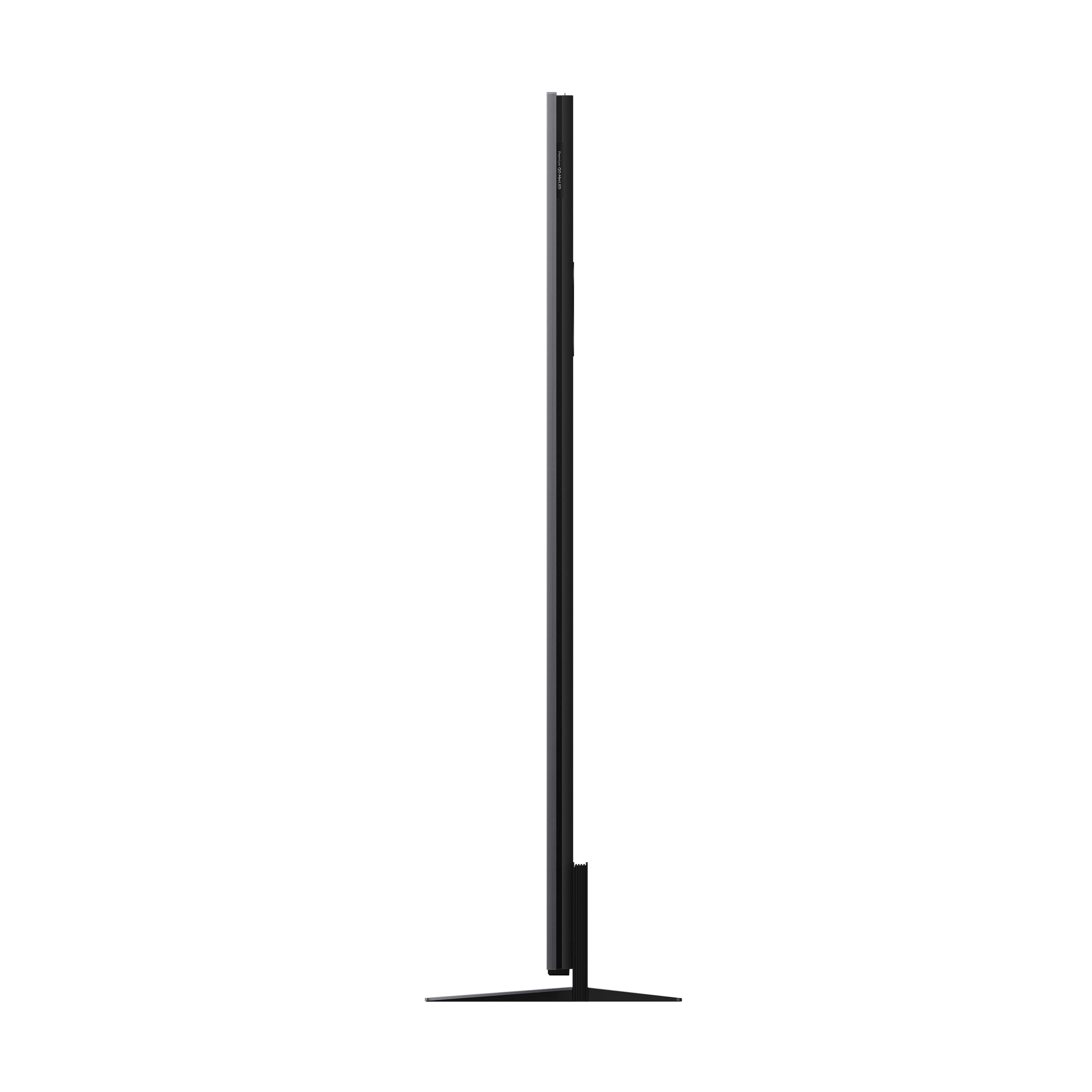
Physical design might seem secondary to performance, but it significantly impacts installation options and long-term satisfaction. The Samsung QN70F features an ultra-slim profile measuring approximately one inch deep – impressively thin for a Mini LED display. This makes it ideal for wall mounting in shallow spaces or when you want the TV to virtually disappear against the wall.
Samsung's build quality reflects their premium positioning, with solid construction and refined materials throughout. The wide viewing angle technology helps maintain picture quality when viewed from the sides – important for larger rooms or open floor plans where people sit at various angles to the screen.
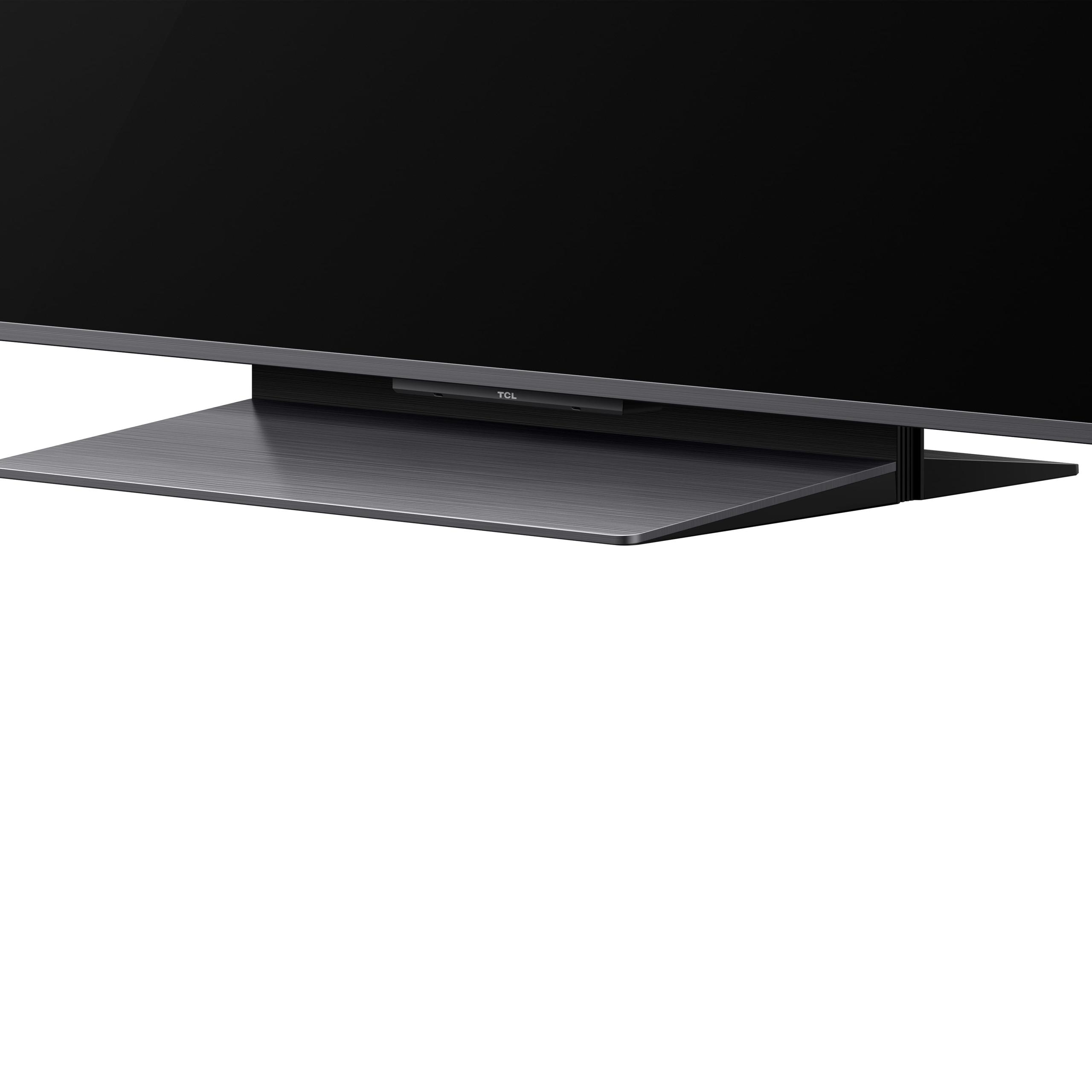
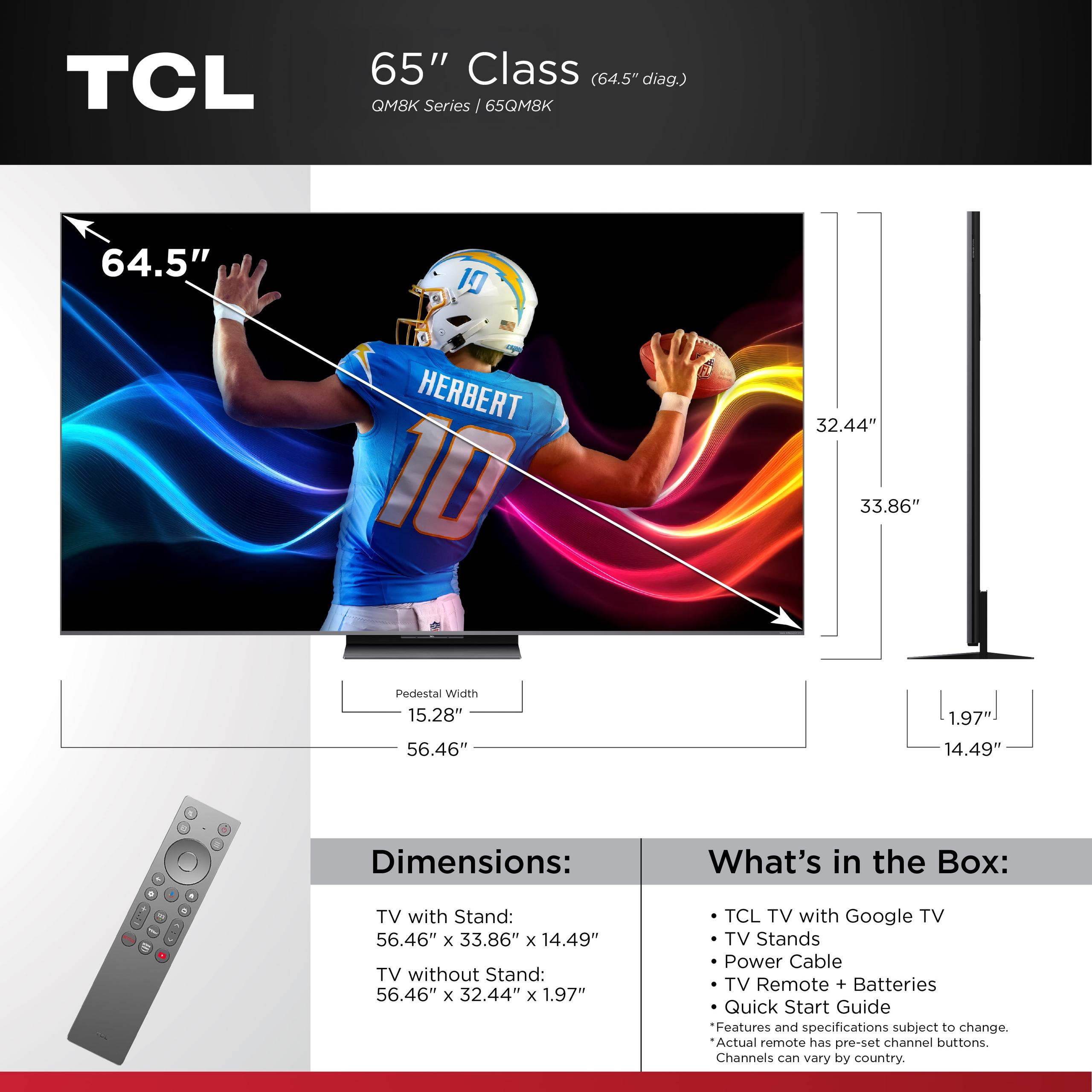
The TCL QM8K uses more conventional thickness but maintains solid construction for its price point. The build quality is good, though not quite matching Samsung's premium feel. However, for most installations, these differences won't significantly impact your experience unless you specifically need an ultra-thin profile.
Both TVs support standard VESA mounting patterns, making them compatible with most wall mounts and TV stands. The choice between them often comes down to specific installation requirements and aesthetic preferences.
For dedicated home theater setups, both displays offer compelling advantages, though they excel in different scenarios. The TCL QM8K's exceptional brightness might seem counterintuitive for darkened home theaters, but it provides crucial headroom for HDR content. When properly calibrated, high peak brightness allows for better tone mapping – the process of converting HDR content's wide brightness range to what your display can actually show.
The QM8K's 3,800 dimming zones provide excellent black level performance for a non-OLED display. In dark viewing environments, this translates to better contrast and more immersive movie experiences. The full-array backlight implementation also provides more even illumination across the screen compared to edge-lit alternatives.
The Samsung QN70F brings sophisticated processing to home theater applications. Its AI upscaling can improve lower-resolution content – particularly valuable if you watch older movies or TV shows. The Filmmaker Mode preserves the director's intended picture settings, while HDR10+ adaptive support adjusts brightness and contrast metadata scene by scene rather than using static settings for entire movies.
For home theater purists, both displays support essential features like low-latency modes for gaming, multiple picture modes for different content types, and comprehensive calibration options. However, neither quite matches OLED's perfect black levels – something to consider if your home theater prioritizes absolute picture quality over brightness capability.
At the time of writing, the TCL QM8K typically offers better value for most buyers. Street prices often put it in the under-$1,000 range during sales, delivering flagship-level brightness performance at a surprisingly accessible price point. This represents exceptional value – you're getting performance that competes with displays costing significantly more.
The Samsung QN70F commands a premium, typically priced several hundred dollars higher. This premium buys you advanced gaming features, AI processing capabilities, ultra-slim design, and Samsung's ecosystem integration. Whether these features justify the extra cost depends on your specific needs and budget priorities.
From a long-term value perspective, both displays should provide years of enjoyment. The Samsung QN70F's gaming features may prove more future-relevant as console gaming continues evolving, while the TCL QM8K's exceptional brightness ensures it won't feel outdated as HDR content standards advance.
Consider also the total cost of ownership. If you need a soundbar – likely with either TV for optimal audio experience – factor that into your budget. Both displays benefit from external audio solutions, though the Samsung QN70F offers better sound processing and connectivity options.
Choose the Samsung QN70F if you prioritize gaming features, want the latest AI-powered processing, or need ultra-slim wall mounting. It's ideal for tech enthusiasts who appreciate cutting-edge features and Samsung ecosystem users who want seamless device integration. The advanced gaming capabilities make it particularly appealing for serious console or PC gamers who want to maximize their hardware's potential.
The TCL QM8K suits buyers who prioritize raw performance metrics and value. If you have a bright living room, watch lots of HDR content, or simply want flagship-level performance without flagship pricing, it's an excellent choice. The exceptional brightness and local dimming performance deliver impressive results for movie watching and general viewing.
For most buyers, the TCL QM8K offers better overall value unless you specifically need the Samsung QN70F's unique features. The performance differences in everyday viewing are often less dramatic than the price differences suggest. However, if budget allows and you value premium features, the Samsung model provides a more complete package with room to grow as technology advances.
Both displays represent solid choices in the premium Mini LED category, each excelling in different areas while delivering impressive overall performance that challenges much more expensive alternatives.
| Samsung 65" QN70F Neo QLED 4K Vision AI Smart TV 2025 | TCL 65" QM8K Series QD-Mini LED 4K Smart TV |
|---|---|
| Peak Brightness - Critical for HDR performance and bright room viewing | |
| Neo Quantum HDR with intelligent processing (exact nits not specified) | Up to 5,000 nits (among the brightest consumer TVs available) |
| Local Dimming Technology - Determines contrast quality and black levels | |
| Quantum Matrix Technology Slim with Mini LEDs (edge-mounted) | 3,800 precise dimming zones with full-array Mini LED backlight |
| Gaming Features - Essential for console and PC gaming performance | |
| Motion Xcelerator 144Hz, VRR, ALLM, 4x HDMI 2.1 ports, Game Bar | Standard gaming support without advanced refresh rate features |
| Smart Platform - Affects daily usability and feature access | |
| Tizen OS with Samsung Vision AI (Click to Search, Live Translate) | Google TV with standard smart features |
| AI Processing - Impacts picture quality optimization | |
| NQ4 AI Gen2 processor with 20 neural networks for real-time optimization | Standard image processing without advanced AI features |
| Design Profile - Important for wall mounting and aesthetics | |
| Ultra-slim ~1 inch depth, premium build quality | Standard thickness with solid construction |
| Refresh Rate - Affects motion clarity and gaming smoothness | |
| Native 144Hz with Motion Rate support | Standard refresh rate (specific rate not detailed) |
| HDR Support - Determines compatibility with premium content | |
| Neo Quantum HDR, HDR10+, Supreme UHD Dimming | Dolby Vision IQ, HDR10+, HDR10, HLG support |
| Audio System - Built-in sound quality | |
| Object Tracking Sound (OTS Lite), 20W, 2CH speakers | Audio by Bang & Olufsen with Dolby Atmos support |
| Ecosystem Integration - Device connectivity and smart home features | |
| Deep Samsung Galaxy integration, Bixby, SmartThings compatibility | Standard Google Assistant and smart home support |
| Value Proposition - Performance per dollar consideration | |
| Premium features justify higher cost for gamers and tech enthusiasts | Exceptional brightness and performance at more accessible pricing |
The Samsung QN70F is significantly better for gaming with its Motion Xcelerator 144Hz technology, native 144Hz refresh rate, Variable Refresh Rate (VRR), and Auto Low Latency Mode (ALLM). It also features four HDMI 2.1 ports and an integrated Game Bar for quick settings access. The TCL QM8K offers basic gaming performance but lacks these advanced gaming features that modern consoles and PCs can utilize.
The TCL QM8K dominates in brightness with up to 5,000 nits peak brightness capability, making it excellent for bright rooms and daytime viewing. The Samsung QN70F uses Neo Quantum HDR processing for intelligent brightness management but doesn't match the raw brightness output of the TCL QM8K. This makes the TCL model better for challenging lighting conditions.
The TCL QM8K typically offers better value, delivering flagship-level brightness performance and 3,800 dimming zones at a more accessible price point. The Samsung QN70F commands a premium for its advanced AI features, gaming capabilities, and ultra-slim design, making it better value specifically for gamers and Samsung ecosystem users.
The Samsung QN70F runs Tizen OS with Samsung Vision AI features like Click to Search and Live Translate, plus deep integration with Samsung Galaxy devices. The TCL QM8K uses Google TV with a clean interface and standard smart features. The Samsung offers more advanced AI capabilities while the TCL provides reliable, straightforward smart TV functionality.
The TCL QM8K is clearly better for bright living rooms due to its exceptional 5,000 nits peak brightness, which can overcome ambient light from windows and maintain HDR impact during daytime viewing. The Samsung QN70F, while offering good brightness, cannot match the TCL's performance in challenging lighting conditions.
The TCL QM8K features 3,800 precise dimming zones with full-array Mini LED backlighting for excellent contrast control and minimal blooming. The Samsung QN70F uses Quantum Matrix Technology Slim with edge-mounted Mini LEDs and relies more on intelligent processing algorithms. Both deliver good contrast, but the TCL QM8K has more physical control zones.
For home theaters, the TCL QM8K excels with its exceptional brightness headroom for HDR content and 3,800 dimming zones providing excellent black levels for a non-OLED display. The Samsung QN70F offers sophisticated processing with Filmmaker Mode and AI upscaling for older content. Both work well in dark viewing environments, with the choice depending on whether you prioritize raw performance or advanced processing.
The Samsung QN70F features an ultra-slim profile of approximately one inch, making it ideal for wall mounting in shallow spaces, plus premium build quality. The TCL QM8K has standard thickness but solid construction. The Samsung's design is more premium and suitable for installations where profile depth matters.
Both TVs offer excellent HDR performance but in different ways. The TCL QM8K delivers superior HDR impact through raw brightness capability and supports Dolby Vision IQ, HDR10+, HDR10, and HLG. The Samsung QN70F uses Neo Quantum HDR with intelligent processing and HDR10+ support for scene-by-scene optimization. The TCL excels in bright scenes while Samsung offers smarter tone mapping.
The TCL QM8K features Audio by Bang & Olufsen with Dolby Atmos support for immersive sound. The Samsung QN70F includes Object Tracking Sound (OTS Lite) with 20W, 2CH speakers and Q-Symphony support for Samsung soundbars. Both benefit from external audio solutions, but the TCL QM8K has slightly better built-in audio processing.
The Samsung QN70F is more future-proof for gaming with its 144Hz support and advanced gaming features that will remain relevant as console gaming evolves. The TCL QM8K is future-proof for content consumption with its exceptional brightness ensuring compatibility with advancing HDR standards. Your choice depends on whether gaming or general viewing is your priority.
Choose the Samsung QN70F if you're a serious gamer, want AI-powered features, need ultra-slim wall mounting, or are invested in the Samsung ecosystem. Choose the TCL QM8K if you have a bright room, prioritize value, want maximum brightness for HDR content, or primarily watch movies and TV shows. The TCL QM8K offers better overall value for most users, while the Samsung QN70F provides premium features for specific use cases.
We've done our best to create useful and informative comparisons to help you decide what product to buy. Our research uses advanced automated methods to create this comparison and perfection is not possible - please contact us for corrections or questions. These are the sites we've researched in the creation of this article: rtings.com - youtube.com - wifihifi.com - samsung.com - samsung.com - samsung.com - samsung.com - flatpanelshd.com - news.samsung.com - bestbuy.com - tomsguide.com - youtube.com - businessinsider.com - rtings.com - youtube.com - avsforum.com - avsforum.com - bestbuy.com - tcl.com - tcl.com - tcl.com - flatpanelshd.com - romomattressfurniture.com - brandsmartusa.com - pcrichard.com - tvsbook.com - tcl.com - youtube.com - prnewswire.com - tcl.com - tcl.com

Privacy Policy
Terms and Conditions - Affiliate Policy
Home Security
© Copyright 2008-2026.
11816 Inwood Rd #1211, Dallas, TX 75244