



![LG B5 Series OLED 65" 4K Smart TV 2025[1][7][9]](https://images.hometheaterreview.com/htr-stateless/2025/07/31238cd0-lg-b5-series-oled-65-4k-smart-tv-2025179.jpg)
![LG B5 Series OLED 65" 4K Smart TV 2025[1][7][9]](https://images.hometheaterreview.com/htr-stateless/2025/07/3368ce40-25ef-4d07-b442-bb0af89e3a29.jpg)
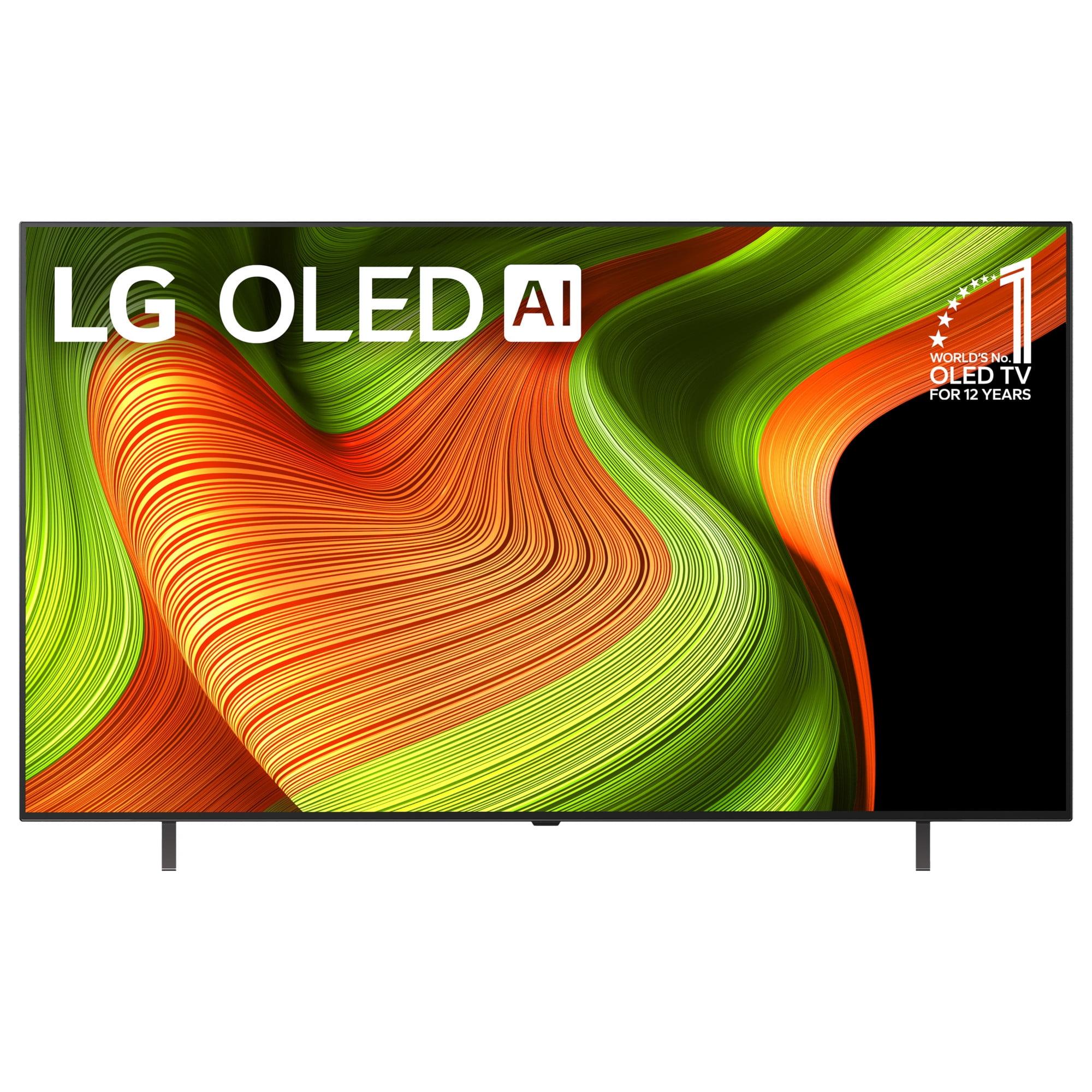
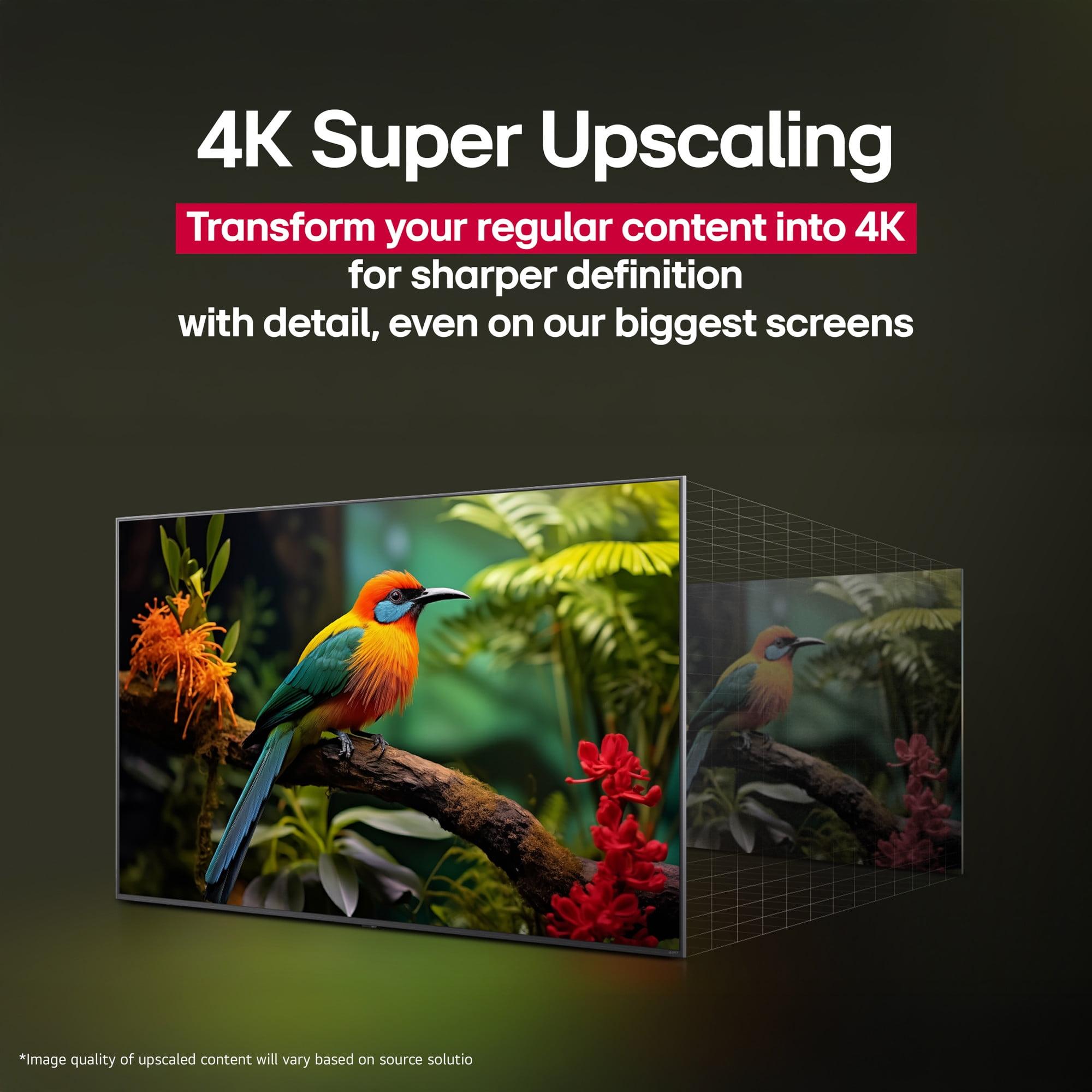
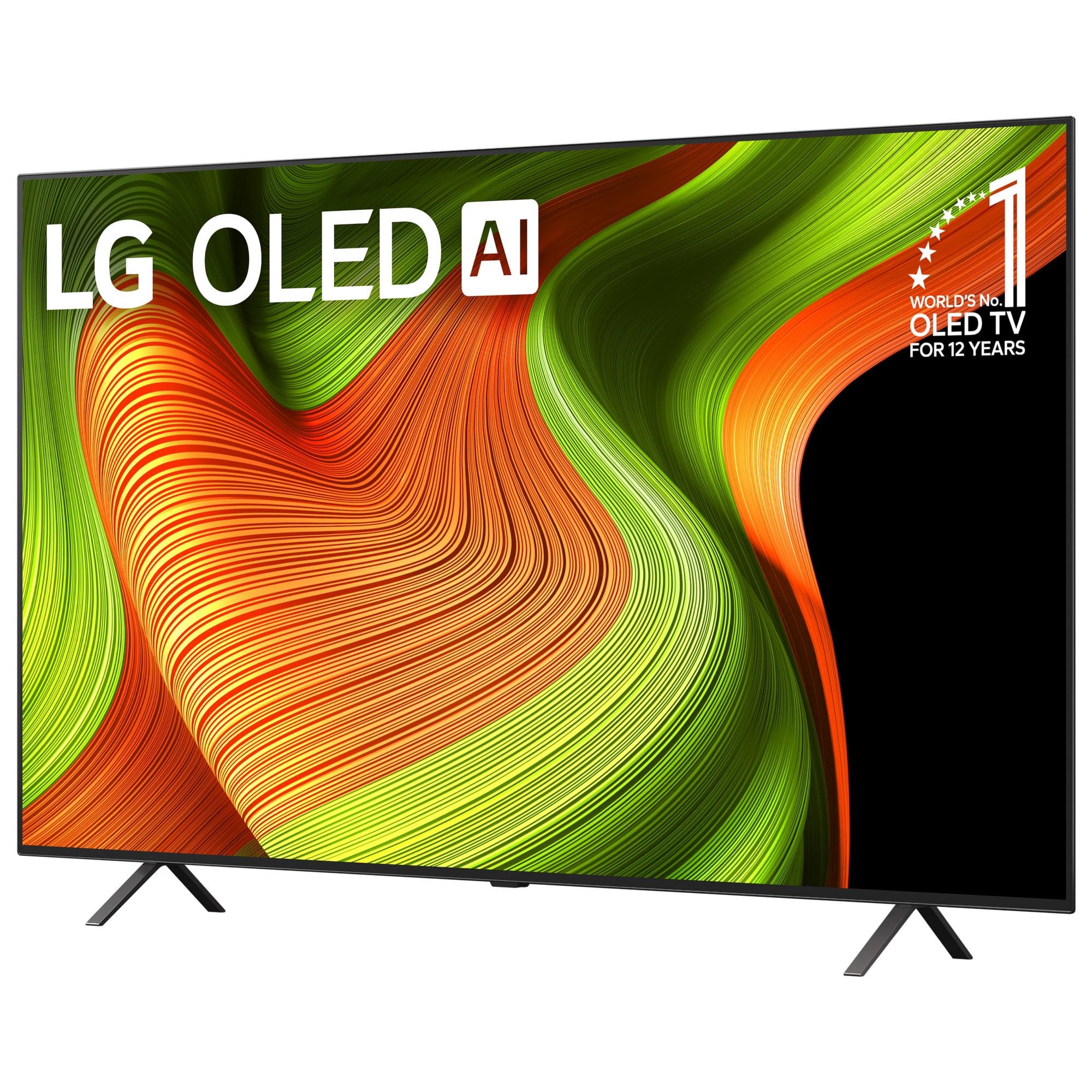
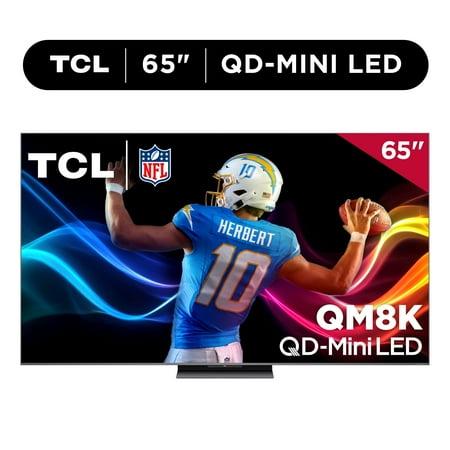
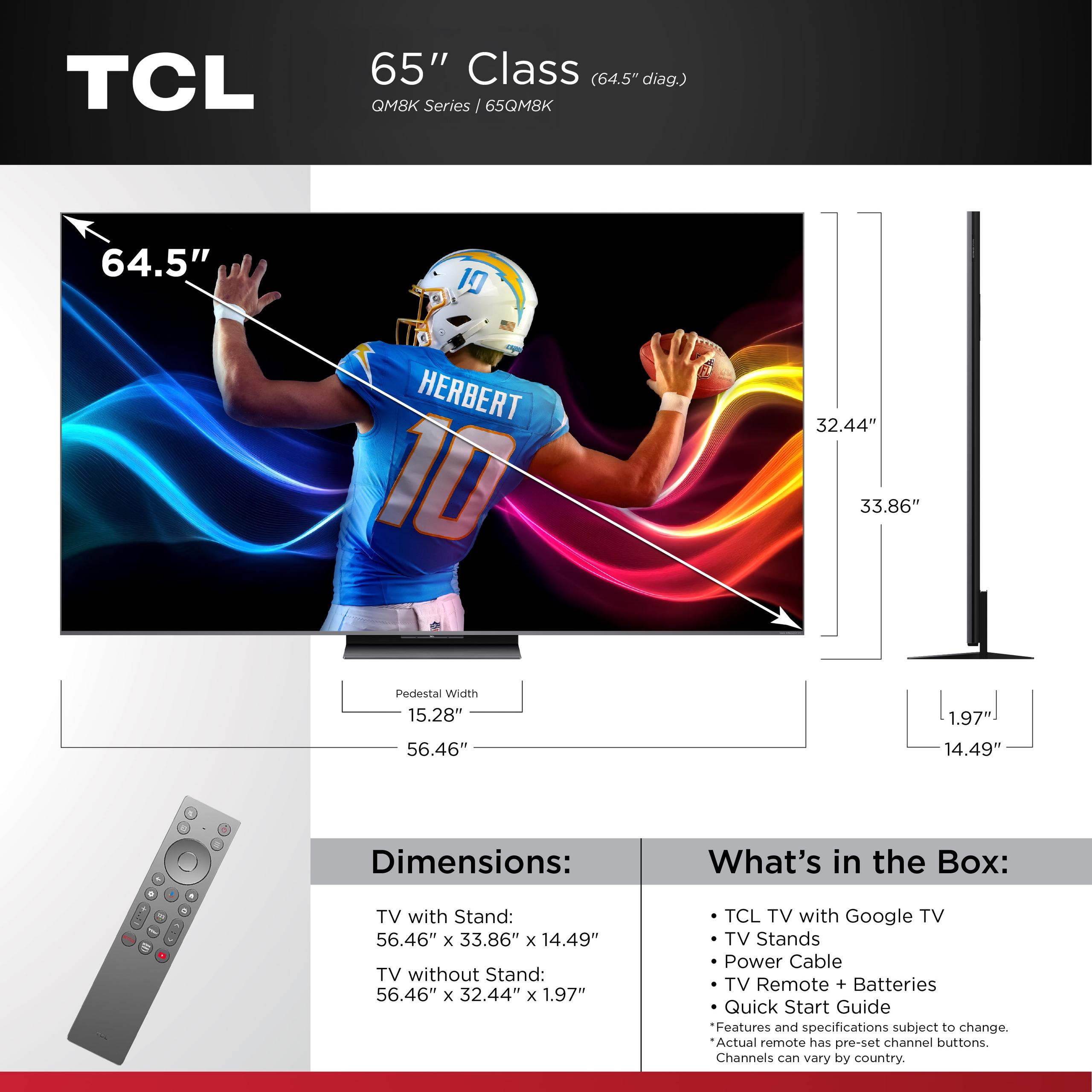
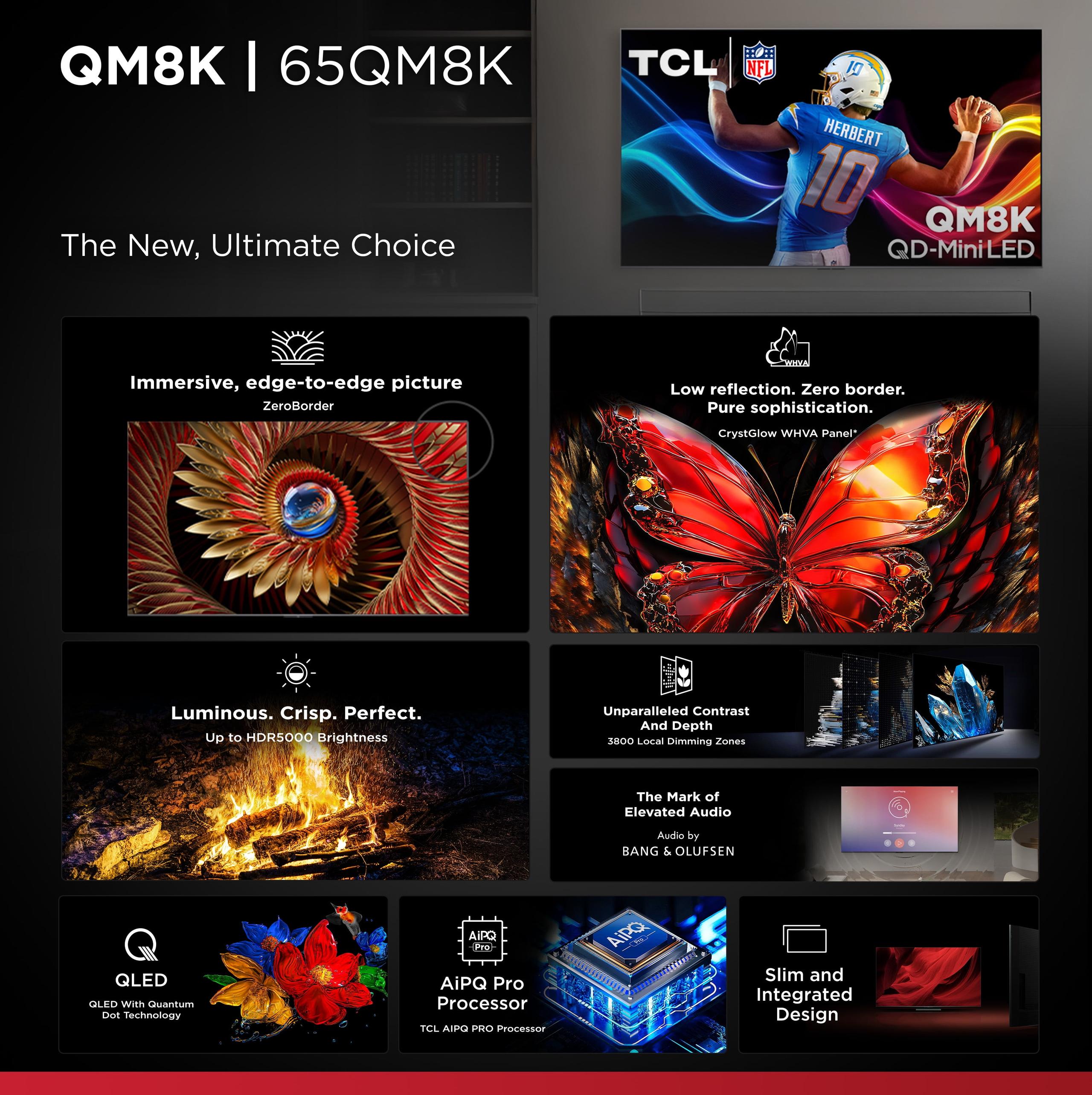
Choosing between the TCL 65" QM8K Series QD-Mini LED 4K Smart TV ($998) and the LG B5 Series OLED 65" 4K Smart TV ($1,699.99) isn't just about picking between two TVs—it's about understanding two completely different approaches to creating the perfect picture. Both launched in 2025, but they represent fundamentally different philosophies in display technology that will dramatically affect your viewing experience.
When I first started reviewing TVs seriously, the choice was simple: LCD or plasma. Today's decision between Mini LED and OLED is far more nuanced and impactful. These technologies don't just create different pictures—they create different experiences entirely.
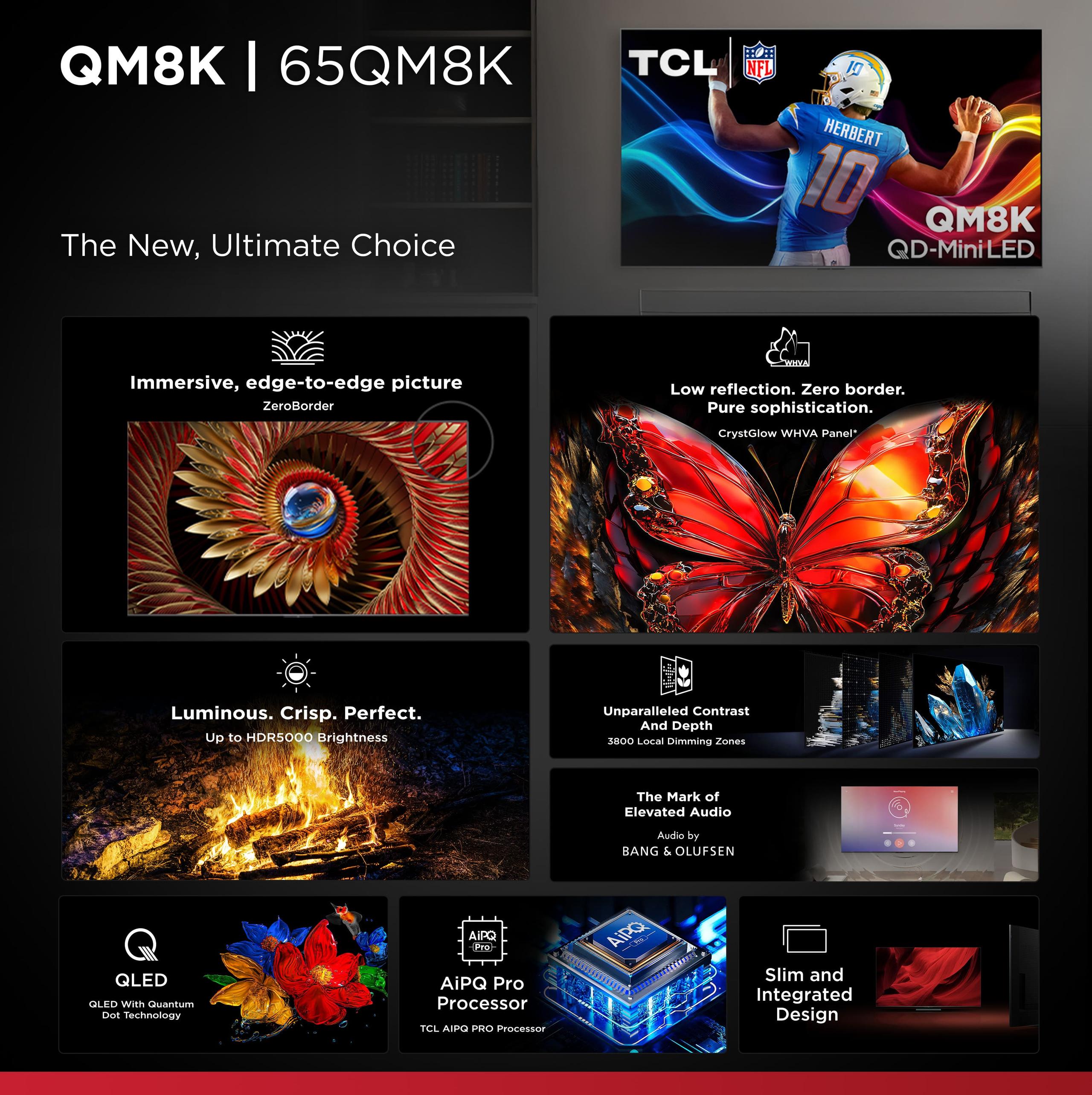
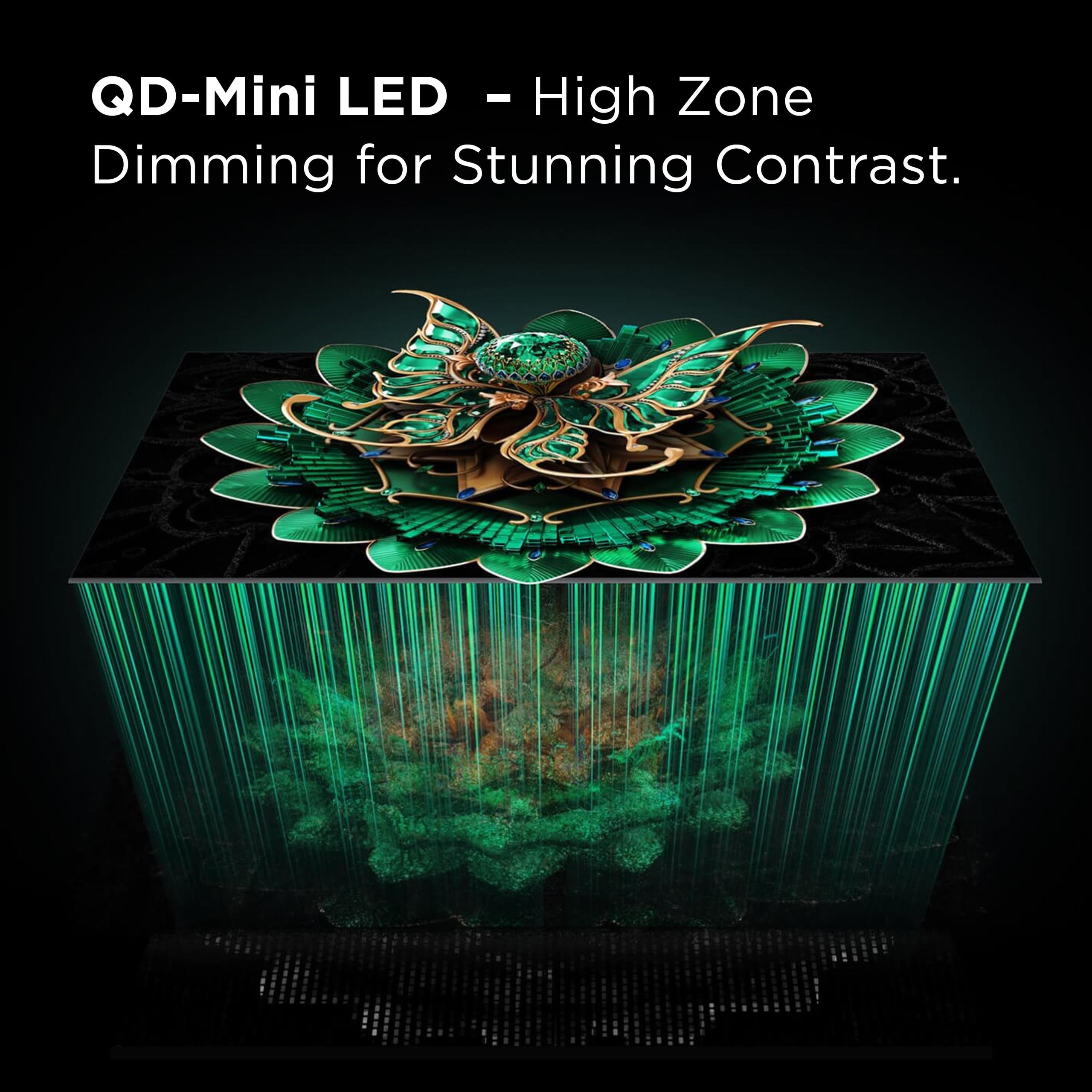
The Mini LED technology in the TCL QM8K uses thousands of tiny LED lights behind a quantum dot layer (a special film that converts light into pure colors) to create the image. Think of it like having thousands of tiny flashlights behind your screen, each one capable of dimming independently to create darker areas. This approach allows for incredibly bright highlights—the QM8K can hit up to 5,000 nits of peak brightness, which is bright enough to make HDR content look almost three-dimensional.
OLED technology in the LG B5 takes a completely different approach. Each pixel is essentially a tiny light bulb that can turn completely on or completely off. When a pixel needs to be black, it simply turns off entirely, creating what we call "perfect blacks." There's no backlight bleeding through because there's no backlight at all in those areas.
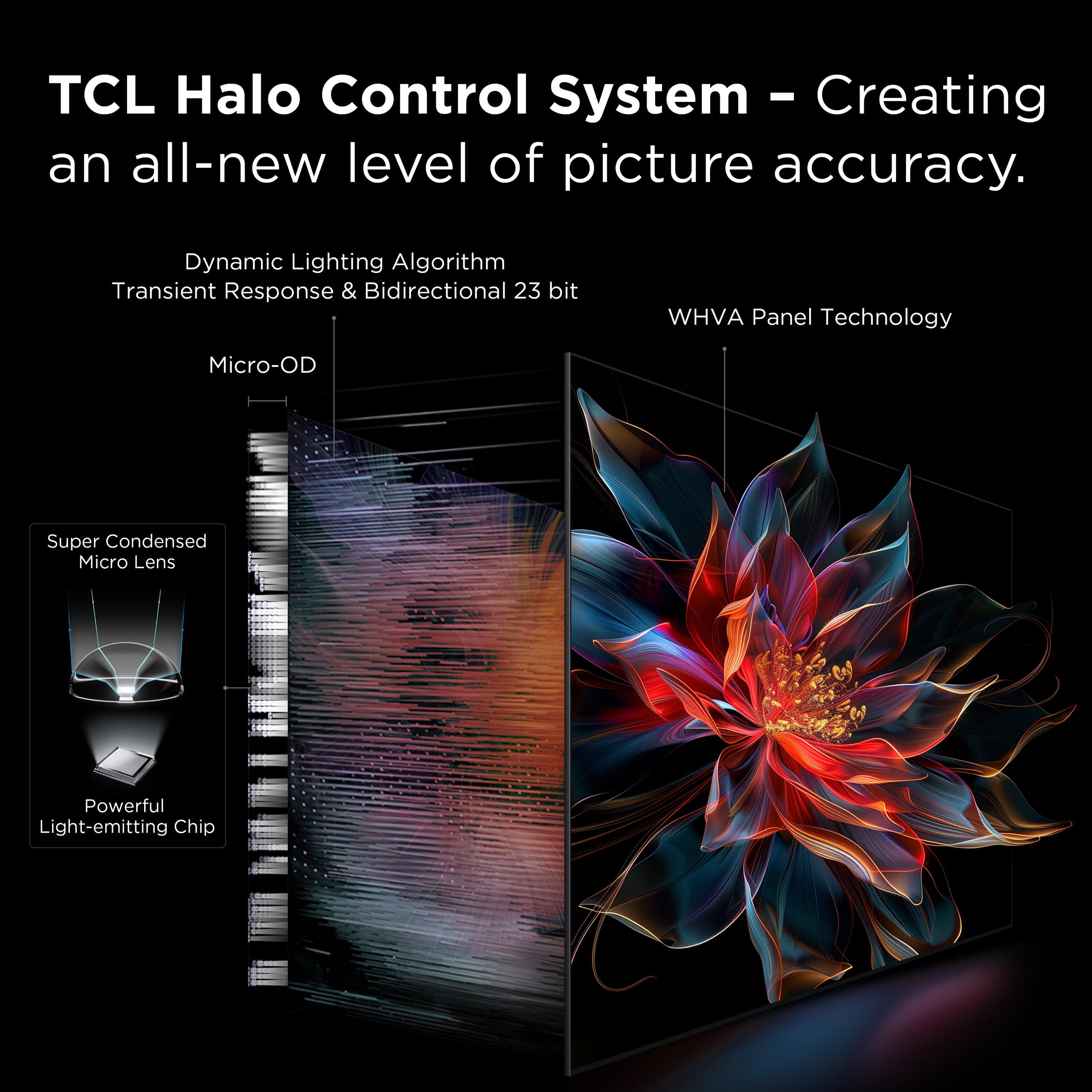
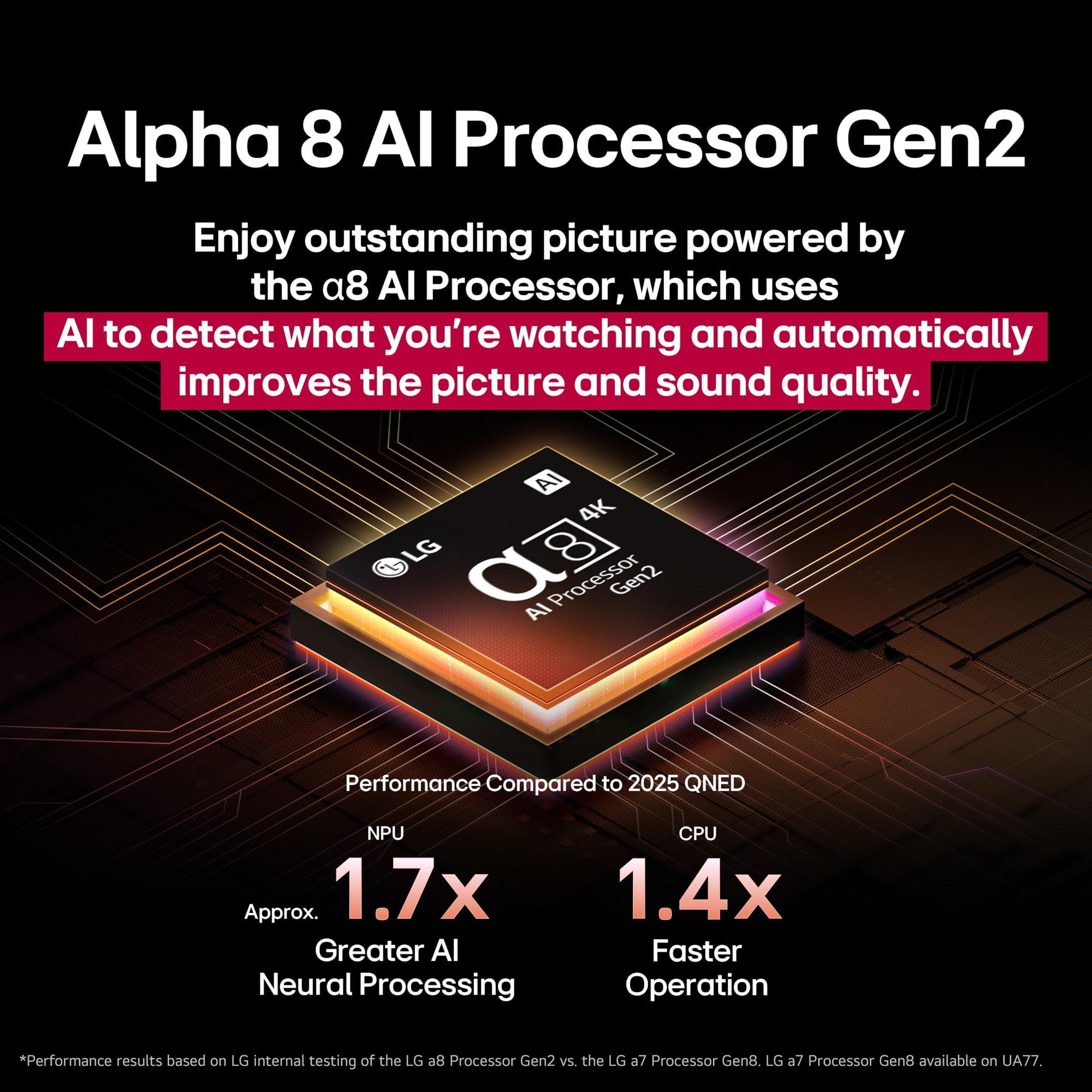
Both TVs launched in 2025, with the TCL arriving first in spring and the LG following in summer. The QM8K represents a significant leap forward from TCL's previous generation, incorporating their new Halo Control System that dramatically reduces the "blooming" effect (unwanted light spilling from bright objects into dark areas) that plagued earlier Mini LED TVs. The B5, meanwhile, uses LG's latest OLED panels with improved efficiency and the α8 AI Processor Gen2, which processes images 1.4 times faster than the previous generation.
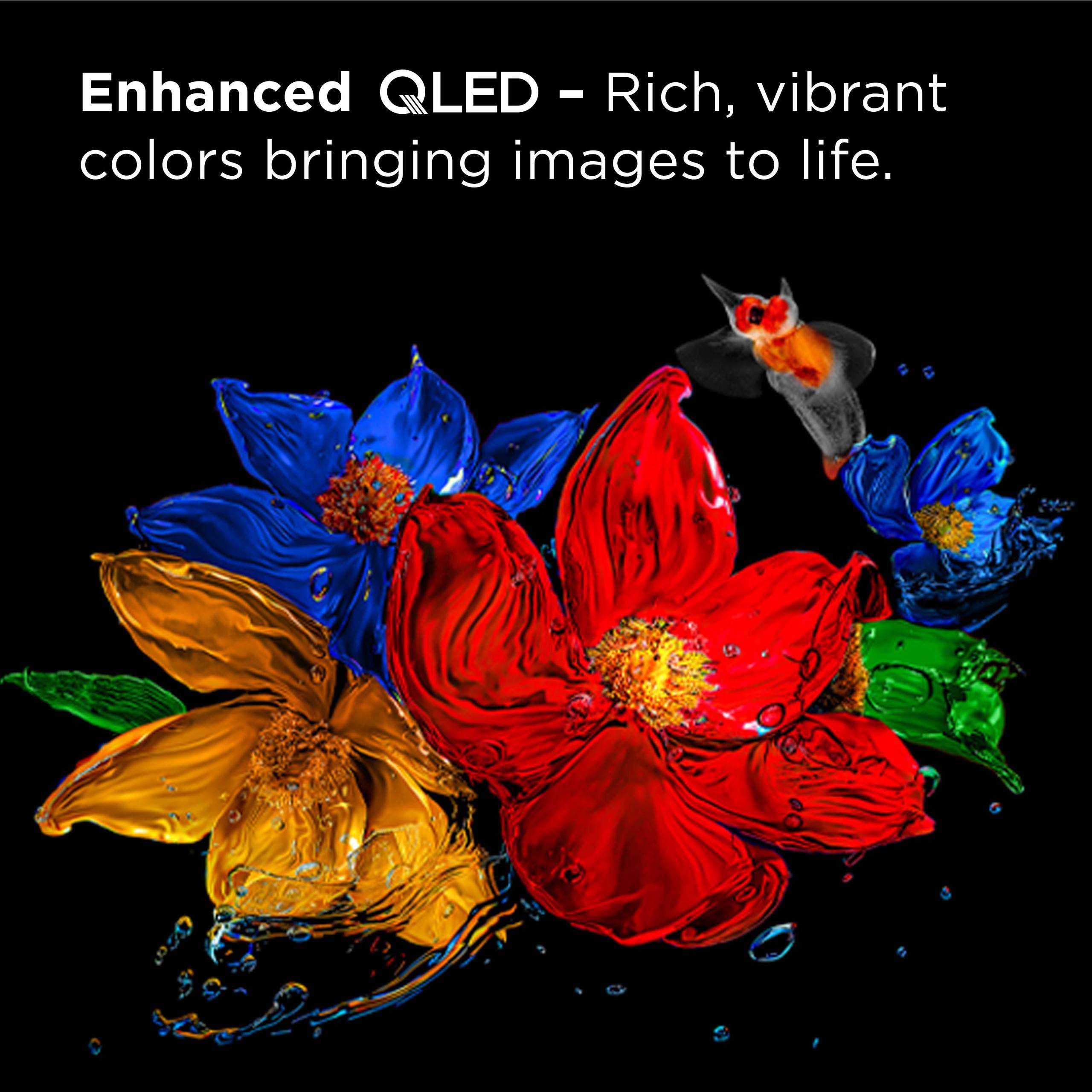
Here's where the fundamental difference becomes crystal clear. The TCL QM8K ($998) produces some of the brightest images I've ever seen on a consumer TV. When watching HDR content—think of those stunning nature documentaries where the sun reflects off water—the QM8K makes those highlights genuinely eye-catching. The quantum dot layer enhances this by converting the LED light into incredibly pure colors, achieving 97% of the DCI-P3 color space (the standard used by movie theaters).
The technical specs tell the story: 5,000 nits peak brightness with up to 3,800 local dimming zones. Those dimming zones are like individual light switches for different areas of the screen. When a scene shows a bright star against a dark sky, the QM8K can make that star blazingly bright while keeping the surrounding sky properly dark.
The LG B5 OLED ($1,699.99), by comparison, typically peaks around 700-800 nits. In a dark room, this is absolutely sufficient and often preferred—but in a bright living room with afternoon sunlight streaming through windows, the difference becomes stark. I've watched the same HDR movie on both TVs, and while the B5 delivers more nuanced shadow detail, the QM8K creates those "wow" moments where bright objects seem to pop off the screen.
This is where OLED technology shines—literally by not shining at all. When the B5 needs to display black, those pixels simply turn off. The result is true black, not the dark gray you get from even the best LCD TVs. This creates what we call "infinite contrast ratio"—the difference between the brightest white and darkest black is mathematically infinite.
The QM8K fights back with its advanced local dimming system. The Halo Control System uses a Super High Energy LED chip with a condensed micro lens and reduced optical distance design to minimize light bleeding. In practical terms, this means when you're watching a movie with subtitles on a black background, you won't see distracting halos of light around the text—a common problem with cheaper LED TVs.
Testing both TVs with challenging content like space movies, the difference is noticeable but not overwhelming. The B5 delivers perfect blacks that make stars truly pop against the void of space. The QM8K can't achieve true black, but its contrast ratio of 30,000,000:1 gets surprisingly close, and the extra brightness makes nebulae and star fields more dramatic.
Both TVs excel at color reproduction, but in different ways. The QM8K's quantum dot layer produces incredibly saturated, vibrant colors that maintain their intensity even at high brightness levels. This is crucial for HDR content where colors need to remain accurate even when the screen is displaying very bright images.
The B5 takes a more subtle approach, focusing on color accuracy across all brightness levels. OLED's ability to produce perfect blacks means colors appear more natural and film-like, especially in darker scenes where the absence of any backlight bleed makes colors appear to float in space.
Viewing angles tell a clearer story. The QM8K has improved significantly over previous generations, but it still shows some brightness and color shifts when viewed from extreme angles. The B5 maintains consistent image quality from virtually any position—crucial if you have a wide seating arrangement or like to watch TV while moving around the room.
Gaming capabilities have become increasingly important, and both TVs deliver impressive performance with different strengths. The TCL QM8K ($998) features a native 144Hz refresh rate with Game Accelerator 288 technology, allowing for variable refresh rates up to 288Hz. This means incredibly smooth motion for fast-paced games, though you'll need a high-end PC to take advantage of these frame rates.
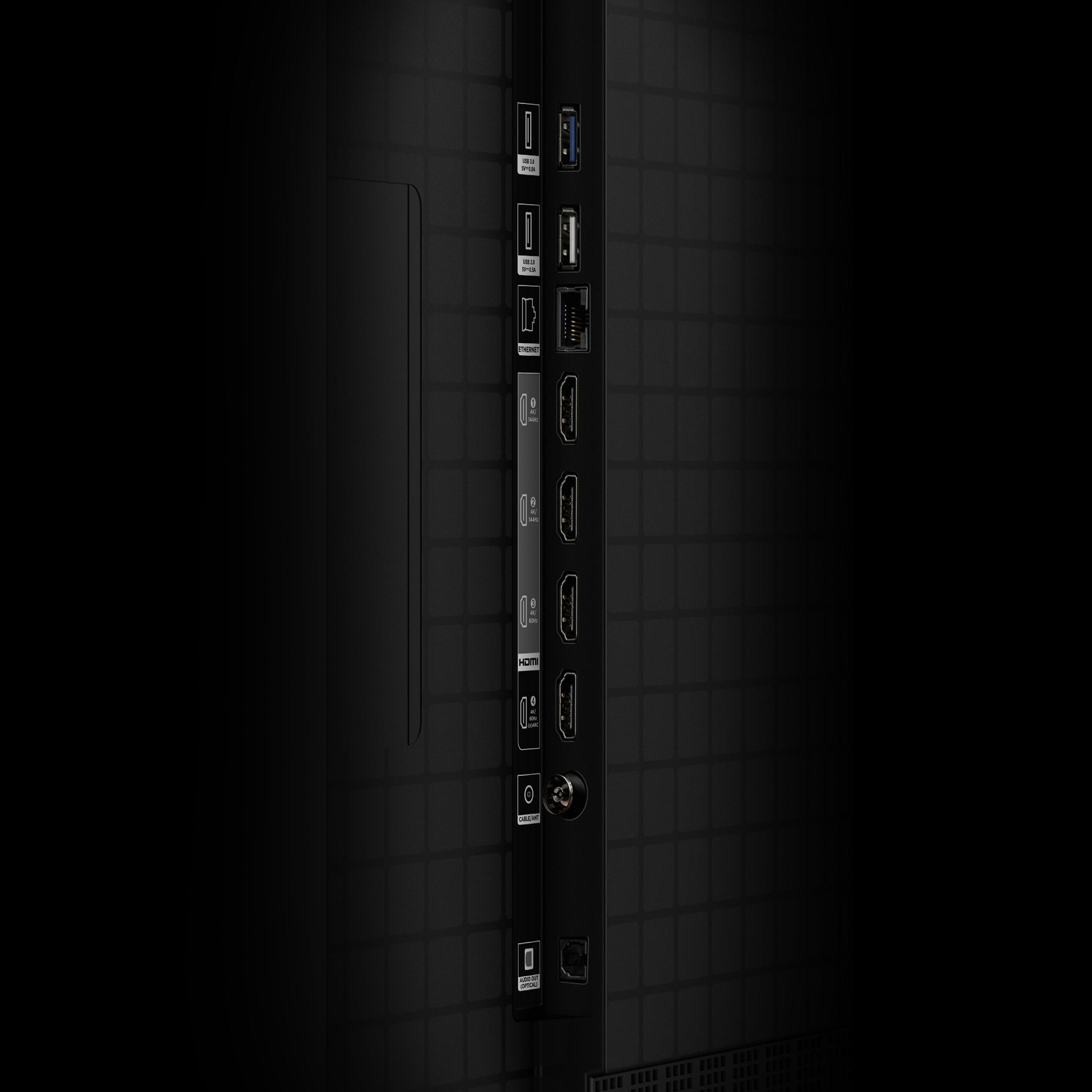
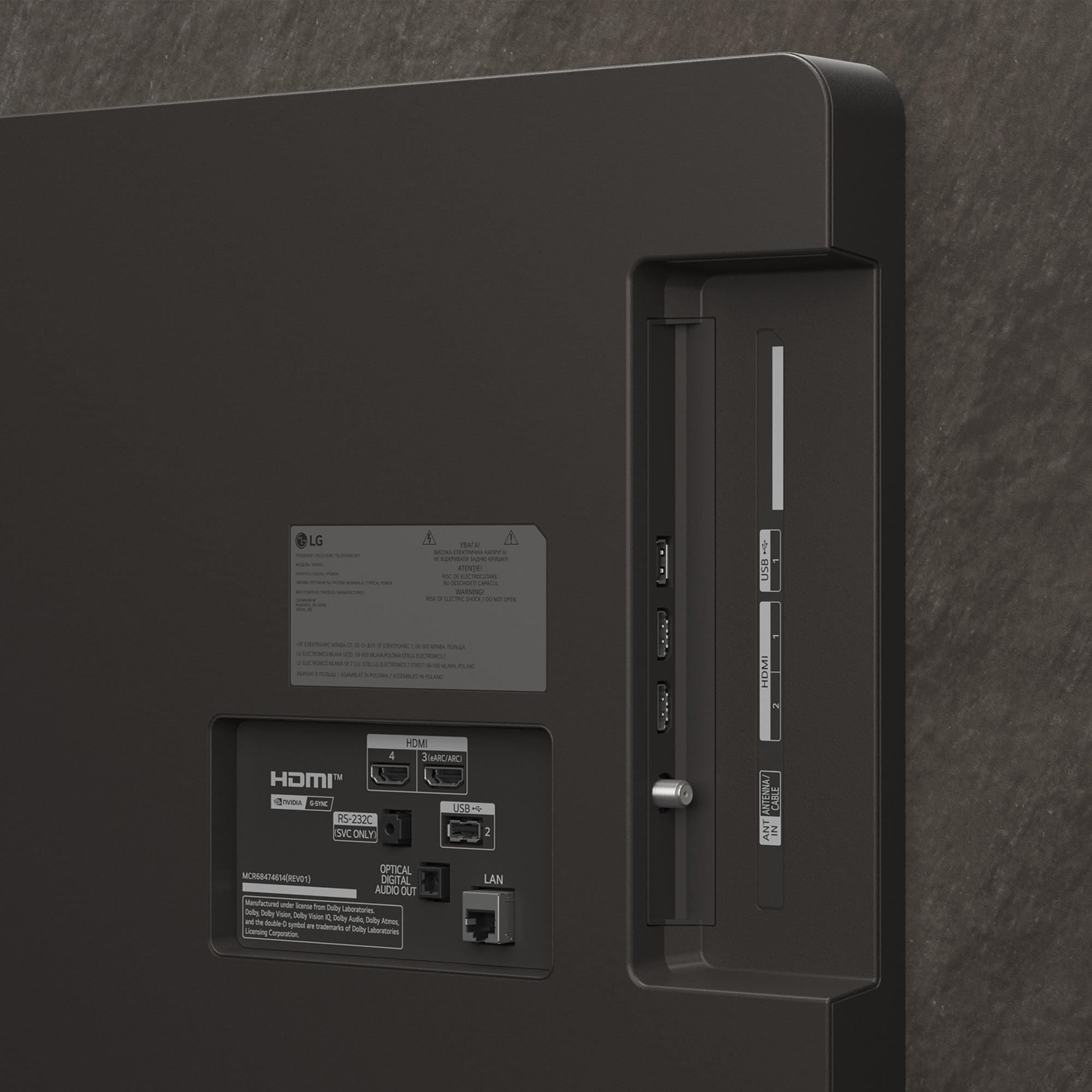
The trade-off is input lag—the delay between pressing a button and seeing the result on screen. The QM8K measures around 13.6ms, which is perfectly fine for casual gaming but might be noticeable to competitive gamers. It also includes only two HDMI 2.1 ports, which could be limiting if you want to connect multiple gaming consoles and a PC simultaneously.
The LG B5 OLED ($1,699.99) takes a different approach, prioritizing responsiveness over maximum refresh rates. With a 0.1ms response time and four HDMI 2.1 ports, it's better suited for competitive gaming and multiple device setups. The 120Hz refresh rate is perfectly adequate for current gaming consoles, which are capped at 4K/120Hz anyway.
Both TVs support AMD FreeSync Premium and NVIDIA G-Sync for tear-free gaming, but the B5's instantaneous pixel response eliminates motion blur more effectively. For home theater gaming—think single-player adventures in a dark room—the B5's perfect blacks create incredibly immersive experiences.
The software experience differs significantly between these TVs. The QM8K runs Google TV, which I find more intuitive than LG's webOS, especially for voice control and content discovery. The hands-free voice control works reliably, and the integration with Google services is seamless.
The B5's webOS 25 introduces AI features like personalized recommendations and Quick Cards for app organization. While not as immediately intuitive as Google TV, it's responsive and offers access to LG's free channel service with over 300 streaming channels.
Audio quality strongly favors the TCL. The Bang & Olufsen tuned speakers include up-firing drivers for Dolby Atmos, creating a more immersive sound experience. The B5's audio is adequate but unremarkable—you'll likely want to add a soundbar regardless, but the QM8K's built-in audio is genuinely impressive for TV speakers.
For dedicated home theater setups, the choice depends heavily on your room's light control. In a properly darkened theater room, the B5's perfect blacks and wide viewing angles create a more cinematic experience. The infinite contrast ratio makes dark scenes in movies genuinely atmospheric rather than washed out.
However, if your "home theater" is really a living room that doubles as entertainment space, the QM8K's superior brightness becomes crucial. HDR content looks more impactful, and the TV remains watchable even with some ambient light present.
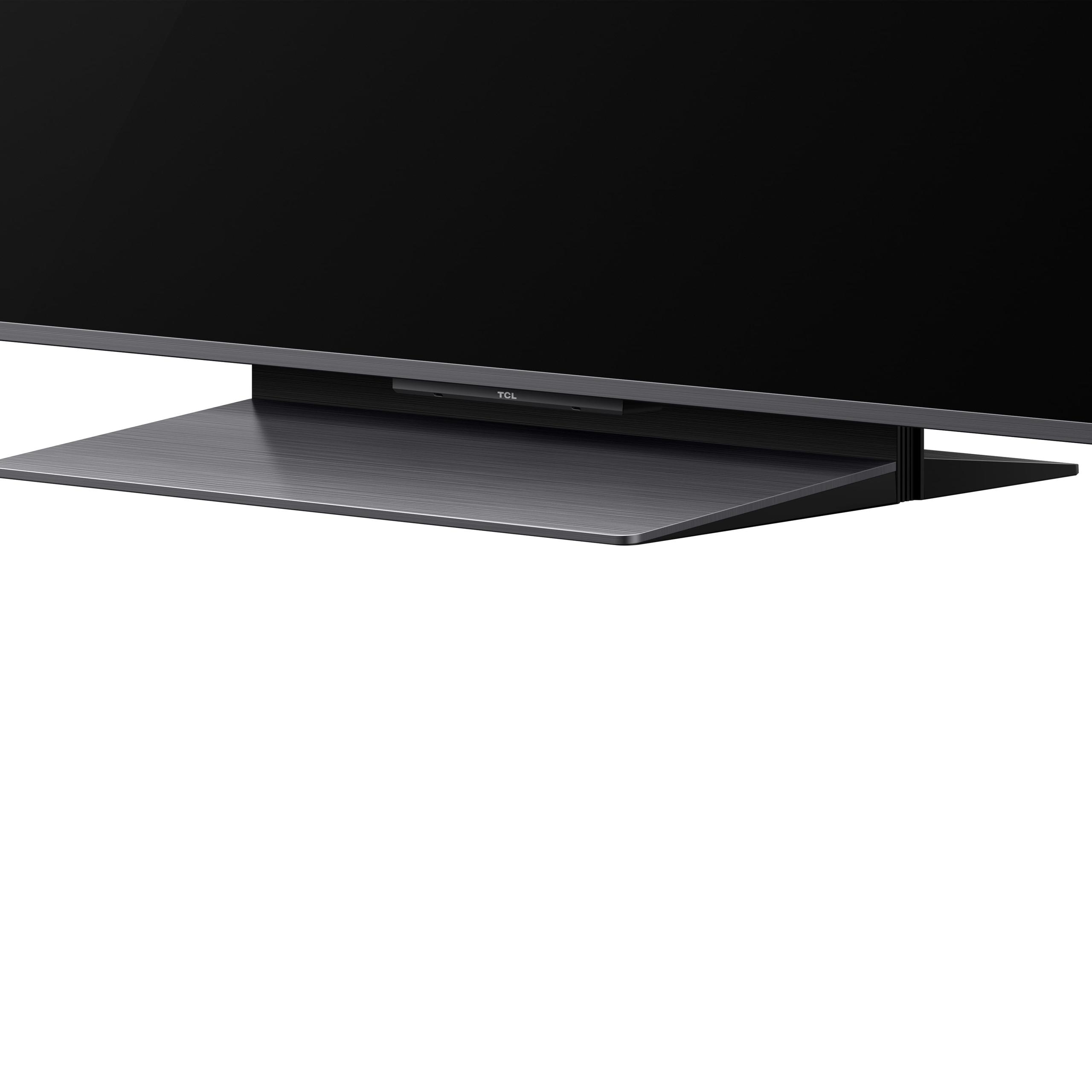
The QM8K's Art Gallery Mode, featuring over 350 free artworks, is particularly appealing for living room installations where the TV needs to look good even when not in use. The ZeroBorder design (virtually no visible bezel) enhances this aesthetic appeal.
Price tells only part of the value story. The TCL QM8K ($998) offers flagship-level performance at a significant discount, making it exceptional value for most users. The aggressive pricing reflects TCL's strategy of gaining market share through competitive pricing rather than premium positioning.
The LG B5 OLED ($1,699.99) costs 70% more but delivers the premium OLED experience. For enthusiasts who prioritize perfect blacks and cinematic viewing, this premium may be justified. However, you're paying significantly more for technology that excels primarily in dark room viewing.
Longevity considerations favor the QM8K slightly. While modern OLEDs are much more resistant to burn-in than earlier generations, the possibility still exists with static content like news tickers or gaming HUDs. The QM8K uses traditional LED technology with no burn-in risk.
Your decision should center on your primary viewing environment and content preferences. Choose the TCL QM8K ($998) if your TV will be in a bright room, if you prioritize HDR impact and gaming performance, or if you want flagship features at a more accessible price point. It's particularly strong for sports viewing, bright HDR content, and situations where multiple people will be watching from different positions.
The LG B5 OLED ($1,699.99) makes sense if you have a dedicated dark room, prioritize cinematic viewing experiences, or frequently watch content where perfect blacks matter—think horror movies, space films, or any content with lots of dark scenes. It's also superior if you need consistent image quality from wide viewing angles.
For most people, the QM8K represents better value. Its brightness advantages are apparent in typical home environments, and the price difference is substantial. However, if you're building a dedicated home theater and have the budget, the B5's perfect blacks and cinematic presentation justify the premium.
Both TVs represent excellent choices within their respective technologies. The QM8K proves that Mini LED has matured into a genuine alternative to OLED, while the B5 demonstrates why OLED remains the gold standard for dark room viewing. Your choice should reflect your specific viewing environment and preferences rather than any absolute superiority of one technology over the other.
| TCL 65" QM8K Series QD-Mini LED 4K Smart TV ($998) | LG B5 Series OLED 65" 4K Smart TV ($1,699.99) |
|---|---|
| Display Technology - Fundamentally affects picture quality and room compatibility | |
| QD-Mini LED with up to 3,800 local dimming zones | Self-emitting OLED pixels with perfect blacks |
| Peak Brightness - Critical for HDR impact and bright room viewing | |
| Up to 5,000 nits (exceptional for HDR and daylight use) | ~700-800 nits (sufficient for dark/controlled lighting) |
| Black Levels - Determines contrast and dark scene detail | |
| Excellent blacks with 30,000,000:1 contrast ratio | Perfect blacks with infinite contrast ratio |
| Color Coverage - Affects color accuracy and vibrancy | |
| 97% DCI-P3 with quantum dot enhancement | Wide color gamut with natural OLED color reproduction |
| Viewing Angles - Important for wide seating arrangements | |
| Improved but shows some shift at extreme angles | Consistent image quality from any viewing position |
| Gaming Refresh Rate - Higher rates provide smoother motion | |
| 144Hz native, up to 288Hz VRR (excellent for PC gaming) | 120Hz native (perfect for current consoles) |
| Gaming Input Lag - Lower is better for competitive gaming | |
| ~13.6ms (good for casual gaming) | 0.1ms response time (excellent for competitive play) |
| HDMI 2.1 Ports - Needed for 4K/120Hz gaming devices | |
| 2 ports (may limit multi-device setups) | 4 ports (accommodates multiple gaming systems) |
| Audio Quality - Built-in speaker performance | |
| Bang & Olufsen tuned with up-firing Dolby Atmos drivers | Standard OLED audio with Dolby Atmos support |
| Smart TV Platform - Affects daily usability and app experience | |
| Google TV with hands-free voice control | webOS 25 with AI features and 300+ free channels |
| Design Features - Aesthetic and practical considerations | |
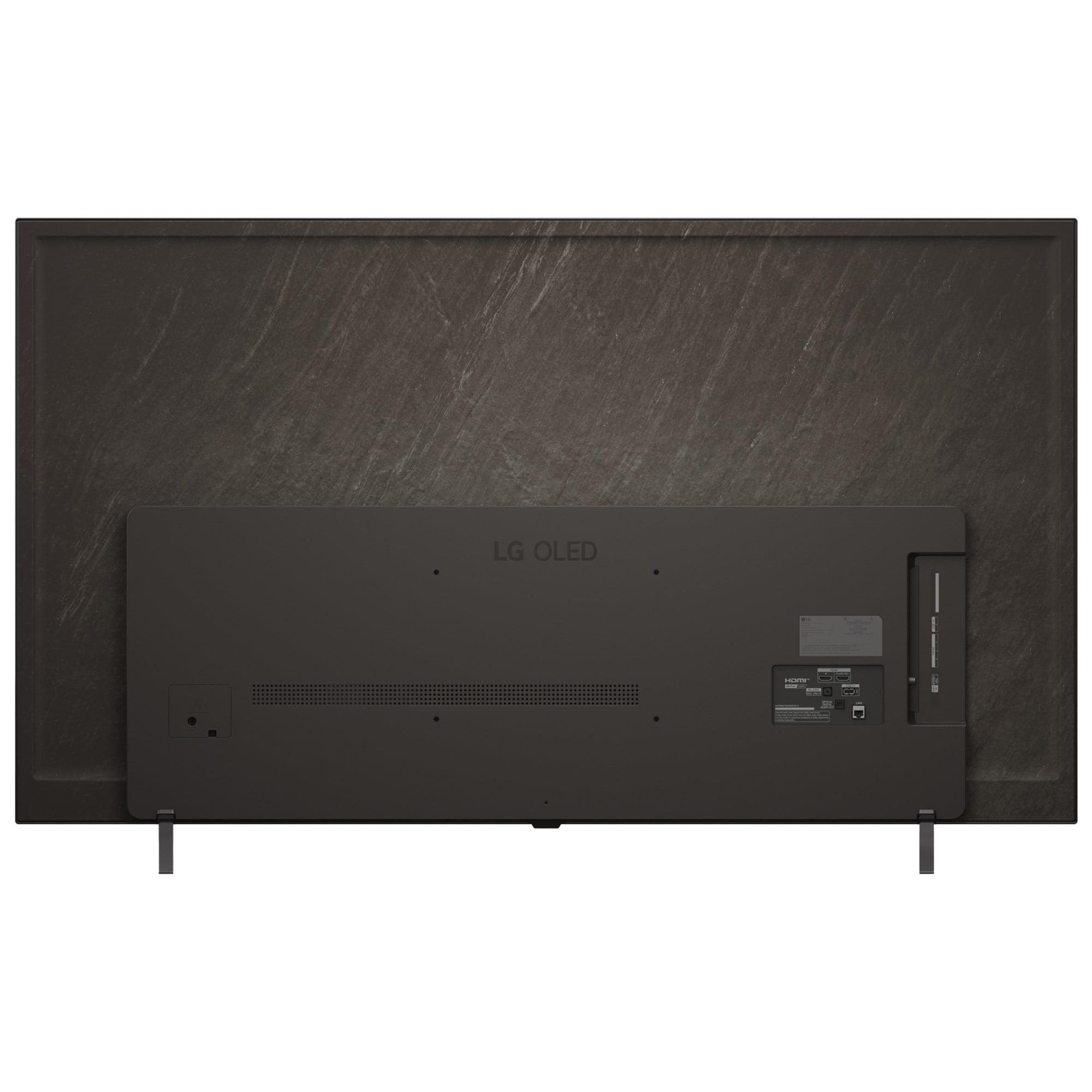
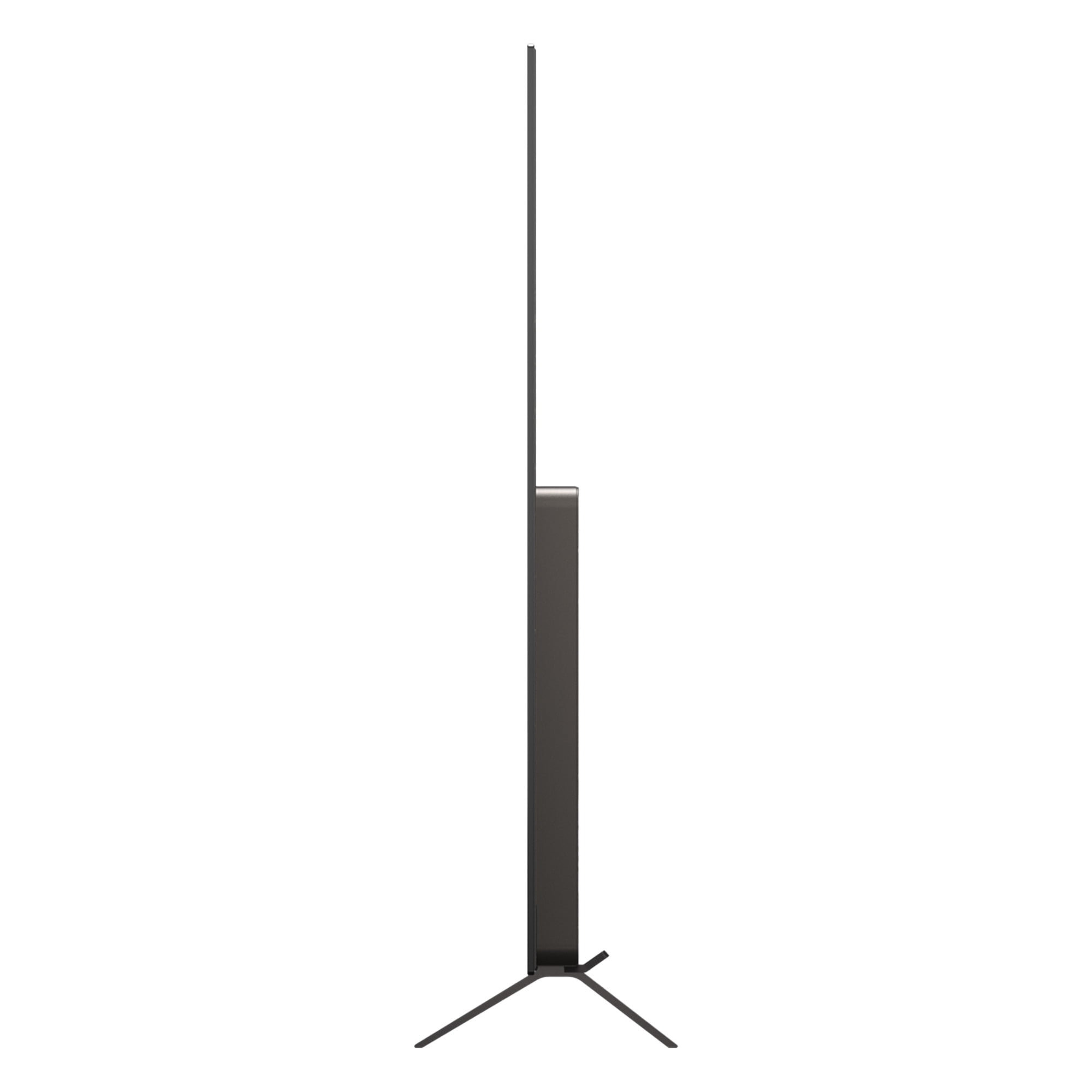
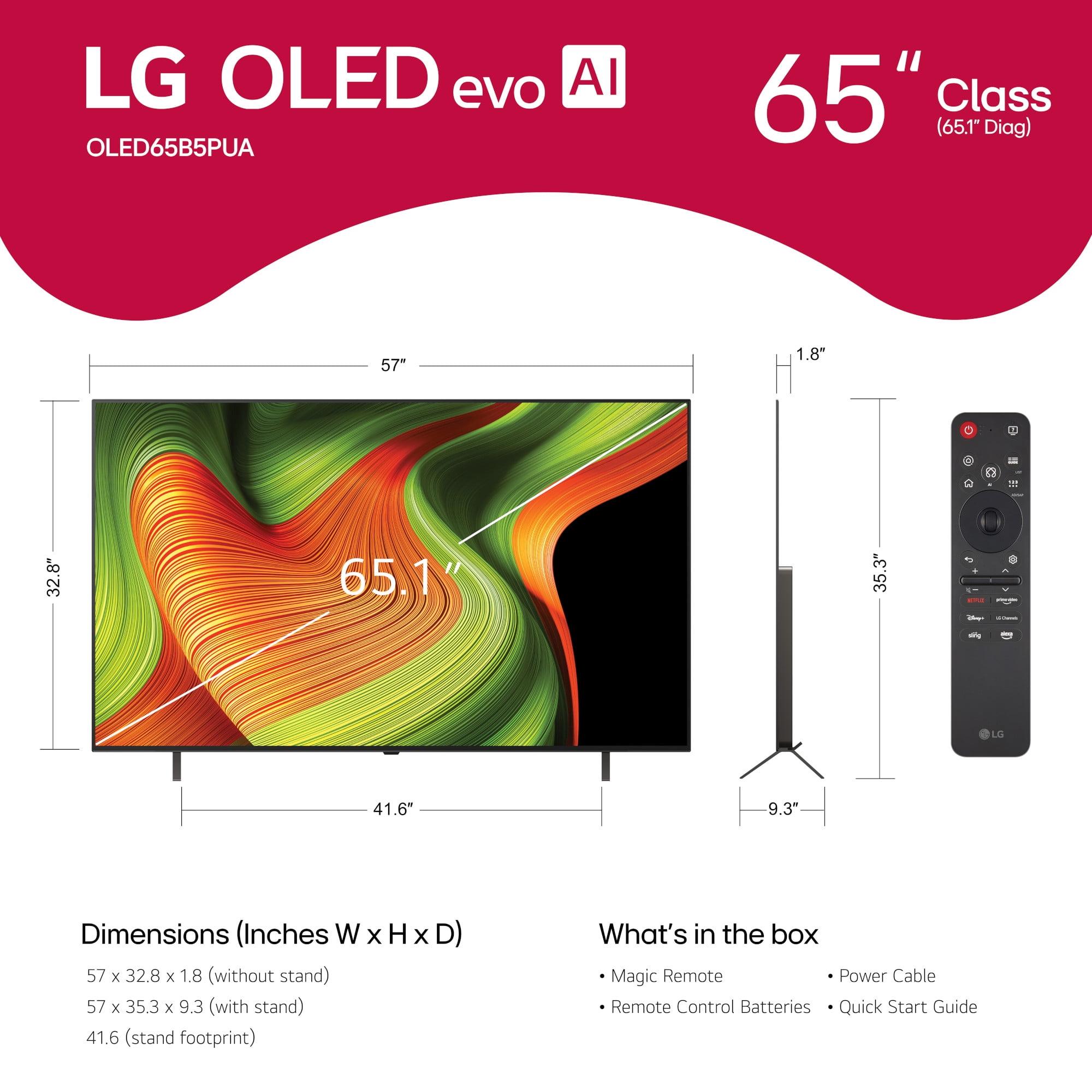
| ZeroBorder design, Art Gallery Mode with 350+ artworks | Slim OLED profile, wall-mount friendly |
| Burn-in Risk - Long-term reliability concern | |
| No burn-in risk with LED technology | Minimal risk with modern OLED (static content caution) |
| Best Room Type - Where each TV performs optimally | |
| Bright rooms, mixed lighting environments | Dark rooms, controlled lighting home theaters |
| Price - Value proposition for performance delivered | |
| $998 (exceptional value for flagship features) | $1,699.99 (premium pricing for OLED technology) |
The TCL 65" QM8K Series QD-Mini LED 4K Smart TV ($998) is significantly better for bright rooms due to its exceptional peak brightness of up to 5,000 nits. The LG B5 Series OLED 65" 4K Smart TV ($1,699.99) peaks around 700-800 nits, which can appear washed out in rooms with lots of natural light or overhead lighting.
Mini LED uses thousands of tiny LED lights behind a quantum dot layer with local dimming zones, allowing for extremely bright highlights but not true blacks. OLED uses self-emitting pixels that can turn completely off, creating perfect blacks and infinite contrast but with lower overall brightness capabilities.
For competitive gaming, the LG B5 Series OLED ($1,699.99) is better with its 0.1ms response time and four HDMI 2.1 ports. For PC gaming enthusiasts, the TCL QM8K ($998) offers 144Hz native refresh rate with up to 288Hz VRR, though it has higher input lag at 13.6ms.
The TCL QM8K ($998) has no burn-in risk since it uses traditional LED technology. The LG B5 OLED ($1,699.99) has minimal burn-in risk with modern OLED panels, but static content like news tickers or gaming HUDs should still be used with caution.
The TCL 65" QM8K Series ($998) offers exceptional value, providing flagship-level performance at nearly half the price of the LG B5 OLED ($1,699.99). The TCL delivers superior brightness and HDR performance for significantly less money.
The LG B5 OLED ($1,699.99) produces perfect blacks since pixels can turn completely off, creating infinite contrast. The TCL QM8K ($998) achieves excellent blacks with a 30,000,000:1 contrast ratio but cannot match true OLED blacks.
For dedicated dark room home theaters, the LG B5 Series OLED ($1,699.99) is superior with perfect blacks and cinematic contrast. For living room home theaters with ambient light, the TCL QM8K ($998) performs better due to its exceptional brightness and HDR impact.
The LG B5 OLED ($1,699.99) maintains consistent image quality from virtually any viewing angle. The TCL QM8K ($998) has improved viewing angles compared to previous generations but still shows some brightness and color shifts at extreme angles.
The TCL 65" QM8K Series ($998) has superior built-in audio with Bang & Olufsen tuned speakers and up-firing Dolby Atmos drivers. The LG B5 OLED ($1,699.99) offers adequate audio with Dolby Atmos support but isn't as impressive as the TCL's sound system.
The TCL QM8K ($998) runs Google TV with hands-free voice control and seamless Google services integration. The LG B5 Series OLED ($1,699.99) uses webOS 25 with AI features, Quick Cards for app organization, and access to 300+ free streaming channels.
The TCL 65" QM8K Series ($998) excels at HDR content due to its exceptional 5,000 nit peak brightness, making highlights truly pop. The LG B5 OLED ($1,699.99) offers excellent HDR with perfect blacks and accurate colors, but bright highlights won't be as impactful as the TCL.
Choose the TCL QM8K ($998) if you have a bright room, want exceptional value, or prioritize HDR brightness and gaming refresh rates. Choose the LG B5 OLED ($1,699.99) if you have a dark room, prefer cinematic picture quality with perfect blacks, or need wide viewing angles for multiple seating positions.
We've done our best to create useful and informative comparisons to help you decide what product to buy. Our research uses advanced automated methods to create this comparison and perfection is not possible - please contact us for corrections or questions. These are the sites we've researched in the creation of this article: tomsguide.com - youtube.com - businessinsider.com - rtings.com - youtube.com - avsforum.com - avsforum.com - bestbuy.com - tcl.com - tcl.com - tcl.com - flatpanelshd.com - romomattressfurniture.com - brandsmartusa.com - pcrichard.com - tvsbook.com - tcl.com - youtube.com - prnewswire.com - tcl.com - tcl.com - eftm.com - bestbuy.com - rtings.com - youtube.com - rtings.com - tomsguide.com - youtube.com - nationalproductreview.com.au - lg.com - manchesterbrothers.com - avsforum.com - lg.com - lg.com - lg.com - lg.com - retailspecs.com - american-homeappliance.com - perpichtv.com

Privacy Policy
Terms and Conditions - Affiliate Policy
Home Security
© Copyright 2008-2026.
11816 Inwood Rd #1211, Dallas, TX 75244