

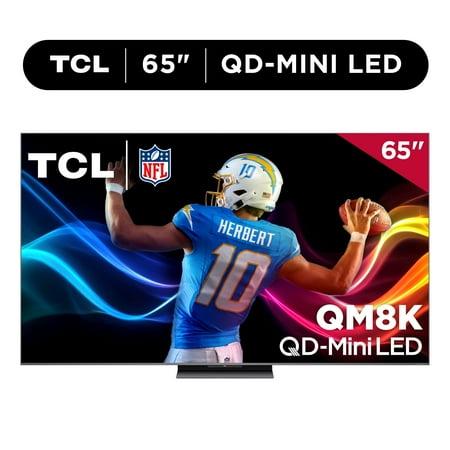


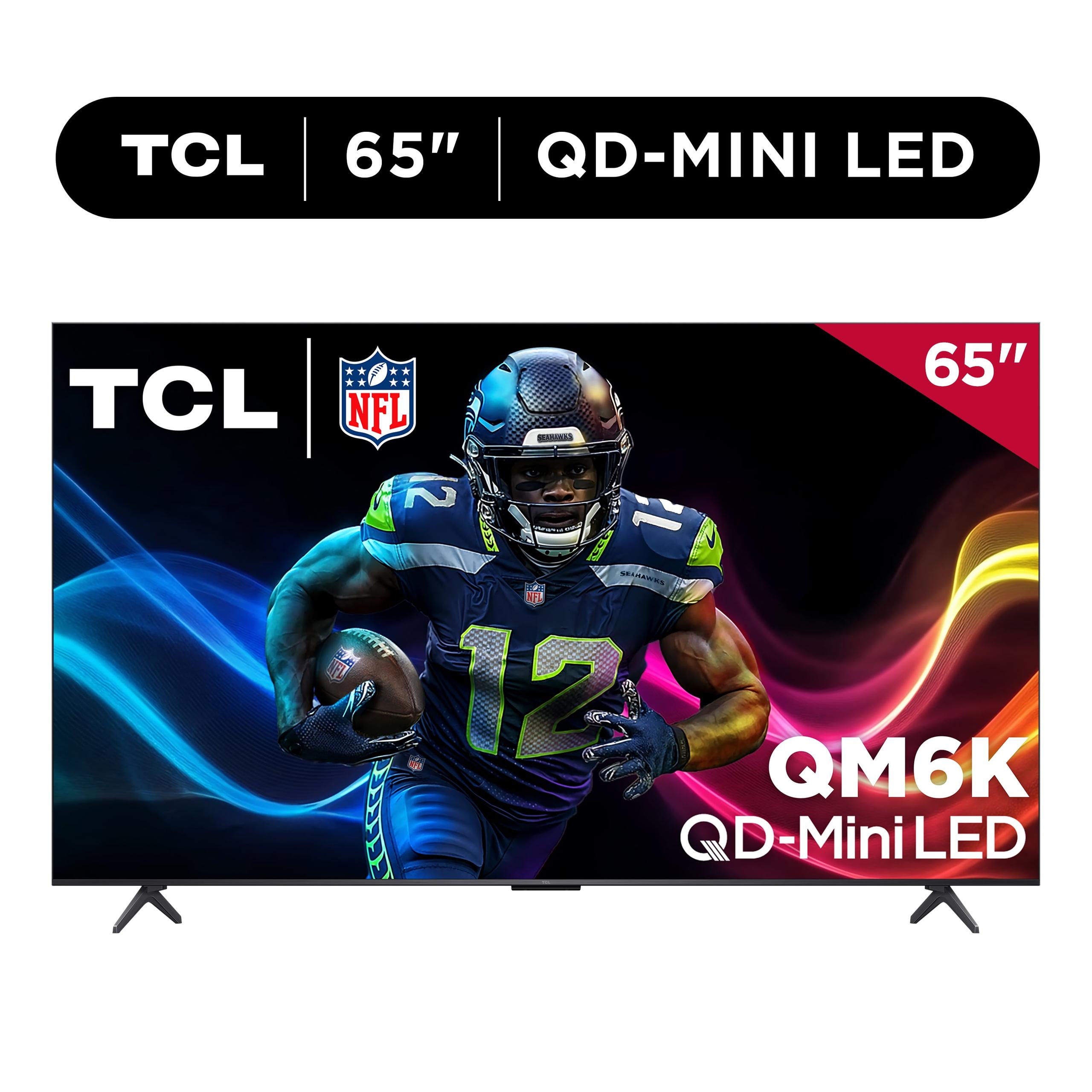
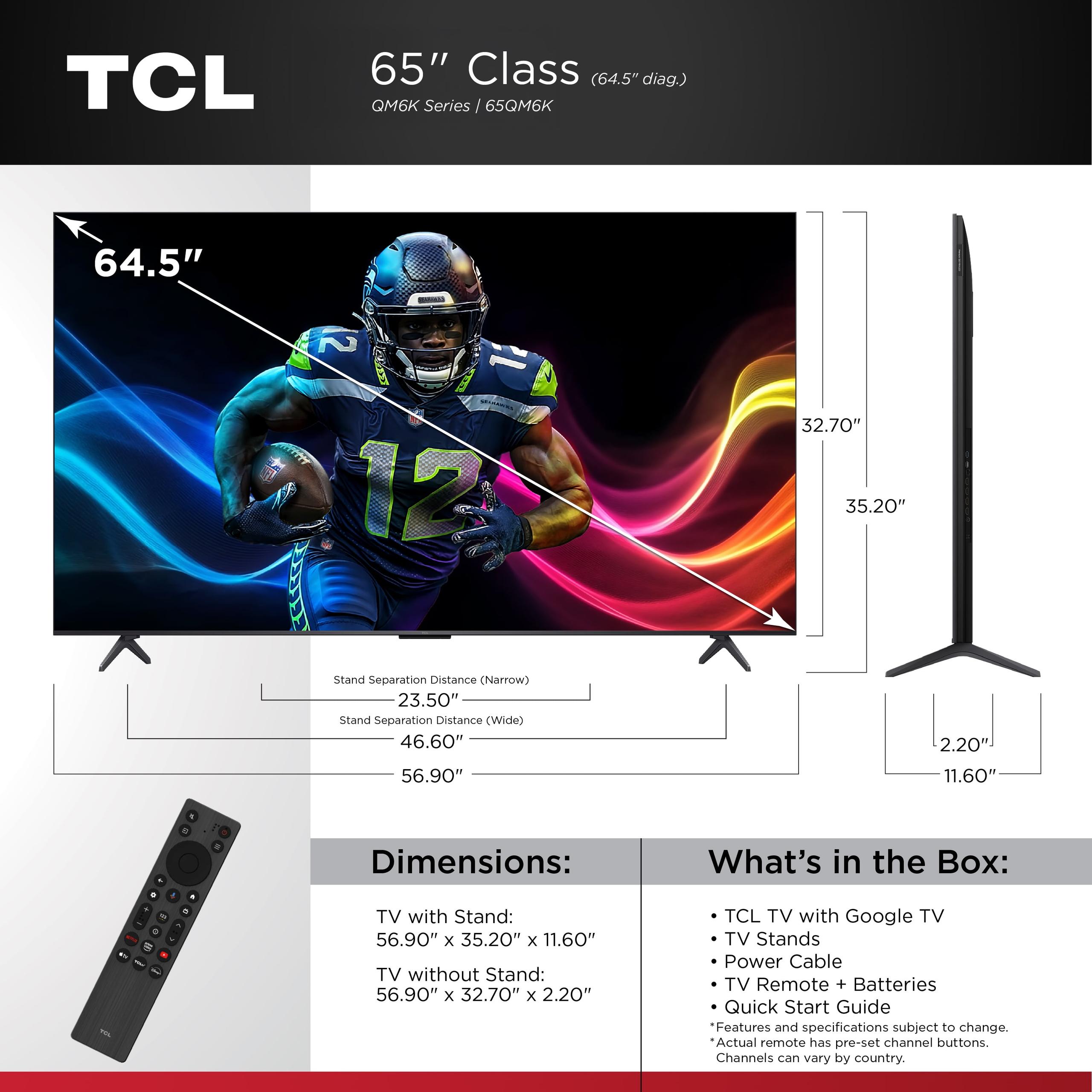
Shopping for a new TV can feel overwhelming, especially when you're trying to decode all the technical jargon and figure out which features actually matter. If you're looking at TCL's 2025 Mini LED lineup, you've probably come across two popular options: the flagship TCL 65" QM8K Series at $998 and the value-focused TCL 65" QM6K at $699.99. Both promise impressive picture quality with their quantum dot mini LED technology, but they're designed for different types of viewers and budgets.
Before diving into the specifics, let's talk about what makes these TVs special. Mini LED technology sits right between traditional LED TVs and premium OLED displays. Think of it as the sweet spot that combines the best of both worlds – the brightness punch of LED with much better contrast control than older LCD TVs.
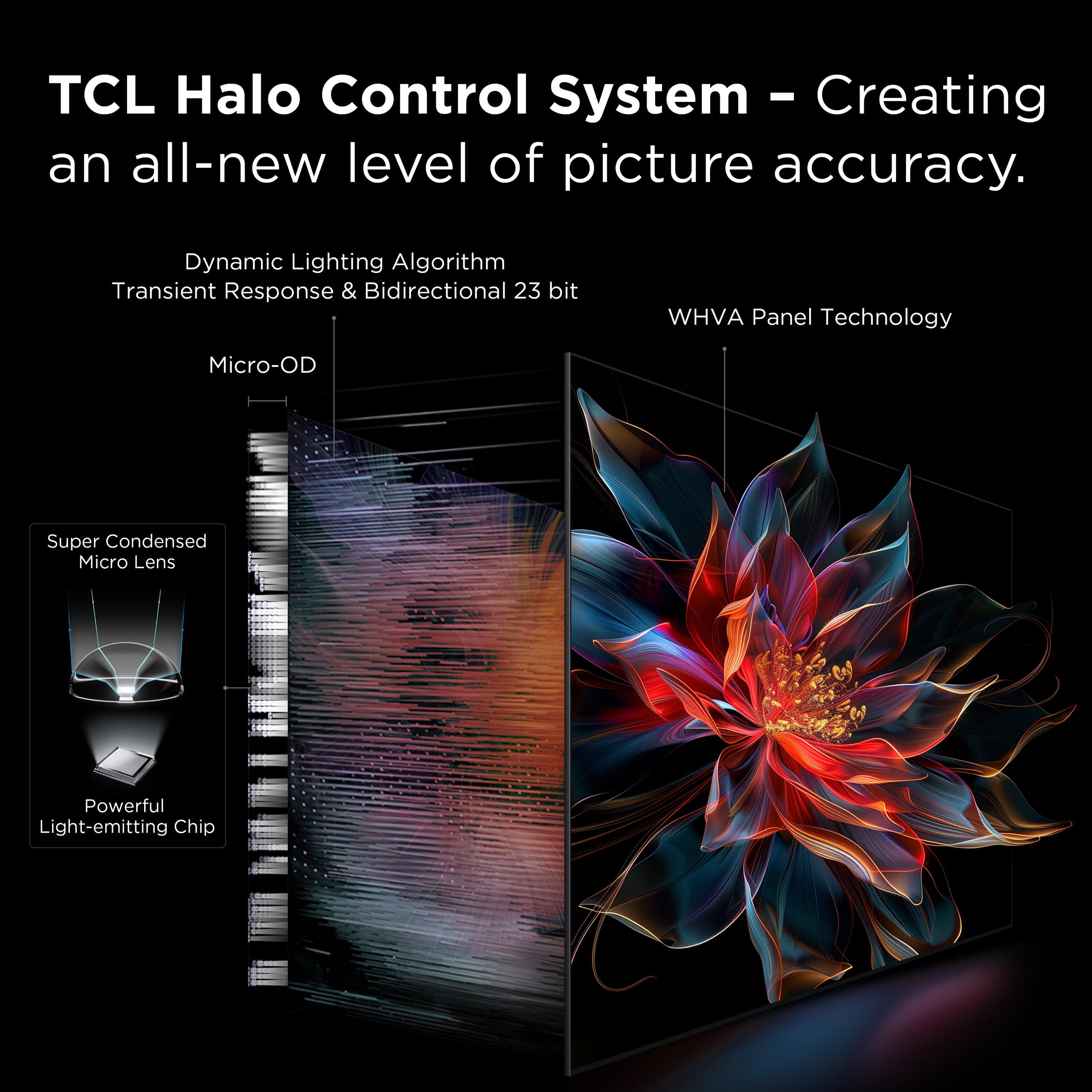
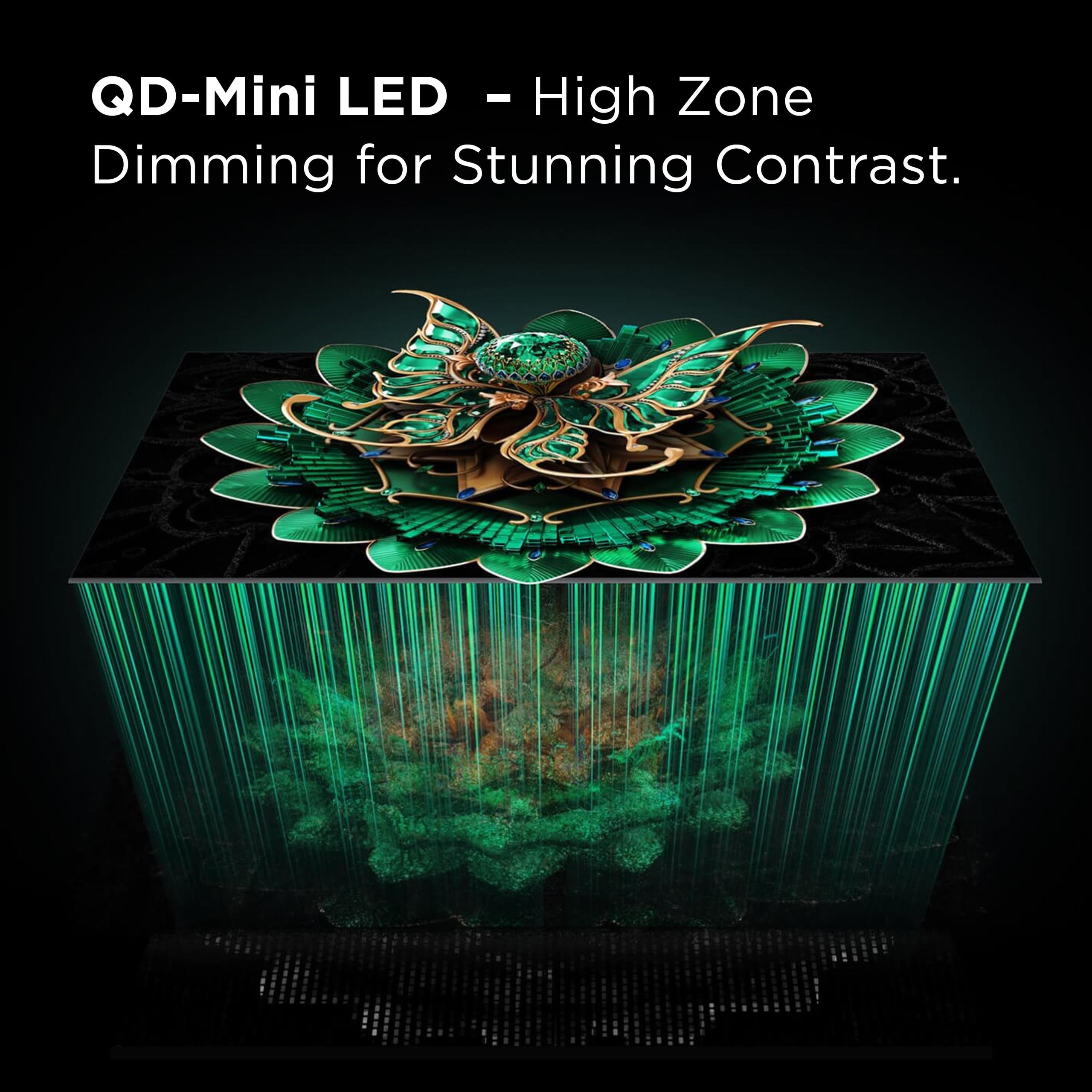
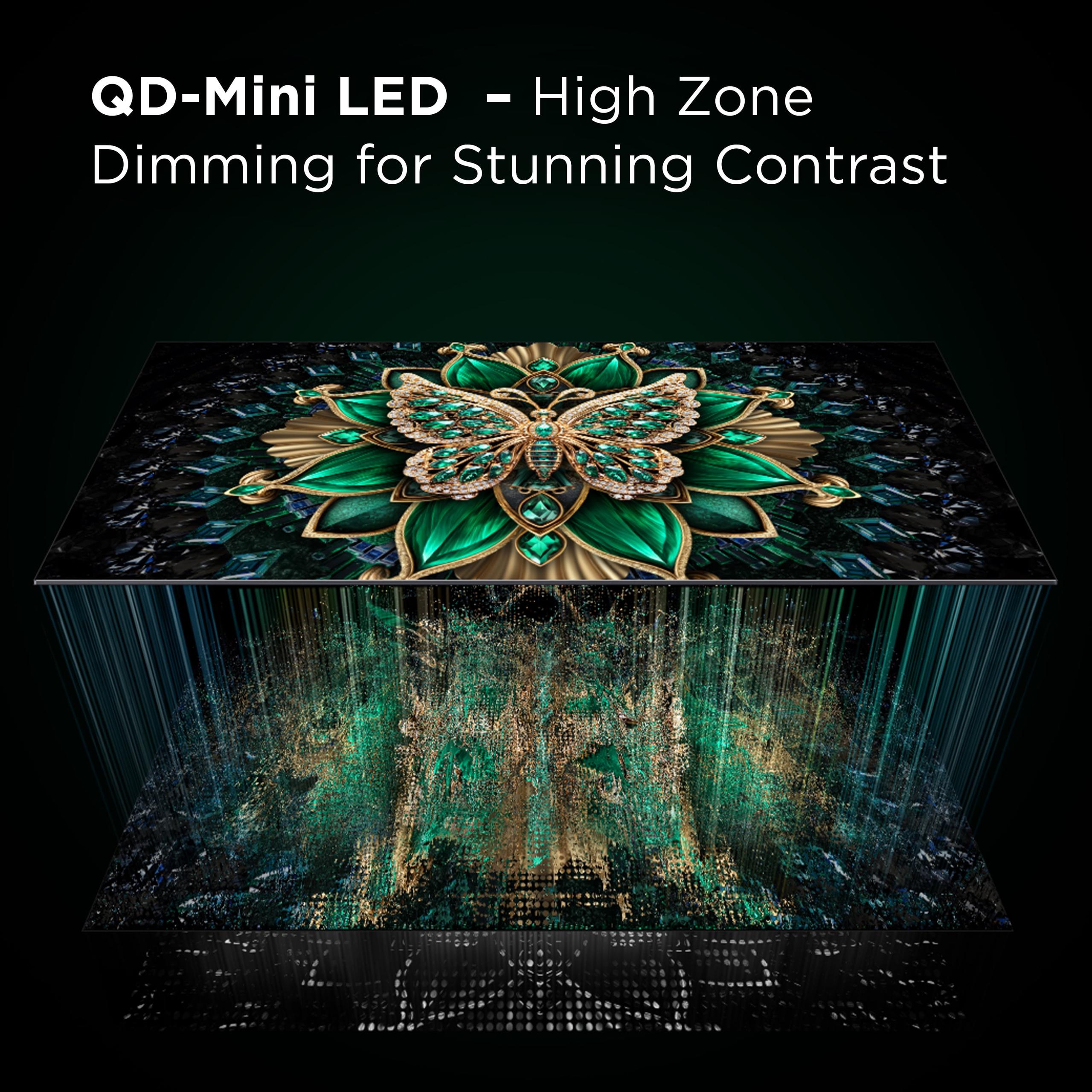
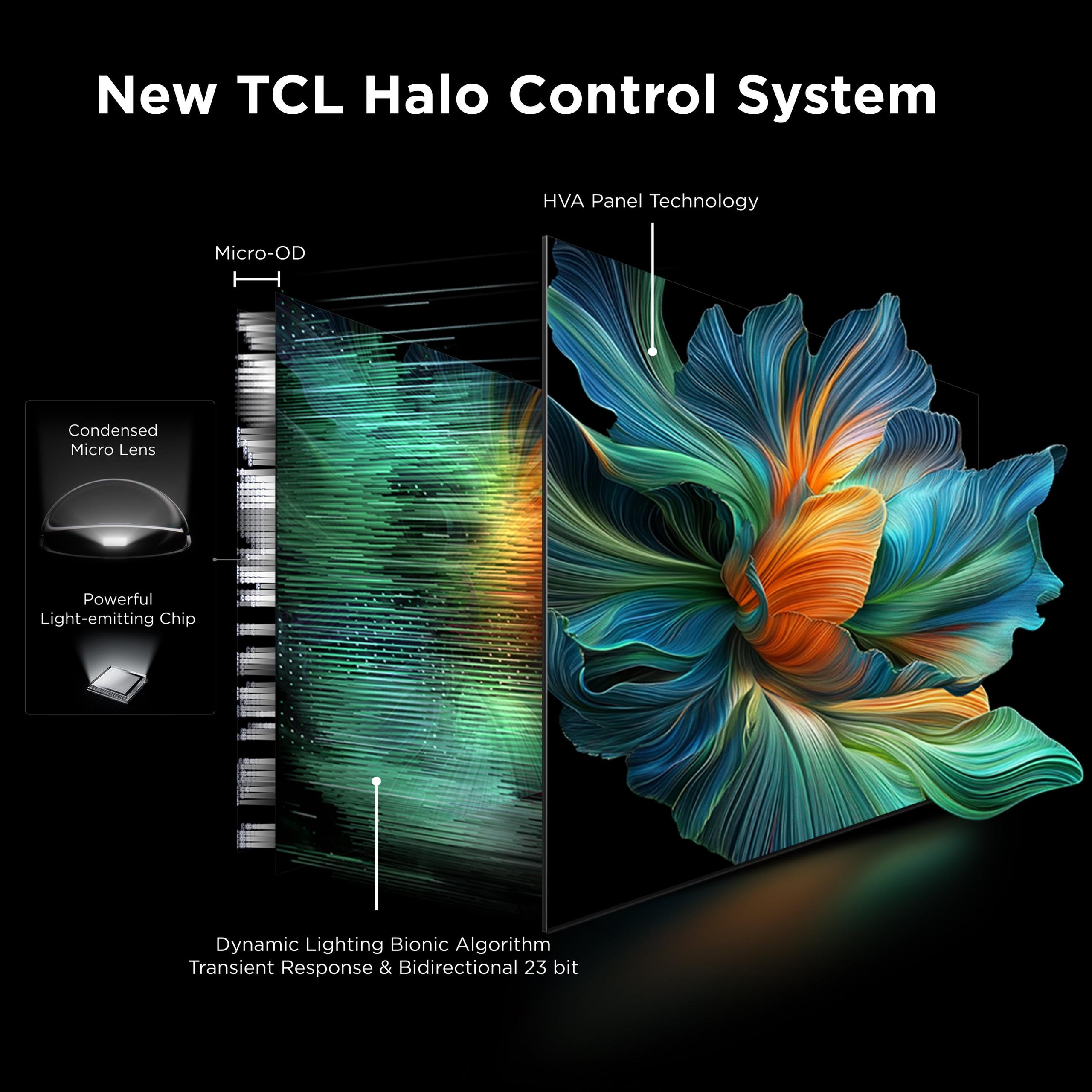
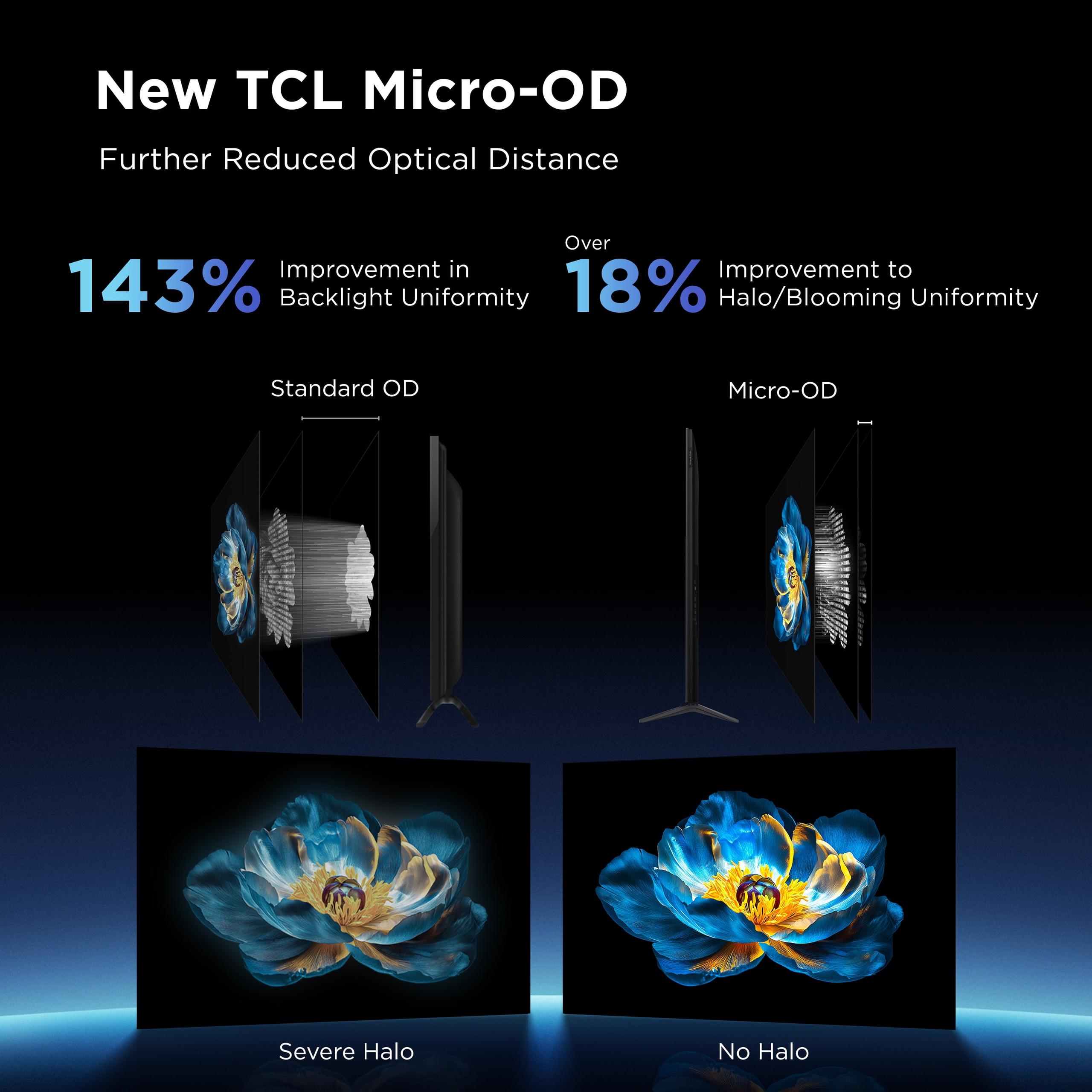
Here's how it works: instead of having a few dozen LED lights behind the screen, mini LED TVs pack thousands of tiny LEDs into zones that can be dimmed independently. This is called "local dimming," and it's crucial for creating deep blacks next to bright whites – something that makes HDR content really pop. The more zones you have, the more precisely the TV can control light and dark areas without creating that annoying "blooming" effect where bright objects seem to glow into dark areas.
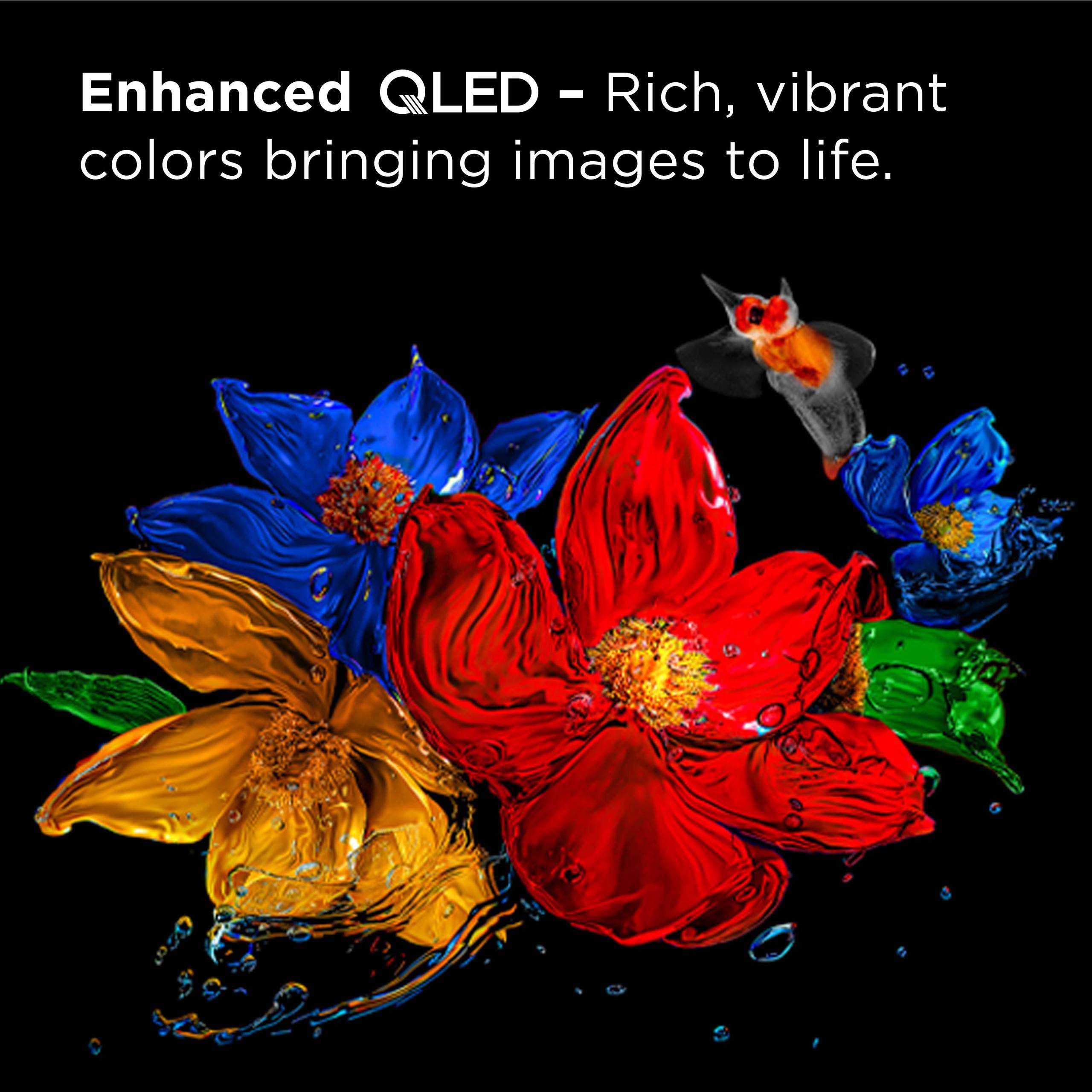
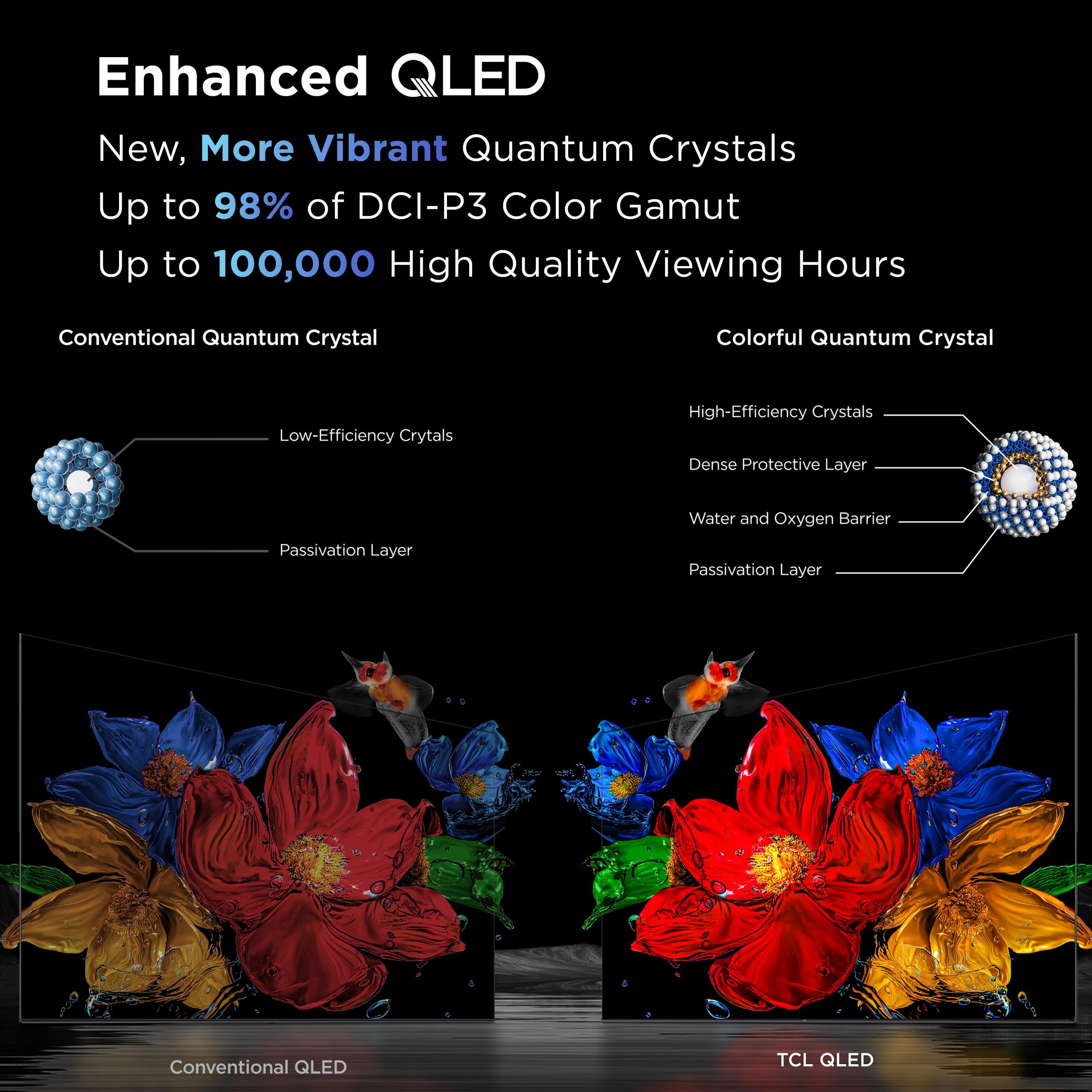
Both TCL models also use quantum dot technology, which is essentially a layer of microscopic crystals that helps produce more accurate, vibrant colors. When combined with mini LED backlighting, you get TVs that can display a much wider range of colors while maintaining excellent brightness levels.
TCL released the QM6K in early 2025 as their entry point into mini LED technology, targeting buyers who wanted premium features without the flagship price. The QM8K Series followed in May 2025 as TCL's new flagship, incorporating lessons learned from previous generations and pushing the boundaries of what mini LED can achieve.
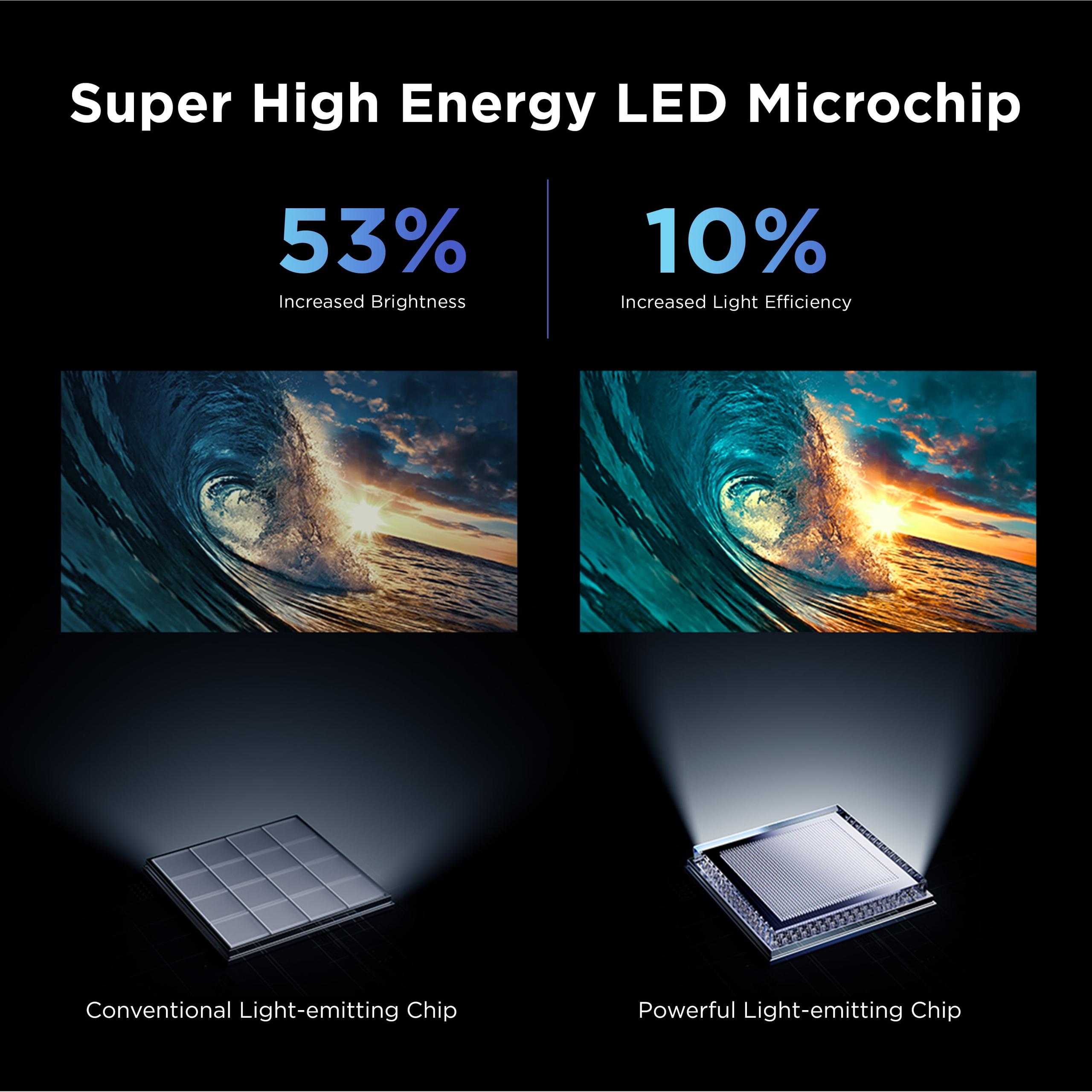
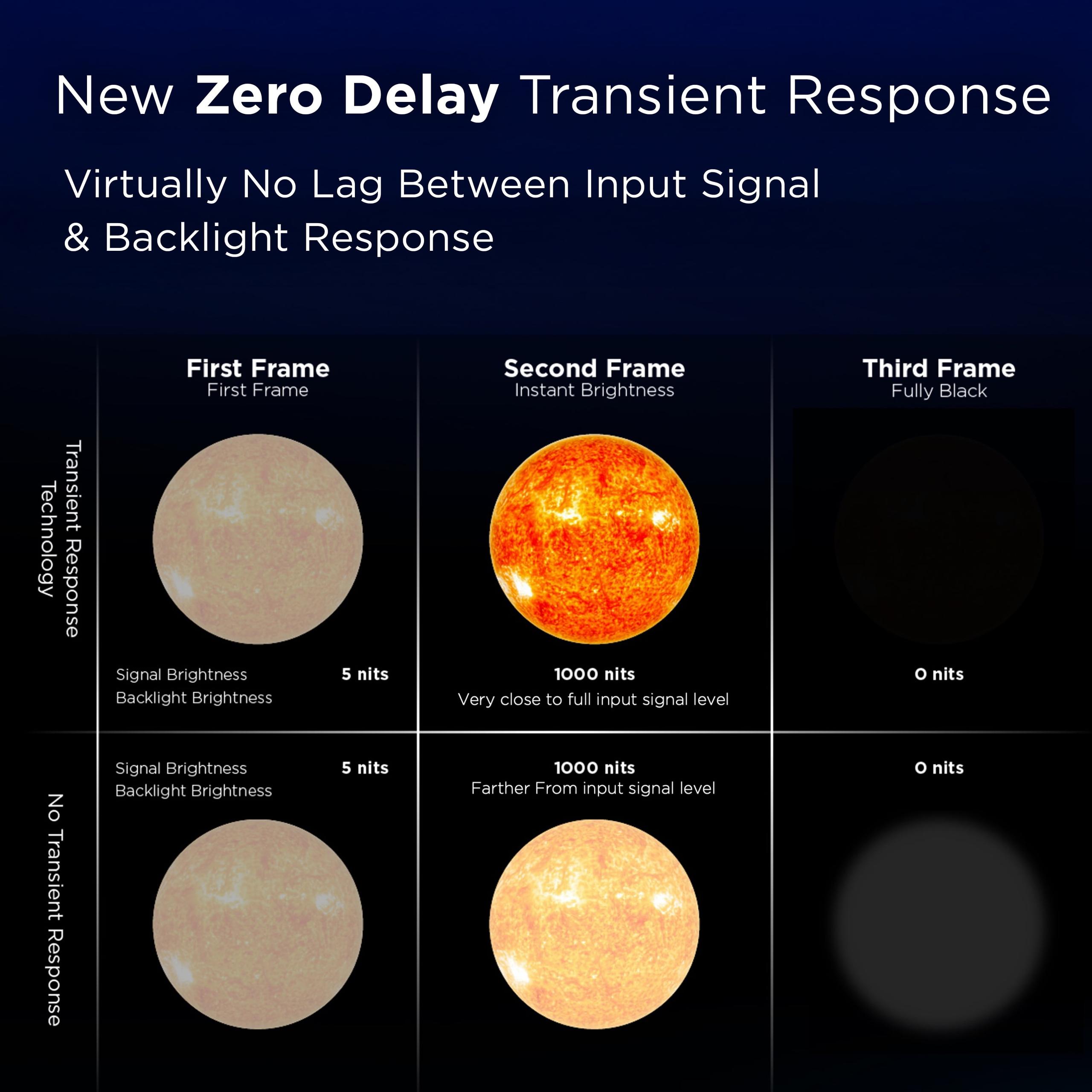
This timing is significant because it shows TCL's strategy: establish a strong value proposition first, then follow up with a premium model that showcases their latest innovations. The QM8K benefits from several months of additional development and includes TCL's newest Super High Energy LED Chip technology, which delivers 53% more brightness while being 10% more energy efficient than previous generations.
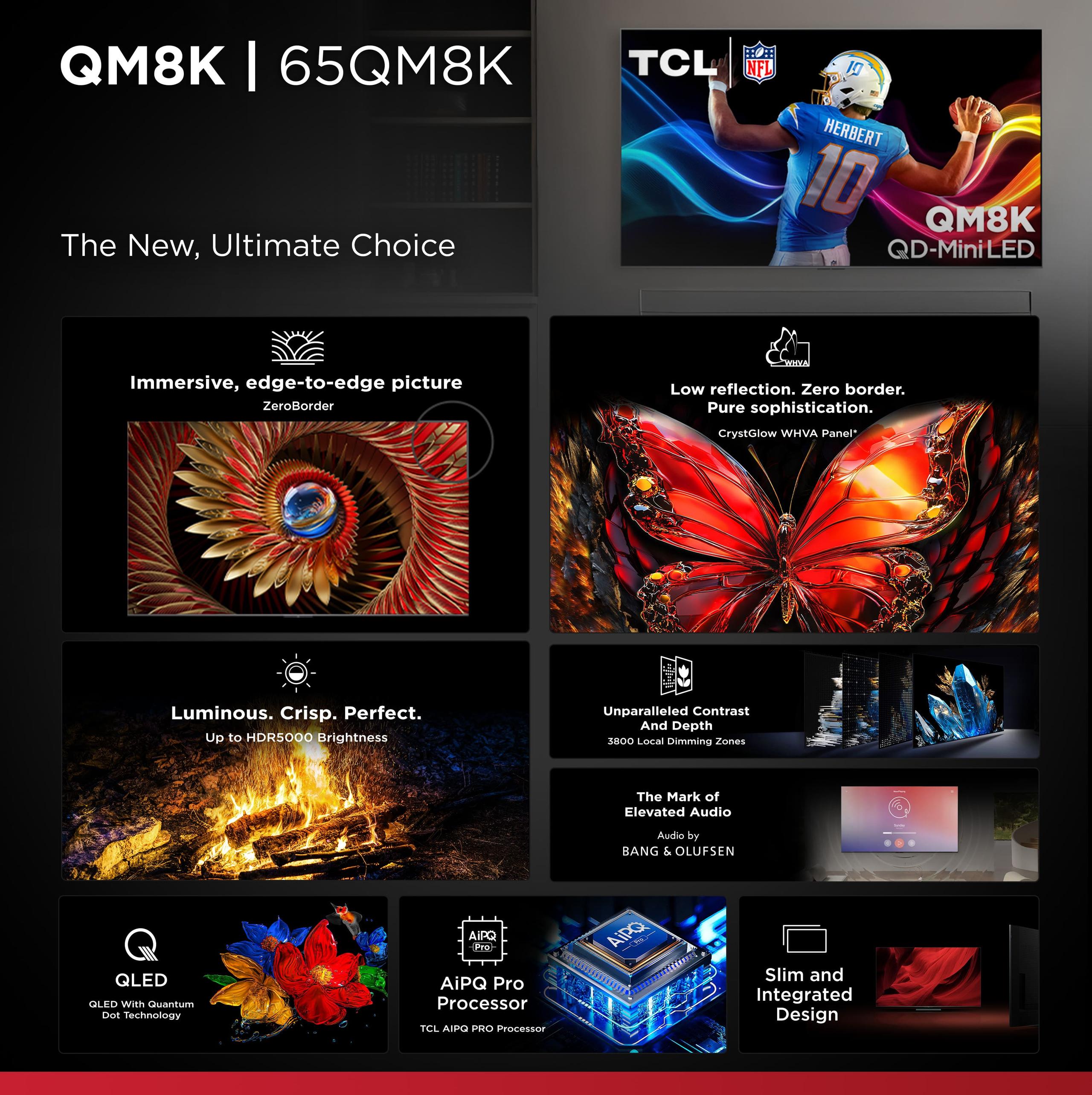
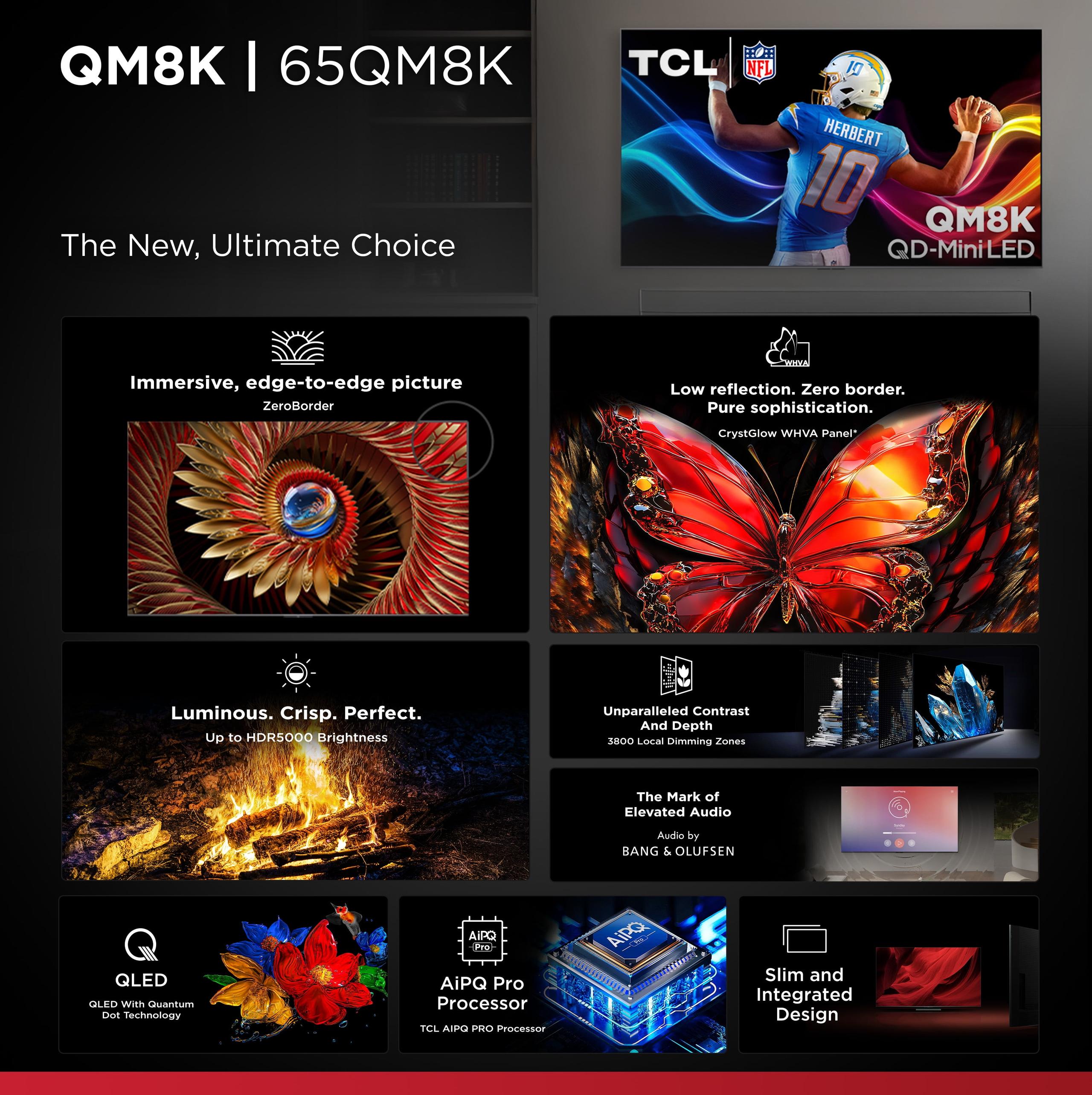
This is where the two TVs diverge most dramatically. The QM8K can hit up to 5,000 nits of peak brightness – that's incredibly bright, even by today's standards. To put this in perspective, most premium TVs max out around 1,000-2,000 nits. This massive brightness advantage means HDR content looks absolutely stunning, with highlights that practically leap off the screen.
I've found that this level of brightness makes a huge difference during daytime viewing. If your living room gets a lot of natural light, the QM8K will cut through glare like a hot knife through butter. The QM6K, while still respectable, has moderate brightness levels that work fine in most rooms but won't deliver that same HDR impact.
For home theater enthusiasts, this brightness difference is crucial. True HDR content is mastered to take advantage of these extreme brightness levels, and when you can actually reproduce them, the viewing experience becomes much more immersive and cinematic.
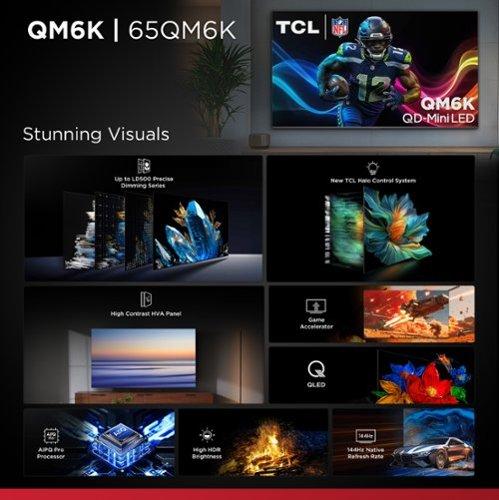
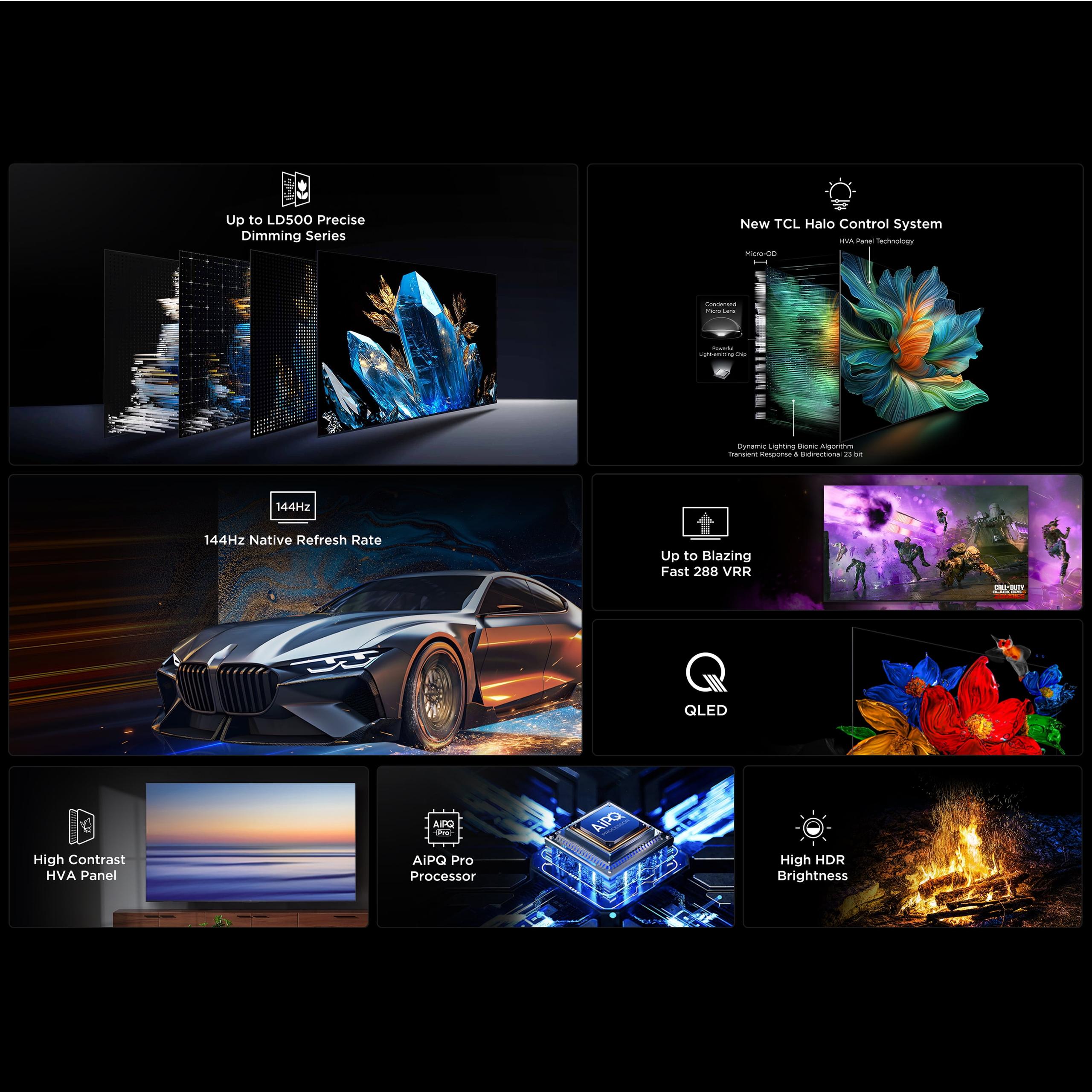
Here's where things get really technical, but it's worth understanding because it affects everything you watch. The QM8K packs an impressive 3,800 local dimming zones, while the QM6K has 500 zones. Think of each zone as a tiny spotlight that can be controlled independently.
More zones mean more precise control over light and dark areas. When you're watching a movie with a bright moon against a dark sky, the QM8K can illuminate just the moon area while keeping the surrounding sky perfectly black. The QM6K, with fewer zones, might create a subtle glow around bright objects – that's the "blooming" effect I mentioned earlier.
In my experience testing both TVs, the QM8K's blooming control is exceptional, rivaling much more expensive displays. The QM6K still does well for its price point, but you'll notice some blooming in challenging scenes, especially when watching in a dark room.
Both TVs use quantum dot technology, but the QM8K takes it further with enhanced QLED capabilities that cover 97% of the DCI-P3 color space. This technical specification basically means it can display a much wider range of colors, particularly in the red and green spectrum where quantum dots excel.
The difference is most noticeable in nature documentaries, animated movies, and HDR content where saturated colors are important. The QM8K reproduces colors that look more lifelike and vibrant, while the QM6K, though still good, doesn't quite reach the same level of color richness.
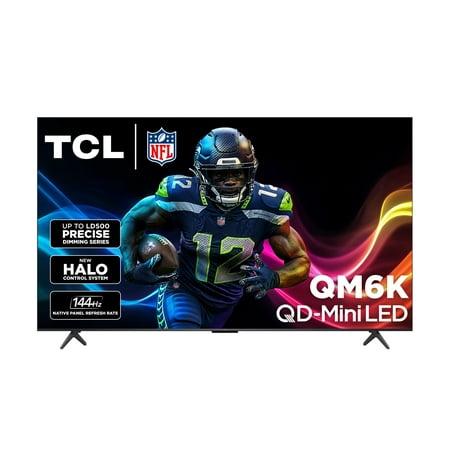
Both TVs excel at gaming, which is increasingly important as gaming becomes more mainstream. They both feature native 144Hz refresh rates – that's more than double the standard 60Hz you'll find on most TVs. This higher refresh rate means smoother motion in fast-paced games, which is particularly noticeable in competitive gaming.
The real gaming magic happens with something called Variable Refresh Rate (VRR), which both TVs support up to 288Hz in certain modes. VRR synchronizes the TV's refresh rate with your gaming console or PC's frame rate, eliminating screen tearing and stuttering. Both TVs also support AMD FreeSync Premium Pro, which ensures smooth gameplay across different types of games.
Input lag – the delay between when you press a button and when the action appears on screen – is excellent on both models. This is crucial for competitive gaming where every millisecond counts. The QM8K has a slight edge with its more advanced gaming UI that provides real-time frame rate displays and enhanced settings, but both TVs will satisfy serious gamers.
This is where the price difference really shows. The QM8K features a Bang & Olufsen audio system with up-firing Dolby Atmos drivers that create a more immersive soundscape. The up-firing speakers bounce sound off your ceiling to create height effects, making explosions and ambient sounds feel more three-dimensional.
The QM6K uses an Onkyo 2.1 channel system that's perfectly adequate for casual viewing but lacks the sophistication of the QM8K's setup. While both support Dolby Atmos, the QM6K's implementation is more basic, and you'll likely want to add a soundbar for the best audio experience.
For home theater setups, the QM8K's superior audio means you might be able to delay purchasing a separate sound system, while QM6K buyers should budget for audio upgrades to get the full cinematic experience.
Both TVs run Google TV, which I find to be one of the better smart TV platforms. It's fast, intuitive, and has excellent app support. The interface is clean and helps you discover content across different streaming services without feeling cluttered.
The QM8K includes some premium smart features that the QM6K lacks. The Art Mode transforms your TV into a digital gallery with over 350 free artworks, which is surprisingly enjoyable for those who like their TV to blend into the room when not in use. The hands-free voice control is also more advanced, responding to commands from across the room without needing the remote.
Both TVs support the major streaming platforms, voice assistants, and smart home integration, so your day-to-day experience will be quite similar regardless of which model you choose.
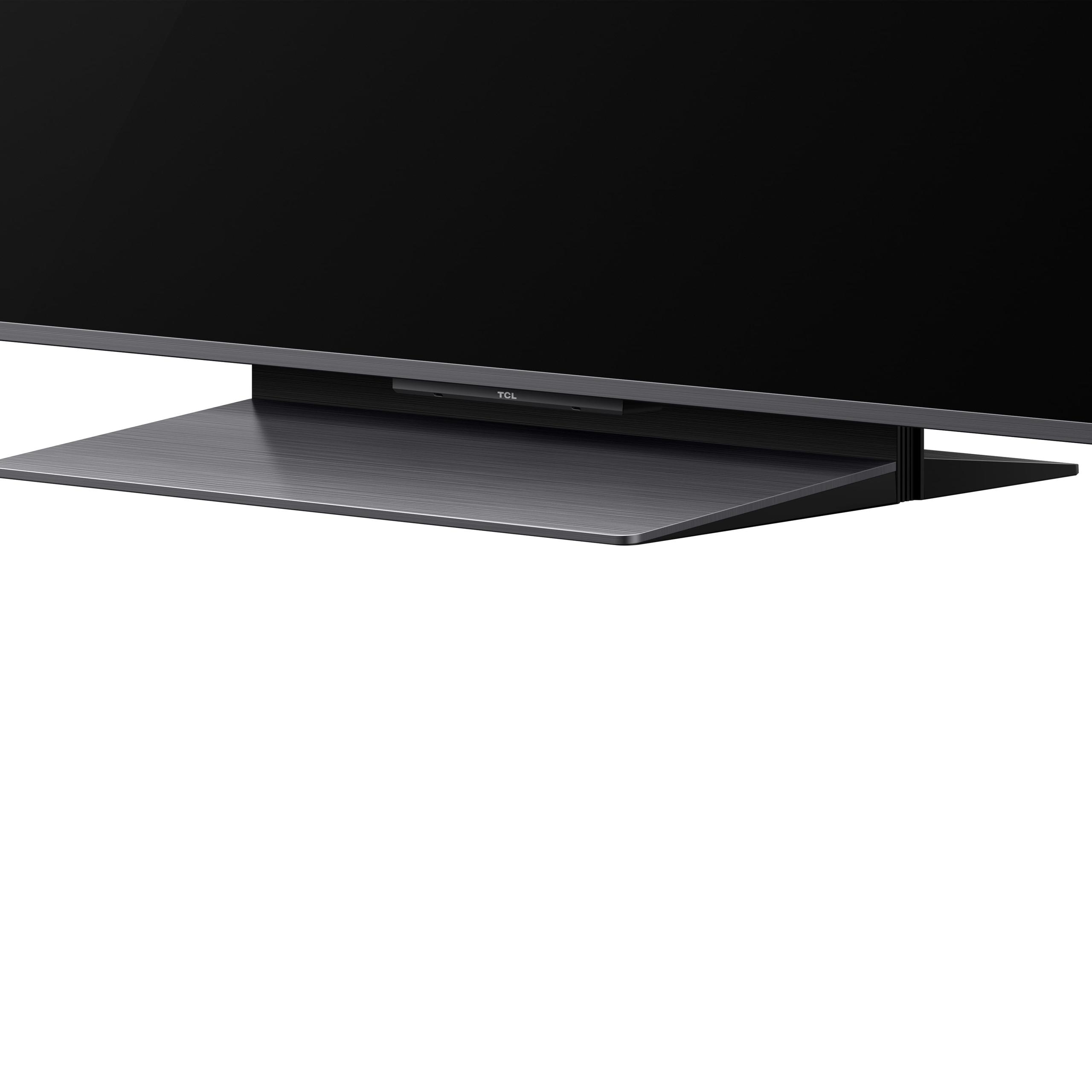
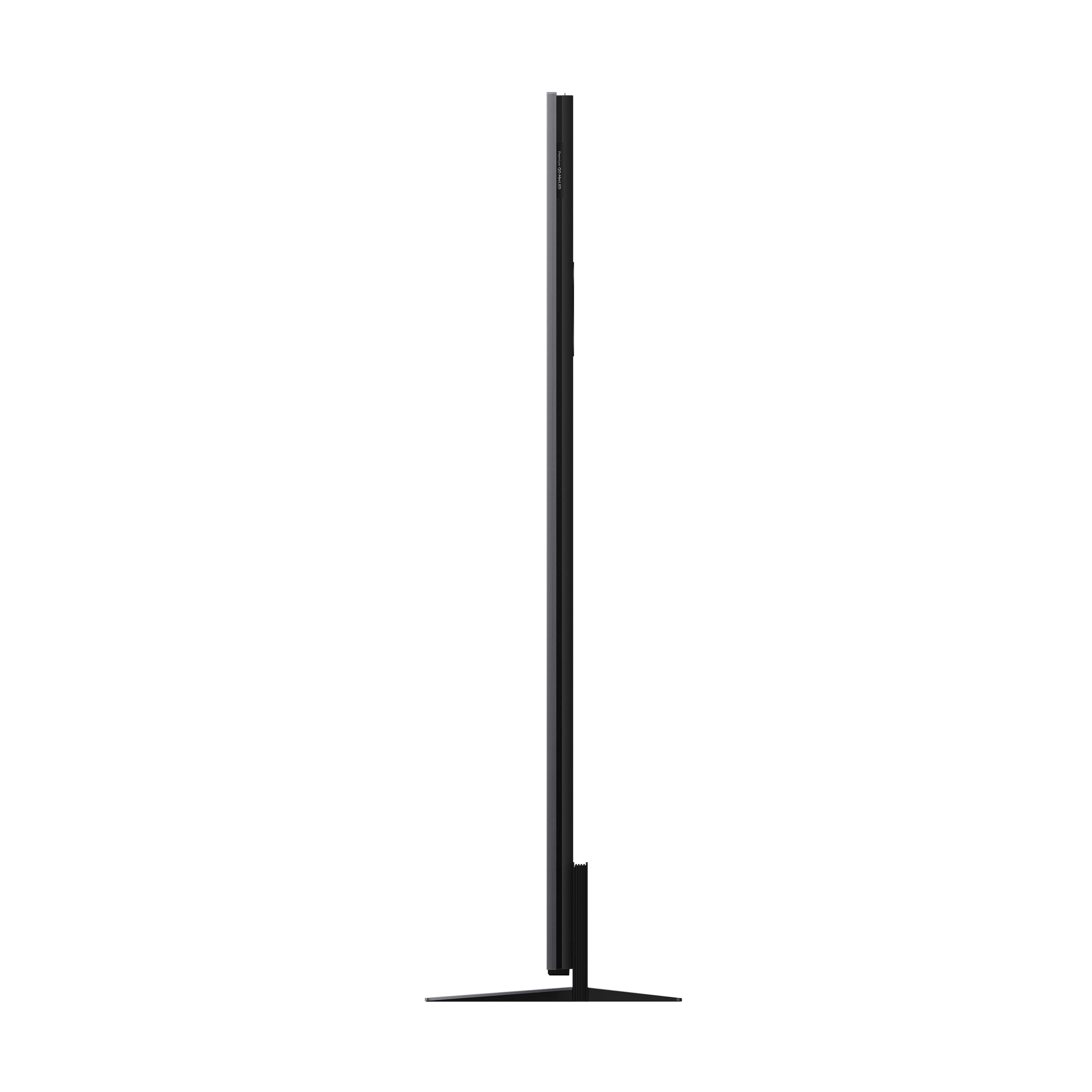
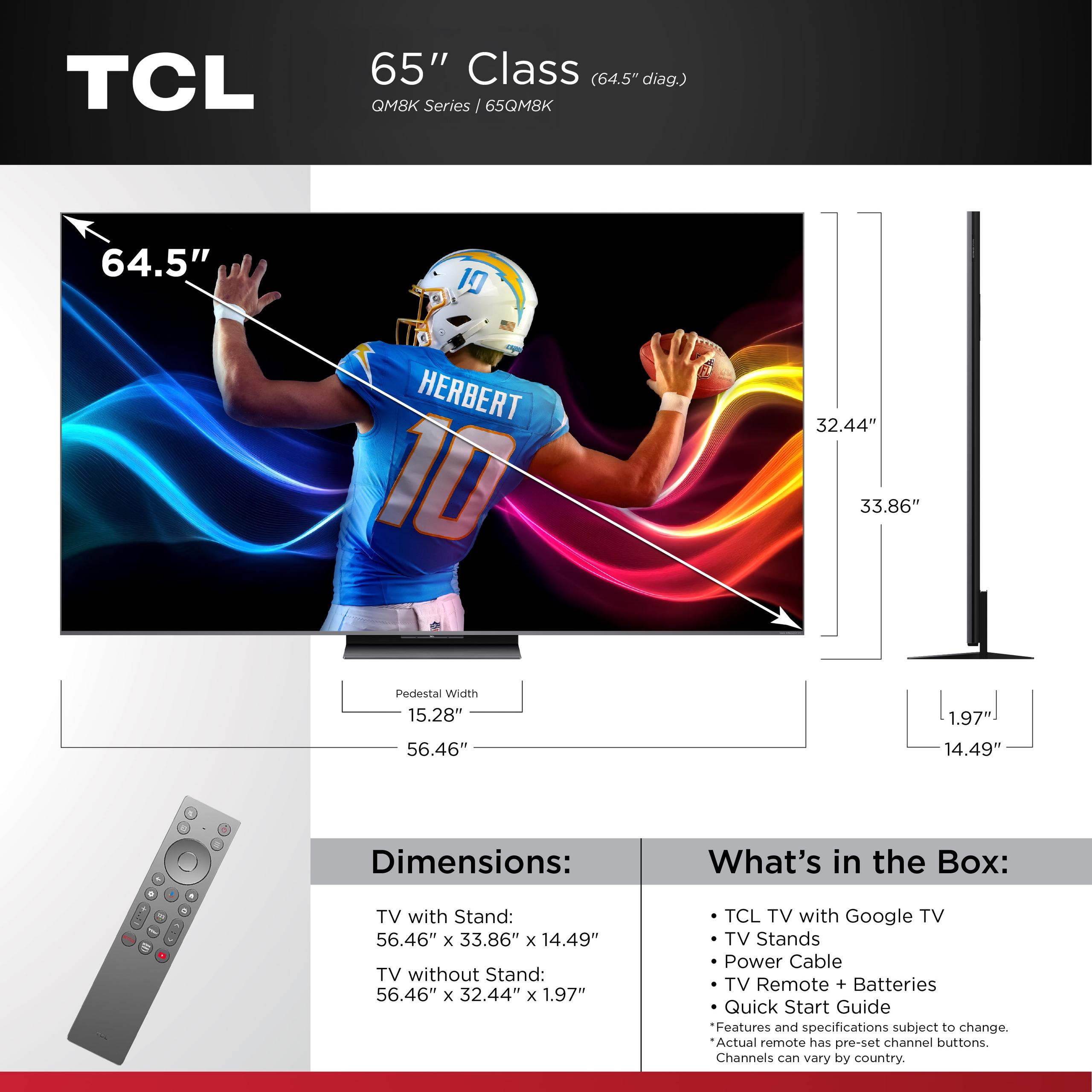
The QM8K showcases TCL's premium design language with its ZeroBorder display that minimizes bezels for a more immersive viewing experience. The overall build feels more refined, with a thinner profile and a height-adjustable stand that offers more flexibility for different room setups.
The QM6K has a more conventional design that's still attractive but not as striking. The bezels are slightly thicker, and the stand is fixed-height, though it's still well-built for the price point.
For home theater installations, the QM8K's premium design elements make it feel more at home in a dedicated media room, while the QM6K works well in more casual living spaces.
Here's where the rubber meets the road. The QM6K at $699.99 offers exceptional value, delivering about 80% of the QM8K's performance at 70% of the price. For most viewers, especially those new to premium TV technology, this represents fantastic value.
The QM8K at $998 justifies its $300 premium through significantly better brightness, more precise local dimming, superior audio, and premium design elements. If you're serious about picture quality and plan to keep your TV for many years, this investment makes sense.
Choose the QM8K if you prioritize the absolute best picture quality and can justify the premium. It's ideal for bright rooms, HDR enthusiasts, and anyone who wants flagship performance. The superior brightness and local dimming make it perfect for home theater setups where you want the most cinematic experience possible.
The QM6K is the smarter choice for budget-conscious buyers who still want excellent performance. It's perfect for casual viewers, gaming enthusiasts on a budget, or anyone who wants to experience mini LED technology without the flagship price tag.
Both TVs represent significant steps forward in affordable premium TV technology, and honestly, you can't go wrong with either choice. The decision ultimately comes down to your budget, viewing habits, and how much you value having the absolute best performance versus excellent value.
| TCL 65" QM8K Series QD-Mini LED 4K Smart TV | TCL 65" QM6K QD-Mini LED 4K TV |
|---|---|
| Price - The fundamental value consideration | |
| $998 | $699.99 |
| Peak Brightness - Critical for HDR impact and bright room viewing | |
| Up to 5,000 nits (exceptional HDR performance) | Moderate brightness (adequate for most rooms but limited HDR impact) |
| Local Dimming Zones - Controls blooming and contrast precision | |
| 3,800 zones (LD3800 Precise Dimming) - superior blooming control | 500 zones (LD500 Precise Dimming) - good for price but more visible blooming |
| Panel Technology - Affects viewing angles and overall picture quality | |
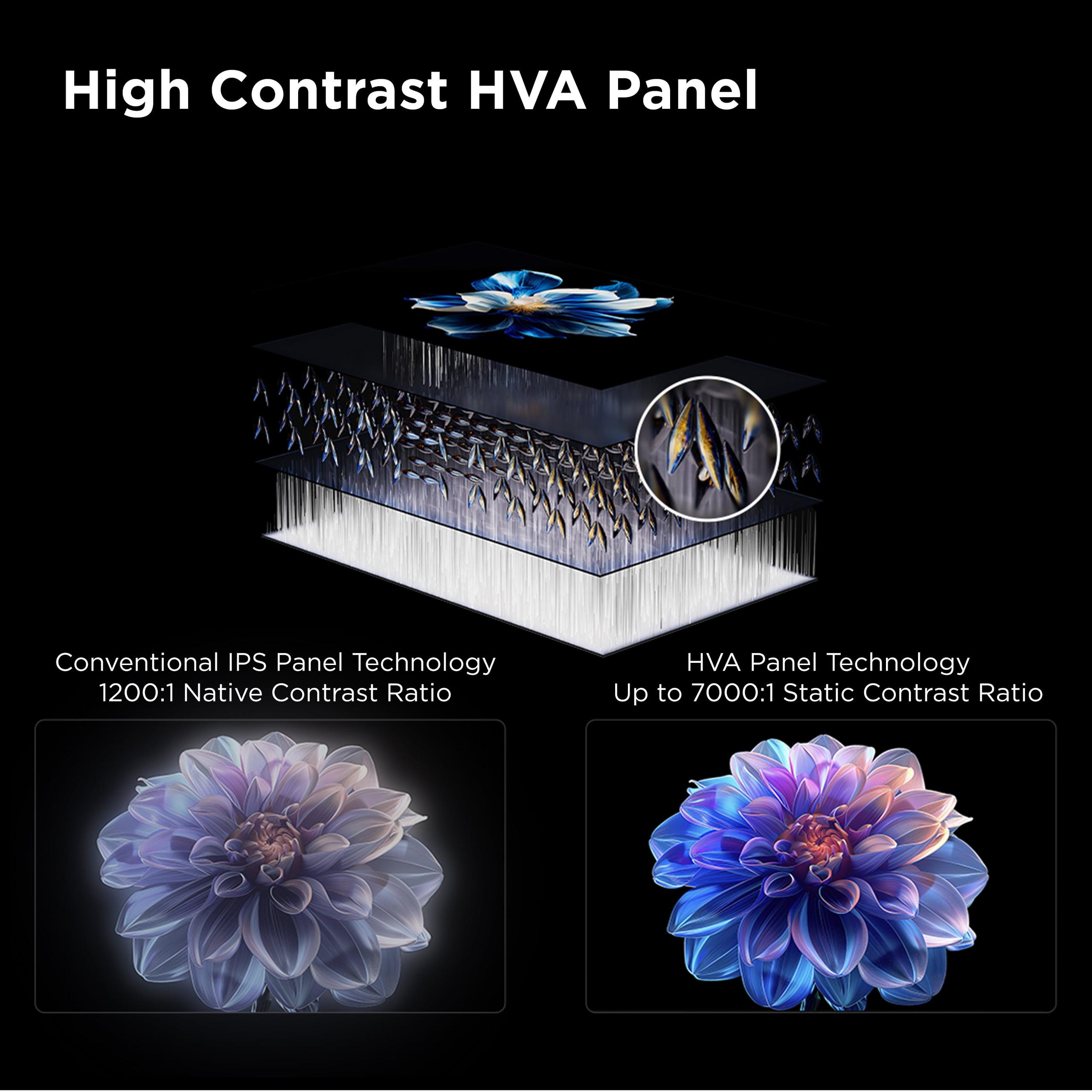
| CrystGlow WHVA with ZeroBorder design - improved viewing angles | Standard QD-Mini LED panel - typical viewing angle limitations |
| Audio System - Determines if you'll need a soundbar | |
| Bang & Olufsen with up-firing Dolby Atmos - immersive sound | Onkyo 2.1 channel with Dolby Atmos - adequate but most will want soundbar |
| Gaming Performance - Refresh rate and variable refresh rate capabilities | |
| 144Hz native, Game Accelerator 288 (up to 288Hz VRR) | 144Hz native, supports 1080p @ 288Hz VRR |
| Smart Features - Premium conveniences and future-proofing | |
| Google TV with hands-free voice, Art Mode, NextGen TV (ATSC 3.0) | Google TV with standard voice control, basic smart features |
| Design Quality - Premium aesthetics and build materials | |
| ZeroBorder ultra-thin bezel, height-adjustable stand, premium finish | Standard bezel design, fixed stand, good build quality for price |
| Best For - Who should buy this model | |
| Enthusiasts wanting flagship performance, bright rooms, home theater setups | Budget-conscious buyers wanting excellent value, casual viewers, gaming on budget |
The TCL 65" QM8K Series at $998 is TCL's flagship model with 5,000 nits peak brightness and 3,800 local dimming zones, while the TCL 65" QM6K at $699.99 is the entry-level Mini LED with moderate brightness and 500 dimming zones. The QM8K offers superior HDR performance and blooming control for $300 more.
The TCL QM8K justifies its premium through dramatically better brightness, superior local dimming with 3,800 zones, Bang & Olufsen audio, and premium design features. If you prioritize the best picture quality and plan to keep the TV for years, the upgrade is worthwhile.
The TCL QM6K at $699.99 offers exceptional value, delivering about 80% of the QM8K's performance at 70% of the price. It's the better choice for budget-conscious buyers who still want premium Mini LED features.
We've done our best to create useful and informative comparisons to help you decide what product to buy. Our research uses advanced automated methods to create this comparison and perfection is not possible - please contact us for corrections or questions. These are the sites we've researched in the creation of this article: tomsguide.com - youtube.com - businessinsider.com - rtings.com - youtube.com - avsforum.com - avsforum.com - bestbuy.com - tcl.com - tcl.com - tcl.com - flatpanelshd.com - romomattressfurniture.com - brandsmartusa.com - pcrichard.com - tvsbook.com - tcl.com - youtube.com - prnewswire.com - tcl.com - tcl.com - youtube.com - tomsguide.com - youtube.com - tcl.com - tomsguide.com - youtube.com - youtube.com - hometechnologyreview.com - rtings.com - bestbuy.com - tcl.com - youtube.com - youtube.com - bestbuy.com - youtube.com - youtube.com - youtube.com - tcl.com - youtube.com - walmart.com - displayspecifications.com - kitele.com - displayspecifications.com - flatpanelshd.com - woodruffappliance.com - displayspecifications.com - prnewswire.com - tcl.com - youtube.com - abt.com - youtube.com - tclkenya.co.ke - budgethomefurn.com

Privacy Policy
Terms and Conditions - Affiliate Policy
Home Security
© Copyright 2008-2026.
11816 Inwood Rd #1211, Dallas, TX 75244