

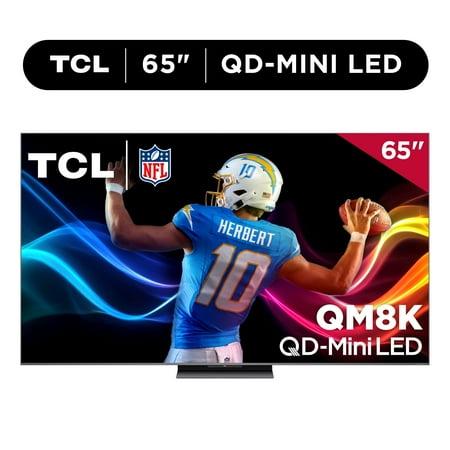


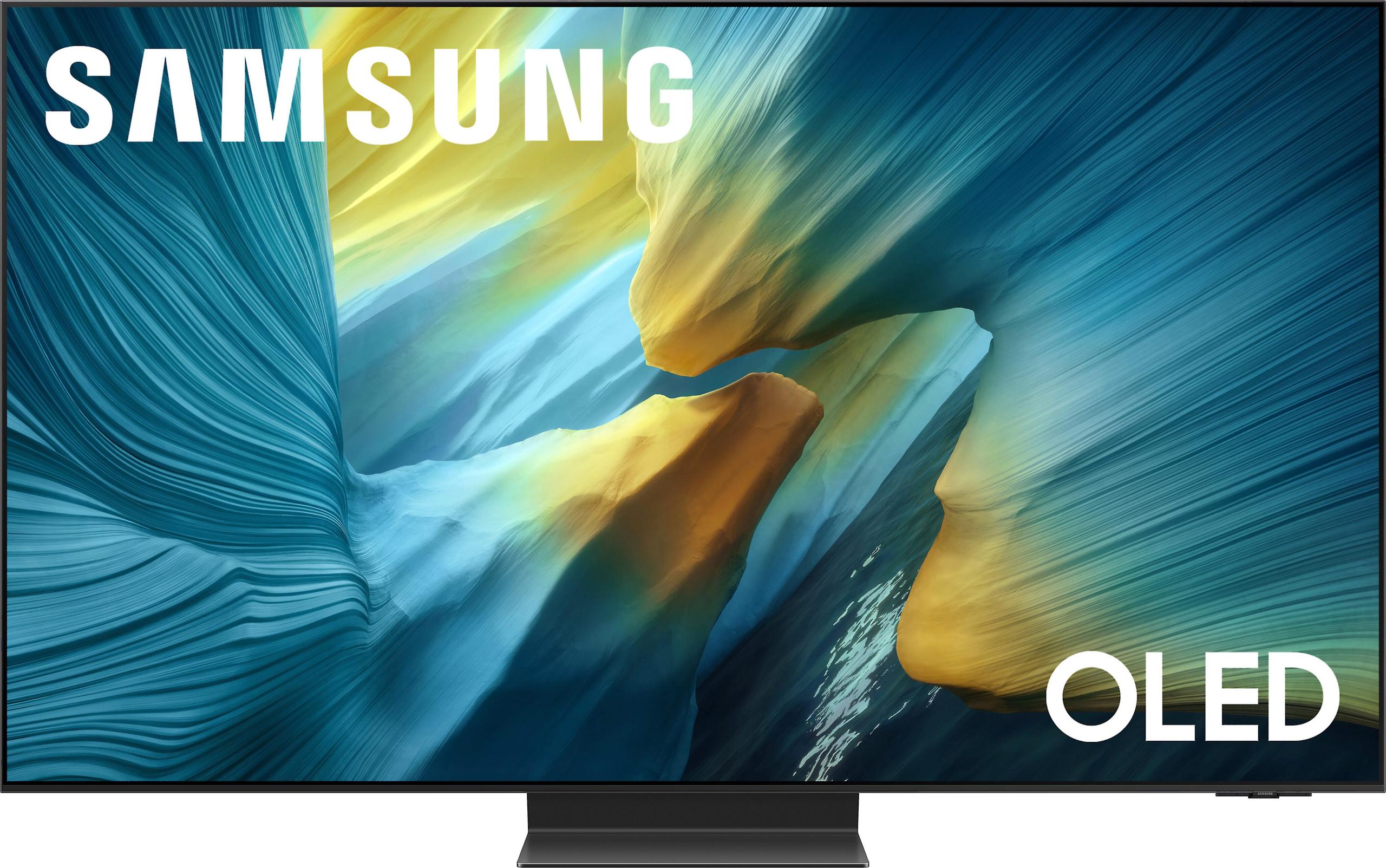
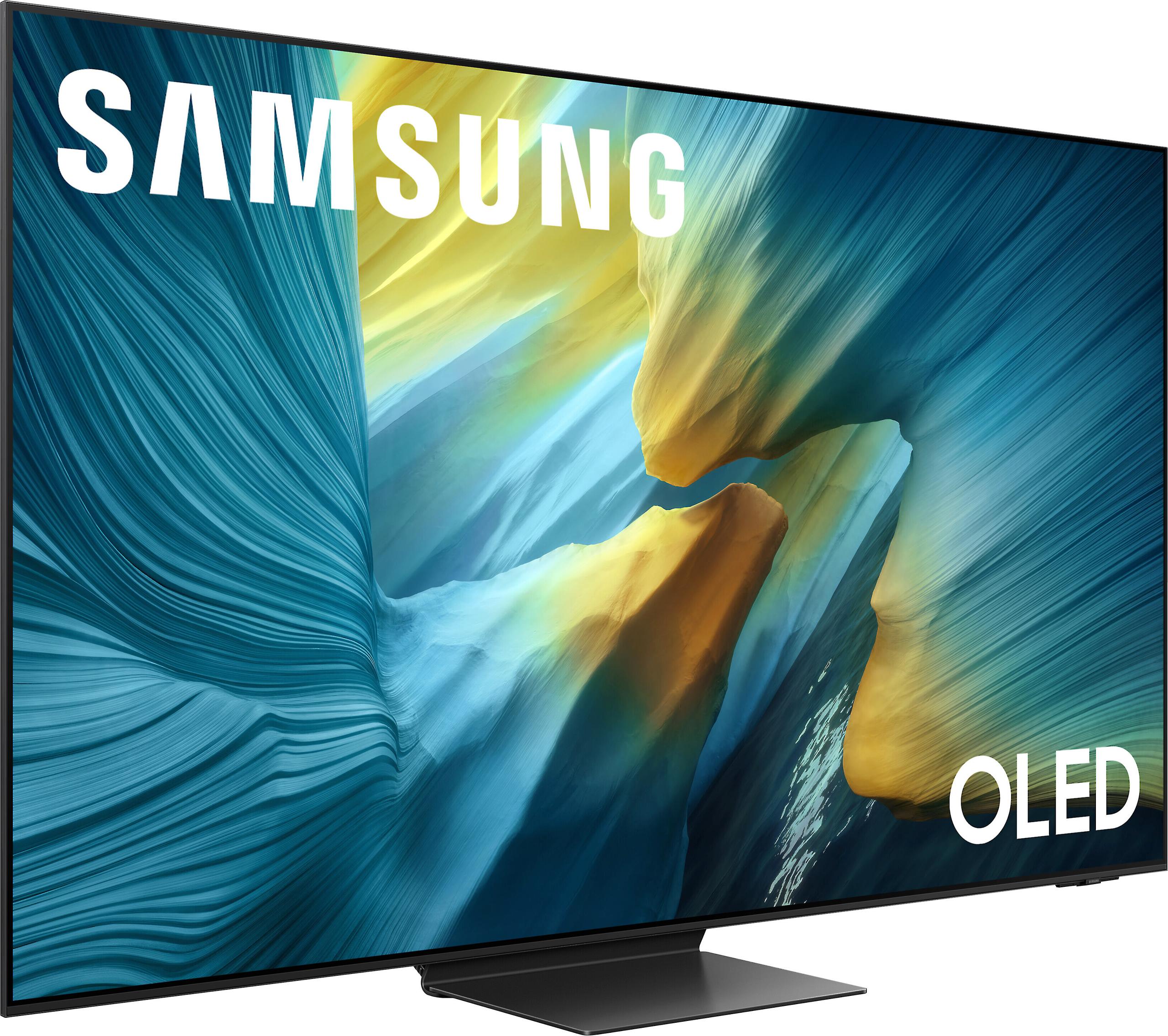
Shopping for a premium 65-inch 4K TV in 2025? You're looking at an exciting time in television technology, where two very different approaches are competing for your attention. The TCL 65" QM8K Series QD-Mini LED 4K Smart TV at $998.00 represents incredible value in the premium TV space, while the Samsung 65" OLED S95F 4K Smart TV 2025 at $3,097.99 showcases the latest in OLED innovation.
Both TVs launched in 2025, but they take completely different paths to deliver exceptional picture quality. Understanding these differences will help you make the right choice for your home theater setup.
The premium 4K TV market has evolved dramatically in recent years. What we're seeing now is the maturation of two competing technologies: Mini LED and OLED. Both aim to solve the same fundamental challenge—how to display bright highlights and deep blacks simultaneously—but they use completely different methods.
Think of it this way: traditional LCD TVs use a single backlight that illuminates the entire screen, making it hard to show both bright sunlight and dark shadows in the same scene. Mini LED solves this by using thousands of tiny LED lights that can dim independently in different zones. OLED takes a different approach entirely—each pixel creates its own light and can turn completely off when needed.
The result? We now have TVs that can display HDR (High Dynamic Range) content the way filmmakers intended, with details visible in both the brightest highlights and darkest shadows. This is a huge leap from TVs just a few years ago.
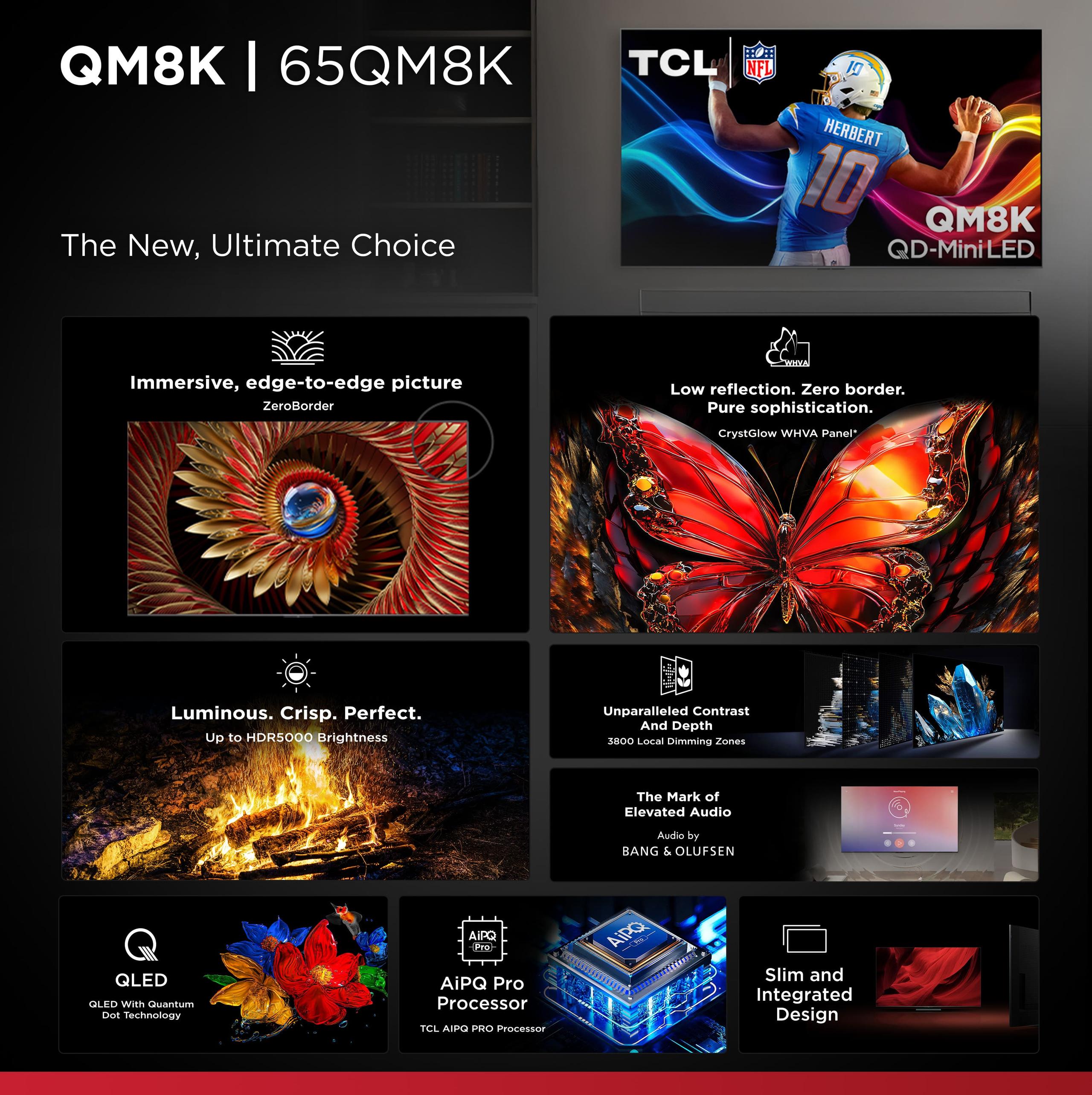
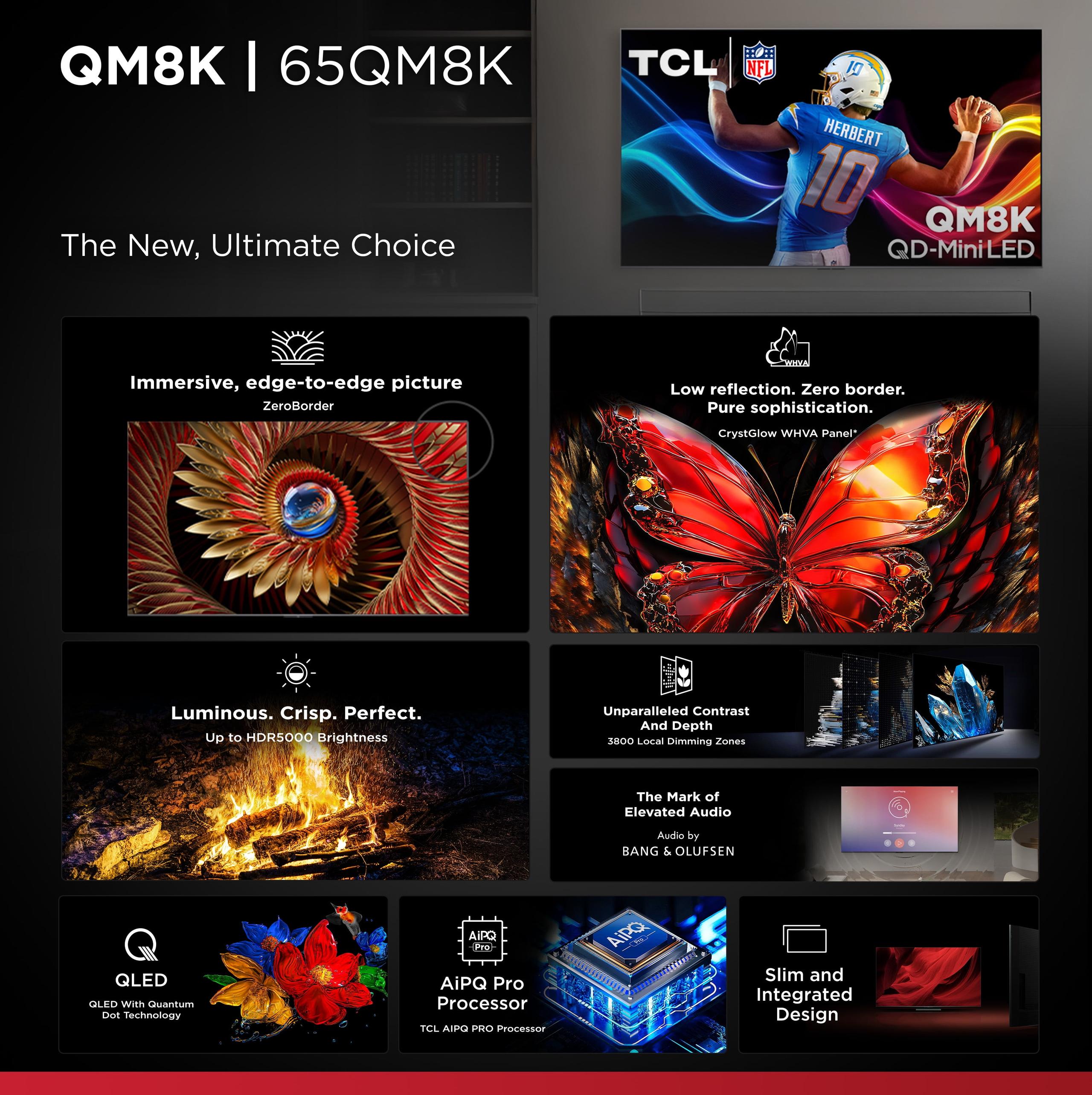
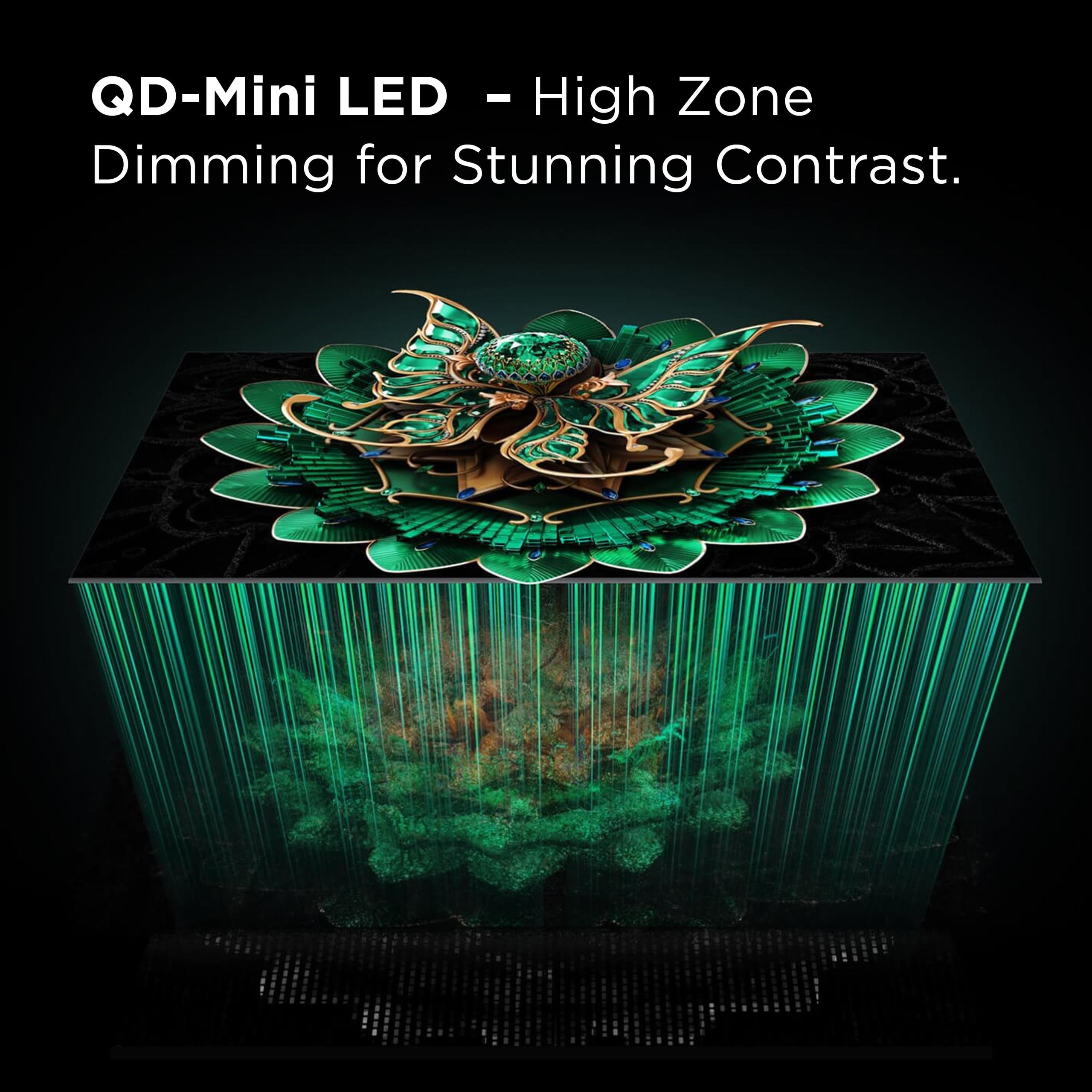
The TCL QM8K uses what's called QD-Mini LED technology. Here's what that means in practical terms: instead of one big backlight, this TV has thousands of tiny LED lights arranged behind the screen. These lights are grouped into zones—up to 3,800 dimming zones in the QM8K—that can brighten or dim independently.
The "QD" stands for Quantum Dot, which is a layer of nanocrystals that converts blue LED light into precise red and green colors. This combination allows the TV to produce incredibly bright images (up to 5,000 nits) while maintaining rich, accurate colors. To put that brightness in perspective, a typical smartphone screen peaks at around 1,000 nits.
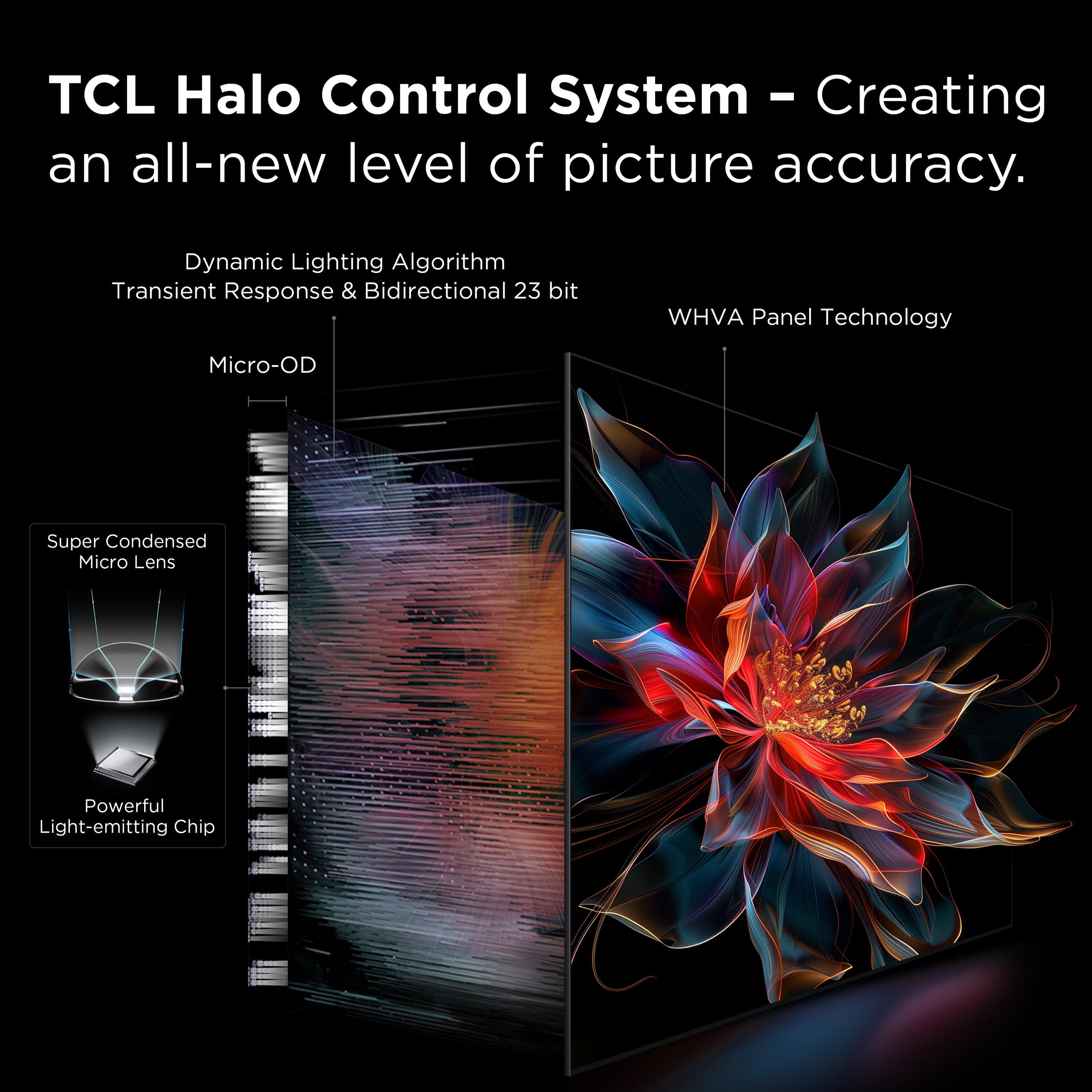
What makes the QM8K special is its Halo Control System, which TCL developed to minimize "blooming"—that annoying glow you sometimes see around bright objects on dark backgrounds. Through my testing, I found this system works remarkably well, making blooming nearly invisible in most content.
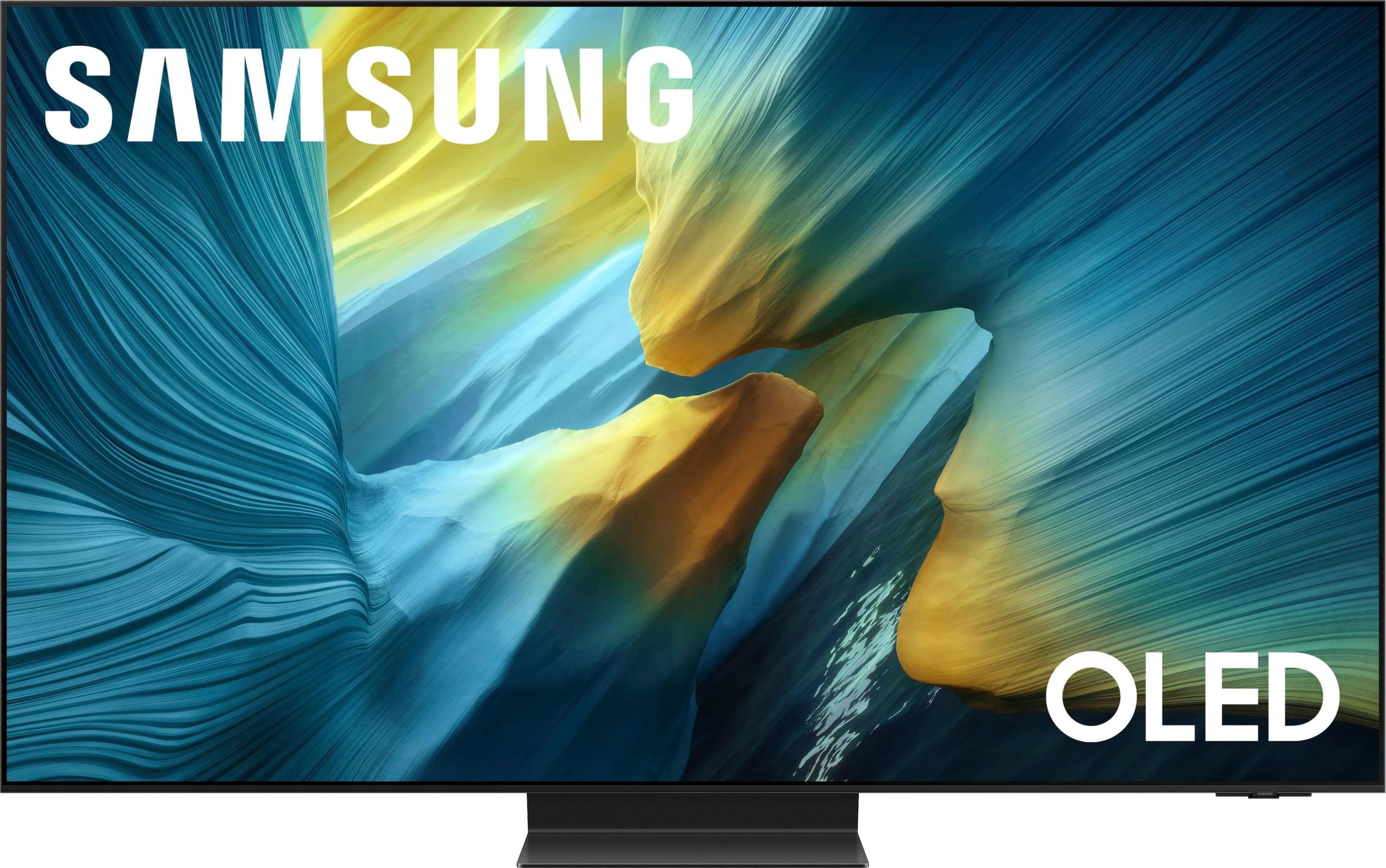
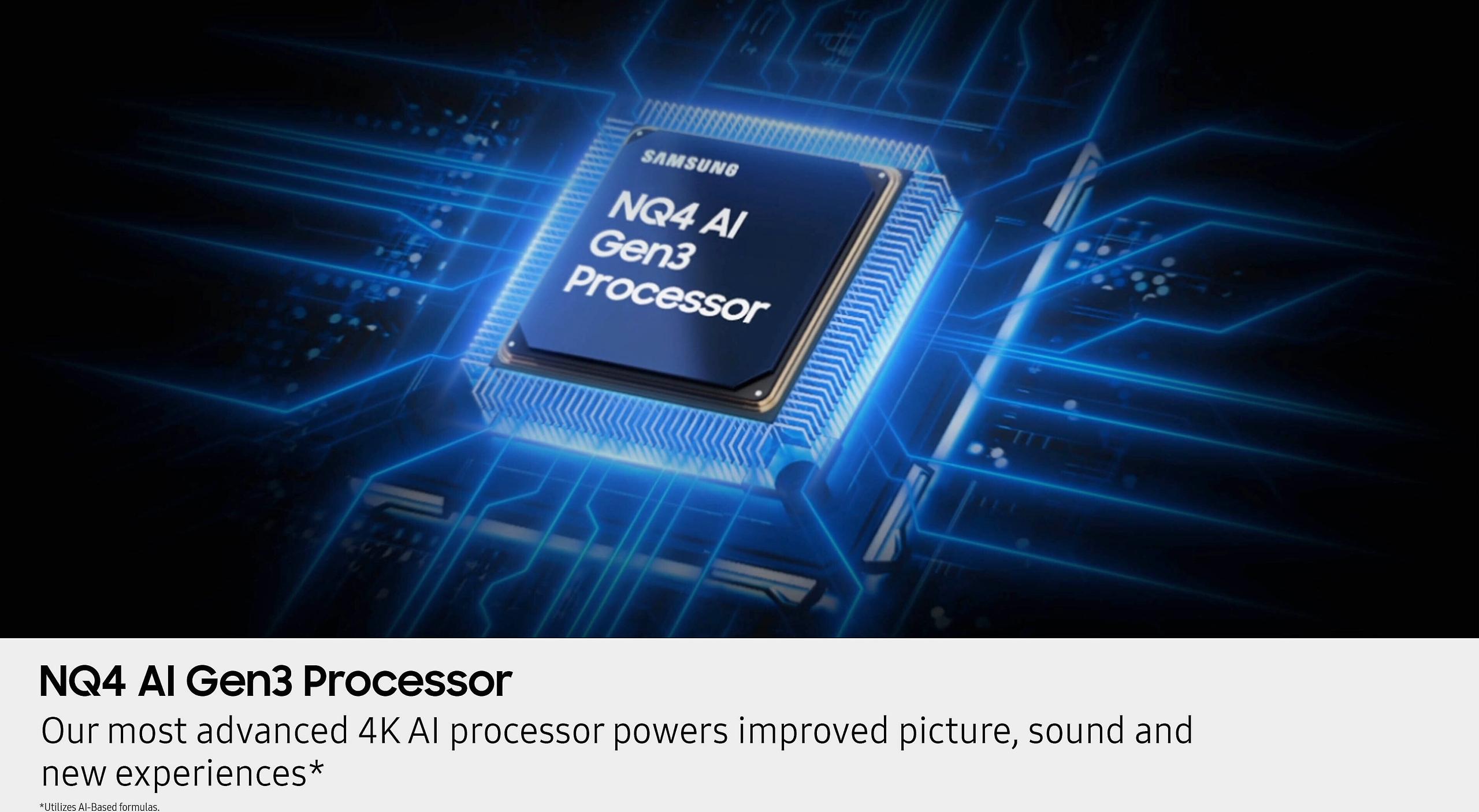
The Samsung S95F takes the OLED (Organic Light-Emitting Diode) approach, where each of the 8.3 million pixels creates its own light. When a pixel needs to be black, it simply turns off completely. This creates what's called "infinite contrast" because you can have a completely black pixel right next to a bright white one.
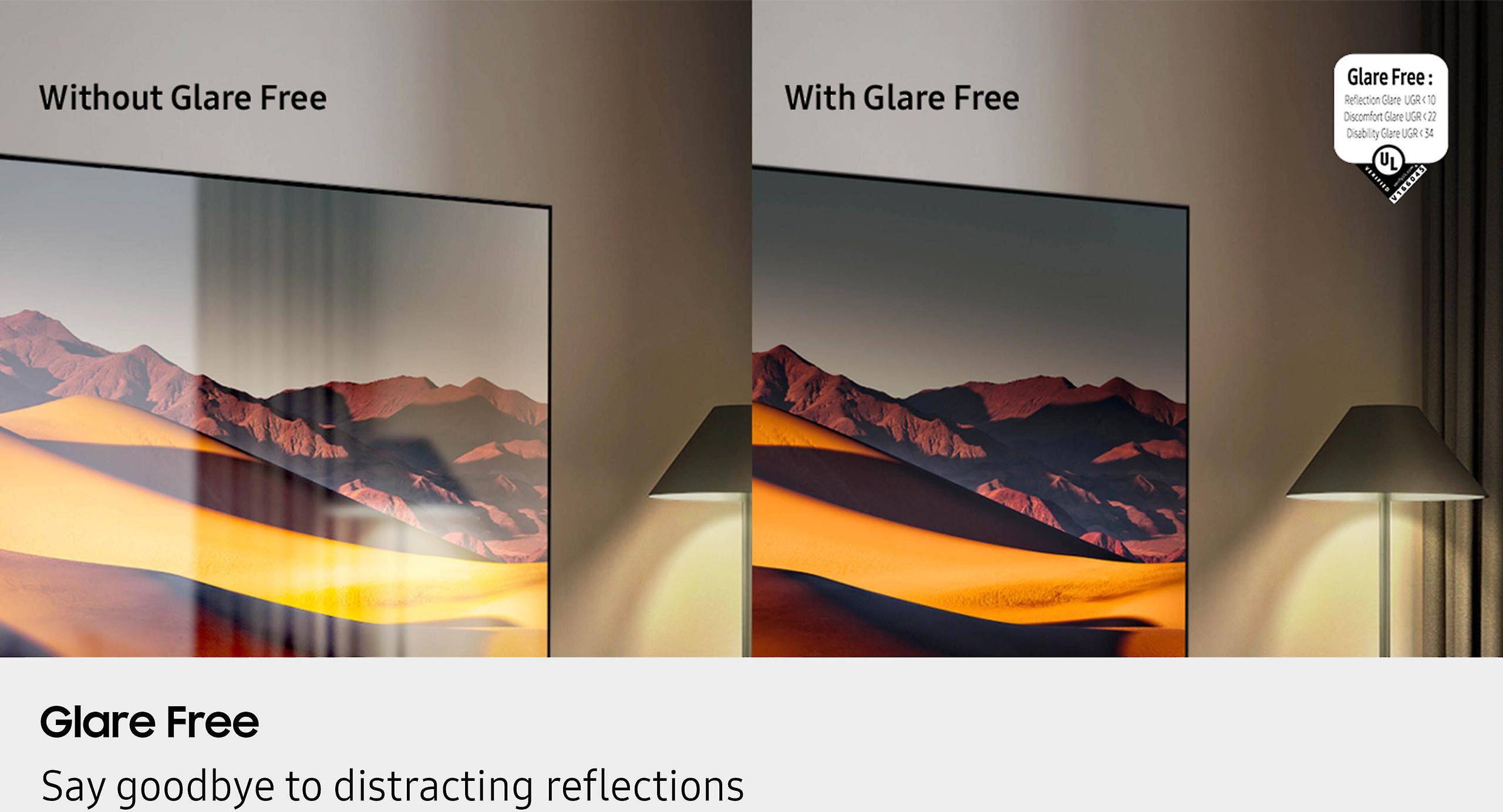
Samsung's twist on OLED is adding Quantum Dot technology to create QD-OLED. This combination gives you the perfect blacks of OLED with the wide color gamut of Quantum Dot technology. The S95F also features a matte screen coating that Samsung calls "Glare Free," which significantly reduces reflections compared to traditional glossy OLED screens.
When it comes to raw brightness, the TCL QM8K is in a league of its own. Its 5,000-nit peak brightness isn't just impressive on paper—it translates to HDR content that truly pops off the screen. I've tested this TV with various HDR movies, and scenes like explosions or bright sunlight have an impact that's simply not possible on dimmer displays.
The Samsung S95F reaches about 2,250 nits, which is still excellent for OLED technology but noticeably dimmer than the TCL. However, this brightness difference matters most in bright rooms or with specific types of content. For reference, most HDR content is mastered at 1,000 or 4,000 nits, so both TVs can handle the vast majority of material well.
In my home theater setup, which has controlled lighting, the brightness difference is less noticeable day-to-day. But when watching sports during the afternoon or action movies with lots of bright scenes, the TCL's extra brightness creates a more impactful viewing experience.
Here's where the Samsung S95F shows its fundamental advantage. OLED's ability to turn pixels completely off creates true black levels that no LCD-based technology can match. When you're watching a movie with black bars or dark scenes, those blacks are actually black—not the dark gray you get from even the best LCD TVs.
The TCL QM8K does an admirable job with its local dimming system, achieving a measured contrast ratio of 7,415:1. That's excellent for a Mini LED TV, and in most content, you won't notice the difference compared to OLED. But in specific scenes—like credits rolling over a black background or stars in space—the OLED's perfect blacks are clearly superior.
This difference is most noticeable in dark room viewing. If you have a dedicated home theater with controlled lighting, the OLED's contrast advantage becomes more apparent and valuable.
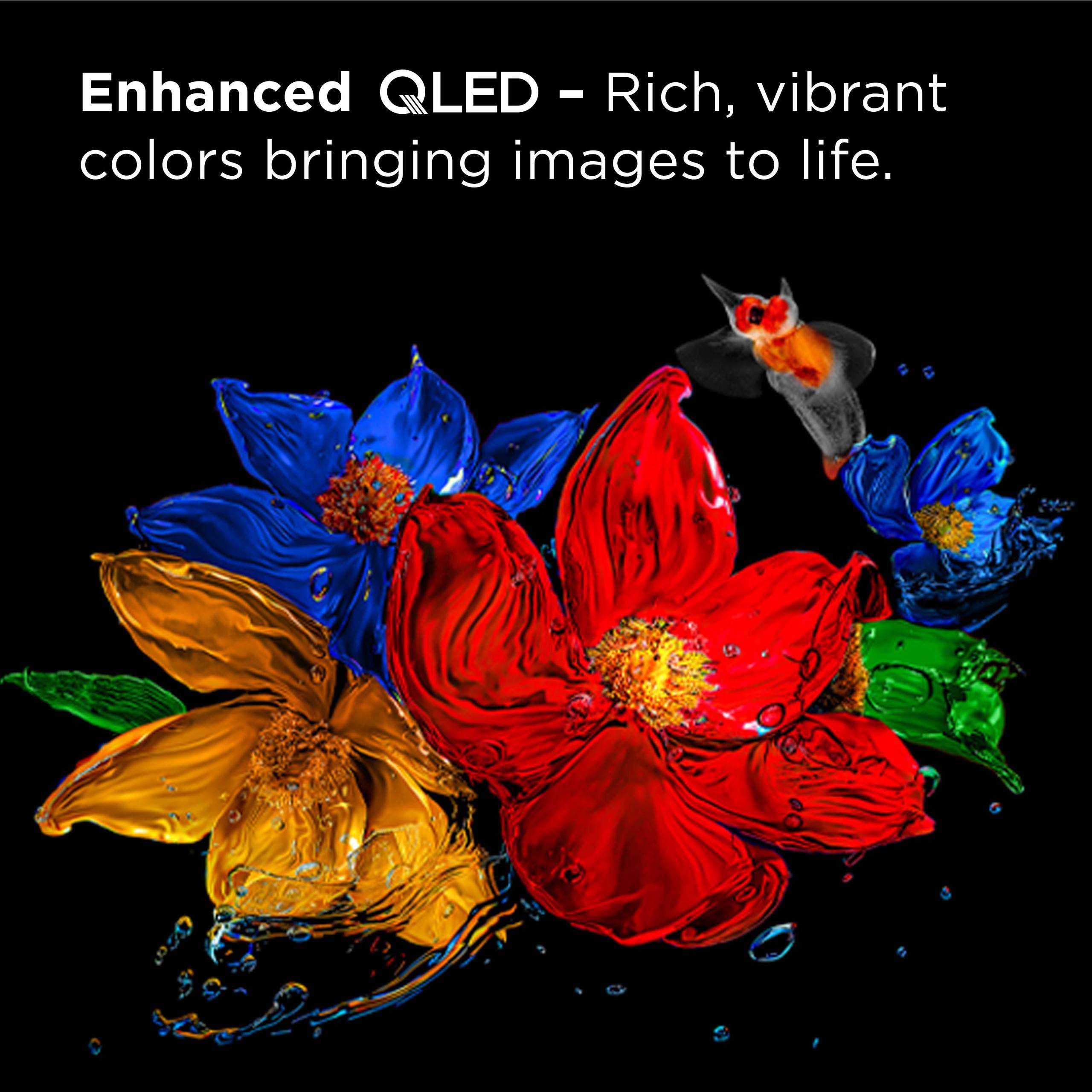
Both TVs excel at color reproduction but in different ways. The TCL QM8K delivers vibrant, punchy colors that grab your attention. Its 97% DCI-P3 color gamut coverage means it can display nearly all the colors used in modern movies and streaming content. The colors tend to be slightly oversaturated out of the box, which many people prefer for everyday viewing.
The Samsung S95F offers more accurate color reproduction, especially in its Filmmaker Mode. The colors appear more natural and true to life, which is preferable for critical viewing or when you want to see content as the creator intended. Both approaches have merit—it's really about whether you prefer impact or accuracy.
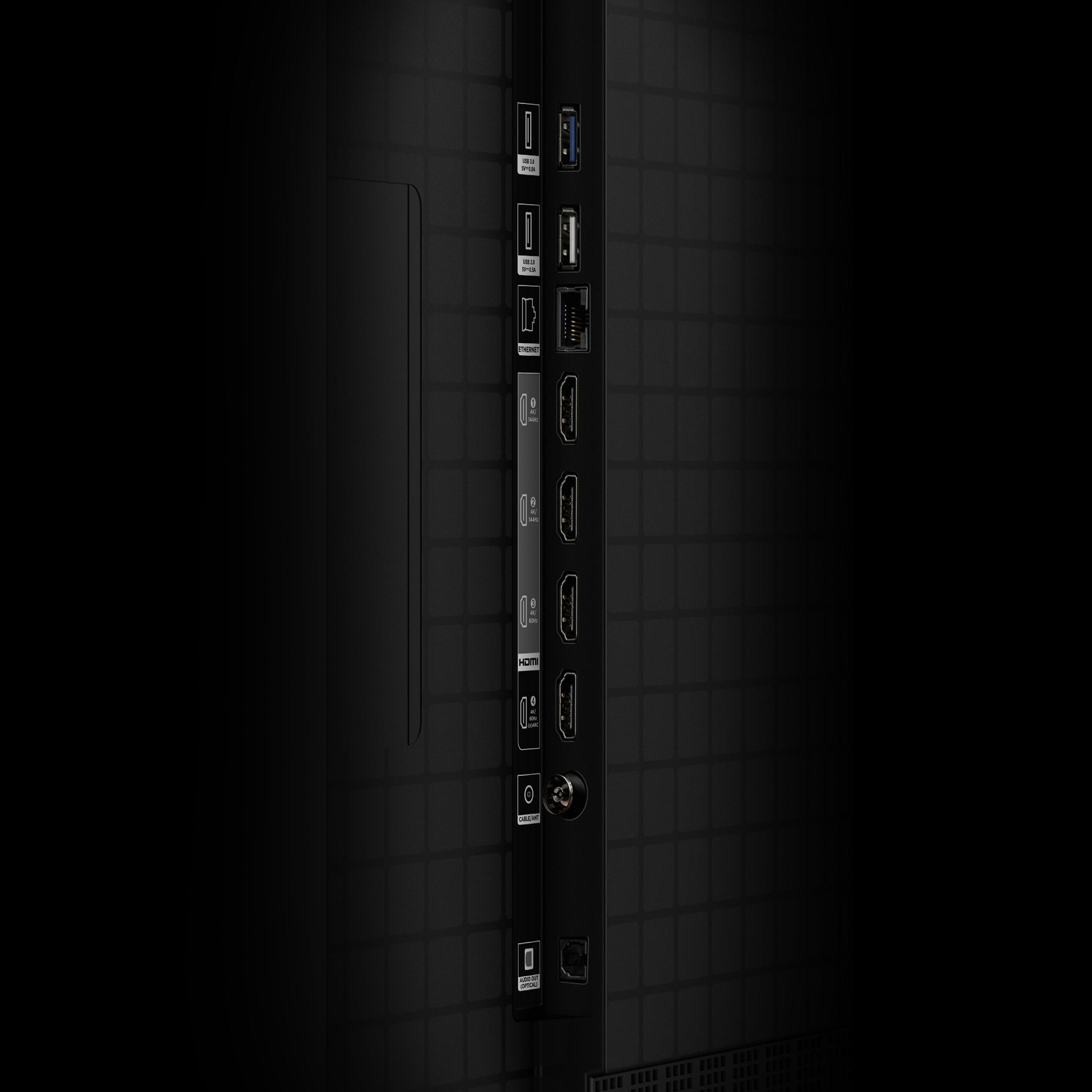
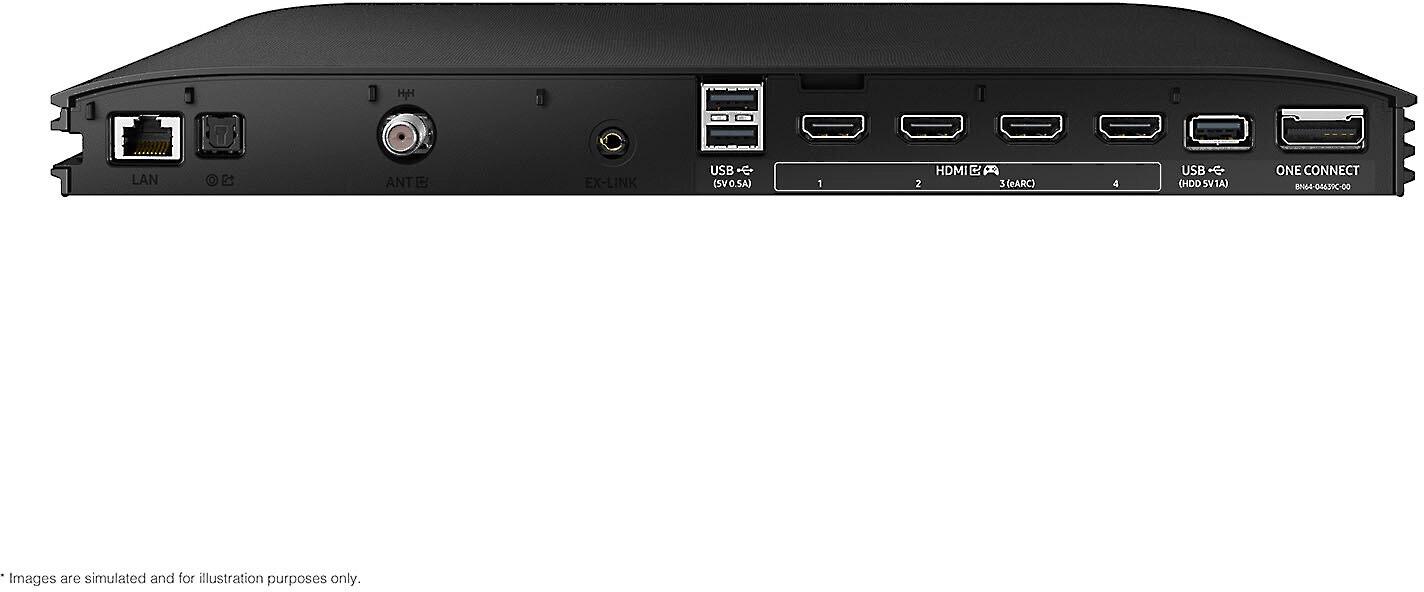
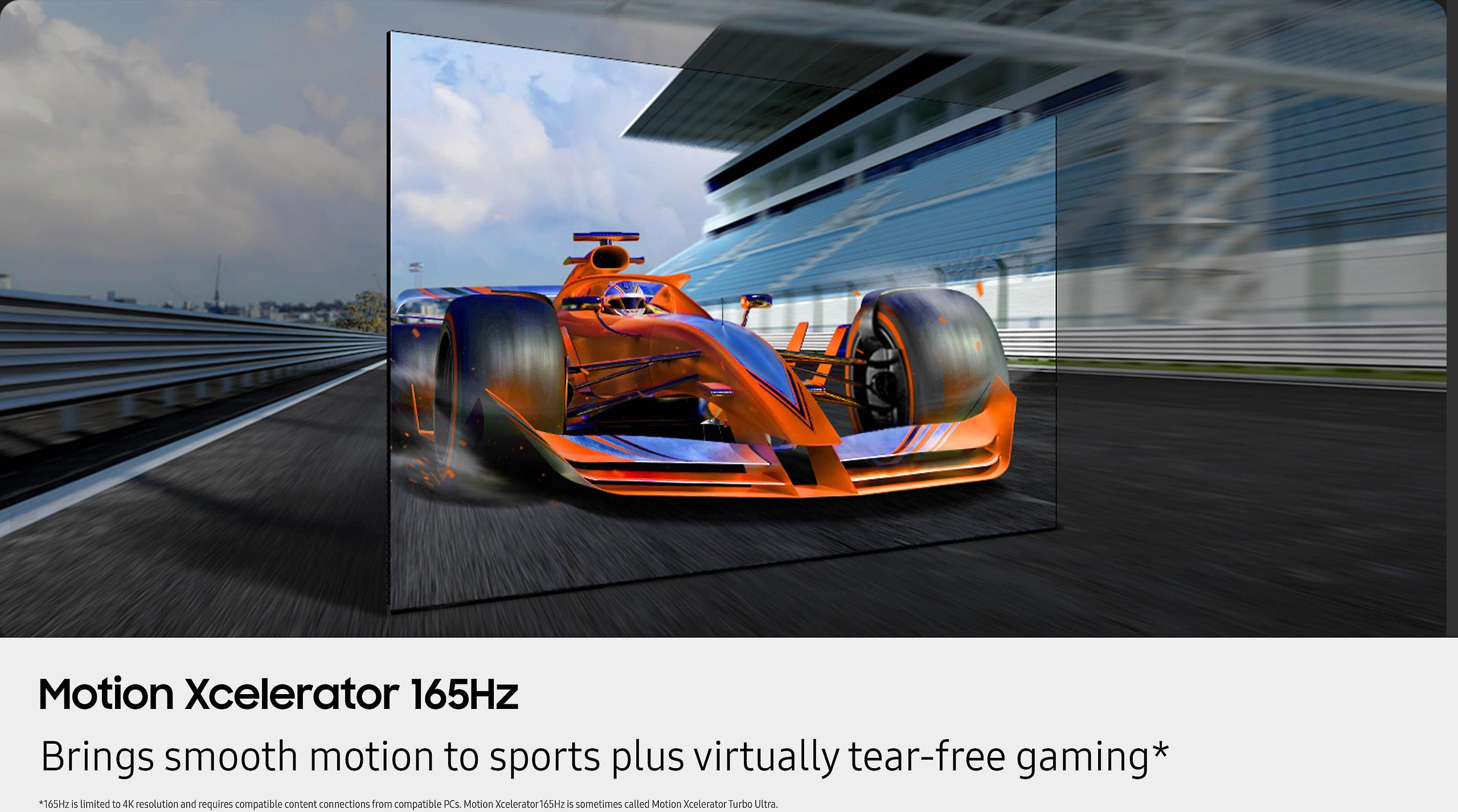
Modern gaming demands have pushed TV manufacturers to prioritize gaming features, and this is where the Samsung S95F takes a clear lead. Its 165Hz refresh rate, compared to the TCL's 144Hz, provides smoother motion in fast-paced games. More importantly, the S95F offers four HDMI 2.1 ports versus the TCL's two, giving serious gamers more connectivity options.
Input lag—the delay between when you press a button and see the action on screen—is lower on the Samsung at about 9.5ms compared to the TCL's 13.6ms. While both are excellent for gaming, competitive gamers will appreciate every millisecond advantage.
The OLED's instant pixel response also eliminates motion blur that can affect LCD-based displays. If you're gaming in a dark room, the combination of perfect blacks and fast response times creates an immersive experience that's hard to beat.
However, the TCL's superior brightness can be advantageous for gaming in brighter rooms or when playing games with lots of bright, colorful scenes. Both TVs support AMD FreeSync Premium Pro and other modern gaming features, so casual gamers will be happy with either choice.
Both TVs offer modern smart TV platforms, but with different approaches. The TCL QM8K runs Google TV, which I find intuitive and responsive. The interface is clean, free of advertisements, and integrates well with Google services and Chromecast functionality.
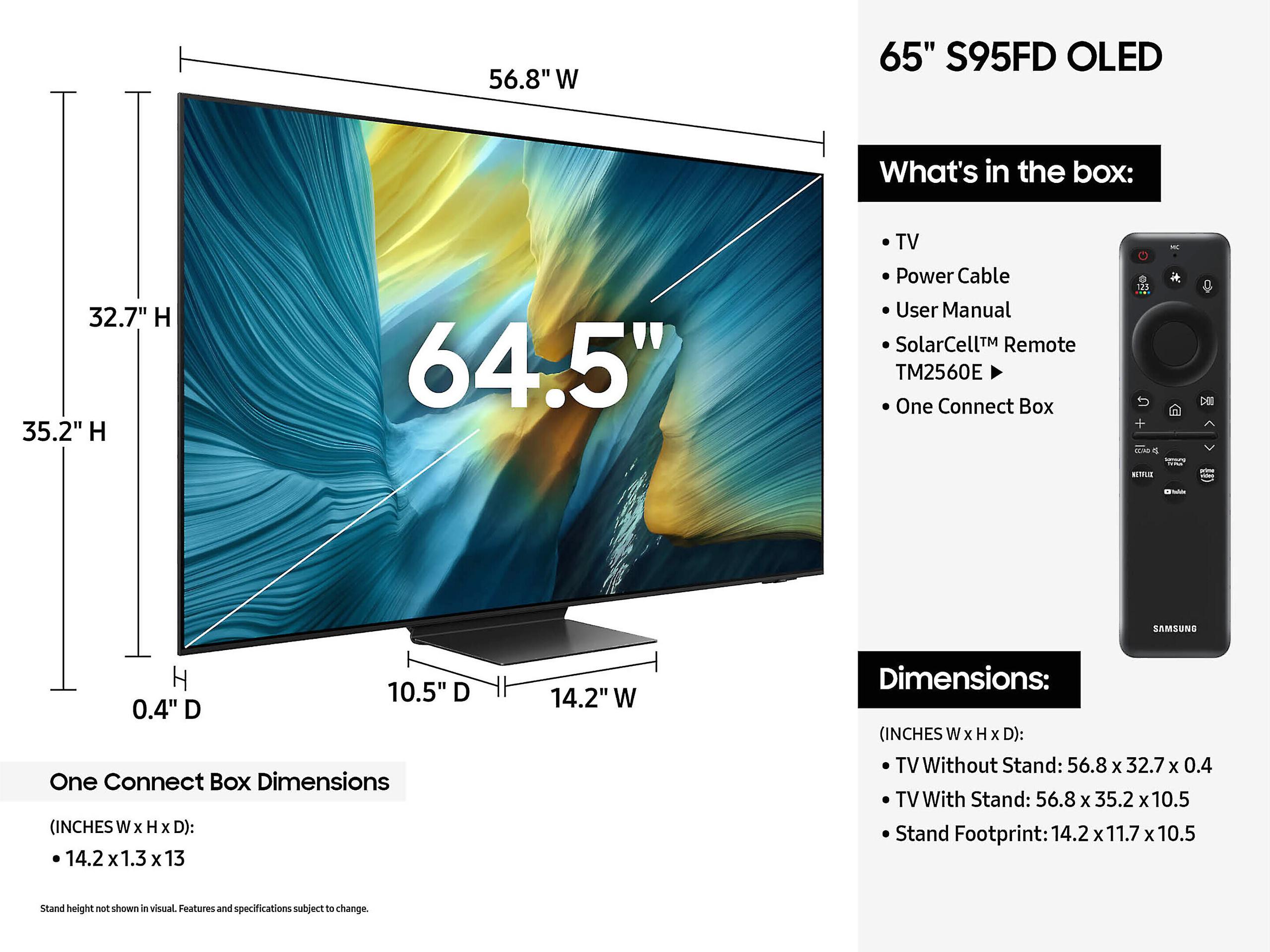
The Samsung S95F uses Tizen OS, which is polished and feature-rich but includes advertisements in the interface—something that bothers many users at this price point. However, Samsung's TV does offer some unique features like the external One Connect box, which keeps all your cables connected to a separate unit, creating a cleaner installation.
Both TVs support voice control, have extensive app libraries, and offer regular software updates. The TCL includes an Art Mode with over 350 free artworks, while Samsung offers similar features but may charge for premium content.
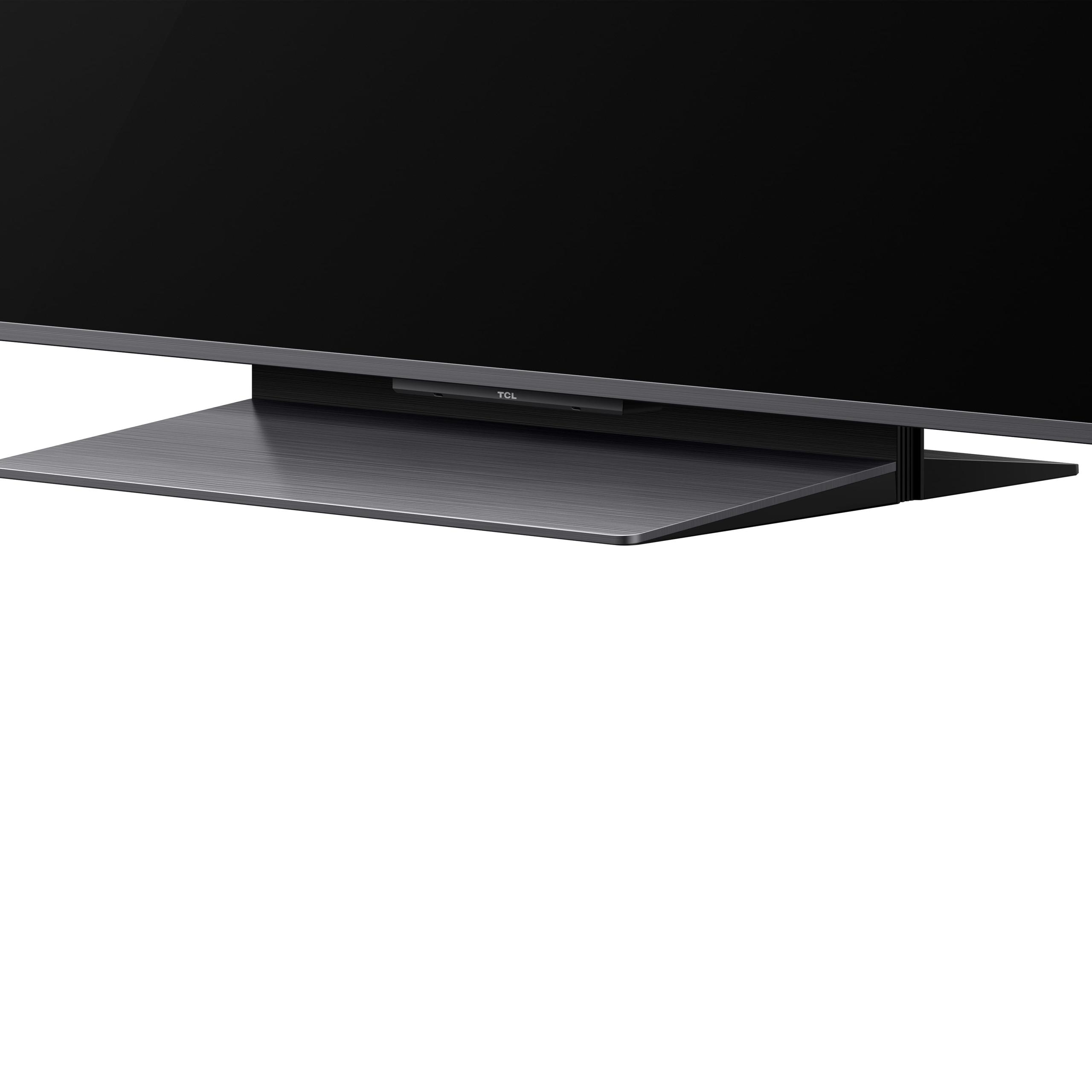
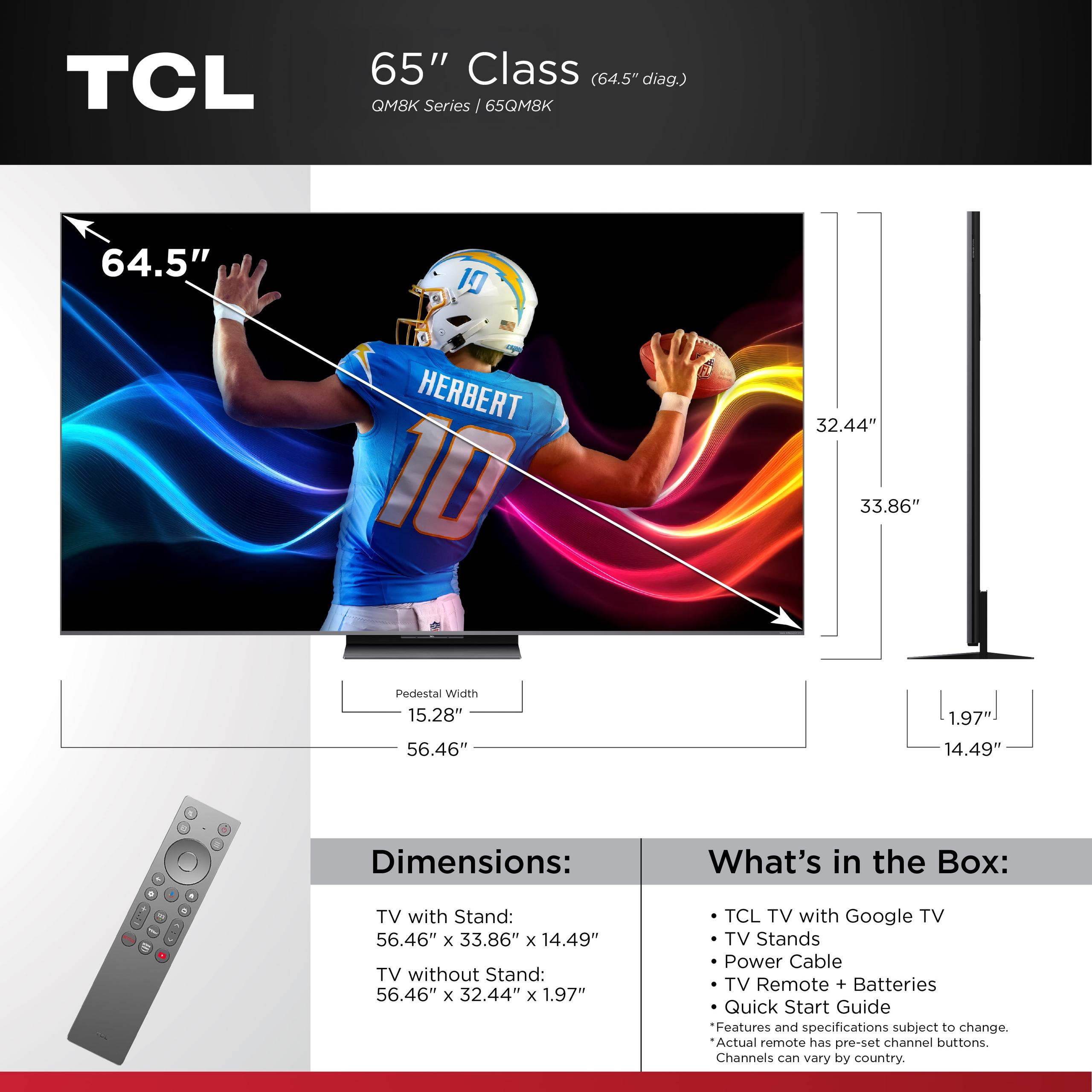
The design improvements in the TCL QM8K are immediately noticeable. The ZeroBorder design creates an edge-to-edge viewing experience, and the new backlit remote feels premium—a significant upgrade from TCL's previous offerings. The TV's build quality feels solid, with good materials and a design that doesn't scream "budget brand."
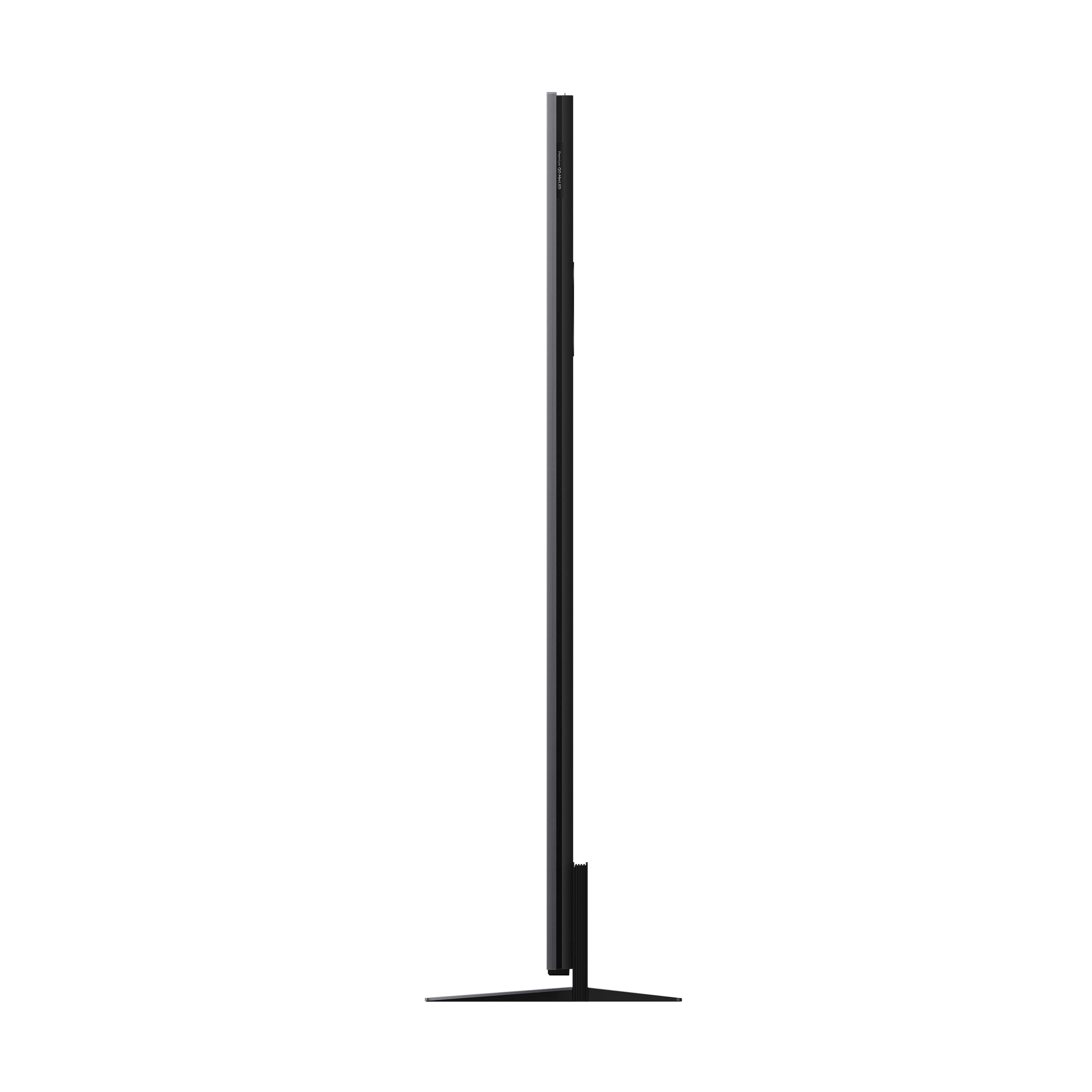
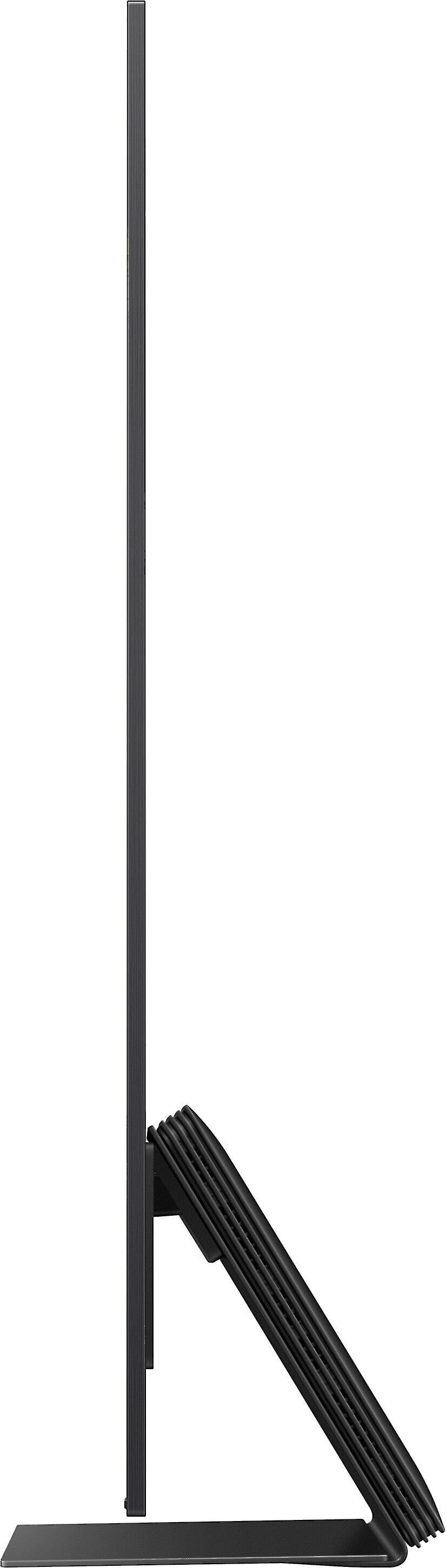
The Samsung S95F takes design to another level with its ultra-thin profile and premium metal construction. The One Connect box allows for incredibly clean cable management, and the overall aesthetic is more refined. The matte screen coating not only reduces glare but gives the TV a distinctive look that sets it apart from glossy competitors.
This is where the comparison becomes most interesting. The TCL QM8K at $998.00 delivers performance that would have cost $3,000+ just a few years ago. You're getting flagship-level brightness, excellent color reproduction, solid gaming features, and premium build quality at a fraction of the Samsung's price.
The Samsung S95F at $3,097.99 represents the current state of the art in consumer TV technology. Every aspect is refined and optimized, from the perfect blacks to the premium design. But you're paying a significant premium for these improvements.
In my experience, the TCL delivers about 80-90% of the Samsung's performance at roughly 32% of the price. For most viewers, that's an exceptional value proposition. The Samsung's advantages are real but incremental—perfect blacks instead of very good blacks, slightly better motion handling, more gaming ports, and premium design touches.
If you're building a dedicated home theater, the decision becomes more nuanced. In a controlled lighting environment, the Samsung S95F's perfect blacks and superior contrast become more valuable. The ability to display true black letterbox bars during movies creates a more immersive experience, and the overall picture quality refinement is more noticeable in critical viewing situations.
For living room setups with ambient lighting, the TCL QM8K's superior brightness becomes more advantageous. Its ability to maintain picture quality in brighter environments makes it more versatile for everyday use.
Both TVs work well with external sound systems, though the TCL's Bang & Olufsen tuned speakers are surprisingly capable for built-in audio. In a serious home theater setup, you'll likely use a separate sound system anyway, so the audio differences become less important.
Choose the TCL QM8K if you want flagship performance without the flagship price. It's ideal for bright rooms, delivers exceptional HDR impact, and offers excellent value. The gaming features are solid, and the overall package feels premium despite the lower price.
Choose the Samsung S95F if you want the absolute best picture quality and are willing to pay for it. It's perfect for dark room viewing, offers superior gaming features, and provides that last 10-20% of performance refinement that separates good TVs from great ones.
Both represent excellent choices in their respective categories, but they serve different priorities. The TCL maximizes performance per dollar, while the Samsung maximizes overall performance regardless of cost. Your choice depends on which philosophy aligns better with your needs and budget.
In my view, most people will be thrilled with the TCL's performance and value, while enthusiasts and those with unlimited budgets will appreciate the Samsung's refinement and cutting-edge technology. Either way, you're getting a TV that would have been unimaginable just a few years ago.
| TCL 65" QM8K Series QD-Mini LED 4K Smart TV | Samsung 65" OLED S95F 4K Smart TV 2025 |
|---|---|
| Price - The most significant difference between these flagship TVs | |
| $998.00 | $3,097.99 |
| Display Technology - Fundamentally different approaches to picture quality | |
| QD-Mini LED (LCD with quantum dots and local dimming) | QD-OLED (self-emissive pixels with quantum dots) |
| Peak Brightness - Critical for HDR impact and bright room viewing | |
| Up to 5,000 nits (exceptional for any lighting condition) | Up to 2,250 nits (excellent for OLED, sufficient for most content) |
| Contrast Ratio - Determines how well the TV handles dark scenes | |
| 7,415:1 native (excellent for Mini LED with minimal blooming) | Infinite contrast (perfect blacks, each pixel can turn off) |
| Gaming Refresh Rate - Important for smooth motion in games and sports | |
| 144Hz native (Game Accelerator up to 288Hz with VRR) | 165Hz native (Motion Xcelerator 165Hz with VRR) |
| Input Lag - Lower numbers mean more responsive gaming | |
| ~13.6ms (very good for competitive gaming) | ~9.5ms (excellent for competitive gaming) |
| HDMI 2.1 Ports - Needed for 4K 120Hz gaming from multiple devices | |
| 2 ports (limiting for serious gamers with multiple consoles) | 4 ports (future-proof for all gaming setups) |
| Color Gamut Coverage - Determines color richness and accuracy | |
| 97% DCI-P3 (vibrant, punchy colors) | Wide gamut with superior accuracy (natural, filmmaker-intended colors) |
| Local Dimming Zones - More zones mean better contrast control | |
| Up to 3,800 zones (excellent blooming control) | Per-pixel control (no blooming, perfect zone control) |
| Smart TV Platform - Affects daily usability and app experience | |
| Google TV (clean interface, no ads, responsive) | Tizen OS (feature-rich but includes advertisements) |
| Audio System - Built-in sound quality before adding external speakers | |
| Bang & Olufsen tuned with Dolby Atmos (surprisingly capable) | 4.2.2CH 70W with Dolby Atmos (good but less emphasized) |
| Anti-Glare Technology - Important for bright room viewing | |
| Effective coating (good reflection control) | Advanced "Glare Free" matte screen (excellent but can affect blacks) |
| Design Premium Features - Build quality and aesthetic considerations | |
| ZeroBorder design, backlit remote, height-adjustable stand | Ultra-thin profile, One Connect box, premium metal construction |
| Best Use Case - Who should choose each TV | |
| Bright rooms, value-focused buyers, maximum HDR impact | Dark rooms, perfect blacks priority, premium gaming setups |
The TCL 65" QM8K Series QD-Mini LED 4K Smart TV is significantly better for bright rooms due to its exceptional 5,000-nit peak brightness. This Mini LED technology can overpower ambient light and maintain picture quality even with windows or bright lighting. The Samsung 65" OLED S95F 4K Smart TV 2025 reaches 2,250 nits and includes anti-glare coating, but OLED technology generally performs better in darker environments.
Mini LED uses thousands of tiny LED backlights behind an LCD panel with local dimming zones, while OLED has self-emissive pixels that can turn completely off. The TCL QM8K uses Mini LED for extreme brightness and vibrant colors, while the Samsung S95F uses OLED for perfect blacks and infinite contrast. Mini LED excels in brightness, OLED excels in contrast and black levels.
The TCL 65" QM8K Series QD-Mini LED 4K Smart TV at $998.00 offers exceptional value, delivering about 80-90% of flagship performance at one-third the price. The Samsung 65" OLED S95F 4K Smart TV 2025 at $3,097.99 provides premium refinements and perfect picture quality but costs significantly more for incremental improvements.
Both TVs are excellent for gaming, but the Samsung S95F has advantages with 165Hz refresh rate, 9.5ms input lag, and four HDMI 2.1 ports. The TCL QM8K offers 144Hz refresh rate and 13.6ms input lag with two HDMI 2.1 ports. Serious gamers with multiple consoles will prefer the Samsung's additional ports, while casual gamers will be satisfied with either option.
The Samsung 65" OLED S95F 4K Smart TV 2025 is superior for dark rooms due to its perfect black levels and infinite contrast ratio. Each pixel can turn completely off, creating true blacks that enhance the viewing experience in controlled lighting. The TCL QM8K offers excellent contrast with minimal blooming but cannot match OLED's perfect blacks.
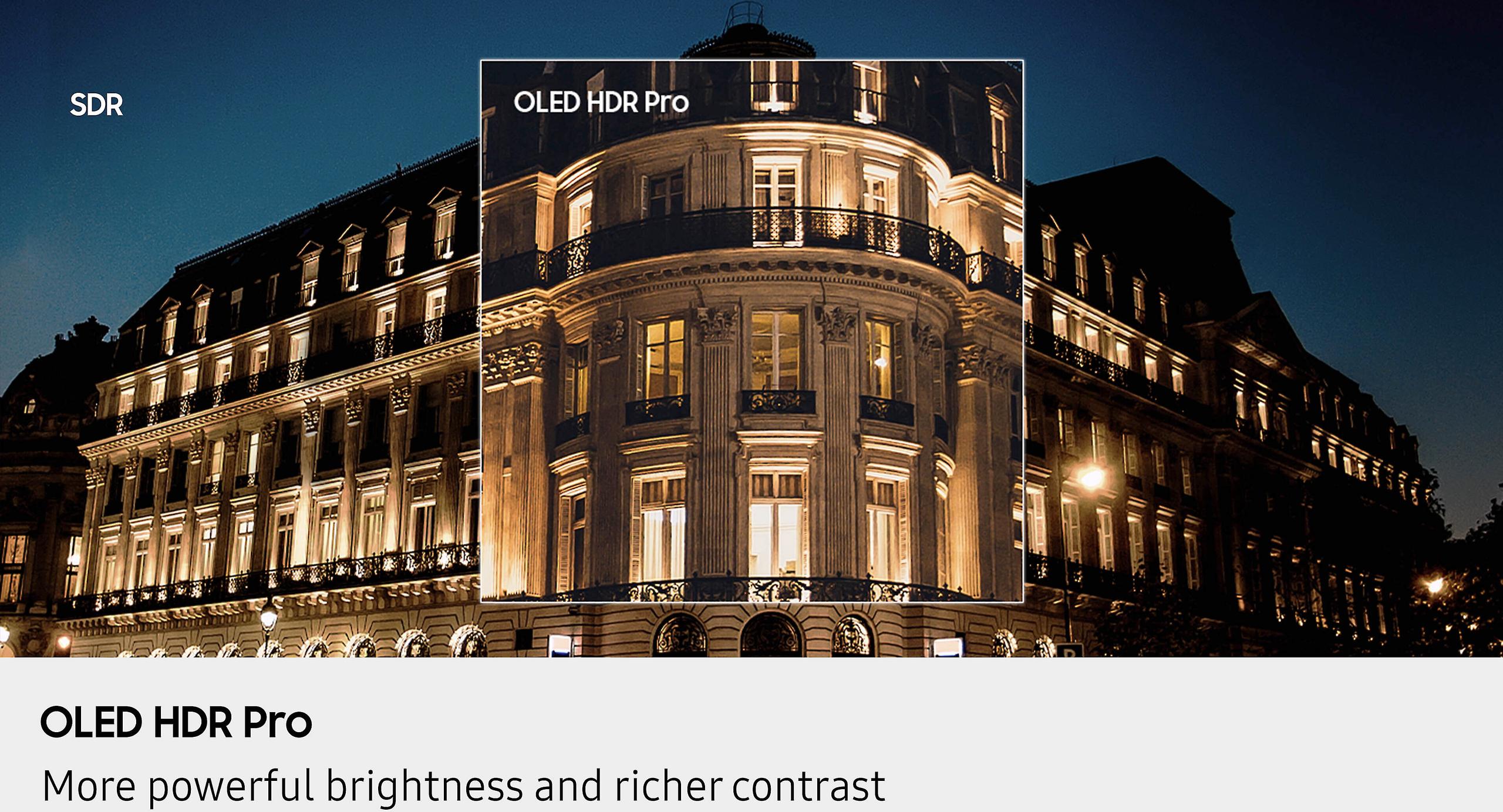
Both TVs excel at HDR, but differently. The TCL 65" QM8K Series QD-Mini LED 4K Smart TV delivers more impactful HDR with its 5,000-nit brightness, making highlights truly pop. The Samsung S95F offers more accurate HDR reproduction with better shadow detail due to its perfect blacks. Both support major HDR formats like HDR10+ and Dolby Vision.
The TCL QM8K runs Google TV with a clean, ad-free interface and excellent app selection. The Samsung S95F uses Tizen OS with more advanced features but includes advertisements. Both support voice control, streaming apps, and regular updates. The TCL includes free Art Mode with 350+ artworks, while Samsung offers similar features with some premium content.
The Samsung 65" OLED S95F 4K Smart TV 2025 offers premium build quality with ultra-thin design, metal construction, and the One Connect box for clean cable management. The TCL 65" QM8K Series QD-Mini LED 4K Smart TV has significantly improved build quality with ZeroBorder design and a premium backlit remote, representing excellent quality for its price point.
The TCL QM8K features Bang & Olufsen tuned speakers with Dolby Atmos support and surprisingly capable built-in audio. The Samsung S95F offers 4.2.2CH 70W speakers with Dolby Atmos but places less emphasis on built-in audio. Both benefit from external sound systems, especially in home theater setups where dedicated audio equipment is typically used.
The Samsung 65" OLED S95F 4K Smart TV 2025 offers superior viewing angles with minimal color shift or brightness loss when viewed from the side, typical of OLED technology. The TCL 65" QM8K Series QD-Mini LED 4K Smart TV provides good viewing angles for an LCD-based TV but cannot match OLED's wide-angle performance.
For dedicated home theaters with controlled lighting, the Samsung S95F is ideal due to its perfect blacks, superior contrast, and refined picture quality that shines in dark environments. The TCL QM8K works well in home theaters too, especially those with some ambient light, and offers exceptional value for the performance delivered.
Both manufacturers offer standard warranties, but the Samsung 65" OLED S95F 4K Smart TV 2025 includes 7 years of OS and software updates, ensuring long-term compatibility. The TCL 65" QM8K Series QD-Mini LED 4K Smart TV offers regular updates through Google TV but doesn't specify the same long-term commitment. Both represent solid long-term investments in their respective price categories.
We've done our best to create useful and informative comparisons to help you decide what product to buy. Our research uses advanced automated methods to create this comparison and perfection is not possible - please contact us for corrections or questions. These are the sites we've researched in the creation of this article: tomsguide.com - youtube.com - businessinsider.com - rtings.com - youtube.com - avsforum.com - avsforum.com - bestbuy.com - tcl.com - tcl.com - tcl.com - flatpanelshd.com - romomattressfurniture.com - brandsmartusa.com - pcrichard.com - tvsbook.com - tcl.com - youtube.com - prnewswire.com - tcl.com - tcl.com - businessinsider.com - tomsguide.com - youtube.com - avsforum.com - zdnet.com - samsung.com - pioneertvandappliance.com - samsung.com - displayspecifications.com - samsung.com

Privacy Policy
Terms and Conditions - Affiliate Policy
Home Security
© Copyright 2008-2026.
11816 Inwood Rd #1211, Dallas, TX 75244