

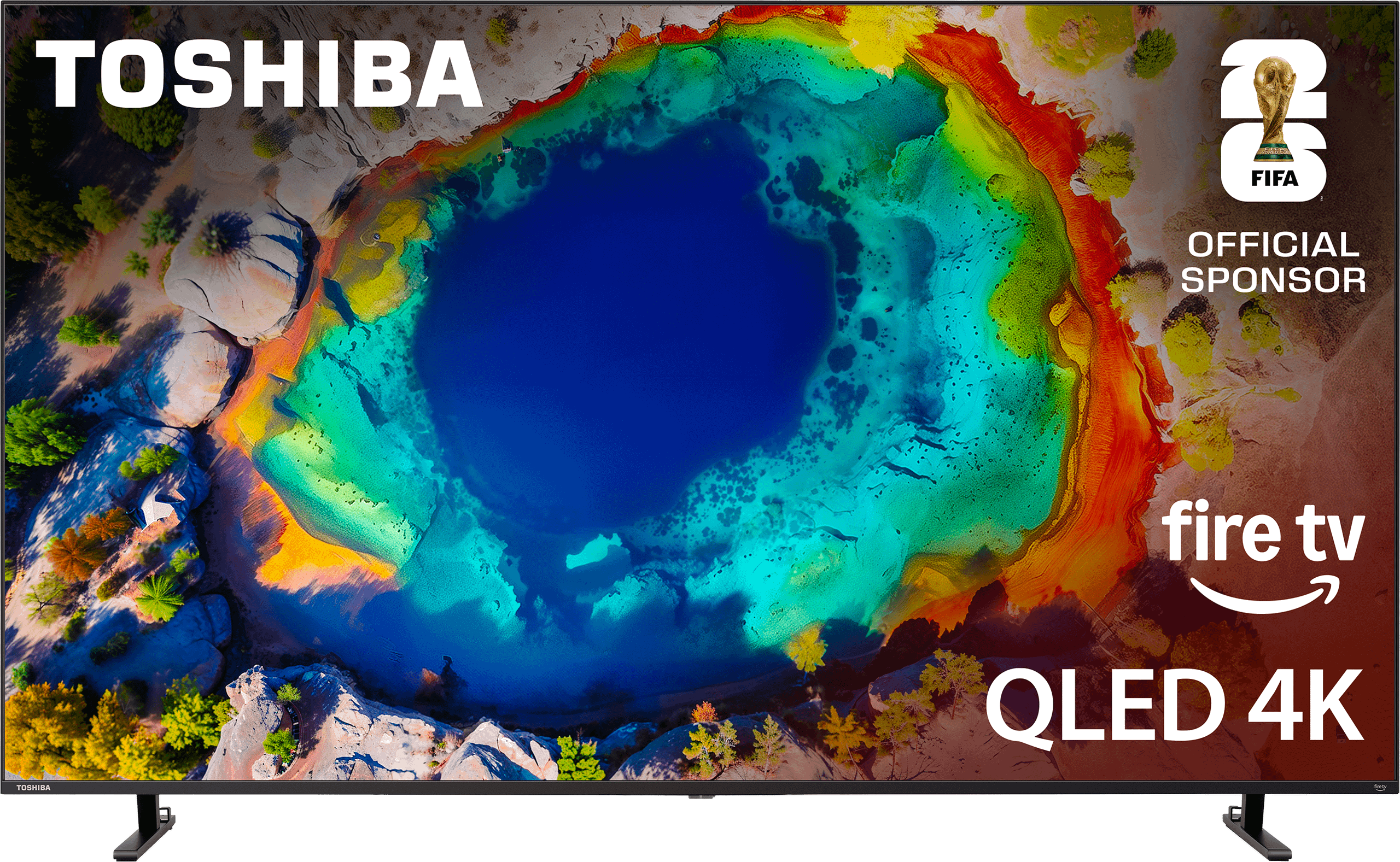
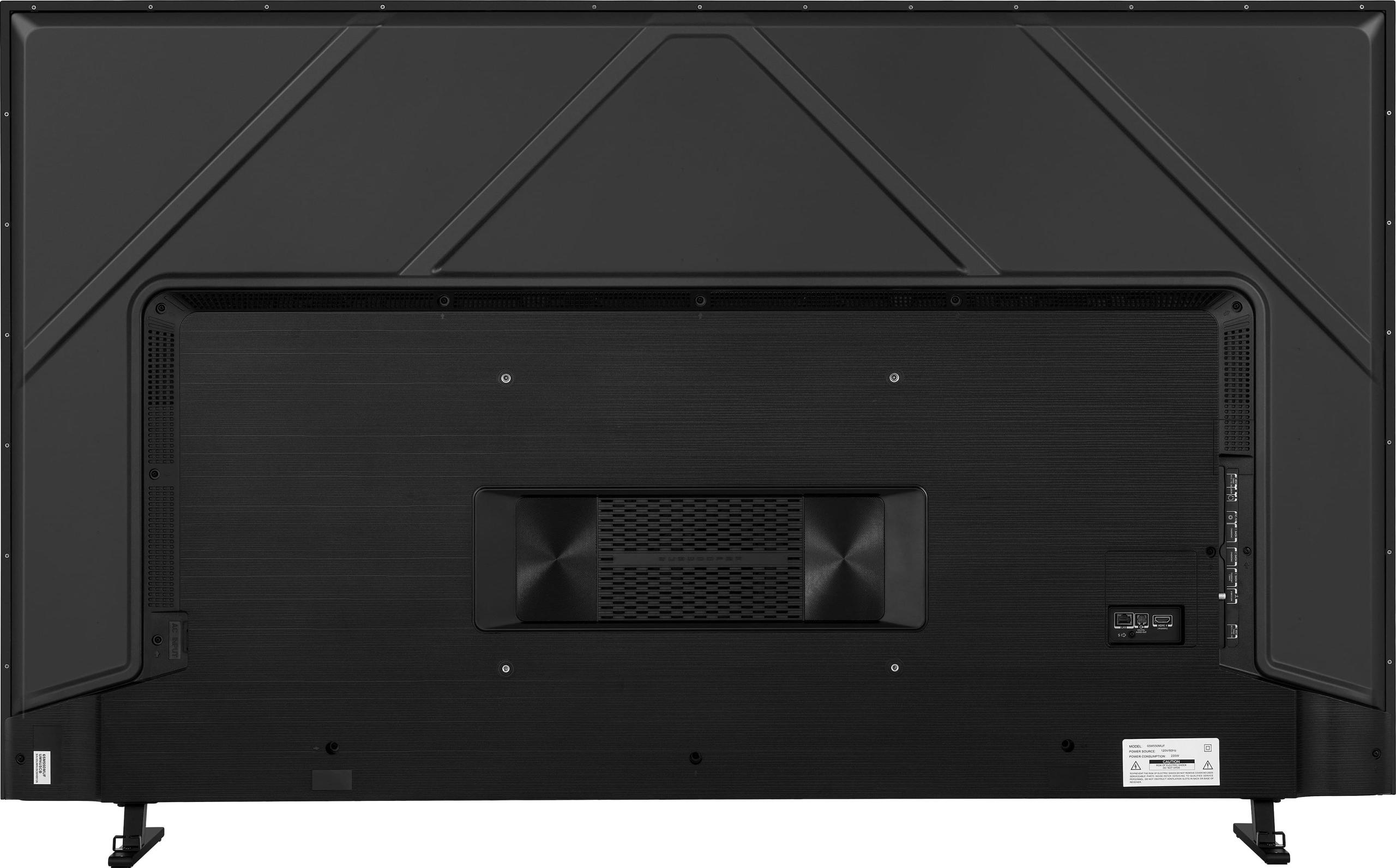
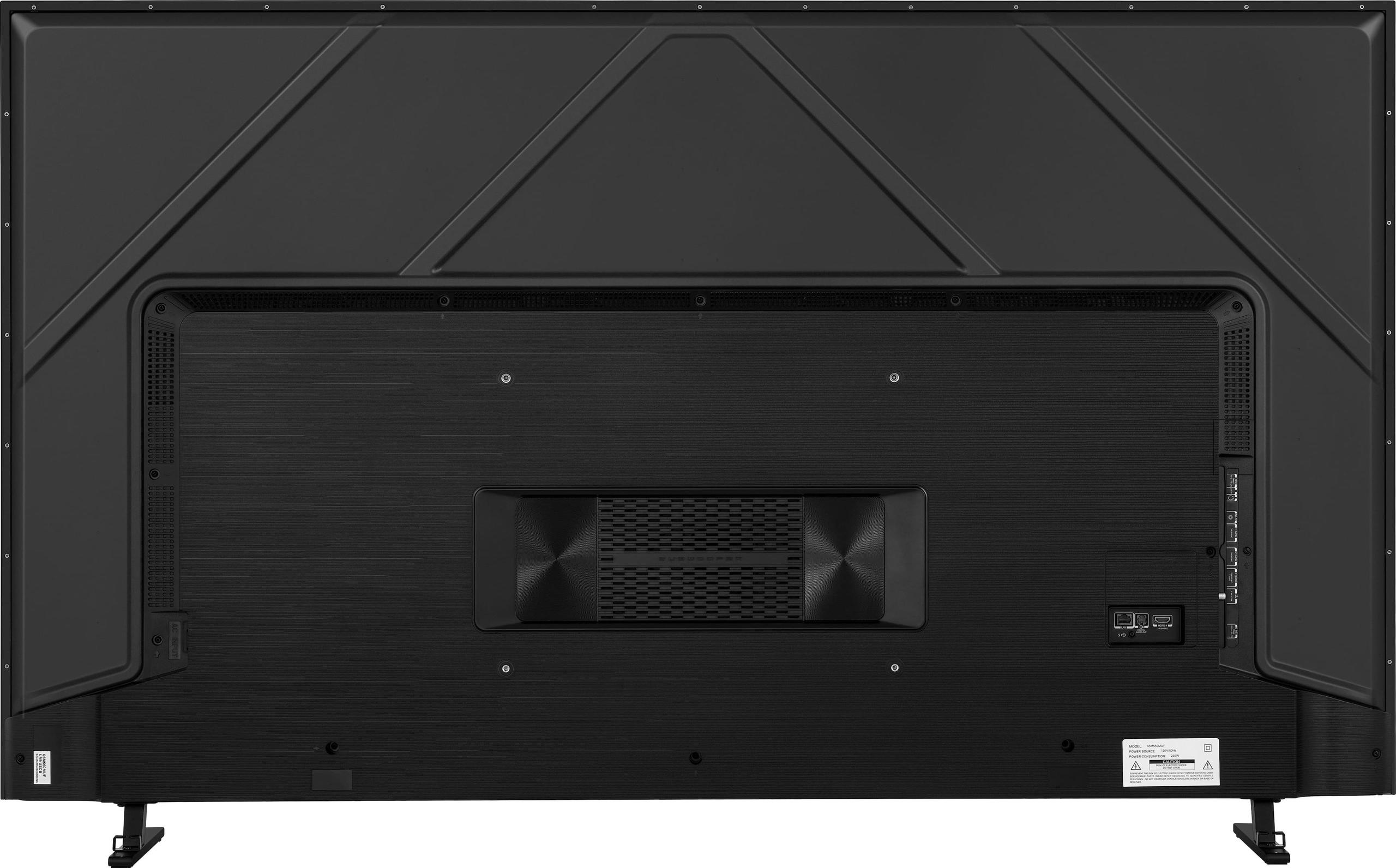
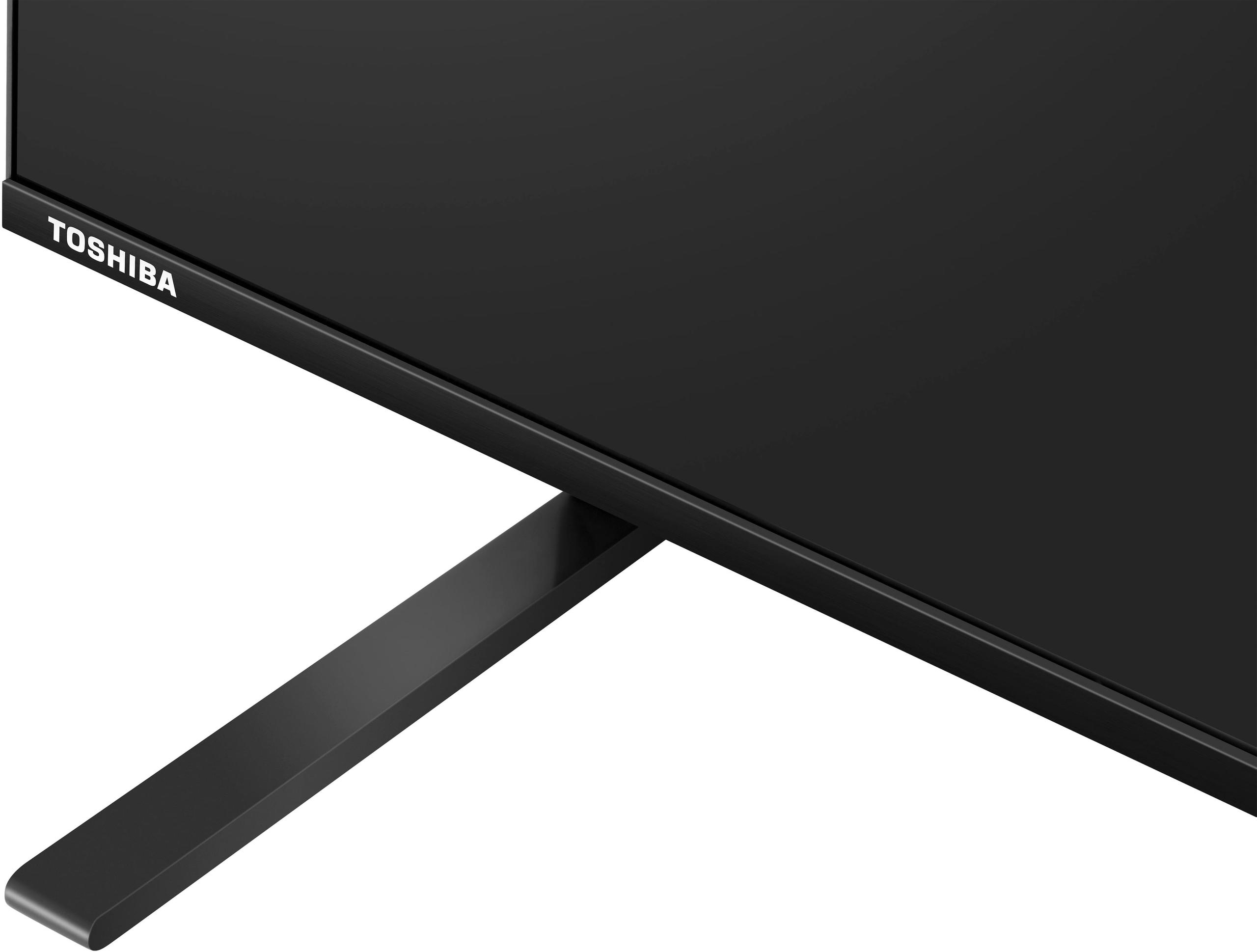
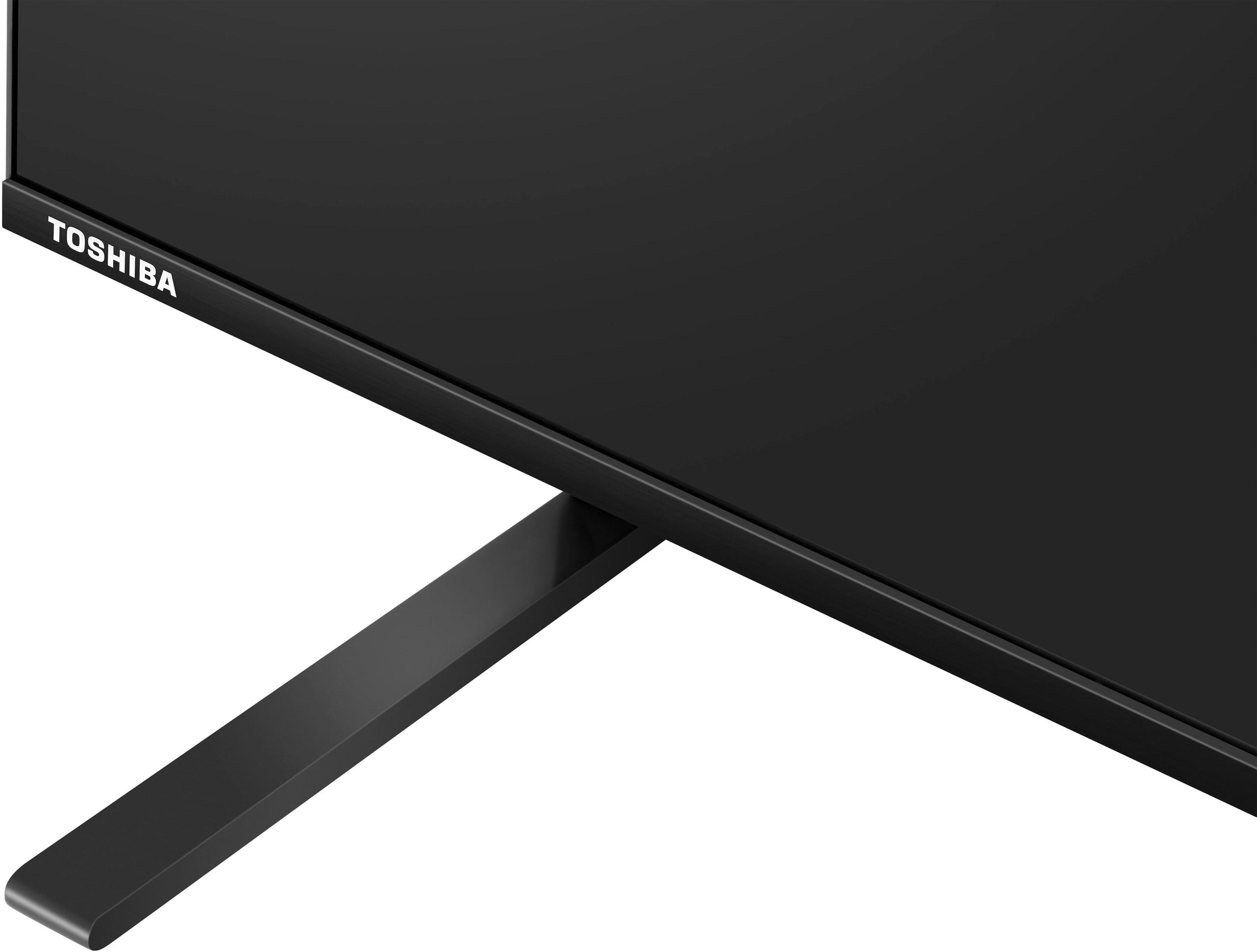
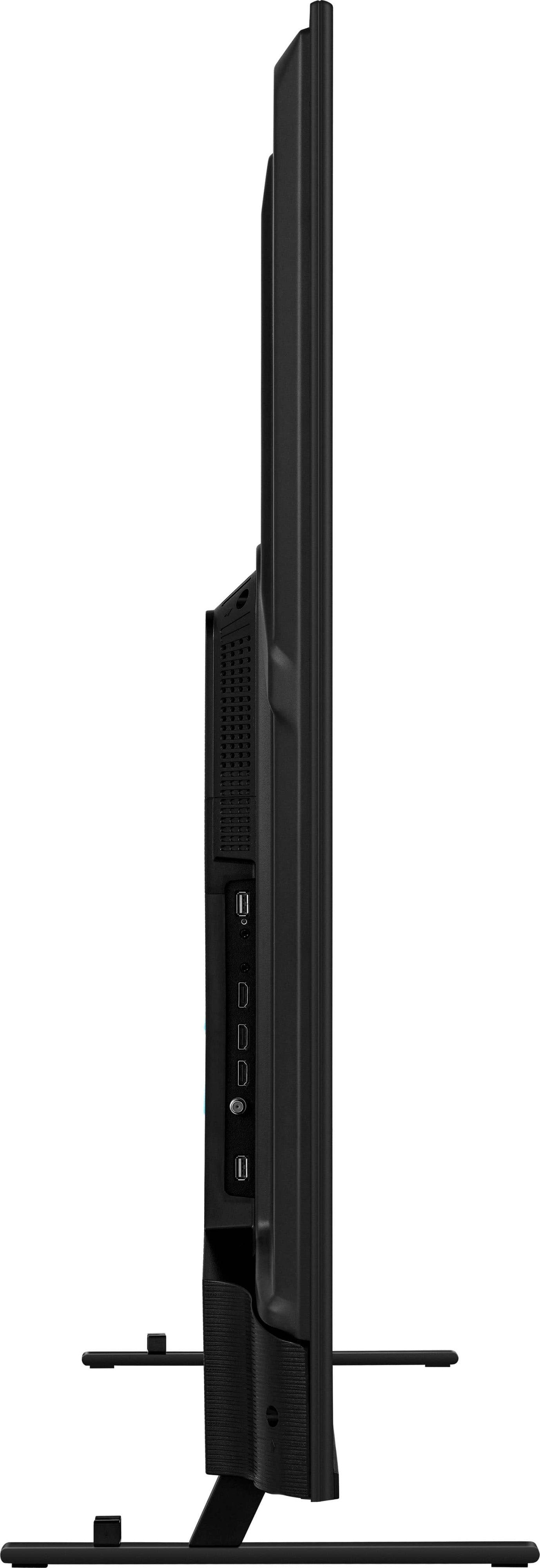
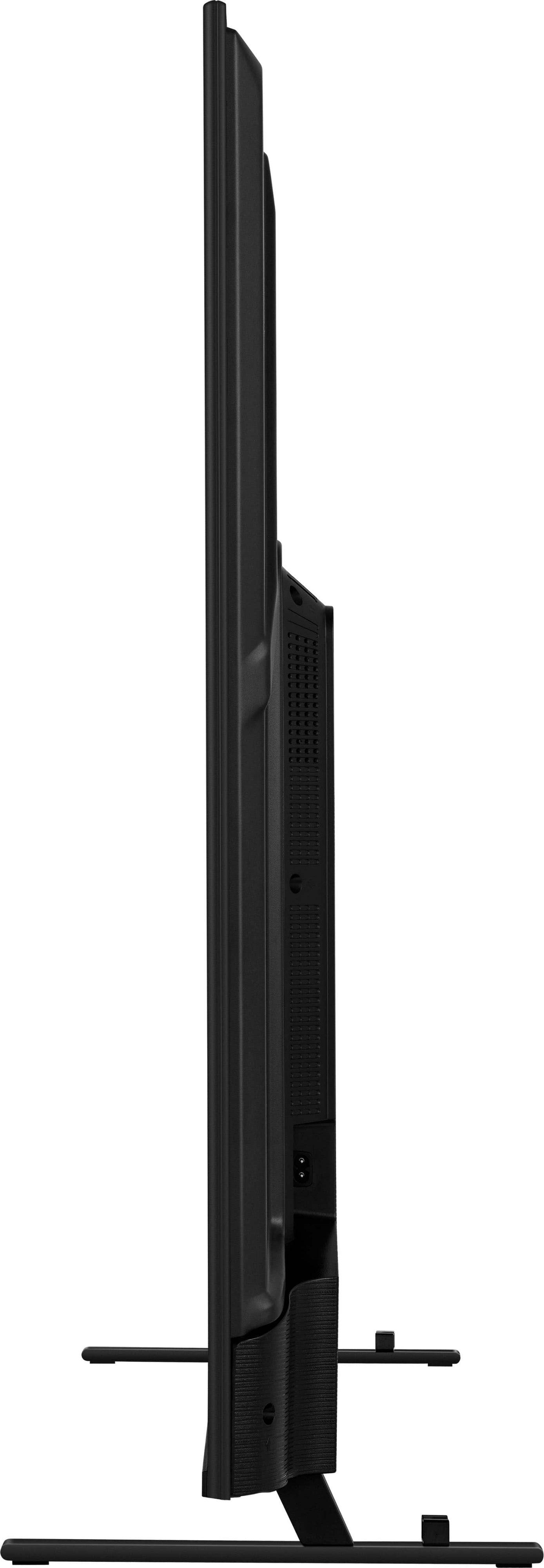
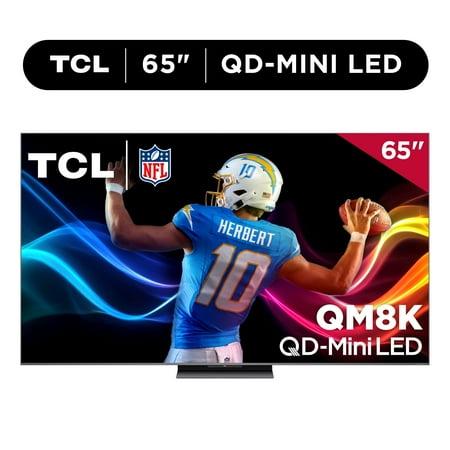
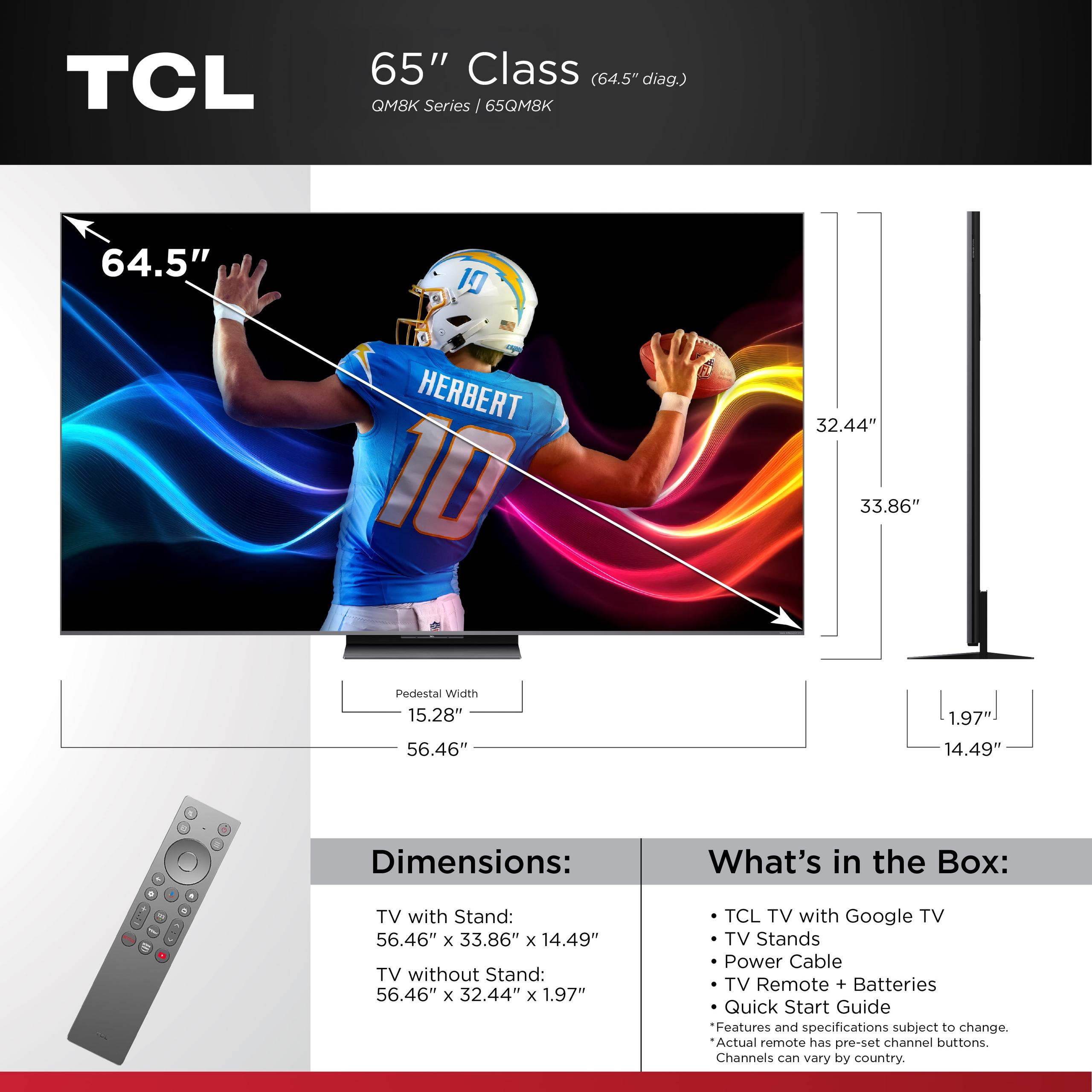
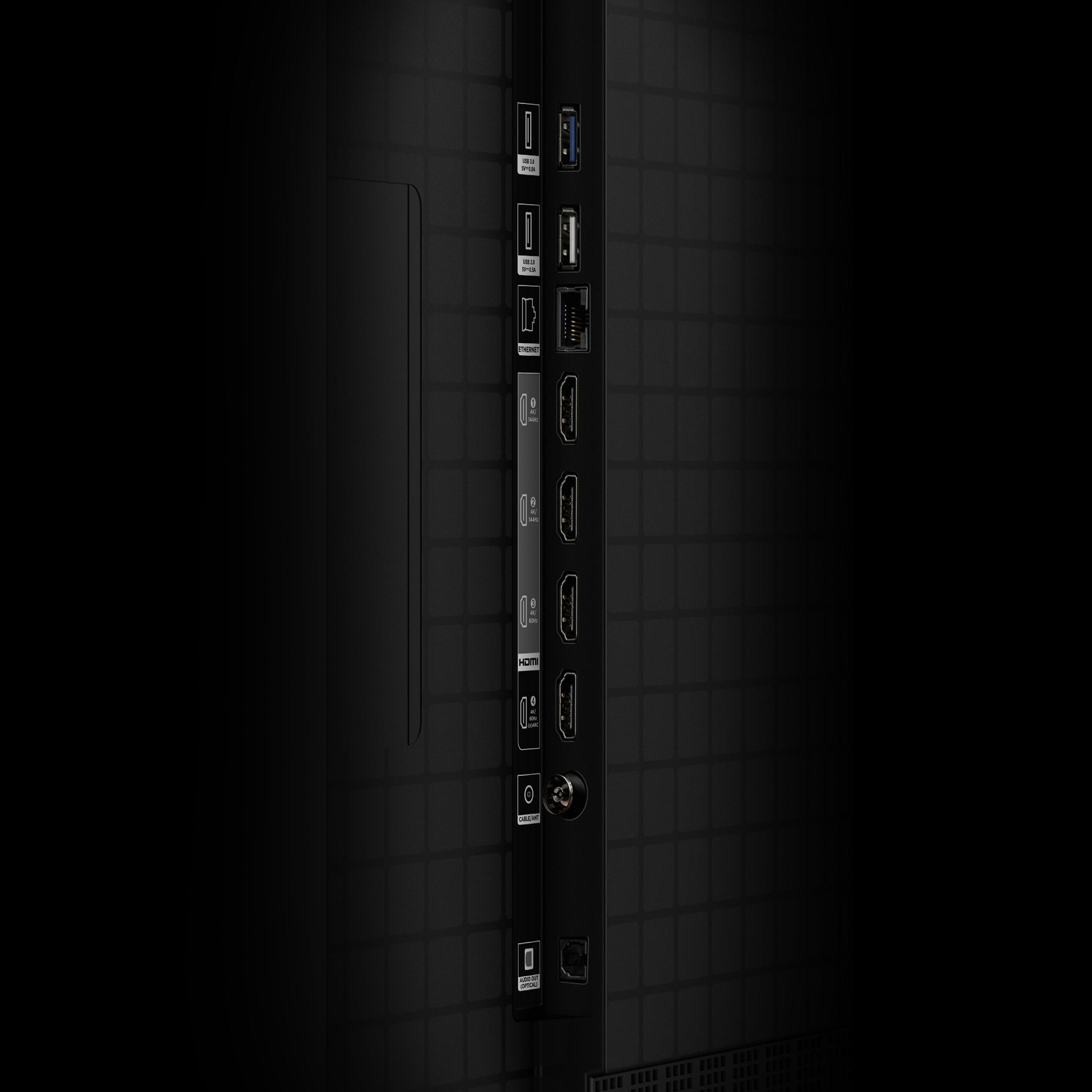


When shopping for a 65-inch TV, you'll quickly discover that the world of display technology has gotten incredibly sophisticated—and confusing. Two televisions can look nearly identical in the store but deliver vastly different experiences at home. This is especially true when comparing budget QLED models like the Toshiba 65" M550 Series against premium Mini LED displays such as the TCL 65" QM8K Series.
At the time of writing, these two TVs represent dramatically different approaches to the same goal: delivering vibrant colors and sharp 4K images in your living room. The Toshiba M550 targets budget-conscious buyers seeking QLED benefits without breaking the bank, while the TCL QM8K aims to compete with flagship models from Samsung and Sony at a more accessible price point.
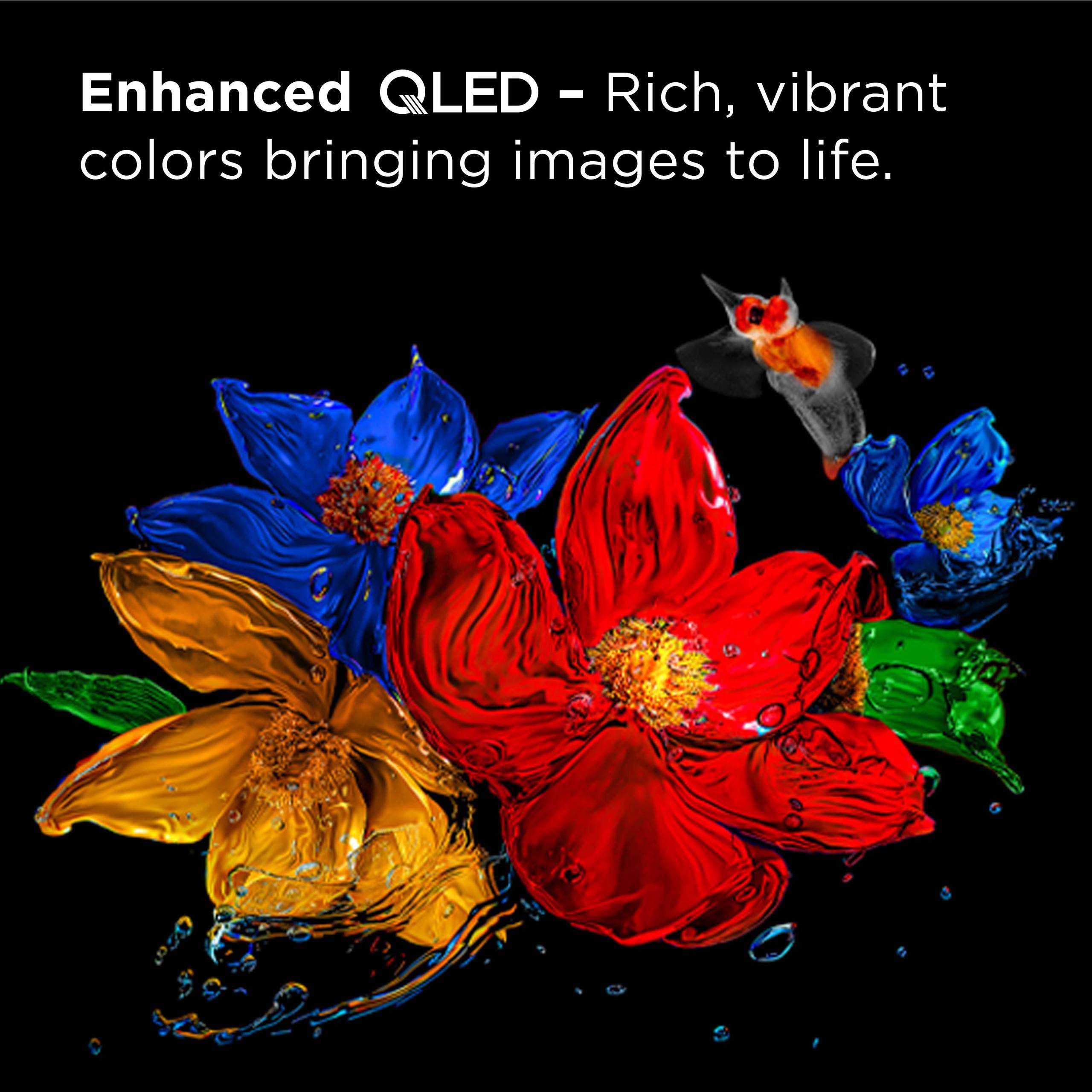
Before diving into specifics, it's worth understanding what makes these TVs tick. Both models use quantum dot technology, which places a special layer of microscopic crystals between the LED backlight and the LCD panel. When light hits these crystals, they emit extremely pure colors—particularly vibrant reds and greens that traditional TVs struggle with. Think of quantum dots as tiny color filters that help your TV display over a billion different color combinations instead of the millions that regular LED TVs manage.
The key difference lies in their backlighting approaches. The Toshiba M550 uses full array local dimming (FALD) with around 100 individual LED zones that can brighten or dim independently. This creates better contrast than edge-lit TVs by allowing dark parts of the screen to actually go darker while bright areas stay brilliant.
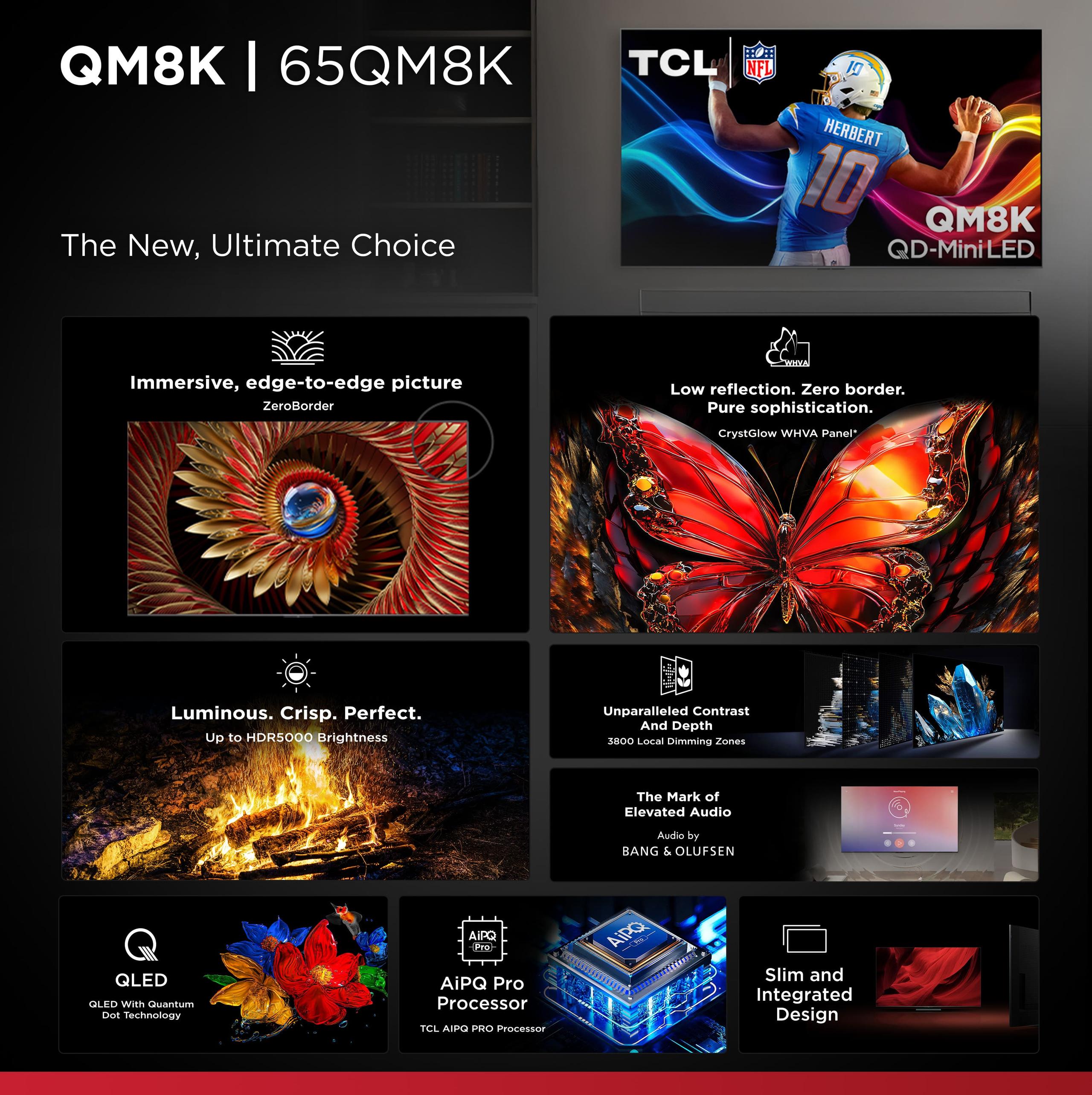
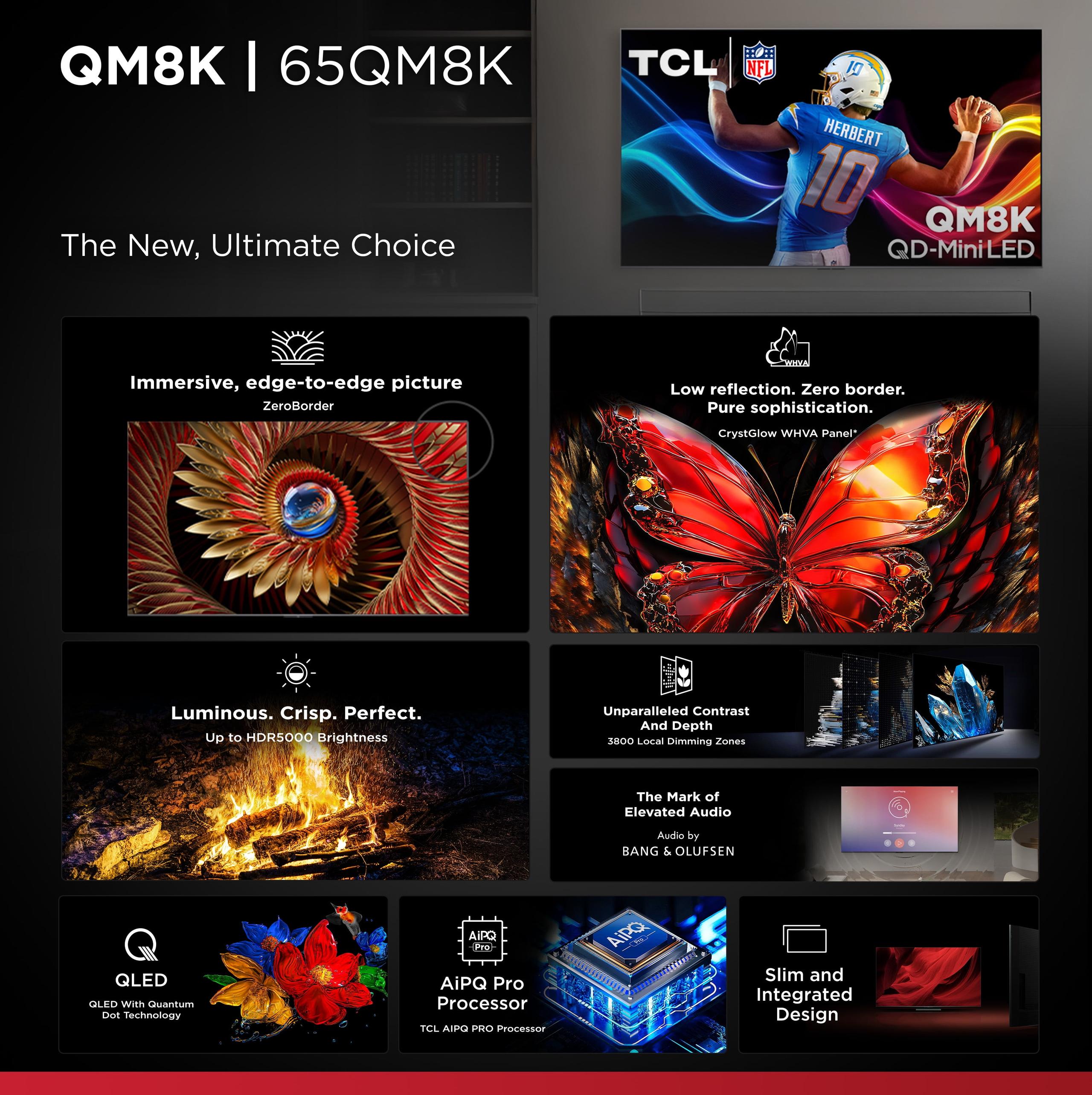
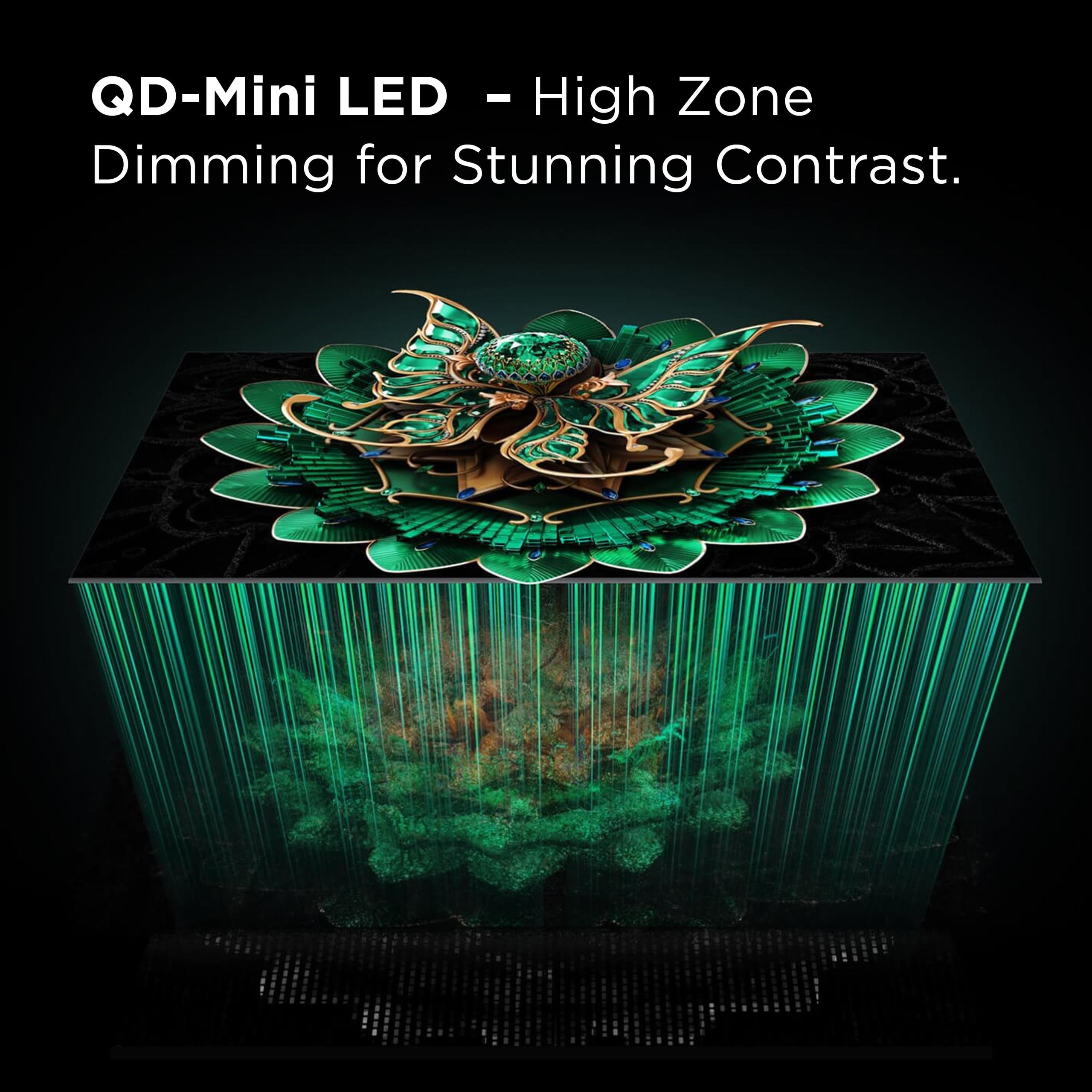
The TCL QM8K takes this concept much further with Mini LED technology. Instead of 100 regular-sized LEDs, it uses thousands of LEDs that are roughly one-tenth the size of traditional ones. These Mini LEDs enable up to 3800 individual dimming zones—that's 38 times more precise control than the Toshiba. More zones mean less blooming (unwanted light spillage around bright objects) and deeper, more convincing black levels.
Peak brightness represents perhaps the most dramatic difference between these TVs. The Toshiba M550 likely reaches around 400-600 nits of peak brightness, which is adequate for most content but struggles with high dynamic range (HDR) material in bright rooms. HDR content is mastered to display highlights at 1000-4000 nits, so TVs with limited brightness can't fully realize the filmmaker's intent.
The TCL QM8K, however, can hit an astounding 5000 nits—bright enough to make HDR scenes genuinely eye-popping. I've found that once you experience proper HDR with adequate brightness, regular TV content starts looking flat by comparison. Sunlight reflecting off water, explosions in action movies, or even bright clouds in nature documentaries gain a three-dimensional quality that makes them feel almost lifelike.
This brightness advantage becomes especially important if your TV faces windows or you watch during daytime hours. The M550 will look washed out in bright rooms, while the QM8K maintains vibrant colors and deep contrast even with significant ambient light.
Color performance also differs substantially. The TCL QM8K covers 97% of the DCI-P3 color gamut—the standard used for premium movie content—compared to the M550's more basic quantum dot implementation. In practical terms, this means skin tones look more natural, sunset scenes display richer oranges and purples, and animated content appears more vibrant on the TCL.
Both TVs support major HDR formats including Dolby Vision, which provides scene-by-scene optimization instructions to help TVs display content exactly as the director intended. However, the QM8K's superior brightness and contrast capabilities mean it can actually follow those instructions, while the M550 does its best with limited hardware.
Gaming represents one area where these TVs diverge most dramatically. The Toshiba M550 supports a native 60Hz refresh rate at 4K resolution, which means it can display 60 frames per second—adequate for most console gaming but limiting for competitive players or PC gamers with high-end graphics cards.
The TCL QM8K features a native 144Hz panel that can handle 144 frames per second at full 4K resolution. For context, most premium gaming monitors max out at 120Hz, so this TV actually exceeds what many dedicated gaming displays offer. The difference between 60fps and 120fps+ gaming is substantial—motion appears smoother, input lag decreases, and competitive games feel more responsive.
Variable refresh rate (VRR) technology also differs significantly. VRR synchronizes the TV's refresh rate with your gaming device's output, eliminating screen tearing and stuttering. The M550 supports VRR up to 60Hz at 4K, while the QM8K goes up to an incredible 288Hz through its Game Accelerator feature, though this requires lower resolutions.
Based on professional reviews, the Toshiba M550 suffers from processing limitations that cause noticeable input lag and poor motion handling during action scenes. Users report "phantom images" around moving objects and jerky motion during busy scenes—dealbreakers for serious gaming or action movie watching. The TCL QM8K addresses these issues with its more powerful AiPQ Pro processor and dedicated gaming optimizations.
The smart TV experience can make or break your daily interaction with these displays. The Toshiba M550 runs Amazon's Fire TV platform, which offers good app selection but suffers from processing limitations. Reviews consistently mention 30-60 second app loading times, frequent freezes, and the TV occasionally exiting apps on its own. The underpowered processor struggles to run Fire TV's interface smoothly, creating frustration during basic operations like switching between Netflix and YouTube.
The TCL QM8K uses Google TV, which provides a more refined experience with faster navigation, better content recommendations, and seamless integration with other Google services. The more powerful processor ensures apps load quickly and the interface remains responsive during multitasking.
Both platforms support voice control, but Google Assistant offers more comprehensive smart home integration than Alexa's implementation on the Fire TV. If you're invested in either Amazon or Google's ecosystem, this might influence your decision.
Surprisingly, audio represents one area where the budget Toshiba M550 punches above its weight. Its REGZA Power Audio Pro system includes a built-in subwoofer and delivers 40 watts through a 2.1 channel configuration. Multiple reviews praised its sound quality as exceptional for the price range, with some users noting they didn't need to purchase a separate soundbar.
The TCL QM8K features audio tuned by Bang & Olufsen with Dolby Atmos up-firing speakers for overhead sound effects. While technically superior, the practical difference may not justify the price premium if audio is your primary concern. Both TVs will benefit from external sound systems in larger rooms or for serious movie watching, but the M550 offers surprisingly good built-in audio for its price point.
The Toshiba M550 launched in 2025 as part of Toshiba's effort to bring QLED technology to budget-conscious consumers. This represents a significant democratization of quantum dot displays, which were previously limited to premium models. Toshiba achieved this by using simpler processing, fewer local dimming zones, and more basic smart TV hardware.
The TCL QM8K also debuted in 2025 as TCL's flagship QLED model, incorporating the latest Mini LED advances and quantum dot improvements. TCL has rapidly evolved from a budget brand to a serious competitor in the premium TV space, with the QM8K representing their most ambitious attempt to challenge Samsung and Sony's dominance.
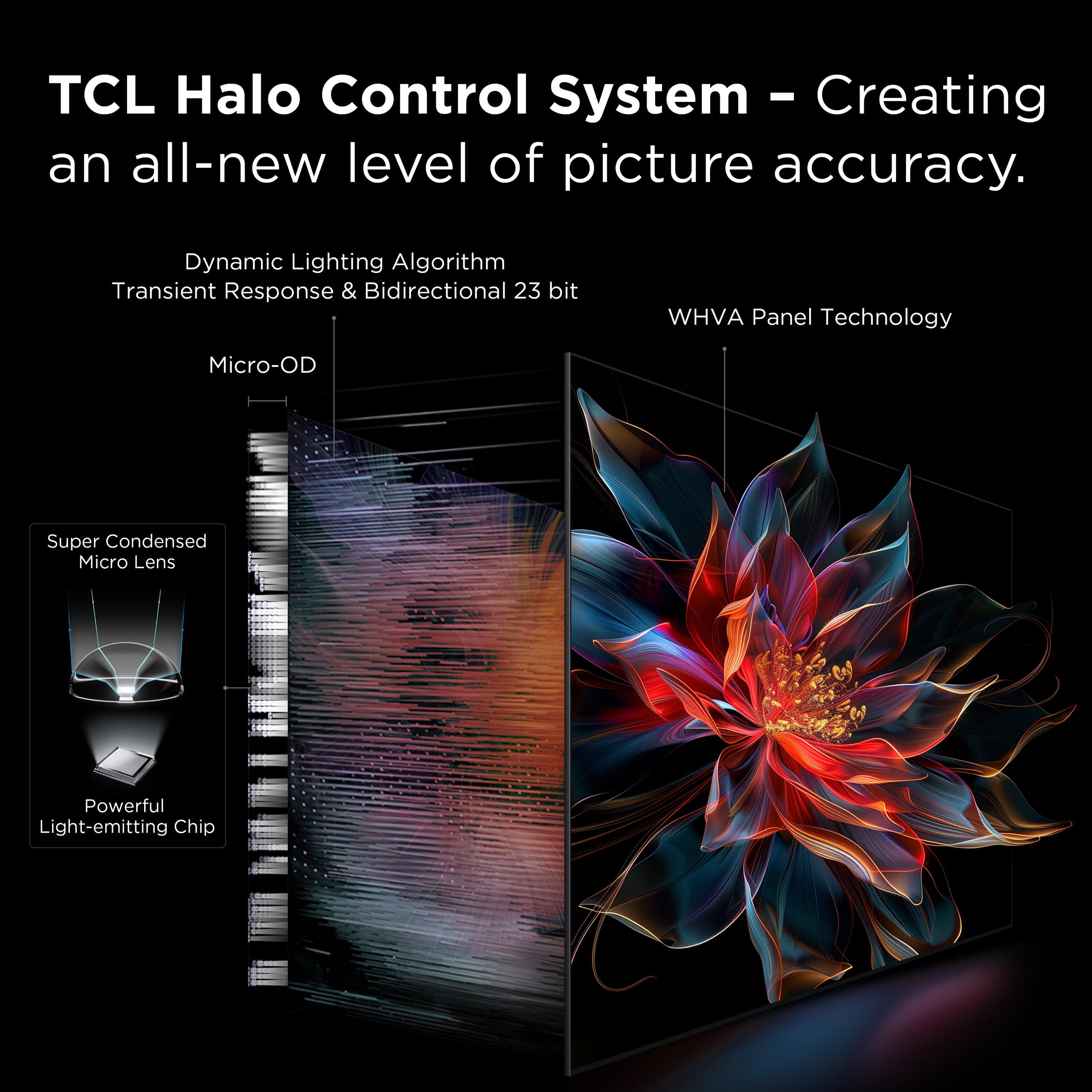
Since 2023, Mini LED technology has matured significantly, with manufacturers solving early issues around uniformity and blooming control. The QM8K's Halo Control System represents the current state-of-the-art in addressing these challenges, using advanced optical designs and sophisticated processing algorithms.
For dedicated home theater setups, the TCL QM8K clearly takes the lead. Its exceptional peak brightness and contrast performance shine in dark rooms where you can appreciate subtle shadow details and bright highlights simultaneously. The Mini LED backlighting eliminates the blooming issues that plagued earlier premium LCD TVs, creating an experience that rivals OLED displays in many scenarios.
The QM8K's 144Hz refresh rate also benefits movie watching through more natural motion interpolation and better handling of 24fps film content. Its filmmaker mode preserves director-intended color grading and motion cadence for authentic cinematic experiences.
The Toshiba M550 can certainly anchor a budget home theater, especially given its impressive audio performance. However, its processing limitations and lower peak brightness become more apparent in dark room viewing where contrast deficiencies are more obvious.
At the time of writing, the Toshiba M550 represents exceptional value for budget-conscious buyers who want a large QLED screen without premium pricing. It delivers genuine quantum dot color benefits and adequate performance for streaming services, broadcast TV, and casual gaming. The impressive built-in audio system adds value by potentially eliminating the need for a soundbar purchase.
However, this TV makes significant compromises. The slow smart TV performance, limited brightness, and poor motion handling during action scenes restrict its capabilities. It's best suited for viewers who prioritize screen size and basic QLED benefits over cutting-edge performance.
The TCL QM8K costs significantly more but delivers flagship performance that competes with TVs costing considerably more from established brands. Its Mini LED technology, exceptional brightness, and comprehensive gaming features justify the premium for enthusiasts who want the best possible experience.
Choose the Toshiba M550 if you're working with a tight budget but want the largest possible QLED screen. It's perfect for secondary rooms, casual viewers who primarily stream content, or anyone who needs good built-in audio. Just be prepared for smart TV lag and limitations with HDR content or gaming.
The TCL QM8K makes sense for anyone who can stretch their budget for genuinely premium performance. It's ideal for gamers, HDR movie enthusiasts, people with bright rooms, or anyone planning to keep their TV for many years. The superior technology and build quality will provide satisfaction long after the initial price difference is forgotten.
Consider your viewing habits carefully. If you mainly watch Netflix and YouTube in average lighting conditions, the M550 will serve you well while saving substantial money. But if you game regularly, watch lots of action movies, or want the best possible picture quality, the QM8K's advanced Mini LED technology and powerful processing justify the investment.
The TV market moves quickly, but the fundamental technology differences between these models—basic QLED versus advanced Mini LED—represent a genuine generational gap that affects daily viewing experiences in meaningful ways.
| Toshiba 65" M550 Series QLED Fire TV | TCL 65" QM8K Series QD-Mini LED 4K Smart TV |
|---|---|
| Display Technology - Determines picture quality and contrast performance | |
| QLED with Full Array Local Dimming (~100 zones) | QD-Mini LED with up to 3,800 precise dimming zones |
| Peak Brightness - Critical for HDR content and bright room viewing | |
| ~400-600 nits (adequate for dark rooms) | Up to 5,000 nits (excellent for any lighting condition) |
| Refresh Rate - Important for gaming and smooth motion | |
| Native 60Hz at 4K (120Hz at lower resolutions) | Native 144Hz at 4K with up to 288Hz VRR |
| Gaming Features - Essential for console and PC gamers | |
| Basic VRR up to 60Hz, Auto Low Latency Mode | Game Accelerator 288, AMD FreeSync Premium Pro, dedicated gaming UI |
| Smart TV Platform - Affects daily usability and app performance | |
| Fire TV with Alexa (slower performance, frequent freezing reported) | Google TV (fast, responsive, better app ecosystem) |
| Audio System - Determines if you need a separate soundbar | |
| REGZA Power Audio Pro with built-in subwoofer (40W, surprisingly good) | Bang & Olufsen tuned with Dolby Atmos up-firing speakers |
| HDR Support - Ensures compatibility with premium streaming content | |
| Dolby Vision, HDR10, HDR10+, HLG | Dolby Vision IQ, HDR10+, HDR10, HLG with superior brightness delivery |
| Processor - Controls picture processing and smart TV responsiveness | |
| REGZA Engine ZR (underpowered for Fire TV platform) | AiPQ Pro Processor (handles complex processing smoothly) |
| Build Quality - Affects long-term reliability and aesthetics | |
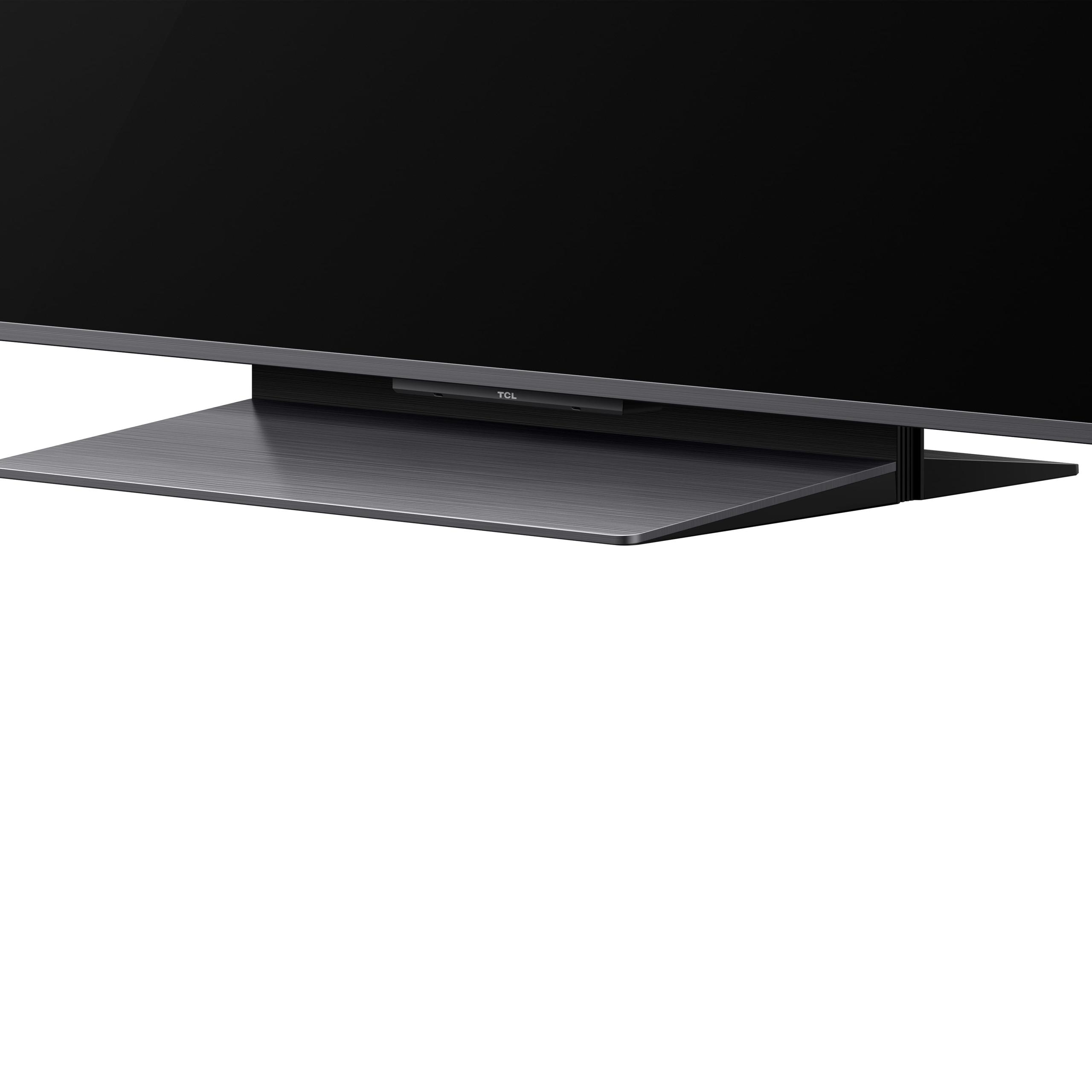
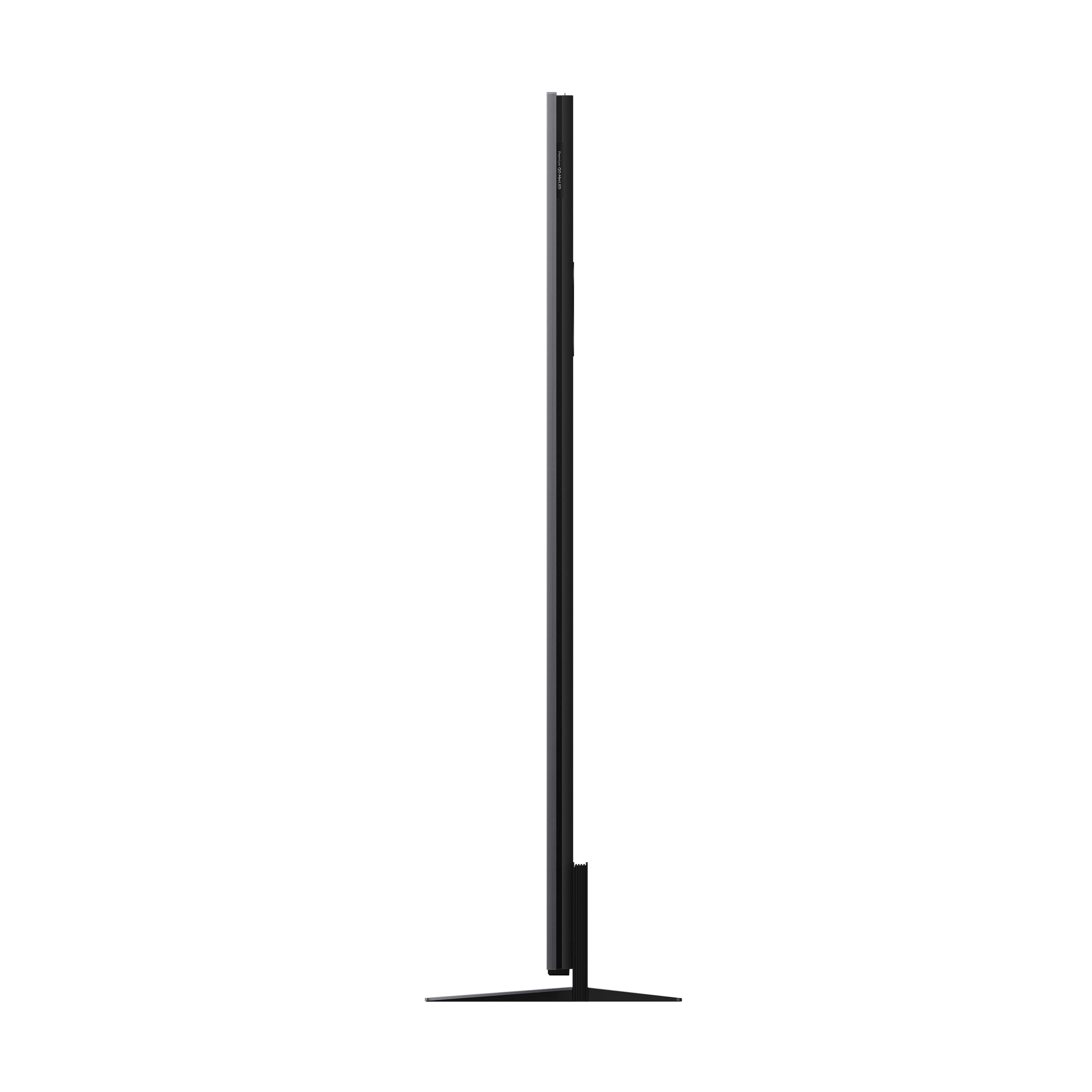
| Basic construction with metal back panel | Premium ZeroBorder design with height-adjustable stand |
| Target User - Who should consider each model | |
| Budget buyers prioritizing screen size and basic QLED benefits | Enthusiasts wanting flagship performance and gaming capabilities |
The TCL 65" QM8K Series delivers significantly better picture quality with its Mini LED technology and up to 5,000 nits peak brightness. The Toshiba 65" M550 Series offers decent QLED performance for the price, but struggles with HDR content due to limited brightness and fewer local dimming zones.
The TCL QM8K is far superior for gaming with its native 144Hz refresh rate, up to 288Hz VRR, and dedicated gaming features like AMD FreeSync Premium Pro. The Toshiba M550 is limited to 60Hz at 4K and has reported input lag issues that affect gaming performance.
The Toshiba M550 provides excellent value for budget-conscious buyers who want QLED technology at an affordable price. However, the TCL QM8K offers better long-term value with flagship performance that competes with much more expensive TVs from major brands.
The TCL QM8K runs Google TV, which offers faster performance and better app selection. The Toshiba M550 uses Fire TV with Alexa, but users report frequent freezing, slow app loading, and system instability due to processing limitations.
The TCL QM8K excels in bright rooms with its exceptional 5,000 nits peak brightness that maintains vibrant colors even with significant ambient light. The Toshiba M550 will appear washed out in bright lighting conditions due to its limited brightness capabilities.
Surprisingly, the Toshiba M550 has impressive built-in audio with REGZA Power Audio Pro and a subwoofer that many users find adequate without a soundbar. The TCL QM8K features Bang & Olufsen tuned speakers with Dolby Atmos, though both benefit from external sound systems in larger rooms.
The TCL QM8K delivers superior HDR performance thanks to its Mini LED backlighting and 5,000 nits peak brightness, allowing it to display HDR content as intended by filmmakers. The Toshiba M550 supports HDR formats but can't achieve the brightness levels needed for optimal HDR viewing.
The Toshiba M550 has documented issues with smart TV performance, including frequent app crashes, system freezes, and slow response times. The TCL QM8K generally receives better reliability ratings with its more powerful processor handling the smart TV platform smoothly.
For dedicated home theaters, the TCL QM8K is the clear winner with its exceptional contrast, Mini LED precision, and filmmaker mode for authentic cinema experiences. The Toshiba M550 can work in a budget home theater but lacks the performance for premium viewing experiences.
The key difference is backlight technology: the Toshiba M550 uses traditional full-array local dimming with around 100 LED zones, while the TCL QM8K employs advanced Mini LED technology with up to 3,800 individual dimming zones for superior contrast and blooming control.
The TCL QM8K offers better future-proofing with its 144Hz native refresh rate, comprehensive gaming features, and more powerful processor that can handle evolving smart TV demands. The Toshiba M550 may struggle with future software updates due to its limited processing power.
Choose the Toshiba M550 if you need a large QLED screen on a tight budget and primarily watch streaming content. Invest in the TCL QM8K if you want flagship performance, game regularly, watch HDR movies, or plan to keep your TV for many years.
We've done our best to create useful and informative comparisons to help you decide what product to buy. Our research uses advanced automated methods to create this comparison and perfection is not possible - please contact us for corrections or questions. These are the sites we've researched in the creation of this article: bestbuy.com - bestbuy.com - consumerreports.org - youtube.com - pcvarge.com - tomsguide.com - youtube.com - bestbuy.com - toshibatv-usa.com - marketplace-staging.paytomorrow.com - toshibatv-usa.com - productabout.com - leaseville.com - youtube.com - toshibatv-usa.com - tomsguide.com - youtube.com - businessinsider.com - rtings.com - youtube.com - avsforum.com - avsforum.com - bestbuy.com - tcl.com - tcl.com - tcl.com - flatpanelshd.com - romomattressfurniture.com - brandsmartusa.com - pcrichard.com - tvsbook.com - tcl.com - youtube.com - prnewswire.com - tcl.com - tcl.com

Privacy Policy
Terms and Conditions - Affiliate Policy
Home Security
© Copyright 2008-2026.
11816 Inwood Rd #1211, Dallas, TX 75244