

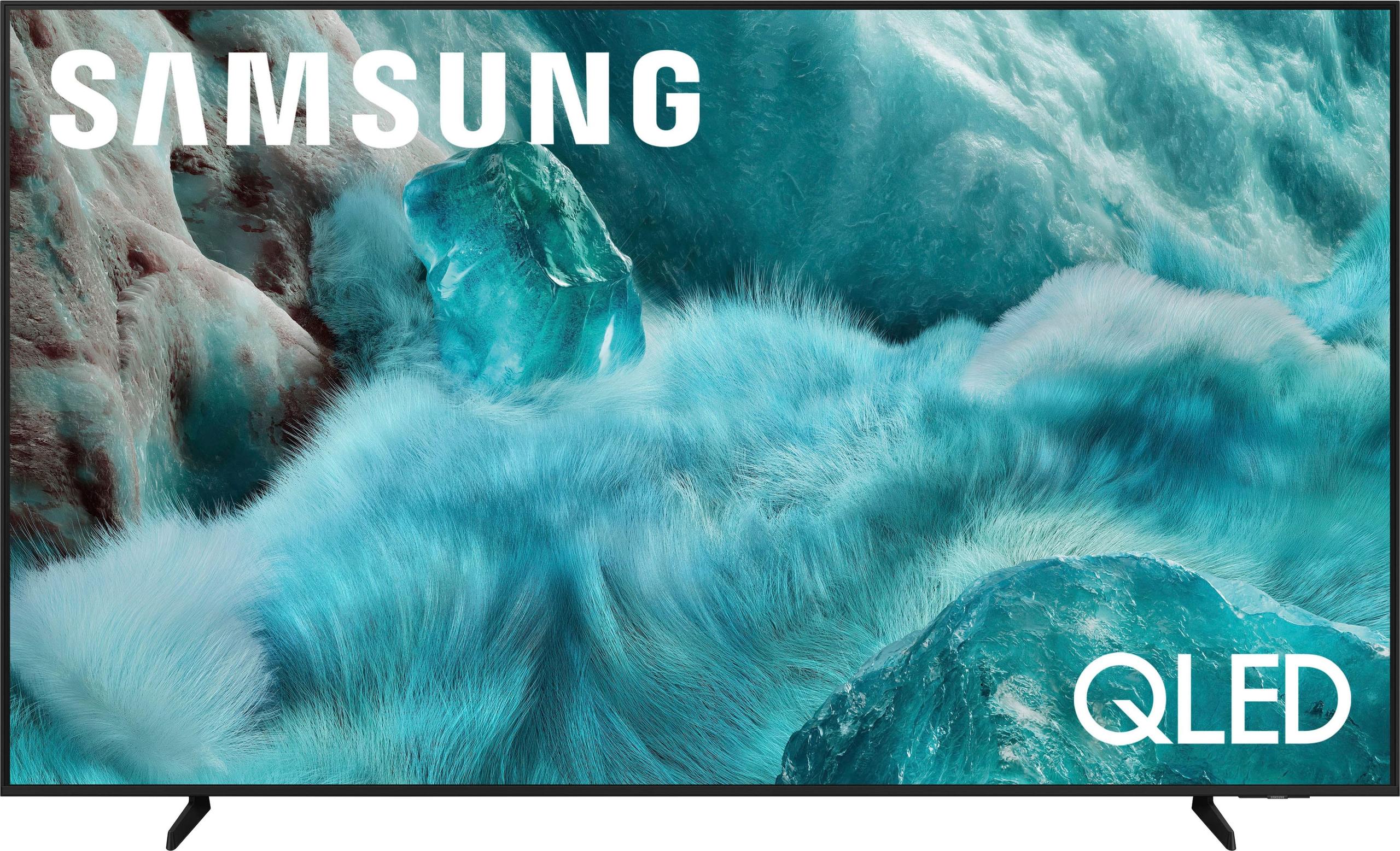
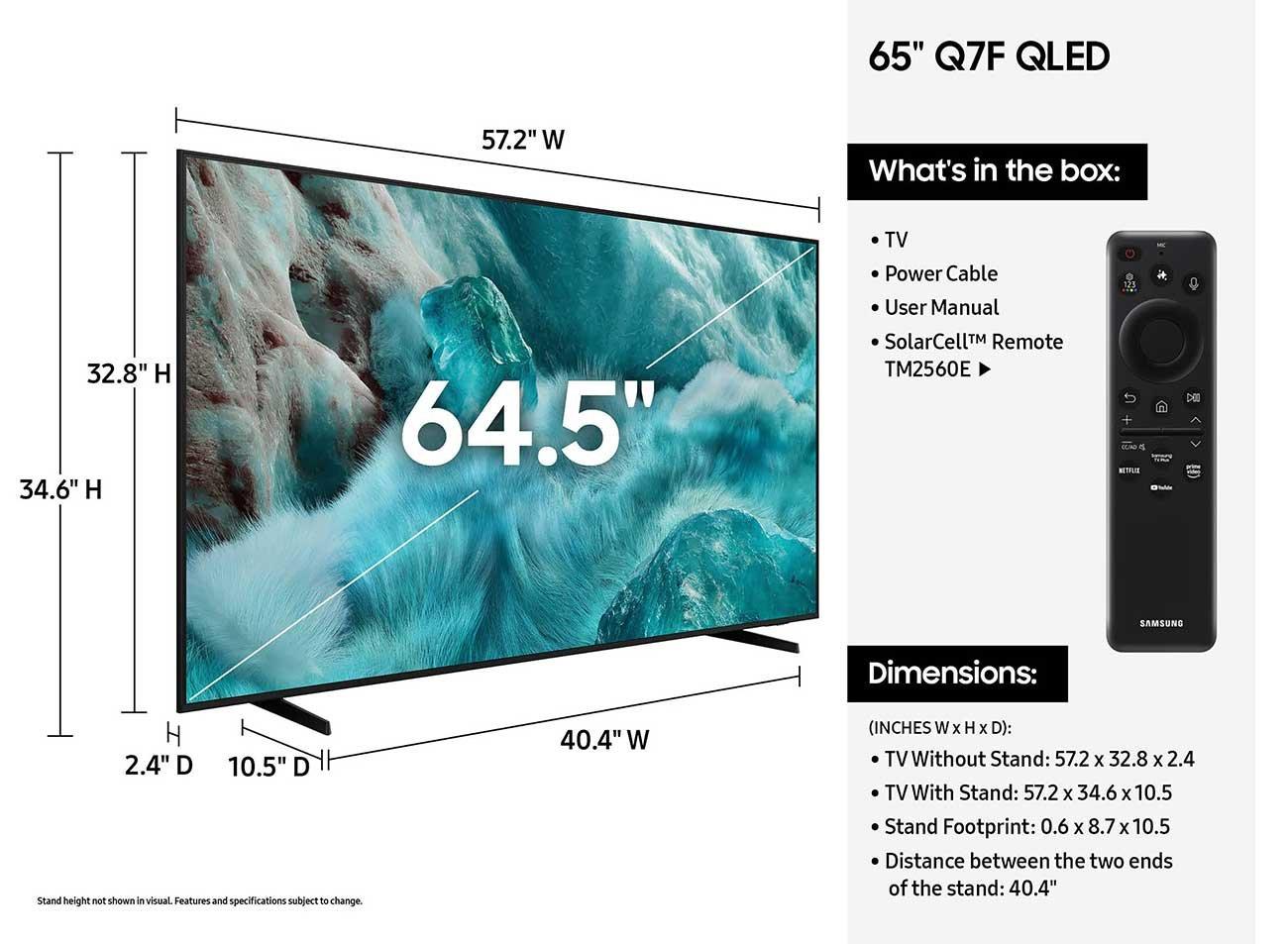

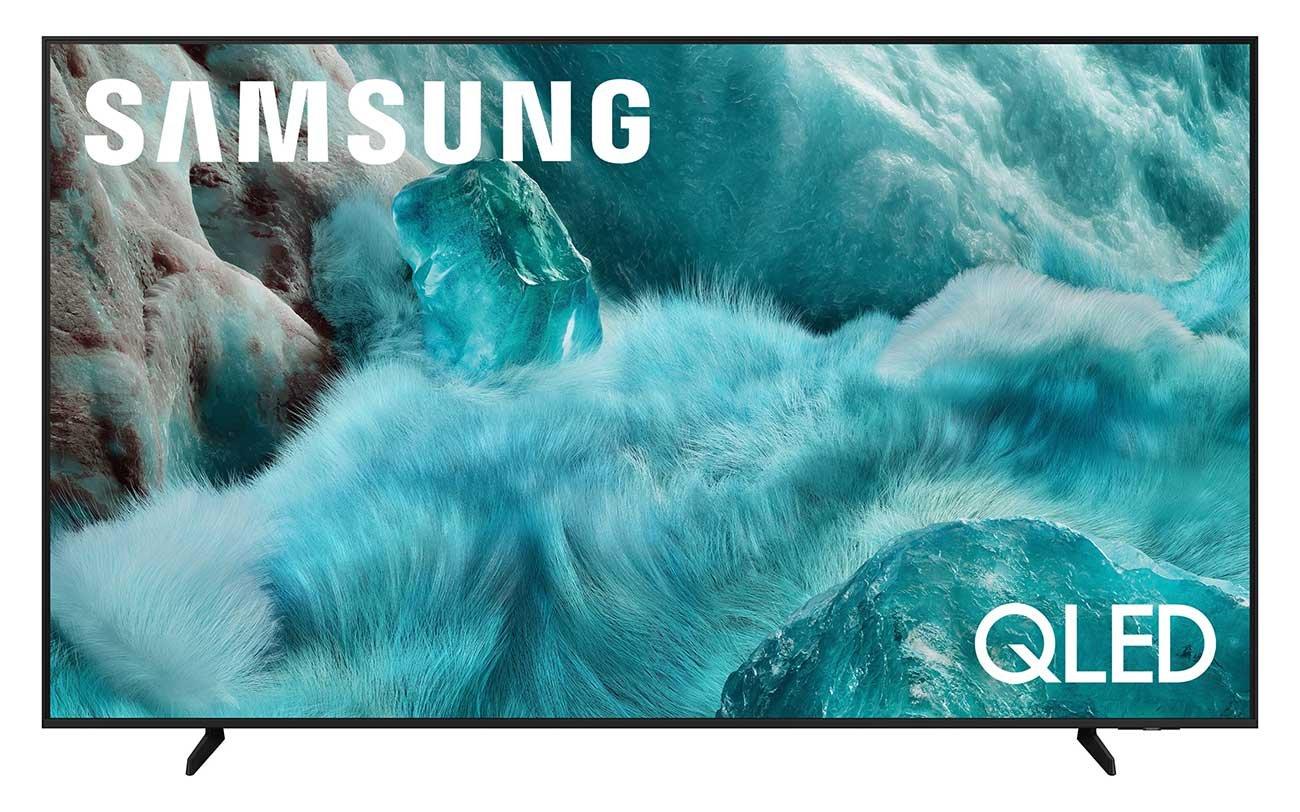
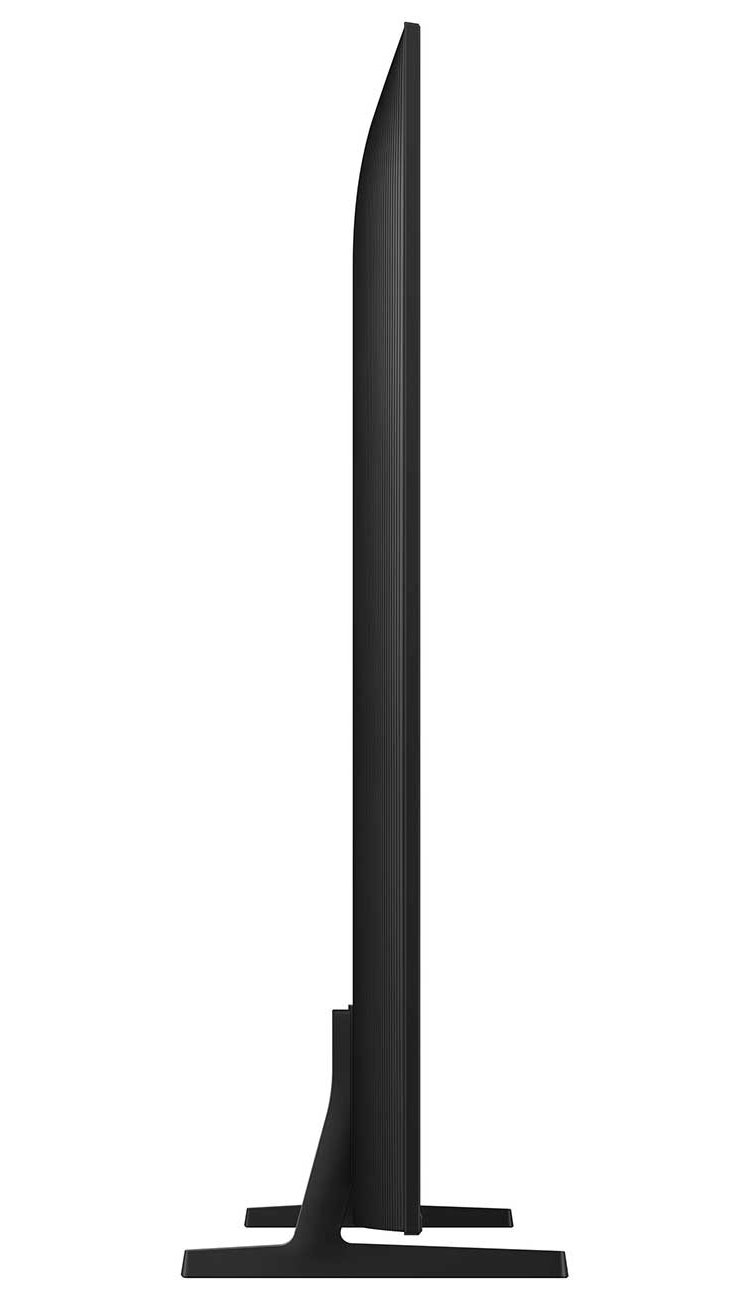
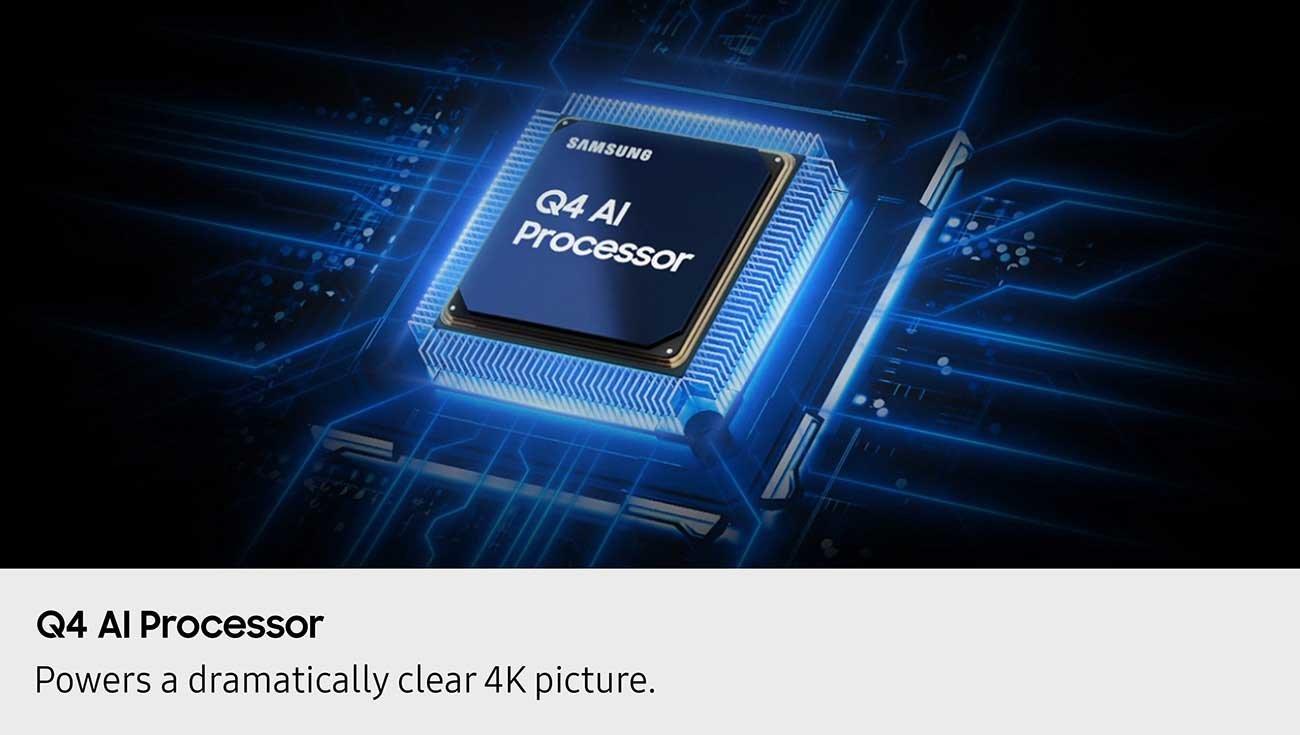
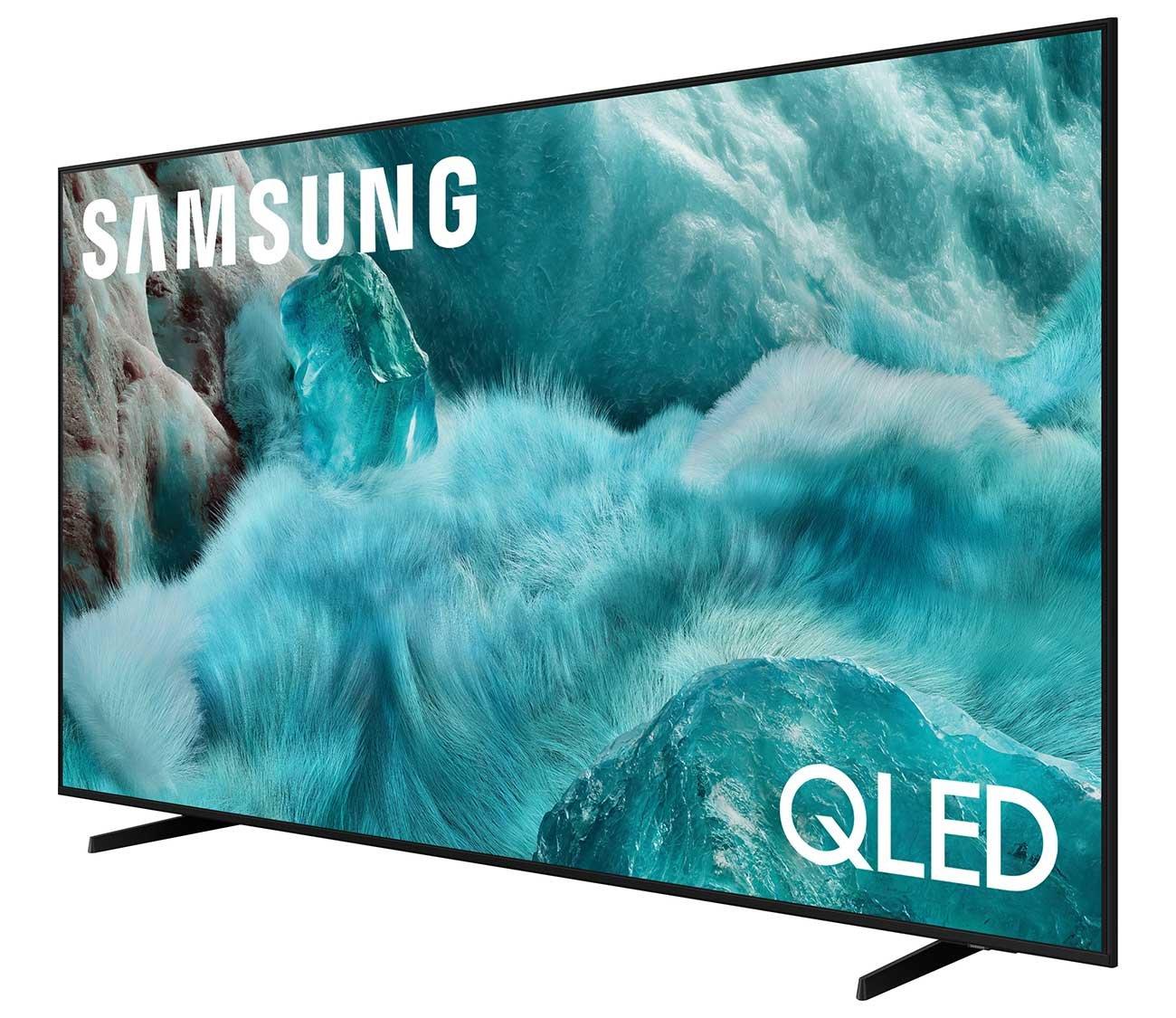
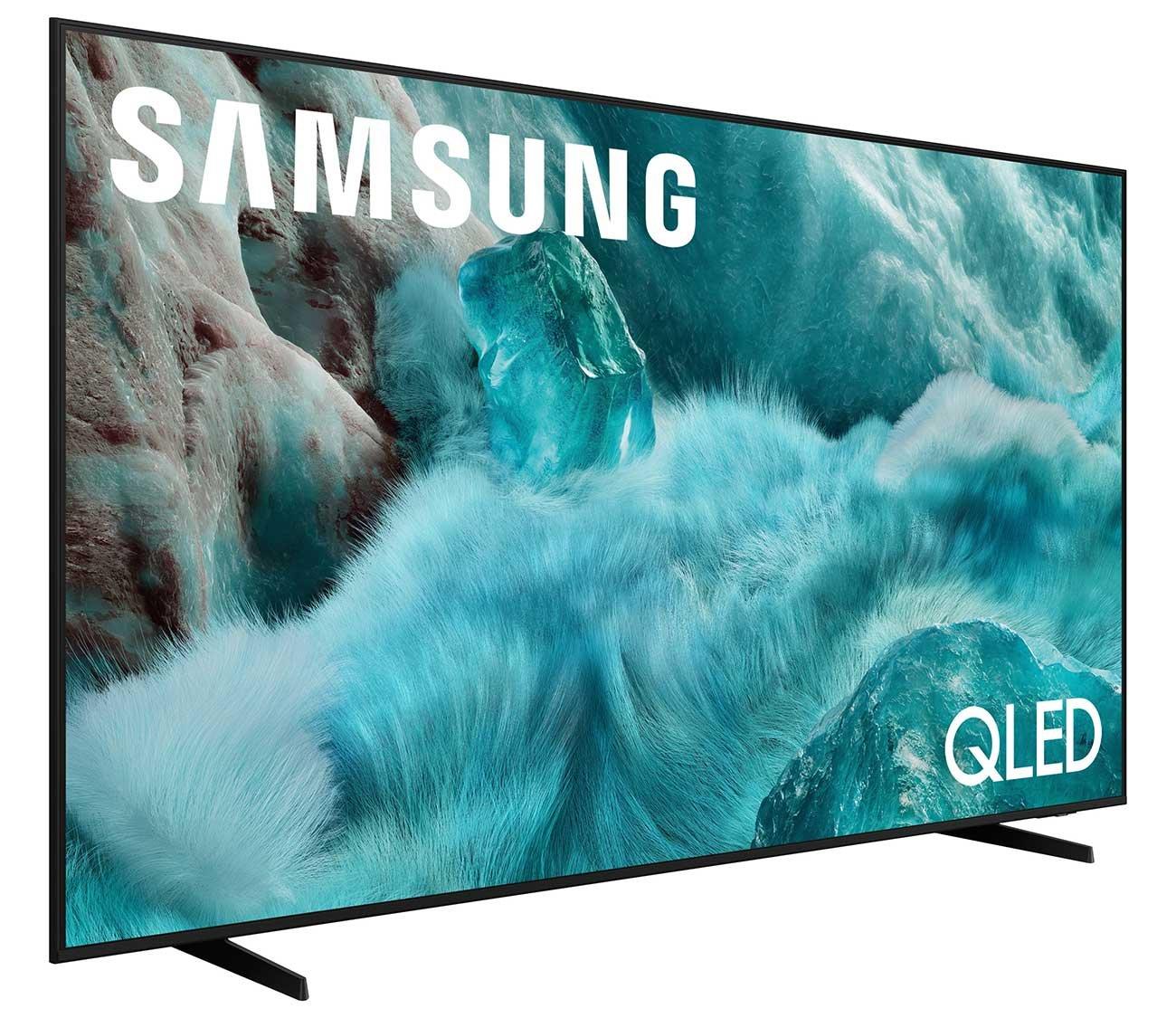



Shopping for a 65-inch TV in 2025 means navigating a landscape filled with marketing buzzwords and competing technologies. Two models that frequently appear in buyer conversations are the Samsung 65" Q7F QLED 4K Vision AI Smart TV and the TCL 65" QM8K Series QD-Mini LED 4K Smart TV. While both target the premium 65-inch market, they represent fundamentally different approaches to delivering large-screen entertainment.
Understanding what separates these TVs requires looking beyond the surface similarities. Both offer 4K resolution, quantum dot technology, and smart TV platforms, but the underlying technologies create vastly different viewing experiences. The choice between them often comes down to whether you prioritize cutting-edge picture quality or prefer a more budget-conscious option from a well-established brand.
The 65-inch TV category sits in a unique position where picture quality differences become immediately apparent. At this screen size, contrast ratios, peak brightness, and color accuracy aren't just numbers on a spec sheet—they directly impact how much you enjoy watching everything from Netflix shows to the big game.
When evaluating TVs in this category, three performance areas typically matter most: contrast performance (how deep the blacks are and how bright the highlights can get), color accuracy (how realistic and vibrant colors appear), and motion handling (how smooth fast-action content looks). Gaming capabilities have also become increasingly important as more people use their TVs for PlayStation 5 and Xbox Series X gaming.
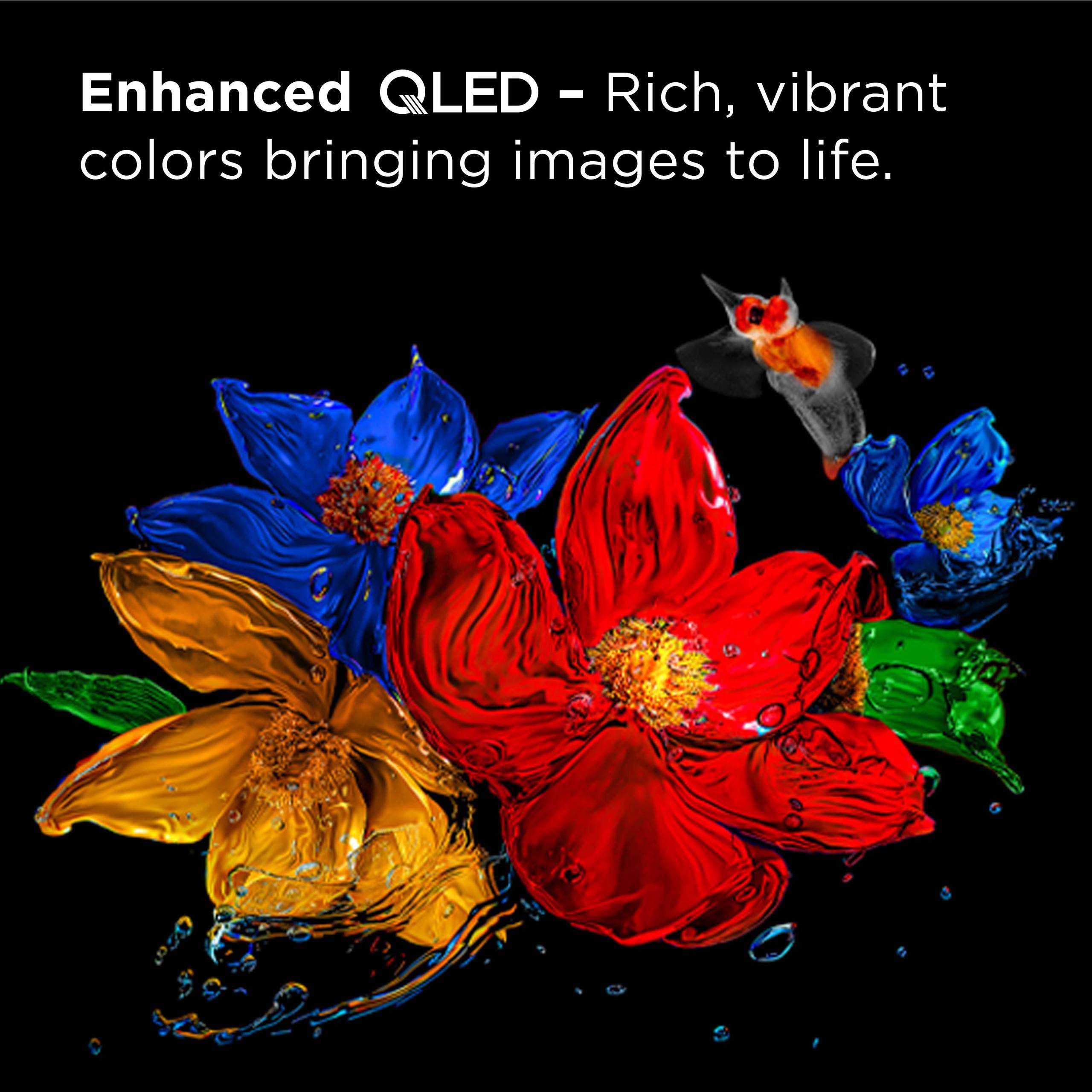
The technology used to achieve these performance goals varies significantly between manufacturers. Traditional QLED TVs like the Samsung Q7F use quantum dots (tiny crystals that enhance color) combined with LED backlighting. Newer QD-Mini LED technology, found in the TCL QM8K, takes this concept further by using thousands of tiny LEDs for more precise light control.
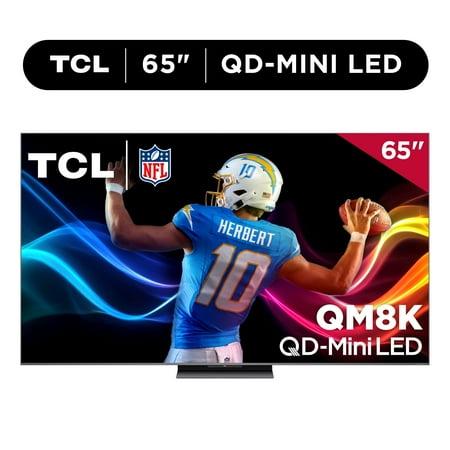
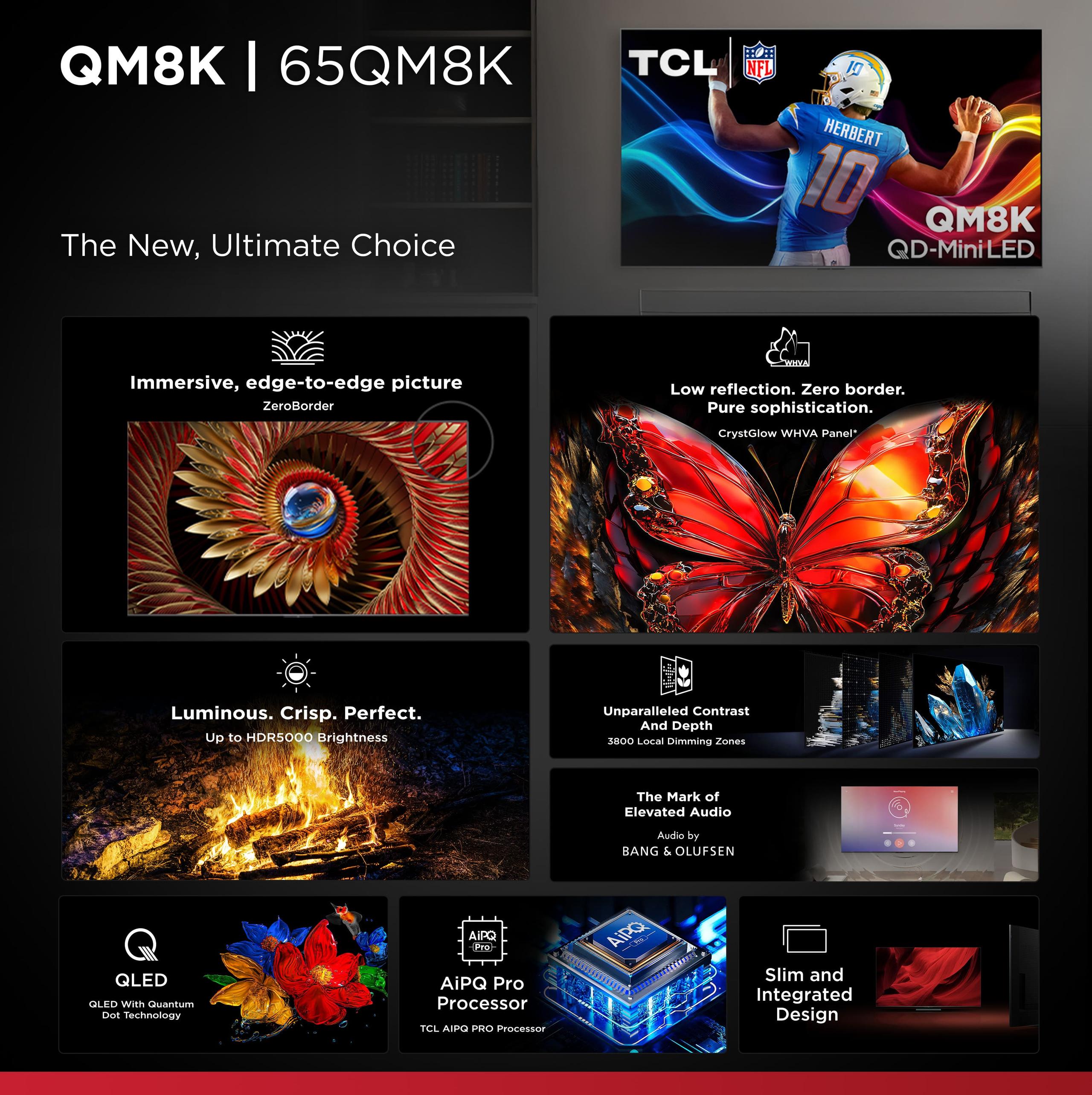
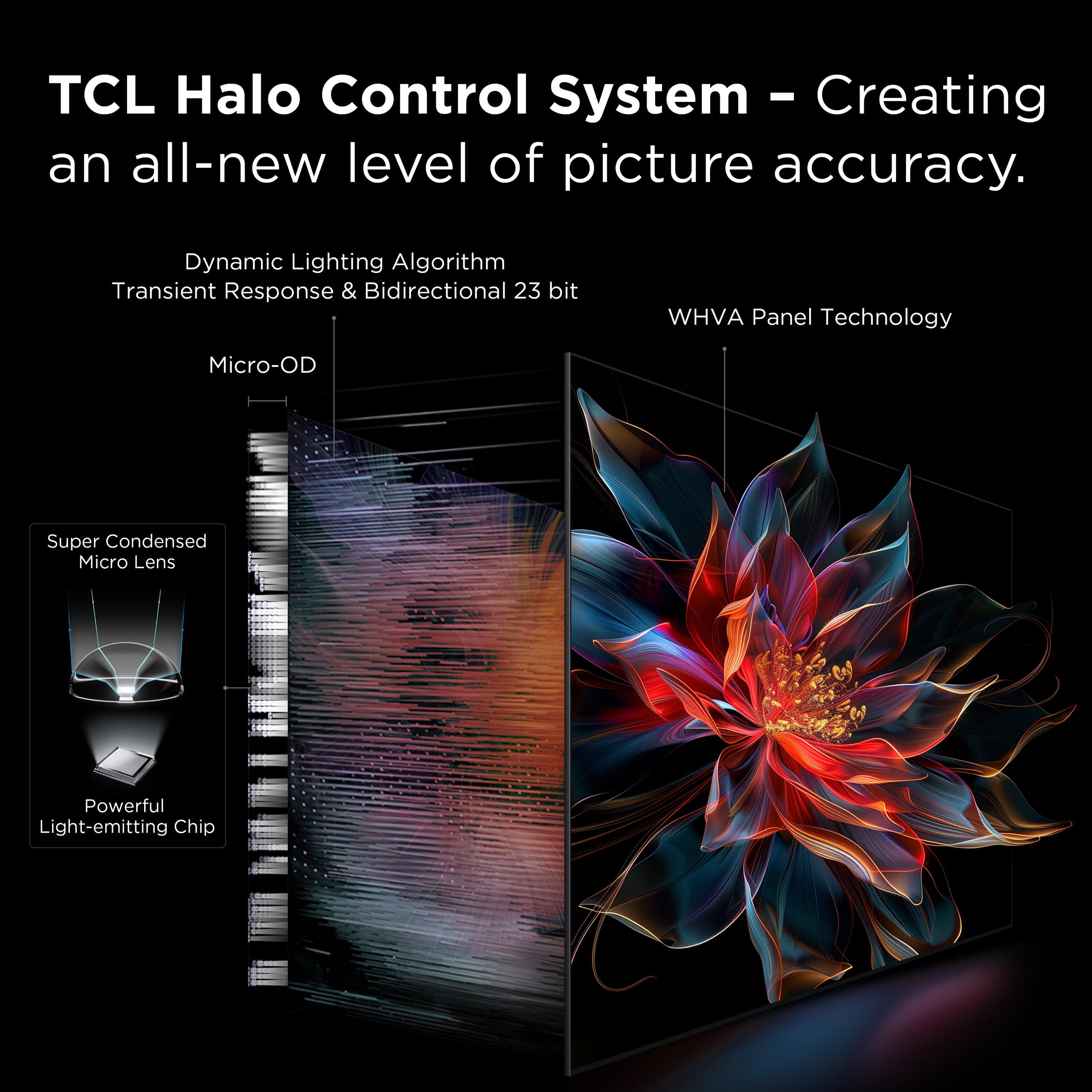
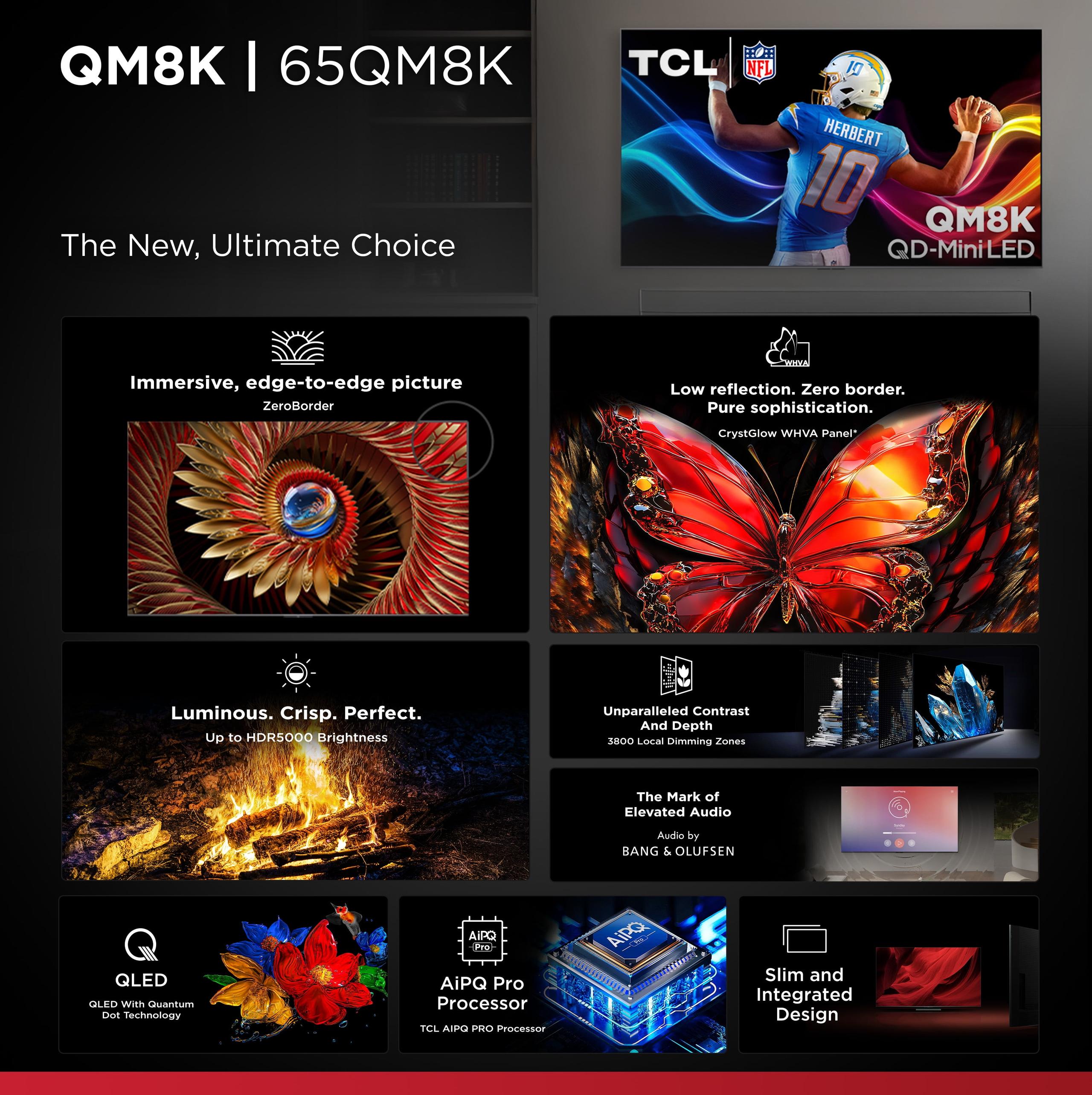
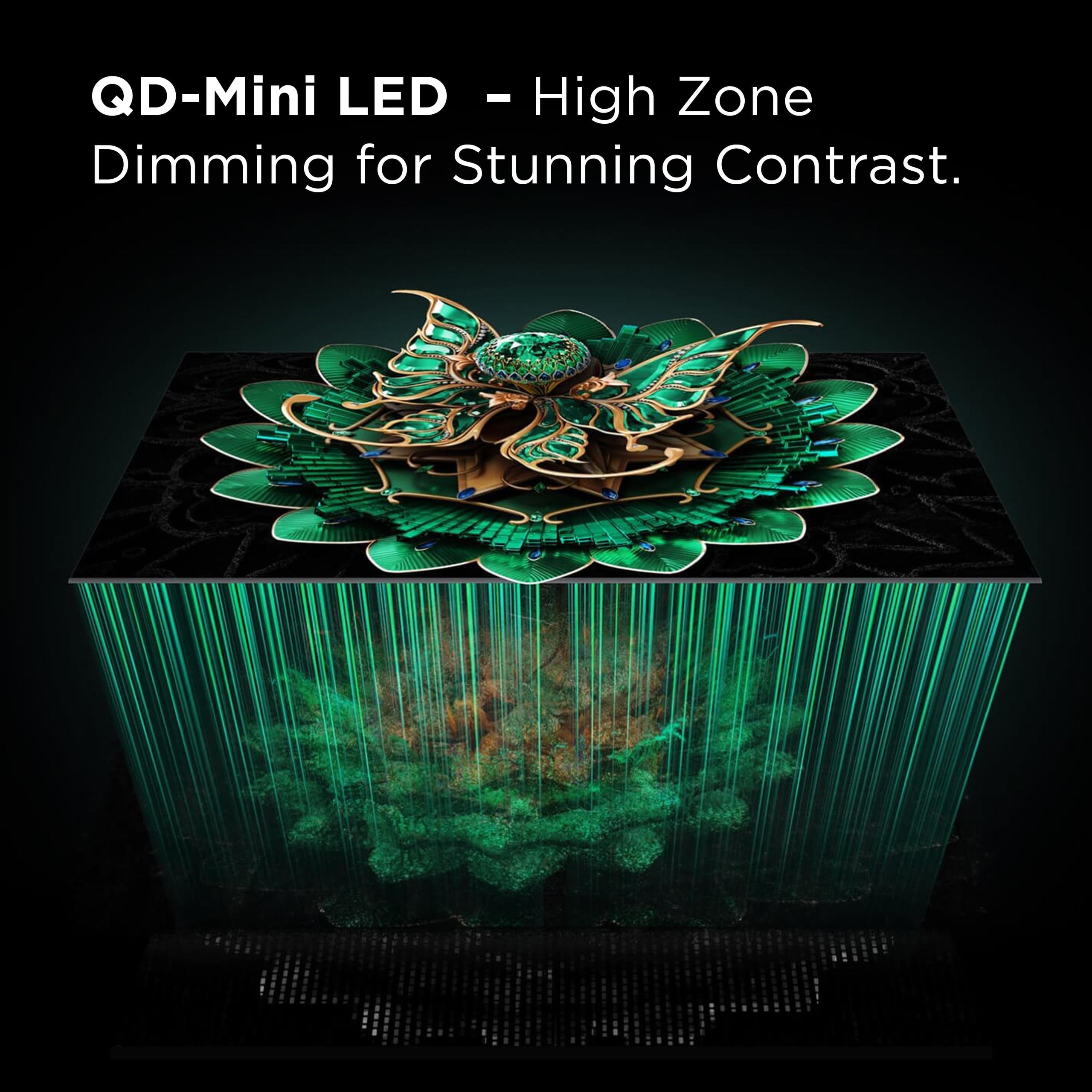
The most significant difference between these TVs lies in their backlighting technology. The TCL QM8K uses QD-Mini LED technology, which represents one of the biggest advances in LCD TV picture quality in recent years. Instead of using a few dozen large LED lights behind the screen, Mini LED TVs use thousands of tiny LEDs—the QM8K features up to 3,800 individual dimming zones.
Think of dimming zones like individual light switches in a room. With only a few switches, you can't control lighting very precisely. But with thousands of switches, you can create complex lighting patterns with bright spots next to completely dark areas. This is exactly what happens on screen when watching a movie with bright stars against a dark sky—the Mini LED system can make the stars brilliantly bright while keeping the sky completely black.
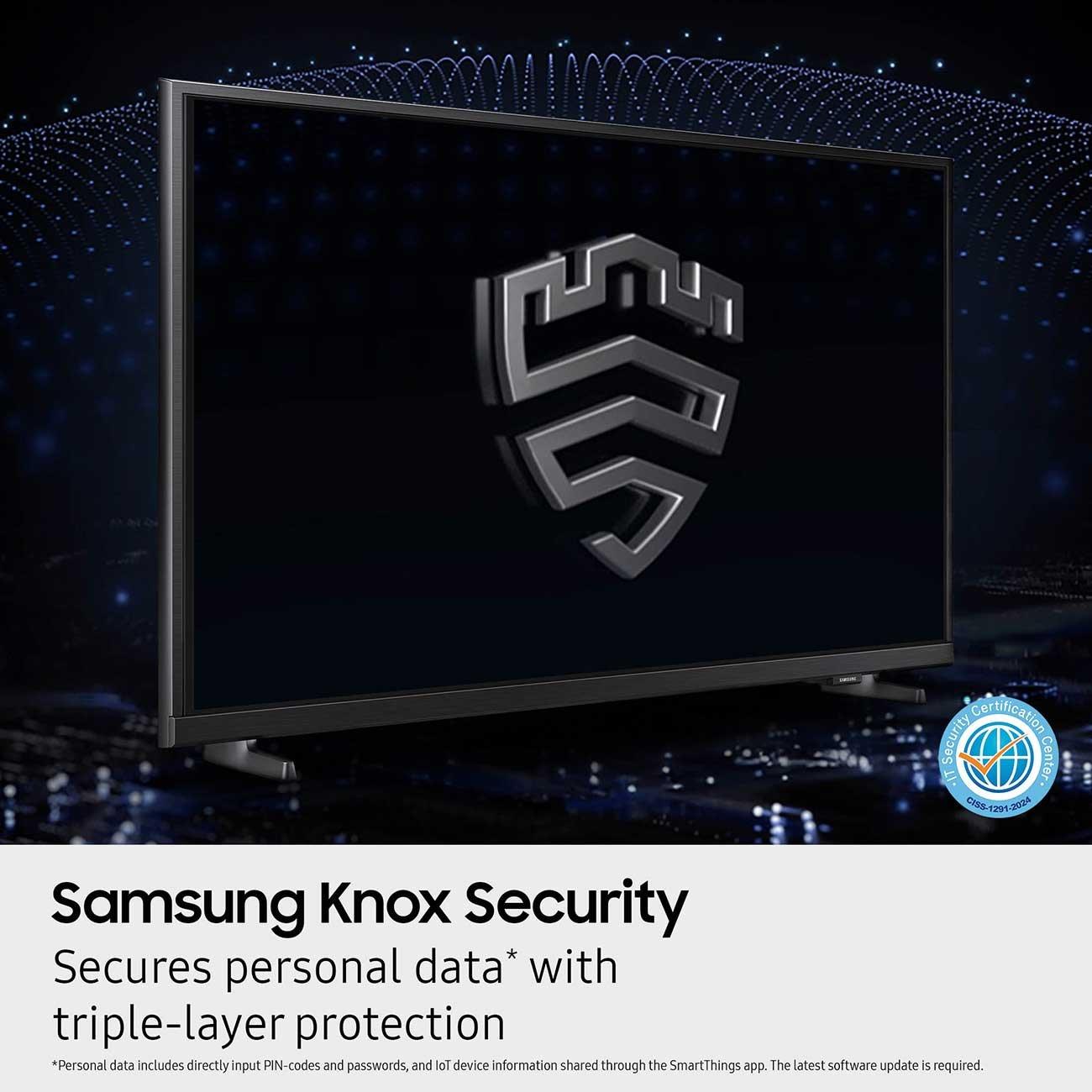
The Samsung Q7F, by contrast, uses traditional direct-lit LED backlighting without local dimming zones. This means the entire backlight must brighten or dim together, making it impossible to have truly dark areas alongside bright ones in the same scene. When a bright object appears on screen, the entire panel lights up, creating what's called "light bleed" or "blooming" around bright objects.
Peak brightness measurements reveal another substantial gap. The TCL QM8K can reach up to 5,000 nits in small areas of the screen—a measurement that puts it among the brightest consumer TVs available. To put this in perspective, a typical bright day outdoors measures around 10,000 nits, while most indoor lighting ranges from 100-500 nits.
This extreme brightness capability matters most when watching HDR (High Dynamic Range) content. HDR movies and shows contain brightness information that extends far beyond what traditional TVs can display. When watching a scene with sunlight reflecting off water or explosions in an action movie, the TCL QM8K can actually reproduce those bright highlights as they were intended to be seen.
The Samsung Q7F reaches approximately 500 nits peak brightness, which is adequate for standard content but limits HDR performance. In bright rooms, this brightness limitation becomes even more apparent, as the TV struggles to overcome ambient lighting.
Both TVs use quantum dot technology, but implement it differently. Quantum dots are microscopic crystals that, when struck by light, emit very pure colors. This technology allows both the Samsung Q7F and TCL QM8K to display a wider range of colors than traditional LCD TVs.
However, color performance depends heavily on the brightness capability of the backlight system. The TCL QM8K can achieve 97% coverage of the DCI-P3 color space—the standard used for digital cinema. More importantly, it can maintain this color accuracy even at high brightness levels, thanks to its powerful Mini LED backlighting.
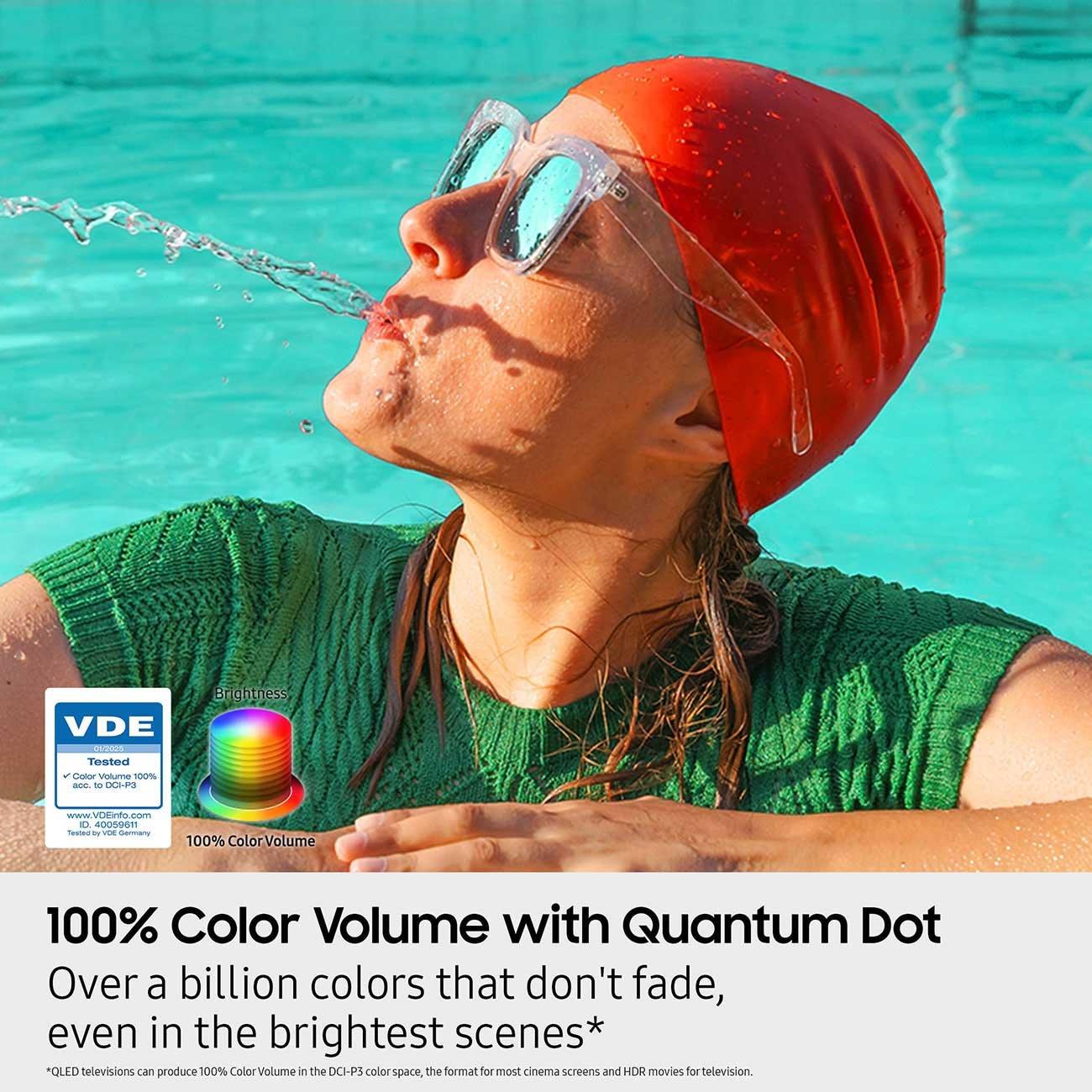
The Samsung Q7F claims "100% Color Volume," but this specification can be misleading. While it may achieve wide color coverage at lower brightness levels, the limited peak brightness means it cannot maintain vibrant colors in HDR highlights. This results in colors that appear less saturated in bright scenes.
The smart TV experience has become increasingly important as more people abandon cable subscriptions in favor of streaming services. The platform battle between these TVs reveals different philosophies about user interface design and content discovery.
The TCL QM8K runs Google TV, which launched in 2020 as an evolution of Android TV. Google TV excels at content aggregation—it can show you where specific movies or shows are available across multiple streaming services, and even mix recommendations from different apps on the home screen.
The interface feels modern and responsive, with smooth animations and quick app loading. Voice search through Google Assistant works exceptionally well, allowing natural language queries like "show me action movies from the 1990s" or "what did I watch last week?" The platform also integrates seamlessly with other Google services and smart home devices.
The Samsung Q7F uses Tizen OS, Samsung's proprietary smart TV platform that debuted in 2015. While functional and stable, Tizen feels less modern than Google TV. The interface relies more on traditional app grids and manual navigation between services.
Samsung TV Plus, included with the Samsung Q7F, provides access to over 2,700 free streaming channels. This can be valuable for viewers who want background content or news without subscriptions, but the channel quality varies significantly.
One advantage of Tizen is its deep integration with Samsung's ecosystem. If you own Samsung phones, tablets, or appliances, the Samsung Q7F can serve as a hub for device control and content sharing.
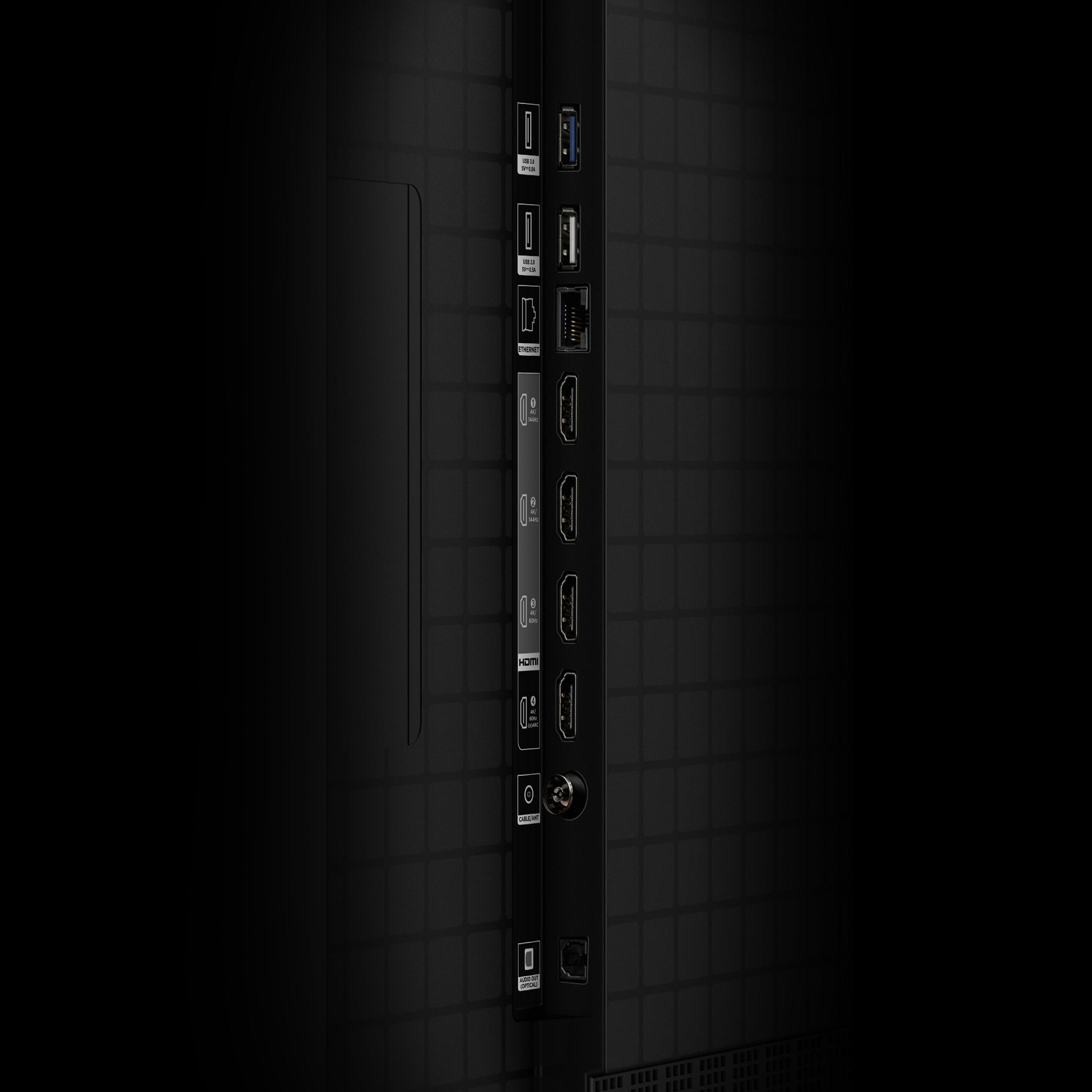
Gaming capabilities have become a crucial consideration for TV buyers, especially with PlayStation 5 and Xbox Series X consoles capable of 120fps gaming. The performance gap between these TVs in gaming scenarios is substantial.
The TCL QM8K features a native 144Hz panel with Game Accelerator 288 technology, supporting variable refresh rates up to 288Hz in certain modes. For PC gaming, this means incredibly smooth motion in fast-paced games like first-person shooters or racing simulators. Console gamers benefit from 120Hz support for compatible games, resulting in noticeably smoother motion compared to traditional 60Hz displays.
Variable Refresh Rate (VRR) technology synchronizes the TV's refresh rate with the gaming device's frame rate output. This eliminates screen tearing (when parts of different frames appear simultaneously) and reduces stuttering when frame rates fluctuate. The TCL QM8K includes AMD FreeSync Premium Pro certification, ensuring compatibility with a wide range of gaming devices.
Input lag—the delay between pressing a button and seeing the action on screen—critically affects gaming responsiveness. The TCL QM8K achieves low input lag in its gaming modes, typically measuring under 20 milliseconds. Combined with features like Game Master UI (which displays frame rate and VRR status), it provides a comprehensive gaming experience.
The Samsung Q7F offers basic gaming features including Auto Game Mode, which reduces input lag by bypassing certain video processing. However, with only 60Hz refresh rate support and limited VRR capabilities, it's better suited for casual gaming rather than competitive or enthusiast use.
Large TVs often struggle with audio quality due to thin designs that limit speaker size and placement. Both TVs attempt to address this challenge differently.
The TCL QM8K features Audio by Bang & Olufsen with Dolby Atmos support. Dolby Atmos creates three-dimensional sound by using height channels—either through up-firing speakers built into the TV or by bouncing sound off the ceiling. This creates a more immersive experience where you can hear helicopters flying overhead or rain falling around you.
The Samsung Q7F includes OTS Lite (Object Tracking Sound), which attempts to match audio positioning with on-screen action. While helpful, the 20W total audio output and basic 2-channel configuration limit its effectiveness compared to the TCL QM8K's more sophisticated audio system.
For serious home theater use, both TVs benefit from external sound systems. However, the TCL QM8K includes more advanced audio processing that can enhance the experience even with built-in speakers.
In dedicated home theater environments, the performance differences between these TVs become even more pronounced. The TCL QM8K's superior contrast ratio and local dimming create a more cinema-like experience, especially in darkened rooms where the deep blacks can truly shine.
Room lighting significantly affects TV performance. In bright rooms with windows or overhead lighting, the TCL QM8K's higher peak brightness helps maintain image quality by overcoming ambient light reflection. The Samsung Q7F may appear washed out in similar conditions.
Viewing distance also matters. At the recommended 8-10 feet for a 65-inch TV, the resolution and contrast differences become easily apparent. The TCL QM8K's precise local dimming creates sharper perceived detail by eliminating the gray haze that affects the Samsung Q7F in high-contrast scenes.
At the time of writing, the TCL QM8K commands a premium over the Samsung Q7F, typically costing 50-60% more. This price difference reflects the significant technology gap between standard QLED and QD-Mini LED implementations.
The TCL QM8K delivers premium TV performance typically associated with models costing significantly more. Its Mini LED backlighting, high refresh rate gaming capabilities, and advanced processing put it in competition with TVs from Sony and LG's premium lineups.
The Samsung Q7F serves a different market segment—buyers seeking brand recognition and basic QLED features at a more accessible price point. While it cannot match the TCL QM8K's picture quality, it provides adequate performance for casual viewing.
Both TVs launched in 2025, representing their manufacturers' latest technologies and design philosophies. The Samsung Q7F continues Samsung's tradition of offering QLED technology across multiple price points, though this entry-level implementation makes significant compromises to reach its target cost.
The TCL QM8K represents TCL's push into premium TV territory, incorporating advanced Mini LED technology that was expensive and rare just a few years ago. TCL's ability to offer this technology at relatively accessible pricing reflects their manufacturing scale and focus on value engineering.
Since their 2025 release, both TVs have received firmware updates improving smart platform performance and adding new streaming service support. However, the fundamental hardware differences remain unchanged.
The performance gap between these TVs is substantial enough that the TCL QM8K feels like a generation ahead in technology. For viewers who care about picture quality and have the budget flexibility, it provides significantly better value despite its higher upfront cost.
However, the Samsung Q7F serves an important market segment. Not everyone needs cutting-edge contrast performance or 144Hz gaming capabilities. For casual viewers focused on streaming and basic smart TV functionality, it delivers Samsung quality at a more accessible price point.
The decision ultimately depends on your priorities: exceptional performance at a premium price, or good-enough performance with greater budget consciousness. Both approaches have merit, but understanding the technology differences helps ensure your choice aligns with your actual viewing habits and expectations.
| Samsung 65" Q7F QLED 4K Vision AI Smart TV 2025 | TCL 65" QM8K Series QD-Mini LED 4K Smart TV |
|---|---|
| Display Technology - Core difference affecting picture quality | |
| Standard QLED with direct-lit LED (no local dimming) | QD-Mini LED with up to 3,800 local dimming zones |
| Peak Brightness - Critical for HDR content and bright rooms | |
| ~500 nits (adequate for SDR, limited HDR performance) | Up to 5,000 nits (exceptional HDR, works in any lighting) |
| Contrast Ratio - Determines black depth and overall image pop | |
| Static contrast only (limited by lack of dimming zones) | 30,000,000:1 dynamic contrast (near-OLED blacks) |
| Refresh Rate - Essential for gaming and smooth motion | |
| 60Hz native (basic performance) | 144Hz native with 288Hz VRR support (premium gaming) |
| Color Gamut Coverage - Affects color vibrancy and accuracy | |
| 100% Color Volume claimed (limited by brightness) | 97% DCI-P3 (maintained at high brightness levels) |
| Smart TV Platform - Daily user experience quality | |
| Tizen OS with Samsung TV Plus (2,700+ free channels) | Google TV (superior content discovery and app ecosystem) |
| Gaming Features - Important for console and PC gaming | |
| Basic Auto Game Mode, 60Hz limit | AMD FreeSync Premium Pro, Game Master UI, low input lag |
| Audio System - Built-in sound quality | |
| 20W 2-channel with OTS Lite (basic spatial audio) | Bang & Olufsen with Dolby Atmos (immersive 3D sound) |
| Local Dimming - Key factor for contrast in dark scenes | |
| None (entire backlight dims together) | Up to 3,800 precise dimming zones (excellent blooming control) |
| HDR Support - Format compatibility for premium content | |
| HDR10+ (good but limited by brightness) | Dolby Vision IQ, HDR10+, HDR10, HLG (full range support) |
| Design - Premium look and build quality | |
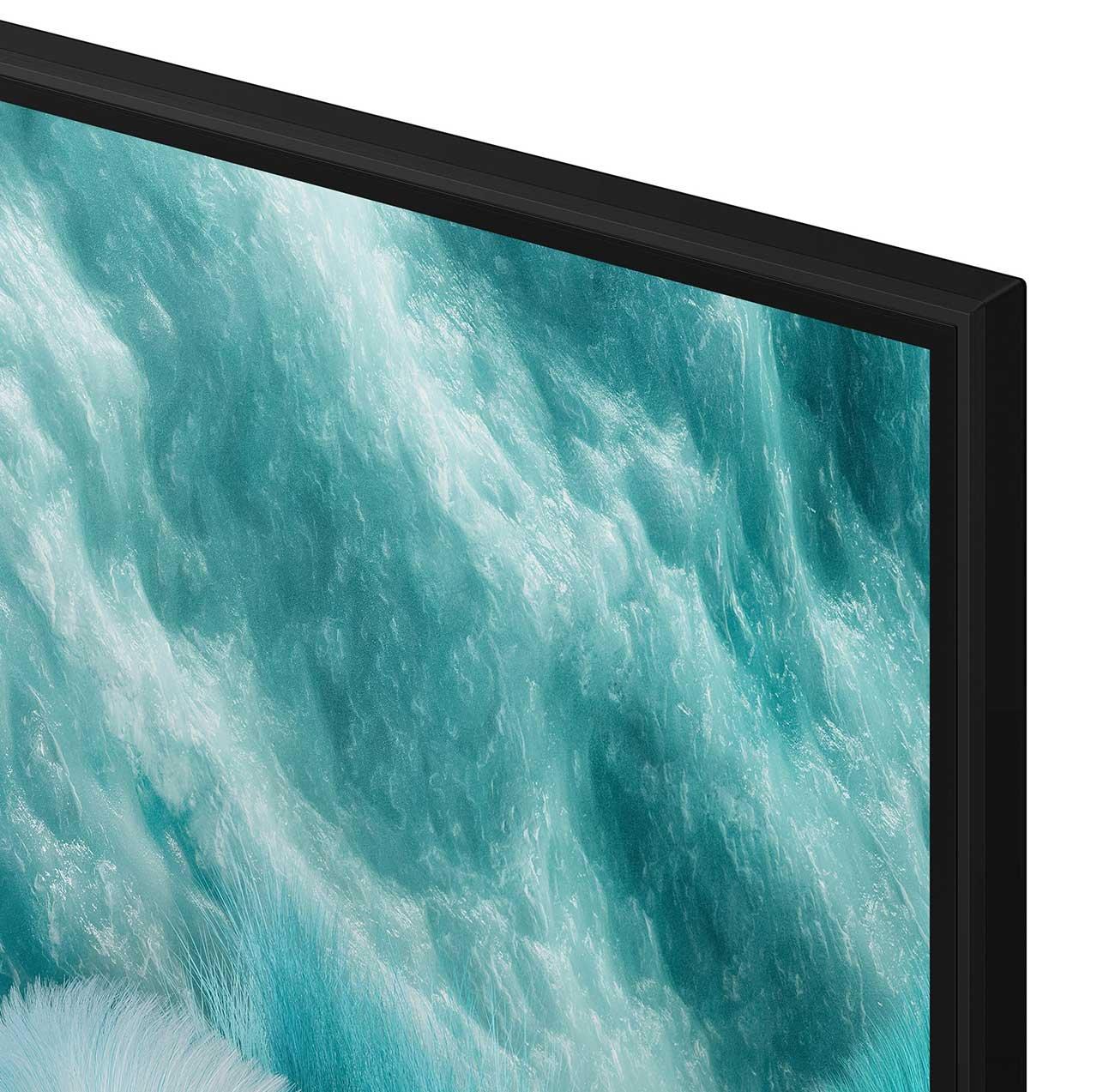
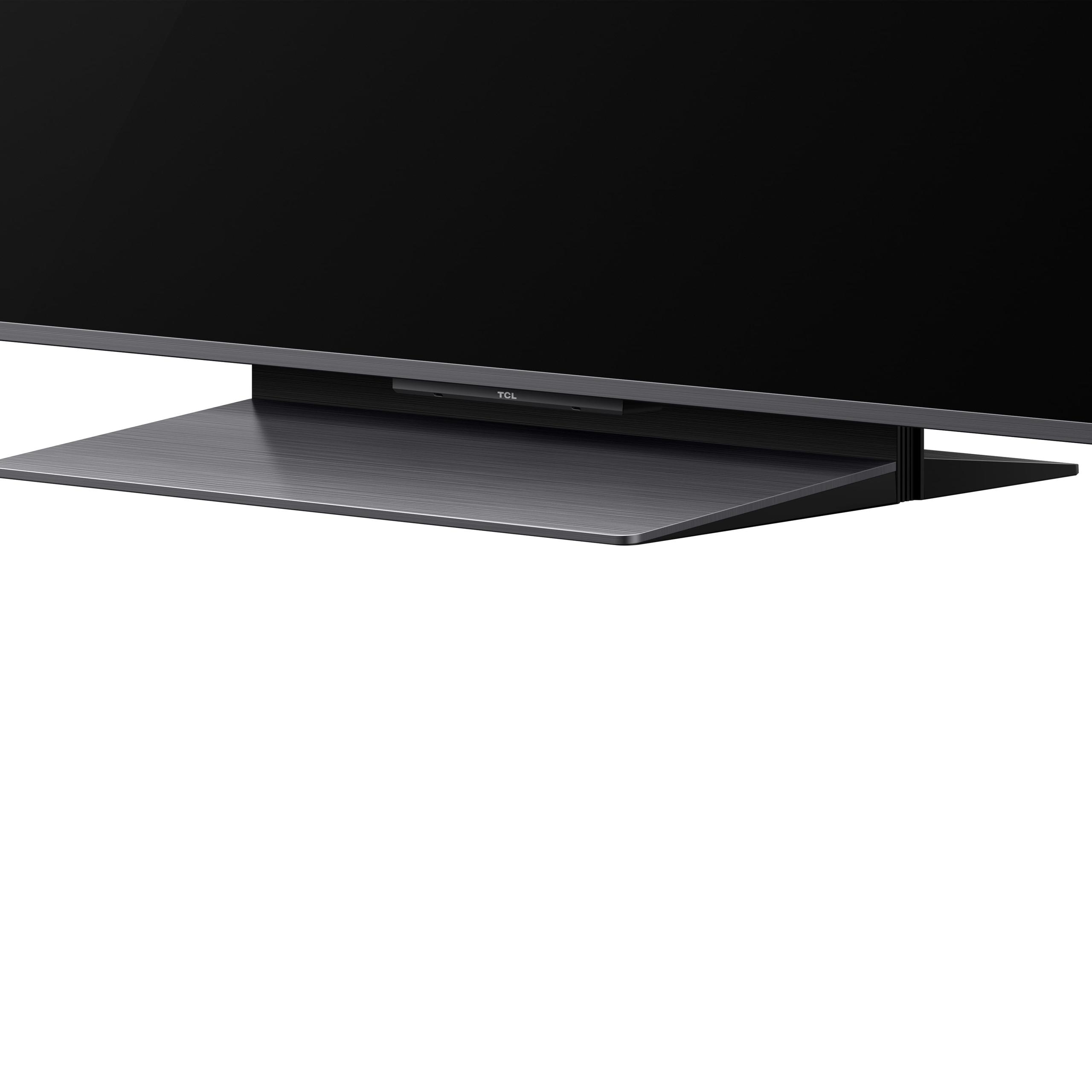
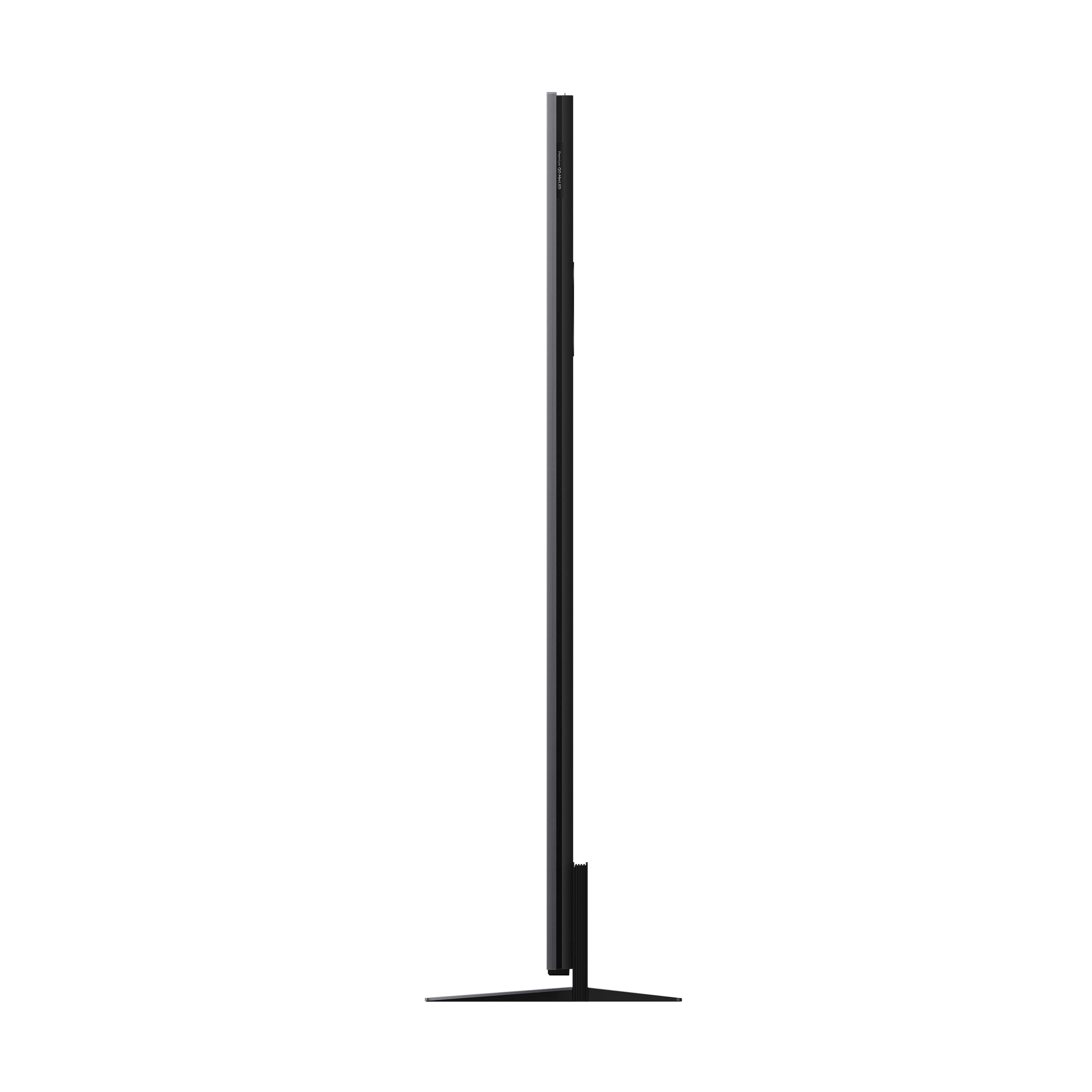
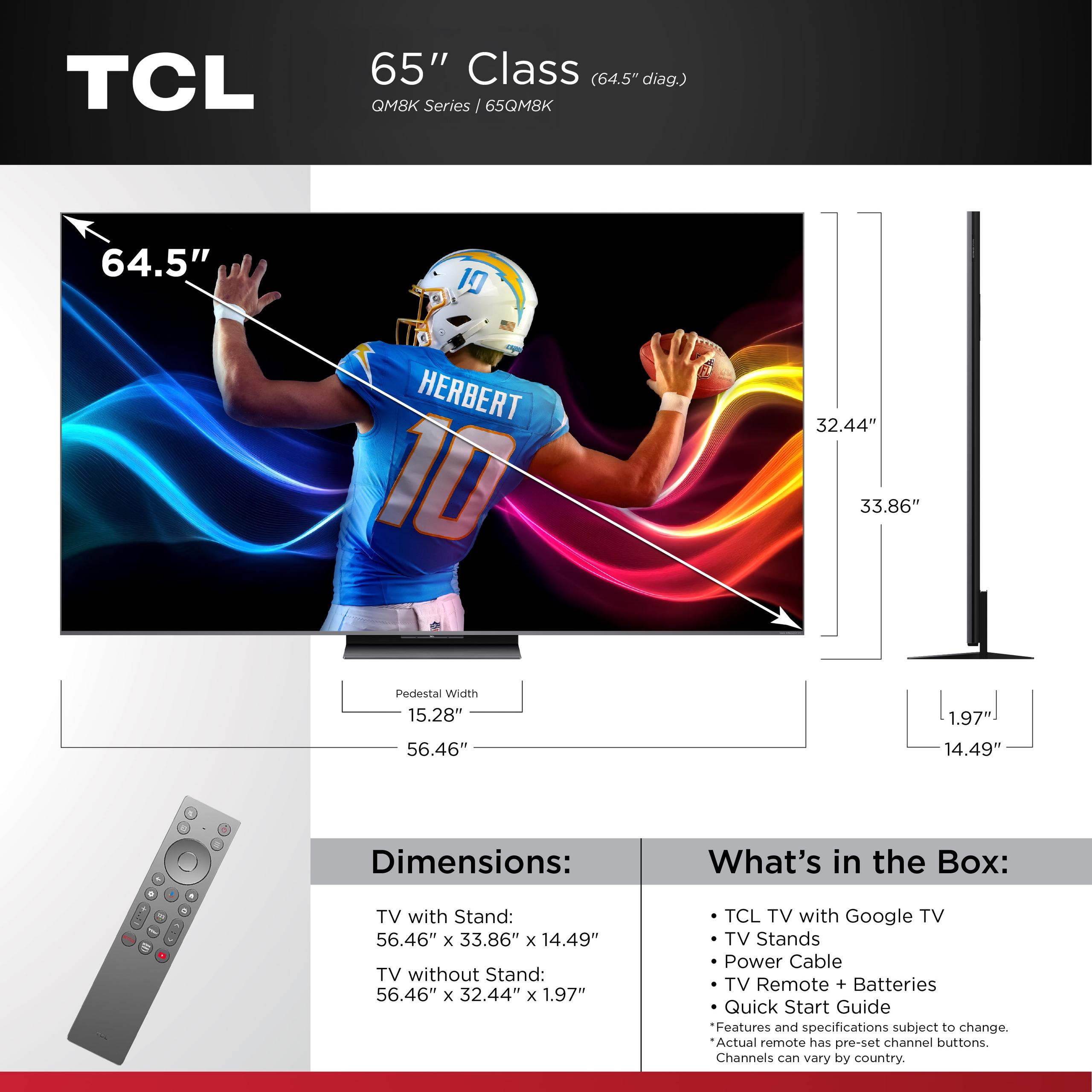
| Traditional bezels, deeper cabinet | ZeroBorder edge-to-edge panel, thinner profile |
| Target Buyer - Who each TV is designed for | |
| Budget-conscious buyers wanting Samsung brand reliability | Performance enthusiasts seeking premium picture quality |
The TCL 65" QM8K Series QD-Mini LED 4K Smart TV delivers significantly better picture quality with its advanced Mini LED technology and up to 3,800 local dimming zones. This creates deeper blacks and brighter highlights compared to the Samsung 65" Q7F QLED 4K Vision AI Smart TV 2025, which lacks local dimming zones entirely.
QLED uses quantum dots with standard LED backlighting, while QD-Mini LED combines quantum dots with thousands of tiny LEDs for precise light control. The TCL QM8K uses QD-Mini LED for superior contrast, while the Samsung Q7F uses traditional QLED with more limited contrast performance.
The TCL 65" QM8K Series QD-Mini LED 4K Smart TV is significantly better for gaming with its 144Hz refresh rate, 288Hz VRR support, and AMD FreeSync Premium Pro. The Samsung 65" Q7F QLED 4K Vision AI Smart TV 2025 is limited to 60Hz and basic gaming features.
The TCL QM8K runs Google TV with superior content discovery, faster performance, and better app ecosystem. The Samsung Q7F uses Tizen OS with Samsung TV Plus offering over 2,700 free channels, but the interface feels less modern than Google TV.
The TCL 65" QM8K Series QD-Mini LED 4K Smart TV reaches up to 5,000 nits peak brightness, making HDR content incredibly vibrant. The Samsung 65" Q7F QLED 4K Vision AI Smart TV 2025 peaks at around 500 nits, which limits HDR performance significantly.
The TCL QM8K achieves a 30,000,000:1 dynamic contrast ratio thanks to its local dimming zones, creating near-OLED black levels. The Samsung Q7F has basic static contrast without local dimming, resulting in grayer blacks and less dramatic picture quality.
The TCL 65" QM8K Series QD-Mini LED 4K Smart TV features Audio by Bang & Olufsen with Dolby Atmos support for immersive 3D sound. The Samsung 65" Q7F QLED 4K Vision AI Smart TV 2025 has basic 20W 2-channel audio with OTS Lite technology.
The TCL QM8K performs much better in bright rooms due to its 5,000-nit peak brightness that can overcome ambient light. The Samsung Q7F may appear washed out in bright conditions due to its limited 500-nit brightness capability.
The TCL 65" QM8K Series QD-Mini LED 4K Smart TV offers exceptional value with premium Mini LED technology typically found in much more expensive TVs. The Samsung 65" Q7F QLED 4K Vision AI Smart TV 2025 provides basic QLED features at a lower cost for budget-conscious buyers.
Both TVs use VA panels, but the TCL QM8K with its CrystGlow WHVA technology maintains better color accuracy and brightness when viewed from the side. The Samsung Q7F experiences more color shifting and brightness reduction at off-center viewing angles.
The TCL 65" QM8K Series QD-Mini LED 4K Smart TV is superior for home theaters with its exceptional contrast ratio, local dimming zones, and ability to display true blacks in dark rooms. The Samsung 65" Q7F QLED 4K Vision AI Smart TV 2025 lacks the contrast performance needed for optimal home theater viewing.
The TCL QM8K supports Dolby Vision IQ, HDR10+, HDR10, and HLG for comprehensive HDR compatibility. The Samsung Q7F supports HDR10+ and standard HDR formats, but its limited brightness reduces the effectiveness of all HDR content compared to the TCL QM8K.
We've done our best to create useful and informative comparisons to help you decide what product to buy. Our research uses advanced automated methods to create this comparison and perfection is not possible - please contact us for corrections or questions. These are the sites we've researched in the creation of this article: bestbuy.com - youtube.com - samsung.com - samsung.com - pcrichard.com - samsung.com - samsung.com - videoandaudiocenter.com - displayspecifications.com - bestbuy.com - samsung.com - samsung.com - samsung.com - samsung.com - news.samsung.com - tomsguide.com - youtube.com - businessinsider.com - rtings.com - youtube.com - avsforum.com - avsforum.com - bestbuy.com - tcl.com - tcl.com - tcl.com - flatpanelshd.com - romomattressfurniture.com - brandsmartusa.com - pcrichard.com - tvsbook.com - tcl.com - youtube.com - prnewswire.com - tcl.com - tcl.com

Privacy Policy
Terms and Conditions - Affiliate Policy
Home Security
© Copyright 2008-2026.
11816 Inwood Rd #1211, Dallas, TX 75244