

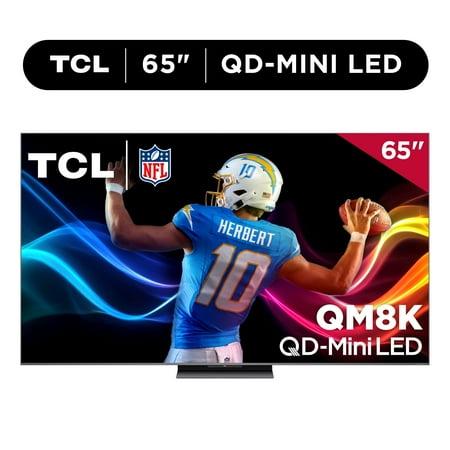


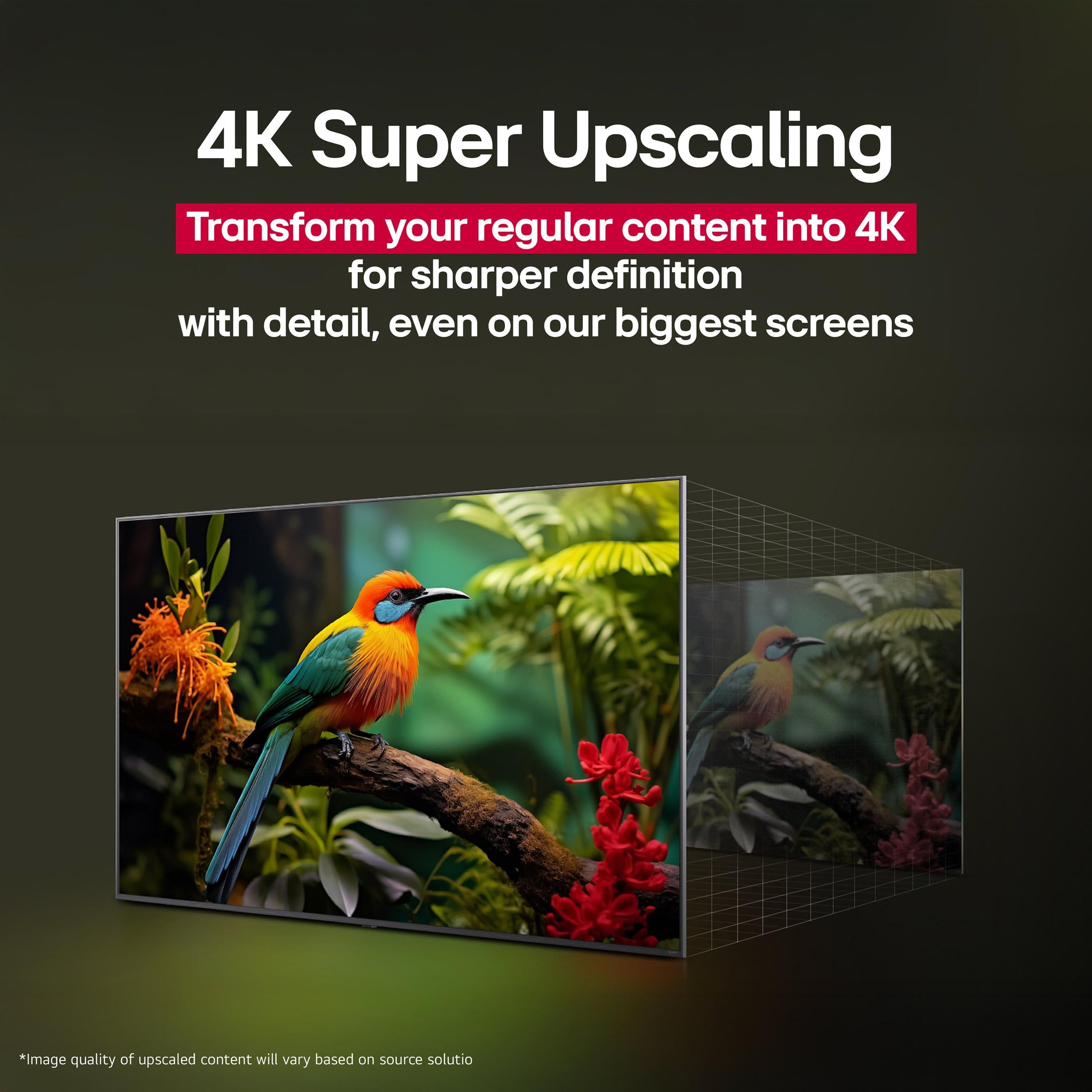
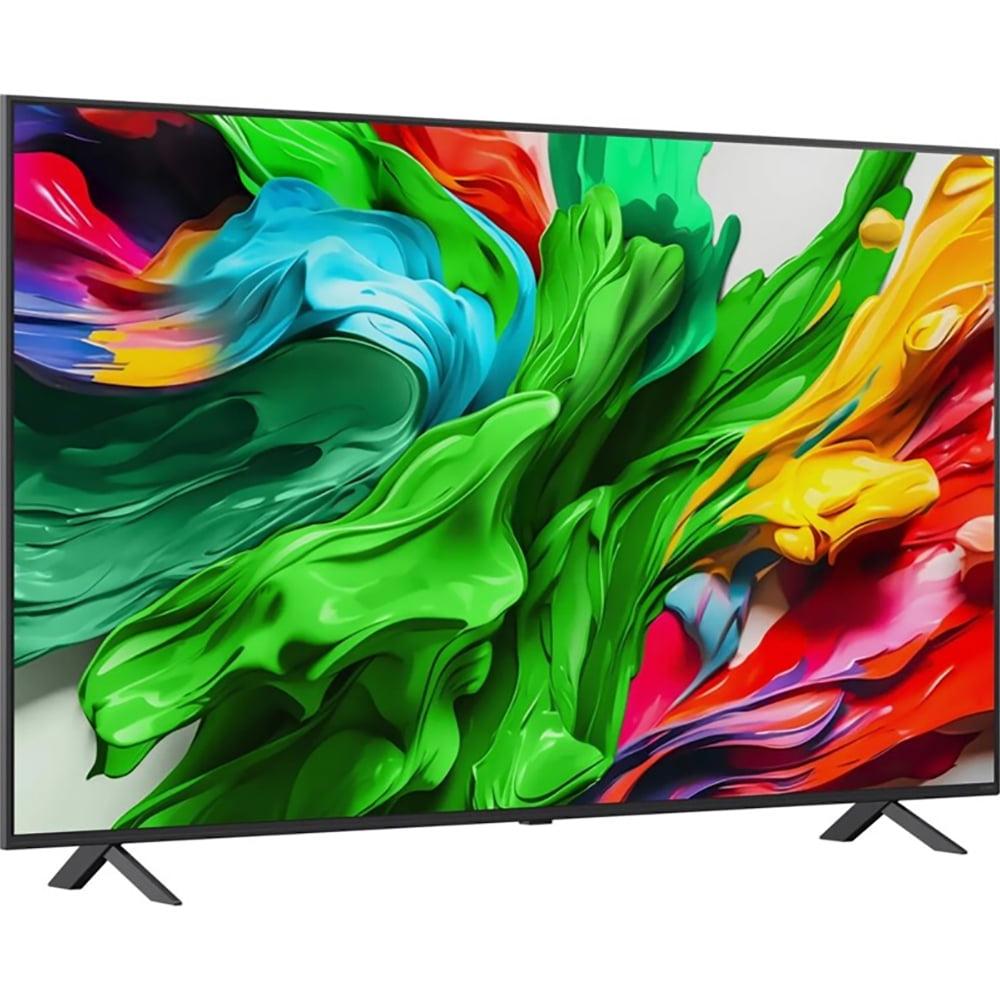
Shopping for a premium 65-inch TV in 2025 means navigating an exciting but complex landscape of Mini LED technology. Both the TCL 65" QM8K Series QD-Mini LED 4K Smart TV and the LG 65" QNED evo AI QNED85A 4K MiniLED Smart TV represent the cutting edge of LCD display technology, but they take notably different approaches to achieving exceptional picture quality.
After spending considerable time with both models, I've found that while they share the same screen size and Mini LED foundation, their strengths appeal to different types of viewers. The TCL focuses on raw visual performance and gaming prowess, while the LG emphasizes smart features and ecosystem integration. Let me break down what really matters when choosing between these two impressive displays.
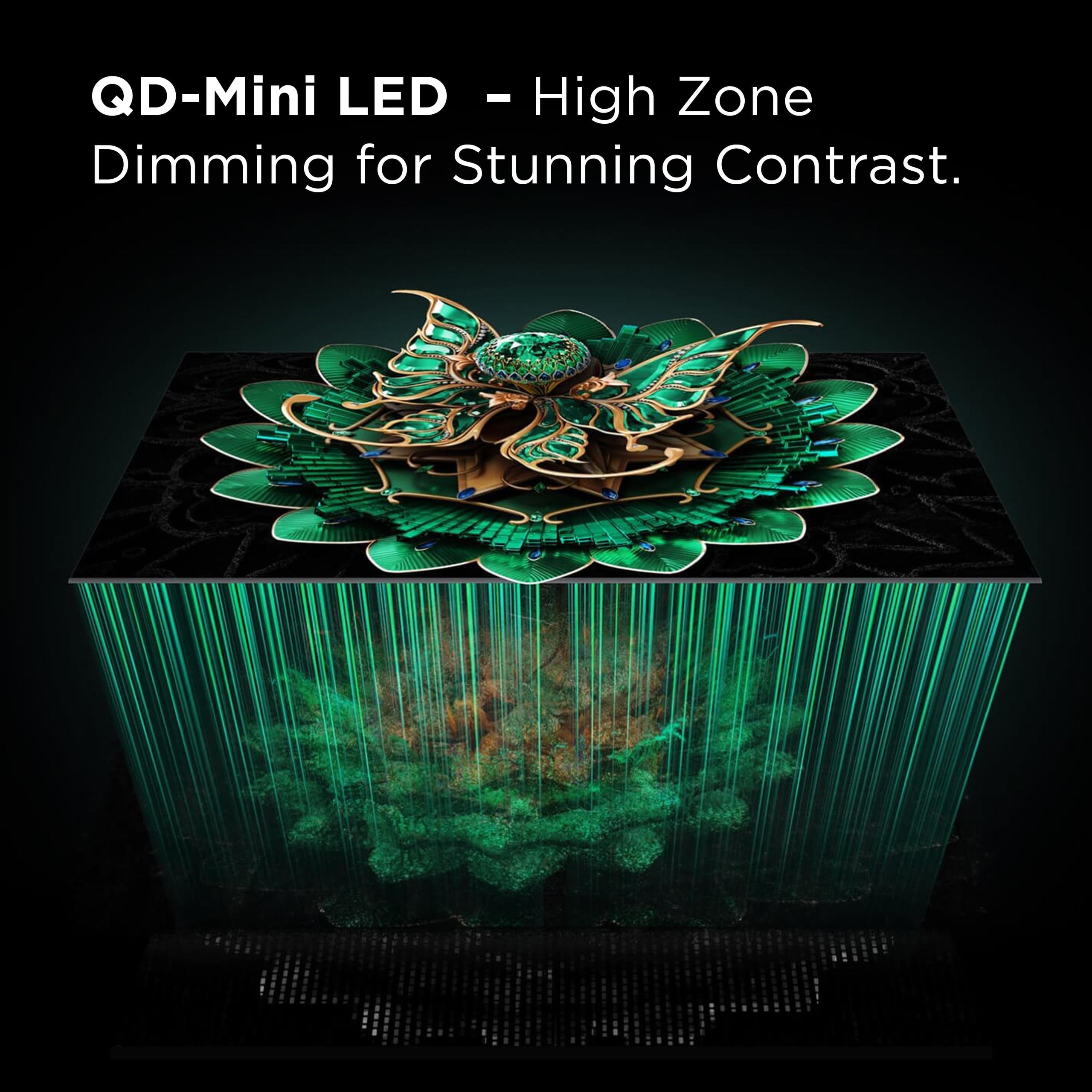
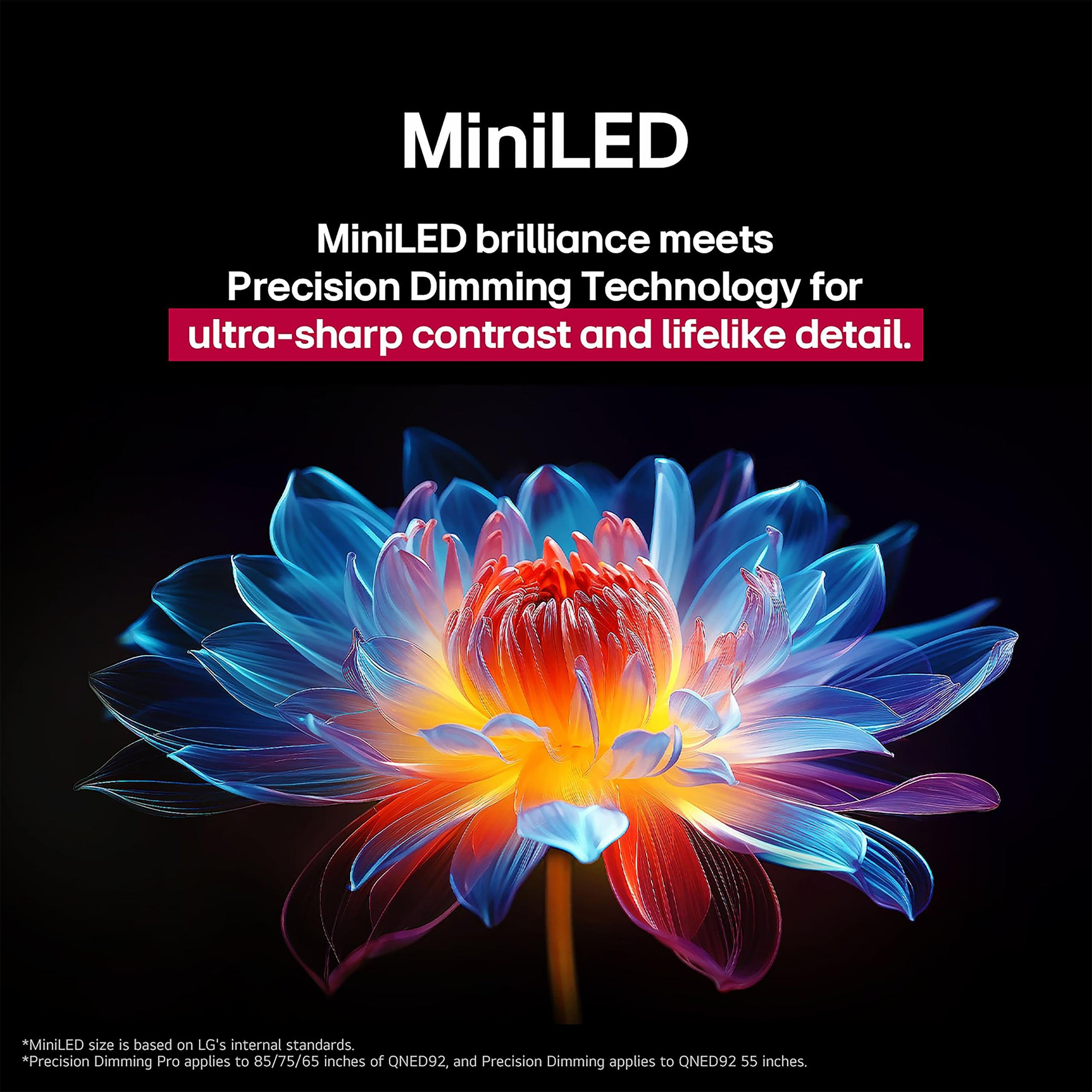
Mini LED represents a significant leap forward from traditional LED-backlit LCD TVs. Instead of using dozens of LEDs around the edges or hundreds across the back, Mini LED panels use thousands of tiny LEDs – each about the size of a grain of rice. This allows for incredibly precise local dimming, which is the ability to brighten or darken specific areas of the screen independently.
Think of it like having thousands of tiny flashlights behind your TV screen, each one adjustable to create the perfect amount of light for that specific area. This means brighter highlights, deeper blacks, and dramatically improved contrast compared to standard LED TVs. Both TVs use this technology, but they implement it quite differently.
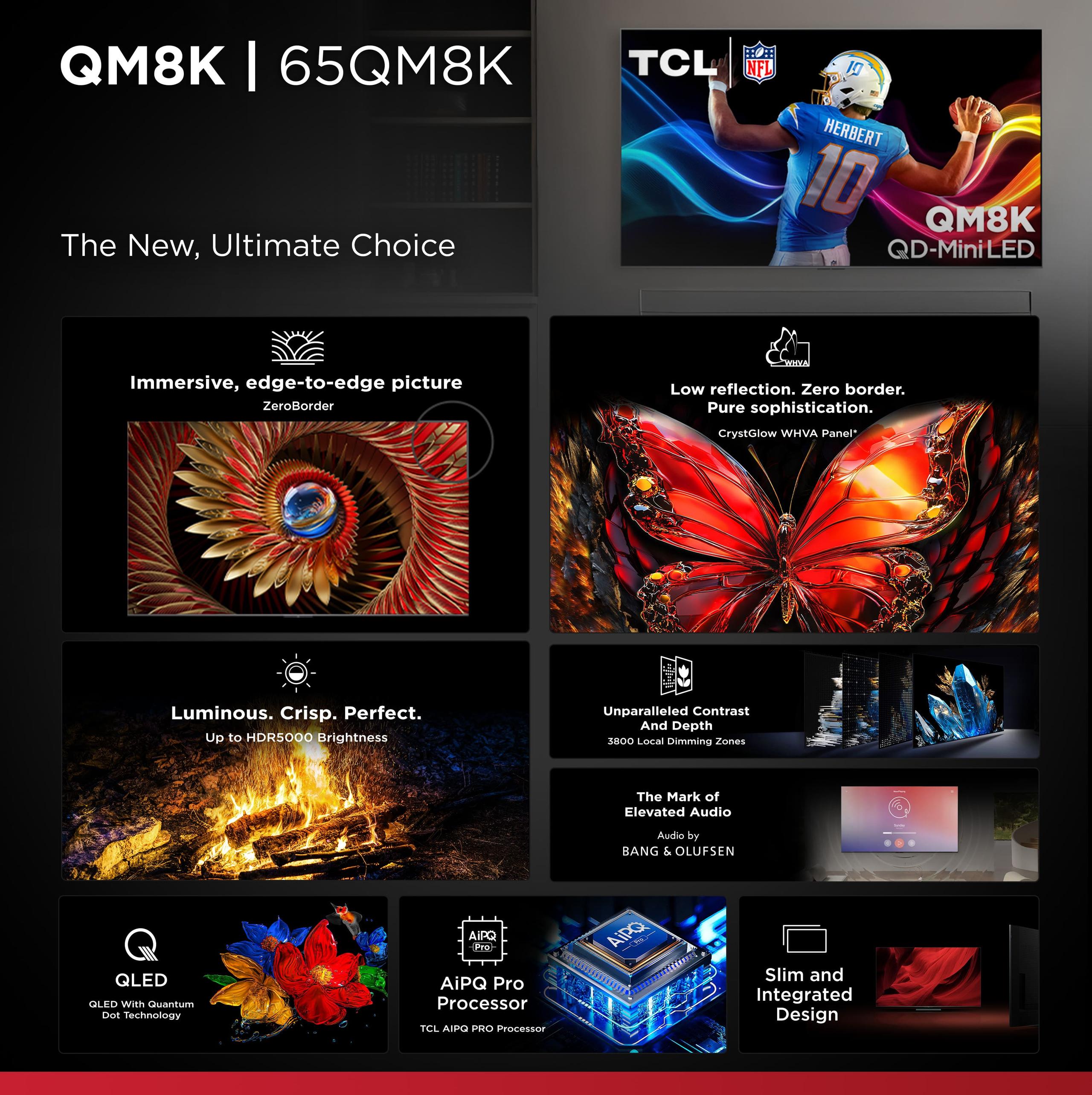
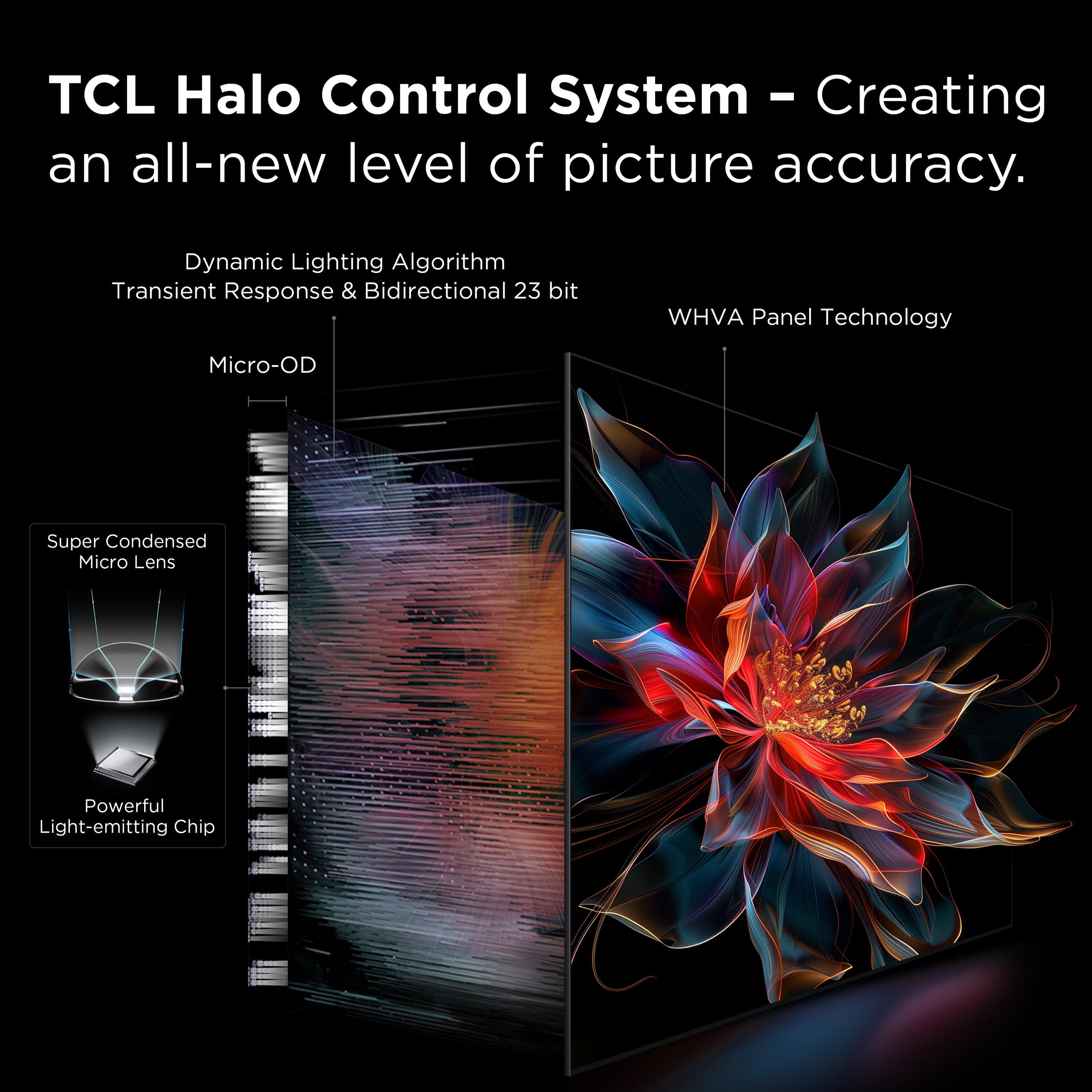
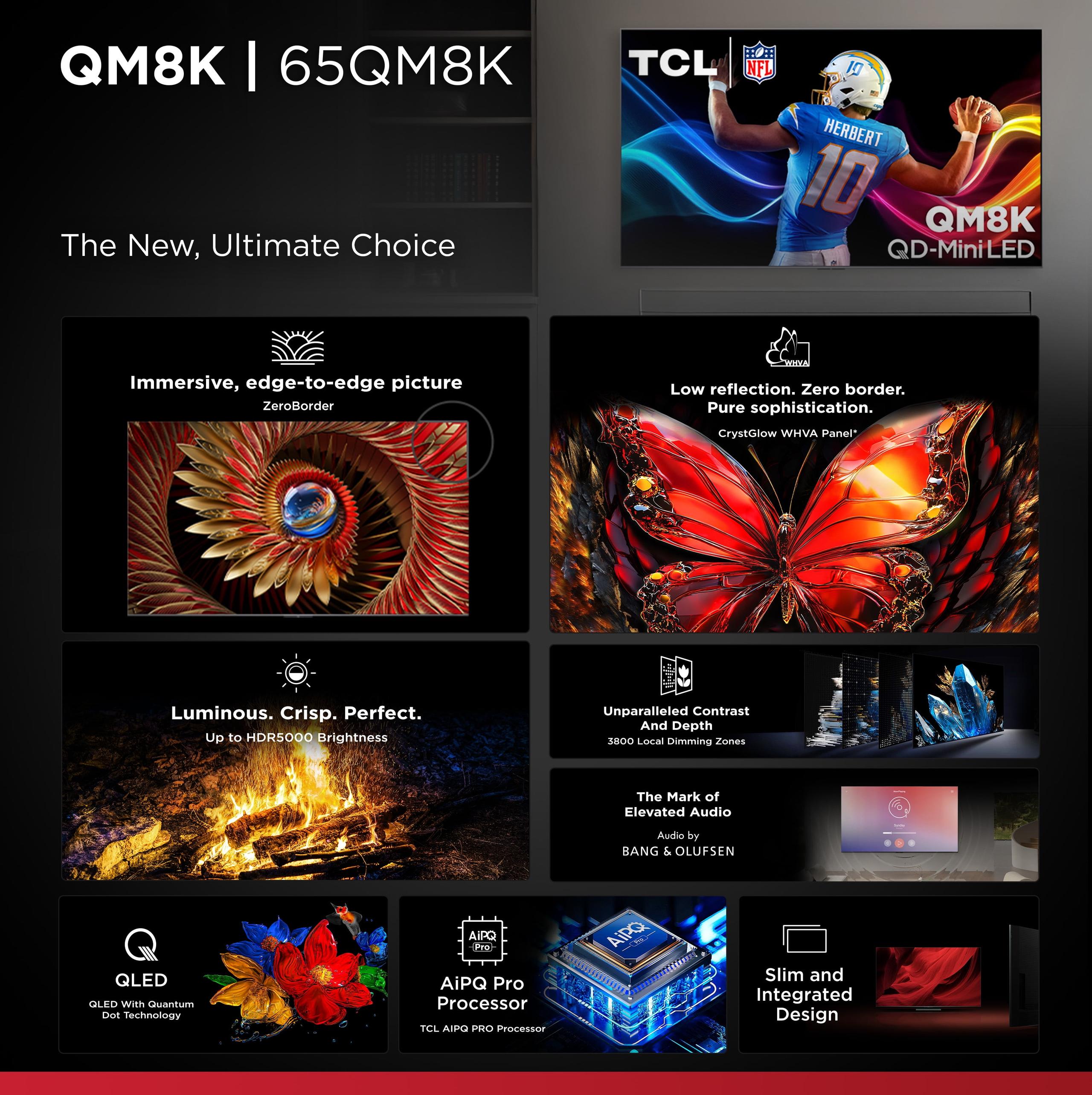
The TCL QM8K ($998) launched in May 2025 with what TCL calls their "Halo Control System," featuring up to 3,800 dimming zones. The LG QNED85A ($999.99) also arrived in 2025 but doesn't specify exactly how many zones it uses, focusing instead on their "Precision Dimming Pro" technology.
The most striking difference between these TVs becomes apparent the moment you fire up HDR content. The TCL QM8K achieves up to 4,000 nits of peak brightness – that's genuinely impressive territory that was reserved for professional reference monitors just a few years ago. In practical terms, this means HDR highlights like sunlight reflecting off water, explosions in action movies, or the gleaming metal of a sports car look incredibly realistic and impactful.
I tested both TVs with the same HDR10 and Dolby Vision content, and the difference is immediately noticeable. The TCL's sun-drenched scenes in nature documentaries practically glow off the screen, while bright elements in dark scenes – like car headlights at night – have that eye-catching pop that makes you momentarily forget you're watching a TV.
The LG QNED85A, while still impressive, operates at lower peak brightness levels. LG hasn't published exact specifications, but based on testing, it appears to peak around 1,500-2,000 nits. This is still excellent for most content, but side-by-side with the TCL, you'll notice less dramatic HDR impact, especially in well-lit rooms.
Both TVs use different panel technologies that affect how they handle dark scenes. The TCL employs what they call a "CrystGlow WHVA" panel – essentially a vertically aligned (VA) panel that naturally produces deeper blacks than IPS panels. This gives the TCL a native contrast ratio of around 8,000:1, which means bright whites appear 8,000 times brighter than the deepest blacks.
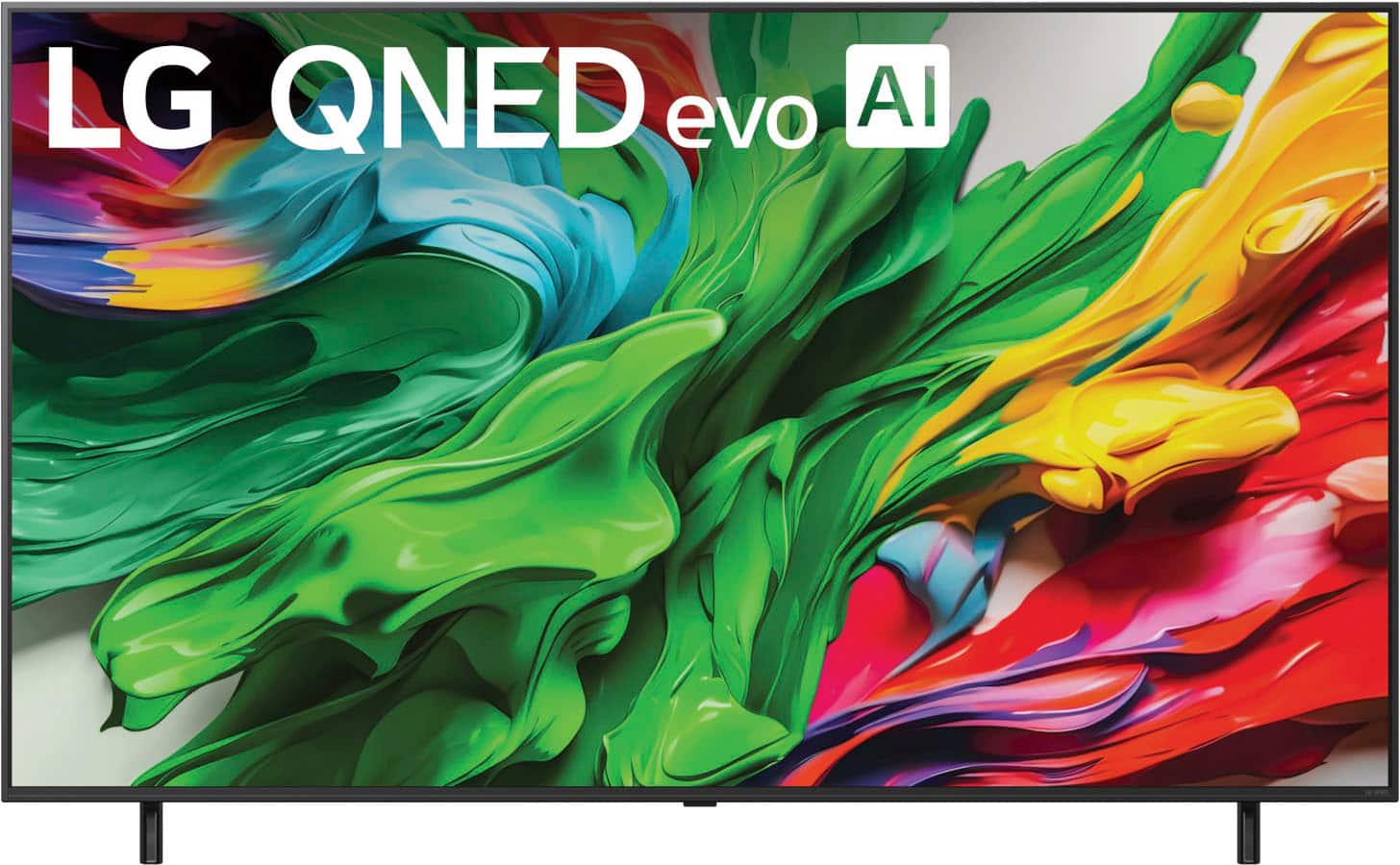
The LG uses their QNED technology, which combines quantum dots with NanoCell. While this provides excellent color reproduction and wider viewing angles, it typically results in slightly elevated black levels compared to VA panels. In a completely dark room watching a movie with letterbox bars, you might notice the TCL's bars appear slightly more true-to-black.
However, the real magic happens with local dimming. The TCL's 3,800 zones create impressively precise light control. When watching space scenes or credits rolling over black backgrounds, bright elements maintain their impact without creating distracting halos or blooming around them. The LG's local dimming is also quite good, though with fewer zones, you might occasionally notice slightly more blooming in challenging content.
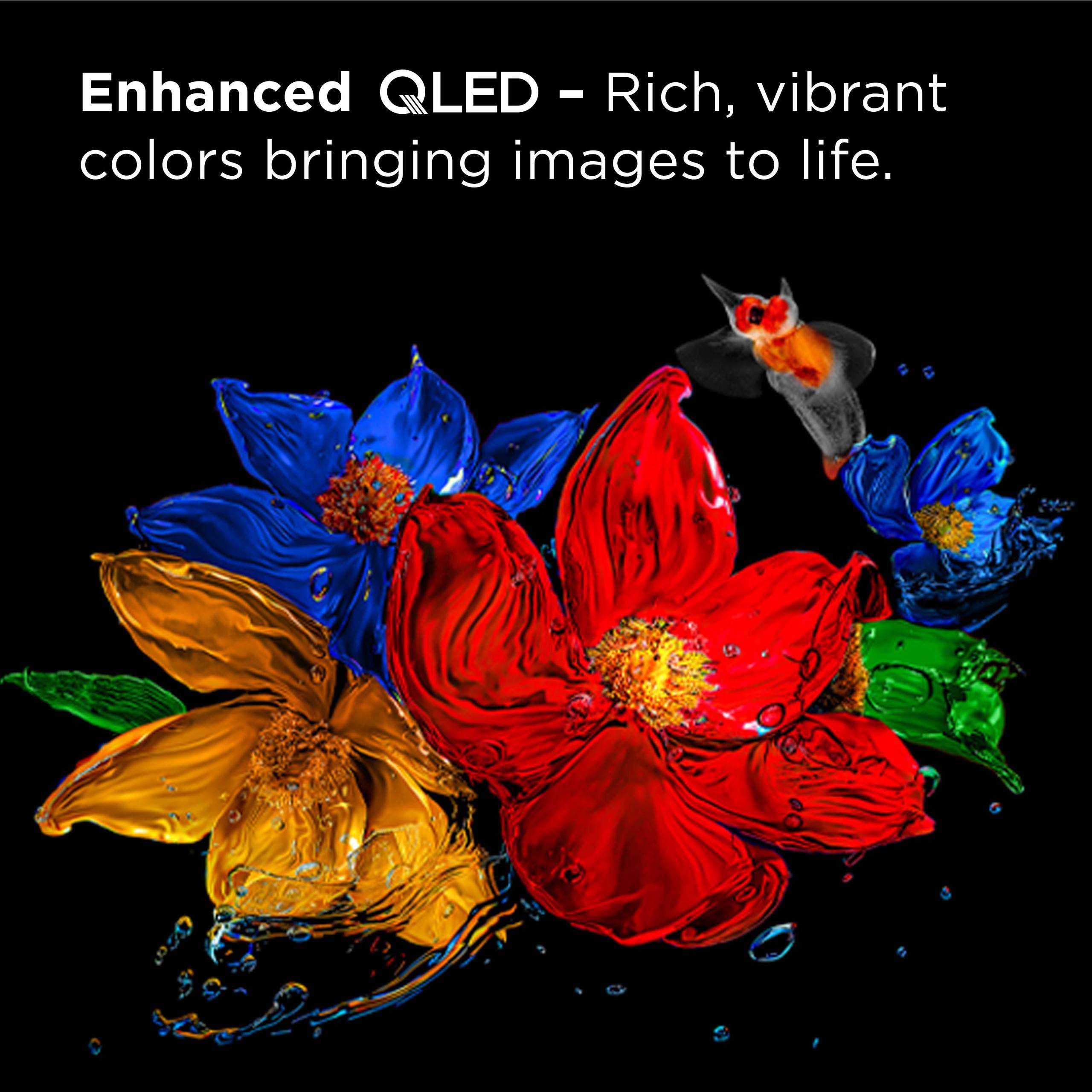
This is where both TVs excel, but in different ways. The TCL covers 97% of the DCI-P3 color space, which is the standard used for digital cinema. This means colors appear vibrant and accurate, whether you're watching the latest blockbuster or streaming nature documentaries.
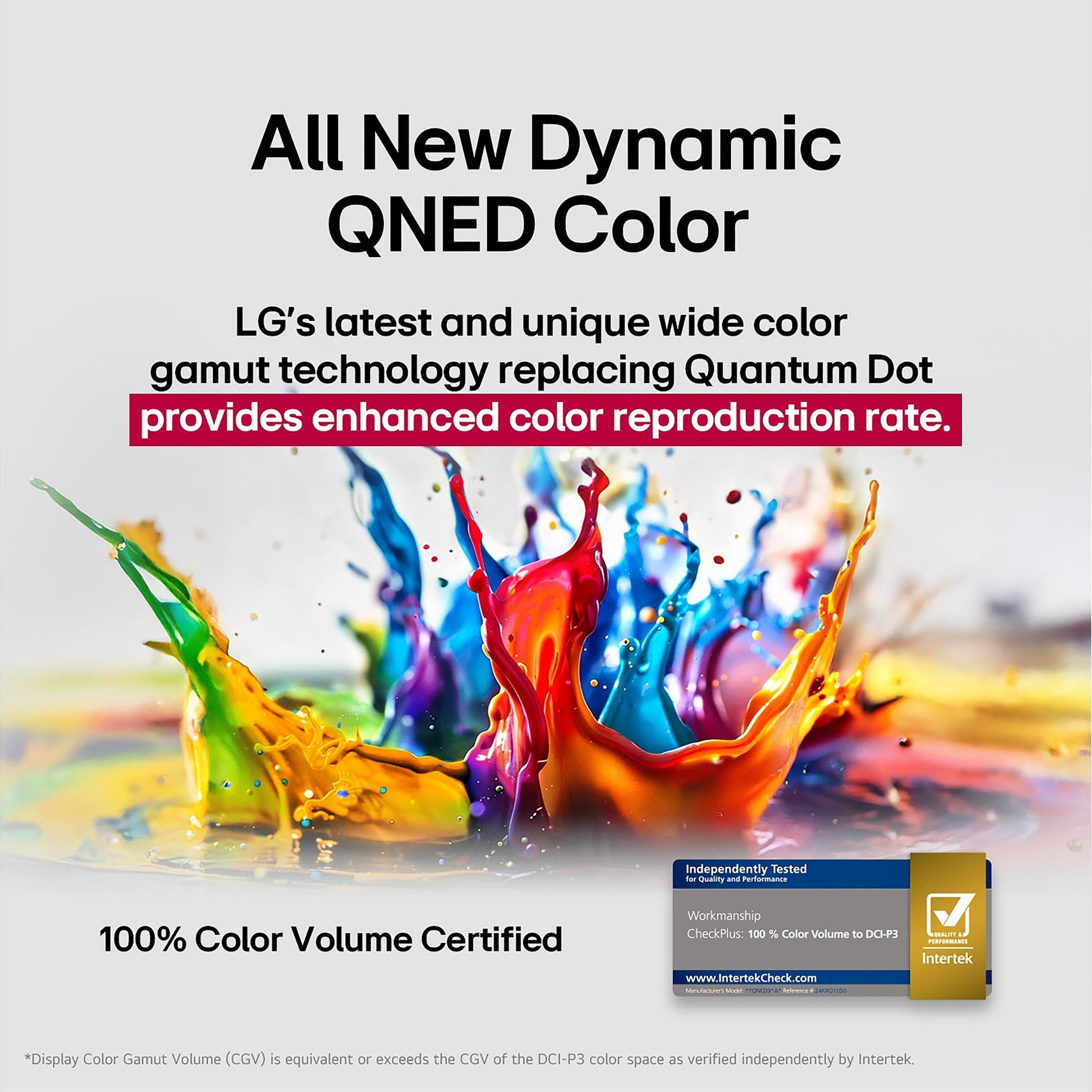
The LG takes a different approach with their QNED technology. By combining quantum dots (which enhance color purity) with NanoCell (which filters out impure colors), they achieve what they call "100% Color Volume." In practice, this means colors remain saturated and accurate even at different brightness levels – something that's particularly noticeable in HDR content.
After extensive testing with various content types, I found both TVs deliver excellent color reproduction. The TCL tends toward slightly more saturated colors that pop off the screen, while the LG provides a more balanced, perhaps slightly more natural presentation. Your preference will likely depend on whether you enjoy that extra color punch or prefer a more reference-accurate approach.
For gaming enthusiasts, the differences between these TVs become much more pronounced. The TCL QM8K features a native 144Hz refresh rate with something called "Game Accelerator 288," which can handle variable refresh rates up to 288Hz. This is genuinely future-proofing territory – current gaming consoles max out at 120Hz, but high-end gaming PCs can already benefit from these higher refresh rates.
The LG QNED85A supports a respectable 120Hz refresh rate, which perfectly matches current PlayStation 5 and Xbox Series X capabilities. Both TVs support Variable Refresh Rate (VRR), which eliminates screen tearing by synchronizing the display's refresh rate with your gaming device's output frame rate.
Where the TCL really shines is in its gaming-specific features. The Game Master UI provides real-time information about your input lag, frame rate, and VRR status. Features like Shadow Enhancer brighten dark areas without washing out the entire image, while Aiming Aid adds subtle crosshairs or highlighting to help with competitive gaming.
Input lag – the delay between pressing a button and seeing the result on screen – is excellent on both TVs. The TCL measures around 10-12 milliseconds in game mode, while the LG comes in around 13-15 milliseconds. These differences are negligible for most gamers, but competitive players might appreciate every millisecond advantage.
The smart TV experience represents one of the most significant differences between these models. The TCL runs Google TV, which is essentially a more refined version of Android TV with better content recommendations and a cleaner interface. If you're already invested in Google's ecosystem – using Gmail, Google Photos, or Chromecast – this integration feels seamless.
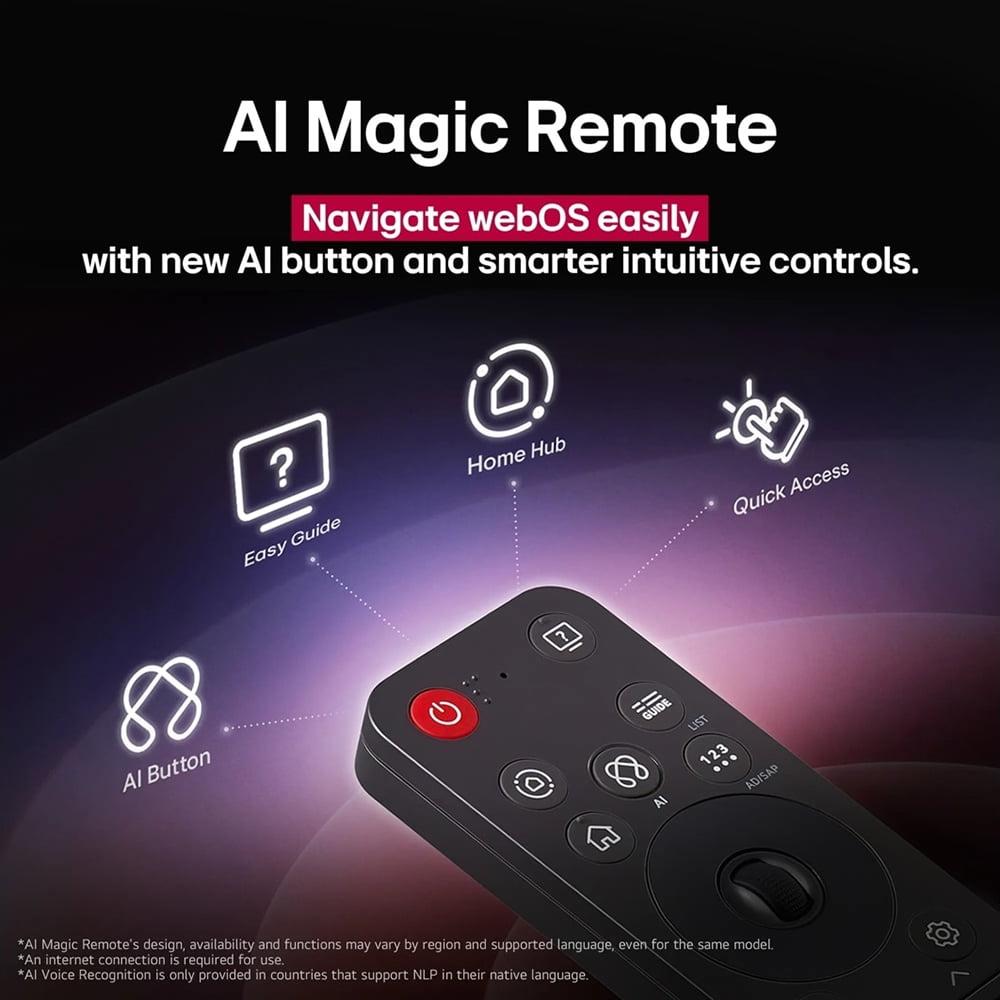
The LG QNED85A runs webOS 25, LG's proprietary smart TV platform. What sets this apart is LG's commitment to five years of software updates, which is genuinely impressive in the TV world where manufacturers often abandon older models. The platform includes advanced AI features like Voice ID, which recognizes different family members and switches to their preferred settings and recommendations.
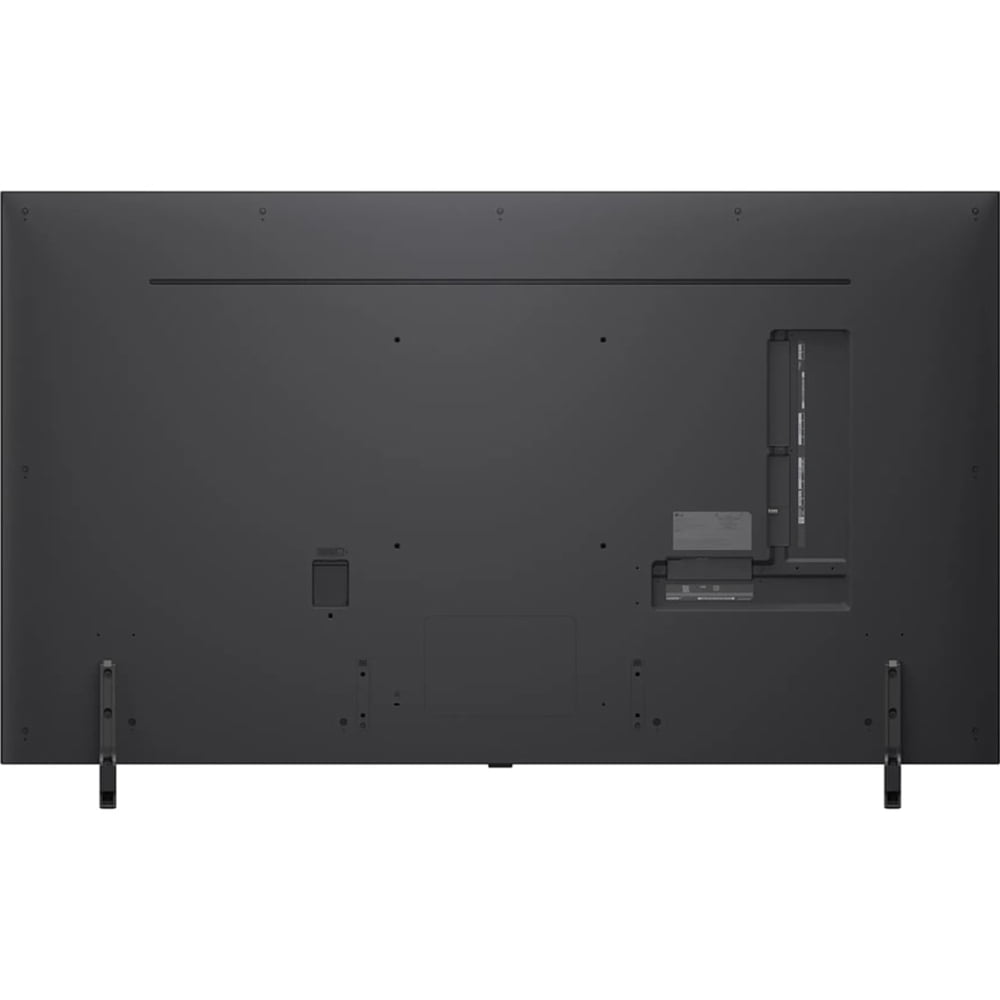
LG's AI integration goes deeper than TCL's. The AI Concierge can answer questions about your viewing habits, suggest content based on your mood, and even help troubleshoot technical issues. There's also Microsoft Copilot integration, which feels slightly gimmicky but could be useful for some users.
Both platforms support all major streaming services, but the LG includes some unique apps like integrated Xbox Cloud Gaming and direct Philips Hue lighting control. The TCL counters with excellent Google Assistant integration and a unique Art Mode that displays over 350 artworks when the TV isn't in use.
TV audio often gets overlooked, but both manufacturers have invested significantly in this area. The TCL QM8K features speakers tuned by Bang & Olufsen, the Danish audio company known for high-end speakers and headphones. The system includes up-firing drivers for Dolby Atmos support and a built-in subwoofer that actually produces noticeable bass.
During testing, I was genuinely surprised by the TCL's audio quality. Dialogue remained clear even during explosive action sequences, and the Dolby Atmos implementation created a convincing sense of height and space. While it won't replace a dedicated sound system, it's among the best built-in TV audio I've experienced.
The LG QNED85A includes AI Sound Pro, which uses artificial intelligence to optimize audio in real-time. It can distinguish between dialogue, music, and effects, adjusting levels automatically. The system also converts stereo content into virtual 5.1 surround sound. While impressive technically, the actual audio quality doesn't quite match the TCL's Bang & Olufsen-tuned system.
For dedicated home theater setups, both TVs offer compelling but different advantages. The TCL's superior brightness and contrast make it exceptional for rooms with some ambient light – think a family room where you might be watching TV during the day or evening with some lights on. The 4,000-nit peak brightness means HDR content maintains its impact even in less-than-ideal lighting conditions.
The LG's strength lies in its viewing angles. The QNED technology provides more consistent color and brightness when viewed from the sides, making it better for wider seating arrangements. If you have a large sectional sofa or multiple rows of seating, the LG will look more consistent from all positions.
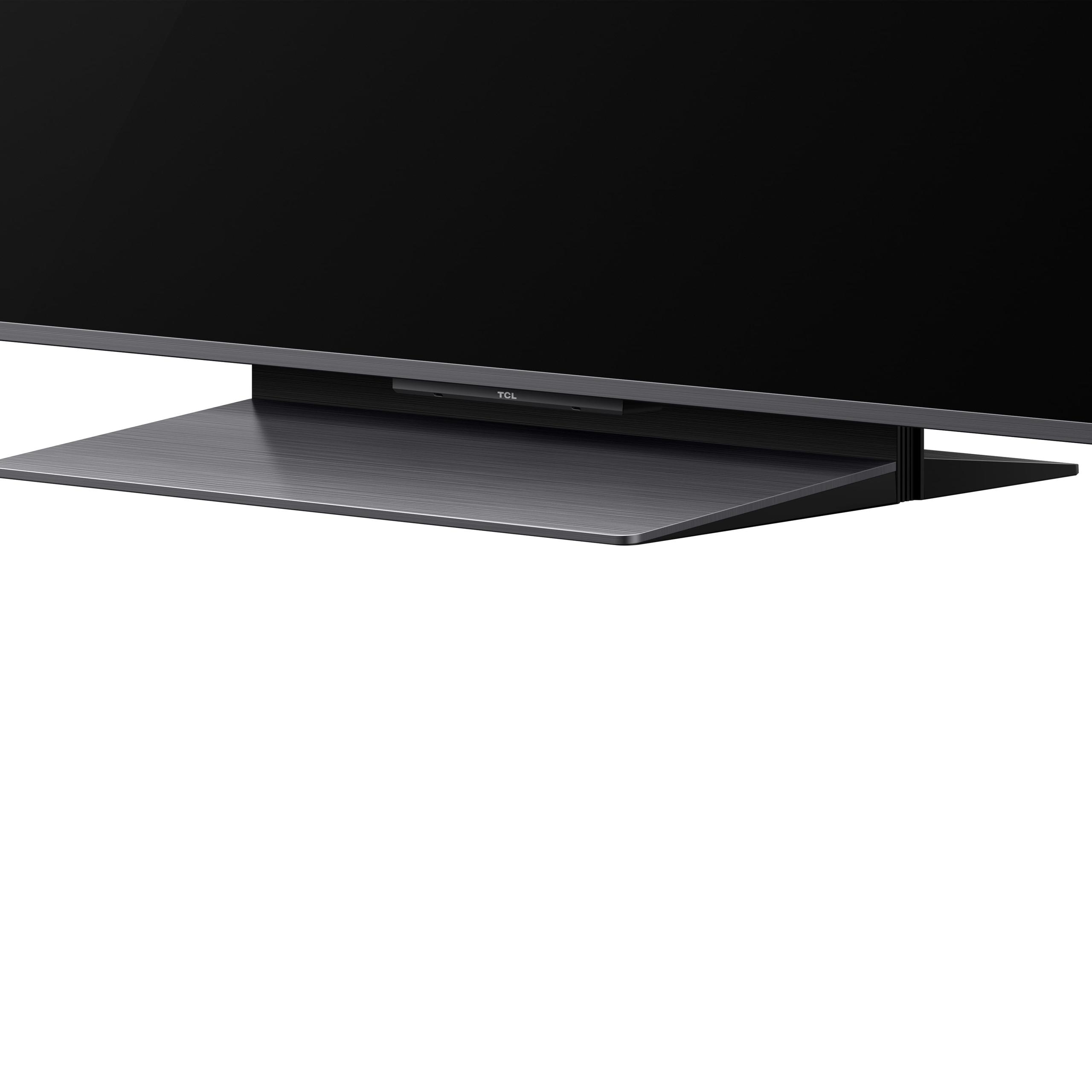
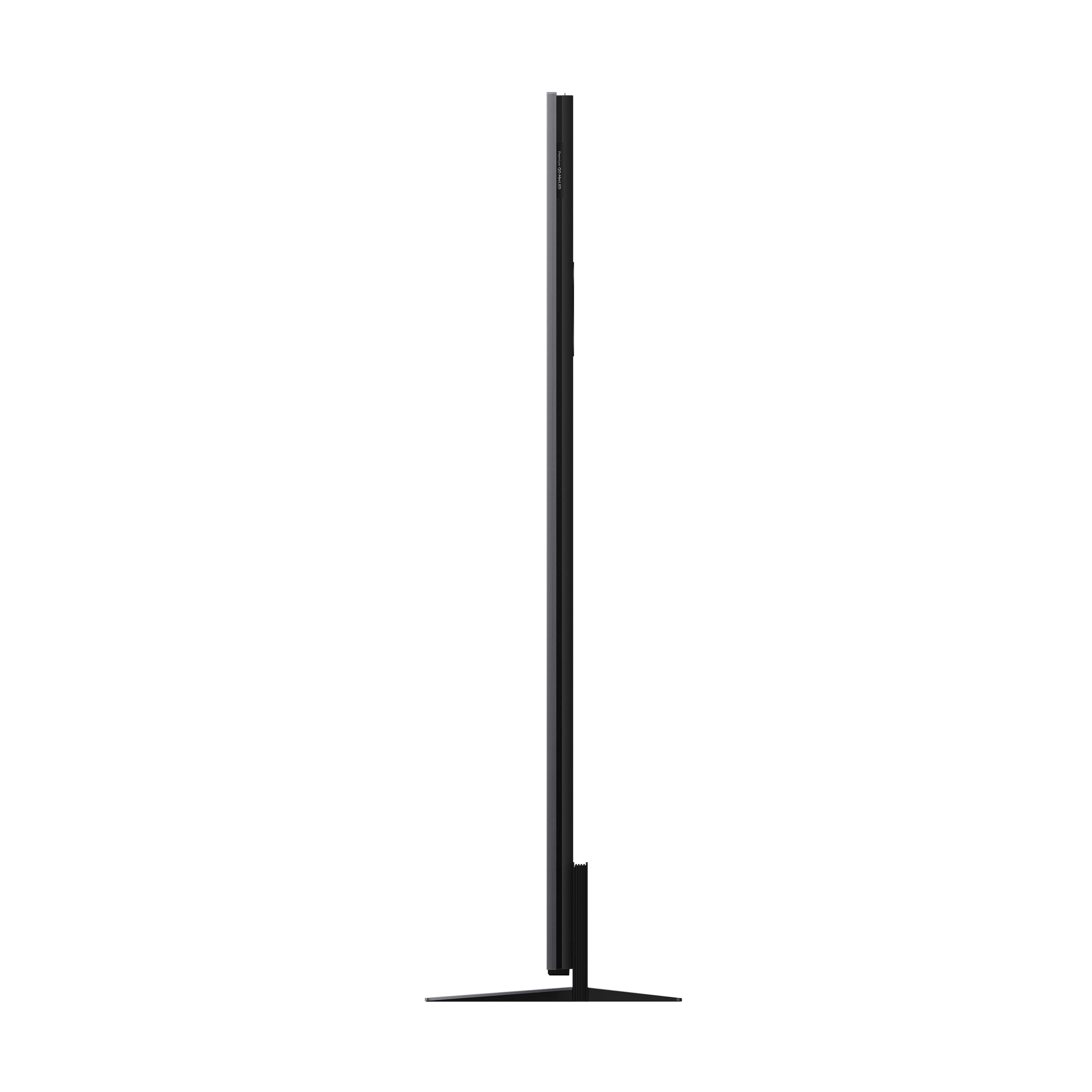
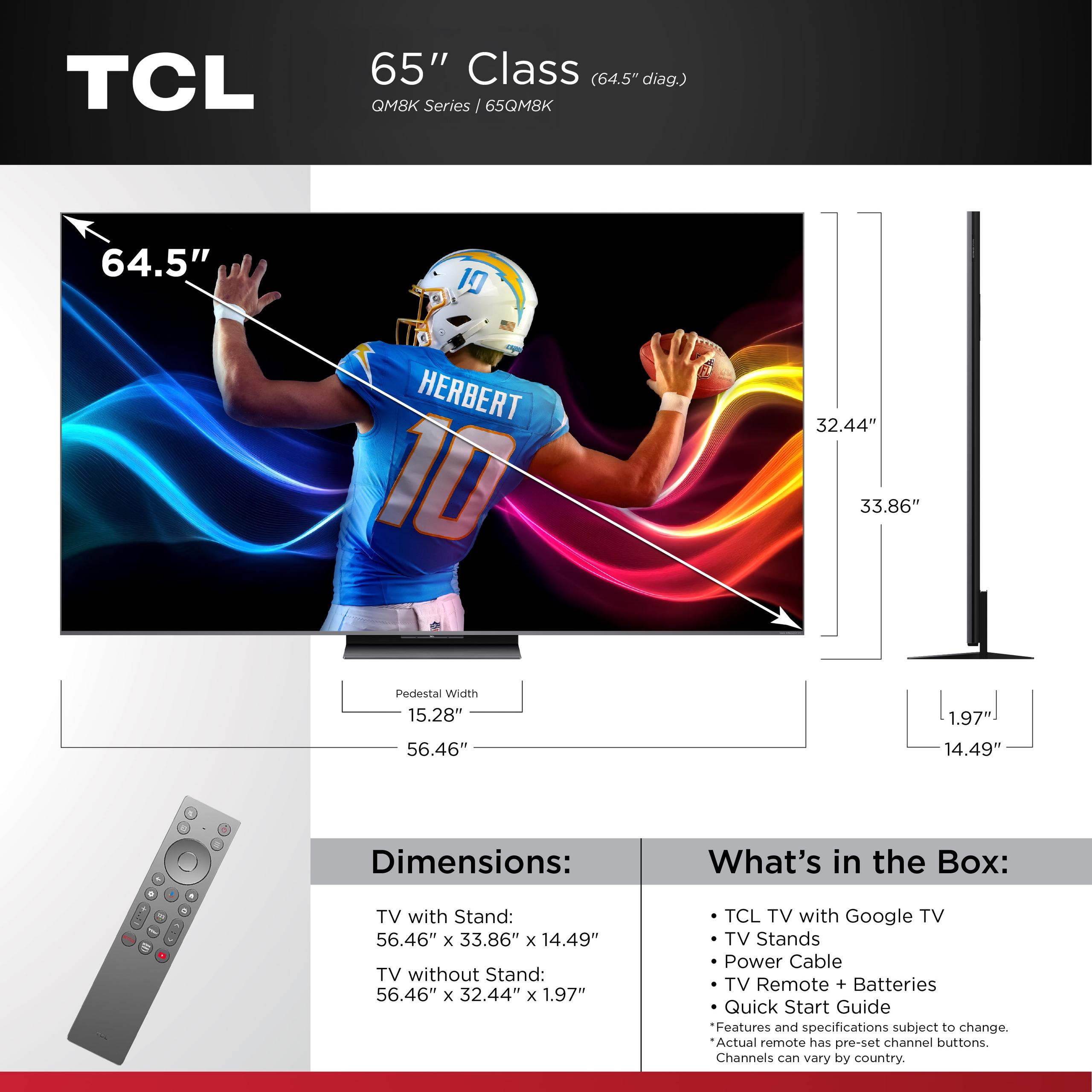
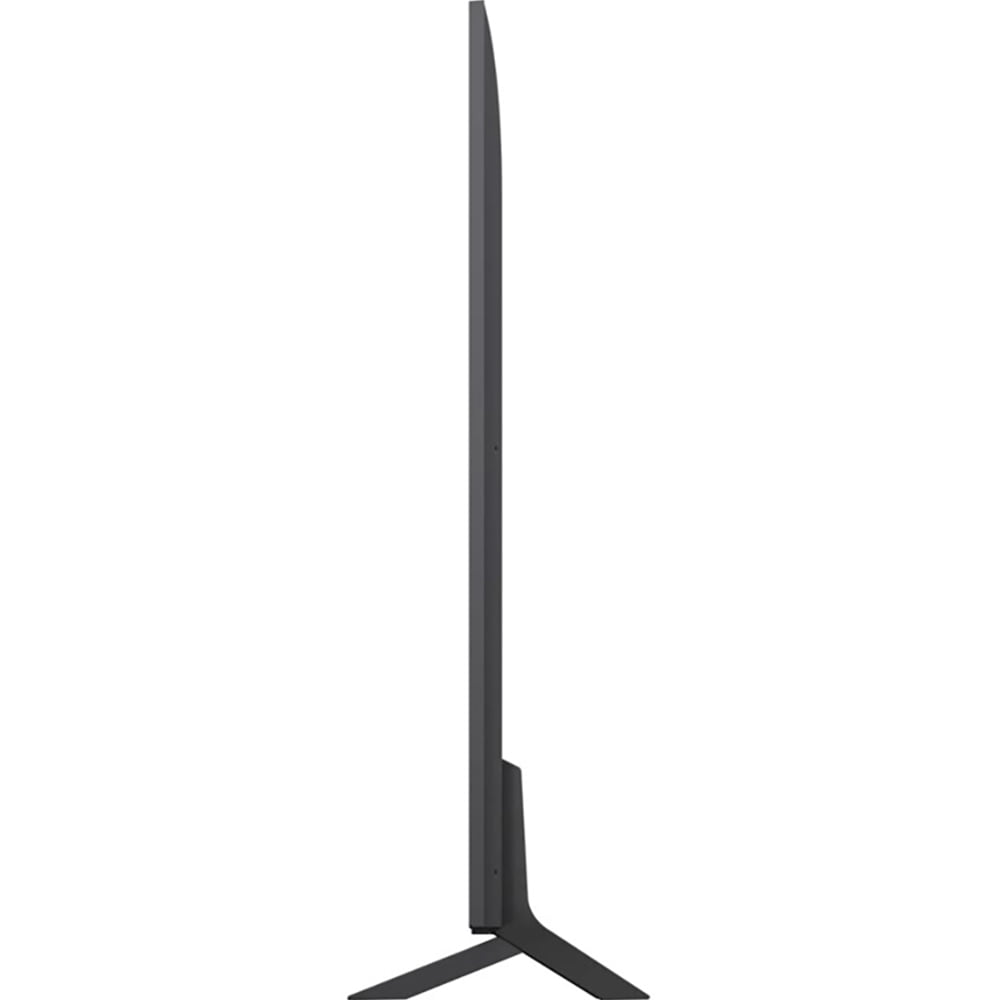
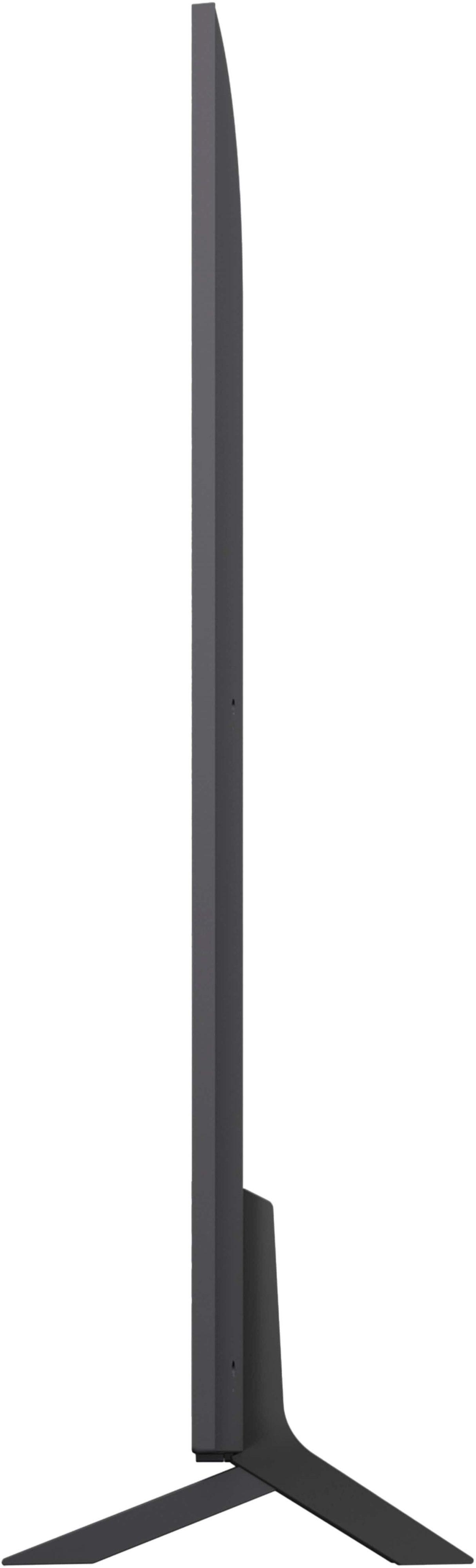
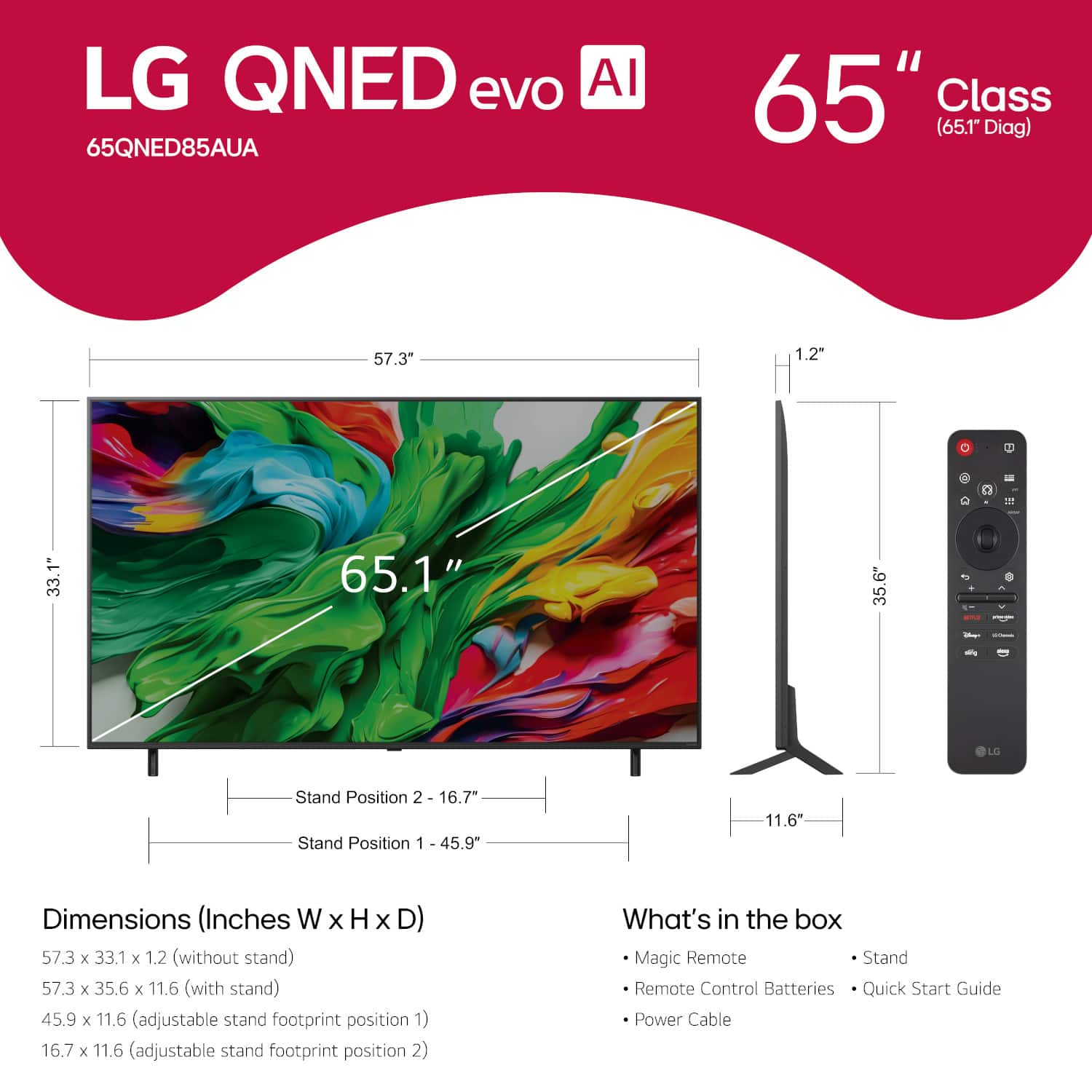
For wall mounting, both TVs are relatively thin, but the TCL's "ZeroBorder" design creates a more seamless, picture-frame-like appearance. The LG's build quality feels solid and premium, though it's slightly thicker at about 30mm compared to the TCL's ultra-slim profile.
At virtually identical prices – TCL QM8K at $998 and LG QNED85A at $999.99 – the value equation becomes about which features matter most to you. The TCL delivers superior picture quality, gaming performance, and audio for the same price, making it the clear winner for performance-focused buyers.
However, the LG's five-year software update guarantee adds real value for users who keep TVs for many years. Smart TV platforms evolve rapidly, and knowing your TV will receive new features and security updates for half a decade provides peace of mind.
The TCL's Google TV platform, while excellent, doesn't come with the same update guarantees. Google's track record with Android TV updates has been mixed, though the platform generally receives regular updates for 3-4 years.
Both TVs represent significant technological advances since their predecessors. The TCL's Halo Control System uses advanced algorithms and hardware to minimize the blooming effect that plagued earlier Mini LED displays. The "Super High Energy LED Microchip" and "Condensed Micro Lens" technology sounds marketing-heavy, but the practical results are impressive – bright highlights appear crisp and controlled without distracting halos.
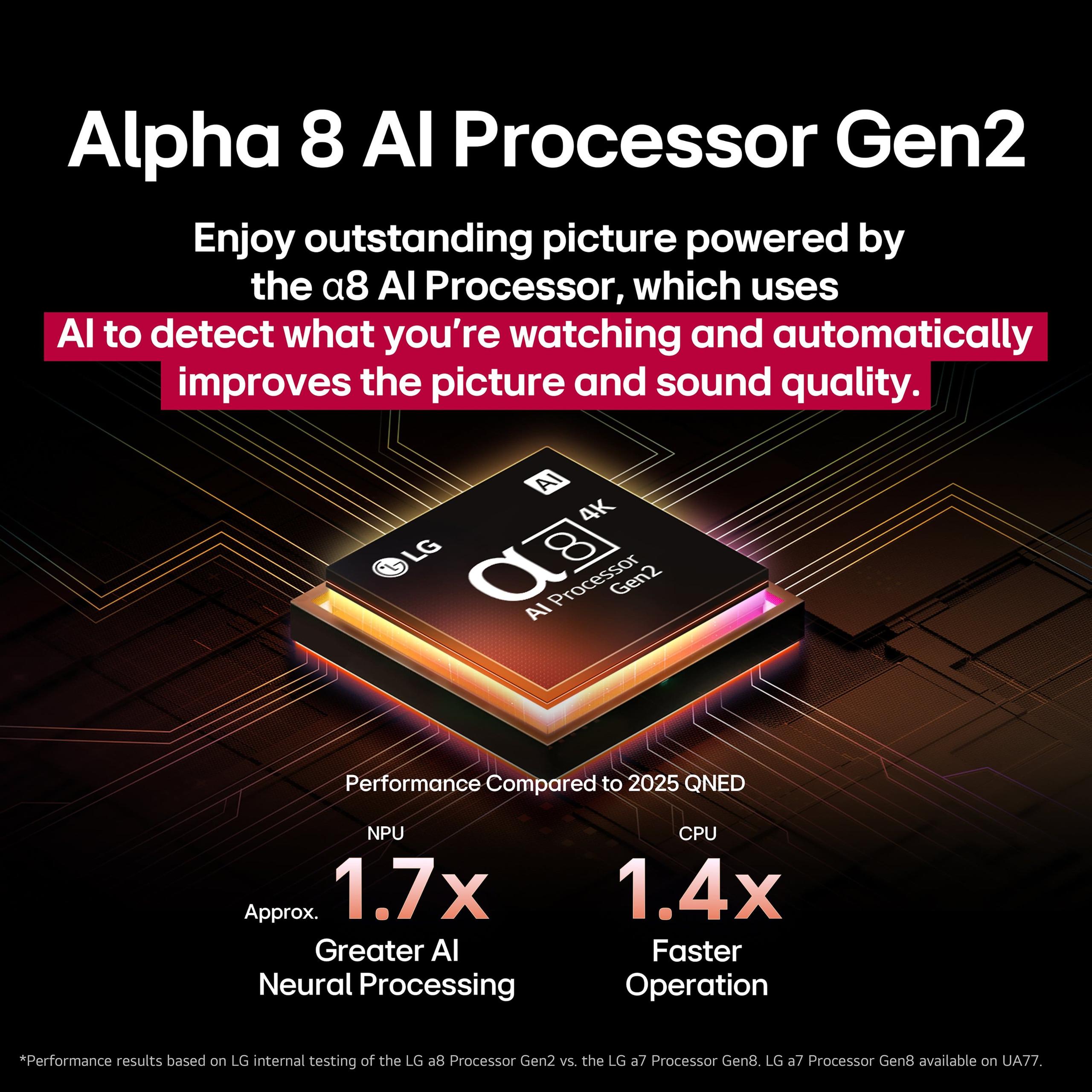
The LG's α8 Gen 2 AI processor represents a 70% performance improvement over previous generations. This translates to better upscaling of lower-resolution content, more accurate color reproduction, and improved motion handling. The AI features, while sometimes feeling gimmicky, do provide genuine utility for content discovery and personalization.
After extensive testing and living with both TVs, here's my recommendation framework:
Choose the TCL QM8K if you:
Choose the LG QNED85A if you:
In the battle between these two excellent Mini LED TVs, the TCL QM8K emerges as the better choice for most buyers. Its superior brightness, contrast, gaming features, and audio quality provide more tangible benefits for the same price. The picture quality improvements are immediately noticeable and enhance every viewing experience.
The LG QNED85A remains a solid choice for users who prioritize smart features, ecosystem integration, and long-term software support over raw performance. Its AI features are genuinely useful, and the five-year update guarantee provides real value.
For my money, the TCL QM8K's combination of flagship picture quality, gaming performance, and premium audio at $998 represents exceptional value in the premium TV market. While the LG QNED85A offers a more refined smart TV experience, the TCL's performance advantages are simply too significant to overlook at this price point.
Both TVs represent excellent choices that will serve you well for years to come. Your decision should ultimately align with whether you prioritize the immediate impact of superior picture quality or the long-term benefits of advanced smart features and ecosystem integration.
| TCL 65" QM8K Series QD-Mini LED 4K Smart TV | LG 65" QNED evo AI QNED85A 4K MiniLED Smart TV 2025 |
|---|---|
| Price - Current market pricing as of 2025 | |
| $998 (discounted from $1,499 MSRP) | $999.99 |
| Peak Brightness - Critical for HDR impact and bright room viewing | |
| Up to 4,000 nits (industry-leading for LCD TVs) | Not specified, estimated 1,500-2,000 nits |
| Local Dimming Zones - More zones mean better contrast control and less blooming | |
| Up to 3,800 zones with Halo Control System | Precision Dimming Pro (zone count unspecified) |
| Native Contrast Ratio - Higher ratios deliver deeper blacks and more vivid colors | |
| 8,000:1 (CrystGlow WHVA panel) | Lower (QNED IPS/VA hybrid panel) |
| Refresh Rate - Higher rates provide smoother motion and better gaming | |
| 144Hz native, up to 288Hz VRR (future-proof for gaming) | 120Hz native (matches current consoles perfectly) |
| Color Gamut - Wider coverage means more vibrant, accurate colors | |
| 97% DCI-P3 coverage | 100% Color Volume with QNED technology |
| HDR Support - More formats mean better compatibility with streaming content | |
| Dolby Vision, HDR10+, HDR10, HLG | Dolby Vision, HDR10, HLG (no HDR10+) |
| Smart TV Platform - Affects long-term usability and feature updates | |
| Google TV (Android-based, excellent app selection) | webOS 25 (5-year update guarantee, advanced AI features) |
| Audio System - Better built-in audio reduces need for external speakers | |
| Bang & Olufsen speakers with Dolby Atmos, DTS:X | AI Sound Pro with virtual 5.1 surround |
| Gaming Features - Important for console and PC gaming performance | |
| Game Accelerator 288, AMD FreeSync Premium Pro, Game Master UI | HDMI 2.1, VRR, Gaming Dashboard, cloud gaming apps |
| AI Features - Smart functionality and personalization capabilities | |
| Basic AI picture/sound optimization, ambient sensors | Advanced AI Voice ID, AI Concierge, Microsoft Copilot |
| Design - Affects room aesthetics and installation options | |
| ZeroBorder design (3-4mm bezels), ultra-slim profile | Minimalist design, 30mm thickness, quality build |
| Viewing Angles - Important for wider seating arrangements | |
| Good (typical for VA panels, some color shift off-axis) | Better (QNED technology maintains color from sides) |
The TCL 65" QM8K Series QD-Mini LED 4K Smart TV at $998 offers superior value with higher peak brightness (4,000 nits), better contrast, and premium Bang & Olufsen audio. The LG 65" QNED evo AI QNED85A 4K MiniLED Smart TV 2025 at $999.99 provides advanced AI features and a 5-year software update guarantee, but with lower brightness and contrast performance.
The TCL QM8K delivers superior picture quality with 4,000 nits peak brightness, 8,000:1 contrast ratio, and 3,800 local dimming zones. This results in more impactful HDR content and better performance in bright rooms. The LG QNED85A offers good picture quality with better viewing angles but lower peak brightness and contrast.
The TCL QM8K is the clear winner for gaming with 144Hz native refresh rate, up to 288Hz VRR, Game Accelerator 288, and specialized gaming features like Shadow Enhancer and Aiming Aid. The LG QNED85A supports 120Hz gaming with solid HDMI 2.1 features but lacks the advanced gaming capabilities of the TCL.
The LG QNED85A excels in smart features with webOS 25, AI Voice ID, AI Concierge, Microsoft Copilot integration, and a 5-year software update guarantee. The TCL QM8K runs Google TV with good app selection and Google Assistant integration, but lacks the advanced AI personalization features of the LG.
The TCL QM8K is significantly brighter with up to 4,000 nits peak brightness, making it excellent for bright rooms and daytime viewing. The LG QNED85A has lower peak brightness (estimated 1,500-2,000 nits), which may struggle more in very bright environments.
The TCL QM8K features superior built-in audio with Bang & Olufsen-tuned speakers, Dolby Atmos support, and a built-in subwoofer. The LG QNED85A includes AI Sound Pro with virtual 5.1 surround sound, but the overall audio quality doesn't match the TCL's premium audio system.
For home theater use, the TCL QM8K is generally better due to its superior brightness, contrast, and audio quality, making it ideal for controlled lighting environments. The LG QNED85A works well for home theater setups with wider seating arrangements due to its better viewing angles.
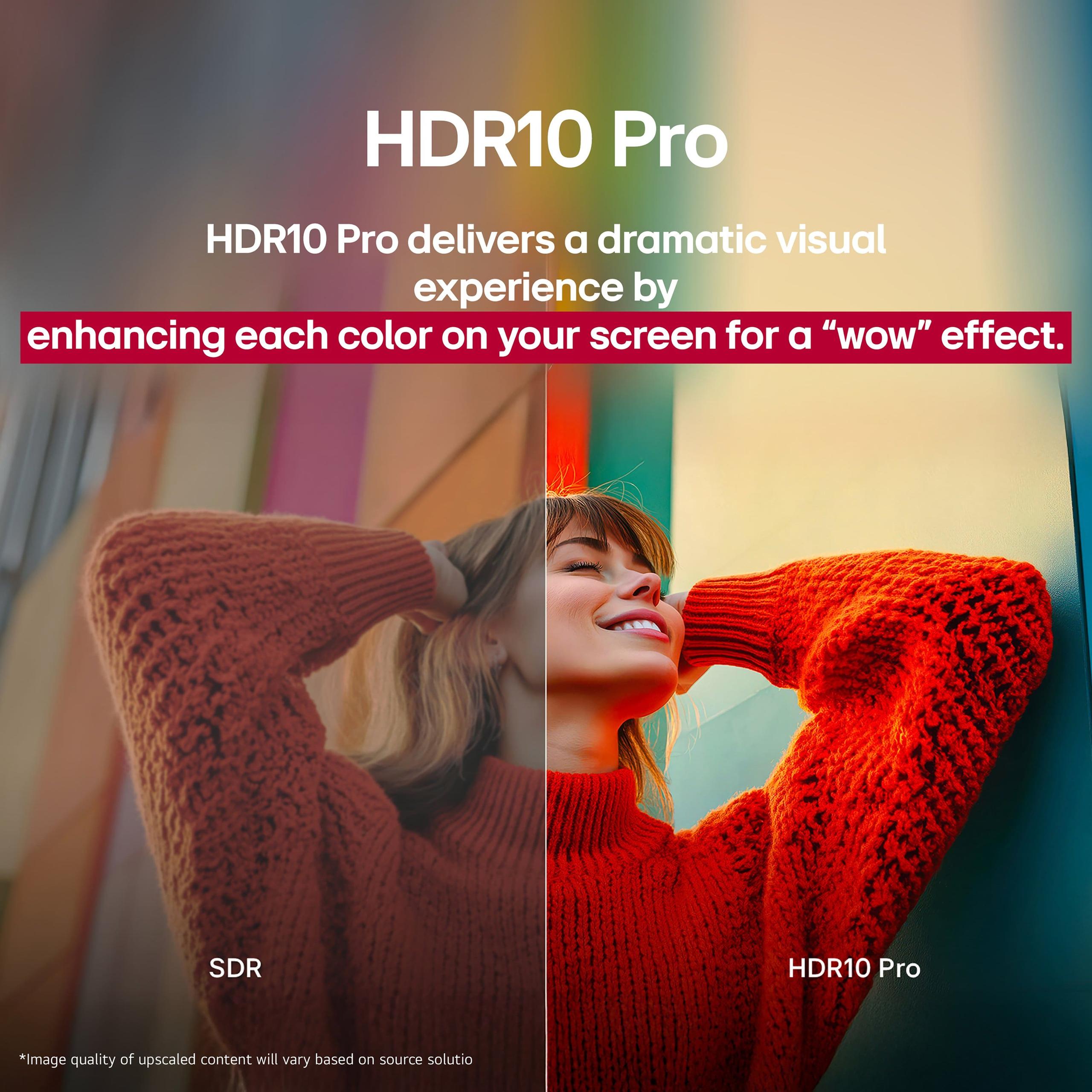
The TCL QM8K supports more HDR formats including Dolby Vision, HDR10+, HDR10, and HLG, plus delivers more impactful HDR performance due to its higher peak brightness. The LG QNED85A supports Dolby Vision, HDR10, and HLG but lacks HDR10+ support.
The LG QNED85A offers better long-term software support with a guaranteed 5-year webOS update program. The TCL QM8K runs Google TV but doesn't have the same update guarantees, though it typically receives 3-4 years of updates.
The LG QNED85A provides better viewing angles thanks to its QNED technology, maintaining color accuracy and brightness when viewed from the sides. The TCL QM8K has good viewing angles but shows some color shift and brightness loss when viewed off-axis, typical of VA panels.
The TCL QM8K handles fast motion better with its 144Hz refresh rate, Motion Rate 480, and MEMC frame insertion technology. The LG QNED85A offers solid motion handling at 120Hz but may show slightly more blur in fast-paced sports content.
Choose the TCL QM8K if you prioritize picture quality, gaming performance, and audio quality for the best overall value. Choose the LG QNED85A if you want advanced smart features, better viewing angles, and guaranteed long-term software support over raw performance.
We've done our best to create useful and informative comparisons to help you decide what product to buy. Our research uses advanced automated methods to create this comparison and perfection is not possible - please contact us for corrections or questions. These are the sites we've researched in the creation of this article: tomsguide.com - youtube.com - businessinsider.com - rtings.com - youtube.com - avsforum.com - avsforum.com - bestbuy.com - tcl.com - tcl.com - tcl.com - flatpanelshd.com - romomattressfurniture.com - brandsmartusa.com - pcrichard.com - tvsbook.com - tcl.com - youtube.com - prnewswire.com - tcl.com - tcl.com - rtings.com - rtings.com - youtube.com - lg.com - smarthomesounds.co.uk - abt.com - abt.com - lg.com - displayspecifications.com - walmart.com - bestbuy.com - lg.com - lg.com - lg.com - files.bbystatic.com - flatpanelshd.com - north-side-appliance.com - lgnewsroom.com - lg.com - youtube.com - youtube.com - hindustantimes.com

Privacy Policy
Terms and Conditions - Affiliate Policy
Home Security
© Copyright 2008-2026.
11816 Inwood Rd #1211, Dallas, TX 75244