


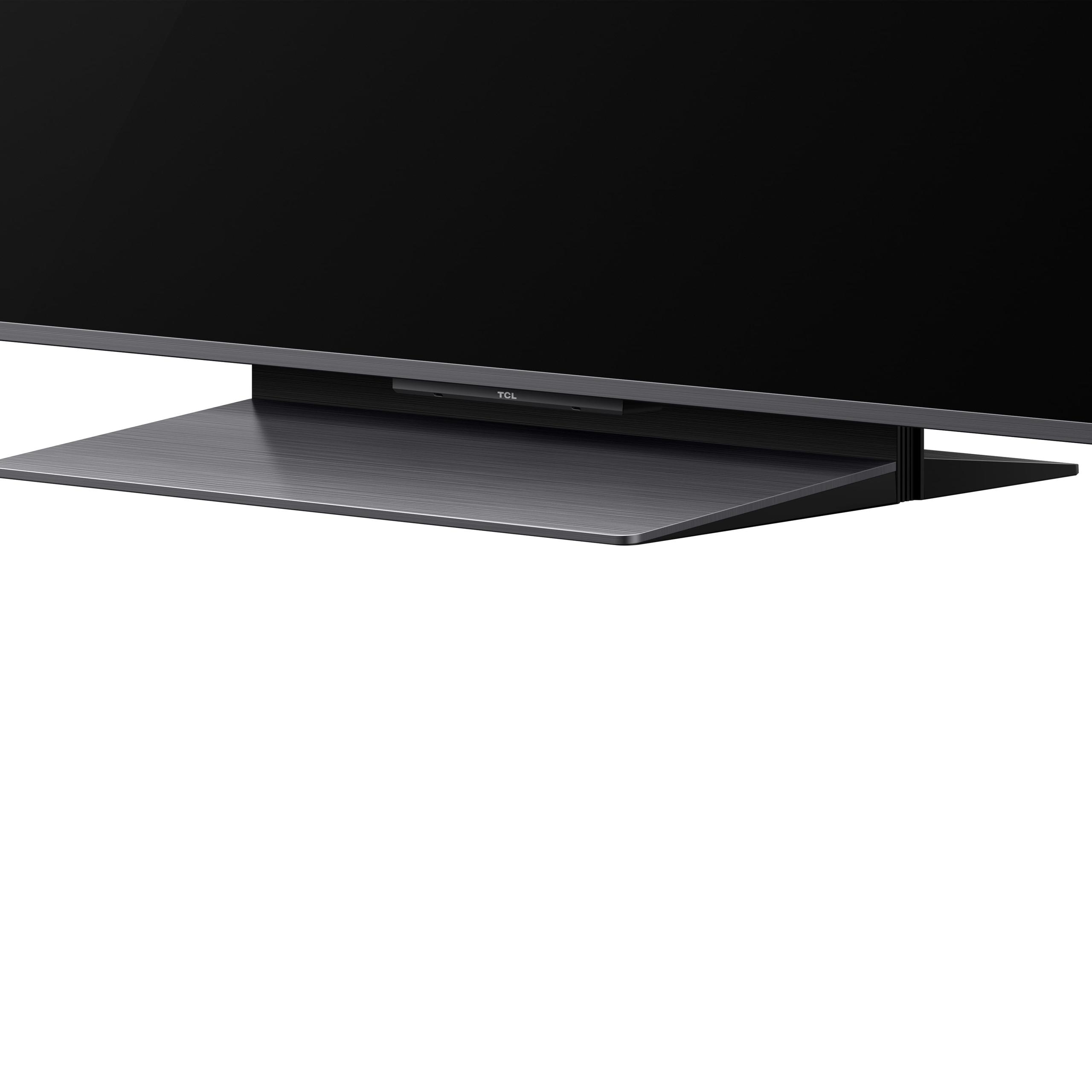
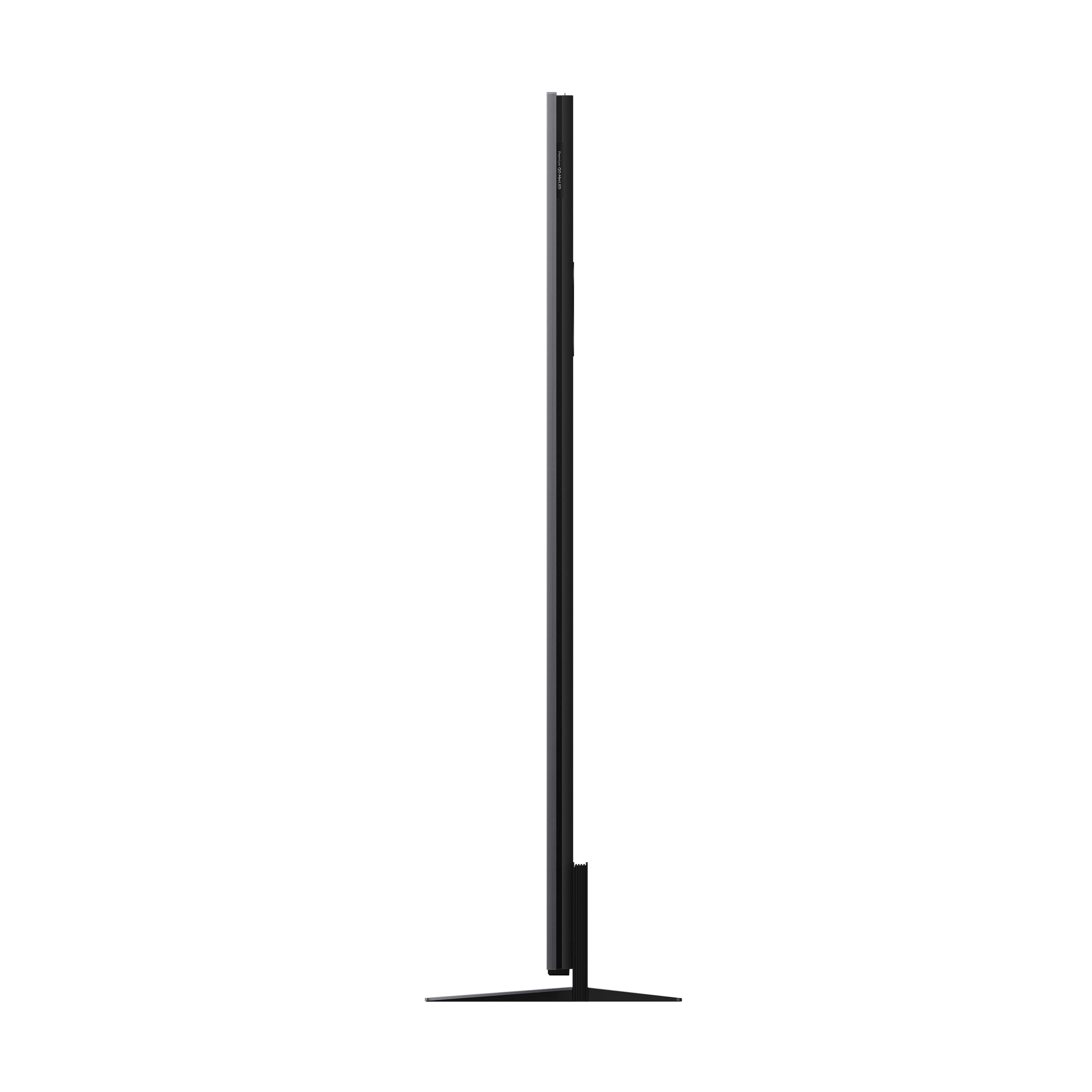
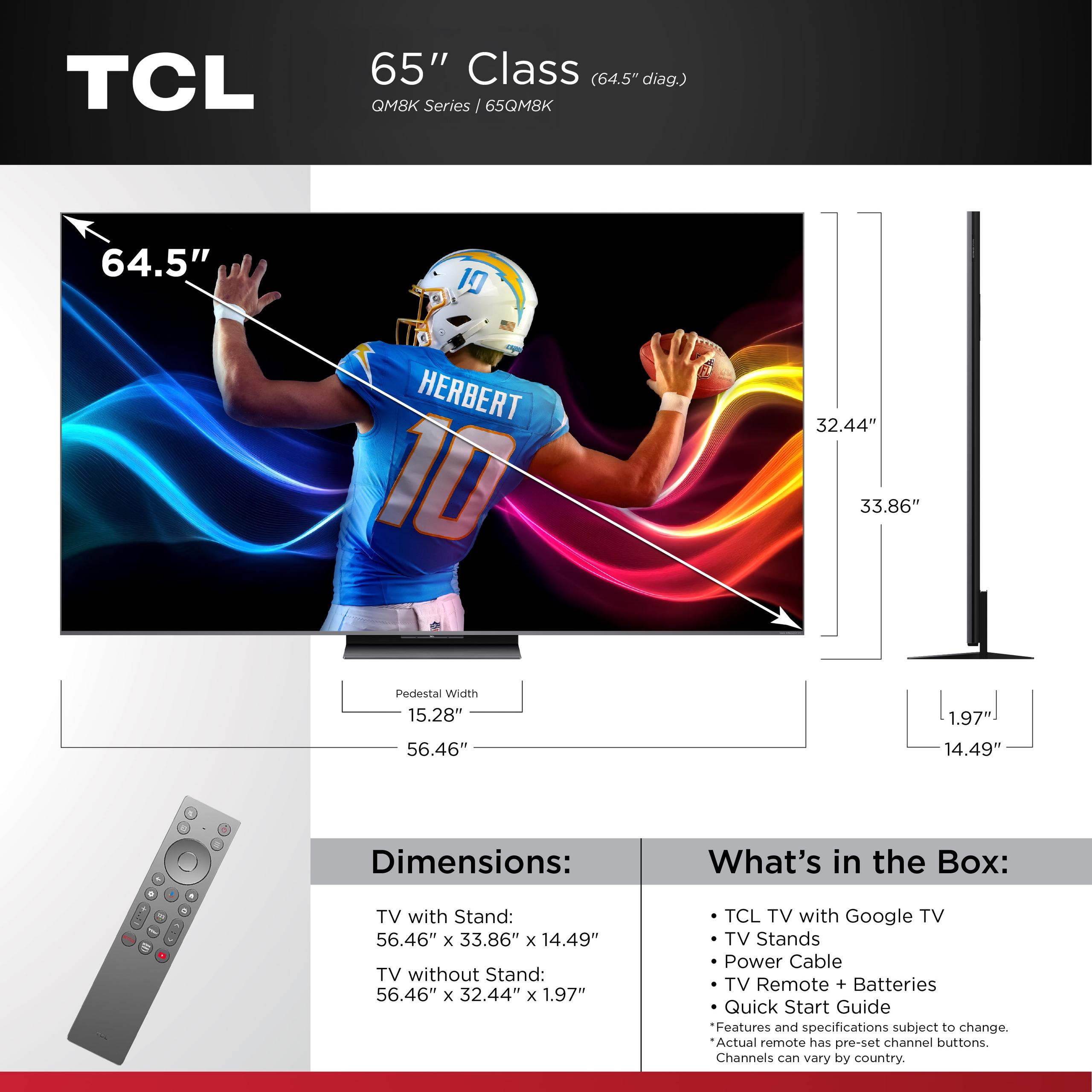


When shopping for a premium 65-inch 4K TV in 2025, you'll likely encounter two compelling but fundamentally different approaches to television design. The Samsung Frame Pro represents Samsung's most advanced lifestyle TV, finally delivering flagship-level picture quality while maintaining its gallery-inspired aesthetic. Meanwhile, the TCL QM8K takes a performance-first approach, cramming flagship specifications into a surprisingly affordable package.
Both TVs launched in 2025, marking significant evolutionary steps for their respective manufacturers. Samsung refined their Frame concept after years of criticism about compromised picture quality, while TCL continued their aggressive push into premium territory with cutting-edge display technology typically reserved for much more expensive models.
Before diving into specifics, it's worth understanding what makes these TVs "premium" and why certain features matter more than marketing might suggest.
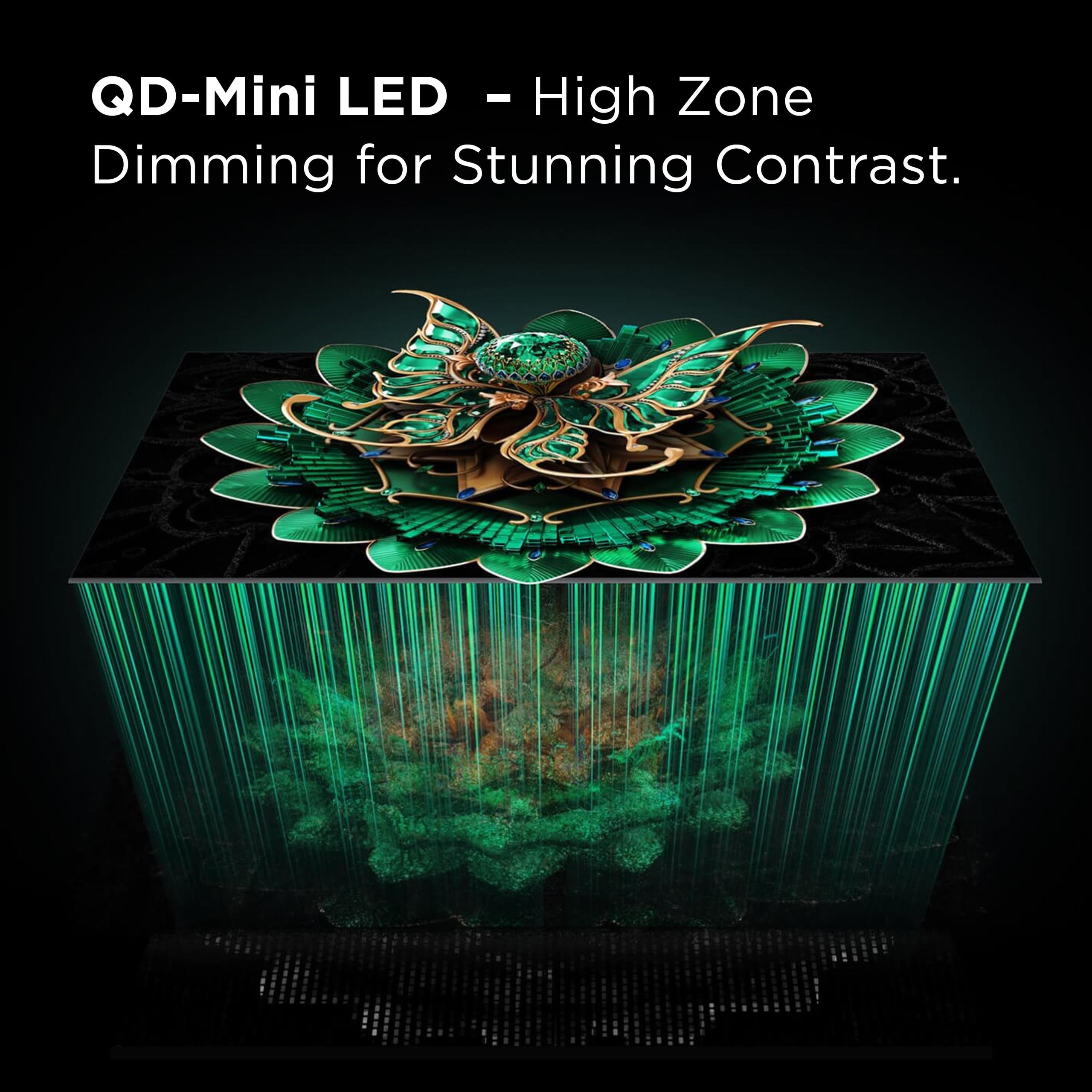
Mini LED backlighting has become the sweet spot for premium LCD TVs. Instead of using a few dozen large LED lights behind the screen, Mini LED systems use thousands of tiny LEDs arranged in precise zones. This allows the TV to brighten specific areas while keeping others dark, dramatically improving contrast – the difference between the brightest whites and deepest blacks your TV can display simultaneously.
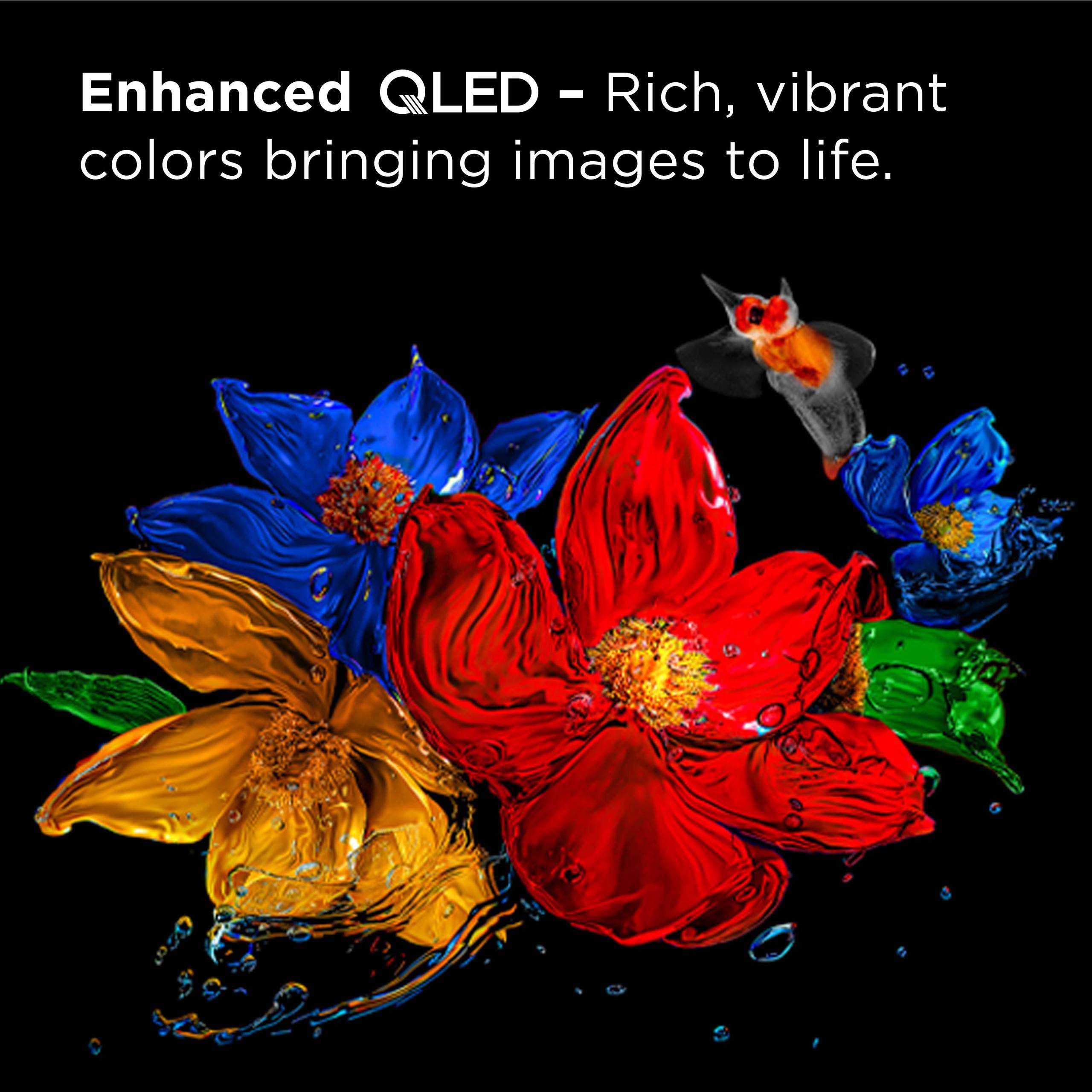
Quantum dots are microscopic crystals that emit pure colors when hit by light. Both TVs use quantum dot technology, but in different ways. These crystals help TVs produce more accurate, vibrant colors, especially in bright HDR (High Dynamic Range) content where regular TVs often look washed out.
The key performance metrics that separate good TVs from great ones include peak brightness (how bright the TV can get), contrast ratio (the difference between brightest and darkest parts), color gamut coverage (how many colors the TV can display), and motion handling (how well it displays fast action without blur).
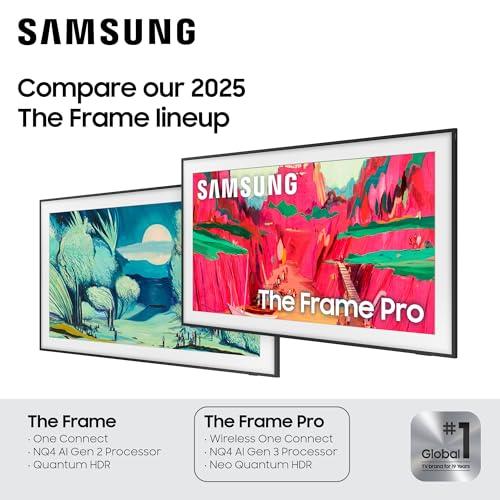
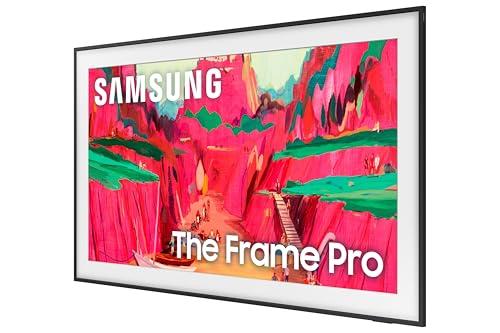
The Samsung Frame Pro addresses the biggest complaint about previous Frame TVs: they looked great as art displays but disappointed as actual televisions. Samsung's 2025 model changes that equation dramatically.
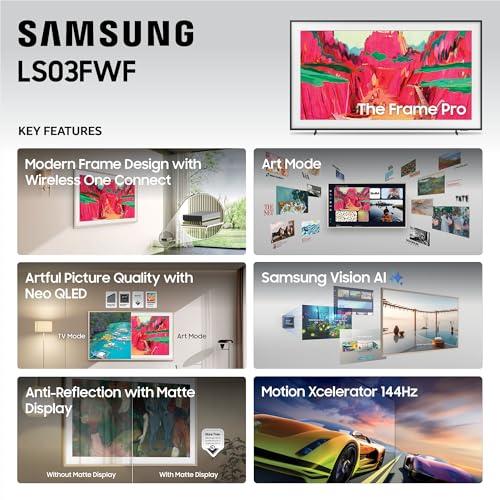
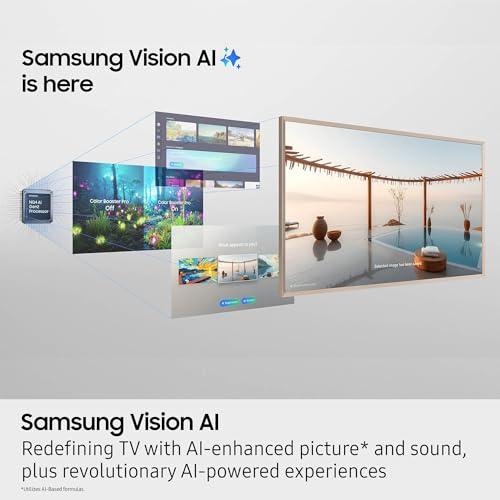
Samsung's Neo QLED technology combines quantum dots with Mini LED backlighting, but the Frame Pro takes this further than standard Frame models. Our research into expert reviews reveals the Frame Pro achieves around 1,000 nits of peak brightness – more than double the standard Frame's capability. While that might sound modest compared to some competitors, it's perfectly adequate for most viewing environments and represents a massive improvement over previous Frame generations.
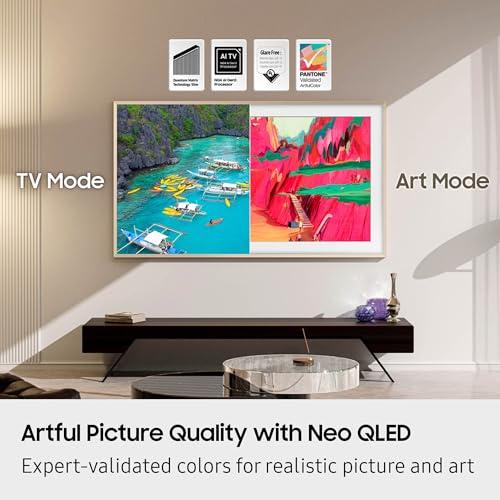
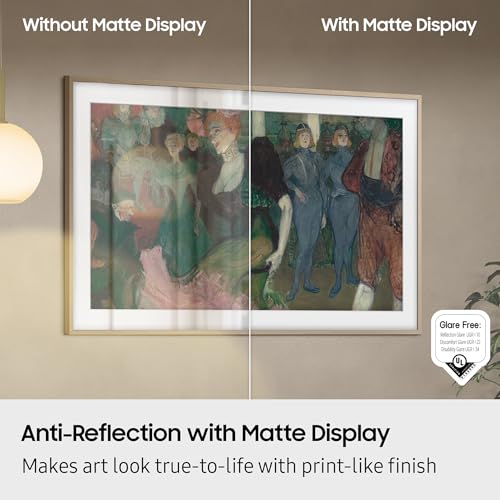
The matte anti-reflective screen deserves special attention. Unlike glossy TV screens that act like mirrors in bright rooms, the Frame Pro's matte finish scatters reflections, making it viewable even in sunny living rooms. This isn't just about reducing glare – it's essential for the TV's art display function. When displaying a painting or photograph, you want it to look like actual artwork, not a glowing rectangle.
Samsung's Quantum Matrix Technology provides local dimming (the ability to brighten or darken specific screen areas independently), though the exact number of dimming zones isn't specified. Based on the TV's contrast performance, it appears to have several hundred zones – enough for solid HDR performance without the aggressive blooming (unwanted light spillage around bright objects) that plagues cheaper TVs.
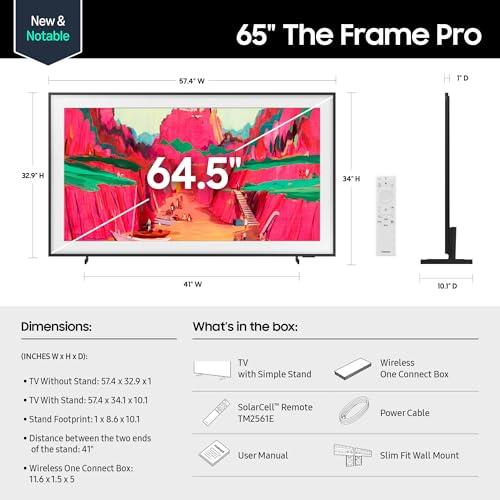
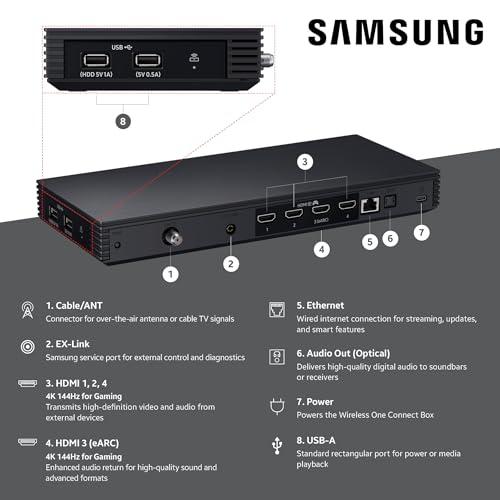
The Frame Pro's most innovative feature is its Wireless One Connect Box. This external unit houses all your HDMI ports, power connections, and processing hardware, then transmits video and audio wirelessly to the TV using Wi-Fi 7 technology. The wireless range extends up to 10 meters (about 33 feet), even through walls.
This might seem gimmicky until you consider the practical implications. Wall-mounting becomes dramatically cleaner since only a single thin power cable runs to the TV. You can hide the Connect Box in a cabinet or entertainment center, keeping all cable management out of sight. For the design-conscious buyers this TV targets, it's transformative.
However, there's no wired backup if the wireless connection fails, though Samsung does include a micro HDMI port directly on the TV for emergency connections or ultra-low-latency gaming.
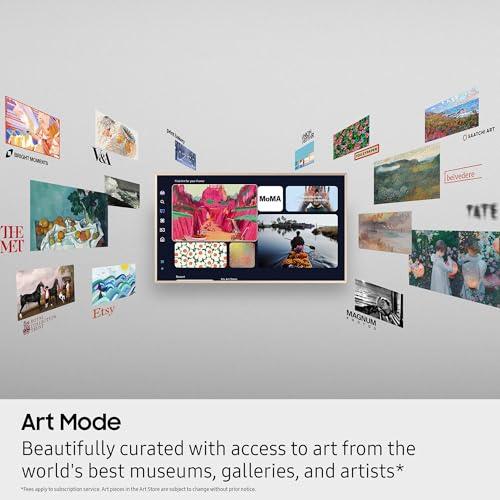
The Frame Pro's Art Mode isn't just a screensaver – it's a legitimate art display system. Samsung's Art Store provides access to thousands of high-quality artworks, and the TV is Pantone-validated for color accuracy. This means when displaying Van Gogh's "Starry Night," the colors should match what you'd see in a museum print.
The customizable bezels (TV frame borders) let you match your room's decor. While previous Frame bezels aren't compatible with the Pro model, the selection includes wood, metal, and fabric options that genuinely help the TV blend into living spaces.
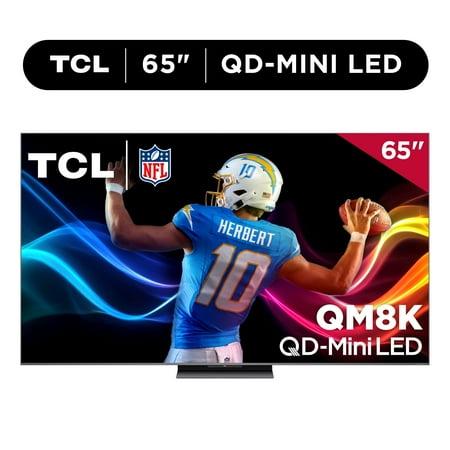
The TCL QM8K represents TCL's continued assault on the premium TV market. Rather than focusing on lifestyle integration, TCL prioritized raw performance, delivering specifications typically found in TVs costing significantly more.
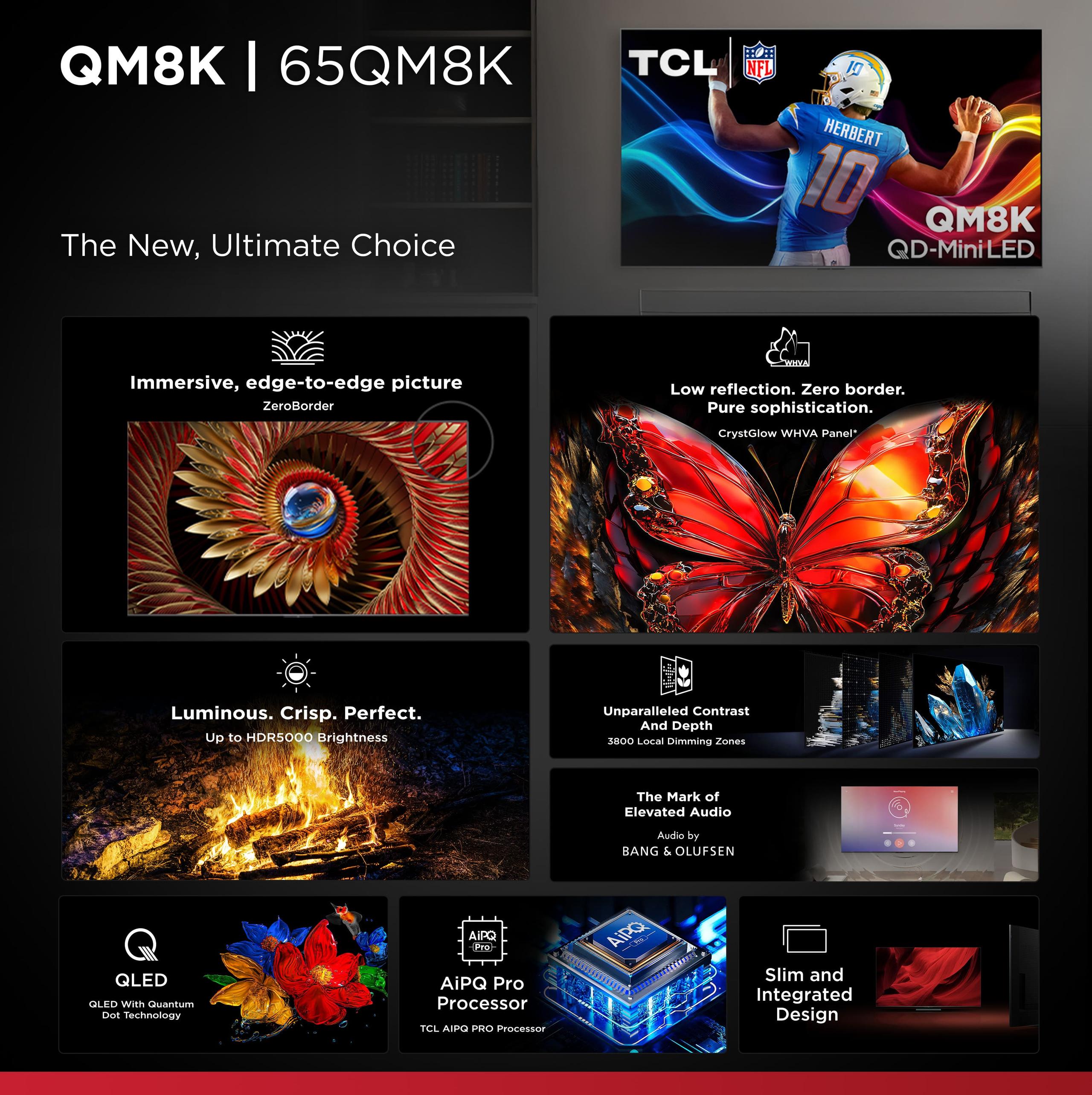
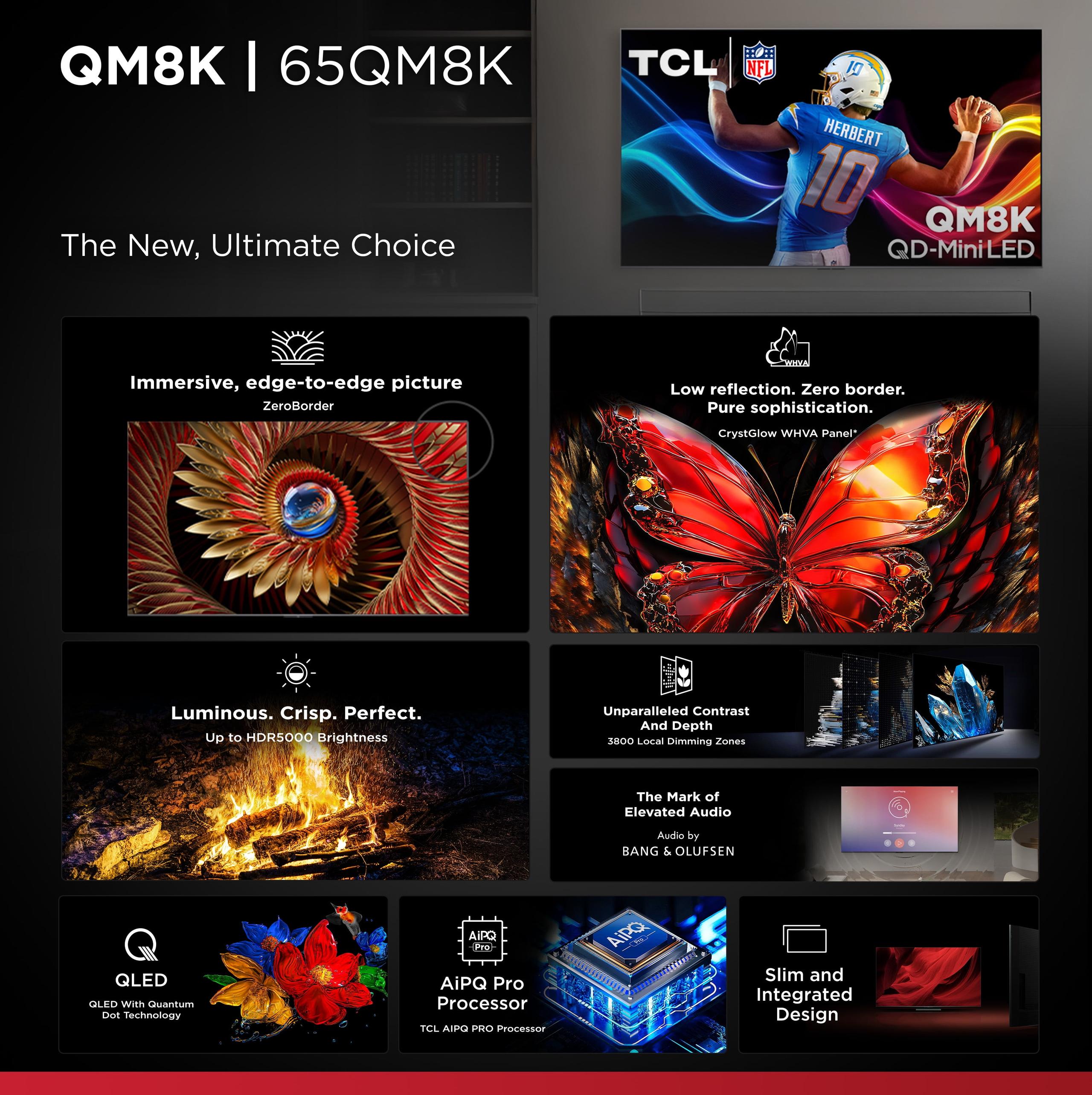
The QM8K's most impressive specification is its peak brightness capability of 5,000 nits. To put this in perspective, most premium TVs peak around 1,000-1,500 nits, while high-end models might reach 2,000-3,000 nits. The TCL QM8K essentially matches professional reference monitors used in movie studios.
This extreme brightness isn't just about bragging rights. HDR content contains brightness information that regular TVs can't display. When watching a scene with sunlight reflecting off water or car headlights at night, higher peak brightness makes these moments look dramatically more realistic. The difference between 1,000 nits and 5,000 nits is immediately visible, especially in bright viewing environments.
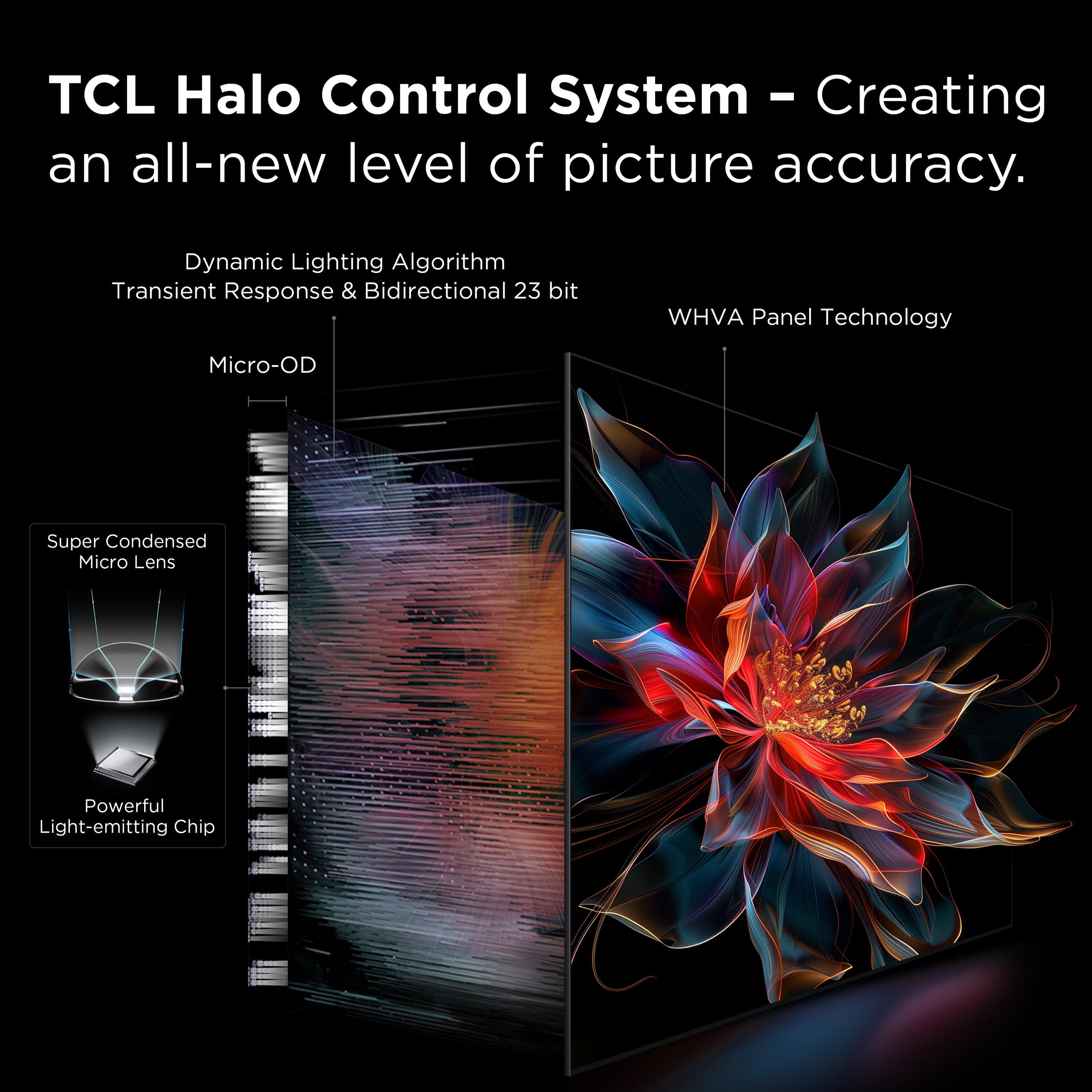
The QM8K achieves this through TCL's QD-Mini LED system, which combines quantum dots with thousands of Mini LEDs arranged in up to 3,800 precise dimming zones. More zones mean finer control over which parts of the screen are bright or dark, reducing the halo effects that can make cheaper Mini LED TVs look artificial.
TCL's CrystGlow WHVA (Wide Horizontal Viewing Angle) panel addresses a traditional weakness of LCD TVs: poor off-axis viewing. The panel uses what TCL calls "bionic technology" – microscopic structures that control light direction more precisely. In practical terms, this means colors stay accurate and contrast remains strong even when viewing from the side, making the TV more versatile in larger rooms or when entertaining groups.
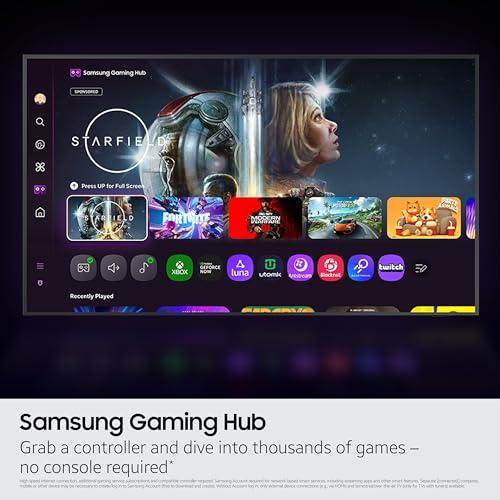
The TCL QM8K takes gaming seriously with Game Accelerator 288, supporting variable refresh rates up to 288Hz. Most gaming TVs max out at 120Hz or 144Hz, so this represents cutting-edge capability. The TV also supports AMD FreeSync Premium Pro and includes gaming-specific features like frame rate displays, shadow enhancement for spotting enemies in dark areas, and aiming aids.
The 144Hz native refresh rate runs through the entire signal processing chain, meaning the TV doesn't just accept 144Hz signals – it processes them at full speed without introducing stuttering or frame drops that plague some "144Hz" TVs that internally process at lower rates.
For home theater use, this gaming prowess translates to exceptional motion handling for sports and action movies. Fast camera pans stay sharp, and motion blur is minimal compared to standard 60Hz TVs.
The QM8K includes audio tuning by Bang & Olufsen, the Danish high-end audio company. While TV speakers rarely match dedicated sound systems, the QM8K's 2.1.1 channel setup with a dedicated subwoofer produces notably better bass response than typical TV audio. The system supports Dolby Atmos and DTS Virtual:X for immersive surround sound effects.
This comparison isn't close. The TCL QM8K's 5,000-nit capability absolutely demolishes the Frame Pro's 1,000 nits. In bright rooms or when displaying HDR content with specular highlights (think sunlight on water or car headlights), the TCL delivers dramatically more impactful visuals.
However, the Samsung's lower brightness isn't necessarily a disadvantage in all scenarios. The matte screen provides excellent visibility in bright conditions despite lower peak output, and 1,000 nits is perfectly adequate for most content in controlled lighting environments.
Both TVs excel at color reproduction, though with different strengths. The Frame Pro prioritizes color accuracy for art display, with Pantone validation ensuring faithful reproduction of static images. The QM8K focuses on wide color gamut coverage, claiming 97% of the DCI-P3 color space used in movies and streaming content.
For movies and TV shows, the TCL's wider color gamut provides more saturated, vibrant colors. For art display and photography, the Samsung's accuracy-focused tuning proves more appropriate.
The TCL QM8K dominates here with its 3,800 dimming zones compared to the Frame Pro's unspecified but apparently lower zone count. More zones mean finer control over brightness across the screen, resulting in deeper blacks and less blooming around bright objects on dark backgrounds.
Expert reviews consistently praise the QM8K's blooming control, noting that even challenging content like white subtitles on black backgrounds shows minimal light spillage. The Frame Pro performs well for its price range but can't match this level of precision.
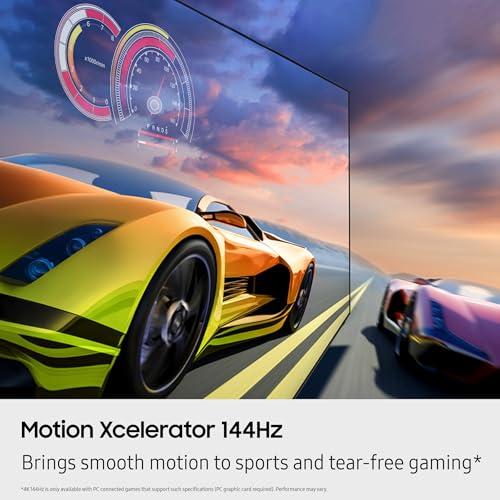
Both TVs support 144Hz refresh rates, but the TCL QM8K goes further with 288Hz VRR support and more comprehensive gaming optimizations. The Frame Pro includes a micro HDMI port for direct, low-latency gaming connections, but the TCL's overall gaming package is more complete.
For sports and action movies, both TVs handle motion well, though the TCL's higher refresh rate capabilities and superior motion processing provide an edge in the most demanding content.
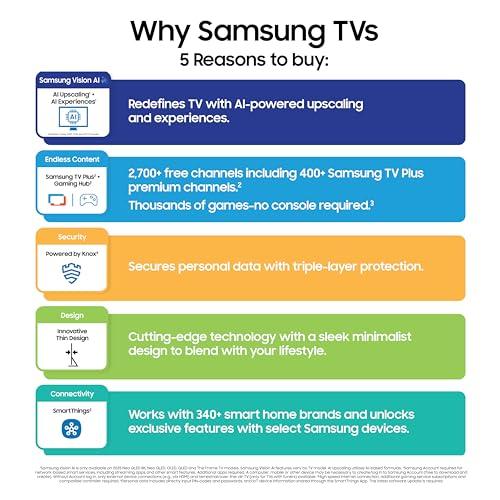
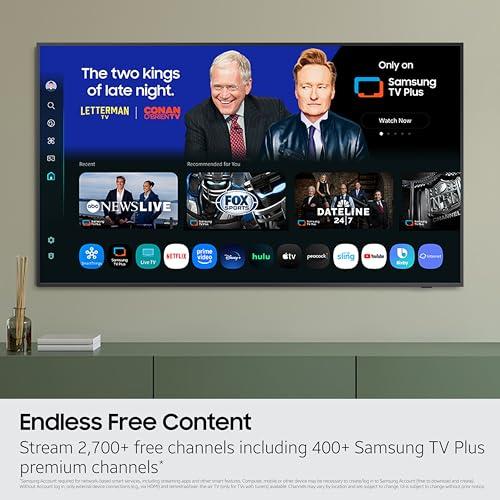
The smart TV experience differs significantly between these models. The Samsung Frame Pro runs Tizen, Samsung's proprietary platform, which integrates well with other Samsung devices and includes built-in voice assistants (Alexa and Bixby).
The TCL QM8K uses Google TV, which provides excellent content discovery and integrates seamlessly with Android devices and Google services. Both platforms offer all major streaming apps, so your choice might depend on your existing ecosystem preferences.
For art display, the Samsung offers 3,000+ artworks through its Art Store, though many require subscription fees. TCL provides 350+ free artworks with AI art generation capabilities, which is more limited but doesn't require ongoing payments.
At the time of writing, the TCL QM8K costs significantly less than the Samsung Frame Pro while delivering superior technical performance in most measurable categories. The TCL provides roughly 5x the peak brightness, better contrast control, superior gaming features, and premium audio at a notably lower price point.
However, raw performance specs don't tell the complete value story. The Samsung Frame Pro offers unique features that some buyers will find invaluable: wireless connectivity, customizable design, matte screen for art display, and integration with Samsung's ecosystem. These lifestyle-focused features command a premium that performance-oriented buyers might find unjustifiable.
For dedicated home theater use, the TCL QM8K generally provides a superior experience. Its extreme brightness handles HDR content dramatically better, the superior contrast creates more cinematic black levels, and the gaming features ensure compatibility with next-generation consoles and PCs.
The QM8K's Bang & Olufsen audio also provides better built-in sound, though serious home theater enthusiasts will likely pair either TV with a dedicated sound system.
The Frame Pro's matte screen, while excellent for art display and bright room viewing, reflects less light but also reduces the perceived depth and punch of HDR content in dark room settings. For mixed-use family rooms, this might be acceptable, but dedicated theater rooms benefit from the TCL's glossy panel and higher brightness capabilities.
Design integration matters most: If you're planning to wall-mount the TV in a prominent location and want it to blend seamlessly into your decor, the Frame Pro's wireless connectivity and customizable bezels provide unique value. The matte screen ensures it looks appropriate even when displaying art in bright rooms.
You're invested in Samsung's ecosystem: If you own Samsung phones, tablets, or other smart home devices, the integration benefits might justify the premium price.
Art display is a priority: For displaying photography or artwork, the Frame Pro's color accuracy and matte finish provide a more authentic viewing experience than traditional glossy TV screens.
Clean cable management is essential: The wireless One Connect Box eliminates virtually all cable clutter, which is particularly valuable for wall-mounted installations in formal living spaces.
Performance per dollar matters most: The TCL QM8K delivers flagship-level specifications at a significantly lower price point. If you prioritize measurable performance over lifestyle features, this TV provides exceptional value.
You need maximum brightness: For bright rooms, HDR content, or any situation where you need the TV to overcome ambient lighting, the QM8K's 5,000-nit capability is transformative.
Gaming is important: The comprehensive gaming features, 288Hz VRR support, and excellent motion handling make this an outstanding choice for serious gamers.
You prefer Google's ecosystem: If you use Android devices and Google services extensively, the Google TV platform provides better integration than Samsung's Tizen.
Home theater performance is the priority: For movie watching and TV viewing, the superior contrast, brightness, and color gamut provide a more cinematic experience.
Both TVs succeed at their intended purposes, but they serve different buyers. The Samsung Frame Pro finally delivers competitive picture quality while maintaining its unique lifestyle positioning. It's the TV for people who want their display to be furniture first, television second, but without the performance compromises of previous Frame models.
The TCL QM8K represents exceptional value for performance-oriented buyers. It delivers specifications that were flagship-exclusive just a few years ago at a price point that makes premium TV technology accessible to more buyers.
Your choice should align with your priorities. If wireless connectivity, design integration, and art display matter more than raw performance metrics, the Samsung justifies its premium pricing. If you want maximum performance per dollar and don't need lifestyle features, the TCL provides superior technical capabilities at a lower cost.
Neither choice is wrong, but understanding these fundamental differences helps ensure you select the TV that best matches your specific needs and viewing environment.
| Samsung 65" Frame Pro 2025 | TCL 65" QM8K Series |
|---|---|
| Peak Brightness - Critical for HDR impact and bright room viewing | |
| 1,000 nits (adequate for most rooms, excellent with matte screen) | 5,000 nits (exceptional HDR punch, handles any lighting condition) |
| Display Technology - Determines overall picture quality approach | |
| Neo QLED Mini LED (balanced performance, matte anti-glare finish) | QD-Mini LED (maximum brightness and contrast focus) |
| Local Dimming Zones - Controls blooming and contrast precision | |
| Several hundred zones (good blooming control) | Up to 3,800 zones (exceptional precision, minimal blooming) |
| Gaming Refresh Rate - Important for smooth motion and gaming | |
| 144Hz native (excellent for most gaming and sports) | 144Hz native with 288Hz VRR (cutting-edge gaming performance) |
| Connectivity Innovation - Major differentiator for installation | |
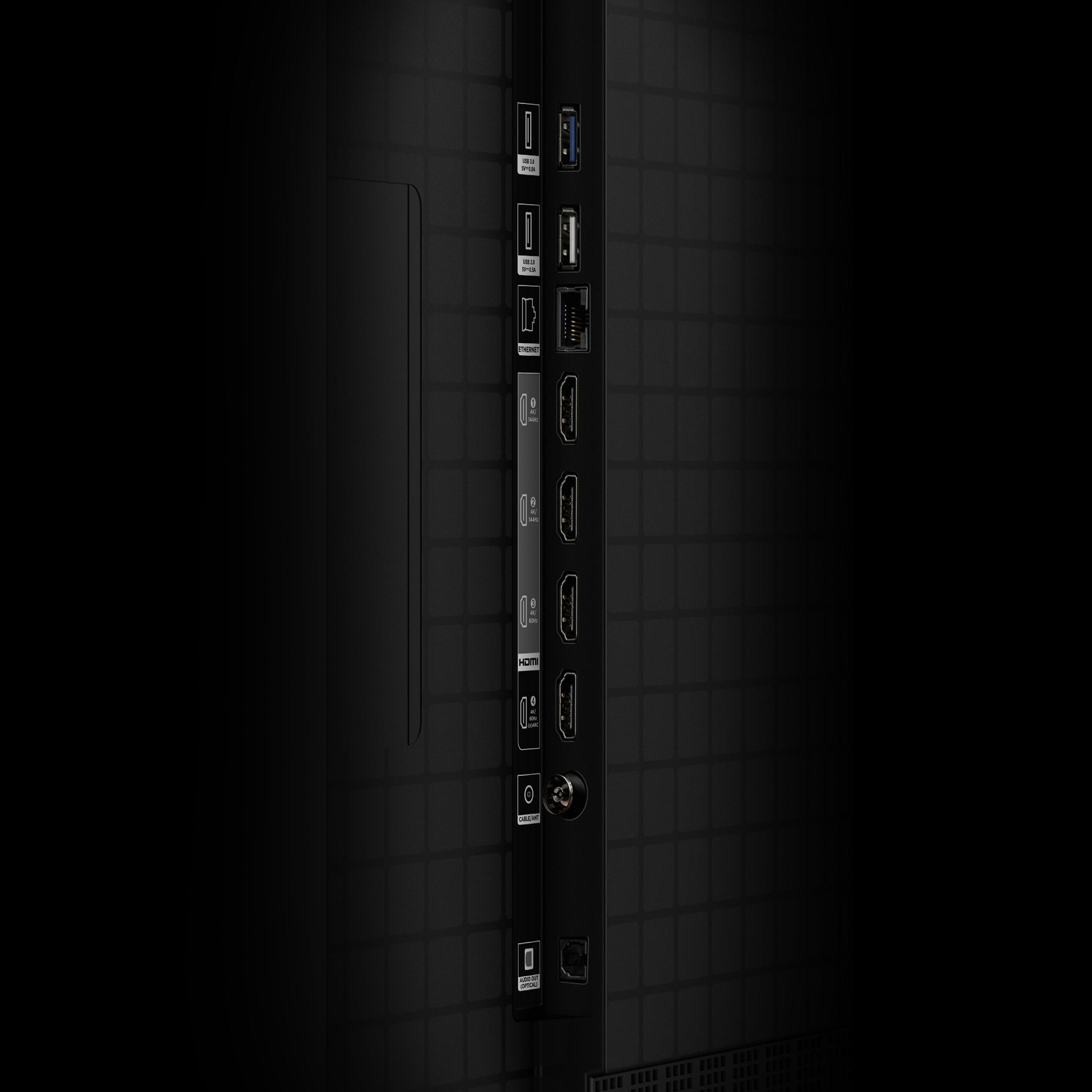
| Wireless One Connect Box (eliminates cable clutter, 10m range) | Standard wired connections (reliable but requires cable management) |
| Design Philosophy - Determines how TV integrates into your space | |
| Customizable bezels, ultra-slim profile, art-focused aesthetic | ZeroBorder design, performance-focused traditional TV appearance |
| Smart Platform - Affects daily user experience and ecosystem integration | |
| Samsung Tizen (Samsung ecosystem integration, built-in voice control) | Google TV (Android integration, superior content discovery) |
| Audio System - Built-in sound quality without external speakers | |
| 40W 2.0.2CH with Object Tracking Sound | Bang & Olufsen 2.1.1CH with dedicated subwoofer |
| Art Display Features - Key differentiator for lifestyle integration | |
| 3,000+ artworks via Art Store, Pantone color validation, matte display | 350+ free artworks with AI generation, no subscription required |
| Screen Finish - Affects viewing in different lighting conditions | |
| Matte anti-reflective (excellent for bright rooms, art display) | Glossy panel (maximum HDR impact in controlled lighting) |
| Color Performance - Accuracy vs vibrancy for different content types | |
| Quantum Dot with accuracy focus (ideal for art and photography) | 97% DCI-P3 coverage (wide gamut for vibrant movie colors) |
| Value Proposition - Performance and features relative to cost | |
| Premium lifestyle features with competitive performance | Flagship specifications at significantly lower price point |
The TCL QM8K delivers superior technical picture quality with 5,000 nits peak brightness compared to the Samsung Frame Pro's 1,000 nits. The TCL also features up to 3,800 local dimming zones for better contrast control and blooming reduction. However, the Samsung Frame Pro offers excellent picture quality for its intended use cases, with a matte screen that performs better in bright rooms and provides more accurate color reproduction for art display.
The Samsung Frame Pro costs significantly more but offers unique lifestyle features like wireless connectivity, customizable bezels, and superior art display capabilities. If you prioritize design integration, cable-free installation, and art functionality, the premium is justified. However, if you want maximum performance per dollar, the TCL QM8K provides better technical specifications at a lower price point.
The TCL QM8K is superior for gaming, offering 288Hz VRR support, comprehensive gaming features, and AMD FreeSync Premium Pro compatibility. While the Samsung Frame Pro supports 144Hz gaming and includes a micro HDMI port for low-latency connections, the TCL provides more advanced gaming optimizations and higher variable refresh rates for competitive gaming.
Both TVs can be wall-mounted, but the Samsung Frame Pro offers a significant advantage with its Wireless One Connect Box, eliminating nearly all visible cables for a clean installation. The TCL QM8K requires traditional cable management, though it includes a height-adjustable stand for tabletop placement. For aesthetic wall mounting, the Frame Pro is clearly superior.
Both TVs handle bright rooms well but in different ways. The Samsung Frame Pro uses a matte anti-reflective screen that eliminates glare and reflections, making it viewable even in sunny conditions. The TCL QM8K relies on extreme brightness (5,000 nits) to overpower ambient lighting. For art display in bright rooms, the Samsung is better; for maximum HDR impact, the TCL wins.
Yes, both offer excellent smart TV experiences. The Samsung Frame Pro runs Samsung's Tizen platform with built-in voice assistants and Samsung ecosystem integration. The TCL QM8K uses Google TV, providing superior content discovery and Android device integration. Both support all major streaming apps, so your choice depends on ecosystem preference.
The TCL QM8K has superior built-in audio with its Bang & Olufsen-tuned 2.1.1 channel system including a dedicated subwoofer. The Samsung Frame Pro features Object Tracking Sound and Q-Symphony compatibility with Samsung soundbars. While both support Dolby Atmos, the TCL provides better bass response and overall audio quality without additional equipment.
The TCL QM8K is better suited for dedicated home theater use, with its 5,000-nit brightness delivering exceptional HDR impact in dark rooms and superior contrast control for cinematic viewing. The Samsung Frame Pro's matte screen reduces HDR punch in dark environments, though it still provides excellent performance for mixed-use family rooms where ambient lighting varies.
The Samsung Frame Pro is specifically designed for art display, featuring Pantone color validation, a matte screen that mimics real artwork, and access to thousands of curated artworks. The TCL QM8K offers 350+ free artworks but lacks the color accuracy and matte finish optimized for art reproduction. For serious art display, the Samsung is the clear choice.
Both TVs offer 144Hz native refresh rates, but the TCL QM8K extends this with 288Hz VRR support for gaming. The Samsung Frame Pro provides excellent motion handling for movies and sports at 144Hz. For most content, both perform similarly, but the TCL offers superior gaming performance with its higher VRR capabilities.
The TCL QM8K provides exceptional value with flagship-level specifications at a significantly lower price than the Samsung Frame Pro. However, value depends on your priorities - if you need wireless connectivity, art display features, and design integration, the Samsung's premium features may justify the higher cost. For pure performance per dollar, the TCL wins decisively.
Choose the Samsung Frame Pro if design integration, art display, and wireless installation are priorities, especially in formal living spaces where the TV should blend with decor. Select the TCL QM8K if you want maximum performance, gaming features, and value, particularly in rooms where technical capability matters more than aesthetic integration. Both excel in their intended use cases.
We've done our best to create useful and informative comparisons to help you decide what product to buy. Our research uses advanced automated methods to create this comparison and perfection is not possible - please contact us for corrections or questions. These are the sites we've researched in the creation of this article: tomsguide.com - youtube.com - smarthomesounds.co.uk - images.samsung.com - rtings.com - samsung.com - bestbuy.com - bestbuy.com - businessinsider.com - dentonstv.com - samsung.com - flatpanelshd.com - samsung.com - jefflynch.com - youtube.com - costco.com - tomsguide.com - youtube.com - businessinsider.com - rtings.com - youtube.com - avsforum.com - avsforum.com - bestbuy.com - tcl.com - tcl.com - tcl.com - flatpanelshd.com - romomattressfurniture.com - brandsmartusa.com - pcrichard.com - tvsbook.com - tcl.com - youtube.com - prnewswire.com - tcl.com - tcl.com

Privacy Policy
Terms and Conditions - Affiliate Policy
Home Security
© Copyright 2008-2026.
11816 Inwood Rd #1211, Dallas, TX 75244