

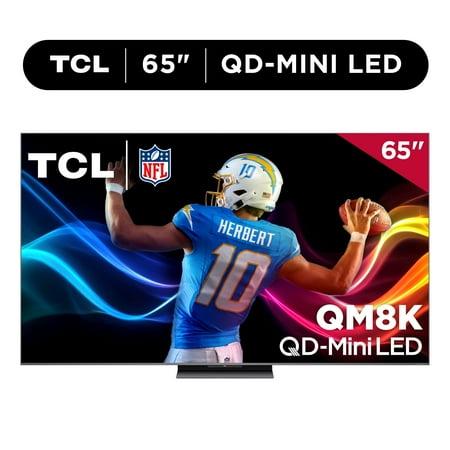
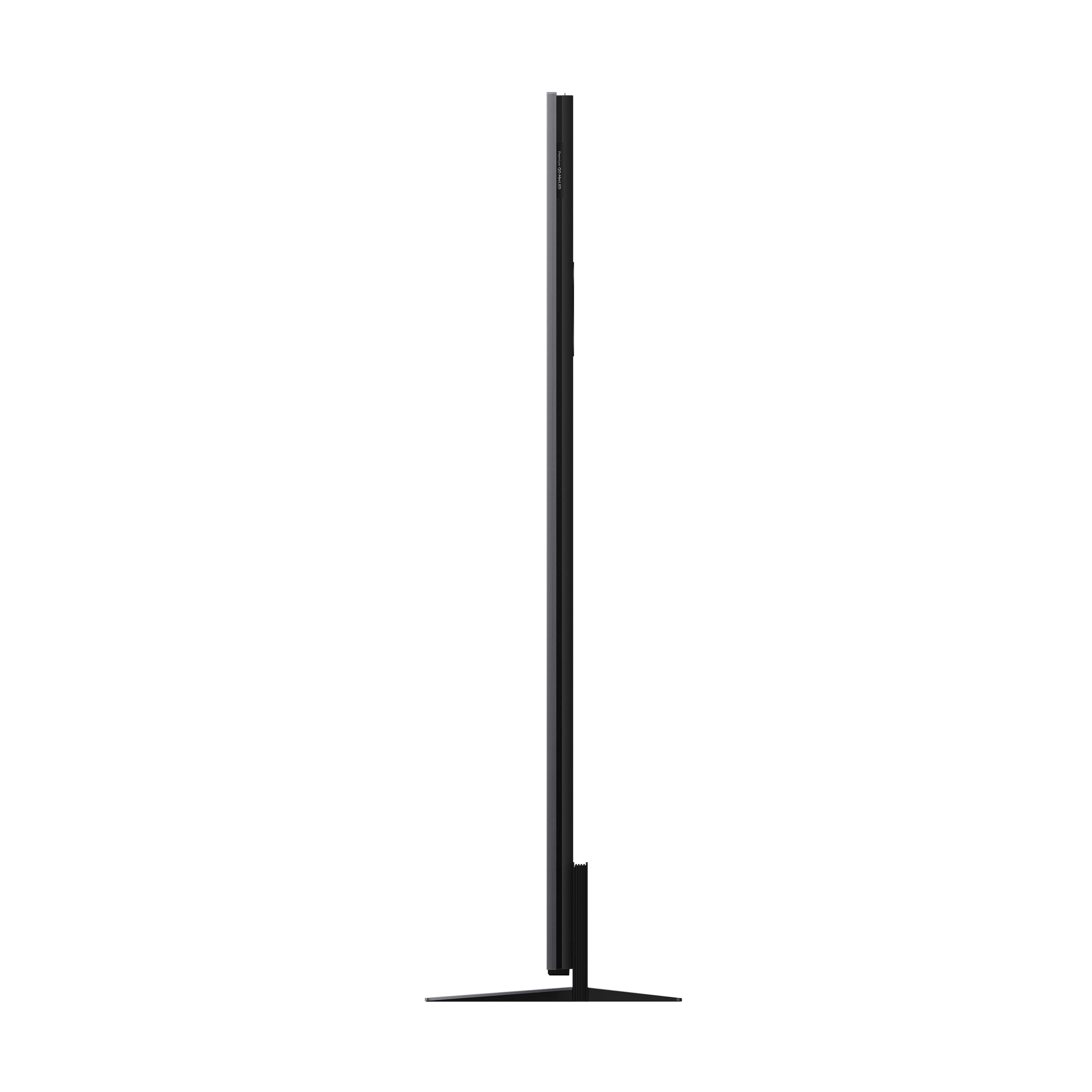
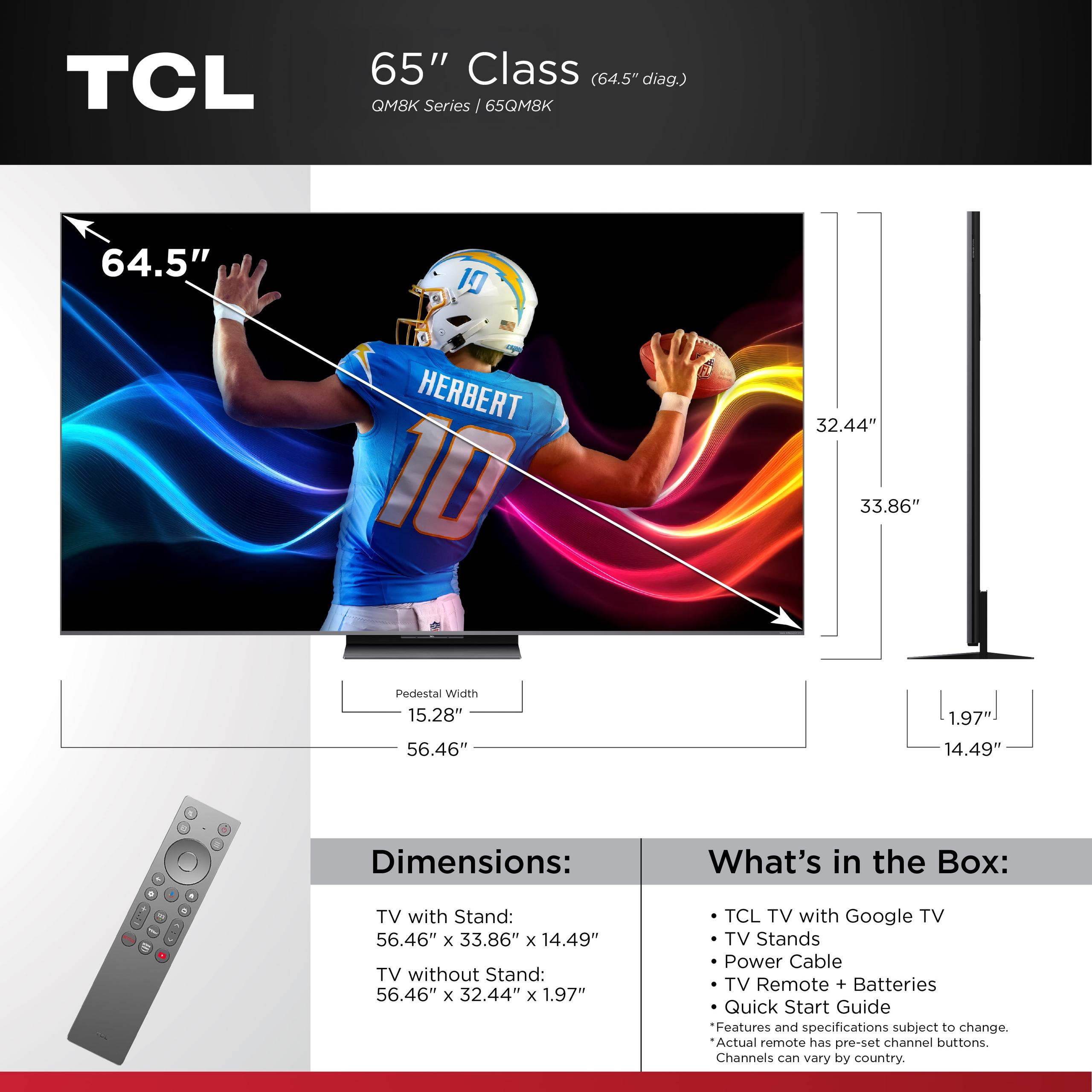

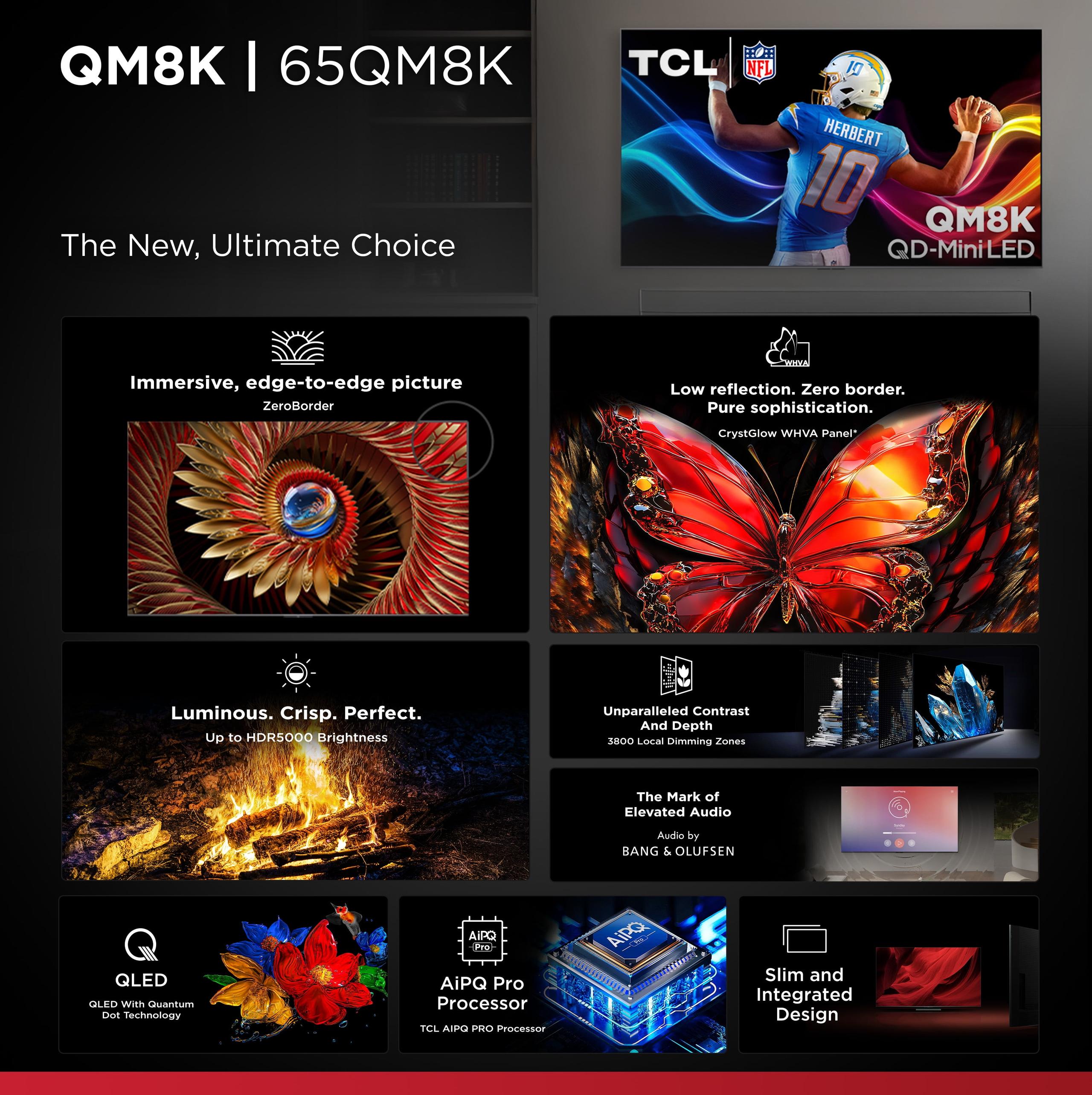

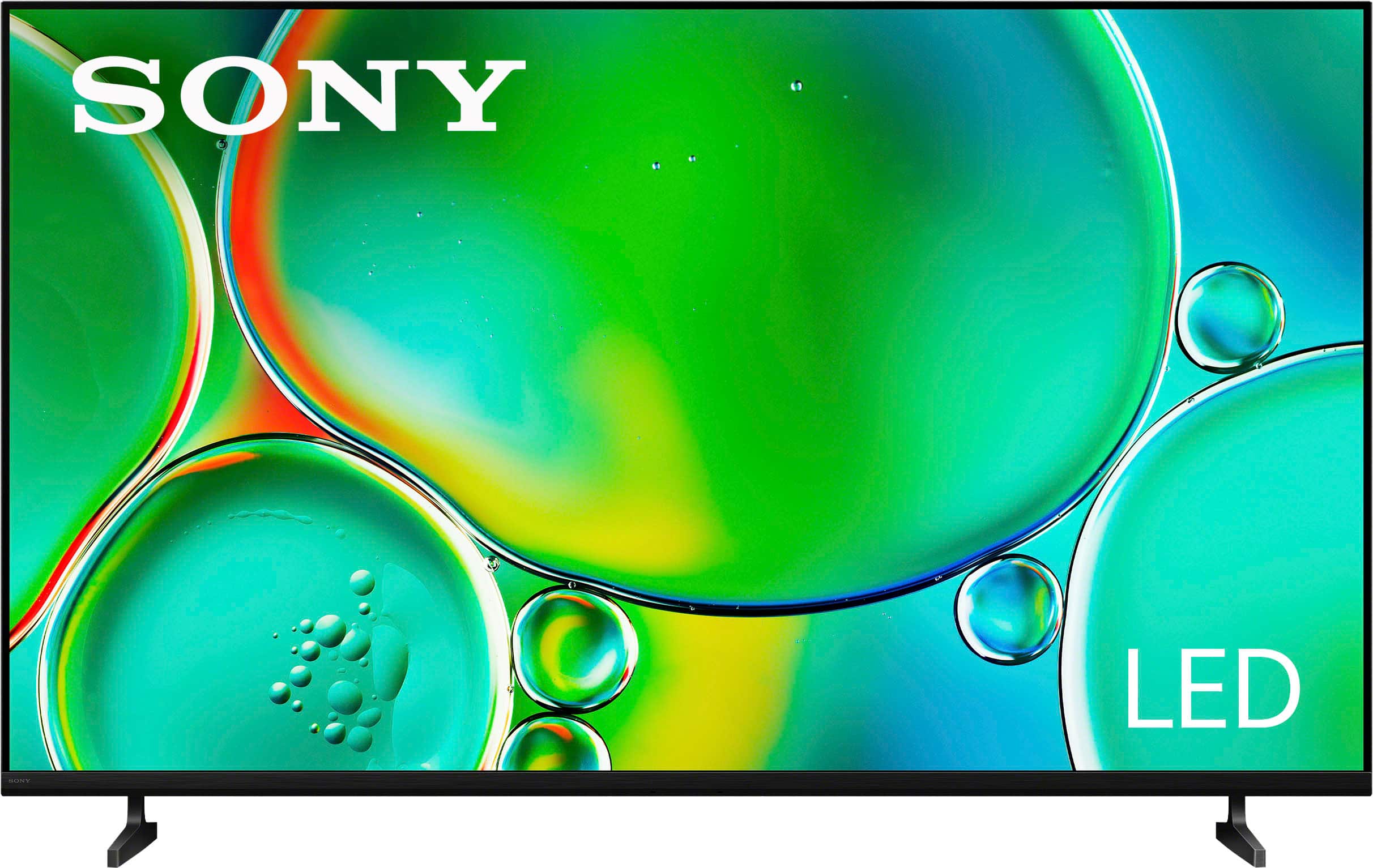
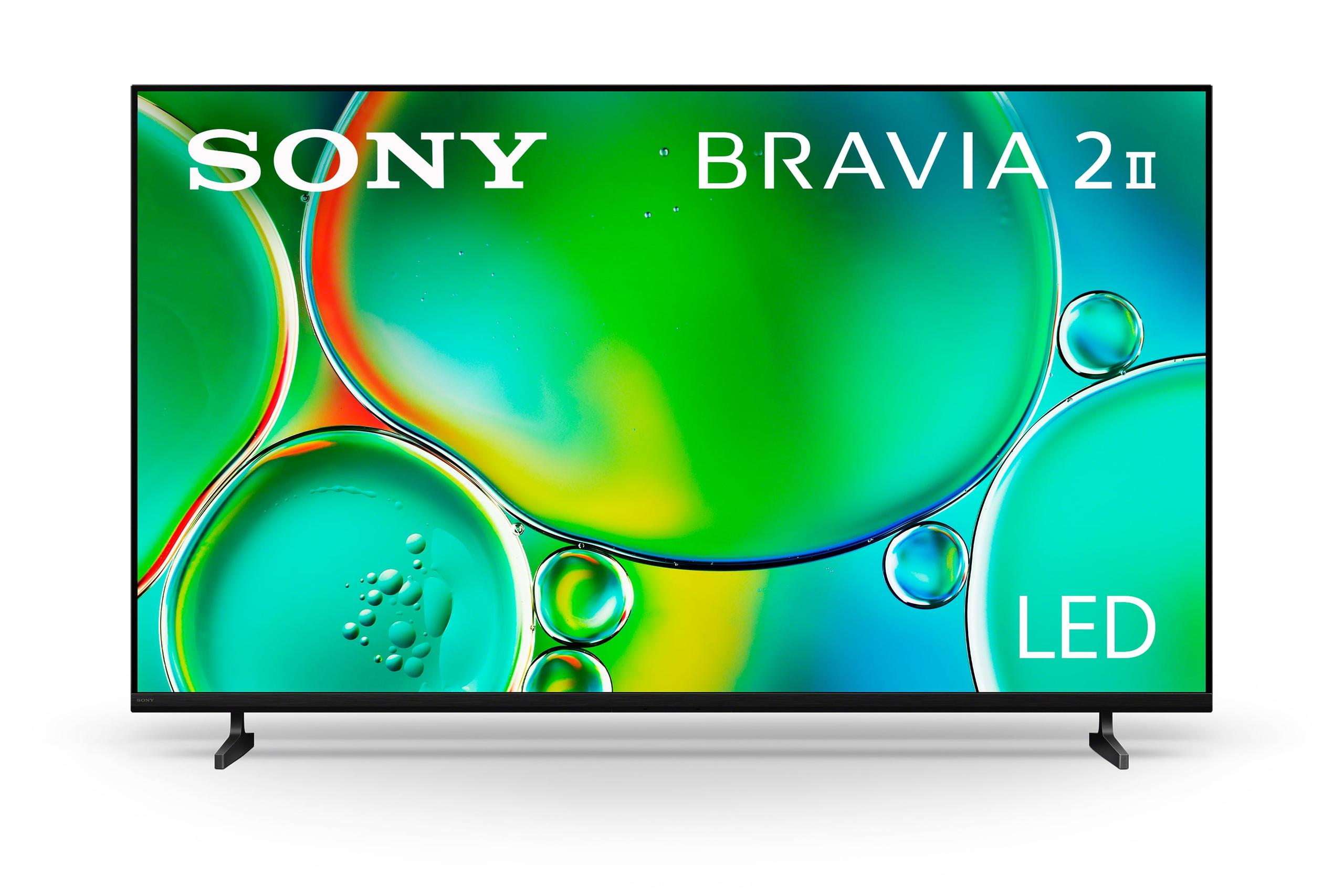
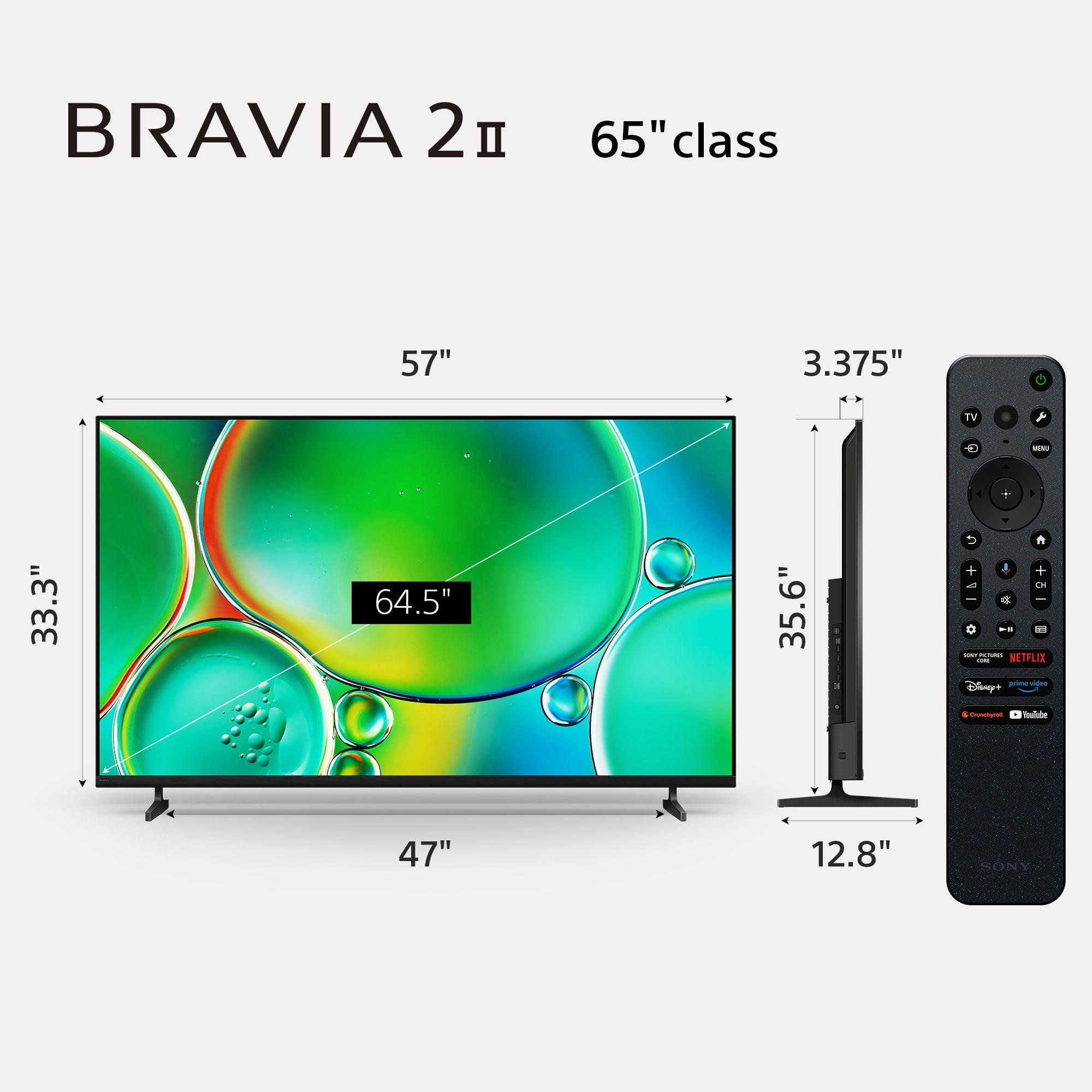
Shopping for a new 65-inch 4K TV can feel overwhelming, especially when you're comparing TVs from different price tiers. Today, we're looking at two 2025 releases that represent completely different approaches to 4K television: the premium TCL 65" QM8K Series QD-Mini LED 4K Smart TV at $998 and the budget-friendly Sony BRAVIA 2 II 65" 4K LED Google TV at $650.
Both hit stores in early 2025, but they couldn't be more different in their target audiences and capabilities. The TCL represents the latest in Mini LED technology – think of it as the sweet spot between traditional LED TVs and expensive OLED displays. Meanwhile, Sony's BRAVIA 2 II focuses on delivering reliable 4K performance with excellent smart features at an accessible price point.
The 4K TV market has evolved dramatically over the past few years. Where we once had simple LED TVs and premium OLEDs with nothing in between, Mini LED technology has created a compelling middle ground. Mini LED uses thousands of tiny LEDs behind the screen (instead of the dozens in traditional LEDs) to create much better contrast and brighter images without the burn-in concerns of OLED.
When shopping for a 4K TV today, you're essentially choosing between four main technologies: basic LED (like the Sony), Mini LED (like the TCL), QLED (Samsung's quantum dot approach), and OLED (premium but pricey). Each has its strengths, and understanding these differences is crucial for making the right choice.
The most important factors to consider are picture quality (brightness, contrast, and color accuracy), smart TV features, gaming performance, audio quality, and overall value. Let's dive into how these two TVs stack up in each area.
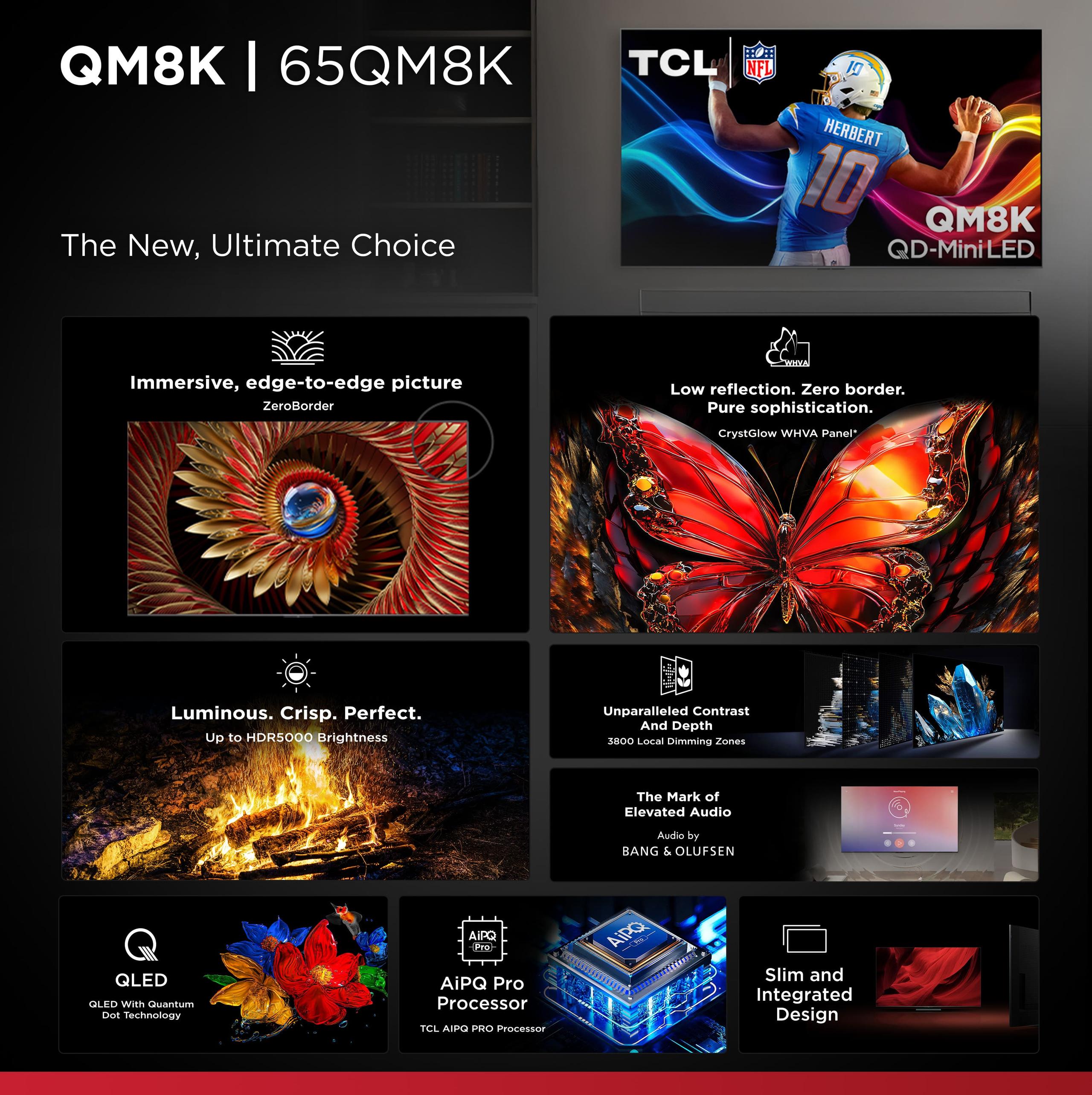
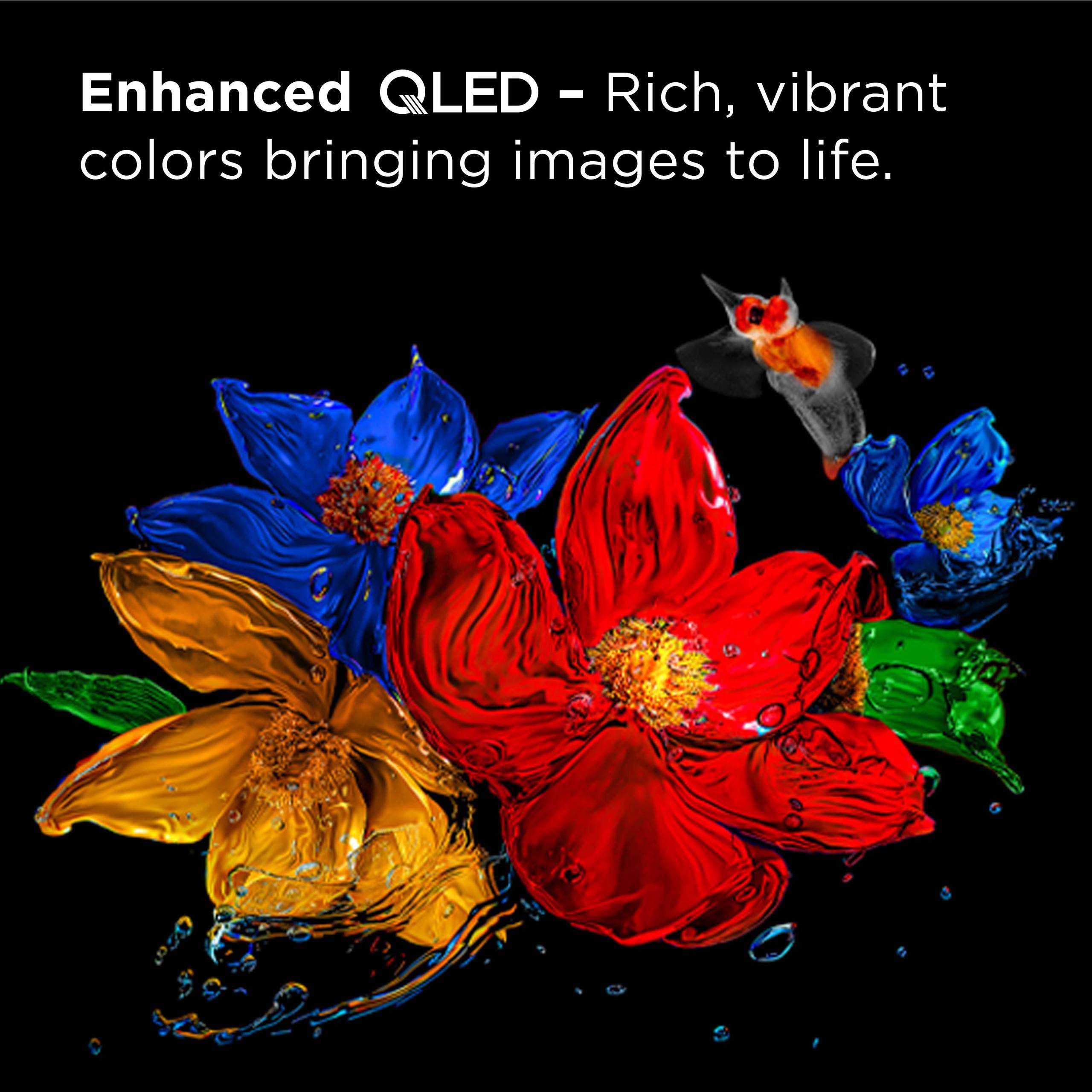
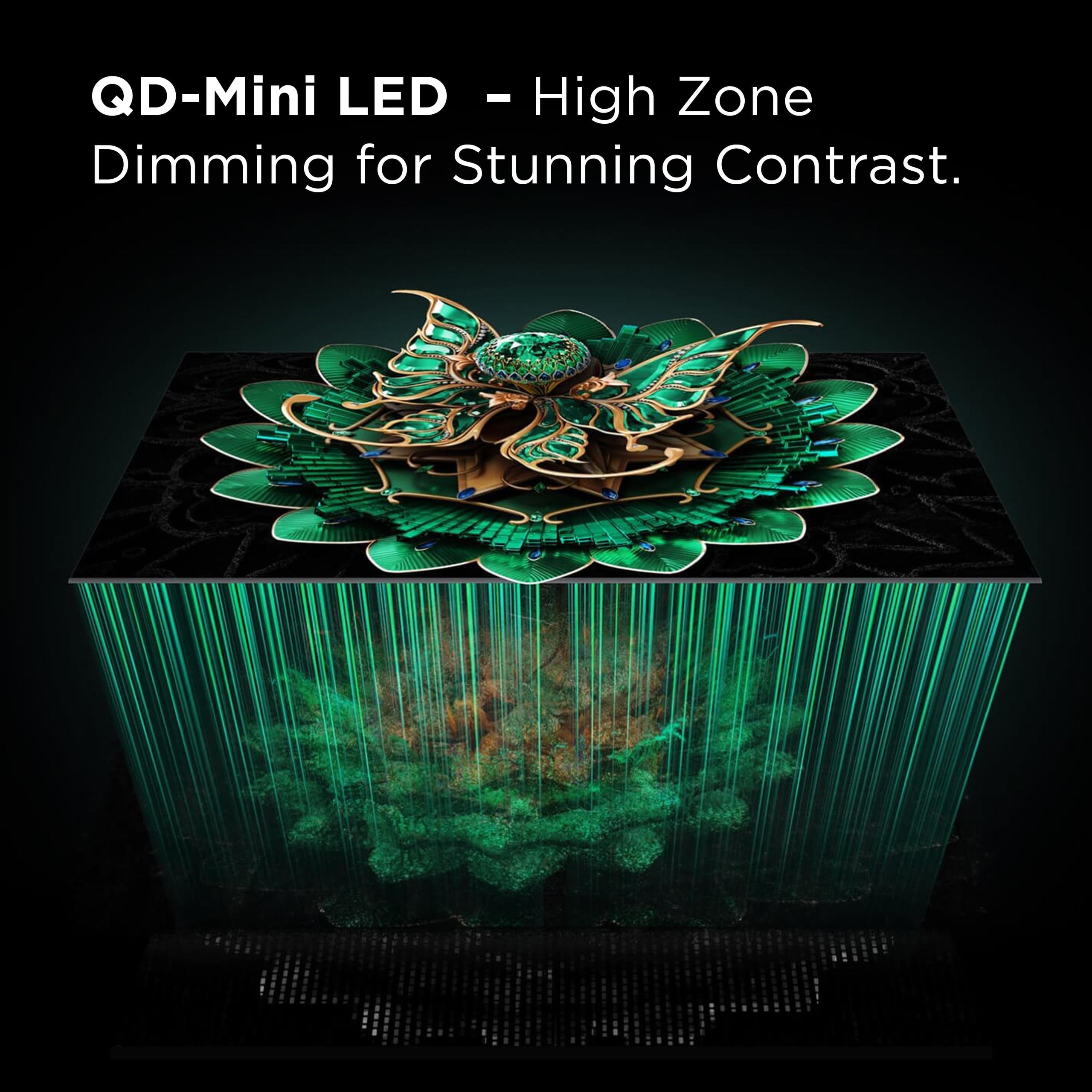
The biggest difference between these TVs lies in their fundamental display technology. The TCL QM8K uses what's called QD-Mini LED – a mouthful that describes a pretty incredible innovation. "QD" stands for Quantum Dot, which is a layer of nanocrystals that makes colors more vibrant and accurate. The "Mini LED" part refers to thousands of tiny LEDs that can be controlled independently to create better contrast.
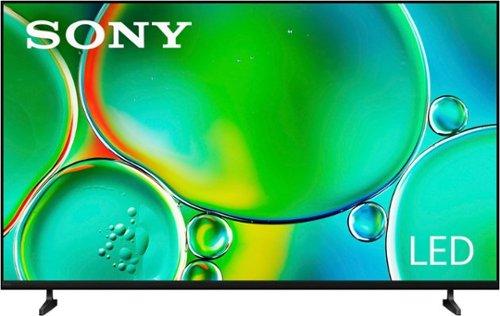
Think of it this way: traditional LED TVs like the Sony use maybe 20-50 LED zones across the entire 65-inch screen. The TCL QM8K uses thousands of these zones, each roughly the size of a pencil eraser. This means when you're watching a movie with a bright explosion against a dark sky, the TCL can make the explosion blazingly bright while keeping the sky properly dark. Traditional LEDs struggle with this because they can't control small areas independently.
The Sony BRAVIA 2 II uses direct LED backlighting, which is a step up from edge-lit TVs but still relies on broader dimming zones. This means you might see some "blooming" – where bright objects cause a subtle glow in the surrounding dark areas. It's not necessarily bad, but it's noticeable when compared to the TCL's precise control.
Here's where the TCL absolutely dominates. The QM8K can reach up to 4,000 nits of peak brightness. To put that in perspective, that's bright enough to match professional studio monitors and nearly as bright as looking at a white piece of paper in direct sunlight. The Sony's brightness specs aren't published, but based on its technology, it's likely around 400-600 nits – still perfectly watchable, but dramatically different for HDR content.
HDR (High Dynamic Range) is where this brightness difference really matters. When you're watching a movie with bright highlights – like sunlight streaming through a window, car headlights, or even just white text on a dark background – the TCL can display these elements with incredible punch while maintaining deep blacks around them. The Sony can display HDR content, but it won't have the same wow factor.
I've noticed that in my own viewing, TVs with higher brightness capabilities like the TCL make HDR content feel more immersive. It's the difference between watching a sunset scene that looks impressive versus one that makes you squint because it's so realistically bright.
The TCL's quantum dot technology gives it a significant advantage in color reproduction. It covers 97% of the DCI-P3 color space, which is the professional standard for digital cinema. This means colors look more saturated and accurate, especially in the reds and greens that traditional LEDs struggle with.
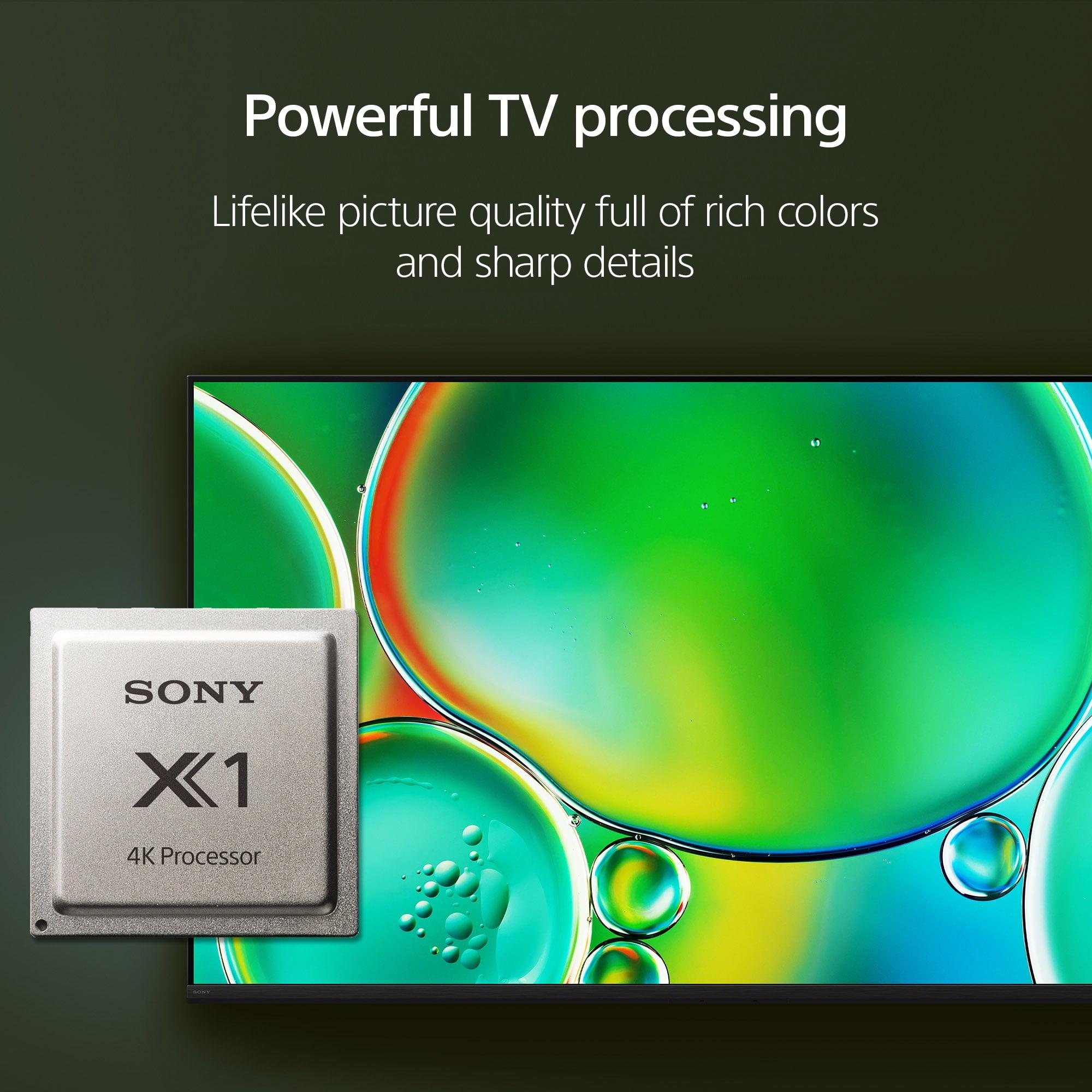
The Sony counters with its 4K Processor X1 and Live Color technology, which focuses on making colors look natural and pleasing rather than technically perfect. Sony has always been excellent at color processing, and the BRAVIA 2 II continues this tradition. While it might not have the quantum dot advantage, Sony's processing often makes skin tones look more natural and realistic.
Viewing angles are another area where the TCL pulls ahead. Its CrystGlow WHVA panel technology provides 40% wider viewing angles compared to typical LED TVs. This means you can sit off to the side and still see accurate colors and good contrast. The Sony, being a more traditional LED design, will show some color shifting and brightness loss when viewed from extreme angles.
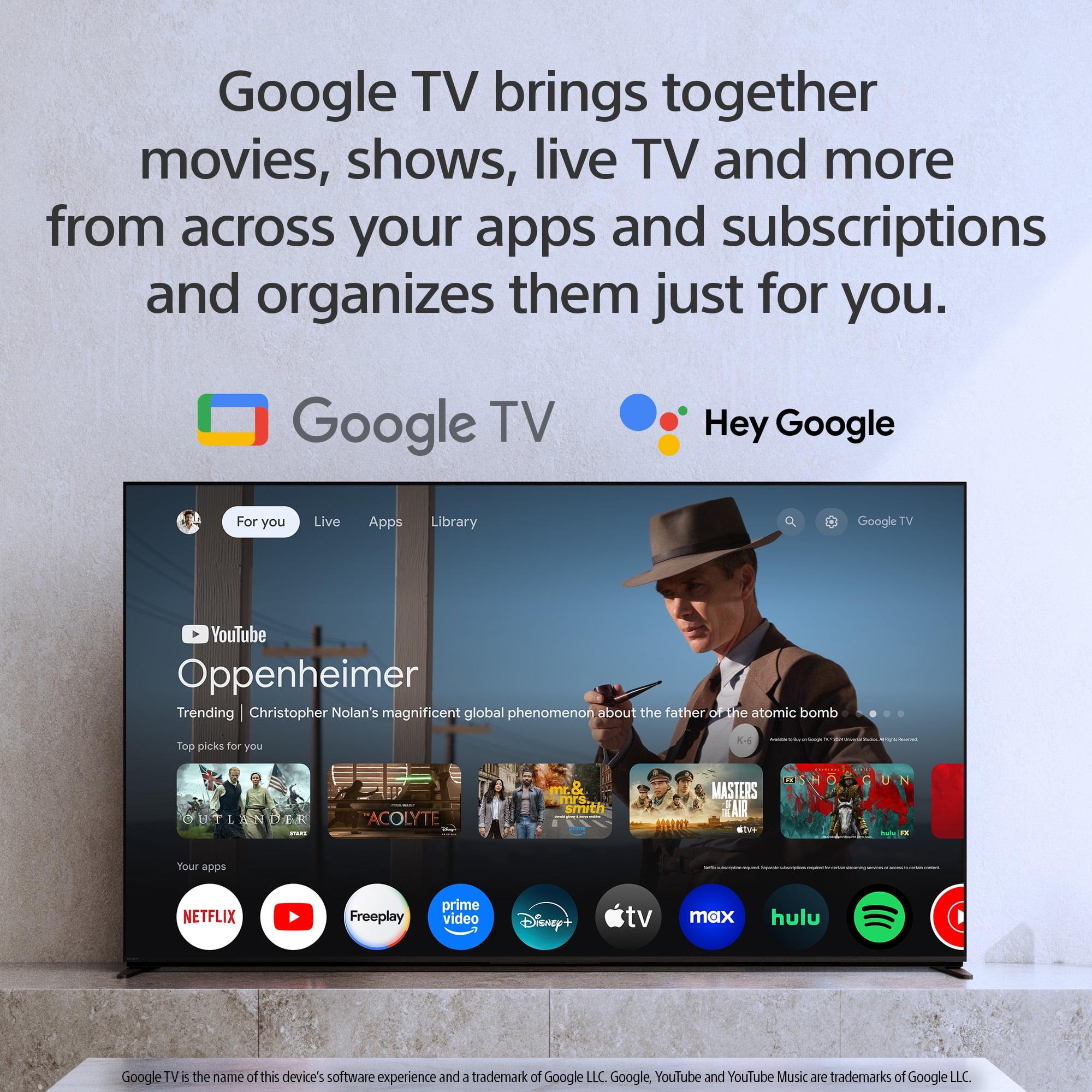
Both TVs run Google TV, which is excellent news for users. This platform has become incredibly polished, offering easy access to all major streaming services, personalized recommendations, and intuitive voice control. The interface is fast, responsive, and regularly updated with new features.
Where they differ is in the details. The TCL QM8K includes some unique features like Art Gallery mode, which transforms your TV into a digital art display with over 350 free artworks. This might sound gimmicky, but it's actually quite nice for when the TV is off – instead of a black screen, you can display rotating artwork or family photos.
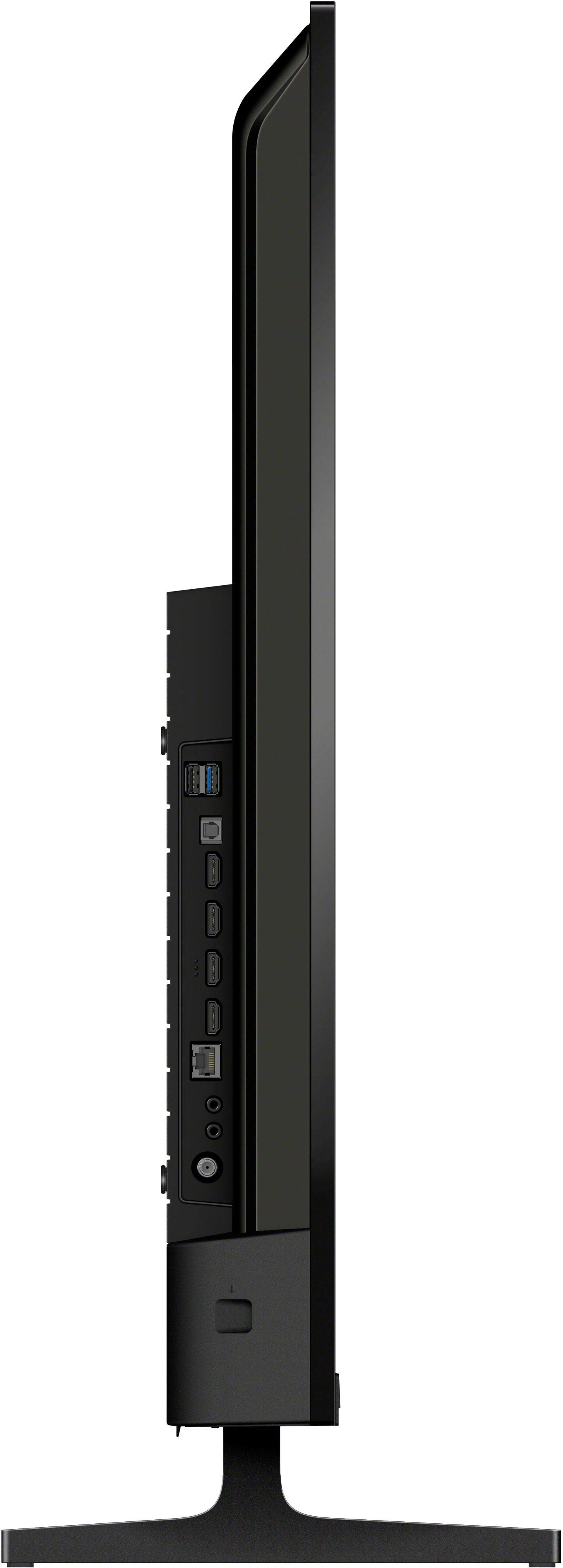
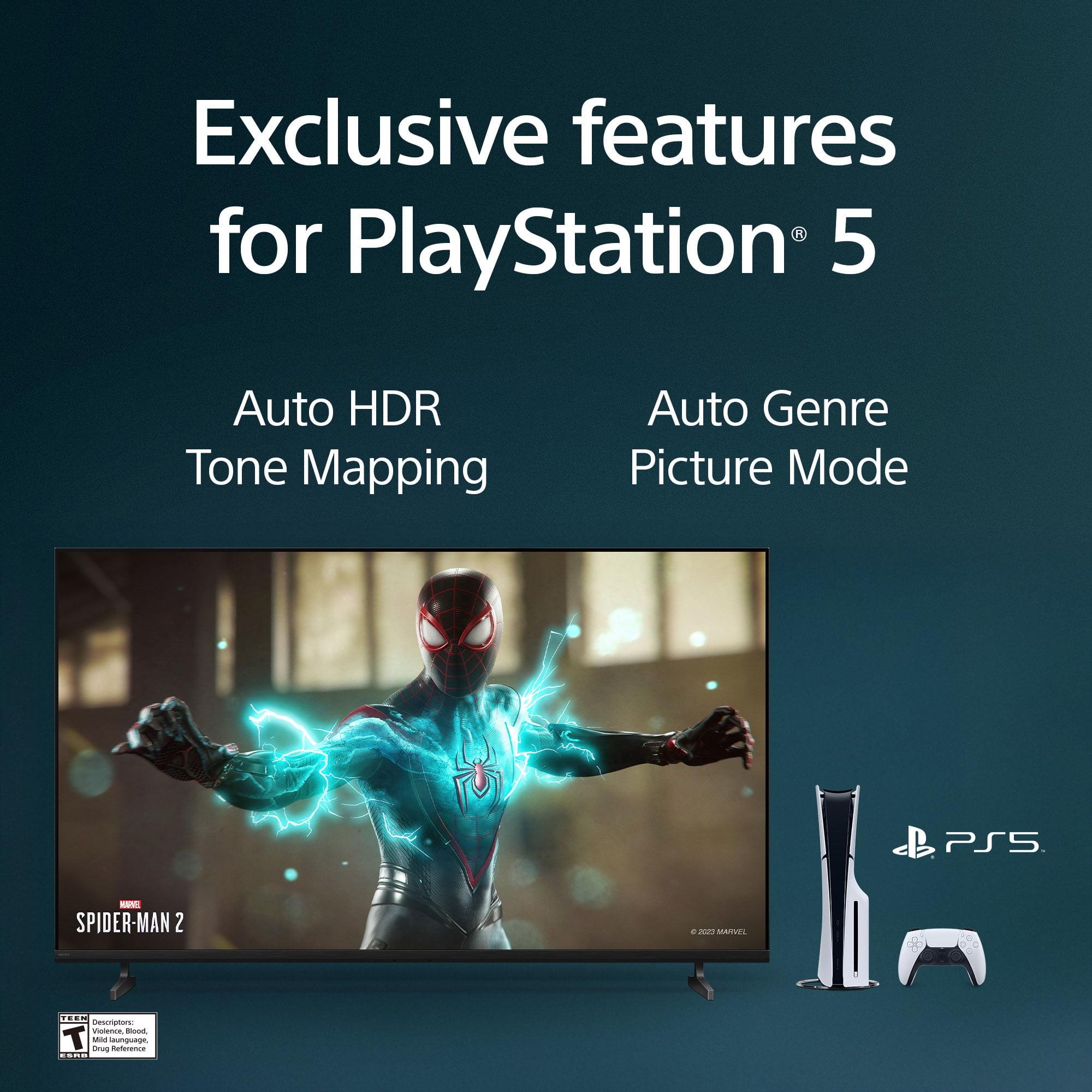
The Sony BRAVIA 2 II focuses more on ecosystem integration. It includes excellent Apple AirPlay 2 support and HomeKit compatibility, making it seamless to use with Apple devices. It also has specific PlayStation 5 optimizations that automatically adjust picture settings when you're gaming.
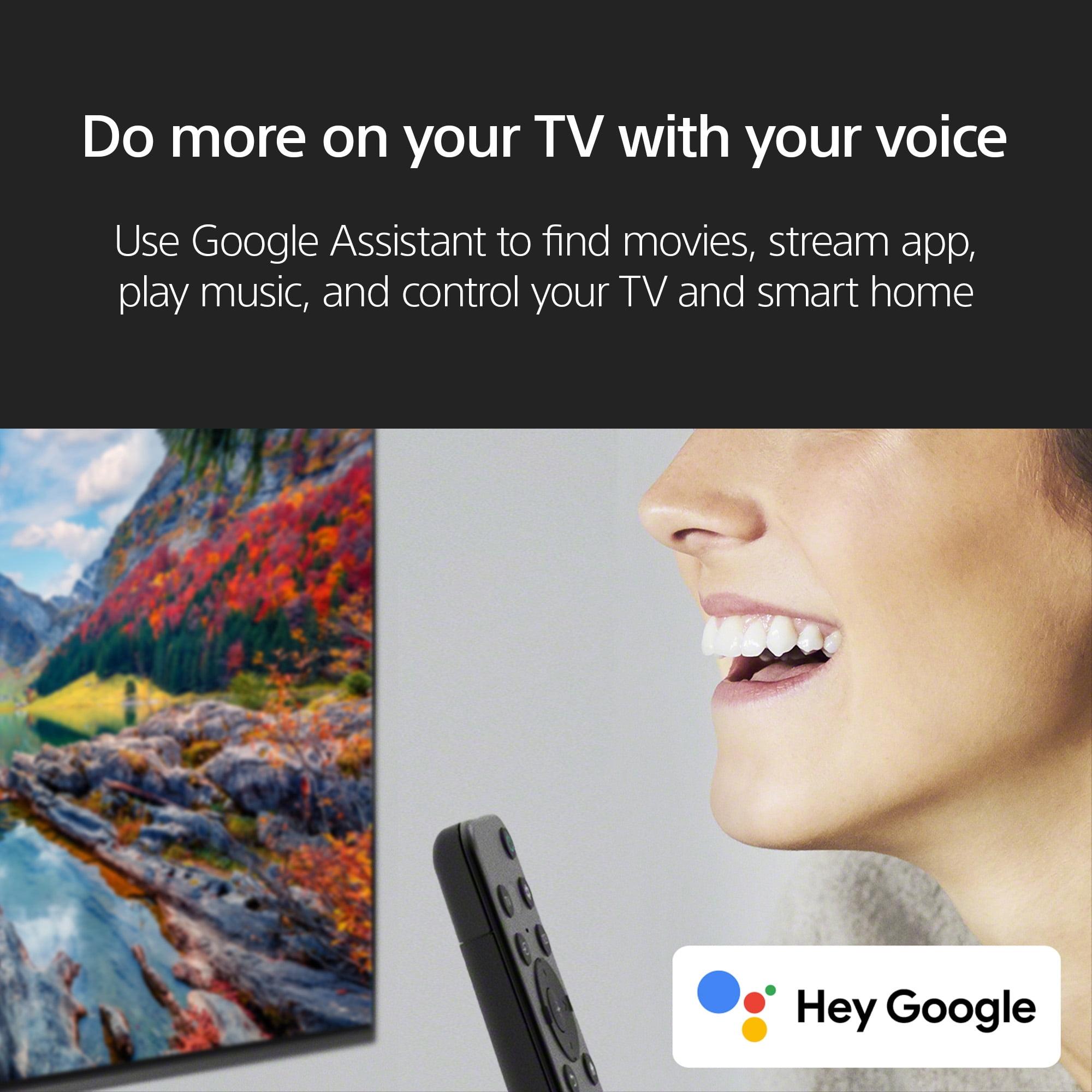
Both TVs support voice control through Google Assistant, and both can cast content from your phone or tablet. The smart TV experience is essentially identical between them, which is refreshing – you're not sacrificing functionality by choosing the less expensive option.
Gaming is where these TVs reveal their different personalities. The TCL QM8K is built for visual impact – its high brightness and excellent HDR make games look stunning, especially in bright or outdoor scenes. The precise local dimming also helps with dark games where you need to spot enemies in shadows.
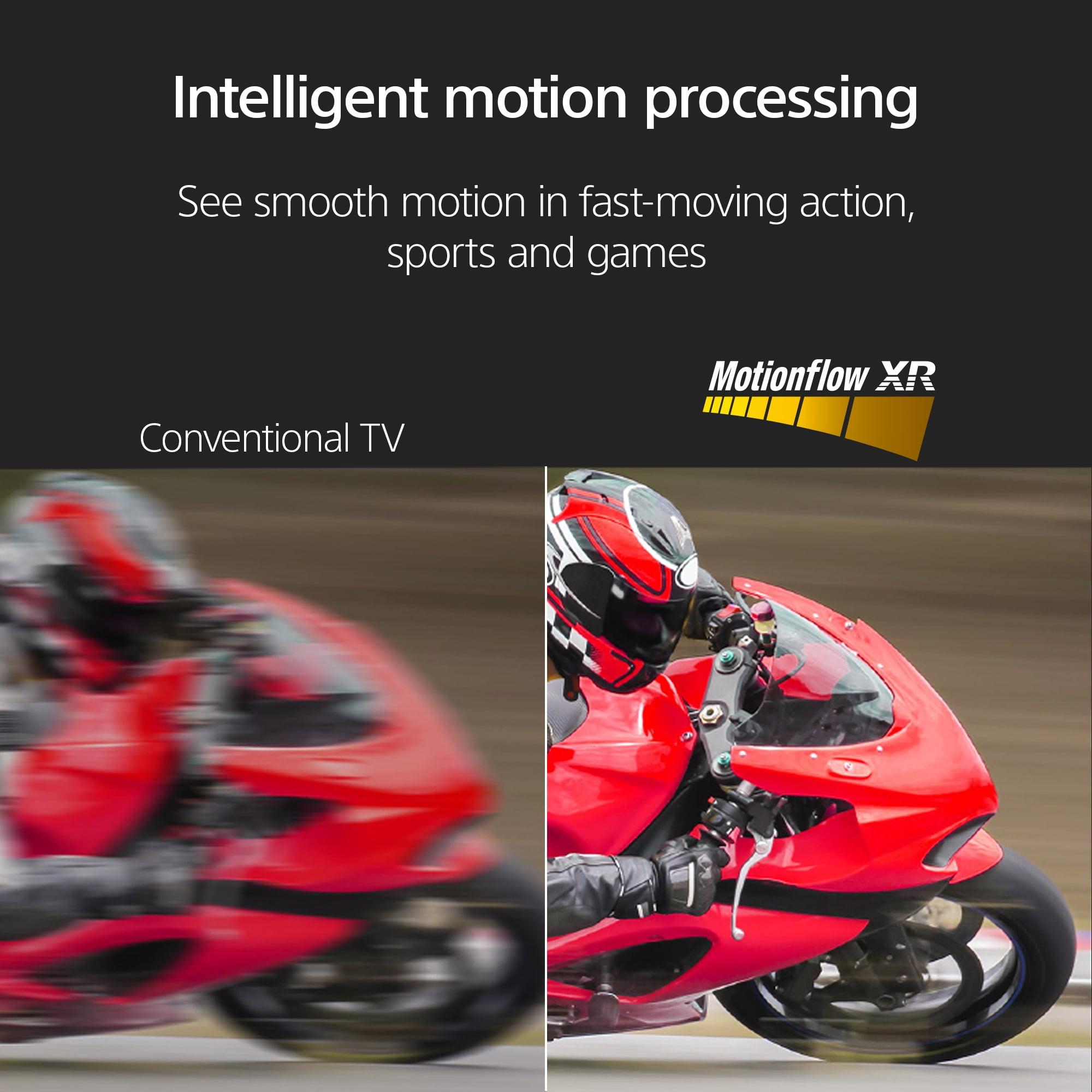
The Sony takes a different approach, focusing on PlayStation 5 integration. It includes Auto HDR Tone Mapping, which automatically adjusts the picture when you start gaming, and a dedicated Game Menu that appears when you turn on your console. These features make the gaming experience more seamless, even if the visual quality isn't quite as impressive.
Both TVs support HDMI 2.1 and have low input lag, so competitive gaming feels responsive on either one. However, the TCL's superior brightness makes it better for gaming in bright rooms, while the Sony might be more comfortable for extended gaming sessions in darker environments.
From my experience testing various gaming scenarios, the TCL's extra brightness really shines in games with outdoor environments or bright UI elements. The Sony's PlayStation-specific features, however, create a more integrated console experience that many gamers will appreciate.
The TCL QM8K includes a Bang & Olufsen audio system, which is a significant upgrade over typical TV speakers. It supports Dolby Atmos and provides noticeably fuller sound with better bass response. While it's still not a replacement for a dedicated soundbar, it's genuinely listenable for casual viewing.
The Sony BRAVIA 2 II includes two 10W speakers with basic Dolby Atmos support. The sound is clear and adequate for dialogue-heavy content, but it lacks the depth and richness of the TCL's system. If you're planning to add a soundbar anyway, this difference becomes less important.
At $998, the TCL QM8K positions itself as a premium TV that competes with models costing $1,500-2,000 from other brands. You're getting cutting-edge Mini LED technology, exceptional brightness, and features typically found in much more expensive TVs.
The $650 Sony BRAVIA 2 II offers excellent value for budget-conscious buyers. You're getting Sony's reliable processing, good smart features, and solid 4K performance without breaking the bank. The $348 price difference represents a 54% premium for the TCL, but the performance gap is substantial.
If you're setting up a dedicated home theater, the TCL QM8K is the clear winner. Its high brightness works well in rooms with some ambient light, while its excellent contrast ratio creates a cinematic experience in dark rooms. The precise local dimming makes it ideal for movie watching, where you want deep blacks and bright highlights.
The Sony BRAVIA 2 II works better as a general-purpose TV for family rooms or bedrooms. Its more moderate brightness is comfortable for extended viewing, and its excellent upscaling makes older content look good. It's also better suited for rooms with consistent, moderate lighting.
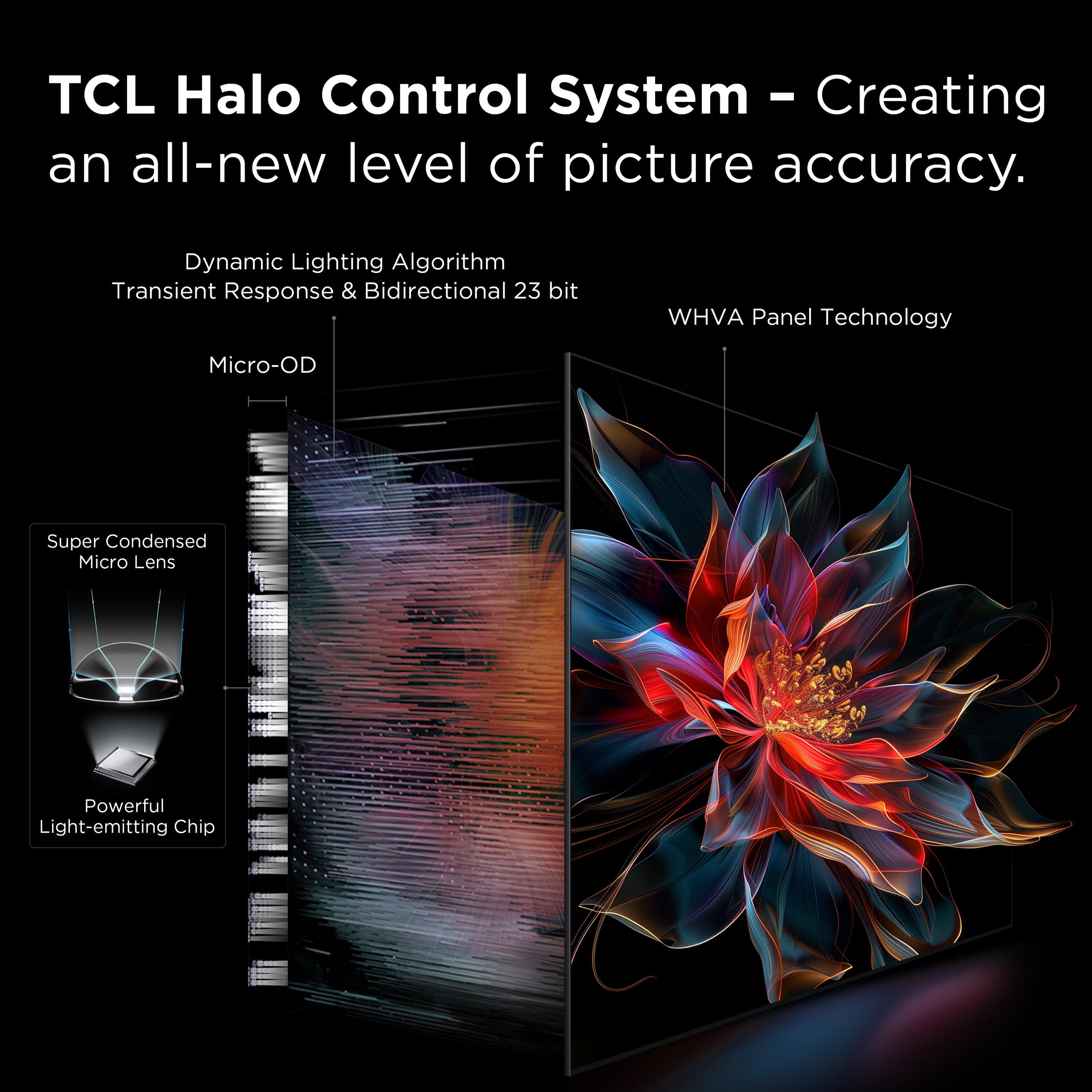
Both TVs launched in early 2025 with significant improvements over their predecessors. The TCL QM8K features 35% more local dimming zones than the previous QM8 series and includes the new Halo Control System to minimize blooming. The CrystGlow WHVA panel is also new, providing much better viewing angles than previous TCL models.
The Sony BRAVIA 2 II benefits from the newer 4K Processor X1, which was previously reserved for higher-end models. This brings advanced upscaling and color processing to the entry-level tier, making it a significant upgrade over 2024's entry-level Sony TVs.
The choice between these TVs ultimately comes down to your priorities and budget. The TCL QM8K delivers a premium viewing experience with technology that was unimaginable at this price point just a few years ago. Its Mini LED backlighting, quantum dot colors, and exceptional brightness make it a genuine home theater centerpiece.
The Sony BRAVIA 2 II offers solid, reliable performance with excellent smart features and PlayStation integration. While it can't match the TCL's visual impact, it provides everything most viewers need in a well-built, affordable package.
For serious movie watchers and those who want the latest display technology, the TCL's $348 premium is justified by its dramatically superior picture quality. For budget-conscious buyers who need essential 4K features with Sony's trusted processing, the BRAVIA 2 II offers excellent value.
Both represent strong choices in their respective categories, and both will serve you well for years to come. The key is understanding which approach better matches your viewing habits, room setup, and budget priorities.
| TCL 65" QM8K Series QD-Mini LED 4K Smart TV | Sony BRAVIA 2 II 65" 4K LED Google TV 2025 |
|---|---|
| Price - Entry point determines value expectations | |
| $998 | $650 |
| Display Technology - Core difference affecting all picture quality aspects | |
| QD-Mini LED with thousands of dimming zones for precise contrast control | Direct LED backlight with basic frame dimming |
| Peak Brightness - Critical for HDR impact and bright room viewing | |
| Up to 4,000 nits (matches professional monitors, excellent for any lighting) | ~400-600 nits estimated (adequate for moderate lighting only) |
| Local Dimming - Prevents bright objects from creating halos in dark scenes | |
| Advanced Mini LED with thousands of zones using Halo Control System | No local dimming zones specified (potential for blooming) |
| Color Technology - Affects color vibrancy and accuracy | |
| Quantum Dot layer covering 97% DCI-P3 color space | Standard LED with 4K Processor X1 and Live Color enhancement |
| Viewing Angles - Important for family viewing and room layout flexibility | |
| CrystGlow WHVA panel with 40% wider viewing angles | Standard LED viewing angles with some color shift off-axis |
| Gaming Features - Matters for console gamers and competitive play | |
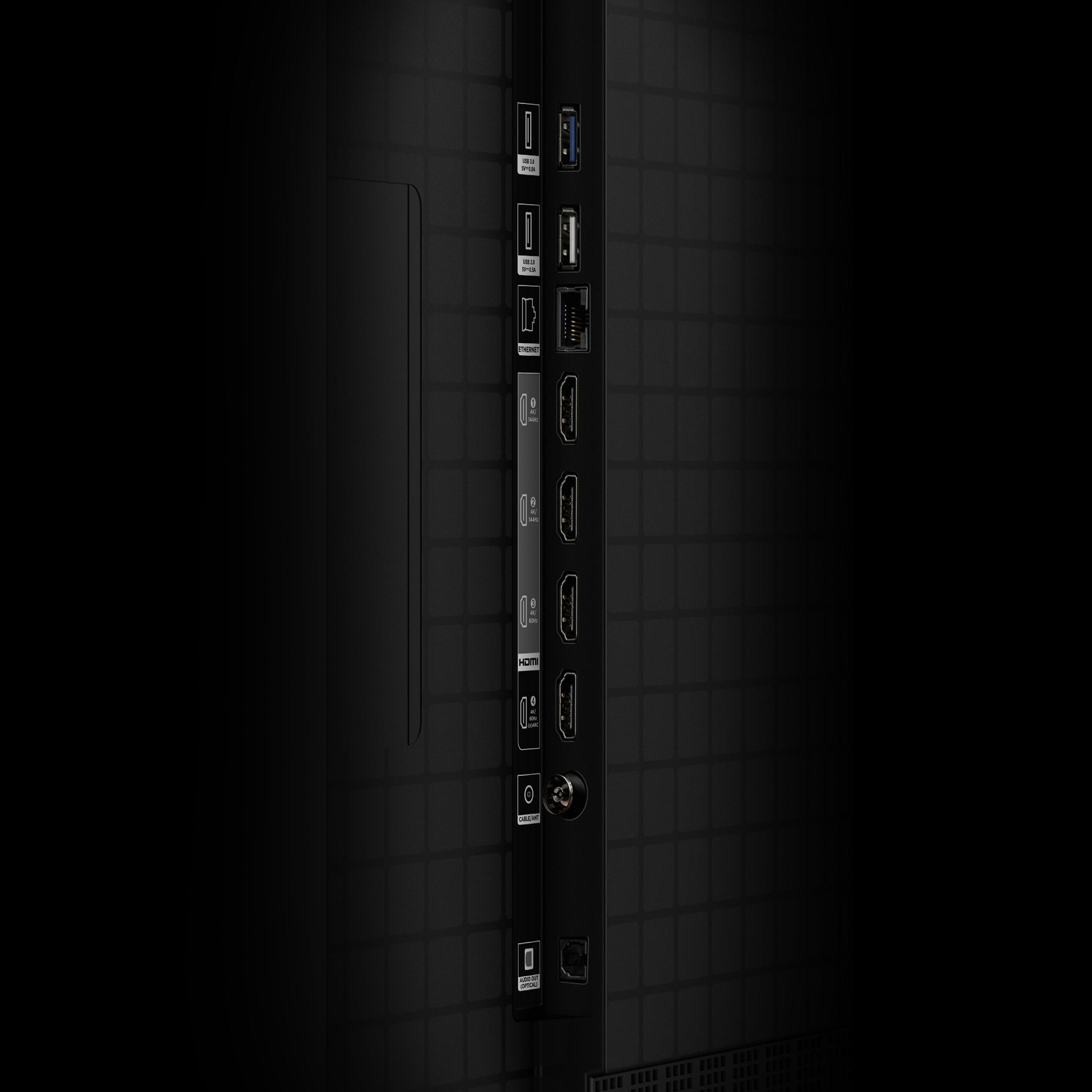
| HDMI 2.1, low input lag, Game Accelerator features | HDMI 2.1, ALLM, dedicated PlayStation 5 optimizations and Game Menu |
| Audio System - Built-in sound quality before adding external speakers | |
| Bang & Olufsen audio system with Dolby Atmos | 2x10W speakers with basic Dolby Atmos support |
| Smart Platform - Both identical for streaming and apps | |
| Google TV with Art Gallery mode (350+ free artworks) | Google TV with Apple AirPlay 2 and HomeKit integration |
| Best Use Case - Who should consider each option | |
| Home theater enthusiasts wanting premium Mini LED at accessible pricing | Budget-conscious buyers needing reliable 4K with PlayStation integration |
The TCL 65" QM8K Series QD-Mini LED 4K Smart TV at $998 offers significantly better picture quality with Mini LED technology, while the Sony BRAVIA 2 II 65" 4K LED Google TV 2025 at $650 provides excellent value for budget-conscious buyers. The TCL justifies its $348 premium with superior brightness, contrast, and HDR performance that competes with TVs costing $1,500-2,000 from other brands.
The TCL QM8K uses advanced QD-Mini LED technology with thousands of dimming zones and up to 4,000 nits brightness, delivering exceptional HDR and contrast. The Sony BRAVIA 2 II uses standard LED backlighting with basic frame dimming and much lower brightness, making it better suited for moderate lighting conditions rather than bright rooms or premium HDR content.
Both TVs offer HDMI 2.1 and low input lag, but they excel in different areas. The TCL QM8K provides superior visual quality for gaming with its high brightness and HDR performance. The Sony BRAVIA 2 II offers dedicated PlayStation 5 optimizations including Auto HDR Tone Mapping and a Game Menu, making it ideal for console gamers who prioritize seamless integration over visual impact.
Yes, both the TCL QM8K and Sony BRAVIA 2 II run Google TV, providing identical access to streaming apps, voice control, and casting features. The main differences are that the TCL includes Art Gallery mode with 350+ free artworks, while the Sony offers better Apple ecosystem integration with AirPlay 2 and HomeKit support.
The TCL 65" QM8K Series QD-Mini LED 4K Smart TV is significantly better for bright rooms, with its 4,000 nits peak brightness and anti-reflective coating handling ambient light excellently. The Sony BRAVIA 2 II with its lower brightness is better suited for rooms with controlled or moderate lighting conditions.
The TCL QM8K features a Bang & Olufsen audio system with enhanced drivers and fuller sound, while the Sony BRAVIA 2 II has basic 2x10W speakers. Both support Dolby Atmos, but the TCL provides noticeably better built-in audio quality, though most users will still benefit from adding a soundbar for the best experience.
The TCL QM8K is the clear winner for home theater use, with its Mini LED technology providing cinema-quality contrast, exceptional HDR performance, and brightness that works well in both dark and ambient light conditions. The precise local dimming and quantum dot colors create a truly cinematic experience that justifies the premium price for serious movie watchers.
Yes, the TCL QM8K features CrystGlow WHVA panel technology that provides 40% wider viewing angles compared to standard LED TVs, maintaining better color accuracy when viewed from the side. The Sony BRAVIA 2 II has typical LED viewing angles with some color shifting and brightness loss at extreme angles.
The TCL 65" QM8K Series QD-Mini LED 4K Smart TV delivers dramatically better HDR performance with its 4,000 nits peak brightness and thousands of local dimming zones, creating impactful highlights and deep blacks. The Sony BRAVIA 2 II 65" 4K LED Google TV 2025 supports HDR formats but lacks the brightness and local dimming needed for truly impressive HDR content.
Both brands offer solid reliability, but they have different strengths. Sony has a longer track record of software updates and customer support, making the BRAVIA 2 II a safe choice for users who prioritize brand reliability. TCL has improved significantly in recent years and the QM8K represents their premium tier with better build quality and features.
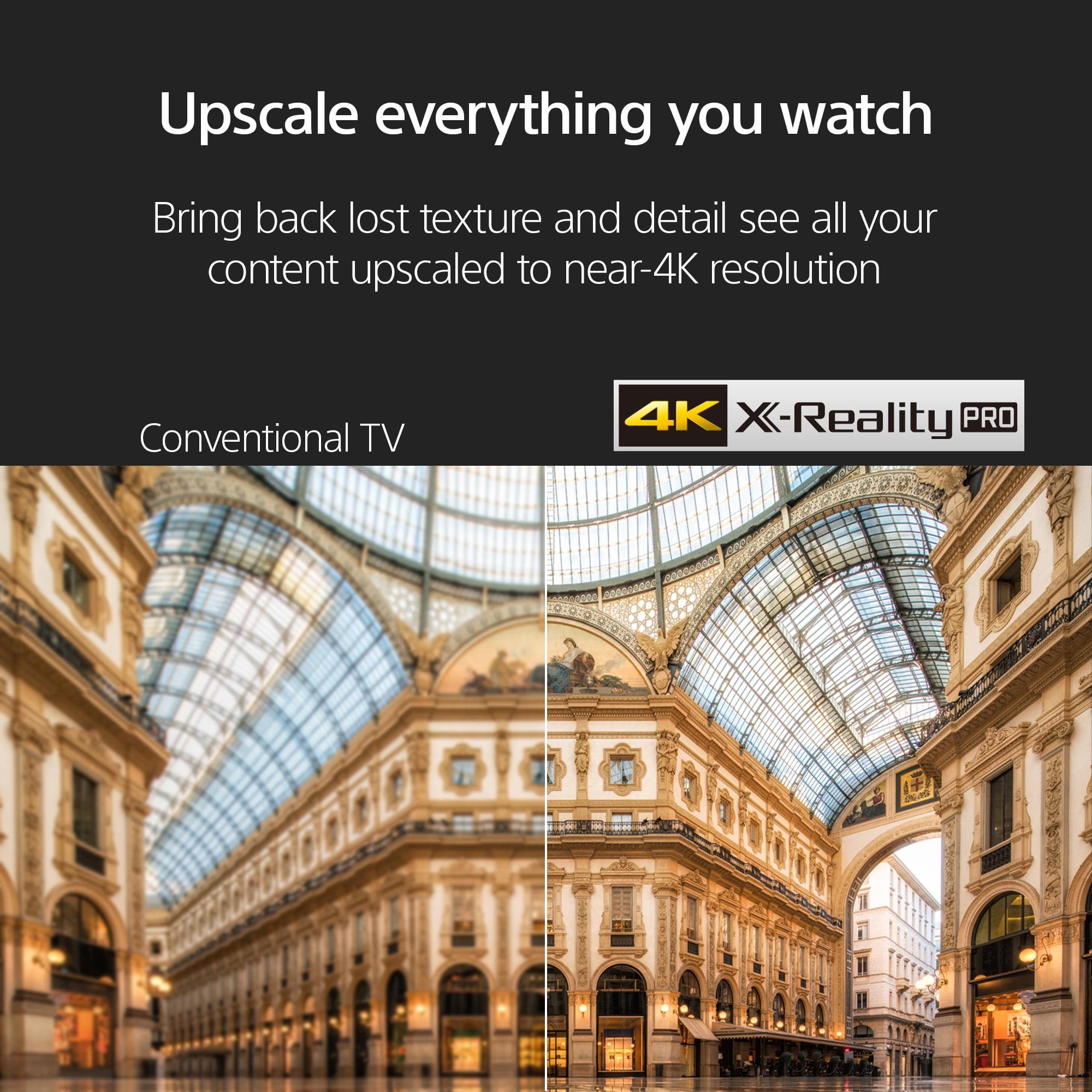
The Sony BRAVIA 2 II excels at upscaling with its 4K Processor X1 and 4K X-Reality PRO technology, making HD content look sharper and more detailed. While the TCL QM8K also upscales well, Sony's processing has traditionally been superior for enhancing lower-resolution content like cable TV and older streaming content.
Choose the TCL QM8K if you want premium picture quality, have a bright viewing room, prioritize HDR content, or are setting up a home theater. Choose the Sony BRAVIA 2 II if you're budget-conscious, primarily game on PlayStation 5, watch mostly standard content, or need a reliable TV for secondary viewing areas. The $348 price difference is justified if picture quality is your top priority.
We've done our best to create useful and informative comparisons to help you decide what product to buy. Our research uses advanced automated methods to create this comparison and perfection is not possible - please contact us for corrections or questions. These are the sites we've researched in the creation of this article: tomsguide.com - youtube.com - businessinsider.com - rtings.com - youtube.com - avsforum.com - avsforum.com - bestbuy.com - tcl.com - tcl.com - tcl.com - flatpanelshd.com - romomattressfurniture.com - brandsmartusa.com - pcrichard.com - tvsbook.com - tcl.com - youtube.com - prnewswire.com - tcl.com - tcl.com - bestbuy.com - notebookcheck.net - rtings.com - youtube.com - youtube.com - rtings.com - avsforum.com - croma.com - totonstv.com - electronics.sony.com - listenup.com - pcrichard.com - youtube.com - flanners.com - brandsmartusa.com - displayspecifications.com - pioneertvandappliance.com - donstv.com

Privacy Policy
Terms and Conditions - Affiliate Policy
Home Security
© Copyright 2008-2026.
11816 Inwood Rd #1211, Dallas, TX 75244