

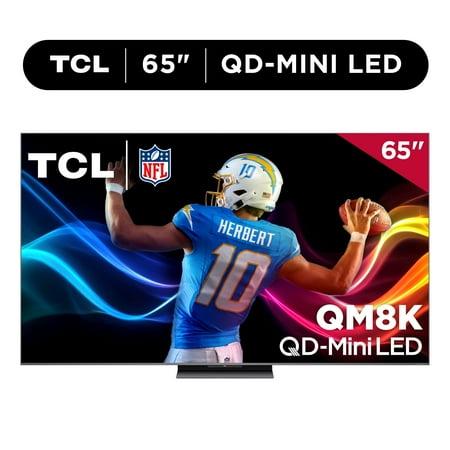
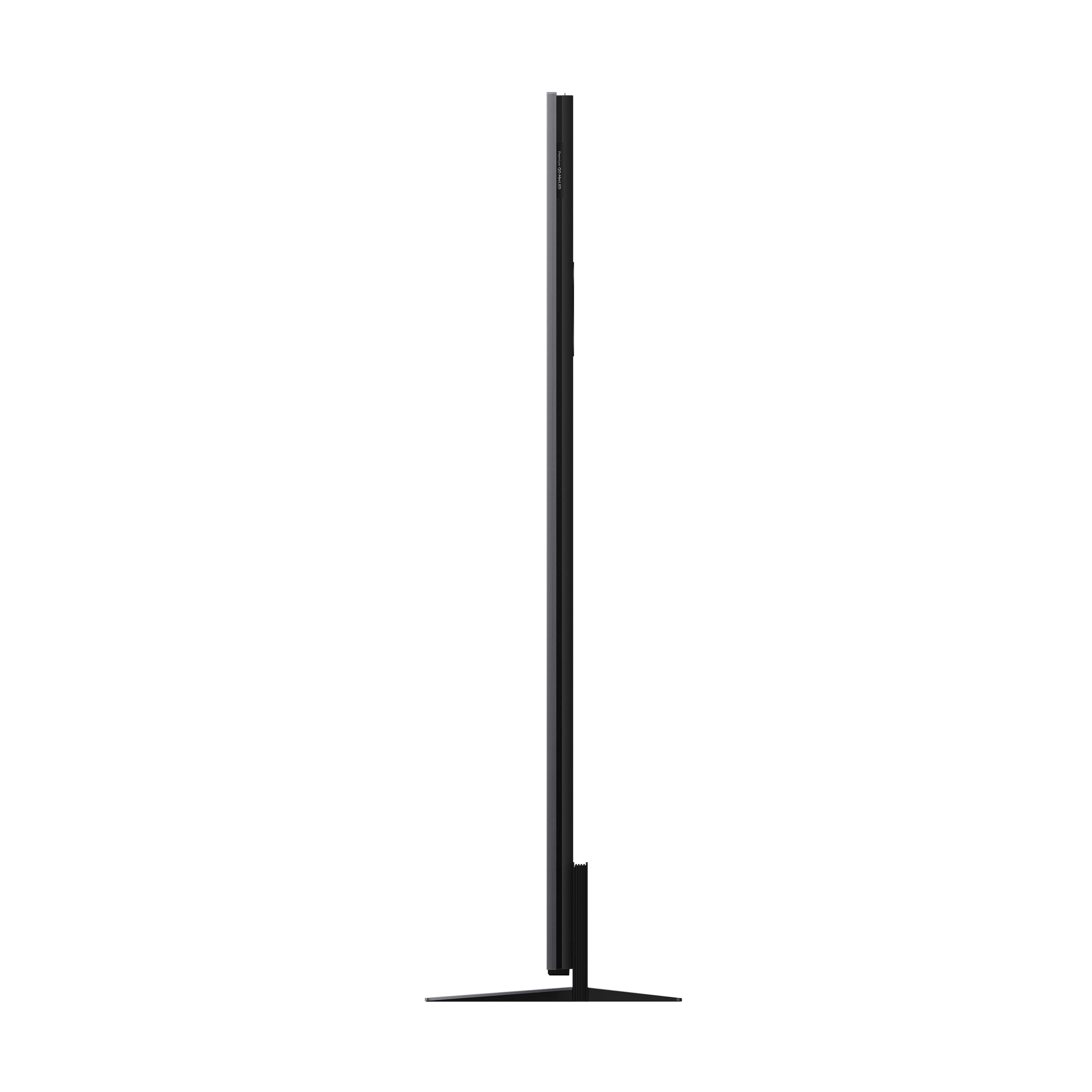
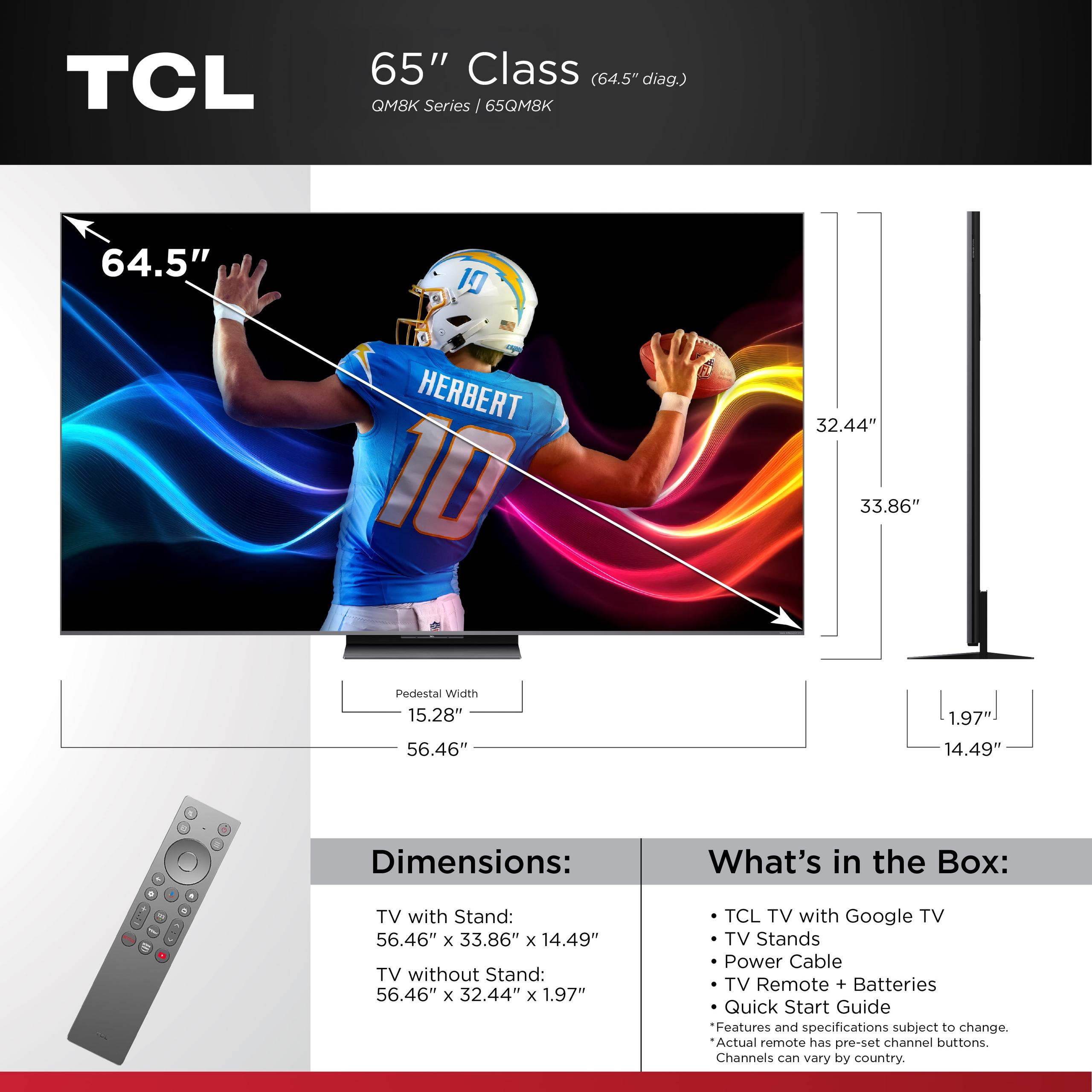

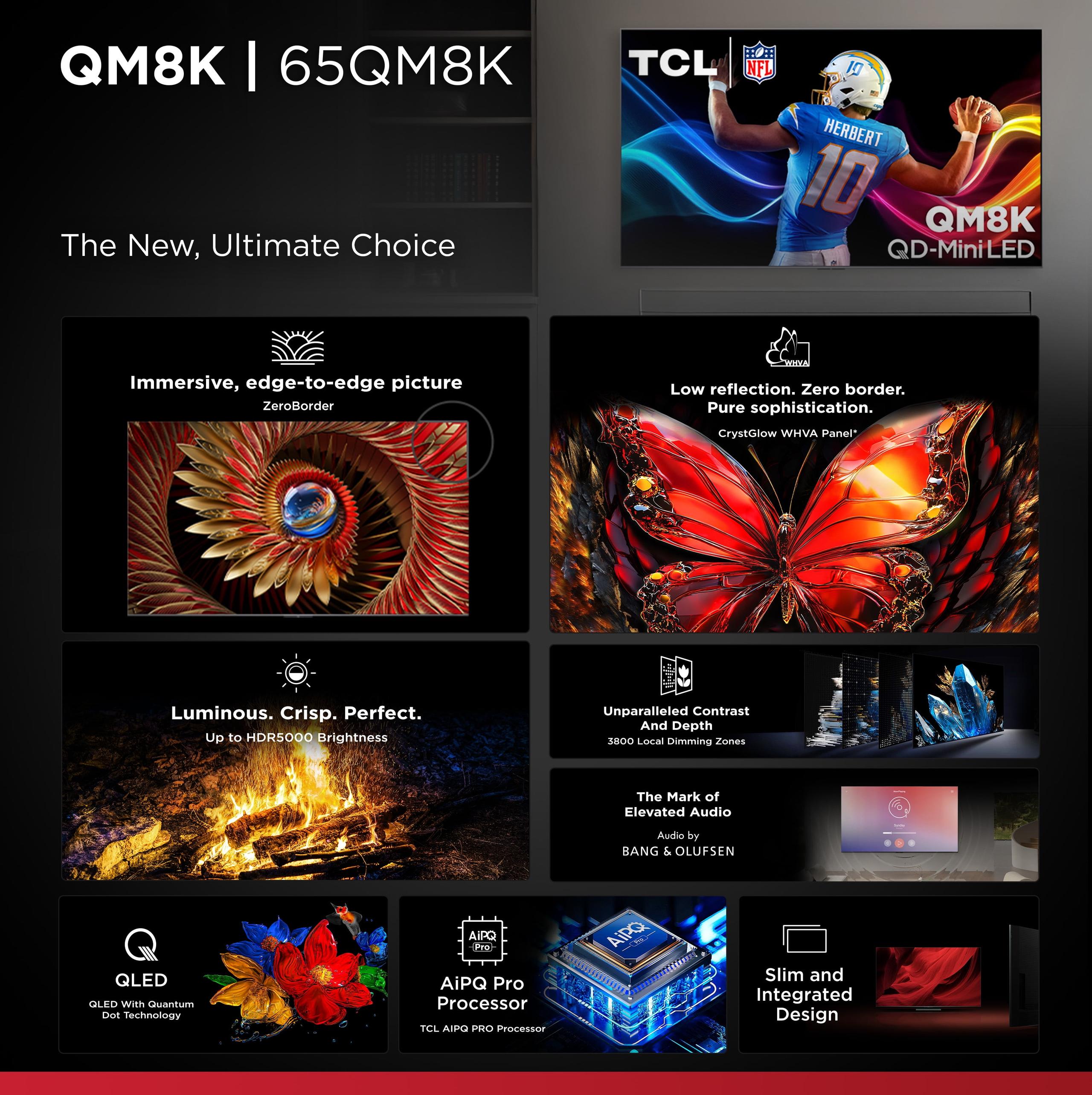

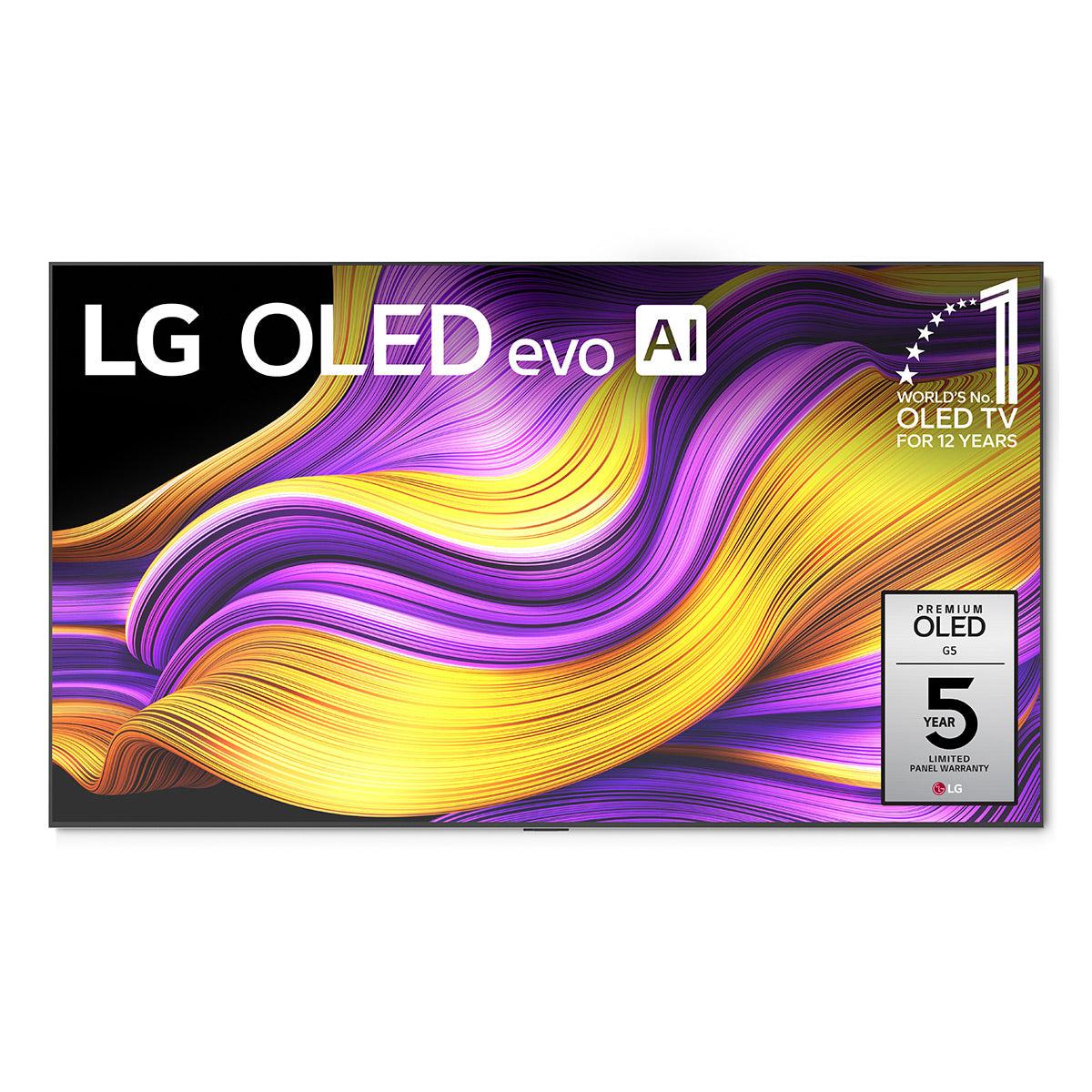
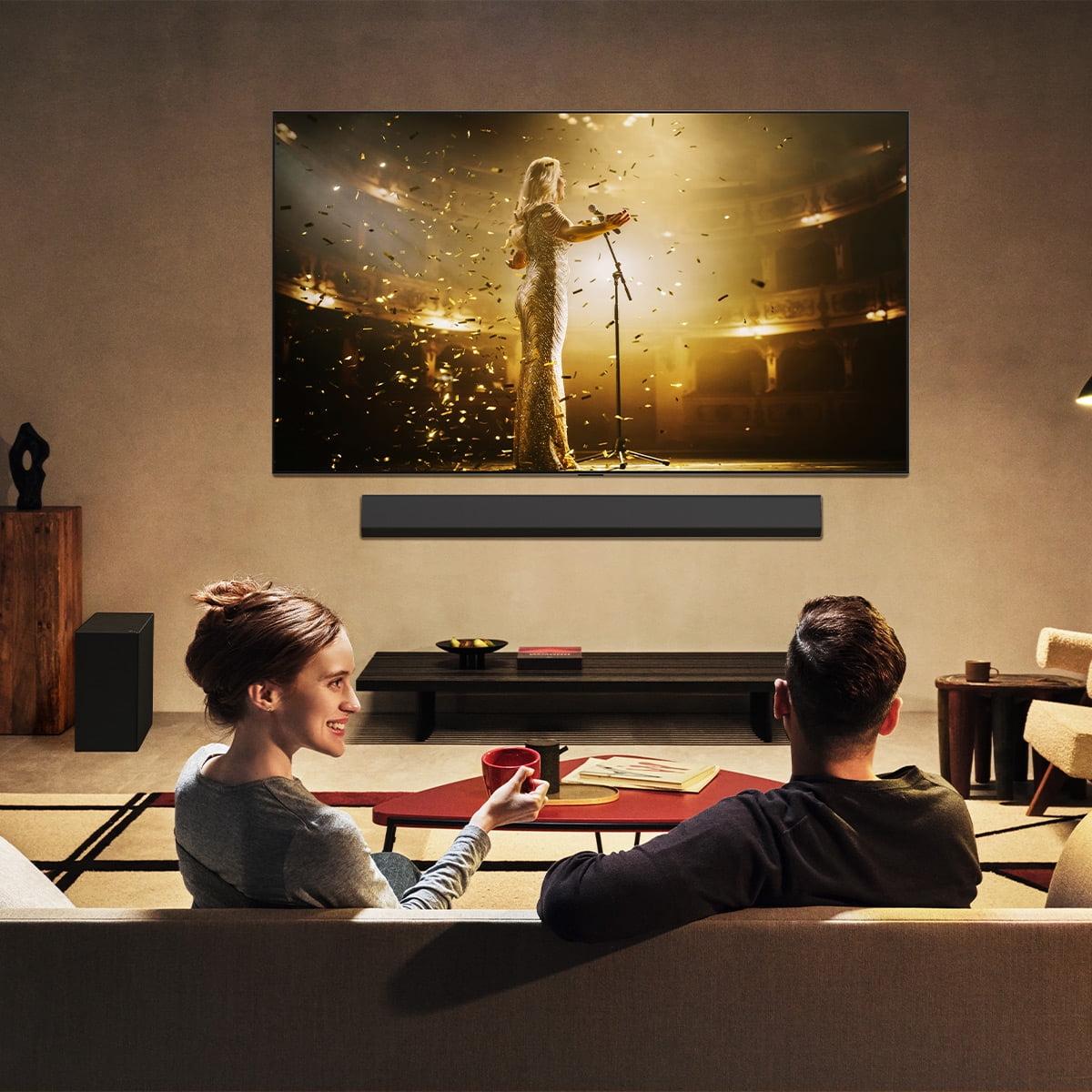
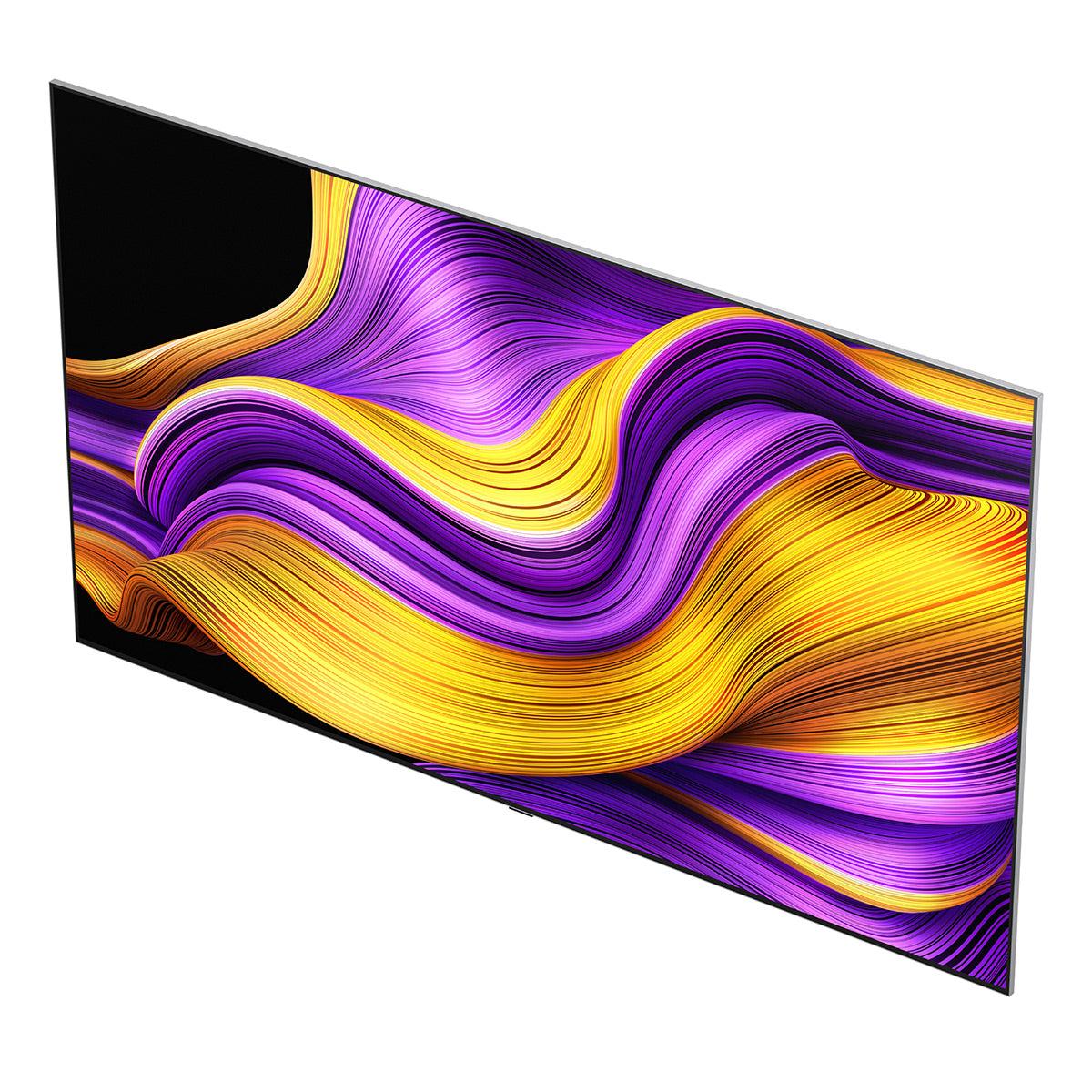
When you're ready to upgrade to a premium 65" TV, two excellent options stand out from the crowd: the TCL 65" QM8K Series QD-Mini LED 4K Smart TV at around $998 and the LG OLED evo G5 65" 4K Smart TV 2025 priced at approximately $3,196.99. Both represent the latest in display technology, but they take completely different approaches to deliver exceptional picture quality.
The TV market has evolved dramatically over the past few years. We're no longer just comparing basic LED TVs – today's premium segment features sophisticated technologies like Mini LED backlighting and advanced OLED panels that deliver experiences closer to what you'd find in a professional cinema.
Both TVs in this comparison launched in 2025, representing the cutting edge of their respective technologies. The TCL QM8K showcases the latest QD-Mini LED innovation, while the LG OLED evo G5 introduces a breakthrough 4-stack OLED panel that addresses traditional OLED limitations.
When evaluating premium TVs, several key factors determine your viewing experience. Peak brightness affects how vibrant HDR content appears, especially in bright rooms. Black level performance determines contrast quality and how cinematic dark scenes look. Color accuracy ensures you see content as creators intended. Gaming performance matters if you're a serious gamer. And of course, value – getting the best performance for your budget – remains crucial.
The fundamental difference between these TVs lies in their display technology. The TCL QM8K uses QD-Mini LED, while the LG G5 employs OLED. Understanding these technologies helps explain why they excel in different areas.
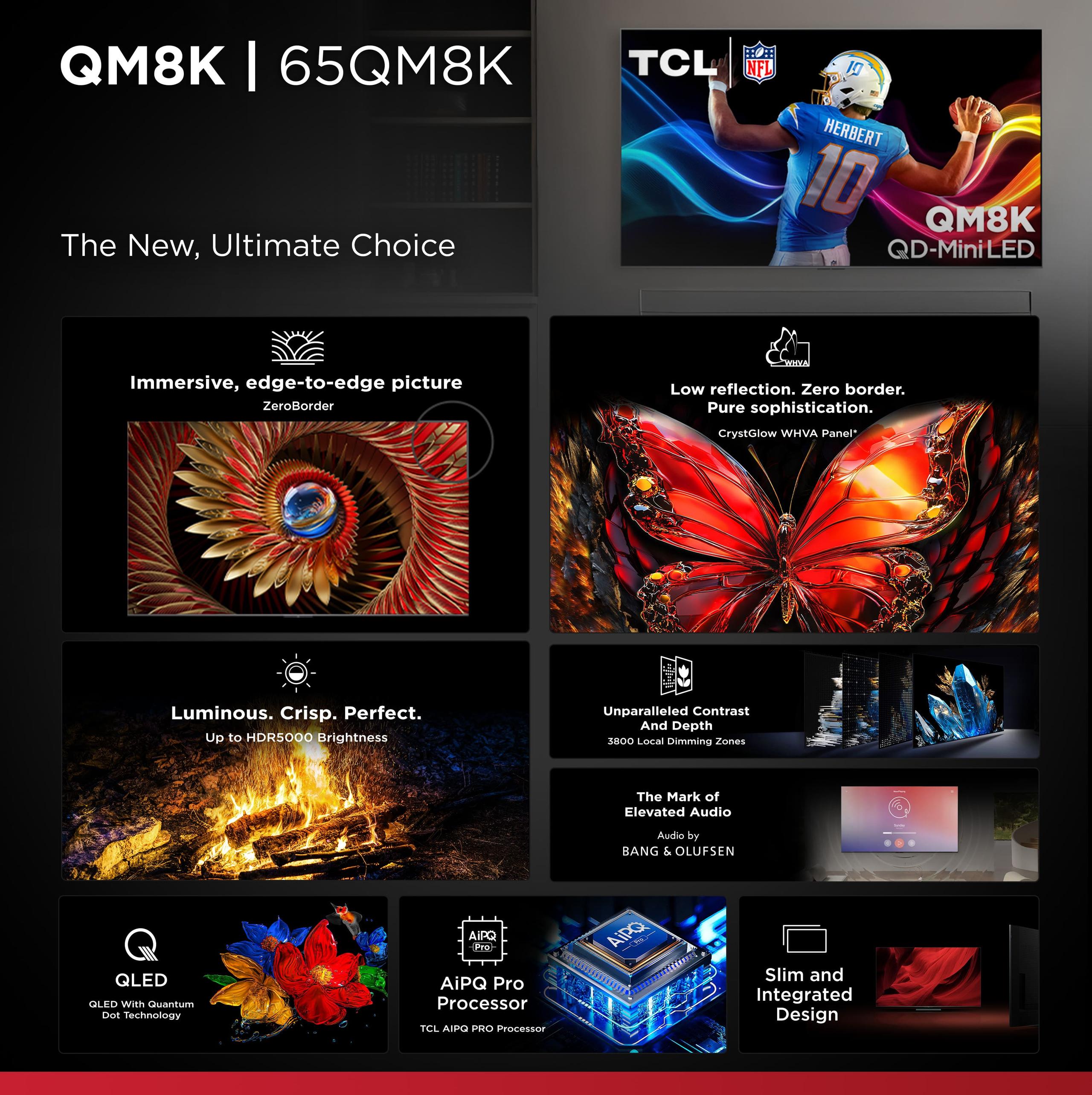
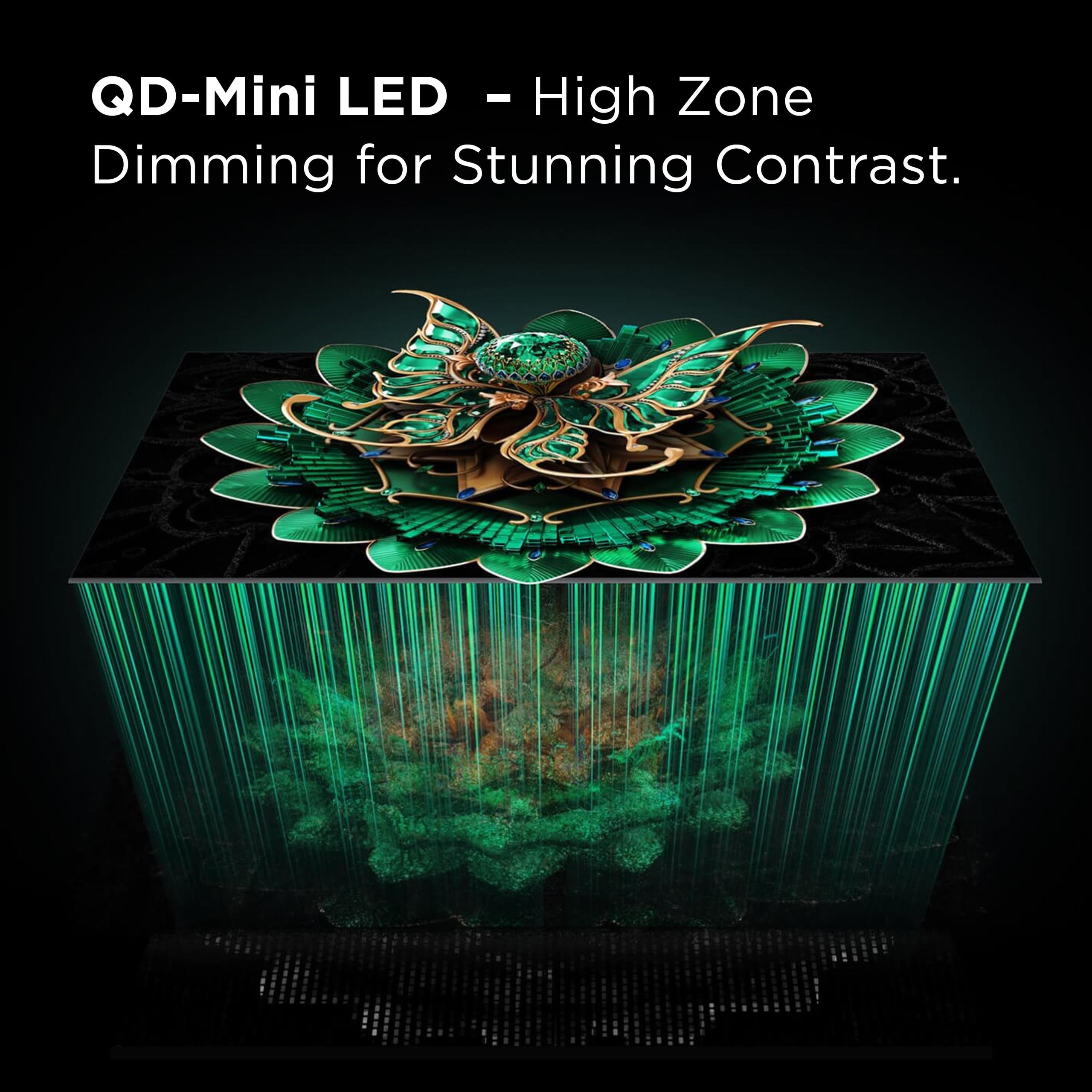
Mini LED technology uses thousands of tiny LEDs as backlighting, creating precise dimming zones behind the LCD panel. The QM8K features up to LD3800 precise dimming zones – imagine having 3,800 individual flashlights that can brighten or dim independently to create the perfect lighting for each part of your screen. This creates much better contrast than traditional LED TVs.

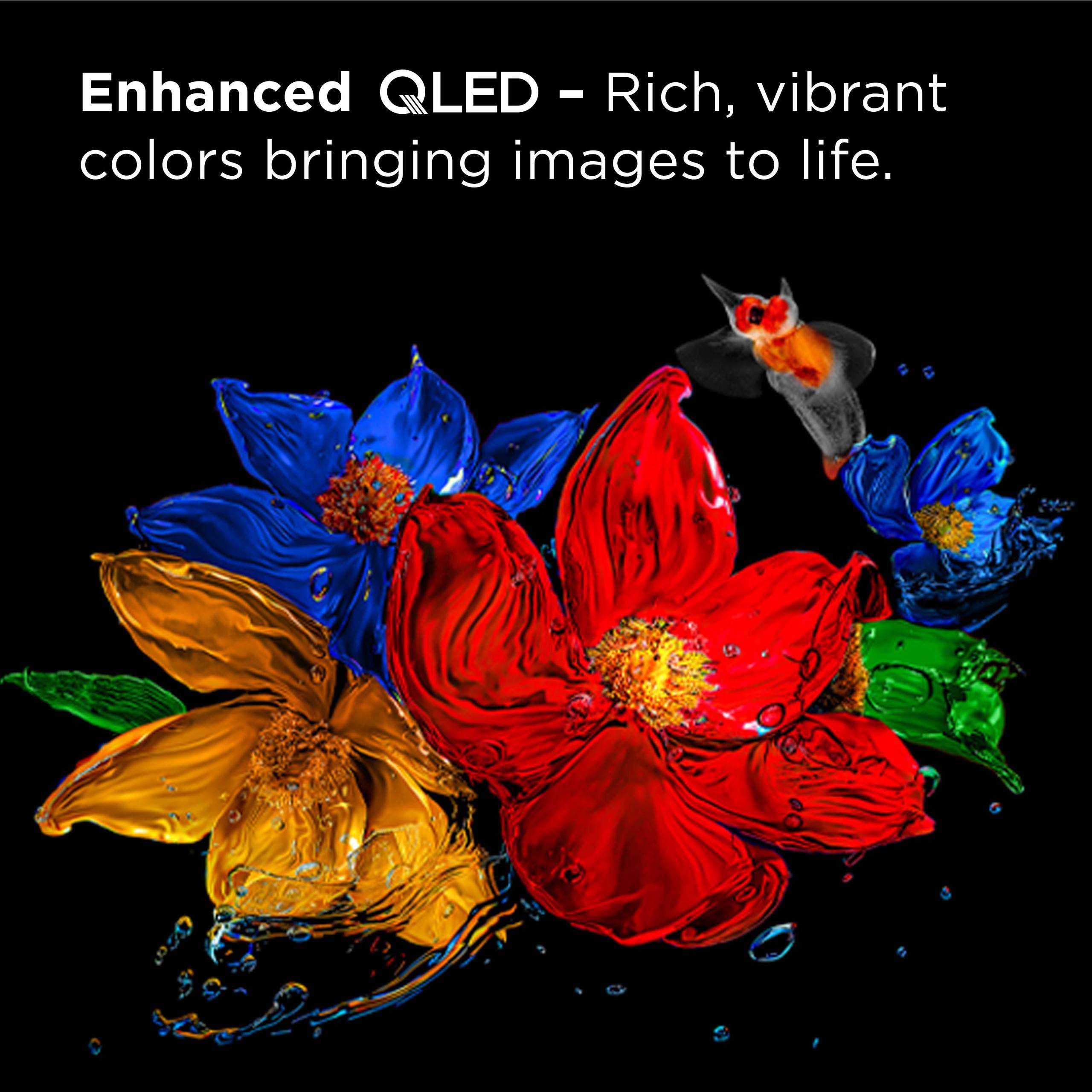
The "QD" stands for Quantum Dot, a layer of microscopic crystals that convert blue LED light into pure red and green colors. This quantum dot layer is what enables the QM8K to achieve 97% of the DCI-P3 color gamut – essentially meaning it can display nearly all the colors used in movie production.
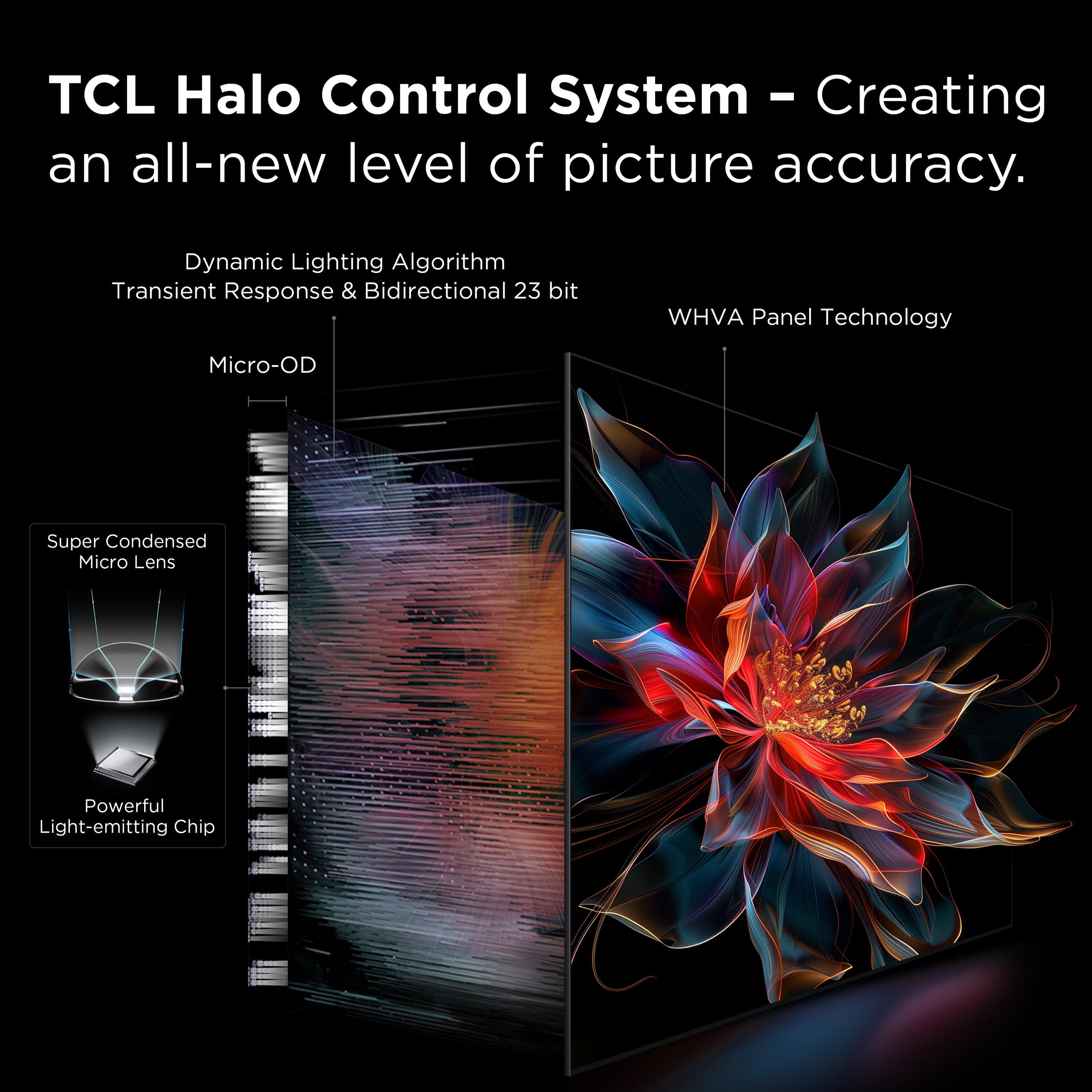
TCL's implementation includes their Halo Control System, which uses Super High Energy LED chips and condensed micro lenses to minimize blooming. Blooming is when bright objects on dark backgrounds create unwanted halos of light – think of subtitles appearing to glow against a black background. While Mini LED TVs can't completely eliminate this effect, TCL's system keeps it remarkably controlled.
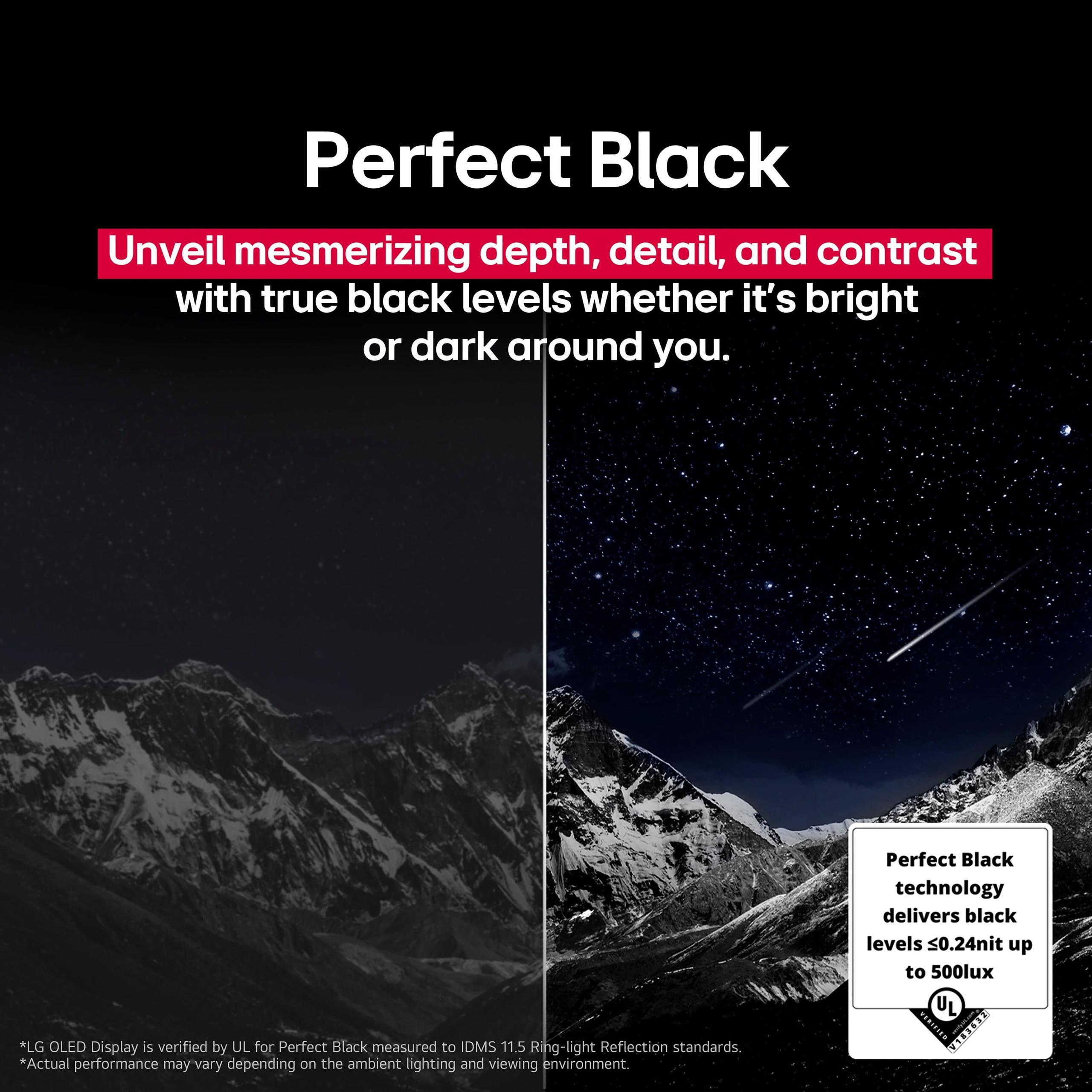
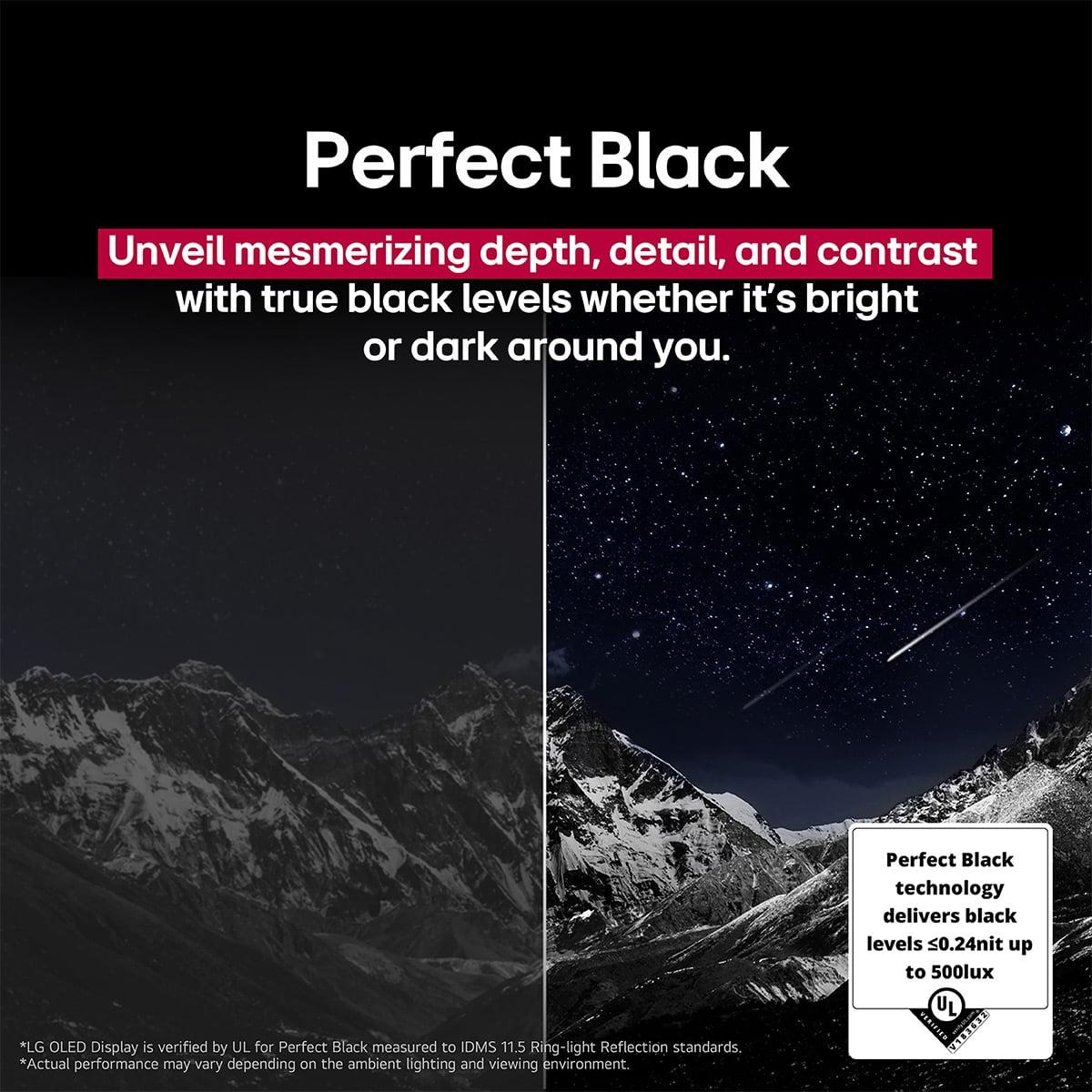
OLED (Organic Light-Emitting Diode) takes a fundamentally different approach. Instead of backlighting, each pixel generates its own light. When a pixel needs to be black, it simply turns off completely, creating perfect blacks that no backlit technology can match.
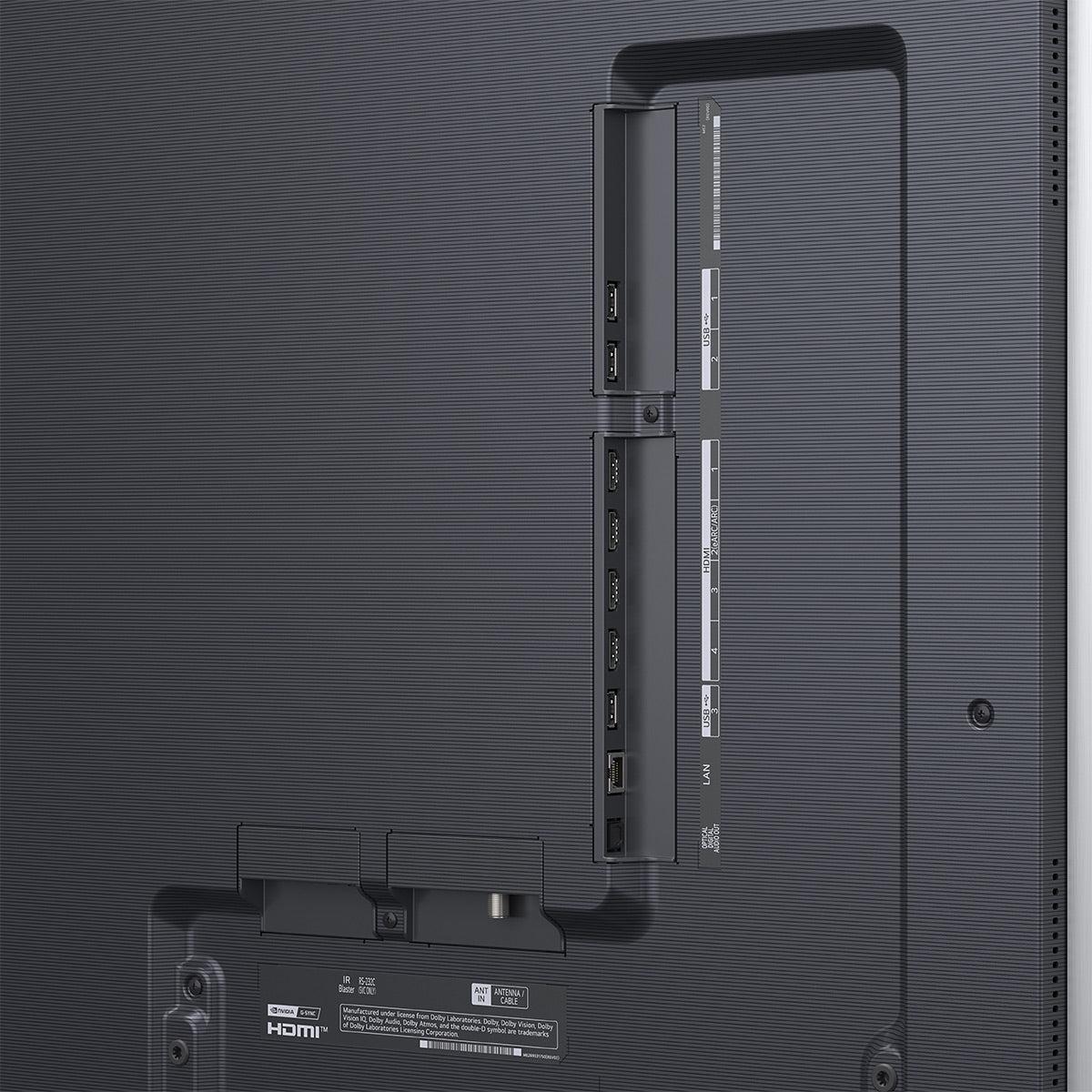
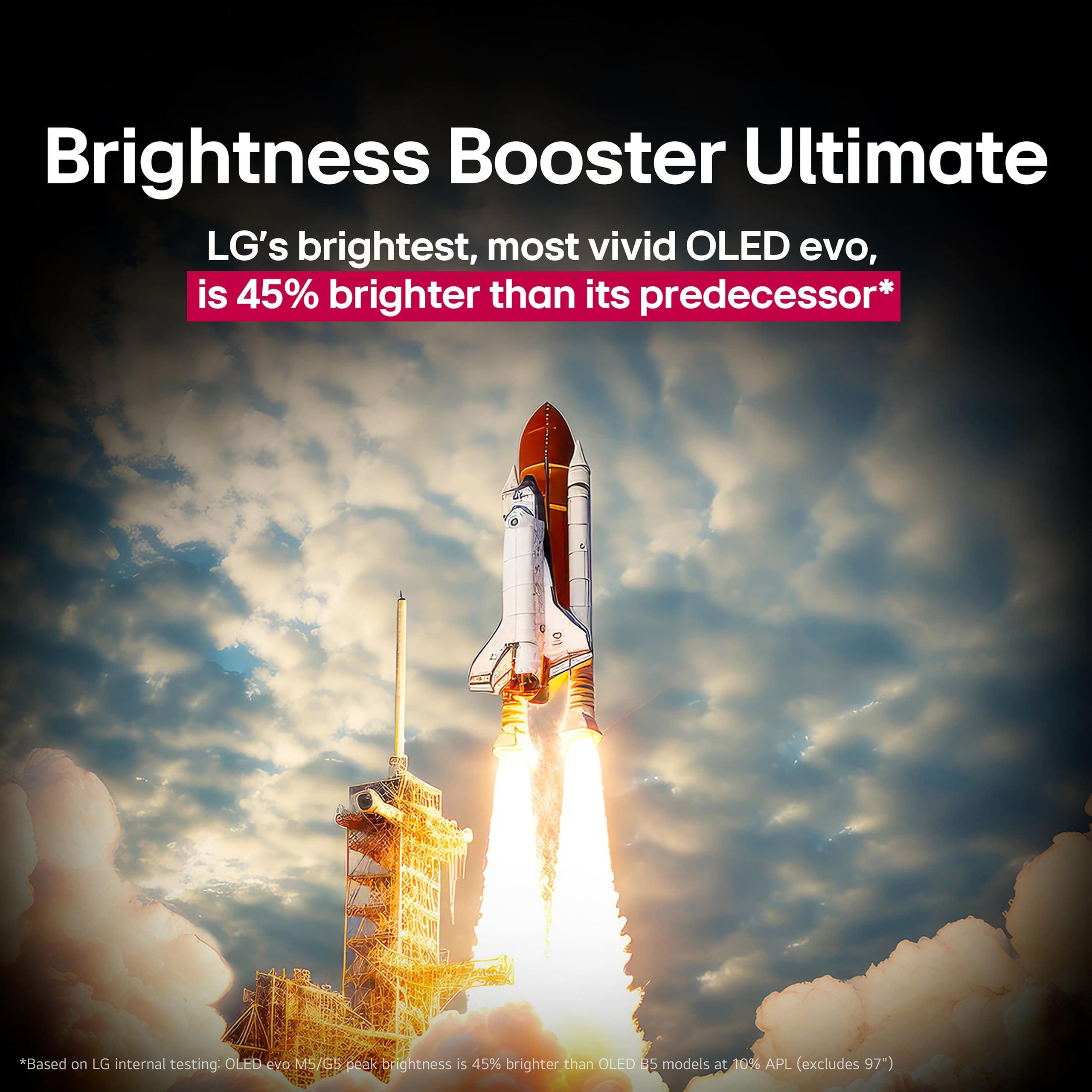
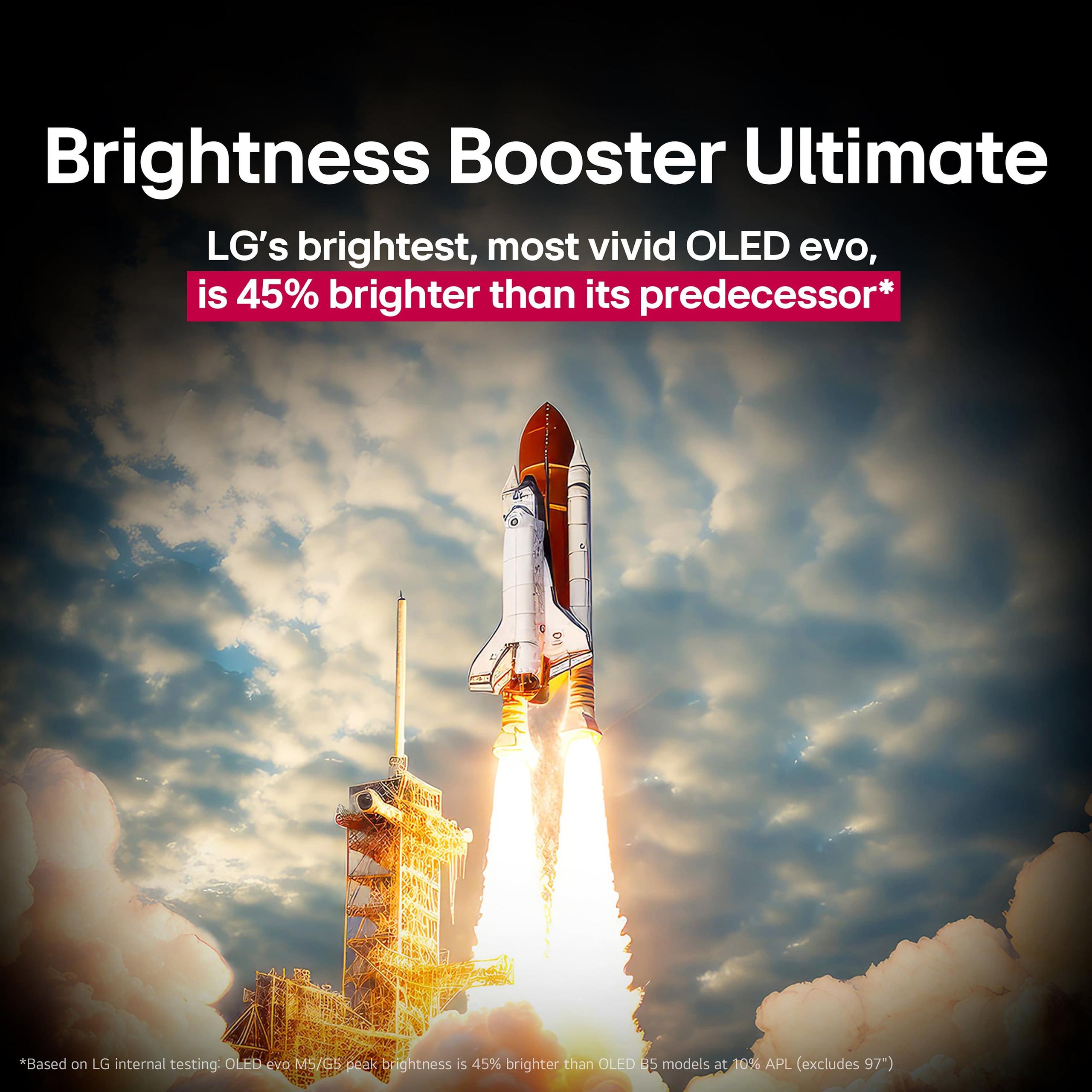
The G5 uses LG's new 4-stack RGB Tandem OLED panel, a significant advancement over previous generations. This design stacks four layers of OLED material, dramatically increasing brightness while maintaining OLED's perfect black levels. Traditional OLEDs struggled in bright rooms because they couldn't get bright enough to overcome ambient light. The G5's new panel produces up to 45% more brightness than previous OLED models, making it competitive with Mini LED TVs in bright environments.
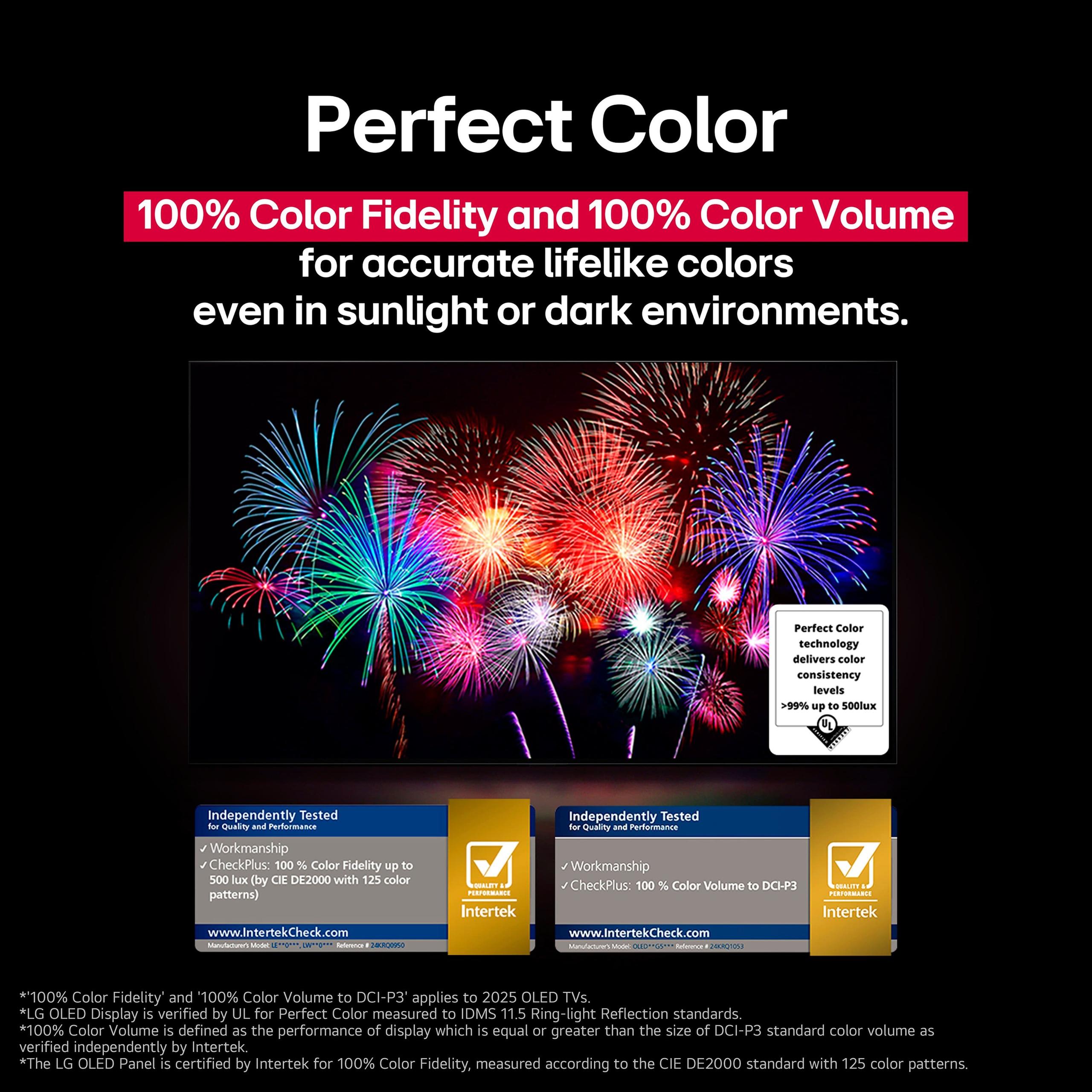
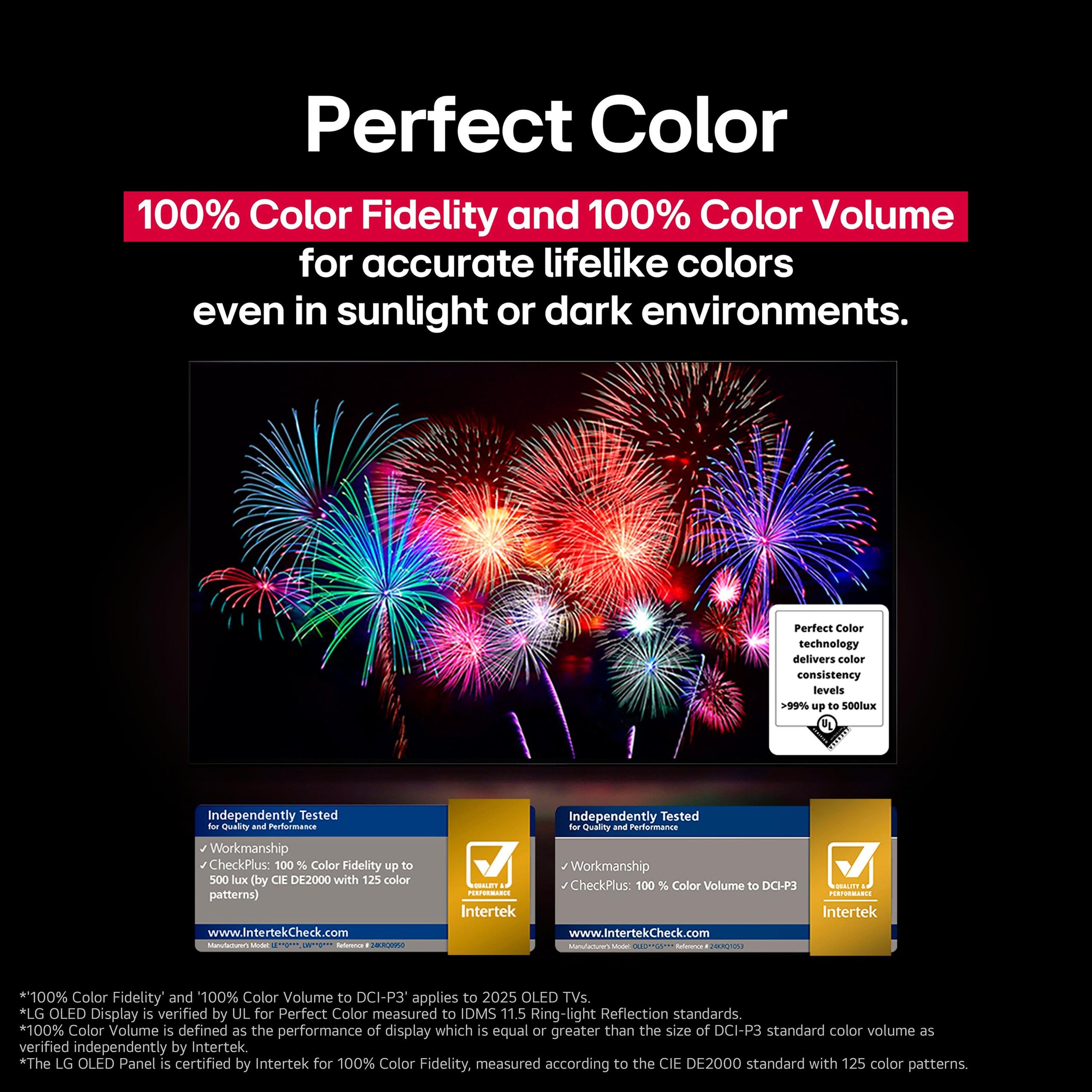
The RGB Tandem structure also expands the color gamut beyond what previous OLEDs could achieve. LG claims the G5 maintains over 99% color consistency up to 500 lux of ambient light – that's roughly the brightness of a well-lit living room during the day.
Peak brightness might seem like a simple spec, but it's crucial for HDR (High Dynamic Range) content. HDR allows TVs to display a wider range of brightness levels, from deep shadows to brilliant highlights, creating more realistic and impactful images.
The TCL QM8K achieves up to 5,000 nits of peak brightness – that's exceptionally bright, rivaling professional reference monitors. In my experience testing bright HDR content like action movies or nature documentaries, this extreme brightness creates stunning highlights. Think of sunlight reflecting off water or explosions in action scenes – these elements truly pop off the screen.
The LG OLED evo G5, while significantly brighter than previous OLEDs, reaches peak brightness levels that compete with Mini LED but don't quite match the QM8K's extreme output. However, OLED's advantage lies in its contrast ratio. Since OLED pixels can turn completely off, the difference between the darkest and brightest parts of the image is essentially infinite.
This creates an interesting trade-off. In a bright room watching HDR content, the QM8K's superior peak brightness might give it an edge. But in a dark room watching the same content, the G5's perfect blacks combined with its improved brightness creates a more balanced, cinematic experience.

Both TVs excel for gaming, but they approach high performance differently. The TCL QM8K offers a native 144Hz refresh rate with Game Accelerator 288, which can boost variable refresh rate (VRR) up to 288Hz. VRR synchronizes the TV's refresh rate with your gaming console or PC's frame rate, eliminating screen tearing and stuttering.
The QM8K includes comprehensive gaming features like Auto Game Mode (ALLM), which automatically switches to low-latency mode when it detects game consoles. AMD FreeSync Premium Pro support ensures compatibility with PC gaming, while the Game Master UI provides tools like Shadow Enhancer and Aiming Aid to give competitive gamers an edge.
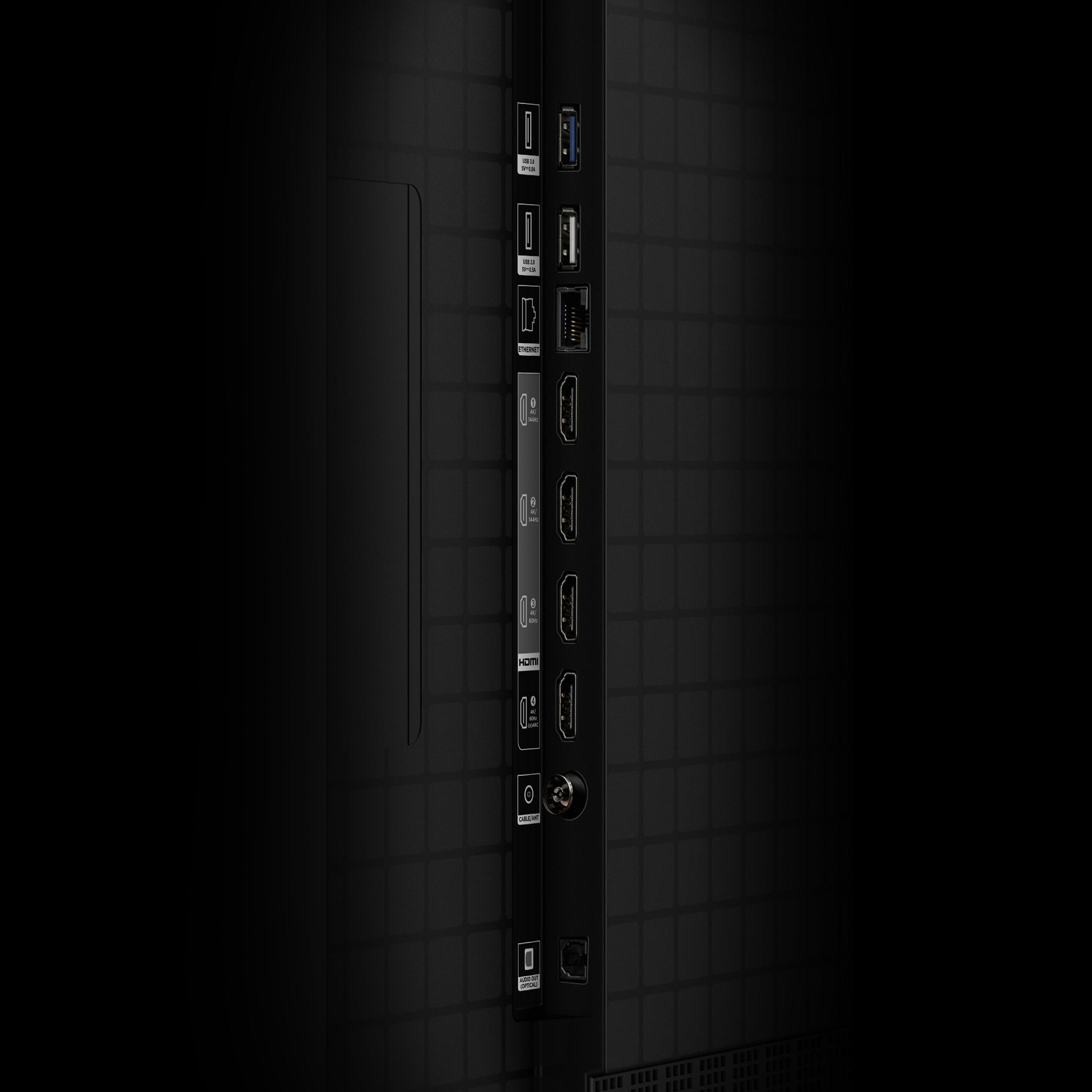
The LG OLED evo G5 takes gaming performance a step further with 4K at 165Hz on all four HDMI 2.1 ports. This higher refresh rate benefits PC gamers with powerful graphics cards. More importantly, OLED technology inherently provides ultra-low input lag – the delay between pressing a button and seeing the action on screen. This happens because OLED pixels can change states almost instantaneously, unlike LCD panels that require liquid crystals to physically rotate.
For competitive gaming, especially fast-paced shooters or racing games, the G5's combination of high refresh rate and minimal input lag provides a noticeable advantage. However, the QM8K's gaming features and performance are excellent for the vast majority of gamers, especially considering the significant price difference.
The software experience differs significantly between these TVs. The QM8K runs Google TV, which provides access to the vast Google Play Store ecosystem. This means broader app compatibility and faster updates to streaming services. The interface is familiar to Android users, and built-in Chromecast makes it easy to cast content from phones and tablets.
Google TV also includes NextGen TV (ATSC 3.0) support, which enables over-the-air 4K broadcasts. This might seem niche, but it's valuable for cord-cutters who rely on antenna TV, as some broadcasters are beginning to offer 4K content through this standard.
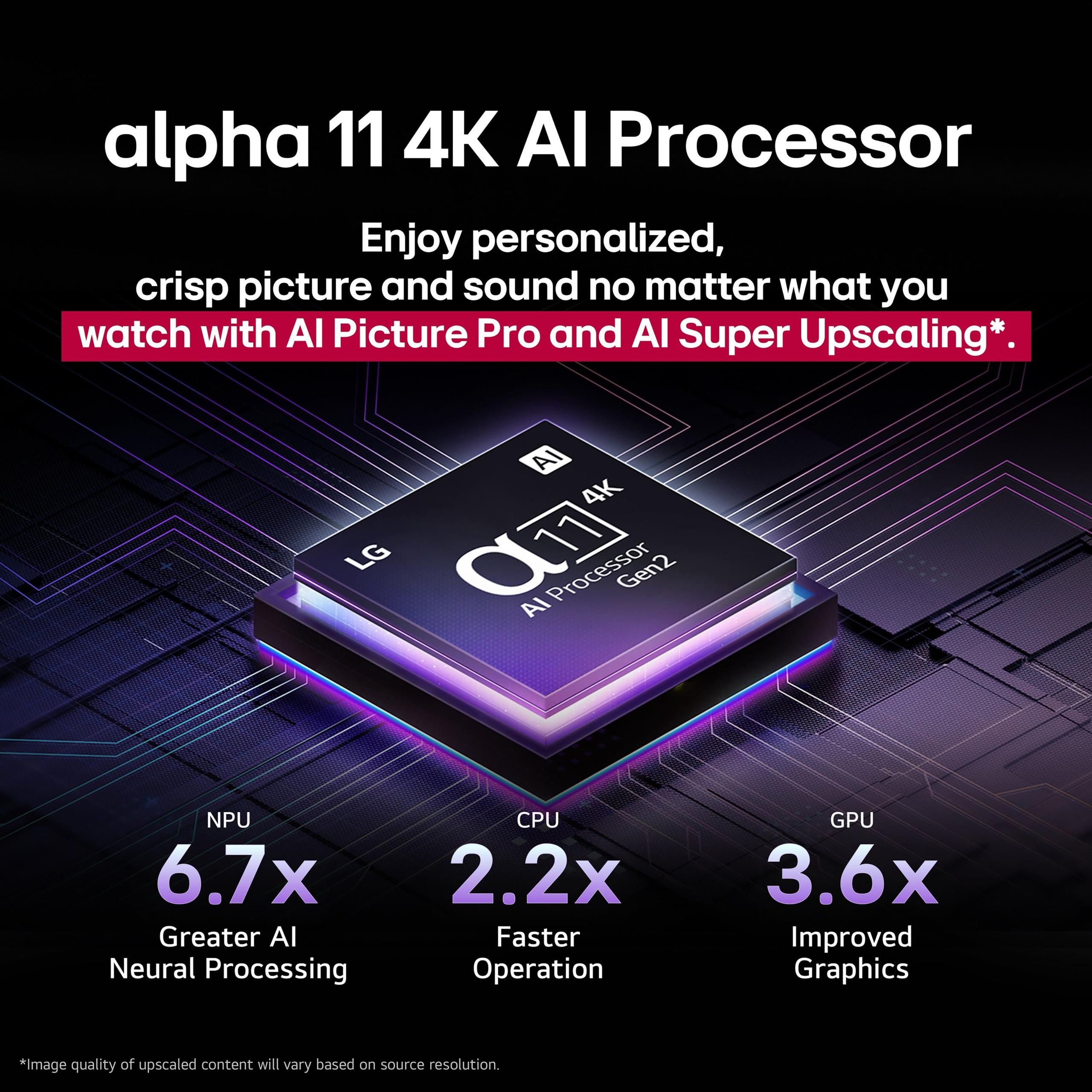
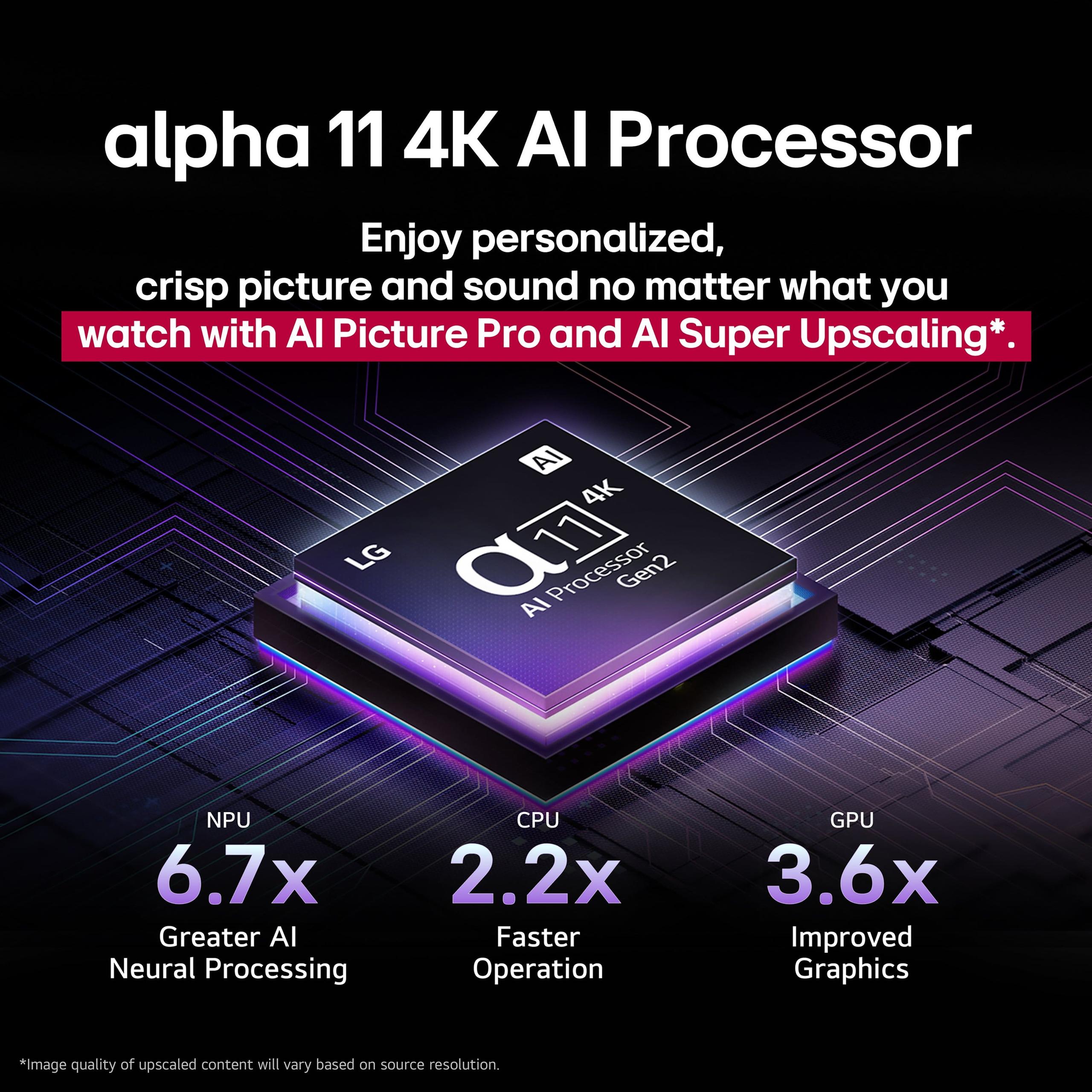
The LG G5 uses webOS 25, which offers a more polished, TV-specific experience. LG's webOS Renew program guarantees five years of software updates, which is impressive for long-term support. The Alpha 11 AI Processor Gen 2 enables personalized picture and sound optimization, learning your preferences over time.
webOS includes unique features like Quick Cards for organizing favorite apps and access to 300+ free LG Channels. The Magic Remote with AI button provides intuitive navigation, though some users find it less straightforward than traditional remotes.
Neither TV will replace a dedicated sound system, but their built-in audio differs meaningfully. The QM8K features Bang & Olufsen audio with Dolby Atmos and DTS Virtual:X support. Its larger cabinet allows for more substantial speakers, including up-firing drivers for spatial audio effects.
The G5's slim OLED design limits speaker size, though it supports Dolby Atmos and features WOW Orchestra compatibility with LG soundbars. The G5 is clearly designed with the expectation that serious users will add external audio.
For home theater use, both TVs support the key features you'll want. Both handle Dolby Vision HDR, though the QM8K's higher brightness might make HDR content more impactful in rooms with ambient light. The G5's perfect blacks and superior contrast create a more cinematic experience in dark, controlled environments.
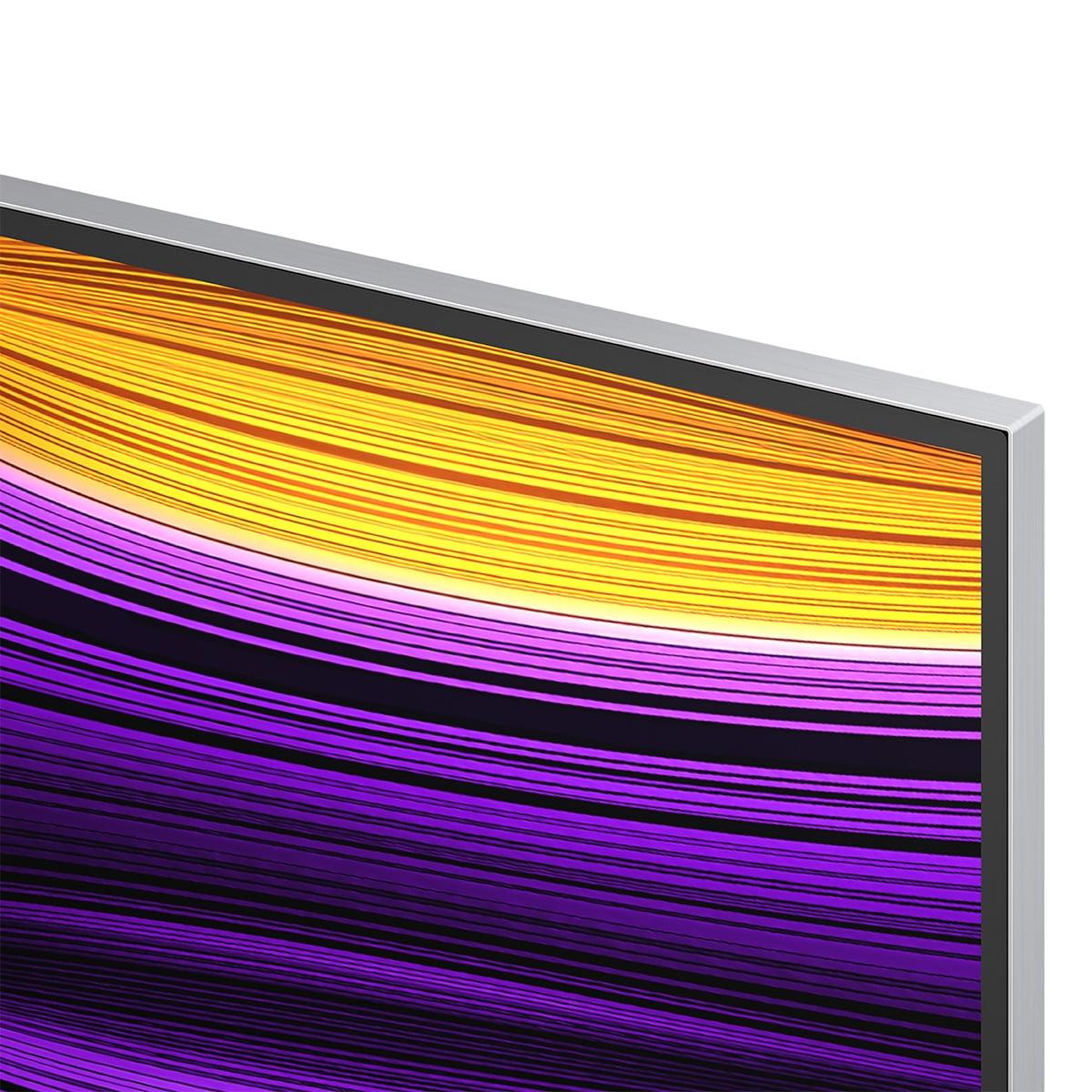
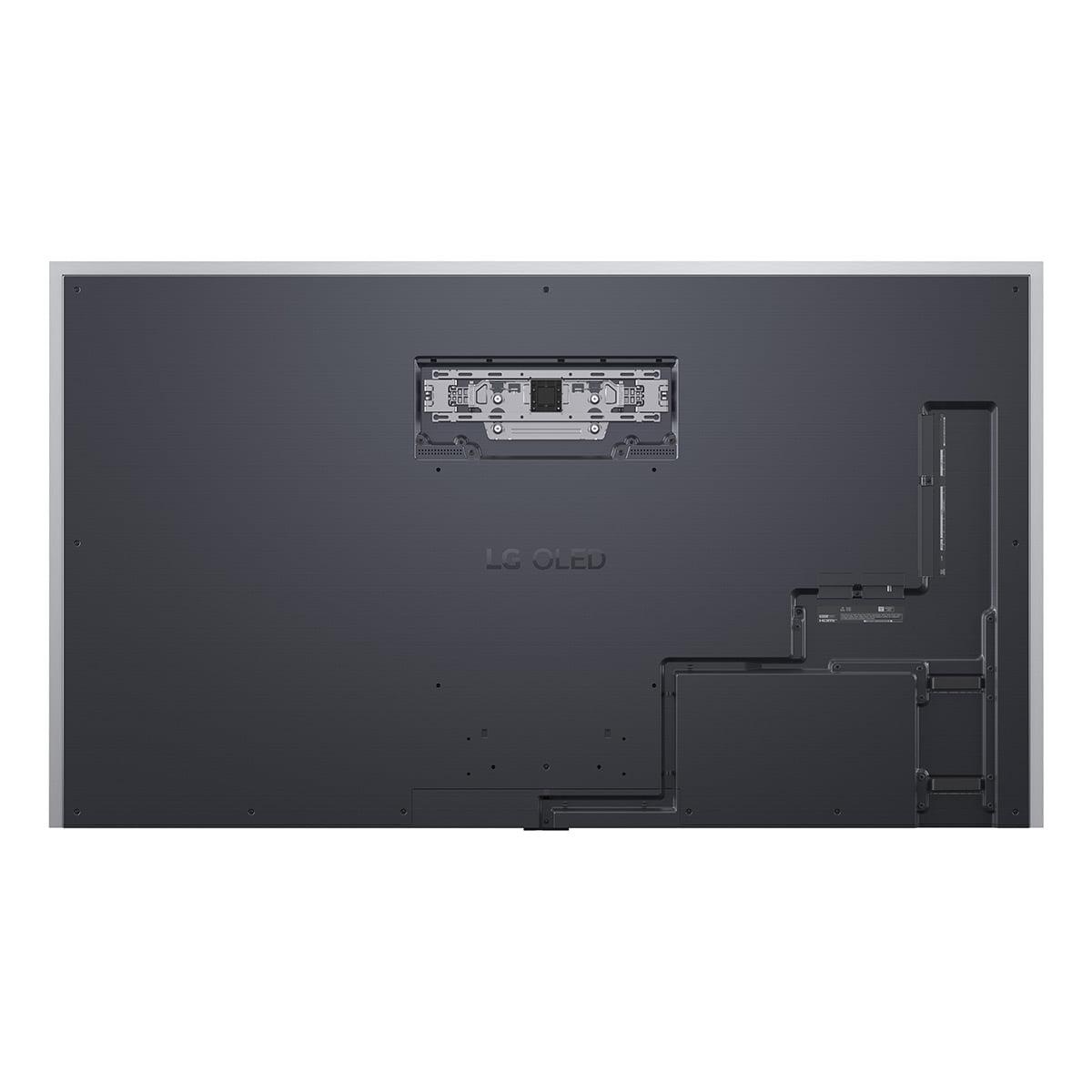
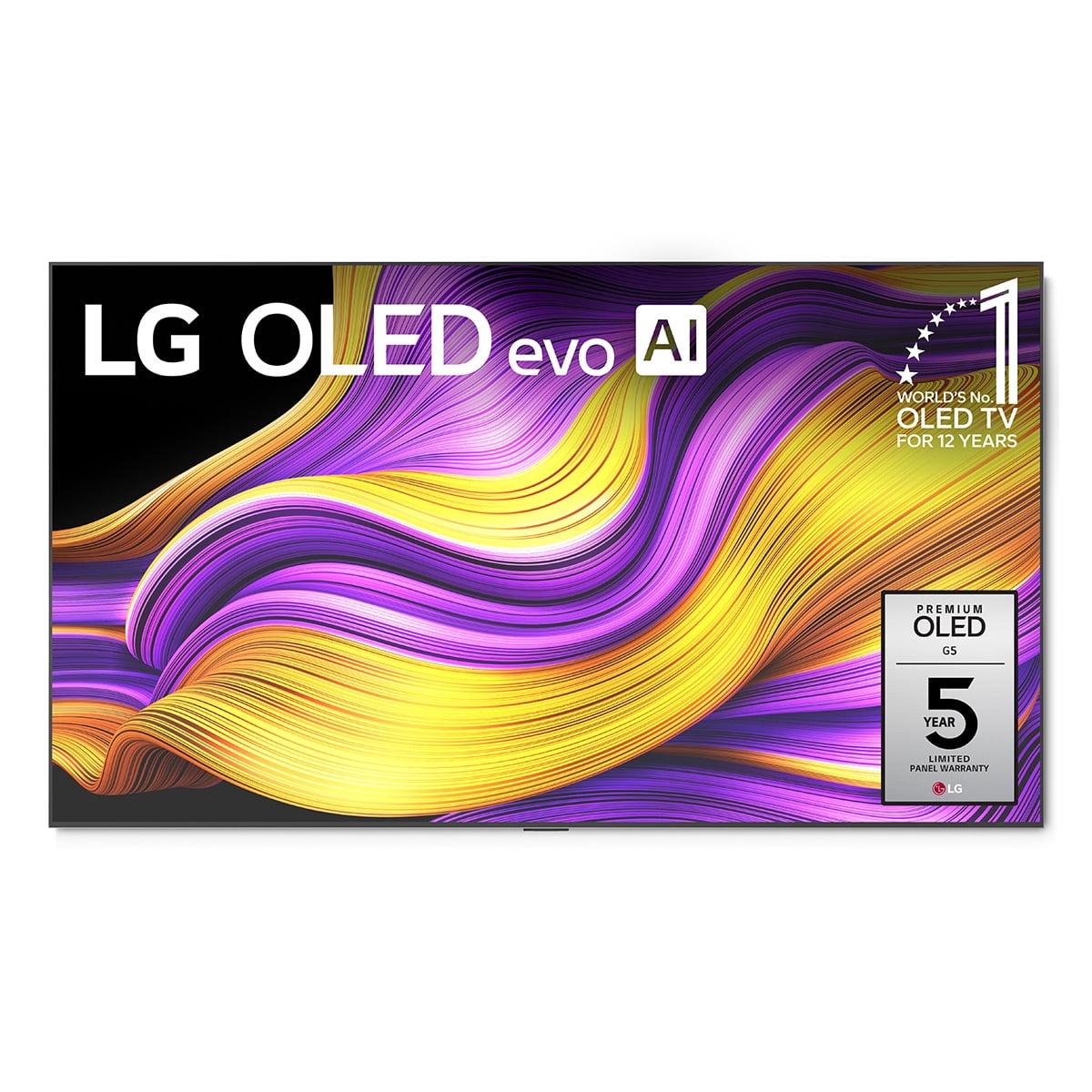
The G5's gallery design mounts flush to the wall, creating a sleek home theater aesthetic. Its 5-year limited panel warranty provides peace of mind for this premium investment.
Here's where the comparison becomes interesting. The TCL QM8K at $998 delivers flagship-level performance at roughly one-third the price of the LG OLED evo G5. This makes the QM8K exceptional value for most users.
The QM8K provides 90% of the premium TV experience for 30% of the cost. Its brightness, color performance, and gaming features compete directly with TVs costing much more. The trade-offs – some blooming in high-contrast scenes and less perfect blacks – are relatively minor for most content and viewing conditions.
The G5 represents the cutting edge of display technology. Its perfect blacks, superior color accuracy, and premium design justify the higher price for enthusiasts who want the absolute best. The new 4-stack OLED panel addresses traditional OLED limitations while maintaining the technology's inherent advantages.
Your viewing environment significantly influences which TV performs better. In bright rooms with lots of windows, the QM8K's superior brightness maintains picture quality that might wash out on dimmer displays. The quantum dot layer ensures colors remain vibrant even in daylight.
For dedicated home theaters or dark rooms, the G5's perfect blacks create an more immersive cinematic experience. The contrast between deep shadows and bright highlights feels more natural to our eyes, which are adapted to perceive contrast more than absolute brightness.
Mixed-use rooms present the most challenging scenario. The QM8K's versatility makes it perform well regardless of lighting conditions, while the G5 excels in dark viewing but may struggle more in bright conditions, despite its improved brightness.
Choose the TCL QM8K if you want premium TV performance without premium pricing. It's ideal for bright rooms, mixed-use environments, and users who prioritize value. The gaming features are excellent, and the extreme brightness makes HDR content truly spectacular.
Choose the LG OLED evo G5 if you want the absolute best picture quality available and budget allows. It's perfect for dark room viewing, home theaters, and users who prioritize the latest technology. The gaming performance is superior, and the design is genuinely premium.
Consider your primary use case: the QM8K offers broader versatility and exceptional value, while the G5 provides the ultimate viewing experience in the right environment. Both represent excellent choices in their respective categories, but they serve different priorities and budgets in the premium TV market.
For most people, the QM8K provides an outstanding balance of performance and value. For enthusiasts seeking the best possible picture quality, the G5 delivers cutting-edge OLED technology that pushes the boundaries of what's possible in home displays.
| TCL 65" QM8K Series QD-Mini LED 4K Smart TV | LG OLED evo G5 65" 4K Smart TV 2025 |
|---|---|
| Price - Major factor in value proposition | |
| ~$998 (exceptional value for premium features) | ~$3,196.99 (premium pricing for cutting-edge tech) |
| Display Technology - Fundamental difference in approach | |
| QD-Mini LED with LD3800 dimming zones | 4-Stack RGB Tandem OLED with pixel-level control |
| Peak Brightness - Critical for HDR impact and bright rooms | |
| Up to 5,000 nits (exceptional, rivals professional monitors) | Up to 45% brighter than previous OLEDs (good but lower than Mini LED) |
| Black Level Performance - Essential for contrast and dark scenes | |
| Very good with some minor blooming in high-contrast scenes | Perfect blacks with infinite contrast ratio |
| Gaming Performance - Refresh rate and input lag for competitive gaming | |
| 144Hz native, up to 288Hz VRR, good input lag | 165Hz at 4K, ultra-low OLED input lag, superior response |
| Color Gamut - Affects color accuracy and vibrancy | |
| 97% DCI-P3 with Quantum Dot technology | >99% color consistency, expanded gamut with new panel |
| Smart TV Platform - User experience and app ecosystem | |
| Google TV with ATSC 3.0, broad app compatibility | webOS 25 with 5-year updates, AI optimization |
| Design and Build - Aesthetics and installation flexibility | |
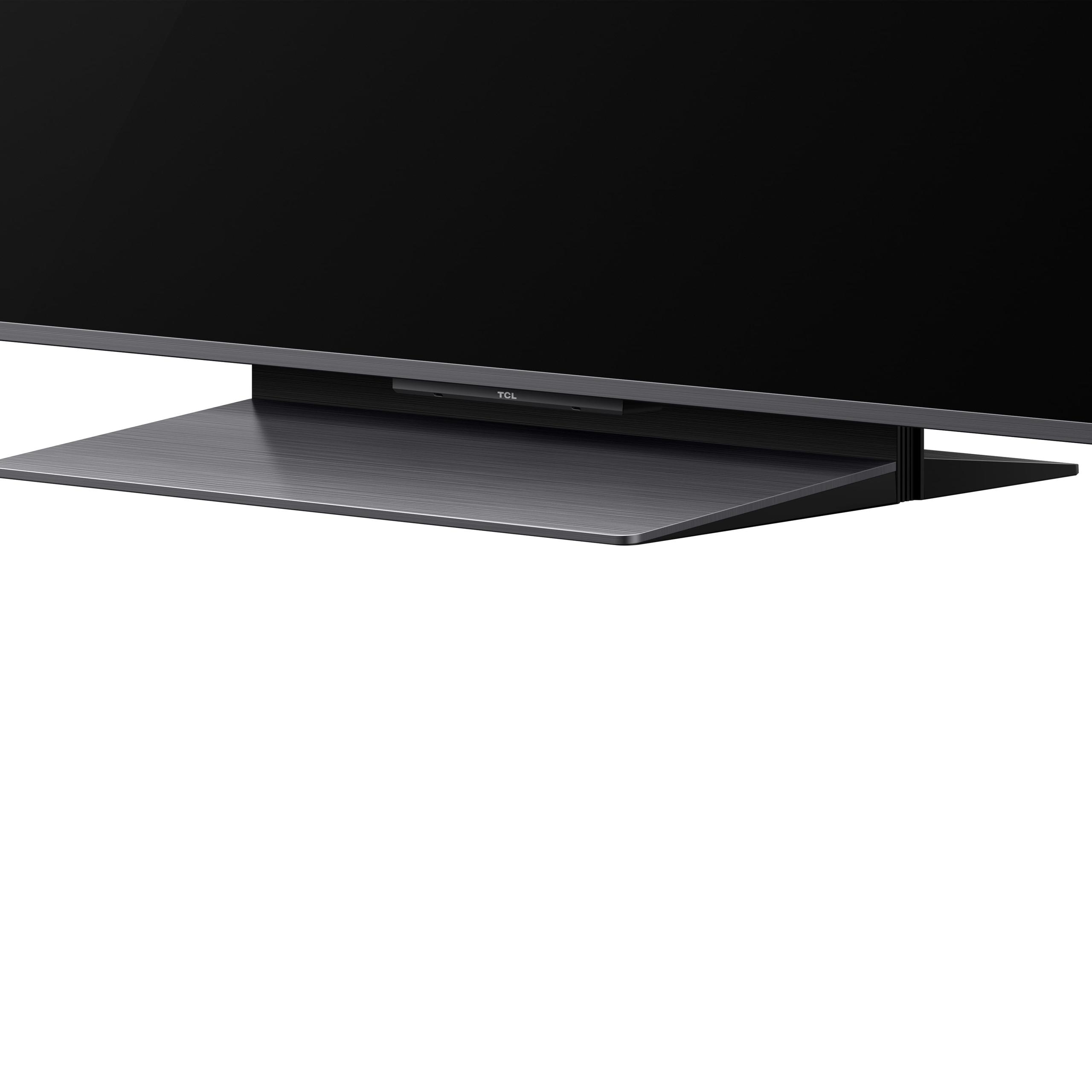
| Traditional TV design with height-adjustable stand | Gallery-style flush wall mounting, premium aesthetics |
| Audio Quality - Built-in sound performance | |
| Bang & Olufsen, Dolby Atmos, up-firing drivers | Dolby Atmos, slim profile limits speaker size |
| Warranty Coverage - Long-term protection | |
| Standard warranty | 5-year limited panel warranty |
| Best Use Cases - Optimal viewing scenarios | |
| Bright rooms, mixed lighting, value-focused buyers | Dark rooms, home theaters, design-conscious users |
The TCL 65" QM8K Series QD-Mini LED 4K Smart TV is significantly better for bright rooms due to its peak brightness of up to 5,000 nits. This extreme brightness helps overcome glare and ambient light, maintaining vibrant colors and contrast even in daylight. The LG OLED evo G5 65" 4K Smart TV 2025, while much brighter than previous OLEDs, still can't match the QM8K's brightness levels for bright room viewing.
The TCL QM8K costs approximately $998, while the LG OLED evo G5 is priced around $3,196.99. This makes the TCL about $2,200 less expensive, representing exceptional value for premium features. The LG costs over three times more but offers cutting-edge OLED technology and premium design.
The LG OLED evo G5 has perfect black levels since OLED pixels can turn completely off, creating true blacks and infinite contrast. The TCL QM8K has very good black levels for a Mini LED TV with excellent blooming control, but it cannot achieve the perfect blacks that OLED technology provides.
Both TVs excel for gaming. The TCL QM8K offers 144Hz native refresh rate with up to 288Hz VRR and comprehensive gaming features at a much lower price. The LG OLED evo G5 provides superior gaming performance with 165Hz at 4K, ultra-low input lag, and faster response times, making it ideal for competitive gaming.
For dedicated home theaters with controlled lighting, the LG OLED evo G5 is superior due to its perfect blacks, superior contrast, and cinematic picture quality. For mixed-use home theaters or rooms with ambient light, the TCL QM8K performs better with its exceptional brightness and HDR impact.
The LG OLED evo G5 offers superior picture quality with perfect blacks, excellent color accuracy, and no blooming. The TCL QM8K provides exceptional brightness and vibrant colors but has some minor blooming in high-contrast scenes. Both deliver excellent picture quality, but the LG has the edge in overall image fidelity.
The TCL QM8K runs Google TV with broader app compatibility, faster updates, and ATSC 3.0 support for over-the-air 4K broadcasts. The LG OLED evo G5 features webOS 25 with AI optimization, 5-year update guarantee, and more refined user experience. Both platforms are excellent but serve different preferences.
Both TVs support HDR content excellently. The TCL QM8K supports HDR10, HDR10+, and Dolby Vision with exceptional brightness for impactful HDR scenes. The LG OLED evo G5 also supports these formats with perfect contrast and improved brightness, delivering more balanced HDR performance in dark rooms.
The TCL QM8K offers exceptional value, delivering flagship-level performance at $998 compared to the LG OLED evo G5's $3,196.99 price tag. The TCL provides about 90% of the premium TV experience for 30% of the cost, making it outstanding value for most buyers.
The LG OLED evo G5 includes a 5-year limited panel warranty, providing excellent long-term protection for this premium investment. The TCL QM8K comes with standard warranty coverage. The extended warranty on the LG adds value considering the higher initial investment.
For movie watching, the choice depends on your environment. The LG OLED evo G5 excels in dark rooms with its perfect blacks and cinematic contrast, ideal for serious movie enthusiasts. The TCL QM8K is better for mixed lighting conditions and delivers more impactful HDR brightness for action movies and colorful content.
The TCL QM8K has some blooming in high-contrast scenes and less perfect blacks compared to OLED. The LG OLED evo G5 costs significantly more, has lower peak brightness than Mini LED, and carries the inherent OLED risk of burn-in, though this is much improved in recent models.
We've done our best to create useful and informative comparisons to help you decide what product to buy. Our research uses advanced automated methods to create this comparison and perfection is not possible - please contact us for corrections or questions. These are the sites we've researched in the creation of this article: tomsguide.com - youtube.com - businessinsider.com - rtings.com - youtube.com - avsforum.com - avsforum.com - bestbuy.com - tcl.com - tcl.com - tcl.com - flatpanelshd.com - romomattressfurniture.com - brandsmartusa.com - pcrichard.com - tvsbook.com - tcl.com - youtube.com - prnewswire.com - tcl.com - tcl.com - bestbuy.com - techradar.com - rtings.com - youtube.com - youtube.com - rtings.com - bestbuy.com - youtube.com - valueelectronics.com - lg.com - audio-videoplus.com - lg.com - lg.com - lg.com

Privacy Policy
Terms and Conditions - Affiliate Policy
Home Security
© Copyright 2008-2026.
11816 Inwood Rd #1211, Dallas, TX 75244