

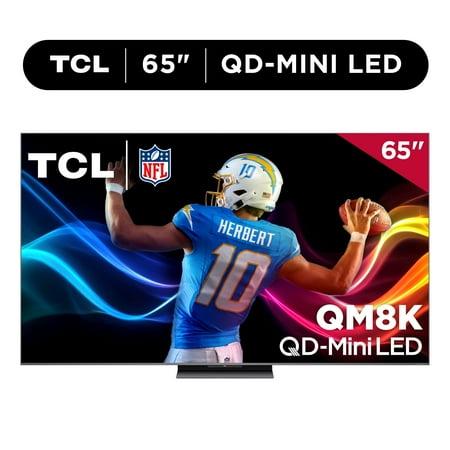






If you're shopping for a premium TV that won't completely drain your savings account, TCL's Mini-LED lineup deserves serious consideration. The company has been making waves in the display world, and their latest offerings—the TCL 65" QM8K Series at $998.00 and the TCL 65" QM8 at $899.99—represent two compelling approaches to high-end viewing. But which one should you actually buy?
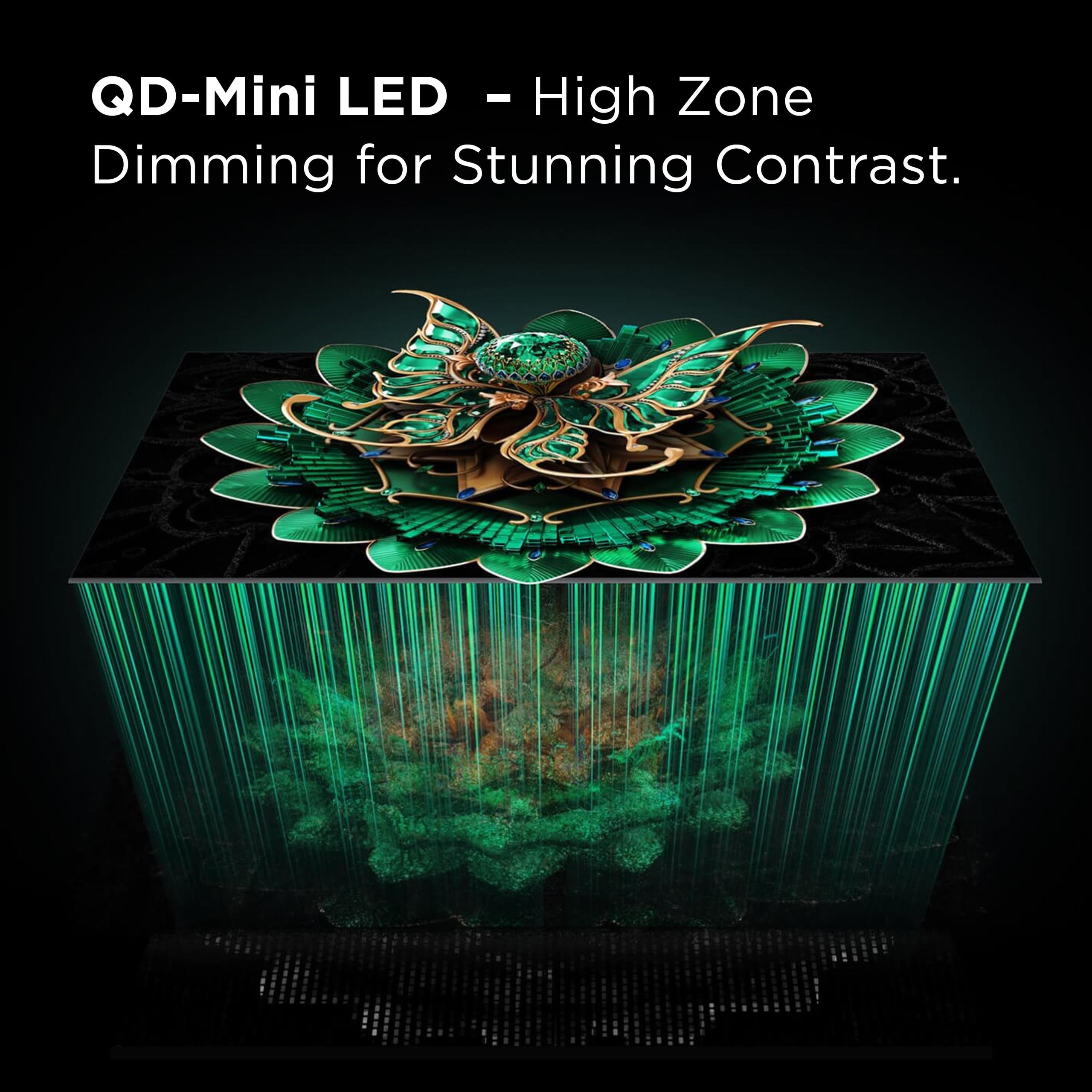
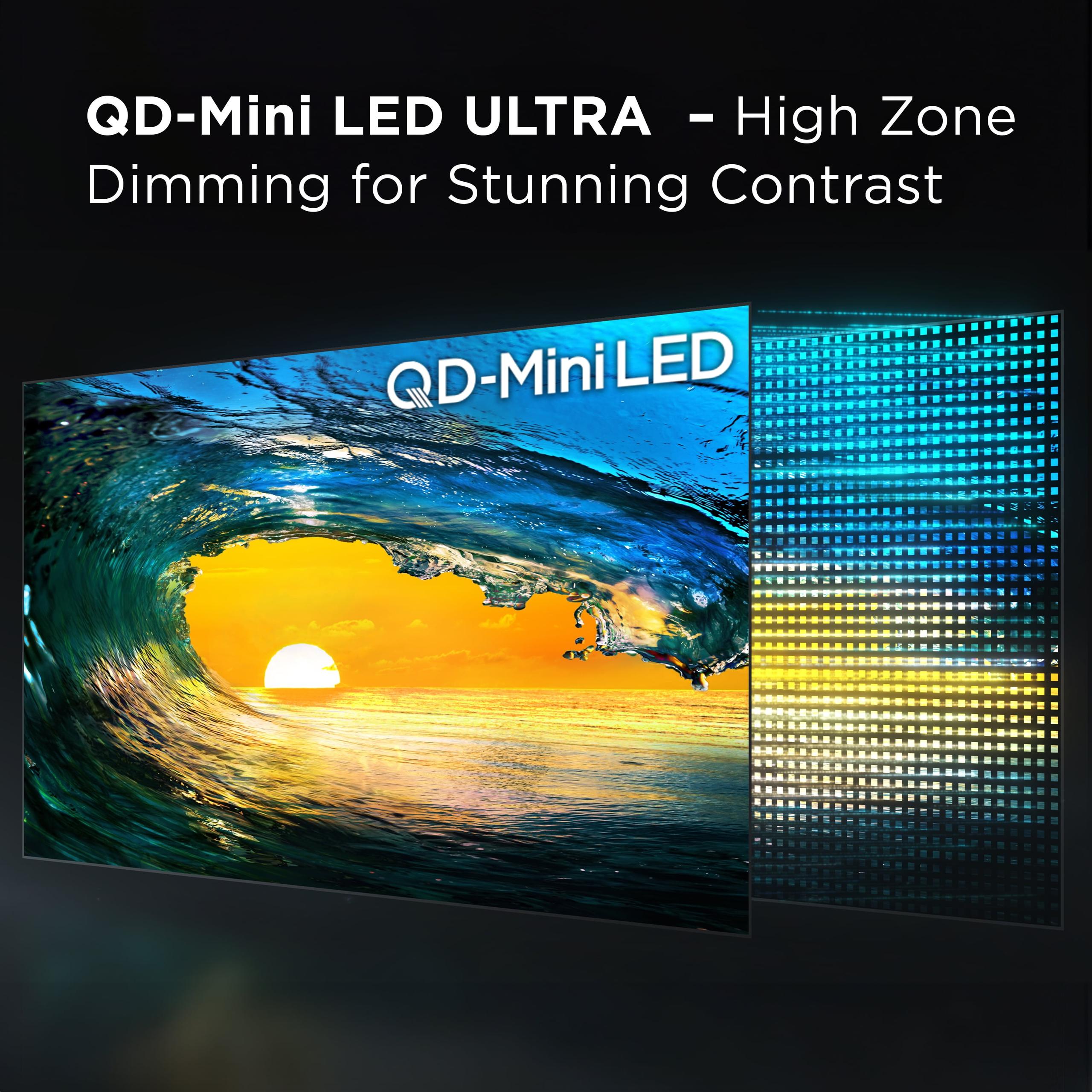
Before diving into these specific models, let's talk about what makes Mini-LED TVs special. Think of traditional LCD TVs as having a few dozen bright zones behind the screen. Mini-LED technology cranks this up to thousands of tiny LED lights, each one individually controlled to create incredibly precise lighting. This means you can have a brilliant white explosion in an action movie while the space around it stays perfectly black—something that was previously only possible with expensive OLED displays.
The magic happens through local dimming, where the TV literally turns off LEDs in dark areas while cranking up brightness in light areas. More dimming zones mean better control, less "blooming" (that annoying glow around bright objects), and more realistic contrast. It's like having a spotlight that can instantly reshape itself to match whatever's happening on screen.
What makes this category particularly interesting is that these TVs often outperform OLED displays in brightness while costing significantly less. For home theater enthusiasts, this translates to HDR content that really pops, even in bright rooms where OLED screens might struggle.
The TCL 65" QM8 launched in early 2024 as TCL's flagship Mini-LED offering, establishing the company as a serious player in the premium TV space. It brought impressive brightness levels and solid gaming features at a price point that made competitors nervous. The TV quickly gained recognition for delivering performance that rivaled much more expensive models.
Fast forward to 2025, and TCL has refined their approach with the TCL 65" QM8K Series. This isn't just a minor refresh—it's a ground-up reimagining of what Mini-LED technology can accomplish. The engineering team clearly took feedback from the QM8 and addressed virtually every limitation while pushing the boundaries of what's possible at this price point.
The timing is particularly interesting because 2024 saw a surge in demanding HDR content and next-generation gaming requirements. The QM8K arrives just as these needs are becoming mainstream, offering solutions that feel genuinely future-proof rather than just incrementally better.
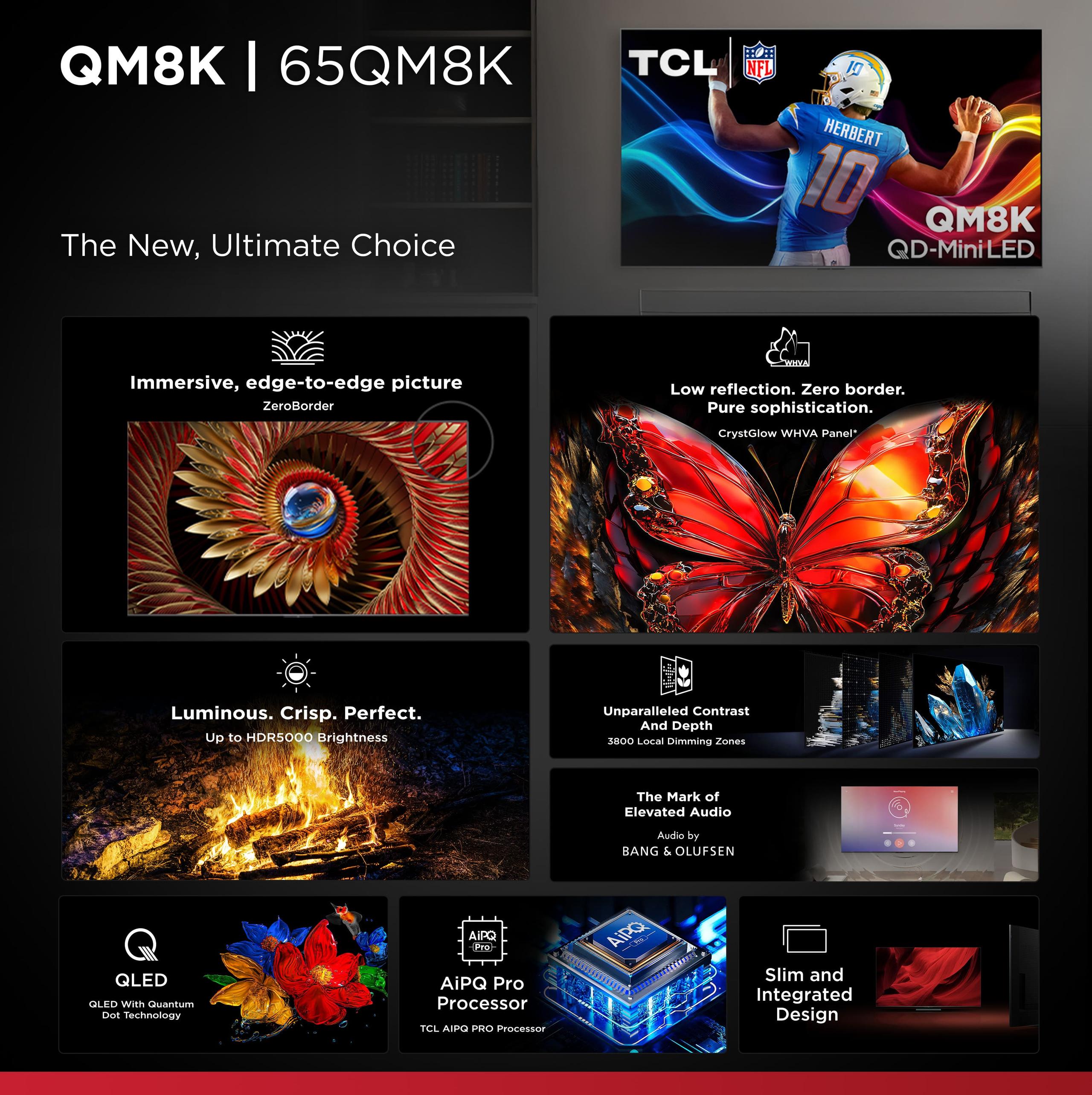
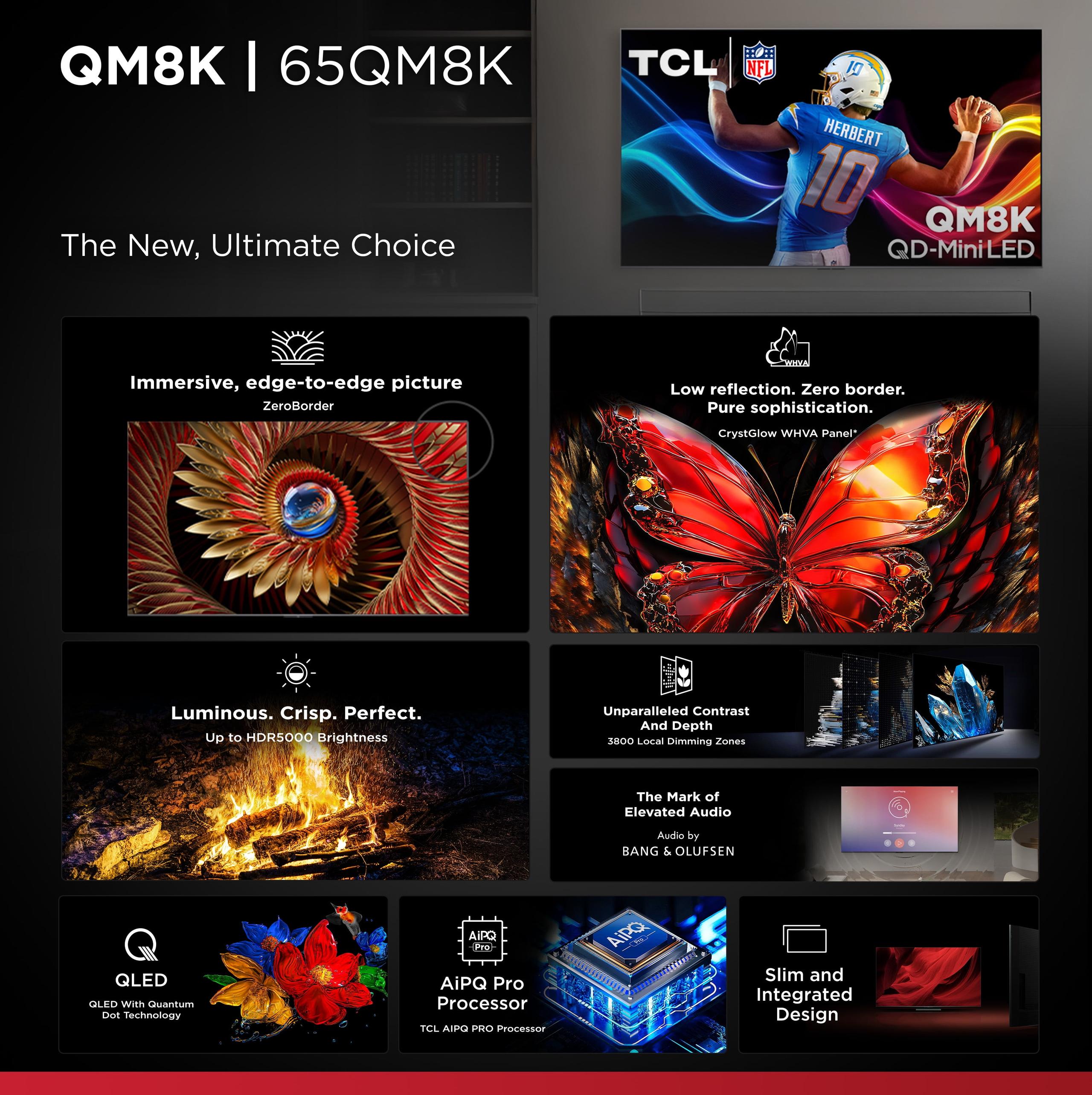
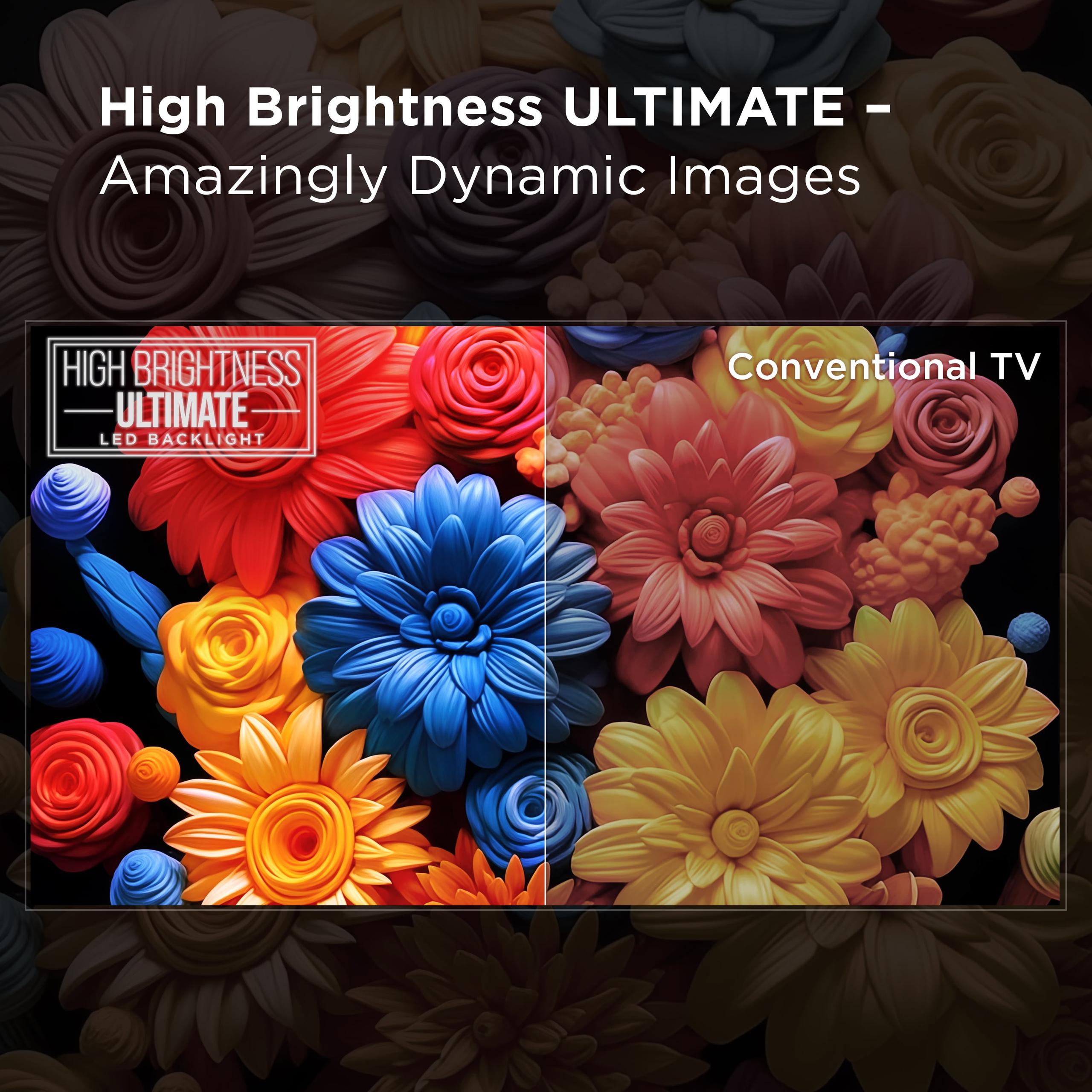
Here's where the differences become immediately apparent. The QM8K achieves up to 5,000 nits of peak brightness—that's more than double what most premium TVs manage and nearly matches professional mastering monitors used in Hollywood. To put this in perspective, a typical sunny day outside measures about 10,000 nits, while most TVs struggle to hit 1,000 nits.
The QM8, while impressive in its own right, tops out around 2,500 nits. That's still excellent and will handle most HDR content beautifully, but the QM8K's extra brightness headroom means those lightning strikes, explosions, and bright reflections will have genuine impact. I've noticed this difference is most pronounced in action movies and nature documentaries where bright highlights really need to grab your attention.
The QM8K's local dimming system is where TCL's engineering team really flexed their muscles. With over 5,000 dimming zones controlled by a 23-bit backlight controller, the TV can create 65,000 different brightness levels. That's like having a dimmer switch that goes from 1 to 65,000 instead of just 1 to 10.
This precision shows up in real-world viewing as dramatically reduced blooming. You know that annoying glow around subtitles in dark movie scenes? The QM8K virtually eliminates it. The QM8 handles this well too, but with fewer zones and less sophisticated control, you'll occasionally notice some light bleeding around bright objects.
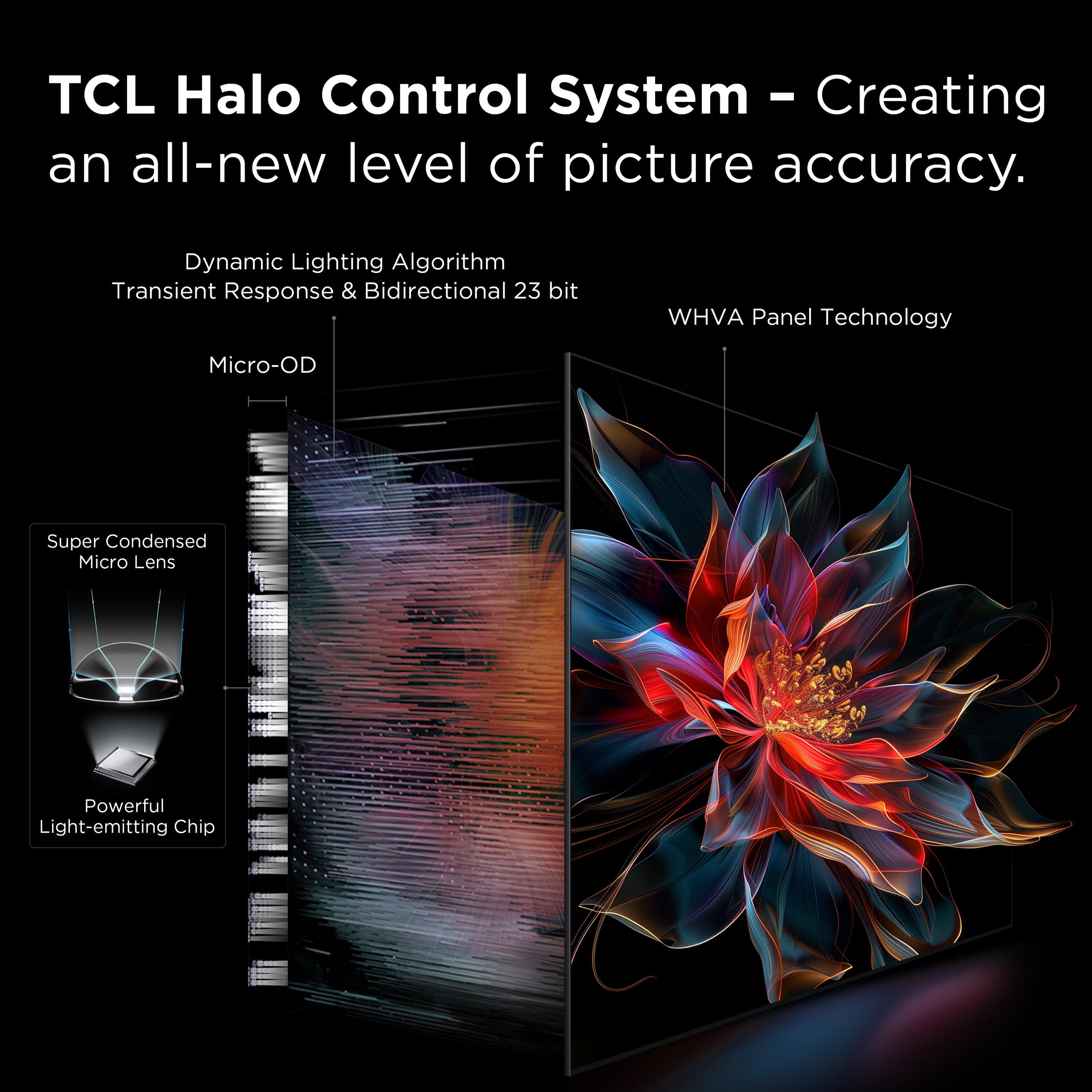
The QM8K also introduces something called a "Halo Control System"—essentially a redesigned backlight structure that directs light more precisely. Think of it like the difference between a floodlight and a laser pointer. The more focused the light, the less it spills into areas where it shouldn't be.
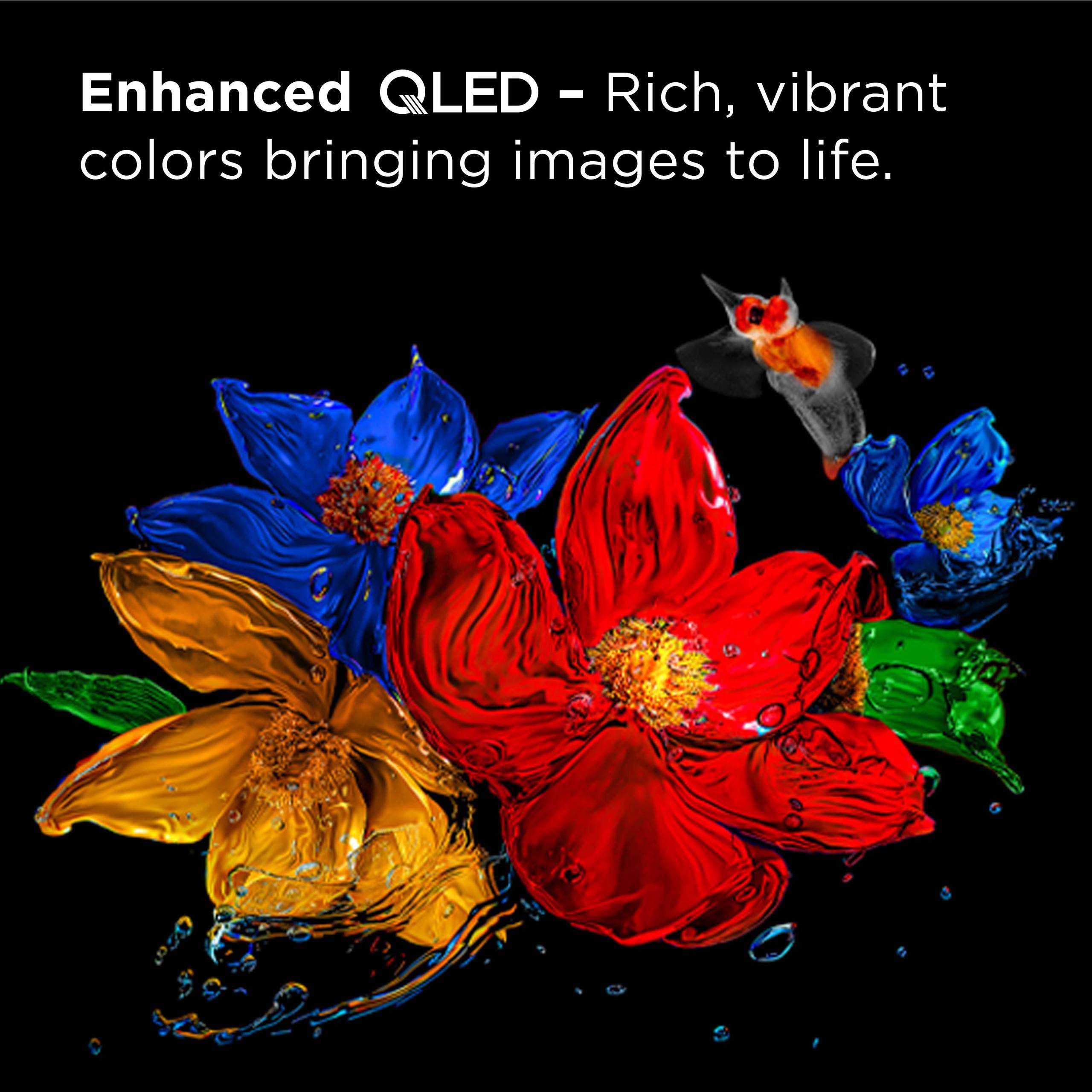
Both TVs use quantum dot technology, but the QM8K takes it further with what TCL calls "QLED ULTRA." This enhanced quantum dot layer achieves 97% coverage of the DCI-P3 color space—the standard used for digital cinema. The QM8 manages respectable color performance but falls short of this reference-level accuracy.
What does this mean for your viewing experience? Colors appear more natural and lifelike, especially in HDR content. Skin tones look realistic rather than slightly orange or pink, and natural scenes have that organic quality that makes you feel like you're looking through a window rather than at a screen.
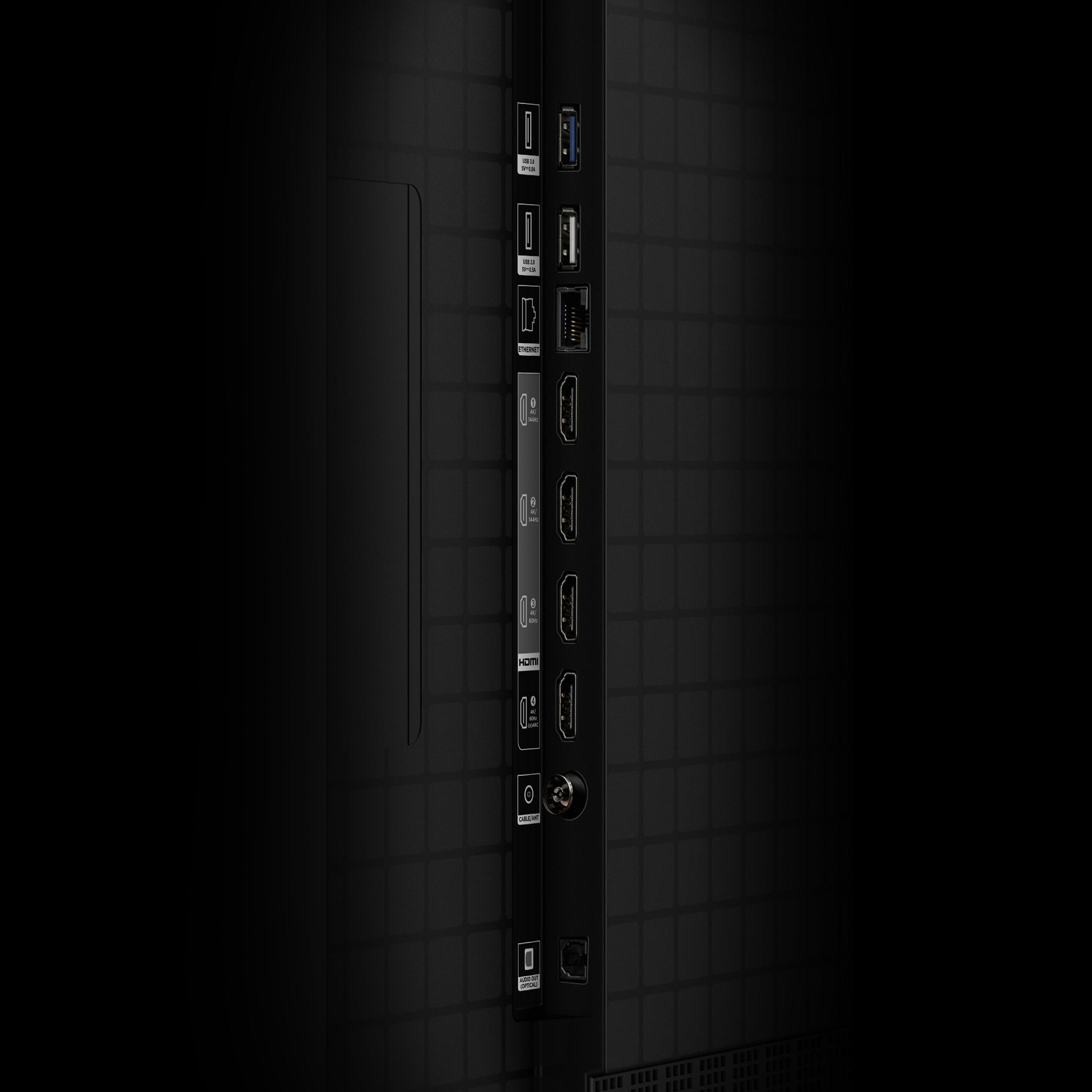
Gaming is where the generational differences become crystal clear. The QM8K supports up to 144Hz at 4K resolution, while the QM8 tops out at 120Hz. Now, most console games currently run at 60Hz or 120Hz, so you might wonder if this matters. The answer is future-proofing and PC gaming.
If you're planning to connect a high-end gaming PC, that extra 24Hz can make a noticeable difference in competitive gaming. Even for console gaming, having headroom above 120Hz means the TV can handle variable refresh rates more smoothly, reducing stutter and screen tearing.
The QM8K also introduces "Game Master UI," which overlays real-time performance information directly on your screen. Frame rate counters, input lag measurements, and VRR status—it's like having a built-in gaming monitor OSD. The QM8 offers basic gaming modes, but nothing approaching this level of sophistication.
Both TVs deliver excellent input lag performance, but the QM8K edges ahead with even faster response times. In competitive gaming scenarios, every millisecond counts, and the QM8K's optimized processing pipeline ensures your actions translate to on-screen movement as quickly as possible.
The QM8K also includes features like "Shadow Enhancer" and "Aiming Aid"—tools that subtly adjust gamma curves to make enemies more visible in dark corners or highlight targeting reticles. These might sound gimmicky, but they're actually quite useful for competitive gaming.
Both models run Google TV, which I've found to be one of the most intuitive smart TV platforms available. The interface is clean, recommendations are actually helpful, and app performance is consistently smooth. Voice control works reliably, and the integration with Google services feels natural rather than forced.
The QM8K adds some nice touches like "Art Gallery Mode," which transforms your TV into a digital art display when not in use. With over 350 free artworks and AI-generated content, it's a genuinely useful feature for those who want their TV to blend into their living space rather than dominate it.
Both TVs support all the major streaming services and handle 4K content without hiccups. The processors are fast enough that you won't experience the sluggish navigation that plagues some budget smart TVs.
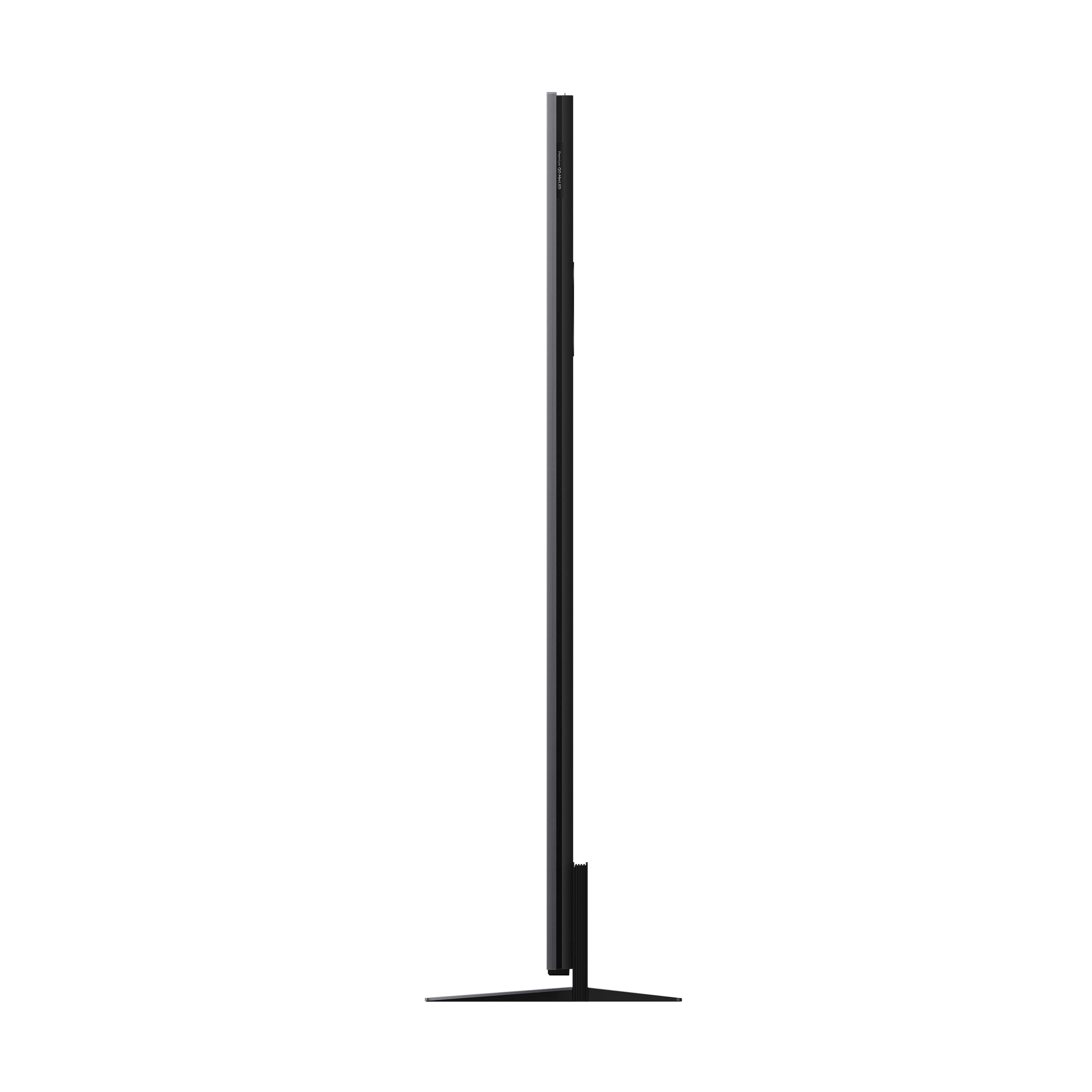
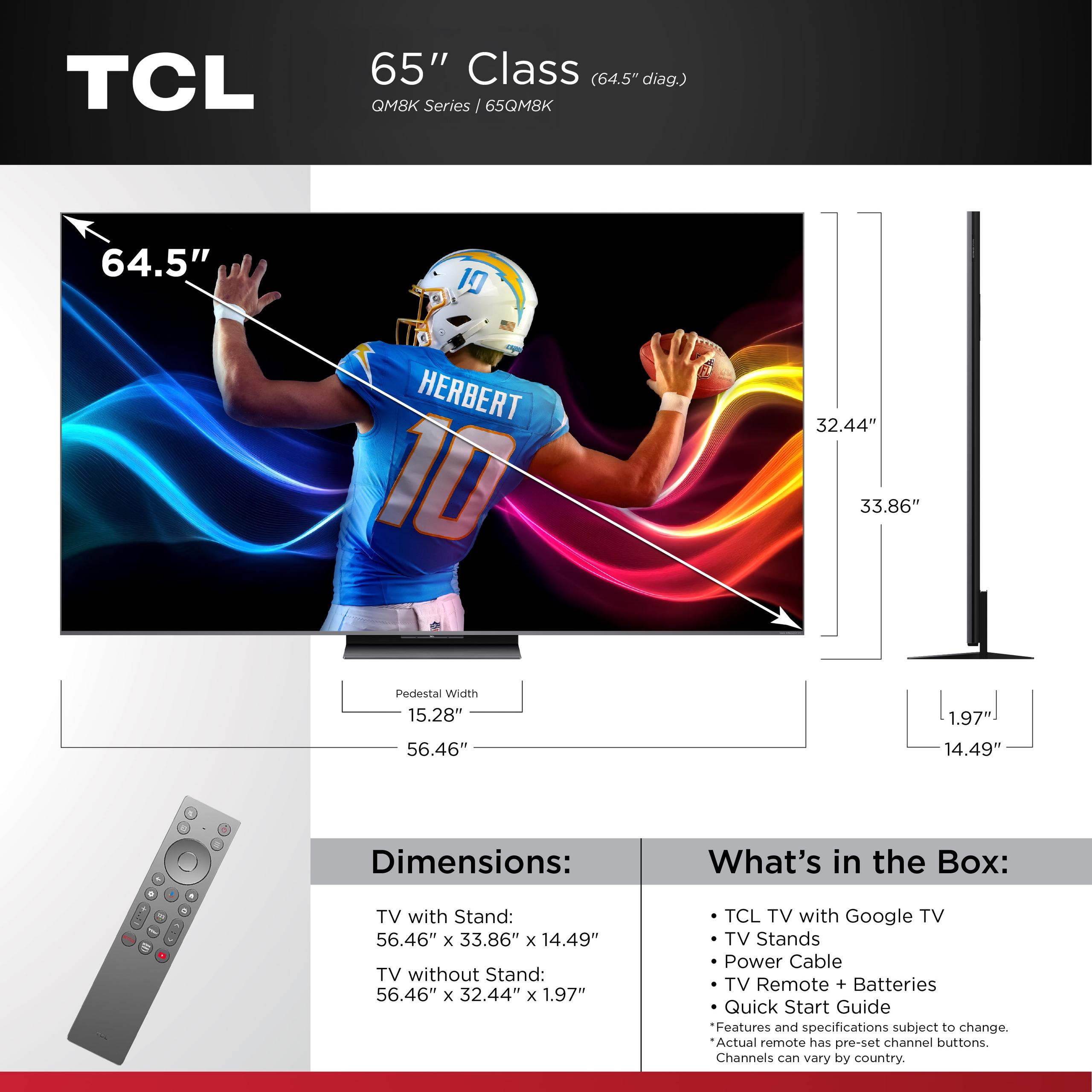
The QM8K features what TCL calls a "borderless design"—essentially minimal bezels that create an edge-to-edge viewing experience. It's a subtle but meaningful improvement over the QM8's standard bezels. The overall build quality feels more premium, with a thinner profile that looks more sophisticated whether wall-mounted or on a stand.
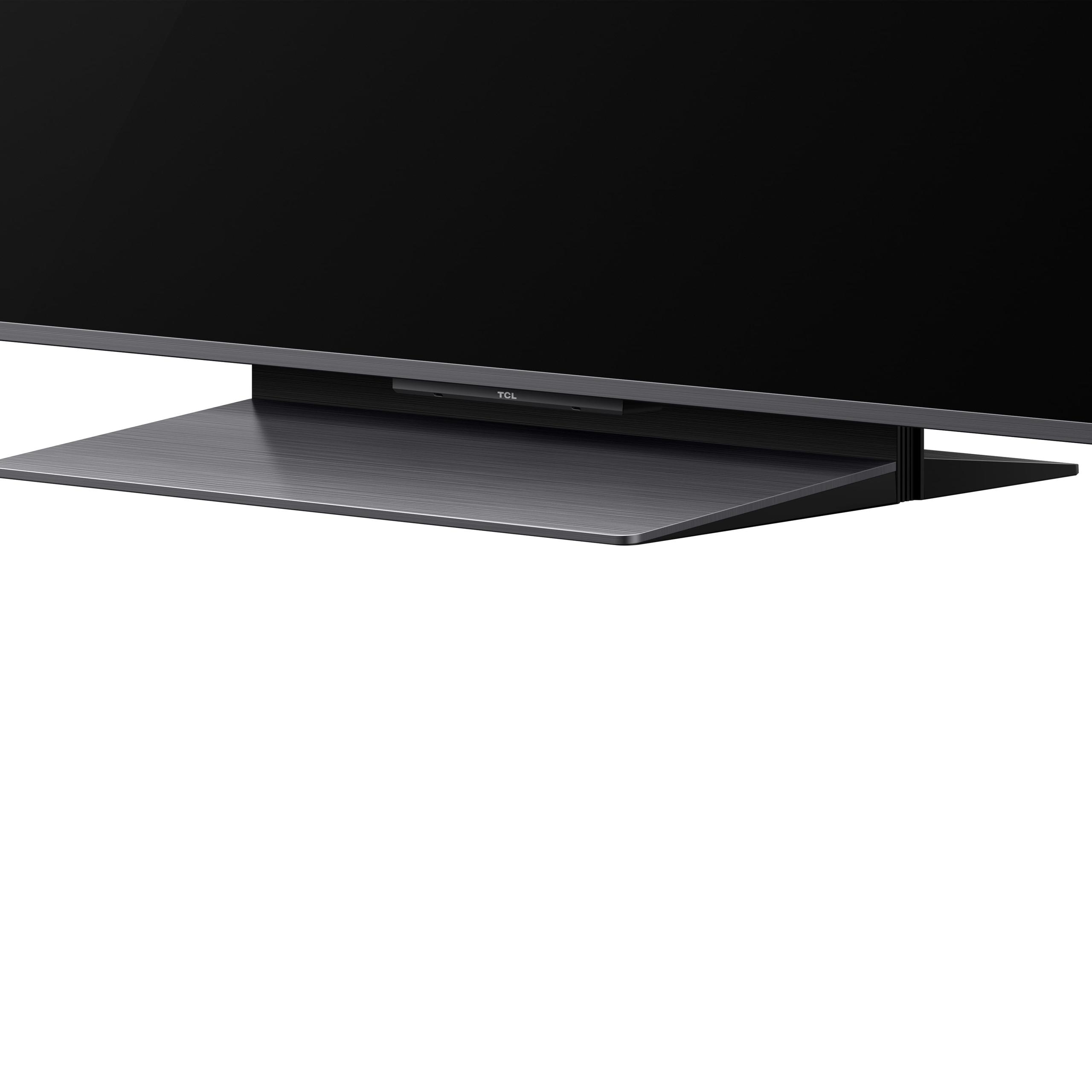
Both TVs include height-adjustable stands, which is a thoughtful touch that helps optimize viewing angles for different seating arrangements. The QM8K's stand feels more substantial and offers better stability.
For dedicated home theater setups, the TCL 65" QM8K Series is the clear winner. The extra brightness headroom means HDR content will have proper impact even in rooms with some ambient light. The superior local dimming creates the deep blacks that make movies feel cinematic, while the advanced processor ensures smooth playback of even challenging content.
The QM8K's audio system, powered by Bang & Olufsen, is also notably better than the QM8's. While you'll still want a dedicated sound system for the full experience, the built-in audio is actually usable for casual viewing.
If you're setting up a more casual viewing environment or have budget constraints, the TCL 65" QM8 remains an excellent choice. It delivers impressive performance that will satisfy most viewers, and the $100 savings can go toward a soundbar or other accessories.
At $998, the QM8K costs exactly $100 more than the QM8's $899 price point. When you consider the improvements—nearly double the brightness, significantly better blooming control, enhanced gaming features, and superior color accuracy—this represents exceptional value.
The QM8 is still a solid choice for budget-conscious buyers who want Mini-LED benefits without the premium. It handles most content beautifully and offers good gaming performance. However, the relatively small price difference makes the QM8K's upgrades feel almost like a no-brainer for most buyers.
Choose the QM8K if you want the best possible picture quality from a Mini-LED TV, frequently game on PC or next-gen consoles, watch primarily HDR content, have a bright room requiring exceptional brightness, or plan to keep the TV for many years.
The QM8 makes sense if you want excellent performance at a lower price point, primarily watch standard content with occasional HDR, game casually, have budget constraints but still want Mini-LED benefits, or are satisfied with very good quality rather than reference-level accuracy.
Both TVs represent excellent value in the premium TV market, but the QM8K's generational improvements make it the more compelling choice for most buyers. The technology advances justify the modest premium, and the performance improvements will be appreciated for years to come.
The bottom line? If you can swing the extra $100, the TCL 65" QM8K Series delivers flagship-level performance that competes with TVs costing significantly more. But if budget is paramount, the TCL 65" QM8 remains an excellent entry point into premium Mini-LED technology.
| TCL 65" QM8K Series QD-Mini LED 4K Smart TV | TCL 65" QM8 Mini-LED Smart TV |
|---|---|
| Price - $100 difference for significant performance upgrades | |
| $998.00 | $899.99 |
| Peak Brightness - Critical for HDR impact and bright room viewing | |
| Up to 5,000 nits (flagship-level performance) | ~2,500 nits (very good but less HDR punch) |
| Local Dimming Zones - More zones = better contrast and less blooming | |
| 5,000+ zones with 23-bit controller | Fewer zones with standard controller |
| Refresh Rate - Higher rates benefit gaming and smooth motion | |
| 144Hz native (future-proof for PC gaming) | 120Hz (excellent for current consoles) |
| Color Accuracy - Important for lifelike picture quality | |
| 97% DCI-P3 with QLED ULTRA technology | Good color performance, less precise |
| Gaming Features - Enhanced tools for competitive gaming | |
| Game Master UI, Shadow Enhancer, Aiming Aid, AMD FreeSync Premium Pro | Basic gaming modes, standard VRR support |
| Backlight Technology - Advanced system reduces blooming significantly | |
| QD-Mini LED with Halo Control System | Traditional Mini-LED with local dimming |
| Smart Features - Both use Google TV but QM8K adds premium touches | |
| Art Gallery Mode with 350+ artworks, enhanced processor | Standard Google TV experience |
| Design - QM8K offers more premium aesthetic | |
| Borderless design, thinner profile | Standard bezels, slightly thicker |
| Release Date - QM8K is the newer generation | |
| 2025 (latest technology) | 2024 (previous generation) |
| Best For - Target audience based on needs and budget | |
| Enthusiasts wanting flagship performance at mid-premium price | Budget-conscious buyers wanting Mini-LED benefits |
The TCL 65" QM8K Series QD-Mini LED 4K Smart TV costs $998.00, while the TCL 65" QM8 Mini-LED Smart TV is priced at $899.99. That's exactly a $100 difference, which represents good value considering the significant performance upgrades in the newer QM8K model.
The TCL 65" QM8K Series is superior for gaming with its 144Hz native refresh rate compared to the QM8's 120Hz. The QM8K also includes advanced gaming features like Game Master UI, Shadow Enhancer, and Aiming Aid, making it better suited for competitive gaming and future PC gaming requirements.
Yes, the picture quality improvements in the TCL 65" QM8K Series justify the $100 premium. You get nearly double the peak brightness (5,000 vs 2,500 nits), significantly more local dimming zones, better color accuracy (97% DCI-P3), and advanced blooming control that creates more realistic contrast.
The TCL 65" QM8K Series QD-Mini LED 4K Smart TV is much brighter with up to 5,000 nits peak brightness compared to the QM8's ~2,500 nits. This makes the QM8K better for bright rooms and delivers more impactful HDR content with brilliant highlights that really stand out.
Both the TCL 65" QM8K Series and TCL 65" QM8 Mini-LED Smart TV run Google TV with the same core features, app selection, and voice control. However, the QM8K adds premium features like Art Gallery Mode with 350+ free artworks and a faster processor for smoother navigation.
The TCL 65" QM8K Series has superior local dimming with over 5,000 zones controlled by a 23-bit backlight controller, compared to the QM8's fewer zones and standard controller. This results in better contrast, deeper blacks, and significantly less blooming around bright objects.
The TCL 65" QM8K Series QD-Mini LED 4K Smart TV features a more premium borderless design with minimal bezels and a thinner profile. The QM8 has standard bezels and is slightly thicker. Both include height-adjustable stands, but the QM8K's build quality feels more refined overall.
For dedicated home theater use, the TCL 65" QM8K Series is the clear choice. Its exceptional 5,000 nits brightness ensures HDR content has proper impact even with some ambient light, while the superior local dimming creates the deep blacks essential for cinematic viewing. The enhanced audio system also provides better built-in sound quality.
The TCL 65" QM8K Series QD-Mini LED 4K Smart TV is the newer 2025 model, while the TCL 65" QM8 Mini-LED Smart TV was released in 2024. The QM8K represents the latest generation with significant technological improvements across brightness, local dimming, and gaming features.
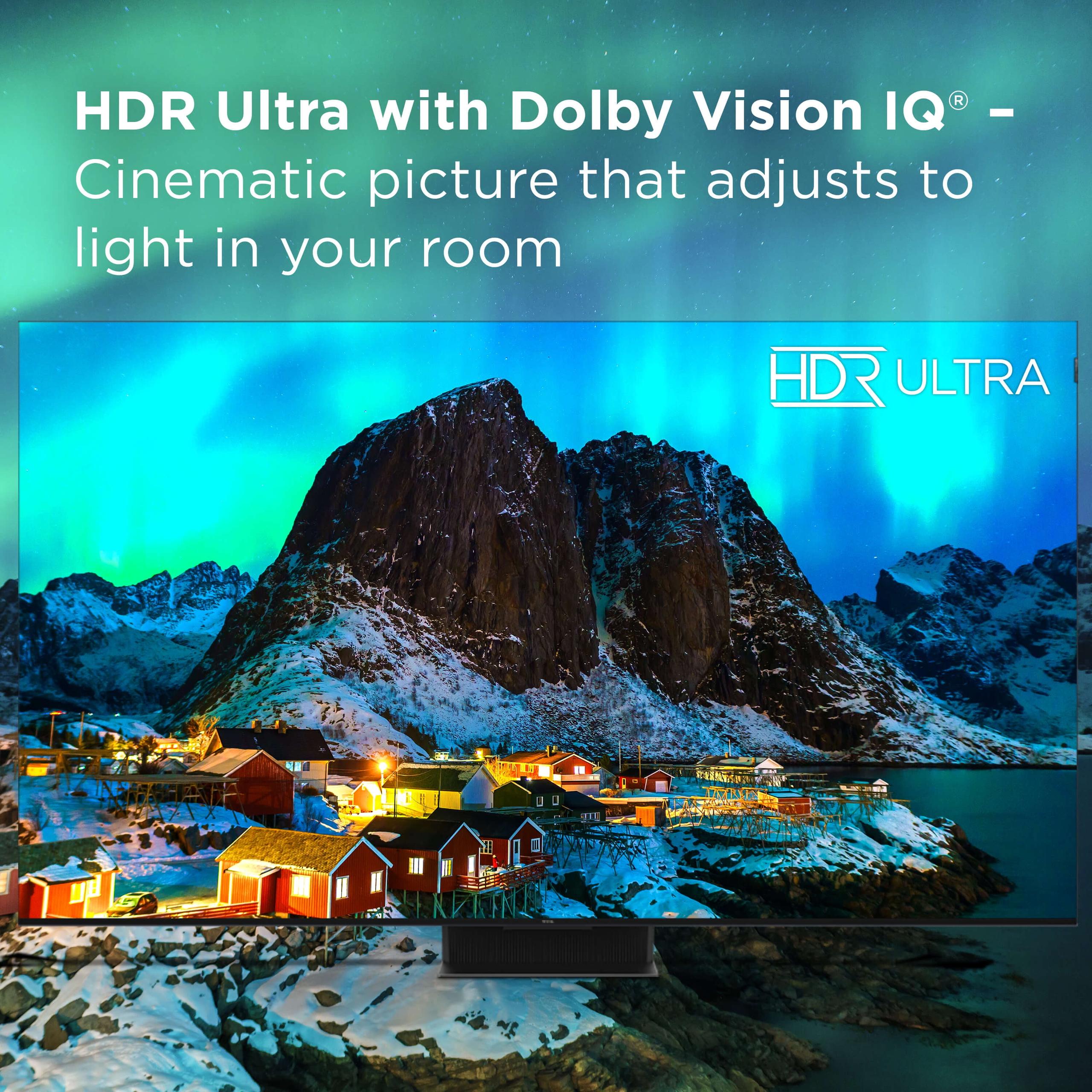
Yes, both the TCL 65" QM8K Series and TCL 65" QM8 support 4K Ultra HD resolution and comprehensive HDR formats including Dolby Vision IQ, HDR10+, HDR10, and HLG. However, the QM8K delivers more impactful HDR performance due to its higher peak brightness and better local dimming control.
The TCL 65" QM8K Series QD-Mini LED 4K Smart TV offers exceptional value at $998 with flagship-level performance that competes with much more expensive TVs. The TCL 65" QM8 Mini-LED Smart TV at $899.99 provides excellent budget value for those wanting Mini-LED benefits without premium features. The QM8K's $100 premium delivers substantial performance gains.
Both TVs excel at movies and gaming, but the TCL 65" QM8K Series is more versatile with its 144Hz refresh rate, advanced gaming features, and superior HDR performance for movies. The TCL 65" QM8 Mini-LED Smart TV handles both well but with less cutting-edge gaming capabilities and slightly less impactful movie HDR performance.
We've done our best to create useful and informative comparisons to help you decide what product to buy. Our research uses advanced automated methods to create this comparison and perfection is not possible - please contact us for corrections or questions. These are the sites we've researched in the creation of this article: tomsguide.com - youtube.com - businessinsider.com - rtings.com - youtube.com - avsforum.com - avsforum.com - bestbuy.com - tcl.com - tcl.com - tcl.com - flatpanelshd.com - romomattressfurniture.com - brandsmartusa.com - pcrichard.com - tvsbook.com - tcl.com - youtube.com - prnewswire.com - tcl.com - tcl.com - rtings.com - techradar.com - the-gadgeteer.com - nfm.com - ecoustics.com - careyscommunications.com - pcrichard.com - tcl.com

Privacy Policy
Terms and Conditions - Affiliate Policy
Home Security
© Copyright 2008-2026.
11816 Inwood Rd #1211, Dallas, TX 75244