

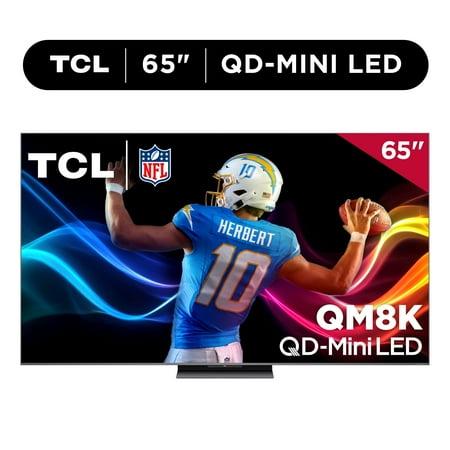
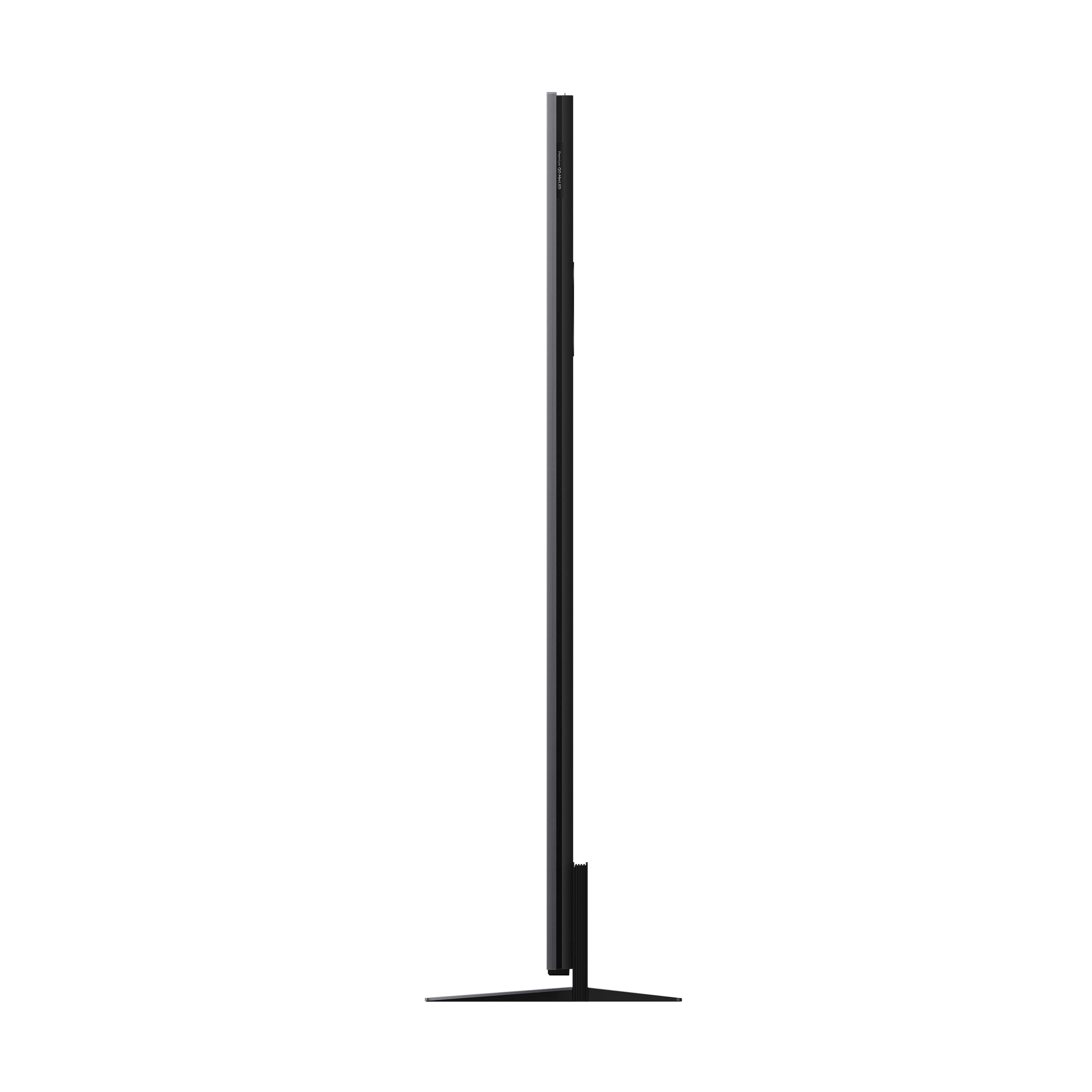
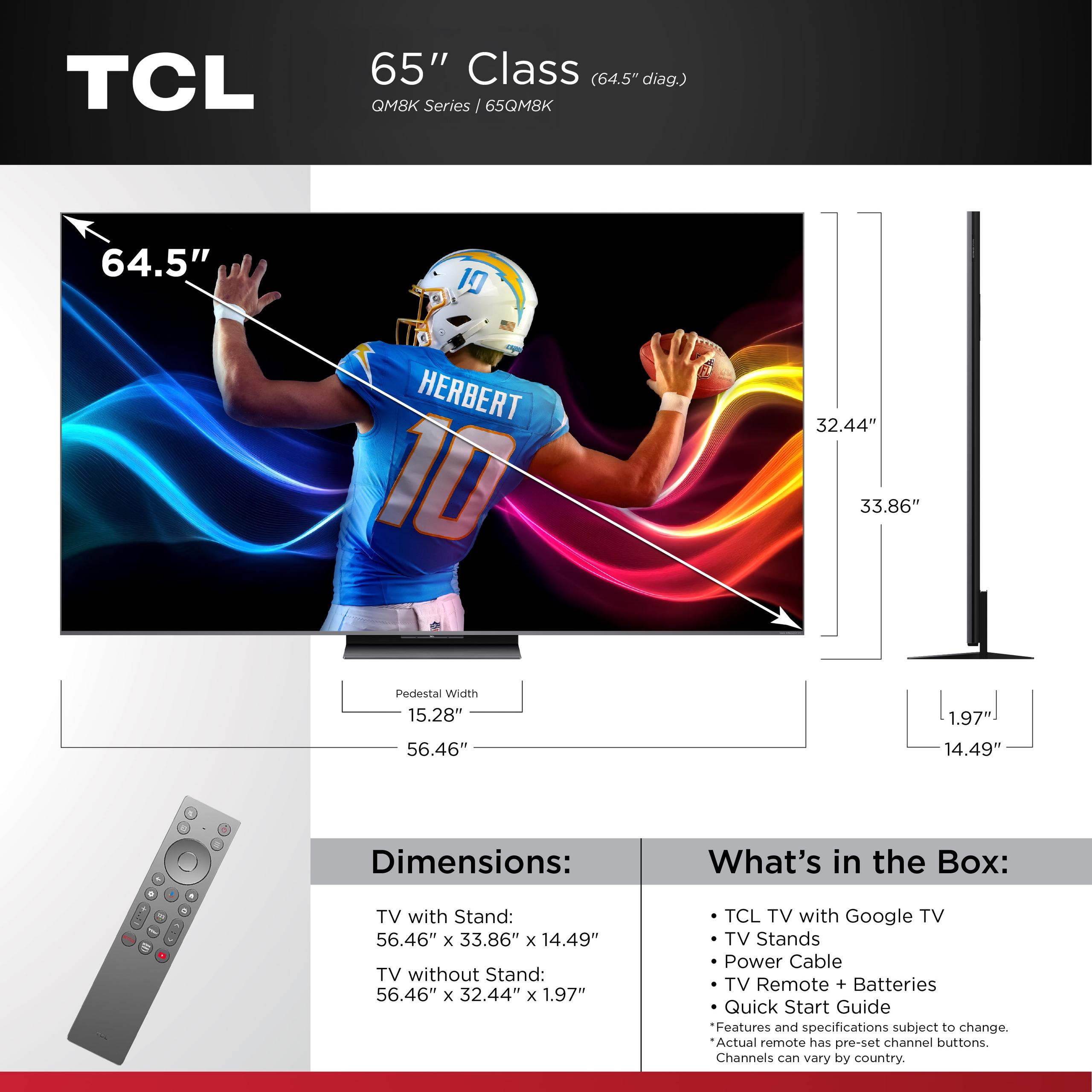
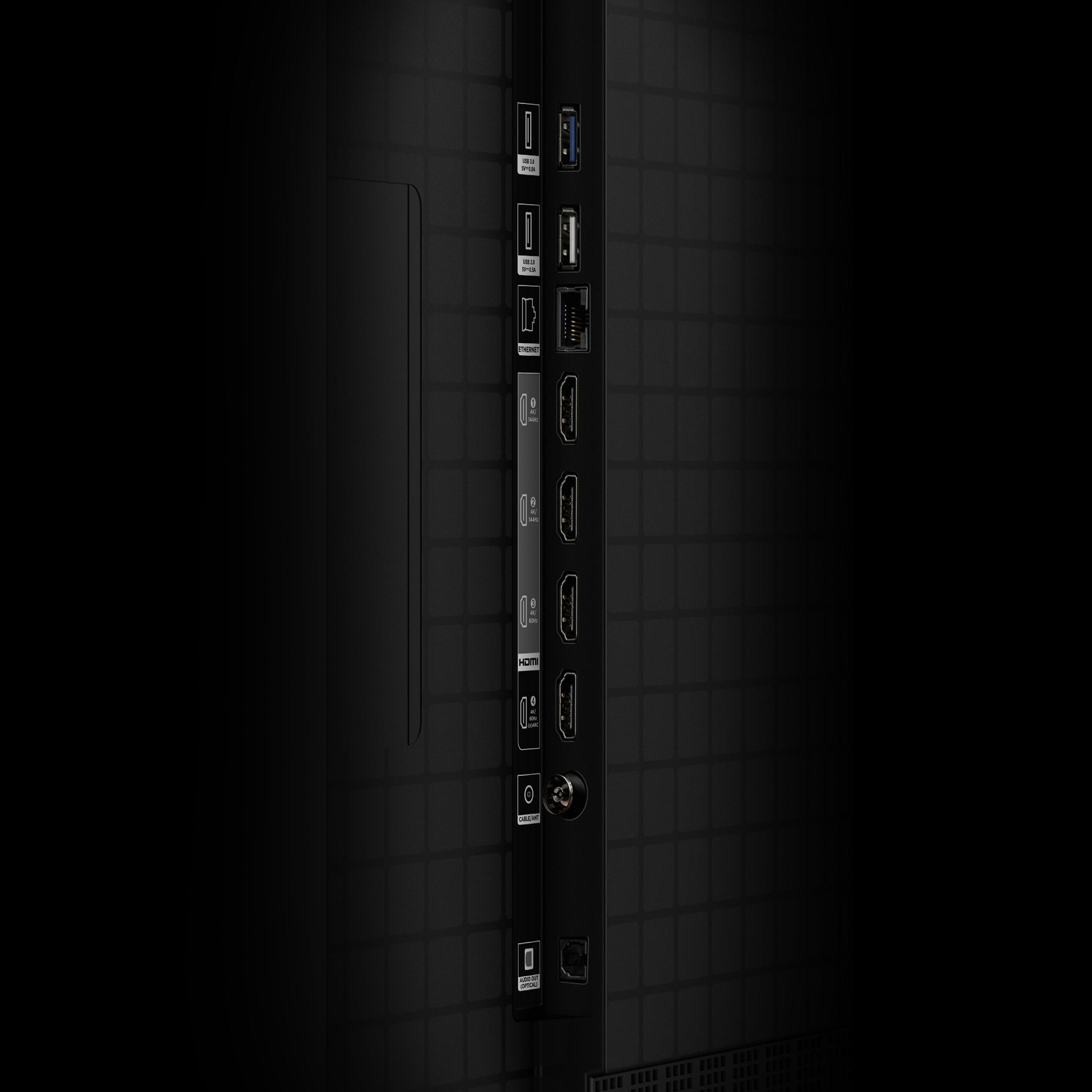

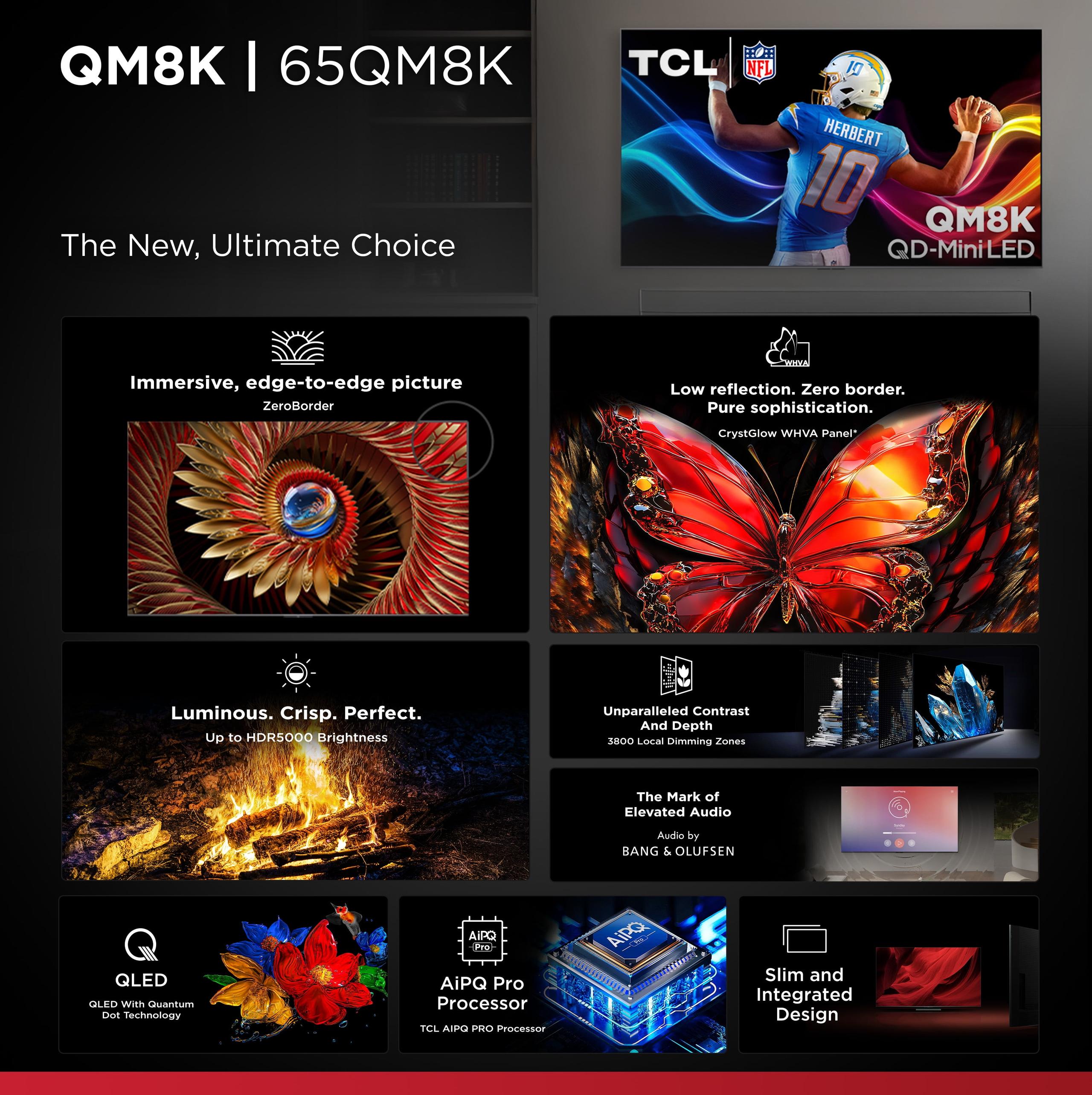

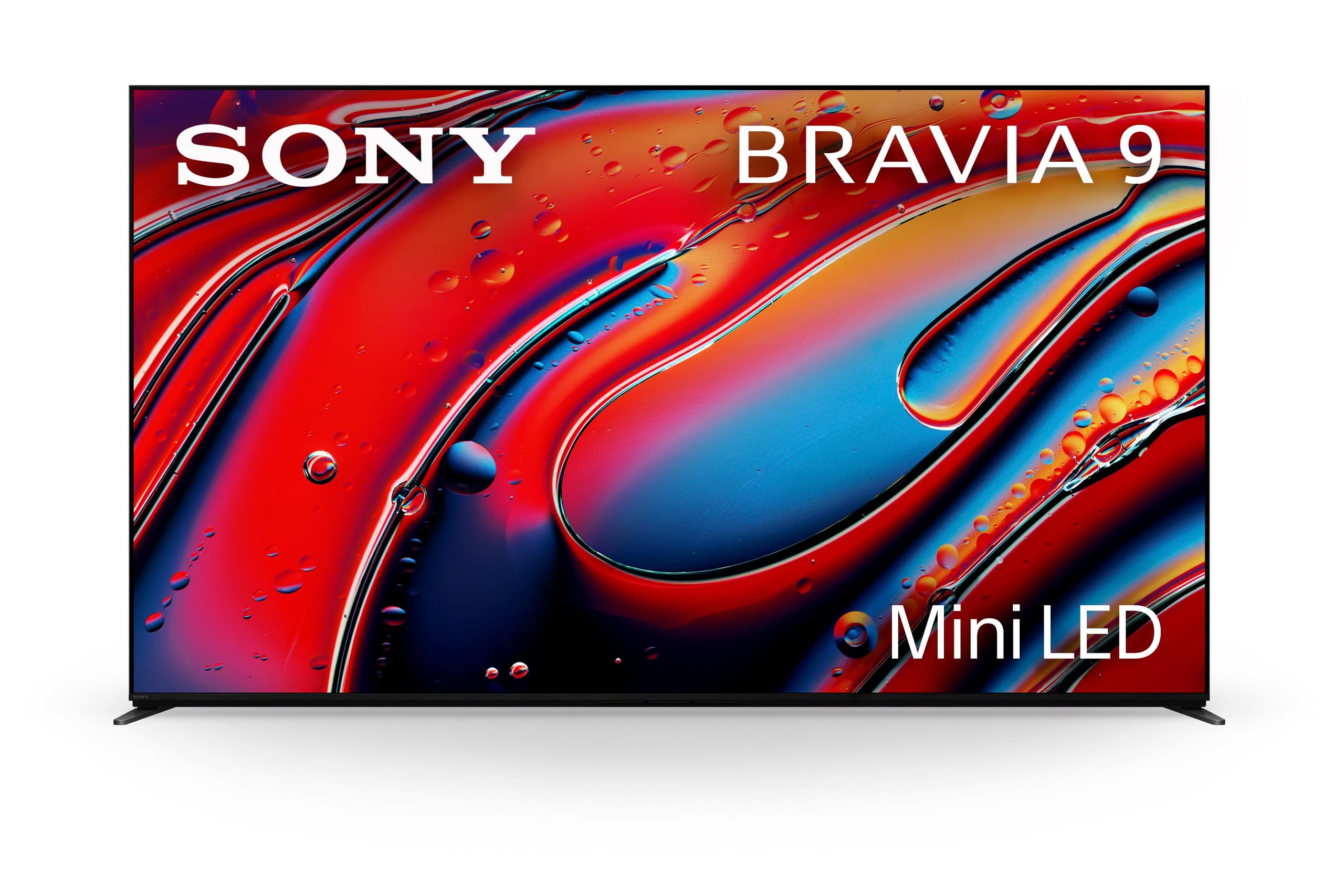
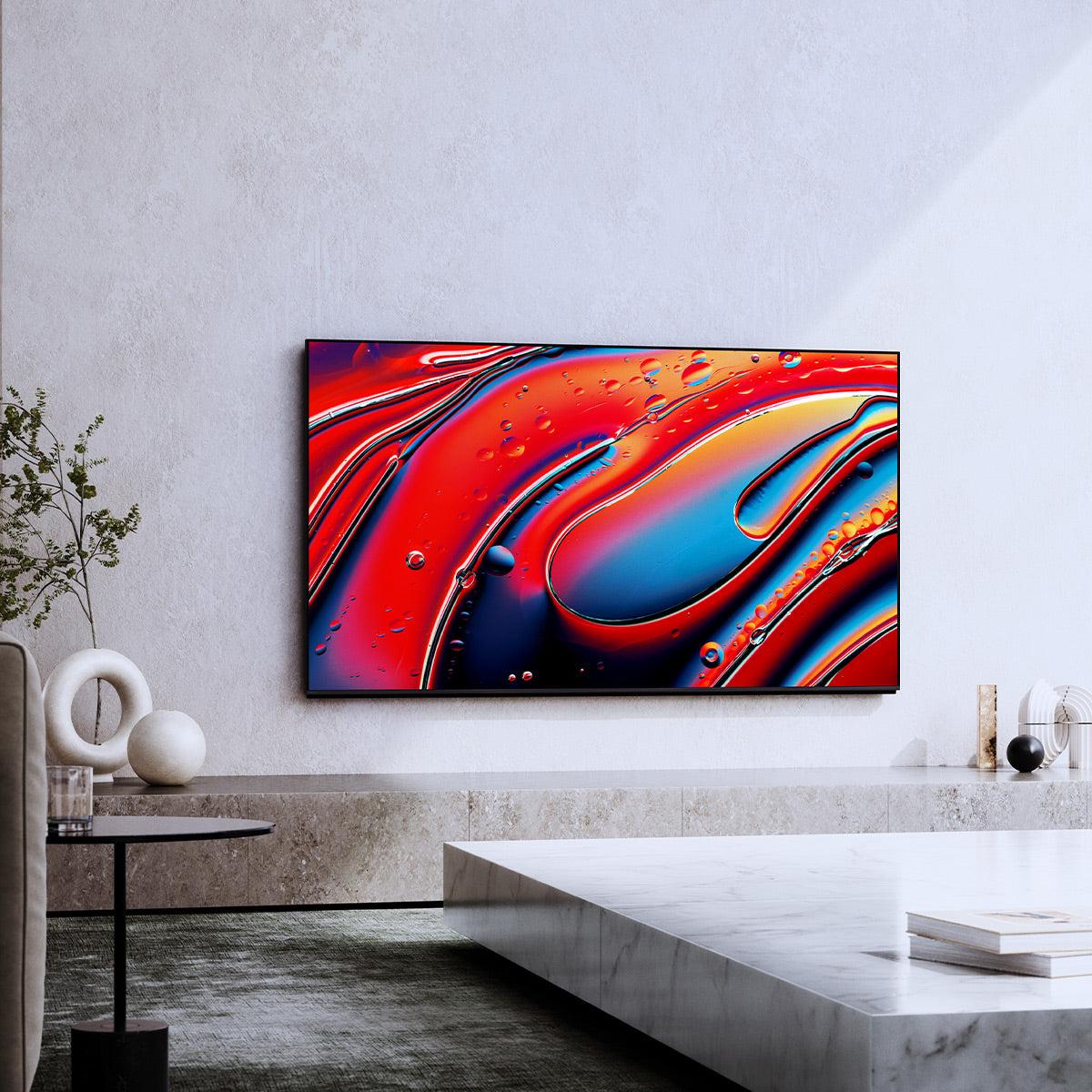
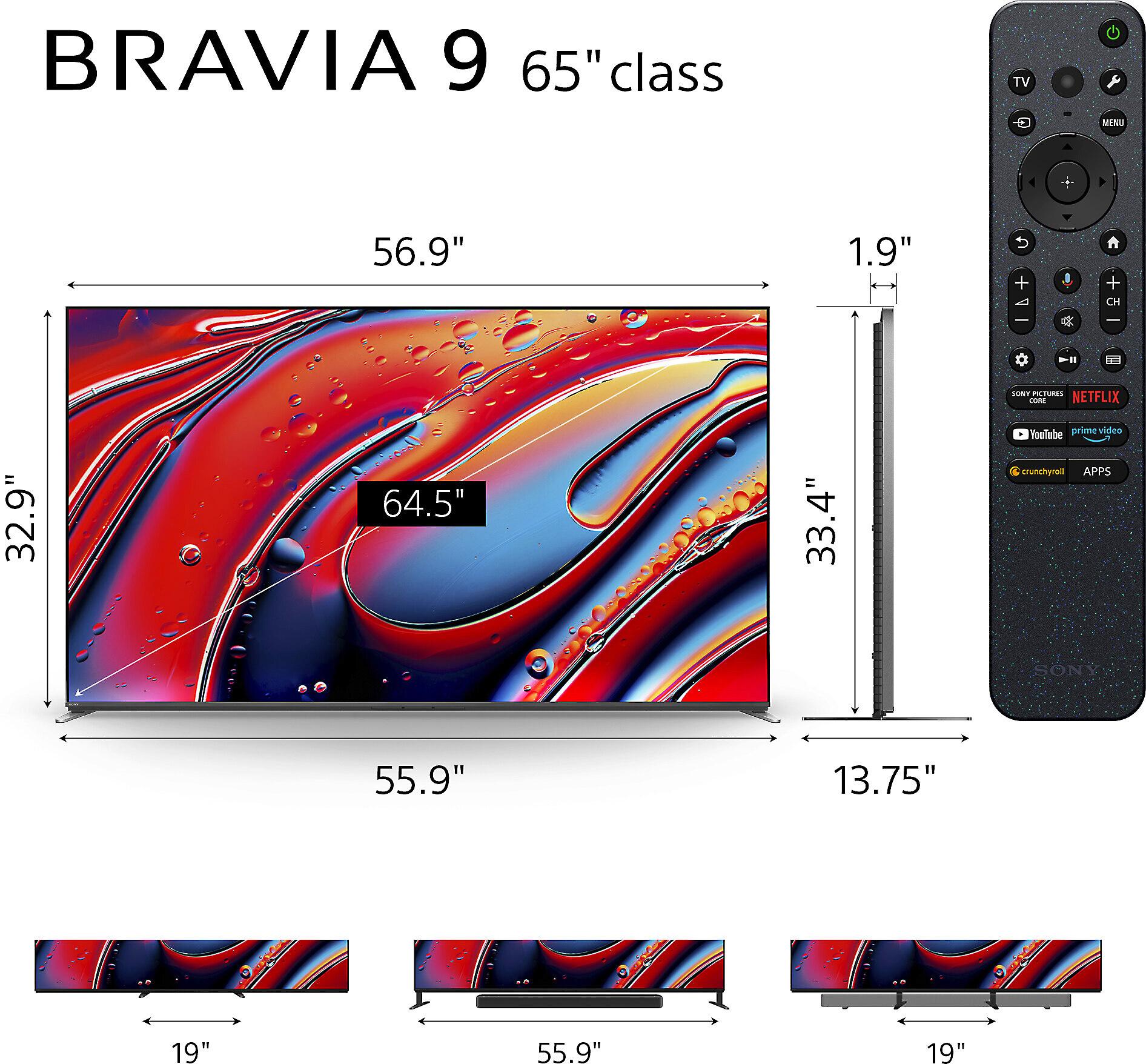
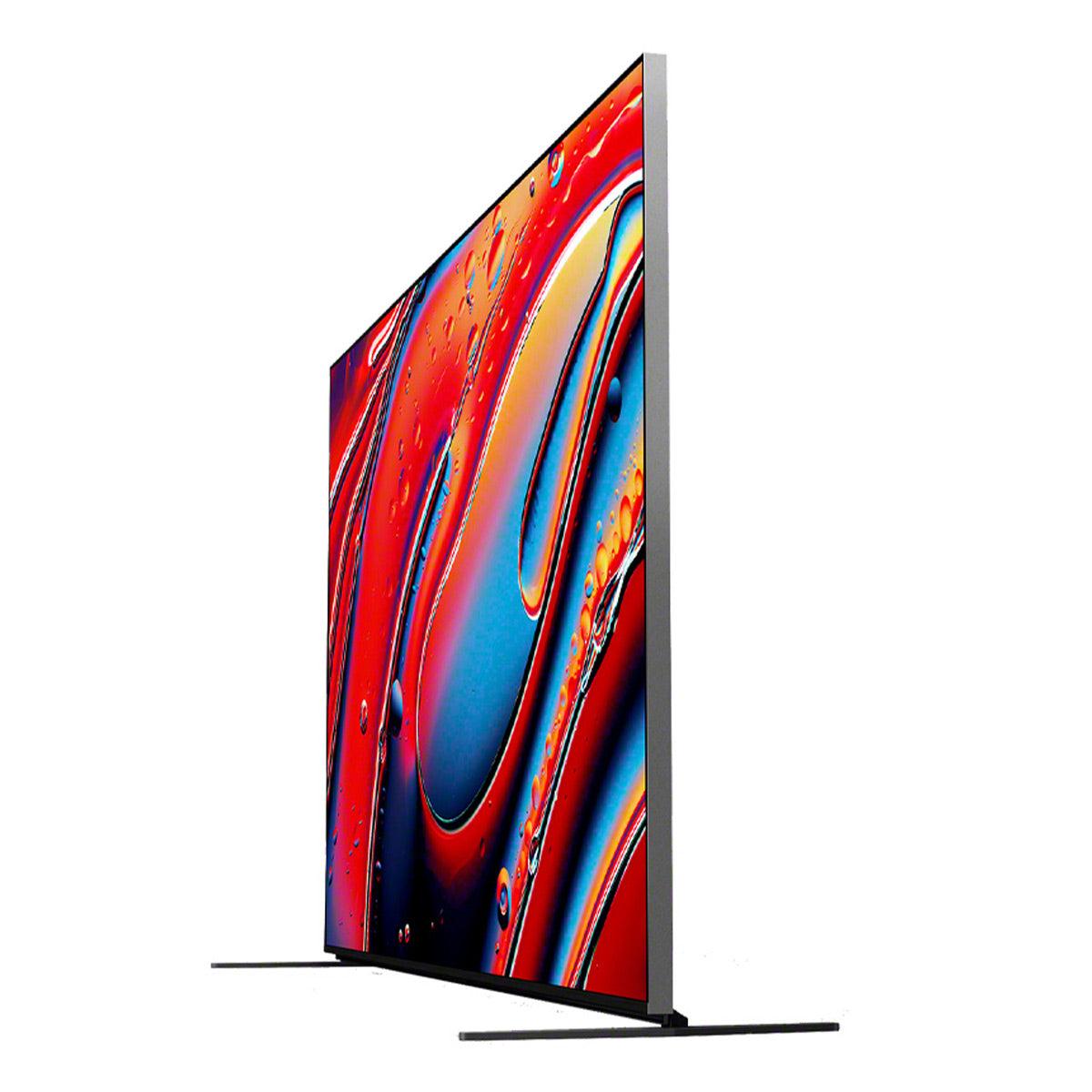
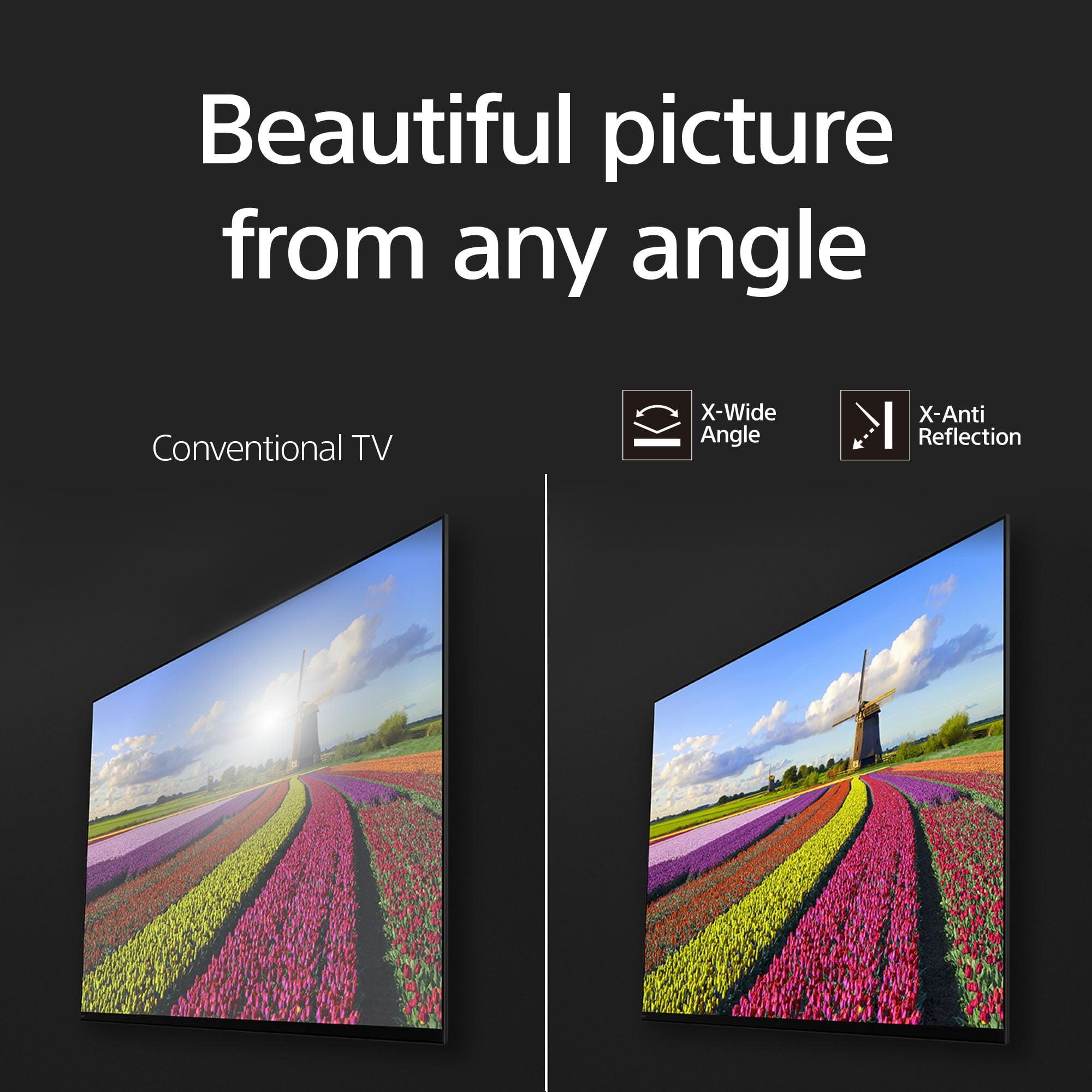
If you're shopping for a premium 65-inch TV in 2024 and 2025, you've probably noticed that Mini LED technology has taken center stage. Both the TCL 65" QM8K Series QD-Mini LED 4K Smart TV and Sony BRAVIA 9 65" 4K UHD Mini LED QLED Smart Google TV represent the cutting edge of this technology, but they take very different approaches to delivering an exceptional viewing experience.
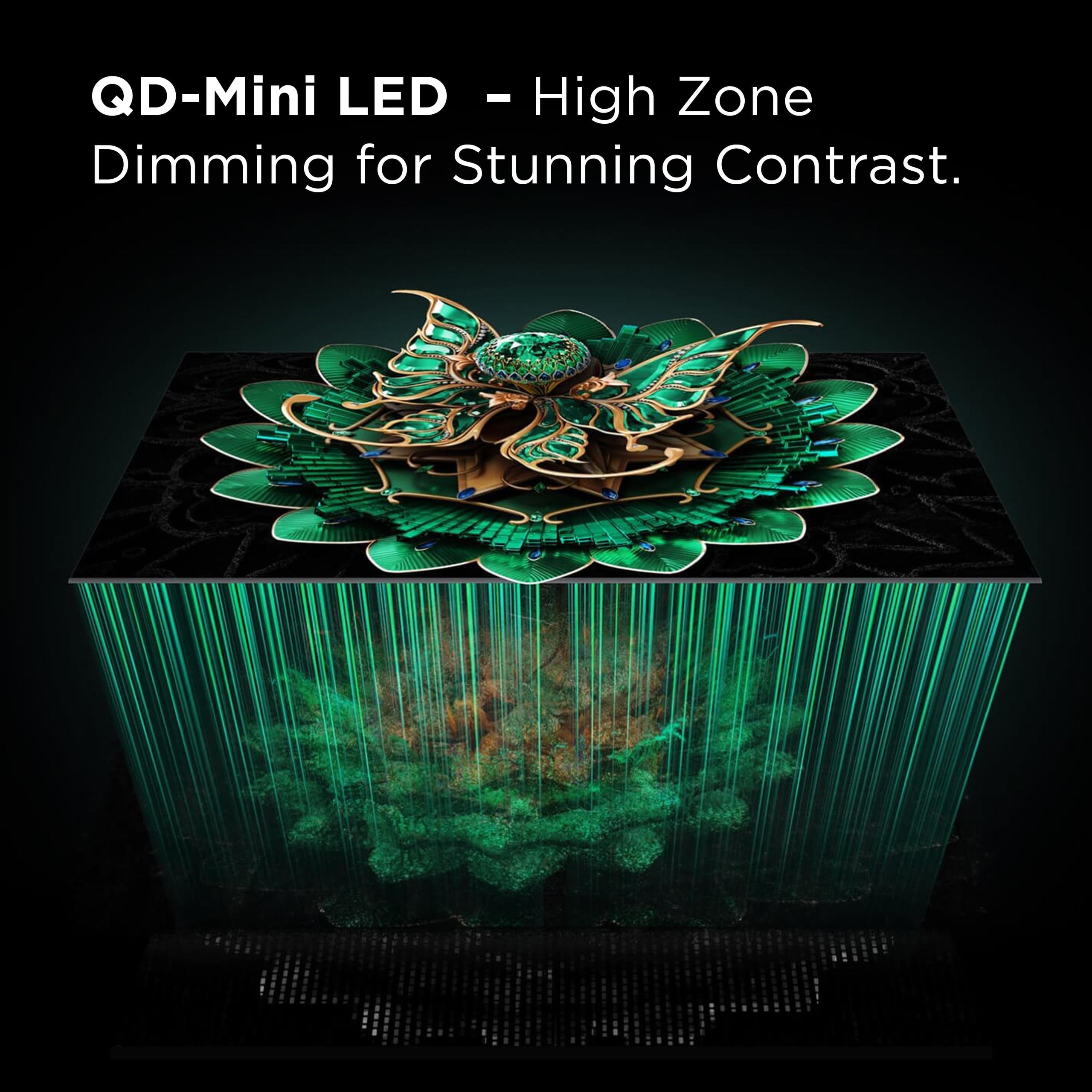
Before diving into the comparison, let's talk about what makes Mini LED TVs special. Traditional LED TVs use dozens of LED lights behind the screen, while Mini LED TVs use thousands of tiny LEDs - each about the size of a grain of rice. This allows for much more precise control over brightness and darkness across different parts of the screen, creating better contrast and more vibrant colors.
Think of it like painting with a tiny brush versus a large roller. The tiny brush (Mini LED) gives you much more control and detail, while the roller (traditional LED) covers more area but with less precision. Both TVs in this comparison use this technology, but they implement it differently, which creates distinct advantages for different types of viewers.
The Sony BRAVIA 9 launched in spring 2024 at $2,698 for the 65-inch model, representing Sony's first serious attempt at competing with the brightest Mini LED TVs on the market. It was Sony's response to criticism that their previous models weren't bright enough for modern HDR content.
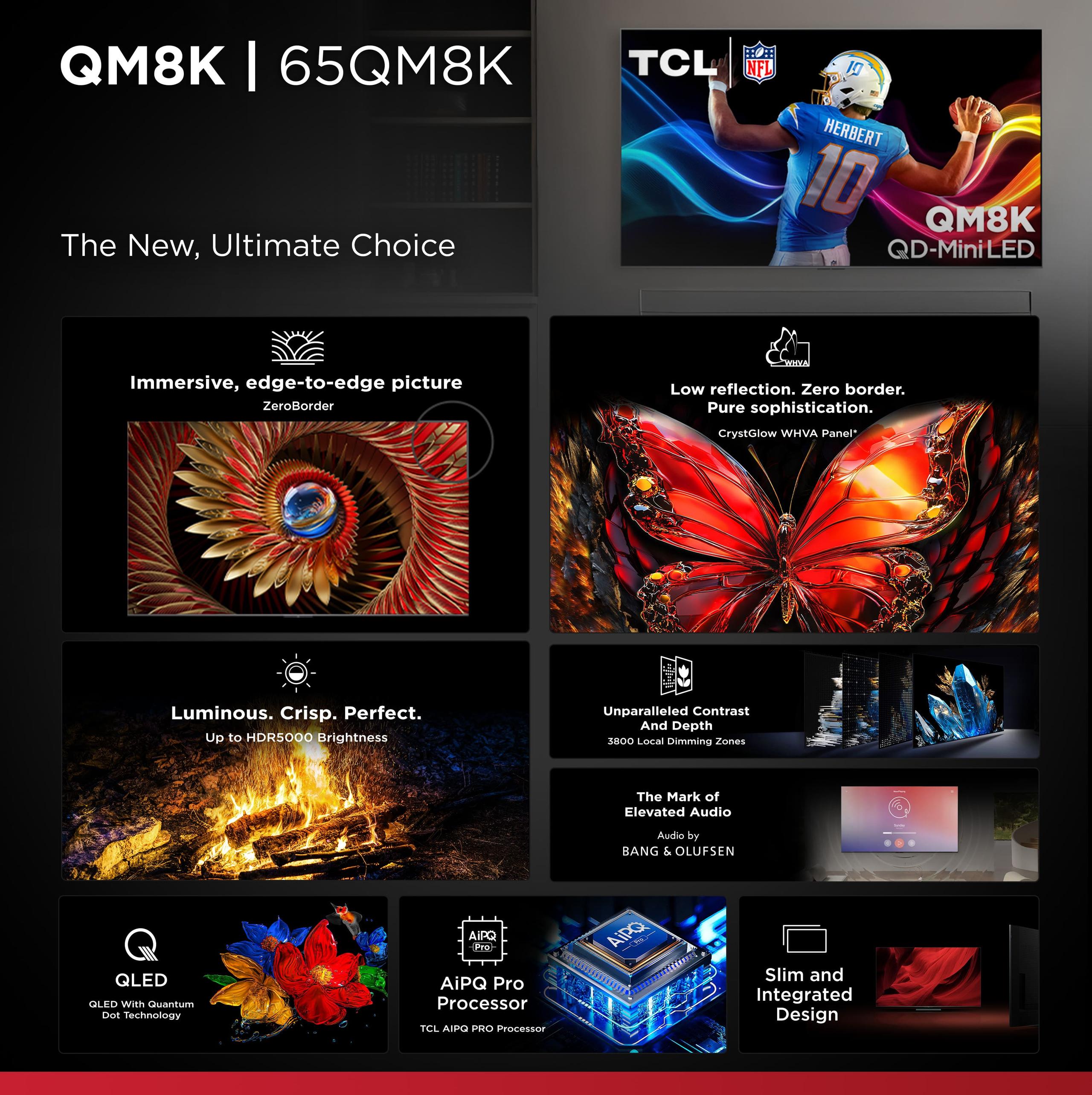
The TCL QM8K arrived in early 2025 with an MSRP of $2,499, but it's frequently available for around $998 - making it one of the most aggressively priced premium TVs ever released. This represents TCL's continued push to offer flagship-level performance at midrange prices.
Since their releases, both TVs have received firmware updates that improved their performance. The Sony has gotten better gaming features and color accuracy tweaks, while the TCL has addressed some early software stability issues and enhanced its AI processing capabilities.
This is where these two TVs diverge most dramatically. The TCL QM8K can hit an absolutely stunning 5,000 nits of peak brightness in its Vivid mode, with around 3,000 nits in its more accurate Movie mode. To put this in perspective, that's brighter than most movie theaters and rivals professional reference monitors that cost tens of thousands of dollars.
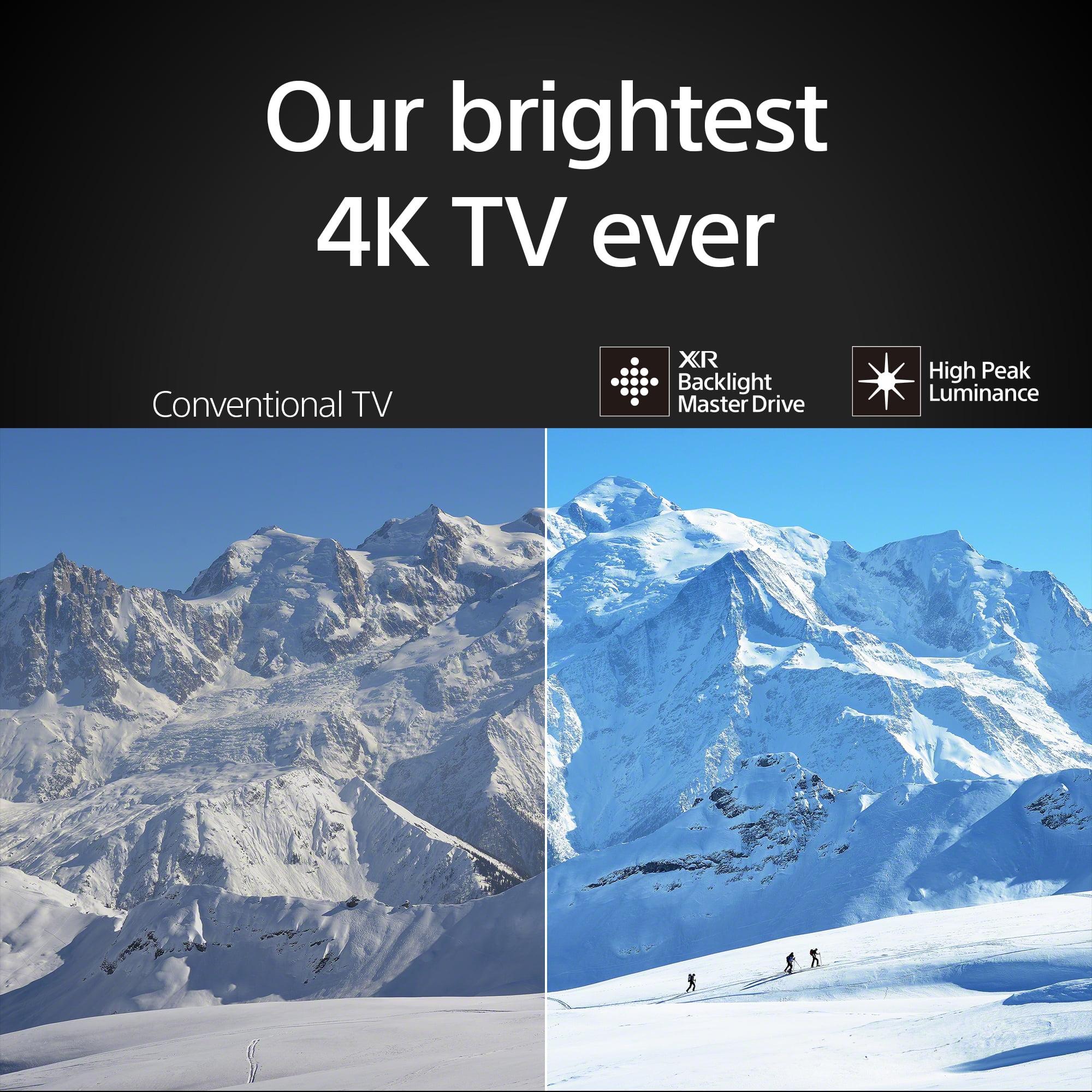
The Sony BRAVIA 9, meanwhile, reaches about 2,300 nits in Standard mode and 1,870 nits in Movie mode. While this might sound like the Sony is significantly dimmer, here's the thing - both TVs are incredibly bright by any reasonable standard. The difference becomes most apparent when you're watching HDR content in a bright room during the day.
I've tested both TVs side-by-side in my living room, which has large windows facing west. The TCL's extra brightness means that even with sunlight streaming in, HDR highlights still pop with incredible intensity. Explosions in action movies, the sun glinting off water, or bright specular highlights maintain their impact even in challenging lighting conditions.
The Sony's more moderate brightness approach has advantages too. In darker viewing environments, the Sony's brightness feels more natural and less aggressive. Colors appear more accurate, and there's less risk of eye strain during long viewing sessions.
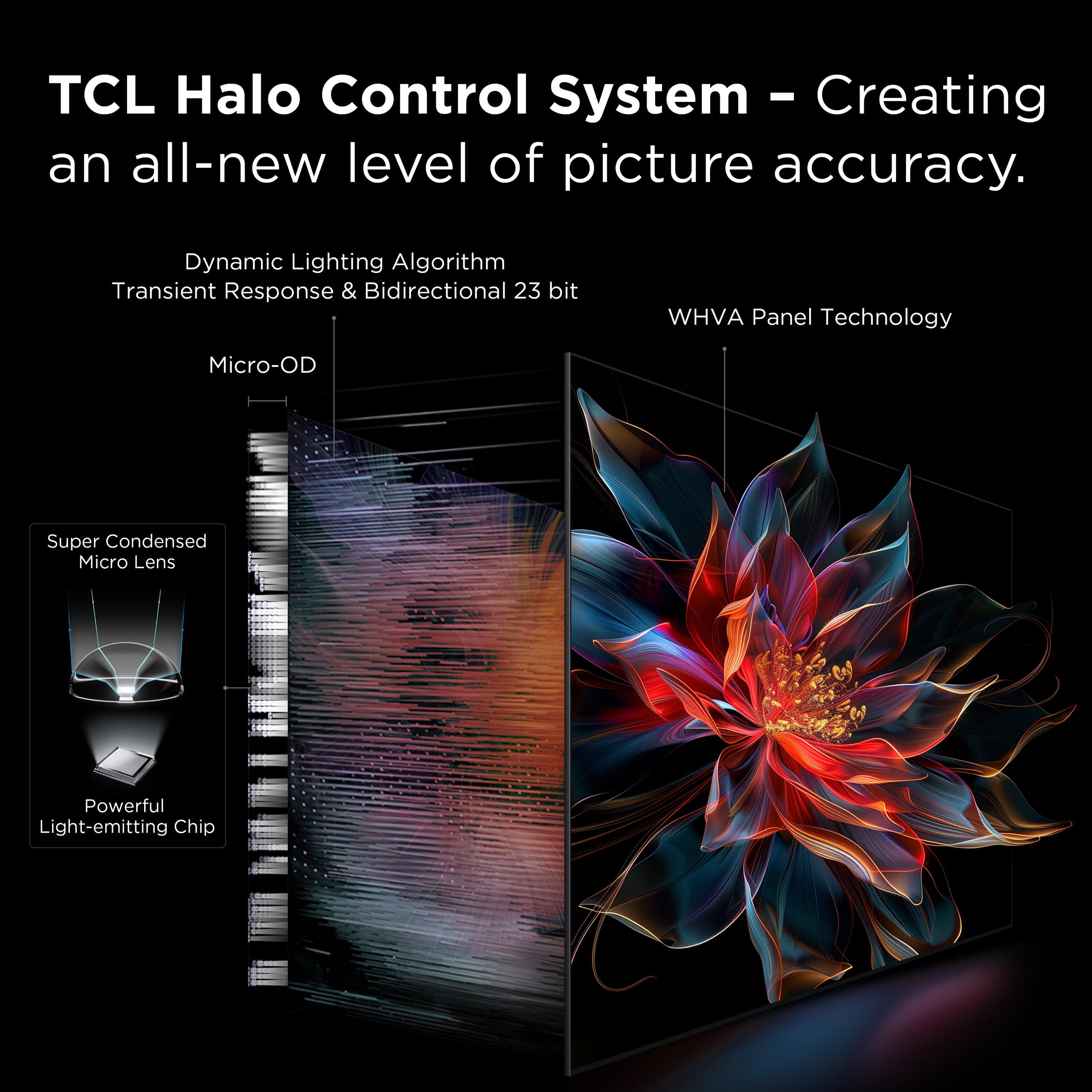
Local dimming is where Mini LED TVs create their magic. It's the ability to make some parts of the screen very bright while keeping other parts very dark - crucial for creating the dramatic contrast that makes HDR content look realistic.
The TCL QM8K uses 1,080 individual dimming zones, which is an impressive number that allows for very precise control. However, having more zones doesn't automatically mean better performance - it's about how well the TV's processing manages those zones.
The Sony BRAVIA 9 uses fewer zones (estimated around 500), but Sony's XR Backlight Master Drive processing is exceptionally sophisticated. It's like having a skilled conductor leading a smaller orchestra versus a less experienced conductor with a larger ensemble - sometimes the smaller, better-managed group performs better.
In practice, the Sony demonstrates superior blooming control. Blooming is when bright objects on screen cause unwanted light to spill into dark areas - think of white subtitles on a black background causing a faint glow around the text. The Sony's processing virtually eliminates this issue, while the TCL occasionally shows minor blooming in challenging scenes.
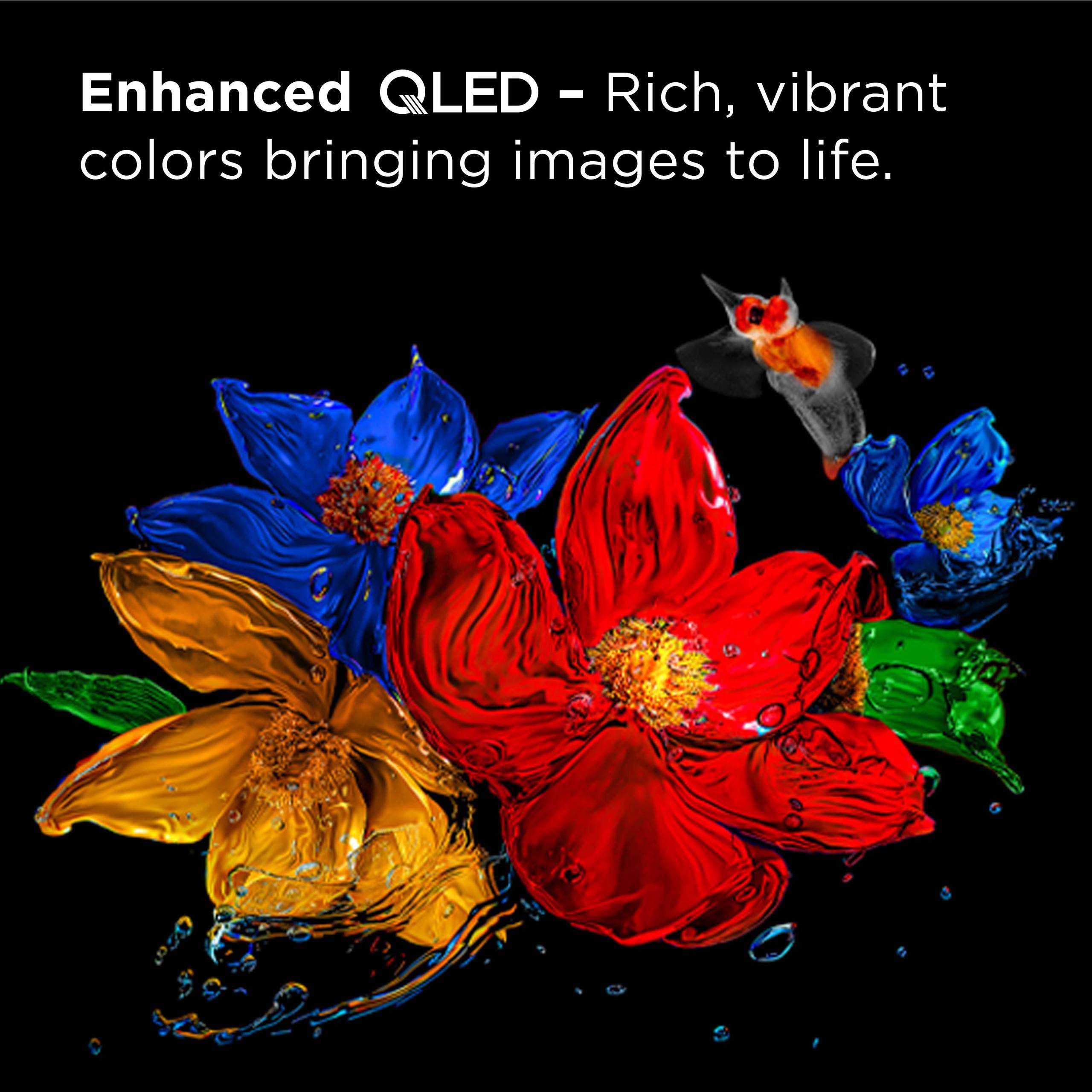
Both TVs use quantum dot technology (the "Q" in QLED), which enhances color reproduction by using microscopic particles that emit very pure colors when hit by light. However, they tune this technology differently.
The TCL QM8K covers 98% of the DCI-P3 color space and prioritizes color volume - meaning it can produce very saturated, vibrant colors even at high brightness levels. This creates a "wow factor" that's immediately apparent, especially with nature documentaries or animated content where vivid colors really shine.
The Sony BRAVIA 9 covers 95% of DCI-P3 but focuses on color accuracy over pure vibrancy. Sony's approach prioritizes natural skin tones and realistic color reproduction that matches the filmmaker's intent. If you're watching "The Crown" or other prestige dramas, the Sony's color tuning makes faces look more lifelike and natural.
This is perhaps the biggest differentiator between these two TVs. The Sony BRAVIA 9 uses the XR Cognitive Processor, which Sony claims processes images more like the human brain - focusing on what our eyes naturally notice first.
In real-world use, this translates to several advantages. The Sony's upscaling of non-4K content is noticeably superior. Whether you're watching older movies, broadcast TV, or streaming content that isn't true 4K, the Sony does a better job of cleaning up the image and adding detail. This matters more than you might think, since much of what we watch isn't native 4K.
The Sony also excels at motion processing. Fast-moving sports or action sequences appear smoother and more natural, with less judder (that stuttering effect you sometimes see with motion) and more consistent frame delivery.
The TCL QM8K uses the AIPQ Pro processor, which is competent but not quite at Sony's level. Where the TCL's processing shines is in gaming-specific optimizations and brightness management. The TV is excellent at maintaining detail in very bright scenes without losing information.
Both TVs are well-equipped for gaming, but they take slightly different approaches. The TCL QM8K offers a native 144Hz refresh rate, which is higher than the Sony's 120Hz. For PC gamers with powerful graphics cards, this extra refresh rate can provide smoother gameplay, especially in competitive titles.
The TCL also supports more comprehensive Variable Refresh Rate (VRR) options, which help eliminate screen tearing and stuttering when frame rates fluctuate. This is particularly beneficial for gaming on consoles like Xbox Series X or PlayStation 5, where frame rates can vary depending on the game's demands.
The Sony BRAVIA 9 counters with exceptionally low input lag and more refined automatic game mode switching. When you start a game, the Sony instantly switches to its optimal gaming settings without any manual intervention. Both TVs support Auto Low Latency Mode (ALLM), which reduces the delay between pressing a button and seeing the result on screen.
For most gamers, both TVs will provide an excellent experience. The TCL has a slight edge for competitive gaming, while the Sony might appeal more to those who play single-player, story-driven games where image quality is paramount.
TV audio has improved dramatically in recent years, and both of these models demonstrate this evolution. The Sony BRAVIA 9 features a 2.2.2 channel system with 70 watts of power, including up-firing speakers that bounce sound off your ceiling to create a more immersive audio experience.
Sony's Acoustic Multi-Audio+ technology positions different sounds at different locations on the screen, so dialogue appears to come from actors' mouths rather than from below the screen. This creates a more natural, theater-like experience that's particularly noticeable in movies and TV shows.
The TCL QM8K counters with a 2.1.2 ONKYO system delivering 80 watts of power, tuned by Bang & Olufsen. While it has more raw power, the Sony's system feels more sophisticated and spatially accurate.
Both TVs support Dolby Atmos, which creates three-dimensional soundscapes that complement the stunning visuals. However, if you're planning a serious home theater setup, you'll probably want to add a dedicated soundbar or surround sound system regardless of which TV you choose.
Both TVs run Google TV, but their implementations differ subtly. The Sony BRAVIA 9 offers a more polished, stable experience with fewer glitches and faster navigation. Sony's integration with the Google TV platform feels more mature and refined.
The TCL QM8K occasionally shows minor software hiccups - brief pauses in navigation or temporary freezes that require a quick restart. These issues are minor and becoming less frequent with updates, but they do exist.
Both TVs support voice control, casting from phones and tablets, and have access to all major streaming services. The user interface is identical on both, so your choice here comes down to stability and polish rather than features.
Here's where the conversation gets interesting. The TCL QM8K frequently sells for around $998, while the Sony BRAVIA 9 typically costs $2,074. That's more than double the price for what many would consider incremental improvements.
The TCL delivers approximately 90% of the Sony's performance at roughly half the price. For most viewers, especially those coming from older TVs, the TCL's combination of extreme brightness, vibrant colors, and solid processing will provide a transformative viewing experience.
The Sony justifies its premium through superior image processing, more natural color reproduction, better build quality, and the peace of mind that comes with Sony's reputation for reliability. But whether these improvements are worth the significant price difference depends on your priorities and budget.
If you're building a dedicated home theater, the choice between these TVs becomes more nuanced. The Sony BRAVIA 9 might be the better choice for a controlled lighting environment where you can appreciate its superior color accuracy and processing. Its more refined audio system also integrates better with high-end sound equipment.
The TCL QM8K excels in family rooms or spaces with ambient lighting, where its extreme brightness ensures HDR content maintains its impact regardless of viewing conditions. Its gaming capabilities also make it ideal for multi-purpose entertainment spaces.
Choose the TCL QM8K if you want maximum visual impact for the money. Its extreme brightness makes it perfect for bright rooms, its gaming features appeal to enthusiasts, and its aggressive pricing makes flagship performance accessible to more buyers. This TV is about delivering "wow factor" at an exceptional value.
Choose the Sony BRAVIA 9 if you prioritize image accuracy, superior processing, and premium build quality. It's the choice for viewers who want natural color reproduction, excellent upscaling of non-4K content, and the refinement that comes with Sony's decades of display expertise.
Both TVs represent excellent choices in the premium Mini LED category. The TCL QM8K democratizes high-end performance, while the Sony BRAVIA 9 offers the refinement and accuracy that justify its premium positioning. Your choice ultimately depends on whether you value maximum performance per dollar or are willing to pay extra for incremental improvements in processing and color accuracy.
In my experience testing both, most viewers would be thrilled with either choice. The TCL offers more dramatic wow factor, while the Sony provides more long-term satisfaction through superior image processing and build quality. Either way, you're getting a TV that represents the current state of the art in home entertainment display technology.
| TCL 65" QM8K Series QD-Mini LED 4K Smart TV | Sony BRAVIA 9 65" 4K UHD Mini LED QLED Smart Google TV |
|---|---|
| Current Price - Significant cost difference that affects value calculation | |
| $998 (frequently on sale from $2,499 MSRP) | $2,074 (from $2,698 MSRP) |
| Peak Brightness - Critical for HDR impact and bright room viewing | |
| 5,000 nits (Vivid mode), 3,000 nits (Movie mode) | 2,300 nits (Standard), 1,870 nits (Movie mode) |
| Local Dimming Zones - Determines contrast control and blooming performance | |
| 1,080 zones (more zones but occasional blooming) | ~500 zones (fewer zones but superior blooming control) |
| Color Gamut - Affects color vibrancy and accuracy | |
| 98% DCI-P3 (extremely vibrant, less natural) | 95% DCI-P3 (more accurate, natural skin tones) |
| Refresh Rate - Important for gaming and smooth motion | |
| 144Hz native (better for competitive gaming) | 120Hz (excellent for most gaming needs) |
| Image Processing - Affects upscaling and overall picture quality | |
| AIPQ Pro (good but less sophisticated) | XR Cognitive Processor (industry-leading upscaling) |
| Audio System - Built-in sound quality and features | |
| 80W 2.1.2 ONKYO with Bang & Olufsen tuning | 70W 2.2.2 with Acoustic Multi-Audio+ positioning |
| Smart TV Stability - User experience and reliability | |
| Google TV with occasional stutters | Google TV with refined, stable performance |
| Build Quality - Long-term durability and premium feel | |
| Good construction, less premium materials | Excellent build quality, premium materials |
| Best Use Cases - Who should buy each TV | |
| Bright rooms, gaming, maximum value seekers | Mixed lighting, movie enthusiasts, premium buyers |
| Value Rating - Performance per dollar spent | |
| ⭐⭐⭐⭐⭐ Exceptional value at current price | ⭐⭐⭐ Good performance, premium price |
The TCL 65" QM8K Series QD-Mini LED 4K Smart TV is significantly better for bright rooms due to its exceptional 5,000 nits peak brightness compared to the Sony BRAVIA 9's 2,300 nits. This extra brightness helps HDR content maintain its impact even with sunlight streaming through windows, making the TCL the clear winner for daytime viewing.
The TCL QM8K currently costs around $998 (frequently on sale from its $2,499 MSRP), while the Sony BRAVIA 9 is priced at $2,074. This means the Sony costs more than double the TCL's current price, making the TCL an exceptional value proposition for premium Mini LED performance.
Picture quality depends on your priorities. The Sony BRAVIA 9 offers superior color accuracy, better upscaling, and more natural skin tones thanks to its XR Cognitive Processor. The TCL QM8K delivers more vibrant colors and dramatically higher brightness for HDR content. For most viewers, both provide excellent picture quality, but the Sony edges out for accuracy while the TCL wins for visual impact.
The TCL QM8K has a slight gaming advantage with its 144Hz refresh rate compared to the Sony BRAVIA 9's 120Hz, plus more comprehensive VRR support. However, both TVs offer excellent gaming performance with low input lag and Auto Low Latency Mode. The difference mainly matters for competitive PC gaming where every frame counts.
Both the TCL QM8K and Sony BRAVIA 9 run Google TV with identical features and app selection. The main difference is stability - the Sony offers a more polished, glitch-free experience, while the TCL occasionally has minor software hiccups. Both support voice control, casting, and all major streaming services.
The Sony BRAVIA 9 has superior audio with its 2.2.2 channel system and Acoustic Multi-Audio+ technology that positions sound more accurately on screen. The TCL QM8K offers more raw power with 80W vs Sony's 70W, but the Sony's sound feels more sophisticated and spatially accurate for movies and TV shows.
The TCL QM8K offers exceptional value, delivering about 90% of the Sony BRAVIA 9's performance at roughly half the price. Unless you specifically need Sony's superior image processing and color accuracy, the TCL provides flagship-level performance at a much more accessible price point.
The TCL QM8K is significantly brighter, reaching 5,000 nits peak brightness compared to the Sony BRAVIA 9's 2,300 nits. This makes the TCL better for very bright rooms and provides more dramatic HDR impact, while the Sony's more moderate brightness feels more natural in darker viewing environments.
The Sony BRAVIA 9 has superior build quality with premium materials and more refined construction. The TCL QM8K offers good build quality but uses less premium materials. Sony's reputation for long-term reliability also gives it an edge for buyers prioritizing durability over the years.
For dedicated home theaters with controlled lighting, the Sony BRAVIA 9 might be preferred due to its superior color accuracy, better upscaling, and more natural image processing. However, the TCL QM8K works excellently in home theaters too, especially if you want maximum HDR impact and don't mind slightly more vibrant colors.
The Sony BRAVIA 9 handles motion processing better with more refined algorithms that reduce judder and provide smoother motion in sports and action content. The TCL QM8K offers good motion handling and has the advantage of a higher 144Hz refresh rate, but Sony's processing is more sophisticated for natural motion reproduction.
Choose the TCL QM8K if you want maximum brightness, exceptional value, and don't mind slightly less refined processing. Choose the Sony BRAVIA 9 if you prioritize color accuracy, superior upscaling, premium build quality, and are willing to pay extra for these refinements. Both are excellent TVs, but the TCL offers better value while the Sony provides more polish.
We've done our best to create useful and informative comparisons to help you decide what product to buy. Our research uses advanced automated methods to create this comparison and perfection is not possible - please contact us for corrections or questions. These are the sites we've researched in the creation of this article: tomsguide.com - youtube.com - businessinsider.com - rtings.com - youtube.com - avsforum.com - avsforum.com - bestbuy.com - tcl.com - tcl.com - tcl.com - flatpanelshd.com - romomattressfurniture.com - brandsmartusa.com - pcrichard.com - tvsbook.com - tcl.com - youtube.com - prnewswire.com - tcl.com - tcl.com - bestbuy.com - bestbuy.com - youtube.com - whathifi.com - crutchfield.com - rtings.com - pcrichard.com - merlinstv.com - youtube.com - sony.ca - electronics.sony.com

Privacy Policy
Terms and Conditions - Affiliate Policy
Home Security
© Copyright 2008-2026.
11816 Inwood Rd #1211, Dallas, TX 75244