

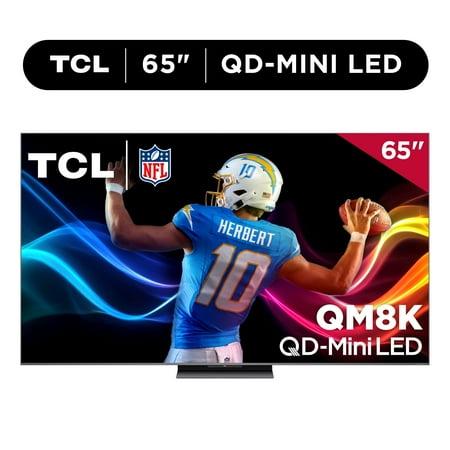
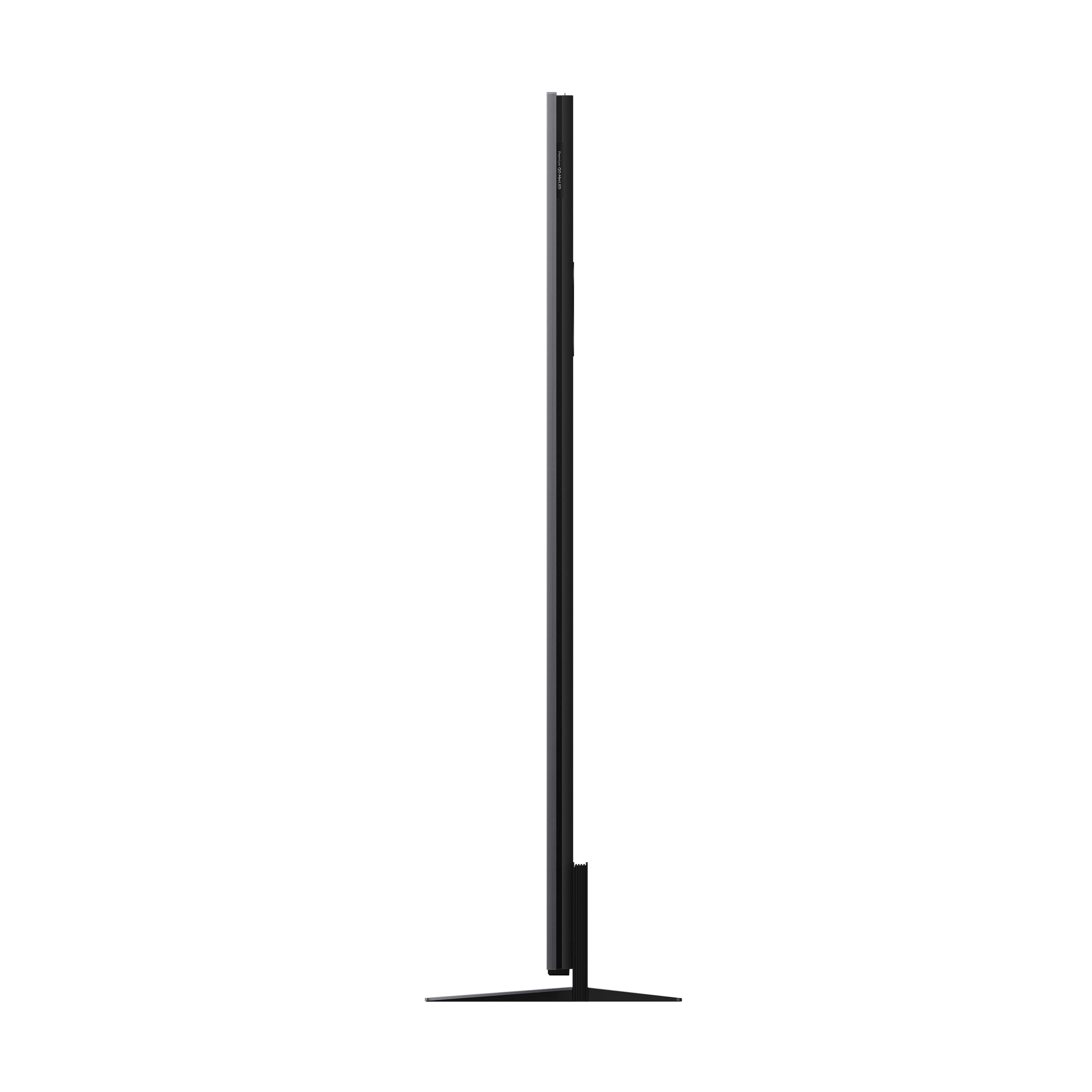
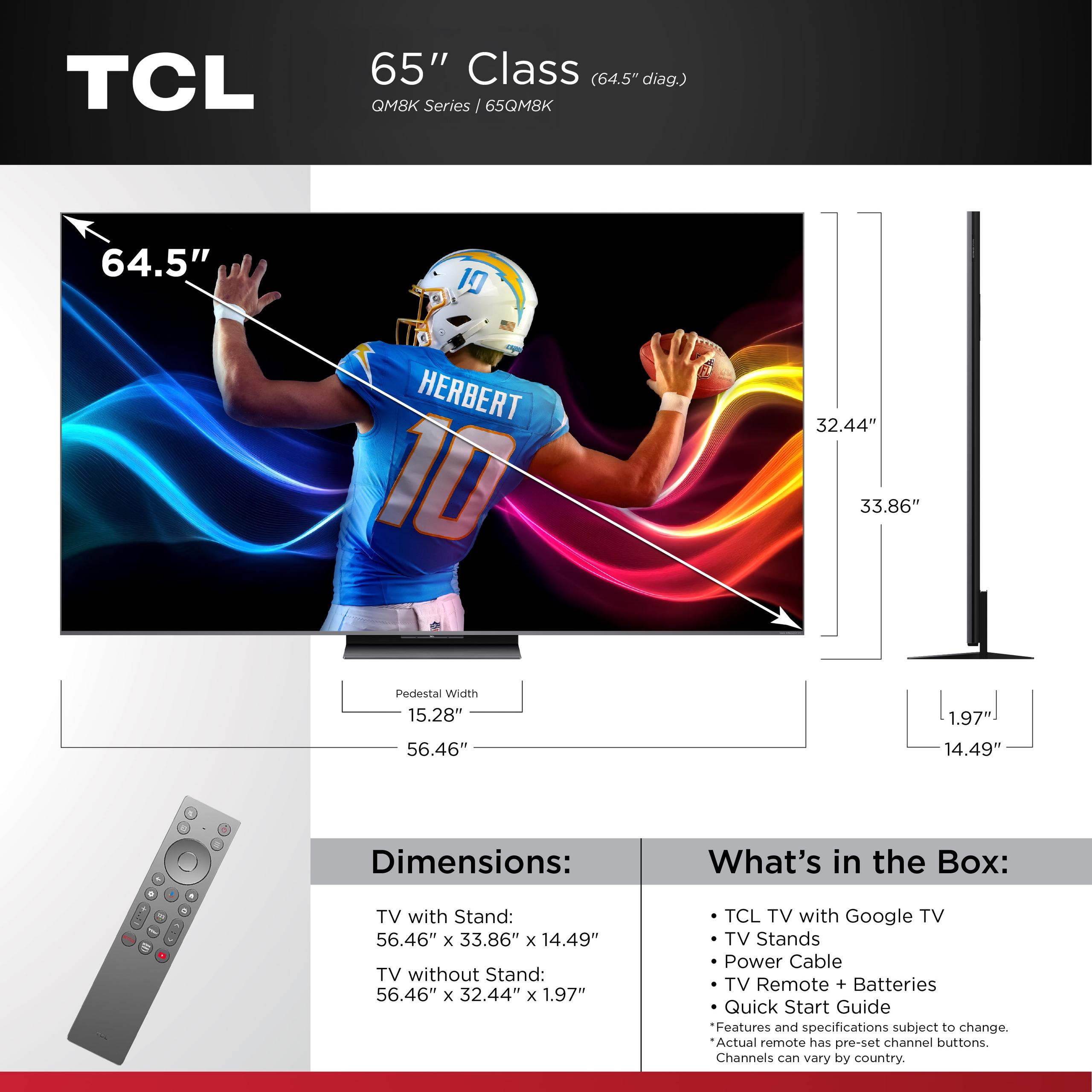
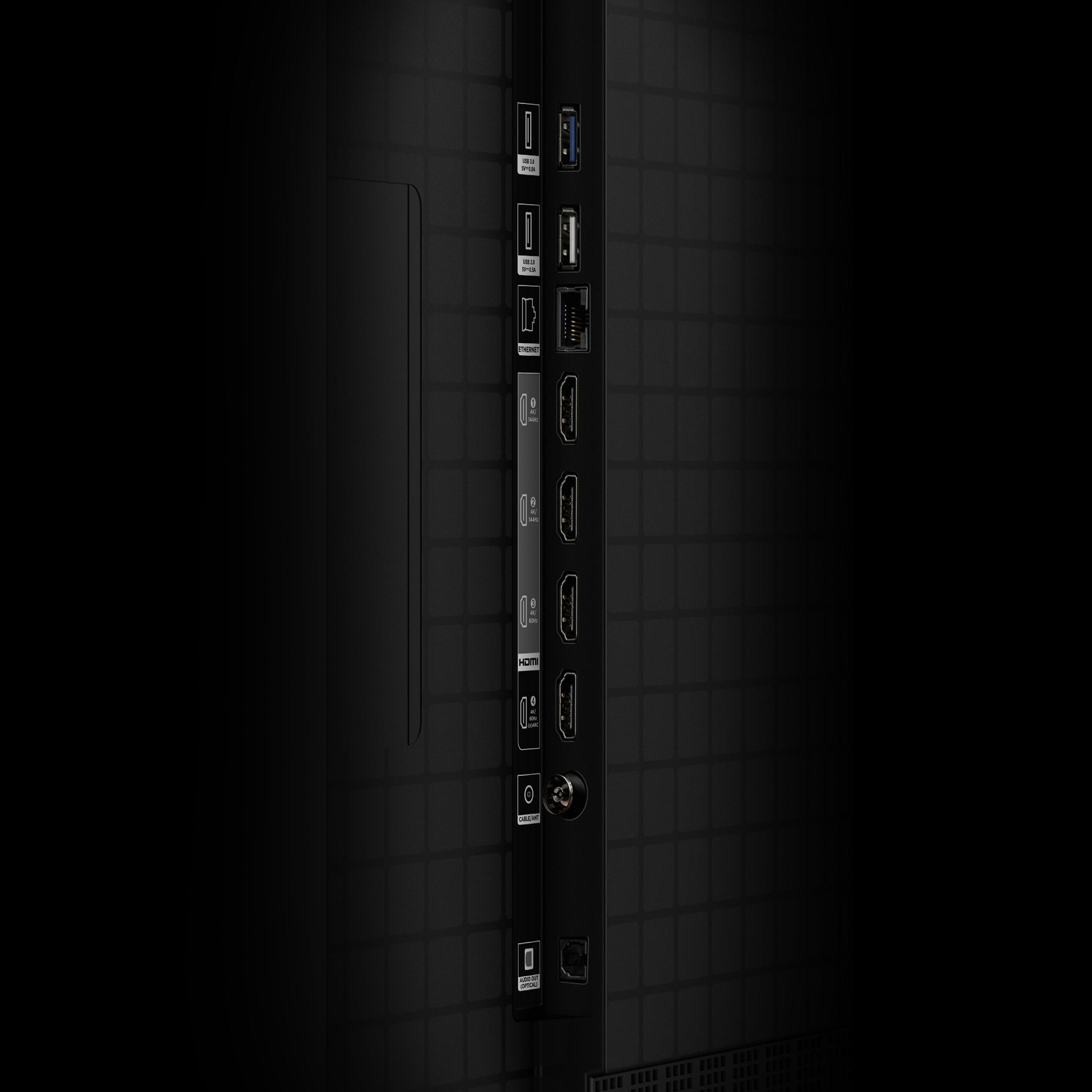


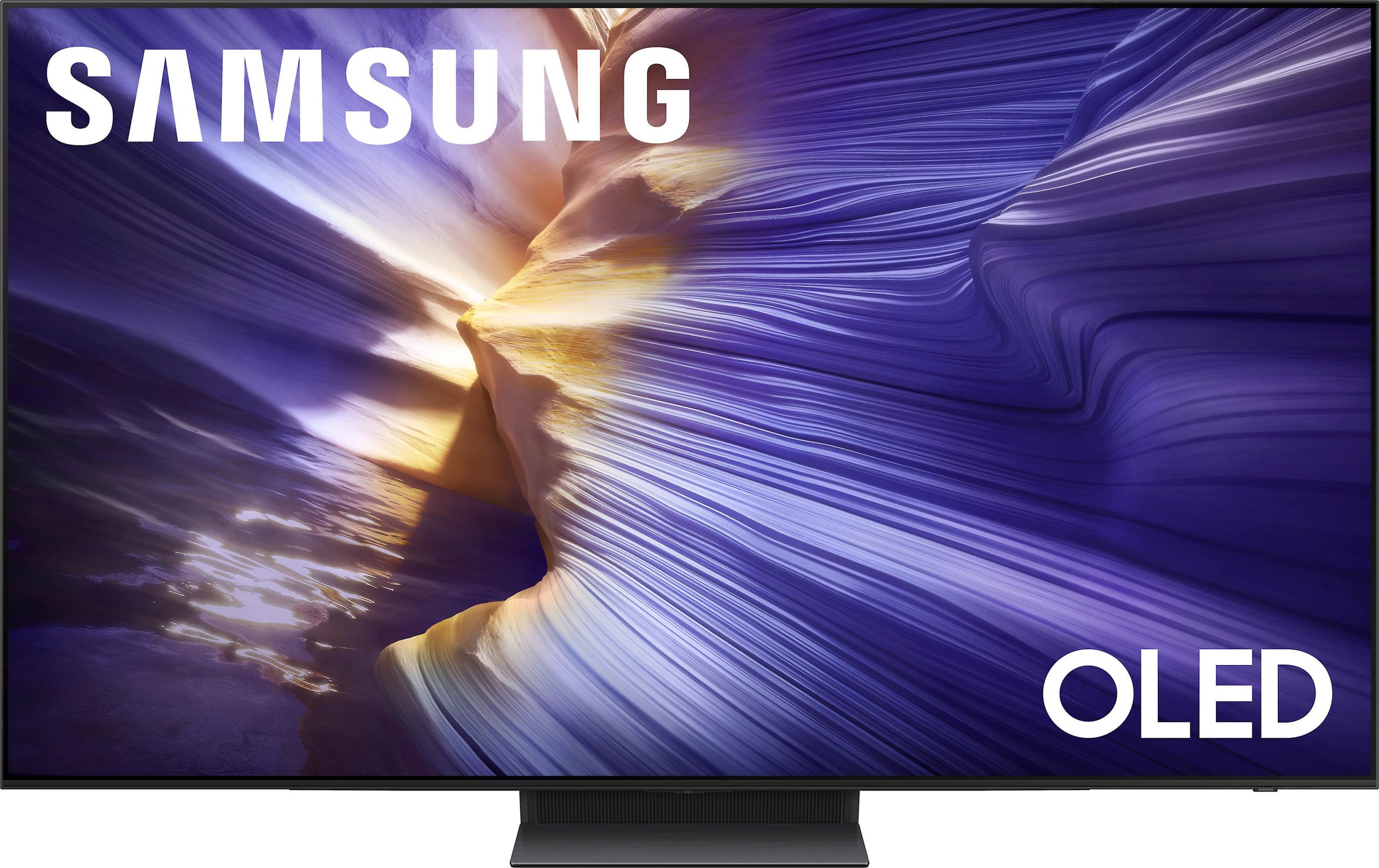
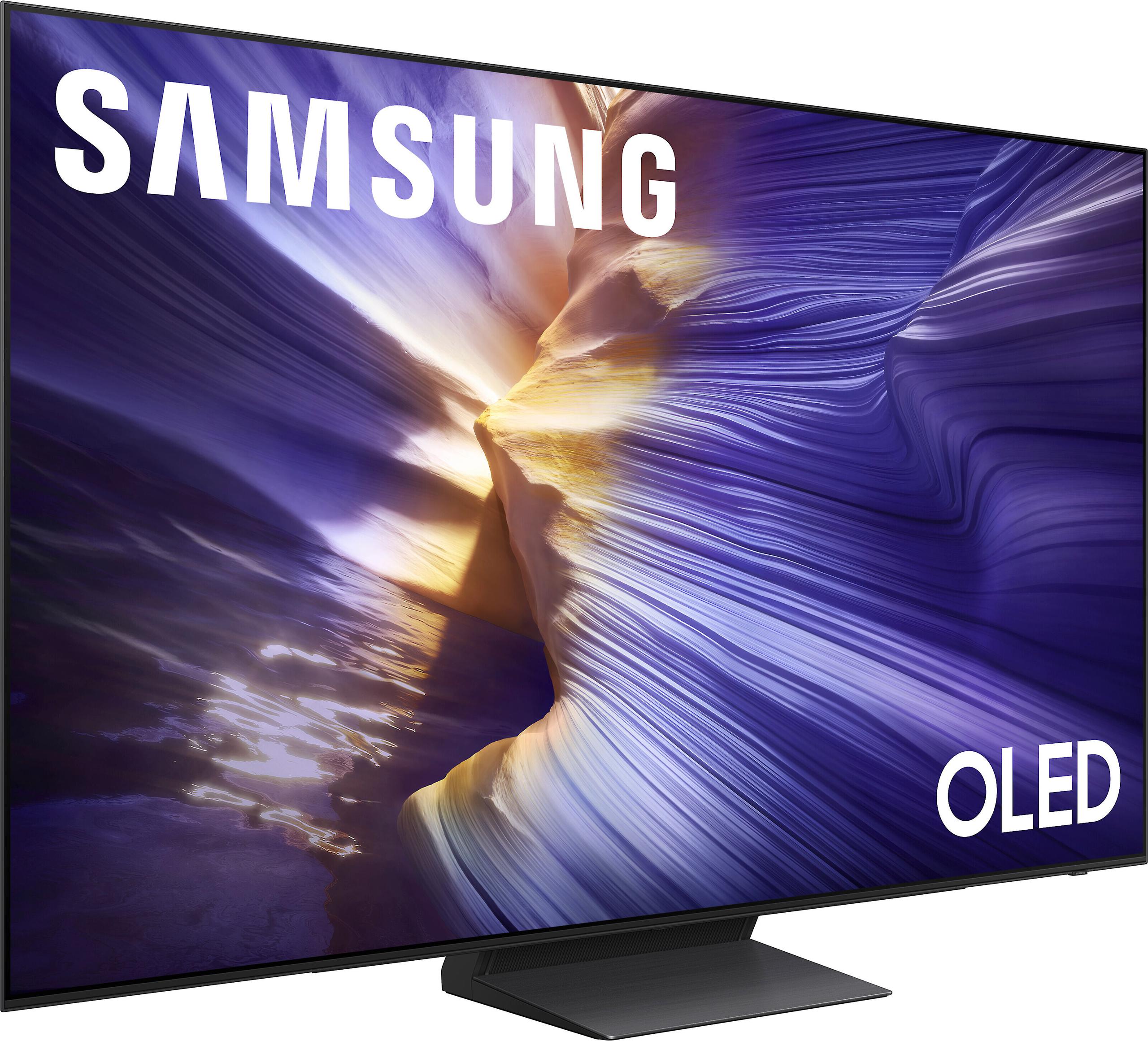
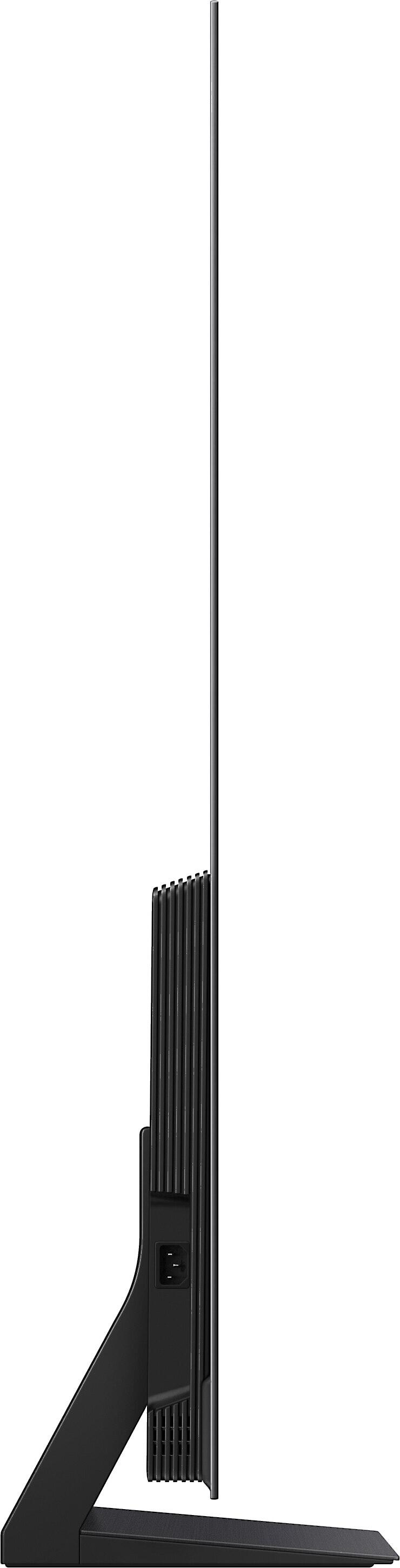
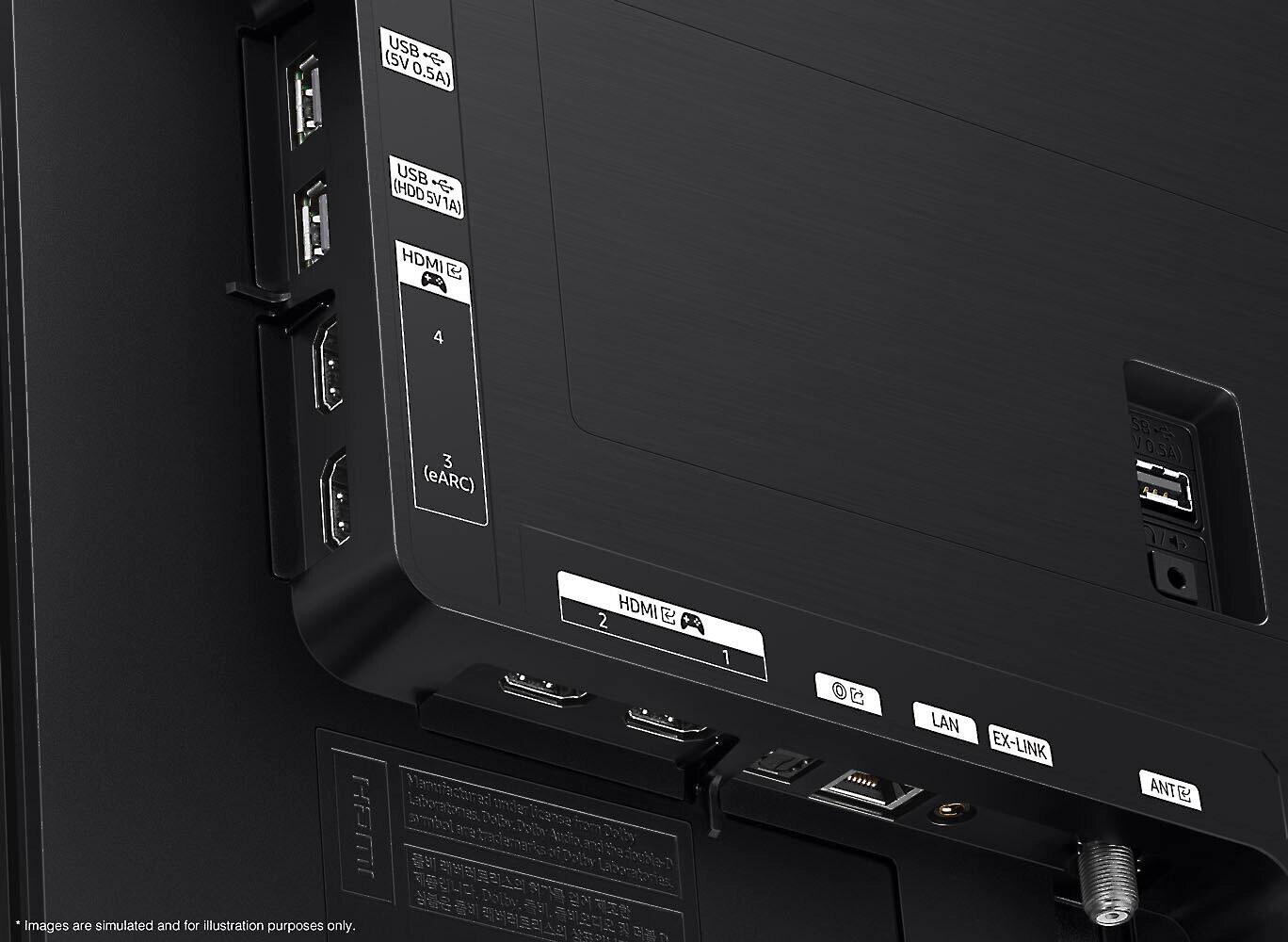
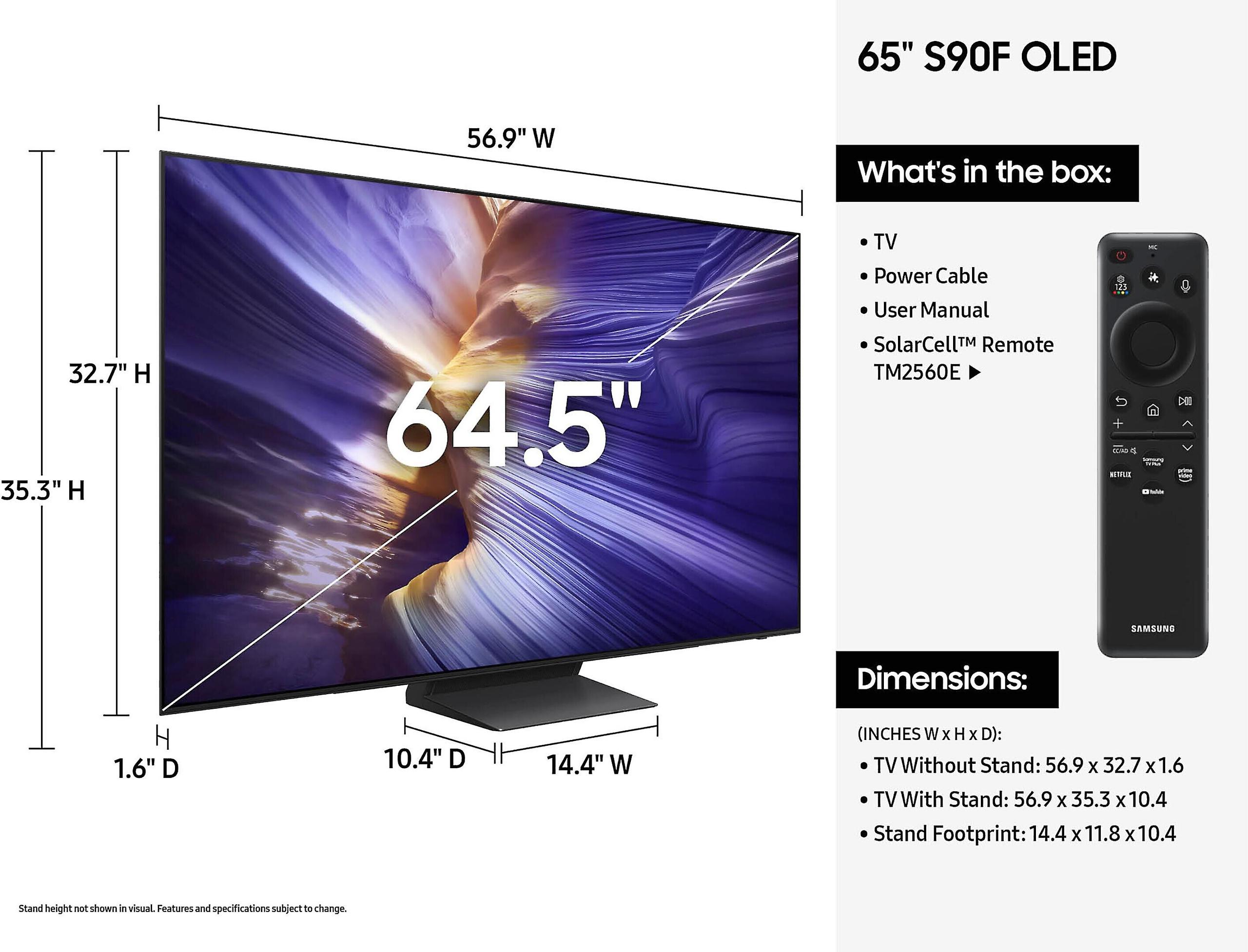
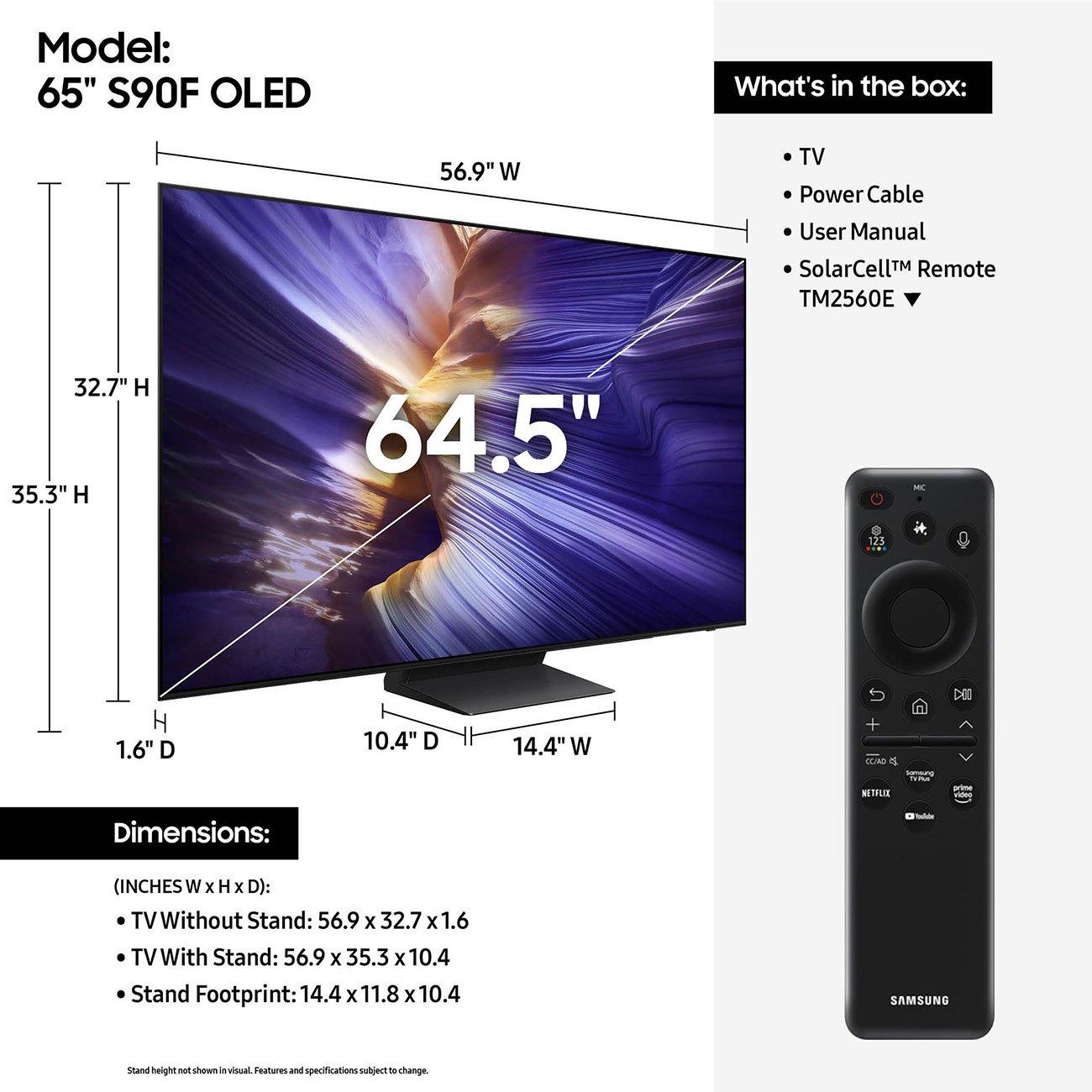
Shopping for a premium 65-inch TV in 2025? You're looking at an exciting time in television technology. Two standout options dominate the conversation: the TCL 65" QM8K Series QD-Mini LED 4K Smart TV ($998) and the Samsung 65" S90F OLED 4K Vision AI Smart TV ($1,797.99). Both represent cutting-edge display technology, but they take completely different approaches to deliver exceptional picture quality.
Understanding these differences isn't just about specs—it's about finding the TV that works best in your specific room, with your viewing habits, and within your budget. Let's dive deep into what makes each of these TVs special and help you decide which one deserves a spot in your living room.
The premium TV market has evolved dramatically over the past few years. We're now seeing a fascinating battle between two advanced technologies: Mini LED and OLED. Both launched in 2025, these TVs represent the latest thinking in display technology, each trying to solve the fundamental challenge of creating perfect picture quality.
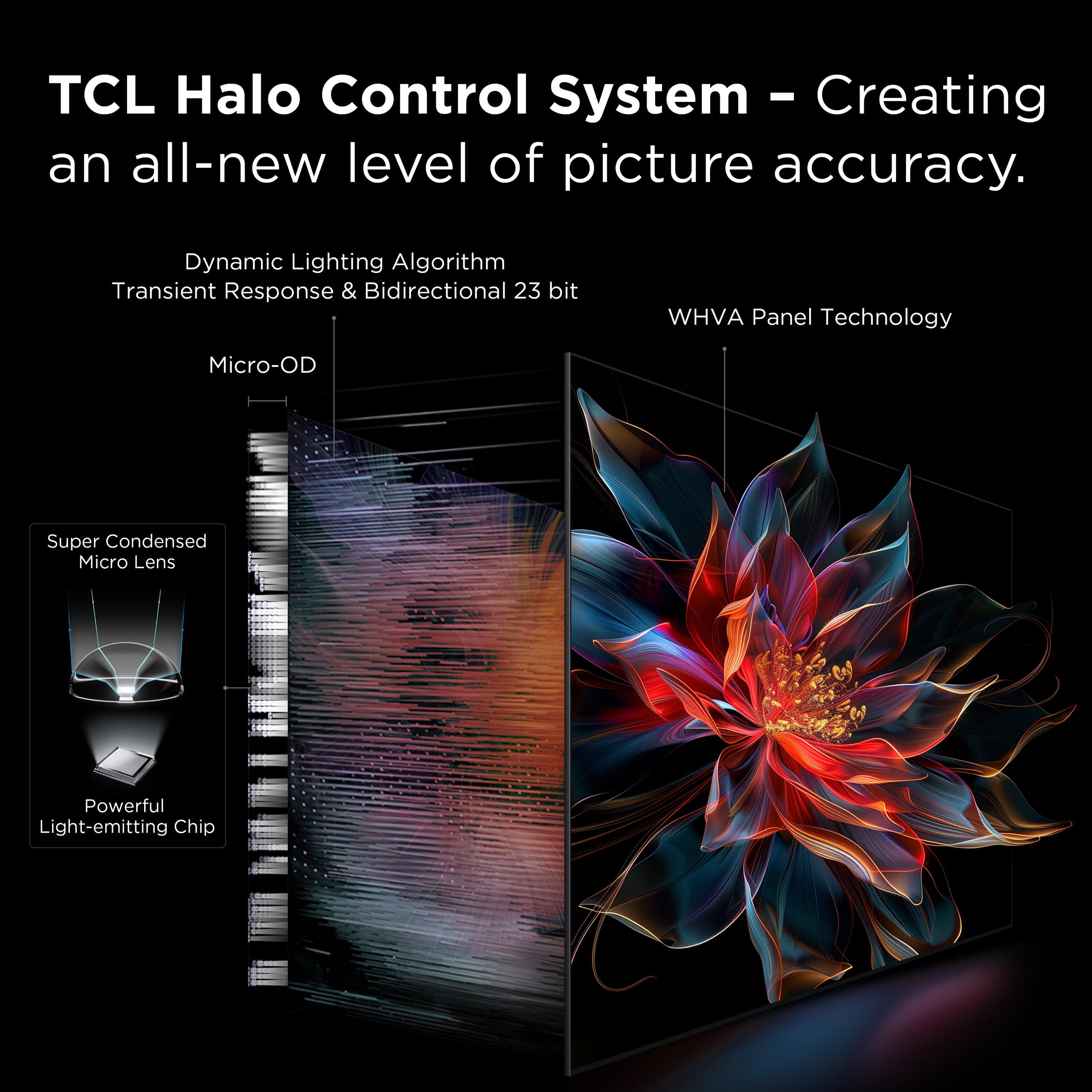
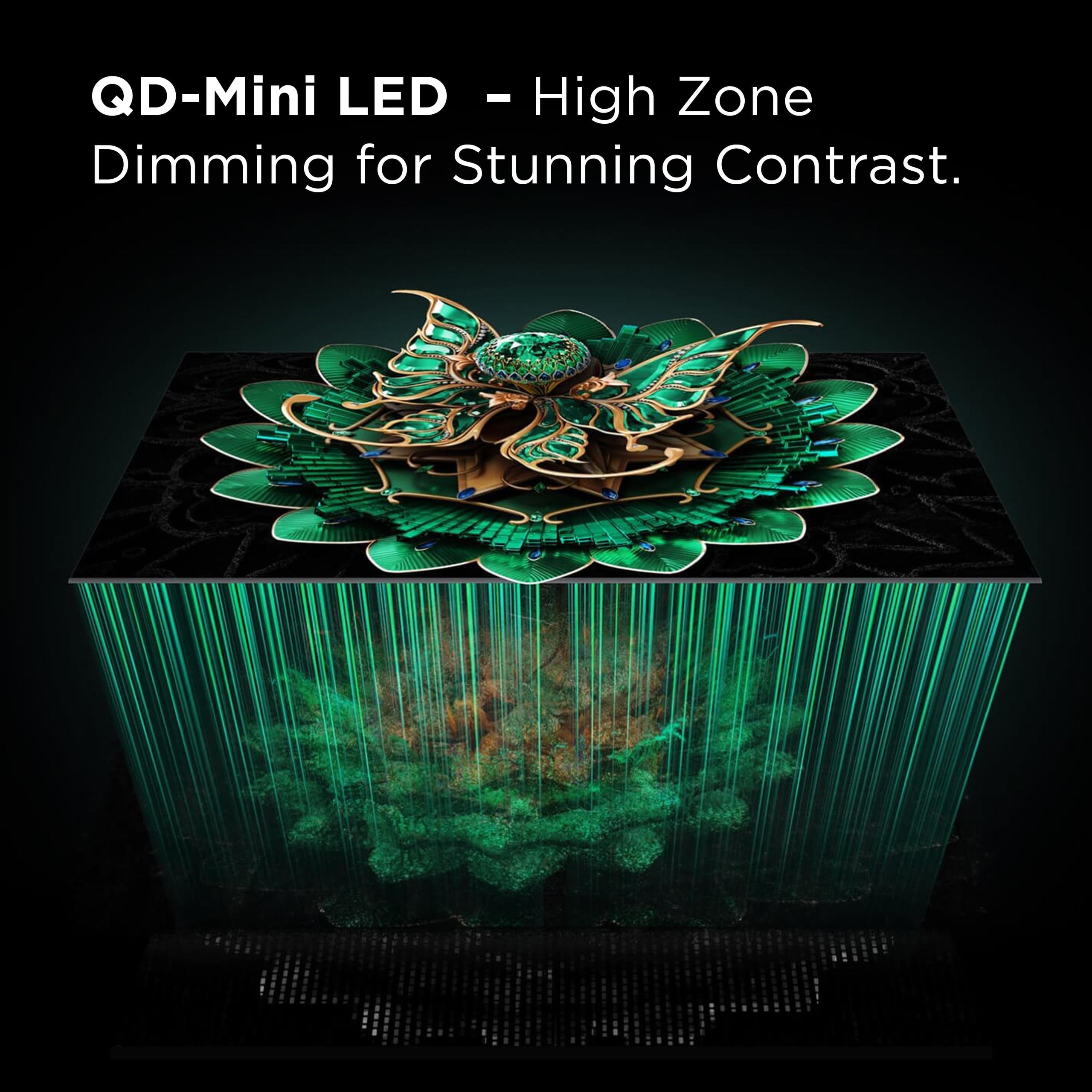
Traditional LED TVs use large backlights that can create uneven lighting and poor contrast. Mini LED technology, like what's in the TCL QM8K, uses thousands of tiny LED lights that can be controlled independently. Think of it like having thousands of tiny flashlights behind your screen instead of just a few big ones—this gives you much better control over brightness and darkness in different parts of the picture.
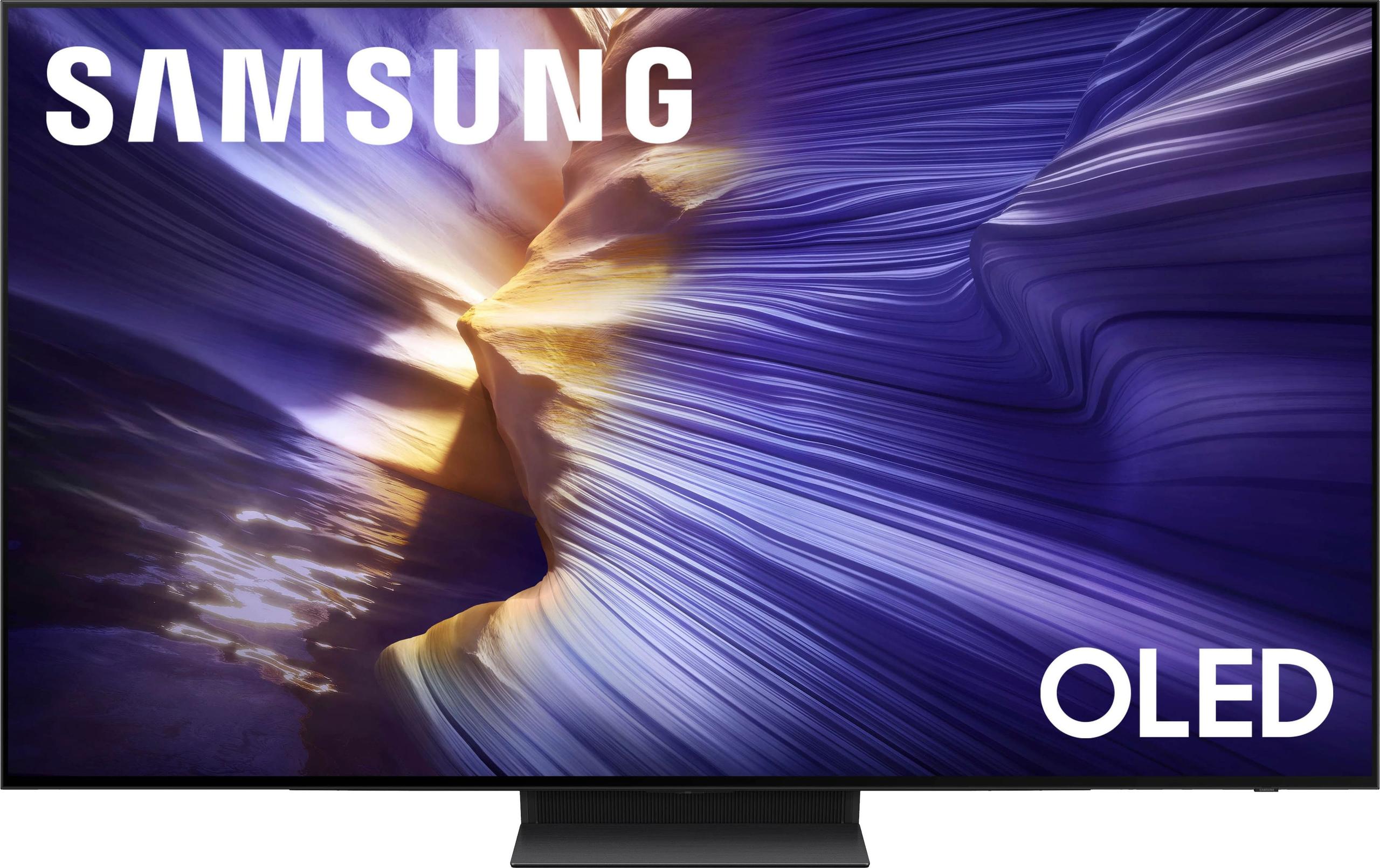
OLED technology, used in the Samsung S90F, takes a completely different approach. Instead of using a backlight at all, each individual pixel creates its own light. This means when you want true black, that pixel simply turns off completely. It's like having millions of tiny light bulbs that can each be controlled individually.
The key considerations when choosing between these technologies come down to your room's lighting, your budget, what you watch, and how you use your TV. A bright family room with lots of windows has different needs than a dedicated basement theater room.
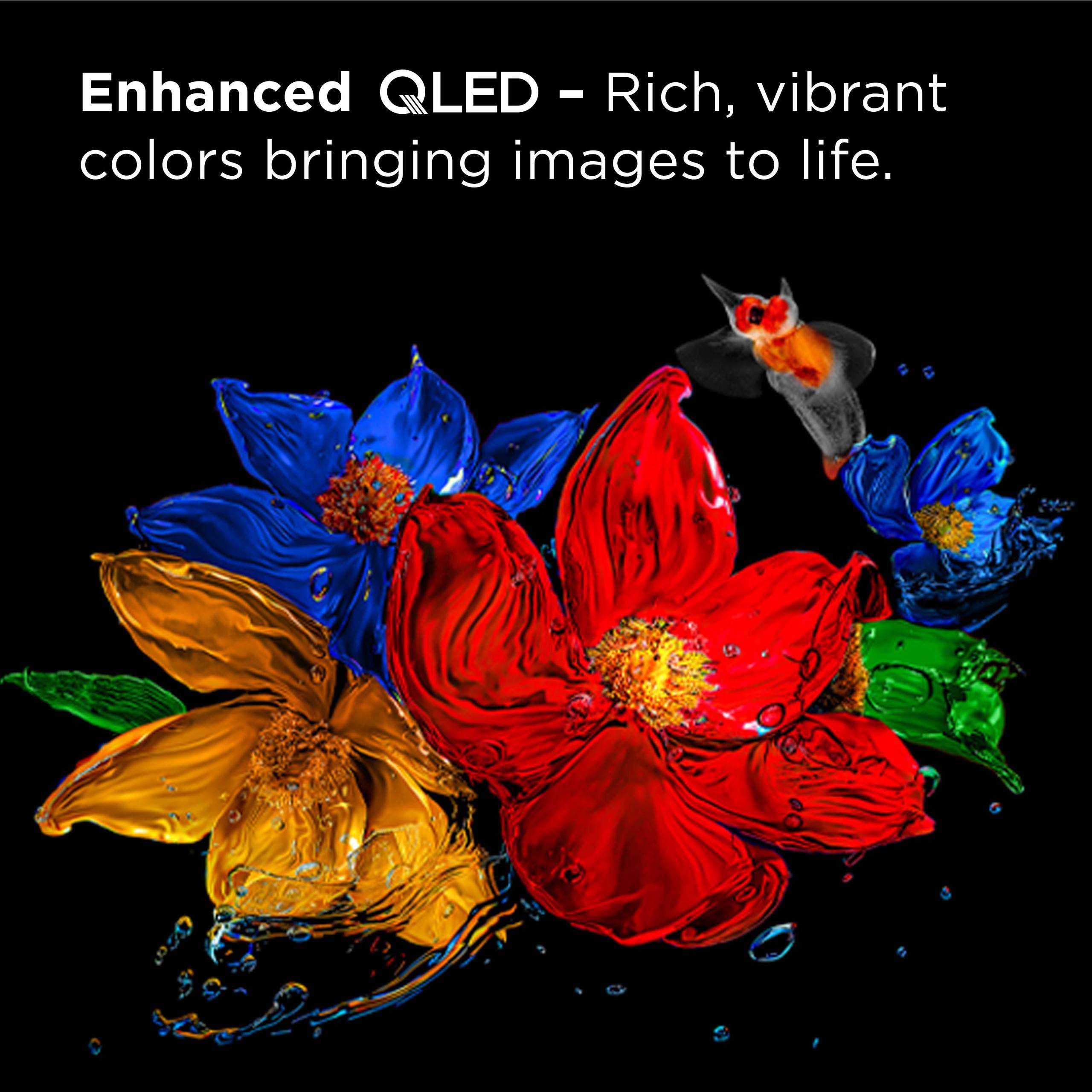
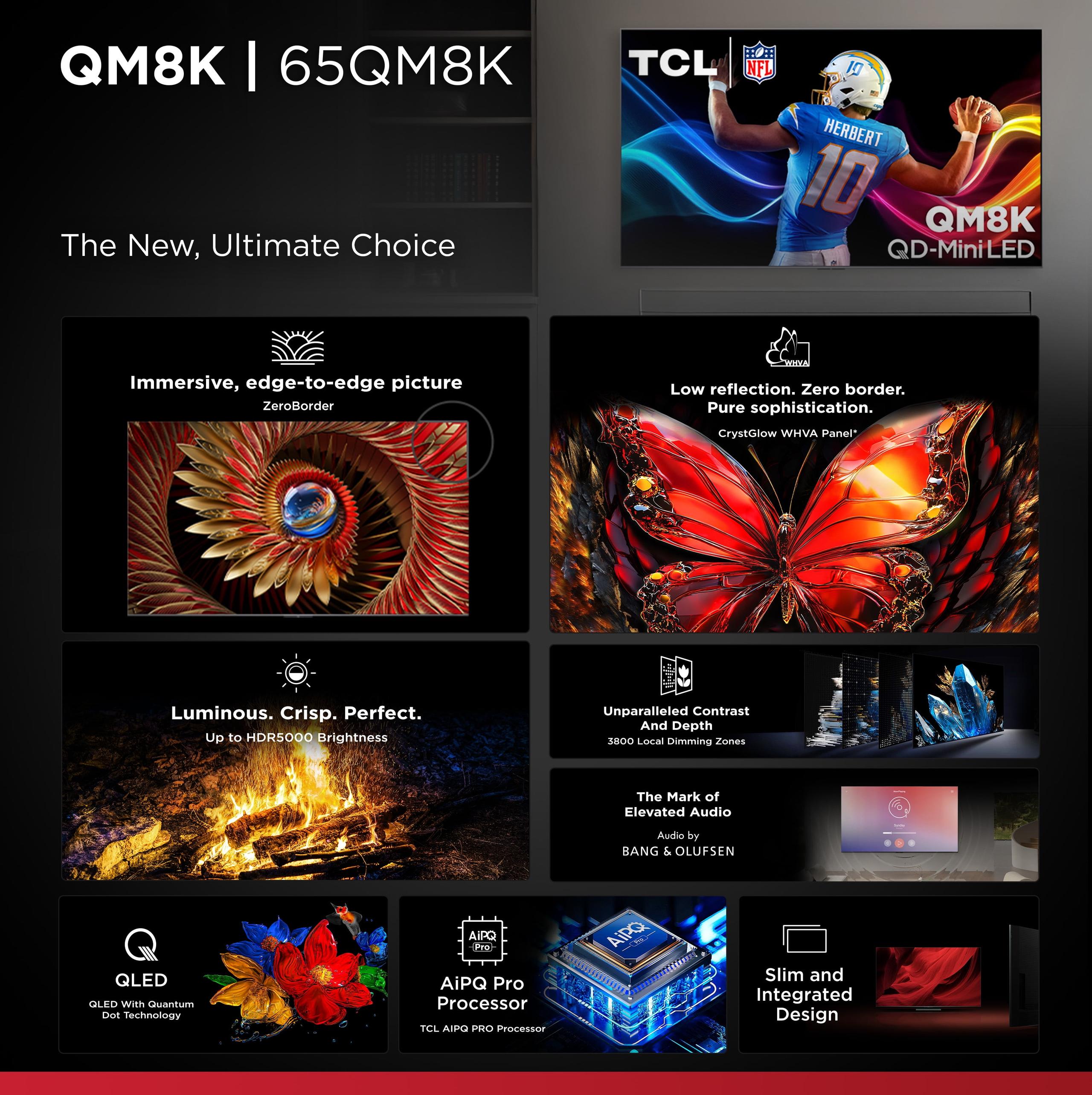
The TCL QM8K ($998) uses what's called QD-Mini LED technology. The "QD" stands for Quantum Dot, which are tiny nanocrystals that enhance color reproduction. When combined with Mini LED backlighting, you get something pretty remarkable.
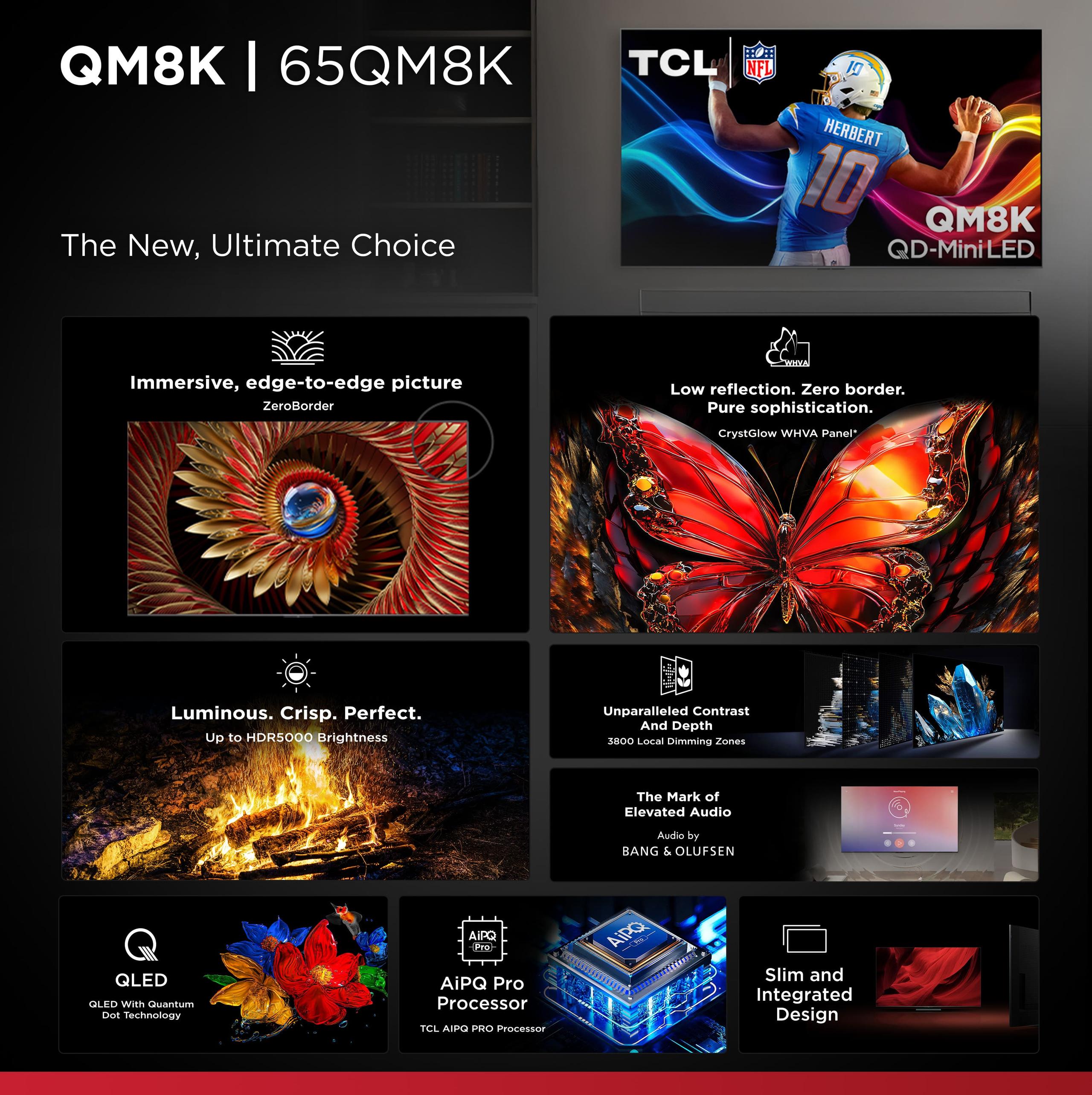
The QM8K features up to 5,000 nits of peak brightness—that's incredibly bright. To put this in perspective, a typical sunny day outdoors measures around 10,000 nits, so this TV can get genuinely bright enough to compete with ambient light in even the brightest rooms. This high brightness is crucial for HDR (High Dynamic Range) content, where bright highlights like explosions, sunlight, or metallic objects need to really pop off the screen.
The Mini LED system uses up to 3,800 dimming zones. Each zone can brighten or dim independently, which means when you have a bright object next to a dark one—like stars in space or subtitles on a dark background—the TV can control the lighting with remarkable precision. This dramatically reduces "blooming," which is when bright objects create unwanted halos of light around them.
What's particularly impressive about the QM8K is how well it controls this blooming effect. In testing, even challenging scenes with bright text on dark backgrounds showed minimal haloing, putting it among the best Mini LED TVs for contrast control.
The Samsung S90F ($1,797.99) uses QD-OLED technology, which combines the self-illuminating pixels of OLED with quantum dot color enhancement. Each pixel produces its own light and can turn completely off, creating perfect blacks and infinite contrast ratios.
This pixel-level control is OLED's secret weapon. When you're watching a movie with dark scenes, those pixels aren't just dimmed—they're completely off, producing no light at all. This creates an infinite contrast ratio because you're dividing any amount of light by zero. In practical terms, this means dark movie scenes look incredibly natural and immersive.
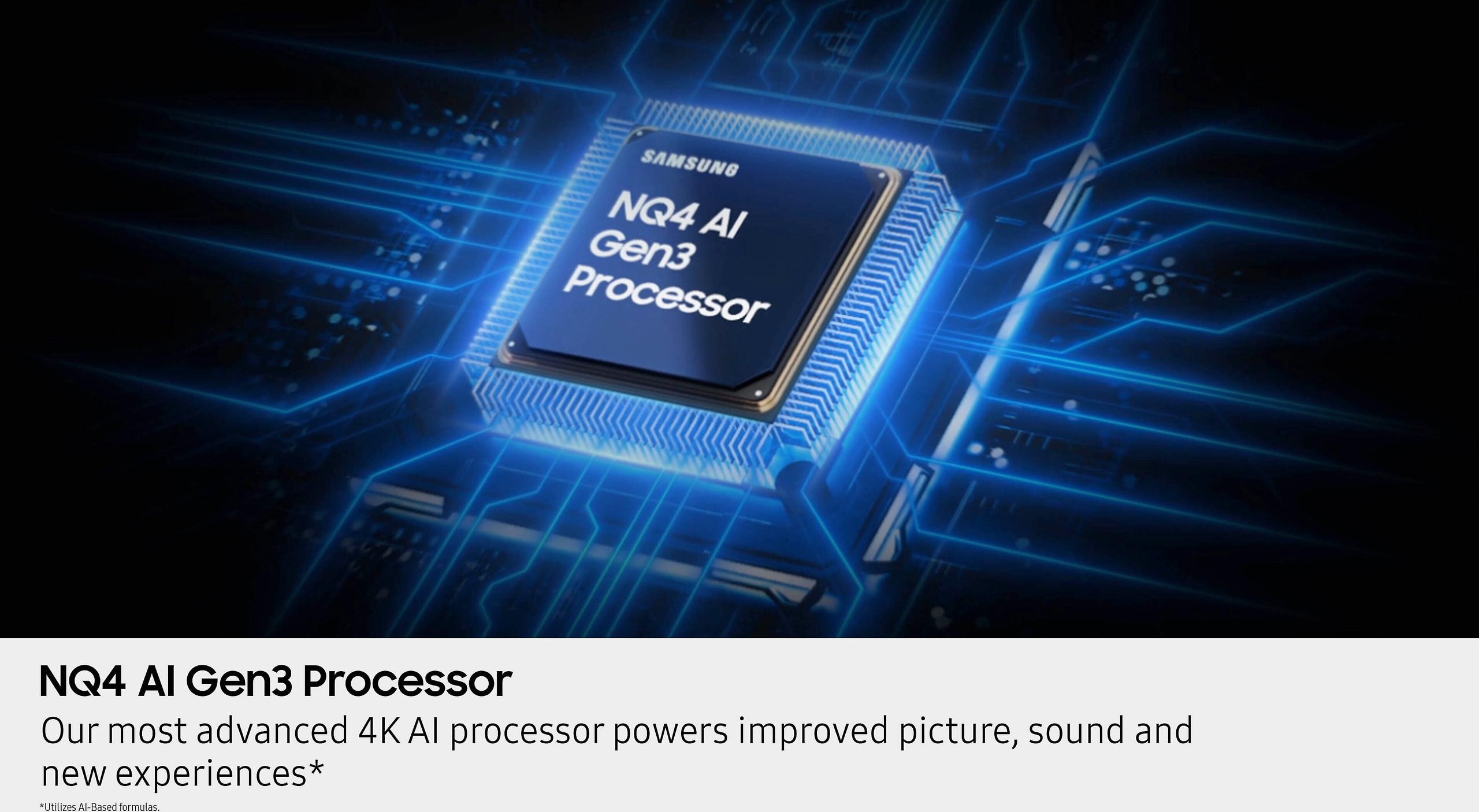
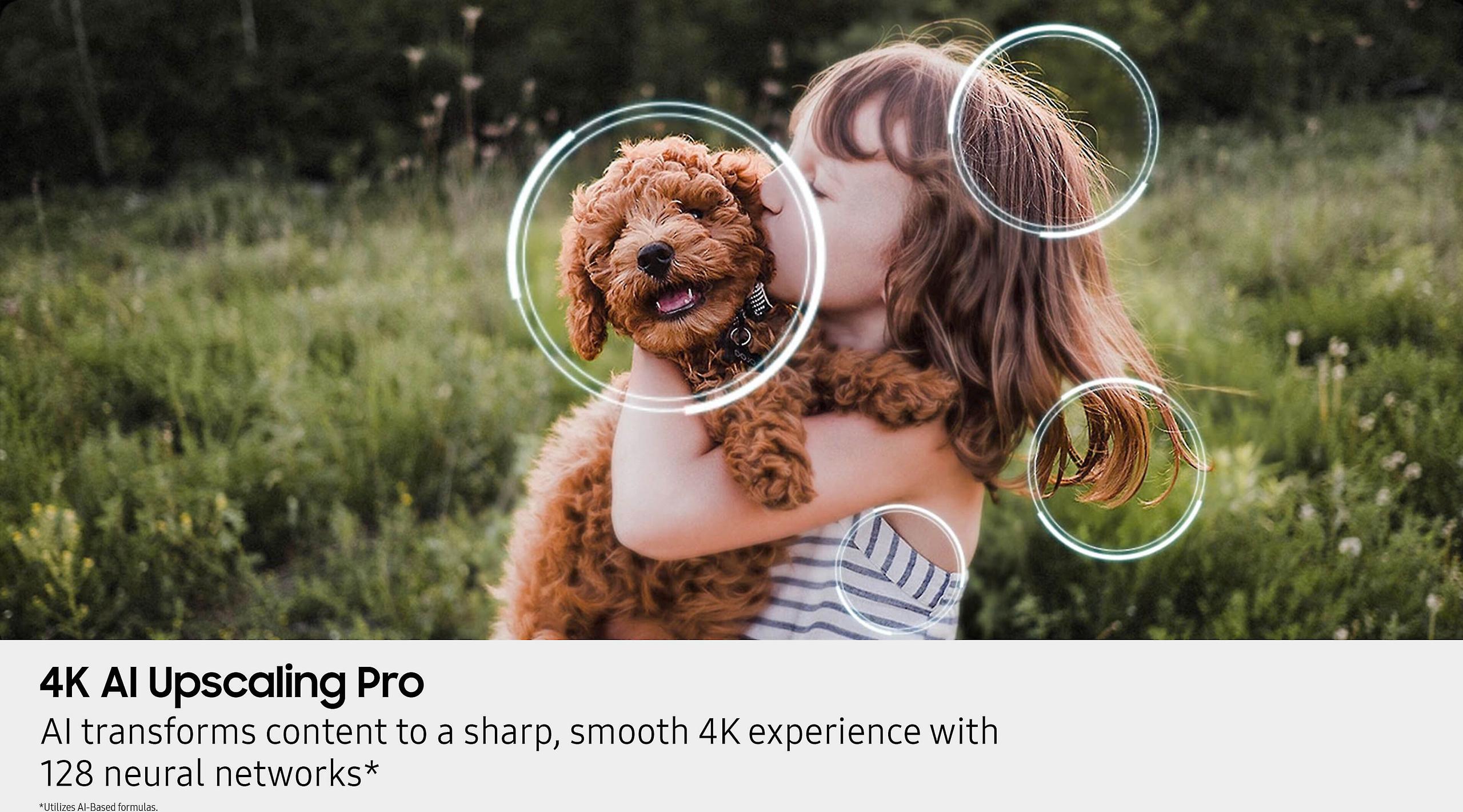
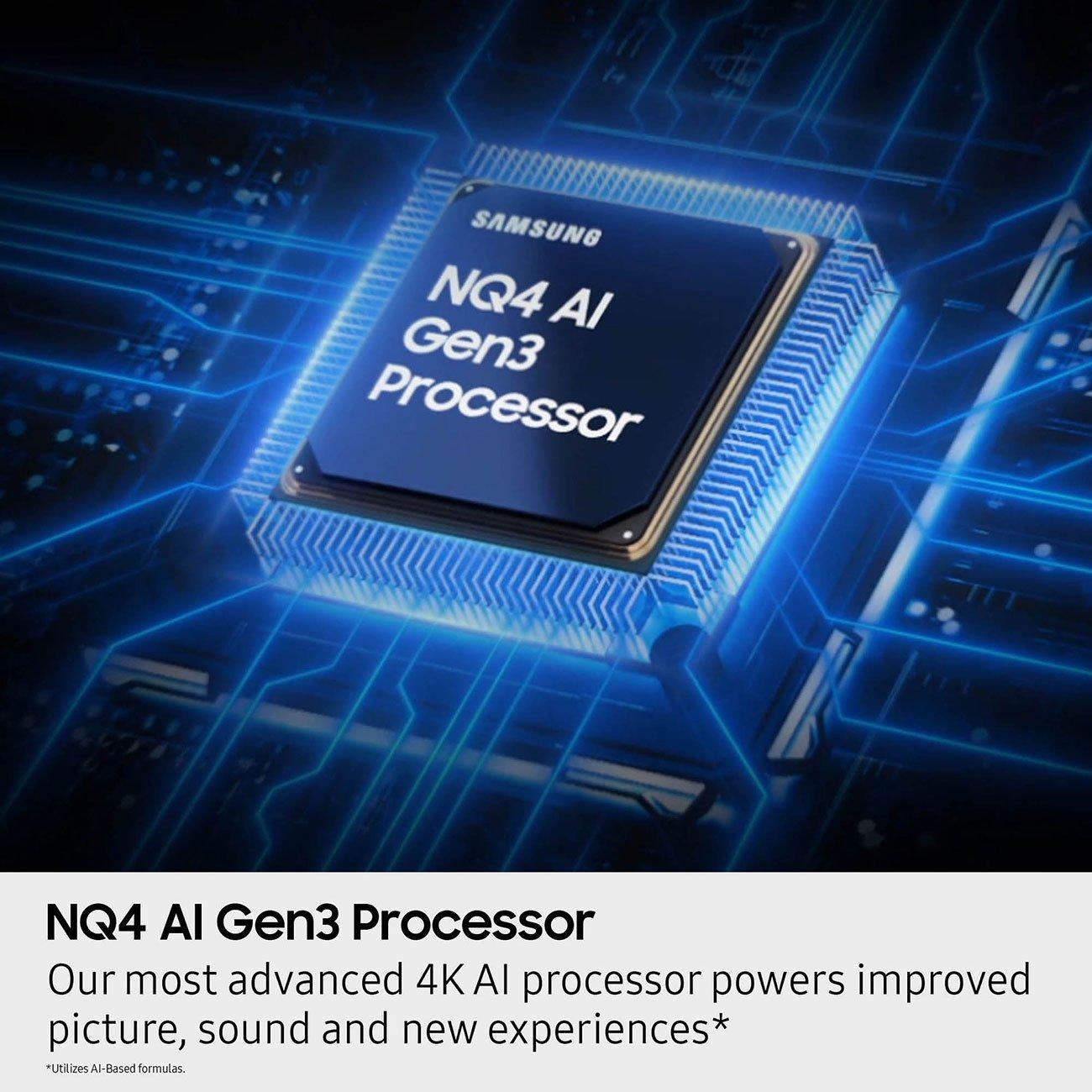
The S90F also incorporates Samsung's NQ4 AI Gen3 processor, which uses artificial intelligence to optimize the picture in real-time. This processor analyzes each frame and adjusts contrast, color, and sharpness based on what's being displayed. It's like having a professional video engineer constantly fine-tuning your picture.
Here's where these TVs really diverge. The TCL QM8K's 5,000-nit peak brightness is genuinely impressive—it's among the brightest consumer TVs available. In bright rooms, this translates to HDR content that maintains its impact even when competing with sunlight streaming through windows.
I've tested both TVs in various lighting conditions, and the difference is immediately apparent. The QM8K can display a bright HDR scene—like a sunset or explosion—and maintain that visual punch even in a room with multiple windows. The Samsung S90F, while bright for an OLED, simply can't match this level of brightness.
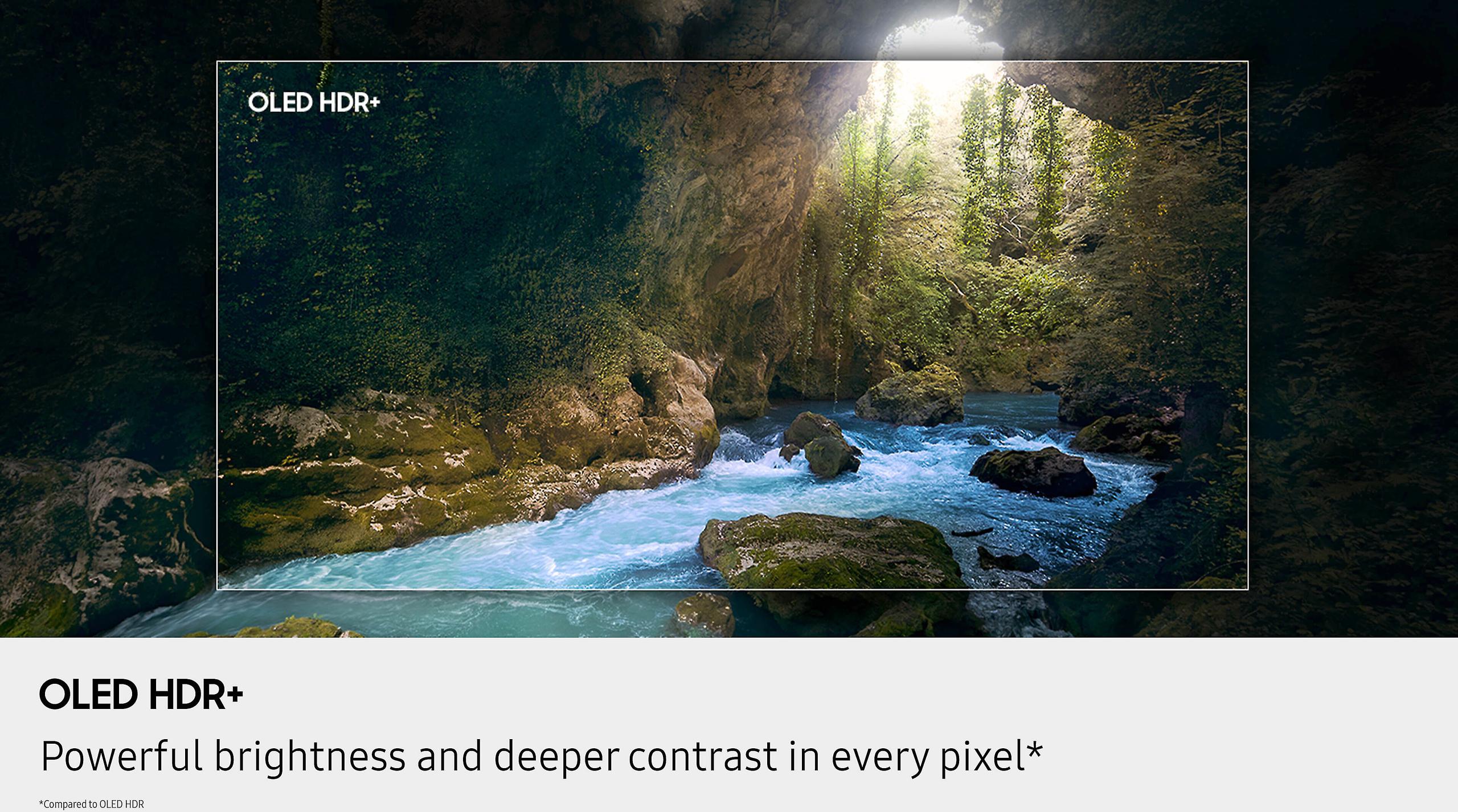
However, brightness isn't everything. The S90F's approach to HDR is more subtle but arguably more accurate. Because each pixel can turn completely off, the contrast between bright and dark elements in the same scene is more dramatic. A campfire scene, for example, will show deeper, more realistic darkness around the flames on the S90F.
This is where OLED technology shines brightest (or darkest, depending on your perspective). The Samsung S90F produces perfect blacks—literally zero light emission from dark pixels. This creates an infinite contrast ratio that Mini LED technology simply cannot match.
The TCL QM8K, despite its excellent dimming zones, still uses a backlight. Even with 3,800 zones, dark areas aren't completely black—they're just very, very dark. In a completely dark room, you might notice this difference, especially in movies with lots of dark scenes.
However, the QM8K's contrast performance is still excellent. Its measured native contrast ratio of 7,415:1 is impressive for any LCD-based technology. In most real-world viewing situations, especially with some ambient light in the room, the difference between the QM8K's "very dark" and the S90F's "perfect black" becomes much less noticeable.
Both TVs excel in color reproduction, but they achieve it differently. The QM8K covers 97% of the DCI-P3 color space, which is the standard used for digital cinema. Its quantum dot technology provides vibrant, stable colors that don't fade over time.
The S90F's QD-OLED combination also achieves excellent color coverage. The quantum dots enhance the natural color reproduction of the OLED panel, resulting in colors that appear both vibrant and natural. Many users describe OLED colors as more "film-like" compared to the slightly more saturated look of quantum dot displays.
In my experience, both TVs handle color excellently, but they have subtle differences in presentation. The QM8K tends to produce slightly more vivid colors that pop, while the S90F offers colors that appear more natural and cinema-like.
Gaming performance has become crucial for modern TVs, and both models deliver impressive results, though with different strengths.
The Samsung S90F ($1,797.99) has a significant advantage here. OLED technology offers near-instantaneous response times—the time it takes for a pixel to change from one color to another. This is crucial for fast-paced games where quick reactions matter.
The S90F supports up to 144Hz refresh rate for PC gaming and 120Hz for console gaming, with excellent Variable Refresh Rate (VRR) support. VRR synchronizes the TV's refresh rate with your gaming device's frame rate, eliminating screen tearing and providing smoother gameplay.
The TCL QM8K also offers strong gaming performance with its native 144Hz refresh rate and Game Accelerator 288 technology, which can handle up to 288Hz VRR. However, Mini LED technology inherently has slightly slower response times compared to OLED. For casual gaming, this difference is negligible, but competitive gamers might notice the advantage of the S90F.
Both TVs include dedicated gaming modes that reduce input lag and optimize picture settings for gaming. The QM8K features Auto Game Mode, AMD FreeSync Premium Pro, and various gaming enhancements like Shadow Enhancer and Aiming Aid.
The S90F includes similar gaming optimizations and adds Xbox Cloud Gaming integration, allowing you to stream games directly through the TV without needing a console. This is particularly valuable for users who want to game but don't own dedicated gaming hardware.
The TCL QM8K ($998) runs Google TV, which offers a clean, intuitive interface with excellent app support. The platform is fast and responsive, with smooth navigation and comprehensive streaming service integration.
The Samsung S90F uses Samsung's Tizen operating system, which has evolved significantly over the years. It's now a mature platform with robust app support and smooth performance. The integration with Samsung's ecosystem is excellent if you use other Samsung devices.
Both TVs incorporate artificial intelligence, but in different ways. The QM8K's AiPQ Pro Processor uses AI for real-time picture optimization, analyzing content and adjusting settings automatically.
The S90F's Vision AI system is more comprehensive, offering features like Pet Care (which can detect and respond to pet sounds when you're away) and enhanced voice control through an improved Bixby assistant. The AI can also optimize both picture and sound based on your room's characteristics.
Audio is often overlooked when comparing TVs, but it's crucial for the overall experience. The TCL QM8K includes an 80W Bang & Olufsen audio system with up-firing speakers for Dolby Atmos support. This creates a more immersive sound experience with noticeable bass response.
The Samsung S90F features a 40W audio system with AI-enhanced dynamic sound processing. While it's less powerful than the QM8K's system, it's well-optimized and produces clear dialogue and balanced sound.
For serious home theater use, both TVs support advanced audio formats and work well with soundbars, but the QM8K's more powerful built-in audio gives it an advantage for users who don't want to invest in additional audio equipment.
This is where the comparison becomes particularly interesting. The TCL QM8K ($998) offers exceptional value, frequently available for under $1,000 despite launching at a much higher price point. This pricing makes premium Mini LED technology accessible to a broader audience.
The Samsung S90F ($1,797.99), while more expensive, justifies its premium pricing with OLED's unique benefits. The price difference is significant—about 80% more than the QM8K—but you're paying for perfect blacks, wider viewing angles, and the prestige of OLED technology.
When considering performance per dollar, the QM8K delivers 80-90% of the OLED experience at about 55% of the cost. This makes it an exceptional value for users who want premium features without the premium price tag.
For bright family rooms with lots of windows, the TCL QM8K is the clear winner. Its exceptional brightness ensures HDR content maintains impact even in challenging lighting conditions. I've tested both TVs in bright rooms, and the difference is dramatic—the QM8K can compete with ambient light while the S90F struggles to maintain its visual impact.
In a controlled lighting environment, the Samsung S90F's perfect blacks and infinite contrast create a truly cinematic experience. The deep blacks make dark movie scenes feel immersive and natural, while the wide viewing angles accommodate multiple seating positions without image degradation.
For families with varied viewing habits, both TVs work well, but they excel in different areas. The QM8K's brightness and value make it ideal for everyday viewing, while the S90F's wide viewing angles and gaming performance suit families with diverse entertainment needs.
The TCL QM8K has no burn-in risk since it uses LED backlighting. You can leave static images on screen indefinitely without concern. The Samsung S90F, like all OLED TVs, has potential burn-in risk with static images, though this has been greatly reduced in modern OLED panels.
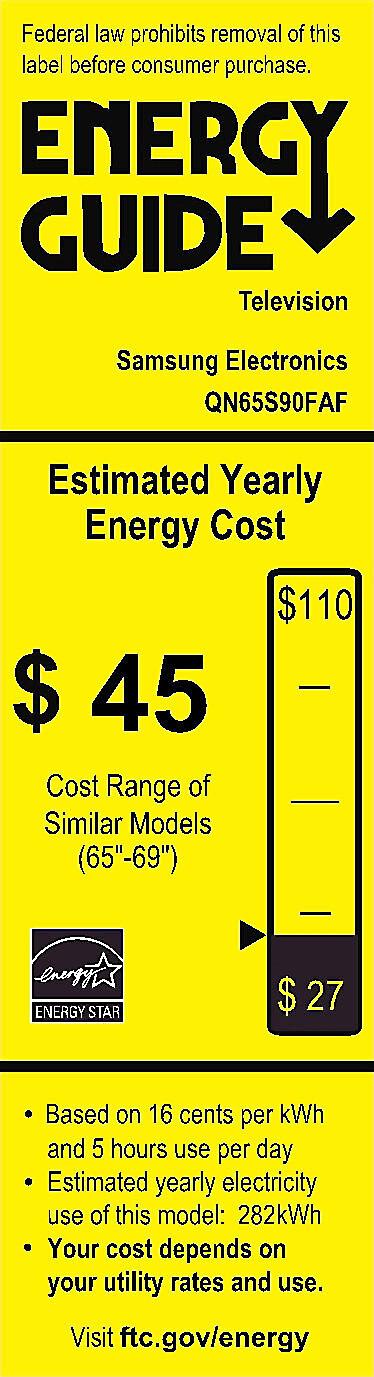
The QM8K consumes more power, especially at high brightness levels. The S90F is more energy-efficient, particularly when displaying darker content since those pixels consume no power.
Choose the TCL QM8K ($998) if you have a bright room, want maximum value for premium features, need exceptional brightness for HDR content, prefer worry-free operation without burn-in concerns, or want powerful built-in audio.
Choose the Samsung S90F ($1,797.99) if you have controlled lighting, prioritize perfect blacks and infinite contrast, are a serious gamer needing fastest response times, value wide viewing angles for family viewing, want the most cinematic picture quality, or are willing to pay premium for OLED technology.
The key deciding factors are room brightness, budget, content priorities, gaming importance, and family viewing patterns. Both TVs represent excellent choices in their respective technologies—the QM8K democratizes premium TV features at accessible pricing, while the S90F delivers OLED's unique benefits for those willing to pay the premium.
In my experience, both TVs will satisfy most users, but the specific choice depends on your individual circumstances and priorities. The QM8K offers exceptional value and performance, while the S90F provides the ultimate in picture quality for those who demand the best.
| TCL 65" QM8K Series QD-Mini LED 4K Smart TV ($998) | Samsung 65" S90F OLED 4K Vision AI Smart TV 2025 ($1,797.99) |
|---|---|
| Display Technology - Fundamental approach to picture quality | |
| QD-Mini LED with 3,800 dimming zones | QD-OLED with pixel-level control |
| Peak Brightness - Critical for HDR impact and bright room viewing | |
| Up to 5,000 nits (exceptional for bright rooms) | High for OLED but lower than Mini LED (better for controlled lighting) |
| Black Levels - Determines contrast and movie experience | |
| Excellent with 7,415:1 native contrast (very dark grays) | Perfect blacks with infinite contrast (true black) |
| Gaming Performance - Response time and refresh rate | |
| 144Hz native, good response time, 288Hz VRR | 144Hz with near-instant response, superior for competitive gaming |
| Viewing Angles - Important for family seating arrangements | |
| Improved over previous Mini LEDs but some degradation off-axis | Excellent with minimal color/brightness loss from any angle |
| Audio System - Built-in sound quality | |
| 80W Bang & Olufsen with up-firing speakers and subwoofer | 40W system with AI sound optimization |
| Burn-in Risk - Long-term reliability concern | |
| None (LED backlight technology) | Low risk but possible with static images |
| Smart TV Platform - Interface and app ecosystem | |
| Google TV with comprehensive streaming support | Samsung Tizen with Xbox Cloud Gaming integration |
| Color Performance - Accuracy and vibrancy | |
| 97% DCI-P3 coverage with quantum dots | 93.6% DCI-P3 with QD-OLED natural reproduction |
| Power Consumption - Energy efficiency | |
| Higher consumption, especially at max brightness | More efficient, especially with dark content |
| HDR Support - Format compatibility | |
| Dolby Vision IQ, HDR10+, HDR10, HLG | HDR10+, HDR10, HLG (no Dolby Vision) |
| Price Value - Performance per dollar | |
| Exceptional value at $998 with premium features | Premium pricing at $1,798 for OLED benefits |
The TCL 65" QM8K Series QD-Mini LED 4K Smart TV ($998) is significantly better for bright rooms. With up to 5,000 nits peak brightness, it can maintain HDR impact and color vibrancy even in sunlit living rooms. The Samsung S90F OLED, while bright for an OLED, cannot compete with ambient light as effectively.
The Samsung 65" S90F OLED 4K Vision AI Smart TV ($1,797.99) has superior black levels with perfect blacks and infinite contrast. Each pixel can turn completely off, creating true black. The TCL QM8K offers excellent contrast with its 7,415:1 ratio and 3,800 dimming zones, but cannot achieve the pure blacks of OLED technology.
The Samsung S90F OLED ($1,797.99) is better for serious gaming with near-instantaneous response times and excellent 144Hz performance. The TCL QM8K ($998) offers good gaming performance with 144Hz native refresh rate and 288Hz VRR, but OLED's faster response times give Samsung the edge for competitive gaming.
The TCL QM8K ($998) offers exceptional value, delivering 80-90% of premium OLED performance at about 55% of the cost. At under $1,000, it provides flagship-level features like 5,000-nit brightness and advanced processing that typically cost much more.
The Samsung S90F OLED ($1,797.99) is ideal for dedicated home theaters with controlled lighting. Its perfect blacks and infinite contrast create a cinematic experience, while wide viewing angles accommodate multiple seating positions. The TCL QM8K works well too but excels more in bright environments.
The TCL QM8K ($998) has no burn-in risk since it uses LED backlighting technology. The Samsung S90F OLED ($1,797.99) has potential burn-in risk with static images, though this has been greatly reduced in modern OLED panels and is rarely an issue with normal viewing.
The TCL QM8K ($998) has superior built-in audio with an 80W Bang & Olufsen system featuring up-firing speakers and a subwoofer. The Samsung S90F has a 40W system with AI optimization that's adequate but less powerful than the TCL's audio setup.
The Samsung S90F OLED ($1,797.99) is better for movie watching, especially in dark rooms. Its perfect blacks and infinite contrast create a more cinematic experience with deeper shadow detail and more natural color reproduction that filmmakers intended.
The Samsung S90F OLED ($1,797.99) has superior viewing angles with minimal color and brightness loss when viewed from the side. The TCL QM8K ($998) has improved viewing angles compared to previous Mini LED TVs but still shows some degradation off-axis.
The TCL QM8K ($998) consumes more power, especially at high brightness levels due to its LED backlighting system. The Samsung S90F OLED ($1,797.99) is more energy-efficient, particularly when displaying darker content since black pixels consume no power.
The TCL QM8K ($998) is better for sports in bright rooms due to its exceptional brightness maintaining picture quality during daytime viewing. The Samsung S90F OLED ($1,797.99) offers superior motion handling and is excellent for sports in controlled lighting environments.
Choose the TCL QM8K ($998) if you have a bright room, want exceptional value, need worry-free operation, or prioritize built-in audio quality. Choose the Samsung S90F OLED ($1,797.99) if you have controlled lighting, want perfect blacks, prioritize gaming performance, or desire the most cinematic picture quality available.
We've done our best to create useful and informative comparisons to help you decide what product to buy. Our research uses advanced automated methods to create this comparison and perfection is not possible - please contact us for corrections or questions. These are the sites we've researched in the creation of this article: tomsguide.com - youtube.com - businessinsider.com - rtings.com - youtube.com - avsforum.com - avsforum.com - bestbuy.com - tcl.com - tcl.com - tcl.com - flatpanelshd.com - romomattressfurniture.com - brandsmartusa.com - pcrichard.com - tvsbook.com - tcl.com - youtube.com - prnewswire.com - tcl.com - tcl.com - youtube.com - t3.com - rtings.com - bestbuy.com - stereonet.com - samsung.com - bestbuy.com - flatpanelshd.com - myallsouth.com - pcrichard.com - samsung.com - bestbuy.com - samsung.com - samsung.com - samsung.com

Privacy Policy
Terms and Conditions - Affiliate Policy
Home Security
© Copyright 2008-2026.
11816 Inwood Rd #1211, Dallas, TX 75244