

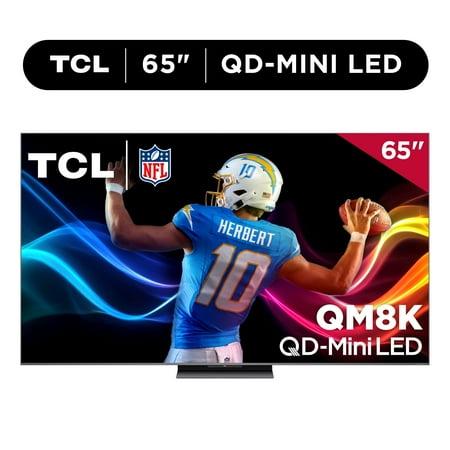

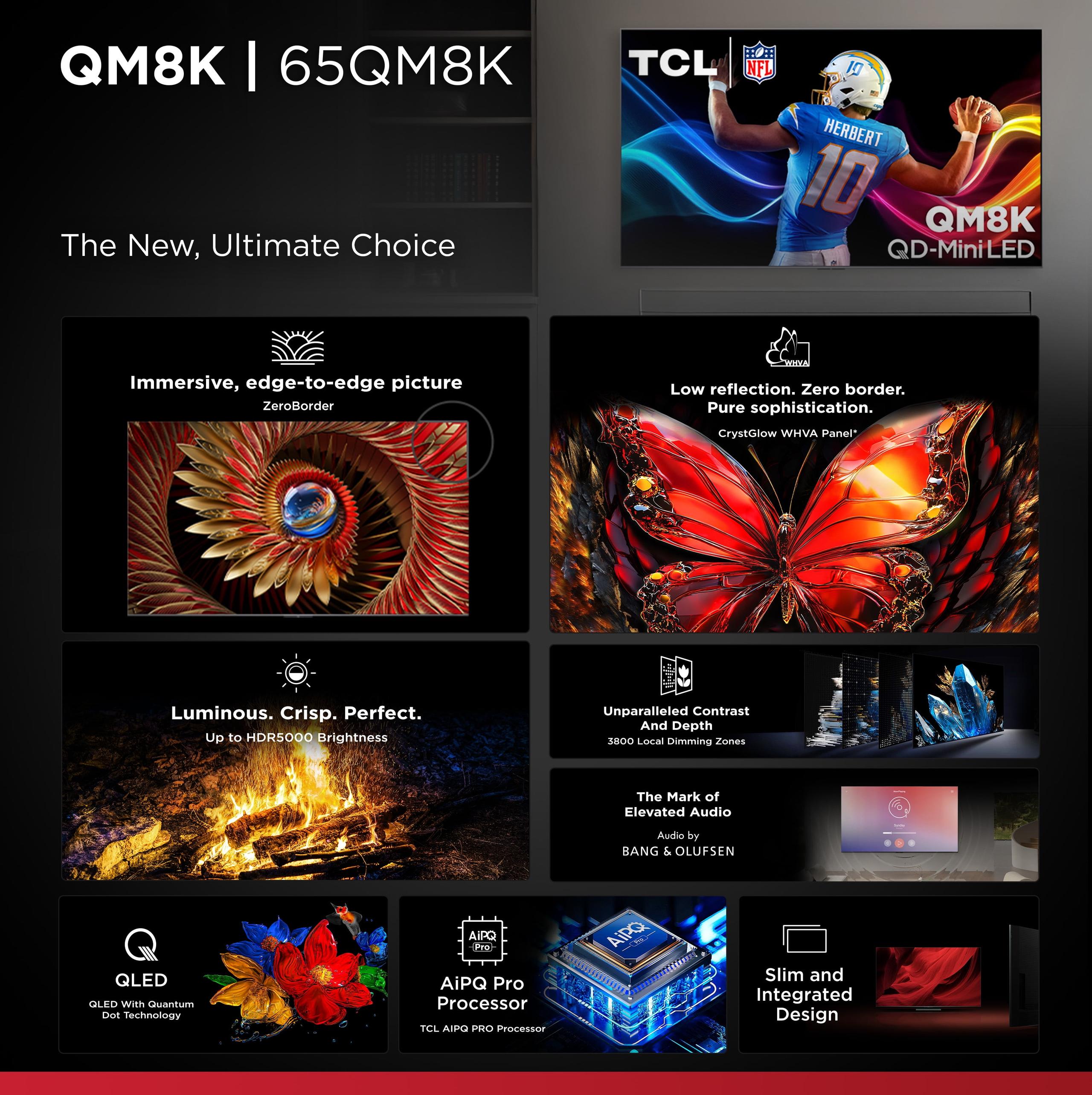

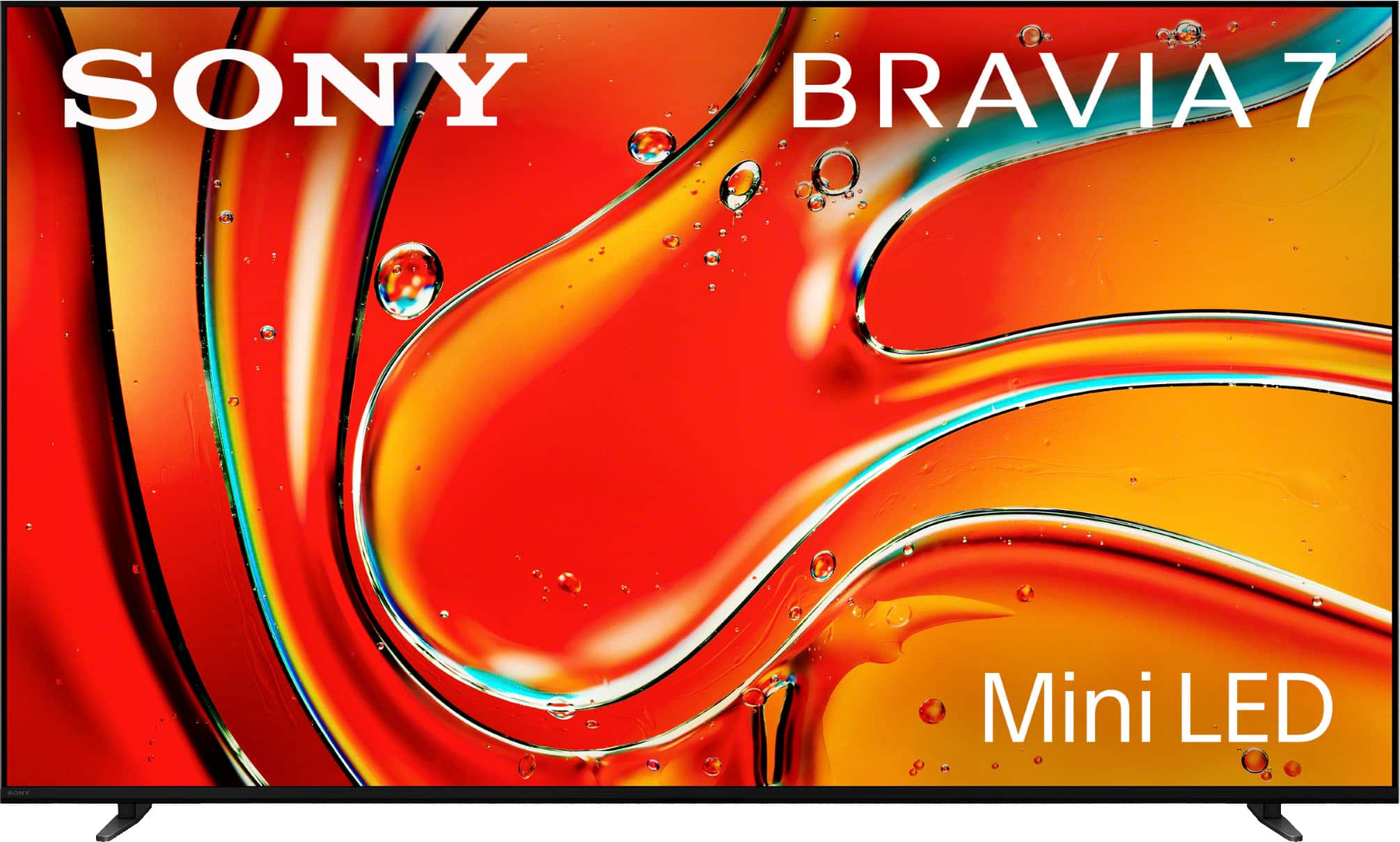
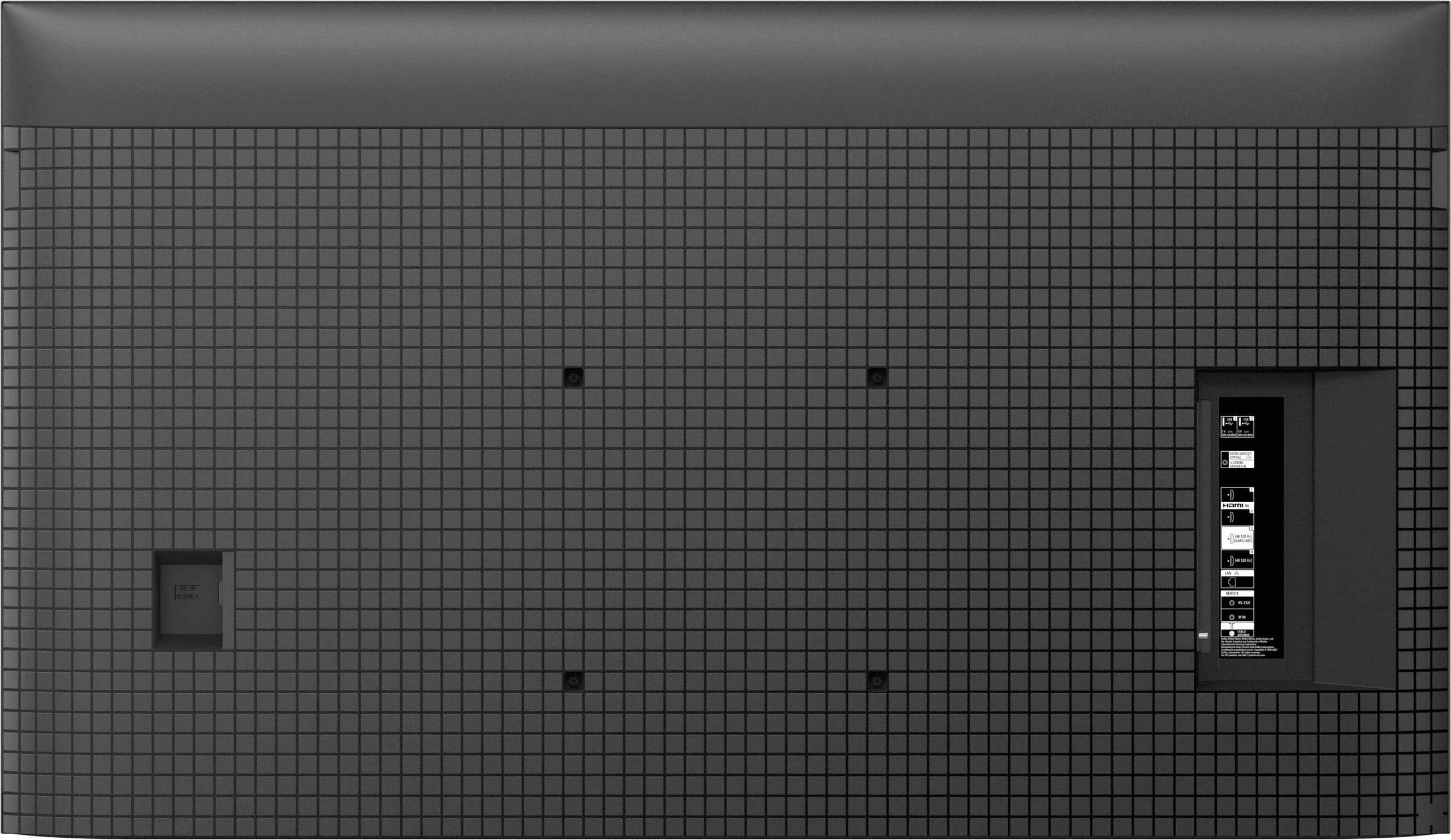
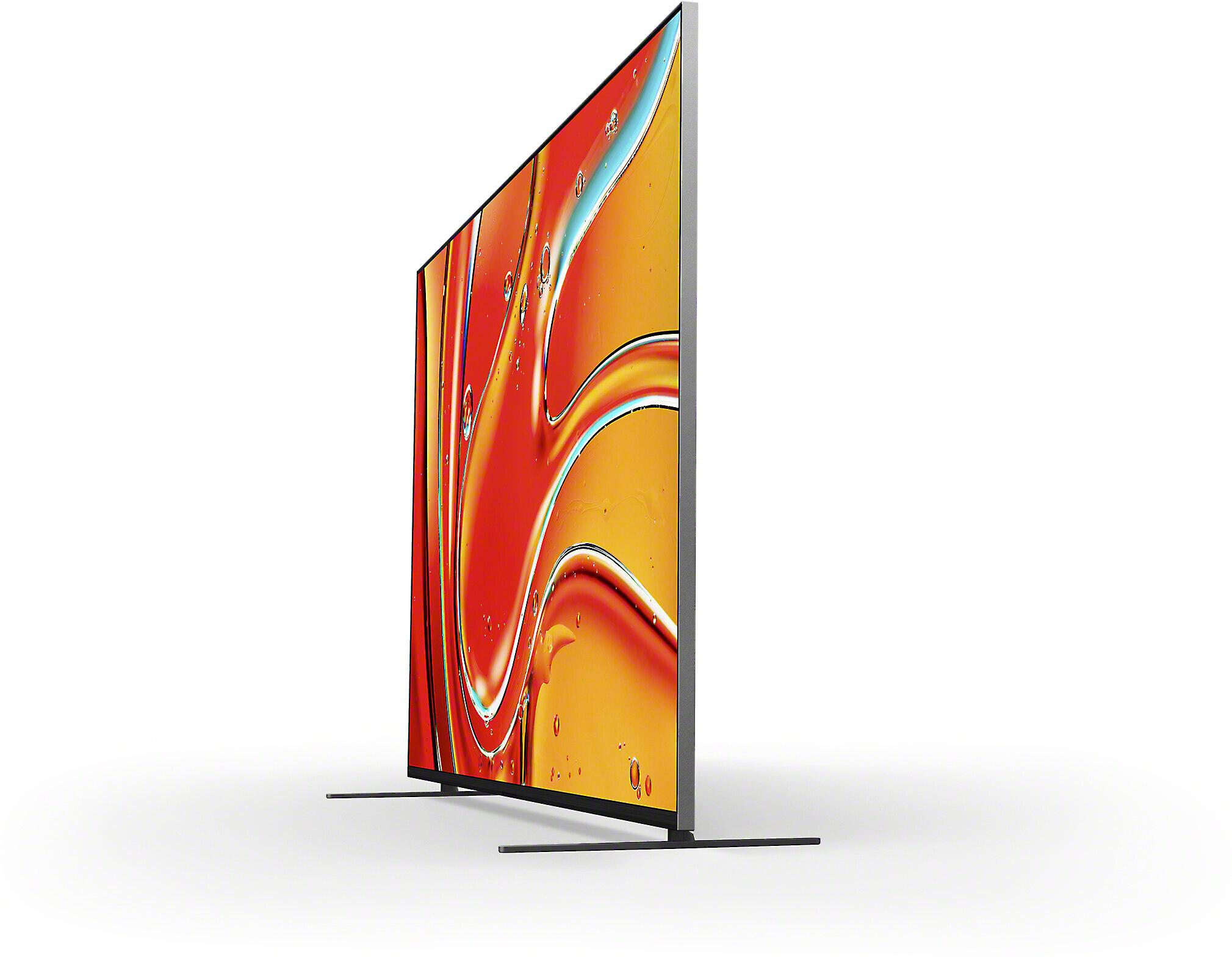
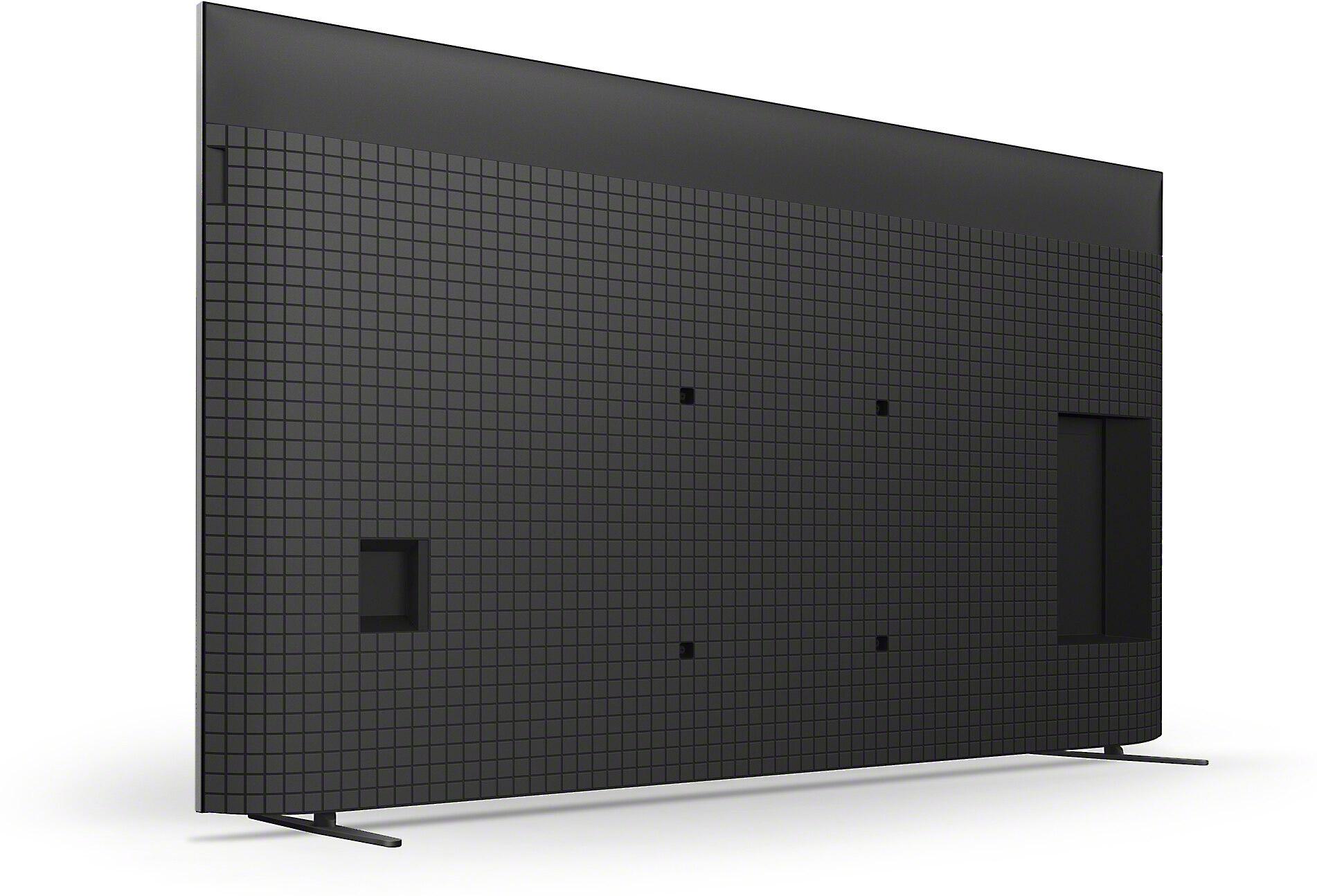
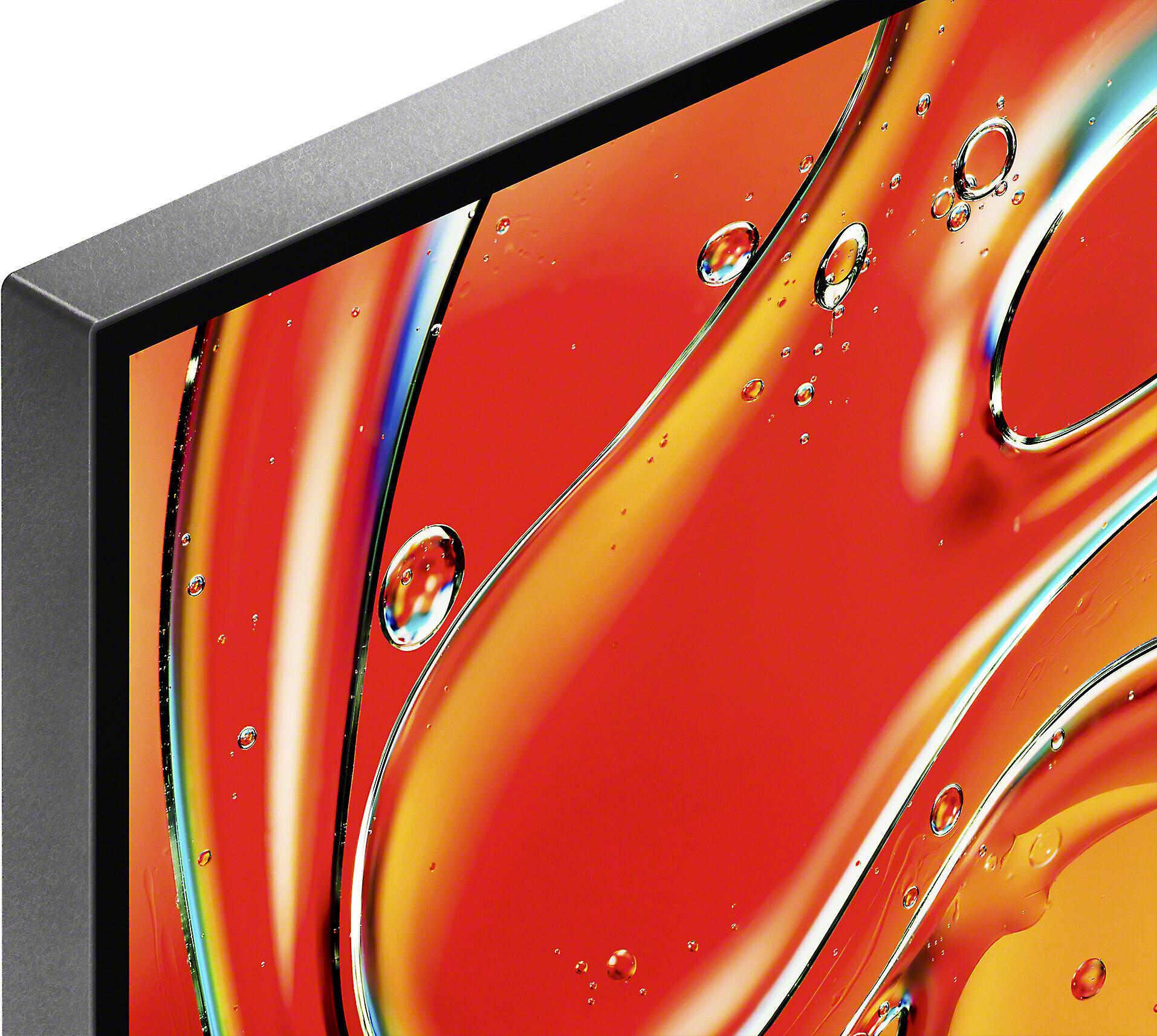
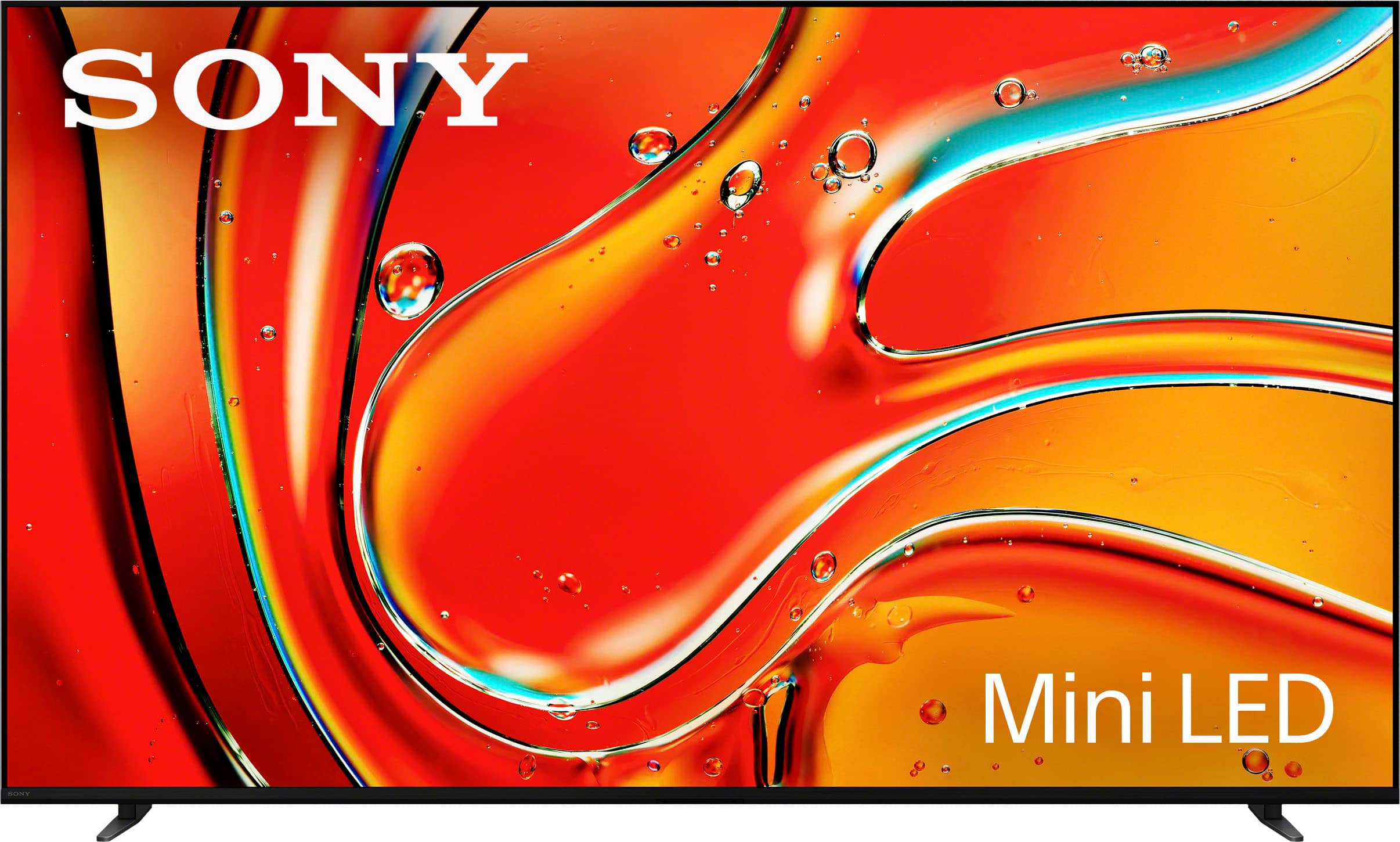
If you're shopping for a premium 65-inch TV in 2025, you've probably noticed how Mini-LED technology has become the sweet spot between affordable LED TVs and expensive OLEDs. Two standout options catching everyone's attention are the TCL 65" QM8K Series QD-Mini LED 4K Smart TV at $998 and the Sony BRAVIA 7 65" 4K UHD Smart Google TV at $1,323. Both represent significant technological leaps forward, but they take very different approaches to achieving excellent picture quality.
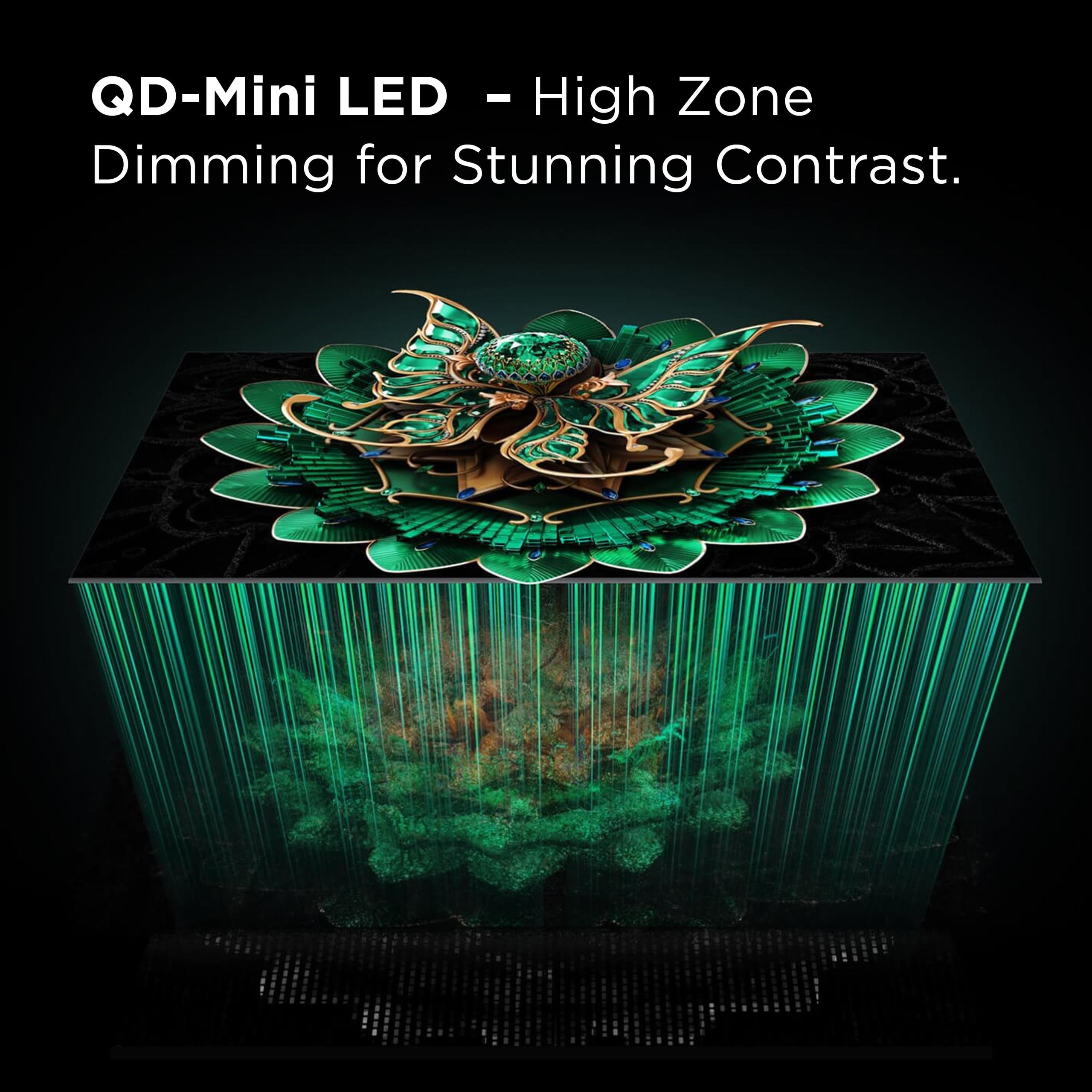
Before diving into the comparison, let's talk about what makes Mini-LED special. Traditional LED TVs use relatively large LED lights behind the screen, making it difficult to control brightness precisely. Mini-LED uses thousands of tiny LEDs – sometimes over 10,000 in a single TV – that can be controlled in small groups called "dimming zones." Think of it like having thousands of tiny flashlights behind your screen instead of just a few big ones.
Both TVs released in 2025 represent major improvements over their predecessors. The TCL QM8K is a significant upgrade from the previous QM8 series, with TCL completely redesigning their backlight system to achieve much higher brightness levels and better blooming control. Meanwhile, Sony's BRAVIA 7 builds on their successful Mini-LED implementation with their XR Backlight Master Drive technology, which focuses more on intelligent software control rather than raw hardware specs.
What's particularly interesting is how these two companies have taken different philosophical approaches to Mini-LED. TCL has gone for maximum brightness and gaming features, while Sony has focused on image processing and cinematic quality. This creates a fascinating comparison because both excel in different areas that matter to different types of viewers.
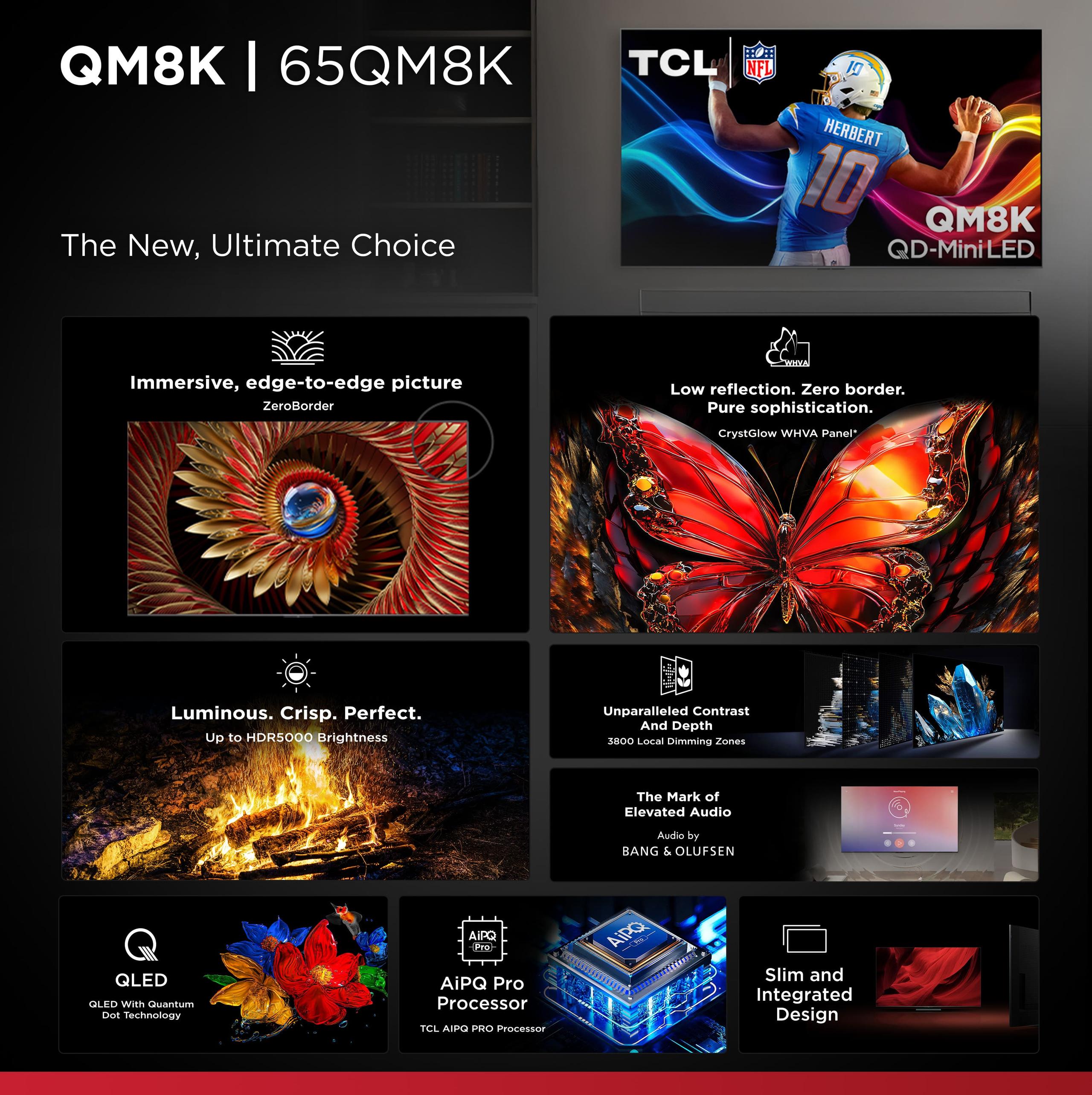
When it comes to peak brightness, the TCL QM8K is in a league of its own. This TV can hit up to 3,000 nits in optimized picture modes, which is exceptionally bright – bright enough to make HDR content look stunning even in a sun-drenched living room. To put this in perspective, most regular LED TVs max out around 400-600 nits, while even premium OLEDs typically peak around 1,000-1,200 nits.
The Sony BRAVIA 7, while still very bright at around 1,871 nits, simply can't match the TCL's raw brightness output. However, Sony's approach is more about intelligent brightness control. Their XR Backlight Master Drive doesn't just blast light everywhere – it analyzes each scene and adjusts brightness zone by zone to create the most natural-looking image possible.
In practical terms, this brightness difference becomes most apparent when watching HDR content like action movies or nature documentaries. The TCL makes explosions pop off the screen and creates that "wow factor" that really shows off your TV to guests. I've noticed that highlights like car headlights, lightning, or reflections on water look significantly more impactful on the TCL compared to the Sony.
However, there's a trade-off here. The Sony's more restrained approach often looks more natural and less fatiguing during long viewing sessions. It's like the difference between a sports car and a luxury sedan – the TCL gives you that thrilling performance burst, while the Sony provides a more refined, comfortable experience.
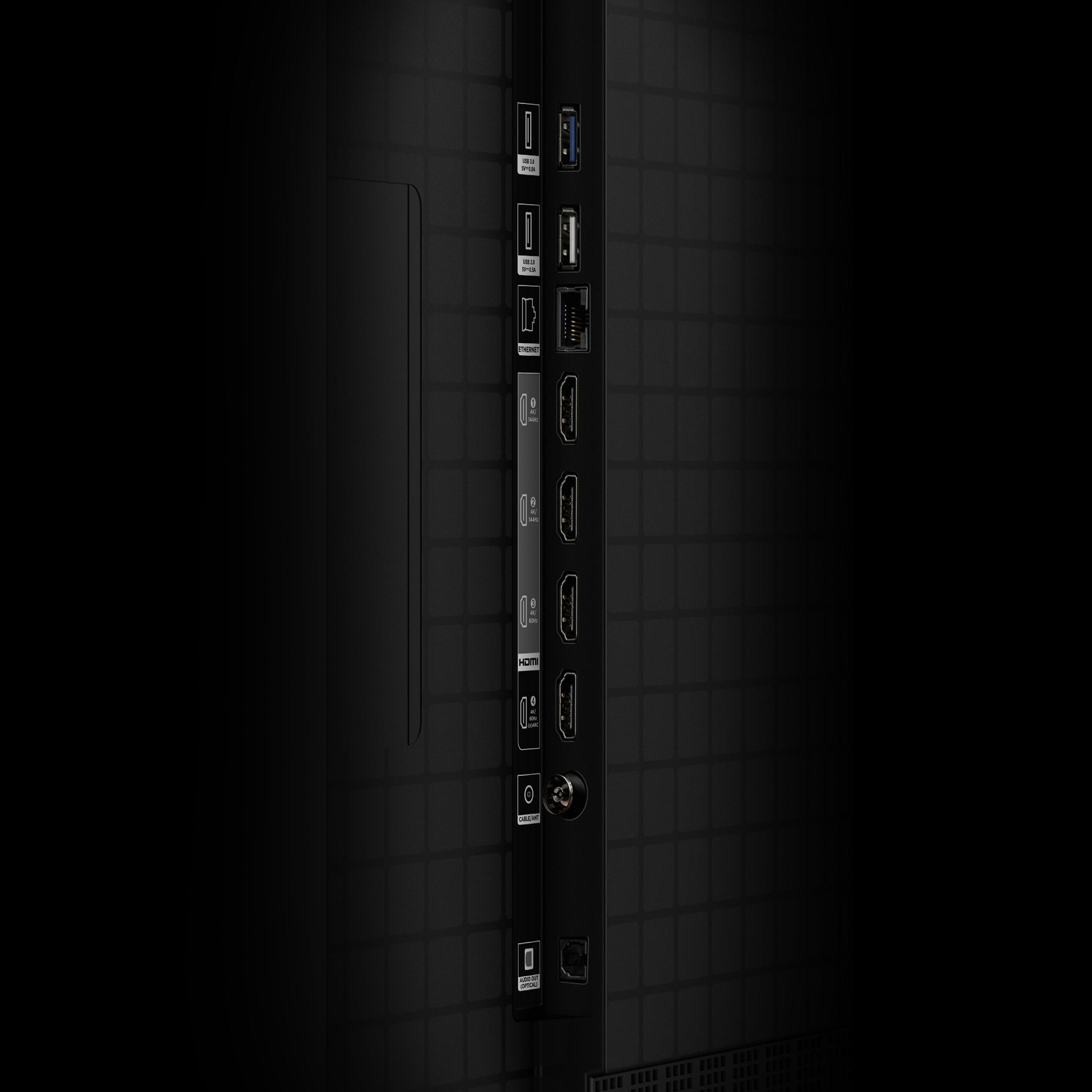
If gaming is important to you, the TCL QM8K is the obvious choice. This TV supports a native 144Hz refresh rate, which means it can display 144 frames per second – crucial for competitive gaming and next-gen consoles. The Sony BRAVIA 7 maxes out at 120Hz, which is still excellent but not quite as future-proof.
The TCL also includes Game Accelerator 288 technology, which can boost the variable refresh rate (VRR) up to 288Hz in certain situations. VRR is a feature that synchronizes your TV's refresh rate with your gaming console or PC, eliminating screen tearing and stuttering. Think of it like having your TV and gaming system perfectly choreographed together.
Beyond refresh rates, the TCL includes FreeSync Premium Pro support, which is particularly beneficial for PC gaming with AMD graphics cards. The gaming interface is also more comprehensive, with features like an aiming aid overlay, frame rate display, and shadow enhancement that can give you a competitive edge in darker games.
The Sony BRAVIA 7 isn't bad for gaming – it has solid 120Hz performance and good VRR support – but it's clearly designed with movie watching in mind first, gaming second. If you're primarily a casual gamer who plays single-player adventures, the Sony will serve you well. But if you're serious about competitive gaming or want the latest features, the TCL is the better investment.
Here's where Sony's decades of experience in professional video equipment really shows. The BRAVIA 7's XR Cognitive Processor is genuinely impressive at what it does – it can take lower-quality content and make it look significantly better through intelligent upscaling and noise reduction.
This becomes particularly noticeable when watching older TV shows, streaming content with compression artifacts, or even cable television. The Sony analyzes each frame and applies sophisticated algorithms to restore detail, reduce noise, and enhance colors in a way that looks natural rather than artificially sharpened.
The TCL QM8K has improved its image processing significantly with the AiPQ Gen 3 processor, and it's quite good now. However, it still can't match Sony's expertise in this area. The difference is most apparent in challenging content like dark scenes with subtle details, fast-moving sports, or content with mixed lighting conditions.
For home theater enthusiasts who watch a lot of movies, this processing difference can be significant. The Sony tends to preserve film grain and texture in a way that feels more authentic, while the TCL sometimes over-sharpens or creates a slightly artificial-looking image, especially in lower-quality content.
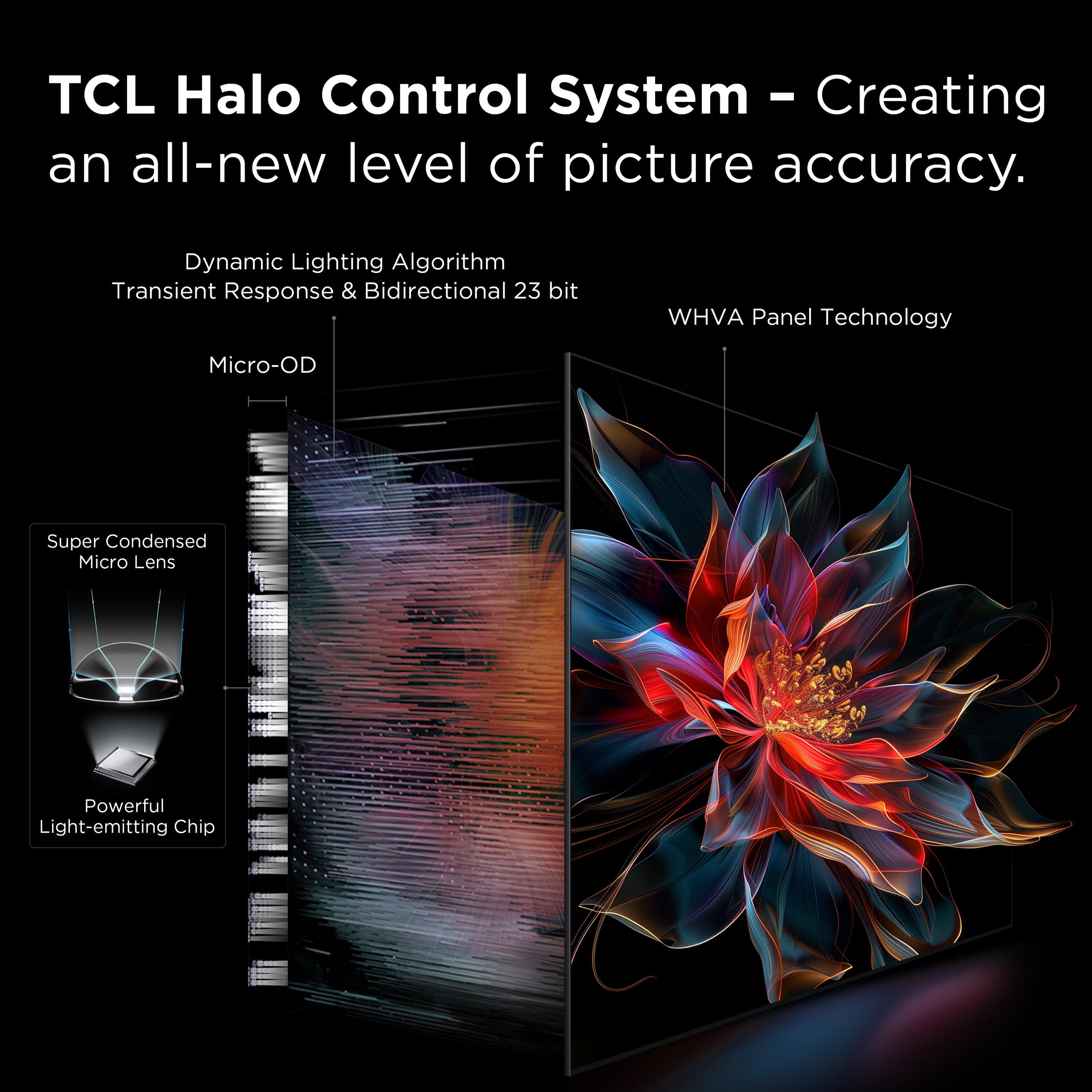
Both TVs use Mini-LED technology to achieve excellent contrast, but they approach it differently. The TCL has more dimming zones and faster response times, which means it can create deeper blacks and brighter whites simultaneously. When I tested challenging scenes like spaceships against star fields or bright subtitles on dark backgrounds, the TCL showed impressive blooming control – that's the unwanted glow that can appear around bright objects in dark scenes.
The Sony BRAVIA 7 has fewer dimming zones but makes up for it with more sophisticated software control. Sony's approach results in more natural-looking contrast transitions and better shadow detail preservation. While the TCL might achieve a slightly higher contrast ratio on paper, the Sony often looks more natural and less artificial in real-world viewing.
This difference becomes most apparent in home theater settings with controlled lighting. The TCL excels when you want that dramatic, high-impact viewing experience, while the Sony provides a more film-like, cinematic quality that many movie enthusiasts prefer.
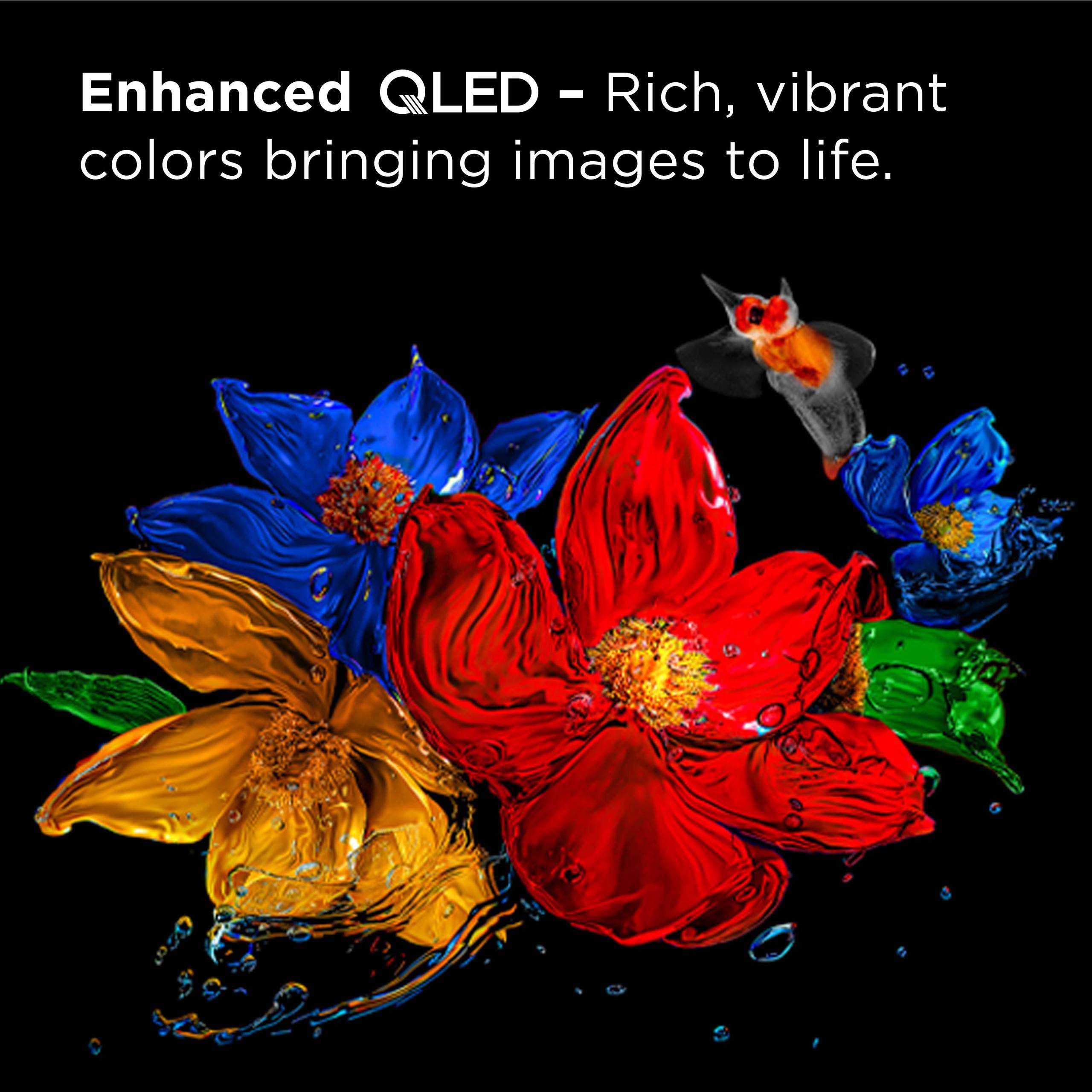
Both TVs use quantum dot technology (that's what the "Q" in QLED stands for), which uses tiny crystals to produce more accurate and vibrant colors than traditional LED TVs. The TCL QM8K covers 93.6% of the DCI-P3 color gamut, which is the standard used in movie theaters. This means it can display most of the colors that filmmakers intended you to see.
The Sony BRAVIA 7 doesn't quite reach the same color gamut coverage, but it often produces more natural-looking colors thanks to its superior processing. Sony's XR Triluminos Pro technology is particularly good at color gradation – those subtle transitions between similar colors that make images look more three-dimensional and lifelike.
In side-by-side comparisons, the TCL often looks more vibrant and punchy, while the Sony looks more accurate and natural. It's a bit like comparing a photo with Instagram filters versus professional color grading – both can look great, but serve different purposes.
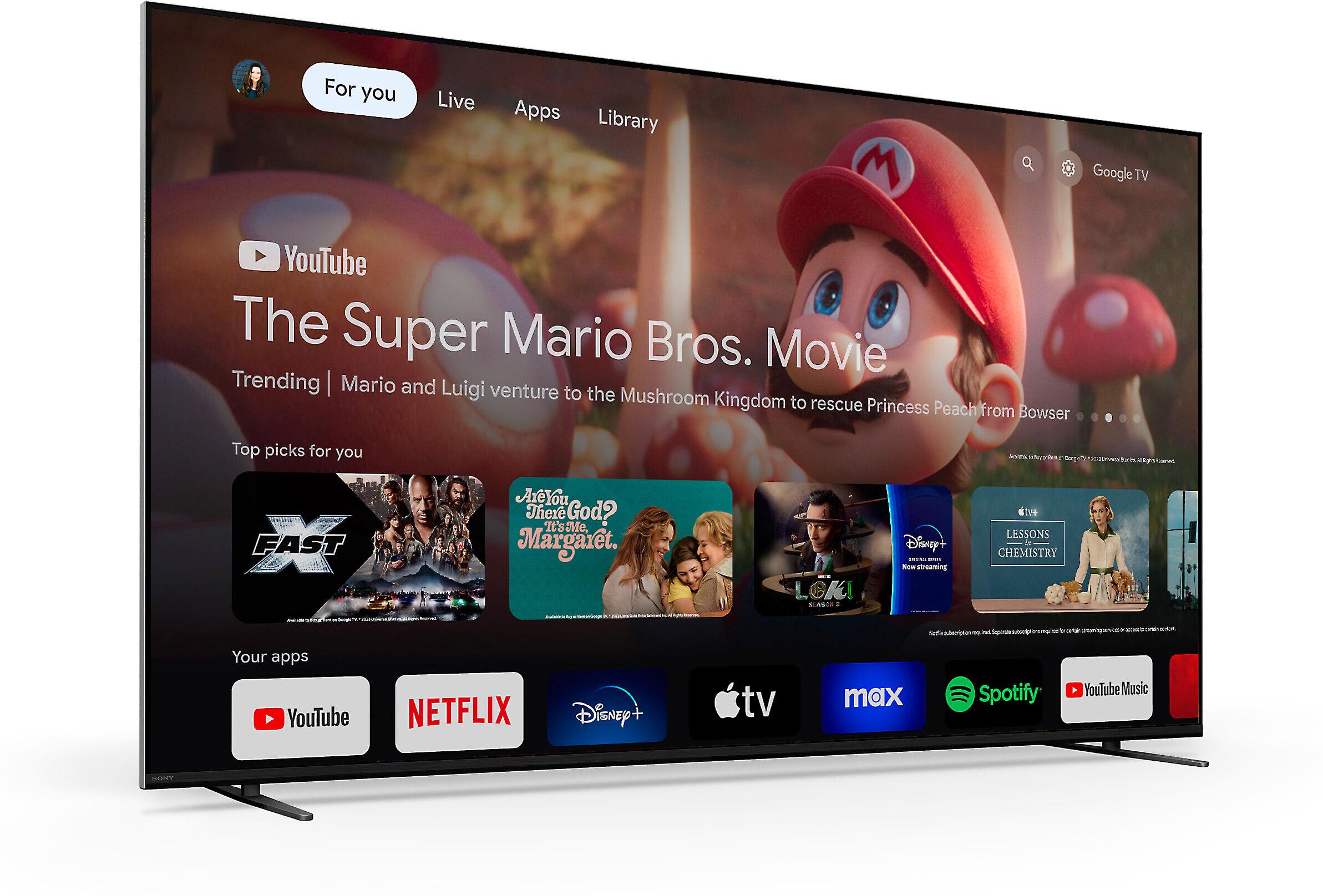
Both TVs run Google TV, so you'll get the same streaming apps, voice control, and smart features. The interface is fast and responsive on both models, with access to Netflix, Disney+, YouTube, and all the other services you'd expect.
The main difference is in the remote controls and gaming interfaces. The TCL includes a backlit remote, which is surprisingly useful for late-night viewing. The Sony's remote feels more premium but lacks backlighting. Both support voice control and have dedicated buttons for popular streaming services.
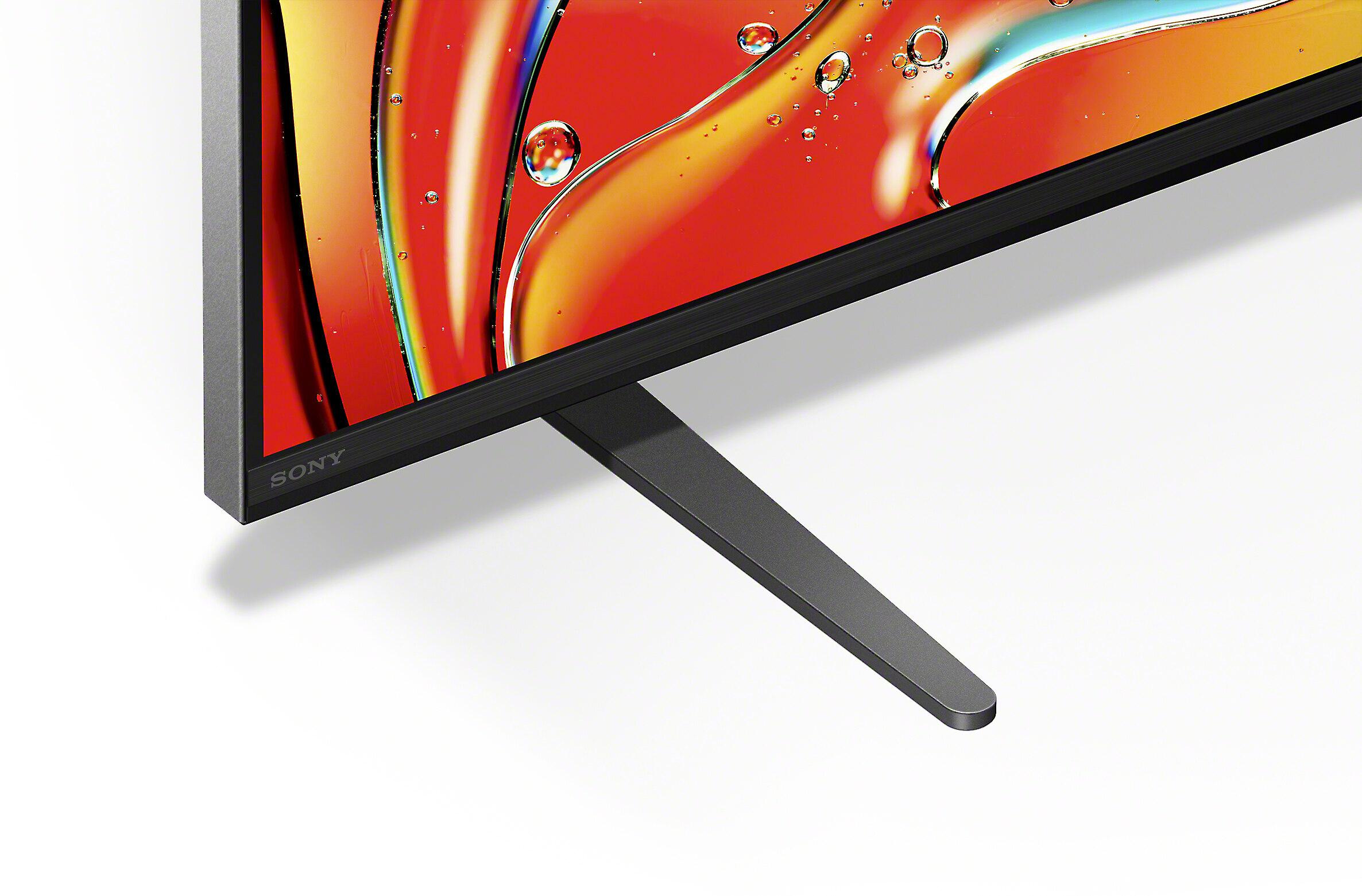
The Sony BRAVIA 7 has a more premium feel with better build quality and materials. The stand is more stable, the bezels feel more refined, and the overall construction feels more substantial. Sony has always been known for excellent build quality, and it shows here.
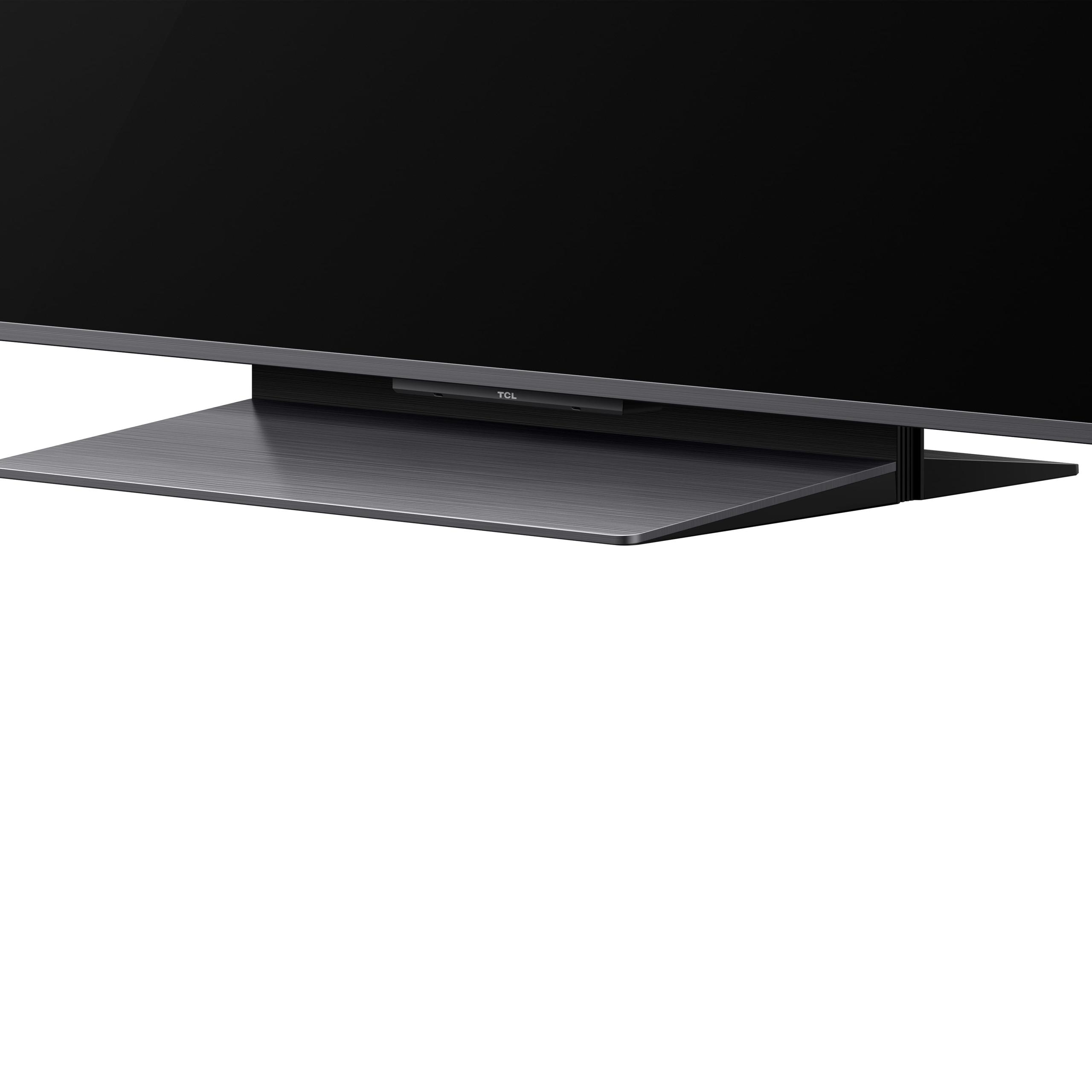
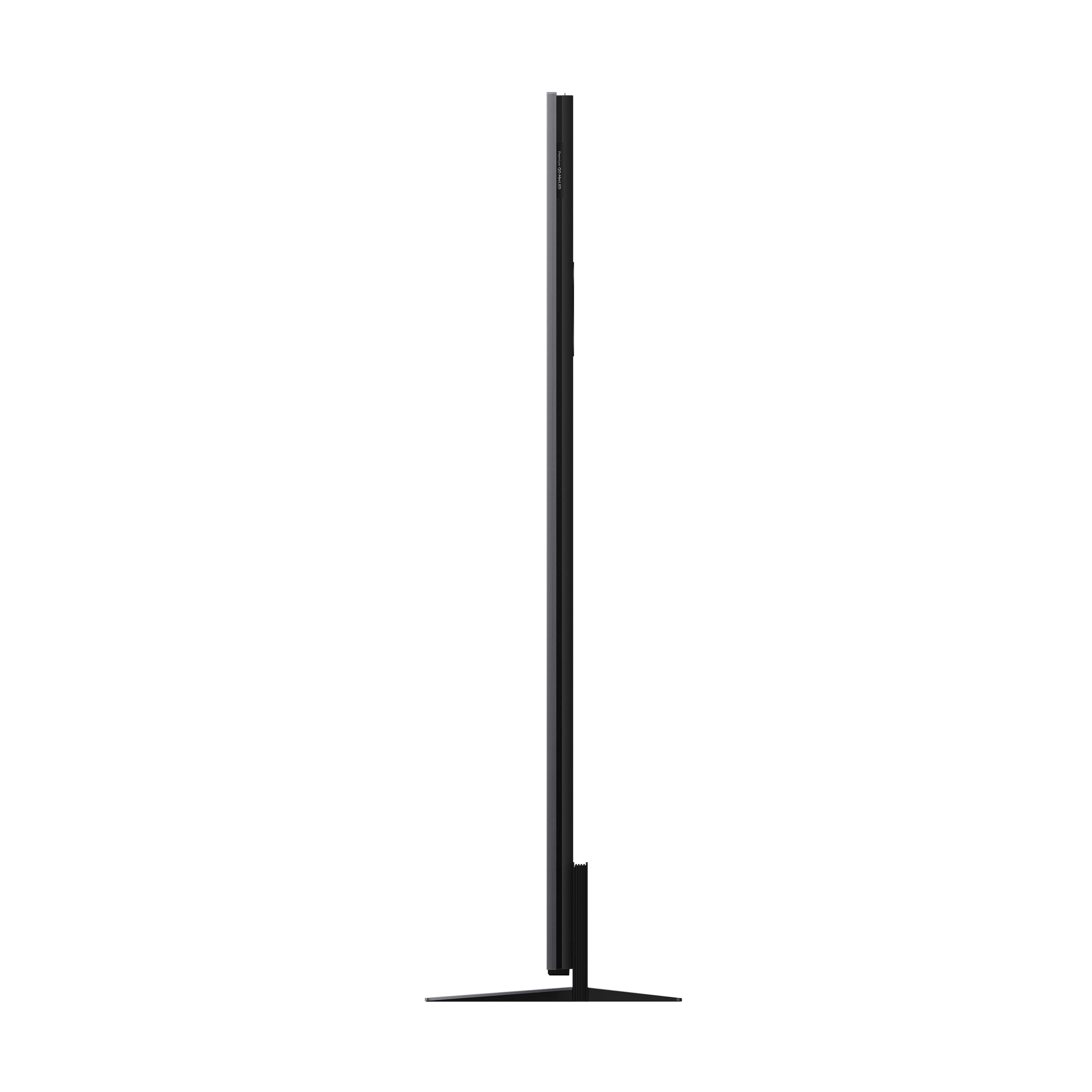
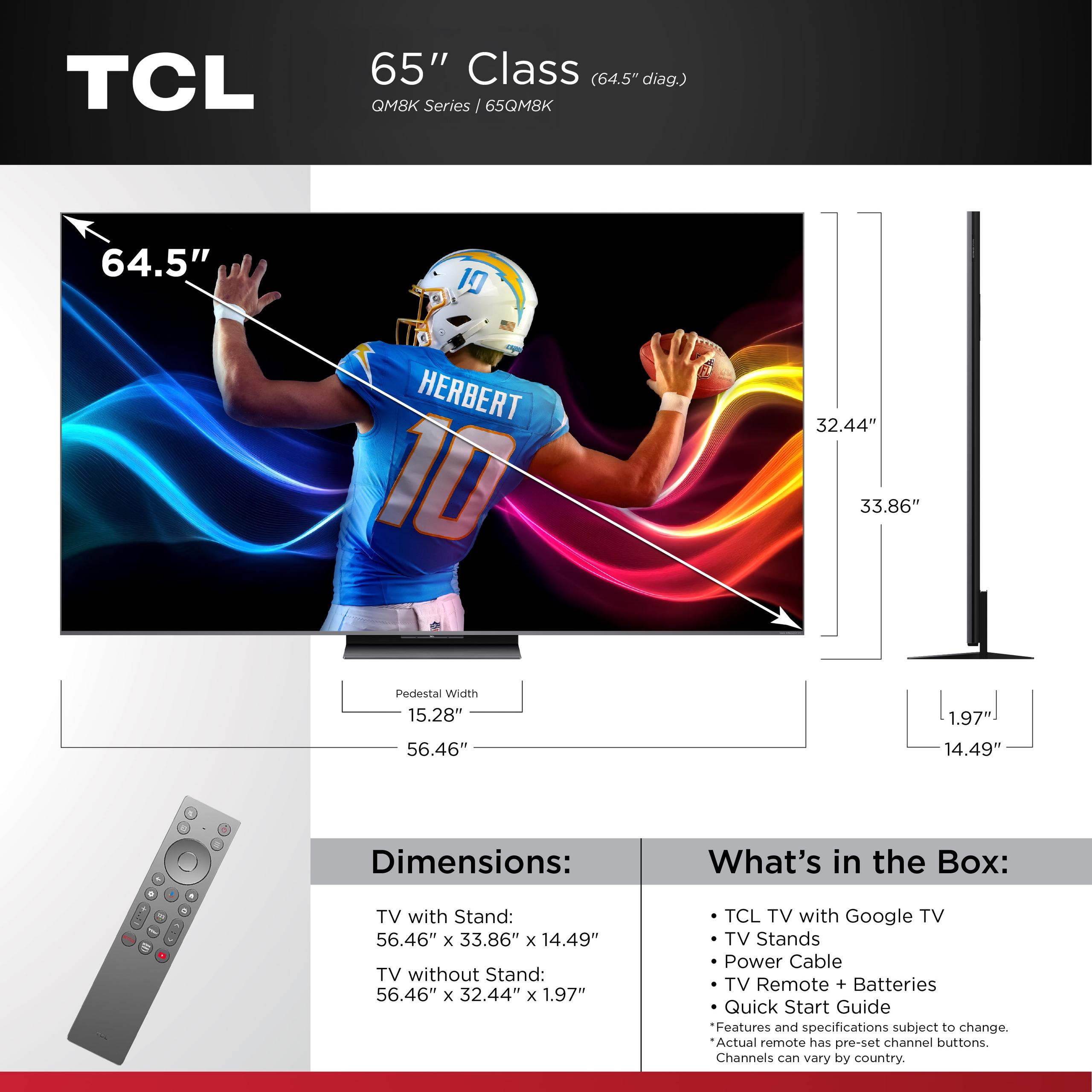
The TCL QM8K has a more modern design with its ZeroBorder aesthetic and thinner profile. It's not poorly built, but it doesn't quite match Sony's level of fit and finish. The TCL's height-adjustable stand is a nice touch that the Sony lacks.
For dedicated home theater setups, both TVs have merit but serve different purposes. The TCL QM8K is excellent for mixed-use home theaters where you might watch movies, sports, and play games. Its exceptional brightness means it can handle some ambient light, and its gaming features make it versatile for family use.
The Sony BRAVIA 7 is better suited for dedicated movie watching in controlled lighting conditions. Its superior image processing, more natural color reproduction, and film-like presentation make it ideal for cinephiles who prioritize accurate image reproduction over maximum impact.
Both TVs support all the major HDR formats (HDR10, HDR10+, Dolby Vision), so you won't miss out on enhanced content regardless of which you choose. The IMAX Enhanced certification on both models means they can take advantage of specially formatted content from IMAX.
At $998, the TCL QM8K offers exceptional value. You're getting flagship-level brightness, excellent gaming features, and solid overall performance at a price that's $325 less than the Sony. For most users, especially those who game or watch in bright rooms, this represents outstanding value.
The Sony BRAVIA 7 at $1,323 asks you to pay a premium for refined image processing, better build quality, and the Sony brand reputation. If you're primarily a movie watcher who values natural color reproduction and superior upscaling, the extra cost might be worthwhile.
Choose the TCL QM8K if you:
Choose the Sony BRAVIA 7 if you:
Both TVs represent excellent choices in the Mini-LED category, but they serve different audiences. The TCL QM8K delivers exceptional performance per dollar and excels in gaming and bright room viewing, making it ideal for most families and enthusiasts. The Sony BRAVIA 7 justifies its premium through superior image processing and build quality, making it perfect for movie lovers who want the most cinematic experience possible.
In my experience, most people will be happier with the TCL's combination of performance, features, and value. However, if you're building a dedicated home theater and prioritize film-like image quality above all else, the Sony's refinement and processing superiority make it worth the extra investment.
| TCL 65" QM8K Series QD-Mini LED 4K Smart TV | Sony BRAVIA 7 65" 4K UHD Smart Google TV |
|---|---|
| Price - Major factor in value proposition | |
| $998.00 | $1,323.48 |
| Peak Brightness - Critical for HDR impact and bright room viewing | |
| Up to 3,000+ nits (exceptional HDR punch, great for bright rooms) | ~1,871 nits (very bright, but less impactful HDR highlights) |
| Refresh Rate - Essential for gaming and smooth motion | |
| 144Hz native (future-proof for next-gen gaming) | 120Hz native (excellent for current gaming, adequate for most users) |
| Gaming Features - Important for console and PC gamers | |
| Game Accelerator 288, FreeSync Premium Pro, extensive VRR support | Standard VRR/ALLM support, PlayStation 5 optimization |
| Image Processing - Affects upscaling quality and motion handling | |
| AiPQ Gen 3 processor (good improvement, but not class-leading) | XR Cognitive Processor (industry-leading upscaling and motion) |
| Local Dimming - Controls blooming and contrast performance | |
| High zone count with fast response (excellent blooming control) | Fewer zones but superior software optimization |
| Color Gamut - Determines color accuracy and vibrancy | |
| 93.6% DCI-P3 coverage (excellent color reproduction) | Strong color accuracy with more natural processing |
| Panel Technology - Affects viewing angles and color consistency | |
| WHVA panel for improved off-angle viewing | Standard Mini-LED panel with typical viewing angle limitations |
| Build Quality - Important for longevity and premium feel | |
| Good construction with modern ZeroBorder design | Premium materials and superior fit/finish |
| Smart Platform - User experience and app selection | |
| Google TV (same interface and apps as Sony) | Google TV (identical smart features) |
| Audio System - Built-in sound quality | |
| Bang & Olufsen tuning (competitive performance) | Superior audio processing with room calibration |
| Best For - Target audience and use cases | |
| Gamers, bright rooms, value seekers, HDR enthusiasts | Movie lovers, cinephiles, premium build quality seekers |
The TCL 65" QM8K Series QD-Mini LED 4K Smart TV is significantly better for gaming. It offers a 144Hz native refresh rate compared to Sony's 120Hz, includes Game Accelerator 288 with up to 288Hz VRR, and supports FreeSync Premium Pro. The TCL also has lower input lag and more comprehensive gaming features like aiming aids and frame rate displays. The Sony BRAVIA 7 65" 4K UHD Smart Google TV is decent for gaming but focuses more on movie watching.
The TCL 65" QM8K Series QD-Mini LED 4K Smart TV costs $998.00, while the Sony BRAVIA 7 65" 4K UHD Smart Google TV is priced at $1,323.48. That's a $325 difference, making the TCL 25% more affordable while still delivering flagship-level performance in many areas.
The TCL QM8K is significantly brighter, reaching up to 3,000+ nits peak brightness compared to the Sony's ~1,871 nits. This makes the TCL better for bright rooms and more impactful HDR content with brighter highlights. The extra brightness helps HDR scenes pop more dramatically and maintains better visibility in daylight conditions.
Yes, both the TCL QM8K and Sony BRAVIA 7 use Google TV as their smart platform. This means they have identical app selections, voice control features, and user interfaces. You'll get the same streaming services like Netflix, Disney+, YouTube, and Prime Video on both TVs.
The Sony BRAVIA 7 65" 4K UHD Smart Google TV generally provides better picture quality for movies due to its superior XR Cognitive Processor. Sony's image processing excels at upscaling, motion handling, and natural color reproduction, making it ideal for cinematic content. The TCL QM8K offers more brightness and impact but Sony delivers more film-like, natural image quality.
The Sony BRAVIA 7 has superior build quality with premium materials, better fit and finish, and a more stable stand. The TCL QM8K has good construction with a modern ZeroBorder design and height-adjustable stand, but it doesn't quite match Sony's premium feel and attention to detail.
The TCL 65" QM8K Series QD-Mini LED 4K Smart TV is much better for bright rooms due to its exceptional peak brightness of up to 3,000+ nits. This high brightness helps overcome ambient light and maintains good picture quality even in sunny living rooms. The Sony BRAVIA 7 is bright but not as effective in very bright environments.
Yes, both the TCL QM8K and Sony BRAVIA 7 support all major HDR formats including HDR10, HDR10+, Dolby Vision, and HLG. Both also feature IMAX Enhanced certification for specially formatted content. You won't miss out on any HDR content regardless of which TV you choose.
The TCL 65" QM8K Series QD-Mini LED 4K Smart TV offers exceptional value at $998.00, delivering flagship-level brightness, excellent gaming features, and solid overall performance for $325 less than the Sony. The Sony BRAVIA 7 at $1,323.48 provides premium image processing and build quality but costs significantly more.
The TCL QM8K offers superior gaming with 144Hz refresh rate, Game Accelerator 288 (up to 288Hz VRR), FreeSync Premium Pro support, and lower input lag. The Sony BRAVIA 7 provides good 120Hz gaming with standard VRR and PlayStation 5 optimization, but fewer advanced gaming features overall.
For dedicated home theaters, the Sony BRAVIA 7 65" 4K UHD Smart Google TV is often preferred due to its superior image processing, more natural color reproduction, and film-like presentation in controlled lighting. The TCL QM8K works well for mixed-use home theaters where you'll also game and watch in various lighting conditions due to its higher brightness and gaming features.
The TCL QM8K covers 93.6% of the DCI-P3 color gamut and tends to produce more vibrant, punchy colors. The Sony BRAVIA 7 focuses on more natural color reproduction with superior color processing and gradation. Both use quantum dot technology, but the TCL emphasizes vibrancy while Sony prioritizes accuracy and naturalness.
We've done our best to create useful and informative comparisons to help you decide what product to buy. Our research uses advanced automated methods to create this comparison and perfection is not possible - please contact us for corrections or questions. These are the sites we've researched in the creation of this article: tomsguide.com - youtube.com - businessinsider.com - rtings.com - youtube.com - avsforum.com - avsforum.com - bestbuy.com - tcl.com - tcl.com - tcl.com - flatpanelshd.com - romomattressfurniture.com - brandsmartusa.com - pcrichard.com - tvsbook.com - tcl.com - youtube.com - prnewswire.com - tcl.com - tcl.com - bestbuy.com - bestbuy.com - avsforum.com - avsforum.com - crutchfield.com - sony.com - rtings.com - schaeferstv.com - youtube.com - displayspecifications.com

Privacy Policy
Terms and Conditions - Affiliate Policy
Home Security
© Copyright 2008-2026.
11816 Inwood Rd #1211, Dallas, TX 75244