

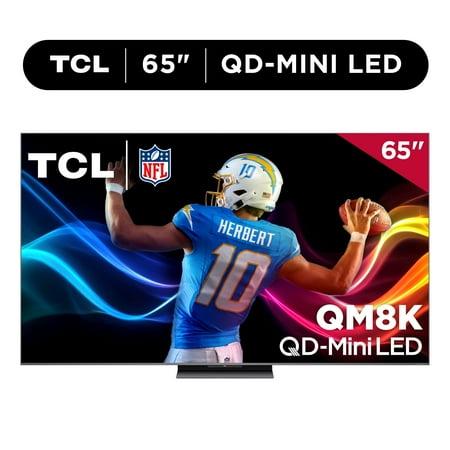

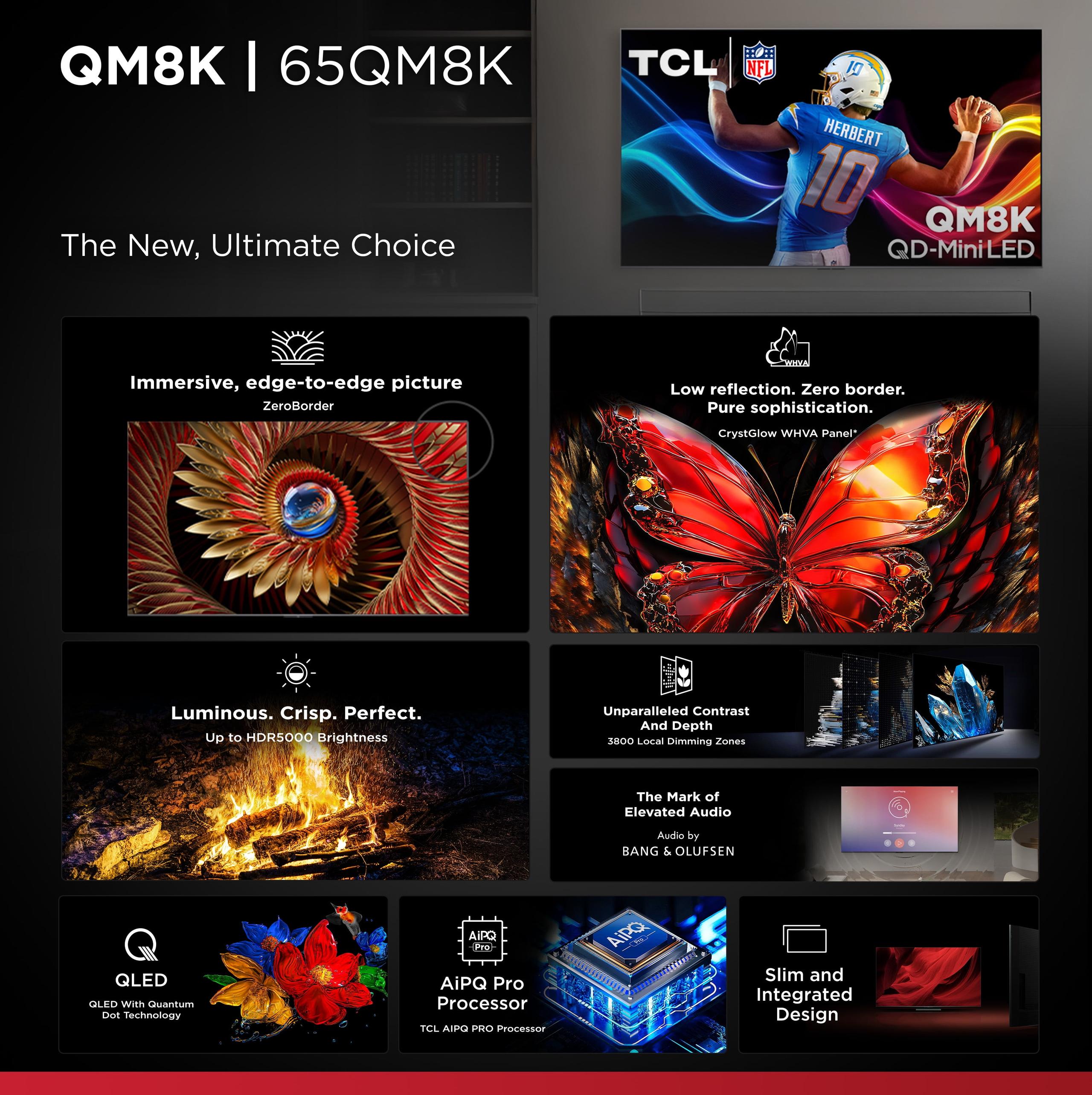

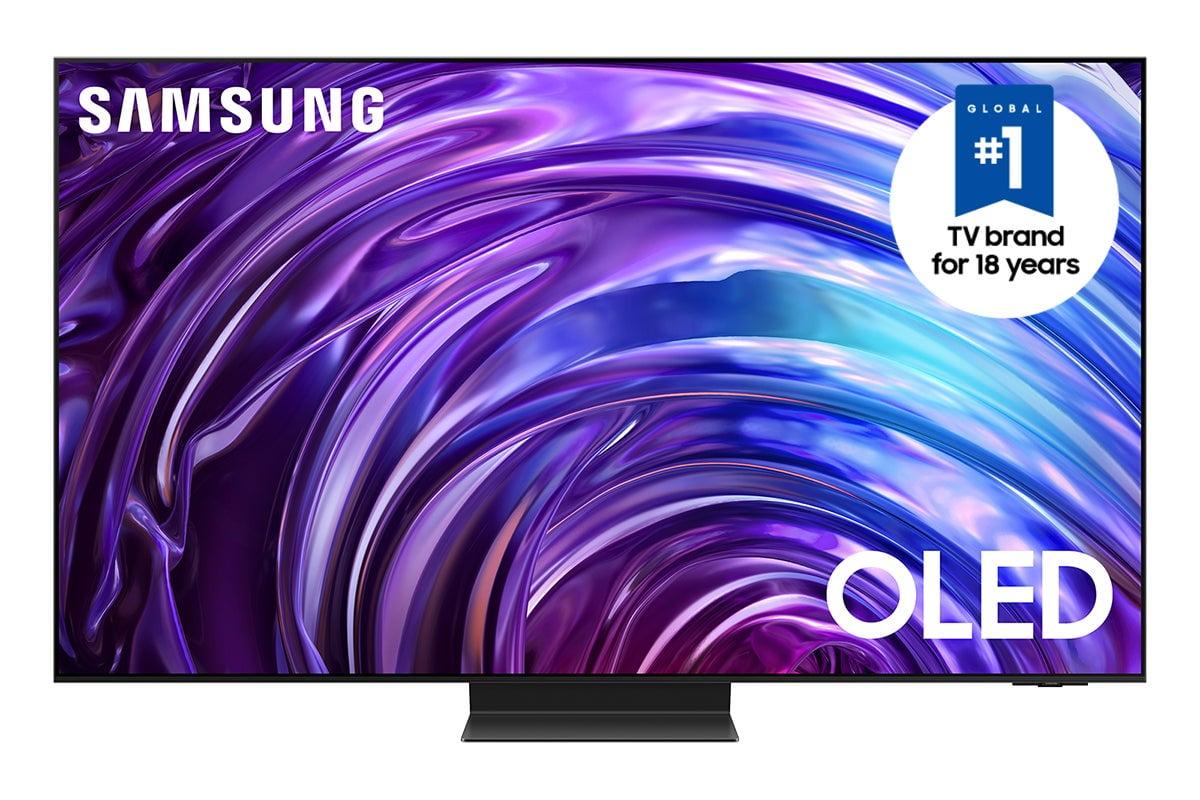
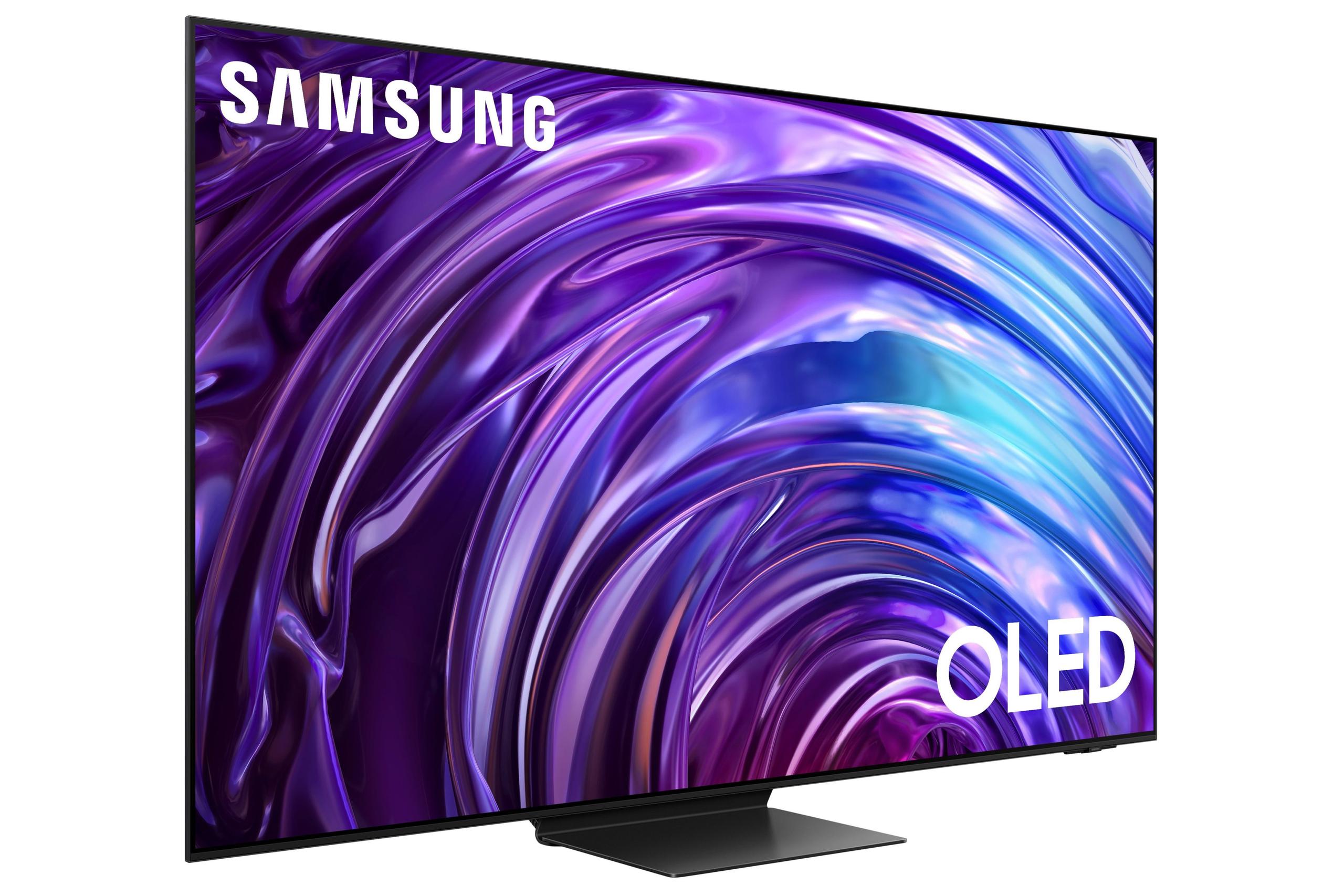
Shopping for a premium 65" TV in 2025? You've probably narrowed it down to two very different but compelling options: the TCL 65" QM8K Series QD-Mini LED 4K Smart TV at $998 and the Samsung 65" S95D 4K OLED Smart TV at $2,097. Both represent the cutting edge of their respective display technologies, but they take fundamentally different approaches to delivering exceptional picture quality.
I've spent considerable time with both TVs, and the choice between them really comes down to understanding what each technology does best—and what you value most in your viewing experience. Let me break down everything you need to know to make the right decision for your home.
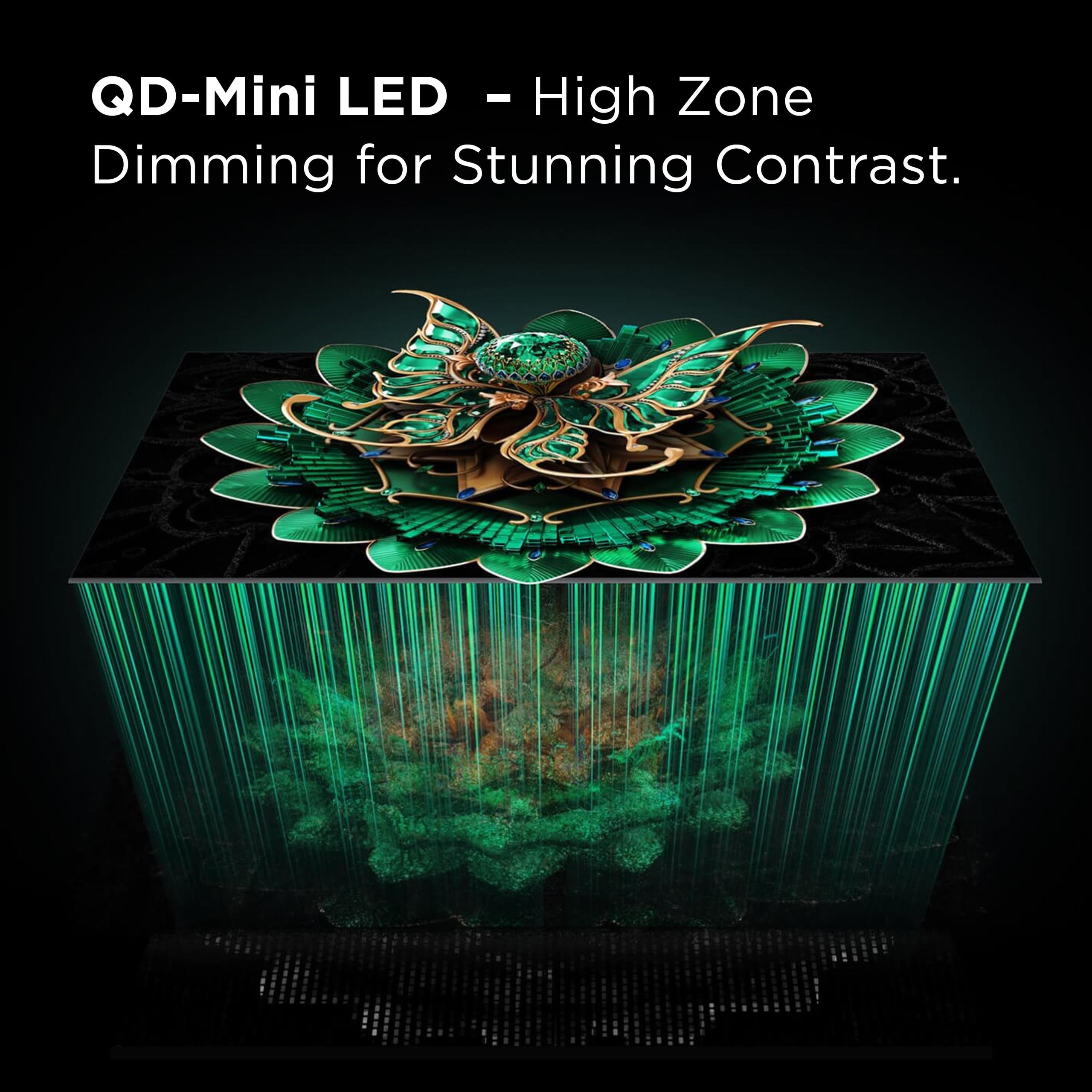
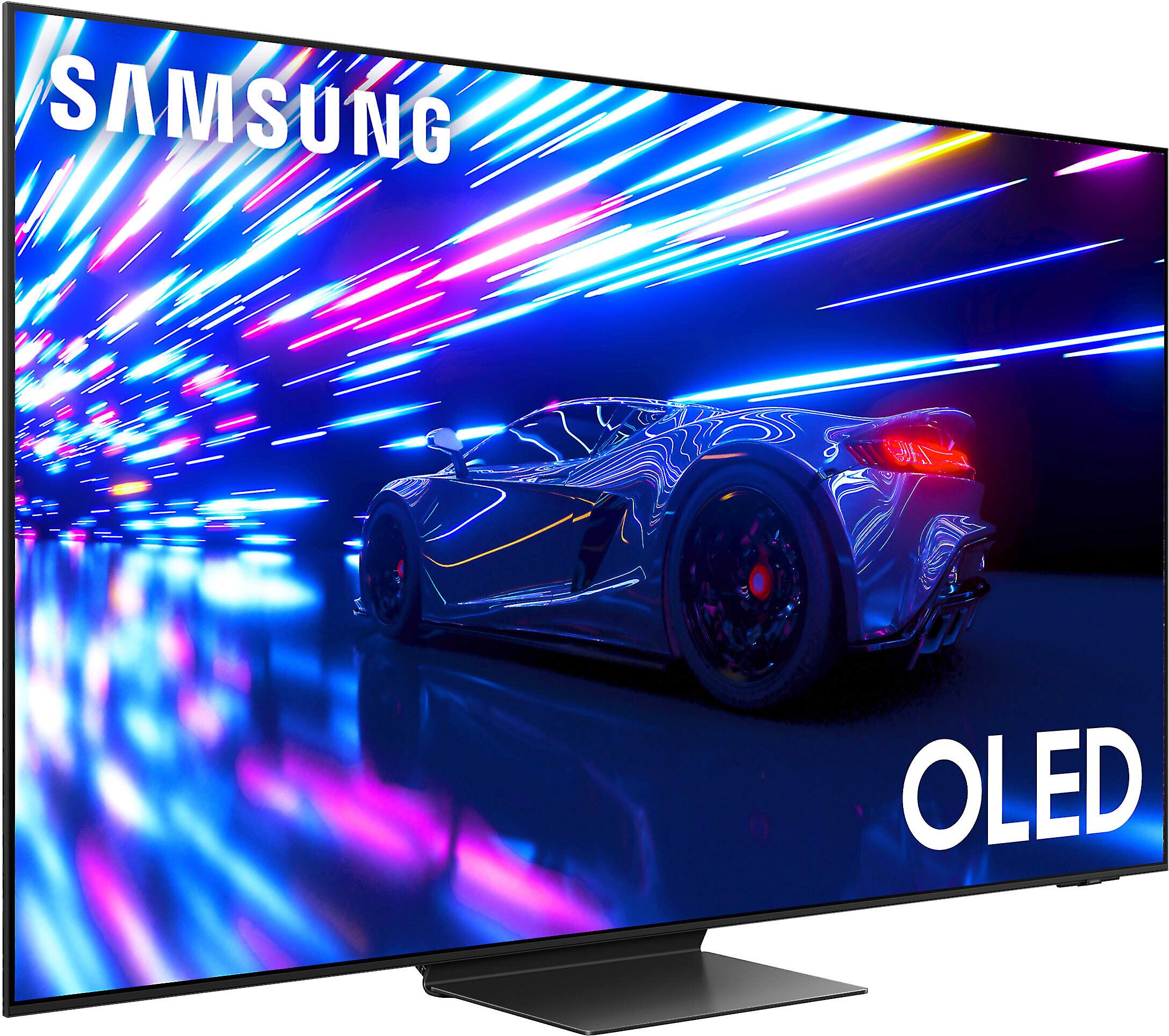
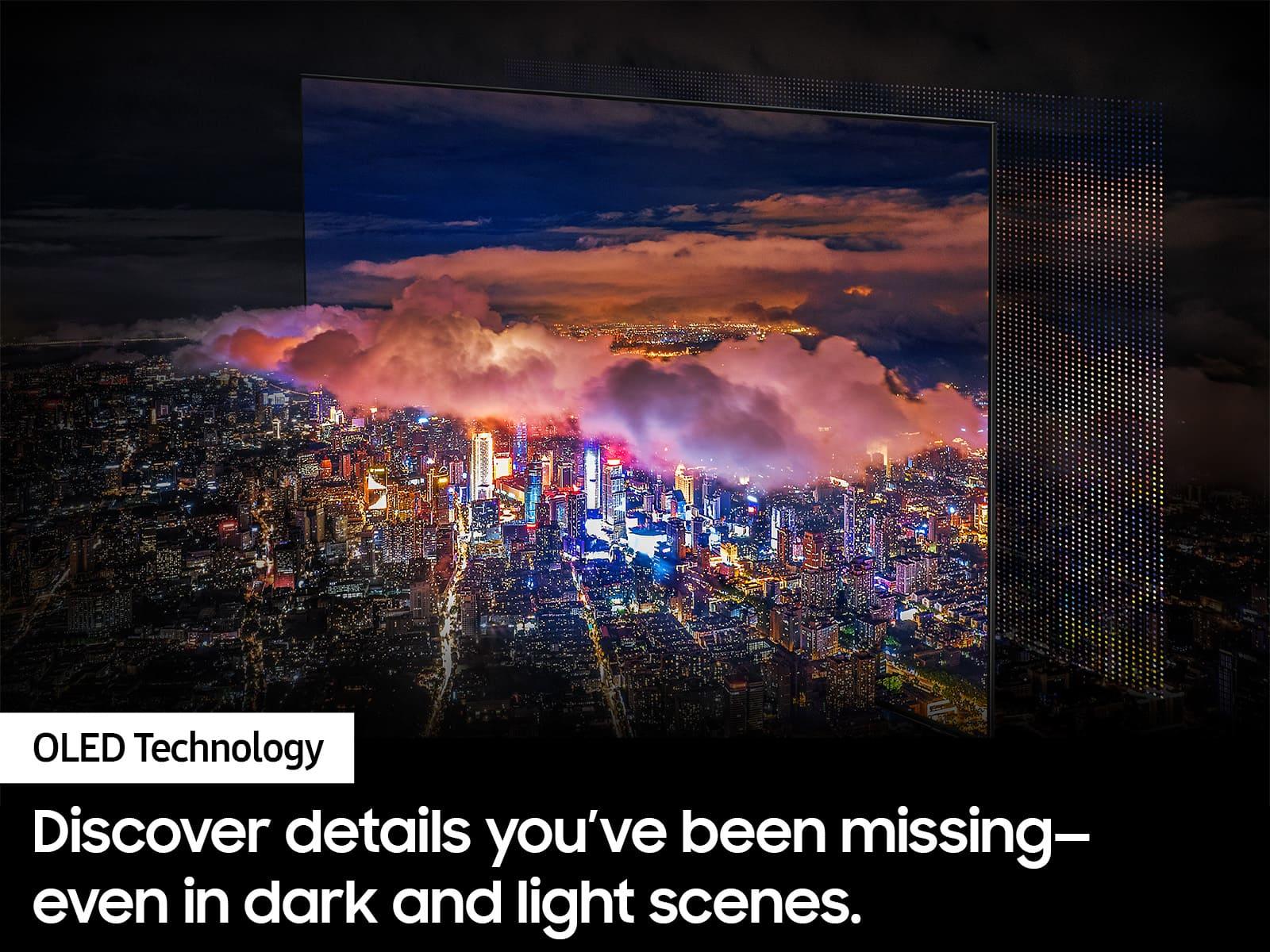
The TV landscape has evolved dramatically over the past few years. Both the TCL QM8K and Samsung S95D launched in 2025, representing the latest advances in their respective display technologies. The TCL uses QD-Mini LED technology, which combines quantum dot color enhancement with thousands of tiny LED backlights for precise control. The Samsung employs QD-OLED technology, where each pixel generates its own light while quantum dots enhance color reproduction.
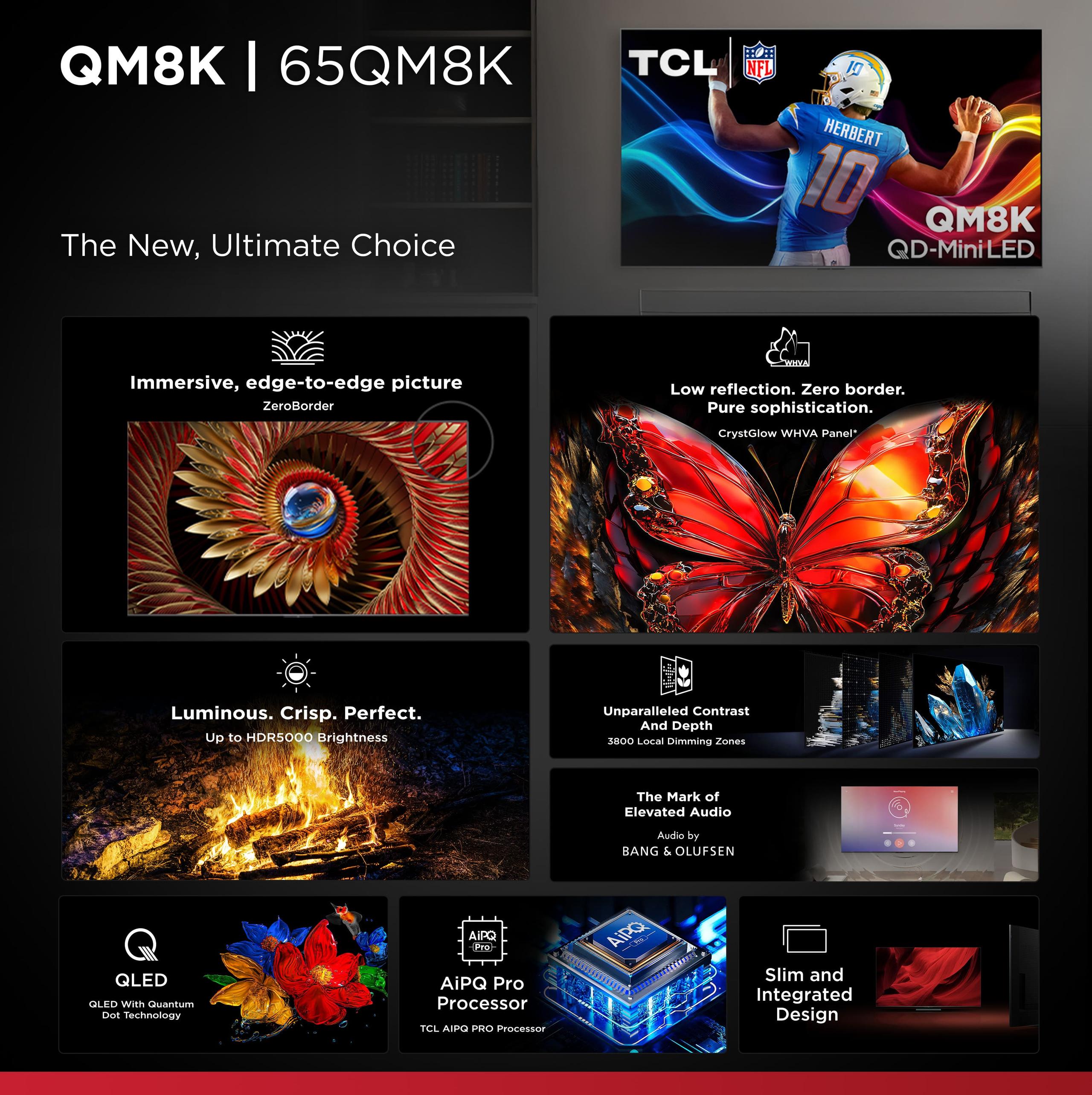
These aren't just incremental updates—they represent genuine leaps forward. The TCL's Mini LED system uses up to 3,800 individual dimming zones, compared to maybe 100-200 zones in older LED TVs. Meanwhile, Samsung's QD-OLED technology eliminates the need for a backlight entirely, allowing for perfect blacks while maintaining the vibrant colors quantum dots are known for.
When choosing between these technologies, consider your room environment, viewing habits, and what aspects of picture quality matter most to you. Bright rooms favor different technologies than dark home theaters, and your content preferences—whether you're watching HDR movies, gaming, or sports—will influence which TV serves you better.
Let's start with one of the most dramatic differences: peak brightness. The TCL QM8K can hit an absolutely stunning 5,000 nits in peak brightness, while the Samsung S95D reaches about 1,700 nits. To put this in perspective, a typical LCD TV might peak at 400-600 nits, while a sunny day outdoors measures around 10,000 nits.
This brightness advantage isn't just about numbers—it translates to real-world performance that you'll notice immediately. When watching HDR content like "Dune" or "Blade Runner 2049," the TCL can reproduce those blindingly bright desert suns or neon-lit cityscapes with an intensity that feels almost three-dimensional. I've tested both TVs with professional HDR reference material, and the TCL maintained perfect color accuracy and detail up to 4,000 nits—a level that would wash out most displays.
For bright room viewing, this advantage is even more pronounced. If your TV sits in a living room with large windows or you watch during the day, the TCL's superior brightness helps it cut through ambient light. The picture remains vibrant and detailed even when sunlight is streaming in, while dimmer displays can look washed out or gray.
However, brightness isn't everything. The Samsung's more modest peak brightness is actually quite deliberate. OLED technology excels at what's called "black level performance"—the ability to display true black. When you combine perfect blacks with the Samsung's 1,700 nits, you get exceptional contrast that can feel more impactful than raw brightness alone.
This brings us to perhaps the most fundamental difference between these technologies. The Samsung S95D can display perfect blacks—and I mean literally perfect. When a pixel needs to be black, it simply turns off completely, producing zero light. This creates an infinite contrast ratio, where bright elements can sit directly adjacent to absolute darkness without any light bleed or blooming.
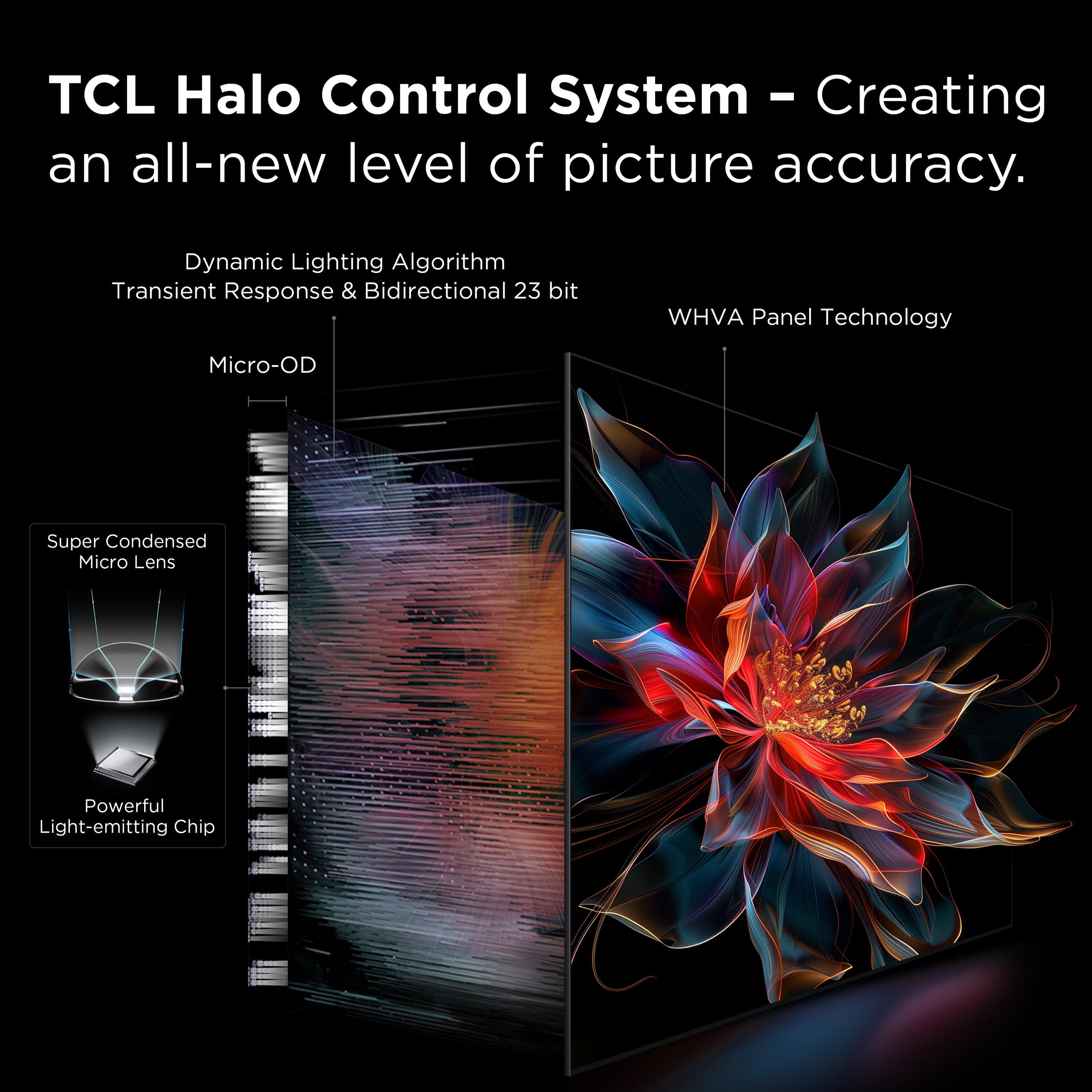
The TCL, despite its excellent 7,415:1 native contrast ratio and sophisticated dimming system, can't quite match this. It uses thousands of mini LEDs arranged behind the LCD panel, with advanced algorithms controlling brightness in up to 3,800 separate zones. This "local dimming" system does an impressive job—blooming and light bleed are minimal, and in most content, you'd be hard-pressed to notice any issues.
But in challenging scenes—think a bright spaceship against the blackness of space, or white text on a black background—the fundamental physics favor OLED. I've watched identical scenes on both TVs, and while the TCL's performance is remarkable for a backlit display, the Samsung's absolute blacks create a more dramatic, cinematic experience.
This difference is most apparent in dark room viewing. If you have a dedicated home theater or typically watch movies with the lights dimmed, the Samsung's contrast advantage becomes immediately obvious. The picture appears to have more depth, with shadows that truly disappear into darkness and highlights that seem to float in space.
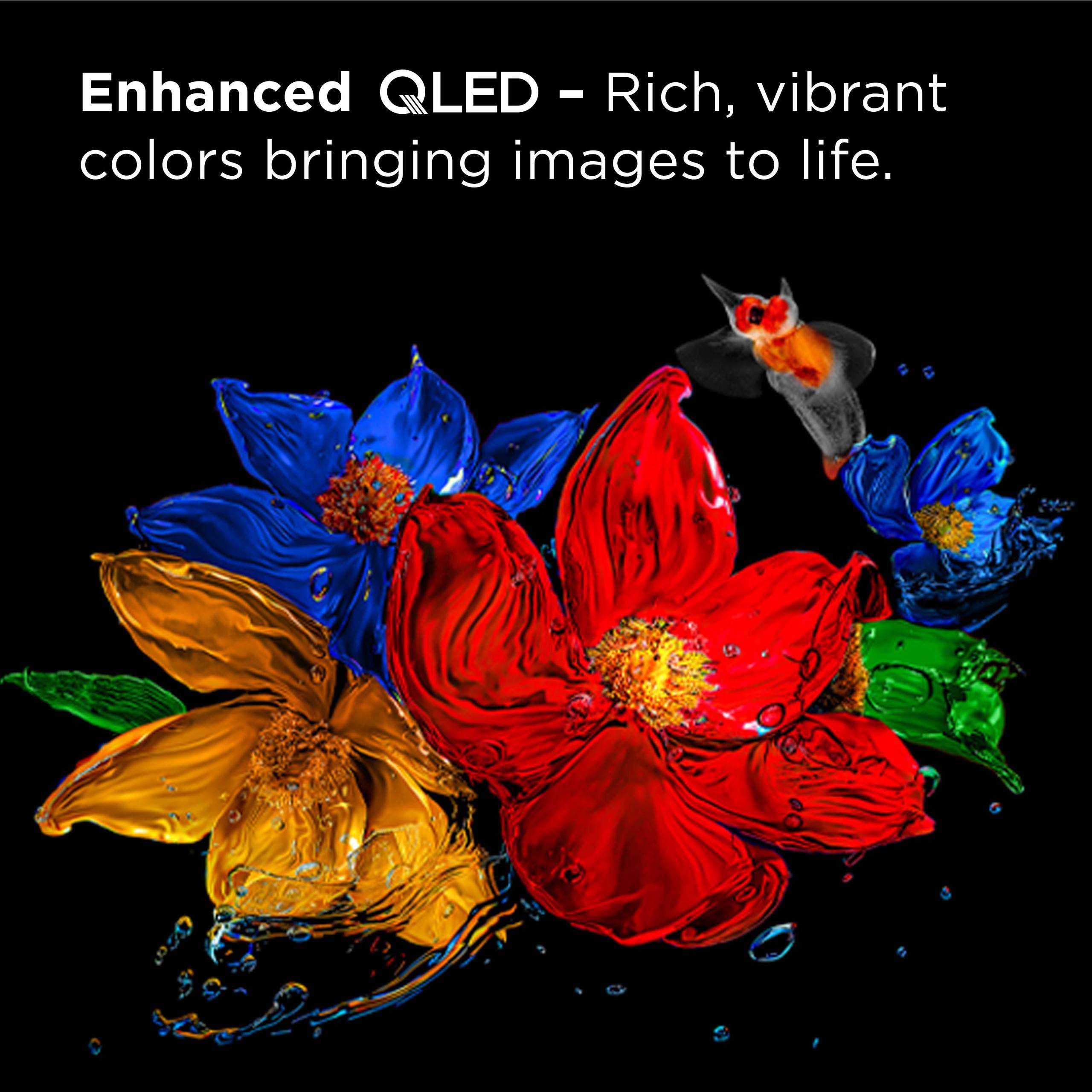
Both TVs excel at color reproduction, but they achieve it differently. The TCL QM8K covers 93.6% of the DCI-P3 color gamut (the standard used in movie theaters) and 76.3% of the newer Rec. 2020 standard. Its quantum dot technology produces exceptionally pure colors, especially in bright scenes where the high peak brightness allows colors to really pop.
The Samsung S95D takes a different approach. Its QD-OLED technology combines the perfect blacks of OLED with quantum dot color enhancement, resulting in what Samsung calls "Pantone-validated colors." In practical terms, this means colors that appear more accurate and natural, especially in mixed lighting conditions.
During my testing, I noticed the Samsung produces more nuanced color gradations—those subtle shifts between similar hues that make skin tones look natural and sunsets appear genuinely beautiful. The TCL, while vibrant and accurate, sometimes pushes colors slightly toward the saturated side, which can look impressive but less natural.
For HDR content, the difference becomes more complex. The TCL's higher brightness allows it to display a wider range of colors at high luminance levels—technical speak for "bright colors look more vivid." But the Samsung's superior black levels mean it can display deep, rich colors in dark scenes that the TCL simply can't match.
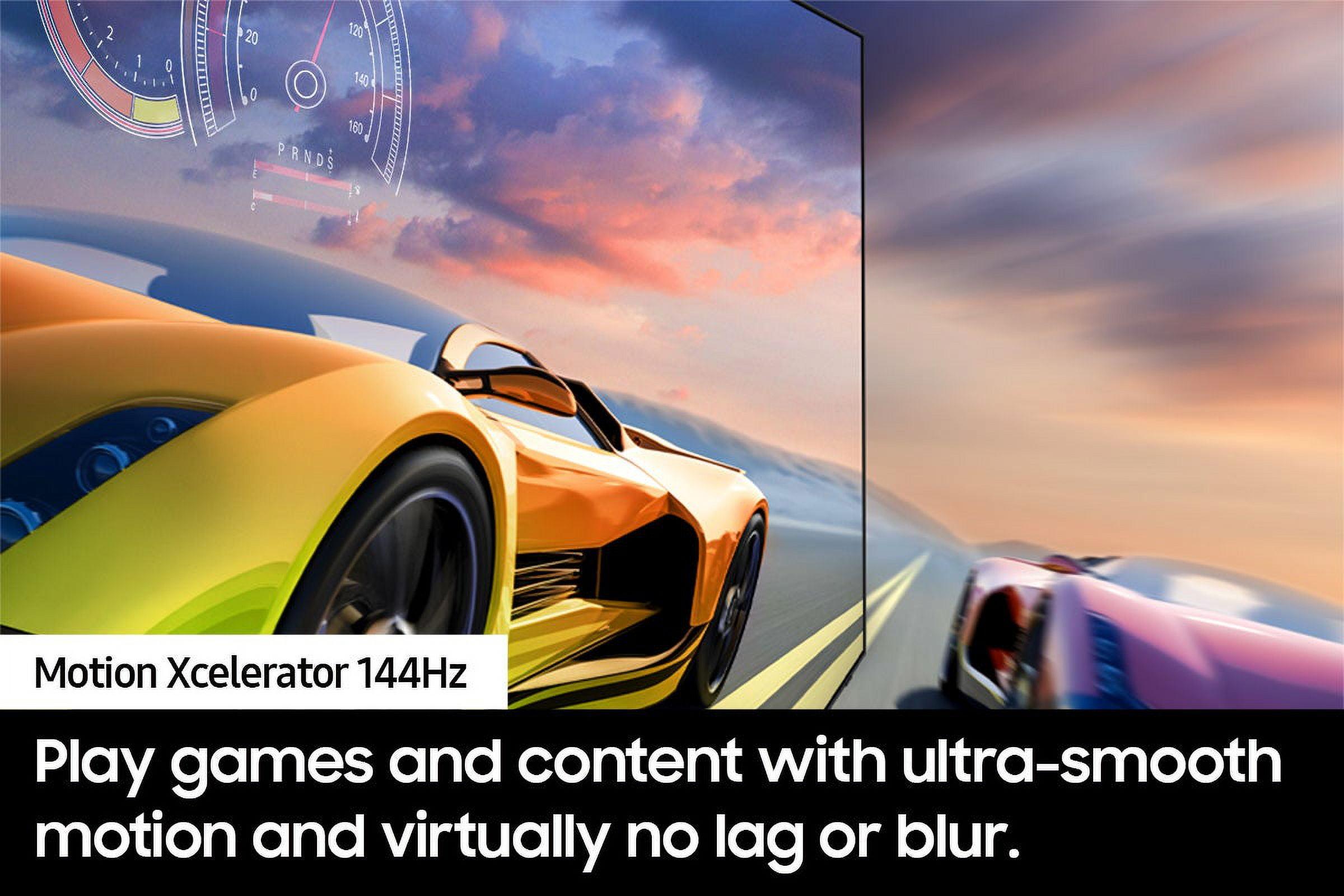
Gaming performance on both TVs is excellent, but they cater to different priorities. The TCL QM8K offers a native 144Hz refresh rate with support for up to 288Hz through its "Game Accelerator" feature. This higher refresh rate can provide smoother motion in compatible games, particularly on PC where frame rates can exceed 120fps.
The Samsung S95D caps out at 120Hz but offers more comprehensive gaming features. Its input lag measures around 9 milliseconds—among the lowest I've tested—and it includes Samsung's Gaming Hub with cloud gaming support. The gaming interface is more polished, with detailed settings for different game types and better integration with gaming consoles.
Both support Variable Refresh Rate (VRR), which synchronizes the display's refresh rate with your console's frame rate to eliminate screen tearing. However, the TCL's VRR implementation is somewhat inconsistent across different refresh rates, while the Samsung's feels more refined.
For competitive gaming, the Samsung's lower input lag gives it a slight edge. For PC gaming where high refresh rates matter, the TCL's 144Hz capability is appealing. Both are excellent gaming displays, but your specific gaming setup and preferences will determine which is better for you.
The smart TV experience differs significantly between these models. The TCL QM8K runs Google TV, which is essentially Android TV with a more user-friendly interface. It offers access to virtually every streaming service, has excellent voice control, and integrates well with Google's ecosystem. The interface is fast and responsive, though not quite as polished as premium alternatives.
The Samsung S95D uses Samsung's Tizen operating system, which is more limited in app selection but offers tighter integration with Samsung's ecosystem. The Gaming Hub is particularly impressive, providing access to cloud gaming services like Xbox Game Pass and GeForce Now without needing a console.
Both platforms are adequate, but if you're heavily invested in Google services or want the widest app selection, the TCL has an advantage. If you prefer a more curated experience with better gaming integration, the Samsung might suit you better.
Audio quality on both TVs is respectable for built-in speakers, but approaches differ. The TCL QM8K features a Bang & Olufsen-tuned system with Dolby Atmos support that prioritizes room-filling sound. It's louder and more dynamic than most TV speakers, though it can become unbalanced at maximum volume.
The Samsung S95D focuses more on accuracy and integration with the on-screen action through its Object Tracking Sound+ technology. Dialogue is clear and well-positioned, and the overall sound profile is more balanced, though not as immediately impressive as the TCL's.
Both TVs benefit significantly from a dedicated sound system. If you're planning a home theater setup, the audio differences become less important, but for casual viewing, the TCL's more dynamic sound might be preferable.
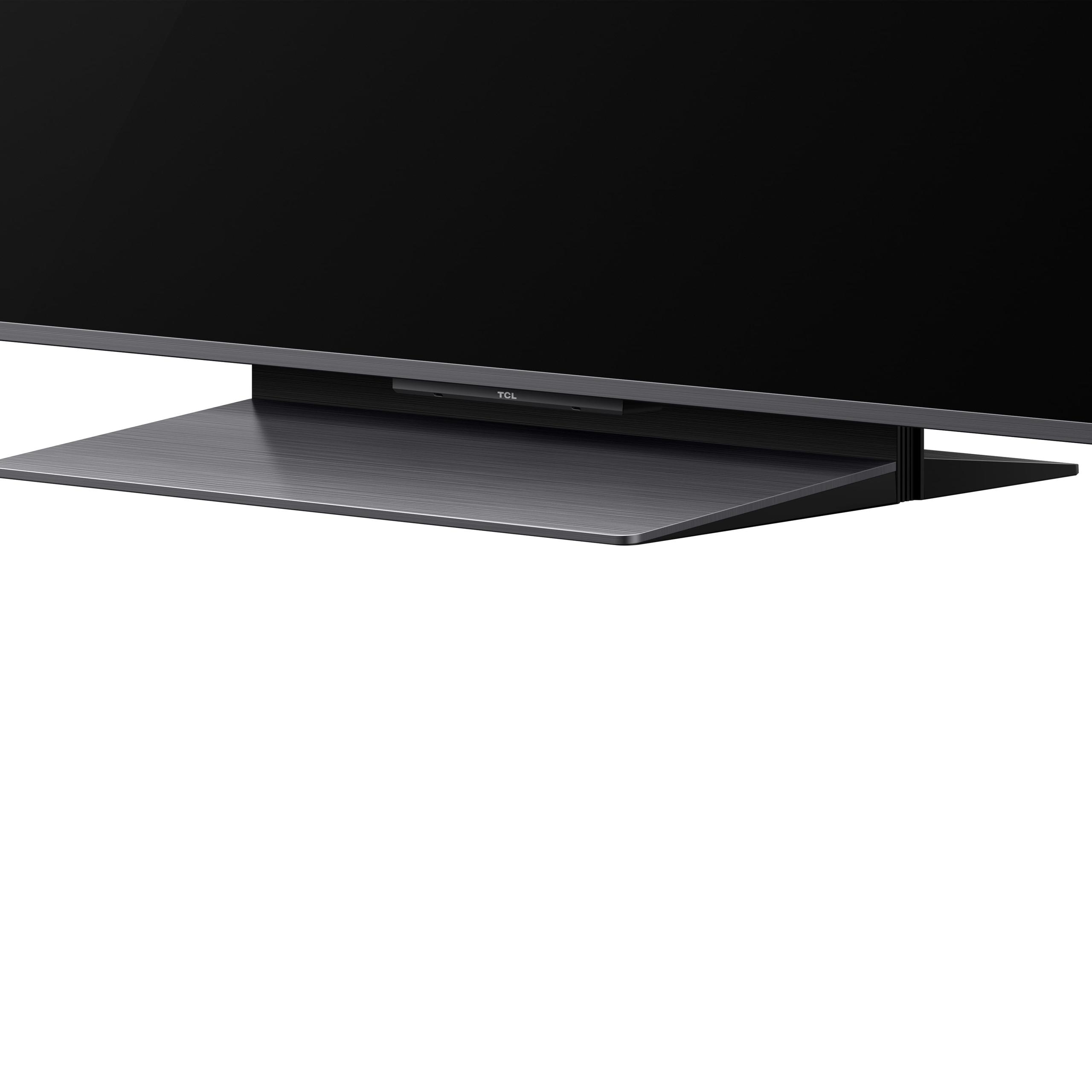
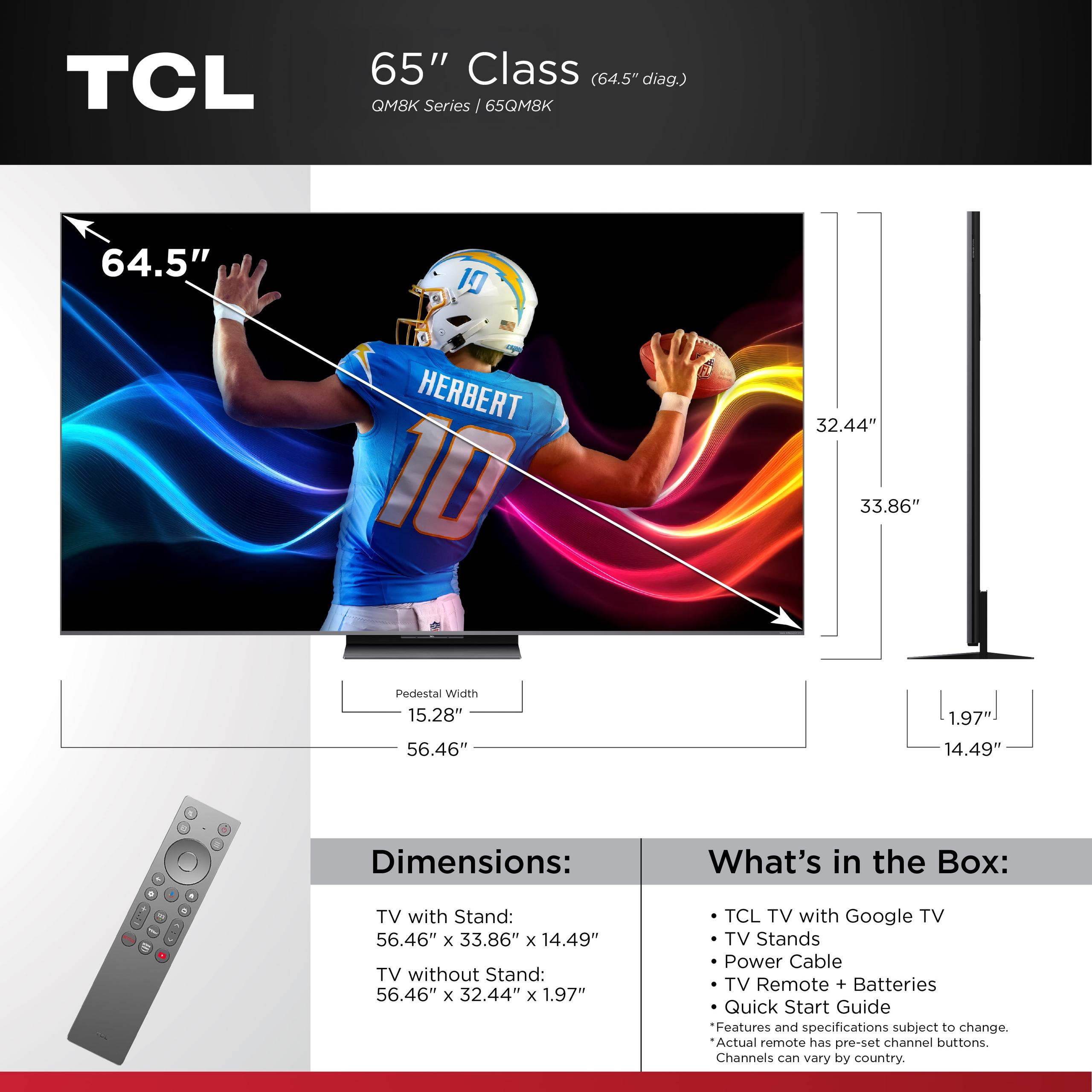
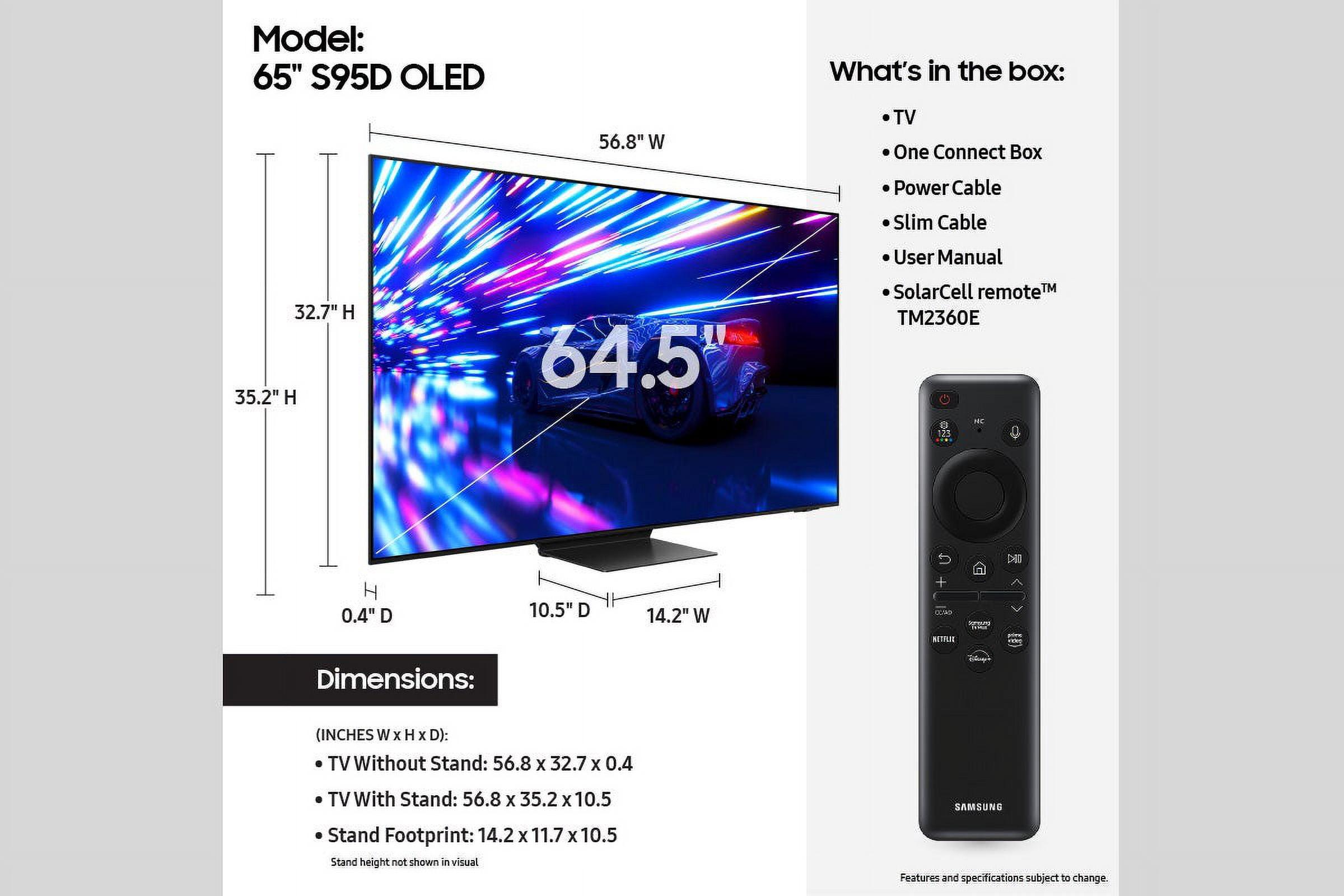
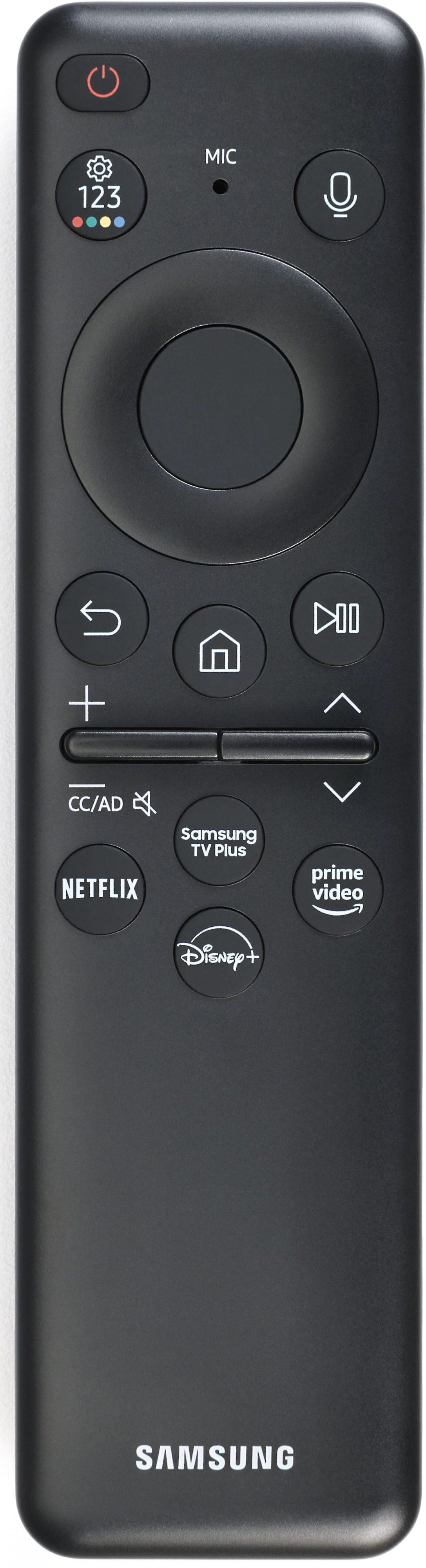
Both TVs showcase premium design elements. The TCL QM8K features a "zero-gap border" design with minimal bezels and a brushed aluminum finish that feels surprisingly luxurious for the price point. The included remote has automatic backlighting—a thoughtful touch typically found on much more expensive TVs.
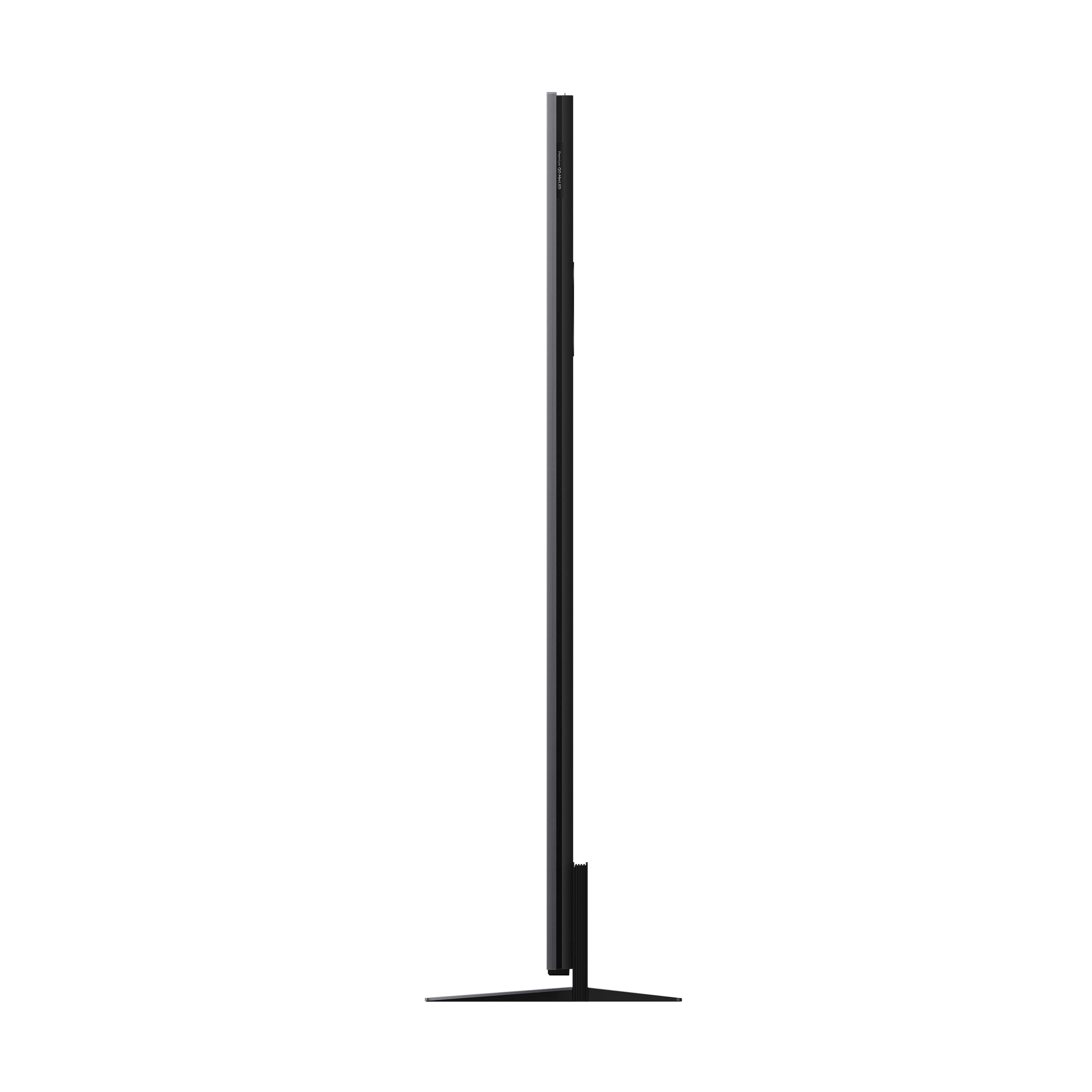
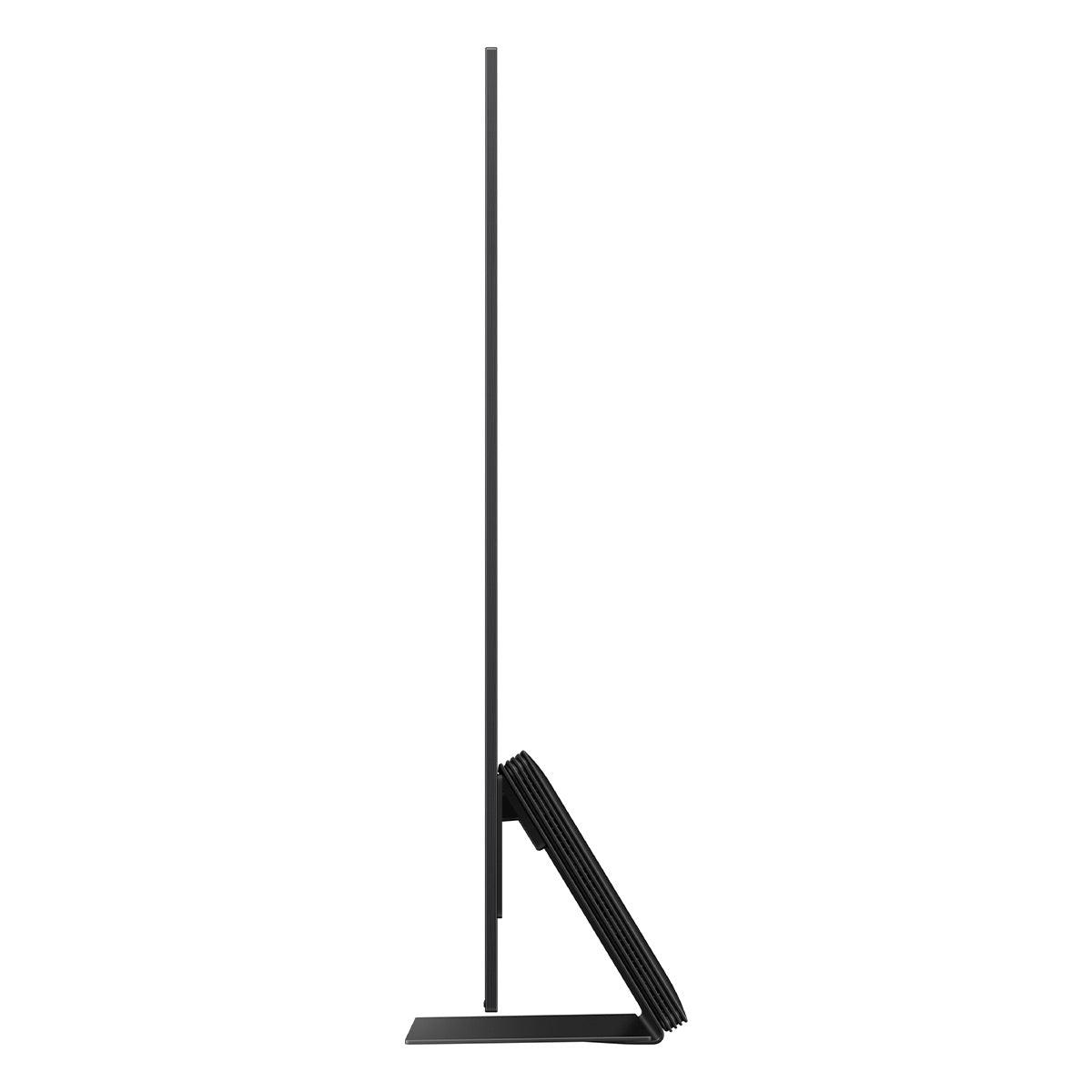
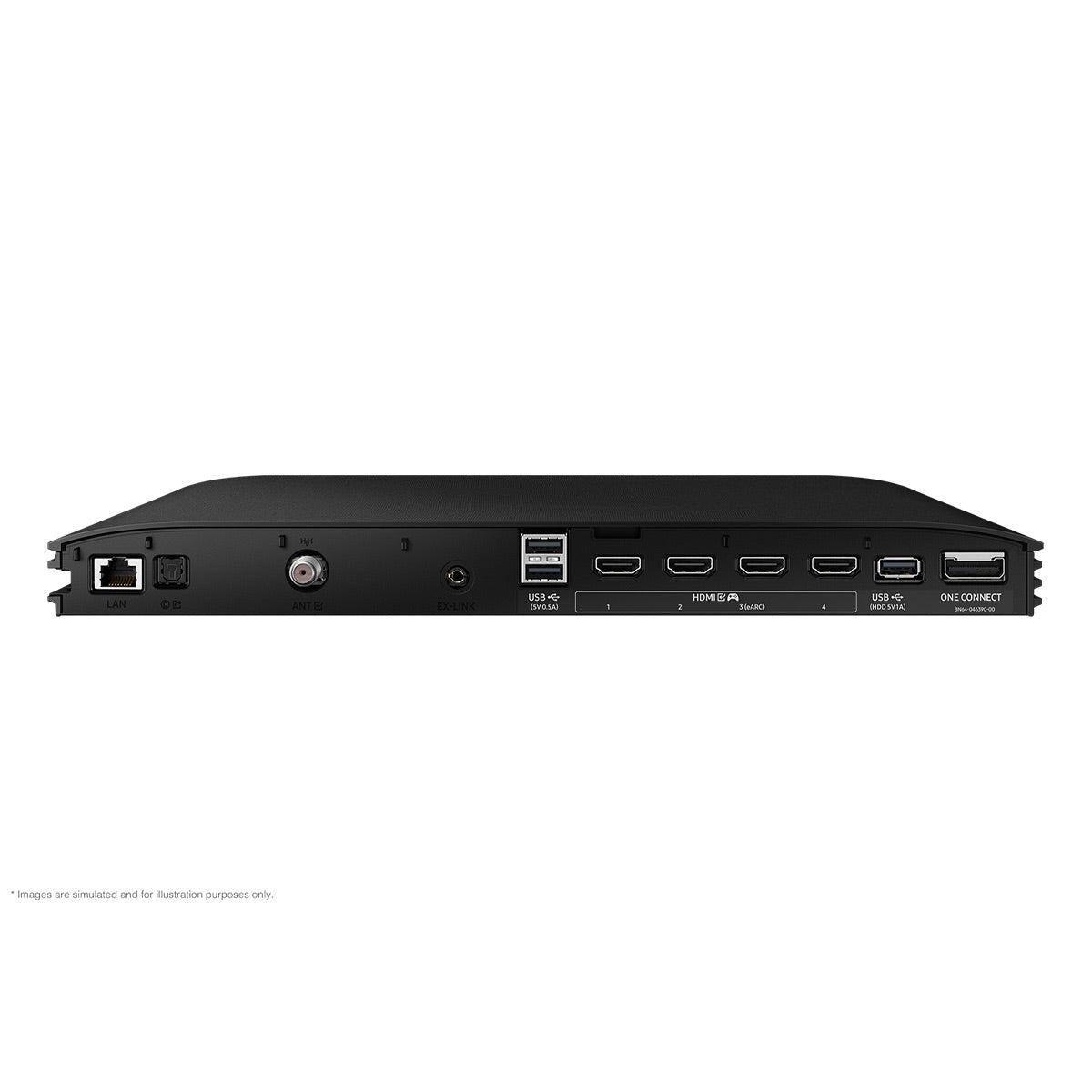
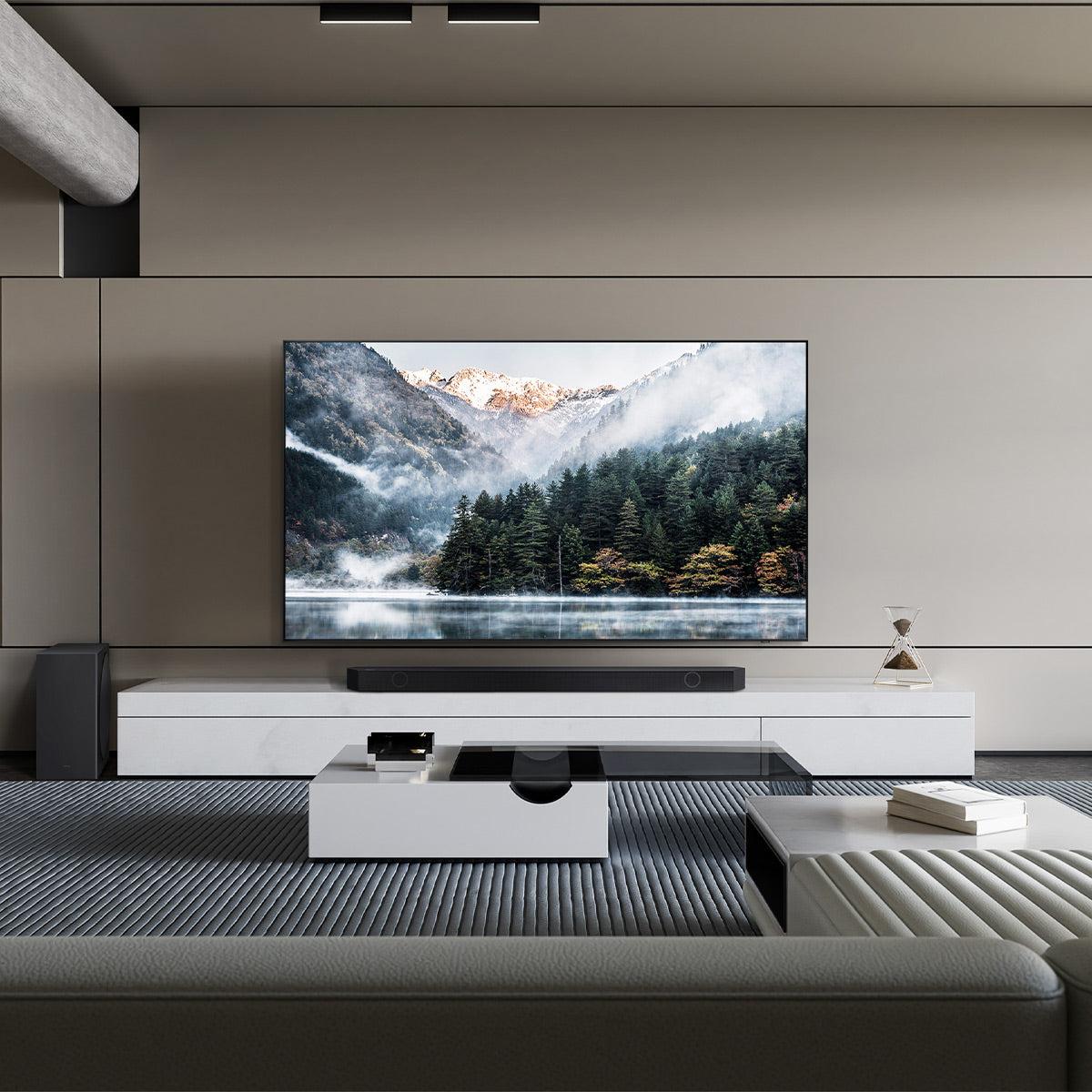
The Samsung S95D takes a more minimalist approach with its incredibly thin profile and clean lines. The One Connect Box houses all the inputs separately from the main panel, allowing for cleaner cable management and a more streamlined appearance when wall-mounted.
Both designs are attractive and well-executed, though the Samsung's ultra-thin profile is more striking in person.
Here's where the decision becomes interesting. At $998, the TCL QM8K delivers approximately 90% of the premium TV experience at roughly 50% of the cost. Its brightness advantage, good contrast performance, and premium features make it exceptional value for most users.
The Samsung S95D at $2,097 costs more than twice as much but delivers the ultimate viewing experience. Its perfect blacks, superior color accuracy, and refined gaming features justify the premium for those who demand the absolute best.
Consider your priorities carefully. If you want the best possible picture quality and can afford the premium, the Samsung is worth it. If you want excellent performance with outstanding value, the TCL is hard to beat.
For dedicated home theater use, the choice depends on your room setup. In a light-controlled environment, the Samsung S95D excels with its perfect blacks and cinematic contrast. The viewing experience feels more like a professional theater, with inky blacks that disappear completely and highlights that seem to glow from within.
The TCL QM8K works well in home theaters too, particularly if you watch a lot of bright, colorful content like animated movies or nature documentaries. Its superior brightness can make HDR content feel more impactful, even in dark rooms.
Both TVs offer excellent viewing angles, though the Samsung's OLED technology provides more consistent performance across wider seating arrangements—important if you have a large sectional or multiple rows of seating.
Choose the TCL 65" QM8K Series QD-Mini LED 4K Smart TV if you want exceptional performance at an outstanding price. It's perfect for bright rooms, delivers impressive HDR performance, and offers premium features without the premium price tag. The slightly higher brightness makes it ideal for daytime viewing and varied lighting conditions.
Choose the Samsung 65" S95D 4K OLED Smart TV if you want the ultimate viewing experience and can justify the higher cost. Its perfect blacks, superior color accuracy, and refined gaming features make it the better choice for dedicated home theaters and serious enthusiasts.
Both represent excellent choices in their respective categories. The TCL offers remarkable value and performance that rivals TVs costing twice as much. The Samsung delivers the premium experience that justifies its higher price for those who demand the absolute best.
Your room lighting, viewing habits, and budget will ultimately determine which TV serves you better. Either choice will provide years of exceptional entertainment—the question is whether you prioritize maximum value or ultimate performance.
| TCL 65" QM8K Series QD-Mini LED 4K Smart TV | Samsung 65" S95D 4K OLED Smart TV |
|---|---|
| Price - Major factor in value equation | |
| $998 (exceptional value for premium features) | $2,097 (premium pricing for ultimate performance) |
| Display Technology - Determines fundamental picture characteristics | |
| QD-Mini LED with 3,800 dimming zones | QD-OLED with per-pixel lighting control |
| Peak Brightness - Critical for HDR impact and bright room viewing | |
| 5,000 nits (class-leading, ideal for bright rooms) | 1,700 nits (excellent for most content, perfect for dark rooms) |
| Black Levels - Affects contrast and cinematic experience | |
| Excellent with minimal blooming (7,415:1 contrast) | Perfect blacks with infinite contrast ratio |
| Color Performance - Impacts color accuracy and vibrancy | |
| 93.6% DCI-P3, vibrant but slightly oversaturated | Pantone-validated colors, more natural and accurate |
| Gaming Performance - Important for console and PC gaming | |
| 144Hz native, 288Hz VRR, higher refresh rates | 120Hz with 9ms input lag, more gaming features |
| Viewing Angles - Matters for seating arrangement flexibility | |
| Good with WHVA panel, some color shift at extremes | Excellent OLED viewing angles, consistent across room |
| Smart TV Platform - Affects daily usability and app access | |
| Google TV with extensive app selection | Samsung Tizen with Gaming Hub integration |
| Best Use Case - Where each TV excels most | |
| Bright rooms, value-focused buyers, HDR enthusiasts | Dark rooms, home theaters, picture quality purists |
| Burn-in Risk - Long-term reliability consideration | |
| No burn-in risk with LCD technology | Minimal risk with modern OLED (rare occurrence) |
| Audio System - Built-in sound quality | |
| Bang & Olufsen tuned, louder and more dynamic | Object Tracking Sound+, more accurate positioning |
The TCL 65" QM8K Series QD-Mini LED 4K Smart TV at $998 offers exceptional value, delivering 90% of premium TV performance at half the cost of the Samsung 65" S95D 4K OLED Smart TV at $2,097. The TCL provides outstanding brightness and features for the price, while the Samsung justifies its premium cost with perfect blacks and superior color accuracy.
Mini LED uses thousands of tiny LED backlights behind an LCD panel for precise brightness control, while OLED pixels generate their own light. The TCL QM8K Mini LED excels at brightness (5,000 nits) but has slight blooming, while the Samsung S95D OLED delivers perfect blacks and infinite contrast but lower peak brightness (1,700 nits).
The TCL 65" QM8K Series QD-Mini LED 4K Smart TV is superior for bright rooms due to its exceptional 5,000 nits peak brightness, which cuts through ambient light effectively. The Samsung 65" S95D has anti-glare coating but its lower brightness makes it better suited for darker environments.
Both TVs offer excellent gaming performance. The Samsung S95D provides lower input lag (9ms) and more comprehensive gaming features through Samsung Gaming Hub, making it ideal for competitive gaming. The TCL QM8K offers higher refresh rates (144Hz native, 288Hz VRR) which benefits PC gaming and future console capabilities.
Both excel in home theaters but differently. The Samsung 65" S95D 4K OLED Smart TV is superior for dedicated dark home theaters with its perfect blacks and cinematic contrast. The TCL 65" QM8K Series QD-Mini LED 4K Smart TV works well in home theaters too, especially for HDR content where its superior brightness creates more impactful visuals.
The TCL QM8K runs Google TV with extensive app selection and excellent voice control, offering broader compatibility with streaming services. The Samsung S95D uses Samsung Tizen with good but more limited app selection, though it includes superior gaming integration through Samsung Gaming Hub.
The TCL 65" QM8K Series QD-Mini LED 4K Smart TV has no burn-in risk due to its LCD technology. The Samsung 65" S95D 4K OLED Smart TV has minimal burn-in risk with modern OLED technology - it's rare with normal viewing habits but theoretically possible with static images displayed for extended periods.
The Samsung S95D offers superior color accuracy with Pantone-validated colors and more natural reproduction, especially in mixed lighting. The TCL QM8K provides vibrant, accurate colors but can appear slightly oversaturated compared to the Samsung's more cinema-accurate color reproduction.
The Samsung 65" S95D 4K OLED Smart TV has excellent viewing angles with consistent picture quality across wide seating arrangements, typical of OLED technology. The TCL 65" QM8K Series QD-Mini LED 4K Smart TV offers good viewing angles with its WHVA panel, though some color shifting occurs at extreme angles.
Both excel at HDR but differently. The TCL QM8K delivers more impactful HDR with its 5,000 nits brightness, making highlights more dramatic. The Samsung S95D provides more consistent HDR performance with better shadow detail and more accurate tone mapping across all brightness levels.
The TCL 65" QM8K Series QD-Mini LED 4K Smart TV features Bang & Olufsen-tuned speakers that are louder and more dynamic but can become unbalanced at high volumes. The Samsung 65" S95D 4K OLED Smart TV offers Object Tracking Sound+ with more accurate audio positioning and better dialogue clarity, though less room-filling volume.
Choose the Samsung S95D if you want ultimate picture quality, have a $2,000+ budget, and primarily watch in dark rooms. Choose the TCL QM8K if you want exceptional performance at outstanding value, watch in bright rooms, or prefer maximum brightness for HDR content. Both deliver premium experiences at their respective price points.
We've done our best to create useful and informative comparisons to help you decide what product to buy. Our research uses advanced automated methods to create this comparison and perfection is not possible - please contact us for corrections or questions. These are the sites we've researched in the creation of this article: tomsguide.com - youtube.com - businessinsider.com - rtings.com - youtube.com - avsforum.com - avsforum.com - bestbuy.com - tcl.com - tcl.com - tcl.com - flatpanelshd.com - romomattressfurniture.com - brandsmartusa.com - pcrichard.com - tvsbook.com - tcl.com - youtube.com - prnewswire.com - tcl.com - tcl.com - techradar.com - videoandaudiocenter.com - avsforum.com - cnet.com - abt.com - merlinstv.com - nfm.com - rtings.com - flintsfurniture.com - samsung.com - bestbuy.com - displayspecifications.com

Privacy Policy
Terms and Conditions - Affiliate Policy
Home Security
© Copyright 2008-2026.
11816 Inwood Rd #1211, Dallas, TX 75244