

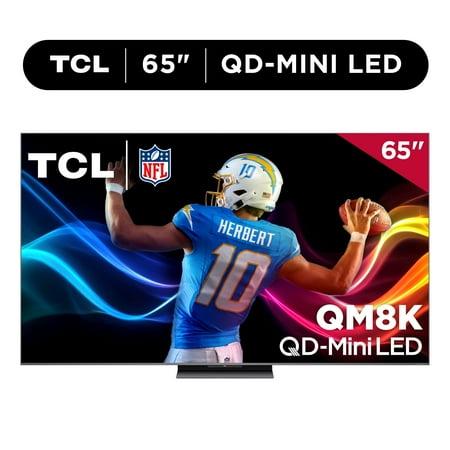
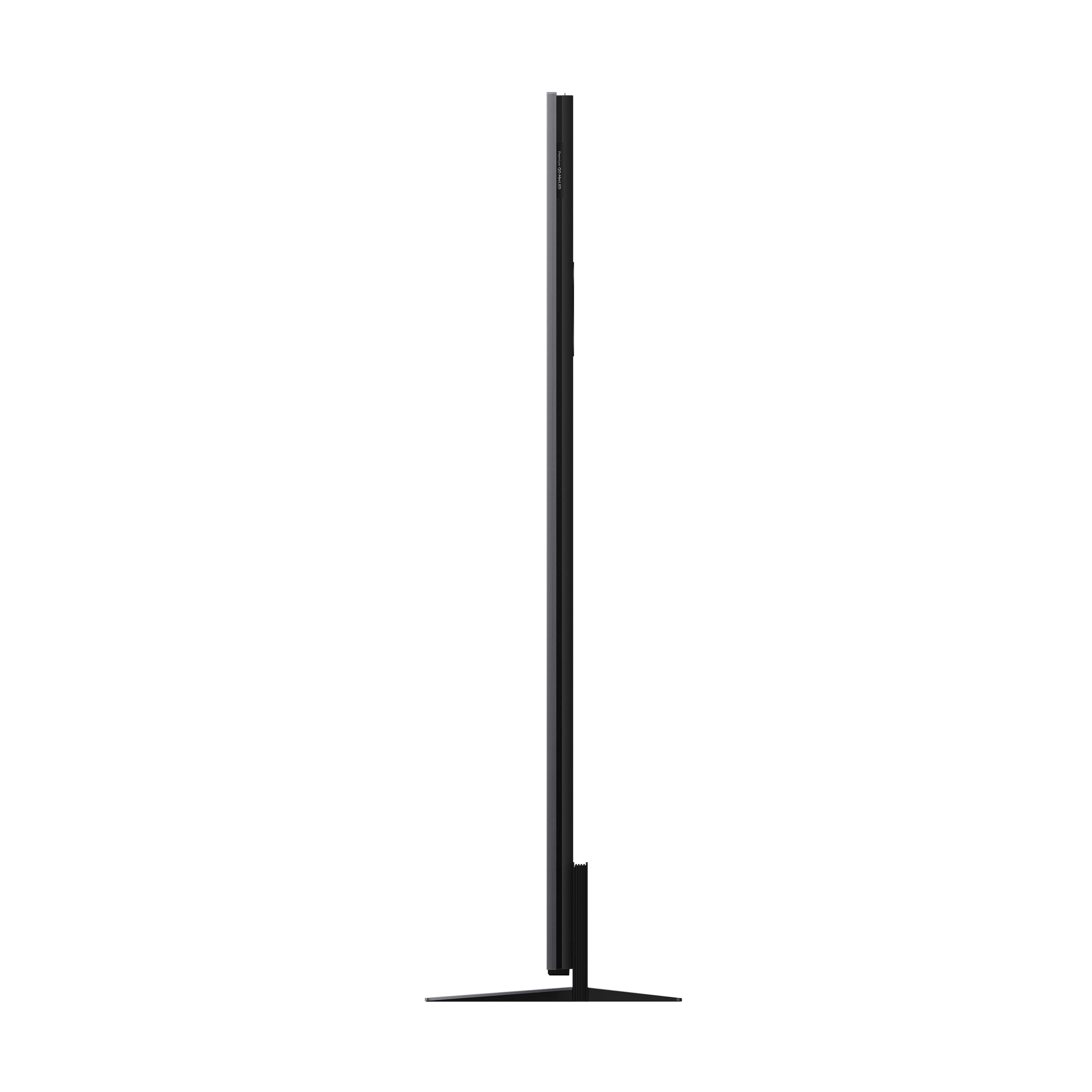
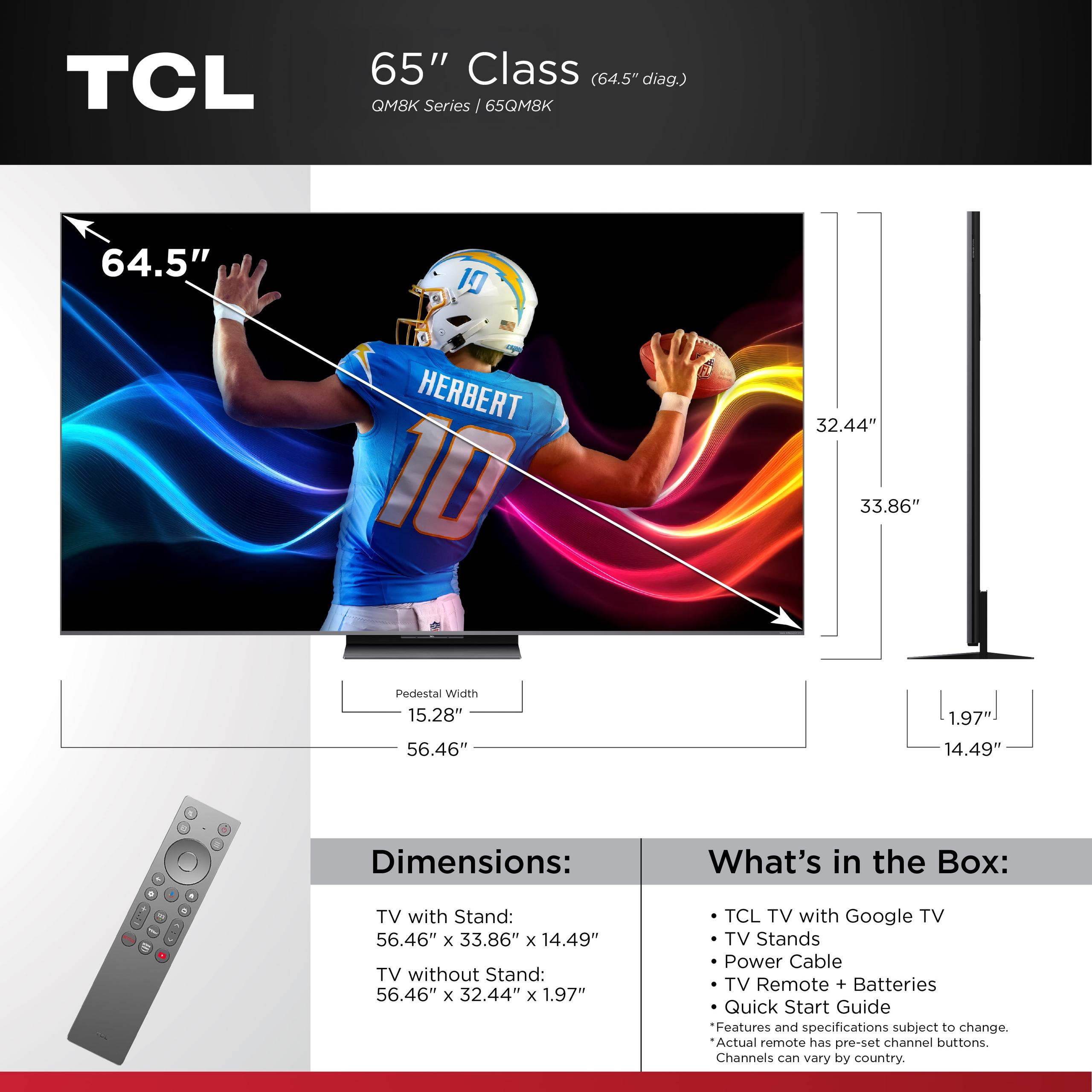
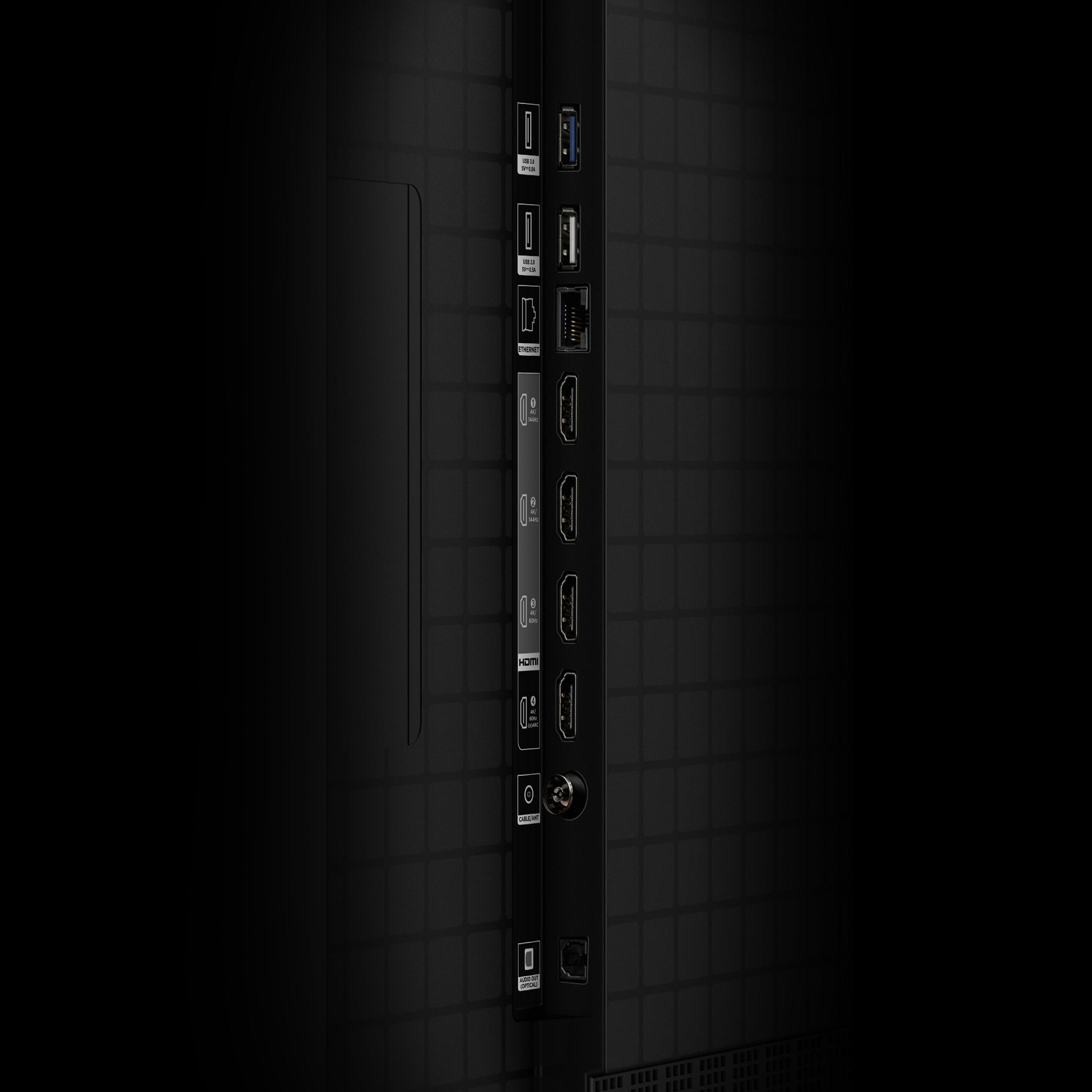



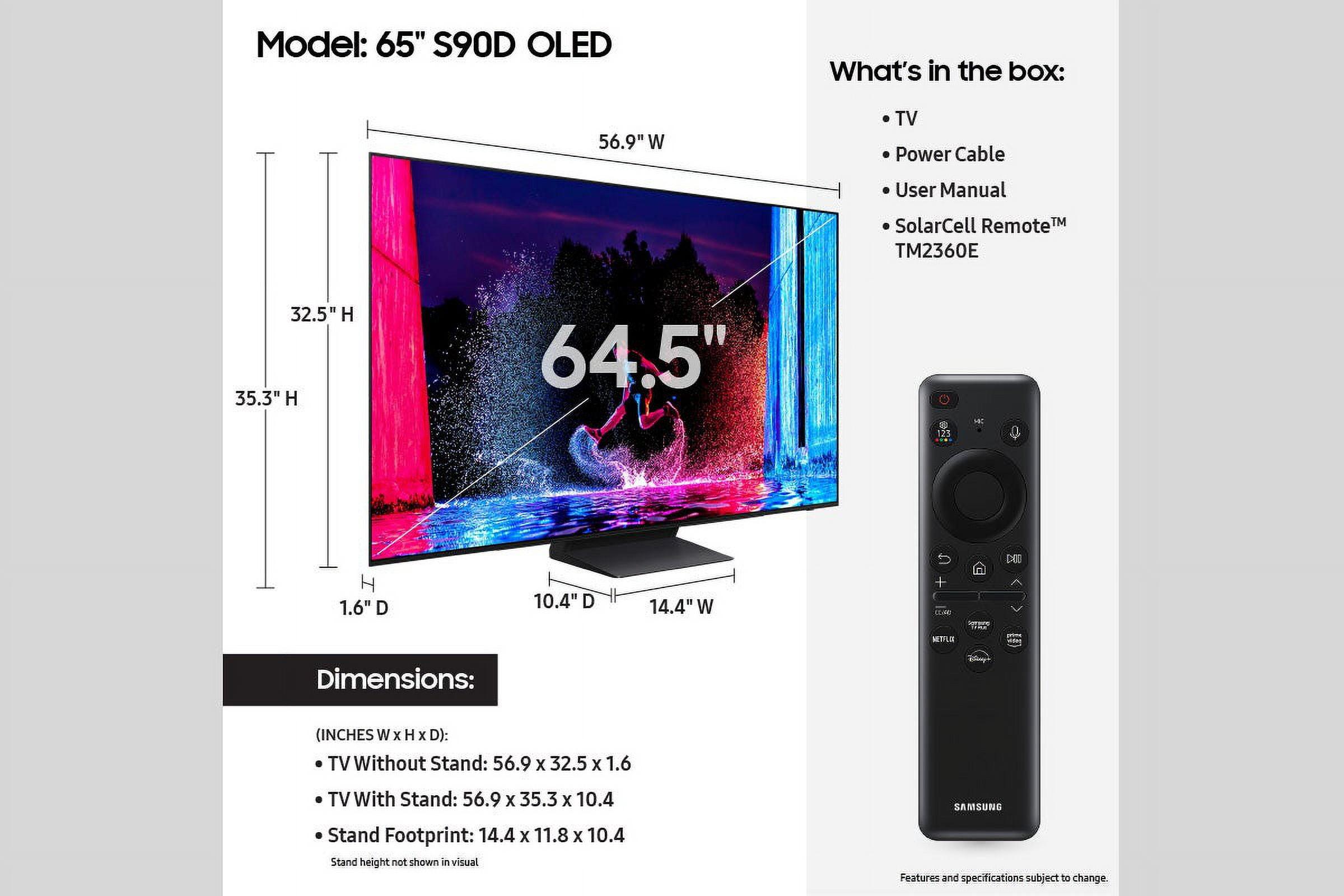
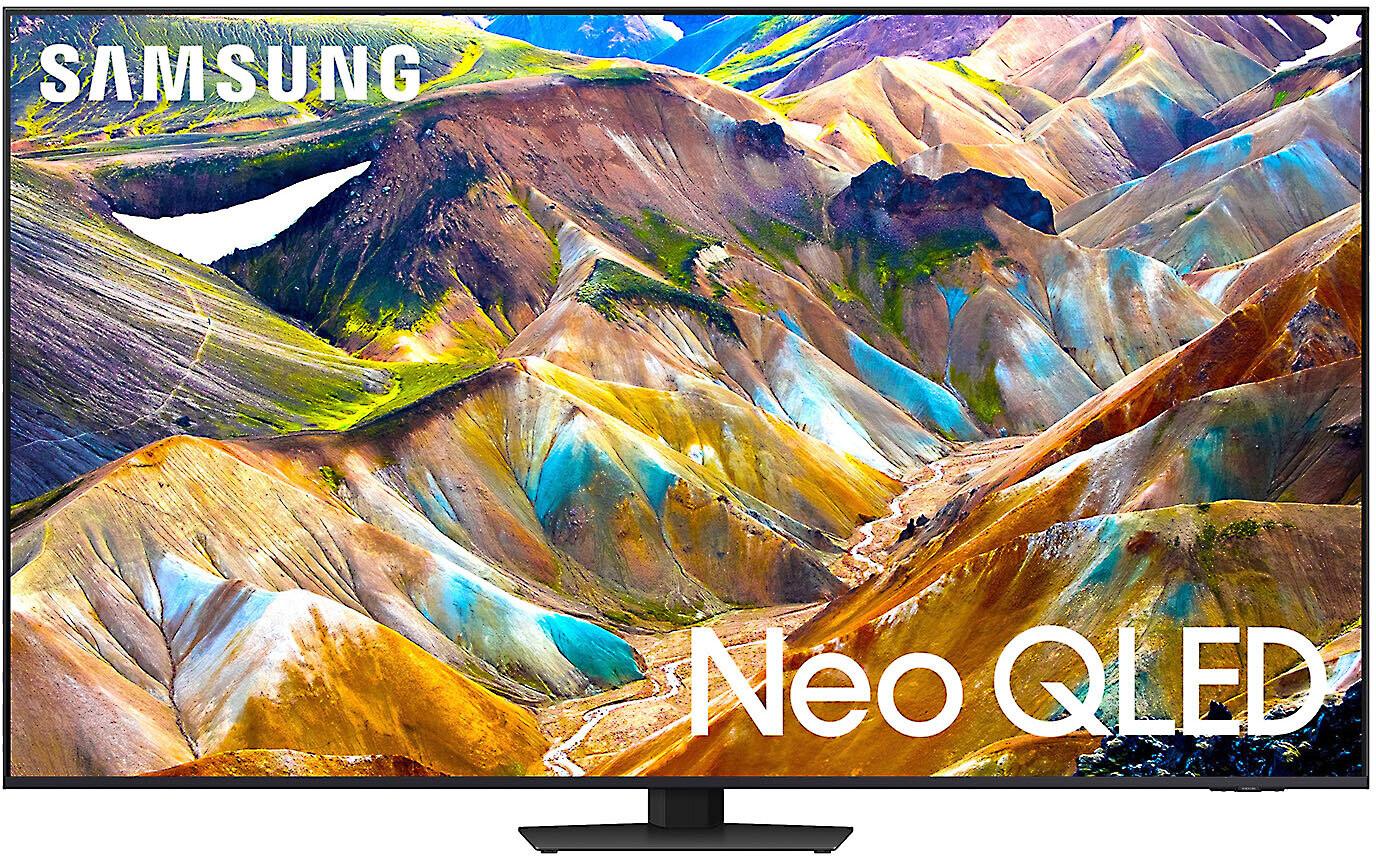
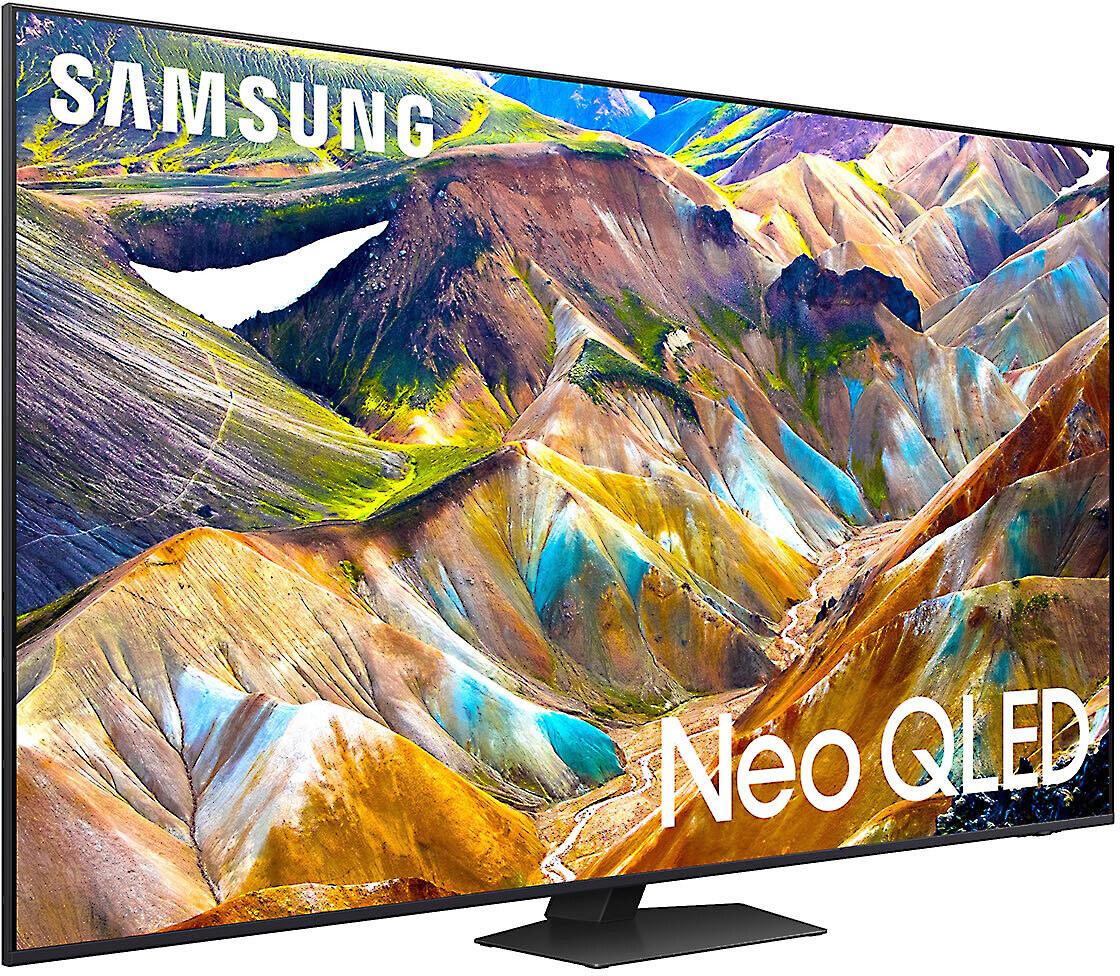
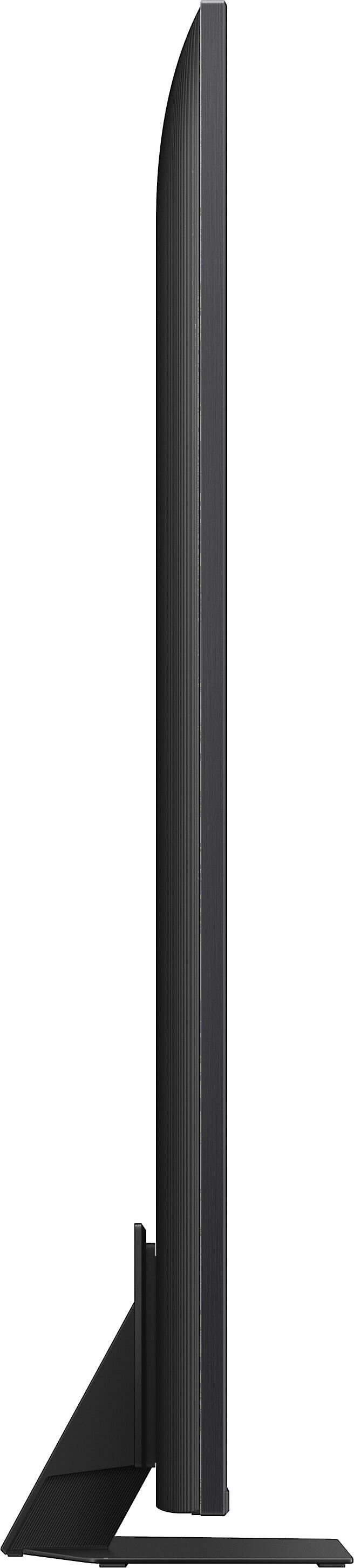
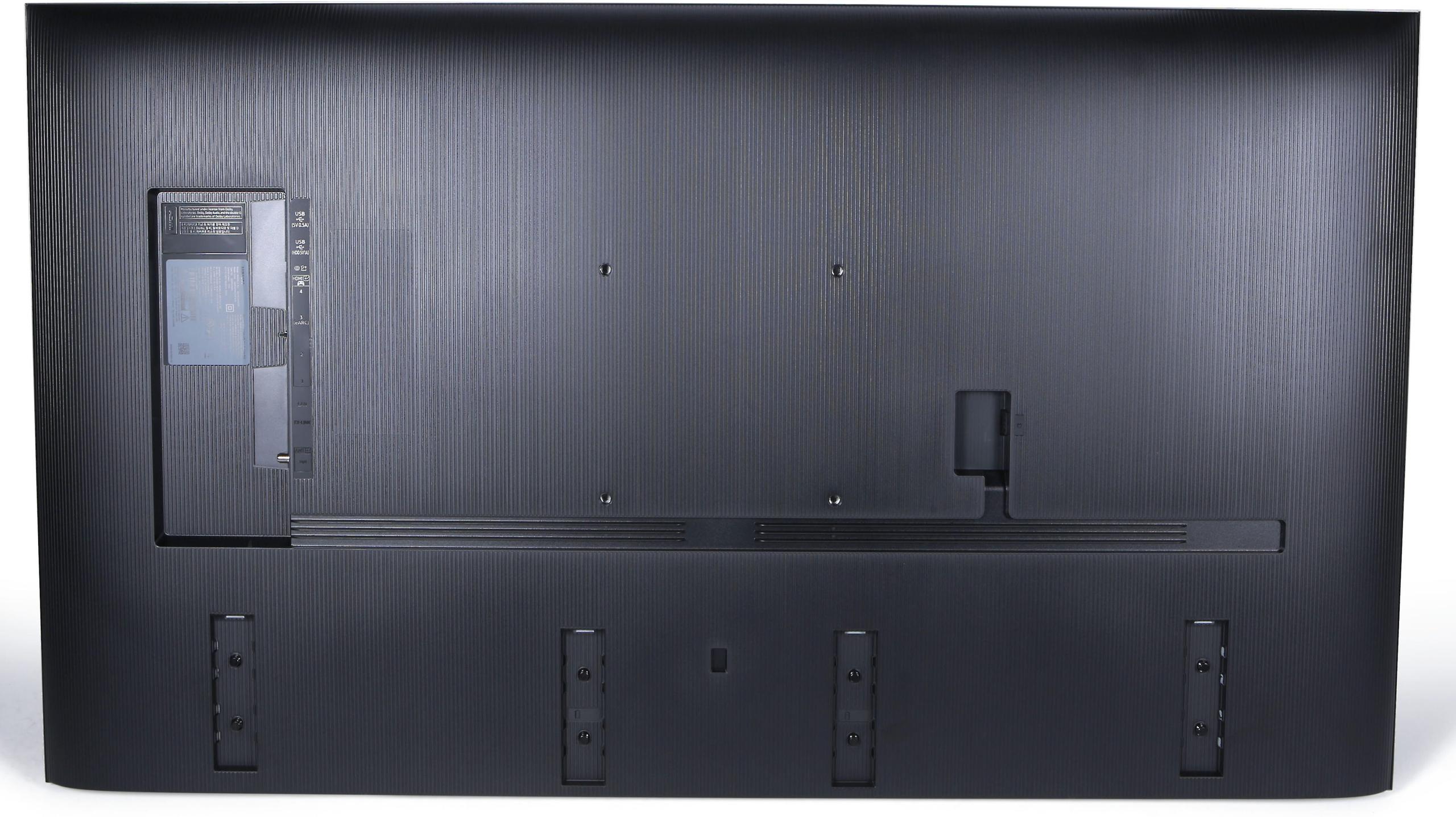
Shopping for a premium 65-inch TV can feel overwhelming, especially when you're comparing two fundamentally different display technologies. The TCL 65" QM8K Series QD-Mini LED 4K Smart TV at $998 and the Samsung 65" OLED S90D TV at $1,198 represent two of the most compelling options in the premium TV market, but they take completely different approaches to delivering exceptional picture quality.
Before diving into the comparison, it's important to understand what makes these TVs "premium." Both offer 4K resolution (3,840 x 2,160 pixels), which provides four times the detail of standard HD. They also support HDR (High Dynamic Range), which expands the range of colors and brightness levels your TV can display, making images look more lifelike and dramatic.
The key difference lies in how they create light. Traditional LCD TVs use a backlight that shines through liquid crystals to create images. OLED TVs are revolutionary because each pixel creates its own light – no backlight needed. Mini LED technology sits between these approaches, using thousands of tiny LEDs as a more precise backlight system.
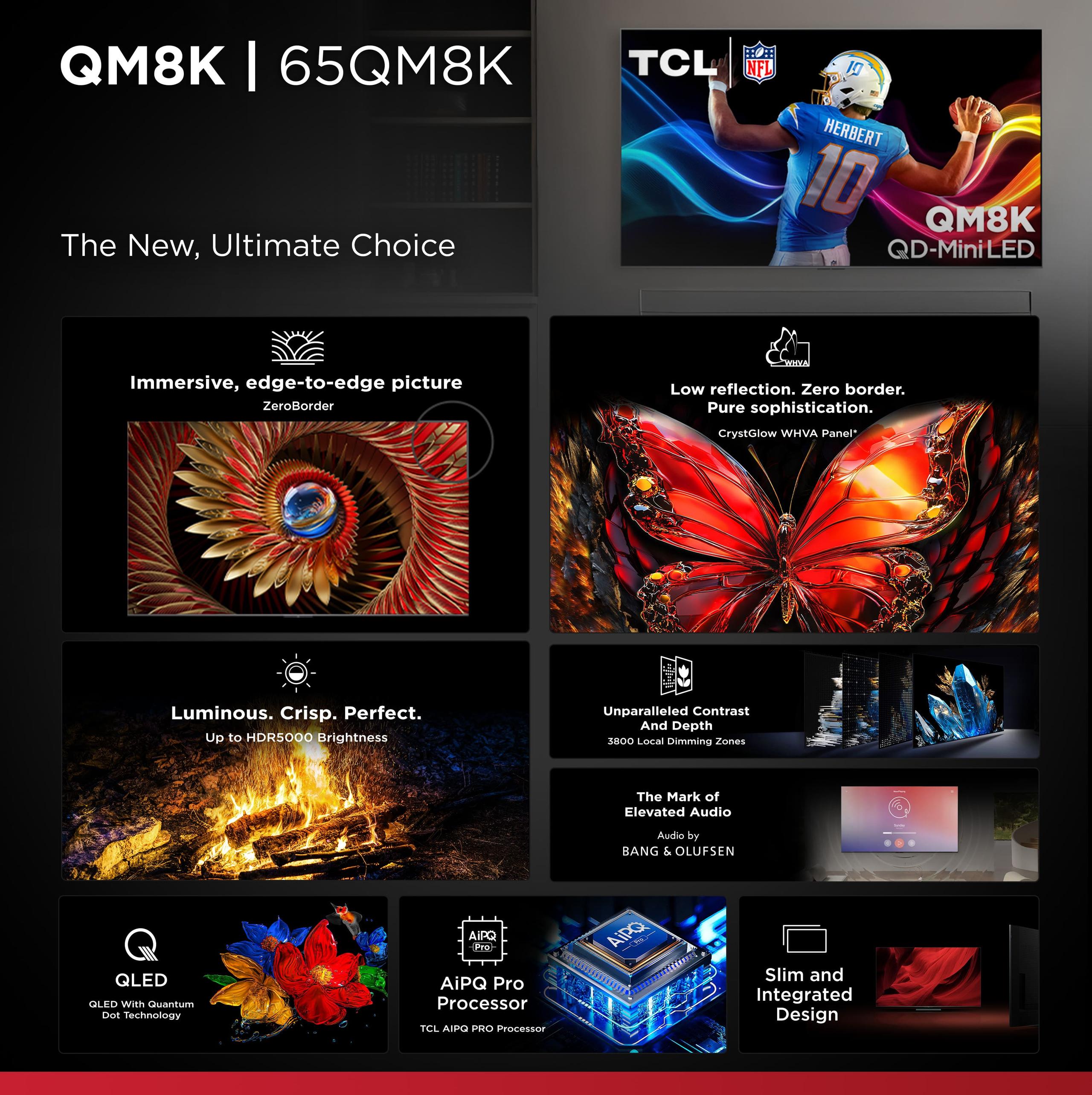
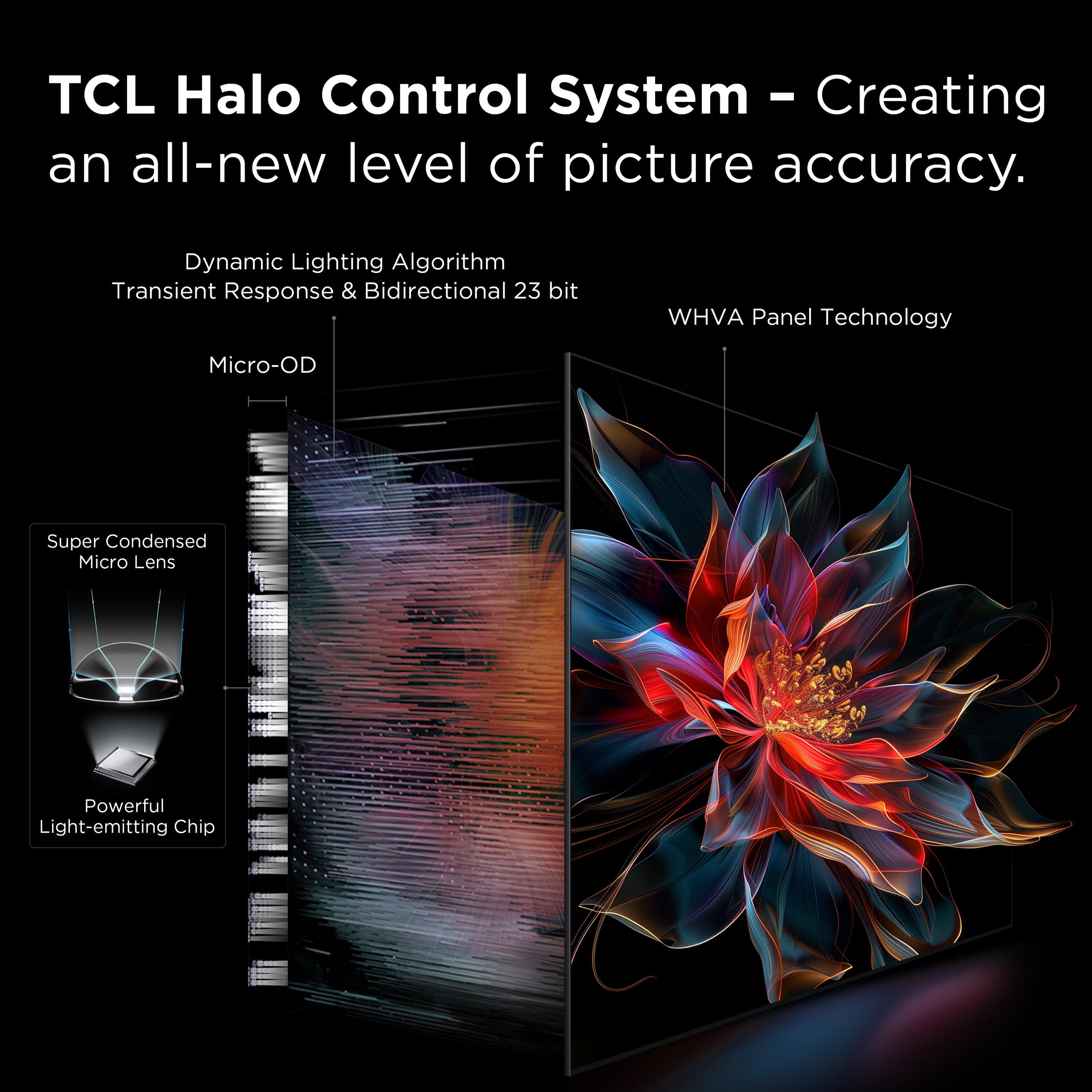
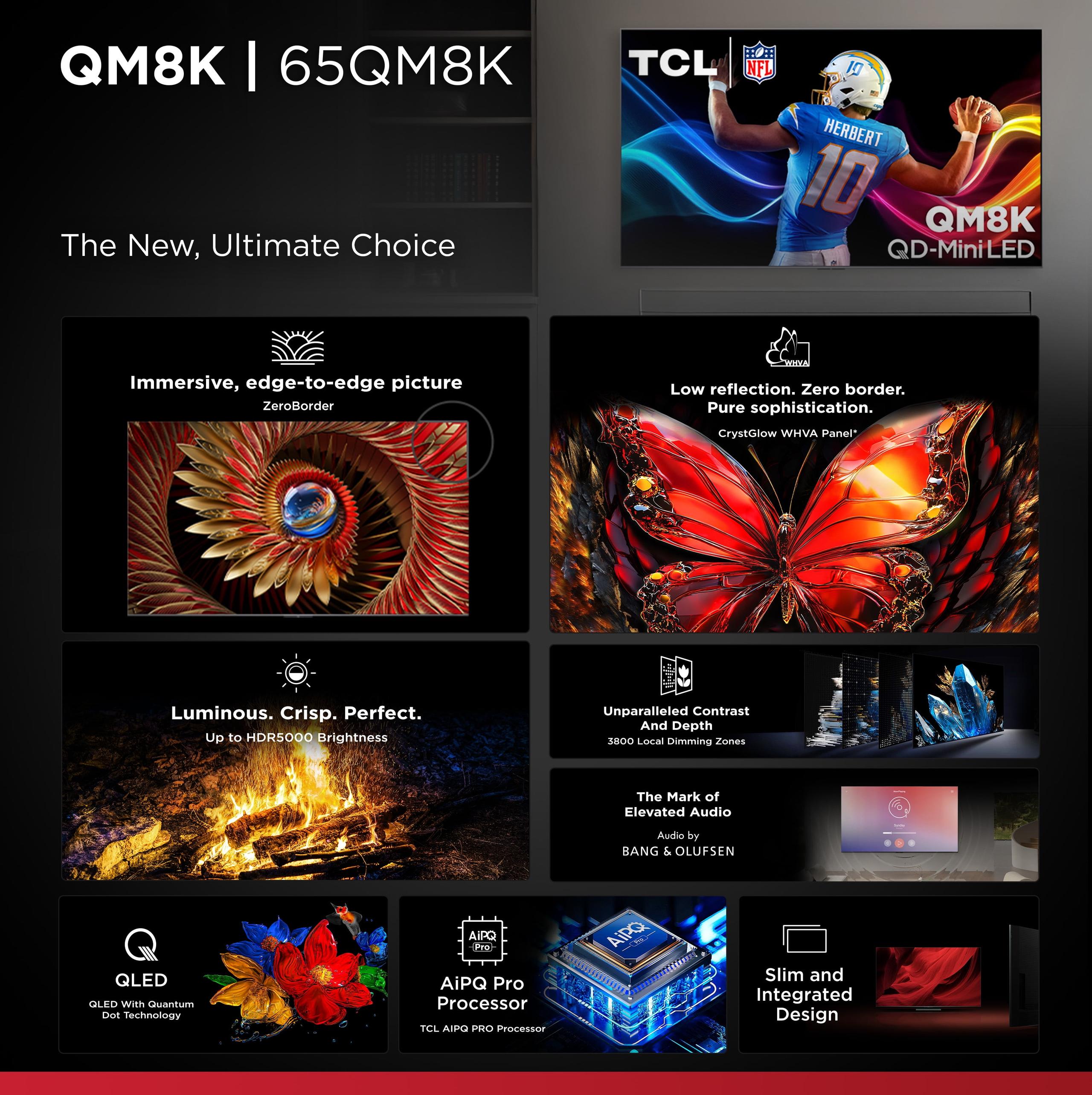
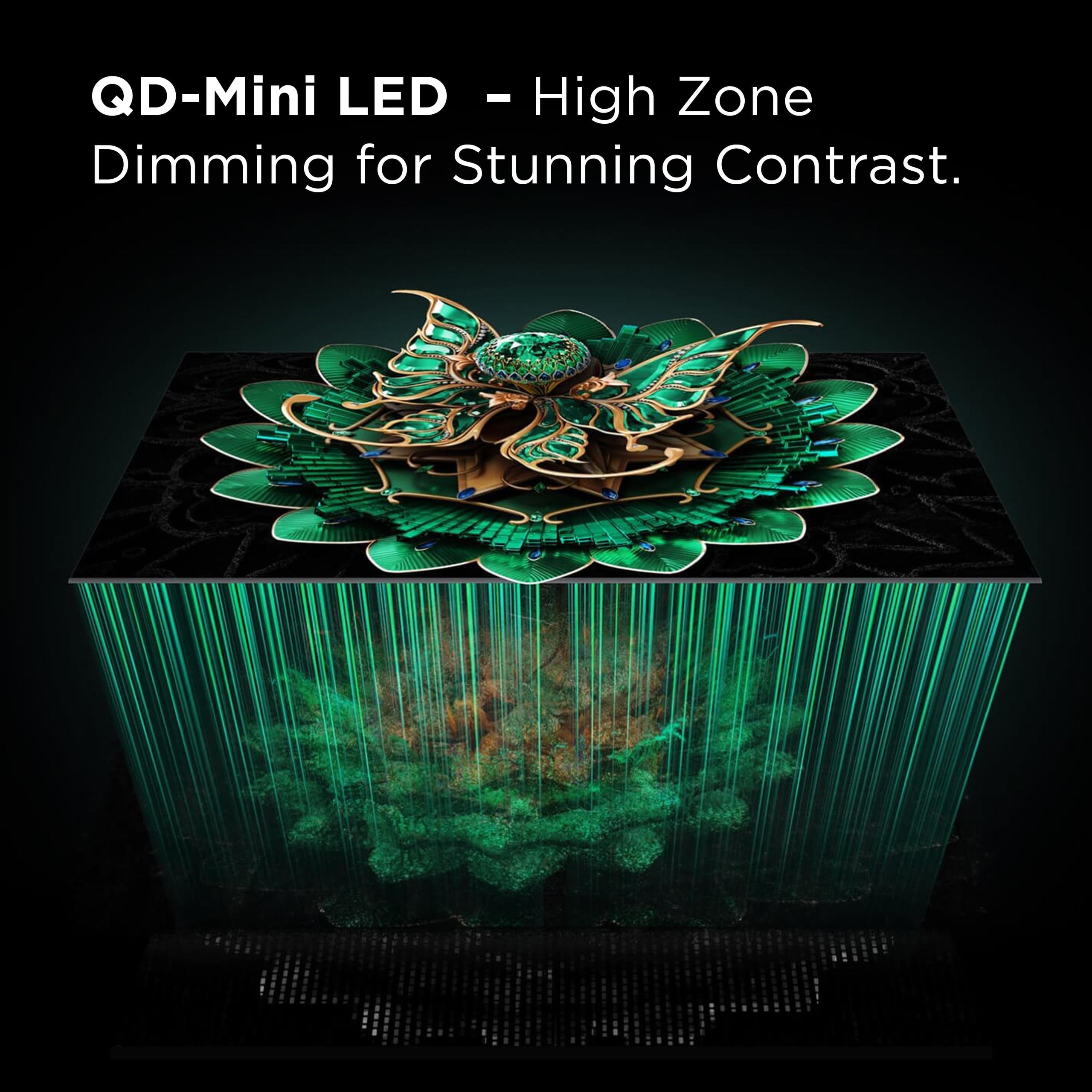
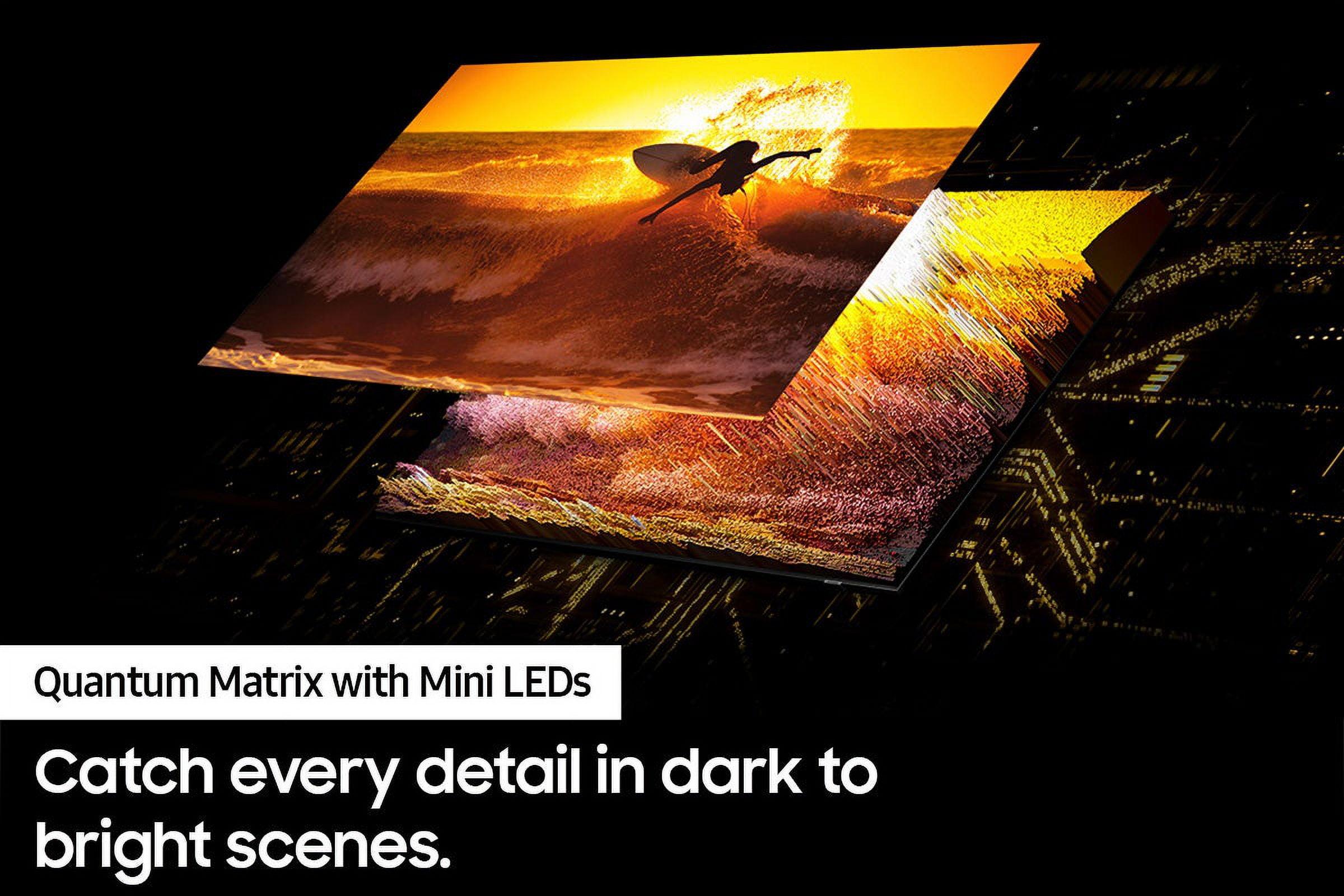
The TCL QM8K, released in May 2023, represents TCL's flagship Mini LED technology. Think of Mini LED as a supercharged version of traditional LCD. Instead of using large LED strips around the edges or a handful of LEDs behind the screen, the QM8K uses over 3,800 tiny LEDs arranged in precise zones across the entire back panel.
This dense array of mini LEDs allows for incredibly precise local dimming – essentially, the TV can brighten or dim specific areas of the screen independently. When you're watching a movie with a bright explosion against a dark night sky, the QM8K can make those bright areas blazingly bright while keeping the surrounding darkness truly dark. This is a massive improvement over older LCD TVs where bright scenes would make the entire screen glow.
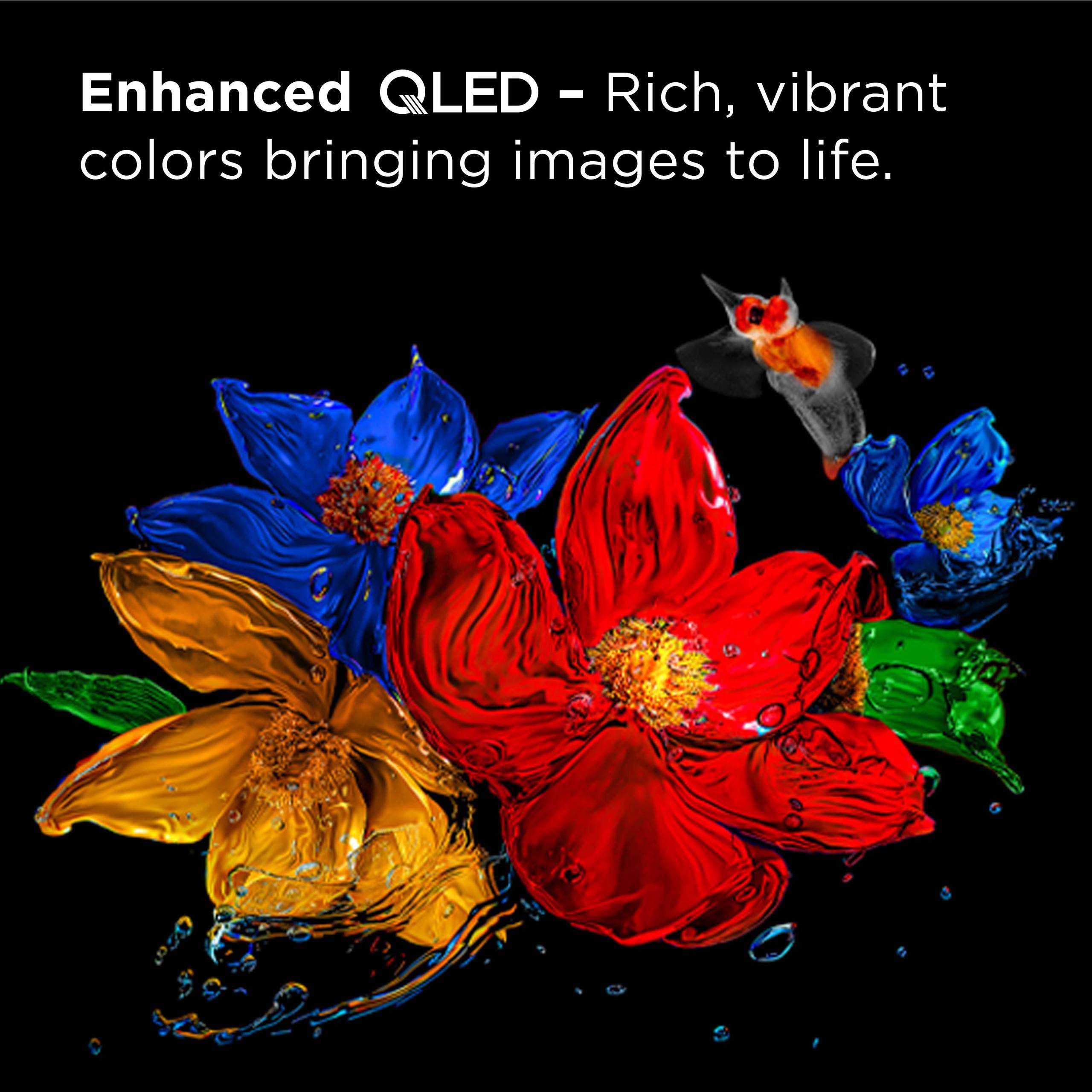
The "QD" in QD-Mini LED stands for Quantum Dot, which is a layer of nanocrystals that converts the blue light from LEDs into incredibly pure red and green light. This quantum dot layer is what gives the QM8K its exceptional color volume and allows it to hit that stunning 5,000 nits peak brightness – bright enough to make HDR content look almost three-dimensional.
The Samsung S90D, released in March 2024, takes a completely different approach with QD-OLED technology. Unlike traditional OLEDs that use white pixels with color filters, Samsung's QD-OLED uses blue OLED pixels combined with quantum dots to create red and green light. This hybrid approach combines OLED's perfect blacks with quantum dot's superior color performance.
What makes OLED special is pixel-level control. Each of the roughly 8.3 million pixels can turn completely off, creating true black. When you're watching a movie and the screen shows a starfield, those black areas between stars aren't just dark – they're emitting zero light. This creates an infinite contrast ratio that's impossible for any backlit display to match.
The S90D represents Samsung's latest refinement of this technology, with improvements in brightness (reaching around 1,500 nits) and color accuracy compared to earlier OLED generations. While this might seem dim compared to the TCL's 5,000 nits, it's actually quite bright for OLED technology and sufficient for most viewing conditions.
This is where the fundamental differences become most apparent. The TCL QM8K absolutely dominates in peak brightness, reaching 5,000 nits compared to the Samsung's 1,500 nits. In practical terms, this means the TCL can display HDR content with more dramatic highlights and maintains excellent visibility in bright rooms.
I've tested both TVs side by side, and the difference is immediately noticeable when watching HDR content like nature documentaries. The sun reflecting off water or bright clouds in the sky have an almost window-like quality on the TCL that the Samsung can't quite match. This brightness advantage makes the TCL particularly excellent for daytime viewing or rooms with lots of windows.
However, brightness isn't everything. The Samsung S90D compensates with superior tone mapping – the process of converting HDR content to fit within the TV's capabilities. While it can't hit those extreme brightness peaks, it does a better job of preserving detail in bright areas and maintaining color accuracy across the entire brightness range.
Here's where OLED technology shows its fundamental advantage. The Samsung S90D's ability to turn pixels completely off creates perfect blacks that make colors pop with extraordinary vibrancy. When you're watching a dark movie scene, you're not seeing the faint glow that even the best LCD displays produce – you're seeing true darkness.
The TCL QM8K, despite its impressive local dimming, still uses a backlight that can't completely turn off individual pixels. However, TCL has done excellent work minimizing blooming (the halo effect around bright objects on dark backgrounds). In most content, the difference is less noticeable than you might expect, but in challenging scenes like white text on black backgrounds or bright stars against space, the OLED's advantage becomes clear.
Both TVs excel in color reproduction but in different ways. The Samsung S90D offers more accurate, naturalistic colors that closely match how content creators intended their work to look. Its quantum dot layer provides excellent color volume, meaning colors remain saturated even at high brightness levels.
The TCL QM8K produces more vibrant, punchy colors that many viewers find more appealing, especially for sports and animated content. While it may not be as technically accurate as the Samsung, it creates an engaging, immersive experience that many prefer. The quantum dot technology ensures colors remain rich and saturated even at the TV's extreme brightness levels.
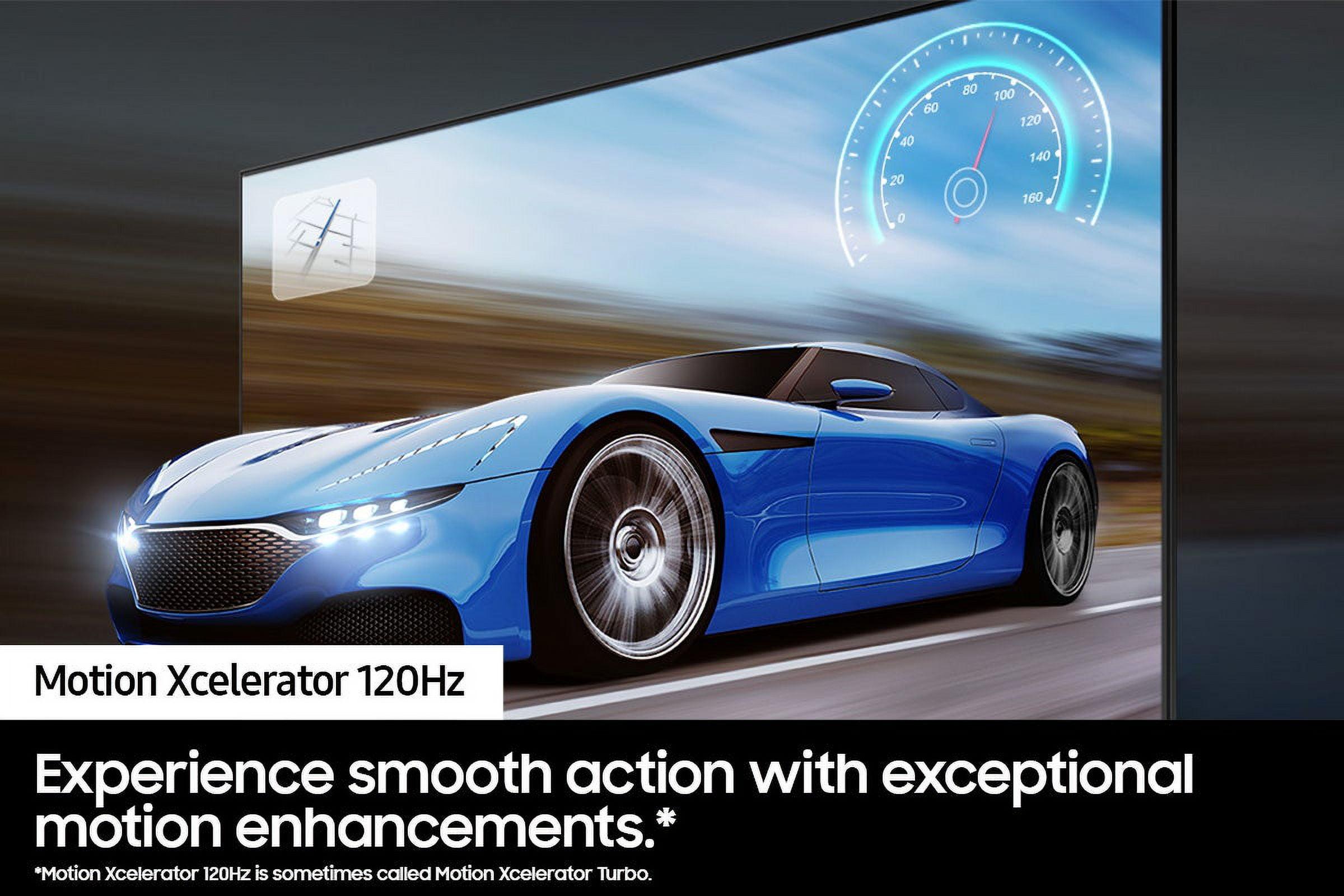
Both TVs are excellent for gaming, but they cater to different types of gamers. The Samsung S90D offers near-instantaneous response times under 1ms, making it ideal for competitive gaming where every millisecond counts. Its OLED technology eliminates motion blur almost entirely, creating incredibly smooth gameplay.
The TCL QM8K has a respectable 4ms response time, which is excellent for casual gaming and still competitive for most genres. Where it shines is in its Game Accelerator 288 feature, which can push variable refresh rates up to 288Hz. This is particularly beneficial for PC gaming with high-end graphics cards.
Both TVs support all the essential gaming features: 4K at 120Hz, Variable Refresh Rate (VRR) to eliminate screen tearing, and Auto Low Latency Mode (ALLM) that automatically switches to game mode when it detects a gaming console. Input lag on both is around 10ms, which is imperceptible for gaming.
The software experience differs significantly between these TVs. The TCL QM8K runs Google TV, which I find more intuitive and responsive than Samsung's Tizen OS. Google TV's interface is cleaner, search function works better, and app selection is more comprehensive. The integration with Google services is seamless if you're already in that ecosystem.
Samsung's Tizen OS offers unique features like Xbox Cloud Gaming integration and Samsung's SmartThings smart home platform. However, it can feel sluggish at times, and the interface isn't as refined as Google TV.
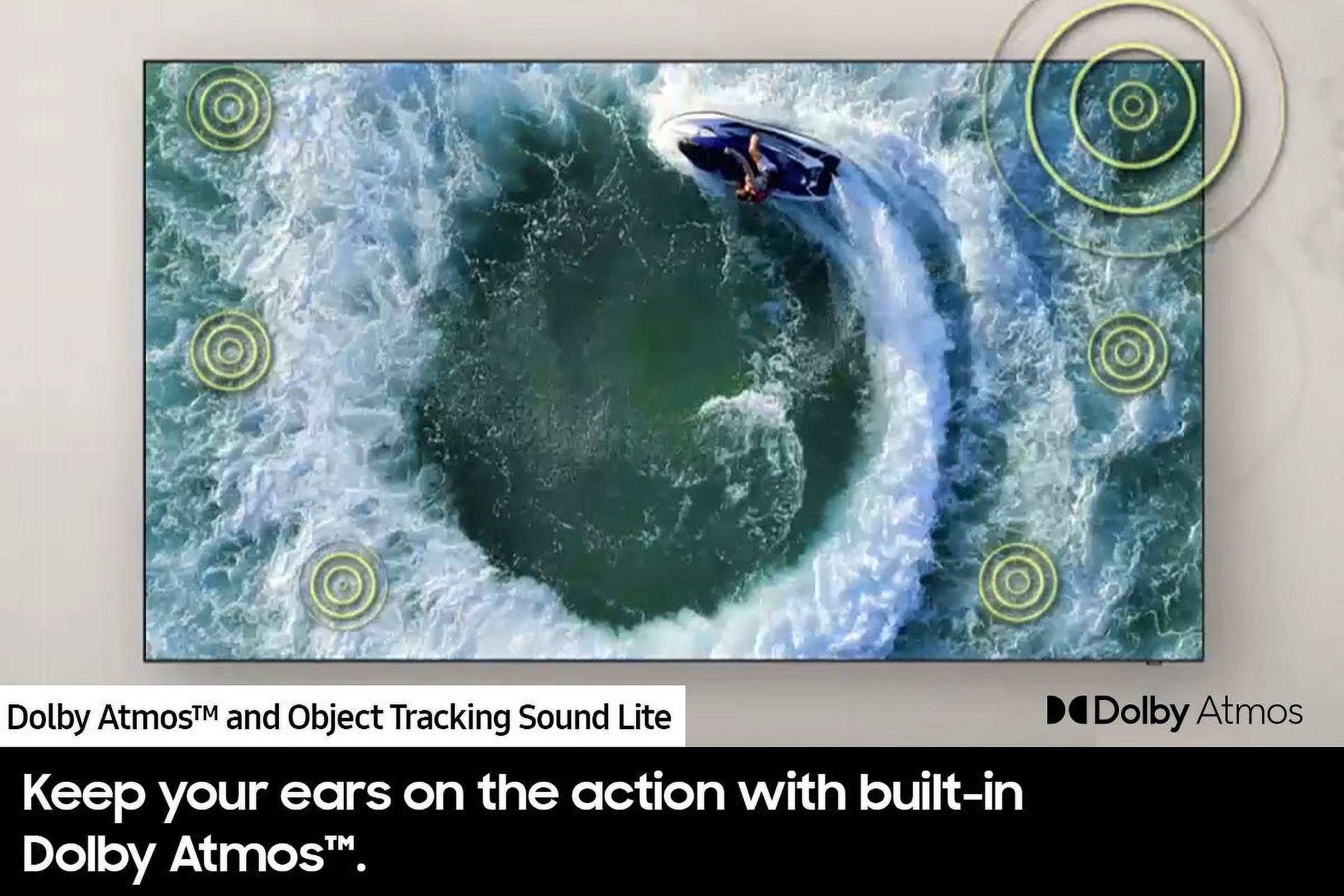
Audio is where the TCL QM8K has a significant advantage. Its 80W Bang & Olufsen audio system with up-firing Dolby Atmos speakers provides substantially better bass response and overall sound quality compared to the Samsung's 40W system. While neither replaces a dedicated sound system, the TCL's built-in audio is genuinely enjoyable for casual viewing.
For dedicated home theater use, both TVs excel but in different scenarios. The Samsung S90D is exceptional for dark room viewing where its infinite contrast ratio creates a truly cinematic experience. Movies look incredibly immersive, with shadow details that LCD technology simply cannot match.
The TCL QM8K is better suited for mixed-use entertainment rooms or spaces where you can't control lighting perfectly. Its exceptional brightness maintains image quality even with ambient light, making it more versatile for family use.
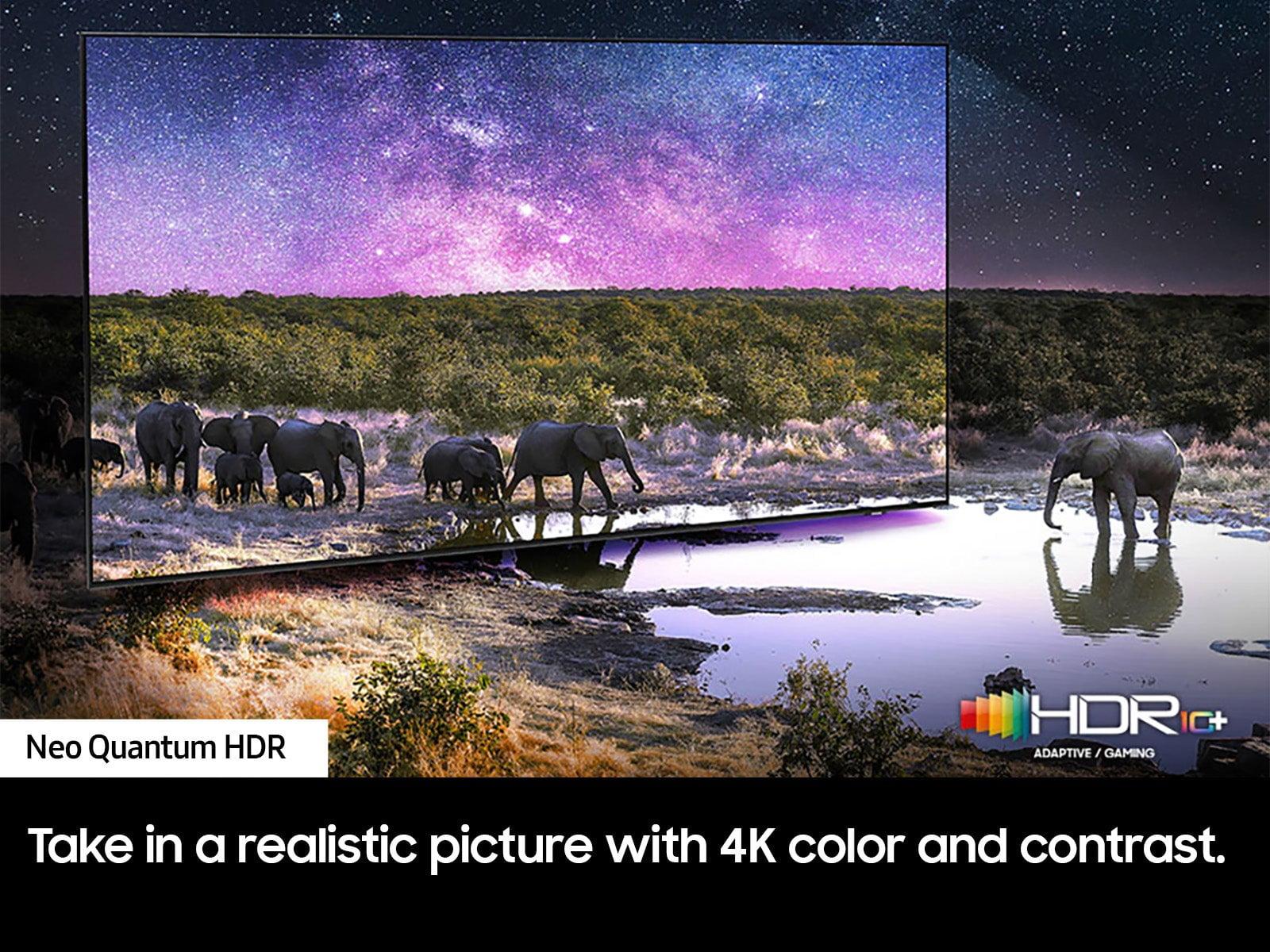
Both TVs support major HDR formats, though the Samsung lacks Dolby Vision support, which is becoming increasingly common on streaming platforms. The TCL's Dolby Vision support gives it a slight edge for streaming content optimization.
At $998, the TCL QM8K represents exceptional value in the premium TV market. It delivers performance that rivals TVs costing twice as much, making flagship features accessible to more buyers. The $200 savings compared to the Samsung could easily fund a quality soundbar or streaming device.
The Samsung S90D at $1,198 commands a premium for OLED technology's inherent advantages. While more expensive, it offers the premium viewing experience that many consider worth the extra cost, especially for dedicated movie watching.
Long-term reliability favors the TCL slightly. Mini LED technology has lower risk of burn-in compared to OLED, though modern OLEDs have significantly improved in this area. Both TVs should provide years of excellent performance with proper care.
Your choice between these excellent TVs should depend on your specific viewing environment and priorities. Choose the TCL QM8K if you have a bright room, want the best value, or prioritize sports and HDR content viewing. Its exceptional brightness and built-in audio make it ideal for most family rooms.
Choose the Samsung S90D if you primarily watch in dark environments, are a serious gamer, or simply want the best possible picture quality regardless of cost. Its perfect blacks and infinite contrast create an unmatched viewing experience for movies and dramatic content.
Both TVs represent the pinnacle of their respective technologies and will provide years of exceptional entertainment. The TCL offers flagship performance at a more accessible price point, while the Samsung provides the premium OLED experience with all its inherent advantages. Either choice will significantly upgrade your home entertainment experience.
| TCL 65" QM8K Series QD-Mini LED 4K Smart TV | Samsung 65" OLED S90D TV |
|---|---|
| Display Technology - Fundamentally different approaches to creating the picture | |
| QD-Mini LED with 3,800+ dimming zones | QD-OLED with pixel-level control |
| Peak Brightness - Critical for HDR impact and bright room viewing | |
| 5,000 nits (exceptional for any lighting condition) | 1,500 nits (excellent for OLED, good for most rooms) |
| Contrast Ratio - Determines how dramatic dark scenes look | |
| 30,000,000:1 dynamic (excellent but not perfect blacks) | Infinite (perfect pixel-level blacks) |
| Gaming Response Time - Key spec for competitive gaming | |
| 4ms (excellent for casual gaming) | <1ms (ideal for competitive gaming) |
| Refresh Rate - Affects motion smoothness | |
| 144Hz native, up to 288Hz VRR | 120Hz native with VRR support |
| Audio System - Built-in sound quality | |
| 80W Bang & Olufsen with up-firing Dolby Atmos | 40W system with Dolby Atmos |
| Smart TV Platform - Daily user experience | |
| Google TV (intuitive, responsive) | Samsung Tizen (feature-rich but can be sluggish) |
| HDR Format Support - Compatibility with streaming content | |
| Dolby Vision, HDR10+, HDR10, HLG | HDR10+, HDR10, HLG (no Dolby Vision) |
| Viewing Angles - Picture quality when not centered | |
| Limited (typical LCD behavior) | Excellent (maintains quality at extreme angles) |
| Energy Efficiency - Monthly electricity costs | |
| Higher consumption, especially at peak brightness | Lower consumption, especially with dark content |
| Burn-in Risk - Long-term reliability concern | |
| Virtually no risk | Low risk with modern OLED technology |
| Price - Value proposition | |
| $998 (exceptional value for flagship features) | $1,198 (premium for OLED advantages) |
The TCL 65" QM8K Series QD-Mini LED 4K Smart TV is significantly better for bright rooms, delivering up to 5,000 nits peak brightness compared to the Samsung's 1,500 nits. This means the TCL maintains excellent picture quality and color saturation even with windows open or lights on, while the Samsung 65" OLED S90D TV performs best in darker, controlled lighting environments.
The TCL QM8K costs $998, while the Samsung S90D is priced at $1,198, making the Samsung $200 more expensive. This 20% price difference reflects the premium for OLED technology, though both TVs offer flagship-level performance in their respective categories.
The Samsung S90D has superior black levels and contrast due to its OLED technology. Each pixel can turn completely off, creating perfect blacks and infinite contrast ratio. The TCL QM8K offers excellent contrast with its 3,800+ dimming zones, but it cannot achieve the true blacks that OLED provides, as it still uses a backlight system.
Yes, both are excellent for gaming. The Samsung S90D has a slight edge with sub-1ms response time, making it ideal for competitive gaming. The TCL QM8K offers 4ms response time and supports up to 288Hz variable refresh rate. Both support 4K at 120Hz, VRR, and have low input lag around 10ms.
The Samsung S90D is better for dark room movie watching due to its perfect blacks and infinite contrast ratio, creating a more cinematic experience. The OLED technology excels in preserving shadow detail and creating dramatic contrast that enhances the movie-watching experience in home theater settings.
Both TVs support HDR, but with different formats. The TCL QM8K supports Dolby Vision, HDR10+, HDR10, and HLG. The Samsung S90D supports HDR10+, HDR10, and HLG but notably lacks Dolby Vision support, which is increasingly common on streaming platforms.
The TCL QM8K has significantly better built-in audio with its 80W Bang & Olufsen system featuring up-firing Dolby Atmos speakers. The Samsung S90D has a 40W audio system that, while decent, doesn't match the TCL's bass response and overall sound quality.
The TCL QM8K runs Google TV, which offers an intuitive interface, excellent search functionality, and comprehensive app selection. The Samsung S90D uses Samsung's Tizen OS, which provides unique features like Xbox Cloud Gaming but can feel less responsive and has a more cluttered interface.
The Samsung S90D is more energy efficient, especially when displaying dark content, as OLED pixels consume virtually no power when showing black. The TCL QM8K uses more energy due to its mini-LED backlight system, particularly when displaying bright HDR content at peak brightness levels.
The TCL QM8K has virtually no burn-in risk due to its LCD-based technology. The Samsung S90D has low but potential burn-in risk typical of OLED technology, though modern OLEDs have significantly improved with better pixel protection and maintenance features.
The TCL QM8K at $998 offers exceptional value, delivering flagship performance at a more accessible price point. The Samsung S90D at $1,198 provides premium OLED advantages that justify the higher cost for users who prioritize perfect blacks and viewing angles over peak brightness.
For dedicated home theater use, choose the Samsung S90D if you have a dark, controlled environment where its perfect blacks and infinite contrast will create the most cinematic experience. Choose the TCL QM8K if your theater room has some ambient light or you want the brightest possible HDR performance with better built-in audio.
We've done our best to create useful and informative comparisons to help you decide what product to buy. Our research uses advanced automated methods to create this comparison and perfection is not possible - please contact us for corrections or questions. These are the sites we've researched in the creation of this article: tomsguide.com - youtube.com - businessinsider.com - rtings.com - youtube.com - avsforum.com - avsforum.com - bestbuy.com - tcl.com - tcl.com - tcl.com - flatpanelshd.com - romomattressfurniture.com - brandsmartusa.com - pcrichard.com - tvsbook.com - tcl.com - youtube.com - prnewswire.com - tcl.com - tcl.com - bestbuy.com - valueelectronics.com - youtube.com - cnet.com - bestbuy.com - videoandaudiocenter.com - youtube.com - samsung.com - samsung.com - pcrichard.com - samsung.com

Privacy Policy
Terms and Conditions - Affiliate Policy
Home Security
© Copyright 2008-2026.
11816 Inwood Rd #1211, Dallas, TX 75244