

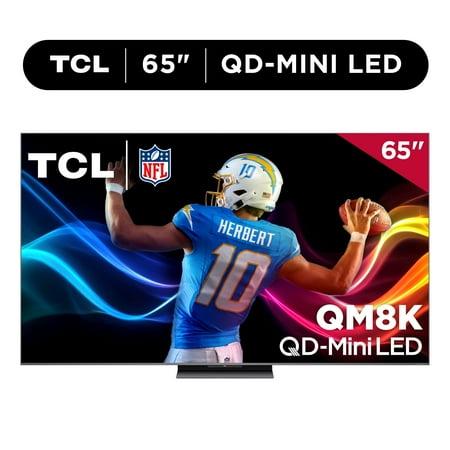

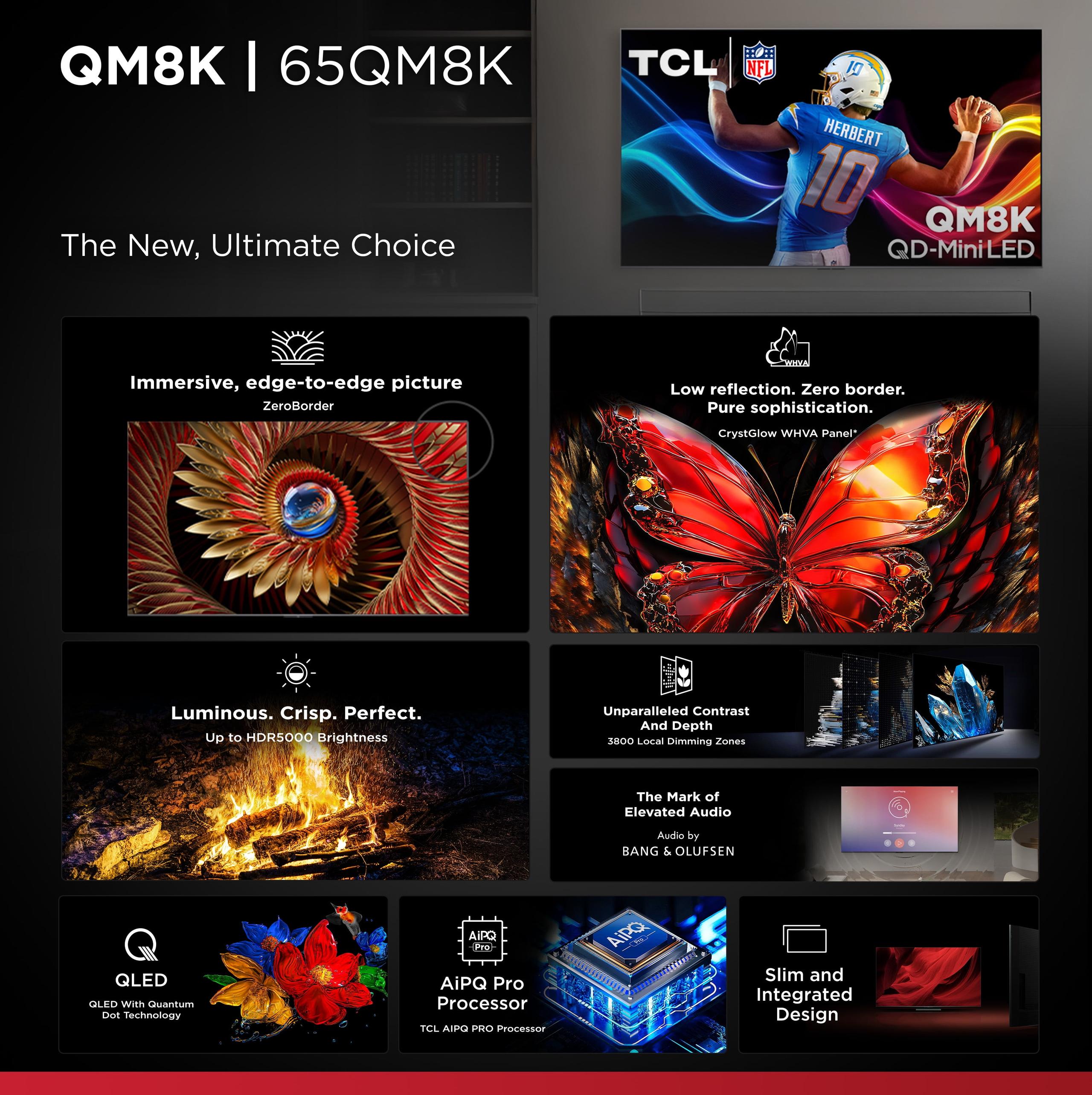

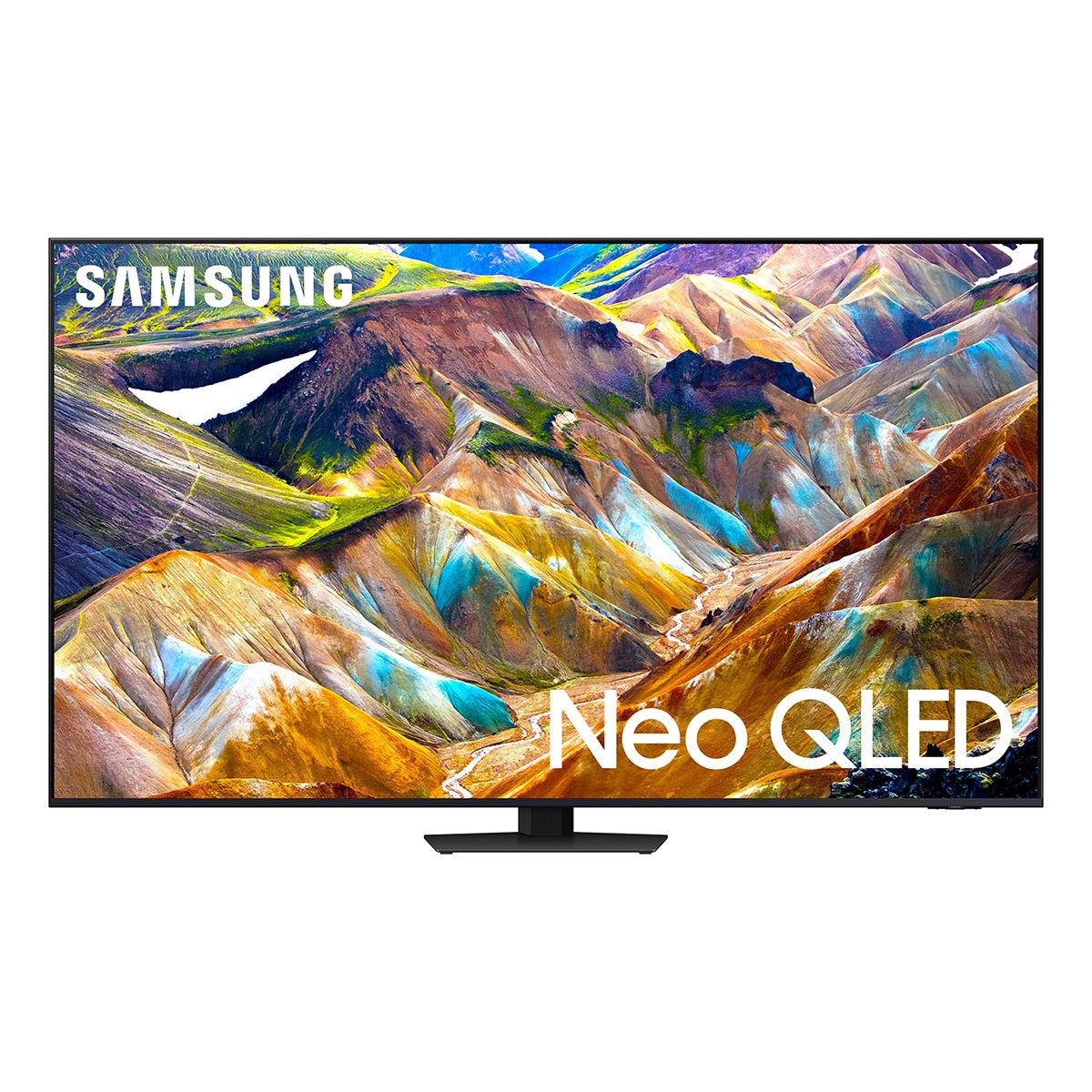
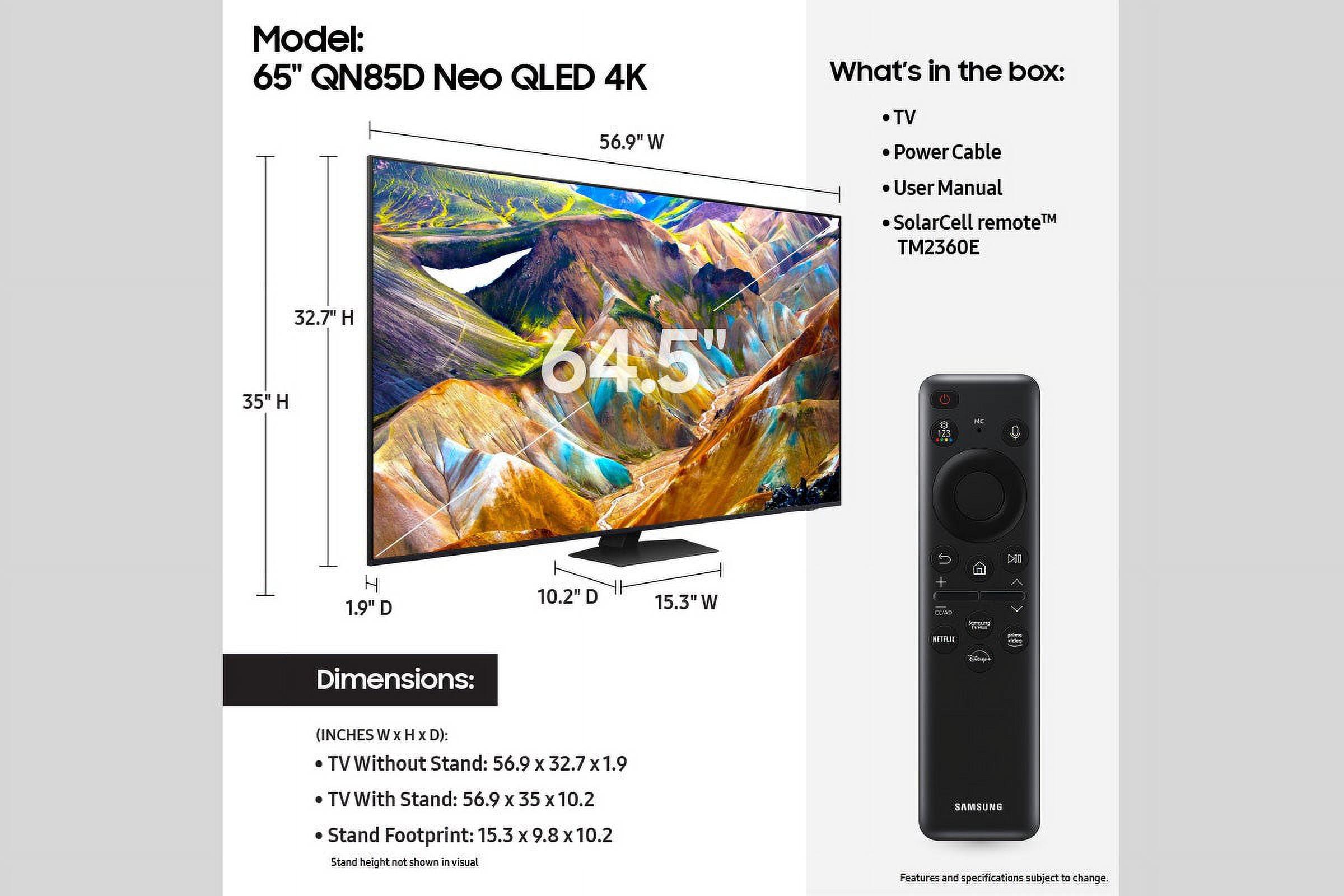
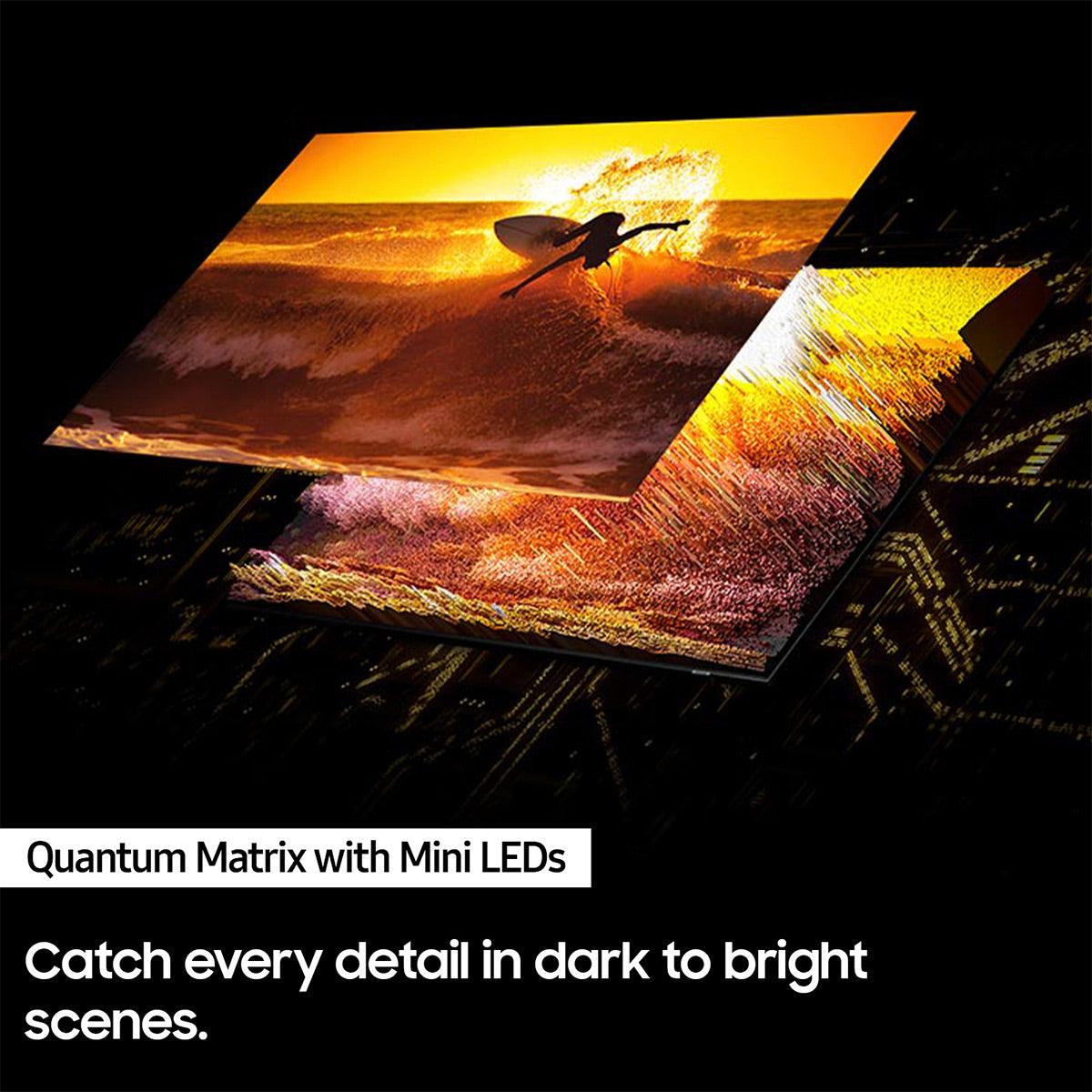
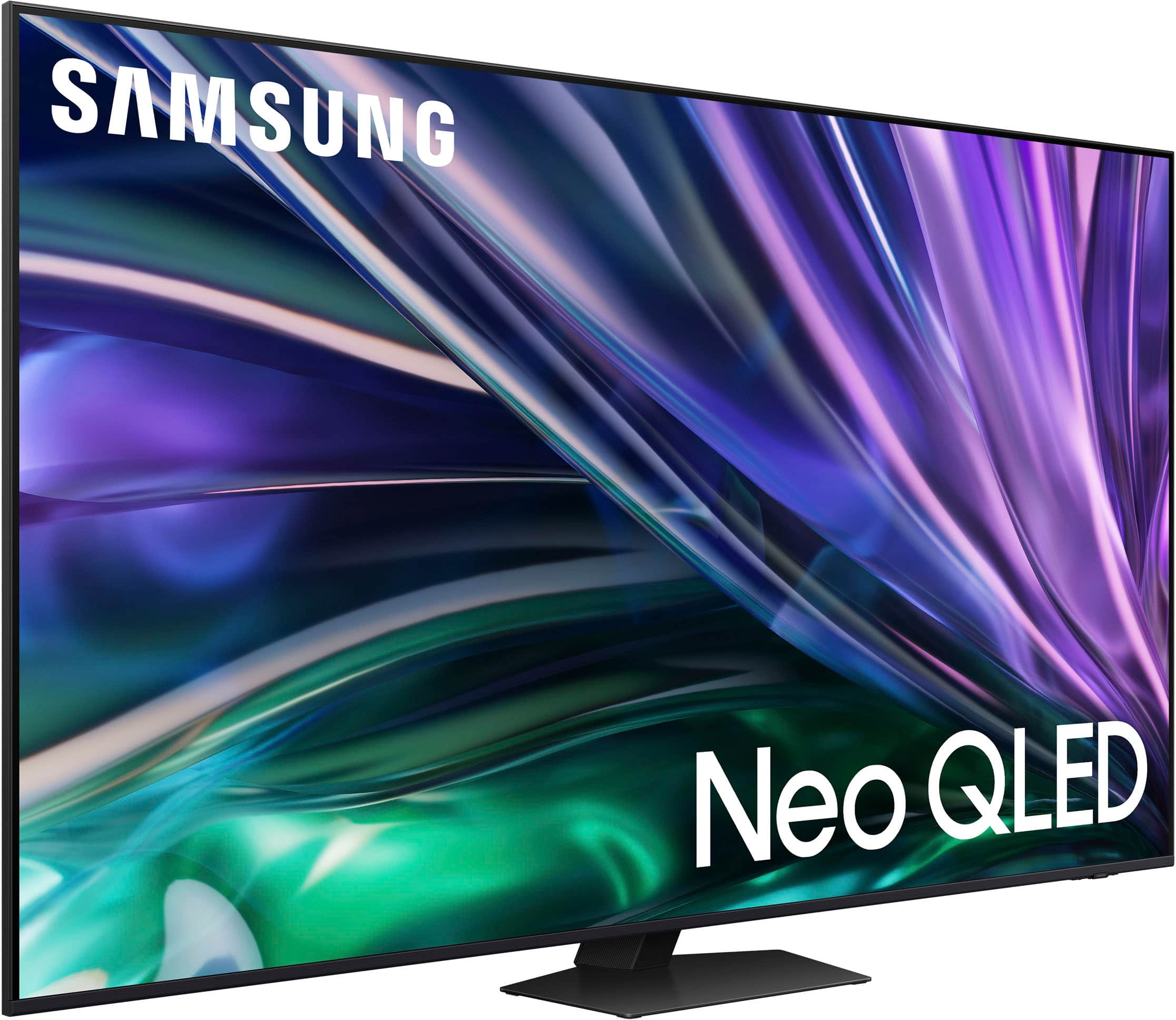
Shopping for a premium 65" TV can feel overwhelming, especially when you're comparing two excellent options like the TCL 65" QM8K Series QD-Mini LED 4K Smart TV and the Samsung 65" QN85D Neo QLED 4K Smart TV. Both TVs use Mini LED technology—tiny LEDs that create more precise backlighting than traditional LED TVs—but they take very different approaches to delivering that premium experience.
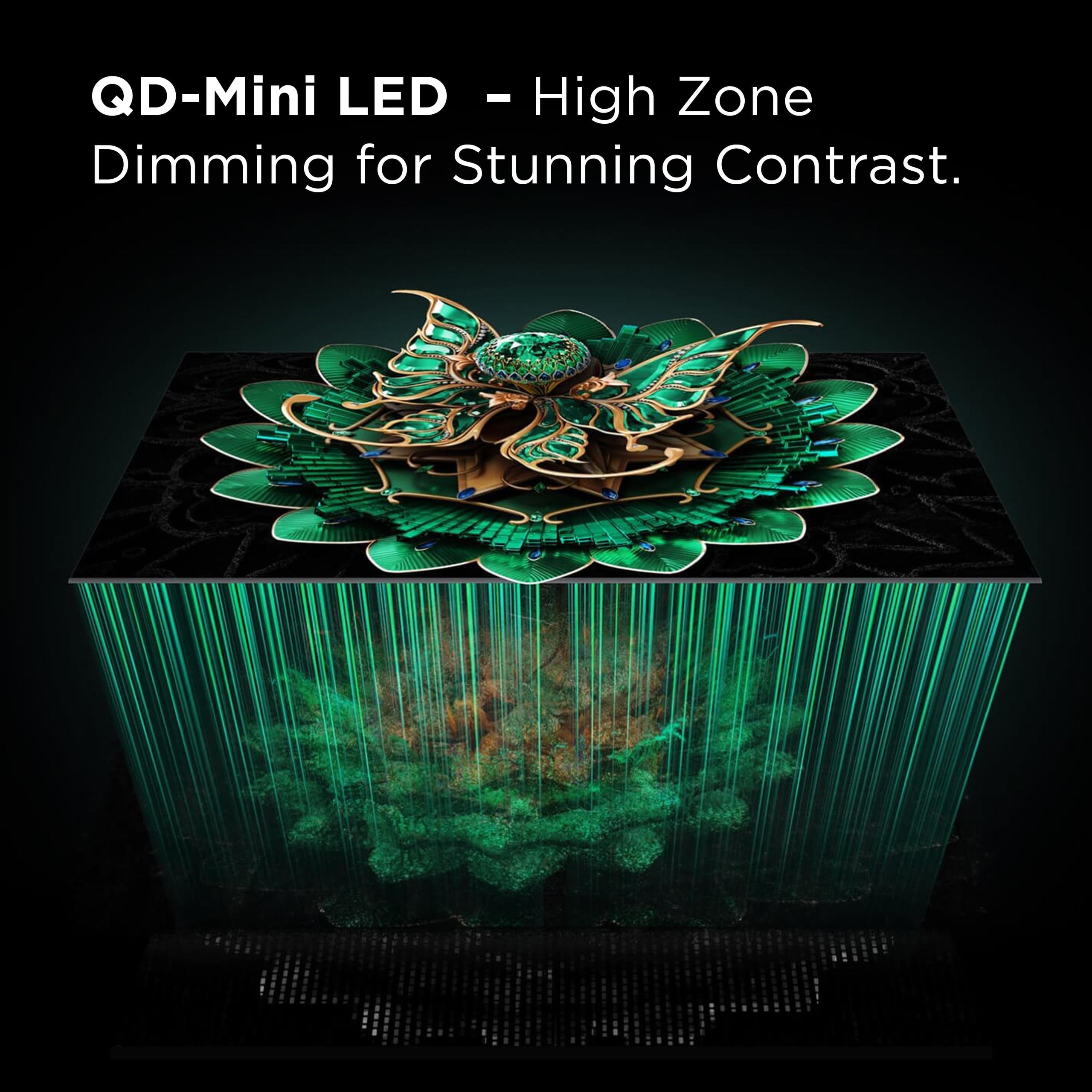
Before diving into the comparison, it's worth understanding what makes these TVs special. Both fall into the Mini LED category, which sits between regular LED TVs and OLED displays. Think of Mini LEDs as thousands of tiny flashlights behind your screen that can turn on and off independently. This creates deeper blacks and brighter whites than traditional TVs, though not quite as perfect as OLED's individual pixel control.
The TCL QM8K launched in May 2023 as TCL's flagship model, while Samsung's QN85D arrived in March 2024. This timing matters because the Samsung had nearly a year to refine its approach based on market feedback, while the TCL represents a more aggressive value play from a brand that's been rapidly improving its premium offerings.
When evaluating these TVs, you'll want to consider peak brightness (how bright the screen can get), local dimming zones (how many of those tiny flashlights can be controlled independently), color accuracy, viewing angles, gaming performance, and overall build quality. Most importantly, you'll need to weigh performance against price—and here's where things get interesting.
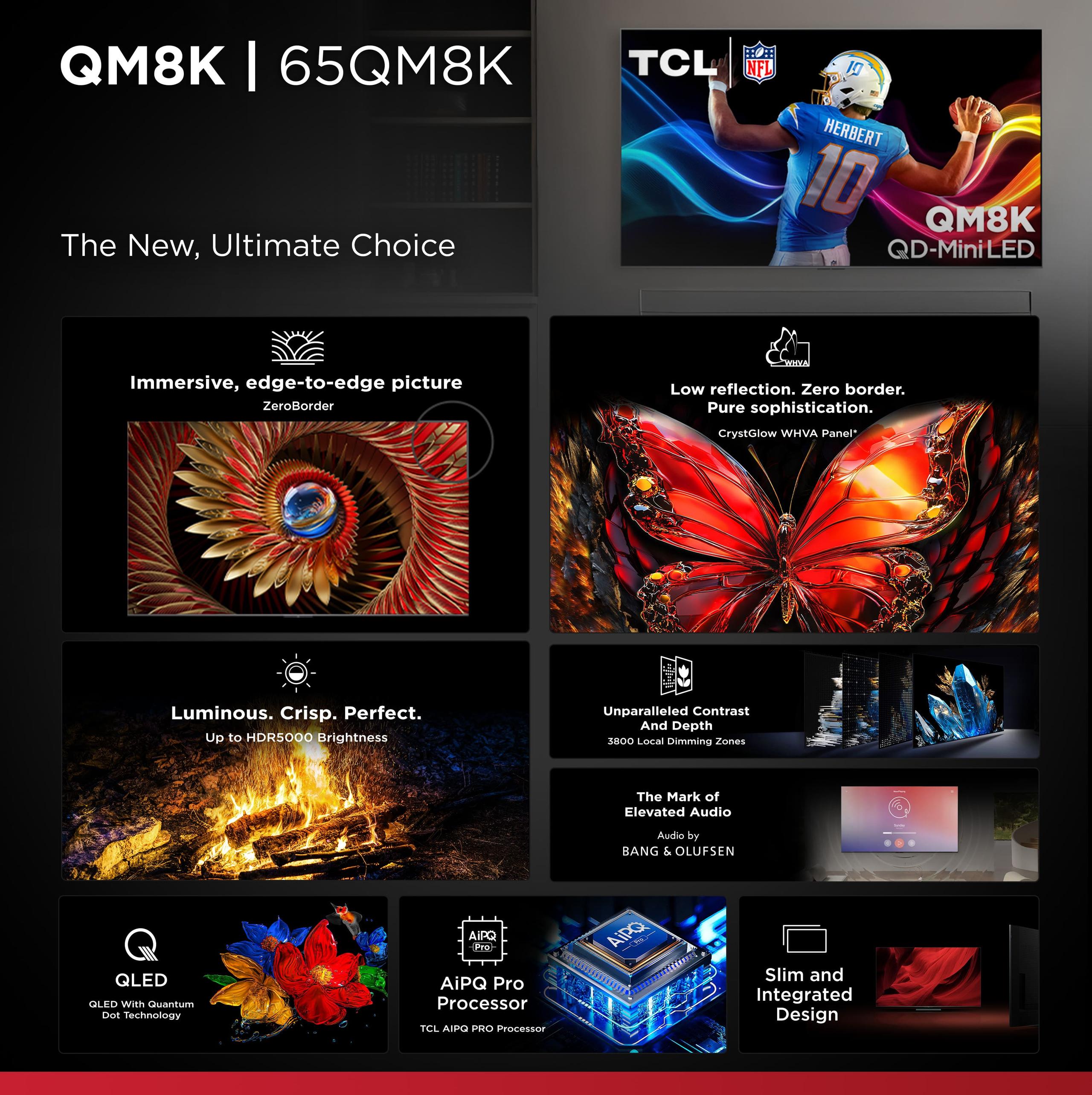
The most striking difference between these TVs is peak brightness. The TCL QM8K can hit an absolutely staggering 5,000 nits of peak brightness, while the Samsung QN85D tops out around 2,500-3,000 nits. To put this in perspective, most content is mastered at 1,000-4,000 nits, and a typical sunny day measures about 3,000 nits.
This brightness advantage isn't just about numbers—it translates to real-world viewing improvements. When you're watching a movie with bright explosions or sun-drenched scenes, the TCL delivers that eye-searing intensity that makes HDR content truly pop. I've noticed this particularly with space scenes in movies like "Interstellar," where stars and spacecraft engines have that brilliant, almost three-dimensional quality that lesser TVs simply can't reproduce.
The Samsung's lower peak brightness isn't necessarily a flaw—it's often plenty bright for most viewing situations. However, if you have a bright living room with lots of windows, or you're someone who really wants to experience HDR content as the filmmakers intended, the TCL's brightness advantage becomes significant.
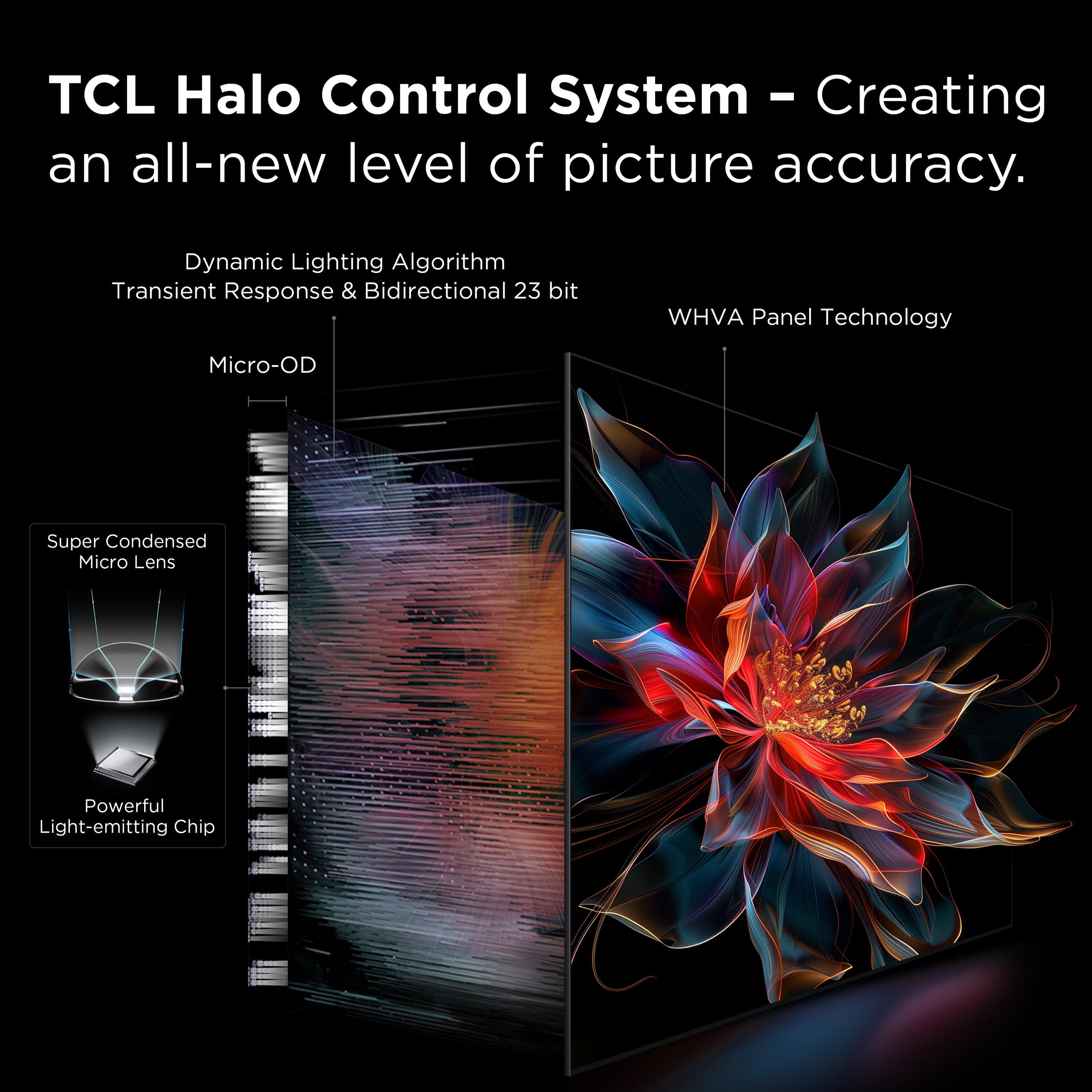
Local dimming zones are like having thousands of individual dimmer switches for different parts of your screen. The TCL QM8K features more dimming zones than the Samsung, which theoretically means better control over contrast and less "blooming" (unwanted light spilling around bright objects on dark backgrounds).
However, Samsung counters with more sophisticated processing algorithms. Their NQ4 AI Gen2 Processor uses artificial intelligence to predict and minimize blooming before it happens. Think of it as having fewer dimmer switches but a much smarter person controlling them. In practice, both TVs handle blooming well, but the TCL's raw zone count gives it a slight edge in the most challenging scenes.
While the TCL excels in brightness, Samsung takes the lead in color accuracy. The QN85D delivers superior out-of-box color performance, meaning you'll get more accurate colors without needing to calibrate the display. This matters because most people don't want to spend hours tweaking picture settings—they want great colors right from the start.
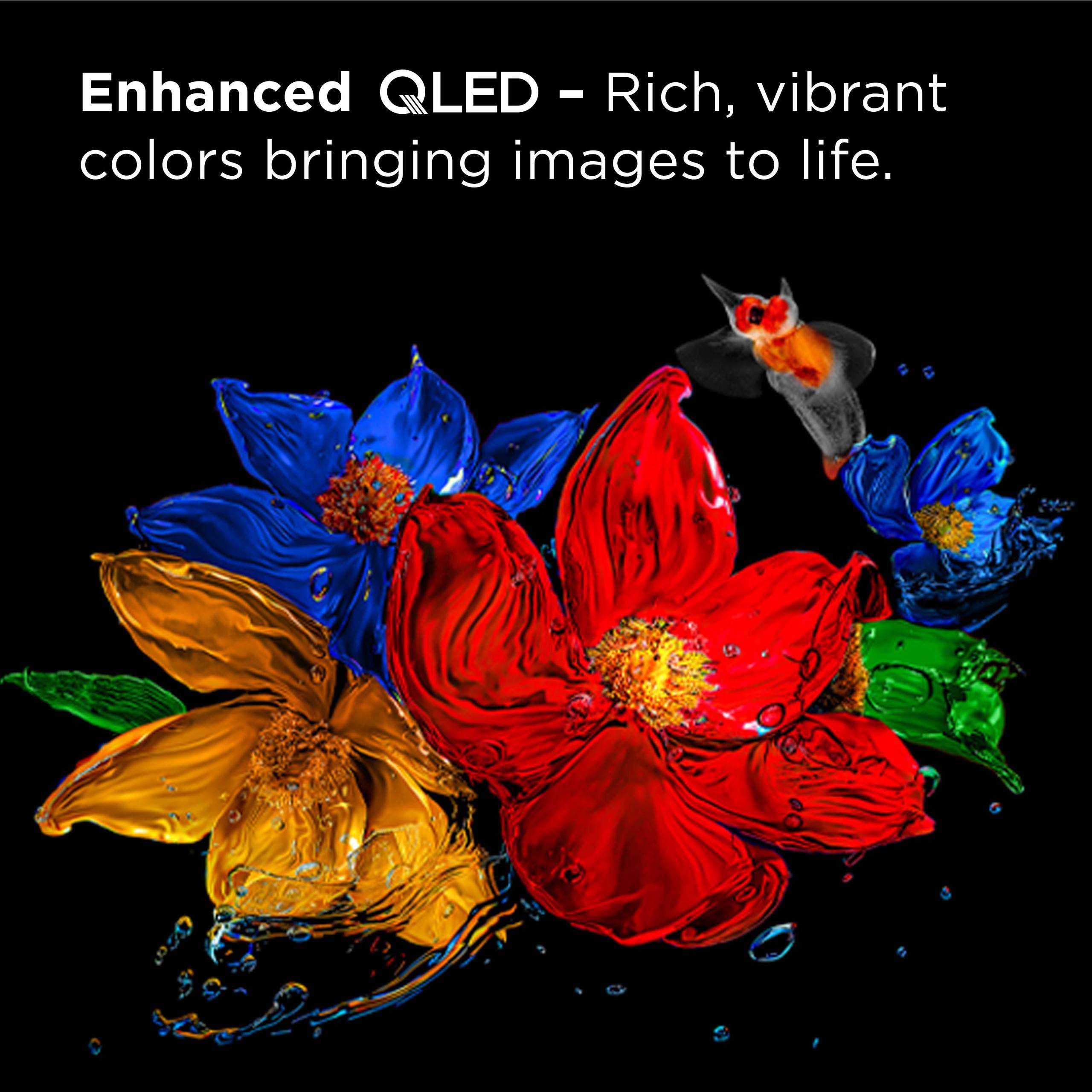
The Samsung's quantum dot technology (the "Q" in QLED) works slightly differently than TCL's implementation. Samsung's approach tends to produce more naturally saturated colors that look realistic across different content types. The TCL can produce vibrant colors too, but they sometimes need adjustment to avoid looking oversaturated, particularly in skin tones.
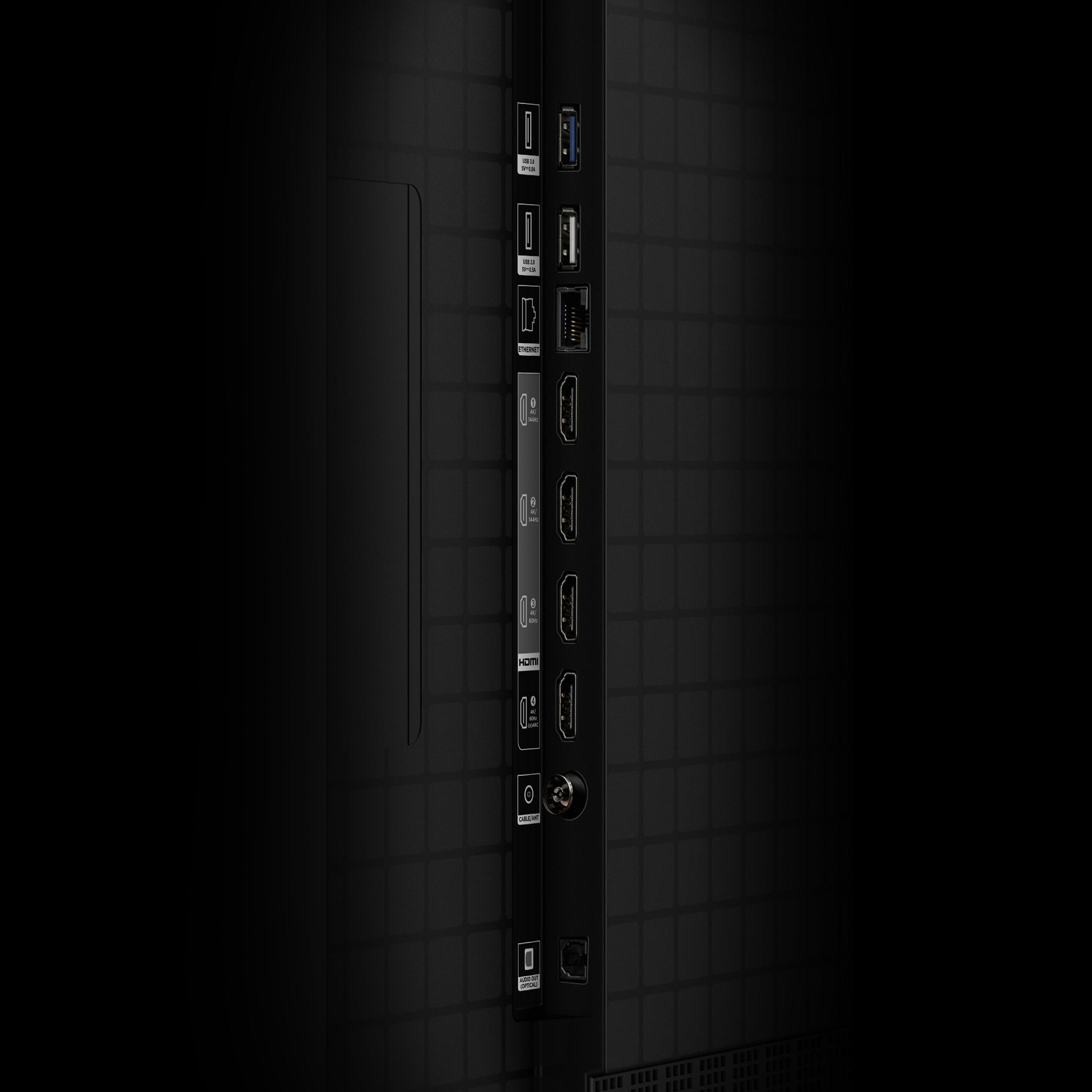
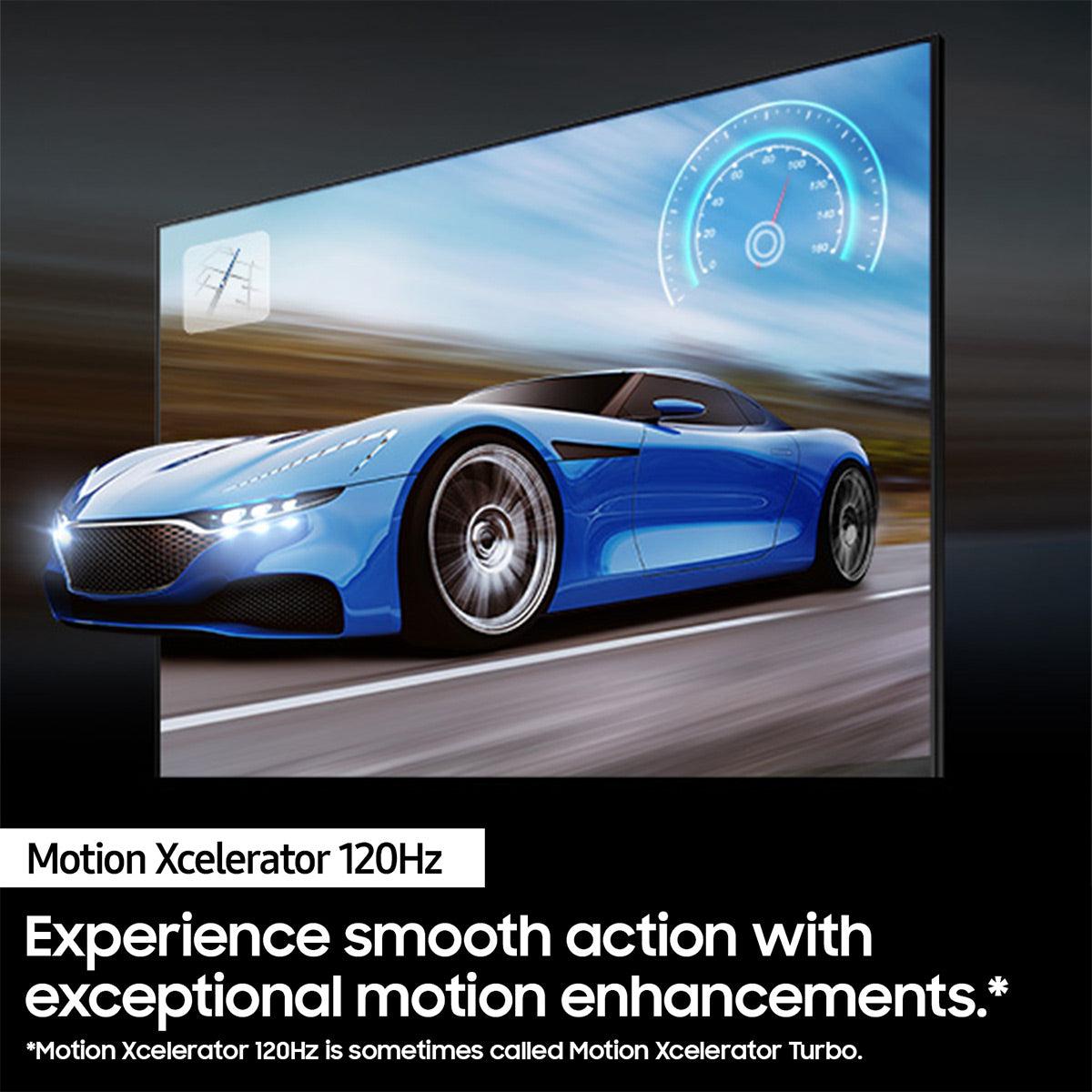
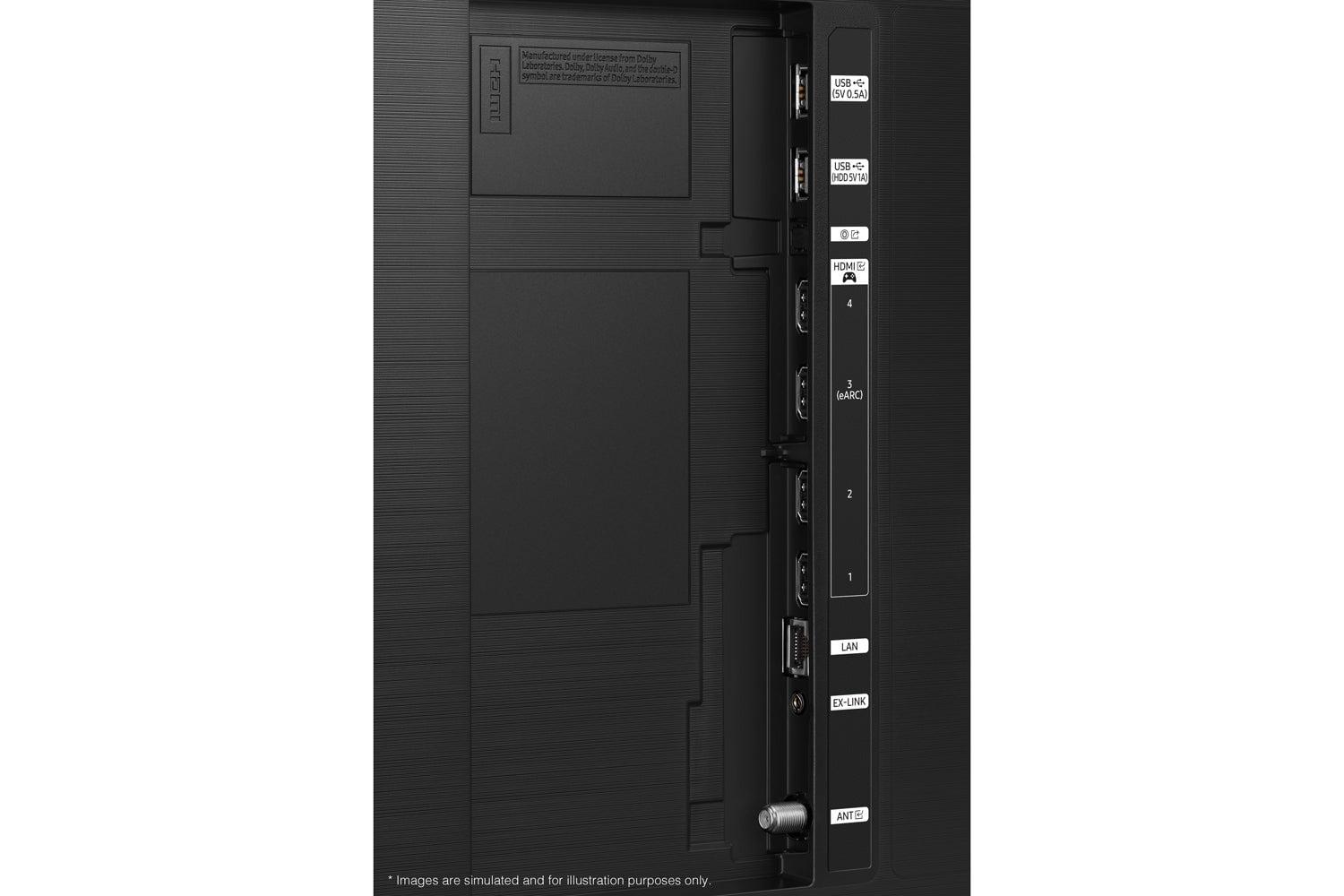
Gaming is where the TCL QM8K really flexes its muscles. It offers a native 144Hz refresh rate and can push up to 240Hz at 1080p resolution through its Game Accelerator 288 feature. For comparison, the Samsung QN85D maxes out at 4K 120Hz on all HDMI ports and can reach 144Hz in certain modes.
These numbers matter for competitive gaming. Higher refresh rates mean smoother motion and reduced input lag—the delay between pressing a button and seeing the action on screen. If you're playing fast-paced games like "Call of Duty" or "Apex Legends," that extra smoothness can genuinely improve your performance.
Both TVs support Variable Refresh Rate (VRR), which synchronizes the TV's refresh rate with your gaming console or PC to eliminate screen tearing. They also include Auto Low Latency Mode (ALLM), which automatically switches to game mode when it detects gaming content.
The TCL goes further with features like Game Accelerator 288, which optimizes the display for ultra-high frame rates, and specialized gaming interfaces that show frame rates and other performance metrics. Samsung counters with their Gaming Hub, which integrates cloud gaming services directly into the TV, letting you play games without a console.
The choice between Google TV (TCL) and Tizen (Samsung) represents two different approaches to smart TV interfaces. Google TV offers an open ecosystem with extensive app support and seamless integration with Google services. If you use Gmail, Google Photos, or have a Google/Android phone, the TCL will feel immediately familiar.
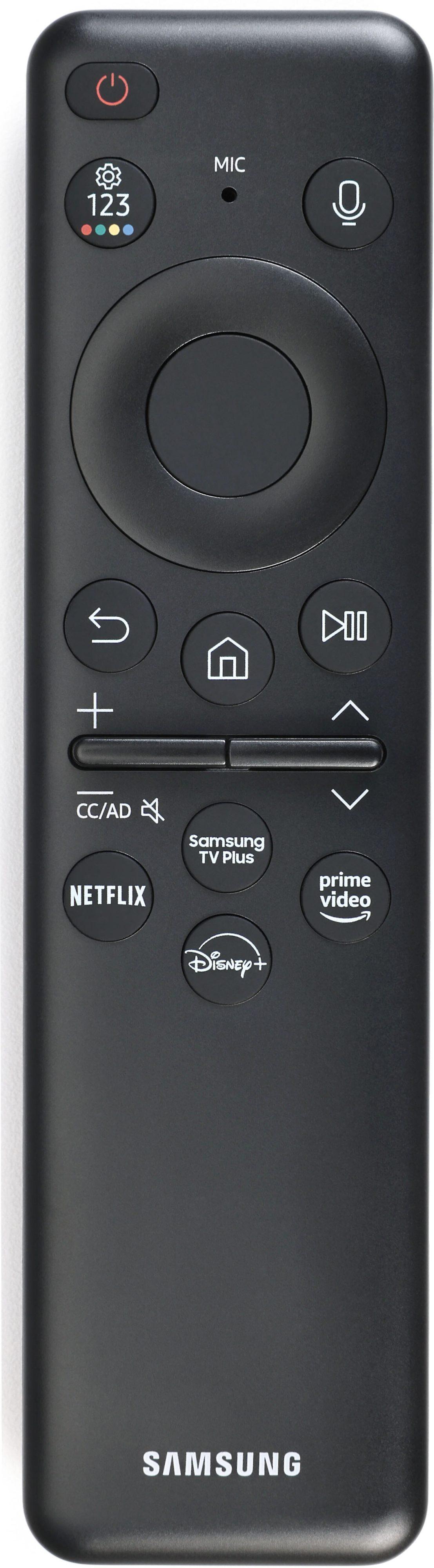
Samsung's Tizen OS provides a more curated, premium experience with tighter integration between Samsung devices. The interface feels more polished and responsive, with features like hands-free voice control through Bixby or Alexa. However, it's slightly less flexible than Google TV in terms of app selection and customization.
I've found Google TV's recommendation system particularly helpful—it aggregates content from all your streaming services and suggests shows based on your viewing history. Tizen's interface is visually more appealing and feels more premium, but Google TV's universal search and content discovery features make it more practical for daily use.
Sound quality represents another interesting trade-off between these TVs. The TCL QM8K features an 80W 2.1.2 channel system that delivers impressive volume and decent bass response. It gets loud enough for most rooms without distortion, which is particularly important for action movies and gaming.
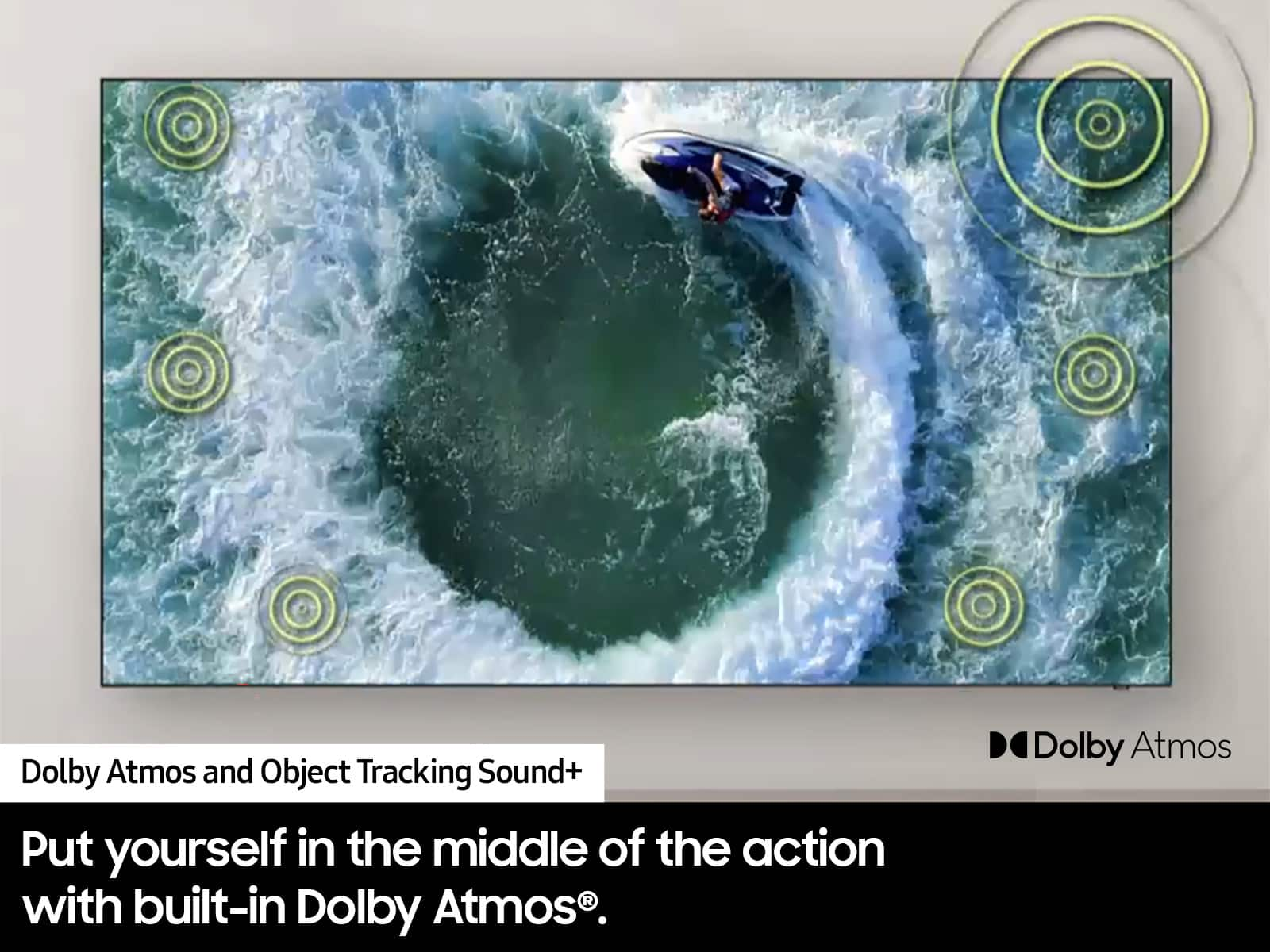
The Samsung QN85D uses a 60W 4.2.2 channel configuration with Dolby Atmos support. While it's less powerful on paper, Samsung's audio processing creates a more sophisticated spatial audio experience. The sound seems to come from different directions, which works particularly well with movie soundtracks.
For serious home theater use, you'll likely want a dedicated sound system with either TV. However, if you're planning to use the built-in speakers initially, the TCL's higher power output might be more immediately satisfying, while the Samsung's processing provides a more refined experience at moderate volumes.
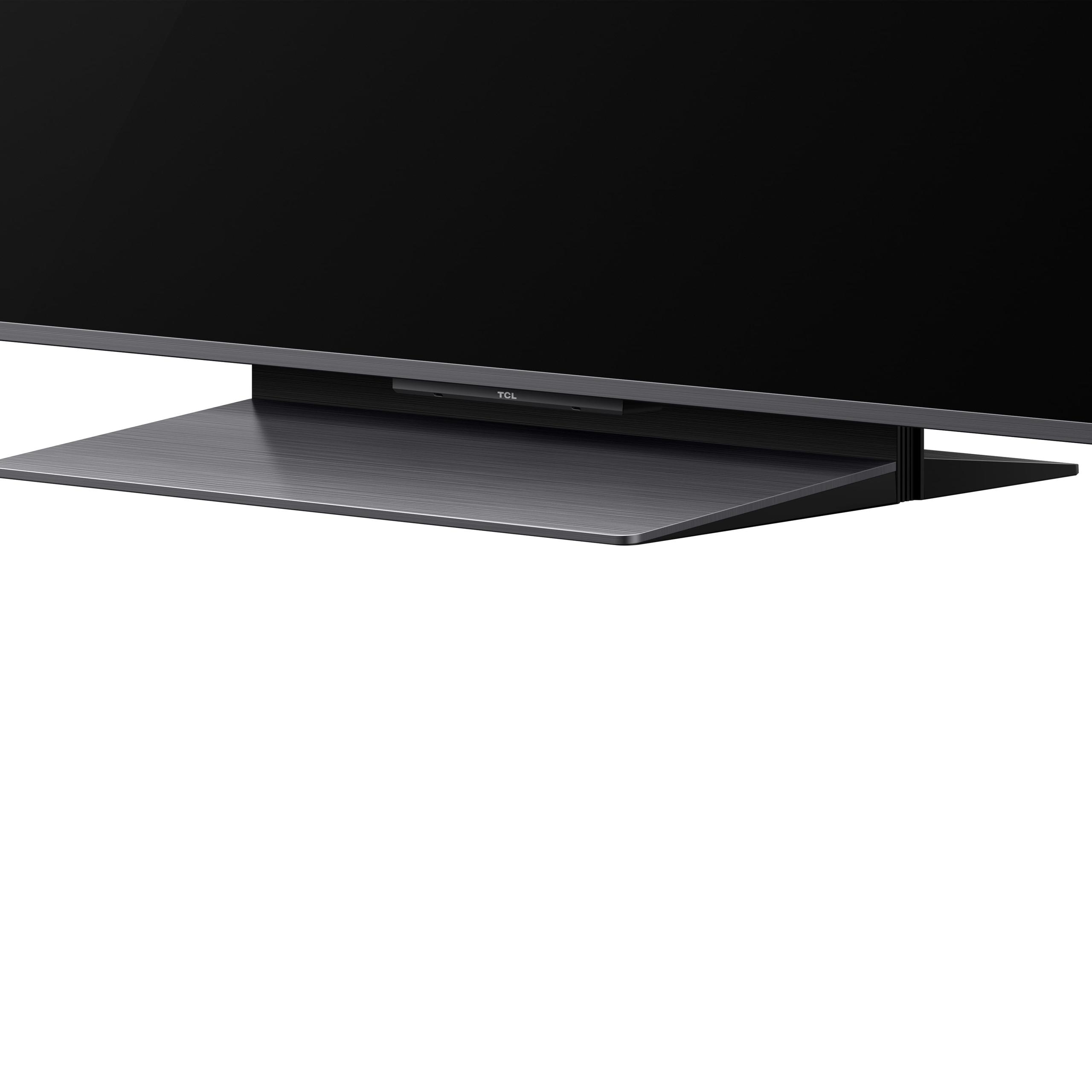
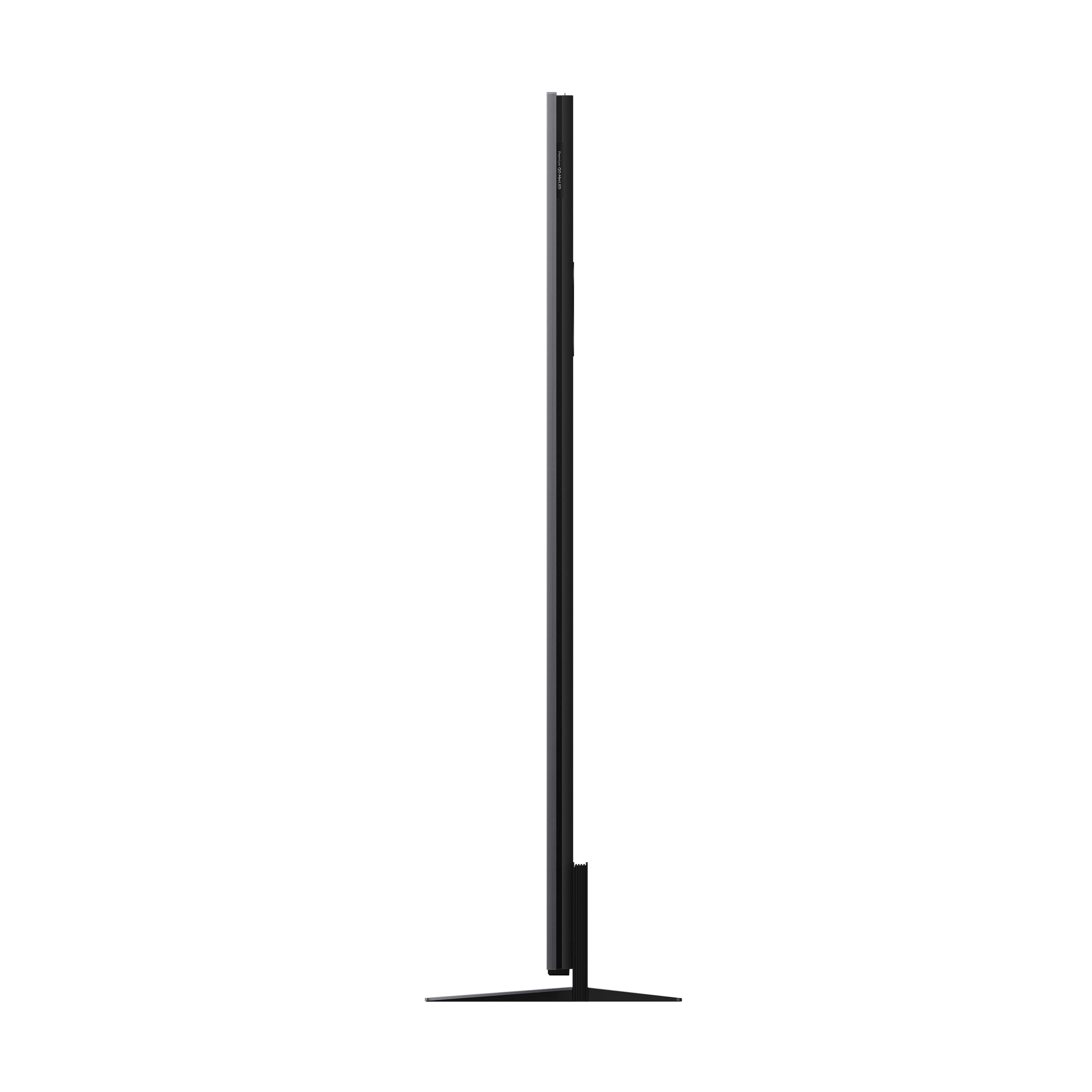
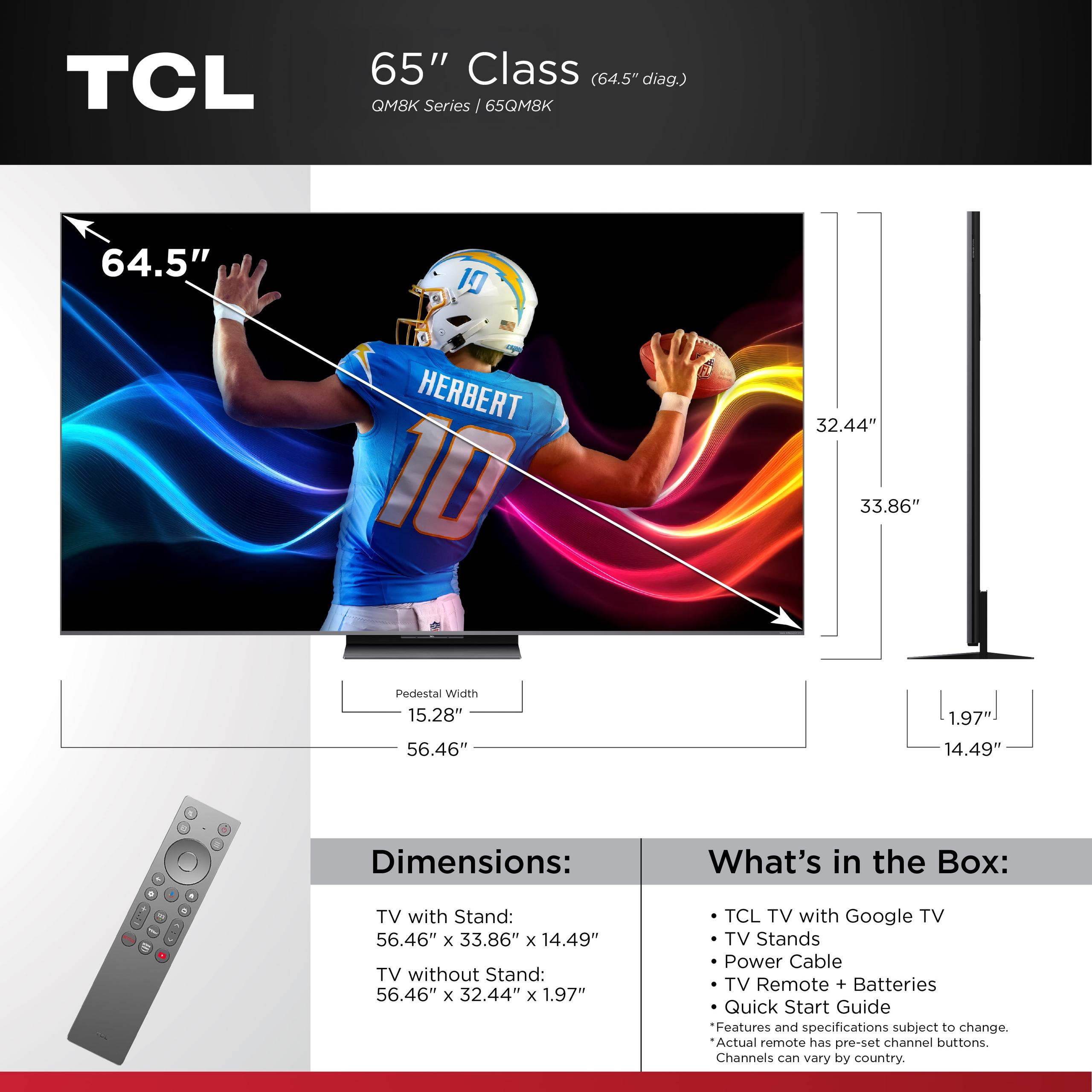
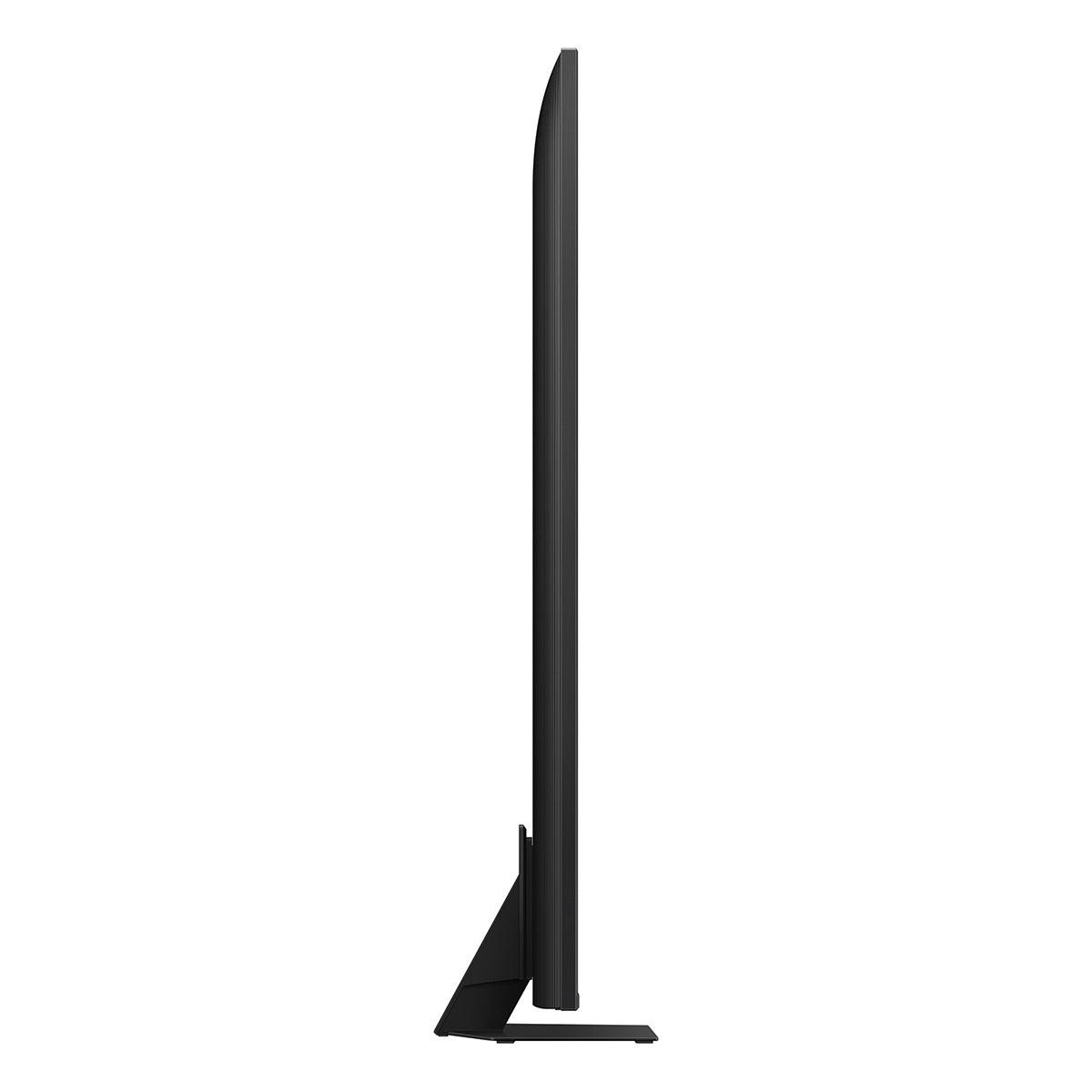
The Samsung QN85D feels more premium in hand. Its build quality reflects Samsung's position as a premium brand, with better materials and more refined construction details. The bezels are thinner, the stand feels more solid, and the overall aesthetic is more sophisticated.
The TCL QM8K is well-built but clearly designed to hit a lower price point. It doesn't feel cheap, but it lacks some of the premium touches that make the Samsung feel more expensive. For most users, this difference won't matter once the TV is mounted on the wall or sitting on a stand.
One of the most important practical differences is viewing angle performance. The Samsung QN85D maintains good color and contrast when viewed from the side—up to about 60 degrees off-center. The TCL's performance degrades more quickly past 30 degrees.
This matters significantly for room layout. If you have a large living room where people sit at different angles to the TV, or if you often watch with groups, the Samsung's wider viewing angles become a major advantage. However, if you primarily watch from a central seating position, the TCL's narrower angles won't be noticeable.
Here's where the comparison gets really interesting. The TCL QM8K typically retails for around $998, while the Samsung QN85D commands approximately $1,798. That's an $800 difference—nearly double the price.
For that extra cost, you get Samsung's superior color accuracy, wider viewing angles, more refined processing, and premium build quality. Whether these improvements justify the price depends on your priorities and budget. The TCL delivers about 80-85% of the Samsung's performance for 55% of the price, making it an exceptional value proposition.
The Samsung provides a more complete premium package. Its advanced AI processing, superior out-of-box calibration, and refined user experience create a more polished ownership experience. The TCL excels in key areas like brightness and gaming but has some rough edges in processing and color accuracy.
For dedicated home theater use, both TVs have strengths. The TCL's exceptional brightness makes it outstanding for HDR content, especially in rooms that aren't completely dark. Its gaming capabilities also make it versatile for entertainment systems that include gaming consoles.
The Samsung's superior color accuracy and processing make it better for critical movie watching, especially if you care about seeing content as the director intended. Its wider viewing angles also work better for theater seating arrangements where people sit at different positions.
Choose the TCL QM8K if you:
Choose the Samsung QN85D if you:
Both the TCL QM8K and Samsung QN85D are excellent TVs that represent different approaches to premium performance. The TCL delivers exceptional brightness and gaming performance at an outstanding value, making it ideal for HDR enthusiasts and gamers who want flagship performance without flagship pricing.
The Samsung provides a more refined, premium experience with better color accuracy and viewing angles, justifying its higher price for users who prioritize overall polish and critical viewing quality. Your choice ultimately depends on whether you value raw performance and value (TCL) or refinement and premium features (Samsung).
For most buyers, the TCL QM8K offers the better overall package—its brightness advantage and gaming capabilities, combined with its significantly lower price, make it hard to beat. However, if you're building a premium home theater or frequently watch with groups, the Samsung's advantages in color accuracy and viewing angles might be worth the extra investment.
| TCL 65" QM8K Series QD-Mini LED 4K Smart TV | Samsung 65" QN85D Neo QLED 4K Smart TV |
|---|---|
| Peak Brightness - Critical for HDR impact and bright room viewing | |
| Up to 5,000 nits (exceptional HDR punch, best-in-class) | ~2,500-3,000 nits (good HDR, but less impactful) |
| Price - Major factor in value consideration | |
| $998 (exceptional value for premium features) | $1,798 (premium pricing, 80% more expensive) |
| Local Dimming Zones - Controls contrast and blooming | |
| More zones with LD3800 Precise Dimming (better contrast control) | Fewer zones but advanced AI processing (refined blooming control) |
| Gaming Refresh Rate - Important for competitive gaming | |
| 144Hz native, up to 240Hz at 1080p (superior for gaming) | 4K 120Hz on all HDMI, 144Hz max (good but less versatile) |
| Color Accuracy - Affects realistic picture quality | |
| Good after calibration, may need adjustment | Superior out-of-box accuracy, no tweaking needed |
| Viewing Angles - Critical for group viewing and room layout | |
| Narrow angles, degrades past 30° (center viewing only) | Wide angles up to 60° (excellent for groups) |
| Smart TV Platform - Determines app ecosystem and interface | |
| Google TV (open ecosystem, extensive apps) | Tizen (polished interface, Samsung integration) |
| Audio System - Built-in sound quality | |
| 80W 2.1.2 channels (more powerful, louder) | 60W 4.2.2 channels with Dolby Atmos (more sophisticated) |
| Build Quality - Premium feel and long-term durability | |
| Solid construction, value-oriented materials | Premium materials and refined design aesthetics |
| Release Date - Technology generation and refinement | |
| May 2023 (aggressive value positioning) | March 2024 (refined based on market feedback) |
| Best For - Target user type | |
| HDR enthusiasts, gamers, value seekers | Movie watchers, group viewing, premium users |
The TCL 65" QM8K Series QD-Mini LED 4K Smart TV offers exceptional value at $998, delivering premium features like 5,000 nits peak brightness and 144Hz gaming for nearly half the price of the Samsung 65" QN85D Neo QLED 4K Smart TV at $1,798. While Samsung provides better color accuracy and build quality, TCL delivers about 85% of the performance for 55% of the cost.
The TCL QM8K reaches up to 5,000 nits peak brightness, making it one of the brightest TVs available, while the Samsung QN85D tops out around 2,500-3,000 nits. This means the TCL provides significantly more impactful HDR content and performs better in bright rooms with lots of ambient light.
The TCL 65" QM8K Series QD-Mini LED 4K Smart TV is superior for gaming with its 144Hz native refresh rate, up to 240Hz at 1080p, and Game Accelerator 288 features. The Samsung QN85D offers solid 4K 120Hz gaming but maxes out at 144Hz, making the TCL better for competitive gaming and high refresh rate scenarios.
Both TVs deliver excellent movie performance, but with different strengths. The Samsung QN85D offers superior color accuracy and processing right out of the box, making it ideal for critical movie watching. The TCL QM8K provides exceptional HDR brightness that makes movie highlights more impactful, though it may need some calibration for optimal color accuracy.
The Samsung 65" QN85D Neo QLED 4K Smart TV has significantly better viewing angles, maintaining good picture quality up to 60 degrees off-center. The TCL QM8K has narrower viewing angles that degrade past 30 degrees, making Samsung the better choice for group viewing or wide seating arrangements.
The TCL QM8K runs Google TV, offering an open ecosystem with extensive app support and Google services integration. The Samsung QN85D uses Tizen OS, providing a more polished interface with Samsung ecosystem integration and hands-free voice control, though with slightly less app flexibility than Google TV.
The TCL 65" QM8K Series QD-Mini LED 4K Smart TV is significantly better for bright rooms due to its exceptional 5,000 nits peak brightness, which can overcome ambient light much more effectively than the Samsung QN85D's 2,500-3,000 nits. This makes the TCL ideal for living rooms with lots of windows or overhead lighting.
The TCL QM8K features a more powerful 80W 2.1.2 channel system that gets louder and produces better bass, while the Samsung QN85D uses a 60W 4.2.2 channel setup with Dolby Atmos for more sophisticated spatial audio. TCL is better for volume, Samsung for audio refinement.
The Samsung 65" QN85D Neo QLED 4K Smart TV has superior build quality with premium materials, thinner bezels, and more refined construction details. The TCL QM8K is well-built but uses more value-oriented materials to achieve its lower price point, though the difference mainly affects aesthetics rather than functionality.
Both TVs work well in home theaters but serve different priorities. The TCL QM8K excels with exceptional HDR brightness and gaming capabilities, making it great for versatile entertainment systems. The Samsung QN85D offers superior color accuracy and wider viewing angles, making it better for dedicated movie watching and theater seating arrangements.
The TCL 65" QM8K Series QD-Mini LED 4K Smart TV delivers superior HDR performance due to its exceptional 5,000 nits peak brightness, creating more impactful highlights and better contrast in HDR content. While the Samsung QN85D supports the same HDR formats, its lower peak brightness makes HDR content less dramatic and impactful.
Choose the TCL QM8K if you want exceptional HDR brightness, gaming performance, and outstanding value for money, especially if you primarily watch from center seating. Choose the Samsung QN85D if you prioritize color accuracy, wide viewing angles, premium build quality, and are willing to pay extra for a more refined experience with better group viewing capabilities.
We've done our best to create useful and informative comparisons to help you decide what product to buy. Our research uses advanced automated methods to create this comparison and perfection is not possible - please contact us for corrections or questions. These are the sites we've researched in the creation of this article: tomsguide.com - youtube.com - businessinsider.com - rtings.com - youtube.com - avsforum.com - avsforum.com - bestbuy.com - tcl.com - tcl.com - tcl.com - flatpanelshd.com - romomattressfurniture.com - brandsmartusa.com - pcrichard.com - tvsbook.com - tcl.com - youtube.com - prnewswire.com - tcl.com - tcl.com - videoandaudiocenter.com - shopjetson.com - mysoundconcepts.com - samsung.com - merlinstv.com - youtube.com - samsung.com - samsung.com

Privacy Policy
Terms and Conditions - Affiliate Policy
Home Security
© Copyright 2008-2026.
11816 Inwood Rd #1211, Dallas, TX 75244