

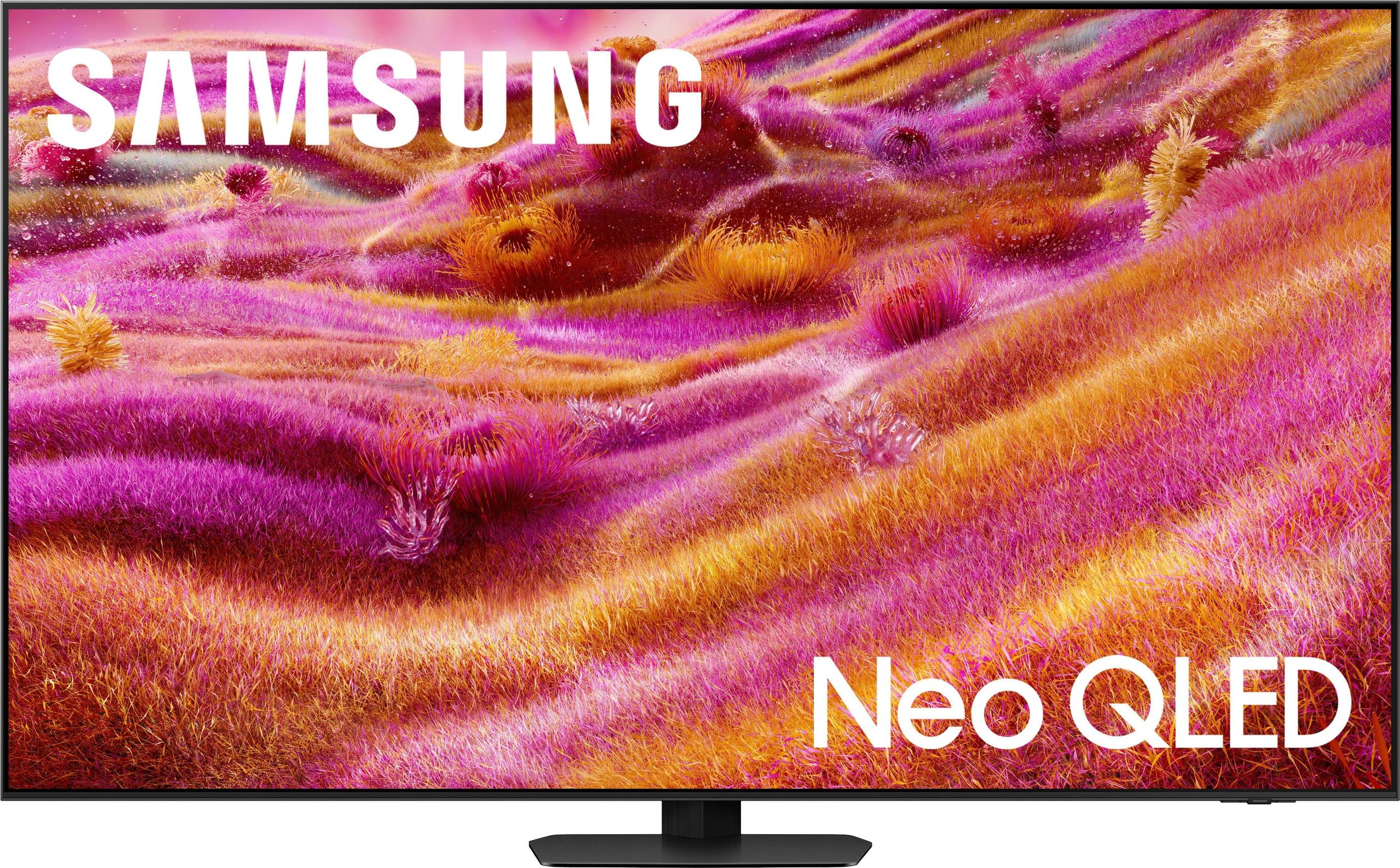
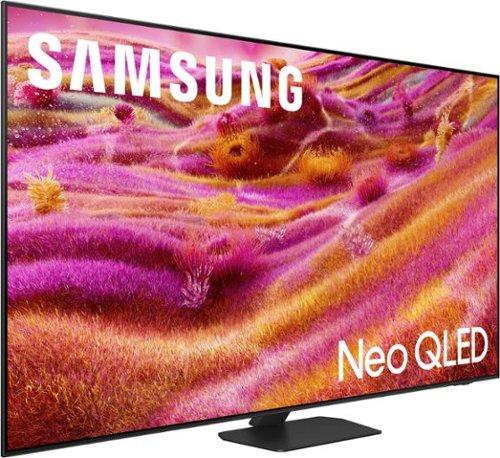
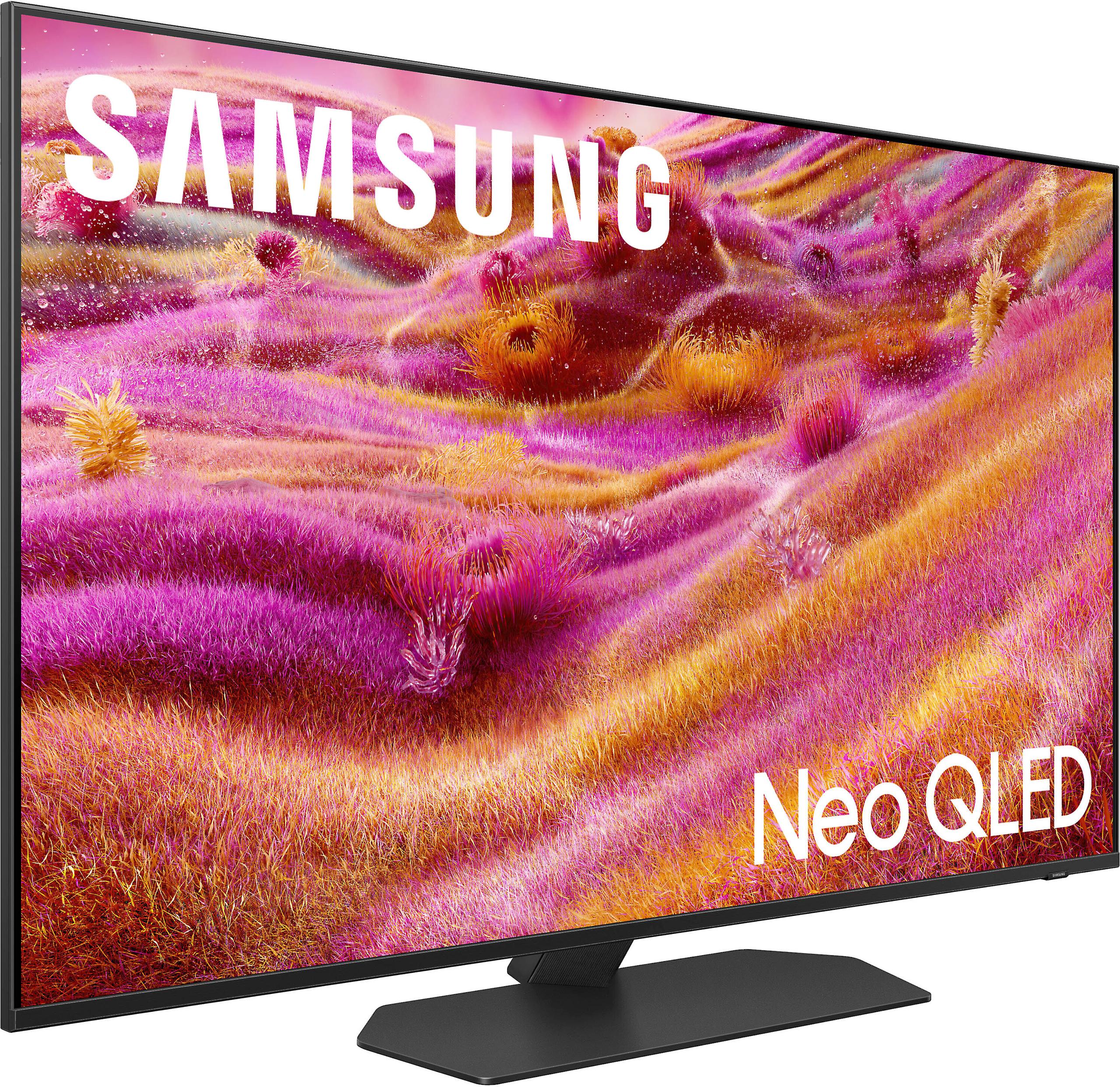
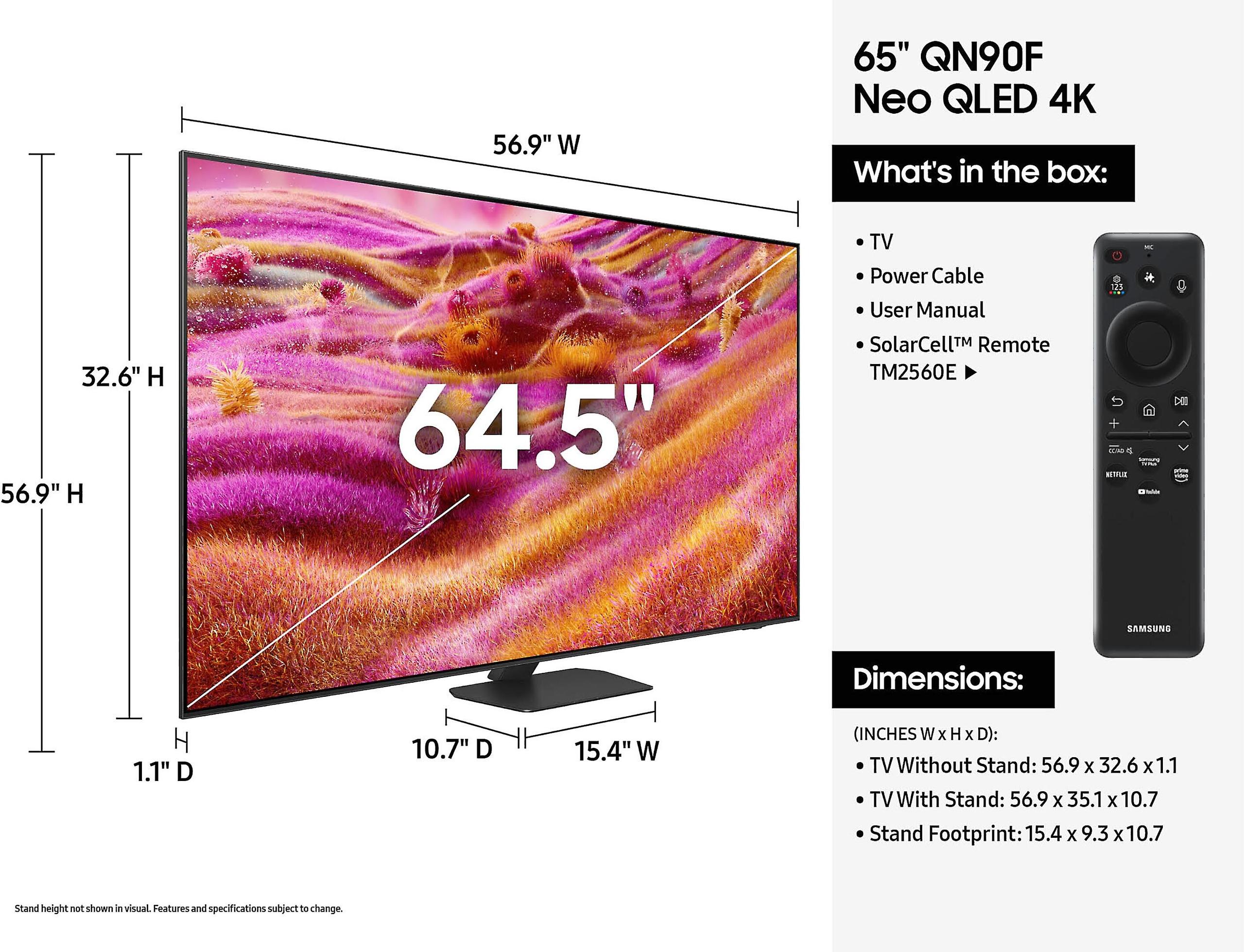
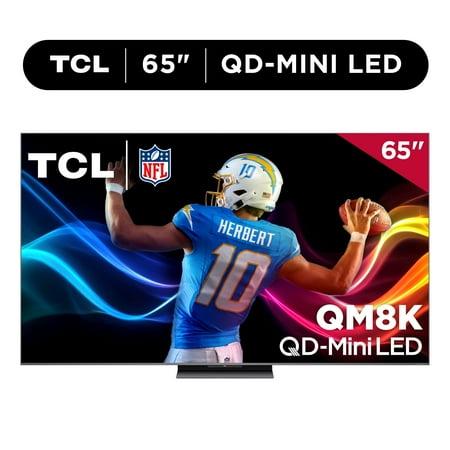
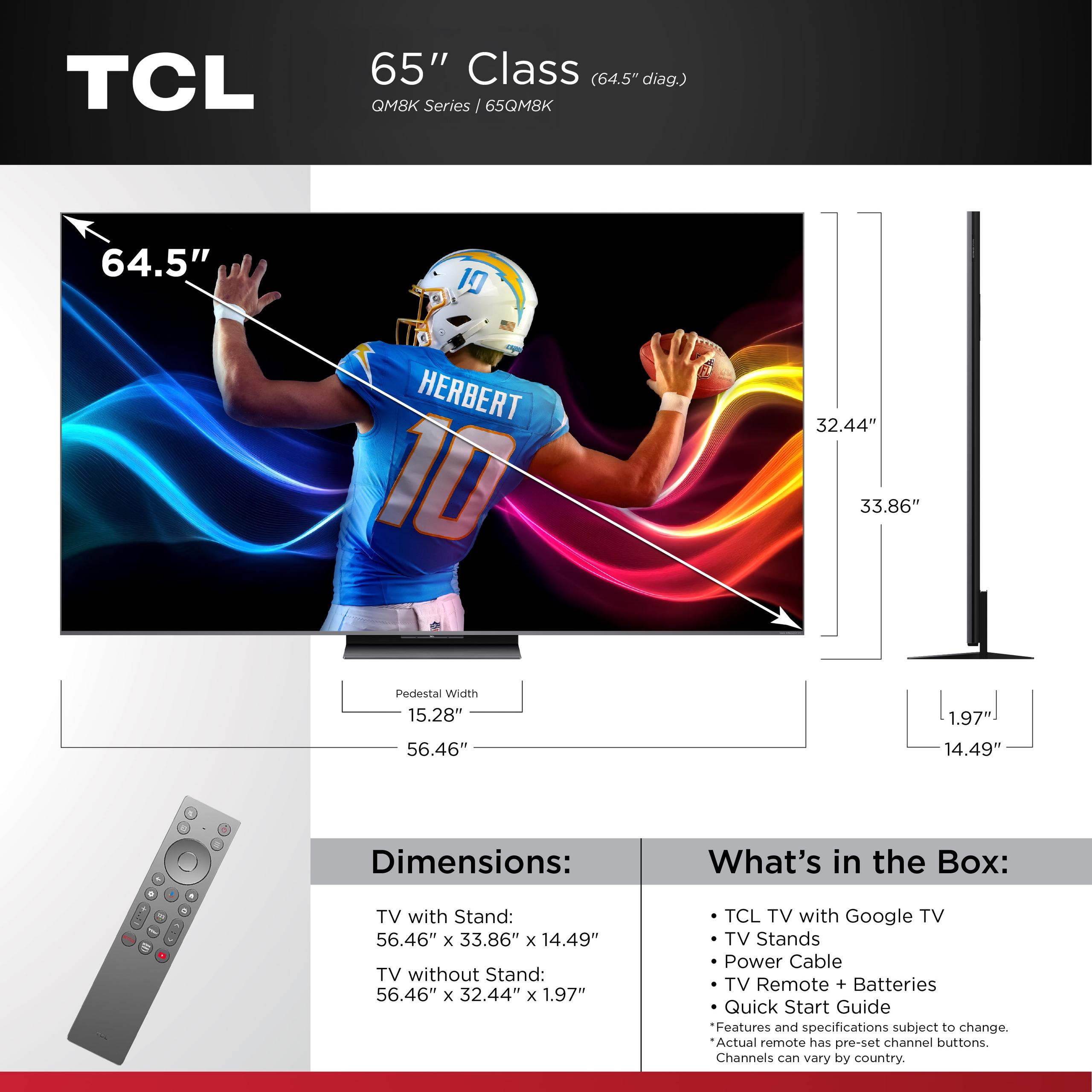


Choosing a premium TV these days feels like navigating a maze of marketing buzzwords and technical specifications. When you're looking at high-end 65-inch models like the Samsung QN90F and TCL QM8K, you're dealing with some seriously advanced display technology that can make or break your viewing experience for years to come.
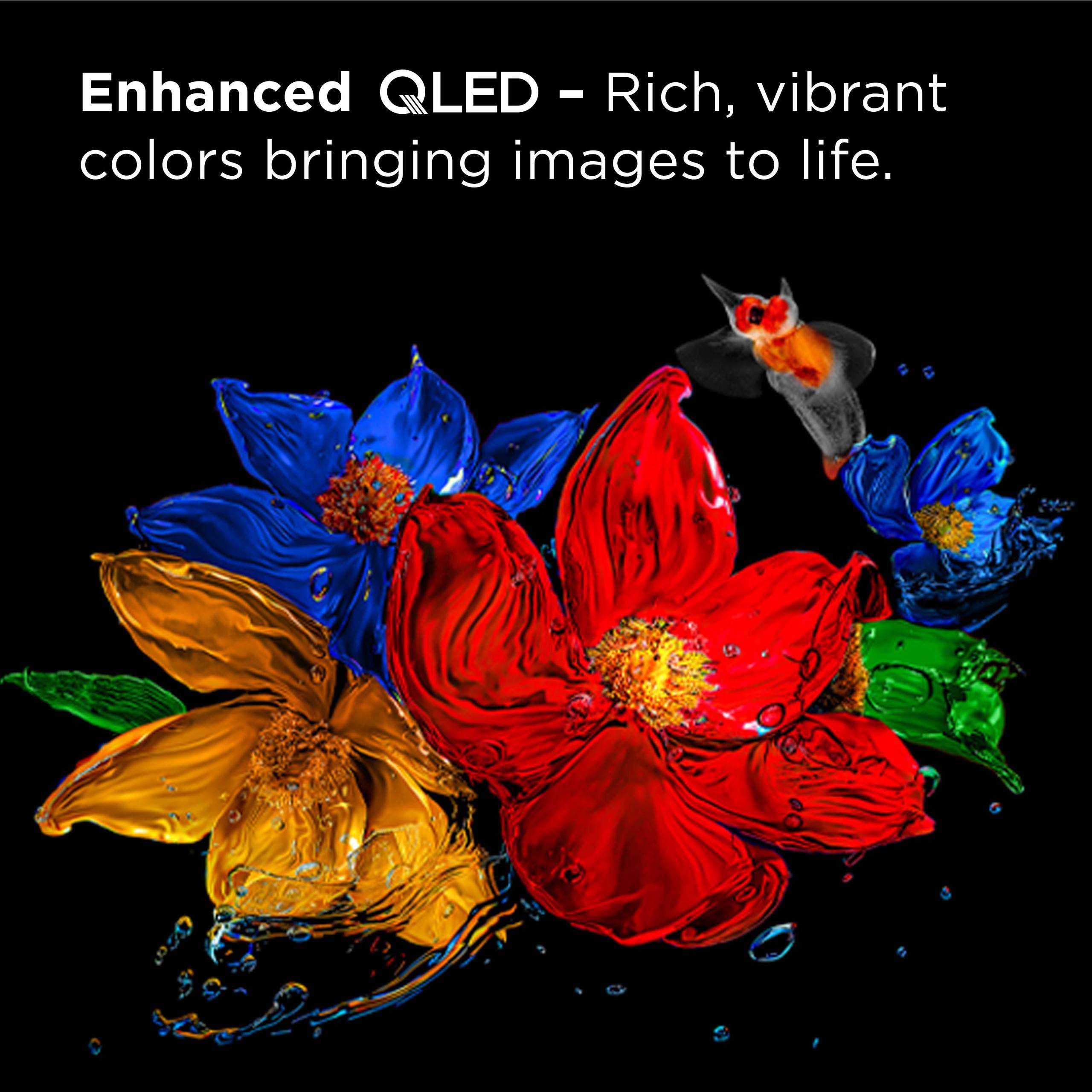
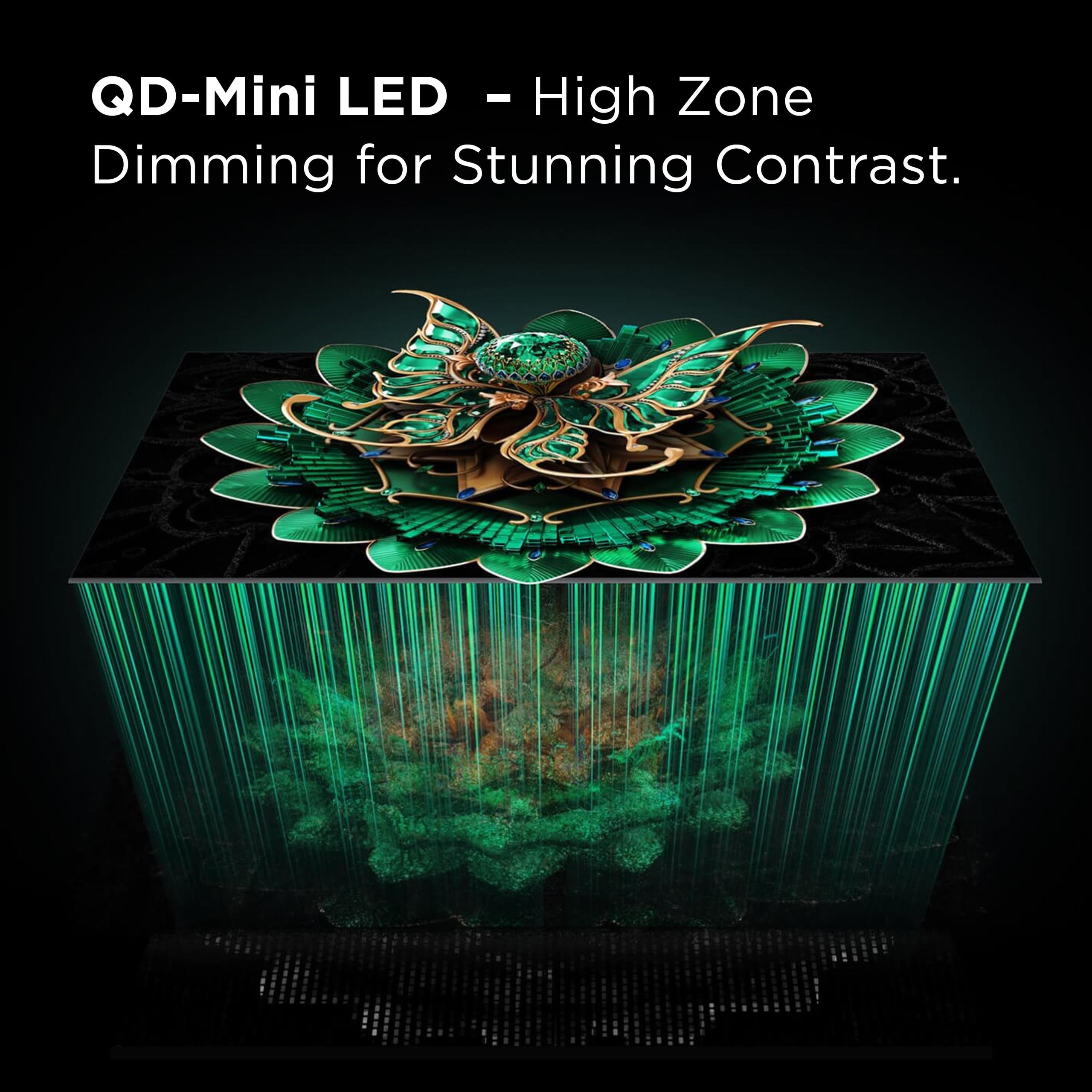
Both of these TVs use Mini LED technology, which represents the current sweet spot between traditional LED TVs and premium OLED displays. Think of Mini LEDs as thousands of tiny backlights that can turn on and off independently – this creates much deeper blacks and brighter highlights than regular LED TVs, while still maintaining the superior brightness that OLEDs can't match.
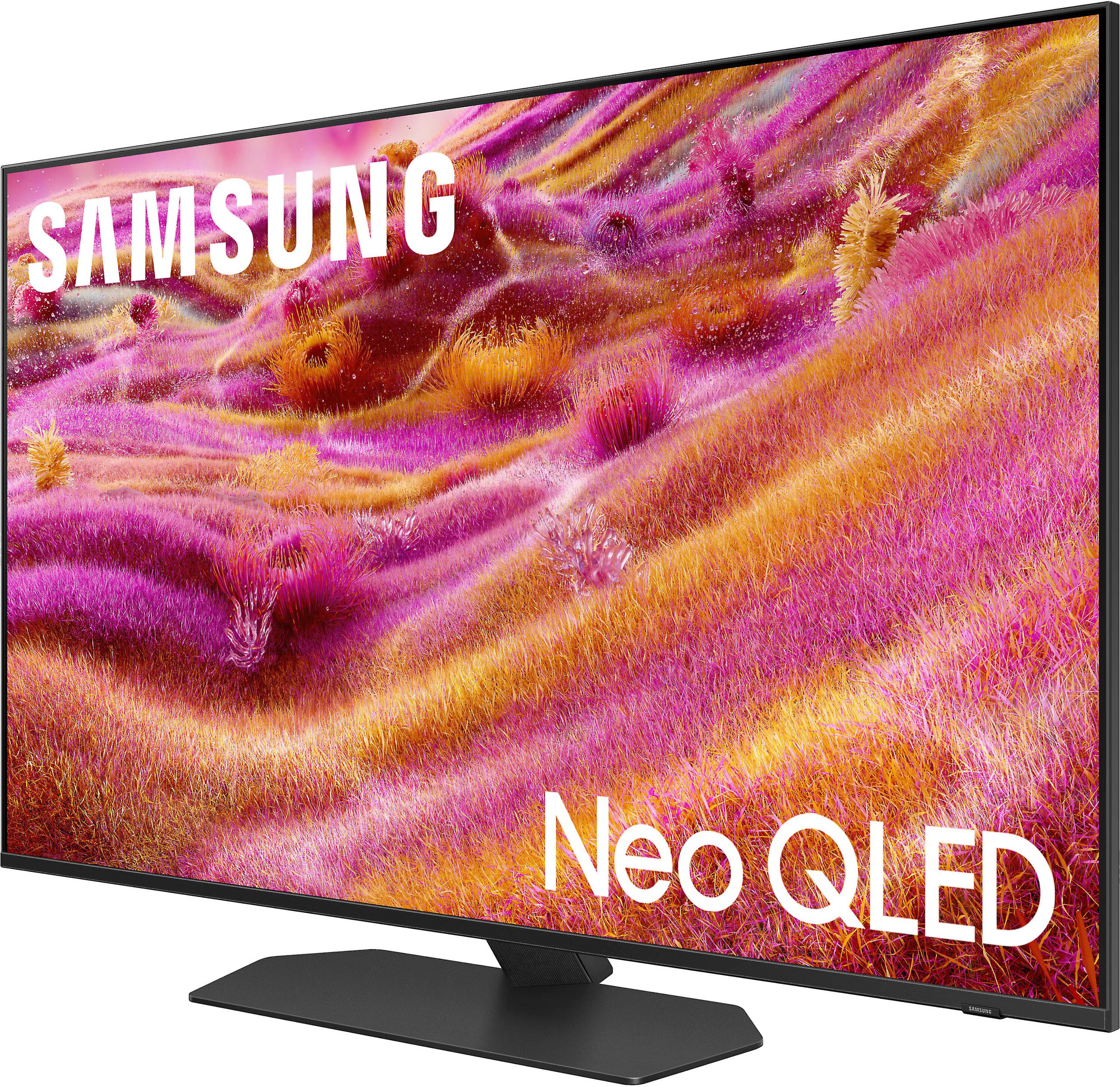
The television landscape in 2025 has become incredibly competitive, with both Samsung and TCL pushing the boundaries of what's possible with LCD technology. The Samsung QN90F launched as part of Samsung's 2025 Neo QLED lineup, building on years of refinement in their Mini LED approach. Meanwhile, TCL's QM8K series represents their flagship effort to compete directly with premium brands using aggressive specifications and competitive pricing.
What sets these apart from cheaper TVs isn't just the Mini LED backlighting – it's how each company has tackled the fundamental challenges of LCD displays. Traditional LED TVs struggle with "blooming" (bright halos around objects on dark backgrounds) and limited contrast. Both the Samsung QN90F and TCL QM8K use sophisticated local dimming systems to address these issues, but they've taken notably different approaches.
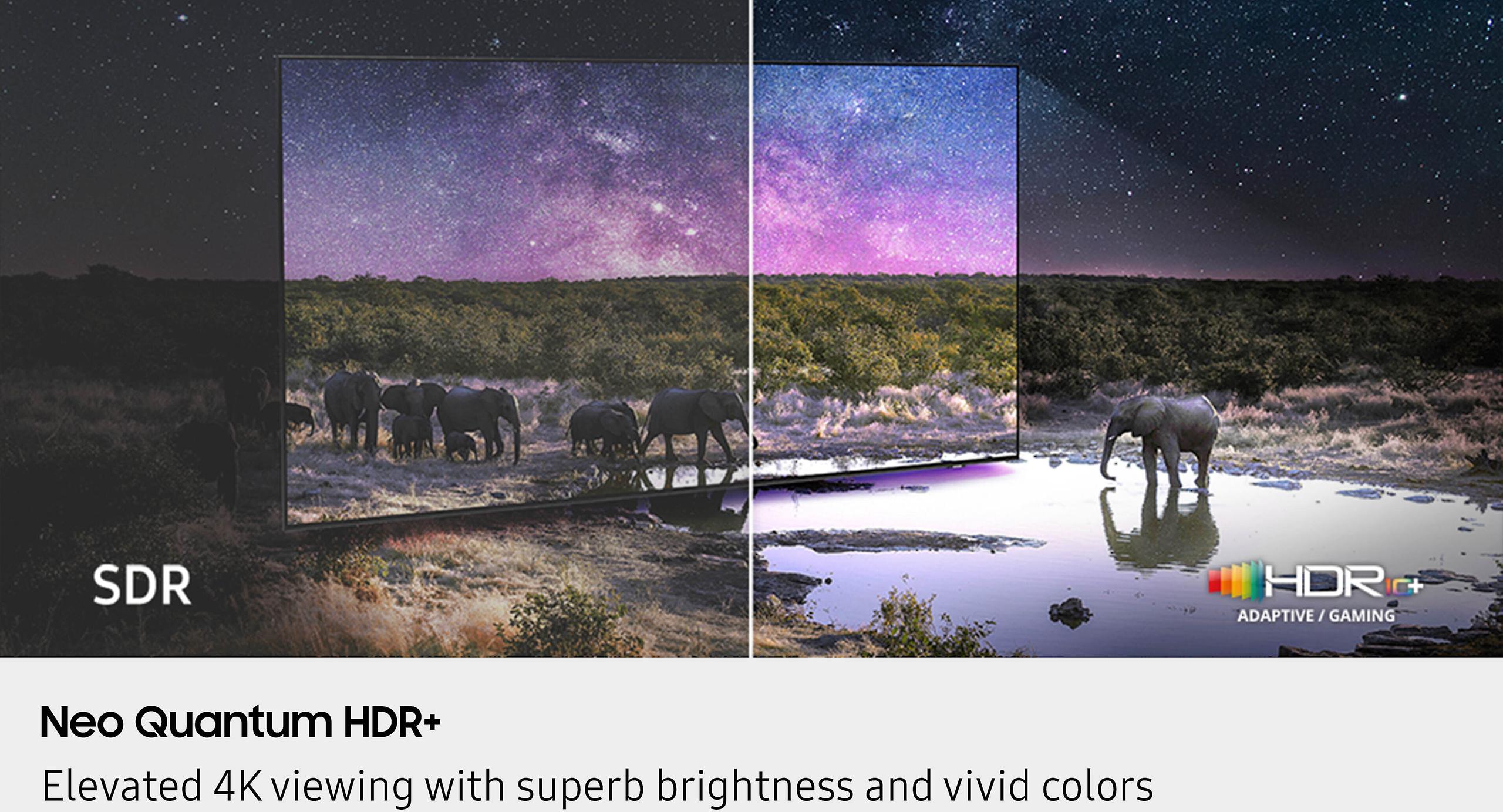
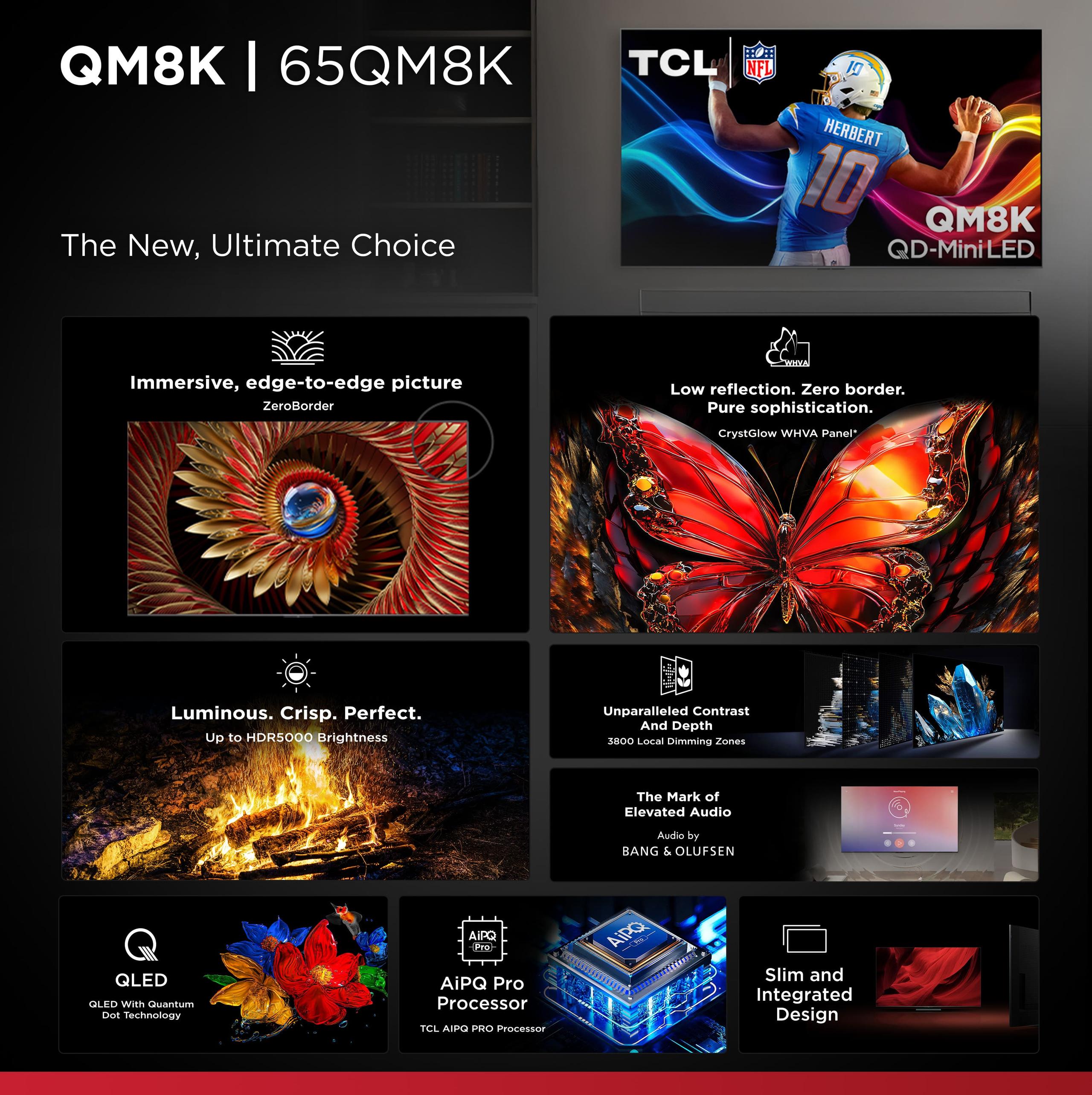
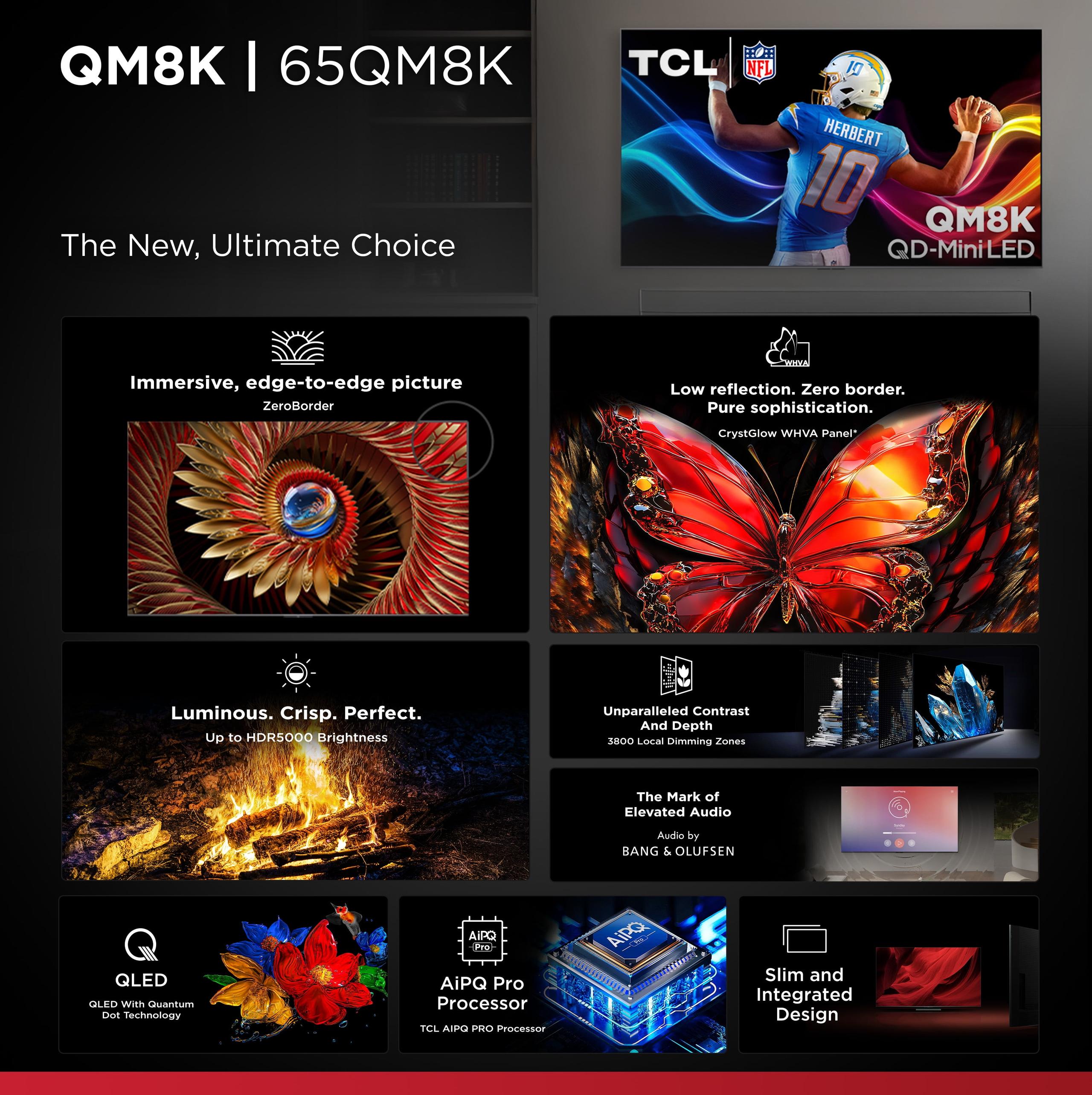
This is where things get really interesting. The TCL QM8K absolutely crushes most competition with its claimed 5,000 nits of peak brightness – that's seriously impressive numbers that put it in rare company. To put this in perspective, most premium TVs peak around 1,000-2,000 nits, while even high-end OLEDs typically max out around 1,000 nits.
What does this mean for actual viewing? When you're watching HDR content – think Netflix's latest blockbuster or a 4K Blu-ray – those bright highlights like explosions, sunlight, or car headlights will have serious punch. Professional reviews have noted that the TCL QM8K can maintain color detail even at extreme brightness levels up to 4,000 nits, which is territory typically reserved for professional reference monitors.
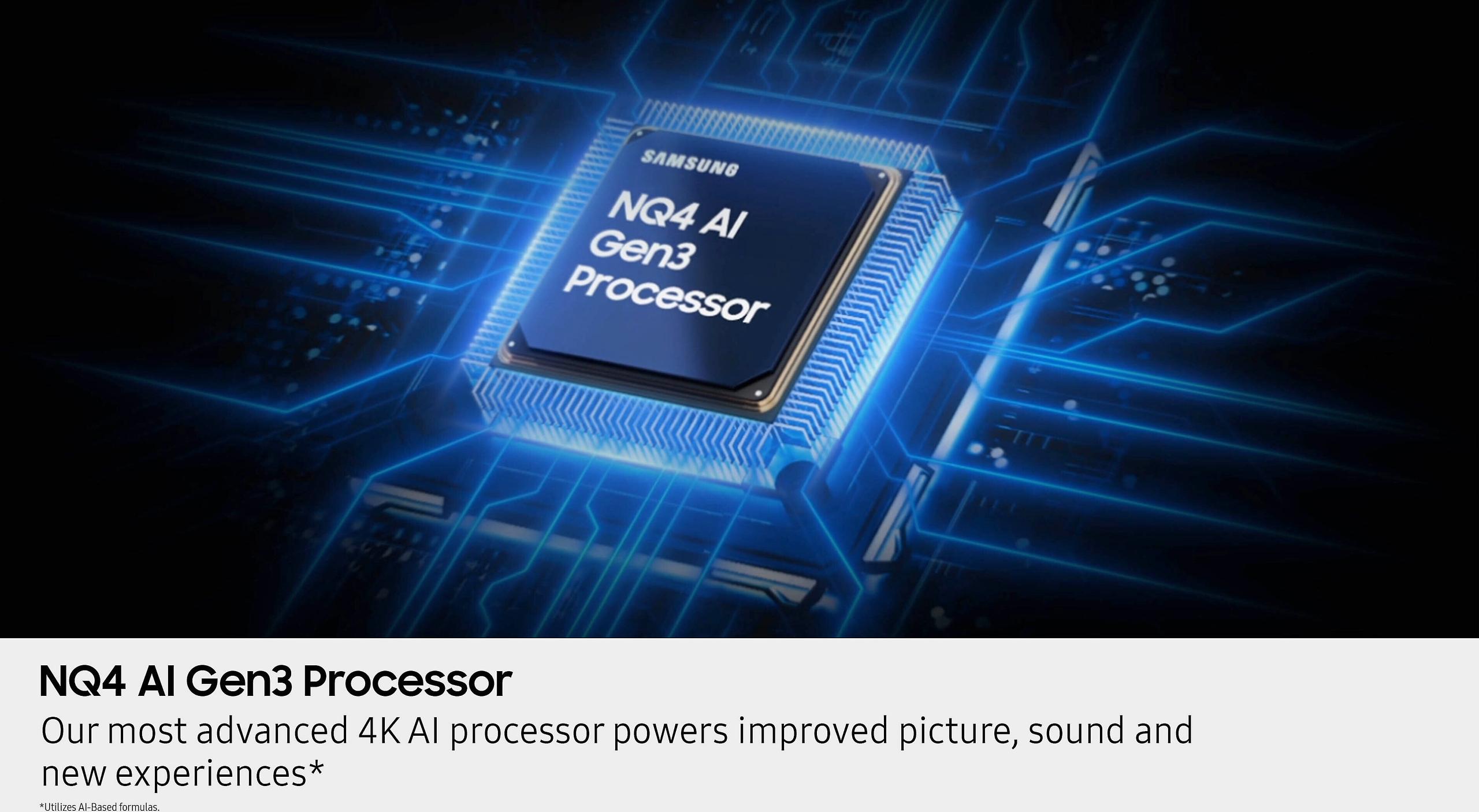
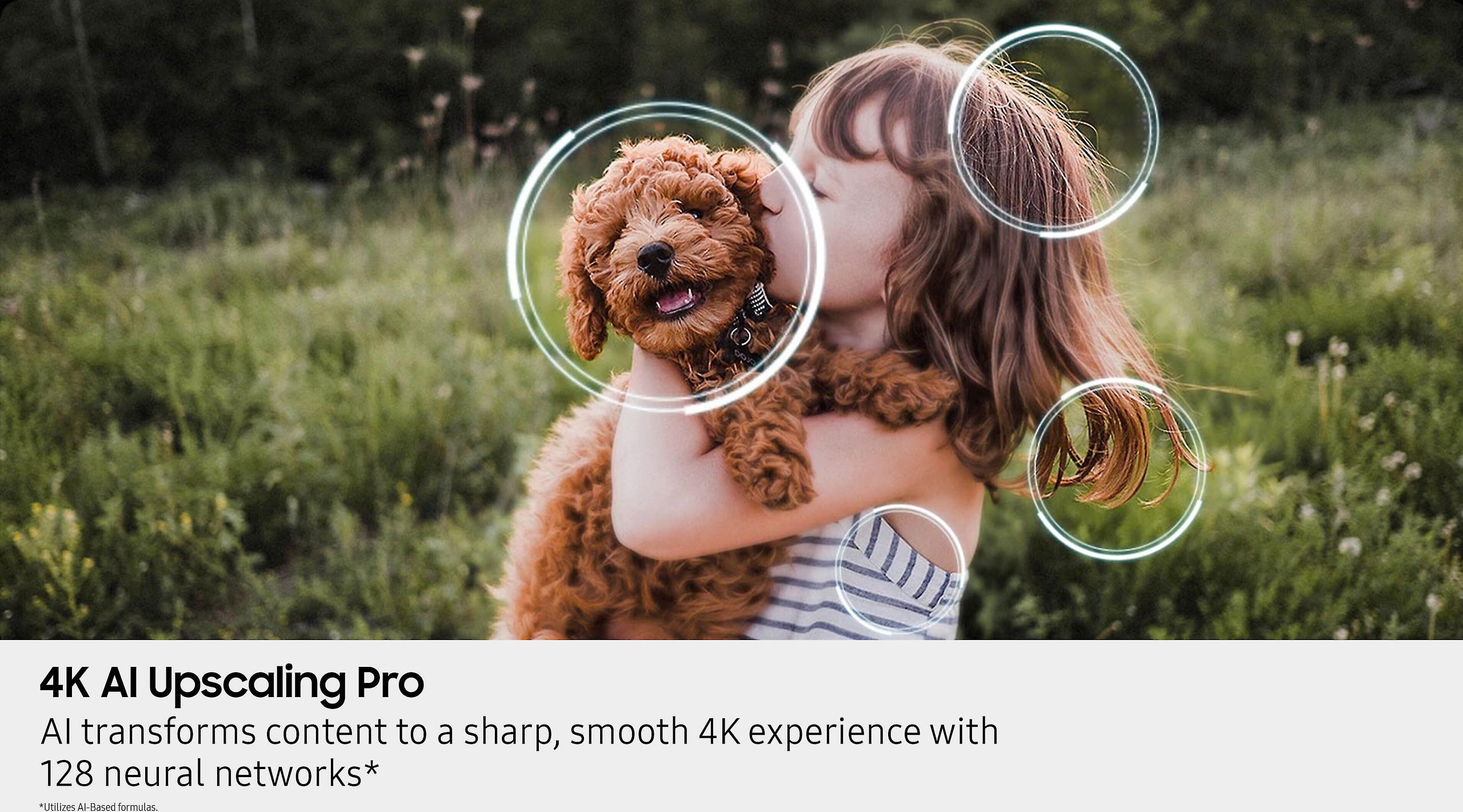
The Samsung QN90F, while not quite reaching those peak brightness levels, takes a different approach with their NQ4 AI Gen3 processor. This chip uses 128 neural networks (basically, lots of mini-computers working together) to analyze every frame in real-time and optimize the picture. Instead of just pushing raw brightness numbers, Samsung focuses on making the brightness intelligent – adjusting not just how bright something is, but how it interacts with the surrounding image.
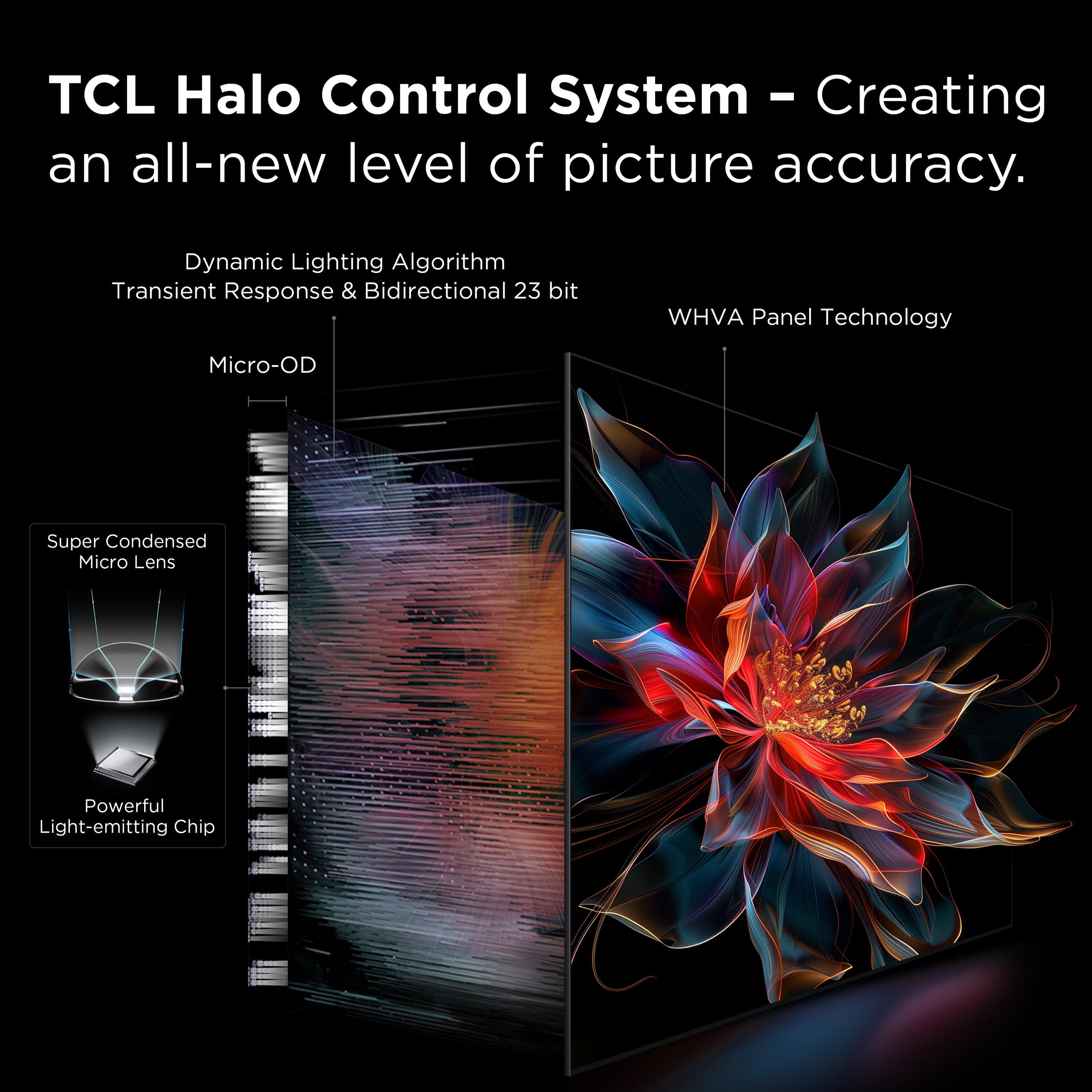
Here's where Mini LED technology really shines compared to regular LED TVs. Both models use local dimming, which means different sections of the backlight can be controlled independently. The TCL QM8K boasts up to 3,800 dimming zones with their "LD3800 Precise Dimming" system, while the Samsung QN90F uses their Quantum Matrix Technology Plus for similar results.
In practical terms, this means when you're watching a movie with dark scenes – say, a space thriller or a moody drama – the black parts of the screen can actually get quite dark while bright elements stay brilliant. The TCL QM8K has measured exceptionally well in professional testing, with a native contrast ratio of over 7,400:1 and excellent blooming control that rivals much more expensive displays.
The Samsung QN90F approaches contrast differently with their Real Depth Enhancer Pro technology, which analyzes objects on screen and adjusts contrast to create a more three-dimensional effect. It's less about raw numbers and more about perceived depth and realism.
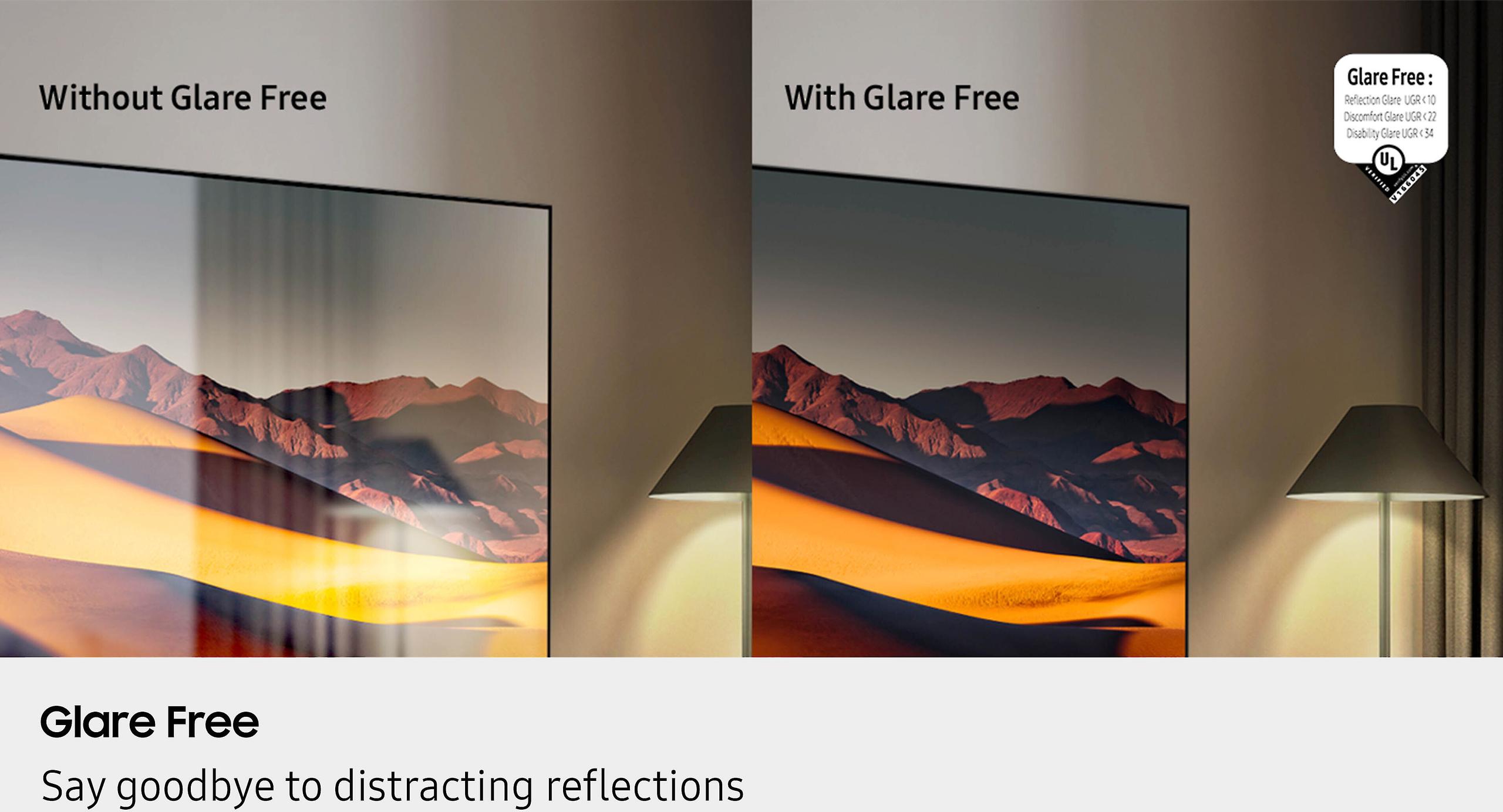
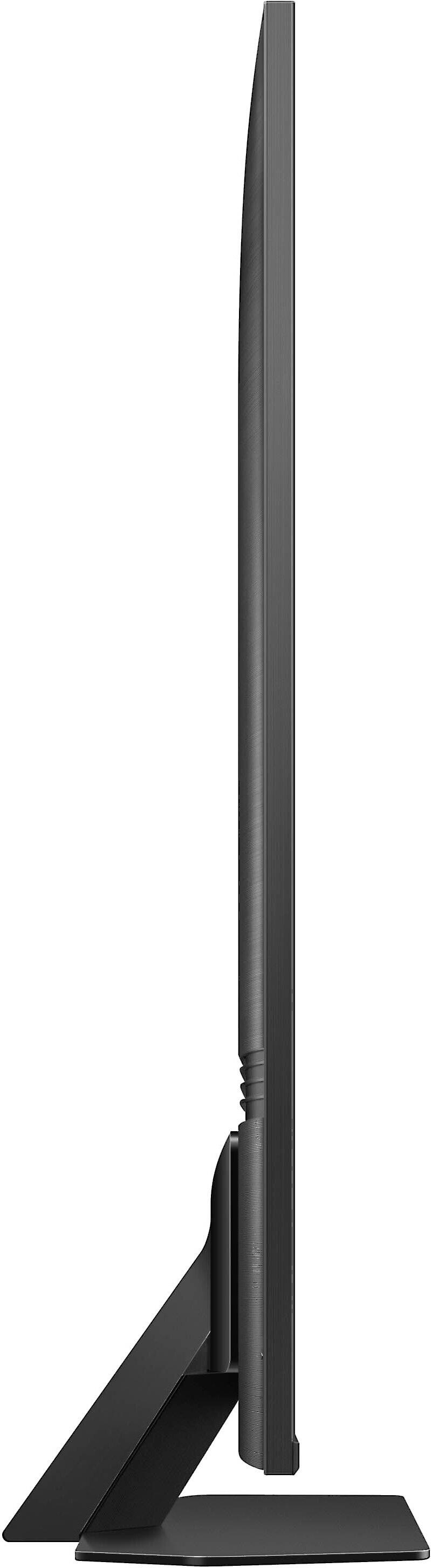
This is where Samsung has made perhaps the most practical improvement. The Samsung QN90F features their award-winning Glare Free technology – essentially an advanced matte coating that virtually eliminates reflections. If you've ever tried watching TV during the day with sunlight streaming through windows, you know how frustrating reflections can be.
I've tested TVs in bright rooms, and the difference is genuinely striking. While the TCL QM8K has anti-reflective properties, Samsung's implementation is in a league of its own. This makes the Samsung QN90F incredibly versatile for room placement – you don't need to arrange your furniture around avoiding reflections.
If you're serious about gaming, both TVs offer compelling but different advantages. The TCL QM8K goes all-out with specifications: a native 144Hz refresh rate that can handle variable refresh rates up to 288Hz through their "Game Accelerator 288" feature. This is particularly impressive for PC gaming, where you can actually take advantage of those higher frame rates.
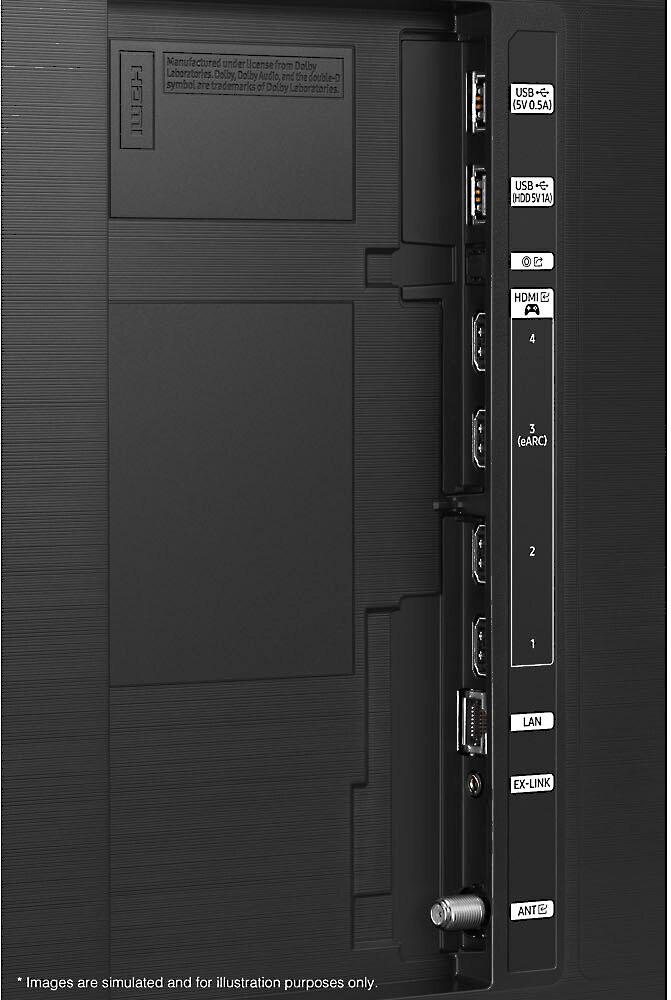
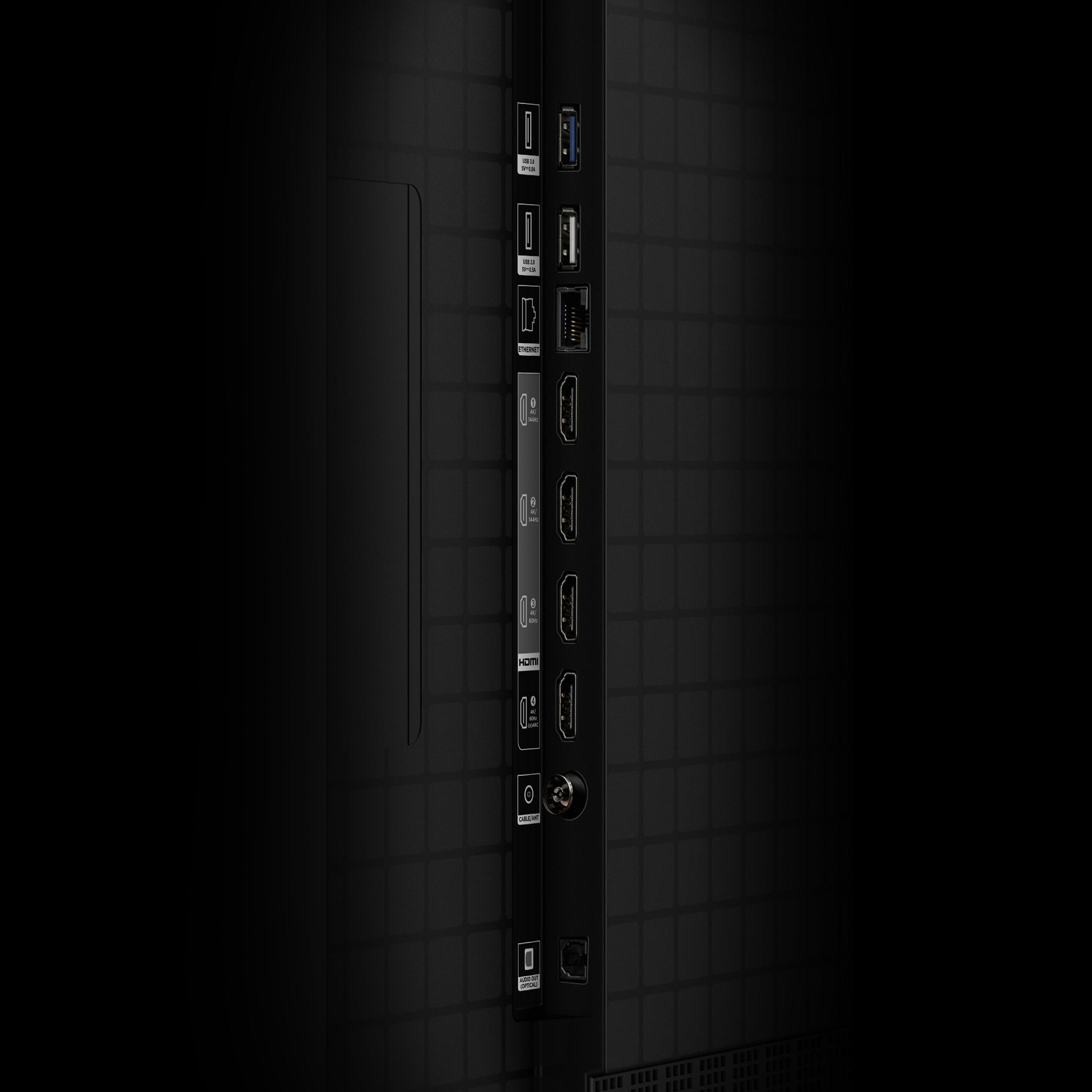
The Samsung QN90F takes a more conservative but arguably more practical approach with 165Hz support and Motion Xcelerator Turbo+ technology. What Samsung lacks in raw refresh rate numbers, they make up for in consistency. The four full HDMI 2.1 ports all support the TV's maximum capabilities, and the gaming performance is predictable across different refresh rates.
For console gaming – PlayStation 5 or Xbox Series X – both TVs will handle everything these systems can throw at them. The practical difference comes down to PC gaming and future-proofing. If you're running a high-end gaming PC and want every possible advantage, the TCL QM8K's higher refresh rates might appeal to you. For most users, both will provide excellent gaming experiences with minimal input lag.
This is an area where personal preference really matters, and there's a clear philosophical difference between these TVs. The Samsung QN90F runs Samsung's Tizen operating system, which has matured significantly over the years. It's fast, reliable, and integrates well with Samsung's broader ecosystem of phones, tablets, and smart home devices.
The TCL QM8K uses Google TV, which is essentially an enhanced version of Android TV. In my experience, Google TV offers superior app support and faster updates. The interface is more intuitive, search works better across different streaming services, and you get the full power of Google's ecosystem integration.
Both support major streaming apps, but Google TV typically gets new apps and updates faster. The TCL QM8K also includes hands-free voice control with far-field microphones, while the Samsung QN90F requires using the remote for voice commands.
Built-in TV speakers have improved dramatically in recent years, and both models reflect this trend. The Samsung QN90F includes a 60W 4.2.2 channel system with Object Tracking Sound+, which moves audio around the screen to match what's happening visually. It's a neat trick that works surprisingly well for dialogue and effects positioning.
The TCL QM8K partners with Bang & Olufsen for their audio processing and includes Dolby Atmos support with actual up-firing drivers. There's even a built-in ONKYO subwoofer for better bass response. In testing, the TCL tends to produce more impactful sound, though both TVs benefit significantly from external audio systems for serious movie watching.
For home theater setups, the Samsung QN90F offers Q-Symphony compatibility, which means Samsung soundbars can work in harmony with the TV's built-in speakers rather than replacing them entirely. The TCL QM8K supports standard eARC and optical connections for external audio systems.
At the time of writing, both TVs occupy the premium segment but approach value differently. The Samsung QN90F typically commands a price premium that reflects Samsung's brand positioning and reputation for reliability. You're paying for consistent performance, excellent customer support, and regular software updates that extend the TV's useful life.
The TCL QM8K generally offers more impressive specifications for the price point, representing TCL's strategy of competing through feature density and raw performance metrics. This approach has served them well as they've evolved from a budget brand to a serious premium competitor.
For dedicated home theater setups, both TVs excel but in different ways. The TCL QM8K's superior peak brightness makes HDR content truly spectacular in dark rooms – those highlights will have the impact filmmakers intended. The higher refresh rates also benefit action movies and sports.
However, the Samsung QN90F's more refined processing often results in better motion handling and more natural-looking images across different content types. The Filmmaker Mode ensures you're seeing movies as directors intended, while the AI processing adapts to various content qualities automatically.
If your home theater doubles as a multipurpose room with windows, the Samsung QN90F's glare-free coating becomes invaluable. For basement theaters or rooms with complete light control, the TCL QM8K's raw performance advantages shine brightest.
Choosing between the Samsung QN90F and TCL QM8K ultimately comes down to your priorities and usage patterns. The Samsung excels at being an excellent all-around TV that performs consistently across every scenario. Its glare-free coating solves real-world problems, the processing is sophisticated, and the overall experience is polished and reliable.
The TCL appeals to enthusiasts who want cutting-edge specifications and maximum performance. If you're the type of person who loves tweaking settings and pushing hardware to its limits, the QM8K's impressive brightness, high refresh rates, and Google TV platform provide more flexibility and raw capability.
For most buyers, the Samsung QN90F represents the safer choice – you're getting proven technology with excellent customer support and a track record of long-term reliability. It's the TV that will satisfy everyone in the household without requiring any technical expertise to get great results.
The TCL QM8K is for buyers who prioritize specifications and aren't afraid of a newer brand. If you want the brightest possible HDR performance, the smoothest gaming experience, and the most feature-rich smart platform, TCL delivers impressive value.
Both represent significant achievements in Mini LED technology and will provide excellent viewing experiences for years to come. Your choice should align with whether you value refinement and reliability over raw performance and features – there's no wrong answer, just different approaches to TV excellence.
| Samsung 65" QN90F Neo QLED 4K Vision AI Smart TV 2025 | TCL 65" QM8K Series QD-Mini LED 4K Smart TV |
|---|---|
| Peak Brightness - Critical for HDR impact and bright room viewing | |
| ~1,900 nits in highlights, excellent sustained brightness | Up to 5,000 nits peak, among the brightest TVs available |
| Anti-Glare Technology - Makes or breaks bright room performance | |
| Award-winning Glare Free matte coating, virtually eliminates reflections | Standard anti-reflective coating, good but not exceptional |
| Local Dimming Zones - Controls blooming and contrast quality | |
| Quantum Matrix Technology Plus with precise Mini LED control | Up to 3,800 LD Precise Dimming zones with Halo Control System |
| Gaming Refresh Rate - Higher is better for competitive gaming | |
| 165Hz with Motion Xcelerator Turbo+, excellent for consoles | Native 144Hz with up to 288Hz VRR, superior for PC gaming |
| Smart TV Platform - Your daily interface for years to come | |
| Tizen OS with Vision AI, mature but Samsung-centric | Google TV with hands-free voice, superior app ecosystem |
| HDR Format Support - Affects streaming and disc compatibility | |
| HDR10+, HLG (no Dolby Vision support) | Dolby Vision IQ, HDR10+, HDR10, HLG (full format support) |
| Audio System - Built-in sound quality and external compatibility | |
| 60W 4.2.2CH with Object Tracking Sound+, Q-Symphony ready | Bang & Olufsen audio with Dolby Atmos, built-in ONKYO subwoofer |
| Processing Power - Affects upscaling and motion handling | |
| NQ4 AI Gen3 with 128 neural networks, sophisticated optimization | AiPQ Pro Processor with real-time scene optimization |
| HDMI 2.1 Ports - Essential for full gaming features | |
| 4 full HDMI 2.1 ports, all support maximum capabilities | HDMI 2.1 with eARC, supports latest gaming features |
| Brand Reliability - Long-term software support and service | |
| Samsung's proven track record, consistent updates, excellent support | TCL's improving reputation, newer to premium market but competitive |
The Samsung 65" QN90F is significantly better for bright rooms thanks to its award-winning Glare Free technology. This advanced matte coating virtually eliminates reflections, making it comfortable to watch even with sunlight streaming through windows. While the TCL QM8K has anti-reflective properties, Samsung's implementation is superior for daytime viewing and versatile room placement.
Both TVs offer excellent picture quality but excel in different areas. The TCL QM8K delivers superior HDR impact with its 5,000 nits peak brightness and better contrast ratios. However, the Samsung QN90F provides more consistent, refined picture processing with its NQ4 AI Gen3 processor and 128 neural networks. For most viewers, the Samsung offers a more polished experience across all content types.
The TCL QM8K has the edge for serious PC gaming with its native 144Hz refresh rate and up to 288Hz VRR support. However, the Samsung QN90F offers excellent gaming performance at 165Hz with more predictable performance across different refresh rates. For console gaming (PS5, Xbox Series X), both TVs will provide outstanding experiences with minimal input lag.
The Samsung QN90F uses Tizen OS, which is mature and reliable but more Samsung-centric in its ecosystem integration. The TCL QM8K runs Google TV, which typically offers superior app support, faster updates, and better search functionality across streaming services. Google TV also includes hands-free voice control, while Samsung requires using the remote for voice commands.
The TCL QM8K significantly outperforms with up to 5,000 nits peak brightness compared to the Samsung QN90F's approximately 1,900 nits in highlights. This means HDR content like movies and shows will have more impactful bright highlights on the TCL, making explosions, sunlight, and other bright elements more realistic and punchy.
No, only the TCL QM8K supports Dolby Vision along with HDR10+ and other HDR formats. The Samsung QN90F does not support Dolby Vision, only HDR10+ and HLG formats. This could be a consideration if you frequently watch content from streaming services or 4K Blu-rays that use Dolby Vision HDR.
Both TVs offer impressive built-in audio, but the TCL QM8K has a slight edge with its Bang & Olufsen partnership and built-in ONKYO subwoofer for better bass response. The Samsung QN90F features Object Tracking Sound+ technology that moves audio around the screen to match visuals, plus Q-Symphony compatibility with Samsung soundbars.
Both the Samsung QN90F and TCL QM8K excel in home theater applications. The TCL's superior peak brightness makes HDR content more impactful in dark rooms, while Samsung's refined processing provides better motion handling for movies. If your theater room has any ambient light, Samsung's glare-free coating becomes a significant advantage.
The Samsung QN90F comes from a brand with a proven track record of long-term software support, regular updates, and excellent customer service. While the TCL QM8K represents impressive value and specifications, TCL is newer to the premium TV market. Samsung typically provides more consistent performance and longer product lifecycles.
The Samsung QN90F's main advantage is its refined, consistent performance across all scenarios, especially the Glare Free coating for versatile room placement. The TCL QM8K's primary strength is raw performance specifications - dramatically higher peak brightness, faster refresh rates, and comprehensive HDR format support at a competitive price point.
Both TVs handle sports well, but the TCL QM8K has advantages with its higher refresh rates and superior motion processing. However, the Samsung QN90F might be better for daytime sports viewing thanks to its superior glare reduction. The choice depends on your viewing environment and whether you prioritize motion clarity or bright room performance.
Choose the Samsung QN90F if you want reliable, consistent performance with excellent bright room viewing and prefer a mature smart TV platform. Pick the TCL QM8K if you prioritize maximum HDR impact, gaming performance, and want the most impressive specifications for the price. Both are excellent TVs that will satisfy different buyer priorities and viewing preferences.
We've done our best to create useful and informative comparisons to help you decide what product to buy. Our research uses advanced automated methods to create this comparison and perfection is not possible - please contact us for corrections or questions. These are the sites we've researched in the creation of this article: rtings.com - images.samsung.com - youtube.com - listenup.com - youtube.com - cullenshomecenter.com - rtings.com - shopjetson.com - youtube.com - samsung.com - samsung.com - videoandaudiocenter.com - rtings.com - bestbuy.com - youtube.com - news.samsung.com - news.samsung.com - news.samsung.com - bestbuy.com - news.samsung.com - youtube.com - news.samsung.com - youtube.com - smarthomesounds.co.uk - tomsguide.com - youtube.com - businessinsider.com - rtings.com - youtube.com - avsforum.com - avsforum.com - bestbuy.com - tcl.com - tcl.com - tcl.com - flatpanelshd.com - romomattressfurniture.com - brandsmartusa.com - pcrichard.com - tvsbook.com - tcl.com - youtube.com - prnewswire.com - tcl.com - tcl.com

Privacy Policy
Terms and Conditions - Affiliate Policy
Home Security
© Copyright 2008-2026.
11816 Inwood Rd #1211, Dallas, TX 75244