

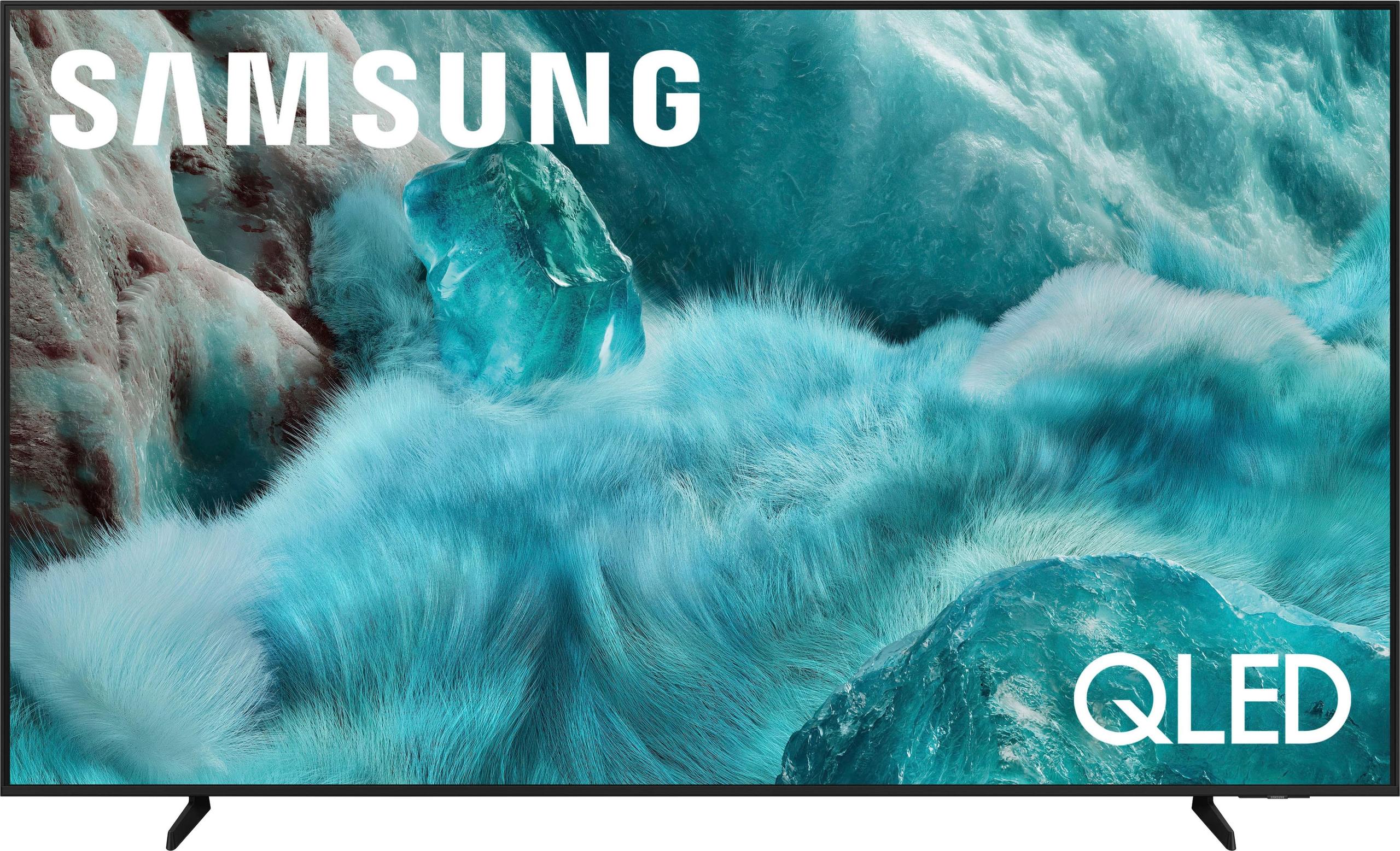
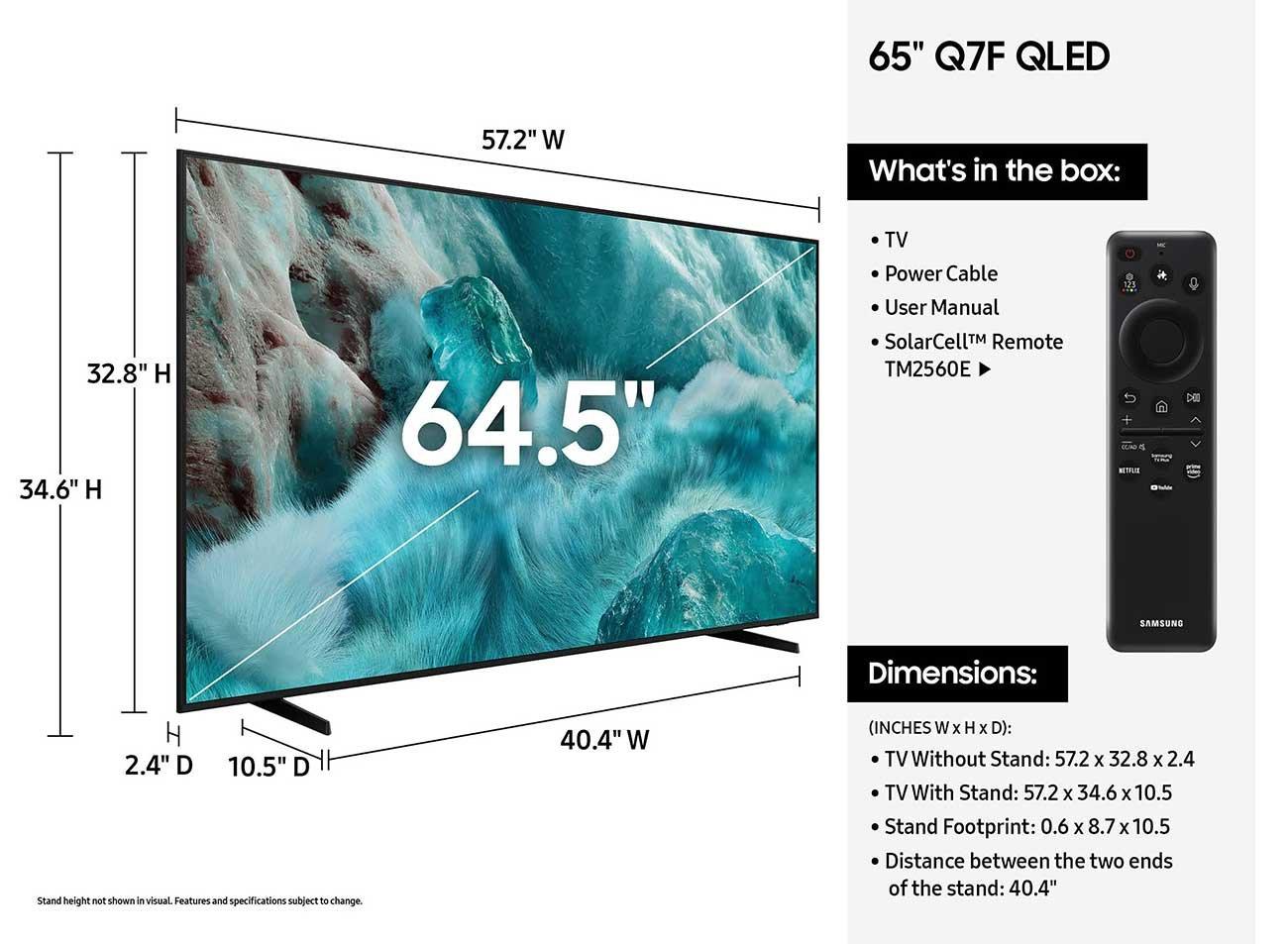

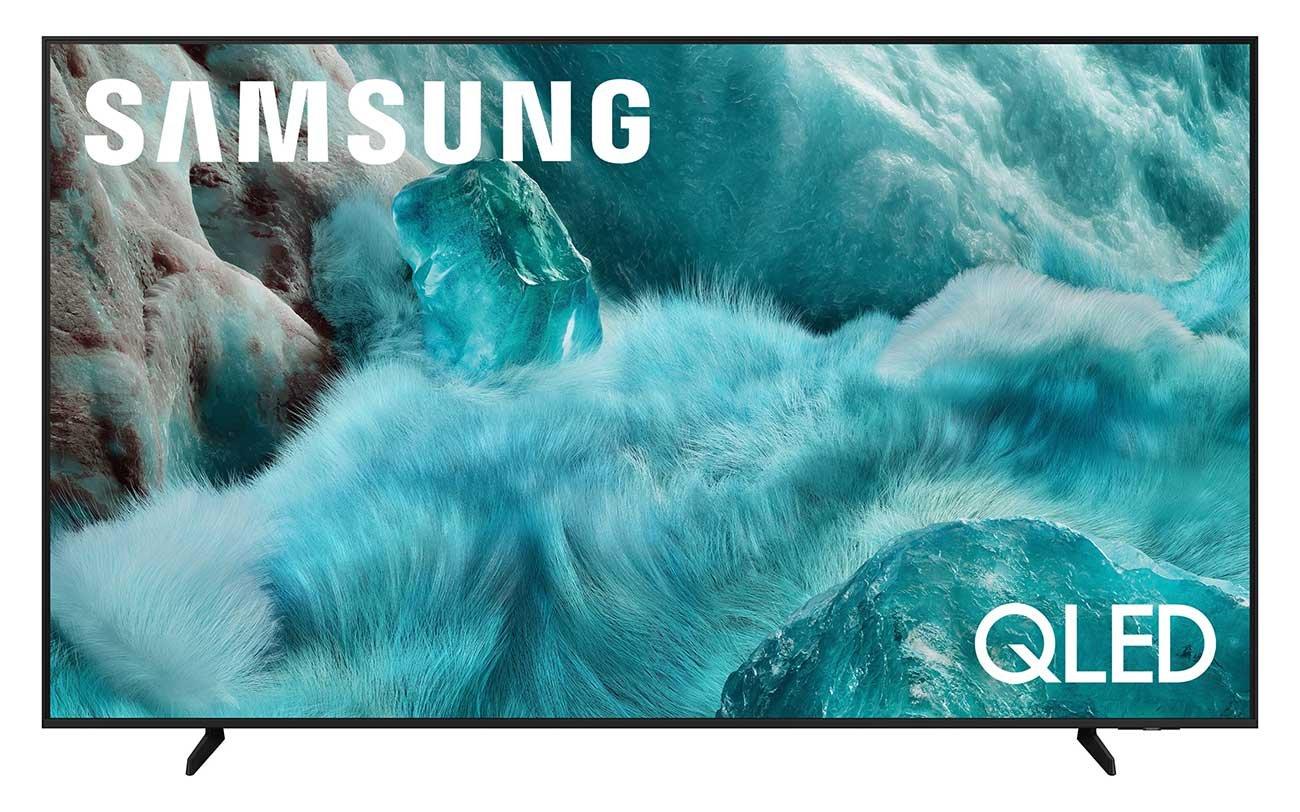
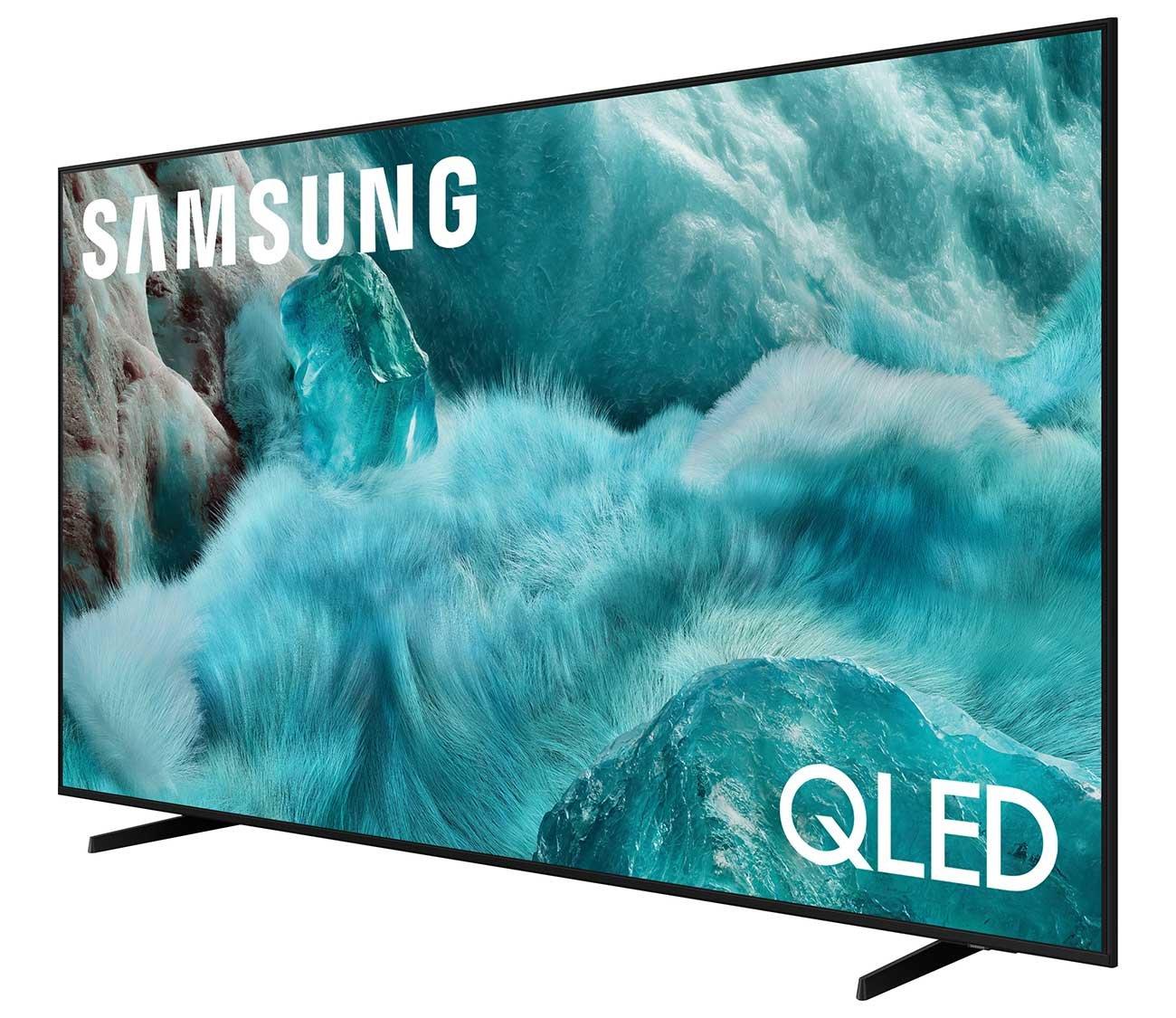
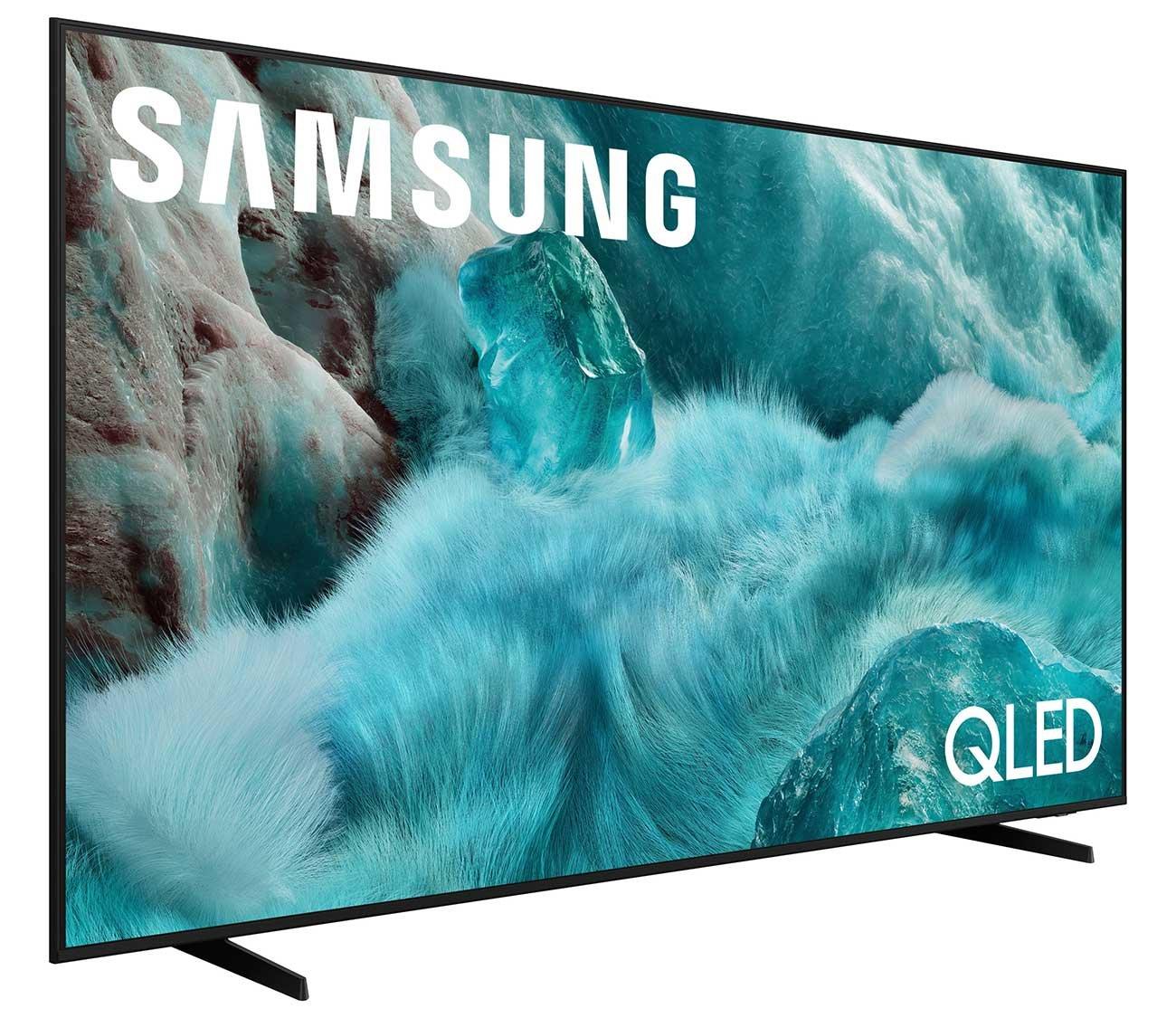

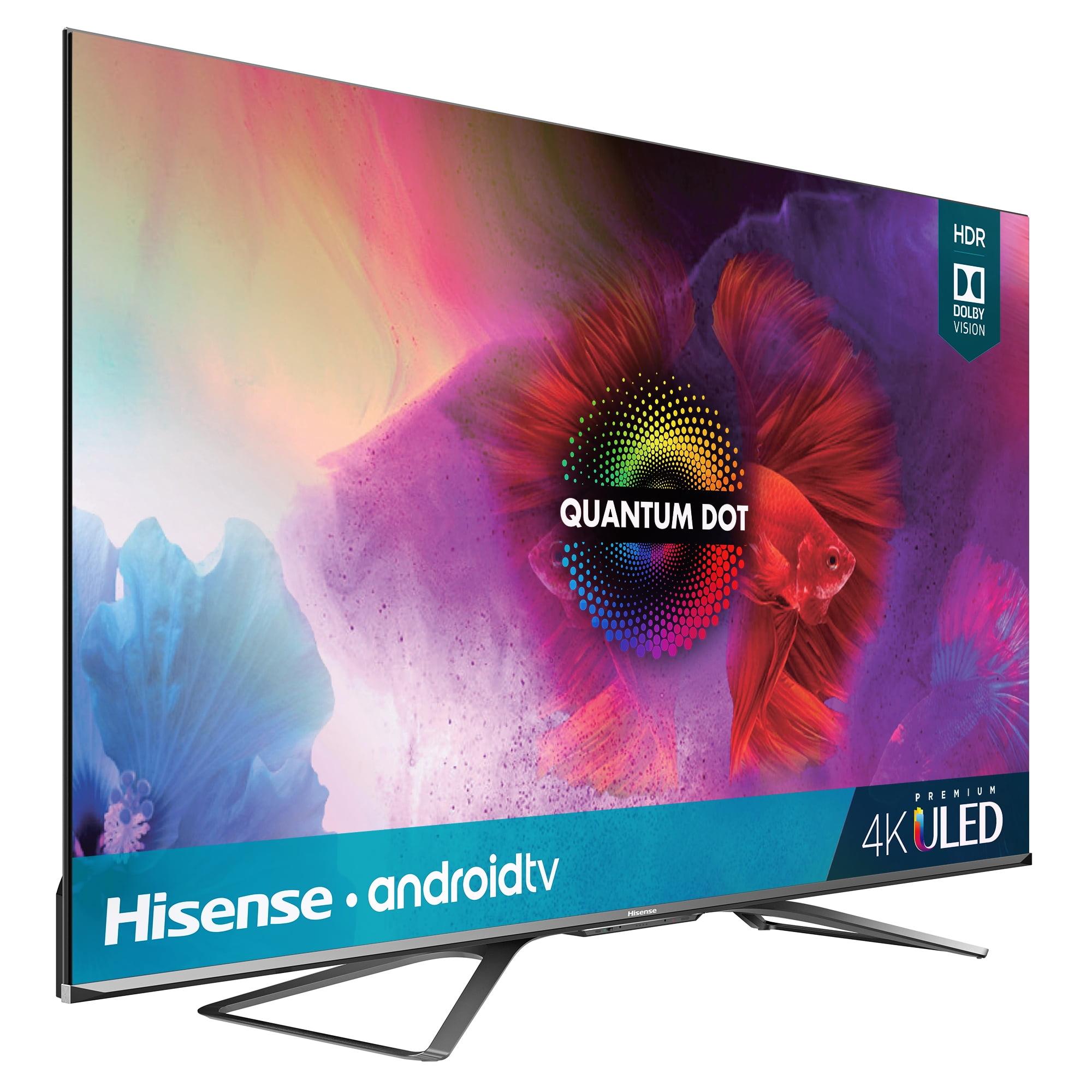

Shopping for a 65-inch TV in the budget-to-mid-range category can feel overwhelming, especially when you're comparing models from different years with vastly different approaches to picture quality and smart features. The Samsung Q7F QLED 4K Vision AI Smart TV from 2025 and the Hisense H9G Quantum Series represent two distinct philosophies in TV design—one prioritizing AI-powered smart features, the other focusing on raw picture performance.
At the time of writing, these TVs sit in similar price ranges but offer dramatically different experiences. Understanding their strengths and weaknesses will help you make the right choice for your viewing habits and budget.
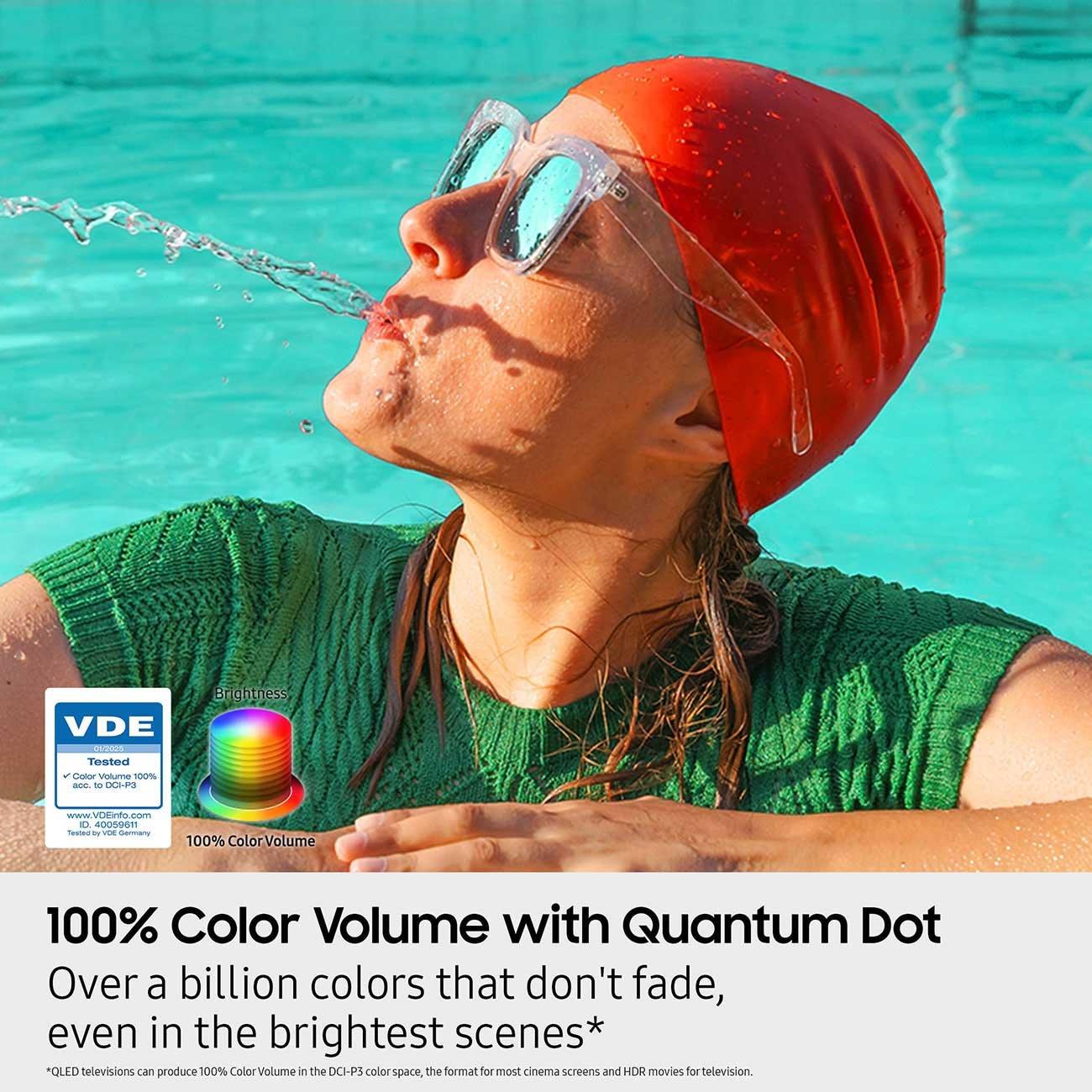
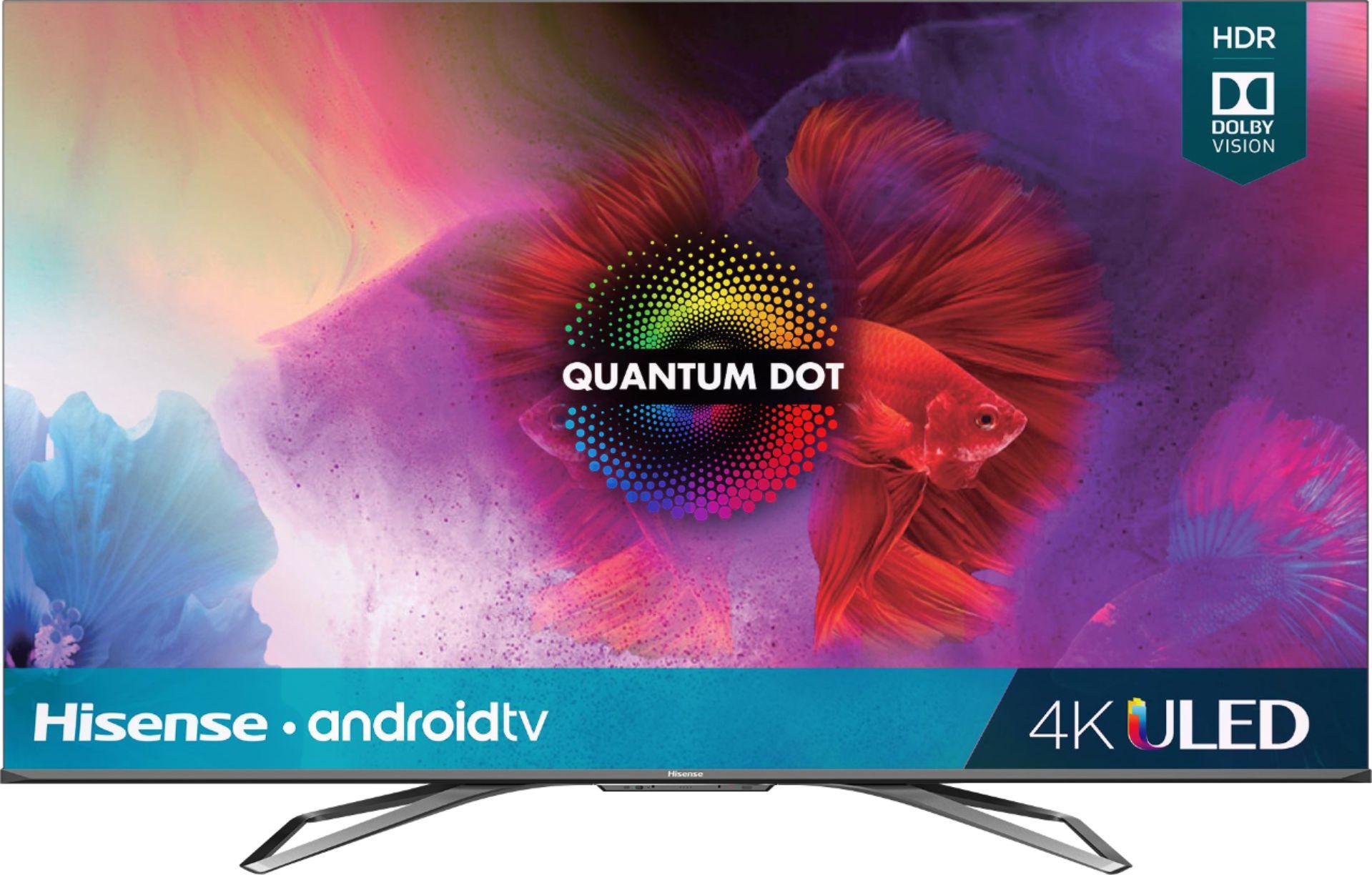
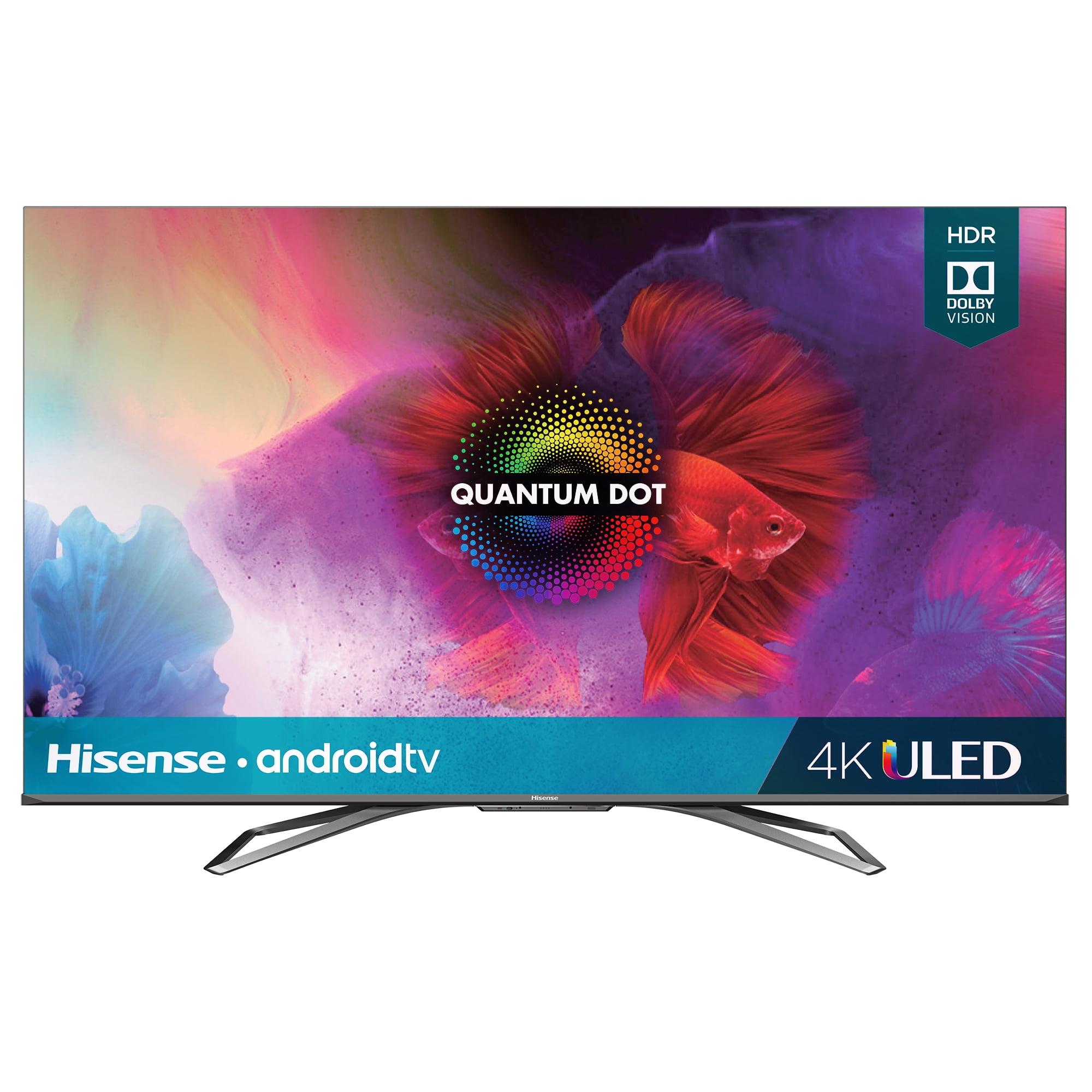
Before diving into specifics, it's worth understanding what makes modern TVs tick. Both the Samsung Q7F and Hisense H9G use quantum dot technology, which places a special layer of microscopic particles between the backlight and LCD panel. These quantum dots absorb blue light from LEDs and convert it into pure red and green colors, dramatically expanding the range of colors the TV can display—over a billion color combinations versus the roughly 16 million from traditional LCD panels.
The key differences emerge in how each manufacturer implements this technology and what additional features they prioritize. Samsung, releasing the Q7F in 2025, focused heavily on artificial intelligence integration and ecosystem connectivity. Hisense, with the H9G released earlier, concentrated on maximizing picture quality through advanced backlighting and HDR (High Dynamic Range) support.
HDR deserves special attention because it's arguably the most important advancement in TV technology over the past decade. Traditional content uses standard dynamic range, which limits how bright whites can be and how dark blacks appear. HDR content contains metadata that tells your TV exactly how bright or dark each part of the image should be, creating more realistic lighting that matches what your eyes would see in real life.
The most significant performance gap between these TVs lies in their backlighting systems. The Hisense H9G uses full-array local dimming with 180 distinct zones across its 65-inch panel. This means the TV can independently control the brightness of 180 different areas of the screen simultaneously.
When you're watching a movie scene with a bright explosion against a dark sky, local dimming allows the TV to make the explosion area extremely bright while keeping the sky sections properly dark. The Samsung Q7F, by contrast, uses edge lighting, where LEDs are positioned only around the perimeter of the panel. This creates a fundamental limitation—when the TV needs to make one part of the screen brighter, it affects the entire display, leading to grayish blacks instead of true darkness.
In our research of professional reviews and user feedback, this contrast difference is immediately noticeable. The H9G can achieve a 4500:1 static contrast ratio with local dimming enabled, while the Q7F struggles to exceed basic LCD contrast performance. For home theater use, this translates to a dramatically more immersive experience with the Hisense model.
Peak brightness determines how vibrant and impactful HDR content appears. The Hisense H9G reaches up to 1000 nits in its brightest zones, which crosses the threshold for truly effective HDR presentation. The Samsung Q7F, at 500 nits maximum, falls short of delivering the "wow factor" that makes HDR content compelling.
This brightness difference becomes crucial when watching content like nature documentaries, action movies, or sports in rooms with ambient lighting. The brighter TV can maintain image quality even when competing with sunlight from windows or overhead lighting.
The H9G also supports multiple HDR formats including Dolby Vision, HDR10+, and standard HDR10. Dolby Vision uses dynamic metadata, meaning it can optimize the picture quality scene by scene throughout a movie. The Q7F supports HDR10+ but lacks Dolby Vision, which matters because major streaming services like Netflix and Disney+ often use Dolby Vision for their premium content.
For sports fans and gamers, motion performance represents another crucial differentiator. The Hisense H9G features a native 120Hz panel, meaning it can display 120 unique frames per second. Combined with Motion Rate 480 processing, fast-moving content appears smooth and clear.
The Samsung Q7F operates at 60Hz with Motion Xcelerator processing. While adequate for most TV shows and movies, you'll notice the difference during rapid camera pans in sports or action sequences. The 60Hz limitation also affects gaming performance with modern consoles that can output 120fps content.
This refresh rate advantage extends beyond just smoothness—it also impacts input lag, which measures the delay between when you press a controller button and see the result on screen. Gaming enthusiasts will find the H9G more responsive, though both TVs include dedicated game modes that reduce processing delays.
The Samsung Q7F represents Samsung's 2025 vision for intelligent television. Samsung Vision AI analyzes your viewing patterns and suggests content across multiple streaming services. It can perform real-time translation of foreign language content, recognize gestures for hands-free control, and integrate seamlessly with Samsung smartphones and tablets.
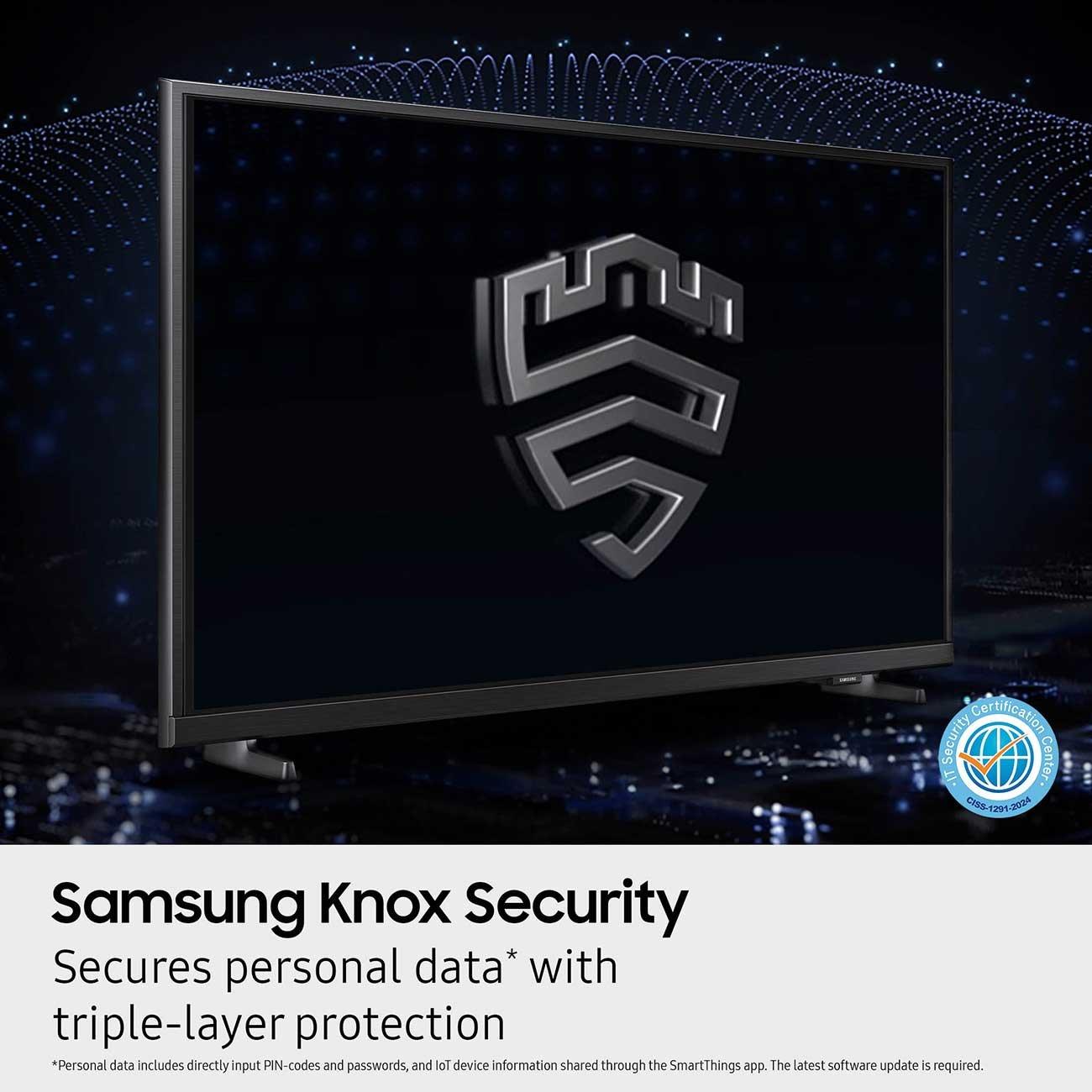
The Tizen operating system has evolved significantly by 2025, offering a cleaner interface design and faster performance than earlier iterations. Samsung TV Plus provides access to over 2,700 free channels, which adds considerable value for cord-cutters. The Knox security system, borrowed from Samsung's mobile division, provides enterprise-grade protection for your personal data and viewing habits.
However, Samsung's ecosystem works best when you're already invested in their products. If you own a Samsung phone, Galaxy Watch, or use SmartThings home automation, the integration feels seamless. For users with mixed device ecosystems, some features lose their appeal.
The Hisense H9G runs Android TV, which offers different advantages. Google's platform provides access to the full Google Play Store, meaning you can install virtually any Android app on your TV—something impossible with Samsung's more restricted app selection.
Built-in Chromecast functionality allows effortless casting from any device, regardless of manufacturer. The voice control system uses Google Assistant with hands-free operation through built-in microphones, eliminating the need to find your remote for basic commands.
Android TV's weakness lies in occasional performance hiccups and a less refined interface compared to Samsung's custom solution. However, for users who prioritize app flexibility and Google ecosystem integration, it provides superior versatility.
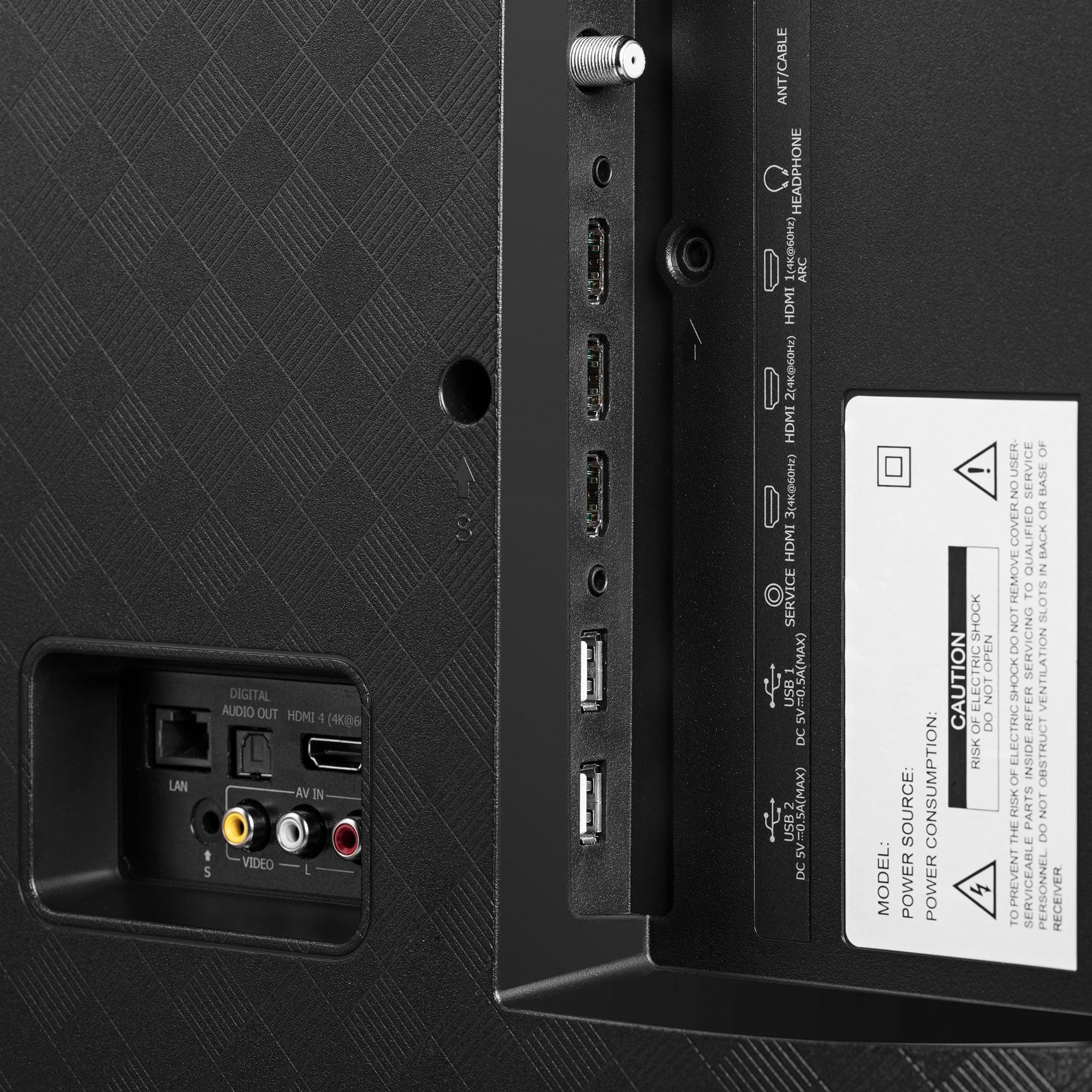
Modern gaming consoles like the PlayStation 5 and Xbox Series X can output games at 120 frames per second, but only when connected to compatible displays. The Hisense H9G, with its native 120Hz panel and multiple HDMI ports, can take full advantage of these capabilities.
The Samsung Q7F, limited to 60Hz refresh rates and only three HDMI ports, cannot display next-generation gaming features. While it includes Auto Low Latency Mode (ALLM) to reduce input lag automatically, the lack of Variable Refresh Rate (VRR) support means screen tearing can occur during demanding games.
For casual gaming, both TVs perform adequately. For serious gamers or anyone planning to keep their TV for several years, the H9G offers better future-proofing despite being an older model.
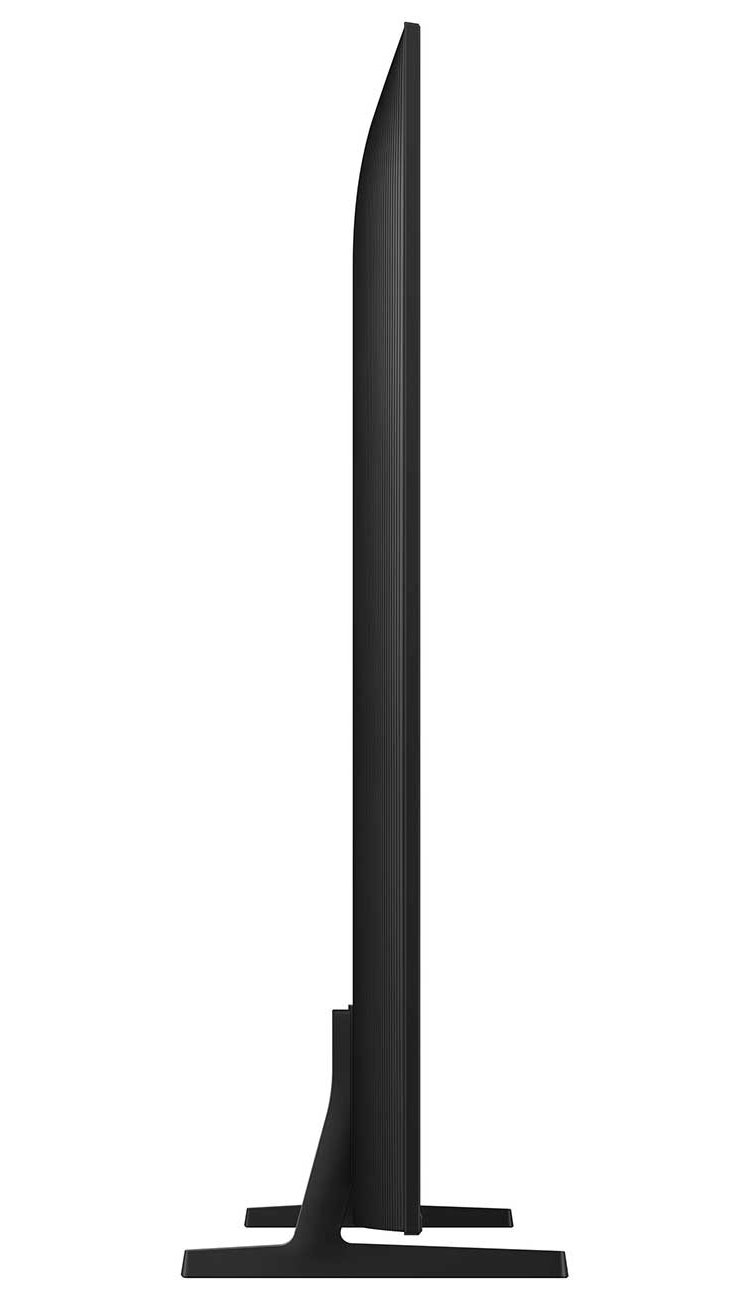
Samsung's reputation for build quality and customer service provides peace of mind that Hisense, as a newer player in the premium TV market, hasn't fully established. The Q7F features Samsung's typical attention to design details, with a slim profile and premium remote control.
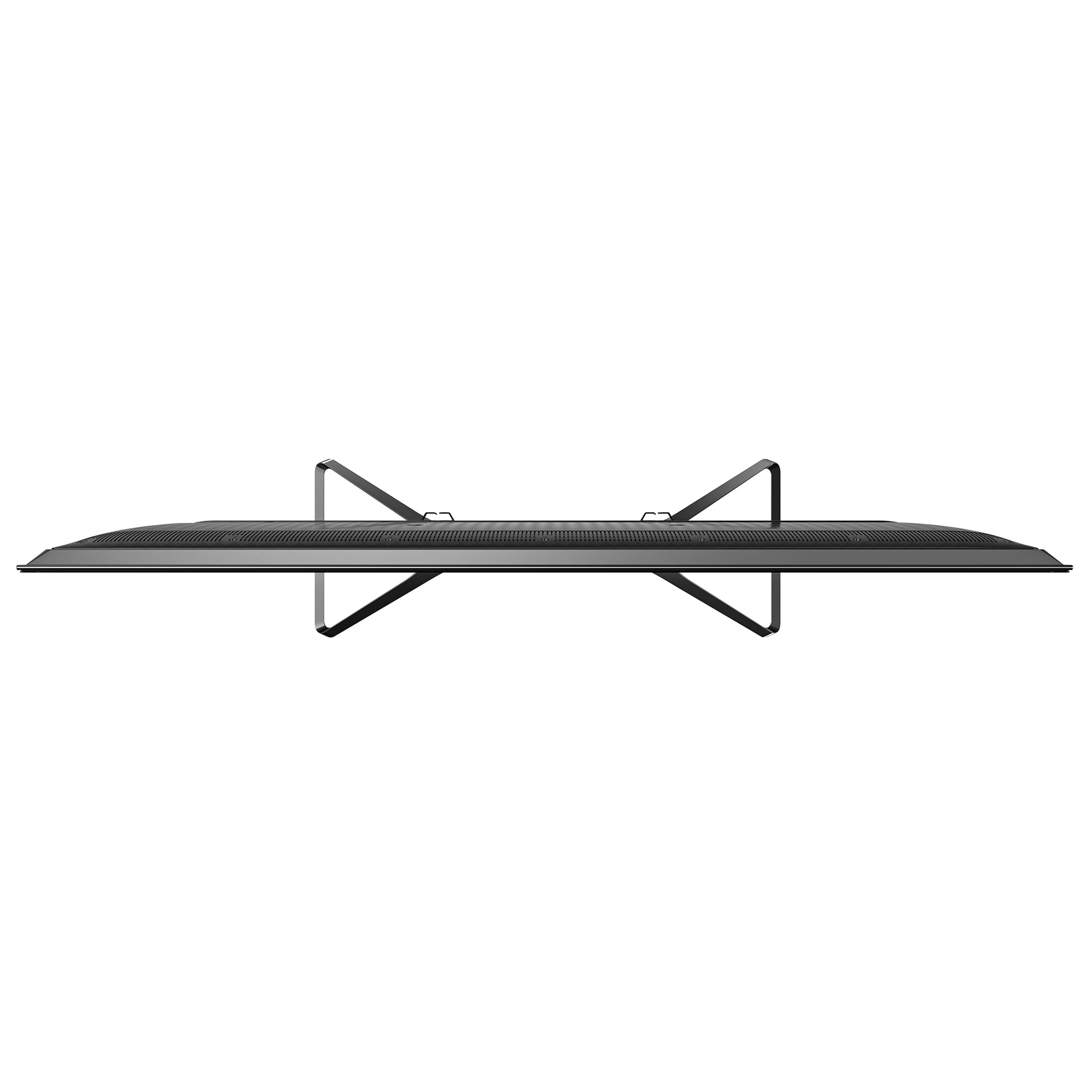
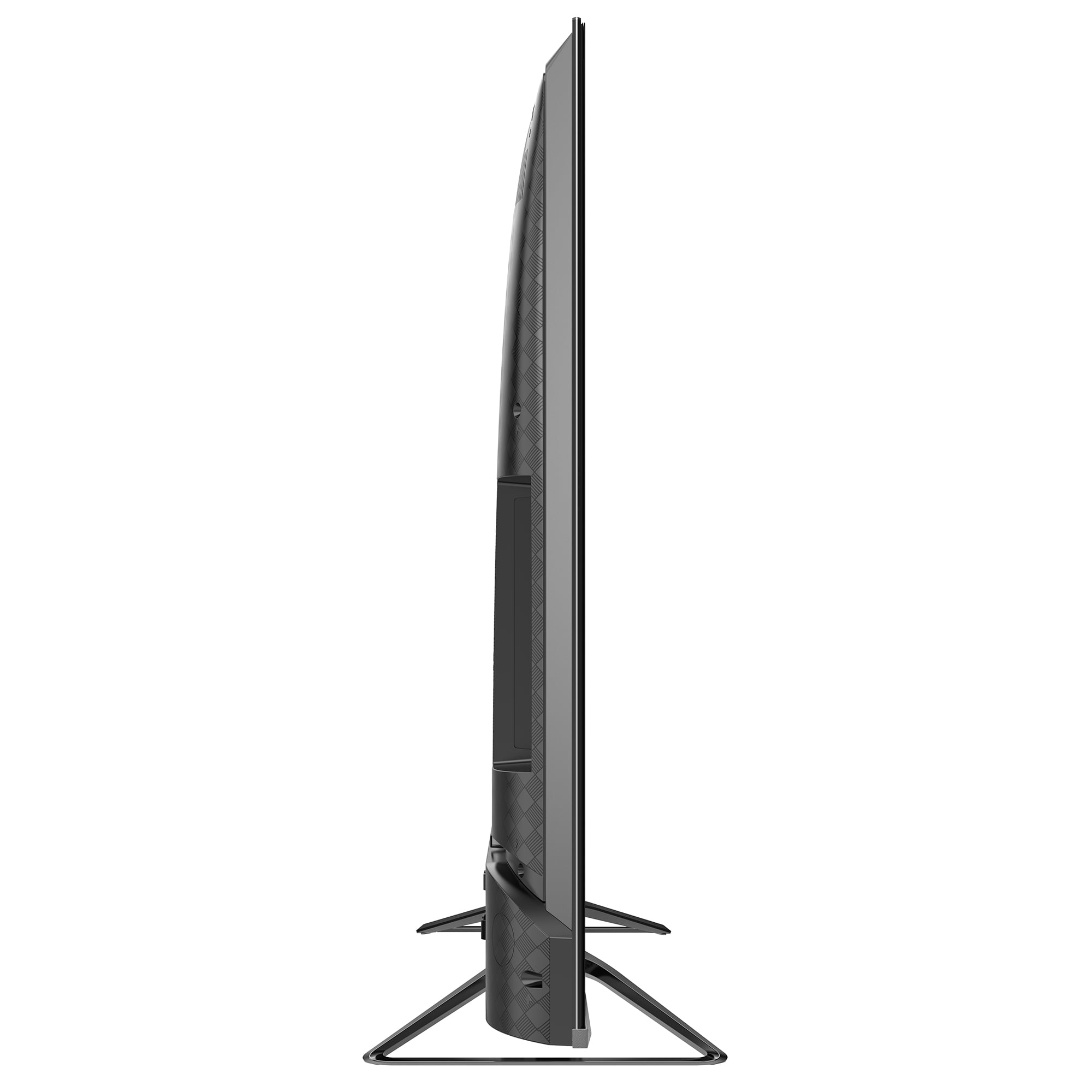
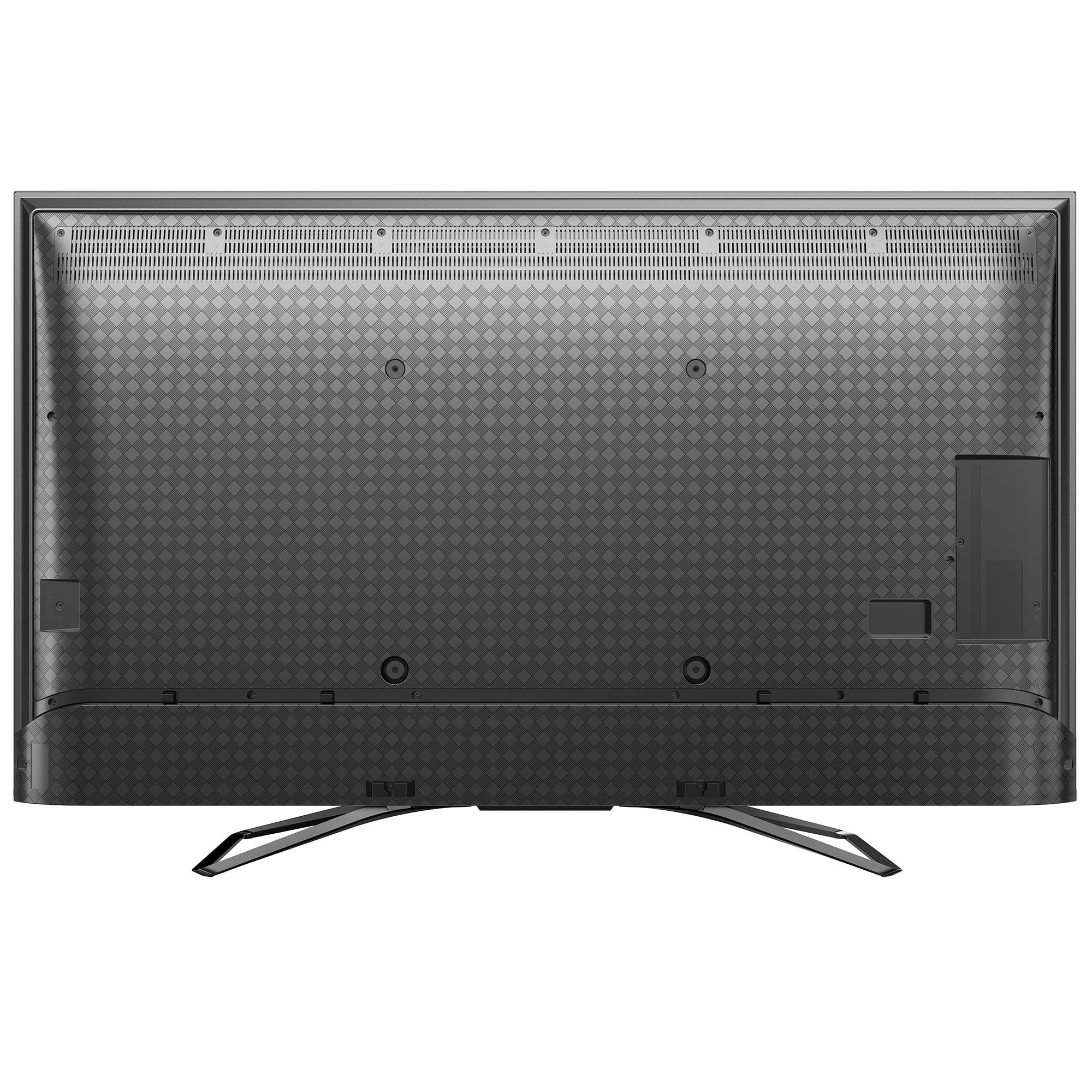
The Hisense H9G focuses more on performance than aesthetics, resulting in a slightly thicker profile due to its full-array backlighting system. While the build quality has improved significantly from Hisense's early efforts, some users report concerns about long-term reliability compared to established brands.
Both TVs include comprehensive warranty coverage, but Samsung's service network and parts availability generally provide better long-term support options.
Neither TV will replace a dedicated sound system for serious home theater use, but their audio approaches differ meaningfully. The Hisense H9G includes Dolby Atmos processing, which creates a more three-dimensional soundstage from its built-in speakers.
The Samsung Q7F features Object Tracking Sound Lite, which attempts to move audio effects across the screen to match on-screen action. With 20W total power output, it provides adequate volume for most rooms but lacks the dynamic range for movie soundtracks.
Both TVs support eARC (enhanced Audio Return Channel) for connecting external sound systems, which most serious viewers will prefer over built-in speakers.
Your decision between these TVs should primarily depend on what you value most in your viewing experience.
Choose the Samsung Q7F if you're deeply integrated into Samsung's ecosystem, prioritize cutting-edge AI features over picture quality, or need the latest smart TV capabilities. It makes sense for casual viewers who primarily watch streaming content in well-lit rooms and appreciate convenience features over technical performance.
The Hisense H9G emerges as the clear winner for anyone prioritizing picture quality, home theater use, or gaming performance. Its superior contrast, brightness, and motion handling create a noticeably better viewing experience for movies, sports, and games. The Android TV platform offers more flexibility for app installation and device compatibility.
At the time of writing, both TVs occupy similar price ranges, making the H9G the better value for performance-focused buyers. The Q7F's AI features and brand premium don't compensate for its significant picture quality limitations.
For dedicated home theater rooms, the Hisense H9G is the obvious choice. Its local dimming and high brightness capabilities create the dramatic contrast and vibrant colors that make movie watching truly engaging. The Samsung Q7F works better as a family room TV where smart features matter more than ultimate picture quality.
Consider your long-term needs as well. The H9G's 120Hz panel and gaming features provide better future-proofing, while the Q7F's AI capabilities may become more valuable as content and services evolve.
Ultimately, both TVs serve their intended markets well, but they appeal to fundamentally different priorities. The Hisense H9G delivers exceptional performance for the money, while the Samsung Q7F offers convenience and integration at the cost of technical compromise.
| Samsung 65" Q7F QLED 4K Vision AI Smart TV 2025 | Hisense 65" H9G Quantum Series 4K UHD Smart Android TV |
|---|---|
| Display Technology - Determines color vibrancy and overall picture quality | |
| QLED with Quantum Dot, edge-lit backlight | QLED with Quantum Dot, full-array local dimming |
| Local Dimming - Critical for deep blacks and contrast in dark scenes | |
| None (edge-lit only, causes grayish blacks) | 180 zones (delivers true blacks and superior contrast) |
| Peak Brightness - Essential for HDR impact and daytime viewing | |
| 500 nits (adequate for most content) | 1,000 nits (excellent HDR performance) |
| Refresh Rate - Affects motion smoothness and gaming capability | |
| 60Hz (standard for most content) | 120Hz native (smoother motion, gaming-ready) |
| HDR Support - Determines premium content compatibility | |
| HDR10+ only | HDR10+, HDR10, Dolby Vision, HLG |
| Smart Platform - Affects app selection and user experience | |
| Tizen with Samsung Vision AI | Android TV with Google Assistant |
| Gaming Features - Important for console gaming performance | |
| ALLM only, 60Hz limit, 3 HDMI ports | ALLM, 120Hz support, 4 HDMI ports |
| Audio Technology - Built-in sound quality | |
| Object Tracking Sound Lite, 20W | Dolby Atmos support, 20W |
| Processor - Affects interface speed and upscaling quality | |
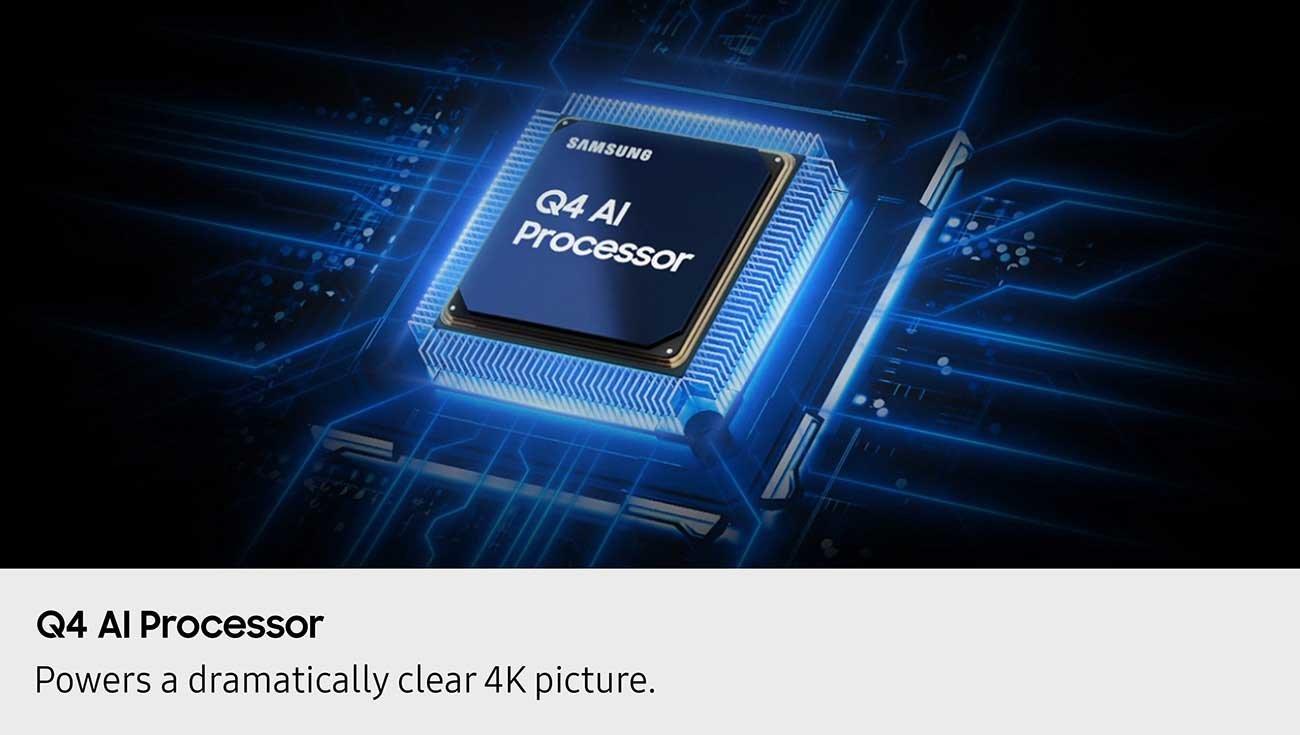
| Q4 AI Processor with Vision AI | Standard Android TV processor |
| Voice Control - Hands-free operation capabilities | |
| Bixby, Alexa (remote-based) | Google Assistant (hands-free with built-in mics) |
| Best Use Case - Who should buy this TV | |
| Samsung ecosystem users prioritizing AI features | Home theater enthusiasts wanting superior picture quality |
The Hisense H9G Quantum Series delivers significantly better picture quality thanks to its 180-zone full-array local dimming and 1,000-nit peak brightness. This creates deeper blacks, brighter highlights, and more realistic HDR content compared to the Samsung Q7F's edge-lit design that produces grayish blacks.
The Samsung Q7F runs Tizen with Samsung Vision AI for personalized recommendations and ecosystem integration, while the Hisense H9G uses Android TV with full Google Play Store access. Android TV offers more app flexibility, but Samsung's platform provides better AI features and SmartThings integration.
The Hisense H9G Quantum Series is superior for modern gaming with its native 120Hz panel, four HDMI ports, and lower input lag. The Samsung Q7F is limited to 60Hz refresh rates and only three HDMI ports, making it less suitable for next-gen console gaming.
The Hisense H9G supports multiple HDR formats including Dolby Vision, HDR10+, and standard HDR10, plus has the brightness to properly display HDR content. The Samsung Q7F only supports HDR10+ and lacks sufficient brightness for impactful HDR viewing.
The Hisense H9G Quantum Series performs better in bright environments due to its 1,000-nit peak brightness that can compete with ambient lighting. The Samsung Q7F at 500 nits may appear washed out in very bright rooms.
Samsung generally has a stronger reputation for long-term reliability and customer service support. While the Hisense H9G offers excellent performance, the Samsung Q7F may provide better peace of mind for buyers concerned about brand reputation and warranty service.
The Samsung Q7F offers more advanced AI features including Vision AI for content recommendations and gesture controls, but requires the remote for voice commands. The Hisense H9G provides hands-free Google Assistant control with built-in microphones and broader app compatibility.
For dedicated home theater use, the Hisense H9G Quantum Series is the clear winner with its superior contrast ratio, local dimming, and high brightness that create a more cinematic experience. The Samsung Q7F lacks the picture quality fundamentals needed for serious home theater applications.
The Hisense H9G typically offers better value by delivering premium picture quality features like full-array local dimming and high brightness at a competitive price point. The Samsung Q7F may cost similar amounts but sacrifices significant picture performance for AI features.
The Hisense H9G Quantum Series includes Dolby Atmos processing for more immersive sound, while the Samsung Q7F features Object Tracking Sound Lite that moves audio effects across the screen. Both have similar 20W power output and benefit from external sound systems.
Both TVs handle streaming well, but the Hisense H9G better displays the Dolby Vision content from Netflix and Disney+ thanks to its format support and higher brightness. The Samsung Q7F offers good streaming performance but misses Dolby Vision compatibility for premium content.
Choose the Samsung Q7F if you own Samsung phones, tablets, or use SmartThings home automation for seamless integration. Pick the Hisense H9G Quantum Series if you prefer Google's ecosystem, want broader device compatibility, or prioritize picture quality over ecosystem features.
We've done our best to create useful and informative comparisons to help you decide what product to buy. Our research uses advanced automated methods to create this comparison and perfection is not possible - please contact us for corrections or questions. These are the sites we've researched in the creation of this article: bestbuy.com - youtube.com - samsung.com - samsung.com - pcrichard.com - samsung.com - samsung.com - videoandaudiocenter.com - displayspecifications.com - bestbuy.com - samsung.com - samsung.com - samsung.com - samsung.com - news.samsung.com - rtings.com - bestbuy.com - techradar.com - youtube.com - digitaltrends.com - assets.hisense-usa.com - bestbuy.com - youtube.com - bestbuy.com

Privacy Policy
Terms and Conditions - Affiliate Policy
Home Security
© Copyright 2008-2026.
11816 Inwood Rd #1211, Dallas, TX 75244