

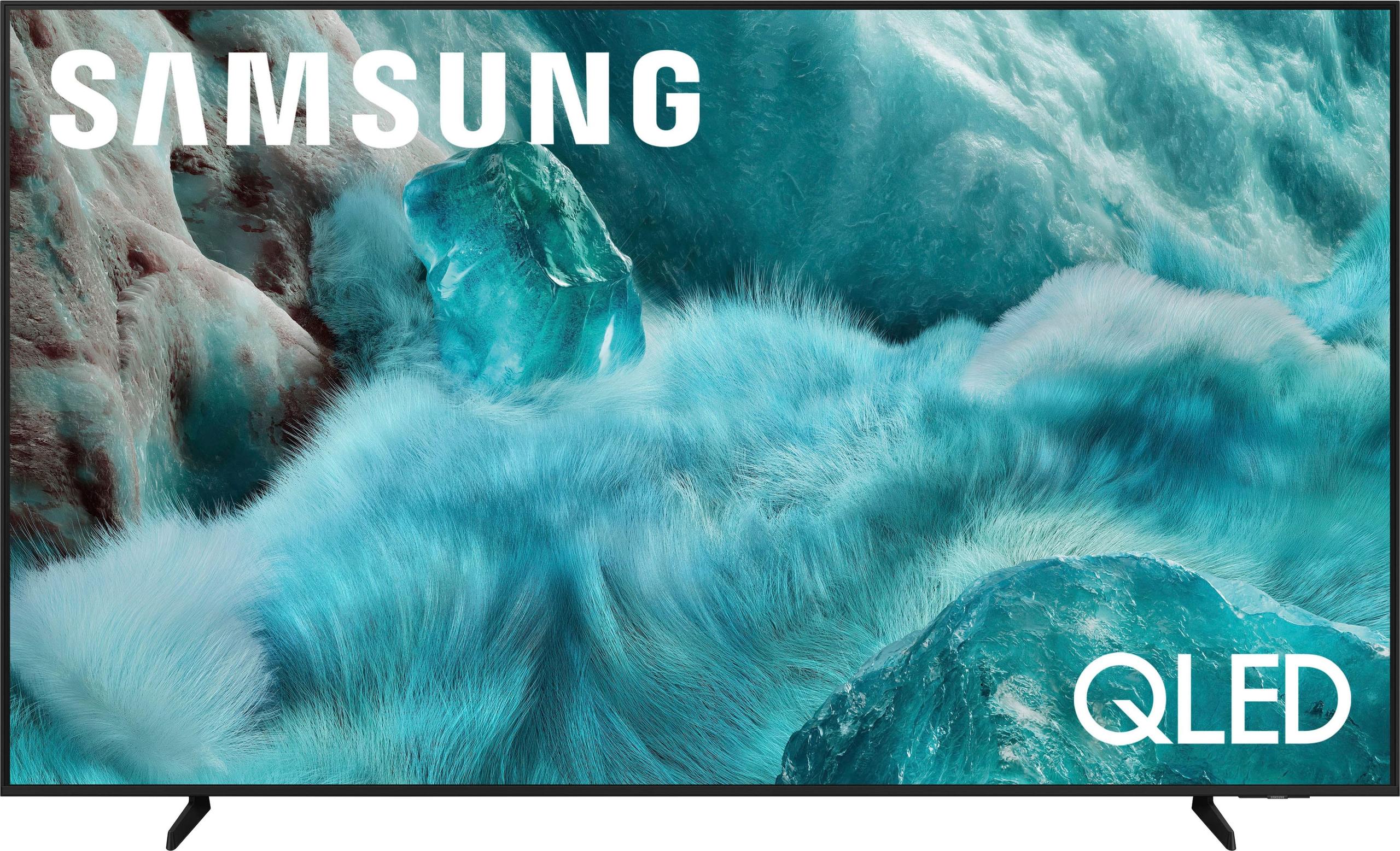
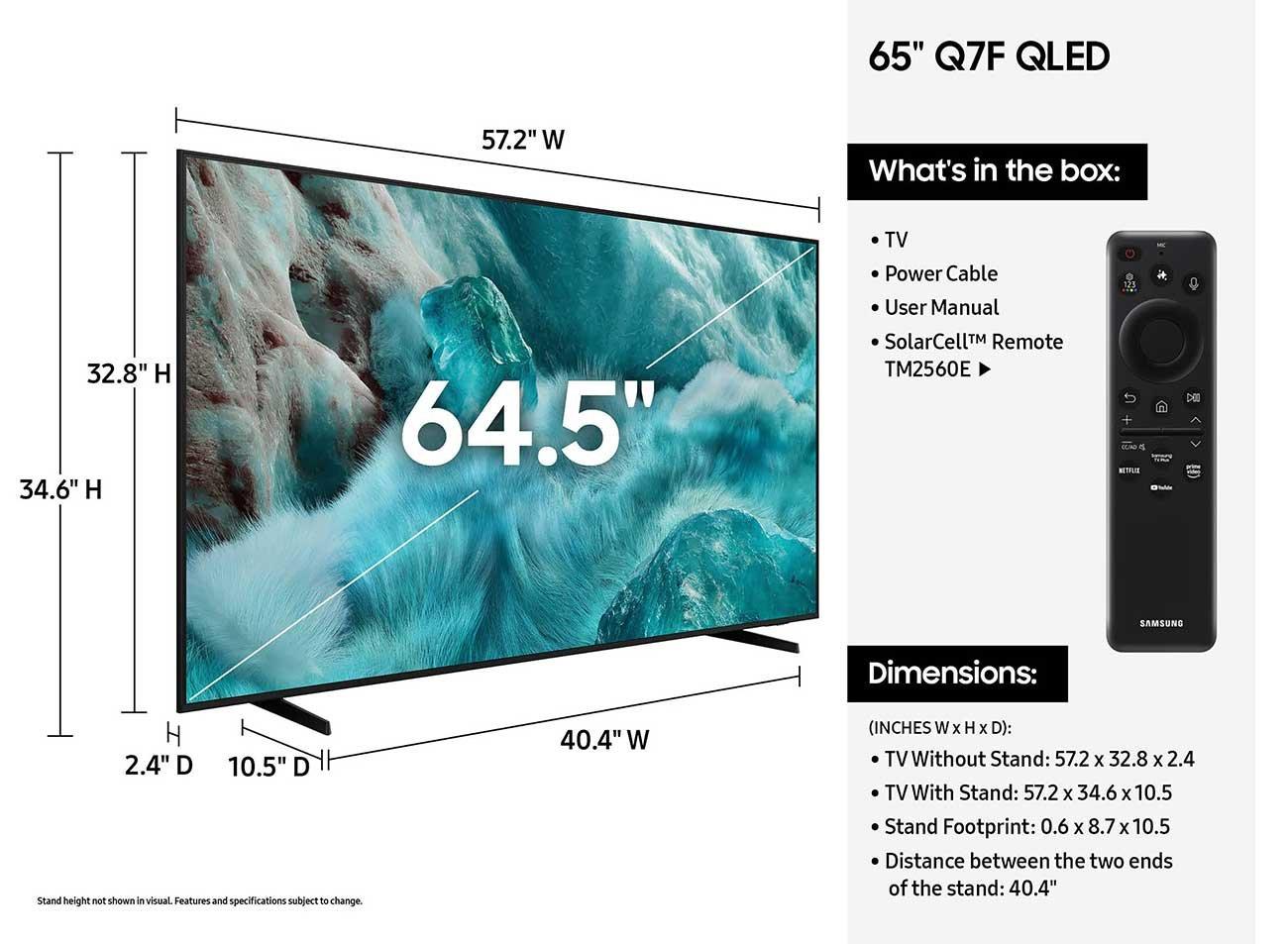

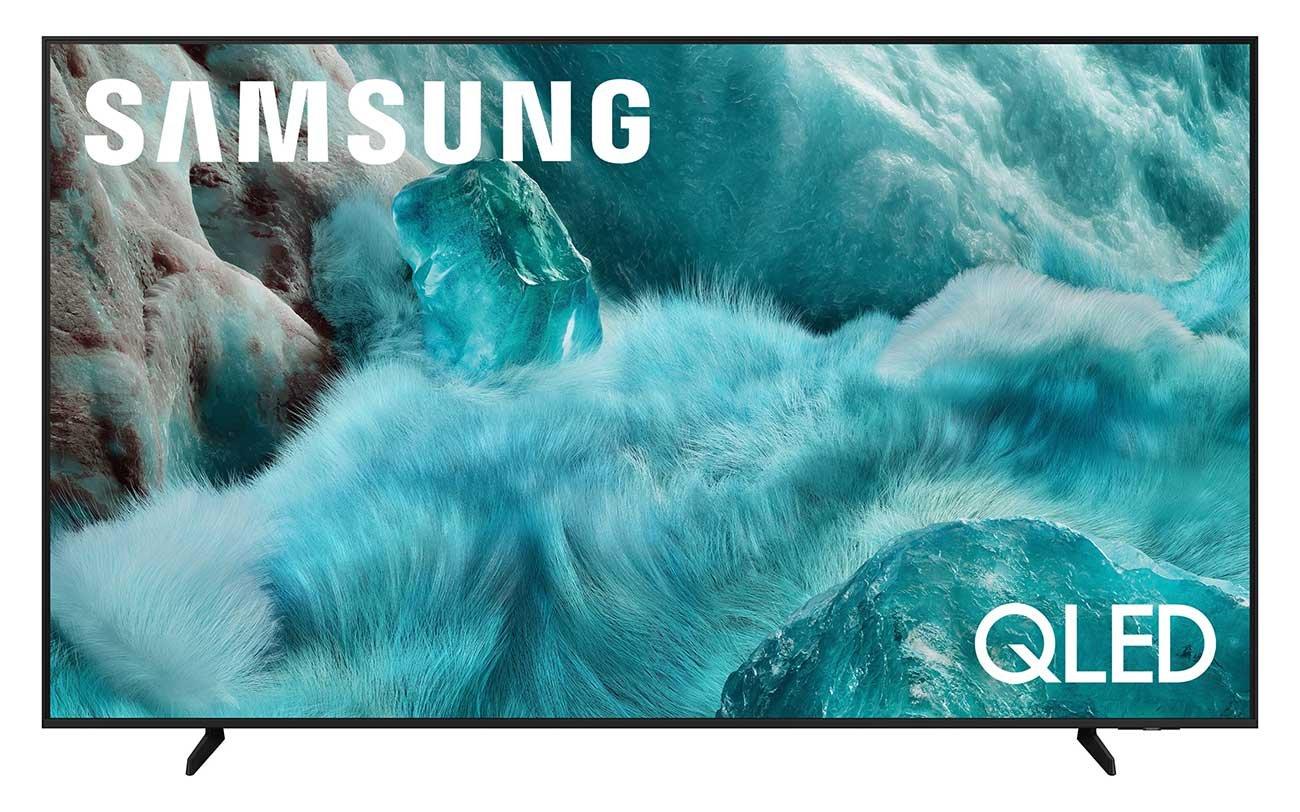

Choosing a 65-inch TV has never been more complex, but also never more exciting. The sweet spot between performance and price has shifted dramatically, with technologies like OLED becoming more accessible while QLED continues to improve. Today we're comparing two fundamentally different approaches to premium television: the Samsung Q7F QLED 2025 and the Sony BRAVIA 8 OLED 2024.
These TVs represent a fascinating clash of philosophies. Samsung's approach prioritizes bright room performance and value-packed features through their QLED technology, while Sony focuses on ultimate picture quality and gaming performance with traditional OLED tech. At the time of writing, there's a significant price gap between them—the Samsung Q7F positions itself as an affordable premium option, while the Sony BRAVIA 8 commands nearly three times the price.
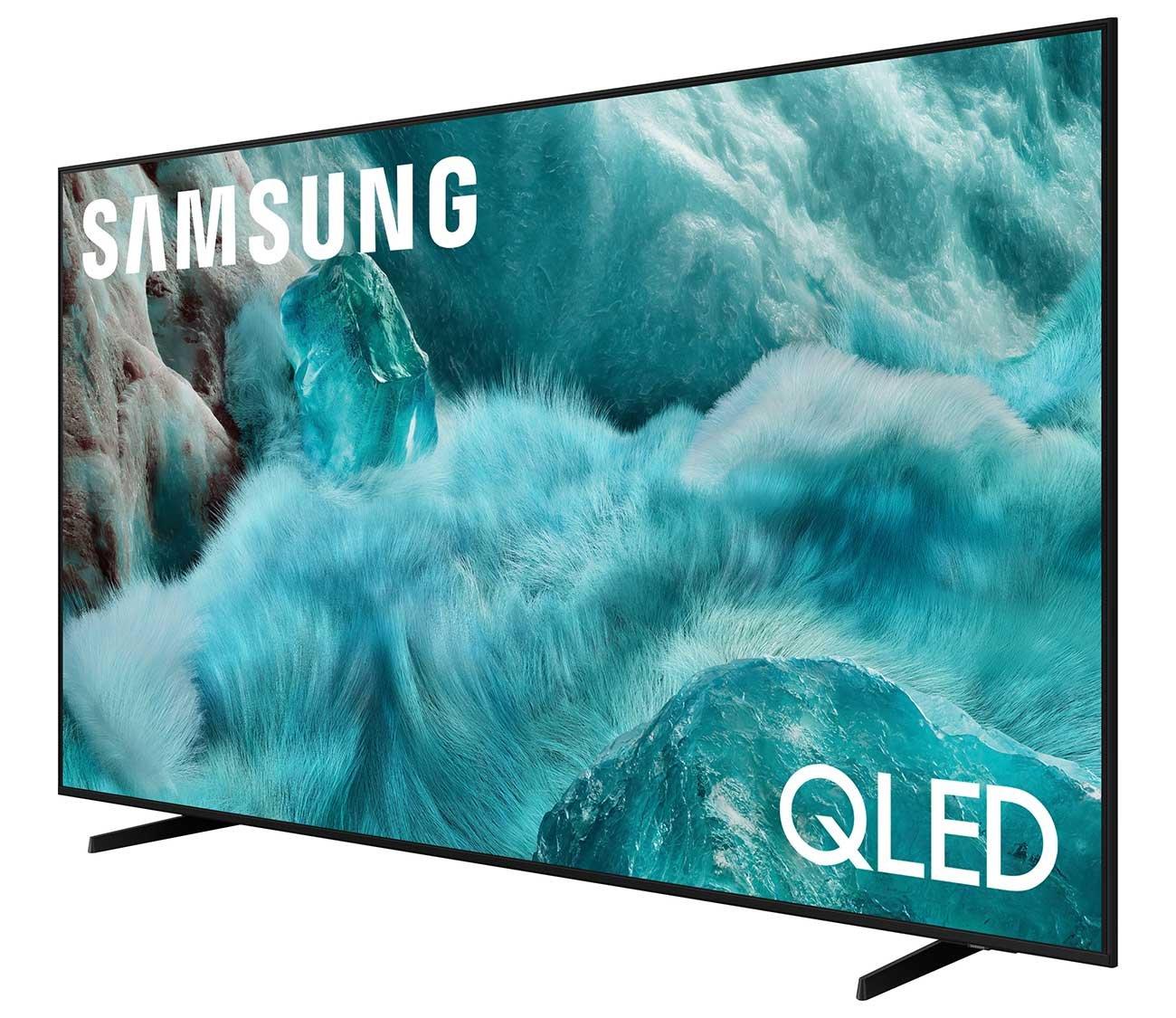
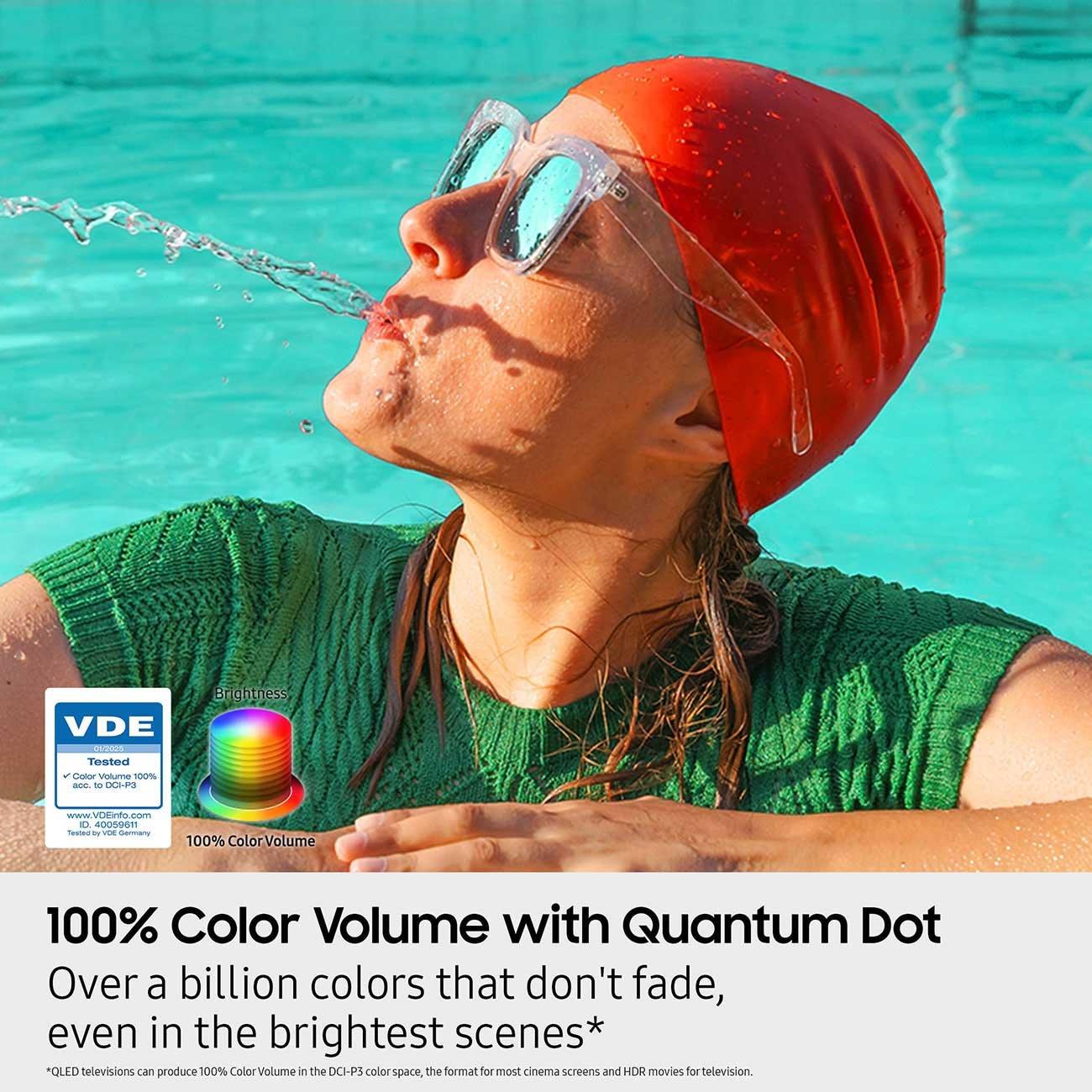
The core difference between these televisions lies in how they create light and color. The Samsung Q7F uses QLED technology, which is essentially a high-quality LED TV with quantum dots—tiny particles that enhance color accuracy and brightness when light passes through them. Think of quantum dots as microscopic filters that make colors more pure and vibrant.
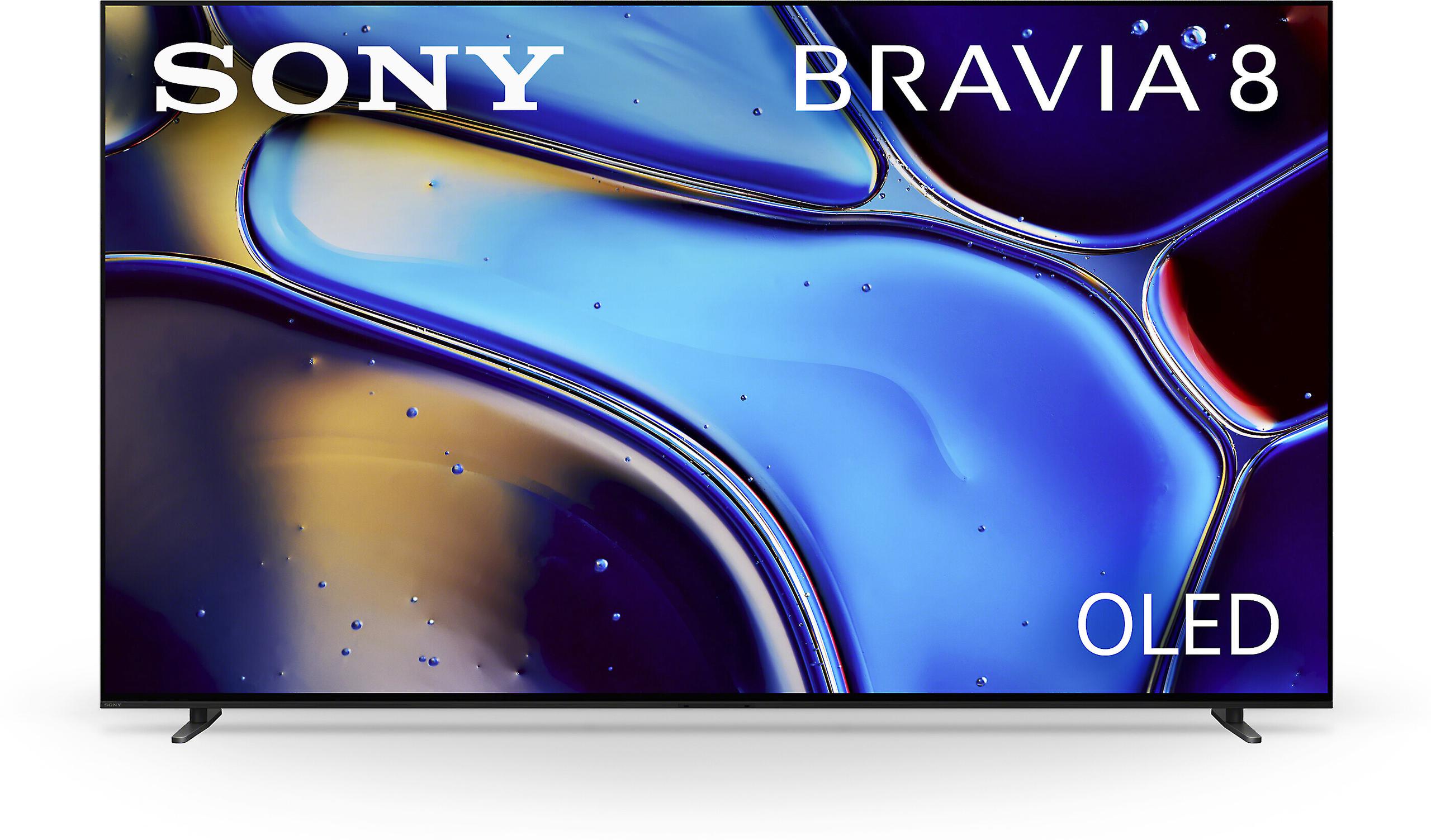
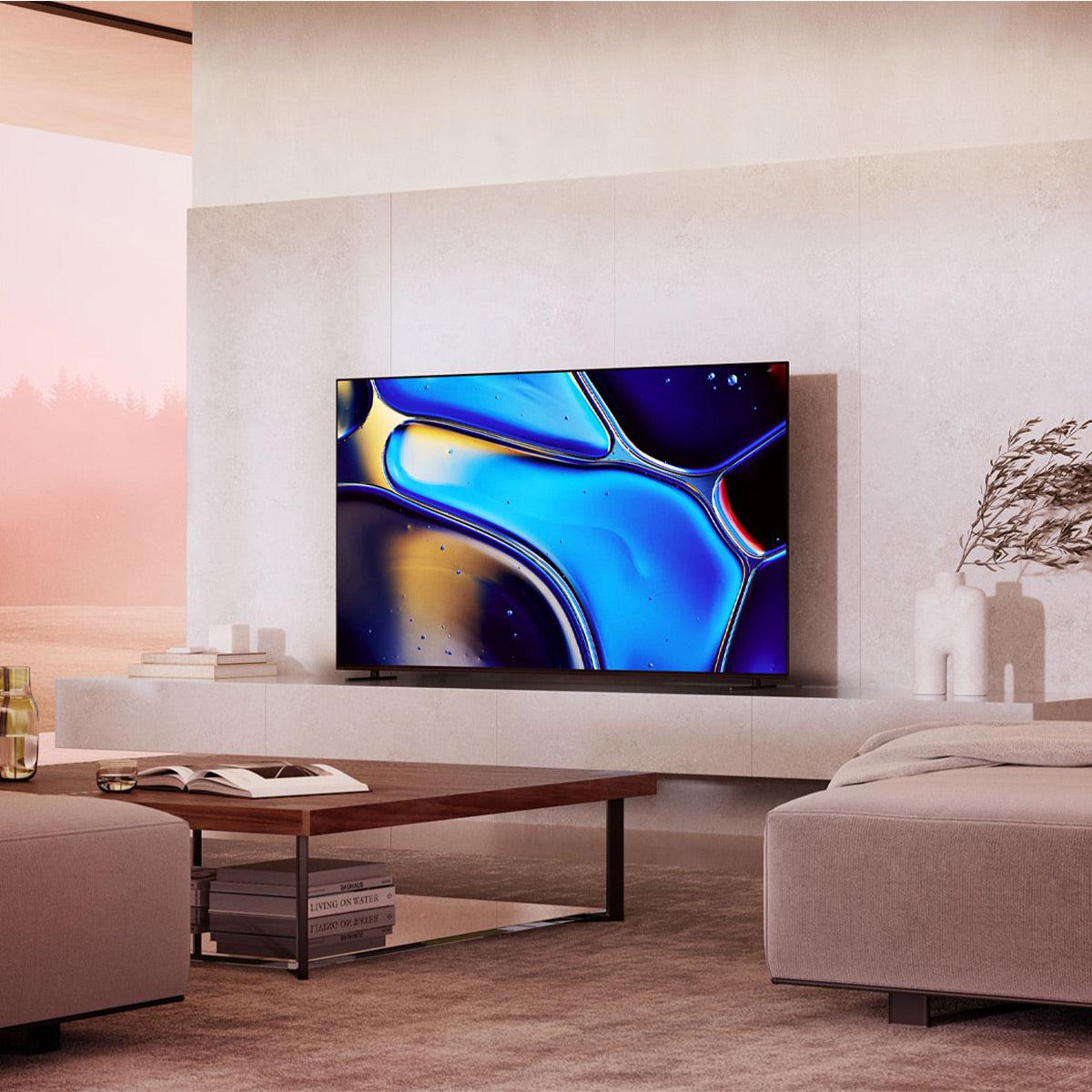
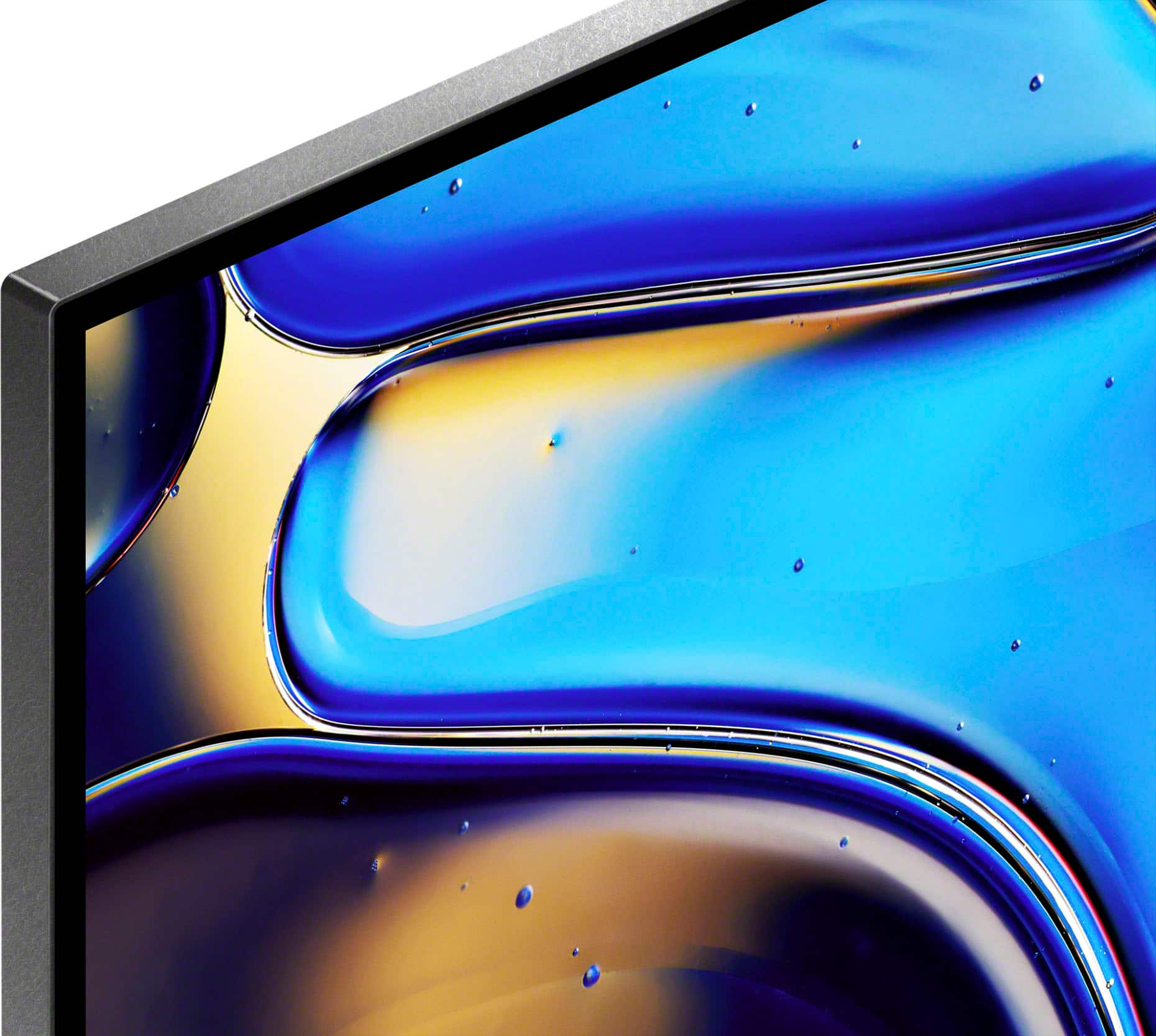
The Sony BRAVIA 8, on the other hand, uses OLED technology where each individual pixel creates its own light. When a pixel needs to be black, it simply turns off completely. This fundamental difference shapes everything about how these TVs perform, from their contrast capabilities to their power consumption.
Both TVs launched within the past year, representing the latest thinking from their respective manufacturers. Samsung's 2025 Q7F introduces their Vision AI technology, which uses artificial intelligence to optimize picture settings, generate custom wallpapers, and enhance the smart TV experience. Sony's 2024 BRAVIA 8 builds on years of OLED refinement, incorporating their XR Processor that analyzes images the way human eyes and brains do.
When it comes to picture quality, these TVs tell very different stories. The Sony BRAVIA 8 delivers what many consider the gold standard for contrast—infinite contrast ratio means true blacks that make colors pop dramatically. When you're watching a space movie and see stars against the void of space, those black areas are actually off, not just very dark gray like on most TVs.
The Samsung Q7F can't match this level of contrast due to its LED backlighting system, but it compensates with impressive peak brightness. In bright rooms with lots of windows, the Samsung actually performs better because it can push more light to combat reflections and maintain image quality. The quantum dot technology delivers rich, saturated colors that remain vibrant even in challenging lighting conditions.
HDR (High Dynamic Range) performance showcases another key difference. The Sony BRAVIA 8 supports Dolby Vision, which adjusts brightness and color on a scene-by-scene basis for optimal viewing. The Samsung Q7F uses HDR10+ instead, which offers similar capabilities but isn't quite as widely adopted by streaming services. Both formats deliver dramatically better picture quality than standard content, but Dolby Vision's broader support gives Sony a slight edge for streaming content.
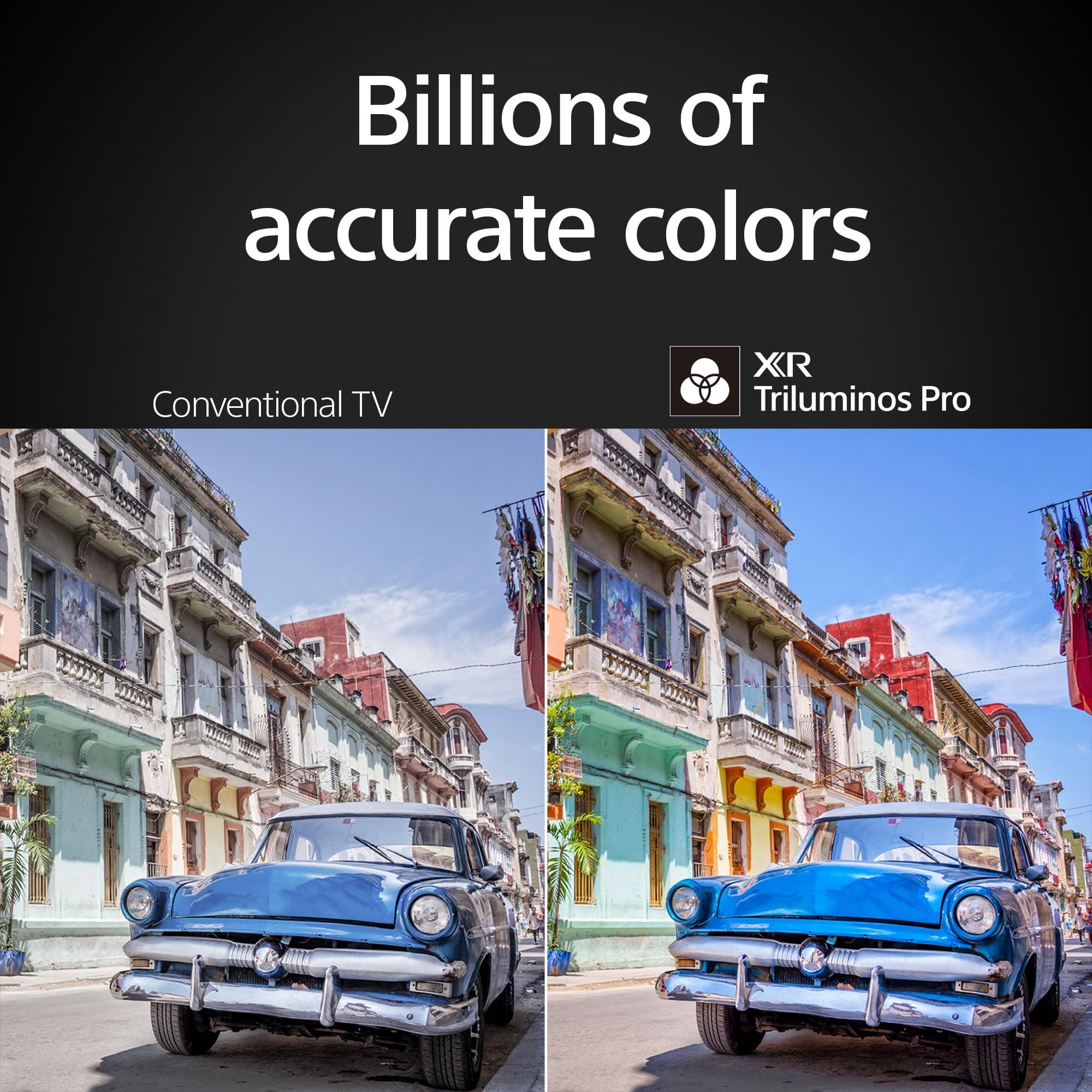
Color accuracy represents an interesting trade-off. Sony's XR Triluminos Pro technology aims for natural, lifelike colors that content creators intended. Samsung's Quantum Dot approach often produces more vivid, eye-catching colors that some viewers prefer, even if they're not technically more accurate. It's similar to the difference between a professional photo edit and an Instagram filter—both have their place depending on your preferences.
For gaming, the Sony BRAVIA 8 dominates in almost every category that matters. The 120Hz refresh rate means games can display twice as many frames per second compared to the Samsung Q7F's 60Hz limitation. This translates to smoother motion in fast-paced games, reduced blur during quick camera movements, and an overall more responsive feel.
Variable Refresh Rate (VRR) support on the Sony eliminates the visual tearing that occurs when your console's frame rate doesn't perfectly match the TV's refresh rate. Auto Low Latency Mode (ALLM) automatically switches to gaming mode when it detects a console, minimizing input lag—the delay between pressing a button and seeing the action on screen.
The Samsung Q7F includes gaming mode to reduce input lag, but lacks the advanced features that serious gamers have come to expect from modern consoles like the PlayStation 5 or Xbox Series X. If you're primarily playing casual games or older consoles, the Samsung performs adequately. However, competitive gamers or enthusiasts with current-generation consoles will feel limited by the Samsung's capabilities.
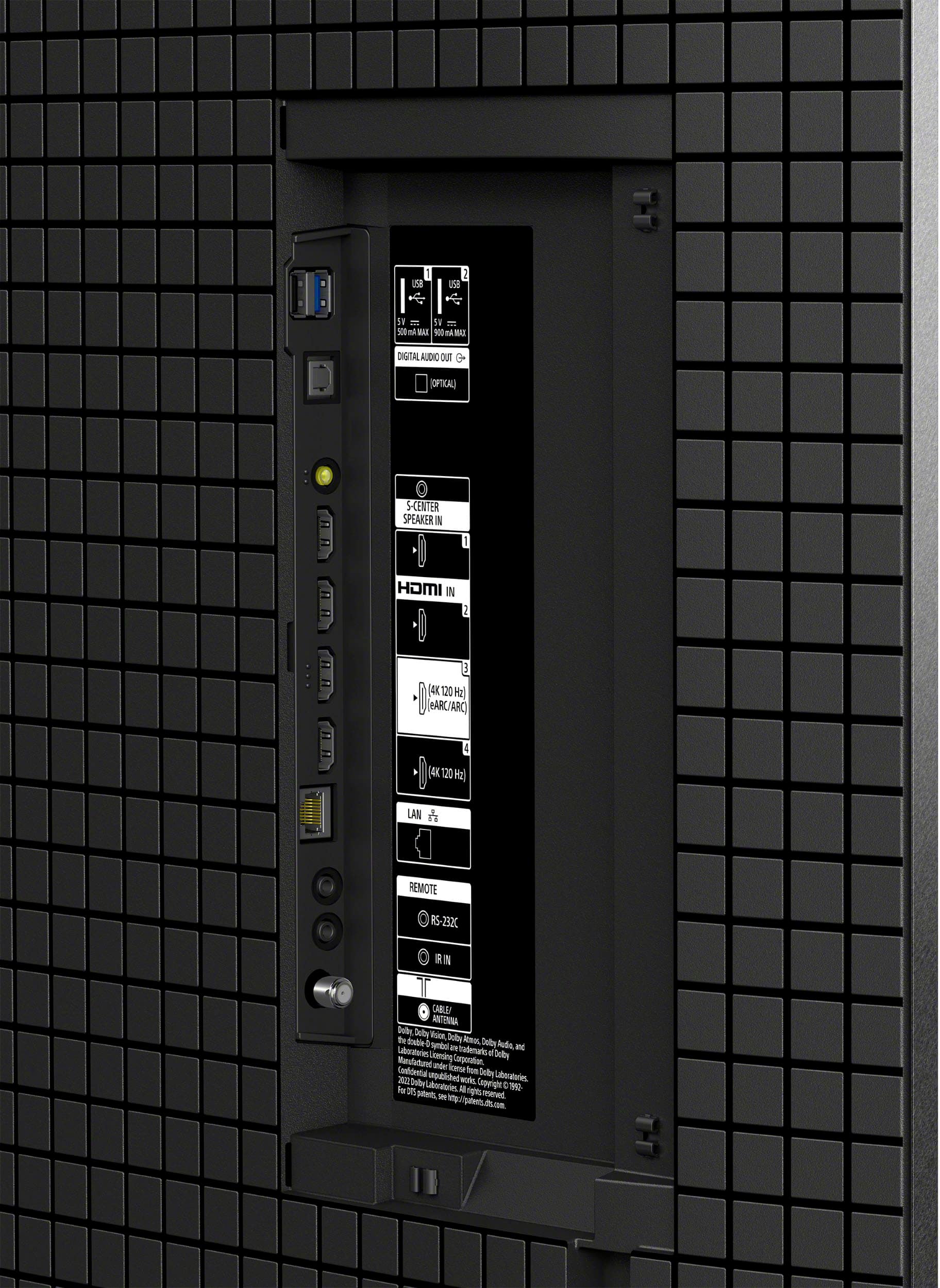
HDMI 2.1 support on the Sony BRAVIA 8 enables full 4K gaming at 120fps, while the Samsung Q7F tops out at 4K 60fps due to its HDMI 2.0 ports. This difference becomes more significant as game developers continue optimizing for next-generation console capabilities.
Both TVs excel in smart features, but take different approaches. The Samsung Q7F introduces Vision AI, which feels genuinely helpful rather than gimmicky. The AI analyzes your viewing habits to suggest content, can generate custom wallpaaper based on your preferences, and optimizes picture settings automatically based on the type of content you're watching.
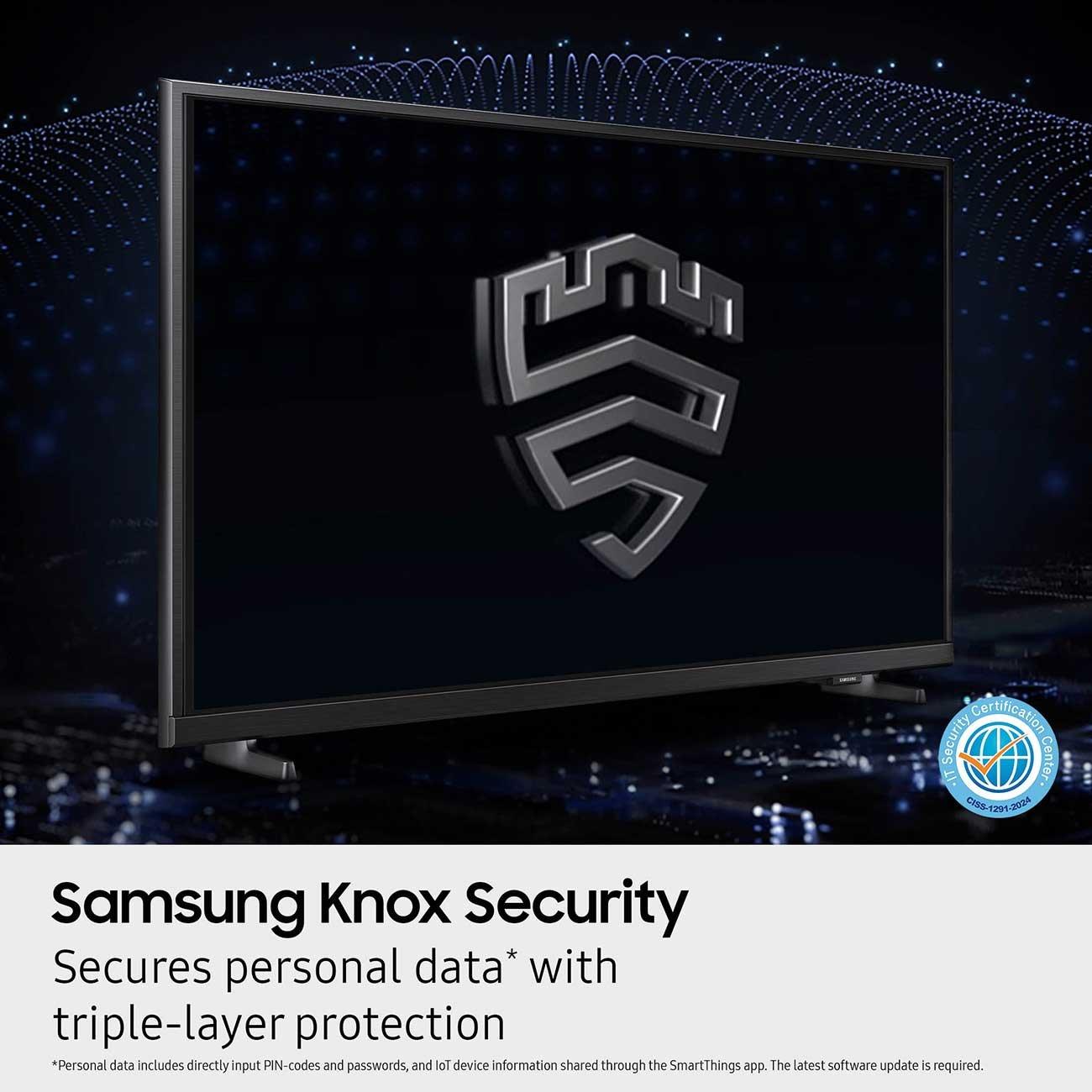
Samsung's Tizen platform remains one of the most responsive smart TV interfaces. The integration with Samsung's ecosystem—including phones, soundbars, and smart home devices through SmartThings—creates a seamless experience if you're already invested in Samsung products. The built-in voice assistants (Bixby and Alexa) handle basic commands well, though they're not quite as conversational as dedicated smart speakers.
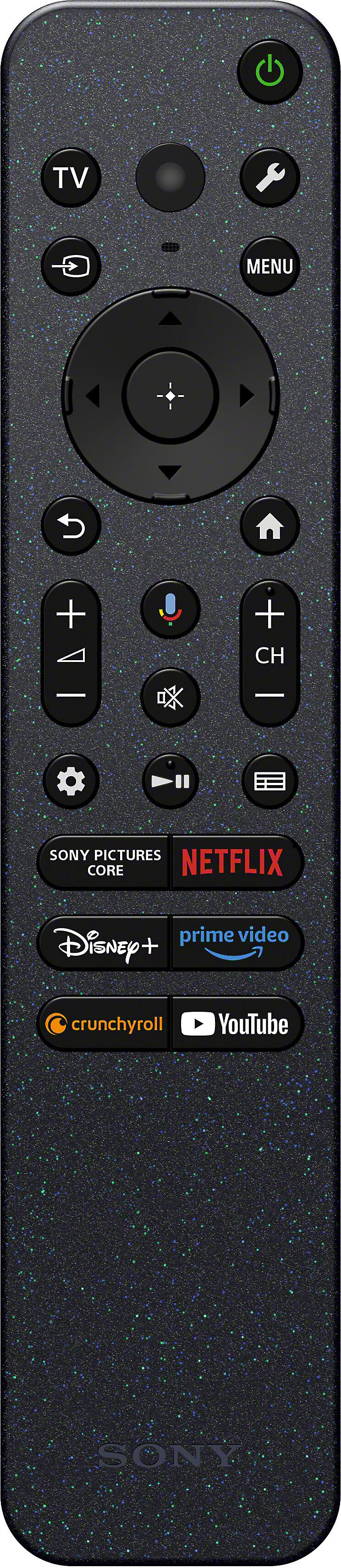
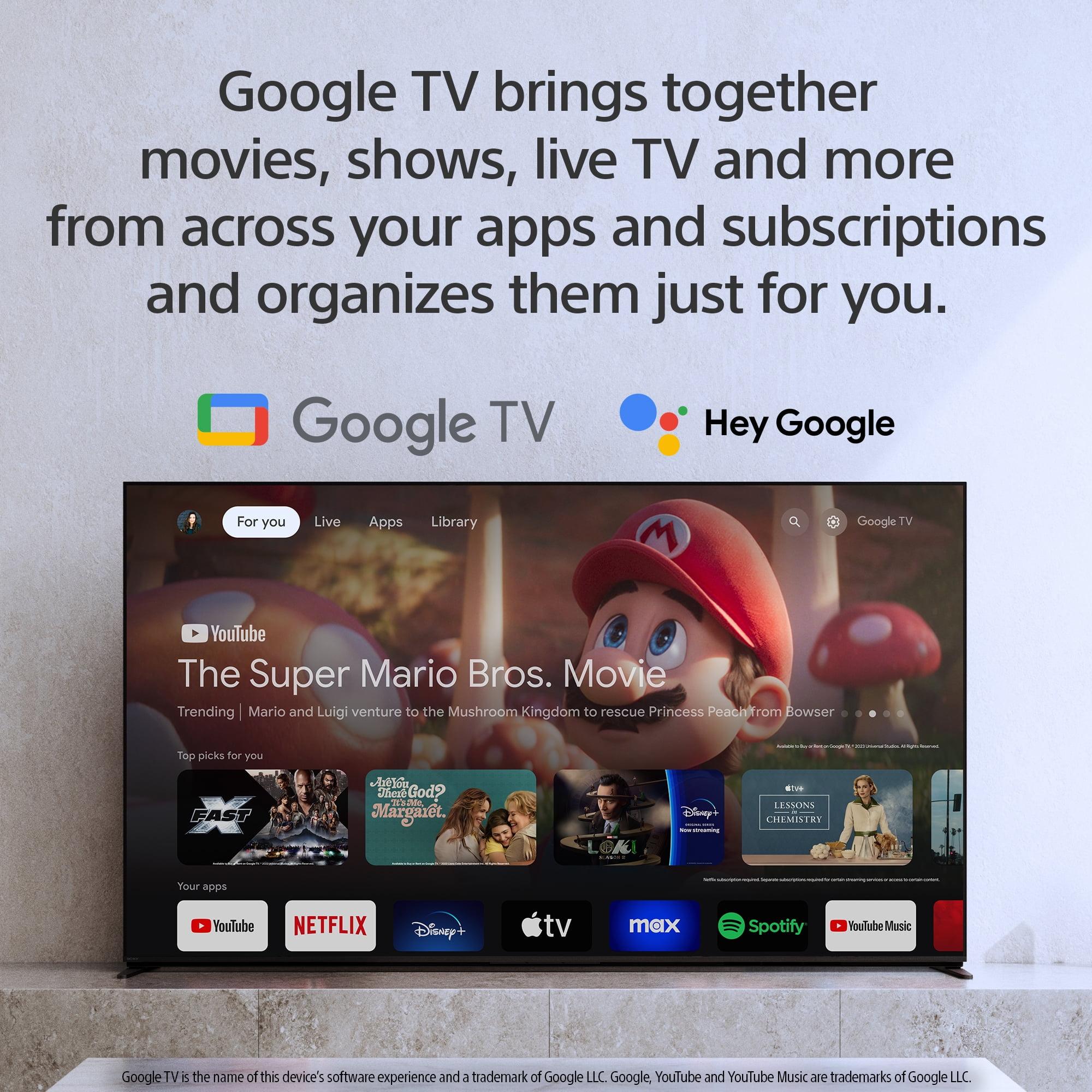
The Sony BRAVIA 8 runs Google TV, which excels at content discovery across multiple streaming services. The interface intelligently surfaces shows and movies from various platforms in a unified view, making it easier to find something to watch. Google Assistant integration feels more natural than Samsung's voice options, and the platform receives regular updates that add new features.
Both platforms handle the major streaming services flawlessly—Netflix, Prime Video, Disney+, YouTube, and Apple TV+ all run smoothly with excellent picture quality. Loading times are fast on both TVs, though the Samsung occasionally feels slightly more responsive during navigation.
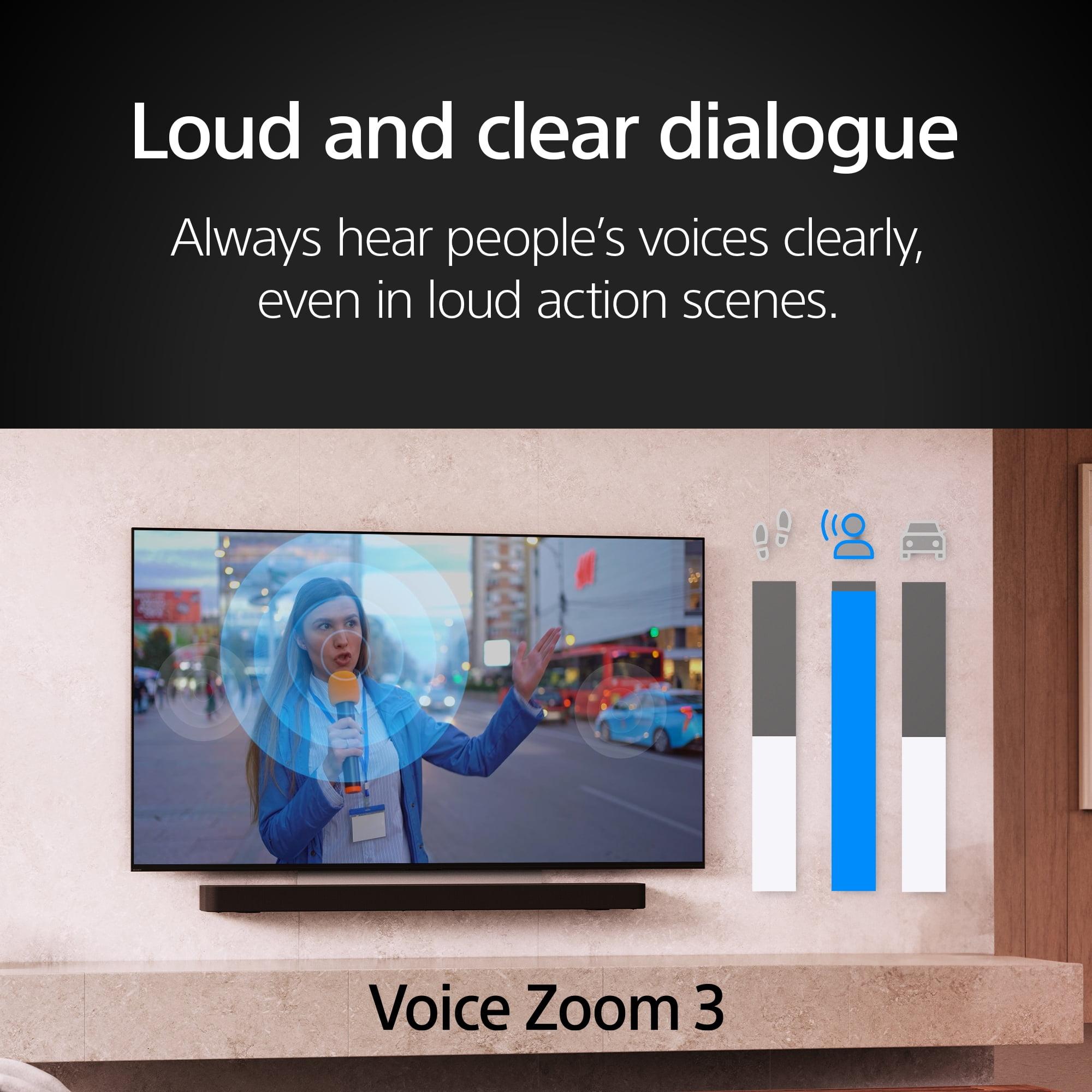
Audio represents one of the most significant differences between these TVs. The Sony BRAVIA 8's Acoustic Surface Audio+ technology literally turns the entire screen into a speaker. This creates an unprecedented sense of audio positioning—dialogue appears to come directly from actors' mouths, and sound effects track with on-screen movement.
The 50-watt, 2.1-channel system in the Sony BRAVIA 8 delivers genuinely impressive sound quality that rivals dedicated soundbars. The built-in subwoofer provides adequate bass for most content, and the overall sound signature remains balanced across different volume levels. For many users, this eliminates the need for additional audio equipment.
The Samsung Q7F's 20-watt, 2-channel speaker system performs adequately for basic viewing but lacks the depth and positioning accuracy of Sony's implementation. Dialogue remains clear, but the overall soundstage feels flat and limited. Most users will want to add a soundbar or external speakers for the best experience.
In a dedicated home theater setting, these TVs serve very different purposes. The Sony BRAVIA 8 thrives in controlled lighting environments where its perfect blacks and wide viewing angles shine. The OLED technology delivers the cinematic experience that movie enthusiasts crave, with shadow details that remain visible and colors that maintain accuracy from various seating positions.
The Samsung Q7F makes more sense in family rooms or living spaces with variable lighting. Its higher peak brightness cuts through ambient light better, maintaining picture quality even when you can't fully control the viewing environment. The lighter weight also makes wall mounting easier and less concerning from a structural perspective.
For movie enthusiasts, the Sony BRAVIA 8's support for filmmaker modes and professional calibration options provides the tools needed to achieve reference-quality picture reproduction. The TV can be professionally calibrated to match studio standards, making it suitable for serious cinephiles who want to see content exactly as directors intended.
At the time of writing, the pricing difference between these TVs reflects their market positioning more than their manufacturing costs. The Samsung Q7F delivers remarkable value by including premium features like quantum dot technology, AI enhancement, and solid smart TV capabilities at a fraction of the price of most OLED TVs.
The Sony BRAVIA 8's higher price reflects the cost of OLED manufacturing and the inclusion of advanced gaming features, superior audio systems, and professional-grade picture processing. Whether this price premium makes sense depends entirely on how much you value these improvements.
Consider that the price difference could easily cover a high-quality soundbar for the Samsung Q7F, potentially closing the audio gap while still maintaining a significant overall savings. However, no external audio solution can replicate the precise positioning accuracy of Sony's screen-as-speaker technology.
The Samsung Q7F makes sense for the majority of TV buyers. If your TV will live in a bright room, if you want modern smart features without paying premium prices, or if you simply want excellent picture quality without obsessing over perfection, Samsung's offering delivers exceptional value. The Vision AI features feel genuinely useful rather than gimmicky, and the overall experience satisfies most viewers' expectations for a premium TV.
Choose the Sony BRAVIA 8 if you're serious about picture quality and have the budget to match. The superior contrast, gaming capabilities, and audio system justify the price premium for enthusiasts who appreciate these improvements. In a dark room watching movies or playing games on a current-generation console, the Sony provides a noticeably better experience that validates its higher cost.
Room environment plays a crucial role in this decision. Bright rooms favor the Samsung Q7F, while controlled lighting environments showcase the Sony BRAVIA 8's advantages. Consider your primary use cases—casual viewing versus critical movie watching, older gaming consoles versus PlayStation 5 or Xbox Series X, background TV versus focused entertainment.
The honest truth is that both TVs will satisfy most users' needs admirably. The Samsung Q7F represents the democratization of premium TV technology—bringing quantum dots and AI features to accessible price points. The Sony BRAVIA 8 showcases what's possible when cost takes a backseat to performance optimization.
Your decision should ultimately rest on whether the Sony's superior picture quality, gaming features, and audio capabilities matter enough to justify the significant price difference. For many buyers, the Samsung provides 85% of the experience at 35% of the cost—a compelling value proposition that's hard to ignore. But for those who want the absolute best performance and have the budget to support it, the Sony BRAVIA 8 delivers a genuinely superior television experience that justifies its premium positioning.
| Samsung 65" Q7F QLED 4K Vision AI Smart TV 2025 | Sony BRAVIA 8 65" 4K OLED TV |
|---|---|
| Display Technology - Fundamental difference affecting contrast and brightness | |
| QLED (LED with Quantum Dots) - Better for bright rooms | OLED (Self-lit pixels) - Perfect blacks and infinite contrast |
| Refresh Rate - Critical for gaming and smooth motion | |
| 60Hz - Adequate for most content | 120Hz - Essential for next-gen gaming |
| HDR Support - Enhances color and contrast in premium content | |
| HDR10+ (good streaming support) | Dolby Vision + HDR10+ (wider streaming compatibility) |
| Gaming Features - Important for PS5/Xbox Series X owners | |
| Basic gaming mode only | 4K@120Hz, VRR, ALLM - Full next-gen support |
| HDMI Connectivity - Affects future device compatibility | |
| 3x HDMI 2.0 ports (limited bandwidth) | 4x HDMI ports (2x HDMI 2.1 for gaming) |
| Smart TV Platform - Daily interface experience | |
| Tizen with Vision AI - Excellent Samsung ecosystem integration | Google TV - Superior content discovery across services |
| Audio System - Affects need for external speakers | |
| 20W 2-channel (will likely need soundbar) | 50W 2.1-channel with Acoustic Surface Audio+ (excellent built-in sound) |
| Peak Brightness - Performance in bright rooms | |
| 500 cd/m² - Good for most lighting conditions | ~400 cd/m² - Excellent in controlled lighting |
| Contrast Ratio - Quality of dark scenes and shadow detail | |
| 4,500:1 (LED backlighting limitations) | Infinite (true blacks when pixels turn off) |
| Weight - Installation and mounting considerations | |
| 37.7 lbs with stand (easier wall mounting) | Significantly heavier due to OLED panel |
| Processor - Picture quality and smart TV performance | |
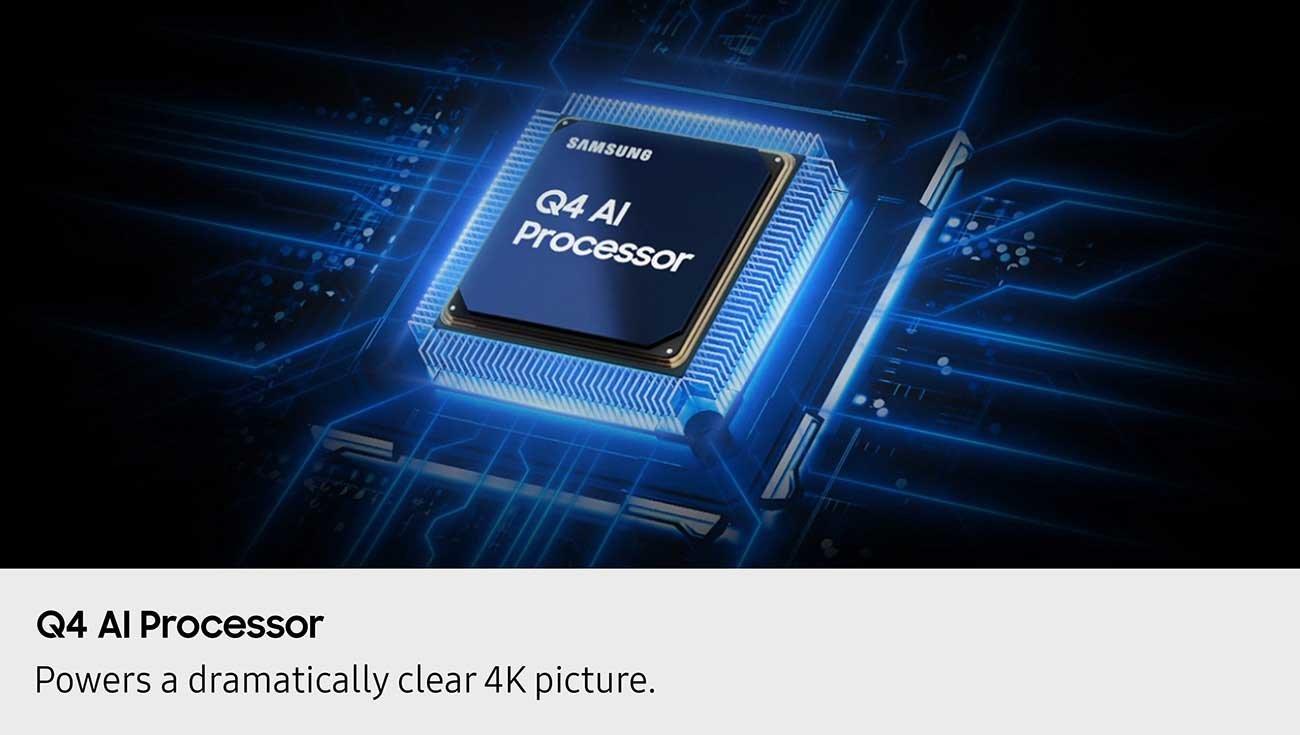
| Q4 AI Processor with Vision AI features | XR Processor - Human perception-based processing |
| Viewing Angles - Picture quality from side seating | |
| 178° (colors shift at extreme angles) | 178° (maintains accuracy from all positions) |
| Local Dimming - Improves contrast in LED displays | |
| No local dimming zones | Per-pixel dimming (8+ million zones) |
The Sony BRAVIA 8 OLED delivers superior picture quality with perfect blacks, infinite contrast, and more accurate colors. The OLED technology allows each pixel to turn completely off, creating true blacks that make colors appear more vibrant. The Samsung Q7F QLED offers excellent picture quality with brighter peak brightness, making it better for bright rooms, but cannot match the contrast performance of OLED technology.
The Sony BRAVIA 8 is significantly better for gaming, especially with next-generation consoles. It features 120Hz refresh rate, Variable Refresh Rate (VRR), Auto Low Latency Mode (ALLM), and HDMI 2.1 support for 4K gaming at 120fps. The Samsung Q7F is limited to 60Hz and lacks advanced gaming features, making it adequate only for casual gaming or older consoles.
The Samsung Q7F QLED performs better in bright rooms due to its higher peak brightness (500 cd/m²) and quantum dot technology that maintains color accuracy in ambient light. The Sony BRAVIA 8 OLED can struggle with reflections and may appear dimmer in very bright environments, though it still delivers excellent picture quality in moderately lit rooms.
The Sony BRAVIA 8 includes an impressive 50W 2.1-channel sound system with Acoustic Surface Audio+ technology that turns the screen into a speaker, eliminating the need for most users to buy additional audio equipment. The Samsung Q7F has a basic 20W 2-channel speaker system that will likely require a soundbar for the best audio experience.
Both TVs offer excellent smart platforms. The Samsung Q7F features Tizen with Vision AI technology for personalized recommendations and Samsung ecosystem integration. The Sony BRAVIA 8 runs Google TV with superior content discovery across streaming services and more natural Google Assistant integration. Both handle all major streaming apps smoothly.
For dedicated home theater setups, the Sony BRAVIA 8 OLED is the clear winner with its perfect blacks, wide viewing angles, and superior contrast that shine in dark viewing environments. The filmmaker modes and professional calibration options make it ideal for movie enthusiasts. The Samsung Q7F works better in multi-purpose living spaces with variable lighting.
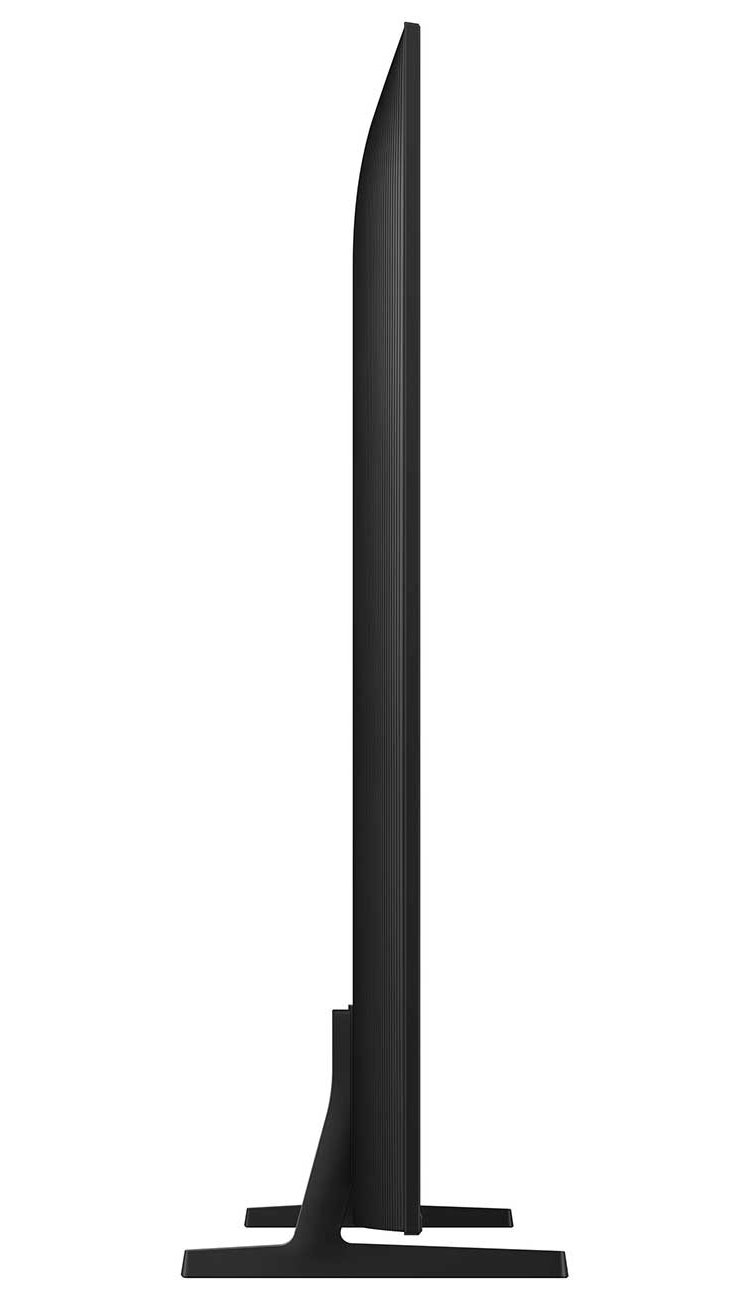
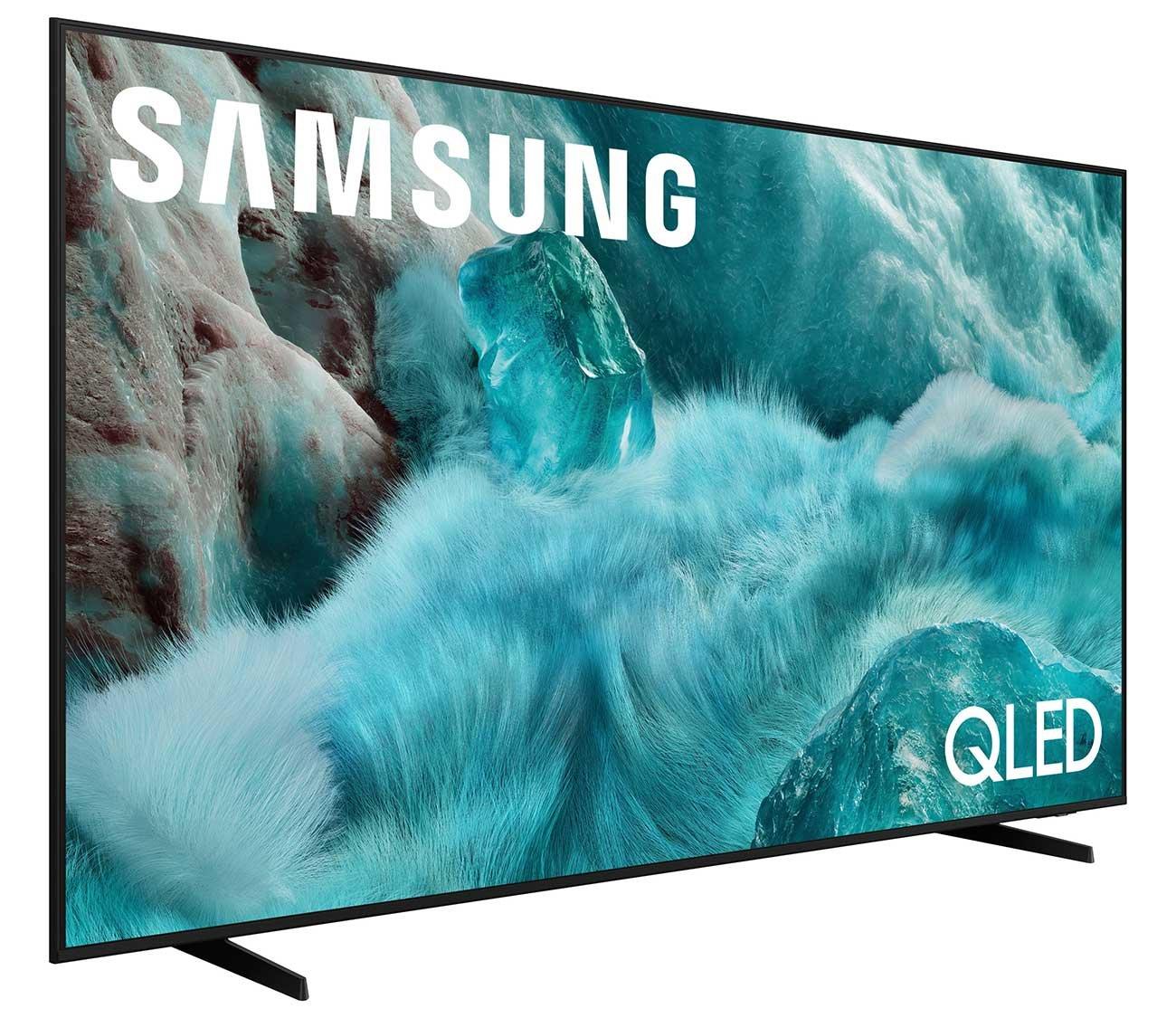
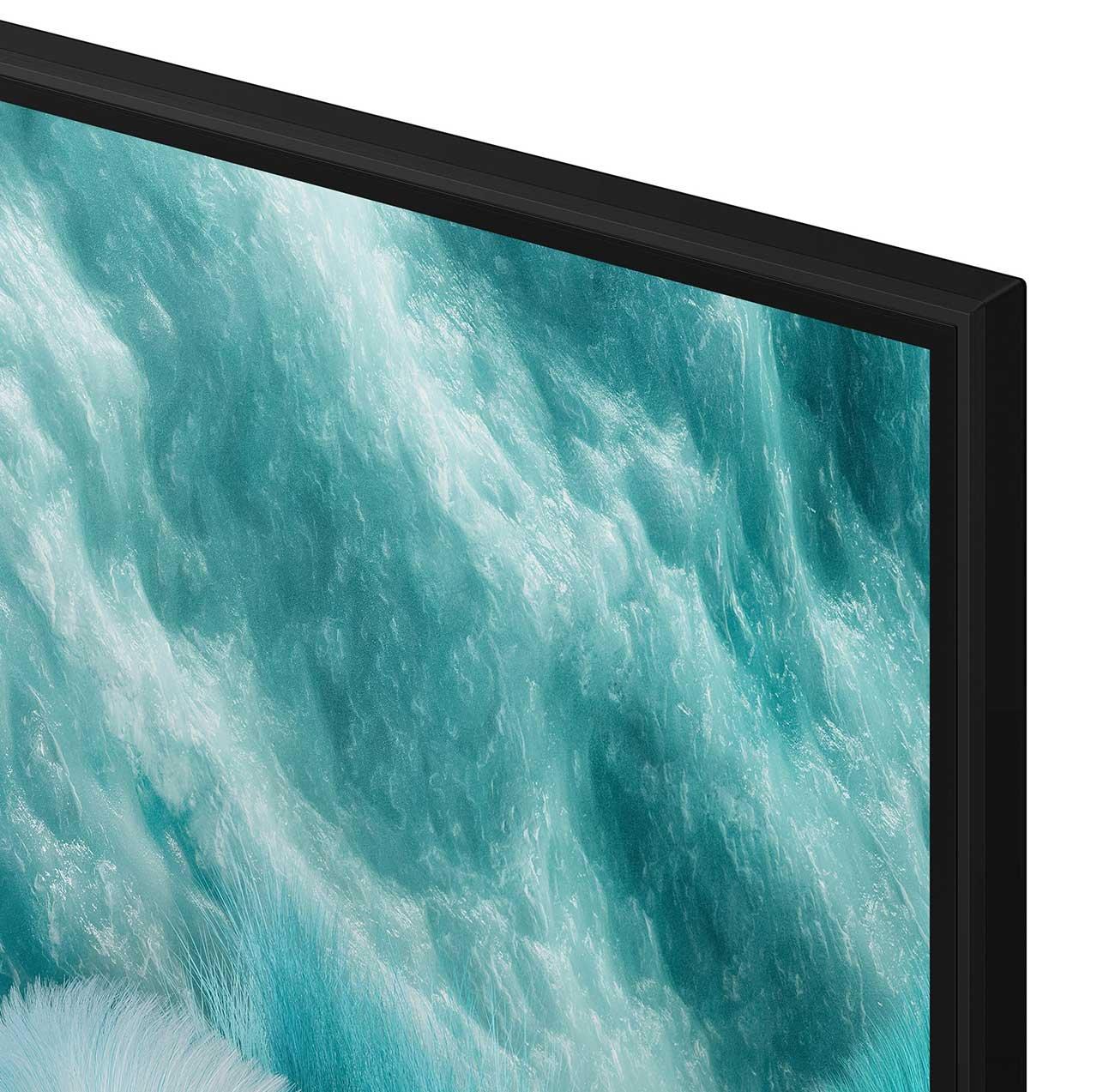
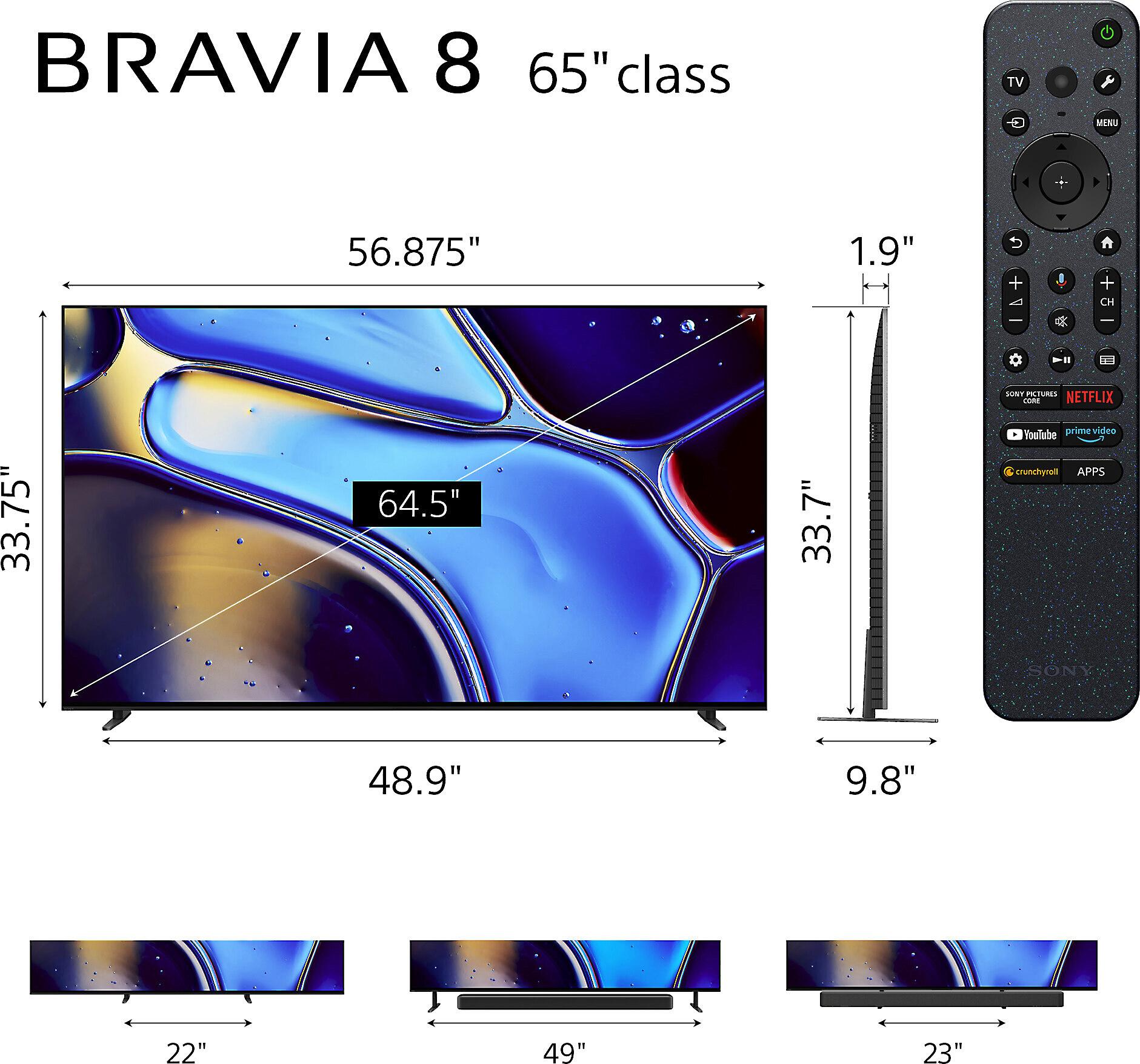
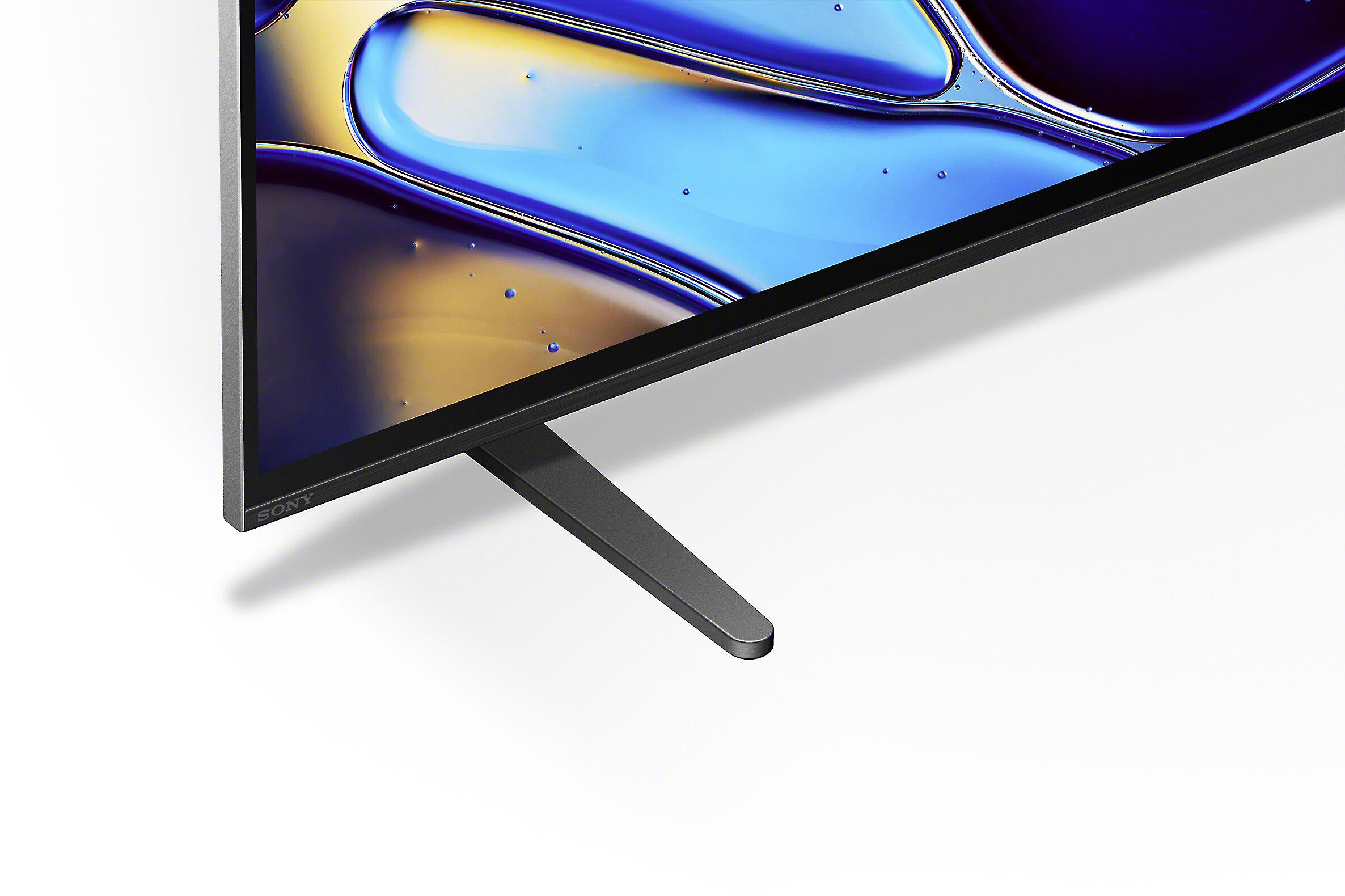
The Sony BRAVIA 8 features more premium materials and construction, though it's significantly heavier due to the OLED panel. The Samsung Q7F offers a lighter, more practical design that's easier to wall mount and move. Both TVs have modern, attractive designs with minimal bezels.
The Sony BRAVIA 8 offers full compatibility with PlayStation 5 and Xbox Series X features, including 4K@120Hz gaming, VRR for smooth gameplay, and specialized PS5 HDR tone mapping. The Samsung Q7F can display games from these consoles but is limited to 4K@60Hz and lacks advanced gaming features.
The Samsung Q7F QLED provides exceptional value, delivering premium features like quantum dot technology and Vision AI at a fraction of the cost of OLED TVs. The Sony BRAVIA 8 commands a significant price premium but justifies it with superior picture quality, gaming features, and built-in audio that may eliminate the need for additional purchases.
The Sony BRAVIA 8 OLED maintains excellent color accuracy and contrast from wide viewing angles, making it ideal for rooms with multiple seating positions. The Samsung Q7F offers decent viewing angles but experiences some color shifting and contrast reduction when viewed from extreme side angles.
Both TVs excel at streaming, but the Sony BRAVIA 8 has a slight edge with Dolby Vision support for better HDR streaming from Netflix, Disney+, and other services. The Samsung Q7F uses HDR10+ which offers similar benefits but isn't as widely supported. Both TVs handle 4K streaming smoothly with excellent picture quality.
Choose QLED with the Samsung Q7F if you have a bright room, want better value, or prefer more vibrant colors. Choose OLED with the Sony BRAVIA 8 if you prioritize the best possible picture quality, watch movies in dark rooms, are a serious gamer, or want premium built-in audio. OLED offers superior contrast but costs significantly more.
We've done our best to create useful and informative comparisons to help you decide what product to buy. Our research uses advanced automated methods to create this comparison and perfection is not possible - please contact us for corrections or questions. These are the sites we've researched in the creation of this article: bestbuy.com - youtube.com - samsung.com - samsung.com - pcrichard.com - samsung.com - samsung.com - videoandaudiocenter.com - displayspecifications.com - bestbuy.com - samsung.com - samsung.com - samsung.com - samsung.com - news.samsung.com - bestbuy.com - bestbuy.com - crutchfield.com - avsforum.com - electronics.sony.com - sony.com - store.sony.co.nz - sony.com - displayspecifications.com

Privacy Policy
Terms and Conditions - Affiliate Policy
Home Security
© Copyright 2008-2026.
11816 Inwood Rd #1211, Dallas, TX 75244