



![LG B5 Series OLED 65" 4K Smart TV 2025[1][7][9]](https://images.hometheaterreview.com/htr-stateless/2025/07/31238cd0-lg-b5-series-oled-65-4k-smart-tv-2025179.jpg)
![LG B5 Series OLED 65" 4K Smart TV 2025[1][7][9]](https://images.hometheaterreview.com/htr-stateless/2025/07/3368ce40-25ef-4d07-b442-bb0af89e3a29.jpg)
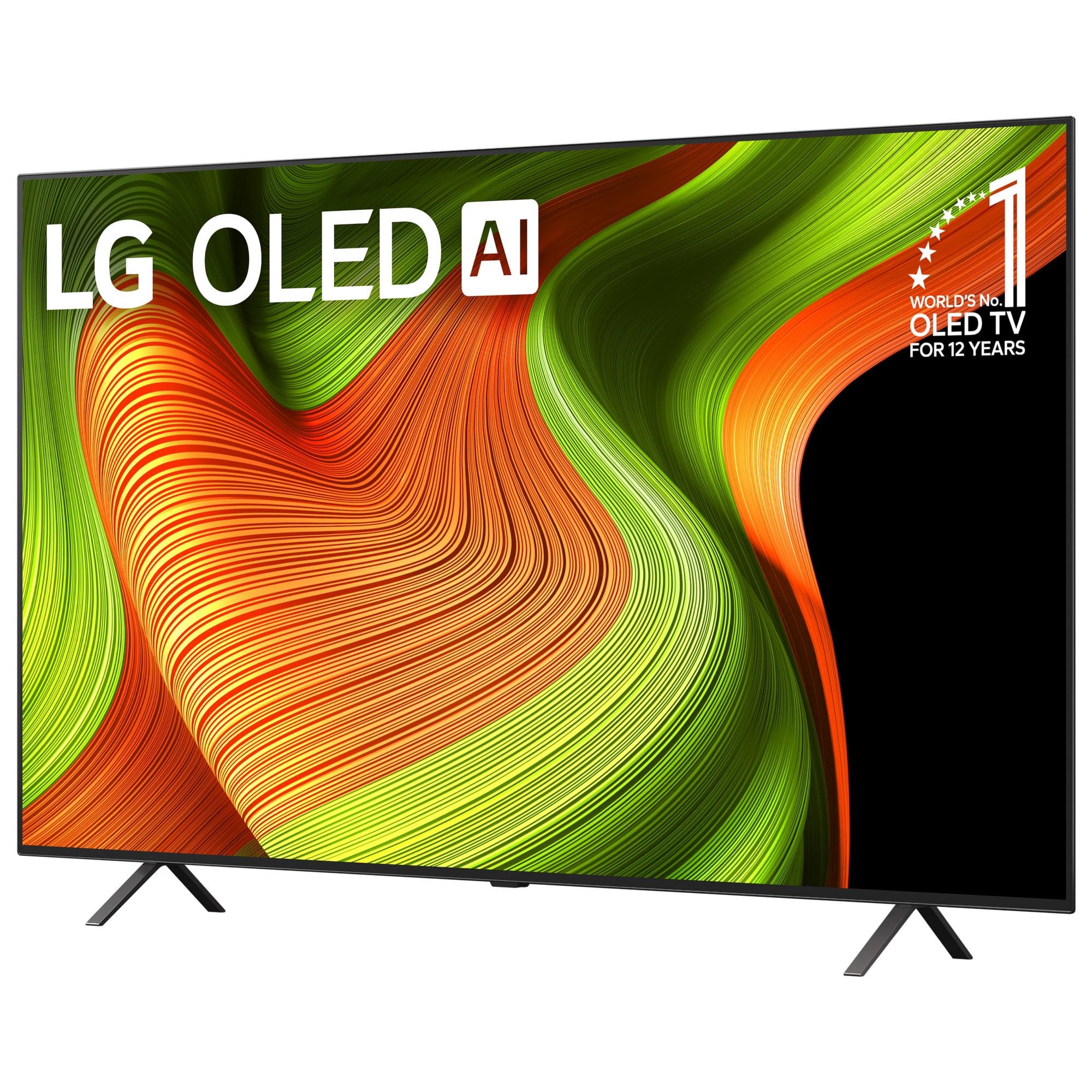
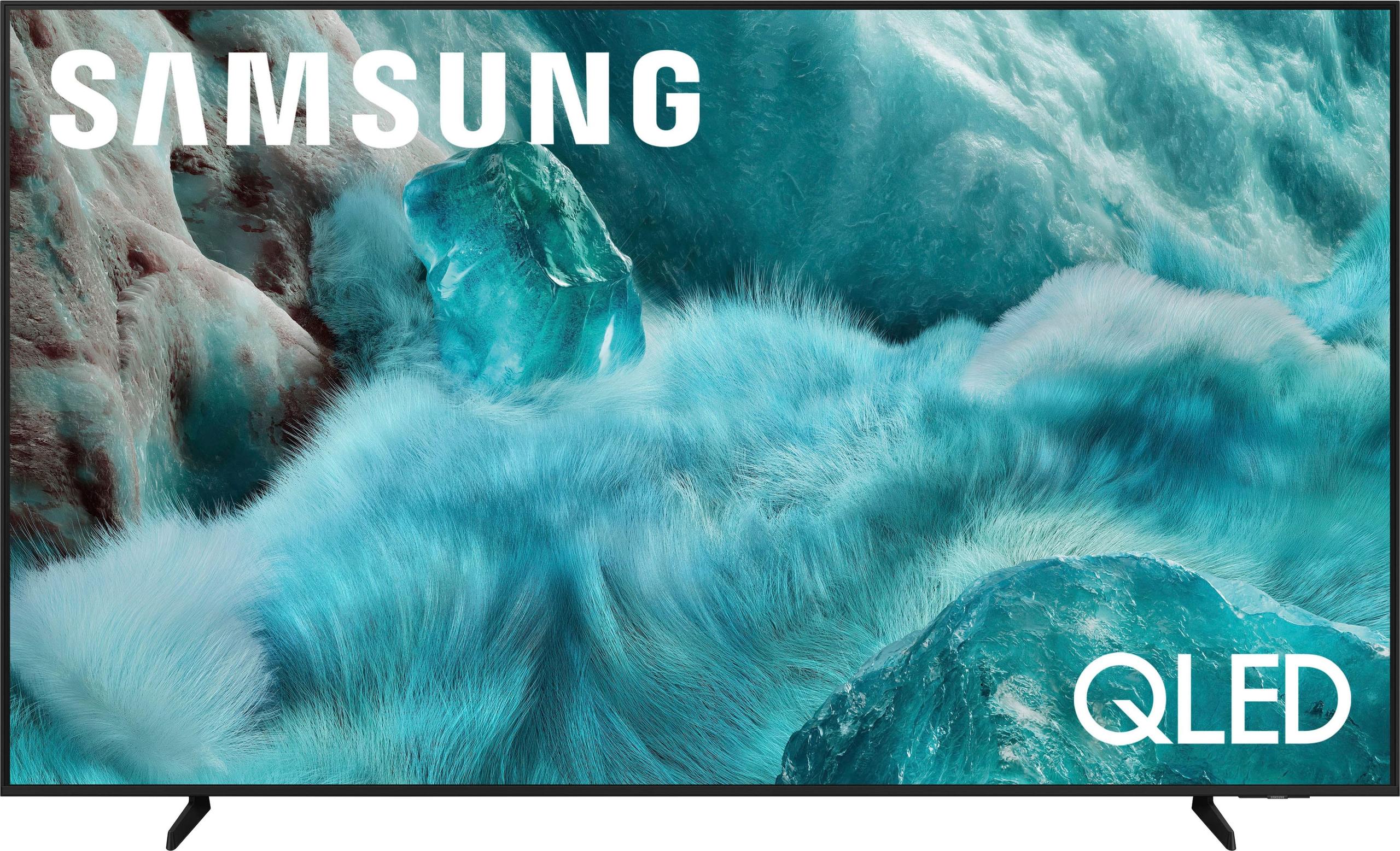
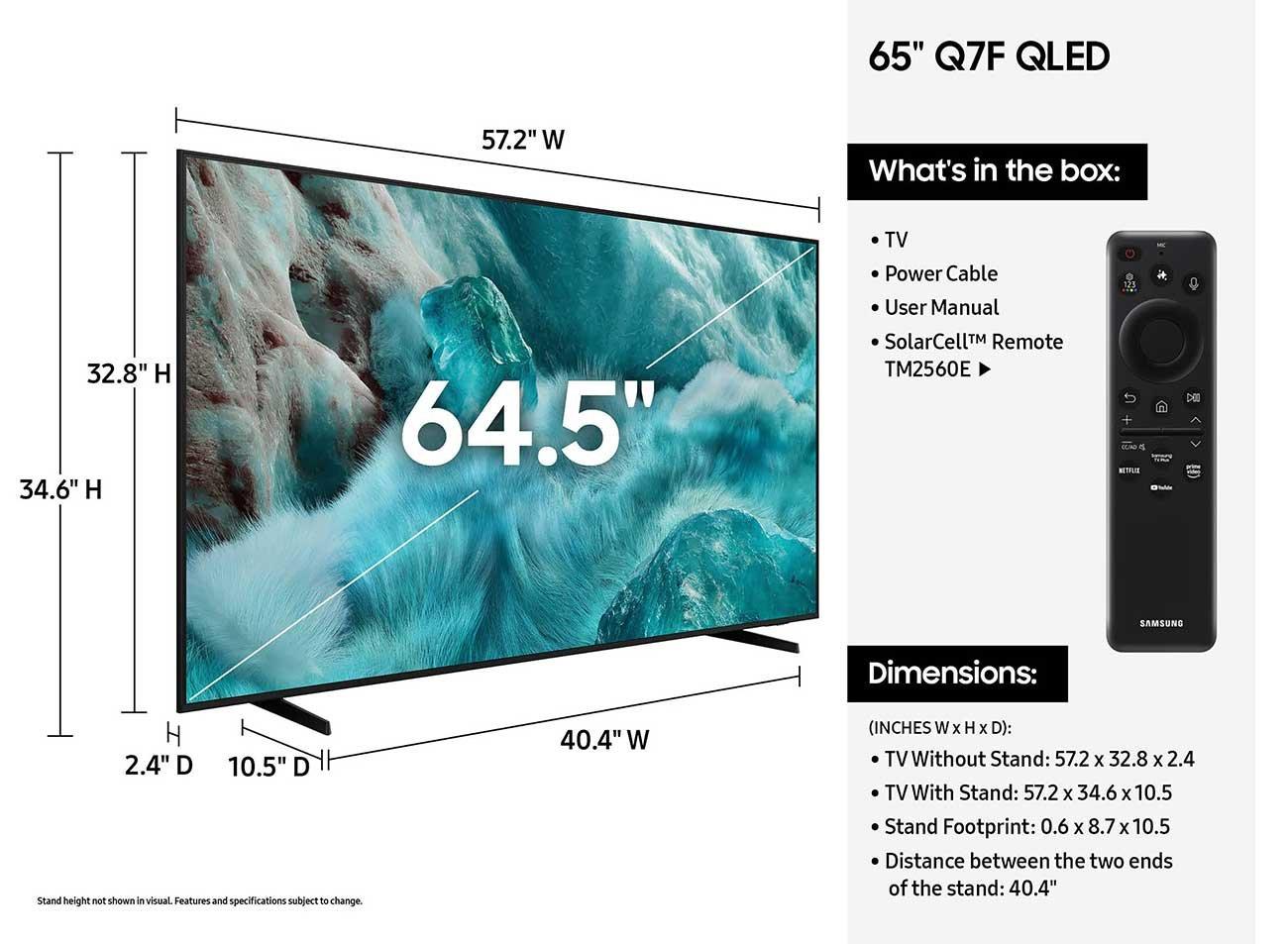
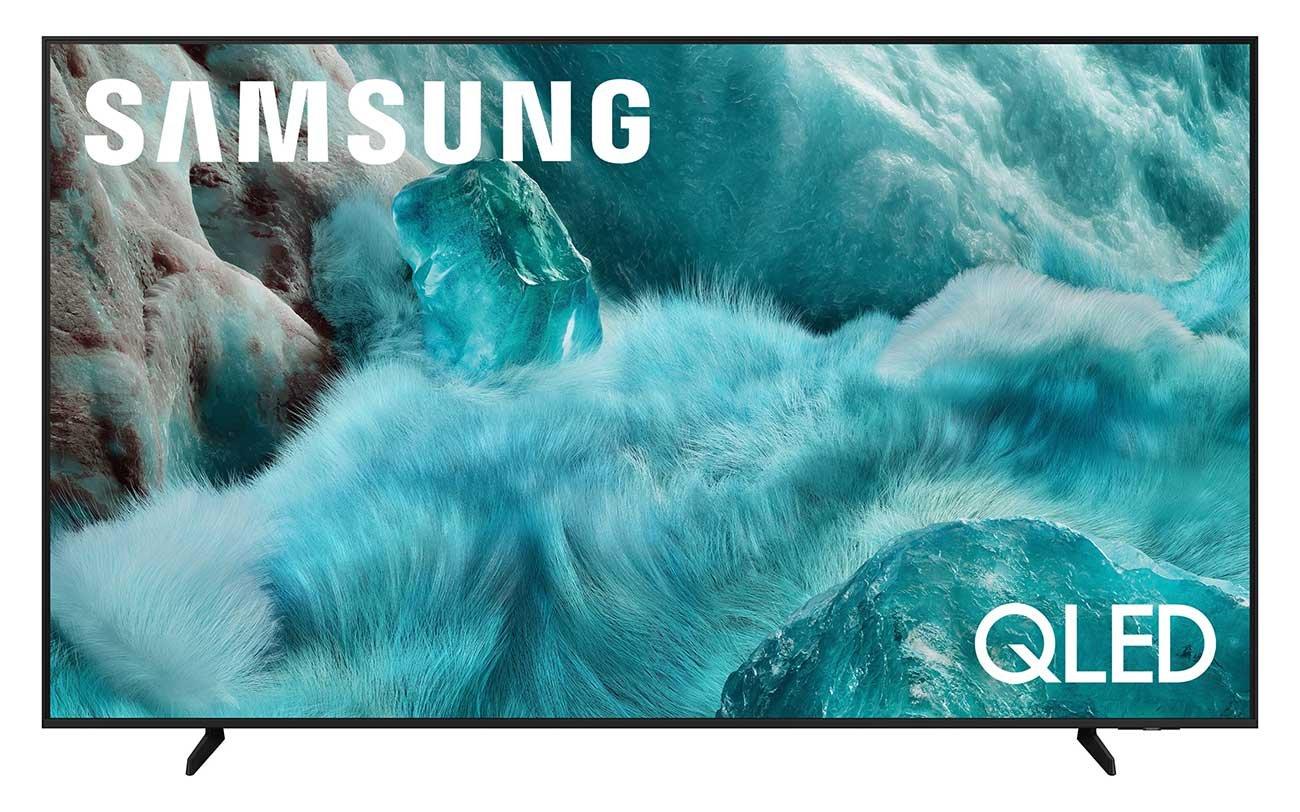
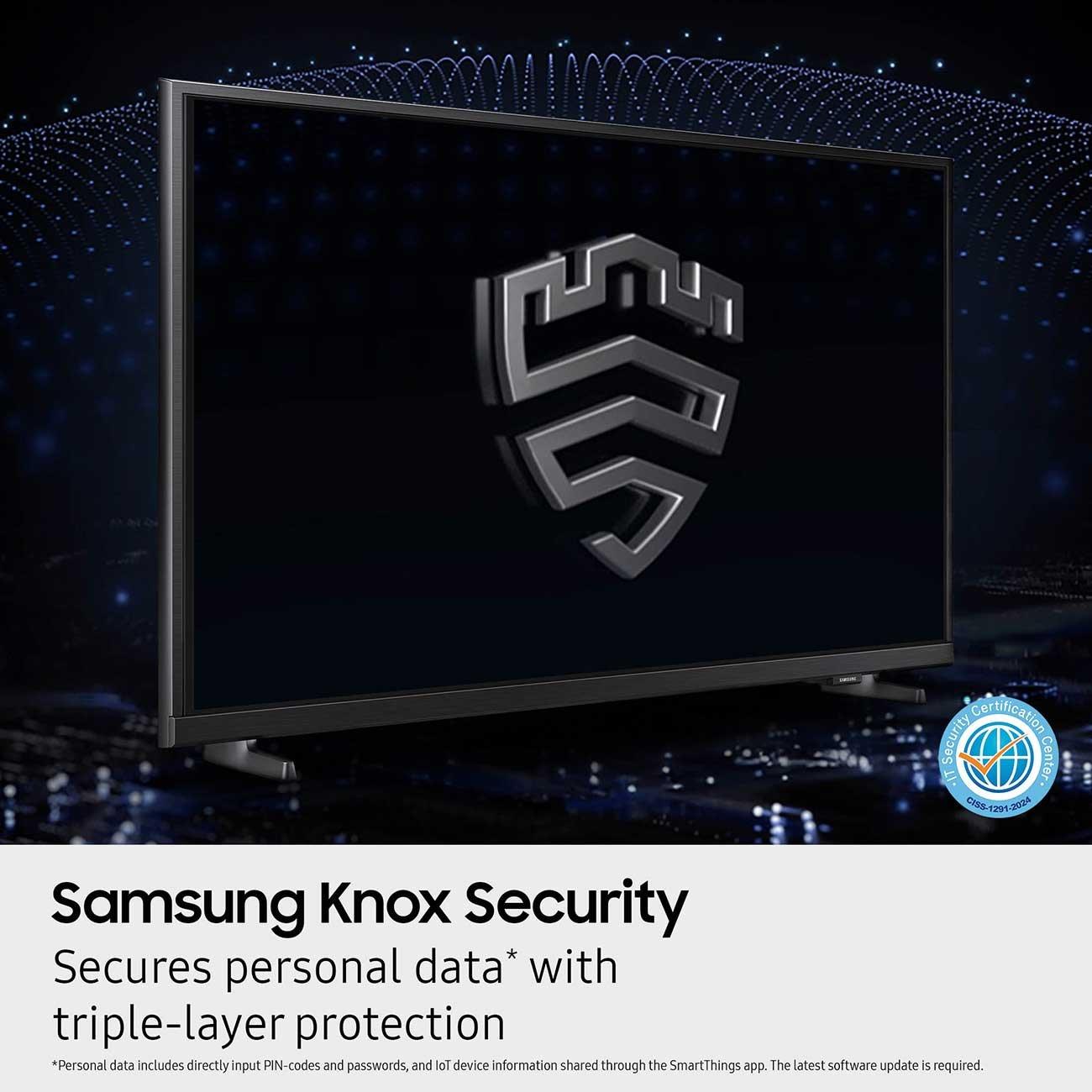
Shopping for a premium 65-inch 4K TV in 2025 means choosing between two fundamentally different display technologies that each excel in different areas. The Samsung Q7F QLED and LG B5 OLED represent the sweet spot where screen size meets advanced features, but they take completely opposite approaches to delivering that stunning 4K picture quality you're after.
At the time of writing, these TVs sit in different price brackets, with the Samsung Q7F positioned as an accessible entry into QLED technology, while the LG B5 OLED costs roughly twice as much but delivers the premium OLED experience. Both launched in 2025 with significant improvements over their 2024 predecessors, particularly in AI processing power and smart platform capabilities.
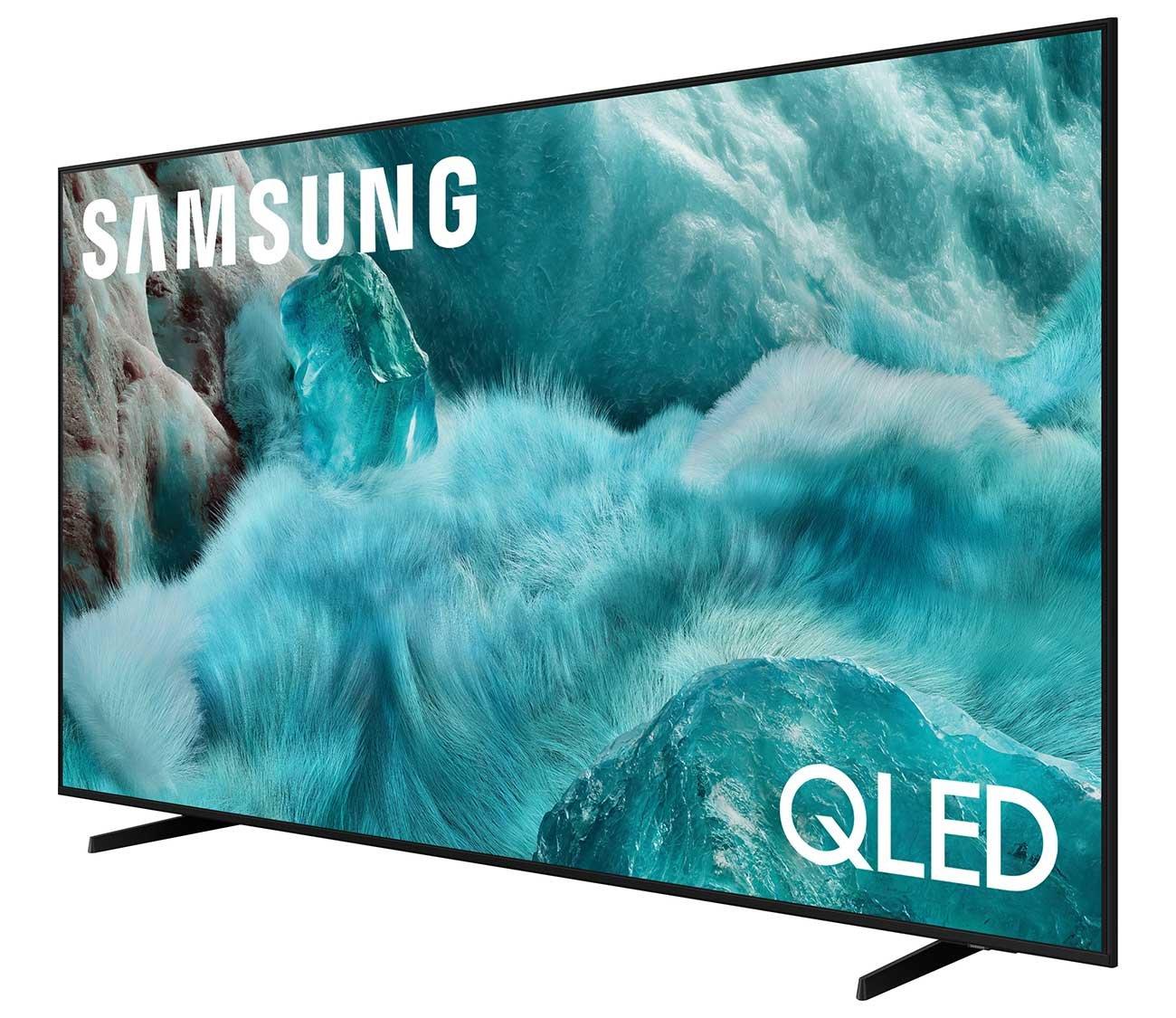
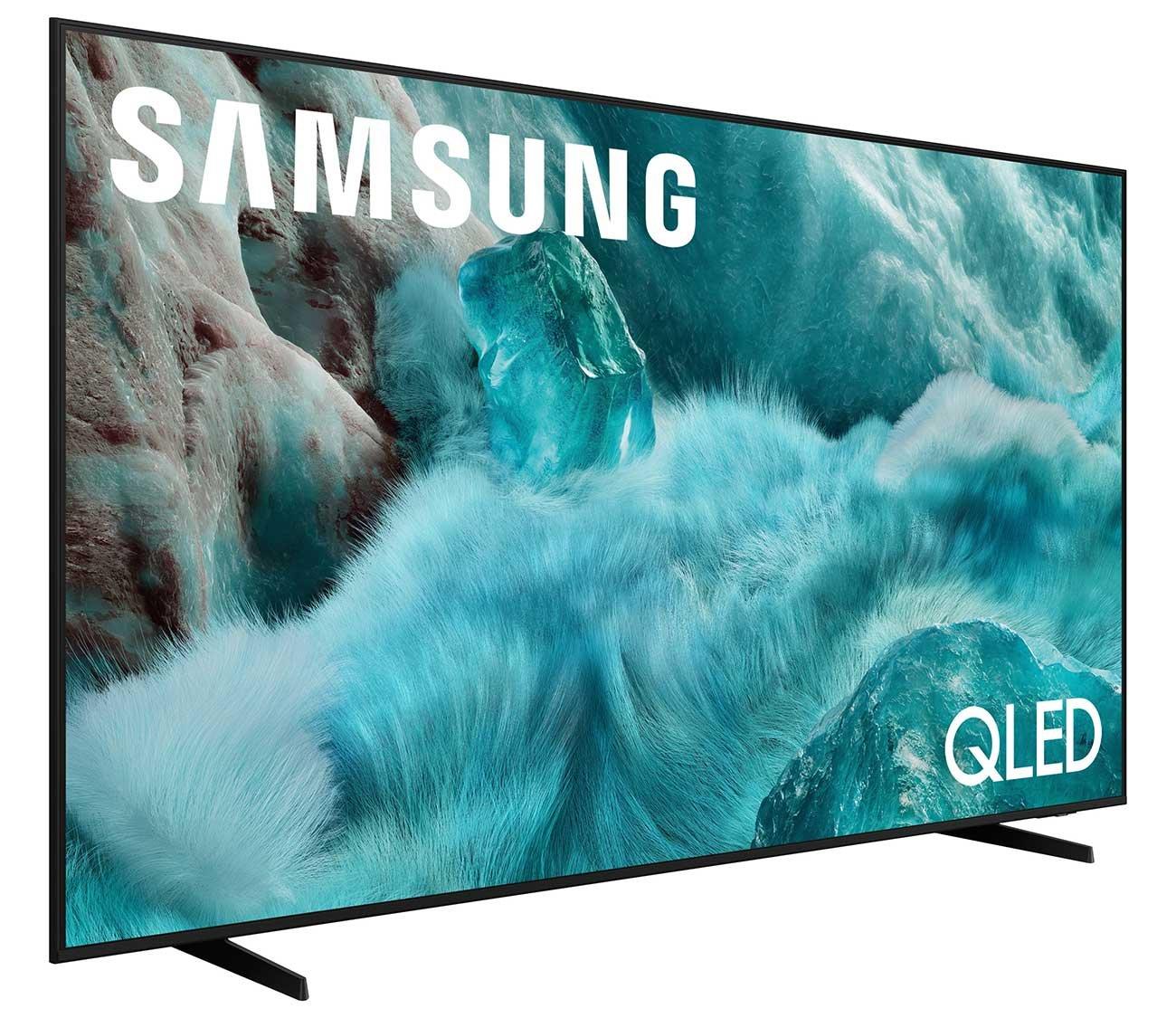
Before diving into specifics, it's crucial to understand what separates these display technologies. The Samsung Q7F uses QLED (Quantum Dot LED) technology, which is essentially a traditional LED-backlit LCD panel enhanced with a quantum dot layer. Think of quantum dots as microscopic crystals that, when hit by blue LED light, convert it into precise red and green wavelengths. This creates more accurate and vibrant colors than standard LED TVs.
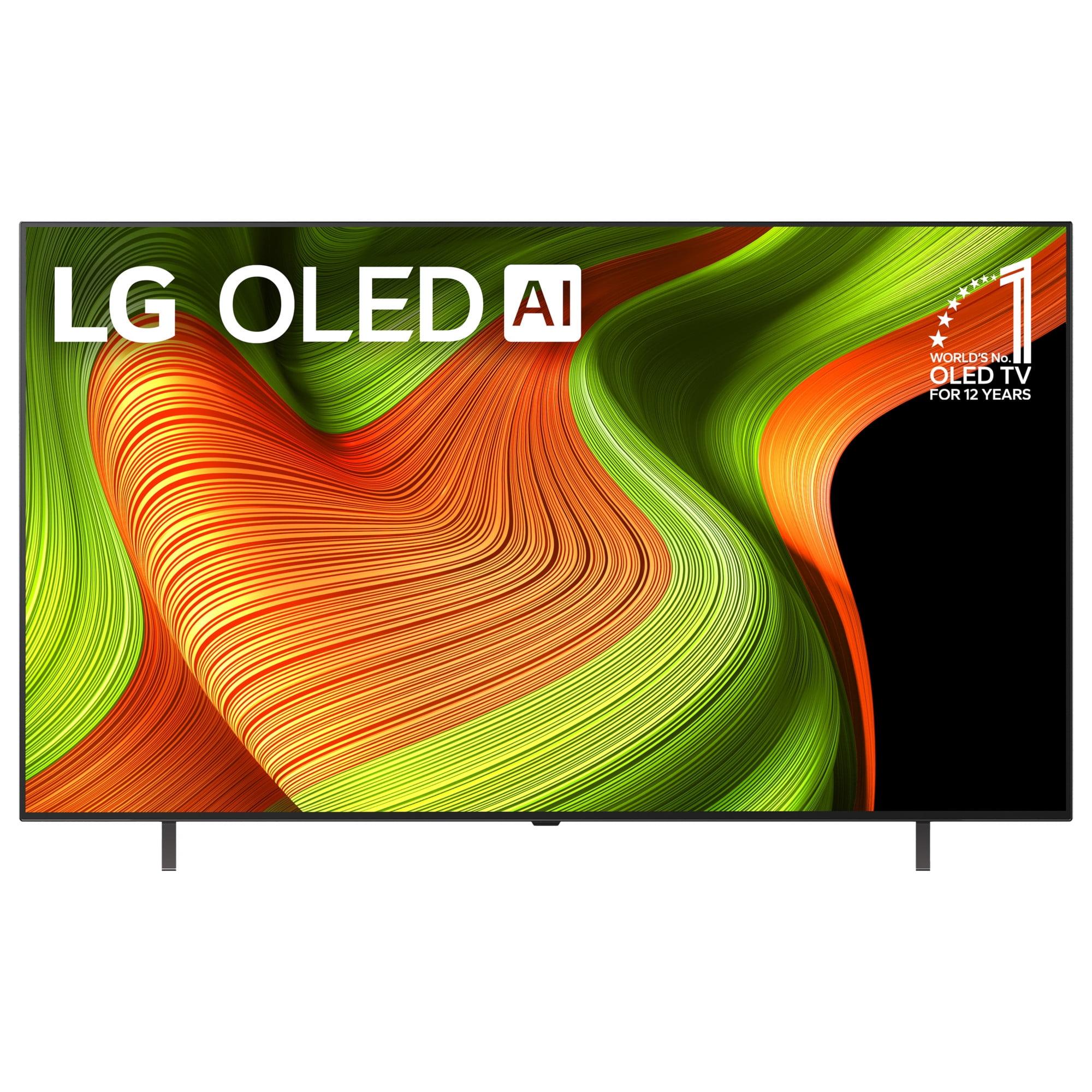
The LG B5 OLED takes a radically different approach. OLED (Organic Light-Emitting Diode) pixels generate their own light and can turn completely off individually. This means when you're watching a movie with a dark night scene, those pixels displaying black areas literally produce zero light, creating what we call "perfect blacks."
This fundamental difference shapes everything about how these TVs perform in your living room.
Contrast ratio - the difference between the brightest whites and darkest blacks - is arguably the most important aspect of picture quality. Here's where the LG B5 OLED absolutely dominates. Those self-lighting pixels can achieve infinite contrast ratios because true black pixels emit no light whatsoever. When you're watching something like Dune or The Batman, with their deliberately dark cinematography, the OLED's ability to display deep space as actual black rather than dark gray creates an immersive experience that's genuinely cinematic.
The Samsung Q7F uses what's called Supreme UHD Dimming, which divides the screen into zones and dims the LED backlights behind darker areas. It's effective, but physics limits how dark those blacks can get - there's always some light bleeding through. In a completely dark room, you'll notice this as a subtle gray glow in what should be pure black areas.
However, the story changes dramatically in bright rooms. The Samsung Q7F can push significantly more light output, typically reaching 500+ nits of peak brightness compared to the OLED's more modest capabilities. If your TV room has large windows or bright overhead lighting, the Samsung's superior brightness helps colors pop and details remain visible even with ambient light washing over the screen.
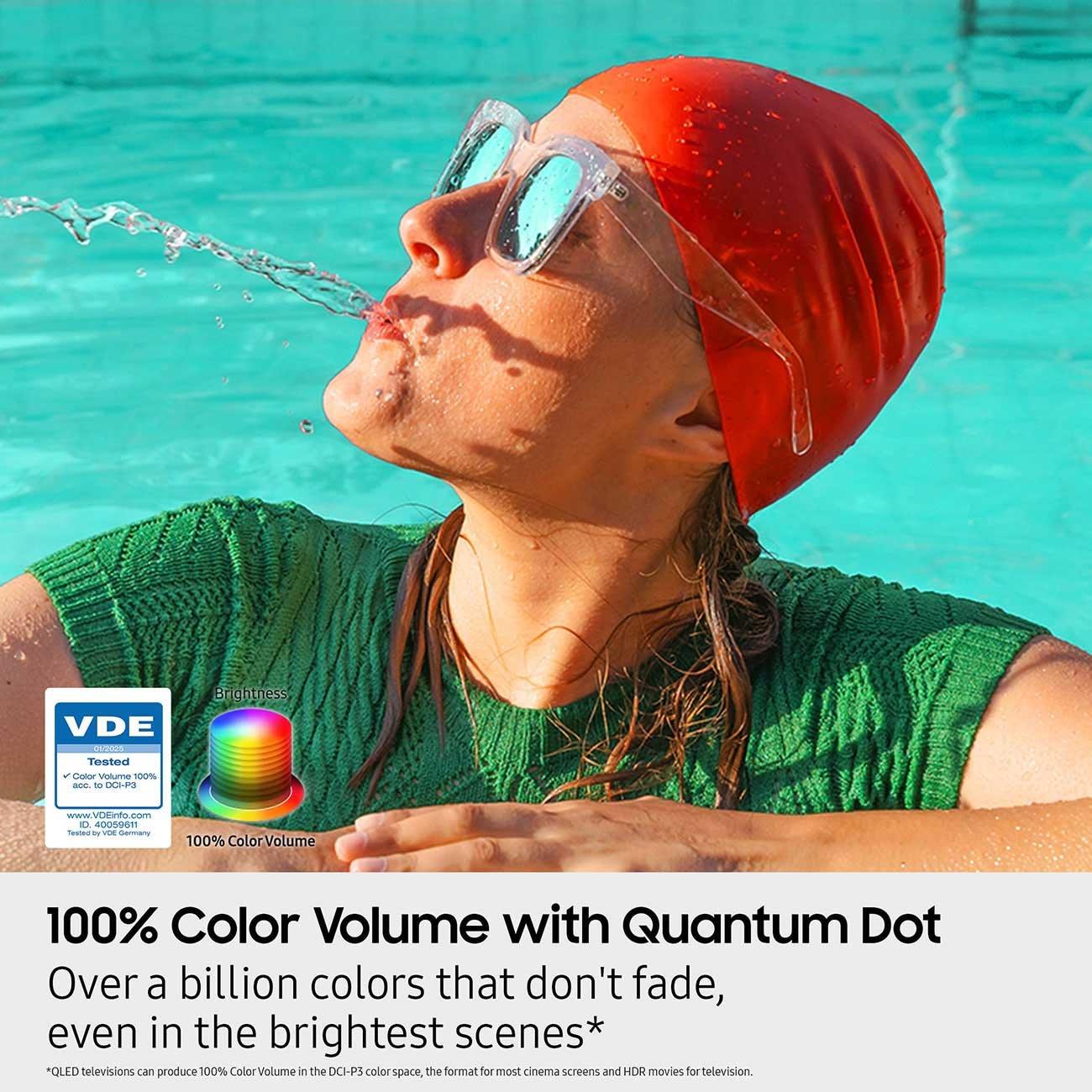
Both TVs deliver excellent color performance, but with different philosophies. The Samsung Q7F's quantum dot technology excels at producing what Samsung calls "100% Color Volume" - basically meaning it can display a wide range of colors even at high brightness levels. Colors tend to be punchy and vibrant, which many people prefer for sports, nature documentaries, and animated content.
The LG B5 OLED takes a more reference-accurate approach. Colors are typically more natural and film-like out of the box, which cinematographers and serious movie enthusiasts prefer. The OLED's perfect blacks also make colors appear more saturated by comparison - it's the same principle as how colors look more vibrant against a black shirt versus a gray one.
For HDR content (High Dynamic Range, which provides a wider range of colors and brightness levels), both TVs support different standards. The Samsung Q7F supports HDR10+ with dynamic tone mapping, which adjusts brightness scene-by-scene. The LG B5 OLED supports Dolby Vision, which many consider the superior HDR format due to its more advanced metadata and wider industry adoption.
This is where the LG B5 OLED pulls significantly ahead, and it's not particularly close. Gaming in 2025 demands high refresh rates, low input lag, and advanced features that the Samsung simply can't match.
The Samsung Q7F maxes out at 60Hz refresh rate, which was standard a few years ago but feels limiting today. Modern gaming consoles like the PlayStation 5 and Xbox Series X can push 120 frames per second in many games, creating smoother motion and more responsive controls. The Samsung's Motion Xcelerator technology helps with motion smoothing, but it can't create frames that aren't there.
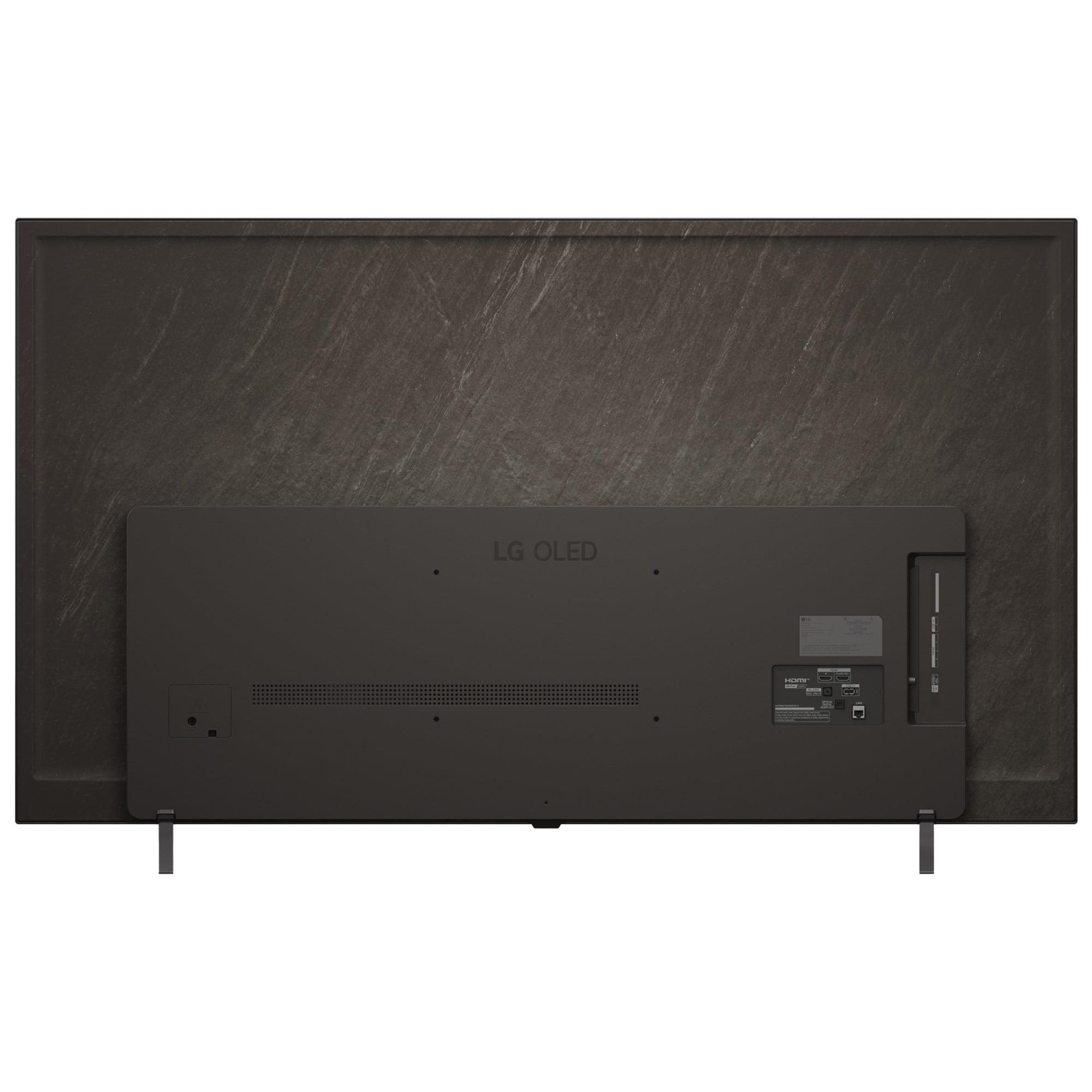
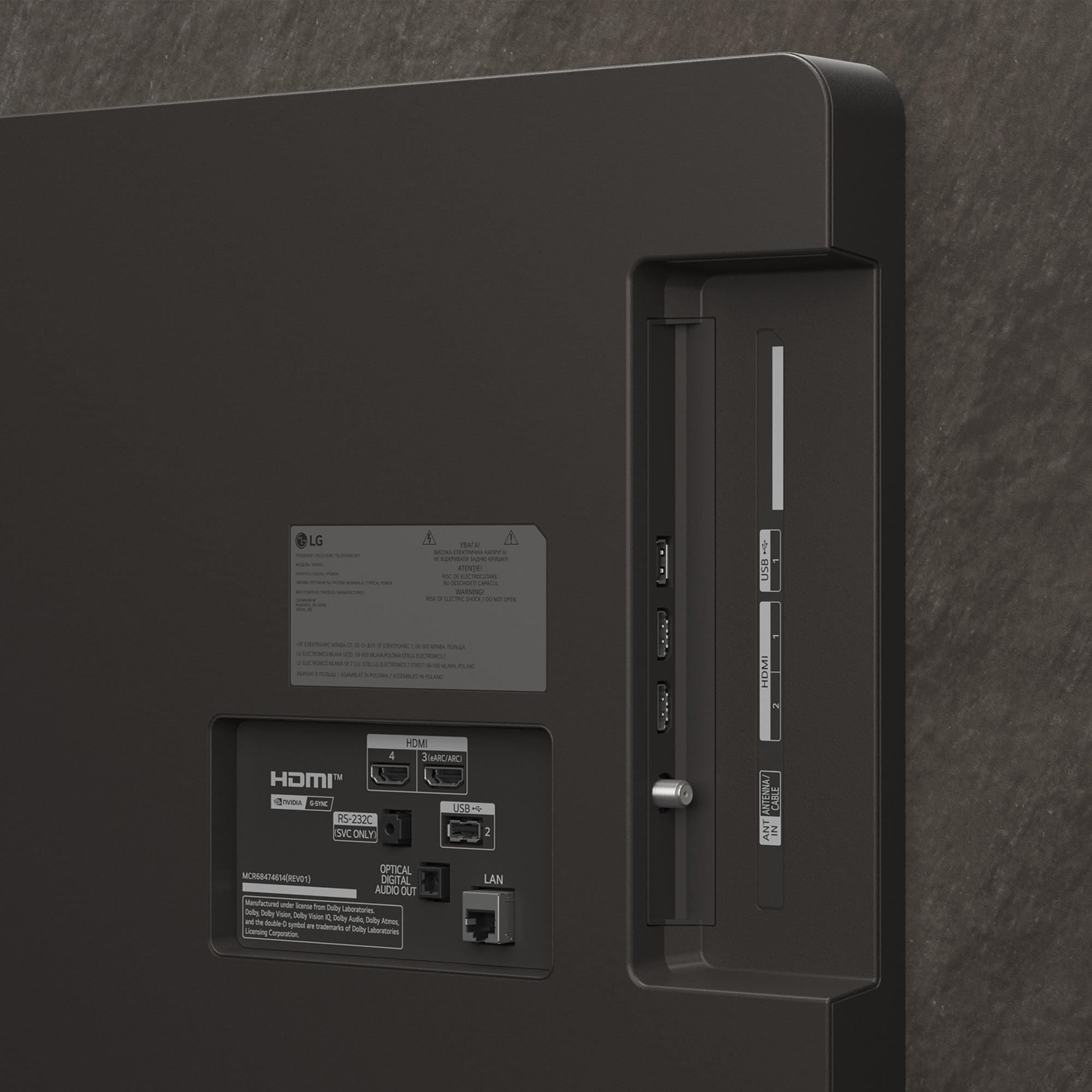
The LG B5 OLED offers native 120Hz refresh rate support across all four of its HDMI 2.1 inputs. More importantly, it achieves response times under 0.1 milliseconds - essentially instantaneous. For comparison, most budget TVs have response times of 20-40 milliseconds. This difference is immediately noticeable in fast-paced games like Call of Duty or Rocket League, where every millisecond of delay between your controller input and screen response affects your performance.
The LG B5 supports Variable Refresh Rate (VRR), which synchronizes the TV's refresh rate with your console's frame rate output. This eliminates screen tearing - those annoying horizontal lines that appear when frame rates don't match. It also includes Auto Low Latency Mode (ALLM), which automatically switches to the TV's game mode when it detects gaming content.
Both NVIDIA G-Sync and AMD FreeSync Premium support mean the LG B5 works seamlessly with PC gaming setups, while the comprehensive Game Dashboard provides easy access to all gaming-related settings without digging through menus.
The Samsung Q7F includes basic Auto Game Mode functionality but lacks the advanced gaming features that serious gamers expect in 2025.
Both TVs launched in 2025 with significantly upgraded smart platforms that heavily emphasize AI integration - a major trend across the TV industry this year.
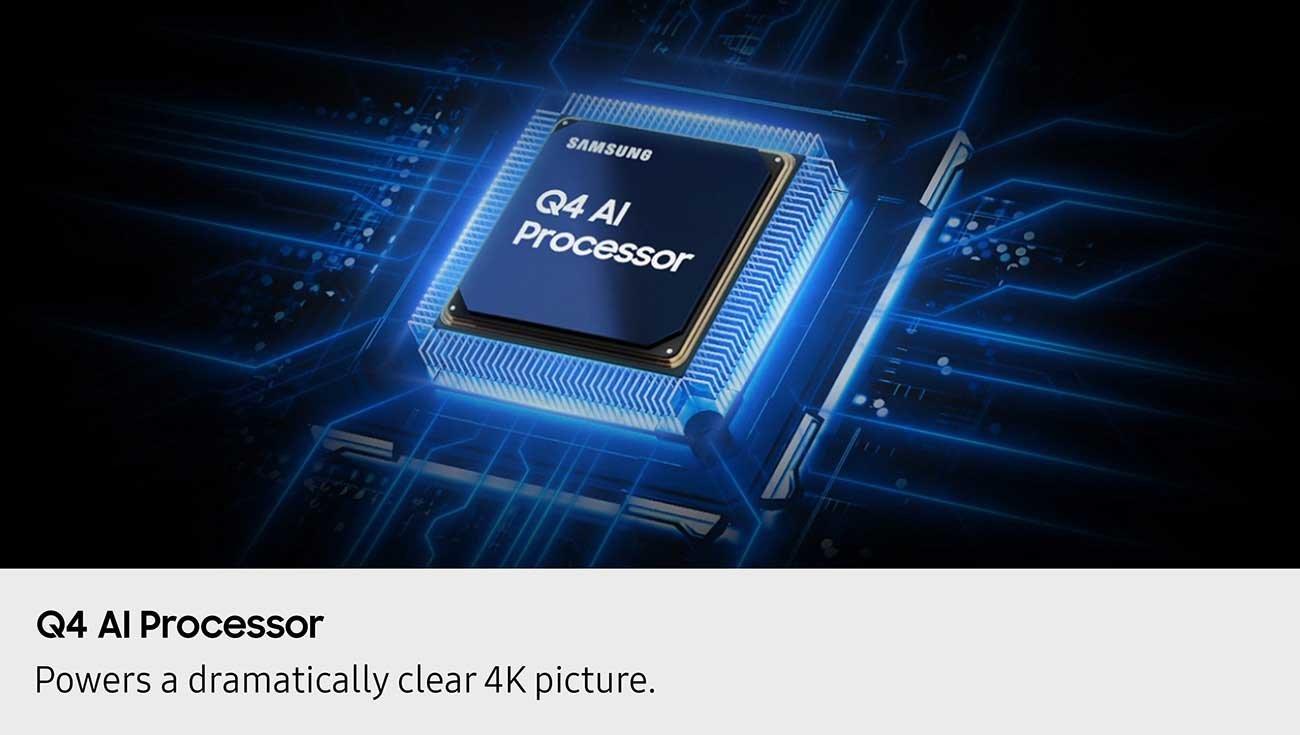
The Samsung Q7F runs on Tizen with Vision AI, which represents a substantial upgrade from previous Samsung smart TV experiences. The Q4 AI Processor analyzes what you're watching and automatically adjusts picture settings for different content types. Watching a nature documentary? It enhances greens and blues. Switching to a thriller? It optimizes contrast for dark scenes.
The Vision AI features extend beyond picture optimization. Samsung's Generative Wallpaper uses AI to create custom backgrounds based on your preferences, while the integrated SmartThings hub functionality lets you control compatible smart home devices directly from the TV. Bixby voice control has improved significantly, and the TV works with Amazon Alexa and Google Assistant for those preferring other ecosystems.
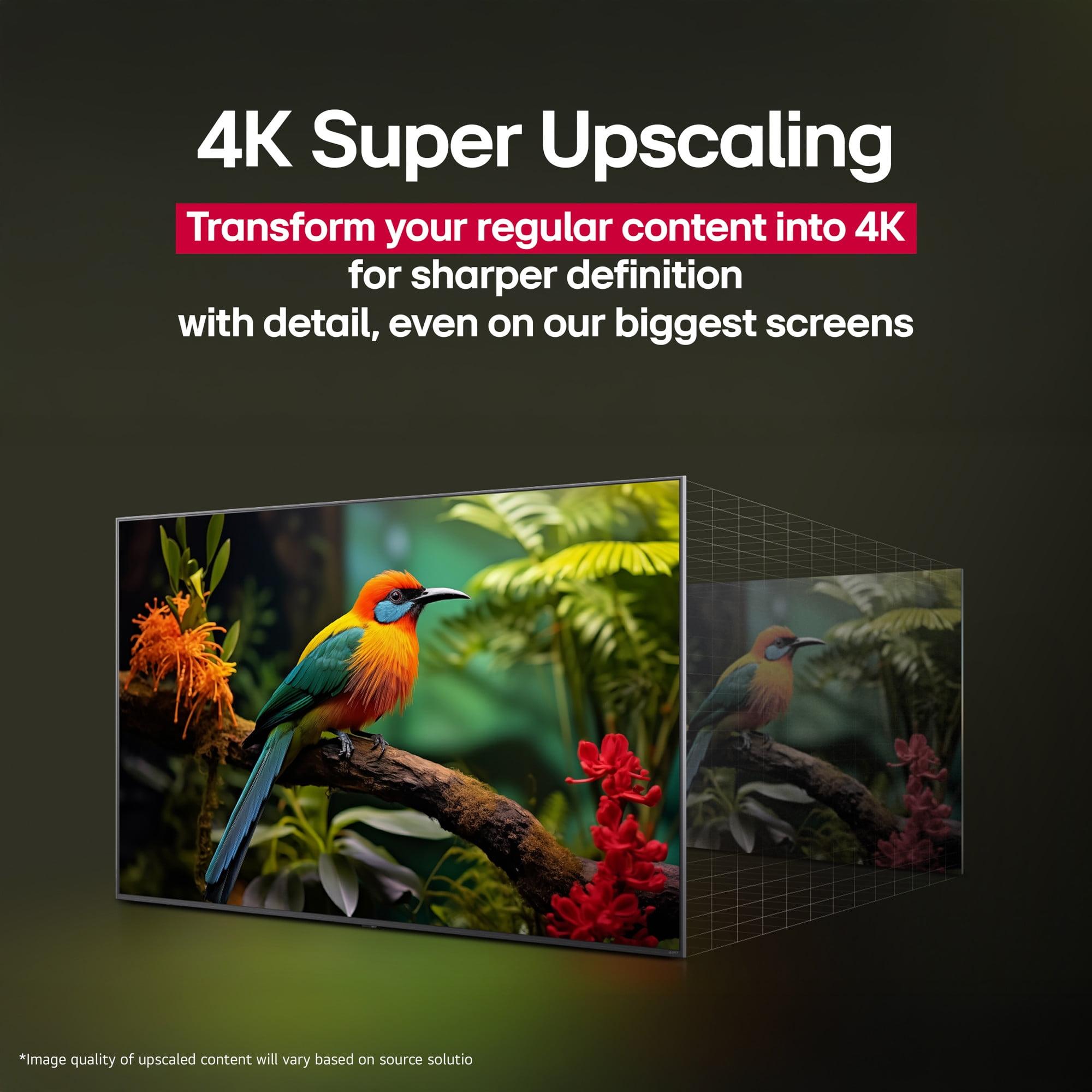
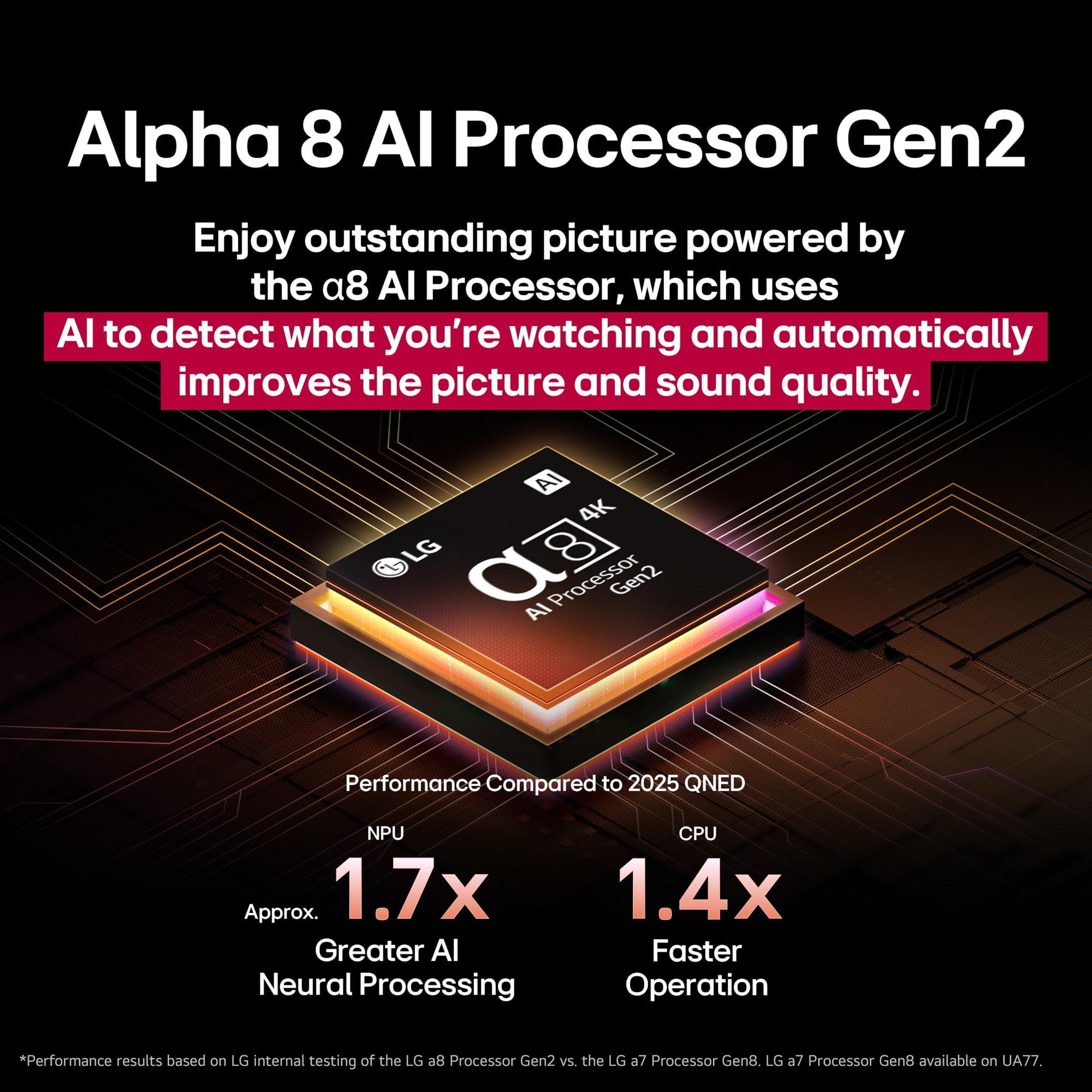
The LG B5 OLED ships with webOS 25, LG's most advanced smart platform to date. The α8 AI Processor 4K Gen2 is 1.4 times faster than its predecessor and delivers 1.7 times greater AI neural processing power. This translates to more intelligent upscaling of lower-resolution content and better scene-by-scene optimization.
WebOS 25 introduces Quick Cards, which let you organize apps into categories for faster access, and provides instant access to over 300 free streaming channels through LG Channels. The AI search and recommendation system learns your viewing habits and suggests content across different streaming platforms.
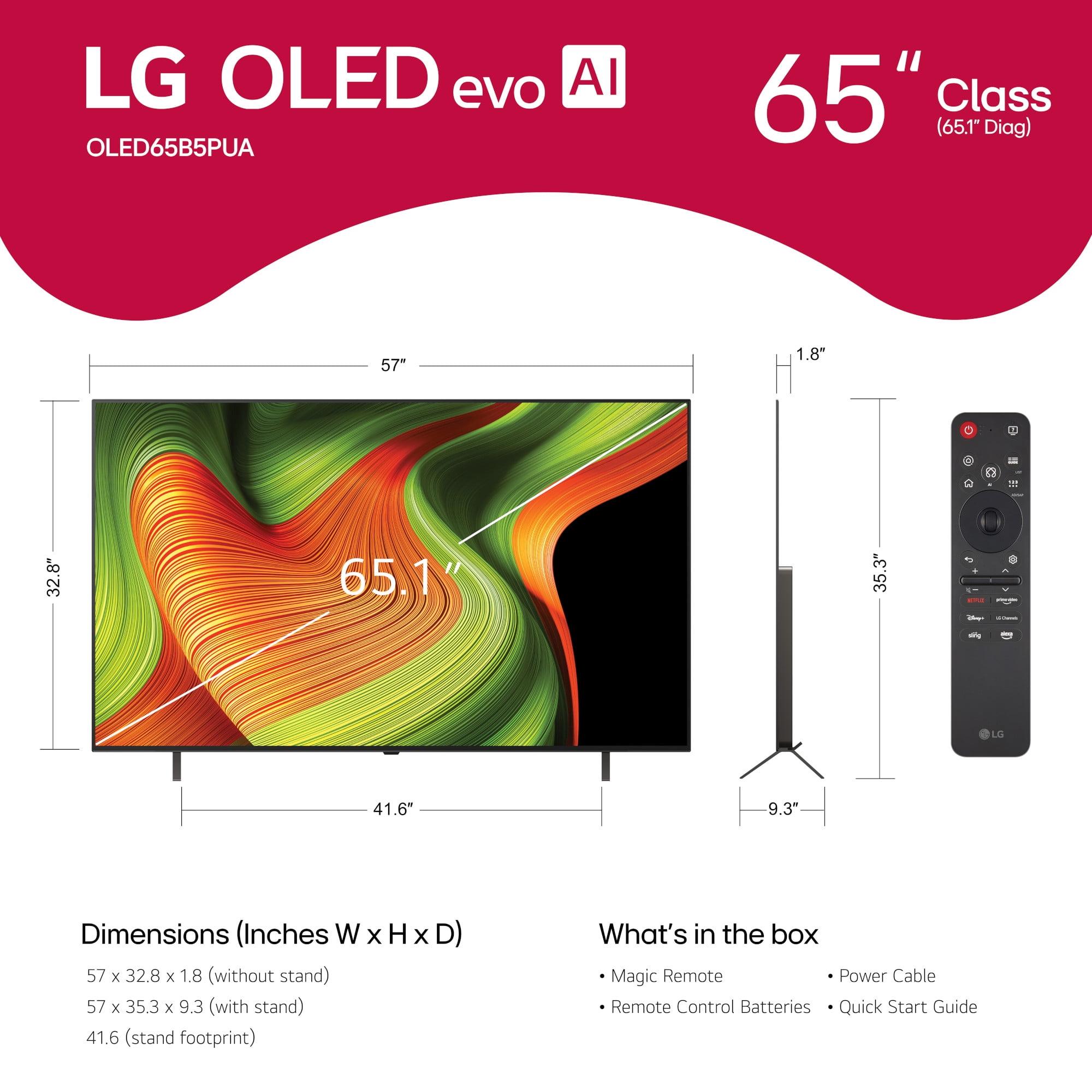
The redesigned Magic Remote includes a dedicated AI button for instant access to voice commands, personalized settings, and the new AI chatbot feature. However, LG removed the number pad from the remote, which eliminates quick-launch shortcuts that some users relied on.
Neither TV will replace a dedicated sound system, but their built-in audio capabilities differ meaningfully. The Samsung Q7F includes a 20W 2-channel speaker system with Object Tracking Sound Lite, which attempts to move audio effects across the screen to match visual action. It also supports Q-Symphony, allowing Samsung soundbars to work in tandem with the TV's built-in speakers for enhanced audio layering.
The LG B5 OLED supports Dolby Atmos processing and is optimized to work with LG's soundbar lineup, though specific wattage and speaker configuration weren't detailed in our research. Both TVs will benefit significantly from a quality soundbar or home theater system, particularly given their large screen sizes that demand proportional audio presence.
For dedicated home theater setups, room environment becomes the deciding factor between these TVs. In a properly light-controlled room with blackout curtains and minimal ambient lighting, the LG B5 OLED delivers a genuinely cinematic experience that's difficult to overstate. Those perfect blacks create an image that seems to float in space, with colors that appear more saturated and details that emerge from shadows in ways that LED-backlit displays simply cannot match.
However, many "home theaters" are actually family rooms or living spaces with windows, recessed lighting, or other light sources. In these environments, the Samsung Q7F's higher brightness output becomes a significant advantage. Colors remain vibrant, details stay visible, and you won't find yourself constantly adjusting room lighting or waiting for sunset to enjoy your TV.
The Samsung Q7F also handles reflections better due to its higher peak brightness, though neither TV includes advanced anti-reflection coatings found in higher-end models.
At the time of writing, the price difference between these TVs is substantial - the LG B5 OLED costs roughly twice as much as the Samsung Q7F. This raises the fundamental question: is OLED technology worth the premium?
The answer depends entirely on your priorities and usage patterns. The Samsung Q7F delivers exceptional value for most viewers. You're getting 4K resolution, quantum dot color enhancement, comprehensive smart features with AI integration, and solid picture quality that will satisfy the majority of content consumption. For families watching a mix of streaming shows, sports, news, and casual gaming, it checks every important box at a very reasonable price point.
The LG B5 OLED asks you to pay significantly more for what is admittedly a superior display technology. But that superiority is most apparent in specific scenarios: dark room viewing, serious gaming, and critical movie watching. If you're someone who notices and cares about the difference between true black and dark gray, who games competitively or with the latest consoles, or who has invested in creating a proper home theater environment, the premium feels justified.
Both TVs represent meaningful improvements over their 2024 predecessors, though the upgrades follow different priorities. The Samsung Q7F gained the Vision AI capabilities and substantially improved smart platform integration - features that were previously reserved for higher-end Samsung models. The Q4 AI Processor represents a significant step up in processing power for Samsung's entry-level QLED lineup.
The LG B5 OLED benefits from the new α8 AI Processor 4K Gen2, which processes images faster and more intelligently than previous generations. The webOS 25 platform introduces AI features that weren't available in 2024 models, and the overall gaming feature set has been refined for better console compatibility.
Notably, both manufacturers have doubled down on AI integration across their 2025 lineups, reflecting industry-wide trends toward smarter, more automated viewing experiences.
The Samsung Q7F QLED makes the most sense for buyers who want a substantial upgrade from older LED TVs without stretching their budget or compromising on smart features. It's ideal for bright living spaces, casual gaming, and general entertainment consumption. The AI features and smart home integration add genuine value for tech-savvy households, while the quantum dot color enhancement provides a noticeable improvement over standard LED displays.
The LG B5 OLED is the choice for enthusiasts who prioritize picture quality above all else and have the budget to match. Serious gamers will appreciate the 120Hz refresh rate and ultra-low input lag, while movie lovers will be captivated by the perfect blacks and accurate colors. It's also the better choice for anyone planning to use the TV as a PC monitor or for content creation work where color accuracy matters.
These TVs succeed in different ways because they're designed for different users. The Samsung Q7F democratizes premium TV features, bringing AI processing, quantum dot colors, and comprehensive smart features to a broader audience. The LG B5 OLED delivers a premium viewing experience that justifies its higher cost for users who will notice and appreciate the difference.
Your room environment, viewing habits, gaming requirements, and budget will determine which approach serves you better. But both represent strong choices within their respective market positions, offering meaningful improvements over older TV technologies while pointing toward the increasingly AI-driven future of home entertainment.
| Samsung 65" Q7F QLED 4K Vision AI Smart TV 2025 | LG B5 Series OLED 65" 4K Smart TV 2025 |
|---|---|
| Display Technology - Fundamentally different approaches to picture quality | |
| QLED (LED with Quantum Dot enhancement) | OLED (Self-emissive pixels) |
| Black Levels - Critical for contrast and dark room viewing | |
| Good blacks with LED dimming zones | Perfect blacks (pixels turn completely off) |
| Peak Brightness - Essential for bright room viewing and HDR impact | |
| 500+ nits (excellent for bright rooms) | Lower peak brightness (better for dark rooms) |
| Refresh Rate - Crucial for gaming and sports | |
| 60Hz (limits gaming to 60fps) | 120Hz native (supports 120fps gaming) |
| Gaming Input Lag - Response time affects competitive gaming | |
| Higher input lag typical of budget models | 12.8ms at 120Hz (excellent for gaming) |
| HDMI 2.1 Ports - Future-proofing for next-gen consoles | |
| Limited HDMI 2.1 support | 4x HDMI 2.1 ports with full 48Gbps bandwidth |
| Gaming Features - Advanced capabilities for modern consoles | |
| Auto Game Mode only | VRR, ALLM, G-Sync, FreeSync Premium |
| HDR Support - Different standards affect streaming compatibility | |
| HDR10, HDR10+ with dynamic tone mapping | HDR10, Dolby Vision (premium HDR standard) |
| Smart Platform - AI and user experience differences | |
| Tizen with Vision AI and SmartThings integration | webOS 25 with AI recommendations and Quick Cards |
| Processor - Affects upscaling and AI features | |
| Q4 AI Processor with Vision AI | α8 AI Processor 4K Gen2 (1.4x faster processing) |
| Audio Features - Built-in sound capabilities | |
| 20W 2CH with Object Tracking Sound Lite | Dolby Atmos support, LG soundbar optimization |
| Voice Control - Smart home and AI integration | |
| Bixby, Alexa, Google Assistant with Vision AI | AI Voice ID, chatbot, works with major assistants |
| Viewing Angles - Important for wide seating arrangements | |
| Limited viewing angles typical of LED panels | Excellent viewing angles from all positions |
| Room Suitability - Where each TV performs best | |
| Bright rooms, daytime viewing, mixed lighting | Dark rooms, controlled lighting, home theaters |
| Target User - Who benefits most from each approach | |
| Budget-conscious buyers wanting modern features | Gaming enthusiasts and picture quality purists |
The LG B5 Series OLED delivers superior picture quality for movies due to its perfect black levels and infinite contrast ratio. Each pixel can turn completely off, creating true blacks that make dark movie scenes look cinematic. The Samsung Q7F QLED produces good picture quality but cannot achieve the same deep blacks, showing dark gray instead of true black in dimly lit scenes.
QLED technology in the Samsung Q7F uses LED backlights enhanced with quantum dots to produce vibrant colors, while OLED technology in the LG B5 uses self-lighting pixels that can turn on and off individually. This means OLED provides perfect blacks and infinite contrast, while QLED offers higher brightness levels for well-lit rooms.
The LG B5 Series OLED is significantly better for gaming with its native 120Hz refresh rate, four HDMI 2.1 ports, and ultra-low input lag of 12.8ms. It supports VRR, ALLM, G-Sync, and FreeSync Premium for smooth gaming. The Samsung Q7F QLED is limited to 60Hz refresh rate and basic gaming features, making it less suitable for serious gaming.
The Samsung Q7F QLED performs better in bright rooms due to its higher peak brightness output, which helps colors remain vibrant and details stay visible even with ambient light. The LG B5 OLED has lower brightness capabilities and may struggle with glare and reflections in very bright environments.
Both TVs offer advanced AI-powered smart platforms. The Samsung Q7F runs Tizen with Vision AI, SmartThings integration, and supports Bixby, Alexa, and Google Assistant. The LG B5 OLED features webOS 25 with AI recommendations, Quick Cards for app organization, and access to over 300 free streaming channels through LG Channels.
The LG B5 Series OLED excels in dedicated home theater environments with controlled lighting, delivering perfect blacks and cinematic picture quality. However, the Samsung Q7F QLED may be better for multi-purpose family rooms or spaces with ambient lighting due to its superior brightness output.
The LG B5 OLED offers a native 120Hz refresh rate that provides smoother motion for fast-paced sports, while the Samsung Q7F QLED is limited to 60Hz. The higher refresh rate in the LG B5 reduces motion blur and creates a more fluid viewing experience for sports content.
The Samsung Q7F QLED offers excellent value as an entry-level QLED with modern AI features, quantum dot colors, and comprehensive smart capabilities at a lower price point. The LG B5 Series OLED costs significantly more but provides premium OLED technology that justifies the price for users prioritizing picture quality and gaming performance.
The Samsung Q7F QLED supports HDR10 and HDR10+ with dynamic tone mapping for scene-by-scene optimization. The LG B5 Series OLED supports HDR10 and Dolby Vision, which is considered the premium HDR standard with wider industry adoption and more advanced metadata.
The Samsung Q7F features a 20W 2-channel speaker system with Object Tracking Sound Lite and Q-Symphony compatibility for Samsung soundbars. The LG B5 OLED supports Dolby Atmos processing and is optimized for LG soundbar integration. Both TVs benefit significantly from external audio systems given their large 65-inch screen size.
The LG B5 Series OLED maintains excellent picture quality and accurate colors from all viewing angles due to its OLED panel technology. The Samsung Q7F QLED has more limited viewing angles typical of LED panels, with color and contrast degradation when viewed from the sides.
Both the Samsung Q7F and LG B5 OLED offer comprehensive streaming app support with their respective smart platforms. The Samsung Q7F provides Vision AI features and smart home integration, while the LG B5 offers AI-powered content recommendations and Quick Cards for better app organization. Both support all major streaming services effectively.
We've done our best to create useful and informative comparisons to help you decide what product to buy. Our research uses advanced automated methods to create this comparison and perfection is not possible - please contact us for corrections or questions. These are the sites we've researched in the creation of this article: bestbuy.com - youtube.com - samsung.com - samsung.com - pcrichard.com - samsung.com - samsung.com - videoandaudiocenter.com - displayspecifications.com - bestbuy.com - samsung.com - samsung.com - samsung.com - samsung.com - news.samsung.com - eftm.com - bestbuy.com - rtings.com - youtube.com - rtings.com - tomsguide.com - youtube.com - nationalproductreview.com.au - lg.com - manchesterbrothers.com - avsforum.com - lg.com - lg.com - lg.com - lg.com - retailspecs.com - american-homeappliance.com - perpichtv.com

Privacy Policy
Terms and Conditions - Affiliate Policy
Home Security
© Copyright 2008-2026.
11816 Inwood Rd #1211, Dallas, TX 75244