

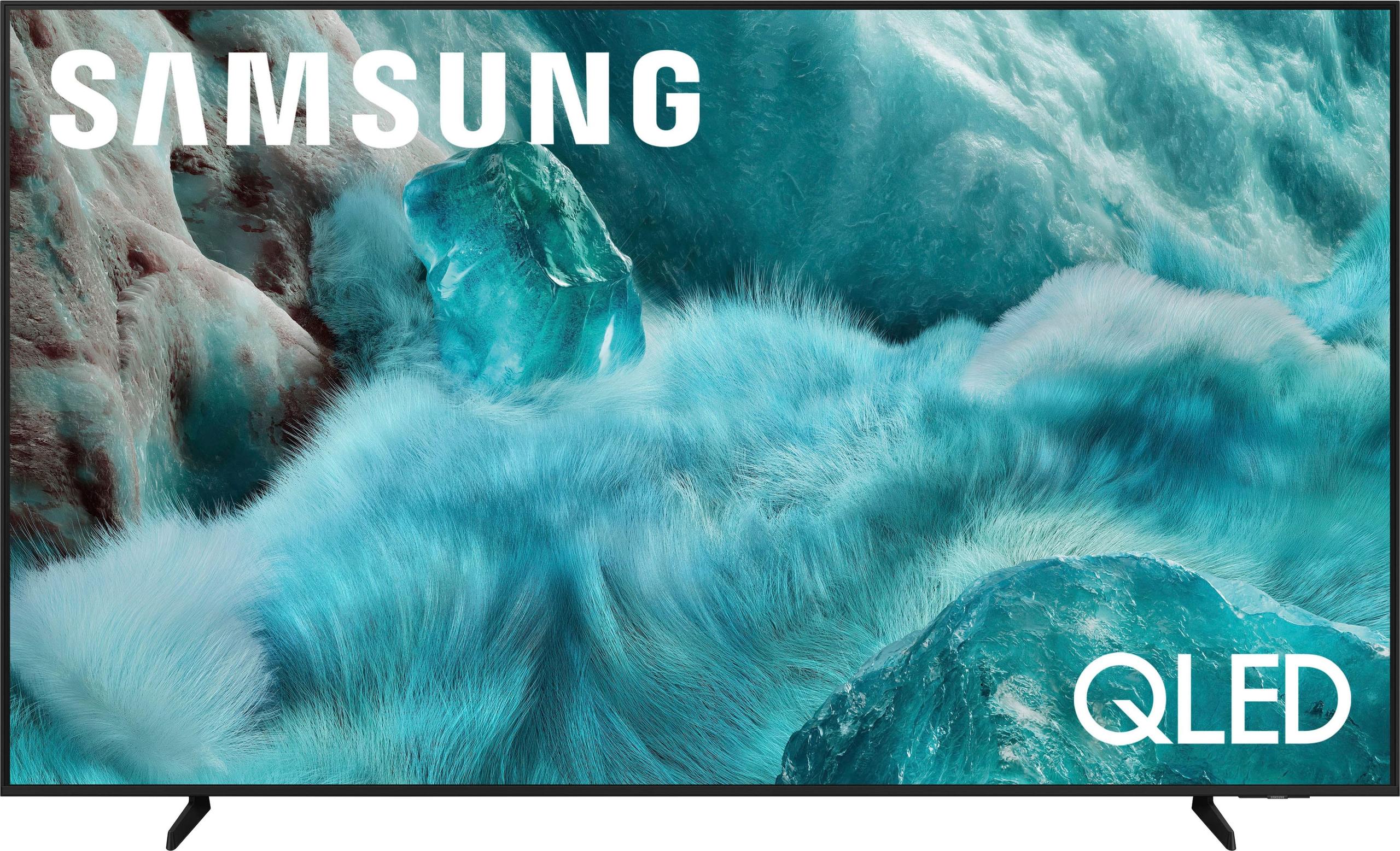
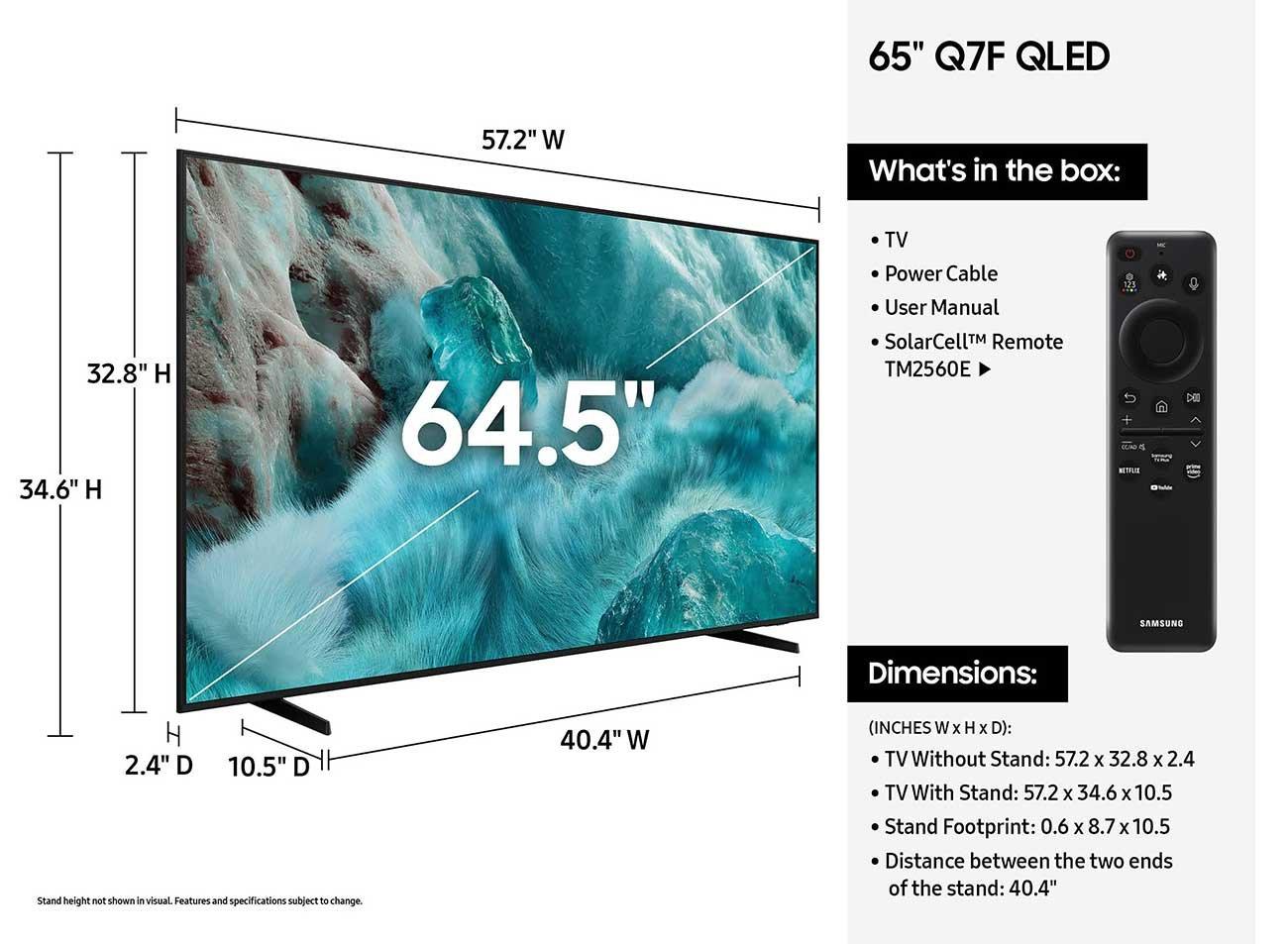

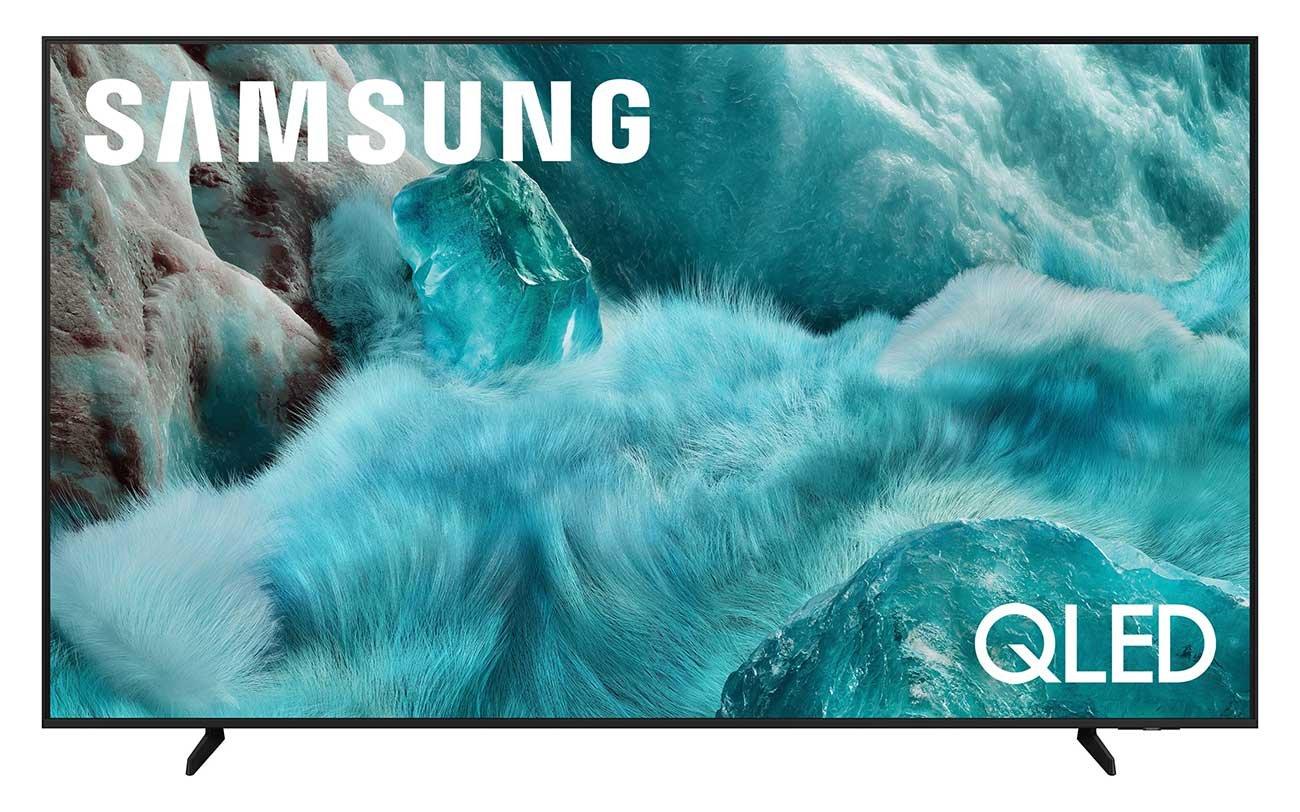
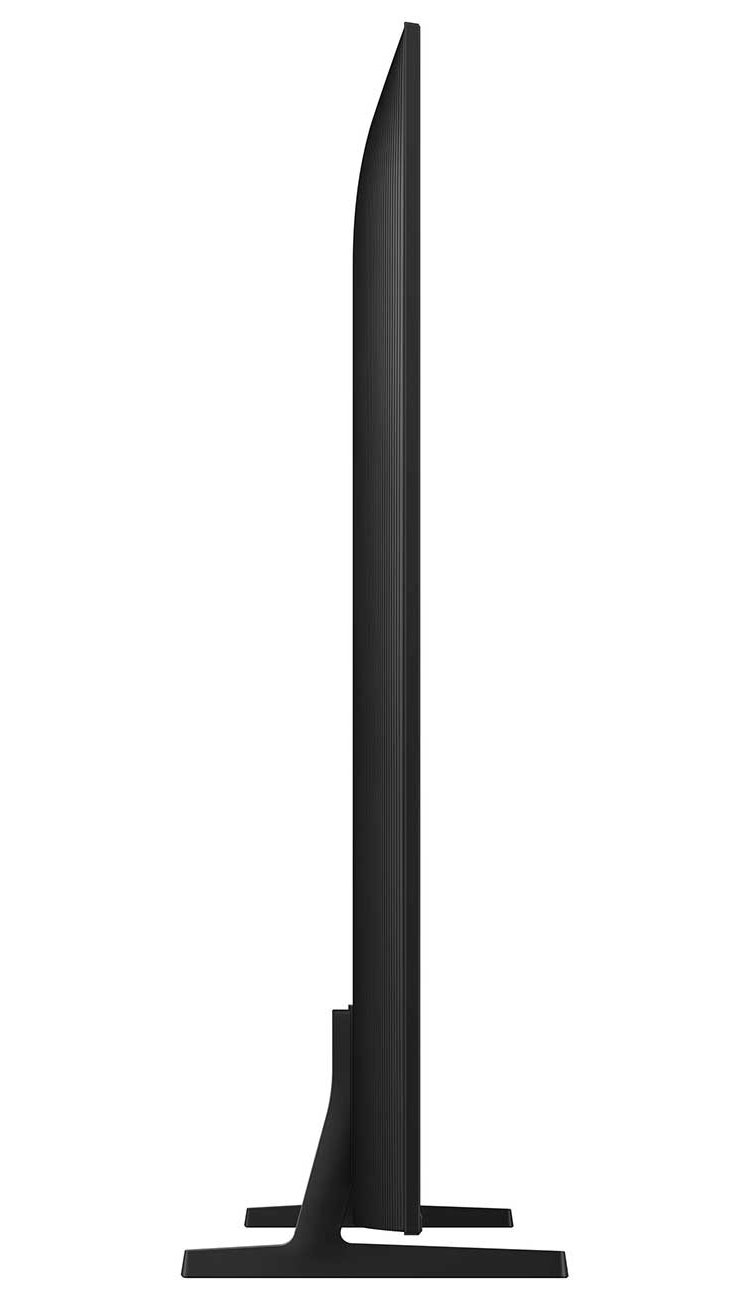
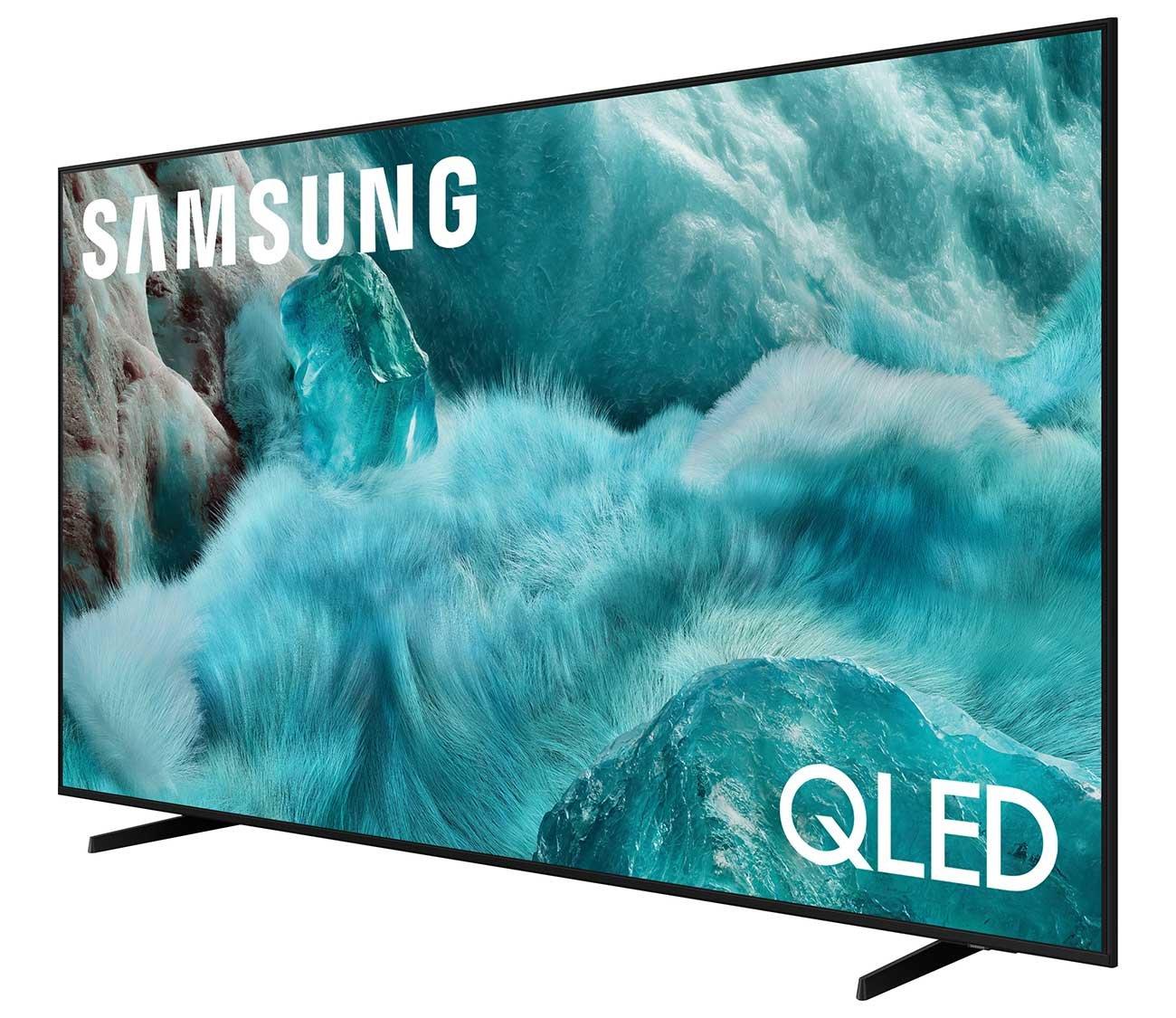
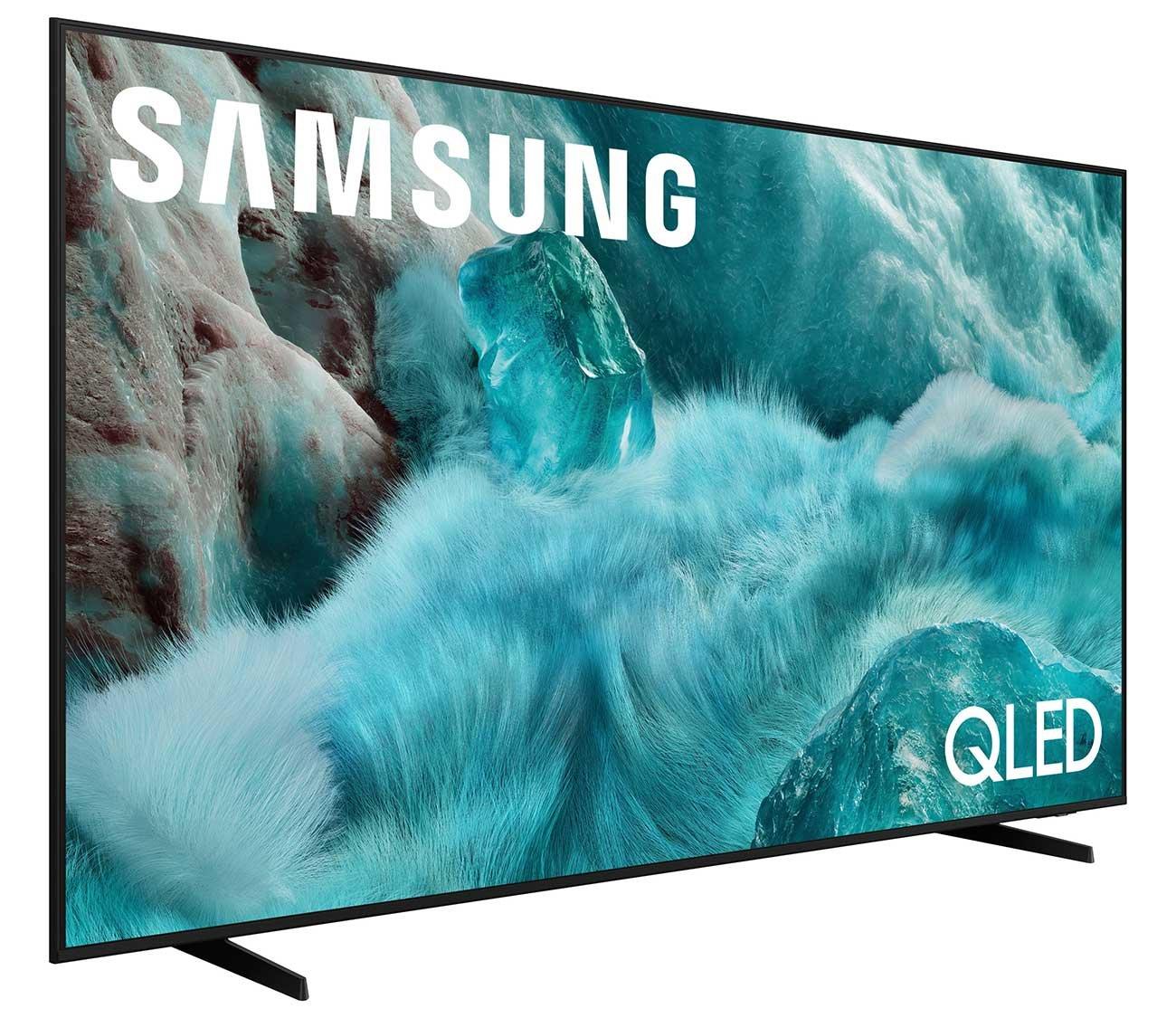
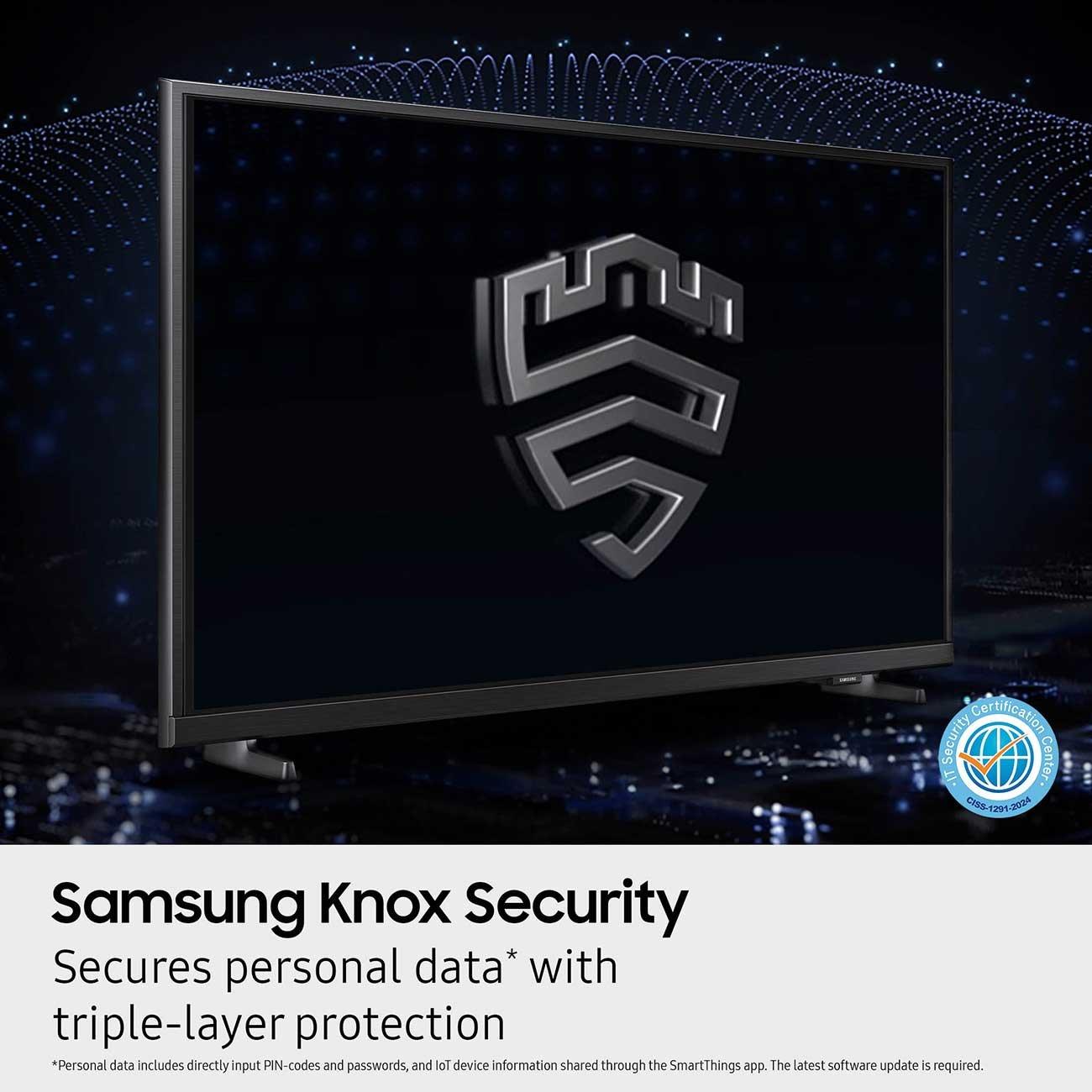

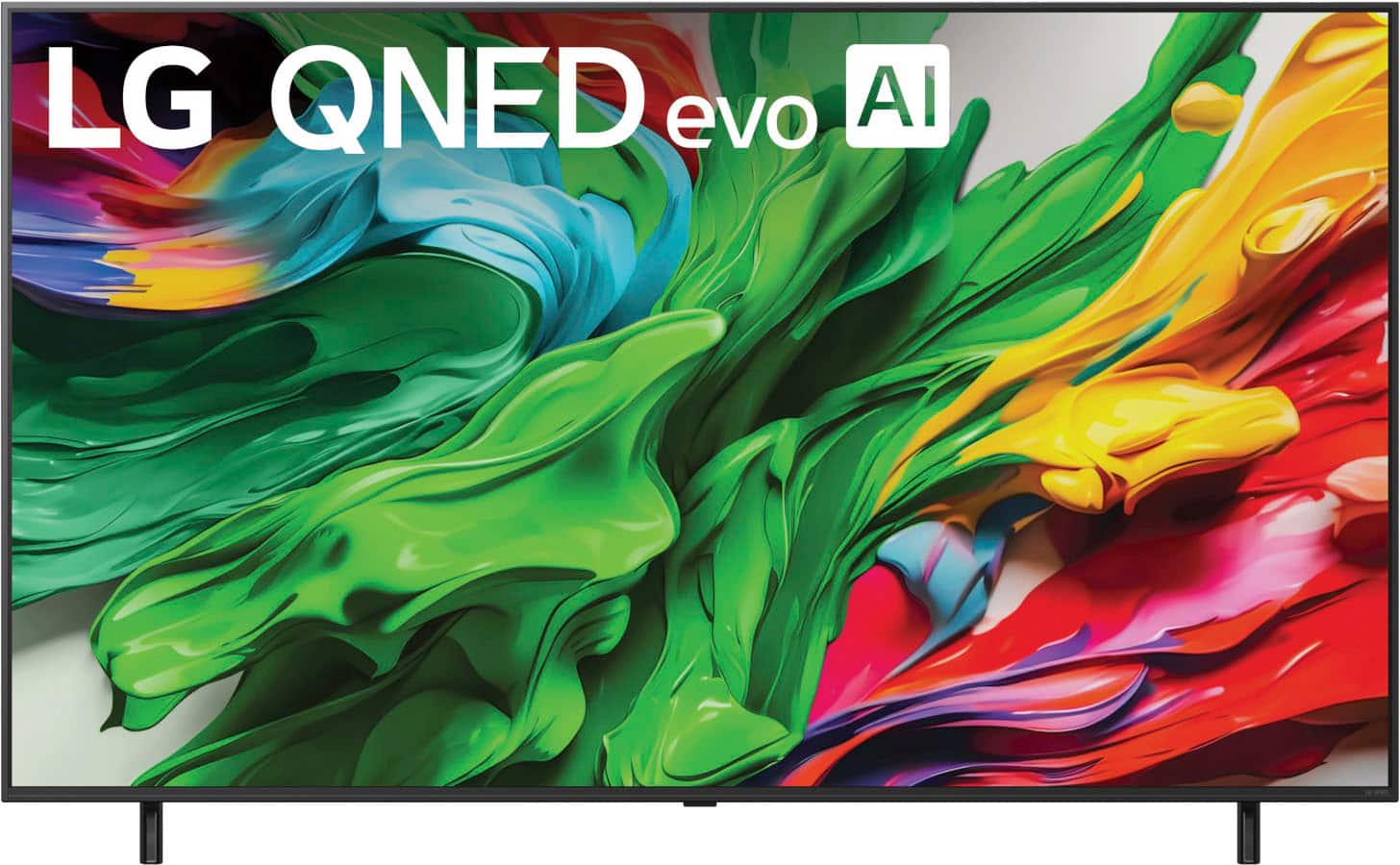
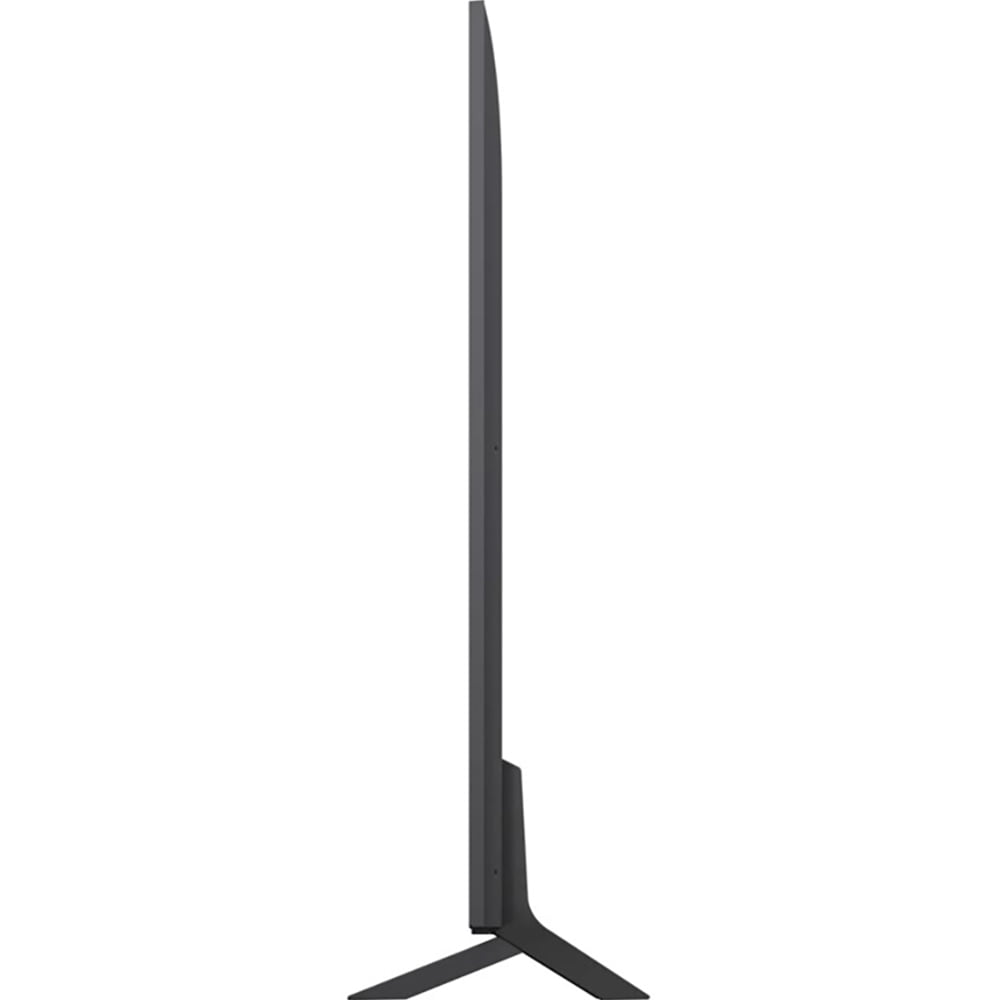
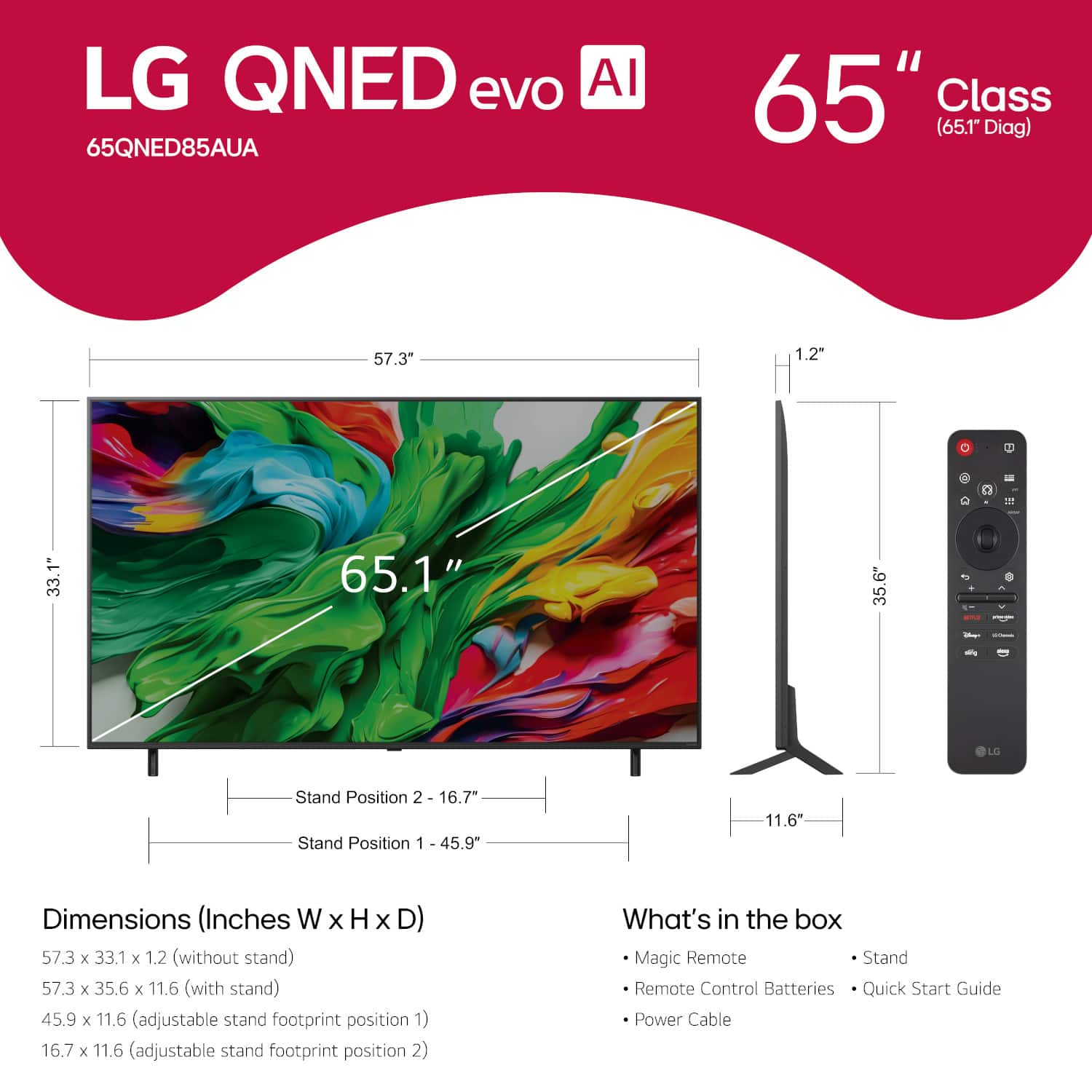
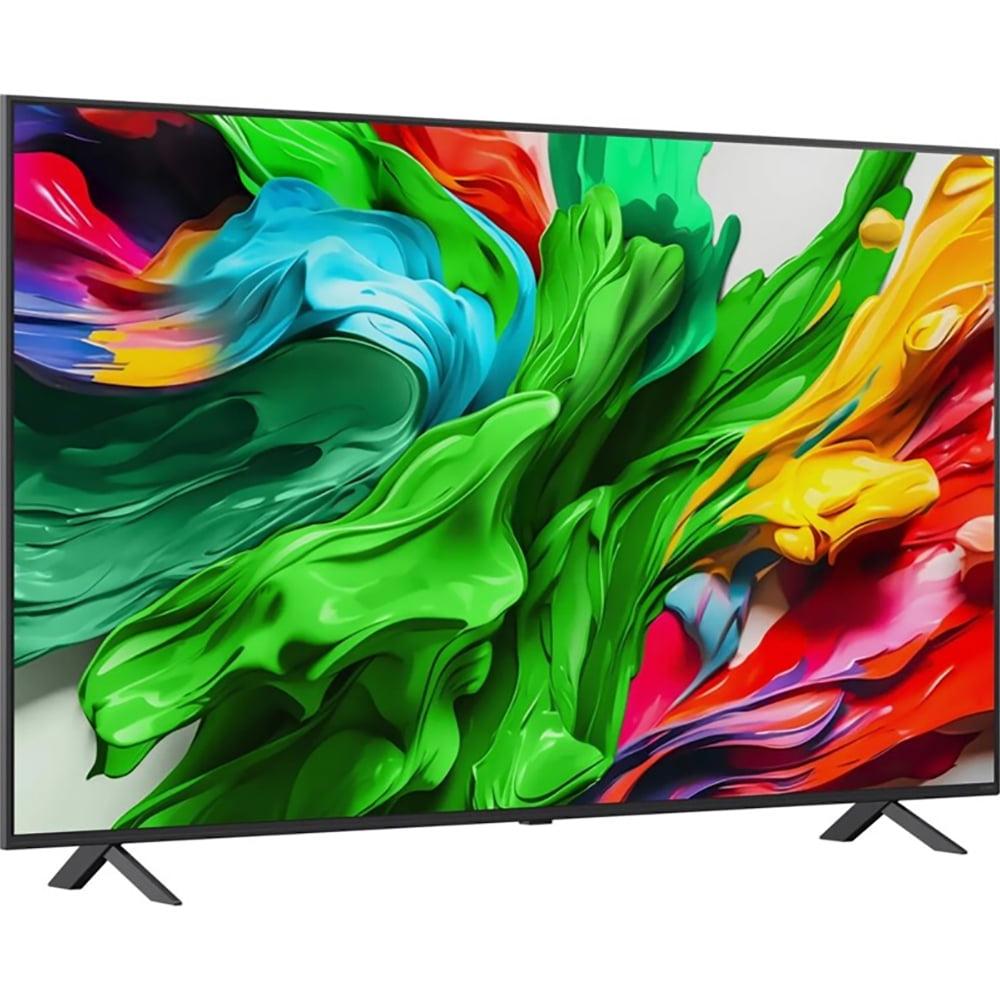
When shopping for a new 65-inch TV in 2025, you'll quickly discover that the mid-range segment offers some compelling choices. Two models that frequently come up in conversations are the Samsung 65" Q7F QLED 4K Vision AI Smart TV and the LG 65" QNED evo AI QNED85A 4K MiniLED Smart TV. At the time of writing, these TVs represent very different approaches to delivering premium features at accessible prices.
The mid-range TV category, typically spanning from around $600 to $1,200 for 65-inch models, has become incredibly competitive. This is where manufacturers try to balance cutting-edge technology with reasonable pricing, often making strategic compromises to hit specific price points. Understanding these compromises is crucial for making the right choice for your needs.
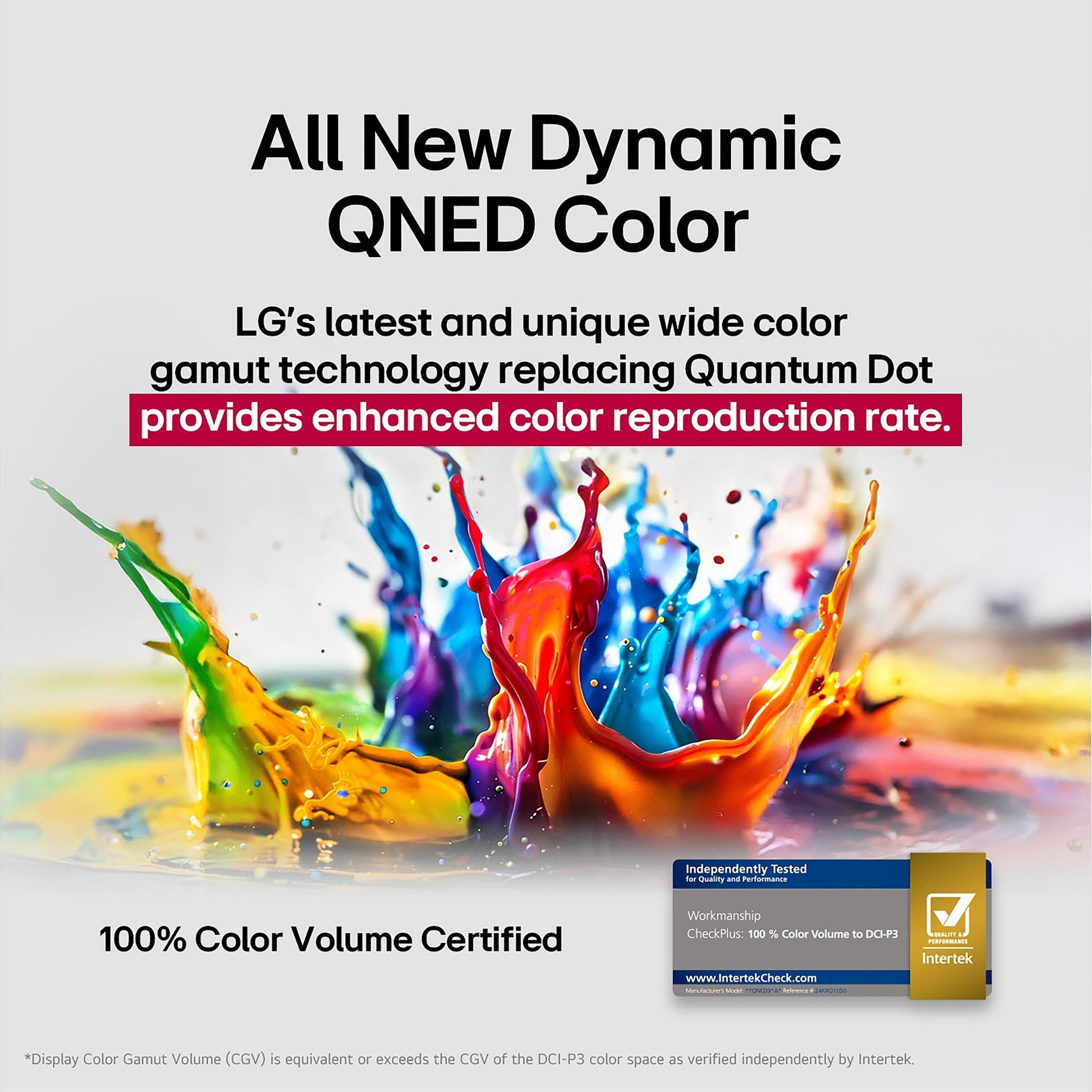
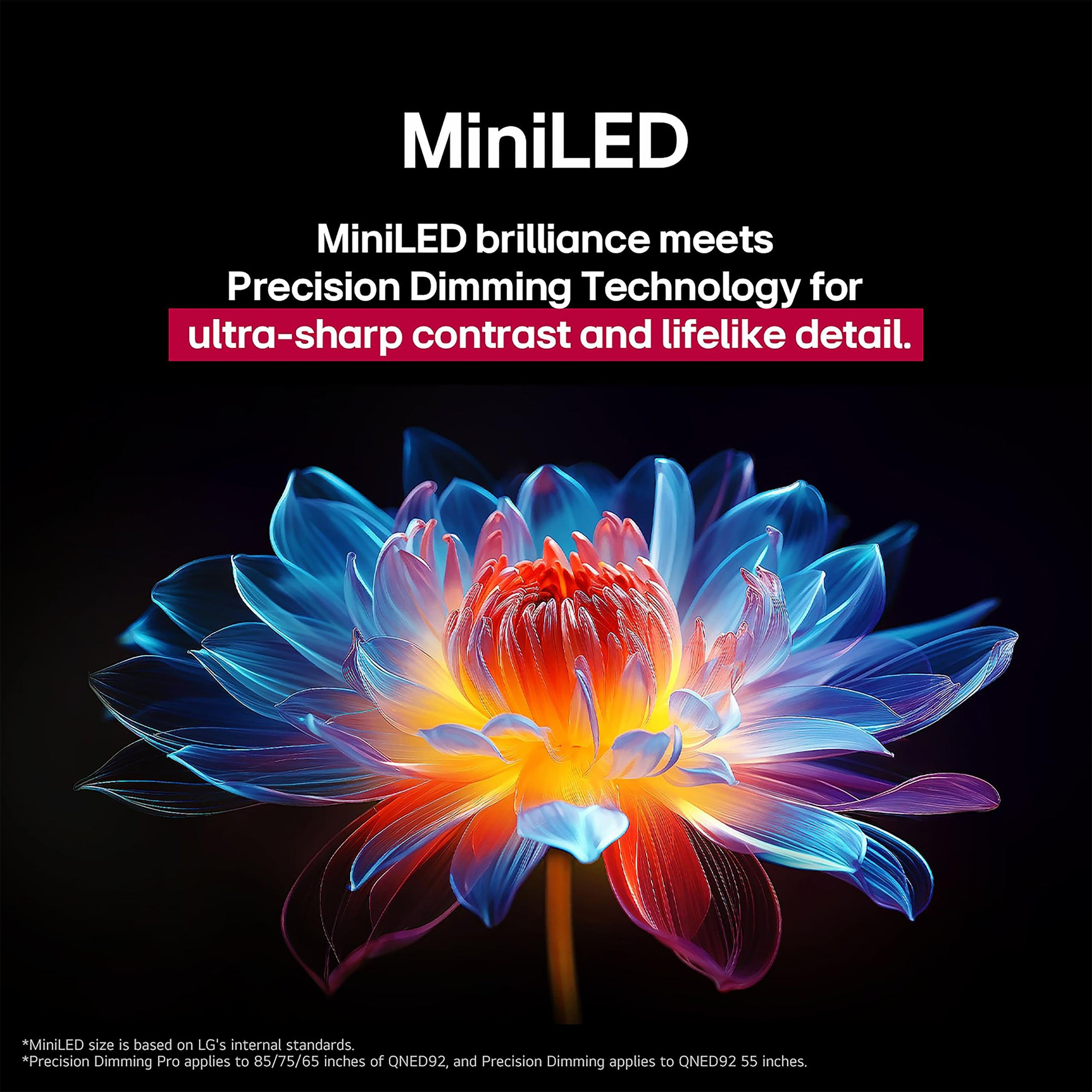
The most fundamental difference between these two models lies in their display technology. The Samsung Q7F uses traditional QLED (Quantum Dot Light Emitting Diode) technology, while the LG QNED85A employs Mini LED backlighting combined with quantum dots and NanoCell technology.
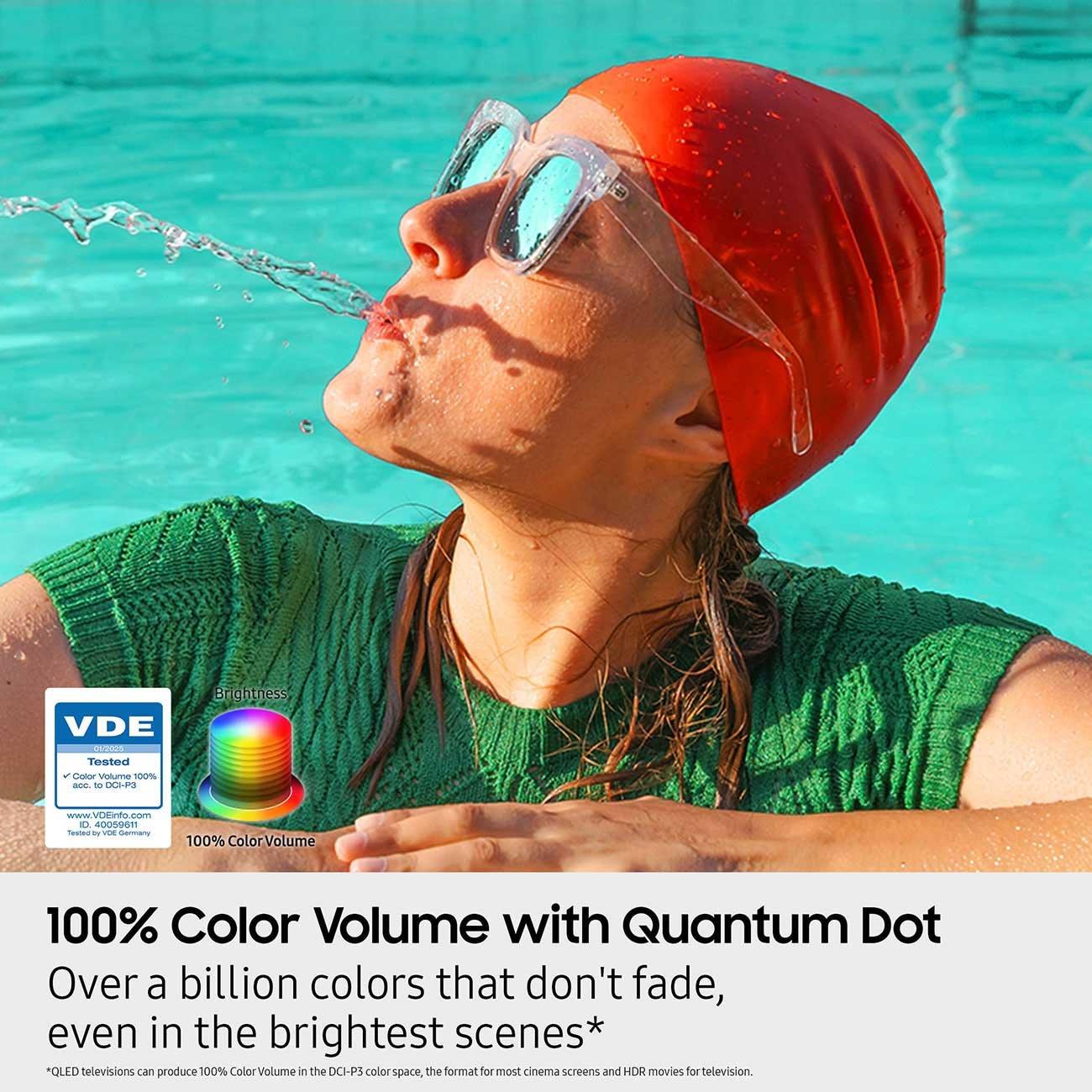
Let's break this down in practical terms. Traditional QLED, as found in the Samsung, uses quantum dots – tiny particles that can produce very pure colors when hit by light. These quantum dots sit in front of a standard LED backlight, enhancing color reproduction significantly compared to regular LED TVs. Samsung has been perfecting this technology for years, and even their entry-level QLED models like the Q7F deliver impressive color accuracy and vibrancy.
The LG QNED85A, however, takes a more advanced approach with Mini LED technology. Instead of using larger LED lights around the edges or behind the screen, Mini LEDs are thousands of tiny lights that can be controlled independently. Think of it like having thousands of tiny flashlights behind your screen instead of just a few big ones. This allows for much more precise control over which parts of the screen are bright and which are dark.
This technical difference translates into real-world viewing benefits. The Samsung Q7F produces excellent colors and gets plenty bright for most rooms, but it struggles with contrast – the difference between the darkest darks and brightest brights. When you're watching a movie with dark scenes, like a space thriller or horror film, you might notice that the blacks look more like dark gray. This is because the entire backlight is illuminating the screen, even in areas that should be completely black.
The LG QNED85A, with its Mini LED array, can actually turn off or dim the lights behind dark areas of the screen while keeping bright areas illuminated. This creates much deeper blacks and more dramatic contrast, making movie nights significantly more immersive.
Gaming has become a major consideration for TV buyers, especially with the popularity of PlayStation 5 and Xbox Series X consoles. This is where the differences between these models become stark.
The Samsung Q7F operates at 60Hz, which means it can display 60 frames per second. For casual gaming and most streaming content, this is perfectly adequate. However, it lacks Variable Refresh Rate (VRR) support and doesn't include HDMI 2.1 ports. VRR is a technology that allows the TV to synchronize its refresh rate with whatever frame rate your gaming console is outputting, reducing screen tearing and stuttering for smoother gameplay.
Without HDMI 2.1, the Samsung can't take full advantage of next-generation gaming consoles. You'll still get 4K gaming, but you'll miss out on 120fps gaming modes that many newer games support. For someone who plays games occasionally or sticks to slower-paced titles, this might not matter. But for competitive gamers or those who want the smoothest possible experience, it's a significant limitation.
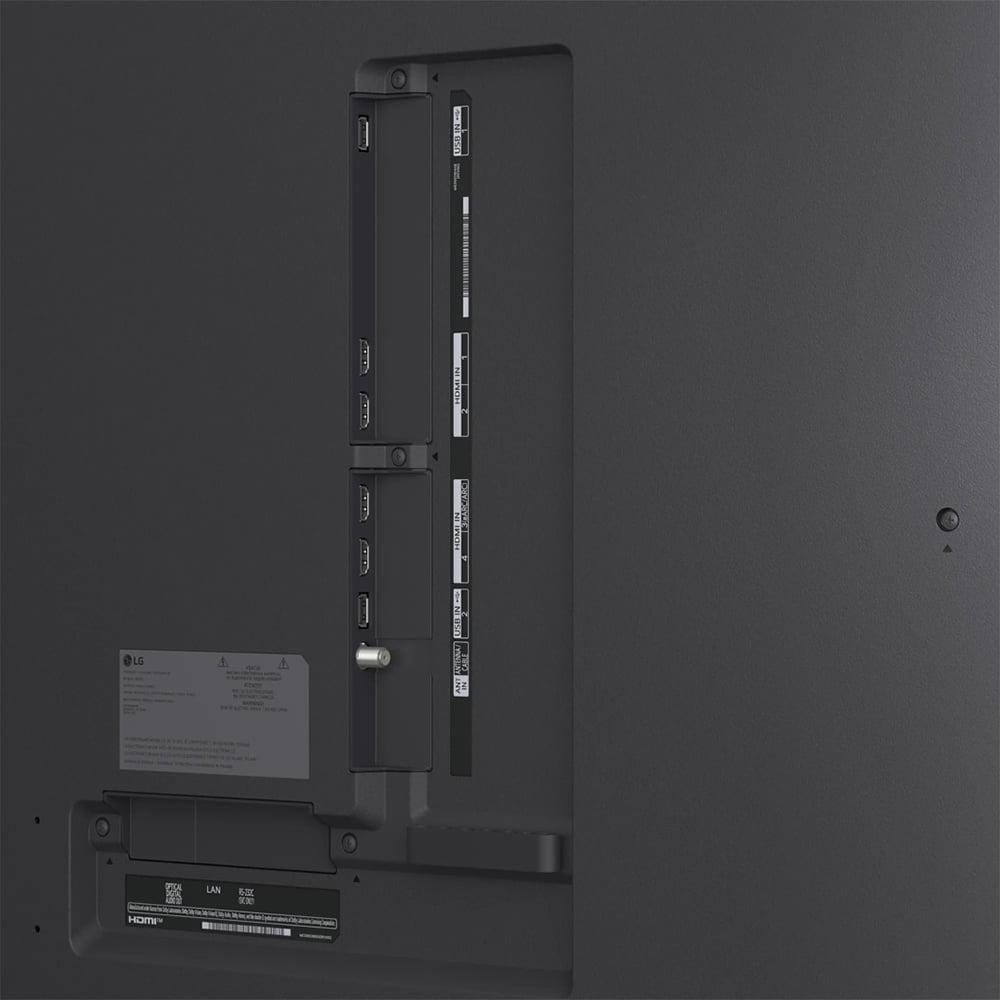
The LG QNED85A tells a completely different story. It features a native 120Hz refresh rate and supports VRR up to 144Hz – even higher than what current consoles can output, making it somewhat future-proof. All four of its HDMI ports support HDMI 2.1, giving you flexibility in how you connect multiple gaming devices.
More importantly, the LG includes gaming-specific features like Game Optimizer and Game Dashboard. Game Optimizer automatically adjusts picture settings when it detects you're gaming, reducing input lag (the delay between pressing a button and seeing the action on screen) and optimizing the picture for gaming scenarios. The Game Dashboard provides real-time information about frame rates and allows quick adjustments without leaving your game.
For home theater enthusiasts who also game, the LG QNED85A offers a much more complete package. The higher refresh rate also benefits fast-paced movies and sports, making action sequences appear smoother and more natural.
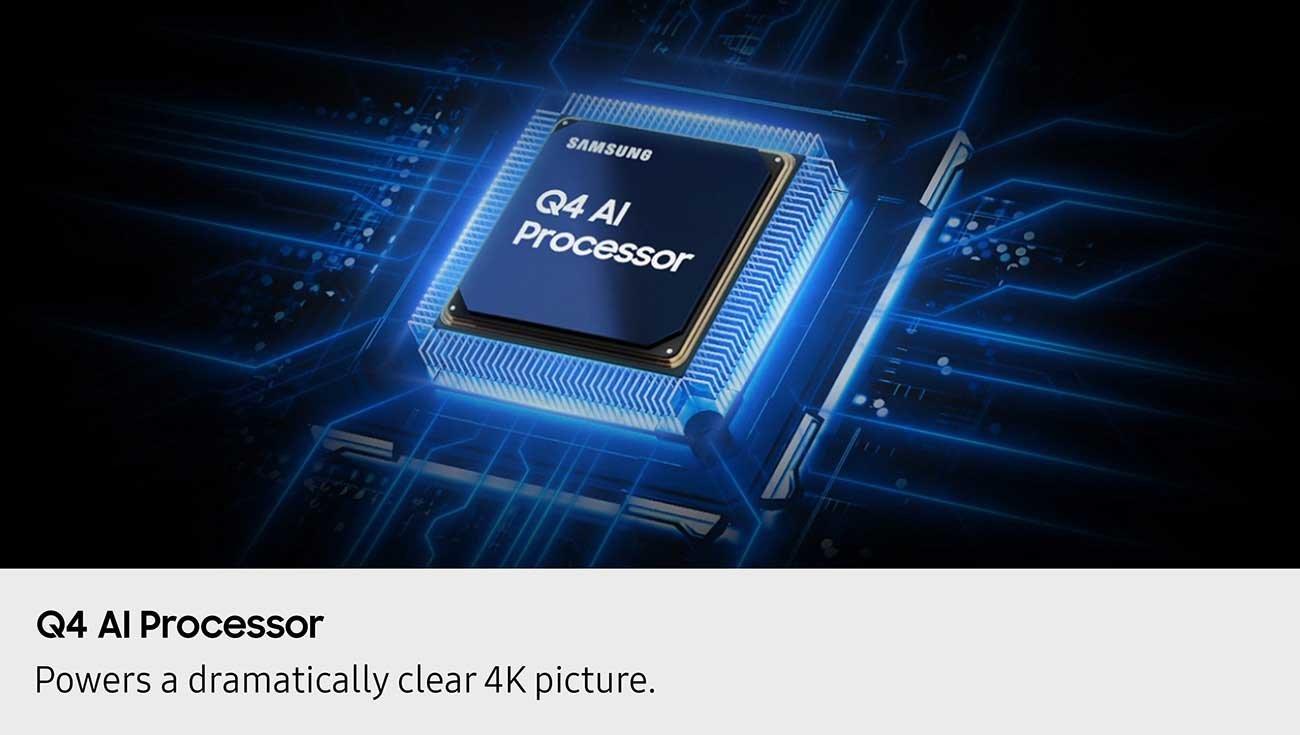
Both TVs tout AI capabilities, but they approach artificial intelligence very differently. The Samsung Q7F includes Samsung's Vision AI, powered by their Q4 processor. This system can analyze what you're watching and adjust picture settings accordingly, generate AI wallpapers, and provide some voice control improvements through Bixby.
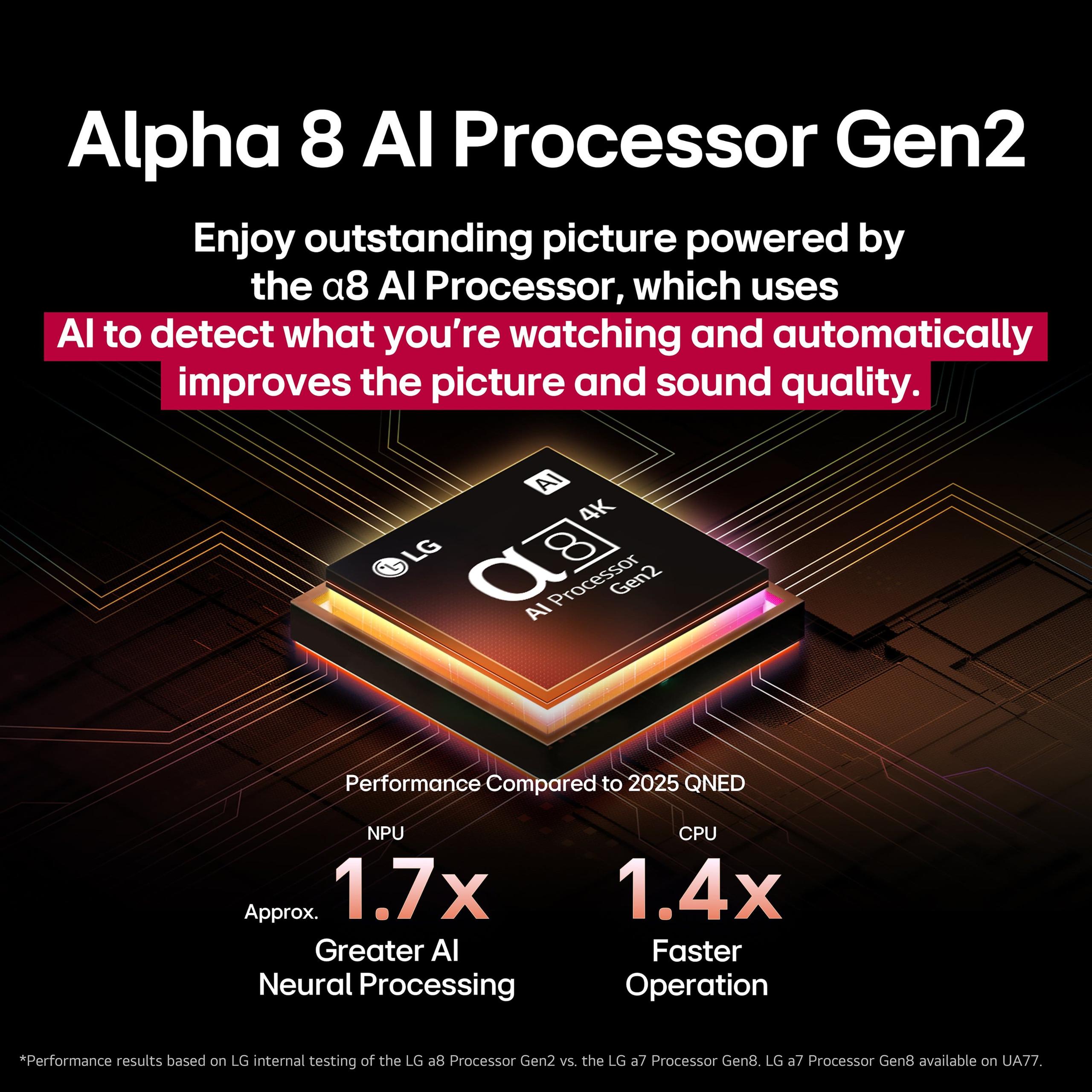
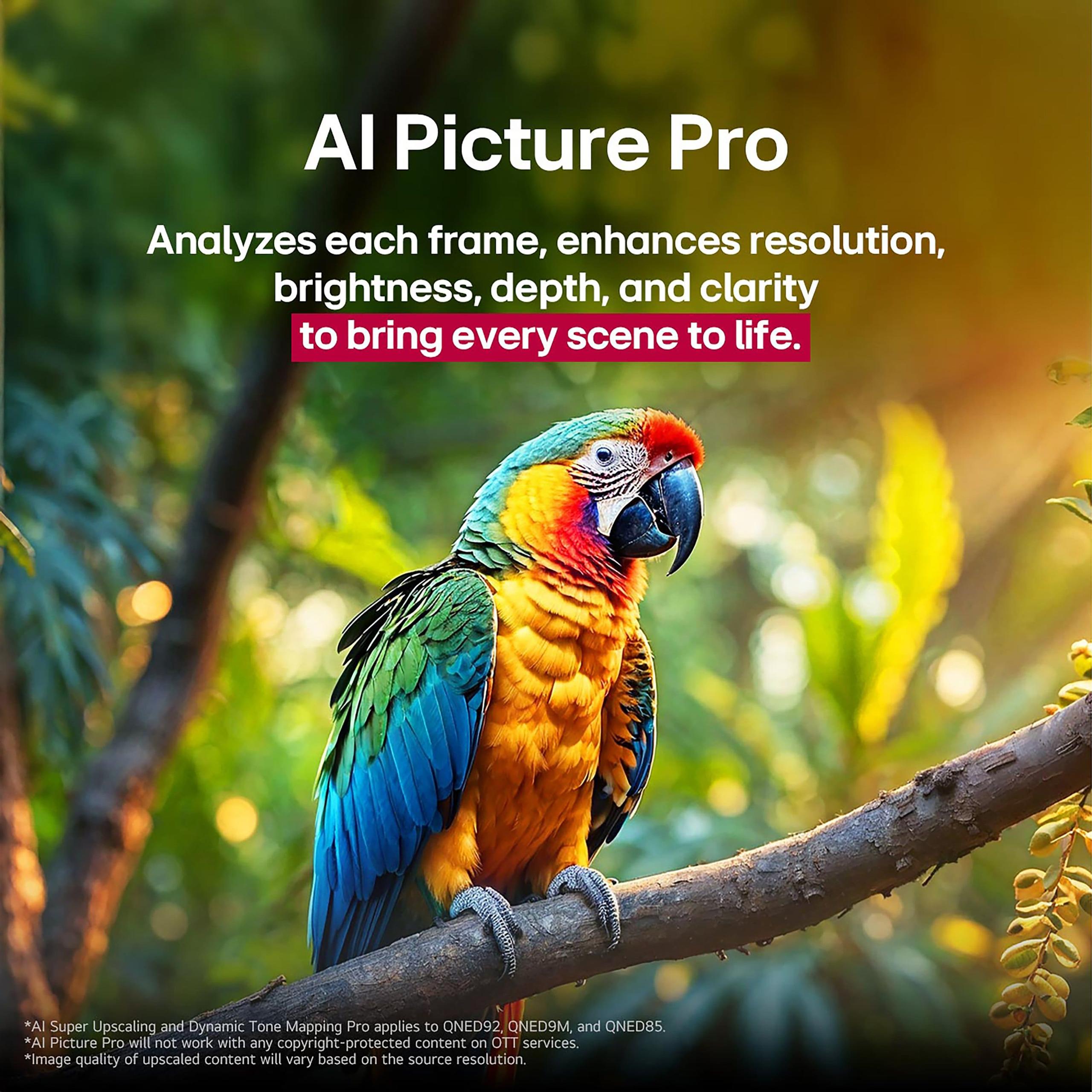
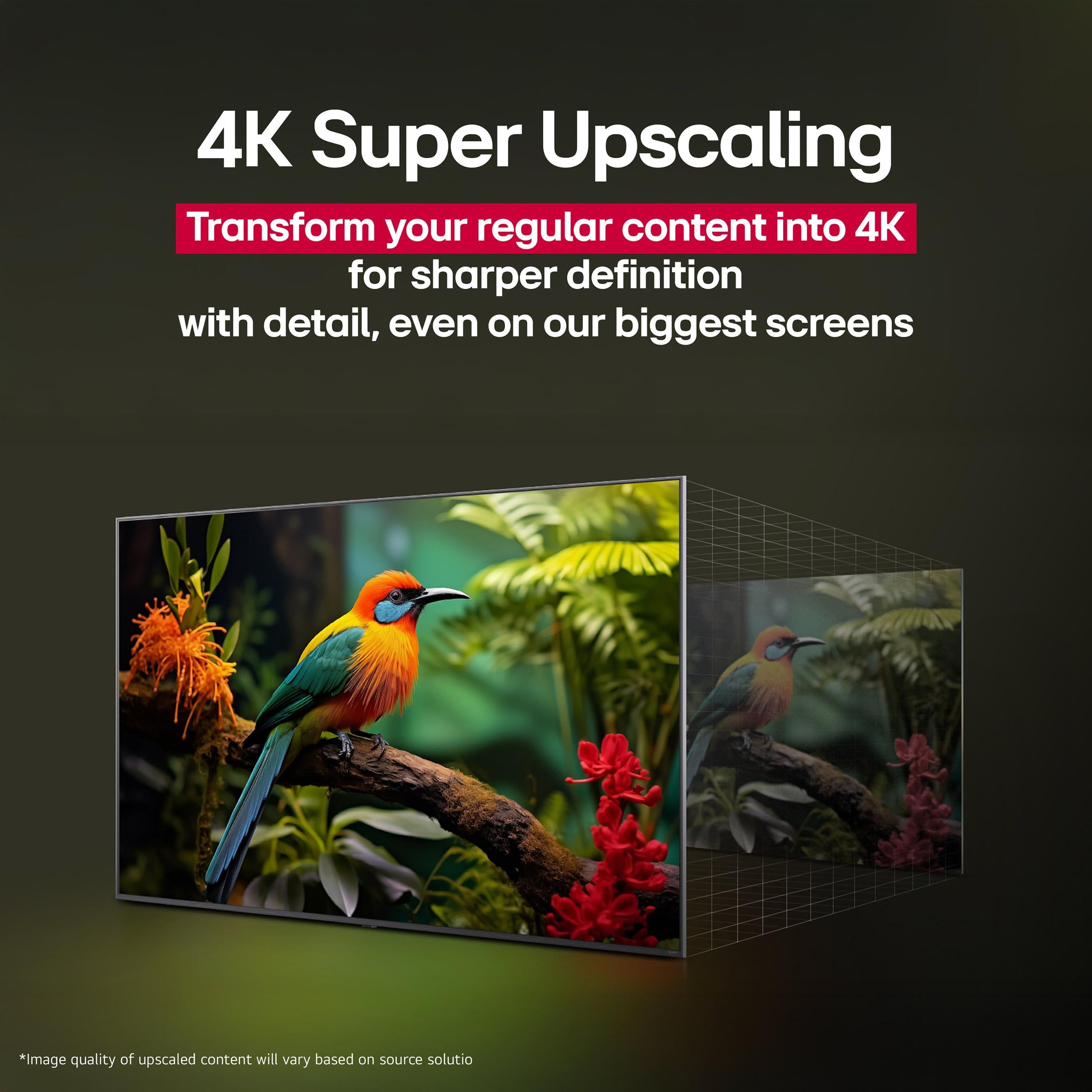
However, the LG QNED85A takes AI processing much more seriously with its α8 Gen 2 processor, which LG claims offers 70% better AI performance than previous generations. This more powerful processor enables features like AI Super Upscaling 4K, which can take lower-resolution content and intelligently add detail to make it look closer to native 4K quality.
The LG's AI Object Enhancer is particularly impressive – it can identify different objects in a scene (like faces, text, or landscapes) and apply specific enhancements to each. Dynamic Tone Mapping Pro analyzes each scene and adjusts HDR effects in real-time, ensuring you get optimal contrast and color in every moment.
For smart TV functionality, the Samsung Q7F runs Tizen, Samsung's proprietary operating system, while the LG QNED85A uses webOS 25. Both platforms are mature and user-friendly, but they offer different experiences. Tizen integrates well with Samsung's ecosystem and includes Samsung TV Plus with hundreds of free channels. WebOS, on the other hand, offers more customization options and includes LG's promise of five years of OS updates – a significant advantage for long-term value.
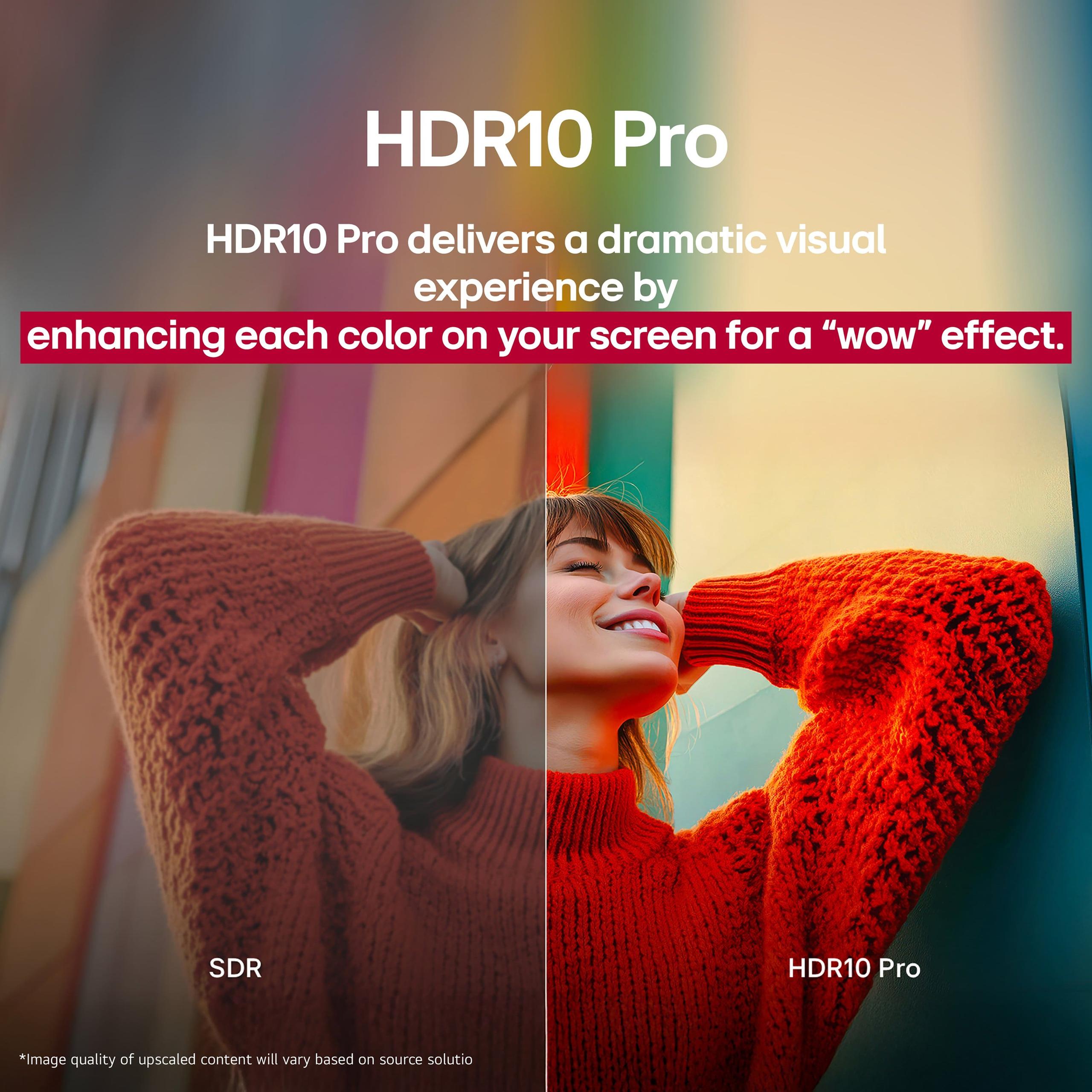
High Dynamic Range (HDR) support is crucial for getting the most out of modern movies and shows. HDR allows TVs to display a wider range of brightness levels and colors, making images appear more realistic and closer to what our eyes see in real life.
The Samsung Q7F supports HDR10+ but notably lacks Dolby Vision support. HDR10+ is Samsung's preferred HDR format, and while it's quite good, Dolby Vision has become more widely adopted by streaming services like Netflix, Disney+, and Apple TV+. Missing Dolby Vision support means you won't get optimal HDR performance from a significant amount of content.
The LG QNED85A supports both Dolby Vision and HDR10+, giving you compatibility with virtually all HDR content. More importantly, its Mini LED backlighting provides the brightness and contrast needed to make HDR content truly shine. HDR is most impressive when you have deep blacks alongside bright highlights – exactly what Mini LED technology excels at delivering.
In practical terms, when watching a sunset scene in a nature documentary, the Samsung Q7F will show you beautiful colors and good detail, but the sun might not appear dramatically brighter than the surrounding sky. The LG QNED85A, with its superior contrast control, can make that sun appear almost blindingly bright while keeping the darker areas of the sky appropriately dim, creating a more realistic and impactful viewing experience.
Both TVs feature 20-watt, 2-channel speaker systems, which might seem identical on paper. However, their audio processing approaches differ significantly.
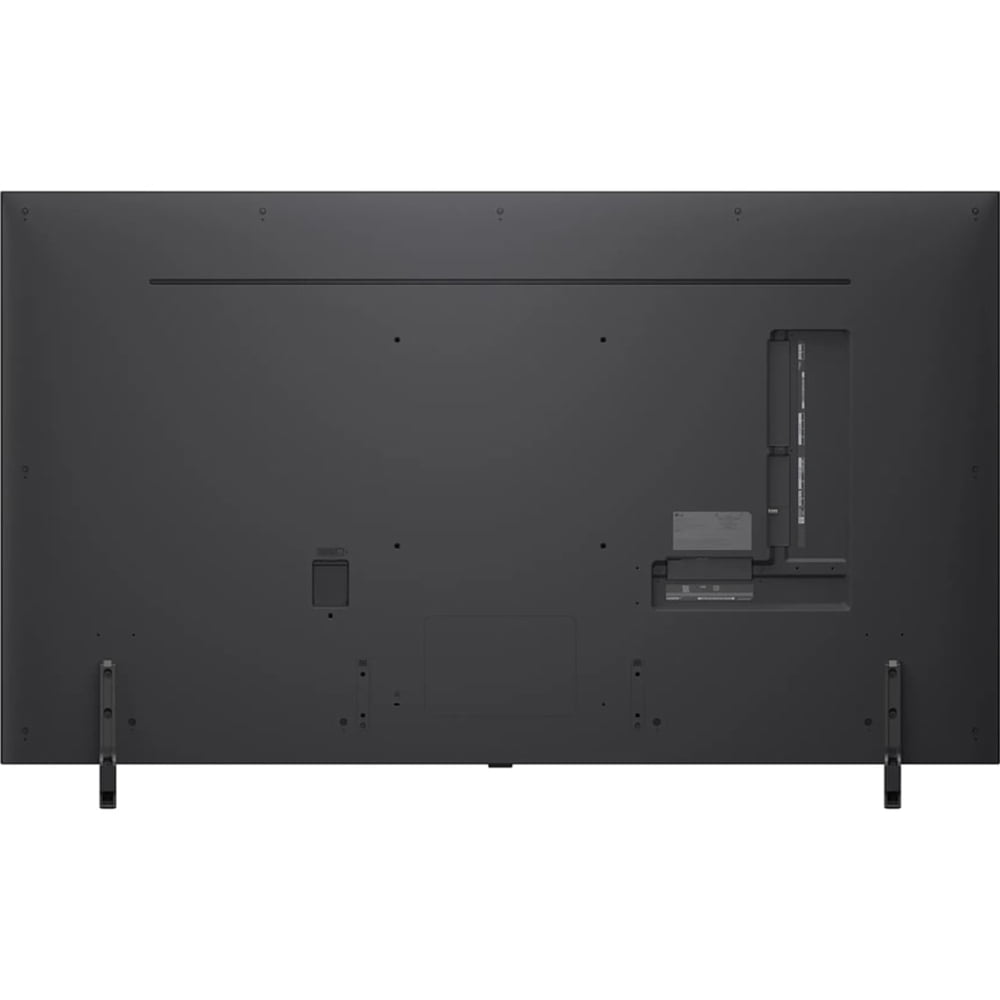
The Samsung Q7F includes Object Tracking Sound (OTS) Lite, which attempts to make audio appear to come from different parts of the screen based on where action is happening. It also supports Q-Symphony, allowing the TV's speakers to work in harmony with compatible Samsung soundbars for enhanced audio.
The LG QNED85A takes a more ambitious approach with AI Sound Pro, which uses artificial intelligence to convert standard 2-channel audio into virtual 9.1.2 surround sound. While you won't get the same impact as a dedicated surround sound system, the processing is surprisingly effective at creating a more immersive audio experience from the built-in speakers alone.
For serious home theater setups, neither TV's built-in audio will be your final solution. However, the LG's more sophisticated audio processing gives it an edge for those who plan to rely primarily on built-in speakers.
Based on extensive research into user reviews and expert evaluations, some clear patterns emerge. Users consistently praise the Samsung Q7F for its straightforward setup, reliable performance, and excellent color reproduction in well-lit rooms. The lightweight design makes it easy to mount, and Samsung's interface is intuitive for most users.
However, common complaints about the Samsung focus on contrast performance in darker rooms, limited port selection, and frustrations with remote control responsiveness. The lack of local dimming becomes particularly noticeable when watching darker content, with many users noting that black levels don't meet expectations set by higher-end models.
The LG QNED85A receives consistently high marks for its contrast performance and gaming capabilities. Users frequently mention being impressed by the difference Mini LED makes in darker viewing environments. The comprehensive gaming features earn praise from console gamers, and the AI-powered upscaling receives positive feedback for improving older content.
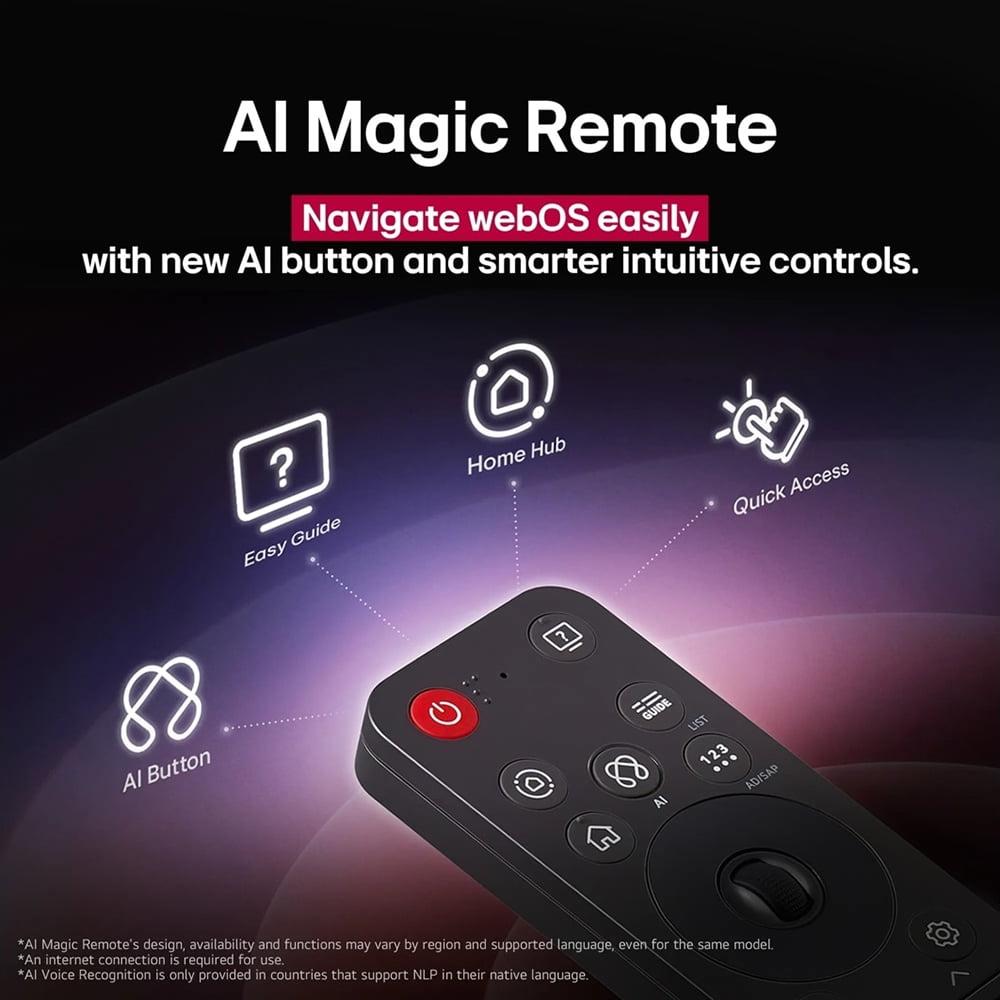
Some users find LG's webOS interface slightly more complex than Samsung's approach, though most adapt quickly. The Magic Remote, with its point-and-click functionality, tends to be either loved or merely tolerated, with few users falling in between.
At the time of writing, the price difference between these models reflects their different positioning in the market. The Samsung Q7F positions itself as an affordable entry into QLED technology, delivering solid performance for budget-conscious buyers. However, its limitations – particularly the lack of gaming features and advanced local dimming – may impact its relevance over time.
The LG QNED85A commands a premium but delivers substantially more advanced technology. The Mini LED backlighting alone represents a significant upgrade in display technology, while the comprehensive gaming features ensure compatibility with current and future gaming systems. LG's five-year OS update commitment adds considerable long-term value.
For home theater enthusiasts, the choice becomes clearer when considering viewing environment. The Samsung Q7F performs admirably in bright living rooms where its color vibrancy can shine and contrast limitations are less noticeable. However, in dedicated home theater spaces with controlled lighting, the LG QNED85A's superior contrast and HDR performance create a significantly more cinematic experience.
The decision between these TVs ultimately depends on your priorities, viewing habits, and budget constraints. The Samsung Q7F makes sense for buyers who primarily watch content during the day, don't prioritize gaming features, and want to maximize value while still getting QLED benefits. It's an excellent choice for families who need a reliable TV for casual viewing and aren't concerned about having the latest gaming technology.
Choose the LG QNED85A if you're serious about picture quality, plan to use gaming features, or want a TV that will remain relevant for many years. The Mini LED technology and comprehensive feature set justify the higher price for users who will appreciate the performance benefits. This is particularly true for movie enthusiasts and gamers who want the best possible experience.
The performance gap between these models is substantial enough that the LG QNED85A represents better long-term value despite its higher upfront cost. However, the Samsung Q7F serves its intended market well, providing solid QLED performance at an accessible price point.
Both TVs represent the evolution of mid-range television technology in 2025, offering features that were flagship-exclusive just a few years ago. Your choice should align with how you plan to use your TV and what aspects of performance matter most to your viewing experience.
| Samsung 65" Q7F QLED 4K Vision AI Smart TV | LG 65" QNED evo AI QNED85A 4K MiniLED Smart TV |
|---|---|
| Display Technology - The foundation of picture quality and contrast performance | |
| Traditional QLED with edge-lit LED backlighting | Mini LED backlighting with thousands of dimming zones |
| Refresh Rate - Critical for gaming and smooth motion in sports/action content | |
| 60Hz (basic performance) | Native 120Hz with 144Hz VRR support (excellent for gaming) |
| HDR Support - Determines compatibility with streaming services and movie quality | |
| HDR10+ only (missing Dolby Vision from Netflix, Disney+) | Both Dolby Vision and HDR10+ (full compatibility) |
| Gaming Features - Essential for PS5/Xbox Series X owners | |
| No VRR, no HDMI 2.1 (limited gaming capability) | Full VRR, 4x HDMI 2.1, Game Optimizer (future-proof gaming) |
| AI Processor - Affects upscaling quality and smart features | |
| Q4 AI Processor (basic processing power) | α8 Gen 2 AI Processor (70% more powerful, advanced features) |
| Local Dimming - Most important factor for contrast and dark room viewing | |
| None (compromised black levels in dark scenes) | Precision Dimming Pro with Mini LED (excellent contrast) |
| Smart Platform - Long-term software support and feature updates | |
| Tizen OS (standard Samsung support) | webOS 25 with 5-year upgrade guarantee (excellent long-term value) |
| Audio Processing - Built-in speaker enhancement without external soundbar | |
| Object Tracking Sound Lite, Q-Symphony | AI Sound Pro with virtual 9.1.2 surround sound |
| Best For - Target user scenarios | |
| Budget-conscious buyers, bright rooms, casual viewing | Gamers, movie enthusiasts, dark room viewing, future-proofing |
The LG 65" QNED evo AI QNED85A delivers superior picture quality for movies thanks to its Mini LED backlighting technology. While the Samsung 65" Q7F QLED offers excellent colors, the LG's thousands of dimming zones create much deeper blacks and better contrast - essential for cinematic viewing. The LG QNED85A also supports both Dolby Vision and HDR10+, while the Samsung only supports HDR10+.
The Samsung 65" Q7F QLED has limited gaming capabilities with its 60Hz refresh rate and lack of HDMI 2.1 or VRR support. For casual gaming it's adequate, but serious gamers should consider the LG 65" QNED evo AI QNED85A instead, which offers 120Hz gaming, four HDMI 2.1 ports, and full compatibility with PS5 and Xbox Series X features.
Both TVs perform well in bright rooms, but the Samsung 65" Q7F QLED is particularly strong here due to its vibrant QLED colors and adequate brightness. The LG 65" QNED evo AI QNED85A also handles bright rooms excellently and offers the advantage of better contrast when you do watch in darker conditions.
The Samsung 65" Q7F QLED uses quantum dots for enhanced colors but relies on edge-lit LED backlighting without local dimming. The LG 65" QNED evo AI QNED85A combines quantum dot technology with Mini LED backlighting, featuring thousands of tiny LEDs that can be controlled independently for much better contrast and black levels.
The LG 65" QNED evo AI QNED85A offers more advanced smart features with its powerful α8 Gen 2 AI processor, AI-powered upscaling, and webOS 25 with a 5-year upgrade guarantee. The Samsung 65" Q7F QLED provides solid smart functionality through Tizen OS and Vision AI, but with less sophisticated processing power.
For dedicated home theater use, the LG 65" QNED evo AI QNED85A is the clear winner due to its superior contrast performance in dark rooms, full HDR format support, and better motion handling at 120Hz. The Samsung 65" Q7F QLED works better in multipurpose living spaces where ambient light is present.
The Samsung 65" Q7F QLED offers excellent value for budget-conscious buyers who want QLED technology without premium features. However, the LG 65" QNED evo AI QNED85A provides better long-term value with its advanced Mini LED technology, gaming capabilities, and five-year software support guarantee.
Yes, both the Samsung 65" Q7F QLED and LG 65" QNED evo AI QNED85A support all major streaming services including Netflix, Disney+, Prime Video, and Apple TV+. However, the LG QNED85A will display Dolby Vision content from these services with optimal quality, while the Samsung is limited to HDR10+ processing.
The LG 65" QNED evo AI QNED85A handles sports better due to its 120Hz refresh rate, which reduces motion blur during fast action sequences. Both TVs offer good color reproduction for sports, but the Samsung 65" Q7F QLED is limited to 60Hz, which may show some motion blur in fast-paced games.
The processor difference is significant - the LG 65" QNED evo AI QNED85A's α8 Gen 2 processor offers 70% better performance than previous generations, enabling advanced upscaling and AI features. The Samsung 65" Q7F QLED's Q4 processor handles basic functions well but lacks the power for advanced processing features.
The LG 65" QNED evo AI QNED85A is better positioned for longevity with its HDMI 2.1 ports, 120Hz gaming support, comprehensive HDR compatibility, and guaranteed five years of OS updates. The Samsung 65" Q7F QLED may feel outdated sooner due to its 60Hz limitation and lack of next-gen gaming features.
If you're budget-focused and primarily watch TV in well-lit rooms with minimal gaming, the Samsung 65" Q7F QLED provides solid value. However, if you want better performance for movies, gaming, or plan to keep your TV for many years, the extra investment in the LG 65" QNED evo AI QNED85A delivers significantly more advanced technology and future-proofing.
We've done our best to create useful and informative comparisons to help you decide what product to buy. Our research uses advanced automated methods to create this comparison and perfection is not possible - please contact us for corrections or questions. These are the sites we've researched in the creation of this article: bestbuy.com - youtube.com - samsung.com - samsung.com - pcrichard.com - samsung.com - samsung.com - videoandaudiocenter.com - displayspecifications.com - bestbuy.com - samsung.com - samsung.com - samsung.com - samsung.com - news.samsung.com - rtings.com - rtings.com - youtube.com - lg.com - smarthomesounds.co.uk - abt.com - abt.com - lg.com - displayspecifications.com - walmart.com - bestbuy.com - lg.com - lg.com - lg.com - files.bbystatic.com - flatpanelshd.com - north-side-appliance.com - lgnewsroom.com - lg.com - youtube.com - youtube.com - hindustantimes.com

Privacy Policy
Terms and Conditions - Affiliate Policy
Home Security
© Copyright 2008-2026.
11816 Inwood Rd #1211, Dallas, TX 75244