

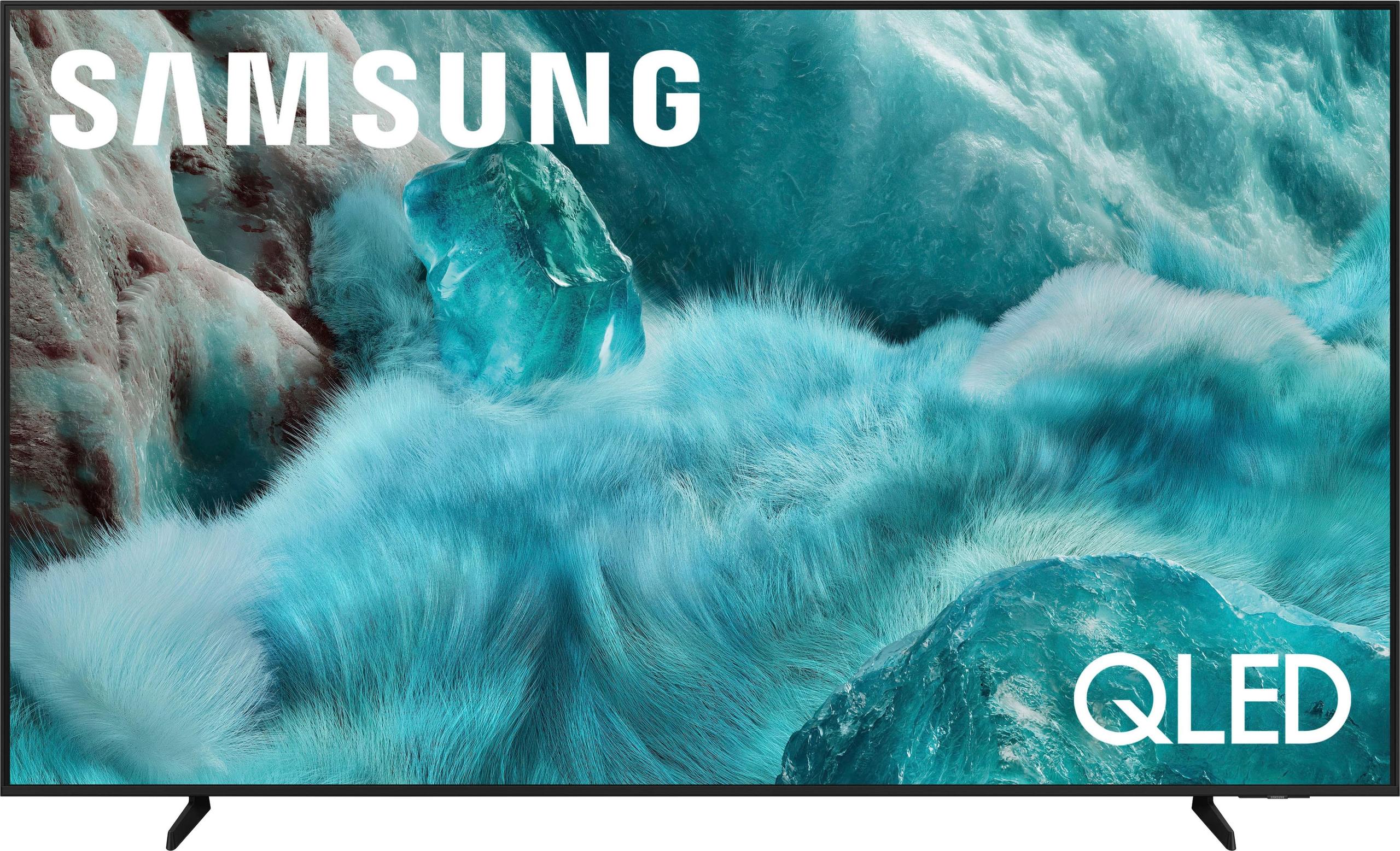
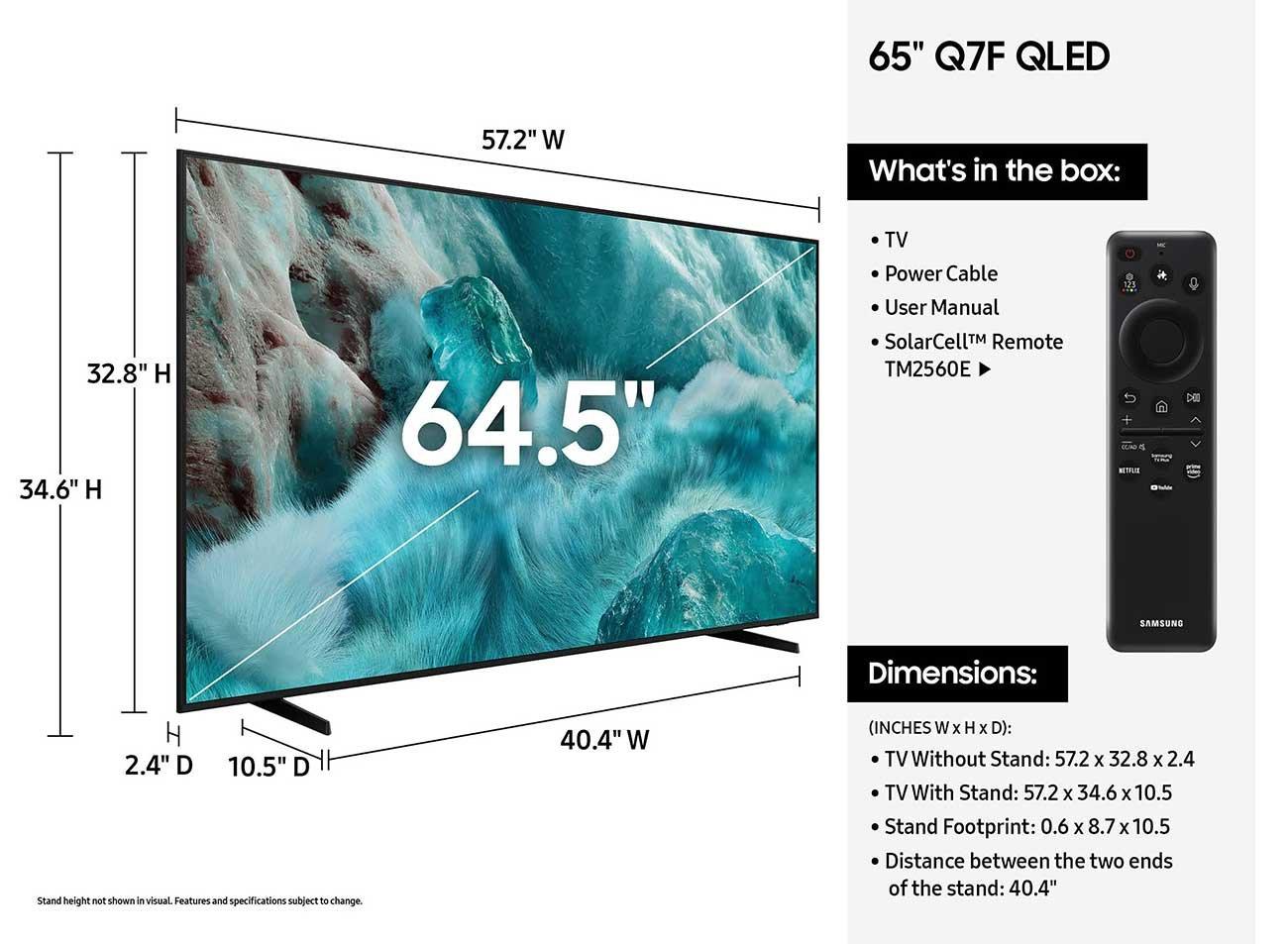

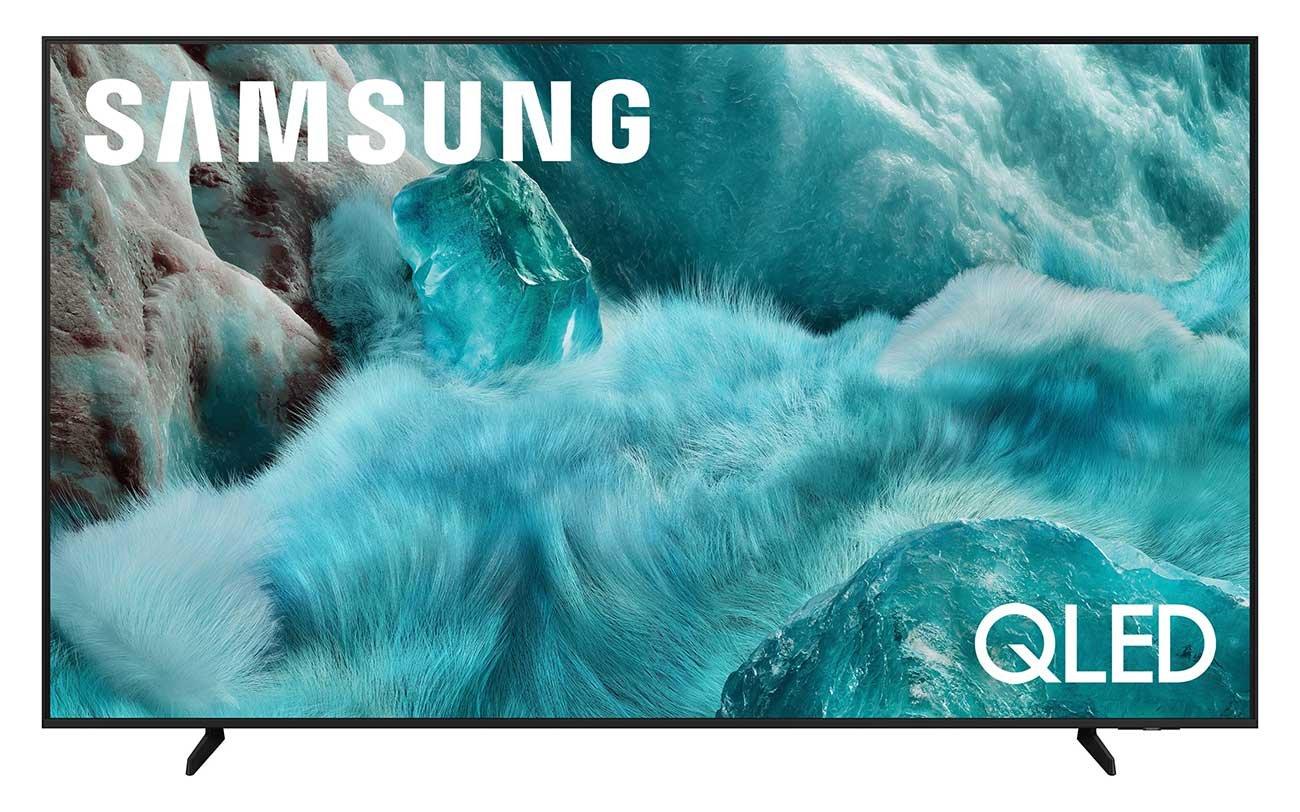
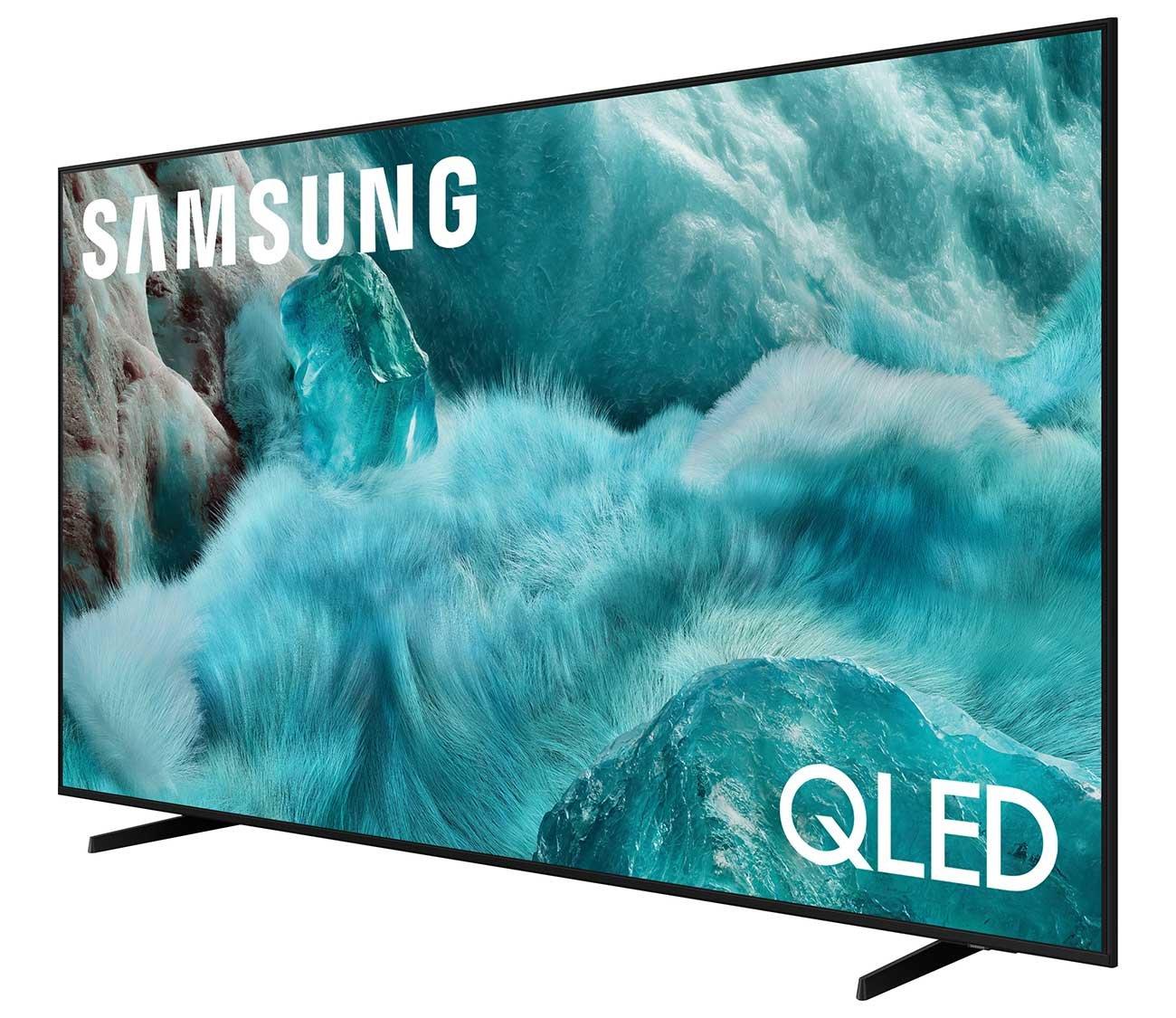
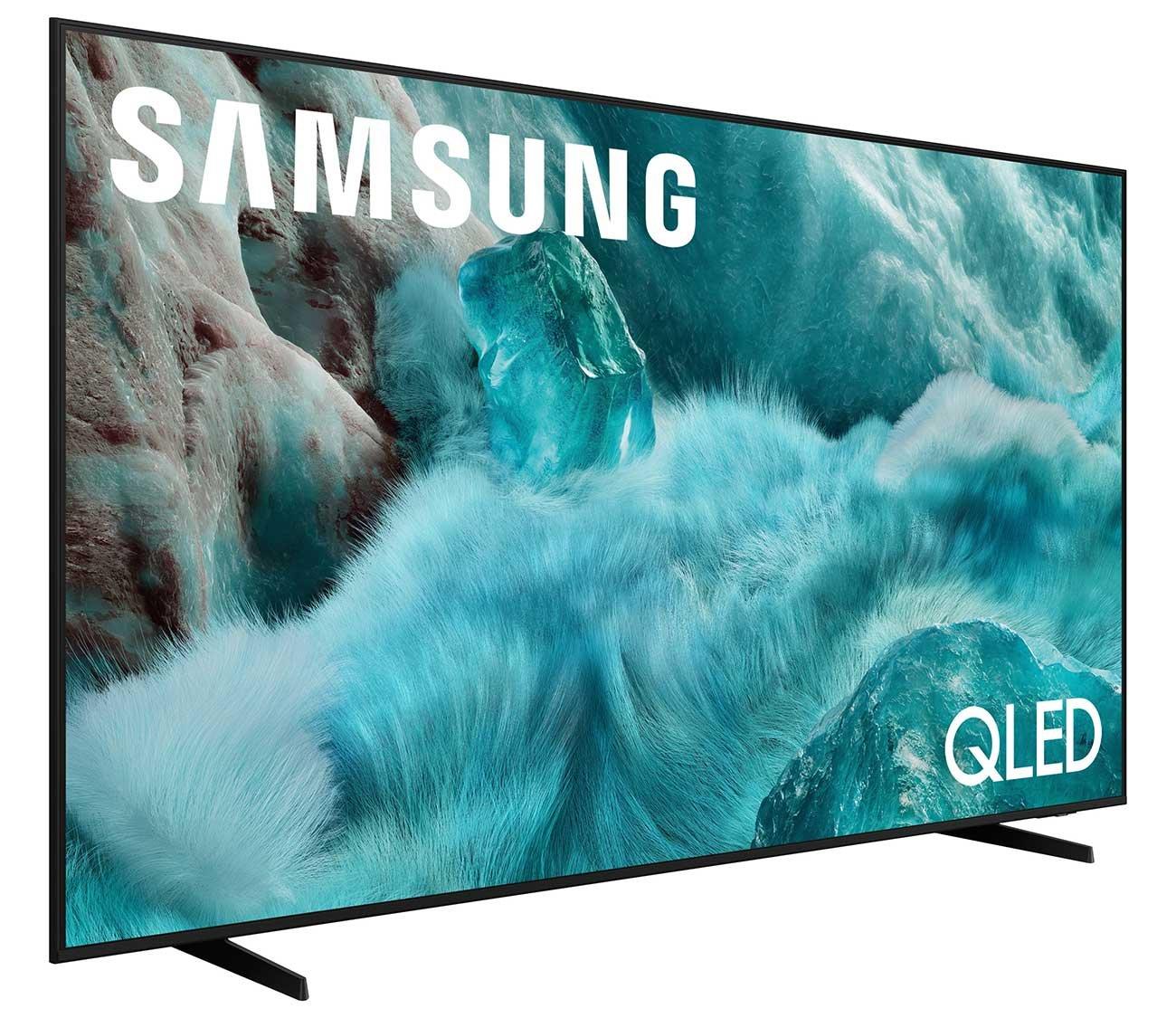





Shopping for a new 65-inch TV can feel overwhelming with dozens of models promising the latest and greatest features. Today we're comparing two TVs that represent very different approaches to home entertainment: the Samsung 65" Q7F QLED 4K Vision AI Smart TV and the TCL 65" QM8 Mini-LED Smart TV. While both aim to deliver excellent 4K viewing experiences, they target completely different buyers and budgets.
The TV landscape has evolved dramatically over the past few years. Since 2022, we've seen Mini-LED technology mature from expensive flagship features to more accessible pricing, while traditional QLED displays have become increasingly refined and budget-friendly. The Samsung Q7F launched in 2025 as part of Samsung's effort to bring Vision AI features to entry-level buyers, while the TCL QM8 arrived in 2024 representing TCL's flagship push into premium Mini-LED territory.
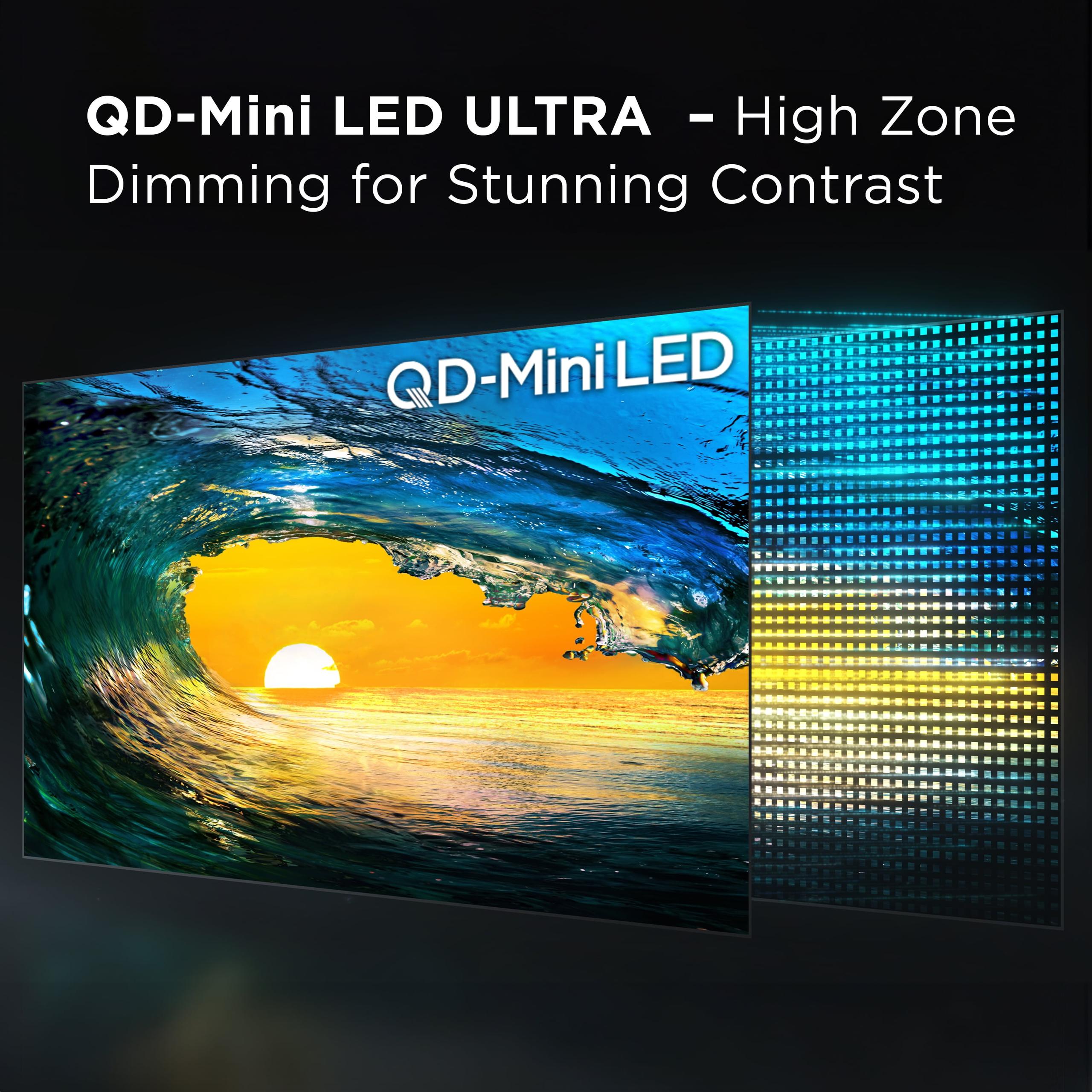
Before diving into specifics, it's worth understanding what makes modern premium TVs tick. Both displays use quantum dot technology—microscopic crystals that enhance color reproduction—but implement it very differently. QLED (Quantum Dot LED) displays like the Samsung Q7F place quantum dots in front of a traditional LED backlight, while Mini-LED displays like the TCL QM8 use thousands of tiny LEDs as the backlight source itself, creating much more precise control over brightness and darkness.
The key considerations when choosing between premium TVs haven't changed much: picture quality remains king, followed by gaming performance, smart features, and overall value. However, the performance gaps between budget and flagship models have widened significantly as manufacturers push the boundaries of what's possible with local dimming (the ability to brighten or darken specific screen areas independently) and HDR processing.
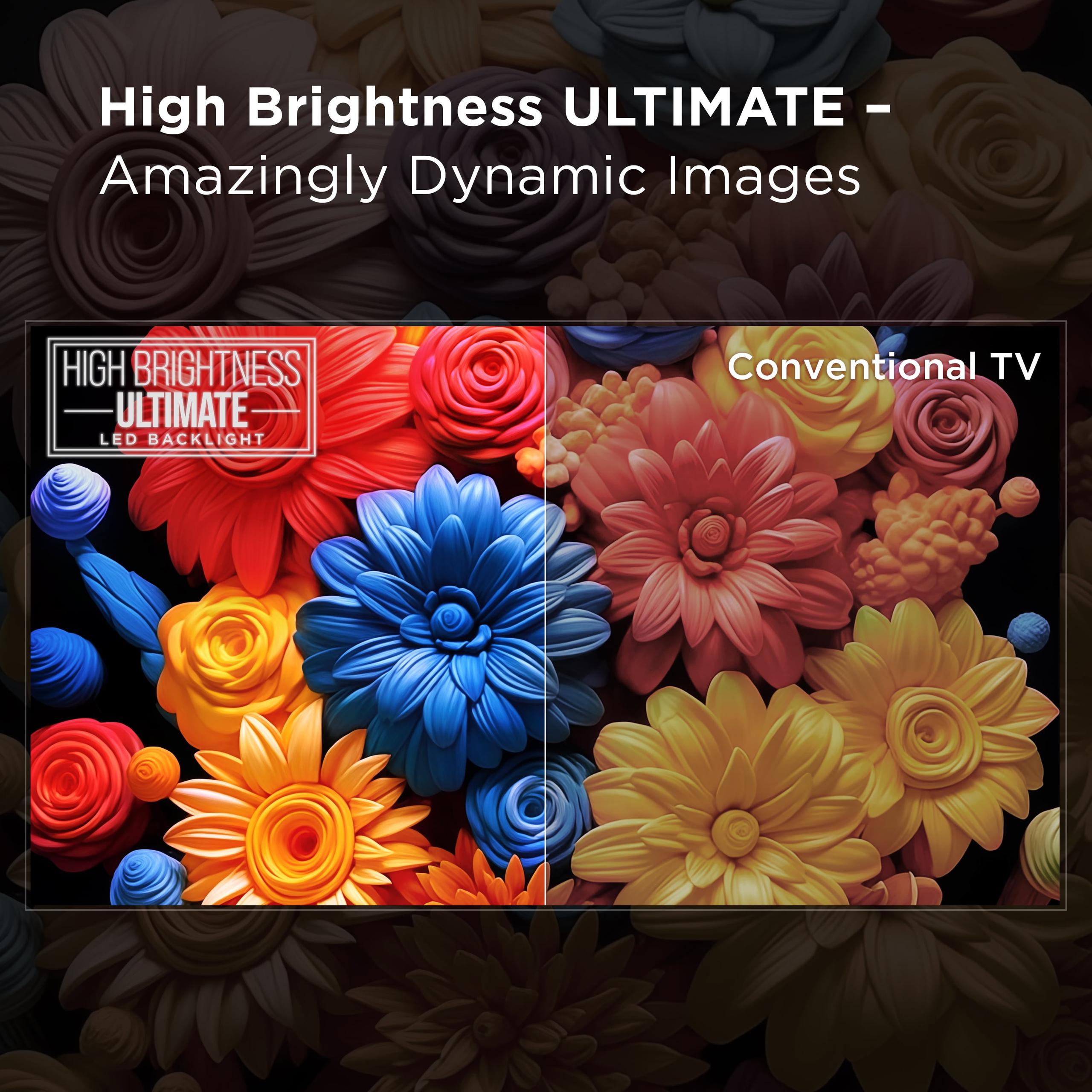
This is where the TCL QM8 absolutely dominates. With peak brightness reaching up to 5,000 nits compared to the Samsung Q7F's 500 cd/m² (roughly 500 nits), we're talking about a ten-fold difference in maximum brightness capability. To put this in perspective, most content is mastered at 1,000-4,000 nits for HDR, meaning the Samsung simply cannot display many HDR highlights as intended.
This brightness advantage isn't just about numbers—it translates to dramatically more impactful HDR experiences. When watching movies like "Top Gun: Maverick" or "Dune," the sun glinting off aircraft or desert scenes should feel almost blindingly bright. The TCL QM8 can deliver this experience, while the Samsung Q7F will show a more subdued, washed-out version of the same scenes.
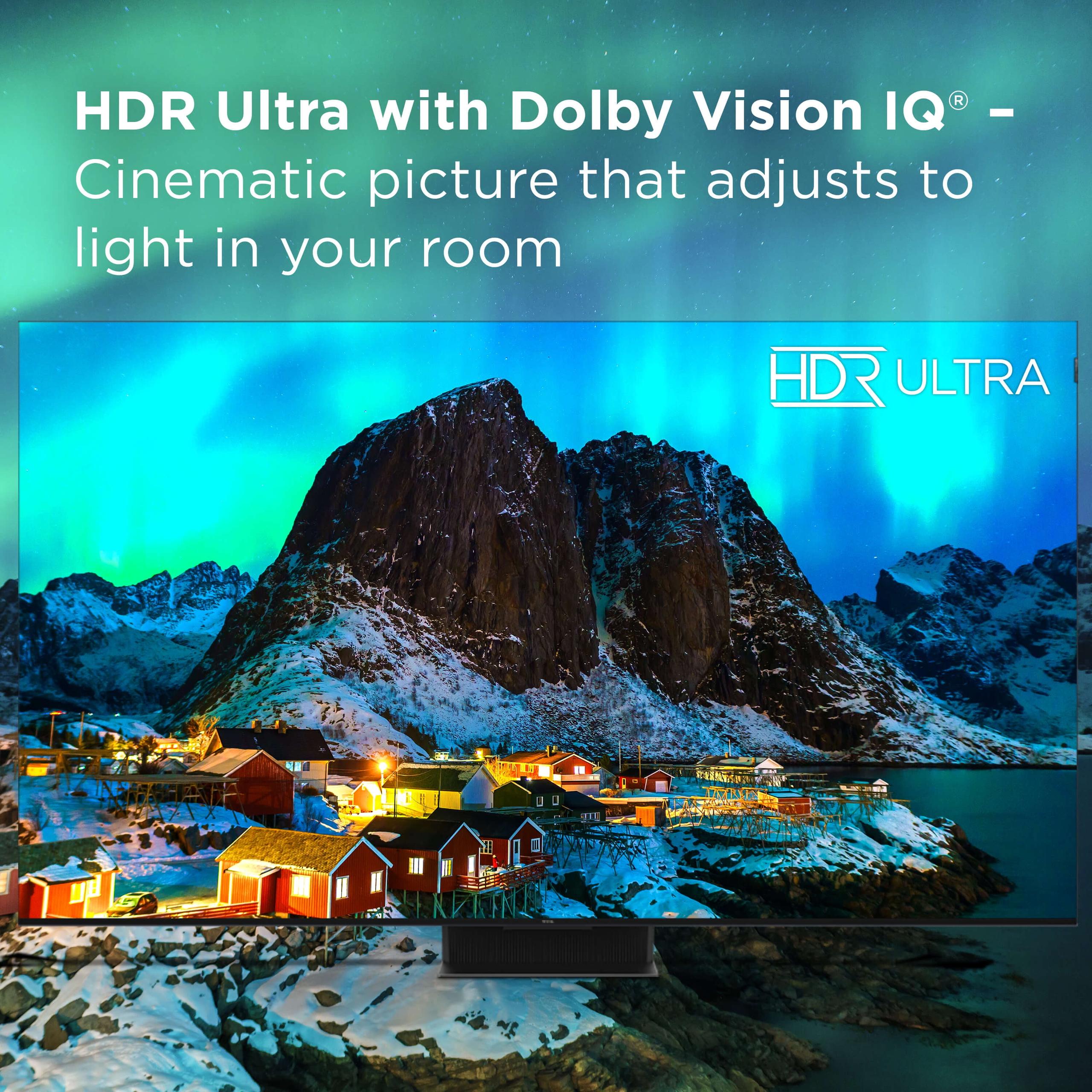
The TCL QM8 also supports Dolby Vision IQ, an advanced HDR format that adjusts picture settings based on your room's ambient lighting. The Samsung Q7F lacks Dolby Vision entirely, supporting only HDR10+. While both are decent HDR formats, Dolby Vision is generally considered superior and is used by Netflix, Apple TV+, and most premium streaming content.
Perhaps the most significant technical difference lies in local dimming capability. The TCL QM8 features over 5,000 dimming zones—individual areas of the screen that can be brightened or darkened independently. This creates the "blooming" effect you might notice around bright objects on dark backgrounds, but with 5,000+ zones, this blooming is minimal and barely noticeable during normal viewing.
The Samsung Q7F has no local dimming whatsoever. This means the entire backlight operates as one unit, making it impossible to display true blacks alongside bright highlights simultaneously. In practical terms, this means watching dark scenes in movies or playing games with dark environments will look gray and washed out compared to the deep, inky blacks the [TCL QM8](/product2] can produce.
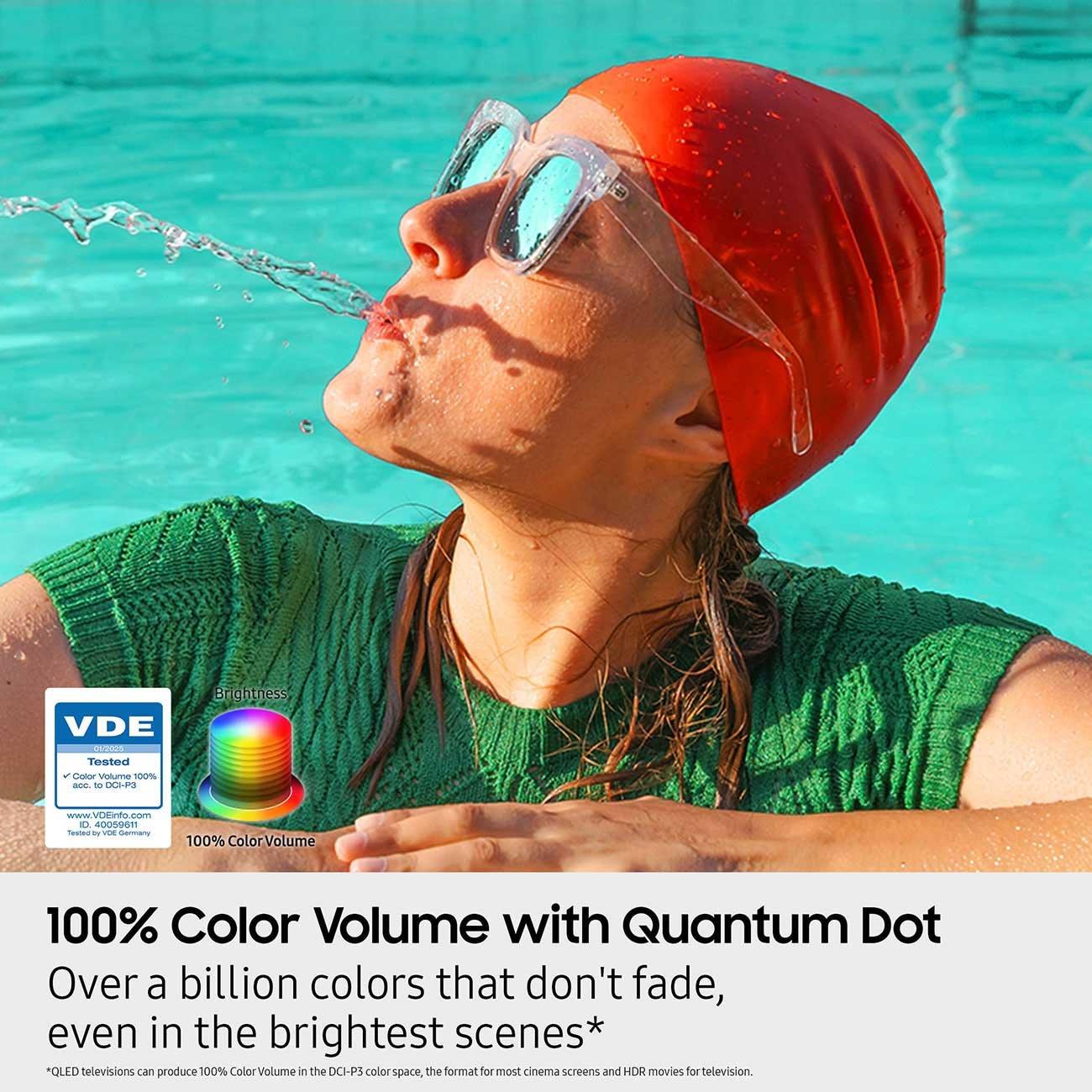
Both TVs use quantum dot technology for enhanced color reproduction, but implement it differently. The Samsung Q7F benefits from Samsung's mature QLED processing and Pantone certification, delivering natural, accurate colors that look pleasing without being oversaturated. Our research suggests Samsung's color science remains excellent even in their entry-level QLED models.
The TCL QM8 covers nearly the complete DCI-P3 color gamut (the standard used for digital cinema), potentially offering more vivid, wide-ranging colors. However, some users report that TCL's color processing can be slightly more aggressive out-of-the-box, requiring calibration for the most natural look.
For most viewers, both TVs will deliver satisfying color performance, though the Samsung Q7F might have a slight edge in terms of natural skin tones and overall color balance without adjustment.
Modern gaming demands have transformed TV requirements. With PlayStation 5 and Xbox Series X capable of 4K gaming at 120 frames per second, having a TV that can keep up has become crucial for serious gamers.
The Samsung Q7F maxes out at 60Hz refresh rate with no Variable Refresh Rate (VRR) support. VRR synchronizes the TV's refresh rate with your gaming console's frame rate, eliminating screen tearing and stuttering. Without VRR, games will experience visual artifacts when frame rates fluctuate—something particularly noticeable in demanding titles like "Cyberpunk 2077" or "Call of Duty."
The TCL QM8 offers a native 120Hz panel with VRR support up to 144Hz, plus Game Accelerator 240 technology that minimizes input lag (the delay between pressing a controller button and seeing the action on screen). These features combine to create a dramatically smoother, more responsive gaming experience.
For competitive gaming, these differences are substantial. Fighting games, first-person shooters, and racing games all benefit significantly from higher refresh rates and lower input lag. If gaming is a priority, the TCL QM8 isn't just better—it's in a completely different league.
The Samsung Q7F includes only HDMI 2.0 ports, limiting it to 4K at 60Hz. The TCL QM8 features HDMI 2.1 with eARC support, enabling full 4K 120Hz gaming and advanced audio passthrough to soundbars or AV receivers. This future-proofs the TV for upcoming gaming and entertainment technologies.
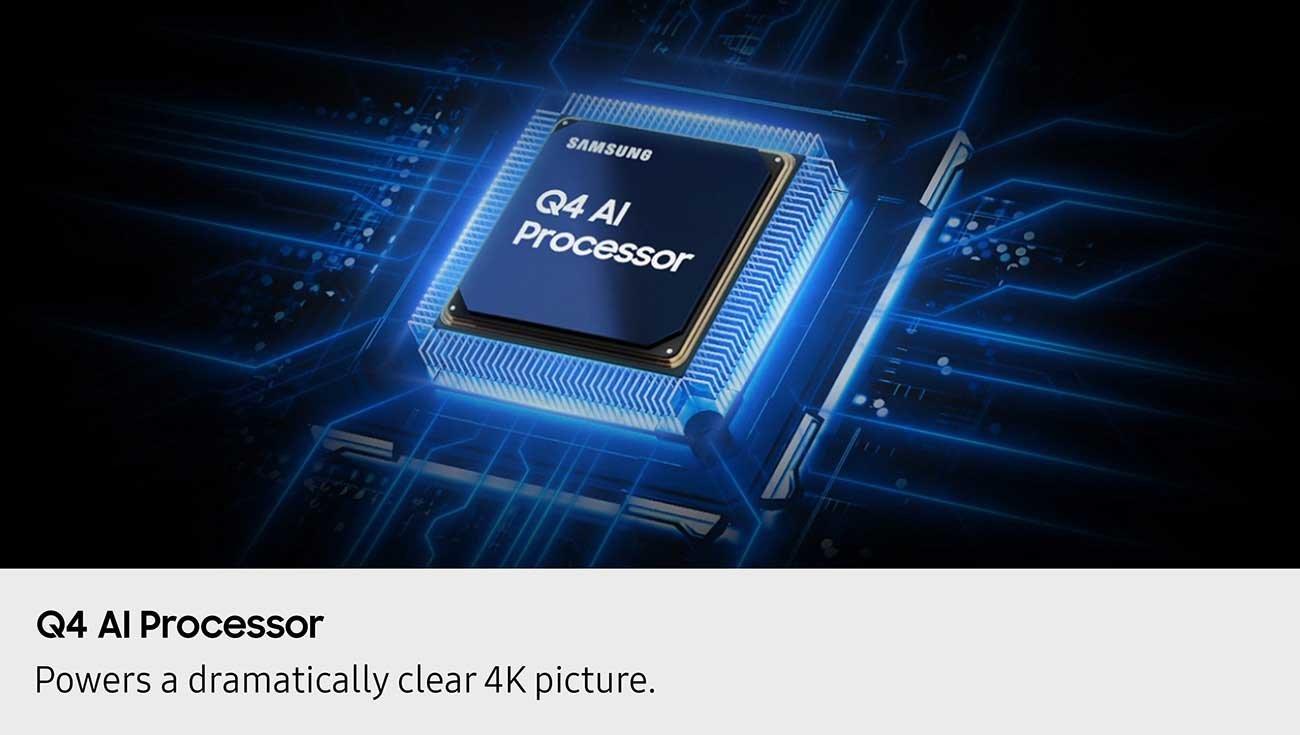
These TVs take fundamentally different approaches to smart TV functionality. The Samsung Q7F runs Samsung's Tizen operating system with Vision AI integration. Vision AI includes features like generative wallpaaper creation and enhanced voice recognition through Bixby. While these AI features are interesting, they're more novelty than necessity for most users.
The TCL QM8 uses Google TV, which focuses on content discovery and personalized recommendations across all your streaming services. Google TV creates a unified interface that surfaces content from Netflix, Disney+, HBO Max, and other services in one place, rather than requiring you to open individual apps.
Both platforms offer comprehensive app support, but Google TV tends to receive faster updates and has better integration with Google services and Chromecast functionality.
The Samsung Q7F shines if you're already invested in Samsung's ecosystem. It integrates seamlessly with Galaxy smartphones, Samsung appliances, and SmartThings home automation. You can control the TV through your phone, use it as a SmartThings hub, and even mirror content effortlessly.
The TCL QM8 offers broader ecosystem compatibility, supporting Google Assistant, Amazon Alexa, and Apple HomeKit simultaneously. This flexibility makes it easier to integrate regardless of your existing smart home setup.
TV audio has improved significantly in recent years, but most TVs still struggle with the thin profile requirements of modern design. Here, the TCL QM8 stands out dramatically.
The Samsung Q7F includes a basic 20W 2-channel system with Object Tracking Sound Lite—a feature that attempts to move audio around the screen to match on-screen action. While decent for casual viewing, it lacks the power and depth for movie watching or music.
The TCL QM8 features an 80W ONKYO 2.1.2 channel system with a dedicated subwoofer and up-firing speakers for Dolby Atmos support. This creates genuine surround sound effects without requiring additional speakers. The difference is immediately noticeable—dialogue is clearer, explosions have real impact, and music sounds full and rich.
For many buyers, the TCL QM8's audio system alone justifies avoiding the cost of a separate soundbar, at least initially.
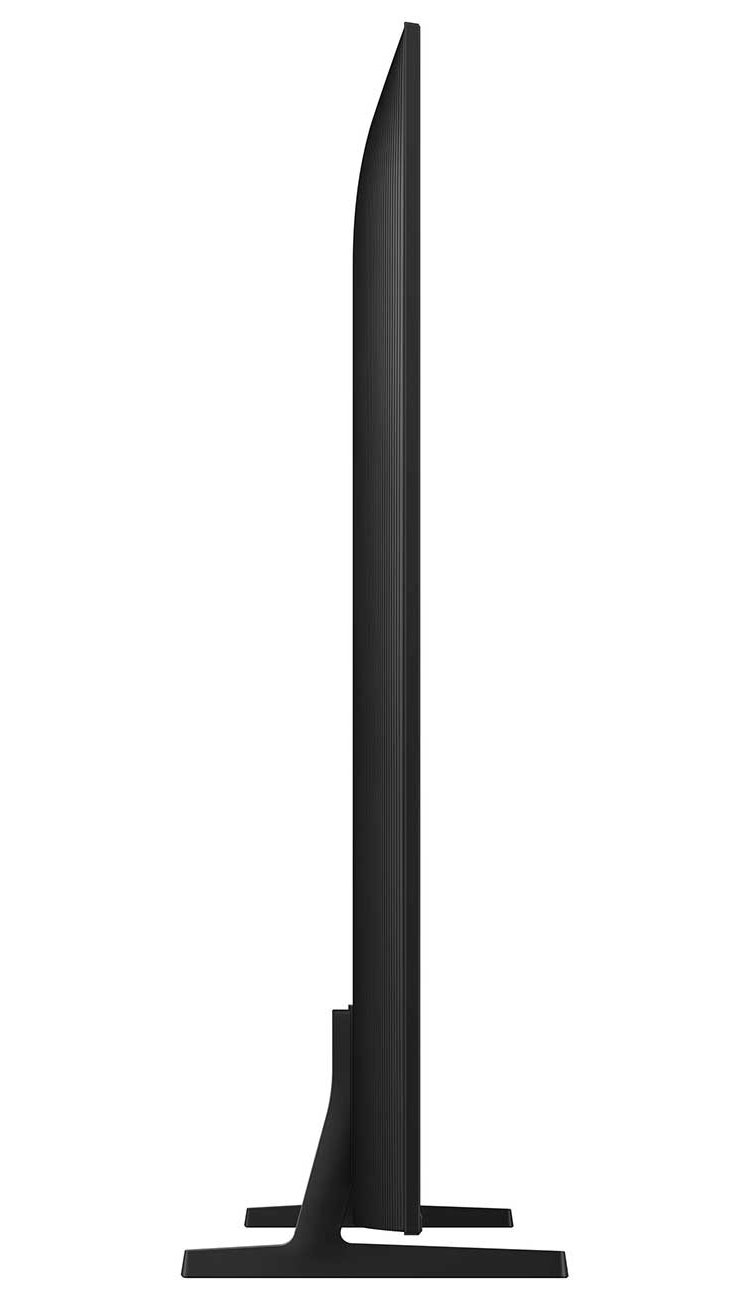
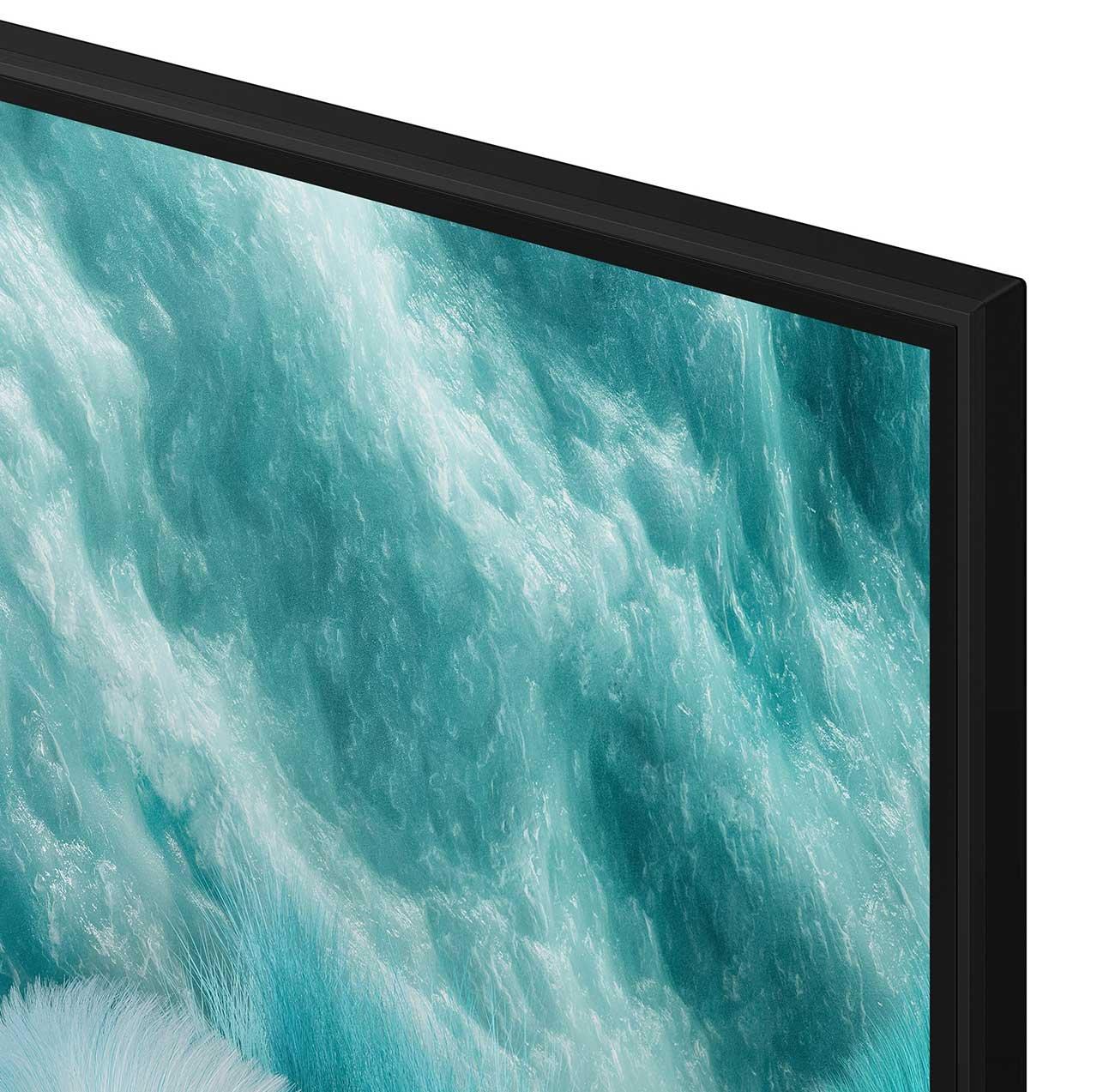
Both TVs feature modern, minimalist designs with thin bezels and sleek profiles. The Samsung Q7F maintains Samsung's reputation for solid build quality and premium-feeling construction, despite being an entry-level model in their QLED lineup.
The TCL QM8 impresses with its metal bezel-less design and center-mounted stand that works well on most entertainment centers. The build quality rivals more expensive Samsung models, reflecting TCL's investment in premium materials for their flagship line.
Neither TV will disappoint aesthetically, though the Samsung might have a slight edge in perceived premium feel due to brand reputation and longer market presence.
At the time of writing, these TVs occupy very different price segments, which largely explains their feature differences. The Samsung Q7F targets budget-conscious buyers who want a reliable 4K TV with smart features but don't need cutting-edge performance.
The TCL QM8 commands a premium price but delivers flagship-level picture quality and features that would cost significantly more from established brands like Samsung or Sony.
The Samsung Q7F makes sense for specific buyer profiles. If you're primarily streaming Netflix and Disney+ in a moderately lit room, need reliable performance without bleeding-edge features, or strongly prefer Samsung's ecosystem integration, it delivers solid value.
It's also ideal for buyers who prioritize brand reputation and service network over raw performance. Samsung's widespread service availability and proven reliability record provide peace of mind that some users value over technical specifications.
The TCL QM8 targets users who prioritize performance over brand recognition. If you're a movie enthusiast who wants to experience HDR content as intended, a gamer who needs 120Hz performance, or someone with a bright living room requiring exceptional brightness, this TV delivers flagship performance.
It's particularly compelling for home theater setups where picture quality is paramount. The combination of Mini-LED brightness, extensive local dimming, and built-in Dolby Atmos audio creates an immersive experience that rivals much more expensive setups.
After extensive research into user experiences and professional reviews, the TCL QM8 emerges as the clear performance winner across virtually every metric that matters. Its Mini-LED technology, gaming features, and audio system deliver a significantly superior viewing experience.
However, the Samsung Q7F serves its intended market well. For buyers who need a competent 4K TV without premium features, it offers Samsung's reliable performance and ecosystem integration at an accessible price point.
The decision ultimately comes down to your priorities and budget. If you can stretch to the TCL QM8's price range, you'll get dramatically better performance that should remain satisfying for many years. If budget constraints make the Samsung Q7F more realistic, you'll still get a solid viewing experience, just without the premium features that define modern flagship TVs.
For most buyers willing to invest in a 65-inch TV, we'd recommend seriously considering the TCL QM8. The performance differences are substantial enough that many users will appreciate the upgrade every time they turn on the TV, making it worthwhile despite the higher upfront cost.
| Samsung 65" Q7F QLED 4K Vision AI Smart TV 2025 | TCL 65" QM8 Mini-LED Smart TV |
|---|---|
| Display Technology - Determines picture quality ceiling | |
| QLED with standard LED backlight | QD-Mini LED with 5,000+ local dimming zones |
| Peak Brightness - Critical for HDR impact and bright room viewing | |
| 500 cd/m² (basic HDR performance) | Up to 5,000 nits (flagship-level HDR) |
| Refresh Rate - Essential for gaming and sports | |
| 60Hz only | 120Hz native, 144Hz VRR |
| HDR Format Support - Affects streaming content quality | |
| HDR10+ (no Dolby Vision) | Dolby Vision IQ, HDR10+, HDR10, HLG |
| Gaming Features - Make or break for console gaming | |
| No VRR, HDMI 2.0, basic input lag | Game Accelerator 240, HDMI 2.1, Auto Game Mode |
| Audio System - Determines if you need a soundbar | |
| 20W 2-channel basic speakers | 80W ONKYO 2.1.2 with subwoofer and Dolby Atmos |
| Smart Platform - Daily user experience | |
| Tizen with Vision AI features | Google TV with universal search |
| HDMI Ports - Future-proofing for devices | |
| 3 HDMI 2.0 ports | 4 HDMI ports (1 eARC, HDMI 2.1) |
| Local Dimming - Controls contrast and black levels | |
| None (uniform backlight) | 5,000+ zones with precise control |
| Build Quality - Long-term durability and design | |
| Samsung premium construction | Metal bezel-less flagship design |
| Target Buyer - Who this TV is designed for | |
| Budget-conscious Samsung ecosystem users | Performance enthusiasts and gamers |
| Best Use Case - Where this TV excels | |
| Casual viewing, streaming, moderate lighting | Home theater, gaming, bright rooms, movies |
The TCL 65" QM8 Mini-LED Smart TV delivers significantly better picture quality with its Mini-LED technology, 5,000+ local dimming zones, and up to 5,000 nits peak brightness. The Samsung 65" Q7F QLED 4K Vision AI Smart TV 2025 offers decent QLED performance but lacks local dimming and maxes out at 500 nits brightness, making it less capable for HDR content.
The TCL QM8 is vastly superior for gaming with its 120Hz refresh rate, 144Hz VRR support, HDMI 2.1 ports, and Game Accelerator 240 technology. The Samsung Q7F is limited to 60Hz with no VRR support and only HDMI 2.0 ports, making it unsuitable for next-gen console gaming at full performance.
The TCL 65" QM8 Mini-LED Smart TV excels in bright rooms thanks to its exceptional 5,000 nits peak brightness that easily overcomes glare and reflections. The Samsung Q7F with its 500 nits brightness will appear washed out in very bright environments, though it has decent anti-glare coating for moderate lighting.
The Samsung Q7F uses traditional QLED with quantum dots in front of a standard LED backlight, while the TCL QM8 uses Mini-LED technology with thousands of tiny LEDs as the backlight source. Mini-LED provides much better contrast control, deeper blacks, and brighter highlights compared to standard QLED.
Both TVs offer comprehensive smart features, but they differ in approach. The Samsung 65" Q7F QLED 4K Vision AI Smart TV 2025 runs Tizen with Vision AI capabilities and excellent Samsung ecosystem integration. The TCL QM8 uses Google TV with superior content discovery and broader voice assistant support (Google, Alexa, Apple HomeKit).
The TCL 65" QM8 Mini-LED Smart TV has dramatically better audio with its 80W ONKYO 2.1.2 channel system featuring a subwoofer and Dolby Atmos support. The Samsung Q7F has basic 20W speakers that will likely require a soundbar for satisfying audio performance.
For home theater applications, the TCL QM8 is the clear choice with its Mini-LED display technology, Dolby Vision IQ support, superior brightness and contrast, plus built-in Dolby Atmos audio. The Samsung 65" Q7F QLED 4K Vision AI Smart TV 2025 lacks the HDR performance and audio quality needed for premium home theater experiences.
The TCL 65" QM8 Mini-LED Smart TV supports all major HDR formats including Dolby Vision IQ, HDR10+, HDR10, and HLG. The Samsung Q7F only supports HDR10+ and HDR10, notably missing Dolby Vision which is used by Netflix, Apple TV+, and other premium streaming services.
Value depends on your priorities. The Samsung Q7F offers solid basic performance at a budget-friendly price point, making it good value for casual viewers. The TCL QM8 provides flagship-level features at a competitive price compared to other premium TVs, offering exceptional value for performance-focused buyers.
The Samsung 65" Q7F QLED 4K Vision AI Smart TV 2025 has 3 HDMI 2.0 ports, which limits connectivity for multiple devices and gaming capabilities. The TCL 65" QM8 Mini-LED Smart TV offers 4 HDMI ports including HDMI 2.1 with eARC support for advanced gaming and audio features.
Both TVs offer solid build quality, but the Samsung Q7F benefits from Samsung's established reputation for reliability and extensive service network. The TCL QM8 features premium metal construction and has improved significantly in reliability, though TCL has a shorter track record in the premium TV market.
Choose the Samsung 65" Q7F QLED 4K Vision AI Smart TV 2025 if you prioritize Samsung ecosystem integration, want reliable basic performance, and have budget constraints. Select the TCL 65" QM8 Mini-LED Smart TV if you want superior picture quality, gaming performance, built-in premium audio, and can invest in flagship-level features for long-term satisfaction.
We've done our best to create useful and informative comparisons to help you decide what product to buy. Our research uses advanced automated methods to create this comparison and perfection is not possible - please contact us for corrections or questions. These are the sites we've researched in the creation of this article: bestbuy.com - youtube.com - samsung.com - samsung.com - pcrichard.com - samsung.com - samsung.com - videoandaudiocenter.com - displayspecifications.com - bestbuy.com - samsung.com - samsung.com - samsung.com - samsung.com - news.samsung.com - rtings.com - rtings.com - techradar.com - tcl.com - the-gadgeteer.com - nfm.com - ecoustics.com - careyscommunications.com - pcrichard.com - tcl.com

Privacy Policy
Terms and Conditions - Affiliate Policy
Home Security
© Copyright 2008-2026.
11816 Inwood Rd #1211, Dallas, TX 75244