

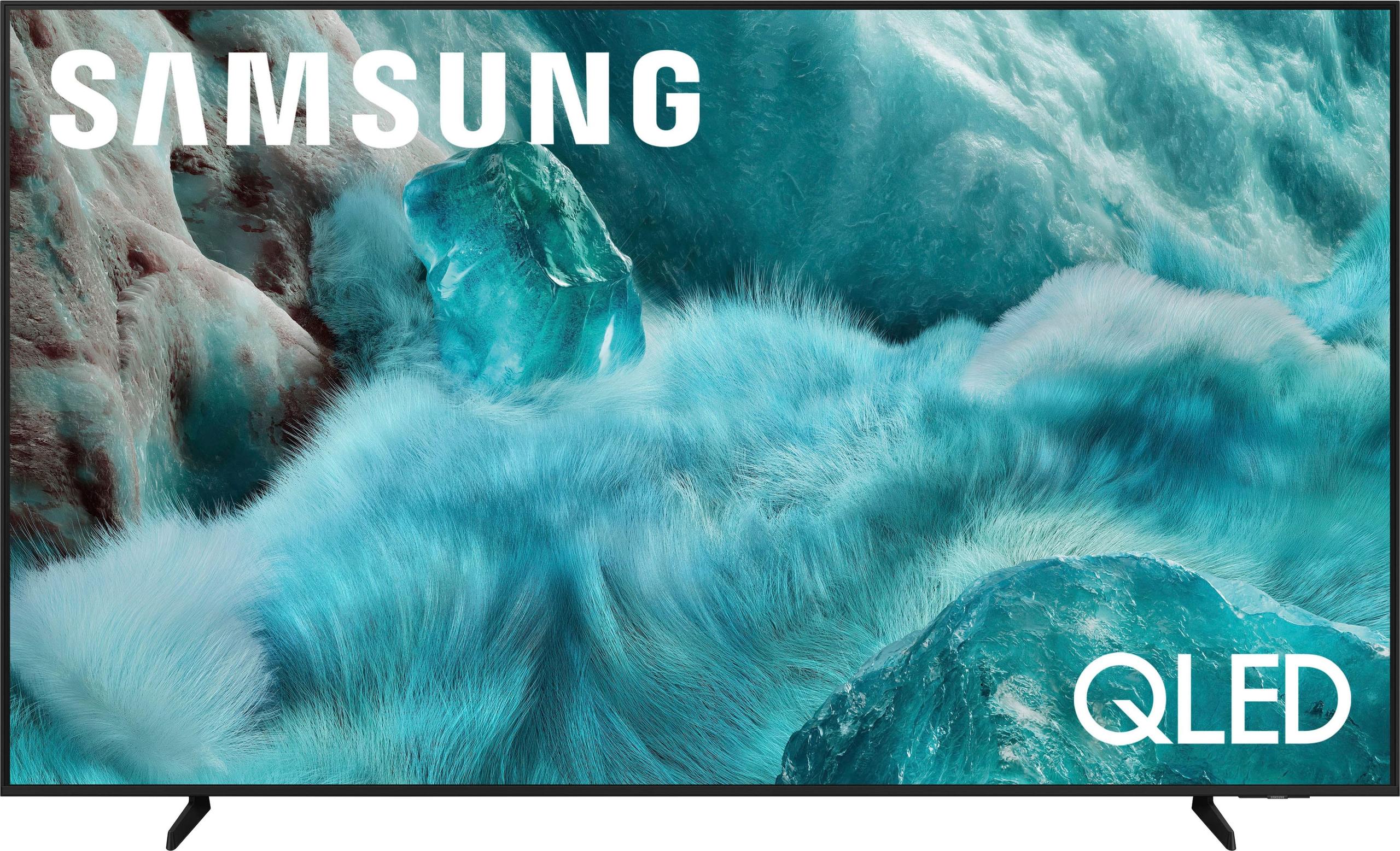

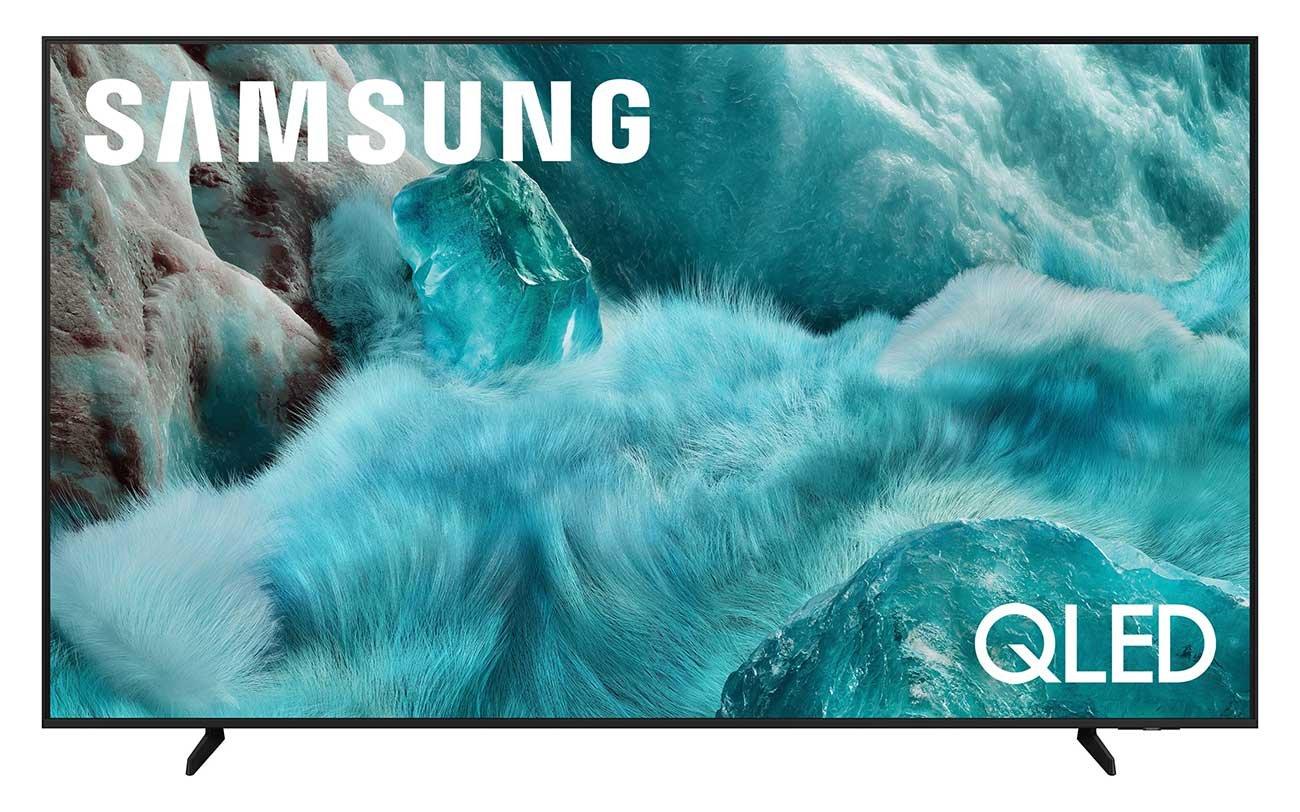
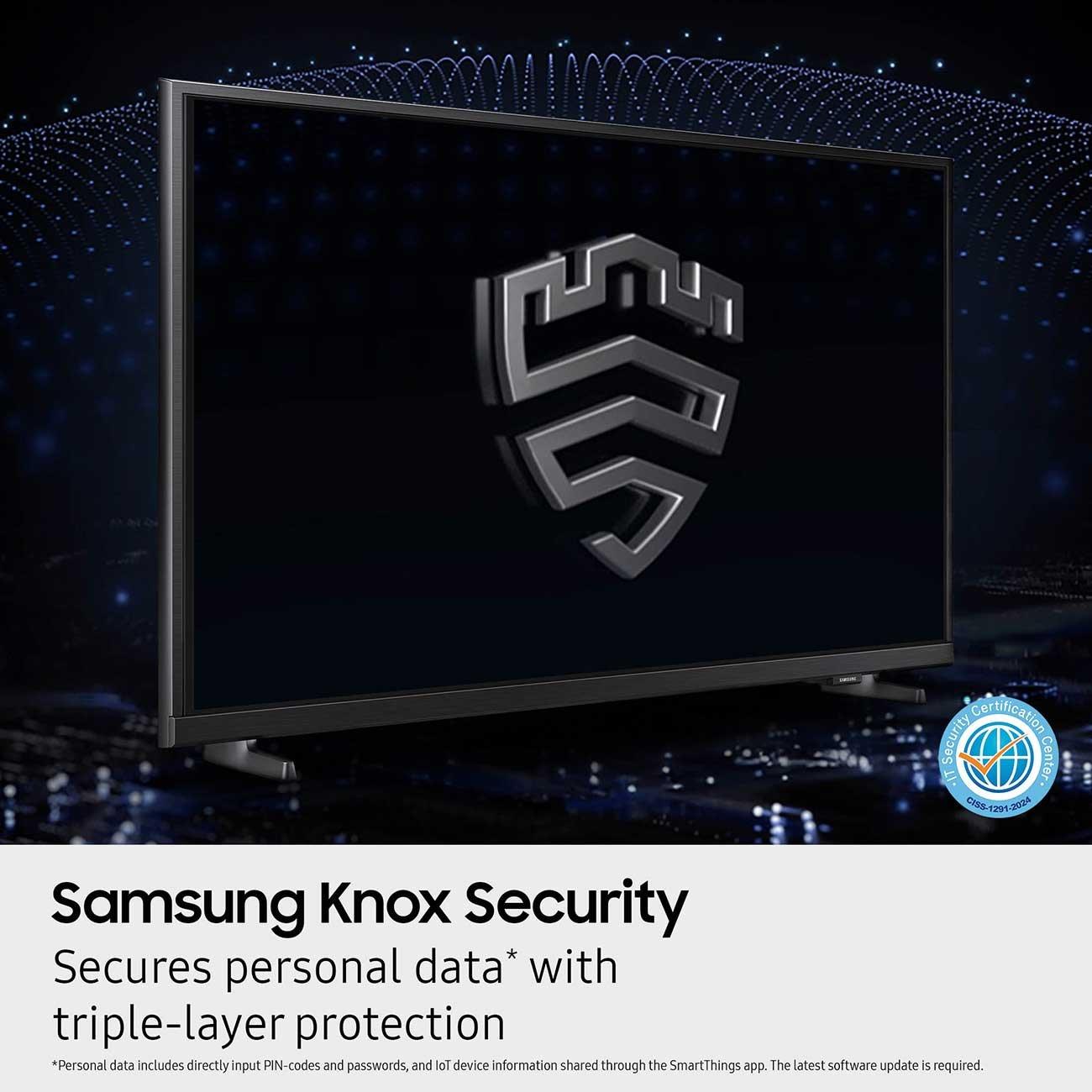

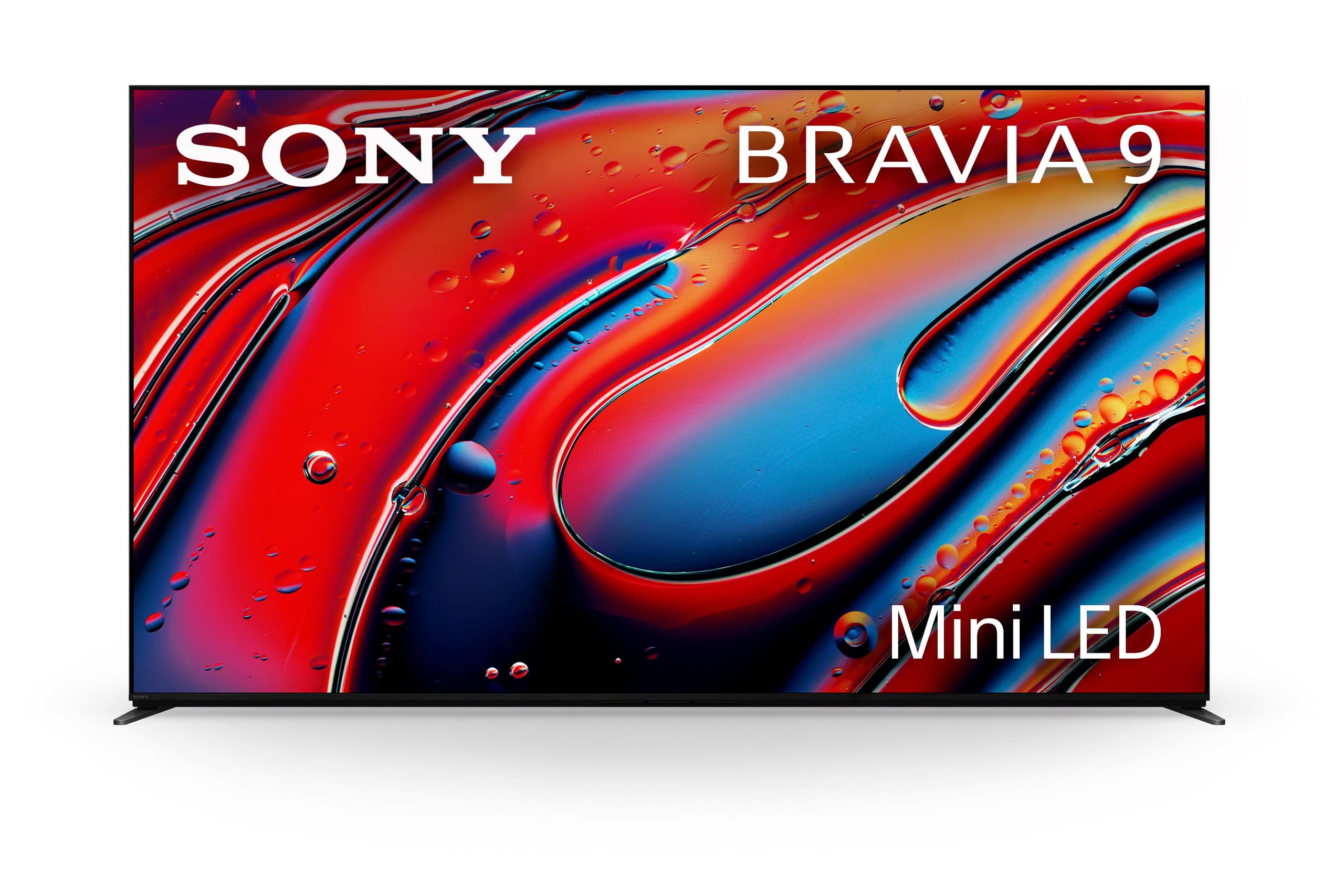
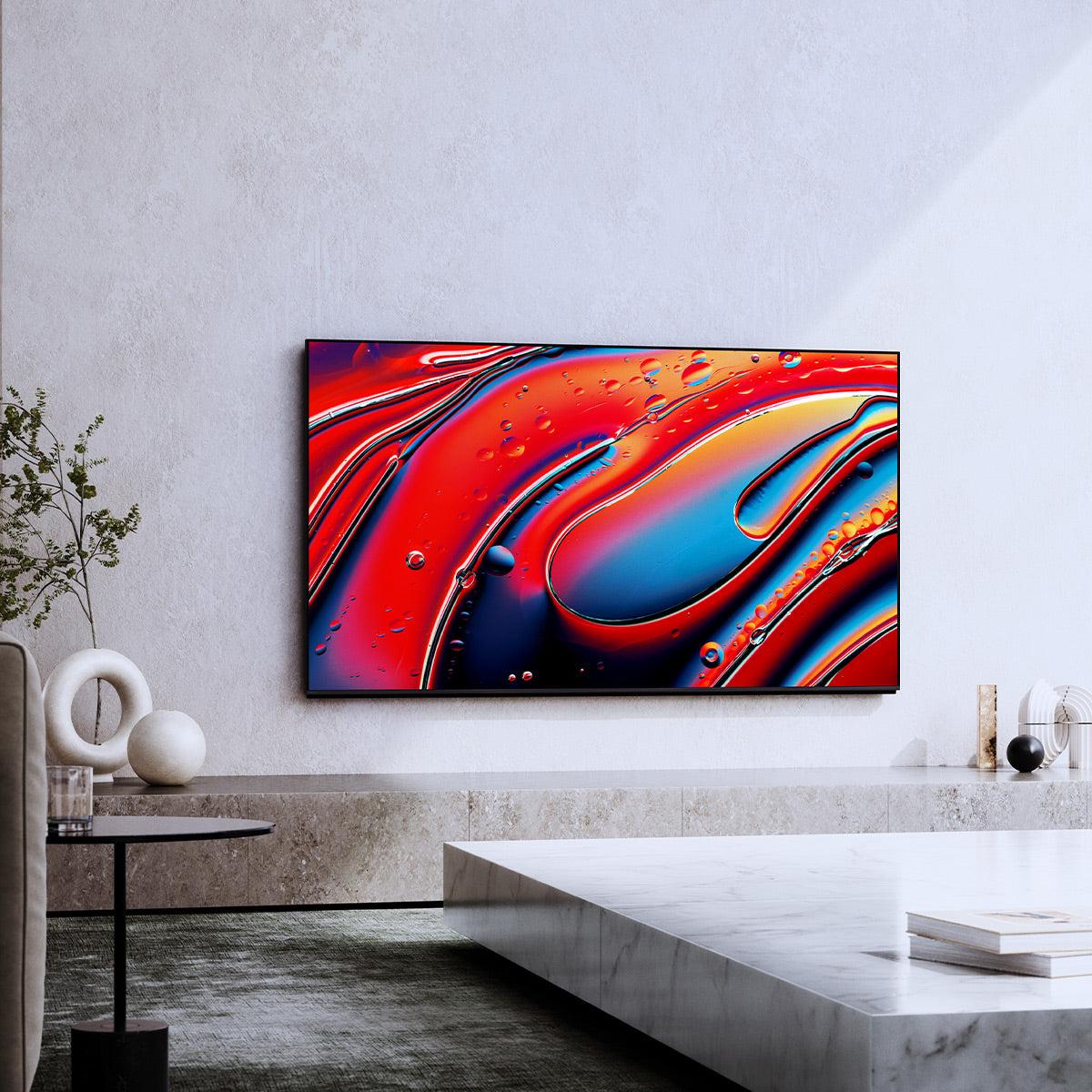
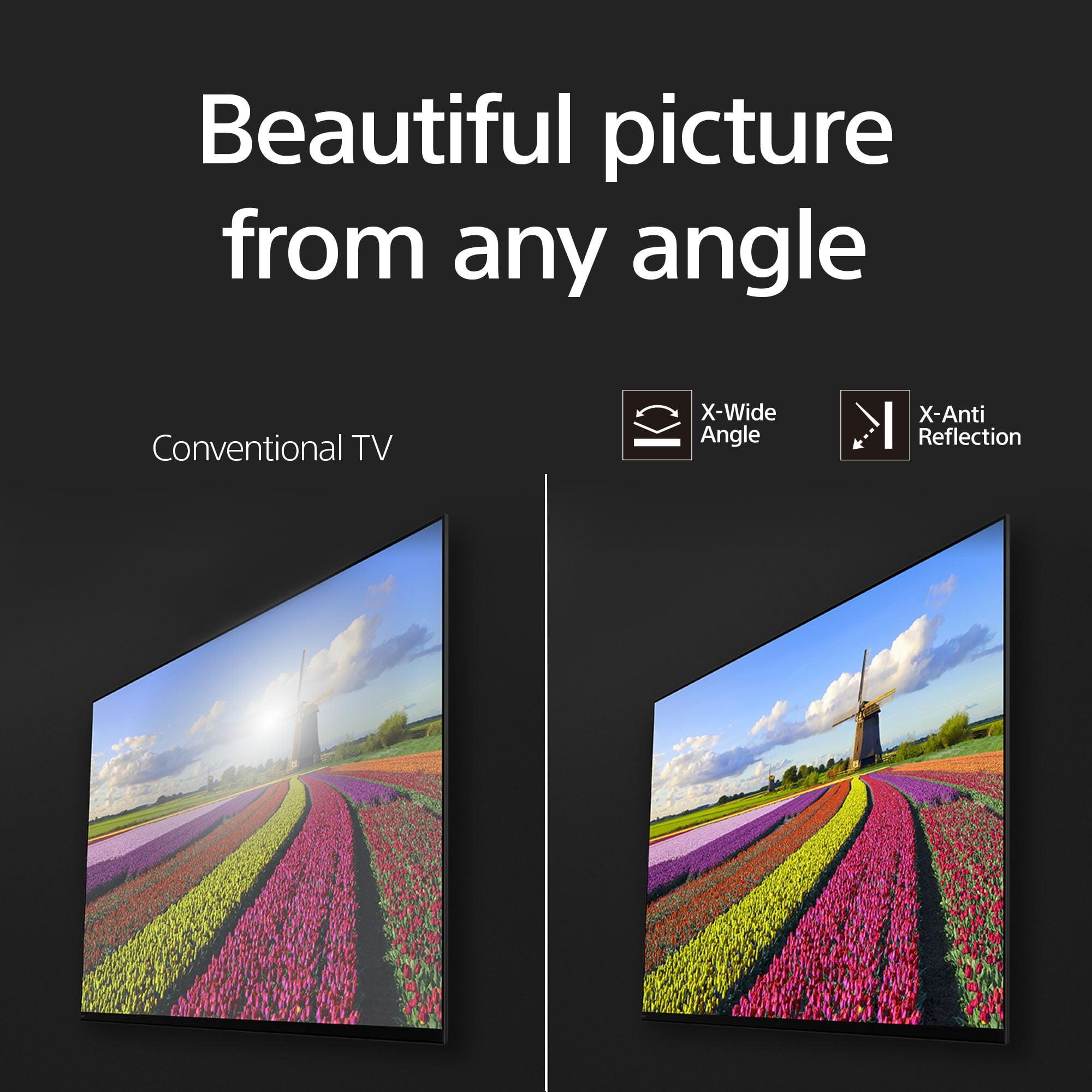
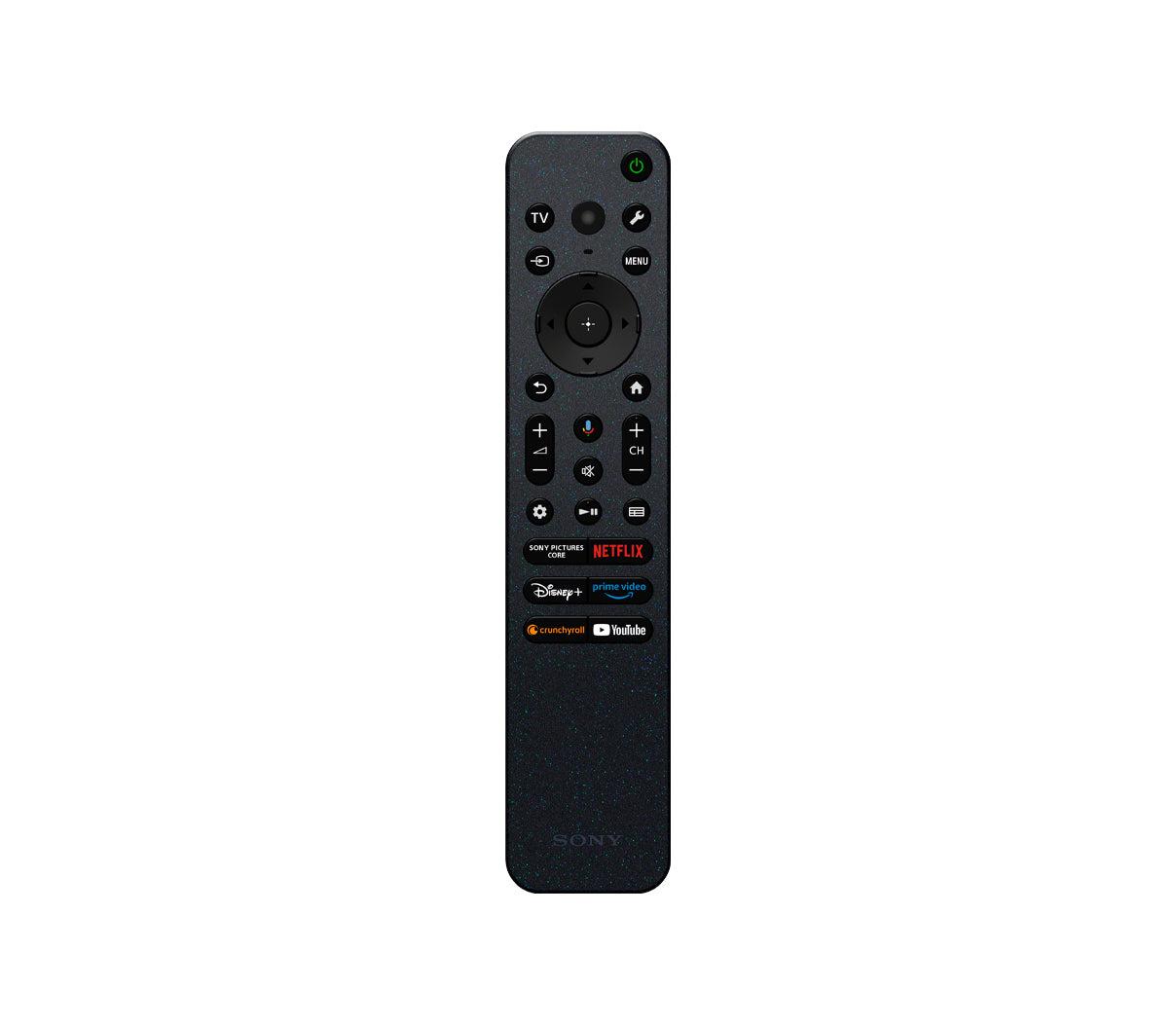
When you're shopping for a premium 65-inch TV, you'll quickly realize that not all large screens are created equal. The gap between entry-level and flagship models has never been wider, especially when comparing Samsung's 2025 approach with Sony's current premium strategy. Today, we're diving deep into two very different philosophies: the Samsung Q7F QLED, which brings quantum dot technology to budget-conscious buyers, and the Sony BRAVIA 9, which represents the cutting edge of Mini LED backlighting.
Understanding these differences isn't just about specs on paper—it's about how these technologies translate to real-world performance in your living room.
The TV landscape has evolved dramatically over the past few years. OLED technology, which uses self-lighting pixels, dominated the premium space for years with perfect blacks and infinite contrast. But manufacturers have been pushing LED-based displays to new heights, creating alternatives that can match or exceed OLED in certain areas.
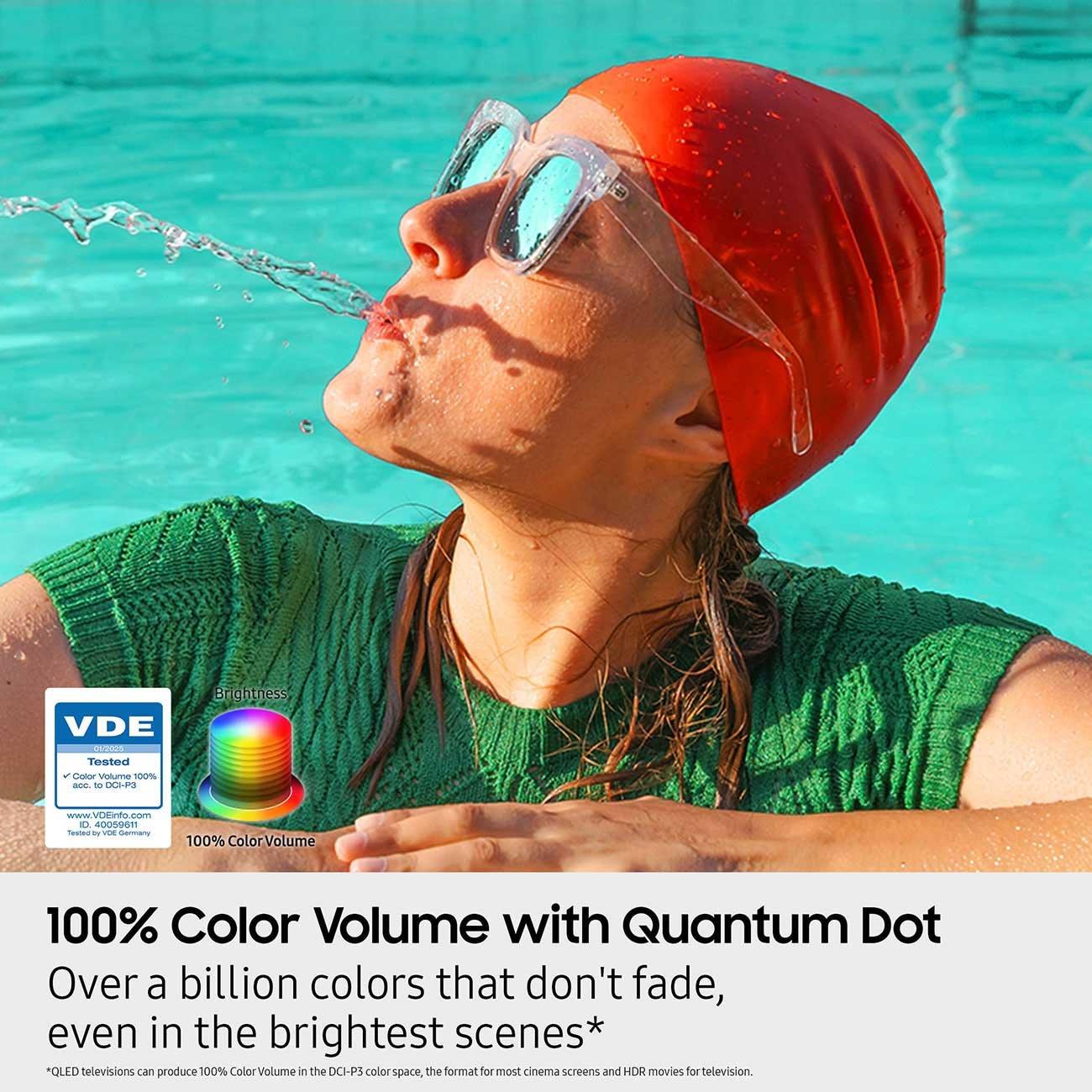
QLED technology uses quantum dots—microscopic particles that emit precise colors when hit with light—to enhance traditional LED displays. Samsung pioneered consumer QLED and continues refining it. The key advantage is color volume: QLED can maintain vibrant colors even at very high brightness levels, something OLED struggles with.
Mini LED represents the latest evolution in LED backlighting. Instead of using dozens of LED zones behind the screen, Mini LED uses thousands of tiny LEDs that can be controlled independently. This creates what's called "local dimming"—the ability to make parts of the screen very bright while keeping other parts completely dark, dramatically improving contrast.
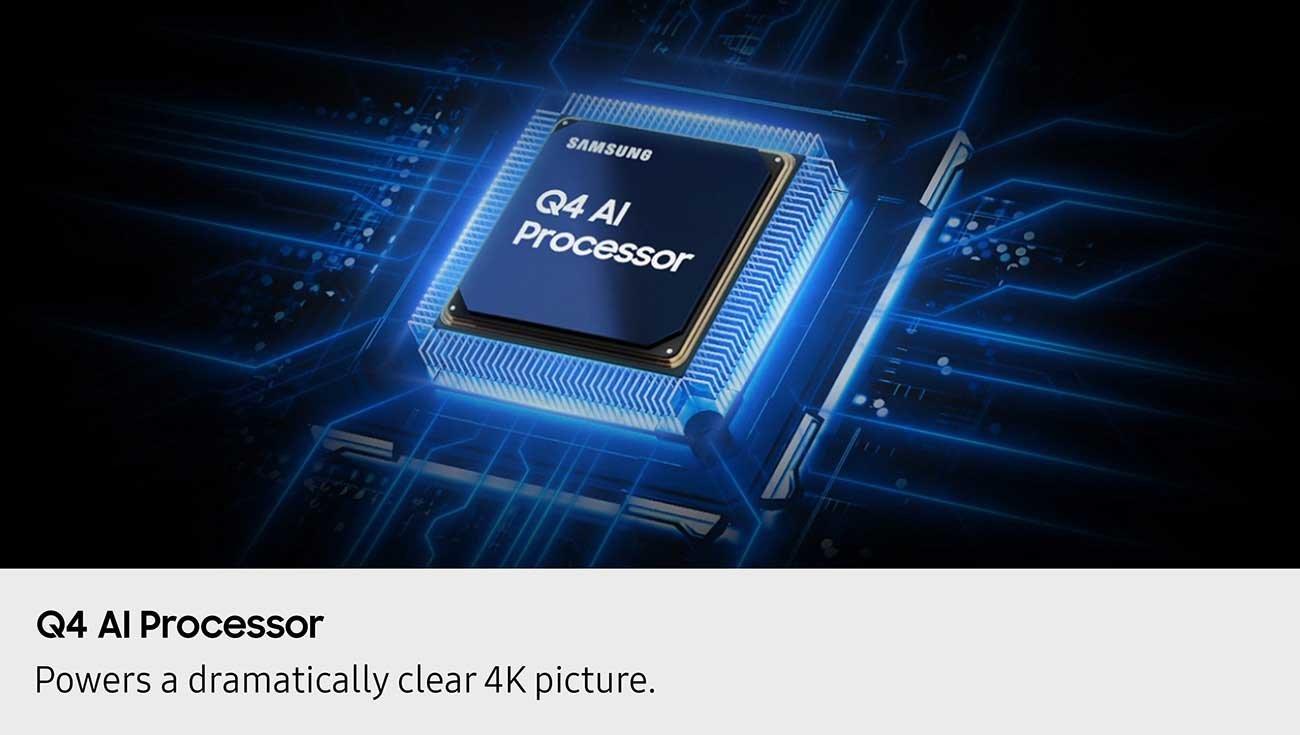
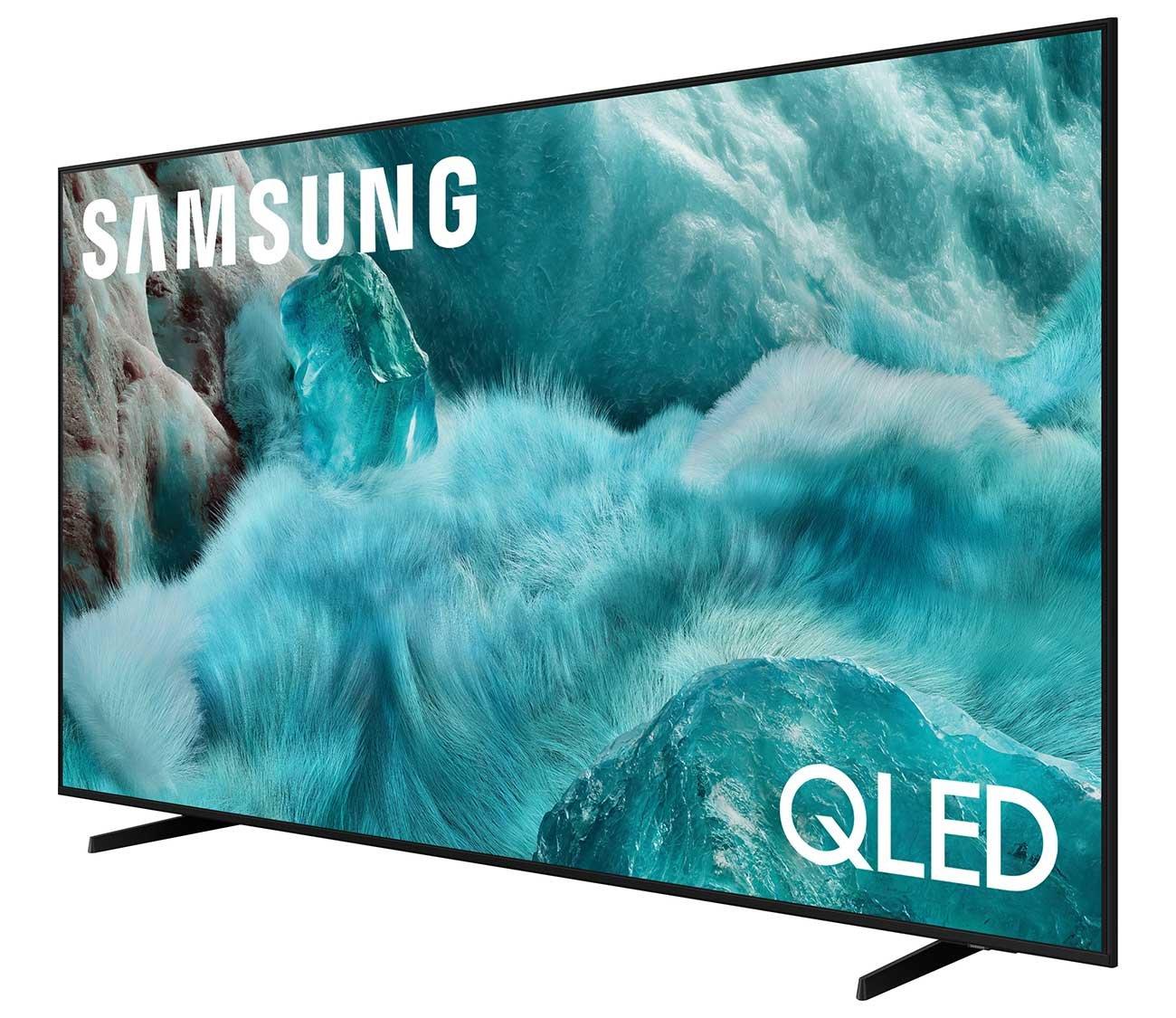
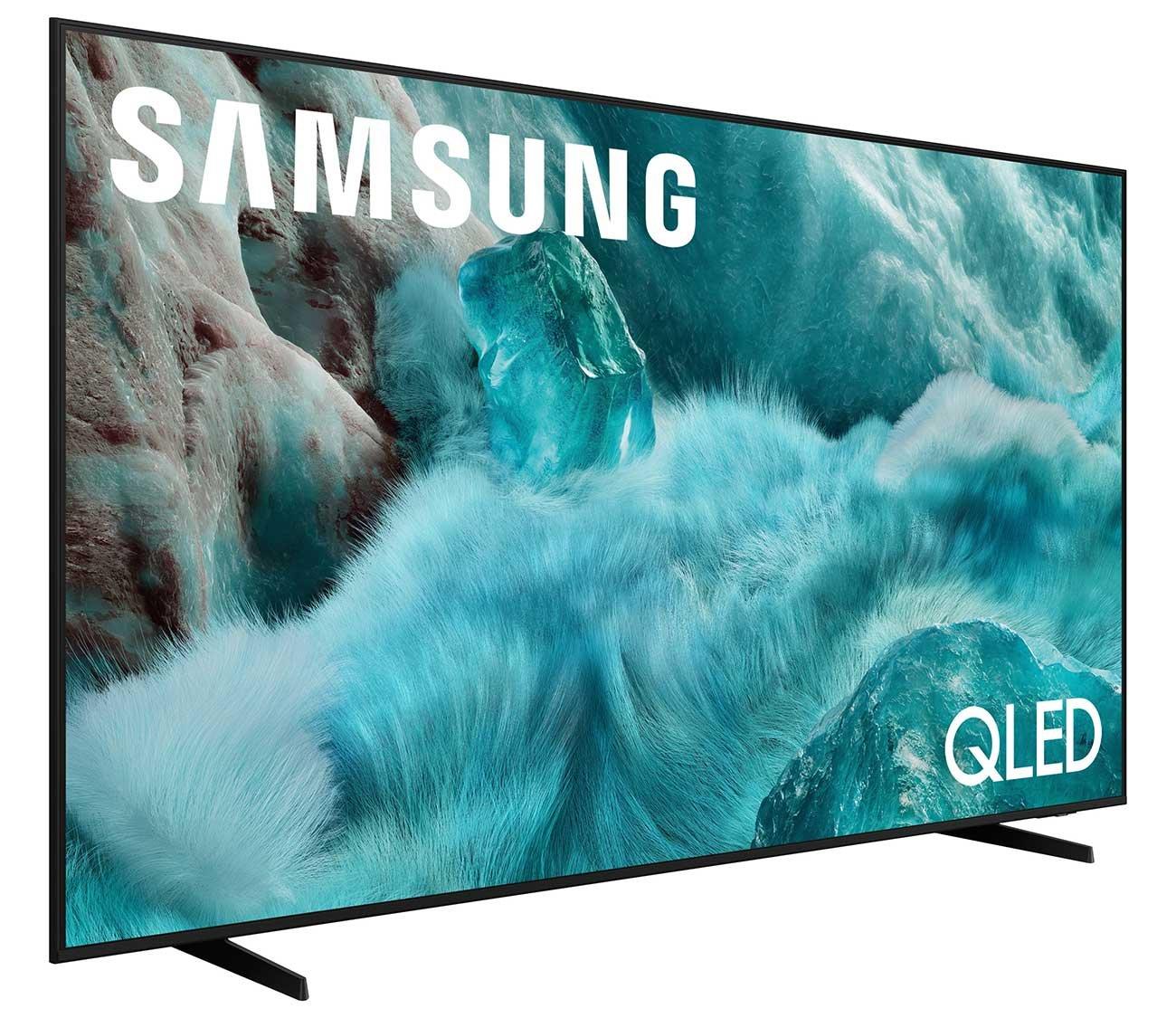
The Samsung Q7F, released in 2025, represents Samsung's effort to bring quantum dot benefits to mainstream pricing. Meanwhile, the Sony BRAVIA 9, launched in 2024, showcases Sony's first serious attempt at competing with the brightest displays on the market using advanced Mini LED technology.
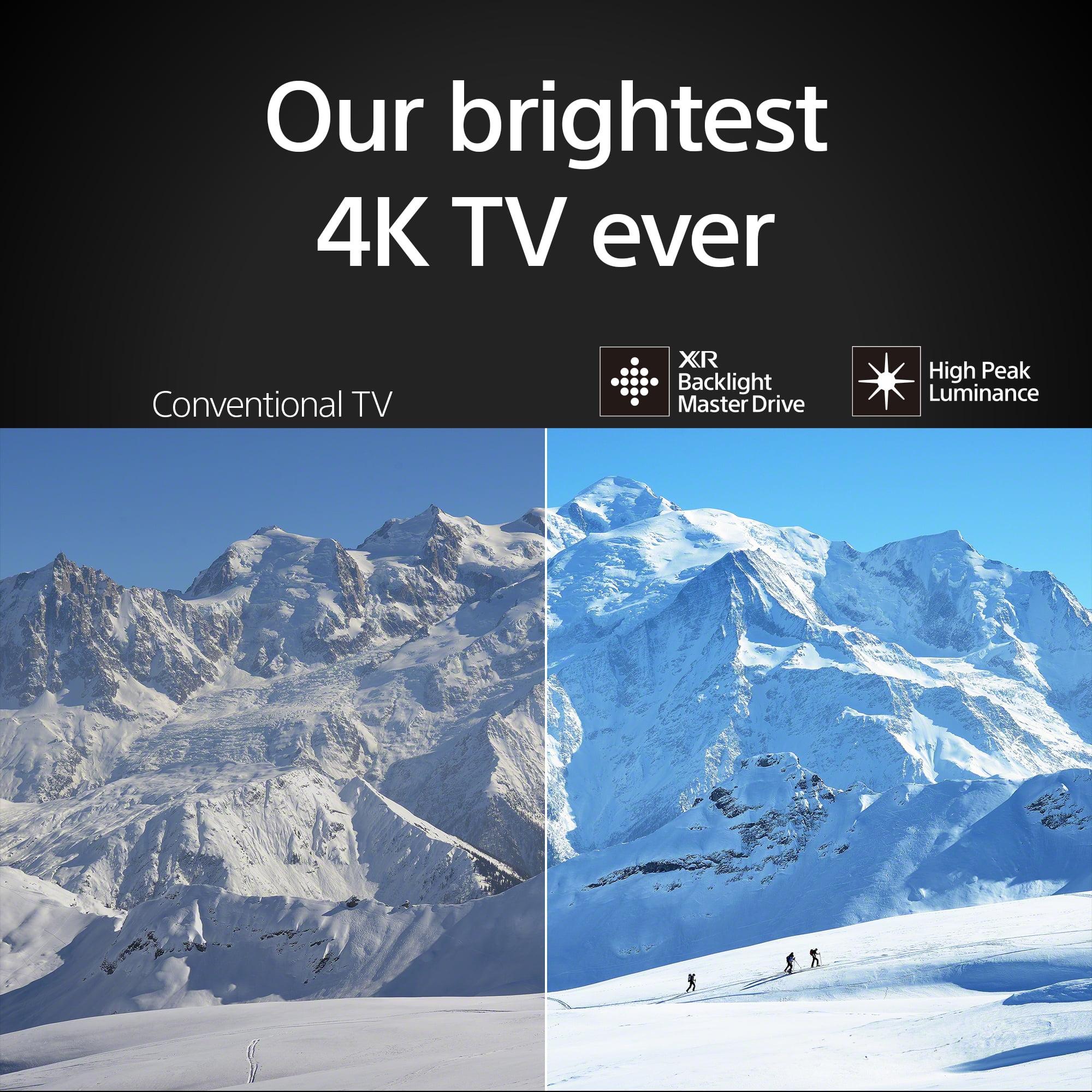
Here's where these TVs diverge most dramatically. The Sony BRAVIA 9 achieves peak brightness levels that would have been impossible just a few years ago. Sony claims it's their brightest 4K TV ever, and based on our research into expert reviews, it delivers on that promise with exceptional HDR (High Dynamic Range) performance.
HDR content—found on Netflix, Disney+, and 4K Blu-rays—contains brightness information that goes far beyond what standard TV content includes. When a movie shows the sun reflecting off water or an explosion lighting up the night sky, HDR allows those highlights to actually appear bright on your screen. The Sony BRAVIA 9 excels here, making HDR content look dramatically more impactful than standard displays.
The Samsung Q7F, while offering HDR support, operates at significantly lower peak brightness levels. This isn't necessarily a dealbreaker—many excellent TVs work well at moderate brightness—but it does mean HDR content won't have the same "wow factor." In darker viewing environments, this difference becomes less noticeable, but in bright living rooms with lots of windows, the Sony's brightness advantage becomes crucial.
Contrast ratio—the difference between the brightest whites and darkest blacks—might be the most important factor in picture quality. Human vision is remarkably sensitive to contrast, and displays with good contrast simply look more three-dimensional and engaging.
The Sony BRAVIA 9's Mini LED backlighting with thousands of dimming zones creates exceptional contrast. When you're watching a movie scene with bright stars against a dark sky, the Sony can make those stars brilliant while keeping the sky genuinely dark. This local dimming capability means different areas of the screen can have completely different brightness levels simultaneously.
The Samsung Q7F lacks local dimming entirely. This is a significant cost-saving measure that affects performance. Without local dimming, the entire backlight operates as one unit. Dark scenes will appear grayish rather than truly black, and bright objects in dark scenes will create a "halo" effect around them as the backlight illuminates more than intended.
For home theater enthusiasts who often watch movies in darkened rooms, this contrast difference is substantial. The Sony delivers that immersive, cinematic experience that makes you feel like you're in a movie theater, while the Samsung provides a more modest improvement over basic displays.
Both TVs handle color well, but through different approaches. The Samsung Q7F uses quantum dot technology to achieve impressive color volume—the ability to produce saturated colors at high brightness levels. Samsung's PANTONE validation with over 2,100 certified colors demonstrates their commitment to color accuracy.
The Sony BRAVIA 9 takes a different approach with XR Triluminos Pro technology, focusing on natural color reproduction rather than maximum saturation. Sony's philosophy prioritizes colors that look authentic to human perception, particularly skin tones and natural environments.
In practical terms, the Samsung might make animated movies and bright, colorful content look more vibrant, while the Sony excels with realistic content like nature documentaries and movies where natural color reproduction matters most. Both approaches have merit, but Sony's tends to age better—colors that look natural today will likely still look natural in five years.
Gaming has become a crucial TV consideration, especially with PlayStation 5 and Xbox Series X consoles that can output 4K at 120 frames per second. This is where the price difference between our TVs becomes most apparent.
The Sony BRAVIA 9 offers comprehensive next-generation gaming support. Its 120Hz refresh rate means it can display up to 120 frames per second, making fast-paced games look incredibly smooth. Variable Refresh Rate (VRR) technology synchronizes the TV's refresh rate with the console's output, eliminating screen tearing—a visual artifact where the image appears to split horizontally during rapid motion.
The TV's Auto HDR Tone Mapping, specifically optimized for PS5, automatically adjusts HDR settings for each game, ensuring optimal picture quality without manual adjustment. Two HDMI 2.1 ports provide the bandwidth necessary for these high-performance features.
The Samsung Q7F represents a more basic gaming experience. Limited to 60Hz refresh rate, it can't take advantage of 120fps gaming modes that many current games support. The TV lacks VRR entirely, and expert reviews note particularly slow pixel response times that cause motion blur during fast gaming scenarios.
For casual gamers who play occasionally, the Samsung's limitations might not matter. But for anyone serious about gaming—especially competitive online games where smooth motion provides advantages—the Sony's gaming features justify significant additional investment.
You'll interact with your TV's smart platform every day, so interface quality and responsiveness matter tremendously. Both TVs offer mature, well-developed smart platforms, but with different strengths.
Samsung's 2025 Tizen One UI represents years of refinement. The Vision AI feature provides personalized content recommendations based on viewing habits and can even offer real-time translation for international content. The interface feels responsive and intuitive, with good organization of streaming apps and content.
Samsung TV Plus includes thousands of free channels, essentially providing cable-like channel surfing without subscription fees. The integration with Samsung's ecosystem works well if you own other Samsung devices.
The Sony BRAVIA 9 runs Google TV, which excels at content discovery across multiple streaming services. Rather than switching between apps to find something to watch, Google TV aggregates content recommendations from all your subscriptions in one interface. The integration with Google Assistant enables sophisticated voice control, and the overall experience feels more unified than jumping between separate apps.
Both platforms support major streaming services reliably, but Google TV's content aggregation feels more modern and useful for households with multiple streaming subscriptions.
TV speakers have historically been afterthoughts, but both manufacturers have invested in audio quality, albeit to different degrees.
The Sony BRAVIA 9 features an impressive 2.2.2-channel system with 70 watts of power. The "2.2.2" designation means two main channels (left/right), two subwoofers for bass, and two up-firing speakers that bounce sound off your ceiling to create height effects. This Acoustic Multi-Audio+ system creates surprisingly immersive surround sound for built-in speakers.
The up-firing speakers work particularly well with Dolby Atmos content—movies and shows mixed with three-dimensional sound that places effects above and around you. While it can't match a dedicated surround sound system, it's impressive for a TV and might eliminate the immediate need for a soundbar.
The Samsung Q7F offers more basic 20-watt stereo speakers with Q-Symphony technology, which coordinates with Samsung soundbars for enhanced audio when you add external speakers. The sound quality is adequate for dialogue and basic content, but lacks the depth and immersion of the Sony's system.
For home theater enthusiasts, audio quality significantly impacts the viewing experience. The Sony's superior built-in audio might delay or eliminate the need for additional audio equipment, providing better value despite higher initial cost.
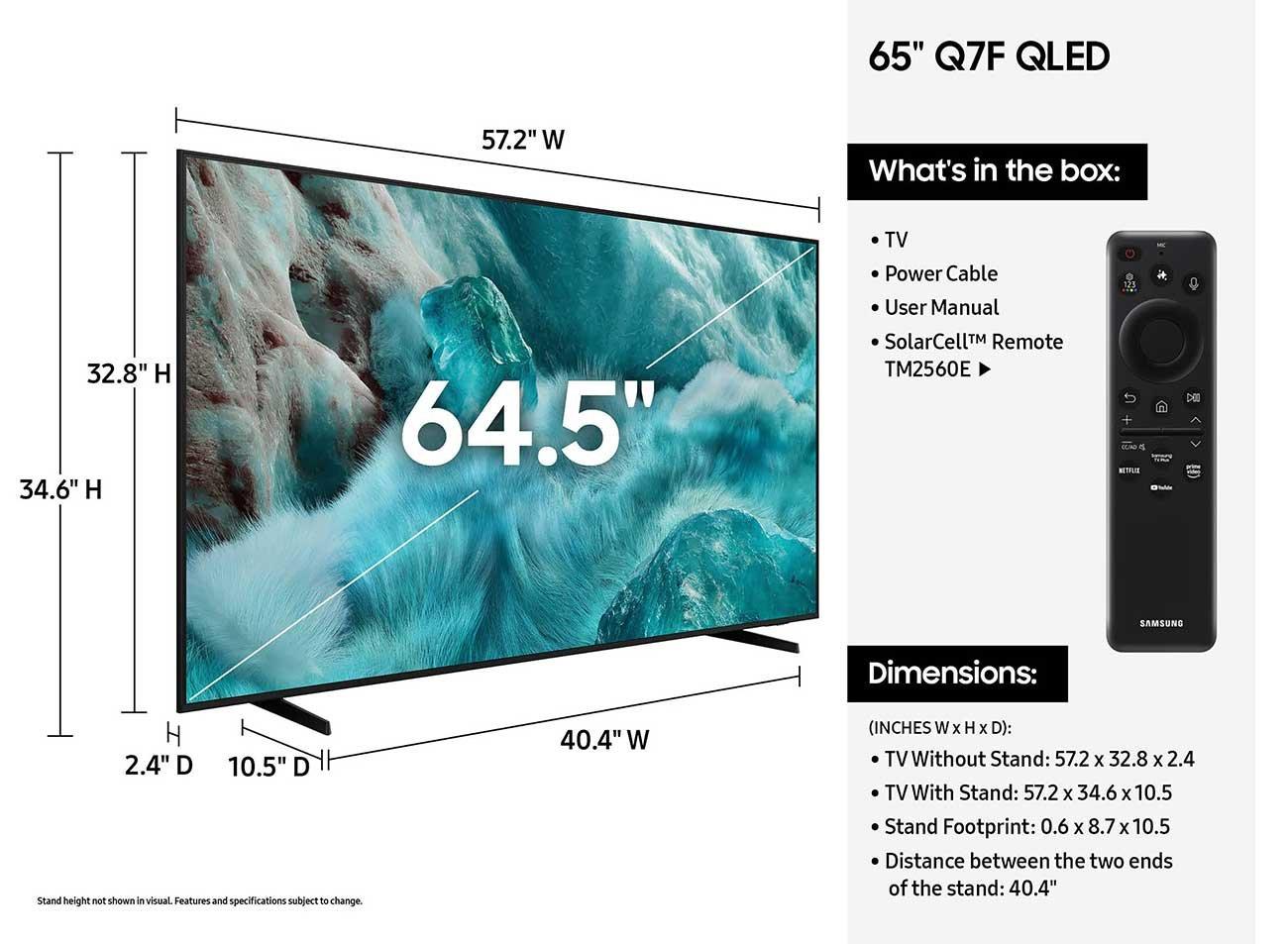
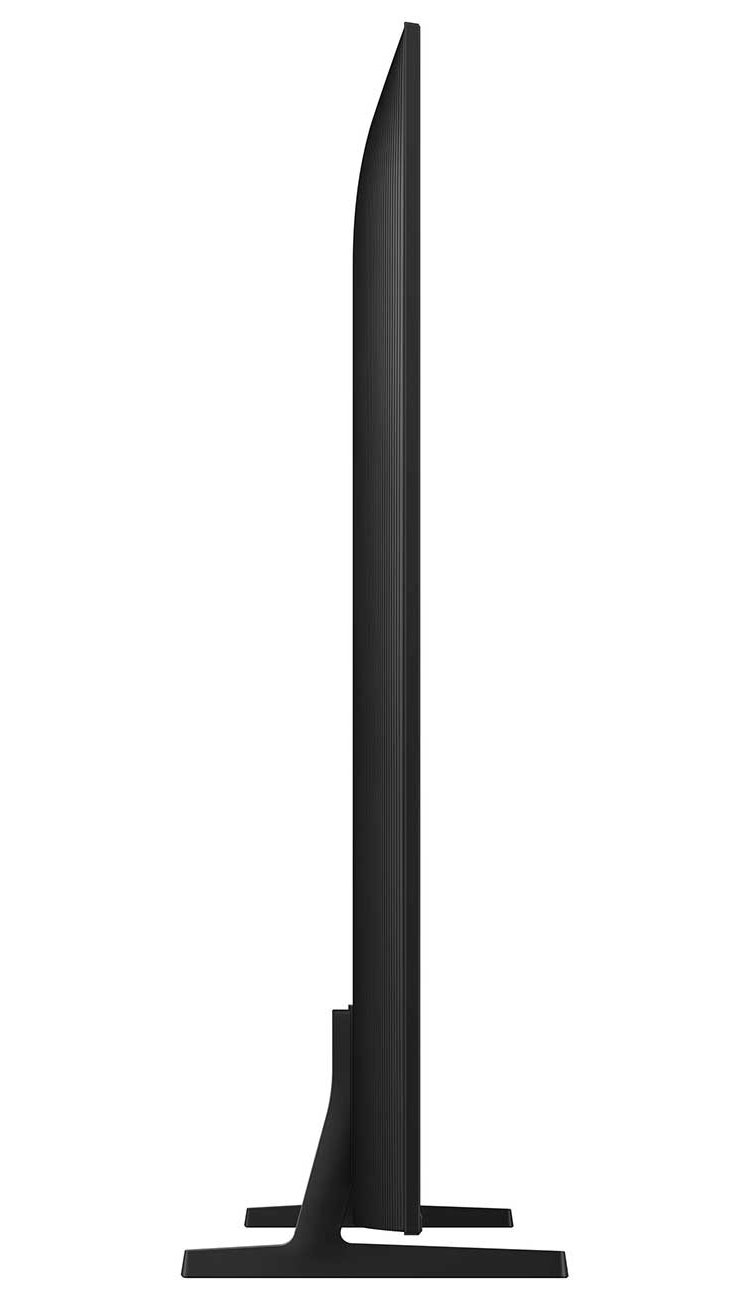
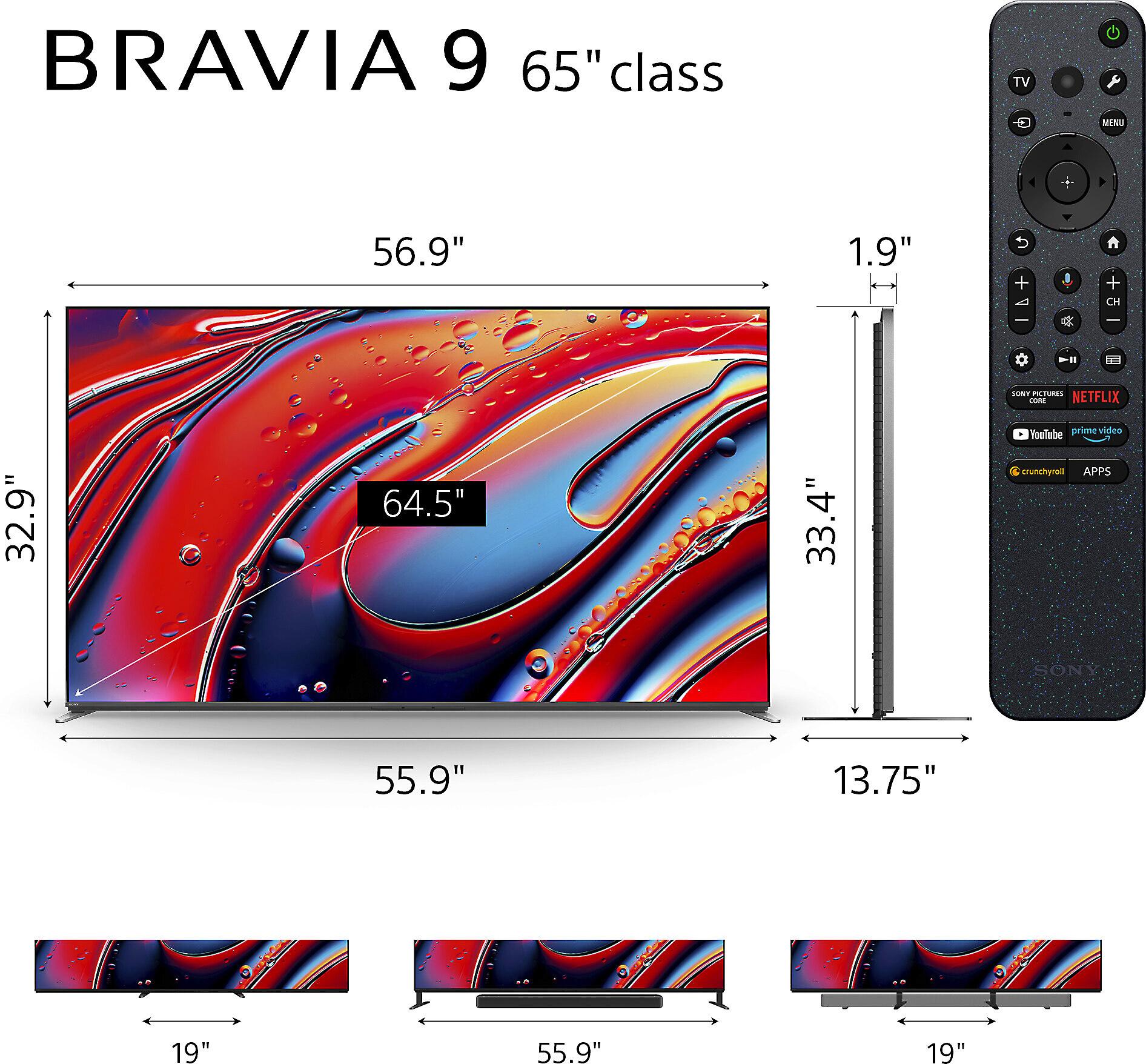
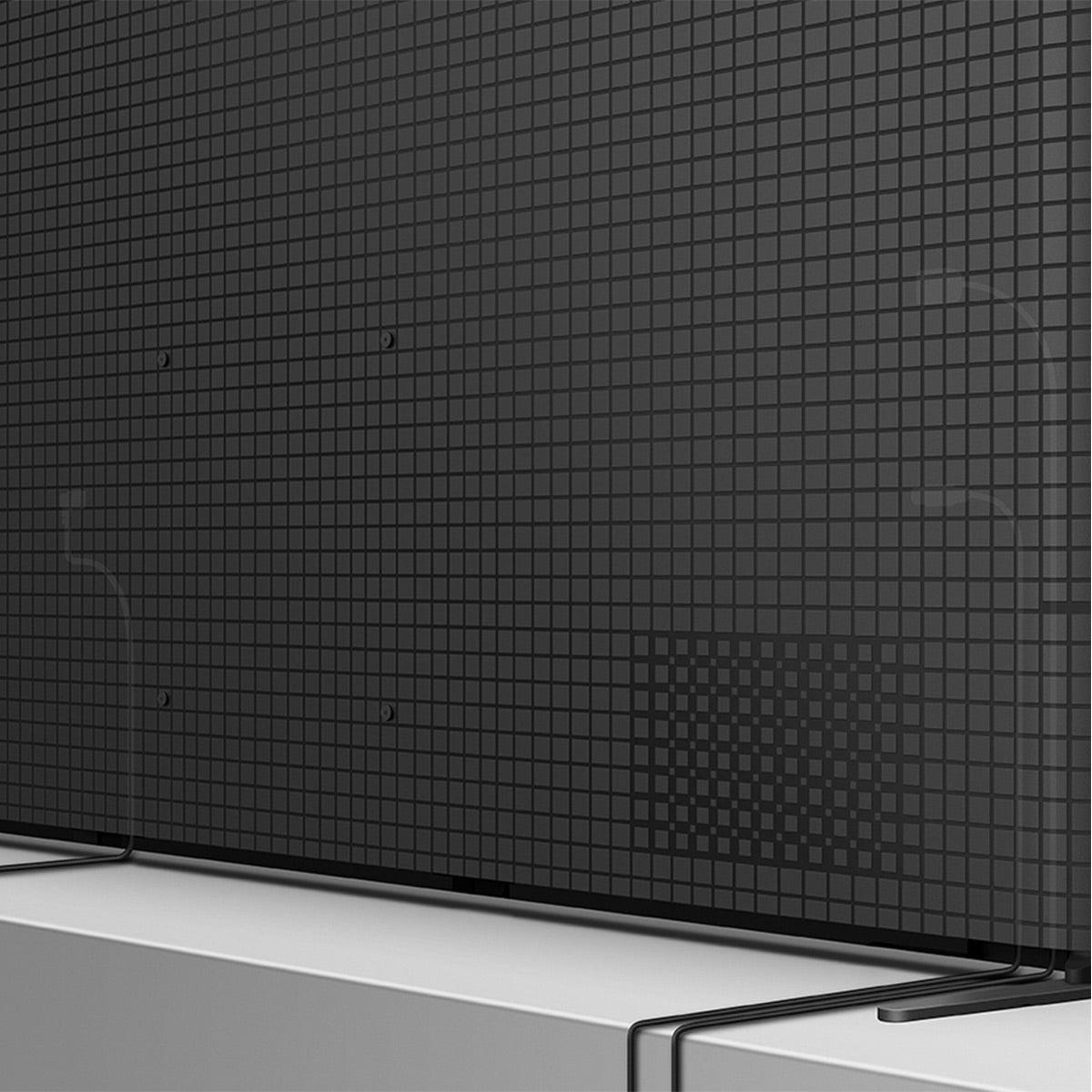
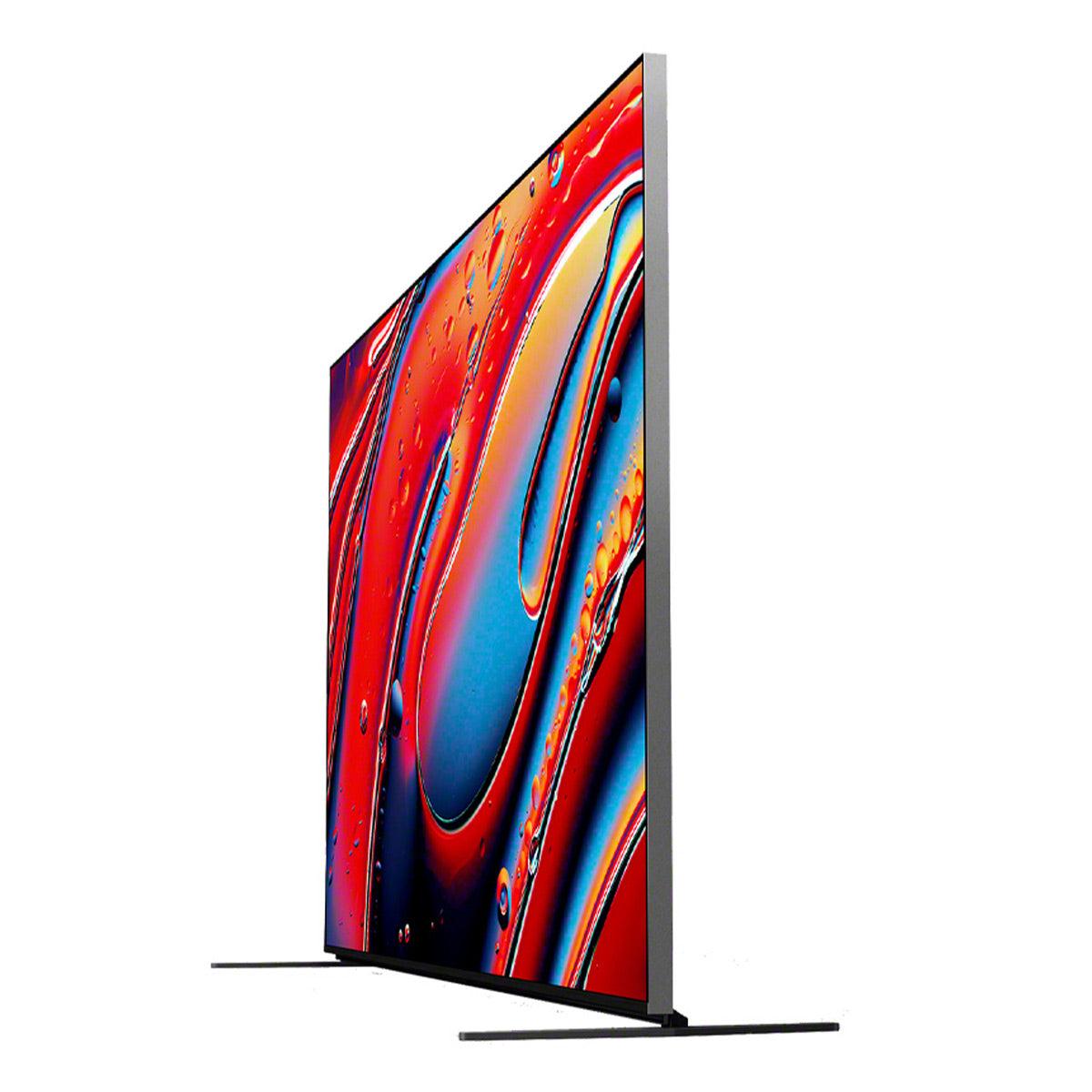
Physical construction reflects each TV's market positioning. The Sony BRAVIA 9 weighs over 76 pounds, indicating robust internal construction and premium components. Its adjustable stand system accommodates different viewing preferences and furniture configurations.
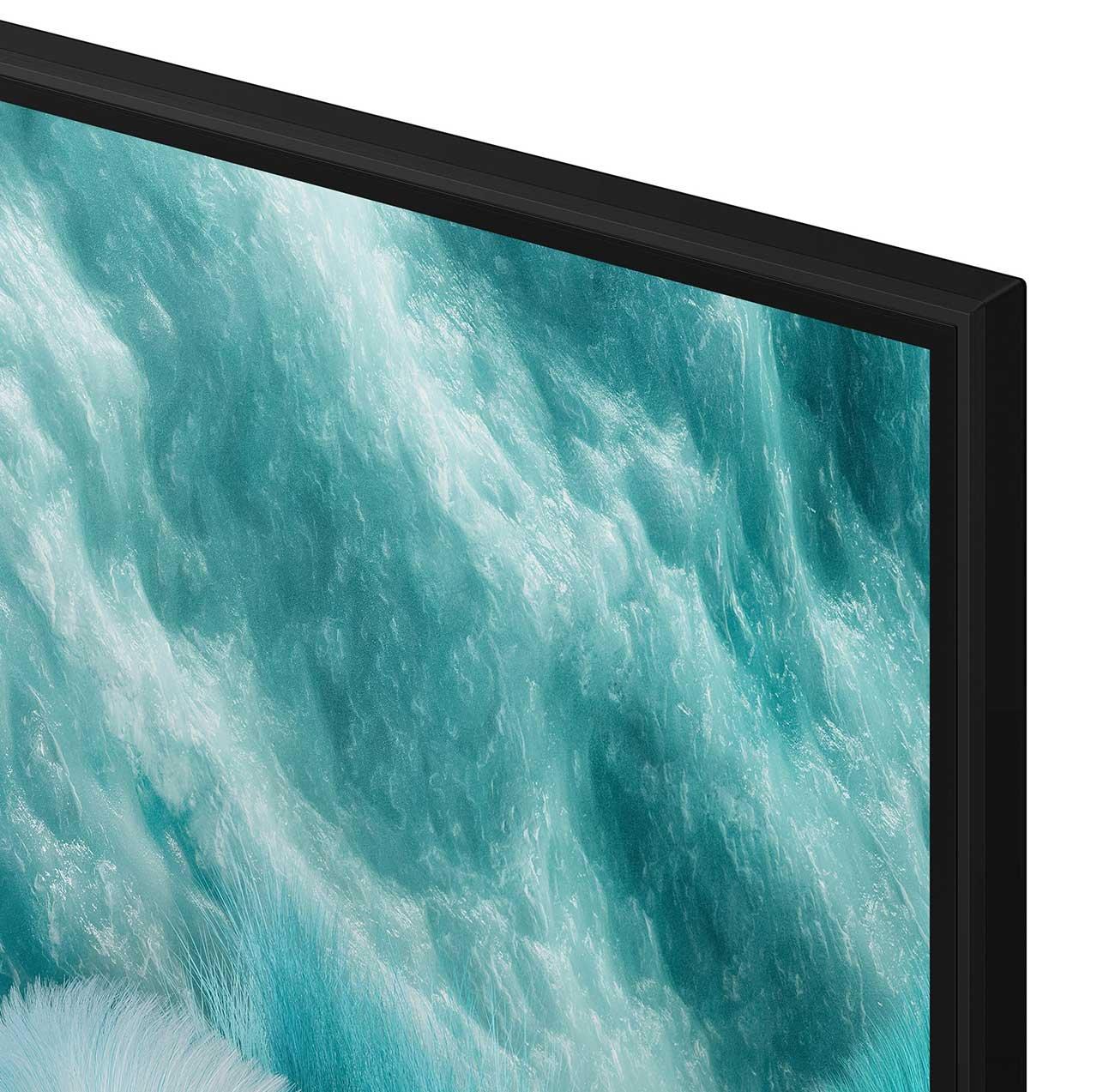
The Samsung Q7F, at under 38 pounds, uses lighter construction that reduces manufacturing costs but might feel less substantial. Both TVs feature modern, attractive designs suitable for premium living spaces, but the Sony feels more like a high-end appliance.
At the time of writing, these TVs occupy very different price segments. The Samsung Q7F represents exceptional value for anyone wanting quantum dot technology without premium pricing. You get genuine QLED benefits—improved color volume and brightness compared to basic LED displays—at a fraction of traditional QLED costs.
However, the compromises are significant. Limited gaming capabilities, no local dimming, and basic audio mean you're getting QLED color technology wrapped in an otherwise entry-level package. This isn't necessarily bad—many buyers prioritize color performance over other features—but understanding the trade-offs is crucial.
The Sony BRAVIA 9 commands premium pricing that reflects its advanced technology. Mini LED backlighting with thousands of zones, comprehensive gaming features, and superior audio justify higher costs for buyers who prioritize performance. The TV essentially eliminates most compromises found in lower-priced displays.
The value equation depends entirely on your priorities and viewing habits. For casual viewing in controlled lighting with limited gaming needs, the Samsung provides impressive bang for your buck. For serious home theater use, bright room viewing, or extensive gaming, the Sony's premium features deliver proportional performance improvements.
Choose the Samsung Q7F if:
Your primary goal is getting quantum dot color technology without premium pricing. This TV excels for buyers who mainly stream content, don't game extensively, and view primarily in darker rooms where its brightness limitations matter less. The smart platform is excellent, color accuracy is genuinely impressive, and the overall experience represents a solid upgrade from basic displays.
It's particularly appealing for buyers building their first "premium" TV setup who want to experience QLED benefits without investing in flagship features they might not fully utilize.
Choose the Sony BRAVIA 9 if:
Picture quality is your primary concern and you want cutting-edge display technology. This TV delivers exceptional performance for serious home theater use, bright room viewing, and comprehensive gaming capabilities. The superior built-in audio system might eliminate immediate needs for additional equipment.
It's ideal for enthusiasts who want the latest technology, gamers with current-generation consoles, and anyone who values having minimal compromises in their main entertainment display.
The middle ground consideration:
If the Samsung feels too basic but the Sony exceeds your budget, consider that both manufacturers offer intermediate models. Samsung's Q8F series adds local dimming and better gaming features, while Sony's BRAVIA 8 OLED might provide better overall value with perfect contrast but lower brightness.
Ultimately, both TVs serve their intended markets well. The Samsung Q7F democratizes quantum dot technology for mainstream buyers, while the Sony BRAVIA 9 pushes LED display performance to new heights for premium buyers. Your choice should reflect your viewing priorities, room conditions, and how much you value having the latest display technology in your home.
The TV market continues evolving rapidly, but these models represent their manufacturers' current philosophies: Samsung focusing on accessible premium features and Sony pursuing maximum performance for discerning buyers. Either approach can deliver excellent results when matched to appropriate expectations and usage patterns.
| Samsung 65" Q7F QLED 4K Vision AI Smart TV 2025 | Sony BRAVIA 9 65" 4K UHD Mini LED QLED Smart Google TV |
|---|---|
| Display Technology - Determines contrast and brightness capabilities | |
| Traditional QLED with quantum dots, no local dimming | Advanced Mini LED with thousands of dimming zones |
| Peak Brightness - Critical for HDR content and bright rooms | |
| 500 cd/m² (adequate for darker rooms) | Industry-leading brightness (Sony's brightest TV ever) |
| Gaming Performance - Essential for PS5/Xbox Series X owners | |
| 60Hz only, no VRR, slow pixel response | 4K@120Hz, VRR, ALLM, optimized for next-gen consoles |
| HDMI Connectivity - Affects what devices you can connect | |
| 3x HDMI 2.0 ports (basic connectivity) | 4x HDMI ports including 2x HDMI 2.1 (future-proof) |
| Smart Platform - Your daily interface experience | |
| Tizen One UI with Vision AI, Samsung TV Plus | Google TV with superior content discovery |
| Audio System - Important if you don't plan to add a soundbar | |
| 20W stereo speakers with Q-Symphony | 70W 2.2.2-channel system with Dolby Atmos support |
| Local Dimming - Dramatically improves contrast in dark scenes | |
| None (major limitation for picture quality) | Advanced XR Backlight Master Drive with precise control |
| Color Performance - Affects how vibrant and accurate colors appear | |
| PANTONE validated, 100% Color Volume | XR Triluminos Pro with natural color reproduction |
| Weight and Build - Indicates construction quality and premium feel | |
| 37.7 lbs (lightweight, basic construction) | 76.7 lbs (premium build with adjustable stand) |
| Best For - Who should choose each TV | |
| Budget-conscious buyers wanting QLED benefits | Premium buyers prioritizing maximum picture quality |
The Sony BRAVIA 9 delivers superior picture quality thanks to its advanced Mini LED backlighting with thousands of dimming zones. This creates exceptional contrast with deep blacks and brilliant highlights, making it ideal for cinematic content. The Samsung Q7F offers good color accuracy with quantum dot technology but lacks local dimming, resulting in less impressive contrast performance.
Yes, the Samsung Q7F is excellent for casual viewing. It provides genuine QLED color benefits, good smart TV features with Vision AI, and solid overall performance for streaming Netflix, Disney+, and other services. While it doesn't match premium displays, it offers significant value for everyday entertainment needs.
The Sony BRAVIA 9 is significantly better for next-gen gaming. It supports 4K at 120Hz, Variable Refresh Rate (VRR), and has HDMI 2.1 ports for full console capability. The Samsung Q7F is limited to 60Hz with slower pixel response times, making it less suitable for serious gaming.
Both offer excellent smart platforms but with different strengths. The Samsung Q7F runs Tizen One UI with Vision AI for personalized recommendations and includes Samsung TV Plus with thousands of free channels. The Sony BRAVIA 9 uses Google TV, which excels at content discovery across multiple streaming services with superior voice control integration.
The Sony BRAVIA 9 achieves much higher peak brightness levels, making it Sony's brightest TV ever. This makes it excellent for bright living rooms with lots of windows. The Samsung Q7F offers moderate brightness that works well in controlled lighting but struggles in very bright environments.
The Sony BRAVIA 9 features an impressive 70W 2.2.2-channel system with Dolby Atmos support that might eliminate the immediate need for a soundbar. The Samsung Q7F has basic 20W stereo speakers that are adequate for dialogue but will likely benefit from adding external audio equipment for better movie experiences.
This depends on your priorities. The Samsung Q7F offers exceptional value for buyers wanting quantum dot technology at an accessible price point. The Sony BRAVIA 9 provides premium performance that justifies its higher cost for buyers prioritizing maximum picture quality and advanced features.
The Sony BRAVIA 9 excels in dark environments thanks to its Mini LED local dimming, creating true blacks and exceptional contrast for cinematic viewing. The Samsung Q7F lacks local dimming, so dark scenes appear grayish rather than truly black, making it less ideal for dedicated home theater use.
The Sony BRAVIA 9 offers better future-proofing with HDMI 2.1, 120Hz support, and cutting-edge display technology. The Samsung Q7F may become outdated sooner due to its 60Hz limitation and lack of advanced gaming features, though it will continue providing good basic performance.
The main limitations of the Samsung Q7F include no local dimming (affecting contrast), 60Hz-only refresh rate (limiting gaming), and basic audio system. It also uses fewer HDMI ports and lacks advanced features found in premium displays, but these compromises enable its attractive pricing.
Both handle sports well, but the Sony BRAVIA 9 has advantages with its superior motion handling at 120Hz and brighter display for daytime games. The Samsung Q7F provides decent sports viewing with good color reproduction, though motion might appear less smooth during fast action sequences.
Consider your existing devices when deciding between the Samsung Q7F and Sony BRAVIA 9. The Samsung integrates well with Galaxy phones and other Samsung appliances, while the Sony works seamlessly with Google services and Android devices. Both support major streaming services regardless of your phone choice.
We've done our best to create useful and informative comparisons to help you decide what product to buy. Our research uses advanced automated methods to create this comparison and perfection is not possible - please contact us for corrections or questions. These are the sites we've researched in the creation of this article: bestbuy.com - youtube.com - samsung.com - samsung.com - pcrichard.com - samsung.com - samsung.com - videoandaudiocenter.com - displayspecifications.com - bestbuy.com - samsung.com - samsung.com - samsung.com - samsung.com - news.samsung.com - bestbuy.com - bestbuy.com - youtube.com - whathifi.com - crutchfield.com - rtings.com - pcrichard.com - merlinstv.com - youtube.com - sony.ca - electronics.sony.com

Privacy Policy
Terms and Conditions - Affiliate Policy
Home Security
© Copyright 2008-2026.
11816 Inwood Rd #1211, Dallas, TX 75244