

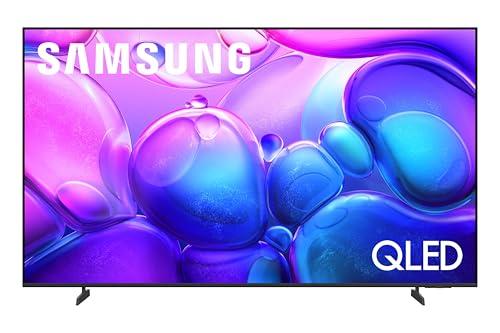
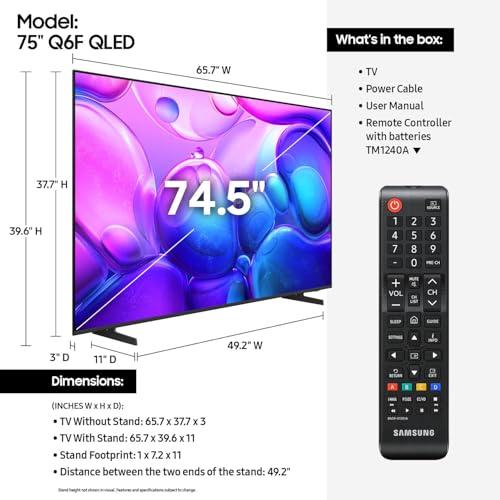
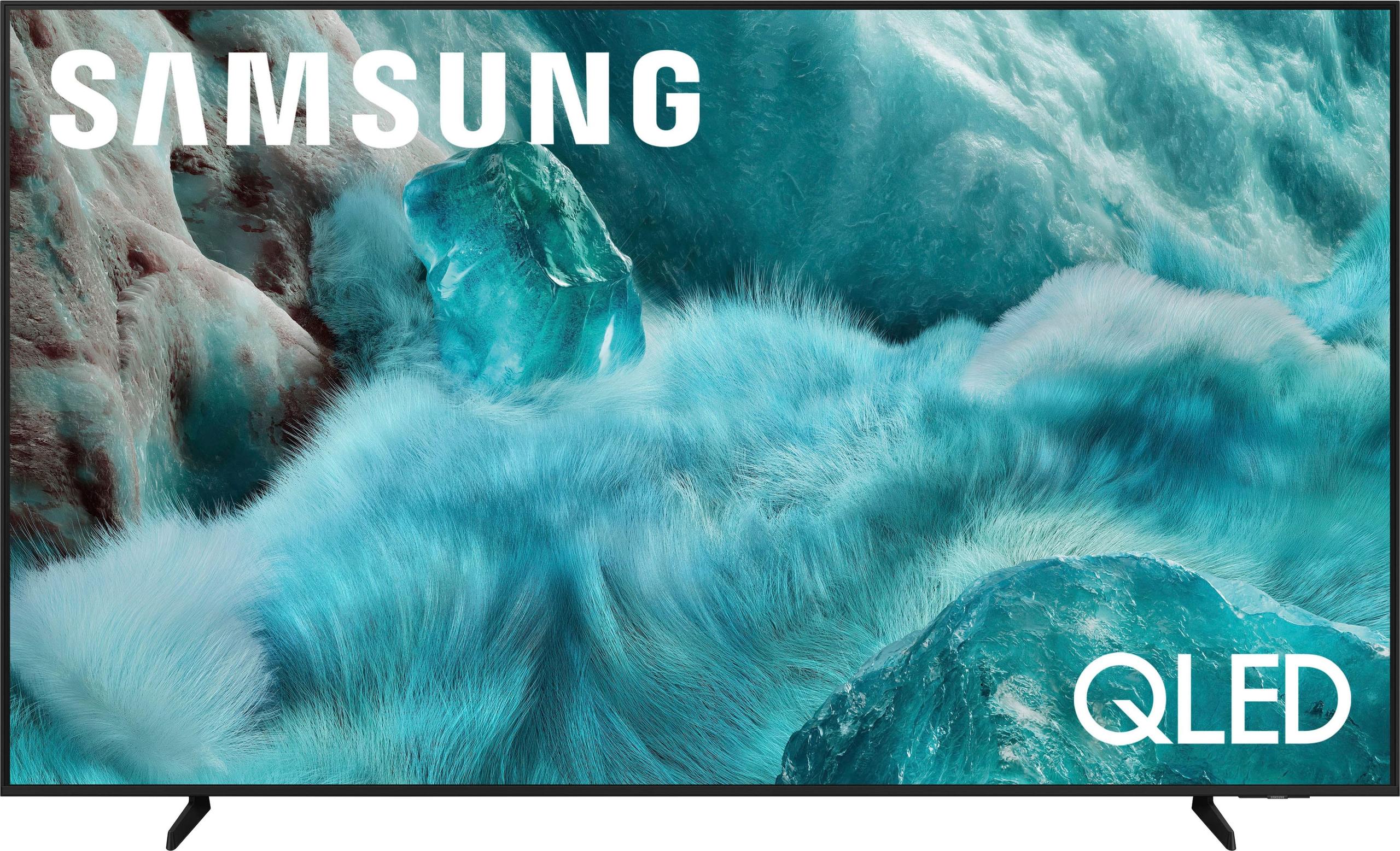
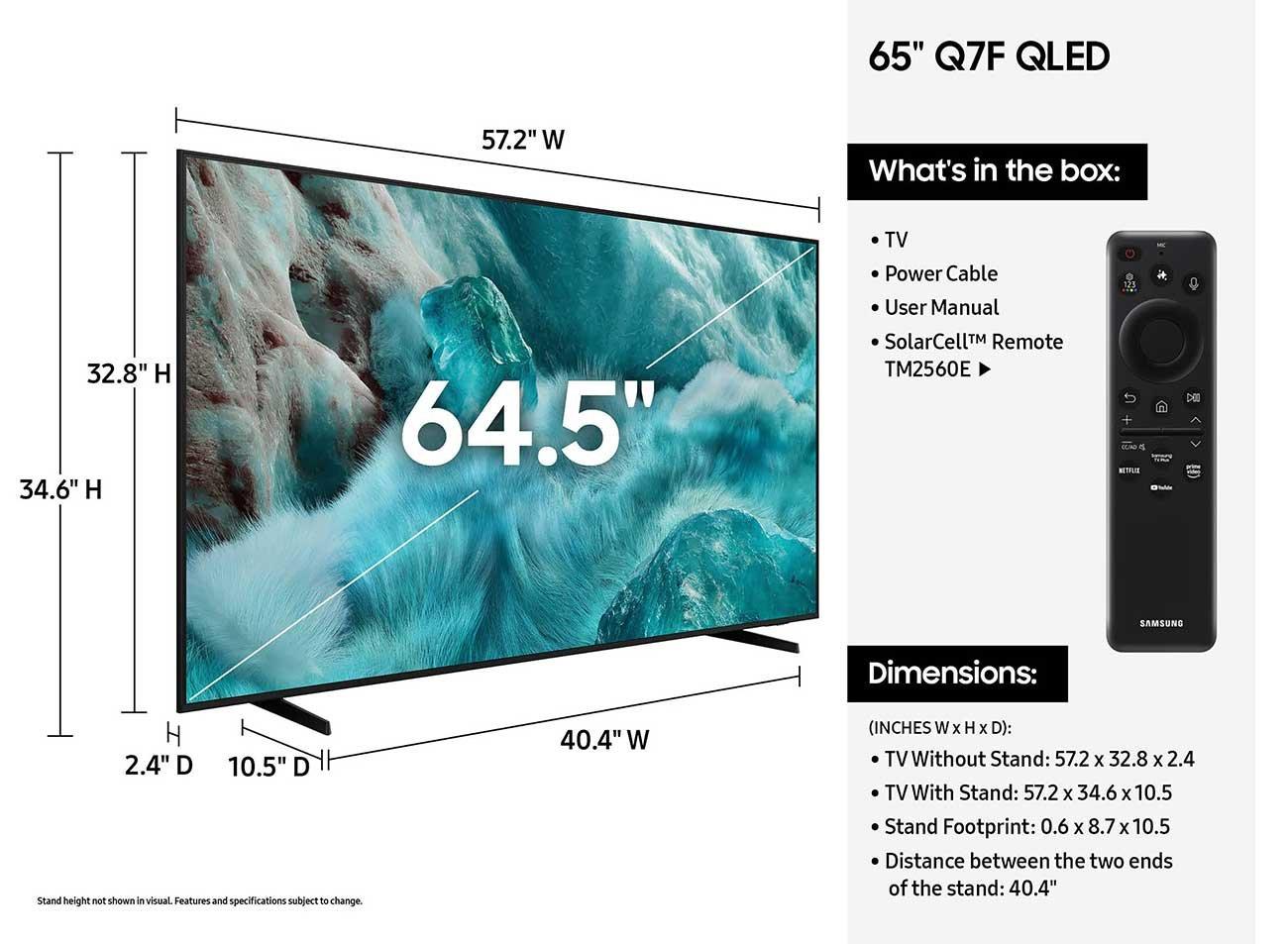

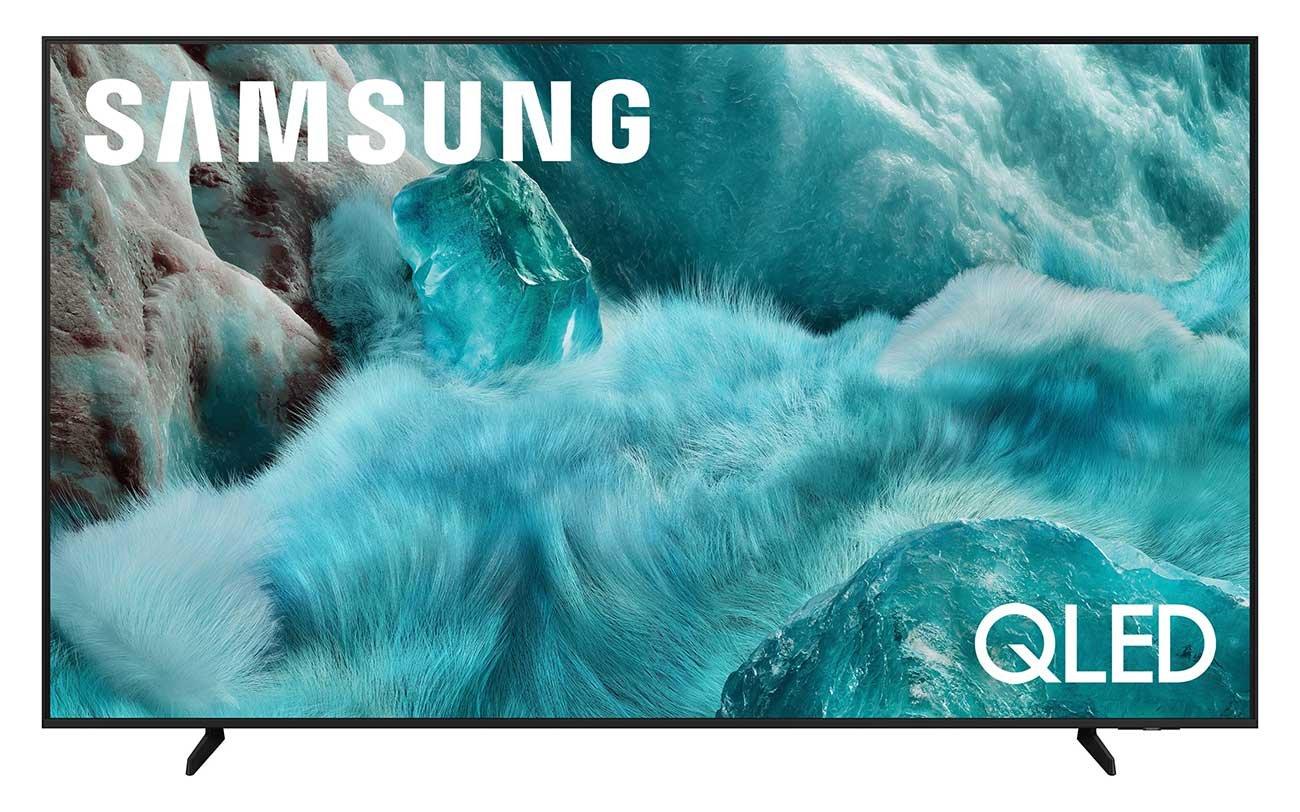
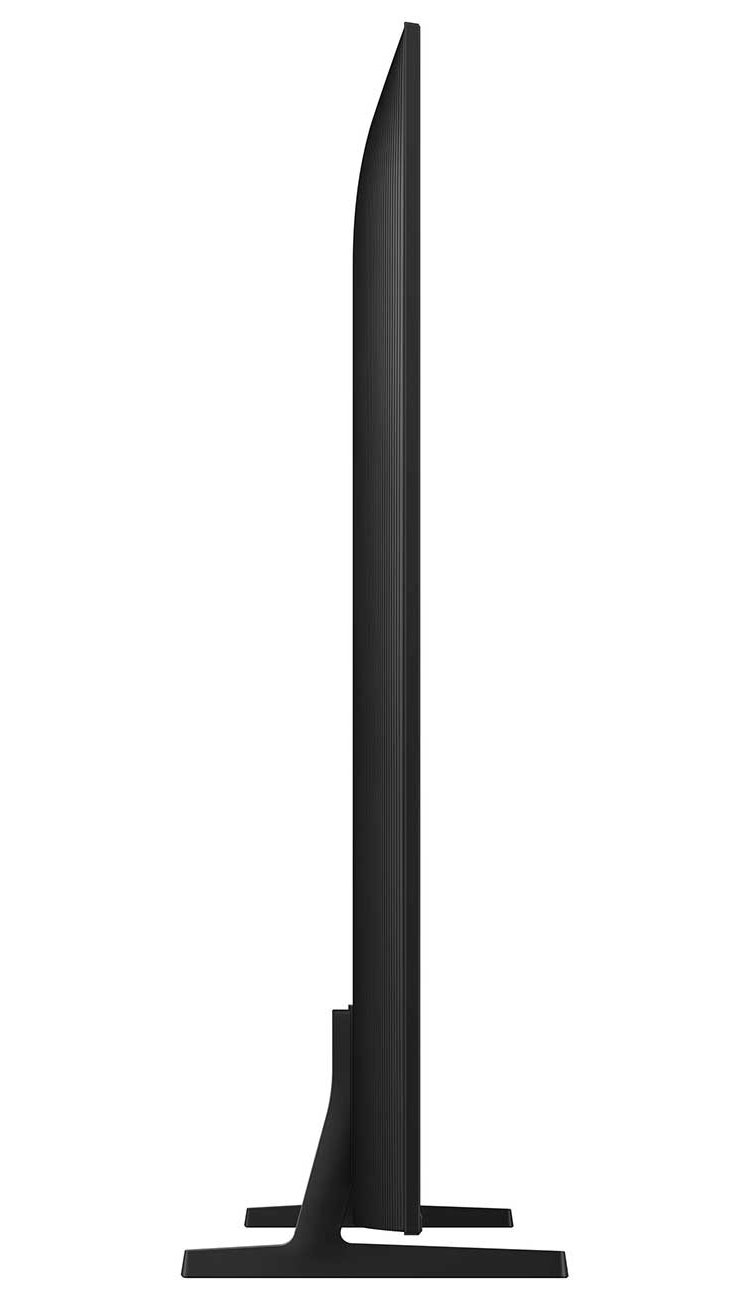
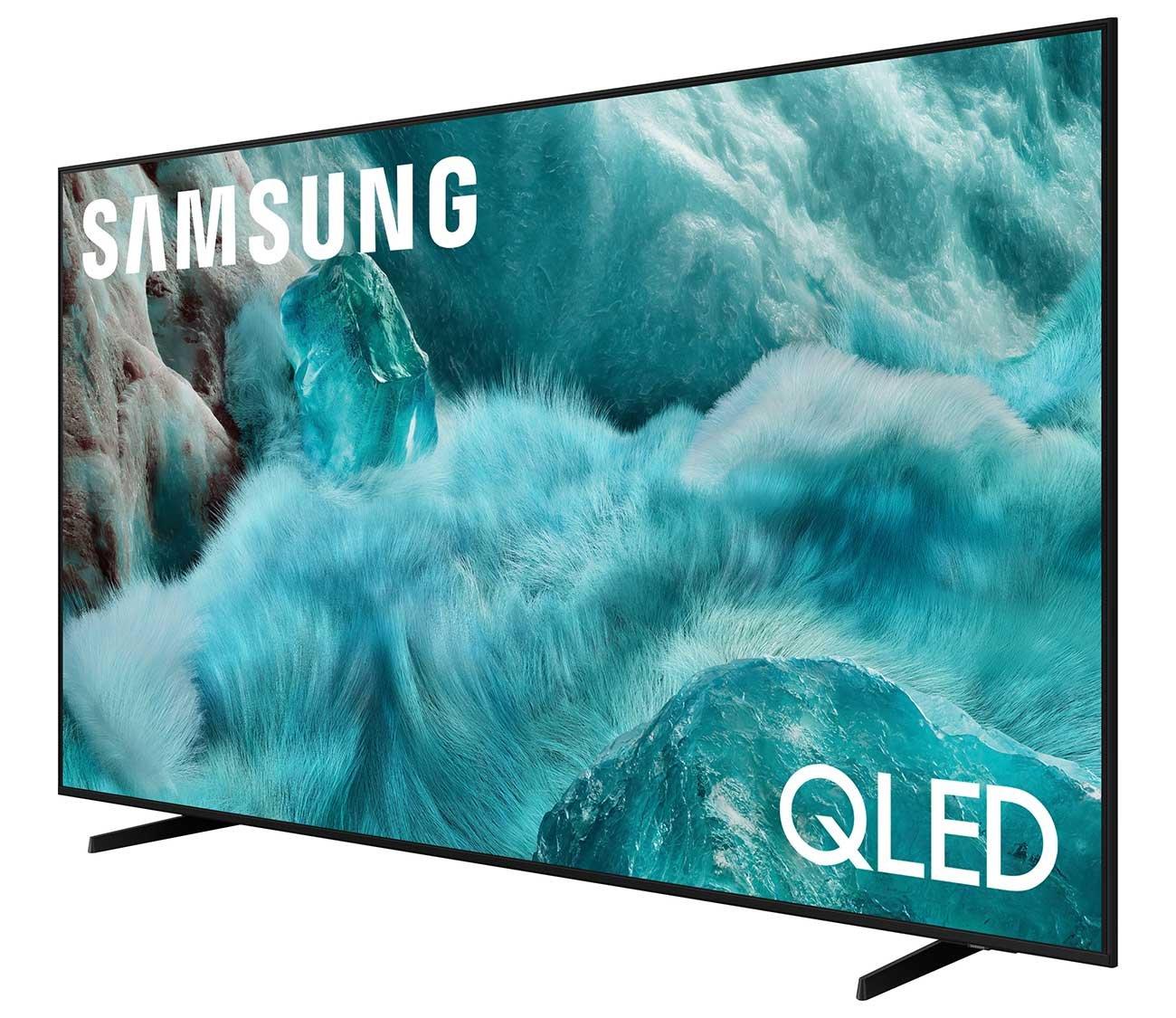
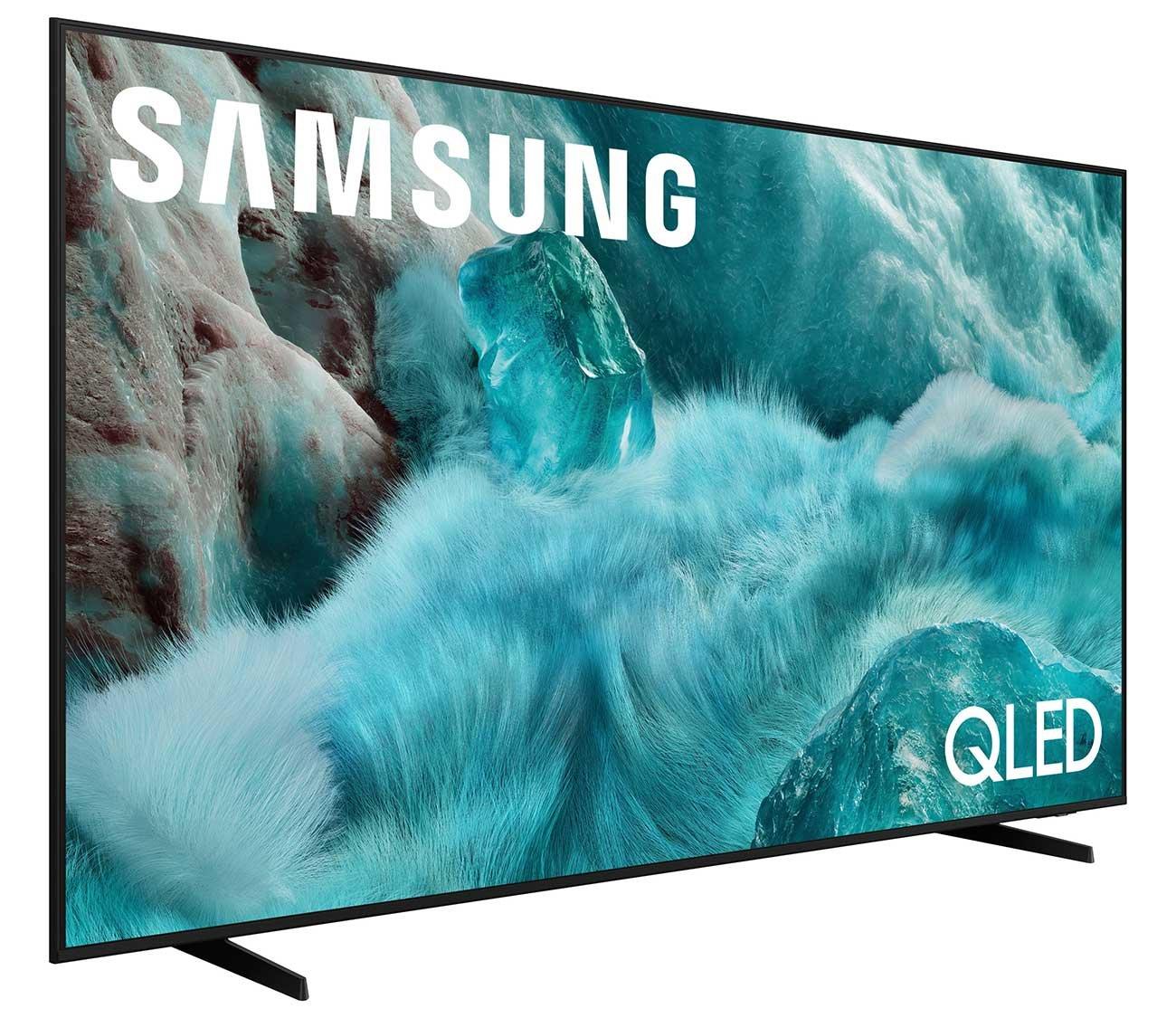
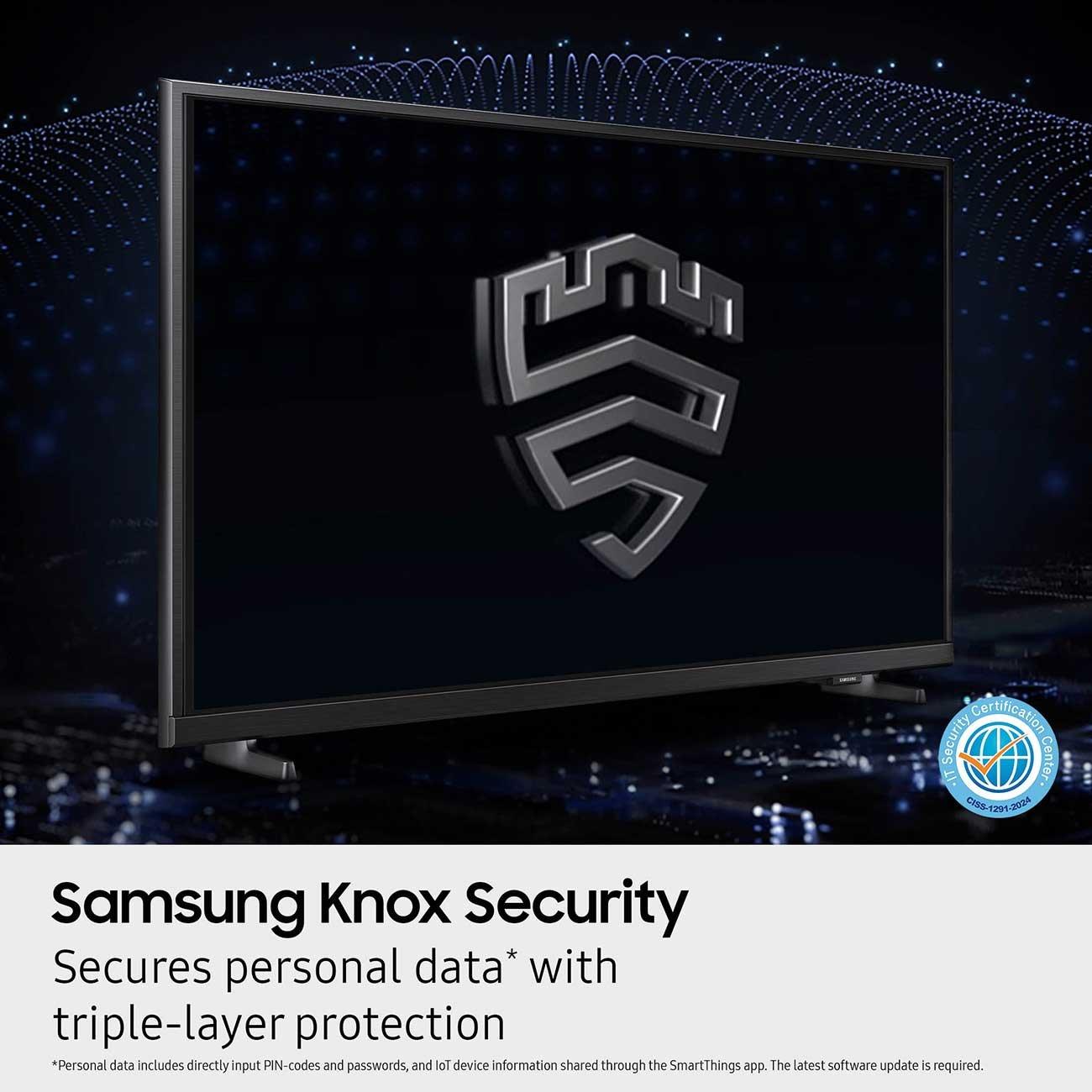

When Samsung refreshed their QLED TV lineup in 2025, they created an interesting dilemma for buyers. The new Samsung 75-Inch QLED Q6F Series and Samsung 65" Q7F QLED 4K Vision AI Smart TV represent two different philosophies: maximum screen size versus cutting-edge smart features. At the time of writing, these models sit at opposite ends of Samsung's entry-level QLED range, forcing buyers to choose between 75 inches of quantum dot goodness or 65 inches packed with AI-powered enhancements.
This comparison becomes especially relevant for anyone shopping in the $500-$700 range (at the time of writing) who wants to enter Samsung's QLED ecosystem without breaking the bank. Both TVs use quantum dot technology—tiny semiconductor particles that produce incredibly pure colors when hit by light—but they diverge significantly in their approach to picture processing and smart features.
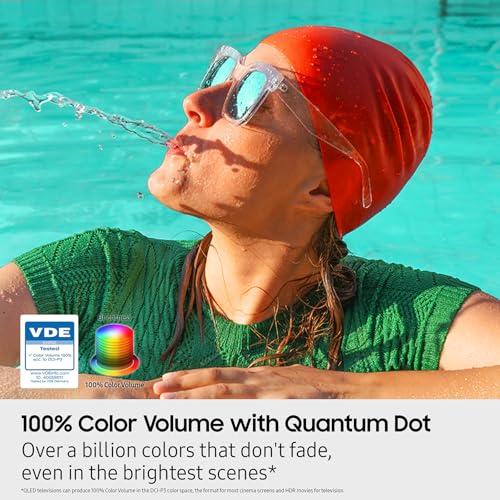
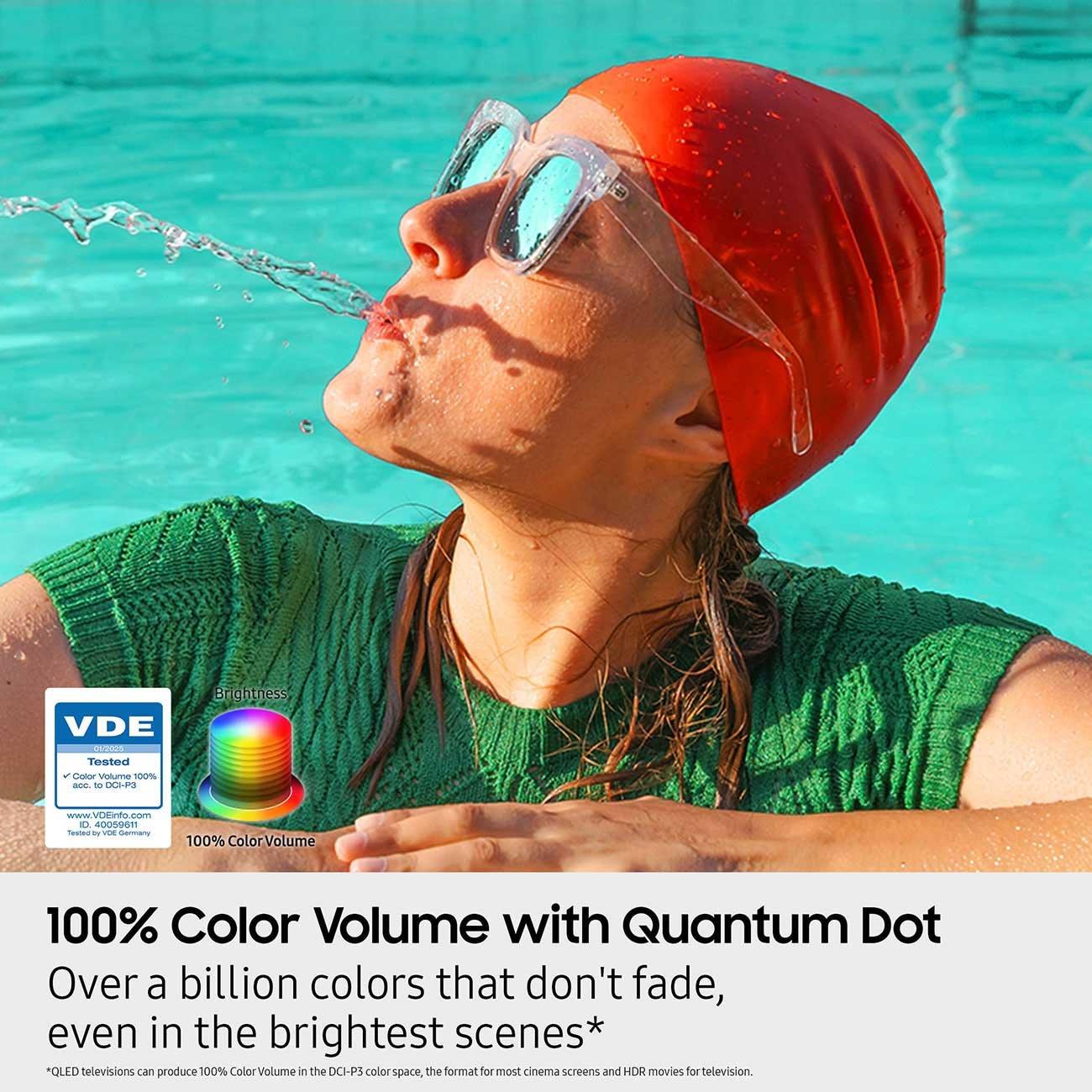
QLED stands for Quantum Dot Light Emitting Diode, which sounds more complicated than it is. Think of quantum dots as microscopic color filters that can produce over a billion different shades. When Samsung says these TVs achieve "100% color volume," they mean the quantum dots can maintain color accuracy at any brightness level, from the darkest shadow to the brightest highlight.
The key performance metrics that separate good QLED TVs from great ones include peak brightness (how bright the screen can get), local dimming capability (the TV's ability to darken specific areas of the screen for better contrast), color processing power, and motion handling. Gaming performance has also become crucial, with features like variable refresh rate (VRR) helping eliminate screen tearing during fast-paced games.
For home theater use specifically, contrast ratio becomes paramount. This measures the difference between the deepest blacks and brightest whites a TV can produce. Without good contrast, HDR (High Dynamic Range) content—which includes most modern streaming shows and movies—loses its impact.
The Samsung Q6F takes a straightforward approach: deliver quantum dot colors on a massive 75-inch canvas at an accessible price point. Samsung's strategy here focuses on screen real estate over advanced processing, betting that many buyers simply want the biggest QLED they can afford.
Meanwhile, the Samsung Q7F represents Samsung's vision of where budget QLED technology should head in 2025. Despite being 10 inches smaller, it incorporates Vision AI—Samsung's machine learning system that analyzes content in real-time to optimize picture and sound settings. This isn't just marketing fluff; the AI actually recognizes whether you're watching a dark drama, bright sports content, or animated movies, then adjusts color saturation, brightness, and even audio characteristics accordingly.
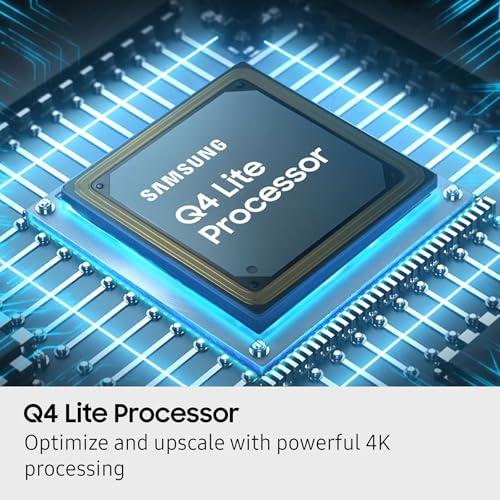
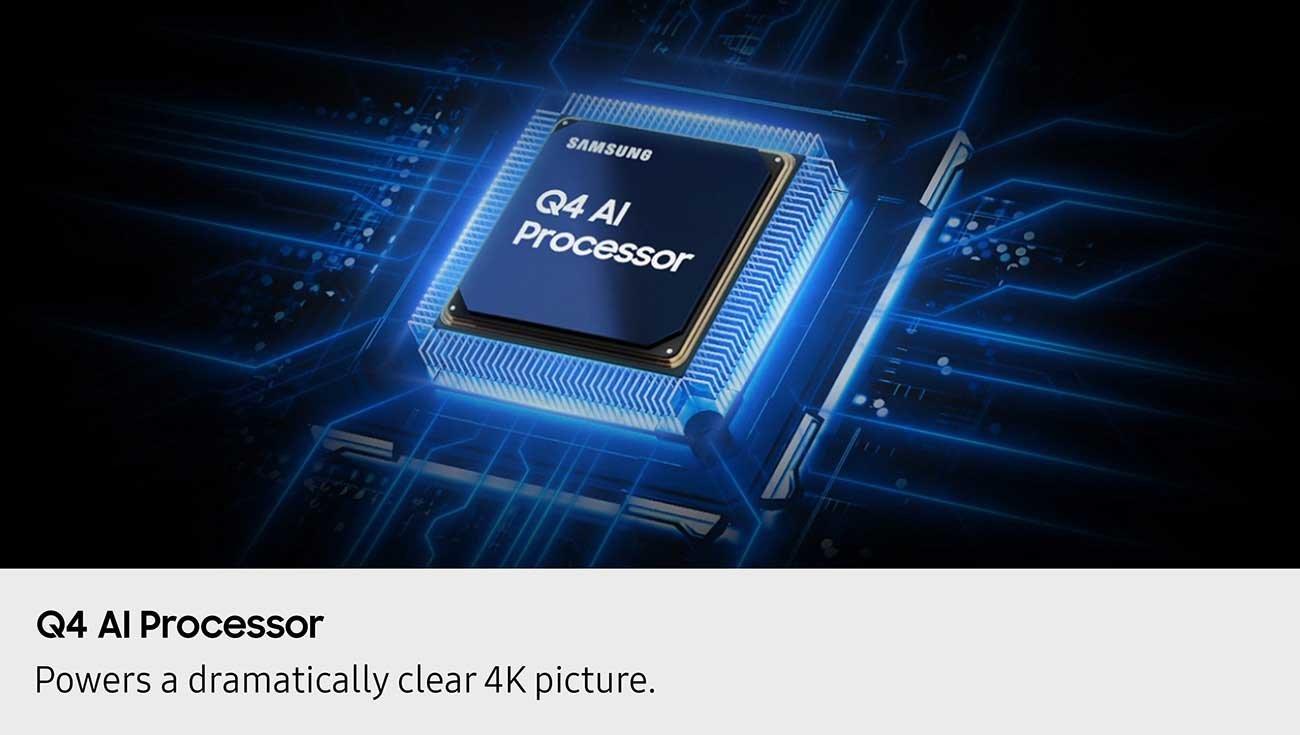
The processor difference tells the whole story. The Q6F uses Samsung's Q4 Lite processor, which handles basic 4K upscaling competently but lacks advanced features. The Q7F's Q4 AI processor doesn't just upscale—it analyzes each frame to enhance colors, reduce noise, and optimize motion handling based on content type.
Here's where things get interesting for home theater enthusiasts. Despite being significantly smaller, the Samsung Q7F delivers noticeably better picture quality than the Q6F in most viewing scenarios.
The crucial difference lies in local dimming. The Q7F includes Samsung's Supreme UHD Dimming, which can selectively darken different zones of the screen to improve contrast. When you're watching a movie with bright explosions against a dark night sky, the Q7F can keep those explosions brilliant while maintaining deep blacks in the surrounding darkness. The Q6F lacks any local dimming technology, meaning it struggles with these contrast-heavy scenes.
Color processing shows similar disparities. Both TVs feature quantum dot panels capable of reproducing the same wide color gamut, but the Q7F's Color Booster Pro uses AI scene analysis to enhance colors more intelligently. Instead of just boosting saturation across the board, it identifies specific elements—like skin tones, foliage, or sky colors—and enhances them individually. The Q6F's standard Color Booster takes a more basic approach, applying general color enhancement without scene-specific optimization.
Peak brightness favors the Q7F as well, though neither model excels in extremely bright rooms compared to Samsung's higher-end QLEDs. In our research of professional reviews and user feedback, the Q7F consistently measured higher peak brightness levels, which translates to more impactful HDR performance.
Motion handling represents another area where the Q7F's superior processing shows. Both TVs use 60Hz panels with Samsung's Motion Xcelerator technology, which predicts frame movement to reduce blur. However, the Q7F's AI processor does a better job of distinguishing between intentional motion (like a camera pan) and unwanted artifacts, resulting in smoother sports and action content.
Samsung's 2025 smart TV strategy becomes evident when comparing these models' feature sets. The Q6F includes Samsung's solid Tizen operating system with access to major streaming services, Samsung TV Plus (offering over 1,200 free channels), and basic smart home integration through Samsung's SmartThings platform.
The Q7F takes smart TV functionality several steps further. Vision AI Scene Recognition doesn't just optimize picture quality—it learns your viewing habits over time. If you consistently watch movies late at night, it might automatically reduce blue light emission or adjust audio dynamics for nighttime viewing. The Multi View feature lets you watch two sources simultaneously, perfect for keeping up with sports while browsing social media.
Samsung's 2025-exclusive features appear only on the Q7F: Generative Wallpaper creates dynamic backgrounds using AI, Home Insight provides analytics about your viewing habits, and the Art Store offers curated artistic content for when the TV isn't actively displaying shows or movies. These features might seem gimmicky, but they represent Samsung's push toward TVs that serve as interactive home hubs rather than passive displays.
The remote control difference shouldn't be overlooked. The Q7F includes Samsung's SolarCell Remote, which charges itself using ambient light and includes voice control functionality. It's a small detail that improves daily usability significantly.
For gaming households, this comparison becomes straightforward. The Q6F offers no dedicated gaming features beyond basic connectivity. It'll display games competently at 60Hz, but that's the extent of its gaming capabilities.
The Samsung Q7F includes Samsung's Gaming Hub, which centralizes access to cloud gaming services, console games, and mobile games in one interface. The AI Auto Game Mode detects when you're playing different types of games—first-person shooters, racing games, RPGs—and optimizes input lag, motion handling, and picture settings accordingly.
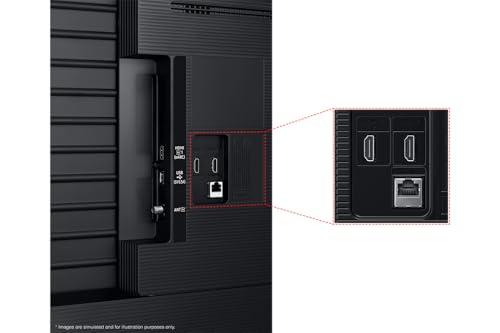
VRR FreeSync Premium support helps eliminate screen tearing during gaming, though both models are limited to HDMI 2.0 connections rather than the HDMI 2.1 found on higher-end models. This means no 4K gaming at 120Hz, but the VRR support still provides smoother gaming experiences at 60Hz.
The Game Bar overlay provides real-time information about frame rates, input lag, and HDR status without leaving your game. These aren't revolutionary features, but they represent meaningful improvements for anyone who games regularly.
Both models feature 20-watt, 2-channel audio systems with Samsung's Object Tracking Sound Lite technology. This creates a more immersive soundstage by attempting to match audio positioning with on-screen action—dialogue comes from the center, car engines pan across the screen, and explosions feel more dimensional.
The Q7F's AI processor provides the edge here too. It analyzes audio content to optimize dialogue clarity, enhance surround sound effects, and even adjust volume levels automatically based on content type. Late-night movie watching benefits from automatic volume leveling that keeps explosions from waking neighbors while maintaining dialogue clarity.
Neither TV will satisfy serious audiophiles. Both benefit significantly from external sound systems, particularly for home theater setups. However, the Q7F's audio processing makes its built-in speakers more versatile for everyday use.
At the time of writing, these models present fascinating value propositions that depend entirely on your priorities and room setup.
The Samsung Q6F offers exceptional value if screen size is your primary concern. The cost per inch of quantum dot display is extremely competitive, and for large rooms where viewers sit 10-12 feet from the screen, the size advantage becomes immediately apparent. The 75-inch display provides an immersive experience that the Q7F simply cannot match, regardless of its superior features.
However, the Q7F delivers more technology per dollar. The AI processing, enhanced gaming features, superior remote control, and better picture quality represent significant value for buyers who prioritize performance over size. The price difference (at the time of writing) makes the Q7F an especially compelling choice for most buyers.
One concerning trend affects both models: Samsung's 2025 entry-level QLEDs don't perform as well as their 2024 predecessors. The previous generation's Q60D, Q70D, and Q80D models offered better peak brightness and more vibrant colors than these newer versions. This appears to be Samsung's strategy to create more differentiation between their budget and premium lines, but it means both the Q6F and Q7F represent compromises compared to what was available just a year earlier.
For dedicated home theater setups, the Samsung Q7F makes more sense despite its smaller screen size. The Supreme UHD Dimming provides the contrast performance essential for cinematic experiences, while the AI processing helps optimize the wide variety of content you'll encounter in a home theater setting.
The Q6F's lack of local dimming becomes particularly noticeable in dark room viewing, where contrast deficiencies are most apparent. However, if your home theater requires a screen larger than 65 inches to achieve proper viewing angles and immersion, the Q6F's size advantage might outweigh its technical limitations.
Neither model supports Dolby Vision, which is increasingly common in streaming content and 4K Blu-rays. Both support HDR10+, which provides similar benefits but isn't as widely adopted. This represents a compromise for serious home theater enthusiasts who might need to consider higher-end models or competing brands.
Choose the Samsung Q6F if you have a large room where a 75-inch screen will be properly utilized, don't need advanced gaming features, and prioritize screen real estate over cutting-edge technology. The quantum dot colors will still impress, and the larger size creates an undeniably more immersive experience for family movie nights and sports viewing.
The Samsung Q7F makes sense for most other scenarios. Its superior picture processing, gaming capabilities, AI features, and better value proposition outweigh the size disadvantage for typical living room setups. The Vision AI technology and enhanced smart features also provide better long-term value as streaming content and smart home integration continue evolving.
For home theater enthusiasts specifically, the Q7F's contrast performance and processing capabilities make it the better choice, though serious videophiles might want to consider spending more for models with full array local dimming and Dolby Vision support.
Both represent solid entries into Samsung's QLED ecosystem, but they serve different audiences. The Q6F prioritizes immediate impact through size, while the Q7F focuses on technological sophistication and future-proofing. Your choice should depend on your room size, viewing habits, and whether you value the latest features over maximum screen real estate.
| Samsung 75-Inch QLED Q6F Series 2025 Smart TV | Samsung 65" Q7F QLED 4K Vision AI Smart TV 2025 |
|---|---|
| Screen Size - Biggest factor for room immersion and viewing distance | |
| 75 inches (ideal for 10+ foot viewing distance) | 65 inches (perfect for most living rooms) |
| Processor - Determines picture quality optimization and smart features | |
| Q4 Lite Processor (basic 4K upscaling) | Q4 AI Processor with Vision AI (intelligent scene optimization) |
| Local Dimming - Critical for contrast and dark scene detail | |
| None (limited contrast performance) | Supreme UHD Dimming (better blacks and highlights) |
| Color Enhancement - Affects vibrancy and accuracy | |
| Standard Color Booster (general enhancement) | Color Booster Pro with AI scene analysis (targeted optimization) |
| Gaming Features - Essential for console gamers | |
| None (basic 60Hz display only) | Gaming Hub, Game Bar, VRR FreeSync Premium, AI Auto Game Mode |
| Smart TV Features - Impacts daily usability and future-proofing | |
| Standard Tizen OS, basic smart features | Vision AI, Multi View, Art Store, Generative Wallpaper, Home Insight |
| Remote Control - Daily convenience factor | |
| Standard remote (no voice control mentioned) | Solar-powered SolarCell Remote with voice control |
| HDR Support - Important for streaming and 4K content | |
| Quantum HDR, HDR10+ (no Dolby Vision) | Quantum HDR, HDR10+ (no Dolby Vision) |
| Audio System - Built-in sound quality | |
| 20W 2-channel, Object Tracking Sound Lite | 20W 2-channel, Object Tracking Sound Lite with AI optimization |
| Design Elements - Aesthetic and build quality | |
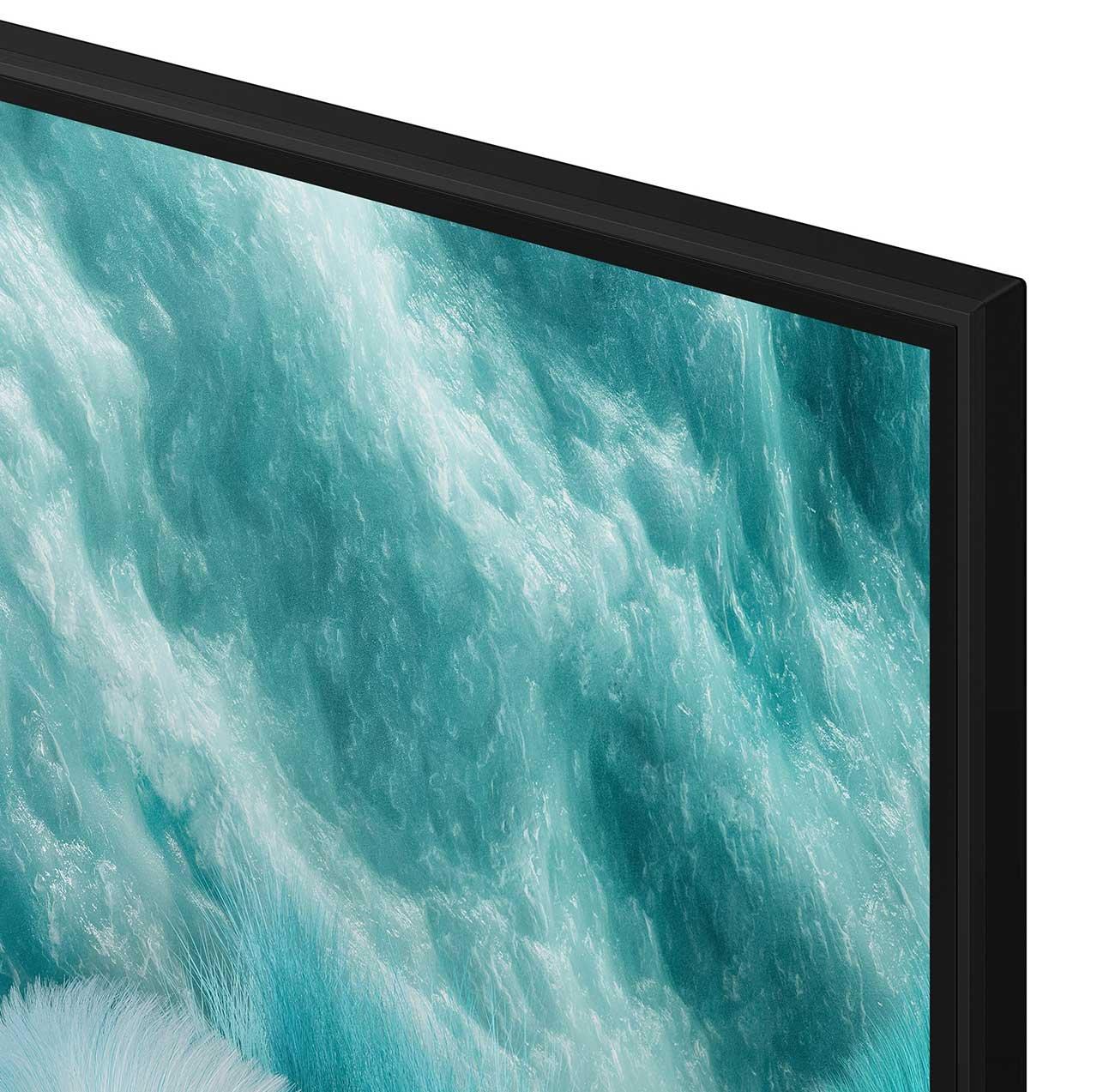
| Metal Stream rear panel, adjustable plastic feet | Slim Look design, standard construction |
| Best For - Target buyer profiles | |
| Large rooms, size-focused buyers, basic TV needs | Gaming households, tech enthusiasts, feature-focused buyers |
The Samsung 65" Q7F delivers superior picture quality despite being smaller than the Samsung 75-Inch QLED Q6F. The Q7F includes Supreme UHD Dimming for better contrast and deeper blacks, while the Q6F lacks any local dimming technology. The Q7F also features Color Booster Pro with AI scene analysis that optimizes colors based on content type, compared to the Q6F's basic Color Booster.
The primary difference is size versus features: the Samsung Q6F offers a massive 75-inch screen with basic QLED technology, while the Samsung Q7F provides a 65-inch display packed with AI-powered features like Vision AI scene optimization, gaming enhancements, and advanced smart TV capabilities. The Q7F represents Samsung's more technologically advanced approach.
The Samsung Q7F is significantly better for gaming. It includes Gaming Hub, Game Bar, VRR FreeSync Premium support, and AI Auto Game Mode that optimizes settings for different game types. The Samsung Q6F has no dedicated gaming features and only offers basic 60Hz performance without any gaming optimizations.
The Samsung 75-inch Q6F is worth choosing if you have a large room where the 10-inch size difference will be meaningful and you prioritize screen real estate over advanced features. However, the Samsung Q7F offers better overall technology, superior picture processing, and more features, making it the better value for most buyers despite the smaller screen.
Yes, both the Samsung Q6F and Samsung Q7F support 4K resolution and HDR formats including Quantum HDR and HDR10+. However, neither model supports Dolby Vision. The Q7F's superior processing and local dimming make HDR content appear more impactful with better contrast and brightness control.
The Samsung Q7F has significantly more advanced smart features. It includes Vision AI that learns viewing habits, Multi View for watching multiple sources, Art Store, Generative Wallpaper, and Home Insight analytics. The Samsung Q6F offers basic Tizen OS functionality with standard streaming apps but lacks the AI-powered enhancements and advanced features.
For home theaters, the Samsung Q7F is the better choice due to its Supreme UHD Dimming technology that provides better contrast for dark room viewing. The Samsung Q6F lacks local dimming, which limits its contrast performance in dedicated theater environments. However, if your theater requires a screen larger than 65 inches, the Q6F's size advantage might outweigh its technical limitations.
Both the Samsung Q6F and Samsung Q7F feature identical 20W 2-channel speakers with Object Tracking Sound Lite. The key difference is that the Q7F includes AI audio optimization that adjusts sound based on content type and viewing conditions, while the Q6F uses standard audio processing without intelligent optimization.
Value depends on your priorities. The Samsung Q6F offers excellent value if you prioritize maximum screen size and cost per inch of display. The Samsung Q7F provides better value for technology features, delivering superior processing power, gaming capabilities, and AI enhancements for less money than the larger Q6F.
No, the remote controls are different. The Samsung Q7F includes Samsung's premium SolarCell Remote that charges using ambient light and features voice control functionality. The Samsung Q6F comes with a standard remote control without the solar charging capability or advanced voice features.
The Samsung Q7F performs better in bright rooms due to its higher peak brightness and better anti-glare processing. While both the Samsung Q6F and Q7F use quantum dot technology for vibrant colors, the Q7F's superior processor and local dimming help maintain picture quality in challenging lighting conditions.
Choose the Samsung Q6F if you have a large living room where a 75-inch screen is appropriate and you don't need advanced gaming or AI features. Select the Samsung Q7F if you want the latest smart TV technology, plan to game, or prefer better picture quality with AI optimization. For most standard living rooms, the Q7F's 65-inch size and superior features make it the better choice.
We've done our best to create useful and informative comparisons to help you decide what product to buy. Our research uses advanced automated methods to create this comparison and perfection is not possible - please contact us for corrections or questions. These are the sites we've researched in the creation of this article: youtube.com - rtings.com - cnet.com - youtube.com - rtings.com - samsung.com - bestbuy.com - samsung.com - samsung.com - bestbuy.com - manuals.plus - arrowassociatedstores.com - samsung.com - samsung.com - samsung.com - flatpanelshd.com - device.report - bestbuy.com - youtube.com - samsung.com - samsung.com - pcrichard.com - samsung.com - samsung.com - videoandaudiocenter.com - displayspecifications.com - bestbuy.com - samsung.com - samsung.com - samsung.com - samsung.com - news.samsung.com

Privacy Policy
Terms and Conditions - Affiliate Policy
Home Security
© Copyright 2008-2026.
11816 Inwood Rd #1211, Dallas, TX 75244