

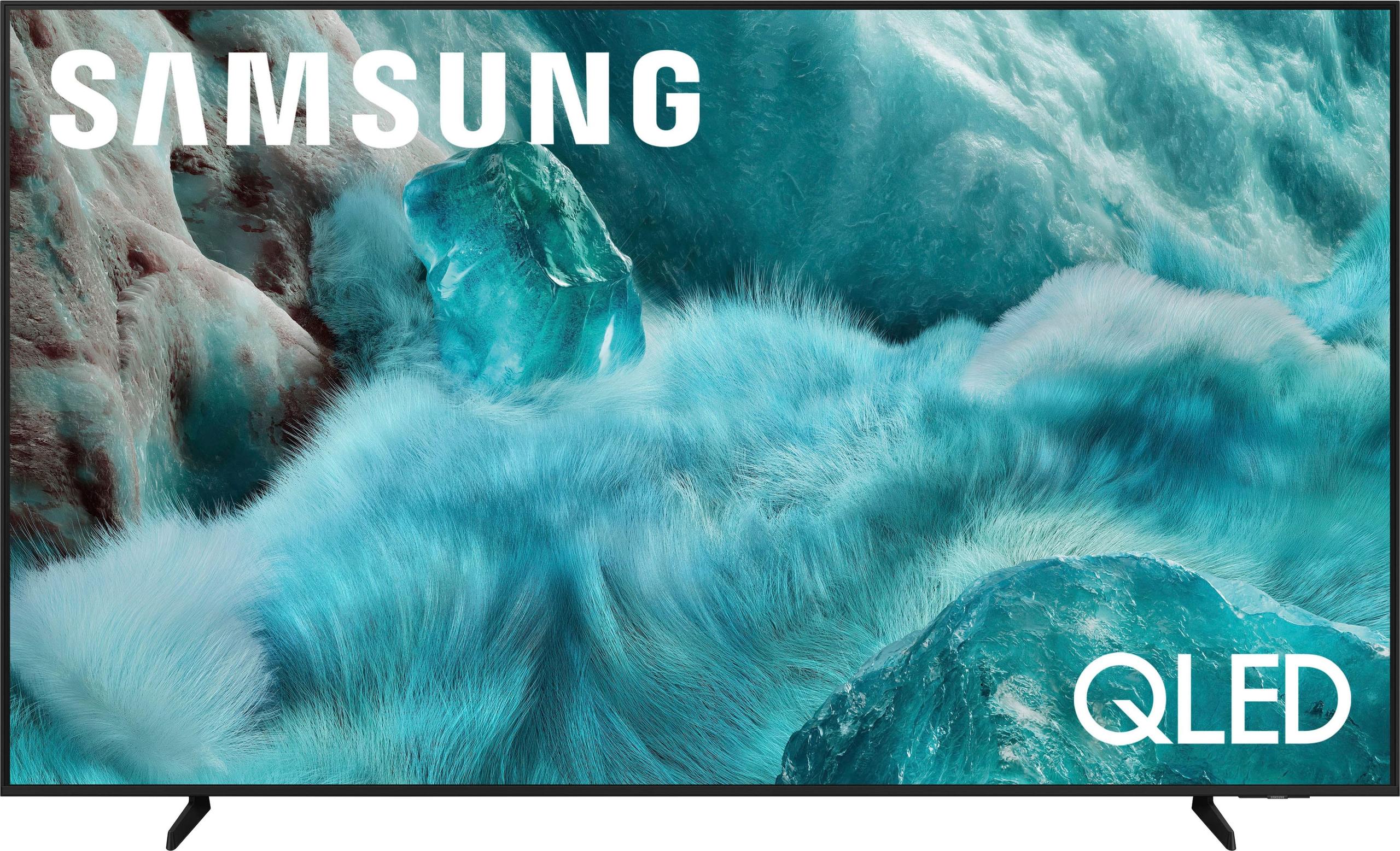
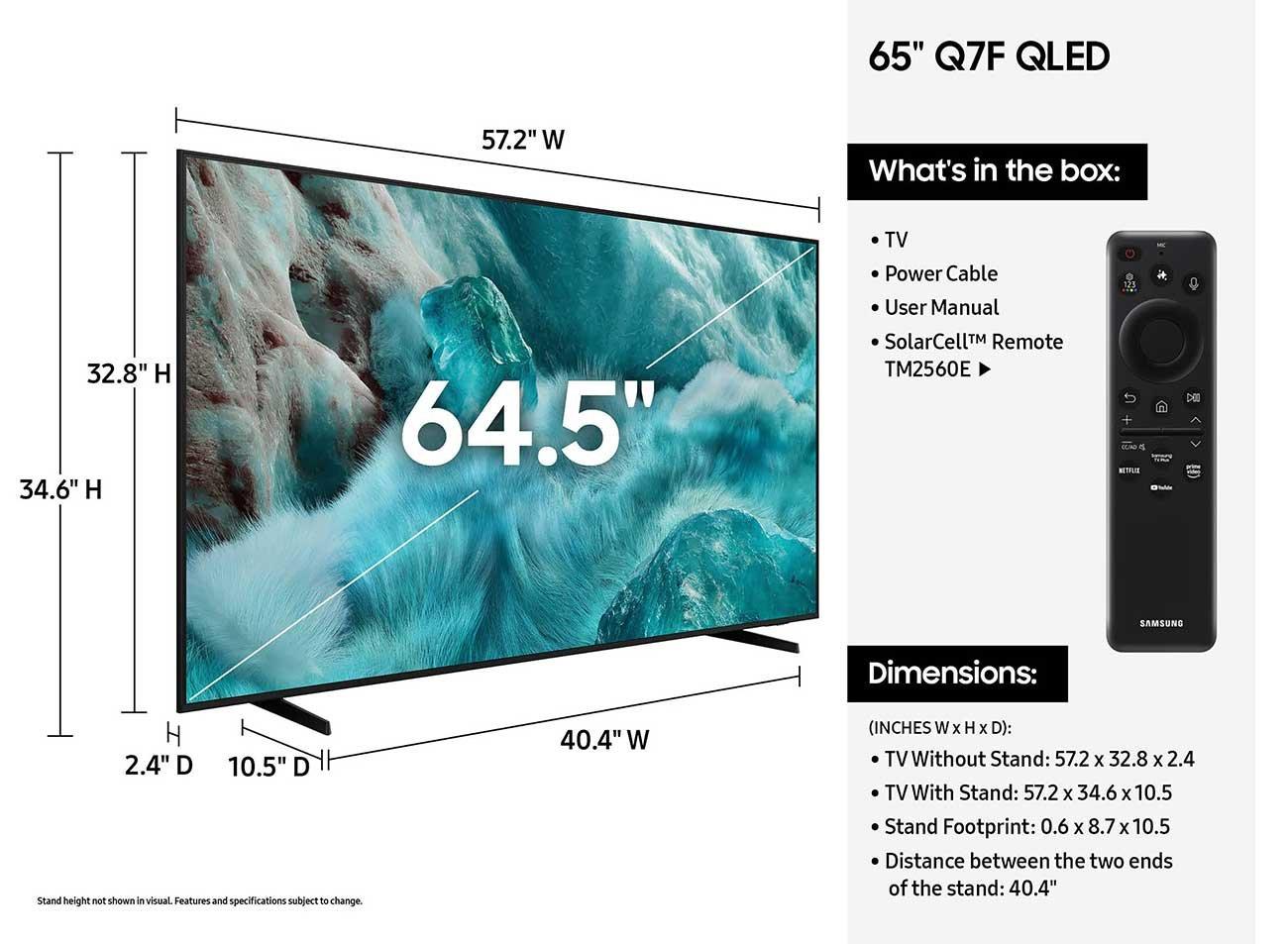

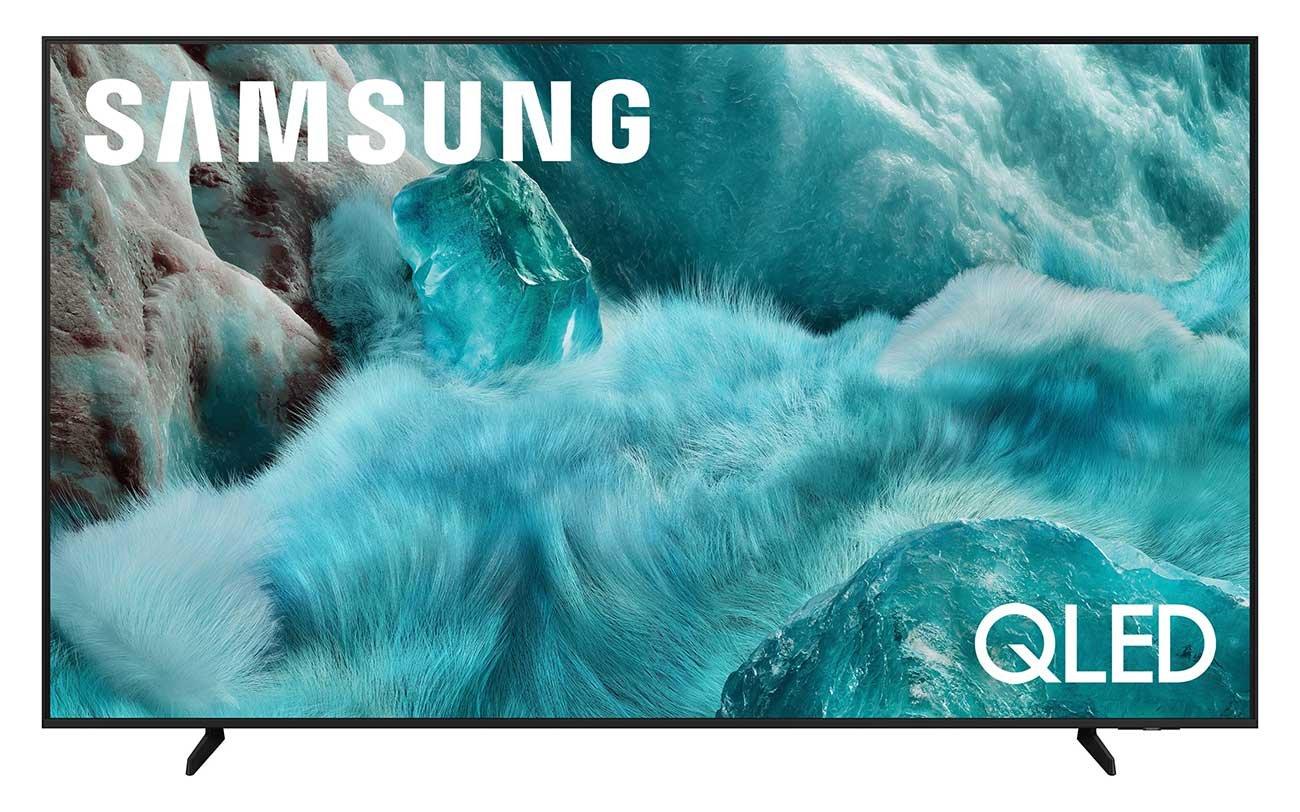
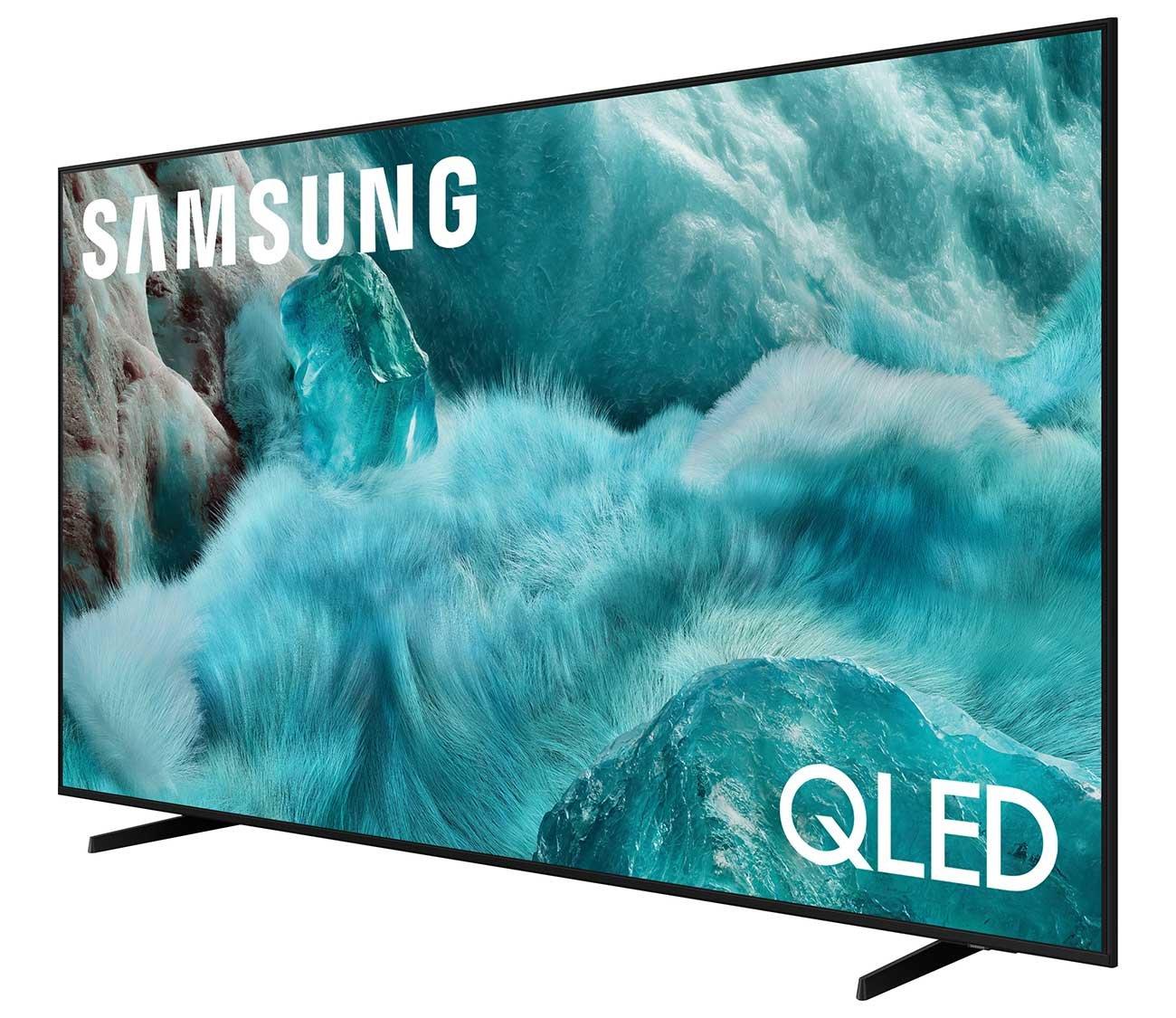
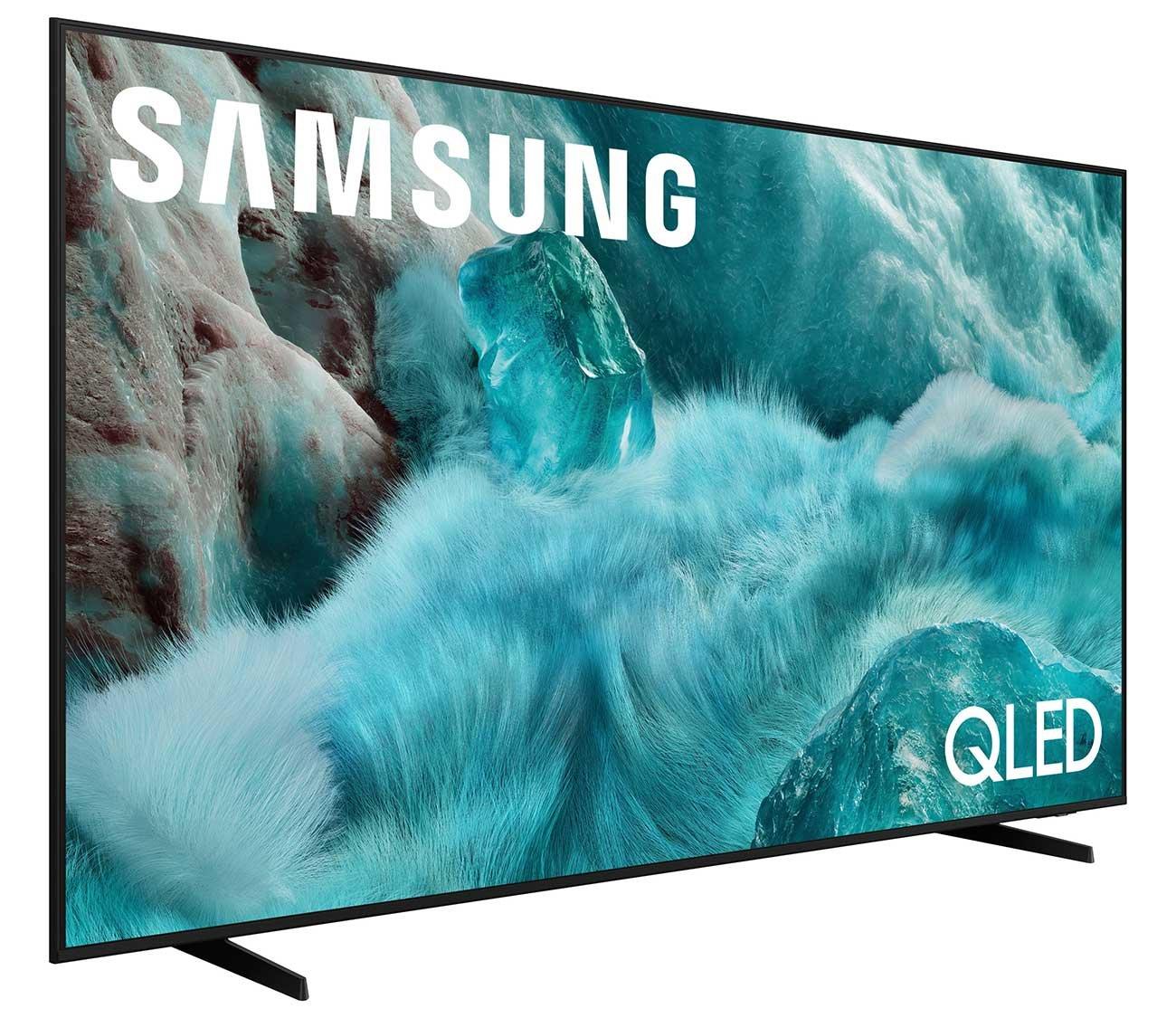

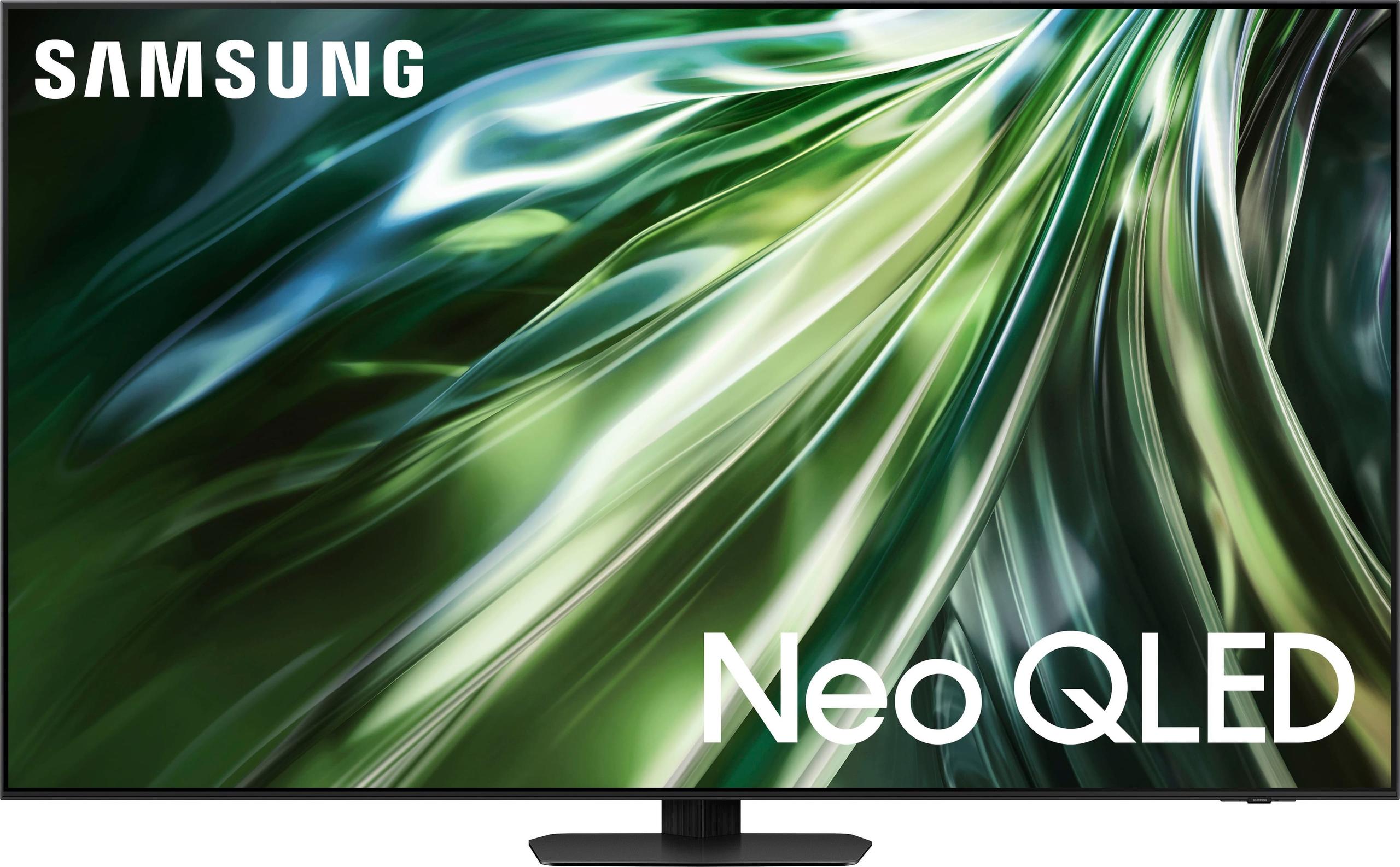

When shopping for a 65-inch smart TV, Samsung's lineup can feel overwhelming. Two models that often catch attention are the Samsung 65" Q7F QLED 4K Vision AI Smart TV 2025 and the Samsung 65" QN90D Series 4K Neo QLED Smart TV. At the time of writing, these TVs sit in dramatically different price tiers—the Q7F represents Samsung's budget-friendly QLED entry point, while the QN90D commands premium pricing that's roughly double the cost.
The question isn't just which TV is better, but whether that performance gap justifies the significant price difference. After diving deep into user reviews, professional evaluations, and technical specifications, the answer depends heavily on your priorities and budget.
Before comparing these specific models, it's worth understanding what separates good TVs from great ones. The most critical factor is backlighting technology—how the TV creates the light that illuminates your picture. Traditional LED TVs place lights around the edges of the screen (edge-lit), while premium models use local dimming with hundreds or thousands of individual zones that can brighten or dim independently.
Think of it like the difference between lighting a room with one ceiling fixture versus having individual lamps you can control separately. The more precise control you have, the better you can create true blacks next to bright whites—what we call contrast ratio.
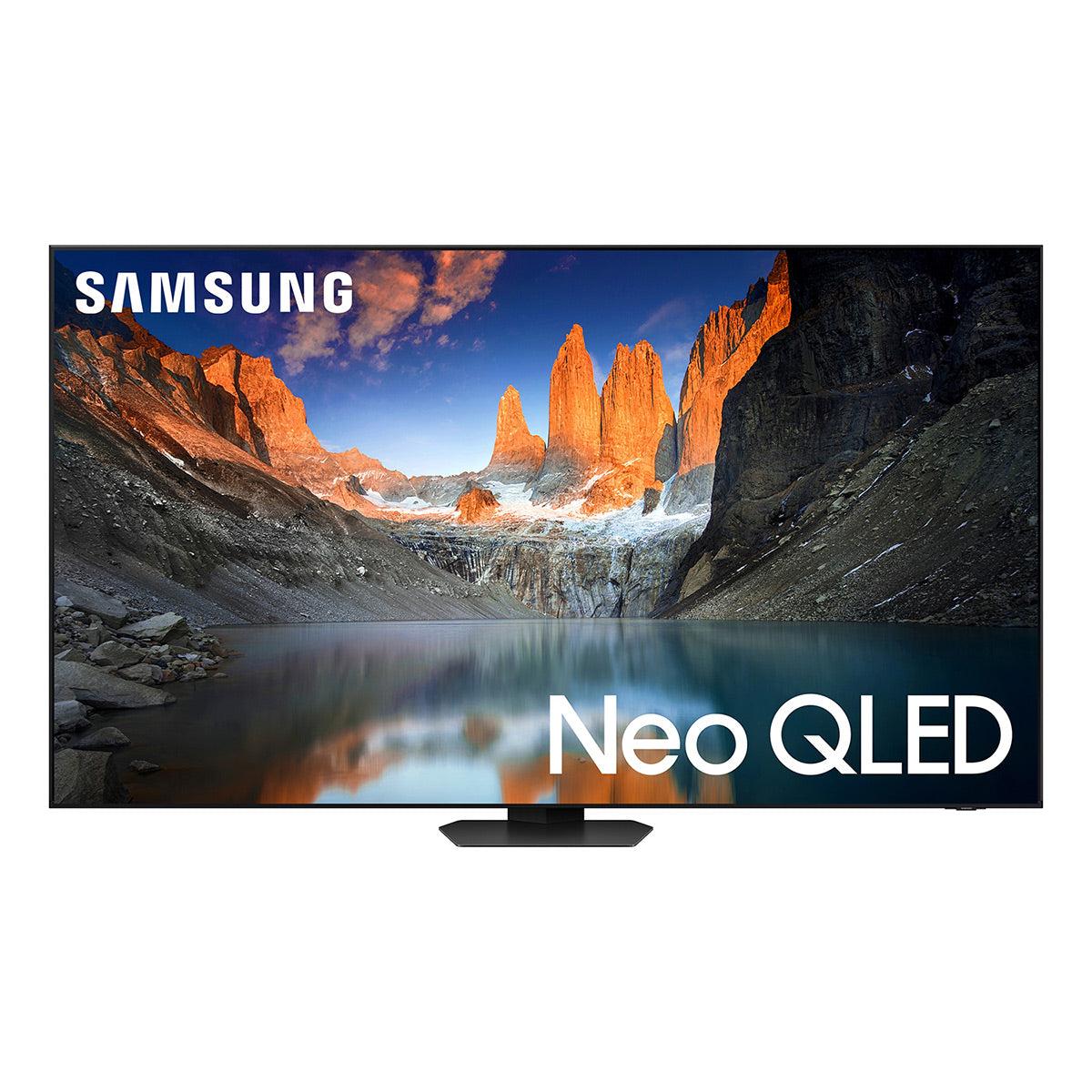
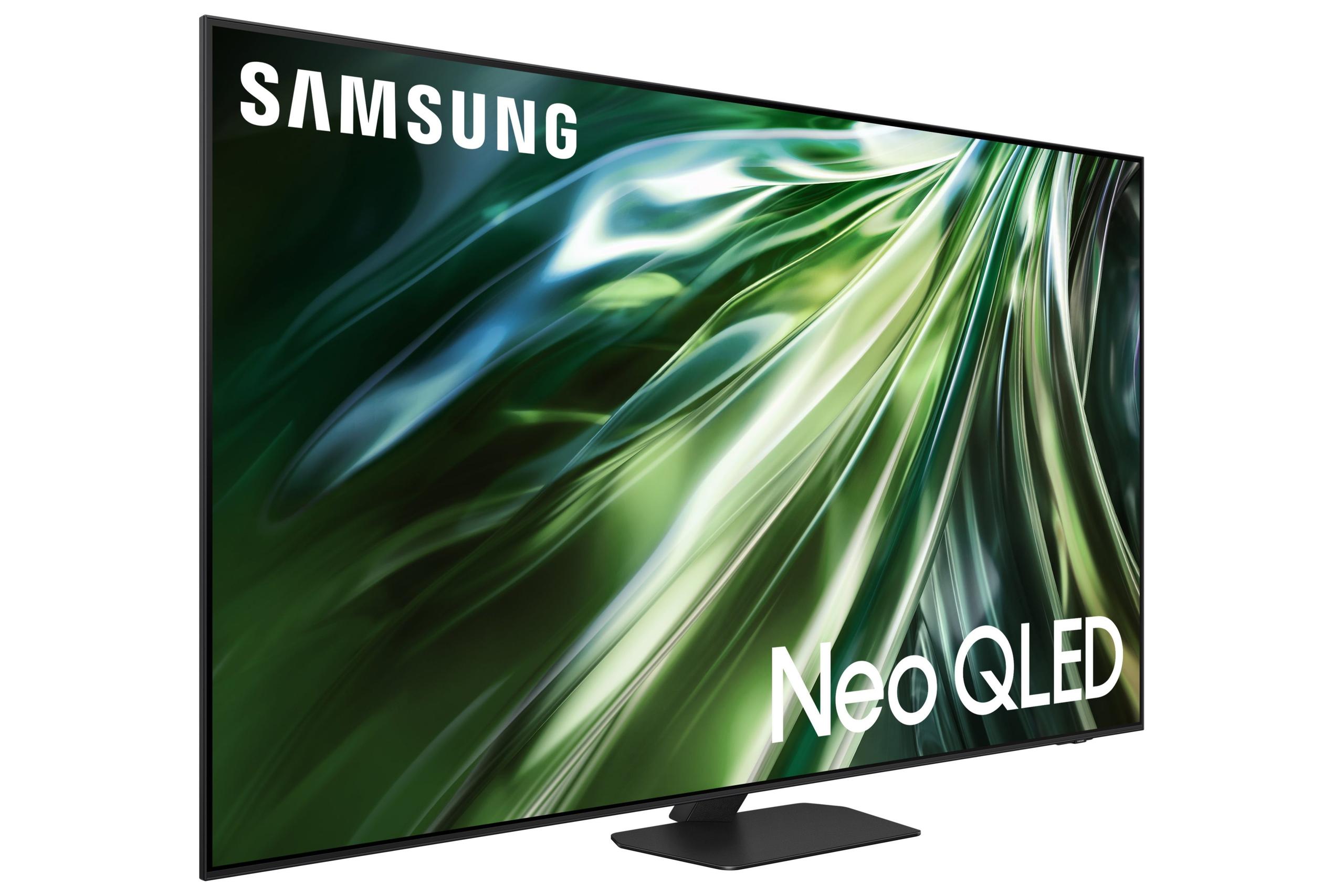
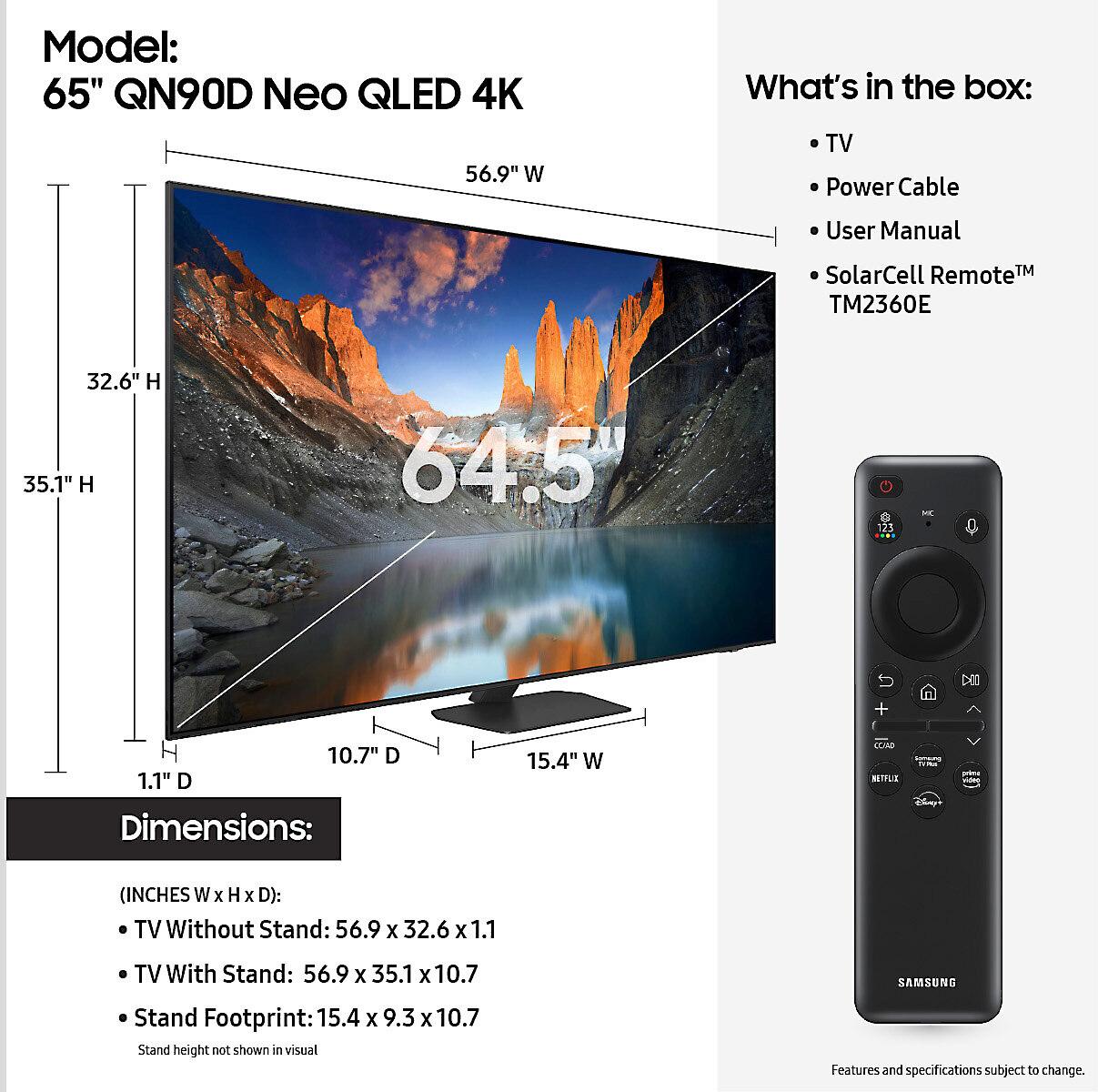
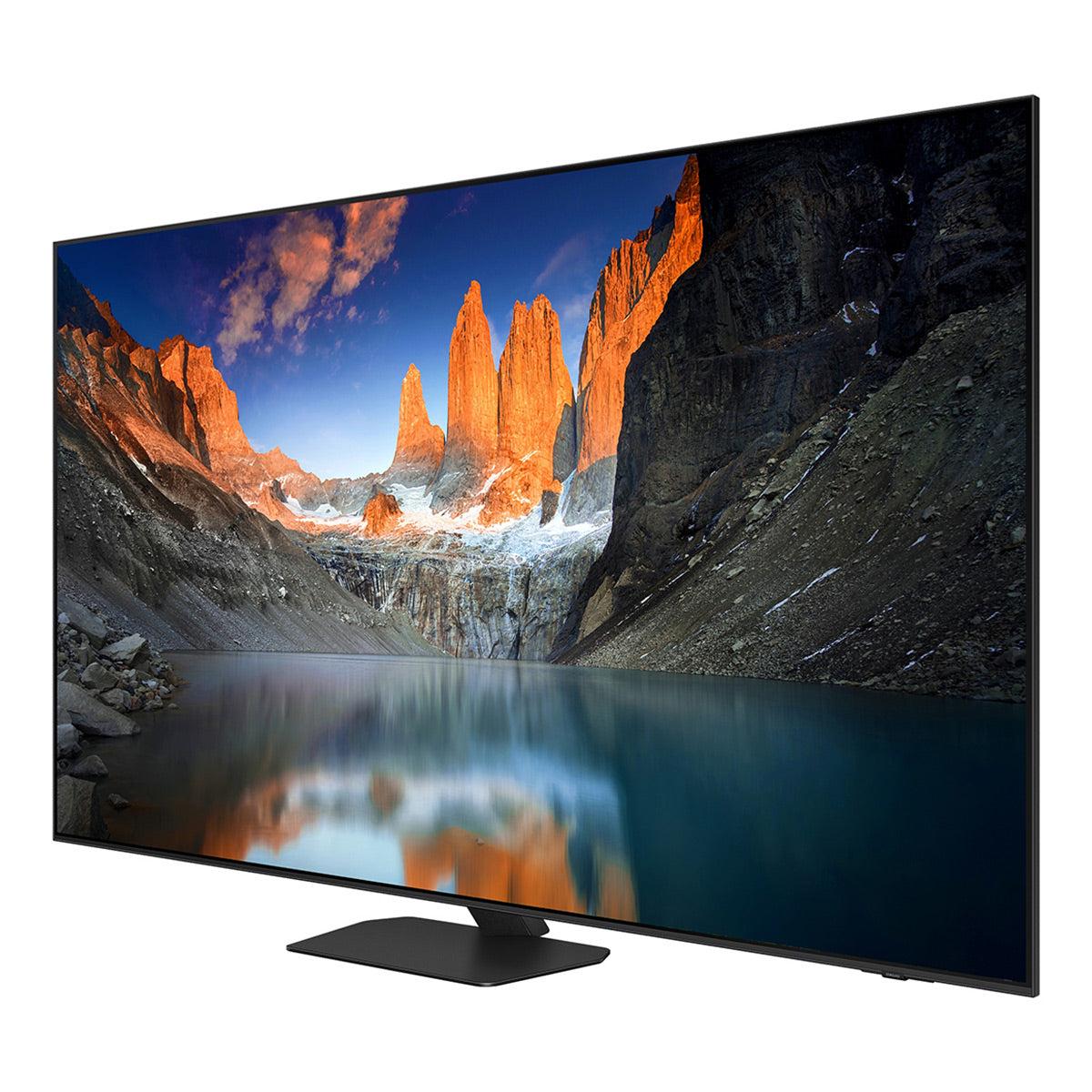
The Q7F uses the simpler edge-lit approach, while the QN90D employs Samsung's Neo QLED technology with mini-LED backlighting. These mini-LEDs are roughly 1/40th the size of traditional LEDs, allowing Samsung to pack thousands of them behind the screen for incredibly precise brightness control.
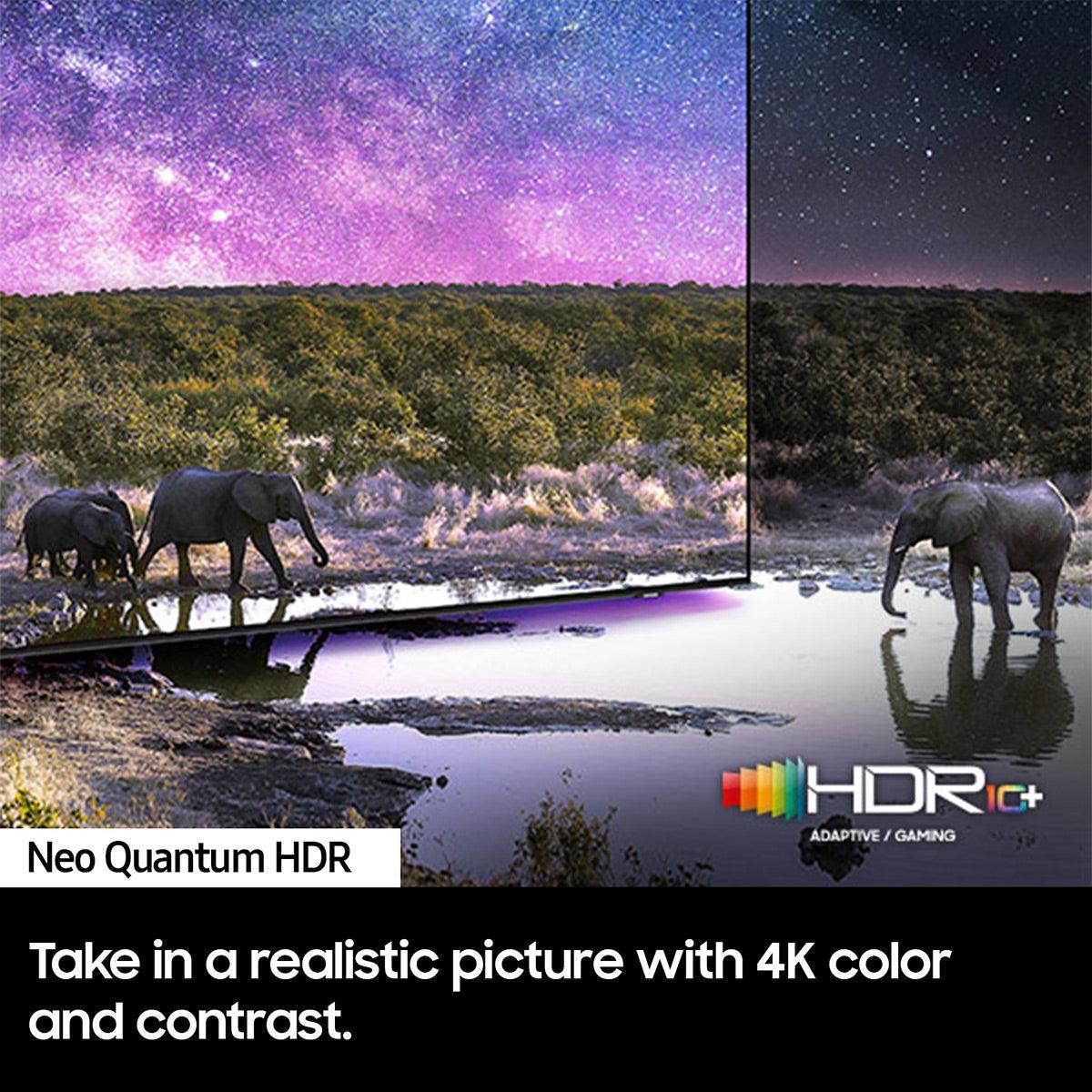
The most dramatic difference between these TVs becomes apparent when watching High Dynamic Range (HDR) content—movies and shows that contain both very bright and very dark scenes simultaneously. The QN90D can reach peak brightness levels exceeding 2,000 nits (a measure of brightness), while the Q7F tops out around 500 nits.
To put this in perspective, a typical indoor scene might be around 100 nits, while direct sunlight measures about 100,000 nits. The QN90D's higher brightness capability means it can display brilliant highlights—like sunlight reflecting off water or explosions in action movies—with much more impact. When watching "Avatar: The Way of Water" or similar visually spectacular content, this difference is immediately noticeable.
The Q7F supports HDR10+, which adjusts brightness scene-by-scene for better contrast, but its limited peak brightness means many HDR highlights appear washed out compared to what the director intended. It's like having high-quality paint but only being allowed to use pastels instead of vivid colors.
Here's where the mini-LED advantage of the QN90D really shines. When displaying a night scene with a bright moon, the premium TV can make the sky genuinely black while keeping the moon blazingly bright. The Q7F, with its edge-lit system, tends to make the entire dark area slightly gray—what we call "elevated black levels."
Professional reviews consistently highlight this contrast performance as the QN90D's strongest advantage. While it can't achieve the perfect blacks of OLED TVs, it comes remarkably close while maintaining superior brightness for daytime viewing in bright rooms.
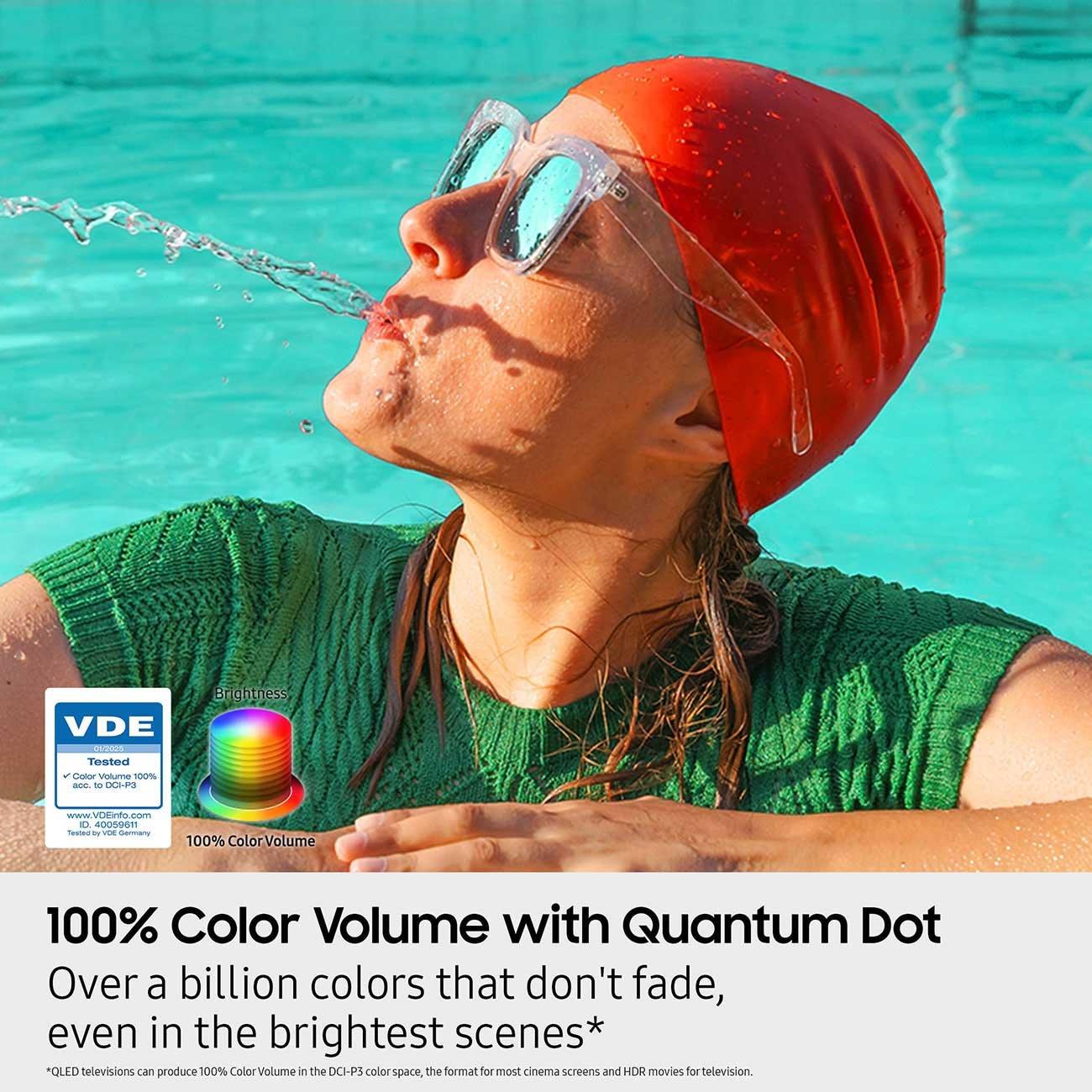
Both TVs use Samsung's Quantum Dot technology, which creates more accurate colors by using microscopic particles that emit precise wavelengths of light. The Q7F achieves 100% Color Volume certification, meaning it can display the full range of colors at various brightness levels—impressive for an entry-level model.
However, the QN90D takes this further with more sophisticated processing that maintains color accuracy even at extreme brightness levels. When watching animated movies or nature documentaries with vibrant scenery, the premium model delivers colors that appear more natural and less oversaturated.
For gamers, the differences between these TVs are particularly stark. The Q7F operates at a basic 60Hz refresh rate with no Variable Refresh Rate (VRR) support. This means if you own a PlayStation 5, Xbox Series X, or high-end gaming PC, you're not getting the full potential from your investment.
Modern games can run at 120 frames per second, creating incredibly smooth motion, but the Q7F will display only half of those frames. It's like watching a movie with every other frame missing—technically functional, but far from optimal.
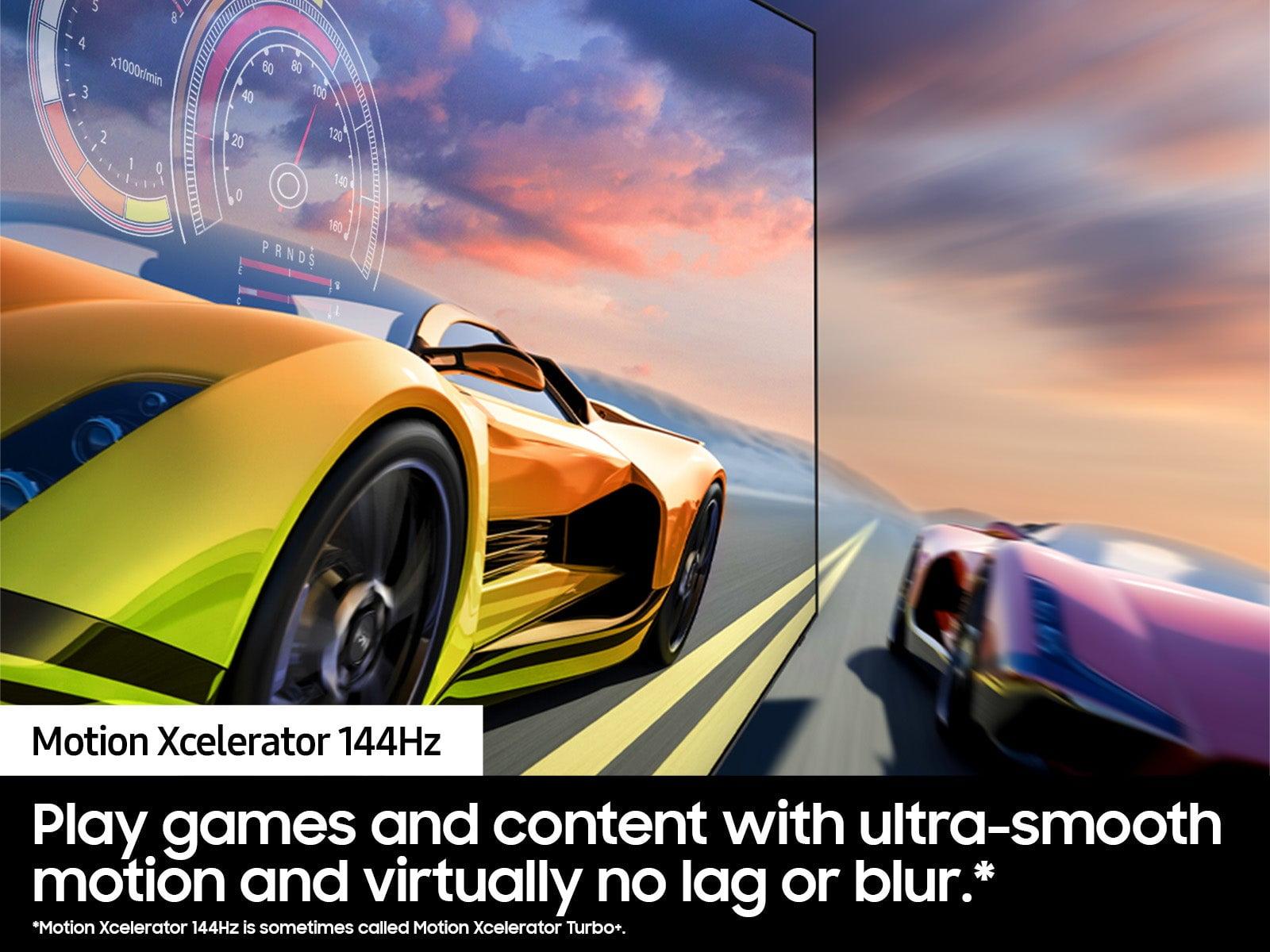
The QN90D supports 120Hz refresh rates and includes FreeSync Premium Pro, which synchronizes the TV's refresh rate with your gaming device to eliminate screen tearing (when parts of different frames display simultaneously, creating a jarring visual effect). For competitive gamers or anyone who appreciates smooth motion, this feature is transformative.
Interestingly, our research found that the QN90D maintains better local dimming performance in Game Mode compared to some newer Samsung models, preserving superior black levels during gaming sessions. However, it does sacrifice some HDR brightness in Game Mode—a trade-off between gaming responsiveness and peak visual quality.
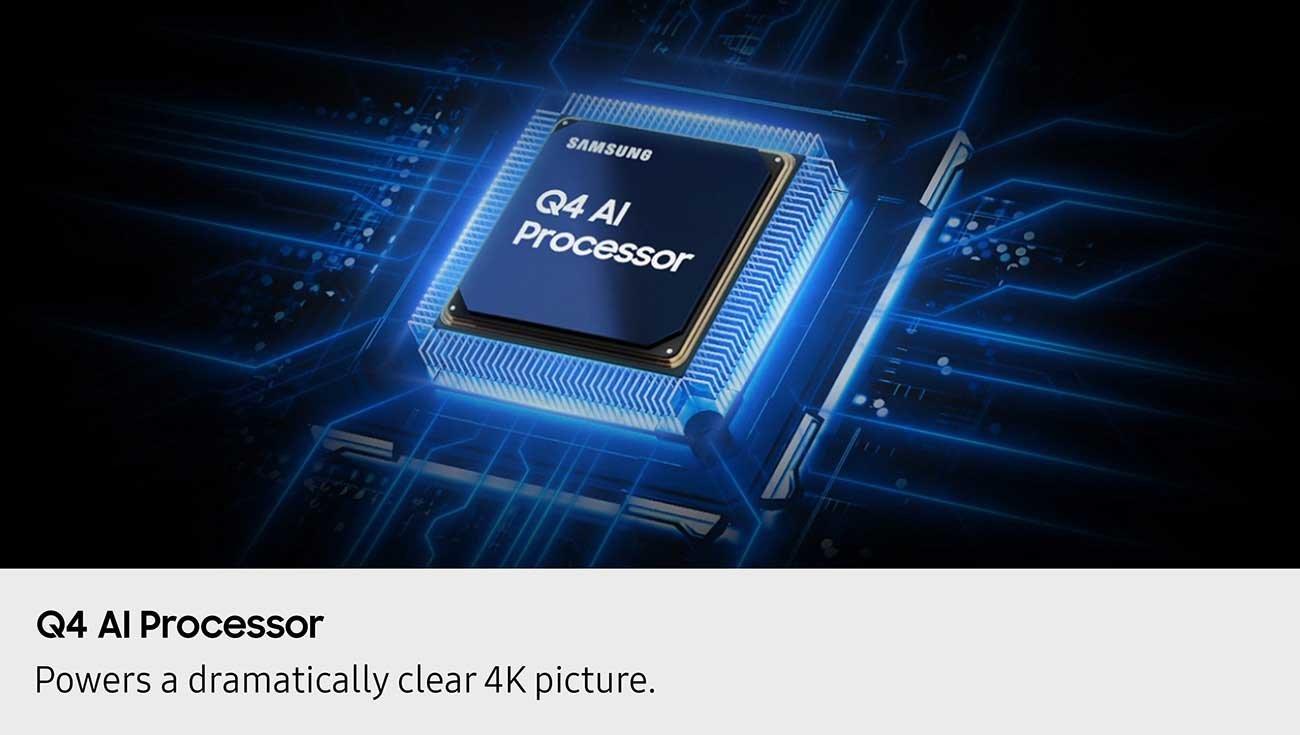
Both TVs run Samsung's Tizen operating system, but with different generations of features. The Q7F, being a 2025 model, includes Samsung's latest Vision AI capabilities, which provide personalized content recommendations, real-time translation of on-screen text, and even gesture controls for basic navigation.
The Vision AI system can generate custom wallpapers based on your preferences and offers improved voice recognition through the enhanced Bixby assistant. These features feel genuinely useful rather than gimmicky—particularly the translation capability for international content.
The QN90D, released in 2024, lacks these newest AI features but compensates with more advanced picture calibration options through Samsung's SmartThings app. Professional reviewers appreciate these calibration tools for fine-tuning picture quality, though most casual users won't need this level of control.
Both TVs provide excellent streaming app support, including all major services like Netflix, Disney+, and Amazon Prime Video. The interface feels responsive on both models, though the Q7F benefits from newer software optimizations.
Sound quality often gets overlooked when comparing TVs, but the difference here is substantial. The Q7F includes basic 20W speakers with Object Tracking Sound (OTS) Lite, which attempts to move audio around the screen to match visual movement—think of dialogue following a character as they walk across the screen.
The QN90D steps up significantly with a 60W, 4.2.2-channel speaker system supporting Dolby Atmos. This technology creates three-dimensional audio that can place sounds above, below, and around you. When watching action movies, you'll hear helicopters flying overhead or debris falling around you, creating a much more immersive experience.
While neither TV can replace a dedicated sound system for serious home theater setups, the QN90D's audio quality is genuinely impressive for built-in speakers and may eliminate the immediate need for a soundbar.
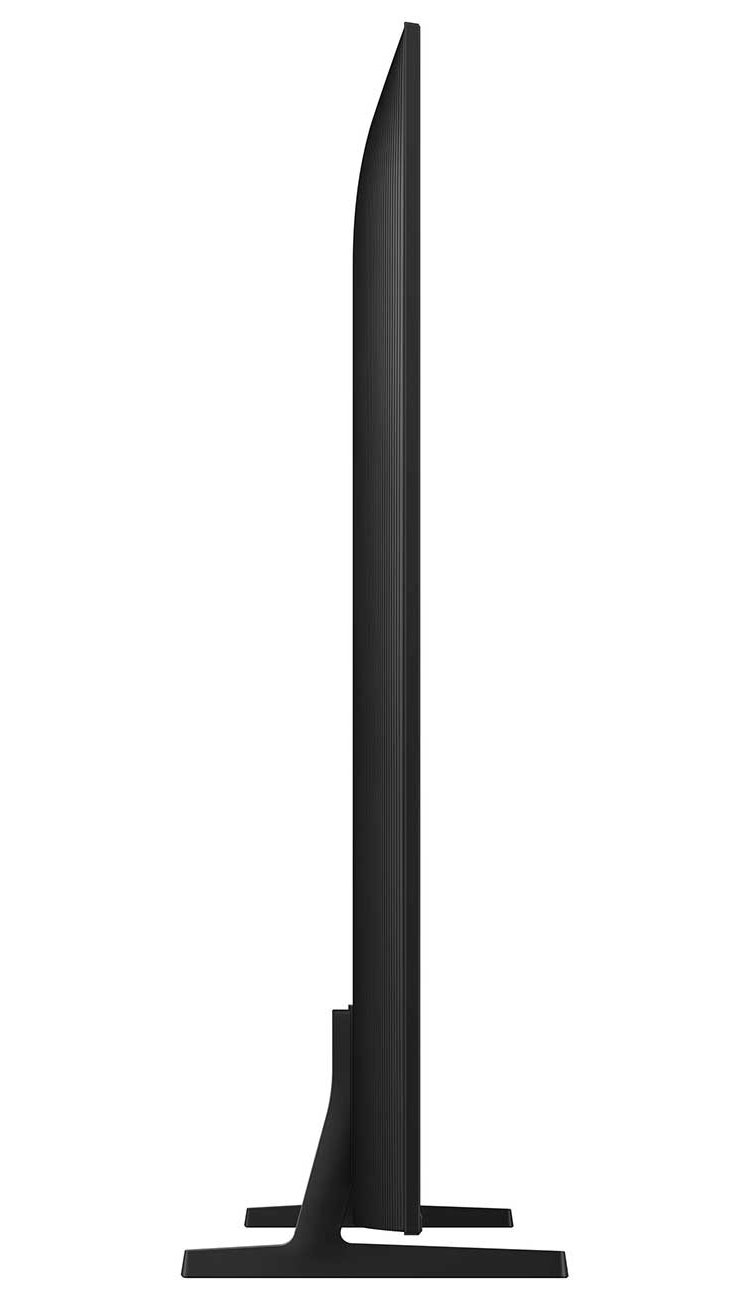
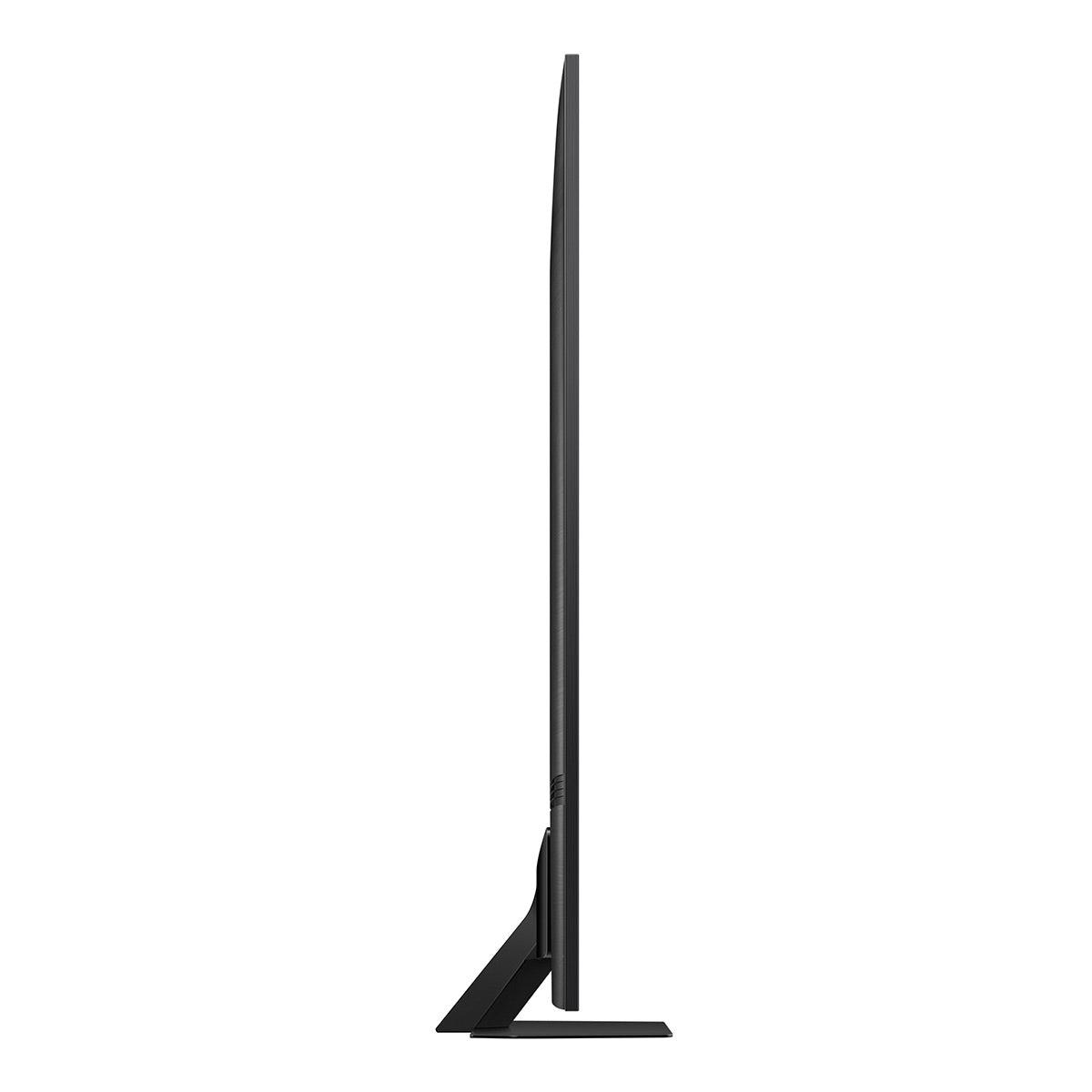
The Q7F embraces a lightweight, minimalist design philosophy. Its adjustable stand legs can be positioned either wide for stability or narrow to fit on smaller furniture—a thoughtful touch for various room configurations. The build quality feels appropriate for its price point, though it lacks the premium materials and robust construction of higher-end models.
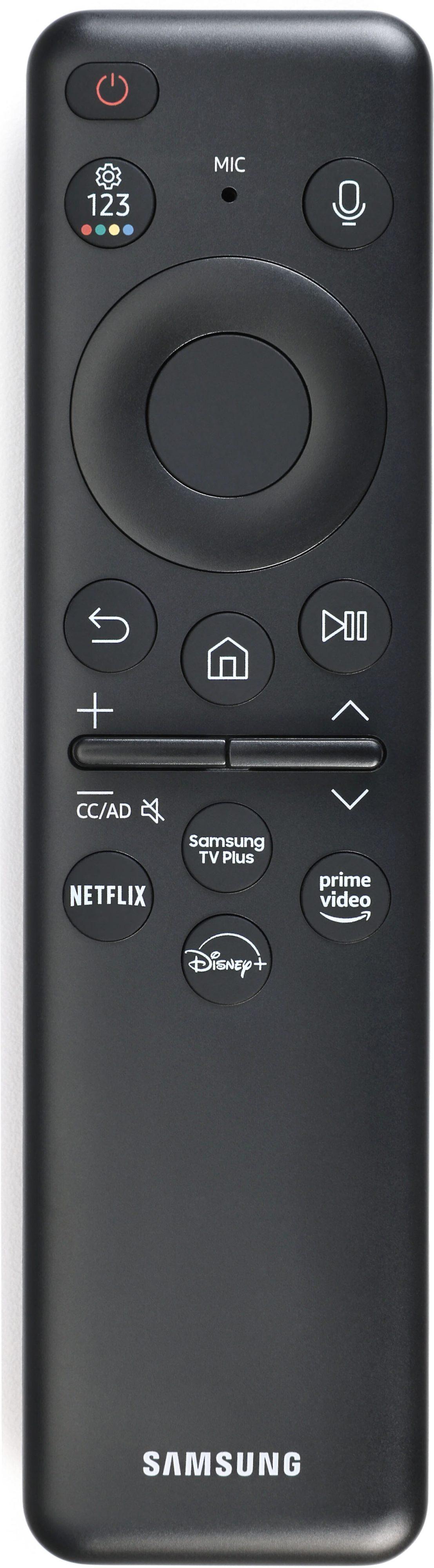
The QN90D exhibits noticeably superior build quality with more substantial materials and refined industrial design. The difference is immediately apparent when handling the remote controls—the premium model's remote feels more solid and responsive.
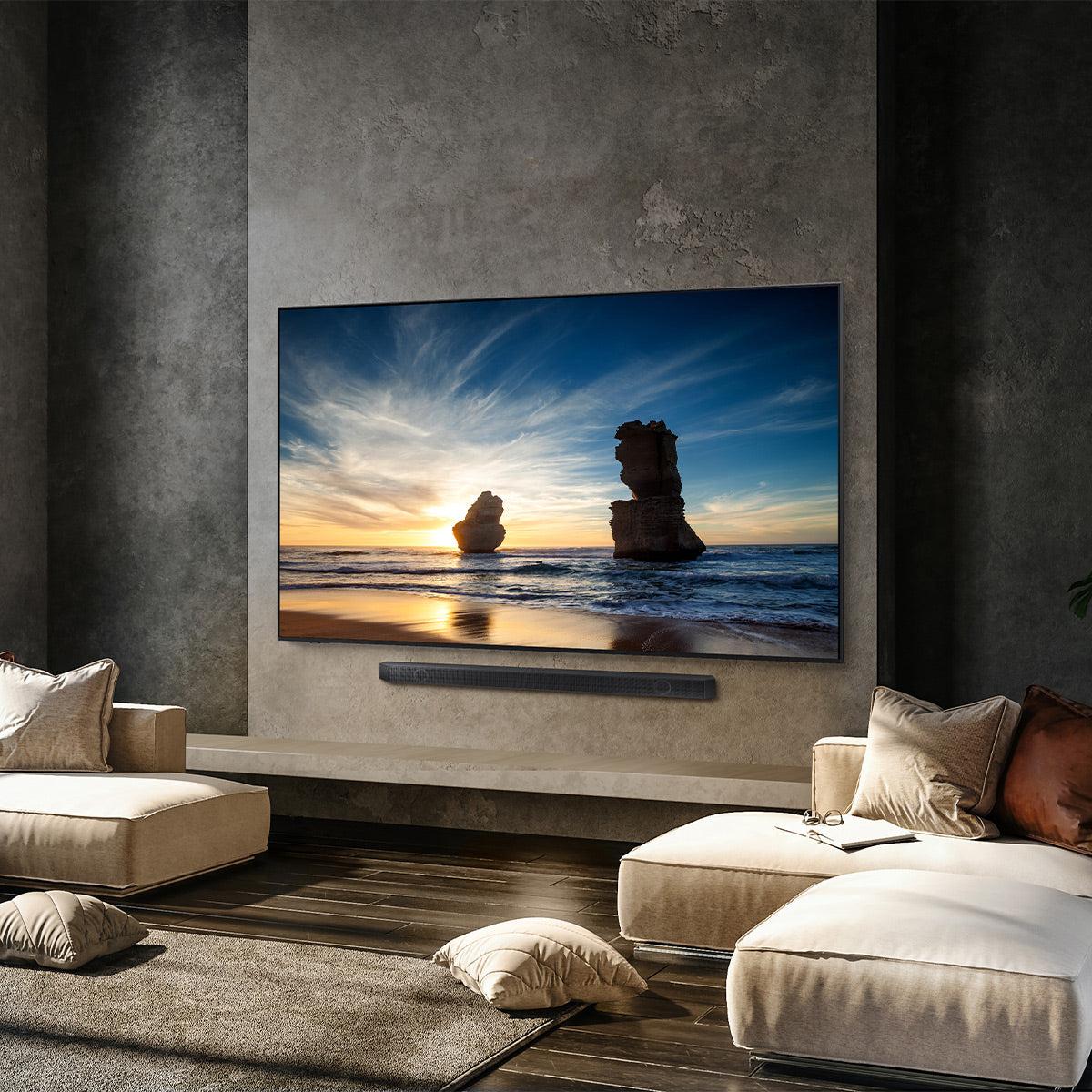
For dedicated home theater use, the QN90D is the clear winner. Its superior contrast ratio, peak brightness, and advanced audio processing create a genuinely cinematic experience. The ability to display true blacks alongside brilliant highlights makes movies appear more three-dimensional and engaging.
The wide viewing angles of the QN90D—uncommon for LCD-based TVs—ensure consistent picture quality even from off-center seating positions. This makes it suitable for larger rooms or family viewing where not everyone sits directly in front of the screen.
However, the Q7F can still provide an enjoyable home theater experience, particularly in rooms with controlled lighting. Its picture quality, while not exceptional, remains solid for the price point.
At the time of writing, the price difference between these models represents one of the more significant gaps in Samsung's lineup. The Q7F offers excellent value for users wanting Samsung's ecosystem and modern smart features without premium performance demands.
The QN90D commands premium pricing but delivers performance that justifies the cost for users who prioritize picture quality and gaming capabilities. Given that most people keep TVs for 5-7 years, the additional cost may be worthwhile when spread over the TV's lifespan.
Consider also that display technology continues advancing rapidly. The Q7F's 60Hz limitation may become more restrictive as 120Hz content becomes more common, while the QN90D's advanced gaming features provide better future-proofing.
The Q7F makes sense for buyers who prioritize smart features and AI capabilities over raw picture performance. It's ideal for casual viewing, streaming content, and rooms with controlled lighting. The latest Vision AI features genuinely enhance the user experience, and the picture quality, while not exceptional, remains perfectly adequate for most content.
Choose the Q7F if you're budget-conscious but want a reliable, feature-rich smart TV with Samsung's ecosystem benefits. It's particularly appealing for users who primarily stream content and don't need advanced gaming capabilities.
The QN90D is for users who consider picture quality paramount. Its mini-LED technology, superior contrast, and gaming capabilities make it suitable for serious home theater enthusiasts and gamers. The premium pricing reflects genuine technology advantages rather than just brand positioning.
Choose the QN90D if you plan to keep your TV for many years, frequently watch movies and shows with HDR content, game on modern consoles, or want the best possible picture quality for varied lighting conditions.
These TVs represent fundamentally different approaches to the 65-inch smart TV market. The Q7F prioritizes accessibility and modern features at an attractive price point, while the QN90D delivers professional-grade performance that justifies premium pricing.
The performance gap between these models is substantial enough that the price difference feels justified rather than excessive. Your choice should align with your priorities: smart features and value versus picture quality and gaming performance.
For most buyers, the decision comes down to how much picture quality matters to you and whether you need advanced gaming capabilities. Both TVs will serve you well, but they'll serve different types of users best.
| Samsung 65" Q7F QLED 4K Vision AI Smart TV 2025 | Samsung 65" QN90D Series 4K Neo QLED Smart TV |
|---|---|
| Display Technology - Core difference affecting picture quality | |
| Standard QLED with edge-lit LED backlighting | Neo QLED with mini-LED backlighting and local dimming zones |
| Peak Brightness - Critical for HDR content and bright rooms | |
| 500 cd/m² (adequate for controlled lighting) | Over 2,000 nits peak (excellent for any lighting condition) |
| Refresh Rate - Essential for gaming and smooth motion | |
| 60Hz only (limits gaming to older consoles) | 120Hz with Motion Xcelerator Turbo+ (supports next-gen gaming) |
| Gaming Features - Determines console compatibility | |
| No VRR, no HDMI 2.1 (basic gaming only) | FreeSync Premium Pro, ALLM, up to 4K@144Hz (premium gaming) |
| HDR Support - Affects movie and streaming quality | |
| HDR10+, HLG (no Dolby Vision support) | HDR10+, HLG (also lacks Dolby Vision but better peak brightness) |
| Audio System - Built-in sound quality | |
| 20W 2.0 channel with OTS Lite | 60W 4.2.2CH with Dolby Atmos and Object Tracking Sound+ |
| Smart Features - AI and software capabilities | |
| Latest Samsung Vision AI (2025), gesture control, real-time translation | Tizen OS with advanced calibration tools (2024, lacks newest AI) |
| HDMI Ports - Device connectivity | |
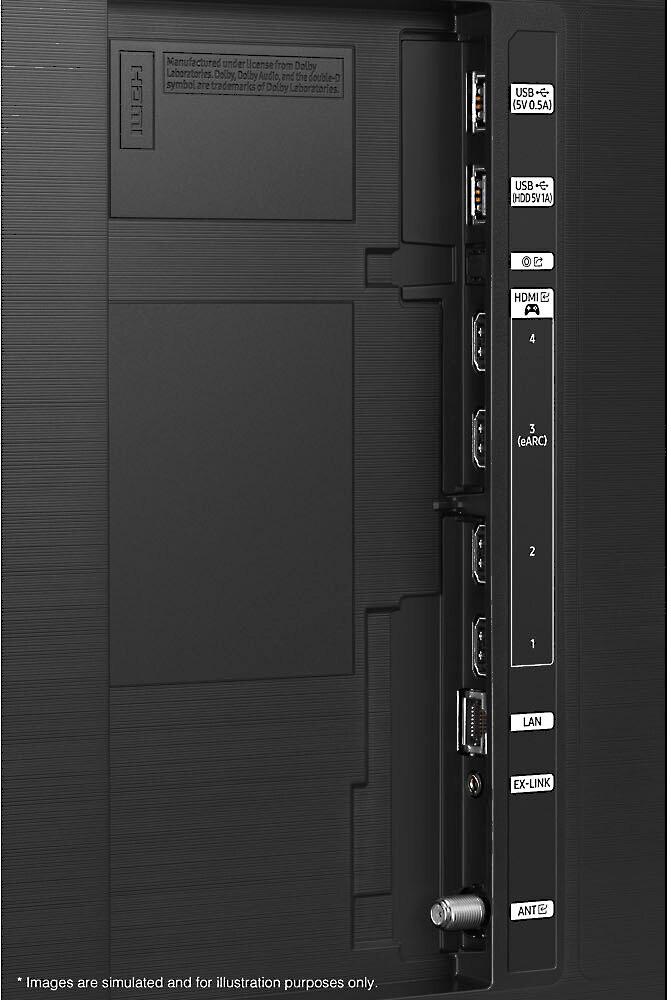
| 3 HDMI inputs (basic connectivity) | 4 HDMI inputs with HDMI 2.1 support |
| Contrast Performance - Black level quality | |
| 4500:1 static contrast (limited by edge-lighting) | Exceptional contrast with mini-LED local dimming |
| Build Quality - Physical construction and design | |
| Lightweight with adjustable stand legs | Premium materials with robust construction |
| Best For - Target user scenarios | |
| Budget-conscious buyers wanting Samsung ecosystem and AI features | Home theater enthusiasts and serious gamers prioritizing picture quality |
The primary difference is display technology. The Samsung Q7F uses standard QLED with edge-lit backlighting, while the Samsung QN90D features advanced Neo QLED technology with mini-LED backlighting and local dimming zones. This gives the QN90D significantly better contrast, deeper blacks, and brighter highlights for superior picture quality.
The Samsung QN90D is substantially better for gaming with its 120Hz refresh rate, VRR support, and HDMI 2.1 connectivity. It's fully compatible with PlayStation 5 and Xbox Series X gaming at maximum performance. The Samsung Q7F is limited to 60Hz with no advanced gaming features, making it suitable only for casual gaming.
Yes, both the Samsung Q7F and Samsung QN90D run Samsung's Tizen operating system and support all major streaming services including Netflix, Disney+, Amazon Prime Video, YouTube, and Apple TV+. However, the Q7F includes newer 2025 Vision AI features for enhanced content recommendations.
The Samsung QN90D offers significantly better audio with its 60W 4.2.2-channel system supporting Dolby Atmos and Object Tracking Sound+. The Samsung Q7F has basic 20W 2.0 speakers with OTS Lite. For home theater use, the QN90D provides a more immersive audio experience.
The picture quality difference between the Samsung Q7F and Samsung QN90D is substantial due to the mini-LED technology. If you watch a lot of movies, HDR content, or have a dedicated home theater setup, the QN90D's superior contrast and brightness make the investment worthwhile for most users.
The Samsung QN90D performs much better in bright rooms thanks to its peak brightness exceeding 2,000 nits, compared to the Samsung Q7F's 500 nits. The premium model can overcome glare and maintain picture quality in well-lit environments, while the budget model works best in controlled lighting.
Both TVs support HDR10+ and HLG formats, but neither supports Dolby Vision. However, the Samsung QN90D delivers far superior HDR performance due to its higher peak brightness and better contrast ratio. The Samsung Q7F can display HDR content but with limited impact due to brightness constraints.
For dedicated home theater use, the Samsung QN90D is the clear choice. Its mini-LED backlighting creates deeper blacks, brighter highlights, and better contrast essential for cinematic viewing. The superior audio system and wide viewing angles make it ideal for family movie nights and serious home theater enthusiasts.
The Samsung Q7F includes Samsung's latest 2025 Vision AI with features like real-time translation, gesture controls, and personalized recommendations. The Samsung QN90D has more advanced picture calibration tools but lacks the newest AI features since it's a 2024 model.
The Samsung Q7F has 3 HDMI inputs suitable for basic setups, while the Samsung QN90D offers 4 HDMI ports with HDMI 2.1 support for advanced gaming consoles and multiple high-bandwidth devices. This makes the QN90D better for complex entertainment systems.
The Samsung QN90D offers better future-proofing with its 120Hz display, HDMI 2.1 connectivity, and advanced gaming features that align with current console capabilities. The Samsung Q7F's 60Hz limitation may become more restrictive as 120Hz content becomes standard, though its 2025 AI features provide some future value.
For casual viewing and streaming, the Samsung Q7F provides excellent value with good picture quality, modern smart features, and Samsung's reliable ecosystem. Unless you're particularly focused on picture quality or gaming, the Q7F meets most casual viewing needs at a more accessible price point than the premium Samsung QN90D.
We've done our best to create useful and informative comparisons to help you decide what product to buy. Our research uses advanced automated methods to create this comparison and perfection is not possible - please contact us for corrections or questions. These are the sites we've researched in the creation of this article: bestbuy.com - youtube.com - samsung.com - samsung.com - pcrichard.com - samsung.com - samsung.com - videoandaudiocenter.com - displayspecifications.com - bestbuy.com - samsung.com - samsung.com - samsung.com - samsung.com - news.samsung.com - tomsguide.com - abt.com - youtube.com - youtube.com - rtings.com - samsung.com - samsung.com - standardtvandappliance.com - gerhardsappliance.com - bestbuy.com - image-us.samsung.com - youtube.com - images.samsung.com

Privacy Policy
Terms and Conditions - Affiliate Policy
Home Security
© Copyright 2008-2026.
11816 Inwood Rd #1211, Dallas, TX 75244