



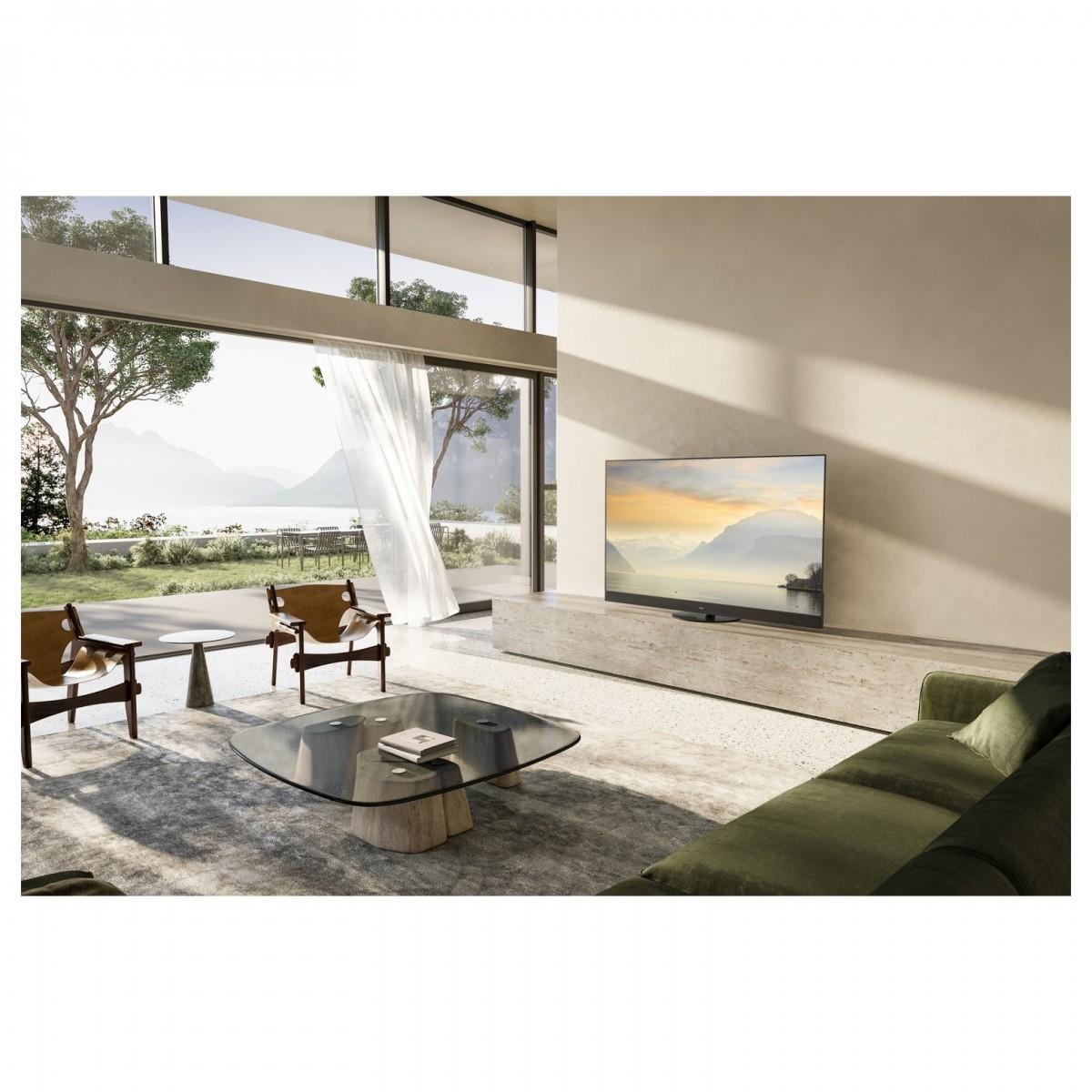
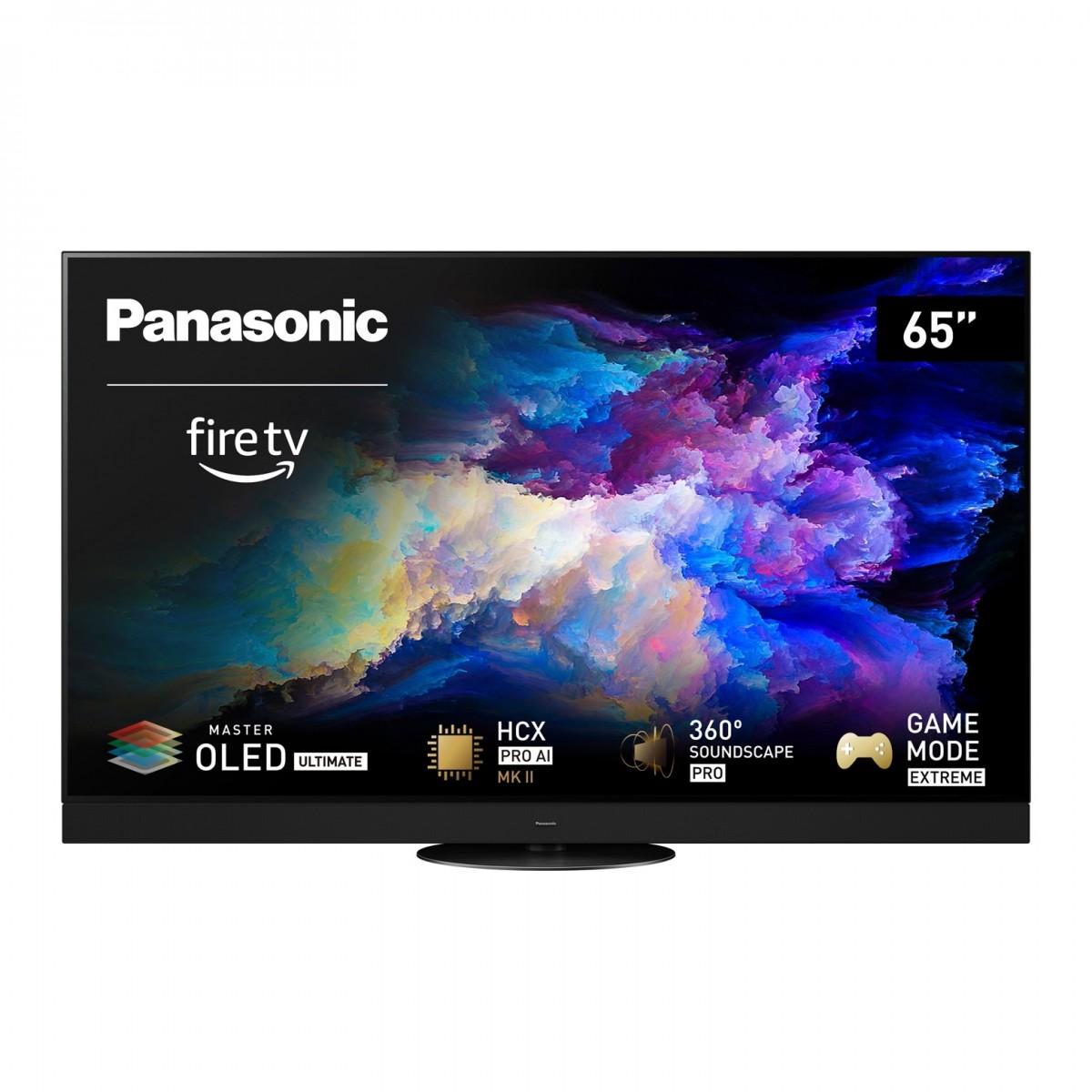
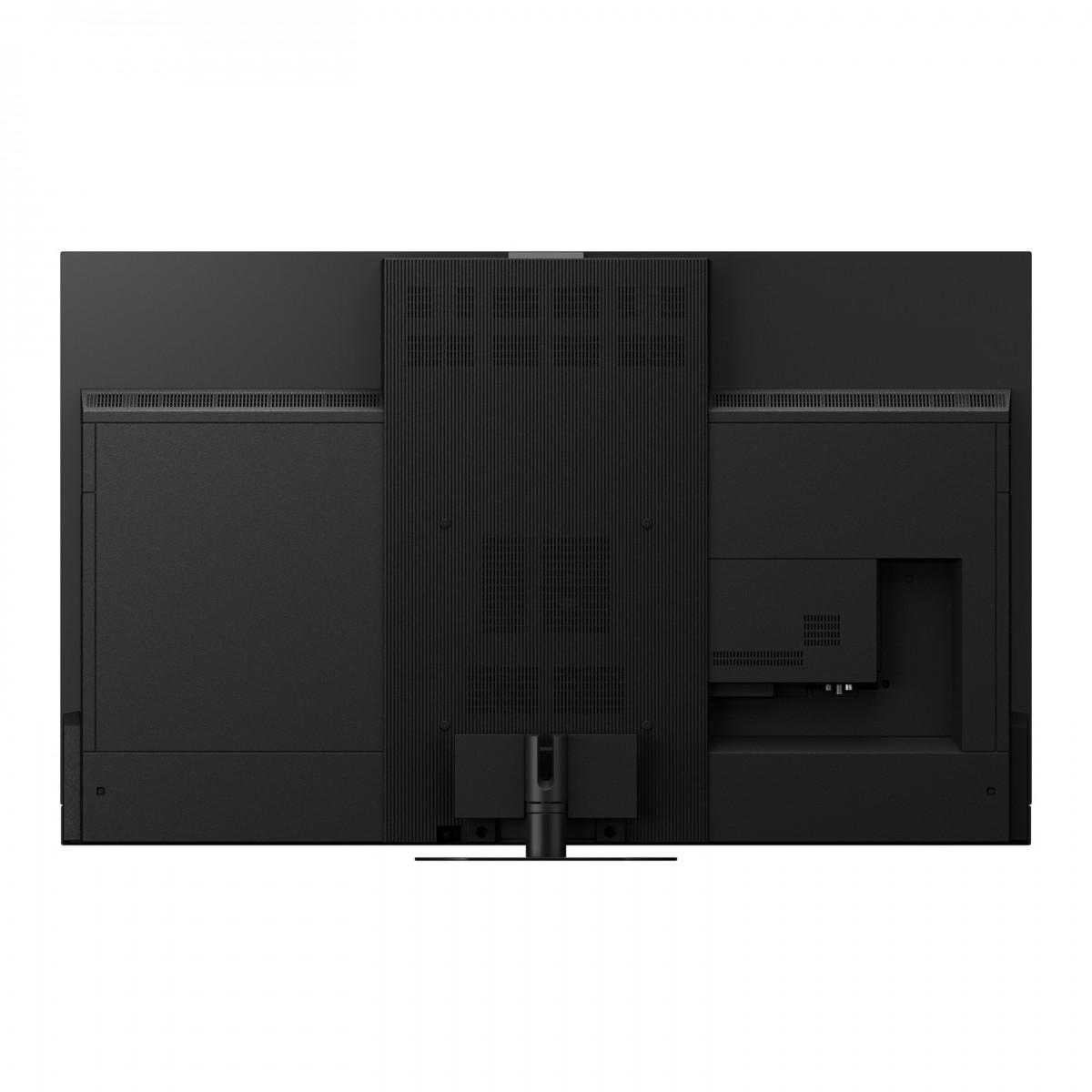
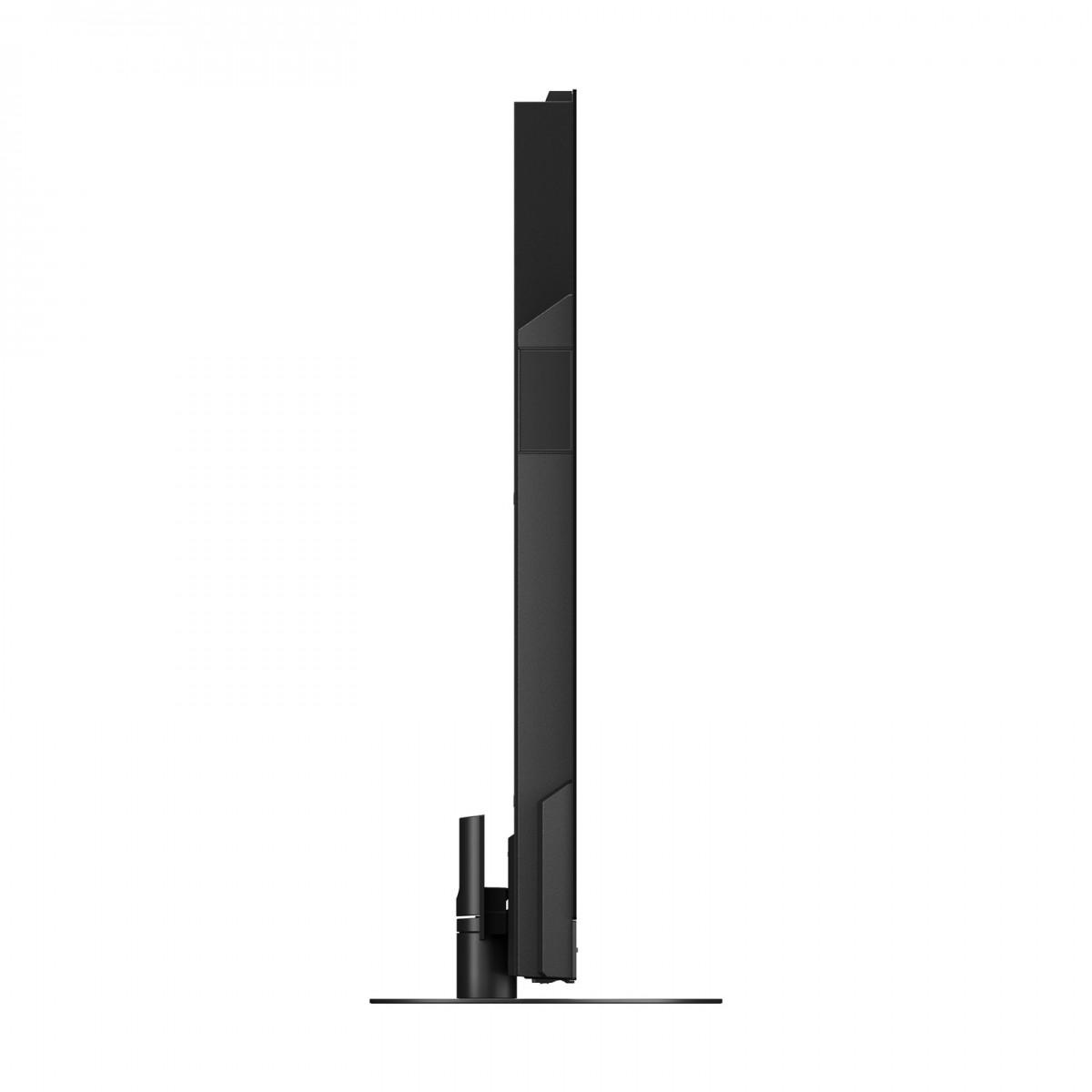
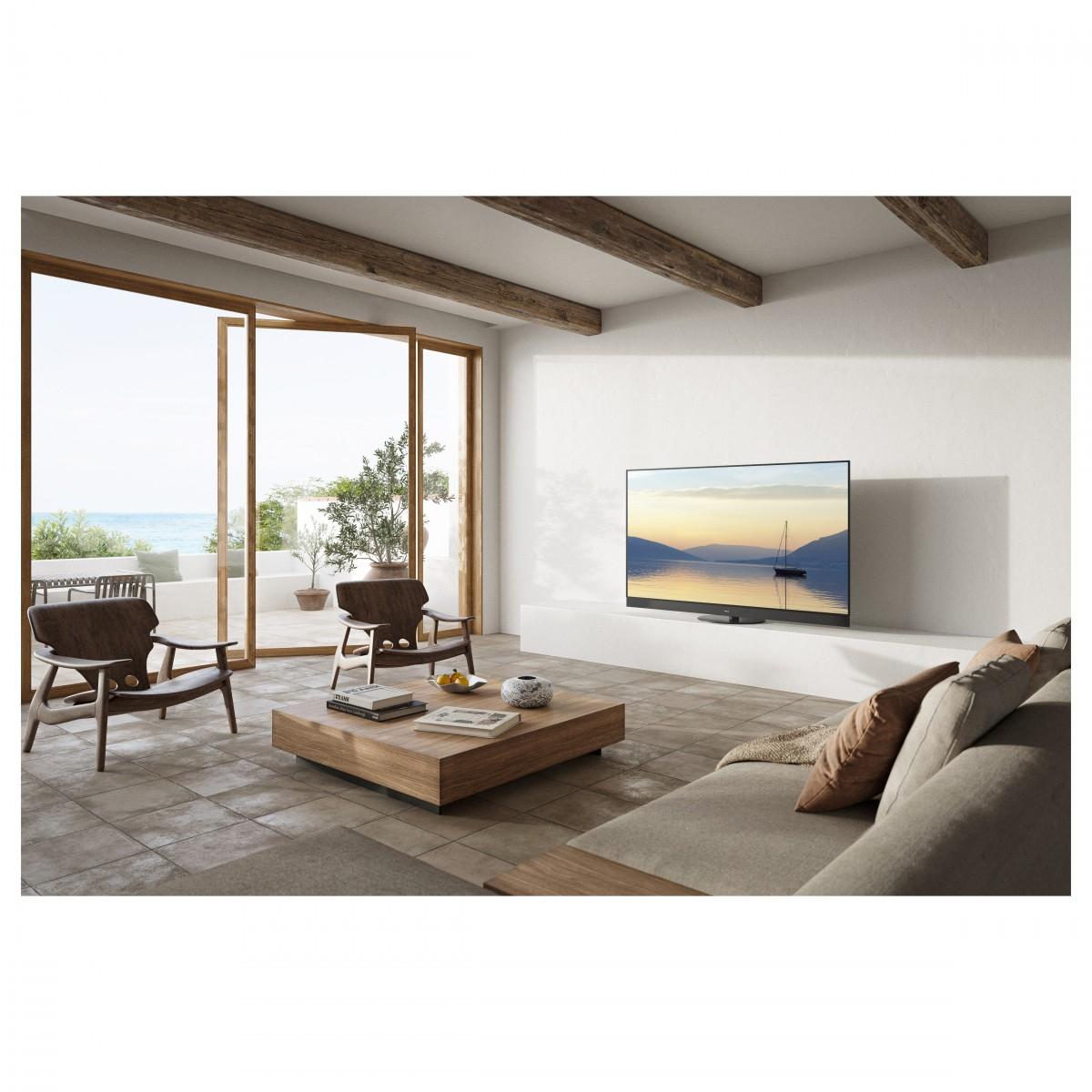
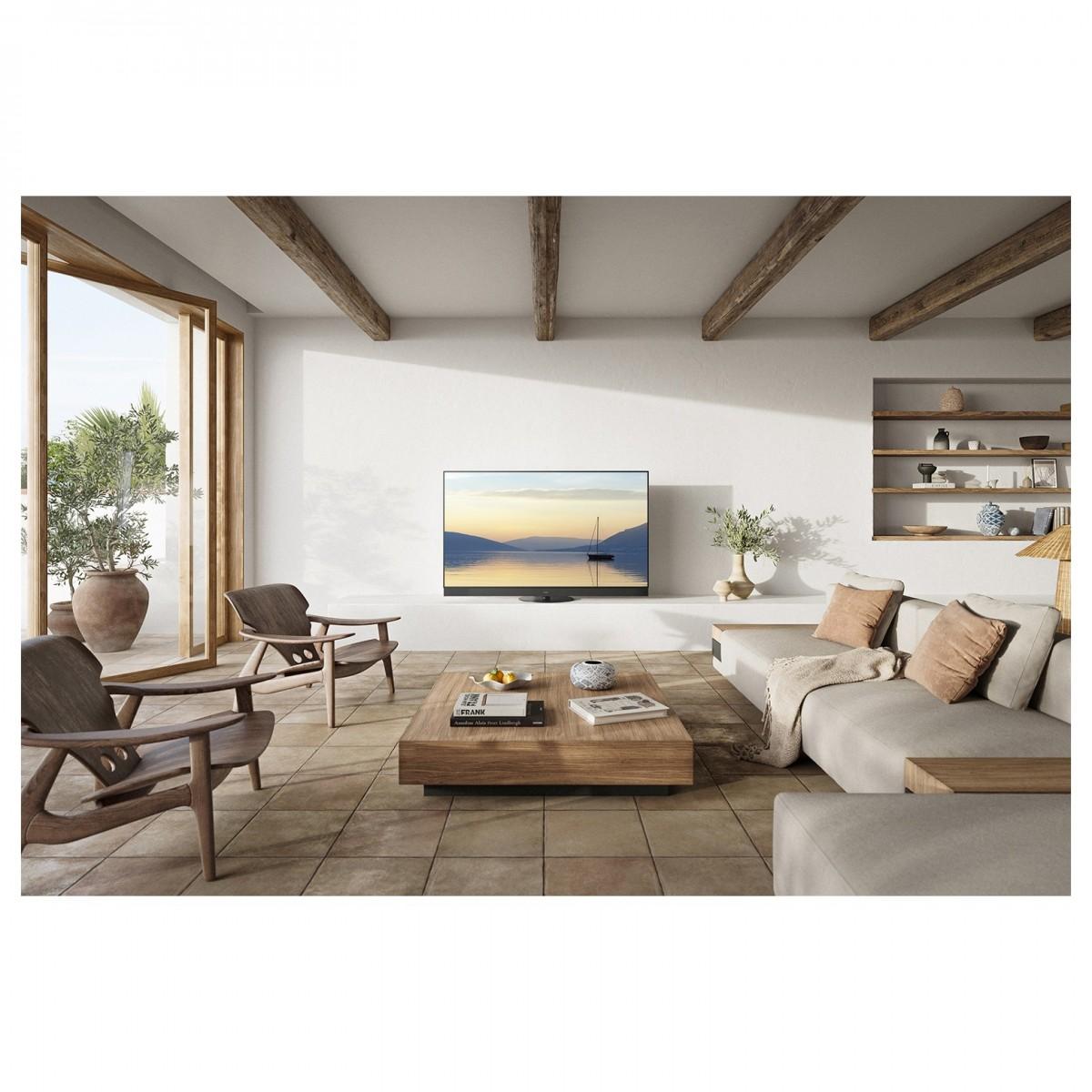
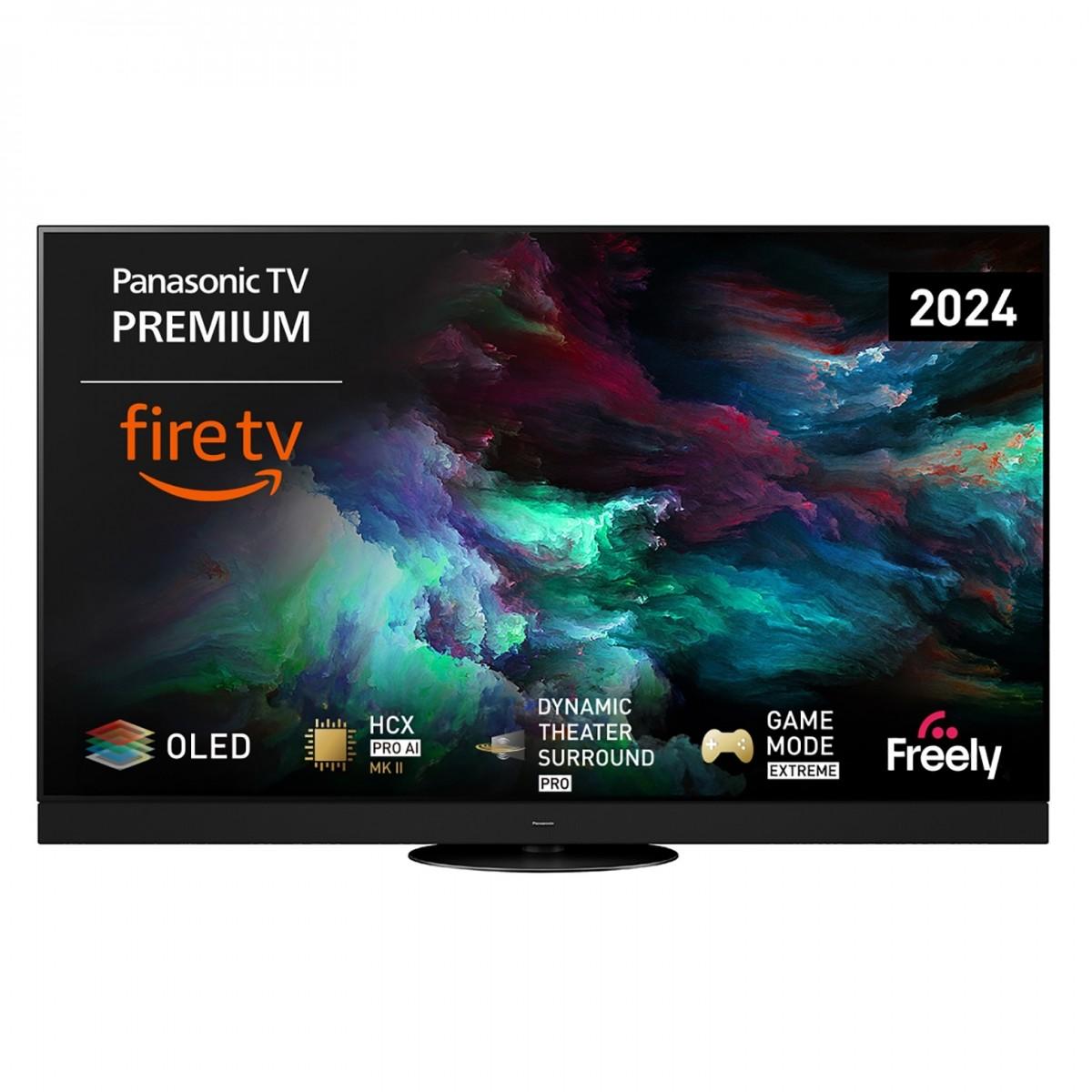
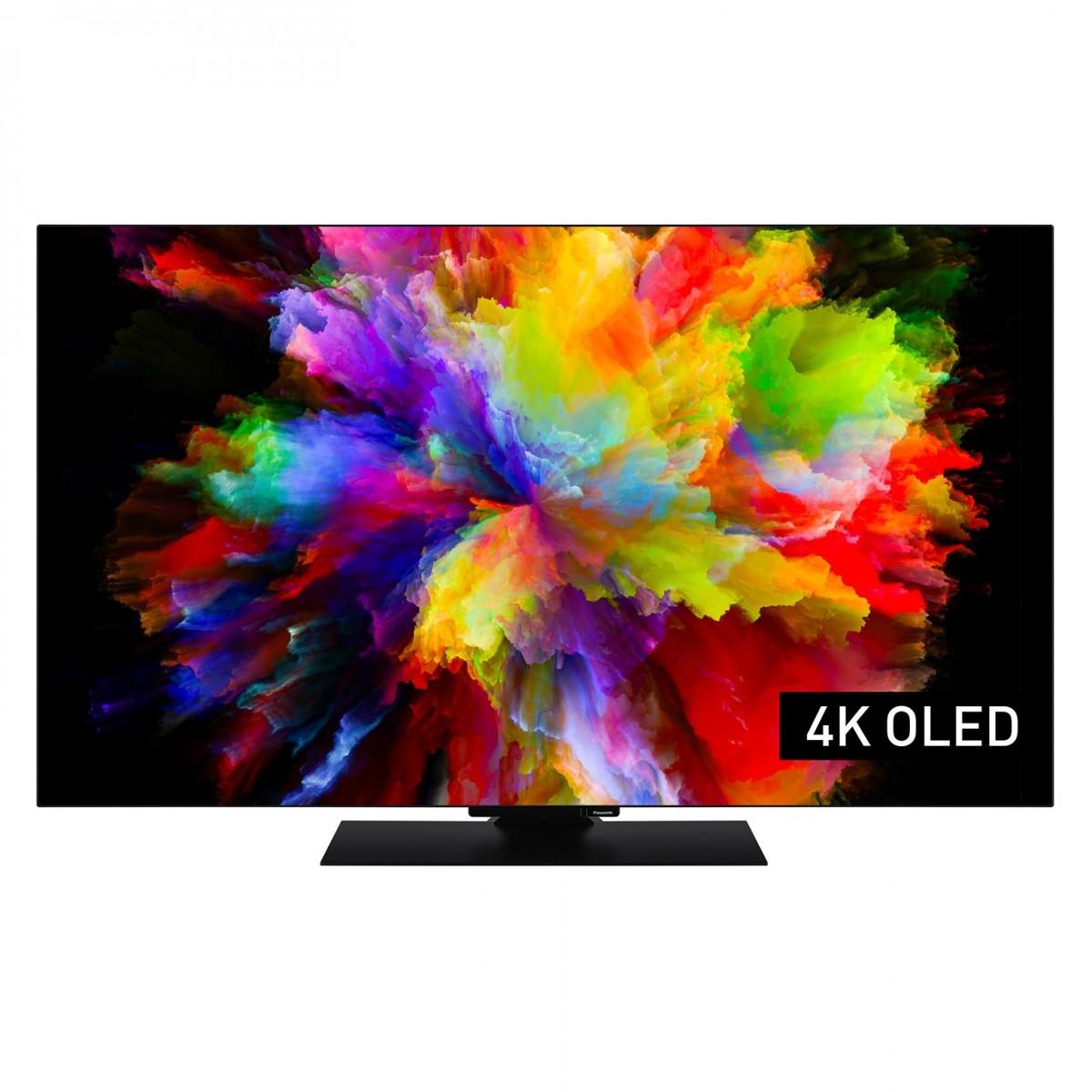
When shopping for a 65-inch TV in 2025, you'll encounter two fundamentally different approaches to creating beautiful images on your screen. The Panasonic Z95A OLED represents the pinnacle of OLED (Organic Light-Emitting Diode) technology, while the Samsung Q7F QLED showcases Samsung's quantum dot enhancement at an entry-level price point. At the time of writing, these TVs sit at opposite ends of the pricing spectrum, with the Panasonic commanding flagship pricing and the Samsung positioned as an affordable gateway into premium TV features.
The difference between these technologies fundamentally changes how you'll experience movies, games, and everyday TV watching. OLED displays create light at each individual pixel, meaning they can turn completely black when needed – imagine looking at stars in a perfectly dark sky. QLED displays use LED backlights behind the screen with quantum dots (tiny particles that enhance color) to create brighter, more vibrant images – think of the difference between candlelight and sunlight.
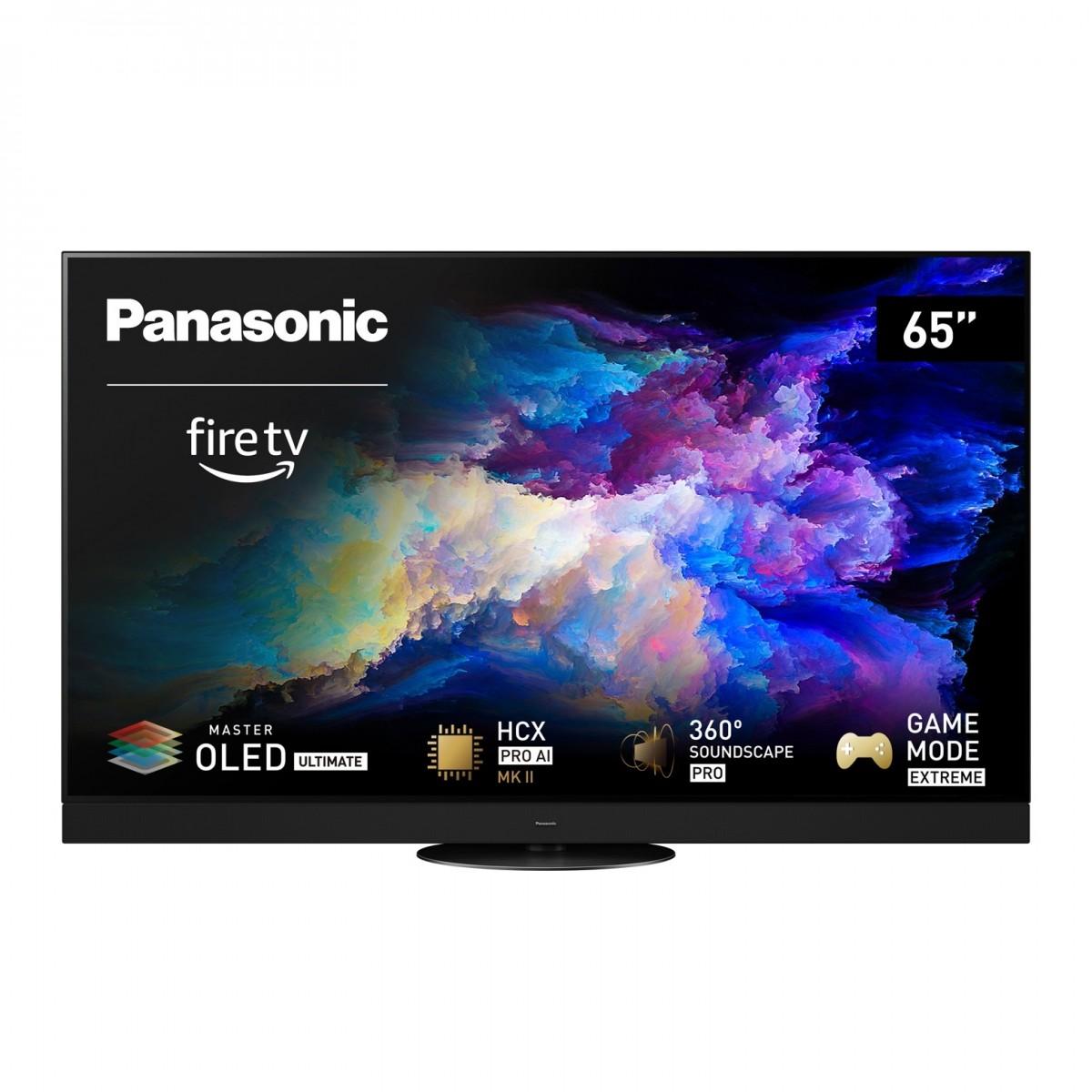
Released in 2025, both TVs represent the latest evolution in their respective technologies. The Panasonic Z95A incorporates what Panasonic calls a "Primary RGB Tandem OLED panel" – essentially a multi-layered OLED structure that can achieve much higher brightness than previous OLED generations while maintaining those perfect black levels that OLED is famous for. This addresses one of the historical criticisms of OLED: that it wasn't bright enough for well-lit rooms.
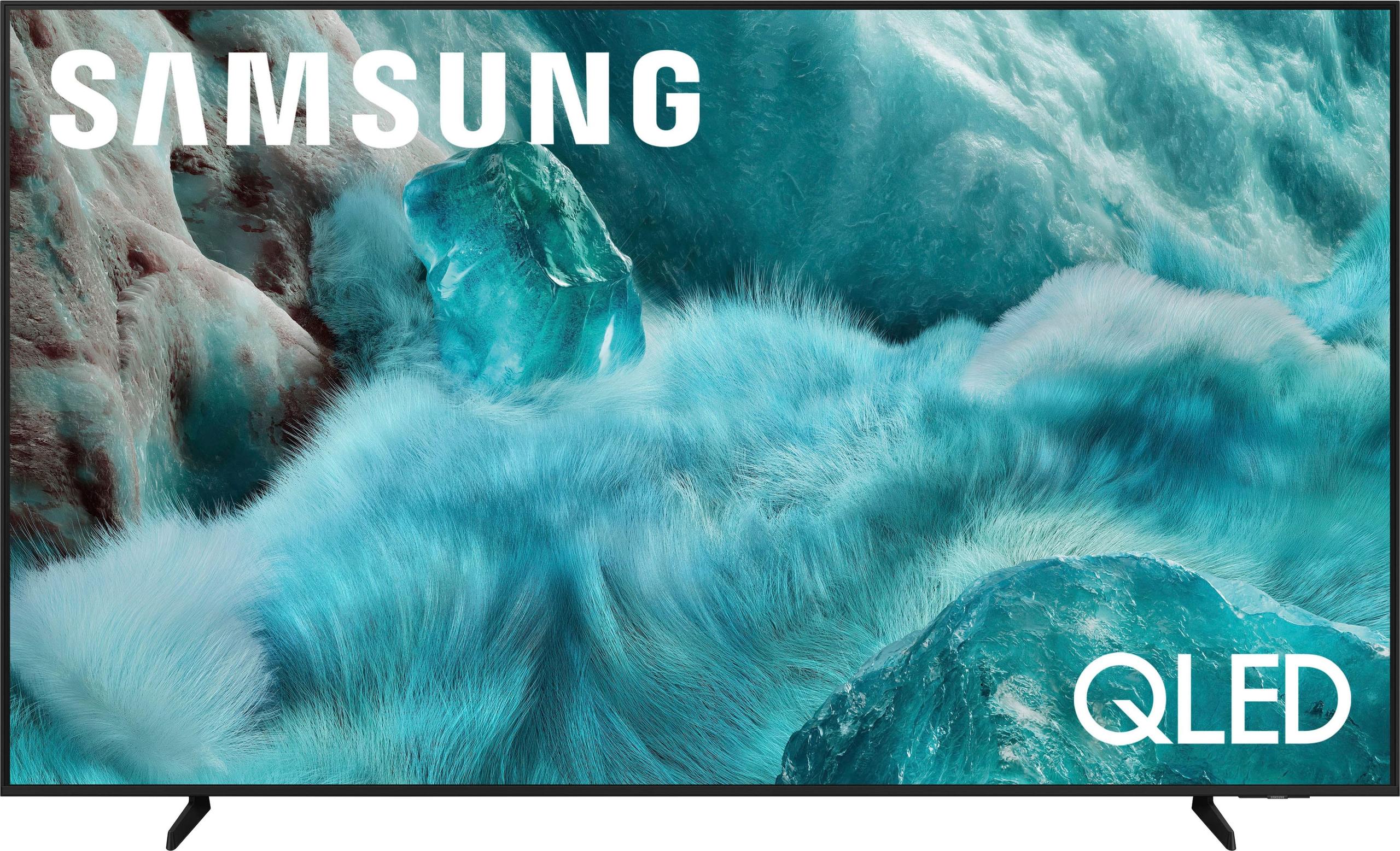
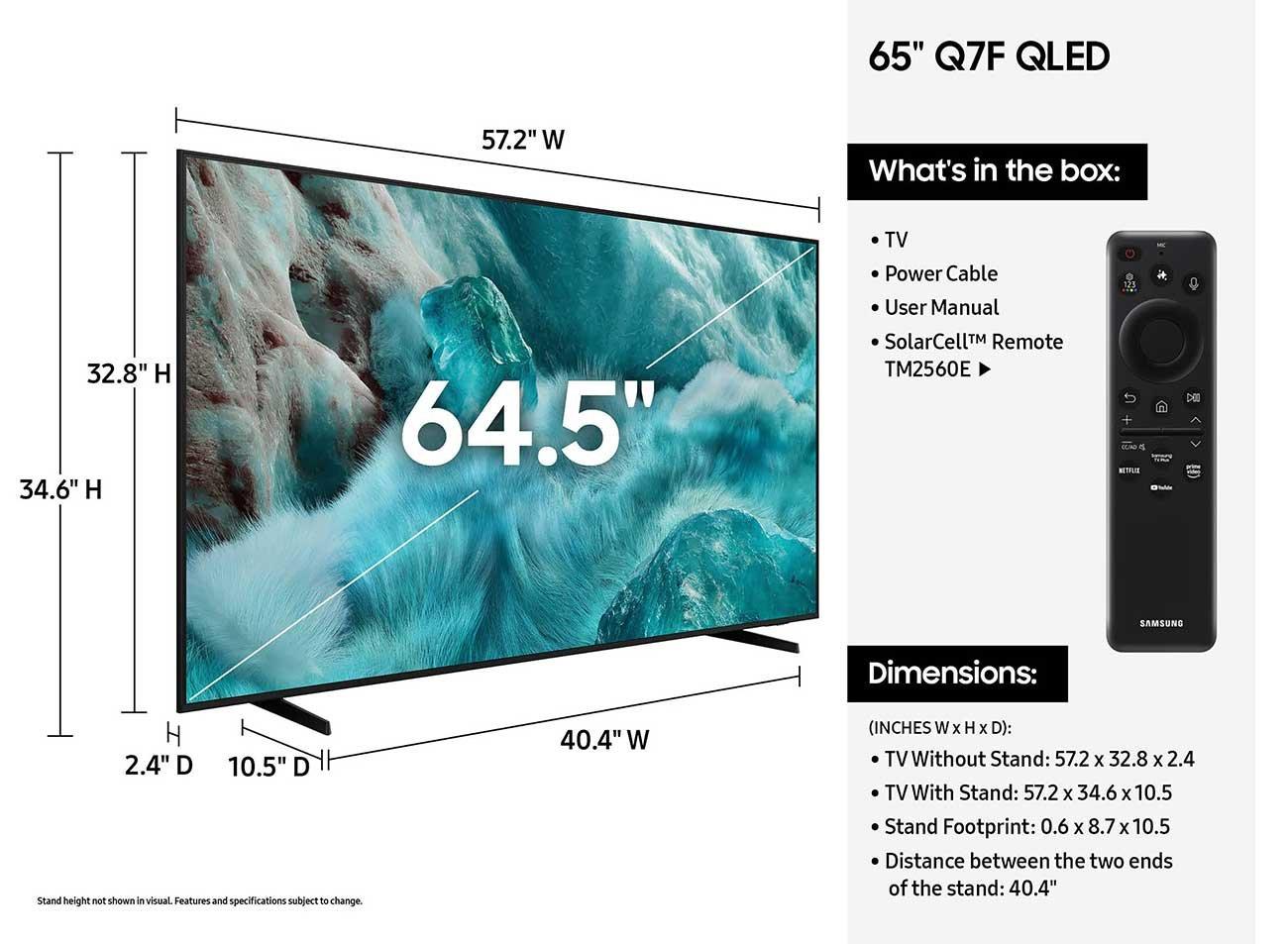
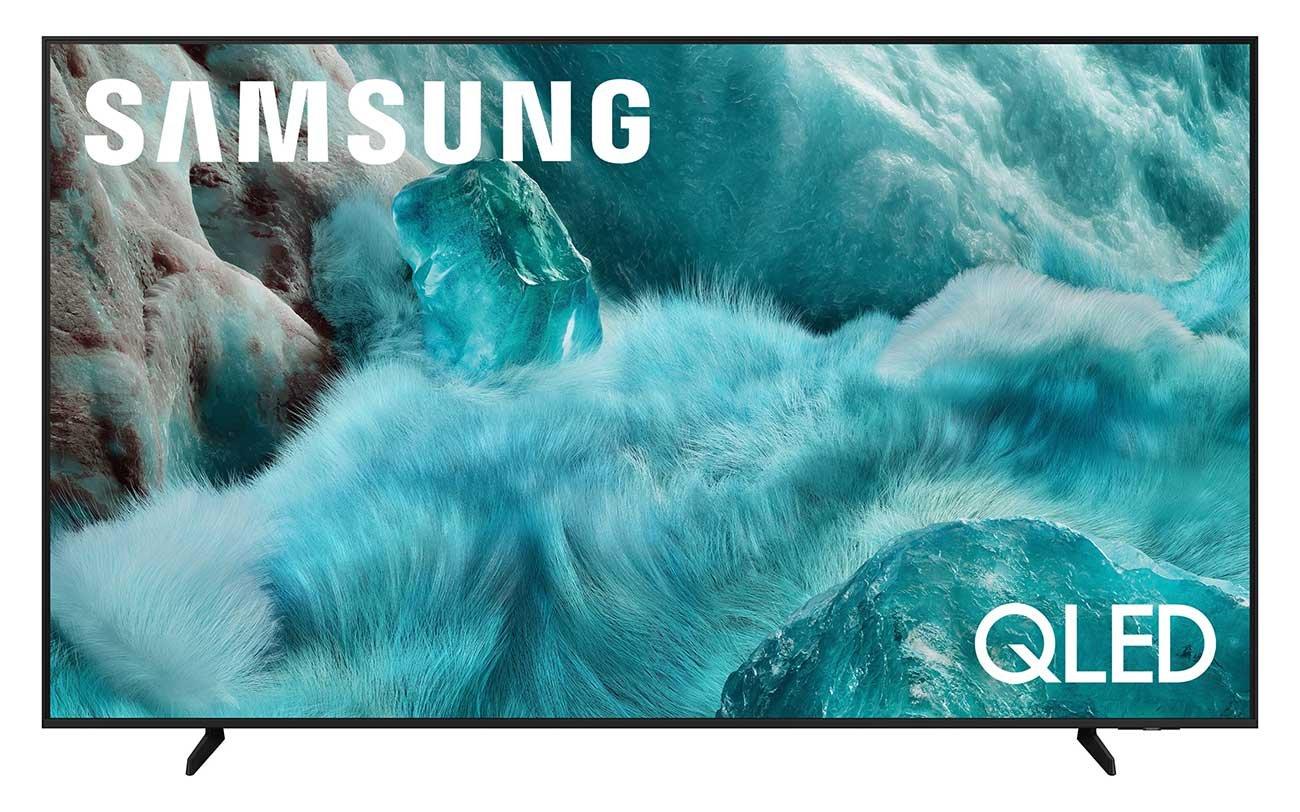
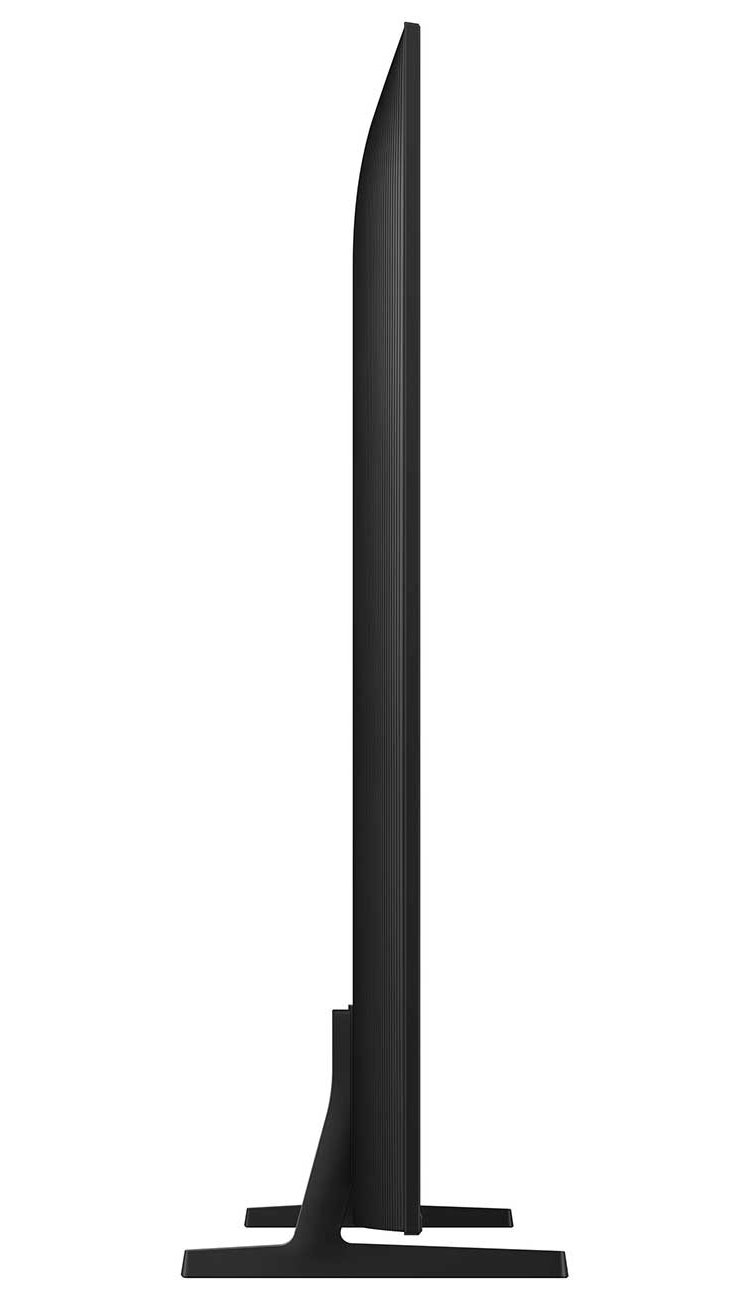
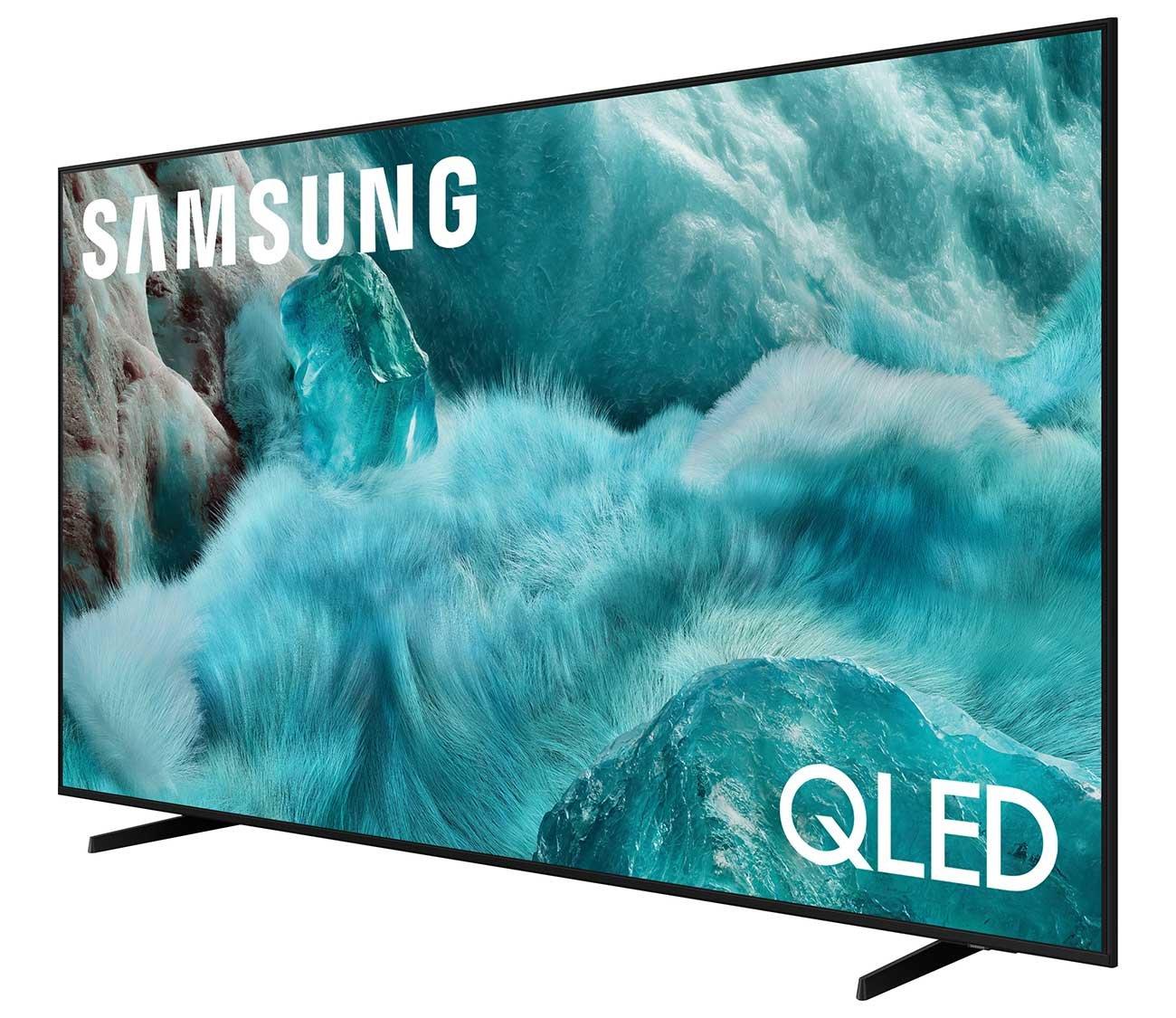
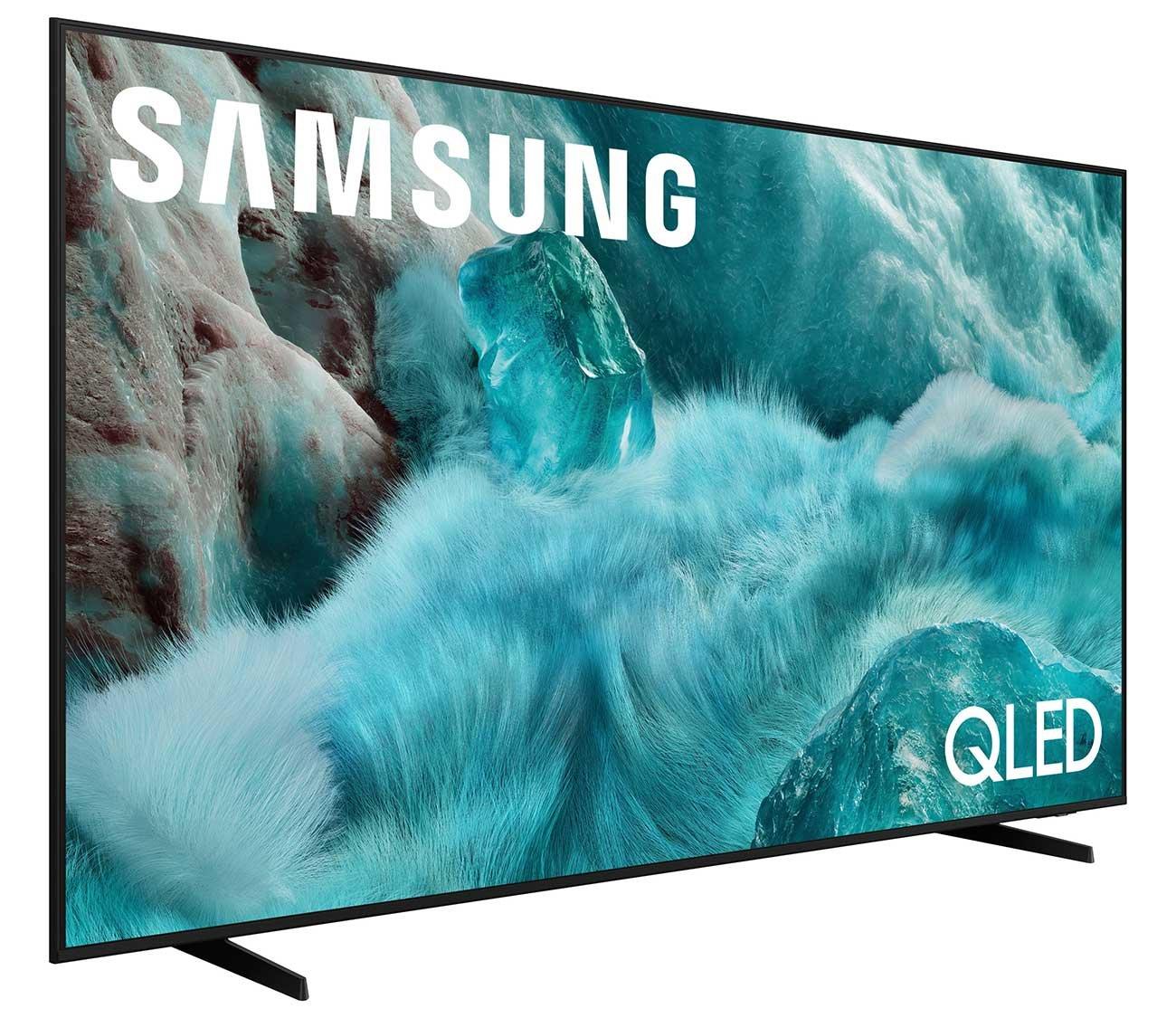
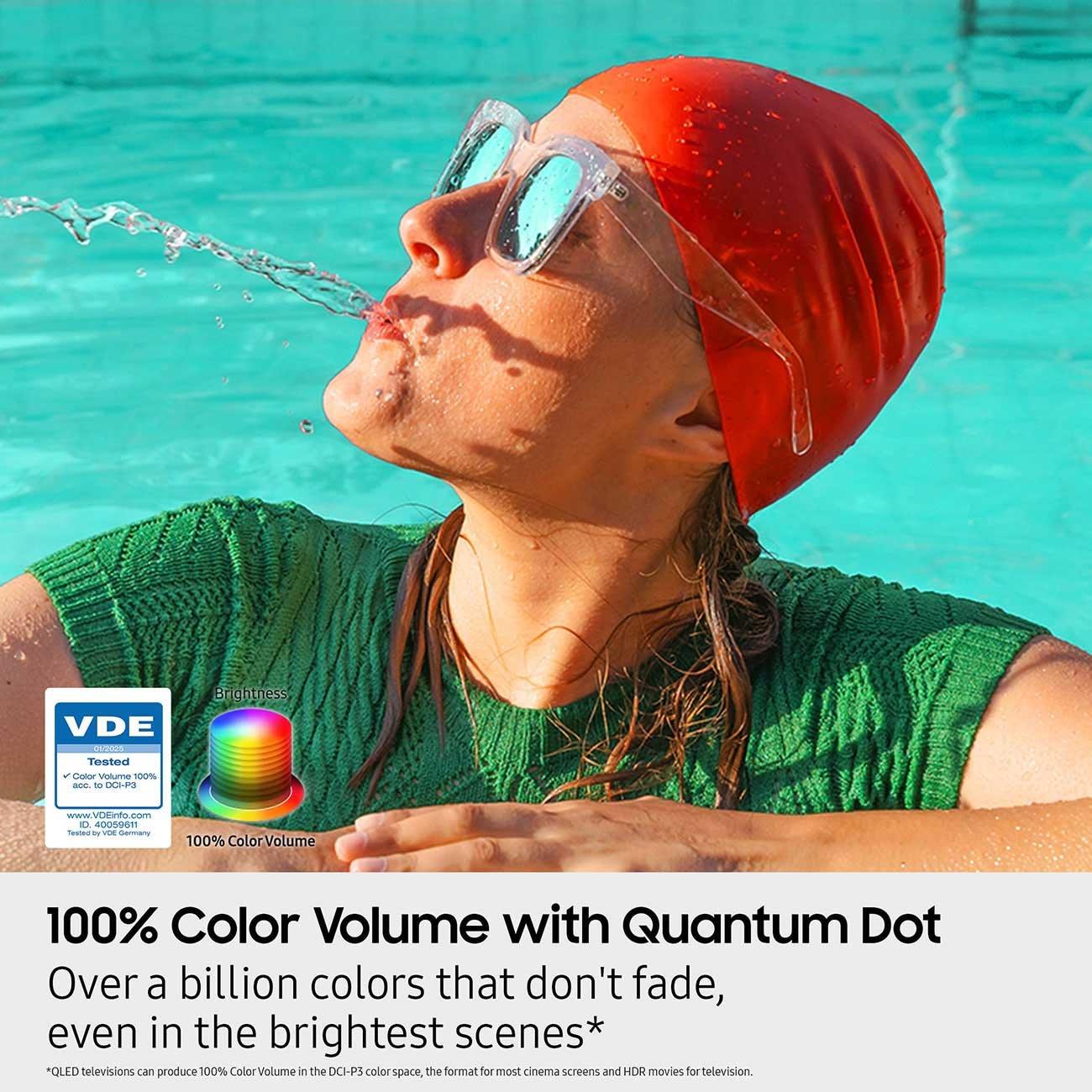
The Samsung Q7F uses Samsung's Quantum Dot QLED technology, which places a layer of quantum dots between the LED backlight and the LCD panel. These quantum dots are incredibly tiny – we're talking nanometer scale – and when hit by blue LED light, they emit precise colors that create a wider color palette than traditional LED TVs. Think of it like having a more sophisticated paint palette with more vivid colors to work with.
What makes 2025 particularly interesting is how both technologies have evolved. OLED has gotten much brighter while maintaining its contrast advantages, while QLED has become more affordable while adding AI-powered features that were previously reserved for expensive models.
When evaluating picture quality, three metrics matter most: contrast ratio, color accuracy, and brightness. Contrast ratio measures the difference between the darkest and brightest parts of an image – think of watching a movie with both dark cave scenes and bright outdoor scenes. Color accuracy determines how true-to-life colors appear, while brightness affects how well you can see the image in different lighting conditions.
The Panasonic Z95A achieves what's called "infinite contrast" because each pixel can turn completely off, creating true black. When you're watching a movie with a night scene, those dark areas will be genuinely dark, not the grayish-black you might see on other TVs. The HCX Pro AI Processor MKII (essentially the TV's brain) constantly analyzes incoming content and adjusts colors, contrast, and clarity in real-time. This processor supports every major HDR (High Dynamic Range) format, including Dolby Vision IQ, which automatically adjusts the picture based on your room's lighting conditions.
HDR is worth understanding because it dramatically affects what you see. Standard video is like looking at the world through sunglasses – you see the general shapes and colors, but miss the subtle details in bright and dark areas. HDR is like taking those sunglasses off – suddenly you can see details in shadows and bright areas that were previously invisible. The Panasonic Z95A supports all the major HDR formats, meaning it can display the full range of brightness and color that content creators intended.
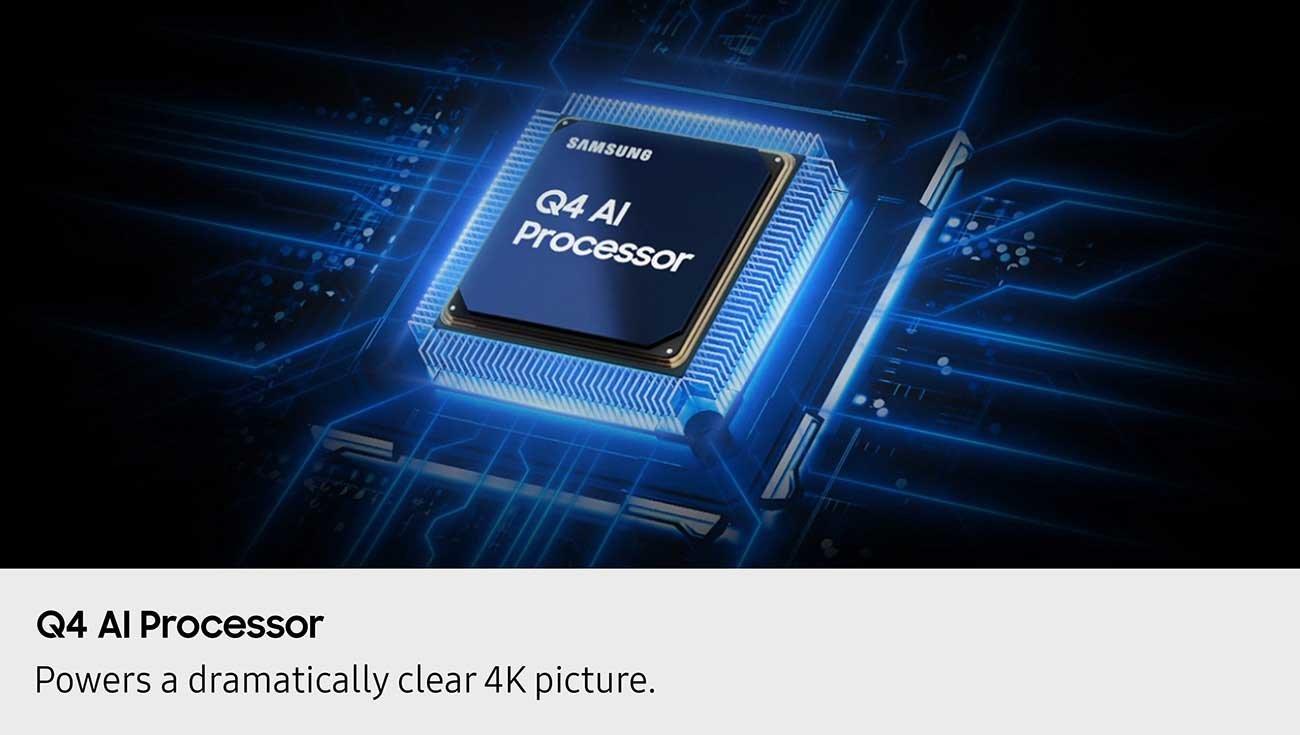
The Samsung Q7F, with its quantum dot technology, takes a different approach. It can achieve higher peak brightness than most OLED displays, which means HDR content can appear more punchy and vibrant. However, it uses direct LED backlighting without local dimming zones – this means the backlight illuminates the entire screen rather than being able to dim specific areas. The result is that dark scenes will have a slight grayish tint rather than true black. The Q4 AI Processor handles 4K upscaling (making lower-resolution content look better on the 4K screen) and basic HDR processing, though it notably lacks Dolby Vision support, which limits compatibility with some premium streaming content.
From our research into professional reviews and user feedback, the picture quality difference is substantial. The Panasonic Z95A consistently receives praise for its color accuracy that extends well beyond standard color spaces, making it suitable for professional content creation and critical viewing. The Samsung Q7F delivers good picture quality for its price point, with vibrant colors that many viewers find appealing, even if they're not perfectly accurate.
Modern gaming demands have transformed TV requirements. Today's gaming consoles and PCs can output 120 frames per second or higher, making refresh rate – how many times per second the TV updates its image – critically important. Think of it like the difference between a flipbook with 24 pages versus one with 144 pages; the higher number creates much smoother motion.
The Panasonic Z95A offers native 144Hz refresh rate support, meaning it can display 144 unique frames every second. This is paired with AMD FreeSync Premium and NVIDIA G-SYNC Compatible technologies, which synchronize the TV's refresh rate with your gaming device's frame rate to eliminate screen tearing (when you see horizontal lines across fast-moving images). The OLED technology provides near-instantaneous pixel response times – essentially zero input lag – which gives competitive gamers a significant advantage.
Variable refresh rate (VRR) and Auto Low Latency Mode (ALLM) are gaming features that automatically optimize the TV's performance when it detects a gaming signal. VRR adjusts the refresh rate dynamically to match what your console or PC is outputting, while ALLM bypasses unnecessary video processing to reduce the delay between pressing a button and seeing the action on screen.
The Samsung Q7F operates at 60Hz with Motion Xcelerator enhancement, which is adequate for casual gaming but limiting for competitive gaming or high-end PC gaming. It includes Auto Game Mode for basic gaming optimization, but lacks the advanced features that serious gamers have come to expect from premium TVs.
From a practical standpoint, if gaming is a priority, the difference is immediately noticeable. Fast-paced games, particularly first-person shooters or racing games, benefit enormously from higher refresh rates and lower input lag. Casual gamers who primarily play single-player adventures may not notice the difference as much.
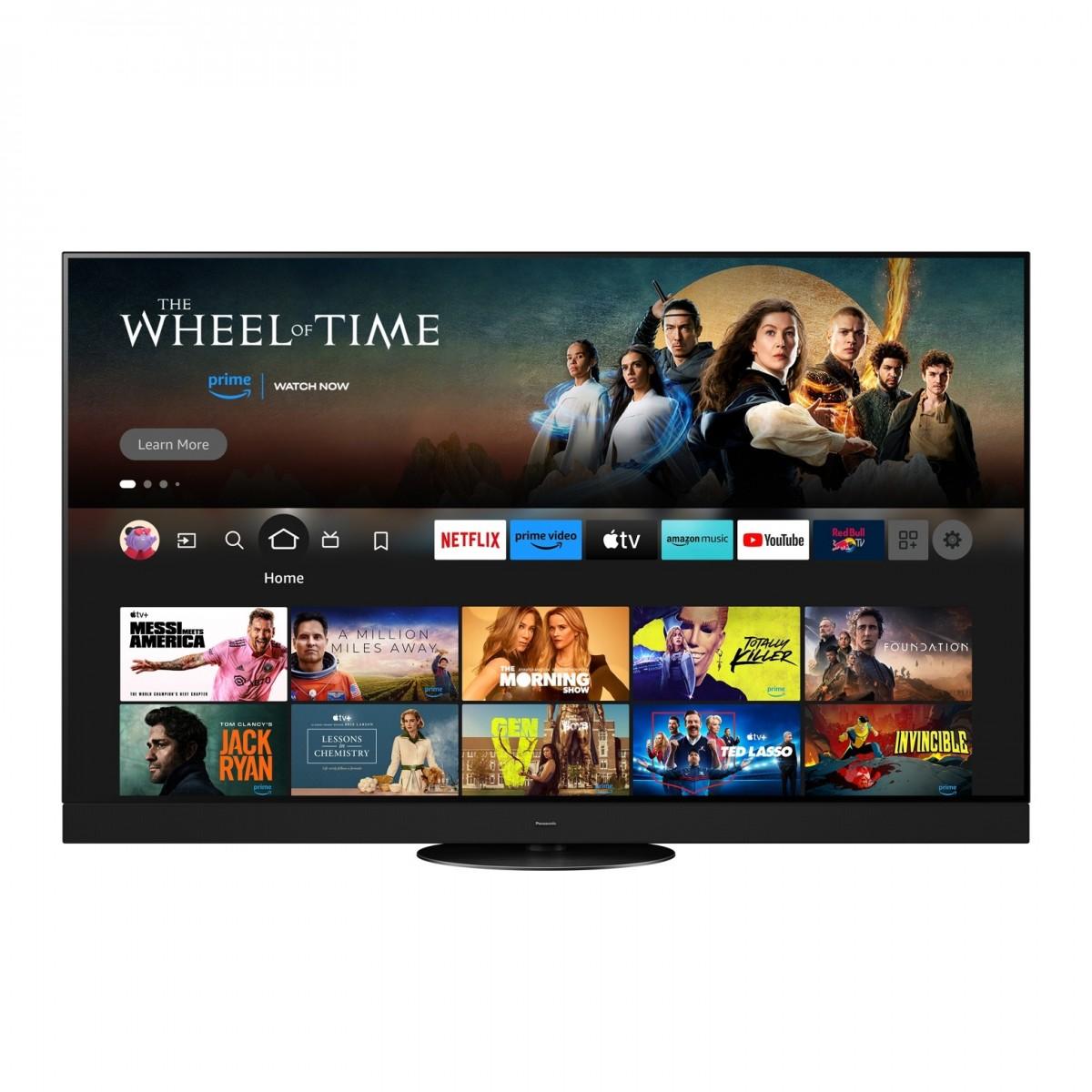
Both TVs embrace artificial intelligence, but in different ways that reflect their target audiences. The Panasonic Z95A runs Amazon's Fire TV OS with Alexa Built-in, focusing on content discovery and voice control. The AI here works behind the scenes, analyzing content type (sports, movies, games) and automatically adjusting picture and sound settings. This is practical AI – the kind that improves your experience without requiring your attention.
The Samsung Q7F features Samsung's Vision AI, which takes a more interactive approach. It includes Generative Wallpaper that creates custom artwork based on your preferences, enhanced Bixby voice control that can process multiple commands simultaneously, and comprehensive SmartThings integration for controlling your smart home devices. Samsung TV Plus provides access to over 1,200 free channels, which adds significant value for cord-cutters.
The smart TV experience often comes down to interface preference and ecosystem integration. Fire TV OS offers a content-forward approach that prioritizes finding things to watch, while Samsung's Tizen OS provides more comprehensive device integration and AI-powered features that extend beyond just watching content.
TV audio has improved dramatically in recent years, and both models showcase different philosophies. The Panasonic Z95A features what Panasonic calls "360 Soundscape Pro," tuned by Technics (Panasonic's premium audio brand). This system repositions speakers throughout the TV chassis and includes a 30W subwoofer for genuine bass response. Dolby Atmos support creates spatial audio – sound that appears to come from specific locations around you rather than just from the TV.
This matters more than you might expect. Good built-in audio can eliminate the need for a separate soundbar or speaker system, saving money and reducing setup complexity. The Panasonic's audio system has received positive feedback from users who found it sufficient for most content without additional speakers.
The Samsung Q7F includes a 20W 2-channel system with Object Tracking Sound Lite, which attempts to make dialogue and effects appear to come from appropriate locations on screen. Q-Symphony support allows the TV to work with Samsung soundbars, using both the TV speakers and soundbar simultaneously for enhanced audio.
From our evaluation of user reviews, the audio quality difference is significant. The Panasonic provides fuller, more immersive audio that many users find adequate for movies and music, while the Samsung delivers clear dialogue and basic audio enhancement that works well for news and casual viewing but may leave movie enthusiasts wanting more.
For dedicated home theater setups, several factors become more critical. The Panasonic Z95A offers professional-grade calibration options, including Prime Video Calibrated Mode, Calman calibration support, and ISFccc (Imaging Science Foundation) certification. These features allow professional calibrators to fine-tune the display for optimal performance in your specific viewing environment.
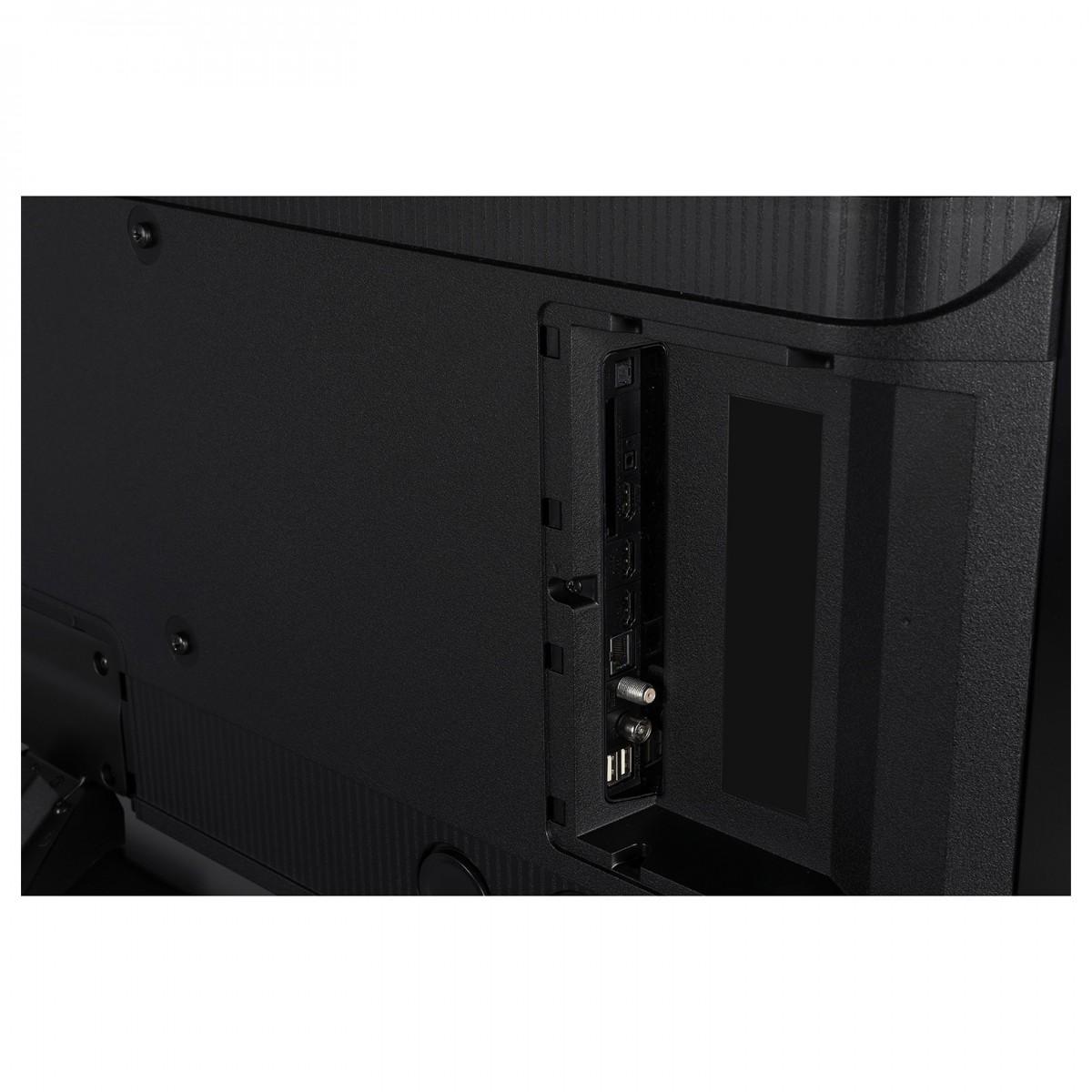
The TV's OLED technology excels in dark room viewing, where the perfect blacks create an almost projector-like experience. The 144Hz capability means it's future-proofed for next-generation content and gaming. Multiple HDMI 2.1 ports (48Gbps bandwidth) support the latest devices without requiring an HDMI switcher.
The Samsung Q7F works well in brighter rooms where its higher peak brightness becomes an advantage. While it lacks advanced calibration options, its vibrant colors and smart features make it suitable for family rooms where the TV serves multiple purposes beyond critical viewing.
At the time of writing, these TVs serve completely different market segments, and their pricing reflects fundamental differences in technology and target audience rather than simple feature variations.
The Panasonic Z95A targets serious enthusiasts who prioritize picture quality above all else. If you're the type of person who researches the best way to watch movies, notices compression artifacts in streaming content, or plays competitive games, the investment in OLED technology pays dividends. The superior contrast, color accuracy, and gaming features justify the premium pricing for users who will appreciate these improvements daily.
The Samsung Q7F excels as an entry point into premium TV features for budget-conscious buyers. Samsung's Vision AI brings flagship smart features to an affordable price point, and the quantum dot technology provides noticeably better colors than basic LED TVs. For families who want a smart TV with good picture quality and modern features without flagship pricing, it offers excellent value.
Long-term considerations favor the Panasonic for performance consistency and the Samsung for smart feature updates. OLED technology maintains its performance characteristics over time, while Samsung's history of software updates means the smart features will likely improve and expand.
Choose the Panasonic Z95A OLED if you're serious about picture quality and have the budget for flagship performance. This TV makes sense for dedicated movie watchers, competitive gamers, and anyone who wants the best possible image quality. The superior contrast, comprehensive HDR support, gaming features, and premium audio system justify the investment for users who will notice and appreciate these advantages.
Choose the Samsung Q7F QLED if you want modern smart TV features at an accessible price point. This makes sense for families who need a reliable smart TV with good picture quality, casual gamers who don't need advanced gaming features, and anyone who prioritizes Samsung's smart home ecosystem. The Vision AI features and free content channels add significant value at this price level.
The fundamental question isn't which TV is better – they're designed for different users and budgets. The Panasonic represents the current state of the art in consumer display technology, while the Samsung democratizes premium smart features for mainstream buyers. Your choice should align with how you plan to use the TV and what aspects of the viewing experience matter most to you.
Consider your viewing habits, room lighting, gaming needs, and budget constraints. Both TVs will deliver good experiences within their intended use cases, but the difference in picture quality and gaming performance is substantial enough that enthusiasts will notice it immediately, while casual viewers may find the Samsung's smart features and value proposition more compelling.
| Panasonic Z95A 65" OLED 4K Ultra HD Smart TV | Samsung 65" Q7F QLED 4K Vision AI Smart TV 2025 |
|---|---|
| Display Technology - Fundamentally affects picture quality and viewing experience | |
| Primary RGB Tandem OLED with pixel-level lighting control | Quantum Dot QLED with direct LED backlighting |
| Contrast Ratio - Critical for dark room viewing and HDR performance | |
| Infinite contrast (true blacks from pixel-level control) | 4500:1 typical contrast (limited by LED backlighting) |
| Peak Brightness - Important for HDR content and bright room viewing | |
| High brightness OLED with sustained peak performance | 500 cd/m² typical QLED brightness |
| Refresh Rate - Essential for gaming and smooth motion | |
| Native 144Hz with VRR, FreeSync Premium, G-SYNC Compatible | 60Hz with Motion Xcelerator enhancement |
| HDR Format Support - Determines compatibility with premium streaming content | |
| Dolby Vision IQ, HDR10+, HDR10, HLG (comprehensive support) | HDR10+ only (no Dolby Vision support) |
| Gaming Features - Important for console and PC gaming performance | |
| 144Hz, VRR, ALLM, near-zero input lag, dedicated game modes | 60Hz, Auto Game Mode, basic gaming optimization |
| Audio System - Affects whether you need external speakers | |
| 360 Soundscape Pro by Technics, 30W subwoofer, Dolby Atmos | 20W 2-channel with Object Tracking Sound Lite |
| Smart TV Platform - Determines app selection and user interface | |
| Fire TV OS with Alexa Built-in, content-focused interface | Tizen OS with Vision AI, SmartThings integration, 1200+ free channels |
| HDMI Connectivity - Important for connecting multiple devices and future compatibility | |
| Multiple HDMI 2.1 ports with 48Gbps bandwidth | 3 HDMI ports, basic connectivity |
| AI Features - Modern smart TV capabilities and automation | |
| Picture/sound optimization AI, voice control integration | Vision AI with Generative Wallpaper, enhanced Bixby, multi-command processing |
| Professional Calibration Support - Important for videophiles and color accuracy | |
| Prime Video Calibrated Mode, Calman support, ISFccc certification | Basic picture modes, no professional calibration options |
| Target Market - Who this TV is designed for | |
| Premium enthusiasts prioritizing picture quality and gaming | Budget-conscious buyers wanting smart features and good value |
The Panasonic Z95A OLED delivers superior picture quality with perfect blacks, infinite contrast, and comprehensive HDR support including Dolby Vision. The OLED technology provides more accurate colors and better dark room performance. The Samsung Q7F QLED offers brighter images with vibrant colors but cannot achieve true blacks due to its LED backlighting system.
OLED displays like the Panasonic Z95A use self-lighting pixels that can turn completely off for perfect blacks and infinite contrast. QLED displays like the Samsung Q7F use LED backlights with quantum dot enhancement for brighter, more colorful images but cannot produce true blacks. OLED excels in dark rooms while QLED performs better in bright environments.
The Panasonic Z95A OLED is significantly better for gaming with native 144Hz refresh rate, VRR support, AMD FreeSync Premium, NVIDIA G-SYNC compatibility, and near-zero input lag. The Samsung Q7F QLED offers basic gaming with 60Hz refresh rate and Auto Game Mode but lacks advanced gaming features needed for competitive or high-end gaming.
Both TVs offer modern smart features but take different approaches. The Samsung Q7F features Vision AI with Generative Wallpaper, enhanced Bixby voice control, and SmartThings integration. The Panasonic Z95A runs Fire TV OS with Alexa Built-in and focuses more on content discovery and behind-the-scenes AI optimization for picture and sound quality.
The Panasonic Z95A OLED has superior audio with its 360 Soundscape Pro system tuned by Technics, featuring a 30W subwoofer and Dolby Atmos support. The Samsung Q7F QLED includes a basic 20W 2-channel system with Object Tracking Sound Lite, which is adequate for casual viewing but may require external speakers for movies and music.
The Panasonic Z95A supports all major HDR formats including Dolby Vision IQ, HDR10+, HDR10, and HLG, ensuring compatibility with premium streaming content from Netflix, Disney+, and other services. The Samsung Q7F only supports HDR10+ and lacks Dolby Vision support, which may limit compatibility with some streaming content.
Value depends on your priorities and budget. The Samsung Q7F QLED offers excellent value for budget-conscious buyers, providing modern smart features, good picture quality, and Vision AI capabilities at an affordable price. The Panasonic Z95A OLED provides premium value for enthusiasts who prioritize picture quality, gaming performance, and professional features.
The Samsung Q7F QLED performs better in bright rooms due to higher peak brightness that can overcome ambient light. The Panasonic Z95A OLED excels in dark rooms where its perfect blacks and infinite contrast create an immersive viewing experience, though modern OLED brightness improvements make it suitable for most lighting conditions.
The Panasonic Z95A OLED is ideal for home theater use with professional calibration options, Prime Video Calibrated Mode, ISFccc certification, superior contrast for dark room viewing, and premium audio that may eliminate the need for external speakers. The Samsung Q7F works well in multipurpose family rooms but lacks the professional features serious home theater enthusiasts expect.
The Panasonic Z95A provides multiple HDMI 2.1 ports with 48Gbps bandwidth for future compatibility with high-end gaming consoles and devices. The Samsung Q7F includes 3 HDMI ports with basic connectivity suitable for most users but may require an HDMI switcher for multiple high-bandwidth devices.
The Panasonic Z95A OLED offers 144Hz native refresh rate with variable refresh rate support, providing smooth motion for gaming and sports with no screen tearing. The Samsung Q7F QLED operates at 60Hz with motion enhancement, which is adequate for casual viewing and basic gaming but limiting for competitive gaming or high-frame-rate content.
Choose the Panasonic Z95A OLED if you prioritize picture quality, are a serious gamer, watch movies in dark rooms, or want professional-grade features and don't mind paying premium pricing. Choose the Samsung Q7F QLED if you want modern smart features at an affordable price, primarily watch TV in bright rooms, need basic gaming capability, or prefer Samsung's smart home ecosystem integration.
We've done our best to create useful and informative comparisons to help you decide what product to buy. Our research uses advanced automated methods to create this comparison and perfection is not possible - please contact us for corrections or questions. These are the sites we've researched in the creation of this article: youtube.com - youtube.com - whathifi.com - tomsguide.com - shop.panasonic.com - store.in.panasonic.com - rtings.com - applianceplus.co.nz - rtings.com - store.in.panasonic.com - samsung.com - bestbuy.com - youtube.com - samsung.com - samsung.com - pcrichard.com - samsung.com - samsung.com - videoandaudiocenter.com - displayspecifications.com - bestbuy.com - samsung.com - samsung.com - samsung.com - samsung.com - news.samsung.com

Privacy Policy
Terms and Conditions - Affiliate Policy
Home Security
© Copyright 2008-2026.
11816 Inwood Rd #1211, Dallas, TX 75244