

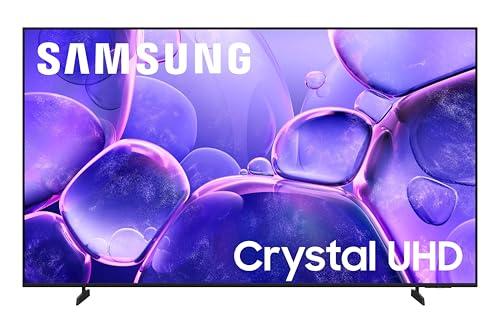


Samsung released both the Crystal UHD U8000F and Q7F QLED in 2025, representing a fascinating case study in TV market positioning. What makes this comparison particularly interesting is that the cheaper model actually wins in one crucial area—gaming—while the more expensive option dominates picture quality. Let's dive deep into what separates these TVs and help you figure out which belongs in your living room.
Before we jump into specifics, it's worth understanding what we're dealing with in today's TV market. Both TVs deliver 4K resolution (that's 3,840 x 2,160 pixels—four times sharper than old HD), but the real differences lie in how they create and display those images.
The fundamental question when buying any TV comes down to this: What do you value most? Picture quality, gaming performance, smart features, or overall value? Modern TVs have become incredibly capable across the board, but manufacturers still make trade-offs to hit different price points.
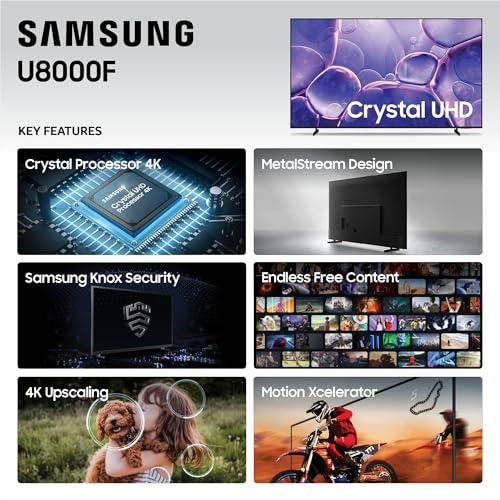
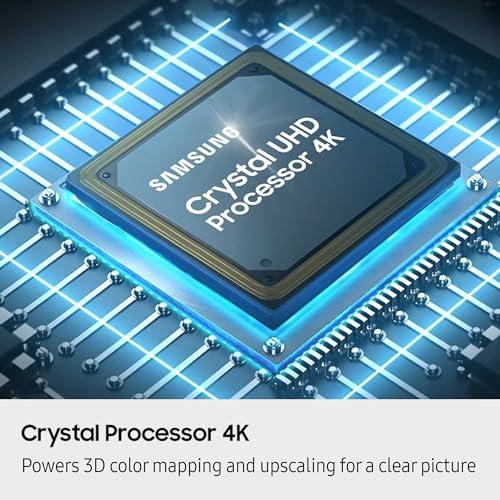
Here's where things get interesting. The Samsung U8000F uses what Samsung calls "Crystal" technology—essentially a refined version of traditional LED backlighting combined with Samsung's Crystal Processor 4K. Think of this as taking a standard LED TV and optimizing every aspect of how it processes and displays images.
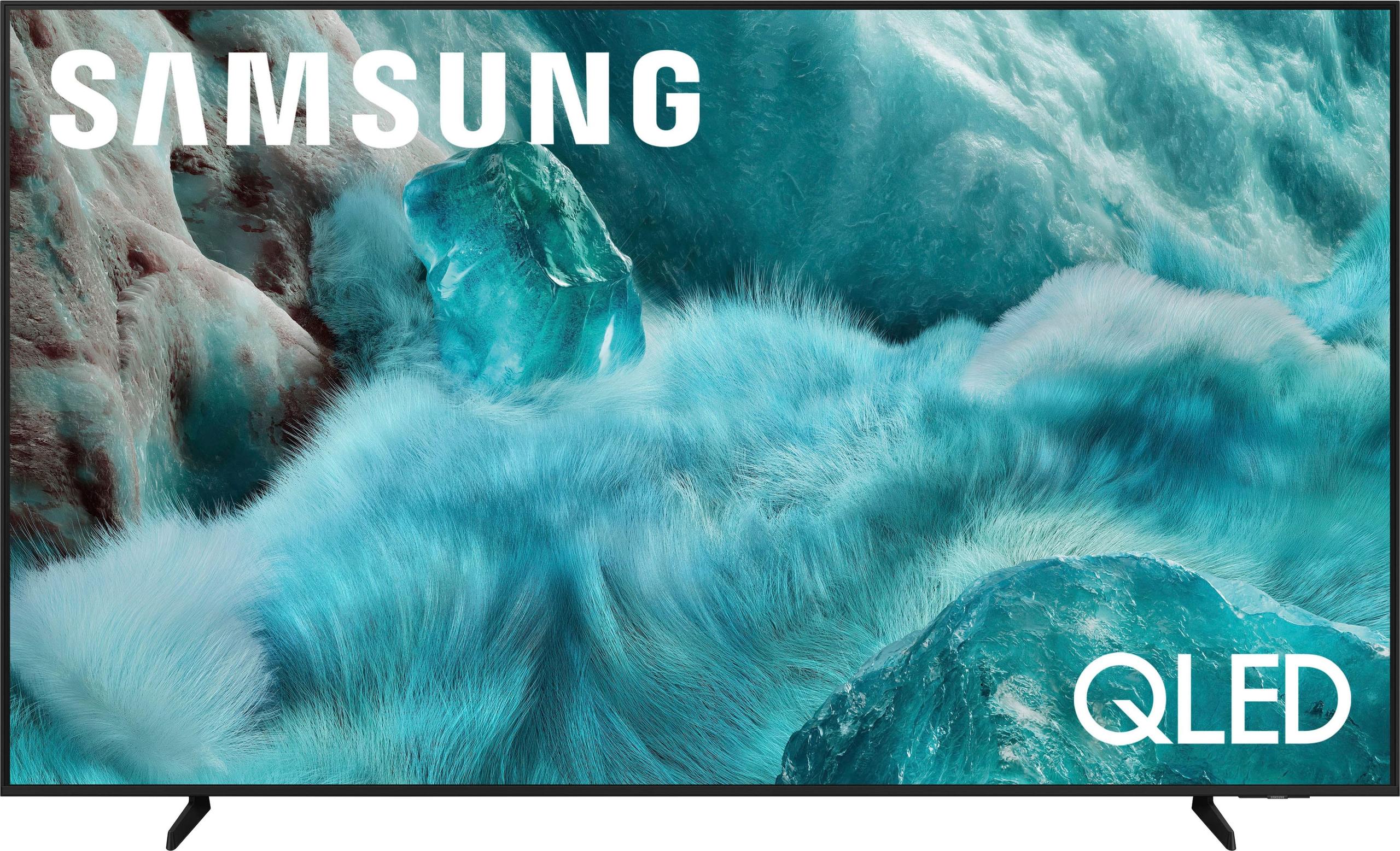
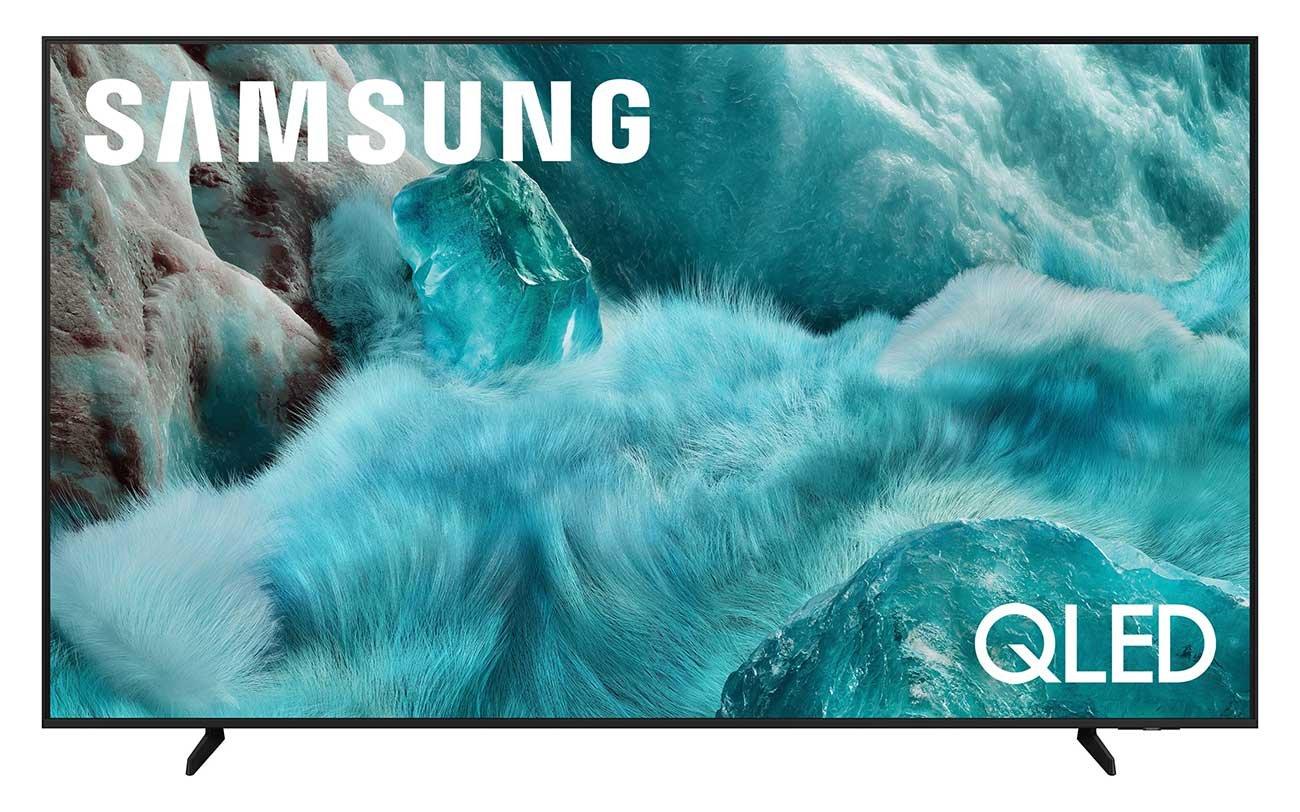
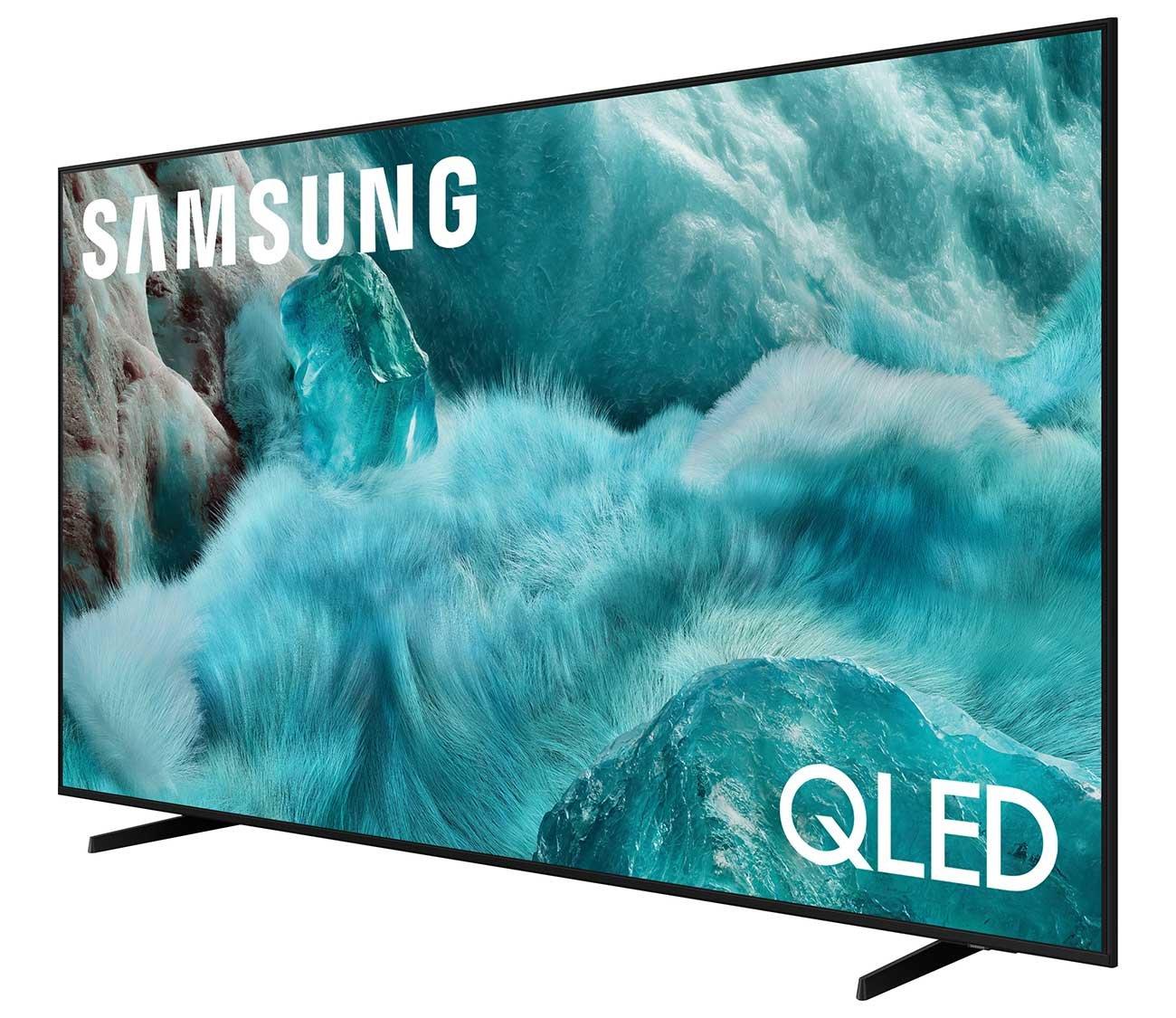
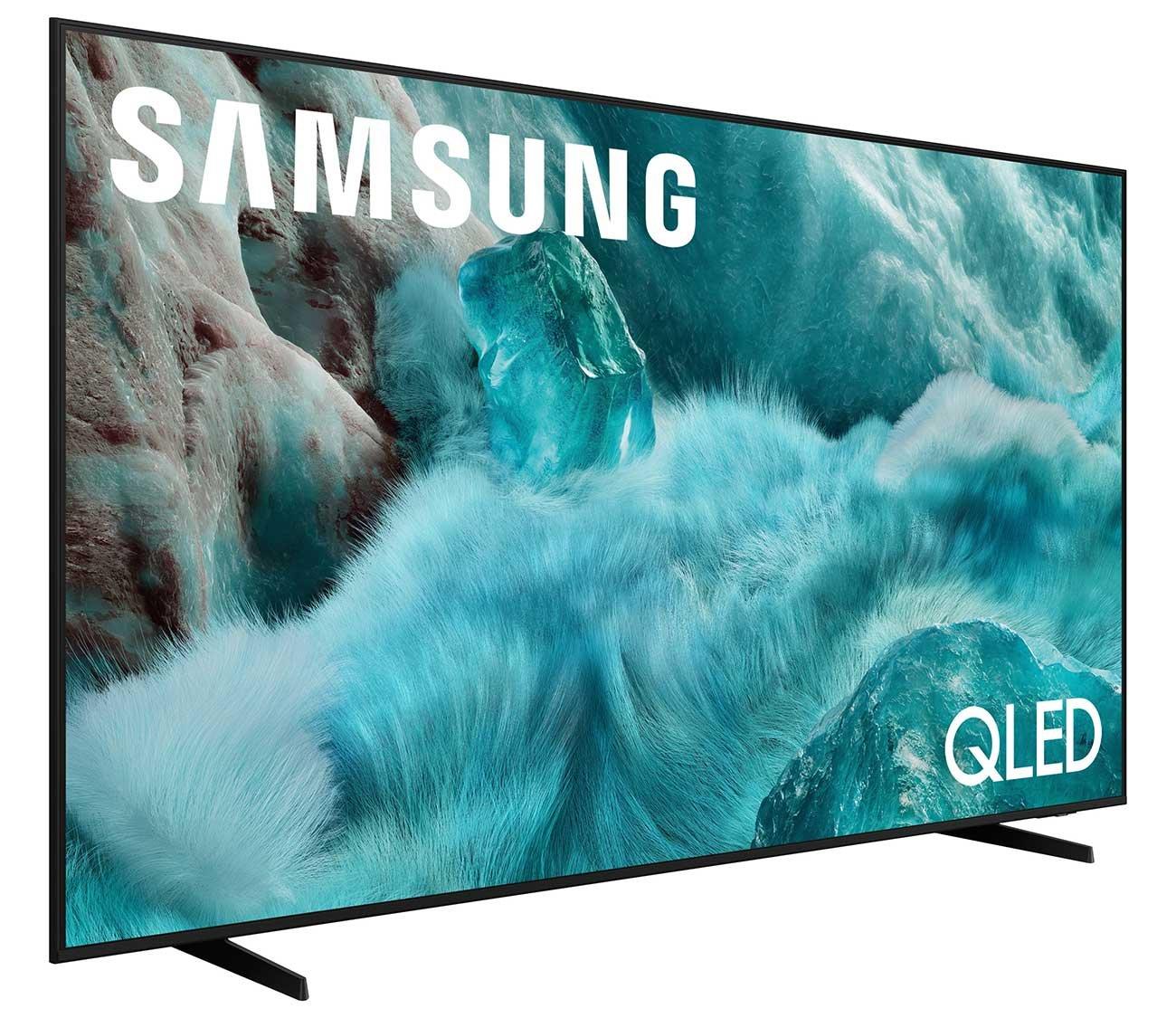
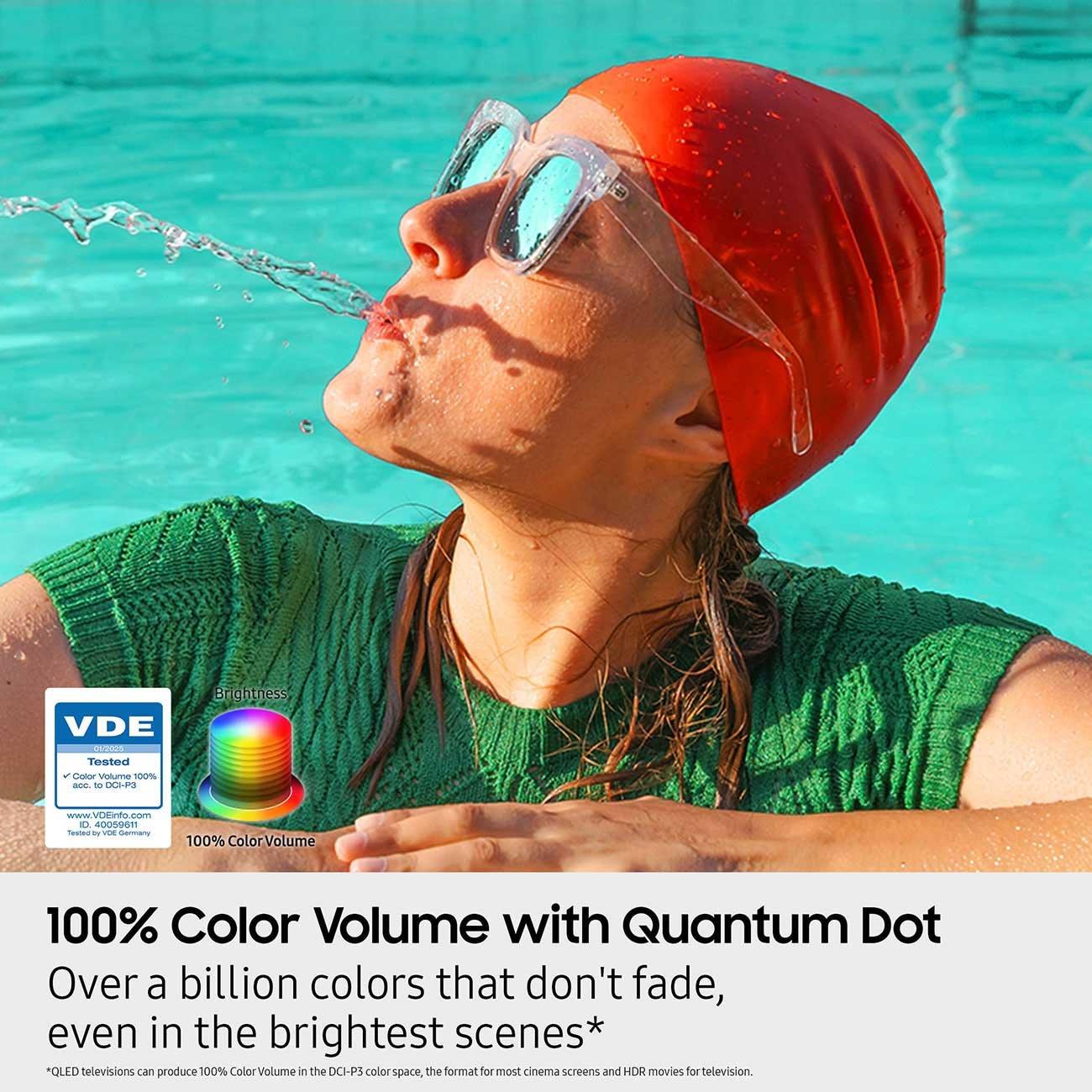
The Q7F QLED, on the other hand, represents a fundamental leap in display technology. QLED stands for "Quantum Dot Light Emitting Diode"—a mouthful that essentially means the TV uses microscopic crystals to create more accurate, vivid colors. These quantum dots act like tiny filters that can produce incredibly pure colors that stay vibrant even when the screen gets very bright or very dim.
The difference is immediately noticeable. While the Crystal UHD U8000F produces natural-looking colors that won't offend anyone, the Q7F QLED delivers what Samsung calls "100% Color Volume"—over one billion different color shades that maintain their punch across different brightness levels. It's the difference between a good quality photo print and a magazine cover that seems to pop off the page.
When it comes to pure picture quality, the Q7F QLED justifies its higher price tag. The quantum dot technology doesn't just create more colors—it creates better colors. HDR content (High Dynamic Range—think of it as photos that capture both bright sunlight and deep shadows in the same shot) particularly benefits from this technology.
The Q7F supports Quantum HDR with HDR10+, which uses dynamic tone mapping to adjust brightness and contrast scene by scene. When you're watching a movie that cuts from a bright outdoor scene to a dark indoor conversation, the TV intelligently adjusts to show detail in both scenarios. The U8000F, while supporting HDR+, can't match this level of sophistication.
Brightness is another crucial factor, especially if your TV room gets lots of natural light. Based on our research into professional reviews and user feedback, the Q7F QLED handles bright rooms better than the Crystal UHD U8000F, though neither TV is what you'd call blindingly bright by premium TV standards. The U8000F actually performs best in darker, more controlled environments where its decent black levels can shine without competing with room lighting.
For home theater enthusiasts, this brightness difference matters significantly. The Q7F QLED maintains color accuracy and contrast even when ambient lighting is present, while the U8000F tends to look washed out in bright conditions. If your couch faces a window or you prefer watching with lights on, the QLED technology provides a more consistent experience.
Both TVs feature Samsung's UHD Dimming technology, but the Q7F uses "Supreme" UHD Dimming—a more advanced version that divides the screen into more zones for better brightness control. Think of it like having more precise volume controls for different parts of your screen simultaneously.
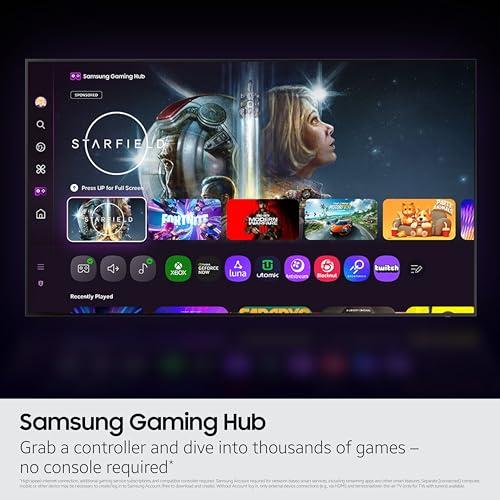
Here's where our comparison takes an unexpected turn. Despite being the more affordable option, the Samsung U8000F actually offers better gaming features than its pricier sibling. The key differentiator is VRR—Variable Refresh Rate.
VRR is crucial for modern gaming because it synchronizes your TV's refresh rate with your gaming console's output. When your PlayStation 5 or Xbox Series X renders 45 frames per second during an intense action sequence, VRR ensures the TV displays those frames smoothly instead of creating stuttering or screen tearing (those annoying horizontal lines that appear during fast motion).
Surprisingly, the Q7F QLED completely lacks VRR support, despite its higher price and more advanced processor. This seems like a significant oversight in Samsung's positioning, especially considering that gaming has become such a priority for TV manufacturers.
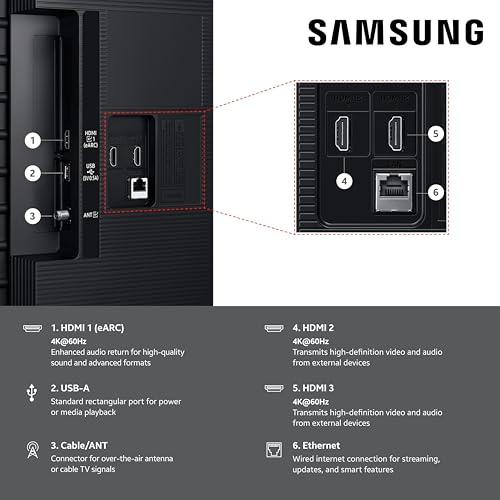
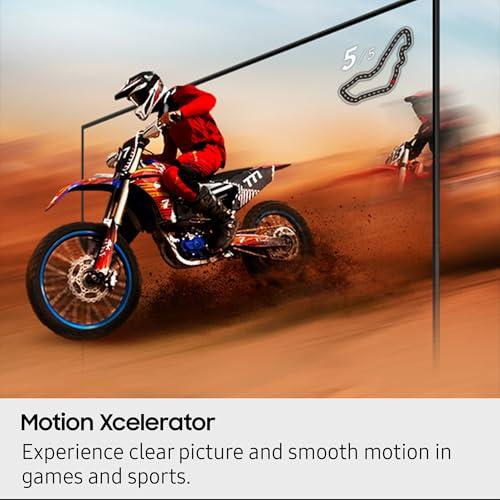
Both TVs are limited to 60Hz refresh rates and HDMI 2.0 connections, which means you won't get 120Hz gaming that some competitors offer. However, they both include ALLM (Auto Low Latency Mode), which automatically switches to gaming mode when it detects a console connection, reducing input lag—the delay between pressing a controller button and seeing the action on screen.
For casual gamers who play single-player adventures or turn-based games, either TV works fine. But if you're into competitive gaming, racing games, or first-person shooters where every millisecond counts, the U8000F's VRR support provides a tangible advantage that the more expensive Q7F simply can't match.
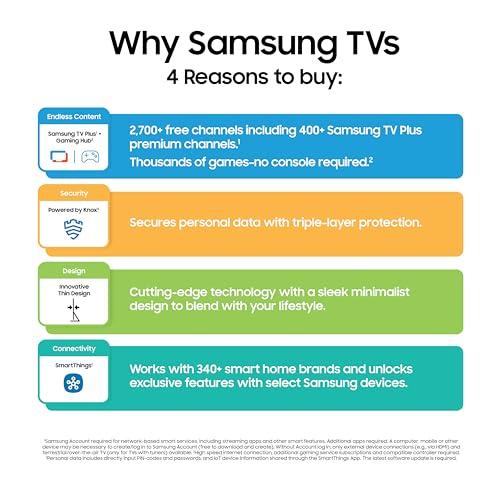
Samsung's Tizen operating system powers both TVs, providing access to all major streaming services, Samsung's free TV Plus channels (over 2,700 channels at the time of writing), and solid voice control through Bixby, Alexa, and Google Assistant integration.
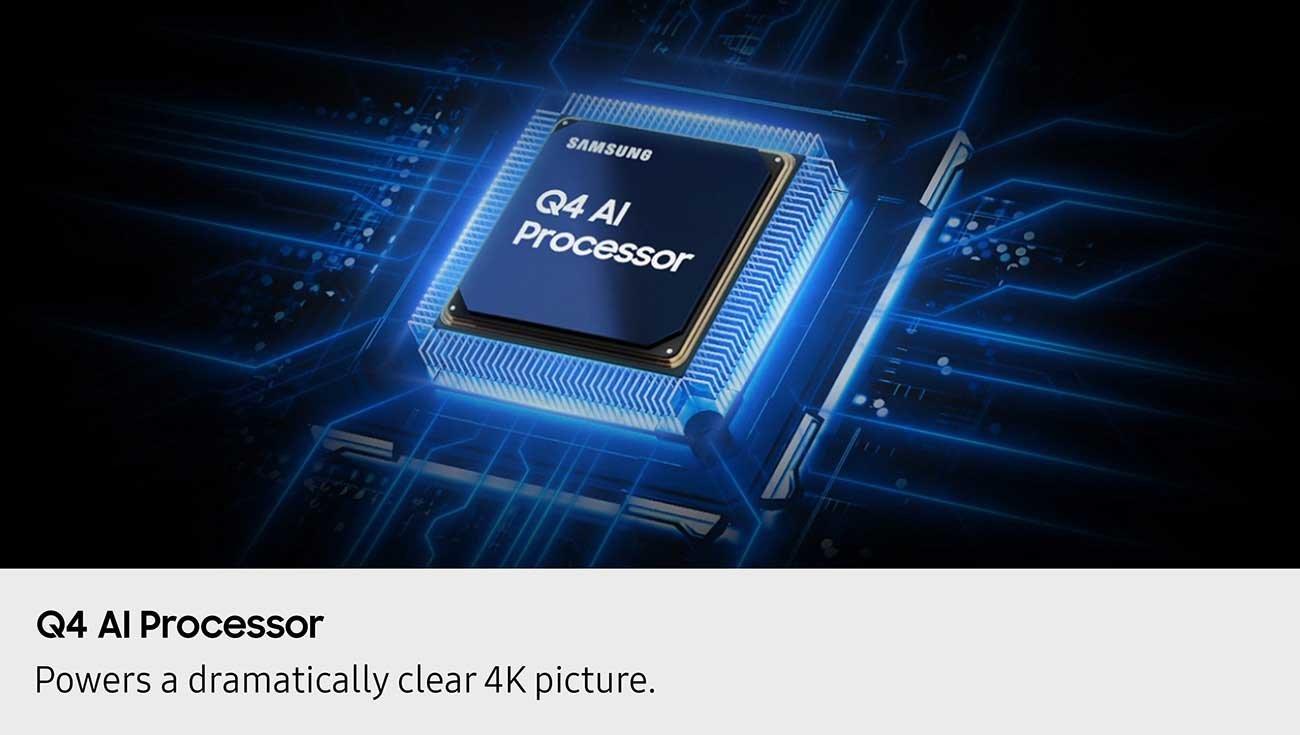
Where the Q7F QLED pulls ahead is Samsung Vision AI, powered by the more sophisticated Q4 AI Processor. This isn't just marketing fluff—the AI actually delivers useful features. It can identify actors on screen and show their filmography, provide real-time translation for foreign content, and learn your viewing habits to suggest relevant content.
The gesture control feature works with compatible Samsung devices (like Galaxy watches), letting you navigate menus without hunting for the remote. While not revolutionary, these AI features create a more personalized, intuitive experience that feels genuinely helpful rather than gimmicky.
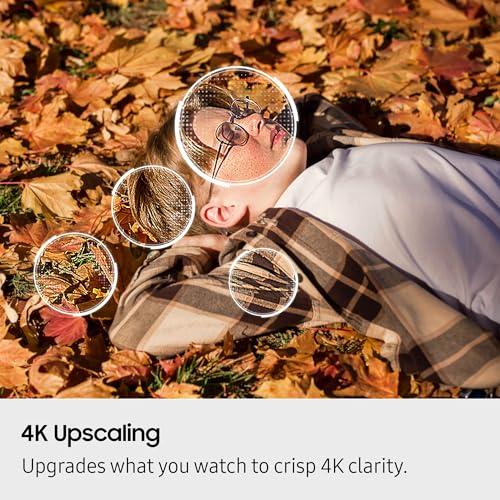
The Crystal UHD U8000F sticks with Samsung's standard Crystal Processor 4K, which handles upscaling and basic smart features competently but without the intelligent adaptation of the Q4 AI processor. Both processors do an excellent job upscaling lower-resolution content to look sharp on the 4K screen, but the Q4 AI processor adds contextual intelligence that makes the experience feel more refined.
Both TVs deliver identical audio specifications: 20W output through 2.0 channel speakers with Object Tracking Sound Lite and Q-Symphony support. Object Tracking Sound Lite creates the illusion that audio moves with action on screen—when a car drives from left to right, you'll hear the engine sound follow the motion.
Q-Symphony allows the TV speakers to work in harmony with compatible Samsung soundbars instead of shutting off completely. This creates a more immersive soundscape by using both the TV's speakers and the soundbar simultaneously.
However, let's be honest: neither TV delivers audio that matches their visual capabilities. The 20W output and basic speaker configuration mean you'll want to invest in external audio for any serious movie watching or gaming. This is typical for modern thin TVs—the physics of cramming quality speakers into a slim profile just doesn't work well.
For casual viewing, both TVs provide clear dialogue and adequate sound. For home theater use, budget for a soundbar or surround sound system regardless of which TV you choose.
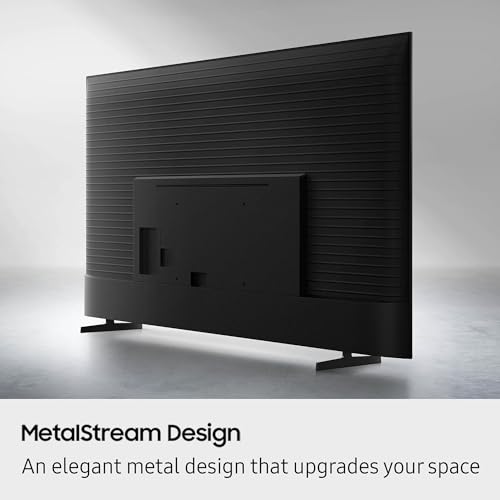
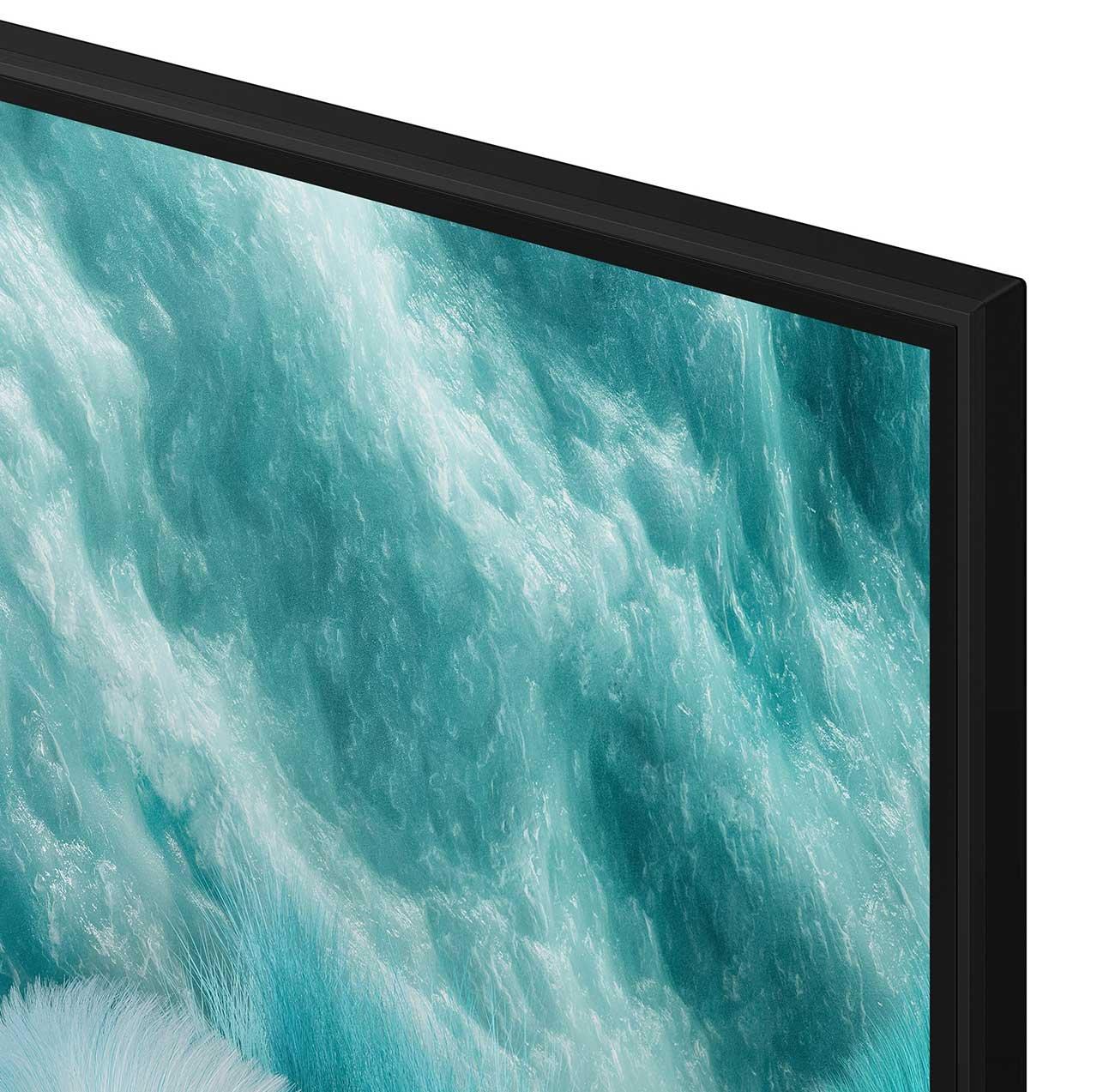
Samsung took an interesting approach with the U8000F's design. The MetalStream Design uses what Samsung describes as aircraft-inspired metal construction with a three-sided bezel-less display. This represents a significant upgrade from previous entry-level models that relied heavily on plastic construction.
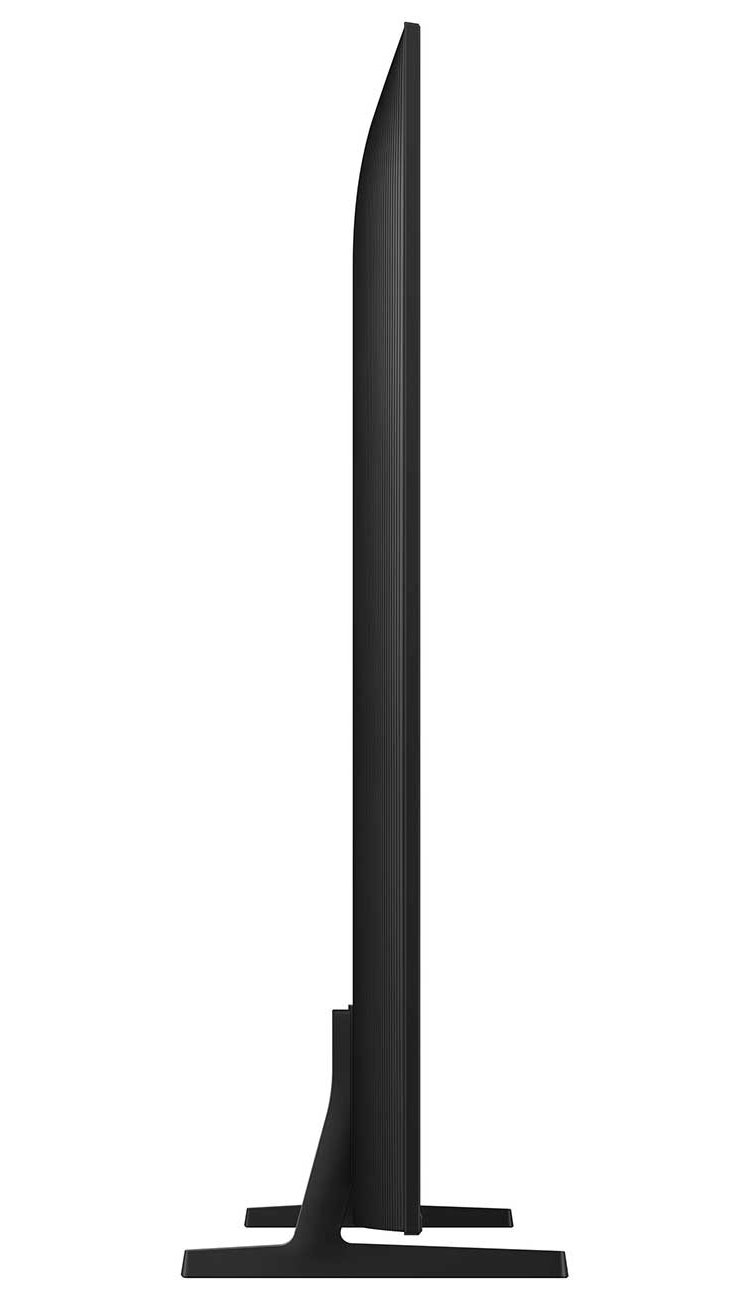
The metal back panel not only looks more premium but should prove more durable over time. The ultra-thin profile and minimal bezels help the TV disappear into your room's decor rather than dominating it.
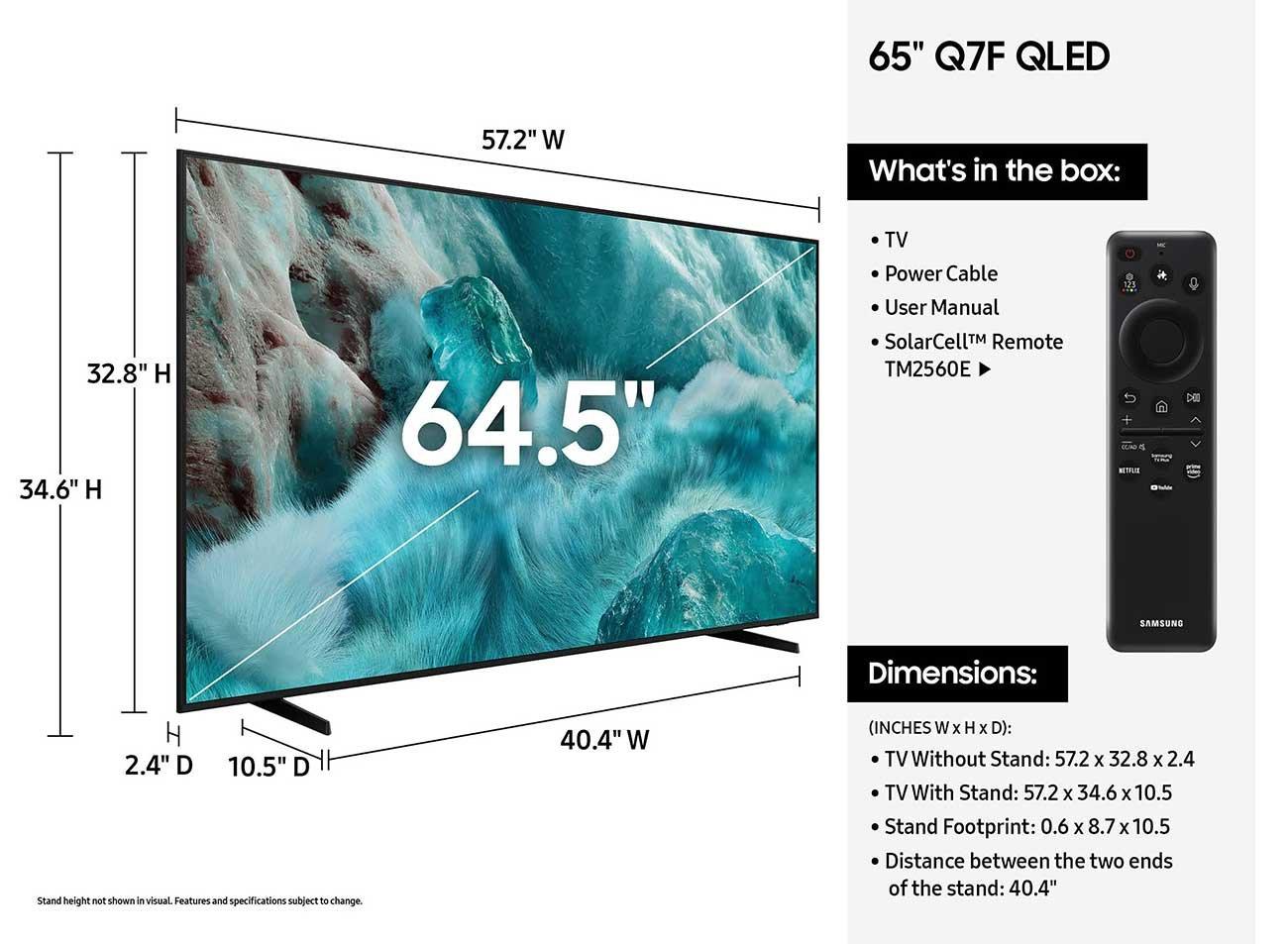
The Q7F QLED opts for a more traditional thin design approach, focusing resources on display technology rather than exotic materials. It offers more practical features like adjustable stand positioning—you can set the legs 40.4 inches apart for wide entertainment centers or 12 inches apart for narrower stands.
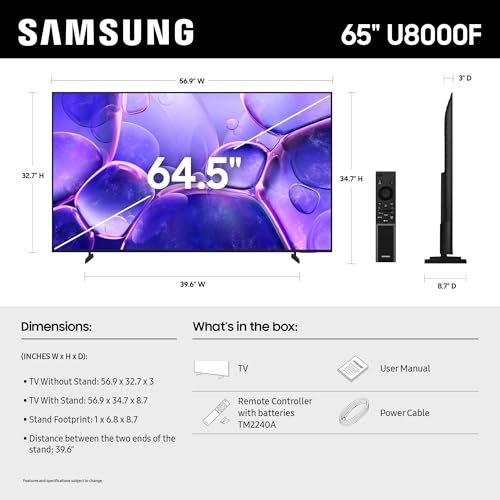
Both TVs are remarkably lightweight for their size, weighing around 37 pounds with stands. This makes wall mounting easier and reduces stress on furniture, but it also means the TVs can feel less substantial than some competitors.
At the time of writing, the pricing gap between these models creates an interesting value proposition. The Crystal UHD U8000F positions itself as a premium budget option—offering solid 4K performance with some genuinely premium design elements at an entry-level price point.
The Q7F QLED commands a price premium that reflects its quantum dot technology and AI features, typically retailing for several hundred dollars more than the U8000F. Whether this premium is justified depends entirely on your priorities and viewing habits.
For budget-conscious buyers who primarily game or watch content in darker rooms, the U8000F delivers impressive value. The VRR support alone makes it more future-proof for gaming than its pricier sibling, and the metal construction provides a premium feel that belies its entry-level positioning.
For viewers who prioritize picture quality, watch lots of HDR content, or use their TV in bright rooms, the Q7F QLED's quantum dot technology and superior processing justify the additional cost. The AI features, while not essential, add genuine convenience for users who appreciate smart, adaptive technology.
If you're building a dedicated home theater setup, several factors become more critical. The Q7F QLED's superior brightness and color volume make it better suited for rooms where you can't completely control ambient lighting. Its Quantum HDR implementation also handles the dramatic brightness swings in movies more gracefully.
However, both TVs lack local dimming—a feature that allows different sections of the screen to dim independently for better contrast. This limitation means neither TV achieves the deep blacks and bright highlights that define premium home theater experiences. For serious home theater use, you might want to consider higher-end models or different display technologies entirely.
The single USB port on both models also limits connectivity options for home theater setups that might need multiple external devices. The three HDMI ports should handle most setups, but the lack of HDMI 2.1 means you're missing out on some next-generation gaming and video features.
After extensive research into professional reviews and user feedback, here's my take on who should buy what:
Choose the Samsung Crystal UHD U8000F if you're a gamer who values VRR support, appreciate premium design at a budget price, primarily watch in darker rooms, or simply want solid 4K performance without paying for features you won't use. The metal construction and three-sided bezel-less design make it feel more expensive than its price suggests.
Choose the Samsung Q7F QLED if picture quality is your top priority, you watch lots of HDR content, your TV room has significant ambient lighting, or you enjoy AI-powered smart features that learn and adapt to your preferences. The quantum dot technology creates genuinely superior images that justify the price premium for most viewers.
Consider looking elsewhere if you need 120Hz gaming, want Dolby Vision support, require extensive connectivity options, or prioritize audio quality without external speakers. Both TVs serve their intended markets well but have clear limitations that might matter depending on your specific needs.
The beauty of Samsung's 2025 lineup is that both TVs succeed in their respective roles. The U8000F proves that budget TVs don't have to feel cheap, while the Q7F QLED demonstrates how quantum dot technology can dramatically improve picture quality without breaking into truly premium pricing territory.
Ultimately, your choice should align with how you actually use your TV. Gamers get genuine advantages from the U8000F's VRR support, while movie lovers will appreciate the Q7F QLED's superior color reproduction and HDR handling. Both represent solid values in their respective categories, making this decision more about matching features to your needs than finding a clear winner.
| Samsung 65-Inch Crystal UHD U8000F 4K Smart TV 2025 | Samsung 65" Q7F QLED 4K Vision AI Smart TV 2025 |
|---|---|
| Display Technology - The fundamental difference affecting color quality and brightness | |
| Crystal LED with Crystal Processor 4K | Quantum Dot QLED with Q4 AI Processor |
| Color Volume - How vibrant colors stay at different brightness levels | |
| Standard LED color reproduction (good, natural colors) | 100% Color Volume with 1+ billion colors (significantly more vibrant) |
| HDR Support - Essential for modern streaming content and movies | |
| HDR+ with basic tone mapping | Quantum HDR with HDR10+ dynamic tone mapping |
| Gaming Features - Critical for console gaming performance | |
| VRR (Variable Refresh Rate) supported | No VRR support (major gaming disadvantage) |
| Refresh Rate - Affects motion smoothness in sports and action | |
| 60Hz with Motion Xcelerator | 60Hz with Motion Xcelerator |
| Smart Platform - Determines ease of use and AI capabilities | |
| Tizen OS with standard features | Tizen OS with Samsung Vision AI (personalized recommendations, real-time translation) |
| Design Quality - Affects durability and premium feel | |
| MetalStream Design with aircraft-inspired metal construction | Standard thin design with plastic construction |
| HDMI Connectivity - Important for multiple devices and future-proofing | |
| 3 HDMI 2.0 ports (no HDMI 2.1) | 3 HDMI 2.0 ports (no HDMI 2.1) |
| Audio Output - Both require soundbar for optimal experience | |
| 20W, 2CH speakers with Object Tracking Sound Lite | 20W, 2CH speakers with Object Tracking Sound Lite |
| Stand Flexibility - Matters for different furniture sizes | |
| Fixed pedestal stand | Adjustable stand positioning (40.4" or 12" spacing) |
| Best Room Lighting - Where each TV performs optimally | |
| Darker rooms with controlled lighting | Brighter rooms with ambient light |
| Target User - Who should choose each model | |
| Gamers wanting VRR, budget-conscious buyers, metal design lovers | Picture quality prioritizers, HDR content viewers, AI feature enthusiasts |
The Samsung Q7F QLED delivers superior picture quality thanks to its Quantum Dot technology, which produces over one billion colors with 100% Color Volume. The Samsung Crystal UHD U8000F offers good, natural-looking colors but can't match the vibrancy and color accuracy of the Q7F QLED. For HDR content and bright room viewing, the QLED technology provides a noticeable upgrade.
Surprisingly, the Samsung U8000F is better for gaming despite being the cheaper option. It includes VRR (Variable Refresh Rate) support, which eliminates screen tearing and provides smoother gameplay. The Samsung Q7F QLED lacks VRR entirely, making the U8000F the clear choice for serious gamers who want the best gaming experience.
Crystal UHD uses traditional LED backlighting with enhanced processing, while QLED uses Quantum Dot technology with microscopic crystals that create more accurate, vibrant colors. The Samsung Q7F QLED can display a much wider range of colors that stay vivid at different brightness levels, while the Samsung U8000F produces more natural but less saturated colors.
The Samsung Q7F QLED performs better in bright rooms due to its superior brightness capabilities and anti-glare coating. The Quantum Dot technology maintains color accuracy even with ambient lighting present. The Samsung U8000F works best in darker, controlled lighting environments where its decent contrast can shine without competing with room lighting.
Yes, both the Samsung U8000F and Samsung Q7F QLED support 4K resolution (3840 x 2160) with upscaling capabilities. However, the Q7F offers superior HDR with Quantum HDR and HDR10+ dynamic tone mapping, while the U8000F provides basic HDR+ support. The QLED model delivers more impactful HDR performance.
The Samsung Q7F QLED includes Samsung Vision AI with personalized recommendations, real-time translation, and gesture controls. Both TVs run Tizen OS with Samsung TV Plus and voice assistant support, but the Q7F's Q4 AI Processor provides more intelligent, adaptive features compared to the standard smart platform on the Samsung U8000F.
Yes, both the Samsung U8000F and Samsung Q7F QLED have identical audio specifications: 20W output, 2.0 channel speakers, Object Tracking Sound Lite, and Q-Symphony soundbar compatibility. Neither TV excels in audio quality, so you'll likely want to add a soundbar for the best home theater experience regardless of which model you choose.
The Samsung U8000F actually wins in design quality with its MetalStream Design featuring aircraft-inspired metal construction and three-sided bezel-less display. The Samsung Q7F QLED uses a more traditional thin design with plastic construction but offers adjustable stand positioning. The U8000F feels more premium despite its lower positioning.
Both the Samsung U8000F and Samsung Q7F QLED support PlayStation 5 and Xbox Series X, but with limitations. They're restricted to 60Hz gaming with HDMI 2.0 ports, so you won't get 120Hz gaming. However, the U8000F provides better gaming performance overall thanks to its VRR support, which the Q7F surprisingly lacks.
For dedicated home theater setups, the Samsung Q7F QLED is generally better due to its superior brightness, color volume, and HDR performance. However, both TVs lack local dimming, which limits their contrast capabilities. The Q7F handles the dramatic brightness changes in movies more effectively than the Samsung U8000F.
The Samsung Q7F QLED uses the more advanced Q4 AI Processor, which provides intelligent upscaling, AI-powered features, and better overall optimization. The Samsung U8000F features the Crystal Processor 4K, which handles basic upscaling and processing well but lacks the adaptive intelligence of the Q4 processor in the Q7F.
Value depends on your priorities. The Samsung U8000F offers excellent value for gamers and budget-conscious buyers who want premium design and VRR support. The Samsung Q7F QLED provides better value for picture quality enthusiasts who watch lots of HDR content and want AI features. Consider the U8000F for gaming and design, the Q7F for picture quality and smart features.
We've done our best to create useful and informative comparisons to help you decide what product to buy. Our research uses advanced automated methods to create this comparison and perfection is not possible - please contact us for corrections or questions. These are the sites we've researched in the creation of this article: bestbuy.com - youtube.com - youtube.com - rtings.com - youtube.com - samsung.com - hometechnologyreview.com - rtings.com - samsung.com - displayspecifications.com - samsung.com - displayspecifications.com - walmart.com - billsmith.com - dentonstv.com - samsung.com - samsung.com - samsung.com - youtube.com - bestbuy.com - bestbuy.com - youtube.com - samsung.com - donstv.com - bestbuy.com - youtube.com - samsung.com - samsung.com - pcrichard.com - samsung.com - samsung.com - videoandaudiocenter.com - displayspecifications.com - bestbuy.com - samsung.com - samsung.com - samsung.com - samsung.com - news.samsung.com

Privacy Policy
Terms and Conditions - Affiliate Policy
Home Security
© Copyright 2008-2026.
11816 Inwood Rd #1211, Dallas, TX 75244