

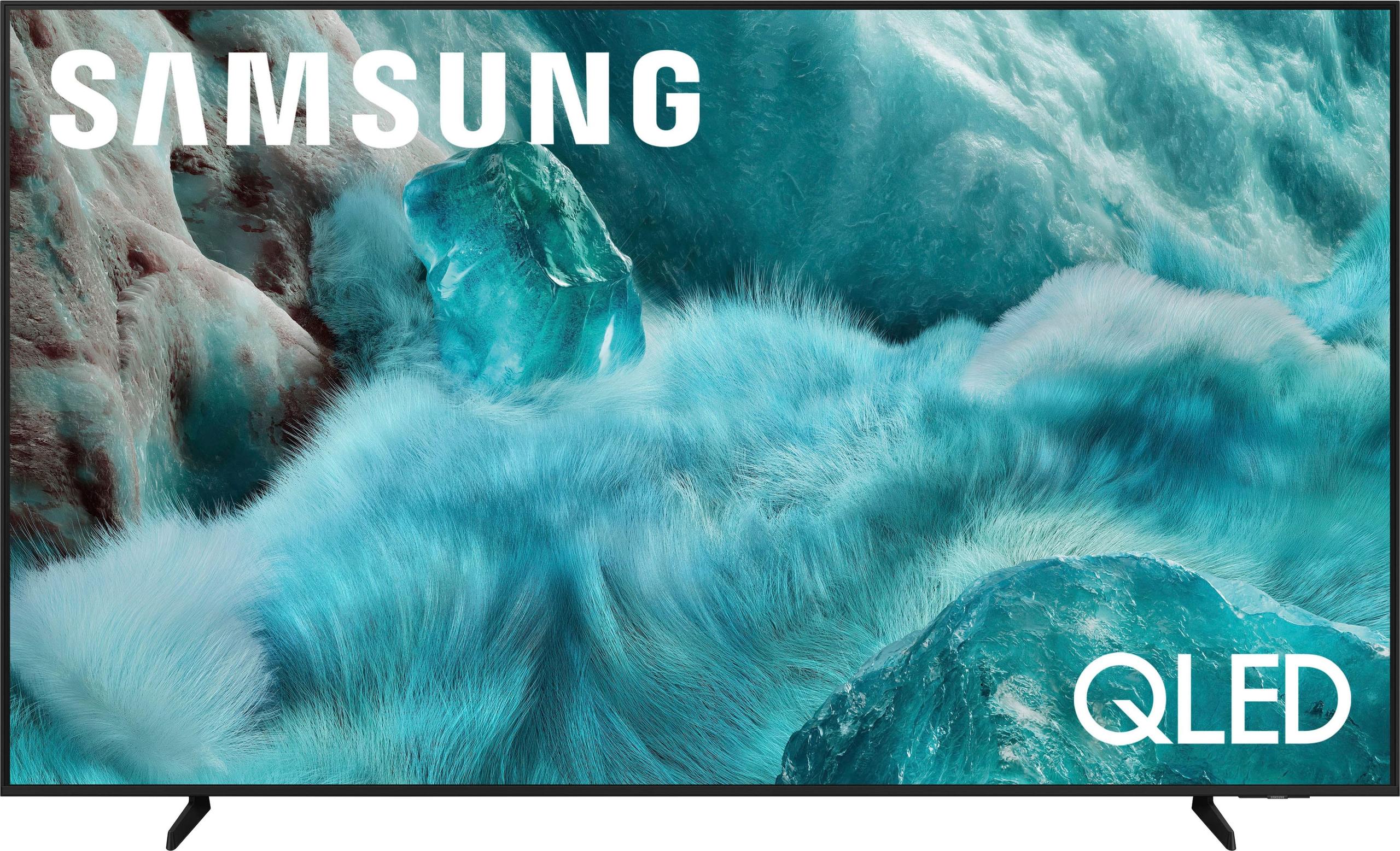
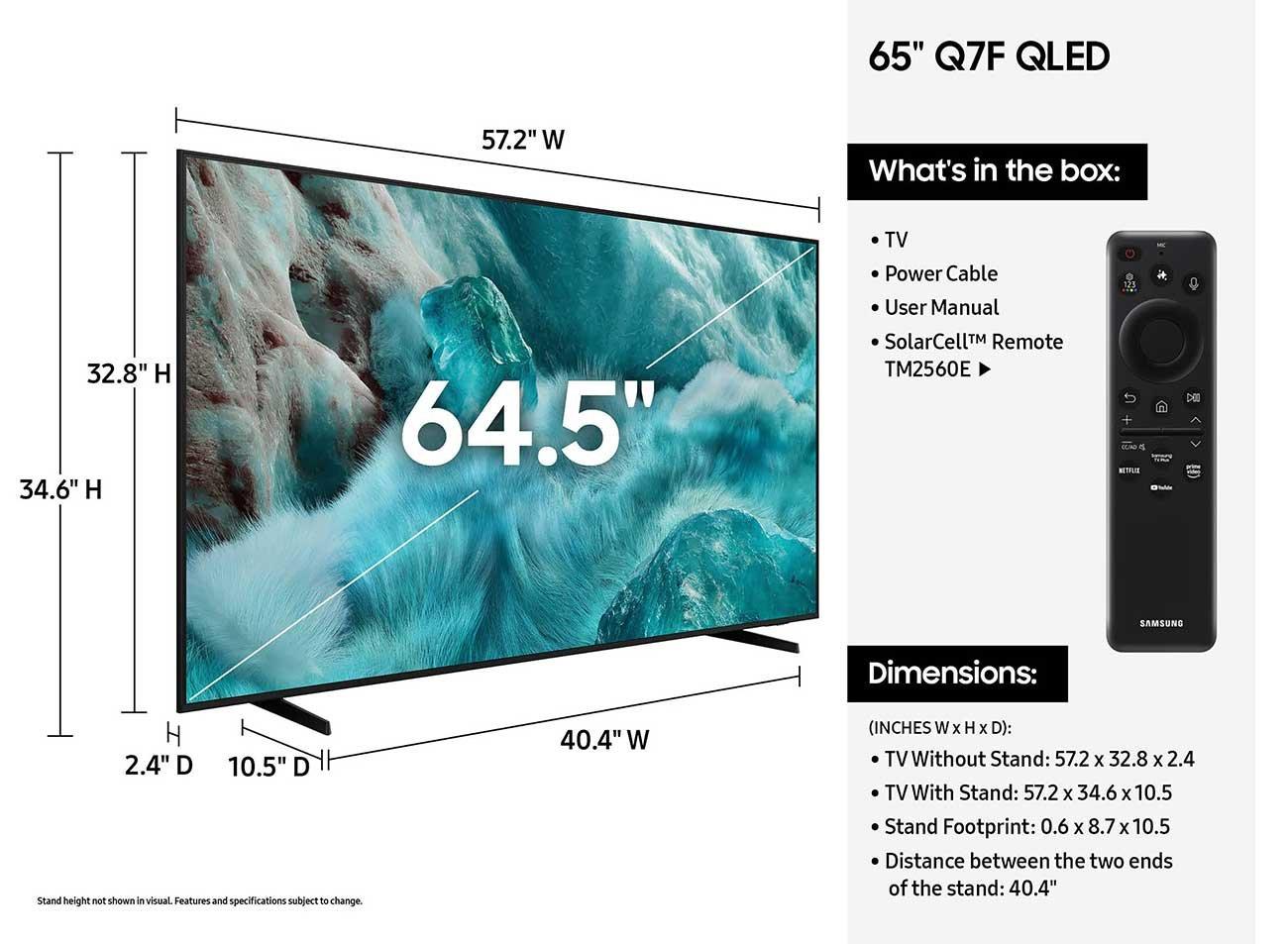

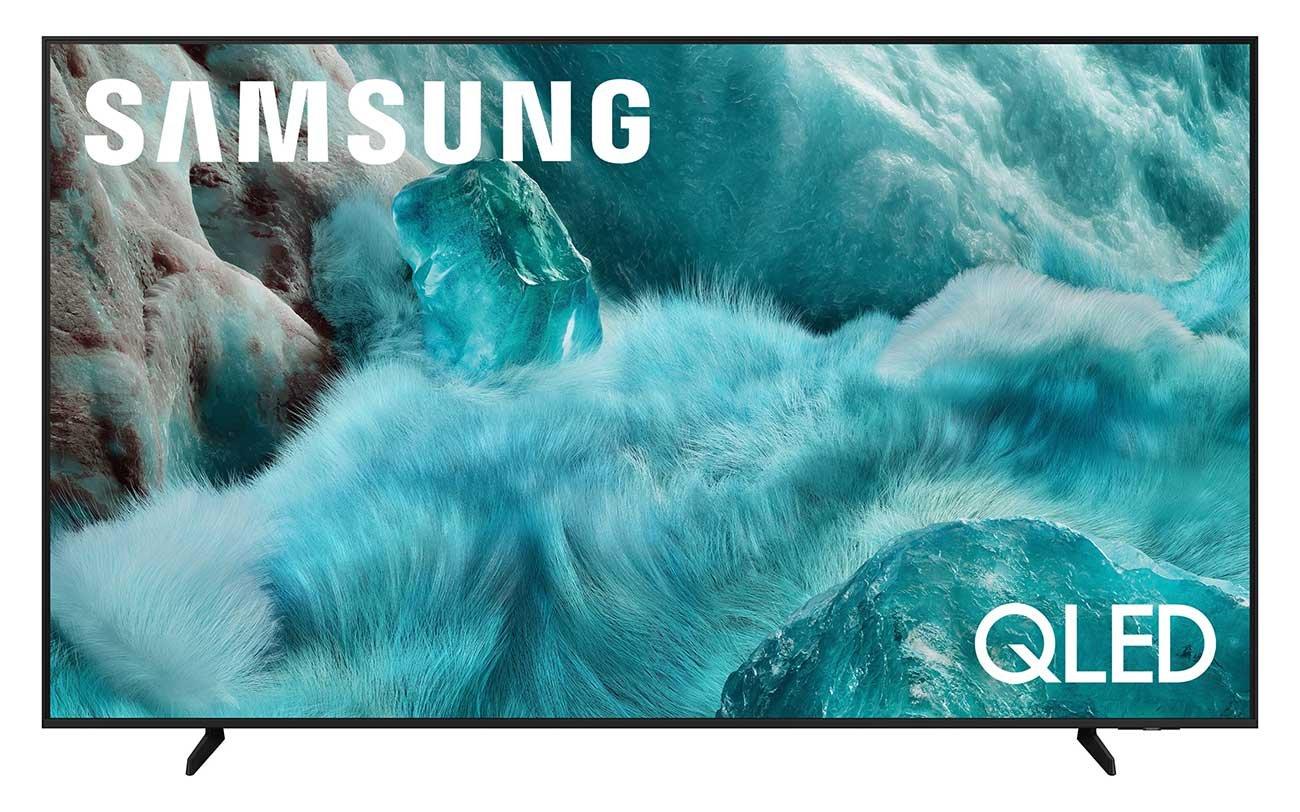
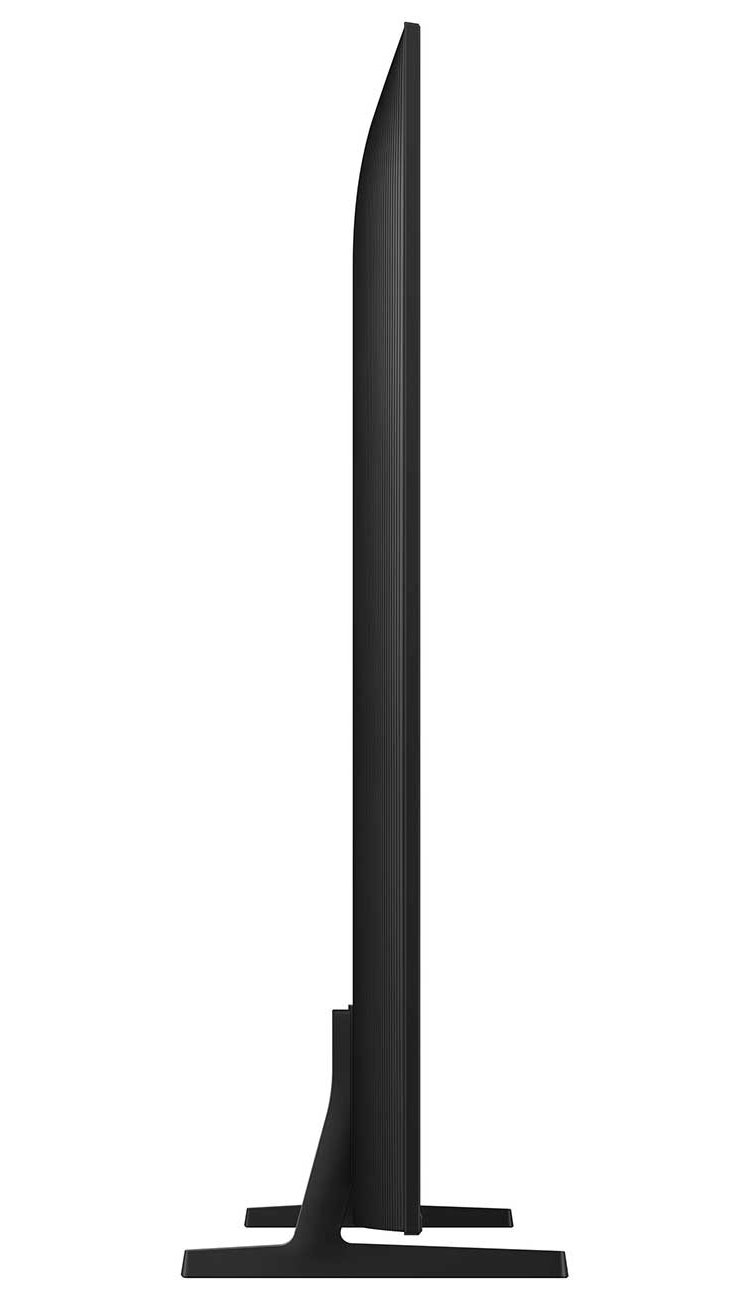
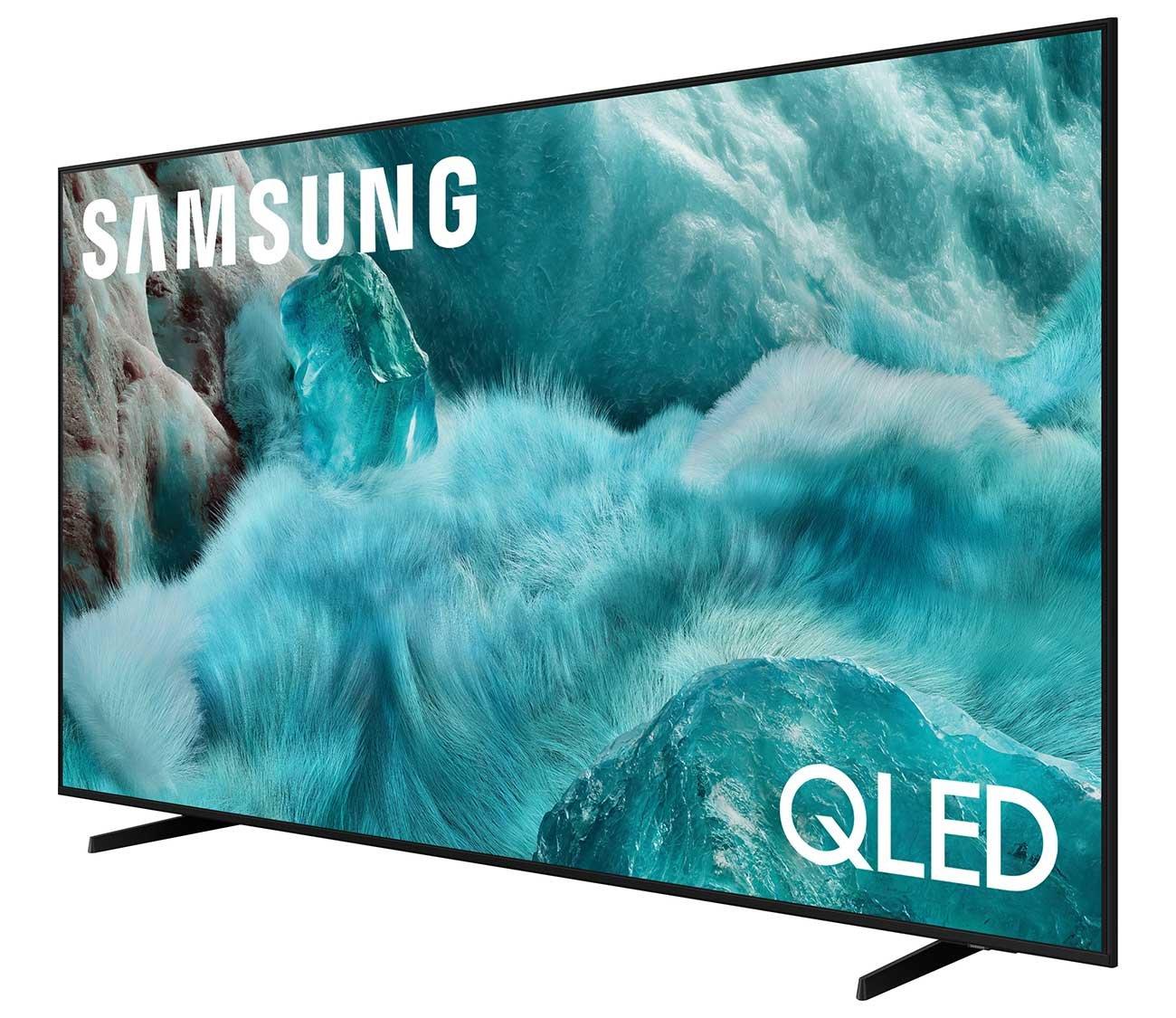
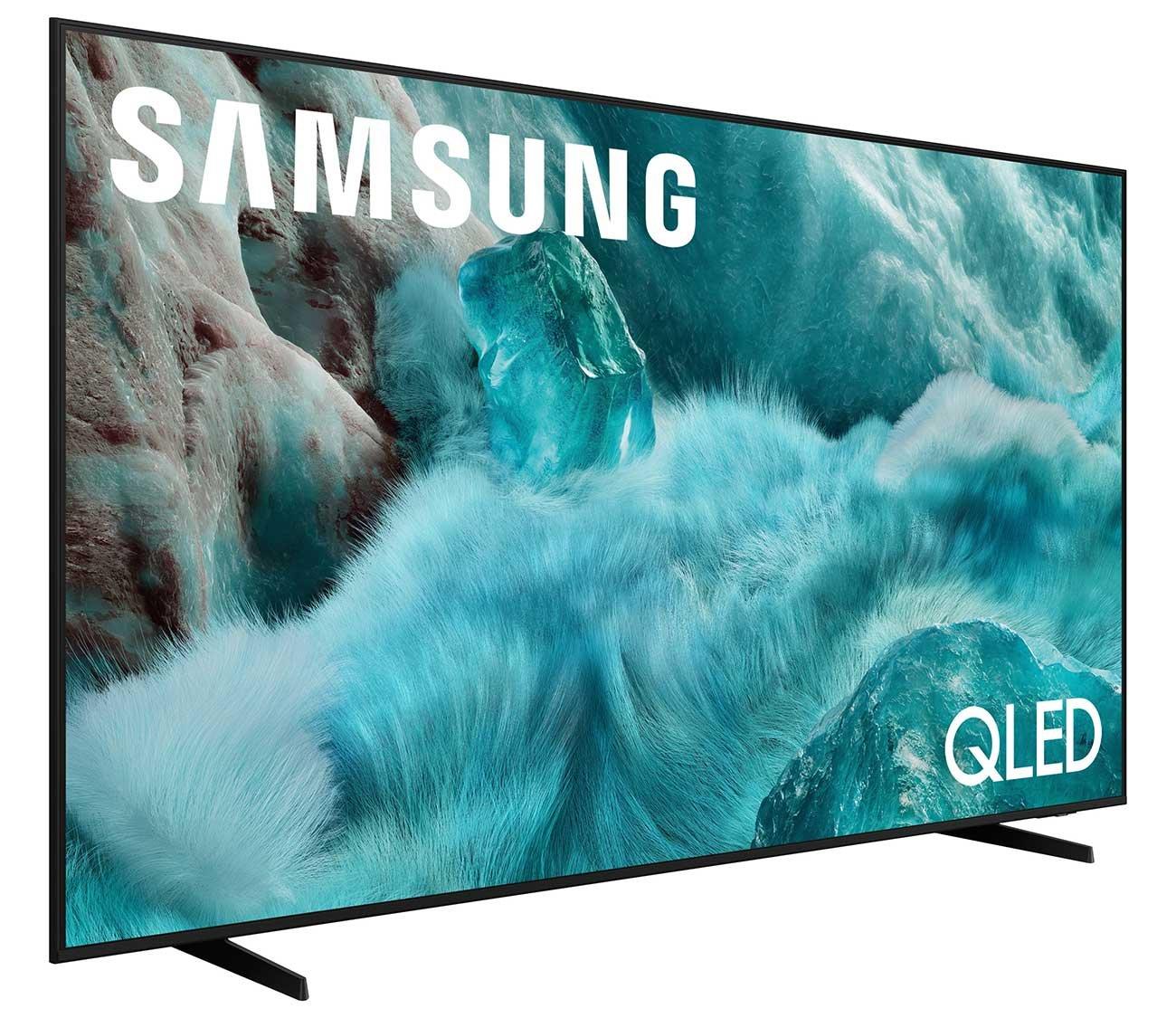



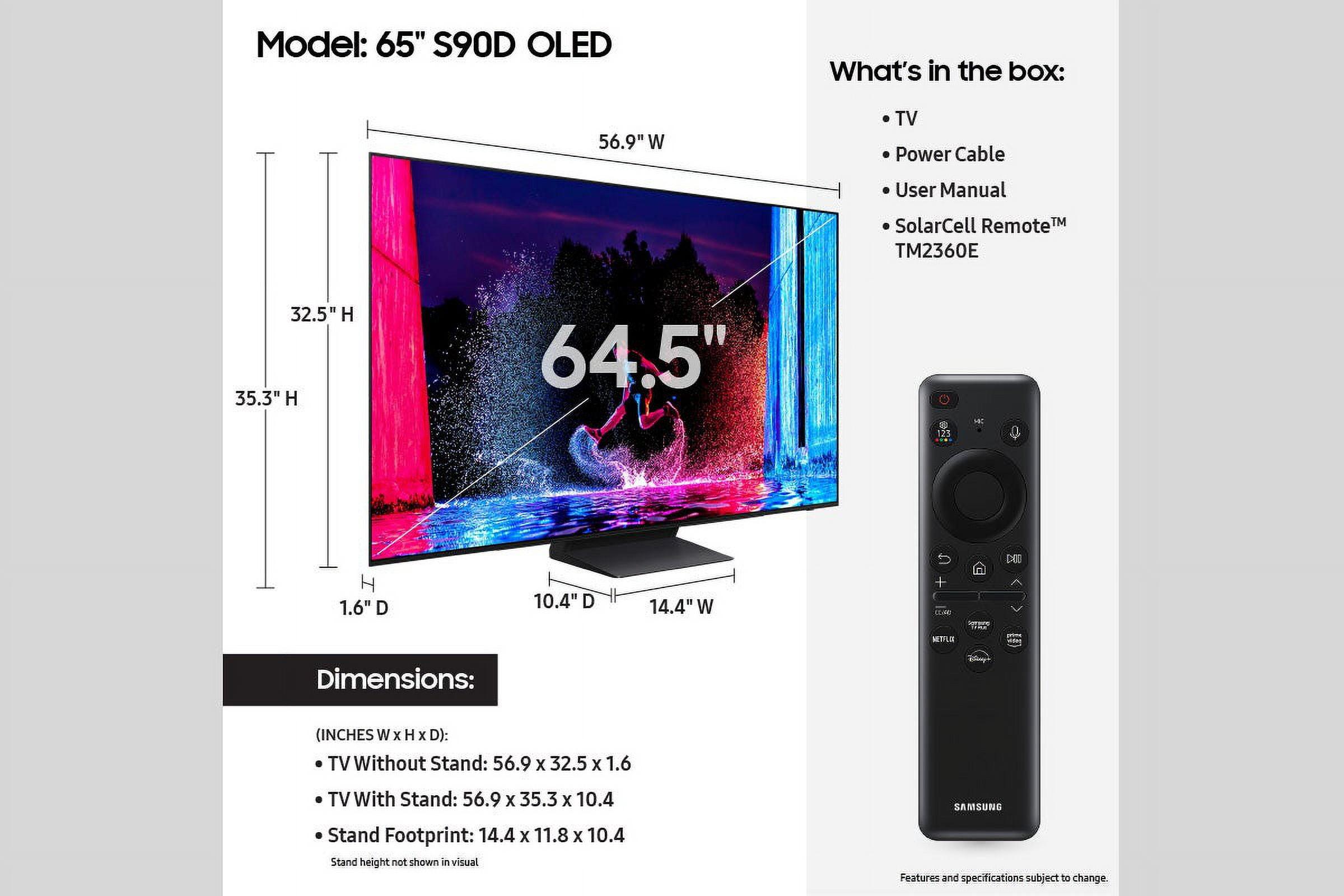
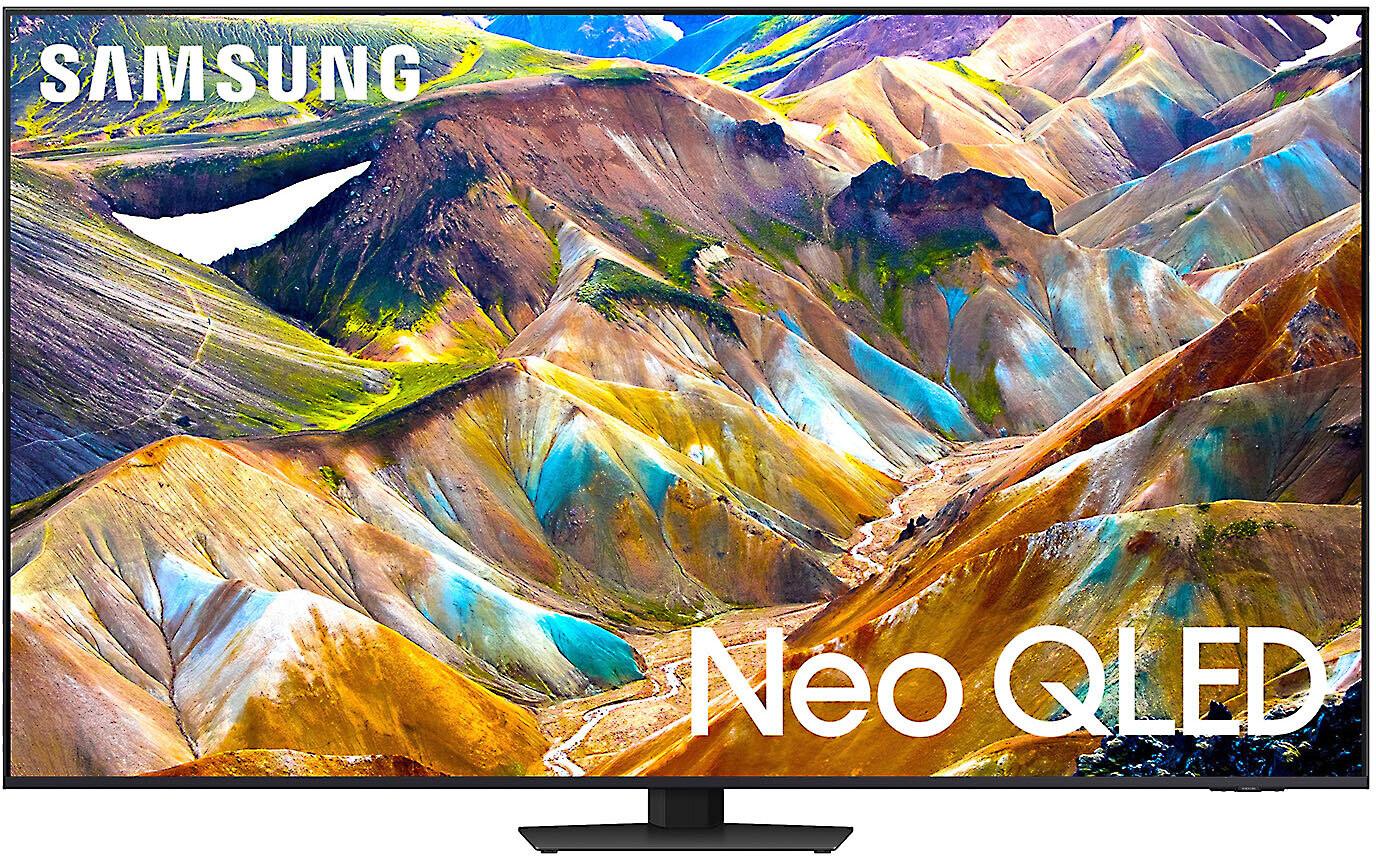
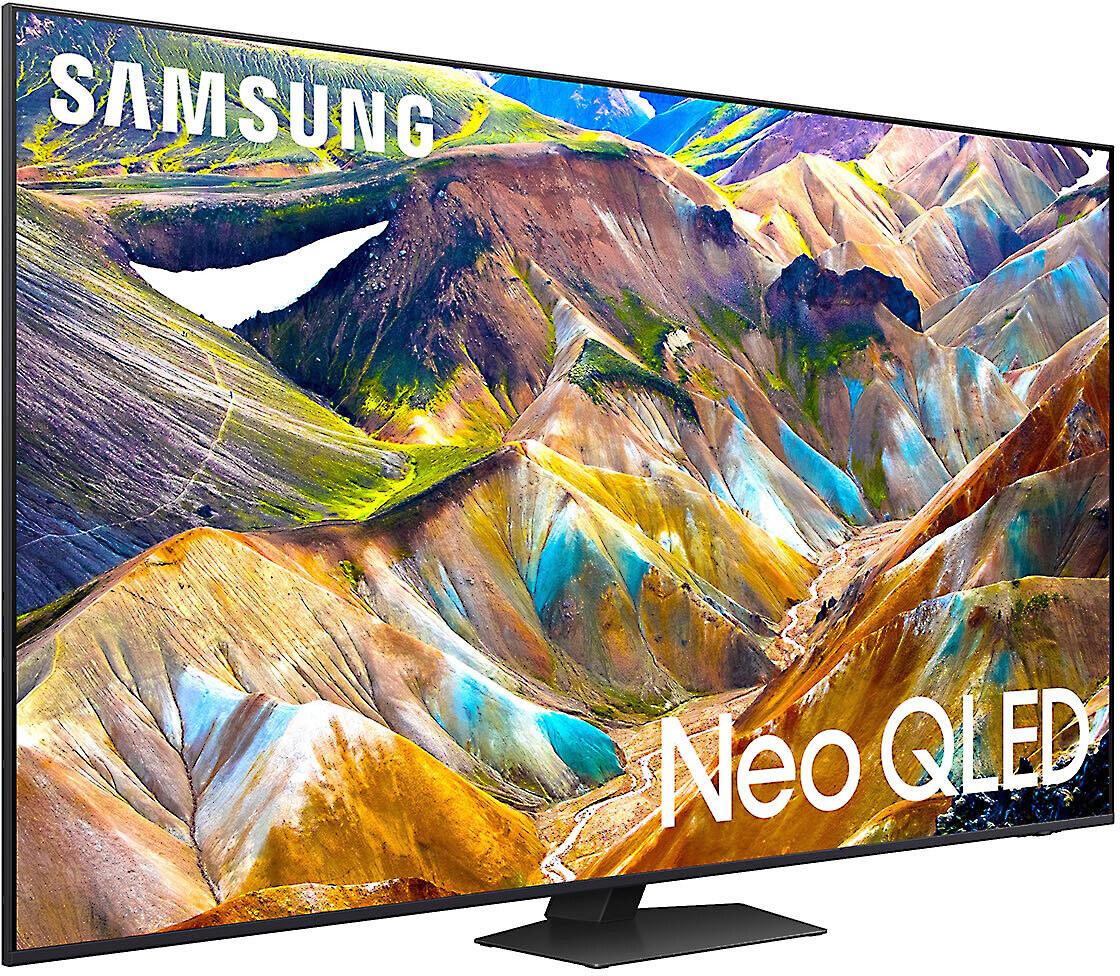
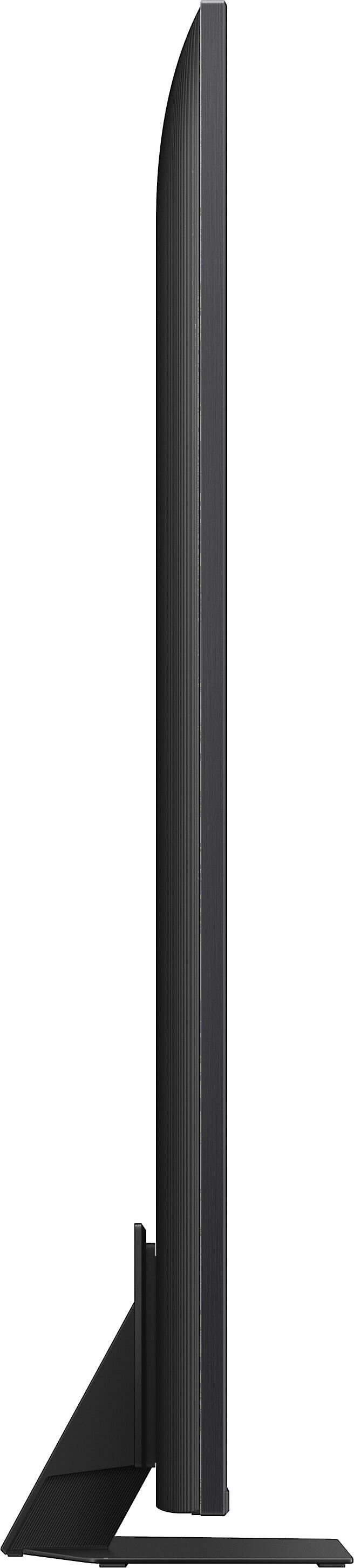
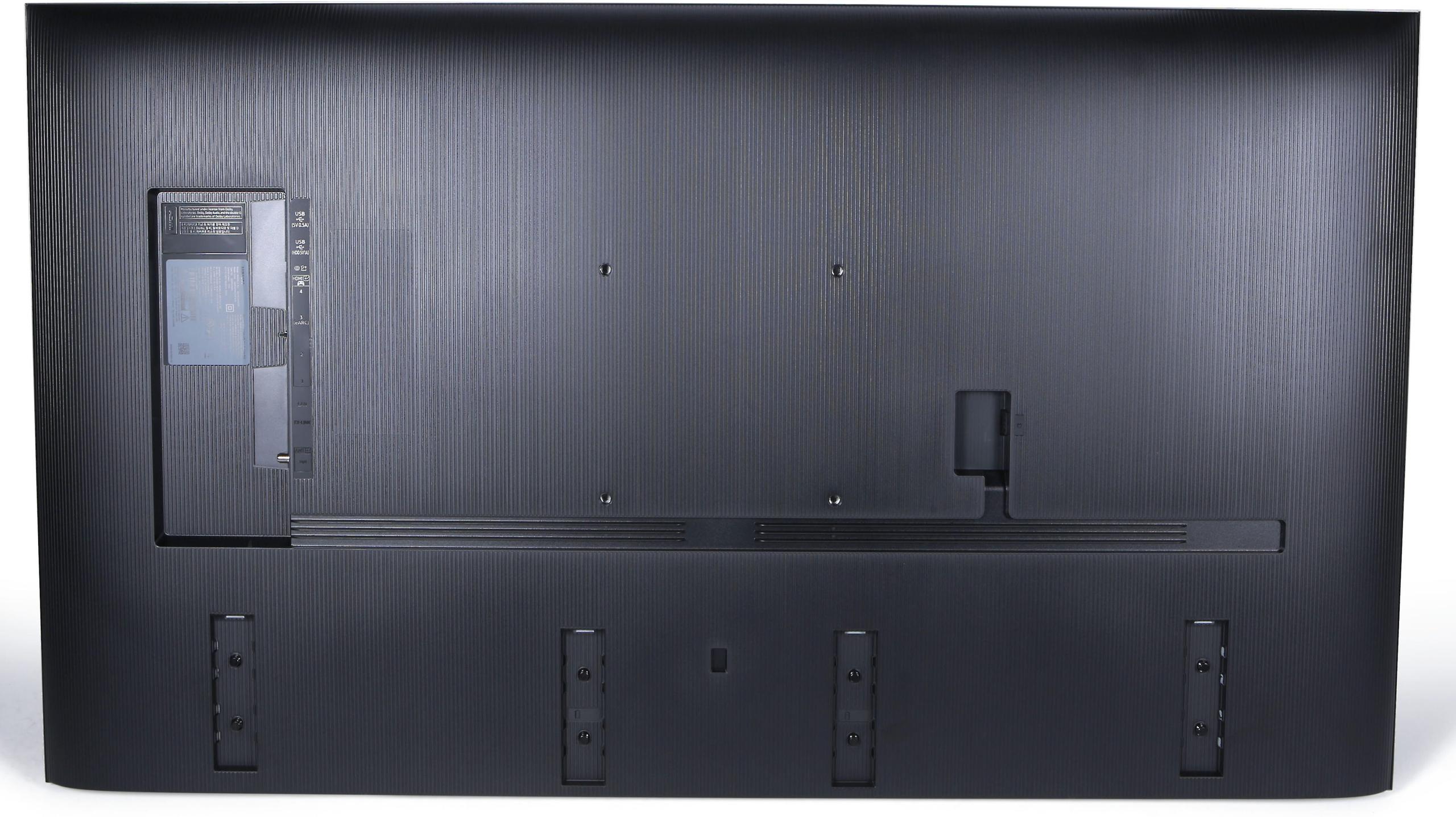
Shopping for a premium 65-inch TV can feel overwhelming, especially when you're looking at Samsung's lineup. Two models that frequently come up in searches are the Samsung 65" Q7F QLED 4K Vision AI Smart TV 2025 and the Samsung 65" OLED S90D TV. While both are excellent televisions, they represent completely different approaches to display technology—and the price difference reflects that.
At the time of writing, you're looking at nearly a $600 gap between these models, with the S90D OLED costing about 90% more than the Q7F QLED. That's not pocket change, but understanding what you get for that extra money will help you make the right choice for your home.
The fundamental difference between these TVs lies in how they create the picture you see. The S90D uses OLED technology, which stands for Organic Light-Emitting Diode. Each pixel in an OLED display produces its own light and can turn completely off when displaying black. Think of it like having millions of tiny light bulbs that can individually turn on and off.
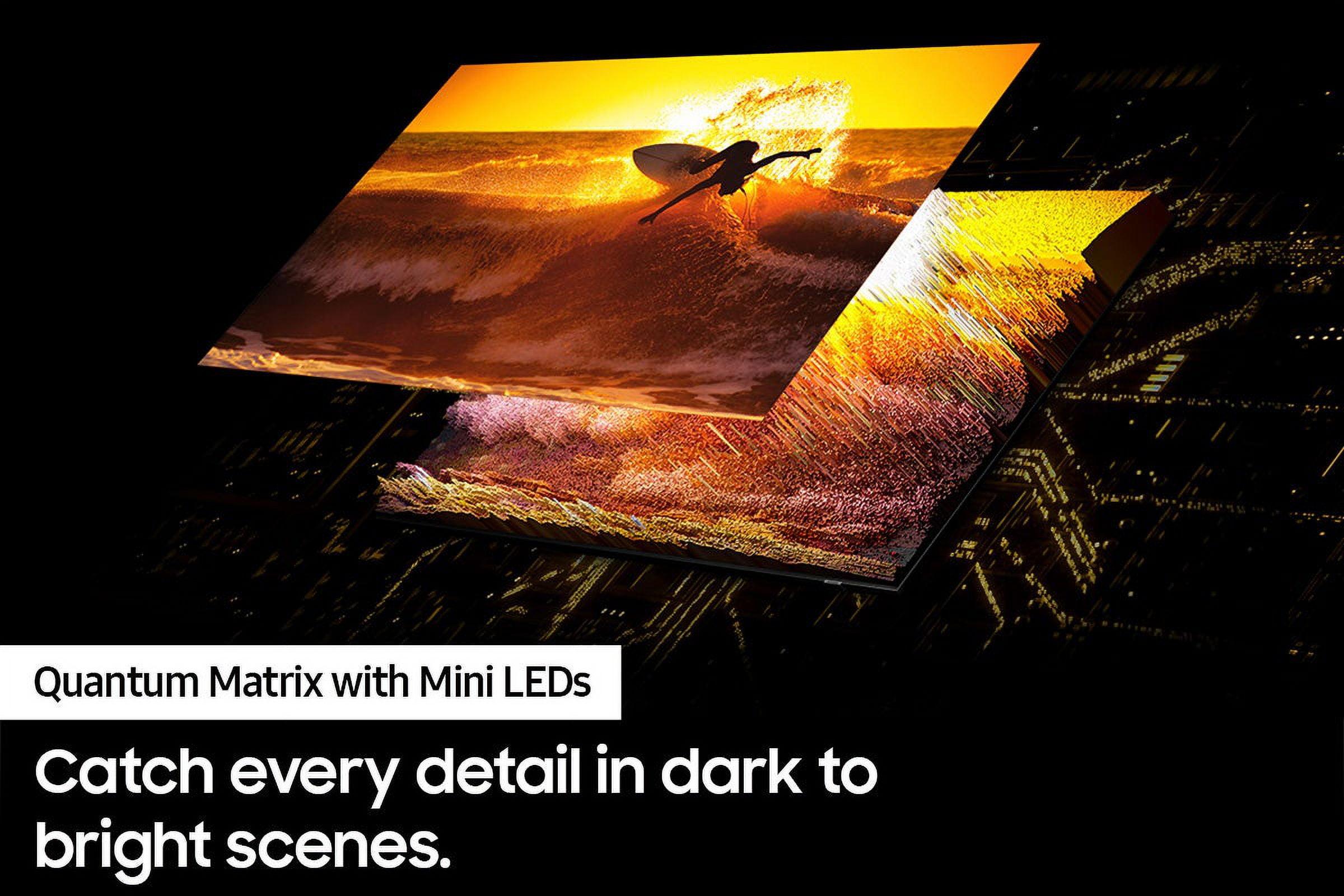
The Q7F, on the other hand, uses traditional LED technology with quantum dots (that's what the "Q" stands for in QLED). This means it has a backlight that illuminates the entire screen, and liquid crystals block or allow light through to create the image. It's like having a flashlight behind a stained glass window—the flashlight is always on, and the glass controls what you see.
This fundamental difference affects everything about how these TVs perform, from picture quality to energy efficiency.
When it comes to picture quality, the S90D OLED has significant advantages that justify much of its price premium. The most noticeable difference is contrast—the gap between the darkest and brightest parts of an image.
OLED's ability to turn pixels completely off creates what we call "perfect blacks." When you're watching a movie with dark scenes, like a thriller set at night, the S90D can make those dark areas truly black while keeping bright elements (like a flashlight beam or neon sign) brilliantly lit. This creates a more dramatic, cinematic experience that feels closer to what directors intended.
The Q7F struggles here because its backlight is always on. Dark scenes appear more like dark gray than true black, which reduces the overall impact of the image. It's still watchable and decent for the price point, but side-by-side with the S90D, the difference is immediately obvious.
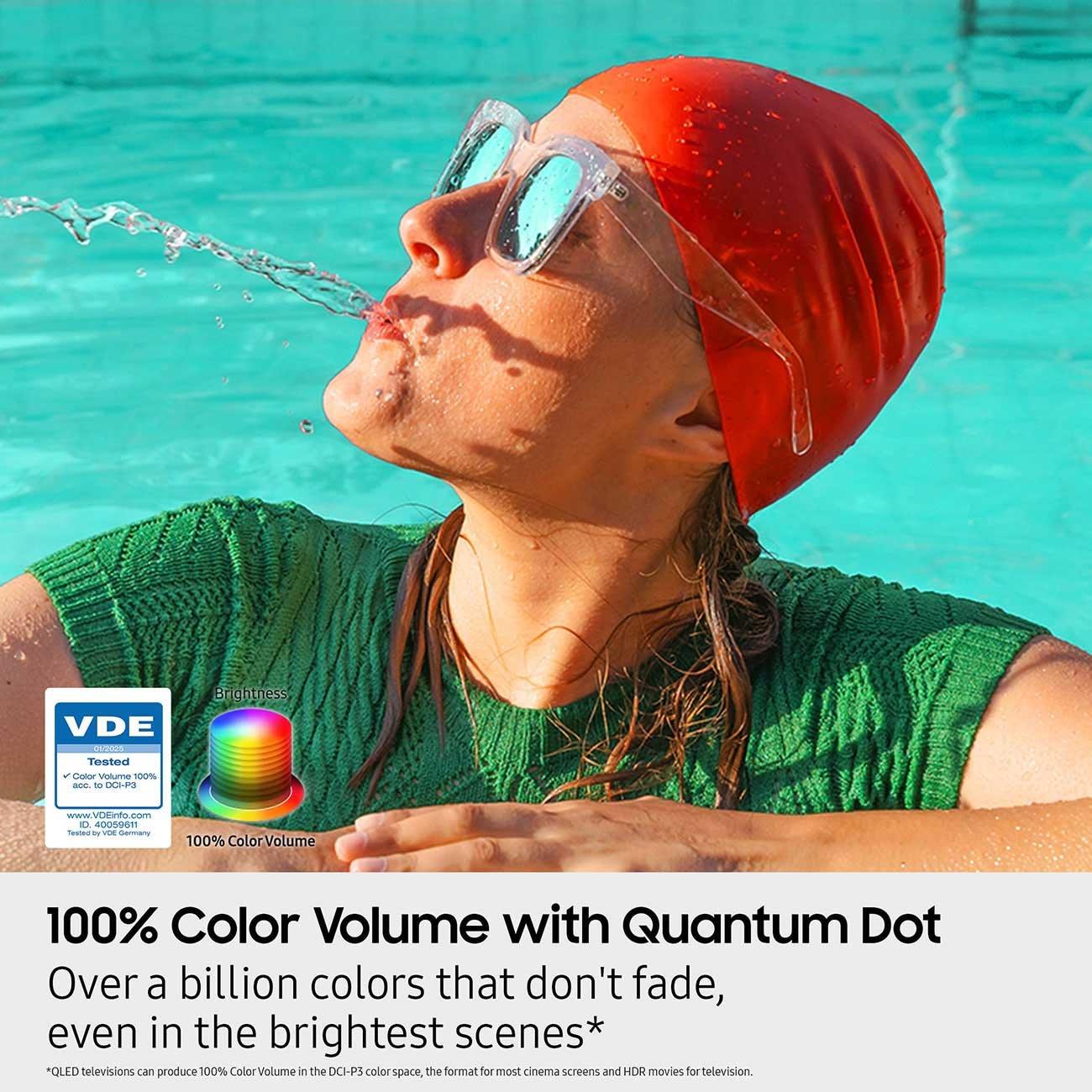
Both TVs use quantum dot technology to enhance colors, but they implement it differently. The S90D combines quantum dots with OLED's precise pixel control, resulting in more accurate and vibrant colors. Samsung has Pantone certification for color accuracy on this model, meaning colors look more like they do in real life.
The Q7F also benefits from quantum dots compared to basic LED TVs, but it can't match the S90D's color volume (the range of colors it can display at different brightness levels). This becomes most apparent when watching HDR content—more on that below.
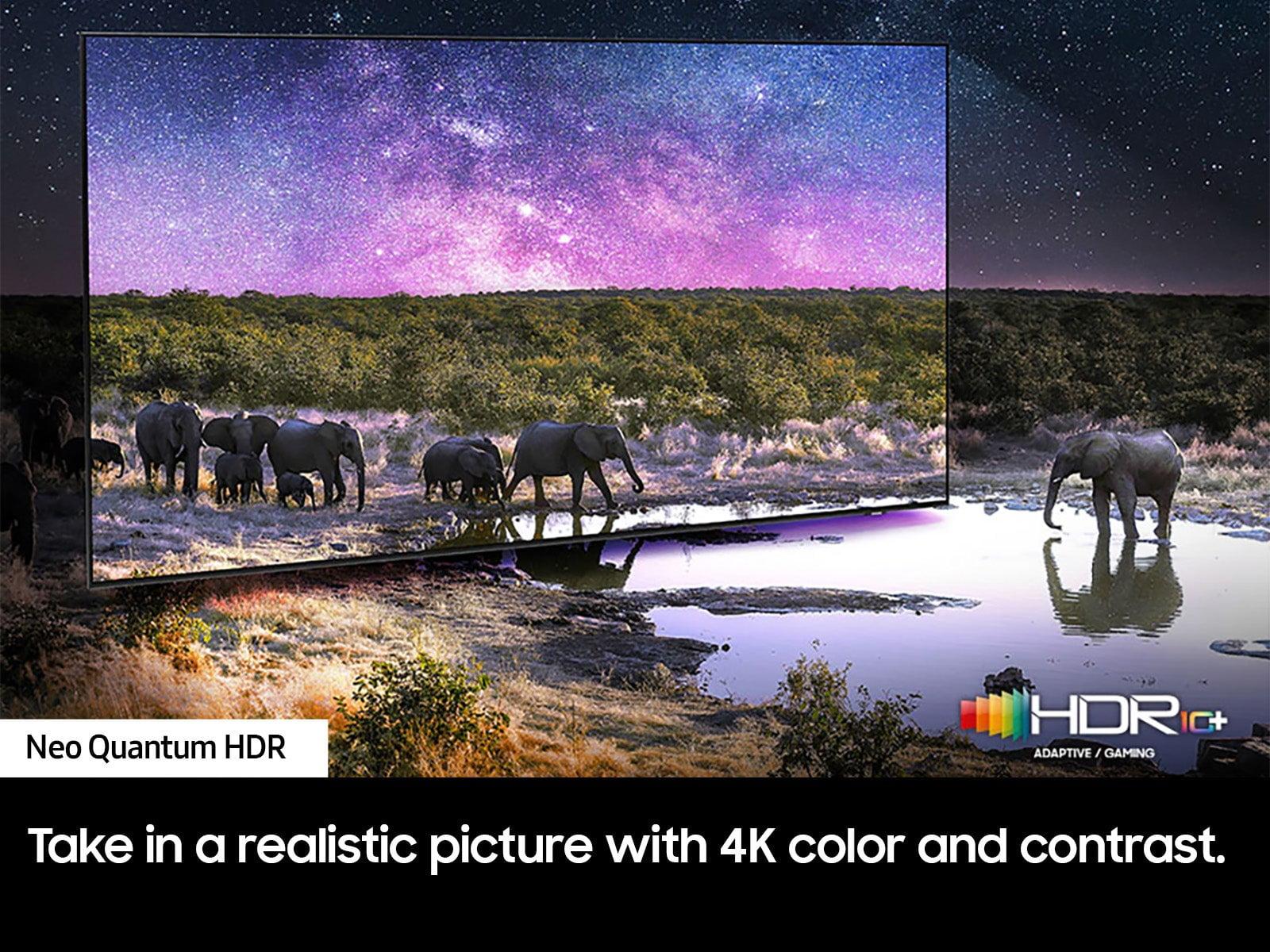
HDR, or High Dynamic Range, is like having a wider palette of colors and brightness levels available. Both TVs support HDR10+, but their ability to actually display that expanded range differs dramatically.
The S90D can handle the bright highlights and dark shadows that make HDR content pop. When watching a sunset scene, you'll see detail in both the bright sky and the dark silhouettes simultaneously. The NQ4 AI Gen2 processor analyzes each scene and optimizes brightness in real-time, ensuring you see details that might be lost on lesser TVs.
The Q7F supports HDR formats but lacks the peak brightness and contrast needed to make HDR content truly impactful. You'll still get a better picture than standard dynamic range content, but it won't have the "wow" factor that makes HDR worthwhile.
If gaming matters to you, the choice becomes clearer. The S90D includes features that serious gamers consider essential in 2025, while the Q7F feels stuck in the past.
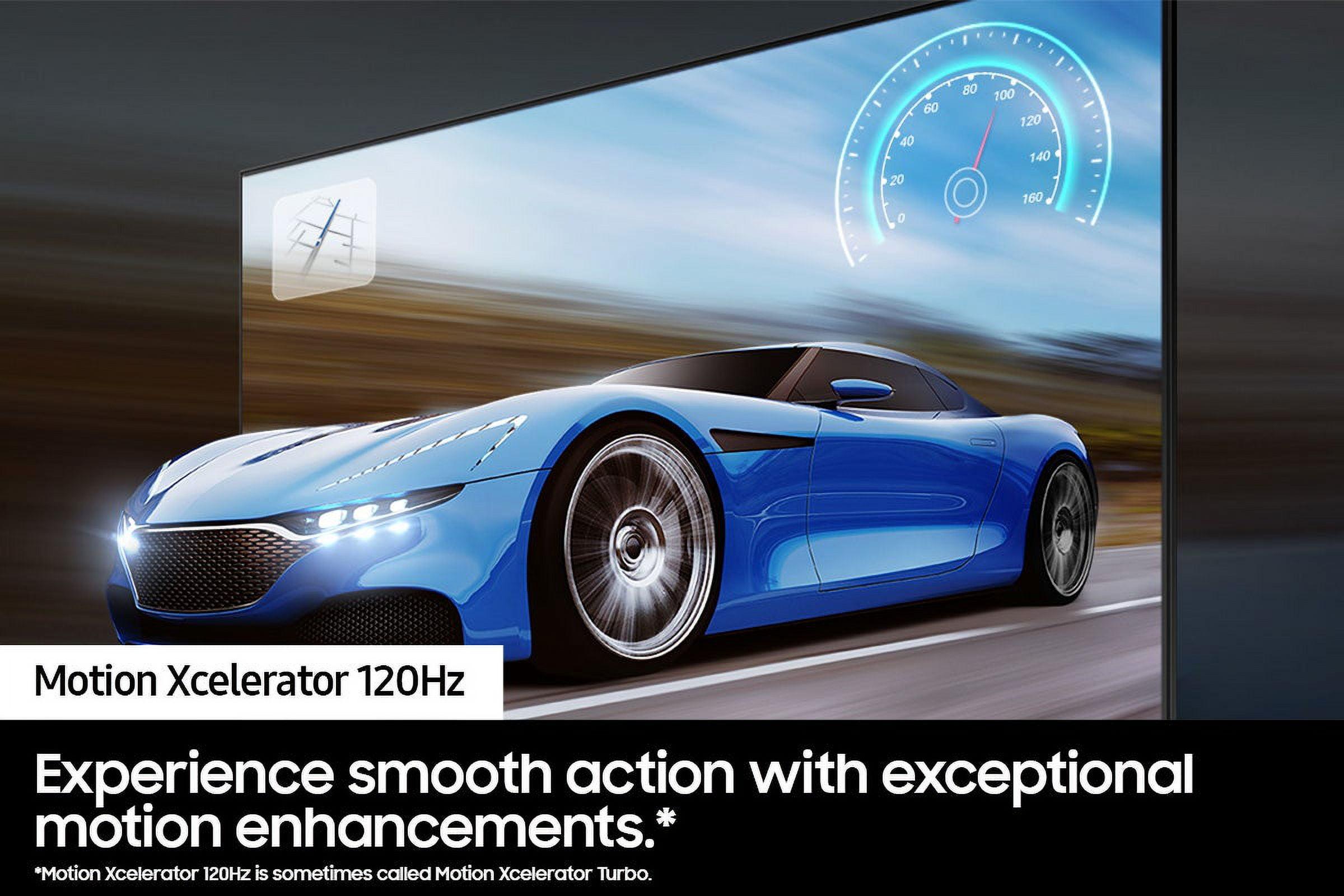
The S90D supports 120Hz refresh rates, meaning it can display 120 frames per second for incredibly smooth motion. This matters for competitive gaming, fast-paced action scenes, and sports content. The Motion Xcelerator technology reduces blur and provides what gamers call "low input lag"—the delay between pressing a button and seeing the action on screen.
The Q7F maxes out at 60Hz and lacks Variable Refresh Rate (VRR) support. VRR synchronizes the TV's refresh rate with your gaming console or PC's frame rate, preventing screen tearing and stuttering. Without it, games may look choppy or exhibit visual artifacts during fast motion.
Modern gaming consoles like the PlayStation 5 and Xbox Series X can output 4K at 120 frames per second, but only through HDMI 2.1 connections. The S90D includes these newer HDMI ports, making it compatible with current and future gaming technology.
The Q7F lacks HDMI 2.1 entirely, which means you can't access the full capabilities of modern gaming systems. This isn't just about current games—it affects the TV's usefulness over its 7-10 year lifespan as game graphics continue advancing.
Both TVs run Samsung's Tizen operating system, but their processing power differs significantly. The S90D includes Samsung's NQ4 AI Gen2 processor with 20 specialized AI networks that handle everything from upscaling lower-resolution content to optimizing picture settings automatically.
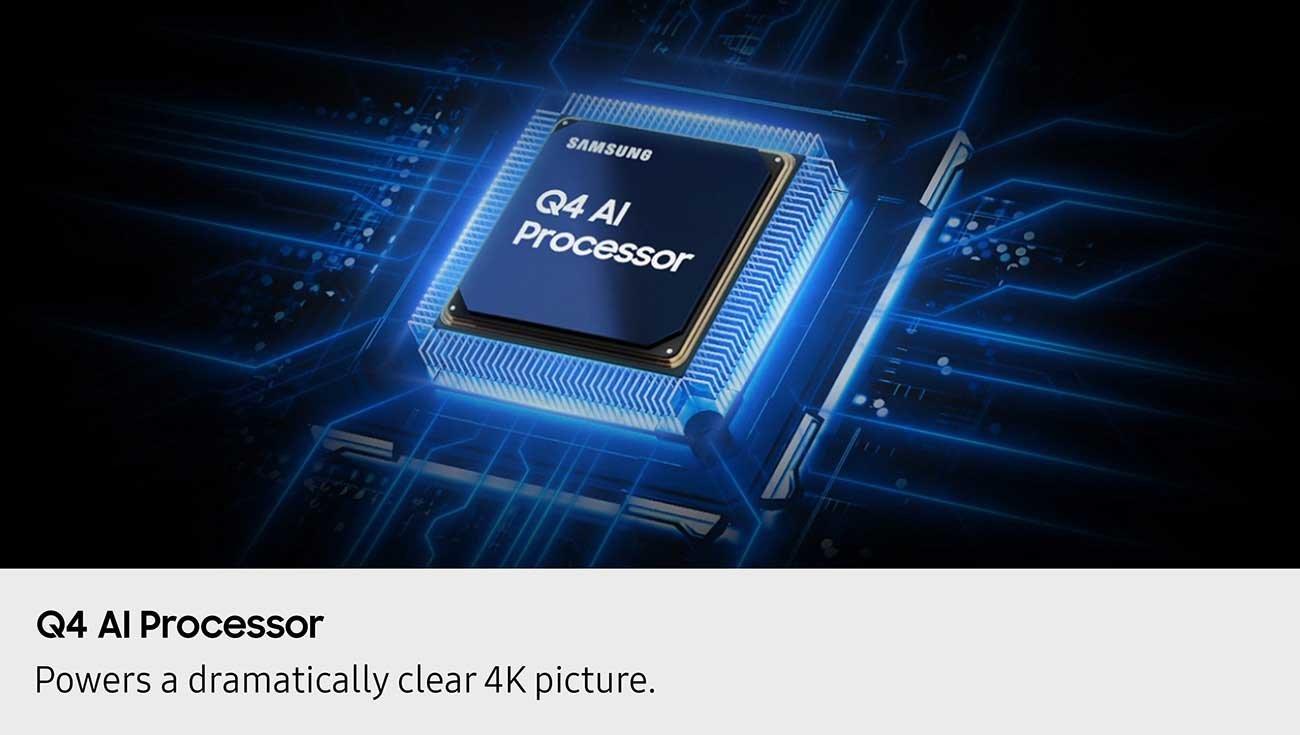
The Q7F uses the more basic Q4 AI processor, which provides essential smart TV functions but lacks the advanced processing that makes the viewing experience more seamless. You'll still get access to Netflix, Disney+, and other streaming apps, but the interface may feel less responsive, and content upscaling won't be as sophisticated.
This processing difference becomes apparent when watching non-4K content. The S90D's advanced processor analyzes each frame and enhances details, colors, and sharpness to make 1080p content look closer to true 4K. The Q7F can upscale content too, but the results are more basic.
While both TVs include built-in speakers, the S90D supports Dolby Atmos, which creates more immersive surround sound by moving audio across the screen to match on-screen action. The Q7F has more basic audio processing and doesn't support DTS audio formats, which could limit compatibility with some content sources.
For serious home theater setups, you'll likely add a soundbar or surround sound system regardless, but the S90D's better audio processing provides more flexibility.
Understanding these technical differences is important, but how do they translate to everyday use?
If you're building a dedicated home theater or take movie watching seriously, the S90D delivers an experience that justifies its premium price. The perfect blacks make dark movie scenes dramatically more engaging, while the superior HDR performance ensures you see every detail directors intended. The larger color gamut makes animated films and nature documentaries particularly stunning.
For families who primarily watch network TV, streaming shows, and occasional movies, the picture quality difference might not justify the price gap. The Q7F provides a significant upgrade over older non-4K TVs and handles everyday content well. However, as more content becomes available in HDR and higher frame rates, you might notice the limitations sooner.
Gaming enthusiasts should strongly consider the S90D. The 120Hz refresh rate, HDMI 2.1 support, and low input lag create a noticeably better gaming experience. The Q7F works for casual gaming but limits your ability to take full advantage of modern consoles.
One important consideration often overlooked is your room's lighting conditions. The S90D performs exceptionally well in controlled lighting but can struggle in very bright rooms compared to high-end LED TVs. However, its superior contrast helps maintain image quality in most normal home lighting conditions.
The Q7F handles bright rooms adequately but can't compete with the S90D's overall picture quality in any lighting situation due to its fundamental technology limitations.
Television technology continues evolving rapidly. The S90D, released in 2024, includes features that will remain relevant longer. Its HDMI 2.1 support, advanced processing, and superior display technology provide better future-proofing.
The Q7F, released in 2025, represents Samsung's entry-level approach to quantum dot technology. While it includes current smart TV features, its lack of modern gaming support and limited HDR capabilities may feel outdated sooner.
The choice between these TVs ultimately depends on your priorities and budget flexibility.
Choose the S90D OLED if:
Consider the Q7F QLED if:
At the time of writing, the performance gap between these models is substantial—much larger than their price difference might suggest. The S90D OLED delivers fundamentally better picture quality through superior technology, not just premium features.
For most buyers seeking a quality viewing experience, the S90D represents better long-term value despite its higher upfront cost. The Q7F serves budget-conscious buyers well, but only when picture quality expectations align with its entry-level positioning.
The television market continues evolving, but OLED technology's advantages in contrast, color accuracy, and gaming performance make it the clear choice for anyone prioritizing the viewing experience over initial cost savings.
| Samsung 65" Q7F QLED 4K Vision AI Smart TV 2025 | Samsung 65" OLED S90D TV |
|---|---|
| Display Technology - Determines picture quality fundamentals | |
| Direct-lit LED with Quantum Dots (backlight always on) | QD-OLED with self-illuminating pixels (perfect blacks) |
| Black Levels & Contrast - Most noticeable visual difference | |
| Gray blacks due to active backlight | Perfect blacks with infinite contrast ratio |
| Peak Brightness - Critical for HDR impact | |
| 500 cd/m² (modest HDR performance) | Excellent peak brightness for dramatic HDR |
| Gaming Refresh Rate - Essential for smooth gaming | |
| 60Hz only (basic gaming support) | 120Hz with Motion Xcelerator (premium gaming) |
| HDMI 2.1 Support - Future-proofing for gaming consoles | |
| No HDMI 2.1 (limited console compatibility) | Full HDMI 2.1 support (next-gen gaming ready) |
| Variable Refresh Rate (VRR) - Eliminates screen tearing | |
| Not supported (potential stuttering in games) | Supported (smooth gaming experience) |
| Processor & AI Features - Affects upscaling and performance | |
| Q4 AI Processor (basic smart TV functions) | NQ4 AI Gen2 with 20 neural networks (advanced processing) |
| HDR Format Support - Content compatibility | |
| HDR10+ only | HDR10+ with superior brightness handling |
| Audio Technology - Built-in sound quality | |
| Basic 20W speakers, no DTS support | Dolby Atmos support for immersive audio |
| Local Dimming Zones - Controls backlight precision | |
| No local dimming (uniform backlight across screen) | Pixel-level control (each pixel dims independently) |
| Color Accuracy - Professional content creation | |
| Good quantum dot colors | Pantone-validated color accuracy |
| Viewing Angles - Picture quality off-center | |
| 178° but quality degrades at angles | Excellent viewing angles with consistent quality |
| Best Use Case - Who should buy this TV | |
| Budget-conscious buyers needing basic 4K smart TV | Home theater enthusiasts and gamers prioritizing quality |
The primary difference is display technology. The Samsung 65" Q7F QLED 4K Vision AI Smart TV 2025 uses traditional LED backlighting with quantum dots, while the Samsung 65" OLED S90D TV uses self-illuminating OLED pixels. This means the S90D OLED can turn individual pixels completely off for perfect black levels, while the Q7F QLED cannot achieve true blacks due to its always-on backlight.
The Samsung 65" OLED S90D TV delivers superior picture quality for home theater use. Its perfect black levels, infinite contrast ratio, and superior HDR performance create a more cinematic experience. The Samsung 65" Q7F QLED 4K Vision AI Smart TV 2025 provides decent picture quality for the price but cannot match the dramatic contrast and color accuracy of the S90D OLED.
The Samsung 65" OLED S90D TV is excellent for gaming with 120Hz refresh rate, HDMI 2.1 support, and Variable Refresh Rate (VRR). The Samsung 65" Q7F QLED 4K Vision AI Smart TV 2025 is limited to 60Hz with no VRR or HDMI 2.1, making it unsuitable for modern gaming consoles that require these features for optimal performance.
Yes, both the Samsung 65" Q7F QLED 4K Vision AI Smart TV 2025 and Samsung 65" OLED S90D TV run Samsung's Tizen operating system with access to all major streaming services including Netflix, Disney+, Amazon Prime Video, and YouTube. However, the S90D OLED has a more powerful processor for better app performance and responsiveness.
While both TVs handle normal room lighting well, the Samsung 65" OLED S90D TV provides better overall brightness performance for HDR content. The Samsung 65" Q7F QLED 4K Vision AI Smart TV 2025 has modest brightness capabilities that may struggle with very bright HDR content, though it's adequate for standard daytime viewing.
The Samsung 65" OLED S90D TV includes the advanced NQ4 AI Gen2 processor with 20 AI neural networks for superior upscaling and content optimization. The Samsung 65" Q7F QLED 4K Vision AI Smart TV 2025 uses the basic Q4 AI processor, providing essential smart TV functions but with less sophisticated processing power for content enhancement.
The Samsung 65" OLED S90D TV supports Dolby Atmos for immersive surround sound and better audio processing. The Samsung 65" Q7F QLED 4K Vision AI Smart TV 2025 has basic 20W speakers without Dolby Atmos and lacks DTS audio support, limiting its audio format compatibility.
Only the Samsung 65" OLED S90D TV fully supports next-gen gaming features with HDMI 2.1 ports that handle 4K at 120fps from PlayStation 5 and Xbox Series X. The Samsung 65" Q7F QLED 4K Vision AI Smart TV 2025 lacks HDMI 2.1 entirely, limiting its compatibility with modern gaming console features.
The Samsung 65" Q7F QLED 4K Vision AI Smart TV 2025 offers basic 4K functionality at an entry-level price point, making it suitable for budget-conscious buyers. The Samsung 65" OLED S90D TV provides significantly better performance and features that justify its higher cost for users prioritizing picture quality and modern capabilities.
Both TVs support HDR10+, but the Samsung 65" OLED S90D TV delivers superior HDR performance with better peak brightness, contrast, and color volume. The Samsung 65" Q7F QLED 4K Vision AI Smart TV 2025 can display HDR content but lacks the brightness and contrast needed for truly impactful HDR experiences.
The Samsung 65" OLED S90D TV excels in dark room viewing due to its perfect black levels and infinite contrast ratio, creating a more immersive experience for movies and shows. The Samsung 65" Q7F QLED 4K Vision AI Smart TV 2025 shows gray blacks instead of true blacks in dark scenes, reducing the overall impact of dark content.
Choose the Samsung 65" OLED S90D TV if you prioritize picture quality, gaming features, and long-term value. Select the Samsung 65" Q7F QLED 4K Vision AI Smart TV 2025 only if budget is your primary concern and you need basic 4K smart TV functionality. The S90D OLED offers substantially better performance across all categories for the price difference.
We've done our best to create useful and informative comparisons to help you decide what product to buy. Our research uses advanced automated methods to create this comparison and perfection is not possible - please contact us for corrections or questions. These are the sites we've researched in the creation of this article: bestbuy.com - youtube.com - samsung.com - samsung.com - pcrichard.com - samsung.com - samsung.com - videoandaudiocenter.com - displayspecifications.com - bestbuy.com - samsung.com - samsung.com - samsung.com - samsung.com - news.samsung.com - bestbuy.com - valueelectronics.com - youtube.com - cnet.com - bestbuy.com - videoandaudiocenter.com - youtube.com - samsung.com - samsung.com - pcrichard.com - samsung.com

Privacy Policy
Terms and Conditions - Affiliate Policy
Home Security
© Copyright 2008-2026.
11816 Inwood Rd #1211, Dallas, TX 75244