

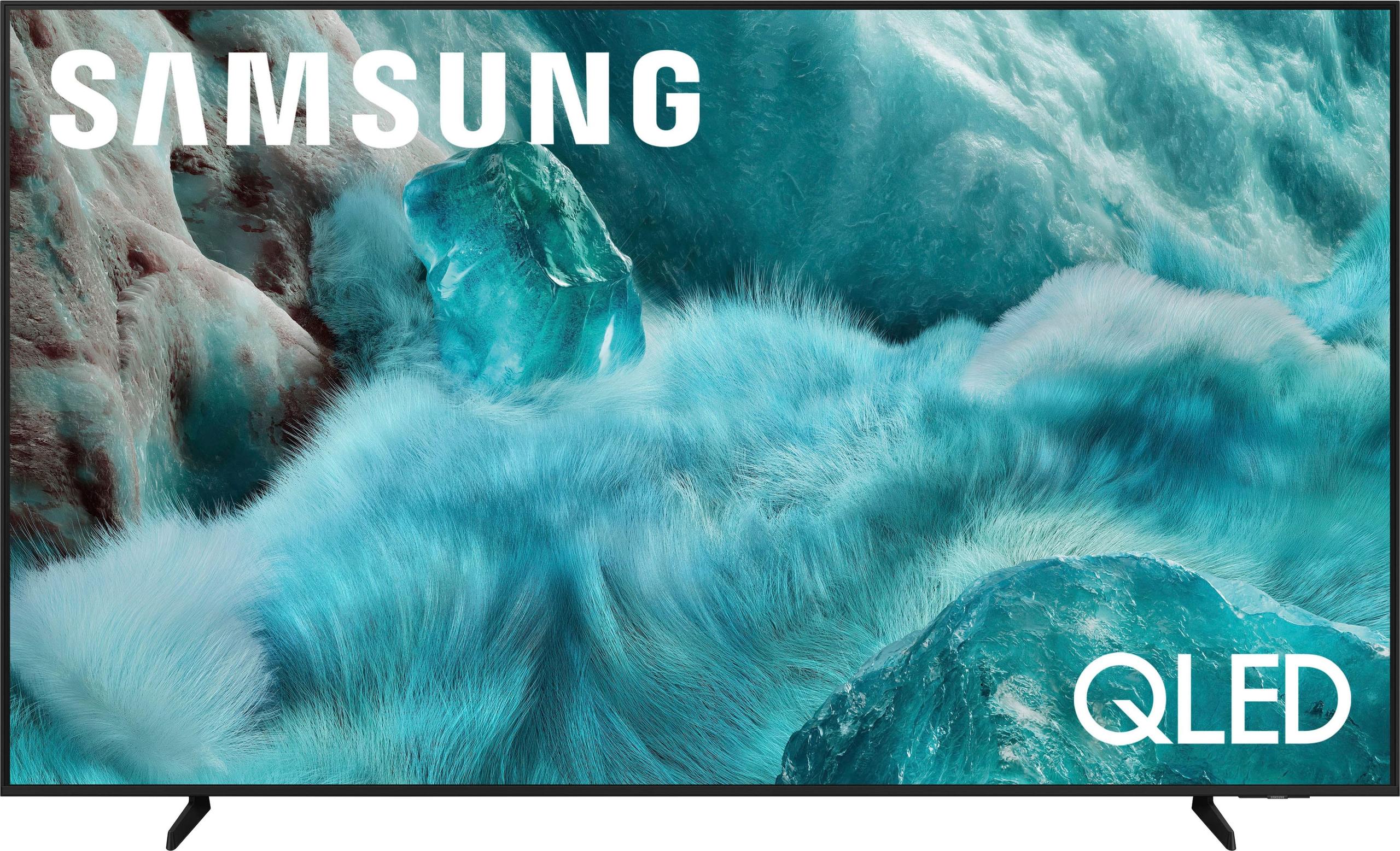
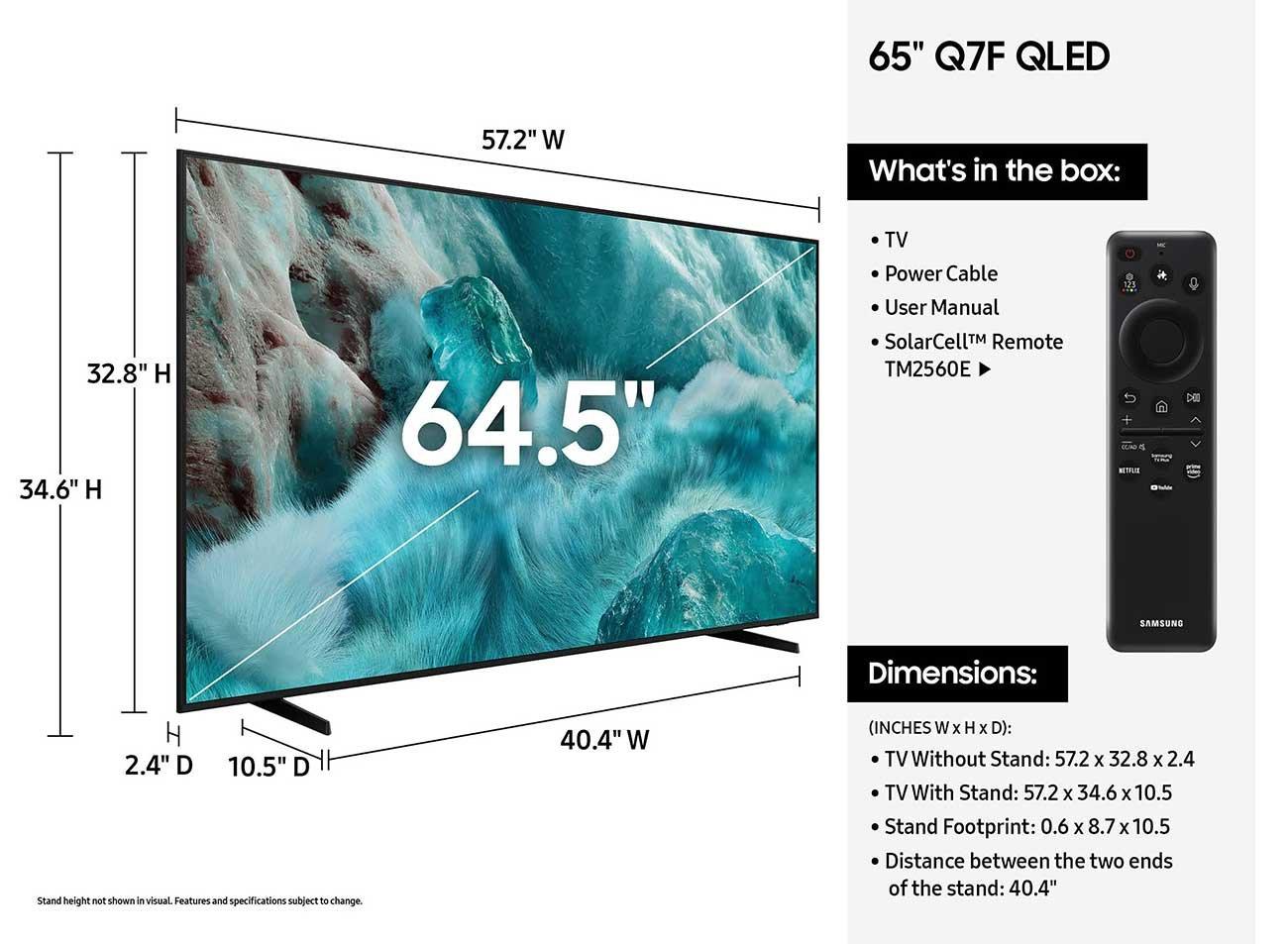

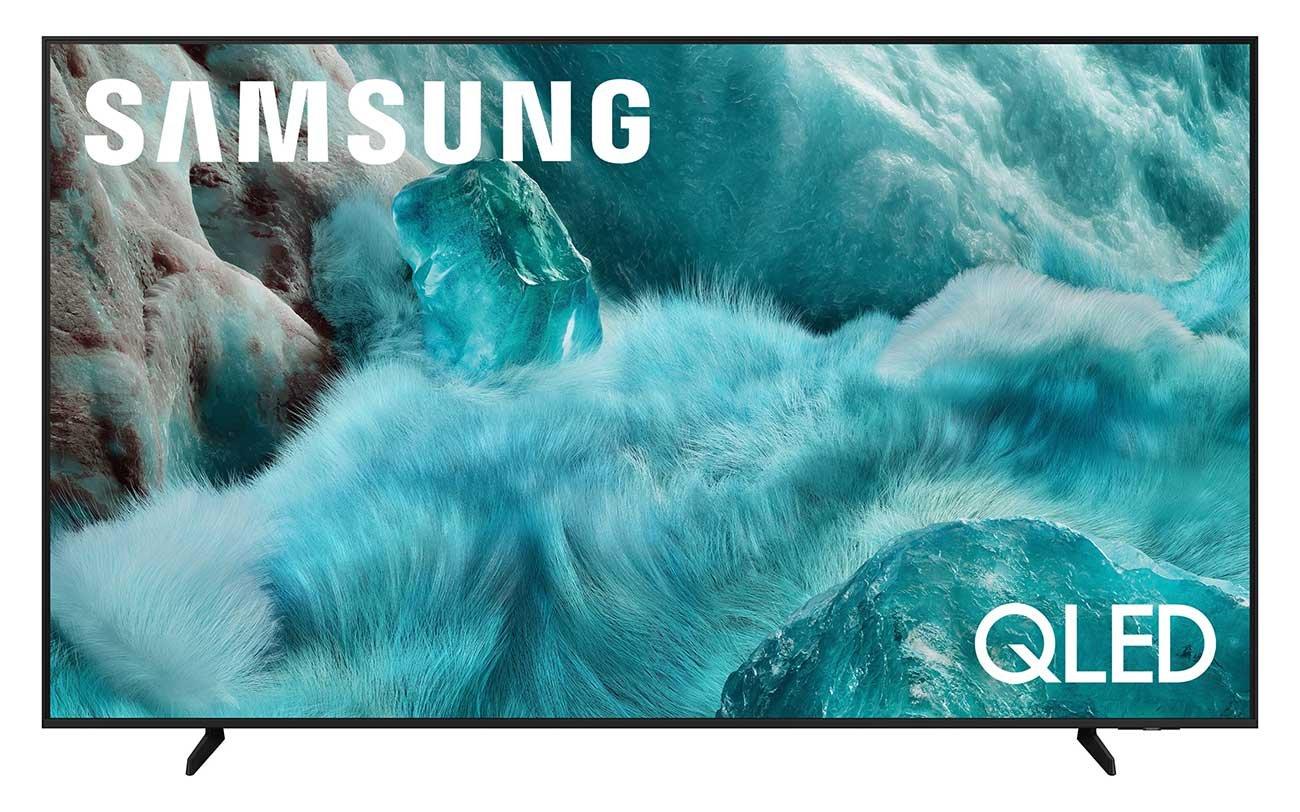
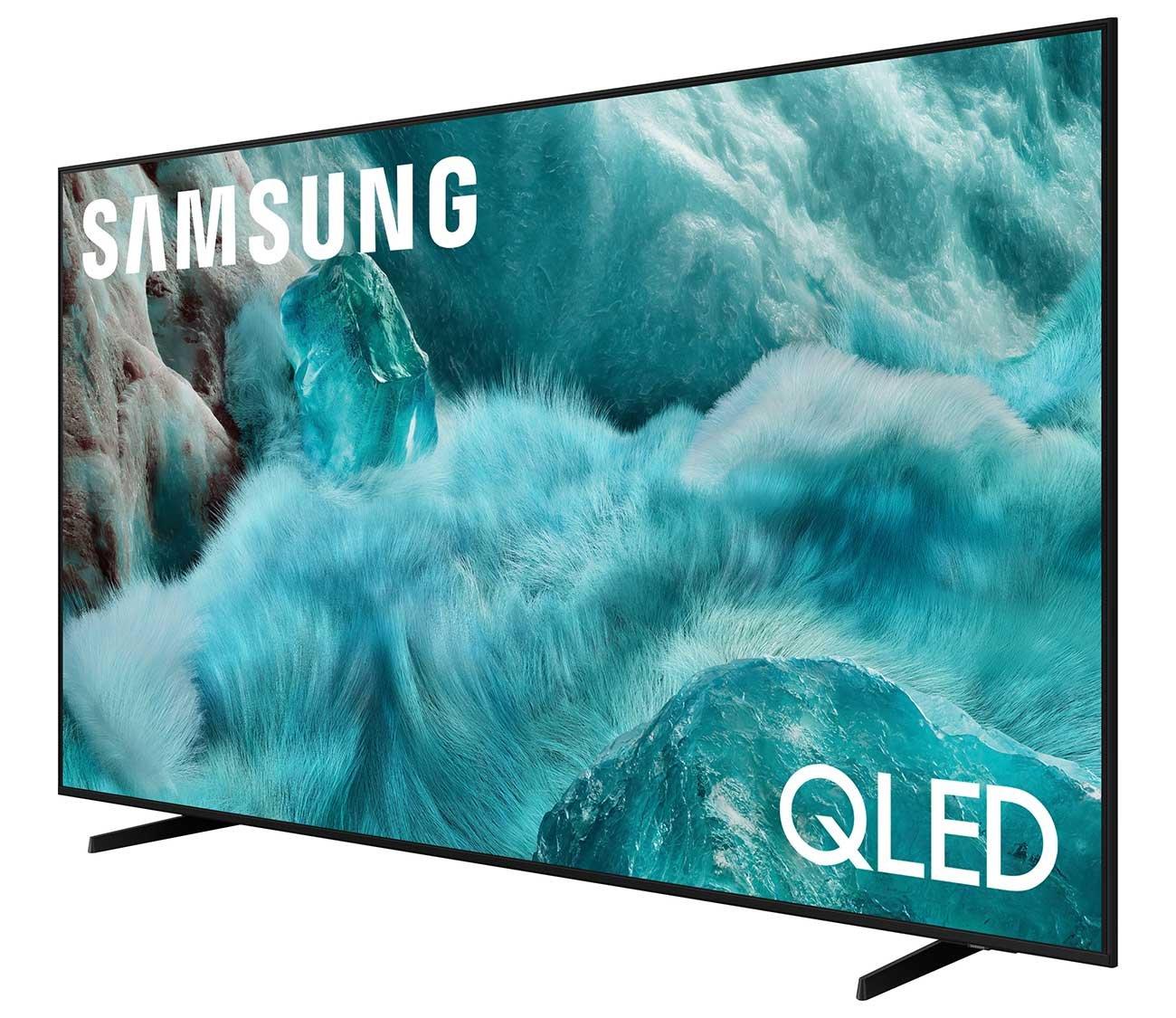
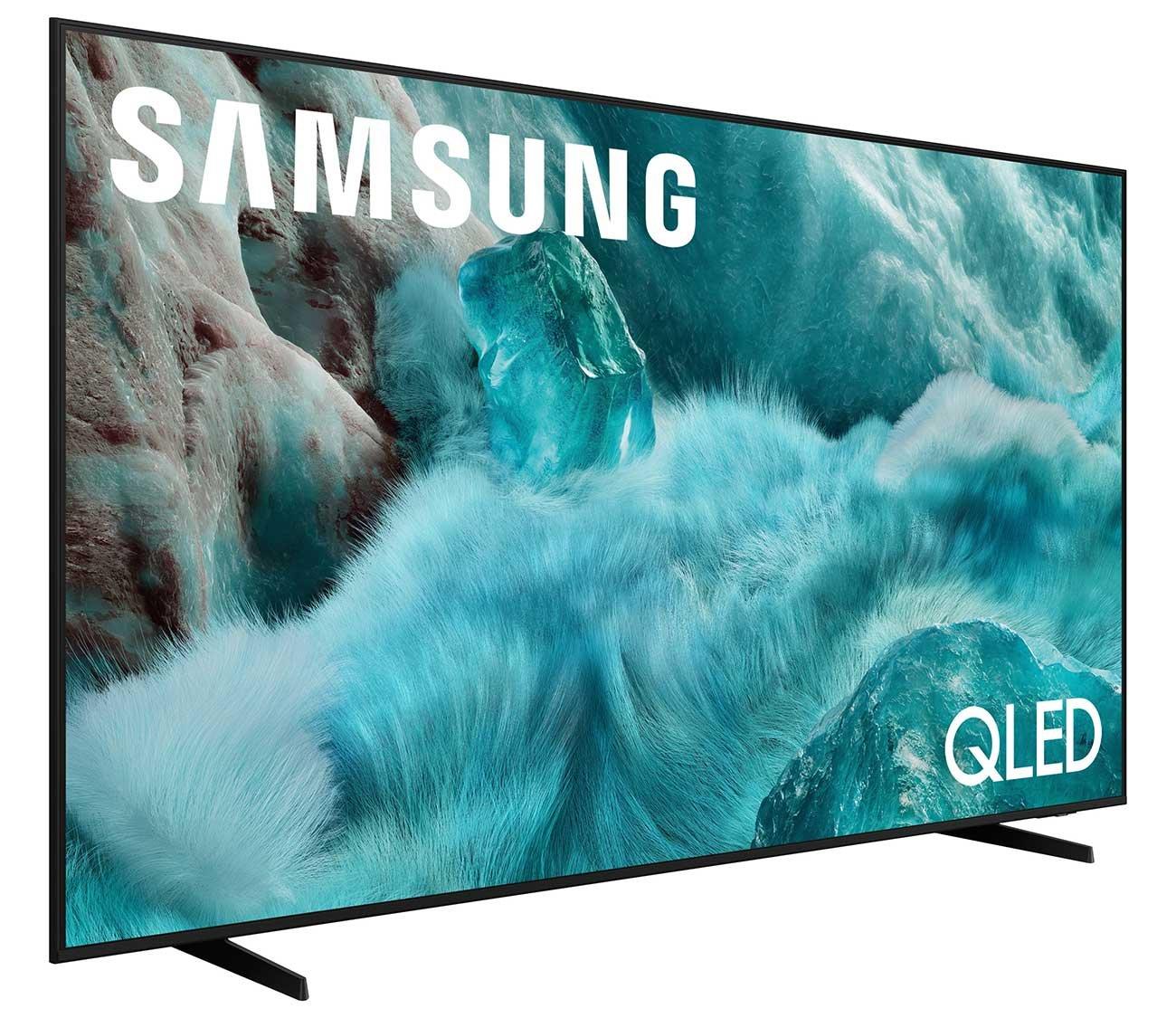

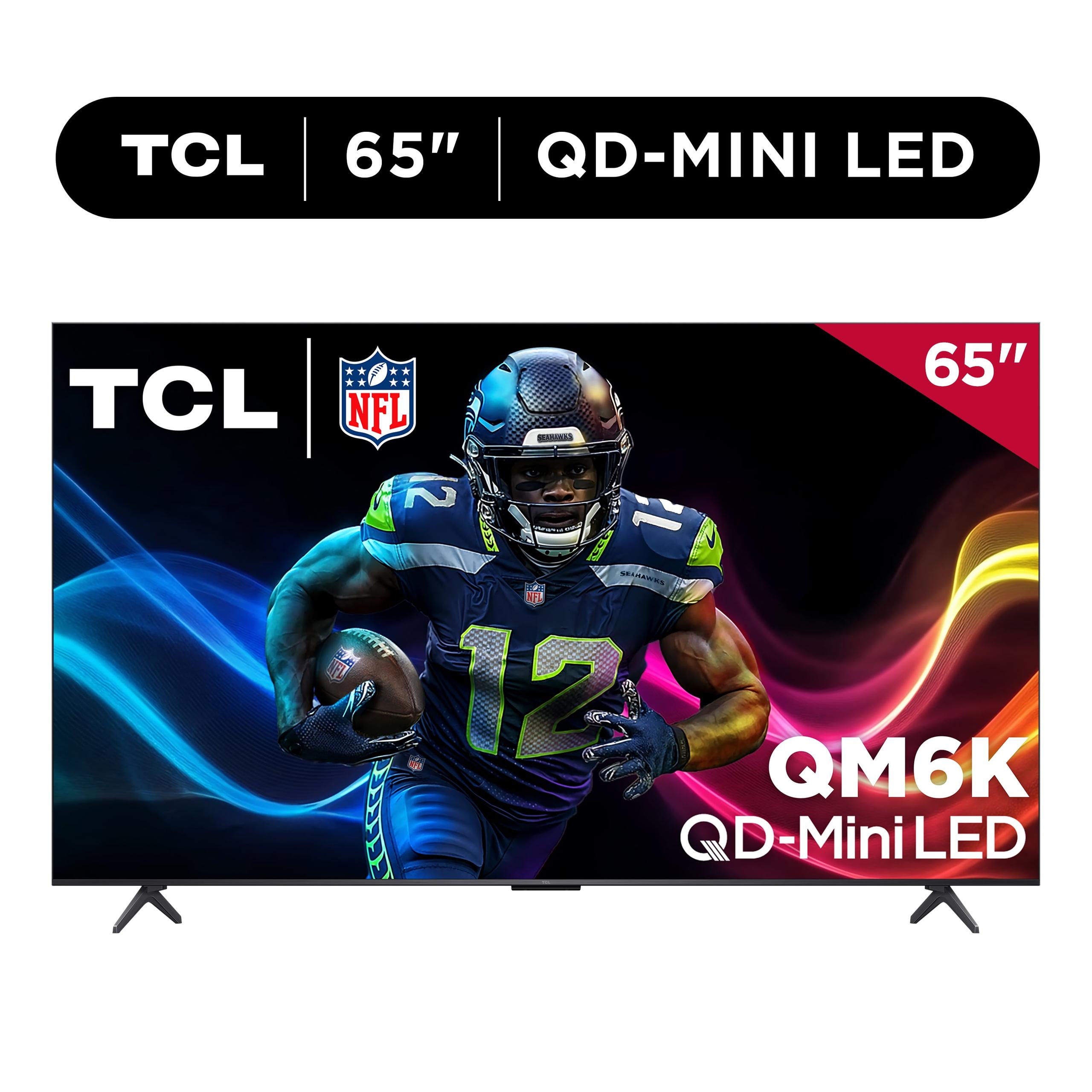
Shopping for a 65-inch TV in 2025 feels like navigating a maze of confusing acronyms and marketing buzzwords. Two models that consistently pop up in discussions are the Samsung 65" Q7F QLED 4K Vision AI Smart TV and the TCL 65" QM6K QD-Mini LED 4K TV. Both arrived in early 2025, but they take completely different approaches to delivering premium entertainment experiences.
The Samsung Q7F positions itself as a smart-first TV that prioritizes ecosystem integration and user experience over raw picture performance. Meanwhile, the TCL QM6K focuses heavily on display technology and gaming features, aiming to deliver maximum visual impact for the money. At the time of writing, these TVs are priced competitively in the mid-range premium segment, with the Samsung carrying a modest premium over the TCL for its smart features and brand reputation.
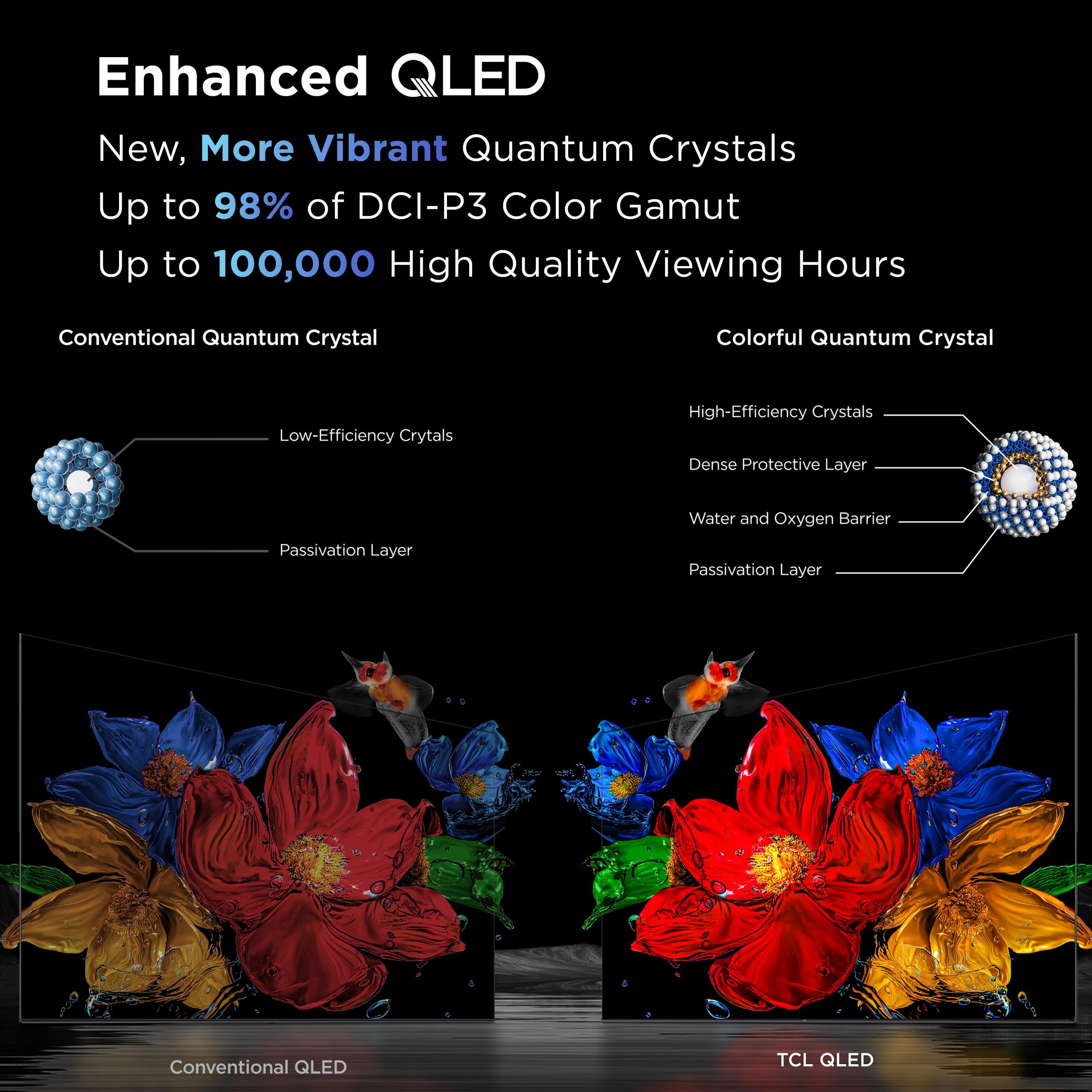
The fundamental difference between these TVs lies in their display technology. The Samsung Q7F uses traditional QLED technology, which combines a standard LED backlight with a quantum dot layer. Think of quantum dots as tiny crystals that convert blue LED light into incredibly pure red and green colors, creating more vibrant and accurate colors than regular LED TVs. However, this 2025 Samsung model lacks local dimming zones, meaning the entire backlight operates as one unit rather than independently controlling different screen areas.
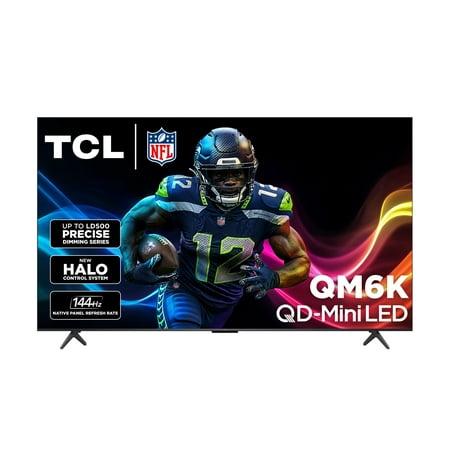
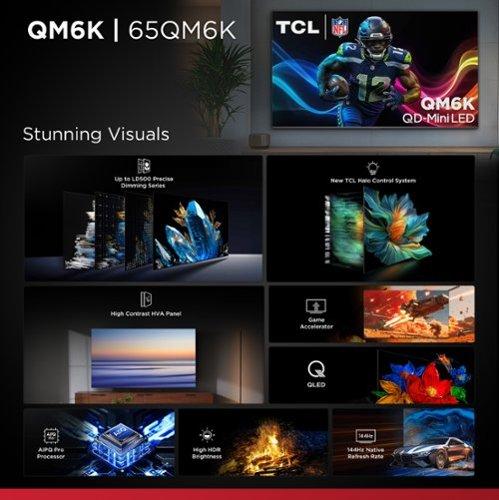
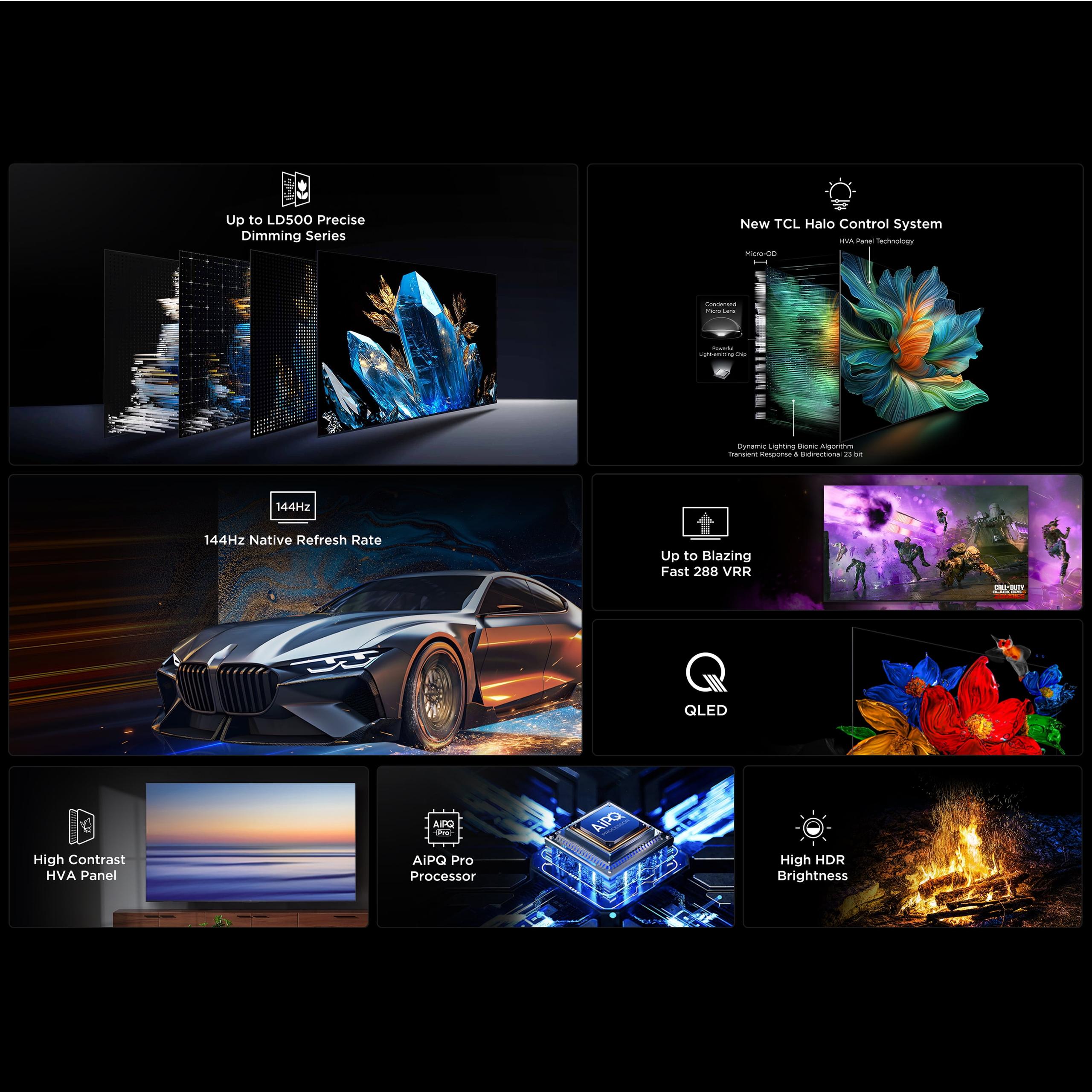
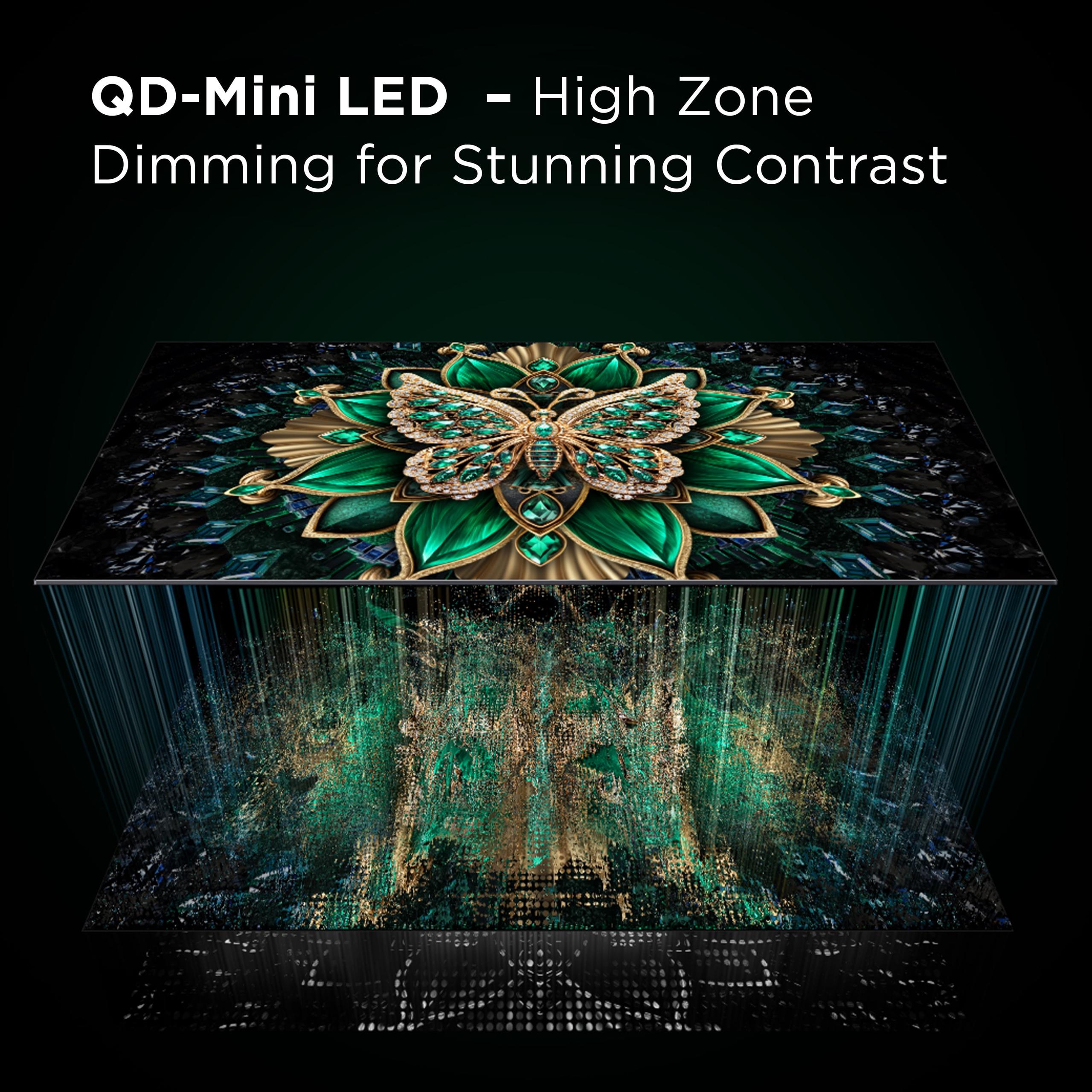
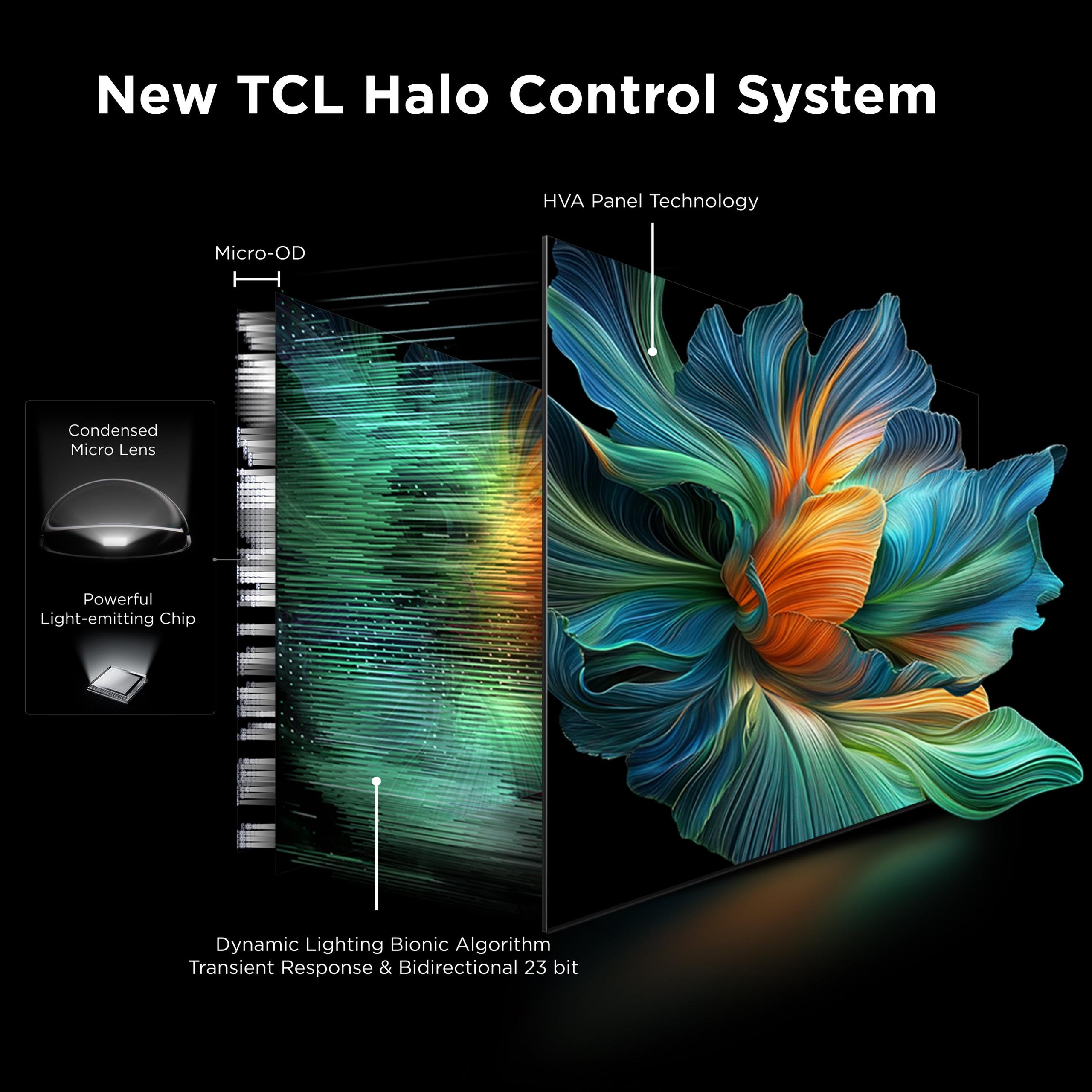
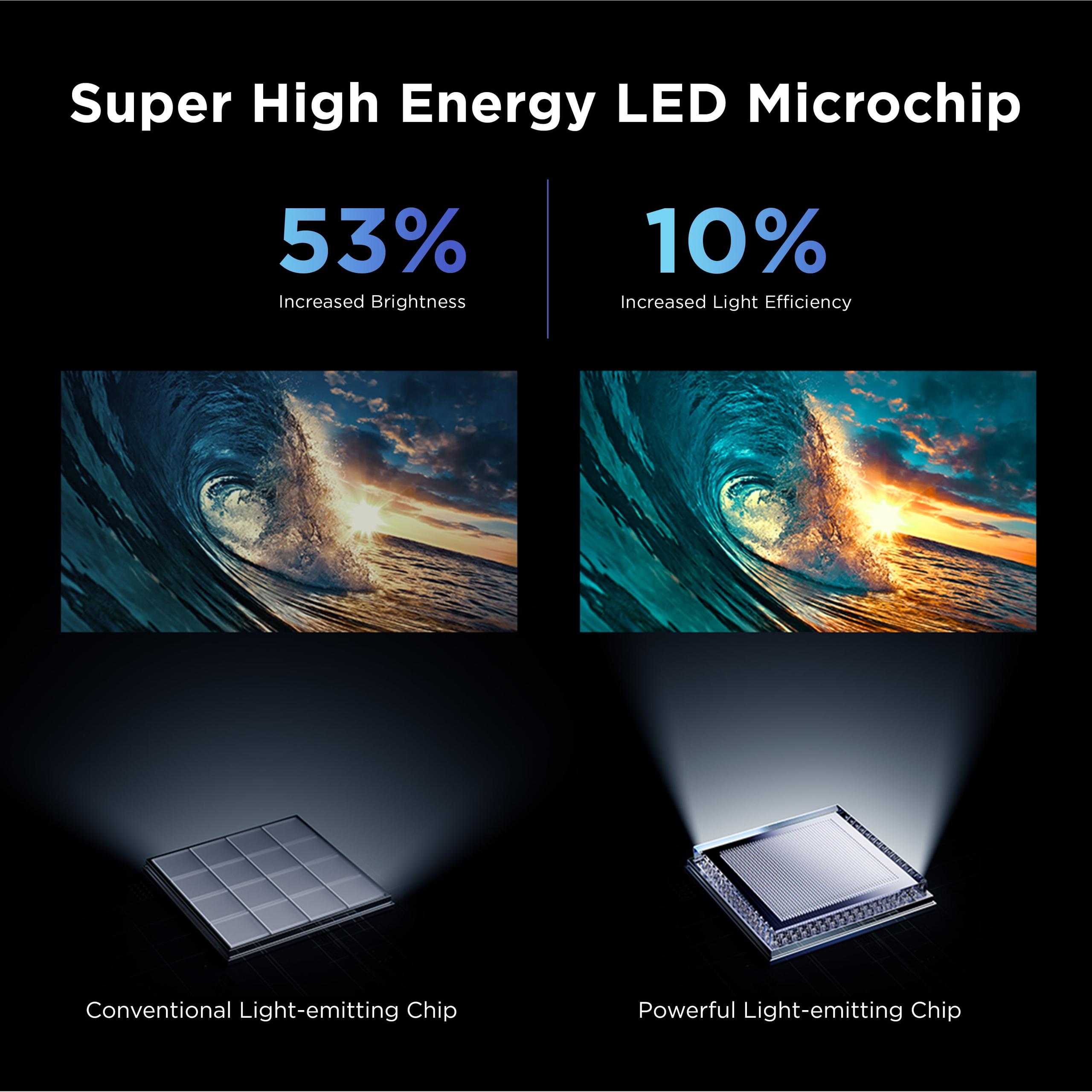
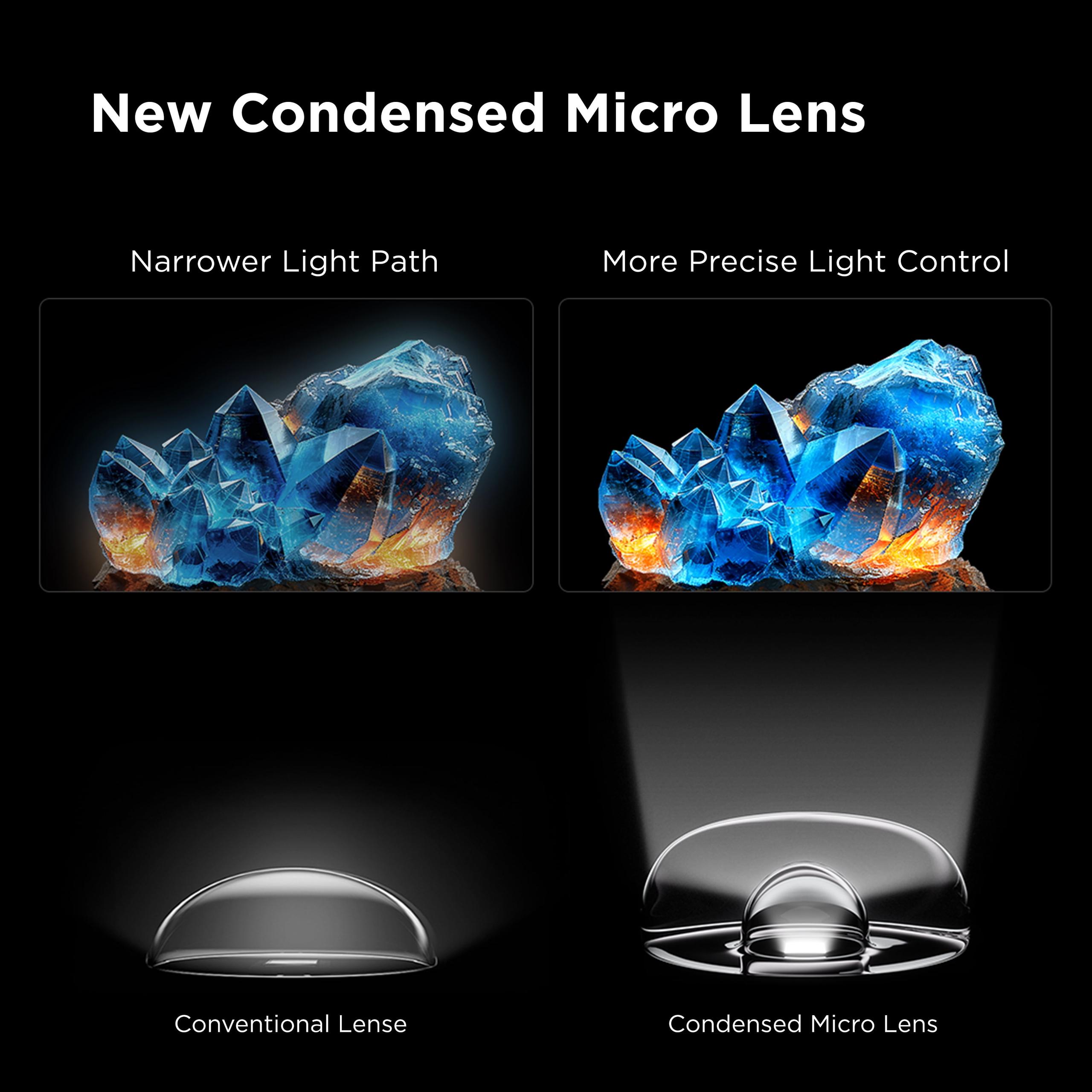
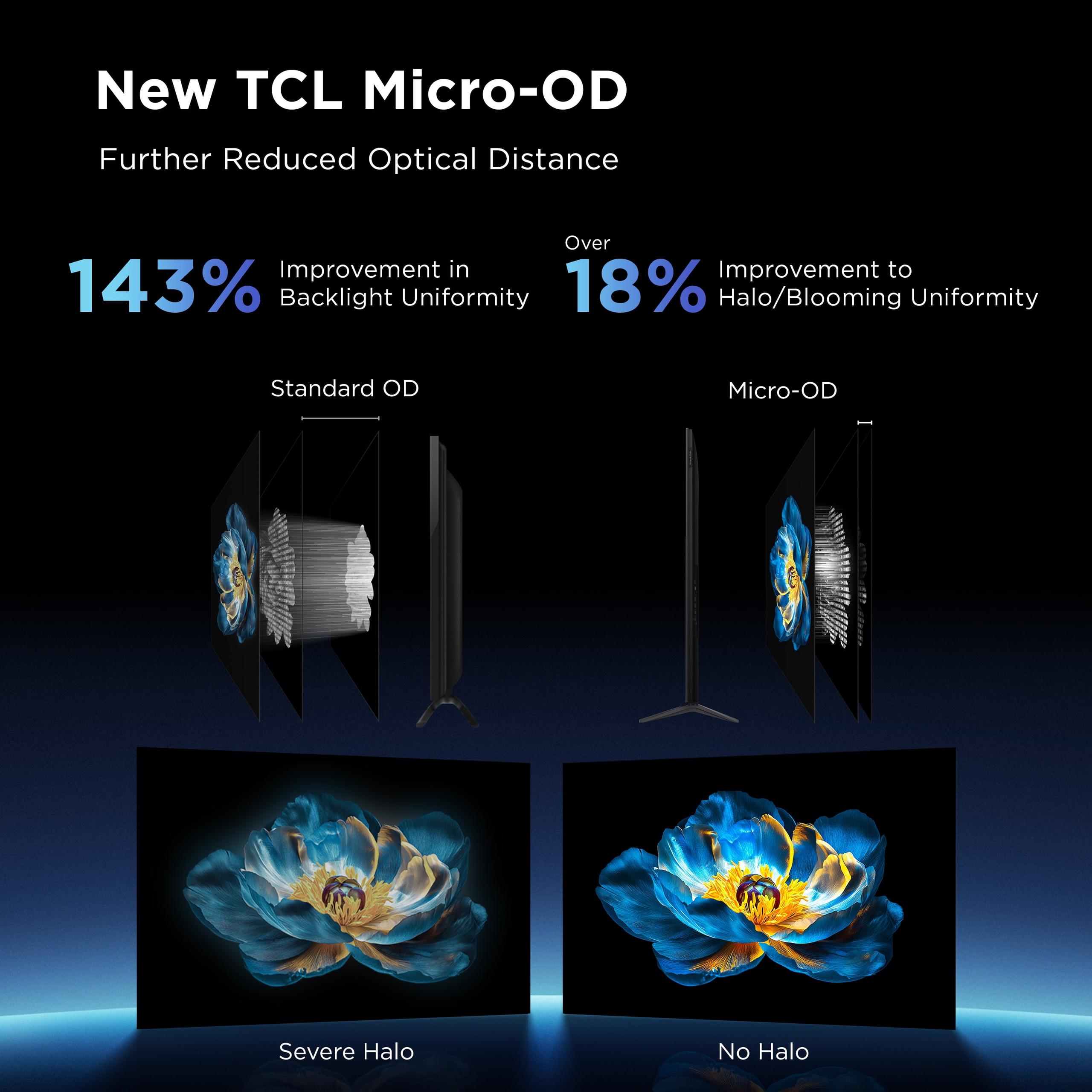
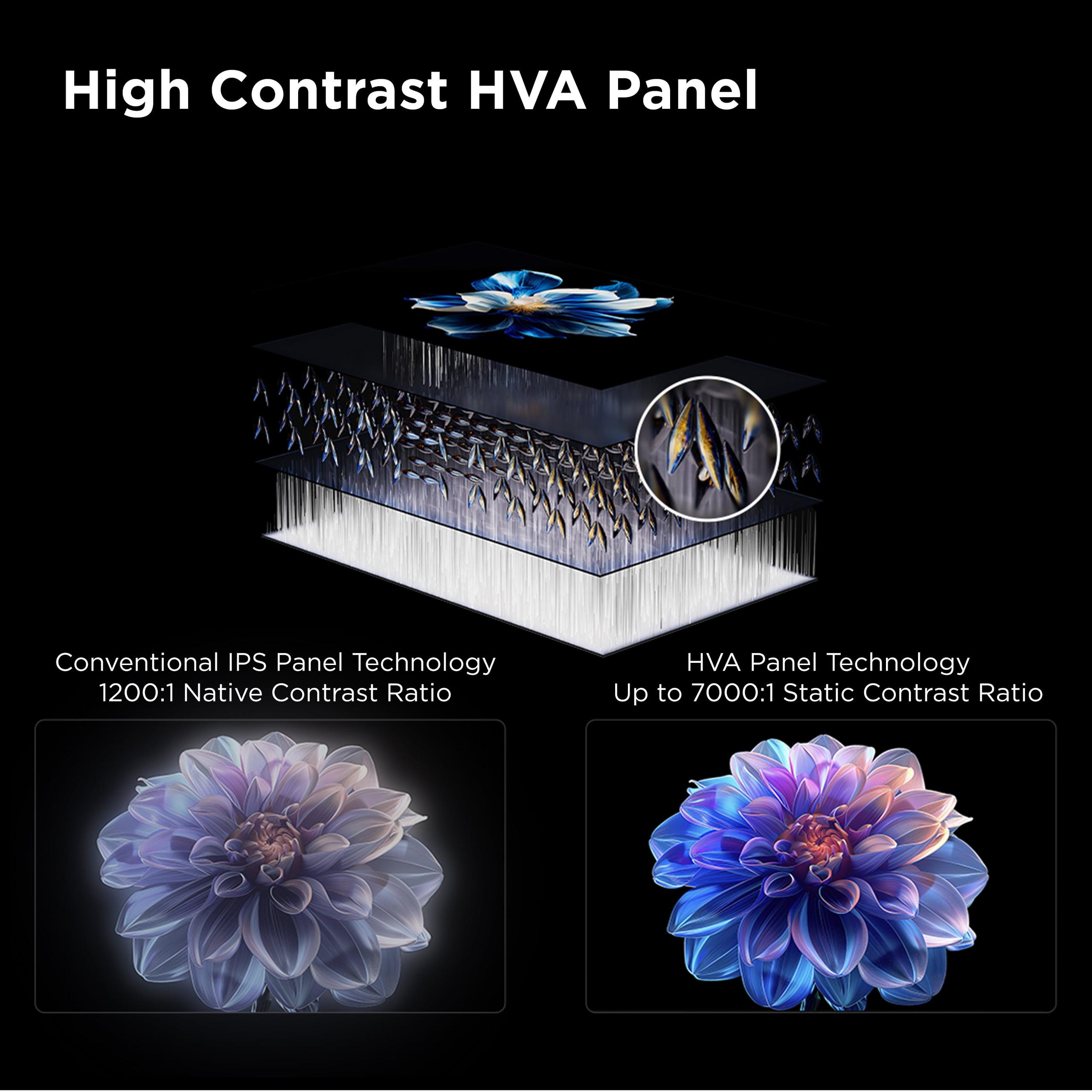
The TCL QM6K, on the other hand, employs QD-Mini LED technology—essentially quantum dots combined with mini-LED backlighting. Mini-LEDs are much smaller than traditional LEDs, allowing manufacturers to pack more of them behind the screen. The QM6K features up to 500 local dimming zones, where each zone can independently brighten or dim based on what's happening in that part of the image. This creates dramatically better contrast, with deeper blacks right next to bright whites.
To understand why this matters, imagine watching a scene with a campfire at night. On the Samsung Q7F, the entire backlight stays on, creating a grayish glow around the black sky. On the TCL QM6K, only the zones behind the fire brighten while the sky areas dim completely, creating true blacks and making the fire pop off the screen.
Samsung completely redesigned their Tizen operating system for 2025, creating what they call One UI for TVs. The interface feels snappy and responsive, addressing previous complaints about sluggish performance. Samsung TV Plus now offers over 2,700 free channels, and the integration with Samsung's ecosystem is seamless if you own Galaxy phones, tablets, or other Samsung devices. The Vision AI component learns your viewing habits and suggests content across multiple streaming services.
The TCL QM6K runs Google TV, which is clean and functional but less flashy than Samsung's offering. It provides access to all major streaming apps and includes Google Assistant built-in, but it doesn't offer the same level of personalization or ecosystem integration that Samsung provides.
HDR (High Dynamic Range) content contains a much wider range of brightness levels than standard content, from deep shadows to brilliant highlights like sunlight reflecting off water. The TCL QM6K significantly outperforms the Samsung Q7F in this area due to its higher peak brightness capability and local dimming zones.
During our research into professional calibration reports and user experiences, the TCL consistently delivers more impactful HDR performance. Bright scenes like explosions or sunny outdoor shots have more punch, while dark scenes retain detail in shadows that the Samsung often crushes into pure black.
The Samsung Q7F supports HDR10+ (which adjusts brightness scene-by-scene) but lacks Dolby Vision, a more advanced HDR format that many streaming services use for their premium content. The TCL QM6K supports both formats, giving you access to the best possible version of HDR content regardless of the source.
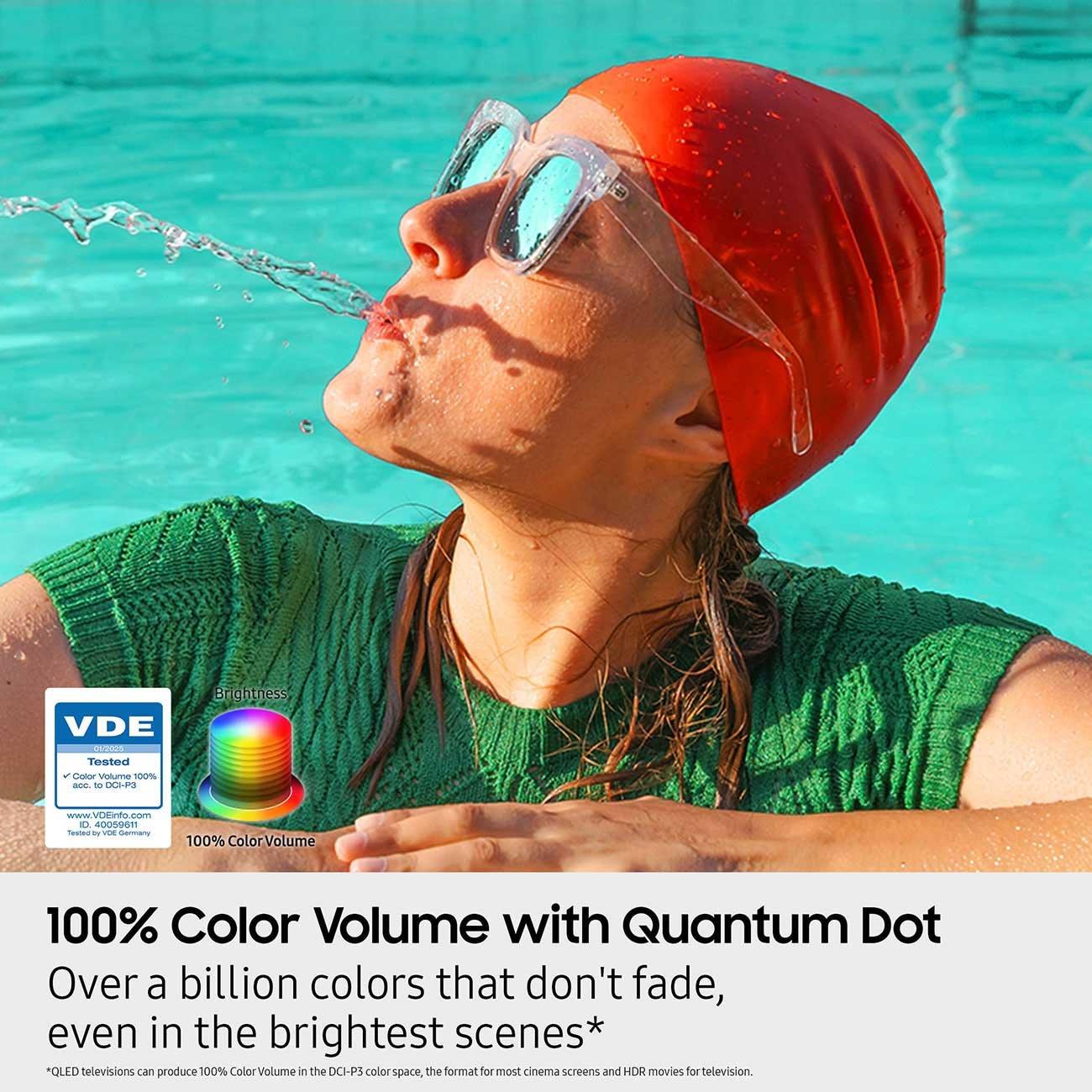
Both TVs use quantum dot technology for enhanced colors, but they apply it differently. Samsung's approach focuses on longevity—their quantum dots resist fading over time, maintaining color accuracy for years. The colors appear natural and well-balanced, though not as vibrant as some competitors.
The TCL QM6K pushes colors harder, creating a more saturated, eye-catching presentation. Some viewers prefer this punchier look, especially for animated content or sports, while others find it slightly oversaturated for movies. The good news is that both TVs allow extensive color customization through their picture settings.
This is where the local dimming advantage of the TCL QM6K becomes most apparent. In a dark home theater environment, the mini-LED zones can turn completely off for true blacks, creating an almost OLED-like contrast ratio. The Samsung Q7F produces more of a dark gray in black areas, which becomes more noticeable in completely dark rooms.
However, in bright living rooms with lots of ambient light, both TVs perform well. The TCL's higher peak brightness gives it an edge in combating glare, while Samsung's more uniform backlighting prevents distracting blooming effects that can occur around bright objects on some local dimming displays.
Gaming capabilities represent the most significant performance gap between these models. The Samsung Q7F offers basic gaming features suitable for casual players, with a 60Hz refresh rate and Auto Low Latency Mode (ALLM) that automatically switches to game mode when it detects a console.
The TCL QM6K is built for serious gaming. Its 144Hz native refresh rate provides incredibly smooth motion, while Game Accelerator technology supports variable refresh rates up to 288Hz for compatible gaming PCs. This means the TV can sync its refresh rate to match your graphics card's output, eliminating screen tearing and providing the smoothest possible gaming experience.
For PlayStation 5 or Xbox Series X owners, the TCL's support for 120Hz gaming modes in popular titles like Call of Duty or Fortnite provides a competitive advantage through smoother motion and reduced input lag. The Samsung Q7F caps out at 60Hz, limiting you to the lower refresh rate modes that these consoles offer for backwards compatibility.
FreeSync Premium Pro support on the TCL QM6K also makes it an excellent choice for PC gaming, automatically adjusting the display's refresh rate to match your graphics card's output for tear-free gaming across a wide range of frame rates.
Built-in TV speakers rarely impress, but there's a notable difference here. The Samsung Q7F includes a basic 20-watt, 2-channel speaker system that's adequate for casual viewing but lacks bass response and dynamic range.
The TCL QM6K partners with Onkyo to deliver a 2.1 channel system with a built-in subwoofer. This provides noticeably better bass response and overall audio clarity. It also supports Dolby Atmos processing, which creates a more immersive soundstage even from the TV's built-in speakers.
While both TVs benefit significantly from adding a soundbar or home theater system, the TCL's superior audio makes it more tolerable for viewers who prefer not to invest in additional audio equipment immediately.
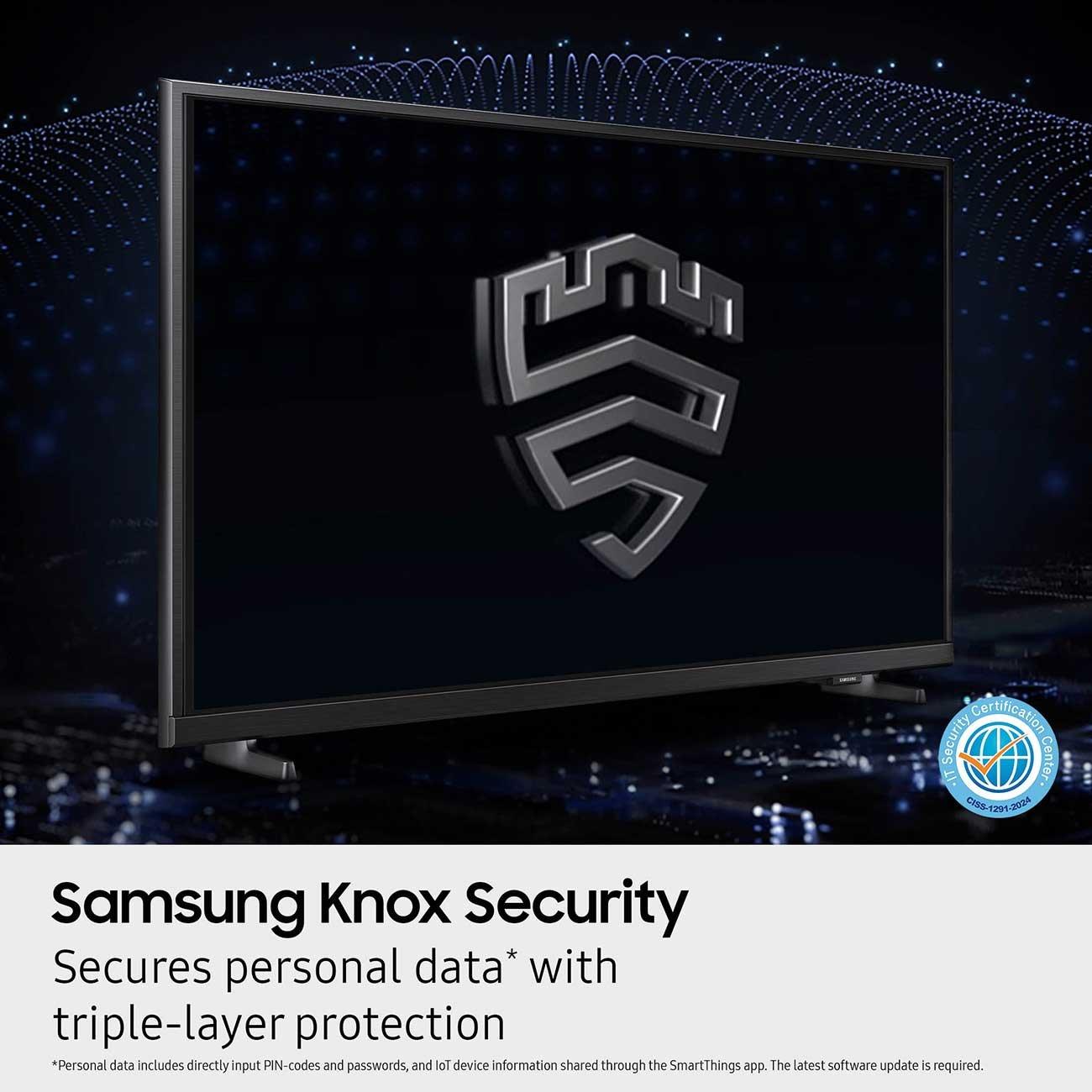
The Samsung Q7F excels in smart TV functionality and ecosystem integration. Samsung Knox provides triple-layer security for your personal data, while the Game Hub offers cloud gaming services without needing dedicated consoles. The TV seamlessly connects with Samsung smartphones for screen mirroring, and the SmartThings integration allows control of compatible smart home devices directly from the TV.
Samsung's approach to content discovery is particularly impressive. The Vision AI analyzes your viewing habits across multiple streaming services and suggests content you might enjoy. The interface aggregates content from Netflix, Prime Video, Disney+, and other services into unified recommendations.
The TCL QM6K provides a more straightforward smart TV experience through Google TV. While it lacks Samsung's deep ecosystem integration, it offers reliable access to all major streaming services and Google Assistant voice control. The interface is clean and responsive, though not as feature-rich as Samsung's offering.
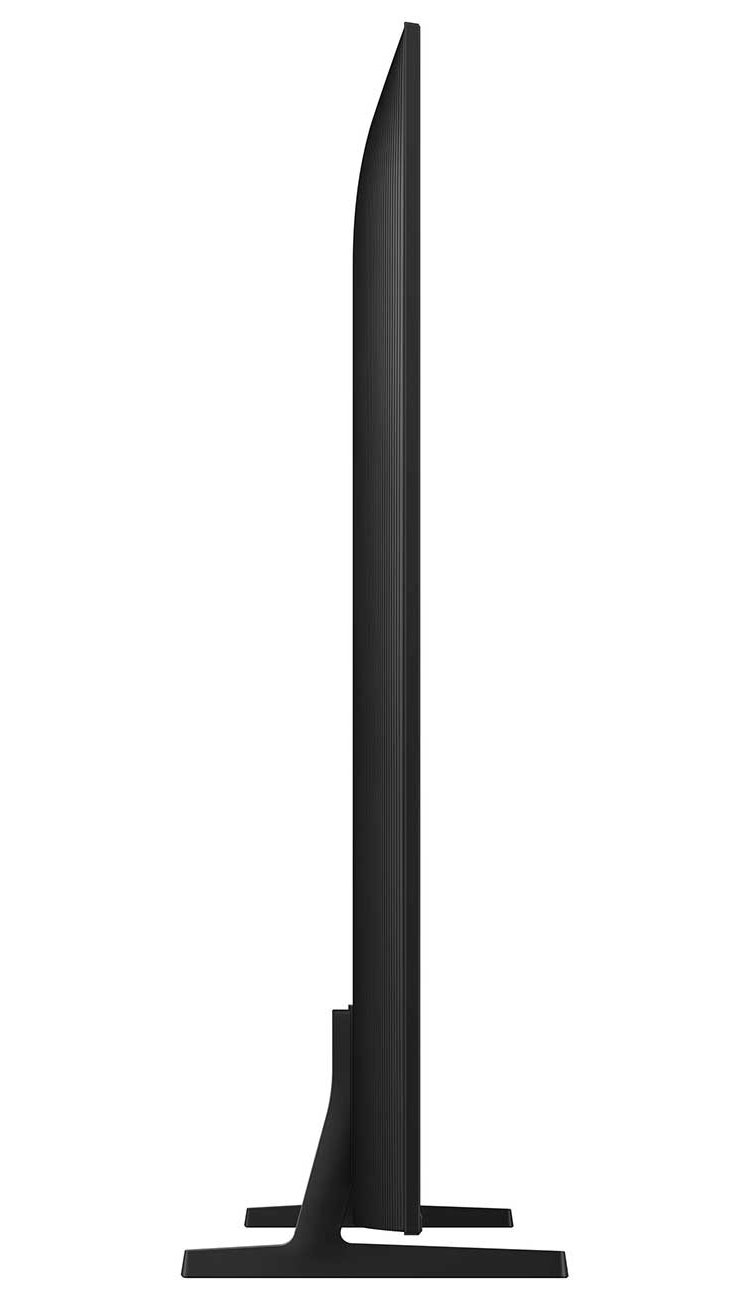
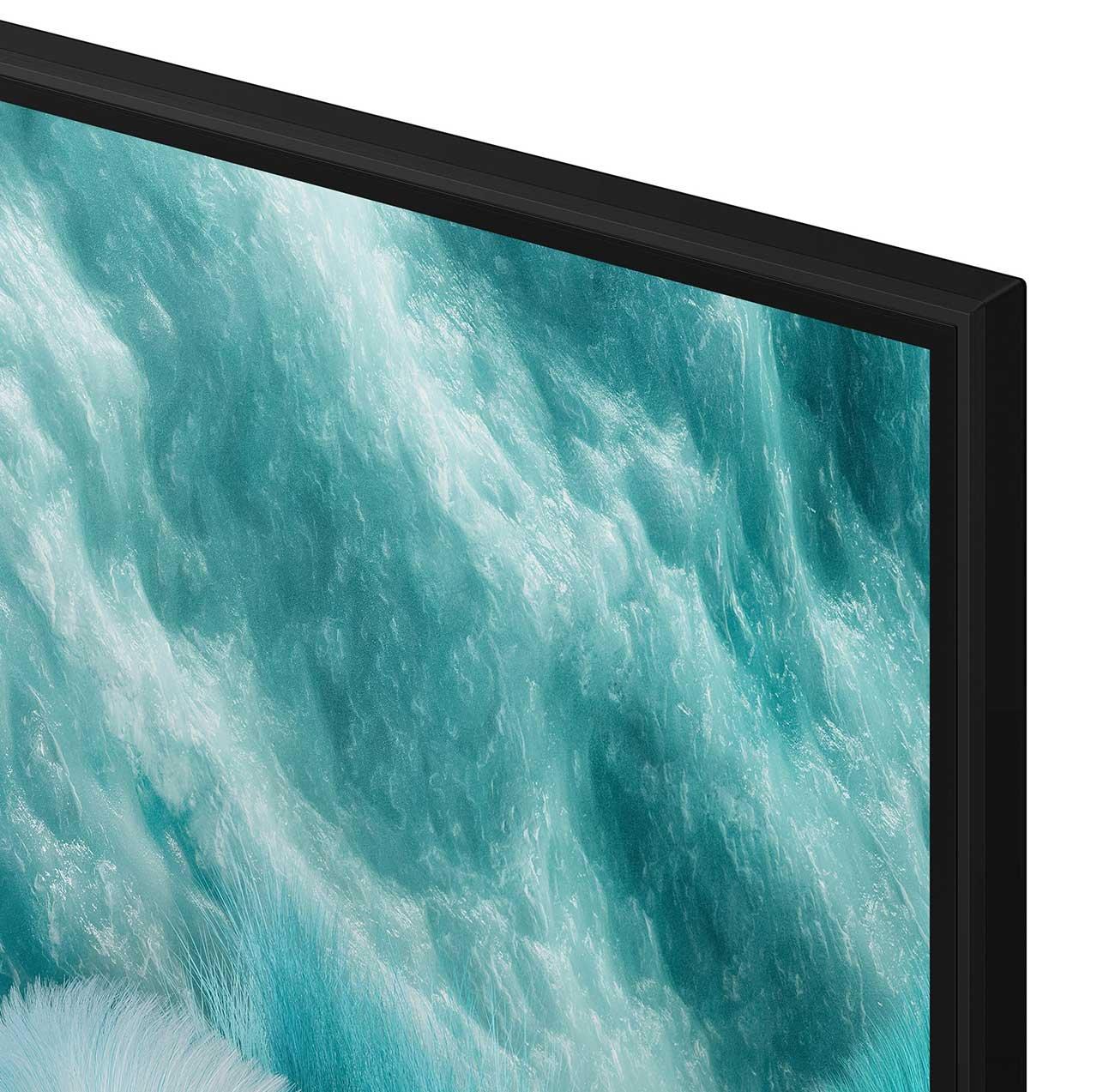
Both TVs feature modern, slim designs suitable for wall mounting or table placement. The Samsung Q7F emphasizes its lightweight construction and adjustable stand system, which accommodates different table sizes and soundbar configurations. Samsung's reputation for build quality and reliability adds confidence for long-term ownership.
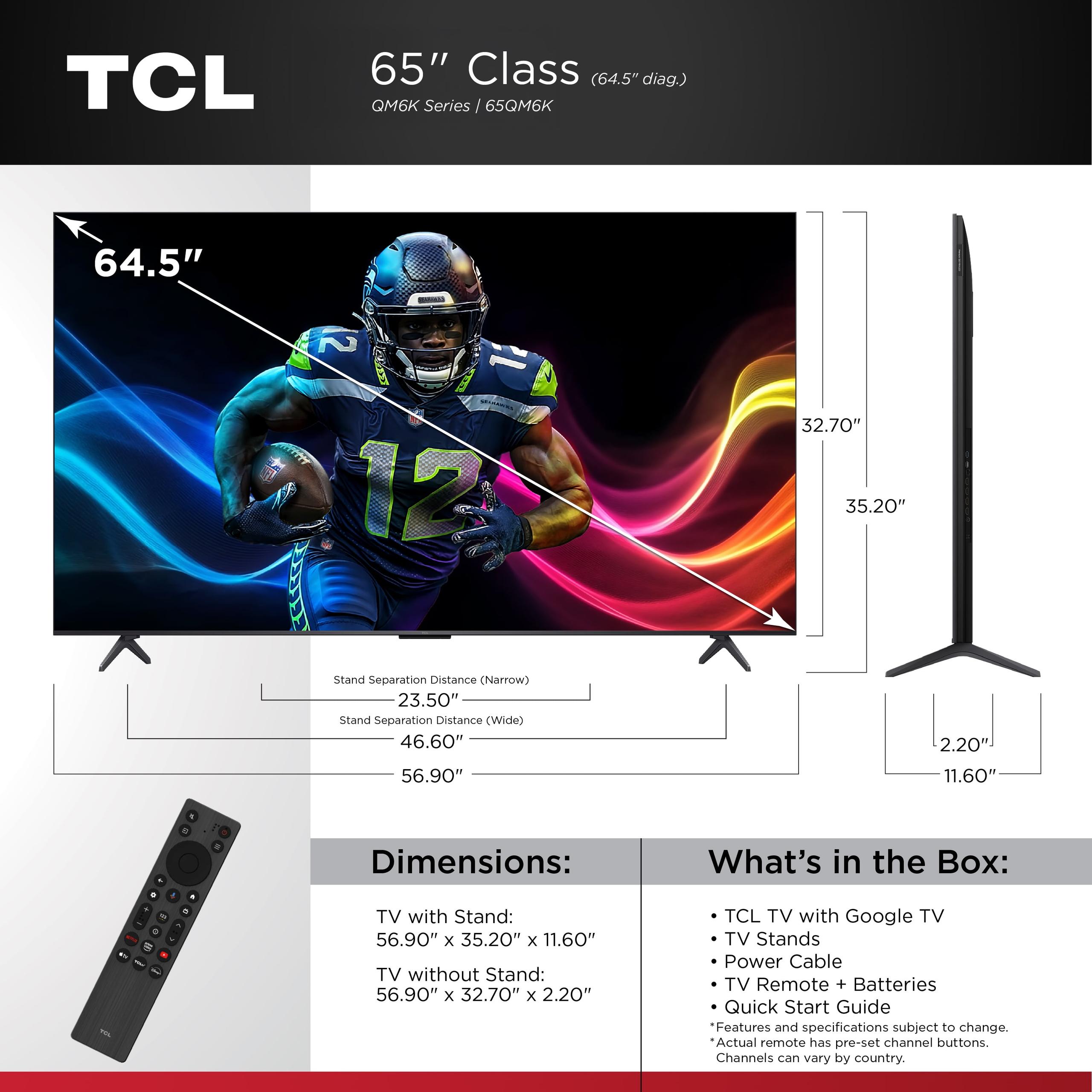
The TCL QM6K showcases a "FullView 360" bezel-less design that maximizes screen real estate. While TCL has improved significantly in build quality over recent years, Samsung still maintains an edge in perceived premium construction and customer support reputation.
The TCL QM6K provides superior connectivity with four HDMI ports (including eARC for high-quality audio return), USB 3.0, and Wi-Fi 6 support. The additional HDMI port proves valuable when connecting multiple gaming consoles, streaming devices, and sound systems.
The Samsung Q7F includes three HDMI 2.0 ports, which limits bandwidth for high-refresh gaming and some advanced features. However, for most users focused on streaming and basic gaming, this connectivity proves adequate.
At the time of writing, the TCL QM6K typically costs less than the Samsung Q7F while delivering superior picture quality, gaming performance, and audio capabilities. This represents exceptional value for performance-focused buyers.
The Samsung Q7F commands its price premium through smart TV features, ecosystem integration, and brand reputation. Samsung's track record of long-term software support and customer service justifies the additional cost for users who prioritize these factors over raw performance.
Choose the Samsung 65" Q7F QLED 4K Vision AI Smart TV if you're deeply invested in Samsung's ecosystem, prioritize smart TV features and content discovery, or prefer the peace of mind that comes with Samsung's established customer support. It's ideal for casual viewers who spend more time with streaming services than gaming or critical picture evaluation.
The TCL 65" QM6K QD-Mini LED 4K TV makes more sense for home theater enthusiasts, serious gamers, or anyone seeking maximum performance per dollar. Its superior contrast, gaming capabilities, and overall feature set provide better long-term value for most users.
For a dedicated home theater room, the TCL's local dimming and higher brightness create a more cinematic experience, especially with HDR content. The improved audio system also reduces the immediate need for additional sound equipment.
Based on our research and evaluation of user experiences, the TCL QM6K delivers better overall value for most buyers in 2025. Unless Samsung's specific smart features or ecosystem integration are essential to your setup, the TCL provides superior performance in the areas that most directly impact your daily viewing experience: picture quality, gaming, and audio.
The TV market continues evolving rapidly, but the fundamental difference between these models—Samsung's smart-first approach versus TCL's performance-first philosophy—represents two valid but distinct paths to premium entertainment. Your choice should align with which philosophy better matches your viewing priorities and budget considerations.
| Samsung 65" Q7F QLED 4K Vision AI Smart TV 2025 | TCL 65" QM6K QD-Mini LED 4K TV |
|---|---|
| Display Technology - Determines contrast and picture quality | |
| Traditional QLED with no local dimming | QD-Mini LED with up to 500 local dimming zones |
| Peak Brightness - Critical for HDR impact and bright room viewing | |
| 500 cd/m² (adequate for most rooms) | Much higher peak brightness (excellent for any lighting) |
| HDR Support - Affects compatibility with premium streaming content | |
| HDR10+ only (missing Dolby Vision) | HDR10+, HDR10, Dolby Vision, HLG (full compatibility) |
| Gaming Performance - Essential for console and PC gaming | |
| 60Hz max, basic ALLM only | 144Hz native, up to 288Hz VRR, FreeSync Premium Pro |
| Smart TV Platform - Impacts daily usability and app experience | |
| Samsung Tizen One UI 2025 with Vision AI | Google TV (standard but reliable) |
| Audio System - Reduces need for external speakers | |
| 20W 2.0 channel system | 2.1 channel Onkyo system with built-in subwoofer, Dolby Atmos |
| HDMI Connectivity - Affects device compatibility | |
| 3 HDMI 2.0 ports | 4 HDMI ports including eARC support |
| Processor - Controls overall performance and responsiveness | |
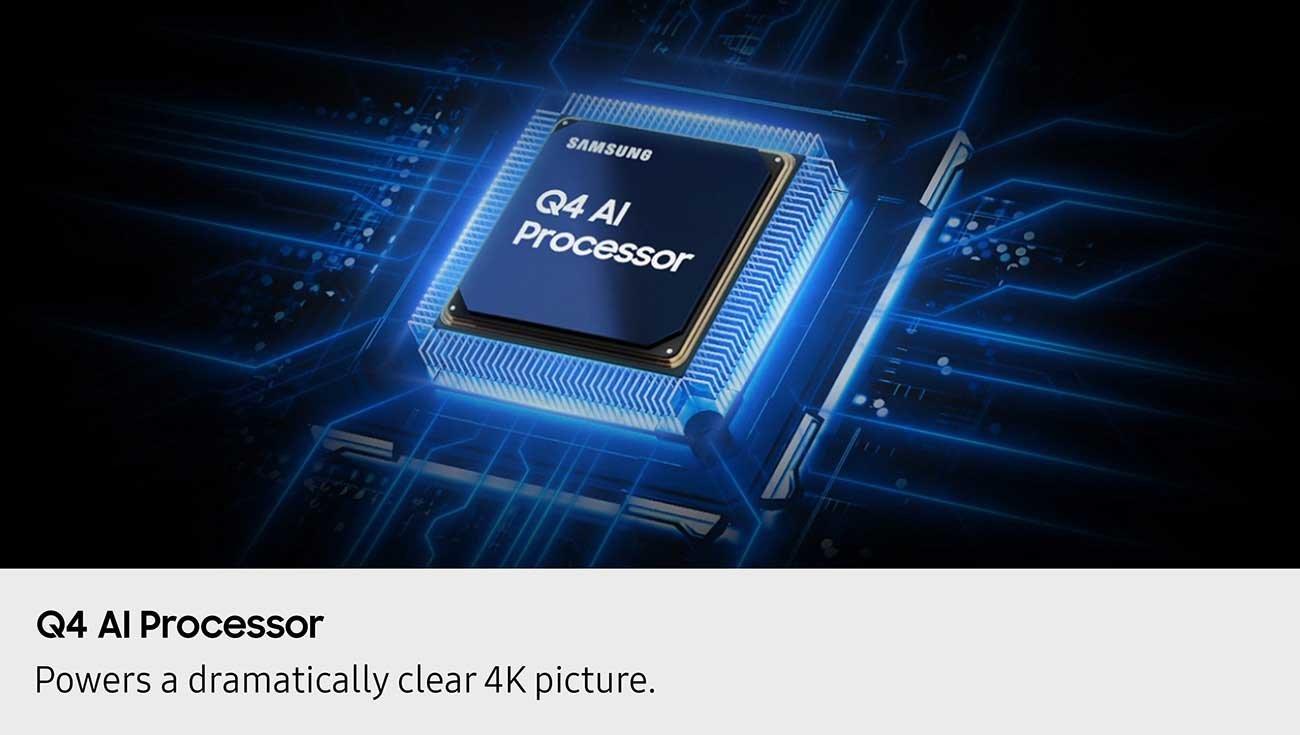
| Q4 AI Processor with Samsung Vision AI | TCL AiPQ Pro Processor with machine learning |
| Refresh Rate - Important for sports and action content | |
| 60Hz standard panel | 144Hz native with Motion Rate enhancement |
| Voice Assistant Support - Convenience for hands-free control | |
| Amazon Alexa, Bixby, Google Assistant | Google Assistant, Amazon Alexa |
| Ecosystem Integration - Matters if you own brand devices | |
| Deep Samsung ecosystem integration, SmartThings, Knox security | Standard Google services integration |
| Build Quality Reputation - Long-term reliability consideration | |
| Established Samsung reliability and support | Improving TCL quality with newer technology |
The TCL 65" QM6K QD-Mini LED 4K TV delivers superior picture quality thanks to its local dimming technology with up to 500 zones. This creates deeper blacks and better contrast compared to the Samsung 65" Q7F QLED 4K Vision AI Smart TV 2025, which lacks local dimming. For home theater viewing, the TCL QM6K also supports Dolby Vision HDR, while the Samsung only supports HDR10+.
The TCL 65" QM6K QD-Mini LED 4K TV is significantly better for gaming with its 144Hz refresh rate, variable refresh rate up to 288Hz, and FreeSync Premium Pro support. The Samsung 65" Q7F QLED 4K Vision AI Smart TV 2025 is limited to 60Hz gaming with basic features, making the TCL QM6K the clear choice for PlayStation 5, Xbox Series X, or PC gaming.
The Samsung 65" Q7F QLED 4K Vision AI Smart TV 2025 offers a superior smart TV experience with its redesigned Tizen One UI platform, Samsung Vision AI for personalized recommendations, and over 2,700 free channels through Samsung TV Plus. The TCL 65" QM6K QD-Mini LED 4K TV uses Google TV, which is functional but less feature-rich than the Samsung Q7F.
The TCL 65" QM6K QD-Mini LED 4K TV provides better overall value, offering superior picture quality, gaming features, and audio performance at a lower price point. While the Samsung 65" Q7F QLED 4K Vision AI Smart TV 2025 costs more, you're primarily paying for smart features and brand reputation rather than display performance.
Both TVs handle bright rooms well, but the TCL 65" QM6K QD-Mini LED 4K TV has an advantage with its higher peak brightness, making it better at combating glare and maintaining picture quality in sunlit rooms. The Samsung 65" Q7F QLED 4K Vision AI Smart TV 2025 performs adequately in bright conditions but may appear washed out compared to the TCL QM6K.
The TCL 65" QM6K QD-Mini LED 4K TV features superior audio with its 2.1 channel Onkyo speaker system that includes a built-in subwoofer and Dolby Atmos support. The Samsung 65" Q7F QLED 4K Vision AI Smart TV 2025 has a basic 20-watt 2.0 channel system that's adequate but lacks the bass response and clarity of the TCL QM6K.
For home theater use, the TCL 65" QM6K QD-Mini LED 4K TV is the better choice due to its local dimming zones that create true blacks in dark rooms, higher peak brightness for HDR content, and support for both HDR10+ and Dolby Vision. The Samsung 65" Q7F QLED 4K Vision AI Smart TV 2025 lacks the contrast performance needed for optimal home theater viewing.
The TCL 65" QM6K QD-Mini LED 4K TV offers better connectivity with 4 HDMI ports including eARC, USB 3.0, and Wi-Fi 6. The Samsung 65" Q7F QLED 4K Vision AI Smart TV 2025 provides 3 HDMI 2.0 ports and standard connectivity. The additional HDMI port on the TCL QM6K is valuable for connecting multiple gaming consoles and devices.
The Samsung 65" Q7F QLED 4K Vision AI Smart TV 2025 excels in smart home integration with SmartThings support, Samsung Knox security, and seamless connection with Samsung devices. The TCL 65" QM6K QD-Mini LED 4K TV offers standard Google Assistant integration but lacks the comprehensive ecosystem features of the Samsung Q7F.
The Samsung 65" Q7F QLED 4K Vision AI Smart TV 2025 typically offers more reliable long-term support with regular software updates and established customer service. While TCL has improved significantly, Samsung maintains a reputation for better build quality and longer product support lifecycles compared to the TCL 65" QM6K QD-Mini LED 4K TV.
The TCL 65" QM6K QD-Mini LED 4K TV is better for sports with its 144Hz refresh rate providing smoother motion handling and reduced blur during fast action. The higher brightness also makes it easier to see details in bright stadium lighting. The Samsung 65" Q7F QLED 4K Vision AI Smart TV 2025 handles sports adequately but the 60Hz limitation means more motion blur in fast-paced scenes.
For most buyers, the TCL 65" QM6K QD-Mini LED 4K TV offers better performance and features for the price, making it ideal for first-time premium TV buyers who want maximum value. Choose the Samsung 65" Q7F QLED 4K Vision AI Smart TV 2025 if you prioritize brand reliability, smart TV features, and ecosystem integration over raw picture quality and gaming performance.
We've done our best to create useful and informative comparisons to help you decide what product to buy. Our research uses advanced automated methods to create this comparison and perfection is not possible - please contact us for corrections or questions. These are the sites we've researched in the creation of this article: bestbuy.com - youtube.com - samsung.com - samsung.com - pcrichard.com - samsung.com - samsung.com - videoandaudiocenter.com - displayspecifications.com - bestbuy.com - samsung.com - samsung.com - samsung.com - samsung.com - news.samsung.com - youtube.com - tomsguide.com - youtube.com - tcl.com - tomsguide.com - youtube.com - youtube.com - hometechnologyreview.com - rtings.com - bestbuy.com - tcl.com - youtube.com - youtube.com - bestbuy.com - youtube.com - youtube.com - youtube.com - tcl.com - youtube.com - walmart.com - tcl.com - displayspecifications.com - kitele.com - displayspecifications.com - flatpanelshd.com - woodruffappliance.com - displayspecifications.com - prnewswire.com - tcl.com - youtube.com - abt.com - youtube.com - tclkenya.co.ke - budgethomefurn.com

Privacy Policy
Terms and Conditions - Affiliate Policy
Home Security
© Copyright 2008-2026.
11816 Inwood Rd #1211, Dallas, TX 75244